India
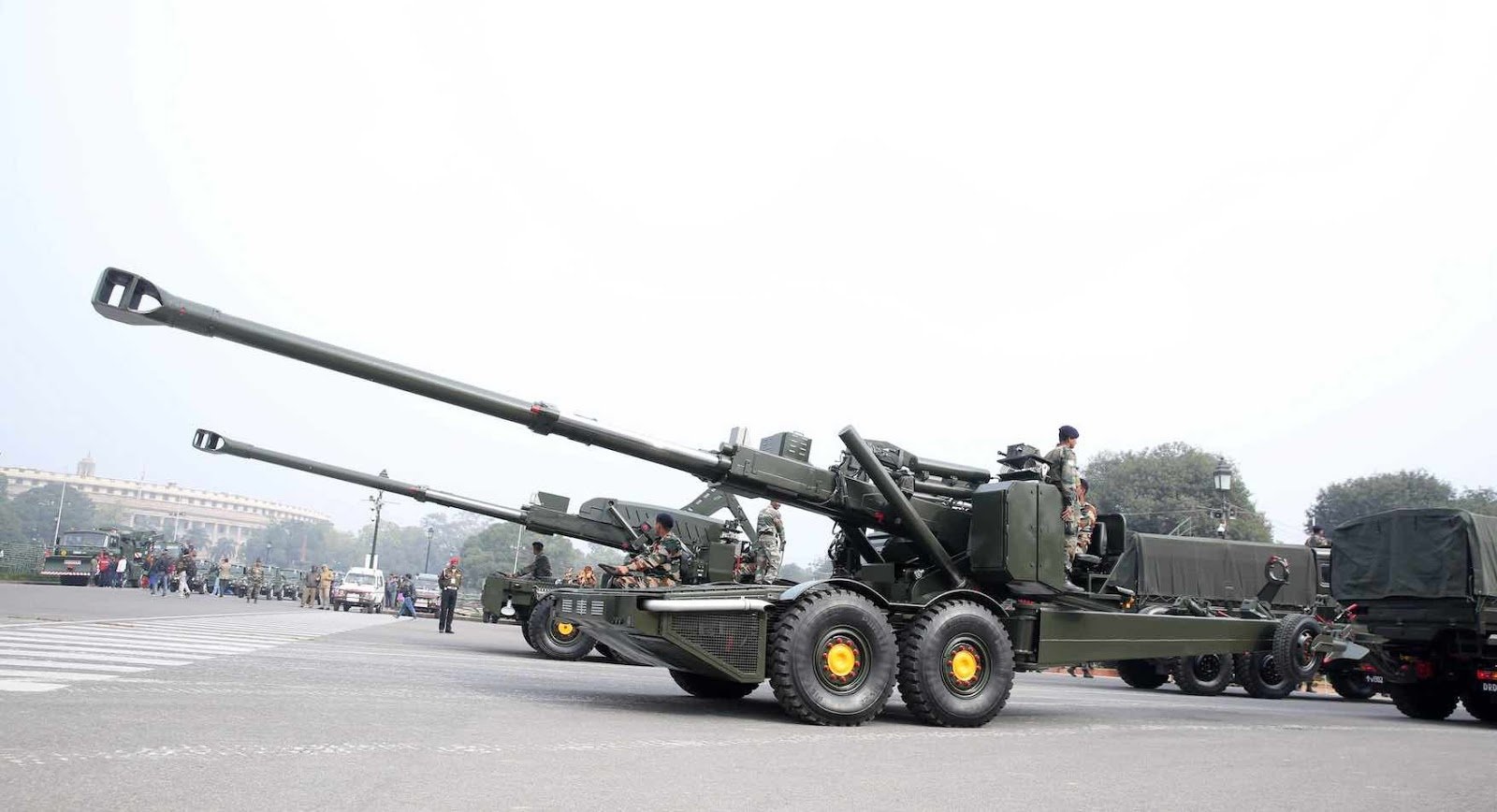
Following a brief hiatus due to a lack of spare parts, the production of Dhanush, India Bofors artillery guns, is back on track. Advance Weapons and Equipment India Limited (AWEIL) is set to deliver 26 new howitzers to the Indian Army in the current financial year, bringing the total number of Dhanush guns in the Army arsenal to 50. A recent report by TOI indicates that there is an outstanding order for 114 guns.Manufactured at the Gun Carriage Factory (GCF) in Jabalpur, the initial batch of six Dhanush guns was handed over to the Army in April 2019. Despite facing some delays, primarily attributed to imported components, the production process has now stabilized.The Indian Army, which has already operationalized one regiment equipped with Dhanush, anticipates receiving the full complement of 114 artillery guns by 2026, according to defense sources. The focus remains on enhancing long-range capabilities and firepower, with plans to extend the range of the Pinaka Multi-Rocket Launch Systems (MRLS). The Defence Research and Development Organisation (DRDO) is actively working on this initiative. Additionally, the Pralay surface-to-surface quasi-ballistic missile is in the advanced stages of induction.The Dhanush itself is a 155 mm, 45-calibre towed artillery gun boasting a range of 36 km. Impressively, it has demonstrated a range of 38 km using specialized ammunition. An upgraded version of the existing 155 mm, 39-calibre Bofors FH 77 gun, the Dhanush is now being manufactured by the Advanced Weapons and Equipment India Limited, a result of the corporatization of the Ordnance Factory Board. The production team is working closely with the Army to meet the targeted deliveries.Against the backdrop of the conflict in Ukraine, the significance of long-range firepower, both in precision and saturation, has been underscored. Multi-Rocket Launch Systems (MRLS), particularly the indigenous Pinaka Rocket System developed by DRDO, have proven to be decisive in this context, according to sources. The success of the Pinaka system exemplifies the Army commitment to indigenous defense capabilities.
Read More → Posted on 2023-12-07 15:22:27
India
On Wednesday, Amit Shah presented two bills concerning Jammu and Kashmir in the Lok Sabha—the Jammu and Kashmir Reorganisation Bill, 2023, and the Jammu and Kashmir Reservation (Amendment) Bill, 2023.During his address in the Lok Sabha, Union Home Minister Amit Shah declared that 24 seats in the Jammu and Kashmir Assembly had been designated for Pakistan-Occupied Kashmir (POK) since they are rightfully part of India.While introducing the Jammu and Kashmir Reorganisation Bill, 2023, Amit Shah informed the House that Jammu, which previously had 37 seats, now has 43, and Kashmir, which had 46 seats, now has 47. He also mentioned that 24 seats have been set aside for Pakistan-Occupied Kashmir.Amit Shah, discussing the bills in the House, stated, "When they (Kashmiri Pandits) were displaced, they were forced to live as refugees in their own country. Around 46,631 families were displaced in their own country. This Bill is to secure their rights; this Bill is to provide them representation."Amit Shah emphasized that the bills aimed to deliver justice to individuals who had been deprived for the past 70 years. Notably, one of the two bills related to Jammu and Kashmir seeks to appoint two members from the Kashmiri migrant community, including a woman, to the assembly.Taking a swipe at the Congress, Amit Shah remarked that there was a period of terrorism in Jammu and Kashmir after the 1980s, and those "responsible for stopping it were enjoying vacations in England." He added, "When Kashmiri Pandits were displaced, they were forced to live as refugees in their own country."
Read More → Posted on 2023-12-07 05:29:04
India
On Wednesday, Amit Shah presented two bills concerning Jammu and Kashmir in the Lok Sabha—the Jammu and Kashmir Reorganisation Bill, 2023, and the Jammu and Kashmir Reservation (Amendment) Bill, 2023.During his address in the Lok Sabha, Union Home Minister Amit Shah declared that 24 seats in the Jammu and Kashmir Assembly had been designated for Pakistan-Occupied Kashmir (POK) since they are rightfully part of India.While introducing the Jammu and Kashmir Reorganisation Bill, 2023, Amit Shah informed the House that Jammu, which previously had 37 seats, now has 43, and Kashmir, which had 46 seats, now has 47. He also mentioned that 24 seats have been set aside for Pakistan-Occupied Kashmir.Amit Shah, discussing the bills in the House, stated, "When they (Kashmiri Pandits) were displaced, they were forced to live as refugees in their own country. Around 46,631 families were displaced in their own country. This Bill is to secure their rights; this Bill is to provide them representation."Amit Shah emphasized that the bills aimed to deliver justice to individuals who had been deprived for the past 70 years. Notably, one of the two bills related to Jammu and Kashmir seeks to appoint two members from the Kashmiri migrant community, including a woman, to the assembly.Taking a swipe at the Congress, Amit Shah remarked that there was a period of terrorism in Jammu and Kashmir after the 1980s, and those "responsible for stopping it were enjoying vacations in England." He added, "When Kashmiri Pandits were displaced, they were forced to live as refugees in their own country."
Read More → Posted on 2023-12-07 05:20:56
India
As of the current year, a total of 4,127 Border Security Force (BSF) personnel, followed closely by 2,572 Central Reserve Police Force (CRPF) personnel, have voluntarily retired from service, according to information provided in Parliament on Wednesday. Union Minister of State for Home Affairs, Nityanand Rai, shared with the Rajya Sabha that the occurrences of voluntary retirement cases within the Central Armed Police Forces (CAPFs) and Assam Rifles (AR) exhibit variations from year to year, and no discernible trend has been identified.Responding to a query regarding CAPF personnel opting for voluntary retirement, Rai stated that the reasons cited by the forces include personal and domestic factors such as family issues, health concerns affecting oneself or family members, social or family obligations, and the pursuit of better career opportunities. The minister also highlighted the government initiatives aimed at reducing the number of personnel seeking voluntary retirement. These measures include timely cadre reviews, the provision of modified assured career progression benefits entailing three financial advancements at 10, 20, and 30 years of regular service to alleviate stagnation, the rotation of units deployed in challenging areas, posting near the home town during the last two years of superannuation, and extending loans for purposes like higher education, computer purchase, property acquisition, and medical facilities.In the year 2023 alone, a breakdown of voluntary retirements reveals that 1,280 personnel from Assam Rifles, 4,127 from BSF, 596 from CISF, 2,572 from CRPF, 324 from ITBP, and 271 from SSB have chosen to retire voluntarily. Comparatively, in 2022, the numbers stood at 1,188 for Assam Rifles, 5,341 for BSF, 762 for CISF, 3,019 for CRPF, 545 for ITBP, and 314 for SSB, as informed by the minister.
Read More → Posted on 2023-12-06 14:16:37
India
US Principal Deputy National Security Adviser Jonathan Finer has emphasized the need for accountability in the alleged plot to assassinate a Khalistani leader on American soil during discussions with Indian counterparts, as per a White House statement.While in New Delhi to review the India-US Initiative on Critical and Emerging Technology (iCET), Finer raised the issue during meetings with Indian officials. The discussions also highlighted plans to enhance maritime security cooperation, reinforcing existing dialogue mechanisms like the India-Kenya Joint Defence Cooperation Committee established in 2016.The White House readout did not specify the Indian officials involved but mentioned bilateral and regional consultations with Deputy National Security Advisor Vikram Misri, External Affairs Minister S Jaishankar, National Security Adviser Ajit Doval, and Foreign Secretary Vinay Kwatra.Acknowledging India establishment of a Committee of Enquiry to investigate the alleged plot, Finer stressed the importance of holding anyone responsible accountable, although specific details were not provided in the readout.The intersessional review of the iCET was termed a "major milestone in the US-India partnership," characterized by growing strategic security and technology cooperation. The discussions also covered coordination in the Indo-Pacific, including the wider Indian Ocean region, as well as topics such as West Asia, attacks on commercial vessels in the Red Sea, and the significance of safeguarding freedom of commercial navigation. Additionally, plans for a post-conflict Gaza and a pathway toward a two-state solution were on the agenda.India has responded to the allegations by setting up a high-level inquiry committee to examine the conspiracy to kill Gurpatwant Singh Pannun, a senior leader of the outlawed Sikhs for Justice (SFJ), declared a terrorist by India. The indictment filed against Indian national Nikhil Gupta in a US federal court has raised concerns in New Delhi, prompting a commitment to take follow-up action based on the inquiry committee findings.
Read More → Posted on 2023-12-06 06:40:00
India
Two experts in international relations have dismissed recent reports in the Indian media claiming that Russia role as a major supplier of military equipment to India has come to an end.The reports emerged following the decommissioning of the Indian Navy last batch of Ilyushin IL-38 maritime patrol aircraft and the Indian Air Force (IAF) phasing out a squadron of MiG-21 Bison warplanes earlier this month. Dr. Dattesh Parulekar, an Assistant Professor at Goa University School of International and Area Studies, argued that these decommissions were specific instances and did not signify a deliberate policy to replace Russian armaments.He emphasized that while India is diversifying its defense hardware sources, it does not indicate a shift away from Russian arms and platforms. Instead, these efforts aim to enhance indigenous defense production and self-reliance in security preparedness.According to Parulekar, the Russia-India defense relationship is evolving pragmatically, influenced by factors such as the Ukraine conflict. He highlighted the longstanding tradition of acquisitions from Russia and the strategic importance of maintaining relationships with both Russia and Western partners.IAF veteran Vijainder K Thakur asserted that defense procurement aligns with foreign policy guided by the best interests of the citizens. He rejected the idea that recent retirements marked the "end of an era," pointing out that the MiG-21 was retired from Russian Air Force service years ago.Thakur explained that India procurement of non-lethal defense equipment from the U.S. was influenced by factors like the U.S. ending India nuclear isolation in 2005. He emphasized that the retirement of specific aircraft should not be misconstrued as the termination of India-Russia weapons trade.Contrary to the narrative of a shifting alliance, Thakur underscored India ongoing defense cooperation with Russia, including recent contracts for locally producing Igla-S MANPADS/SHORADS and importing kits for Su-30MKI. He questioned why India, despite having options, continued to import defense equipment from Russia if there was a supposed shift in policy.Thakur argued that India import of weapons from Russia is dictated by its needs and foreign policy considerations. Russian weapon systems, he noted, provide a cost-effective solution without the strings attached to some Western alternatives. He emphasized that postures change with time and circumstances, guided by the government assessment of what works best for India, rather than being dictated by media narratives.
Read More → Posted on 2023-12-04 16:15:57
India
Tragedy struck on Monday morning in Medak district of Telangana as an Indian Air Force (IAF) trainer aircraft, identified as a Pilatus PC 7 Mk II, crashed during a routine training sortie from the Air Force Academy (AFA) in Hyderabad. The unfortunate incident resulted in the loss of two IAF pilots lives, both of whom sustained fatal injuries.The Defence Minister, Rajnath Singh, expressed deep sorrow over the crash. In a statement on X, he conveyed, "It is deeply saddening that two pilots have lost their lives. In this tragic hour, my thoughts are with the bereaved families."The crash occurred in the Toopran mandal of the district, and the aircraft, which carried a trainer and a trainee pilot, had taken off from the AFA at Dundigal, according to information provided by a senior police official to PTI.Upon learning of the incident, authorities from the Air Force Academy promptly reached the crash site. The IAF released an official statement mentioning the initiation of a Court of Inquiry to ascertain the cause of the accident.This unfortunate event underscores the inherent risks associated with training exercises, and the IAF commitment to investigating the incident reflects the importance of maintaining safety standards within its operations. The nation mourns the loss of the two dedicated pilots, and investigations will provide insights into the circumstances surrounding this tragic incident.
Read More → Posted on 2023-12-04 16:04:40
India
A notable aspect of this achievement is the significant indigenous content, constituting over 80% of the total cost of the Sandhayak. This delivery underscores the commitment of the Government of India and the Indian Navy to the "Aatma Nirbhar Bharat" (self-reliant India) initiative. Despite challenges posed by the COVID-19 pandemic and other geopolitical factors during its construction, the successful induction of the Sandhayak reflects the collaborative efforts of various stakeholders, including Micro, Small, and Medium Enterprises (MSMEs), and the broader Indian industry. This collective endeavor significantly enhances the maritime capabilities of the nation in the strategically important Indian Ocean Region.The journey of the Sandhayak began with the laying of its keel on March 12, 2019, followed by its launch on December 5, 2021. Subsequently, the vessel underwent a rigorous series of trials both in harbor and at sea as part of a well-structured schedule. These trials concluded successfully, leading to the official delivery of the ship to the Indian Navy on December 4, 2023.In addition to their primary surveying functions, these ships have secondary roles, serving limited defense functions and having the capability to operate as hospital ships during times of war or emergencies. The Sandhayak, with a displacement of around 3400 tons and an overall length of 110 meters, boasts cutting-edge hydrographic equipment, including a Data Acquisition and Processing System, Autonomous Underwater Vehicle, Remotely Operated Vehicle, DGPS Long-Range Positioning Systems, and Digital Side Scan Sonar. Propelled by two Diesel Engines, the ship is capable of achieving speeds exceeding 18 knots.Manufactured by M/s Garden Reach Shipbuilders & Engineers in Kolkata, these Survey Vessel (Large) ships adhere to the regulations set by the Indian Register of Shipping Classification society. Tailored for extensive coastal and deep-water hydrographic surveys, with a focus on port and harbor approaches, as well as the determination of navigational channels and routes, these vessels operate within maritime limits up to the Exclusive Economic Zone (EEZ) and the extended continental shelf. Additionally, they are equipped to gather oceanographic and geophysical data for both defense and civilian applications.On the 4th of December 2023, a significant milestone was achieved as the Indian Navy officially received the inaugural vessel, Sandhayak (Yard 3025), from Garden Reach Shipbuilders & Engineers (GRSE) in Kolkata. This event marked the completion of the construction of the first of four Survey Vessel (Large) ships, following the formal signing of the construction contract on October 30, 2018.
Read More → Posted on 2023-12-04 15:59:29
India
The reconstruction of the North Jetty of the Southern Naval Command (SNC) is set to take place on a larger scale, with completion expected by October 2024. Vice Admiral M.A. Hampiholi, the Flag Officer Commanding-in-Chief of the Southern Naval Command, revealed this initiative, emphasizing its significance in accommodating the expanded fleet of naval ships operating from the Kochi Naval Base.The decision to enhance the North Jetty aligns with the induction of next-generation offshore patrol vessels, shallow water craft, and other ships. Additionally, plans involve the upcoming replacement of the existing cadet training ships within the next two to three years. Vice Admiral Hampiholi commended the joint efforts of Navy and civilian defense personnel, which have resulted in an impressive operational availability of 80% for the 17 major ships based in Kochi.Addressing future plans, he disclosed that the Navy awaits the approval from the central government to proceed with the order for the construction of the third aircraft carrier, following the ongoing development of the indigenous aircraft carrier Vikrant at the Cochin Shipyard.Concerning the growing presence of Chinese vessels in the Indian Ocean Region (IOR), Vice Admiral Hampiholi assured that extra-regional navies, including the Chinese, are actively tracked through maritime domain awareness (MDA) measures.Regarding the challenging situation faced by eight ex-Indian Navy personnel sentenced to death by a Qatari court, the Vice Admiral affirmed that efforts are underway at the highest level to secure their return to India.Discussing gender inclusivity, Vice Admiral Hampiholi highlighted the deployment of women sailors recruited under the Agnipath scheme across 29 trades in the Navy. Furthermore, the Navy is gearing up for a historic circumnavigation of the globe with a solo-woman crew member.Addressing sensitive issues within the armed forces, such as suicides among naval personnel, the Vice Admiral acknowledged the armed forces as a microcosm of society. However, he emphasized the strengthened divisional system within the Navy to alleviate stress, with around 15 personnel placed under a supervisory officer and regular counseling sessions implemented.Highlighting the crucial role of fishers in maritime security, the Vice Admiral emphasized ongoing campaigns to educate and sensitize them on personal safety and security matters. Coordination with fishers, including intelligence gathering, is a vital aspect of naval operations. Additionally, the Navy has undertaken environmental initiatives, including monthly cleaning of the Venduruthy Channel and planting mangroves, tree saplings, and Miyawaki forests along the coast. Rear Admiral Upal Kundu and Cdr. Atul Pillai, Defence PRO, Kerala, were also present during this media briefing aboard INS Tir.
Read More → Posted on 2023-12-03 16:46:50
India
After languishing on the ground for an extended period due to a lack of overhaul, the Indian Air Force (IAF) fleet of Soviet-origin Mi-26 heavy lift helicopters is poised for a rejuvenation. The revitalization process is set to take place at the No.3 Base Repair Depot (BRD) in Chandigarh, facilitated by Russian assistance.Recent developments include a visit by a team of Russian experts to 3 BRD to finalize the project modalities. According to a senior IAF officer, the expectation is that the formalization of agreements will occur within three months, with the complete overhaul anticipated to conclude approximately a year after the contract signing.Traditionally, the Mi-26 helicopters were sent to Russia for overhauls. However, logistical delays in recent years led to the expiration of their technical life, rendering them inoperable. The decision to overhaul them in India, with components requiring repair sent to Russia, emerged as the most viable option after evaluating various possibilities, including shipping the helicopters back to Russia.Having been in service since 1985, the Mi-26 fleet faced grounding in phases, with the first helicopter grounded in 2013, followed by the others in 2014 and 2017.The revived Mi-26 helicopters are expected to significantly enhance the IAF vertical heavy lift capability, working alongside the Chinooks. This capability will prove crucial for airlifting personnel and equipment to forward locations. Some IAF officers noted the absence of the Mi-26 capabilities during the build-up along the Line of Actual Control in eastern Ladakh after the 2020 confrontation with China. During the 1999 Kargil conflict, these helicopters played a pivotal role in airlifting Bofors howitzers and other war equipment to strategic locations.The Mi-26 boasts an impressive capacity to airlift up to 20 tons of payload, comparable to the C-130 Super Hercules transport aircraft. It can also transport heavy vehicles such as trucks and bulldozers within its fuselage. In contrast, the Chinook can airlift up to 12 tonnes and ferry lighter vehicles, artillery guns, and other equipment in the underslung mode.While acknowledging the Mi-26 expensive maintenance, military authorities underscore its invaluable service in both military operations and civil assistance during natural disasters. Over the years, these helicopters have efficiently airlifted artillery guns, heavy equipment, and construction machinery to high-altitude areas and remote regions across the country.
Read More → Posted on 2023-12-03 16:33:42
India
India stands on the brink of eradicating Maoist extremism, according to Union Home Minister Amit Shah. Addressing Border Security Force (BSF) troopers on the occasion of the paramilitary force 59th Raising Day celebrations, Shah emphasized the government unwavering determination to triumph in this struggle.Over the past decade, Shah revealed a significant decline in Maoist violence, citing a 52% reduction in incidents, a 70% decrease in related fatalities, and a decrease in affected districts from 96 to 45. The number of police stations impacted by left-wing extremism dropped from 495 to 176, marking substantial progress in curbing the insurgency."The ongoing operation against left-wing extremism by forces such as the BSF, CRPF, and ITBP is underway. Our commitment to eliminating Maoist extremism in the country is resolute," declared the home minister.Highlighting advancements in states like Jharkhand, Shah underscored recent successful operations in "Burapahar" and "Chakarbandha," which liberated extensive territories from Maoist control. Expressing confidence in victory, Shah disclosed the establishment of 199 new security force camps in affected areas since 2019.Looking back on the Modi government decade-long tenure, Shah commended achievements in resolving hotspots in Jammu and Kashmir, addressing left-wing extremism, and countering insurgency in the Northeast. He asserted that security forces have successfully asserted their dominance in Jammu and Kashmir.
Read More → Posted on 2023-12-02 15:26:41
India
On Friday, Union Home Minister Amit Shah expressed confidence that India critical borders with Pakistan and Bangladesh will be fully secured within the next two years. Speaking during the Border Security Force (BSF) 59th Raising Day celebrations, Shah acknowledged the ongoing efforts to address gaps in approximately 60 km of the border stretch along these two fronts.Highlighting the achievements of the Narendra Modi government, Shah stated that, over the past nine years, approximately 560 km of the India-Pakistan and India-Bangladesh borders have been fenced and gaps have been sealed. The remaining work on about 60 km is underway, and Shah affirmed the commitment to completely secure both borders in the coming two years.The challenging terrains of these borders, spanning 2,290 km with Pakistan and 4,096 km with Bangladesh, include long riverine, mountainous, and marshy areas, making the erection of fences difficult. To address this, the BSF and other agencies employ technical gadgets for infiltration checks.Shah emphasized the importance of border security for a country development and prosperity. He credited the government, led by Prime Minister Narendra Modi, for achievements such as the Chandrayaan mission, G20 Summit participation, and elevating the economy from the 11th to the fifth spot, attributing these successes to the dedication of forces like the BSF.Addressing BSF personnel at the "Meru" training camp, Shah praised their role as the essential pillar in the country journey. He underscored the role of BSF jawans, stating that the border fence, while crucial, is complemented by the bravery and dedication of the personnel.The BSF, established on December 1, 1965, with a strength of about 2.65 lakh personnel, guards the over 6,386 km-long Indian fronts with Pakistan and Bangladesh.Shah reiterated the BJP government consistent prioritization of border security, spanning from the tenure of former PM A B Vajpayee to the present Modi government. He highlighted the integrated approach adopted by Vajpayee government and the Modi government emphasis on security, development, democratic processes, infrastructure, and welfare measures for the local population on the border.In the context of Left Wing Extremism (LWE), Shah conveyed optimism about nearing the elimination of the armed and violent movement led by Maoist cadres. Over the last decade, incidents of Naxal violence decreased by 52%, deaths in these incidents by 70%, and affected police stations from 495 to 176.Shah emphasized the ongoing efforts against LWE, with forces like the BSF, CRPF, and ITBP actively engaged. He expressed determination to end Naxalism in the country and highlighted the establishment of 199 new security forces camps in LWE-affected areas over the last decade.In conclusion, Shah commended the accomplishments of the Modi government in addressing hotspots such as Jammu and Kashmir, LWE, and insurgency in the northeast. He asserted that security forces have successfully established their dominance in Jammu and Kashmir over the past ten years.
Read More → Posted on 2023-12-02 15:21:49
India
On Thursday, India marked a significant achievement in its nuclear energy endeavors as the third indigenous 700 MW nuclear power reactor, under construction at Rawatbhata in Rajasthan, completed the hot conditioning of its primary heat transport system, according to the Nuclear Power Corporation of India Limited (NPCIL). The reactor, known as Unit-7 of the Rajasthan Atomic Power Project (RAPP) 7&8, is a pivotal component of the 700 MW series and has now progressed towards further commissioning activities such as Initial Fuel Loading (IFL), First Approach to Criticality (FAC), and the eventual commencement of electricity generation.RAPP-7 represents the inaugural unit of the RAPP 7&8 (2X700 MW) project underway in Rawatbhata, with its counterpart, RAPP-8, also advancing in construction. The achievement follows the operational commencement of India first indigenous 700 MW Pressurised Heavy Water Reactor (KAPS-3) at the Kakrapar Atomic Power Station in Gujarat on June 30. The accompanying unit, KAPS-4, is in an advanced stage of construction, having completed Initial Fuel Loading in October.The NPCIL is actively engaged in the construction of sixteen 700 MW Pressurised Heavy Water Reactors (PHWRs) across the country, having received both financial and administrative approval for the ambitious initiative. Concurrently, the development of 700 MW nuclear power plants is underway at Kakrapar (KAPS-4), Rawatbhata in Rajasthan (RAPS 7&8), and Gorakhpur in Haryana (GHAVP 1&2). The government has further sanctioned the construction of 10 indigenously developed PHWRs in fleet mode at four strategic locations: Gorakhpur in Haryana, Chutka in Madhya Pradesh, Mahi Banswara in Rajasthan, and Kaiga in Karnataka.Providing an update on nuclear power plants in collaboration with Russia at Kudankulam in Tamil Nadu, the NPCIL announced the completion of concreting for the inner containment dome of reactor building-3 of the KKNPP-3 unit, boasting a capacity of 1,000 MW. Additionally, a significant shipment comprising project cargo for KKNPP-3&4 and KKNPP-5&6, totaling approximately 700 FRT and 590 FRT respectively, departed from Russia St Petersburg port on October 10. The Kudankulam nuclear power project encompasses six units, each with a capacity of 1,000 MW, of which two have already been commissioned.
Read More → Posted on 2023-12-01 17:06:23
India
On a bright Thursday morning, the Cochin Shipyard marked a significant milestone with the simultaneous launch of the first three out of eight Anti-Submarine Warfare (ASW) shallow water crafts destined for the Indian Navy. This event unfolded on November 30 at the shipyard premises.The vessels, set to be named INS Mahe, INS Malvan, and INS Mangrol upon commissioning, were inaugurated in the distinguished presence of Vice Chief of Naval Staff Vice Admiral Sanjay J. Singh, Commander in Chief of Strategic Forces Command Vice Admiral Suraj Berry, and Commandant of Indian Naval Academy Vice Admiral Puneet Bahl. The launch ceremony was graced by their spouses Anjali Bahl, Kangana Berry, and Zarine Lord Singh.In 2019, the Cochin Shipyard entered into a contract with the Ministry of Defence to construct a total of eight ASW vessels, known as the Mahe class. These cutting-edge ships are designed to replace the Navy existing Abhay class ASW corvettes and are tailored for anti-submarine operations in coastal waters, low-intensity maritime scenarios, mine laying, and sub-surface surveillance operations. Furthermore, they demonstrate proficiency in coordinated ASW operations with aircraft and contribute to search and rescue missions.The vessels boast an impressive array of capabilities, including lightweight torpedoes, ASW rockets and mines, a close-in weapon system (30 mm gun), and 12.7 mm stabilised remote control guns. Measuring 78 meters in length, 11.36 meters in width, with a draught of 2.7 meters, a displacement of 896 tonnes, and a speed potential of up to 25 knots (approximately 45 kmph), these vessels exhibit a remarkable endurance of 1,800 nautical miles. Additionally, they are equipped with indigenously-developed sonars for underwater surveillance and have a crew capacity of 57 personnel, including seven naval officers.The construction methodology employed at the shipyard follows an integrated hull outfit and painting approach, adhering to naval requirements. Vice Admiral Sanjay J. Singh emphasized the robust ship-building system in India, attributing it to efforts in indigenization and self-reliance, underscoring the nation growing naval prowess.Madhu S. Nair, the CMD of the shipyard, highlighted the launch significance, especially coming shortly after the delivery of the indigenous aircraft carrier INS Vikrant from the same yard. Despite challenges posed by the pandemic, forex variations, and the conflict in Ukraine, the three warships were delivered within the specified price limit, reflecting the shipyard commitment to excellence in the face of adversity.
Read More → Posted on 2023-12-01 16:54:06
India
Prime Minister Narendra Modi touched down in Dubai on Thursday night, marking the commencement of his attendance at the 28th Conference of the Parties (COP28) Summit. The highlight of his agenda is participation in the World Climate Action Summit, a key event scheduled for December 1.Upon his arrival at Dubai airport, a spirited Indian diaspora, gathered outside a hotel, welcomed him with renditions of "Saare Jahan Se Achha" and enthusiastic chants of "Bharat Mata Ki Jai" and "Vande Mataram".Expressing his anticipation for the summit, PM Modi took to his social media platform X, affirming his commitment to the cause of creating a more sustainable planet. He shared, "Landed in Dubai to take part in the COP-28 Summit. Looking forward to the proceedings of the Summit, which are aimed at creating a better planet."The Prime Minister is set to address the opening session of the World Climate Action Summit in the United Arab Emirates, participating in three high-level side events, two of which will be co-hosted by India. The Ministry of External Affairs spokesperson shared a video message on X, offering insights into the action-packed agenda planned for the following day.Highlighting the significance of the World Climate Action Summit as the high-level segment of COP28, the spokesperson mentioned that the day would commence with the prime minister address. Additionally, PM Modi will participate in a special event hosted by the UAE on transforming climate finance and co-host an event with the UAE focusing on green credits—an initiative close to the Prime Minister heart.During the day, a substantial number of bilateral engagements are expected to take place, fostering collaboration and dialogue among participating nations.In a departure statement preceding the COP28 climate talks, PM Modi underscored the concrete steps on climate action and sustainable development outlined in the G20 New Delhi Leaders Declaration.The visit to Dubai was extended courtesy of an invitation from the President of the UAE and Ruler of Abu Dhabi, Sheikh Mohamed bin Zayed Al Nahyan. Expressing his satisfaction with the UAE role as a crucial partner for India in climate action, PM Modi stated, "I am travelling to Dubai to attend the World Climate Action Summit of the COP-28 on December 1, 2023."COP28, signifying the 28th meeting of the Conference of the Parties to the United Nations Framework Convention on Climate Change (UNFCCC), is scheduled to unfold in Dubai, UAE, spanning from November 30 to December 12. The summit will convene delegates from nearly 200 nations, with prominent leaders, including Prime Minister Narendra Modi, contributing to the global discourse on climate action.
Read More → Posted on 2023-12-01 16:48:39Search
Top Trending in 24 Hours
-
 U.S. Plans $2.8 Billion Sale of 40,000 Heavy Bombs and 20,000 I-2000 Penetrator Warheads to Israel
-
 Houthis Claim Downing of Saudi F-15 and Wing Loong II Drone Over Marib
-
 Anduril Conducts Ground Fit-Checks of Air-to-Ground Weapons on YFQ-44A Fury
-
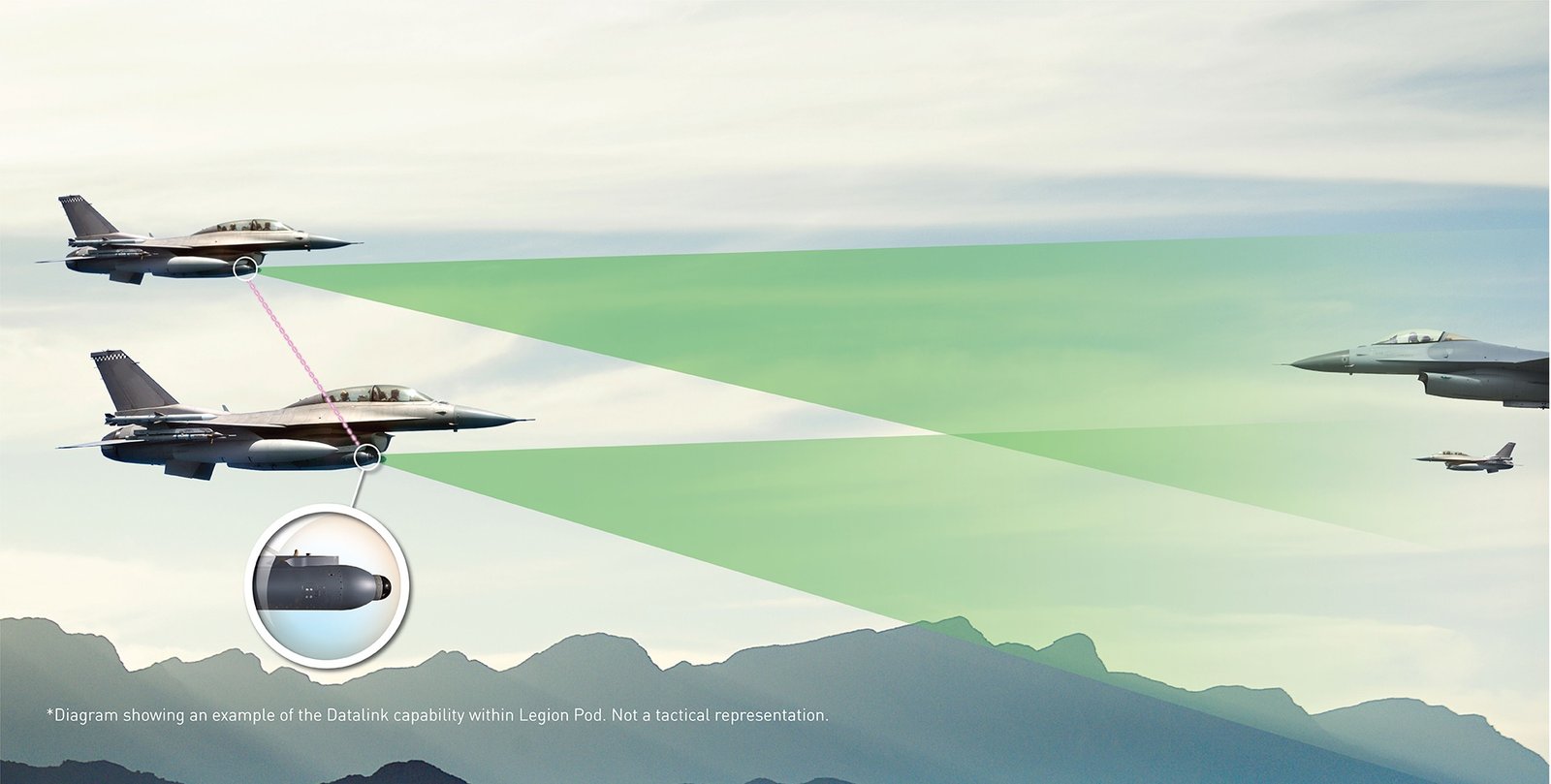 Lockheed Martin Demonstrates Legion Pod-to-Pod Data Link on F-16s for Passive Targeting
-
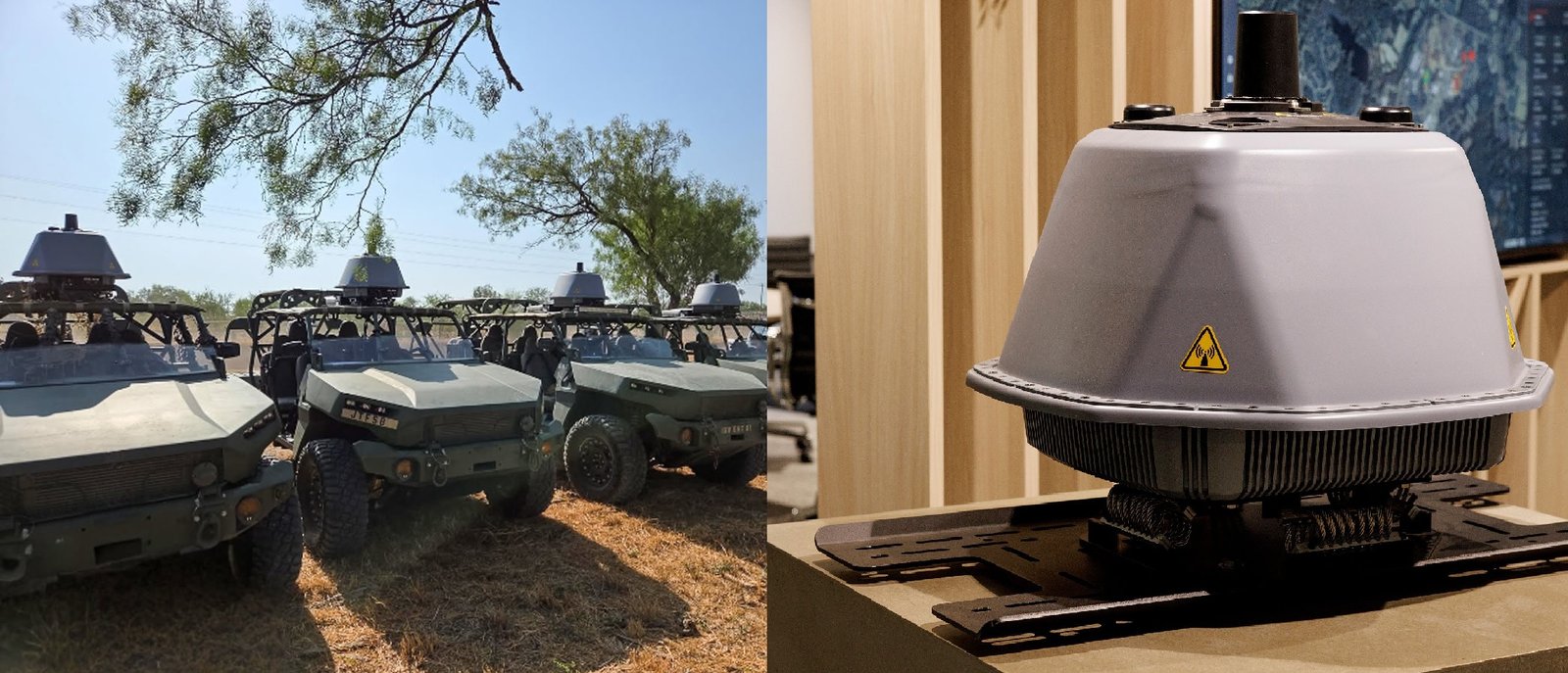 U.S. Military Deploys DroneShield Counter-Drone Systems on Infantry Squad Vehicles
-
 Photos Reveal Damaged E-3 Sentry, Buildings and Vehicles at U.S. Bases in Saudi Arabia and Kuwait After Iranian Strikes
-
 BAE Systems Unveils Shadow EW Suite for Small Drones and Autonomous Aircraft
-
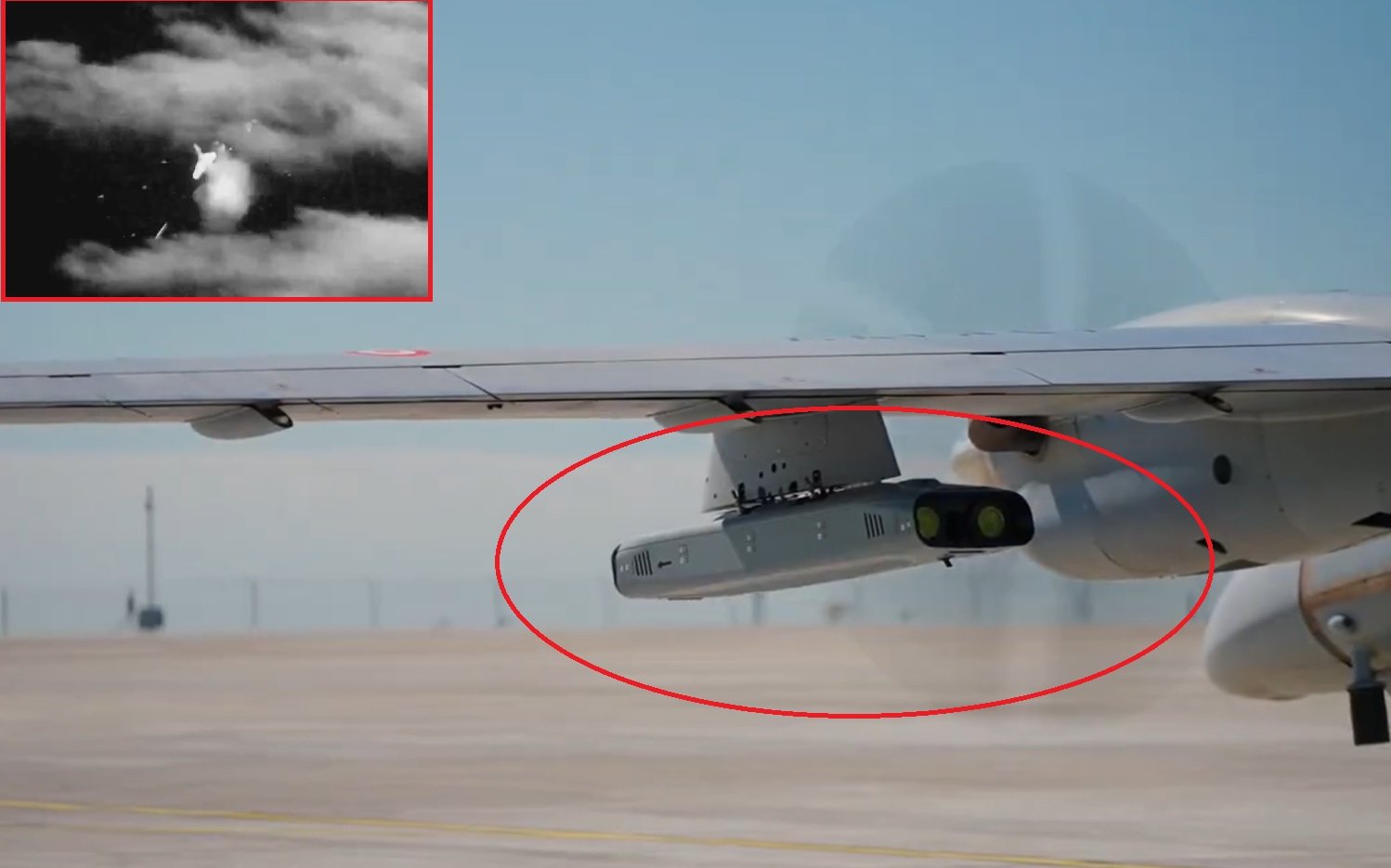 Turkey’s AKINCI Drone Hits High-Speed Aerial Target with SUNGUR Missile in Black Sea Test
Top Trending in 4 Days
-
 Pentagon Awards BlueHalo Up to $99.8 Million Contract for Orbital Battlespace R&D Program
-
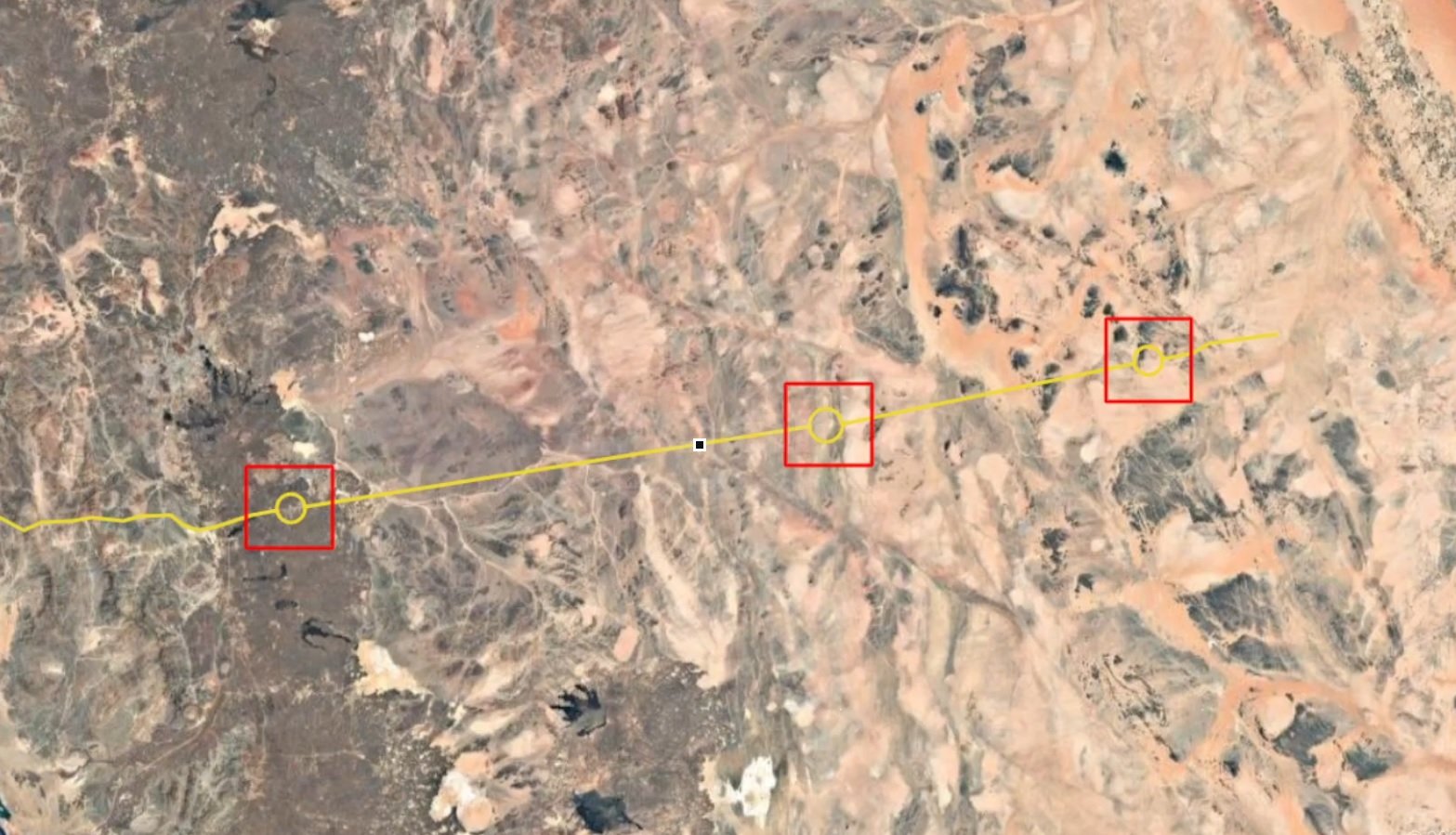 Satellite Imagery Shows Extensive Damage to Saudi Arabia’s East-West Oil Pipeline, Indicating More Than a Single Strike
-
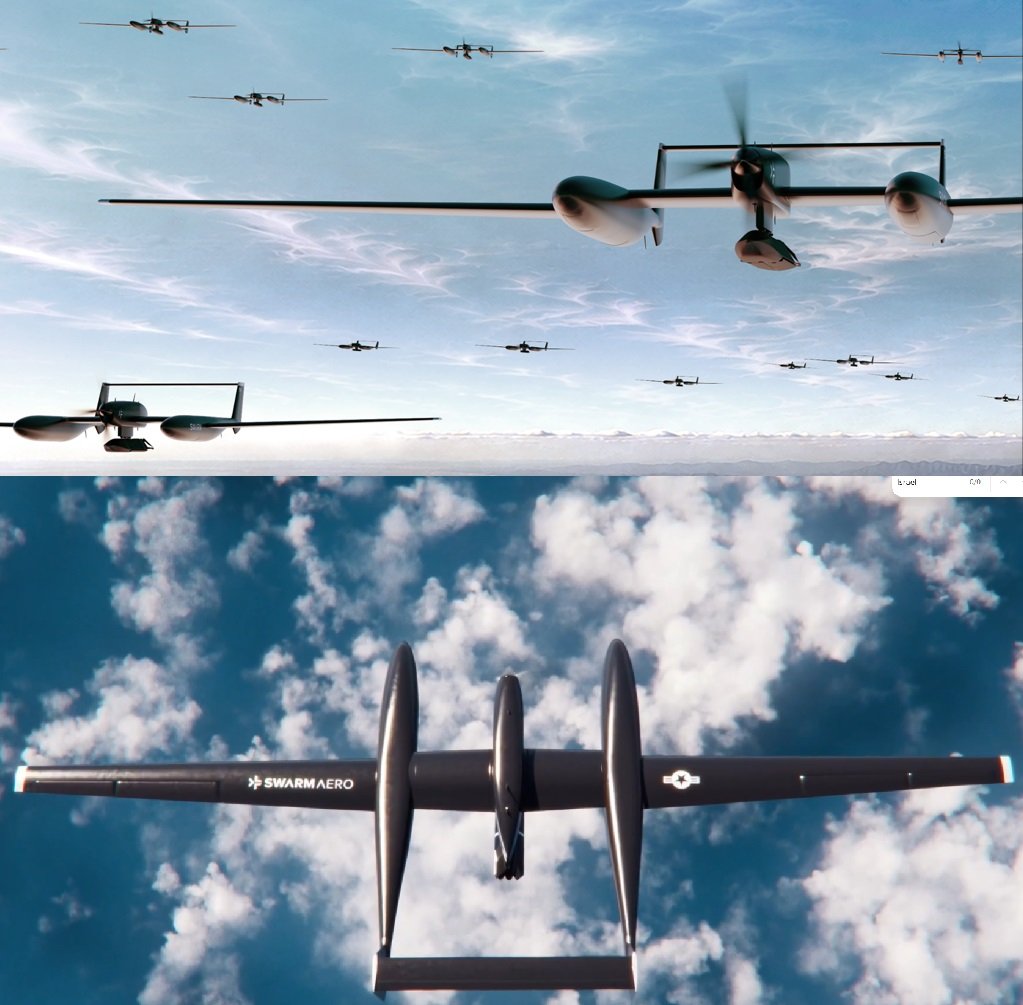 U.S. Firm Swarm Aero Unveils Gamera Group 5 UAS With 9,000-Nautical-Mile Range and Heavy Strike Payload
-
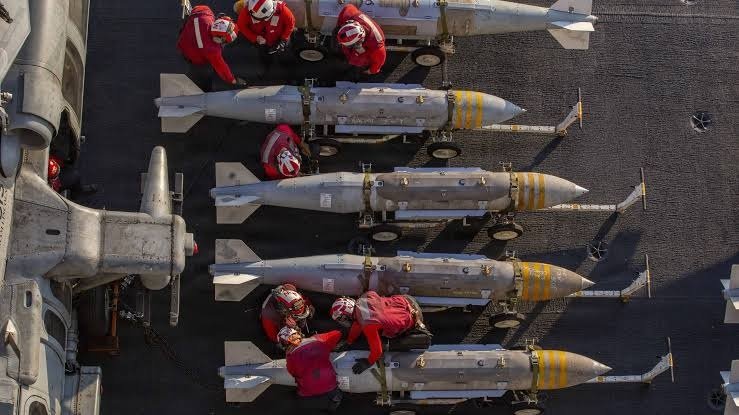 Pentagon Inspector General Report Finds Iran War Caused U.S. Ammunition Shortfalls and Industrial Bottlenecks
-
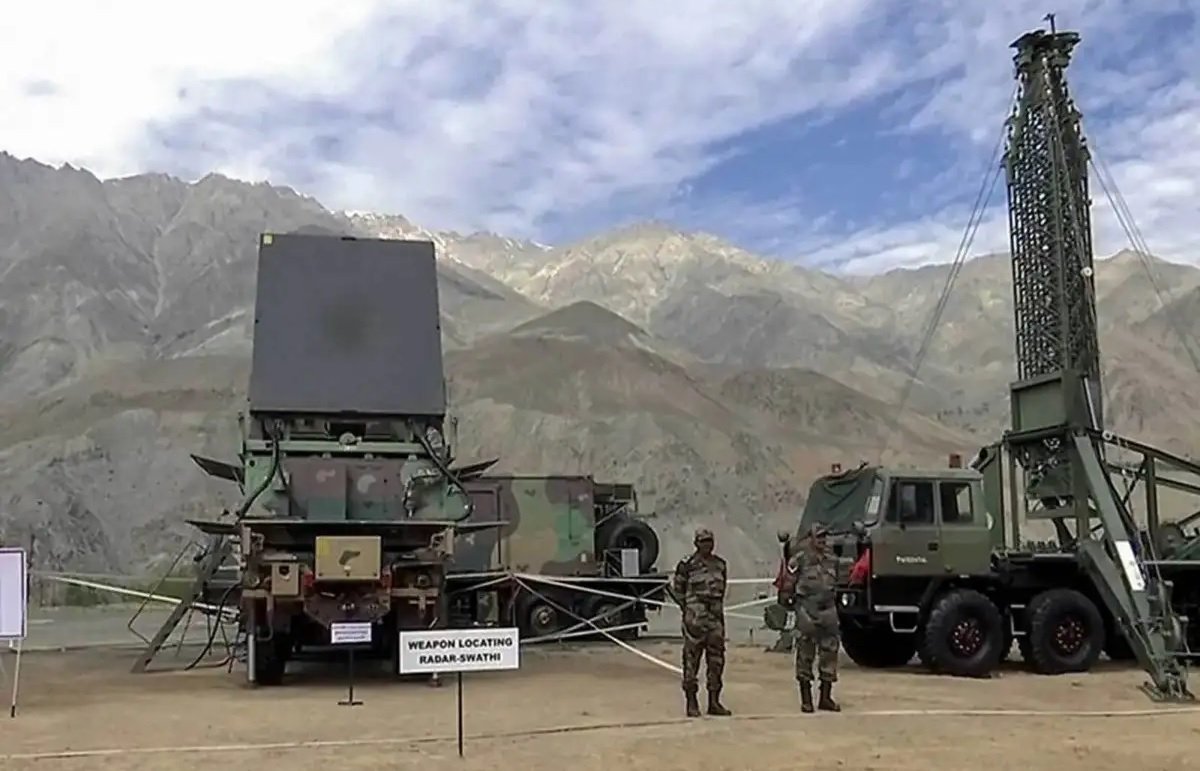 DRDO Demonstrates Indigenous 3.5×3 mm GaN Chip Delivering 30 Watts for Next-Generation Radars and Electronic Warfare
-
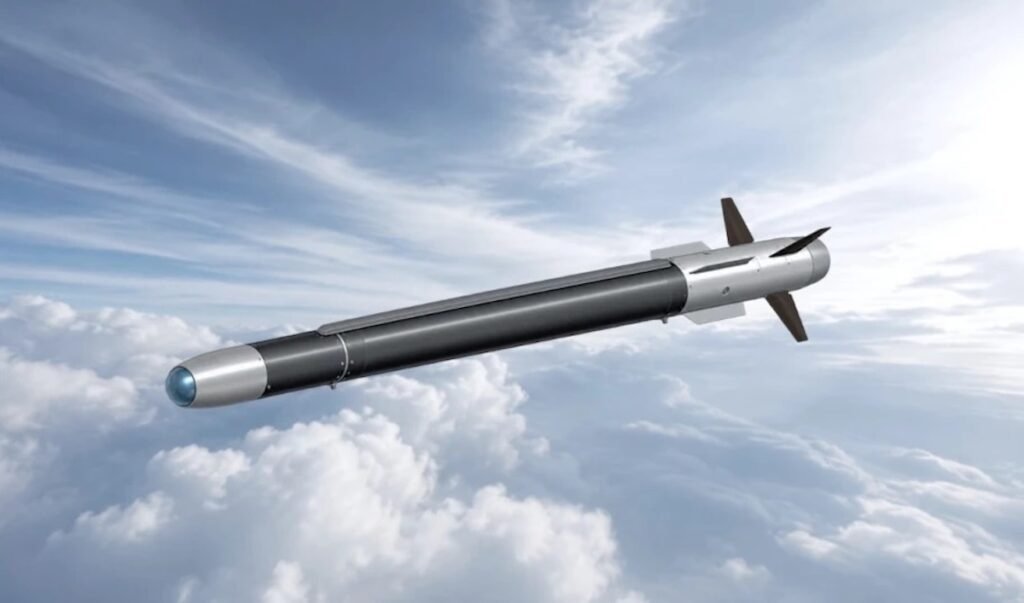 MBDA and Poland’s WITU Advance Low-Cost Supersonic Interceptor Against Swarm Attacks, Seeker Trials Successfully Completed
-
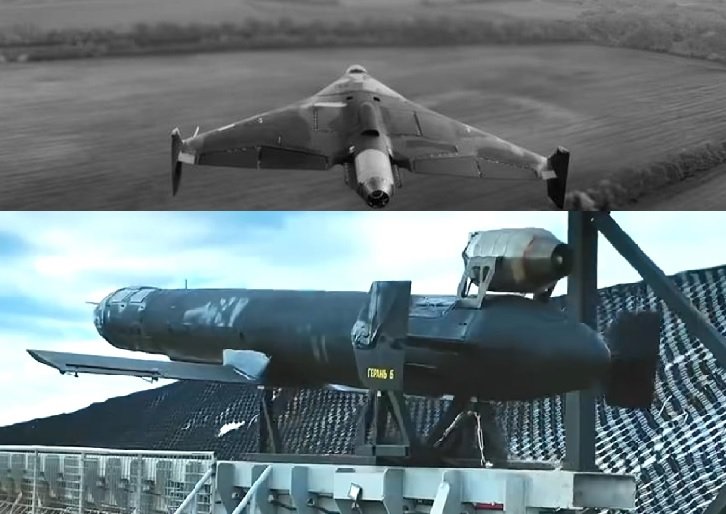 Iran Requests Advanced Geran-4 and Geran-5 Drones From Russia, FT Reports
-
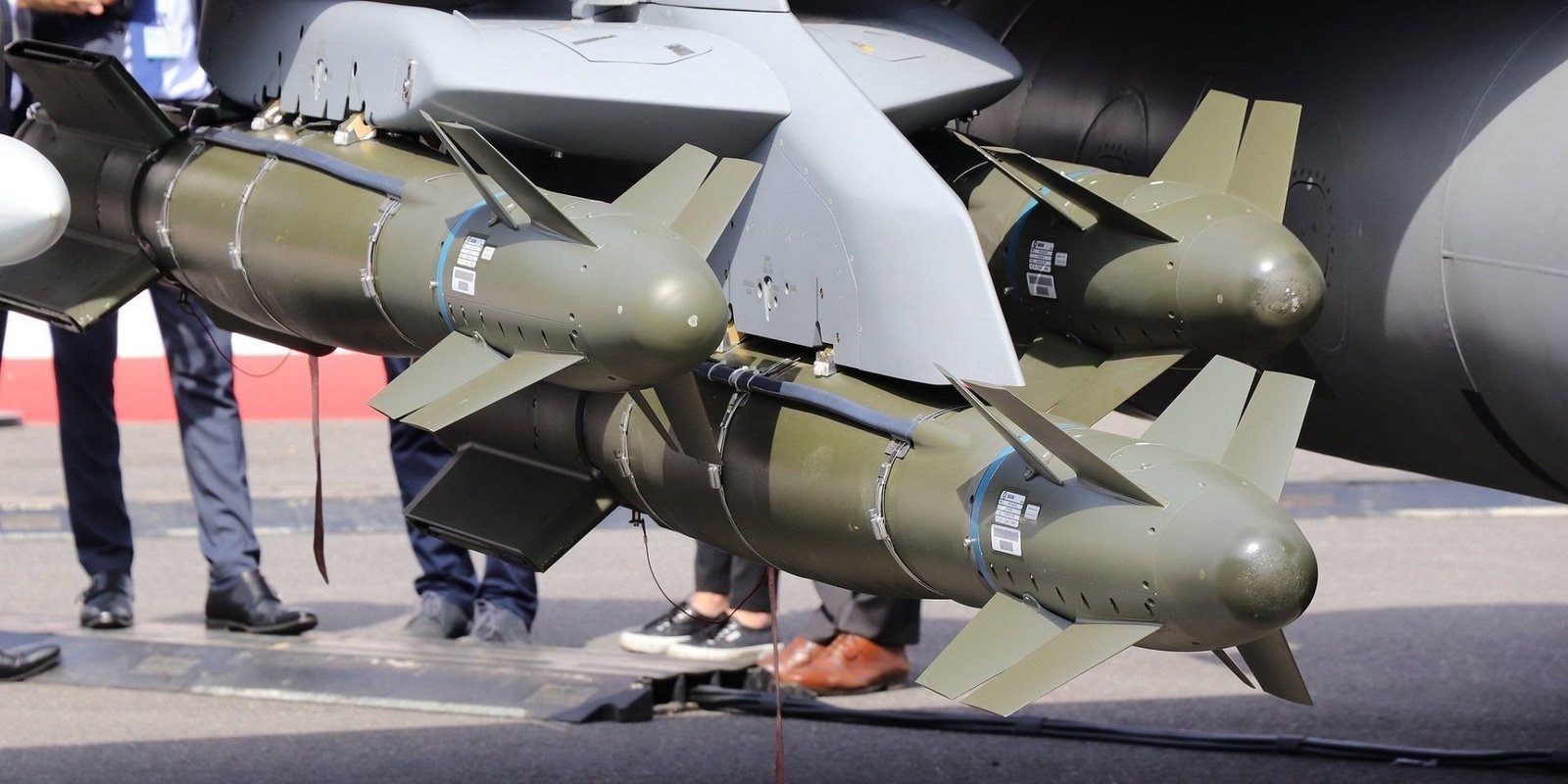 Swedish Gripens Bound for Ukraine to Be Armed with French Rocket-Assisted Hammer Precision Bombs