
India
Defense News - The National Investigation Agency (NIA) has launched a series of searches at 19 locations in South India, successfully dismantling a "highly radicalized jihadi terror group," according to insider sources.These extensive raids, initiated on Monday morning, are being carried out in collaboration with state police forces, signifying a concerted effort by the anti-terror agency. The exact details of the locations and the identity of the jihadi group remain undisclosed due to operational considerations, as stated by knowledgeable sources.Among the 19 locations under scrutiny, the majority are believed to have ties to individuals associated with the radicalized jihadi group. Sources suggest that this particular terror group is actively involved in anti-India activities, demonstrating an alarming capability for planning attacks and recruiting young individuals.This recent development follows closely on the heels of a previous NIA operation targeting multiple locations in Bangalore, Karnataka. The focus of that operation was the radicalization of prisoners by a Lashkar-e-Taiba (LeT) terrorist. On December 13, six locations, including the residences of four accused individuals (one of whom is currently evading authorities), underwent extensive searches in connection to case RC-28/2023/NIA/DLI.The NIA teams involved in the raid seized a variety of digital devices, incriminating documents, and a substantial cash amount totaling Rs 7.3 lakhs. The targeted locations included the premises of Mohammed Umar, Mohammed Faisal Rabbani, Tanveer Ahmed, and Mohammed Farooq, along with the absconding Junaid Ahmed.Presently, three accused individuals remain at large in this case, which has been registered under various sections of the Indian Penal Code (IPC), the Unlawful Activities (Prevention) Act, 1967, and the Explosive Substances Act, 1884. The NIAs ongoing investigations underline the gravity of the situation and the agency commitment to addressing potential threats to national security.
Read More → Posted on 2023-12-19 04:51:36
India
Defense News - The Indian Navy has achieved a significant milestone with the successful testing of the landing and take-off of an indigenous unmanned aerial vehicle (UAV) from the deck of its homegrown aircraft carrier, INS Vikrant. This marks the first instance of the Indian Navy conducting such tests on a naval UAV from its own aircraft carrier.Although the landing occurred earlier this year, Navy officials kept it confidential until now, showcasing the navy discreet efforts in enhancing its drone capabilities. The INS Vikrant, having attained full operational status, is set to be deployed for the Milan naval wargames in February 2024.In its pursuit of advanced capabilities, the Indian Navy is actively developing aerial designs for Landing Platform Docks (LPDs) to accommodate a range of unmanned aerial vehicles, including UAVs, UCAVs (unmanned combat aerial vehicles), and uncrewed fighter jets.The Indian Navy first incorporated UAVs into sea operations in the 2000s, introducing two variants of fixed-wing UAVs, namely Searcher and Heron. Additionally, the indigenously developed Navy TEJAS achieved a historic milestone with its maiden landing on the INS Vikrant in February 2023. This achievement is hailed as a testament to India self-reliance in defense manufacturing, showcasing the nation ability to design, develop, construct, and operate indigenous aircraft carriers with homegrown fighter aircraft.The INS Vikrant, with dimensions of 262 meters in length, 62 meters in width, and a displacement of around 40,000 metric tons, boasts a flight deck spanning 12,500 square meters, equivalent to 10 Olympic-size swimming pools. With a maximum speed of 28 knots, an endurance of 7,500 nautical miles, and the capacity to carry a crew of 1,600, the INS Vikrant stands as a formidable asset for the Indian Navy.The ongoing project also involves the Indian Navy exploration and assessment of Unmanned Surface Vehicle (USV) swarm capabilities for practical application. Success in this endeavor could potentially lead to larger-scale orders in the future.
Read More → Posted on 2023-12-18 14:19:16
India
Defense News - Unit 4 of the Kakrapar Atomic Power Project, located in Surat district, Gujarat, has achieved a significant milestone by attaining criticality for the first time at 0117 hrs on Sunday, according to an announcement by the Mumbai-headquartered Nuclear Power Corporation of India Ltd (NPCIL).This achievement marks the initiation of a controlled fission chain reaction in the 700 MW Pressurised Heavy Water Reactor (PHWR), known as KAPP-4. The criticality was attained after satisfying all requirements set forth by the Atomic Energy Regulatory Board (AERB), which granted clearance following a thorough safety review of the plant systems.KAPP-4 represents the second installment in a series of sixteen indigenous PHWRs, each with a capacity of 700 MW, currently being established across the country. The event was observed by B C Pathak, CMD of NPCIL, who was present in the control room alongside the site team, while officials at NPCIL Headquarters in Mumbai witnessed the milestone through a video link.Following the achievement of criticality, KAPP-4 will undergo various experiments and tests, with the power level gradually increasing in accordance with AERB clearances. Ultimately, the unit will operate at full power.Expressing his congratulations to all NPCIL employees, Pathak highlighted the significance of achieving criticality within six months of the commercial operation of KAPP-3. He emphasized the robust capabilities of NPCIL in all aspects of nuclear power, including design, construction, commissioning, and operation.Pathak urged everyone to work towards the prompt completion of the units currently under construction. KAPP 3&4 (2X700 MW) are situated in Kakrapar, Surat district, adjacent to the existing reactors KAPS 1&2 (2X220 MW).B V S Sekhar, Outstanding Scientist and Associate Director (CP&CC) & Appellate Authority, underscored that these indigenous PHWRs boast advanced safety features, positioning them among the safest reactors globally. He emphasized that NPCIL has been responsible for the design, construction, commissioning, and operation of these reactors, while the supply of equipment and execution of contracts have been carried out by Indian industries and companies, reflecting the spirit of Atmanirbhar Bharat.NPCIL currently operates 23 reactors with a total capacity of 7,480 MW, and there are nine units (including KAPP-4) with a capacity of 7,500 MW under construction. Additionally, pre-project activities are underway for 10 more reactors with a total capacity of 7,000 MW, expected to be completed progressively by 2031-32.
Read More → Posted on 2023-12-18 05:14:45
India
Defense News - The Indian Navy announced on Saturday that it is actively monitoring a hijacked Malta-flagged vessel in the Arabian Sea, promptly dispatching both aircraft and a warship to address the situation.The vessel in question, M.V. Ruen, carrying 18 crew members, issued a distress signal via the United Kingdom Maritime Trade Operations (UKMTO) portal on Thursday, reporting an intrusion by six individuals who had taken control of the ship.Responding to the distress call, the Navy deployed its maritime patrol aircraft, already conducting surveillance in the vicinity, to locate and aid M.V. Ruen. The aircraft conducted an overflight of the hijacked ship on early Friday and has since been continuously monitoring its movement, which is presently directed towards Somalia, as per the Navy statement.In a concurrent operation, the Navy warship, engaged in anti-piracy patrol in the Gulf of Aden, intercepted the hijacked vessel in the early hours of Saturday. The Navy emphasized its close vigilance over the situation, in collaboration with other agencies and the Multi-national Force (MNF) in the region.Affirming their commitment to being the primary responders in the region, the Navy statement underlined their dedication to ensuring the safety of merchant shipping in cooperation with international partners and friendly foreign countries.The incident unfolded subsequent to the reported removal of the High-Risk Area (HRA) warning in the Indian Ocean on January 1. Initially established in 2010 during the peak of Somali piracy, the HRA was designed to safeguard maritime interests and security.Given the significance of the Indian Ocean Region to India economic and security concerns, the country has actively participated in anti-piracy operations in the Gulf of Aden and the Eastern Arabian Sea. The Navy commenced anti-piracy patrols in the Gulf of Aden in October 2008 and has maintained a continuous presence since then, as outlined by the Ministry of Defence.Reports indicate that approximately 13 percent of India trade relies on the Gulf of Aden route, and a substantial number of Indian seafarers are employed on the multitude of foreign ships navigating the Indian Ocean on a daily basis.
Read More → Posted on 2023-12-18 05:11:28
India
Defense News - Amid growing concerns about escalating unemployment rates in Haryana, the administration led by Chief Minister Manohar Lal Khattar is taking proactive steps to serve as a recruitment facilitator. In a significant move, the state government is poised to enlist 10,000 skilled workers from Haryana to address the substantial labor shortage in Israel construction sector, attributed to the ongoing conflict with Hamas. The recruitment campaign will be supervised by the Haryana Kaushal Rojgar Nigam (HKRN), aiming to alleviate Israel manpower challenges during the current conflict.To be eligible for the recruitment drive, applicants must meet specific criteria outlined by the Haryana Kaushal Rojgar Nigam. These include a minimum age requirement of 25 years, a maximum age limit of 54 years, a minimum of three years of relevant work experience, and at least a Class 10 educational background. The positions offer competitive salaries, with a monthly pay of 6100 NIS in Israeli currency, approximately Rs 1.34 lakh, based on the exchange rate of 1 NIS to Rs 22, as reported by the Times of India.Prospective candidates seeking to participate in the initiative are required to possess expertise in various construction-related skills, including industrialized building formwork, wood formwork, ceramic tiling for floors and walls, plastering work, and iron bending. Additionally, proficiency in reading and interpreting construction plans is essential, adding another layer of qualification to those interested in the initiative.This initiative aligns with reports of a severe labor shortage in Israel, with the revocation of work permits for around 90,000 Palestinians leading to critical gaps in sectors such as agriculture and construction. The move by the Haryana government to act as a recruitment agent aligns with the recent statement from Minister of State for External Affairs V Muraleedharan, refuting claims of discussions between the Indian government and Israel about replacing Palestinian laborers with Indian workers.Application distribution by district reveals Jind as the leading district with 52,089 applications, followed by Kaithal (47,593), Hisar (46,453), Karnal (42,446), and Yamunanagar (34,642). In contrast, Panchkula recorded 7,565 registrations, Faridabad 4,696, and Gurugram 4,548.Beyond the recruitment for Israel, the Haryana government is extending efforts to address unemployment by advertising 50 bouncer positions in Dubai and 120 staff nurse positions.
Read More → Posted on 2023-12-17 16:00:05
India
Defense News - A comprehensive strategy has been devised by the Border Security Force (BSF) to enhance security in the strategically significant Sunderbans mangrove region along the India-Bangladesh border. This initiative involves the formation of a specialized marine battalion consisting of over 1,100 personnel, along with the deployment of a squadron comprising around 40 drones and all-terrain vehicles (ATVs). The Eastern Command of the BSF, based in Kolkata, has formulated the blueprint for this plan, awaiting final approval and financial sanction from the Union Home Ministry in Delhi, according to official sources.The Sunderbans, the largest mangrove forest region globally, is an extensive archipelago with over 100 islands, covering an area of 9,630 sq km in India, while the remaining portion falls within Bangladesh. Situated in the delta of the Ganga, Brahmaputra, and Meghna rivers in the Bay of Bengal, the Sunderbans complex network of streams, rivers, tidal creeks, and channels necessitates heightened security measures.Recognizing the strategic importance of the Sunderbans along the India-Bangladesh international border, the BSF aims to ensure effective control and security in response to potential threats such as smuggling and infiltration by terrorists and criminals. A senior officer emphasized the need for the proposed marine battalion, equipped with more than 1,100 trained personnel, as well as the deployment of advanced drones and ATVs for efficient patrolling in this challenging forest and riverine terrain.Pending approval from the Ministry of Home Affairs, the BSF plans to implement this initiative, which involves the deployment of 40 large drones and 12-14 ATVs. Currently, the BSF patrols the Sunderbans area using a fleet of approximately 50 small and large speedboats, referred to as floating border outposts (BoPs). The force covers the entire 4,096 km India-Bangladesh border on the eastern flank, with 2,216.7 km in West Bengal, including 300 km of riverine border within the Sunderbans.Additionally, the BSF has informed the West Bengal government about its intention to station a small team of patrol parties in Forest Department "chowkis" located in the Sunderbans, seeking approval for this strategic positioning. Presently, BSF patrol teams reside in the floating BoPs that continuously navigate the challenging Sunderbans terrain. The successful execution of this comprehensive plan awaits the green light from the Ministry of Home Affairs.
Read More → Posted on 2023-12-17 15:44:07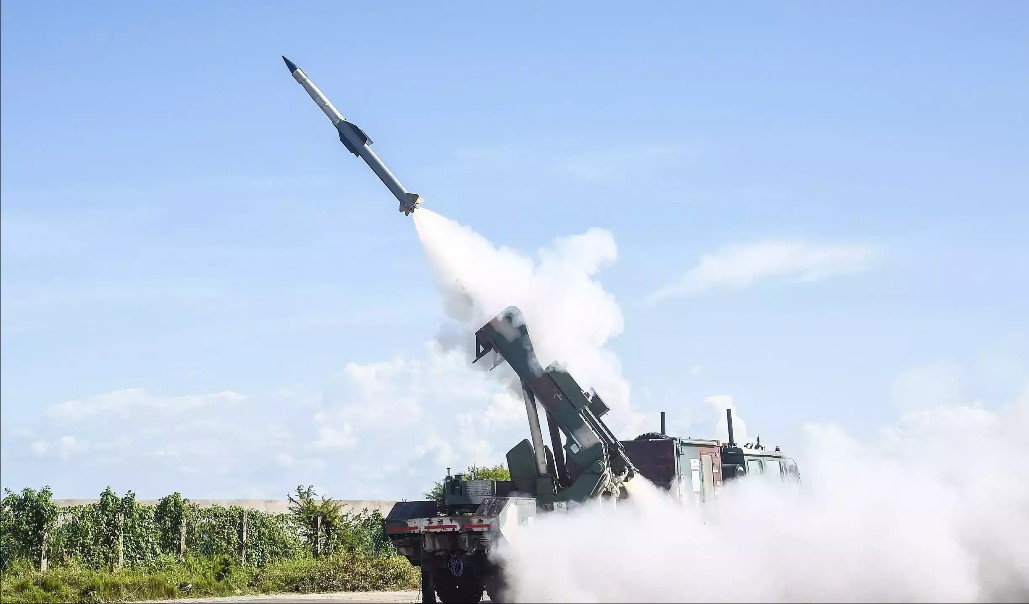
India
Defense News - In a landmark achievement stemming from its internal design and development endeavors, the Indian Air Force has effectively conducted test firings of its Surface to Air Missile for Assured Retaliation (SAMAR) air defense system.Undergoing successful firing trials during the AstraShakti-2023 exercise at Air Force Station Suryalanka, the SAMAR air defense missile system represents an in-house innovation utilizing existing Russian-origin air-to-air missile systems. Officials from the Indian Air Force conveyed that the SAMAR system, designed and developed by a unit under the IAFs Maintenance Command, exhibited its prowess during the recent exercise.The SAMAR air defense system, participating for the first time in the exercise, underwent testing of its surface-to-air weapon systems and operational field trials. The missile system achieved its firing trial objectives in diverse engagement scenarios, demonstrating its capability to engage aerial threats with missiles operating at speeds ranging from 2 to 2.5 Mach.Characterized by a twin-turret launch platform, the SAMAR system has the ability to launch two missiles in both single and salvo modes, adapting to various threat scenarios. This successful demonstration was witnessed by Chief of Air Staff Air Chief Marshal VR Chaudhari and Vice Chief of Air Staff Air Marshal AP Singh.During his visit to the Suryalanka air base, IAF Maintenance Command chief Air Marshal Vbhas Pande commended the crew, including officers and personnel, for their contributions to the in-house development of the SAMAR system.In alignment with the directives of the Narendra Modi government to promote self-reliance, the Indian Air Force, particularly through the Maintenance Command, has made significant strides in indigenizing various spares and equipment used in fighter jets, transport aircraft, helicopters, and ground-based weapon systems.Furthermore, collaboration between the base repair depots and HAL is enhancing the serviceability of Su-30 and MiG-29 jets within the force. The SAMAR air defense system, a product of the 7 BRD based in the national capital, stands as a testament to India commitment to technological advancement and self-sufficiency in defense capabilities.
Read More → Posted on 2023-12-17 15:05:07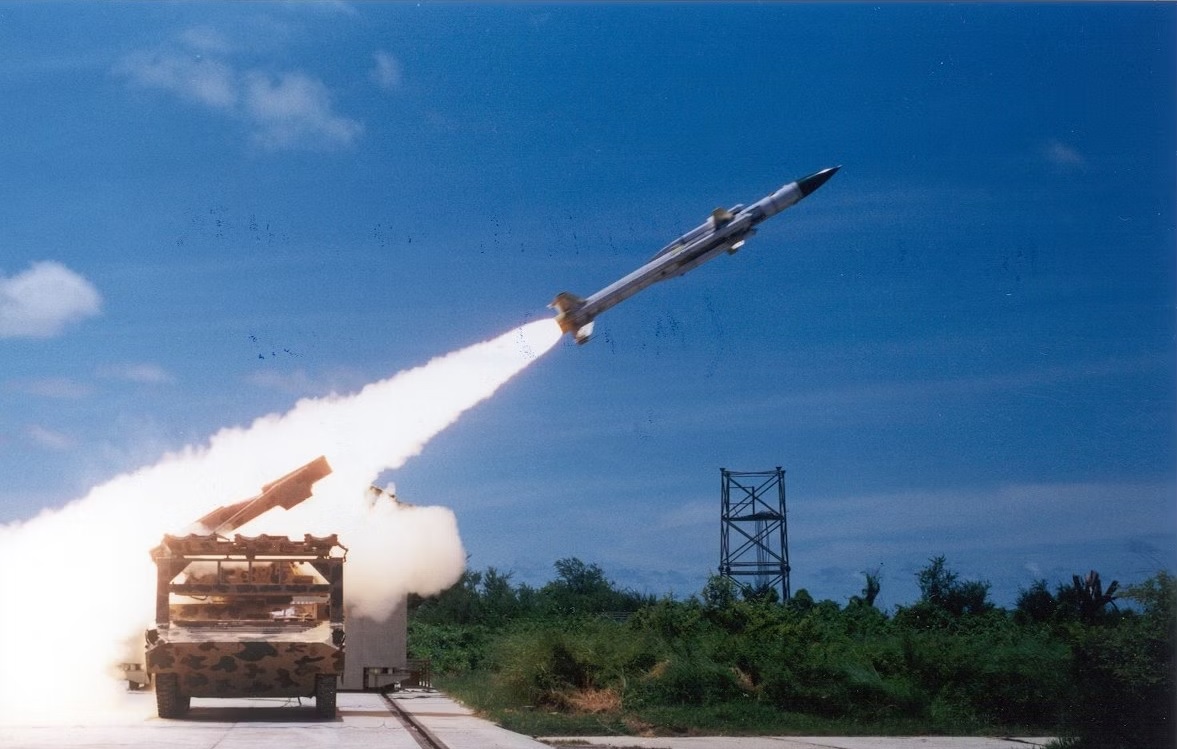
India
Defense News - India has showcased the formidable capabilities of its indigenous Akash surface-to-air (SAM) weapon system by successfully engaging and destroying four unmanned targets simultaneously during the recent Exercise Astrashakti 2023, marking a significant milestone in military prowess.During the Air Force Exercise Astrashakti-2023, India achieved a groundbreaking feat by becoming the first nation to demonstrate the ability to engage four targets concurrently over considerable distances using a single firing unit, as revealed by defense officials to ANI.The demonstration unfolded at the Suryalanka Air Force Station on December 12, where the Indian Air Force (IAF) conducted a precise display of the Akash missile system firepower. The exercise involved a single Akash firing unit engaging four unmanned aerial targets simultaneously.Providing insights into the trial, officials explained that the four targets approached from the same direction in a closely coordinated formation, subsequently splitting to launch attacks on defense assets from multiple directions. The Akash firing unit, equipped with Firing Level Radar (FLR), Firing Control Centre (FCC), and two Akash Air Force Launcher (AAFL) launchers armed with five missiles, was strategically deployed.The FLR successfully detected and tracked the air scenario involving the four targets, and the information was relayed to a higher echelon. Subsequently, the targets were assigned to the Akash Firing Unit to neutralize the threat. The commander issued firing commands in response to the system prompts, and two Akash missiles were launched from separate launchers. The same launcher was then assigned for the next two targets. Impressively, all four missiles were launched within a short span and successfully engaged all four targets at their maximum range of approximately 30 km simultaneously.Developed indigenously by the Defence Research and Development Organisation (DRDO) and produced by defense public sector units in collaboration with other industries, the Akash Weapon System has been a stalwart in the Indian Air Force and Indian Army for the past decade. The recent firing was conducted using a system ordered in September 2019 as a repeat order from the IAF.This remarkable achievement highlights the Akash weapon system global appeal, as it has secured orders from international customers. Continuously evolving, the Akash system is subject to ongoing upgrades by DRDO scientists, and potential orders from Southeast Asia and the Middle East are anticipated.Underlining the commitment to fostering interest in defense research and development, DRDO Chief Dr. Samir V Kamat inaugurated a replica of the Akash missile at the Indian Institute of Technology (IIT) in Mumbai, aiming to attract talented youth to contribute to advancements in the field.
Read More → Posted on 2023-12-17 15:00:47
India
Defense News - On December 16, 2023, Pakistan Foreign Minister, Jilani Abbas Jilani, expressed concerns to the United Nations (UN), the Organization of Islamic Cooperation (OIC), and the European Union (EU) regarding what he deemed as the "illegality" of a recent judgment by the Indian Supreme Court concerning the status of Indian Illegally Occupied Jammu and Kashmir (IIOJK). The Foreign Minister strongly denounced what he characterized as India illicit measures to solidify its occupation of IIOJK, coupled with a persistent suppression of the rights of the people of Jammu and Kashmir, as reported by The Dawn.Terming the recent judgment a violation of international law and relevant UN Security Council resolutions, the foreign minister asserted that these unlawful actions were aimed at disempowering the Kashmiri community in their own homeland.On Monday, India Supreme Court rendered a unanimous verdict, declaring the special status of held Kashmir as a temporary provision and upholding an order to abrogate Article 370 in the constitution. The court also directed the election commission to conduct elections in held Kashmir by September 30, 2024.In August 2019, India ruling Bharatiya Janata Party had revoked the special status of occupied Kashmir by repealing Article 370, limiting the power of the Indian parliament in the state, except in matters of defense, foreign affairs, and communications. This move granted people from the rest of the country the right to acquire property in held Kashmir and settle there permanently.Critics, international organizations, and Kashmiris labeled this move an attempt to alter the demographics of Muslim-majority Kashmir with Hindu settlers.Foreign Minister Jilani categorically rejected the Supreme Court verdict and announced his intention to inform international organizations about what he deemed the futility of the ruling.In a press release issued by the Foreign Office, the foreign minister reiterated in his letters that, under international law, domestic legislation and judicial decisions cannot be invoked to determine the final status of an internationally recognized disputed territory."The recent judgment of the Supreme Court of India is termed by FM Jilani as a breach of international law and relevant UN Security Council resolutions, especially Resolution 122 (1957). This endorsement of India unlawful measures cannot override the provisions and prescriptions of the UN Security Council as contained in its resolutions on Jammu and Kashmir," stated the Foreign Office.Foreign Minister Jilani called on the UN Security Council to ensure the full implementation of its resolutions on the Jammu and Kashmir dispute and urged India to halt grave human rights violations in IIOJK, reversing all illegal actions undertaken since August 5, 2019.Chief of Army Staff General Asim Munir also addressed the issue with UN Secretary General Antonio Guterres during a meeting in New York on Friday. General Munir emphasized that peace in South Asia would remain unattainable until a solution aligns with UNSC resolutions and the aspirations of the Kashmiri people. He condemned the "illegal Indian efforts to change the status of Jammu and Kashmir," deeming it a violation of UNSC resolutions.
Read More → Posted on 2023-12-17 14:44:09
India
Defense News - In a remarkable demonstration of maritime prowess, the Indian Navy averted a potential hijacking crisis in the Arabian Sea on December 14. The incident unfolded with alarming speed, involving the Malta-flagged vessel MV Ruen en route to Somalia.Upon receiving the Mayday message and stress calls from the threatened vessel, the Indian Navy acted promptly. Naval Maritime Patrol aircraft were swiftly deployed for surveillance in the area, and a warship was sent on Anti-Piracy patrol in the Gulf of Aden to locate and assist MV Ruen in distress.A spokesperson for the Indian Navy confirmed that they were continuously monitoring the vessel movement, which was heading towards the coast of Somalia. The successful rescue of the vessel, with its 18 crew members, was completed early on December 16.The Indian Navy rapid response showcased its capability as a net security provider in the region. The commitment to being the first responder in the area, ensuring the safety of merchant shipping, and actively cooperating with international partners and friendly foreign countries was reiterated.The incident involving MV Ruen marked a significant piracy event, the first recorded since 2017, revealing a major lapse in ongoing anti-piracy efforts in the Arabian Sea. In response, the UK Marine Trade Operations issued a warning, urging vessels to exercise caution when traversing the Arabian Sea near Somalia.With the region now on high alert, the Indian Navy has advised ships to remain vigilant and report any suspicious activity. This incident underscores the renewed threat of piracy, emphasizing the need for enhanced collaborative efforts to maintain maritime security in the strategically vital waters.
Read More → Posted on 2023-12-17 04:38:43
India
Defense News - The National Investigation Agency (NIA) made significant strides on Friday, apprehending two individuals and confiscating an array of incriminating materials, including an Indian Army uniform, arms, and ammunition, in a multi-state crackdown on the People Liberation Front of India (PLFI) for extortion and levy collection.In the extensive operation targeting the banned terror organization in Jharkhand, Raman Kumar Sonu, also known as Sonu Pandit, hailing from Bihar, and Nivesh Kumar from the south-west district of Delhi were taken into custody. Both individuals are prominently featured in the FIR (RC-04/2023/NIA-RNC) filed by the NIA, pertaining to the illicit activities of PLFI leaders, cadres, and sympathizers engaged in extortion and levy collection across various Indian states.The NIAs relentless pursuit led to raids at 23 locations associated with PLFI cadres and sympathizers, spanning Jharkhand, Bihar, Madhya Pradesh, and New Delhi. These operations covered 19 sites in Jharkhand, including districts such as Gumla, Ranchi, Khunti, Simdega, Palamu, and West Singhbhum, along with singular locations in Bihar (Patna district) and Madhya Pradesh (Siddhi district), as well as two sites in New Delhi.The searches yielded substantial findings, including two pistols, live rounds (7.86 mm), Rs 3,00,000 in cash, digital devices (mobile phones, SIM cards, Pen drives, DVR), documents (diary and a bunch of papers), as well as gold and silver jewelry, in addition to the confiscated Indian Army uniform.The NIA initiated the case suo moto on October 11, citing various sections of the Indian Penal Code (IPC) and the Unlawful Activities (Prevention) Act, 1967, prompted by intelligence regarding the financing of terrorist activities through extortion by PLFI cadres.Investigations thus far have unearthed a web of illicit activities by the banned organization, primarily involving the extortion of funds from coal traders, transporters, railway contractors, and businessmen in Jharkhand, Bihar, Chhattisgarh, and Odisha. The NIA underscored that these activities extended to conspiracies for terrorist acts, including attacks on security forces, murder, arson, and the deployment of explosives and IEDs to instill fear in society.Further revelations from ongoing investigations indicate the involvement of PLFI cadres in activities such as recruitment, arms procurement, and the collection of levies. The NIA has also disclosed that the leaders, cadres, and sympathizers of PLFI were actively conspiring to revitalize and expand the organization influence in Jharkhand, Bihar, Chhattisgarh, and other states affected by PLFI.
Read More → Posted on 2023-12-17 04:33:44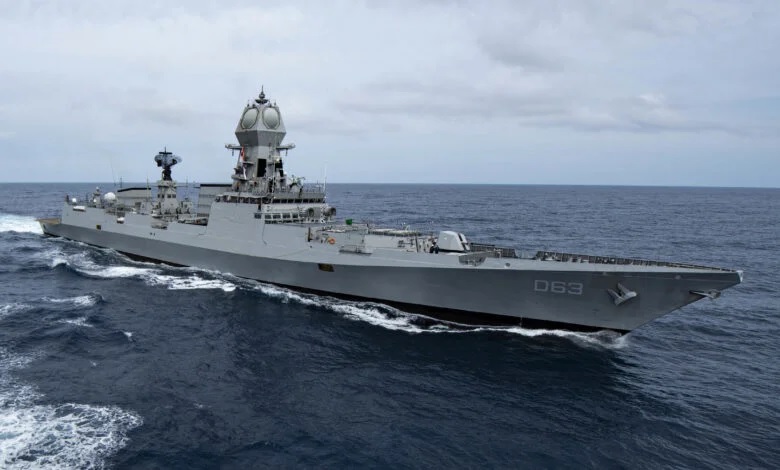
India
Defense News - Manufactured by Mazagon Dock Shipbuilders Limited (MDL), Yard 12706, known as Imphal, has joined the Indian Navy fleet as the third vessel in the 15B Class stealth-guided missile destroyers. This noteworthy addition took place on October 20, following the commissioning of the first ship in the P15B class, INS Visakhapatnam, on November 21, 2021, and the subsequent commissioning of INS Mormugao on December 18, 2022.The commissioning of Imphal on December 26 signifies a significant milestone, while the construction of the fourth destroyer, Surat, is making steady progress. Imphal, an impressive creation, is built using indigenous steel DMR 249A and stands as one of India largest domestically manufactured missile destroyers. With an overall length of 164 meters and a displacement exceeding 7500 tons, it possesses capabilities for a wide spectrum of maritime warfare missions.Equipped with advanced weaponry, including supersonic Surface-to-Surface "Brahmos" missiles and "Barak-8" Medium Range Surface-to-Air Missiles, Imphal excels in undersea warfare with indigenous anti-submarine weapons and sensors. These include the hull-mounted Sonar Humsa NG, heavyweight torpedo tube launchers, and ASW Rocket Launchers.Imphal accommodates a crew of 312 individuals and demonstrates an impressive endurance of 4000 nautical miles, enabling extended missions lasting up to 42 days, even in out-of-area operations. With two helicopters on board, it significantly extends its operational reach.The vessel is propelled by a powerful Combined Gas and Gas Propulsion Plant (COGAG) with four reversible gas turbines, achieving speeds surpassing 30 knots (approximately 55 kmph). Imphal boasts high levels of automation, featuring sophisticated digital networks such as the Gigabyte Ethernet-based Ship Data Network (GESDN), Combat Management System (CMS), Automatic Power Management System (APMS), and Integrated Platform Management System (IPMS).
Read More → Posted on 2023-12-17 04:28:04
India
Defense News - A senior officer from the Border Security Force (BSF) revealed on Saturday that approximately 250 to 300 militants are presently situated at launchpads along the border, anticipating an opportunity to infiltrate into Jammu and Kashmir. Despite this, the officer reassured the public that security forces remain on high alert and are well-prepared to thwart any cross-border infiltration attempts.Speaking in the Pulwama district of south Kashmir, Inspector General Ashok Yadav emphasized the intelligence inputs indicating the presence of militants at launchpads. He assured the reporters that both the BSF and the Army have effectively secured vulnerable areas, maintaining a state of vigilance. Yadav acknowledged the dedication of the brave jawans from the BSF and Army, highlighting their readiness to prevent any infiltration."We have confidence in our ability to thwart any infiltration bid," Yadav stated, expressing the determination of the security forces. He also noted the strengthened connection between the security forces and the people of Kashmir over the past few years. Yadav emphasized the importance of cooperation from the local population, stating that with their support, developmental activities could be advanced more effectively in the region.
Read More → Posted on 2023-12-17 04:20:56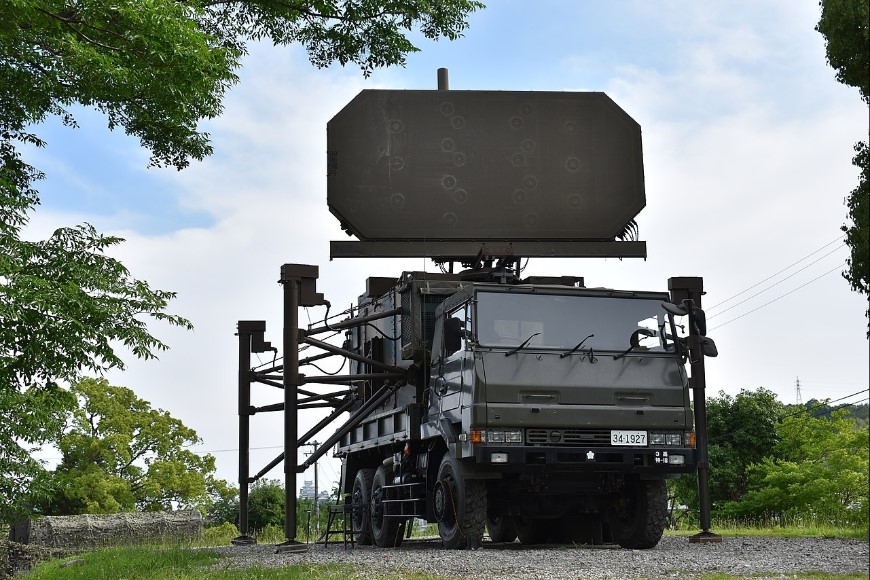
India
Defense News - In a recent disclosure to the stock exchange, the company announced a noteworthy achievement by its subsidiary, Raddef Private Limited. Specializing in radars and RF solutions, Raddef has successfully developed a series of surveillance radars utilizing the cutting-edge Frequency Modulated Continuous Wave (FMCW) technology. Renowned for its exceptional precision, low power consumption, and resistance to interference, FMCW radars mark a significant advancement in radar technology.The versatility of FMCW radars is evident in their broad spectrum of applications, spanning from border security and weather forecasting to navigation systems. Notably, their unique ability to simultaneously measure distance and velocity renders them indispensable for various contemporary applications. These radars are meticulously designed to be both portable and adaptable, catering to usage in diverse and challenging environments.Moreover, the company is making strides in the development of drone detection radar—a pivotal component in state-of-the-art drone detection systems. Emphasizing a commitment to innovation, the company disclosed ongoing research in diverse radar technologies, including Doppler Weather Radars, Threat Emulators, LTE-based Passive Radars, Fog and Foliage Penetration Radars, Coastal Surveillance Radars, Avalanche Detection Radars, Altimeters, and more. These systems are tailored to meet the operational needs of different sectors and domains.Projections for the global surveillance radar market indicate substantial growth, with an anticipated increase from $6.87 billion to $12 billion by 2030. Mahendra Nahata, the Managing Director of HFCL, expressed the company transformative journey, driven by a vision to enhance national security and foster innovation. Nahata highlighted the company dedication to cutting-edge technology through the development of ground surveillance radars, drone detection radars, and a range of advanced radar solutions.HFCLs strategic investment of 90% in Raddef Private Limited underscores its commitment to fostering Make-in-India technology, solidifying its position as a trusted partner in the defense communication domain. With India accounting for 3.7% of global military spending and ranking as the third-highest military spender globally, HFCL sees significant opportunities in the Indian Defense tech space.In alignment with the government Make in India policy, HFCL aims to contribute to the modernization of the country military capabilities through its indigenous defense tech innovations. The company proactive approach reflects its dedication to safeguarding the present and shaping a secure future for the nation.
Read More → Posted on 2023-12-16 15:15:29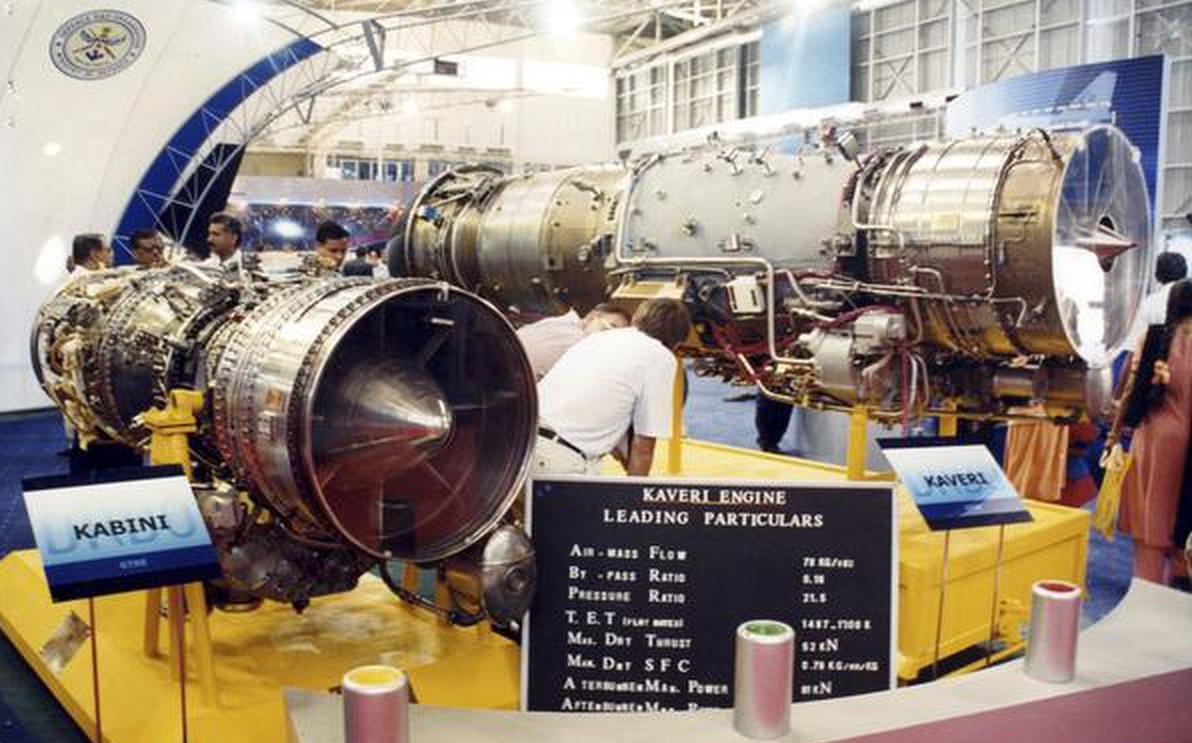
India
Defense News - The Kaveri dry thrust engine, an evolution of the Kaveri turbofan, is quietly reshaping India defense and aerospace landscape. After a decade-long hiatus, a dry variant of the Kaveri engine is undergoing development to power the DRDO Ghatak, marking a significant stride in India pursuit of technological self-sufficiency. Recent reports indicate that the redesigned Kaveri engine, developed by GTRE, has overcome challenges related to noise and combustion instability, validated through ground rig trials. Indian firm Godrej & Boyce secured the contract to manufacture six additional engines for further testing, stripping away the afterburner and providing a vital component for India next-generation stealth unmanned aerial vehicles (UCAVs) and fighter jets. Lets delve into the realm of this groundbreaking technology, exploring its current status, future potentials, and its strategic importance for India.Current Status:Milestone Conquered: The Kaveri dry thrust engine has successfully completed high-altitude trials in Russia, reaching an altitude of 13,000 meters (42,650 feet) and achieving a pivotal milestone in its development. Boasting a thrust of approximately 48 kN, this engine is poised to drive India ambitious Ghatak UCAV project.Enhanced Capabilities: Compared to its predecessor, the dry thrust variant offers heightened fuel efficiency, greater reliability, and improved performance at high altitudes, making it an ideal choice for stealthy operations.Ongoing Advancements: Further refinements are in progress, with the first fully assembled engine expected by mid-2024. GTRE aims to integrate the Kaveri into the DRDO Ghatak by 2026, paving the way for engine deliveries and seamless integration with the UCAV.Significance:Strategic Autonomy: The Kaveri dry thrust engine represents a substantial stride toward India autonomy in aerospace propulsion, reducing reliance on foreign engines and fostering domestic technological prowess.Stealth Capabilities: The engine efficiency and low heat signature are pivotal for stealth operations, empowering India to develop and deploy advanced UCAVs for reconnaissance, surveillance, and precision strikes, thereby enhancing air defense capabilities.Fighter Jet Integration: With further development, the Kaveri dry thrust engine holds promise for powering future fighter jets, potentially replacing imported engines like the GE-404, thereby reducing acquisition costs and enhancing operational flexibility.Future Possibilities:Kaveri-2 Engine: The roadmap for the Kaveri program envisions a more powerful Kaveri-2 engine with a thrust of 90-95 kN, potentially empowering heavier platforms or providing enhanced capabilities for existing ones.Export Potential: With successful development and certification, the Kaveri dry thrust engine could become an exportable asset, contributing to India revenue and exerting technological influence globally.Commercial Applications: The engine technology could find applications in commercial aviation or industrial sectors, expanding its market reach and contributing to its economic viability.Challenges and Opportunities:Sustained Funding: Continued development necessitates substantial financial resources. Securing dedicated funding is crucial for the project ongoing success.Technological Hurdles: Fine-tuning the engine for optimal performance and overcoming technical challenges are imperative. Collaborations with foreign engine experts can provide valuable expertise.Testing and Certification: Rigorous testing and international certification are essential to ensure the engine airworthiness and competitiveness in the global market.The Kaveri dry thrust engine signifies more than just technological innovation; it embodies India commitment to indigenous solutions for defense and aerospace needs. Its successful integration into platforms like the Ghatak UCAV not only enhances India strategic capabilities but also sets the stage for a future where Indian engines power the skies. While challenges lie ahead, the opportunities presented by the Kaveri dry thrust engine are genuinely exhilarating, propelling India towards a future characterized by self-reliance and technological prowess.This article provides a comprehensive exploration of the Kaveri dry thrust engine, covering its current status, future potentials, and its significance for India. By grasping its potential, we gain insight into the pivotal role this technology plays in India journey towards becoming a leading force in the global aerospace landscape.
Read More → Posted on 2023-12-16 08:08:48Search
Top Trending in 24 Hours
-
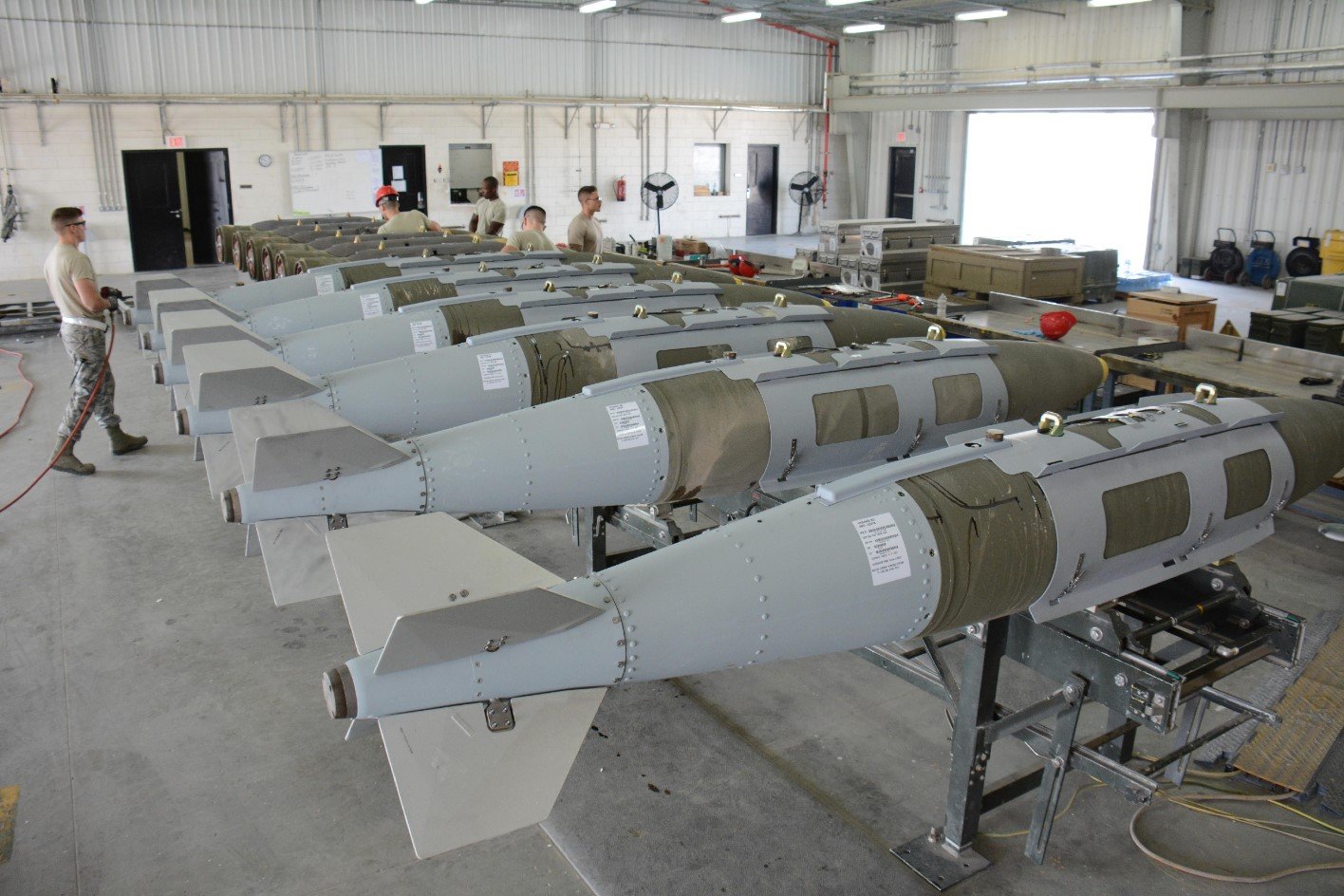 U.S. Plans $2.8 Billion Sale of 40,000 Heavy Bombs and 20,000 I-2000 Penetrator Warheads to Israel
-
 Houthis Claim Downing of Saudi F-15 and Wing Loong II Drone Over Marib
-
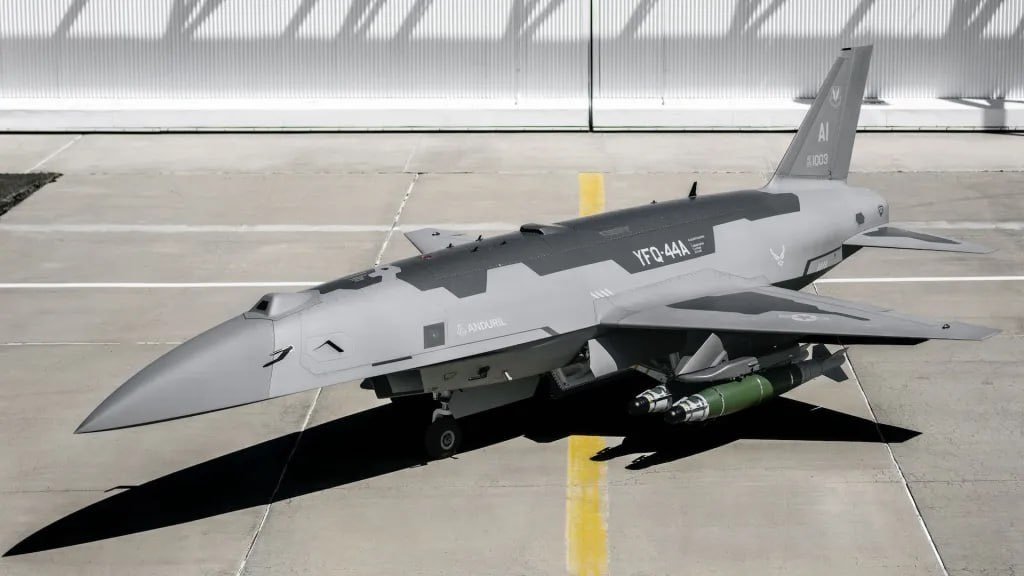 Anduril Conducts Ground Fit-Checks of Air-to-Ground Weapons on YFQ-44A Fury
-
 Photos Reveal Damaged E-3 Sentry, Buildings and Vehicles at U.S. Bases in Saudi Arabia and Kuwait After Iranian Strikes
-
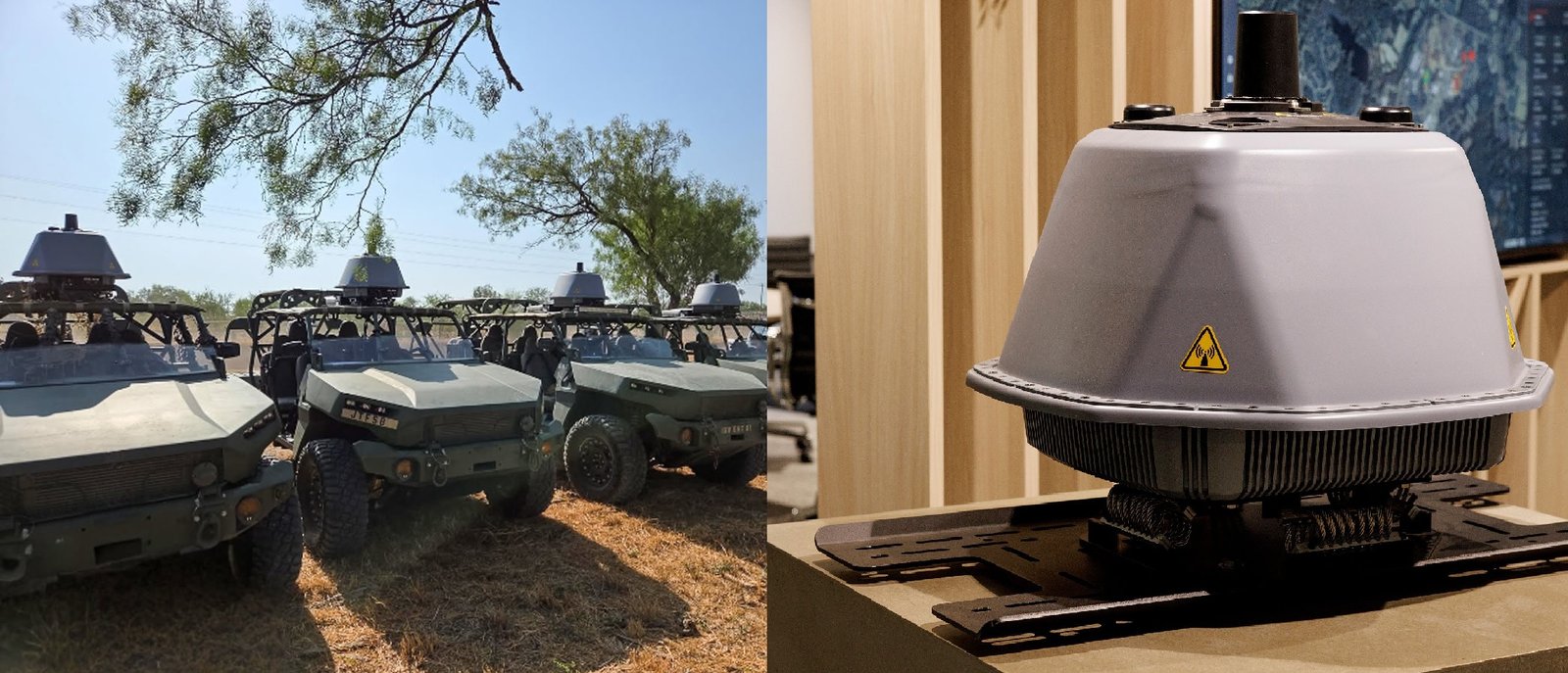 U.S. Military Deploys DroneShield Counter-Drone Systems on Infantry Squad Vehicles
-
 BAE Systems Unveils Shadow EW Suite for Small Drones and Autonomous Aircraft
-
 Lockheed Martin Demonstrates Legion Pod-to-Pod Data Link on F-16s for Passive Targeting
-
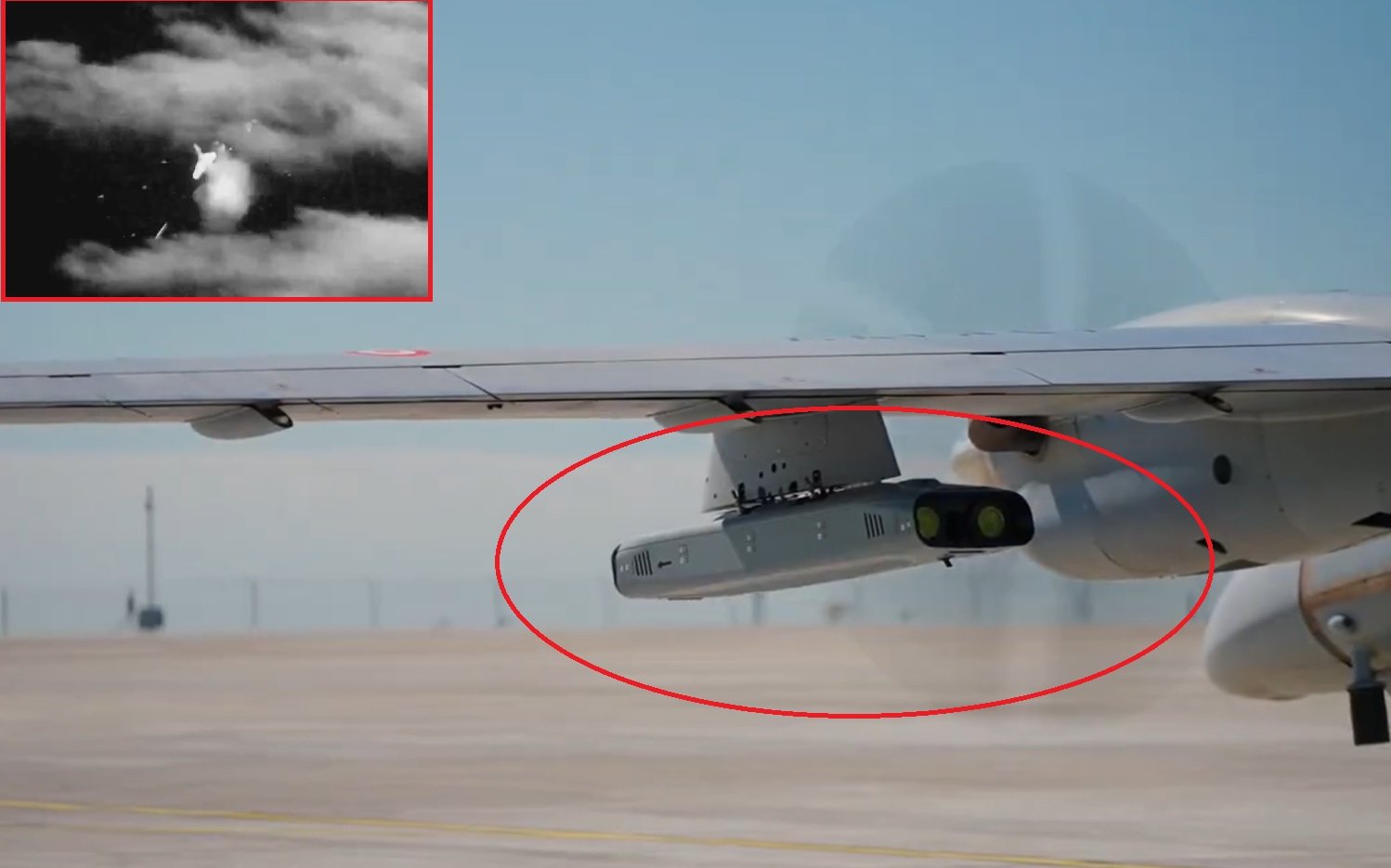 Turkey’s AKINCI Drone Hits High-Speed Aerial Target with SUNGUR Missile in Black Sea Test
Top Trending in 4 Days
-
 Pentagon Awards BlueHalo Up to $99.8 Million Contract for Orbital Battlespace R&D Program
-
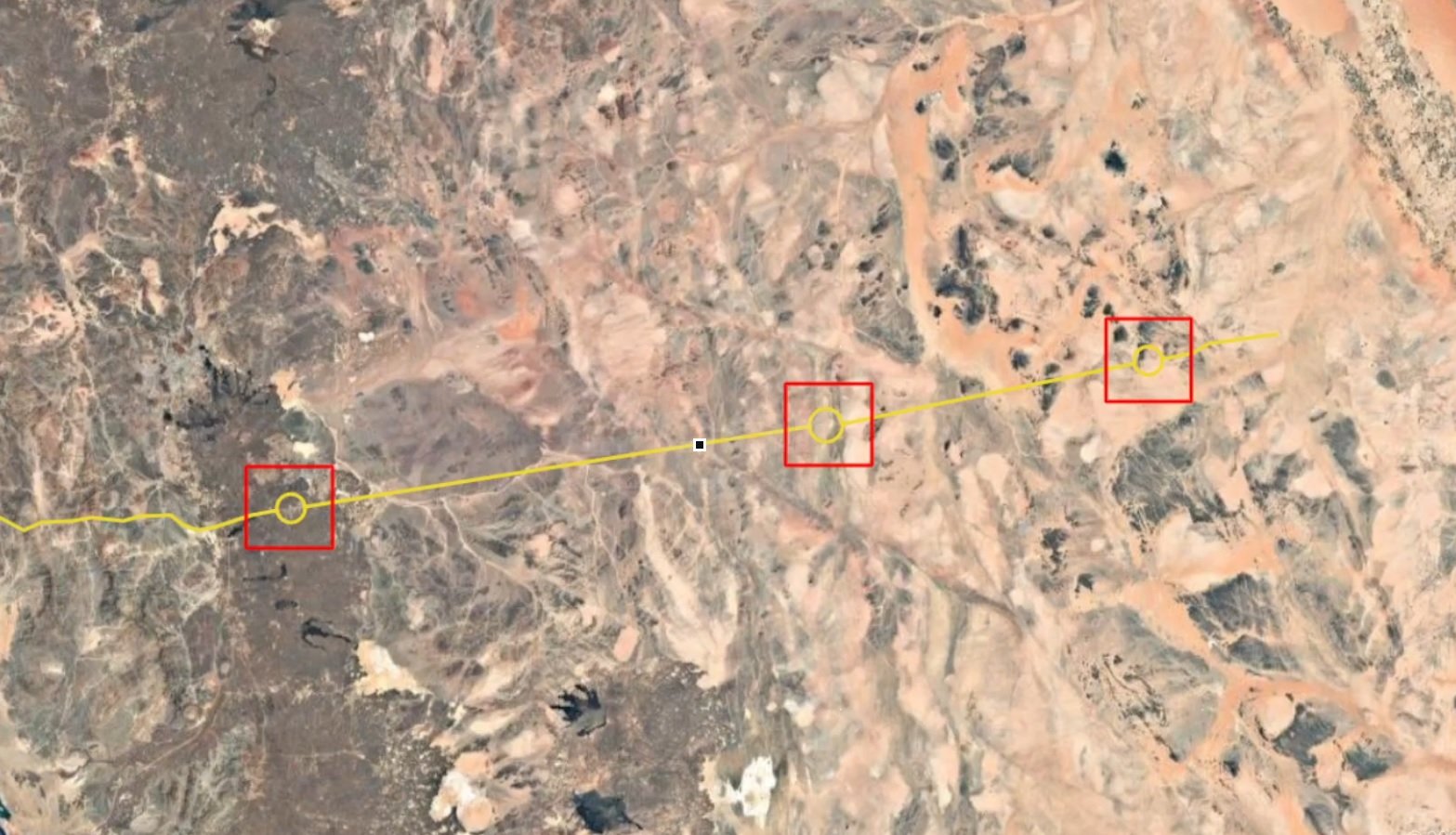 Satellite Imagery Shows Extensive Damage to Saudi Arabia’s East-West Oil Pipeline, Indicating More Than a Single Strike
-
 U.S. Firm Swarm Aero Unveils Gamera Group 5 UAS With 9,000-Nautical-Mile Range and Heavy Strike Payload
-
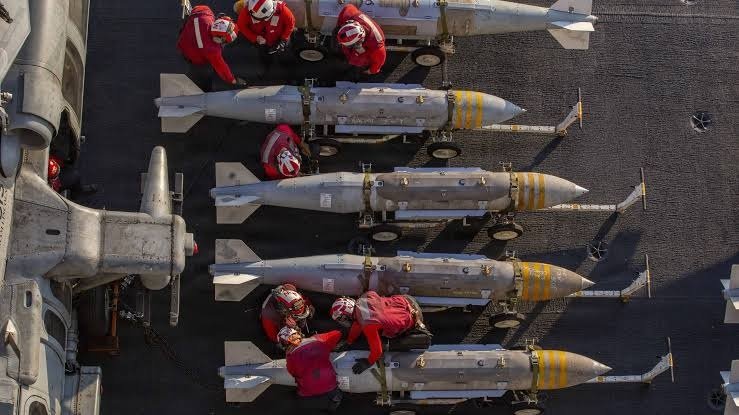 Pentagon Inspector General Report Finds Iran War Caused U.S. Ammunition Shortfalls and Industrial Bottlenecks
-
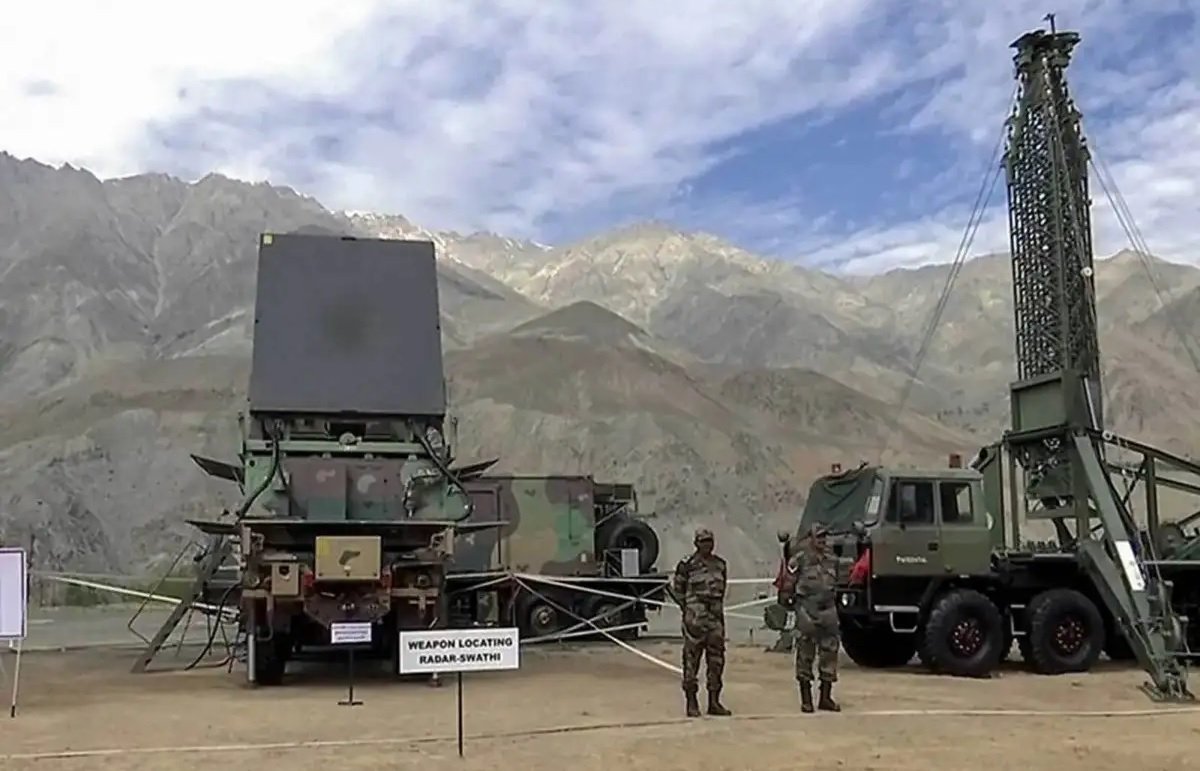 DRDO Demonstrates Indigenous 3.5×3 mm GaN Chip Delivering 30 Watts for Next-Generation Radars and Electronic Warfare
-
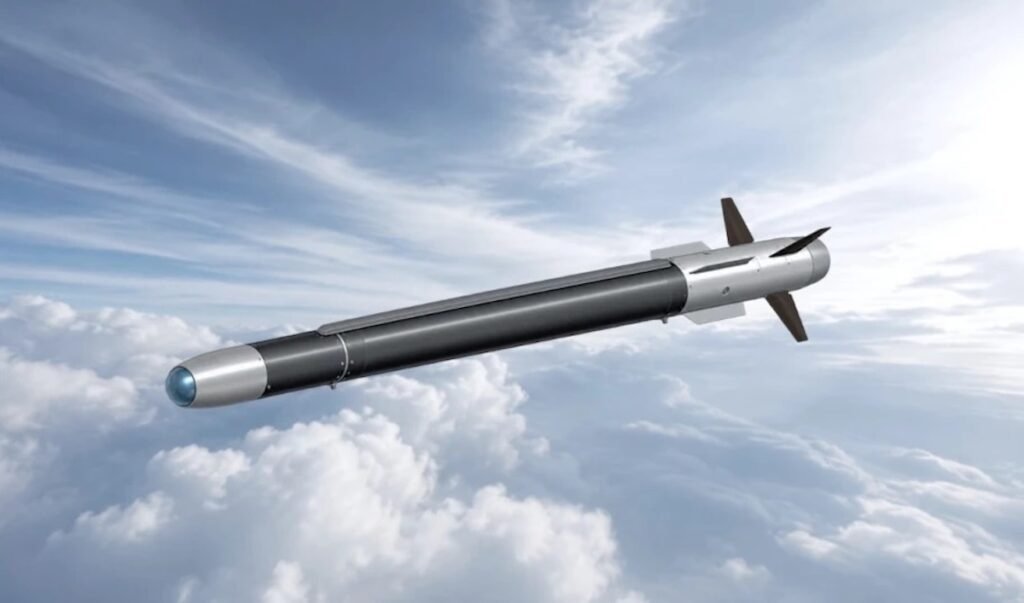 MBDA and Poland’s WITU Advance Low-Cost Supersonic Interceptor Against Swarm Attacks, Seeker Trials Successfully Completed
-
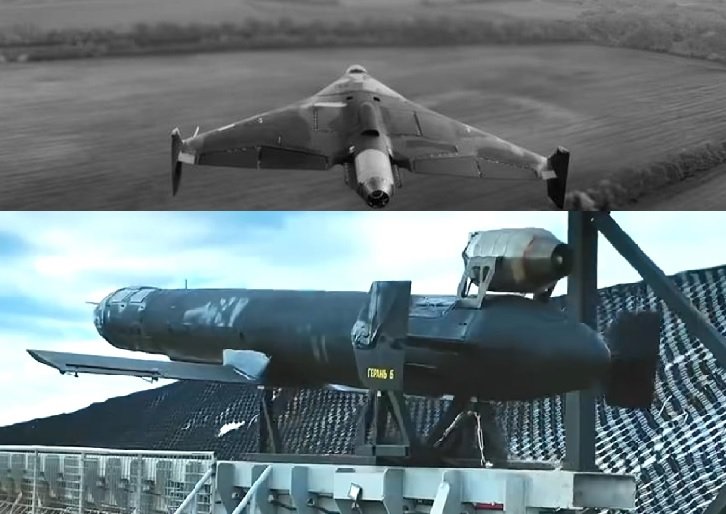 Iran Requests Advanced Geran-4 and Geran-5 Drones From Russia, FT Reports
-
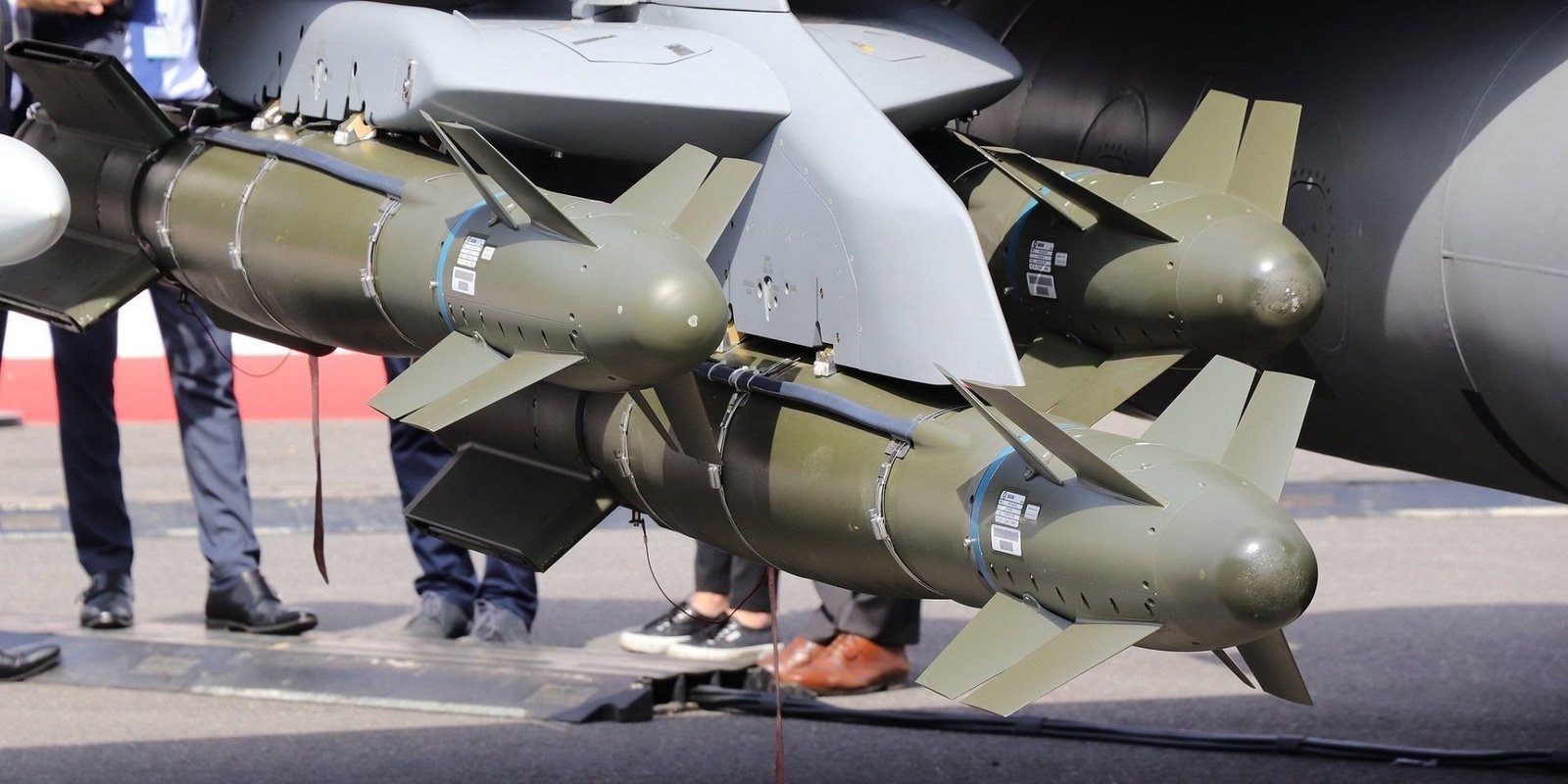 Swedish Gripens Bound for Ukraine to Be Armed with French Rocket-Assisted Hammer Precision Bombs