India
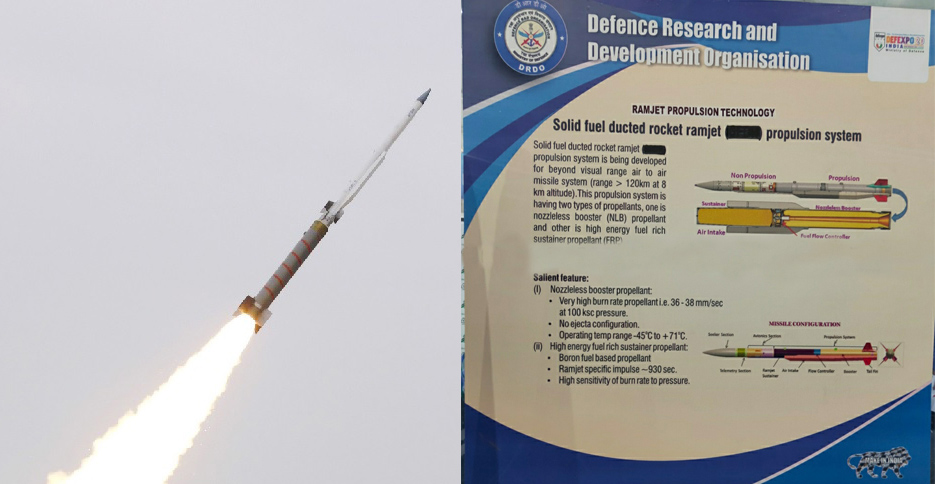
DRDO Astra Missile Technology :- The Solid Fuel Ducted Ramjet (SFDR) stands out as an innovative missile propulsion system within the realm of advanced technology. Unlike conventional solid rockets, which lack the ability to adjust thrust once ignited, the SFDR introduces a revolutionary approach by utilizing controlled intake air for thrust adjustment during flight. This marks a departure from the traditional reliance on pumps for adjusting thrust in liquid-fueled rockets.One distinctive feature of the SFDR is its self-sufficiency in terms of oxidization, as it draws atmospheric oxygen directly from the intake air, eliminating the need for an oxidizer mix. Developed by the Defense Research and Development Organization (DRDO), the SFDR is characterized by its low smoke, nozzleless solid rocket motor design.Comprising four essential components, namely the Sustainer, Air Intake, Fuel Flow Controller, and Nozzleless Booster, the SFDR showcases a sophisticated engineering approach. Positioned at the aft section are the propulsion control unit electronics and fin actuation subsystem, enveloping the rear part of the Nozzleless Booster. The arrangement includes the Through Air Initiation Igniter behind the Fuel Flow Controller, followed by the combustor where the solid propellant nozzleless booster is seamlessly integrated. The design features two chin-mounted air intakes that supply ram air to ignite the solid fuel grain in the gas generator.Critical to its functionality, the Nozzleless Booster adopts a conical shape at its end, optimizing the diameter for effective rocket propulsion. This design necessitates the careful optimization of the grain length to diameter ratio, achieving performance comparable to traditional nozzles.In testing scenarios, the SFDR undergoes a high-altitude trajectory to simulate aircraft launch conditions. Subsequently, the Nozzleless Booster ignites, propelling the missile forward. This ignition process occurs seamlessly, whether during simulated aircraft launch conditions or the actual release from the launcher. The ram air triggers the gas generator action, and the Through Air Initiation Igniter employs an attainable pyrocartridge to initiate ignition. The continuous flow of ram air enhances the mixing of fuel and air, leading to the gradual outward burn of the solid propellant grain and the expulsion of hot gases through the Nozzleless Booster.
Read More → Posted on 2024-01-07 08:44:15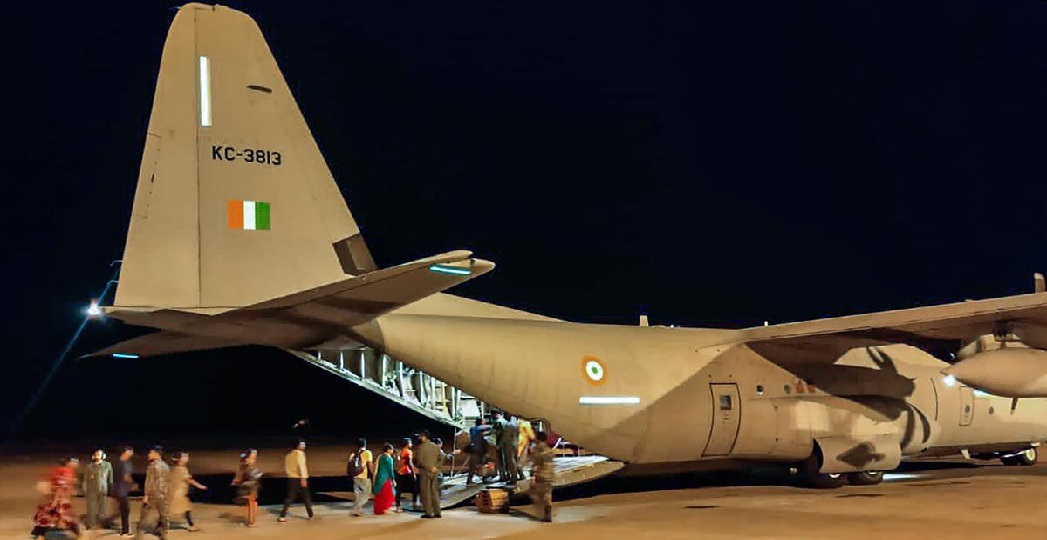
India
Defense News ,India :- In a historic display of aeronautical expertise, the Indian Air Force (IAF) recently accomplished a groundbreaking achievement by conducting the first-ever night landing of a C-130J Super Hercules transport aircraft at the formidable Kargil airstrip. This daring mission unfolded in the shadowy embrace of the Himalayan night, not only highlighting the IAF operational excellence but also underscoring its pivotal role in bolstering India defense capabilities.Nestled amidst the challenging Himalayan terrain, the Kargil airstrip stands at an altitude exceeding 8,800 feet, presenting a unique set of challenges for pilots. The combination of high altitude, unpredictable weather, and strong winds demands exceptional precision and skill during landing. Successfully maneuvering a massive C-130J aircraft under these demanding conditions, especially in the darkness of night, attests to the IAF meticulous planning and the remarkable skills of its pilots.To add another layer of complexity to the mission, the IAF employed innovative "terrain masking" techniques during the approach. This strategy utilized the natural contours of the mountains to shield the aircraft from enemy radar and infrared detection, significantly enhancing the mission stealth and security.Moreover, the Kargil night landing operation seamlessly integrated with a training mission for the IAF elite special forces unit, the Garuds. This synergistic approach not only tested the IAF logistical capabilities but also refined the operational coordination between its air and ground units, showcasing their readiness for any unforeseen circumstances.The successful night landing at Kargil carries immense strategic importance for India. It serves as a testament to the IAF ability to swiftly deploy troops and equipment to remote and challenging locations, even under adverse conditions. This heightened operational flexibility strengthens India defense posture and acts as a deterrent against potential adversaries contemplating misadventures. The IAF accomplishment marks a pinnacle of aeronautical skill and stands as a triumph in securing the nation defense capabilities.
Read More → Posted on 2024-01-07 05:14:17
India
Defense News ,India :- In a significant development supporting the Make in India initiative and bolstering the strength of the Indian Army stationed along international borders, the Defence Research and Development Organisation (DRDO) achieved a successful test of a robotic mounted artillery system at the Pokhran firing range in Jaisalmer, Rajasthan.The DRDO tested the 155×52 Advanced Towed Artillery Gun System (ATAGS) on BEML armored truck in the Jaisalmer district, near the India-Pakistan border. This innovative system is capable of delivering a strong response to enemy forces. The test, conducted in the presence of DRDO officials and Indian Army officers and soldiers, was deemed a complete success.Prepared and tested in mission mode by the DRDO, this event marks a milestone in the modernization of the Indian Army artillery. The mounted gun system demonstrated its capability to fire 5 rounds in just 60 seconds, showcasing its efficiency in combat situations.The key advantage of deploying this type of gun on a vehicle lies in its ability to determine the location of enemy artillery through the elevation of its rounds during firing. This enables quick detection and destruction of enemy targets, while the system can swiftly change its position post-firing to evade potential counterattacks.This robotic artillery system is part of the ongoing efforts by the Indian government to strengthen the army. The allocation of a significant portion of the national budget for the procurement and manufacturing of weapons and equipment for the Indian Army, Navy, and Air Force underscores the commitment to maintaining readiness for any future challenges.The Pokhran Field Firing Range in Jaisalmer serves as a crucial testing ground where the Indian Army and DRDO assess various domestically manufactured equipment and weapons. This proactive approach ensures that the armed forces are well-equipped to handle diverse scenarios in the times ahead.
Read More → Posted on 2024-01-07 04:57:59
India
Defense News ,India :- In a daring operation, the Indian naval warship INS Chennai successfully reached the troubled waters surrounding the hijacked vessel MV Lila Norfolk off the Somalia coast, as reported by news agency ANI citing military officials.Upon arrival, INS Chennai wasted no time, deploying its helicopter and sternly warning the pirates to abandon their illicit takeover of the vessel. The safety of at least 15 Indian crew members aboard the Liberian-flagged ship, hijacked near Somalia coast, has been ensured, with the elite Marine Commandos MARCOS standing ready for any necessary operations.The Indian Navy has been vigilantly monitoring the situation concerning the hijacked ship, MV LILA NORFOLK, since receiving information the previous evening. Communication has been established with the 15 Indian crew members, and the Navy is actively engaged in overseeing the ongoing developments.The alert came through the UKMTO portal, signaling a distressing boarding incident by approximately five or six armed individuals on Thursday evening. Responding promptly, the Indian Navy launched a Maritime Patrol Aircraft (MPA) and redirected INS Chennai to assist the beleaguered vessel, as reported by ANI.On Friday morning, INS Chennai soared over the vessel and successfully established contact, ensuring the safety of the crew. The overall situation is being meticulously monitored in collaboration with various agencies and Maritime Security Forces (MNFs) in the region, according to Indian Navy officials.This marks a testament to the swift and decisive action taken by the Indian Navy in protecting its citizens and upholding maritime security. The saga continues, with more updates expected to follow.
Read More → Posted on 2024-01-05 15:18:31
India
Space News ,India :- Four decades after Indian Air Force Pilot and Astronaut Rakesh Sharma embarked on a historic space journey through the Soviet Interkosmos program, India is gearing up for a new chapter in space exploration. In a significant development, Indian astronauts are set to undergo training for a mission to the International Space Station (ISS), led by the United States. Anticipated to take place in 2024, this expedition aims to provide hands-on learning experiences, laying the groundwork for India ambitious venture named "Gaganyaan," which envisions sending its astronauts into space and ensuring their safe return.Kicking off the New Year with the successful launch mission PSLV-C58/XPoSat, Dr. S Somanath, the head of the Indian space agency, declared 2024 as the year of Gaganyaan preparedness. "Our goal is to execute the astronaut mission by the end of 2025, and to achieve that, we must overcome several milestones," he stated. The initial steps involve three unmanned flights, serving as full rehearsals for the Human spaceflight mission but without actual astronauts. In 2024, two such unmanned missions are scheduled, and success in these endeavors is crucial.In these unmanned missions, the Indian Space Research Organisation (ISRO) will deploy "Vyommitra," a humanoid robot developed by the ISRO Inertial Systems Unit (IISU). This AI-equipped humanoid, along with onboard computers and an array of sensors, will provide ISRO with valuable insights into the conditions within the astronaut-carrying capsule during its journey to and from space.Having tested the Crew Escape System in October 2023, ISRO plans to conduct three more tests under varying conditions, ensuring the safe ejection of the crew capsule in case of mid-flight failures. Additionally, helicopter-drop tests of the crew-carrying capsule and a Pad-abort test, ejecting the capsule in case of a launchpad mishap, are on the agenda for 2024. Amidst these activities, ISRO will also maintain its routine launch missions for operational rockets (SSLV, PSLV, GSLV, and LVM3) while concurrently advancing key technologies linked to the Gaganyaan mission.Over the past years, Indian Air Force pilots, selected as astronaut candidates, completed initial training at Russia Gagarin Cosmonaut Training Centre. Upon returning to India, they underwent theoretical and practical sessions at ISRO centers and the Indian Air Force Institute of Aerospace Medicine. As integral members of the Gaganyaan team, they contribute to the design and development of the crew-carrying capsule. In Bengaluru Human Spaceflight Centre, simulator training and physical training have been ongoing.Regarding the commencement of the U.S. phase of training for Indian astronauts, Dr. Somanath expressed that it would happen soon. NASA, as per the India-U.S. arrangement, will sponsor a seat in a private launch to the ISS. Indian astronauts will undergo training at NASA Johnson Space Centre in Houston, Texas, known as the Hub of Human Spaceflight. This collaboration, announced in June 2022, aligns with the broader Indo-U.S. Space Cooperation initiatives highlighted in the joint statement by Prime Minister Modi and President Biden.Despite the exciting developments, the identities of the four Indian astronaut candidates remain undisclosed, leaving the nation eagerly awaiting more details. The path to Gaganyaan realization is paved with challenges, milestones, and international collaborations, marking India determined stride toward broader participation in space exploration.
Read More → Posted on 2024-01-05 04:00:57
India
Defense News ,India :- India strongly dismissed recent reports alleging the presence of Indian-origin artillery shells in Ukraine, asserting that it has not supplied any ammunition to the conflict-ridden nation. Randhir Jaiswal, the spokesperson for the External Affairs Ministry, unequivocally stated during a media briefing that India neither sent nor exported any artillery ammunition to Ukraine. Addressing concerns raised by media reports, Jaiswal emphasized India categorical denial of involvement in supplying such weaponry.The statement came as a response to claims about the sighting of Indian-made artillery shells in Ukraine. India, consistently advocating for a resolution through dialogue and diplomacy, has maintained a neutral stance on the conflict.External Affairs Minister S Jaishankar engaged in a significant phone conversation with Ukrainian Foreign Minister Dmytro Kuleba, focusing on the ongoing conflict, Kyiv proposed peace formula, and the enhancement of bilateral ties. Following Jaishankar recent visit to Russia, where he held extensive discussions with Foreign Minister Sergey Lavrov and met with President Vladimir Putin, the phone call aimed to strengthen ties between India and Ukraine.Jaishankar, describing the conversation as "useful," highlighted discussions on advancing bilateral cooperation and exchanging views on the conflict in Ukraine. Kuleba conveyed Ukraine "peace formula" and outlined plans for the "Global Peace Summit" of leaders, emphasizing the need for collaboration between the two countries.The Ukrainian Foreign Minister disclosed plans for the first meeting of the India-Ukraine Inter-Governmental Commission since 2018, foreseeing it as a crucial step toward comprehensive collaboration. He expressed optimism that revitalizing this primary mechanism would enable joint progress in various areas.Ukrainian President Volodymyr Zelenskyy proposed 10-point "peace plan" for ending the conflict includes measures such as holding those responsible for war crimes accountable, withdrawing Russian troops from Ukraine, and restoring territorial integrity. The plan also addresses critical aspects like energy security, food security, and nuclear safety. India active engagement in diplomatic discussions reflects its commitment to contributing to global peace and stability.
Read More → Posted on 2024-01-05 03:56:45
India
Defense News ,India :- In the arid landscapes of Rajasthan, the collaborative military endeavor between India and the United Arab Emirates, named "Desert Cyclone," is currently in progress. This joint exercise, launched on January 2 and spanning a two-week duration until January 15, is a platform for the exchange of knowledge and the adoption of best practices in military operations to boost interoperability.The inaugural edition of "Desert Cyclone" witnesses the active participation of 45 personnel from both Indian and UAE armed forces. The UAE Land Forces contingent, hailing from the Zayed First Brigade, has joined forces with the Indian Army contingent, predominantly consisting of a battalion from the Mechanised Infantry Regiment.Taking place in Mahajan, Rajasthan, this exercise focuses on enhancing interoperability, particularly in sub-conventional operations such as fighting in built-up areas (FIBUA) within desert or semi-desert terrains. This aligns with Chapter VII of the United Nations Charter on Peacekeeping Operations, underlining the commitment to strengthening collaborative efforts.The activities planned for "Desert Cyclone" encompass a range of strategic maneuvers, including the establishment of a Joint Surveillance Centre, Cordon and Search Operation, Domination of Built-Up Area, and Heliborne Operations. Through these drills, the exercise aims to improve cooperation and interoperability between the Indian and UAE armed forces, especially in the context of peacekeeping operations.The joint military exercise signifies more than just a training ground; it symbolizes the deepening of bonds between India and the UAE. It acts as a conduit for fostering friendship, trust, and collaborative partnerships between the two nations. Beyond military objectives, "Desert Cyclone" is a testament to the shared commitment to security and the advancement of bilateral relations.
Read More → Posted on 2024-01-05 03:48:21
India
Defense News ,India :- Giridhar Aramane, India Defense Secretary, has revealed an ambitious initiative to actively promote the Tejas Mk1A fighter jet for export to friendly nations. The Indian government, driven by its dedication to fortifying defense ties and encouraging global collaboration, is currently in discussions with Nigeria for the export of the indigenous Tejas fighter jet. Aramane has highlighted India commitment to providing the Tejas at a competitive price, along with the flexibility to tailor the equipment to meet the specific requirements of potential buyer nations.The Tejas Mk1A, a manifestation of India indigenous aeronautical expertise, stands as a testament to the nation advancements in cutting-edge defense technologies. Crafted by the Aeronautical Development Agency (ADA) and produced by Hindustan Aeronautics Limited (HAL), the Tejas is a lightweight, multi-role fighter aircraft celebrated for its agility, state-of-the-art avionics, and robust performance. The Mk1A variant, equipped with enhancements and upgrades, presents an appealing proposition for nations in search of modern and reliable fighter jets.Giridhar Aramane announcement underscores India proactive stance in showcasing its indigenous defense capabilities on the global stage. The decision to actively market the Tejas Mk1A to friendly nations highlights the government commitment to forging stronger defense partnerships and expanding its presence in the international defense market.India ongoing negotiations with Nigeria for the export of Tejas fighter jets exemplify the nation diplomatic and strategic outreach. The Tejas, with its advanced capabilities, has the potential to address Nigeria defense needs, fostering a deeper bond between the two nations. Successful collaboration could pave the way for enhanced bilateral ties and shared expertise in defense technology.
Read More → Posted on 2024-01-04 15:06:53
India
Defense News ,India :- DRDO has unveiled the cutting-edge Very Short-Range Air Defence System (VSHORADS), designed to effectively counter low-altitude aerial threats within a range of 6 kilometers. This 4th generation system surpasses the current Man-Portable Air Defence Systems (MANPADS) in the Indian armed forces, incorporating a state-of-the-art uncooled imaging infrared seeker, according to a senior defense official.India is gearing up to initiate "user trials" for its domestically developed man-portable air defence missile system, aimed at eliminating hostile aircraft, drones, and helicopters at very short ranges. This development comes as the armed forces are integrating a limited number of Russian systems to address operational gaps in the ongoing military standoff with China in eastern Ladakh.DRDO indigenously developed VSHORADS is specifically designed to neutralize low-altitude aerial threats within a range of up to 6 kilometers. The 4th generation system has demonstrated superiority over existing MANPADS in the Indian armed forces. The validation of the upper range of VSHORADS has been confirmed through a series of developmental tests, and further testing is required to establish its effectiveness at ranges less than 1 kilometer, where precise maneuvering and missile control are crucial.The Defence Acquisitions Council, headed by Rajnath Singh, approved the procurement of the infrared homing VSHORADS missiles in January, allocating a budget of ₹1,920 crore. Once user trials are successfully completed, bulk production can commence. Simultaneously, certain Indian companies are actively working on the development of "laser-beam riding VSHORADS" under a "Make-II" category project, with prototype development being industry-funded.The VSHORADS is positioned as a game-changer in Indian defense, providing a cost-effective option that can be rapidly deployed for close air defense protection in challenging high-altitude areas and maritime environments. Its operational versatility and utility were showcased during the Russia-Ukraine conflict.Facing critical shortages in advanced man-portable air defence missiles, the armed forces resorted to emergency procurement provisions for a limited number of Russian Igla-S MANPADS over the past three years. The original plan for the procurement of 5,175 VSHORADS, initiated in June 2009, did not materialize, leaving the Army in need of a permanent solution amid heightened tensions along the northern borders with China.
Read More → Posted on 2024-01-04 14:47:28
India
Defense News ,India :- Indian armed forces are on the brink of incorporating a groundbreaking addition to their air defense capabilities. The homegrown Very Short-Range Air Defence System (VSHORADS), designed to counter low-altitude threats within a range of 6km, is slated for user trials in the coming months, as per a statement from a senior defense official.VSHORADS is poised to outshine the existing Man-Portable Air Defence Systems (MANPADS) in the Indian military, thanks to its cutting-edge uncooled imaging infrared seeker, offering distinct advantages in terms of technology and performance.Aside from its technical superiority, VSHORADS presents a cost-effective solution for swift deployment, making it easily adaptable for close air defense of critical assets. Its versatility extends to both high-altitude terrains and maritime settings, providing a robust defense mechanism.The upcoming user trials are a pivotal moment for VSHORADS, acting as a crucial determinant for its potential inclusion in the Indian arsenal. A successful trial could herald a new era in air defense capabilities, equipping troops with a dependable and adaptable weapon to counter low-altitude threats effectively.
Read More → Posted on 2024-01-04 04:41:47
India
Defense News ,India :- In a recent development, a sessions court handed down death sentences to two individuals, one hailing from Bangladesh, in connection with the Shramjivi Express train blast that occurred in 2005. The blast resulted in the tragic loss of at least 14 lives and left 62 others injured.The convicts, Hilal, also known as Hilaluddin, and Nafikul Vishwas, were found guilty on December 23, and each was slapped with a fine of Rs 5 lakh. District government counsel Satish Pandey confirmed the court decision, stating that the additional sessions court judge Rajesh Kumar Rai presided over the case.Hilaluddin, a Bangladeshi resident, was accused of planting the bomb on the train, while Nafikul Biswas, residing in West Bengal, was implicated for providing assistance. Its worth noting that two others had previously received death sentences in connection with the Shramjeevi train blast in 2016.The convicts are currently incarcerated in Hyderabad jail for a separate case, and the prolonged legal proceedings spanned six years due to multiple adjournments. The local administration took stringent security measures during the sentencing, with the convicts being transported to jail in a police vehicle.The Shramjivi Express train blast occurred on July 28, 2005, near the Jaunpur station in Uttar Pradesh, resulting in the destruction of a coach of the Patna-New Delhi train around 5:00 pm. The prosecution revealed that RDX was placed in the coach toilet, a substance that has been previously used in various terrorist attacks in the country, including the Ayodhya train bombing in June 2000.Witnesses reported that two young men boarded the train at Jaunpur carrying a white suitcase. Shortly thereafter, both individuals jumped off the moving train without the suitcase, and the explosion transpired a few minutes later.
Read More → Posted on 2024-01-04 04:32:34
India
Defense News India :- Venezuela and ONGC Videsh Ltd (OVL) have reached an agreement where Venezuela will supply crude oil to OVL in exchange for pending dividends, as revealed by Secretary Petroleum Pankaj Jain. The awaited lifting dates for the oil delivery are currently pending confirmation.This development follows the easing of US sanctions on Venezuela oil sector in October, initially imposed in response to the 2018 re-election of President Maduro government. Petroleum Minister Hardeep Singh Puri expressed India intention to purchase Venezuelan oil, highlighting the capability of Indian refineries to process the heavy oil from Venezuela.Speaking at an event, Puri emphasized India willingness to resume oil imports with nations not under sanction. He stated, "India will buy Venezuelan oil. Many of our refineries, including one in Paradip, are capable of processing heavy oil from Venezuela. We are willing to resume (oil import) with anyone who is not under sanction."India, the world third-largest oil importer and consumer, is actively reshaping its energy landscape to reduce reliance on overseas oil, which currently accounts for over 80% of its needs. The country is striving to curtail its crude import bill and enhance refining capabilities. In this pursuit, India has turned its attention to Venezuela as a potential source of diversification.The South American nation, historically prominent in the global oil industry since 1914, possesses significant oil reserves, totaling 299,953,000,000 barrels as of 2016, representing approximately 18.2% of the global total. Venezuela aims to increase its crude oil production from the current 850,000 barrels per day (BPD) to a target of 1 million BPD.India exploration of collaborations and partnerships with Venezuela aligns with its strategic goal of diversifying oil sources and strengthening refining capabilities. The move signifies a broader initiative by India to navigate its energy future amid evolving global dynamics.
Read More → Posted on 2024-01-04 04:27:21
India
Defense News ,India :- Former Chief of Air Staff RKS Bhadauria, during an interview with Shiv Aroor of India Today, highlighted India advancements in its fifth-generation fighter program, emphasizing the importance of pushing forward with the MK-2 and Advanced Medium Combat Aircraft (AMCA). The AMCA stands out as India sole fifth-generation fighter currently in development, showcasing major technological strides achieved in the early 21st century.In the realm of combat aviation, the pursuit of air and space control remains paramount in warfare, with military aviation witnessing rapid technological growth. The significance of agility, speed, and maneuverability persists, albeit with a shift towards long-range beyond-visual-range (BVR) combat. Drones and unmanned platforms are increasingly taking on high-exposure close air support, while long-range precision strike capabilities gain prominence. Information superiority and shortened decision loops emerge as critical factors determining success.India and France have collaboratively committed to co-developing a high-thrust jet engine for India fifth-generation AMCA MK-2, signifying a positive step in the project progression. However, awaiting clearances from the Cabinet Committee on Security (CCS) for additional funds poses a challenge. Engine development, a key hurdle for the upgraded AMCA MK-2, involves the selection of a high-thrust 110 kN engine to meet supercruise requirements, a feature not currently available in existing global jet engines.The Aeronautical Development Agency (ADA) of the Defence Research and Development Organisation (DRDO) is spearheading the AMCA development, aiming to achieve supercruise capabilities that allow a jet to travel faster than the speed of sound without engaging its afterburner. This enhances fuel efficiency and extends flying range, placing India in an exclusive league of nations with fifth-generation fighter jets boasting supercruise capabilities.The initial batch of AMCA MK-1 jets will utilize the GE-F414 engine, manufactured under a co-production agreement between General Electric and Hindustan Aeronautics Limited (HAL). For the MK-2 version, India plans to use an engine co-developed domestically with a foreign partner, marking a significant stride towards indigenous capabilities.During Prime Minister Modi visit, India and France announced their commitment to advancing defense cooperation in aeronautical technologies, particularly the joint development of a combat aircraft engine. Safran, a French aerospace company, is set to play a crucial role in this collaboration, working with DRDO to prepare a roadmap for the co-development of the jet engine.Jean-Paul Alary, CEO of Safran Aircraft Engines, expressed the company strategic commitment to building enduring relationships with India aviation industry, emphasizing the importance of enhancing India sovereign capabilities in aero engine design and manufacturing.In 2022, India cabinet committee on security approved ₹10,000 crore rupees in funding for the MK-2 fighter jet. The Indian Air Force has plans to order 200 MK-2 jets, although the TEJAS MK-2 is not expected to take to the air before 2027.
Read More → Posted on 2024-01-04 04:22:07
India
Defense News ,India :- In a noteworthy development, India witnessed a surge in its imports of Saudi oil in December, marking a shift from its usual reliance on Russian oil. The data from vessel tracking agencies revealed that payment issues prompted a decline in Indian purchases of Russian oil to an 11-month low, diverting at least five cargoes of the Sokol variant to alternative destinations.Indian Oil Corp, a major player in the country oil sector, faced inventory challenges after the anticipated delivery of Sokol oil from Russia was disrupted. As a result, the corporation had to resort to purchasing oil from the Middle East to bridge the supply gap, as disclosed by sources to Reuters last month.The decline in Russian oil imports for December was substantial, ranging between 16% and 22%, according to calculations by Reuters based on data from flow tracking agencies such as Vortexa, Kpler, and LSEG. Conversely, India oil imports from Saudi Arabia experienced a modest increase of approximately 4%, as reported by Kpler and Vortexa.Indian Oil Corp, being the sole state-run firm with an annual agreement to purchase various Russian oil grades, including Sokol, from Rosneft, faced challenges due to this unexpected decline in supply. Despite the setback, analysts, including Viktor Katona from Kpler, believe it might be premature to dismiss India interest in the Sokol grade. Recent data indicates that three new Sokol cargoes are en route to India on vessels such as NS Antarctic, Jaguar, and Vostochny Prospect.Notably, some vessels, including NS Century, NS Commander, Sakhalin Island, Lityny Prospect, and Krymsk, alongside the very large crude carrier Nellis, loaded with Russian Sokol oil for Indian Oil Corp, were observed sailing toward the Strait of Malacca, according to Kpler and LSEG ship tracking data.The situation took an intriguing turn with the NS Century facing U.S. sanctions imposed in November for the sale of Russian oil exceeding the price cap set by the G7 nations at $60 a barrel. Stranded near Colombo since then, the fate of some cargoes seems to be leaning towards China as a potential destination, as suggested by Viktor Katona.In conclusion, India oil import dynamics witnessed a notable shift in December, with Saudi Arabia gaining ground while Russian oil purchases declined, posing challenges and prompting strategic adjustments in the country oil procurement landscape.
Read More → Posted on 2024-01-03 15:42:46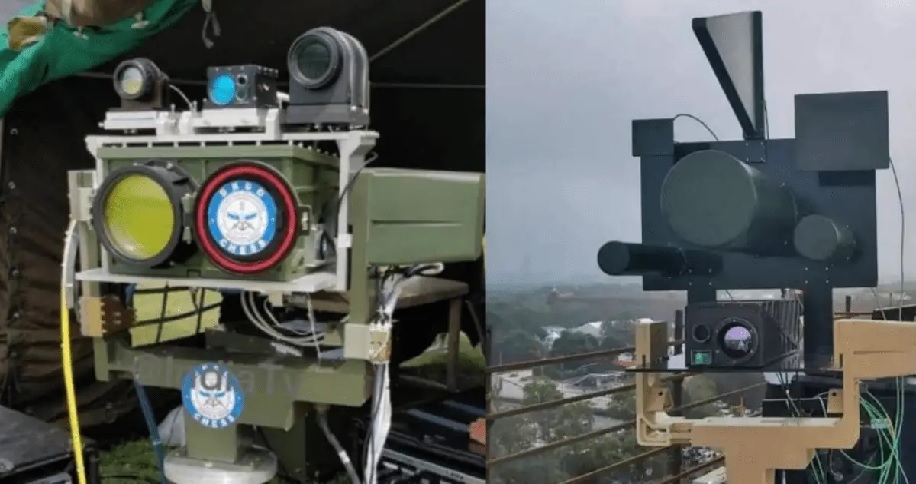
India
Defense News ,India :- In a strategic move to counter the escalating use of drones for smuggling arms and narcotics from Pakistan into India, an indigenous anti-drone system is set to be deployed along the country western border within the next six months. Currently undergoing trials, the system offers three versatile options for implementation, as confirmed by a senior government official. The official highlighted that the comprehensive installation of this anti-drone technology aims to thwart the persistent infiltration of arms, ammunition, and narcotics, particularly in the regions of Punjab and Jammu and Kashmir.The government official emphasized that the anti-drone system could employ one of the three available options or a combination of multiple technologies. The decision to implement this cutting-edge technology follows the challenges faced by security agencies dealing with the increasing use of drones and unmanned aerial vehicles (UAVs) by smugglers.Meanwhile, addressing concerns along the eastern border, the official disclosed plans to discontinue the free movement regime (FMR) along the India-Myanmar border. The FMR, allowing visa-free travel within a 16 km distance for tribes residing on both sides of the border, is being reconsidered due to its association with illegal immigration, narcotics trafficking, and ethnic violence in Manipur. The government is contemplating making visas mandatory for Myanmar nationals entering through the land border to strengthen border security.Highlighting the severity of the situation, the Director General of the Border Security Force (BSF), Nitin Agrawal, revealed that between November 1, 2022, and October 31, 2023, a total of 90 drones were recovered by the force. Out of these, 81 were located in Punjab, while the remaining nine were found in Rajasthan. The BSF has witnessed a surge in drone sightings, ranging from 300 to 400 in the past year.To counteract the evolving tactics of smugglers, the BSF has enhanced its surveillance capabilities using handheld static and vehicle-mounted anti-drone systems. This heightened vigilance has resulted in difficulties for smugglers attempting to transport drug consignments from Pakistan, leading them to adapt their strategies. Reports indicate that smugglers are now resorting to smaller drones with lighter payloads, typically around 750 grams, many of which are of Chinese make due to their accessibility and affordability compared to alternatives from Turkey or Iran.As India prepares to deploy its indigenous anti-drone system, the focus remains on fortifying border security and curbing the illicit activities fueled by the misuse of drone technology.
Read More → Posted on 2024-01-03 14:24:40Search
Top Trending in 24 Hours
-
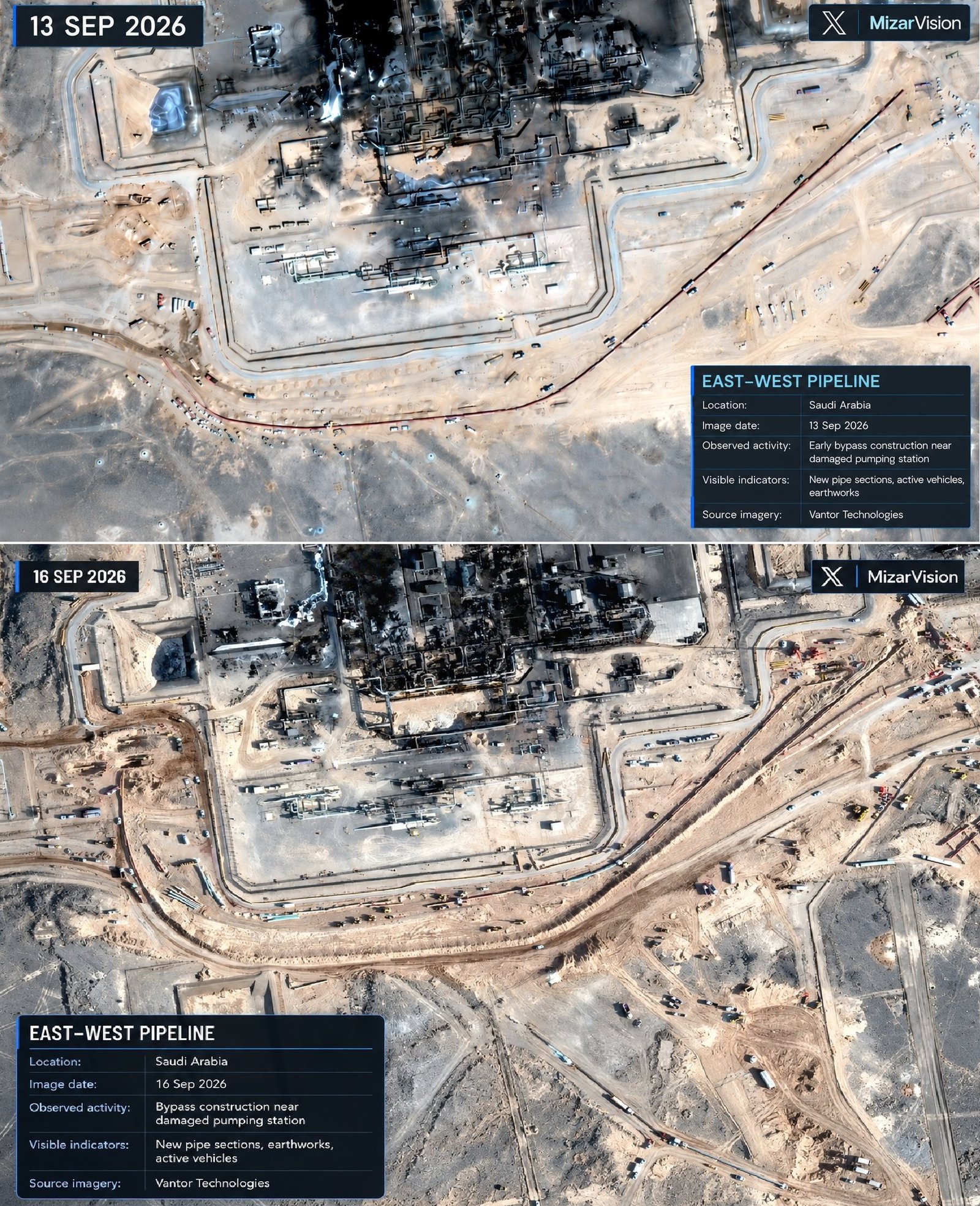 Satellite Images Show Saudi Arabia Building Emergency Bypass Around Damaged East-West Oil Pipeline Station
-
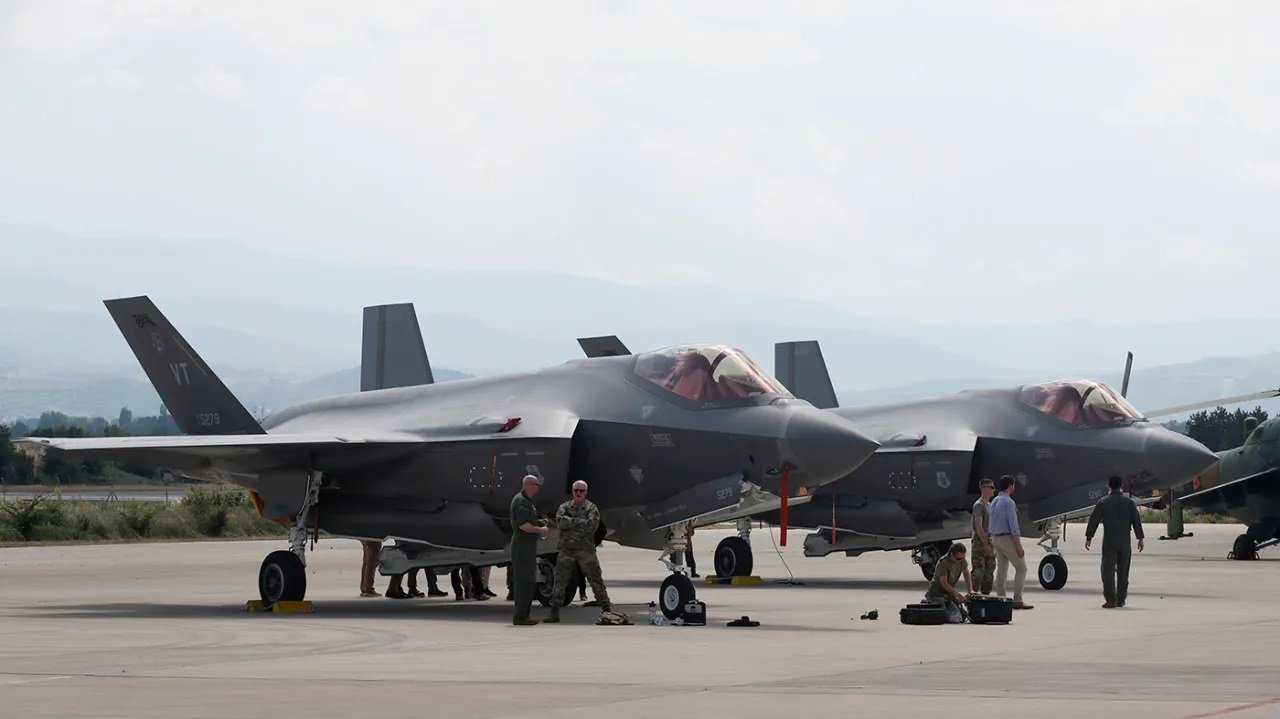 U.S. Approves Possible $24.3 Billion Sale of 48 F-35 Jets to Saudi Arabia
-
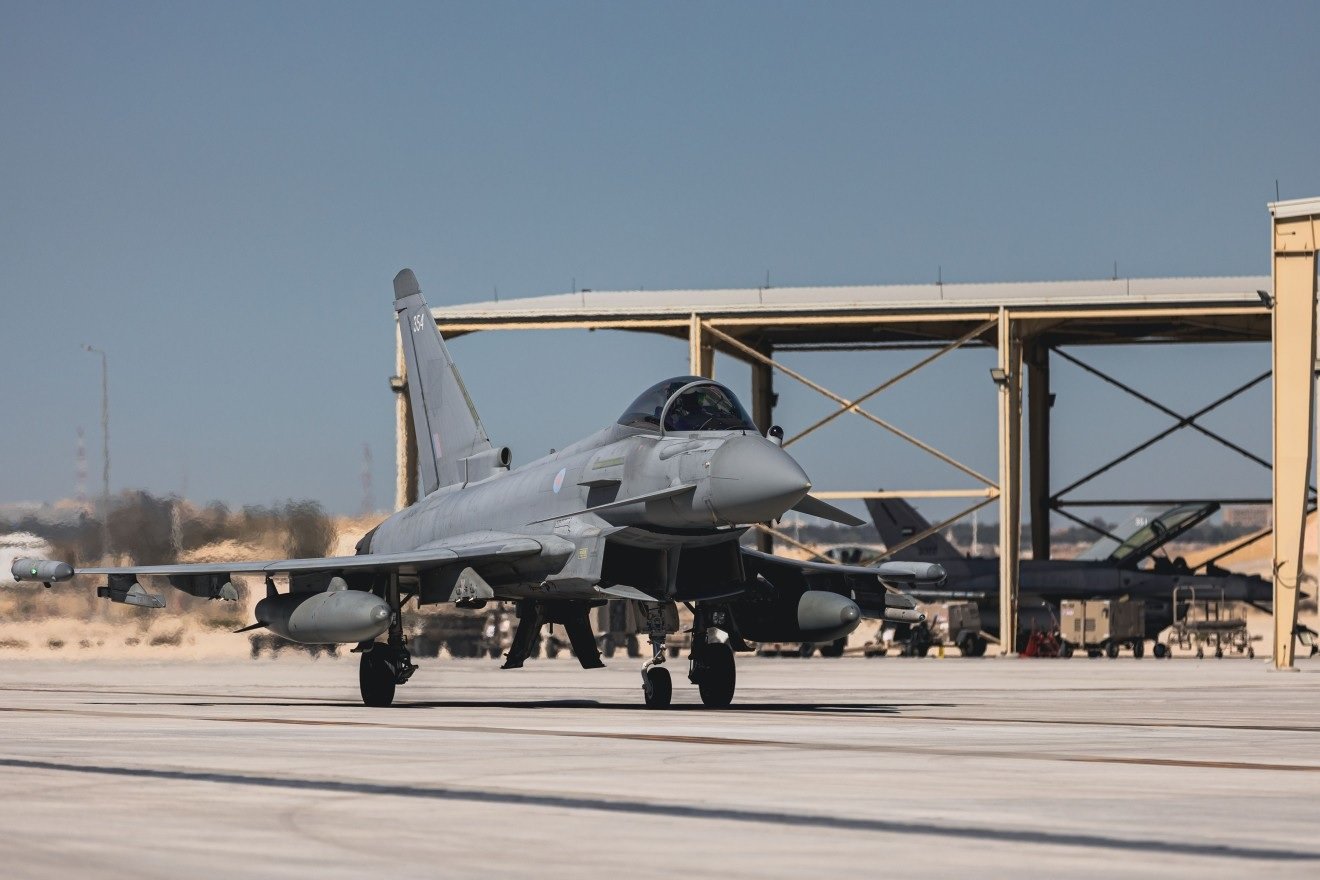 Italian Eurofighter Damaged in Houthi Attack on Saudi Arabia’s King Fahd Air Base
-
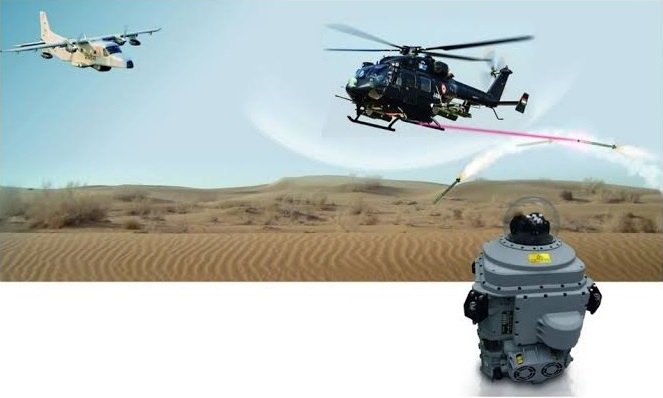 BEL Signs Export Deal with Elbit Systems for Directed Infrared Countermeasure Sub-Assemblies, Secures ₹648 Crore in Additional Orders
-
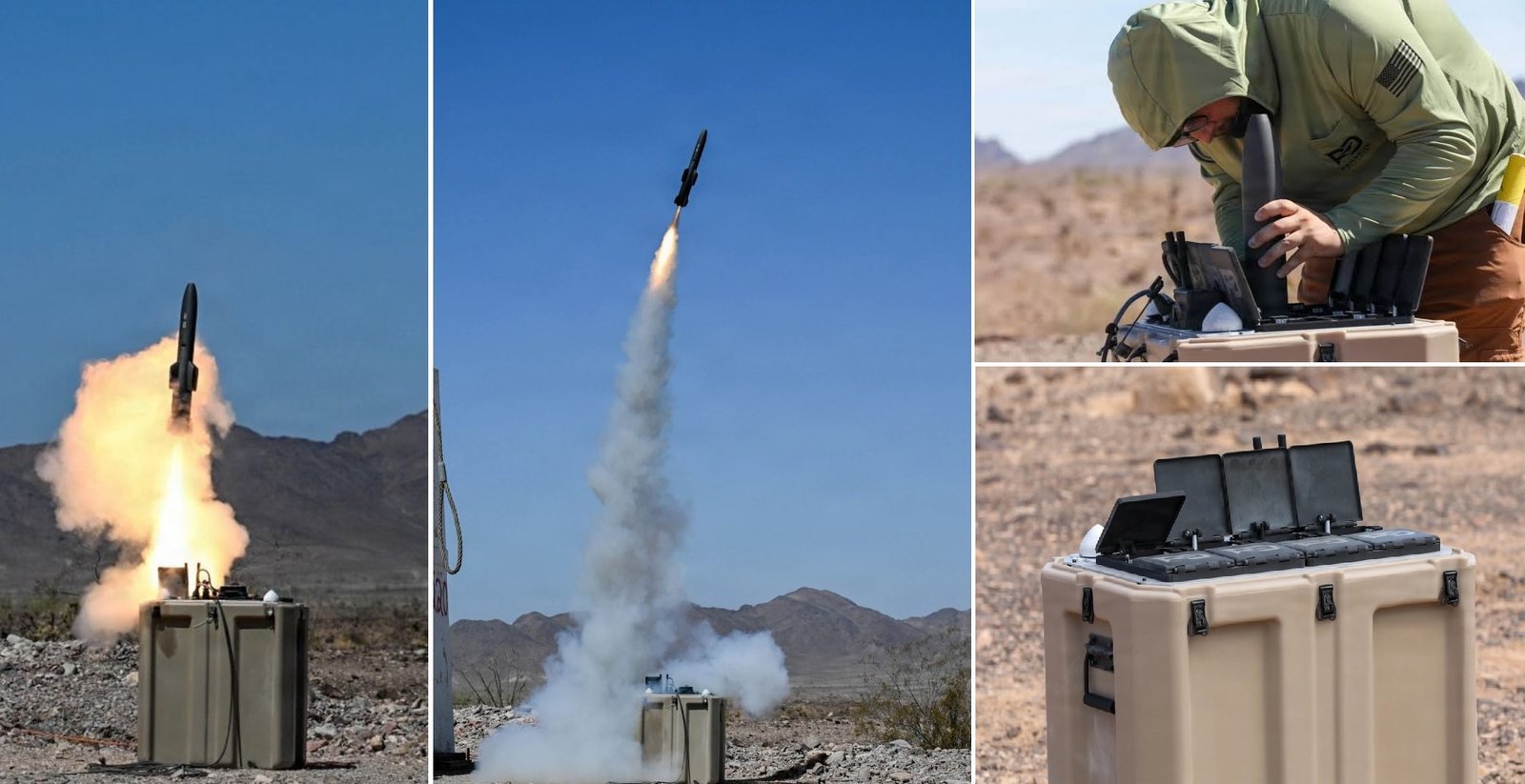 U.S Firm Perseus Defense Tests 'Harpe' Low-Cost Kinetic MK-II Drone Interceptor at Yuma Proving Ground During Falcon Peak 26.2
-
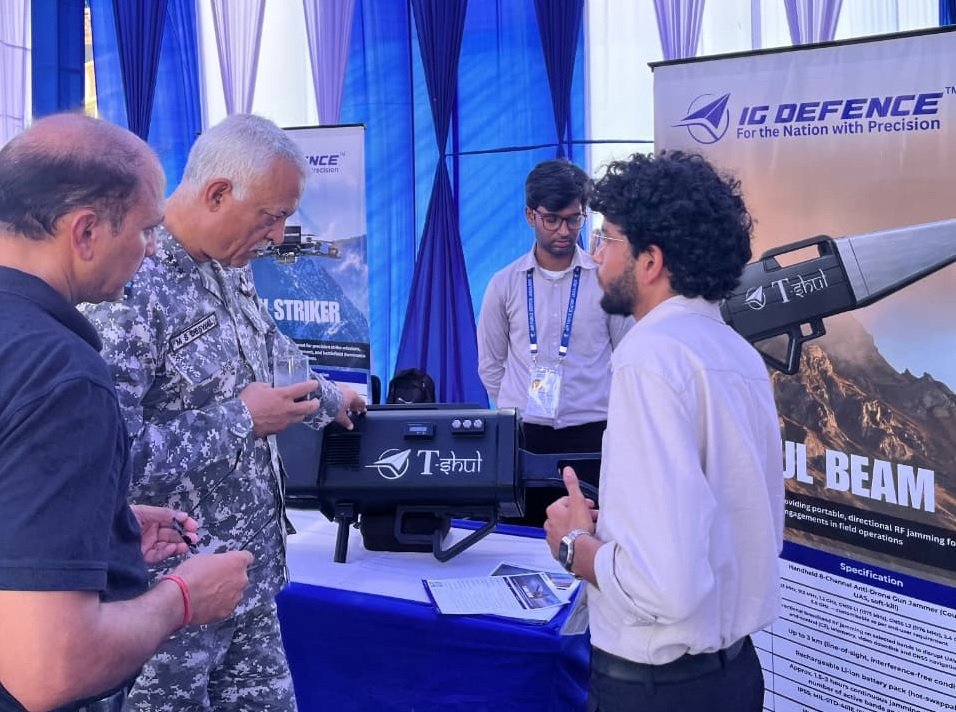 IG Defence Demonstrates Indigenous T-SHUL BEAM Counter-UAS System at IAF Dronathan 2026
-
 Israeli Firm Arbe Robotics Unveils Alerion High-Resolution 4D Radar for Counter-Drone Operations
-
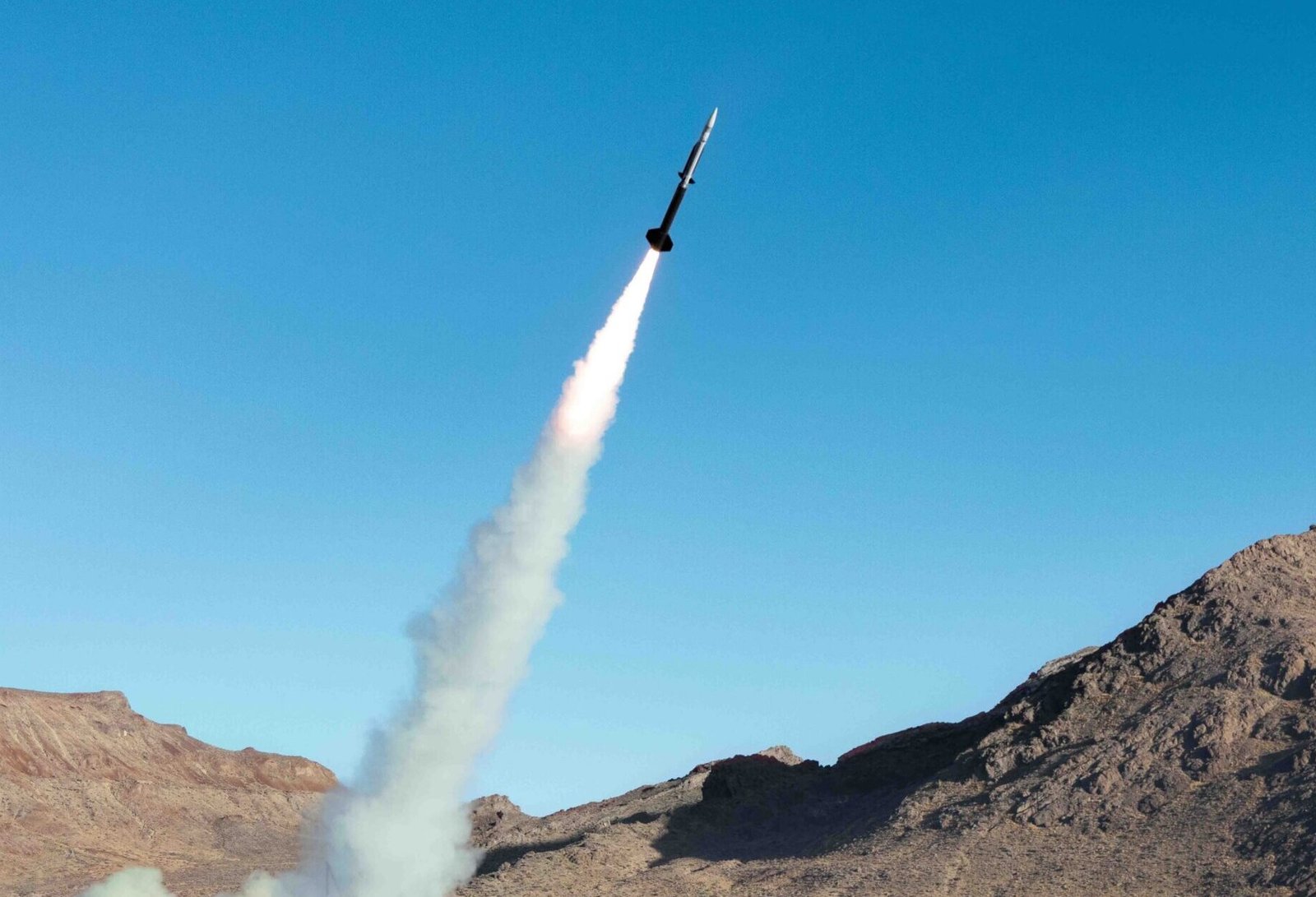 U.S. Air Force Research Laboratory Adds $16.4 Million to Castelion Contract for Blackbeard Hypersonic Missile Development
Top Trending in 4 Days
-
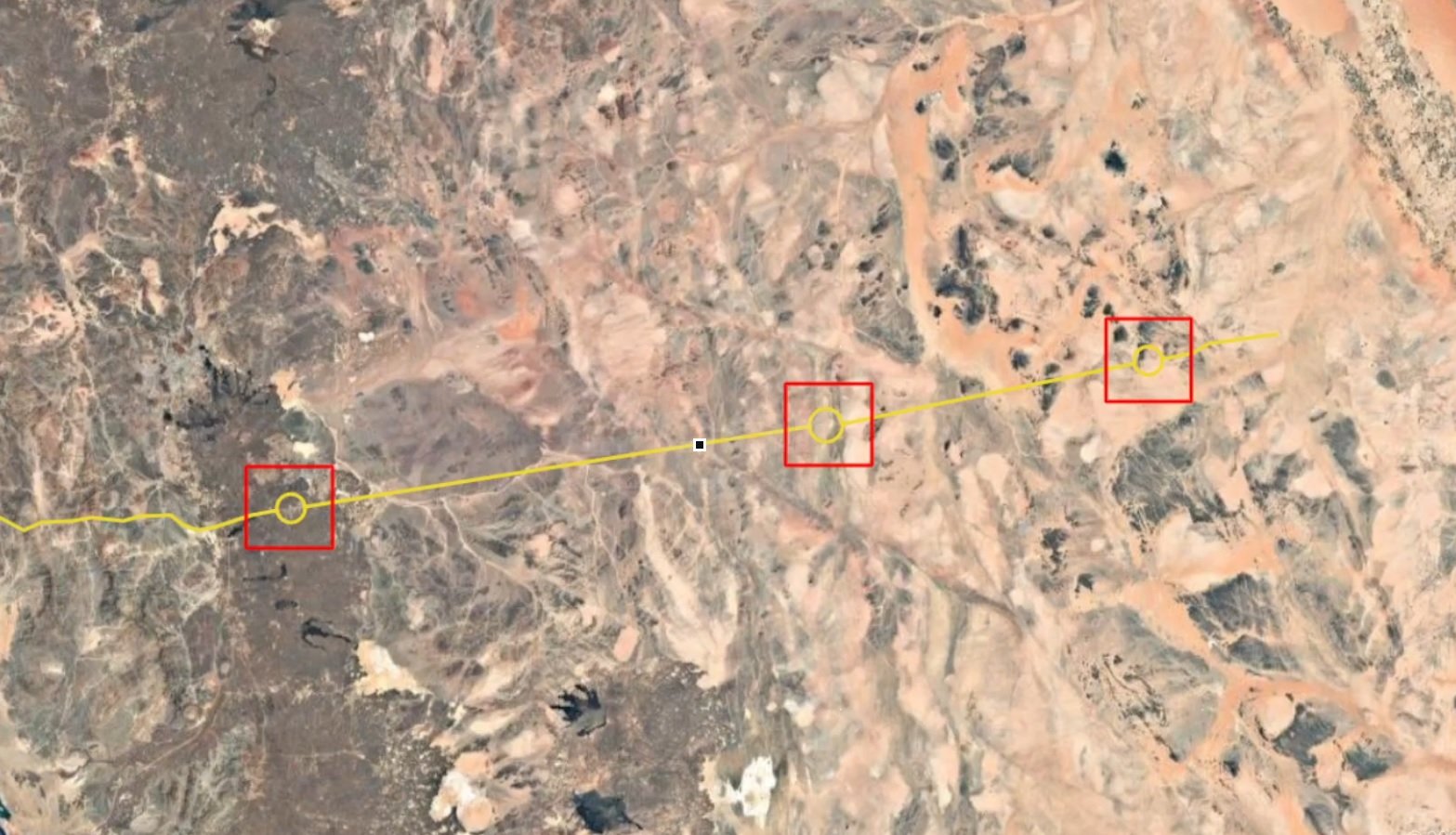 Satellite Imagery Shows Extensive Damage to Saudi Arabia’s East-West Oil Pipeline, Indicating More Than a Single Strike
-
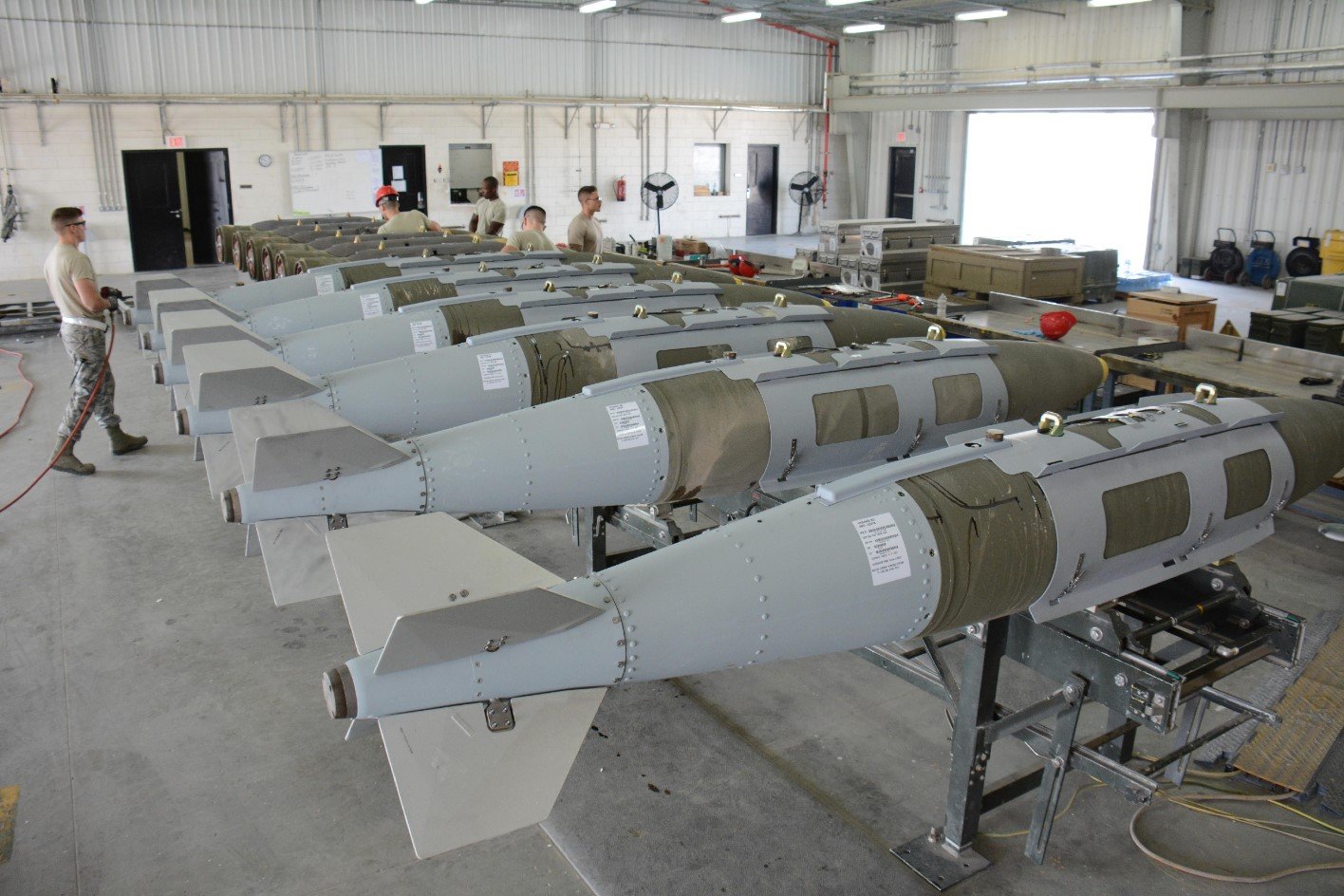 U.S. Plans $2.8 Billion Sale of 40,000 Heavy Bombs and 20,000 I-2000 Penetrator Warheads to Israel
-
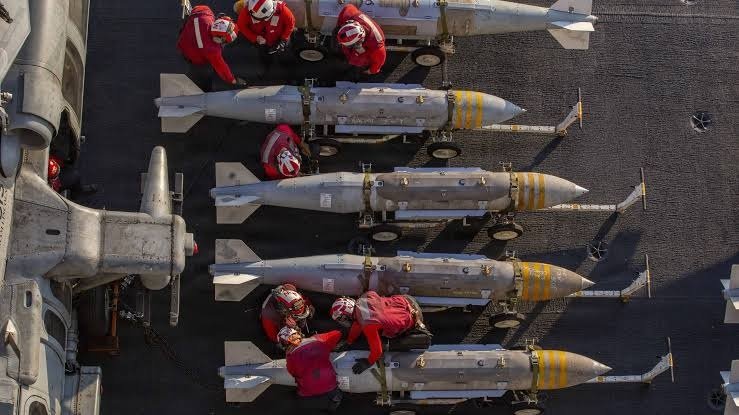 Pentagon Inspector General Report Finds Iran War Caused U.S. Ammunition Shortfalls and Industrial Bottlenecks
-
 Pentagon and Honeywell Complete Four-Hour Pacific Flight Using Quantum Magnetic Navigation Without GPS
-
 Photos Reveal Damaged E-3 Sentry, Buildings and Vehicles at U.S. Bases in Saudi Arabia and Kuwait After Iranian Strikes
-
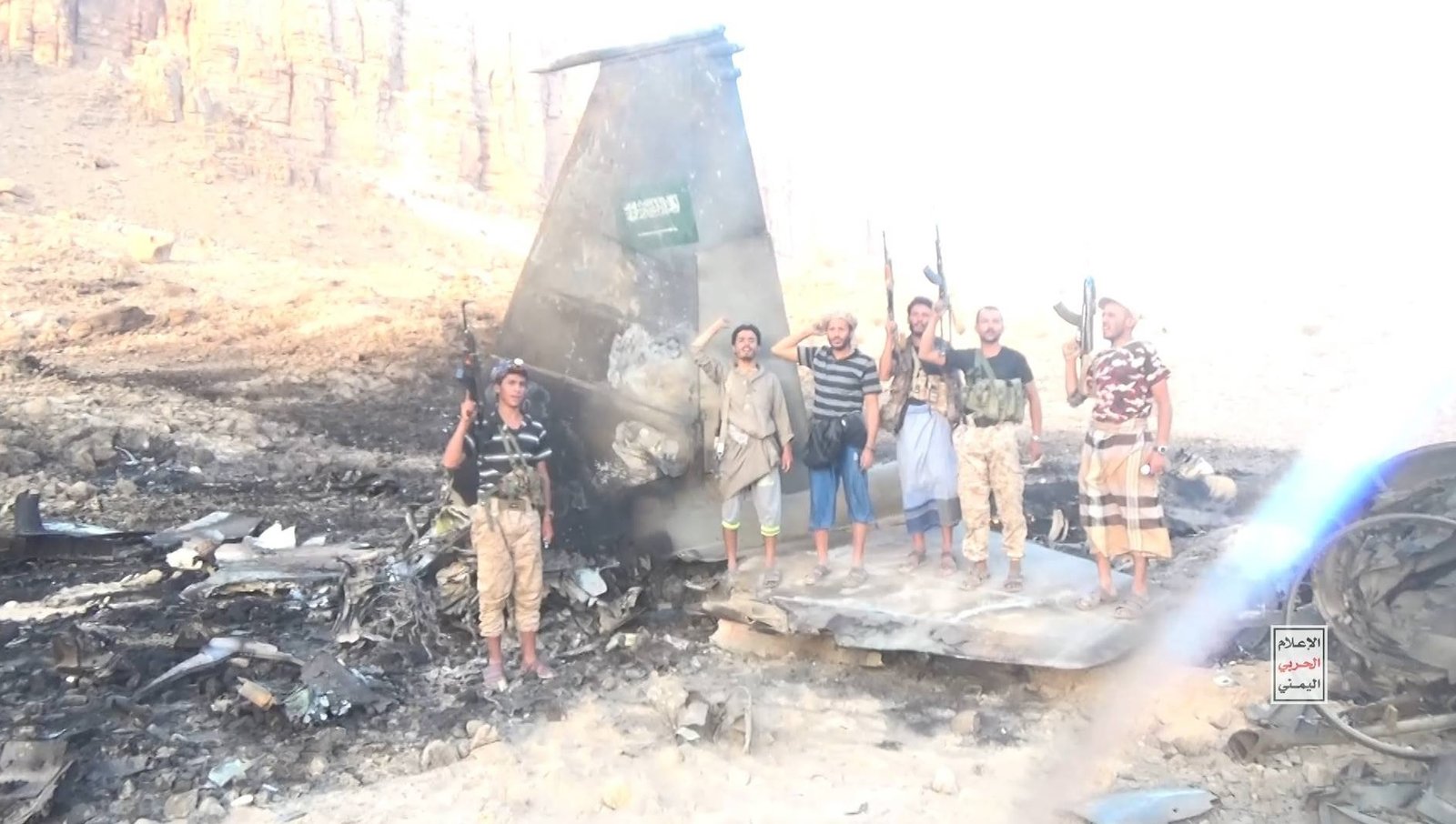 Houthis Claim Downing of Saudi F-15 and Wing Loong II Drone Over Marib
-
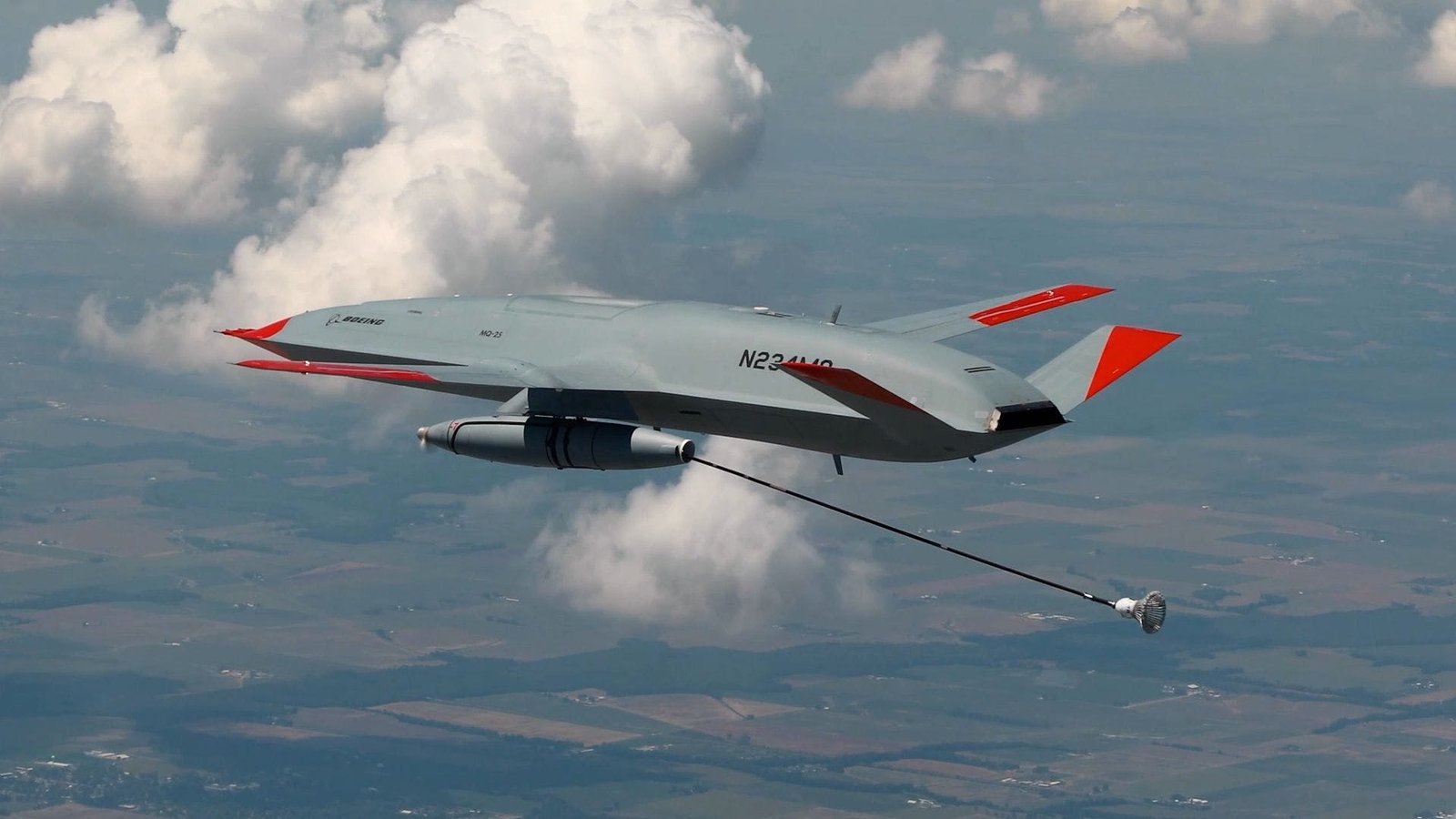 U.S. Navy Awards Boeing $562 Million Contract for First Production MQ-25A Stingray Tanker Drones
-
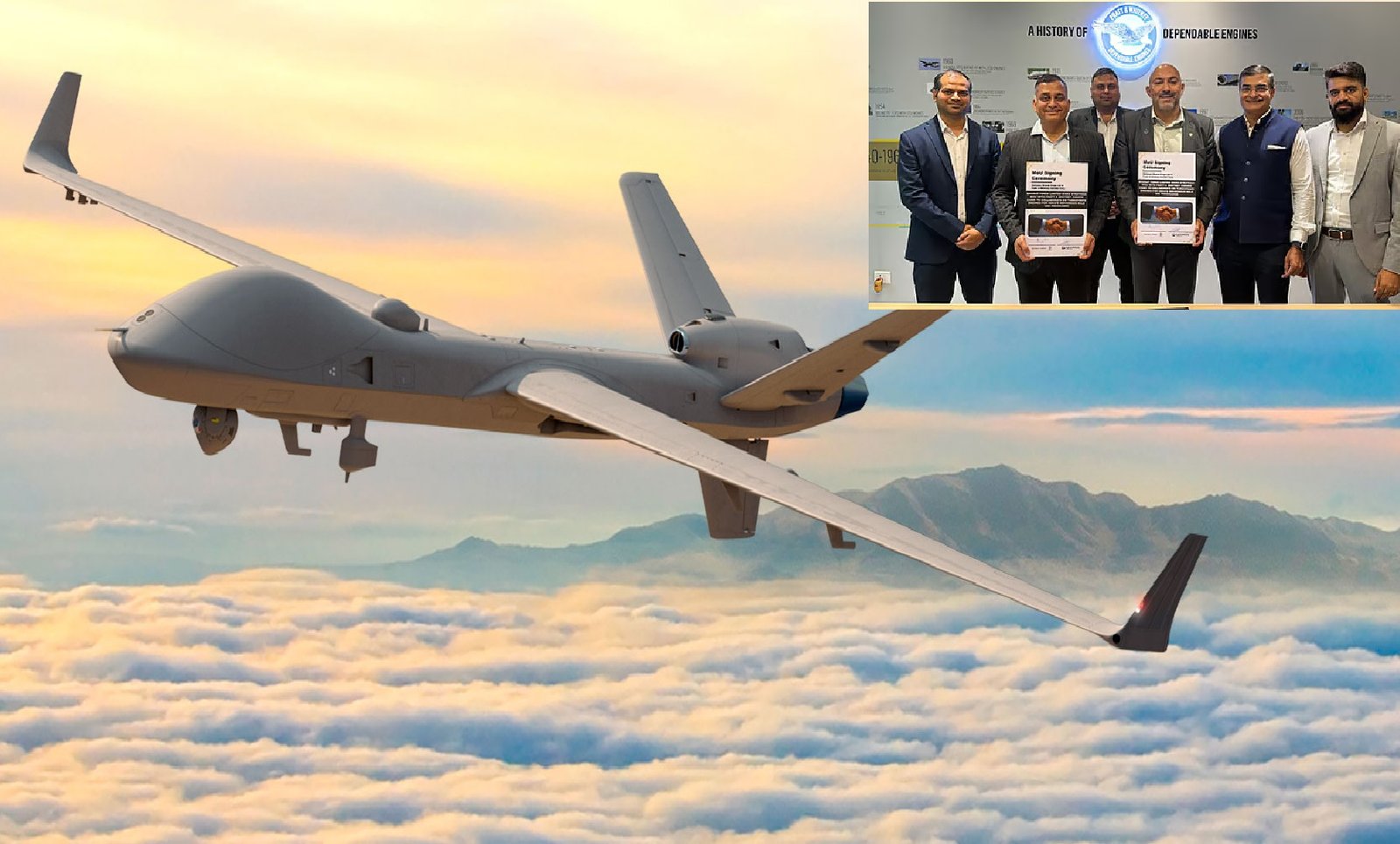 Bharat Forge, Pratt & Whitney Canada to Evaluate Turboprop Engines for DRDO’s Indigenous HALE UAV