India
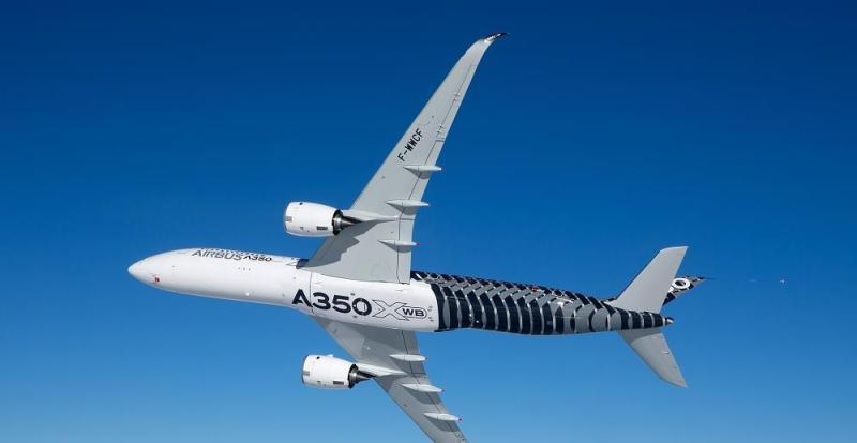
Defense News ,India :- Mahindra Aerostructures Pvt Ltd (MASPL) and Airbus Aerostructures GmbH have recently inked a new agreement for the production and supply of metallic components catering to all Airbus commercial aircraft models, including the highly popular A320 family. Under the terms of this contract, MASPL is set to deliver an extensive range of nearly 5000 metallic components to Airbus in Germany, with production taking place at its manufacturing facility in India. This collaboration marks an expansion of MASPL's existing programs, which involve the direct supply of parts to Airbus facilities in Toulouse, France.Expressing his thoughts on the agreement, Mr. Vinod Sahay, President, Aerospace & Defence & CPO, Auto & Farm Sectors, Mahindra, stated, "The Mahindra Group takes pride in its enduring partnership with Airbus. Through this fresh contract, we are not only strengthening our ties but also enhancing our involvement in the 'Make In India' initiative endorsed by the Government of India. We are eager to meet our commitments and advance on this journey of collaborative growth."Mr. Arvind Mehra, Managing Director & CEO, Mahindra Aerostructures, conveyed his appreciation for Airbus's consistent support to their growth endeavors. He remarked, "MASPL is honored to be recognized as a supplier to Airbus, and we are grateful for their unwavering backing of our expansion initiatives. This contract represents a substantial augmentation of our Airbus portfolio, presenting additional avenues to collaborate on aspects such as performance, sustainability, and operational excellence."MASPL has been directly supplying Airbus Group since 2015, engaging in various collaborative projects with Airbus. The company has achieved the status of a D2P "Challenger" for three consecutive years in the Sheet Metal domain. Moreover, it has been rated as level "A" in the Airbus Industrial Process Capability Assessment (IPCA+). Notably, MASPL secured the "Best Performer" accolade in the prestigious 2023 Airbus Supplier Quality Improvement Program (SQIP) awards, underscoring its commitment to excellence and innovation in the aerospace sector.
Read More → Posted on 2024-01-18 14:50:59
India
Defense News ,Gulf of Aden :- In a quick operation, a guided missile destroyer INS Visakhapatnam from the Indian Navy intercepted a cargo ship with 22 crew members, including nine Indians. This happened just over an hour after the ship, named MV Genco Picardy and flagged in the Marshall Islands, was attacked by a drone in the Gulf of Aden on Wednesday night. The attack on the cargo vessel occurred about 60 nautical miles South of Port Aden, raising global concerns about attacks on merchant ships in the Red Sea and Arabian Sea.Fortunately, there were no reports of casualties, and the fire on the vessel was brought under control, according to officials.The INS Visakhapatnam, a frontline warship of the Indian Navy, promptly responded to the distress call from MV Genco Picardy after the drone attack at 23:11 hours on Wednesday. The Indian Navy's Explosive Ordnance Disposal (EOD) specialists boarded the vessel early Thursday morning to inspect the damage. After a thorough examination, the vessel was cleared for further transit, and it is now heading to the next port of call."The INS Visakhapatnam, mission deployed in the Gulf of Aden for anti-piracy operations, swiftly responded to a distress call by the Marshall Islands flagged MV Genco Picardy following a drone attack at 23:11 hours on January 17," stated the Navy.The warship intercepted the vessel at 00:30 hours on Thursday to provide assistance. Commander Vivek Madhwal, a Navy spokesperson, mentioned that INS Visakhapatnam was on an anti-piracy patrol in the Gulf of Aden.This incident follows previous security concerns, with the Indian Navy having thwarted an attempted hijacking of the Liberian-flagged vessel MV Lila Norfolk in the North Arabian Sea on January 5. Another vessel, MV Chem Pluto, was targeted by a drone off India's west coast on December 23, and a commercial oil tanker faced a suspected drone strike in the Southern Red Sea on the same day. These events prompted the Navy to increase the deployment of its frontline ships and surveillance aircraft for maritime security operations in critical sea lanes, including the North and Central Arabian Sea.
Read More → Posted on 2024-01-18 10:34:31
India
ISRO has developed a second-generation 'Distress Alert Transmitter' (DAT), incorporating advanced satellite communication and navigation capabilities that allow fishermen at sea to send emergency messages from fishing boats and get acknowledgement in real time.The DAT has been operational since 2010 and more than 20,000 of them are currently in use, the space agency said. The messages are sent through a communication satellite and received at a central control station (INMCC: Indian Mission Control Centre) where the alert signals are decoded for the identity and location of the fishing boat, according to an ISRO statement.The extracted information is forwarded to Maritime Rescue Co-ordination Centres (MRCCs) under the Indian Coast Guard (ICG)."Using this information the MRCC undertakes Search and Rescue operations to save the fishermen in distress," it said.Taking advantage of technological developments in satellite communication and satellite navigation, ISRO has improvised DAT with advanced capabilities and features, evolving to Second Generation DAT (DAT-SG).The DAT-SG has the facility to send back acknowledgement to the fishermen who activate the distress alert from the sea. "This gives him an assurance that rescue (team) is coming to him.Apart from transmitting distress signals from the sea, DAT-SG has the capability to receive messages from the control centre," ISRO said.Using this, advance alert messages can be sent to the fishermen at sea whenever there are events of bad weather, cyclone, tsunami or any other emergencies.Thus, the fishermen will be able to sail back home or go to safe places. Further, the information about Potential Fishing Zones (PFZs) are also transmitted to fishermen using DAT-SG on regular intervals. This helps fishermen get good catch and savings in terms of time and fuel.DAT-SG can be connected to mobile phones using Bluetooth interface and the messages can be read in native language using an app on the mobile."The INMCC has a web-based network management system called 'SAGARMITRA' which maintains a database of registered DAT-SGs and helps MRCCs access the information about boat, and the coordinates of the boat in distress in real time. This helps the Indian Coast Guard undertake Search & Rescue operations at the time of distress, without any time delay," it said.Secretary in the Department of Space and ISRO Chairman S Somanath inaugurated the DAT-SG in the presence of ICG Director General Rakesh Pal on January 15 at INMCC, ISRO Telemetry, Tracking and Command Network, Bengaluru. The services of DAT-SG have been declared operational on a 24x7 basis, it was stated.
Read More → Posted on 2024-01-18 05:30:46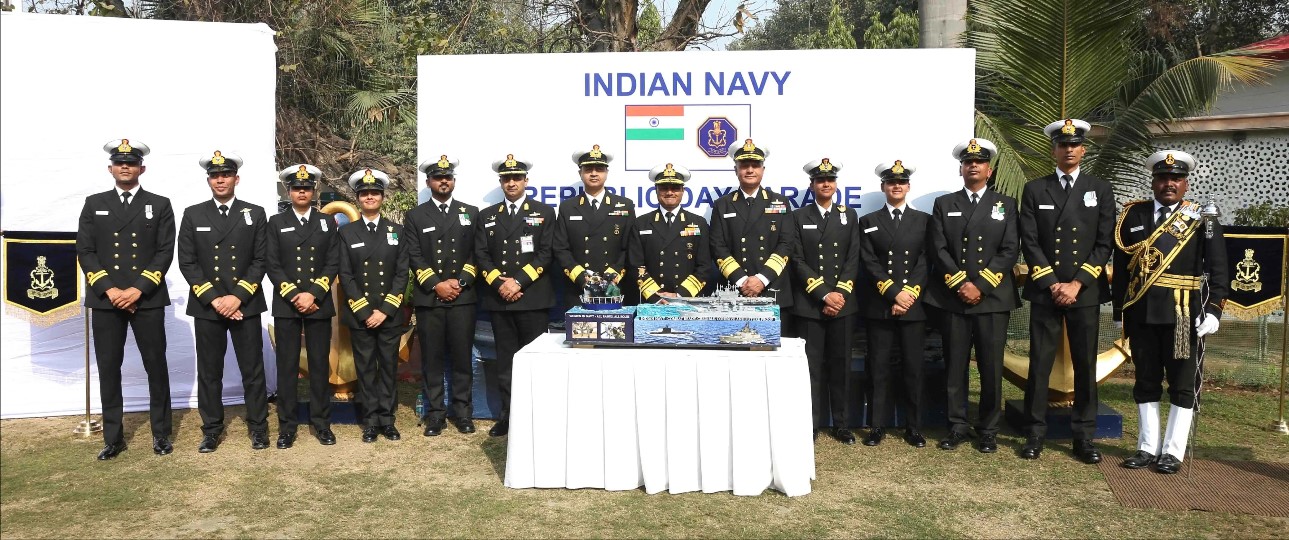
India
Defense News ,India :- In line with the Indian Navy's goal of being a strong and forward-thinking force, all the groups taking part in the Republic Day Parade 2024 will demonstrate a strong commitment to national security, self-reliance, and the empowerment of women, according to a statement from the Indian Navy.This year, the naval group will include 144 young individuals, both men and women, marching together on the historic Kartavyapath. This showcases the Indian Navy as a modern, powerful, and inclusive force. Lt Prajwal will proudly lead the group as the Contingent Commander, with Lt Mudita Goyal, Lt Sharvani Supreiya, and Lt Devika H serving as Platoon Commanders.The Indian Navy remains dedicated to protecting India's maritime interests. The 2024 tableau presents two important and current themes. The first theme celebrates "Nari Shakti," showcasing the roles of women in the Indian Navy at all levels. The main part of the tableau focuses on the second theme, "Sea Power Across the Oceans Through Indigenisation." It illustrates India's first fully indigenous Carrier Battle Group, featuring the Aircraft Carrier Vikrant, escort ships INS Delhi, Kolkata, and Shivalik, the Light Combat Aircraft, Advanced Light Helicopter, Kalvari class Submarine, and the GSAT-7 Rukmani Satellite. Every element on the tableau is designed and built in India, highlighting the country's growing capabilities in Shipbuilding, Aerospace, Missile, and Rocket technologies.The tableau commanders, Lt Cdr Bhope Juee Milind and Lt Cdr Nitheesh KS, lead the way, showcasing India's achievements in various fields. The Indian Navy band, led by M Antony Raj, MCPO Musician Second Class, consisting of 80 musicians, will march with pride. At the Beating Retreat on January 29, 2024, the band will play exciting martial tunes and popular numbers, showcasing Bharat's recent accomplishments.
Read More → Posted on 2024-01-17 14:31:25
India
Defense News ,India & China :- In 2022, Indian and Chinese soldiers had two fights along their border in the Himalayan region. This area has been a source of tension since 2020. The Indian Army's bravery awards revealed these incidents, which involved close combat. Meanwhile, both New Delhi and Beijing were in talks to solve their biggest military conflict in many years.Fortunately, there were no reported deaths in these recent clashes. However, back in mid-2020, there were serious confrontations that led to the deaths of at least 20 Indian soldiers and four Chinese troops in the same area.These skirmishes happened in the Ladakh region of India, with the latest one occurring in November 2022. This information indicates that the border tensions lasted longer than initially known. The Indian and Chinese armies have not yet responded to requests for comments.The details of these clashes came to light when the Indian Army awarded medals to some of its soldiers. These soldiers confronted Chinese troops trying to enter Indian territory in two separate incidents in 2022.In the first incident in January 2022, the citation reported that "several soldiers of the People's Liberation Army attacked" an Indian Army post in eastern Ladakh. During the scuffle, an Indian soldier wounded four Chinese troops and took their rifles, forcing them to retreat.In the second incident in November 2022, Indian troops repelled "a group of 40 to 50 soldiers of (PLA)" attempting to enter Indian territory. An Indian unit attacked and injured them, preventing the enemy from capturing the post.According to the citations, the two armies also had a two-day standoff in an unspecified area in 2022. Despite ongoing military and diplomatic discussions, the conflict that began in mid-2020 has not yet reached a final resolution.The border dispute between India and China has a history dating back to the 1950s, and a brief but intense war erupted in 1962 over the issue.
Read More → Posted on 2024-01-17 14:03:44
India
Defense news ,India :- Bharat Electronics, a company in Bengaluru that makes high-tech electronics for the military, recently got two big orders. One is from Mazagon Dock Shipbuilders Ltd for Rs 695 crore, and it's about supplying parts for missile systems. The other order, worth Rs 339.31 crore, is related to various systems like Combat Management, Communication, and more.These new orders add up to a total of Rs 1,034.31 crore. This is on top of the Rs 2,673 crore worth of orders the company got in December from Goa Shipyard Ltd and Garden Reach Shipbuilders & Engineers Ltd. Those orders were for making 14 different types of sensors for Next Generation Offshore Patrol Vessels (NGOPV) as part of the government's 'Aatmanirbhar Bharat' program.This means that Bharat Electronics has received a total of Rs 27,647.31 crore in orders for the current fiscal year 2023-24. The company is important because it's one of the sixteen government-owned companies in the Ministry of Defence.BEL doesn't just make things for the military; it also creates Electronic Voting Machines (EVMs) and Voter Verified Paper Audit Trail (VVPAT) machines. The government mostly owns it (66%), but it also has investments from mutual funds, foreign investors, individual investors, and insurance companies.
Read More → Posted on 2024-01-17 13:46:01
India
In the ever-changing landscape of global military prowess, the United States stands tall as the foremost superpower, leading the pack in military strength. According to the 2024 rankings by Global Firepower, a comprehensive platform for global defense information, the United States is closely followed by Russia and China in the second and third positions. Notably, India secures the fourth spot in this extensive assessment of 145 countries worldwide.Global Firepower adopts a holistic approach, evaluating more than 60 factors, including troop numbers, military equipment, financial stability, geographic location, and available resources. These elements collectively contribute to the determination of a PowerIndex score, where lower scores indicate stronger military capabilities. The organization emphasizes its unique formula, allowing technologically advanced smaller nations to compete with larger, less developed powers.The assessment process goes beyond raw firepower, incorporating economic strength, logistical efficiency, and geographical considerations. This multifaceted approach aims to present a nuanced understanding of global military landscapes, surpassing a mere enumeration of military might.The top 10 countries with the most powerful militaries in the world, according to the Global Firepower Rankings for 2024, are as follows:1. United States2. Russia3. China4. India5. South Korea6. United Kingdom7. Japan8. Turkey9. Pakistan10. ItalyConversely, the list of countries with the least powerful militaries includesBhutan MoldovaSurinameSomaliaBeninLiberiaBelizeSierra Leonethe Central African Republic Iceland.While the Global Firepower Ranking serves as a valuable starting point to comprehend global military situations, it's imperative to approach the information critically. Understanding military power requires considering the broader context beyond mere numbers and rankings. The complexities involved demand a comprehensive exploration that goes beyond the surface, acknowledging the multifaceted nature of global military strength.
Read More → Posted on 2024-01-17 05:35:23
India
Defense News ,India :- In the latest development, Gurpatwant Singh Pannun, the designated terrorist and founder of the banned Sikhs for Justice (SFJ) based in the United States, has once again issued ominous threats as Republic Day approaches.Social media has been flooded with viral images showcasing pro-Khalistani graffiti in the national capital, carrying explicit threats in anticipation of the Republic Day parade on January 26. The graffiti explicitly states that the outlawed SFJ intends to "avenge" the death of Khalistani terrorist Hardeep Singh Nijjar, who was fatally attacked outside a Gurdwara in Surrey, Canada, on June 18 of the preceding year.The Indian government declared Sikhs for Justice an 'Unlawful Association' on July 10, 2019. Pannun, labeled a 'designated individual terrorist' by the Government of India on July 1, 2020, has been actively using social media platforms to incite Punjab-based gangsters and youth to support the cause of Khalistan. This poses a direct challenge to the sovereignty, integrity, and security of the country, according to investigations by the National Investigation Agency (NIA).This is not the first time Pannun has directed threats towards India. In December of the previous year, he issued a threat to attack Parliament on or before December 13. In November 2023, Pannun urged Sikhs to avoid flying on Air India aircraft after November 19, alleging that their lives could be in danger, and declared that Air India would not be allowed to operate on November 19.In September 2023, amid escalating tensions following the diplomatic row between India and Canada over the killing of Hardeep Singh Nijjar, Pannun called for Hindu-Canadians to leave Canada.The Ministry of External Affairs disclosed that India has raised concerns about the threats issued by Khalistani terrorist Gurpatwant Singh Pannun with the authorities of the United States and Canada.Gurpatwant Singh Pannun has been under the NIA's scrutiny since 2019, with the anti-terror agency registering its first case against him. Pannun has played a significant role in promoting and commissioning terror acts, spreading fear and terror in Punjab and beyond through threats and intimidation tactics.Non-bailable warrants for Pannun's arrest were issued by the NIA Special Court on February 3, 2021, and he was declared a 'Proclaimed Offender (PO)' on November 29, 2022.Last year, the NIA seized Pannun's house and land in Amritsar, Punjab, and the Union Territory of Chandigarh, following government orders in two different cases.NIA investigations uncovered that Pannun's organization, Sikhs for Justice, was exploiting cyberspace to radicalize susceptible youth and incite them to engage in terrorist activities. It was also revealed that Pannun was the primary handler and controller of the SFJ. The actions taken by the NIA aim to curb these activities and maintain national security.
Read More → Posted on 2024-01-17 05:18:24
India
Defense News ,India :- In a remarkable rescue operation on January 16, 2024, the Indian Coast Guard (ICG) came to the aid of 182 pilgrims who found themselves stranded on a ferry near Namkhana, Kakdwip. The incident unfolded in the early hours as the pilgrims were returning from the Ganga Sagar Mela, having taken a holy dip on Makar Sankranti. Unfortunately, the ferry ran aground due to extremely poor visibility.Upon receiving a distress message from the District Magistrate of South 24 Paraganas, the Coast Guard District Headquarters No. 8 in West Bengal swiftly mobilized their operations team. The stranded vessel, MV Swasthya Sathi, was carrying around 400 pilgrims from the Ganga Sagar Mela on Sagar Island to Kakdwip, as stated in an official statement by the Indian Coast Guard.Taking immediate action, the Coast Guard deployed two ACVs (Hovercraft) from Haldia and Sagar Island to assist in the rescue operation. Arriving at the scene by 0840 hrs on January 16, the hovercrafts assessed the situation and finalized an evacuation plan. Simultaneously, a Coast Guard team reached the stranded vessel to reassure the people, providing them with information about the evacuation plan.The hovercrafts began evacuating personnel around 0850 hrs to the nearest point at Lot No. 8 Jetty, Kakdwip. By 1100 hrs on January 16, all 182 pilgrims onboard the ferry were successfully evacuated. Subsequently, as the water level rose, the boat floated and, under the guidance of the hovercrafts, moved with the remaining pilgrims towards a safe destination.This swift and well-executed rescue operation by the Indian Coast Guard exemplifies their dedication to ensuring the safety of citizens in challenging situations.
Read More → Posted on 2024-01-16 15:47:31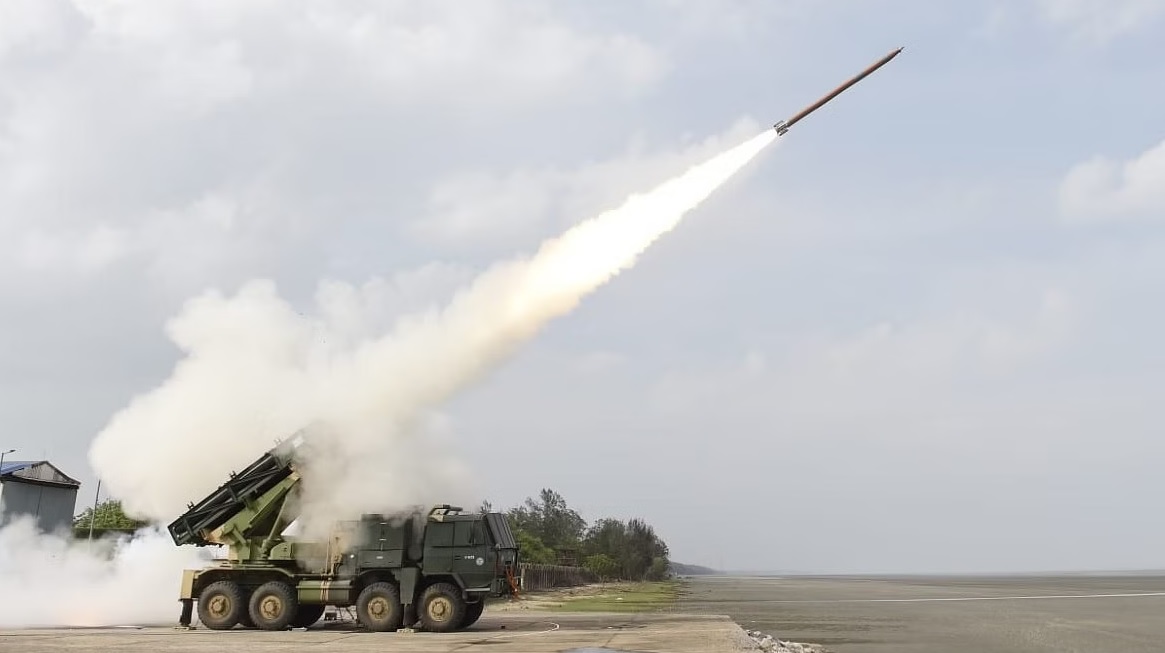
India
Defense News ,India:- In a major triumph for indigenous weapon systems, the Pinaka multi-barrel rocket launchers, named after the bow of the deity Shiva, have garnered attention from two South American nations. The Defence Research and Development Organisation (DRDO) is spearheading this success story and is now venturing into the development of rockets with striking capabilities at 120 km and 200 km.Already making waves with successful exports to Armenia, the Pinaka MBRLs have piqued the interest of South American countries, impressed by the system's capabilities, as revealed by defense officials. The DRDO is now ambitiously working on two variants of long-range rockets, with ranges of 120 km and 200 km, setting its sights on enhancing the system's strike capabilities.Taking a collaborative approach, the DRDO is partnering with both private and public sector industries to produce and develop these advanced rockets. The move to extend the range is strategic, aiming to leverage the existing launchers in service with the Indian Army, thus optimizing costs.The Pinaka MBRL, a standout achievement in indigenous weapon systems, is a result of collaborative efforts between the DRDO and private and public sector units. The Tata Group and Larsen and Toubro contribute to the manufacturing of launcher vehicles, while Solar Industries and Munitions India Limited are responsible for producing the rockets.In an exciting development, the new rockets project is anticipated to involve private sector firms in both development and production. This move aligns with the DRDO's commitment to fostering partnerships and leveraging diverse expertise in advancing military capabilities.Having proven its mettle within the Indian defense forces, the Pinaka rockets recently secured approval for the acquisition of two types: Area Denial Munition Type 2 and Type-3, intended for the Army's defense. The rockets will be exclusively procured from indigenous sources, with leading contenders being Economic Explosives Limited of Solar Industries and Munitions India Limited.As part of the broader artillery modernization plans, the Indian Army is actively seeking to augment its Pinaka MBRL regiments. These regiments boast automated gun aiming and positioning systems, coupled with sophisticated command posts, showcasing a significant leap in India's indigenous defense capabilities. The Pinaka rockets, with their expanding global footprint, mark a remarkable chapter in the evolution of indigenous weapon systems.
Read More → Posted on 2024-01-16 15:35:31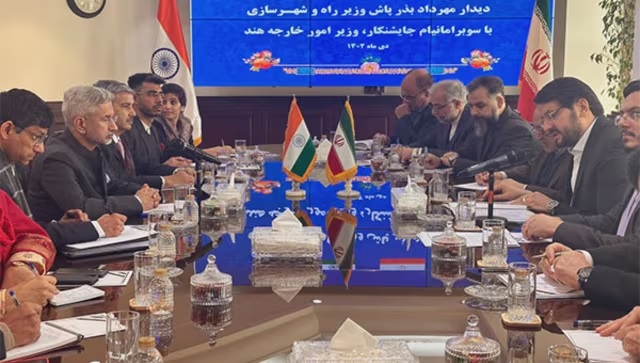
India
Defense News ,India & Iran :- In a recent joint press conference with his Iranian counterpart, H Amir-Abdollahian, India's External Affairs Minister, S Jaishankar, underscored the pivotal role played by the Chabahar port in bolstering connectivity and strengthening ties between the two nations.Jaishankar emphasized India's steadfast commitment to the joint vision of connectivity for the Chabahar port project. He highlighted the strategic importance of the port, considering it a key element in fostering regional trade and cooperation. During discussions in Tehran, the minister focused on establishing a robust, sustainable, and long-term roadmap for India's continued involvement in the project, emphasizing the need for direct political leadership supervision.The centrality of regional connectivity in India-Iran relations was a recurring theme during Jaishankar's two-day visit. He reiterated India's keen interest in leveraging Iran's unique geographical position to access markets in Central Asia, Afghanistan, and Eurasia.Additionally, Jaishankar explored the potential revitalization of the International North-South Transport Corridor (INSTC), a project designed to facilitate smoother trade routes. Expressing satisfaction with the comprehensive nature of bilateral discussions, he affirmed India's commitment to closely monitoring the progress of the Chabahar port project.Highlighting the depth of diplomatic exchange, Jaishankar acknowledged the collaborative efforts in multilateral forums, including the Shanghai Cooperation Organisation (SCO), showcasing the strength of bilateral ties between India and Iran.This visit marked Jaishankar's first to Tehran after Iran's membership approval in BRICS, a development strongly supported by India. The minister expressed confidence that the exchanges during the visit would give momentum to bilateral cooperation and enhance understanding on regional and global issues.In the context of the volatile and uncertain global environment, Jaishankar emphasized the particular value of the India-Iran partnership and regular consultations. India envisions Chabahar Port as a transit hub under the INSTC, aiming to connect to CIS countries and reduce the time for EXIM shipments to reach Russia, Europe, and Central Asian markets.Prime Minister Narendra Modi's talks with Iranian President Seyyed Ebrahim Raisi reiterated the commitment to strengthen bilateral cooperation, realizing the full potential of Chabahar Port as a connectivity hub. The Chabahar port, situated in Iran, stands as a key component of India's connectivity initiatives, offering a shorter route for trade between India, Iran, Afghanistan, and Central Asia. The success of the INSTC would not only connect India to Russia and Central Asian countries but also contribute significantly to the region's commercial transit center, Chabahar Port.
Read More → Posted on 2024-01-16 14:17:17
India
Defense News ,India :- The DRDO Archer-NG (Next Generation) is a Medium-Altitude Long-Endurance (MALE) Unmanned Aerial Vehicle (UAV) developed by the Aeronautical Development Establishment (ADE) of the Defence Research and Development Organisation (DRDO) in India. It is designed to perform Intelligence, Surveillance, Target Acquisition, and Reconnaissance (ISTAR) missions, as well as precision strike operations. The Archer-NG will be equipped with a variety of sensors, including electro-optical/infrared (EO/IR) cameras, radar, and electronic intelligence (ELINT) systems. It will be equipped with technologies like avionics, software, a Ground Control Station and a Ground Data Terminal developed for the Tapas BH-201-UAV program Development and Design: Development began in 2009 under the Rustom-1 program, initially focused on ISR capabilities. In 2022, the program transitioned to Archer-NG with modifications for weapon integration and combat roles. Features a twin-boom configuration with a single engine, offering high endurance and payload capacity. NOT a copy of existing UAVs like the Israeli Heron MkII, but draws inspiration from various technologies. Specifications: Length: 11.3 meters (37 ft) Wingspan: 18.6 meters (61 ft) Height: 2.8 meters (9.2 ft) Maximum Takeoff Weight: 1,500 kg (3,307 lb) Payload Capacity: 300 kg (661 lb) Endurance: 18+ hours Cruising Altitude: 30,000 ft (9,144 m) Line-of-sight Range: 250 kilometers (Los ) 1000 Km (SATCOM BLoS)Engine : Single turboprop Armament: Four hardpoints for carrying a variety of weapons, including: Third-generation "Fire & Forget" UAV Launched Precision Guided Munition (ULPGM) Anti-Tank Guided Missile (ATGM): Range of 4 km, with future variants exceeding 6 km. Smart Anti-Airfield Weapon: Range of 100 km. Other potential weapons: laser-guided bombs, air-to-surface missiles, electronic warfare pods. Capabilities: High-resolution electro-optical (EO) and synthetic aperture radar (SAR) sensors for day/night, all-weather surveillance. Secure communication systems for real-time data transmission. Fully autonomous flight capabilities with advanced autopilot and navigation systems. Precision strike capabilities for engaging ground targets with minimal collateral damage. Significance: The Archer-NG is a significant step forward for India's indigenous UAV development program. It enhances India's aerial surveillance and strike capabilities, reducing dependence on foreign imports. Plays a crucial role in modern warfare, providing battlefield intelligence and precision attack options. Current Status: Firstl flight expected by mid-2024 Undergoing user evaluation trials with the Indian Armed Forces. Expected to be inducted into service by 2026-2027. Further Development: Future variants planned with improved range, payload capacity, and weapon options. Integration with Artificial Intelligence (AI) for enhanced decision-making and autonomous operations. The DRDO Archer-NG is a potent weapon system that strengthens India's military capabilities and positions the country as a leader in UAV development.
Read More → Posted on 2024-01-16 07:11:07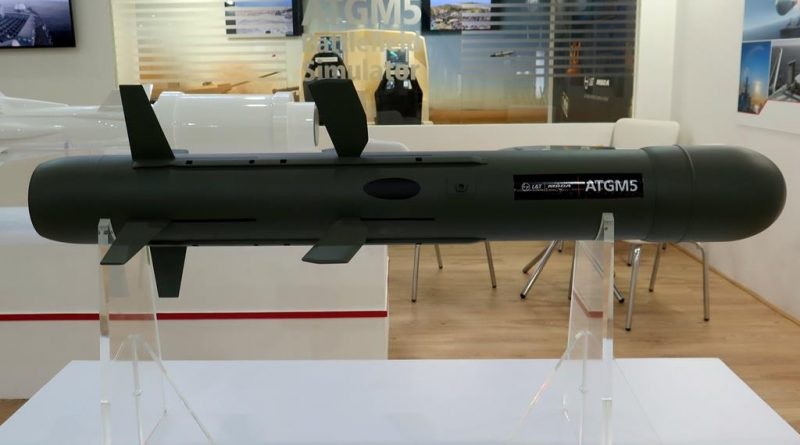
India
Defense News ,India :- In a groundbreaking partnership between the European defense giant MBDA and the Indian engineering powerhouse Larsen & Toubro (L&T), the Indian Army is poised to undergo a transformative enhancement in its anti-tank capabilities. The collaborative venture aims to produce a cutting-edge fifth-generation anti-tank guided missile (ATGM), codenamed ATGM-5, promising unmatched precision and lethality.Aligned with India's "Make in India" initiative to boost domestic defense manufacturing, the ATGM-5 project falls under various procurement categories such as "Buy (Indian-IDDM)," "Buy (Indian)," "Buy & Make (Indian)," and "Make." This encourages active local participation and technology transfer, furthering India's self-sufficiency in defense capabilities.The unveiled ATGM-5 prototype showcased at DefExpo 2024 in Chennai signifies a leap in technology. The ambitious plan involves manufacturing the missile entirely within India, with complete technology transfer from MBDA. Additionally, the foreign partner is committed to supporting the development of an upgraded ATGM-5 with an impressive extended range of 10 kilometers.The ATGM-5 distinguishes itself through the integration of several disruptive fifth-generation technologies, including a new generation passive dual-band seeker. This seeker combines color TV and uncooled infrared capabilities, ensuring precise target identification and tracking across diverse environments. The missile boasts a new generation multipurpose tandem warhead, effectively penetrating reactive armor and annihilating heavily fortified targets.Operational stealth is heightened with the integration of smokeless propellant, minimizing the missile's visibility during firing. The ATGM-5 goes a step further with its maintenance-free design, boasting a 10-year lifespan without the need for maintenance and reducing logistical burdens.One of its key advantages is being ITAR-free, freeing India from International Traffic in Arms Regulations (ITAR) restrictions, providing greater operational independence and flexibility. The ATGM-5 project emerges as a promising development for the Indian Army, significantly strengthening its anti-tank weaponry. With its advanced technology, domestic production capabilities, and potential for further upgrades, the ATGM-5 represents a substantial stride towards self-reliance in India's defense sector.
Read More → Posted on 2024-01-16 05:12:39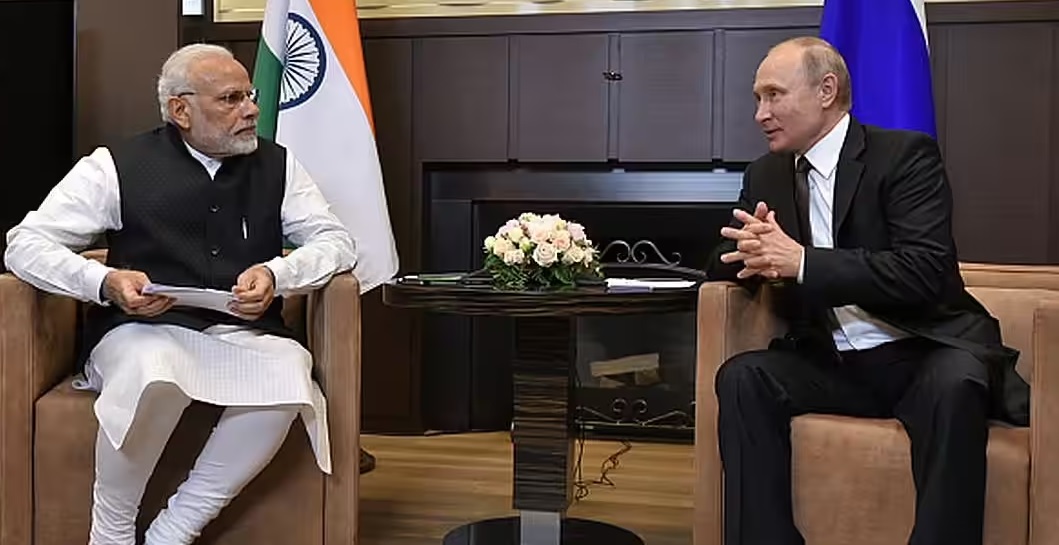
India
Defense News ,India & Russia :- In a recent telephonic conversation, Prime Minister Narendra Modi engaged in discussions with Russian President Vladimir Putin, laying the groundwork for an enhanced India-Russia Special and Privileged Strategic Partnership. The leaders enthusiastically agreed to chart a roadmap for upcoming initiatives that will fortify their countries' longstanding collaboration.Delving into the progress achieved after recent high-level exchanges, the two leaders took stock of various aspects of bilateral cooperation. Alongside these, they exchanged perspectives on regional and global matters of mutual concern, reflecting a shared commitment to addressing challenges on the international stage.Prime Minister Modi took the opportunity to extend his best wishes to Russia for its upcoming Presidency of BRICS in 2024, assuring full support from India. This gesture underscores the importance India places on fostering collaborative efforts within this influential grouping.Notably, in December 2023, India's External Affairs Minister, S Jaishankar, engaged with Russian leaders in Moscow. Following discussions with his Russian counterpart Sergey Lavrov, Jaishankar emphasized the enduring and valuable nature of the partnership between the two nations. He underscored the significant benefits that both India and Russia have derived from their longstanding relationship.The geopolitical landscape has witnessed shifts, and India has emerged as a key economic partner for Russia, particularly in the aftermath of sweeping sanctions imposed on Moscow by the West in 2022 due to the conflict in Ukraine. Russia's redirection of a substantial portion of its oil exports to India exemplifies the depth of this economic partnership. Additionally, both nations have intensified their diplomatic efforts within the BRICS group, a coalition where they stand as founding members.As the Modi-Putin dialogue sets the tone for future collaboration, it reaffirms the resilience and significance of the India-Russia partnership amid evolving global dynamics.
Read More → Posted on 2024-01-16 05:04:20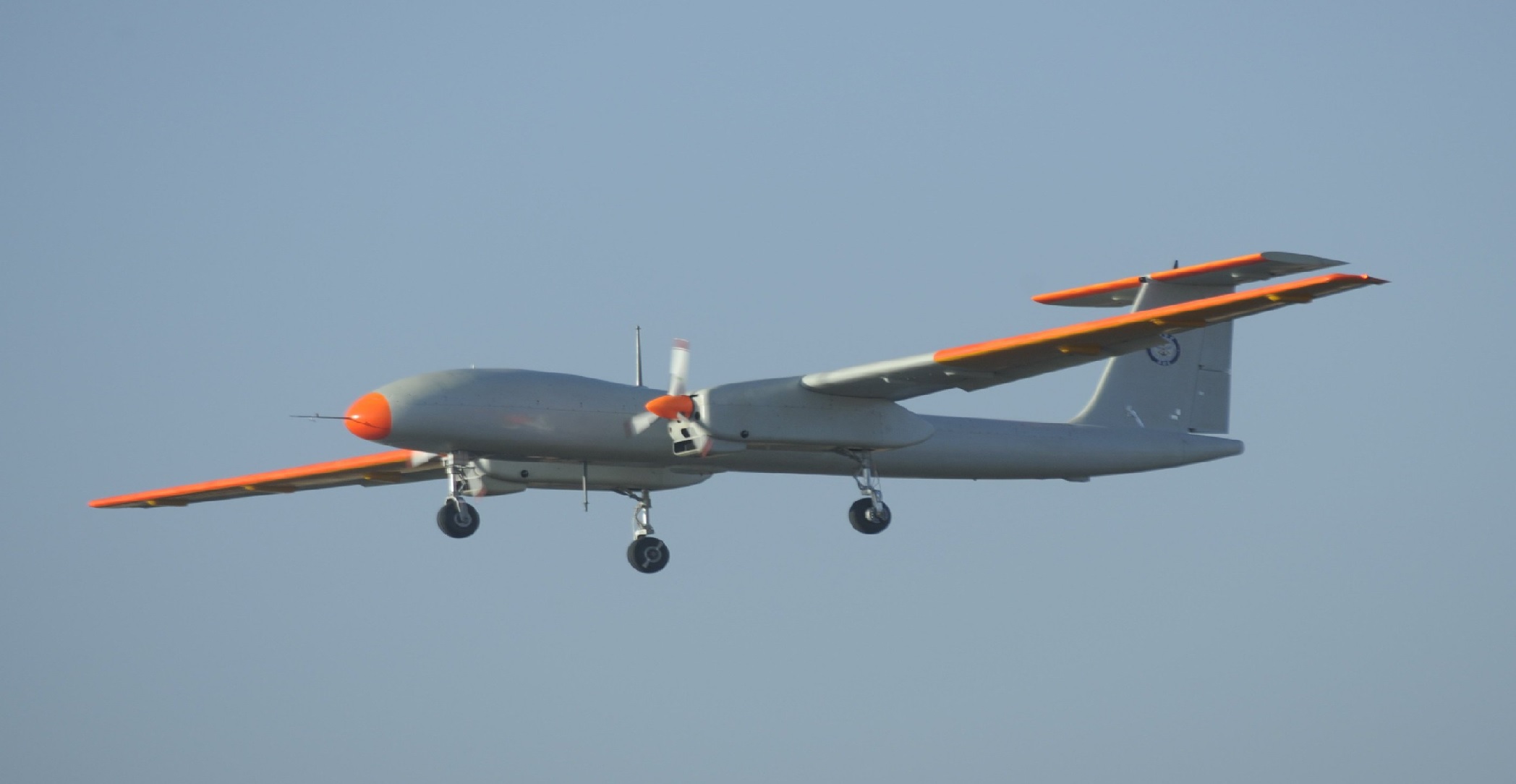
India
Defense News , India :- In a bid to fortify surveillance capabilities over the strategically pivotal Andaman and Nicobar Islands, the Indian Navy is eyeing the homegrown Tapas Medium Altitude Long Endurance (MALE) Unmanned Aerial Vehicle (UAV). Spearheaded by the Aeronautical Development Establishment (ADE) laboratory, the Tapas drone encounters a significant challenge – it falls short of meeting the Joint Services Qualitative Requirements (JQRs) by not maintaining an altitude of 30,000 feet for over 24 hours. Consequently, it finds itself temporarily excluded from the "mission mode" category, prioritizing rapid deployment.Despite this setback, officials express unwavering optimism regarding the Tapas program. A DRDO official declared, "We are committed to continuing the program," emphasizing ongoing efforts by the ADE laboratory to refine the drone's design and enhance its power output. The official asserted, "We will add more altitude and endurance," demonstrating a dedicated resolve to overcome the JQRs challenge.The Indian Navy's keen interest in the Tapas emanates from its potential to offer persistent maritime surveillance around the Andaman and Nicobar Islands – a critical gateway to the Indian Ocean and a strategic outpost safeguarding India's eastern seaboard. While the Navy presently relies on a combination of manned aircraft and imported Heron UAVs for surveillance, the Tapas stands out due to its domestic development and the prospect of tailoring it to specific Indian requirements.Highlighted by several promising features, including a long-range electro-optical/infrared (EO/IR) payload, synthetic aperture radar (SAR), and electronic intelligence (ELINT) capabilities, the Tapas facilitates comprehensive surveillance of surface and airborne threats. This makes it a valuable asset for maritime patrol, search and rescue, and intelligence gathering missions.Despite the current hurdle in meeting JQRs, the Indian Navy's sustained interest and the DRDO's commitment to development instill hope for the Tapas program's future. With concerted efforts to enhance its altitude and endurance, the Tapas holds the potential to revolutionize Indian maritime security, ensuring the protection of the strategically vital Andaman and Nicobar Islands and reinforcing India's presence in the Indian Ocean.
Read More → Posted on 2024-01-16 05:00:15Search
Top Trending in 24 Hours
-
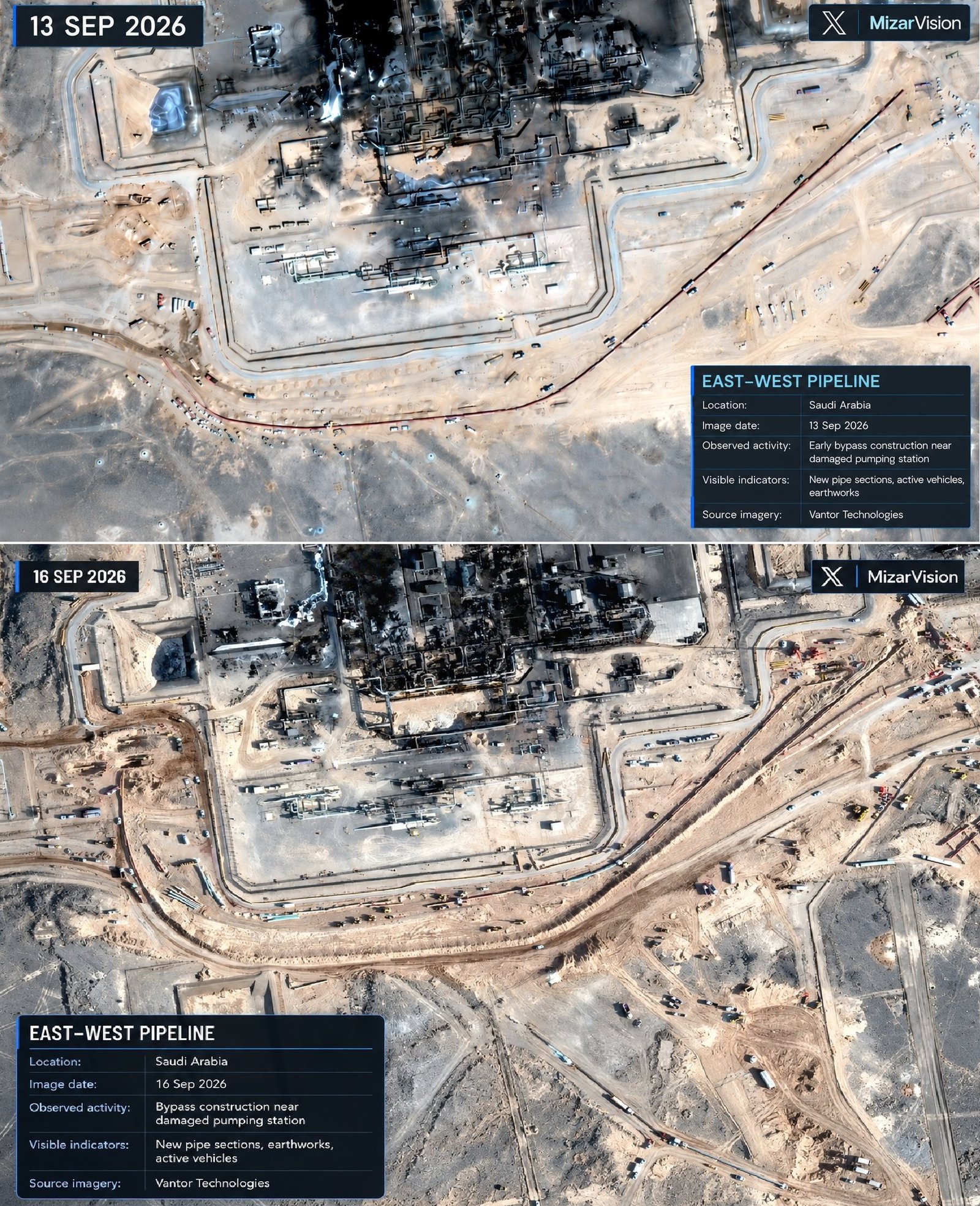 Satellite Images Show Saudi Arabia Building Emergency Bypass Around Damaged East-West Oil Pipeline Station
-
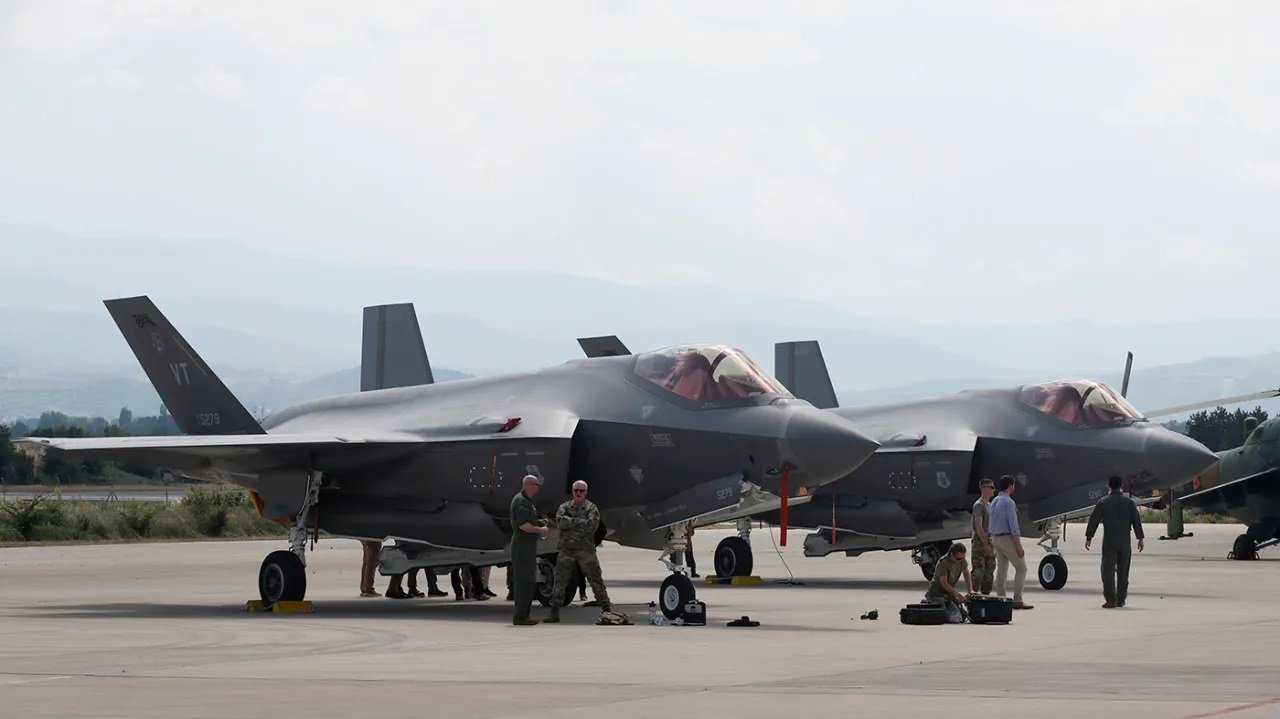 U.S. Approves Possible $24.3 Billion Sale of 48 F-35 Jets to Saudi Arabia
-
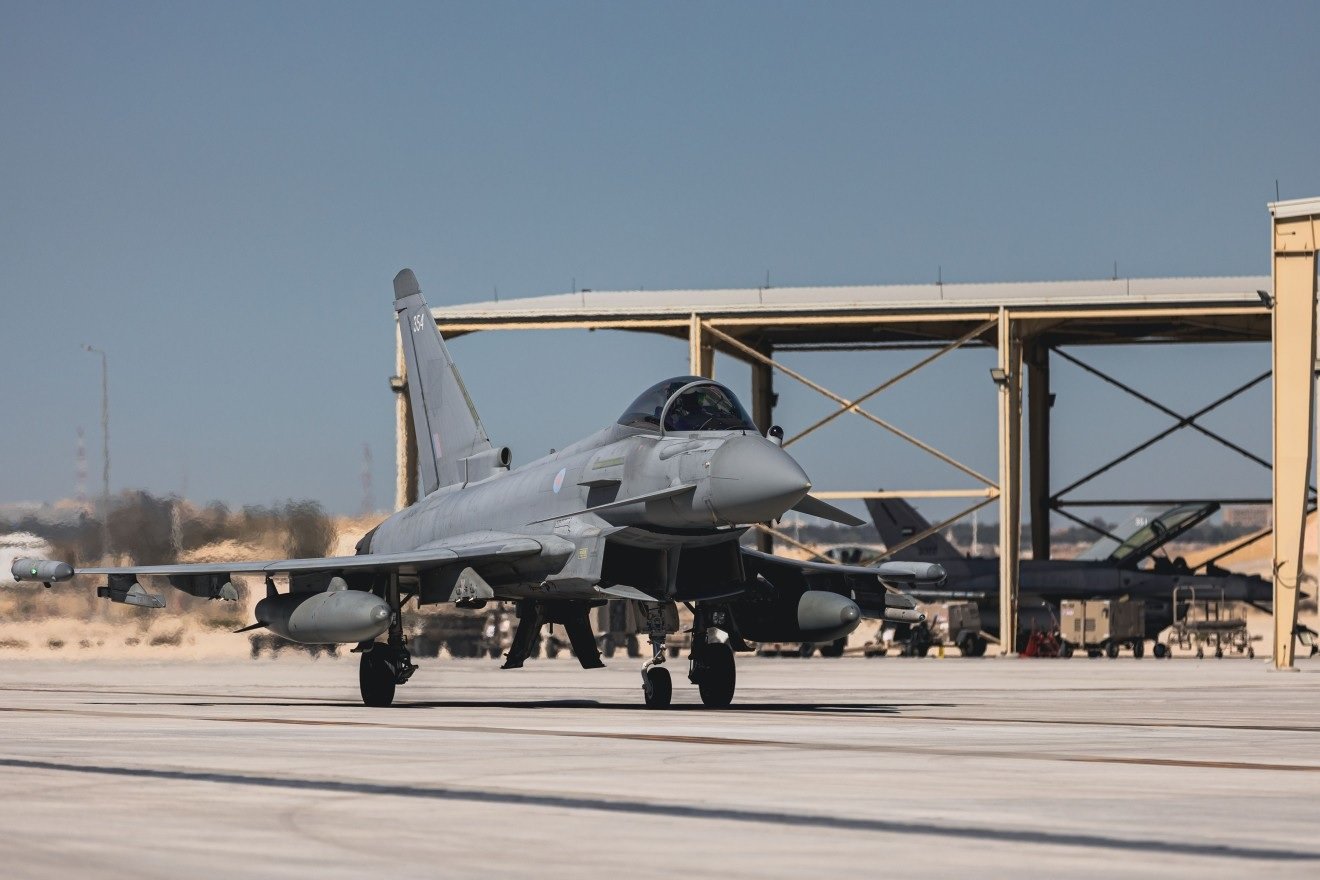 Italian Eurofighter Damaged in Houthi Attack on Saudi Arabia’s King Fahd Air Base
-
 BEL Signs Export Deal with Elbit Systems for Directed Infrared Countermeasure Sub-Assemblies, Secures ₹648 Crore in Additional Orders
-
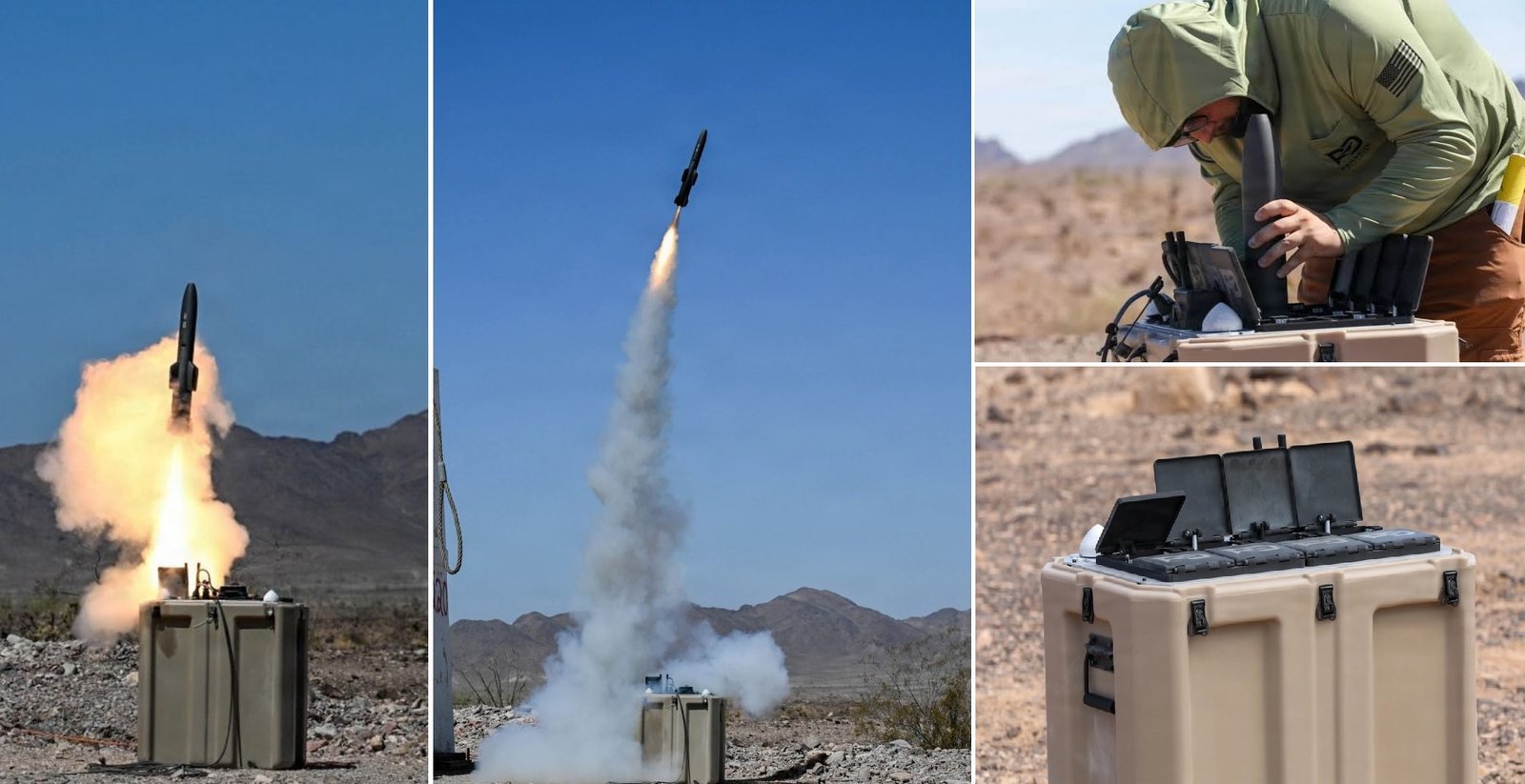 U.S Firm Perseus Defense Tests 'Harpe' Low-Cost Kinetic MK-II Drone Interceptor at Yuma Proving Ground During Falcon Peak 26.2
-
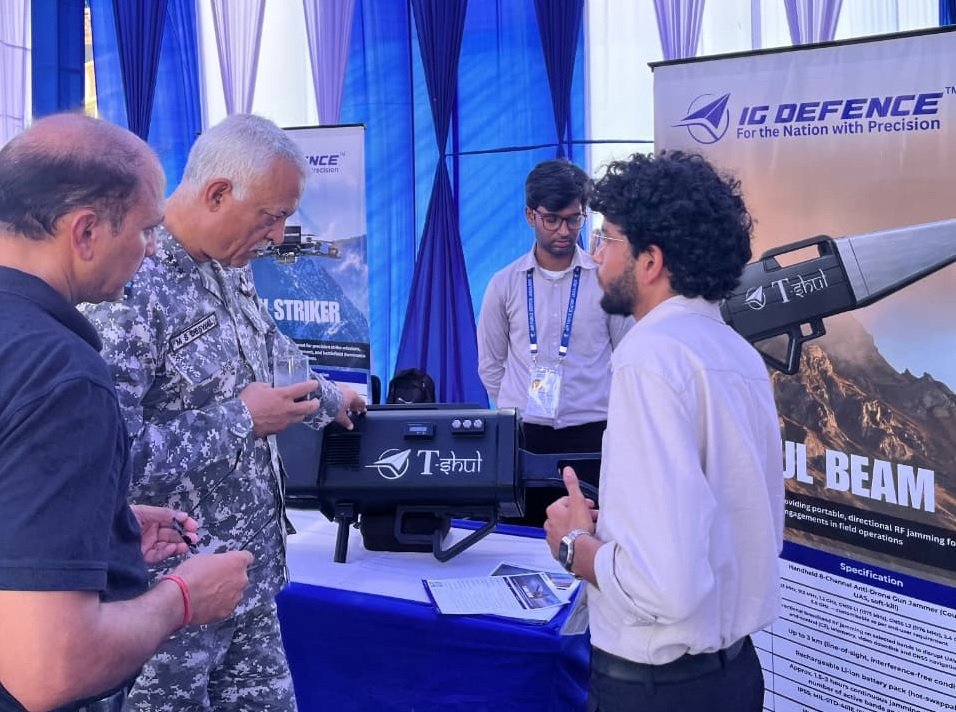 IG Defence Demonstrates Indigenous T-SHUL BEAM Counter-UAS System at IAF Dronathan 2026
-
 Israeli Firm Arbe Robotics Unveils Alerion High-Resolution 4D Radar for Counter-Drone Operations
-
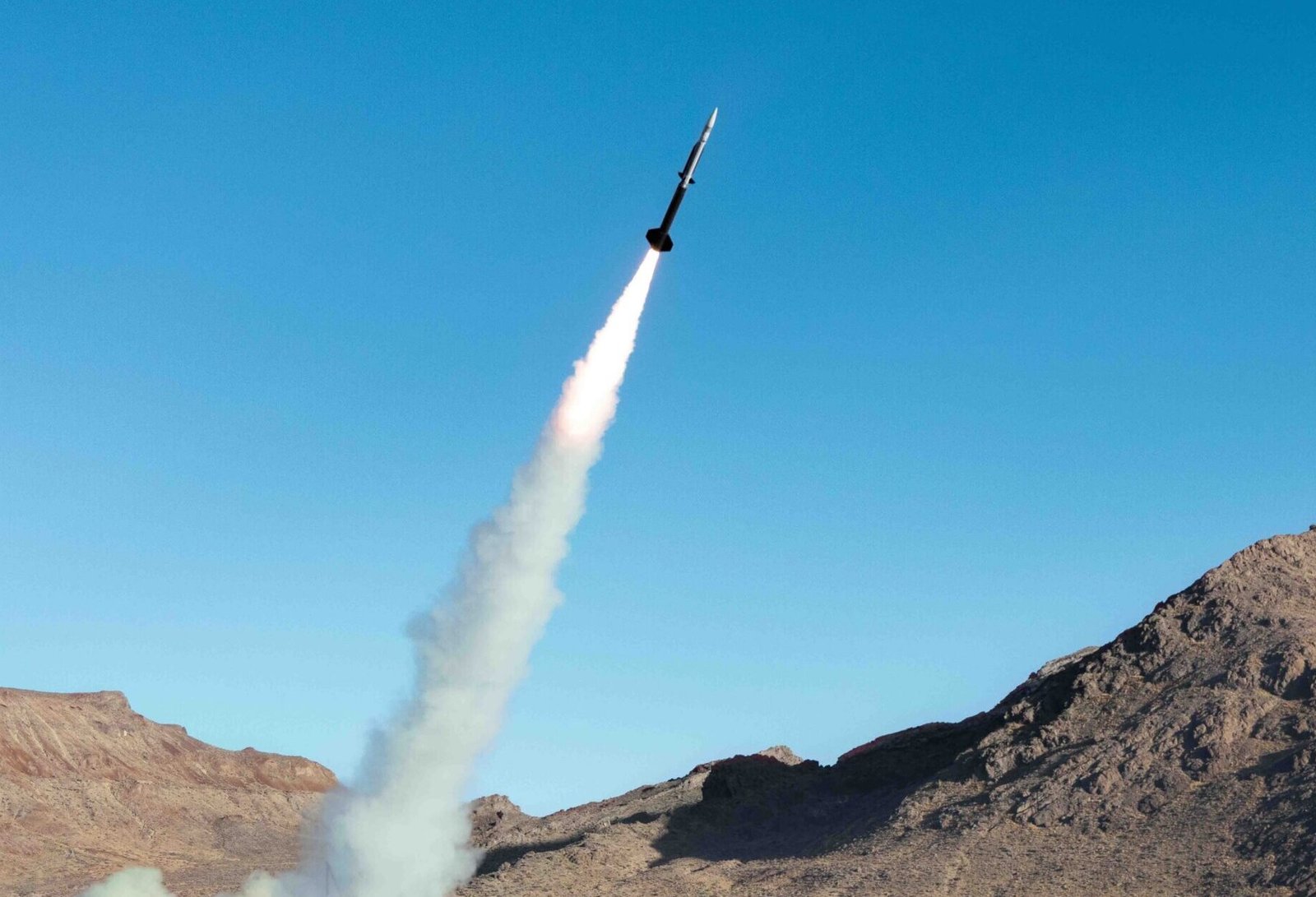 U.S. Air Force Research Laboratory Adds $16.4 Million to Castelion Contract for Blackbeard Hypersonic Missile Development
Top Trending in 4 Days
-
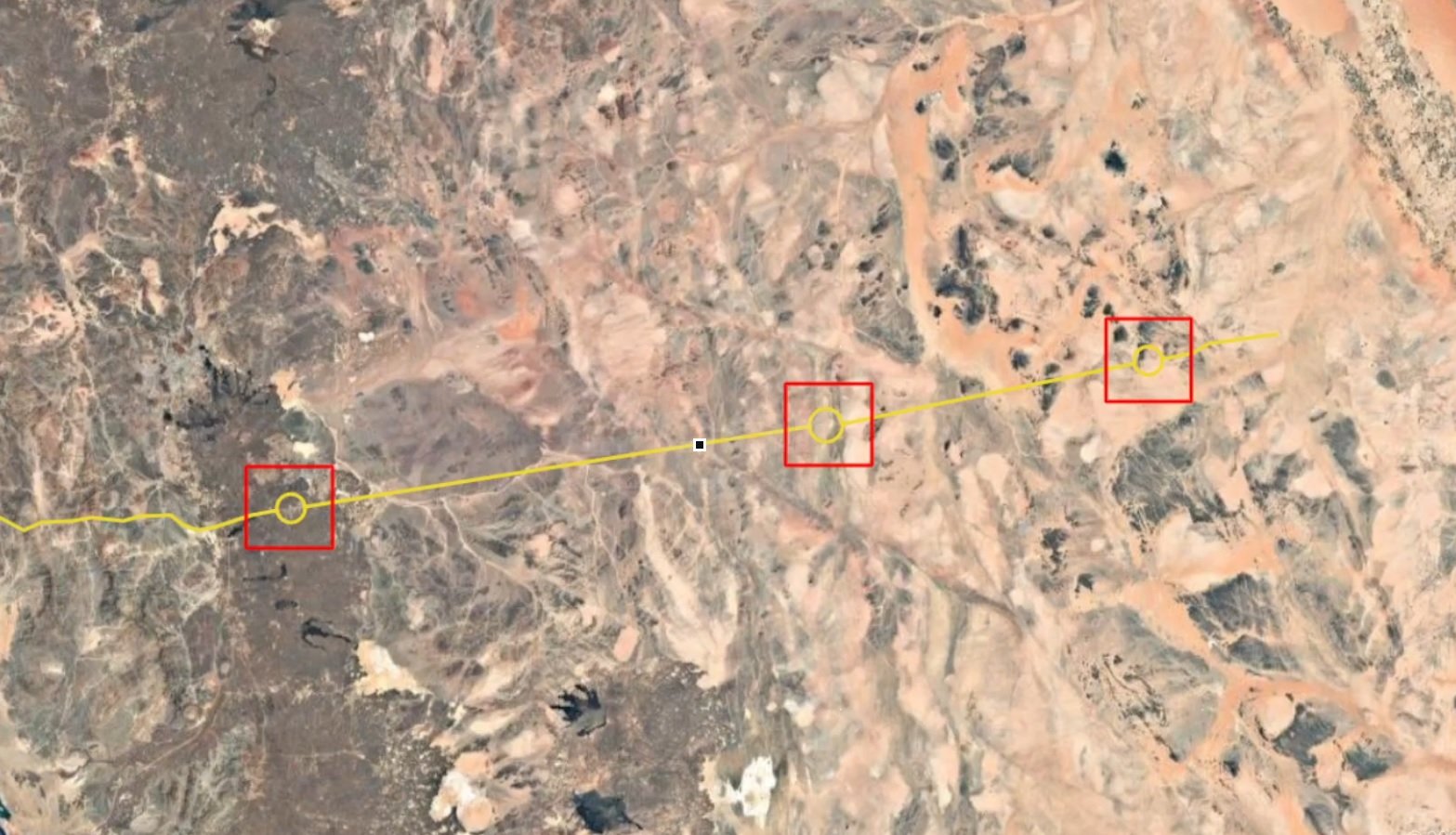 Satellite Imagery Shows Extensive Damage to Saudi Arabia’s East-West Oil Pipeline, Indicating More Than a Single Strike
-
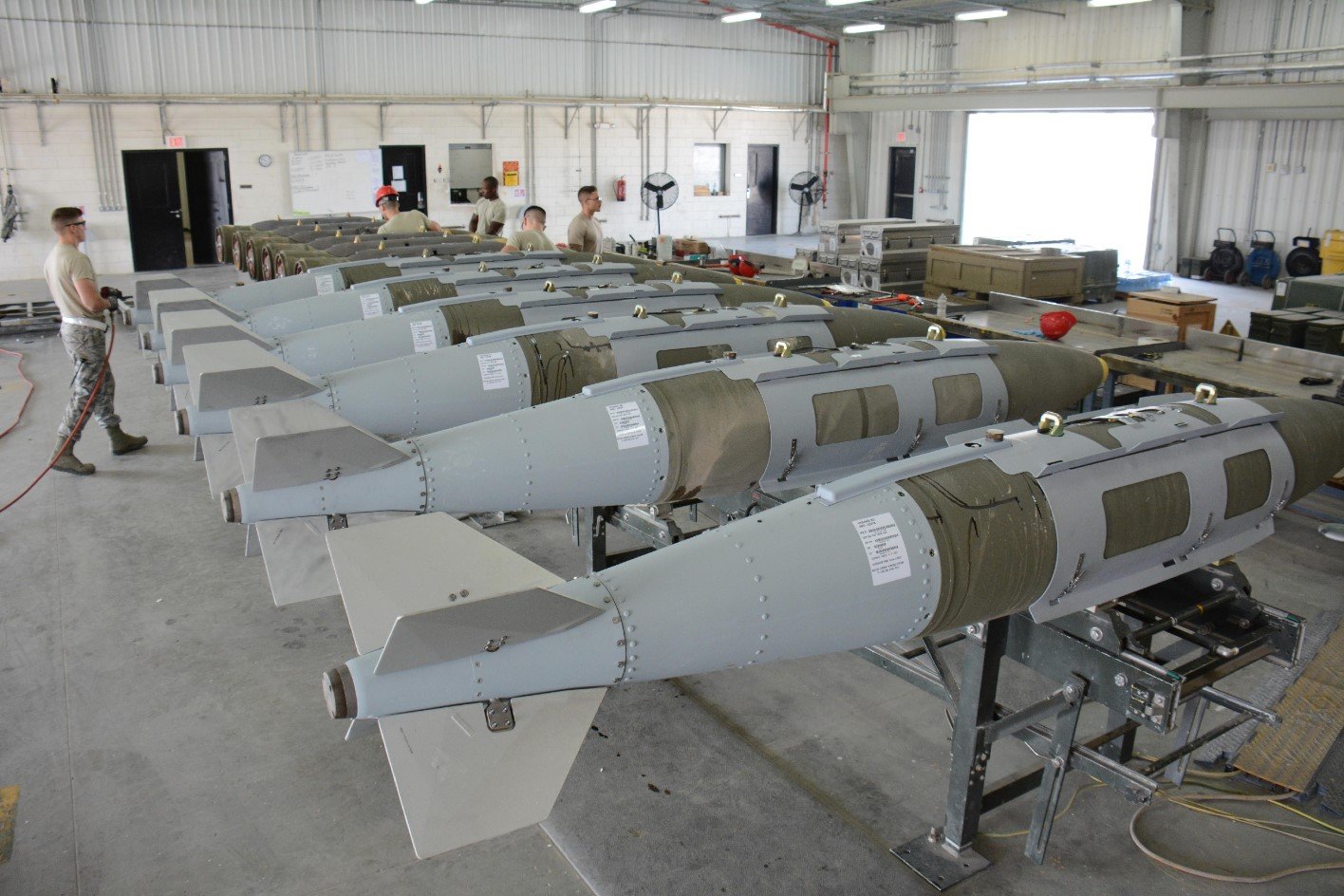 U.S. Plans $2.8 Billion Sale of 40,000 Heavy Bombs and 20,000 I-2000 Penetrator Warheads to Israel
-
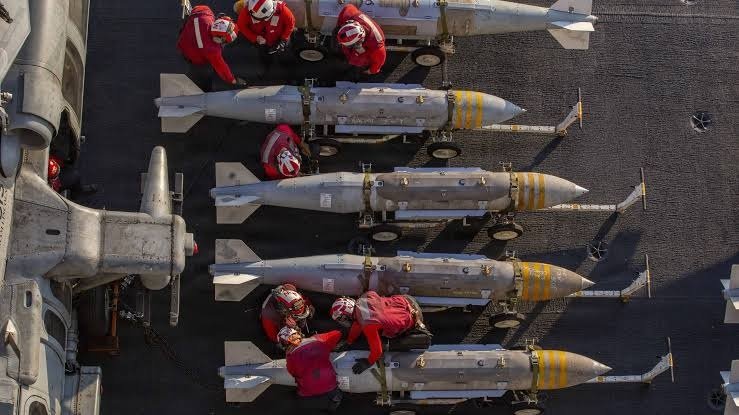 Pentagon Inspector General Report Finds Iran War Caused U.S. Ammunition Shortfalls and Industrial Bottlenecks
-
 Pentagon and Honeywell Complete Four-Hour Pacific Flight Using Quantum Magnetic Navigation Without GPS
-
 Photos Reveal Damaged E-3 Sentry, Buildings and Vehicles at U.S. Bases in Saudi Arabia and Kuwait After Iranian Strikes
-
 Houthis Claim Downing of Saudi F-15 and Wing Loong II Drone Over Marib
-
 U.S. Navy Awards Boeing $562 Million Contract for First Production MQ-25A Stingray Tanker Drones
-
 Bharat Forge, Pratt & Whitney Canada to Evaluate Turboprop Engines for DRDO’s Indigenous HALE UAV