
India
Defense News ,India :- In the latest development, Gurpatwant Singh Pannun, the designated terrorist and founder of the banned Sikhs for Justice (SFJ) based in the United States, has once again issued ominous threats as Republic Day approaches.Social media has been flooded with viral images showcasing pro-Khalistani graffiti in the national capital, carrying explicit threats in anticipation of the Republic Day parade on January 26. The graffiti explicitly states that the outlawed SFJ intends to "avenge" the death of Khalistani terrorist Hardeep Singh Nijjar, who was fatally attacked outside a Gurdwara in Surrey, Canada, on June 18 of the preceding year.The Indian government declared Sikhs for Justice an 'Unlawful Association' on July 10, 2019. Pannun, labeled a 'designated individual terrorist' by the Government of India on July 1, 2020, has been actively using social media platforms to incite Punjab-based gangsters and youth to support the cause of Khalistan. This poses a direct challenge to the sovereignty, integrity, and security of the country, according to investigations by the National Investigation Agency (NIA).This is not the first time Pannun has directed threats towards India. In December of the previous year, he issued a threat to attack Parliament on or before December 13. In November 2023, Pannun urged Sikhs to avoid flying on Air India aircraft after November 19, alleging that their lives could be in danger, and declared that Air India would not be allowed to operate on November 19.In September 2023, amid escalating tensions following the diplomatic row between India and Canada over the killing of Hardeep Singh Nijjar, Pannun called for Hindu-Canadians to leave Canada.The Ministry of External Affairs disclosed that India has raised concerns about the threats issued by Khalistani terrorist Gurpatwant Singh Pannun with the authorities of the United States and Canada.Gurpatwant Singh Pannun has been under the NIA's scrutiny since 2019, with the anti-terror agency registering its first case against him. Pannun has played a significant role in promoting and commissioning terror acts, spreading fear and terror in Punjab and beyond through threats and intimidation tactics.Non-bailable warrants for Pannun's arrest were issued by the NIA Special Court on February 3, 2021, and he was declared a 'Proclaimed Offender (PO)' on November 29, 2022.Last year, the NIA seized Pannun's house and land in Amritsar, Punjab, and the Union Territory of Chandigarh, following government orders in two different cases.NIA investigations uncovered that Pannun's organization, Sikhs for Justice, was exploiting cyberspace to radicalize susceptible youth and incite them to engage in terrorist activities. It was also revealed that Pannun was the primary handler and controller of the SFJ. The actions taken by the NIA aim to curb these activities and maintain national security.
Read More → Posted on 2024-01-17 05:18:24
India
Defense News ,India :- In a remarkable rescue operation on January 16, 2024, the Indian Coast Guard (ICG) came to the aid of 182 pilgrims who found themselves stranded on a ferry near Namkhana, Kakdwip. The incident unfolded in the early hours as the pilgrims were returning from the Ganga Sagar Mela, having taken a holy dip on Makar Sankranti. Unfortunately, the ferry ran aground due to extremely poor visibility.Upon receiving a distress message from the District Magistrate of South 24 Paraganas, the Coast Guard District Headquarters No. 8 in West Bengal swiftly mobilized their operations team. The stranded vessel, MV Swasthya Sathi, was carrying around 400 pilgrims from the Ganga Sagar Mela on Sagar Island to Kakdwip, as stated in an official statement by the Indian Coast Guard.Taking immediate action, the Coast Guard deployed two ACVs (Hovercraft) from Haldia and Sagar Island to assist in the rescue operation. Arriving at the scene by 0840 hrs on January 16, the hovercrafts assessed the situation and finalized an evacuation plan. Simultaneously, a Coast Guard team reached the stranded vessel to reassure the people, providing them with information about the evacuation plan.The hovercrafts began evacuating personnel around 0850 hrs to the nearest point at Lot No. 8 Jetty, Kakdwip. By 1100 hrs on January 16, all 182 pilgrims onboard the ferry were successfully evacuated. Subsequently, as the water level rose, the boat floated and, under the guidance of the hovercrafts, moved with the remaining pilgrims towards a safe destination.This swift and well-executed rescue operation by the Indian Coast Guard exemplifies their dedication to ensuring the safety of citizens in challenging situations.
Read More → Posted on 2024-01-16 15:47:31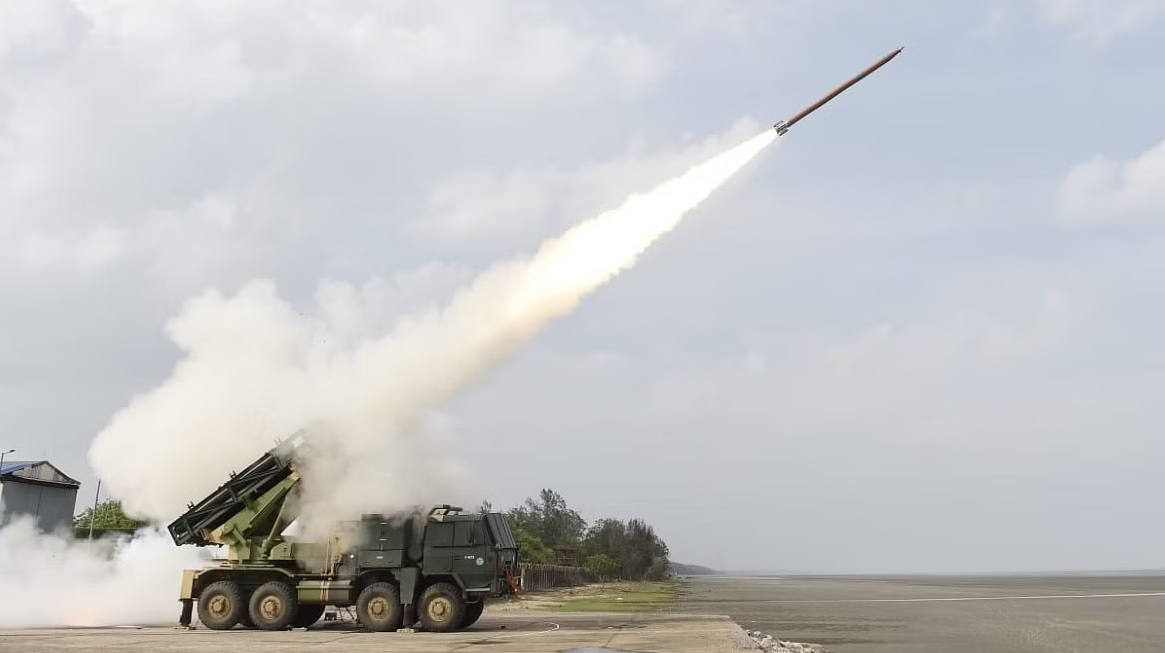
India
Defense News ,India:- In a major triumph for indigenous weapon systems, the Pinaka multi-barrel rocket launchers, named after the bow of the deity Shiva, have garnered attention from two South American nations. The Defence Research and Development Organisation (DRDO) is spearheading this success story and is now venturing into the development of rockets with striking capabilities at 120 km and 200 km.Already making waves with successful exports to Armenia, the Pinaka MBRLs have piqued the interest of South American countries, impressed by the system's capabilities, as revealed by defense officials. The DRDO is now ambitiously working on two variants of long-range rockets, with ranges of 120 km and 200 km, setting its sights on enhancing the system's strike capabilities.Taking a collaborative approach, the DRDO is partnering with both private and public sector industries to produce and develop these advanced rockets. The move to extend the range is strategic, aiming to leverage the existing launchers in service with the Indian Army, thus optimizing costs.The Pinaka MBRL, a standout achievement in indigenous weapon systems, is a result of collaborative efforts between the DRDO and private and public sector units. The Tata Group and Larsen and Toubro contribute to the manufacturing of launcher vehicles, while Solar Industries and Munitions India Limited are responsible for producing the rockets.In an exciting development, the new rockets project is anticipated to involve private sector firms in both development and production. This move aligns with the DRDO's commitment to fostering partnerships and leveraging diverse expertise in advancing military capabilities.Having proven its mettle within the Indian defense forces, the Pinaka rockets recently secured approval for the acquisition of two types: Area Denial Munition Type 2 and Type-3, intended for the Army's defense. The rockets will be exclusively procured from indigenous sources, with leading contenders being Economic Explosives Limited of Solar Industries and Munitions India Limited.As part of the broader artillery modernization plans, the Indian Army is actively seeking to augment its Pinaka MBRL regiments. These regiments boast automated gun aiming and positioning systems, coupled with sophisticated command posts, showcasing a significant leap in India's indigenous defense capabilities. The Pinaka rockets, with their expanding global footprint, mark a remarkable chapter in the evolution of indigenous weapon systems.
Read More → Posted on 2024-01-16 15:35:31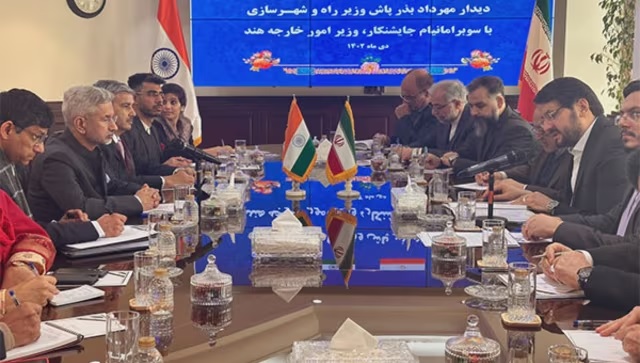
India
Defense News ,India & Iran :- In a recent joint press conference with his Iranian counterpart, H Amir-Abdollahian, India's External Affairs Minister, S Jaishankar, underscored the pivotal role played by the Chabahar port in bolstering connectivity and strengthening ties between the two nations.Jaishankar emphasized India's steadfast commitment to the joint vision of connectivity for the Chabahar port project. He highlighted the strategic importance of the port, considering it a key element in fostering regional trade and cooperation. During discussions in Tehran, the minister focused on establishing a robust, sustainable, and long-term roadmap for India's continued involvement in the project, emphasizing the need for direct political leadership supervision.The centrality of regional connectivity in India-Iran relations was a recurring theme during Jaishankar's two-day visit. He reiterated India's keen interest in leveraging Iran's unique geographical position to access markets in Central Asia, Afghanistan, and Eurasia.Additionally, Jaishankar explored the potential revitalization of the International North-South Transport Corridor (INSTC), a project designed to facilitate smoother trade routes. Expressing satisfaction with the comprehensive nature of bilateral discussions, he affirmed India's commitment to closely monitoring the progress of the Chabahar port project.Highlighting the depth of diplomatic exchange, Jaishankar acknowledged the collaborative efforts in multilateral forums, including the Shanghai Cooperation Organisation (SCO), showcasing the strength of bilateral ties between India and Iran.This visit marked Jaishankar's first to Tehran after Iran's membership approval in BRICS, a development strongly supported by India. The minister expressed confidence that the exchanges during the visit would give momentum to bilateral cooperation and enhance understanding on regional and global issues.In the context of the volatile and uncertain global environment, Jaishankar emphasized the particular value of the India-Iran partnership and regular consultations. India envisions Chabahar Port as a transit hub under the INSTC, aiming to connect to CIS countries and reduce the time for EXIM shipments to reach Russia, Europe, and Central Asian markets.Prime Minister Narendra Modi's talks with Iranian President Seyyed Ebrahim Raisi reiterated the commitment to strengthen bilateral cooperation, realizing the full potential of Chabahar Port as a connectivity hub. The Chabahar port, situated in Iran, stands as a key component of India's connectivity initiatives, offering a shorter route for trade between India, Iran, Afghanistan, and Central Asia. The success of the INSTC would not only connect India to Russia and Central Asian countries but also contribute significantly to the region's commercial transit center, Chabahar Port.
Read More → Posted on 2024-01-16 14:17:17
India
Defense News ,India :- The DRDO Archer-NG (Next Generation) is a Medium-Altitude Long-Endurance (MALE) Unmanned Aerial Vehicle (UAV) developed by the Aeronautical Development Establishment (ADE) of the Defence Research and Development Organisation (DRDO) in India. It is designed to perform Intelligence, Surveillance, Target Acquisition, and Reconnaissance (ISTAR) missions, as well as precision strike operations. The Archer-NG will be equipped with a variety of sensors, including electro-optical/infrared (EO/IR) cameras, radar, and electronic intelligence (ELINT) systems. It will be equipped with technologies like avionics, software, a Ground Control Station and a Ground Data Terminal developed for the Tapas BH-201-UAV program Development and Design: Development began in 2009 under the Rustom-1 program, initially focused on ISR capabilities. In 2022, the program transitioned to Archer-NG with modifications for weapon integration and combat roles. Features a twin-boom configuration with a single engine, offering high endurance and payload capacity. NOT a copy of existing UAVs like the Israeli Heron MkII, but draws inspiration from various technologies. Specifications: Length: 11.3 meters (37 ft) Wingspan: 18.6 meters (61 ft) Height: 2.8 meters (9.2 ft) Maximum Takeoff Weight: 1,500 kg (3,307 lb) Payload Capacity: 300 kg (661 lb) Endurance: 18+ hours Cruising Altitude: 30,000 ft (9,144 m) Line-of-sight Range: 250 kilometers (Los ) 1000 Km (SATCOM BLoS)Engine : Single turboprop Armament: Four hardpoints for carrying a variety of weapons, including: Third-generation "Fire & Forget" UAV Launched Precision Guided Munition (ULPGM) Anti-Tank Guided Missile (ATGM): Range of 4 km, with future variants exceeding 6 km. Smart Anti-Airfield Weapon: Range of 100 km. Other potential weapons: laser-guided bombs, air-to-surface missiles, electronic warfare pods. Capabilities: High-resolution electro-optical (EO) and synthetic aperture radar (SAR) sensors for day/night, all-weather surveillance. Secure communication systems for real-time data transmission. Fully autonomous flight capabilities with advanced autopilot and navigation systems. Precision strike capabilities for engaging ground targets with minimal collateral damage. Significance: The Archer-NG is a significant step forward for India's indigenous UAV development program. It enhances India's aerial surveillance and strike capabilities, reducing dependence on foreign imports. Plays a crucial role in modern warfare, providing battlefield intelligence and precision attack options. Current Status: Firstl flight expected by mid-2024 Undergoing user evaluation trials with the Indian Armed Forces. Expected to be inducted into service by 2026-2027. Further Development: Future variants planned with improved range, payload capacity, and weapon options. Integration with Artificial Intelligence (AI) for enhanced decision-making and autonomous operations. The DRDO Archer-NG is a potent weapon system that strengthens India's military capabilities and positions the country as a leader in UAV development.
Read More → Posted on 2024-01-16 07:11:07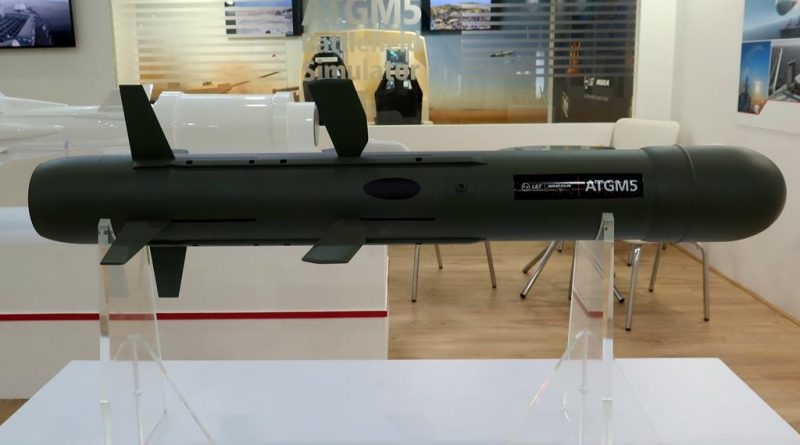
India
Defense News ,India :- In a groundbreaking partnership between the European defense giant MBDA and the Indian engineering powerhouse Larsen & Toubro (L&T), the Indian Army is poised to undergo a transformative enhancement in its anti-tank capabilities. The collaborative venture aims to produce a cutting-edge fifth-generation anti-tank guided missile (ATGM), codenamed ATGM-5, promising unmatched precision and lethality.Aligned with India's "Make in India" initiative to boost domestic defense manufacturing, the ATGM-5 project falls under various procurement categories such as "Buy (Indian-IDDM)," "Buy (Indian)," "Buy & Make (Indian)," and "Make." This encourages active local participation and technology transfer, furthering India's self-sufficiency in defense capabilities.The unveiled ATGM-5 prototype showcased at DefExpo 2024 in Chennai signifies a leap in technology. The ambitious plan involves manufacturing the missile entirely within India, with complete technology transfer from MBDA. Additionally, the foreign partner is committed to supporting the development of an upgraded ATGM-5 with an impressive extended range of 10 kilometers.The ATGM-5 distinguishes itself through the integration of several disruptive fifth-generation technologies, including a new generation passive dual-band seeker. This seeker combines color TV and uncooled infrared capabilities, ensuring precise target identification and tracking across diverse environments. The missile boasts a new generation multipurpose tandem warhead, effectively penetrating reactive armor and annihilating heavily fortified targets.Operational stealth is heightened with the integration of smokeless propellant, minimizing the missile's visibility during firing. The ATGM-5 goes a step further with its maintenance-free design, boasting a 10-year lifespan without the need for maintenance and reducing logistical burdens.One of its key advantages is being ITAR-free, freeing India from International Traffic in Arms Regulations (ITAR) restrictions, providing greater operational independence and flexibility. The ATGM-5 project emerges as a promising development for the Indian Army, significantly strengthening its anti-tank weaponry. With its advanced technology, domestic production capabilities, and potential for further upgrades, the ATGM-5 represents a substantial stride towards self-reliance in India's defense sector.
Read More → Posted on 2024-01-16 05:12:39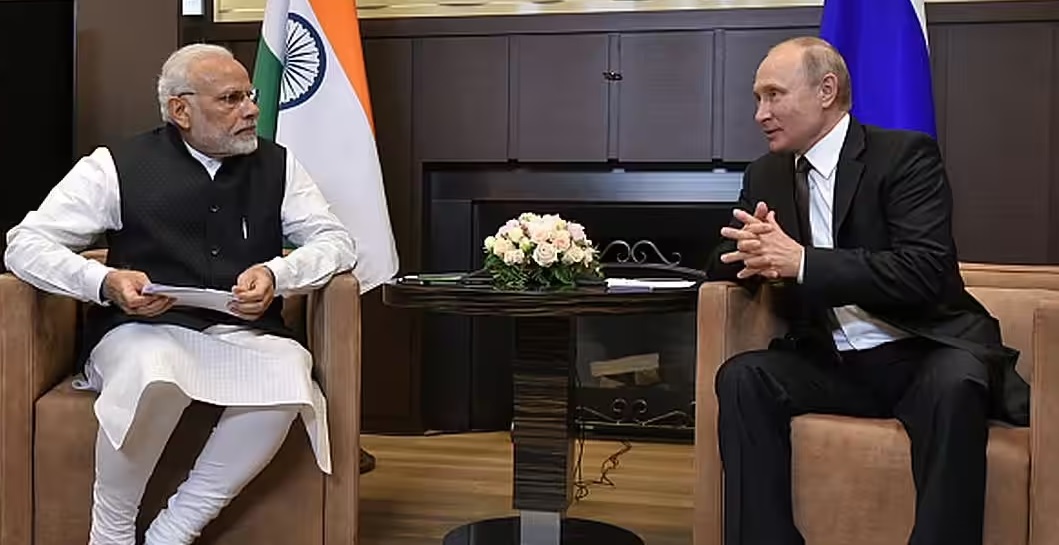
India
Defense News ,India & Russia :- In a recent telephonic conversation, Prime Minister Narendra Modi engaged in discussions with Russian President Vladimir Putin, laying the groundwork for an enhanced India-Russia Special and Privileged Strategic Partnership. The leaders enthusiastically agreed to chart a roadmap for upcoming initiatives that will fortify their countries' longstanding collaboration.Delving into the progress achieved after recent high-level exchanges, the two leaders took stock of various aspects of bilateral cooperation. Alongside these, they exchanged perspectives on regional and global matters of mutual concern, reflecting a shared commitment to addressing challenges on the international stage.Prime Minister Modi took the opportunity to extend his best wishes to Russia for its upcoming Presidency of BRICS in 2024, assuring full support from India. This gesture underscores the importance India places on fostering collaborative efforts within this influential grouping.Notably, in December 2023, India's External Affairs Minister, S Jaishankar, engaged with Russian leaders in Moscow. Following discussions with his Russian counterpart Sergey Lavrov, Jaishankar emphasized the enduring and valuable nature of the partnership between the two nations. He underscored the significant benefits that both India and Russia have derived from their longstanding relationship.The geopolitical landscape has witnessed shifts, and India has emerged as a key economic partner for Russia, particularly in the aftermath of sweeping sanctions imposed on Moscow by the West in 2022 due to the conflict in Ukraine. Russia's redirection of a substantial portion of its oil exports to India exemplifies the depth of this economic partnership. Additionally, both nations have intensified their diplomatic efforts within the BRICS group, a coalition where they stand as founding members.As the Modi-Putin dialogue sets the tone for future collaboration, it reaffirms the resilience and significance of the India-Russia partnership amid evolving global dynamics.
Read More → Posted on 2024-01-16 05:04:20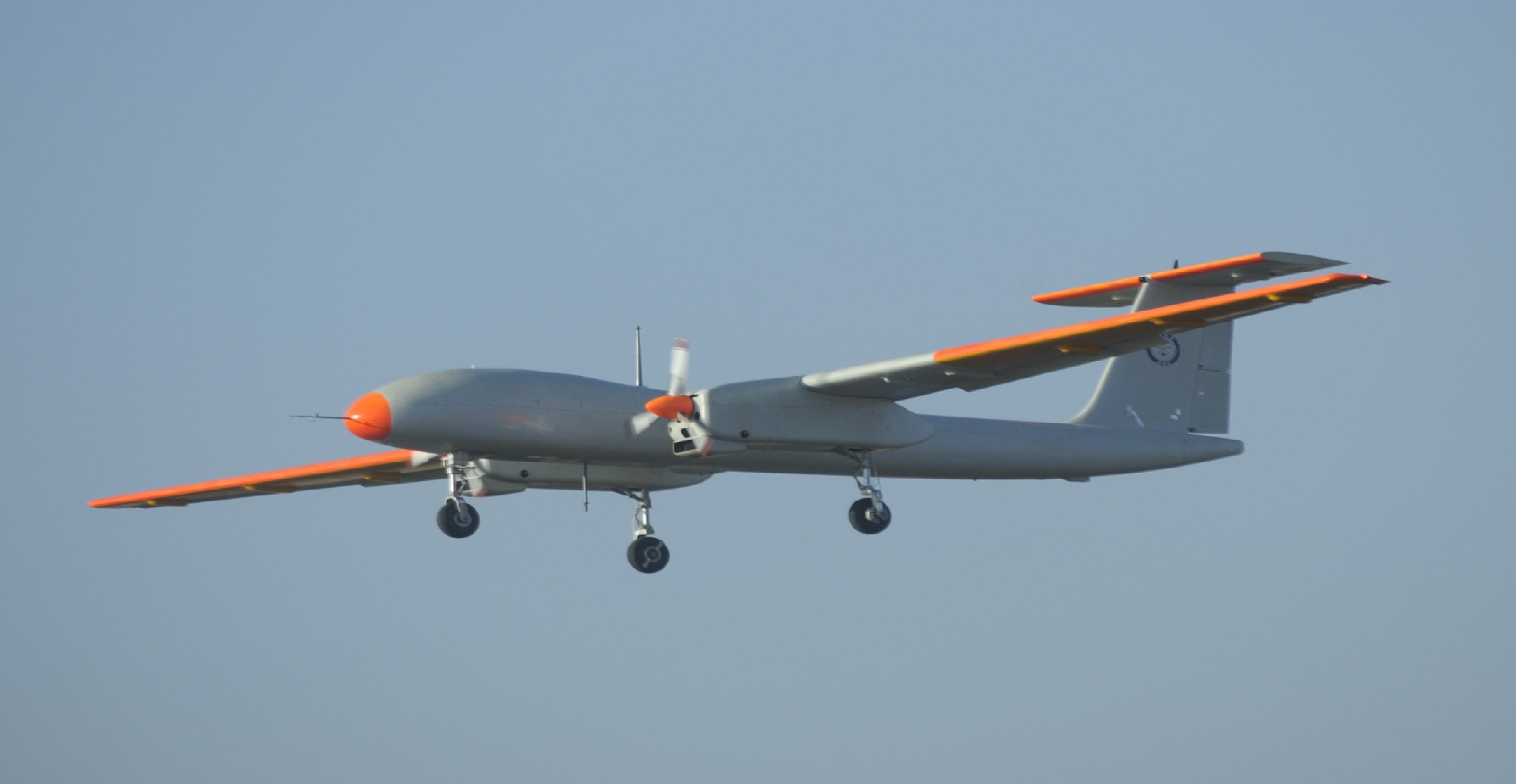
India
Defense News , India :- In a bid to fortify surveillance capabilities over the strategically pivotal Andaman and Nicobar Islands, the Indian Navy is eyeing the homegrown Tapas Medium Altitude Long Endurance (MALE) Unmanned Aerial Vehicle (UAV). Spearheaded by the Aeronautical Development Establishment (ADE) laboratory, the Tapas drone encounters a significant challenge – it falls short of meeting the Joint Services Qualitative Requirements (JQRs) by not maintaining an altitude of 30,000 feet for over 24 hours. Consequently, it finds itself temporarily excluded from the "mission mode" category, prioritizing rapid deployment.Despite this setback, officials express unwavering optimism regarding the Tapas program. A DRDO official declared, "We are committed to continuing the program," emphasizing ongoing efforts by the ADE laboratory to refine the drone's design and enhance its power output. The official asserted, "We will add more altitude and endurance," demonstrating a dedicated resolve to overcome the JQRs challenge.The Indian Navy's keen interest in the Tapas emanates from its potential to offer persistent maritime surveillance around the Andaman and Nicobar Islands – a critical gateway to the Indian Ocean and a strategic outpost safeguarding India's eastern seaboard. While the Navy presently relies on a combination of manned aircraft and imported Heron UAVs for surveillance, the Tapas stands out due to its domestic development and the prospect of tailoring it to specific Indian requirements.Highlighted by several promising features, including a long-range electro-optical/infrared (EO/IR) payload, synthetic aperture radar (SAR), and electronic intelligence (ELINT) capabilities, the Tapas facilitates comprehensive surveillance of surface and airborne threats. This makes it a valuable asset for maritime patrol, search and rescue, and intelligence gathering missions.Despite the current hurdle in meeting JQRs, the Indian Navy's sustained interest and the DRDO's commitment to development instill hope for the Tapas program's future. With concerted efforts to enhance its altitude and endurance, the Tapas holds the potential to revolutionize Indian maritime security, ensuring the protection of the strategically vital Andaman and Nicobar Islands and reinforcing India's presence in the Indian Ocean.
Read More → Posted on 2024-01-16 05:00:15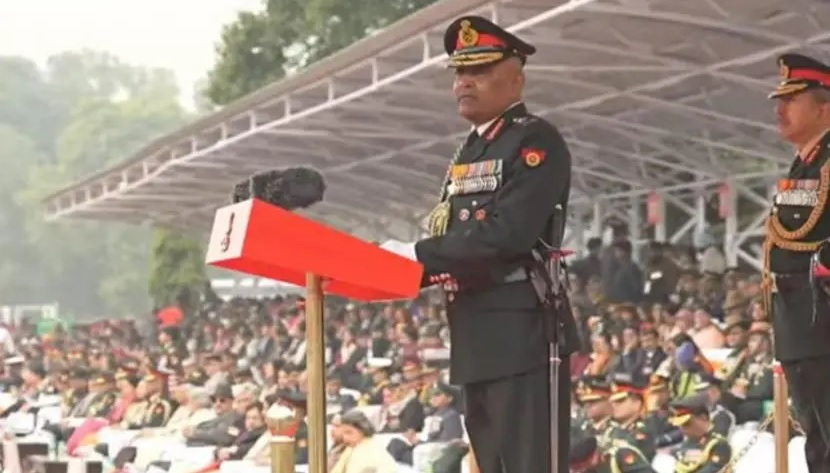
India
Defense News ,India :- The head of the Indian Army, General Manoj Pande, shared some great news on the 76th Army Day. He mentioned that, thanks to the hard work of the Indian Army and the government, the situation in Manipur is improving. General Pande highlighted the positive impact of peace talks with local groups in the North-East, leading to significant progress in the region."In the last few years, we've had important peace agreements with local groups in the North-East. This has brought positive changes to the area, and government policies have played a crucial role in restoring peace. In Manipur, the government and the Indian Army are actively working to control the situation, and our soldiers have been remarkable in minimizing damage with their patience and skills," said General Pande.He added, "Concrete efforts are ongoing to establish peace in Manipur." General Pande also assured that the situation on the western borders in Jammu and Kashmir is under control, although there has been an increase in terrorist activities in some areas recently."Our army is fully prepared to face any challenge. We've taken significant steps to enhance our capabilities on the northern borders. Through emergency procurement, we've imported modern equipment with new technology. Special grants have been allocated to develop critical infrastructure in border areas," General Pande explained.Expressing pride in the Indian Army's dedication, he said, "Our soldiers have successfully tackled security challenges, whether it's safeguarding borders, deploying in difficult areas, or facing challenging weather. Together with all stakeholders, we are determined to eliminate terrorism from the country."Looking towards the future, General Pande mentioned that India is on the verge of a new era. "We envision a 'Viksit Bharat' (Developed India) as our country marks 100 years of independence. A secure environment is crucial for this vision, and the Indian Army plays a vital role in achieving it."He also highlighted advancements in automation, digitization, and networking to make systems more efficient, benefiting areas like operational awareness, decision support, and human resource management. General Pande emphasized the importance of the Agnipath scheme in human resource management and stated that efforts are ongoing to contribute to nation-building, especially in border areas, by collaborating with state and central government projects.
Read More → Posted on 2024-01-15 15:51:14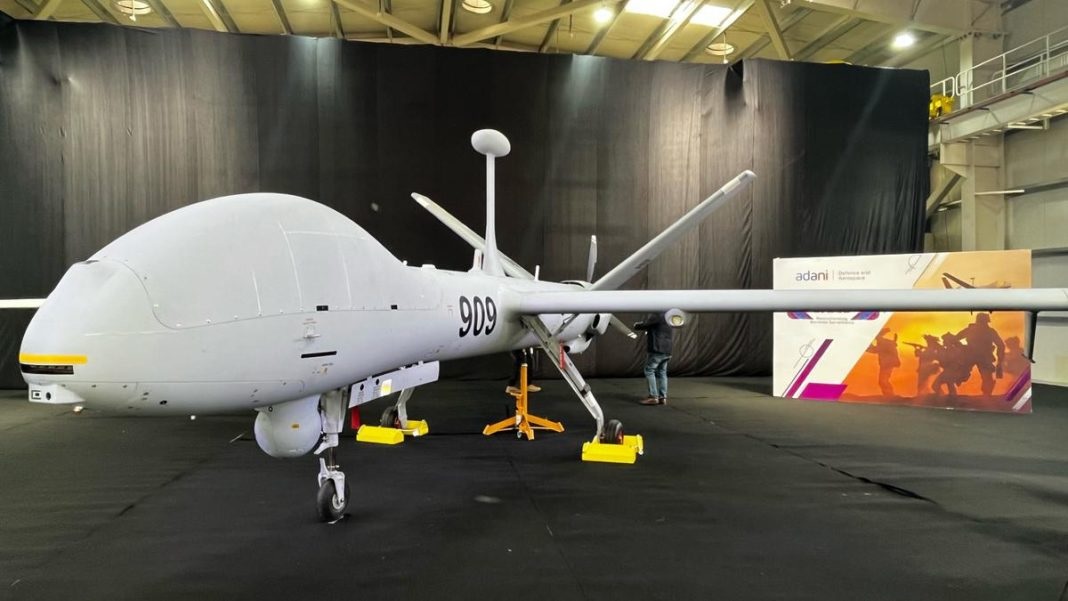
India
Defense News ,India :- The Indian Army is gearing up to enhance its surveillance capabilities along the Punjab border with the deployment of cutting-edge Drishti-10 medium-altitude, long-endurance drones. These drones, set to be introduced into the force within the next two to three months by Adani Defence, will play a crucial role in monitoring the region.Under emergency provisions, the Indian Army has placed orders for two of these indigenous drones from Adani Defence. The mandate requires that over 60% of the systems supplied by vendors should be made in India, aligning with the 'Make in India' initiative in the defense sector.Military officials shared that the drones will be stationed in the Punjab sector, providing extensive coverage, including the desert sector and areas north of Punjab. This strategic move aims to bolster the Indian Army's surveillance efforts in the region.Adding to its existing drone fleet, which includes Heron MK-1 and MK-2 drones, the Indian Army has also ordered Drishti-10 or Hermes-900 drones in the latest tranche of emergency procurements. Adani Defence, in collaboration with Israeli firm Elbit, has transferred technology for these drones, emphasizing that 70% of the technology has already been indigenized, with plans to increase this further.The recent unveiling of the drones took place in Hyderabad, with Indian Navy Chief Admiral R Hari Kumar and Director General Army Aviation Lt Gen Ajay Suri officiating the event. While the Indian Army will deploy these drones in Punjab, the Indian Navy plans to position them in Porbandar to monitor the maritime boundary with Pakistan and the high seas. With an impressive capability to fly for over 30 hours and cover a distance of around 2,000 km in a single mission, these drones mark a significant advancement in border surveillance technology.
Read More → Posted on 2024-01-15 14:41:52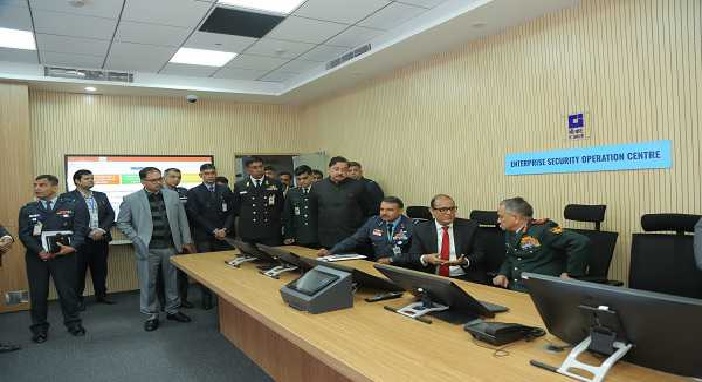
India
Defense News , India :- Recently, General Anil Chauhan, the Chief of Defence Staff (CDS), visited the Centre for Development of Telematics (C-DOT) Delhi Campus. The purpose was to discuss how C-DOT and the Indian Armed Forces can work together to create advanced and secure telecom solutions.C-DOT Introduces Cutting-Edge Solutions to CDSDuring the visit, C-DOT demonstrated its own advanced security solutions and ongoing technology programs to General Chauhan. Dr. Rajkumar Upadhyay, the CEO of C-DOT, gave a detailed overview of the Telecom product portfolio. This included important areas like a security operation centre for detecting network malware in real-time, an enterprise security centre for dealing with threats at an enterprise level, Quantum Key Distribution, and Post Quantum Cryptography.The presentation also covered solutions such as 4G and 5G core and radio access networks, disaster management using Common Alert Protocol (CAP), optical transport and access solutions, and switching and routing solutions. The CEO assured General Chauhan that C-DOT is dedicated to developing top-notch security solutions that meet the needs of the Indian Armed Forces.Importance of Collaboration and Modern WarfareGeneral Chauhan stressed the importance of collaboration between C-DOT and the three branches of the Indian Armed Forces. He pointed out the need for integrated and advanced secure communication solutions in the changing landscape of modern warfare, where the focus is shifting from network-centric to data-centric approaches.During interactions with C-DOT engineers, General Chauhan expressed confidence in the nation's ability to protect its communication systems and cyberspace. He recognized the transformative phase of digitization in the country and commended C-DOT's efforts in contributing to the vision of a self-reliant India.Practical Insights Through Lab DemonstrationsThe visit included lab demonstrations of various solutions, providing practical insights into their applications. C-DOT thanked the entire defence team led by General Chauhan and expressed enthusiasm for future collaborations.In his remarks, General Chauhan said, "Our country is going through a transformation; we are moving towards digitization, and all our efforts are geared towards self-reliance." He described the visit to C-DOT as eye-opening, expressing confidence in the nation's ability to protect its communication systems and cyberspace.
Read More → Posted on 2024-01-14 14:21:30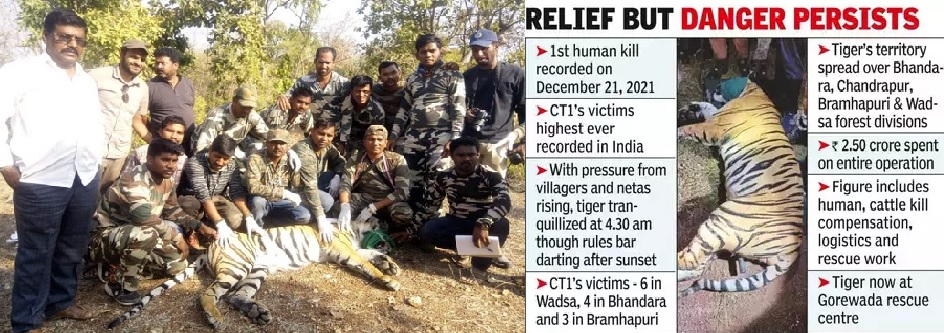
India
Defense News ,India :- In the Chandrapur and Gadchiroli districts of Maharashtra, there's growing worry about clashes between people and tigers. Forest officials have taken action, claiming to have caught 62 troublesome tigers in the past ten years.As more land disappears and humans move into tiger territory, it's becoming urgent to protect these big cats. The Tadoba Andhari Tiger Reserve's quick-response team, made up of 15 members, has a tough job: catching tigers that pose a threat to humans.Over the last decade, they've used tranquilizers to capture 62 'conflict' tigers, including 35 males and 27 females. In 2023 alone, they caught 4 tigers in Gadchiroli and 8 in Chandrapur, along with 8 leopards. Currently, they're searching for the G-18 Tiger in Gadchiroli, using 70 camera traps to help.Fatal tiger attacks have terrified local villagers. A recent incident in Gadchiroli saw a tiger kill a 55-year-old woman, Mangalabai Vitthal Bole, and another attack on January 7 claimed the life of Sushma Devidas Mandal in Aheri tehsil.Speaking to ANI, Dr. Ravikant Khobragade, a vet at Tadoba-Andhari Tiger Reserve, revealed their efforts in capturing 'man-eater' tigers and leopards. Despite orders to shoot some animals, they safely caught and sent them to the zoo.The team is also involved in radio collaring elephants and microchipping tigers, leopards, and wild dogs. Dr. Khobragade stressed the importance of understanding tiger behavior before capturing them. Equipped with modern technology and specialized vehicles, the team uses drones, night vision binoculars, ambulances, and hydraulic cages.Capturing tigers is a patient process. Dr. Khobragade highlighted the challenges, including the lack of vehicle access in forests and the difficulty of reaching targets. Ajay Marathe, a shooter in the team, mentioned the pressure from the public during rescues and the importance of maintaining the team's morale.The team believes that incidents of human-wildlife conflict are rising and calls for a strategic approach to increase the tiger population. Their goal is to protect both the forest ecosystem and local communities, emphasizing the need to address these issues simultaneously.
Read More → Posted on 2024-01-14 13:58:38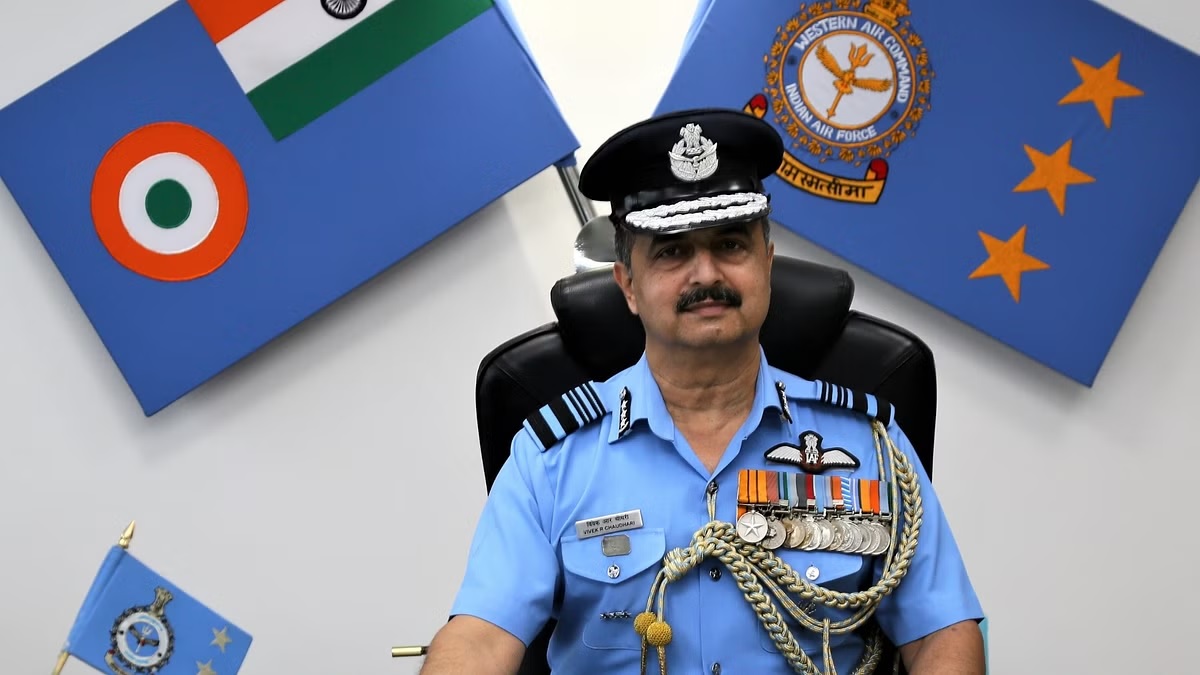
India
Defense News ,India :- Air Chief Marshal VR Chaudhari shared exciting news on Saturday, revealing that the Indian Air Force (IAF) has successfully created more than 60,000 components internally within the last two to three years. Speaking at an event in the Bhonsala Military School in Nagpur, he emphasized the importance of self-reliance, stating that the Air Force cannot depend on foreign companies for the maintenance of its equipment.Addressing concerns about locating a lost transport aircraft in the Bay of Bengal near Chennai, the Air Chief Marshal expressed gratitude for advancements in technology that enabled deep-sea exploration. He acknowledged the Ministry of Ocean and Earth Sciences for their support in discovering the wreckage after seven and a half years, bringing closure to a long-pending sad incident.Providing insights into the indigenization of Base Repair Depots (BRDs), the IAF chief highlighted the open invitation to industries to collaborate with the Air Force. He mentioned that all BRDs and Air Force units have been made accessible for industries to contribute to the ongoing work. Stressing the need for self-sufficiency, he reinforced that the IAF has realized the significance of doing repair and maintenance activities in-house, reducing reliance on foreign Original Equipment Manufacturers (OEMs).
Read More → Posted on 2024-01-14 13:44:38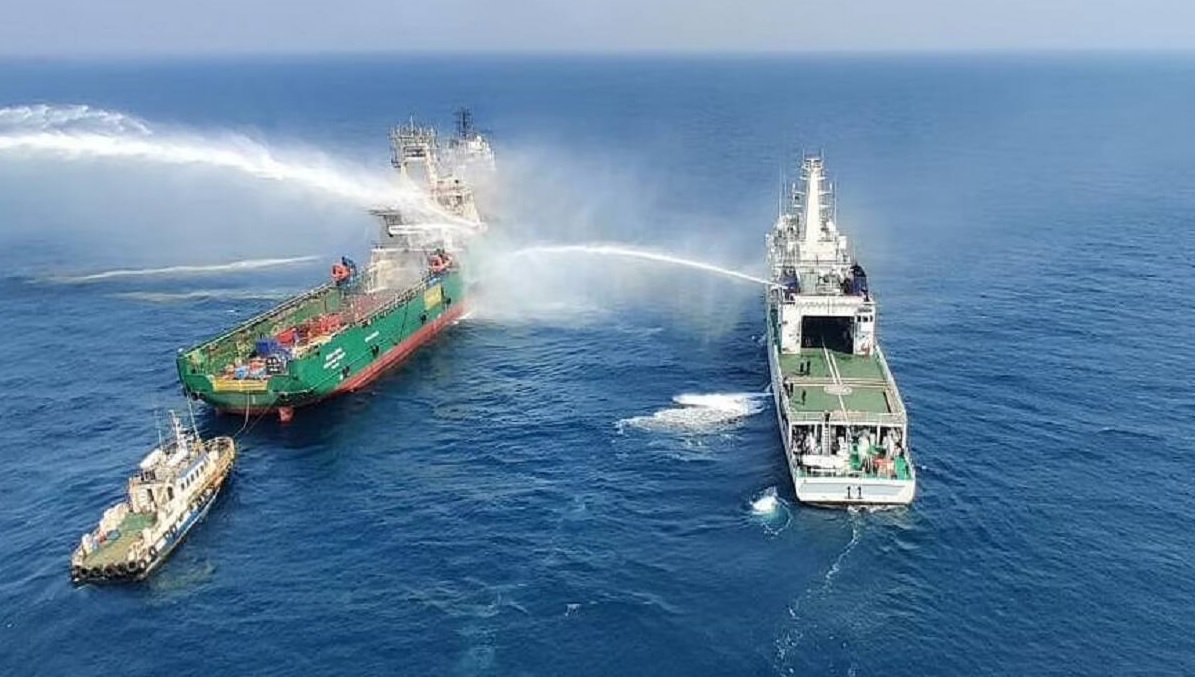
India
Defense News ,Red Sea :- Yemeni Houthi rebels are causing trouble in the shipping world, affecting companies in the West and now reaching Indian shores. After the United States and the United Kingdom responded to Houthi attacks on commercial ships in the Red Sea, companies are feeling the impact on their supply chains.The attacks began when tensions rose in the Israel-Hamas conflict in October. The Houthi rebels, supporting Hamas, started targeting merchant ships passing through Yemen to or from Egypt's Suez Canal.As a result, companies are now opting for a longer but safer route around southern Africa, increasing shipping time. Initially unaffected, Indian companies are now feeling the pinch due to the interconnected nature of global trade.Impact on India:Recent incidents in the Middle East have raised concerns for Indian shipping companies. RBB Ship Chartering, a company in ship chartering services, reports a significant rise in shipping costs. CEO Raajesh Bhojwani highlighted that the re-routing of shipping assets has tripled transportation costs.The Red Sea is a crucial route for India's trade with the US East Coast, Europe, the Middle East, and Africa. The Suez Canal is vital for direct passage between Europe and Asia, making the Red Sea route essential. The alternative route through Africa adds around 30 days to travel time.A variety of Indian exports, including steel, textiles, chemicals, vehicles, and agro-products, pass through the Red Sea route to reach Europe and the West.Challenges for Indian Exporters:The situation has led to a spike in insurance premiums for ships in the Red Sea, making it financially burdensome for Indian exporters. The longer route around the Cape of Good Hope increases journey time by 8-10 days, resulting in higher fuel costs. This puts Indian exporters at risk of losing competitiveness in other markets.In 2023, global trade challenges, compounded by the Middle East situation, raised concerns for India's policymakers. A report suggests that India's total exports in FY24 could decrease by $30 billion, with an anticipated drop of 6.7%.International Impact:US retailer Target experienced minor disruptions in shipments from India and Pakistan, key regions for apparel manufacturing. India's proximity to Iran, a supporter of the Houthi rebels, adds significance to its role in this tense situation.India's External Affairs Minister is expected to visit Tehran following a conversation with the US Secretary of State. The Commerce Ministry plans to strategize measures in response to the trade impact.Shipping Statistics:Clarkson Research Services Ltd. reported a 44% decrease in ships using the Suez Canal in early January. Major shipping corporations like Maersk are diverting ships around Africa, adding a week or two to voyages and increasing shipping, insurance, and fuel costs.Houthi Tactics:Houthi rebels are using drones and anti-ship missiles, even seizing an Israeli-owned ship and crew with a helicopter. Originally targeting vessels bound for or from Israel, they now threaten any vessel, including container ships and oil tankers flagged to countries like Norway and Liberia.The situation poses challenges for global trade, prompting major corporations to adapt their shipping routes and adding complexities to the already delicate balance of international commerce.
Read More → Posted on 2024-01-13 14:06:54
India
Defense News , India :- In a big move to stop Pakistan's attempts to increase terrorist activities in Jammu and Kashmir, the Indian Army is starting Operation Sarvashakti. This operation will focus on targeting terrorists in the Union Territory, specifically on both sides of the Pir Panjal mountain ranges.Lately, terrorist groups from Pakistan have been trying to bring back terrorism in the southern part of the Pir Panjal ranges, especially in the Rajouri Poonch sector. About 20 soldiers have lost their lives in terrorist attacks in this area, with the latest attack occurring on December 21, where four soldiers were killed in the Dera ki Gali area.Under Operation Sarvashakti, the Indian Army plans to conduct joint counter-terrorism operations from both sides of the Pir Panjal ranges. The Srinagar-based Chinar Corps and the Nagrota-headquartered White Knight Corps will simultaneously carry out these operations. The Jammu and Kashmir Police, CRPF, Special Operations Group, and intelligence agencies will work closely together to prevent Pakistan from reviving terrorist activities in the Union Territory, especially in the Rajouri Poonch sector.The operations are expected to follow the model of Operation Sarpvinash, launched in 2003 to eliminate terrorists from the same areas in the south of the Pir Panjal range.Army Chief General Manoj Pande mentioned that terrorist activities had nearly disappeared in the area since 2003. However, the threat has resurfaced, and the Indian Army, along with the Northern Command, is taking measures to tackle it. These operations are closely monitored by the Army Headquarters and the Northern Army Command in Udhampur.Home Minister Amit Shah held a security meeting with key stakeholders, including National Security Advisor Ajit Doval, Army officials, intelligence agencies, and police officials from both state and central agencies, leading to the planning of these operations.Northern Army Commander Lt Gen Upendra Dwivedi has coordinated with top security forces in both the Jammu and Kashmir regions for a united effort against terrorists. The Indian Army is also in the process of deploying more troops in the Rajouri-Poonch sector and strengthening intelligence capabilities in the region.Despite provocations by terrorists, the troops have shown restraint, refraining from firing back in areas with civilian presence. The swift action taken by the Indian Army in addressing civilian casualties following the December 21 encounter has contributed to maintaining local support in the fight against terrorism.
Read More → Posted on 2024-01-13 13:45:45Search
Top Trending in 24 Hours
-
 Two Injured in Bahrain After Iranian Attacks; Iran Claims Strike on US Patriot Radars
-
 Russian Corvette Merkury Almost Certainly Destroyed in Benghazi Port Explosion
-
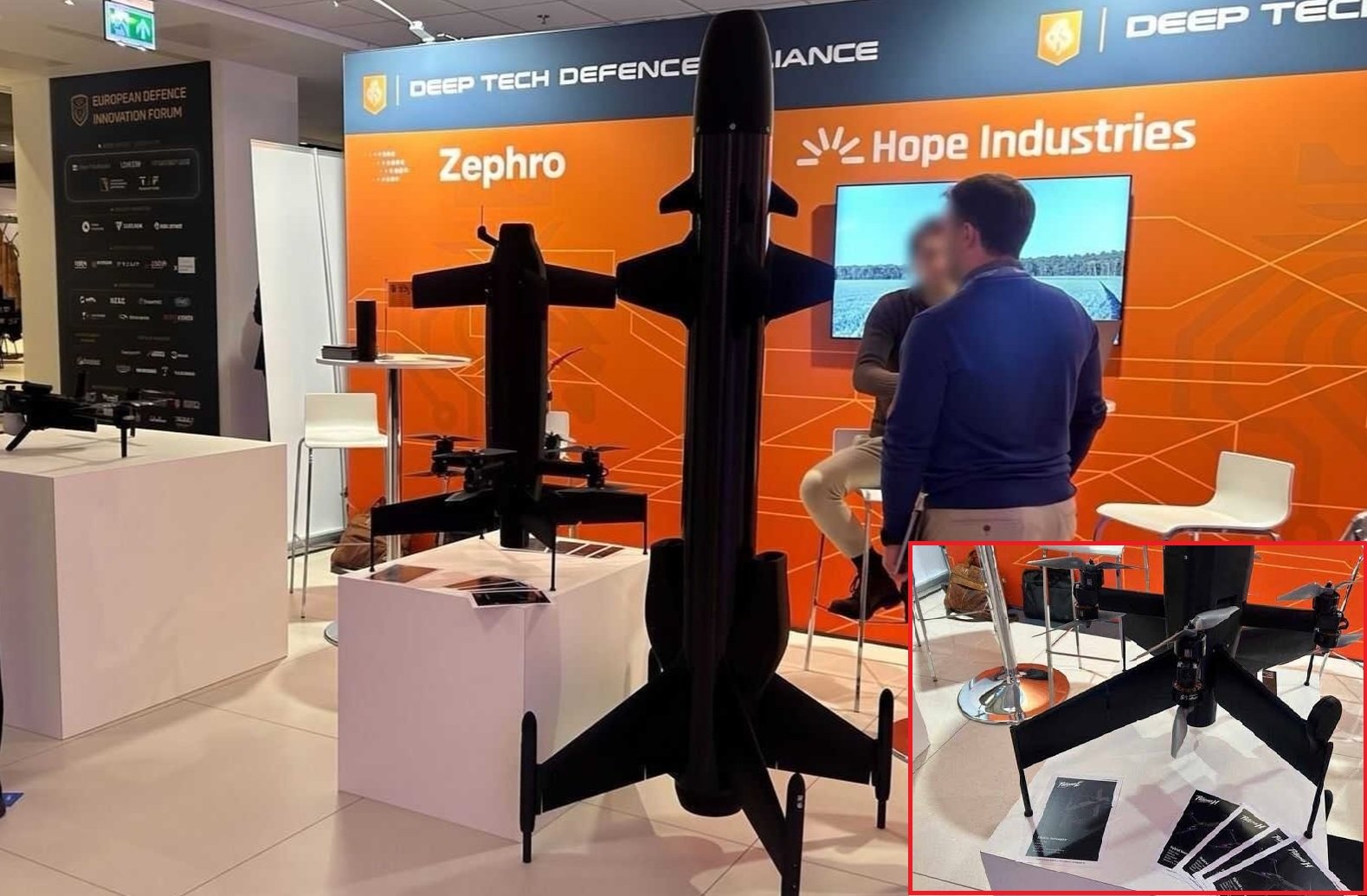 Dutch Company Hope Industries Unveils 800 km/h Patronus Interceptor Drones to Counter Shahed Threats
-
 Iran Releases Air Defence Footage Claiming Engagement Against US F-16 Over Persian Gulf; CENTCOM Denies Attack
-
 Senate Panel Proposes $1.84 Billion Cut to US Navy’s Trump-Class Battleship Program
-
 Netherlands Targets 40% Defence Industry Growth by 2030 as Destinus Missiles Gain Attention
-
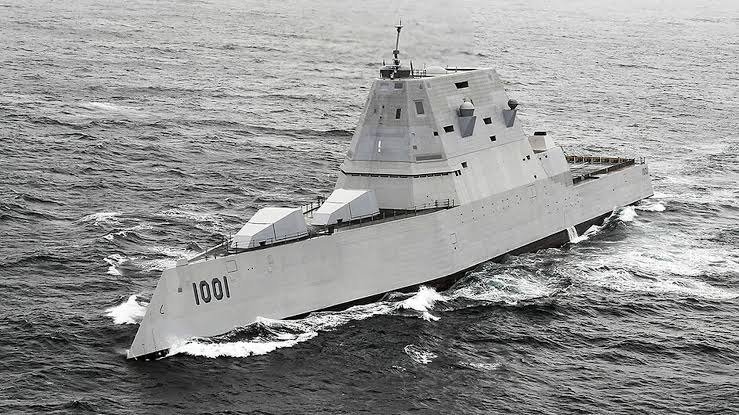 US Navy Schedules 2028 Hypersonic Missile Upgrade for Zumwalt-class Destroyer USS Michael Monsoor
-
 Astrogate Labs Tests Tracking System for 10 Gbps Mobile Laser Communication Terminal
Top Trending in 4 Days
-
 NASA's Orion Spacecraft Needs Major Modifications to Fly Backward with SpaceX Starship
-
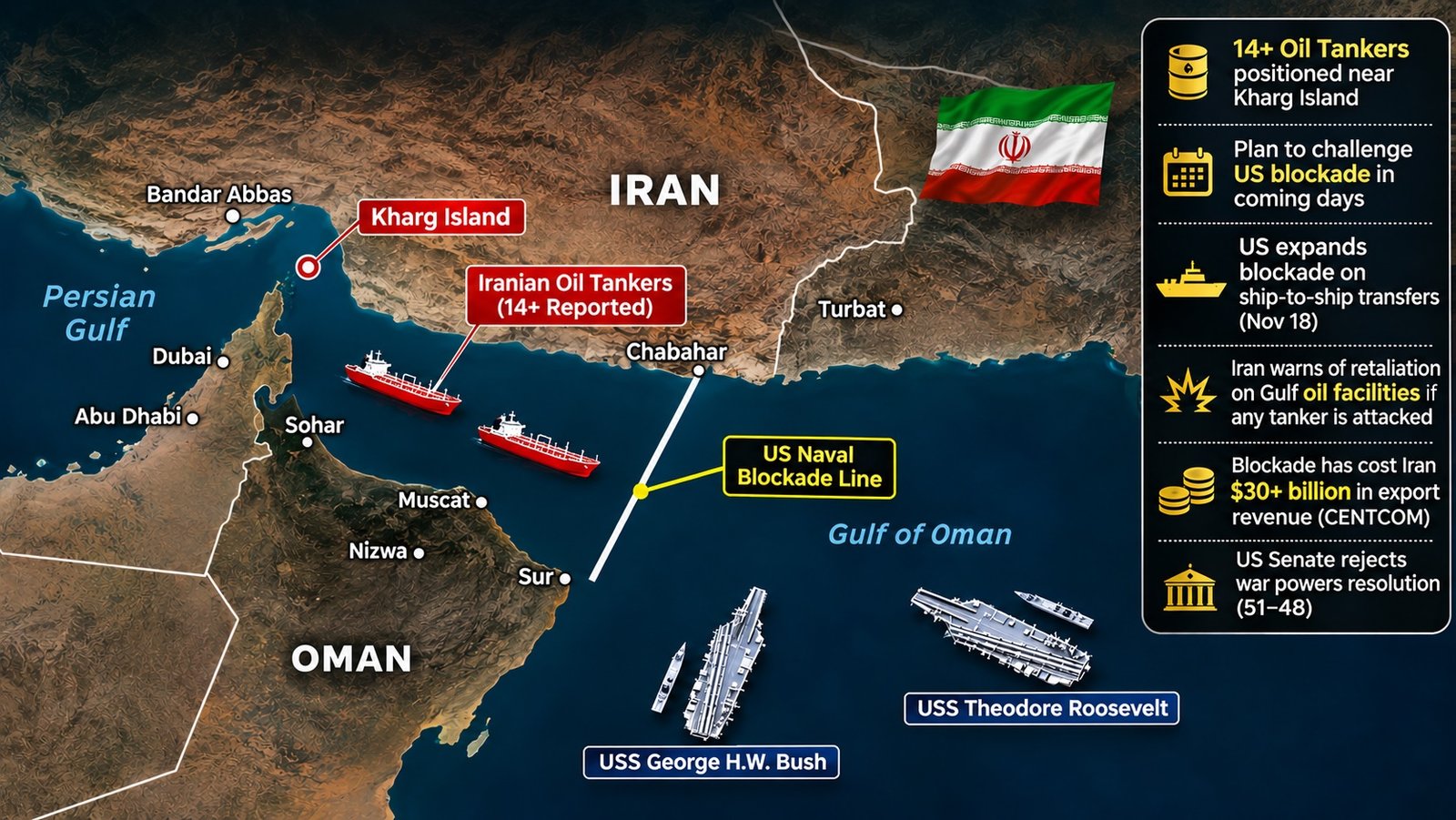 Iran Positions Oil Tankers at Kharg Island Amid Plans to Challenge US Naval Blockade
-
Two Injured in Bahrain After Iranian Attacks; Iran Claims Strike on US Patriot Radars
-
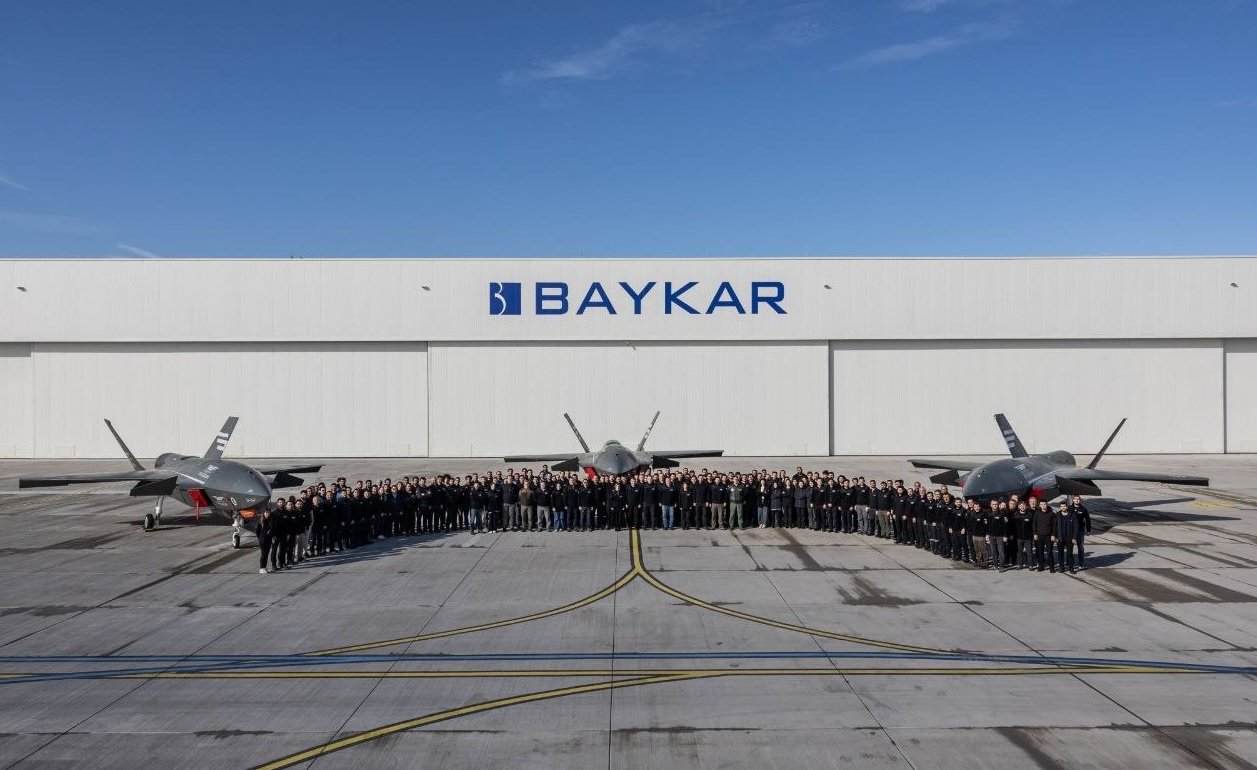 Baykar Delivers First Three Kizilelma Unmanned Fighter Jets to Turkish Forces
-
 Denmark's Parliament Unanimously Approves US-Greenland Defence Deal with 109–0 Vote, Restricting Russian and Chinese Military Presence
-
Russian Corvette Merkury Almost Certainly Destroyed in Benghazi Port Explosion
-
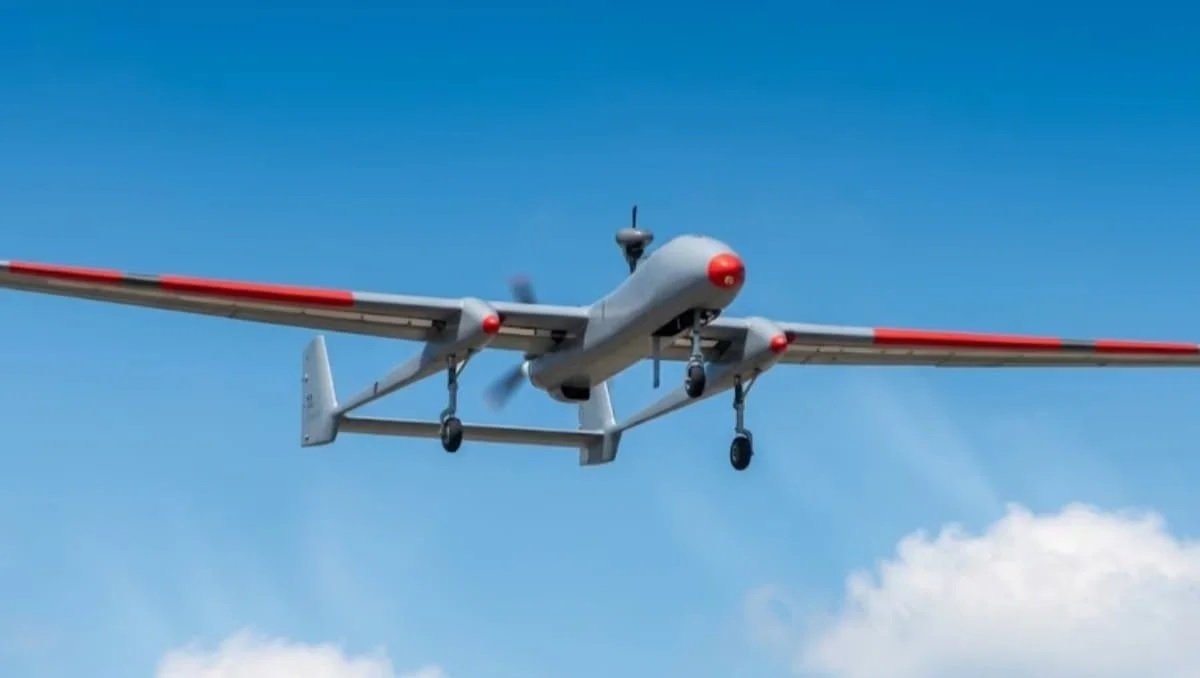 IAF Issues RFI for 500 Indigenous ISR Drones for Surveillance and Electronic Intelligence, with Six-Hour Endurance
-
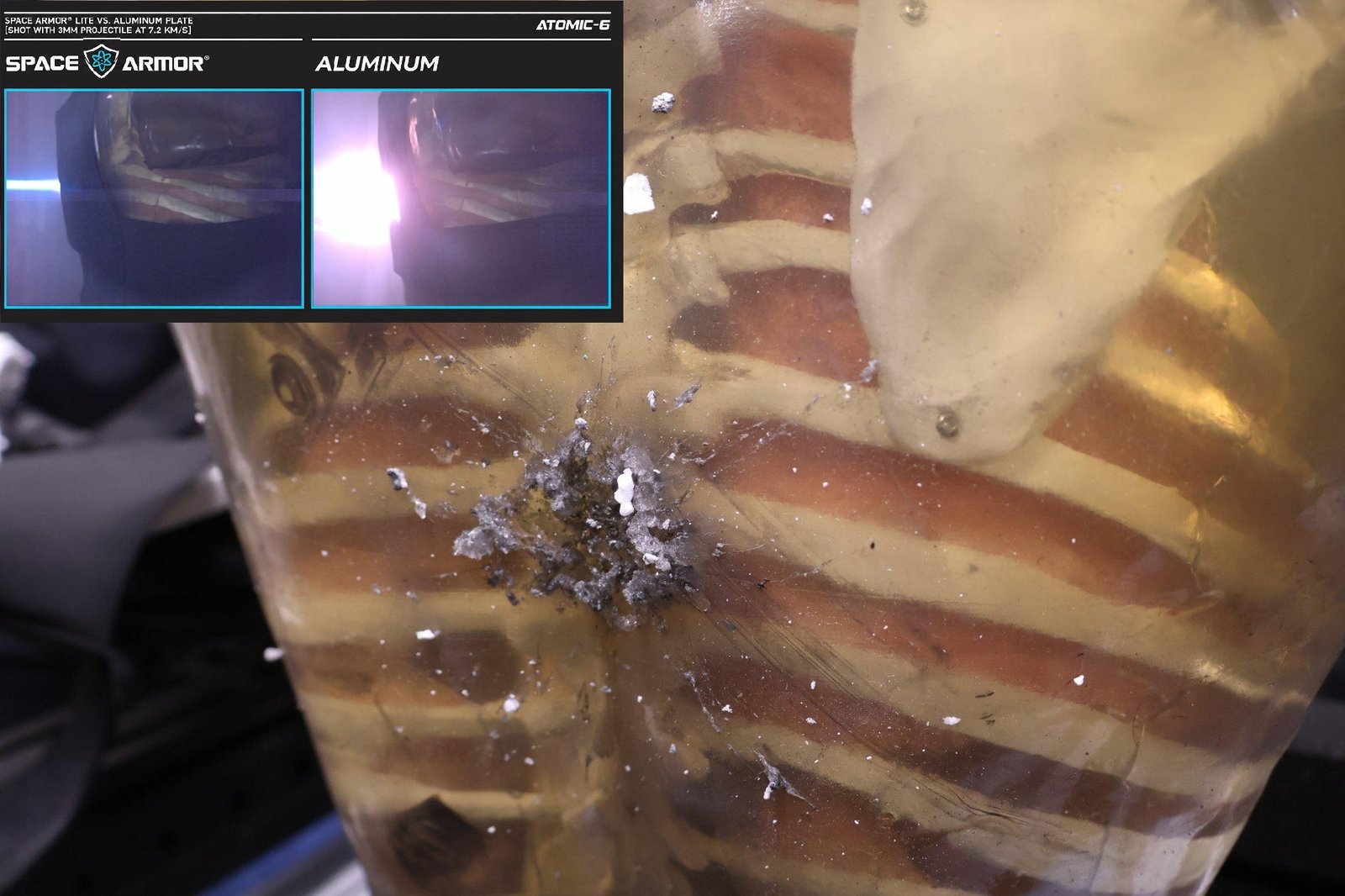 Atomic-6 Tests Composite Armor Against 16,100 MPH Space Debris for Astronaut Protection