India
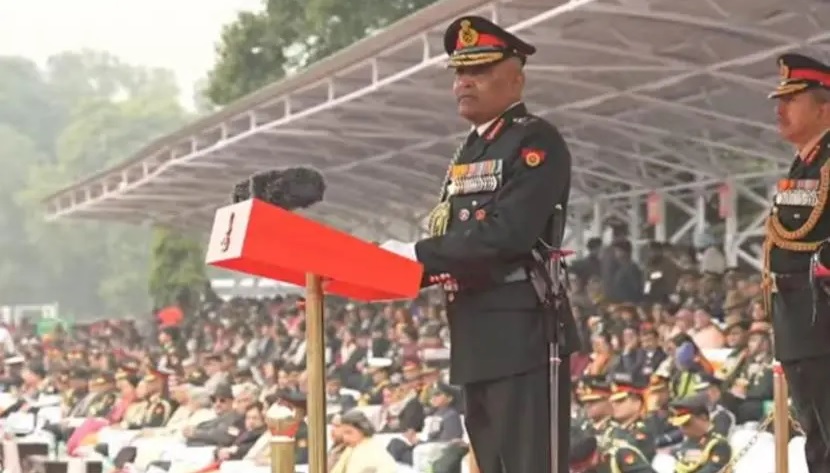
Defense News ,India :- The head of the Indian Army, General Manoj Pande, shared some great news on the 76th Army Day. He mentioned that, thanks to the hard work of the Indian Army and the government, the situation in Manipur is improving. General Pande highlighted the positive impact of peace talks with local groups in the North-East, leading to significant progress in the region."In the last few years, we've had important peace agreements with local groups in the North-East. This has brought positive changes to the area, and government policies have played a crucial role in restoring peace. In Manipur, the government and the Indian Army are actively working to control the situation, and our soldiers have been remarkable in minimizing damage with their patience and skills," said General Pande.He added, "Concrete efforts are ongoing to establish peace in Manipur." General Pande also assured that the situation on the western borders in Jammu and Kashmir is under control, although there has been an increase in terrorist activities in some areas recently."Our army is fully prepared to face any challenge. We've taken significant steps to enhance our capabilities on the northern borders. Through emergency procurement, we've imported modern equipment with new technology. Special grants have been allocated to develop critical infrastructure in border areas," General Pande explained.Expressing pride in the Indian Army's dedication, he said, "Our soldiers have successfully tackled security challenges, whether it's safeguarding borders, deploying in difficult areas, or facing challenging weather. Together with all stakeholders, we are determined to eliminate terrorism from the country."Looking towards the future, General Pande mentioned that India is on the verge of a new era. "We envision a 'Viksit Bharat' (Developed India) as our country marks 100 years of independence. A secure environment is crucial for this vision, and the Indian Army plays a vital role in achieving it."He also highlighted advancements in automation, digitization, and networking to make systems more efficient, benefiting areas like operational awareness, decision support, and human resource management. General Pande emphasized the importance of the Agnipath scheme in human resource management and stated that efforts are ongoing to contribute to nation-building, especially in border areas, by collaborating with state and central government projects.
Read More → Posted on 2024-01-15 15:51:14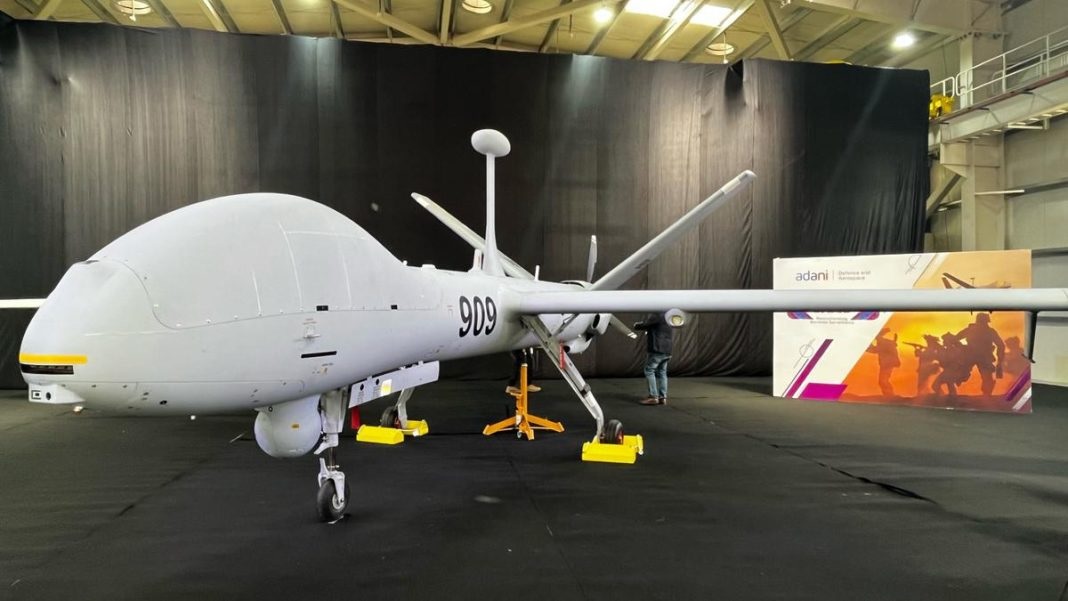
India
Defense News ,India :- The Indian Army is gearing up to enhance its surveillance capabilities along the Punjab border with the deployment of cutting-edge Drishti-10 medium-altitude, long-endurance drones. These drones, set to be introduced into the force within the next two to three months by Adani Defence, will play a crucial role in monitoring the region.Under emergency provisions, the Indian Army has placed orders for two of these indigenous drones from Adani Defence. The mandate requires that over 60% of the systems supplied by vendors should be made in India, aligning with the 'Make in India' initiative in the defense sector.Military officials shared that the drones will be stationed in the Punjab sector, providing extensive coverage, including the desert sector and areas north of Punjab. This strategic move aims to bolster the Indian Army's surveillance efforts in the region.Adding to its existing drone fleet, which includes Heron MK-1 and MK-2 drones, the Indian Army has also ordered Drishti-10 or Hermes-900 drones in the latest tranche of emergency procurements. Adani Defence, in collaboration with Israeli firm Elbit, has transferred technology for these drones, emphasizing that 70% of the technology has already been indigenized, with plans to increase this further.The recent unveiling of the drones took place in Hyderabad, with Indian Navy Chief Admiral R Hari Kumar and Director General Army Aviation Lt Gen Ajay Suri officiating the event. While the Indian Army will deploy these drones in Punjab, the Indian Navy plans to position them in Porbandar to monitor the maritime boundary with Pakistan and the high seas. With an impressive capability to fly for over 30 hours and cover a distance of around 2,000 km in a single mission, these drones mark a significant advancement in border surveillance technology.
Read More → Posted on 2024-01-15 14:41:52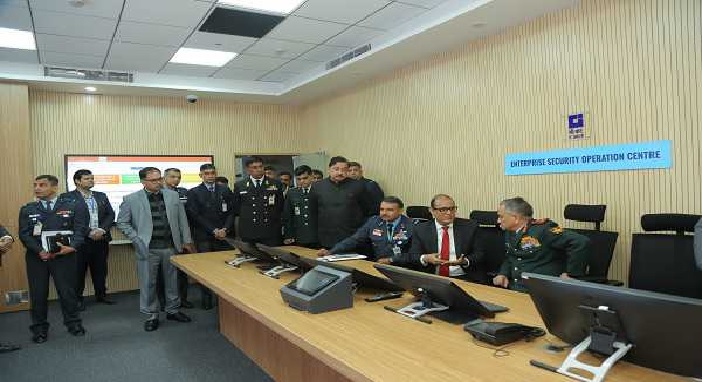
India
Defense News , India :- Recently, General Anil Chauhan, the Chief of Defence Staff (CDS), visited the Centre for Development of Telematics (C-DOT) Delhi Campus. The purpose was to discuss how C-DOT and the Indian Armed Forces can work together to create advanced and secure telecom solutions.C-DOT Introduces Cutting-Edge Solutions to CDSDuring the visit, C-DOT demonstrated its own advanced security solutions and ongoing technology programs to General Chauhan. Dr. Rajkumar Upadhyay, the CEO of C-DOT, gave a detailed overview of the Telecom product portfolio. This included important areas like a security operation centre for detecting network malware in real-time, an enterprise security centre for dealing with threats at an enterprise level, Quantum Key Distribution, and Post Quantum Cryptography.The presentation also covered solutions such as 4G and 5G core and radio access networks, disaster management using Common Alert Protocol (CAP), optical transport and access solutions, and switching and routing solutions. The CEO assured General Chauhan that C-DOT is dedicated to developing top-notch security solutions that meet the needs of the Indian Armed Forces.Importance of Collaboration and Modern WarfareGeneral Chauhan stressed the importance of collaboration between C-DOT and the three branches of the Indian Armed Forces. He pointed out the need for integrated and advanced secure communication solutions in the changing landscape of modern warfare, where the focus is shifting from network-centric to data-centric approaches.During interactions with C-DOT engineers, General Chauhan expressed confidence in the nation's ability to protect its communication systems and cyberspace. He recognized the transformative phase of digitization in the country and commended C-DOT's efforts in contributing to the vision of a self-reliant India.Practical Insights Through Lab DemonstrationsThe visit included lab demonstrations of various solutions, providing practical insights into their applications. C-DOT thanked the entire defence team led by General Chauhan and expressed enthusiasm for future collaborations.In his remarks, General Chauhan said, "Our country is going through a transformation; we are moving towards digitization, and all our efforts are geared towards self-reliance." He described the visit to C-DOT as eye-opening, expressing confidence in the nation's ability to protect its communication systems and cyberspace.
Read More → Posted on 2024-01-14 14:21:30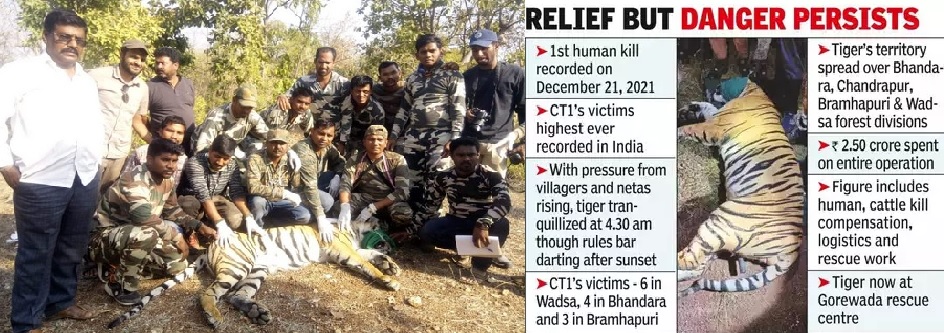
India
Defense News ,India :- In the Chandrapur and Gadchiroli districts of Maharashtra, there's growing worry about clashes between people and tigers. Forest officials have taken action, claiming to have caught 62 troublesome tigers in the past ten years.As more land disappears and humans move into tiger territory, it's becoming urgent to protect these big cats. The Tadoba Andhari Tiger Reserve's quick-response team, made up of 15 members, has a tough job: catching tigers that pose a threat to humans.Over the last decade, they've used tranquilizers to capture 62 'conflict' tigers, including 35 males and 27 females. In 2023 alone, they caught 4 tigers in Gadchiroli and 8 in Chandrapur, along with 8 leopards. Currently, they're searching for the G-18 Tiger in Gadchiroli, using 70 camera traps to help.Fatal tiger attacks have terrified local villagers. A recent incident in Gadchiroli saw a tiger kill a 55-year-old woman, Mangalabai Vitthal Bole, and another attack on January 7 claimed the life of Sushma Devidas Mandal in Aheri tehsil.Speaking to ANI, Dr. Ravikant Khobragade, a vet at Tadoba-Andhari Tiger Reserve, revealed their efforts in capturing 'man-eater' tigers and leopards. Despite orders to shoot some animals, they safely caught and sent them to the zoo.The team is also involved in radio collaring elephants and microchipping tigers, leopards, and wild dogs. Dr. Khobragade stressed the importance of understanding tiger behavior before capturing them. Equipped with modern technology and specialized vehicles, the team uses drones, night vision binoculars, ambulances, and hydraulic cages.Capturing tigers is a patient process. Dr. Khobragade highlighted the challenges, including the lack of vehicle access in forests and the difficulty of reaching targets. Ajay Marathe, a shooter in the team, mentioned the pressure from the public during rescues and the importance of maintaining the team's morale.The team believes that incidents of human-wildlife conflict are rising and calls for a strategic approach to increase the tiger population. Their goal is to protect both the forest ecosystem and local communities, emphasizing the need to address these issues simultaneously.
Read More → Posted on 2024-01-14 13:58:38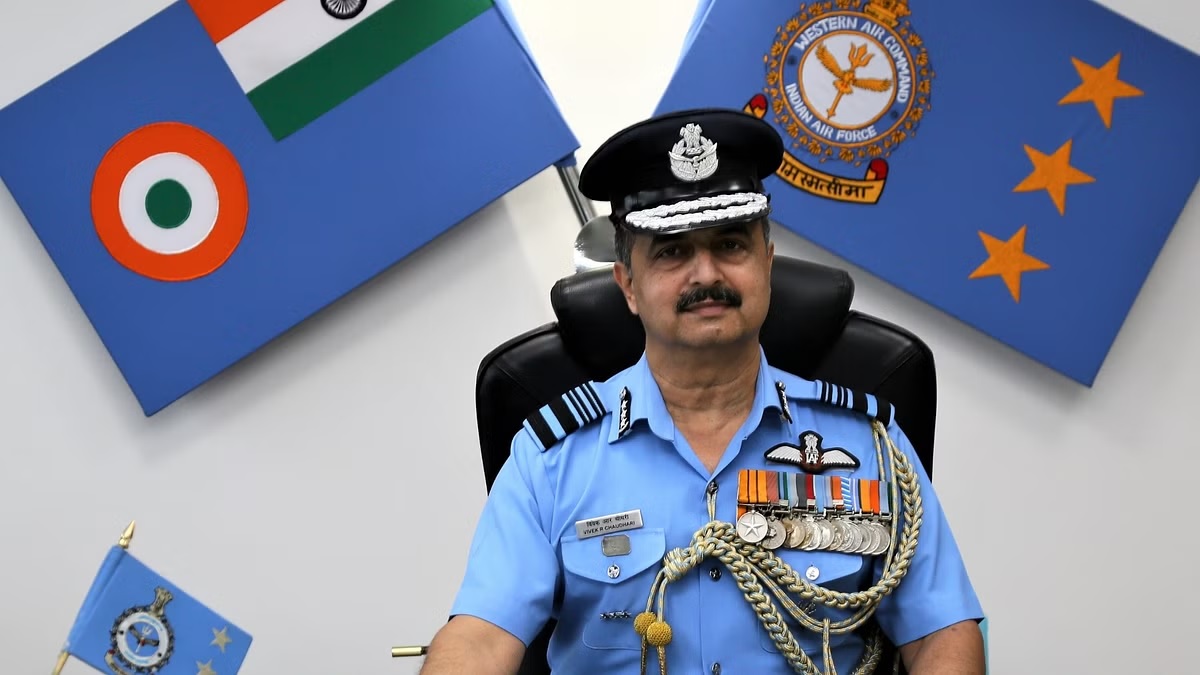
India
Defense News ,India :- Air Chief Marshal VR Chaudhari shared exciting news on Saturday, revealing that the Indian Air Force (IAF) has successfully created more than 60,000 components internally within the last two to three years. Speaking at an event in the Bhonsala Military School in Nagpur, he emphasized the importance of self-reliance, stating that the Air Force cannot depend on foreign companies for the maintenance of its equipment.Addressing concerns about locating a lost transport aircraft in the Bay of Bengal near Chennai, the Air Chief Marshal expressed gratitude for advancements in technology that enabled deep-sea exploration. He acknowledged the Ministry of Ocean and Earth Sciences for their support in discovering the wreckage after seven and a half years, bringing closure to a long-pending sad incident.Providing insights into the indigenization of Base Repair Depots (BRDs), the IAF chief highlighted the open invitation to industries to collaborate with the Air Force. He mentioned that all BRDs and Air Force units have been made accessible for industries to contribute to the ongoing work. Stressing the need for self-sufficiency, he reinforced that the IAF has realized the significance of doing repair and maintenance activities in-house, reducing reliance on foreign Original Equipment Manufacturers (OEMs).
Read More → Posted on 2024-01-14 13:44:38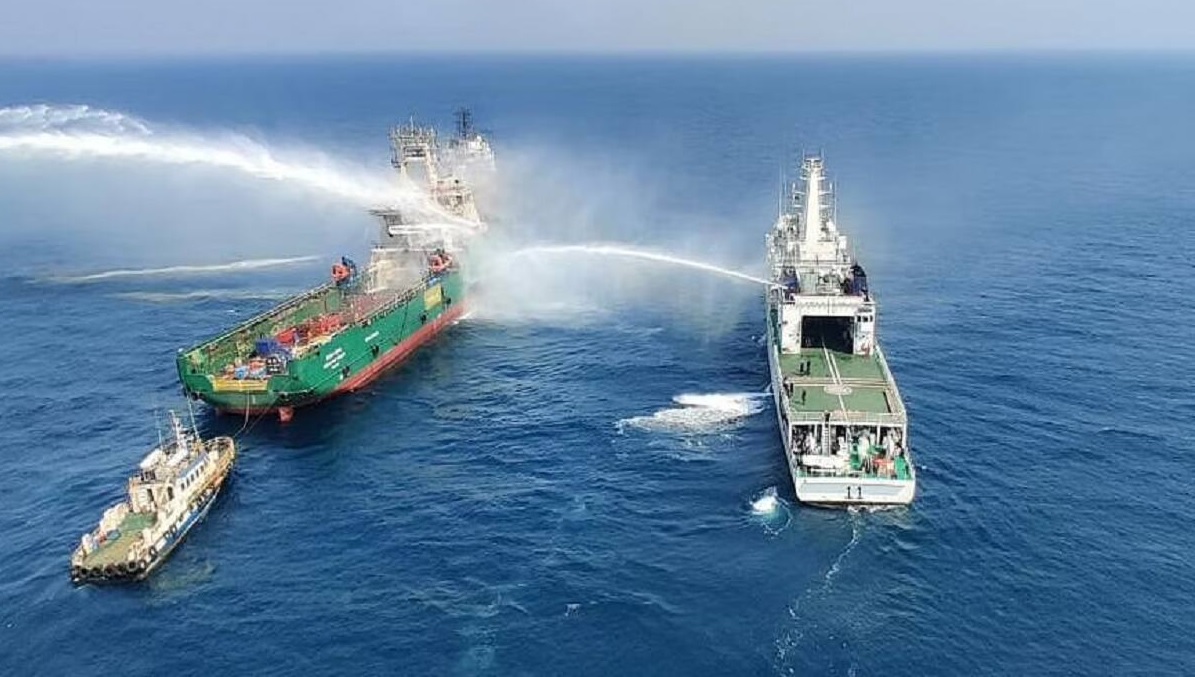
India
Defense News ,Red Sea :- Yemeni Houthi rebels are causing trouble in the shipping world, affecting companies in the West and now reaching Indian shores. After the United States and the United Kingdom responded to Houthi attacks on commercial ships in the Red Sea, companies are feeling the impact on their supply chains.The attacks began when tensions rose in the Israel-Hamas conflict in October. The Houthi rebels, supporting Hamas, started targeting merchant ships passing through Yemen to or from Egypt's Suez Canal.As a result, companies are now opting for a longer but safer route around southern Africa, increasing shipping time. Initially unaffected, Indian companies are now feeling the pinch due to the interconnected nature of global trade.Impact on India:Recent incidents in the Middle East have raised concerns for Indian shipping companies. RBB Ship Chartering, a company in ship chartering services, reports a significant rise in shipping costs. CEO Raajesh Bhojwani highlighted that the re-routing of shipping assets has tripled transportation costs.The Red Sea is a crucial route for India's trade with the US East Coast, Europe, the Middle East, and Africa. The Suez Canal is vital for direct passage between Europe and Asia, making the Red Sea route essential. The alternative route through Africa adds around 30 days to travel time.A variety of Indian exports, including steel, textiles, chemicals, vehicles, and agro-products, pass through the Red Sea route to reach Europe and the West.Challenges for Indian Exporters:The situation has led to a spike in insurance premiums for ships in the Red Sea, making it financially burdensome for Indian exporters. The longer route around the Cape of Good Hope increases journey time by 8-10 days, resulting in higher fuel costs. This puts Indian exporters at risk of losing competitiveness in other markets.In 2023, global trade challenges, compounded by the Middle East situation, raised concerns for India's policymakers. A report suggests that India's total exports in FY24 could decrease by $30 billion, with an anticipated drop of 6.7%.International Impact:US retailer Target experienced minor disruptions in shipments from India and Pakistan, key regions for apparel manufacturing. India's proximity to Iran, a supporter of the Houthi rebels, adds significance to its role in this tense situation.India's External Affairs Minister is expected to visit Tehran following a conversation with the US Secretary of State. The Commerce Ministry plans to strategize measures in response to the trade impact.Shipping Statistics:Clarkson Research Services Ltd. reported a 44% decrease in ships using the Suez Canal in early January. Major shipping corporations like Maersk are diverting ships around Africa, adding a week or two to voyages and increasing shipping, insurance, and fuel costs.Houthi Tactics:Houthi rebels are using drones and anti-ship missiles, even seizing an Israeli-owned ship and crew with a helicopter. Originally targeting vessels bound for or from Israel, they now threaten any vessel, including container ships and oil tankers flagged to countries like Norway and Liberia.The situation poses challenges for global trade, prompting major corporations to adapt their shipping routes and adding complexities to the already delicate balance of international commerce.
Read More → Posted on 2024-01-13 14:06:54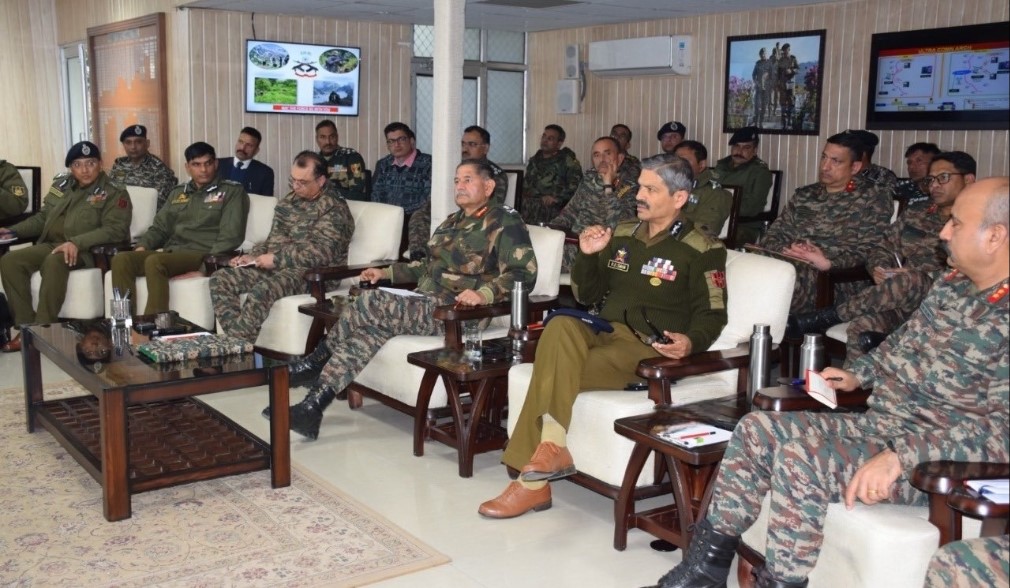
India
Defense News , India :- In a big move to stop Pakistan's attempts to increase terrorist activities in Jammu and Kashmir, the Indian Army is starting Operation Sarvashakti. This operation will focus on targeting terrorists in the Union Territory, specifically on both sides of the Pir Panjal mountain ranges.Lately, terrorist groups from Pakistan have been trying to bring back terrorism in the southern part of the Pir Panjal ranges, especially in the Rajouri Poonch sector. About 20 soldiers have lost their lives in terrorist attacks in this area, with the latest attack occurring on December 21, where four soldiers were killed in the Dera ki Gali area.Under Operation Sarvashakti, the Indian Army plans to conduct joint counter-terrorism operations from both sides of the Pir Panjal ranges. The Srinagar-based Chinar Corps and the Nagrota-headquartered White Knight Corps will simultaneously carry out these operations. The Jammu and Kashmir Police, CRPF, Special Operations Group, and intelligence agencies will work closely together to prevent Pakistan from reviving terrorist activities in the Union Territory, especially in the Rajouri Poonch sector.The operations are expected to follow the model of Operation Sarpvinash, launched in 2003 to eliminate terrorists from the same areas in the south of the Pir Panjal range.Army Chief General Manoj Pande mentioned that terrorist activities had nearly disappeared in the area since 2003. However, the threat has resurfaced, and the Indian Army, along with the Northern Command, is taking measures to tackle it. These operations are closely monitored by the Army Headquarters and the Northern Army Command in Udhampur.Home Minister Amit Shah held a security meeting with key stakeholders, including National Security Advisor Ajit Doval, Army officials, intelligence agencies, and police officials from both state and central agencies, leading to the planning of these operations.Northern Army Commander Lt Gen Upendra Dwivedi has coordinated with top security forces in both the Jammu and Kashmir regions for a united effort against terrorists. The Indian Army is also in the process of deploying more troops in the Rajouri-Poonch sector and strengthening intelligence capabilities in the region.Despite provocations by terrorists, the troops have shown restraint, refraining from firing back in areas with civilian presence. The swift action taken by the Indian Army in addressing civilian casualties following the December 21 encounter has contributed to maintaining local support in the fight against terrorism.
Read More → Posted on 2024-01-13 13:45:45
India
In exciting news, the Adani Group is putting in a whopping ₹1,500 crore investment in Hyderabad over the next two to three years. Their goal is to turn Hyderabad into a major center for making missiles and unmanned vehicles.The Adani Group, a big Indian company, wants to focus on creating unmanned systems for both land and water. They are part of the Indian Navy's MAKE-2 program, which they need to finish in the next two and a half years. They're even working on a special kind of robot mule that can carry heavy loads like a mule does, reducing the burden on soldiers.Now, let's talk missiles. Adani plans to make long-range missiles, naval missiles, next-generation anti-radiation missiles, and Rudram-2 Hypersonic Missiles in Hyderabad.Here's an interesting collaboration: Adani is teaming up with DRDO for the Development cum Production Partner (DCPP) program. Together, they managed to create a top-notch unmanned precision-guided missile in just 18 months. They named it UAV Launched Precision Guided Munition (ULPGM).Guess what? In August 2023, Adani Defence received an order from the Indian Army for the ULPGM. Looks like Hyderabad is gearing up for some groundbreaking developments in the world of missiles and unmanned vehicles!
Read More → Posted on 2024-01-13 05:03:35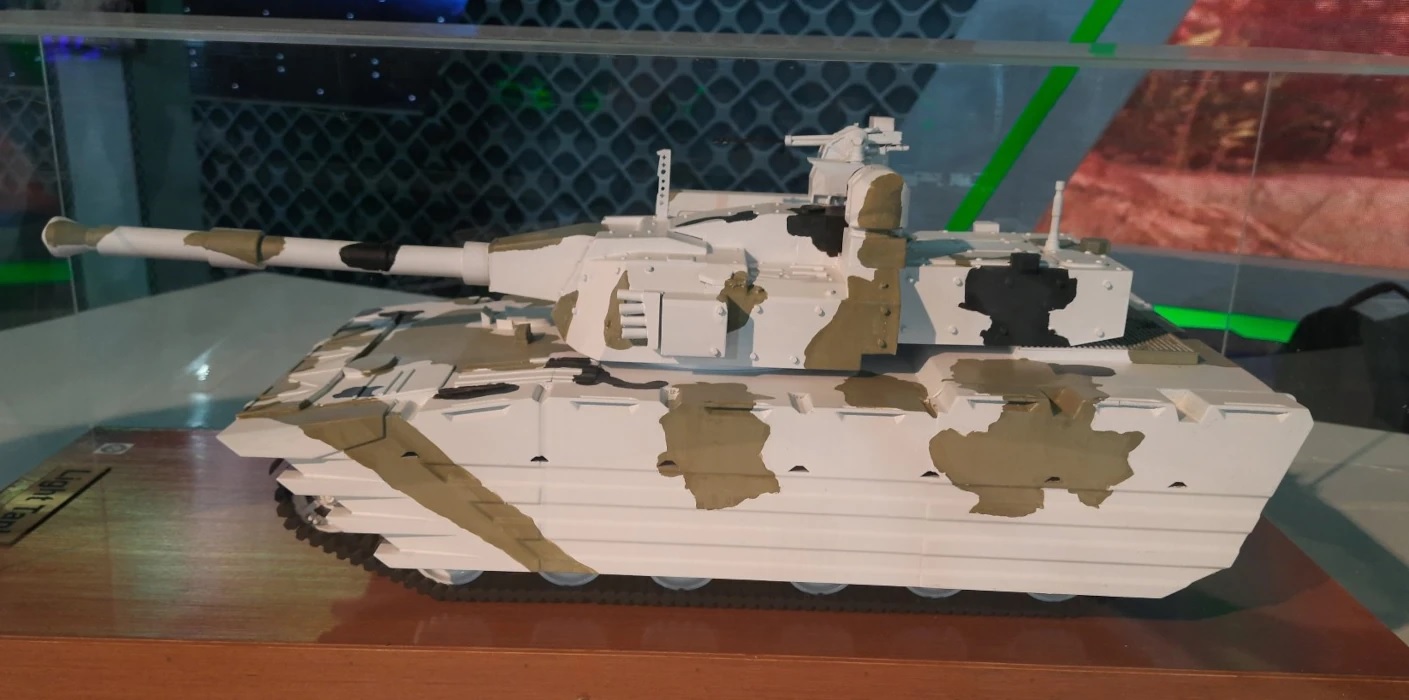
India
The Defense News , India :- The Indian Army is gearing up for trials of its latest light tank, Zorawar, as development progresses swiftly. The Defense Research and Development Organization (DRDO) is working hard to complete the tank's testing phase, with plans to hand it over to the Indian Army for further evaluation in April of this year.According to defense officials, the Zorawar light tank, equipped with a new engine, has undergone successful testing at our partner's production facilities, covering a distance of over 100 kilometers. The tank is now on track to be delivered to the Indian Army by April.The Indian Army has placed an order for 59 Zorawar light tanks with the DRDO, in collaboration with Larsen and Toubro. Originally scheduled for delivery in December, the project faced delays due to engine supply issues from Germany.Despite setbacks, the Indian Army remains committed to enhancing its capabilities in the Ladakh sector, where the Chinese have deployed their light tanks. To address this, the Army plans to acquire an additional 295 light tanks through a separate program. Six to seven companies are participating in the competition to supply these tanks.This ambitious project is part of the Indian Army's collaboration with private sector firms to develop cutting-edge weapon systems. The Defense Acquisition Council recently approved the light tank initiative, aiming to bolster mobility and maneuverability in challenging terrains.The DRDO, in partnership with L&T, is diligently working on the 25-tonne light tank, designed to navigate the high mountainous terrain of Ladakh seamlessly. The entire project aligns with the Make in India initiative, showcasing India's commitment to producing advanced weaponry domestically.
Read More → Posted on 2024-01-13 04:56:59
India
Defense News , India :- The Indian Army is currently testing the Mahindra-DRDO Wheeled Armored Platform (WhAP) near the factory to see if it could be a groundbreaking new combat vehicle. This 8×8 amphibious beast is a big step forward in India’s military technology, offering lots of options in battle.Amphibious Advantages:One big thing that sets WhAP apart is its ability to move on both land and water. Unlike other armored vehicles, WhAP can easily switch from land to water, giving the army more options for moving and fighting. This means they can do things like surprise attacks, cross water obstacles, and launch amphibious assaults, making the Indian Army more effective in different places.Adaptability at Its Core:WhAP is designed in a way that makes it easy to change and adjust for different missions and places where it's used. Whether it's for exploring, carrying infantry, or combat engineering, WhAP can be adjusted to fit different needs. This makes it easier to use and manage in different situations, making the army's job more efficient.Competition in the Works:Tata Advanced Systems also made their own version of WhAP, but the Indian Army has only used the land-based version so far. The ongoing tests of Mahindra-DRDO WhAP will decide if it's better for widespread use, especially with its unique amphibious advantage over the land-only version.Impressive Features:WhAP isn't just good in water; it's tough in battles too. Its strong armor and advanced defense systems are all about keeping the crew safe. With a powerful engine and smart drivetrain, it can move smoothly through tough landscapes like deserts, mountains, and swamps. Plus, it packs a punch with its turret-mounted weapon system and other weapons, making it a force to be reckoned with on the battlefield.
Read More → Posted on 2024-01-12 16:17:15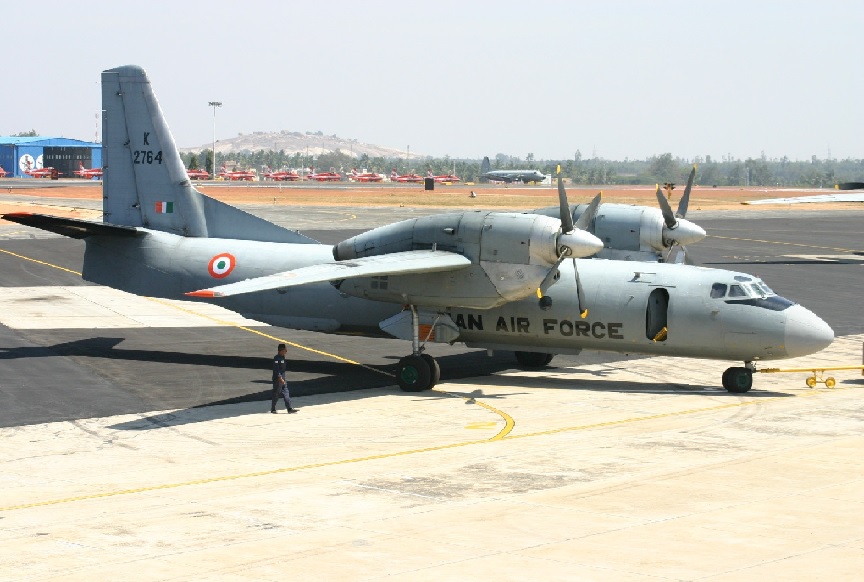
India
Defense News ,India :- After seven long years of not knowing what happened, the families of the 29 people who were on a missing Indian Air Force An-32 plane finally have some answers. The Indian government shared that they found parts of the plane in the Bay of Bengal, giving a real connection to the sad event that took place in 2016.Back on July 22, 2016, the An-32 plane, with 29 people on a regular mission, disappeared over the Bay of Bengal. Despite many planes and ships searching, they couldn't find any sign of the plane or the people. The families of the missing went through a lot of pain and had many questions that nobody could answer.Then, the National Institute of Ocean Technology (NIOT), a group under the Ministry of Earth Sciences, stepped in. Recently, NIOT used a special underwater robot called an Autonomous Underwater Vehicle (AUV) to explore the last known location of the missing plane. The AUV, working 3400 meters below the surface, used advanced tools like multi-beam sonar and high-resolution photos to look at the ocean floor.After carefully studying the images, they found parts of the plane on the seabed, about 310 kilometers away from the Chennai coast. By checking closely, they confirmed that these were parts of an An-32 plane. Since there were no reports of other missing planes in that area, they were sure that these were the remains of the lost Indian Air Force An-32.Even though this discovery brings some closure to the families, it's a mix of good and sad feelings. Confirming the crash is heartbreaking, but it also ends the long time of not knowing. Now, the families can start to grieve and remember their loved ones.Finding the debris also gives a chance for more investigation and recovery. NIOT will now work on mapping the crash site and figuring out if they can bring back the wreckage and the remains of the people. This information might help understand why the crash happened and give some comfort to the families.
Read More → Posted on 2024-01-12 16:10:37
India
Defense News , India :- The Defence Research and Development Organisation (DRDO) recently tested the New Generation AKASH (AKASH-NG) missile, marking a significant achievement in India's air defense capabilities.The test took place at 10:30 AM at the Integrated Test Range in Chandipur, off the coast of Odisha. The missile was aimed at a fast unmanned aerial target flying at a very low altitude.According to the Ministry of Defence, the missile successfully intercepted and destroyed the target during the test. The entire weapon system, which includes the missile with a radio frequency seeker developed in India, launcher, multi-function radar, and command, control, and communication system, was proven to work effectively.The performance of the system was confirmed through data collected by various radars, telemetry, and electro-optical tracking systems at the Integrated Test Range in Chandipur.The test was observed by senior officials from DRDO, the Indian Air Force (IAF), Bharat Dynamics Limited (BDL), and Bharat Electronics Limited (BEL). The AKASH-NG system is an advanced missile system capable of intercepting fast and agile aerial threats. The successful test has set the stage for further trials.Defence Minister Rajnath Singh praised DRDO, IAF, public sector units (PSUs), and industry for the successful test. He mentioned that the development of this system will enhance the country's air defense capabilities.The Akash missile, developed by DRDO, has been in service for over a decade. The recent test involved a system ordered in September 2019 by the IAF. Countries in the Middle East have also shown interest in the Akash weapon system, especially after recent successful demonstrations in trials.The Akash Weapon System is designed and developed by DRDO and manufactured by defense public sector units and other industries. It has been deployed by the Indian Air Force and the Indian Army for the past decade. Additionally, the Akash system has received orders from international customers, and ongoing upgrades by DRDO scientists may lead to more orders from Southeast Asia and the Middle East.
Read More → Posted on 2024-01-12 16:06:09
India
A brave officer named Major Rajprasad from the Indian Army has created an amazing new landmine system. This system uses both artificial intelligence (AI) and human control to protect soldiers and civilians. It's a big step forward in making battlefields safer for everyone.In Simple Terms: A Smart Landmine SystemUnlike old landmines that explode when touched by anyone, this new system is different. It has a "human-in-loop" design, which means it combines AI with human decision-making. The system uses AI to figure out if the approaching person is a friend or an enemy. It checks movement, sounds, and other data. It only activates if it senses a potential threat, and a human confirms it.Benefits of the Smart Landmine System:1. Fewer Accidents for Civilians: Old landmines cause accidents for innocent people in war zones. This new system lowers the risk by only targeting those who might be a threat.2. Safer Soldiers: Soldiers often have to go through dangerous minefields in enemy territory. With AI helping to find and deactivate mines, it makes their missions safer and more successful.3. Better Control in Battle: The system can tell the difference between friends and enemies. This means it can target more precisely, reducing the chance of hurting innocent people. It helps in making military operations more strategic and efficient.Major Rajprasad thinks that similar AI-powered landmine technologies are becoming popular globally. These technologies could replace old landmines that aren't as smart. This change supports international efforts to make war less harmful to civilians.Even though we don't know all the details about the system yet, its development is a big deal in military technology. The "human-in-loop" idea not only keeps things safe but also shows a responsible and ethical way of doing war. As the technology gets better, it could save many lives and change how we deal with landmines in wars.
Read More → Posted on 2024-01-12 07:06:10
India
Defense News , India :- To counter the rising threat of swarm drone attacks, an inventive Indian Army officer and a soldier have collaborated to create an advanced anti-drone system. This system combines a homegrown jammer with an upgraded Russian-origin Schilka Weapon System.Major Nagaraj SY, an Army Air Defence officer, and his comrade, Mohammed Firoze Khan, designed this system in response to the increased use of stealth drones in conflicts like the ongoing Russia-Ukraine war.Major Nagaraj SY explained, "To tackle swarm drone attacks effectively, we needed a hybrid anti-drone system incorporating both kinetic and non-kinetic components. The development took us about 8-10 months, and now it's deployed in our western sector."The hybrid anti-drone system integrates an indigenous jammer with the enhanced Russian-origin Schilka Weapon System, proving effective against swarm drone attacks. The Schilka Weapon System can detect and neutralize incoming drones from a considerable distance, employing both kinetic and non-kinetic methods.Simultaneously, the Indian Army is dedicating the year 2024 as the "Year of Technology Absorption." This initiative emphasizes the army's commitment to using technology for transformative change, relying on in-house expertise to innovate solutions in collaboration with the domestic defense industry.Furthermore, the Indian Army is actively enhancing its cyberspace capabilities. Under the banner of "Project SAMBHAV," soldiers are being trained to leverage technology and exploit the cyber domain effectively. SAMBHAV is a secure, network-agnostic mobile ecosystem, utilizing contemporary 5G technology to provide secure communication with instant connectivity on the move. This represents a significant leap forward in India's defense capability, reflecting the army's dedication to staying technologically ahead.
Read More → Posted on 2024-01-12 06:57:52
India
Defense News , UK & India :- In a move highlighting the growing friendship between the UK and India, the UK government has revealed plans to send its advanced naval forces to the Indian Ocean region. This initiative, known as the Littoral Response Group (LRG), will take place later this year, followed by joint training with Indian forces in 2025 as part of the Carrier Strike Group (CRG). The UK Ministry of Defence sees this as a crucial step in enhancing the security ties between the two nations.Defence Secretary Grant Shapps emphasized the importance of strengthening strategic relationships in the face of global challenges. He stated, "We share the same security challenges and are committed to maintaining a free and prosperous Indo-Pacific. This partnership is growing stronger, and together, we must ensure global security against threats that aim to destabilize us."The LRG, composed of Royal Navy amphibious warfare ships, and the CRG, the Royal Navy's aircraft carrier battle group, previously conducted joint exercises with Indian forces during its inaugural deployment in the Indo-Pacific in 2021.Defence Minister Rajnath Singh, co-chairing an India-UK Defence Industry CEOs Roundtable, expressed optimism about the partnership, envisioning collaboration, innovation, and cooperation between the two countries. The Ministry of Defence highlighted that this deployment marks an intensified partnership during Singh's first visit to the UK.Future collaborations between the UK and India include more complex military exercises leading up to a significant joint exercise before the end of 2030. Discussions between senior ministers covered various aspects, from joint exercises to knowledge sharing, instructor exchanges, and the development of electric propulsion systems and advanced weapons.New initiatives announced during Singh's visit include the Launching Defence Partnership-India, which aims to enhance defense collaboration, and agreements for instructor exchanges, youth exchanges, and logistic support. These initiatives build on the comprehensive strategic partnership outlined in the 2030 India-UK Roadmap.Singh's visit to the UK concludes with engagements with the Indian community at a diaspora reception, reinforcing the bond between the two nations.
Read More → Posted on 2024-01-11 14:29:20Search
Top Trending in 24 Hours
-
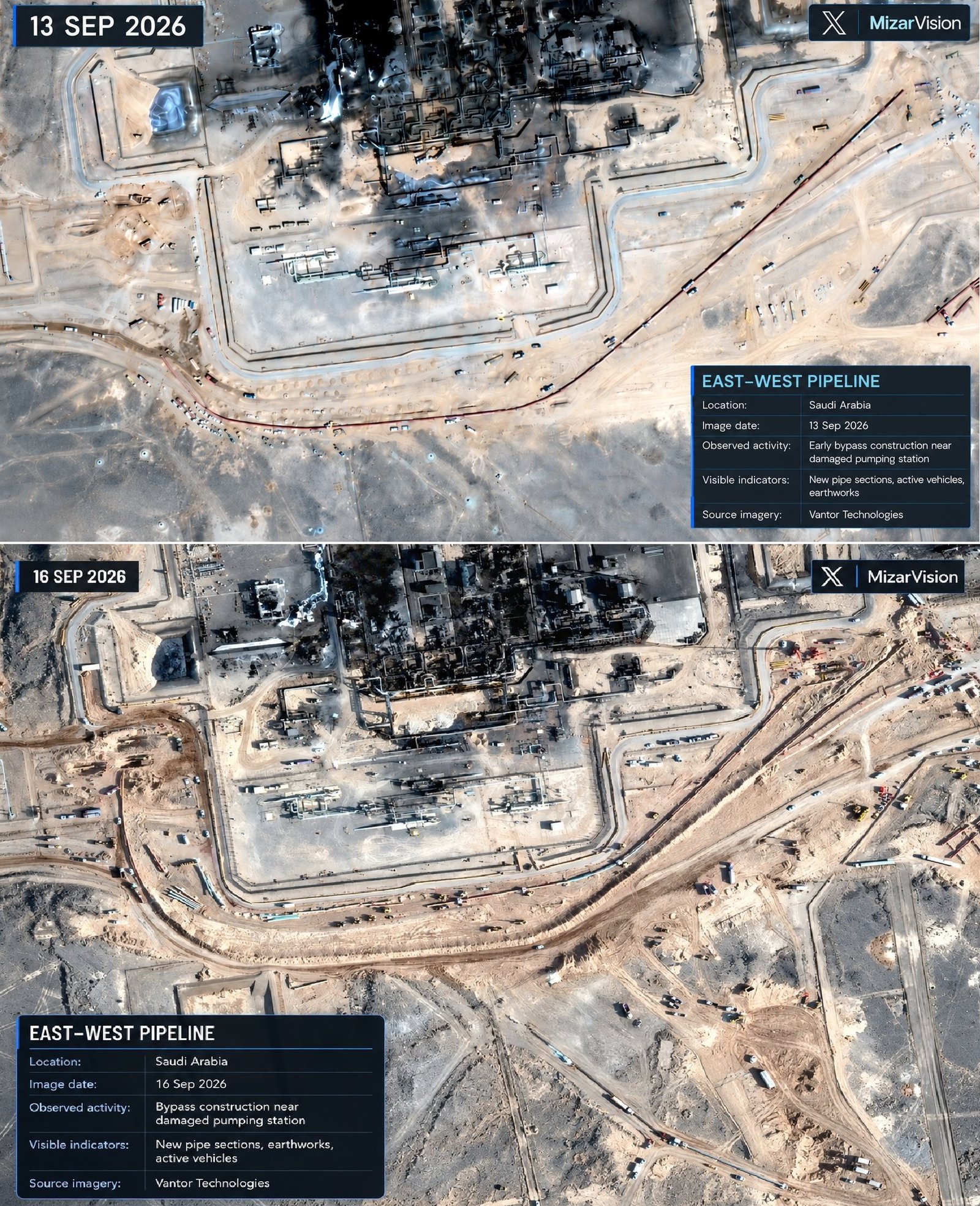 Satellite Images Show Saudi Arabia Building Emergency Bypass Around Damaged East-West Oil Pipeline Station
-
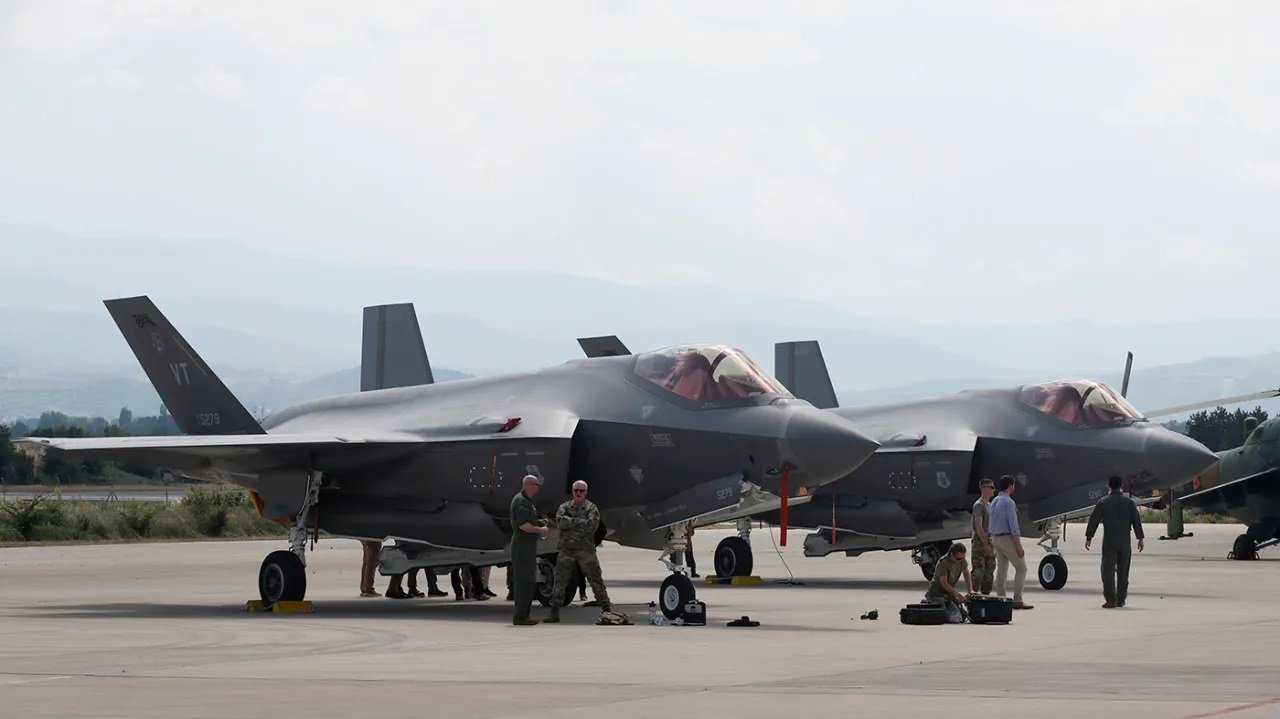 U.S. Approves Possible $24.3 Billion Sale of 48 F-35 Jets to Saudi Arabia
-
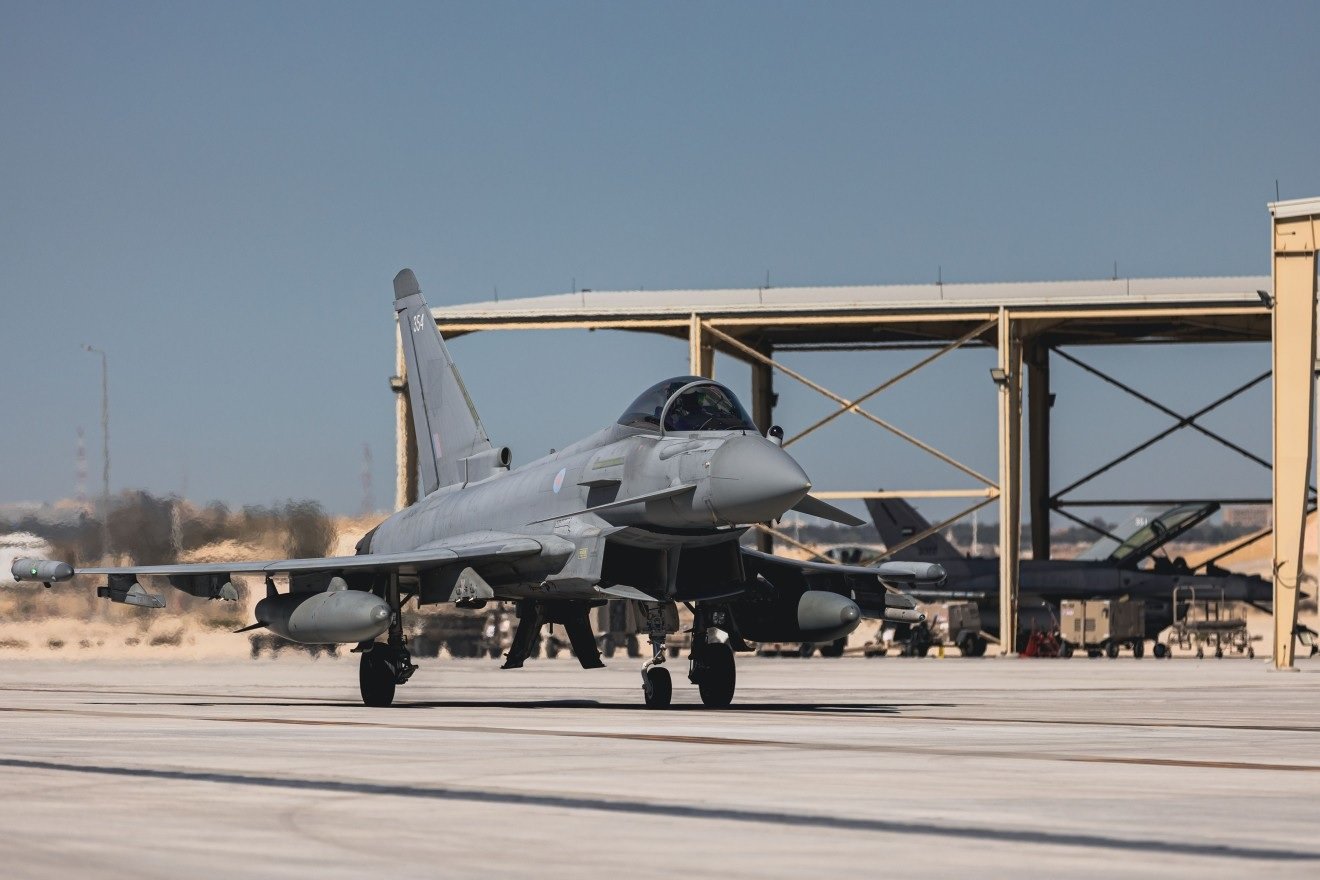 Italian Eurofighter Damaged in Houthi Attack on Saudi Arabia’s King Fahd Air Base
-
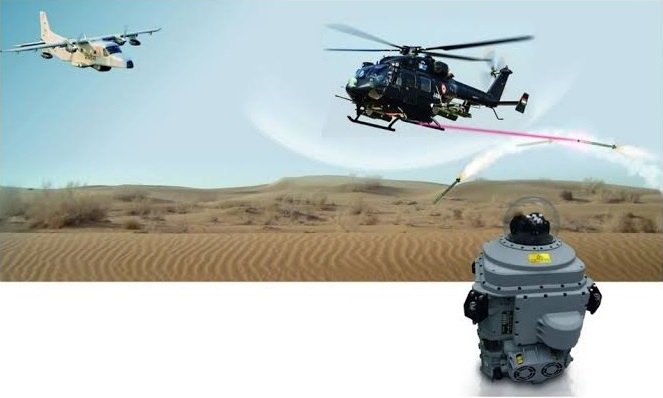 BEL Signs Export Deal with Elbit Systems for Directed Infrared Countermeasure Sub-Assemblies, Secures ₹648 Crore in Additional Orders
-
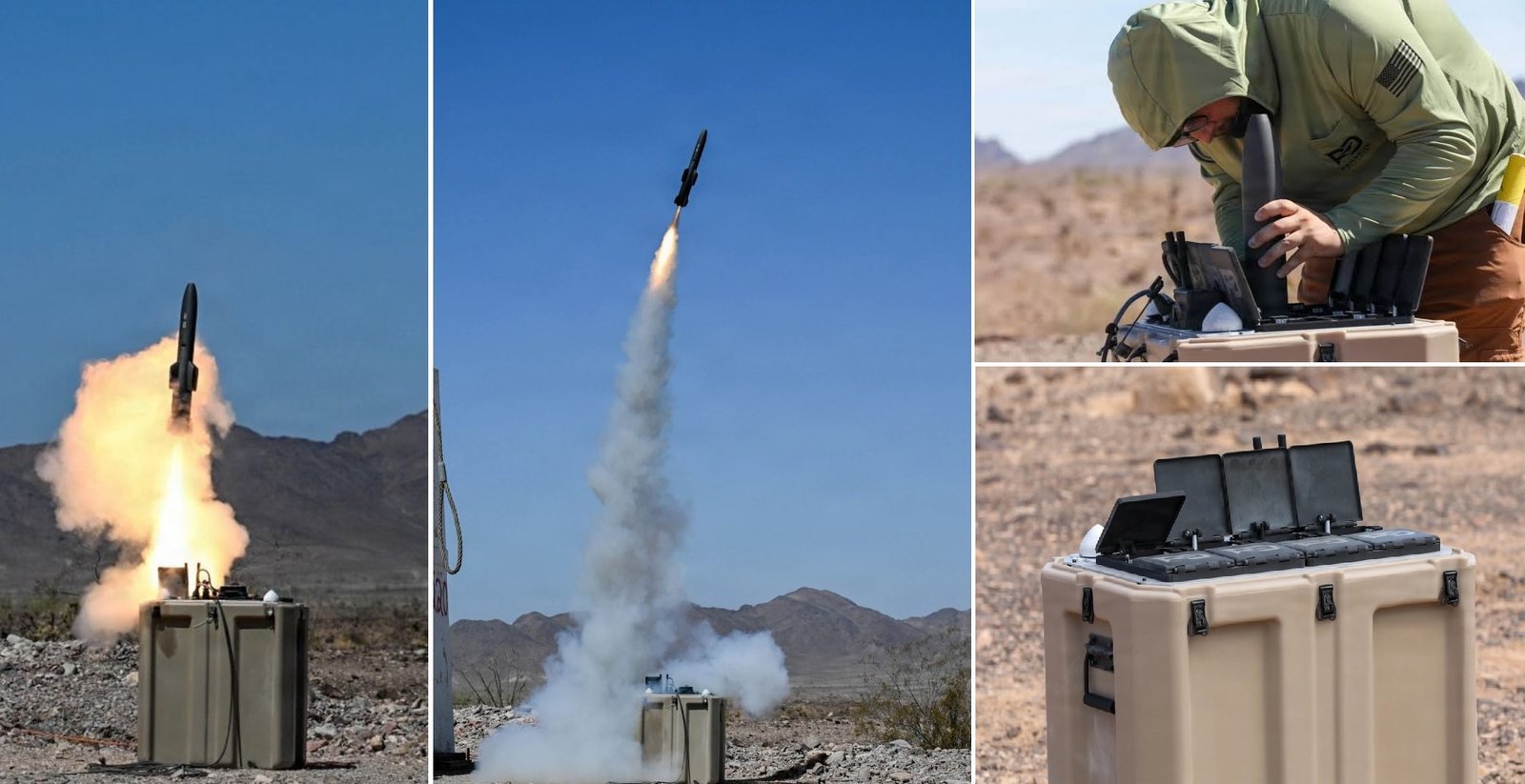 U.S Firm Perseus Defense Tests 'Harpe' Low-Cost Kinetic MK-II Drone Interceptor at Yuma Proving Ground During Falcon Peak 26.2
-
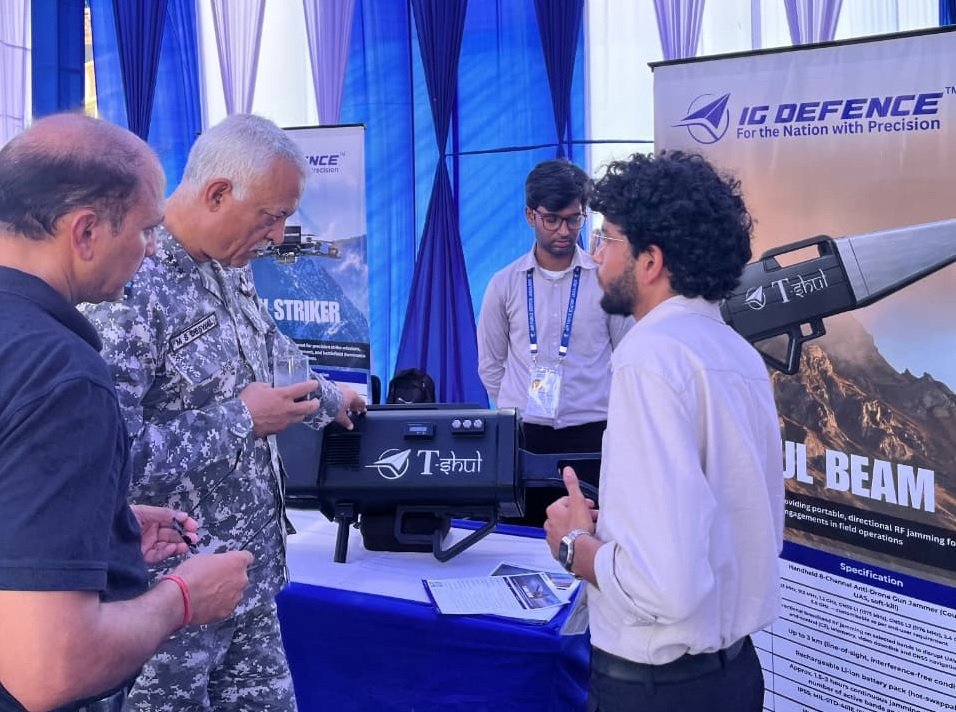 IG Defence Demonstrates Indigenous T-SHUL BEAM Counter-UAS System at IAF Dronathan 2026
-
 Israeli Firm Arbe Robotics Unveils Alerion High-Resolution 4D Radar for Counter-Drone Operations
-
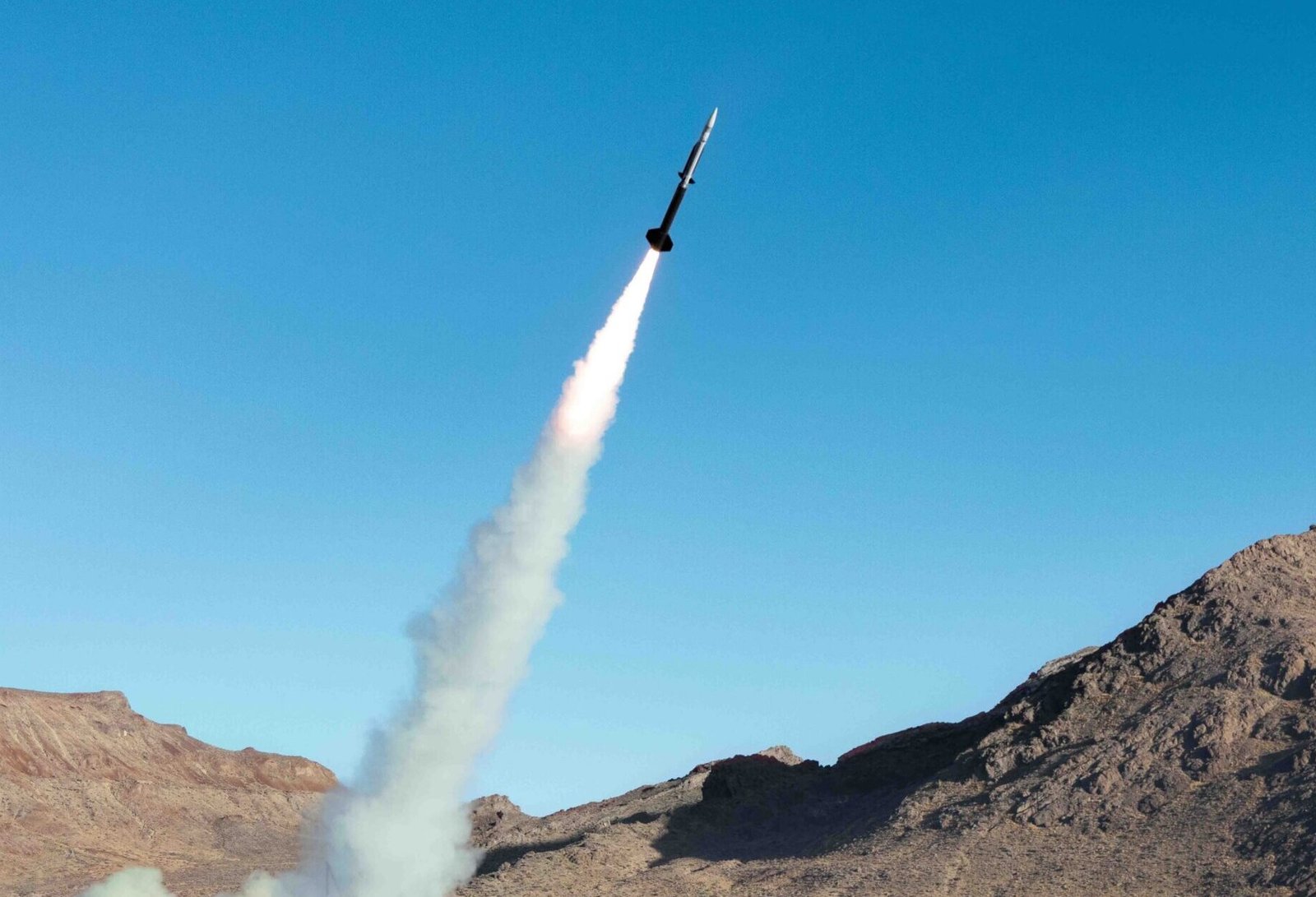 U.S. Air Force Research Laboratory Adds $16.4 Million to Castelion Contract for Blackbeard Hypersonic Missile Development
Top Trending in 4 Days
-
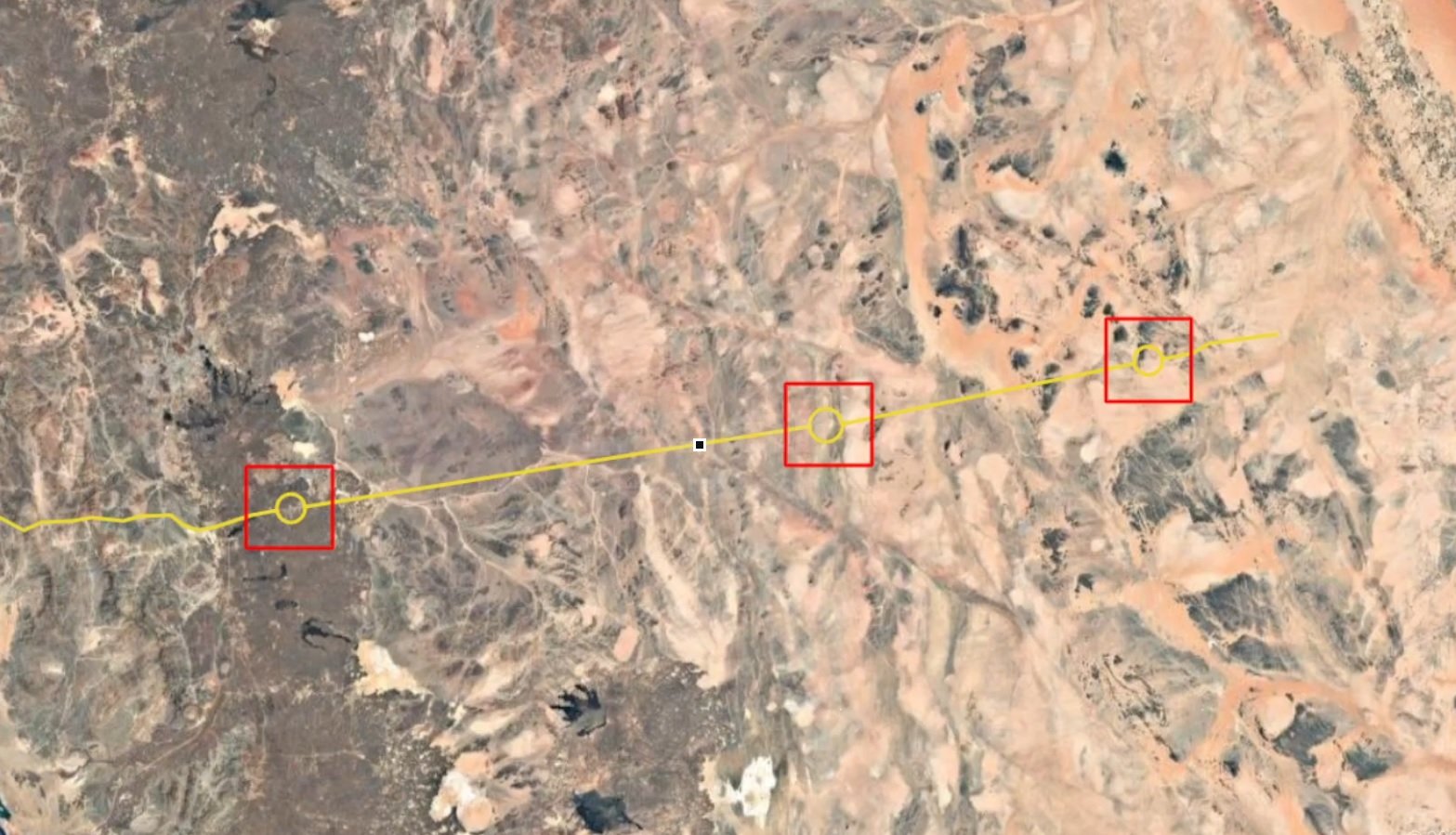 Satellite Imagery Shows Extensive Damage to Saudi Arabia’s East-West Oil Pipeline, Indicating More Than a Single Strike
-
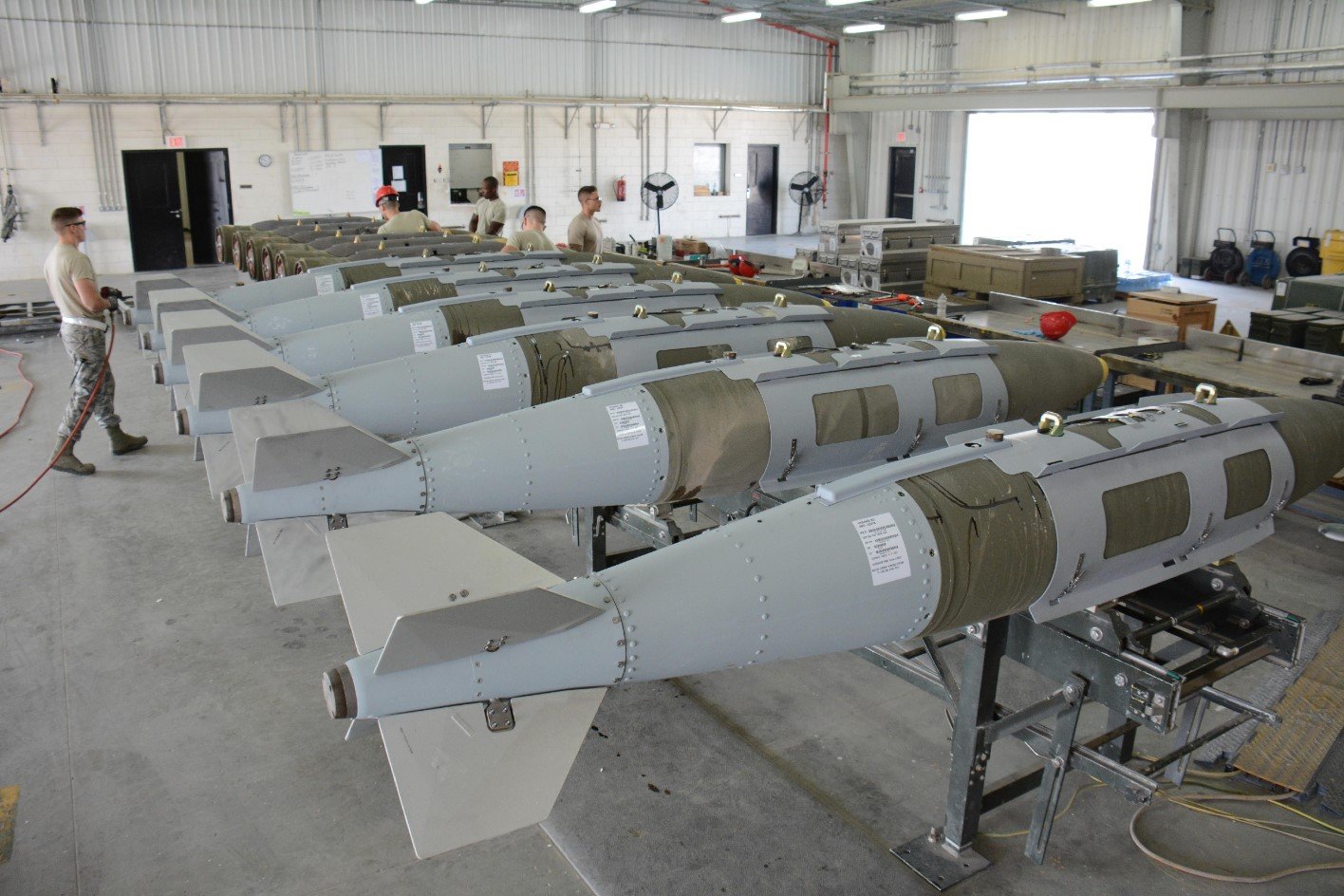 U.S. Plans $2.8 Billion Sale of 40,000 Heavy Bombs and 20,000 I-2000 Penetrator Warheads to Israel
-
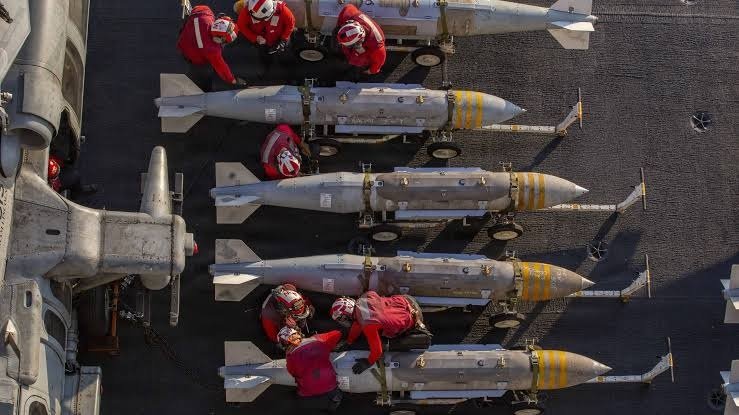 Pentagon Inspector General Report Finds Iran War Caused U.S. Ammunition Shortfalls and Industrial Bottlenecks
-
 Pentagon and Honeywell Complete Four-Hour Pacific Flight Using Quantum Magnetic Navigation Without GPS
-
 Photos Reveal Damaged E-3 Sentry, Buildings and Vehicles at U.S. Bases in Saudi Arabia and Kuwait After Iranian Strikes
-
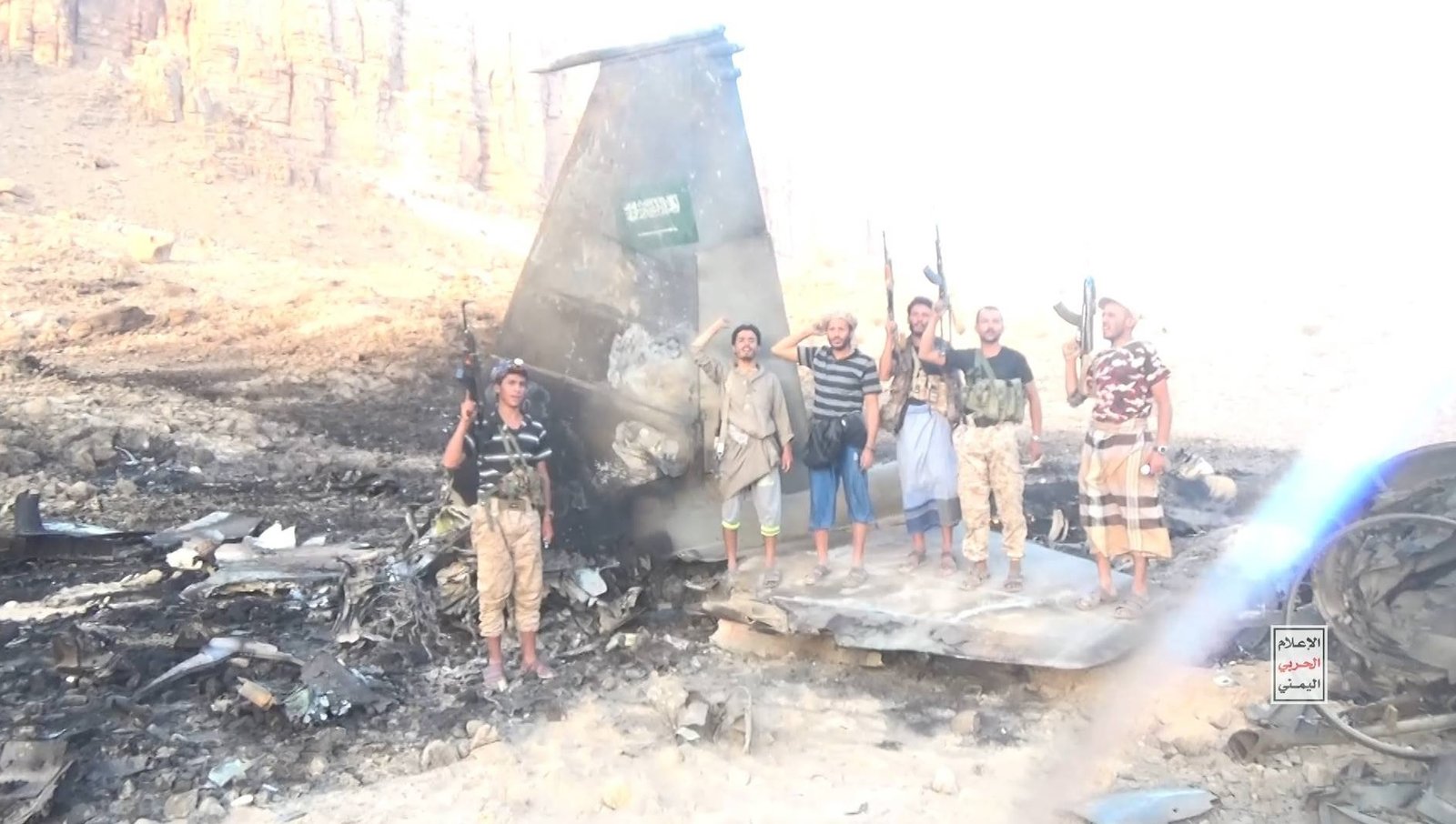 Houthis Claim Downing of Saudi F-15 and Wing Loong II Drone Over Marib
-
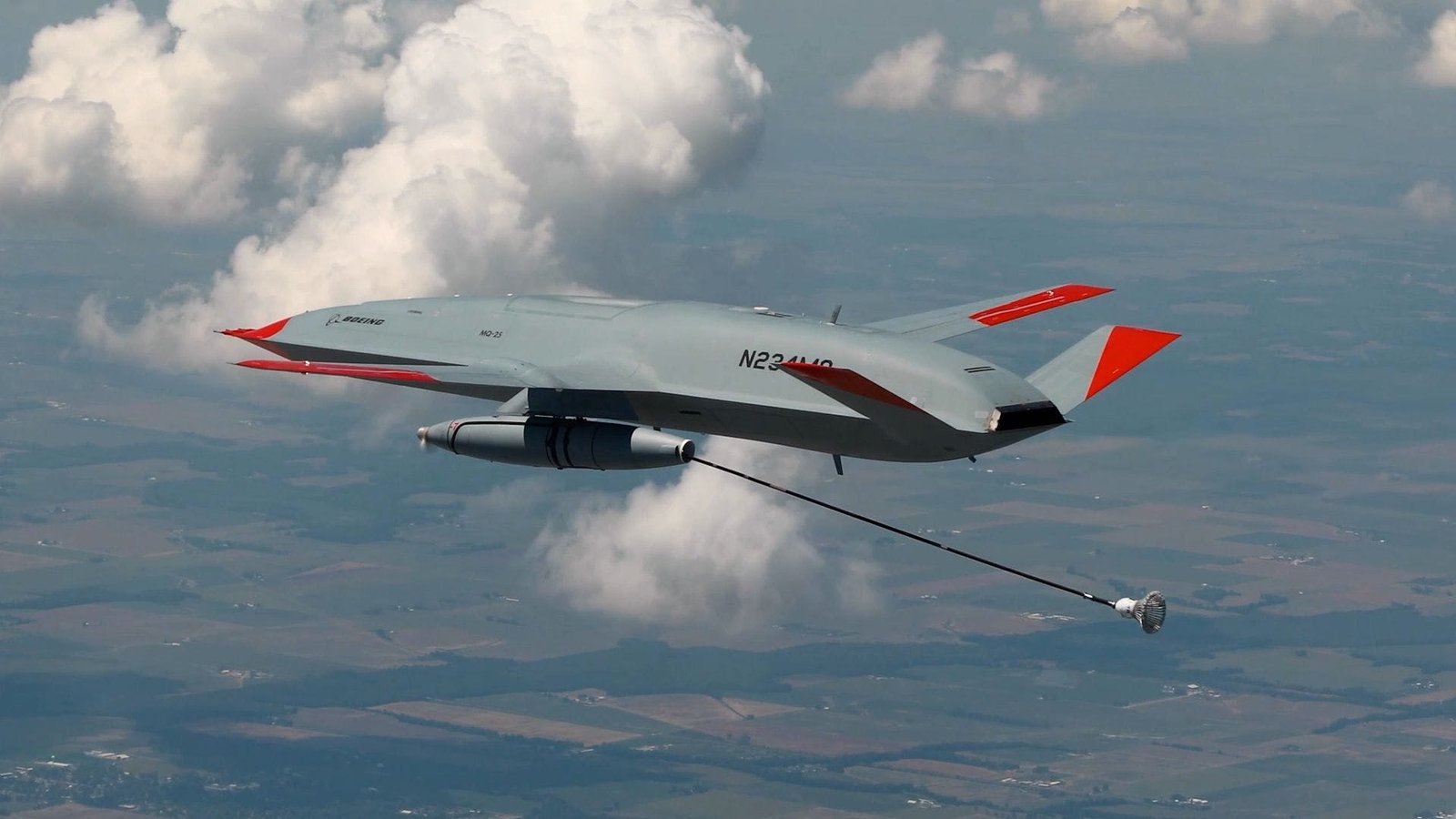 U.S. Navy Awards Boeing $562 Million Contract for First Production MQ-25A Stingray Tanker Drones
-
 Bharat Forge, Pratt & Whitney Canada to Evaluate Turboprop Engines for DRDO’s Indigenous HALE UAV