NEW DELHI : The Indian Navy is poised to close one of the most critical gaps in its carrier aviation ecosystem with the planned induction of the N-LCA Mk1 trainer, a long-awaited twin-seat, carrier-capable aircraft designed specifically to prepare pilots for frontline naval fighters. According to defence sources, the Navy expects to receive formal approval from the Ministry of Defence (MoD) later this year to procure 12 to 18 N-LCA Mk1 trainer aircraft, with deliveries likely to begin from 2029 onwards.
The timing of the induction is strategically significant. The N-LCA Mk1 trainers are expected to enter service around the same period as the Navy’s Rafale M fighter jets, creating, for the first time, a structured, progressive and safer training pipeline for naval aviators destined for aircraft carrier operations.
A Persistent Training Gap in Naval Aviation
Unlike most major carrier-operating navies, India currently lacks a dedicated two-seat jet trainer capable of both taking off from and landing on aircraft carriers. This absence has forced the Navy into a high-risk training model, where young pilots transition directly from the Hawk Advanced Jet Trainer (AJT)—a purely land-based aircraft—to single-seat frontline carrier fighters.
Carrier aviation is widely regarded as the most demanding form of military flying. Pilots must master short take-offs using ski-jumps, arrested landings, deck handling on a moving warship, and operations in harsh maritime conditions, often at night and in poor weather. Learning these skills directly on operational fighters not only increases accident risk but also places additional stress on frontline squadrons.
Shrinking MiG-29UB Fleet Adds Pressure
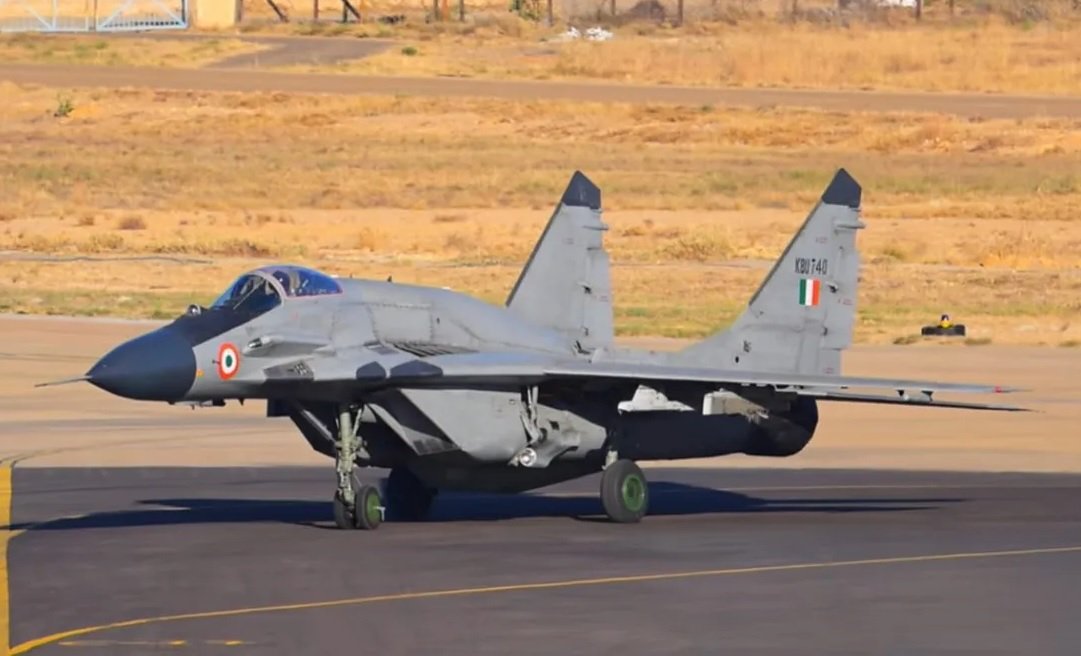
For years, the Navy relied on the MiG-29UB twin-seat fighter to partially bridge this gap. Although carrier-capable, the MiG-29UB fleet has steadily declined due to crashes, ageing airframes and attrition. Only a handful of aircraft remain in service today, far too few to support a sustained training programme for pilots preparing for future carrier deployments.
With the MiG-29K fleet also expected to gradually give way to newer aircraft over the next decade, the absence of a dedicated naval trainer has become increasingly operationally unsustainable.
Rafale M Trainers Limited to Shore-Based Role
India has already signed contracts for 26 Rafale M fighters for the Indian Navy, including four twin-seat Rafale trainer variants. However, these trainers are not designed for aircraft carrier operations and will remain restricted to shore-based training.
They will operate from INS Hansa in Goa, which has been upgraded with a Shore-Based Test Facility (SBTF). The facility features a ski-jump ramp and arrester wire system, simulating aircraft carrier launch and recovery conditions. While the SBTF significantly improves training realism, naval planners acknowledge that it cannot fully replicate operations from a moving carrier at sea.
Why the N-LCA Mk1 Matters
The N-LCA Mk1 trainer is designed specifically to fill this long-standing gap. A navalised, twin-seat variant of the Light Combat Aircraft, it incorporates extensive carrier-specific modifications. These include a strengthened undercarriage, reinforced airframe, arrestor hook, maritime corrosion protection, and flight-control refinements optimised for low-speed carrier approaches.
Once inducted, the aircraft will allow trainee pilots to gain hands-on experience in real carrier conditions before transitioning to high-value frontline fighters such as the Rafale M. This phased training approach mirrors best practices followed by leading naval aviation powers and is expected to significantly improve flight safety, pilot confidence and operational readiness.
Beyond Training Convenience
For the Indian Navy, the N-LCA Mk1 programme is about far more than training convenience. Carrier aviation accidents are often catastrophic, involving both aircraft losses and human casualties. A dedicated carrier-capable trainer reduces operational risk, preserves expensive frontline fighters, and ensures a steady pipeline of carrier-qualified pilots as India expands its blue-water naval capabilities.
With the Navy operating INS Vikramaditya and the indigenous INS Vikrant, and with future aircraft carriers under long-term consideration, the demand for highly trained naval aviators is set to grow sharply.
Looking Ahead
If cleared as expected, the N-LCA Mk1 trainer programme will mark a major milestone in India’s naval aviation journey, strengthening self-reliance while addressing a decades-old operational shortfall. By the end of the decade, the Indian Navy could finally possess a complete, carrier-centric training ladder—from basic jet instruction to advanced carrier qualification—aligned with its ambition to operate as a leading blue-water naval force.
——— End of Article ———