India
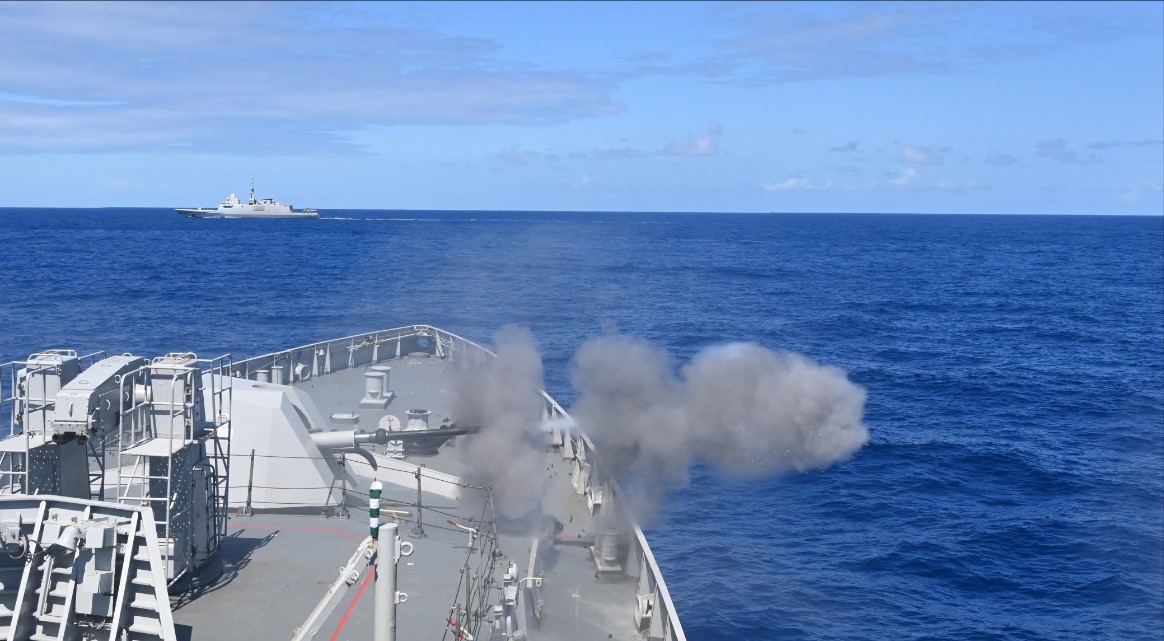
In a stunning demonstration of naval prowess, the Indian Navy's INS Shivalik has emerged as the victor in the fiercely contested Naval Gunfire Support Competition at the Rim of the Pacific Exercise 2024 (RIMPAC 2024) held in Hawaii. This biennial event, known as the world's largest international maritime warfare exercise, featured 25 participating nations, each bringing their best naval assets to the table.INS Shivalik's triumph is not just a win but a testament to the Indian Navy's growing maritime capabilities and expertise in naval gunnery. The competition demanded precision and accuracy, and INS Shivalik delivered ordnance on target with unmatched accuracy, earning the ship the coveted RODEO trophy. This prestigious award recognizes exceptional performance in naval gunnery and highlights the skill and dedication of the crew.RIMPAC 2024 provided a platform for the participating navies to engage in various exercises designed to enhance interoperability and foster cooperative relationships. The event included complex warfare scenarios that tested the ships' capabilities in surface warfare, anti-submarine warfare, and air defense. Despite the intense competition, INS Shivalik's performance in the Naval Gunfire Support Competition stood out, showcasing the Indian Navy's operational readiness and strategic competence.The Indian Navy has officially congratulated the entire crew of INS Shivalik for their exceptional achievement. This victory has brought immense pride to the nation and underscored India's commitment to maintaining a strong and capable naval force. It also serves as a reminder of the importance of continuous training and excellence in maritime operations.INS Shivalik, a stealth multi-role frigate, is the lead ship of her class and has been an integral part of the Indian Navy since her commissioning. Equipped with advanced sensors and weaponry, she is designed to perform a variety of roles, including anti-aircraft, anti-submarine, and anti-surface warfare. Her success at RIMPAC 2024 reflects the high standards of training and operational readiness maintained by the Indian Navy.This victory at RIMPAC is more than just a win; it solidifies India's position on the global maritime stage and enhances the reputation of the Indian Navy among its international counterparts. The RODEO trophy is a symbol of excellence in naval warfare, and bringing it home is a significant achievement for INS Shivalik and the entire Indian Navy.
Read More → Posted on 2024-08-06 16:12:07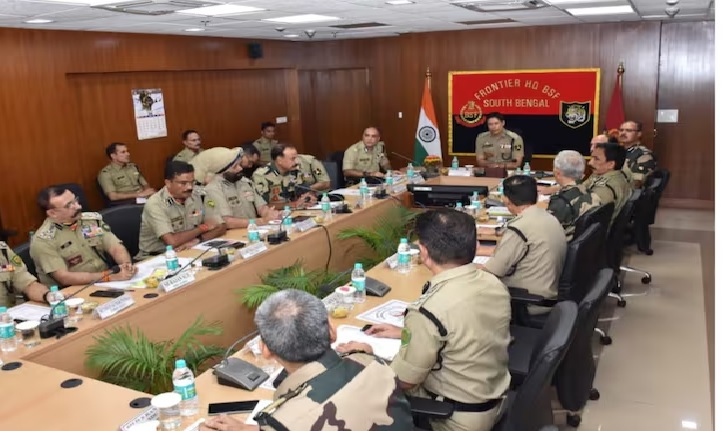
India
The Border Security Force (BSF) has ramped up its vigilance along the 4,096-kilometer India-Bangladesh border following recent developments in the neighboring country. Acting Director General Daljit Singh Chawdhary, along with other senior commanders, has arrived in Kolkata to assess the security situation and ensure all necessary measures are in place.In response to the ongoing unrest in Bangladesh, the BSF has instructed its field commanders to be on the ground and deploy all available personnel to border duty immediately. Leaves for personnel posted along the Bangladesh border have been canceled over the past few weeks as the situation in Bangladesh escalated. All units have now been directed to adopt an "all-alert posture."Bangladesh has been engulfed in massive protests against Prime Minister Sheikh Hasina's government, leading to significant unrest and casualties. Reports indicate that over 106 lives have been lost in the last two days alone. Amid this turmoil, some news outlets have reported that Sheikh Hasina has resigned and left the country, though there has been no official confirmation of these events.The BSF's move to issue a high alert is a precautionary measure aimed at maintaining security and preventing any spillover of the unrest into Indian territory. The BSF is responsible for guarding India's eastern front, which spans five states: West Bengal, Tripura, Meghalaya, Assam, and Mizoram. West Bengal shares the longest border with Bangladesh at 2,217 kilometers, followed by Tripura (856 km), Meghalaya (443 km), Assam (262 km), and Mizoram (318 km).The current situation demands heightened vigilance and readiness to respond to any potential threats. The deployment of senior BSF officials to Kolkata underscores the seriousness of the situation and the need for coordinated efforts to ensure border security.The BSF's proactive measures aim to protect Indian borders and maintain stability in the region as the political landscape in Bangladesh remains uncertain. The force's readiness and swift response reflect its commitment to safeguarding the nation's interests during times of regional upheaval.
Read More → Posted on 2024-08-05 15:56:28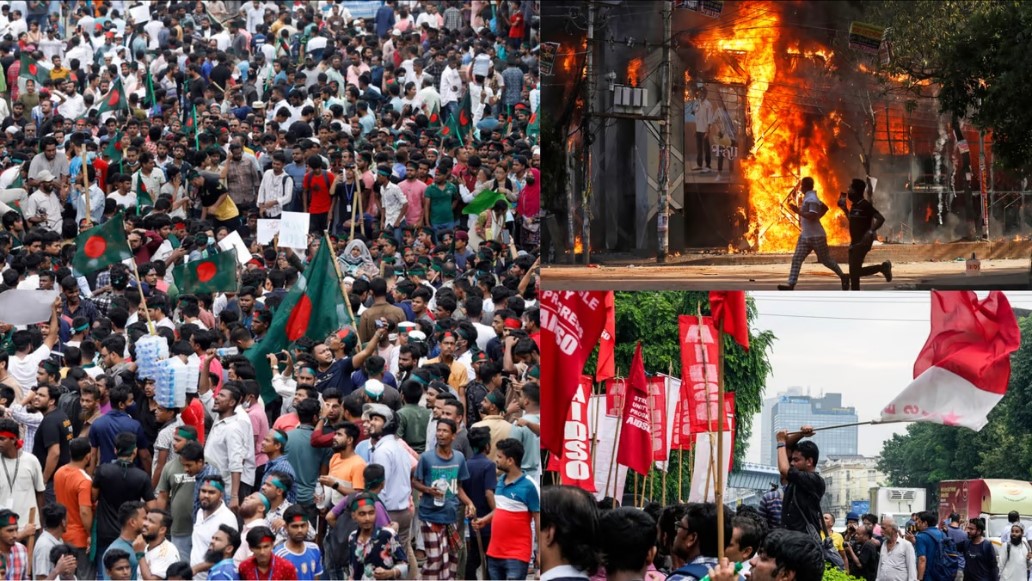
India
Former Bangladesh PM Sheikh Hasina flight has reportedly landed at Hindon airport near Delhi after she fled the country amid widespread protest in India's neighbouring country. As per ANI, Hasina's C-130 transport aircraft landed at Hindon Air Base where she was received by senior Indian Air Force officials and met National Security Advisor Ajit Doval.Amid the turmoil in Bangladesh, Prime Minister Narendra Modi chaired a meeting of Cabinet Committee on Security on Monday night, after being briefed on the situation by External Affairs Minister S Jaishankar."The aircraft will be parked near the Indian Air Force’s C-17 and C-130J Super Hercules aircraft hangars. The aircraft movement was monitored by Indian Air Force and security agencies from its entry into Indian airspace to Hindon airbase in Ghaziabad," ANI quoted sources.Earlier today, Bangladesh Army chief Waker-Uz-Zaman announced that a new interim government will be formed with the help of Army. "PM Sheikh Hasina has resigned. Interim Government to run the country. We will find a solution to crisis by tonight. Representatives of main political parties were present in discussion with Army. Request students to stay calm and go back home," he said.Speaking to the BBC World Service, Hasina's son and advisor, Sajeeb Wazed Joy said that she had fled the country after her family's insistence to ensure her own safety. He further said that Hasina will not be able to make a political comeback after this incident.At least 56 people were killed in Monday's unrest in the neighbouring country, reported AFP.➤ As per reports, former PM Sheikh Hasina landed at Ghaziabad's Hindon Airport, near Delhi, where she was received by Indian Air Force officials. She also met National Security Advisor Ajit Doval at the Hindon airbase and held discussions with him on the current situation in Bangladesh.➤ The Indian govt and BSF have issued a high alert along the India-Bangladesh border.➤ As news broke of the PM's sudden departure, of Bangladeshi protesters stormed the palace of Prime Minister Sheikh Hasina in Dhaka Monday.➤ Bangladesh's Channel 24 broadcast images of crowds running into the premier's official residence in the capital, waving to the camera as they celebrated.➤ The Bangladesh Air Force's flight 'AJAX1431', possibly carrying former Prime Minister Sheikh Hasina, has become the most-tracked flight on Flightradar24. She is reportedly going to London.➤ Trains between India and Bangladesh have been stopped for the time being.➤ Security increased for Bangladesh High Commission in India, in New Delhi.➤ "...An unstable Bangladesh can add to instability in parts of our country, which we do not want to see. So, a peaceful, prosperous, stable Bangladesh is in India's best," ex-Ambassador to Bangladesh, Harsh Vardhan Shringla said.➤ In a video statement on X, Sajeeb Wazed, son and advisor to the former Bangladesh prime minister, condemned the protests and said that an interim and unelected government would destroy Bangladesh's progress so far and make the country like Pakistan. He further said that the protests have now become terrorism.➤Will Hasina stay in India? "It is difficult for me to say. Keep in mind that Sheikh Hasina was here right from 1975 till about 1979 or so when she went back to her country after the assassination of Sheikh Mujibur Rehman - her father. India has never denied safe haven or asylum to those who have been in our neighbourhood. But my own sense is that there are many other places that the PM may go...We cannot speculate at this point," Singla said.Why Bangladesh students are protesting?The protests, initially sparked in July by opposition to a quota system for government jobs, have evolved into a broader revolt against Hasina and her ruling Awami League party. The quota system reserved up to 30% of government jobs for families of veterans from Bangladesh's 1971 war of independence. Protesters, mainly students, deemed this system discriminatory, accusing it of benefiting Hasina's supporters disproportionately.Bangladesh Riots: Violence and Government ResponseThe situation turned violent on July 16, with clashes between student protesters, security forces, and pro-government activists. The government responded with tear gas, rubber bullets, and imposed a curfew with a shoot-on-sight order, while cutting off internet and mobile data access. Although the Supreme Court intervened to reduce the veterans' quota to 5%, with 93% allocated on merit and the remaining 2% for ethnic minorities, transgender individuals, and disabled people, the unrest persisted and grew in scale.Bangladesh Protest: Government Accusations and Opposition SupportPrime Minister Hasina has accused the protesters of "sabotage," stating that those involved in destruction are "no longer students but criminals" and should be dealt with "iron hands." She reimposed internet restrictions to control the unrest and offered to engage in dialogue with student leaders, who have so far refused."The protests, which show no signs of abating, have turned into a major crisis for Hasina, whose 15-year-long dominance over the country is being tested like never before," said analysts.The ruling Awami League party has attributed the demand for Hasina's resignation to the influence of the main opposition Bangladesh Nationalist Party and the now-banned Jamaat-e-Islami party, accusing them of inciting the violence. Opposition parties have denied instigating the chaos but reiterated their support for the protesters and calls for the government to step down to restore calm.Bangladesh Protests: How it may affect economy and politicsThe protests also highlight the economic distress in Bangladesh, marked by declining exports and dwindling foreign exchange reserves. The scarcity of quality jobs for young graduates, who often seek stable and lucrative government positions, has exacerbated the frustration among the youth. Critics argue that the unrest stems from Hasina's authoritarian tendencies and desire for control at all costs.Bangladesh: What may happen nextFor Hasina, the situation represents a critical juncture. Given Bangladesh's history of military coups, this could be a crucial moment that determines her political future. Even if Hasina manages to weather the current unrest, "she has incurred soaring reputational costs and faces unprecedented political vulnerability," remarked Michael Kugelman, director of the South Asia Institute at the Wilson Center."That could come back to haunt her if there are fresh waves of anti-government protests in the coming weeks or months," he added.In what seems to be echoes from history, nearly 49 years ago, Sheikh Hassan's father, Sheikh Mujibur Rahman suffered a similar fate at the hands of the military, prior to his death.On 15th August, 1975, Sheikh Mujibur Rahman, the founder of Bangladesh, was assassinated along with his family in a military coup. This tragic event triggered a series of military coups and political upheaval, shaping the nation's tumultuous history. From General Ziaur Rahman's brutal crackdown on dissent to the repeated military interventions, Bangladesh has faced 28 military coups and attempts since its independence in 1971, marking a record in modern history.Here's what happened thenAssassination of Sheikh Mujibur Rahman- On August 15, 1975, Sheikh Mujibur Rahman, founder of Bangladesh, was assassinated.- He was killed along with his wife, three sons, daughters-in-law, and 12 other family members.Immediate Aftermath: A Chain Reaction of Coups- August 15, 1975, coup led to subsequent coups on November 3 and November 7, 1975.- General Ziaur Rahman seized power after the November 7 coup.Ziaur Rahman's Rule and Brutal Measures- General Zia executed 2,500 Army and Air Force personnel to end further coup attempts.- Faced a record 21 assassination attempts between 1975 and 1981.- Assassinated in 1981 by military men in Chittagong.1977 Coup Attempt and Soviet Influence- In 1977, Egyptian President Anwar Sadat warned Zia of a plot to overthrow him and install a Marxist regime.- October 2, 1977, Bangladesh Air Force officers attempted a coup, declaring a 'red revolution'.- The mutiny was quickly suppressed, and the plotters were arrested.- Reports suggested Soviet support for the plotters.- Zia executed 1,143 Air Force personnel involved in the coup attempt.Continued Military Interventions- In 1982, General Hussain Muhammad Ershad overthrew the civilian government, marking another military takeover.- In 2007, the military staged a coup, installing a caretaker government for two years.- In 2009, a faction of the military mutinied, killing 56 military officers, including the Director General of the Bangladesh Rifles (BDR).Record of Coups and Attempts- Since independence in 1971, Bangladesh has experienced 28 military coups and coup attempts.- These events have profoundly shaped the nation's political landscape, contributing to ongoing instability.Legacy of Sheikh Mujibur Rahman- Sheikh Mujib's assassination marks a significant turning point in Bangladesh's history.- The repeated military coups reflect the persistent volatility and challenges to democratic governance in the country.
Read More → Posted on 2024-08-05 15:53:32
India
In a significant stride for India's technology and manufacturing sectors, Tata Group has embarked on an ambitious project to establish a semiconductor plant in Assam, capable of producing 4.83 crore chips daily. This groundbreaking facility, located in Jagiroad, Morigaon district, is a testament to India's growing capabilities in high-tech industries, particularly in semiconductor technology. On a notable Saturday, Union Minister Ashwini Vaishnaw, Assam Chief Minister Himanta Biswa Sarma, and Tata Sons Chairman N Chandrasekaran performed the Bhumi Pujan for the Rs 27,000-crore semiconductor assembly and test facility. The project, approved by the Union Cabinet chaired by Prime Minister Narendra Modi on February 29, 2024, is moving forward at an impressive pace. Construction began merely five months after approval, underscoring the project's importance and urgency.The plant is expected to become operational in 2025, and once up and running, it will manufacture around 4.83 crore chips every day. What sets this facility apart is its use of entirely indigenously-developed technologies, marking a significant milestone in India's self-reliance journey. These chips will be integral to a wide range of applications, including electric vehicles, communication infrastructure, and 5G technologies. Minister Vaishnaw emphasized that almost every major company producing vehicles and communication equipment will be using chips from this plant.Semiconductors are foundational to modern technology, acting as the backbone for countless devices and systems. The establishment of a semiconductor unit typically spurs substantial downstream and upstream employment opportunities due to the complexity and vastness of the ecosystem. The Assam plant is expected to create 27,000 jobs, with 15,000 direct positions and 12,000 indirect roles, significantly boosting local employment and economic growth.The India Semiconductor Mission is a crucial part of this endeavor, aiming to develop 85,000 skilled professionals for the industry. In alignment with this mission, nine institutes across the northeast, including NITs in Silchar, Mizoram, Manipur, Nagaland, Tripura, Agartala, Sikkim, and Arunachal Pradesh, along with the North Eastern Hill University and NIT in Meghalaya, are dedicated to talent development for the semiconductor sector.The establishment of this plant aligns with Prime Minister Modi's "Act East" policy, which emphasizes the development of India's eastern regions. The semiconductor facility in Assam marks a significant milestone in this policy, fostering technological advancement and economic growth in the region.In addition to the Assam plant, Tata Electronics is also setting up India's first wafer fabrication unit in Dholera, Gujarat, with an investment of Rs 91,000 crore. This plant will produce 50,000 wafers per month, with the first chips expected by December 2026. This dual initiative by Tata underscores the company's commitment to positioning India as a global leader in semiconductor manufacturing.As India advances in the semiconductor domain, these projects symbolize the nation's growing technological prowess and its strategic push towards self-reliance in critical industries. The Tata semiconductor plant in Assam is not just an industrial project; it is a beacon of progress, innovation, and a brighter economic future for the region and the country.
Read More → Posted on 2024-08-05 15:46:49
India
In a significant boost to India's indigenous defense capabilities, the Indian Air Force (IAF) has given the green light to the Defence Research and Development Organisation (DRDO) and Bharat Dynamics Limited (BDL) to commence the production of 200 Astra Beyond Visual Range (BVR) air-to-air missiles. This clearance marks a crucial step in enhancing the IAF's aerial combat prowess.The approval was granted during a recent visit by Air Marshal Ashutosh Dixit, Deputy Chief of the Air Staff, to Hyderabad, where both DRDO and BDL are based. This visit underscored the IAF's commitment to strengthening its arsenal with homegrown technologies. The Astra missiles will be equipped on the IAF's frontline fighter jets, the Su-30MKI and TEJAS, significantly boosting their operational capabilities.The Astra program, initiated by DRDO, is a testament to India's efforts to achieve self-reliance in advanced missile technologies. The Astra MK-1, the precursor to the current production batch, has already been inducted into service with both the IAF and the Indian Navy. The Astra MK-1 boasts a range of up to 100 kilometers, allowing it to engage targets at significant distances.Building on the success of the Astra MK-1, DRDO is now focusing on the Astra MK-2, which promises even greater capabilities. The Astra MK-2 is expected to have a strike range of up to 130 kilometers, thanks to a specially developed motor designed to extend its range. The first test of the Astra MK-2 is scheduled to take place in the coming months, marking another milestone in India's missile development journey.The development of the Astra missile system began in 2001, with the Defence Research and Development Laboratory (DRDL) in Hyderabad playing a pivotal role. A dedicated task force was established to conduct preliminary studies and drive the project forward. Over the years, the Astra program has seen significant advancements, culminating in the successful induction of the Astra MK-1 and the impending production of the MK-2.The clearance for producing 200 Astra missiles is part of a larger program cleared by the Defence Acquisition Council in 2022-23, which aims to produce 248 missiles for the IAF and Indian Navy. This initiative underscores the government's focus on bolstering the nation's defense capabilities through indigenous solutions.Senior defense officials have emphasized that this move not only enhances the IAF's combat readiness but also strengthens India's defense manufacturing sector. BDL, as the production agency, will play a critical role in delivering these advanced missiles to the armed forces, ensuring that they meet the highest standards of quality and performance.As India continues to face evolving security challenges, the development and production of the Astra BVR missiles represent a significant stride towards self-reliance in defense technology. The collaboration between DRDO, BDL, and the IAF highlights the nation's collective effort to enhance its strategic capabilities and secure its airspace with cutting-edge indigenous solutions.
Read More → Posted on 2024-08-05 15:44:48
India
Hyderabad-based Astra Microwave has recently reached a remarkable milestone in the realm of radar technology. The company has successfully executed the Active Antenna Array Unit (AAAU) for the Long Range Multi-Function Radar (LRMFR). This cutting-edge development marks a significant leap forward in India's quest for self-reliance in defense technology.The LRMFR, a 6-meter S-band radar, is set to replace the existing MFSTAR radar systems currently deployed on Indian naval vessels. This upgrade is a testament to India's ongoing efforts to indigenize its defense capabilities. The new radar boasts a 6-meter diameter antenna and a surface area of 36 square meters, making it notably larger than the Israeli radars presently used on Indian frigates and destroyers. This increased size translates directly into a greater number of transceivers, thereby enhancing the radar's power and effectiveness.The primary advantage of this size increase is the substantial improvement in the radar's detection capabilities, range, and accuracy in tracking and targeting. This means the Indian Navy can expect significantly better performance in identifying and responding to potential threats. The LRMFR is not just about tracking targets; it also plays a crucial role in fire control for Surface-to-Air Missiles (SAMs) and Ballistic Missile Defense (BMD). This versatility makes it an invaluable asset for the Indian Navy, enhancing its ability to tackle a variety of threats in the maritime domain.This development is more than just a technological achievement; it holds significant implications for India's national security. The enhanced capabilities provided by the LRMFR will empower the Indian Navy to safeguard the nation’s maritime interests more effectively. As maritime threats continue to evolve, having a robust and advanced radar system is crucial for maintaining national security.Astra Microwave’s successful execution of the AAAU for the LRMFR demonstrates the company's expertise and commitment to advancing India's defense technology. By developing and implementing such sophisticated systems domestically, India not only reduces its dependency on foreign technology but also strengthens its defense infrastructure.The achievement by Astra Microwave underscores a broader trend in India's defense sector, where indigenization and technological advancement go hand in hand. As India continues to bolster its defense capabilities through indigenous innovation, the successful deployment of the LRMFR stands out as a shining example of what can be achieved through dedication and expertise.
Read More → Posted on 2024-08-04 15:51:34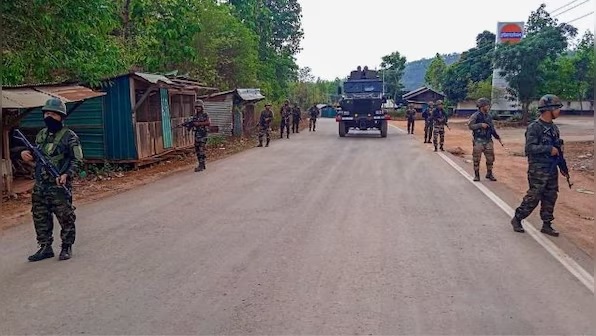
India
In a heated development, various tribal organizations in Manipur have vocally opposed the reported decision to withdraw the Assam Rifles from the hill areas of the state. This opposition comes on the heels of government plans to replace the Assam Rifles with the Central Reserve Police Force (CRPF) in regions plagued by ethnic violence, specifically in the districts of Churachandpur and Kangpokpi.The Assam Rifles, a paramilitary force renowned for its counter-insurgency capabilities, has been a pivotal presence in Manipur since ethnic violence erupted on May 3 last year. The force operates under the leadership of Army officers and has developed a profound understanding of the local geopolitical landscape, making it an integral part of maintaining peace and security in the region.The proposed replacement of two Assam Rifles battalions with CRPF units has stirred significant controversy. Highly placed sources indicate that these battalions are being redeployed to Jammu and Kashmir to bolster counter-terror operations in response to a recent surge in terror attacks instigated by Pakistan. However, this strategic shift has not been well-received by the tribal communities in Manipur.Tribal organizations have expressed their concerns through separate letters addressed to Prime Minister Narendra Modi and Home Minister Amit Shah, urging them to reconsider the decision. Copies of these letters have also been sent to key officials, including Manipur Governor Lakshman Prasad Acharya, Director General of Assam Rifles Lt Gen Vikas Lakhera, Intelligence Bureau Director Tapan Kumar Deka, and Director General of Manipur Police Rajiv Singh.The Coordinating Committee on Manipur Integrity (COCOMI), representing the Meitei community and other groups, has been advocating for the replacement of the Assam Rifles with other Central Armed Police Forces (CAPFs). Conversely, several tribal organizations, including the Indigenous Tribal Leaders’ Forum (ITLF), strongly oppose this move. The ITLF, an apex body representing tribals in Manipur, emphasized in a statement that the Assam Rifles, as India’s oldest paramilitary force, possesses unparalleled knowledge and experience in handling the unique security challenges of the region.The ITLF's statement underscores the critical role of the Assam Rifles in maintaining stability in the hill areas of Manipur. They argue that the force's deep-rooted understanding of the local dynamics makes it indispensable in managing the ethnic tensions and violence that have plagued the region.As the debate continues, the future of security operations in Manipur remains uncertain. The tribal groups' strong opposition highlights the complexities of the security landscape in the region and raises important questions about the best approach to ensuring peace and stability in Manipur's troubled hills.
Read More → Posted on 2024-08-04 15:35:24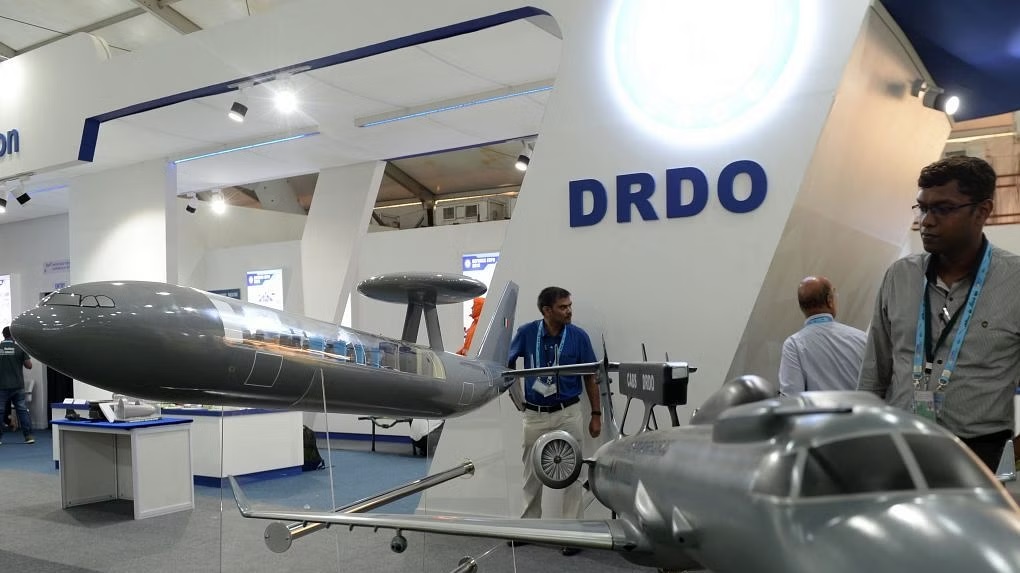
India
The Defence Research and Development Organisation (DRDO) is on the brink of a significant transformation, as the Indian government prepares to finalize decisions on a series of contentious recommendations. These recommendations, proposed by a high-powered expert committee led by Prof. K Vijay Raghavan, are set to reshape the structure and functioning of the organization that has been the cornerstone of India's defence technology for decades.The committee's recommendations are sweeping. They propose consolidating DRDO's current 41 labs into 10 national labs and establishing five national test facilities. Additionally, the creation of a new Department of Defence Science, Technology, and Innovation (DDSTI) to replace the existing Department of Defence R&D is under serious consideration. These changes are designed to streamline operations, reduce redundancy, and enhance the efficiency of defence research and development in India.DRDO has already agreed to implement about 60% of these major reforms. However, some recommendations have sparked considerable debate. The organization has proposed alternative approaches to address these contentious points, which the government is now evaluating. A particularly notable proposal is the establishment of a Prime Minister-led Defence Technology Council (DTC). This council would be tasked with deciding the country’s defence R&D and technology roadmap, as well as overseeing major projects. The DTC would include the defence minister and the national security advisor as vice-presidents, with an empowered executive committee chaired by the chief of defence staff. This move aims to centralize and enhance the decision-making process for defence technology advancements.The reform process is not just about restructuring; it aims to foster collaboration with academia and the private sector, accelerate the development of cutting-edge defence technologies, and ultimately enhance DRDO's efficiency. By streamlining its structure and focusing on key areas, DRDO is expected to become a more agile and responsive organization capable of meeting the evolving challenges of modern warfare.One of the driving forces behind these reforms is the need to address the persistent challenges faced by DRDO, such as cost and time overruns in developing advanced weapon systems. The government's decision on the remaining reforms will be crucial in determining the extent of DRDO's transformation and its ability to contribute to India's self-reliance in defence.The overarching goal of these reforms is to build a robust national ecosystem with the capability to design, develop, and manufacture advanced weapon systems. This vision promotes a "whole of nation" approach, involving not just DRDO, but also academia, the private sector, and the armed forces. By fostering such an inclusive ecosystem, India aims to enhance its strategic autonomy and strengthen its defence capabilities in an increasingly complex global environment.As the government prepares to make its final decisions, the future of DRDO hangs in the balance. The implementation of these reforms will determine not only the organization's efficiency and effectiveness but also India's position as a self-reliant and technologically advanced defence power.
Read More → Posted on 2024-08-04 15:30:36
India
The Indian Navy is facing a challenging situation with its frigate INS Brahmaputra, which has suffered a severe tilt following a fire during its refit at the Naval Dockyard in Mumbai. The warship, now leaning at an angle of 40-45 degrees on its port side, presents a complex problem that the Navy is working to resolve. The fire incident has caused significant damage, and while the situation is not as critical as the earlier incident with INS Betwa, the recovery process for INS Brahmaputra is expected to be time-consuming and intricate. The task of righting the ship could take up to three months, depending on the approvals and resources needed.Currently, assessments are being conducted to determine the best way to stabilize the ship. Once the Brahmaputra is uprighted, a thorough evaluation will follow to understand the full extent of the damage and the repairs required to return the ship to operational readiness.Given the complexity of the salvage operation, the Indian Navy is considering bringing in global salvage experts. This approach, which has been used in similar situations in the past, aims to harness international expertise and resources to ensure a successful recovery. The involvement of these global firms is expected to enhance the efficiency and effectiveness of the salvage process.As the Indian Navy embarks on this significant operation, there is hope that the efforts will successfully restore INS Brahmaputra to its former condition, and the public will be watching closely for updates on the recovery progress.
Read More → Posted on 2024-08-03 15:59:31
India
In a significant leap forward for India's armored capabilities, the Defence Research and Development Organisation (DRDO) has introduced a revolutionary microclimate system to the Arjun main battle tank. This state-of-the-art technology is set to greatly enhance both the operational effectiveness and the comfort of the Arjun tank's crew, particularly in the harsh and varied climates of India's operational environments.The new microclimate system is meticulously designed to maintain an optimal temperature and humidity level within the crew compartment. This innovation is crucial for the Indian armed forces, who often find themselves operating in extreme conditions, from the scorching heat of deserts to the bitter cold of mountainous terrains. By ensuring a stable internal environment, the system enables tank crews to perform at their best, regardless of the external weather conditions.India's diverse geography presents a unique set of challenges for its military. The Arjun tank, which is already a formidable asset in the country's armored fleet, now boasts an added layer of resilience and efficiency thanks to DRDO's latest enhancement. The introduction of the microclimate system is expected to significantly reduce the physical strain on crew members, allowing them to focus more effectively on their missions.This development is not just about improving comfort; it also plays a crucial role in maintaining the operational readiness of the tank. Extreme temperatures can affect both the crew and the sensitive electronics within the tank. By regulating the internal climate, the new system helps to protect vital equipment from overheating or freezing, thereby extending its operational lifespan and reliability.DRDO's initiative is also a testament to India's commitment to indigenization and technological self-reliance in the defense sector. By developing and integrating this advanced microclimate system locally, India reduces its dependency on foreign technologies, strengthening its defense capabilities and boosting national pride.The successful deployment of this system is anticipated to have a far-reaching impact on the overall combat readiness and endurance of units equipped with the Arjun tank. Improved crew conditions mean longer operational periods and a higher level of efficiency in various combat scenarios, making the Arjun an even more formidable presence on the battlefield.The Arjun main battle tank, already known for its robust firepower and advanced armor, now gains an edge with enhanced crew comfort and operational efficiency. This move by DRDO marks a significant step in modernizing India's defense technology and showcases the nation's ability to innovate and adapt to the evolving needs of its armed forces.By integrating cutting-edge technology with indigenous expertise, India continues to pave the way for a more self-reliant and capable defense sector. The microclimate system in the Arjun tank is a shining example of how innovation can directly translate into improved performance and effectiveness on the ground, ensuring that India's armored units remain a force to be reckoned with in any theater of operation.
Read More → Posted on 2024-08-03 15:49:40
India
The Indian Army has taken a significant step forward in modernizing its armored capabilities with the delivery of the first batch of upgraded T-90 Bhishma MK-3 main battle tanks (MBTs). This initial delivery, comprising ten T-90MS tanks, marks the beginning of a phased series of deliveries that will add a total of 464 units to the Army's arsenal over the next five years.This development stems from a contract signed in 2019, which aims to deliver 464 T-90 Bhishma MK-3 tanks. The first ten units have now been handed over, and the remaining tanks will be delivered in phases, ensuring that the Indian Army steadily enhances its combat capabilities. In addition, the existing T-90S tanks in the Indian Army's fleet will be upgraded to the T-90MS standard, ensuring a modernized and uniform fleet.The T-90 Bhishma MK-3 is renowned for its impressive firepower and advanced armor protection. The Mk-3 version integrates state-of-the-art upgrades, including advanced targeting systems, improved survivability features, and enhanced mobility. These upgrades make the T-90 Bhishma MK-3 a formidable asset on the battlefield.A significant feature of the T-90 Bhishma MK-3 is its high degree of indigenization. The tank boasts an indigenous content of 83%, with 100% indigenous production for its engine. This high level of indigenization reflects India's commitment to reducing dependency on foreign defense imports and strengthening self-reliance in military technology.Powering the T-90 Bhishma MK-3 is a V12 diesel engine that develops 1,130 horsepower, allowing it to reach a maximum speed of 60 km/h and a range of 550 km. Weighing 50.7 tons, the tank is designed to be both robust and fast on the battlefield.The armament of the T-90 Bhishma MK-3 includes a 125 mm 2A46M-5 main gun with an automatic loader, a coaxial 7.62 mm machine gun, and an optional remotely controlled 7.62 mm anti-aircraft machine gun. It can carry 42 rounds of 125 mm ammunition and 3,000 rounds of 7.62 mm ammunition, with 12 smoke grenade launchers on the turret for concealment maneuvers.The tank is equipped with a thermal sighting system developed by DRDO and Bharat Electronics Limited, capable of detecting targets up to 8 km away, day or night. It also features a laser rangefinder with a range of up to 5 km. The fire control system integrates a digital ballistic computer, improving accuracy by accounting for various environmental conditions. An automatic target tracking system allows for quicker and more precise target acquisition and tracking.For protection and survivability, the T-90 Bhishma MK-3 uses Kontakt-5 explosive reactive armor (ERA), which provides enhanced protection against projectiles and anti-tank missiles. It is also equipped with Saab's LEDS-150 active protection system (APS), increasing survivability against modern threats. Additionally, it has protections against chemical, biological, radiological, and nuclear (CBRN) threats.The integration of the T-90 Bhishma MK-3 significantly enhances the Indian Army's capabilities, offering better mobility, superior firepower, and increased protection. These improvements will enable the Army to better respond to modern threats and maintain a strong defensive posture in the region.The Heavy Vehicles Factory (HVF) in Avadi is responsible for the assembly and modernization of these tanks. Alongside the delivery of new tanks, HVF is also tasked with upgrading the existing T-90S fleet to T-90MS standards, ensuring the Indian armored corps remains at the cutting edge of military technology.The arrival of the first ten T-90MS tanks reflects India's ongoing efforts to modernize its military forces and strengthen its defense manufacturing capabilities. As the rest of the order is fulfilled and the existing fleet is upgraded, the T-90 Bhishma MK-3 will play a central role in bolstering national defense preparedness.The induction of the T-90 Bhishma MK-3 marks a new chapter in India's defense journey, showcasing the nation's progress towards self-reliance and technological superiority in its military assets.
Read More → Posted on 2024-08-03 15:29:55
India
Hindustan Aeronautics Limited (HAL) has been under significant pressure lately, with its shares experiencing a fourth consecutive decline on Friday, August 2. Closing at ₹4,693.15 on the NSE, the stock fell by 2.5%, a trend largely attributed to delays in engine deliveries from General Electric (GE).The crux of the issue lies in GE's significant reduction in the delivery of F404-IN20 engines, essential for the production of HAL's Tejas fighter jets. Initially, 16 engines were expected by September, but now only two are anticipated. This shortfall has thrown a wrench in HAL's production schedule, causing broader implications for its overall performance.The stock's decline of 6.69% since July 29 is reflective of a broader trend affecting the defense sector. Other notable players like BEML and Bharat Dynamics have also witnessed stock declines in recent weeks, with many trading significantly below their 52-week highs. This sector-wide slump raises alarm bells about the sustainability and robustness of the defense industry's growth prospects.Market analyst Ambareesh Baliga sheds light on the situation, noting that the defense stocks had been buoyed by the government's "Make in India" initiative. This optimism, however, is now tempered by growing concerns over execution risks. Baliga points out that past experiences with companies like L&T and BHEL, which faced execution challenges, serve as cautionary tales for the defense sector.Baliga's insights underline the importance of considering production capacity constraints, skilled labor shortages, and the ability to manage rapid growth. These factors are critical as the market reassesses its reliance on projections and order books, which may have previously overlooked potential pitfalls.The current scenario poses significant questions about the defense sector's ability to sustain its growth. With order books already full for many years ahead, the challenge now is to scale up production levels to meet future demand, a task hindered by limitations in skills and manpower.The situation with HAL is a stark reminder that while government policies and projections can drive optimism, the reality of execution on the ground can often tell a different story. As the market grapples with these realities, it remains to be seen how HAL and its peers will navigate these choppy waters.
Read More → Posted on 2024-08-03 15:24:38
India
In light of recent events, the Delhi Police has heightened security measures at the Israeli Embassy and Chabad House following intelligence alerts. This action comes in response to the assassination of Hamas leader Ismail Haniyeh in Tehran on July 31. Haniyeh and his bodyguard were killed in an airstrike targeting his residence in the Iranian capital.The security review was prompted by concerns that the killing could provoke retaliatory actions. Senior Delhi Police officers convened a meeting to strategize a comprehensive security plan for the two Israeli sites in the national capital. A senior officer emphasized that a multi-layered security framework is now in place, with numerous CCTV cameras monitoring the premises of both the Israeli Embassy and the Chabad House.The officer also noted that additional personnel might be deployed if deemed necessary to ensure the safety and security of these locations. This proactive stance underscores the importance the authorities place on protecting these sensitive sites amid heightened tensions.Adding to the urgency, the Delhi Police had to address a false alarm concerning an explosion threat. A hoax post on the social media platform X, claiming an explosion, was promptly debunked by the police. The post was subsequently deleted, but it highlighted the ongoing challenges the authorities face in maintaining security.The increased vigilance is not without precedent. Over the past three years, there have been two low-intensity blasts near the Israeli Embassy in Delhi. Although no injuries were reported in these incidents, they served as a stark reminder of the potential threats. Last year, security around the embassy was significantly increased following the outbreak of conflict between Israel and Hamas.Given the complex geopolitical situation, the Delhi Police's swift action to review and bolster security measures is a prudent step. By enhancing surveillance and potentially increasing manpower, the authorities aim to mitigate any risks and maintain peace and order in the area.This comprehensive security approach not only aims to protect the diplomatic premises but also reassures the public of the authorities' commitment to their safety amidst escalating tensions.
Read More → Posted on 2024-08-03 15:21:52
Manipur Discovers Over 10,000 Illegal Immigrants in Five Years, Pushes to Scrap Free Movement Regime
India
In the northeastern state of Manipur, the detection of over 10,000 illegal immigrants over the past five years has prompted a significant policy shift. Chief Minister N. Biren Singh recently disclosed this alarming statistic, highlighting the urgent need to address border security concerns. The majority of these immigrants hail from Myanmar, a neighboring country with which India shares a long and often porous border.During a session in the Manipur Assembly, the Chief Minister informed the legislators that 10,675 illegal immigrants had been identified in the state since 2018. This figure includes nationals from not only Myanmar but also Bangladesh, Norway, China, and Nepal. In response to this situation, the state government has suspended the Free Movement Regime (FMR) since June 29, 2021, and has requested the Ministry of External Affairs to permanently abolish the FMR.The Free Movement Regime, a policy that permits residents within 16 kilometers of the border to travel freely into the neighboring country without a passport or visa, was initially designed to facilitate cross-border trade and cultural exchange among communities that straddle the India-Myanmar border. However, the recent influx of illegal immigrants has raised significant security concerns, prompting calls for its termination.To bolster border security, the Manipur government is setting up six new police stations and 34 police outposts along the 398-kilometer border with Myanmar. This move aims to curb further infiltration and ensure the safety of border villages. Additionally, a committee has been established to conduct verification drives for identifying illegal Myanmar immigrants in several districts, including Churachandpur, Chandel, Tengnoupal, Kamjong, and Pherzawl.The Chief Minister revealed that before the outbreak of violence in the state on May 3 last year, the committee had already detected 2,480 illegal Myanmar immigrants. In a bid to strengthen border security, the Central government has announced plans to fence the entire India-Myanmar border. The fencing work along Manipur has already commenced, marking a critical step in preventing unauthorized crossings.District police have been instructed to maintain strict surveillance and conduct frequent patrols along the border to detect illegal immigrants. Those found are confined to temporary shelter homes located in border villages, where they receive humanitarian support after proper identification and verification through biometric and biographic data collection.Despite these efforts, the challenges remain significant. Only around 85 immigrants have been deported, while approximately 143 remain in detention centers. The state government has incurred over Rs 85.55 lakh for the maintenance of detainees in these centers, underscoring the financial burden of managing illegal immigration.Home Minister Amit Shah has echoed the state government's stance, advocating for the complete scrapping of the Free Movement Regime and the erection of a comprehensive border fence along the 1,643-kilometer India-Myanmar border. This measure is seen as essential for maintaining the internal security of India and preserving the demographic structure of northeastern states bordering Myanmar.The complex situation in Manipur highlights the delicate balance between facilitating cross-border relations and ensuring national security. As the state moves towards stricter border controls and enhanced verification processes, the fate of the Free Movement Regime hangs in the balance, with significant implications for both India and Myanmar.
Read More → Posted on 2024-08-03 15:15:16
India
In a significant development, Indian security forces successfully neutralized a high-profile infiltrator along the Jammu and Kashmir border. The incident, which occurred late Wednesday night, involved the 45-year-old Pakistani national Ziaullah, who was monitored and challenged as he crossed the border near the Khorra post in the Mangucheck area. According to Indian security agencies, Ziaullah was unarmed at the time of his infiltration attempt. The BSF's (Border Security Force) Jammu Frontier Inspector General, D.K. Bura, confirmed the incident, emphasizing that a thorough investigation is underway. Authorities aim to determine whether Ziaullah was part of a larger infiltration plan, potentially designed to test India's security measures along the border.Ziaullah's connections to notorious terrorist organizations quickly came to light. Photographs and videos of him with Hafiz Saeed, the founder of Lashkar-e-Taiba (LeT), have surfaced. These images highlight the ongoing threat posed by individuals associated with such groups. Lashkar-e-Taiba is infamous for its involvement in numerous terrorist activities, including the devastating 2008 Mumbai attacks.Hafiz Saeed, a name that resonates with terror, has been a significant figure in global counterterrorism efforts. He founded Lashkar-e-Taiba and masterminded the 2008 Mumbai attacks, which left 166 people dead and hundreds injured. Despite being designated a UN-proscribed terrorist in December 2008 and facing similar listings by the European Union, Saeed evaded formal charges and extradition for nearly two decades. His ability to avoid legal consequences has been a source of frustration for international and Indian authorities.However, in April 2022, a special anti-terrorism court in Lahore, Pakistan, sentenced Saeed to 33 years in prison for "financing terrorism." He has been incarcerated since July 17, 2019. This sentencing marked a significant step in addressing his long history of terrorism, though concerns about his influence and network persist.The death of Ziaullah, a senior SSG (Special Services Group) commando and an associate of Hafiz Saeed, underscores the persistent threat of terrorism and infiltration attempts along the India-Pakistan border. The recovery of his body by Indian authorities marks the beginning of further legal proceedings and investigations. The incident serves as a stark reminder of the complex and ongoing challenges faced by security forces in safeguarding borders and combating terrorism.
Read More → Posted on 2024-08-03 15:08:10Search
Top Trending in 24 Hours
-
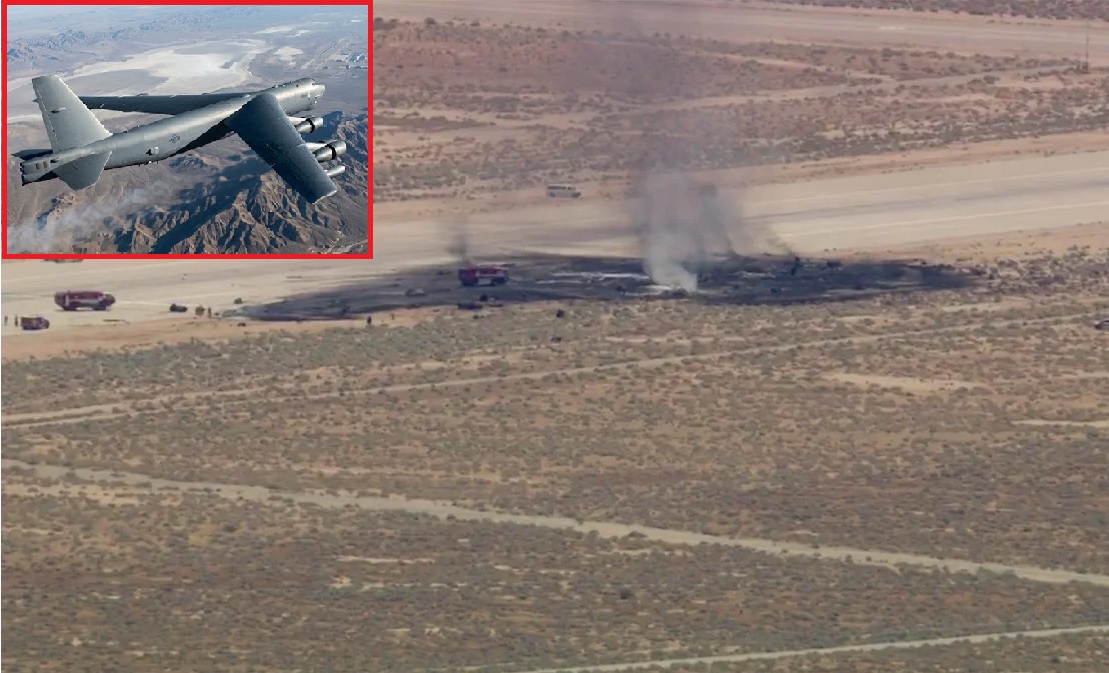 8 U.S. Air Force Crew Members Killed in B-52 Bomber Crash During Test Flight at Edwards Air Force Base
-
 Ukraine Introduces Balloon-Launched DART Missile Designed to Defeat Electronic Warfare
-
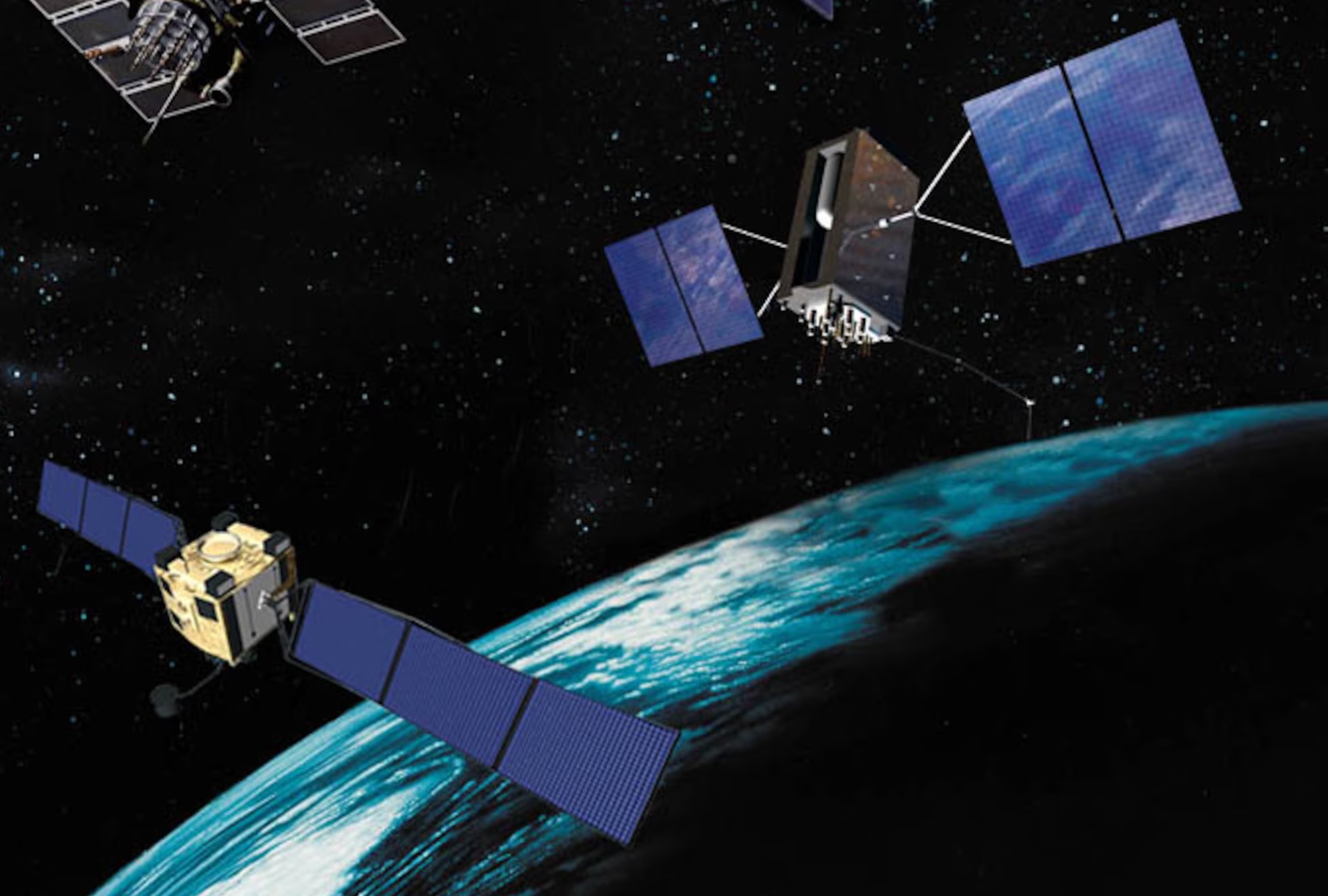 Lockheed Martin Wins $514 Million U.S. Space Force Contract for Two New GPS IIIF Satellites
-
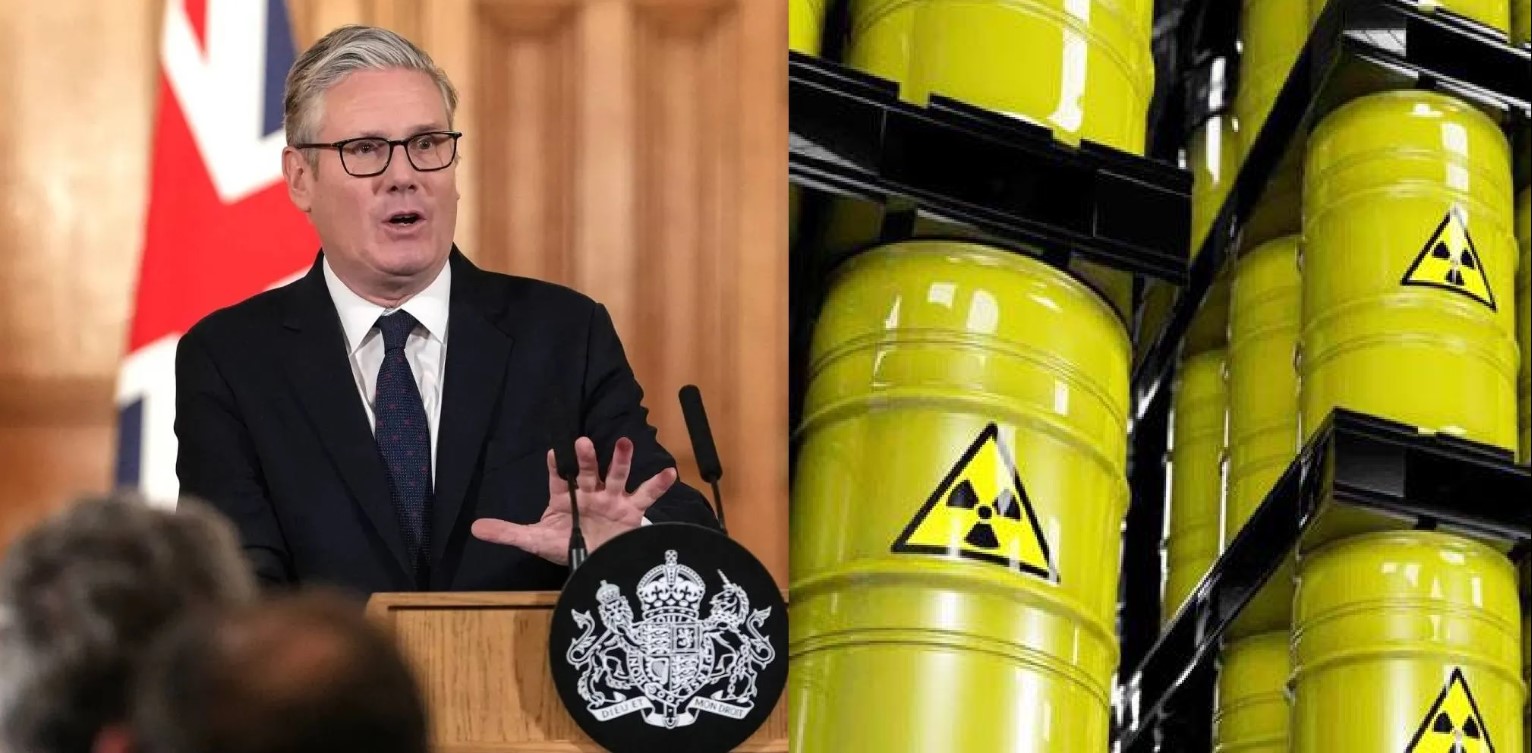 UK Announces £210 Million Deal to Supply Enriched Uranium to Ukraine for Two Years
-
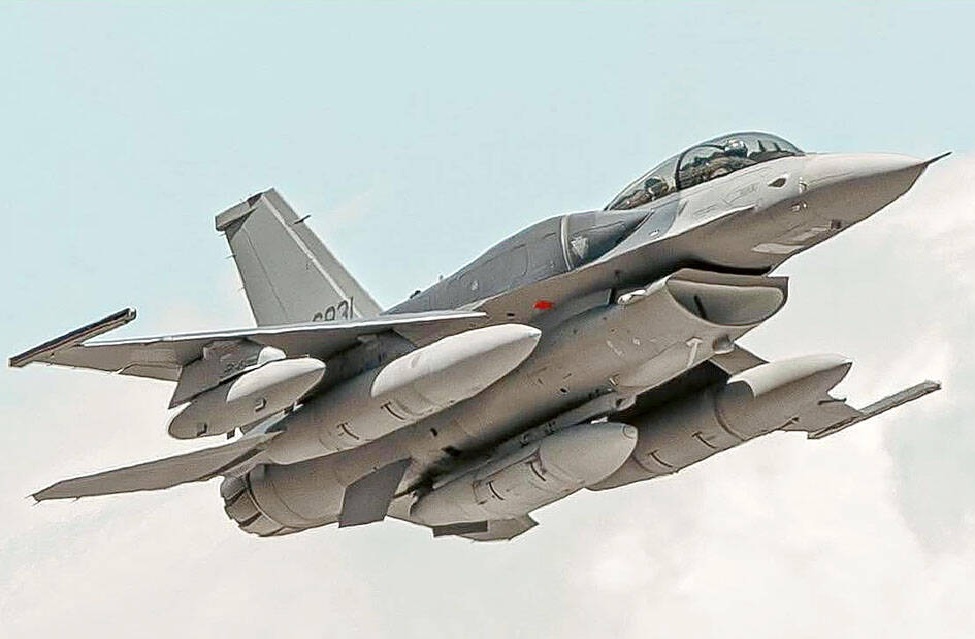 First Taiwanese F-16 Block 70 Flies with Five-Tank Fuel Configuration During Texas Tests
-
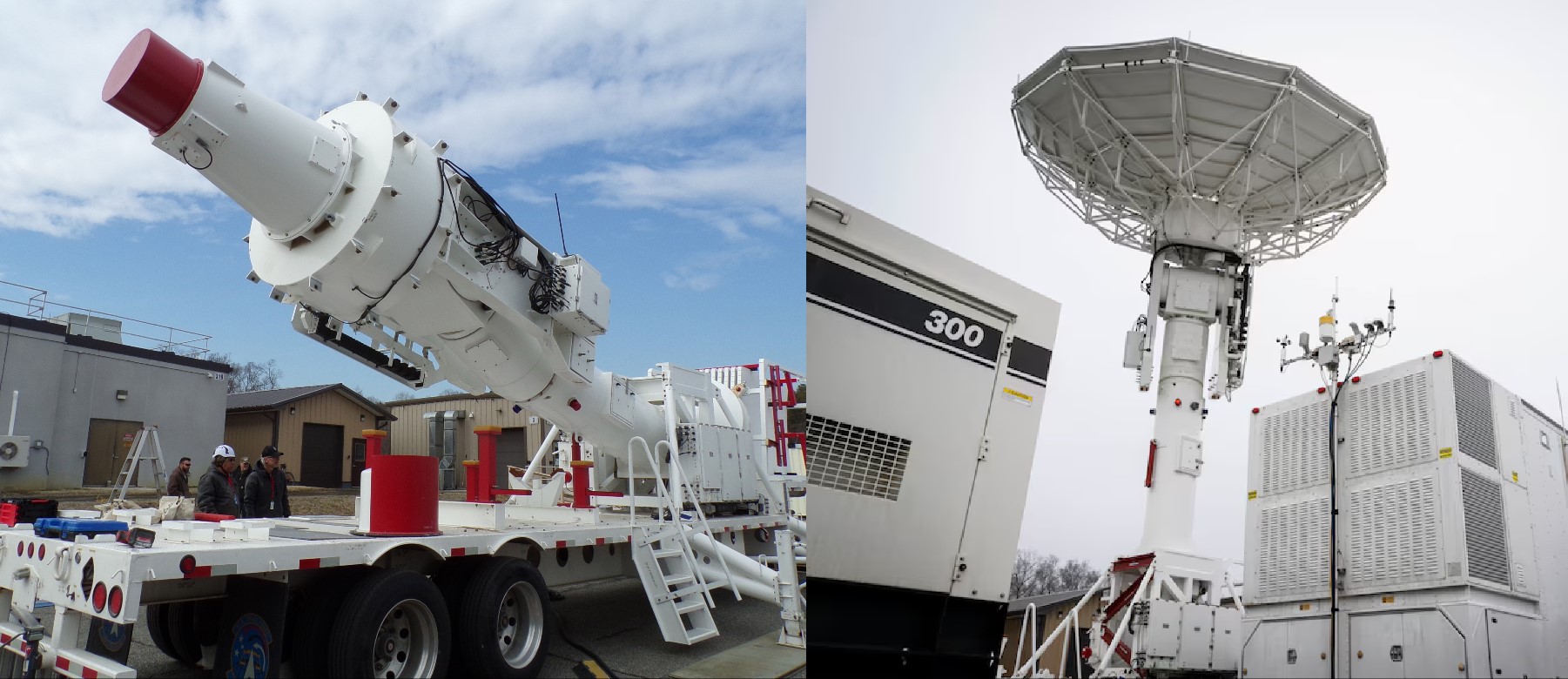 Space Force Transfers Transportable Satellite Tracking Antenna to Naval Research Laboratory
-
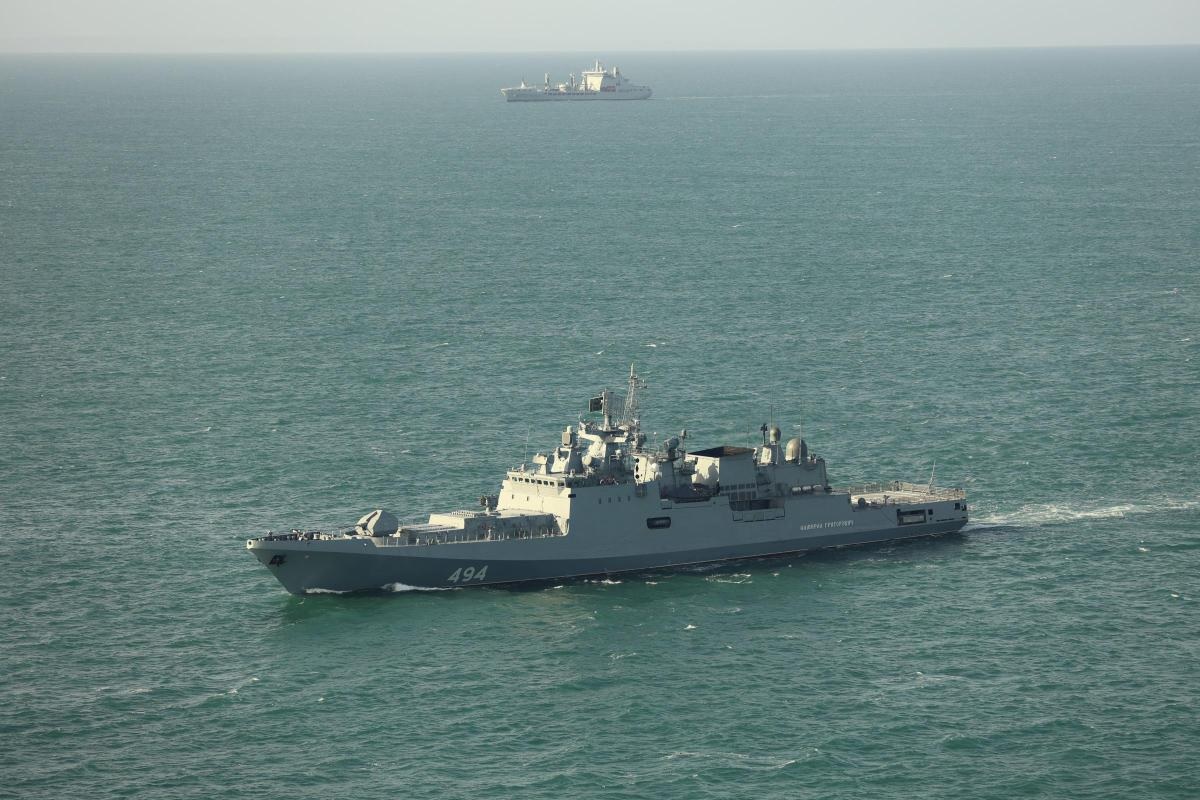 Russian Frigate Admiral Grigorovich Challenges UK Yacht in English Channel With Warning Shots
-
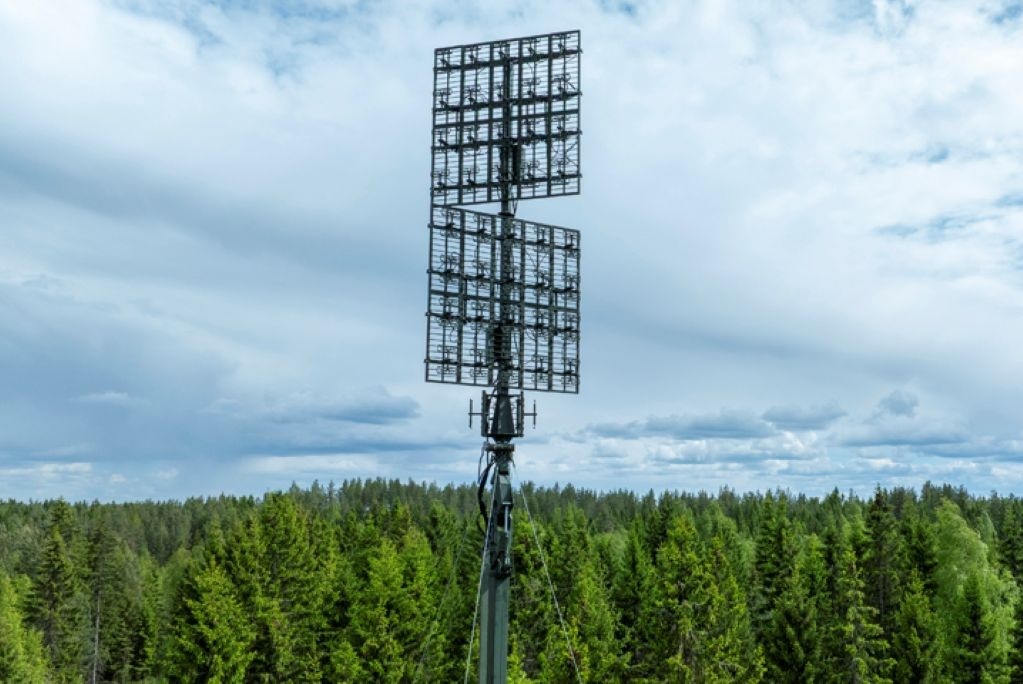 Patria Launches WISPR Passive Counter-Battery Radar with Silent Detection Capability at Eurosatory 2026
Top Trending in 4 Days
-
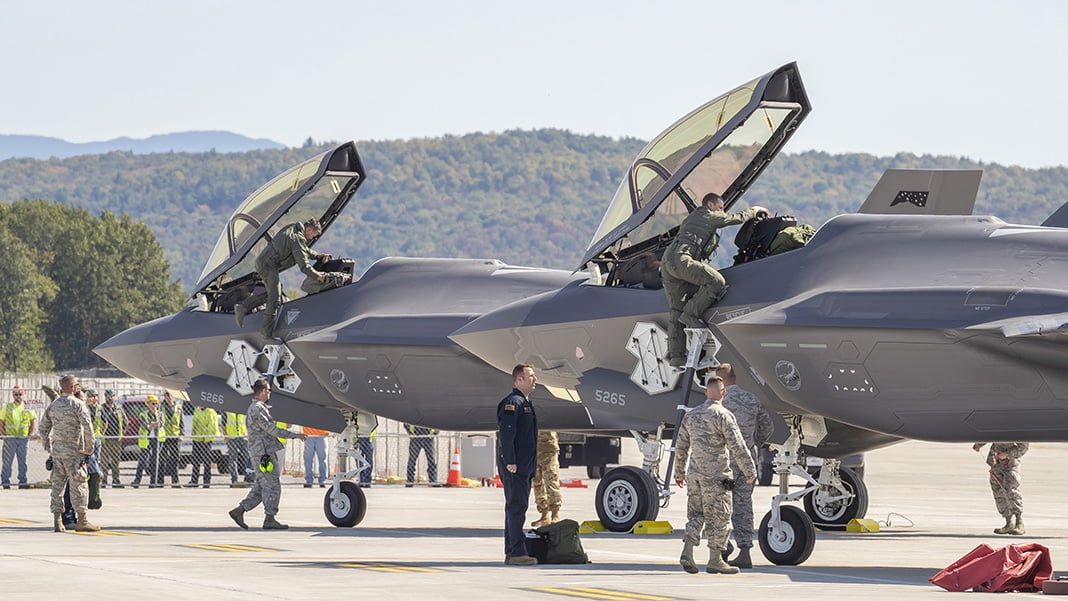 F-35 Fleet Readiness Falls to 25% Amid Parts Shortages and Software Delays: GAO Report
-
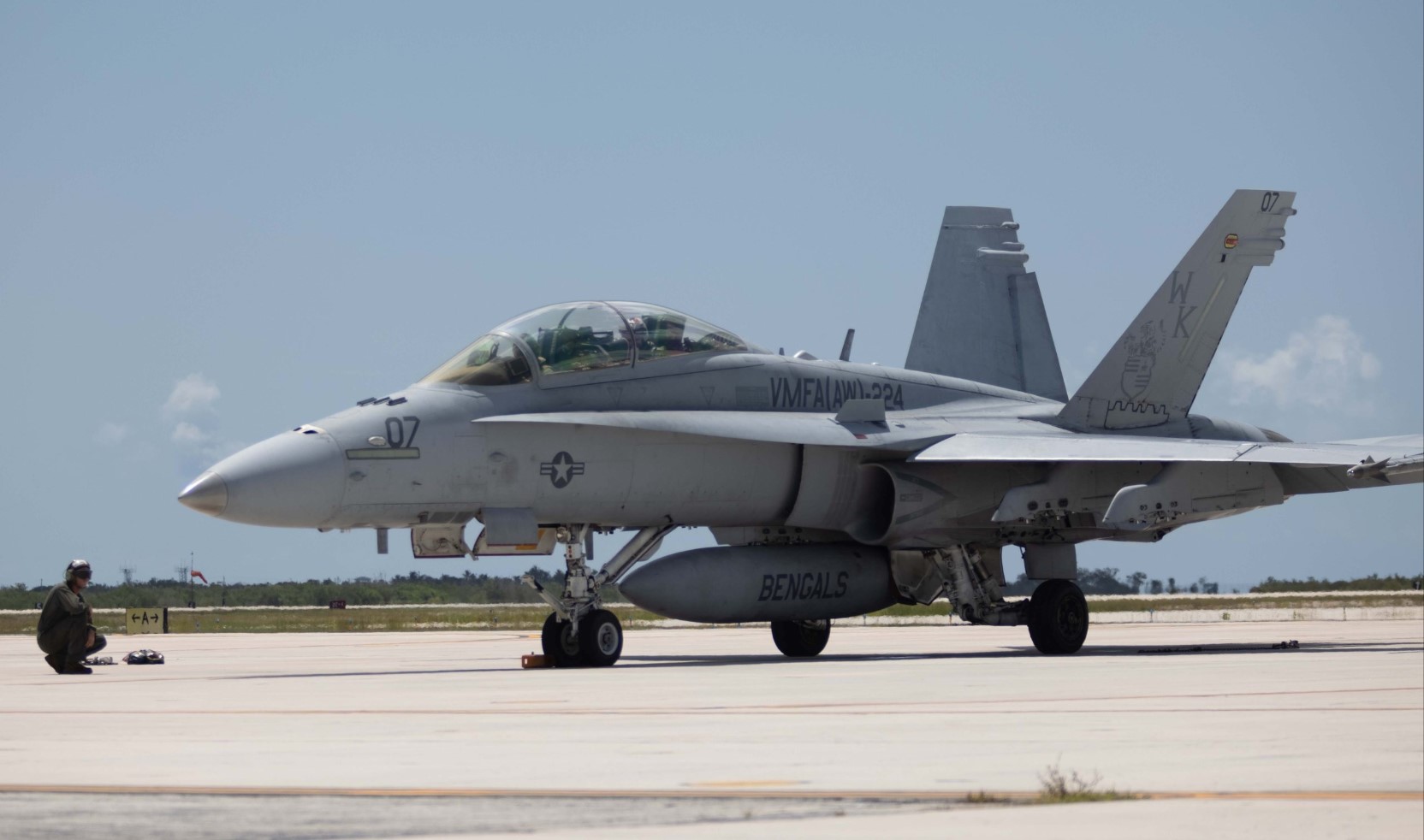 US Marine Corps F/A-18D Hornet Crashes During Training Flight in Washington Mountains; Pilot Ejects Safely
-
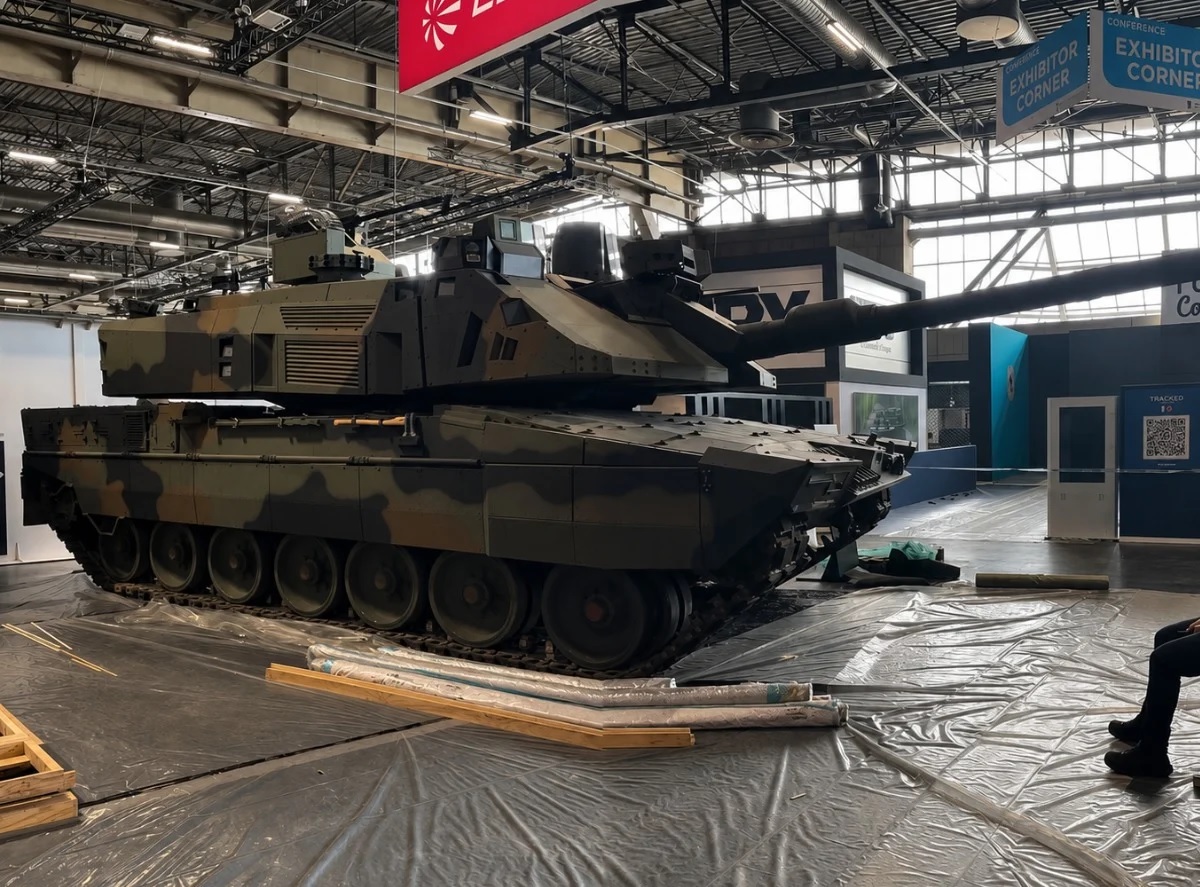 Leonardo Rheinmetall to Unveil Italy’s New IMBT Main Battle Tank at Eurosatory 2026
-
 Tulsi Gabbard Releases Declassified Files Detailing U.S.-Backed Network of 120 Biolaboratories Across 30+ Countries
-
8 U.S. Air Force Crew Members Killed in B-52 Bomber Crash During Test Flight at Edwards Air Force Base
-
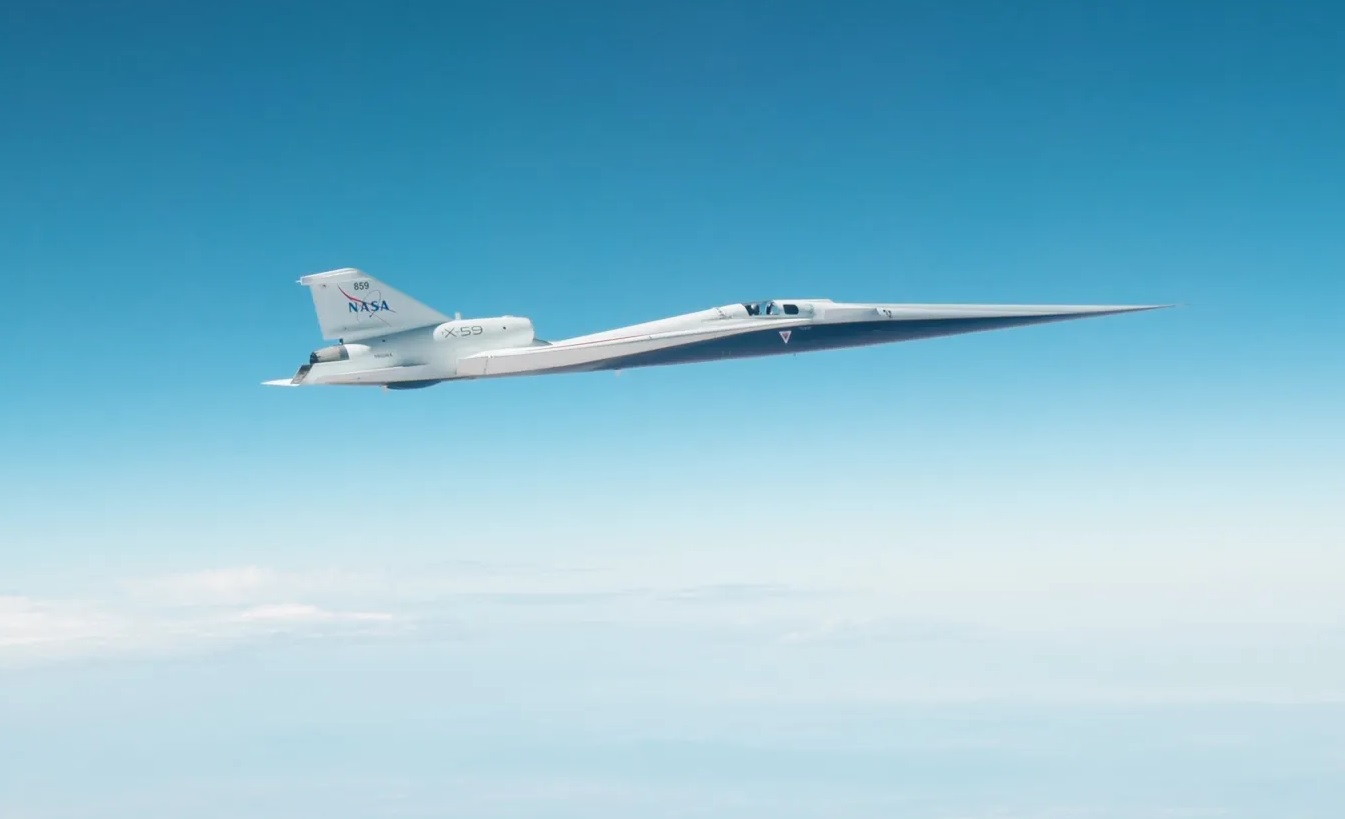 NASA X-59 Achieves Planned Mission Conditions with Mach 1.4 Flight at 55,000 Feet
-
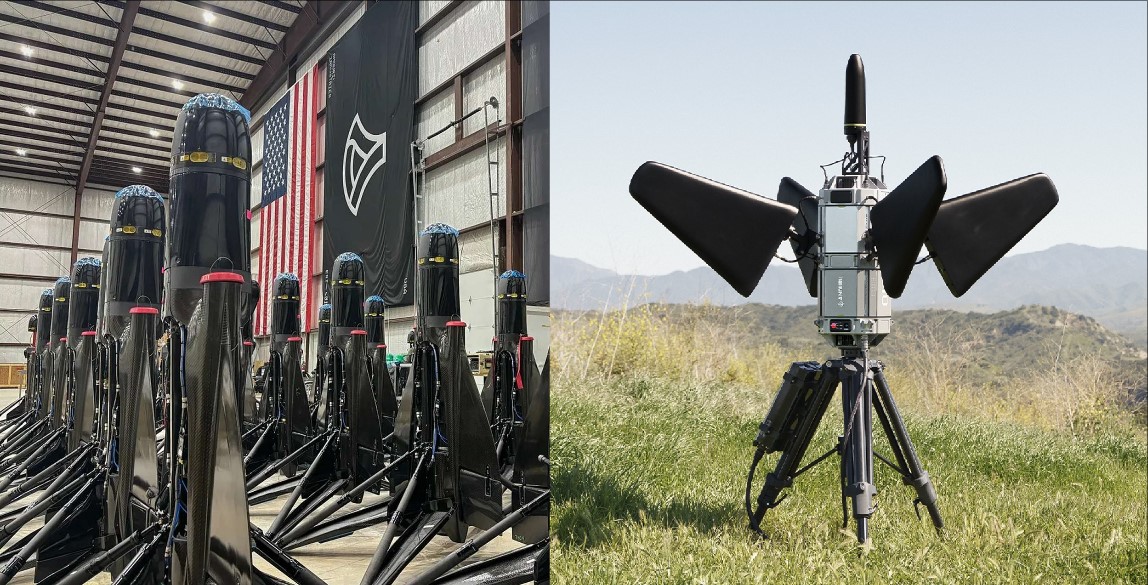 U.S. Approves $1.98 Billion Sale of Anduril AI-Powered Counter-Drone Systems to Kuwait
-
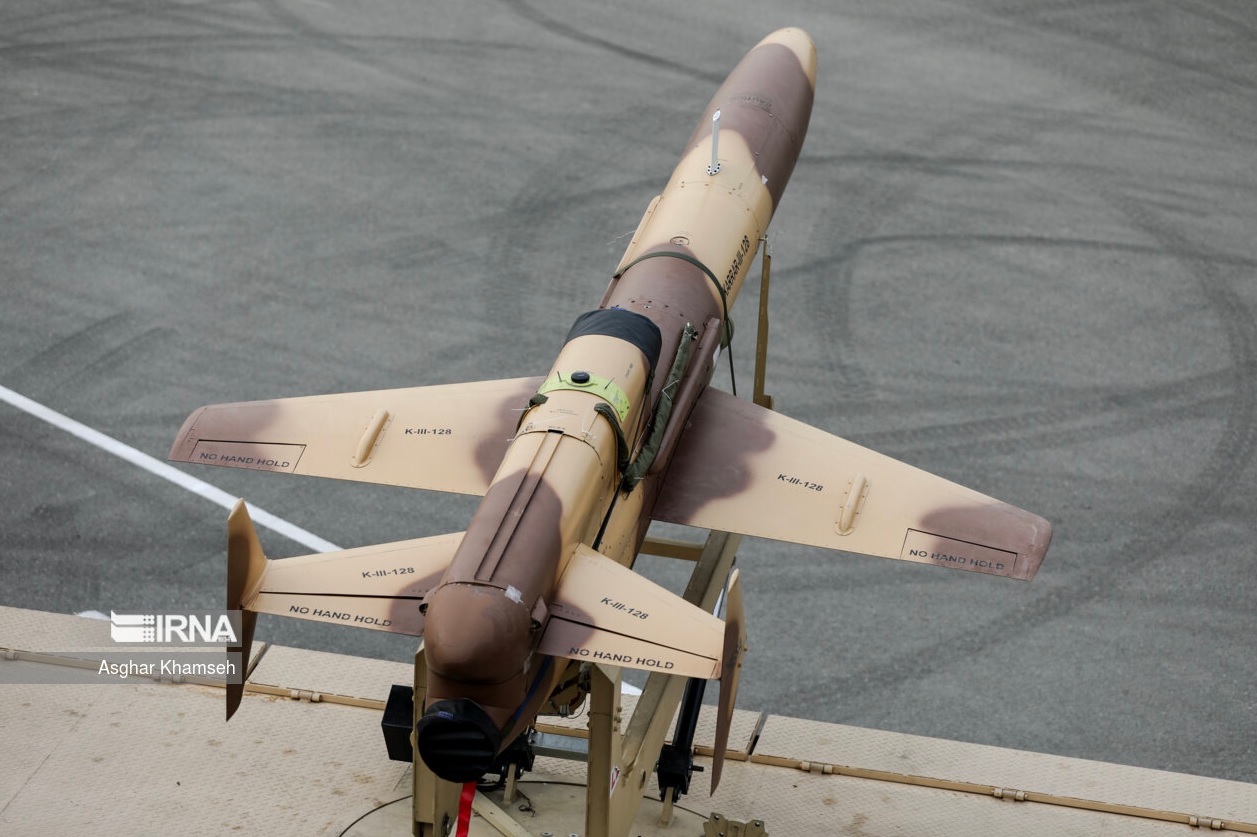 Russia Launches 1,400 Jet-Powered Drones in 2026 as Strike Tactics Evolve to Challenge Ukraine's Air Defenses