India
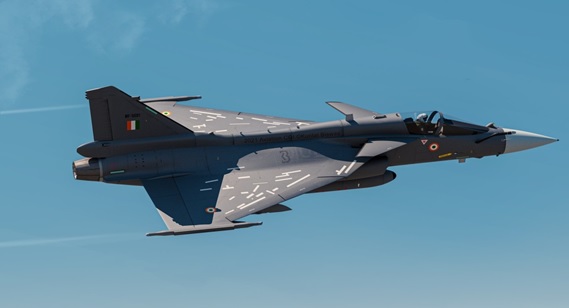
India's aviation sector is set to take a significant leap forward with the upcoming test of the TEJAS MK-2, a more powerful and advanced version of the indigenous TEJAS fighter jet. Despite delays in the delivery of the current TEJAS MK-1A jets, the Defence Research and Development Organisation (DRDO), Aeronautical Development Agency (ADA), and Hindustan Aeronautics Limited (HAL) are pushing ahead with the development and testing of the TEJAS MK-2 prototype.A recent high-level review meeting, chaired by DRDO Chairman Samir Kamat, underscored the importance of this project. The meeting brought together key stakeholders involved in the testing and development of the TEJAS MK-2, including various DRDO labs, the Centre for Military Airworthiness & Certification, and the National Flight Test Centre under ADA. These entities provided status reports on their progress, highlighting that the project is on track despite several challenges.One of the critical components of the TEJAS MK-2 is its engine. The jet will be powered by the General Electric (GE) F414 engine, a more powerful successor to the GE-F404 engine used in the current TEJAS MK-1A. The F414 engine promises to significantly enhance the jet's performance, enabling it to carry a wider array of weapons and operate more efficiently in various combat scenarios.The Indian government and HAL are working closely with GE to bring the F414 engine to India, with plans for it to be manufactured domestically under a joint venture. This collaboration, announced during Prime Minister Narendra Modi's visit to the US last year, represents a major step forward in India's efforts to achieve self-reliance in defense technology. Although the contract for the joint venture is still pending, India is already working to acquire a few F414 engines to test the flying prototype of the TEJAS MK-2.The TEJAS MK-2, also known as the Medium Weight Fighter (MWF), is designed to be a game-changer for the Indian Air Force (IAF). With an all-up weight of 17 tons, the TEJAS MK-2 is larger and more capable than the 13.5-ton TEJAS MK-1A. The IAF is looking to induct around 180 TEJAS MK-2 jets into its fleet, signaling a strong commitment to strengthening its combat capabilities with homegrown technology.One of the standout features of the F414 engine is the US's approval of technology transfer, which includes 80% of the engine's critical and restricted technologies. These technologies, such as crystal blade coating, laser drilling, and advanced polymers, are highly sought after and are currently possessed by only a few countries, including the US, France, the UK, and Russia. This transfer of technology not only enhances the TEJAS MK-2's capabilities but also boosts India's indigenous defense manufacturing ecosystem.However, the supply of GE engines has also affected the existing delivery schedule of the TEJAS MK-1A jets. Originally slated to begin in March this year, the deliveries have yet to commence, largely due to the prioritization of the F414 engine for the TEJAS MK-2 prototype.As the development of the TEJAS MK-2 progresses, it represents a significant stride toward India’s goal of self-reliance in defense. The successful testing and eventual induction of this advanced fighter jet will not only strengthen the IAF but also solidify India’s position as a key player in the global defense arena.
Read More → Posted on 2024-08-11 15:01:55
India
In a significant development for India-Nepal relations, the Ministry of External Affairs (MEA) and NewSpace India Limited (NSIL) have signed a Memorandum of Understanding (MoU) to facilitate the launch of Nepal's first indigenous satellite, Munal. This satellite, developed under the aegis of the Nepal Academy of Science and Technology (NAST), marks a historic milestone in the space cooperation between the two neighboring countries.The Munal satellite, named after Nepal's national bird, is a symbol of the country's growing ambitions in space technology. Designed and fabricated with the assistance of APN, a Nepali space startup, Munal is a testament to the collaborative efforts of Nepali students and scientists. The primary mission of the satellite is to create a detailed vegetation density database of Earth's surface, which will be instrumental in environmental monitoring and agricultural planning.Randhir Jaiswal, spokesperson for the MEA, highlighted the significance of this collaboration, noting that the satellite will be launched on NSIL’s Polar Satellite Launch Vehicle (PSLV) on a gratis basis. This gesture underscores India’s commitment to supporting Nepal in its space endeavors, further strengthening the ties between the two countries.Surendra Thapa, Charge D’ Affaires of the Embassy of Nepal, who attended the MoU signing event, expressed his gratitude to the MEA and praised the deepening relationship between India and Nepal. He remarked, “India and Nepal have engaged in every field. Now this engagement has gone to outer space. We used to say that Nepal-India relations are as high as the Himalayas and as deep as the Indian Ocean. Now we can say that it is as high as our Munal Satellite.”The foundation for this cooperation was laid earlier this year when the Launch Service Agreement for the Munal satellite was signed on January 4 during External Affairs Minister S. Jaishankar’s visit to Nepal. The signing of the MoU between MEA and NSIL is the next step in bringing this ambitious project to fruition.The launch of the Munal satellite is expected to take place soon, and it will be a landmark event in the history of Nepal’s space program. The collaboration between India and Nepal in space technology not only signifies the deep-rooted friendship between the two nations but also opens new avenues for cooperation in cutting-edge scientific research and development.This initiative is also expected to inspire future generations of Nepali scientists and engineers, fostering a new era of innovation and technological advancement in the region.
Read More → Posted on 2024-08-11 14:23:58
India
Pakistan has long been accused of fomenting trouble in the Jammu and Kashmir (J&K) region, and recent developments suggest that these efforts are escalating. According to Lieutenant Governor (L-G) Manoj Sinha, Pakistan is now pushing highly trained foreign terrorists into J&K to destabilize the security situation. In an exclusive interview, the L-G outlined the gravity of the threat and the measures being taken to counteract it.A Surge in Terror IncidentsJammu, traditionally known for its peaceful atmosphere, has recently witnessed a disturbing increase in terrorist activities, particularly in its border districts. Attacks on an Indian Air Force convoy, a pilgrim bus, and the killing of soldiers in Kathua are stark reminders of the evolving threat. Most recently, on Saturday, an encounter in Anantnag in south Kashmir resulted in the tragic deaths of two soldiers and a civilian, further underscoring the growing challenges faced by security forces.Pakistan’s InvolvementL-G Sinha did not mince words when discussing Pakistan's role, stating, "Pakistan is the birthplace of terrorism, it emanates from there." He emphasized that India, along with the Jammu and Kashmir administration and the support of several other countries, is making concerted efforts to counter these threats. The L-G expressed his full confidence in the Indian Army, Central Reserve Police Force (CRPF), and the Jammu and Kashmir Police, asserting that there would be a "big change in the situation in the next three months."The Infiltration of Highly Trained Foreign TerroristsOne of the most alarming aspects of the current situation is the infiltration of highly trained foreign militants, reportedly trained by Pakistan's Army’s Special Service Group (SSG). L-G Sinha acknowledged the sensitivity of this issue, indicating that while not all details could be publicly disclosed, the presence of these highly trained individuals in the region is a reality. Intelligence agencies have confirmed these infiltrations, though specifics remain classified to protect ongoing operations.Strategic Response and RedeploymentIn response to the increasing threats, security forces have been redeployed across J&K. The L-G mentioned that a comprehensive strategy has been formulated, with the redeployment of forces already underway. This redeployment involves the increased presence of the Army, CRPF, and police personnel in key areas. The Union Home Minister has reviewed these strategies, and there is optimism that the situation will improve in the coming days.The Broader Context of Pakistan’s ActionsPakistan's continued attempts to destabilize J&K are seen in the context of its own internal challenges. The L-G pointed out that Pakistan is struggling to provide for its people, yet it persists in its efforts to create unrest in J&K. This behavior is partly driven by its inability to accept its past defeats in wars against India. Despite these efforts, there has been a notable increase in international support for India, especially following the abrogation of Article 370, which many countries have acknowledged as India's internal matter.The Way ForwardL-G Sinha emphasized that the security forces are well-prepared and are actively implementing strategies to neutralize the threat posed by these foreign terrorists. The security grid in the region is being strengthened, which is expected to bring about a significant change in the situation. He also noted that the strength of security deployments had been reduced in recent years due to an improved situation, but these forces are now being reinforced in response to the current threat.The L-G concluded by highlighting the peaceful nature of the Jammu region over the past 15 to 16 years, contrasting it with the ongoing unrest in Pakistan. He suggested that peaceful elections in J&K and high voter turnout are likely to cause further frustration for Pakistan. Despite recent incidents, there has been a significant decrease in violence, and the elimination of top commanders from various terrorist organizations is considered a major achievement. However, the infiltration of highly trained foreign terrorists remains a serious concern, one that India is determined to address with a robust and comprehensive response.
Read More → Posted on 2024-08-11 14:21:37
India
Ankara finds itself at a strategic crossroads. The acquisition of the Russian-made S-400 air defense system in 2019 was a move intended to bolster Turkey's defense capabilities. Instead, it has strained its relationship with the United States and NATO allies, leading to Turkey's ousting from the F-35 stealth fighter program and triggering sanctions under the Countering America's Adversaries Through Sanctions Act (CAATSA).The Genesis of the S-400 PredicamentTurkey's decision to procure the S-400 system was met with immediate apprehension from the West. The primary concern was the potential compromise of NATO's integrated defense systems, especially with fears that the Russian system could be used to glean intelligence on the F-35's capabilities. Despite these concerns, Turkey proceeded with the purchase, receiving the first batch in July 2019. However, due to the mounting diplomatic pressures, the S-400 units have remained inactive, essentially gathering dust.Cavit Caglar's Proposal: A Controversial SolutionIn a bid to navigate out of this quagmire, former Turkish minister Cavit Caglar recently proposed selling the dormant S-400 systems to either Pakistan or India. This suggestion is layered with strategic considerations:1. Mending Fences with the West: Offloading the S-400s could serve as a conciliatory gesture towards the U.S., potentially paving the way for Turkey's reintegration into the F-35 program and the lifting of certain sanctions.2. Economic Gains: The sale would inject much-needed revenue into Turkey's economy, which has been grappling with inflation and currency devaluation.3. Operational Rationality: Maintaining an advanced missile system without active deployment or integration into national defense grids is both costly and impractical.Potential Buyers: India vs. PakistanPakistan's Strategic Aspirations: Historically, Pakistan has maintained robust defense ties with Turkey, underscored by collaborations like the MILGEM warship project. Acquiring the S-400 would be a significant leap in Pakistan's air defense capabilities, potentially counterbalancing India's military advancements. However, there’s a catch. Russia, the original manufacturer, has stringent end-user agreements. Selling to Pakistan might irk Moscow, leading to a refusal in providing essential maintenance, missile stocks, and spare parts—a critical lifeline for such sophisticated systems.India's Calculated Moves: India already operates the S-400 system, having inked a $5.43 billion deal with Russia in 2018. While acquiring additional units could bolster its defenses, the geopolitical optics are complex. India's recent decision to terminate a naval ship contract with Turkey indicates underlying tensions. Moreover, India's diversification of defense partnerships, especially with Western nations, might make another major Russian system purchase less palatable.Russia's Stance: The Unseen PuppeteerRussia's role cannot be understated. Any transfer of the S-400 system requires Moscow's nod, given the intricate maintenance and supply chain dependencies. Selling to Pakistan, a nation with whom Russia has had a historically tepid relationship, might be a red line. Conversely, selling to India aligns with Russia's strategic interests, but as previously noted, India's existing arsenal and geopolitical calculations might render the deal moot.Geopolitical Ripple EffectsThe sale of the S-400s, irrespective of the buyer, would reverberate across South Asia's delicate power dynamics:Escalation of Arms Race: If Pakistan acquires the system, it could trigger an arms race, compelling India to further ramp up its defenses.Regional Stability Concerns: The balance of power in the subcontinent is a tightrope walk. Introducing advanced weaponry could destabilize this equilibrium, leading to heightened tensions.Conclusion: Navigating the LabyrinthTurkey's contemplation over selling its S-400 systems is emblematic of the intricate dance nations perform on the global stage. Balancing national defense imperatives, economic needs, and geopolitical alliances is no small feat. As Ankara weighs its options, it must tread cautiously, ensuring that short-term gains do not precipitate long-term strategic pitfalls.
Read More → Posted on 2024-08-11 14:14:03
India
In a pivotal moment for India's indigenous fighter jet program, a high-level review meeting was recently held to accelerate the development of the Tejas Mk-II, also known as the Medium Weight Fighter (MWF). This meeting brought together top officials from the Ministry of Defence, the Indian Air Force (IAF), and the Defence Research and Development Organisation (DRDO) to discuss the project's progress and chart a path forward. Chaired by the Secretary of the Department of Defence R&D and Chairman of DRDO, the meeting saw the participation of key stakeholders, including the Deputy Chief of Air Staff, representatives from DRDO laboratories, Defence Public Sector Undertakings (PSUs), the Centre for Military Airworthiness and Certification (CEMILAC), and the National Flight Test Centre (NFTC). These experts provided comprehensive updates on the Tejas Mk-II’s status, assessed risks, and outlined mitigation strategies.The urgency of this meeting signals a renewed commitment to advancing the Tejas Mk-II project, a crucial component of India's broader defense strategy. The first prototype's assembly is expected to begin within the next two months, with a rollout anticipated by late 2025. If all goes according to plan, the much-awaited maiden flight of the aircraft could take place in 2026, marking a significant milestone in India’s pursuit of self-reliance in defense manufacturing.The Tejas Mk-II represents a significant upgrade from the current HAL Tejas fighter jet. It features an elongated airframe, advanced canards for improved maneuverability, state-of-the-art sensors, and upgraded avionics systems. The aircraft will also be powered by a more potent engine, giving it enhanced combat capabilities. These advancements position the Tejas Mk-II as a formidable asset for the IAF, designed to replace aging fleets of SEPECAT Jaguar, Dassault Mirage 2000, and Mikoyan MiG-29 aircraft.The Tejas Mk-II is not just a technical upgrade but a strategic necessity. With the IAF facing challenges in maintaining a robust fighter fleet, the Tejas Mk-II is expected to fill critical gaps in the nation's air defense capabilities. This aircraft is part of a broader push by India to reduce its dependence on foreign-made defense equipment and to bolster its indigenous manufacturing capabilities.The recent high-level review underscores the Indian government's and the IAF’s unwavering dedication to the Tejas Mk-II program. The accelerated timeline for its development reflects the urgency with which India is pursuing its goal of self-reliance in defense. As the Tejas Mk-II moves closer to its first flight, it stands as a testament to India's growing expertise in fighter jet development and its determination to secure its skies with homegrown technology.This commitment to advancing the Tejas Mk-II program is more than just a technical endeavor; it is a statement of India's intent to assert its sovereignty in the realm of defense. With the first flight targeted for 2026, the Tejas Mk-II is set to become a cornerstone of India's air power in the coming years.
Read More → Posted on 2024-08-10 14:43:47
India
In a landmark achievement for India's defence sector, Adani Defence has successfully delivered the first batch of 250 Next-Generation UAV-Launched Precision Guided Missiles (ULPGM) to the Indian military. This delivery is part of a broader initiative aimed at bolstering India's self-reliance in defence technology, a key focus of the government's 'Make in India' campaign.These ULPGMs, designed in collaboration with the Defence Research and Development Organisation (DRDO), represent a significant advancement in India's military capabilities. With a range of 4 kilometers, these missiles are designed to be launched from Unmanned Aerial Vehicles (UAVs), giving the Indian military a cutting-edge tool for precision strikes. The integration of advanced technology ensures that these missiles can accurately target enemy assets, providing a strategic advantage in modern warfare.The ULPGMs are expected to play a critical role in enhancing the effectiveness of India's UAV fleet. The precision and reliability of these missiles allow for targeted strikes with minimal collateral damage, a crucial factor in contemporary military operations. The first batch has already been handed over, and Adani Defence has confirmed that the remaining deliveries, including 70 UAV launchers, will be completed by the end of the year.What sets the ULPGM apart is its indigenous origin and the advanced features it brings to the battlefield. The collaboration with DRDO has ensured that the missile system is tailored to meet the specific needs of the Indian military, with a focus on both performance and cost-effectiveness. This partnership also underscores the growing synergy between private industry and government agencies in India's defence sector.Looking ahead, DRDO is already working on the next iterations of the ULPGM, referred to as the V2 and V3 variants. These upgraded versions are expected to feature enhanced communication systems, allowing for an extended range of up to 10 kilometers. This advancement in transceiver electronics will enable even more precise targeting and greater operational flexibility, significantly boosting the missile's effectiveness in diverse combat scenarios.The introduction of the ULPGM is poised to revolutionize the way the Indian military conducts operations involving UAVs. With its ability to deliver pinpoint accuracy from a safe distance, the missile enhances the tactical capabilities of India's armed forces, particularly in high-stakes environments where precision is paramount.This development marks a crucial step in India's journey towards achieving greater self-reliance in defence. The successful delivery of these missiles not only strengthens the nation's military capabilities but also reinforces its position as an emerging hub for advanced defence technology. As Adani Defence and DRDO continue to push the boundaries of innovation, the future of India's defence sector looks increasingly promising.
Read More → Posted on 2024-08-10 14:38:40
India
General Electric (GE) has made a significant move by submitting techno-commercial bids to transfer F-414 jet engine technology to India. This step is crucial in the ongoing discussions between GE and the Indian government, which are centered on a technology transfer pact valued at approximately $1 billion. This deal is set to bolster India's indigenous defense manufacturing capabilities, particularly in the production of advanced jet engines.The core of the agreement involves a manufacturing license that will allow India to produce the GE414-INS6 engines domestically. What makes this deal particularly groundbreaking is that it will enable India to manufacture 80% of the engine technology within its borders. This includes critical components such as the hot end coating, crystal blades, and laser drilling technology, all of which are essential for high-performance jet engines.India's Ministry of Defense is currently evaluating GE's bid, and the deal is in its final stages of approval. According to sources, the agreement is expected to be signed within the next six months. Once finalized, Hindustan Aeronautics Ltd (HAL) will take the lead in manufacturing these engines. HAL has already earmarked land in Bengaluru for the construction of a new engine factory, which is anticipated to become operational within two years of signing the contract. Environmental and pollution clearances are currently being processed to facilitate the construction of this facility.The initial order under this deal is for 99 engines, which will power the Mk2 variant of India's indigenous Light Combat Aircraft (LCA) Tejas. The Indian Air Force (IAF) has projected a requirement for 120-130 Tejas Mk2 fighters, indicating that the order size for engines could increase in the near future. The F-414 engine, known for its advanced capabilities, is also expected to be utilized in the Indian Navy's twin-engine deck-based fighters and the first two squadrons of the Advanced Multirole Combat Aircraft (AMCA).In addition to the F-414 deal, India and GE are also discussing the procurement of more GE404 engines, which are essential for the upcoming order of 97 LCA Mk1A aircraft. This ongoing collaboration between GE and India not only strengthens the defense ties between the two nations but also significantly enhances India's capabilities in the aerospace sector, paving the way for future advancements in indigenous defense technology.This technology transfer deal, once finalized, will mark a major milestone in India's quest for self-reliance in defense production, while also deepening the strategic partnership with the United States. As the discussions progress, both sides are focused on finalizing the size and scope of the technology transfer, ensuring that India's defense manufacturing sector is well-equipped to meet future challenges.
Read More → Posted on 2024-08-10 14:31:42
India
In response to escalating concerns about the situation along the India-Bangladesh border, the Indian government has taken a significant step by forming a high-level committee to oversee and manage the region's security dynamics. The decision comes amidst growing tension, especially concerning the safety of Indian citizens and minority communities in Bangladesh.The newly established five-member committee will be headed by Ravi Gandhi, Additional Director General of the Border Security Force (BSF) for the Eastern Command. His leadership will be crucial in navigating the complex and sensitive issues that have emerged along the border. The committee's formation was officially announced by the Border Management Division of the Ministry of Home Affairs (MHA) through an order that highlights its primary responsibilities. The committee will serve as a vital communication bridge with Bangladesh's counterpart authorities, ensuring the safety of Indian nationals and people belonging to minority communities in Bangladesh.The composition of the committee reflects the gravity of the situation. Besides Ravi Gandhi, the committee includes key figures such as the Inspector General of BSF Frontier HQ South Bengal, the Inspector General of BSF Frontier HQ Tripura, a Member of the Planning and Development division of the Land Ports Authority of India (LPAI), and the Secretary of LPAI. This group brings together a wealth of experience and expertise, emphasizing the government's commitment to addressing the border concerns comprehensively.The situation in Bangladesh has been a cause of concern for India, particularly regarding the treatment of minority communities. The Indian government, under the leadership of Prime Minister Narendra Modi, has been closely monitoring developments in Bangladesh, especially in the wake of recent incidents that have raised alarm bells. The decision to form this committee is seen as a proactive measure to ensure that the situation does not spiral out of control and to maintain the safety and security of those who might be at risk.Union Home Minister Amit Shah also underscored the importance of this move through a post on X (formerly Twitter). He emphasized that the committee's role would be crucial in maintaining communication channels with Bangladeshi authorities and ensuring the protection of Indian citizens and minorities. Shah's announcement highlights the urgency of the situation and the government's resolve to address it effectively.This development is not just about managing a border; it's about safeguarding lives and maintaining stability in a region that has historically been sensitive. The India-Bangladesh border, spanning over 4,000 kilometers, has been a focal point for various security and migration issues. With this new committee in place, India aims to address these challenges with renewed focus and coordination.The formation of this committee reflects India's broader strategic concerns in the region. As Bangladesh continues to navigate its internal challenges, India's role as a neighbor and a regional power becomes even more significant. The committee's work will likely involve delicate diplomacy, careful monitoring, and swift action when necessary.In the coming weeks and months, the effectiveness of this committee will be closely watched, not just by Indian authorities but by observers in the region and beyond. How it handles the evolving situation on the ground will be crucial in shaping the future of India-Bangladesh relations and the stability of the border areas.
Read More → Posted on 2024-08-10 14:10:04
India
The Indian Ocean, a vital corridor for global trade and strategic military operations, is witnessing increased activity from Chinese research vessels, raising eyebrows among regional powers like India. Currently, three Chinese state-linked research vessels—Xiang Yang Hong 03, Zhong Shan Da Xue, and Yuan Wang 7—are operating in the Indian Ocean Region (IOR). While these ships are officially on scientific missions, their dual-use capabilities suggest they might be gathering intelligence with potential military applications.The **Xiang Yang Hong 03**, a sophisticated oceanographic research ship, is equipped with advanced sensors for underwater mapping and marine surveys. On paper, it’s a tool for scientific exploration, but its capabilities also allow it to collect data that could be vital for military operations, such as submarine navigation or anti-submarine warfare. This dual nature of its mission raises concerns about what its presence in the IOR truly signifies.Then there’s the **Zhong Shan Da Xue**, named after Sun Yat-sen University, which is also engaged in oceanographic research. However, its activities are closely monitored due to suspicions that it might be conducting strategic surveillance. The Indian Ocean is a critical area for naval operations, and any data collected here could enhance China’s ability to operate in these waters, challenging the balance of power in the region.The **Yuan Wang 7** adds another layer of complexity to China’s maritime activities in the Indian Ocean. Unlike the other two vessels, the Yuan Wang 7 is primarily a tracking and telemetry ship, part of China’s space support fleet. It plays a crucial role in monitoring satellite launches and intercontinental ballistic missiles (ICBMs). Its presence in the Indian Ocean suggests that China’s strategic interests extend beyond conventional military operations, possibly into the realm of space and missile technology. This could be part of a broader effort to project power and secure China’s interests in the Indian Ocean, far from its home shores.The strategic implications of these operations are significant. The Indian Ocean is not just any body of water—it’s home to key chokepoints like the Strait of Malacca, through which a significant portion of the world’s oil trade passes. China’s maritime presence in these waters could be seen as an attempt to secure its interests and project its power in a region that is crucial to global trade and energy security. For India, which considers the Indian Ocean its backyard, the presence of Chinese vessels is a direct challenge to its influence in the region.India, along with its partners like the United States, Japan, and Australia, is closely monitoring these developments. The growing presence of Chinese research vessels in the Indian Ocean underscores the need for enhanced maritime domain awareness and stronger cooperation among regional navies. Ensuring the security and stability of the Indian Ocean is not just a regional concern but a global one, as the outcomes of these maritime activities could have far-reaching implications.In conclusion, the operations of Chinese state-linked research vessels in the Indian Ocean are a clear sign of Beijing’s expanding strategic interests in the region. While their missions are officially scientific, the dual-use nature of these vessels suggests a broader agenda that could impact regional security. As China continues to assert its presence in these crucial waters, India and its allies must remain vigilant and prepared to counter any potential threats to their maritime interests.
Read More → Posted on 2024-08-09 14:59:33
India
Amid the turmoil in Bangladesh, where political unrest has shaken the nation, a troubling development has caught the attention of Indian authorities. Over 1,200 prisoners, including notorious terrorists, have broken free from jails across Bangladesh. This mass escape has sparked major security concerns for India, as intelligence agencies warn of the possibility that some of these fugitives may try to infiltrate the country.The root of this crisis lies in the resignation of former Prime Minister Sheikh Hasina, following widespread protests and escalating violence. The chaos that ensued led to a wave of jailbreaks, as law enforcement and border security in Bangladesh were stretched thin. Many Border Guard Bangladesh (BGB) officers, who typically safeguard the border, were redeployed to restore order in the cities, leaving the border more vulnerable than ever.The Indian Border Security Force (BSF) has been on high alert since receiving reports from the BGB about the prison breaks. The BSF has increased its presence along the 4,096-kilometer-long border with Bangladesh, a stretch already known for its challenges, including illegal immigration, smuggling, and cross-border terrorism.To counter the threat, communication channels between the BSF and BGB have been opened at multiple levels. Real-time information exchange is taking place to track the movements of the escapees and to prevent any potential infiltration into India. The BSF has been clear in its directives: no one attempting to cross the border illegally will be allowed entry.Adding to the concerns is the possibility that escaped criminals and terrorists may attempt to smuggle weapons into India or sell them within the country. This would further exacerbate the already tense situation and could lead to an uptick in violent activities in regions close to the border.Reports also suggest that the crisis has led to a broader exodus from Bangladesh, with not only criminals but also police personnel and Awami League supporters fleeing the country. Some have already been intercepted. For example, two Awami League politicians were recently detained by the BGB while trying to enter India using fake documents.The situation remains fluid, with both nations closely monitoring developments. The BSF's increased vigilance along the border is a critical component in preventing any potential threats from spilling over into India, but the complexities of the situation in Bangladesh mean that the risk is far from over. The Indian government, along with its security agencies, will need to stay on high alert as the situation continues to evolve.
Read More → Posted on 2024-08-09 14:56:18
India
The Indian Army has made a significant leap in its fight against terrorism with the induction of the Hoverbee kamikaze micro-drone, a cutting-edge tool developed by Bengaluru-based startup Zulu Defence. This tiny, yet powerful, device is designed to revolutionize the way the Army conducts operations in urban and rural environments, particularly when dealing with terrorists hiding within buildings.Standing at just 15 cm and weighing a mere 260 grams, the Hoverbee may appear inconspicuous, but it packs a formidable punch. Equipped with a 400-gram grenade, the drone is specifically engineered to enter structures, locate targets, and neutralize them with precision. The drone’s ability to navigate through complex indoor environments, avoiding obstacles while seeking out threats, makes it an invaluable asset in situations where traditional methods have often resulted in heavy casualties.The Hoverbee isn't just a one-trick pony. Beyond its kamikaze functionality, it serves as an advanced surveillance tool, capable of streaming live video back to its operators from as far as 2 km away. With integrated sensors and night vision capabilities, it can operate effectively at any time of day, in various weather conditions, and even in low-visibility scenarios like fog. This adaptability is crucial in India's diverse and often challenging terrains, where terrorists frequently attempt to exploit the cover of mountains, forests, and harsh weather to infiltrate the country’s borders.Major Samar Toor, Chief Growth Officer at Zulu Defence and a third-generation infantry veteran, highlighted the strategic advantages the Hoverbee brings to the Indian Army. "This drone can monitor borders, detect infiltration attempts, and provide real-time alerts to our forces, ensuring they can respond swiftly and effectively," he said. The ability to deploy the Hoverbee in both combat and reconnaissance roles adds a layer of versatility that enhances the Army's operational capabilities.The introduction of the Hoverbee comes at a time when the Indian Army is intensifying its modernization efforts, particularly in the realm of counter-terrorism. The losses sustained during building-clearing operations have long been a point of concern, and the Hoverbee offers a promising solution. Its precision and ability to limit collateral damage make it a crucial addition to the Army's arsenal, aligning with the broader strategy of minimizing risks to personnel while maximizing the effectiveness of operations.Zulu Defence’s development of the Hoverbee also underscores the growing role of Indian startups in the defense sector. By leveraging advanced technology and innovative design, these companies are providing the Indian military with tools that are both cutting-edge and tailored to the specific needs of the country’s armed forces. The Hoverbee's induction marks not just a technological upgrade, but also a step forward in the self-reliance and modernization of India's defense capabilities.In essence, the Hoverbee kamikaze micro-drone represents a blend of innovation, practicality, and strategic foresight, reinforcing the Indian Army’s resolve to protect the nation against evolving threats. As the Army continues to face complex challenges in its operations, tools like the Hoverbee will undoubtedly play a pivotal role in shaping the future of military engagements in India.
Read More → Posted on 2024-08-09 14:40:43
India
In a significant development in South Asia, Indian Prime Minister Narendra Modi extended his best wishes to Nobel laureate Professor Muhammad Yunus, who recently assumed the role of head of Bangladesh's interim government. Yunus, an esteemed economist and social entrepreneur, has been tasked with leading the nation during a tumultuous period following the resignation of former Prime Minister Sheikh Hasina. The political landscape in Bangladesh has been shaken by widespread protests, primarily driven by students demanding reforms to the quota system for government jobs. These protests have now expanded into broader anti-government demonstrations, leading to a volatile situation in the country.PM Modi's message to Yunus highlighted the critical need for an early return to normalcy in Bangladesh. He emphasized the importance of protecting minority communities, particularly Hindus, who have been increasingly vulnerable amid the unrest. Modi's statement reflects India's concern over the stability of its neighbor and the well-being of its people, especially in light of the shared cultural and historical ties between the two nations.Muhammad Yunus, who founded Grameen Bank and won the Nobel Peace Prize in 2006 for his work in microcredit, has been seen as a figure of hope for many in Bangladesh. His appointment as the head of the interim government comes at a crucial time when the country is grappling with deep-rooted political and social challenges. Upon his arrival in Dhaka, Yunus made an earnest appeal to his supporters and the general public, urging them to maintain peace and avoid violence. He stressed that the first responsibility of every citizen is to ensure that no attacks are carried out against anyone, a message that resonates deeply in a nation that has been marred by political turmoil.The oath-taking ceremony for Yunus was a momentous occasion, attended by foreign diplomats, civil society members, and key business leaders. However, the absence of representatives from Sheikh Hasina's Awami League party underscored the deep divisions within the country. Yunus now faces the daunting task of restoring peace and stability in Bangladesh, preparing the nation for new elections, and addressing the grievances that have fueled the ongoing protests.The situation in Bangladesh remains fluid, and the international community, particularly India, will be closely monitoring developments. PM Modi's call for the protection of minorities and a swift return to normalcy reflects the broader regional concerns about stability and security in South Asia. As Yunus steps into his new role, the people of Bangladesh and their neighbors alike will be hoping for a peaceful resolution to the current crisis and a brighter future for the nation.
Read More → Posted on 2024-08-09 14:06:37
India
The Indian Institute of Technology (IIT) Indore has pushed the boundaries of innovation with the development of self-powered tracking shoes, an invention poised to make a significant impact on military operations and beyond. These cutting-edge shoes are equipped with Radio Frequency Identification (RFID) and Global Positioning System (GPS) technology, allowing for real-time tracking of a wearer’s location. But what truly sets these shoes apart is their self-sufficiency—they generate their own power from the wearer's steps.At the heart of this innovation is a technology known as the Tribo-Electric Nanogenerator (TENG). TENG harnesses the mechanical energy produced with each step and converts it into electrical energy, eliminating the need for traditional batteries. The energy generated is sufficient to power the RFID and GPS systems embedded in the shoes, making them entirely self-powered. This breakthrough ensures that soldiers can be tracked precisely and reliably without worrying about battery life or external power sources, a critical advantage in the field.IIT Indore’s pioneering work has not gone unnoticed. The institute has already delivered ten pairs of these advanced shoes to the Defence Research and Development Organization (DRDO) for rigorous testing. The aim is to ensure the shoes meet the stringent demands of military use, where reliability and efficiency are paramount. Professor Suhas Joshi, the director of IIT Indore, highlighted the importance of this real-time tracking capability, emphasizing that it could greatly enhance the safety and coordination of military personnel during operations.The potential of these shoes extends well beyond military applications. For instance, they could be invaluable in tracking the movement of Alzheimer's patients, offering a way to ensure their safety and provide peace of mind to their families. In schools, these shoes could be used to keep track of children, adding an extra layer of security during outings or daily activities. Industries could also adopt this technology for workforce monitoring and attendance tracking, streamlining operations and improving efficiency. Even in the athletic world, the shoes could be used to analyze and enhance athletes' performance by closely monitoring their foot movements.Professor IA Palani, the principal investigator behind the project, shed light on the technical aspects of the innovation. The TENG system in the shoes relies on advanced tribo-pairs, specifically Fluorinated Ethylene Propylene (FEP) and Aluminum, to generate power. This energy is then stored in a central device within the shoe sole, where it powers the necessary electronic circuits for RFID and GPS tracking. The clever design not only ensures that the shoes are lightweight and comfortable but also that they are highly functional and reliable in demanding conditions.The development of these self-powered tracking shoes by IIT Indore is a testament to the potential of Indian engineering and innovation. It reflects a growing trend towards creating smarter, more sustainable solutions that can be applied across various sectors. As these shoes undergo further testing and refinement, their impact could be profound, not just for military personnel but for a wide range of users who could benefit from this ingenious technology.
Read More → Posted on 2024-08-09 13:54:14
India
In a moment of pride for India’s aerospace capabilities, the indigenous Light Combat Aircraft (LCA) Tejas Mk1 demonstrated its prowess by successfully intercepting the Eurofighter Typhoon and Rafale jets of the German, Spanish, and French Air Forces. This occurred ahead of the much-anticipated multinational exercise, Tarang Shakti, at Sulur Air Force Station in Tamil Nadu. The exercise aims to foster cooperation and enhance operational synergy among the participating nations.The Tejas Mk1 was piloted by none other than the Indian Air Force’s (IAF) Vice Chief, Air Marshal AP Singh. His counterpart from Germany, the German Air Force chief, manned the Eurofighter Typhoon, highlighting the high-level collaboration and trust among the air forces involved.Tarang Shakti: A Showcase of Air DominanceTarang Shakti is not just another air exercise; it’s a demonstration of cutting-edge technology, strategic acumen, and aerial combat tactics. This multinational exercise sees the participation of air forces from various countries, each bringing their most advanced aircraft to the Indian skies. The IAF’s involvement with its homegrown Tejas Mk1 alongside European powerhouses like the Eurofighter Typhoon and Rafale underscores India’s growing capabilities and aspirations on the global stage.The Eurofighter Typhoon: A Battle-Tested TitanThe Eurofighter Typhoon is a 4th++ generation multirole fighter aircraft, renowned for its exceptional agility, speed, and advanced avionics. Developed by a consortium of European nations, it has seen extensive combat in various theaters, including Libya and Syria. Its performance in air superiority roles and ground-attack missions has been widely recognized, making it a formidable opponent in any aerial engagement.LCA Tejas Mk1: The Indigenous ContenderIntercepting aircraft like the Eurofighter Typhoon and Rafale is no small feat. The Tejas Mk1’s successful interception reflects its growing operational maturity and the confidence the IAF has in this indigenous platform. Designed to replace the aging MiG-21 fleet, the Tejas Mk1 is equipped with modern avionics, a glass cockpit, and advanced radar systems, making it a capable platform in its own right.The fact that the Tejas Mk1 could engage and intercept some of the world’s best 4th++ generation fighters speaks volumes about its capabilities. It is a testament to India’s self-reliance in defense technology, achieved through the persistent efforts of organizations like the Aeronautical Development Agency (ADA) and Hindustan Aeronautics Limited (HAL).The Future: Tejas Mk1A and Tejas Mk2The IAF is on the cusp of further enhancing its capabilities with the induction of the Tejas Mk1A and the development of the Tejas Mk2. The Tejas Mk1A is an upgraded version, featuring a more powerful radar, improved electronic warfare capabilities, and advanced avionics. With over 80 units planned for induction, the Mk1A will significantly bolster the IAF’s operational readiness.The Tejas Mk2, slated to be a medium-weight fighter, will further bridge the gap between the current Tejas variants and the heavier Su-30MKI. It is expected to feature an even more powerful engine, enhanced payload capacity, and state-of-the-art avionics, positioning it as a key component in the IAF’s future fleet.Enhancing IAF’s Combat EdgeThe induction of the Tejas Mk1A and the development of the Tejas Mk2 will not only increase the IAF’s combat capabilities but also reduce dependency on foreign aircraft. The advanced features of these platforms will enable the IAF to undertake a wider range of missions, from air superiority to ground strikes and beyond.As the Tarang Shakti exercise unfolds, the Tejas Mk1’s interception of the Eurofighter Typhoon and Rafale serves as a powerful reminder of India’s strides in aerospace technology and defense. With the upcoming Tejas Mk1A and Mk2, the IAF is poised to secure its place as a formidable force in the skies.
Read More → Posted on 2024-08-08 16:17:10
India
India's ambitious journey to develop its next-generation fighter jet, the Advanced Medium Combat Aircraft (AMCA), has taken an exciting turn with the formation of a unique public-private consortium. This consortium, unlike anything seen before in India's defense sector, will operate under a Special Purpose Vehicle (SPV) model designed to oversee the production of the AMCA, a fighter jet set to redefine the nation's aerial capabilities.The AMCA program is not just a project; it represents a bold step towards self-reliance in defense technology. The program's success hinges on a collaborative effort between the government and private industry, a partnership that is expected to bring together the best of both worlds. The Ministry of Defence recently issued an Expression of Interest (EoI) for private sector involvement, and three companies have already expressed their willingness to be a part of this historic venture.The significance of the SPV model cannot be overstated. In this arrangement, the private sector will hold a majority stake, which is a significant departure from the traditional, government-dominated defense projects in India. This shift is expected to introduce a new level of efficiency and innovation into the production process. The private companies involved are likely to bring advanced manufacturing techniques, cutting-edge technologies, and streamlined operations, all of which are crucial for meeting the ambitious timelines set for the AMCA.Production of the AMCA is expected to begin around 2032-2033, and the role of the SPV will be central to its success. The SPV will be responsible not just for assembling the jets but also for their maintenance, ensuring that the aircraft remain operational and effective throughout their service life. This model also allows the government to maintain strategic oversight, ensuring that national security remains the top priority.The names of the private companies that will join the SPV are anticipated to be revealed in the next six months. Their involvement is a clear indication of the growing confidence of the private sector in India's defense manufacturing capabilities. This partnership is more than just a business deal; it represents a shift in how India approaches its defense needs, moving towards a model that encourages private sector innovation and investment.As the AMCA program progresses, it will not only bolster India's defense capabilities but also set a precedent for future projects. The success of this SPV model could lead to increased private sector participation in other defense initiatives, accelerating India's journey towards becoming a global leader in defense technology.The world will be watching closely as this innovative model unfolds, with many eager to see how it will transform India's defense production landscape. The AMCA program, under the SPV model, is not just a step forward for Indian aviation but a leap towards a more self-reliant and technologically advanced defense industry.
Read More → Posted on 2024-08-08 16:14:38Search
Top Trending in 24 Hours
-
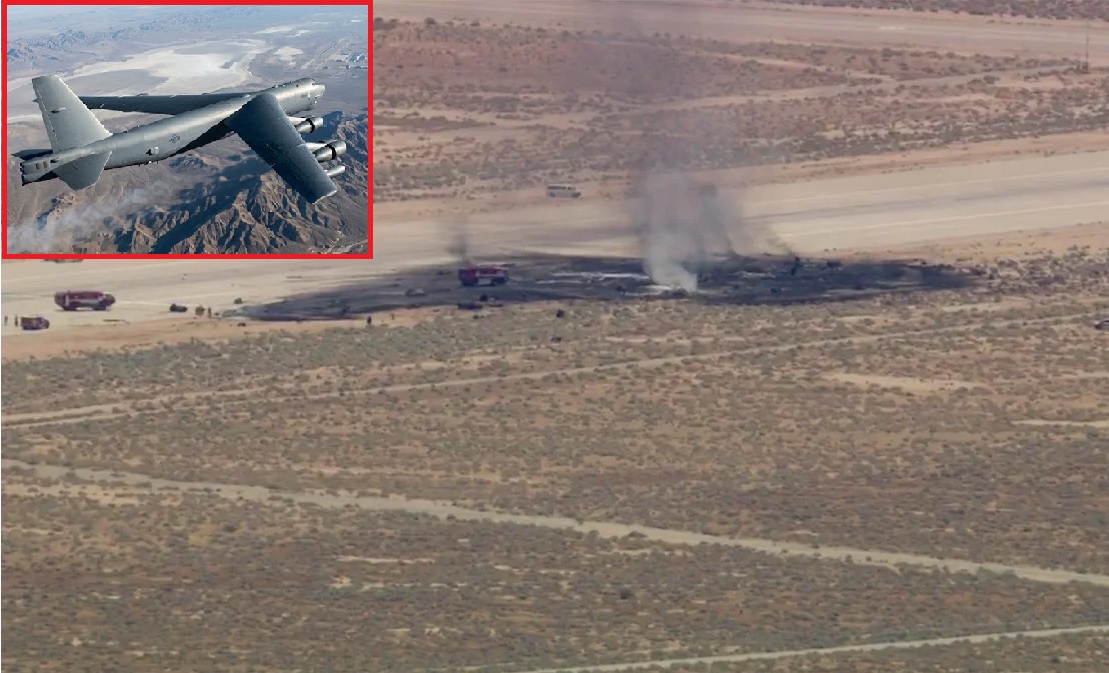 8 U.S. Air Force Crew Members Killed in B-52 Bomber Crash During Test Flight at Edwards Air Force Base
-
 Ukraine Introduces Balloon-Launched DART Missile Designed to Defeat Electronic Warfare
-
 Lockheed Martin Wins $514 Million U.S. Space Force Contract for Two New GPS IIIF Satellites
-
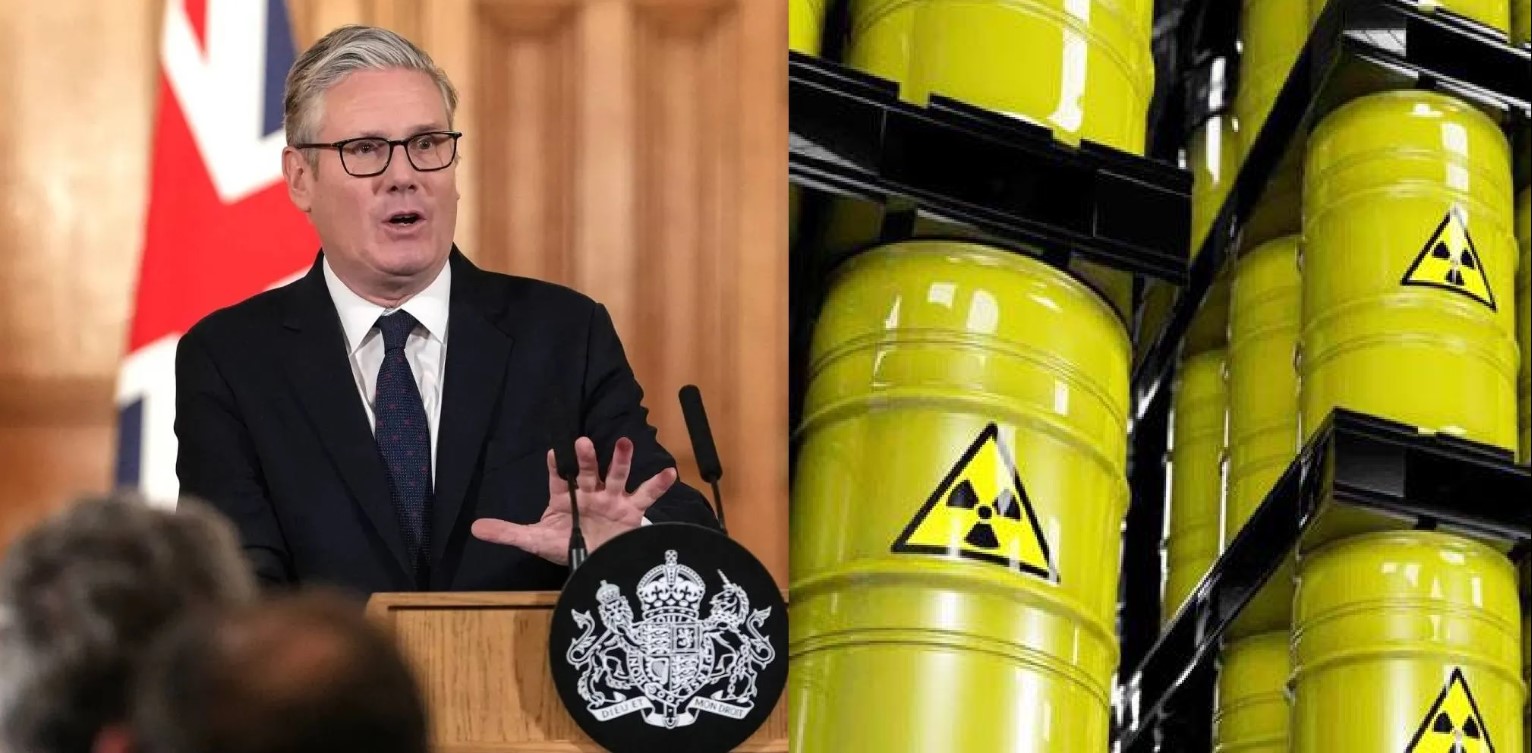 UK Announces £210 Million Deal to Supply Enriched Uranium to Ukraine for Two Years
-
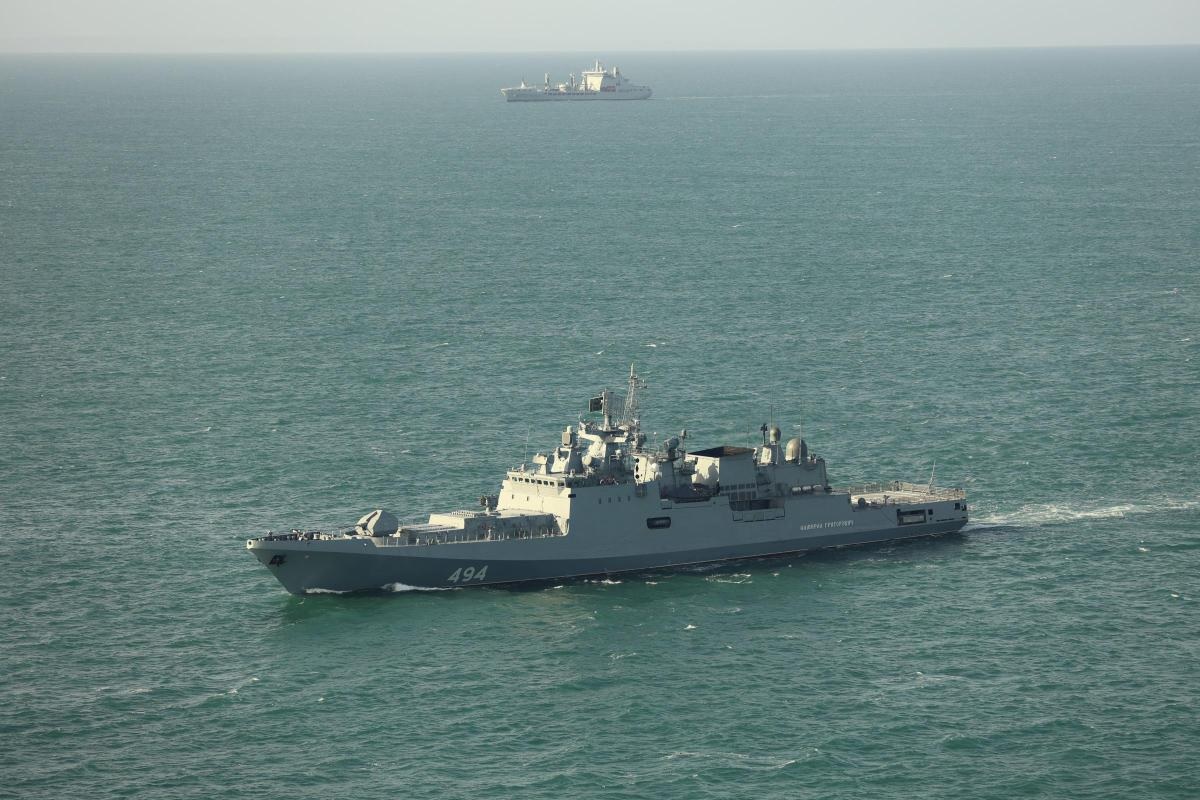 Russian Frigate Admiral Grigorovich Challenges UK Yacht in English Channel With Warning Shots
-
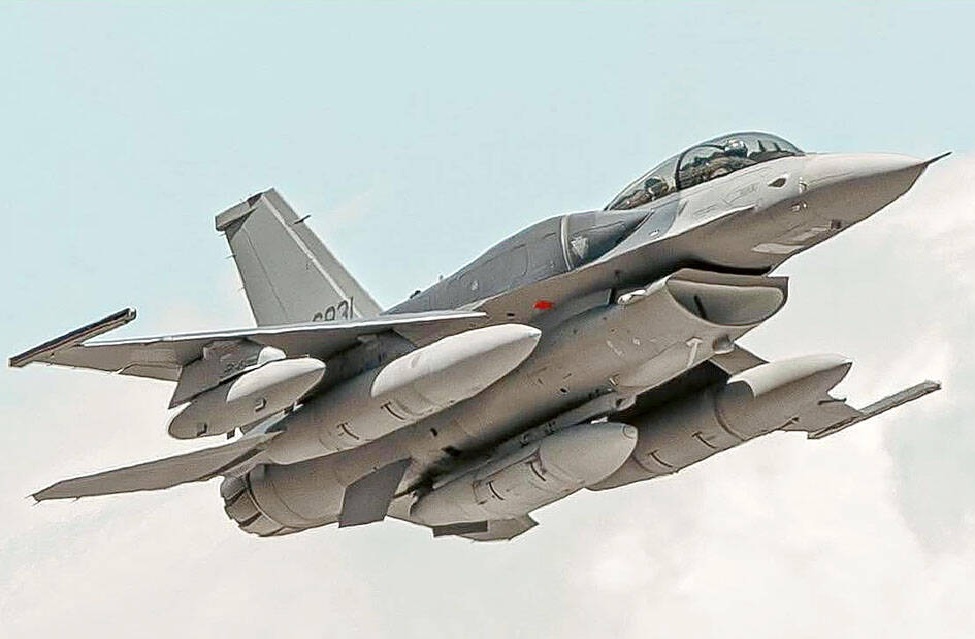 First Taiwanese F-16 Block 70 Flies with Five-Tank Fuel Configuration During Texas Tests
-
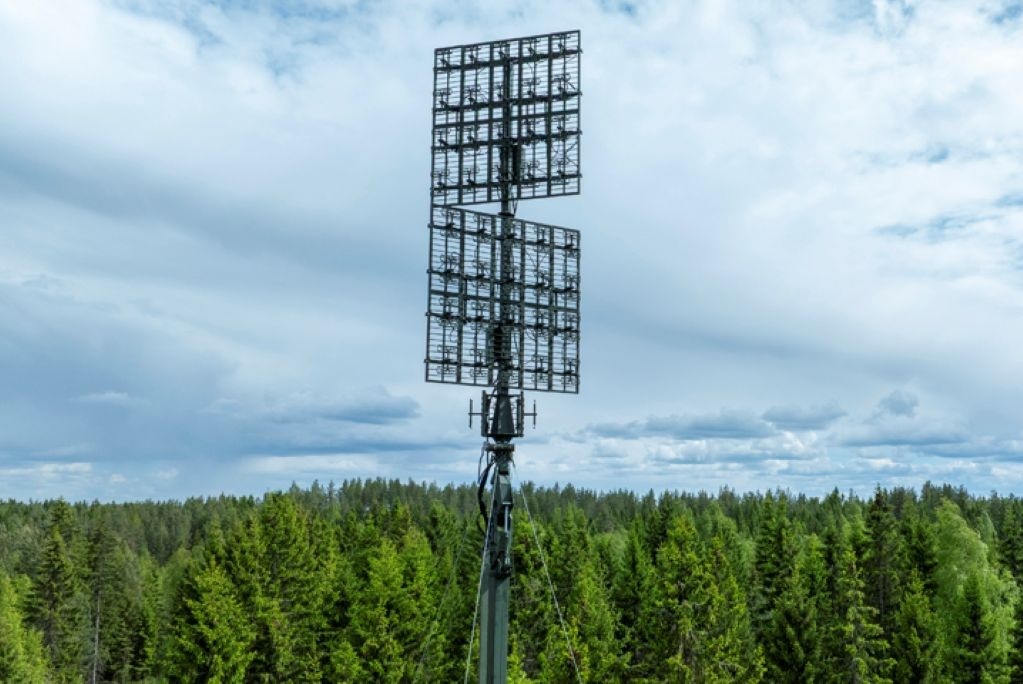 Patria Launches WISPR Passive Counter-Battery Radar with Silent Detection Capability at Eurosatory 2026
-
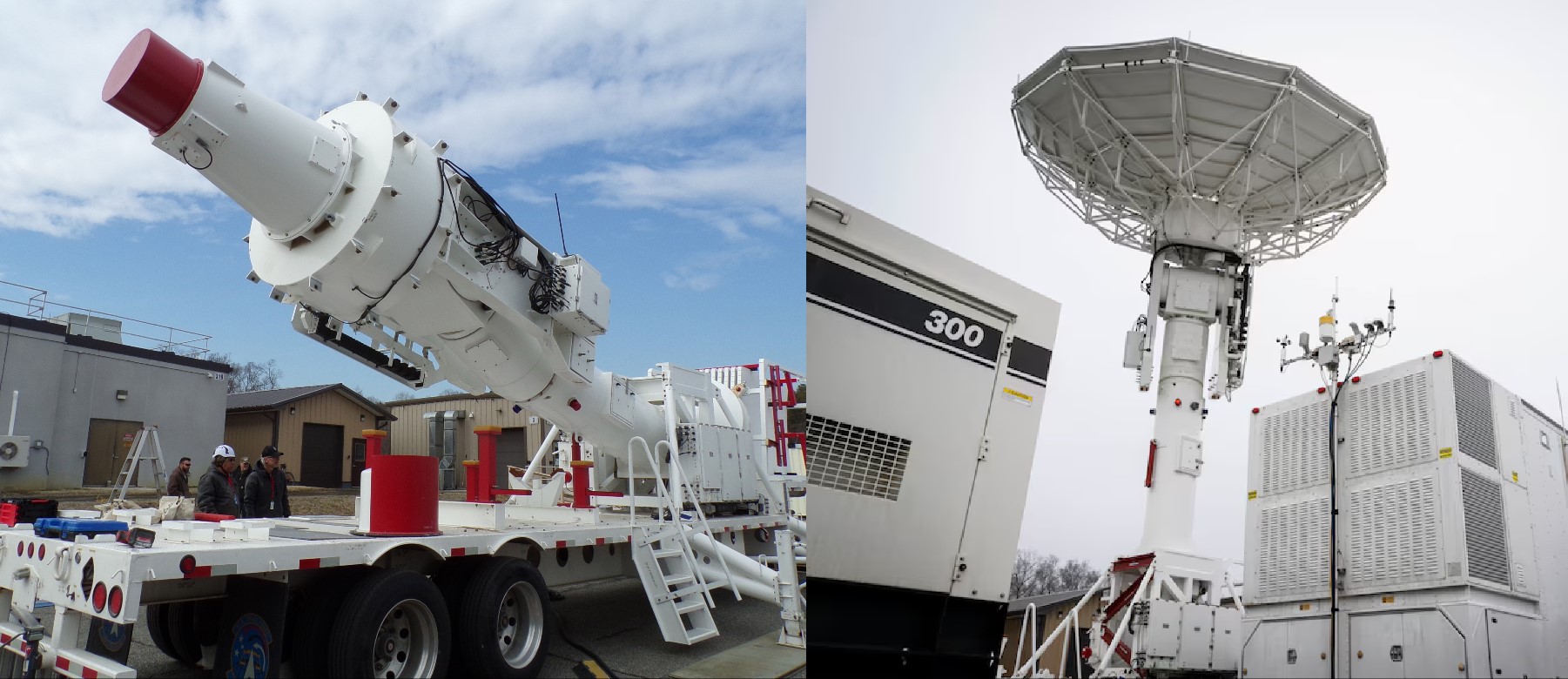 Space Force Transfers Transportable Satellite Tracking Antenna to Naval Research Laboratory
Top Trending in 4 Days
-
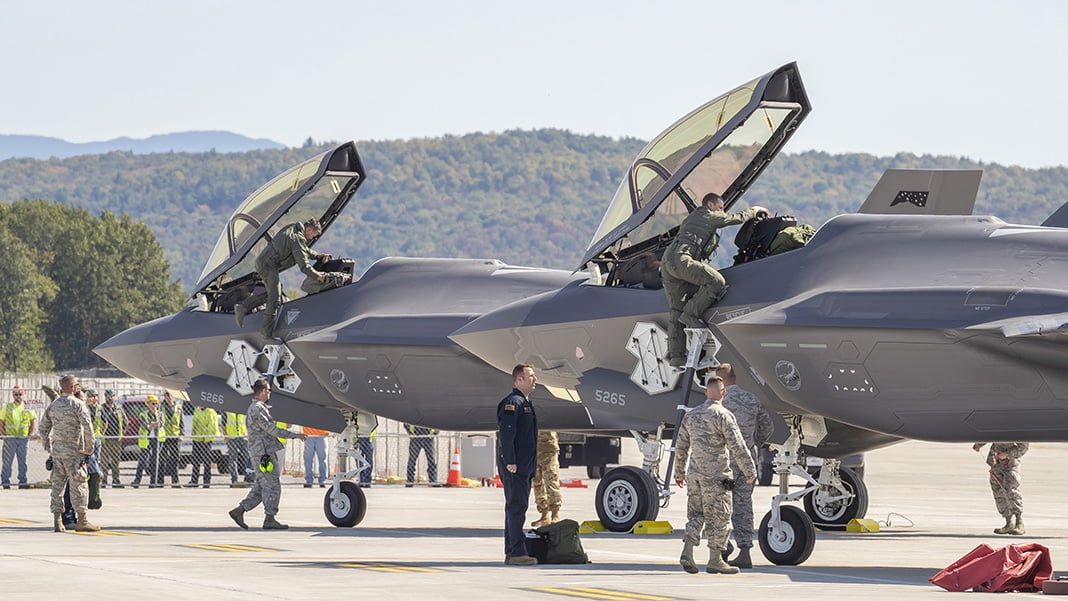 F-35 Fleet Readiness Falls to 25% Amid Parts Shortages and Software Delays: GAO Report
-
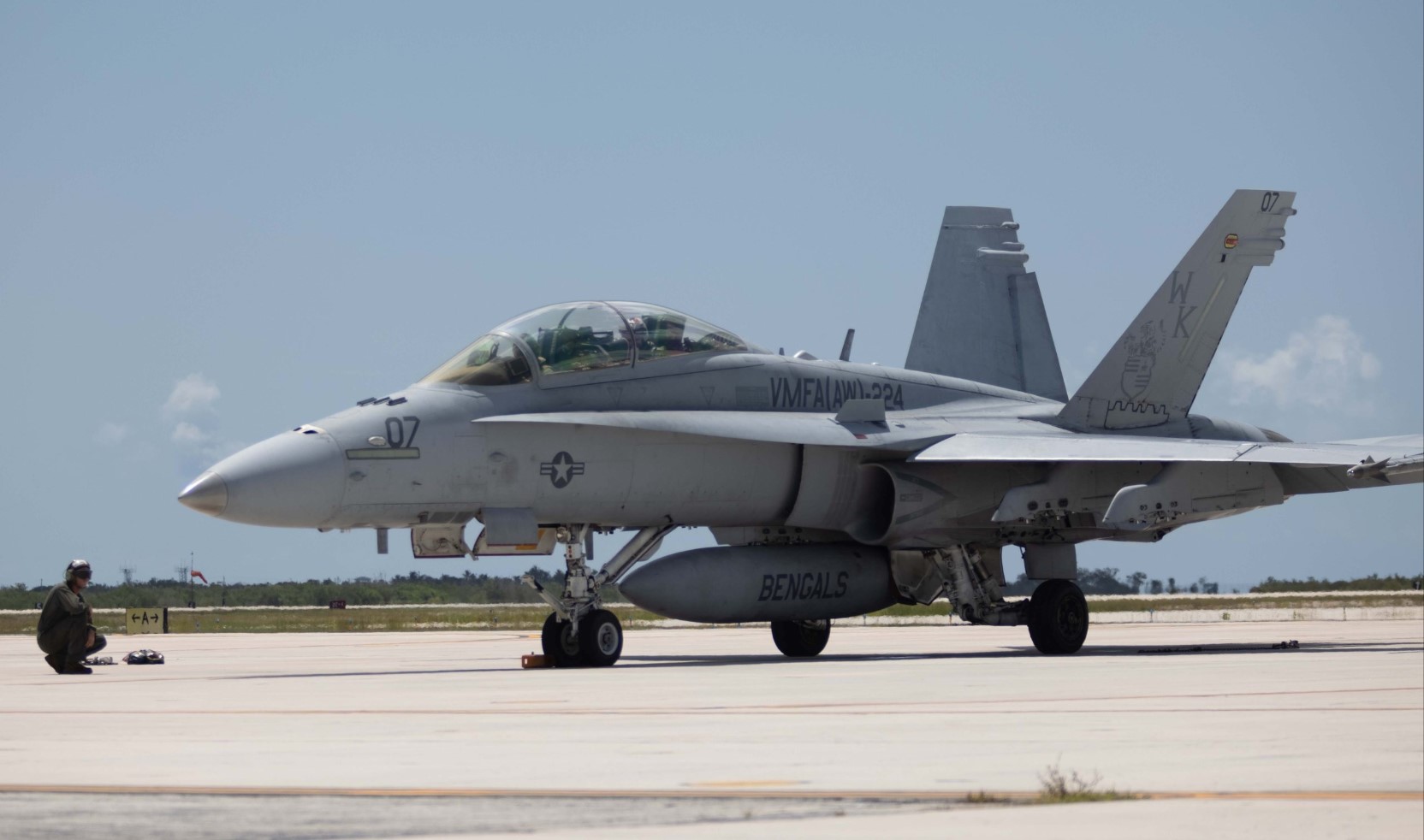 US Marine Corps F/A-18D Hornet Crashes During Training Flight in Washington Mountains; Pilot Ejects Safely
-
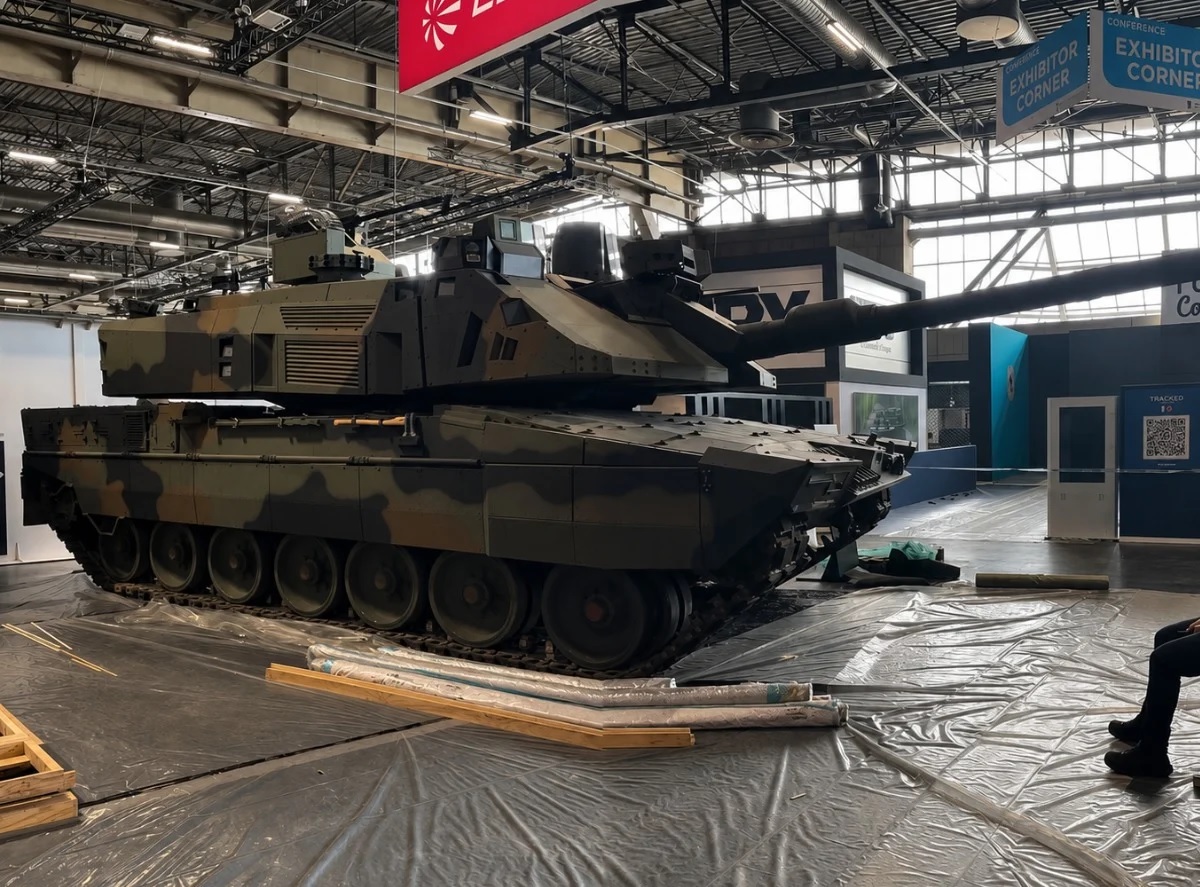 Leonardo Rheinmetall to Unveil Italy’s New IMBT Main Battle Tank at Eurosatory 2026
-
 Tulsi Gabbard Releases Declassified Files Detailing U.S.-Backed Network of 120 Biolaboratories Across 30+ Countries
-
8 U.S. Air Force Crew Members Killed in B-52 Bomber Crash During Test Flight at Edwards Air Force Base
-
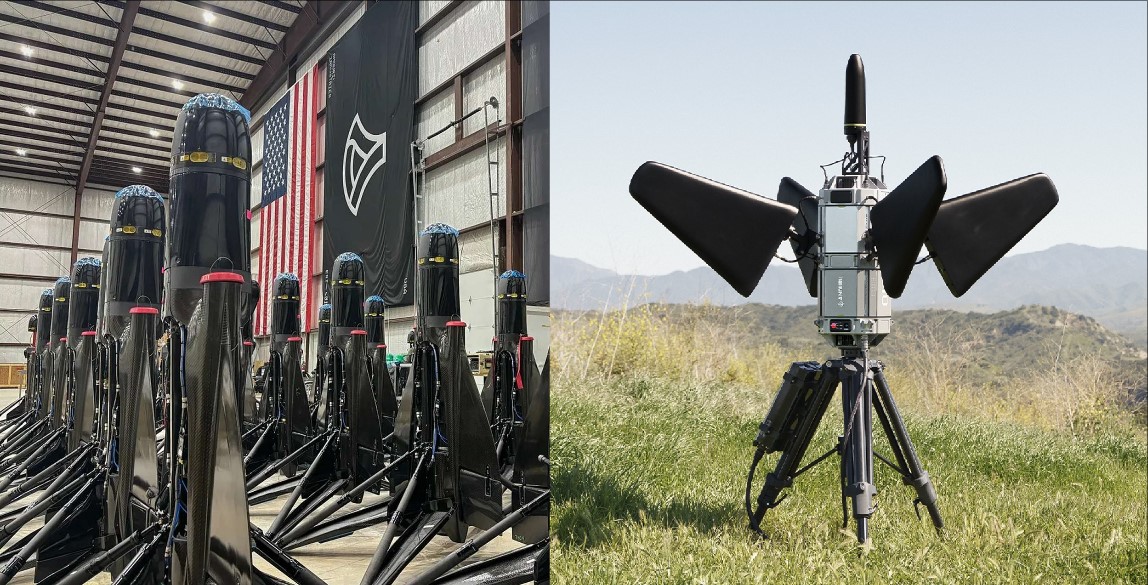 U.S. Approves $1.98 Billion Sale of Anduril AI-Powered Counter-Drone Systems to Kuwait
-
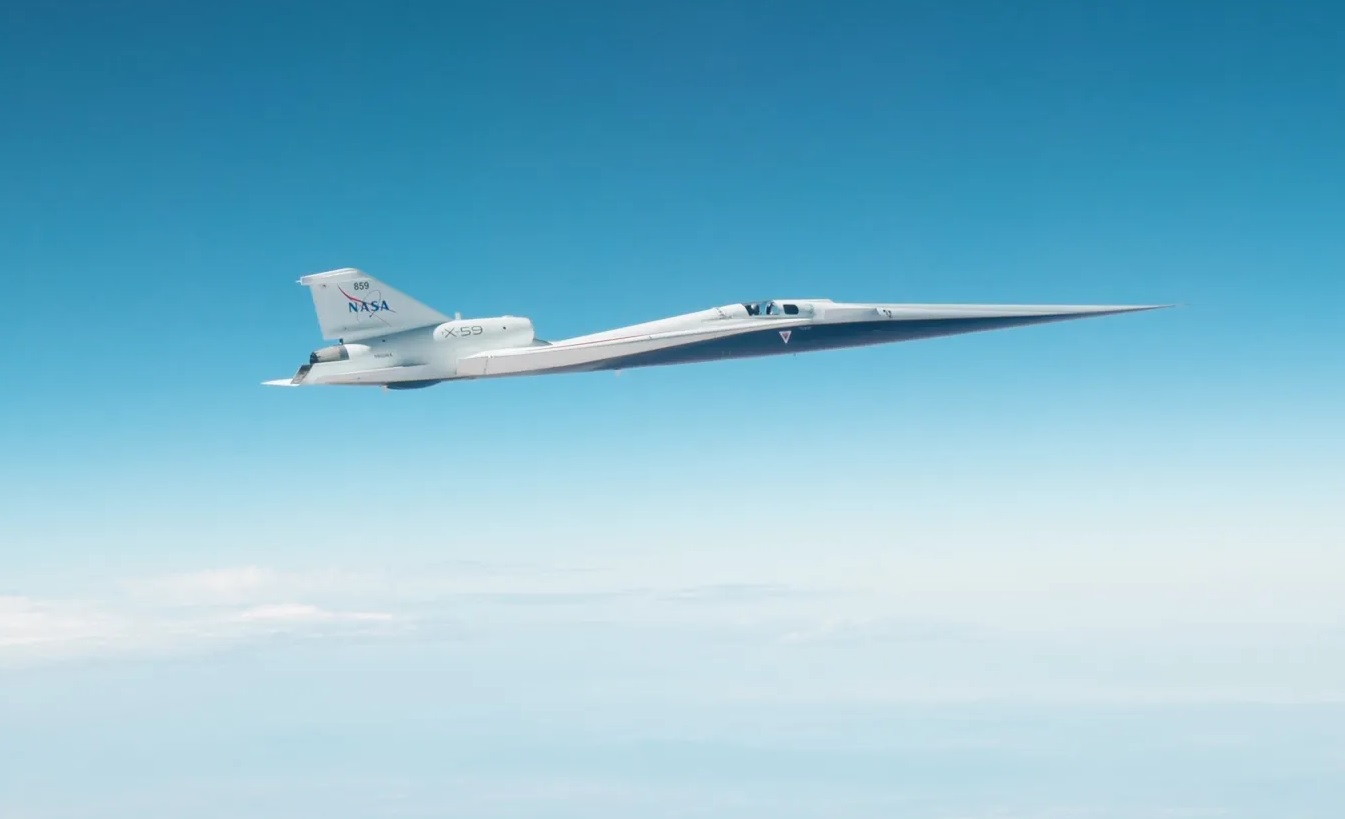 NASA X-59 Achieves Planned Mission Conditions with Mach 1.4 Flight at 55,000 Feet
-
 Russia Launches 1,400 Jet-Powered Drones in 2026 as Strike Tactics Evolve to Challenge Ukraine's Air Defenses