India's Next-Gen Virupaksha AESA Radar to Revolutionize Su-30MKI Jets: Key Specifications and Impact
India
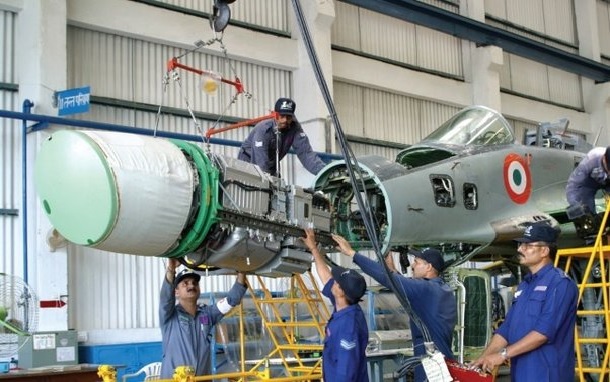
India's defense technology is set to take a significant leap forward with the development of the Virupaksha AESA (Active Electronically Scanned Array) radar, an advanced system designed to upgrade the Su-30MKI fleet. This radar, developed under the "Make in India" initiative, is an enhanced version of the Uttam AESA radar, currently deployed on the Tejas fighter jets. The Virupaksha radar is expected to offer substantial improvements in range, accuracy, and overall combat capabilities, marking a significant upgrade for India's frontline fighter jets.Cutting-Edge Features and Technological AdvancementsThe Virupaksha radar is packed with cutting-edge technologies aimed at enhancing the operational capabilities of the Su-30MKI fleet. It utilizes Gallium Nitride (GaN) technology, which offers significant advantages over traditional Gallium Arsenide (GaAs) systems. GaN technology enables greater range, improved performance, and reduced size, weight, and power (SWAP) requirements. The radar’s AESA capabilities allow for the simultaneous tracking of multiple targets, a feature critical in modern aerial combat.One of the key upgrades offered by the Virupaksha radar is its ability to conduct long-range surveillance and target tracking. The radar is designed to detect, monitor, and engage multiple threats at extended ranges, providing pilots with enhanced situational awareness. The system has reportedly demonstrated the ability to track between 64 to 100 targets simultaneously during trials, a capability that significantly boosts the Su-30MKI's effectiveness in combat scenarios.Enhanced Missile Control and Combat CapabilitiesThe Virupaksha radar is designed not only for detection and tracking but also for integrating advanced weaponry. The system enables Su-30MKI jets to fire multiple air-to-air and air-to-ground missiles, enhancing their strike capability. During trials, the radar has successfully managed the steering and control of up to six air-to-air missiles concurrently, offering the Indian Air Force (IAF) a powerful tool for air dominance.This upgrade is part of a broader modernization plan for the IAF, which includes equipping 84 Su-30MKIs with the Virupaksha radar. The entire program is estimated to cost around ₹65,000 crore and represents a significant step towards self-reliance in defense technology. The indigenous development of this radar by the DRDO’s Electronics & Radar Development Establishment (LRDE), in collaboration with Hindustan Aeronautics Limited (HAL) and Bharat Electronics Limited (BEL), underscores India’s commitment to reducing dependence on foreign technology.The Path Ahead: Transforming the Su-30MKI FleetThe advanced capabilities of the Virupaksha radar could be a game-changer for the IAF's Su-30MKI jets. With enhanced tracking, detection, and missile control features, these aircraft will be better equipped to neutralize threats from adversaries. The radar's successful performance during trials raises the likelihood of full-scale integration into the Su-30MKI fleet, making it a cornerstone of India’s air defense strategy.The IAF’s modernization program, which focuses heavily on indigenous content, positions the Virupaksha radar as a key component of India’s future air combat capabilities. By empowering the Su-30MKI with this next-generation radar, India is taking a decisive step towards not only strengthening its defense but also enhancing its defense export potential in the global market.As India continues to refine and test the Virupaksha radar, the system is poised to set new benchmarks in radar technology, significantly elevating the combat prowess of the Su-30MKI fleet.
Read More → Posted on 2024-08-21 15:28:32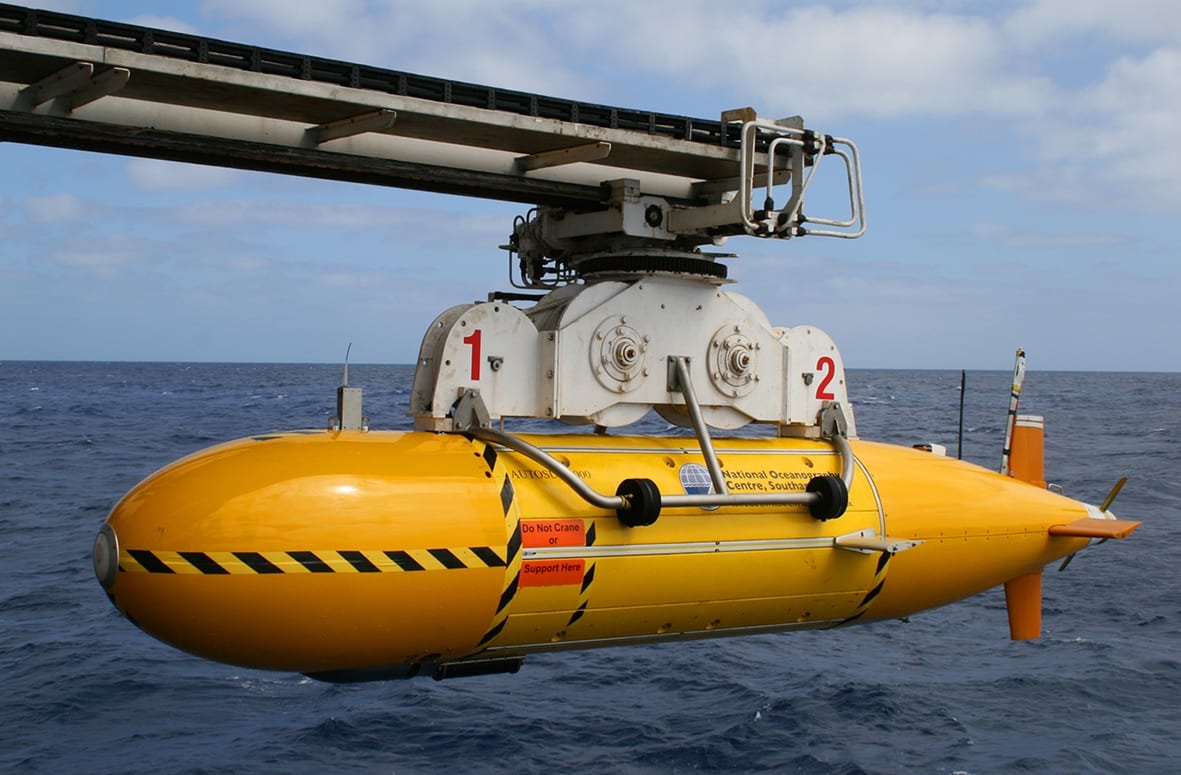
India
Rekise Marine Private Limited, based in Hyderabad, has secured a major contract to build the cutting-edge 'Jalkapi' Autonomous Underwater Vehicle (AUV) for the Indian Navy. The project is part of the iDEX Aditi 1.0 Challenge, a prestigious initiative designed to foster innovative defense technologies in India. This AUV is envisioned as a game-changer in underwater operations, boasting advanced specifications that cater to modern naval requirements.The ‘Jalkapi’ AUV: A Detailed OverviewThe ‘Jalkapi’ AUV is specifically engineered for prolonged underwater survey and surveillance missions. Measuring approximately 10 meters in length and 2 meters in diameter, this robust platform is designed for extended deployment in the deep sea, capable of operating autonomously for up to 45 days without needing resupply.Key Features and Specifications1. Extended Endurance and Power Management: One of the most striking features of the Jalkapi is its onboard diesel generator. This generator allows the AUV to recharge its batteries while at sea, effectively extending its operational range and endurance. This capability makes it suitable for long-term missions without requiring surface support.2. Advanced Sensor Suite: The AUV is equipped with a wide range of sensors to ensure precise data collection. These include Electro-Optical/Infrared (EO/IR) cameras, multi-beam echo sounders, and sonar systems, enabling the vehicle to perform detailed underwater mapping, object detection, and environmental monitoring. 3. Navigation and Obstacle Avoidance: To ensure safe operations, the Jalkapi incorporates advanced navigation systems, including inertial navigation units and GPS, alongside obstacle avoidance technology. This makes it highly reliable even in complex underwater terrains.4. Operational Depth and Mission Versatility: The Jalkapi is capable of diving to depths exceeding 300 meters, making it versatile for a range of underwater tasks. Whether it’s underwater reconnaissance, mine detection, or scientific data gathering, the AUV is built to deliver in challenging conditions.Collaborative Design and DevelopmentRekise Marine will closely collaborate with the Indian Navy’s Directorate of Naval Design (DND(SDG)) to finalize the development and integration of this high-tech AUV. The project’s successful execution under the iDEX initiative underscores Rekise Marine’s growing reputation as a significant player in underwater defense technology.Strengthening India’s Naval CapabilitiesThe introduction of the Jalkapi AUV marks a significant step forward in India’s maritime strength. By integrating indigenous technologies with advanced design, the Indian Navy is poised to enhance its underwater operational capabilities, ensuring greater security and surveillance in the nation’s waters.Rekise Marine’s success in the iDEX Aditi 1.0 Challenge is a testament to India’s drive toward self-reliance in defense technologies. As this project progresses, it will not only boost India’s strategic capabilities but also pave the way for future innovations in the country’s defense sector.
Read More → Posted on 2024-08-21 15:17:37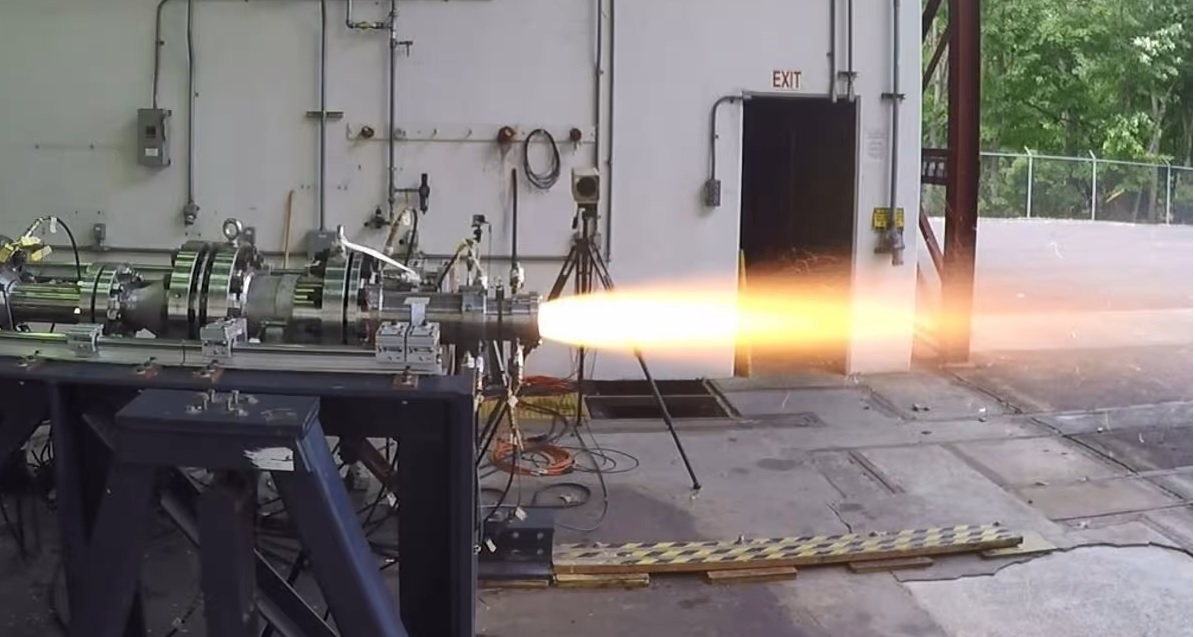
India
Raphe mPhibr, a pioneering Indian aerospace start-up, has secured a critical contract with the Indian Navy under the ADITI (Advanced Defence Innovation Technology Incubator) Challenge to develop an indigenous high supersonic to hypersonic "Ramjet" propulsion system. This system will be designed for fixed-wing aerial platforms like missiles and aircraft, marking a significant step in India’s pursuit of self-reliance in cutting-edge defence technology.Raphe mPhibr: An OverviewRaphe mPhibr has made a name for itself as a truly self-reliant, high-tech manufacturing start-up with a focus on innovation. With a team of over 130 world-class engineers and scientists, the company specializes in designing advanced aerospace technologies, including drones with superior power-to-weight ratios and autonomous capabilities. Raphe’s drones are already in use by various branches of the Indian Armed Forces, including the Indian Army, Navy, and paramilitary units like the CRPF and BSF.The company’s capabilities extend far beyond product development into manufacturing innovations as well. For example, Raphe mPhibr boasts an in-house carbon fiber and composites facility, a cutting-edge additive manufacturing unit, and a sophisticated engine and electronics manufacturing setup. These facilities allow the company to rapidly transform ideas into fully operational products, significantly shortening the development timeline for mission-critical technologies.The Hypersonic Propulsion System ProjectThe contract with the Indian Navy involves designing a hypersonic propulsion system, specifically a "Ramjet" engine, capable of powering next-generation missiles and high-speed aircraft. Hypersonic technology, which refers to speeds greater than Mach 5 (five times the speed of sound), is a key focus area for modern military forces, and India is keen to develop these capabilities domestically.Ramjet engines are particularly suited for high-speed operations and are simpler than traditional rocket engines, relying on air compression during flight to sustain combustion. This makes them ideal for long-range, high-speed missions where efficiency and sustained speeds are crucial.Technological Innovations at Raphe mPhibrRaphe mPhibr’s technological advancements are a testament to its commitment to innovation. Some of the standout features of its research and manufacturing capabilities include:1. Carbon Fiber and Composites Manufacturing: Raphe’s facility is capable of producing high-strength, lightweight components entirely in-house, making it easier to tailor designs to specific defence needs.2. Additive Manufacturing Facility: Raphe operates India’s largest 3D printing facility for defence applications, capable of handling materials like aluminum, titanium, copper, and steel. This flexibility allows the company to quickly design and produce complex components for drones and propulsion systems.3. Engine Manufacturing and Testing: Raphe’s in-house engine manufacturing unit uses a combination of metal additive manufacturing and traditional machining techniques to create engines tailored for long-range, high-endurance operations.4. Electronics Manufacturing: With India’s first PCB line for MIL-grade electronics, Raphe can produce high-reliability electronics crucial for both drone and hypersonic propulsion technologies.Strategic Importance and Future ProspectsThe development of a hypersonic propulsion system aligns closely with India’s strategic objectives of enhancing domestic defence capabilities and reducing reliance on foreign technologies. By engaging local start-ups like Raphe mPhibr, the Indian government is fostering a robust ecosystem for indigenous innovation.This contract not only strengthens India’s naval capabilities but also positions Raphe mPhibr as a key player in the future of aerospace and defence technology in India. The successful development of this propulsion system could lead to further collaborations and contracts, propelling both the company and the nation’s defence industry to new heights.In summary, Raphe mPhibr’s partnership with the Indian Navy is a pivotal development in India’s drive for self-sufficiency in advanced defence technology. The hypersonic propulsion system project underscores the growing role of indigenous innovation in national security, signaling a bright future for homegrown aerospace start-ups in the country.
Read More → Posted on 2024-08-20 16:15:50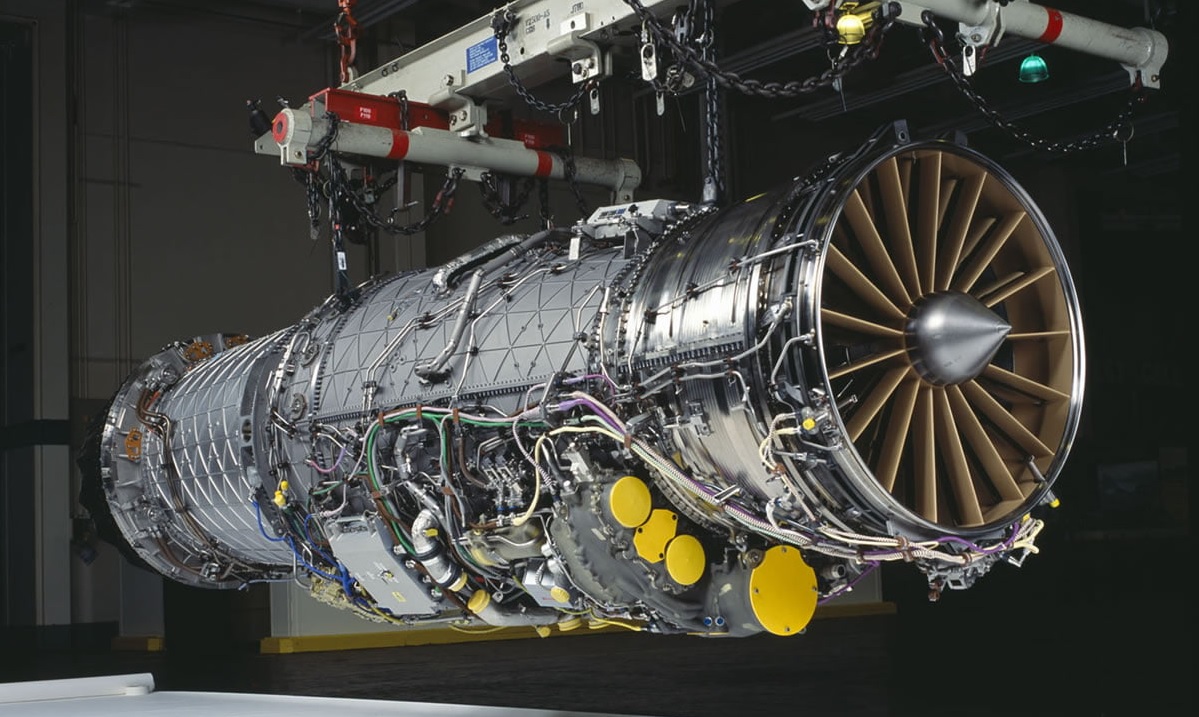
India
India's quest to strengthen its indigenous fighter jet program has encountered significant hurdles, particularly in the supply chain for F-404 engines. Hindustan Aeronautics Limited (HAL) is responsible for producing the Tejas Mk1A fighter jets, which require these engines. However, India's lack of Transfer of Technology (ToT) for the F-404 engines has resulted in challenges that could delay production and impact the Indian Air Force’s (IAF) combat readiness. South Korea’s successful approach with the FA-50 jet program provides a clear example of how ToT can secure supply chains and ensure high production rates.The Growing Challenges of India’s F-404 Engine DealIndia’s agreement with General Electric (GE) for the supply of 99 F-404 engines has been plagued by delays and disruptions. Supply chain bottlenecks, coupled with a shrinking global order book for the engine, have raised concerns over the timely delivery of engines critical to the Tejas Mk1A project. The Tejas Mk1A, a modernized version of India’s indigenous fighter jet, is vital for the IAF's fleet expansion plans. The IAF’s recent decision to procure additional Tejas jets further compounds the need for a reliable engine supply.These concerns highlight the risk of over-reliance on external sources for crucial components. Without ToT, India remains dependent on international suppliers, making the entire production process vulnerable to delays, geopolitical issues, and cost escalations. Learning from South Korea’s FA-50 SuccessSouth Korea’s FA-50 light combat aircraft program, which also uses the F-404 engine, offers valuable insights. Unlike India, South Korea secured ToT for the engine, enabling it to establish an indigenous production line. This move ensured a steady and timely supply of engines, allowing South Korea to ramp up production without being hindered by supply chain issues. The country’s ability to produce the engines domestically not only accelerated the FA-50 program but also reduced its dependence on foreign suppliers.By acquiring ToT, South Korea achieved greater autonomy in its aerospace industry, while securing a strategic advantage in maintaining a consistent production rate.The Urgent Case for ToT in IndiaIndia’s growing engine requirements, driven by the IAF’s future expansion plans, make ToT for the F-404 engine even more critical. As Tejas Mk1A jets enter service, the need for engine replacements over the aircraft’s lifespan must also be considered. An indigenous production capability, facilitated by ToT, would provide HAL with control over the manufacturing process, reducing potential delays in engine deliveries and boosting overall production efficiency.While ToT requires an upfront investment, the long-term benefits far outweigh the initial costs. Developing domestic engine production capabilities would not only secure the Tejas program but also position India as a leader in aerospace manufacturing. The ability to produce engines locally would enhance India’s strategic autonomy and reduce its dependence on foreign technology, aligning with the country’s broader goal of self-reliance in defense.Conclusion: A Strategic Move for India’s Aerospace FutureThe ongoing challenges in securing F-404 engines underscore the necessity for India to pursue ToT. By acquiring this technology, India can mitigate the risks of supply chain disruptions, ensure timely production of its Tejas jets, and take a decisive step towards self-sufficiency in advanced aerospace technologies. South Korea’s experience with the FA-50 program serves as a compelling example of how ToT can transform a nation’s defense capabilities, and India should seize this opportunity to strengthen its position as a global aerospace power.
Read More → Posted on 2024-08-20 16:09:56
India
India finds itself delicately navigating global tensions as Prime Minister Narendra Modi prepares for a pivotal visit to Ukraine, underscoring the country’s complex foreign policy dynamics. The visit, which marks a historic first, highlights India’s diplomatic tightrope as it maintains ties with both Russia and Ukraine while advocating for peace and stability in the region.Modi’s meeting with Ukrainian President Volodymyr Zelenskyy is expected to focus on expanding bilateral cooperation in critical areas like defense, agriculture, health, and education. However, the backdrop of the visit reveals a deeper balancing act: India’s enduring defense relationship with Russia amidst growing scrutiny from Western nations.Recently, Russian Navy Chief Admiral Aleksandr Moiseyev visited India, reinforcing ongoing naval cooperation between the two nations. This collaboration is set to deepen with the impending delivery of two guided-missile frigates from Russia to India. These developments reflect the strength of India-Russia defense ties, which remain crucial for India's strategic interests despite global pressures.Western countries have increasingly urged India to distance itself from Russia due to the ongoing conflict in Ukraine. However, New Delhi has steadfastly maintained its neutral stance, advocating for diplomacy and dialogue as the path to resolving the crisis. India’s position is rooted in its policy of strategic autonomy, allowing it to engage with both Moscow and Kyiv without compromising its national interests.The visit is expected to see India reiterate its call for a peaceful, negotiated settlement to the conflict while seeking ways to boost cooperation with Ukraine in various sectors. Modi’s engagement with Zelenskyy could pave the way for enhanced ties, even as India continues to balance its historical relationship with Russia and its expanding partnerships with Western powers.For India, the stakes are high. The global community is closely monitoring how New Delhi will manage its diplomatic relations amid conflicting expectations from its diverse partners. As India positions itself as a key player in global geopolitics, its ability to maintain strategic autonomy while promoting peace will be tested.Ultimately, India’s approach to the Russia-Ukraine conflict reflects its broader foreign policy goals: pursuing its national interests, advocating for stability, and playing a constructive role in resolving international disputes. The outcome of Modi’s visit to Ukraine could offer important insights into how India intends to navigate the complex challenges of a multipolar world.
Read More → Posted on 2024-08-20 16:02:45
India
In a recent announcement at the International Military-Technical Forum "Army-2024" in Russia, the next-generation BrahMos-NG (Next Generation) air-launched cruise missile has been officially rebranded as BrahMos-MA (Small Aircraft). Alexander Maksichev, the co-director of the BrahMos joint venture, confirmed the name change as the missile's development progresses toward compatibility with smaller aircraft, enhancing its adaptability across multiple platforms.The Shift to BrahMos-MAThe rebranding to BrahMos-MA reflects the missile's tailored design for integration with compact fighter jets like the Tejas, MiG-29, and even advanced UAVs. This adjustment aims to expand the operational reach of the BrahMos series, which has traditionally been associated with larger platforms such as the Sukhoi Su-30MKI. The smaller, more agile BrahMos-MA is poised to deliver precision strikes at high speeds, making it a valuable addition to India's air combat capabilities.Revised Testing Timeline and Strategic ImportanceThe testing timeline for the BrahMos-MA has been adjusted, with initial trials now expected by mid-2026. This is a year later than the original projection from the Indian side, which had anticipated testing by 2025. Despite the delay, the missile remains a priority for the Indian Air Force (IAF), which views it as a crucial upgrade in maintaining air superiority and enhancing long-range precision strike capabilities.IAF Chief, Air Chief Marshal Vivek Ram Chaudhari, has highlighted the significance of precision weaponry, especially as regional security tensions remain high. The ongoing standoffs with China and Pakistan underscore the need for advanced systems like the BrahMos-MA, which can offer rapid and accurate responses to evolving threats.Specifications and CapabilitiesThe BrahMos-MA retains many of the defining features of its predecessor, the BrahMos-NG, while introducing improvements aimed at boosting efficiency and stealth. Key specifications include:Range: Up to 290 kilometers.Speed: Supersonic speeds reaching Mach 3.5, ensuring a swift impact with minimal detection.Size and Weight: The missile's reduced size and weight make it compatible with a broader range of aircraft, offering enhanced deployment flexibility.Guidance System: The BrahMos-MA is equipped with a cutting-edge inertial navigation system (INS) and GPS guidance, enabling precise targeting even in challenging environments.Warhead: The missile can carry various warhead types, from conventional explosives to specialized payloads for strategic missions.Future Prospects and Strategic EdgeThe BrahMos-MA's successful induction will be a game-changer for the Indian armed forces, particularly in scenarios requiring rapid deployment of precision strikes. With its compact design and advanced capabilities, it will play a vital role in strengthening India's deterrence posture, especially in high-altitude conflicts or maritime operations.The delay in testing is a minor setback given the missile's long-term strategic value. The collaboration between India and Russia on this project continues to enhance the credibility of the BrahMos series as one of the world’s most formidable supersonic missile systems.As the BrahMos-MA heads toward final development and testing phases, both the Indian and Russian sides remain committed to delivering a weapon that not only meets operational requirements but also adapts to the dynamic nature of modern warfare.
Read More → Posted on 2024-08-19 16:14:18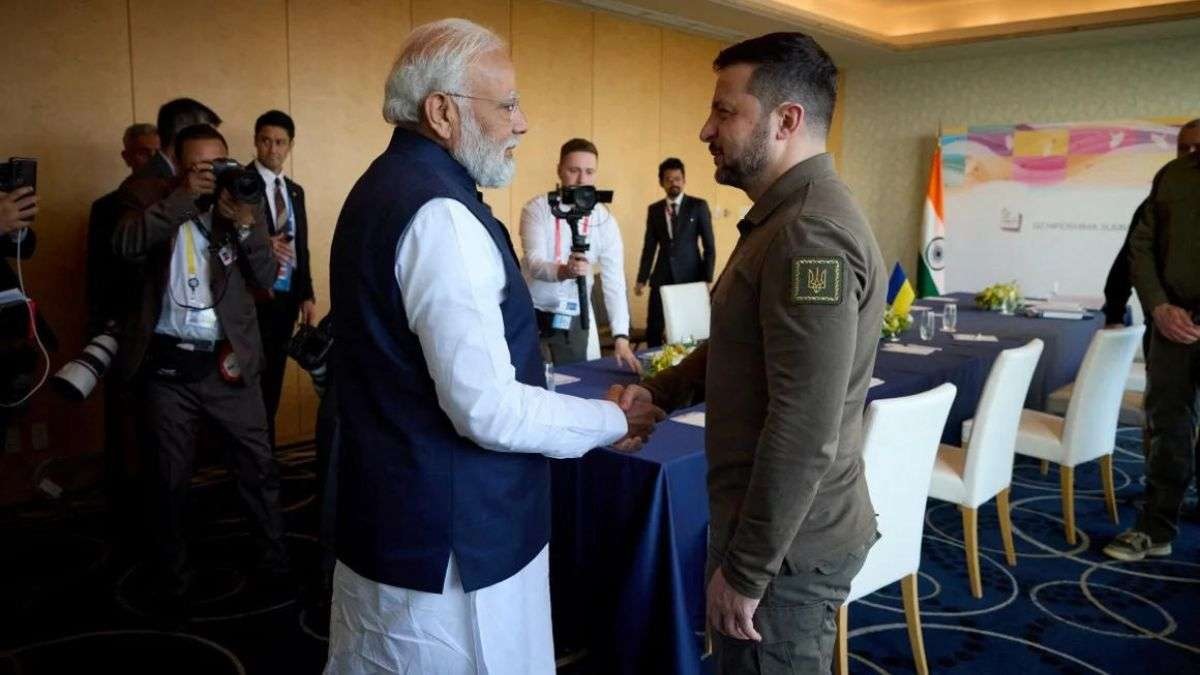
India
Prime Minister Narendra Modi is set to embark on a historic visit to Ukraine on August 23, marking the first time an Indian Prime Minister has traveled to the war-torn country since the establishment of diplomatic relations between the two nations over 30 years ago. The visit comes at the invitation of Ukrainian President Volodymyr Zelenskyy and is seen as a significant diplomatic move amid the ongoing Russia-Ukraine conflict, which began in February 2022.The Ministry of External Affairs (MEA) emphasized that this visit underscores India's long-standing position that dialogue and diplomacy are the only paths to lasting peace. MEA Secretary (West) Tanmaya Lal highlighted that India’s relations with both Russia and Ukraine are based on independent and substantive partnerships that are not influenced by the dynamics of the ongoing war.Diplomatic Significance and India's Neutral StancePM Modi's trip to Ukraine follows his recent visit to Russia in July, where he met with President Vladimir Putin, sparking controversy and criticism from Ukraine. President Zelenskyy expressed disappointment over the timing of Modi’s Russia visit, coinciding with a tragic incident where a Russian strike allegedly killed 37 people at a children’s hospital in Kyiv. Despite this, India has maintained its stance of engaging with both sides to push for a peaceful resolution.India's approach has been consistent in advocating for diplomacy and dialogue. The MEA reiterated that “India is ready to provide all possible support” in seeking a peaceful solution to the conflict, emphasizing that a durable peace can only be achieved through options acceptable to both Russia and Ukraine. Over the past year, PM Modi has held several discussions with both President Zelenskyy and President Putin, reflecting India’s strategic balancing act.Humanitarian Aid and Bilateral CooperationIndia has already extended significant humanitarian aid to Ukraine, with the MEA confirming that 16 aid packages totaling 135 tons, including medical supplies and power generators, have been delivered since the conflict began. During the upcoming visit, discussions will also focus on deepening bilateral cooperation, with several agreements expected to be signed between the two countries.The visit coincides with Ukraine's National Flag Day, adding symbolic importance to the occasion. The Ukrainian Presidential Office has confirmed that both leaders will engage in talks addressing bilateral and multilateral cooperation. The visit aims to bolster ties between India and Ukraine, highlighting New Delhi’s growing role in global diplomacy.Strategic ImplicationsPM Modi’s visit to Ukraine is expected to have significant strategic implications. India’s balanced approach in maintaining relations with both Russia and Ukraine could pave the way for broader diplomatic engagements, influencing global efforts to mediate peace. Additionally, the visit sends a strong signal of India’s independent foreign policy, emphasizing that its partnerships are based on its own strategic interests.The world will be closely watching the outcomes of this landmark visit, as it holds the potential to impact the ongoing geopolitical dynamics surrounding the Russia-Ukraine conflict.
Read More → Posted on 2024-08-19 16:03:45
India
The North Eastern Council (NEC) recently found itself in a sensitive situation after an error in its draft "Vision Plan 2047" document led to widespread criticism. The issue arose when the draft mentioned that the Kuki community migrated from the “Chin State of Manipur.” This error led to a significant backlash, particularly from Manipur Chief Minister N. Biren Singh, who addressed the issue publicly through a Facebook post.The NEC’s "Vision Plan 2047," a comprehensive 664-page document, aimed to outline the developmental aspirations for the eight northeastern states until 2047, when India marks its 100th year of independence. However, a factual error in Chapter 3, titled “Art, Culture, Natural Heritage,” incorrectly stated that the Kukis migrated from the “Chin State of Manipur.” This misrepresentation conflated the Chin State of Myanmar with Manipur and incorrectly categorized the Kukis' origins.In response to this error, Chief Minister Biren Singh brought the matter to the attention of Jyotiraditya Scindia, the Union Minister for the Development of North Eastern Region (DoNER). Following this intervention, the NEC swiftly withdrew the document.The Kuki Community and Regional ContextThe Kuki, Zomi, Chin, and Hmar communities are indigenous to Manipur and other parts of the northeastern region. These communities share ethnic, cultural, and traditional ties with the Mizos of Mizoram, as well as groups in Myanmar and Bangladesh. The contentious statement in the document highlighted the complex interplay of identities and migration histories in the region, making the error particularly sensitive.Chin State, located in Myanmar, shares an international border with Manipur and Mizoram. The draft document’s incorrect mention sparked concerns, as the region's history and ethnic diversity are delicate topics. The northeastern region is home to more than 200 ethnic and tribal communities, with over 35% of Manipur’s 2.72 million population being tribal. These 34 different communities, comprising both tribal and non-tribal groups, contribute to the region's rich cultural tapestry.The North Eastern Council’s RoleThe NEC, established under the North Eastern Council Act of 1971, is a statutory advisory body that came into existence on November 7, 1972. Headquartered in Shillong, Meghalaya, the NEC plays a pivotal role as the nodal agency for the socio-economic development of the northeastern states—Arunachal Pradesh, Assam, Manipur, Meghalaya, Mizoram, Nagaland, Sikkim, and Tripura. The Union Home Minister serves as the ex-officio Chairman, while the DoNER Minister is the ex-officio Vice-Chairman of the council.The draft “Vision Plan 2047” was intended to guide development policies and strategies for the northeastern states over the next few decades. However, the misrepresentation regarding the Kukis highlights the importance of accuracy and cultural sensitivity when discussing the region’s diverse communities.The withdrawal of the document serves as a reminder of the complexities involved in planning for such a culturally rich and diverse region. As the NEC works towards revising the vision plan, it is expected that more attention will be given to historical and cultural details to avoid such controversies in the future.
Read More → Posted on 2024-08-19 15:52:42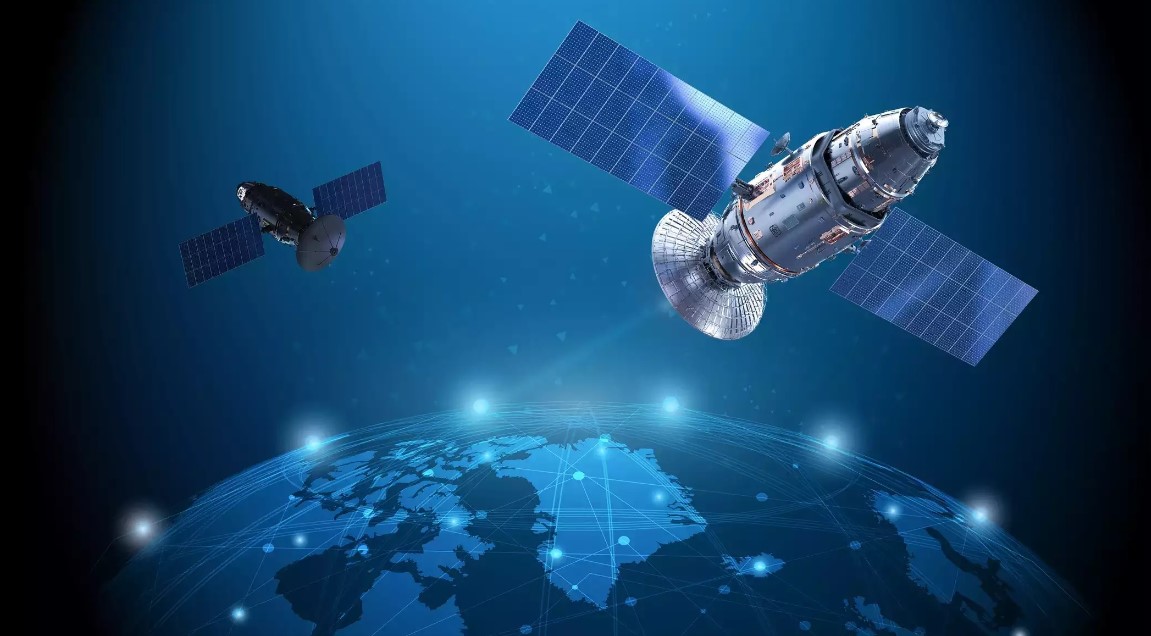
India
The satellite launch market in India is on the brink of a major growth spurt, with projections estimating its value will surge from ₹6,035 crores in 2022 to a staggering ₹29,400 crores by 2033. This significant rise is driven by the increasing demand for small satellite launches, as companies look to deploy satellites swiftly to meet the needs of applications like internet connectivity and earth observation.India’s space ecosystem is witnessing a transformative phase with both government and private players gearing up to meet this demand. The Indian Space Research Organisation (ISRO) recently introduced the Small Satellite Launch Vehicle (SSLV), its latest satellite launch vehicle, which is designed specifically for commercialisation. Joining ISRO in this competitive space race are emerging private firms like Skyroot Aerospace and Agnikul Cosmos. Skyroot’s ‘Vikram’ and Agnikul’s ‘Agnibaan’ rockets are expected to vie for market share, offering rapid and cost-effective options for launching small satellites into orbit.Lt. Gen. A K Bhatt (Retd.), Director General of the Indian Space Association, highlighted how the shift towards small satellite launch vehicles aligns perfectly with market needs. “Larger launch vehicles are available, but with the growing number of satellites being deployed, companies are looking for quicker and more flexible options. Small launch vehicles are tailor-made for this purpose,” Bhatt noted.In this rapidly evolving market, Indian start-ups are playing a pivotal role. Companies like Pixxel and Satsure have ambitious plans to deploy constellations of small satellites. Pixxel, for instance, is looking to launch six hyperspectral satellites this year, with three set to be launched via SpaceX and the remaining three using ISRO’s launch vehicles. The small satellite market is expected to open up significant opportunities for home-grown launch solutions, offering a competitive alternative to global giants like SpaceX.On the technical front, Skyroot Aerospace has made significant strides with the successful test of the Stage 2 engine, Kalam-250, which will power the Vikram-1 rocket. This engine will propel the launch vehicle from atmospheric space into the deep vacuum of outer space. Meanwhile, Agnikul Cosmos, incubated at IIT-Madras, is preparing to launch its orbital rocket, Agnibaan, next year.ISRO’s SSLV program marks a crucial step towards mass-producing small rockets in India. Following the successful launch of the SSLV on August 16, ISRO Chairman S. Somanath announced that the development phase is now complete, and the rocket is ready for technology transfer to private industries for large-scale production. The Indian National Space Promotion and Authorization Center (IN-SPACe) is spearheading efforts to identify industry consortiums that can take up this technology transfer and scale the production of SSLVs over the next two years.Somanath emphasized that the knowledge transfer goes beyond manufacturing and includes training private players in the processes and techniques involved in rocket building. “We are teaching them how to build the rocket,” he explained, adding that industries will have to pay a technology transfer fee and meet criteria such as manufacturing capability, facilities, and financial strength.The Indian space sector’s rapid growth, supported by innovative start-ups and the strong foundation laid by ISRO, is set to position India as a formidable player in the global satellite launch market. As small satellites become the go-to solution for a range of applications, India’s launch vehicles are gearing up to capture a significant share of this expanding market.
Read More → Posted on 2024-08-19 15:45:37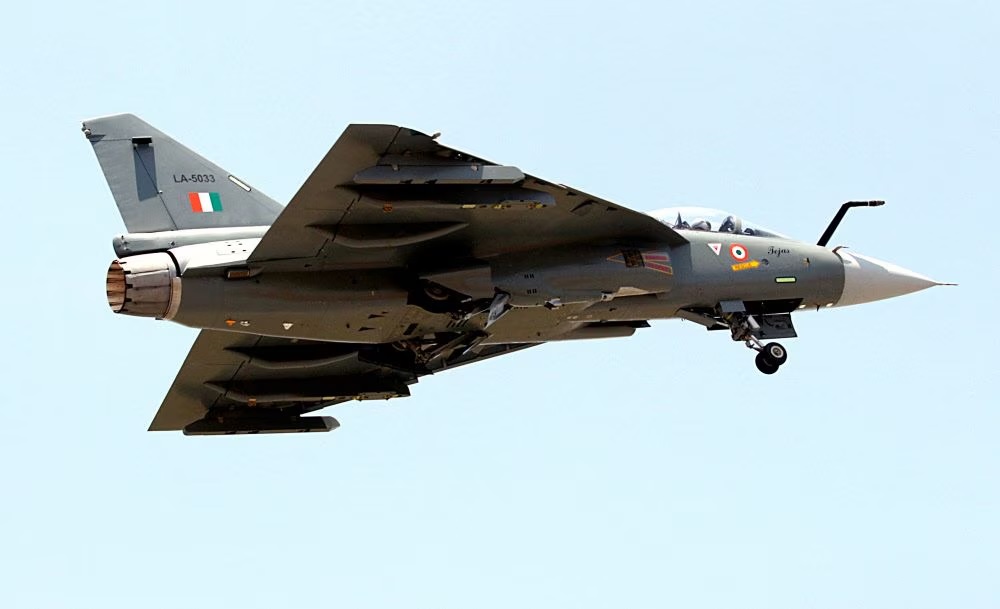
India
The Indian Air Force's (IAF) much-anticipated induction of the Tejas Mk-1A Light Combat Aircraft (LCA) is facing a new hurdle due to delays in engine deliveries from General Electric (GE). Hindustan Aeronautics Limited (HAL), the manufacturer of the Tejas jets, is now considering the use of reserved engines as a temporary measure, potentially affecting the planned delivery timeline.The Defence Ministry had signed a ₹48,000 crore deal in February 2021 for 83 LCA-Mk1A fighters, followed by a $716 million contract with GE Aviation in August 2021 for 99 F404-IN20 engines. However, none of these engines have been delivered yet. According to a defence official, “Not a single engine has been received so far. They are now expected to be delivered from September onwards.” As a stopgap, HAL and the IAF have devised a plan to equip the initial batch of LCA-Mk1A jets with used engines, labeled as Category-2, until the new F404 engines arrive.This delay is a significant concern, given the critical role the LCA-Mk1A plays in the IAF’s fleet rejuvenation plans. The LCA is seen as vital for stabilizing the declining fighter squadron strength and ultimately expanding it. The original delivery schedule called for three LCA-Mk1A jets by February 2024, with 16 aircraft to be delivered annually over the following five years.While the manufacturing of the aircraft continues smoothly at HAL, the engine delay remains the primary bottleneck. Despite the setbacks, officials are optimistic that deliveries can begin soon after the engines start arriving. HAL hopes to deliver at least one LCA-Mk1A by the end of 2024, with eight to nine jets expected by the end of the fiscal year.The situation highlights ongoing challenges in global supply chains. GE Aerospace acknowledged the "unprecedented supply chain pressures" affecting the industry and assured that they are working closely with HAL and other suppliers to resolve the constraints. These pressures have delayed the timely delivery of the F404 engines, essential for the LCA-Mk1A’s performance.The Tejas Mk-1A is equipped with the F404-IN20 engine, which is a more advanced variant of the F404 series. The engine offers 85 kN of thrust with afterburner and is designed for optimal reliability and efficiency, making it ideal for single-engine fighter aircraft like the Tejas. Its sophisticated Full Authority Digital Engine Control (FADEC) ensures precise control and adaptability in varied flight conditions.The delay in engine deliveries has also affected the timeline for the broader Tejas program. Alongside the 83 Mk1A jets, the IAF has received preliminary approval to procure an additional 97 Mk1A aircraft, taking the total order to 180 jets. The LCA Mk-1 variant is expected to complement the newer Mk1A models, with around 220 Mk1 jets envisioned as part of the fleet.Meanwhile, HAL and the IAF are looking ahead to the development of the more advanced LCA-Mk2, powered by the GE F-414 engine. The F-414 engine offers increased thrust and better performance, making it suitable for the Mk2 variant, which will have expanded capabilities, including enhanced avionics and weapons integration. A deal for manufacturing the F-414 engines in India is nearing finalization, paving the way for the production of around 120 LCA-Mk2 aircraft.The ongoing delays have added pressure on HAL and GE, as the timely delivery of the LCA-Mk1A is crucial to the IAF’s modernization efforts. While the use of reserved engines may enable some early deliveries, the long-term success of the program depends heavily on resolving these supply chain issues and maintaining a steady flow of engines for the Tejas fleet.
Read More → Posted on 2024-08-18 15:10:02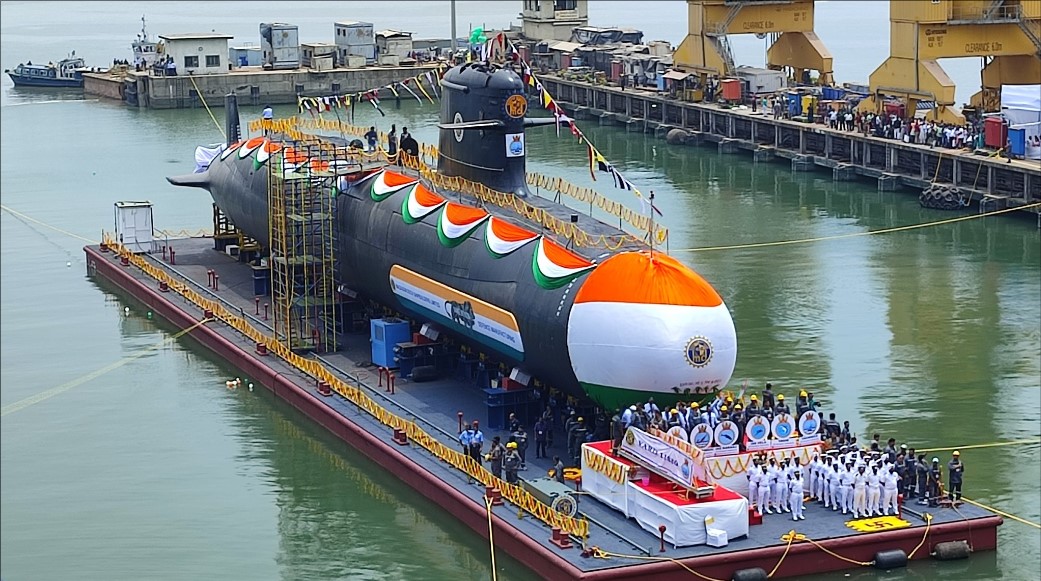
India
The Indian Navy's much-anticipated INS Vagsheer, the final submarine in the Kalvari-class, has hit a delay in its commissioning. Initially planned for early 2024, the submarine’s induction is now expected between November and December this year. This postponement has drawn attention due to the significant role the submarine is expected to play in strengthening India’s underwater defense capabilities.INS Vagsheer, the sixth and last vessel in the Kalvari-class, is based on the Scorpène design from France’s Naval Group. Built by Mazagon Dock Shipbuilders Limited (MDL), it is equipped with advanced stealth features, cutting-edge sonar systems, and long-range torpedoes. However, what sets Vagsheer apart from its predecessors is the integration of indigenous technology, which is now seen as a key factor in the delay.According to sources, the incorporation of Indian-made systems, replacing some of the original equipment, has led to additional testing and validation requirements. These systems need to meet stringent operational standards, especially given the critical nature of a submarine’s role. Integrating and validating these new technologies within the complex environment of a submarine is a demanding process that requires rigorous trials.The Kalvari-class submarines are known for their stealth and precision, with the ability to carry both torpedoes and Exocet anti-ship missiles. Vagsheer, with its indigenous enhancements, aims to push these capabilities further. Despite the delay, the situation underscores India’s growing self-reliance in defense technology. Successfully integrating homegrown systems into such an advanced platform is a significant milestone in India’s defense manufacturing sector.The delay, while disappointing, highlights the importance of ensuring that every system performs flawlessly. The Indian Navy’s commitment to quality and performance over speed is crucial, especially given the high stakes involved in underwater operations. When finally commissioned, INS Vagsheer will serve as a potent addition to India’s naval fleet, enhancing its operational depth and versatility.Defense observers and naval enthusiasts are now eagerly awaiting further updates as the submarine moves closer to induction. The successful integration of indigenous technology within INS Vagsheer not only strengthens India’s defense capabilities but also marks a significant leap in the country’s journey toward greater defense self-reliance.
Read More → Posted on 2024-08-18 15:03:27
India
Former Jammu and Kashmir Chief Minister and National Conference leader Omar Abdullah has made a bold declaration regarding his party’s stance on Article 370. He stated that if elected, his government would pass a resolution against the abrogation of Article 370 on the very first day of the new legislative assembly session. Article 370, which granted special status to Jammu and Kashmir, was revoked by the central government on August 5, 2019—a decision that sparked significant controversy and unrest in the region.Restoring Statehood and Rights: Omar Abdullah’s PriorityOmar Abdullah emphasized that restoring the rights and statehood taken from the people of Jammu and Kashmir remains a challenging but essential mission. He asserted that the primary duty of the elected Chief Minister would be to work tirelessly toward reclaiming full statehood for Jammu and Kashmir. Abdullah also noted that his party intends to make the opposition to the Article 370 abrogation clear not just within India, but on the global stage as well.Elections and Legislative Session PlansThe Election Commission of India (ECI) recently announced that Jammu and Kashmir will undergo three-phase elections, with voting scheduled for September 18, September 25, and October 1. The results are expected to be declared on October 4. These elections follow a Supreme Court directive to hold the polls for the 90-member Legislative Assembly by September 30, a mandate that has set the stage for a heated political showdown.Omar Abdullah’s announcement comes amidst this politically charged atmosphere, reflecting the strong sentiments in the region regarding the Article 370 issue. He emphasized that the opposition to the abrogation would be a focal point in the legislative session and would symbolize the region’s collective voice against what many see as an imposed decision.The Larger PictureThe abrogation of Article 370 was a watershed moment in Indian politics, effectively altering Jammu and Kashmir's relationship with the rest of India. The move was met with widespread criticism from regional leaders like Omar Abdullah, who argue that the decision was taken unilaterally without proper consultation with the people of Jammu and Kashmir. Abdullah’s recent statements highlight the enduring significance of the Article 370 issue and its centrality in the upcoming elections.The elections in Jammu and Kashmir are expected to be intensely contested, with the restoration of statehood and the rights associated with Article 370 likely to dominate the campaign narratives. As the political climate heats up, Omar Abdullah’s promise to challenge the abrogation on the legislative floor may resonate strongly with voters who feel disenfranchised by the 2019 decision.This resolution, if passed, would send a strong symbolic message and could intensify the ongoing debate surrounding the legal and constitutional status of Jammu and Kashmir. All eyes will be on the election results and whether Omar Abdullah’s National Conference can secure the mandate needed to carry out this pledge.
Read More → Posted on 2024-08-18 14:52:14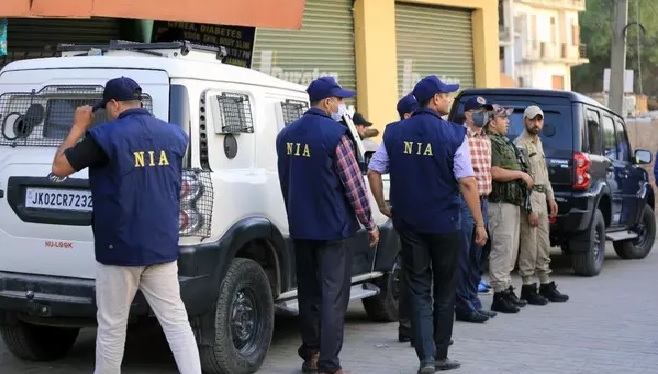
India
The National Investigation Agency (NIA) has filed a charge sheet against two prominent Naxals, Anil Yadav and Pramod Mishra, for their involvement in the brutal abduction and murder of a civilian in Bihar in 2018. The official statement, released on Saturday, sheds light on their criminal activities as part of the banned terrorist group, the Communist Party of India (Maoist) [CPI (Maoist)].The Case and the ArrestsThe victim, Naresh Singh Bhokta, was abducted and killed on November 2, 2018, by cadres of the CPI (Maoist) in Bihar. The NIA investigation revealed that Bhokta was targeted because he was suspected of being a police informant. The two key accused, Anil Yadav, also known as Ankush or Lavkush, and Pramod Mishra, also known as Sohan Da or BB Ji, played significant roles in orchestrating and executing this gruesome act. Both hail from Bihar’s Gaya and Aurangabad districts, respectively, and have been involved in numerous criminal activities across Bihar and Jharkhand.A History of TerrorAnil Yadav was a Sub-Zonal Committee member of the CPI (Maoist) and a close confidant of Pramod Mishra. Mishra, a former Central Committee member who rose to become a Polit Bureau member of the CPI (Maoist), was a key strategist within the Naxal network. It was Mishra who convened a crucial meeting in the Anjanwa forest, where the decision to eliminate Bhokta and other police officers was made. Yadav, acting under Mishra’s directives, played a hands-on role in Bhokta’s abduction and murder.NIA’s Investigation and ChargesThe NIA took over the investigation in June 2022, and their probe led to the arrest of Yadav and Mishra in February 2023. The agency has since been diligently piecing together evidence, leading to the charge sheet filed on Friday. This latest charge sheet is the fourth supplementary charge sheet in the case and brings the total number of accused individuals to 11.The NIA’s investigation also uncovered a larger conspiracy involving these Naxal leaders to eliminate multiple Special Police Officers (SPOs) in the region. The meeting in the Anjanwa forest, where this sinister plan was hatched, highlights the organized and strategic nature of their operations.Broader ImplicationsThe charge sheet against these two Naxal leaders represents a significant breakthrough in the fight against left-wing extremism in India. The CPI (Maoist) has long been a menace in several states, and the capture and prosecution of its key members like Yadav and Mishra mark an important step toward dismantling their network.With this development, the NIA continues to reinforce its commitment to curbing Naxal activities and bringing perpetrators of violence to justice. The crackdown on high-ranking Naxal leaders sends a strong message that such activities will not go unpunished.The Bihar abduction and murder case remains a stark reminder of the challenges India faces in combating insurgency and left-wing extremism. The successful charge-sheeting of these Naxals is a significant win in the broader security landscape.
Read More → Posted on 2024-08-18 14:36:36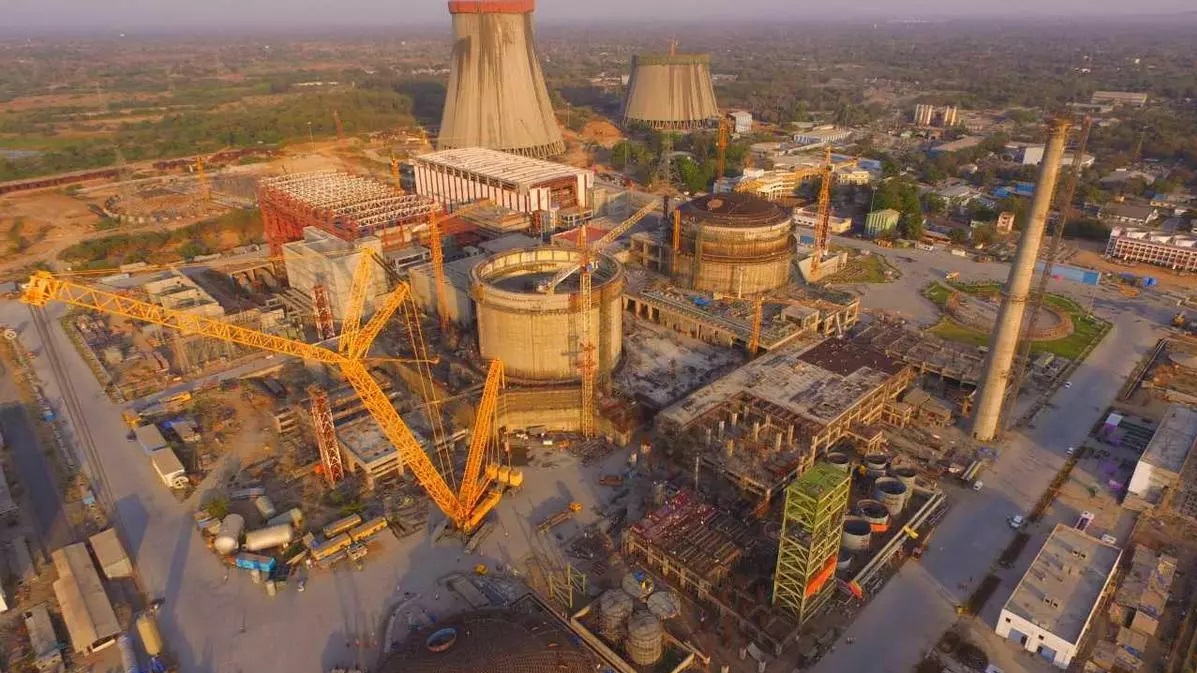
India
India is on the cusp of a significant advancement in its nuclear energy sector as the Atomic Energy Commission reveals plans to modify the nation’s existing 220 MW Pressurized Heavy Water Reactors (PHWR) into Bharat Small Reactors (BSR). These reactors are being readied for potential collaboration with the private sector, marking a pivotal moment in the country’s nuclear energy landscape. Modifying a Proven DesignRB Grover, a member of the Atomic Energy Commission, shared insights into this transformative initiative during an event at the Indian Institute of Management-Ahmedabad (IIM-A). “India already has a live 220 MW Pressurized Heavy Water Reactor design, with several of them operational across the country, including in Narora, Rajasthan, Kakrapar, Kalpakkam, and Kaiga,” Grover stated. The existing design, which has proven reliable over decades, is undergoing modifications to convert it into Bharat Small Reactors. “In other words, Bharat Small Reactors are nothing but 220 MW Pressurized Heavy Water Reactors with some improvements,” Grover explained. He emphasized that the modifications are minimal and incremental, rather than a complete redesign. This approach leverages India’s existing expertise while enhancing the reactors’ safety and efficiency. Collaboration with the Private SectorThe Nuclear Power Corporation of India Limited (NPCIL) is spearheading the effort to create detailed drawings for these modified reactors. The initiative aligns with the Indian government’s strategy to involve the private sector in nuclear energy, as highlighted by Finance Minister Nirmala Sitharaman in the 2024-25 Budget speech. The government plans to partner with private companies to set up Bharat Small Reactors and engage in research and development of Bharat Small Modular Reactors (BSMR).Grover further noted that NPCIL will not only design but also install and operate these reactors for private entities interested in using them as captive power plants. These reactors have the potential to generate hydrogen for industrial purposes or supply electricity, offering a versatile energy solution for industries looking to reduce their carbon footprint. Enhanced Safety FeaturesOne of the key aspects of the modification involves enhancing the reactors’ safety features. “The new 220 MW reactors will also have a steel liner, and the control and instrumentation systems will be upgraded. It is already a safe reactor, and it will become even safer,” Grover assured. He mentioned that these modifications are expected to be completed within a year, ensuring that the reactors are ready for deployment in the near future. Historical Context and Future ProspectsIndia’s journey with PHWR technology began in the 1960s, during the Indo-Canadian nuclear cooperation. The first 220 MW reactor was constructed as part of the Rajasthan Atomic Power Station-1. However, following the Pokhran-1 nuclear tests in 1974, Canada withdrew its support, prompting India to indigenously develop and standardize the 220 MW reactor design.Today, these reactors are the backbone of India’s nuclear power program. The transition to Bharat Small Reactors represents not only a continuation of this legacy but also an evolution towards more flexible and commercially viable nuclear energy solutions. ConclusionAs India moves forward with the modification and deployment of Bharat Small Reactors, the collaboration between NPCIL and the private sector is poised to redefine the country’s nuclear energy landscape. This initiative not only reinforces India’s commitment to self-reliance in nuclear technology but also opens new avenues for industrial partnerships and sustainable energy production.
Read More → Posted on 2024-08-18 08:12:21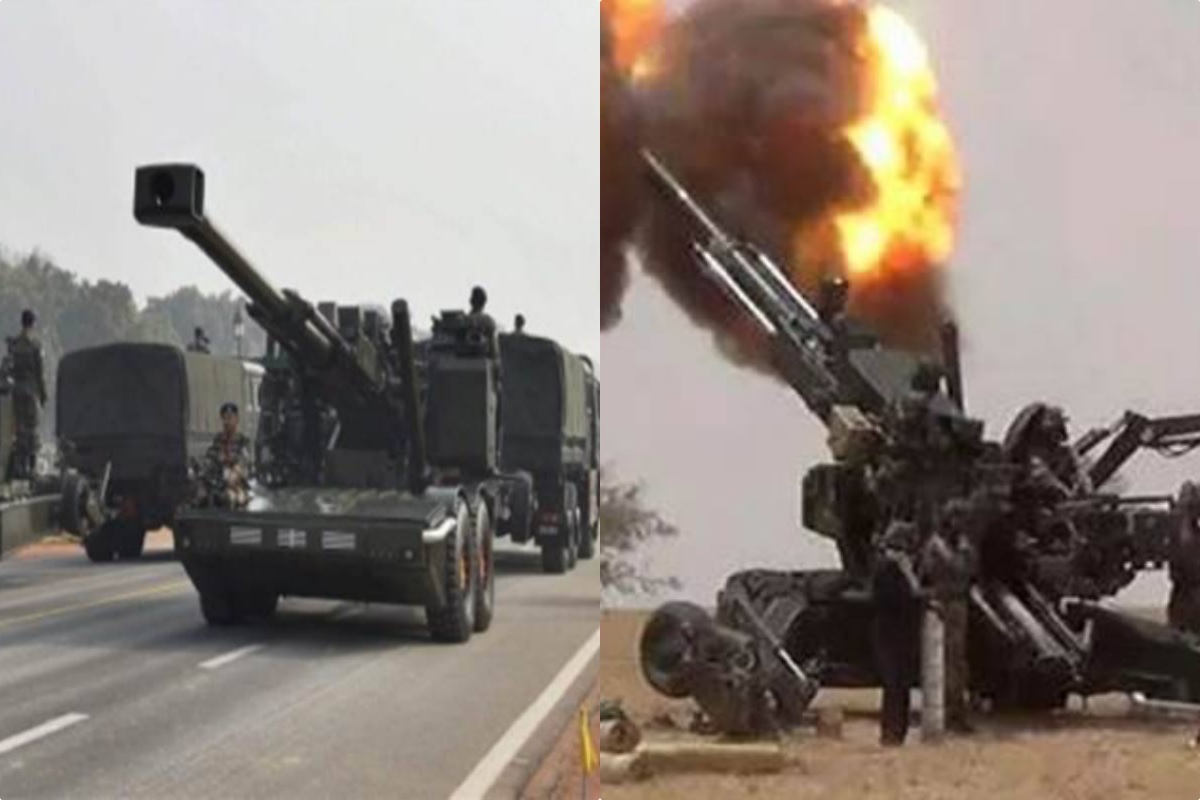
India
The Indian Army has taken another step in advancing its firepower capabilities by issuing a ₹6,500 crore tender for 400 indigenously developed 155 mm/52 calibre howitzers. This move aligns with the government’s Make-in-India initiative and highlights the push toward self-reliance in defense technology. The tender, issued under the Buy Indian-Indigenously Designed, Developed, and Manufactured (IDDM) category, aims to harness the expertise of domestic defense companies to produce a lighter and more versatile artillery system for future warfare needs.Indigenous Manufacturing DriveThe tender invites bids from major Indian defense players such as Bharat Forge, Larsen & Toubro (L&T), Adani Defense, and the Ordnance Factory Board (OFB). The procurement is aimed at creating a new generation of towed artillery gun systems (TAGS) designed to meet the Indian Army’s operational requirements in challenging terrains, including high-altitude areas like those along the borders with China and Pakistan.These 155 mm/52 calibre howitzers are expected to replace aging systems and provide enhanced range, accuracy, and mobility. The focus is on producing a system that is lighter than the existing Bofors guns, making it easier to deploy and maneuver in mountainous regions. The guns will be equipped with state-of-the-art targeting systems and will cater to future technological advancements, ensuring they remain effective in evolving combat scenarios.Strategic Procurement for ModernizationThis tender is part of the Army’s broader Mediumisation plan, which involves replacing outdated artillery with modern, indigenous systems. The aim is to complete this transition by 2042. Notably, this is not the first time the Army has sought new artillery systems. In the past decade, the Army has concluded four contracts for the procurement of 155 mm howitzers. These systems have already been inducted, and several regiments have been equipped with them.In parallel, the Army has issued another tender for 307 Advanced Towed Artillery Gun Systems (ATAGS) and a mounted gun system, further emphasizing its focus on enhancing artillery capabilities. The ATAGS, designed in collaboration with the Defence Research and Development Organisation (DRDO), represents a major leap in India’s defense technology and has already undergone extensive trials.Future Prospects and ChallengesThe procurement process for these 400 howitzers will be crucial in determining the future of India’s artillery regiments. The competition among Indian defense firms is expected to be intense, as they vie to prove their technical capabilities and production capacity. The Army’s emphasis on lighter, indigenous solutions reflects the operational challenges it faces, especially in high-altitude zones where mobility is key.The indigenous development of these systems not only strengthens India’s strategic autonomy but also showcases the growing maturity of its defense manufacturing sector. If executed successfully, this project could set a precedent for future large-scale procurements under the Make-in-India initiative, positioning India as a significant player in the global defense industry.
Read More → Posted on 2024-08-17 17:13:17Search
Top Trending in 24 Hours
-
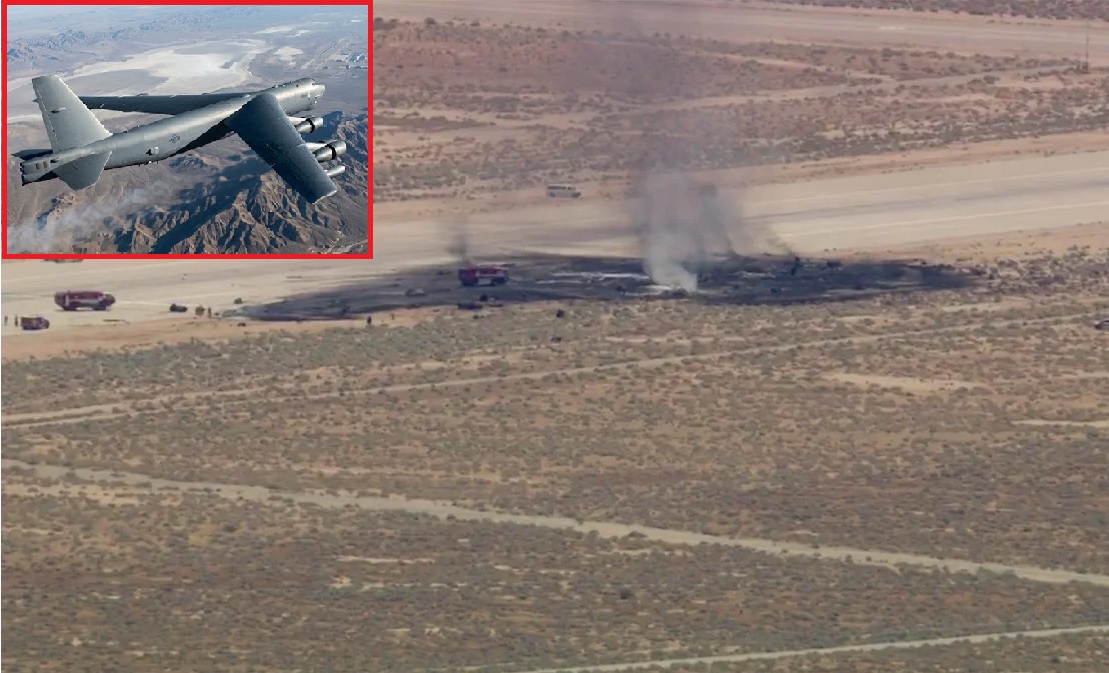 8 U.S. Air Force Crew Members Killed in B-52 Bomber Crash During Test Flight at Edwards Air Force Base
-
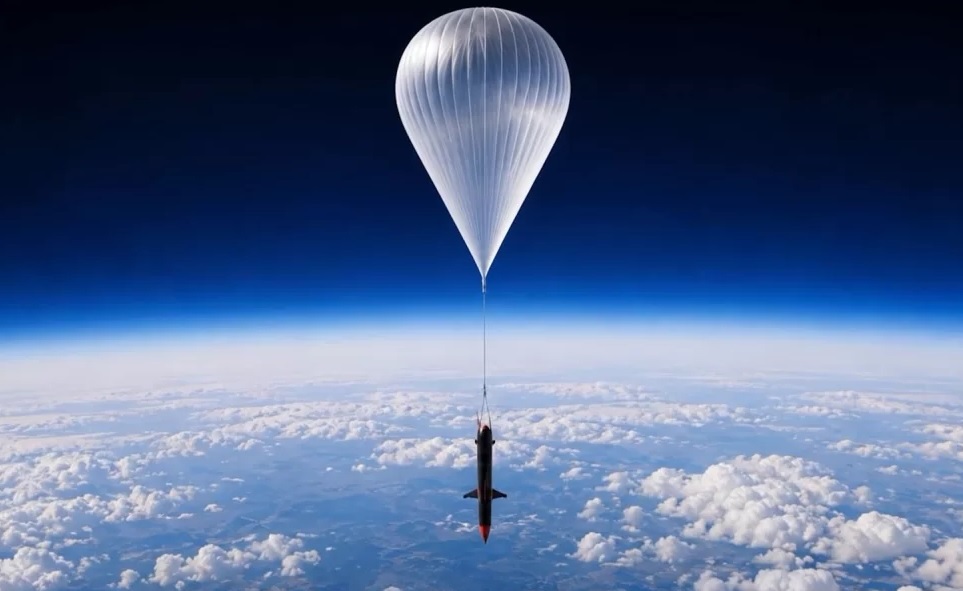 Ukraine Introduces Balloon-Launched DART Missile Designed to Defeat Electronic Warfare
-
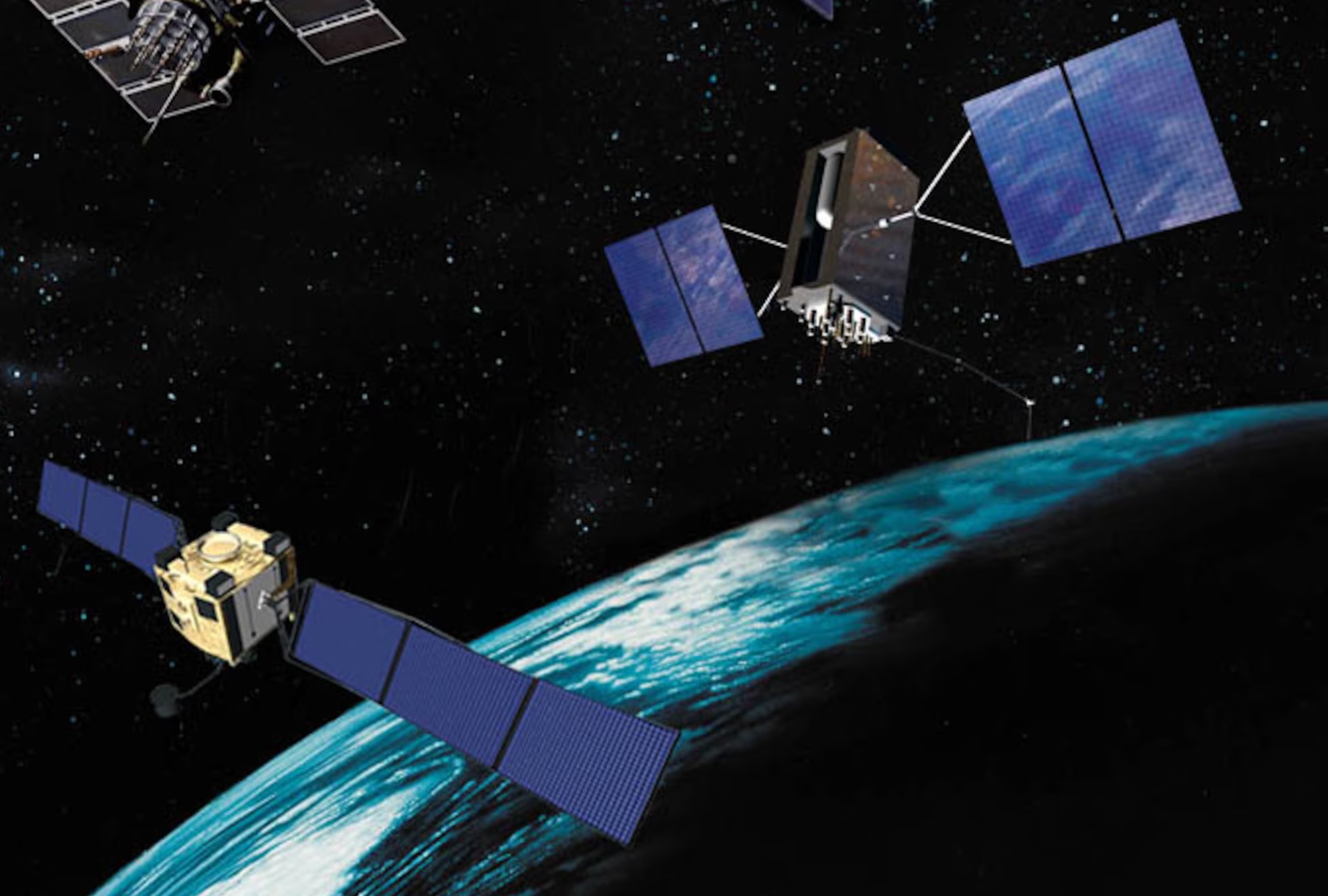 Lockheed Martin Wins $514 Million U.S. Space Force Contract for Two New GPS IIIF Satellites
-
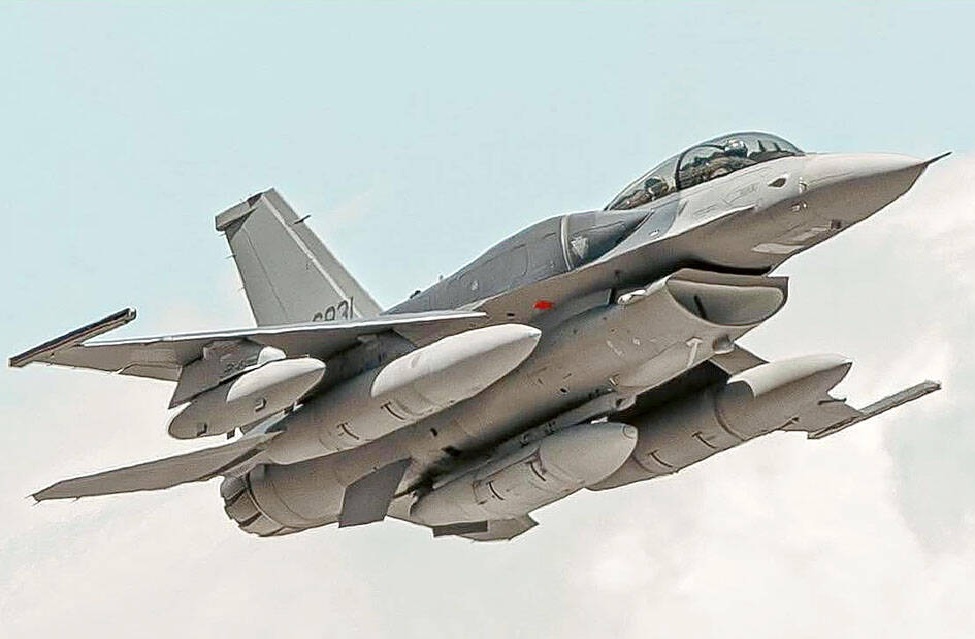 First Taiwanese F-16 Block 70 Flies with Five-Tank Fuel Configuration During Texas Tests
-
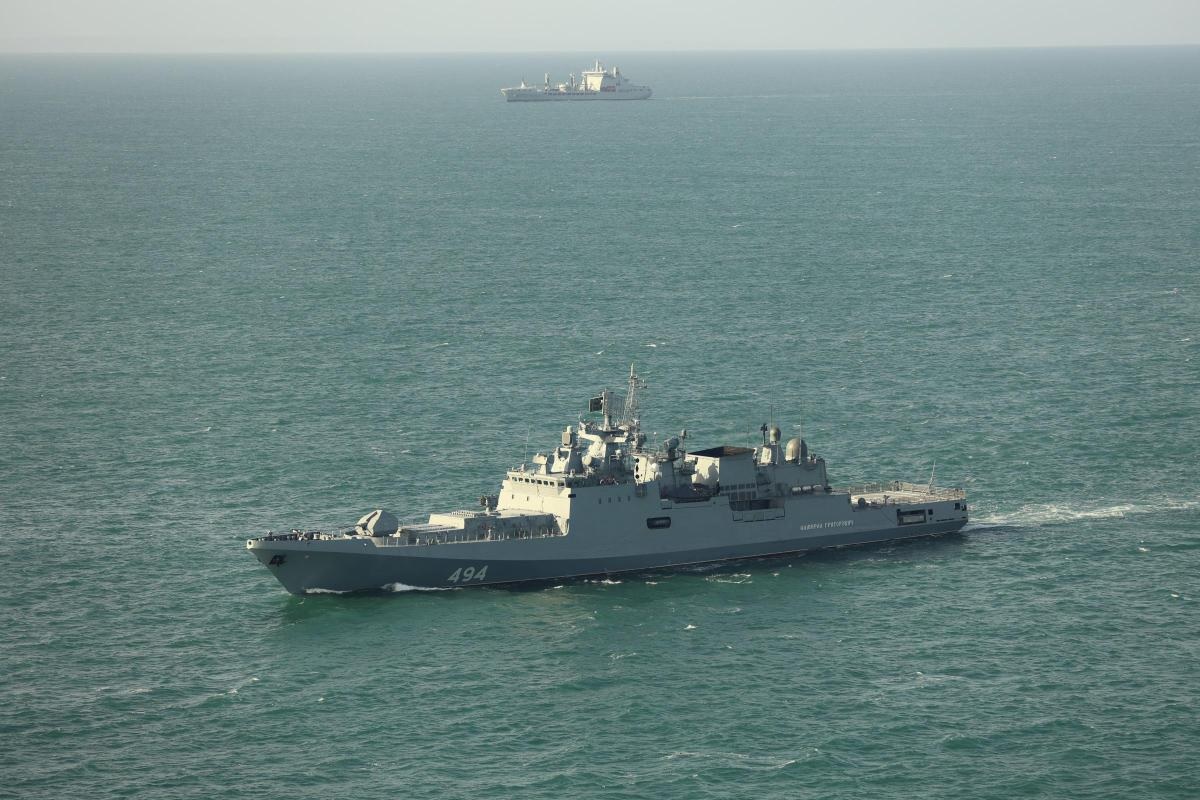 Russian Frigate Admiral Grigorovich Challenges UK Yacht in English Channel With Warning Shots
-
 UK Announces £210 Million Deal to Supply Enriched Uranium to Ukraine for Two Years
-
 Patria Launches WISPR Passive Counter-Battery Radar with Silent Detection Capability at Eurosatory 2026
-
 Space Force Transfers Transportable Satellite Tracking Antenna to Naval Research Laboratory
Top Trending in 4 Days
-
 F-35 Fleet Readiness Falls to 25% Amid Parts Shortages and Software Delays: GAO Report
-
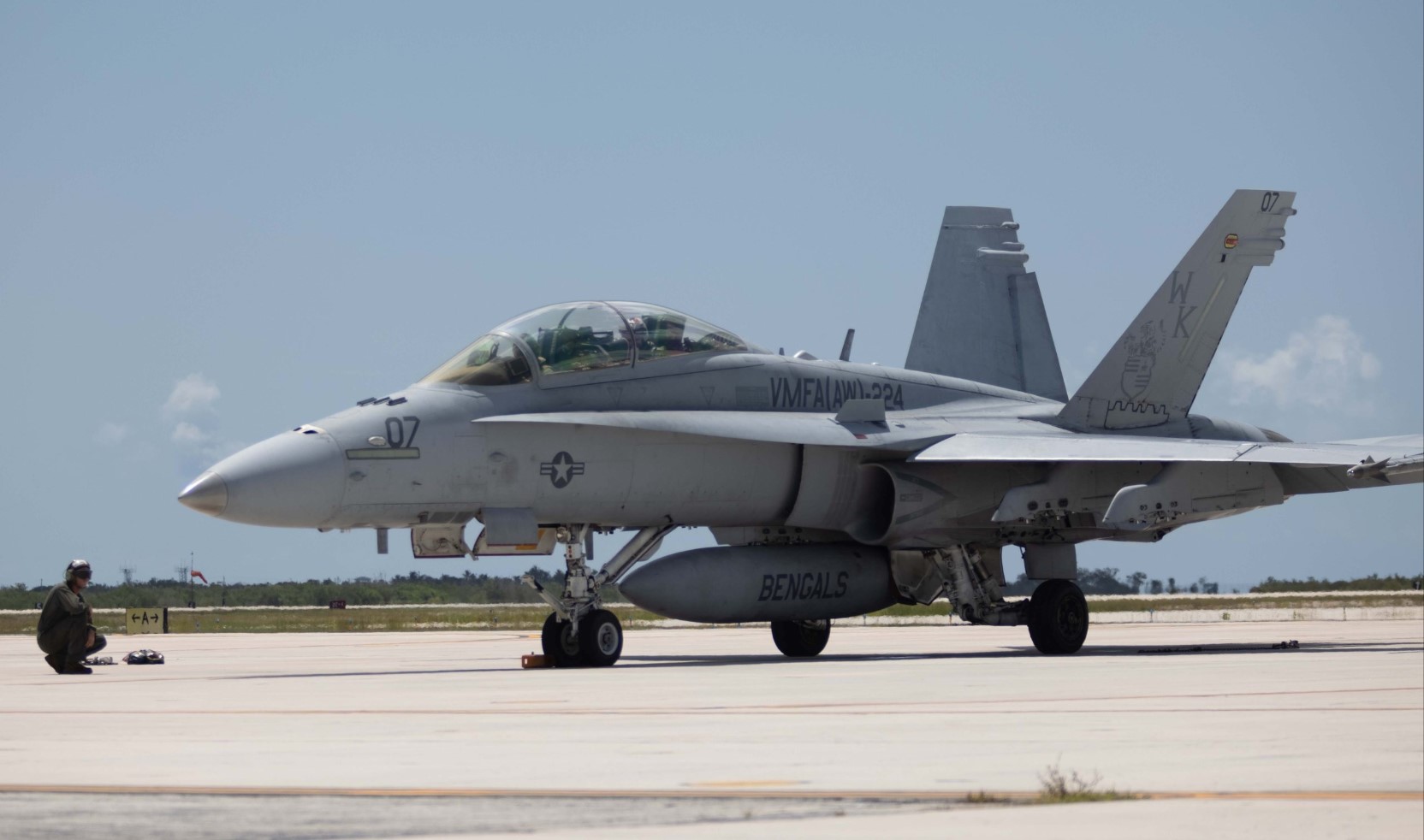 US Marine Corps F/A-18D Hornet Crashes During Training Flight in Washington Mountains; Pilot Ejects Safely
-
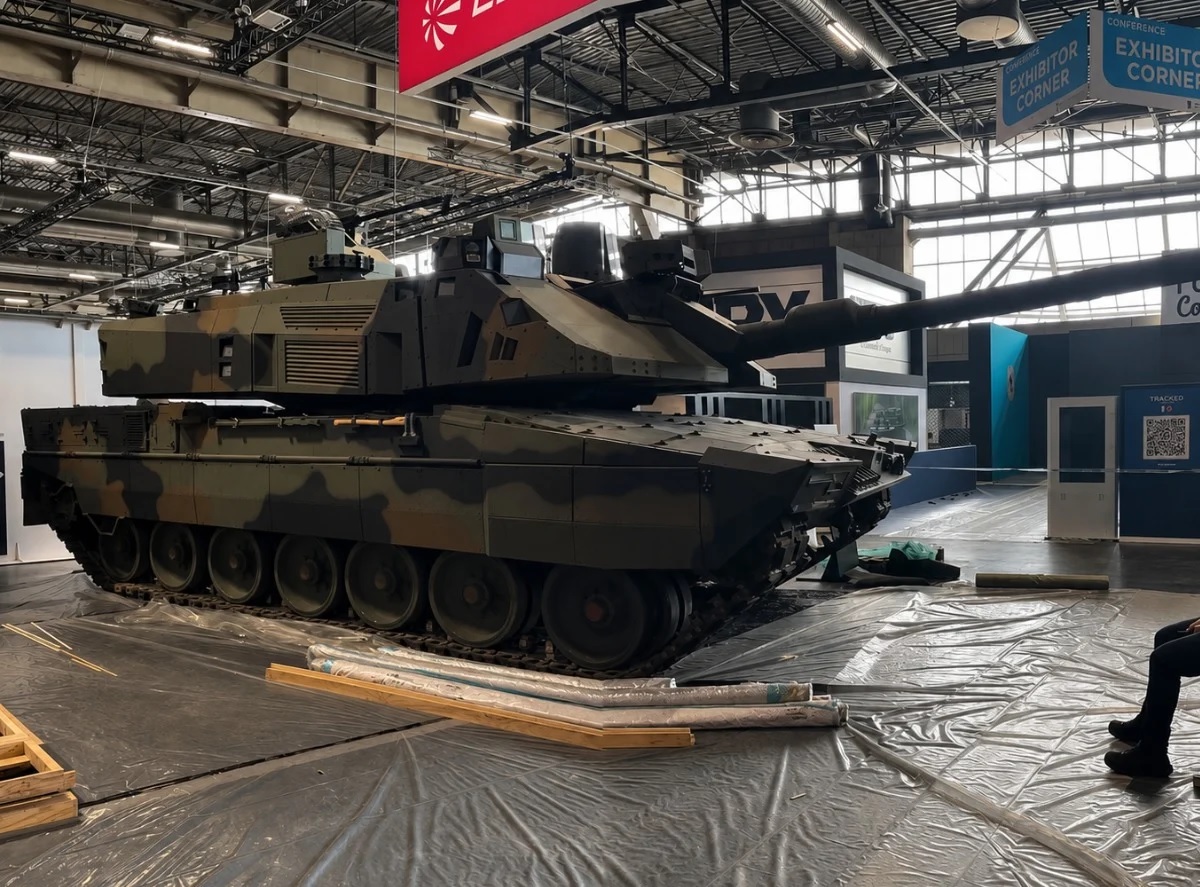 Leonardo Rheinmetall to Unveil Italy’s New IMBT Main Battle Tank at Eurosatory 2026
-
 Tulsi Gabbard Releases Declassified Files Detailing U.S.-Backed Network of 120 Biolaboratories Across 30+ Countries
-
8 U.S. Air Force Crew Members Killed in B-52 Bomber Crash During Test Flight at Edwards Air Force Base
-
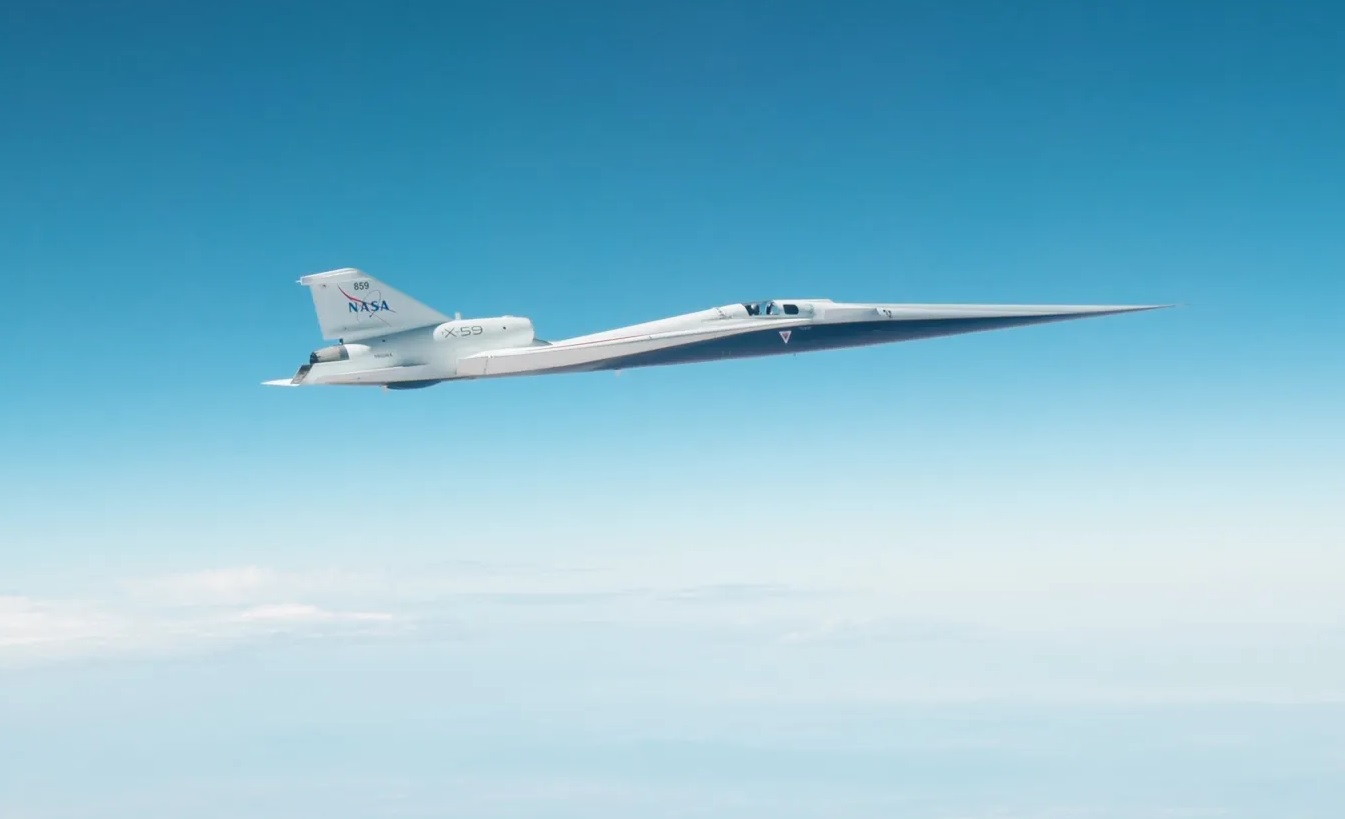 NASA X-59 Achieves Planned Mission Conditions with Mach 1.4 Flight at 55,000 Feet
-
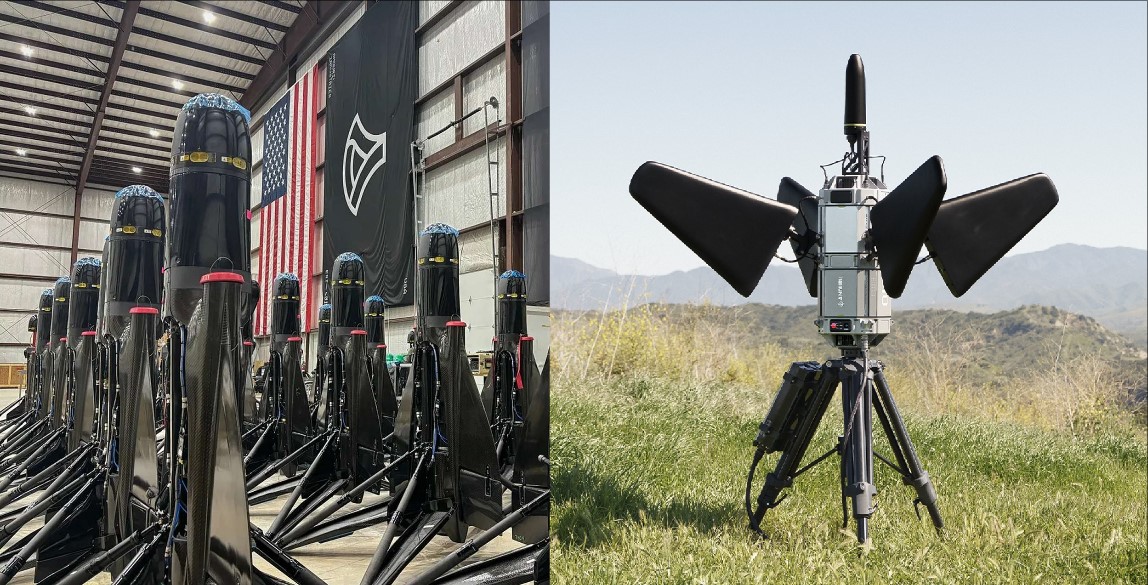 U.S. Approves $1.98 Billion Sale of Anduril AI-Powered Counter-Drone Systems to Kuwait
-
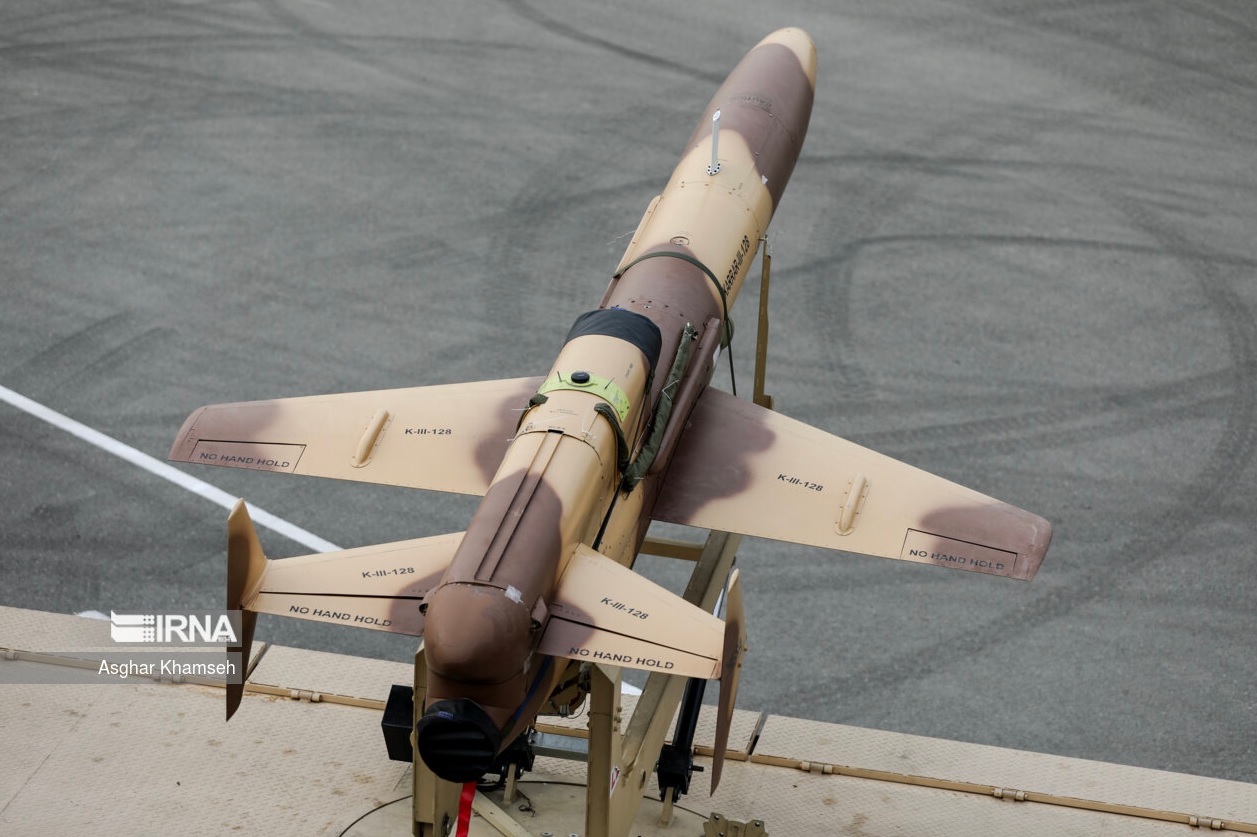 Russia Launches 1,400 Jet-Powered Drones in 2026 as Strike Tactics Evolve to Challenge Ukraine's Air Defenses