
India
As tensions simmer across the border in Bangladesh, the Director General of the Border Security Force (BSF), Daljit Singh Chawdhary, made a crucial visit to the Indo-Bangladesh border in Tripura. This visit, though routine in nature, was underscored by the escalating unrest in Bangladesh, which has put Indian border forces on high alert.Arriving in Agartala, Tripura, DG Chawdhary was received by senior BSF officials, including Inspector General Patel Piyush Purusottam Das. The visit was not just a formality but a comprehensive review of the security measures in place along the sensitive border. Given the complex and often volatile dynamics of the Indo-Bangladesh border, such visits are critical in ensuring that the forces are prepared to handle any spillover of unrest.The DG's agenda included an operational briefing from the Tripura Frontier's senior officers. The briefing highlighted the current law and order situation in Bangladesh, particularly the ongoing political instability, which could have direct implications for India’s border security. The briefing was followed by a detailed discussion on the readiness of BSF personnel to manage any potential challenges arising from the neighboring country's situation.Bangladesh, a country with which India shares a 4,096-kilometer-long border, has been experiencing political turmoil in recent times. Such unrest has historically led to concerns about cross-border infiltration, illegal immigration, and other trans-border crimes. The BSF, responsible for guarding this extensive boundary, plays a crucial role in preventing these illegal activities, which can often escalate during periods of instability.During his visit, DG Chawdhary praised the relentless efforts of the BSF personnel in maintaining the sanctity of the border. He acknowledged the challenges faced by the forces, especially in preventing infiltration and other border-related crimes. The BSF's vigilance is particularly crucial now, as any lapse in security could have far-reaching consequences not just for the border states but for India as a whole.In addition to reviewing the BSF’s preparedness, DG Chawdhary also met with top officials from the Tripura Police, including Director General Amitabh Ranjan and Additional Director General (Law and Order) Anurag Dhankar. The discussions focused on the coordination between the state police and BSF, especially in managing any potential fallout from the situation in Bangladesh. This collaboration is vital, as effective border management often requires a seamless exchange of information and joint operations between various security agencies.The visit by the BSF chief to the Tripura border is a clear indication of the seriousness with which India is viewing the situation in Bangladesh. As the unrest continues to unfold, the BSF's role becomes even more critical in ensuring that the border remains secure and that the potential threats are effectively neutralized. The heightened alert status and the review of operational preparedness reflect a proactive approach by the Indian security forces in dealing with external challenges, ensuring that peace and stability are maintained along the sensitive Indo-Bangladesh border.
Read More → Posted on 2024-08-08 16:01:05
India
Political instability in Bangladesh is creating ripples in the global readymade garment (RMG) industry, and India stands to gain significantly. A recent report suggests that if the unrest in Bangladesh continues, up to 10% of the country’s RMG export orders could shift, translating into a $200-250 million monthly opportunity for India in the short term and potentially $300-350 million in the medium term.India, which ranks seventh in the global RMG market with a 3-4% share, has the capacity to increase its exports by 20-25%, according to CareEdge Ratings. The situation in Bangladesh presents a golden opportunity for India to elevate its status in the global RMG trade. Currently, Bangladesh is the second-largest exporter of RMG, holding an 8.5% share, a position it gained by capitalizing on China's declining market dominance. However, with the ongoing socio-political challenges, Bangladesh’s reliability as a supplier is being questioned, which could result in permanent market shifts.The Indian RMG sector is well-positioned to absorb this potential influx of orders. Unlike Bangladesh, which imports a significant portion of its raw materials, India has a robust textile value chain that extends from fiber production to finished garments. This self-sufficiency, combined with various government initiatives like the PM Mega Integrated Textile Region and Apparel (PM MITRA) park and the Production Linked Incentive (PLI) scheme, enhances India’s competitiveness on the global stage.Additionally, India’s strategic push towards free trade agreements (FTAs) with key markets further strengthens its position as a viable alternative to Bangladesh. The global shift towards a China+1 sourcing strategy has already put India in the spotlight, and the current situation in Bangladesh could accelerate this trend. If the unrest in Bangladesh continues for several quarters, Indian exporters might gain a permanent foothold in markets traditionally dominated by their Bangladeshi counterparts. This shift would not only boost India’s export numbers but also establish it as a reliable player in the global RMG sector.As the global RMG industry continues to evolve, India’s ability to quickly scale up production and meet international standards will be crucial. Companies with large production capacities are likely to benefit the most, as they can efficiently handle significant orders from global brands. With Bangladesh’s share in global RMG trade potentially at risk, India has a real chance to increase its market share and secure long-term growth in the sector.This scenario highlights the interconnectedness of global trade, where political events in one country can create opportunities for another. For India, the key will be to capitalize on this moment, ensuring that it not only fills the gap left by Bangladesh but also strengthens its position in the global RMG market for the long term.
Read More → Posted on 2024-08-08 15:57:55
India
India has recently taken a significant step to enhance its manufacturing sector by launching a specialized visa portal aimed at facilitating the entry of Chinese technicians. This move comes in response to concerns raised by Indian companies participating in the Production-Linked Incentive (PLI) scheme, who have faced delays in obtaining business visas for Chinese experts essential to their operations.The PLI scheme, introduced in 2021 with a massive outlay of ₹1.97 lakh crore, aims to boost manufacturing in 14 key sectors, including telecommunications, white goods, textiles, and advanced technologies like solar PV modules and advanced chemistry cell batteries. As part of this initiative, many Indian companies have partnered with Chinese firms, relying on their expertise to install, repair, and maintain critical machinery, as well as to train Indian workers on advanced systems.However, the geopolitical complexities between India and China, particularly in the wake of the 2020 border standoff, have complicated these collaborations. The Indian government, wary of foreign investments from countries with which it shares a land border, introduced Press Note 3 in April 2020. This policy requires prior approval for any foreign direct investments (FDI) from China and other neighboring countries. As a result, the approval process for Chinese experts and investments has been under intense scrutiny, slowing down the visa process and, by extension, the progress of PLI-linked projects.Recognizing the bottleneck this created, the Indian government recently launched a dedicated portal to streamline visa applications for Chinese technicians involved in PLI projects. This portal, which began operations last week, is designed to expedite the visa process, ensuring that Chinese experts can obtain business visas more efficiently, typically for a duration of 3 to 6 months. These technicians play a critical role in installing and maintaining machinery, as well as in upskilling the Indian workforce—a key component of the PLI scheme's success.The Ministry of Home Affairs has been actively involved in training and sensitizing relevant departments on the use of this portal, aiming to reduce bureaucratic delays and improve the efficiency of the visa approval process. This move is seen as a pragmatic approach to balancing India’s strategic concerns with its economic aspirations, particularly as the country seeks to reduce its dependence on Chinese imports while simultaneously boosting domestic production capabilities.Despite the ongoing border tensions and a complex trade relationship, this initiative signals India's intent to maintain a practical and business-oriented approach to its economic policies. While India received only $2.5 billion in FDI from China between April 2000 and March 2024, the trade ties between the two nations remain substantial, with India's imports from China significantly outweighing its exports.In conclusion, India's new visa portal for Chinese technicians is a strategic move to ensure that its ambitious PLI scheme remains on track, despite the broader geopolitical challenges. By streamlining the visa process, India is not only addressing the immediate needs of its manufacturing sector but also reinforcing its commitment to becoming a global manufacturing hub, albeit with a cautious eye on its national security interests.
Read More → Posted on 2024-08-08 15:34:24
India
In a significant move to maintain border security, the Border Security Force (BSF) successfully thwarted an infiltration attempt by a large group of Bangladeshi nationals at the India-Bangladesh border in West Bengal. This incident, which occurred on Wednesday, comes at a time of heightened alert following the recent political upheaval in Bangladesh, where the government of Sheikh Hasina has reportedly fallen. The situation at the border was tense as around 120 to 140 Bangladeshi citizens were seen gathering near the International Border (IB) in two different sectors. These individuals were driven by fears stemming from local unrest in their homeland, which has been exacerbated by the ongoing turmoil. The group, fearing for their safety amid the unrest, attempted to cross over into India in what officials described as a coordinated effort from multiple locations.The BSF, which has been on high alert due to the volatile situation in Bangladesh, responded swiftly to the potential breach. The force acted with "exceptional vigilance" to prevent the large group from crossing into Indian territory. The BSF's North Bengal Frontier issued a statement to address the situation, clarifying that there was no widespread movement of the minority population from Bangladesh towards India, a concern that had been circulating as a rumor.According to the BSF, the individuals who gathered at the border were primarily motivated by fears of attacks by protestors in Bangladesh. However, in coordination with the Border Guard Bangladesh (BGB) and local Bangladeshi civil authorities, the BSF was able to reassure these people of their safety and encouraged them to return to their homes.The situation highlights the fragile nature of the border between India and Bangladesh, particularly in times of political unrest. The BSF's swift response ensured that the border was secure and that the group of Bangladeshis did not succeed in crossing over. This incident also underscores the importance of maintaining strong communication and cooperation between the BSF and the BGB to manage such sensitive situations effectively.The BSF's action not only prevented a potential crisis at the border but also served to reassure both countries that their security forces are capable of handling such challenges, even in times of heightened tension. This event is a reminder of the ever-present need for vigilance and preparedness along the borders, particularly when neighboring countries experience internal turmoil.
Read More → Posted on 2024-08-08 15:32:15
India
Nobel laureate Muhammad Yunus, revered for his groundbreaking work in microfinance, is about to take on one of the most challenging roles of his life: leading Bangladesh as the head of its interim government. As the nation teeters on the edge of further chaos, Yunus has issued a heartfelt plea for calm and non-violence ahead of his official oath-taking ceremony.The past few weeks in Bangladesh have been tumultuous. Protests against the government, initially ignited by the Students Against Discrimination movement, have snowballed into widespread unrest, forcing Prime Minister Sheikh Hasina to flee the country. The situation escalated rapidly, with reports of violence, looting, and police casualties becoming alarmingly common. In this volatile climate, Yunus’s call for peace resonates as both a plea and a warning.Yunus, currently in Paris, is expected to return to Dhaka on Thursday evening to assume his new role. His appointment comes after the resignation of Sheikh Hasina, who fled to India amid escalating protests. Army Chief General Waker-Uz-Zaman announced that the interim government, which Yunus will lead, will take the oath around 8 p.m. on Thursday. This government is seen as a critical step towards stabilizing the country, with the army promising full support to the incoming administration.Despite the chaos, Yunus remains optimistic. He praised the students who led the movement, calling their efforts a "Second Victory Day" for Bangladesh. However, his optimism is tempered by the urgent need for calm. "Violence is our enemy," Yunus stated. "If we take the path of violence, everything will be destroyed." His message was clear: Bangladesh stands at a crossroads, and the choices made now will determine the country's future.Businesses, particularly in the garment industry, have been hit hard by the unrest. Many factories reopened on Wednesday, but fear of further violence lingers. The absence of police on the streets has left a vacuum, with students stepping in to manage traffic and maintain some semblance of order. However, attacks on police stations and facilities have exacerbated the crisis, leading to numerous police casualties.The violence has not been limited to the streets. Reports of attacks on minorities, including vandalism of Hindu temples and businesses, have surfaced, further deepening the crisis. Prominent cultural figures like Rahul Ananda, the frontman of the popular folk band Joler Gaan, have also been targeted. Ananda’s home was ransacked and set on fire, a chilling reminder of the anarchy that has gripped the nation.Khaleda Zia, the Bangladesh Nationalist Party (BNP) chairperson and former prime minister, who was recently freed from house arrest, echoed Yunus’s sentiments. Addressing a massive rally in Central Dhaka, she emphasized the need for love and peace to rebuild the nation. "Youths are our future. We need to build a democratic Bangladesh to fulfill their dream," she said.As Yunus prepares to take on this monumental task, the challenges before him are immense. The police force is in disarray, with top officials resigning or being reshuffled in the wake of the crisis. The newly appointed Inspector General of Police, Md Mainul Islam, admitted that unprofessional actions by some officers had contributed to the violence. In the midst of this chaos, Yunus's appeal for calm is a beacon of hope. He envisions a "beautiful country with lots of exciting possibilities" but warns that these possibilities will be lost if the current path of violence continues. As the world watches, the people of Bangladesh are left to decide: will they heed Yunus’s call for peace, or will the country slip further into turmoil?
Read More → Posted on 2024-08-08 15:24:38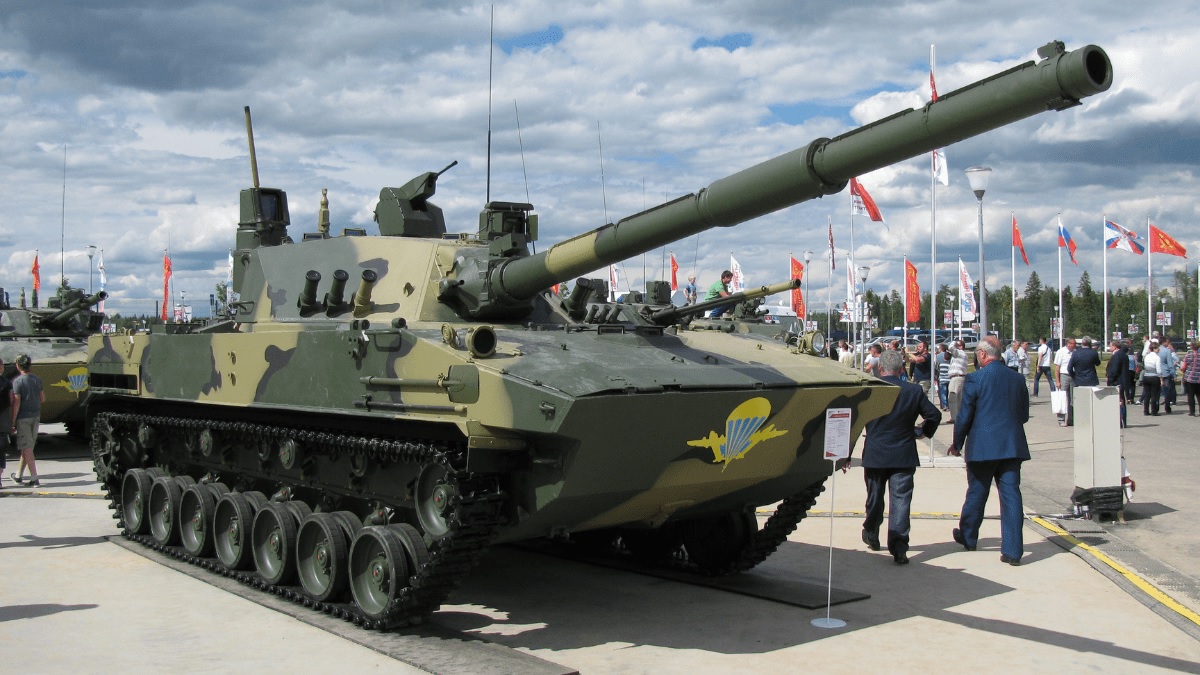
India
India's Armoured Vehicles Nigam Ltd (AVNL) has been a cornerstone in the nation's defense manufacturing sector, with decades of experience in producing a wide range of armored vehicles. Despite its significant in-house expertise, AVNL is now taking a route that raises questions about India's push for self-reliance in defense manufacturing, known as Aatmanirbhar Bharat. Instead of leveraging its substantial R&D capabilities to innovate and develop indigenous solutions, AVNL has opted to enter a joint venture (JV) with Russian firms Rosoboronexport (ROE) and High Precision Systems (HPC) for the manufacture of a new light tank for the Indian Army.The Sprut-SD Light Tank: Specifications and CapabilitiesThe Sprut-SD, developed by Russia, is a unique amphibious light tank that offers a blend of firepower, mobility, and protection, suitable for rapid deployment and operations in challenging terrains. Below are the key specifications and technical details of the Sprut-SD:Armament: The Sprut-SD is armed with a 125mm 2A75 smoothbore gun, capable of firing a variety of rounds, including APFSDS (armor-piercing fin-stabilized discarding sabot), HEAT (high-explosive anti-tank), and HE (high-explosive) rounds. It also has the capability to fire guided missiles, providing an extended range of up to 5 kilometers.Protection: The tank's armor is designed to protect against small arms fire and shell splinters, with additional modular armor and explosive reactive armor (ERA) kits available to enhance its survivability against anti-tank guided missiles (ATGMs) and RPGs. It also features an automatic fire suppression system and NBC (nuclear, biological, chemical) protection.Mobility: Powered by a UTD-29 diesel engine, the Sprut-SD has a power output of 500 hp, enabling a top speed of 70 km/h on roads and 10 km/h in water. Its amphibious capability allows it to be deployed across rivers and lakes, making it highly versatile in diverse operational environments.Crew and Dimensions: The tank has a crew of three (commander, gunner, and driver) and weighs approximately 18 tonnes. Its relatively light weight allows for air-droppable capabilities, further enhancing its strategic mobility.Fire Control and Electronics: The Sprut-SD is equipped with a modern fire control system that includes a ballistic computer, laser rangefinder, thermal sights, and a stabilized gunner’s sight, providing accurate targeting while on the move.India's Light Tank Requirements and AVNL's Strategic ChoiceThe Indian Army has articulated a requirement for 295 light tanks under the Make-I category, which emphasizes indigenous design, development, and manufacturing. These light tanks are expected to operate in high-altitude regions, such as the northern and eastern borders, where heavy tanks like the T-90 and Arjun might face mobility constraints. The desired configuration for these tanks includes high power-to-weight ratios, superior firepower, and advanced armor protection, coupled with the ability to be quickly deployed and maneuvered in mountainous terrains.In this context, the decision by AVNL to collaborate with Russian firms and potentially license-produce the Sprut-SD raises several critical considerations:R&D Potential vs. License Production: AVNL's move could be seen as a missed opportunity to harness its own R&D capabilities and develop an indigenous light tank that could be tailored specifically to the Indian Army’s requirements. The Sprut-SD, while a capable platform, is primarily designed for Russian operational doctrines and may require significant adaptation for Indian needs.Strategic Autonomy: The reliance on foreign technology through license production could undermine India's long-term goal of achieving strategic autonomy in defense manufacturing. An indigenous development effort would not only bolster AVNL’s capabilities but also contribute to the broader defense industrial ecosystem in India.JV Dynamics and Control: With AVNL and Indian Ordnance Factories (IOL) holding the majority stake in the JV, there remains a potential for greater control over the production process and the possibility of incorporating Indian technological inputs. However, the degree of technological transfer and the ability to modify the Sprut-SD to fully meet Indian Army specifications will be crucial.As AVNL moves forward with its JV with Russian firms to produce the Sprut-SD light tank, it must balance the immediate operational needs of the Indian Army with the long-term vision of building indigenous capabilities. While the Sprut-SD offers a ready solution, it is essential for India to ensure that such collaborations do not compromise its drive towards self-reliance in defense technology. The coming years will determine whether this venture serves as a stepping stone for future indigenous developments or whether it becomes another example of India's dependency on foreign defense technologies.
Read More → Posted on 2024-08-07 15:14:55
India
The northeastern region of India has seen significant changes in its security landscape, marked by the reduction and withdrawal of the Armed Forces (Special Powers) Act, 1958 (AFSPA). This controversial law, which grants sweeping powers to the armed forces in "disturbed areas," has been a subject of intense debate and criticism for decades. However, recent developments indicate a positive shift, with Tripura and Meghalaya being completely free of AFSPA and partial withdrawals in several other states.AFSPA was enacted in 1958 to address insurgency and maintain public order in regions declared as disturbed areas. The law empowers armed forces to search, arrest, and even open fire if necessary, without prior warrants. While proponents argue that AFSPA is essential for national security, critics contend that it leads to human rights violations and excessive use of force.In a written response to a question in the Lok Sabha, Union Minister of State for Home Nityanand Rai detailed the current status of AFSPA in the northeast. According to Rai, there has been a considerable reduction in the number of disturbed areas under AFSPA. Notably, Tripura and Meghalaya are now completely free of the law. Tripura saw the withdrawal of AFSPA on May 27, 2015, followed by Meghalaya on April 1, 2018.In Assam, AFSPA has been withdrawn from all districts except four. The situation in Arunachal Pradesh has also improved, with the law now applicable only in three police station areas in Namsai district and three other districts: Tirap, Changlang, and Longding. Manipur has seen the withdrawal of AFSPA from 19 police station areas in seven districts, while in Nagaland, the law is now applicable only in eight districts and 21 police station areas across five other districts.The significant reduction in AFSPA-covered areas reflects the improved security situation in the northeast. Minister Rai highlighted that since 2014, there has been a 71 percent reduction in insurgency incidents, a 60 percent decrease in the deaths of security personnel, and an 82 percent drop in civilian fatalities by 2023. These statistics underscore the enhanced stability and peace in the region.The phased withdrawal of AFSPA is seen as a step towards restoring normalcy and addressing the longstanding grievances of the local population. The law has often been criticized for its alleged misuse and the lack of accountability for security forces. The reduction in AFSPA's footprint signifies the central government's confidence in the improved security scenario and its commitment to promoting peace and development in the northeast.The complete withdrawal of AFSPA from Tripura and Meghalaya, along with partial withdrawals in other states, marks a significant milestone in the region's journey towards peace and stability. As the security situation continues to improve, there is hope that the remaining areas under AFSPA will also see similar changes, paving the way for a more peaceful and prosperous northeastern India.
Read More → Posted on 2024-08-07 14:55:31
India
In a groundbreaking move towards sustainable living, the Defence Research and Development Organisation (DRDO) has developed a biodegradable packaging solution that decomposes within three months, leaving no harmful residue. This innovation, based on PBAT (polybutylene adipate terephthalate), promises to transform the packaging industry with its eco-friendly and durable properties.Dr. K Veerabrahmam and his team at the Advanced Systems Laboratory of DRDO in Hyderabad spearheaded the development of this biodegradable packaging. PBAT, derived from petroleum products or plant oils, offers a robust alternative to traditional plastics. Despite its slightly higher production cost of Rs 160 to 180 per kilogram compared to conventional polyethylene bags at Rs 140 per kilogram, the benefits far outweigh the costs, especially given its environmental impact.The extensive environmental studies, including the IS 17088 test, have confirmed that PBAT-based biodegradable bags decompose within three months, ensuring they are compostable and leave no harmful residues. This remarkable feature sets a new benchmark for sustainable packaging solutions, addressing the urgent need to reduce plastic pollution.To promote widespread adoption, DRDO has shared this innovative technology with over 40 industries free of cost. This initiative is not only a testament to DRDO's commitment to environmental preservation but also a strategic move to encourage mass production and distribution, making these biodegradable products more accessible and affordable.One notable success story is the Tirumala temple, where biodegradable bags are now used for distributing Tirupati Laddus. This pilot project serves as a model for other tourist destinations, coastal areas, and regions where plastic waste poses a significant environmental threat. The widespread use of biodegradable packaging in such areas can significantly reduce plastic pollution, promoting a cleaner and greener environment.The versatility of PBAT-based biodegradable materials extends beyond carry bags. They can be utilized for medical waste bags, aprons, garbage bags, nursery bags, shrink films, and packing films. This broad utility underscores the potential impact of this innovation on various industries, paving the way for a more sustainable future.DRDO's collaboration with Ecolastic Private Limited and multiple industries highlights the collective effort required to combat the plastic pollution crisis. The patent process for this technology is currently underway, reinforcing the extensive research and development efforts of the Advanced Systems Laboratory of DRDO.In summary, DRDO's PBAT-based biodegradable packaging marks a significant milestone in the journey towards sustainable living. By sharing this technology for free with industries, DRDO is fostering a collaborative approach to environmental preservation. This initiative not only showcases India's scientific prowess but also sets an example for global efforts to tackle the plastic pollution crisis.
Read More → Posted on 2024-08-07 14:45:23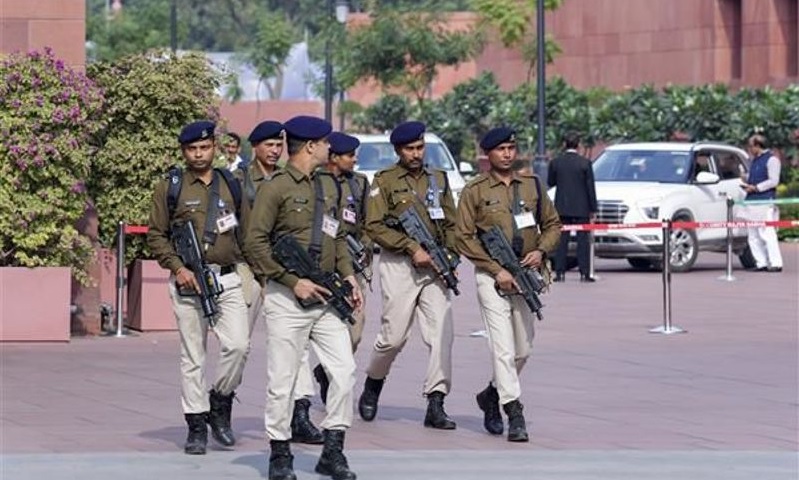
India
India's Central Armed Police Forces (CAPFs) are facing a significant manpower crisis, with the Central Industrial Security Force (CISF) being the hardest hit. According to a recent disclosure by the Ministry of Home Affairs, the CISF, which is tasked with securing vital industrial installations and airports, has a striking 18.7% deficit in its personnel.The CISF is currently operating with 151,925 personnel, which is substantially below its sanctioned strength of 186,924. This shortage is the most severe among the six CAPFs, which collectively are dealing with a 9.1% shortfall in manpower. This deficit poses serious challenges to the effective functioning of these forces, which play a critical role in maintaining national security.The Central Reserve Police Force (CRPF), the largest of the CAPFs, is also facing a significant manpower issue with a 9.9% deficit. The Indo-Tibetan Border Police (ITBP) follows closely with an 8.9% shortage, while the Sashastra Seema Bal (SSB) has a 5.9% shortfall. The Assam Rifles (AR) and the Border Security Force (BSF) both have a 4.5% deficit.In response to this widespread shortage, the government has ramped up recruitment efforts. Between April 2023 and February 2024, 67,345 recruits were inducted into the CAPFs, and an additional 64,091 vacancies are currently in various stages of the recruitment process. These efforts are part of a broader strategy to address the staffing crisis and ensure that the forces remain operationally ready.To expedite recruitment, several measures have been implemented. The government has entered into an agreement with the Staff Selection Commission for the annual recruitment of general duty constables. Additionally, the recruitment process for non-general duty positions has been accelerated, and departmental promotions have been made more efficient. The time required for medical examinations has also been reduced to hasten the recruitment process.The manpower shortages across the CAPFs raise concerns about their ability to effectively perform their duties, which include border security, counter-insurgency operations, and maintaining internal security. The ongoing recruitment efforts by the government are essential to bolster these forces and ensure they can fulfill their critical mandates.The CISF's significant shortfall, in particular, highlights the urgent need for increased recruitment and retention efforts. The force's role in safeguarding industrial installations and airports is vital, and any gap in its personnel could potentially compromise national security. The government’s proactive measures are a step in the right direction, but sustained efforts and possibly new strategies will be necessary to fully address the manpower crisis and ensure the CAPFs are well-equipped to handle their responsibilities.
Read More → Posted on 2024-08-07 14:41:52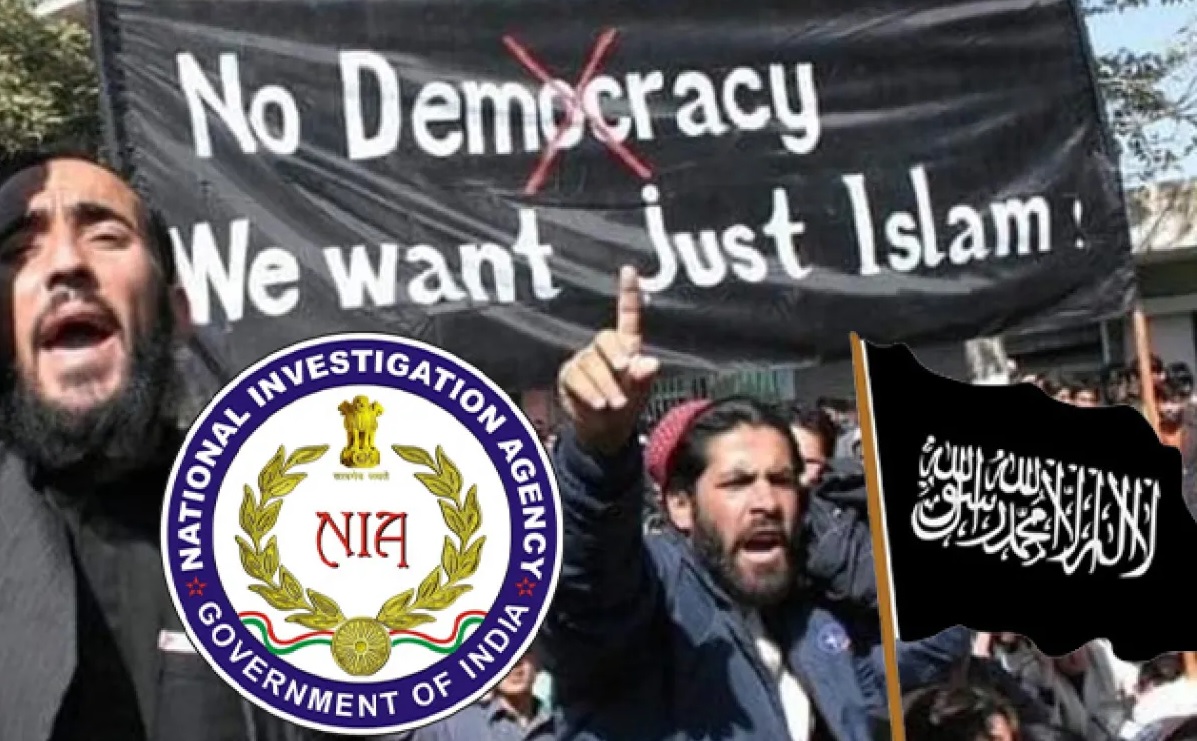
India
The National Investigation Agency (NIA) has taken control of a case involving members of Hizb-Ut-Tahrir (HuT), a radical Islamist organization, previously registered by the Chennai police. This move underscores the seriousness of the allegations and the potential ramifications at both national and international levels.The case involves several key members of the HuT, including Dr. Hameed Hussain, who is identified as the group's chief coordinator. Alongside him, his father Ahamed Manossor, brother Abdul Rahman, and associates Mohamed Maurice, Khader Nawaz, and Ahmed All Umari are also named as accused. They are alleged to have held secret meetings in Chennai to promote the organization's ideology and to have spearheaded a statewide campaign advocating for the establishment of Islamic rule in India.According to the First Information Report (FIR) filed by the NIA, the accused were engaged in activities against the sovereignty and territorial integrity of India by propagating divisive ideologies. These meetings reportedly took place at a hall in Royapettah, where the group aimed to disseminate their radical views as part of a broader campaign to establish Islamic rule.The case was initially registered by the Central Crime Branch of the Chennai police on May 21, under Section 13 of the Unlawful Activities (Prevention) Act. This led to the arrest of the accused. However, due to the gravity of the offense and its potential impact, the Union government decided to transfer the case to the NIA. This decision highlights the significant interstate links and the broader implications of the group's activities.Hizb-ut-Tahrir is a global Islamist organization known for advocating the establishment of a worldwide caliphate. It has been banned in several countries, including Bangladesh, Germany, Russia, and Turkey, due to its extremist ideologies and incitement of violence. The organization's radical views and calls for the overthrow of existing political systems pose a significant threat to national security.In Chennai, the group's activities came under scrutiny as they allegedly worked to spread their ideology and recruit members for their cause. Dr. Hameed Hussain, his family members, and associates are accused of leveraging these clandestine meetings to build a network that could challenge the secular fabric of India.The NIA's takeover of the investigation signals a robust response to the threat posed by Hizb-ut-Tahrir. The agency's mandate to tackle terrorism and related activities equips it to handle the complexities of this case, which involves multiple states and has potential international links. This move aims to dismantle the network and prevent any further spread of extremist ideologies.As the investigation progresses, the NIA will delve deeper into the activities of the accused, their connections, and the extent of their campaign. The outcome of this case will be crucial in setting a precedent for how such threats are managed in the future and in safeguarding the nation's sovereignty and territorial integrity.Overall, the NIA's involvement marks a critical step in addressing the challenges posed by radical organizations like Hizb-ut-Tahrir and ensuring that the rule of law prevails in the face of extremist threats.
Read More → Posted on 2024-08-07 14:33:12
India
The Indian government recently announced that a committee has recommended significant reforms to transform the functioning of the Defence Research and Development Organisation (DRDO). This revelation came during a session in the Rajya Sabha, where Minister of State for Defence Sanjay Seth responded to queries regarding the future of DRDO's operations.Sanjay Seth confirmed that the committee, led by Dr. Vijaya Raghavan, has proposed various reforms aimed at overhauling the DRDO. This announcement was part of a written response to questions about the government's plans to completely revamp the organization, which plays a crucial role in India's defense research and development.The committee's recommendations are seen as a critical step towards modernizing the DRDO, ensuring it remains at the forefront of technological innovation and defense capabilities. The proposed reforms are expected to address several operational inefficiencies and enhance the overall effectiveness of the organization.One of the key aspects discussed was the budget allocation for DRDO's various research projects. Minister Seth clarified that the expenses for these projects are covered by the regular budget of the DRDO, which is subject to standard increases. This ensures that the organization has the necessary financial resources to pursue its ambitious research and development goals.In addition to budgetary considerations, there was also a focus on enhancing the research staff capacity at DRDO. Minister Seth confirmed that there are plans to increase the number of research staff members based on the specific requirements of different projects. This move is aimed at bolstering the organization's capacity to undertake cutting-edge research and development activities.Furthermore, the government has formulated an Integrated Capability Development Plan to address the current and future security needs of the armed forces. This plan is developed by the Headquarters Integrated Defence Staff in consultation with all relevant stakeholders. It is reviewed annually as part of a two-yearly roll-over Annual Acquisition Plan, ensuring that the DRDO's efforts remain aligned with the evolving security landscape.These reforms and plans are part of the government's broader strategy to enhance the capabilities of India's defense sector. By overhauling the DRDO and ensuring it has the necessary resources and staff, the government aims to strengthen the nation's defense infrastructure and maintain a competitive edge in defense technology.The reforms proposed by the committee led by Dr. Vijaya Raghavan represent a significant step forward in this direction. As the DRDO continues to evolve and adapt to new challenges, these changes are expected to play a pivotal role in shaping its future trajectory and ensuring it remains a cornerstone of India's defense research and development efforts.
Read More → Posted on 2024-08-07 14:26:04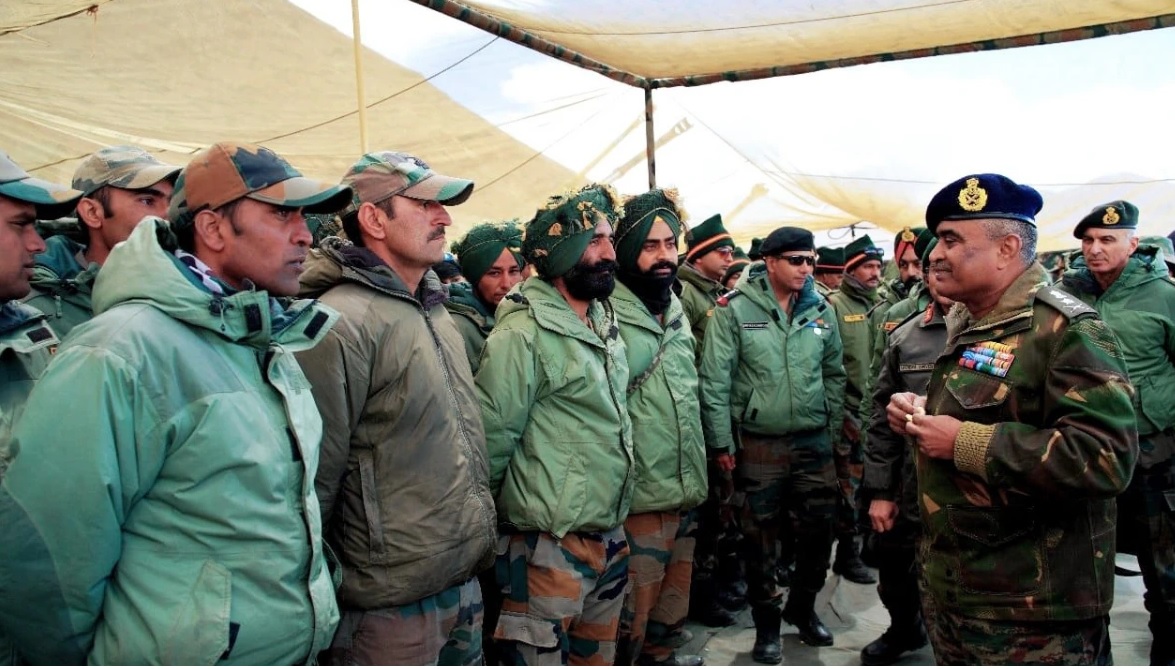
India
In a significant development, the Indian Army Chief, General Upendra Dwivedi, is slated to visit Ladakh this week to review the ambitious Strike Corps Exercise, Parvat Prahaar. This exercise comes against the backdrop of a prolonged military standoff with China that has persisted for over four years.The Parvat Prahaar exercise, a large-scale military operation, involves all major combat elements, including armoured formations and various other assets. Its primary objective is to validate new warfighting concepts and incorporate advanced technology into modern military strategies. This exercise is crucial for the Indian Army, especially in the high-altitude, challenging terrains of Ladakh.The Strike Corps, which has been integrated with the Northern Command in recent years, is at the forefront of developing and testing these new warfighting concepts. The ongoing exercise is a testament to the Indian Army's continuous efforts to enhance its operational capabilities in the region.Since the standoff with China began in 2020, India has significantly bolstered its military presence in Ladakh. The Indian Army has deployed over 500 tanks and armoured fighting vehicles and has rapidly developed infrastructure to support its troops. These efforts are aimed at matching the Chinese military deployments across the Line of Actual Control (LAC) and preventing any further attempts by China to alter the status quo.The region has seen the deployment of over 50,000 Indian troops, who are equipped to handle the harsh winters and challenging conditions of Ladakh. To support these troops, India has also focused on large-scale infrastructure development, ensuring both military and civilian establishments can operate efficiently in the high-altitude environment.The Parvat Prahaar exercise is not just a display of military strength but also a strategic move to test and refine the Indian Army's capabilities in mountain warfare. The validation of new concepts and technologies during this exercise will play a pivotal role in shaping the future strategies of the Indian Army in high-altitude warfare.General Dwivedi's visit to review the exercise underscores the importance of Parvat Prahaar in the Indian Army's broader strategy to secure its borders and maintain a robust defense posture in the region. As the situation with China remains unresolved, such exercises are crucial for maintaining operational readiness and ensuring that the Indian Army is prepared for any eventualities.In conclusion, the Strike Corps Exercise Parvat Prahaar represents a critical step in enhancing the Indian Army's combat readiness in Ladakh. With the ongoing standoff with China, these exercises are essential for validating new warfighting concepts and incorporating advanced technologies into military operations. General Dwivedi's review of the exercise highlights its strategic importance and the Indian Army's commitment to maintaining a strong defense posture in the region.
Read More → Posted on 2024-08-06 16:48:11
India
The Defence Acquisition Council (DAC), India's highest decision-making body for defence procurement, has recently given the go-ahead for several significant defence projects designed to enhance the country's military prowess. Under the leadership of Defence Minister Rajnath Singh, the DAC approved the scheduled refit of the aircraft carrier INS Vikramaditya, alongside other critical defence acquisitions.INS Vikramaditya, a modified Kiev-class aircraft carrier, is a central figure in the Indian Navy's arsenal. Commissioned in 2013 after extensive refitting and modernization in Russia, this 45,000-tonne behemoth plays a vital role in safeguarding India's maritime interests. The carrier is capable of carrying over 30 aircraft, including MiG-29K fighter jets and helicopters, and has been instrumental in various operations and exercises in the Indian Ocean region.The upcoming refit, set to occur later this year, is essential for maintaining and enhancing the carrier's operational capabilities. The comprehensive refit will involve extensive maintenance, repairs, and technological upgrades. These enhancements are crucial to ensuring that the vessel remains a potent force in the Indian Ocean, capable of projecting power and securing India's maritime boundaries.Specifically, the refit is expected to include upgrades to the carrier's sensors, communication systems, and weapons platforms. Such improvements will extend the service life of the INS Vikramaditya and significantly boost its combat capabilities. This move underscores the Indian Navy's commitment to maintaining a formidable presence in the region and adapting to evolving maritime challenges.In addition to the refit of the INS Vikramaditya, the DAC reviewed and cleared several other vital defence acquisition proposals. These proposals are anticipated to cover a wide array of equipment and systems for the Indian Army, Navy, and Air Force. The approvals reflect a comprehensive strategy to bolster the nation's defence infrastructure and ensure that the armed forces are equipped with the latest technology and capabilities.The decision to refit the INS Vikramaditya and approve other defence projects aligns with India's broader objective of modernizing its military and enhancing its strategic reach. As regional dynamics continue to evolve, such investments are crucial for maintaining a robust defence posture and ensuring national security.In summary, the DAC's recent approvals mark a significant step forward in India's defence preparedness. The refit of the INS Vikramaditya, coupled with other key acquisitions, will ensure that the Indian military remains capable, resilient, and ready to face any challenges in the years ahead.
Read More → Posted on 2024-08-06 16:38:23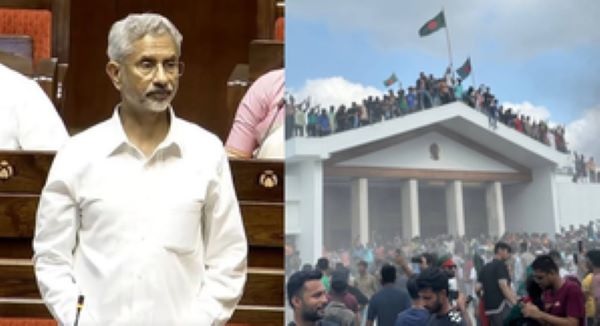
India
In a significant and somber address to the Rajya Sabha, External Affairs Minister S. Jaishankar shared India's deep concerns about the escalating violence in Bangladesh. Making a suo-moto statement, Jaishankar detailed the alarming situation where minorities, their businesses, and temples have come under attack at multiple locations in the neighboring country.The backdrop to this statement is marked by the resignation of Prime Minister Sheikh Hasina, who fled to India following massive violence in Dhaka and other regions. This development followed intense unrest that took a serious turn starting August 4, with properties associated with the regime being torched nationwide.Jaishankar emphasized the distressing nature of these attacks, particularly noting the targeting of minority communities. Although the full extent of the damage remains unclear, the Indian government is in continuous touch with authorities in Dhaka, urging them to ensure the safety and security of Indian establishments and the well-being of the affected minorities.The relationship between India and Bangladesh has been notably close for many decades, spanning various governments. Jaishankar expressed hope for a return to normalcy once the situation stabilizes, while acknowledging the sensitivity of the issue and seeking support from the members of the House.The turmoil in Bangladesh has been building since the January 2024 elections, which heightened political tensions and polarization. Student agitations that began in June escalated into widespread violence, including attacks on public buildings and infrastructure. Despite repeated calls for restraint and dialogue, the unrest continued to grow, culminating in demands for Prime Minister Hasina's resignation.On Monday, demonstrators defied a curfew and converged in Dhaka. Following a meeting with security leaders, Hasina decided to resign and sought refuge in India. She arrived in Delhi shortly after receiving flight clearance from Bangladeshi authorities.The situation in Bangladesh is still evolving, with the Army chief announcing plans to form an interim government. The Indian government remains in close contact with the Indian community in Bangladesh, ensuring their safety through its diplomatic missions in Dhaka, Chittagong, Rajshahi, Khulna, and Sylhet. With an estimated 19,000 Indian nationals in Bangladesh, including around 9,000 students, the government is closely monitoring their status, especially since many students have already returned to India.In his concluding remarks, Jaishankar assured the House of ongoing efforts to monitor the situation, particularly concerning the protection and well-being of minorities. He highlighted initiatives by various groups aimed at ensuring their safety but maintained that India would remain vigilant until law and order are fully restored. Border guarding forces have also been instructed to stay exceptionally alert in response to the complex situation.Earlier, Jaishankar briefed an all-party meeting in Parliament about the developments in Bangladesh, appreciating the unanimous support and understanding from the members.As the situation unfolds, India remains committed to supporting its neighboring country while ensuring the safety and security of its citizens and diplomatic establishments in Bangladesh.
Read More → Posted on 2024-08-06 16:31:25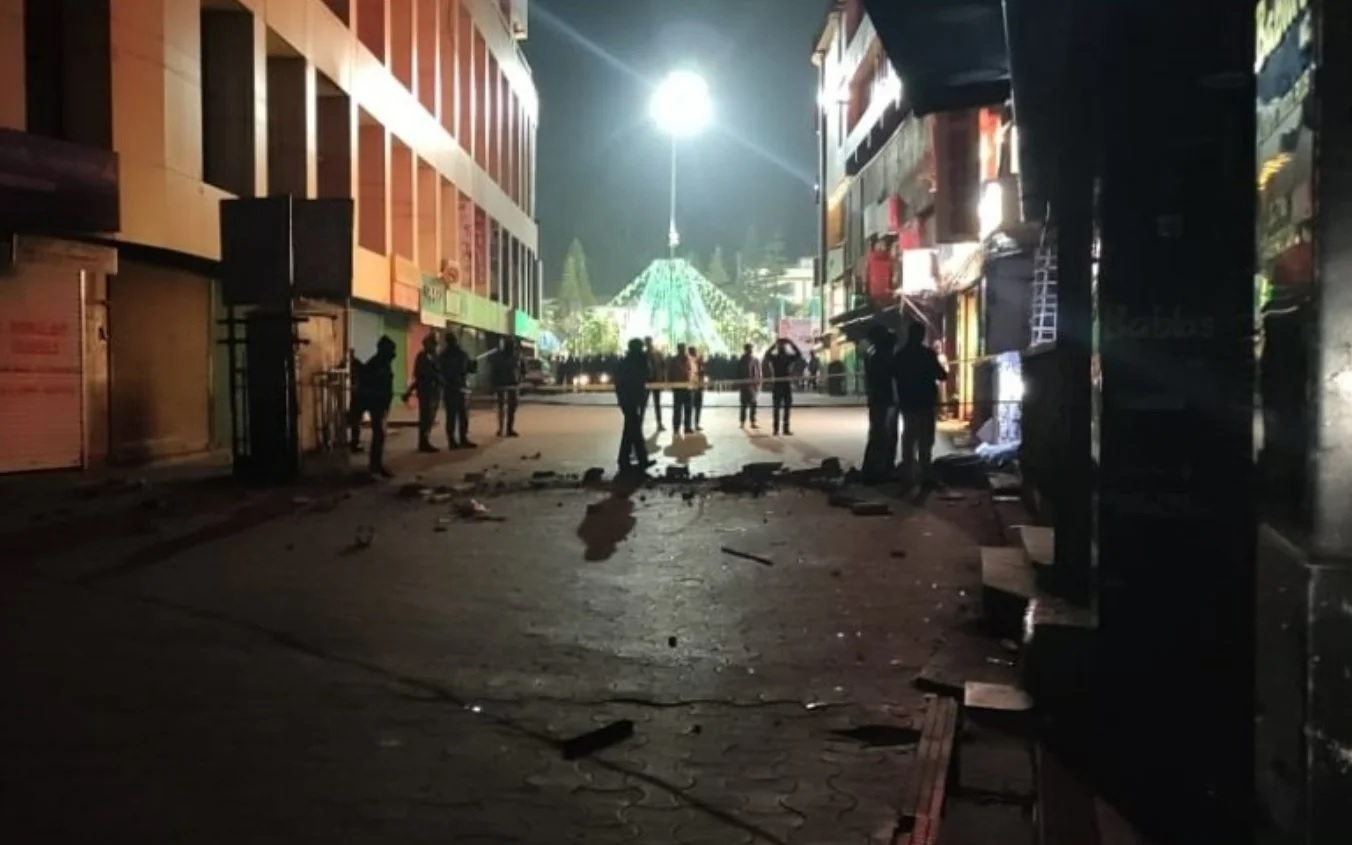
India
In a swift response to escalating unrest in neighboring Bangladesh, the Meghalaya state government has imposed a night curfew along its 444-kilometer stretch of the international border. Announced by Deputy Chief Minister Prestone Tynsong on Monday, the curfew will be in effect daily from 6 pm to 6 am until further notice. This decision follows an urgent meeting with Border Security Force (BSF) personnel and the Meghalaya Police, emphasizing the seriousness of the situation.The unrest in Bangladesh has caused significant concern among Indian authorities, prompting heightened security measures. The BSF has issued a "high alert" across all its formations along the extensive 4,096-kilometer India-Bangladesh border. This alert underscores the potential for spillover effects into the Indian border regions, necessitating proactive measures to ensure the safety and security of the local population.Tynsong highlighted the urgency of the situation, stating, "In view of the volatile situation, the state government has decided to impose night curfew along the international border with Bangladesh." This measure aims to prevent any untoward incidents that could arise from the unrest across the border and to maintain peace and order in the border areas.The decision to implement a night curfew was not taken lightly. The meeting with BSF and police officials underscored the need for coordinated efforts to monitor and manage the border situation effectively. The curfew is expected to help in controlling the movement across the border during night hours, which could be critical in preventing any cross-border infiltration or illegal activities that might exploit the current instability.Local residents along the border have been advised to adhere strictly to the curfew timings and cooperate with the authorities to ensure their safety. The state government, in collaboration with the BSF and local law enforcement agencies, is closely monitoring the situation and will make adjustments to the curfew as necessary based on the evolving circumstances.The imposition of this curfew reflects the broader concerns regarding border security and the potential impact of regional instability on India. The Meghalaya government’s decisive action demonstrates a commitment to safeguarding its citizens while also maintaining vigilance against any threats that may emerge from the ongoing unrest in Bangladesh.As the situation continues to develop, the authorities remain on high alert, prepared to take further measures if required. The collaboration between state and central security forces will be crucial in navigating this period of heightened tension and ensuring that peace and stability are maintained along the border.This proactive stance by Meghalaya serves as a reminder of the interconnected nature of regional security and the importance of swift, coordinated responses to emerging threats. The night curfew along the Bangladesh border is a precautionary step aimed at protecting both the residents and the integrity of the nation’s borders during these uncertain times.
Read More → Posted on 2024-08-06 16:14:38Search
Top Trending in 24 Hours
-
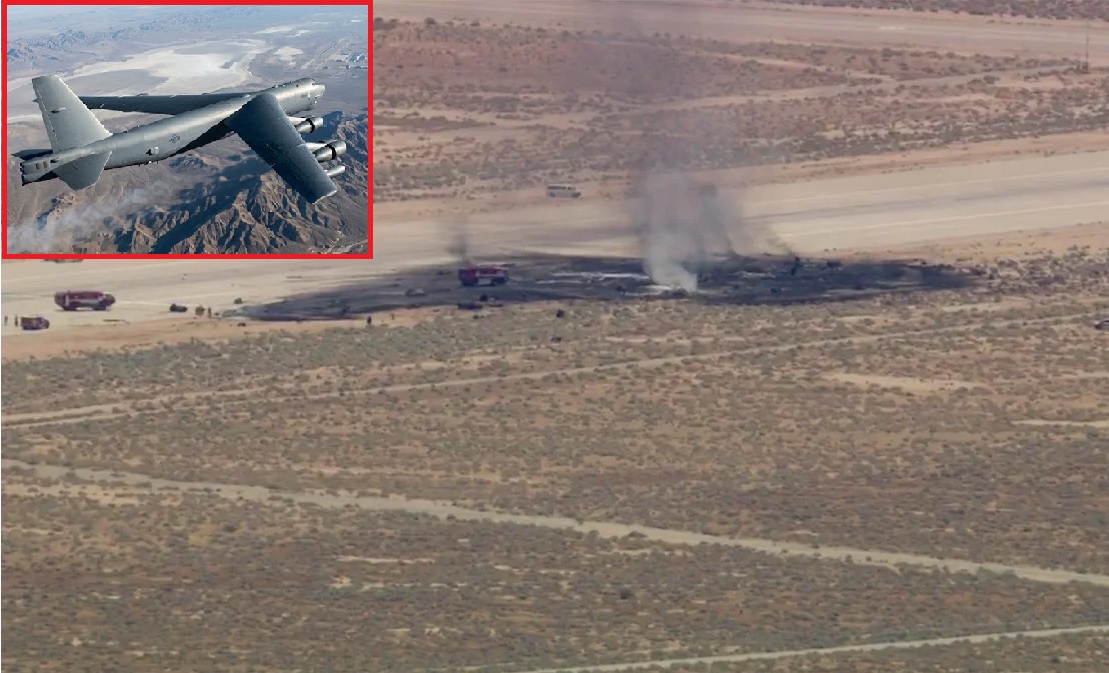 8 U.S. Air Force Crew Members Killed in B-52 Bomber Crash During Test Flight at Edwards Air Force Base
-
 Ukraine Introduces Balloon-Launched DART Missile Designed to Defeat Electronic Warfare
-
 Lockheed Martin Wins $514 Million U.S. Space Force Contract for Two New GPS IIIF Satellites
-
 UK Announces £210 Million Deal to Supply Enriched Uranium to Ukraine for Two Years
-
 Russian Frigate Admiral Grigorovich Challenges UK Yacht in English Channel With Warning Shots
-
 First Taiwanese F-16 Block 70 Flies with Five-Tank Fuel Configuration During Texas Tests
-
 Space Force Transfers Transportable Satellite Tracking Antenna to Naval Research Laboratory
-
 Patria Launches WISPR Passive Counter-Battery Radar with Silent Detection Capability at Eurosatory 2026
Top Trending in 4 Days
-
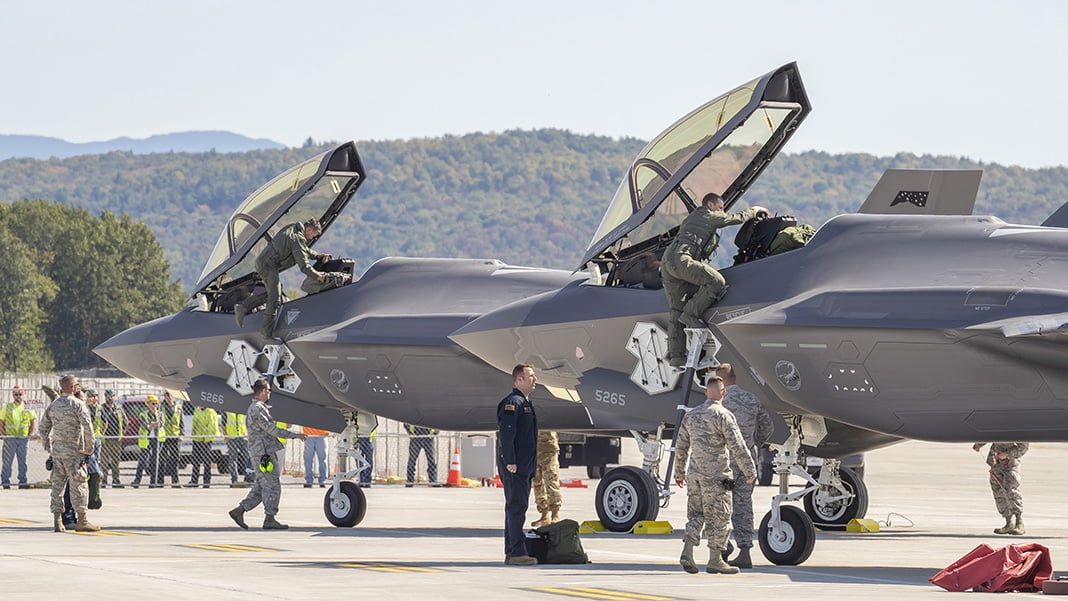 F-35 Fleet Readiness Falls to 25% Amid Parts Shortages and Software Delays: GAO Report
-
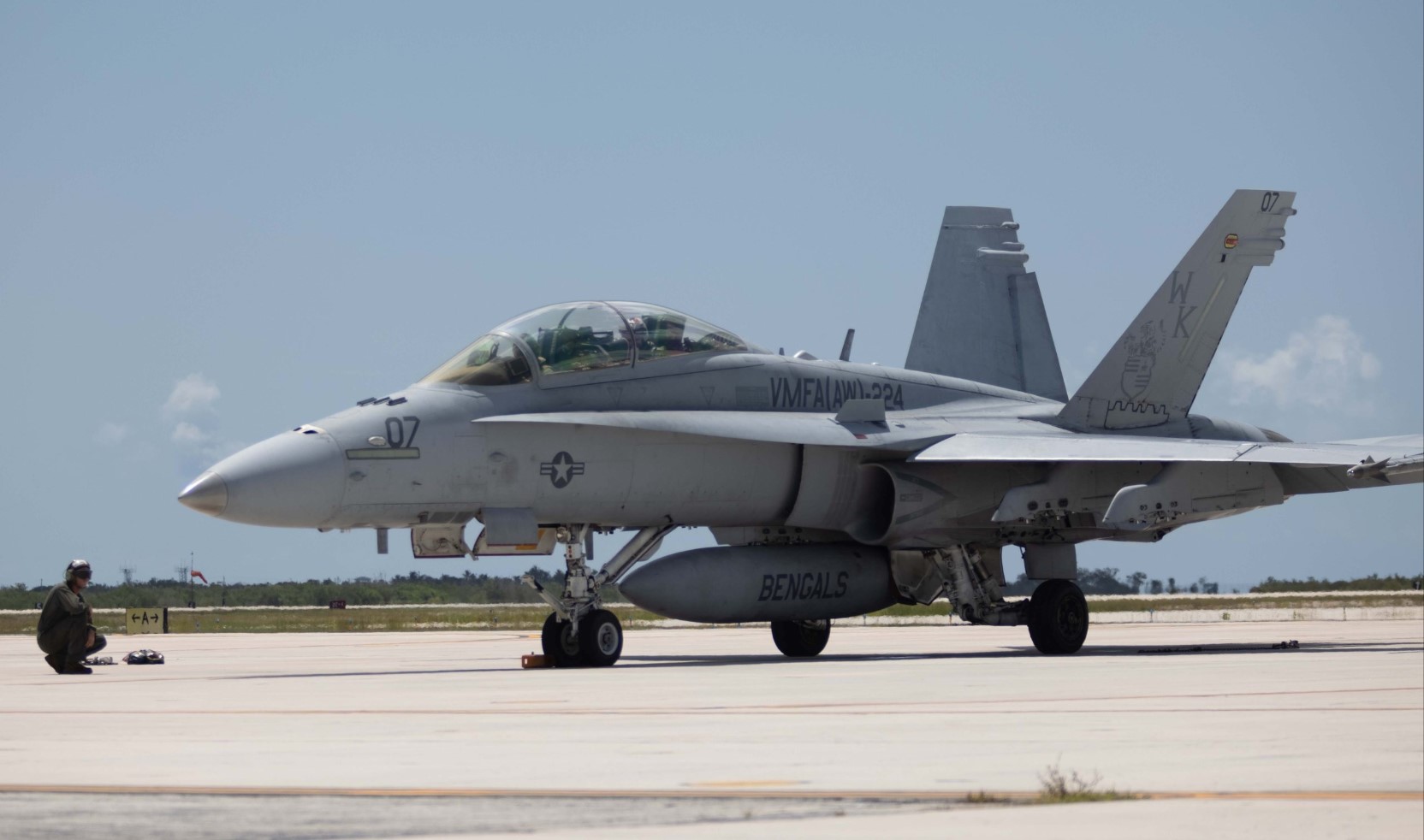 US Marine Corps F/A-18D Hornet Crashes During Training Flight in Washington Mountains; Pilot Ejects Safely
-
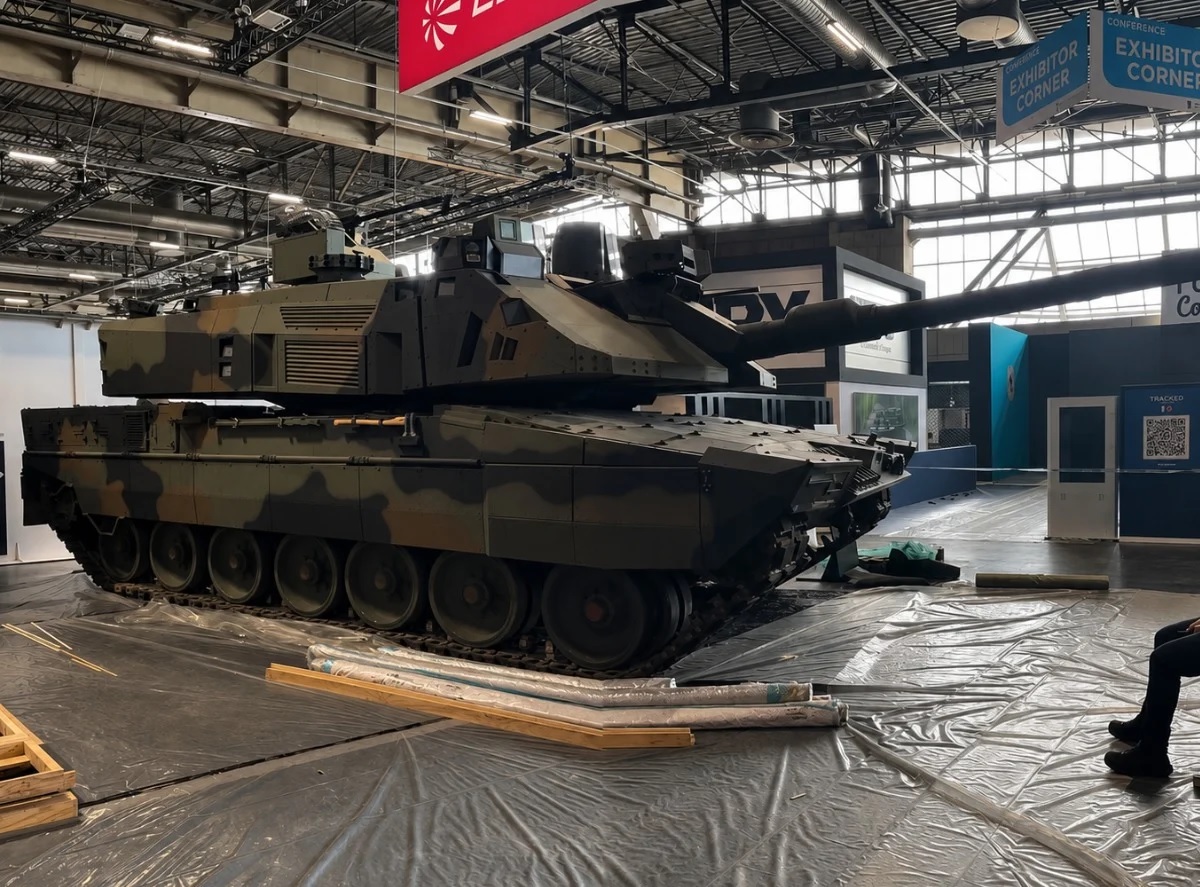 Leonardo Rheinmetall to Unveil Italy’s New IMBT Main Battle Tank at Eurosatory 2026
-
 Tulsi Gabbard Releases Declassified Files Detailing U.S.-Backed Network of 120 Biolaboratories Across 30+ Countries
-
8 U.S. Air Force Crew Members Killed in B-52 Bomber Crash During Test Flight at Edwards Air Force Base
-
 U.S. Approves $1.98 Billion Sale of Anduril AI-Powered Counter-Drone Systems to Kuwait
-
 NASA X-59 Achieves Planned Mission Conditions with Mach 1.4 Flight at 55,000 Feet
-
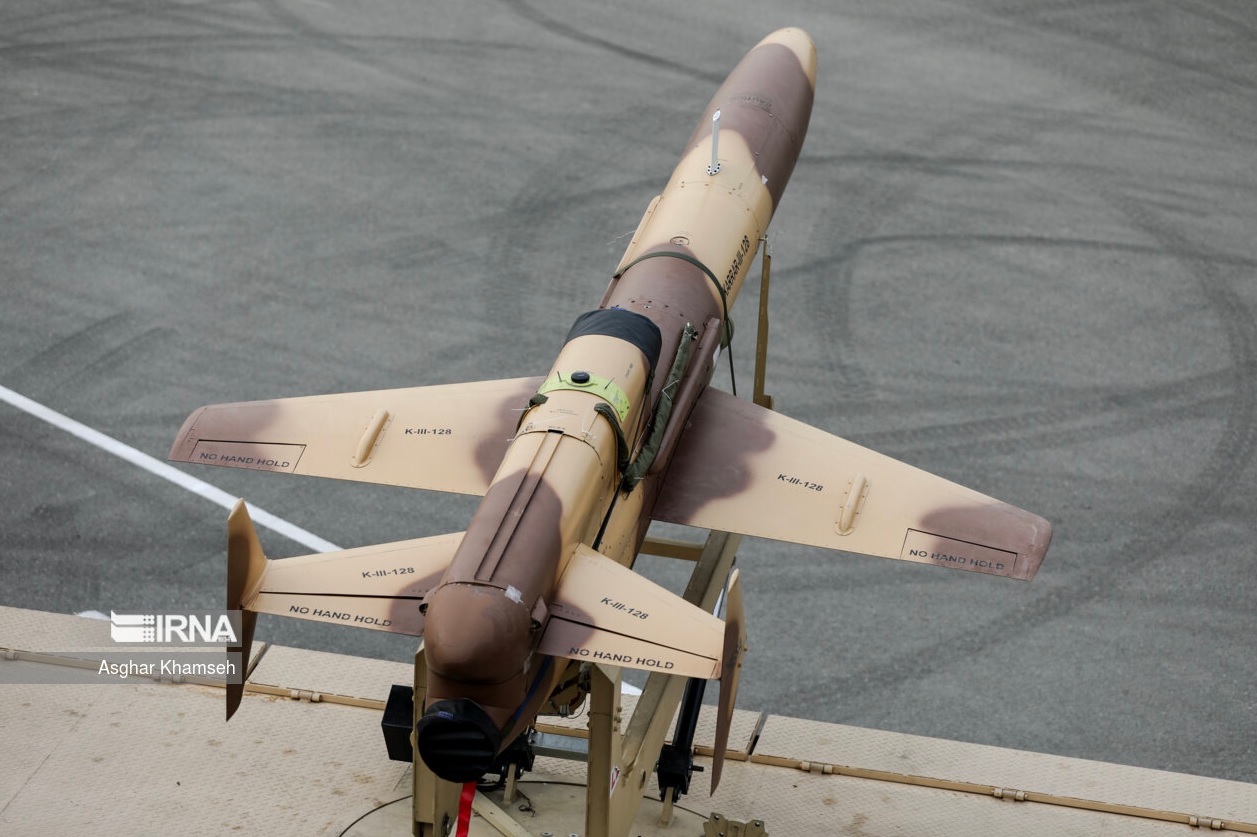 Russia Launches 1,400 Jet-Powered Drones in 2026 as Strike Tactics Evolve to Challenge Ukraine's Air Defenses