India
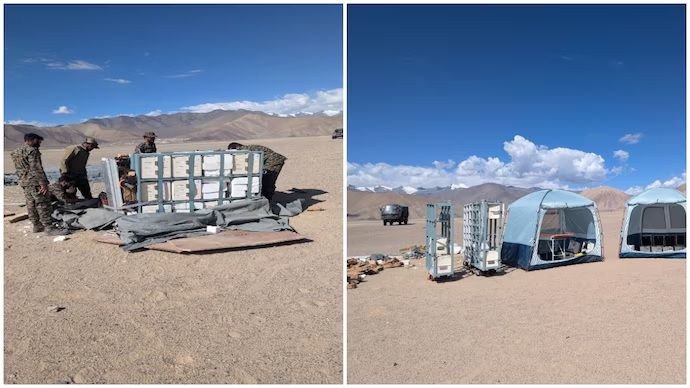
In a groundbreaking operation, the Indian Air Force (IAF) and Indian Army have jointly achieved a first-of-its-kind high-altitude para-drop, delivering an Aarogya Maitri Health Cube at an altitude of 15,000 feet. The Ministry of Defence announced this remarkable feat on Saturday, highlighting the seamless coordination between both forces in delivering critical healthcare support to remote, disaster-prone areas.The operation was conducted as part of Prime Minister Narendra Modi’s vision to enhance Humanitarian Aid and Disaster Relief (HADR) capabilities. The para-drop was carried out using the IAF’s C-130J Super Hercules, a tactical transport aircraft known for its ability to operate in challenging environments. The precision of the drop was ensured by the Indian Army’s Para Brigade, utilizing advanced deployment equipment to accurately position the cube at its intended location.The Aarogya Maitri Health Cube, a critical component of India’s humanitarian outreach, was developed under Project BHISHM (Bharat Health Initiative for Sahyog Hita and Maitri). This initiative aims to provide rapid medical assistance and disaster relief to nations in need, particularly those affected by natural calamities or humanitarian crises. The cube is designed as a mobile hospital unit, packed with advanced medical tools that can be quickly deployed in emergency situations.One of the standout features of the Aarogya Maitri Health Cube is its integration of artificial intelligence and data analytics, which enhance the effectiveness of disaster response efforts. These technologies enable real-time monitoring, efficient management of medical resources, and seamless coordination between field teams. The cube’s modular design allows it to be easily transported and set up in challenging environments, making it an invaluable asset in emergency scenarios.Showcasing jointness, #IndianAirForce & #IndianArmy conducted first-of-its-kind paradrop of indigenously-made world's 1st portable hospital at 15,000ft elevation. Aarogya Maitri Health Cube is part of BHISHM (Bharat Health Initiative for Sahyog, Hita & Maitri) to enhance HADR… pic.twitter.com/4gz7pH46cq— A. Bharat Bhushan Babu (@SpokespersonMoD) August 17, 2024 This successful para-drop marks a significant milestone in India’s HADR capabilities and showcases the synergy between the IAF and the Indian Army in executing complex missions in difficult terrains. The operation not only demonstrates India’s commitment to humanitarian causes but also underscores the importance of technological innovation in modern disaster management.As India continues to develop and refine its HADR operations, the Aarogya Maitri Health Cube is set to play a crucial role in global disaster relief efforts, offering timely and effective medical support where it is needed most.
Read More → Posted on 2024-08-17 17:11:08
India
In a significant legal development, the US Court of Appeals for the Ninth Circuit has ruled that Tahawwur Rana, a Pakistan-origin Canadian businessman accused of involvement in the 26/11 Mumbai terror attacks, is "extraditable to India." The ruling comes as a major breakthrough for Indian authorities seeking justice for the horrific attacks that claimed 166 lives in 2008. The decision affirms that Rana, who has long been under scrutiny for his role in facilitating the attacks, can be handed over to India under the extradition treaty between the United States and India.Who is Tahawwur Rana, and Why is He Extraditable?Tahawwur Hussain Rana, who was arrested in the US less than a year after the Mumbai attacks, is accused of providing logistical support to the masterminds behind the operation. According to Indian authorities, Rana was an operative for Pakistan’s Inter-Services Intelligence (ISI) and the Lashkar-e-Taiba (LeT), the terrorist organization responsible for executing the attacks. His close ties with David Coleman Headley, the main plotter of the Mumbai attacks, are central to the charges against him. Headley, who cooperated with investigators, revealed how he and Rana scouted key locations in Mumbai under the guise of running a travel agency.The US court’s decision to allow Rana’s extradition is based on a thorough examination of the evidence provided by India. The panel ruled that sufficient proof was presented to establish probable cause, and that Rana’s offense fell within the terms of the US-India extradition treaty.The Legal Background and Key ArgumentsRana had challenged the decision to extradite him to India by filing a habeas corpus petition, arguing that the crimes he is accused of in India are similar to those for which he was acquitted in the US. He contended that the "Non Bis in Idem" clause (which protects against double jeopardy) should apply. However, the US court rejected this argument, stating that the offenses charged in India have distinct elements that differ from the crimes for which Rana was previously tried in the US. The court relied on the plain text of the treaty, as well as analysis from the State Department and precedent set by other circuit courts, to arrive at this conclusion.India’s Case Against RanaThe charges against Rana are detailed in a 405-page chargesheet filed by the Mumbai Police, which describes his role in the 26/11 attacks. Indian authorities accuse him of being deeply involved in the planning stage, particularly by aiding David Headley in conducting reconnaissance missions. Headley’s testimony was crucial in unraveling the plot, implicating Rana as a key enabler of the attack. The chargesheet further asserts that the terrorists who carried out the assault followed a blueprint that Rana and Headley helped create.What’s Next for Rana?Rana’s legal battles may not be entirely over, as he can still seek a review of the decision or appeal to the US Supreme Court. However, if the extradition proceeds, it will mark a significant milestone in the long-pending effort to bring all those responsible for the 26/11 attacks to justice. For India, Rana’s extradition would not only close a crucial chapter in the case but also reaffirm its commitment to prosecuting cross-border terrorism.The Broader ImpactThe court’s ruling also underscores the strength of US-India cooperation in combating terrorism. The decision to extradite Rana highlights the willingness of both nations to work together to ensure that justice is served, even in cases involving highly sensitive geopolitical issues. If handed over to Indian authorities, Rana could face trial under the stringent anti-terror laws, with the possibility of severe penalties, including life imprisonment.For the victims and families affected by the 26/11 attacks, Rana’s extradition brings renewed hope that those responsible will be held accountable, no matter how long it takes.
Read More → Posted on 2024-08-17 17:09:04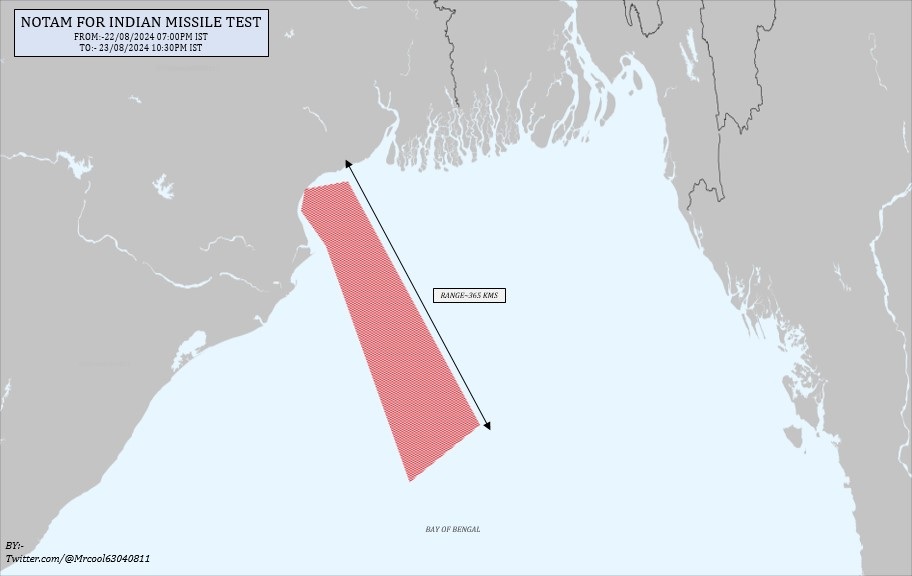
India
India has issued a Notice to Airmen (NOTAM) over the Bay of Bengal, marking a no-fly zone spanning a 365-kilometer area on August 22nd and 23rd, 2024. This notice has triggered widespread speculation about a likely missile test, though official details remain undisclosed. The restricted airspace suggests that India is preparing for yet another significant trial as part of its growing missile program.The specific type of missile involved is still under wraps. However, the dimensions of the restricted area have sparked discussions among defense analysts. One plausible theory points to the testing of an air-to-air missile system, given the smaller area typically associated with such evaluations. However, the expansive no-fly zone also hints at the potential testing of a surface-to-surface missile, which requires larger test zones due to the extended range and flight path.India’s missile development program has made substantial progress in recent years. The nation has developed a wide range of missile systems, including the Agni series of ballistic missiles, BrahMos supersonic cruise missiles, and advanced surface-to-air missile systems. These systems are designed for both offensive and defensive roles, boosting India's strategic deterrence and enhancing its military capabilities.The upcoming test could be part of India’s ongoing efforts to refine its missile technology. Whether it involves an upgraded version of an existing missile or a new development, such tests are vital to maintaining the nation’s defense readiness.This event underscores India’s steady march toward self-reliance in defense technology, reinforcing its position as a key player in missile technology in the region. As India continues to modernize its arsenal, tests like these play a crucial role in assessing and validating the operational efficiency of its missile systems.
Read More → Posted on 2024-08-17 17:05:06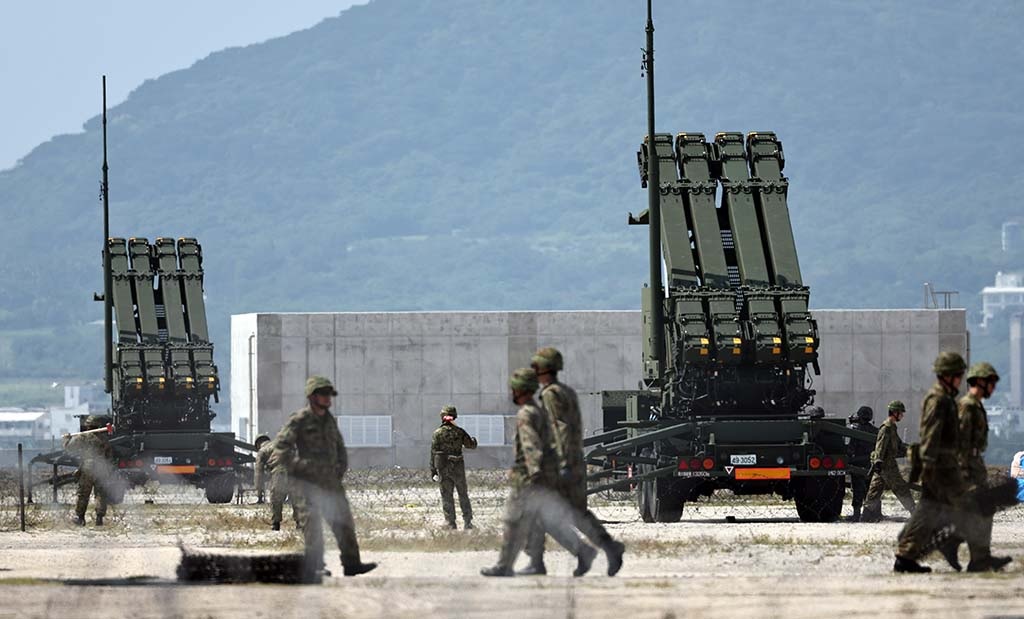
India
In a significant step towards enhancing joint military operations, U.S. Marines and soldiers are collaborating closely to fortify their air defense capabilities in response to an increasingly complex and threatening battlespace. This unprecedented cooperation reflects the evolving demands of modern warfare, where air defense has become a critical component of national security.Marines Host Army Air Defense TrainingFor the first time, Marines with Marine Air Support Squadron 3 (MASS-3), part of Marine Air Control Group 38 at the 3rd Marine Aircraft Wing, Camp Pendleton, California, hosted the Army’s air defense artillery fire control officer course. This three-week course, held in July, provided an in-depth focus on the role of fire control officers within the Army’s MIM-104 Patriot surface-to-air missile system.The Patriot system, known for its capability to detect, track, and engage threats ranging from aircraft to tactical ballistic missiles, is a cornerstone of the Army’s air defense strategy. As global threats evolve, the demand for robust air defense units has surged, leading to a strategic expansion of air defense specialties within the Army. This course allowed Marines to gain valuable insights into the Patriot system, equipping them with knowledge that can be integrated into their air defense strategies. Rising Demand for Air Defense CapabilitiesIn recent years, senior Army leaders have highlighted the growing demand for air defense units in overseas deployments and exercises. The Army is responding by adding hundreds of new air defense specialties in the coming years, reflecting the critical need for these capabilities in an era of increasing aerial threats.The Marine Corps, too, has recognized the importance of air defense in its restructuring efforts. The Corps is building Marine littoral regiments, which include littoral anti-air battalions. These battalions are set to be equipped with advanced radar systems and the Medium Range Intercept Capability (MRIC), a short-to-medium range air defense system. This development marks a significant shift for the Marine Corps, as MRIC will be the first organic surface-to-air missile system since the HAWK system was phased out in the 1990s.The Need for Enhanced Air DefenseThe urgency of enhancing air defense capabilities has been underscored by recent events. In January, three U.S. troops were killed, and dozens more were injured in a one-way attack on Tower 22, an outpost on the Syria-Jordan border. More recently, on August 9, eight U.S. troops were injured in an aerial drone attack on the Rumalyn Landing Zone in Syria. These incidents highlight the growing threat of aerial attacks and the need for robust air defense systems.The Army course at Camp Pendleton provided Marines with the opportunity to learn how to integrate the Patriot system, or similar systems, into their air defense network. Maj. John Christensen, operations officer for MASS-3, emphasized the significance of this training: “What the Marines gained from this course is an ability to take this knowledge back to our units and train Marines on Army air defense capabilities Joint Service CollaborationThe collaboration between the Army and Marine Corps is not limited to the Patriot system. The Air National Guard also plays a crucial role in this joint effort. In May, the Guard hosted a similar course at Joint Base Lewis-McChord, Washington, further enhancing the integration of air defense capabilities across the services.Lt. Col. Tyrone Anub Jr., commanding officer of MASS-3, highlighted the importance of this joint training: “The importance of this training to the joint force and to the Marine Corps cannot be overstated. Every missile needs to count — and every second does count.”As the U.S. military continues to adapt to the evolving threats of the modern battlefield, the collaboration between the Army and Marine Corps in air defense training represents a critical step forward. By sharing knowledge and integrating capabilities, these joint efforts are ensuring that both services are better equipped to defend against aerial threats and protect U.S. interests at home and abroad.
Read More → Posted on 2024-08-17 07:28:39
India
As the U.S. Space Force seeks to maintain its edge in an increasingly competitive and contested space domain, the Pentagon’s Defense Science Board (DSB) has issued a report calling for greater integration of commercial space technology into military operations. This follows the Space Force’s spring release of a high-level strategy aimed at leveraging commercial technology more effectively.The Case for Commercial Space TechnologyCommercial space technology has seen remarkable growth over the past decade. According to a 2023 report by McKinsey & Company, the global commercial space market was valued at $447 billion, with projections suggesting it could surpass $1 trillion by the 2030s. This rapid expansion has been driven by commercial firms launching rockets, building satellites, and providing essential services such as Earth observation and ground control. The DSB’s report emphasizes that the Defense Department (DoD) has much to gain by tapping into these innovations.“Commercial firms are driven by the exigencies of the market to deliver new products quickly and cost-effectively, incentivizing innovation and high productivity,” the DSB panel stated. “The department has much to gain by leveraging those world-leading efficiencies.”Recommendations from the Defense Science BoardThe DSB’s report outlines several key recommendations to help the Space Force and the broader DoD integrate commercial space technology more effectively:1. End-to-End Framework for Commercial Integration:The report calls for the development of an end-to-end framework to ensure that commercial systems and services are considered in every step of the Space Force’s acquisition process. This means integrating commercial offerings when defining requirements, empowering program managers to fund dual-use technology maturation, and incorporating commercial capabilities into tabletop exercises and wargaming scenarios.2. Budget and Procurement Strategies:The DSB advises that the Space Force should align its budgets and procurement strategies to facilitate the rapid adoption of commercial technologies. This includes establishing a working capital fund to support the integration of commercial and DoD operations and sustainment. A pilot program is also recommended to test this concept in wideband military satellite communications, following the model currently used for commercial SATCOM.3. Addressing Cultural and Bureaucratic Challenges:Despite recognizing the utility of commercial capabilities, the DoD’s bureaucracy and culture often hinder their adoption. The report points out that policy interpretation, security concerns, acquisition practices, funding models, and operational employment limit the potential reach of commercial space technologies. To overcome these challenges, the DSB suggests streamlining processes and fostering a culture that encourages commercial integration.4. Mitigating Security Risks:The adoption of commercial space technology does come with risks, particularly regarding cybersecurity and the resilience of private sector systems against adversarial threats. The DSB recommends making resiliency a requirement in commercial contracts and providing companies with the resources needed to harden their satellites and ground systems. Additionally, the DoD should improve how it shares threat information with the industry and help commercial firms obtain security clearances through initiatives like DARPA’s Bridges program.5. Vulnerability Assessments:The DSB also suggests that the Space Force conduct vulnerability assessments of existing commercial providers. The insights gained from these assessments could inform future contracts and requirements, ensuring that commercial systems used by the military are robust and secure.Strategic Implications for the Space ForceThe Space Force has already made strides in embracing commercial space technology, adopting a “buy before you build” approach to space acquisition. This strategy involves surveying existing commercial capabilities before developing military-specific systems, allowing the Space Force to leverage the latest innovations in a cost-effective manner.Both the Space Force and the Office of the Secretary of Defense released strategies in April to further integrate commercial technology. The Pentagon’s plan emphasizes the need for greater protection of private sector spacecraft from adversarial threats, while the Space Force’s strategy highlights satellite communications and space domain awareness as key areas for commercial partnerships. ConclusionAs the U.S. continues to navigate the complexities of space operations, the integration of commercial space technology offers a path to maintaining technological superiority. The Defense Science Board’s recommendations provide a clear roadmap for how the Space Force and the broader DoD can embed these capabilities into their processes and acquisition plans.By embracing commercial technology, the Space Force can not only enhance its operational capabilities but also ensure that it remains agile and responsive to the evolving threats and challenges of the space domain.
Read More → Posted on 2024-08-17 07:13:58
India
Amid growing concerns over the safety of Hindus and other minorities in Bangladesh, Nobel laureate and caretaker Prime Minister Muhammad Yunus reached out to Indian Prime Minister Narendra Modi. In a recent phone call, Yunus assured Modi of the "protection, safety, and security" of Hindus and all minority communities in the country. This assurance comes at a time of heightened tensions following violent protests in Bangladesh that led to widespread attacks on Hindu properties, businesses, and places of worship.The situation in Bangladesh escalated after Prime Minister Sheikh Hasina fled the country amidst mounting pressure and demonstrations demanding her resignation. These events triggered a wave of communal violence, particularly targeting the Hindu community. The violence has been most severe since August 5, affecting 52 out of 64 districts across Bangladesh, according to the Bangladesh Hindu Buddhist Christian Unity Council.During the conversation, Modi reiterated India’s commitment to supporting a stable and democratic Bangladesh. The Indian leader expressed concern over the attacks and emphasized the importance of preserving peace and protecting the rights of all citizens, regardless of their religious affiliation. Hindus, who make up around 8% of Bangladesh's population, have historically backed Hasina’s Awami League due to its secular stance, in contrast to opposition parties that include hardline Islamist factions.Reports indicate that many Hindus in Bangladesh are attempting to cross the border into India, seeking refuge from the violence. India, which shares deep cultural and economic ties with Bangladesh, has expressed its concern over the targeting of minorities. The recent attacks highlight the ongoing challenges faced by minority communities in the Muslim-majority nation.Yunus’s call to Modi is seen as an attempt to ease tensions and reassure both domestic and international stakeholders of his government’s commitment to safeguarding minorities. However, the situation remains fragile as the caretaker government faces the daunting task of restoring order while preparing for upcoming elections.
Read More → Posted on 2024-08-16 16:03:50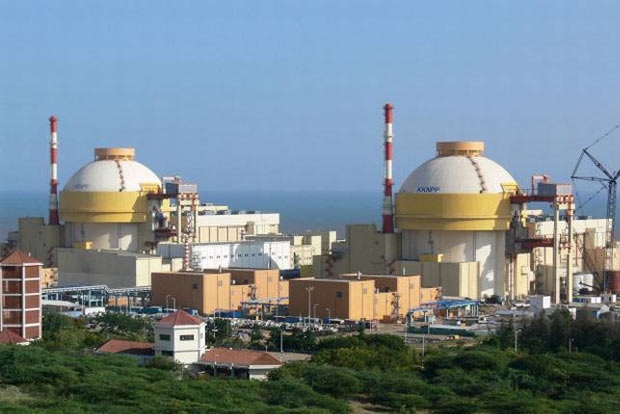
India
India and Russia are set to ink a high-stakes nuclear fuel agreement valued at ₹10,500 crore (approximately $1.27 billion), marking a significant boost in their longstanding energy partnership. The deal primarily focuses on supplying nuclear fuel and core components for units 3 and 4 of the Kudankulam Nuclear Power Plant in Tamil Nadu, currently being developed with Russian assistance. This collaboration not only strengthens India's energy security but also paves the way for localizing nuclear fuel production—a critical step toward self-reliance in the nuclear energy sector.Key Aspects of the DealThe Kudankulam project is one of India’s flagship nuclear power ventures, and once completed, it will house six reactors with a total capacity of 6,000 MW, making it the largest nuclear power project in the country. The current agreement is designed to ensure a steady supply of nuclear fuel, control rods, and inspection tools for the next several years. The timeline includes both the initial fuel loads and subsequent reloads, stretching from 2025 to 2033.The Push for Local ProductionA noteworthy element of this deal is the potential formation of a joint venture between India and Rosatom, the Russian state nuclear corporation, to produce nuclear fuel within India. This initiative aligns with India’s broader strategy of boosting domestic manufacturing and reducing dependency on external suppliers, especially in critical sectors like energy. Local production would not only support the Kudankulam plant but also contribute to India’s ambitious goal of ramping up its nuclear power capacity from the current 7 GW to 13 GW by 2029. Nuclear energy is a key component of India’s clean energy transition plan, aimed at meeting rising electricity demands while minimizing carbon emissions.Broader Implications and Strategic SignificanceThis deal goes beyond mere fuel supply; it symbolizes the deepening of strategic ties between India and Russia across various sectors, with energy cooperation being a cornerstone. In the face of global geopolitical shifts, the energy partnership between the two countries remains robust, reflecting mutual interests in maintaining stability and growth.The collaboration at Kudankulam is also a significant signal to the global energy community. As both nations push forward with this high-value agreement, it highlights India’s intent to expand its nuclear capabilities and Russia’s role as a reliable partner in the field of advanced nuclear technology.This joint venture, if realized, could serve as a blueprint for future Indo-Russian collaborations in energy, making nuclear power a key pillar of India's sustainable energy future.
Read More → Posted on 2024-08-16 15:57:17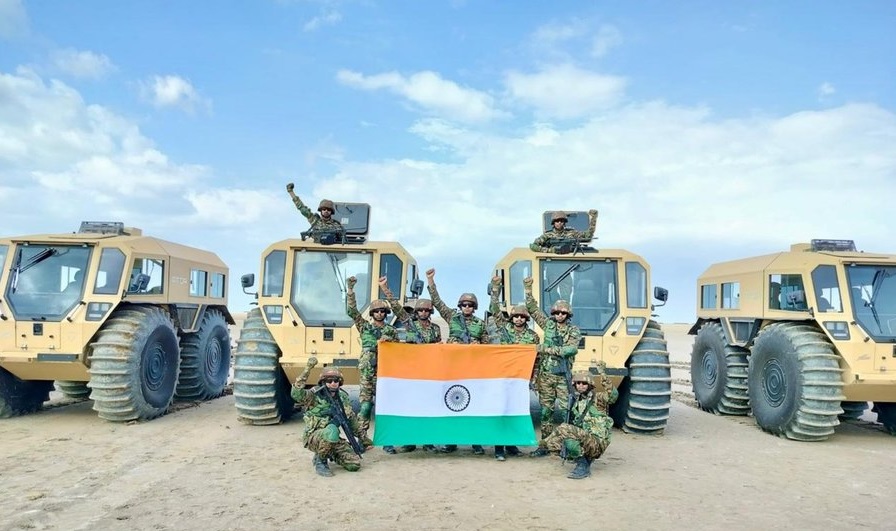
India
In a significant move towards enhancing its logistical and operational efficiency, the Indian Army has recently taken delivery of 96 ATOR N1200 Specialist Mobility Vehicles. These state-of-the-art amphibious vehicles, manufactured by JSW Gecko, a subsidiary of the JSW Group, are set to redefine how the Indian military navigates some of the country’s most challenging terrains.Key Features and SpecificationsThe ATOR N1200 is a rugged, all-terrain vehicle designed to operate across diverse environments such as water bodies, snow, mud, and sand. This vehicle is an indigenously adapted version of the globally recognized SHERP N1200, renowned for its extreme mobility and durability. The adaptation of this model for Indian conditions was achieved through a strategic collaboration between Copato Ltd of the United Kingdom, JSW Defence, and JSW Gecko. The partnership includes a joint venture and a technology transfer agreement, enabling local production under the 'Make in India' initiative.Manufacturing and DeploymentThe ATOR N1200s are being assembled at JSW Gecko’s state-of-the-art facility in Chandigarh, Punjab. This manufacturing unit is crucial for scaling up India’s defense production capabilities and reducing reliance on imports. The entire contract, valued at Rs 250 crore, was secured earlier this year, marking a significant investment in bolstering India’s indigenous defense industry.The Indian Army showcased these vehicles during the 2024 Republic Day Parade, reflecting their strategic importance. These vehicles are expected to be deployed in the North-Eastern regions and the Himalayan belt, where the harsh terrains demand reliable and versatile mobility solutions. With its amphibious capabilities and high maneuverability, the ATOR N1200 is ideally suited for the complex operational environments in these areas.Versatility Beyond the BattlefieldWhile the primary focus is on military applications, the ATOR N1200’s design and versatility open doors to various civilian uses as well. The vehicle is currently being evaluated for roles in disaster management, humanitarian aid, and remote logistics. Its ability to traverse otherwise inaccessible areas makes it an excellent candidate for relief operations and infrastructure development in remote regions.The Road Ahead: Civilian Applications and InnovationThe success of this project showcases India's growing self-reliance in defense manufacturing and signals a broader shift towards locally produced, advanced military hardware. The ongoing evaluations for civilian uses suggest that the ATOR N1200 could become a critical asset beyond defense, offering solutions for industries and government agencies involved in challenging field operations.As India continues to prioritize modernization, these new vehicles signify more than just technological advancement; they represent a step forward in innovation, strategic autonomy, and the broader development of the nation’s defense ecosystem.The delivery of the 96 ATOR N1200 Specialist Mobility Vehicles marks a significant achievement for the Indian Army and the country's defense industry. With their advanced capabilities and versatile applications, these vehicles are set to play a crucial role in enhancing India's operational readiness and disaster response, furthering the goals of the 'Make in India' initiative and showcasing the potential of indigenous innovation.
Read More → Posted on 2024-08-16 15:54:47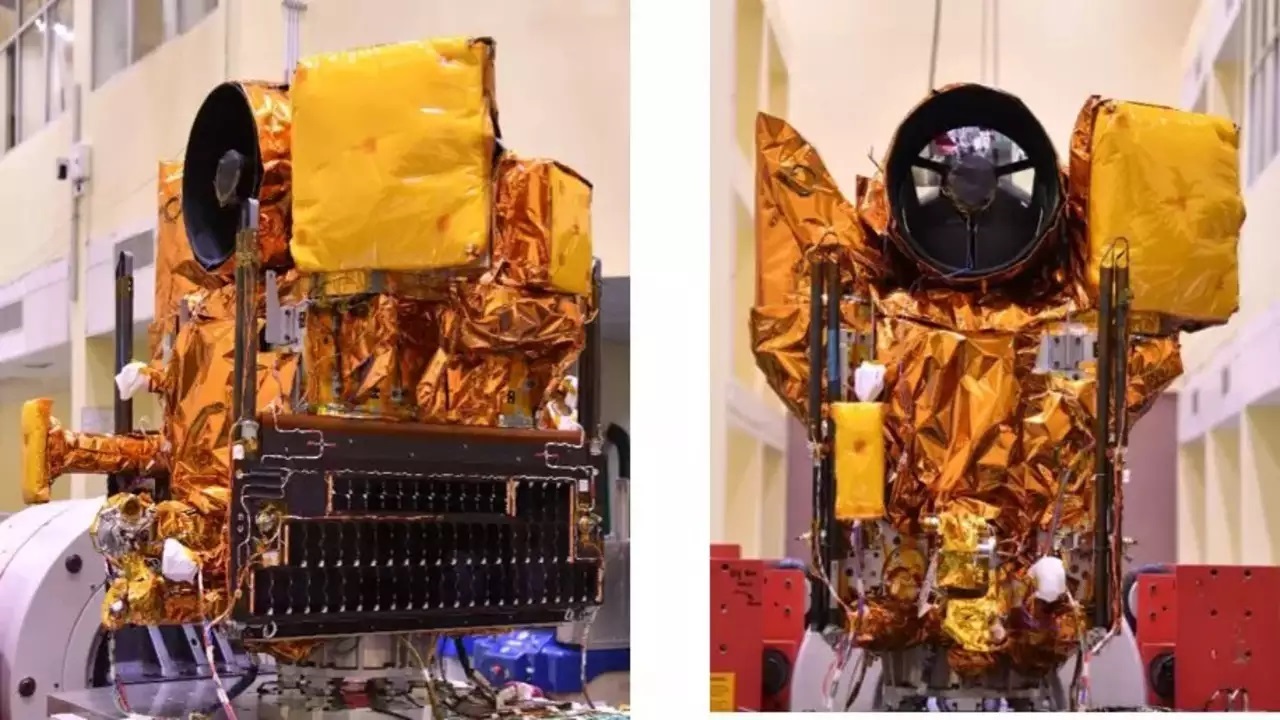
India
India’s space exploration agency, ISRO, has once again made headlines with the successful launch of its advanced Earth Observation Satellite, EOS-08, into perfect orbit conditions. The launch took place from the Satish Dhawan Space Centre (SHAR) in Sriharikota, marking a significant milestone in India’s space endeavors. The satellite was carried into space by the Small Satellite Launch Vehicle (SSLV-D3), a testament to ISRO's growing prowess in space technology. SSLV-D3: The Small Satellite Launch VehicleThe SSLV, or Small Satellite Launch Vehicle, is a three-stage launch vehicle designed to cater to the growing demand for small satellite launches. It is capable of launching Mini, Micro, or Nano satellites with a mass ranging from 10 to 500 kg into a 500 km planar orbit. The SSLV is powered by solid propulsion stages, with a liquid propulsion-based Velocity Trimming Module (VTM) acting as the terminal stage. The design of the SSLV is driven by several key factors:Low Cost: The SSLV is engineered to provide a cost-effective solution for satellite launches.Quick Turnaround Time: With a streamlined process, the SSLV offers rapid preparation and launch times, making it ideal for commercial missions.Flexibility: The vehicle is designed to accommodate multiple satellites, offering versatility for various mission requirements.Minimal Infrastructure: Unlike larger launch vehicles, the SSLV requires minimal launch infrastructure, making it suitable for a wide range of launch locations.Launch on Demand: The SSLV can be launched on demand, providing a reliable option for time-sensitive missions.The successful launch of SSLV-D3 not only highlights ISRO’s technological advancements but also marks the completion of the SSLV Development Project. With technology transfer to the Indian industry and NewSpace India Limited (NSIL), SSLV production for commercial missions will now be in full swing.EOS-08: Pioneering Earth Observation CapabilitiesEOS-08, the satellite launched aboard the SSLV-D3, represents a leap forward in Earth observation technology. The mission's primary objectives include designing and developing a microsatellite equipped with state-of-the-art payload instruments, paving the way for future operational satellites.The EOS-08 mission stands out for its innovative design and advanced technological features:Microsatellite Platform: EOS-08 is built on ISRO’s Microsat/IMS-1 bus, a standard platform designed for small satellite missions. Advanced Payloads: The satellite is equipped with a suite of payloads, including an Electro-Optical Infrared Payload (EOIR), a Global Navigation Satellite System-Reflectometry (GNSS-R) payload, and a SiC UV Dosimeter. These payloads enable EOS-08 to conduct a variety of observation tasks, from monitoring environmental conditions to detecting natural disasters.Detailed Payload CapabilitiesThe EOS-08 satellite's payloads are designed to address a broad range of applications:Electro-Optical Infrared Payload (EOIR): This payload is capable of imaging in both the Mid-Wave Infrared (MIR) and Long-Wave Infrared (LWIR) bands, providing valuable data for satellite-based surveillance, disaster monitoring, environmental monitoring, fire detection, volcanic activity, and industrial and power plant disaster assessment.GNSS-R Payload: This payload uses GNSS-based remote sensing to derive critical data such as ocean surface winds, soil moisture levels, cryosphere applications in the Himalayan region, flood detection, and inland waterbody detection.SiC UV Dosimeter: This dosimeter is crucial for monitoring UV irradiance at the Crew Module's viewport in the Gaganyaan Mission and serves as a high-dose alarm sensor for UV radiation.A New Era for ISROThe successful launch of EOS-08 is not just a technological achievement but a stepping stone towards more ambitious projects. With the deployment of the satellite's solar panels and its precise placement in orbit, ISRO has demonstrated its capability to develop and launch advanced microsatellites with minimal resources and infrastructure.This launch also marks a new chapter in India's commercial space operations. As SSLV production transitions to the Indian industry, the country is poised to become a key player in the global satellite launch market, offering cost-effective and reliable solutions for a wide range of missions.With EOS-08 now operational, ISRO continues to strengthen its position as a leader in space exploration, contributing valuable data for Earth observation and paving the way for future innovations in space technology.
Read More → Posted on 2024-08-16 08:10:24
India
Russia's Yantar Shipyard has recently commenced sea trials for two advanced guided-missile frigates destined for the Indian Navy: the future INS Tushil and INS Tamala. These vessels, part of the Talwar-class frigate fleet under Project 11356, are slated for delivery by early 2025. Their induction will mark a significant enhancement of India's naval capabilities, strengthening its maritime security and regional presence.A Glimpse into the Talwar-Class FrigatesThe Talwar-class frigates, designed by Russia's Severnoe Design Bureau, are modernized versions of the Soviet-era Project 1135 Krivak-class frigates. They are highly regarded for their versatility and combat effectiveness. Measuring 124 meters in length with a beam of 15 meters, these warships are powered by four gas turbines that enable them to achieve speeds of up to 32 knots (approximately 59 km/h). The frigates are armed with a formidable array of weaponry, making them a potent force in naval warfare. Their arsenal includes:Anti-Ship Missiles (AShM): These missiles are designed to destroy enemy ships with precision.Land-Attack Missiles (LAM): These missiles allow the frigates to engage targets on land, providing crucial support in coastal operations.Surface-to-Air Missiles (SAM): SAM systems are essential for the frigate's defense against aerial threats, ensuring protection from enemy aircraft and missiles.Naval Gun: A 100mm main gun that offers versatility in both surface warfare and shore bombardment.Close-In Weapon Systems (CIWS): Designed to protect the ship from incoming missiles and aircraft at close range.Torpedoes: These are used for engaging submarines, adding an anti-submarine warfare capability to the frigates.Project 11356: A Blend of Russian Expertise and Indian AmbitionThe construction of these frigates is part of a long-standing defense collaboration between India and Russia. Six of the eight Talwar-class frigates were built at Russia's Yantar and Baltic Shipyards, with the remaining two being constructed at Goa Shipyard in India. This collaboration exemplifies the deep ties between the two nations, particularly in the defense sector.Project 11356 is an evolution of the Krivak-class frigates, integrating advanced technology and improved weapon systems to meet the demands of modern naval warfare. The inclusion of stealth features, such as reduced radar cross-section and noise reduction systems, enhances the frigates' survivability in hostile environments.Strategic Significance for the Indian NavyThe induction of INS Tushil and INS Tamala will significantly bolster the Indian Navy's blue-water capabilities. These frigates will play a crucial role in securing India's maritime interests, especially in the Indian Ocean Region (IOR), which is of immense strategic importance. With their advanced weaponry and sensor suites, they are well-equipped to perform a variety of missions, including anti-submarine warfare, anti-surface warfare, and air defense.Furthermore, the enhanced capabilities of these frigates will contribute to the Indian Navy's efforts in maintaining regional stability and responding to emerging threats in a rapidly changing security landscape.The Road Ahead: Preparing for CommissioningThe ongoing sea trials of INS Tushil and INS Tamala are a critical phase in their journey towards commissioning. These trials are designed to rigorously test the vessels' performance across a range of parameters, including propulsion, weapons systems, sensors, and overall seaworthiness. The trials will ensure that the frigates are fully operational and capable of performing their intended roles effectively.Once commissioned, these warships will join the ranks of the Indian Navy's formidable fleet, enhancing its operational readiness and strengthening its position as a dominant maritime force in the region.
Read More → Posted on 2024-08-16 07:51:47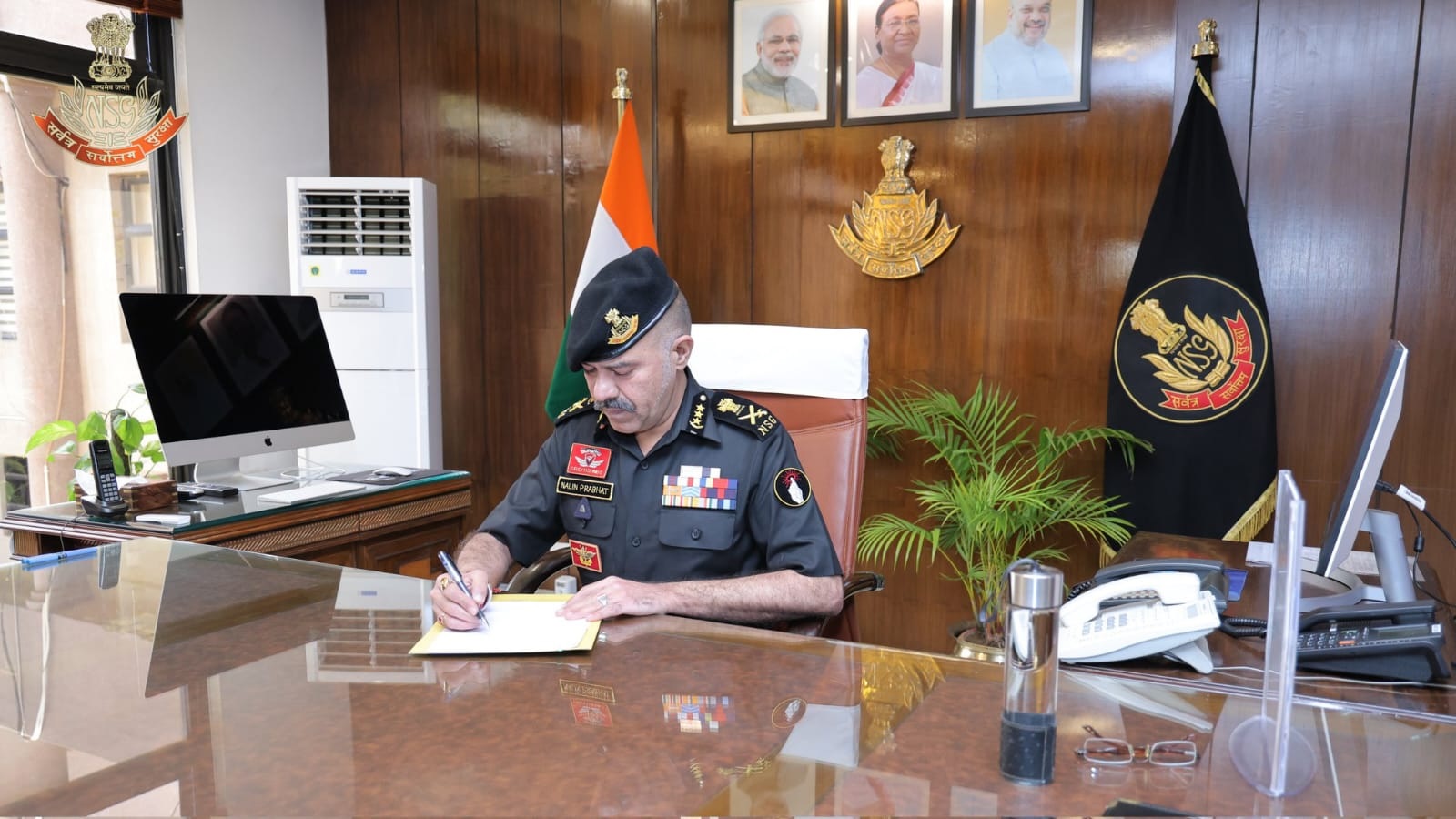
India
Nalin Prabhat, a distinguished Indian Police Service (IPS) officer of the 1992 batch from the Andhra Pradesh cadre, is set to take over as the Director General of Police (DGP) for Jammu and Kashmir (J&K). This transition will occur as the current DGP, R.R. Swain, retires on September 30, 2024, and is expected to be assigned a special role overseeing the Union Territory.Nalin Prabhat, who has been serving as the Director-General of the National Security Guard (NSG), will now step into his new role in J&K. His tenure as NSG DG will be cut short by an order from the Ministry of Home Affairs (MHA) issued on August 14. The order includes an inter-cadre deputation of Prabhat from the Andhra Pradesh cadre to the AGMUT (Arunachal Pradesh, Goa, Mizoram, and Union Territories) cadre for an initial period of three years. The MHA has directed that Prabhat be relieved of his current duties as NSG DG to facilitate his new assignment.Nalin Prabhat, born on March 14, 1968, in Thungri village, Manali, Himachal Pradesh, has a robust academic background with a B.A. (Honours) and M.A. from St. Stephen’s College, Delhi. His career has seen him take on various significant roles, including Additional Director General of the Central Reserve Police Force (CRPF) and Inspector General of CRPF in J&K. His experience in law enforcement and counter-insurgency operations in J&K is well-regarded, having earned him several honors, including the Police Medal for Gallantry with a second Bar, Parakram Padak, and the Police Medal for Meritorious Service.R.R. Swain, known for his dedication, integrity, and efforts to restore peace in J&K, will be transitioning to a special assignment following his retirement. This change in leadership is expected to bring a fresh perspective to the ongoing efforts to maintain order and security in the region.Prabhat's extensive experience and past accolades underscore his capability to lead J&K’s police force during this crucial period.
Read More → Posted on 2024-08-15 15:20:22
India
The insurgent group ULFA (Independent), a banned militant outfit in Assam, has triggered widespread panic after claiming that it planted 24 bombs across the state on Thursday. The group made this startling declaration in an email sent to media outlets, including PTI. The message listed 19 exact locations, with ULFA(I) mentioning that the placement details for the remaining five bombs were unspecified. Security forces, police teams, and bomb disposal squads are now racing to ensure the safety of citizens, combing the identified locations for any traces of explosives.Despite the alarming claim, there have been no confirmed reports of bomb recoveries yet. In some regions, like Nagaon, Lakhimpur, and Sivasagar, local police teams reportedly found suspicious "bomb-like materials." However, these findings remain inconclusive as experts are still verifying whether these objects are actual explosives.The email from ULFA(I) attributed the failure of the bombs to detonate to "technical issues." Interestingly, the outfit requested public cooperation in defusing the explosives, which appears to be a rare move for the militant group. This tactic could be intended to spread fear while avoiding mass casualties.The police have taken these claims seriously and deployed extensive resources to investigate the potential threats. Senior officers have been stationed at all identified locations, coordinating search efforts with specialized bomb disposal units, metal detectors, and sniffer dogs. Streets around the listed areas have been cordoned off, and traffic has been redirected as a precautionary measure.Guwahati, the capital city of Assam, is at the center of this tense situation, with eight of the 24 alleged bomb locations situated there. Notable spots include an open field at Last Gate in Dispur, an area near the official residences of Chief Minister Himanta Biswa Sarma and other ministers, as well as Satgaon Road near the Army cantonment in Narengi. Additional locations mentioned in the email are Ashram Road, Panbazar, Jorabat, Bhetapara, Maligaon, and Rajgarh within Guwahati.Beyond the capital, districts like Sivasagar, Dibrugarh, Lakhimpur, Nagaon, Nalbari, Tamulpur, Tinsukia, and Golaghat have also been cited as sites where bombs might be planted. Authorities in these regions are conducting thorough searches and maintaining heightened vigilance.ULFA(I) has a long history of insurgency and violence in Assam, seeking an independent Assamese state. While peace talks have been held with some factions of the group, the anti-peace talk wing led by Paresh Baruah remains active and has been responsible for several violent incidents over the years.This latest threat by ULFA(I) comes at a time when the region is witnessing relative peace, raising concerns that the group is attempting to reassert its presence and intimidate the government. The situation remains tense as search operations continue, with security forces staying on high alert to prevent any possible attack.Authorities are urging the public to remain calm but vigilant, and to report any suspicious activity immediately. The coming hours will be crucial in determining whether ULFA(I)’s claims are genuine or a tactic aimed at spreading fear without actual violence.As the security sweep intensifies, Assam remains on edge, hoping that this threat does not manifest into a dangerous reality.
Read More → Posted on 2024-08-15 15:16:24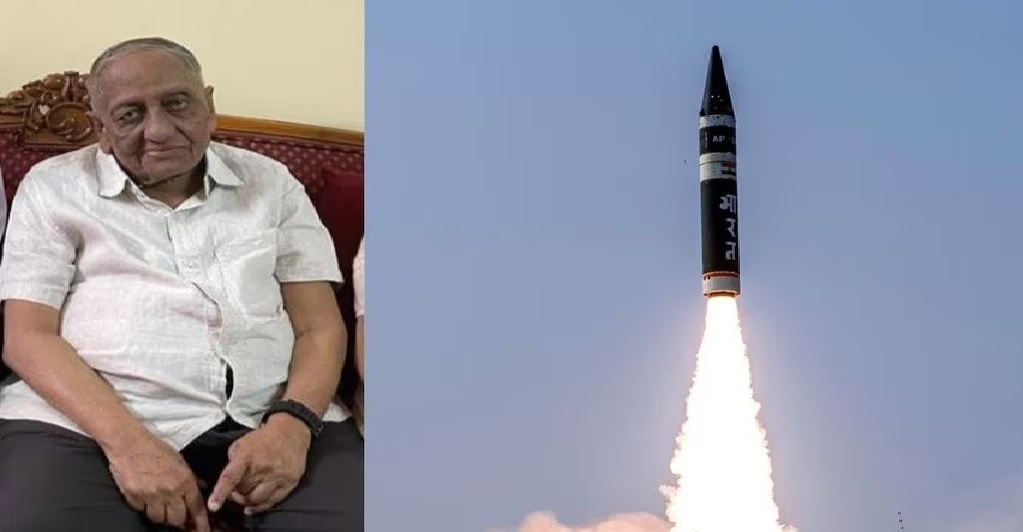
India
Renowned DRDO scientist Ram Narain Agarwal, celebrated as the "Father of Agni Missiles," passed away on Thursday in Hyderabad at the age of 84. His passing marks the end of an era in India's defense research and development, where his visionary contributions helped shape the nation's missile capabilities.Agarwal’s work with the Defence Research and Development Organisation (DRDO) left an indelible mark on India's strategic defense landscape. As the first Programme Director of the Agni missile program, Agarwal was the driving force behind the development of India’s long-range ballistic missiles, which have become a cornerstone of the country's nuclear deterrence. His dedication and technical prowess earned him the title "Agni Man," a recognition of his central role in the successful deployment of these critical weapons.Under his leadership, the Agni missile program evolved from its early stages into a sophisticated system, making India one of the few nations with indigenously developed long-range missile technology. The Agni series, with its variants ranging from medium to intercontinental ballistic missiles, was instrumental in bolstering India's defense posture. Dr. Agarwal’s strategic vision guided the development of these missiles, ensuring they met the complex requirements of range, payload capacity, and accuracy.Beyond his technical contributions, Dr. Agarwal played a key role in expanding the nation’s missile manufacturing and launch infrastructure. His efforts helped establish advanced production and testing facilities, enabling India to scale its missile programs with greater efficiency. His leadership in setting up long-range missile launch facilities laid the groundwork for future defense advancements.Prominent scientists and defense experts have expressed their condolences, highlighting the profound impact Dr. Agarwal had on the scientific community. Former DRDO chief and missile scientist Dr. G. Satheesh Reddy described him as a legend, noting that his contributions will continue to inspire generations of scientists. Dr. Reddy emphasized that Dr. Agarwal’s work was not just about building missiles but also about building a self-reliant India capable of defending itself through indigenous technology.Throughout his career, Dr. Agarwal received numerous accolades and awards, including the Padma Bhushan, for his outstanding contributions to India's defense sector. He was widely respected not only for his technical acumen but also for his mentorship and leadership, guiding younger scientists in achieving greater heights in defense research.As India reflects on the legacy of Ram Narain Agarwal, it is clear that his contributions went beyond just engineering feats. He was a key architect in the creation of a robust missile ecosystem that today forms the backbone of India's strategic defense. His legacy will live on through the continued advancements in the missile programs he spearheaded, securing India’s place as a formidable power in global defense technology.Ram Narain Agarwal's passing is a significant loss to the scientific community and the nation. However, his vision and achievements remain an enduring source of inspiration as India continues to build on the foundations he helped establish.
Read More → Posted on 2024-08-15 15:14:37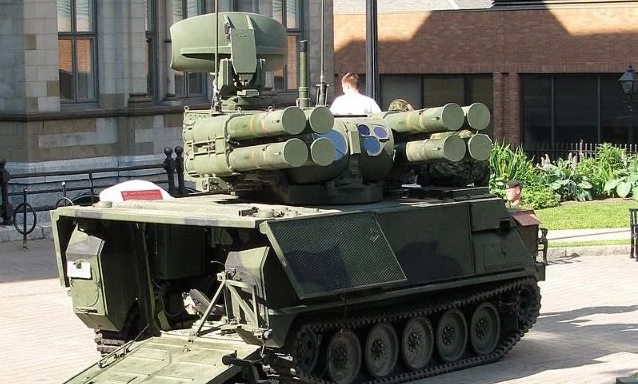
India
In a move aimed at strengthening India's air defence capabilities, the Indian Army has released a Request for Information (RFI) seeking domestic solutions for the procurement of over 90 Carrier Air Defence Tracked (CADET) systems. This effort is part of a larger strategy to modernize the Army’s air defence network and address emerging aerial threats with enhanced agility and precision.What are CADET Systems?The CADET platforms are tracked vehicles designed to serve as versatile air defence systems. They can be configured for various roles, including missile-based air defence, anti-aircraft gun systems, or a hybrid of both. The flexibility of these platforms allows the Indian Army to customize the systems based on specific threat scenarios, ensuring effective protection against aerial threats ranging from low-flying helicopters to high-speed fighter jets.Key Specifications and RequirementsOne of the core requirements for the CADET systems is to ensure high power efficiency, particularly in challenging high-altitude regions like Ladakh and the northern borders. Operating in these mountainous terrains often leads to significant power loss for standard engines; hence, the CADET platforms must be equipped with engines that can maintain performance even in oxygen-deprived environments. This capability is essential to securing India’s strategically vital regions where air defence is a priority.Additionally, the CADET systems are expected to have integrated sensor and fire control systems that offer real-time target tracking, high mobility to rapidly reposition in response to shifting threats, and an ability to engage multiple targets simultaneously. The platforms must also be able to work seamlessly with other air defence assets, ensuring a layered and integrated approach to air defence.Supporting “Make in India” and Indigenous ManufacturingIn line with the government’s “Make in India” initiative, the RFI encourages domestic defence companies to participate without rigid restrictions. The open-ended nature of the RFI provides Indian industry players with the flexibility to propose innovative and diverse solutions, fostering domestic research, development, and production. By focusing on indigenous manufacturing, the Army aims to reduce its dependence on foreign suppliers and enhance self-reliance in critical defence technology.Strategic Importance and Future ExpansionThe initial requirement for over 90 CADET platforms is only the beginning. The Indian Army envisions these systems as the foundation for a broader air defence strategy, integrating them with Very Short Range Air Defence (VSHORAD) systems and other anti-aircraft solutions. The standardized CADET platforms simplify logistics, training, and maintenance, enhancing overall operational efficiency.Given the growing complexity of aerial threats—ranging from drones to advanced fighter aircraft—the CADET systems are seen as vital to the Army’s ability to respond effectively. By developing a scalable and adaptable air defence infrastructure, the Army plans to gradually expand its inventory of CADET platforms as part of a phased modernization plan.ConclusionThe Indian Army’s focus on acquiring over 90 Carrier Air Defence Tracked (CADET) systems underscores its commitment to bolstering air defence in both conventional and high-altitude environments. By promoting indigenous solutions, the Army is not only enhancing its defence capabilities but also supporting India’s broader goals of self-reliance and technological advancement. This initiative is a crucial step towards creating a robust and integrated air defence network that can effectively counter evolving aerial threats in the years to come.
Read More → Posted on 2024-08-15 15:09:27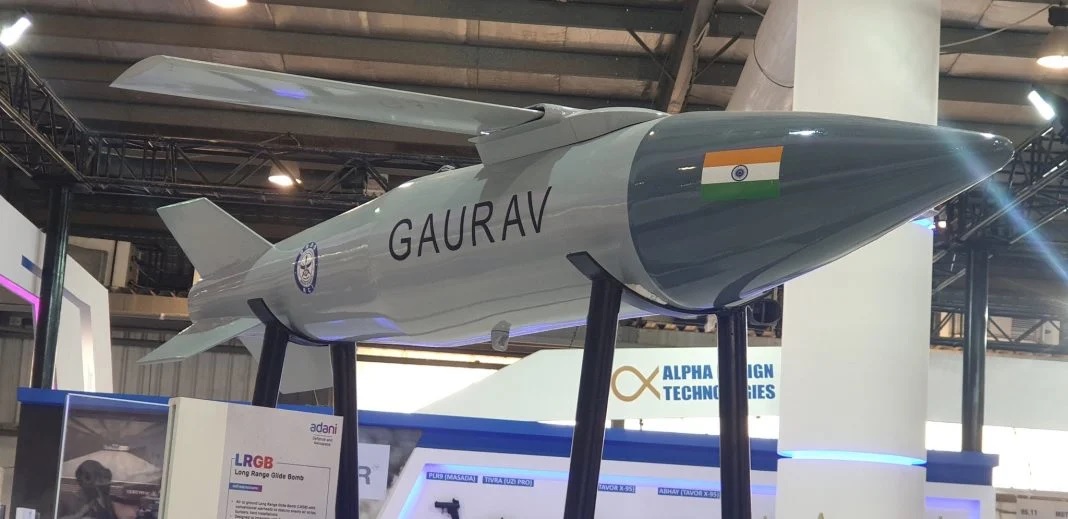
India
India has made a significant stride in its defense capabilities with the successful maiden flight test of its long-range glide bomb, the "Guarav." Developed by the Defence Research and Development Organisation (DRDO), the test was carried out off the coast of Odisha, marking a new milestone in India's indigenous defense technologies.Test Details and PerformanceThe flight test involved an Indian Air Force Su-30 MK-I fighter jet as the launch platform. During the test, the Guarav was released from the aircraft and demonstrated its precision by accurately hitting a target located 100 kilometers (approximately 62 miles) away. The glide bomb is guided by a hybrid navigation system that uses both inertial navigation and GPS technology, enabling it to strike with high accuracy. Telemetry and electro-optical tracking systems deployed by the Integrated Test Range monitored the entire test, capturing comprehensive flight data. Following the successful test, Defence Minister Rajnath Singh praised the DRDO and its development partners, emphasizing that this achievement is a crucial step in strengthening India’s defense capabilities and reducing reliance on imported weaponry.Specifications and Capabilities of the ‘Guarav’ Glide BombThe Guarav is a 1,000-kilogram (2,200-pound) air-launched glide bomb developed by the Research Centre Imarat (RCI) in Hyderabad, a key DRDO lab. Unlike missiles, which are powered by engines, glide bombs like Guarav rely on aerodynamic designs and winglets for controlled flight. The Guarav is particularly effective in penetrating hardened targets, making it ideal for high-risk missions involving fortified structures.The weapon uses a sophisticated blend of inertial and GPS-based navigation systems, ensuring precise targeting even in challenging environments. It is designed to be deployed from high altitudes, allowing it to glide towards its target from a considerable distance, reducing the risk to the launch aircraft. The bomb’s design also enables it to adjust its trajectory mid-flight, allowing for corrections and improved accuracy.Strategic Importance and Future ProspectsThe successful test of the Guarav signifies a major advancement in India’s quest for self-reliance in defense technology. As the country continues to face regional security challenges, the development of indigenous systems like the Guarav enhances its ability to conduct precision strikes while maintaining operational flexibility. The glide bomb's ability to hit distant targets with high precision makes it a valuable addition to India's arsenal, potentially offering significant advantages in future conflict scenarios.As India seeks to modernize its military with advanced technologies, the Guarav is expected to play a key role in boosting the country’s strategic deterrence capabilities. This test is likely the first in a series of evaluations aimed at refining the system before it is integrated into the Indian Armed Forces.The DRDO’s success in developing this glide bomb also aligns with India’s broader vision of promoting indigenous defense production and reducing dependence on foreign suppliers. The Guarav is poised to become a critical asset in India’s defense inventory, offering a new level of precision and effectiveness for the nation’s air-to-ground strike operations.
Read More → Posted on 2024-08-15 15:06:50Search
Top Trending in 24 Hours
-
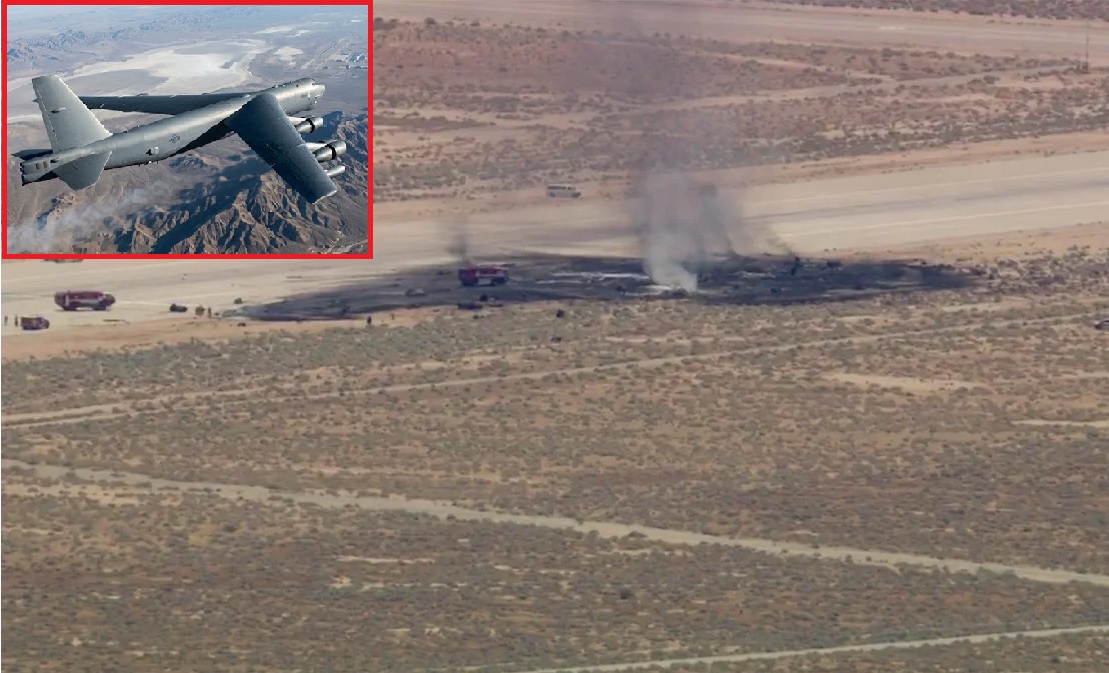 8 U.S. Air Force Crew Members Killed in B-52 Bomber Crash During Test Flight at Edwards Air Force Base
-
 Ukraine Introduces Balloon-Launched DART Missile Designed to Defeat Electronic Warfare
-
 Lockheed Martin Wins $514 Million U.S. Space Force Contract for Two New GPS IIIF Satellites
-
 UK Announces £210 Million Deal to Supply Enriched Uranium to Ukraine for Two Years
-
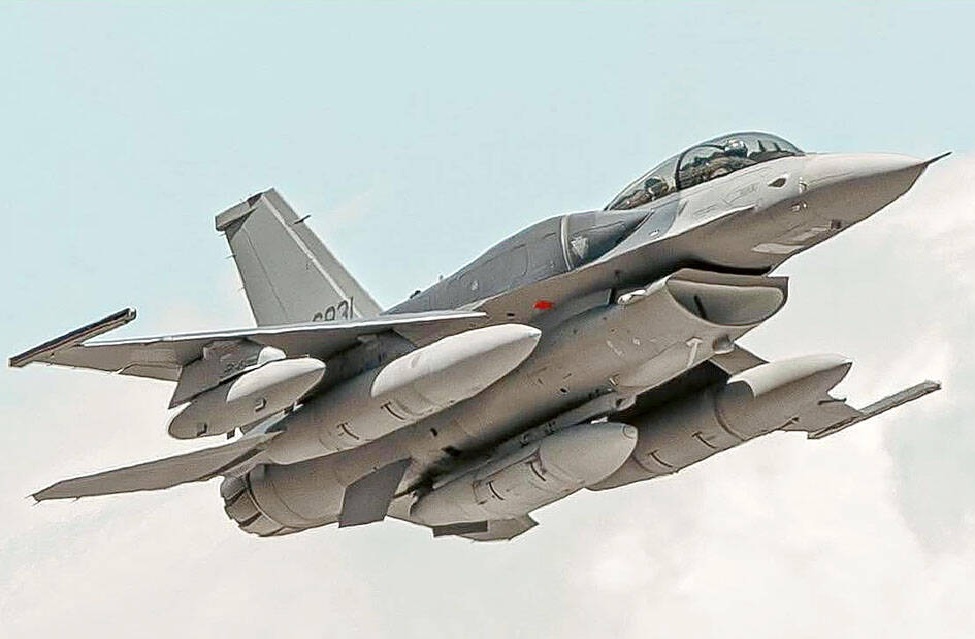 First Taiwanese F-16 Block 70 Flies with Five-Tank Fuel Configuration During Texas Tests
-
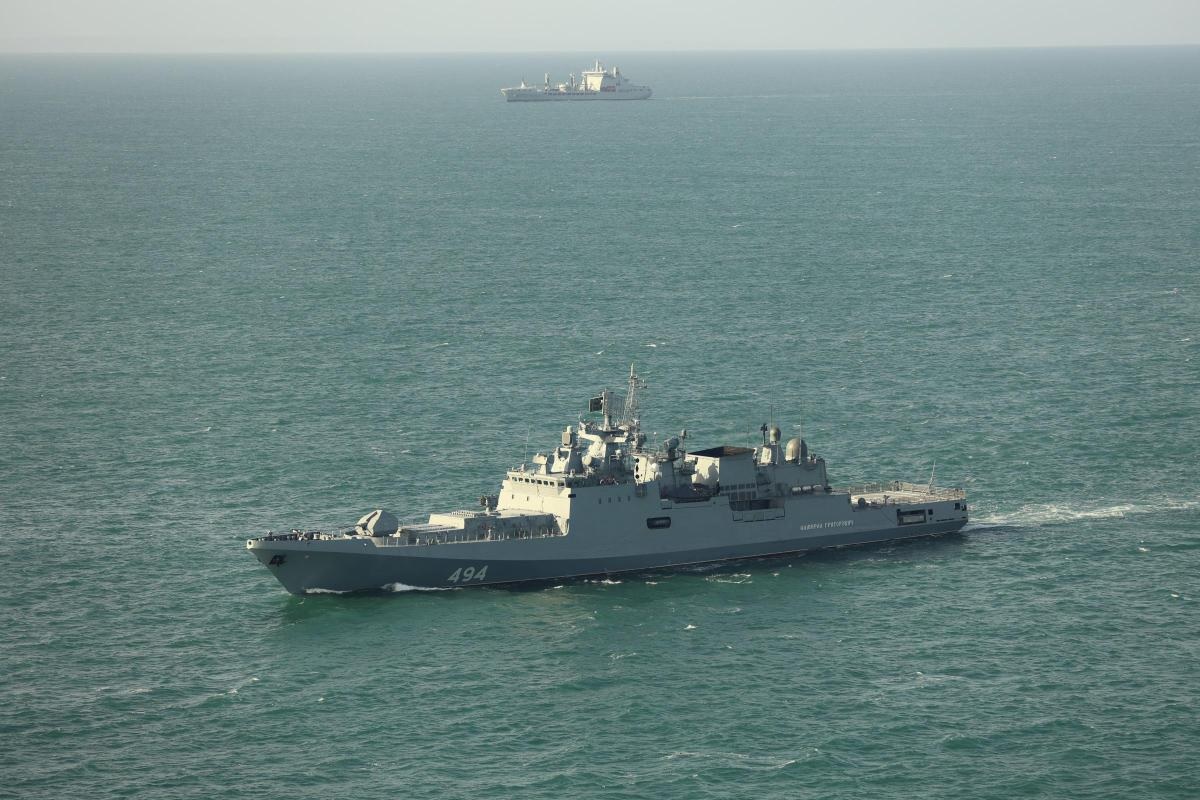 Russian Frigate Admiral Grigorovich Challenges UK Yacht in English Channel With Warning Shots
-
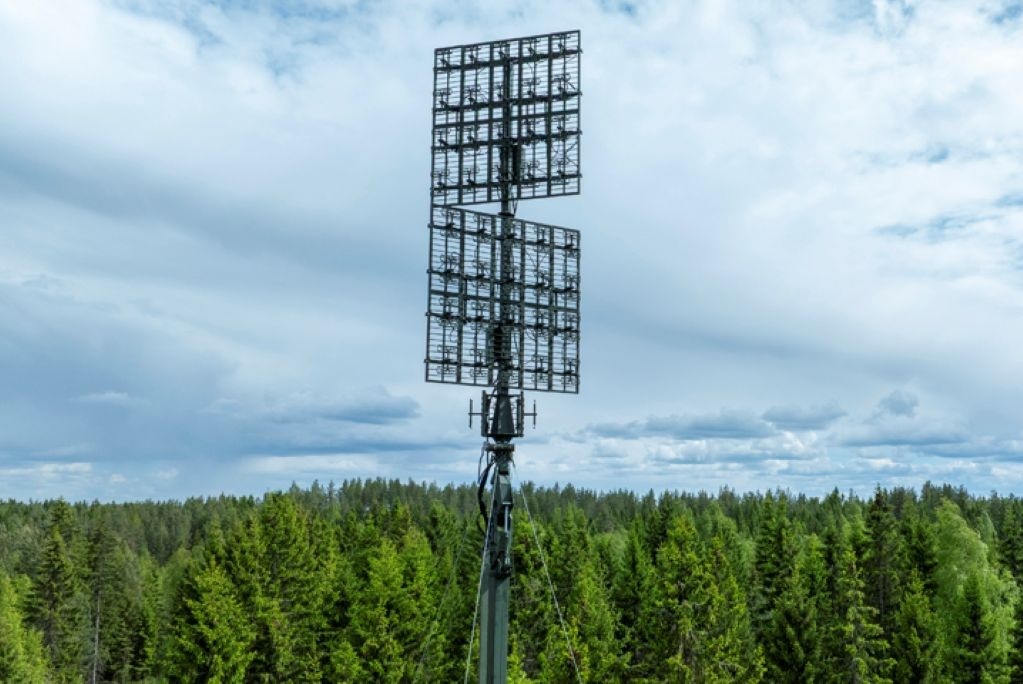 Patria Launches WISPR Passive Counter-Battery Radar with Silent Detection Capability at Eurosatory 2026
-
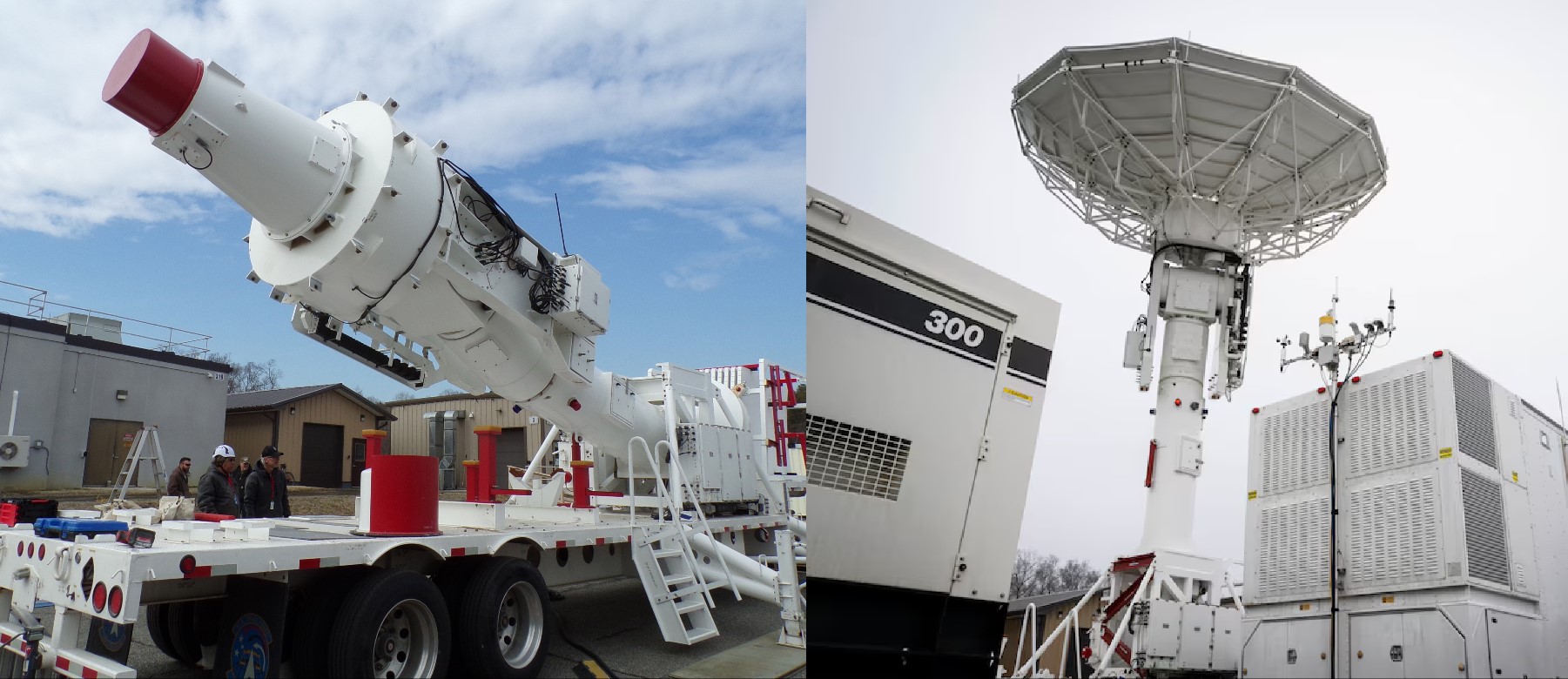 Space Force Transfers Transportable Satellite Tracking Antenna to Naval Research Laboratory
Top Trending in 4 Days
-
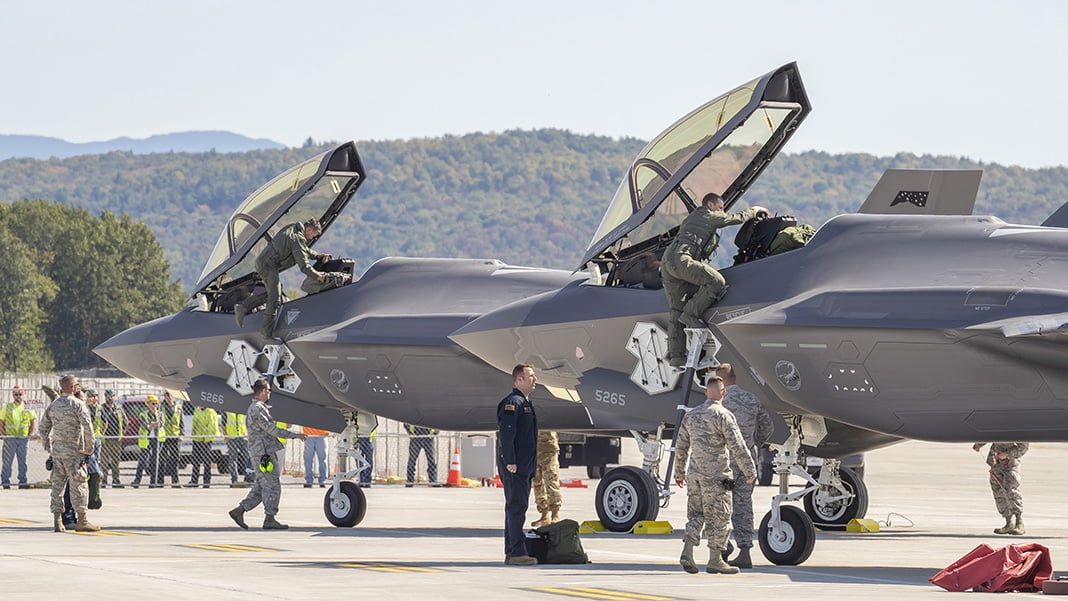 F-35 Fleet Readiness Falls to 25% Amid Parts Shortages and Software Delays: GAO Report
-
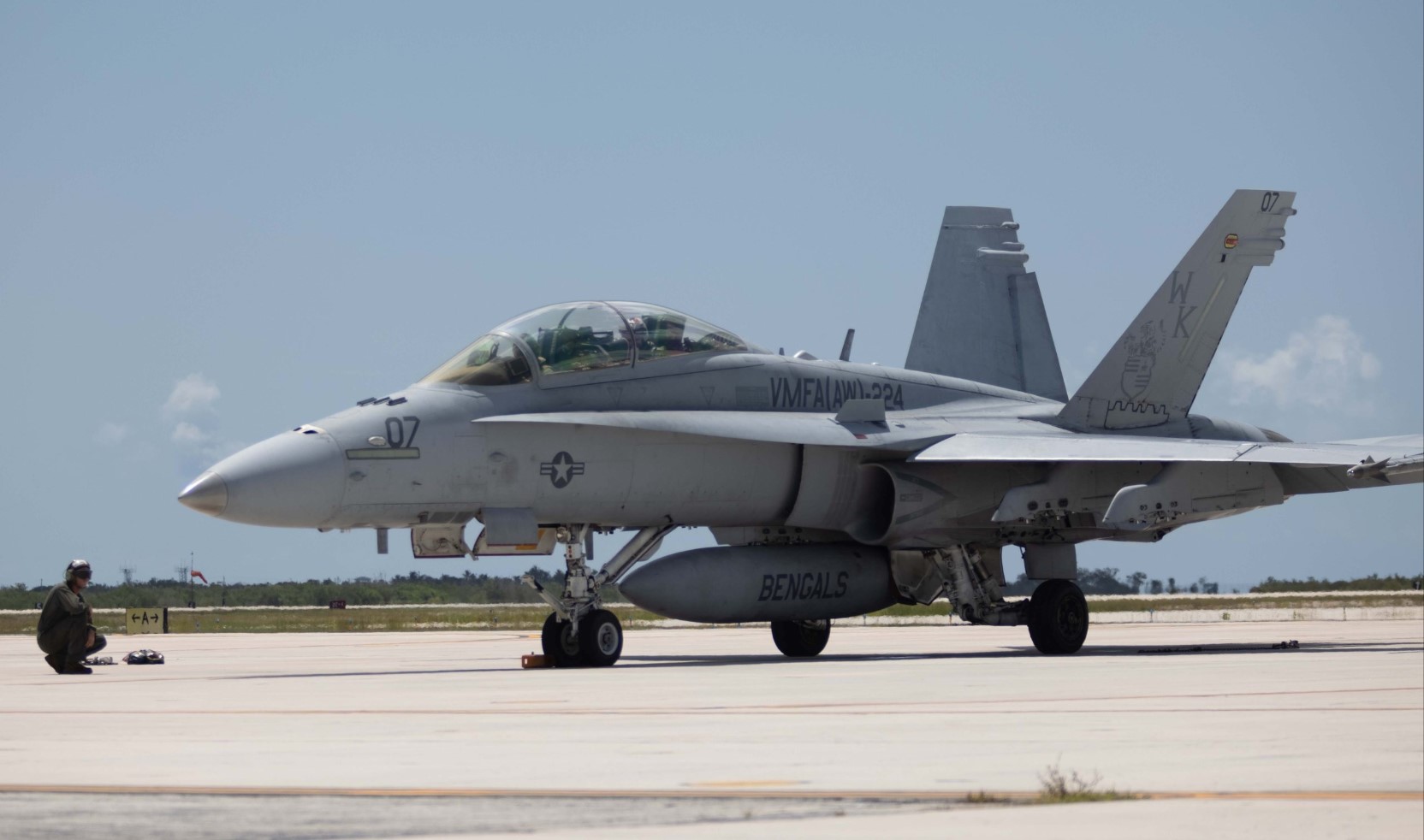 US Marine Corps F/A-18D Hornet Crashes During Training Flight in Washington Mountains; Pilot Ejects Safely
-
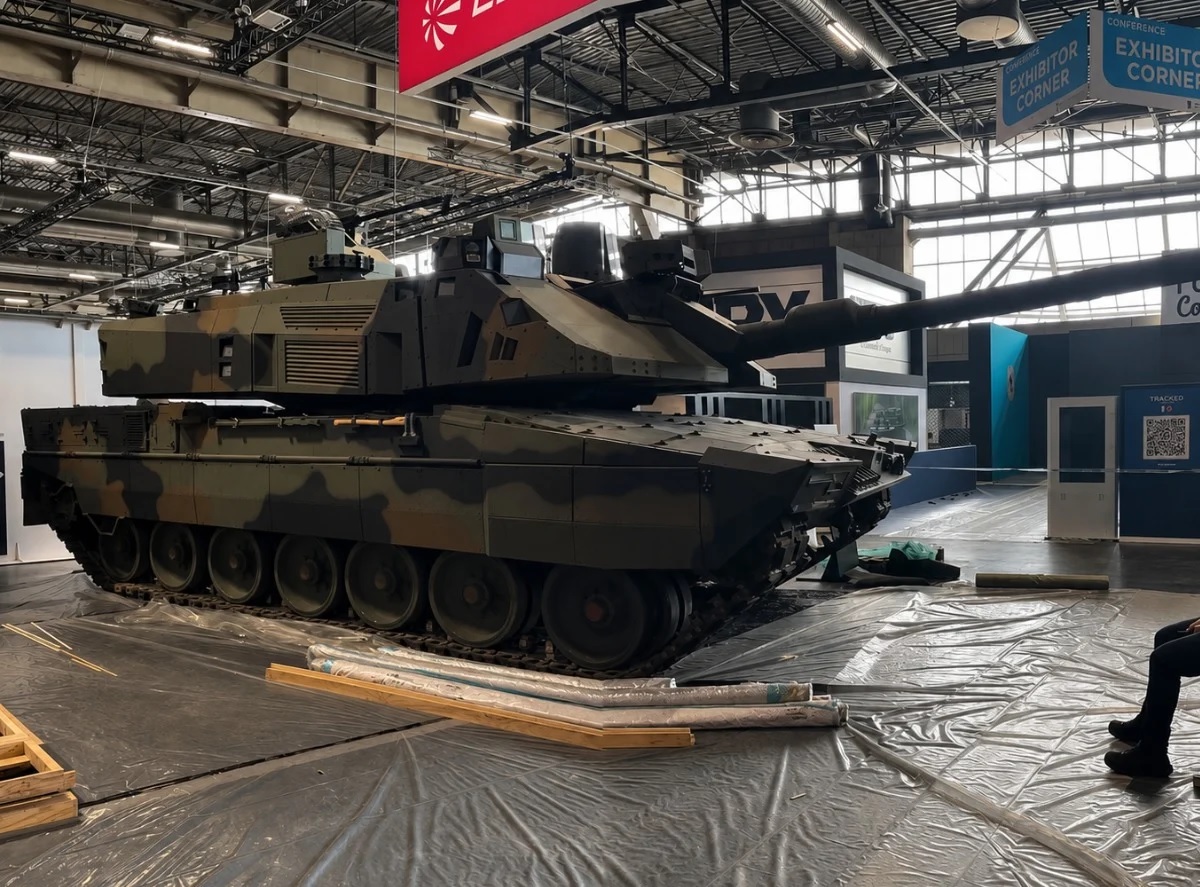 Leonardo Rheinmetall to Unveil Italy’s New IMBT Main Battle Tank at Eurosatory 2026
-
 Tulsi Gabbard Releases Declassified Files Detailing U.S.-Backed Network of 120 Biolaboratories Across 30+ Countries
-
8 U.S. Air Force Crew Members Killed in B-52 Bomber Crash During Test Flight at Edwards Air Force Base
-
 NASA X-59 Achieves Planned Mission Conditions with Mach 1.4 Flight at 55,000 Feet
-
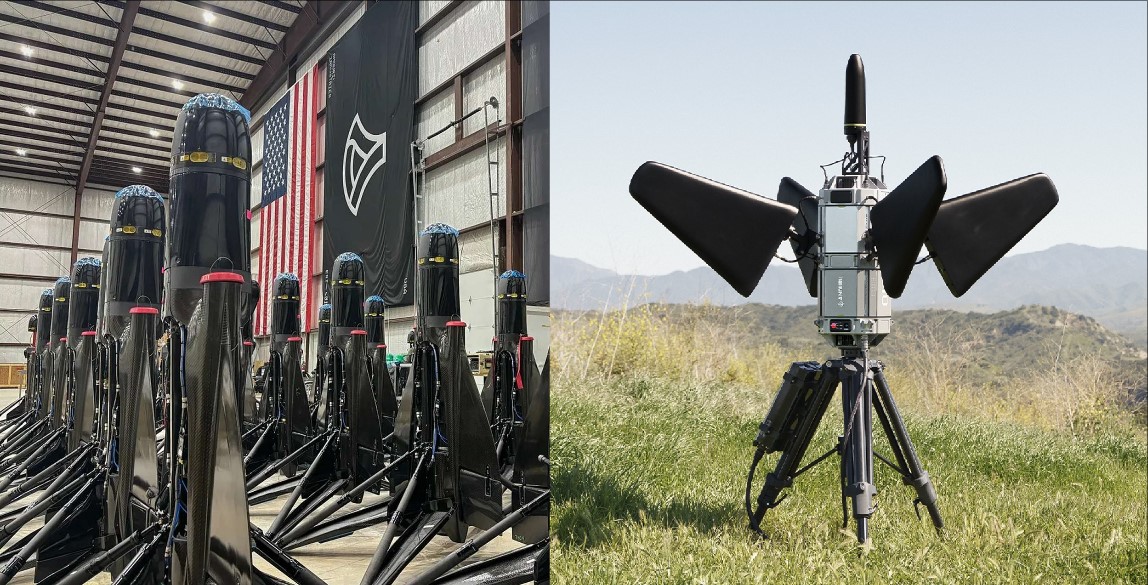 U.S. Approves $1.98 Billion Sale of Anduril AI-Powered Counter-Drone Systems to Kuwait
-
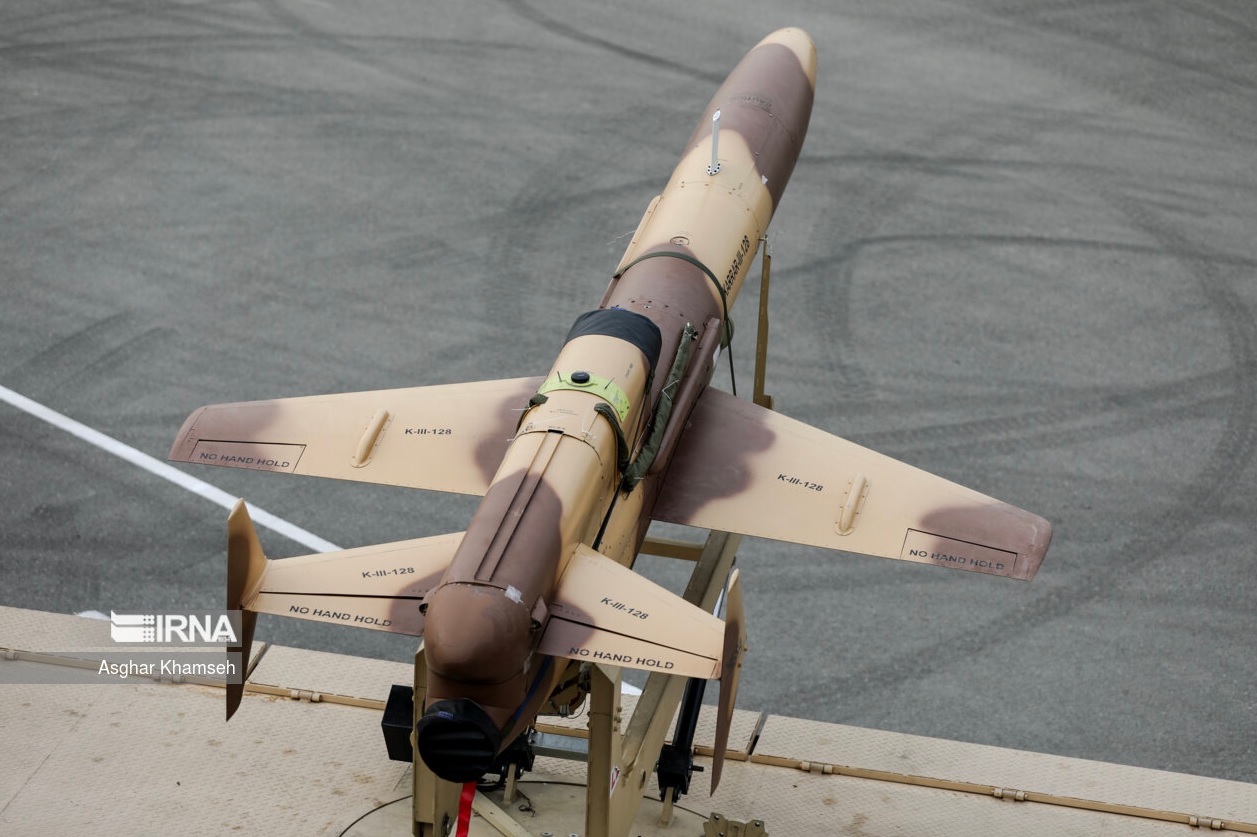 Russia Launches 1,400 Jet-Powered Drones in 2026 as Strike Tactics Evolve to Challenge Ukraine's Air Defenses