The Indian Army has taken a leap forward in modernizing its capabilities for high-altitude warfare, deploying 100 robotic mules to enhance logistics support in extreme terrains. As part of this push, the Army is also evaluating logistics drones and specialized tents designed to withstand freezing conditions of -40°C. These new technologies are tailored to improve efficiency and the overall well-being of soldiers stationed in some of the most unforgiving environments on Earth, including the Siachen Glacier.
Robotic Mules: A Game-Changer for High-Altitude Logistics
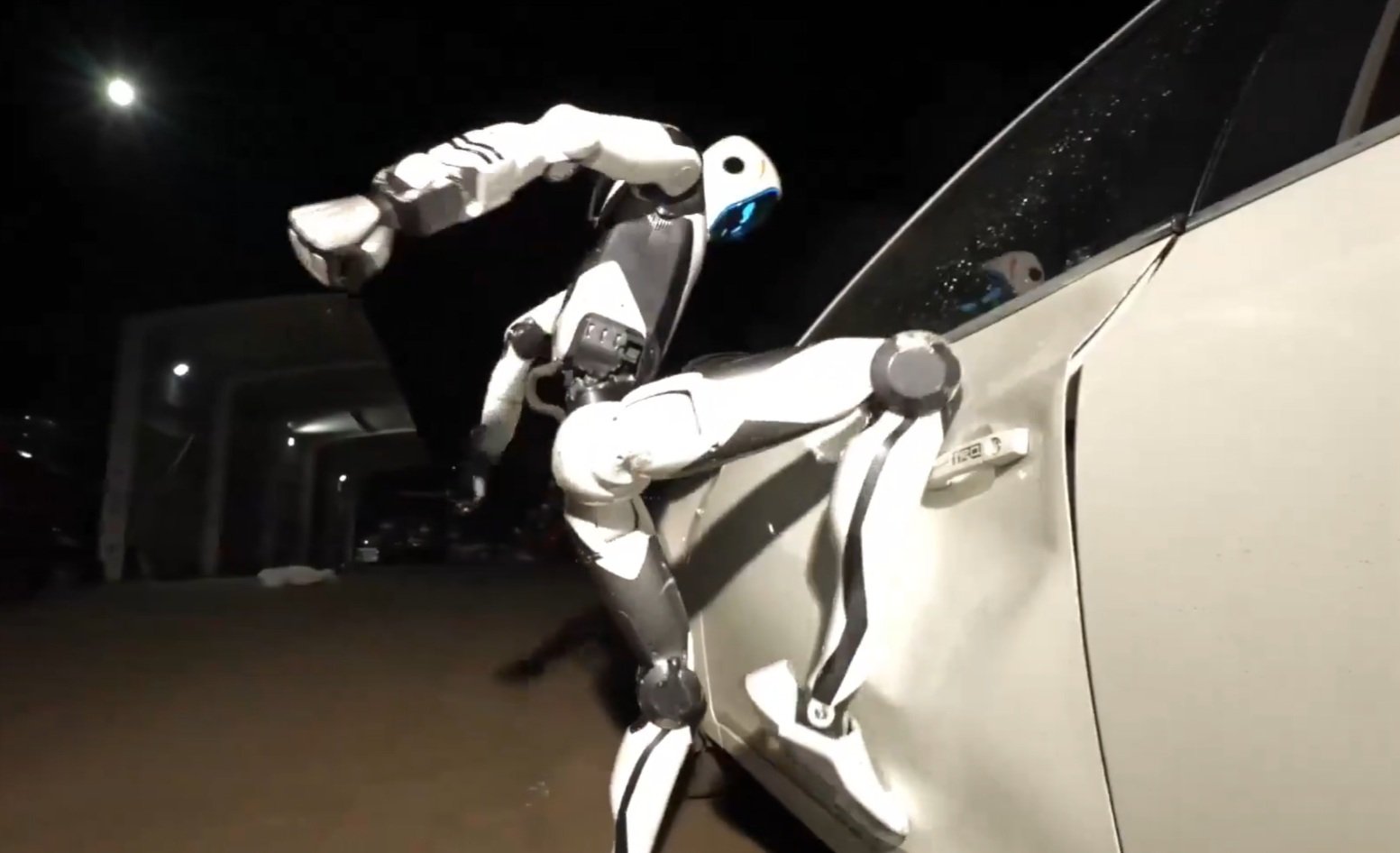
In high-altitude regions like Siachen, the extreme cold, steep terrain, and lack of proper roads make it incredibly difficult to transport supplies. The introduction of robotic mules, procured under emergency provisions, aims to solve this logistical challenge. These robotic mules are designed to navigate complex terrains, including river crossings and stairs, which are often encountered in high-altitude warfare.
Capable of carrying loads up to 15 kg, the robotic mules can operate in temperatures as low as -40°C and as high as 55°C, making them versatile for a wide range of environments. What sets these mules apart is their ability to operate autonomously, helping transport crucial supplies such as food, ammunition, and medical equipment to troops deployed in hard-to-reach locations. The high mobility and endurance of these robotic assistants will greatly reduce the dependency on human porters and traditional pack animals like mules and yaks.
Logistics Drones: The Future of Supply in High-Altitude Warfare
In addition to robotic mules, the Indian Army is testing logistics drones to improve supply chains in remote areas. One of the standout performers, the CargoMax 4000Q drone, caught the Army's attention during the recent Drone-A-Thon 2 competition. This drone is capable of carrying a load of up to 50 kg and can fly up to 10 kilometers, reaching altitudes of 6000 meters. If successful, the Army plans to roll out these drones to support quicker, safer, and more efficient deliveries of essential supplies.
These drones can significantly enhance the Army's ability to supply troops in otherwise inaccessible areas. Whether delivering emergency medical supplies, rations, or equipment, these logistics drones could minimize the risk associated with traditional methods of supply delivery, which often involve treacherous treks by foot or air drops that can miss their target zones due to the challenging weather conditions.
Peak Pods: Revolutionary Shelter for Extreme Cold
While maintaining logistics is crucial, ensuring the safety and comfort of soldiers in harsh climates is equally important. The Indian Army is evaluating new tents, dubbed Peak Pods, designed to keep troops safe in temperatures as low as -40°C. These high-altitude tents are a vital upgrade from traditional shelters, offering a sustainable and energy-efficient solution. Despite the sub-zero conditions outside, the internal temperature of these tents remains a comfortable 15°C, without the need for fuel or electricity.
Each tent is equipped with an inbuilt bio-toilet, addressing hygiene and waste management issues in the isolated, freezing environments soldiers operate in. This eco-friendly solution is not just a game-changer in terms of comfort but also ensures that the environmental footprint in sensitive high-altitude areas is minimized.
Modernization for Siachen and Beyond
The deployment of robotic mules, trials of logistics drones, and evaluation of advanced shelter solutions like Peak Pods highlight the Indian Army's focus on modernizing its approach to high-altitude warfare. These innovations aren't just about enhancing efficiency but also about improving the overall quality of life for soldiers stationed in some of the world's most challenging terrains, such as the Siachen Glacier.
With these advancements, the Indian Army is setting new benchmarks for how military operations can be conducted in extreme conditions. The use of robotic mules, drones, and state-of-the-art shelter systems will not only make logistics easier but also provide soldiers with much-needed relief from the harsh elements they face daily. This is a clear indication that the Army is looking toward the future, ensuring that technology plays a crucial role in maintaining readiness and resilience in high-altitude warfare.
——— End of Article ———