In a frank and rare admission, DRDO Chairman Dr. Samir V. Kamat openly discussed the missteps involved in the development of the Kaveri engine for the Tejas Light Combat Aircraft (LCA). The Kaveri engine project, which began in the 1980s, was meant to provide India with an indigenous engine for its flagship fighter jet. However, Kamat acknowledged that trying to develop the engine in parallel with the aircraft was a "rookie mistake." This unconventional approach disrupted the entire timeline of the Tejas program, causing delays that stretched across decades.
In the aerospace world, Kamat explained, aircraft are typically designed around existing engines rather than simultaneously developing a new one. Engine creation is an incredibly time-consuming and complex task, often taking 15 to 20 years to complete. The Kaveri engine’s development, for example, faced several technical hurdles. One of the major challenges was achieving the required thrust-to-weight ratio, a critical factor in determining a jet's performance. The engine also struggled with high-altitude testing and reliability issues during trials, making it unsuitable for the Tejas in its current form.
As a result, the Indian Air Force (IAF) ultimately decided to use the GE F404 engine from General Electric for the Tejas, a decision that allowed the aircraft to move forward. But the Kaveri engine's development was not entirely in vain—it provided valuable lessons and continues to serve as the foundation for future engine research in India.
Dr. Kamat emphasized that to avoid repeating past mistakes, the DRDO is now seeking international partnerships to co-develop next-generation high-thrust engines. Among the companies in talks are Safran from France, Rolls-Royce from the UK, and General Electric from the US. These partnerships are key to fast-tracking India's engine development capabilities, particularly since these global players bring decades of expertise and technological know-how. Importantly, both Safran and Rolls-Royce have assured the DRDO that the intellectual property generated from any collaboration will remain with India, which would bolster the country’s self-reliance in defence technologies.
The urgency of the matter is clear—India needs a home-grown high-thrust engine, not just for its fighter jets but also for various military platforms including drones and future combat aircraft. To meet this goal, Kamat highlighted the need for better coordination between academia, industry, and the DRDO. Currently, he explained, Indian research in this field suffers from a siloed approach, where different entities work in isolation. A unified, collaborative approach could significantly speed up the innovation process.
One of the major concerns Kamat raised was the lack of capacity-building in the country. He noted that while India has an abundance of engineering talent, many Indian engineers lack the specific skills required for high-end R&D in areas such as aerodynamics, material science, and propulsion systems. This gap is a hurdle in the development of indigenous technologies. However, he expressed optimism about India's future, believing that by focusing on disruptive technologies—areas where innovations can leapfrog over traditional methods—India could catch up to global standards.
Kamat’s vision is to drive India’s defence ecosystem toward more high-risk, high-reward projects. The Ministry of Defence has taken a step in this direction by approving the Technology Development Fund (TDF), which allocates resources to cutting-edge research projects that may have uncertain outcomes but immense potential if successful.
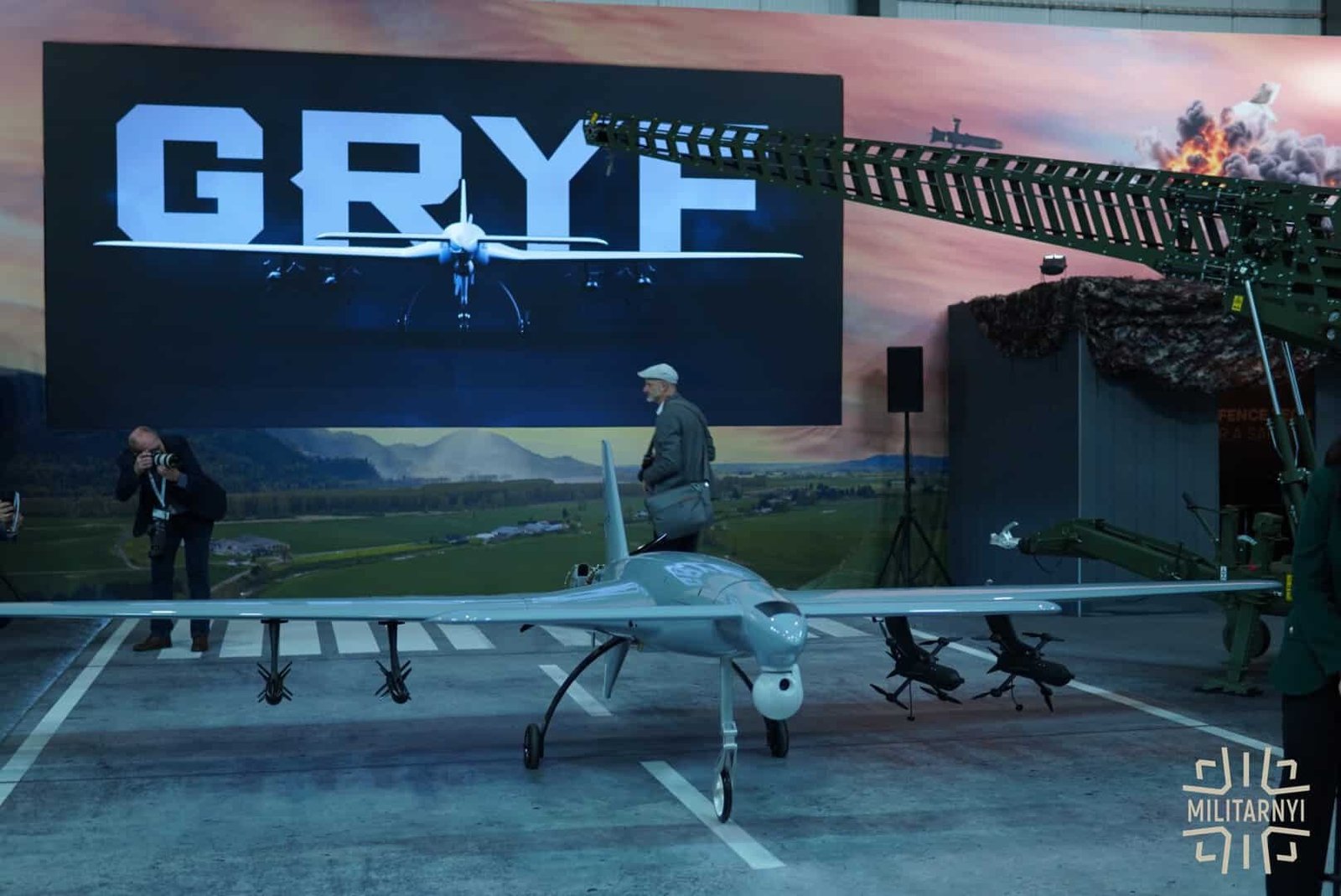
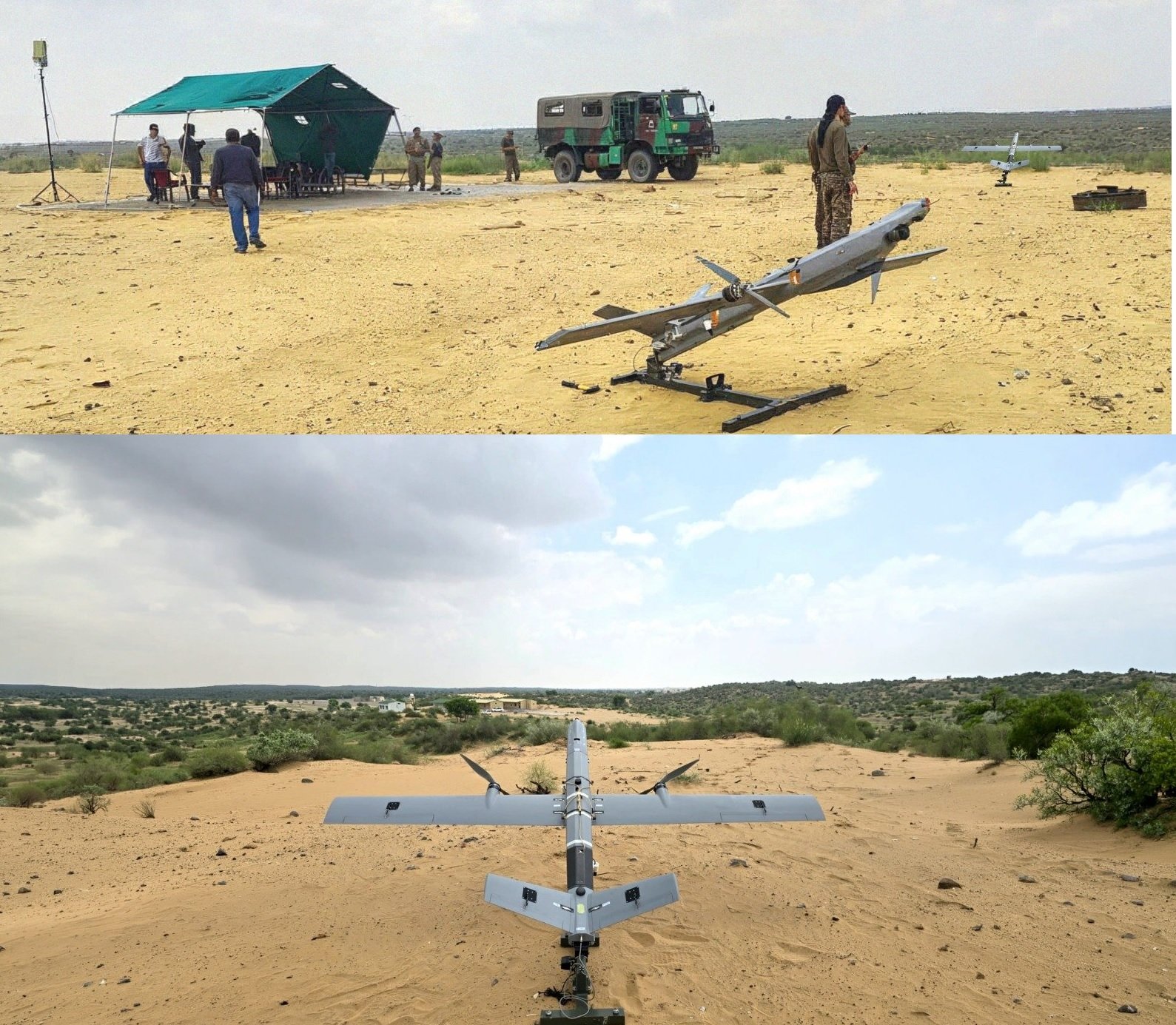
As India looks to the future, the DRDO is working on an array of next-generation military platforms. These include high-endurance autonomous vehicles, infantry combat vehicles, robotic soldiers, and even conventional submarines. Kamat revealed that a prototype of a new light tank is in development and is expected to be delivered to the Indian Army by 2027.
Despite the DRDO’s ambitious plans, Kamat underscored the need for significantly increased R&D spending. India currently spends just 0.65% of its GDP on defence R&D, compared to 2.83% by the US and 2.14% by China. Without a substantial boost in funding, India risks falling behind in defence innovation, Kamat warned.
The road ahead for India's defence and aerospace sectors is steep, but with lessons learned from the Kaveri engine's missteps and new collaborations on the horizon, the DRDO appears committed to steering India toward a more self-sufficient and advanced defence future.
——— End of Article ———