
India
In a significant move to bolster security cooperation between Israel and India, a seminar held in Delhi from September 2 to 4 saw nine prominent Israeli defence companies presenting advanced technologies designed to neutralize the rising threat of drones. Organized in collaboration with various Israeli and Indian defence and industrial bodies, the event highlighted the growing concern over the role of drones in modern warfare, intelligence gathering, and criminal activities.The seminar was a platform for security and economic representatives from Israel’s Ministry of Defense, along with attaches and officials from India’s Ministry of Defence and key defence industry players from both nations. The focus was on combating the versatile and potent nature of drone technology, which is increasingly being employed for surveillance, precise attacks, and even weapon delivery. The ability of drones to gather intelligence and execute highly targeted strikes has made them a formidable tool for both military and criminal actors. As a result, the demand for cutting-edge counter-drone solutions has never been higher.Throughout the event, the participating Israeli companies shared their extensive operational experience, showcasing a range of technologies aimed at detecting, identifying, and neutralizing drone threats. Companies like D-Fend Solutions, Septier, and Sentrycs unveiled Cyber Radio Frequency (CRF)-based systems that can not only detect and locate drones but also neutralize them effectively. These systems provide a non-kinetic solution to drone threats, avoiding physical damage by using radio frequencies to jam or take control of rogue drones.Meanwhile, Smart Shooter demonstrated its advanced fire control systems that allow small arms to intercept drones with precision. This intelligent targeting technology transforms regular firearms into highly effective anti-drone tools, enhancing the ability of security forces to counter even the most agile UAVs (unmanned aerial vehicles).In the realm of artificial intelligence and automation, ThirdEye Systems showcased its AI-driven vision and robotics systems that can detect and identify drones as well as small aircraft. These systems use advanced computer vision algorithms, which can distinguish between different types of aerial threats, providing a higher level of accuracy in high-stakes situations.Heavyweights of the Israeli defence sector, such as ELTA Systems, Rafael, Elbit Systems, and Skylock, displayed sophisticated solutions integrating sensors, radars, electronic warfare (EW), and communication systems. These technologies are designed to create a multi-layered defence strategy, where drones can be detected, tracked, and neutralized through a combination of radar, EW jamming, and communication interception.One of the key aspects of the seminar was the exploration of business synergies between Indian and Israeli companies. The event facilitated over 150 business meetings, creating opportunities for partnerships that could bring Israeli expertise in counter-drone technology to India's growing defence market. Notably, these collaborations are not limited to military applications. The growing threat of drones in civilian airspace—ranging from smuggling operations to potential terrorist attacks—has spurred interest in deploying these solutions for civil defence as well.The seminar also included site visits to prominent Indian entities, providing the Israeli delegation with an opportunity to gain a deeper understanding of the unique challenges India faces in its fight against drones. As India continues to modernize its defence infrastructure, particularly along its borders, these collaborations with Israeli companies could prove instrumental in addressing current and future drone-related threats.According to Natasha Zangin, Economic Counsellor at the Israeli Embassy, the seminar is a testament to the high regard in which Israeli homeland security technologies are held in India. The event has sparked significant interest from both public and private sectors, and Israeli companies are keen to forge partnerships that could enhance the security apparatus of both nations. Zangin emphasized that the Israeli government will continue to support its defence companies in building stronger relationships with Indian counterparts, fostering mutual benefits in terms of security and economic cooperation.As drone technology evolves and becomes more accessible, the need for effective countermeasures is paramount. Events like this seminar not only highlight the innovative solutions being developed but also underline the importance of international collaboration in addressing shared security challenges.This seminar marked an important milestone in the growing defence relationship between India and Israel, and as more advanced counter-drone systems become integrated into India’s security infrastructure, the partnership is poised to deliver tangible results in securing airspace and critical installations across the region.
Read More → Posted on 2024-09-06 14:53:58
Space & Technology
The successful launch of the Airbus-built Sentinel-2C satellite from Kourou, French Guiana, marks a pivotal moment for Earth's environmental monitoring. Launched aboard a Vega rocket, this satellite is the third in the Copernicus Sentinel-2 constellation and is designed to replace Sentinel-2A, which is set to retire. Positioned in a low Earth orbit at 780 km, Sentinel-2C will soon enter operational service after a series of initial tests and commissioning.Sentinel-2C is an integral part of the European Union’s Copernicus programme, aimed at providing high-resolution imagery for monitoring various environmental and human activities. Copernicus, managed by the European Commission in collaboration with the European Space Agency (ESA), plays a key role in observing Earth's changing landscapes, helping tackle global challenges such as climate change, natural disasters, and sustainable land use.The Sentinel-2C satellite, like its predecessors Sentinel-2A and 2B, carries a high-resolution multispectral imager. This cutting-edge technology enables the satellite to capture optical images across 13 spectral bands, ranging from the visible to the short-wave infrared spectrum. These images are crucial for a wide range of applications, including agriculture, forestry, land use, and water quality monitoring. With a pixel resolution of 10, 20, or 60 meters, depending on the spectral band, and a wide swath of 290 km, the satellite ensures comprehensive coverage of Earth's land surfaces and coastal waters every five days.One of the most striking aspects of Sentinel-2C is its ability to capture vast amounts of data—up to 1.5 terabytes per day. This data is compressed, formatted, and stored using one of the most advanced Mass Memory and Formatting units currently in space. It is then transmitted to ground stations via a high-speed laser link known as the EDRS SpaceDataHighway, in addition to the traditional X-band link. This ensures that vital information is relayed quickly and efficiently for processing and analysis.Marc Steckling, Head of Earth Observation at Airbus, emphasized the importance of the Sentinel-2C launch, stating, “This launch gives the world another important sensor to monitor our changing planet and provides crucial continuity since the first Sentinel-2 satellite launch in 2015.” With Sentinel-2A nearing retirement, Sentinel-2C will ensure the continuation of vital Earth observation services.In addition to its technological prowess, the Sentinel-2 mission is designed for optimal global coverage. The constellation operates with two identical satellites flying in tandem, but positioned 180° apart in the same orbit. This configuration allows them to capture data from large islands, inland and coastal waters, and all land surfaces every five days. The ability to revisit the same location so frequently is essential for applications like tracking changes in vegetation, detecting natural disasters such as floods and wildfires, and even monitoring glaciers and snow cover.The Sentinel-2 satellites are essential for monitoring land use changes, urban sprawl, and environmental degradation. They provide real-time data on soil sealing, agricultural productivity, deforestation, and much more. These capabilities not only help scientists and environmental agencies but also assist humanitarian efforts by providing valuable information in the aftermath of natural disasters like landslides or floods.Sentinel-2C’s successful launch ensures that the Copernicus programme can continue to deliver high-quality, up-to-date imagery of Earth. This continuity is vital for researchers, governments, and organizations that rely on accurate environmental data for decision-making, crisis management, and policy development.In summary, the Airbus-built Sentinel-2C satellite is set to become a cornerstone in Earth's environmental monitoring efforts. By replacing Sentinel-2A and working alongside Sentinel-2B, it will ensure that the Copernicus programme can continue providing critical data for years to come. As the world faces increasing environmental challenges, the Sentinel-2 mission stands as a testament to the power of space technology in supporting sustainability and addressing global issues.
Read More → Posted on 2024-09-06 14:49:39
India
The Indian Navy’s latest investment in the P17B frigates is generating considerable attention due to their hefty price tag. Each of these advanced warships will cost $1.19 billion, a striking 50% increase over their predecessors, the P15B destroyers. While this sharp rise in cost has sparked debate, a closer look at the specifications and capabilities of the P17B frigates reveals several factors that justify the price hike.The P17B frigates are the next evolution of the Indian Navy's frontline combat ships, succeeding the Nilgiri-class frigates. Designed with cutting-edge technologies, these frigates are expected to bolster India's maritime defense significantly. While the exact configuration of the P17B remains classified, defense analysts predict substantial improvements in armament and combat systems, making them a force to be reckoned with in the region.One of the major reasons behind the price increase is the advanced weaponry expected on these frigates. The P17B frigates will likely feature at least 48 vertical launch cells capable of deploying Long-Range Surface-to-Air Missiles (LRSAMs). These missiles could have ranges exceeding 250 kilometers, providing the ships with a far more extended reach and greater offensive and defensive capabilities compared to their predecessors. Additionally, the frigates are expected to carry more robust anti-submarine warfare (ASW) systems, including advanced sonar and torpedo defense systems.The sophisticated sensor and radar packages that the P17B is projected to include further contribute to the cost. These ships will likely be equipped with state-of-the-art multi-function radars, enhancing their ability to detect and engage multiple aerial, surface, and subsurface threats simultaneously. The enhanced electronic warfare (EW) systems on board are also expected to provide superior countermeasures against enemy missiles and radar.Beyond the firepower, a significant portion of the $1.19 billion per unit cost is allocated to ensuring the ships’ operational lifespan. The cost of base and depot spares for the frigates' entire 20 to 25-year service life accounts for around 15-20% of the total cost. This long-term investment ensures that the ships will remain in peak operational condition throughout their lifespan, reducing the need for costly mid-life upgrades.In comparison to other classes of frigates, such as the Talwar-class, which are significantly cheaper, the P17B’s higher cost is tied to its enhanced technological profile. These ships are designed to play a critical role in the Indian Navy’s long-term strategy to maintain maritime dominance, especially in the Indian Ocean Region. Their advanced capabilities make them more versatile and potent, capable of handling a wide array of threats, from missile attacks to submarine engagements.While the $1.19 billion per ship may seem steep, the cost reflects the Navy’s commitment to equipping itself with the best technologies available to address emerging threats in the region. In an era of rapid technological advancements in naval warfare, the P17B frigates will ensure that the Indian Navy remains at the forefront of regional maritime security.Ultimately, these frigates are a strategic investment in the future of India's naval power. Though the higher price tag has sparked discussions, the capabilities and technological advancements embedded in the P17B frigates represent a crucial step forward in safeguarding the nation's maritime interests.
Read More → Posted on 2024-09-06 14:46:53
India
Polish defence major WB Group is making waves in the Indian market with its strategic push to establish a long-term presence and production capabilities. Piotr Wojciechowski, President-CEO of WB Group, underscored India's significance, calling it both a massive market and an essential industrial partner. Having already delivered their Warmate loitering munitions to the Indian Army, WB Group is looking at deeper engagement, investments, and expanding its portfolio in India.The relationship between WB Group and India is evolving beyond just sales. The company has set up a joint venture, WB Electronics India Pvt. Ltd., to spearhead its production activities. According to Wojciechowski, India is an attractive location for the group due to its highly educated talent pool and resource availability, a contrast to the challenges of finding skilled talent in Poland. The company is planning to leverage India's "Make in India" initiative, aligning with the country's ambition of local manufacturing and self-reliance in the defence sector.WB Group’s investment in India isn’t just limited to the Warmate systems. The company is keen on expanding its product line in India, which includes software-defined radios and the FlyEye UAV—both of which have been rigorously tested in the war in Ukraine. The FlyEye UAV, touted as one of the best in the world, complements the Warmate by extending its range to 100 km when controlled through aerial surveillance. These systems, fully compatible with NATO standards, add to the appeal for countries looking to modernize their arsenals with cutting-edge, interoperable technology.Indian armed forces have already shown immense interest in WB Group’s offerings, especially under the Emergency Procurement (EP) route. In recent years, India has fast-tracked the acquisition of drones, loitering munitions, and counter-drone systems to bolster its military capabilities. Under the latest EP-4 scheme, the Indian Army concluded over 70 procurement projects, valued at ₹11,000 crore, while the Indian Air Force signed contracts worth around ₹8,137 crore. This surge in demand for advanced technology presents a golden opportunity for WB Group, which is already benefiting from the Indian Army’s use of Warmate drones in the challenging conditions of the Indian subcontinent.Since its founding in 1997, WB Group has expanded to encompass 20 companies employing 250,000 people. While the company initially focused on communication systems and electronics, its unmanned aerial systems (UAVs), particularly the Warmate and FlyEye, have gained significant attention in recent years. The company reported a substantial increase in demand for the Warmate system since 2021, with deliveries surpassing 5,000 units. The success of these drones, particularly in war-torn Ukraine, has cemented WB Group’s reputation as a leading player in the global defence industry.In India, WB Group’s future ambitions go beyond just local sales. CEO Wojciechowski is clear in his vision: the production facilities they plan to establish in India will not only cater to domestic needs but also serve WB Group’s global supply chain. By sourcing components such as composites, electronics, and software from India, the company aims to position India as a key supplier for its global operations. Ashish Sharma, CEO of WB Electronics India, emphasized the company’s commitment to local manufacturing and collaboration with Indian industry and academia, further underscoring the long-term nature of WB Group’s presence in India.Europe, too, remains an essential market for WB Group, especially as countries ramp up their defence spending following Russia’s invasion of Ukraine in 2022. Poland, WB Group’s home country, is allocating a significant portion of its GDP (around 4-4.5%) to modernize its military, and WB Group is currently focused on meeting domestic demand. However, Wojciechowski stressed that exports, especially to markets like India, will play a crucial role in the company’s long-term growth.As India continues to scale up its military capabilities, the collaboration with WB Group signals a critical shift towards enhanced self-reliance in defence manufacturing. WB Group’s wide-ranging expertise in communication, reconnaissance, unmanned systems, and modernisation of military vehicles aligns well with India’s current needs and future ambitions. With plans to integrate Indian talent and resources into their global operations, WB Group is positioning itself as a significant player in India’s defence ecosystem.
Read More → Posted on 2024-09-06 14:43:06
India
India’s defense capabilities are set to receive a significant boost with the development of the SASTRA radar by Bharat Electronics Limited (BEL). This advanced Long Range Radar (LRR) boasts a range of over 2000 kilometers and is designed to track conventional aircraft, unmanned aerial vehicles (UAVs), and even stealth aircraft, known for their low Radar Cross Section (RCS). The SASTRA radar stands poised to transform India’s air defense by providing unparalleled early warning and situational awareness, making it a critical asset in countering modern aerial threats.What makes the SASTRA radar particularly noteworthy is its ability to detect stealth aircraft, which have traditionally been difficult to track due to their advanced RCS reduction technologies. Stealth aircraft, such as the American F-35 or the Chinese J-20, are engineered to evade radar detection, thus giving adversaries a considerable edge in modern air combat. However, the SASTRA radar is equipped with cutting-edge radar technology, potentially using frequency-hopping and multiple radar bands to pick up faint signatures from these stealthy targets, ensuring they are not entirely invisible to Indian defenses.The project, initially conceptualized by the Defence Research and Development Organisation (DRDO), has now moved into its fabrication phase under BEL's stewardship. Developmental trials are expected to take place soon, signaling the final stretch towards its deployment. This radar’s reach of over 2000 kilometers allows it to monitor vast regions, providing India with strategic depth when it comes to early detection of potential aerial threats. Its impressive range means that India can monitor not only its own airspace but also detect incursions from neighboring regions well in advance.SASTRA is believed to share DNA with the Long Range Tracking Radar (LRTR) developed for India’s Ballistic Missile Defence (BMD) program. This connection suggests that the radar is not limited to conventional air defense but could also serve a dual purpose by tracking ballistic missile threats. Its high-resolution tracking capability makes it a formidable tool in any layered defense system, whether monitoring missile launches or high-altitude reconnaissance UAVs.Given the rising use of drones and UAVs in warfare, such as their role in recent conflicts in the Middle East and Eastern Europe, the SASTRA radar's capacity to detect smaller, slower-moving aerial platforms like UAVs adds another layer of security to India’s defense infrastructure. Whether it's high-speed, stealthy aircraft or low-altitude drones, the radar's comprehensive coverage ensures that it can track a wide range of threats.Moreover, the radar’s design likely incorporates sophisticated algorithms for tracking fast-moving targets, advanced signal processing to filter out background noise, and the ability to operate in varied terrain, from mountains to deserts. These specifications are crucial for India, given the country’s diverse geography and the need for systems that can operate efficiently in different environments. Whether at high altitudes near the Himalayas or along the expansive coastline, the SASTRA radar will be a critical part of India’s defense network.As the world moves toward stealth-based combat platforms and UAV swarm technologies, India’s development of SASTRA comes at a crucial time. It underscores the nation's intent to protect its airspace with the latest technology, staying ahead of evolving threats. The radar, with its advanced detection capabilities, will ensure that India remains vigilant and prepared against stealthy and conventional threats alike, helping safeguard the nation's borders and beyond.The SASTRA radar is not just an enhancement of India’s air defense; it represents a leap forward in the country’s ability to maintain continuous surveillance over a vast area. Its deployment will significantly augment India’s air defense network, providing a reliable shield against hostile air incursions while giving the military the critical time needed to respond to emerging threats.
Read More → Posted on 2024-09-06 14:34:10
India
=India and Brunei have taken a significant step in deepening their bilateral ties, with Prime Minister Narendra Modi and Sultan Hassanal Bolkiah expanding cooperation in critical areas such as space technology, LNG supplies, and strategic security. During Modi's landmark visit to Brunei, the two nations emphasized the need for collaboration in satellite development, maritime security, and sustainable growth, sending a subtle but clear message about maintaining stability and peace in the Indo-Pacific region.Prime Minister Modi's visit marked the first bilateral visit by an Indian prime minister to Brunei. The two leaders underscored the importance of their 40-year-old diplomatic relations by elevating them to a higher partnership level. In his speeches and statements, Modi pointedly emphasized India's "policy of development, not expansionism," a veiled reference to China’s increasing assertiveness in the region, particularly in the South China Sea.Space cooperation emerged as a key highlight of the visit. India and Brunei renewed an important memorandum of understanding (MoU) that ensures ongoing collaboration in satellite development, remote sensing, and the training of space scientists. The existing telemetry, tracking, and command station established by the Indian Space Research Organisation (ISRO) in Brunei since 2000 plays a critical role in monitoring India’s satellite launches, especially those aimed eastward. Modi expressed his deep appreciation to Brunei for hosting the ground station, a testament to the country’s unique role in India's space missions.As space technology continues to be a crucial area for India's future, the renewed MoU strengthens the bond between ISRO and Brunei’s technical expertise, setting the stage for further advancements in satellite applications, data analysis, and remote sensing technology. The cooperation is not only scientific but also strategic, highlighting Brunei's contribution to India’s space ambitions in the region.Energy security was another focal point of the talks, as both nations discussed long-term cooperation in the supply of liquefied natural gas (LNG). With India’s growing domestic energy demand, securing stable LNG supplies is of paramount importance. Brunei, a key producer of LNG in Southeast Asia, could be a reliable partner for India in this sector. Although bilateral trade has seen fluctuations in recent years—particularly after a decline in India’s crude oil imports from Brunei—the potential for a long-term LNG agreement could reinvigorate economic exchanges between the two countries.Beyond energy and space, Modi and Sultan Bolkiah addressed a broad spectrum of areas for enhanced collaboration. These included fintech, cyber-security, pharmaceuticals, health, agri-industries, and the defence sector. Cooperation in defence, particularly training and capacity building, was also high on the agenda, reinforcing India's growing role as a security partner in Southeast Asia. They agreed to work on curbing terrorism, pledging to ensure that no country harbours terrorists or allows its land to be used for terrorism-related activities.An interesting development from the visit was the announcement by Royal Brunei Airlines that it would begin direct flights from Bandar Seri Begawan, Brunei’s capital, to Chennai in November. This new connectivity is expected to foster stronger people-to-people links, boost tourism, and facilitate more vibrant trade exchanges between the two nations.As India and Brunei celebrate four decades of diplomatic relations, both countries appear committed to pushing forward on multiple fronts—whether it’s in space, energy, security, or trade. Modi’s visit to Brunei symbolizes a new era of cooperation, marked by a shared vision for a peaceful and prosperous Indo-Pacific region. This strengthening of ties between the two nations fits well into India's larger "Act East" policy, which seeks to deepen engagements with Southeast Asian countries.After concluding his visit to Brunei, Modi traveled to Singapore, where additional agreements are expected to be signed, including an important MoU on creating a semiconductor ecosystem, further strengthening India's technological and industrial standing in the region.
Read More → Posted on 2024-09-05 15:48:39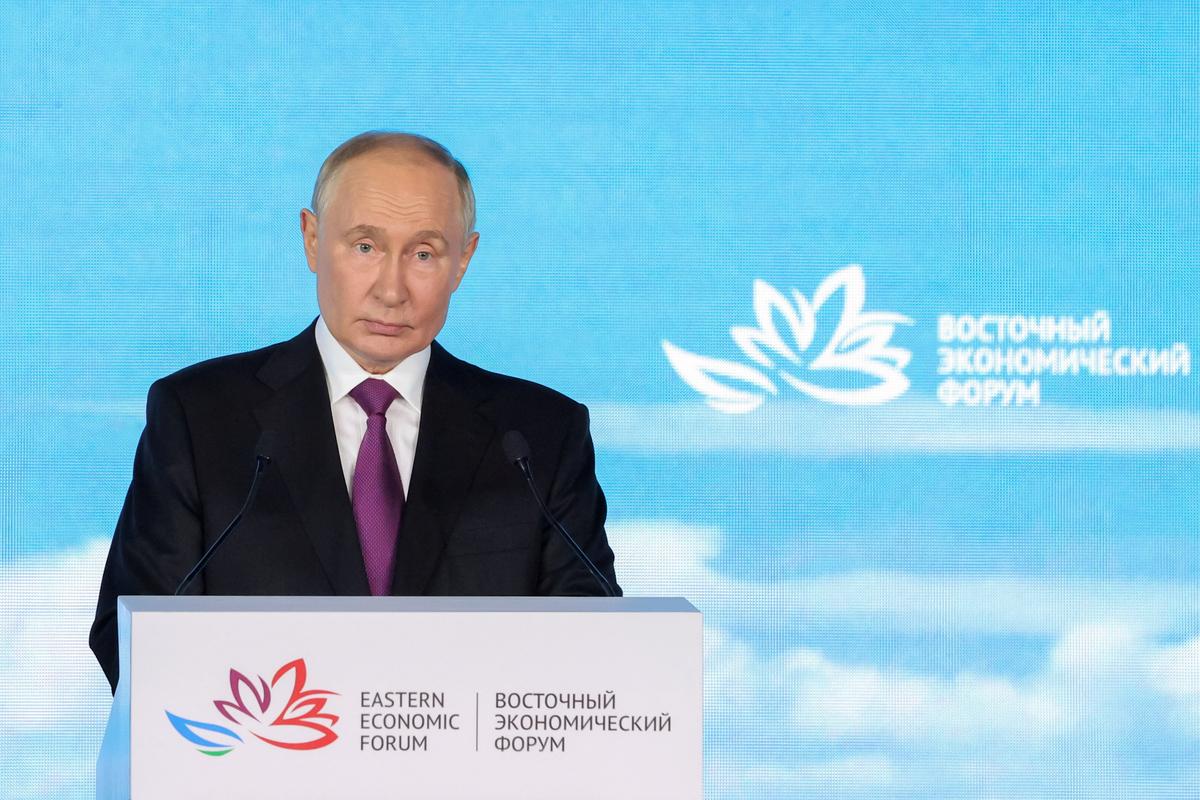
World
Russian President Vladimir Putin recently acknowledged the ongoing diplomatic efforts by India, China, and Brazil regarding the Ukraine conflict, emphasizing that he remains in regular contact with these nations to find a resolution. Speaking at the Eastern Economic Forum (EEF) in Vladivostok, Putin's comments were notable as they underscored the important role these emerging global powers could play in the peace process.During his remarks, Putin expressed his respect for India, China, and Brazil, stating that their efforts to resolve the Ukraine crisis are "sincere." His acknowledgment of these nations shows how Russia views them as crucial diplomatic partners. "We respect our friends and partners, who, I believe, sincerely seek to resolve all issues surrounding this conflict, primarily China, Brazil, and India. I constantly keep in touch with our colleagues on this issue," Putin said, as reported by Russia's state-owned TASS news agency. India, in particular, stands out in Putin's interactions due to its unique geopolitical position. Indian Prime Minister Narendra Modi has maintained a delicate balance between Russia and Ukraine while managing India’s relationships with Western nations like the U.S. Modi’s high-profile visit to Ukraine in August 2024, where he met with President Volodymyr Zelenskyy, signaled India’s desire to mediate and facilitate peace talks. During this visit, Modi reiterated India's commitment to a peaceful solution, stating that both Ukraine and Russia need to engage in dialogue to end the war swiftly. Modi even offered India’s assistance in these efforts, positioning the country as a potential mediator.Russian Presidential Spokesman Dmitry Peskov also touched upon India’s potential role in mediation. Speaking to the Russian daily *Izvestia*, Peskov highlighted the "highly constructive, even friendly relations" between Putin and Modi, noting that India's unique position—where Modi can directly communicate with both Putin and Zelenskyy—could be leveraged to push for peace. According to Peskov, India has an opportunity to use its global influence to encourage both sides, particularly the U.S. and Ukraine, to show the political will needed for negotiations. However, despite India’s outreach and Putin’s praise of these diplomatic efforts, the Kremlin remains skeptical about the immediate prospects for peace. Peskov clarified that there are currently no concrete plans for Modi to act as a formal mediator, citing the lack of any clear preconditions for negotiations. "At this time, they can hardly exist, as we do not see any preconditions for talks for now," he said, reflecting the Kremlin's view that, for the time being, the conflict remains too entrenched for meaningful dialogue.While Russia acknowledges India's role, the conflict itself is still far from a resolution. India, along with China and Brazil, continues to advocate for a peaceful settlement, but the path to achieving that remains fraught with challenges. Putin's consistent dialogue with these countries underscores the complex geopolitical dimensions of the war, where the involvement of non-Western powers like India may become increasingly important in determining the future course of the conflict.For now, though, the world watches as diplomatic efforts continue, with Russia keeping its communication channels open with key partners like India in the hope of eventually finding a peaceful way forward.
Read More → Posted on 2024-09-05 15:45:53
World
In a surprising statement, Russian President Vladimir Putin announced that Russia is prepared to engage in negotiations with Ukraine, but with one major condition: the talks must be based on an abandoned agreement from 2022. This statement, made during the Eastern Economic Forum in Vladivostok, marks a shift in Putin's stance, which had previously ruled out talks amid Ukraine’s offensive operations in Russia’s Kursk region.Ukraine’s bold cross-border military operation in August 2024 sent thousands of Ukrainian troops into Russia's Kursk region, seizing several villages and shaking up the conflict’s dynamic. In response, Putin initially dismissed the idea of peace talks, arguing that negotiations could not proceed under such circumstances. However, during his recent public appearance, Putin stated that while Russia is open to dialogue, it must be grounded in the negotiations that took place in Istanbul back in 2022. This Istanbul agreement, although never finalized or made public, was reportedly an early attempt to halt hostilities shortly after Russia launched its full-scale invasion of Ukraine in February 2022. According to Putin, the two sides had managed to reach a mutual understanding. The Ukrainian delegation had even initialed the document, signifying that they were broadly satisfied with the terms. But, as Putin claims, Western interference – particularly from the U.S. and certain European nations – prevented the deal from coming to fruition. He suggested that Ukraine was pressured to abandon the agreement because Western powers aimed to ensure Russia’s strategic defeat, rather than pursue a negotiated peace.Putin's comments highlight a recurring theme in Russia’s narrative throughout the war: that Western influence over Kyiv is prolonging the conflict. The Kremlin has often portrayed Ukraine as a pawn in a broader geopolitical struggle between Russia and the West, a claim that Ukraine and its Western allies reject.The notion of resuming talks based on an old agreement raises several questions. What exactly were the terms of the 2022 Istanbul deal, and why did it fail? Neither Russia nor Ukraine has publicly revealed the full details, although Putin’s remarks suggest that both sides were close to some form of agreement. If such a deal were to be revisited now, nearly two years later, it would have to account for the significant changes on the ground, including shifting military gains and losses, humanitarian impacts, and growing political stakes for both countries.Moreover, Ukraine has made it clear that it will not enter negotiations until Russian forces withdraw from occupied Ukrainian territories. Kyiv's leadership remains focused on regaining full territorial sovereignty, which includes not only the areas taken since the 2022 invasion but also Crimea, which Russia annexed in 2014. Any talks that revisit the Istanbul deal would need to reconcile these divergent positions.Putin’s remarks also come in the context of discussions about potential mediators for future peace talks. He has previously floated the idea of involving countries like China, India, and Brazil in brokering negotiations, which could bring fresh perspectives to the table but also further complicate the process given the range of interests involved.While Putin’s willingness to talk might appear to signal a potential breakthrough, it’s clear that the road to peace remains fraught with obstacles. Ukraine’s ongoing military offensives, Russia’s territorial ambitions, and the geopolitical chess game being played by external powers all weigh heavily on any prospects for meaningful dialogue.In the end, Putin’s offer to talk under specific conditions underscores that the situation is far from simple. The conflict has evolved beyond its initial stages, and both sides are now entrenched in their positions. Whether revisiting a 2022 agreement can bring the war to an end, or whether it is simply another tactical move in a prolonged conflict, remains to be seen.
Read More → Posted on 2024-09-05 15:45:32
World
Germany has ramped up its military support for Ukraine by placing an order for 17 additional IRIS-T air defense systems, signaling its ongoing commitment to bolstering Kyiv's defense capabilities amid the continuing conflict with Russia. The new order, announced by German Chancellor Olaf Scholz during his visit to an Air Force base near Kiel, is set to enhance Ukraine's ability to protect its skies from missile and drone attacks. Deliveries will begin in 2024, and all systems are expected to be fully delivered by 2026.These 17 systems are divided into two types: eight medium-range IRIS-T SLM (Surface-Launched Medium-range) systems and nine short-range IRIS-T SLS (Surface-Launched Short-range) systems. The SLM version is designed to intercept high-speed targets at medium ranges, providing robust protection against missiles, aircraft, and other airborne threats, while the SLS version is optimized for short-range engagements, offering quick-reaction defense against low-flying threats like drones and helicopters.Scholz confirmed that the delivery schedule would start as early as this year, with two units of each system type slated for 2023. The remaining systems will be delivered progressively, ensuring that Ukraine's air defense is gradually reinforced. According to reports, all 17 units will be in Ukrainian hands by 2026.Germany has already supplied Ukraine with seven IRIS-T systems—both SLM and SLS variants—since the onset of the war. These systems, produced by Diehl Defence, have played a critical role in shielding Ukraine's infrastructure and military assets from Russian missile and drone strikes. The precision, reliability, and adaptability of the IRIS-T systems make them a crucial asset in Ukraine’s efforts to safeguard its critical infrastructure and civilian areas.The IRIS-T air defense system is renowned for its advanced features. The SLM version, in particular, can engage targets at distances of up to 40 kilometers (approximately 25 miles) and at altitudes of up to 20 kilometers (around 12.5 miles). This capability allows it to intercept a wide range of aerial threats, including cruise missiles and aircraft. The SLS version, while designed for shorter-range defense, provides an additional layer of protection and is highly mobile, making it well-suited for battlefield use in fast-changing environments.Germany's latest order underscores its position as one of the leading arms suppliers to Ukraine, second only to the United States. Since the war began, Berlin has committed approximately €28 billion in military aid to Kyiv, including both already delivered equipment and future deliveries. This growing military support reflects Germany's strategic interest in helping Ukraine defend itself, as well as its broader commitment to European security.As Ukraine continues to face relentless missile and drone attacks from Russia, the additional air defense systems will significantly enhance its ability to counter these threats. With the IRIS-T systems already proven in battle, the new order is set to further fortify Ukraine's defensive capabilities, playing a crucial role in the months and years ahead.
Read More → Posted on 2024-09-05 15:42:07
Russian Su-57 Aircraft 'Armed' With Kh-69 Stealth Missile Lands In Egypt International Air Show 2024
World
The Russian Sukhoi Su-57 Felon has landed in Egypt, making a grand appearance at the Egypt International Air Show 2024. This visit marks a significant opportunity for Russia to showcase its advanced military technology to potential buyers in the region, especially Egypt and Algeria. Alongside the Su-57, one of the star attractions is the newly developed Kh-69 missile—an air-launched stealth precision-guided cruise missile designed for various strike missions, from high-value strategic targets to ground and naval operations.The Kh-69 is one of Russia's most advanced air-launched weapons, known for its versatility, precision, and low observability. The missile's stealth design allows it to evade enemy radar systems, making it a formidable addition to the Su-57’s already impressive arsenal. Capable of engaging targets over long distances with high accuracy, the Kh-69 can be deployed in a variety of combat scenarios. Its inclusion with the Su-57 emphasizes Russia’s intent to market this advanced fighter to countries like Egypt, which is evaluating ways to bolster its air force amidst rising regional tensions.The Su-57 itself is a marvel of modern aviation technology. Developed by Sukhoi, it is a fifth-generation multirole fighter designed to perform a variety of missions, including air superiority and ground attack. With a maximum speed of Mach 2 (1,550 mph or 2,500 km/h) and a range of 3,500 kilometers (2,175 miles) without refueling, the Su-57 boasts both agility and endurance. The aircraft is powered by two Saturn Izdeliye 30 engines, which provide high thrust and fuel efficiency, making it one of the most capable jets in its class.Equipped with cutting-edge avionics, the Su-57 features the N036 Byelka radar system, which employs multiple active electronically scanned array (AESA) antennas. This advanced radar system allows the aircraft to detect and track multiple targets simultaneously while maintaining a low radar cross-section, enhancing its stealth capabilities. Additionally, the jet is equipped with infrared search and track (IRST) systems, electronic countermeasures (ECM), and a comprehensive defensive suite to counter threats.The Su-57’s versatility extends to its weaponry, as it can carry a variety of air-to-air and air-to-ground munitions. In air-to-air combat, it can deploy missiles like the R-77 and R-73, while for ground strikes, it utilizes precision-guided munitions like the Kh-38 and Kh-59. The internal weapons bay allows the Su-57 to maintain its stealth profile, a critical feature for evading enemy detection. However, it can also carry additional munitions on external wing hardpoints if necessary.At the Egypt International Air Show, Russia is not limiting its display to just the Su-57 and Kh-69. The Ka-52 Alligator attack helicopter, known for its role in the Ukraine conflict, is also showcased, equipped with the versatile Item 305E light multipurpose guided missile. The Orlan-10E and Orlan-30 UAVs, alongside the RB-504P-E drone countermeasure system, add to the array of cutting-edge Russian technology on display. Moscow is further demonstrating its ground-based systems, including the Viking and Tor-M2E SAM anti-aircraft systems, and the Pantsir-S1M self-propelled anti-aircraft gun/missile system.Egypt, which has long been a key partner for Russian military exports, is carefully evaluating the Su-57 and other offerings. Although no official deal has been confirmed, ongoing discussions suggest that Egypt sees the Su-57 as a potential game-changer for its air force, particularly in the context of growing regional security challenges.On the other hand, Algeria, another significant buyer of Russian arms, is further along in its negotiations. Reports indicate that Algeria has already signed a contract for 14 Su-57 jets as part of its broader military modernization efforts. The aircraft’s stealth capabilities, advanced avionics, and maneuverability are seen as crucial for maintaining Algeria’s military edge, especially in its strategic competition with neighboring Morocco.Despite the interest from Egypt and Algeria, there are significant challenges to securing these deals. The high cost of the Su-57, combined with economic constraints in Africa, poses a potential roadblock. Furthermore, geopolitical factors, such as the possibility of U.S. sanctions under the Countering America’s Adversaries Through Sanctions Act (CAATSA), could deter countries like Egypt from finalizing any purchases. Western analysts also question the Su-57’s performance, pointing out its limited operational use in conflicts such as Ukraine.However, Russia remains optimistic, particularly if it can offer favorable terms or financing deals. The showcase of the Su-57 at the Egypt International Air Show highlights Moscow's ongoing efforts to establish stronger military partnerships in Africa, not just for the Su-57 but for a broader range of military technologies. Whether Egypt or Algeria moves forward with a purchase remains to be seen, but the Su-57’s presence at the show signals Russia’s intent to secure deals and maintain its foothold in African defense markets.
Read More → Posted on 2024-09-05 15:37:44
Bhumi Entech Unveil Mobile Anti-ARM Decoy System to Protects IAF Radars From Anti-Radiation Missiles
India
Bhumi Entech, a Delhi-based defence firm, has developed an advanced solution to counter the growing threat of anti-radiation missiles (ARMs), which target crucial radar installations. This cutting-edge mobile Anti-ARM Decoy system, recently inducted into the Indian Air Force (IAF) after passing rigorous tests, employs a clever tactic—deception—to safeguard vital military radars from enemy missile strikes. The system is expected to become an essential part of India’s defence infrastructure.At its core, the mobile Anti-ARM Decoy system works by mimicking the electromagnetic signature of radar installations. Anti-radiation missiles, which are designed to lock onto radar emissions and neutralize them, get lured away from the real target by the decoy’s false signals. By tricking these missiles into locking onto the decoy instead of the actual radar, the system dramatically reduces the risk of damage to critical radar units, ensuring they remain operational in high-stakes combat situations.Mounted on a compact, mini-truck platform, the mobile decoy is not just highly effective but also versatile. Its mobility allows it to be quickly deployed or repositioned based on the dynamics of the battlefield, making it a valuable asset in the IAF’s defence strategy. In addition, the decoy’s electromagnetic emissions are powerful enough to convince even the most advanced anti-radiation missiles that they have found their target, enhancing the decoy’s effectiveness against a wide range of missile threats.According to Bhumi Entech, the induction of a smaller batch of these decoys into the IAF has shown great promise, and the firm is optimistic about securing larger contracts soon. As threats from ARMs continue to grow, the need for such decoy systems is expected to rise significantly. The company anticipates that this system will play a crucial role in protecting radar installations, not just for the IAF but potentially for other armed forces worldwide as well.What makes this system truly innovative is its simplicity combined with effectiveness. While radar jamming technologies also aim to interfere with missile systems, Bhumi Entech’s approach takes a different path by using deception rather than interference. By creating a convincing false target, the decoy draws the missile away and allows the actual radar to remain functional. This dual benefit of protection and continued operational capability makes the decoy system a game-changer in electronic warfare.Bhumi Entech's mini-truck-based decoy is also built with resilience in mind. The system is designed to withstand harsh environments and continuous deployment, which is critical for maintaining long-term operational integrity. As modern warfare increasingly relies on electronic systems, the need to protect them is greater than ever. Bhumi Entech’s decoy system offers a smart, cost-effective solution that significantly enhances radar survivability in hostile conditions.With the successful induction into the IAF, the company is well-positioned to expand its reach and influence in the defence sector. Given the ever-evolving threats from missile technology, systems like Bhumi Entech’s Anti-ARM Decoy could soon become indispensable for modern militaries aiming to protect their radar infrastructure from sophisticated missile attacks.
Read More → Posted on 2024-09-05 15:33:57
World
Germany's air defence capabilities took a significant leap forward with the Luftwaffe's recent achievement of Initial Operating Capability (IOC) for the IRIS-T SLM air defence system. This milestone is the result of extensive training and collaboration between Diehl Defence, the German Air Force, and the Bundeswehr. The event was marked by an official ceremony at the Todendorf military training area in Schleswig-Holstein, attended by prominent figures such as German Chancellor Olaf Scholz, Defence Minister Boris Pistorius, and Lieutenant General Ingo Gerhartz, the Chief of the German Air Force.The IRIS-T SLM, developed by Diehl Defence, is a sophisticated surface-launched air defence system designed to neutralize a wide range of aerial threats, including aircraft, missiles, and drones. With the ability to intercept targets at altitudes of up to 20 kilometers and ranges extending beyond 40 kilometers, the system provides robust protection for critical infrastructure and key assets. It is equipped with high-precision radar and advanced missile technology, ensuring accurate tracking and engagement of hostile threats. The system is highly automated, reducing the need for extensive manual intervention, which in turn enhances its operational efficiency.The system’s development for Germany began after the Budget Committee of the German Bundestag approved funding for six IRIS-T SLM fire units in 2023. This approval came from a special Bundeswehr fund aimed at modernizing Germany’s military capabilities. In August 2024, Diehl Defence delivered the first fire unit to the Federal Office of Bundeswehr Equipment, Information Technology, and In-Service Support (BAAINBw) on schedule. This delivery marked a key phase in the gradual strengthening of Germany's defensive capabilities.The ceremony celebrating the IOC declaration showcased not only the German Air Force's readiness to use the IRIS-T SLM but also Diehl Defence's commitment to timely and reliable delivery of the system. Helmut Rauch, CEO of Diehl Defence, handed over a symbolic key to the deputy head of BAAINBw, underlining the successful partnership between the company and the German military.Beyond Germany’s own interests, the IRIS-T SLM is part of broader European defence cooperation. Since 2023, Diehl Defence has operated a dedicated training facility at Todendorf where both German personnel and operators from other countries can be trained on the system. This is particularly relevant for the European Sky Shield Initiative (ESSI), a joint effort among European nations to strengthen air defence coordination. Several air chiefs from ESSI member countries attended the IOC ceremony, reflecting the system’s wider significance in Europe’s collective security framework.The IRIS-T SLM is now poised to become a central component of Germany’s ground-based air defence infrastructure, offering advanced capabilities to protect against modern threats. Its introduction signifies a key step in ensuring the nation's preparedness for evolving security challenges, particularly in an age where aerial threats are increasingly sophisticated and diverse.With the system now operational, Germany’s air defence network is significantly bolstered, providing a shield not just for the country, but for allies within Europe. As global defence strategies evolve, systems like the IRIS-T SLM offer a glimpse into the future of military cooperation and technological advancement in the field of air defence.
Read More → Posted on 2024-09-05 15:30:02
India
India is on the verge of a significant leap in its defence technology with plans to develop a cutting-edge 5.5-generation fighter jet, known as the Advanced Medium Combat Aircraft (AMCA). The ambitious project is set to produce its first prototype by 2028, marking a significant milestone in the nation's journey towards self-reliance in military capabilities.The AMCA is expected to be a game-changer for the Indian Air Force (IAF). Weighing approximately 27 tonnes, it will incorporate advanced stealth technologies and a large weapons payload capacity. Unlike older fighter jets, the AMCA will carry its armament in an internal weapons bay, drastically reducing its radar signature and making it harder for adversaries to detect. This stealth characteristic is crucial in modern combat, where detection often means destruction.The aircraft will be developed with a focus on next-gen capabilities like supercruise, where the fighter can sustain supersonic speeds without engaging afterburners. This capability allows it to move swiftly through hostile airspace while conserving fuel, ensuring greater range and endurance in combat missions. The jet will also be equipped with advanced avionics, artificial intelligence integration, and sophisticated electronic warfare systems, all designed to enhance its survivability and effectiveness in contested environments.India's decision to build the AMCA is a testament to its growing emphasis on indigenizing its defence sector. The Cabinet Committee on Security has already cleared the initial funding of around ₹15,000 crore for the project. The Aeronautical Development Agency (ADA), a part of the Defence Research and Development Organisation (DRDO), is spearheading this initiative in collaboration with Hindustan Aeronautics Limited (HAL) and several private sector partners.The development of the AMCA is more than just a technological endeavor; it has significant economic and strategic ramifications. The project is set to create a large number of jobs and foster innovation within the Indian aerospace industry. Moreover, it positions India as a serious player in the global defence sector, potentially reducing the nation's reliance on foreign fighter jet imports.While the AMCA will be India's first 5.5-generation fighter, it will not be the only indigenous aircraft in the IAF’s fleet. The TEJAS MK-2, a 4.5-generation fighter, is also being developed and is expected to be ready for mass production by 2029. The TEJAS MK-2 will feature a more powerful engine, advanced avionics, and increased range compared to its predecessor. Together, these two programs highlight India's commitment to building a robust and technologically advanced air force, capable of securing its airspace against modern threats.The AMCA's engine development, a critical part of the program, is expected to use advanced turbofan technologies, with talks of potential international collaboration for developing its power plant. Once engine production moves forward as scheduled, India will unveil the first prototype by 2028. Testing and refinement will follow, with the aircraft expected to become combat-ready within six to seven years after the prototype is rolled out.By 2035, India plans to start mass-producing the AMCA, with more than 200 jets expected to be inducted into the Indian Air Force by 2040. The aircraft will provide India with a strategic edge in air combat, particularly in a region where air dominance is becoming increasingly crucial due to growing military developments in China and Pakistan.As the AMCA progresses, it will help shape the future of Indian aerospace development, establishing the foundation for India to produce sixth-generation fighters. This initiative is a bold step towards India’s military modernization, positioning the country as a major force in the global defence arena.
Read More → Posted on 2024-09-05 15:26:17
India
GE Aerospace is preparing to deliver the first two F-404 engines to India this month, marking a crucial step in accelerating the production of the Tejas Light Combat Aircraft (LCA). The US aerospace giant has committed to supplying a total of eight engines by March 2025, providing the necessary power for Hindustan Aeronautics Limited (HAL) to speed up the delivery of Tejas Mk1 Trainer and Mk1A jets to the Indian Air Force (IAF).This new phase of deliveries aligns perfectly with HAL’s production schedule. The company has already completed five Tejas Mk1 Trainer aircraft, and three more are expected to be ready by the end of the year. The first batch of these aircraft will soon be ready for the IAF, boosted by the timely arrival of the F-404 engines. By the end of March 2025, HAL aims to complete three more Trainer jets, alongside several Mk1A models, ensuring that India's air defense capabilities continue to grow.The F-404 engine is integral to the performance of the Tejas LCA, known for its reliability and efficiency in combat aircraft. This engine, developed by GE Aerospace, is a low-bypass turbofan engine that has powered a range of fighter jets worldwide. The F-404 provides thrust levels of around 10,500 pounds and can achieve supersonic speeds with high fuel efficiency. Its design also incorporates advanced cooling systems and materials that enhance durability and operational performance. For HAL, integrating the F-404 engines into the Tejas Trainer and Mk1A variants offers the ability to meet the demanding specifications required by the IAF, especially as they work to replace older Grade B engines in some Trainer models.HAL has strategically chosen to replace some of these older engines before the final aircraft are delivered to the IAF, ensuring maximum efficiency and reliability. The collaboration between HAL and GE Aerospace is a key component in India's push to strengthen its domestic defense manufacturing capabilities, and the timely delivery of the F-404 engines underscores this partnership's success.With the steady supply of F-404 engines from GE Aerospace, HAL is well-positioned to meet the IAF’s growing demands for the Tejas Mk1A, a crucial element in India’s defense arsenal. This production ramp-up signifies a major milestone in India's indigenous fighter aircraft program, demonstrating the country's determination to reduce reliance on foreign aircraft and boost its domestic defense industry.As India continues to build its aerospace capabilities, the collaboration between GE and HAL highlights the importance of global partnerships in achieving technological milestones and delivering advanced military solutions. The F-404 engine will play a critical role in this journey, powering India’s future in modern air combat.
Read More → Posted on 2024-09-05 15:22:37
World
Ukraine’s Ministry of Defence has unveiled its first underground bunker hospital, a pioneering medical facility designed to save lives on the frontline. Located in Kyiv, this state-of-the-art facility represents a significant step forward in ensuring the well-being of Ukrainian soldiers, as they continue to face the brutal realities of war against Russian forces. With a construction cost of approximately 20 million hryvnias ($486,431), the facility is a result of a collaborative effort between the Ukrainian government and local steel conglomerate Metinvest.The hospital, consisting of six steel bunkers, each 7.6 meters long and 2.5 meters in diameter, is equipped to provide emergency medical services that meet NATO’s Role 2 standards. This allows the facility to offer intensive care, stabilization, and post-treatment care, much like a civilian hospital, but with the added protection required for the warzone. Each bunker is fitted with advanced medical equipment such as oxygen concentrators, cardiac monitors, defibrillators, ventilators, and surgical tools. The total investment in medical supplies alone is estimated at 7 million hryvnias ($170,251).The underground hospital is designed to function as a second-echelon medical unit, meaning it can handle critical care for injured soldiers before they are transported to other medical facilities for further treatment. Inside the facility, two operating theaters, two resuscitation units, and resting modules ensure that over 100 patients can be treated at any given time. The layout also includes water supply, ventilation, drainage systems, and even alternative power sources, which are crucial in the event of an attack. Additionally, the hospital is equipped with electronic warfare systems to protect against enemy surveillance and attacks.The commander of the Ukrainian East Medical Forces, Roman Kuzev, highlighted the significance of this medical hub. “These underground facilities are critically important for saving the lives of our soldiers,” Kuzev said. “With the intensity of the battles, it’s essential to provide swift and secure medical assistance to our heroes. This is just the beginning of a larger initiative aimed at bolstering our medical infrastructure for frontline troops.”The development of this underground hospital is part of a broader effort by Ukraine to enhance its medical capabilities in response to the continued aggression from Russia. Since the start of the full-scale invasion in 2022, Metinvest, the industrial giant that helped build the hospital, has invested over 7.5 billion hryvnias ($182.4 million) in Ukraine’s recovery, with around 4 billion hryvnias ($97.2 million) dedicated to defense-related projects.Oleksandr Myronenko, the Chief Operating Officer of Metinvest, emphasized the importance of the project: “This hospital, located deep underground, is one of the most ambitious and challenging undertakings we’ve had since the war began. Every second counts in saving the lives of our defenders, and we have done everything in our power to make sure doctors can offer timely and effective medical assistance.”As the war continues, Ukraine’s focus on protecting its soldiers extends beyond the battlefield. The creation of these bunker hospitals ensures that critical medical care can be administered quickly, even under heavy enemy fire, making a significant difference in the survival rates of frontline troops. It’s a powerful demonstration of the country's resilience and dedication to safeguarding its defenders in the face of relentless attacks from Moscow’s forces.
Read More → Posted on 2024-09-05 15:19:35
India
The Defence Research and Development Organisation (DRDO) is making significant strides in India's next-generation fighter aircraft, the Advanced Medium Combat Aircraft (AMCA). One of the most exciting developments in this ambitious project is the exploration of an Electro-Optical Targeting System (EOTS) to enhance the aircraft's stealth capabilities and reduce its radar cross-section (RCS). This move aligns the AMCA with global trends in fifth-generation fighter jets and promises to make it a formidable player in modern air warfare.At the heart of this innovation is the Instruments Research & Development Establishment (IRDE), a key wing of the DRDO, tasked with developing this cutting-edge technology. The EOTS is expected to transform how the AMCA identifies and engages targets, offering a passive sensor solution that doesn't compromise the aircraft's invisibility to enemy radar. This feature is crucial for stealth operations, as it eliminates the need for active radar emissions, which can give away the aircraft's position.The technology behind EOTS is not entirely new; it's already in use in advanced fighters like the American F-35 Lightning II and China's J-20. These systems use high-resolution infrared cameras to detect and track targets without revealing the aircraft's presence. Unlike conventional radar systems that emit detectable signals, the EOTS works passively, allowing the fighter to maintain a low profile in contested airspace. This stealth capability is a cornerstone of fifth-generation aircraft, where invisibility can mean the difference between success and failure in combat.One of the most striking features of the EOTS being developed for the AMCA is its innovative design. The system is built around a conformal dome made from segmented sapphire windows, a material chosen for its strength and transparency in the infrared spectrum. These sapphire segments are carefully joined using advanced adhesives, creating a hermetically sealed chamber that protects the sensitive electro-optical components inside. The dome’s design minimizes aerodynamic drag and helps maintain the aircraft's low RCS, ensuring that the AMCA remains difficult to detect even at supersonic speeds.The system is mounted on a two-axis gimbal, which allows for high-precision targeting and superior tracking capabilities. This setup enables the EOTS to capture high-resolution images of targets, improving the pilot's situational awareness in critical moments. The gimbal mechanism also provides operational resilience, allowing the system to function effectively even in high-speed, high-G environments.Interestingly, not all fifth-generation fighters have embraced EOTS. While the F-35 and J-20 both feature this technology, Russia's Su-57 uses an Infrared Search and Track (IRST) system instead. IRST systems are effective at detecting infrared signatures, but they tend to have a larger RCS, which can compromise an aircraft's stealth profile. The decision to go with EOTS for the AMCA suggests that the DRDO is prioritizing stealth while still ensuring the aircraft has cutting-edge target acquisition and engagement capabilities.The inclusion of EOTS also positions the AMCA closer to global benchmarks for fifth-generation aircraft. Initial AMCA models displayed at Aero India and other defense expos did not feature an EOTS, but this new development suggests that DRDO is considering its integration in future iterations. Whether EOTS will be included in the initial production models or reserved for later upgrades remains to be seen, but its potential addition could significantly elevate the AMCA's standing among its peers.With the AMCA expected to play a pivotal role in India's defense strategy, the development of EOTS underscores DRDO's commitment to equipping the aircraft with the latest in stealth and targeting technology. By reducing the aircraft's RCS and enhancing its ability to engage targets without being detected, the EOTS could be a game-changer for the AMCA, making it one of the most advanced fighter jets in the world.The journey towards a fully operational AMCA with EOTS integration is still ongoing, but this promising development signals that India is well on its way to fielding a stealth fighter capable of matching the world's best. As DRDO continues to push the boundaries of technology, the AMCA project stands as a testament to India's growing capabilities in defense innovation.
Read More → Posted on 2024-09-05 07:25:20
India
In a significant move reflecting deepening defense ties, Japan has confirmed the export of its advanced naval ship communications antenna, known as the UNICORN, to India. This agreement marks a milestone as the NORA-50 antenna becomes the second defense equipment Japan has exported since lifting its ban on non-lethal defense equipment in 2014. The decision follows Japan’s recent exports of air surveillance radar to the Philippines and the Patriot Advanced Capability system to the US, underscoring Tokyo's increasing role in global defense partnerships.The UNICORN, officially referred to as the Unified Complex Radio Antenna, represents a leap forward in naval technology. Developed by a collaboration among NEC Corporation, Sampa Kogyo KK, and Yokohama Rubber, this sophisticated antenna system is currently utilized on Japan Maritime Self-Defense Force’s Mogami-class stealth frigates. Its primary function is to detect missiles and drones by sensing radio waves, a critical capability in modern naval warfare.The antenna's design is particularly notable for its stealth features. The UNICORN consolidates multiple antennas that were previously mounted on separate masts into a single, streamlined support structure. This innovation reduces the radar cross-section, enhancing the ship's stealth capabilities by minimizing its visibility to enemy radar systems. The radome covering further protects the antennas while contributing to the overall stealth profile of the vessel.Additionally, the optimal placement of antennas within the UNICORN system not only improves the maximum detection range of incoming threats but also simplifies both maintenance and installation. This advanced technology is expected to bolster India’s naval capabilities significantly, integrating seamlessly with the country's defense strategies.During the recent Japan-India 2+2 Foreign and Defence Ministerial Meeting, officials from both nations expressed satisfaction with the progress on this technology transfer and discussed potential future collaborations in ship maintenance and unmanned ground vehicle robotics. This agreement reflects a broader trend of expanding defense cooperation between the two countries, emphasizing shared interests in enhancing maritime security and technological advancement.The export of the UNICORN antenna symbolizes a new era of strategic partnership between Japan and India, highlighting the growing synergy in defense technology and mutual commitment to regional stability.
Read More → Posted on 2024-09-04 15:58:29
World
In the face of increasing threats to navigation systems worldwide, Anschütz gyrocompasses stand out for their exceptional resilience to jamming and spoofing attacks. The rise in interference with Global Navigation Satellite Systems (GNSS) has exposed vulnerabilities in many navigation systems, but Anschütz’s gyrocompasses offer a robust alternative that ensures reliable performance even under adverse conditions.Navigating the ThreatsJamming and spoofing represent two major threats to GNSS navigation. Jamming involves disrupting GNSS signals, making them unavailable and leading to a loss of critical navigation data such as latitude, longitude, and speed. Spoofing, on the other hand, involves sending false GNSS signals that mislead navigation systems, resulting in incorrect positional and speed information. Both issues can severely impact the accuracy of navigation, especially for global shipping and trade.Anschütz Gyrocompasses: A Reliable SolutionAnschütz gyrocompasses, such as the Standard 22 NX and the Standard 30 MF, are designed to counteract these threats effectively. The Standard 22 NX is a mechanical gyrocompass that operates independently of external GNSS inputs. It maintains reliable heading information even when GNSS signals are jammed or spoofed. While jamming can cause a minor deviation in speed error correction—up to 2.5 degrees in the worst case—the compass continues to provide accurate heading data, which is crucial for most commercial applications. The Anschütz heading management system also includes measures to restore full accuracy.The Standard 30 MF, a strapdown gyrocompass, employs angular rate sensors and accelerometers. Unlike many strapdown systems, it can function without latitude input, which is particularly advantageous in areas with unreliable GNSS signals. This compass has been rigorously tested in challenging environments, such as offshore supply vessels and Baltic Sea ferries, showing only minor heading deviations. The Standard 30 MF automatically filters out larger position jumps caused by spoofing and generates alarms for smaller deviations. It can operate independently of GNSS systems for up to 28 days, ensuring constant heading information even during extended disruptions.Enhanced Resilience and ManagementBoth the Standard 22 NX and Standard 30 MF are equipped with advanced algorithms and design features that enhance their resilience to jamming and spoofing. For users needing additional measures, the Anschütz heading management system offers several options to further minimize the effects of these threats:Integration of a conventional speed log for speed input.Independent speed and latitude inputs for each compass.Combination of the Standard 22 NX and Standard 30 MF to leverage their respective strengths.Manual input of speed and latitude during incidents of jamming or spoofing.These features ensure that Anschütz gyrocompasses remain a dependable choice for navigation, providing consistent and accurate heading information even in the face of sophisticated electronic threats.By combining robust technologies with advanced countermeasures, Anschütz gyrocompasses effectively address the growing challenges of jamming and spoofing, securing safe and reliable navigation in all conditions.
Read More → Posted on 2024-09-04 15:56:25
World
Ukraine has made significant strides in defense technology with the introduction of the “Varta 2,” a state-of-the-art armored vehicle equipped with a powerful 30mm turret. This impressive machine, developed by the Ukrainian defense company Ukrainian Armor, was recently showcased at the International Defense Industry Exhibition in Poland, drawing attention for its combination of speed, power, and advanced protective features.The “Varta 2” is a formidable addition to Ukraine’s defense capabilities, designed to meet the demanding requirements of modern warfare. Built on a robust Turkish BASE chassis, the 14-ton vehicle is powered by a Cummins ISB 6.7 engine, delivering 360 horsepower through an Allison 3200SP automatic transmission. This powertrain allows the Varta 2 to reach speeds of up to 110 kilometers per hour, making it not only heavily armored but also highly mobile—a crucial factor in the fast-paced environments of contemporary battlefields.One of the standout features of the Varta 2 is its formidable “Sich” remote-controlled turret, armed with a 30mm automatic cannon. This weapon system provides the vehicle with substantial firepower, capable of supporting infantry operations and engaging enemy armored units effectively. The turret's precision and fire rate are designed to deliver quick, devastating strikes, making the Varta 2 a key asset in both offensive and defensive operations.But the Varta 2 is more than just a vehicle with a big gun. It represents a decade of accumulated expertise and a deep understanding of the needs of modern military forces. According to Vladyslav Belbas, CEO of Ukrainian Armor, the Varta 2 has been crafted with insights gained from years of operational experience and feedback from the frontlines. The result is a machine that is as much about survival as it is about firepower.The vehicle’s defensive capabilities are where it truly shines. It boasts STANAG 3a/3b mine and ballistic protection, ensuring it can withstand both explosive threats and direct fire. Its ground clearance of 400 mm, along with independent suspension and a Central Tire Inflation System (CTIS), allows the Varta 2 to navigate rough terrains and obstacles with ease. Additionally, the Varta 2 is equipped with modern safety systems, including mine-resistant seats designed to protect the crew from the shockwaves of explosions.Moreover, the vehicle is outfitted with an advanced air filtration system to shield its occupants from chemical and biological threats. This system, combined with the vehicle’s light camouflage, enhances its survivability in various combat scenarios. The Varta 2 also integrates the ICoMWare software suite, providing situational awareness and command support through a secure mesh network enabled by broadband DTC radio stations. This ensures that the crew can maintain communication and coordination in the heat of battle, giving them a tactical edge over adversaries.The Varta 2 is not just another armored vehicle; it is a mobile fortress, engineered to adapt to the unpredictable nature of modern warfare. Its ability to carry a crew of 10, coupled with its cutting-edge technology, makes it a versatile tool for both offensive operations and defensive deployments. The Varta 2’s blend of speed, protection, and firepower marks a significant step forward in Ukraine’s military capabilities, ensuring that its forces remain resilient and effective in the face of evolving threats.
Read More → Posted on 2024-09-04 15:52:15
India
In a significant move towards bolstering India's defense capabilities, the country's top military leaders convened in Lucknow for the inaugural Joint Commanders' Conference. This high-level meeting, chaired by Chief of Defence Staff General Anil Chauhan, brought together the chiefs of the Army, Navy, and Air Force, along with other senior military officials, to discuss the government's ambitious plans for the creation of Integrated Theatre Commands and to assess the nation's overall security challenges, particularly along the borders with China and Pakistan.The central theme of the conference, "Sashakt and Surakshit Bharat: Transforming Armed Forces," underscores the government's vision of creating a more robust and secure India through the modernization and integration of its military forces. The discussions primarily focused on establishing joint command and control centers, which are seen as crucial for enhancing the operational efficiency and responsiveness of the armed forces in the face of emerging threats.General Chauhan, in his opening address, emphasized the importance of operational preparedness and the need for continuous modernization to ensure that India's military remains ready and relevant in an increasingly complex global security environment. He highlighted that achieving strategic autonomy requires not only advanced technology and equipment but also a seamless integration of the Army, Navy, and Air Force.The government's theaterisation model aims to achieve precisely this integration by combining the capabilities of the three services into cohesive units that can operate jointly in specific geographical areas. This approach is designed to optimize the use of resources, enhance coordination, and enable more effective responses to security challenges, whether they arise from conventional warfare or asymmetric threats.One of the key aspects discussed during the conference was the establishment of command and control centers equipped with the necessary infrastructure to facilitate rapid decision-making and coordination among the services. These centers will play a pivotal role in ensuring that the military can execute "effect-based operations," a concept that General Chauhan stressed as essential for adapting to the future contours of warfare.The commanders also conducted a comprehensive review of the current security situation along the Line of Actual Control (LAC) with China, particularly in the eastern Ladakh sector, where Indian and Chinese troops have been engaged in a prolonged standoff. Additionally, the security dynamics along the Line of Control (LoC) in Jammu and Kashmir were scrutinized, with a focus on maintaining stability in the region.As part of the broader efforts to enhance jointness and future planning within the military, the conference also addressed the importance of establishing a joint logistics infrastructure and ensuring synergy in financial planning. General Chauhan commended the three services for their ongoing efforts to foster cross-service cooperation, noting that this was a crucial step towards building a "joint culture" that will ultimately lead to fully integrated forces capable of conducting joint operations.The conference's second day is expected to see the participation of Defence Minister Rajnath Singh, who will address the military leadership and provide further guidance on the path ahead. Meanwhile, General Chauhan is scheduled to chair a tri-service financial conference in Delhi, aimed at enhancing cohesion and synergy in the financial management of the armed forces.As India continues to navigate a challenging security environment, the creation of joint command and control centers and the broader theaterisation initiative represent a strategic shift towards a more integrated and capable military. These efforts are crucial for ensuring that India's armed forces are well-prepared to defend the nation's interests and maintain stability in the region.
Read More → Posted on 2024-09-04 15:42:16Search
Top Trending in 24 Hours
-
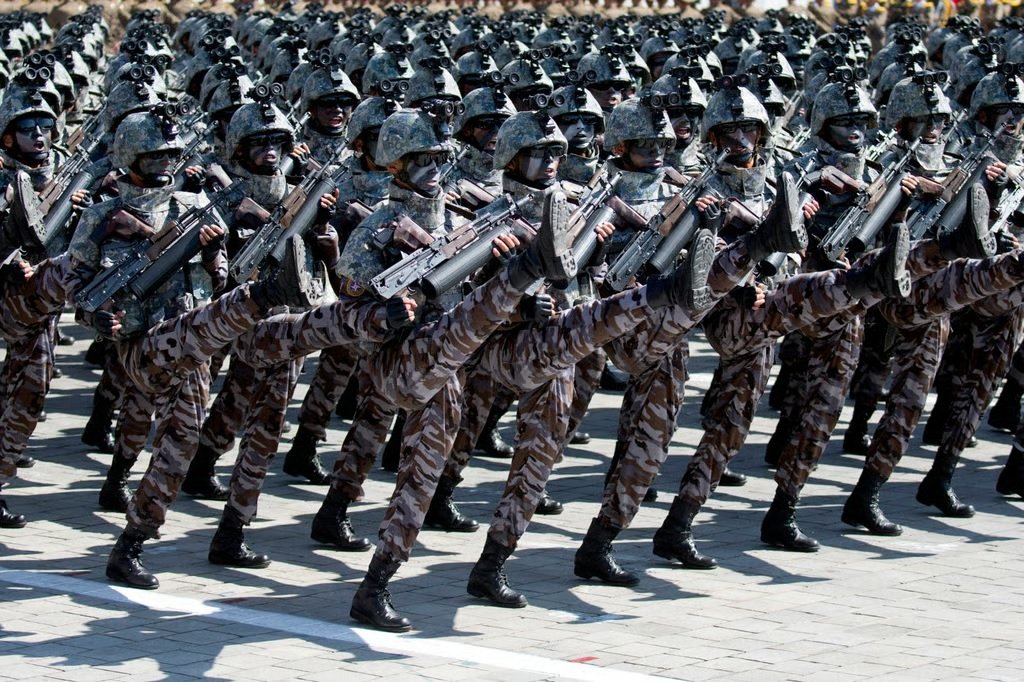 North Korea Preparing Largest Military Deployment Abroad With 30,000 Troops for Russia, Zelensky Says
-
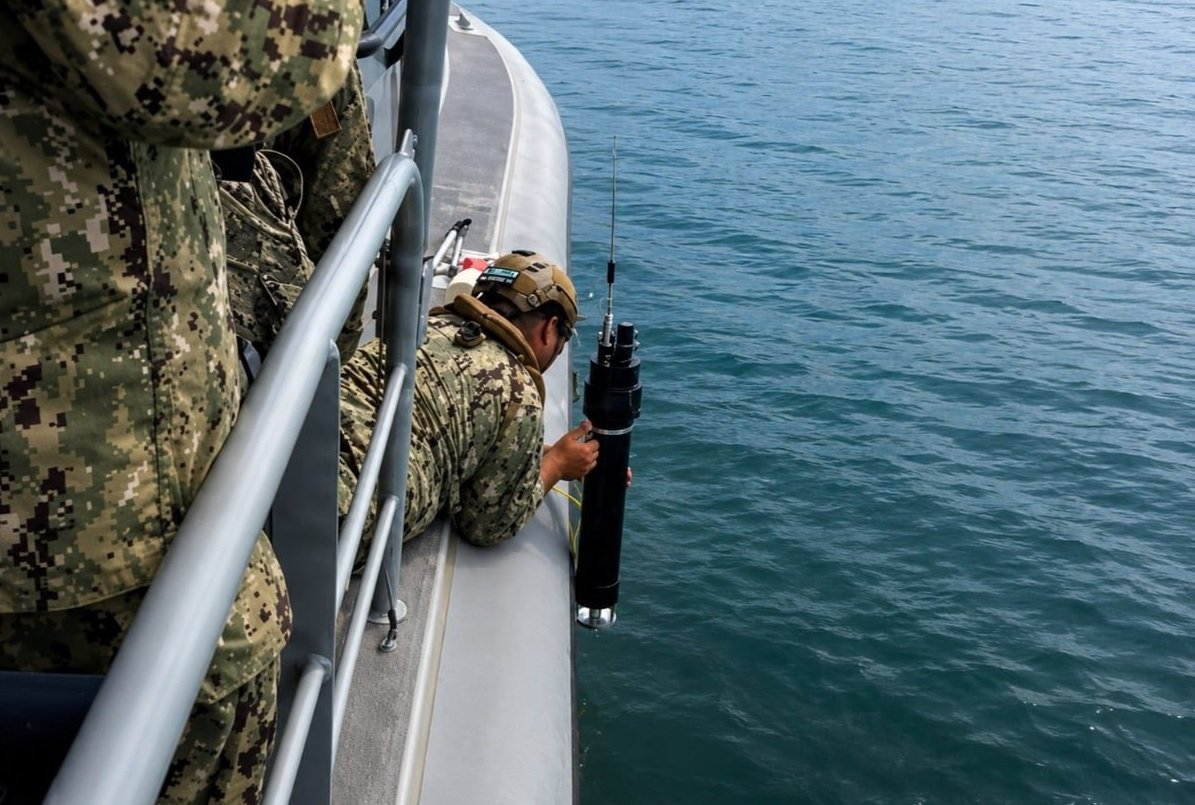 U.S. Army, Navy and Space Force Successfully Test Maritime Version of ‘Hammer of the Gods’ EW System During Project Convergence 2026
-
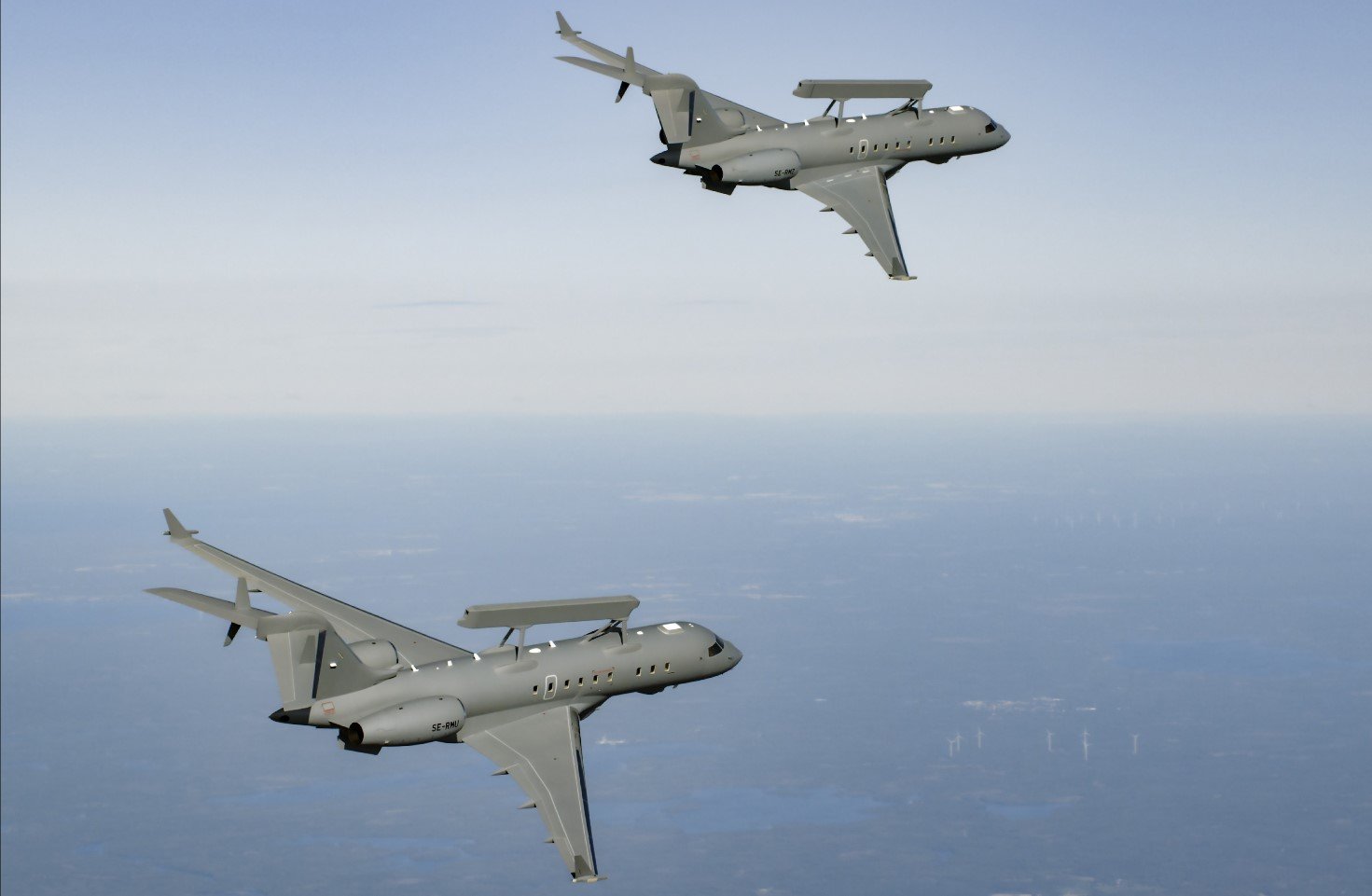 Undisclosed Middle East Customer Orders Two Saab GlobalEye AEW&C Aircraft in $1.04 Billion Deal
-
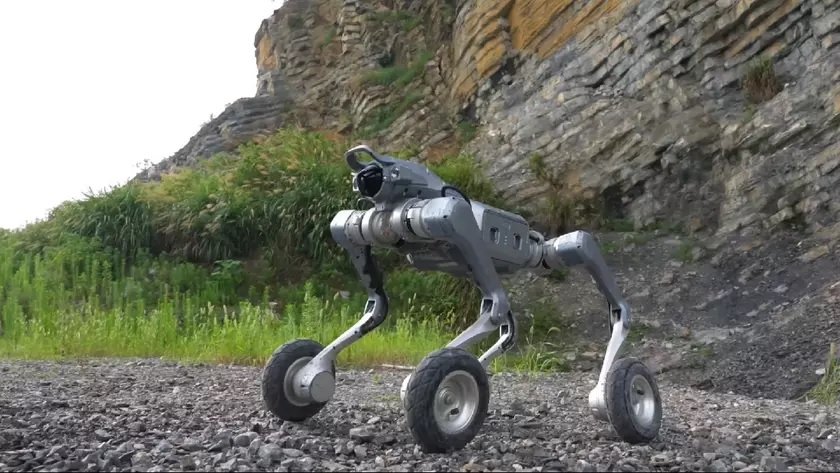 Unitree Unveils Super Athlete AS2-W Hybrid Wheeled-Legged Robot for Rugged Terrain Operations
-
 U.S. and France Clash Over U.N. Human Rights Leadership Vote
-
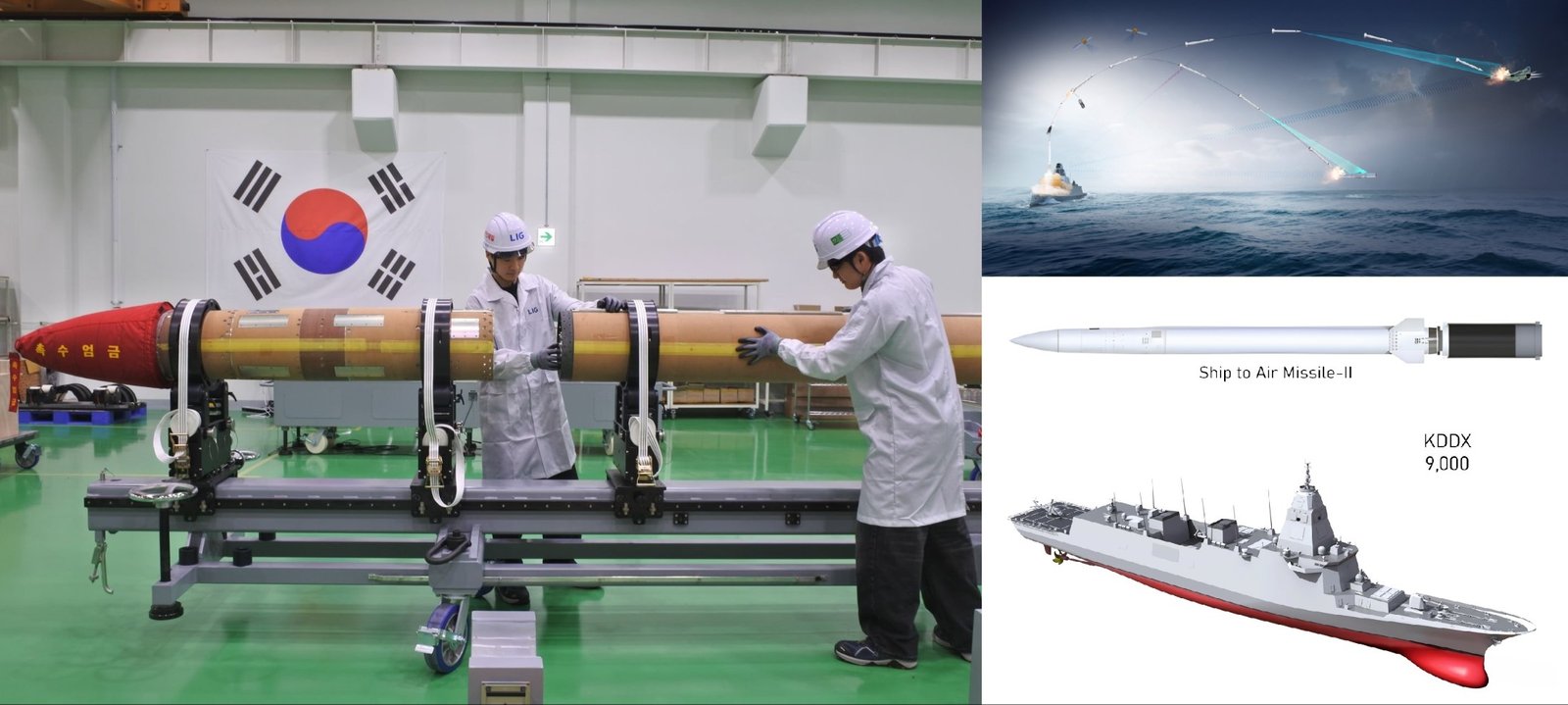 South Korea Begins First KSAM-II Naval Air-Defense Missile Prototype Assembly to Replace U.S.-Made SM-2
-
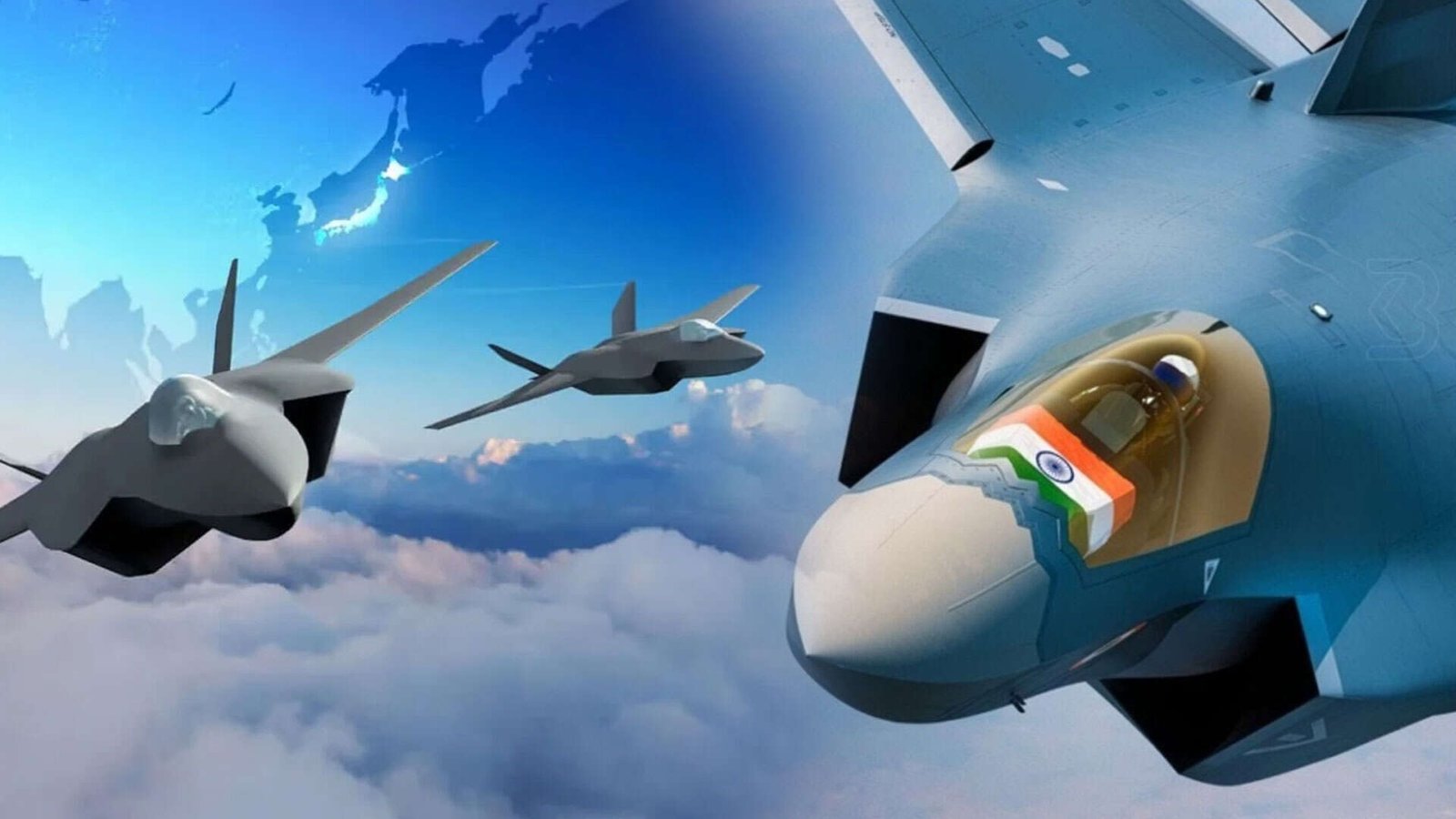 India Must Join GCAP by End-2026 or Risk Missing the Sixth-Generation Fighter Program, Leonardo CEO Signals
-
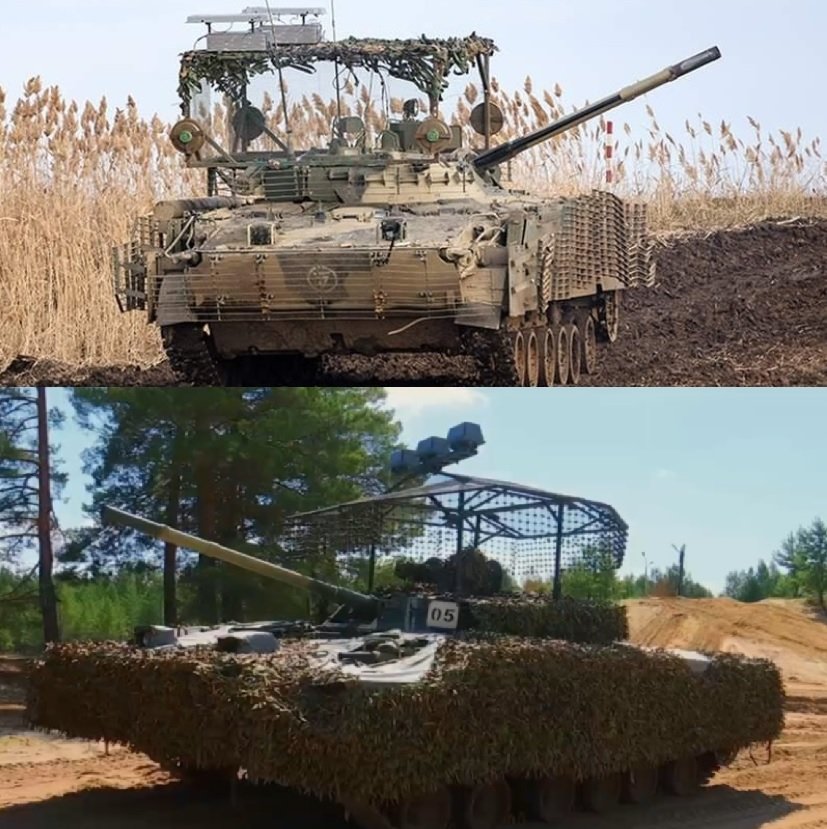 Russia Triples BMP-3 Production as Rostec Delivers Upgraded BMP-3 IFVs with Factory-Fitted Anti-Drone Protection
Top Trending in 4 Days
-
 U.S. Airstrikes Target IRGC Missile Base Near Taft as Overnight Strikes Hit Central Iran
-
 Kuwait and Bahrain Reportedly Launch First Joint Direct Airstrikes on Iran Since War Began : Report
-
 U.S. Military Selectively Intercepts Iranian Missiles to Preserve Shrinking Air Defense Stocks : Report
-
 U.S. Department of War Awards Oracle Up to $6.99 Billion Enterprise Software Deal
-
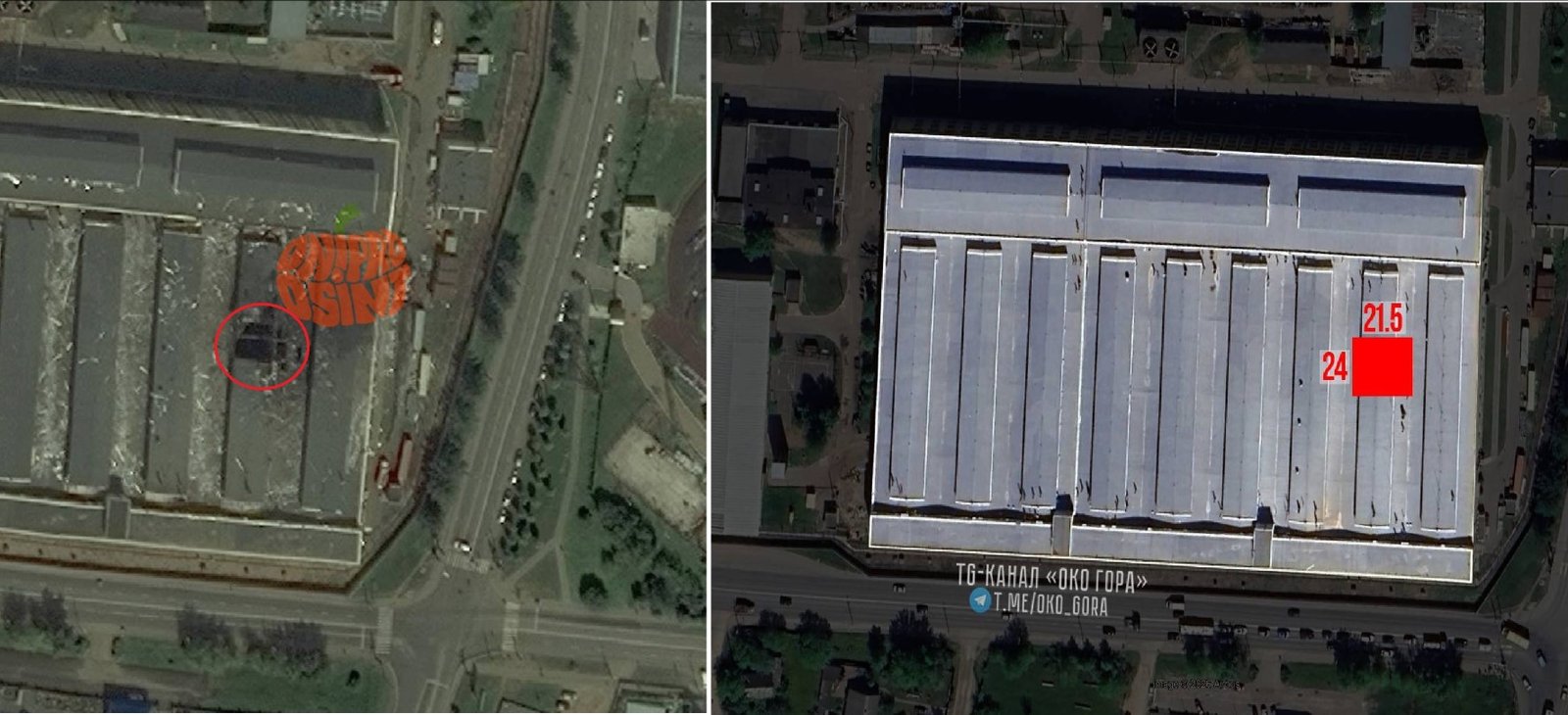 Satellite Images Confirm Damage to Russian Avitek Plant After Ukrainian FP-5 Flamingo Missile Strike
-
 Australia Commits Additional AUD 4.6 Billion to Expand Osborne Shipyard for AUKUS Submarines
-
 China Imposes Dual-Use Export Ban on 14 European Entities After EU's Russia Sanctions
-
 U.S. Army Revives PAC-2 Patriot Missile Production with First Domestic Order in Over Three Decades
