India
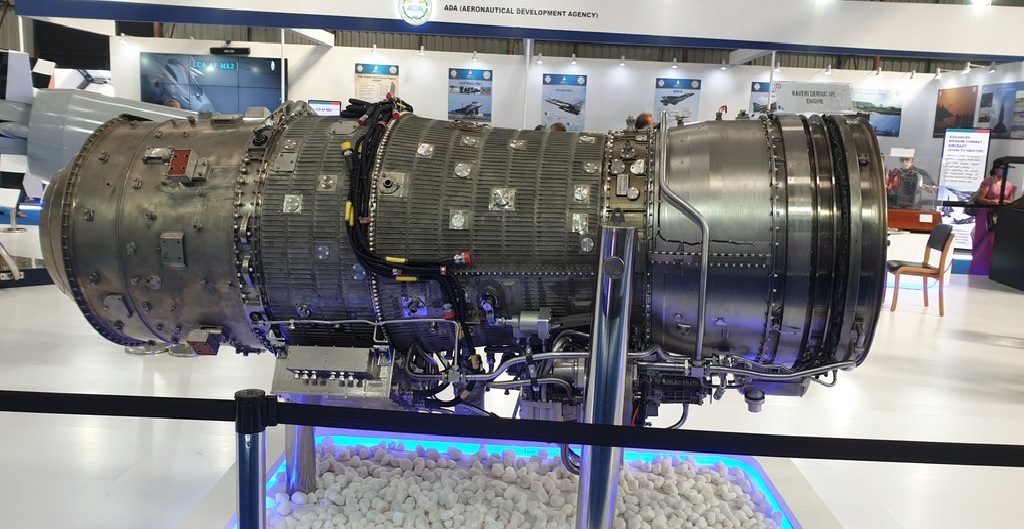
India’s Gas Turbine Research Establishment (GTRE) is poised to embark on extensive testing of advanced materials for aero engines, focusing on titanium alloys, nickel-based superalloys, and specialized steels. This initiative is a cornerstone of GTRE’s efforts to enhance the Kaveri engine program, aiming to boost thrust capabilities and meet the demands of modern fighter aircraft. Material Focus Areas Titanium Alloys Titanium alloys are integral to aero engines due to their exceptional strength-to-weight ratio and corrosion resistance. Among the most widely used is Ti-6Al-4V, a workhorse material since the 1950s. More advanced variants like Ti-6246 and Ti-6242 have been engineered to withstand higher temperatures and stresses. These alloys are particularly crucial in the cooler sections of engines, where weight savings significantly enhance performance. Key Specifications: Ti-6Al-4V: Tensile strength up to 950 MPa, temperature resistance up to 400°C. Ti-6246: Enhanced tensile strength (~1100 MPa) and temperature resistance (~450°C). Applications: Compressor blades, casings, and other lightweight structural components. Nickel-Based Superalloys Nickel-based superalloys are the backbone of high-temperature sections in aero engines, such as turbine blades and combustion chambers. Capable of operating at temperatures exceeding 1000°C, these materials maintain their strength and resist creep under extreme thermal and mechanical stresses. Advanced manufacturing processes, including investment casting, powder metallurgy, and additive manufacturing, are employed to produce these components with superior mechanical properties. Key Specifications: Examples: Inconel 718, Rene 41. Temperature Resistance: Exceeding 1100°C. Applications: Turbine discs, blades, and exhaust sections. Steels While less prominent in high-temperature zones, specialized steel alloys remain vital for certain components where toughness and cost-efficiency are priorities. They are often used in lower-stress, less thermally demanding parts such as shafts and gear mechanisms. Key Specifications: Examples: Maraging steels, stainless steels. Applications: Engine shafts, gear systems, and structural supports. Testing and Development Goals GTRE’s testing campaign is designed to validate these materials under operational conditions. This includes rigorous ground-based trials simulating the extreme environments faced by fighter aircraft engines. The program targets thrust capabilities of up to 80 kN, with the development of a new afterburner section being a central focus. Key Development Objectives: Ensure material durability under high-temperature and high-pressure conditions. Optimize performance metrics such as fuel efficiency and thrust-to-weight ratio. Collaborate with Hindustan Aeronautics Limited (HAL) and the Indian Air Force (IAF) for real-world evaluations using platforms like the MiG-29. Strategic Implications The successful integration of advanced materials will elevate the Kaveri engine program to meet global benchmarks, reducing reliance on imported propulsion systems. Moreover, GTRE’s focus on indigenously developed materials aligns with India’s Atmanirbhar Bharat (Self-Reliant India) initiative. These advancements not only cater to domestic defense requirements but also position India as a potential exporter of high-performance aero engine technologies. Future Prospects Looking ahead, GTRE’s research on titanium alloys, nickel superalloys, and steels will likely extend to unmanned aerial vehicles (UAVs) and next-generation stealth platforms. The establishment’s ongoing efforts underscore a commitment to innovation and self-reliance in the aerospace sector, paving the way for cutting-edge propulsion systems that can compete on the global stage.
Read More → Posted on 2024-12-20 15:41:13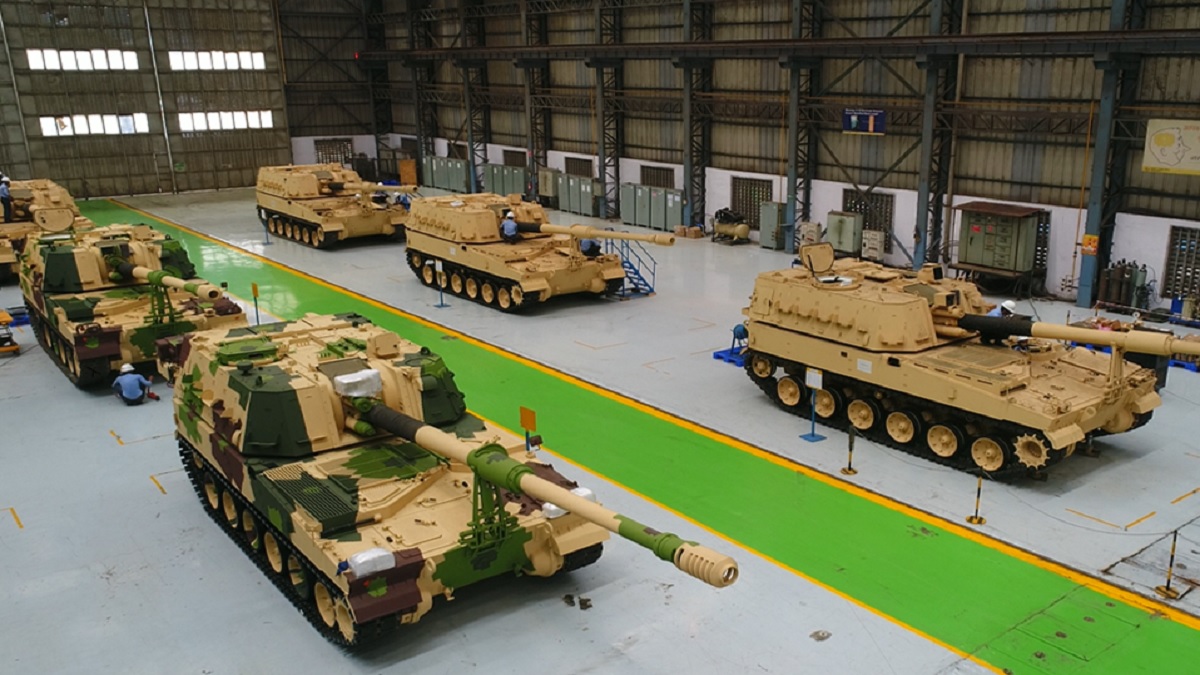
India
In a significant move to bolster India’s self-reliance in defense manufacturing, the Ministry of Defence (MoD) has inked a ₹7,628.70 crore agreement with Larsen & Toubro (L&T) for the acquisition of 100 K9 Vajra-T howitzers. This deal marks a major step forward in enhancing the Indian Army’s artillery capabilities and aligns with the government’s Atmanirbhar Bharat (Self-Reliant India) initiative. The K9 Vajra-T: An Indigenized Marvel The K9 Vajra-T is a 155mm/52-caliber tracked self-propelled artillery gun developed by South Korea’s Hanwha Defense and adapted to Indian conditions by L&T. The howitzer, manufactured at L&T’s Armoured Systems Complex in Hazira, Gujarat, boasts advanced technology and robust performance in diverse terrains. With a range of 40-50 kilometers, the K9 Vajra-T can deliver precise and sustained firepower, making it a formidable asset for the Indian Army. The system’s indigenization stands at over 80%, underscoring L&T’s capabilities in integrating cutting-edge defense technologies with local manufacturing. The howitzer’s operational flexibility is augmented by its ability to perform in extreme temperatures, from the scorching heat of deserts to the freezing cold of high-altitude regions like Ladakh. Enhancing Operational Readiness This fresh acquisition builds on the earlier successful induction of 100 K9 Vajra-T guns, which have proven their mettle in various field trials and operations, including deployment along India’s volatile northern borders. The additional 100 guns will significantly enhance the Army’s operational readiness and firepower, particularly in addressing emerging threats and maintaining a credible deterrent. Strategic Implications The deal reflects India’s commitment to fostering indigenous defense manufacturing and reducing dependency on foreign suppliers. By involving local vendors and small-scale industries in the supply chain, the agreement is expected to generate substantial economic benefits and boost employment in the defense sector. Moreover, the K9 Vajra-T’s deployment enhances the Army’s artillery modernization program, which aims to replace obsolete systems with state-of-the-art platforms. This move also positions India as a potential exporter of advanced artillery systems, aligning with the government’s vision of transforming the nation into a global defense manufacturing hub. Future Prospects With this deal, L&T has further solidified its role as a key player in India’s defense ecosystem. The company’s expertise in developing and delivering sophisticated defense systems positions it to contribute to upcoming projects, such as the Advanced Towed Artillery Gun System (ATAGS) and other indigenous weapon platforms. In conclusion, the ₹7,628.70 crore agreement for the K9 Vajra-T howitzers represents a strategic investment in India’s defense preparedness and self-reliance. By prioritizing indigenous manufacturing and leveraging advanced technology, the MoD’s initiative underscores its commitment to strengthening the nation’s defense capabilities in an evolving geopolitical landscape.
Read More → Posted on 2024-12-20 15:33:50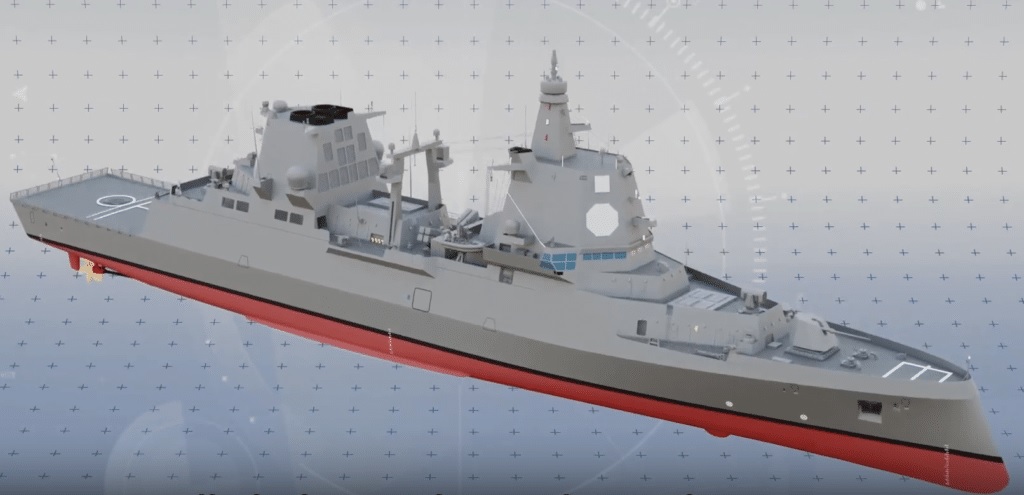
World
In a significant step to bolster its maritime defense capabilities, Germany has formally approved the launch of the Type F127 air-defense frigate program. This initiative is part of a broader €21 billion defense procurement plan, which includes additional submarines and other military upgrades. The Type F127 frigates are set to replace the aging F124 air-defense ships, with the first vessel expected to enter service around 2034. Strategic Importance of the F127 Program The Type F127 frigates represent a pivotal advancement in Germany’s naval capabilities, addressing critical gaps in air defense and reaffirming the country’s commitment to NATO obligations. According to Thyssenkrupp Marine Systems (TKMS), which leads the project, this program will secure Germany’s position as a technological leader in naval shipbuilding. The project also promises substantial economic benefits, with 90% of the order value remaining within Germany and the creation of up to 1,500 jobs at TKMS facilities in Wismar. Key Features of the Type F127 Frigate The Type F127 frigate is based on the MEKO A-400 AMD design, a state-of-the-art platform tailored to meet the German Navy’s requirements. With a displacement of 10,000 tons, a hull length of 160 meters, and a beam of 21 meters, the F127 is a notable upgrade in size and capability over its predecessors. Advanced Air Defense Systems The frigates will be equipped with the AEGIS Combat System, featuring large AESA radar panels, likely the AN/SPY-6 or AN/SPY-7. This system will enable comprehensive air and ballistic missile defense capabilities. The ship’s 64 vertical launch cells (VLS), divided into two groups, will house long-range surface-to-air missiles (SM-2 and SM-6), medium-range ESSM missiles, and potentially land-attack Tomahawk cruise missiles. Enhanced Weaponry The F127 frigates will also feature the OTO 127/64 LW main gun by Leonardo and advanced small-caliber autocannons, expected to include systems optimized for counter-drone operations. Notably, two laser weapons are planned for deployment, positioned near the bridge and the helicopter hangar, marking a forward-looking approach to naval defense. Propulsion and Operational Range The ship’s propulsion system, comprising two gas turbines and two diesel engines, will deliver a top speed of 32 knots and a range of 4,000 nautical miles. The vessel’s endurance is projected at over 30 days, making it suitable for extended missions. Multi-Mission Flexibility The design includes hangar space for two NH-90 helicopters and provisions for two ISO containers, allowing for additional mission-specific equipment. This flexibility underscores the frigate's capability to adapt to a wide range of operational requirements. Economic and Strategic Partnerships The program is a collaborative effort involving TKMS, Naval Vessels Lürssen (NVL), and other German partners. A joint venture between TKMS and NVL was established in September 2023 to oversee construction, which is expected to begin by 2025, pending final approvals. Strengthening NATO Commitments The F127 program not only modernizes Germany’s naval forces but also reinforces its reliability as a NATO partner. By filling critical capability gaps in air defense, the frigates will contribute to the alliance’s collective security framework. A Vision for the Future With the F127 frigates, Germany is signaling a strong commitment to its maritime security and technological advancement. The program aligns with broader European defense goals, ensuring that Germany remains at the forefront of naval innovation while fulfilling its international responsibilities. The launch of the Type F127 frigate program is more than just a procurement decision—it’s a decisive step toward shaping the future of naval defense in Europe.
Read More → Posted on 2024-12-20 15:29:17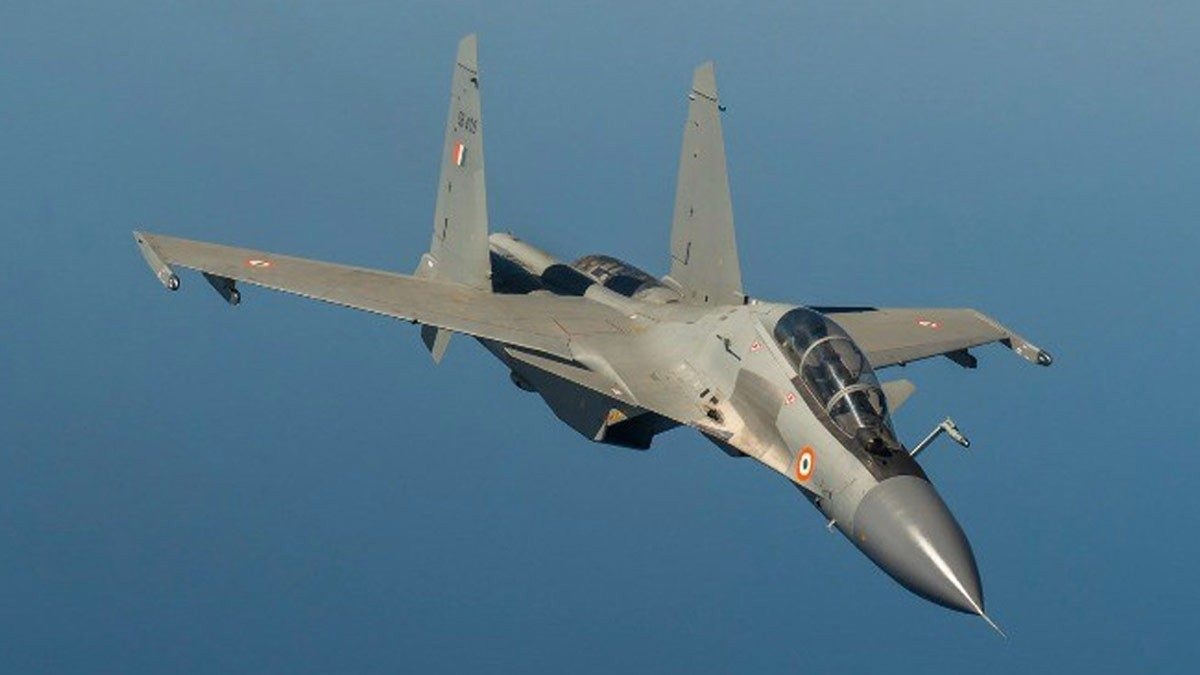
India
Hindustan Aeronautics Limited (HAL) is gearing up to commence deliveries of 12 new Sukhoi Su-30MKI fighter jets to the Indian Air Force (IAF) by April 2027. This development follows the signing of a ₹13,500 crore ($1.6 billion) contract on December 12, 2024, as part of India’s commitment to bolstering indigenous defence production under the “Aatmanirbhar Bharat” initiative. The new jets will address operational gaps caused by losses in previous years and enhance the IAF’s overall combat capability. Reactivating the Su-30MKI Production Line To fulfill the order, HAL is revitalizing its production line at the Nashik facility, a plant with a rich legacy in manufacturing various aircraft, including MiG series jets and earlier Su-30MKIs. The process involves significant contributions from local vendors for structural components, complemented by critical materials sourced from Russia. Preparatory activities are already underway, ensuring that the production line will be fully operational in time for the scheduled deliveries. Indigenous Engines and Local Manufacturing Push One of the standout features of this program is the focus on indigenous engine production. The AL-31FP engines, which power the Su-30MKI, will be manufactured at HAL’s Koraput division in Odisha. These engines will be produced from the raw material stage under a transfer of technology agreement with Russia. Initially, some spares, forgings, and castings will be imported, but as production progresses, the engines are expected to achieve an indigenous content of up to 63%. HAL plans to deliver 30 AL-31FP engines annually, with the entire production for the new jets to be completed within eight years. This local manufacturing effort will not only reduce dependency on imports but also solidify India’s position as a hub for advanced aerospace engineering. Comprehensive Upgrades for Existing Fleet Beyond new aircraft production, HAL is undertaking an extensive modernization program for the IAF's existing fleet of approximately 260 Su-30MKIs. This upgrade initiative, estimated at ₹65,000 crore, will incorporate cutting-edge technologies to keep the fleet combat-ready against evolving threats. Key enhancements include: Uttam AESA Radar: An advanced indigenously developed active electronically scanned array radar, offering superior target detection and tracking capabilities. Improved Electronic Warfare Systems: Enhanced survivability through better protection against enemy radar and missile threats. Advanced Weaponry: Integration of new-generation weapons, including long-range precision-guided munitions and air-to-air missiles. These upgrades are designed to significantly extend the operational lifespan and combat effectiveness of the Sukhoi-30MKI fleet, ensuring the IAF retains a technological edge for years to come. Strategic Importance of the Su-30MKI The Su-30MKI, a twin-engine, multi-role air superiority fighter, has been the backbone of the IAF’s combat fleet since its induction. Known for its versatility, the aircraft is capable of performing a wide range of missions, from air dominance to ground attack. The additional 12 jets will replace those lost in accidents and further strengthen the force’s operational readiness. A Step Forward in Self-Reliance This initiative underscores India’s growing emphasis on self-reliance in defence manufacturing. By prioritizing indigenous production and technology transfer, the program not only enhances the IAF’s combat capabilities but also boosts the domestic aerospace sector. HAL’s efforts to localize engine production and integrate advanced systems highlight the country’s strides toward reducing its dependency on foreign suppliers. As deliveries begin in 2027, the combination of new Sukhoi jets and the upgraded fleet will ensure that the IAF remains a formidable force in the region, ready to counter any potential threat.
Read More → Posted on 2024-12-20 15:25:46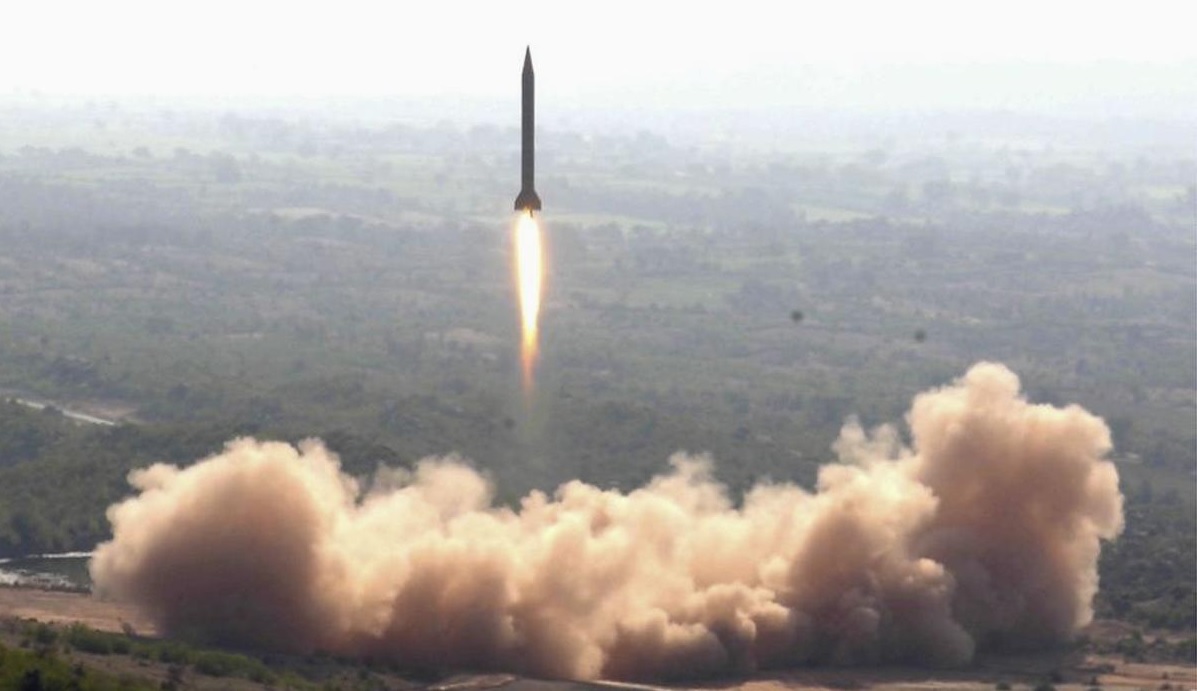
World
A senior White House official has raised alarms over Pakistan’s rapid advancement in missile technology, describing it as a potential threat to U.S. security. Jon Finer, the principal deputy national security advisor, underscored these concerns during a speech at the Carnegie Endowment for International Peace. His remarks coincided with the Biden administration’s announcement of sanctions targeting four Pakistani entities, including the state-owned National Development Complex (NDC), a pivotal player in Pakistan’s missile program. U.S. Sanctions: A Strategic Move The sanctions, unveiled on Wednesday, mark a significant escalation in U.S. measures against Pakistan’s missile developments. Among the sanctioned entities, the Islamabad-based NDC leads Pakistan’s ballistic missile program, while three Karachi-based companies—Akhtar and Sons Private Limited, Affiliates International, and Rockside Enterprise—were identified as contributors to missile-related projects. This is the first time the U.S. has sanctioned a Pakistani state-owned enterprise for its role in missile development. According to Finer, the move reflects mounting concerns over Pakistan’s advancements in long-range ballistic missile systems and rocket motors capable of reaching targets well beyond South Asia. A Shifting Threat Landscape Historically, Pakistan’s nuclear and missile programs were perceived as deterrents aimed at countering regional rival India. However, Finer’s statements suggest that Pakistan's ambitions may now extend beyond South Asia. With advancements in long-range missile systems, U.S. officials fear that Pakistan could potentially target areas as far away as the United States. “Pakistan’s actions raise real questions about its intentions,” Finer stated. He compared this emerging threat to those posed by nations like Russia, North Korea, and China—countries already capable of deploying nuclear weapons and missiles that could strike U.S. territory. Complex U.S.-Pakistan Relations The U.S. and Pakistan share a complicated history, alternating between periods of cooperation and conflict. While the two nations have collaborated on counter-terrorism, especially after the 9/11 attacks, their relationship has been strained by Pakistan’s military coups, ties with the Taliban, and its nuclear program. Tensions escalated following the U.S. withdrawal from Afghanistan in 2021, with Washington growing increasingly critical of Islamabad’s alignment with China. Beijing has played a significant role in bolstering Pakistan’s missile capabilities, further complicating U.S.-Pakistan relations. Pakistan’s Response and Justifications Pakistan has consistently defended its missile program as essential for maintaining regional stability. Officials in Islamabad argue that these developments are crucial for deterring India and preserving a balance of power in South Asia. However, Pakistan has yet to issue an official response to the latest U.S. sanctions. Despite repeated U.S. objections, Pakistan has continued its work on larger rocket engines and more advanced missile systems. According to Finer, American diplomats have engaged in numerous discussions with Pakistani officials, only to be met with resistance. “They tell us we are biased,” Finer remarked, expressing frustration over Pakistan’s lack of acknowledgment of U.S. concerns. Pakistan’s Expanding Missile and Nuclear Arsenal Pakistan’s missile and nuclear programs have grown significantly since their inception in the 1970s. The country conducted its first nuclear test in 1998, two decades after India’s initial test. Estimates suggest Pakistan currently possesses approximately 170 nuclear warheads, though the exact number remains unclear. Recent advancements in Pakistan’s missile technology, particularly long-range ballistic systems, are seen as a major escalation in its military capabilities. These developments have not only heightened tensions in South Asia but have also triggered alarm in Washington over their potential global implications. Sanctions and Future Implications The U.S. sanctions represent a critical step in addressing these emerging threats, signaling Washington’s intent to curb Pakistan’s missile advancements. By targeting key players like the NDC, the Biden administration hopes to exert pressure on Islamabad to reconsider its trajectory. However, whether these measures will lead to meaningful change remains uncertain. As U.S. concerns grow over Pakistan’s collaboration with China and its expanding missile capabilities, the relationship between the two nations appears increasingly strained. The sanctions and Finer’s remarks underscore a pivotal moment in U.S.-Pakistan relations, raising questions about the future of regional and global security. A New Geopolitical Reality The development of long-range missiles by Pakistan represents a turning point in its defense strategy, potentially shifting its focus from regional deterrence to global ambitions. For the United States, this development poses not just a strategic challenge but also a test of its ability to address emerging threats in an increasingly multipolar world.
Read More → Posted on 2024-12-20 15:18:20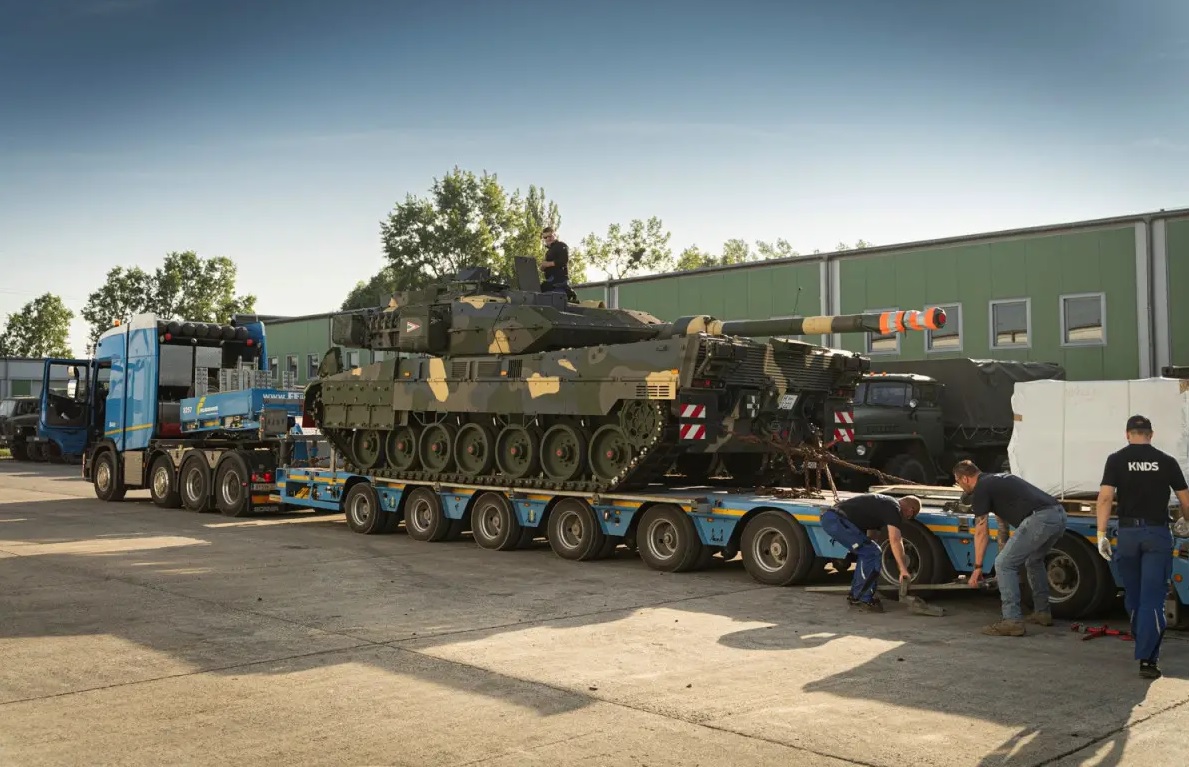
World
Hungary has achieved a significant milestone in its military modernization efforts with the delivery of 31 Leopard 2A7HU main battle tanks from KNDS Deutschland. This advanced fleet, tailored to meet Hungary's specific defense needs, forms a cornerstone of a broader 2018 agreement aimed at upgrading the Hungarian Defence Forces. Alongside these tanks, the first Wisent 2 Armoured Recovery Vehicle (ARV) has also been handed over to the HDF 1st Armoured Brigade in Tata, signaling progress in Hungary's ambitious defense transformation. Leopard 2A7HU: A Tailored Powerhouse The Leopard 2A7HU, an upgraded variant of the renowned Leopard 2 series, offers superior firepower, protection, and mobility. Tailored specifically for Hungary, these tanks are designed to excel in a variety of combat scenarios. Key features include: Advanced Fire Control Systems: Providing unparalleled accuracy in targeting. Composite Armor: Offering enhanced protection against modern threats. Superior Mobility: Powered by a 1,500-horsepower engine, these tanks can handle challenging terrains. The 31 tanks delivered are part of a broader procurement deal that includes 44 Leopard 2A7 tanks, 24 PzH 2000 self-propelled howitzers, and a range of support vehicles, all slated for delivery by 2028. Wisent 2 ARV: A Modern Battlefield Workhorse The Wisent 2 Armoured Recovery Vehicle complements the Leopard tanks by providing critical support in recovery and engineering operations. Built on the Leopard 2 chassis, the Wisent 2 is a versatile and modular vehicle capable of multiple roles: Recovery Operations: Equipped to tow and repair damaged combat vehicles. Engineering Tasks: Features such as a 32-tonne crane, excavator, and mine-clearing equipment make it indispensable for complex missions. Modularity: The vehicle can switch between recovery and engineering configurations in just five hours, adding flexibility to its deployment. Comprehensive Modernization Plan Hungary’s defense acquisition plan extends beyond tanks and recovery vehicles. By 2028, the country aims to bolster its forces with: Five Wisent 2HU Recovery Vehicles: Enhancing operational resilience in the field. Three Leguan 2HU Armoured Bridge Layers: Designed for rapid deployment across water and other obstacles. 24 PzH 2000 Self-Propelled Howitzers: Providing precision artillery support. These acquisitions align with Hungary’s strategy to develop a 21st-century military force capable of addressing contemporary threats while enhancing regional security. Strengthening Deterrence and Security Defence Minister Kristóf Szalay-Bobrovniczky highlighted the significance of these advancements, stating, “Modern military equipment serves both the security of the Hungarian people and strengthens the deterrence capabilities of the Hungarian Defence Forces.” The arrival of the Leopard 2A7HU tanks and Wisent 2 ARV demonstrates Hungary's commitment to building a technologically advanced and resilient military. These additions not only bolster national defense but also contribute to NATO’s collective security framework, underscoring Hungary's strategic importance in the region. This modernization effort signals Hungary’s readiness to meet the demands of modern warfare while ensuring the safety and security of its citizens.
Read More → Posted on 2024-12-20 15:13:57
Space & Technology
India’s space agency, ISRO (Indian Space Research Organisation), is poised to make history with its first-ever Space Docking Experiment (SpaDEX) mission, scheduled for December 30, 2024. This groundbreaking initiative, to be launched aboard the PSLV-C60 rocket, is a significant leap in India's space exploration journey, aiming to showcase advanced autonomous docking technology—a feat achieved by only a handful of nations, including the United States, Russia, and China. Mission Overview: Chaser and Target Satellites The SpaDEX mission involves two satellites aptly named “Chaser” and “Target,” each weighing approximately 400 kg. These satellites will perform an intricate docking maneuver at an altitude of 700 km above Earth. The Chaser satellite will autonomously rendezvous and dock with the Target satellite, demonstrating precision in maintaining relative positions in orbit. This capability will underline India’s growing expertise in autonomous in-space operations. Once docked, the mission will explore a cutting-edge feature—controlling one satellite’s attitude (orientation) using the attitude control system of the other. This sophisticated interaction could serve as the basis for future advancements in satellite servicing, such as refueling, repair, and upgrades, as well as debris capture. Innovative Space Technologies For the first time, ISRO will incorporate robotic technologies for in-space manipulation. This includes the ability to capture free-flying objects like satellites or debris using robotic arms. A long tether attached to a cubesat will be deployed for capture, enabling the deorbiting of both the tethered object and the capturing platform. This approach ensures that debris burns up harmlessly upon re-entering Earth’s atmosphere. The tethered capture mechanism, operated from the POEM (PS4 Orbital Platform), involves precision targeting of fast-moving objects, effective tether deployment, and controlled deorbiting—all of which are significant technical challenges. These innovations contribute to ISRO's larger objective of achieving a debris-free orbital environment by 2030. Significance and Future Implications The SpaDEX mission is more than just a technological milestone; it is a stepping stone for several ambitious future projects, including: Chandrayaan-4: A proposed lunar sample return mission. Bharatiya Antariksha Station: India’s envisioned space station. Gaganyaan: India’s human spaceflight program. Additionally, successful docking technology will allow for in-orbit servicing and refueling of geostationary satellites, thereby extending their operational lifespans. Such capabilities are critical for long-term missions and sustainable practices in space exploration. A Collaborative Effort SpaDEX reflects ISRO’s collaborative spirit, with significant contributions from private sector partners. This partnership underscores the growing role of India’s private space sector in developing cutting-edge technologies and reinforces ISRO's commitment to fostering innovation within the country. India’s Growing Role in Space Sustainability As the global space industry shifts focus toward sustainability, SpaDEX marks India’s entry into the realm of active debris removal and in-orbit satellite servicing. The mission’s success could position India as a leader in responsible space exploration, setting the stage for ambitious projects and partnerships on an international scale. Conclusion SpaDEX represents a monumental step forward for ISRO and India’s space ambitions. By mastering autonomous docking, in-orbit manipulation, and debris management, ISRO is not only advancing its technological prowess but also contributing to the sustainability of outer space. As the world watches, this mission could cement India’s position as a key player in the global space race.
Read More → Posted on 2024-12-20 15:11:20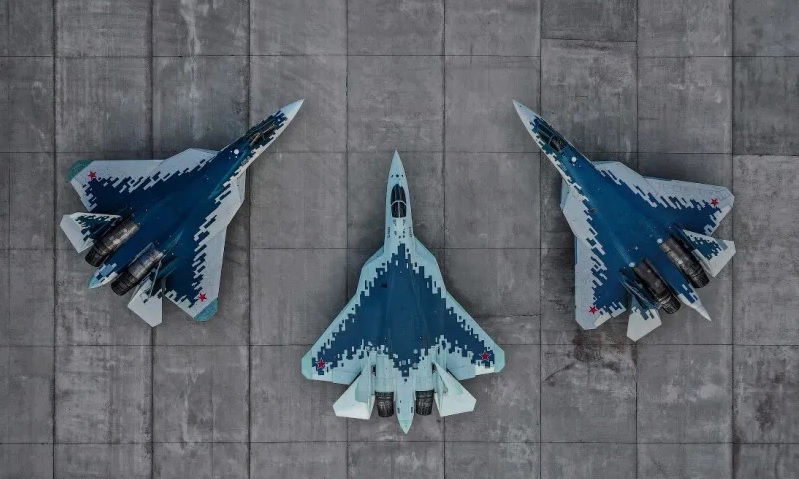
India
Russian President Vladimir Putin’s planned visit to India in early 2025 could mark a significant milestone in defense cooperation between the two nations. On the agenda is a Government-to-Government (G2G) deal offering India 60-70 Su-57E fifth-generation fighter jets, a move aimed at bolstering the Indian Air Force’s (IAF) combat capabilities. A Renewed Pitch for the Su-57E The Su-57E, an export version of Russia’s advanced Su-57 stealth fighter, has been designed to excel in air superiority and precision strike missions. It features cutting-edge avionics, super maneuverability, and stealth technology. Russia’s offer follows India’s 2018 exit from the Fifth-Generation Fighter Aircraft (FGFA) program, a collaborative effort that sought to create a customized, twin-seat Su-57 variant for India. Challenges such as delays, cost overruns, and questions about the fighter’s fifth-generation credentials led to India’s withdrawal. Russia now believes the Su-57E has addressed those concerns and could be a strong contender for India’s defense modernization. With its AL-51F engines—true fifth-generation powerplants—offering superior thrust, fuel efficiency, and stealth performance, the Su-57E represents a significant leap in combat technology. Competitive Pricing and Delivery Advantage One of the most appealing aspects of Russia’s proposal is the Su-57E’s pricing. The fighter jet is expected to be significantly cheaper than the French Dassault Rafale, which India has already acquired. Coupled with this is Russia’s ramped-up production capability, with annual Su-57 output set to increase from 15 to 25 units. This production expansion could ensure faster delivery timelines, an essential factor for India, given its urgent need to replenish its fighter squadrons. India’s Fighter Fleet Challenges The IAF currently faces a critical shortfall, operating with just 31 squadrons—far below the sanctioned strength of 42. This gap leaves India underprepared to handle a potential two-front conflict scenario with China and Pakistan. The Su-57E could serve as a much-needed interim solution while India develops its indigenous Advanced Medium Combat Aircraft (AMCA). The Su-57E also aligns with India’s vision for integrating advanced technologies, including stealth and network-centric warfare capabilities, into its fleet. With the AMCA still in the development phase, the Su-57E could bridge the gap until the indigenous fighter becomes operational in the 2030s. Strengthening India-Russia Defense Ties Beyond addressing India’s immediate defense needs, the Su-57E proposal underscores Russia’s commitment to strengthening its strategic ties with India. Despite India’s diversification of defense partnerships in recent years, Russia remains a key supplier, accounting for nearly 45% of India’s defense imports. The Su-57E deal, if finalized, could further solidify this relationship, particularly at a time when India is balancing its defense procurement strategy between traditional allies like Russia and new partners such as the United States and France. Conclusion President Putin’s 2025 visit could be a pivotal moment in India-Russia defense relations. The proposed Su-57E deal offers India a cost-effective, technologically advanced solution to its air force challenges, while providing Russia an opportunity to regain its foothold in India’s defense procurement landscape. As India weighs its options, the Su-57E could emerge as a critical component in shaping the future of its air combat capabilities.
Read More → Posted on 2024-12-20 15:07:15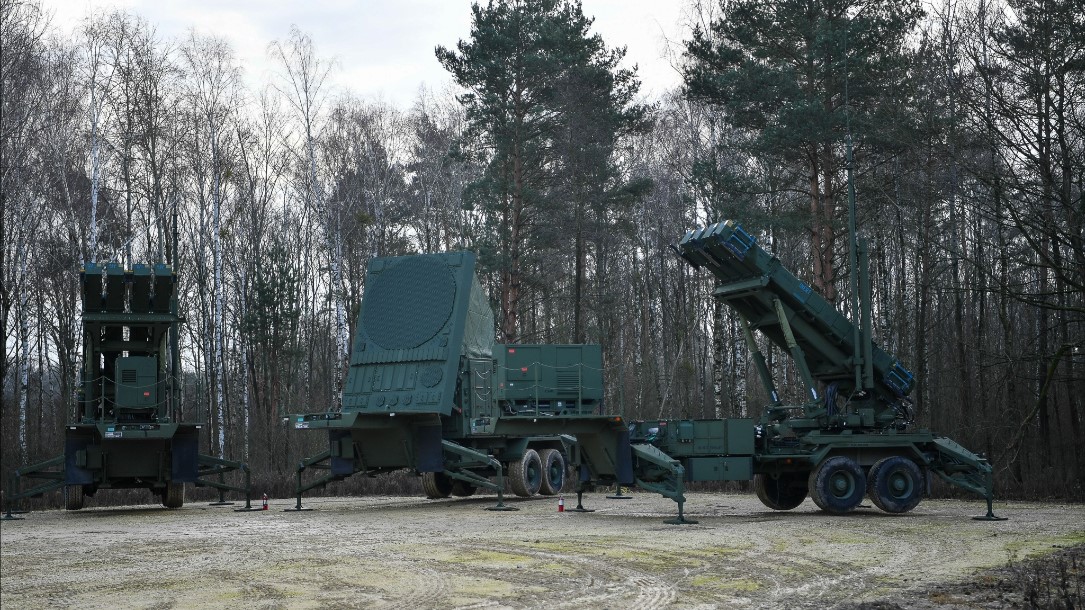
World
Poland has taken a significant leap in bolstering its air defense capabilities with the Wisla air defense system achieving Initial Operational Capability (IOC). The milestone was accomplished by the 37th Air Defense Missile Squadron, a unit of the 3rd Warsaw Air Defense Missile Brigade. A second battery of the Wisla system is expected to reach the same operational level by the end of this year, marking a major milestone in Poland’s efforts to enhance its defensive posture. A Response to Modern Threats The importance of robust air defense has been underscored by ongoing conflicts, particularly the war in Ukraine. Speaking at the event in Sochaczew, Polish Deputy Prime Minister Władysław Kosiniak-Kamysz emphasized the lessons learned from contemporary warfare. He highlighted the necessity of a multi-layered air defense strategy, integrating systems like Pilica Plus for very short-range, Narew for short-range, and Wisla for medium-range defense. Integration with IBCS: A Technological Edge Achieving IOC required the seamless integration of the Integrated Battle Command System (IBCS) into the Wisla system. Developed by Northrop Grumman, IBCS provides an open and scalable architecture that integrates multi-domain sensors and effectors. This architecture enables a unified view of the battlespace, allowing operators to make faster and more informed decisions to counter threats. The system's advanced features, such as integration with M903A2 launchers and Patriot Advanced Capability-3 (PAC-3) Missile Segment Enhancement missiles, further enhance its ability to counter tactical ballistic missiles, cruise missiles, and aerial threats. Northrop Grumman described IBCS as a foundational capability for enabling joint, coalition, and multi-domain operations, paving the way for closer integration of US and Polish air defenses during combined missions. Wisla Program and Future Upgrades The Wisla air defense system is based on the Patriot missile defense platform and represents Poland’s medium-range defense solution. In the second phase of the program, Poland will integrate Raytheon’s next-generation Lower Tier Air and Missile Defense Sensors (LTAMDS) with the system. These sensors, powered by Gallium Nitride (GaN) technology, offer 360-degree tracking capabilities, addressing a critical limitation of current Patriot radars. Last year, Poland signed a procurement agreement for 12 LTAMDS radars and 48 Patriot launchers to enhance the Wisla system's capabilities. The LTAMDS is being developed for the US Army as a state-of-the-art replacement for the Patriot radar, promising significant improvements in detection and interception of advanced threats. Strengthening Poland’s Defense The achievement of IOC for the Wisla system reflects Poland’s commitment to building a robust, multi-layered air defense network. With a comprehensive strategy that spans very short-range to medium-range defense, Poland aims to safeguard its airspace against emerging threats. The integration of cutting-edge technologies like IBCS and LTAMDS underscores Poland's proactive approach in modernizing its military capabilities. As the second Wisla battery gears up to achieve IOC by the end of the year, Poland is solidifying its position as a key player in Europe’s collective defense architecture. The advancements made under the Wisla program not only strengthen national security but also contribute to NATO's overall defensive readiness.
Read More → Posted on 2024-12-20 15:03:23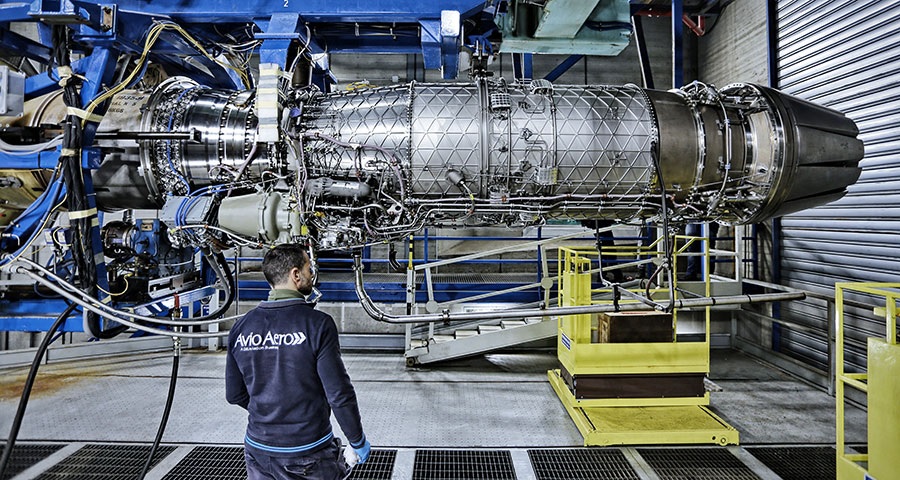
World
The Spanish Air Force has taken a significant step to enhance its defense capabilities with the signing of a contract for 59 EJ200 engines to power its Eurofighter Typhoon fleet. The agreement, marking the second phase of Spain’s Halcón acquisition project, was formalized at the Getafe Air Force Base in Madrid. This milestone contract was signed by Air Vice Marshal (AVM) Simon Ellard (ret.), General Manager of the NATO Eurofighter & Tornado Management Agency (NETMA), and Ralf Breiling, CEO of EUROJET Turbo GmbH, the consortium responsible for managing the EJ200 engine program. The deal underscores Spain's commitment to strengthening its aerial defense within NATO’s strategic framework. EJ200 Engine: A Cutting-Edge Powerhouse The EJ200 engine, renowned for its cutting-edge performance, will serve as the backbone of Spain’s Eurofighter Typhoon fleet. Since its first delivery in 2003, the EJ200 has accumulated over 1.5 million flying hours and proven its combat capabilities across nine air forces worldwide. The engine’s modular design ensures high reliability and ease of maintenance, critical features for operational readiness. With thrust levels exceeding 20,000 pounds, the EJ200 provides superior maneuverability and speed, making it an ideal choice for modern combat scenarios. Production and Delivery Timeline The production of the EJ200 engines will involve EUROJET’s partner companies: Rolls-Royce (UK), MTU Aero Engines (Germany), ITP Aero (Spain), and Avio Aero (Italy). Final assembly and integration will be conducted at ITP Aero’s facility in Ajalvir, Spain, ensuring local expertise is at the forefront of this project. Deliveries are expected to commence in 2029, aligning with Spain’s broader modernization plans for its Eurofighter fleet. This long-term project highlights the strategic role of the EJ200 in bolstering Spain's air defense capabilities. Strategic Importance of the Contract Ralf Breiling, CEO of EUROJET, emphasized the significance of Spain’s confidence in the EJ200 engine, calling it “inspiring” and noting its role in delivering a “world-class, combat-proven asset” for the Spanish Air Force. AVM Simon Ellard (ret.) of NETMA highlighted the collaborative nature of this procurement, stating, “The EJ200 powers the Eurofighter Typhoon to secure our skies and reinforce NATO’s deterrence capabilities.” EUROJET: A European Collaboration EUROJET Turbo GmbH is a consortium of leading aerospace companies, including Rolls-Royce, MTU Aero Engines, ITP Aero, and Avio Aero. This collaboration represents a cornerstone of European defense cooperation, leveraging expertise from across the continent to deliver cutting-edge aerospace technology. With over 1,400 EJ200 engines delivered to date, EUROJET continues to play a pivotal role in supporting the Eurofighter Typhoon, one of the most advanced multirole combat aircraft globally. Conclusion The contract for 59 new EJ200 engines not only reinforces Spain’s aerial defense capabilities but also showcases the strength of European collaboration in the aerospace sector. As the engines begin to roll out in 2029, the Spanish Air Force will be better equipped to address modern defense challenges and fulfill its commitments within NATO. This initiative underlines the enduring importance of the Eurofighter Typhoon and the EJ200 engine in maintaining a robust and capable European defense ecosystem.
Read More → Posted on 2024-12-20 14:12:55
India
The Indian Air Force (IAF) is gearing up to enhance its aerial combat strength with the procurement of 15 Astra MK-2 missiles. This advanced beyond-visual-range (BVR) air-to-air missile is set to redefine the IAF’s engagement capabilities, demonstrating India's growing prowess in indigenous defense technology. Development and Production Timeline The Defence Research and Development Organisation (DRDO) has been actively working on the Astra MK-2 project. A tender has been issued for the manufacturing of propellants and dual-pulse rocket motors, marking readiness for further trials within the next 7-8 months. Following these tests, Bharat Dynamics Limited (BDL) is slated to begin production by December 2024, signaling a critical phase in the missile’s journey to operational deployment. Specifications of Astra MK-2 The Astra MK-2 stands out with its extended range of over 160 km, a significant upgrade from the Astra MK-1, which is limited to 110 km. The missile is equipped with a dual-pulse rocket motor, providing enhanced end-game maneuverability and superior kinematic performance. Its guidance system, which includes inertial navigation and active radar, has been improved for higher accuracy and reliability during engagements. The missile’s maximum speed is expected to exceed Mach 4.5, enabling rapid interception of hostile targets. Furthermore, its tail chase range, crucial for rear attacks, has been extended to 35 km, compared to 20 km in the earlier version. Integration Across Platforms The Astra MK-2 will be integrated into multiple IAF platforms, including the Sukhoi Su-30MKI and the Tejas Light Combat Aircraft. Plans also include future compatibility with advanced fighter jets like the Tejas Mk-2 and the AMCA (Advanced Medium Combat Aircraft). This adaptability ensures the missile’s relevance across generations of combat aircraft. Astra MK-2 vs. Astra MK-1: Key Differences Feature Astra MK-1 Astra MK-2 Range Up to 110 km Over 150 km, up to 160 km Rocket Motor Single-pulse Dual-pulse Tail Chase Range 20 km 35 km Guidance System Inertial + active radar Enhanced guidance Maneuverability Limited Improved end-game kinematics Speed Mach 4.5 or above Exceeds Mach 4.5 Integration Su-30MKI Su-30MKI, Tejas, AMCA Cost ₹8 crores per unit ₹10-11 crores per unit Strategic Importance The Astra MK-2 plays a vital role in reducing India's dependency on imported air-to-air missiles, such as the Meteor. The advanced features of this indigenous missile position it as a formidable tool in achieving air superiority in modern combat scenarios. Comprehensive user trials are expected to conclude by 2026, after which the Astra MK-2 will become a staple in the IAF's arsenal. By investing in indigenous solutions like the Astra MK-2, India is not only bolstering its military capabilities but also fostering self-reliance in defense technology.
Read More → Posted on 2024-12-20 14:11:05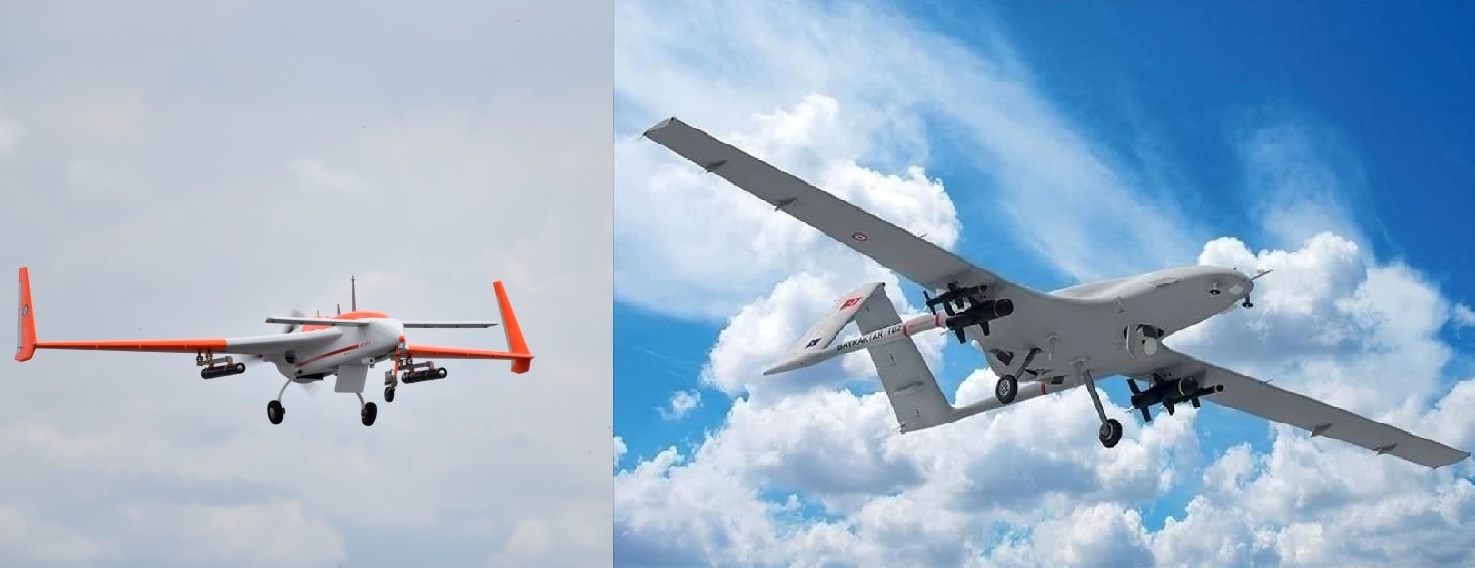
India
The evolution of unmanned aerial vehicles (UAVs) has significantly transformed modern warfare, offering enhanced surveillance and precision strike capabilities. Two notable UAVs in this domain are India's SRUAV-Weaponised Rustom-1 and Turkey's Bayraktar TB2. This article provides a detailed comparison of their specifications, capabilities, and cost.Design and Dimensions Rustom-1: Developed by India's Defence Research and Development Organisation (DRDO), the Rustom-1 is a Short Range Remotely Piloted Aircraft System (SR-RPAS) with an all-composite structure. It has a wingspan of 7.9 meters, a length of 5.12 meters, and a height of 2.4 meters. The empty weight is approximately 720 kg, with a maximum takeoff weight (MTOW) around 800 kg Bayraktar TB2: Produced by Turkey's Baykar company, the Bayraktar TB2 features a wingspan of 12 meters, a length of 6.5 meters, and a height of 2.2 meters. It has an empty weight of 500 kg and an MTOW of 650 kg Performance Rustom-1: The Rustom-1 can reach a maximum speed of 225 km/h, with an operational range of 200 km. It operates at altitudes up to 20,000 feet and has demonstrated an endurance of 10 hours. Bayraktar TB2: The TB2 has a maximum speed between 70 to 120 knots (approximately 130 to 220 km/h) and a communication range exceeding 150 km. It boasts a service ceiling of 22,000 feet and an endurance exceeding 20 hours. Payload and Armament Rustom-1: The SRUAV-Weaponised variant is expected to carry a payload of 95 kg, potentially including four Anti-Tank Guided Missiles (ATGMs), possibly the NAG-MK2. This armament would enable it to engage armored targets effectively. Bayraktar TB2: The TB2 has a payload capacity of 150 kg and is equipped with four hardpoints capable of carrying laser-guided smart munitions, such as the MAM-L and MAM-C missiles, suitable for precision strikes against various targets. Operational Capabilities Rustom-1: Initially designed for Intelligence, Surveillance, and Reconnaissance (ISR) missions, the weaponized Rustom-1 expands its role to include offensive operations, enhancing its versatility on the battlefield. Bayraktar TB2: The TB2 is a combat-proven platform with autonomous takeoff and landing capabilities, utilized in various operational theaters for both ISR and strike missions. Its extended endurance and higher service ceiling provide a tactical advantage in sustained operations. Cost Considerations Rustom-1: As an indigenous platform, the Rustom-1's development and production costs are not publicly disclosed. However, domestic production is expected to reduce procurement and maintenance expenses compared to imported systems. Bayraktar TB2: The unit cost of the TB2 varies based on configuration and quantity. Open sources indicate prices ranging from $1 million to $5 million per unit. For instance, Romania's planned acquisition of 18 TB2 drones for $300 million suggests a unit cost of approximately $16.7 million, potentially including additional equipment and support services. ConclusionBoth the SRUAV-Weaponised Rustom-1 and the Bayraktar TB2 offer distinct advantages tailored to their respective operational requirements. The Rustom-1's development reflects India's commitment to self-reliance in defense technology, providing a cost-effective solution with capabilities suited to regional needs. In contrast, the Bayraktar TB2's combat experience and extended endurance make it a formidable asset in various conflict scenarios. Decision-makers should consider mission-specific requirements, budget constraints, and strategic objectives when selecting between these UAV platforms.
Read More → Posted on 2024-12-19 16:38:53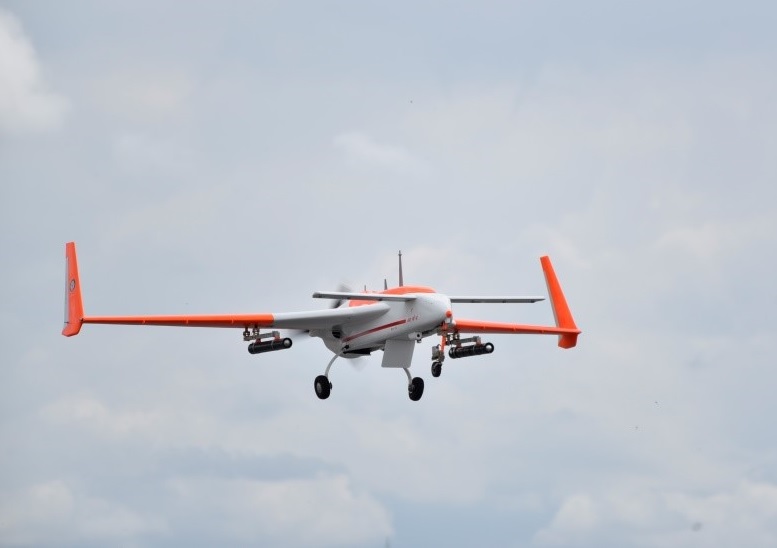
India
India's unmanned aerial landscape is poised for a significant leap forward with the weaponized variant of the Rustom-1 drone, the SRUAV-Weaponised (SRUAV-W). This armed drone signifies a transformative step in India's defense strategy, merging reconnaissance capabilities with offensive firepower. Designed and developed by the Defence Research and Development Organisation (DRDO), the SRUAV-W is set to be equipped with four Anti-Tank Guided Missiles (ATGMs), likely to be the advanced NAG-MK2. From Surveillance to Strike The Rustom-1 was initially conceived as an unmanned surveillance platform, focusing on ISR (Intelligence, Surveillance, and Reconnaissance) missions. However, the evolution into a weaponized variant underscores India's growing emphasis on indigenous development of versatile Unmanned Combat Aerial Vehicles (UCAVs). The SRUAV-W expands beyond reconnaissance to offer tactical offensive capabilities, addressing modern battlefield demands. The Power of NAG-MK2 ATGMs The addition of four ATGMs transforms the SRUAV-W into a formidable combat platform. While DRDO has not officially confirmed the missile system, the NAG-MK2 is widely anticipated to be the chosen armament. The NAG-MK2, an advanced variant of the NAG missile system, boasts enhanced range, precision guidance, and superior armor penetration. Key specifications include: Range: Over 8 kilometers, ensuring engagement from a safe standoff distance. Guidance System: Infrared seeker for pinpoint target acquisition and tracking, even in challenging conditions. Penetration Capability: Designed to neutralize heavily armored targets, including main battle tanks equipped with explosive reactive armor (ERA). By integrating these missiles, the SRUAV-W can effectively target and destroy armored vehicles, fortifications, and high-value ground assets. Advanced Features and Potential Upgrades Beyond its armament, the SRUAV-W is undergoing trials to validate key performance metrics, including: Payload Handling: Stability and flight performance with the additional weight of missiles and launch systems. Targeting Systems: Enhanced electro-optical and infrared sensors for accurate target acquisition. Operational Endurance: Prolonged flight durations to support sustained combat missions. Future upgrades could introduce a broader arsenal, such as air-to-ground rockets, precision-guided bombs, or swarm-capable payloads. Additionally, improved communication systems may enable networked operations, allowing coordinated strikes with other aerial and ground assets. A Strategic Asset for India The SRUAV-W’s development aligns with India’s vision of a self-reliant defense ecosystem under the "Make in India" initiative. Its integration into the armed forces would bolster India’s ability to conduct precision strikes, support ground forces, and enhance border security. The weaponized Rustom-1 also represents a significant leap in India’s ability to counter regional threats. Its multi-role capabilities provide flexibility for both offensive operations and peacekeeping missions, making it a valuable addition to the country’s defense inventory. With its advanced features and potential deployment of NAG-MK2 ATGMs, the SRUAV-W underscores India’s commitment to evolving defense technology, ensuring readiness for modern warfare challenges.
Read More → Posted on 2024-12-19 16:28:51
World
A new shipment of North Korean military hardware has reached Russia, sparking widespread interest and speculation about the deepening military cooperation between the two nations. Reports and video footage have confirmed the arrival of more than a dozen North Korean M1989 Koksan self-propelled artillery systems, transported by train. This is the second such sighting, following an initial delivery observed about a month ago. The M1989 Koksan artillery is a formidable long-range weapon system that has been in operation since the 1980s. Named after the North Korean city where it was first identified, the system is built around a powerful 170mm gun mounted on a modified tank chassis, derived from platforms like the T-54, T-62, or Chinese Type 59. With a range of up to 60 kilometers when using rocket-assisted projectiles, the M1989 is designed for heavy bombardment and strategic artillery roles, making it one of the longest-ranged artillery systems globally. This model is an improvement over the earlier M1979 Koksan variant, addressing critical limitations. Unlike its predecessor, the M1989 features onboard storage for 12 rounds of ammunition and a protected cabin for the crew, enhancing operational efficiency and survivability on the battlefield. These upgrades make the M1989 a more versatile and robust weapon, capable of sustained bombardment under challenging conditions. While these artillery pieces have not yet been observed in active combat, their presence in Russia raises significant concerns. Their long-range capabilities could prove advantageous in operations requiring heavy bombardment or precision targeting from a distance. However, questions remain about their readiness and the specific intent behind their deployment. The growing military collaboration between North Korea and Russia, as underscored by these shipments, carries broader geopolitical implications. It signals a willingness by Pyongyang to support Moscow, potentially supplying critical equipment for Russia’s military efforts. This development highlights a shift in the international defense landscape, where unconventional alliances may play an increasingly strategic role. For now, the exact purpose of these shipments remains unclear. Whether intended for immediate combat deployment, testing, or strategic posturing, the presence of North Korean artillery on Russian soil is a stark reminder of the evolving dynamics in global military cooperation and conflict readiness.
Read More → Posted on 2024-12-19 16:16:06
Science
China has reached a major milestone in its quest to decode one of the most elusive phenomena in particle physics. The Jiangmen Underground Neutrino Observatory (JUNO), located in Guangdong province, has entered its final phase as it begins filling its detector with ultrapure water. This cutting-edge facility is designed to study neutrinos, often referred to as “ghost particles” due to their near-undetectable nature. A Mega Facility with a Singular Mission The JUNO project, costing $376 million, is a collaborative effort involving 750 scientists from 74 institutions across 17 countries. The centerpiece of the observatory is a massive subterranean spherical detector, 35 meters in diameter, housed 700 meters underground. This detector is supported by a 41.1-meter stainless steel frame and will eventually contain 20,000 tonnes of a special liquid scintillator, suspended in 35,000 tonnes of ultrapure water. Ultrapure water, filtered through multiple stages, began filling the detector this week at a rate of 100 tonnes per hour. This process marks a crucial step toward preparing JUNO for its groundbreaking research. The filling process will occur in two stages over eight months. Initially, ultrapure water will occupy both the interior and exterior of the detector for two months. Following this, the water inside the detector will be replaced by the liquid scintillator over six months. The Quest to Measure Neutrinos Neutrinos are among the smallest and lightest of the 12 elementary particles that compose the universe. These particles, produced in abundance by stars and nuclear reactions, have no electrical charge and travel at nearly the speed of light. Despite their omnipresence, neutrinos are notoriously hard to detect as they interact very weakly with matter. The JUNO detector aims to measure the mass hierarchy of neutrinos by capturing interactions from those produced by two nearby nuclear power plants. When a neutrino interacts with the liquid scintillator, it will create two flashes of light, which are recorded by an array of 20,000 photomultiplier tubes surrounding the detector. This data will help scientists uncover the mass differences between the three known types of neutrinos—a critical puzzle in understanding the universe’s building blocks. JUNO’s Global Significance JUNO is one of the most advanced neutrino observatories in the world, positioned to lead a new generation of experiments in this field. It will begin data collection in August 2025, ahead of comparable international facilities like the Deep Underground Neutrino Experiment (DUNE) in the United States and Japan’s Hyper-Kamiokande, both set to commence in 2027-28. The project also highlights China's growing leadership in high-energy physics. Wang Yifang, director of the Institute of High Energy Physics (IHEP), noted that JUNO’s completion would consolidate China's global standing in neutrino research. A Collaborative Effort JUNO's success is a testament to international scientific cooperation. Nearly 300 researchers from European countries like Italy, Germany, and France are involved in the project, showcasing its global appeal and importance. This facility not only represents a leap forward in neutrino detection technology but also serves as a beacon for collaborative scientific endeavors. Its findings are expected to answer fundamental questions about the nature of the universe and the forces that govern it.
Read More → Posted on 2024-12-19 16:10:59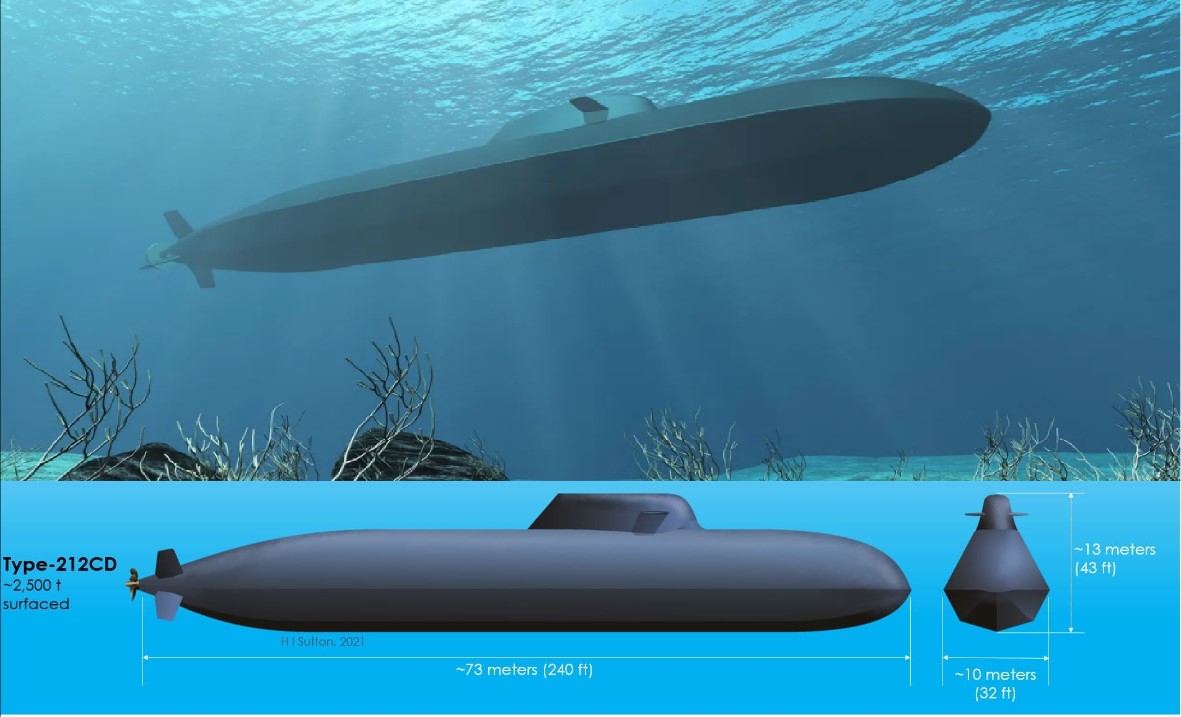
World
Germany has taken a major step toward enhancing its naval capabilities by approving a budget for the procurement of four additional Type 212CD submarines. This decision, made during the German Parliament’s final committee sessions before Christmas, solidifies the Bundeswehr’s commitment to modernizing its fleet while addressing NATO readiness requirements. The newly approved funding brings the total number of Type 212CD submarines ordered by Germany to six, with a collaborative effort with Norway potentially expanding the fleet to a combined 12 units for both nations. Type 212CD: The Next Generation of Submarine Warfare The Type 212CD submarine represents cutting-edge advancements in underwater warfare. Equipped with Air-Independent Propulsion (AIP) systems, these submarines can operate silently for extended periods without surfacing, enhancing their stealth capabilities. The design is a product of German shipbuilder Thyssenkrupp Marine Systems (TKMS) and includes features tailored to meet the operational needs of both the German and Norwegian navies. Key specifications include: Length: Approximately 73 meters Displacement: Around 2,500 tons submerged Crew: 20-30 personnel Armament: Torpedoes, mines, and the IDAS (Interactive Defense and Attack System for Submarines), a versatile missile capable of engaging aerial, surface, and ground targets. Operational Range: Extended range owing to the fuel-cell-based AIP technology. Strategic Implications Germany’s approval of additional Type 212CD submarines aligns with NATO’s evolving readiness requirements, which call for at least five operational German submarines by 2031. To achieve this goal, Germany is not only expanding its submarine fleet but also addressing midlife upgrades (MLU) for its current six Type 212A submarines. These upgrades are necessary to ensure their operational viability beyond 2035, but detailed plans and funding for these measures are still pending. Norway, Germany’s partner in the Type 212CD program, has also expressed interest in increasing its initial order from four submarines to six. This collaborative procurement aims to bolster the maritime defense posture of both nations, ensuring effective deterrence against potential threats. IDAS Missile System: Enhanced Submarine Capabilities Alongside the new submarines, Germany has approved funding for the IDAS missile system, a groundbreaking technology designed for submarine-launched operations. The IDAS missile offers a range of over 15 kilometers and is equipped with an imaging infrared seeker and a fiber-optic data link, allowing precise target engagement. This system can counter threats from low-flying aircraft, surface vessels, and even land-based targets. Mounted within existing 533mm torpedo tubes, IDAS enhances the operational flexibility of the Type 212CD fleet. Challenges Ahead Despite these ambitious plans, challenges loom over the expansion of Germany’s submarine fleet. Recruitment shortfalls in the Bundeswehr have already impacted the Navy’s ability to staff its current vessels. Moreover, the maintenance backlog for existing Type 212A submarines, many of which are overdue for upgrades, could strain resources. The Navy’s broader modernization goals, including plans to acquire F126 ASW frigates and F127 AAW frigates, add further complexity to the resource allocation process. Production and Future Prospects TKMS is poised to ramp up submarine production to meet Germany and Norway’s demands. The company has expanded its capabilities with a new submarine production facility in Kiel and the acquisition of MV Werften in Wismar. These developments position TKMS to deliver the first Type 212CD to Norway by 2027, with Germany receiving its initial deliveries in 2031 and 2034. Beyond Germany and Norway, TKMS is exploring export opportunities for the Type 212CD, with potential customers including Canada, Poland, and India. While negotiations with India focus on the Type 214NG, any additional orders would further drive the need for increased production capacity. Conclusion The Bundestag’s approval of the Type 212CD procurement marks a significant step in strengthening Germany’s naval capabilities. These advanced submarines, coupled with the IDAS missile system, promise to enhance NATO’s maritime security framework. However, the path to achieving these ambitious goals requires careful navigation of logistical, financial, and manpower challenges.
Read More → Posted on 2024-12-19 16:04:46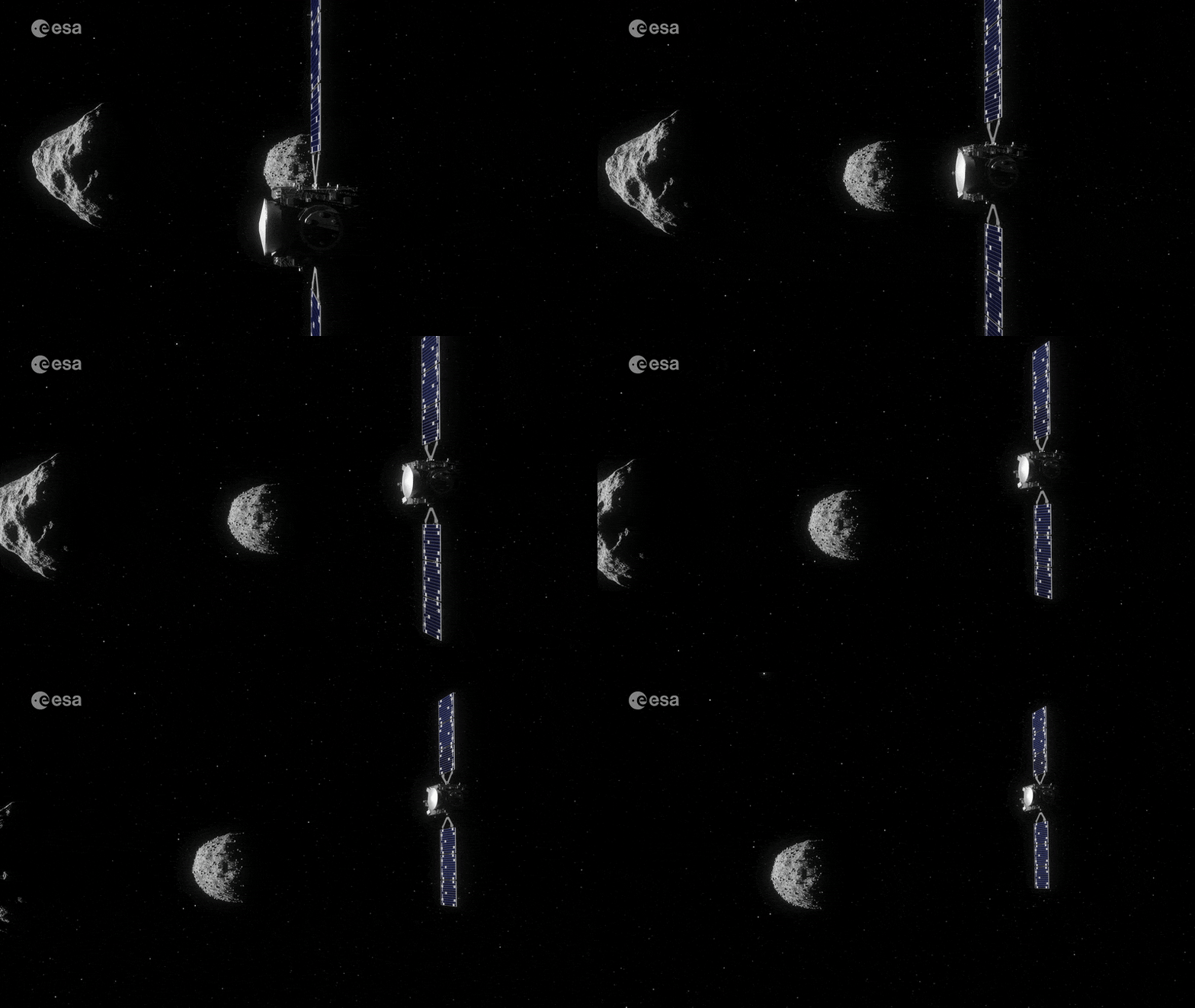
Space & Technology
Danish aerospace leader Terma has joined forces with the European Space Agency (ESA) to support the ambitious Ramses mission, an integral component of ESA’s Space Safety programme. This collaboration is designed to enhance planetary defense mechanisms by studying the asteroid Apophis during its historic close approach to Earth in 2029. The Ramses spacecraft, set for launch in April 2028, will arrive at Apophis two months before the asteroid’s closest pass to Earth. Measuring around 375 meters in diameter, Apophis will skim within 32,000 kilometers of Earth—closer than many satellites in orbit. This event offers a unique opportunity to observe how Earth’s gravity affects the asteroid’s orbit, rotation, and surface features. Terma’s Role: The Remote Terminal Unit (RTU) At the heart of Terma’s involvement is its state-of-the-art Remote Terminal Unit (RTU). This vital technology, which has previously been used successfully in ESA’s HERA mission, is designed to manage the spacecraft’s propulsion, communication, and other essential systems. Known for its reliability under extreme space conditions, the RTU acts as a bridge between the spacecraft's subsystems, enabling seamless operations throughout the mission. The RTU’s technical specifications showcase its versatility. It integrates with the spacecraft’s On-Board Computer (OBC) to monitor and control critical systems such as thermal regulation, Attitude and Orbit Control Systems (AOCS), and sensor arrays. Its modular design ensures easy customization, making it adaptable for Ramses’ specific objectives. Advancing Scientific Knowledge and Defence The Ramses mission is a significant leap in understanding asteroid behavior. By observing Apophis before, during, and after its Earth flyby, scientists aim to gain insights into how near-Earth objects respond to external forces. Such data is crucial for developing strategies to deflect potentially hazardous asteroids, thereby improving Earth’s planetary defense capabilities. The spacecraft’s advanced instrumentation will analyze changes in Apophis’s physical structure, including potential shifts in its spin rate or the emergence of surface cracks due to tidal forces. These observations will provide a wealth of information to refine asteroid mitigation techniques. A Testament to Collaboration Terma’s involvement underscores its commitment to space safety and scientific advancement. “Terma is proud to contribute to the Ramses mission by providing our proven Remote Terminal Unit technology. This partnership highlights our dedication to delivering innovative solutions that drive progress in planetary defense,” said Günther Lackner, Senior Vice President at Terma Space. Building a Safer Future The Ramses mission exemplifies the power of international collaboration and technological innovation in addressing global challenges. With Terma’s reliable RTU technology playing a pivotal role, the mission is set to deliver groundbreaking discoveries that will shape the future of planetary defense. By participating in this landmark effort, Terma not only supports the scientific community but also takes a critical step toward safeguarding Earth against extraterrestrial threats.
Read More → Posted on 2024-12-19 15:59:05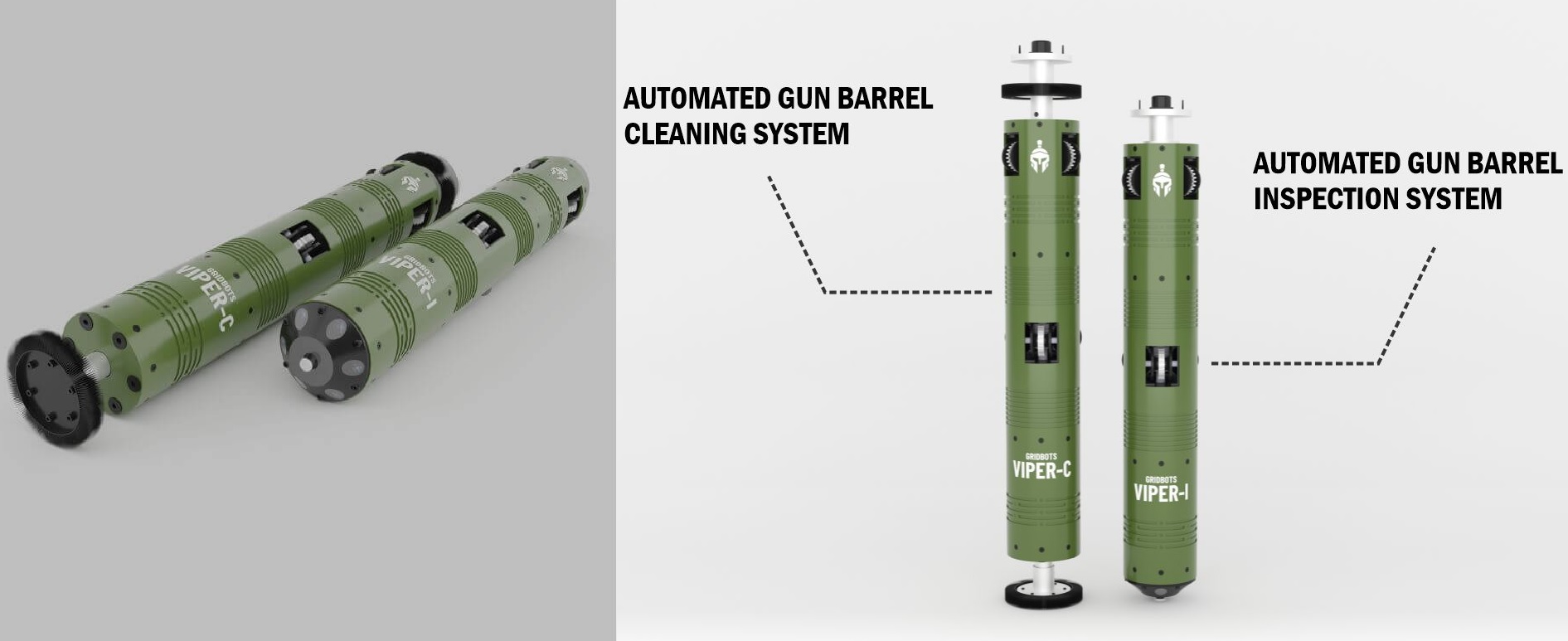
India
The Indian Army is embracing cutting-edge robotic technology to revolutionize the maintenance of its artillery and tank gun barrels. The Gridbots VIPER robot, now undergoing trials at select military locations, promises to replace traditional manual methods with precision-driven, automated solutions. A recent video showcasing the robot’s functionality has garnered significant attention, underscoring its potential to enhance the operational readiness of the armed forces. Challenges of Manual Gun Barrel Maintenance For decades, cleaning and inspecting gun barrels have relied on a manual process involving steel brushes attached to long rods. While this method is tried and tested, it presents several challenges: Labor-Intensive: Teams of personnel are required, making it a time-consuming and resource-heavy task. Inconsistent Results: Manual cleaning often struggles to remove deposits like carbon residue or copper slags from the rifling grooves inside barrels. Barrel Wear: Steel brushes can cause gradual wear and tear, reducing the barrel’s lifespan. Operational Constraints: In combat zones or under high operational stress, manual cleaning can be impractical, leading to performance issues from unclean barrels. The Gridbots VIPER: A Game-Changer for Gun Barrel Maintenance The VIPER robot is designed to tackle these challenges head-on. Equipped with advanced technology like zSCAN, a highly accurate laser 3D profilometer, the robot offers a comprehensive solution for both cleaning and inspecting gun barrels across artillery, tanks, and even submarine and airborne weapon systems. Key Features of the VIPER Robot: 3D Profilometry:The robot uses laser technology to provide a detailed analysis of the barrel’s condition. It can accurately measure imperfections, assess wear and tear, and identify potential issues that may affect performance. Automated Cleaning:Soft nylon brushes replace the traditional steel brushes, ensuring effective removal of carbon, copper slags, fouling, and combustion residues without causing damage to the rifling or barrel interior. Post-Cleaning Lubrication:After cleaning, the VIPER robot applies a protective layer of lubrication to prevent corrosion and enhance the barrel’s durability. Integrated Drying Mechanism:The built-in drying system ensures the barrel is instantly ready for use, irrespective of environmental conditions. This feature is especially valuable in combat scenarios. Advantages for the Indian Army By automating a critical yet labor-intensive maintenance process, the VIPER robot offers the Indian Army numerous benefits: Improved Efficiency: Maintenance tasks can be completed faster and more effectively, enhancing operational readiness. Reduced Manpower: Automation minimizes the need for large maintenance teams, freeing up personnel for other critical roles. Enhanced Barrel Longevity: The gentle cleaning process extends the life of gun barrels, reducing long-term costs. Readiness in Combat Zones: The VIPER’s portability and efficiency ensure that maintenance can be carried out even in challenging environments, maintaining peak weapon performance. Future Prospects The trials of the Gridbots VIPER robot signify a significant step towards modernizing the Indian Army’s maintenance protocols. If successfully integrated, this technology could pave the way for broader adoption across military units, not only in India but also globally. Its ability to combine inspection, cleaning, and lubrication in a single automated system makes it a valuable asset for artillery and armored units, ensuring operational superiority in the field. The Gridbots VIPER robot exemplifies the Indian Army’s commitment to leveraging advanced technology for enhanced efficiency and combat readiness, setting a new standard in military maintenance practices.
Read More → Posted on 2024-12-19 15:54:34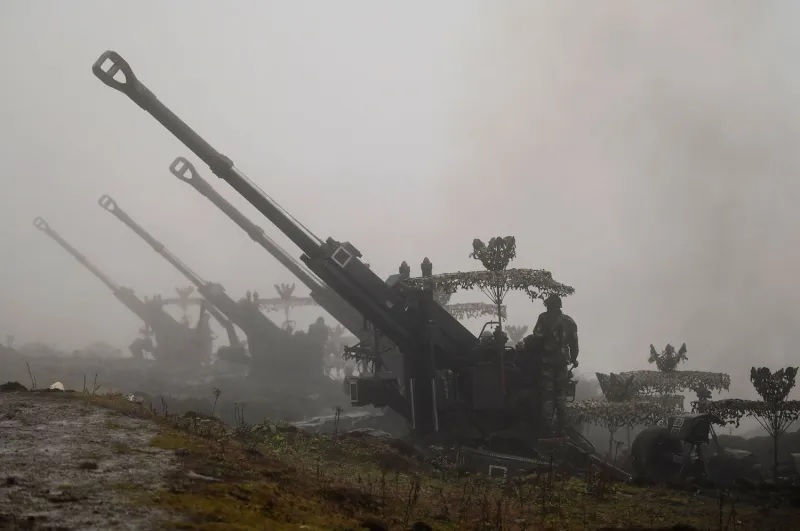
India
The United States Department of Defense has raised fresh alarms about China’s growing military presence along the Line of Actual Control (LAC) with India. According to the Pentagon's latest annual report, China has stationed around 120,000 troops, along with tanks, howitzers, missiles, and other heavy weaponry, across the disputed 3,488-km-long boundary, which extends from Ladakh in the west to Arunachal Pradesh in the east. Persistent Military Build-Up Since Galwan Since the deadly Galwan Valley clash in June 2020, the People's Liberation Army (PLA) has not reduced its military presence along the LAC, despite selective troop disengagements in certain areas. The report highlights that China has built extensive infrastructure to support brigade-level deployments in forward areas, ensuring the PLA's ability to sustain its operations. Over 20 combined arms brigades (CABs) remain stationed in strategic locations across the western, middle, and eastern sectors of the LAC. The Pentagon emphasized that China's Western Theatre Command, which oversees operations along the Indian border, continues to prioritize this frontier. The prolonged standoff has been fueled by differing perceptions of the border, resulting in clashes, force build-ups, and accelerated military infrastructure development. Strengthened Military Infrastructure In addition to deploying troops, the PLA has fortified its positions with advanced weaponry and support facilities. Heavy artillery, surface-to-air missiles, and combat-ready tanks have been strategically positioned to counter any potential escalation. This military posturing reflects China's broader strategy to secure its territorial claims and maintain a dominant presence in the region. Nuclear Modernization and Space Capabilities The Pentagon report also sheds light on China’s rapid nuclear modernization. With over 600 operational nuclear warheads as of mid-2024, Beijing is on track to amass more than 1,000 warheads by 2030. China’s diverse arsenal includes low-yield precision-strike missiles and intercontinental ballistic missiles (ICBMs) capable of delivering multi-megaton payloads. The report further highlights China's advancements in counter-space technologies, such as anti-satellite missiles, co-orbital satellites, and directed-energy systems like lasers. These developments bolster China's ability to contest space-based assets and deny adversaries access to critical domains. Rising Tensions with Taiwan Beyond its Indian border, China’s military assertiveness has also grown in the Taiwan Strait. The PLA has increased its naval and aerial activities, frequently breaching Taiwan’s air defense identification zone. The Pentagon describes Taiwan as the most significant flashpoint in U.S.-China relations, warning that Beijing’s aggressive posture could escalate into a conflict with global repercussions. The Biden administration has responded by enhancing U.S. military presence in the Indo-Pacific, aiming to deter Beijing's aggression while maintaining open channels for diplomatic engagement. Strengthening China-Russia Military Ties China’s military collaboration with Russia also features prominently in the Pentagon's report. Beijing has reportedly provided Moscow with dual-use items for its war efforts in Ukraine, signaling a deepening partnership aimed at challenging U.S. global influence. This alliance reflects a shared goal of reshaping the international order into a more multipolar system. Internal Challenges: Corruption in the PLA Despite its rapid military expansion, the PLA faces internal challenges, notably corruption scandals within its ranks. High-profile expulsions, such as those of former Defense Ministers Li Shangfu and Wei Fenghe, have shaken the Central Military Commission, which oversees the PLA. The ongoing investigations into senior officials underscore concerns about the military’s internal stability. Implications for Regional Security China’s persistent military build-up along the Indian border, coupled with its nuclear modernization and increasing assertiveness in Taiwan and the Indo-Pacific, underscores its ambition to dominate regional security dynamics. While internal corruption poses challenges, Beijing’s commitment to military modernization remains steadfast. As China continues to bolster its military capabilities and strengthen ties with Russia, regional tensions are likely to escalate, placing significant pressure on India and its allies to counterbalance Beijing’s aggressive posture.
Read More → Posted on 2024-12-19 15:50:42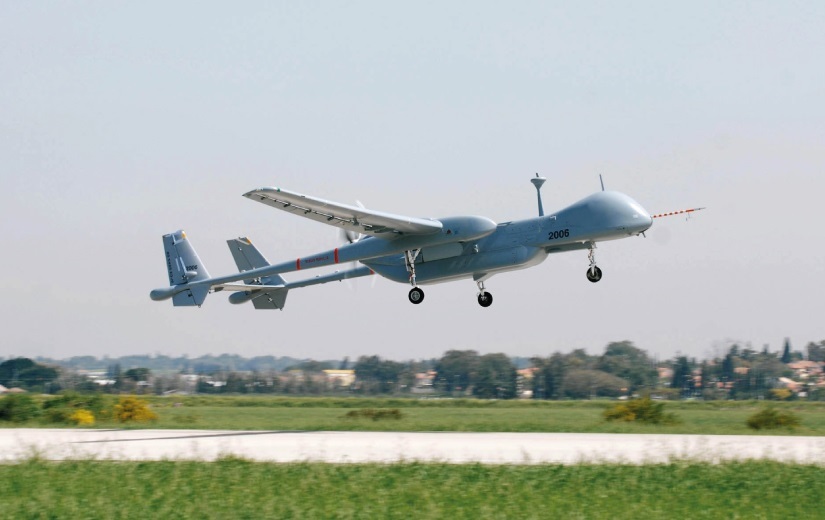
India
Economic Explosives Ltd (EEL), a Nagpur-based private defence company, has set a significant benchmark in India's aerospace sector with the inauguration of a state-of-the-art drone testing facility. Equipped with a 1.4-kilometer runway, the facility is tailored to support the development and testing of long-range Medium Altitude Long Endurance (MALE) unmanned aerial vehicles (UAVs). This ambitious project aims to bolster India's indigenous drone capabilities while catering to the critical operational requirements of the Indian Armed Forces. A First in Private Defence Infrastructure The testing facility, reportedly the largest of its kind within India's private sector, marks a pivotal advancement in the country's journey toward achieving self-reliance in defence technology. Designed exclusively for UAV trials, it will expedite the evaluation and refinement of EEL's MALE UAV, a strategic asset intended to strengthen surveillance, reconnaissance, and precision-strike capabilities for the armed forces. The MALE UAV project represents a critical component of India's modernization efforts in defence, enabling sustained operational endurance at altitudes of up to 30,000 feet. These drones, often equipped with advanced imaging systems, radar, and weaponry, play a vital role in border security and counter-terrorism operations. Strategic Significance of the Facility EEL's facility will not only serve as a hub for testing UAVs but also as a crucial enabler for innovation in India's burgeoning defence sector. By investing in such a large-scale, high-tech infrastructure, the company reinforces the strategic importance of indigenous development in aerospace technology. Key aspects of this development include: Accelerating Self-RelianceThe facility provides a dedicated environment for testing critical systems, ensuring the development of homegrown solutions to meet the armed forces' needs. This aligns with the "Make in India" initiative, which emphasizes reducing dependence on foreign defence imports. Enhancing Private Sector ContributionEEL's project underscores the growing role of private companies in shaping India's defence capabilities. With cutting-edge testing infrastructure, private players like EEL are bridging the gap between design and deployment, significantly reducing the timeline for operational readiness. Strengthening National Defence CapabilitiesThe MALE UAVs developed at this facility will dramatically improve the Indian Armed Forces' ability to conduct extended surveillance missions, monitor sensitive borders, and execute precision strikes in hostile environments. Bridging Technology Gaps The Indian defence sector has long relied on imports to meet its UAV requirements, with platforms like the Israeli Heron drones currently in use. However, initiatives like EEL's testing facility represent a paradigm shift toward locally developed solutions. The infrastructure will allow advanced flight testing, endurance trials, and payload integration under real-world conditions, enabling EEL to deliver a robust and versatile UAV platform. The Road Ahead As the global demand for UAVs surges, EEL's investment signals India's readiness to compete in the international drone market. The testing facility is poised to position India as a key player in UAV technology, contributing not only to domestic defence but also to exports in the future. With this landmark development, Economic Explosives Ltd demonstrates the potential of India's private sector to drive technological breakthroughs, ensuring that the Indian Armed Forces are equipped with the cutting-edge tools required to safeguard national security. The new drone testing facility and the MALE UAV program signify a giant leap forward in India's aerospace and defence capabilities, paving the way for a self-reliant and secure future.
Read More → Posted on 2024-12-19 15:47:15Search
Top Trending in 24 Hours
-
 Pentagon Launches FORTRESS Initiative to Make Major U.S. Bases Self-Sufficient for 90 Days
-
 Saudi Arabia, Pakistan and Turkey Hold High-Level Security Talks with Iran in Tehran Amid Reports of Potential Iranian Integration
-
 SpaceX Secures $40 Billion in Debt Financing for AI Chips as Musk Predicts Industry Consolidation
-
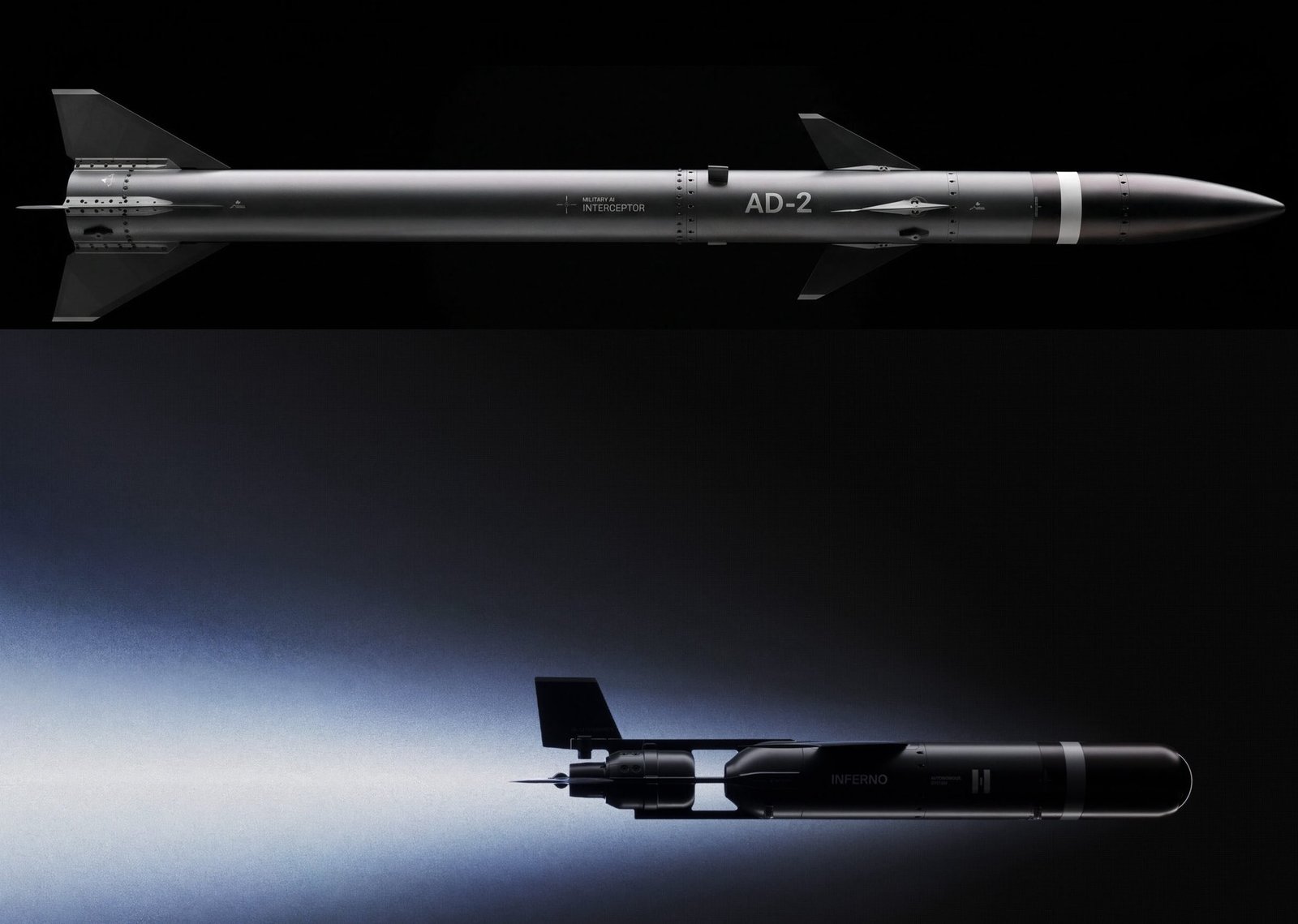 German Firm Helsing Unveils Contra AI Air Defence System with AD-1 Inferno and AD-2 Ambush Interceptor Missiles
-
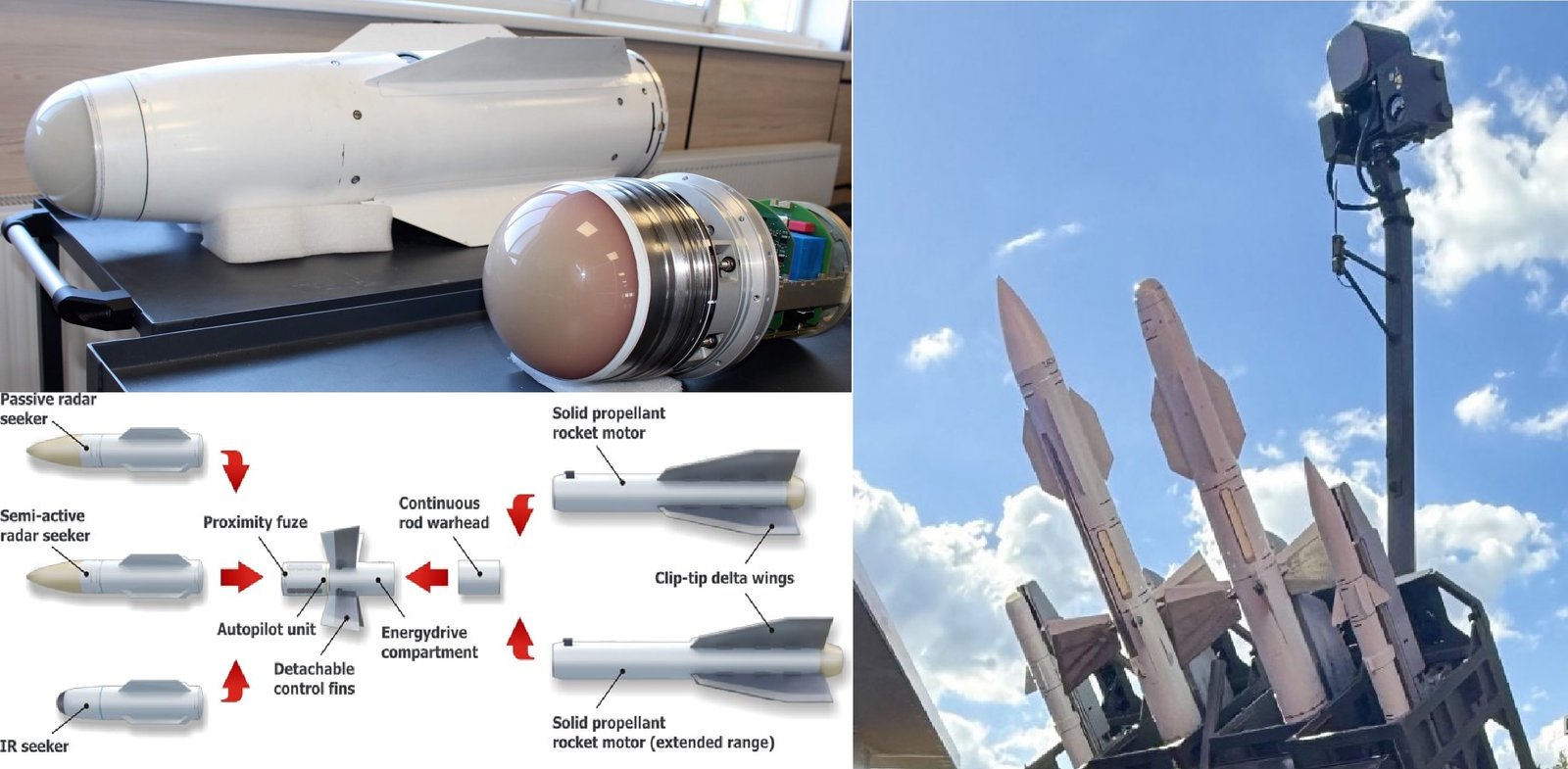 Ukraine Reveals New Details on R-287T and R-287R Missiles for Shershen Air Defense System
-
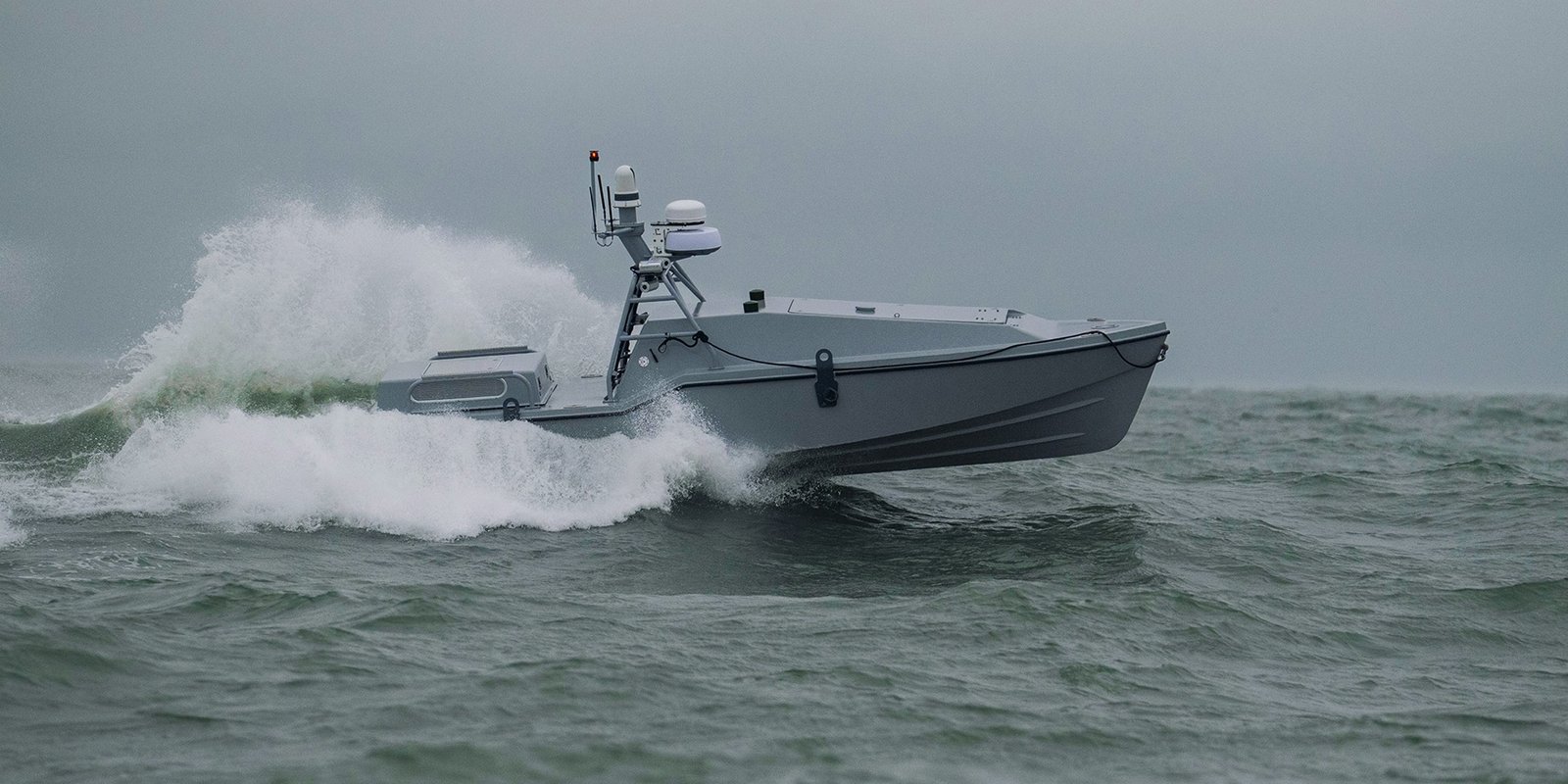 Pentagon’s DIU Opens Second Phase of SWAP-USV Challenge for Counter-Air Unmanned Surface Vessels
-
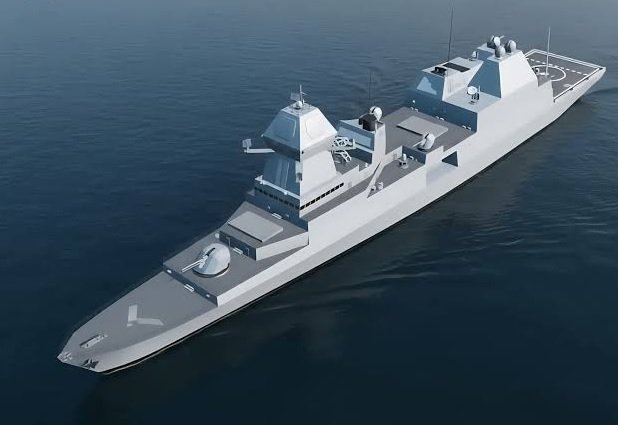 Indian DAC to Evaluate ₹75,000 Crore Project 18A for Next-Generation Navy Destroyers
-
 U.S. Space Command Blocks Release of Records on Auckland Surveillance Hub Linked to Iran Operations
Top Trending in 4 Days
-
Pentagon Launches FORTRESS Initiative to Make Major U.S. Bases Self-Sufficient for 90 Days
-
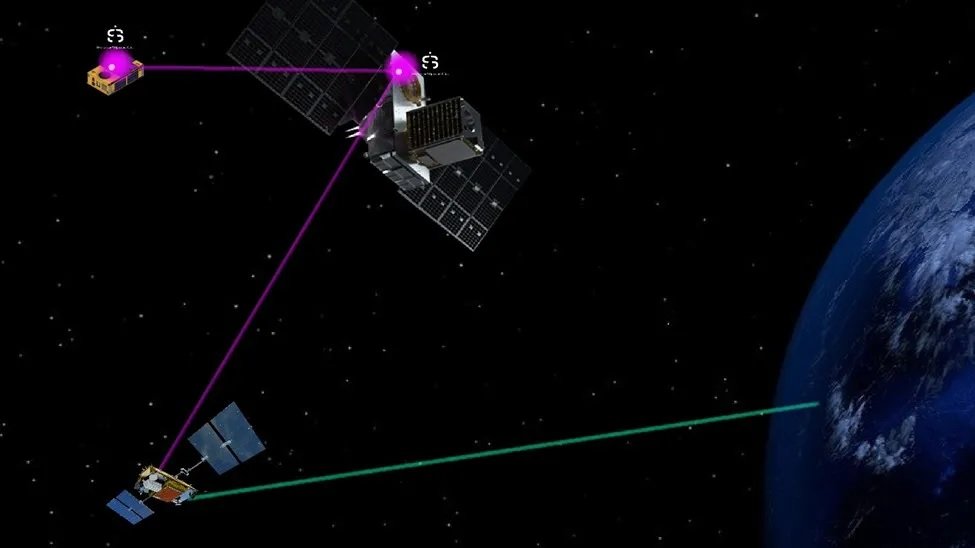 NASA Demonstrates Space-to-Space Wi-Fi Between Two Orbiting Spacecraft
-
 USS Pinckney Becomes First U.S. Navy Destroyer to Begin Phase Two Modernization with Advanced SPY-6 Radar
-
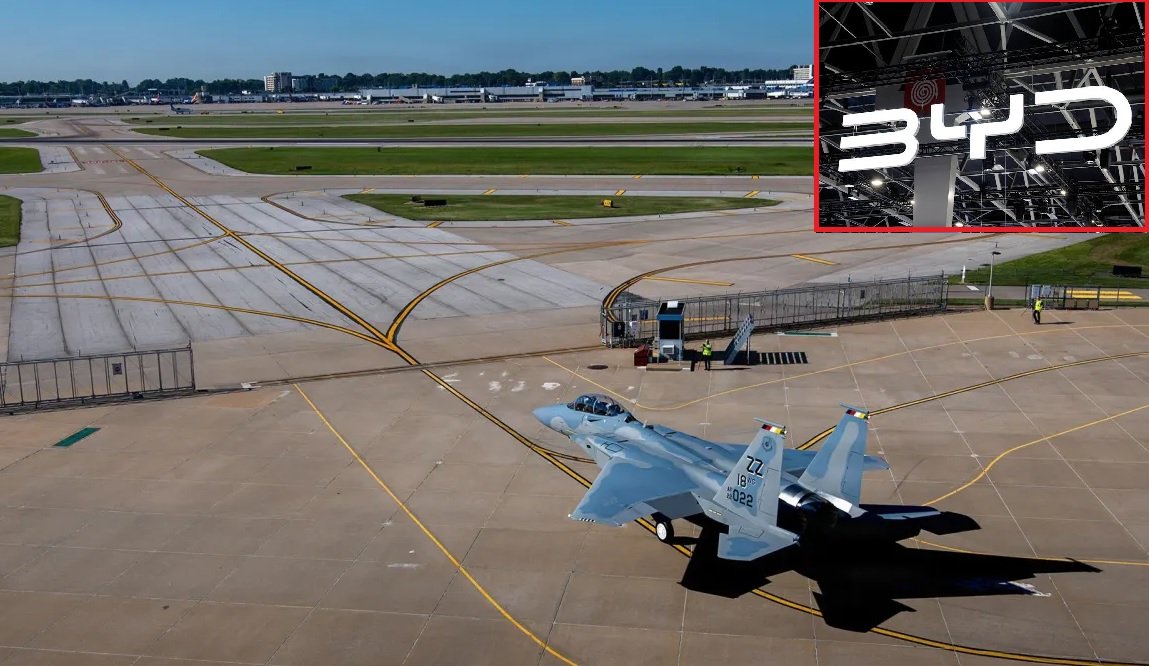 U.S. Military to Ban Chinese Automaker BYD Vehicles from Kadena Air Base in Japan Over Security Concerns
-
Saudi Arabia, Pakistan and Turkey Hold High-Level Security Talks with Iran in Tehran Amid Reports of Potential Iranian Integration
-
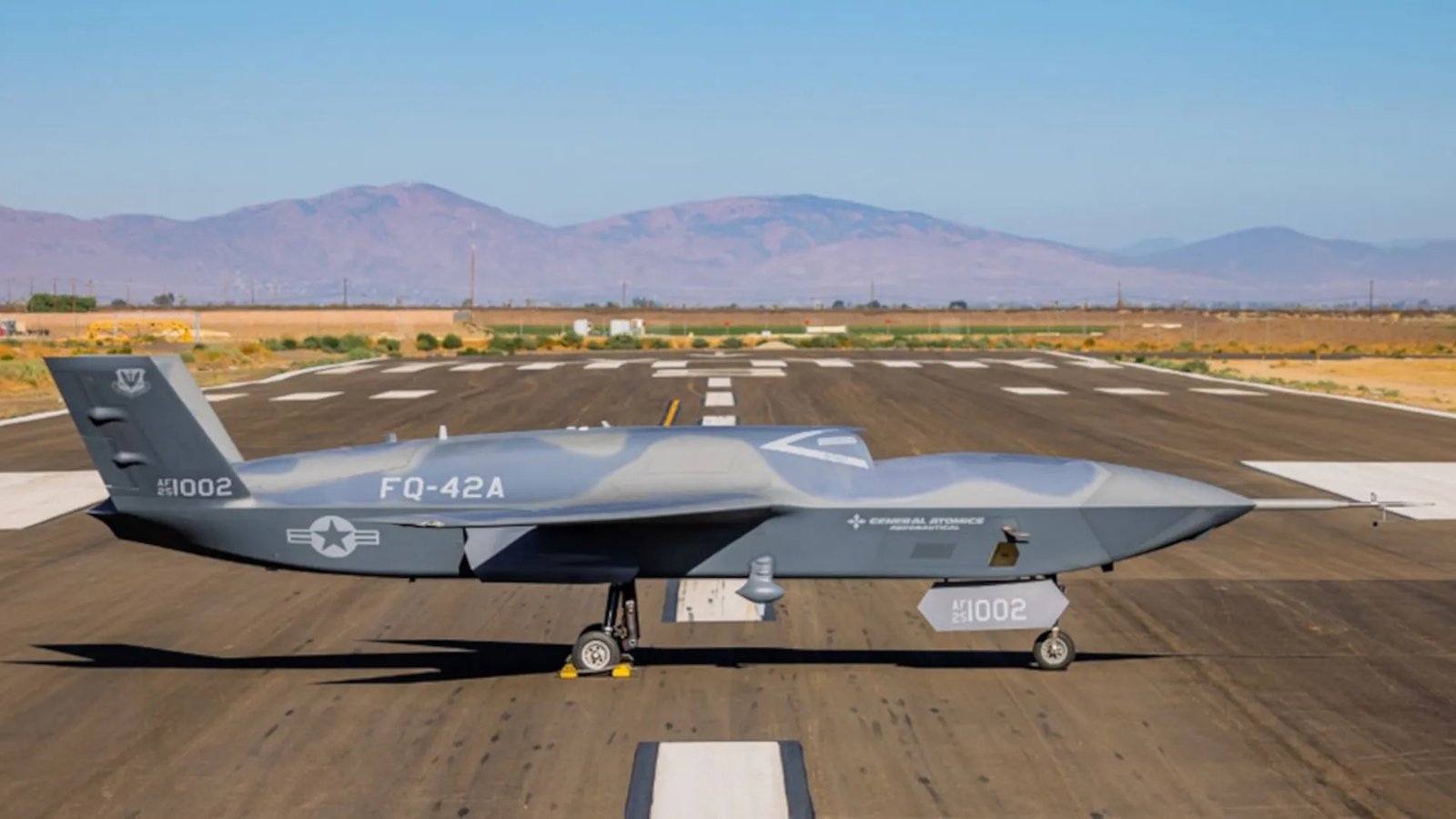 General Atomics Partners With Spirit Defense to Expand FQ-42 Vengeance Production
-
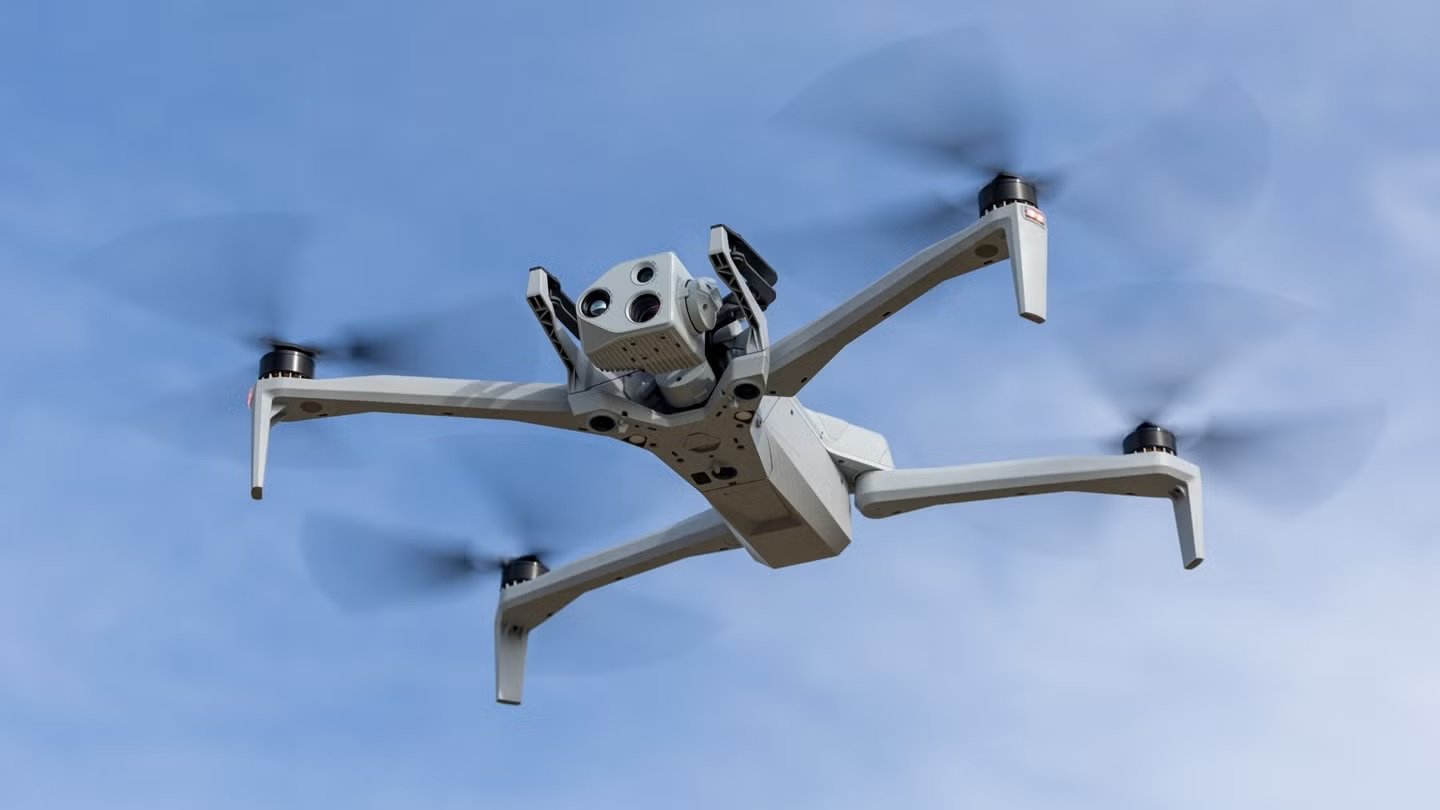 UK Ministry of Defence Opens £120,000 Tender for Skydio X10D Drones
-
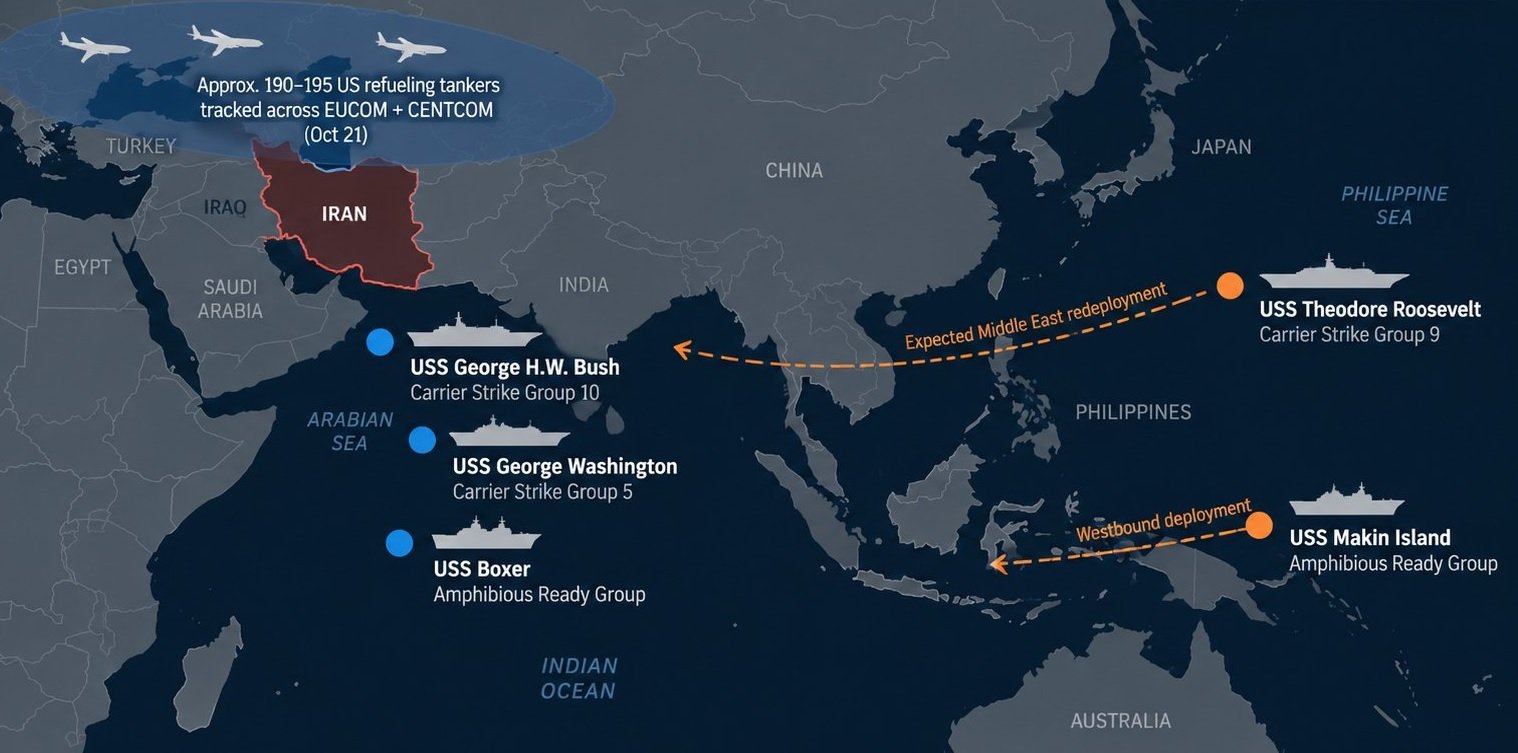 US Expands Military Buildup Near Iran with Third Aircraft Carrier and Additional Marines
