
India
Recent discussions around China's DF-21D missile, often labeled as a "carrier killer," suggest that it poses a significant threat to Indian aircraft carriers operating in the Indian Ocean Region (IOR). However, when we dig deeper into the specifics of this missile system and the practical challenges it faces, it becomes clear that the threat may not be as severe as some have claimed.The DF-21D, a medium-range ballistic missile, is touted as a game-changer in anti-ship warfare. Its primary selling point is its supposed ability to target and destroy aircraft carriers. The missile reportedly has a range of about 1,500 kilometers, which theoretically allows it to strike at enemy carriers from a safe distance. However, the practical application of this capability is fraught with difficulties, particularly when it comes to targeting a moving vessel like an aircraft carrier.One of the critical challenges is the need for real-time, accurate data to track and engage a moving target. While China has a network of satellites that could potentially provide the necessary targeting data, the process is far from instantaneous. The time delay between acquiring data, processing it, and relaying it to the missile's launch platform introduces a significant gap that could render the targeting information obsolete by the time the missile is launched. This lag is particularly problematic when dealing with a mobile target like an aircraft carrier, which could easily change its position in the interim.Satellites themselves are not infallible. They have inherent errors in tracking targets and determining their own positions, which can further reduce the accuracy of the data provided to the missile. Additionally, the reliance on drones or aircraft for real-time tracking adds another layer of complexity. These platforms have limited coverage areas and are dependent on specific communication frequencies or satellite links, which can be disrupted or jammed, leading to inaccurate or incomplete targeting data.Over-the-Horizon Targeting (OTH-B) radars are often cited as a solution to these challenges, but they come with their own set of limitations. These radars operate at low frequencies, which results in poor resolution and a significant margin of error. Their effectiveness is also dependent on constantly updated climatological models, which are not always accurate. OTH-B radars are better suited for detecting ballistic missiles and aircraft rather than pinpointing the exact location of warships at long ranges.The DF-21D missile itself is not without its flaws. The missile's operational window is relatively narrow, with the initial 70-second boost phase being the only period during which targeting updates can be made. Once the missile enters its mid-course phase, it becomes essentially a "dumb" projectile with no maneuvering capabilities. This means that any errors in targeting during the boost phase are unlikely to be corrected, significantly reducing the chances of a successful strike.Even if the DF-21D manages to re-enter the atmosphere and enter its terminal phase, it faces another obstacle: the speed and agility of modern missile defense systems. The DF-21D's terminal velocity is estimated to be around Mach 2, which is considerably slower than the speeds (Mach 3-5) that modern defense systems like the MR-SRAM and the new ship-based Ballistic Missile Defense (BMD) systems are designed to counter. These systems are specifically built to intercept and destroy incoming missiles at much higher speeds, making the DF-21D a relatively easy target.The mobility of an aircraft carrier adds yet another layer of difficulty for the DF-21D. Given the missile's relatively slow terminal speed, the carrier could easily maneuver hundreds of meters away from its initial position by the time the missile reaches its target area. This drastically reduces the probability of a successful hit.There is also limited evidence to support the effectiveness of the DF-21D in real-world scenarios. Reports of test launches in 2020 suggest that the missile did not perform as expected, with at least one missile landing ashore rather than hitting its intended target. Furthermore, the much-publicized tests against static targets, such as a model on a railway track in a desert, do not accurately represent the challenges of hitting a moving target in a dynamic maritime environment.In summary, while the DF-21D is often portrayed as a formidable "carrier killer," the reality is far more nuanced. The combination of challenges in real-time data acquisition, the limitations of air and radar assets, the missile's own shortcomings, and the advanced missile defense systems in place make it highly unlikely that the DF-21D could successfully sink a moving Indian aircraft carrier in the Indian Ocean. The threat, while present, is far from the game-changing capability that it is often made out to be.
Read More → Posted on 2024-09-03 14:41:04
India
In a significant move to bolster India's defense capabilities, the Cabinet Committee on Security (CCS), chaired by Prime Minister Narendra Modi, has given the green light for the procurement of 240 aero-engines worth ₹26,000 crores. These engines are destined for the Indian Air Force’s (IAF) fleet of Sukhoi Su-30MKI fighter jets, forming a crucial part of India’s ongoing efforts to maintain air superiority.The engines will be produced by Hindustan Aeronautics Limited (HAL) at its Koraput division in Odisha. This facility is already renowned for its expertise in manufacturing aero-engines, having delivered over 113 AL-31FP engines, the powerplant for the Su-30MKI, to the IAF. The new order, however, represents a substantial expansion in scale and ambition, with the engines being built from raw materials under a technology transfer agreement with Russia. The high level of indigenous content, which is set to exceed 54%, reflects India's growing self-reliance in defense manufacturing.The Sukhoi Su-30MKI, a twin-engine, multirole air superiority fighter, is the backbone of the IAF's combat fleet. Currently, the IAF operates around 260 Su-30MKIs, with plans to add 12 more to compensate for those lost in accidents. The procurement of these new engines is essential not only for replacing aging units but also for ensuring the continued operational readiness of this critical aircraft.HAL estimates that the IAF will need approximately 900 engines over the lifetime of the Su-30 fleet. This massive demand underscores the importance of the Koraput facility’s role in sustaining India’s air defense capabilities. The facility's ability to produce these engines domestically is a strategic asset, reducing dependency on foreign suppliers and ensuring that the IAF can maintain a high state of readiness.The procurement is just one part of a broader plan to upgrade the IAF's Su-30MKI fleet. HAL has also been tasked with upgrading the fighters, a project expected to cost around ₹65,000 crores. This upgrade will include the integration of the indigenous Uttam active electronically scanned array (AESA) radar, advanced electronic warfare suites, and new avionics and weapons systems. These enhancements will significantly boost the aircraft's combat capabilities, keeping it at the cutting edge of modern air warfare.The CCS’s approval comes at a time when HAL is navigating several key challenges, including delays in the TEJAS light combat aircraft program and negotiations with GE Aerospace for the joint production of F414 engines for India’s future TEJAS MK-2 fighters. These initiatives, alongside the recent contract with SAFHAL Helicopter Engines for developing a new engine for the Indian Multi-Role Helicopter (IMRH), highlight HAL’s critical role in India's defense sector.The decision to approve this significant procurement underscores India's commitment to strengthening its defense capabilities amidst growing regional security challenges. By investing in domestic production and technological advancements, India is ensuring that its air force remains equipped to defend the nation’s skies for decades to come.
Read More → Posted on 2024-09-03 14:38:13
India
The Ministry of Information and Broadcasting has summoned Netflix India’s content head to discuss the controversy surrounding the new series *IC-814 — The Kandahar Hijack*. The show, based on the harrowing 1999 hijacking of an Indian Airlines flight, has sparked a heated debate over its portrayal of the hijackers, leading to accusations of historical distortion and political bias.The series aims to dramatize one of India's most traumatic terrorist incidents, where a plane en route from Kathmandu to Delhi was hijacked by terrorists and flown to Kandahar, Afghanistan. The episode is remembered for the intense negotiations that ensued and the eventual release of dangerous militants in exchange for the hostages. However, the series' depiction of the hijackers has led to a backlash, particularly from political circles.Critics argue that the series presents the hijackers in a way that humanizes them, which has been interpreted by some as an attempt to rewrite history. The most vocal criticism has come from Amit Malviya, the head of the BJP's IT cell, who accused the filmmakers of downplaying the hijackers' identities as terrorists. He suggested that the use of non-Muslim aliases by the characters could mislead future generations into believing that the hijacking was carried out by Hindus, rather than by Muslim terrorists backed by Pakistan.Malviya's comments on X (formerly Twitter) emphasized the potential long-term impact of such portrayals, suggesting that they could weaken India's security narrative and obscure the real perpetrators of the crime. He linked this to a broader agenda he attributes to left-wing filmmakers, accusing them of systematically attempting to whitewash crimes committed by Muslim terrorists.On the other side of the debate, former Jammu and Kashmir Chief Minister Omar Abdullah responded to the uproar with a touch of irony. He pointed out that those who previously lauded films like *The Kashmir Files*—a film criticized for its one-sided portrayal of the exodus of Kashmiri Pandits—are now demanding historical accuracy and nuanced storytelling in the depiction of the IC-814 incident.Abdullah’s remarks highlight the ongoing struggle over how historical events should be represented in popular media, especially when such representations have the power to shape public memory and perception. As the controversy grows, the government’s decision to summon Netflix’s content head signals its intent to take a closer look at how sensitive historical events are portrayed on OTT platforms. While the outcome of this meeting remains uncertain, the incident underscores the delicate balance filmmakers must strike when dealing with real-life tragedies, particularly in a country as diverse and politically charged as India.The summoning of Netflix's content head could set a precedent for future interactions between the government and OTT platforms, as the boundaries of creative freedom, historical accuracy, and political sensitivities continue to be tested in the digital age.
Read More → Posted on 2024-09-03 14:34:39
India
The Indian Air Force (IAF) has taken a substantial leap forward in its air combat and electronic warfare capabilities with the recent successful test of the Astra Beyond Visual Range (BVR) air-to-air missile in a networked mode. This achievement, demonstrated using two Light Combat Aircraft (LCA) Tejas fighters, highlights a new era of advanced operational tactics, reflecting India's growing prowess in modern warfare.A Game-Changer in Air CombatThe networked mode capability of the Astra missile is not just an upgrade—it's a game-changer. In this mode, one aircraft detects and tracks the target while sharing the data with another aircraft, which remains in silent mode and launches the missile. This approach significantly enhances the element of surprise in combat situations, as the attacking aircraft doesn't have to reveal its position by using its radar. Instead, it can rely on real-time data from a separate platform, maintaining its stealth and reducing the risk of being detected by enemy radar systems.This method of network-centric warfare, where different platforms work in tandem, mirrors advanced military tactics employed by leading air forces worldwide. It allows the IAF to conduct more sophisticated and covert operations, increasing its effectiveness in high-stakes scenarios where stealth is paramount.Expanding the Operational ReachThe implications of this networked mode are profound. The ability to launch a missile beyond the radar range of the launching aircraft, while relying on targeting data from another source, expands the operational reach of the IAF's fighter jets. This capability is particularly advantageous in contested airspace, where maintaining a low profile is crucial for mission success and pilot survival.Moreover, this tactic isn't limited to just two aircraft. The Astra missile's networked mode can be integrated with other platforms such as Airborne Early Warning and Control (AEW&C) systems or ground-based radar stations. This multi-platform integration ensures that the IAF can engage threats over a wider area, making it difficult for adversaries to anticipate or defend against such attacks.Securing Communication: The Backbone of Networked WarfareFor such advanced tactics to work seamlessly, robust and secure communication is vital. The use of Software-Defined Radios (SDRs) in the networked mode test ensures that data links between aircraft are secure, resilient, and capable of withstanding electronic countermeasures. This secure communication framework is essential, particularly in environments where electronic warfare is a significant threat.SDRs offer flexibility in communication protocols and can be updated with new features through software changes, making them a future-proof solution for the IAF's evolving needs. This adaptability ensures that the networked mode can continue to function effectively even in the face of sophisticated jamming attempts by adversaries.Enhancing Survivability and FlexibilityThe networked mode of the Astra missile not only enhances the IAF's operational flexibility but also improves the survivability of its fighter jets. By allowing one aircraft to remain passive while another engages the target, the risk to the pilots and their aircraft is reduced. This tactic ensures that the IAF can execute its missions with a higher degree of safety, particularly in environments where enemy air defenses are robust.Furthermore, this mode allows for a more dynamic and adaptable approach to air combat. The ability to share data and coordinate attacks in real-time opens up new possibilities for the IAF, enabling it to respond swiftly to emerging threats and adjust tactics on the fly. This level of operational flexibility is crucial in modern warfare, where the situation on the battlefield can change rapidly.Conclusion: A New Frontier in Electronic WarfareThe successful test of the Astra BVR missile in a networked mode marks a significant milestone in the IAF's journey towards becoming a more formidable air combat force. By embracing advanced technologies and integrating them into its operational tactics, the IAF is not only enhancing its electronic warfare capabilities but also positioning itself as a leader in modern air combat strategies.As India continues to develop and refine its defense technologies, the IAF's ability to execute complex missions with precision and stealth will only grow. The Astra missile's networked mode is a testament to this progress, paving the way for future innovations that will further strengthen India's air defense capabilities.
Read More → Posted on 2024-09-02 13:44:57
World
In a defiant speech, Russian President Vladimir Putin declared that Ukraine's surprise incursion into Russia's Kursk region would not hinder Moscow's ongoing military operations in eastern Ukraine. Speaking to a group of school children in Siberia, Putin emphasized that Kyiv's actions would not achieve their intended goal of stalling the Russian advance in the Donbas region.On August 6, Ukrainian forces made an unexpected foray into the Kursk region, a move that has reportedly displaced around 130,000 people and left Kyiv in control of parts of this Russian border area. The incursion marks a significant escalation in the conflict, as it represents a rare instance of Ukrainian forces carrying out an operation on Russian soil.Despite the disruption caused by the incursion, Putin made it clear that Moscow's focus remains on its eastern offensive. "Their calculation was to stop our offensive actions in key parts of the Donbas. The result is known... They did not achieve stopping our advance in the Donbas," Putin said. He reiterated that, while the situation in Kursk has been challenging, it has not deterred Russian forces from making progress in Ukraine.Putin's response to the Kursk incursion marked a shift in his rhetoric. Initially describing the situation as an "evolving" issue, he has now taken a more resolute tone, referring to the Ukrainian forces involved as "bandits" who must be dealt with. "We have to, of course, deal with these bandits that entered the territory of the Russian Federation, specifically the Kursk region, attempting to destabilize the situation in the border areas," Putin asserted.The incursion has placed additional pressure on Moscow, which has been forced to balance its military commitments in Ukraine with the need to secure its own borders. Despite this, Putin claimed that Russian forces are advancing in the Donbas at a pace not seen for some time. This statement reflects Moscow's determination to continue its campaign in Ukraine, even as it faces challenges on multiple fronts.Kyiv's rationale for the incursion appears to be strategic. By stretching Russian forces across a broader front, Ukraine hopes to weaken Moscow's grip on the occupied territories in eastern Ukraine. However, Putin's remarks suggest that, at least for now, Moscow remains committed to its primary objective: securing its gains in the Donbas.As the conflict drags on, both sides are likely to continue adapting their strategies in response to evolving circumstances on the ground. The Kursk incursion is just the latest twist in a war that shows no signs of abating, with both Russia and Ukraine digging in for a prolonged struggle.
Read More → Posted on 2024-09-02 13:41:33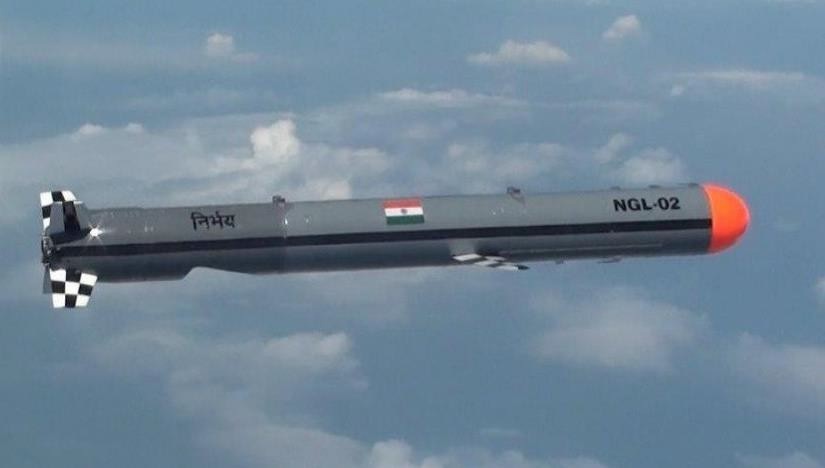
India
India’s Defence Research and Development Organisation (DRDO) is ramping up efforts to expand the capabilities of its Nirbhay cruise missile, with new variants tailored for naval and aerial platforms. Over the next 12 to 18 months, DRDO's Advanced Defence Establishment (ADE) is expected to achieve significant milestones, including the development of an anti-ship naval variant of the Nirbhay missile, with an air-launched version also on the horizon.The Nirbhay missile program has already seen success with its land-based variant, known as the Long Range Land Attack Cruise Missile (LRLACM). This version is capable of striking targets over 1,000 kilometers away, making it a potent tool in India's long-range deterrence strategy. The success of this land-based version has laid the groundwork for more advanced variants.Now, the focus is shifting to the naval variant. This new version of the Nirbhay missile is designed to be launched from frontline warships, giving the Indian Navy a formidable anti-ship weapon. Key to this development is the integration of the Universal Vertical Launch Module (UVLM) cells, which DRDO has already developed. These cells are essential for launching the Nirbhay missile from naval platforms and will be integrated into a warship for testing. If all goes according to plan, trials of this ship-launched missile could begin within the next year to year and a half.The naval variant is expected to bolster the Indian Navy's capabilities significantly, offering a new strategic advantage in maritime operations. The ability to strike enemy ships from a distance with precision will enhance India’s power projection in regional waters, particularly in the Indian Ocean where maritime security concerns are paramount.But DRDO isn’t stopping at the sea. ADE is also working on an air-launched version of the Nirbhay missile, which will be capable of striking targets up to 1,000 kilometers away. This variant is expected to provide the Indian Air Force with a long-range strike capability, further expanding India’s tri-service offensive options. The air-launched version will likely be adapted for use on aircraft such as the Sukhoi Su-30MKI, which already serves as the platform for other air-launched cruise missiles.The development of these new variants is part of DRDO’s broader strategy to enhance India’s indigenous missile capabilities across all domains—land, sea, and air. By doing so, India aims to ensure its defense forces are equipped with versatile, state-of-the-art weaponry capable of meeting a wide range of strategic needs.The Nirbhay missile, often compared to the American Tomahawk, is a subsonic cruise missile with a range that can be extended beyond 1,000 kilometers. It is designed to carry a variety of warheads, making it adaptable to different mission profiles, including land attack, anti-ship, and potentially anti-radiation roles. The missile's ability to fly at low altitudes and evade radar detection makes it a stealthy weapon that can strike deep into enemy territory.As India continues to face security challenges on multiple fronts, the successful development and deployment of the Nirbhay naval and air-launched variants will play a crucial role in strengthening the country’s defensive and offensive capabilities. DRDO’s ongoing work on these projects underscores India’s commitment to advancing its indigenous defense technologies and reducing reliance on foreign systems.
Read More → Posted on 2024-09-02 13:39:36
World
In response to growing concerns over China’s military activities, Taiwan is ramping up its defense capabilities by purchasing over 1,000 additional Stinger missiles. This acquisition underscores Taiwan's urgent need to bolster its defensive arsenal as tensions with China continue to rise.The Stinger missile, a lightweight and portable air-defense system, is renowned for its effectiveness in targeting low-flying aircraft, helicopters, and drones. Taiwan's Ministry of National Defence (MND) has recognized the increasing threat posed by China's advanced aerial capabilities, prompting the move to significantly expand its inventory of these missiles.Taiwan's relationship with the Stinger missile isn't new. The Army and Navy have previously procured 500 Stinger missiles, with the Army ordering 250 in 2019 and the Navy acquiring another 250 back in 2015. However, as China's military presence intensifies, particularly in the Taiwan Strait, the island's defenses require substantial reinforcement. The Taiwanese Army has placed an order for an additional 1,985 Stinger missiles from the United States, a deal valued at approximately NT$55.54 billion. This order represents a significant investment in Taiwan's defensive infrastructure, aimed at enhancing its ability to deter and respond to potential air threats.According to the MND's 2025 budget report, the Army’s procurement will include 549 launch systems and an equal number of Identification Friend or Foe (IFF) systems, crucial for preventing friendly fire incidents. These missiles are expected to be delivered in batches, with the final delivery slated for 2031.The Navy, too, is not left out of this strategic upgrade. It plans to acquire 45 man-portable Stinger missiles, 15 launch systems, and 15 IFF devices, also with an expected delivery by 2031. However, there has been no official comment from the military on whether these new Navy acquisitions are separate from the Army's larger procurement plan.The urgency of these purchases is further highlighted by Taiwan’s ongoing struggle with delays in arms deliveries from the United States. Since 2019, Taiwan has faced significant challenges in obtaining the weapons it needs, with several key shipments being delayed. These delays have frustrated Taiwan's efforts to keep pace with China’s growing military power, particularly in the realm of air defense.To address these concerns, Taiwan's Navy has actively urged the U.S. to expedite the delivery of the 250 Stinger missiles already on order, sending multiple requests since March of this year. This push for faster deliveries reflects Taiwan’s strategic emphasis on enhancing its short-range air defense capabilities in the face of a potential Chinese assault.The decision to purchase these additional Stinger missiles was initially discussed under the administration of former President Tsai Ing-wen. Her government recognized the need to prepare for more intensive air defense training and live-fire exercises, particularly as Taiwan extended its mandatory conscription service to one year. The increased duration of service is part of a broader effort to ensure that Taiwan's military is adequately prepared to defend the island against any aggression.In conclusion, Taiwan’s decision to acquire over 1,000 additional Stinger missiles is a clear signal of its determination to strengthen its defenses against an increasingly assertive China. The move reflects Taiwan's recognition of the growing aerial threat and its commitment to ensuring that its military forces are well-equipped to protect its sovereignty.
Read More → Posted on 2024-09-02 13:37:29
World
On August 29, 2024, Northrop Grumman’s 437 Vanguard Jet, a cutting-edge technology demonstrator, soared into the skies for the first time. This successful maiden flight marks a significant milestone for the aerospace giant, showcasing the capabilities of its fully integrated digital engineering ecosystem. Developed by Northrop Grumman's subsidiary, Scaled Composites, the 437 Vanguard Jet embodies a new era of aircraft design and production.The journey of the 437 Vanguard Jet began within Northrop Grumman’s advanced digital ecosystem, a highly collaborative virtual environment that connects the company’s engineers, customers, and suppliers. This digital landscape allowed for the seamless design, analysis, and construction of the jet’s wings—a process that traditionally involves significant time and resources. By leveraging this ecosystem, Northrop Grumman was able to minimize engineering rework to less than one percent, a stark contrast to the 15-20% typically seen with conventional methods. This efficiency not only accelerates the development process but also substantially reduces costs, offering a glimpse into the future of aircraft production.One of the standout features of this project is the use of high-fidelity digital models that serve as a "single source of truth." These models, rigorously validated, reduce the need for extensive ground and flight testing, streamlining the certification process for future aircraft. The implications are profound—less testing means faster, more cost-effective development, which is critical in an industry where time is money.The digital engineering approach demonstrated with the 437 Vanguard Jet isn’t just about efficiency; it’s about precision. Northrop Grumman utilized advanced manufacturing techniques, such as plasma arc energy deposition, to create a titanium structural bracket for the jet. This innovative additive manufacturing method, believed to be a first in the defense industry, highlights the potential of combining digital design with cutting-edge production technologies. The result is improved first-time quality and reduced manufacturing rework, ensuring that the 437 Vanguard Jet meets the highest standards of performance and safety.Northrop Grumman’s Digital Pathfinder project, which guided the development of the 437 Vanguard Jet, is a testament to the company’s commitment to innovation. By fostering a fully connected digital thread, engineers and stakeholders can anticipate and address challenges early in the process, improving overall program performance. This approach not only enhances the current project but also sets the stage for future endeavors, including the development of next-generation aircraft like the B-21 Raider.As Northrop Grumman continues to refine its digital tools and capabilities, the success of the 437 Vanguard Jet’s first flight underscores the potential of digital engineering to revolutionize aerospace development. The company’s ability to connect and protect through innovative solutions is pushing the boundaries of what’s possible, not just in aviation but across the entire spectrum of aerospace and defense technologies.
Read More → Posted on 2024-09-02 13:35:50
India
Adani Energy Solutions Ltd (AESL) has once again reinforced its leading role in India’s energy transition by securing a critical project aimed at evacuating renewable energy from the Khavda region. On Monday, AESL announced that it had received a Letter of Intent (LOI) from REC Power Development and Consultancy (RECPDCL) for the acquisition of the Special Purpose Vehicle (SPV) responsible for executing the Khavda Phase IV Part-A transmission project.The Khavda Renewable Energy Park, located in Gujarat, is the world’s largest renewable energy park, with a planned generation capacity of 30 GW. The project awarded to AESL is crucial for evacuating 7 GW of this green energy to the National Grid. The Khavda IVA transmission line is designed to connect the region’s renewable energy generation with the wider electrical grid, creating a backbone that supports India’s ambitious decarbonization goals.The transmission network will involve constructing approximately 298 kilometers (596 circuit kilometers) of 765 kV double-circuit lines. These lines will stretch from Khavda to Lakadia and Khavda to Bhuj, key points within Gujarat, and will include the establishment of a transformation capacity of 4,500 MVA. This infrastructure is essential not only for transporting the renewable energy generated at Khavda but also for ensuring grid stability across the region. AESL’s commitment to the project is substantial, with an investment of approximately ₹4,091 crore. The project also includes the installation of sophisticated technology such as a 300 MVAr Static Synchronous Compensator (STATCOM) and Inter-connecting Transformers (ICTs) with 3x1500 MVA, 765/400 kV capacity. These components are critical for maintaining the reliability and efficiency of the transmission network, which is expected to play a pivotal role in India’s push towards a net-zero carbon future.AESL’s CEO, Kandarp Patel, emphasized the significance of this project, noting that it is not just about building a transmission network but about creating infrastructure that is resilient and future-ready. He highlighted how this project would transform Khavda from a barren land into a symbol of India’s renewable energy ambitions.The project was awarded to AESL through a competitive Tariff-Based Competitive Bidding (TBCB) process, underlining the company’s strong position in India’s private sector transmission landscape. The project will be commissioned over the next 24 months on a Build, Own, Operate, and Transfer (BOOT) basis, with AESL responsible for maintaining it for the next 35 years.The completion of this project is expected to significantly boost the availability of critical transmission infrastructure required for the evacuation of clean energy from Khavda. As India continues its journey toward becoming a global leader in renewable energy, projects like this are vital in ensuring that the generated green power reaches every corner of the country efficiently and reliably.
Read More → Posted on 2024-09-02 13:29:40
India
In a rapidly changing global landscape, the call for reforming the United Nations Security Council (UNSC) has grown louder, with India emerging as a strong contender for a permanent seat. This sentiment was powerfully echoed by former Singaporean diplomat, Professor Kishore Mahbubani, in a recent exclusive interview with NDTV. His remarks are not just a critique of the current global order but also a bold endorsement of India's growing influence on the world stage.Professor Mahbubani, a distinguished academic and former ambassador to the UN, argued that India's ascent as a global power is undeniable. With its booming economy, strategic geographic location, and a population exceeding 1.4 billion, India stands as the world's most populous democracy and the third most powerful nation, following the United States and China. This makes India's exclusion from the UNSC's permanent membership increasingly untenable.During the interview, Professor Mahbubani pointed out the diminishing global influence of the United Kingdom, one of the current permanent members of the UNSC. He argued that the UK, which no longer holds the status of a "great power" as it once did during the post-World War II era, should consider stepping aside to make room for India. This suggestion is grounded in the reality that the UK, despite holding veto power, often refrains from using it, likely due to concerns about international backlash and its reduced global clout.The diplomat also touched on a broader issue—the need for comprehensive reforms within the United Nations itself. He recalled the original vision of the UN's founders, who sought to create an organization where all significant global powers had a stake in maintaining international peace and security. However, the world of 1945, when the UN was established, is vastly different from today's multipolar world. The UNSC, which includes the victors of World War II as its permanent members, does not reflect the current global power dynamics.Professor Mahbubani's argument goes beyond just advocating for India's inclusion; he emphasizes that such a change would benefit the United Nations as a whole. The UN, he suggests, risks becoming irrelevant if it fails to adapt to the changing realities of global power. By including India as a permanent member, the UNSC would not only gain a vital new perspective but also reinforce its legitimacy and effectiveness.Interestingly, Professor Mahbubani also proposed that the UK could find a new form of freedom in relinquishing its permanent seat. Free from the constraints of the UNSC, the UK might pursue a more independent and modern foreign policy, better suited to its current role on the global stage.This interview comes at a time when the debate over UNSC reform is intensifying. India, along with other countries like Brazil, Germany, and Japan—often referred to as the G4 nations—has long advocated for an expanded Security Council that better reflects the realities of the 21st century. While achieving such reforms will undoubtedly be complex and politically challenging, the growing chorus of voices like Professor Mahbubani's adds significant weight to the argument for change.In essence, Professor Mahbubani's comments are a stark reminder of the shifting tides in international relations. As India continues to rise as a global power, the calls for its inclusion as a permanent member of the UNSC will only grow louder. The question now is whether the current global order is ready to recognize and adapt to this new reality.
Read More → Posted on 2024-09-02 13:26:50
India
India's defense sector continues to take strides in self-reliance with the Defence Research and Development Organisation (DRDO) ramping up the production of the Naval Anti-Ship Missile-Short Range (NASM-SR). This indigenously developed missile is poised to significantly enhance the Indian Navy's capabilities in anti-ship warfare, marking a critical milestone in the country's defense technology landscape.The NASM-SR is a precision-guided, short-range missile designed to neutralize enemy naval vessels. It has already demonstrated its effectiveness in several successful trials, the most notable being in May 2022 when it was launched from a Seaking helicopter at the Integrated Test Range (ITR) in Chandipur, Odisha. This trial not only validated the missile's capabilities but also set the stage for its eventual induction into the Indian Navy's arsenal. A subsequent test in 2023 further cemented the missile's reliability, showcasing its potential to deliver precision strikes against enemy targets.One of the critical components that have contributed to the NASM-SR's success is the Thrust Vector Control System (TVCS). This sophisticated system provides the missile with enhanced maneuverability, allowing it to adjust its flight path mid-air and strike targets with high accuracy. The recent fabrication of 20 TVCS units by the DRDO is a significant development, as it signals the missile's transition into Limited Serial Production (LSP). This move is a precursor to full-scale production, bringing the NASM-SR closer to being operationally deployed by the Indian Navy.The NASM-SR is equipped with a state-of-the-art guidance system, which includes an advanced inertial navigation system (INS) coupled with a seeker that can lock onto targets in challenging maritime environments. With a range of up to 55 kilometers, the missile is designed to strike fast-moving naval vessels, making it a formidable asset in the Indian Navy's arsenal. The missile's warhead, which is optimized for maximum damage, can effectively incapacitate or destroy enemy ships, thus ensuring maritime superiority for India.The ramp-up in production is a clear indication of India's commitment to strengthening its maritime defense capabilities. The DRDO's success in developing and producing the NASM-SR also reflects the country's growing expertise in defense technology. This missile not only meets the Indian Navy's operational requirements but also represents a significant step towards reducing dependency on foreign weapon systems.As the Indian Navy continues its modernization efforts, the NASM-SR is expected to play a pivotal role in its future operations. With its enhanced accuracy, maneuverability, and destructive power, this missile will be a key tool in safeguarding India's maritime interests. The increased production of the NASM-SR underscores the DRDO's dedication to providing the Indian armed forces with cutting-edge technology, ensuring that the country remains well-prepared to face any naval threats.In conclusion, the DRDO's acceleration of NASM-SR production marks a significant leap forward in India's defense capabilities. As the missile enters the final stages of development and moves closer to full-scale deployment, it is set to become a cornerstone of the Indian Navy's anti-ship warfare strategy, reinforcing the nation's maritime security for years to come.
Read More → Posted on 2024-09-02 12:59:07
India
The Indian Navy has recently revealed significant details about the PGLRSAM (Potential Guided Long Range Surface-to-Air Missile) interceptor system, a cutting-edge missile currently under development by the Defence Research and Development Organisation (DRDO). This advanced missile system is set to revolutionize the air defense capabilities of India’s frontline warships, offering a formidable shield against a broad spectrum of aerial threats.The PGLRSAM represents a substantial leap in missile technology, boasting a range of over 250 kilometers—more than double that of the existing MR-SAM (Medium Range Surface-to-Air Missile) interceptors deployed on Indian warships. This expanded range is a critical enhancement, allowing the Navy to detect, track, and engage hostile aircraft, drones, and missiles at much greater distances. The extended reach of the PGLRSAM will significantly bolster the defensive perimeter of Indian vessels, providing a crucial layer of protection in increasingly contested maritime environments.One of the most striking aspects of the PGLRSAM is its impressive speed, with the missile expected to achieve velocities up to Mach 7. This high-speed capability ensures that the missile can quickly respond to and neutralize fast-moving threats, including supersonic and hypersonic missiles. The PGLRSAM’s speed and range make it a versatile and powerful asset in the Navy’s arsenal, capable of countering even the most advanced airborne threats.A standout feature of the PGLRSAM is its Anti-ASBM (Anti-Ship Ballistic Missile) capabilities. This advanced feature is particularly noteworthy as it addresses a growing threat in naval warfare—ballistic missiles designed specifically to target ships. The inclusion of Anti-ASBM technology signifies a strategic enhancement in the Navy’s ability to defend its assets against a diverse array of missile threats, ensuring that Indian warships remain resilient in the face of evolving challenges.The development of the PGLRSAM draws on the expertise and technologies from the Indian Air Force’s Project Khusha, which is focused on creating advanced missile systems for the protection of critical airspace. By leveraging the innovations from Project Khusha, the PGLRSAM is being adapted to meet the specific demands of naval warfare. This cross-domain technology transfer underscores the DRDO’s commitment to providing the Indian Navy with the most sophisticated defense systems available.Currently, the PGLRSAM is in the fabrication stage, with the DRDO overseeing its progress. Testing for the missile is anticipated to begin later this year or in early 2025. These trials will be crucial in validating the missile’s performance and ensuring it meets the rigorous standards required for naval operations. Successful tests will pave the way for the PGLRSAM’s integration into the Navy’s fleet, both on existing warships and future vessels.The PGLRSAM’s vertical launch capability allows for seamless integration into the Navy’s current missile defense architecture, complementing the existing MR-SAM systems. This layered defense approach, combining the MR-SAM and PGLRSAM, will provide a comprehensive shield against a wide range of threats, from short-range missiles to long-range ballistic projectiles.As the PGLRSAM moves closer to operational deployment, it promises to be a cornerstone of the Indian Navy’s defensive strategy. With its extended range, high-speed intercept capabilities, and advanced Anti-ASBM features, the PGLRSAM will ensure that India’s warships are among the best-protected in the world, capable of withstanding the most sophisticated aerial assaults. This missile system is not just a technological upgrade; it is a strategic game-changer, poised to secure the Indian Navy’s dominance in the maritime domain for years to come.
Read More → Posted on 2024-09-02 12:56:21
India
In a strategic move to bolster its preparedness along the Line of Actual Control (LAC) with China, the Indian Army is expanding and upgrading its firing ranges in forward areas, particularly in the north-eastern region. This expansion aims to ensure that Indian forces remain battle-ready in these sensitive and high-altitude zones, a critical necessity given the ongoing tensions along the border. Expansion of Firing Ranges in Forward AreasThe Indian Army's Quartermaster General (QMG) branch is spearheading the effort to acquire and develop additional firing ranges in forward areas. These ranges are crucial for the Army to conduct regular training exercises, ensuring that troops are well-prepared for any potential conflict. The new facilities will be situated in high-altitude regions, including Arunachal Pradesh, close to the LAC.Last year, the Arunachal Pradesh government allocated land to the Army at Mandala and Kamrala, near Yangtse in Tawang. These areas are strategically significant, as they were the site of the December 2022 face-off between Indian forces and the Chinese People’s Liberation Army (PLA). Located at an elevation of 10,000 feet, these new ranges will provide the Army with the necessary terrain and conditions to simulate real-world combat scenarios.Strategic Shifts and ModernizationIn addition to the expansion in the north-east, the Army is also making strategic shifts in other regions. For instance, the firing range at Ayodhya will be relocated due to its proximity to the flight path of a new airport. The decision underscores the Army's commitment to maintaining operational safety and adapting to the country's infrastructural developments.Currently, the Indian Army operates 24 notified firing ranges across the country, with six located in the Jammu and Kashmir and Ladakh regions. These areas have been focal points of military activity due to their proximity to both China and Pakistan. However, some ranges have been decommissioned or relocated due to developmental needs or safety concerns, such as the Netarhat field firing range, which has been inactive since 1993. Green Initiatives and Sustainability EffortsAs part of its broader modernization efforts, the Indian Army is also embracing green technologies and sustainable practices. The QMG branch is pushing for the adoption of green fuels and green building norms, aligning with the government's initiative to make India carbon neutral. This includes the introduction of electric and green hydrogen-operated buses at the Army Headquarters and the planned establishment of a green hydrogen plant in partnership with NTPC. This plant will power the military garrison at Chushul, a critical location along the LAC in Ladakh, and fuel green hydrogen buses in Leh.The Army is also transitioning to Ethanol 20 and BS VI fuels, ensuring that its vehicles are capable of operating in the rugged and often harsh terrains of the border regions. A senior Army officer highlighted that the data and experience gained from using green fuels would be instrumental in advancing research and development for military trucks and combat vehicles.In addition to these efforts, the Army has committed to making all 306 military stations across the country landfill-free within the next five years, drawing inspiration from award-winning municipal practices in Indore. This initiative is part of a broader effort to align military practices with the best industry standards and promote environmental sustainability. Solar Energy Projects and Green Building StandardsThe Indian Army has also made significant strides in harnessing solar energy to power its operations. A total of 68 solar projects have been established, including one at the Siachen Base Camp, the world's highest battlefield. These projects not only reduce the Army's reliance on conventional energy sources but also contribute to its sustainability goals.Moreover, the upcoming Thal Sena Bhawan, the new Army headquarters building, is being constructed with green norms and has been awarded the GRIHA 4+ rating, which is a testament to its adherence to sustainable building practices. ConclusionThe Indian Army's efforts to expand its firing ranges and embrace sustainable practices reflect a dual focus on enhancing battle readiness and contributing to national environmental goals. As tensions along the LAC persist, these developments underscore the Army's commitment to maintaining a robust defense posture while also advancing its modernization agenda.
Read More → Posted on 2024-09-02 08:53:53
India
Hyderabad-based Apollo Micro Systems Ltd. has secured a crucial contract worth Rs. 5.73 crores to develop and supply an advanced Rocket Guided Bomb specifically designed for Anti-Submarine Warfare (ASW). This achievement marks a significant milestone for the company, highlighting its expanding role in India's defense sector and its capabilities in developing sophisticated weaponry.The Rocket Guided Bomb (RGB) being developed under this contract is a critical addition to the Indian Navy's arsenal. Designed to be launched in salvos from naval vessels, the RGB is a potent weapon in the ongoing effort to neutralize underwater threats. With submarines posing a persistent challenge in modern naval warfare, the development of such a weapon system is essential for maintaining maritime security.What sets this particular bomb apart is its integration of advanced guidance systems and propulsion technologies. These systems ensure that the RGB can precisely target and engage submarines, even in challenging underwater conditions. The use of modern propulsion technologies also enhances the bomb's range and speed, making it a formidable tool against enemy submarines. Apollo Micro Systems' success in securing this contract is a testament to its expertise in cutting-edge technology and engineering. The company has already established itself as a key player in the Indian defense industry, providing innovative solutions for various critical defense applications. This contract further cements its position, demonstrating its capability to take on complex projects that require both precision and reliability.Beyond its immediate significance, this contract also opens doors for Apollo Micro Systems to explore the development of similar weapon systems for air, land, and sea operations. The technology and expertise gained through this project could potentially lead to a new generation of guided bombs and missiles, tailored to meet the diverse needs of modern warfare.The award of this contract is also reflective of India's broader efforts to modernize its defense infrastructure. With a growing focus on indigenization and self-reliance in defense production, companies like Apollo Micro Systems are playing a vital role in ensuring that India remains at the forefront of military innovation. The development of the Rocket Guided Bomb is just one example of how Indian companies are contributing to the nation's defense capabilities, ensuring that its armed forces are equipped with the best possible tools to protect its interests.In conclusion, Apollo Micro Systems' Rs. 5.73 crore contract for the development of an Anti-Submarine Warfare Rocket Guided Bomb is not just a win for the company but a significant step forward for India's defense sector. With its advanced technology and precise engineering, this new weapon system promises to enhance the Indian Navy's ability to counter submarine threats, contributing to the broader goal of strengthening India's maritime security.
Read More → Posted on 2024-09-01 15:31:36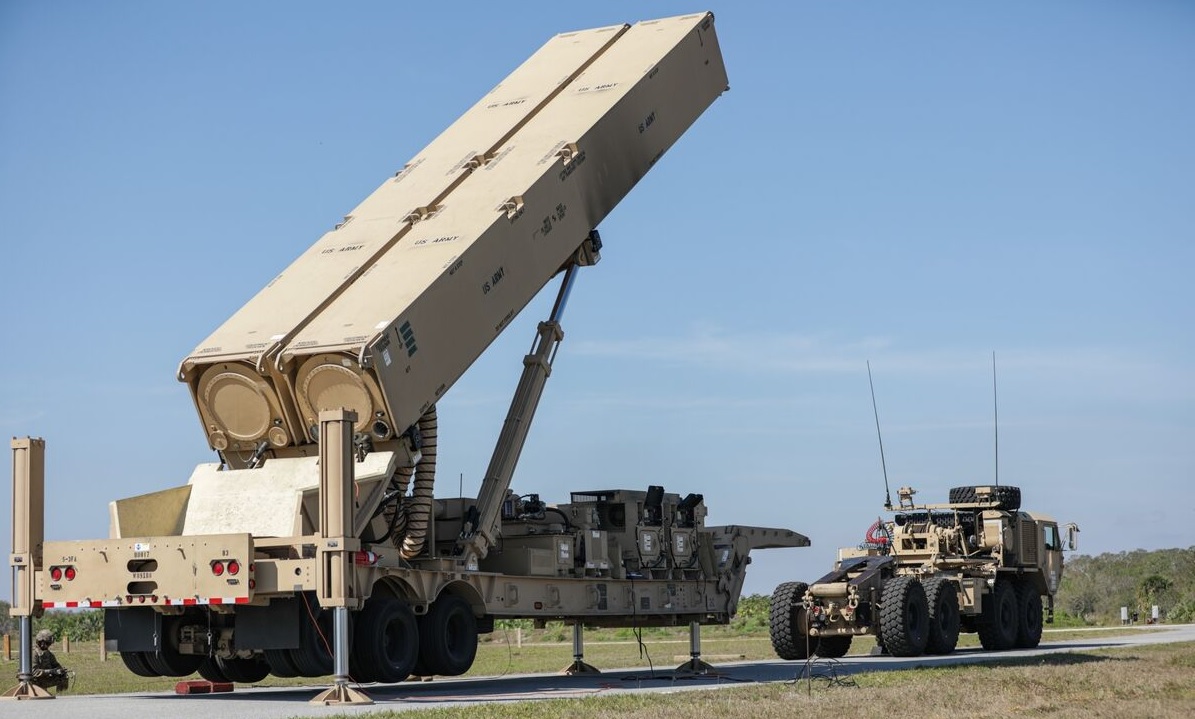
World
In a groundbreaking demonstration of military prowess, the U.S. Army's Long-Range Hypersonic Weapon (LRHW) Battery made its debut in Bamboo Eagle 24-3, an intense eight-day joint exercise primarily led by the U.S. Air Force. This marks the first time land-based hypersonic fires have been integrated into an exercise dominated by airpower, showcasing a significant leap in multi-domain operations.The exercise, which spanned various locations across the United States, involved over 3,000 service members from four branches of the U.S. military, including participants from the Royal Air Force and Royal Australian Air Force. The primary objective of Bamboo Eagle was to enhance readiness across all domains—land, air, and sea—while fostering seamless cooperation among U.S. military branches and international allies. U.S. Air Force Lt. Col. Alex Rich, Operations Director at Nellis Air Force Base's 57th Wing, emphasized the importance of such exercises, stating, "Bamboo Eagle is all about making sure we’re ready for any situation. It’s crucial that we collaborate across services and learn from each other’s capabilities. This helps us build a unified force that’s prepared to face any challenge."The LRHW Battery, commanded by U.S. Army Lt. Col. Benjamin Blane and part of the 1st Multi-Domain Task Force (MDTF), played a pivotal role in the exercise. The battery's participation highlighted the growing strategic importance of land-based hypersonic weapons in modern warfare. "The strong demand from our partners to integrate our capabilities into their operations validates the pivotal role land-based fires have in theater," noted Lt. Col. Blane, underscoring the broader military interest in this advanced technology.The hypersonic battery, known as Bravo Battery, 5th Battalion, 3rd Field Artillery Regiment, showcased exceptional adaptability and resilience throughout the exercise. The unit had previously demonstrated its capabilities in the U.S. Navy-led Resolute Hunter exercise, and this experience proved invaluable in Bamboo Eagle. The unit successfully deployed equipment and personnel over 1,000 miles across three states, a feat that was particularly challenging due to extreme weather conditions.Despite these challenges, the hypersonic battery maintained high operational readiness and participated in every iteration of the exercise. U.S. Army Capt. Jennifer Lee, commander of Bravo Battery, highlighted the operational insights gained from integrating land-based fires with Air Force operations. "Integrating our land-based fires with Air Force operations provided a unique testing ground for our capabilities and offered invaluable lessons from our Air Force counterparts," she remarked.The LRHW, part of the U.S. military's broader hypersonic weapons program, is designed to deliver precision strikes at speeds exceeding Mach 5, making it nearly impossible for adversaries to intercept. The weapon's speed and maneuverability make it a critical asset in modern warfare, capable of engaging targets with unprecedented speed and accuracy. The LRHW is part of the Pentagon's push to maintain a technological edge over potential adversaries, particularly as nations like Russia and China continue to develop their own hypersonic capabilities.The successful integration of the LRHW in Bamboo Eagle 24-3 is a clear indication of the U.S. military's commitment to advancing its hypersonic weapons capabilities. As these weapons become increasingly central to modern warfare, exercises like Bamboo Eagle will be crucial in ensuring that the U.S. and its allies remain prepared for the challenges of tomorrow.
Read More → Posted on 2024-09-01 15:29:24
World
In a significant escalation of the ongoing conflict between Russia and Ukraine, the Russian Defense Ministry announced that its air defenses had intercepted and destroyed 158 Ukrainian drones in a single night. This marks one of the largest drone assaults by Ukraine since the war began, highlighting the intensifying nature of the conflict.The drone attack, which unfolded overnight, saw Russian defenses engage a widespread aerial assault across multiple regions. According to official reports, the drones were intercepted over 15 different regions, showcasing the breadth and scale of Ukraine's offensive. Among the downed drones, two were intercepted over Moscow, with debris from one of them causing a fire at an oil refinery in the capital, according to Moscow Mayor Sergei Sobyanin. This incident underscores the growing reach of Ukrainian drone operations, which have increasingly targeted sites far beyond the front lines.The Kursk region, which borders Ukraine, bore the brunt of the assault, with 46 drones intercepted. The region has been a focal point in recent weeks as Ukrainian forces have made significant incursions, marking the largest invasion of Russian territory since World War II. Other regions affected by the drone attack include Bryansk, Voronezh, and Belgorod, which have also seen a surge in Ukrainian military activity. In total, 34 drones were shot down over Bryansk, 28 over Voronezh, and 14 over Belgorod.Notably, drones were intercepted not only in regions adjacent to Ukraine but also deeper within Russian territory. A drone was downed in the Tver region, northwest of Moscow, and another in the Ivanovo region, northeast of the capital. These incidents highlight the expanding reach of Ukrainian drone operations, which are increasingly pushing into the heart of Russia.This latest drone offensive by Ukraine is part of a broader strategy to disrupt Russian logistics and military operations. Ukrainian forces have been targeting key infrastructure, including oil refineries and terminals, in an effort to slow down the Kremlin's military advance. The frequency and intensity of these drone strikes have increased since the beginning of the year, reflecting Ukraine's determination to bring the fight to Russian soil.While Russia was dealing with the drone assault, its Defense Ministry announced that Russian forces had taken control of the towns of Pivnichne and Vyimka in Ukraine's Donetsk region. The capture of these towns is part of Russia's broader objective to gain full control over the eastern region, a critical goal for the Kremlin. Russian troops are now closing in on Pokrovsk, a key logistics hub for Ukrainian defenses in the area.Meanwhile, in Ukraine, the conflict continued unabated. The Ukrainian air force reported that it had shot down eight out of 11 drones launched by Russia overnight. In the Sumy region, one person was killed and four others wounded in shelling, while in the Kharkiv region, five people were reported injured. The city of Kharkiv itself was hit by Russian shelling, damaging a shopping center, a sports facility, and residential buildings, leaving six more people wounded.As the war drags on, both sides are increasingly turning to drone technology to gain an edge, bringing the conflict to new and unexpected fronts. The latest developments signal a dangerous escalation, with Ukraine showing its capability to strike deep into Russian territory and Russia continuing its relentless push into eastern Ukraine. The situation remains fluid, with both sides locked in a battle of attrition that shows no signs of abating.
Read More → Posted on 2024-09-01 15:27:51
India
External Affairs Minister S. Jaishankar recently addressed the evolving dynamics between India and China, candidly describing China as a "unique problem" for the world, not just for India. Speaking at the ET World Leaders Forum, Jaishankar articulated a perspective that resonates with global sentiment, highlighting that many nations, including major powers like the United States and European countries, are increasingly entangled in debates about China's role in the global order.Jaishankar's remarks shed light on the complexities of China's rise, especially in the context of its unique political and economic systems. He pointed out that the world had, for decades, turned a blind eye to the nature of Chinese production. This oversight, according to Jaishankar, allowed China to gain an outsized advantage in global trade, contributing to the significant trade deficits that countries, including India, now face. He emphasized that this isn't solely an Indian issue but a broader "China problem" that many countries are grappling with today.The minister's observations come against a backdrop of rising tensions between India and China, particularly in the wake of the 2020 Galwan Valley clash in Ladakh. This conflict, which resulted in casualties on both sides, marked a significant deterioration in India-China relations. Since then, both nations have maintained a heavy military presence along the Line of Actual Control (LAC), with ongoing negotiations failing to fully resolve the standoff.Jaishankar also addressed the broader implications of China's growing influence, pointing to the United States and Europe's heightened focus on China. He noted that China is at the center of many economic and national security debates in these regions, reflecting a global shift in how countries view their relationships with Beijing.In his discussion, Jaishankar didn't limit his focus to China. He also touched on India's complex relationships with its other neighbors, including Pakistan and Bangladesh. He acknowledged that dealing with neighboring countries, especially in a region as politically volatile as South Asia, requires navigating changes in governments and the political debates that naturally arise in democratic societies. He particularly noted that India's approach must adapt to these shifts, especially when they are disruptive.On Pakistan, Jaishankar made it clear that the era of "uninterrupted dialogue" is over, referencing the significant policy shifts following the abrogation of Article 370, which granted special status to Jammu and Kashmir. He indicated that India's future relations with Pakistan will be contingent on the actions and decisions made by Islamabad, reinforcing that any progress would be met with corresponding reactions from New Delhi.As for Bangladesh, Jaishankar highlighted the importance of finding common ground and mutual interests, particularly in light of the political changes that can impact bilateral relations. He stressed the need for India to be prepared for both organic and disruptive changes in the political landscape of its neighbors, suggesting a pragmatic approach to diplomacy in the region.Jaishankar's remarks offer a glimpse into India's foreign policy strategy, one that is increasingly shaped by the challenges posed by China's ascent and the shifting dynamics in South Asia. His candid assessment underscores the importance of adapting to new realities in global geopolitics, where traditional alliances and rivalries are being redefined.
Read More → Posted on 2024-09-01 15:26:15
India
In a significant advancement for maritime defense, the Indian Navy is set to deploy high-explosive pre-fragmented (HEPF) shells on its AK-630 naval guns, enhancing its capability to counter the rising threat of swarm drones. These advanced munitions, designed to engage multiple aerial targets simultaneously, mark a crucial step forward in protecting naval assets from increasingly sophisticated drone attacks.The HEPF shells, developed indigenously by the Armament Research and Development Establishment (ARDE) under the Defence Research and Development Organisation (DRDO), are specifically tailored for use in modern naval warfare. Each shell carries a 1kg explosive payload and, upon detonation, disperses around 600 metal shrapnels at a blistering speed of 850 meters per second. This rapid dispersal creates a lethal cloud with a radius of up to five kilometers, capable of neutralizing multiple drones in one strike. The inclusion of such a high-density shrapnel pattern ensures that even the most agile of swarm drones find it nearly impossible to evade destruction.The AK-630 gun, a close-in weapon system (CIWS) already deployed across various Indian naval vessels, is well-suited to accommodate these advanced shells. The system, known for its rapid-fire capability and precision, can deliver up to 5,000 rounds per minute, making it a formidable defense mechanism against fast-moving aerial threats. The integration of HEPF shells into this platform significantly boosts the Navy’s ability to protect its vessels, especially in high-risk zones such as the Gulf of Aden and the Indian Ocean Region, where drone attacks have become a growing concern.The Indian Navy’s decision to adopt the HEPF shell comes in response to the evolving nature of aerial threats, particularly the use of swarm drones by adversaries. These drones, often deployed in large numbers, can overwhelm traditional defense systems, making them a serious threat to naval operations. By deploying HEPF shells, the Navy ensures that it has a reliable countermeasure to these tactics, capable of engaging multiple targets simultaneously and with high effectiveness.The development of the HEPF shell was a collaborative effort between ARDE and the Indian Navy, with the Navy providing crucial technical inputs throughout the process. Extensive trials were conducted to validate the shell’s performance, ensuring it met the stringent operational requirements of the Navy. The successful completion of these trials has paved the way for the mass production of these shells, with production documents already handed over to the Naval Armament Inspectorate. This move allows the Navy to place orders based on its operational needs, ensuring a steady supply of these critical munitions.In addition to its primary role in countering drone threats, the HEPF shell also enhances the Navy’s overall firepower, providing an effective solution against a range of aerial and surface threats. The versatility of the AK-630 gun, combined with the advanced capabilities of the HEPF shell, ensures that the Indian Navy is well-prepared to face the challenges of modern maritime warfare.As drone technology continues to evolve, the Indian Navy’s proactive approach in adopting advanced countermeasures like the HEPF shell demonstrates its commitment to maintaining a robust defense posture. This development not only strengthens the Navy’s ability to protect its assets but also serves as a testament to India’s growing capabilities in defense technology and indigenous weapon systems.
Read More → Posted on 2024-09-01 15:23:59
World
In a significant development on the front lines, Ukrainian troops successfully intercepted and downed a mysterious new type of Russian jet-powered drone. This UAV, which was shot down on August 30, has sparked considerable intrigue among military analysts due to its unfamiliar design and purpose.This incident occurred during a recent wave of drone attacks by Russia on Ukraine. Unlike the typical drones used in combat, this particular UAV was a new entrant on the battlefield, previously unknown to both the public and experts. Its appearance marked the first time such a drone had been observed in action, raising questions about Russia's evolving military technology.The drone itself is described as jet-powered and designed with a “flying wing” configuration, a design often associated with stealth aircraft. The sleek, tailless structure of the flying wing design is known for its ability to reduce radar cross-section, making the aircraft harder to detect. This suggests that the drone was possibly intended to evade radar detection, a crucial capability in modern warfare. Despite this advanced design, the UAV appeared to lack any weaponry or reconnaissance equipment, leading experts to speculate about its intended use.One theory is that the drone was deployed as a decoy to test and expose Ukrainian air defenses. Without any sophisticated surveillance systems or weapons, the drone may have been a sacrificial target, intended to draw out Ukrainian anti-aircraft systems and reveal their locations. By using such a rudimentary and possibly experimental model, Russian forces could gather valuable intelligence on Ukrainian defensive capabilities without risking their more advanced assets.The craftsmanship of the drone has also drawn attention. Ukrainian military officials noted that the UAV appeared rudimentary and exhibited several flaws, suggesting it was not a product of Russia’s high-end defense factories. This has led to further speculation that the drone might be an experimental prototype, hastily constructed for testing purposes rather than full-scale deployment.Military analysts are now closely examining the wreckage to understand more about the drone's capabilities and origins. The absence of sophisticated equipment hints at a different kind of warfare strategy, where psychological and tactical deception plays a significant role. This downed drone, while not a direct threat in terms of firepower, represents a new challenge for Ukrainian forces as they adapt to the unpredictable and evolving tactics of the Russian military.This event underscores the ongoing technological arms race in the conflict, with both sides continuously adapting and deploying new strategies and tools. The appearance of this mysterious drone on the battlefield is a reminder of the complexities of modern warfare, where not every threat is immediately apparent, and some may be hidden in plain sight, waiting to be uncovered.
Read More → Posted on 2024-09-01 15:18:45
Space & Technology
Viasat, a leading global satellite communications provider, is set to change the way passengers experience air travel in India by partnering with the Indian Space Research Organisation (ISRO). This collaboration is focused on delivering in-flight internet connectivity across Indian airspace, addressing a long-standing gap where domestic flights currently lack connectivity and international flights must disable their internet services upon entering Indian skies.The key to this groundbreaking development lies in ISRO's upcoming GSAT-20 satellite, scheduled for launch towards the end of the year. GSAT-20 is not just any satellite; it's a high-throughput satellite (HTS) designed to transmit data at significantly higher rates than traditional communication satellites. With its advanced Ka-band frequency, GSAT-20 can provide extensive coverage and high-speed internet, making it an ideal solution for the demands of in-flight connectivity.Viasat, which has a strong track record of delivering reliable satellite communications in some of the most challenging environments, is leveraging GSAT-20’s capabilities to offer seamless internet services to passengers on both domestic and international flights within Indian airspace. The partnership taps into Viasat’s expertise, which has already proven effective in connecting remote areas and supporting the Indian armed forces with robust communication networks.The introduction of GSAT-20 will mark a significant leap forward in the quality and availability of in-flight internet services over India. This satellite, with its ability to handle large volumes of data, will enable passengers to enjoy high-speed internet throughout their flight, regardless of their location in Indian airspace. This is a considerable improvement over the current scenario, where connectivity often drops after takeoff, leaving passengers without internet for the duration of their flight.The implications of this partnership extend beyond just improved passenger experience. Airlines will be able to offer a more competitive service, meeting the growing expectations of modern travelers who see constant connectivity as a necessity rather than a luxury. Furthermore, this development could open up new revenue streams for airlines through in-flight entertainment, e-commerce, and other internet-based services.From ISRO's perspective, the GSAT-20 satellite finds a critical application in enhancing the country's aviation infrastructure. The satellite’s success in this role could also bolster ISRO's position as a key player in the global satellite communication market, showcasing its capability to support complex, high-demand applications.Once operational, Viasat’s service, powered by GSAT-20, will transform Indian airspace into a zone of uninterrupted connectivity, providing a more enjoyable and productive experience for millions of passengers each year. This initiative is set to position India as a leader in in-flight connectivity, keeping pace with the demands of a digitally connected world.
Read More → Posted on 2024-09-01 15:14:14Search
Top Trending in 24 Hours
-
 President Trump Pauses Plans to Expand U.S. Strikes on Iran Amid Concerns Over Air Defense Missile Stocks
-
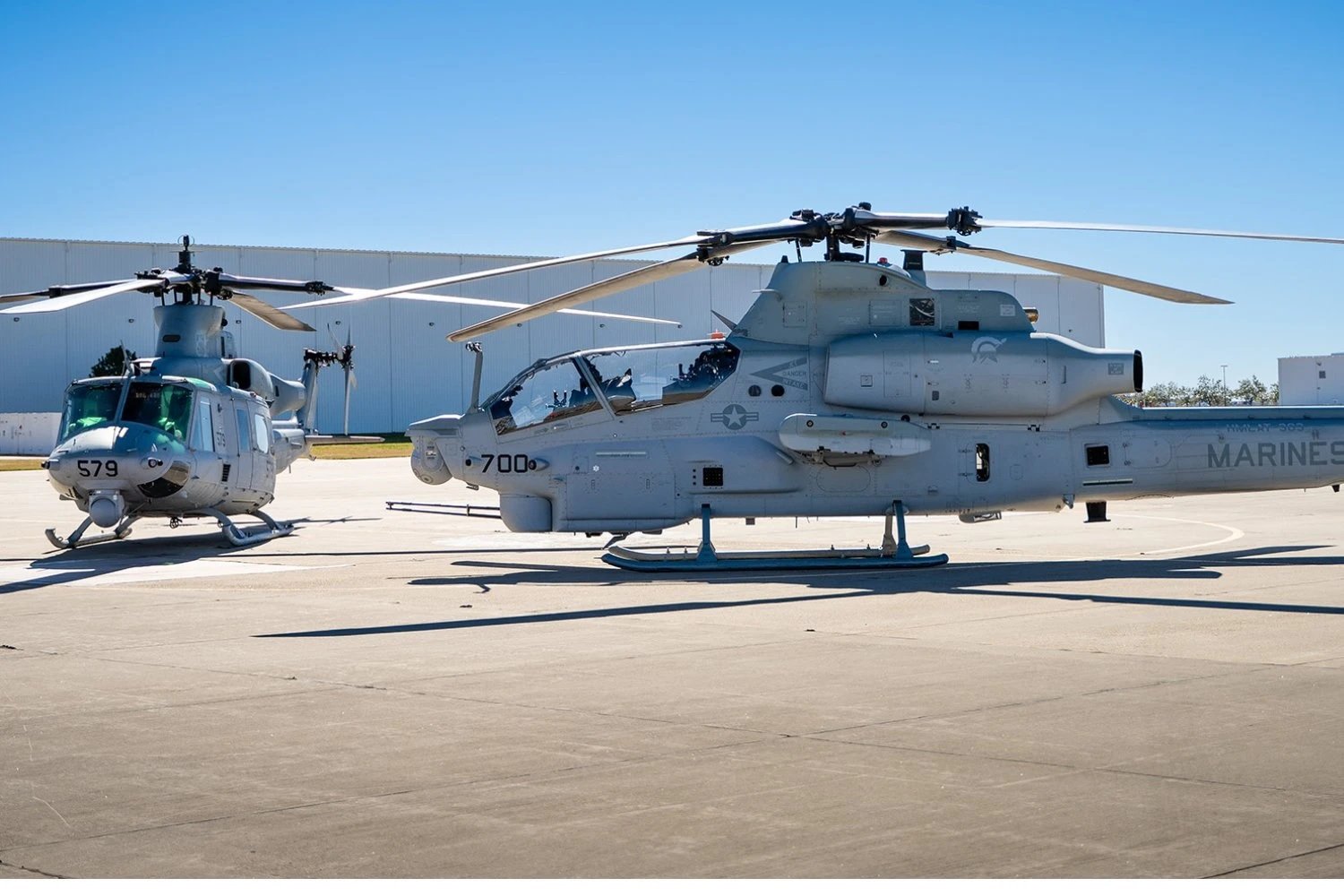 U.S. Awards Bell Textron $33.64 Million Contract for Next Phase of Marine Corps AH-1Z and UH-1Y Helicopter Upgrades
-
 Unreleased Footage Reveals Why Lindsey Graham Dropped Plan to Push Trump on Hezbollah Strikes
-
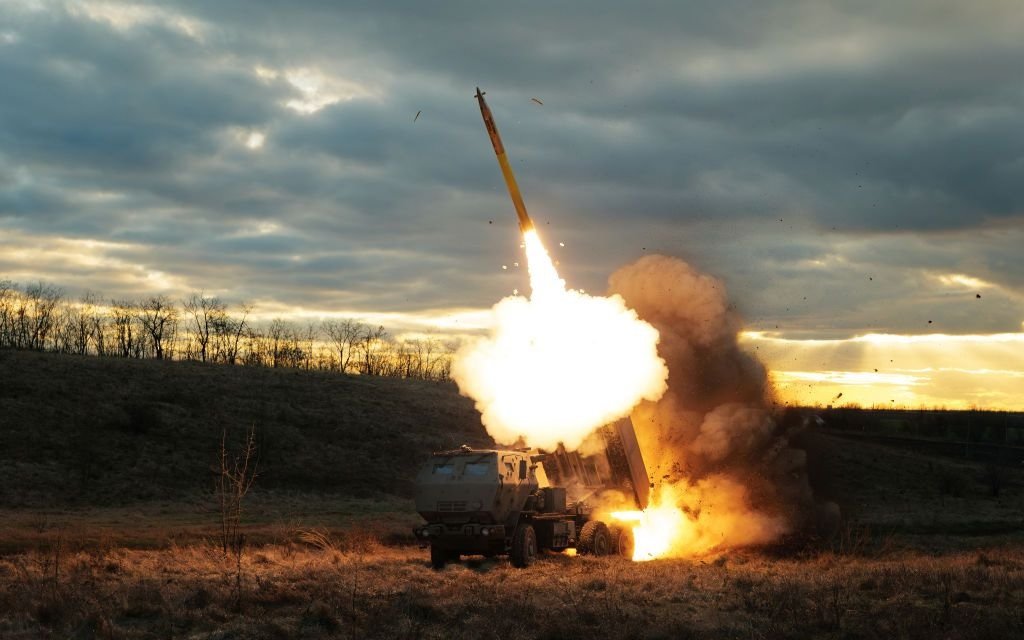 U.S. Military Selectively Intercepts Iranian Missiles to Preserve Shrinking Air Defense Stocks : Report
-
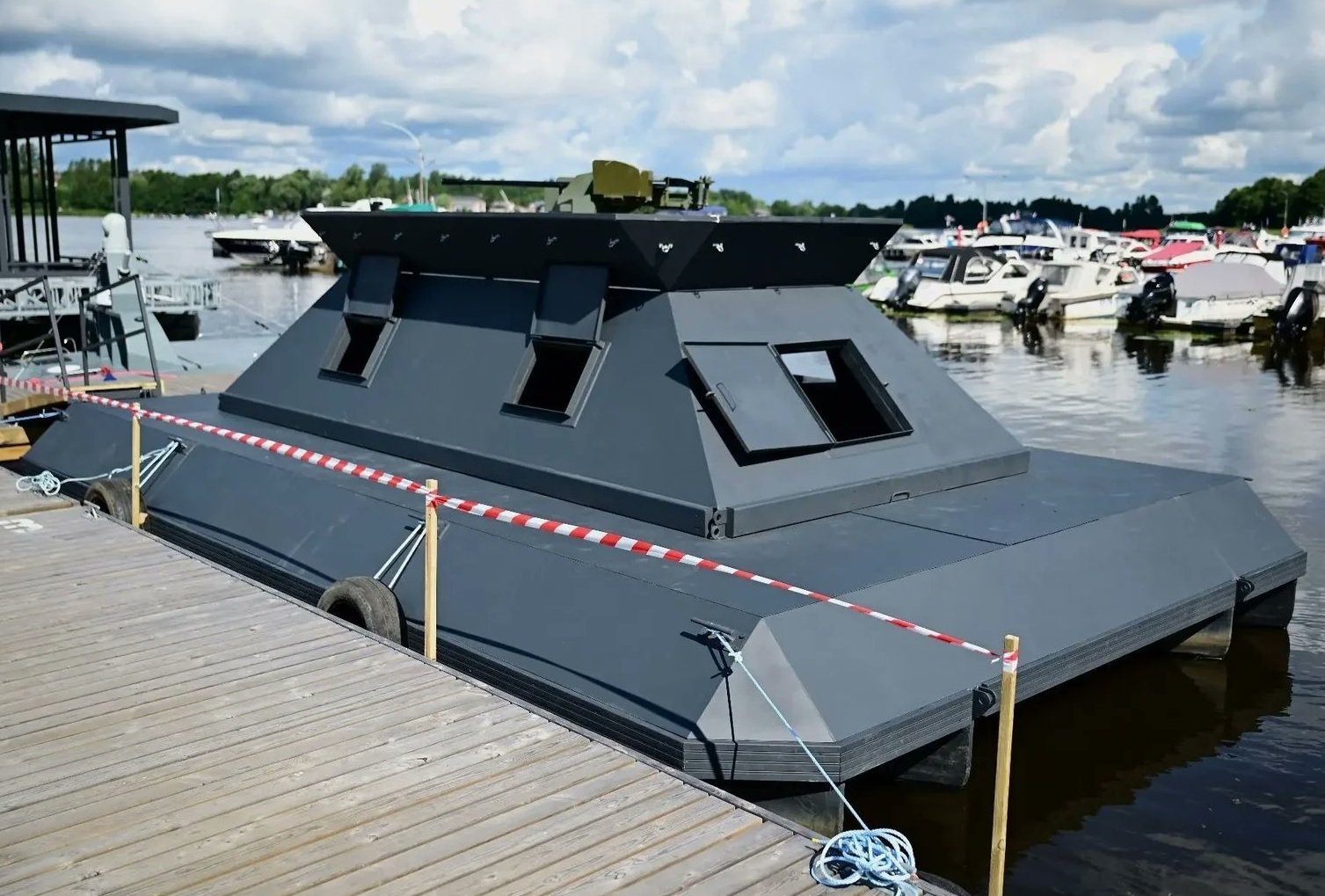 Russia Unveils Experimental Plot-40 Floating Defense Platform to Counter Drone and USV Threats
-
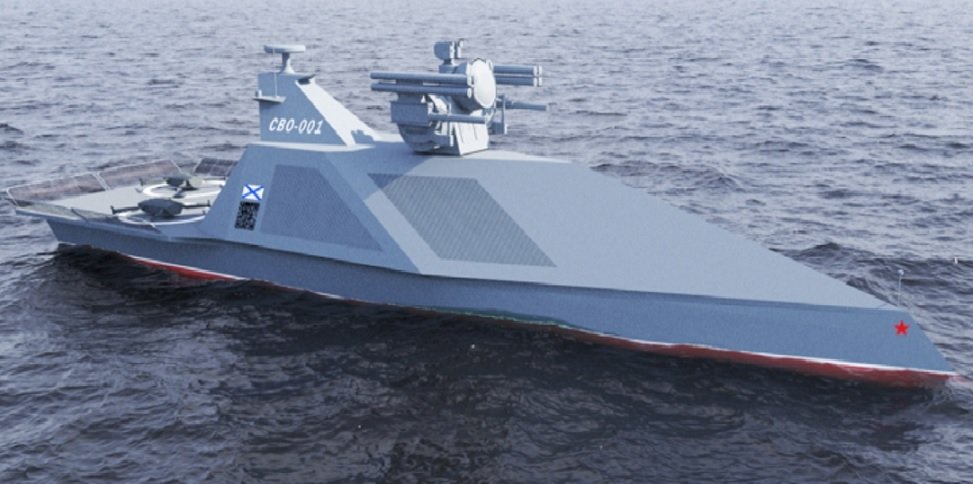 Russia Builds 500-Ton Unmanned Warship For Anti-Submarine Warfare, Plans New 9,500-Ton Warship, Navy Chief Says
-
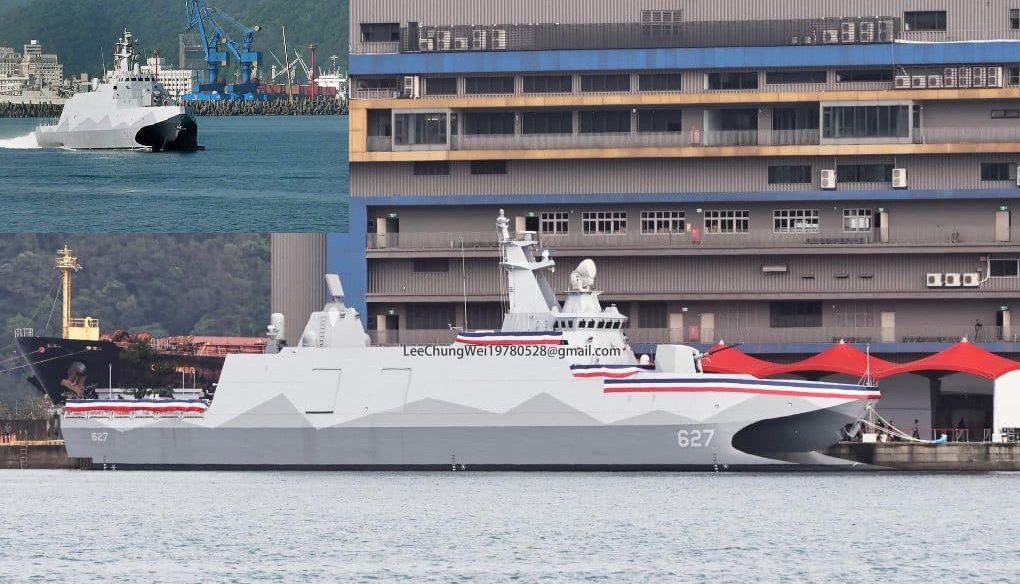 Taiwan Commissions First Batch 2 Tuo Chiang-Class Corvette with New Leonardo Radar
-
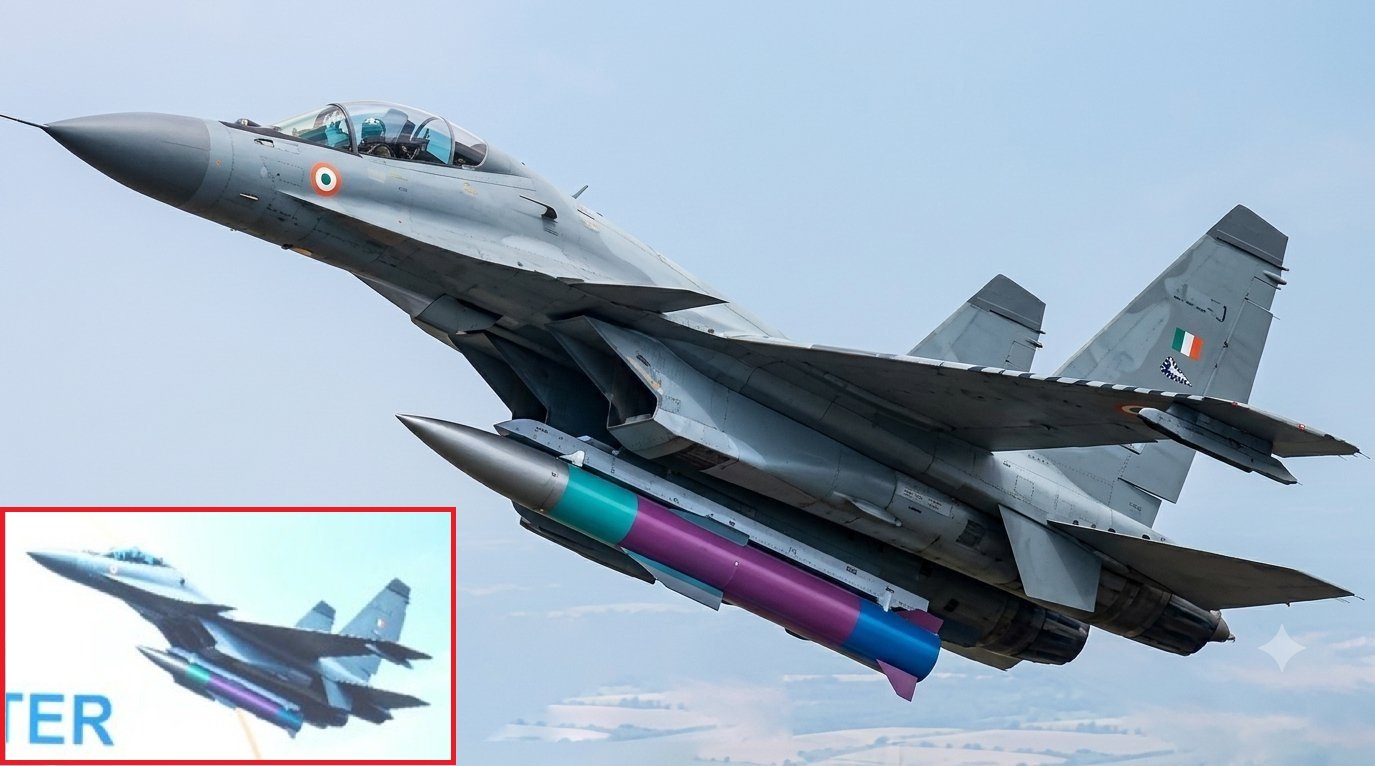 DRDO Developing Long-Range Air-Launched Ballistic Missile for Su-30MKI, Rudram-4 Seen as Likely Candidate
Top Trending in 4 Days
-
 U.S. Navy Awards Northrop Grumman $1.2 Billion Deal for Three New E-2D Advanced Hawkeyes
-
 U.S. Airstrikes Target IRGC Missile Base Near Taft as Overnight Strikes Hit Central Iran
-
 DRDO Successfully Conducts Maiden Flight Test of 150-km-Range Kusha M1 Air Defence Missile
-
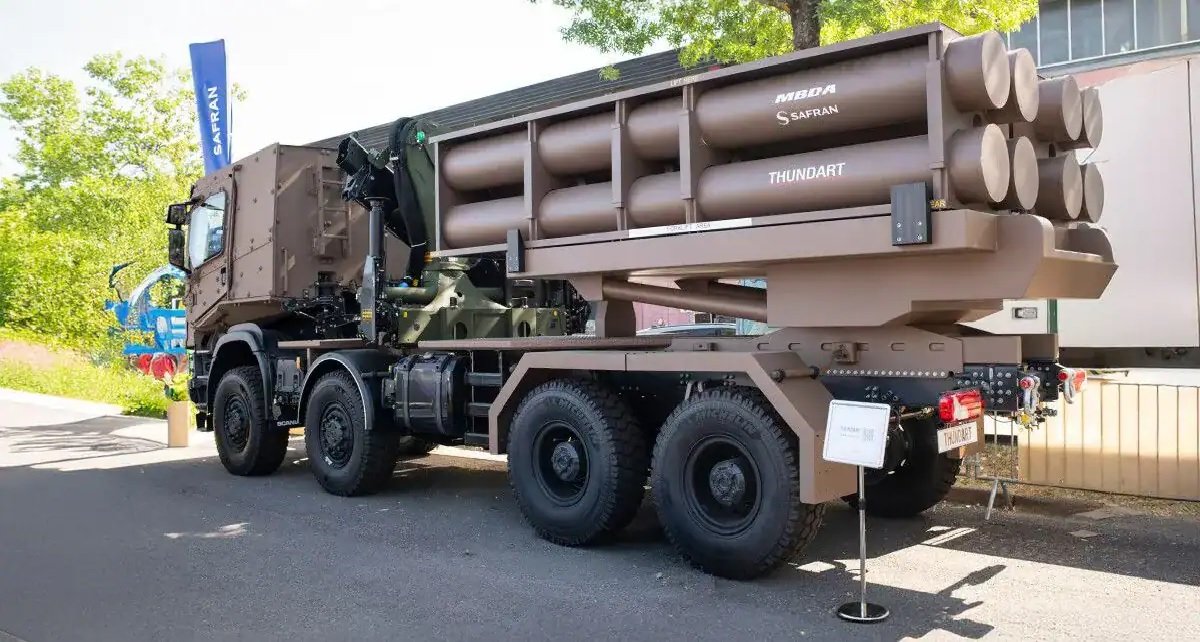 France's THUNDART Long-Range Rocket System May Undergo Prototype Combat Testing in Ukraine
-
 Kuwait and Bahrain Reportedly Launch First Joint Direct Airstrikes on Iran Since War Began : Report
-
 Russian Su-57 Stealth Fighter Crashes During Training Flight Near Moscow, Pilot Ejects Safely
-
 Australia Commits Additional AUD 4.6 Billion to Expand Osborne Shipyard for AUKUS Submarines
-
 Destinus Unveils Vorexon Interceptor Concept to Defend Critical Sites from Artillery Threats
