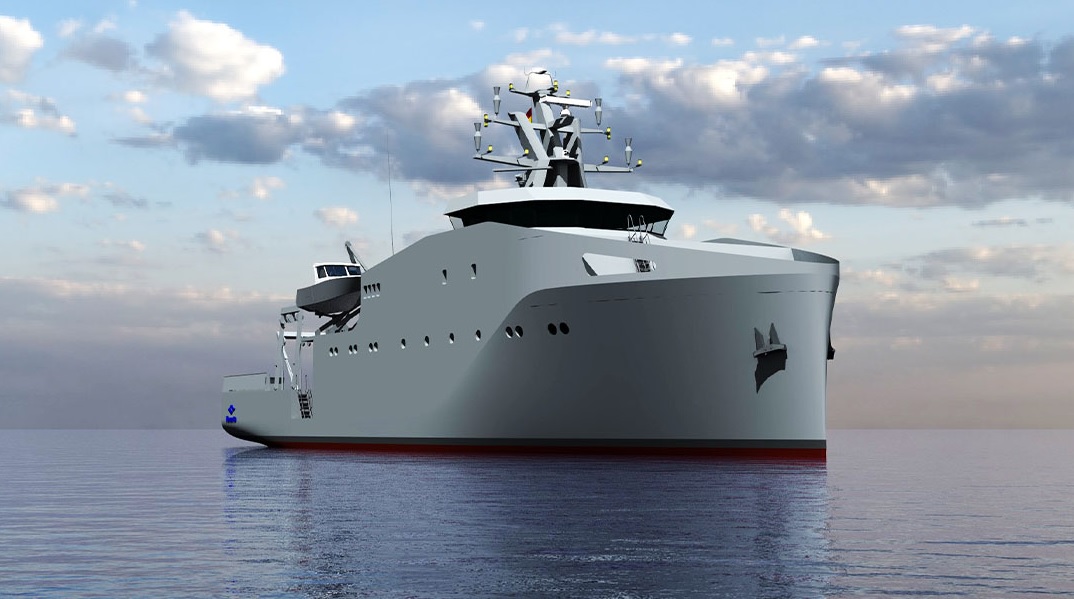
Navantia Revolutionizes Shipbuilding with Siemens Xcelerator for Coastal Hydrographic Vessel Project
World
Navantia, a leader in the global shipbuilding industry, has announced the adoption of Siemens Xcelerator software for its Coastal Hydrographic Vessel (BHC) project. This groundbreaking move is part of Navantia’s ambitious Shipyard 5.0 programme under the ELCANO framework, aimed at transforming the shipbuilding sector through digital innovation. The project involves the construction of two state-of-the-art vessels for the Spanish Navy at Navantia’s shipyards in the Bay of Cádiz. Siemens Xcelerator: A Digital Game-Changer Siemens Xcelerator is an integrated suite of digital tools designed to manage every phase of a vessel's lifecycle. From conceptual design and simulation to production, commissioning, operation, and maintenance, the platform streamlines processes and ensures high-quality outcomes. By incorporating Xcelerator, Navantia aims to optimize shipbuilding workflows, reduce costs, enhance operational efficiency, and meet tighter delivery schedules. The software’s advanced components include: NX: A comprehensive design solution for complex marine structures. Teamcenter: A lifecycle management tool that improves collaboration and data management across teams. Simcenter™: A simulation and optimization tool to enhance performance and reliability. Tecnomatix: A suite for digitalizing shipyard operations, improving production processes, and increasing precision. Future phases of the project will also incorporate Insights Hub™, Siemens' industrial IoT platform, enabling real-time data monitoring and predictive maintenance for enhanced operational efficiency. Training for the Future: Navantia’s Workforce Transformation The successful integration of such advanced technology hinges on the skills and expertise of the workforce. Recognizing this, Navantia has partnered with Siemens to provide extensive training through the Marine Digital Twin programme. This initiative equips engineers and technicians with the know-how to fully utilize digital shipbuilding tools, ensuring seamless implementation. Training sessions, conducted at the Naval Excellence Centre (Cesena) in Spain, covered key aspects of the digital transformation. These sessions included hands-on exposure to digital twins, a technology that creates virtual replicas of physical vessels to simulate and analyze performance in real-time. Looking ahead, Cesena is set to launch formal training courses on the Marine Digital Twin starting in early 2025. These courses will focus on advanced digital shipbuilding practices, ensuring the industry remains at the forefront of technological innovation. Coastal Hydrographic Vessel: Specs and Innovations The Coastal Hydrographic Vessel (BHC) project itself represents a leap forward in naval design and engineering. While specific details of the vessels are closely guarded, the following key features highlight their advanced capabilities: Hydrographic Survey Equipment: Cutting-edge sensors and sonar systems for mapping seabeds and underwater terrain. Energy Efficiency: Incorporation of hybrid propulsion systems to reduce emissions and fuel consumption. Modular Design: Flexible layouts allowing for future upgrades or mission-specific configurations. Automation: Advanced control systems to enable semi-autonomous operations, reducing crew workload. These vessels are expected to significantly bolster the Spanish Navy's capabilities in maritime surveillance, resource mapping, and environmental monitoring. The Bigger Picture: Shipyard 5.0 and Beyond The BHC project is a critical milestone in Navantia’s broader vision of Shipyard 5.0, a next-generation shipbuilding framework emphasizing digitalization, sustainability, and collaboration. By leveraging Siemens Xcelerator, Navantia is setting new standards for efficiency and innovation, not just within Spain but across the global naval industry. With real-time IoT integration, lifecycle management tools, and a focus on workforce upskilling, Navantia’s approach ensures a future-ready shipbuilding ecosystem. This partnership with Siemens marks a transformative moment, bridging traditional engineering with cutting-edge digital technologies to redefine what’s possible in naval architecture. As these coastal hydrographic vessels take shape, Navantia’s commitment to innovation promises to set a new benchmark for digital shipbuilding excellence.
Read More → Posted on 2024-12-31 14:36:38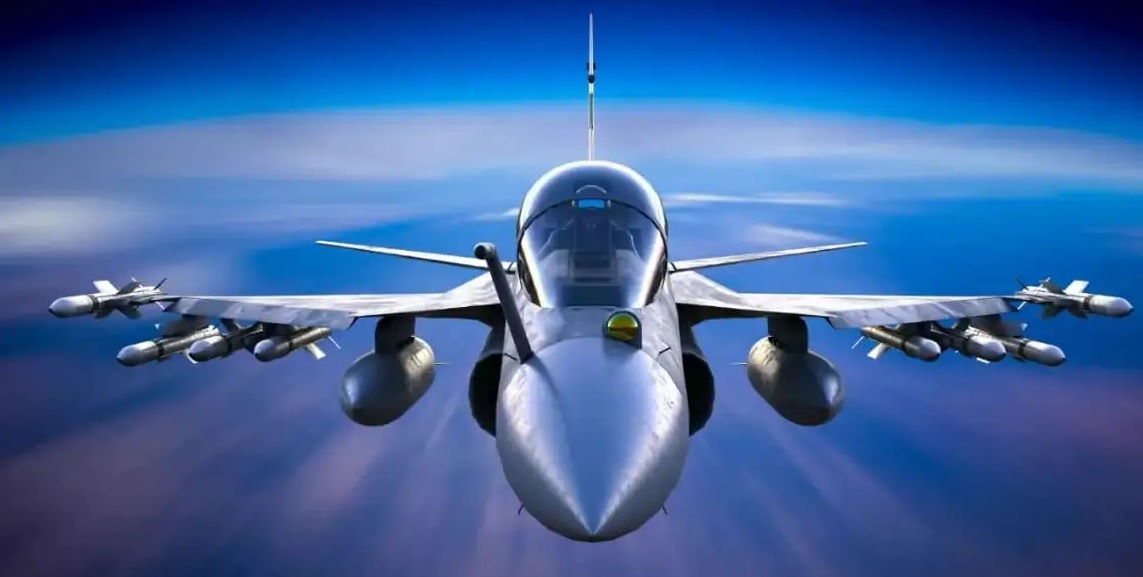
Should Tejas Mk2 Have Been a Single-Engine Stealth Fighter? Debate on 4.5 Gen Design Sparks Interest
India
The Indian Air Force (IAF) is on a relentless mission to modernize its fighter jet fleet, and the ongoing development of the Tejas Mk2 has become a focal point of debate. Officially classified as a 4.5 generation fighter, the Tejas Mk2 is designed to bridge the gap between the lightweight Tejas Mk1 and the ambitious fifth-generation Advanced Medium Combat Aircraft (AMCA). However, a growing chorus on X (formerly Twitter) questions whether the Tejas Mk2 should have taken a more forward-looking approach by adopting stealth-inspired, fifth-generation features akin to the AMCA. A Case for a Fifth-Generation Tejas Mk2 Supporters of a fifth-generation Tejas Mk2 envision a single-engine stealth jet that could capitalize on India's investments in the AMCA program. They point out that a stealth-oriented Tejas Mk2 would have several advantages: Cost Efficiency: A single-engine, stealth-focused Tejas Mk2 would be significantly cheaper to produce and operate than the twin-engine AMCA. This cost advantage could increase affordability for the IAF and enhance export potential for friendly nations looking for budget-friendly yet capable fighters. Shared Technology: Drawing heavily from the AMCA's stealth design, advanced avionics, and radar-absorbent materials, a fifth-generation Tejas Mk2 could save on research and development costs. This approach could foster a unified operational philosophy for India's future fighter jets. Strategic Flexibility: A stealth-capable Tejas Mk2 could serve dual purposes: meeting the IAF's Medium Multi-Role Combat Aircraft (MMRCA) requirements and acting as an interim fifth-generation fighter until the AMCA achieves operational readiness. Current Vision: Tejas Mk2 as a 4.5 Generation Fighter Despite the appeal of a stealth-focused design, the Tejas Mk2 remains committed to a 4.5 generation architecture. This decision reflects a pragmatic approach, balancing technological ambition with operational and budgetary realities. Key specifications and upgrades of the Tejas Mk2 include: Engine: Powered by the GE F414 INS6 engine, capable of generating 98 kN of thrust, providing enhanced speed and maneuverability. Payload Capacity: Designed to carry up to 6,500 kg of armament across 11 hardpoints, significantly increasing its strike capabilities compared to the Tejas Mk1. Avionics: Equipped with advanced sensors, including an AESA radar, infrared search and track (IRST) system, and upgraded electronic warfare (EW) systems for superior situational awareness. Combat Range: With a combat range of 1,500 km and an extended ferry range of over 3,000 km, the Tejas Mk2 ensures greater reach for missions across diverse terrains. Airframe Improvements: A lengthened fuselage and larger wingspan enhance aerodynamic performance, stability, and fuel capacity. Balancing Ambition and Pragmatism The debate surrounding the Tejas Mk2 encapsulates a broader conversation within India's defense ecosystem about balancing ambition with realism. Developing a single-engine, fifth-generation stealth fighter akin to the AMCA would undoubtedly offer cutting-edge capabilities. However, it also brings challenges, including technical complexities, cost overruns, and extended development timelines. The IAF's decision to retain a 4.5 generation design for the Tejas Mk2 reflects a calculated strategy. It allows the service to induct a more capable and affordable fighter in the near term while channeling resources and expertise into the AMCA, which remains India's flagship fifth-generation fighter program. The Road Ahead As the Tejas Mk2 moves toward its first flight, likely in 2025, it will play a pivotal role in augmenting the IAF's fleet with a modern, multi-role platform. Meanwhile, the AMCA continues its journey, with the first prototype expected by 2028 and induction planned in the early 2030s. While the idea of a stealth-inspired Tejas Mk2 remains a "what if," it highlights the growing aspirations of India's defense enthusiasts and underscores the importance of fostering innovation in indigenous aerospace technology. The ultimate goal is clear: to create a robust ecosystem that balances immediate needs with long-term strategic objectives, ensuring India's airpower remains cutting-edge for decades to come.
Read More → Posted on 2024-12-31 14:34:31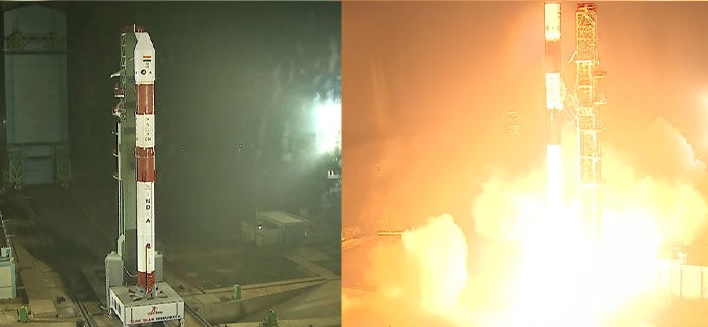
Space & Technology
India took another significant step in space exploration with the successful launch of the PSLV-C60 rocket as part of the SpaDeX mission on Monday at 10 PM from the Satish Dhawan Space Centre (SDSC) in Sriharikota. This milestone marks India’s entry into the elite league of nations—China, Russia, and the United States—that have developed in-space docking technology. The SpaDeX (Space Docking Experiment) mission is a crucial component of India's long-term ambitions in human spaceflight and its planned Gaganyaan space station program. The SpaDeX Mission: A Technological Breakthrough The PSLV-C60 mission carried two nearly identical satellites, SDX01 and SDX02, each weighing approximately 220 kilograms. These satellites, referred to as the "Chaser" and the "Target," were deployed into a 470 km circular orbit shortly after the rocket's liftoff. Once deployed, the satellites are programmed to drift apart to a distance of 10-15 kilometers. Over the subsequent ten days, the Chaser satellite will execute a series of meticulously planned and controlled maneuvers to close the gap, culminating in a successful docking with the Target satellite. This process will validate critical docking procedures such as proximity operations, alignment, and attachment mechanisms, essential for future space station modules and long-duration space missions. Advanced Payloads and Capabilities The satellites are equipped with cutting-edge payloads, including a high-resolution camera to monitor the docking process and a radiation monitoring device. These tools will not only assist in executing the docking procedure but also gather valuable data for future human spaceflight missions. The collected data will provide insights into radiation levels in low Earth orbit, crucial for ensuring astronaut safety during long-term missions. Additionally, the satellites feature autonomous navigation systems powered by state-of-the-art algorithms, enabling precise control and docking without direct intervention from ground stations. This capability is a significant advancement for India’s future endeavors in deep space exploration. Boosting India's Space Ambitions The SpaDeX mission is part of ISRO’s broader vision to establish its presence in the highly competitive domain of space docking technology. Mastering this technology is a foundational requirement for assembling space stations, refueling spacecraft, and enabling interplanetary missions. With the success of SpaDeX, ISRO has laid the groundwork for future complex orbital operations, including India's Gaganyaan mission—a crewed spaceflight expected to launch in the near future. Moreover, this success bolsters India’s reputation as a global leader in space exploration, opening avenues for international collaborations and partnerships in space technology development. The demonstration of such advanced capabilities also signals India’s readiness to contribute to global space station projects and manned lunar or Mars missions. A Moment of National Pride The PSLV-C60 launch was met with celebrations by ISRO scientists and space enthusiasts across the country. The night sky at Sriharikota lit up as the rocket soared, symbolizing India’s relentless pursuit of technological excellence and scientific discovery. ISRO Chairman S. Somanath congratulated the team, calling it a “giant leap for India’s space program.” The SpaDeX mission is a testament to India’s growing capabilities in cutting-edge space technologies. By successfully venturing into space docking, India joins an exclusive group of nations pushing the boundaries of human ingenuity and space exploration. This achievement not only reinforces India’s leadership in the space sector but also serves as a beacon of inspiration for future generations of scientists and engineers.
Read More → Posted on 2024-12-31 14:31:01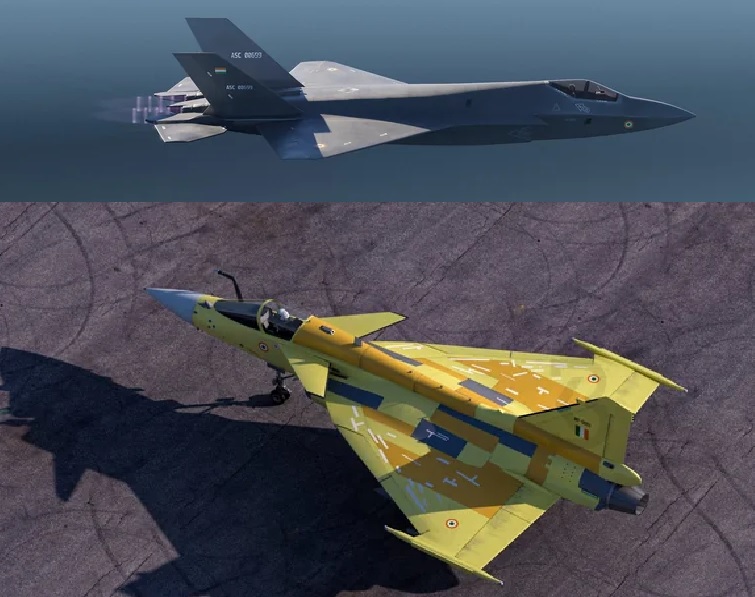
India
Modern warfare is an evolving theater of advanced technology, strategic precision, and multi-layered defense systems. With the rise of 5th-generation fighter jets, such as the upcoming AMCA (Advanced Medium Combat Aircraft), many question the relevance of 4.5-generation fighters like the Tejas Mk2. However, both classes of aircraft have distinct roles and attributes that make them complementary rather than mutually exclusive on the battlefield. The Role of 4.5-Generation Fighters 4.5-generation fighter jets are advanced derivatives of 4th-generation platforms, upgraded with modern avionics, weapons systems, and enhanced capabilities like partial stealth, better sensors, and networked operations. The Tejas Mk2, for example, represents a significant leap from its predecessor with a larger payload capacity, increased range, and sophisticated radar systems. These attributes make it an essential asset in various operational scenarios: Cost-Effective Multirole Operations: 4.5-generation jets are less expensive to develop, acquire, and operate compared to their 5th-generation counterparts. This cost-effectiveness allows nations to maintain a larger fleet, ensuring better coverage across multiple theaters of war. Versatility in Diverse Combat Roles: Aircraft like the Tejas Mk2 excel in multirole missions, including air superiority, ground attack, and reconnaissance. While 5th-generation jets focus heavily on stealth and cutting-edge technology, 4.5-generation jets offer adaptability and can operate effectively in high-intensity and low-intensity conflicts. Ease of Maintenance and Deployment: Compared to the intricate maintenance demands of stealthy 5th-generation jets, 4.5-generation fighters are easier to sustain in operational conditions, making them reliable workhorses during prolonged engagements. Complementary Role in Mixed Fleets: Mixed fleets combining 4.5 and 5th-generation jets create a layered approach to air superiority. While the 5th-gen AMCA can penetrate contested airspace using stealth to neutralize high-value targets, the Tejas Mk2 can perform broader missions, including secondary strikes, close air support, and defense of key assets. The Strengths of 5th-Generation Fighters 5th-generation aircraft like the AMCA bring a suite of groundbreaking technologies that make them indispensable in modern air combat. Features such as full stealth, advanced sensors, data fusion, and network-centric warfare capabilities enable them to operate in heavily contested environments and conduct missions that 4.5-generation jets cannot. Their ability to dominate in environments with advanced anti-air systems, achieve information superiority, and conduct precision strikes from safe distances gives them a clear advantage. However, the cost and complexity of 5th-generation fighters mean they are better suited for high-priority and specialized missions. Why Both Are Essential Balanced Force Structure: Relying solely on 5th-generation fighters is neither practical nor economical for most nations. 4.5-generation jets fill the gap by ensuring numerical strength and operational flexibility. Redundancy and Resilience: In large-scale conflicts, having a diverse fleet reduces the risk of capability gaps. While 5th-generation fighters can be deployed for high-stakes missions, 4.5-generation jets like the Tejas Mk2 provide a robust second line of defense. Adaptation to Mission Needs: Every mission does not demand stealth or cutting-edge technology. For roles like air policing, border patrol, and close air support, 4.5-generation fighters are more than adequate, allowing 5th-generation jets to be reserved for strategic operations. Gradual Transition to Advanced Technology: 4.5-generation jets act as a bridge to 5th-generation capabilities. Pilots trained on platforms like the Tejas Mk2 gain foundational experience, preparing them for the more advanced systems of jets like the AMCA. The Case for Tejas Mk2 and AMCA India’s defense strategy demonstrates the value of both 4.5 and 5th-generation aircraft. The Tejas Mk2, with its enhanced capabilities, will be a versatile and cost-effective platform for a wide range of missions. Its modern avionics, increased range, and payload capacity make it an ideal choice for day-to-day operations and support roles in complex scenarios. Meanwhile, the AMCA will serve as India’s cutting-edge solution for countering adversaries with advanced air defense systems. Its stealth and next-gen features will enable it to achieve air superiority in contested environments. Together, the Tejas Mk2 and AMCA will provide the Indian Air Force with a comprehensive, adaptable, and resilient force structure. Conclusion In modern warfare, diversity in capabilities is key. While 5th-generation fighters like the AMCA represent the future of air combat, 4.5-generation jets like the Tejas Mk2 ensure operational flexibility, cost-effectiveness, and numerical strength. The two generations complement each other, enabling nations to maintain air superiority across various scenarios. The Tejas Mk2’s relevance lies in its ability to balance affordability and capability, ensuring it remains a vital asset alongside the technological marvel of 5th-generation aircraft.
Read More → Posted on 2024-12-30 17:38:45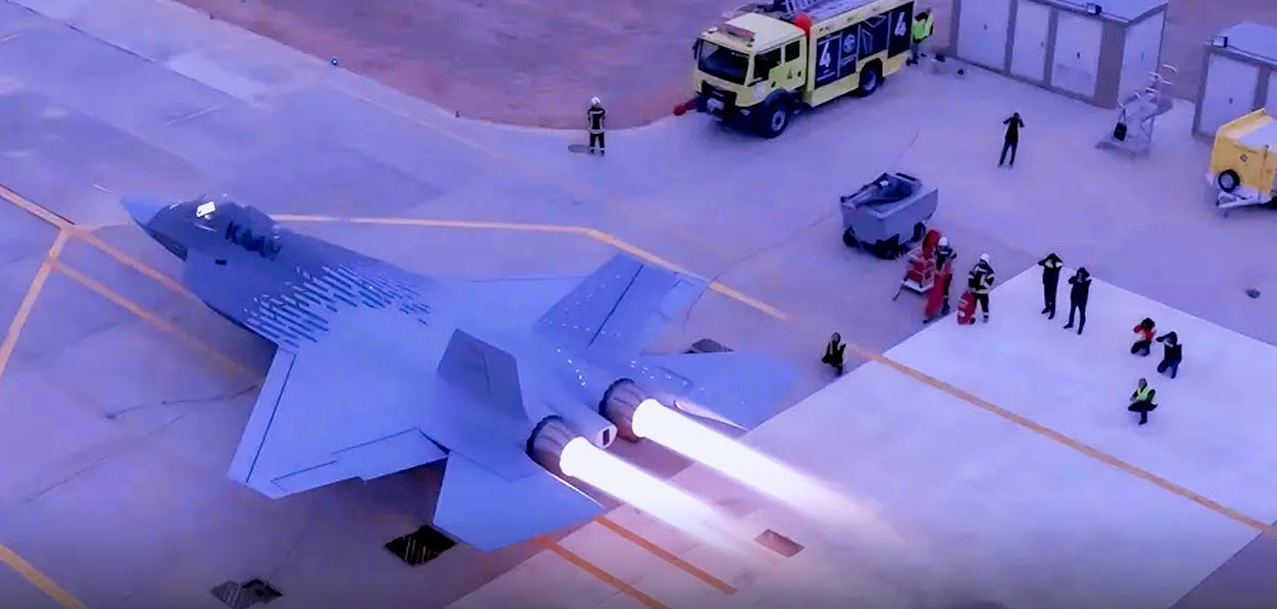
World
The Kaan fighter jet, developed by Turkish Aerospace Industries (TAI), has reached a significant milestone by successfully activating its afterburner system on both engines during ground tests on December 6, 2024. This achievement marks a critical step in its development, demonstrating the jet's ability to achieve rapid acceleration and sustained supersonic speeds, essential for modern air combat scenarios. Afterburners, which work by injecting fuel into the jet's exhaust stream, provide an additional thrust boost, allowing for unparalleled performance. This milestone underlines the technical sophistication and engineering excellence behind the Kaan's development. Key Specifications of the Kaan Fighter Jet: Dimensions: Length: 21 meters (69 feet) Wingspan: 14 meters (46 feet) Height: 6 meters (20 feet) Wing Area: 60 square meters (646 square feet) Weight: Maximum Takeoff Weight: 27,215 kilograms (60,000 pounds) Engines: 2 x General Electric F110-GE-129 turbofans Dry Thrust: 76.31 kN per engine Afterburner Thrust: 131 kN per engine Performance: Top Speed: Mach 1.8 Range: Approximately 1,100 kilometers Service Ceiling: 55,000 feet Armament: 1 x 20mm internal automatic cannon Capability to deploy a range of air-to-air and air-to-ground munitions Internal weapon bays for stealth missions Optional external hardpoints for additional weaponry The Kaan stands out as a fifth-generation fighter, integrating cutting-edge stealth capabilities, advanced avionics, and exceptional maneuverability. It has been designed to meet the operational requirements of the Turkish Air Force and place Türkiye among the select nations capable of producing such advanced fighter jets. Following two successful flights earlier this year, the afterburner test represents another leap forward in the jet's development. This test demonstrates the aircraft's resilience under extreme conditions, including high temperatures and intense vibrations, setting the stage for further operational testing. Turkish Aerospace leadership has emphasized that this achievement is not just a technological milestone but also a testament to the teamwork and dedication driving the Kaan project. The fighter jet is on track to become a cornerstone of the Turkish Air Force, with deployment anticipated by the end of the decade.
Read More → Posted on 2024-12-30 17:27:36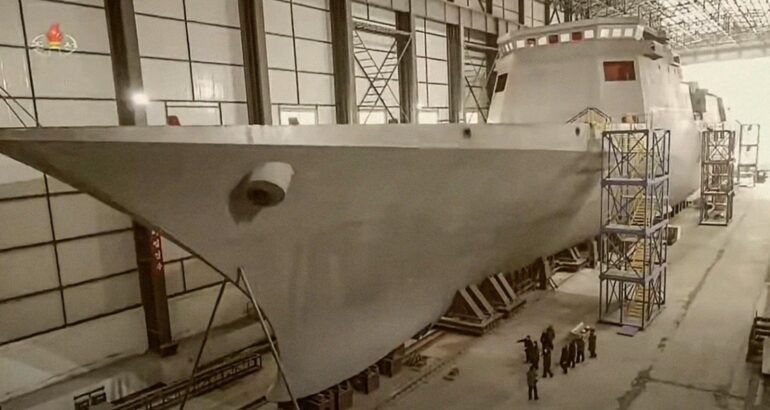
World
North Korea, known for its assertive military ambitions, has made another stride in modernizing its naval fleet. In a dramatic revelation just before the dawn of 2025, state media showcased an advanced frigate under construction at the Nampo Shipyard. The vessel, described as the largest warship ever constructed in North Korea, signals a significant shift in the Korean People’s Army Navy's (KPAN) strategic capabilities. This frigate doubles the displacement of the recently unveiled Amnok-class corvette and incorporates state-of-the-art features, including advanced radar systems and a vertical launching system (VLS). Technological Highlights The frigate’s cutting-edge features mark a departure from North Korea's traditionally outdated fleet. Integrated Fixed-Panel RadarsThe frigate appears to feature four fixed-panel radar arrays seamlessly integrated into its superstructure. These radars likely provide multi-directional coverage for surveillance and missile guidance, enhancing situational awareness and threat detection. Vertical Launching System (VLS)A prominent VLS module forward of the superstructure can accommodate a range of guided missiles, including surface-to-air missiles (SAMs) and land-attack cruise missiles (LACMs). This capability places North Korea in a select group of navies with such sophisticated systems, vastly improving its offensive and defensive options. Stealth-Optimized DesignThe warship showcases reduced radar cross-section (RCS) technology, minimizing its detectability by enemy radars. This aligns with global trends in stealth-focused naval architecture. Naval Gun SystemsA smaller opening at the bow is likely reserved for a naval gun, potentially capable of engaging surface and air targets, further bolstering the ship’s versatility. A Strategic Shift in Naval Power For decades, North Korea's naval assets consisted primarily of outdated corvettes, fast attack craft, and diesel-electric submarines. However, the development of this new frigate signifies a shift toward constructing larger, more technologically advanced surface combatants. This frigate, reportedly influenced by Russia's Project 20386 (Derzky-class) corvette design, could be a product of intensified military cooperation between North Korea and its allies, particularly Russia and China. Russia’s assistance might include the transfer of design expertise, radar technologies, and missile systems, while China could provide logistical and technical support. Comparisons and Regional Context North Korea's advancements come at a time when other regional powers are also modernizing their fleets. The recent launch of Myanmar’s VLS-equipped frigate, the UMS King Thalun, highlights a growing trend among smaller nations to bolster naval capabilities. Both nations benefit from foreign partnerships, with Myanmar leaning heavily on Chinese support. Implications for Regional Security The construction of this advanced frigate raises questions about North Korea’s intentions in the region. A VLS-equipped frigate expands the operational reach of its navy, potentially enabling long-range strike capabilities and enhanced air defense. This could challenge the naval dominance of adversaries like South Korea, Japan, and the United States in the region. What Lies Ahead? While the frigate remains under construction, its final configuration and operational capabilities are speculative. Nonetheless, its unveiling underscores North Korea's commitment to modernizing its military and projecting power on the seas. Future developments may reveal additional features, such as electronic warfare systems, advanced sensors, and even anti-submarine capabilities. North Korea's leap into constructing such a sophisticated warship reflects a growing ambition to assert itself as a maritime power. The coming years will determine how effectively this new class of frigates integrates into the country’s broader military strategy.
Read More → Posted on 2024-12-30 17:24:07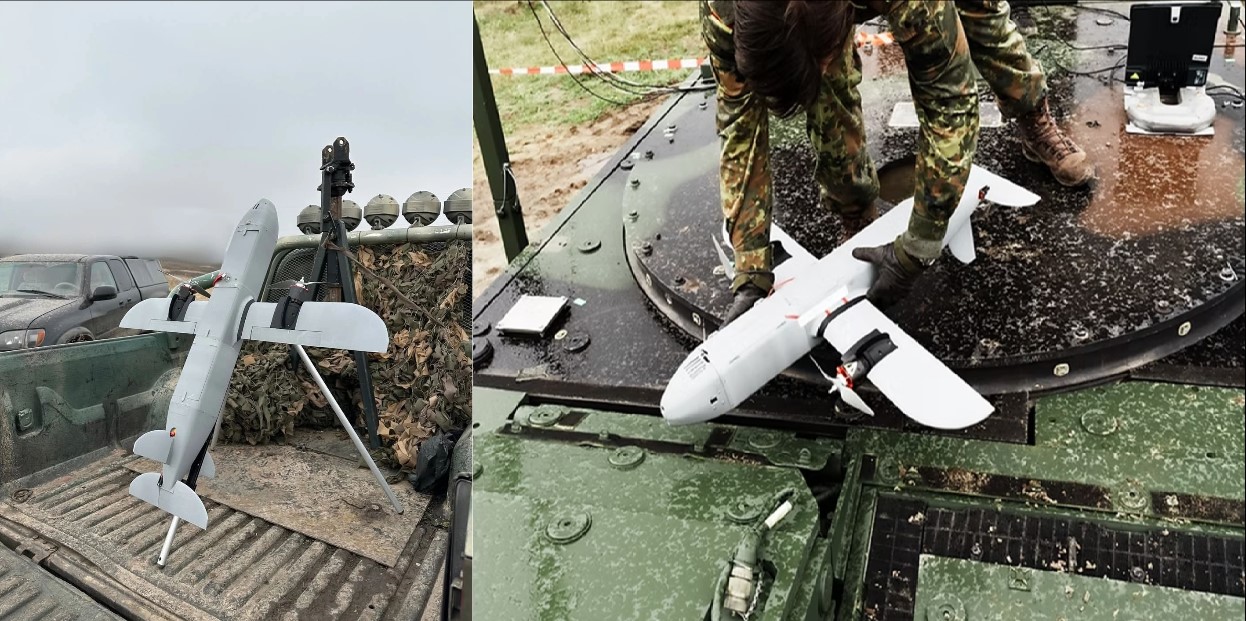
World
Brave1, a defense-tech collaboration platform launched by the Ukrainian government, has announced the successful testing of an advanced interceptor drone developed by German-based TYTAN Technologies. The trials mark a significant step in Ukraine’s efforts to bolster its defense systems amidst persistent aerial threats. The TYTAN interceptor drone, specifically engineered to tackle modern warfare challenges, demonstrated its ability to counter enemy reconnaissance UAVs and Iranian-design Shahed drones, which have been a notable threat in the ongoing conflict. Ukrainian operators carried out the tests, evaluating the drone’s speed, range, and adaptability to battlefield conditions. Specifications and Capabilities The TYTAN drone is a high-speed UAV, capable of reaching impressive speeds of up to 300 km/h. Its operational range spans 20 kilometers, making it suitable for rapid-response missions in localized combat scenarios. The drone’s current design enables manual operation, ensuring precise engagement with hostile targets. What sets this UAV apart is its planned upgrade—a cutting-edge automatic targeting system powered by machine vision technology. This enhancement will significantly increase its accuracy and allow for real-time adjustments during missions, making it a formidable asset against fast-moving or evasive aerial threats. Additionally, the drone has been crafted to withstand the rigors of modern warfare, with durability to perform under extreme conditions. Collaborative Efforts for Advanced Solutions Representatives from Ukraine’s Security and Defense Forces attended the testing, voicing their confidence in the drone’s potential to meet the nation’s defense needs. "This technology offers a crucial solution to countering persistent aerial threats, addressing a significant gap in our defense capabilities," a Ukrainian defense official stated. The trials also provided Ukrainian operators the opportunity to adapt and familiarize themselves with the drone’s capabilities. Feedback from these hands-on tests will be incorporated into further enhancements, ensuring the drone aligns with the realities of the battlefield. Brave1, which aims to integrate international and domestic defense innovations, has been pivotal in fostering partnerships between Ukrainian developers and global manufacturers. The platform is already exploring opportunities for integrating complementary solutions from Ukrainian innovators with TYTAN’s drone technology. “This collaboration not only strengthens Ukraine’s defense capabilities but also fosters innovation by leveraging expertise from both German manufacturers and local developers,” a Brave1 representative emphasized. A Strategic Step in Ukraine’s Defense Plan The successful testing of TYTAN’s interceptor drone aligns with Ukraine’s broader strategy to integrate cutting-edge technology into its military operations. With evolving threats requiring agile and advanced solutions, drones like the TYTAN model could become a critical component of Ukraine’s counter-drone arsenal. The partnership between Brave1, TYTAN Technologies, and Ukrainian developers showcases a model for international collaboration that merges innovation and tactical necessity. As Ukraine continues to face challenges in its defense landscape, such efforts underscore the importance of combining global expertise with local ingenuity to meet the demands of modern warfare. The trial of the TYTAN interceptor drone is a testament to Ukraine’s commitment to staying at the forefront of defense technology, ensuring the country is equipped to counter threats with precision and efficiency.
Read More → Posted on 2024-12-30 17:16:52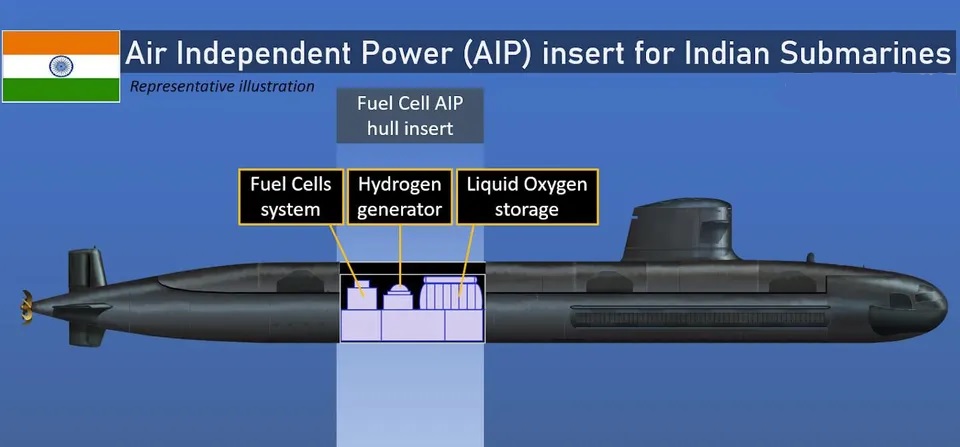
India
In a major boost to India's maritime defence capabilities, the Ministry of Defence (MoD) signed contracts worth ₹2,867 crore with Mazagon Dock Shipbuilders Limited (MDL) and Naval Group, France. These agreements, signed in New Delhi in the presence of Defence Secretary Rajesh Kumar Singh, are focused on upgrading the Indian Navy’s Kalvari-Class submarines with cutting-edge technologies such as Air Independent Propulsion (AIP) systems and Electronic Heavy Weight Torpedoes (EHWT). AIP Plug: Enhanced Endurance for Submarines The first contract, valued at ₹1,990 crore, was awarded to MDL for constructing and integrating an AIP plug into submarines. This plug will house the Defence Research and Development Organisation (DRDO)-developed AIP system, which allows conventional submarines to operate underwater for extended periods without surfacing. The AIP system works by generating power through the electrochemical reaction of stored hydrogen and oxygen, eliminating the need for atmospheric oxygen. This technology significantly enhances the stealth and operational endurance of submarines, making them harder to detect during missions. The construction of the AIP plug and its integration is expected to generate nearly three lakh man-days of employment, contributing to the domestic defence industry. The initiative is a significant step under the 'Aatmanirbhar Bharat' (Self-Reliant India) campaign, which seeks to reduce dependency on foreign defence imports by fostering indigenous development. EHWT: Boosting Kalvari-Class Firepower The second contract, worth ₹877 crore, was signed with Naval Group, France, for equipping Kalvari-Class submarines with advanced Electronic Heavy Weight Torpedoes. These torpedoes, also being developed by DRDO, promise a significant leap in the firepower and tactical versatility of the Indian Navy’s submarine fleet. The integration of the EHWT will involve collaboration among DRDO, the Indian Navy, and Naval Group. This process will ensure seamless compatibility and enhanced operational readiness for the Kalvari-Class submarines. These state-of-the-art torpedoes, equipped with precision targeting and superior tracking capabilities, are expected to transform the submarines into formidable platforms for offensive and defensive operations. Strategic and Economic Implications The contracts not only enhance the combat capabilities of India’s submarines but also underline the country’s push for self-reliance in defence technology. By involving domestic entities like MDL and DRDO, the projects are poised to boost the local defence ecosystem. The inclusion of foreign expertise through Naval Group ensures the integration of globally competitive technology while fostering international collaboration. The Kalvari-Class submarines, derived from the French-designed Scorpène platform, already play a pivotal role in India's naval strategy. These diesel-electric attack submarines are equipped with advanced navigation, stealth, and combat systems. The addition of AIP and EHWT systems will amplify their operational effectiveness, making them better suited for a variety of roles, including anti-ship, anti-submarine, and intelligence-gathering missions. As India faces increasing challenges in safeguarding its maritime borders and assets, the adoption of these advanced technologies marks a significant step in strengthening its naval deterrence. By investing in indigenous production and leveraging international expertise, India is not only modernizing its naval fleet but also paving the way for a robust defence industrial base.
Read More → Posted on 2024-12-30 17:12:33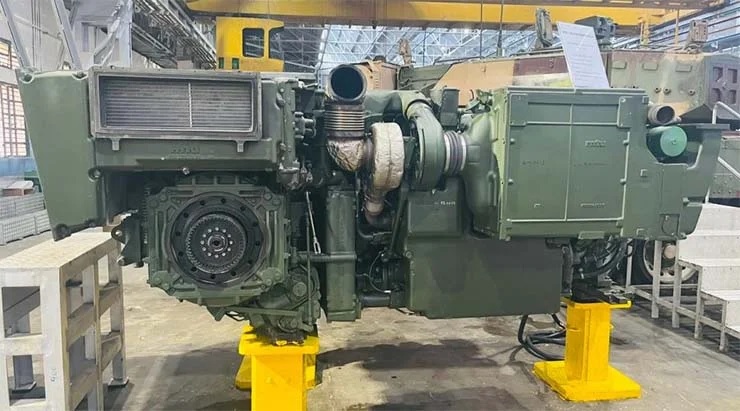
India
Bharat Earth Movers Limited (BEML), a pivotal force in India's defence and heavy engineering sectors, is making remarkable progress in its pursuit of indigenous high-performance engine technology. The company’s ambitious DATRAN 1500HP engine project is set to reach a critical milestone as its third prototype undergoes advanced calibration and endurance testing in the United Kingdom. The DATRAN 1500HP engine is a powerful, high-performance engine designed for demanding military applications, including armoured tanks, combat vehicles, and potentially naval systems. The third prototype will undergo an exhaustive series of tests in the UK to ensure its reliability and performance. The engine will be calibrated to deliver peak efficiency and meet stringent military requirements. This calibration phase takes advantage of the UK's advanced facilities and expertise, providing a robust platform to fine-tune the engine for precision performance. 1500-Hour Endurance Test: A Crucial Benchmark One of the most pivotal phases of this UK testing journey is the 1500-hour endurance test. This prolonged test will follow intermediate assessments at 400 hours and 600 hours, ensuring the engine's durability and operational reliability under extreme and continuous conditions. The 1500-hour test simulates prolonged military use, pushing the engine to its operational limits to uncover and resolve any potential design vulnerabilities. These endurance tests also validate the engine's performance across a wide range of conditions, including varying temperatures, altitudes, and operational loads. Such rigorous assessments are critical for ensuring the DATRAN 1500HP can perform in diverse and challenging environments, including combat zones. Technical Specifications and Features While the full technical specifications of the DATRAN 1500HP engine remain classified for security reasons, several key features highlight its cutting-edge capabilities: Power Output: A robust 1500 horsepower, enabling advanced armoured platforms to achieve superior mobility and speed. Fuel Efficiency: Designed for optimal fuel consumption, ensuring extended operational range without frequent refuelling. Compact Design: The engine's compact architecture allows it to fit seamlessly into various vehicle configurations, offering design flexibility. Advanced Cooling System: Integrated thermal management ensures consistent performance even in extreme heat conditions. Low Maintenance Requirements: Built for durability, the engine minimizes maintenance needs during extended deployments. Implications for Indian Defence Manufacturing The successful development and testing of the DATRAN 1500HP engine mark a significant leap forward in India's defence capabilities. Once the UK testing phase is complete, BEML plans to initiate large-scale manufacturing of the engine at its Indian facilities. This transition to indigenous production not only reduces dependence on foreign suppliers but also aligns with India’s vision of self-reliance under the "Make in India" initiative. The DATRAN 1500HP engine is poised to serve as a cornerstone of India’s modern defence fleet, powering next-generation combat vehicles and other military platforms. Furthermore, the development process boosts India's defence industrial base by fostering innovation, creating jobs, and positioning BEML as a leader in high-performance engine manufacturing. This project underscores India's commitment to developing indigenous solutions for its strategic needs, strengthening national security, and showcasing its growing prowess in cutting-edge defence technologies.
Read More → Posted on 2024-12-30 17:07:06
World
In a significant move underscoring its support for Ukraine, the United States announced a $2.5 billion security assistance package on Monday. This aid, one of the largest tranches provided to Ukraine in its ongoing battle against Russian aggression, reflects Washington’s urgency in bolstering Kyiv’s defense capabilities before the potential shift in U.S. foreign policy under President-elect Donald Trump, who has been critical of such assistance. Breakdown of the $2.5 Billion Package The assistance comprises two primary funding mechanisms: $1.25 Billion Military Drawdown Package:This element leverages U.S. Department of Defense stockpiles, allowing the swift transfer of weapons directly to Ukraine’s frontlines. Key components include: HIMARS Ammunition: High Mobility Artillery Rocket Systems continue to play a pivotal role in Ukraine’s counteroffensive operations. Anti-Tank Weapon Systems: Vital for countering Russian armored advancements. Optically Guided Missiles and Air-to-Ground Munitions: Enhancing precision strike capabilities. Drones: For surveillance and reconnaissance missions, ensuring real-time battlefield intelligence. Spare Parts and Maintenance Equipment: To sustain operational readiness of advanced systems. $1.22 Billion Through the Ukraine Security Assistance Initiative (USAI):Unlike the drawdown package, this component facilitates procurement of military equipment through defense contractors or allied nations. This ensures a steady supply of advanced weaponry, including potentially advanced air defense systems, communications equipment, and logistics support vehicles. Political and Strategic Context President Joe Biden highlighted the broader implications of this assistance in his statement, framing it as a defense of democratic values and sovereignty. "Today, I am proud to announce nearly $2.5 billion in security assistance for Ukraine, as the Ukrainian people continue to defend their independence and freedom from Russian aggression," he said. Secretary of State Antony Blinken reinforced the administration’s commitment, stating that the U.S. and over 50 allied nations remain unified in ensuring Ukraine has the capabilities to resist Moscow’s military ambitions. This announcement aligns with earlier commitments, including a $1 billion package earlier in the month comprising drones, munitions, and essential battlefield equipment. Such packages reflect a concerted effort by the Biden administration to expedite aid before President-elect Trump assumes office. Trump has repeatedly criticized U.S. financial support for Kyiv, claiming he could broker a ceasefire in the conflict within hours, creating uncertainty about the future of U.S.-Ukraine relations. Ukrainian Response Ukrainian Defense Minister Rustem Umerov welcomed the aid package, acknowledging the critical role the U.S. plays in Ukraine’s defense strategy. In a social media post, he expressed gratitude, stating, "The U.S. is a key ally of Ukraine, providing us with invaluable assistance. Together, we will win!" Beyond Weapons: The Strategic Imperative This latest round of assistance emphasizes the urgency of reinforcing Ukraine's defense before winter slows battlefield operations. It also reflects an understanding of the broader geopolitical stakes, as the war in Ukraine represents a flashpoint in the global contest between democratic ideals and authoritarianism. By providing both immediate battlefield support and longer-term procurement plans, the United States seeks to ensure Ukraine remains equipped to counter Russian advances while signaling a continued commitment to its sovereignty and territorial integrity. As the clock ticks toward the inauguration of a new administration, the Biden government’s actions reaffirm its strategic stance, leaving a robust legacy of support for Ukraine amidst an uncertain political future.
Read More → Posted on 2024-12-30 17:05:23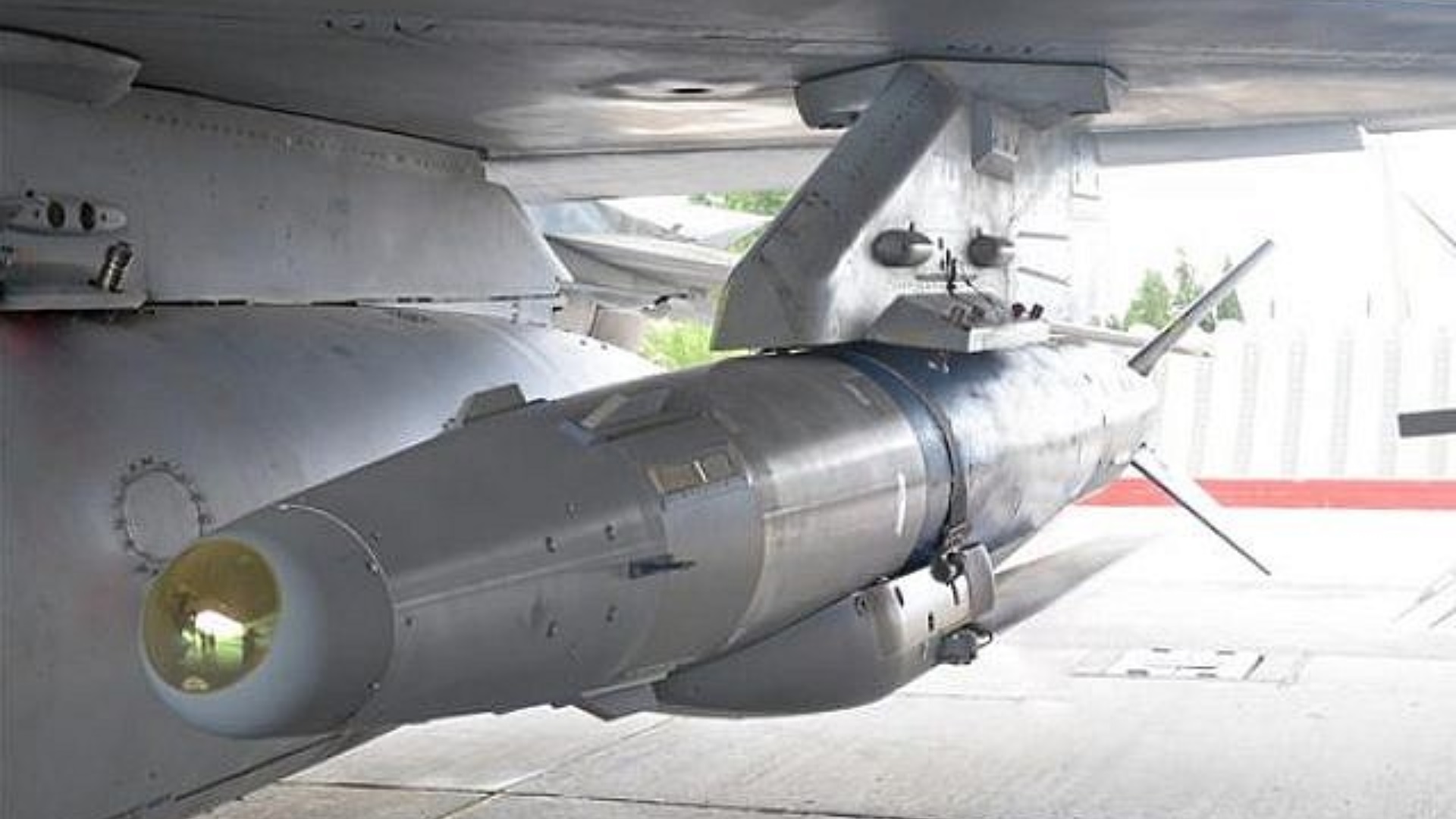
India
The Indian Air Force (IAF) is gearing up to integrate the locally produced Israeli "Crystal Maze 2" missile, known internationally as ROCKS, into its arsenal. This advanced air-to-surface missile is set to redefine India’s precision strike capabilities, particularly in scenarios where GPS-based navigation systems are compromised by enemy interference. Cutting-Edge Design and Specifications The Crystal Maze 2 is a medium-range ballistic missile developed to engage and neutralize critical enemy targets, including infrastructure, command centers, and fortified assets. Key specifications include: Range: Over 250 kilometers, enabling aircraft to strike from safe standoff distances. Warhead Options: Configurable for high-explosive or penetration warheads to target bunkers and reinforced structures. Guidance System: A unique combination of electro-optical and inertial navigation systems (INS), ensuring pinpoint accuracy even in GPS-denied environments. Platform Compatibility: Seamlessly integrated with IAF's Su-30MKI, MiG-29UPG, and Jaguar aircraft, offering operational flexibility across multiple platforms. Resistance to Jamming: Designed to counter electronic warfare threats, maintaining precision despite sophisticated enemy countermeasures. GPS-Denied Capability: A Strategic Edge Modern warfare often involves electronic jamming and anti-access/area denial (A2AD) strategies that disrupt GPS signals. The Crystal Maze 2 is uniquely equipped to navigate and strike with precision, leveraging its INS and electro-optical guidance systems to overcome such challenges. This ensures that the IAF can maintain operational effectiveness in hostile, electronically contested environments. Local Production: A Boost for Self-Reliance The missile's production in India, managed by Bharat Electronics Limited (BEL), is a significant milestone for the country’s defence manufacturing sector. By shifting to local production, India achieves several key objectives: Cost Efficiency: Reduced dependence on imports and lower per-unit costs. Supply Chain Security: Enhanced availability and quick turnaround for production and maintenance. Customization: The opportunity to adapt the missile's features to meet specific IAF requirements. The move aligns with India’s broader vision of self-reliance in defence technologies under the "Aatmanirbhar Bharat" initiative. It also ensures that sensitive technologies remain under stringent local control, further securing the country's defence interests. Enhanced Deterrence and Regional Strength The induction of the Crystal Maze 2 missile strengthens India’s deterrence posture against adversaries by enabling precision strikes in contested zones. The missile's versatility allows the IAF to conduct offensive operations effectively, with minimal exposure to enemy threats. This capability is particularly significant in volatile regions where rapid, accurate responses to emerging threats can decisively shift the balance of power. A Leap Towards Technological Autonomy The deployment of the locally produced Crystal Maze 2 represents more than an upgrade to the IAF's arsenal—it’s a strategic leap towards building technological autonomy. As India continues to modernize its defence capabilities, the Crystal Maze 2 will undoubtedly play a critical role in enhancing the nation’s operational readiness and asserting its strategic dominance in the region. This development underscores India’s commitment to equipping its armed forces with cutting-edge technologies while fostering an indigenous defence manufacturing ecosystem. With the Crystal Maze 2, the IAF is poised to tackle emerging challenges with precision, resilience, and strategic foresight.
Read More → Posted on 2024-12-30 17:02:35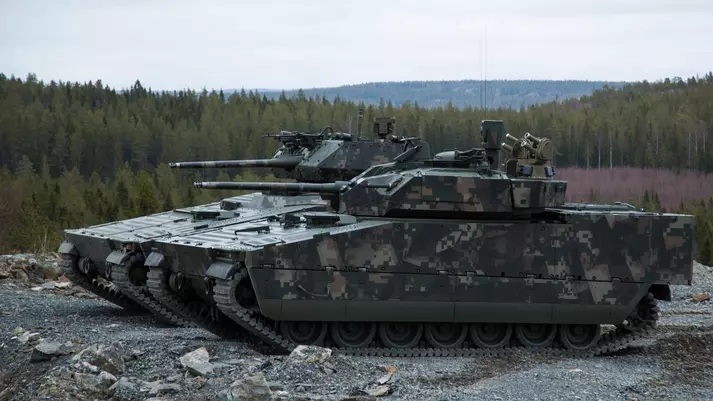
World
BAE Systems Hägglunds has enlisted Swedish cybersecurity firm Clavister to enhance the cyber defenses of the CV90 infantry fighting vehicles (IFVs) operated by two undisclosed European countries. The deal, valued at 53 million Swedish krona ($4.82 million), underscores the growing emphasis on digital security in modern combat platforms. The contract spans three years, beginning in the second half of 2025, and includes Clavister's cutting-edge integrated defense cybersecurity system. This solution is built around two key components: the Clavister RSG-400 security gateway and the RSW-400 secure network switch. Both modules are tailored for ruggedized environments, ensuring robust performance under extreme physical and environmental stress. Cybersecurity for the Digital Battlefield The CV90, an advanced infantry fighting vehicle, is lauded for its modular design and digitized systems. This makes cybersecurity a critical factor in safeguarding its various systems, which range from weapons control to engine management and battle command operations. The Clavister RSG-400 is engineered to filter out unauthorized users, systems, and protocols, ensuring that only verified elements can interact with the vehicle's network. Meanwhile, the RSW-400 bolsters network connectivity by providing secure and reliable communication channels for the vehicle’s operations. Together, these components form a resilient defense against cyber threats, enabling the CV90 to operate seamlessly in high-threat environments. Broad Capabilities of the CV90 Platform Manufactured by BAE Systems Hägglunds, the CV90 is one of the most versatile and widely adopted infantry fighting vehicles in Europe. It is currently in service with several nations, including Sweden, Norway, the Netherlands, and Switzerland. The vehicle’s adaptability allows it to integrate a wide range of armaments, from 30mm autocannons to 120mm guns, making it suitable for diverse combat scenarios. Equipped with advanced situational awareness systems, active protection measures, and state-of-the-art electronic architecture, the CV90 is a formidable force on the battlefield. The addition of Clavister’s cybersecurity solution ensures that these capabilities remain uncompromised, even in the face of increasingly sophisticated cyber threats. A Strategic Move for European Defense The two countries benefiting from this cybersecurity upgrade include one Scandinavian nation and another from Eastern Europe. While their identities remain confidential, this investment highlights a broader European commitment to bolstering national defense systems amid evolving geopolitical tensions. The CV90's continued success in gaining the trust of new operators is a testament to its versatility and technological edge. Clavister CEO John Vestberg emphasized, "With strong cyber-defense capabilities, the CV90 is designed to meet a highly versatile enemy on the battlefield." Future Implications As the digital landscape continues to evolve, cyber resilience is becoming a cornerstone of military capability. The Clavister contract not only reinforces the CV90’s reputation as a state-of-the-art fighting vehicle but also sets a benchmark for integrating cybersecurity into modern military platforms. This collaboration between Clavister and BAE Systems Hägglunds is poised to enhance the operational security of European armed forces for years to come.
Read More → Posted on 2024-12-30 16:57:57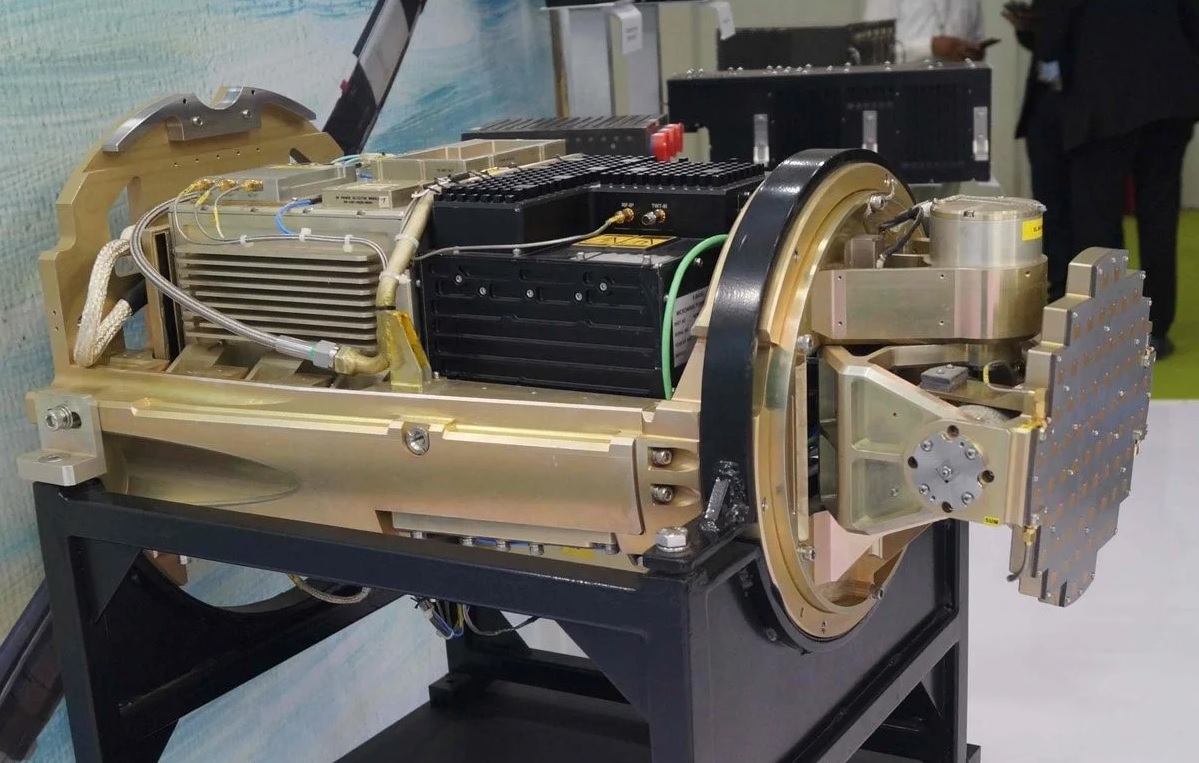
India
In a landmark development for India's defence capabilities, the Defence Research and Development Organisation (DRDO) has successfully integrated an indigenously developed Radio Frequency (RF) seeker into the Long-Range Anti-Ship Missile (LRAShM). This achievement underscores India's growing prowess in developing advanced missile technologies and its commitment to self-reliance under the "Aatmanirbhar Bharat" initiative. The RF seeker, designed and developed by the Electronics Corporation of India Ltd (ECIL), represents a cutting-edge solution tailored to the demands of modern naval warfare. Functioning in the X-band frequency, the seeker is equipped with advanced Radar Imaging Synthetic Aperture Radar (SAR) technology, which allows it to generate high-resolution images of targets. This capability is crucial for precision targeting, especially in adverse weather or during complex naval engagements. Advanced Features of the RF Seeker The RF seeker integrated into the LRAShM boasts several state-of-the-art features: X-band Radar Imaging SAR: This feature provides high-definition imaging, ensuring precise identification and engagement of targets even in challenging environments, such as fog, rain, or low visibility. Monopulse Homing Capability: The seeker uses monopulse tracking techniques to enhance accuracy, significantly reducing the effects of signal distortions and improving target lock-on reliability. Electronic Beam Steering: Unlike traditional systems that rely on mechanical movement, this seeker utilizes electronic scanning for faster and more accurate target acquisition, enhancing its agility in dynamic combat scenarios. 2-Axis Gimbal System: This robust mechanism ensures the seeker can maintain target lock during high-speed maneuvers, making it ideal for engaging highly agile naval targets. Shared Technological Heritage with BrahMos The RF seeker developed for the LRAShM shares technological lineage with the seeker used in the BrahMos supersonic cruise missile, which is also jointly developed by India and Russia. By leveraging existing expertise and technologies, India has been able to optimize development costs and timelines while maintaining high-quality standards. Strategic Implications The successful integration of this indigenous RF seeker into the LRAShM enhances India's long-range anti-ship capabilities, providing the nation with a critical edge in maritime warfare. The LRAShM, equipped with this seeker, is capable of delivering precision strikes against enemy warships and other naval assets at extended ranges. Moreover, this milestone signifies a step forward in India's efforts to reduce dependency on foreign technology for critical defence systems. The RF seeker’s development and integration further demonstrate the growing maturity of India's defence manufacturing ecosystem, which has been steadily advancing in radar, guidance, and missile technologies. Future Outlook With this achievement, India moves closer to achieving complete self-reliance in developing sophisticated missile systems. The success of the ECIL-developed RF seeker not only strengthens the LRAShM program but also sets a benchmark for future indigenous innovations. As India continues to bolster its defence capabilities, such milestones reflect the country's ability to rise as a global leader in advanced defence technology. This integration stands as a testament to India's determination to innovate and excel in the field of defence, securing its strategic and operational readiness for future challenges.
Read More → Posted on 2024-12-30 16:54:54
World
Turkish defence company Roketsan recently showcased a striking demonstration of its ALKA Directed Energy Weapon (DEW) system, capturing attention with a display of its growing capabilities. In a newly released video, the ALKA system successfully detonated a 10 mm Explosive Reactive Armour (ERA) block using its high-energy laser, signaling new potential roles for the technology beyond its original design. The ALKA system was initially conceived as a countermeasure against modern battlefield threats like unmanned aerial vehicles (UAVs) and improvised explosive devices (IEDs). Its core features include high-precision targeting and neutralization of fast-moving drones or disabling electronic systems. The new footage, however, suggests that Roketsan is expanding its scope to test its viability against armoured targets. ALKA's Key Specifications and Capabilities Laser Technology: ALKA employs a solid-state laser system capable of neutralizing threats with pinpoint precision. The system can target objects from several hundred meters away, making it ideal for short to medium-range defence scenarios. Multi-Layered Defence: ALKA can simultaneously engage multiple threats, combining its laser weapon with an electromagnetic pulse (EMP) feature to disrupt communication and disable drones or electronic IEDs. Rapid Deployment: The system is designed for mobility and can be mounted on land-based vehicles or stationary platforms, ensuring versatility in deployment. Targeting System: A sophisticated electro-optical targeting system ensures that ALKA remains effective in a range of environmental conditions, including low-visibility scenarios. Tactical Implications of ERA Detonation While the ALKA system's primary mission does not include direct engagements with armoured vehicles, the ability to detonate ERA presents intriguing possibilities. Explosive Reactive Armour is specifically designed to disrupt incoming anti-tank projectiles by absorbing their energy. By targeting and detonating these armour blocks with its laser, ALKA could pave the way for more effective follow-up attacks using anti-tank guided missiles (ATGMs) or kamikaze UAVs. Experts have also pointed out the psychological impact such a capability could have on tank crews. The sudden detonation of ERA without a visible projectile might simulate the effect of an imminent attack, potentially affecting crew morale and operational focus. Challenges and Future Developments To transform ALKA into an effective anti-armour weapon, significant advancements in its power generation and operational range would be necessary. For instance, the system would need to operate at a distance where it could neutralize threats before tanks or other armoured vehicles could retaliate. Increasing the laser's energy output while maintaining portability will be a key focus for future iterations of the technology. Roketsan’s latest demonstration highlights the ongoing evolution of directed energy weapons, moving them beyond traditional roles into areas once dominated by kinetic solutions. With further refinements, systems like ALKA could redefine modern battlefield dynamics, particularly in hybrid warfare scenarios where versatility and speed are paramount.
Read More → Posted on 2024-12-30 15:52:22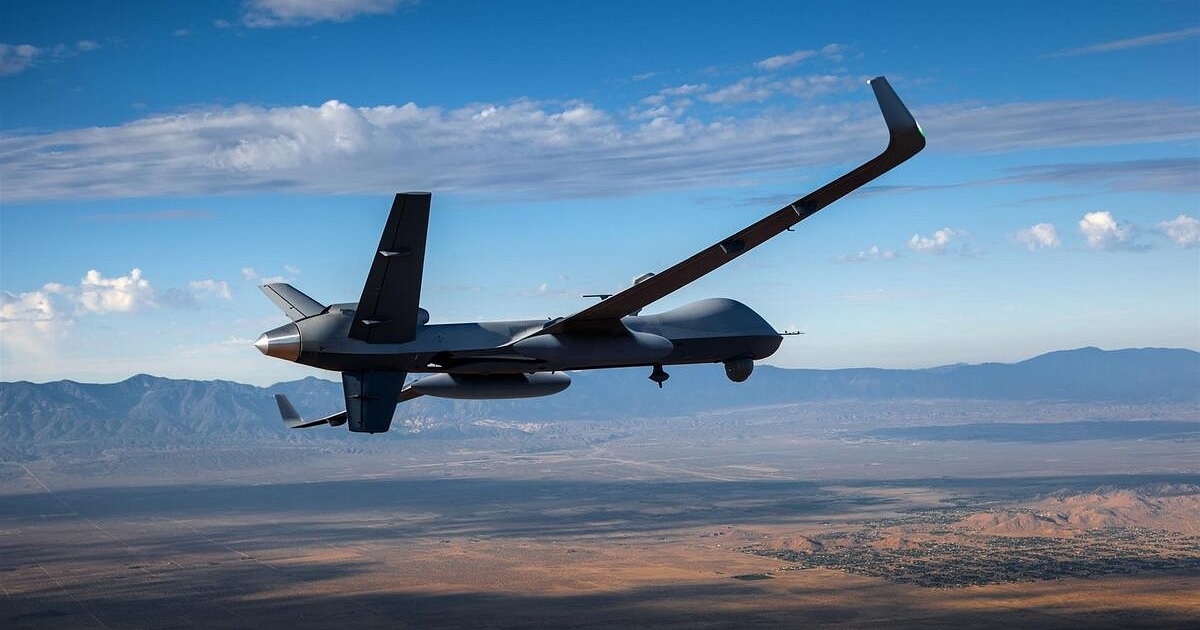
India
The Border Security Force (BSF) has made an urgent appeal to the Ministry of Home Affairs (MHA) for the procurement of advanced Medium Altitude Long Endurance (MALE) Unmanned Aerial Vehicles (UAVs). The initiative comes in response to escalating challenges posed by cross-border infiltration, smuggling, and other illicit activities along India's extensive and varied borders. Why MALE UAVs Are Critical India's borders, spanning thousands of kilometers across diverse terrains, present unique surveillance challenges. The BSF's current drone fleet, though effective for localized operations, lacks the endurance and payload capabilities required for comprehensive monitoring. MALE UAVs, on the other hand, offer game-changing advantages: Prolonged Endurance: These UAVs can remain airborne for over 24 hours, enabling continuous surveillance without interruptions caused by refueling or battery changes. Medium Altitude Capability: Operating at altitudes of 10,000–30,000 feet, they can cover vast areas while staying out of reach of most small arms fire. Advanced Payloads: Equipped with high-resolution electro-optical cameras, thermal imaging sensors, synthetic aperture radar, and even communication intercept systems, they can effectively detect and track suspicious activities in real-time. Weather Resilience: Their ability to function in diverse weather conditions ensures consistent monitoring, even during fog, rain, or low-light situations. The Current Security Landscape Recent incidents of smuggling via drones and increased cross-border infiltration from Pakistan and Bangladesh have highlighted the need for a technological leap in border surveillance. Smugglers and infiltrators often exploit the limitations of ground-based patrols, which can struggle to monitor vast and difficult-to-access areas effectively. The BSF has emphasized that MALE UAVs could provide critical situational awareness in these high-risk zones, particularly along the Indo-Pakistan border in Punjab and Jammu and the Indo-Bangladesh border in Assam and West Bengal. Specifications of Proposed UAVs The BSF has proposed the acquisition of platforms similar to Israel's Heron TP or the U.S.-manufactured MQ-9B SeaGuardian. Both these UAVs are highly regarded for their advanced capabilities: Heron TP: This Israeli UAV boasts an endurance of up to 30 hours and can carry payloads exceeding 450 kg. It is equipped with multi-sensor imaging systems and can operate in a satellite communication (SATCOM)-enabled environment. MQ-9B SeaGuardian: Known for its maritime surveillance capabilities, this UAV offers a range of over 6,000 nautical miles, advanced radar systems, and the ability to integrate seamlessly with existing surveillance networks. Challenges and Road Ahead The procurement of MALE UAVs involves significant financial investment, with each unit costing millions of dollars. In addition, integrating these UAVs into the BSF's operational framework will require trained personnel, infrastructure upgrades, and compatibility with existing surveillance systems. Despite these challenges, the Home Ministry recognizes the strategic importance of MALE UAVs in safeguarding national borders. Officials are currently evaluating the cost-benefit analysis, with a decision anticipated in the coming months. If approved, this move could mark a major milestone in modernizing India's border security apparatus and addressing evolving threats effectively. A Step Toward Enhanced National Security The BSF's request for MALE UAVs underscores the growing importance of leveraging cutting-edge technology to counter increasingly sophisticated threats. With their unmatched endurance and advanced capabilities, these drones could significantly enhance India's ability to monitor, detect, and respond to border-related challenges, ensuring greater national security in the years ahead.
Read More → Posted on 2024-12-30 15:47:09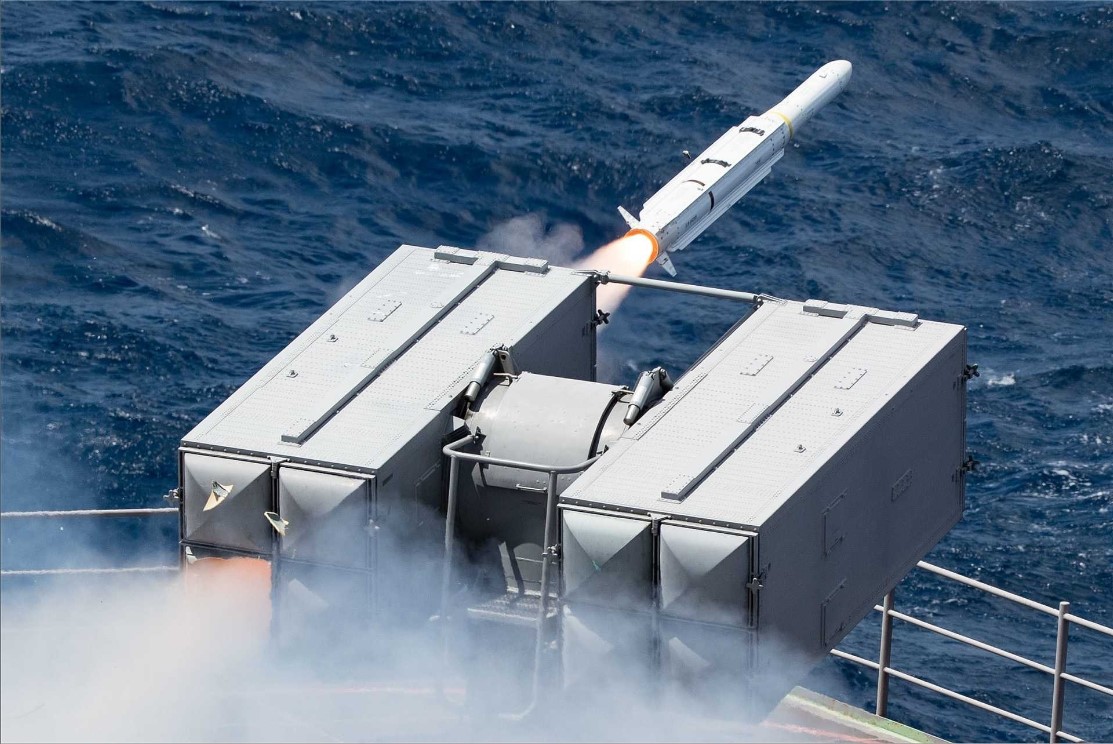
World
In a significant move to strengthen Ukraine's air defense amid ongoing Russian aggression, Greece is set to deliver 24 Sea Sparrow missiles from its naval and air force reserves. These short-range, surface-to-air missiles will play a critical role in countering aerial threats and bolstering Ukraine's defensive capabilities. Sea Sparrow Specifications and Role The RIM-7 Sea Sparrow missile is a versatile, ship-borne weapon designed primarily for point defense against aircraft, cruise missiles, and anti-ship missiles. The missile can also be adapted for ground-based launchers, as Ukraine has done through the Pentagon-backed "FrankenSAM" program. Key specifications of the Sea Sparrow missile include: Range: Approximately 19 kilometers (12 miles). Warhead: A 90-pound (41-kilogram) blast fragmentation warhead, designed for maximum impact against aerial targets. Guidance System: Semi-active radar homing, allowing the missile to track and engage fast-moving threats with precision. Adaptability: In addition to being launched from ships and modified ground systems, the missile could reportedly be retrofitted for deployment on attack drones, offering new operational possibilities. The Sea Sparrow has been in service for over four decades, with numerous upgrades enhancing its effectiveness. Despite its age, the missile remains a reliable solution for short-range air defense, especially when integrated with advanced systems. Integration with Soviet-Era Systems Ukraine’s ability to integrate Western weapons with its existing Soviet-era platforms has been a game-changer in its military strategy. The Sea Sparrow missiles will reportedly be fired from modified Buk air defense systems, originally designed for Soviet-made munitions. This adaptation underscores the ingenuity of Ukraine's defense forces and the importance of international support in upgrading their military capabilities. Greece's Contribution and Broader Military Aid The delivery of the Sea Sparrow missiles is part of a broader military aid package from Greece, which includes artillery shells, weapons, and ammunition. Athens has been cautious about providing more advanced systems like the S-300 and Patriot missile platforms, citing security concerns and the absence of suitable replacements for its own defense needs. These Sea Sparrows are surplus inventory for Greece, deemed no longer operationally necessary for its armed forces. The contribution reflects growing international support for Ukraine, as countries like the United States and Belgium have also supplied Sea Sparrow missiles in previous aid packages. Importance of Air Defense in Ukraine’s Strategy With the conflict escalating, air defense systems have become a cornerstone of Ukraine’s military strategy. Russian airstrikes and drone attacks pose a constant threat, making systems like the Sea Sparrow vital for protecting critical infrastructure and military assets. Ukraine first received a batch of Sea Sparrow missiles from the United States in January 2023, followed by an additional eight missiles from Belgium later that year. The integration of these systems has already proven effective in countering various aerial threats. A Step Toward Enhanced Defense While the Sea Sparrow is not the most modern air defense missile, its inclusion in Ukraine’s arsenal adds another layer of protection. The ability to retrofit these missiles for use with existing systems demonstrates Ukraine’s adaptability and resilience. As international military aid continues to flow, these contributions collectively strengthen Ukraine’s capacity to defend its sovereignty and repel aggressors. This latest aid package from Greece highlights the importance of international solidarity in ensuring Ukraine has the tools it needs to navigate the challenges of modern warfare.
Read More → Posted on 2024-12-30 15:42:56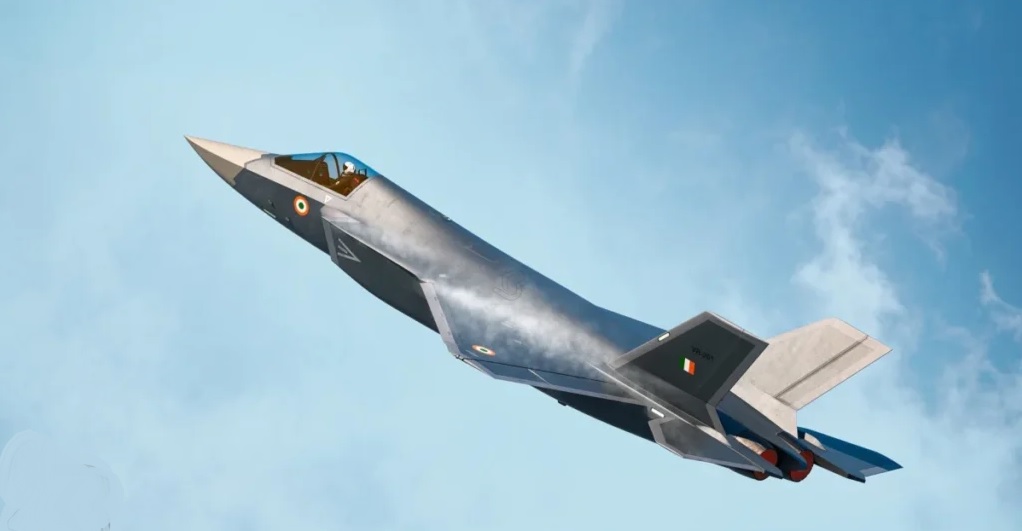
India
As China rapidly scales its fleet of 5th-generation fighters like the J-20 and develops advanced 6th-generation aircraft such as the J-36, India faces an escalating challenge in maintaining air superiority. With limited external procurement options for stealth fighters, India must prioritize indigenous solutions while simultaneously enhancing its radar and air defense capabilities to neutralize the stealth threat posed by China. Constraints on Acquiring 5th-Generation Fighters India’s reliance on foreign procurement to bridge its technological gaps is limited in this scenario due to several factors: American F-35 Restrictions: The U.S. is unlikely to offer the F-35 to India as long as New Delhi operates the Russian-origin S-400 air defense system, which raises concerns about technology leaks to Moscow. Russian Su-57 Challenges: While Russia's Su-57 is technically a 5th-generation fighter, its performance is hindered by incomplete stealth capabilities, primarily due to its AL-41F1 engines. Additionally, Russia’s production limitations mean it cannot supply India with large numbers of Su-57s in the short term, given that even its own fleet requirements remain unmet. European Options: Advanced European fighters such as the Tempest and FCAS are still under development and will not be operational for at least a decade, leaving no immediate solution for India. The AMCA Project: India’s Key to 5th-Generation Air Dominance India’s Advanced Medium Combat Aircraft (AMCA) program is the most viable long-term solution to counter the threat posed by China’s 5th- and 6th-generation fighters. The AMCA is being designed as a twin-engine, stealth fighter with advanced avionics, supercruise capability, and multi-role functionality. Fast-Tracking AMCA Development To accelerate the AMCA project and achieve operational readiness within the next 5–6 years, India could adopt a “war-mode” development strategy akin to the Arihant-class nuclear submarine program. Key steps include: Direct PMO Oversight: The Prime Minister’s Office (PMO) should take direct ownership of the AMCA project, ensuring streamlined decision-making, inter-agency coordination, and prioritized funding. Private Sector Integration: Indian private firms like Tata, Mahindra Aerospace, and L&T must be deeply integrated into the development process, leveraging their manufacturing and technological expertise. Phased Development and Deployment: India can adopt a phased approach, focusing on rapid development of AMCA Mk-1 with available technologies while working on Mk-2 to integrate more advanced stealth features and next-generation engines. AMCA Specifications and Features The AMCA will include: Stealth Design: A low radar cross-section (RCS) enabled by radar-absorbing materials and internal weapons bays. Supercruise Capability: The ability to fly at supersonic speeds without afterburners. Advanced Sensors: AESA radar and distributed aperture systems for superior situational awareness. AI Integration: Automated threat assessment and pilot assistance for improved decision-making in combat. Network-Centric Warfare: Seamless integration with India’s defense network, allowing the AMCA to act as a command-and-control hub for drones and other assets. Enhancing Radar Capabilities to Counter Stealth Threats Even with a robust stealth fleet, countering China’s massive numbers requires India to develop advanced anti-stealth radar systems to detect and neutralize enemy fighters. Gallium Nitride (GaN)-Based Radars India must prioritize equipping its existing fleet of Su-30MKIs, Tejas, and AMCA with GaN-based AESA radars. These radars offer: Higher Power Efficiency: GaN semiconductors enable higher output power, improving detection range and resolution. Improved Multi-Target Tracking: Enhanced capabilities to track multiple stealth targets simultaneously. UHF and VHF Band Radars To complement high-frequency AESA radars, India should ramp up the development of UHF and VHF band radars, which are more effective against stealth aircraft: Long-Wavelength Detection: UHF and VHF radars are less affected by stealth shaping techniques and can detect low-RCS aircraft at greater ranges. Networked Systems: Integrating these radars into a broader sensor network ensures overlapping coverage and reduces blind spots. Modernizing the Su-30MKI Fleet While awaiting the AMCA, India’s existing Su-30MKI fleet can serve as a critical counter to China’s stealth fighters if upgraded effectively: AESA Radar Integration: Replacing the Su-30MKI’s N011M Bars radar with GaN-based AESA radars for enhanced detection capabilities. Electronic Warfare Systems: Equipping the Su-30MKI with advanced EW pods to jam enemy radars and disrupt communication networks. Long-Range Weapons: Arming the Su-30MKI with long-range air-to-air missiles like the Astra Mk-2 and Meteor to engage stealth targets at a safe distance. Conclusion China’s numerical and technological edge in 5th- and 6th-generation fighters is a significant challenge for India, but it is not insurmountable. By fast-tracking the AMCA program, modernizing existing assets, and investing in cutting-edge radar and air defense technologies, India can effectively neutralize the threat posed by China’s stealth fleet. With decisive leadership, streamlined processes, and a focus on self-reliance, India can ensure its air force remains a formidable force in the region, capable of defending its interests against any adversary.
Read More → Posted on 2024-12-29 16:11:08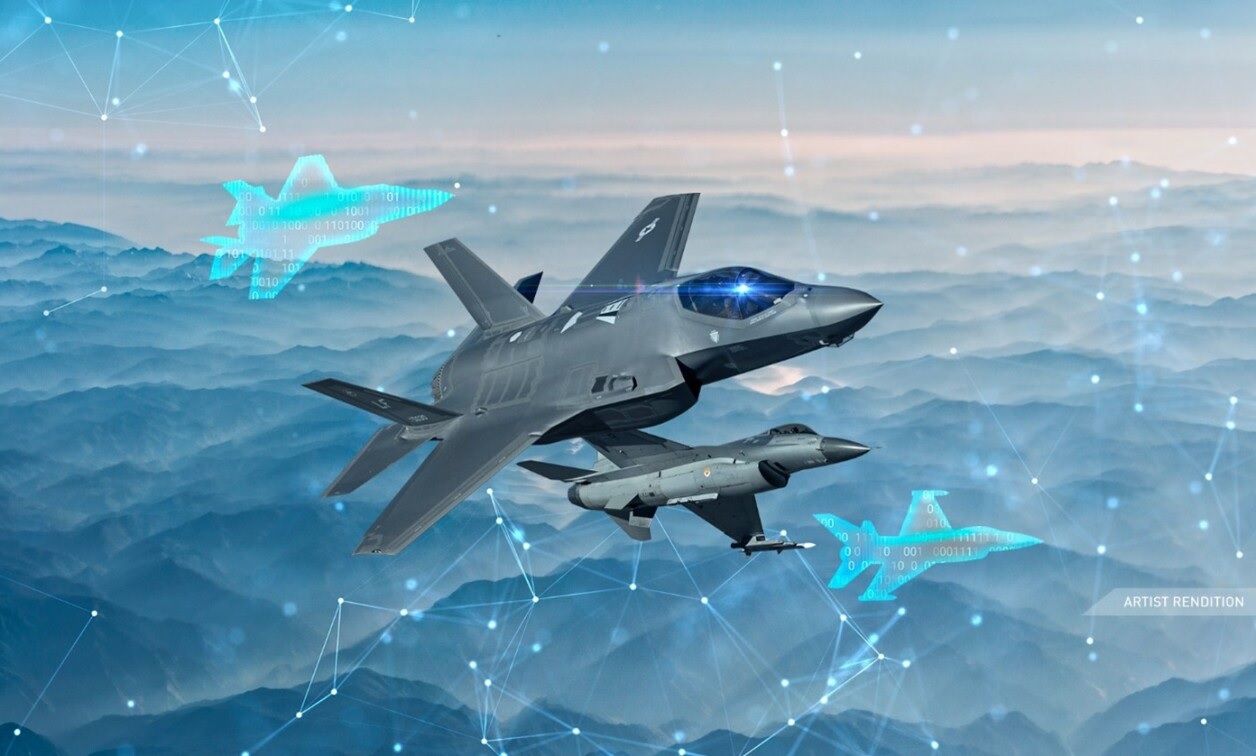
World
Pacific Defense, alongside its affiliate Perceptronics, has been awarded a significant follow-on contract by the U.S. Air Force Life Cycle Management Center (AFLCMC) to push the boundaries of Artificial Intelligence (AI)-driven Electronic Warfare (EW) systems. This 12-month contract, running until December 2025, builds upon prior advancements in EW mission system capabilities and takes a step further by incorporating cutting-edge AI and Machine Learning (ML) technologies to enhance the detection and processing of radio frequency (RF) emitters. The project is rooted in the development and testing of the U.S. Government’s EW software frameworks, which adhere to Sensor Open System Architecture (SOSA) and Open Mission System (OMS) standards. These frameworks enable seamless integration of EW capabilities with various Air Force platforms. This effort reflects the Air Force’s commitment to modernizing its defense technologies by embracing an open architecture approach, which allows for modular upgrades and interoperability. The ultimate aim is to deploy these AI-enhanced capabilities in operationally representative environments using open architecture pods. The Role of Perceptronics Perceptronics plays a critical role in this venture, leveraging its expertise in developing advanced AI/ML applications to tackle some of the most complex challenges in modern defense. Elan Freedy, General Manager of Perceptronics, emphasized the innovative nature of the work, stating, “Our core focus is on the innovative application of AI and ML techniques to enhance the operational effectiveness of mission solutions.” The integration of AI/ML technologies will allow the systems to process RF signals more efficiently, identify threats faster, and adapt to changing operational environments in real-time. Strategic Importance of the Project Frank Pietryka, Vice President of EW, SIGINT, and Autonomy at Pacific Defense, underlined the national importance of this initiative. “The integration of these solutions into the Electronic Warfare mission is a national priority, and we are proud to collaborate with Perceptronics to support the USAF in addressing this critical challenge,” Pietryka said. The contract work will primarily take place in three key locations: Nashua, New Hampshire; El Segundo, California; and Fairfax, Virginia. These hubs represent Pacific Defense’s commitment to innovation in C5ISR (Command, Control, Communications, Computers, Combat Systems, Intelligence, Surveillance, and Reconnaissance), Electronic Warfare, and Signals Intelligence (SIGINT) technologies. Embracing Modular Standards Central to the project is Pacific Defense’s adoption of the Modular Open Systems Approach (MOSA), a framework that promotes adaptability and scalability in defense technologies. By leveraging MOSA standards, the company ensures that its solutions are not only forward-compatible but also easier to integrate with existing systems. This aligns with the broader Department of Defense strategy to future-proof its technological investments. Expanding AI Capabilities in EW The use of AI and ML in Electronic Warfare systems represents a transformative leap. These technologies allow systems to autonomously recognize, learn, and respond to RF emitters, significantly enhancing their speed and accuracy. This capability is particularly crucial in high-stakes environments where rapid decision-making can be the difference between success and failure. Pacific Defense and Perceptronics’ collaborative efforts under this contract are expected to not only improve the USAF’s EW capabilities but also set new standards for AI-driven defense applications. As these advancements are tested and implemented, they promise to enhance the operational effectiveness of the U.S. Air Force, reinforcing its position as a global leader in electronic warfare.
Read More → Posted on 2024-12-29 15:39:10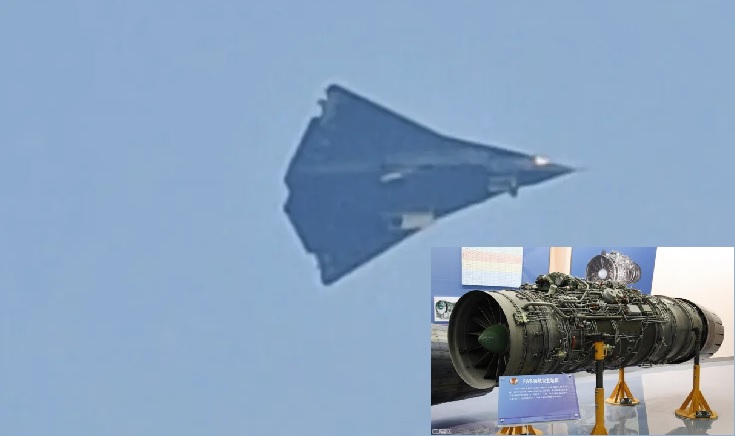
World
China’s aviation industry has long been striving to secure its place as a leader in advanced military aircraft technology. The J-36, touted as a sixth-generation fighter, is the latest addition to this ambitious pursuit. However, the platform's reliance on the WS-10C engines has raised critical questions about its capabilities, particularly in achieving true stealth and operational superiority. The J-36: Specifications and Design Features The J-36 incorporates many hallmarks of sixth-generation fighter technology, aimed at surpassing fifth-generation aircraft like the F-22 and Su-57. These features include: Advanced Avionics: Equipped with next-generation sensors and data fusion capabilities, the J-36 is designed to operate seamlessly in network-centric warfare. Stealth-Oriented Design: The aircraft features a sleek airframe with a focus on reduced radar cross-section (RCS). Its angular lines, internal weapon bays, and radar-absorbent materials aim to lower detectability. Three-Engine Configuration: The J-36 is powered by three WS-10C engines, intended to provide increased thrust and redundancy in combat scenarios. AI and Autonomous Systems: The aircraft reportedly integrates artificial intelligence for decision support and potentially autonomous combat operations. WS-10C Engines: A Double-Edged Sword The WS-10C engines, despite being an improved iteration of the WS-10 family, represent a critical bottleneck in the J-36’s performance and stealth capabilities. 1. Stealth Limitations True stealth depends heavily on controlling heat signatures and minimizing radar reflections. The WS-10C engines, which lack advanced thrust-vectoring nozzles and sufficient heat-dissipation technologies, present challenges: Higher Infrared Signature: The engines generate significant heat, making the aircraft more vulnerable to detection by infrared search and track (IRST) systems. Nozzle Design: The lack of serrated or stealth-optimized nozzles contributes to radar reflections, undermining the aircraft's RCS. Exhaust Management: Without advanced exhaust cooling, the J-36 struggles to achieve thermal stealth, a critical factor in modern aerial combat. 2. Thrust and Efficiency Issues The WS-10C engines are also limited in terms of thrust-to-weight ratio and fuel efficiency: Limited Supercruise: The engines fall short in delivering sustained supersonic flight without afterburners, a key sixth-generation requirement. Higher Fuel Consumption: Inefficient fuel burn reduces operational range and loiter time, constraining mission flexibility. Operational Implications The shortcomings of the WS-10C engines ripple through the J-36’s operational effectiveness: Compromised Survivability: Higher detectability reduces survivability in contested airspace, particularly against advanced adversaries with IRST and integrated air defense systems. Reduced Mission Scope: Limited range and endurance affect the J-36's ability to perform extended patrols or deep-penetration missions. Increased Dependence on Force Multipliers: The aircraft may rely heavily on aerial refueling and support systems to compensate for its deficiencies. Comparative Analysis When compared to other emerging sixth-generation platforms like the U.S. NGAD or the European FCAS, the J-36 shows promise in certain areas but lags in critical metrics: Stealth: The NGAD and FCAS incorporate advanced engine designs and thermal management systems, ensuring true stealth capabilities. Engine Performance: Competing platforms utilize next-generation engines with superior thrust-to-weight ratios and integrated features like variable cycle technology. China’s Path Forward The J-36 represents an important step in China’s military modernization efforts, but overcoming its engine-related limitations is essential. Efforts to develop the WS-15 engine, a more advanced powerplant with higher thrust and stealth optimization, may provide a solution. However, integrating such engines remains years away, leaving the J-36 as an interim platform with significant constraints. Conclusion China’s J-36 reflects its growing ambitions in aerospace technology but also highlights the challenges of achieving true sixth-generation capabilities. While the aircraft boasts advanced avionics and network-centric features, its reliance on the WS-10C engines exposes vulnerabilities that limit its effectiveness in stealth and high-performance operations. As China continues to address these challenges, the J-36 serves as a testament to the complexity of modern fighter development and the critical role of propulsion systems in defining aerial supremacy.
Read More → Posted on 2024-12-29 15:37:14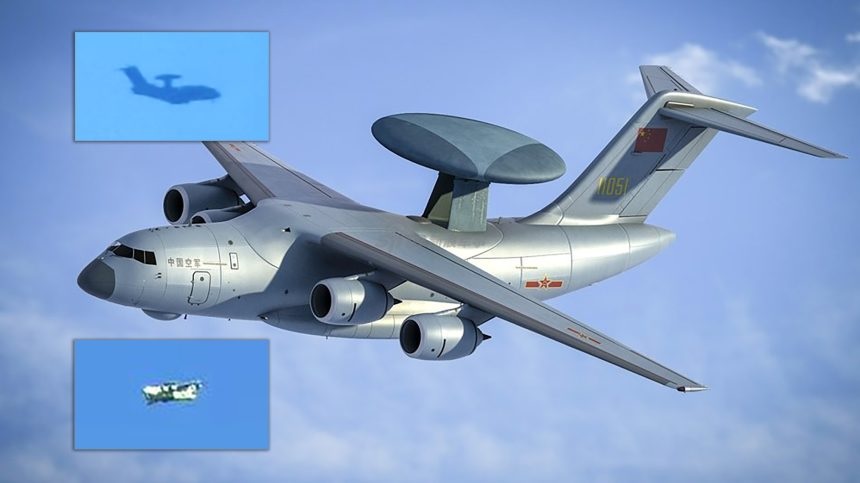
World
China has taken a bold step in modernizing its aerial defense capabilities with the deployment of the KJ-3000, a state-of-the-art airborne early warning and control (AEW&C) aircraft. This next-generation platform is tailored to neutralize the stealth advantages of advanced U.S. fighter jets, such as the F-22 Raptor and F-35 Lightning II, which have long posed a challenge to conventional radar systems. Built on a Modern Foundation: Y-20B Aircraft The KJ-3000 is built on the robust Y-20B transport aircraft, a domestically developed platform that significantly enhances operational flexibility. With a maximum payload of 66 tons—16 tons more than the earlier KJ-2000—the Y-20B serves as an ideal base for this advanced AEW&C system. Its size and efficiency enable extended operational ranges and prolonged on-station times, essential for comprehensive airspace surveillance. Advanced Radar Systems: A Game-Changer At the heart of the KJ-3000 lies its conformal antenna radar system, a technological marvel designed to revolutionize early warning capabilities. Unlike traditional rotodome radars, the conformal radar is seamlessly integrated into the aircraft’s fuselage, reducing aerodynamic drag and improving fuel efficiency. The system provides full 360-degree coverage and boasts an impressive detection range of over 360 kilometers for stealth aircraft. For conventional aerial targets, the radar can track objects at distances ranging from 600 to 1,000 kilometers. What sets this radar apart is its digital phased array technology, allowing the KJ-3000 to track up to 100 targets simultaneously. This multi-target tracking capability is critical for operations in contested environments where situational awareness can mean the difference between success and failure. Enhancing China's Air Defense Network The KJ-3000 isn’t just about early detection; it plays a vital role in integrating China’s broader air defense network. Operating in synergy with advanced fighter jets like the J-20, J-16, and J-10C, the KJ-3000 enhances coordination through cutting-edge C4ISR (Command, Control, Communications, Computers, Intelligence, Surveillance, and Reconnaissance) systems. This integration ensures real-time communication and streamlined decision-making across military branches, significantly boosting overall combat effectiveness. A New Dimension: Electronic Warfare Potential While official details are scarce, there are speculations that the KJ-3000 might incorporate electronic warfare capabilities. Such features would enable the aircraft to disrupt enemy communications, radar systems, and navigation tools from long distances, further complicating operations for adversaries relying heavily on stealth technology. Strategic Implications in Aerial Warfare The deployment of the KJ-3000 signals a clear shift in China’s military strategy, aiming to counteract the aerial dominance traditionally enjoyed by the United States. By leveraging cutting-edge detection technologies and fostering greater interoperability among its air assets, China is working to level the playing field in modern aerial combat. This aircraft represents a major leap forward in China’s efforts to close the gap with global military powers, providing a robust answer to the challenges posed by stealth-enabled adversaries. The KJ-3000 not only strengthens China’s defensive posture but also serves as a powerful deterrent in an increasingly contested airspace.
Read More → Posted on 2024-12-29 15:18:28Search
Top Trending in 24 Hours
-
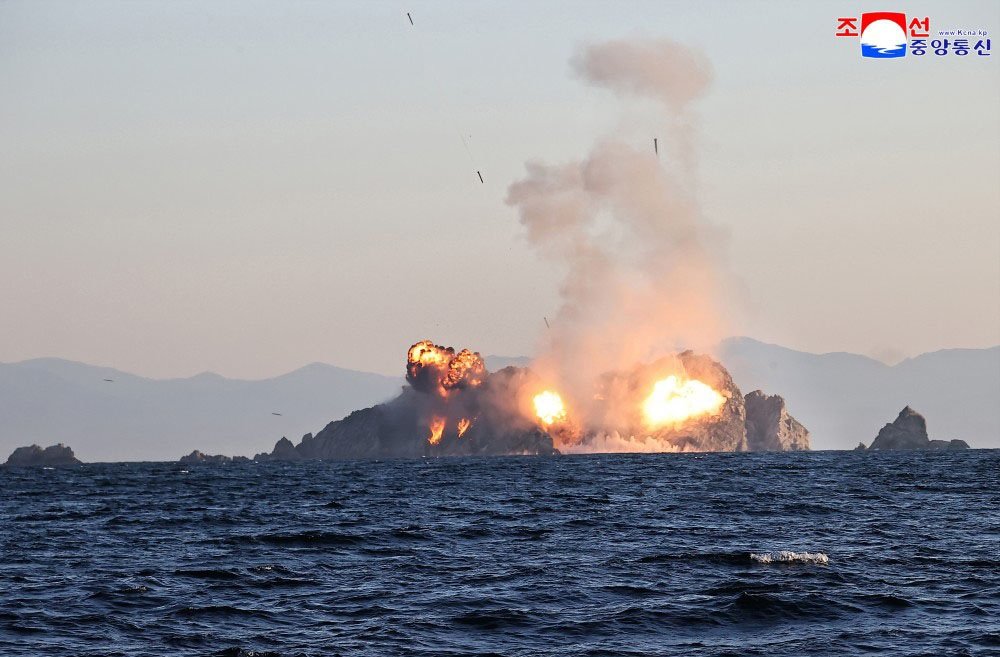 North Korea Fires Short-Range Ballistic Missile Toward Sea of Japan After Freedom Edge 26
-
 India’s xTerra Robotics Launches Indigenous DHAV-Hy Wheeled-Legged Quadruped for Industrial Inspection
-
 U.S. Government Seizes Almasirah.net, Houthi-Linked News Website
-
 U.S. Army Awards $10.64 Million Contract to Ukrainian Drone Maker Skyeton for Raybird Systems
-
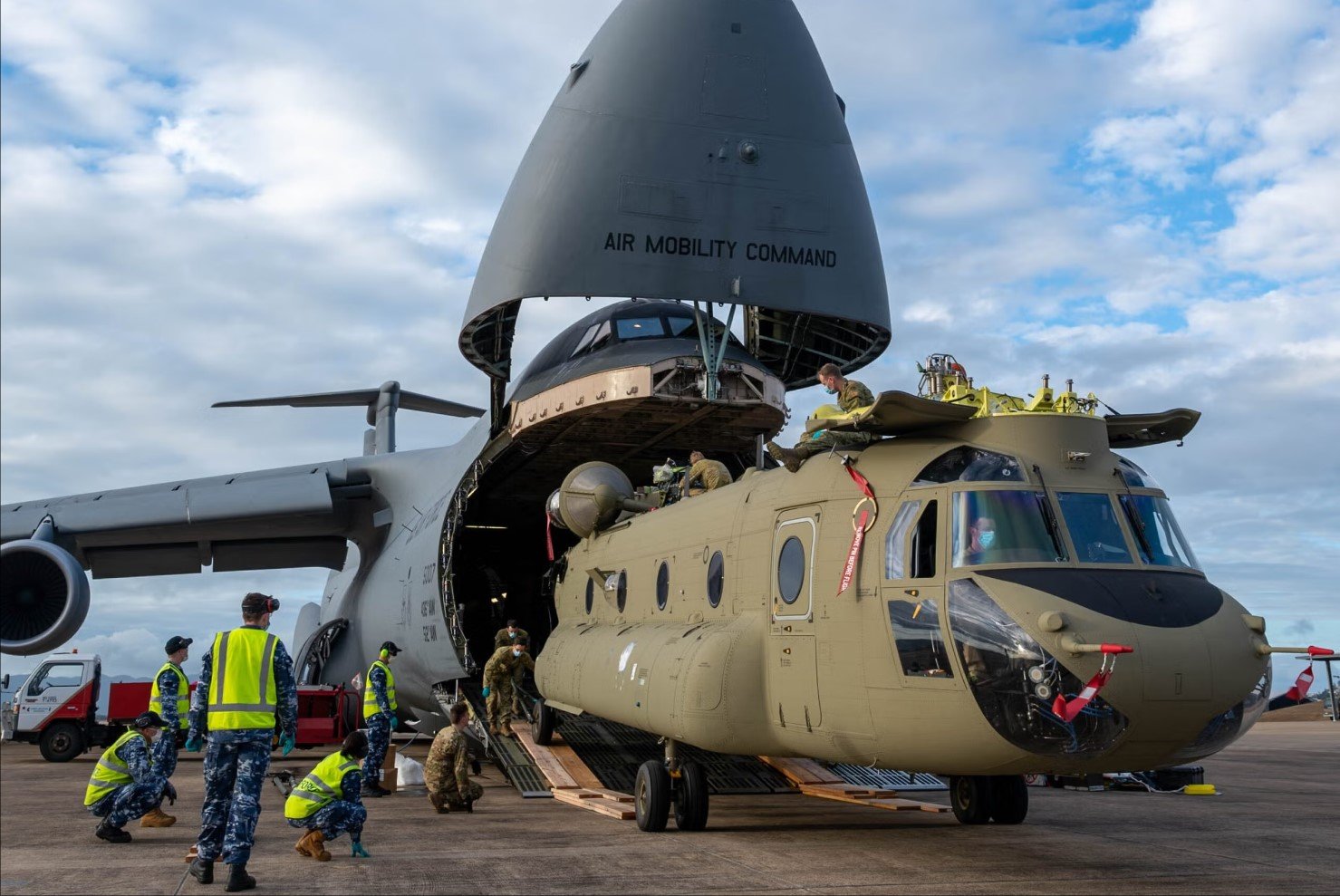 U.S. Delivers First CH-47F Chinook to Egypt Under 12-Helicopter Deal
-
 BEL Showcase X-Band Multi-Function Radar for QRSAM to Japanese Delegation
-
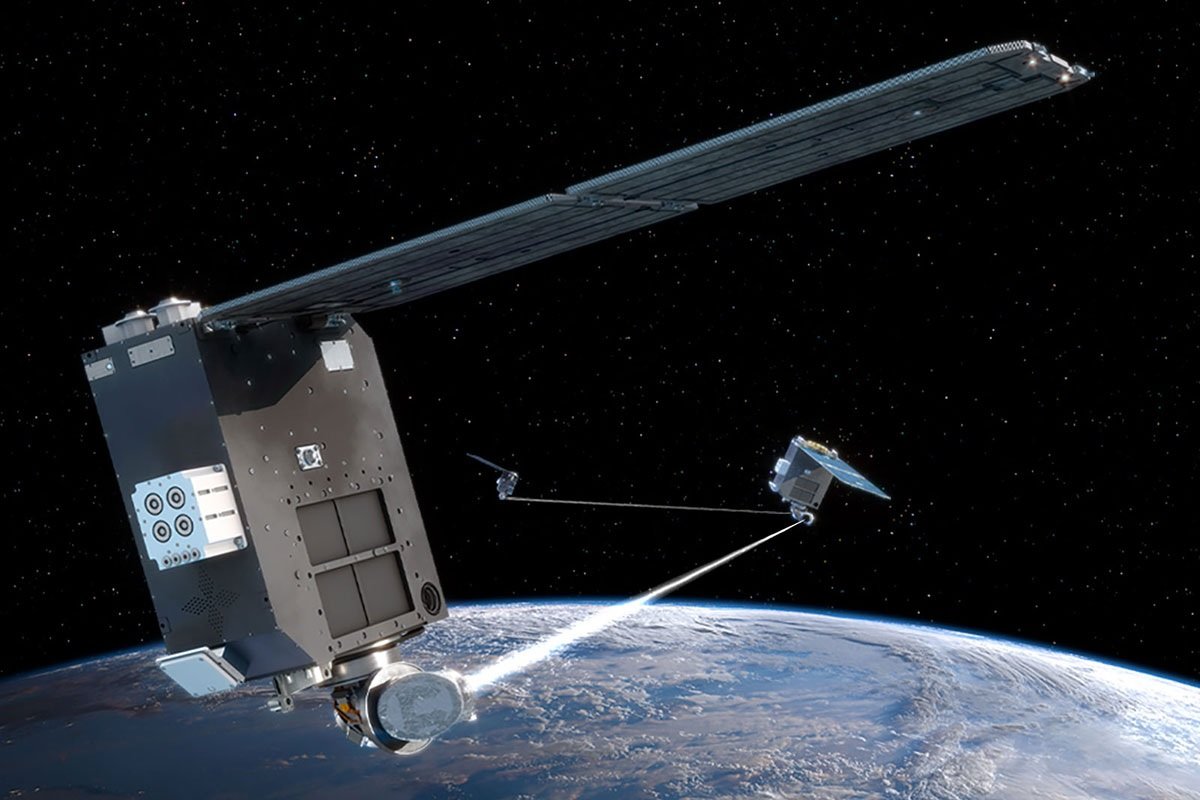 U.S. Space Force Seeks Rapid-Response Satellites for Close-Range Orbital Inspections
-
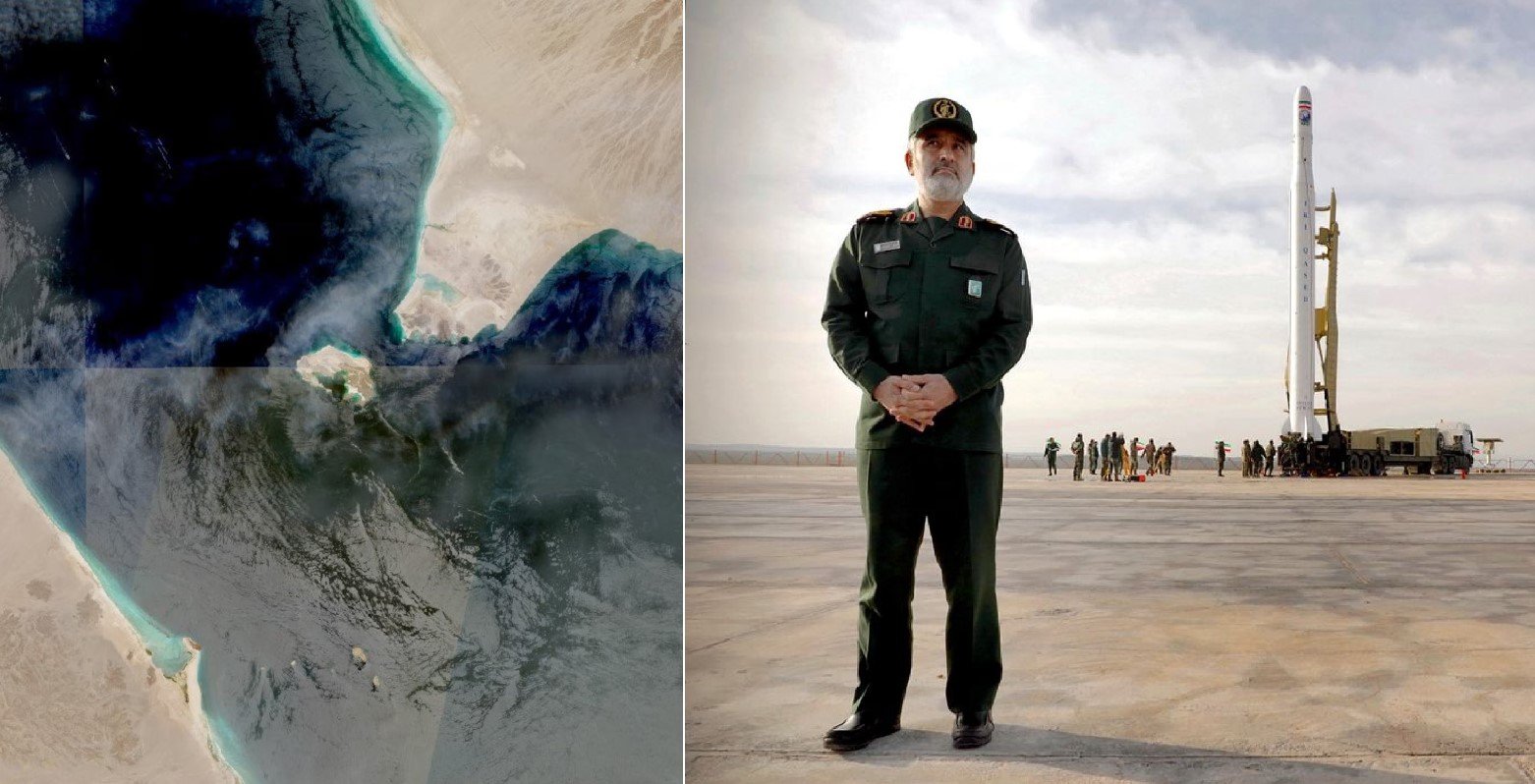 IRGC Experts Visit Bab El-Mandeb to Oversee Radar Installation and Tunneling, Houthi Sources Say
Top Trending in 4 Days
-
 Satellite Images Show Saudi Arabia Building Emergency Bypass Around Damaged East-West Oil Pipeline Station
-
 Sensitive F-35 Components Diverted to Hong Kong, Some Parts Missing
-
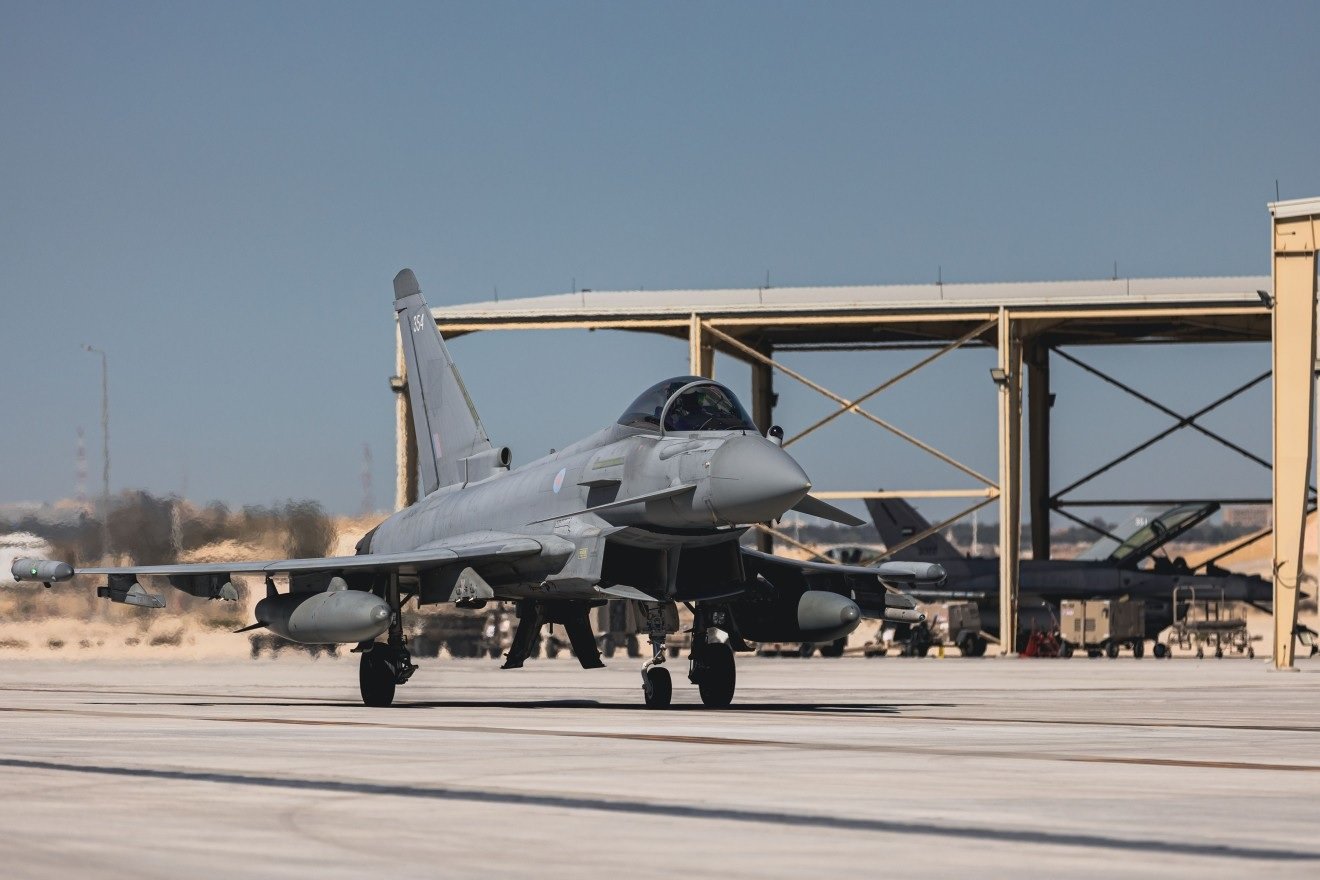 Italian Eurofighter Damaged in Houthi Attack on Saudi Arabia’s King Fahd Air Base
-
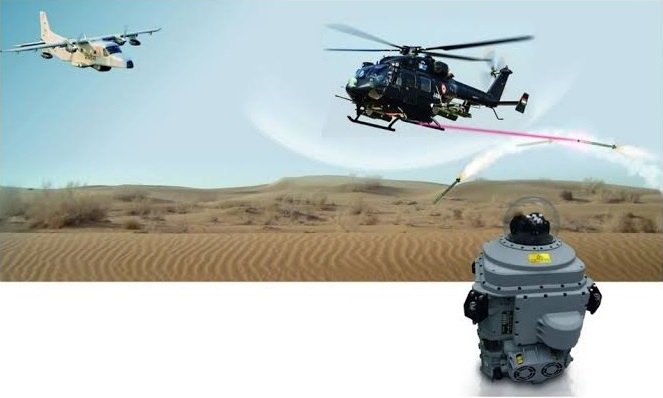 BEL Signs Export Deal with Elbit Systems for Directed Infrared Countermeasure Sub-Assemblies, Secures ₹648 Crore in Additional Orders
-
 Israeli Firm Arbe Robotics Unveils Alerion High-Resolution 4D Radar for Counter-Drone Operations
-
 China Privately Urges Iran to Restrain Houthis After Saudi Appeal
-
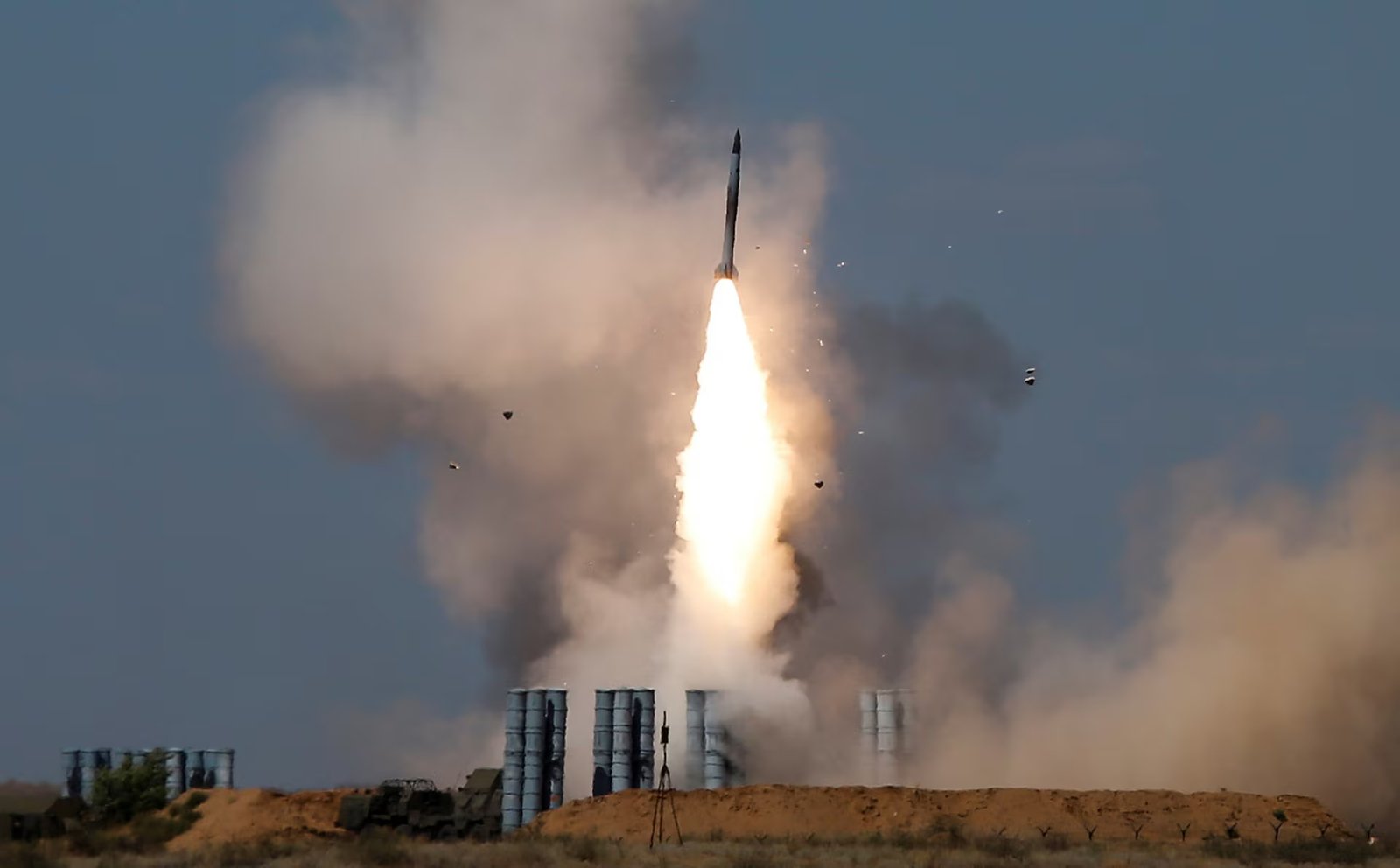 U.S. Approves Potential $2.68 Billion Air Defense Package for Ukraine Including S-300 Clone Missiles
-
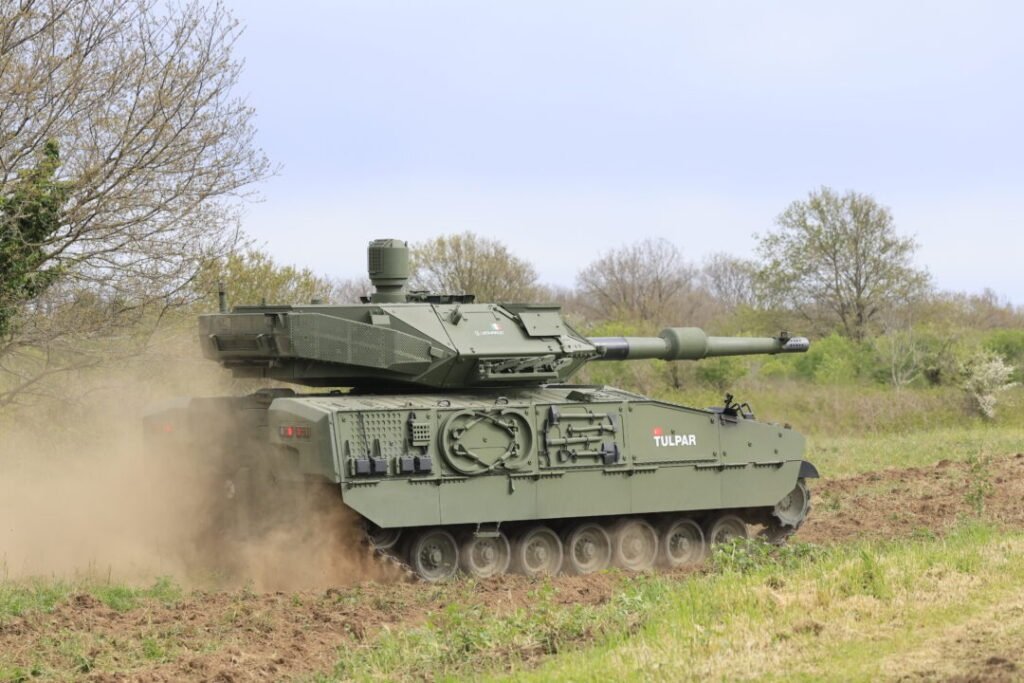 Otokar and Leonardo Complete Live-Fire Tests of TULPAR Tank with HITFACT MkII 120mm Turret
