World
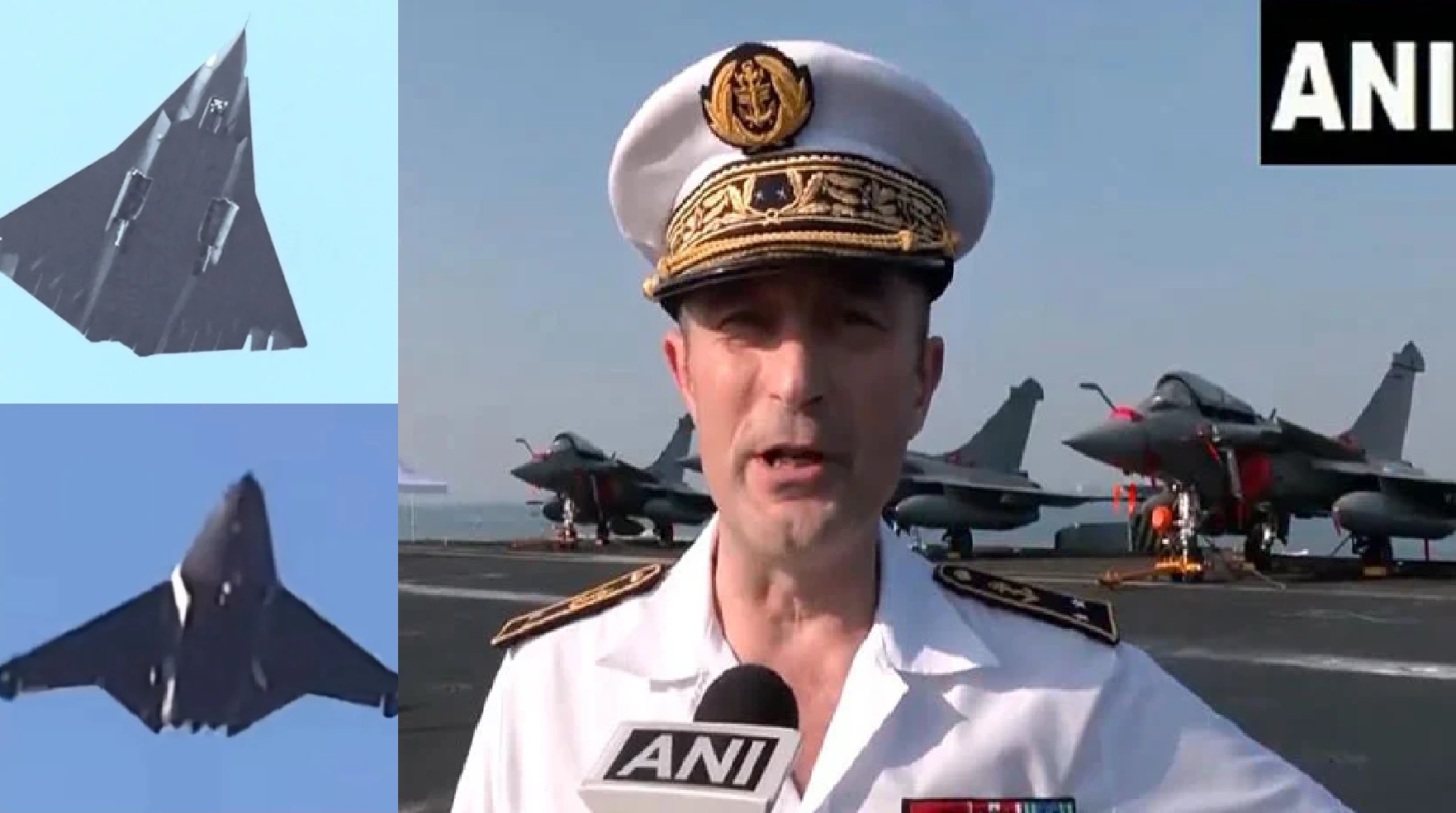
The world of military aviation is abuzz with discussions about sixth-generation fighter jets, particularly following recent reports and social media leaks suggesting China's progress in developing such aircraft. However, a French naval officer has poured cold water on the hype, describing the concept as more of a distant dream than a present reality. French Navy Carrier Air Wing Commander Guillaume Denis, who is currently in India with the Charles De Gaulle aircraft carrier strike group, offered a candid perspective on the matter, emphasizing the practical capabilities of the Dassault Rafale over the theoretical promises of sixth-generation fighters. Commander Denis, speaking to ANI, noted that while sixth-generation aircraft may dominate discussions, their actual deployment is a long way off. "6th (generation aircraft) is a bit of a dream right now. Right now, it is only on paper," he said, adding that the Rafale, though not technically classified as stealthy, is built to execute multiple missions simultaneously—one of the hallmark features of fifth-generation aircraft. The Rafale’s modular design ensures it can be upgraded every two years, allowing it to remain highly competitive. The Rafale’s Edge: Proven and Battle-Ready The Dassault Rafale, often considered one of the most versatile and combat-proven aircraft, has carved out a significant niche in global military aviation. While it does not boast stealth capabilities like the F-35, its adaptability and superior weaponry, such as the Meteor air-to-air missile, make it a formidable platform. Commander Denis highlighted the Meteor as “probably one of the best missiles you can find in the world,” capable of outmatching most air-to-air threats with its beyond-visual-range (BVR) engagement capabilities. Designed as an omnirole fighter, the Rafale can perform air dominance, ground attack, reconnaissance, and nuclear deterrence missions with seamless efficiency. Its twin-engine configuration provides exceptional reliability and power, while its advanced avionics, radar systems, and electronic warfare suite ensure survivability in high-threat environments. Rafale Specifications at a Glance: Engines: 2 x Snecma M88-2 turbofan engines Maximum Speed: Mach 1.8 (1,912 km/h) Combat Range: Approximately 1,850 km Armament: Air-to-Air Missiles: Meteor, MICA IR/EM Air-to-Ground Missiles: SCALP-EG, AASM Hammer Anti-Ship Missiles: AM39 Exocet Payload: 9,500 kg Radar: Thales RBE2 AESA radar Stealth Features: Limited radar cross-section due to composite materials and aerodynamic design These specifications underscore why the Rafale has been a popular choice for air forces worldwide, including India, Qatar, and Egypt. Its operational reliability and adaptability to diverse mission requirements make it a proven workhorse compared to the speculative nature of sixth-generation concepts. The Chinese Sixth-Generation Fighter: A Speculative Future The buzz surrounding China's sixth-generation fighter largely stems from leaked visuals and speculative reports. While details remain scarce, such aircraft are expected to incorporate cutting-edge technologies like advanced stealth, artificial intelligence, hypersonic capabilities, and collaborative manned-unmanned operations. However, Commander Denis pointed out that transitioning from concepts on paper to operational aircraft is a lengthy and uncertain process. The development of a mature ecosystem, including engines, avionics, and weapon systems, remains a significant challenge for even the most advanced nations. The French officer’s remarks are particularly relevant in the context of India’s defense landscape, where comparisons between the Rafale, domestic programs like the AMCA (Advanced Medium Combat Aircraft), and international competitors like the F-35 often dominate discourse. India’s Rafale Marine Deal on the Horizon India has already inducted 36 Rafales into its air force, and the Rafale Marine is now poised to join the Indian Navy. The country is expected to finalize a contract soon for 16 Rafale Marine fighters to operate from its indigenously built aircraft carrier, INS Vikrant. This decision underscores India's confidence in the Rafale’s capabilities, particularly in challenging maritime environments. The Rafale Marine variant, specifically tailored for carrier-based operations, features reinforced landing gear, an arrestor hook, and other modifications to suit naval missions. It is likely to be a game-changer for the Indian Navy, which has long sought a reliable fighter for its carrier fleet. A Battle of Present Versus Future While sixth-generation fighter jets promise to revolutionize air combat, they remain largely theoretical. The Rafale, on the other hand, continues to demonstrate its mettle in real-world operations, bridging the gap between fifth-generation features and practical reliability. Commander Guillaume Denis’ remarks highlight the importance of proven capabilities over speculative advancements, reinforcing the notion that the Rafale is not just a contender but a champion in the current global fighter landscape.
Read More → Posted on 2025-01-05 15:13:51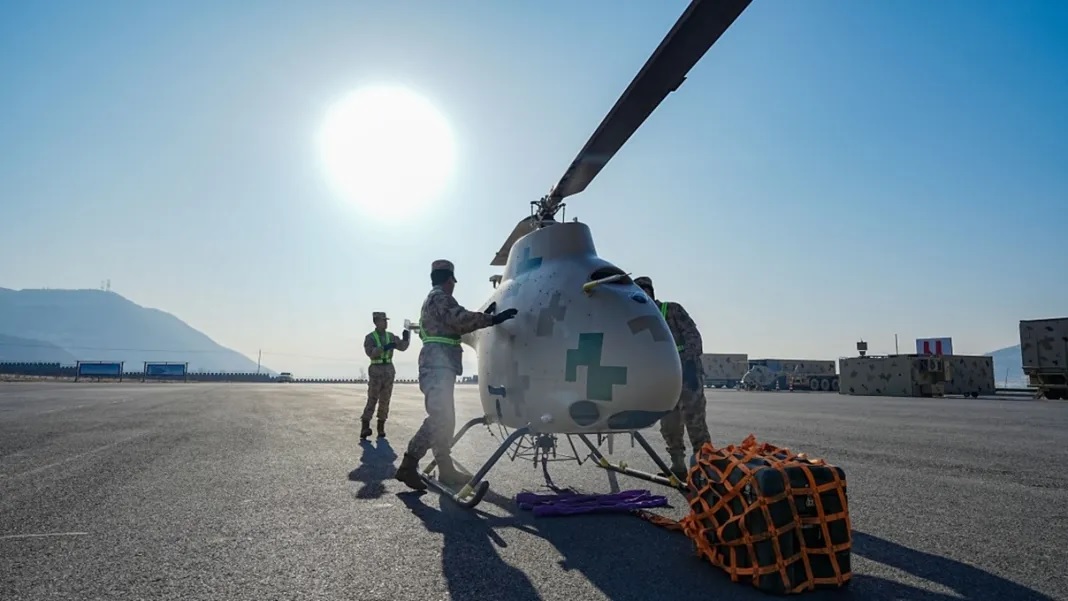
World
On January 2, the Xining Joint Logistic Support Center of the Chinese military demonstrated a new helicopter-style cargo drone during a specialized operational training session. This advanced unmanned aerial vehicle (UAV) has been designed to tackle logistical challenges, particularly in rugged terrains and remote areas where traditional delivery methods are less effective. Advanced Features of the Cargo Drone The showcased drone is a vertical takeoff and landing (VTOL) UAV resembling a helicopter, equipped with state-of-the-art features for optimal performance: Payload Capacity: Capable of carrying loads of up to 500 kilograms, it is ideal for delivering essential supplies, including medical kits, ammunition, and humanitarian aid. Operational Range: With a range exceeding 300 kilometers, the drone can navigate across large distances, ensuring critical supplies reach remote outposts or disaster-stricken regions. Autonomous Navigation: The UAV integrates advanced AI-based navigation systems, enabling precise route planning, obstacle avoidance, and autonomous flight in adverse weather conditions. Durability: Built with robust materials, it can withstand extreme temperatures and operate effectively in high-altitude environments or harsh climates. Stealth Features: Designed to minimize radar detection, the UAV can conduct operations discreetly, adding a tactical advantage in military scenarios. Military and Civil Applications The cargo drone has been developed as part of China’s broader efforts to modernize its military logistics and operational capabilities. Beyond military use, its applications extend to civil domains: Emergency Relief: Rapidly delivering food, medical aid, and other essentials to disaster-hit areas. Infrastructure Support: Transporting tools and supplies to remote construction or maintenance sites. Medical Evacuations: Acting as a fast-response vehicle for critical medical emergencies in inaccessible regions. Implications for Modern Warfare and Logistics The integration of UAVs like this cargo drone reflects a global shift toward unmanned systems in logistics and warfare. By reducing reliance on human personnel in risky or hard-to-reach areas, such technologies enhance operational efficiency while minimizing casualties. China’s focus on UAV innovation underscores its strategic intent to maintain a competitive edge in modern military and logistical capabilities. The ability to deploy such drones rapidly in diverse scenarios—from natural disasters to armed conflicts—aligns with its aim to build a versatile and technologically advanced military force. Broader Context This development is part of China’s ongoing efforts to integrate artificial intelligence, robotics, and advanced engineering into its defense sector. Recent reports suggest that the Chinese military has been testing various UAVs for reconnaissance, combat, and logistical roles, cementing its position as a leader in unmanned aerial technology. As training with these drones continues, China is likely to refine their operational frameworks, ensuring seamless integration with existing systems. This focus on innovation demonstrates China’s strategic emphasis on self-reliance and preparedness in an increasingly competitive global landscape. By addressing logistical challenges through advanced UAVs, China reinforces its capability to respond swiftly and effectively to crises, whether on the battlefield or in humanitarian missions.
Read More → Posted on 2025-01-04 15:49:24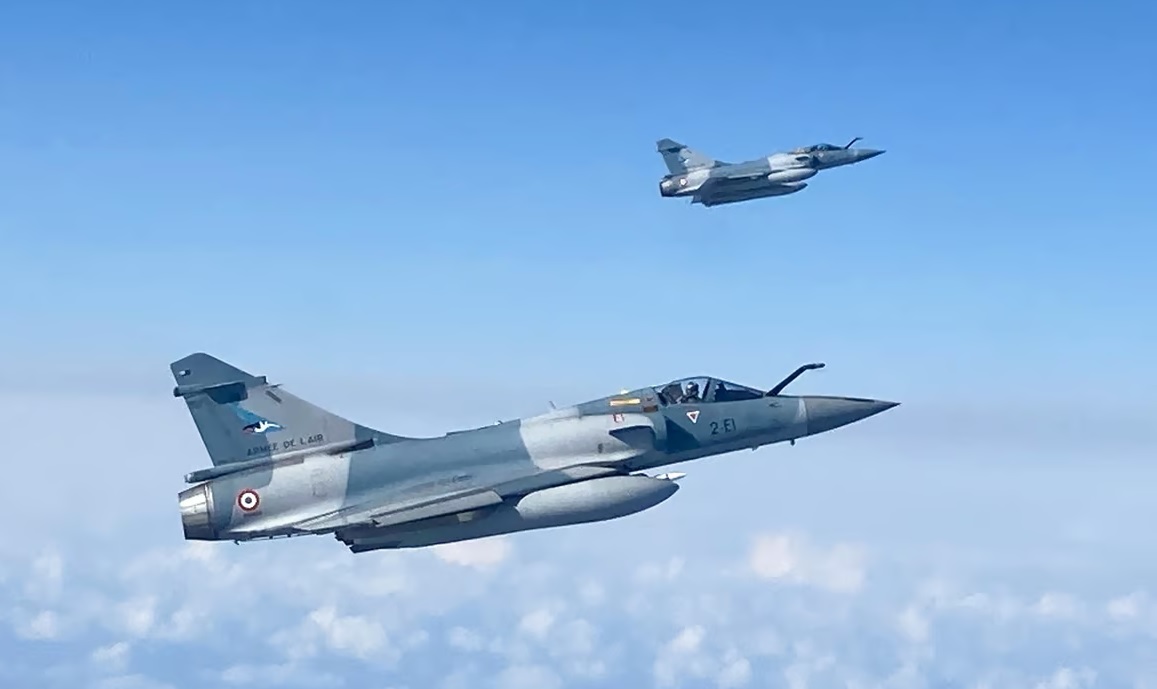
World
In a significant development for Ukraine’s defense capabilities, France is set to deliver the first batch of Mirage 2000-5 fighter jets by January 20, 2025. Reports suggest that the initial shipment will include three to six aircraft, marking a critical addition to Ukraine’s air force amid the ongoing conflict with Russia. These jets, originally part of the French Air and Space Force, have undergone substantial upgrades to enhance their operational capabilities. Advanced Specifications of Mirage 2000-5 The Mirage 2000-5 is a fourth-generation multirole fighter jet designed and manufactured by Dassault Aviation. Known for its agility and combat effectiveness, this aircraft offers the following key specifications: Engine: Powered by a single Snecma M53-P2 turbofan engine, generating 64 kN (kilonewtons) of thrust dry and 95.1 kN with afterburners. Speed: Capable of reaching a maximum speed of Mach 2.2 (approximately 2,336 km/h or 1,452 mph). Range: Offers a combat radius of approximately 1,500 kilometers, extendable with external fuel tanks. Armament: Equipped with two DEFA 554 30mm cannons and can carry up to 6.3 tons of payload, including air-to-air missiles (like the MICA), air-to-ground weapons, and long-range SCALP-EG or Storm Shadow cruise missiles. Avionics: Features advanced radar systems, including the RDY-2 multi-target radar, and a state-of-the-art glass cockpit for superior situational awareness. These upgrades have been implemented by France’s Directorate General of Armaments (DGA), ensuring the aircraft’s compatibility with modern warfare requirements. Strategic Implications of the Delivery The Mirage 2000-5 jets are expected to replace Ukraine’s aging Soviet-era Su-24 bombers, significantly enhancing its air force’s operational effectiveness. Smaller and lighter than the MiG-29 or Su-27, the Mirage jets offer superior maneuverability and precision-strike capabilities, making them ideal for the dynamic demands of modern aerial combat. The delivery also highlights the deepening defense partnership between France and Ukraine. Negotiated through sustained diplomatic efforts by French President Emmanuel Macron and Ukrainian President Volodymyr Zelensky, the deal underscores France’s commitment to supporting Ukraine's sovereignty and territorial integrity. Operational Readiness Reports indicate that Ukrainian pilots have already commenced training flights with the Mirage 2000-5 jets, and the first operational sorties are expected soon after their formal delivery. These aircraft, coupled with long-range cruise missiles already in Ukraine’s arsenal, such as the SCALP-EG, provide an extended operational reach. This capability allows Ukraine to launch precision strikes on critical targets deep within Russian-held territory, enhancing its offensive and defensive strategies. A Milestone for European Defense Contributions This delivery marks the first instance of European-designed and manufactured fighter jets being supplied to Ukraine, complementing earlier transfers of American-made F-16s. The inclusion of the Mirage 2000-5F diversifies Ukraine’s air force, integrating advanced Western technologies and bridging gaps in its aerial combat capabilities. The Mirage jets, like the previously supplied Caesar howitzers and AMX-10RC armored vehicles, reflect France’s steadfast support for Ukraine amid its fight against Russian aggression. As Ukraine continues to modernize its military assets with international support, the arrival of these jets represents a critical step in strengthening its air power and deterring adversarial threats. This development not only reinforces Ukraine’s defense posture but also showcases the broader international effort to uphold the principles of sovereignty and territorial integrity in the face of aggression.
Read More → Posted on 2025-01-04 15:46:07
World
China’s aviation industry has captured global attention once again, as leaked footage from Chinese social media platform Weibo showcases a stealthy, futuristic fighter jet believed to be the next-generation J-50. This development marks a significant leap in China’s pursuit of cutting-edge air combat technologies and reaffirms its ambitions to compete with other major powers in the global aerospace arena. Design and Aerodynamics The J-50, reportedly developed by Shenyang Aircraft Corporation (SAC), is designed with an advanced “lambda” wing profile, characterized by sharply swept wings and triangular trailing-edge extensions. This design not only enhances aerodynamics but also emphasizes stealth and agility, making the aircraft adept at maneuvering in complex combat scenarios. The jet’s dual-engine layout is complemented by stealth-optimized exhausts, reducing its infrared signature. This allows the J-50 to evade advanced detection systems, giving it an edge in modern air combat. The aircraft also incorporates cutting-edge materials, likely composites, to further reduce radar cross-section (RCS) while maintaining structural integrity. Key Features and Specifications Stealth Capabilities: The J-50 includes an internal weapons bay, a hallmark of stealth aircraft, minimizing its radar signature while carrying advanced munitions. This feature aligns it with existing stealth platforms such as the U.S. F-22 Raptor and China’s J-20. Enhanced Sensors and Avionics: While specific details remain unconfirmed, sixth-generation fighters like the J-50 are expected to feature advanced sensor fusion, artificial intelligence (AI)-powered systems, and data-sharing capabilities, enabling seamless coordination with unmanned drones and other networked assets. Manned-Unmanned Teaming: The aircraft’s design philosophy reportedly emphasizes manned-unmanned teaming, allowing it to coordinate with autonomous drones to extend its situational awareness and combat reach. Advanced Propulsion: Speculation suggests that the J-50 may utilize advanced turbofan engines capable of supercruise (sustained supersonic flight without afterburners) and thrust vectoring for superior agility and speed. Weapon Systems: The aircraft is expected to carry a mix of air-to-air missiles, precision-guided bombs, and possibly hypersonic weapons, further enhancing its versatility in both offensive and defensive roles. Development Timeline and Context According to unconfirmed reports, the J-50 prototype successfully completed its maiden flight on December 20, signaling rapid progress in China’s aviation development. This timeline aligns with China’s broader ambitions to field a sixth-generation fighter by the early 2030s, keeping pace with similar efforts by the United States, Europe, and Japan. Globally, sixth-generation fighters are expected to revolutionize air combat with features such as networked operations, enhanced stealth, and multi-role adaptability. The J-50 seems poised to compete in this league, showcasing China’s intent to not only maintain but expand its strategic air dominance. Strategic Implications The emergence of the J-50 highlights China’s growing emphasis on quality over quantity in its air fleet. While the country already boasts a sizable fleet of fifth-generation fighters like the J-20, the J-50 represents a significant qualitative leap, integrating futuristic technologies to challenge adversaries in contested airspaces. Analysts predict the J-50 will play a pivotal role in bolstering China’s power projection capabilities, particularly in regions such as the South China Sea and the Taiwan Strait. Its long-range stealth capabilities could enable precision strikes and deep-penetration missions, complicating the defensive strategies of rival forces. Conclusion While the full scope of the J-50’s capabilities remains under wraps, the leaked video offers a tantalizing glimpse into China’s aviation future. As testing continues, the J-50 stands as a testament to China’s determination to lead in next-generation air combat technologies, signaling a shift in the balance of global airpower. With its cutting-edge design and anticipated features, the J-50 is set to redefine the battlefield dynamics of the 21st century, establishing China as a formidable force in the ever-evolving realm of military aviation.
Read More → Posted on 2025-01-04 15:44:02
India
The Combat Vehicles Research and Development Establishment (CVRDE), a key laboratory under India’s Defence Research and Development Organisation (DRDO), has introduced plans for a new 700HP engine specifically designed for the Zorawar Light Tank. This development signifies a crucial step toward bolstering India's defense capabilities through indigenous innovation, ensuring operational reliability, and reducing dependence on foreign imports. Why a New Engine for the Zorawar Light Tank? The Zorawar Light Tank, a high-mobility combat vehicle tailored for mountainous terrains like Ladakh, is currently powered by an imported Cummins 750HP engine. This engine will equip the first batch of 59 tanks, meeting initial requirements. However, with plans to manufacture an additional 240 tanks, reliance on foreign-made engines raises strategic concerns, including supply chain vulnerabilities and long-term costs. CVRDE's proposal for an indigenous 700HP engine addresses these challenges, providing an optimized solution that ensures sustained performance while fitting seamlessly into the existing engine bay of the Zorawar. This locally developed powerplant aims to enhance operational independence and align with India's broader vision of self-reliance in defense manufacturing. Specifications of the 700HP Engine The new 700HP engine from CVRDE offers cutting-edge engineering to meet the unique requirements of the Zorawar Light Tank. Key specifications include: Configuration: 8-cylinder V90 engine with a cross-plane crankshaft for better balance and reduced vibrations, reinforced with tungsten inserts for enhanced durability. Dimensions: Bore x Stroke of 114 mm x 112 mm, ensuring compactness without compromising power. Performance: Maximum speed: 3600 rpm. Advanced features: Overhead Valve (OHV) system, a waste-gated turbocharger, and a charge cooler for optimal power delivery and thermal efficiency. Fuel System: Common Rail Direct Injection (CRDI), which ensures precise fuel delivery for better efficiency and lower emissions. Lubrication: Dry-sump lubrication system to maintain consistent oil flow during steep inclines and rugged maneuvers. Operational Efficiency: Mean piston speed: Approximately 13.4 m/s. Brake Mean Effective Pressure (BMEP): 23 bar, delivering reliable power output even under challenging conditions. Strategic Benefits of the New Engine The indigenous engine is not only a technical upgrade but also a strategic necessity. Scaling up production with the Cummins 750HP engine could create logistical hurdles, including dependency on imports, potential delays, and higher costs. Additionally, CVRDE's engine provides a custom solution tailored to India’s unique requirements, including: Seamless Integration: The engine’s compact design ensures compatibility with the existing engine bay, eliminating the need for significant structural changes. High-Altitude Efficiency: Designed to perform optimally in thin air and extreme cold, it enhances mobility in mountainous regions like Ladakh, where traditional tanks face limitations. Reduced Downgrading Risks: Alternative options, such as downsizing a 1000HP engine to fit the Zorawar, would have required extensive modifications, potentially impacting other critical systems within the tank. The Road Ahead As India moves toward self-reliance in defense manufacturing, the development of the 700HP engine for the Zorawar Light Tank represents a significant milestone. While the imported Cummins engine has proven effective for initial production, the indigenous engine aligns with long-term goals of strategic autonomy, cost efficiency, and adaptability to India’s unique operational environments. The proposed engine is expected to undergo rigorous testing to meet the Indian Army's stringent requirements, ensuring its reliability and durability in the field. Once validated, this indigenous powerplant could set a benchmark for future armored vehicle projects, reinforcing India's position as a global leader in defense innovation. By combining advanced engineering with strategic foresight, CVRDE’s initiative underscores the importance of homegrown solutions in safeguarding national security and operational readiness.
Read More → Posted on 2025-01-04 15:36:32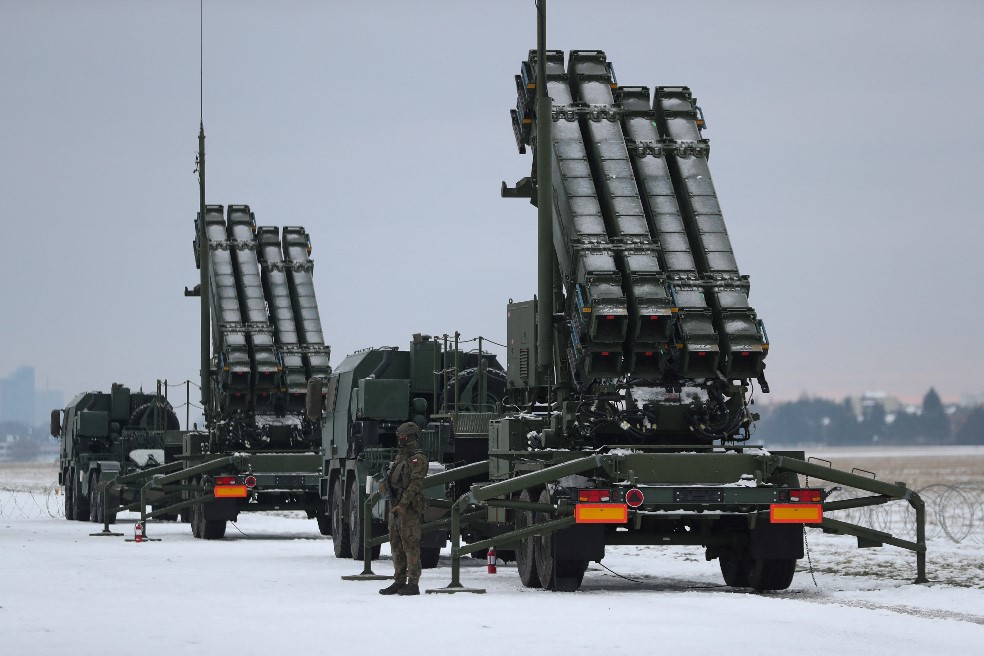
World
Ukrainian industrial giant Metinvest Group has taken a significant step in strengthening the country’s defence capabilities by equipping the Patriot surface-to-air missile (SAM) system with cutting-edge protective armour. This breakthrough is part of Rinat Akhmetov’s Steel Front defence initiative, which focuses on enhancing military hardware to counter threats during the ongoing conflict. Advanced Armour for the Patriot System Metinvest’s engineering team recently mounted the first armour shield on an operational Patriot air defence control module. This armour, crafted from high-grade Ukrainian steel, is designed to provide enhanced protection against shrapnel and fragmentation. By safeguarding the crew and critical components of the Patriot system, the armour ensures uninterrupted functionality during combat. The protective shield is constructed from 30KhN2MA-grade steel, renowned for its toughness and resistance to wear. Comprising nearly 200 steel plates, each up to 8 mm thick, the armour weighs over 2.6 tonnes. Despite its robust build, the shield is engineered to maintain the Patriot system’s full mobility and operational efficiency, a feat achieved through meticulous design and engineering. Broader Contributions to Ukraine’s Military Metinvest’s contributions extend beyond the Patriot system. The company has delivered over 300 steel screens for a variety of military vehicles, including T-64 and T-72 tanks, M1 Abrams tanks, and Bradley infantry fighting vehicles. Preparations are also underway to implement similar protective solutions for Leopard 2 tanks. These innovations are not just about shielding military hardware; they are also a lifeline for Ukraine’s armed forces, significantly increasing survivability in hostile environments. A Swift and Focused Response According to Oleksandr Myronenko, Chief Operating Officer of Metinvest, the project to develop and deploy the Patriot system’s armour was completed in a remarkable six weeks. He highlighted the importance of such innovations, stating, “This shield ensures the safety of both the air defence crew and the control system. Reliable protection is vital for our defenders.” The Steel Front Initiative Since the full-scale invasion of Ukraine, Metinvest has channelled its resources into bolstering national defence through the Steel Front initiative. To date, the company has allocated UAH 4.4 billion to support the military, supplying protective equipment, fortification materials, and advanced engineering solutions. The addition of protective armour to the Patriot SAM system demonstrates Metinvest’s ability to adapt its industrial expertise to meet the urgent needs of national defence. By combining innovation with rapid execution, the company has proven to be an invaluable partner in Ukraine’s fight to secure its sovereignty. The Patriot System: Specifications The Patriot surface-to-air missile system, developed by Raytheon, is a key asset in Ukraine’s air defence arsenal. Known for its ability to counter advanced aerial threats, the system is equipped with: Phased-array radar capable of tracking over 100 targets simultaneously. PAC-3 missiles designed for high-speed, precision engagement of ballistic missiles, aircraft, and drones. A modular design allowing integration of control modules, launchers, and radar systems to optimize mobility. An effective range of up to 160 km for aircraft and 60 km for tactical ballistic missiles. By adding Metinvest’s armour to the mix, the Patriot system’s resilience in high-risk environments is further enhanced, ensuring it remains a pivotal component of Ukraine’s defensive strategy. A Symbol of Resilience Metinvest’s efforts symbolize the synergy between industrial innovation and military resilience. As the conflict continues, such advancements not only strengthen Ukraine’s defensive capabilities but also inspire confidence in the nation’s ability to withstand and overcome challenges. With initiatives like the Steel Front and partnerships with the military, Metinvest is playing a crucial role in safeguarding Ukraine’s future.
Read More → Posted on 2025-01-04 15:32:09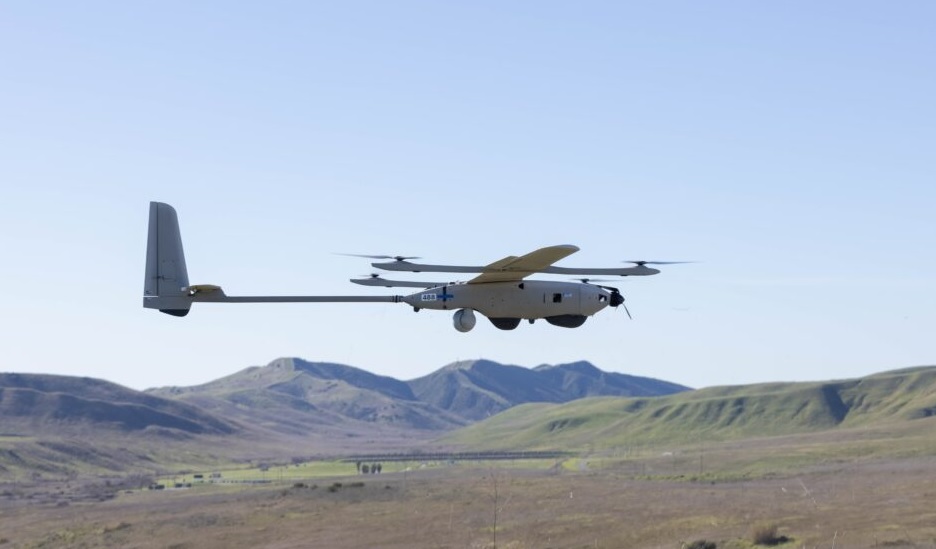
World
The United States Marine Corps has placed a new order with Edge Autonomy to expand its fleet of VXE30 Stalker Small Uncrewed Aircraft Systems (sUAS). This follow-on contract underpins the Marine Corps' Long Range/Long Endurance (LR/LE) program, bringing the fleet to over 200 units. The move aligns with the Marine Corps’ modernization goals under the "Force Design 2030" initiative, emphasizing enhanced capabilities for naval expeditionary warfare. Key Specifications of the VXE30 Stalker The VXE30 Stalker is celebrated for its adaptability, endurance, and versatility, making it a standout asset in modern defense operations. Here are its key features: Flight Endurance: Battery-powered: Offers six hours of flight time. Proprietary propane fuel cell: Extends endurance up to 24 hours. Fuel flexibility: Equipped with a robust filtration system, it supports multiple grades of propane. Payload Modularity: The Stalker can be equipped with a variety of payloads for Intelligence, Surveillance, and Reconnaissance (ISR) missions. Modular design allows quick customization based on mission requirements. Mobility and Deployment: Lightweight and rugged, it belongs to the Group 2 sUAS category. Can be easily transported, reducing logistical complexity. Operational Versatility: Capable of functioning in GPS-denied environments. Designed to replace larger systems that require more manpower and resources. Proven Reliability: The Stalker has surpassed 100,000 flight hours globally, demonstrating its reliability and efficiency. Advancing Military Readiness The expansion of the VXE30 Stalker fleet is part of a broader effort by the Marine Corps to adapt to evolving battlefield conditions, particularly in contested maritime spaces. With its compact design and extended endurance, the Stalker supports the shift toward Distributed Operations, where small, agile units operate independently across wide geographic areas. Edge Autonomy, a long-term partner of the U.S. Marine Corps since 2006, has continuously refined the Stalker platform to meet the dynamic needs of modern warfare. According to Josh Stinson, Chief Growth Officer at Edge Autonomy, the drone’s proven track record in both land and sea operations has made it a dependable asset for military forces worldwide. Meeting Future Challenges The Marine Corps’ investment in the VXE30 Stalker is a testament to its commitment to leveraging advanced technologies for superior operational capabilities. By integrating drones like the Stalker into its arsenal, the Marine Corps is not only enhancing its ISR capabilities but also aligning with its vision of agile and distributed force structures. As the Marine Corps continues to innovate under its Force Design 2030 initiative, the VXE30 Stalker’s role will remain critical in securing America’s strategic interests and maintaining a competitive edge in global defense operations.
Read More → Posted on 2025-01-04 15:28:01
India
The Defence Research and Development Organisation (DRDO) has announced significant progress in its array of defence projects, with many systems nearing the final stages of user evaluation or development trials. During a ceremony at DRDO Bhawan, DRDO Chairman Dr. Samir V. Kamat highlighted the organization’s recent accomplishments and ongoing initiatives. The event also paid tribute to former President and "Missile Man of India," Dr. APJ Abdul Kalam. Key Systems in Advanced Development Among the high-profile systems approaching completion or under evaluation are: Air Defence Tactical Control Radar (ADTCR): A state-of-the-art radar system designed for battlefield surveillance and tactical air defence. It provides real-time situational awareness and threat assessment. Air Defence Fire Control Radar (ADFCR): Critical for guiding surface-to-air missiles and managing airspace in combat scenarios, ensuring precision and quick response. Medium Range Anti-Ship Missile (MRAshM): A versatile missile system capable of neutralizing maritime threats at medium range, enhancing the Indian Navy's offensive and defensive capabilities. Long Range Land Attack Cruise Missile System (LR-LACM): Designed for precision strikes over extended ranges, suitable for deep-penetration missions against enemy assets. 155mm Nubless Projectile (Bourrelet): An innovative projectile design for artillery, improving range and accuracy. Indigenous EW Suites for Su-30 MKI (Yodha and Anidra): Advanced electronic warfare (EW) systems that enhance situational awareness, self-protection, and mission effectiveness for the Indian Air Force's Su-30 MKI fleet. Other key systems include the Multi-Mission Maritime Aircraft (MMMA) for the Indian Coast Guard, Software Defined Radio (SDR-Tactical) for secure communication, and the CBRN Water Purification System Mk-II for chemical, biological, radiological, and nuclear contingencies. Infrastructure Boost Dr. Kamat outlined the strides made in enhancing DRDO’s infrastructure, such as: Missile Test Range at Nagayalanka, Andhra Pradesh: A new facility sanctioned by the Cabinet Committee on Security to test advanced missile systems. Land-Based Submarine Battery Test Facility: Located at NSTL, Visakhapatnam, this facility is critical for testing energy solutions for underwater platforms. Defence Technology & Test Centre (DTTC): Part of the Uttar Pradesh Defence Industrial Corridor (UP DIC) in Lucknow, aimed at fostering collaboration between DRDO and allied industries. Enabling Industry and Academia The DRDO has actively engaged with private industries, MSMEs, and academic institutions to accelerate innovation. Highlights include: 1,950 Technology Transfers (ToT): These were handed over to Indian industries, with 256 Licensing Agreements signed in 2024 alone. 18,000 Tests for Private Industries: DRDO opened its test facilities, conducting over 5,000 tests in 2024 to support defence production. 80 Ongoing Projects: Nine were awarded to industries and start-ups under the 'Mission Mode' framework, with an additional 29 projects awaiting approval. Recent Achievements Green Propulsion System: Successfully demonstrated in orbit through a payload launched by PSLV C-58, this eco-friendly technology highlights India’s focus on sustainable defence solutions. AI-Based Tool 'Divya Drishti': A breakthrough in integrating face recognition with physiological parameters like gait and skeleton, improving surveillance and security measures. Patents and Innovations: In 2024 alone, DRDO filed over 226 patents and was granted more than 201, showcasing its commitment to cutting-edge research. Looking Ahead Dr. Kamat expressed optimism about the Cabinet-approved Advanced Medium Combat Aircraft (AMCA) project and other initiatives like the Nagayalanka test range. He reiterated DRDO's role in enabling Indian industries and academia to contribute meaningfully to national security. With systems like the Medium Range Maritime Reconnaissance Aircraft (MRMR) and Joint Venture Protective Carbine (JVPC) close to readiness, DRDO is set to further enhance India's defence arsenal. These developments not only bolster the country's strategic capabilities but also position DRDO as a global leader in indigenous defence innovation.
Read More → Posted on 2025-01-04 15:24:03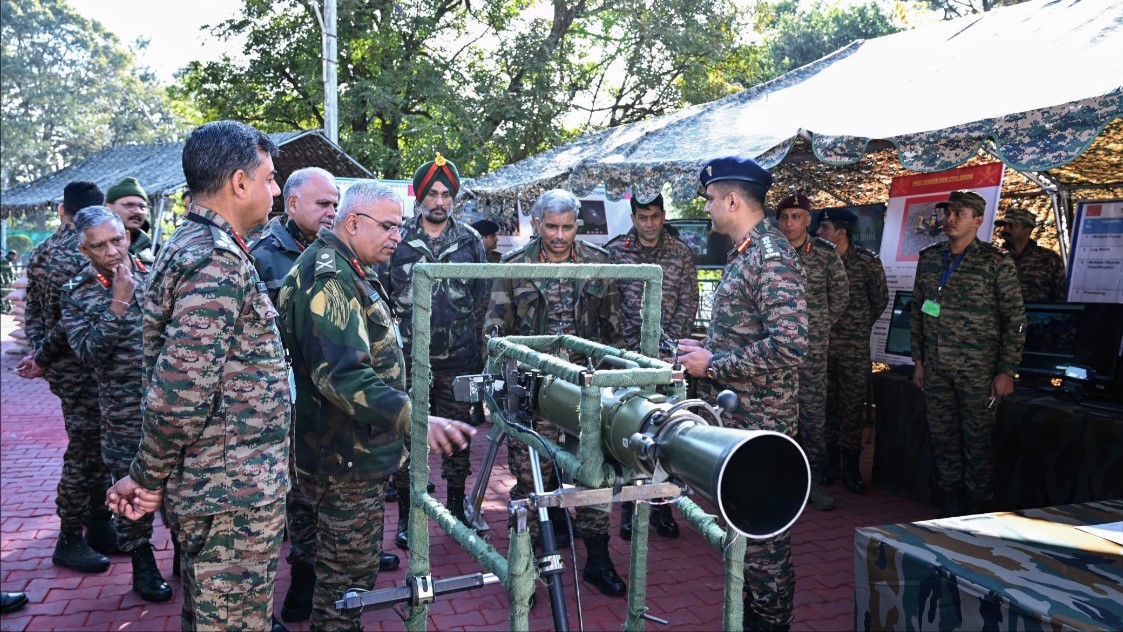
India
In a significant leap forward in military innovation, Indian Army engineers have developed a remote-firing capability for the Carl-Gustaf M4 recoilless rifle. This breakthrough, recently showcased during an operational review by Lieutenant General Manoj Kumar Katiyar, Commander of the Western Command, highlights the Indian Army's push toward leveraging advanced technologies to enhance battlefield safety and effectiveness. Revolutionizing Battlefield Tactics The Carl-Gustaf M4, renowned globally for its versatility in combat roles such as anti-armor and anti-personnel operations, has now been modified to allow remote firing. This advancement enables soldiers to engage targets from protected positions, drastically reducing the risk of exposure to enemy fire. During the demonstration, the rifle was mounted on a steel jig, showcasing its ability to be operated remotely. This setup hints at a future where infantry units could deploy weapons in hazardous scenarios without direct human involvement, marking a paradigm shift in operational tactics. The introduction of remote-firing capability is particularly promising for urban combat and operations against fortified enemy positions. In such scenarios, where the risks of direct engagement are significantly high, this innovation allows for precise strikes while keeping personnel out of harm's way. Specifications of the Carl-Gustaf M4 The Carl-Gustaf M4, developed by Swedish defense company Saab, is a lightweight and highly adaptable weapon system. Key specifications of the rifle include: Caliber: 84 mm Weight: Approximately 6.6 kg (a significant reduction from earlier versions) Length: 950 mm Effective Range: Up to 400 m for moving targets Up to 1,000 m for static targets with high-explosive rounds Ammunition Types: Capable of firing a variety of ammunition, including high-explosive, anti-tank, smoke, and illumination rounds. Fire Control System: Equipped with advanced fire control systems, including intelligent sighting solutions that enhance accuracy and operational efficiency. Durability: Designed for up to 1,000 rounds of firing, making it a robust option for extended engagements. Strategic Implications This remote-firing innovation aligns with the Indian Army's ongoing modernization efforts and its emphasis on minimizing risks to personnel. Such advancements could also pave the way for integration with autonomous systems, such as drones or unmanned ground vehicles, further expanding tactical possibilities. The Carl-Gustaf M4’s ability to adapt to diverse combat scenarios, now coupled with remote-firing capabilities, positions it as a critical asset in modern warfare. The system’s potential to deliver high-impact results with minimal risk to soldiers reflects the Indian Army's commitment to staying ahead in technological adoption. A Step Toward Future Warfare The successful demonstration of the remote-firing capable Carl-Gustaf M4 underscores the ingenuity of Indian Army engineers and their focus on innovative solutions to address modern combat challenges. This development not only enhances operational flexibility but also reaffirms India’s determination to harness cutting-edge technology to ensure the safety and effectiveness of its armed forces. As this technology evolves, it is expected to be integrated more extensively into combat operations, offering a glimpse into the future of warfare where human ingenuity and technological advancements come together to redefine battlefield dynamics.
Read More → Posted on 2025-01-04 15:13:05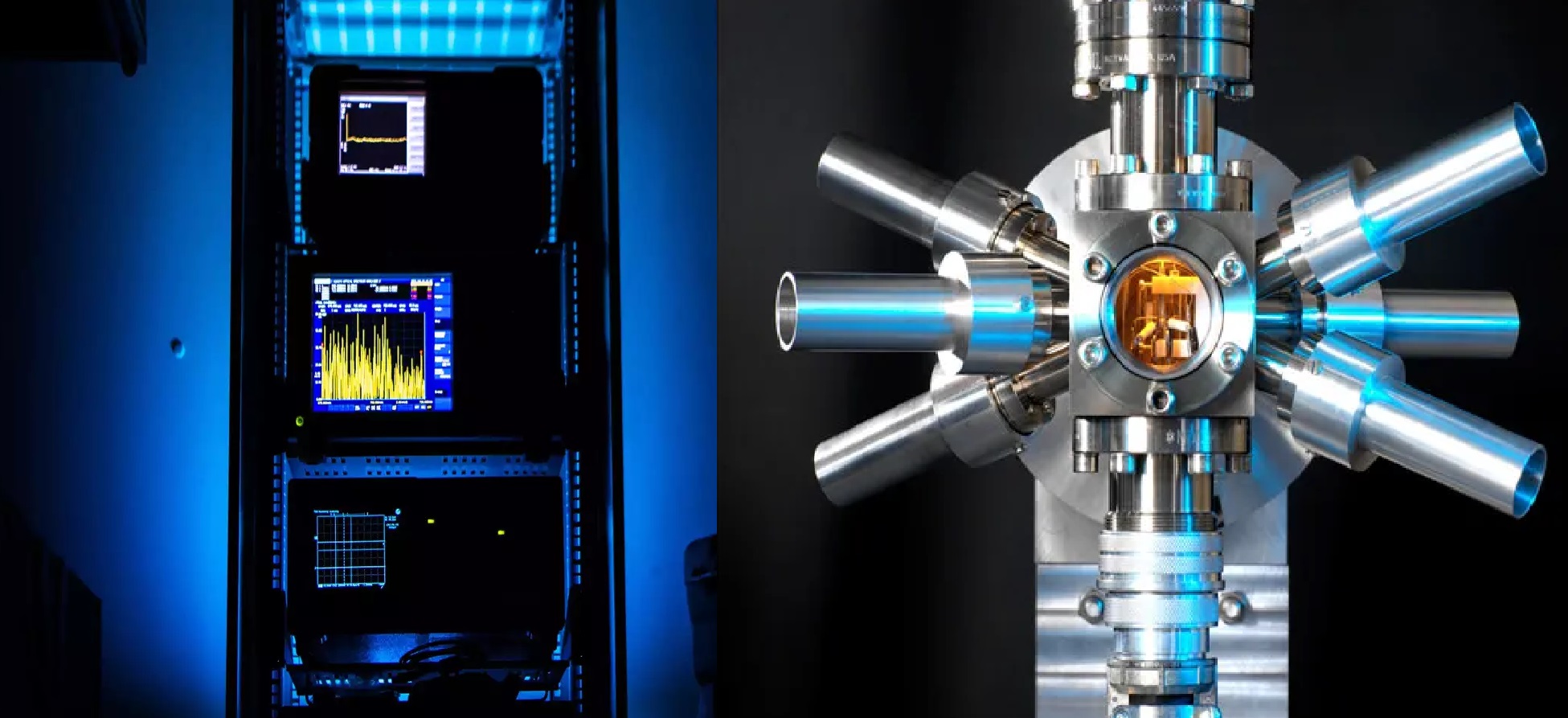
Space & Technology
Timekeeping has been a cornerstone of human progress, from ancient sundials to modern atomic clocks. With the advent of quantum technologies, the realm of precision timekeeping has entered an unprecedented era. Atomic clocks and quantum atomic clocks, while both operating on principles of quantum mechanics, differ significantly in their construction, working principles, and applications. This article explores these differences and their implications for science and technology. What is an Atomic Clock? An atomic clock is a highly precise timekeeping device that uses the vibrations of atoms to measure time. The principle underlying atomic clocks is based on the quantum mechanical properties of atoms, specifically the energy transitions between electron states. The most commonly used atoms in these clocks are cesium-133 and rubidium-87. In a cesium-based atomic clock, microwaves are used to excite the cesium atoms. When the frequency of the microwave radiation matches the natural resonance frequency of the cesium atom (about 9.192631770 GHz), the atoms undergo a state transition. This resonance frequency forms the basis for defining the second in the International System of Units (SI). Atomic clocks are integral to global positioning systems (GPS), telecommunications, and scientific research, offering an accuracy of about one second in millions of years. What is a Quantum Atomic Clock? Quantum atomic clocks, also known as optical lattice clocks or quantum-enhanced clocks, represent the next step in timekeeping precision. These clocks exploit quantum properties at a deeper level, often involving optical rather than microwave frequencies. Strontium, ytterbium, and aluminum ions are commonly used in quantum atomic clocks. The core difference lies in how time is measured. Instead of relying solely on microwave transitions, quantum atomic clocks use optical transitions, which occur at much higher frequencies (hundreds of terahertz). These higher frequencies provide finer time intervals, improving the clock’s precision and stability. A key component of quantum atomic clocks is the optical lattice, a grid of laser beams that traps atoms in a way that minimizes motion-induced errors. This allows researchers to probe the atoms with extreme accuracy, reducing environmental noise and systematic errors. Key Differences Frequency Standard: Atomic clocks use microwave frequencies (~9 GHz for cesium). Quantum atomic clocks operate at optical frequencies (hundreds of THz), enabling higher precision. Accuracy and Stability: Atomic clocks have exceptional accuracy, but their performance is limited by the lower frequency of microwaves. Quantum atomic clocks are more stable and accurate, with potential errors measured in one second over billions of years. Technological Complexity: Atomic clocks are well-established and widely deployed. Quantum atomic clocks are more complex and require advanced laser systems and optical trapping techniques. Applications: Atomic clocks are used in GPS, telecommunications, and standard timekeeping. Quantum atomic clocks have applications in deep-space navigation, advanced scientific research, and tests of fundamental physics, such as studying gravitational time dilation. Environmental Sensitivity: Atomic clocks are more susceptible to environmental factors, such as temperature fluctuations. Quantum atomic clocks are designed to minimize these sensitivities, offering greater robustness. Why Do Quantum Atomic Clocks Matter? The enhanced precision of quantum atomic clocks opens new frontiers in science and technology. For example: Fundamental Physics: Quantum clocks allow tests of Einstein’s theory of general relativity with unprecedented accuracy. Geodesy: These clocks can measure tiny variations in Earth’s gravitational field, aiding in geological surveys and climate studies. Global Navigation: Enhanced timekeeping could improve GPS accuracy, benefiting industries like aviation, autonomous vehicles, and logistics. Conclusion While atomic clocks remain a cornerstone of modern timekeeping, quantum atomic clocks represent the cutting edge of precision and capability. By leveraging the high-frequency transitions of optical systems, quantum clocks provide a new level of accuracy that has far-reaching implications for science, technology, and everyday life. As research continues to refine these devices, their transformative potential will only grow, marking a new epoch in our understanding of time.
Read More → Posted on 2025-01-04 15:08:55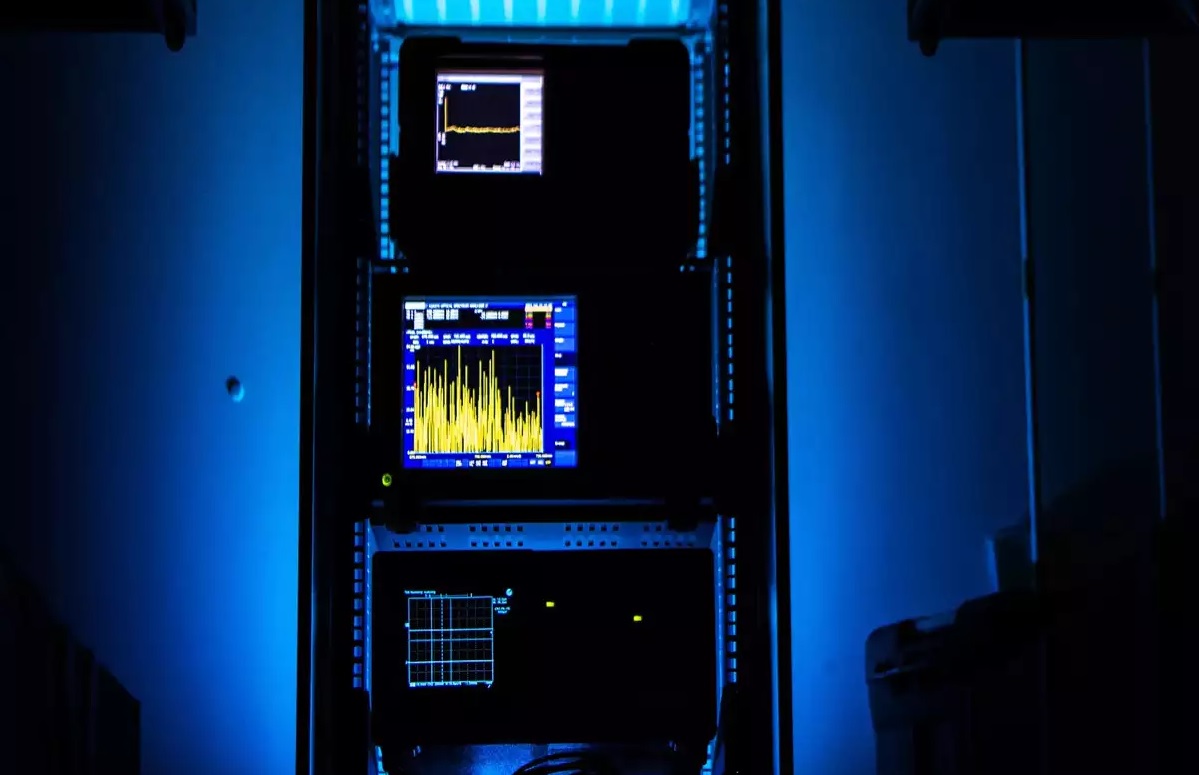
World
In a significant leap for military technology, the UK’s Defence Science and Technology Laboratory (DSTL) has unveiled a groundbreaking atomic clock powered by advanced quantum technology. This state-of-the-art innovation is set to bolster military operations by enhancing navigation, communication, and operational resilience, while reducing reliance on vulnerable GPS systems. The Ministry of Defence (MoD) has confirmed that the clock could be operational within five years, marking a major milestone in defense innovation. Redefining Time Precision At the heart of this development lies an astonishing level of accuracy. The atomic clock, built entirely in the UK, can maintain precision so refined that it would lose less than one second over billions of years. This unparalleled capability stems from its quantum-based design, offering the military an edge in timing-critical operations such as intelligence gathering, cyber warfare, and advanced weapon guidance. The clock operates using optical lattice technology, where atoms are cooled and trapped using lasers, enabling measurements of time with unprecedented precision. This advancement places the UK among global leaders in quantum technology development. Beyond GPS: Addressing Vulnerabilities Current military operations rely heavily on Global Navigation Satellite Systems (GNSS) such as GPS, which are susceptible to jamming, spoofing, and destruction in hostile environments. The quantum atomic clock provides a sovereign-controlled, highly stable timing solution, ensuring operational resilience even when GNSS is compromised. “This breakthrough offers a robust alternative to GPS systems, ensuring secure and independent navigation for our armed forces,” explained DSTL Chief Executive Paul Hollinshead. Specifications and Capabilities Precision: Loses less than one second over billions of years. Technology: Based on optical lattice quantum technology, allowing ultra-accurate timekeeping. Applications: Navigation, secure communications, missile guidance, and cyber operations. Size: Currently in prototype form, with plans for miniaturization to enable deployment in vehicles, aircraft, and portable military equipment. Strategic Impact The trial of the atomic clock is part of the Demonstration of Advanced Timing Apparatus (DATA) initiative, aimed at exploring the performance and limitations of quantum clocks. The MoD has invested over £28 million in the project, signaling the government’s commitment to fostering quantum innovation in defense. Key benefits of the technology include: Navigation Precision: Improved positioning systems independent of GNSS. Secure Communications: Enhanced synchronization for encrypted military networks. Weapon Accuracy: Superior timing for trajectory calculations in advanced missile systems. Operational Superiority: Faster response times in cyber warfare and other timing-critical scenarios. Collaborative Efforts The development involved a consortium of key partners, including Infleqtion (UK), Aquark Technologies, HCD Research, and Imperial College London. Trials were conducted in collaboration with the Royal Navy’s Office of the Chief Technical Officer and the Army Futures team at the BattleLab. Commander Matt Steele of the Royal Navy highlighted the significance of this advancement:“The challenges of physics and engineering in quantum technologies are no longer theoretical. This innovation is reaching the cusp of reality and will secure our operational advantage alongside GPS.” Future Prospects While the current prototype is designed for testing, future iterations will focus on miniaturization and mass manufacturing, enabling widespread deployment across military platforms. The implications of quantum atomic clocks extend beyond defense, offering potential advancements in fields like satellite communication, autonomous systems, and global infrastructure resilience. With this pioneering achievement, the UK solidifies its position at the forefront of quantum technology, ensuring its armed forces remain prepared for the complexities of modern warfare. This atomic clock is more than a timekeeping device—it’s a gateway to a new era of military innovation.
Read More → Posted on 2025-01-04 15:04:41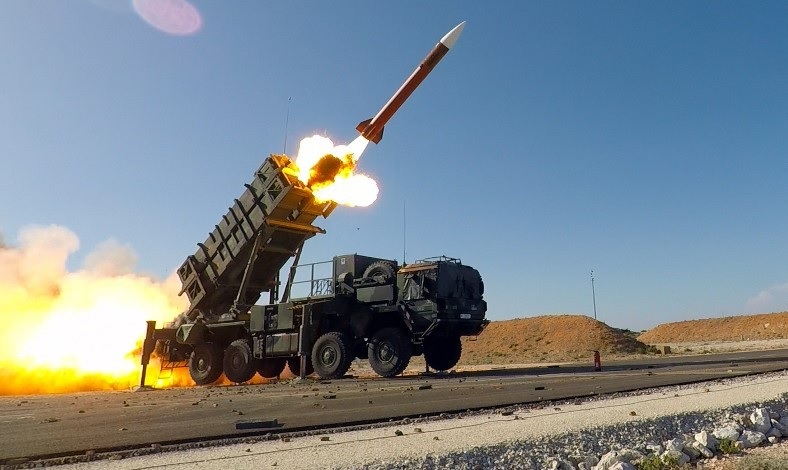
World
Raytheon, a leading defense contractor under RTX Corporation, has been awarded a significant $946 million contract to provide Romania with additional Patriot air and missile defense systems. This move underscores Romania's continued commitment to strengthening its defense capabilities amidst evolving global threats and increasing regional tensions. The contract covers the delivery of Patriot fire units, which include radars, control stations, and missiles designed to intercept and neutralize a wide array of airborne threats. Pete Bata, Raytheon’s senior vice president of Global Patriot, emphasized the importance of this agreement, stating, “Raytheon is committed to providing Romania with advanced integrated air and missile defense capabilities to protect its citizens and critical infrastructure. Romania’s continued investment in Patriot is a testament to the nation’s dedication to ensuring collective security, deterrence, and stability across Europe.” Patriot System: A Combat-Proven Solution The Patriot air defense system is globally recognized as the only combat-tested, ground-based air and missile defense platform capable of countering a diverse spectrum of threats. These include advanced long-range cruise missiles, tactical ballistic missiles, and conventional air-breathing threats such as fighter jets and drones. Its effectiveness has been demonstrated in high-stakes combat scenarios, successfully defending against complex aerial raids and missile attacks. The system is currently deployed by 19 nations, including the United States, Germany, Japan, and Israel. Its modular architecture allows it to integrate seamlessly with other defense systems, offering unparalleled flexibility and interoperability. This makes the Patriot system a cornerstone of modern air defense networks globally. Specifications and Key Features The Patriot system is engineered for precision and adaptability. Key components include: AN/MPQ-65 Radar: A high-performance radar capable of tracking multiple targets simultaneously, even in a cluttered environment. Engagement Control Station (ECS): The brain of the system, allowing operators to identify, prioritize, and engage threats in real time. MIM-104 Missiles: Advanced missiles equipped with guidance-enhanced warheads to effectively intercept incoming threats. Launch Stations: Mobile and easily deployable units designed to launch missiles at high speed and accuracy. The system operates with a track-via-missile (TVM) guidance mechanism, enabling it to update targeting data mid-flight for improved accuracy. It is also designed to integrate with NATO and allied defense frameworks, making it an essential asset in collective security operations. Strengthening Regional Security Romania’s investment in additional Patriot systems comes at a time when European nations are bolstering their defense infrastructure to address growing geopolitical uncertainties. Romania, a key NATO ally, has been progressively enhancing its military capabilities to protect its airspace and critical infrastructure. Raytheon’s partnership with Romanian defense companies further highlights the importance of local collaboration. By integrating Romanian firms into its global supply chain, Raytheon ensures technology transfer, economic growth, and the strengthening of local defense industries. A Strategic Decision The deployment of additional Patriot systems not only enhances Romania’s national defense but also contributes to NATO’s collective security framework. With its proven track record and advanced capabilities, the Patriot system ensures that Romania remains well-equipped to face modern aerial threats while fostering stability in the region. This landmark contract reaffirms Raytheon’s leadership in delivering state-of-the-art defense solutions and Romania’s steadfast dedication to securing its airspace and maintaining peace across Europe.
Read More → Posted on 2025-01-04 14:58:17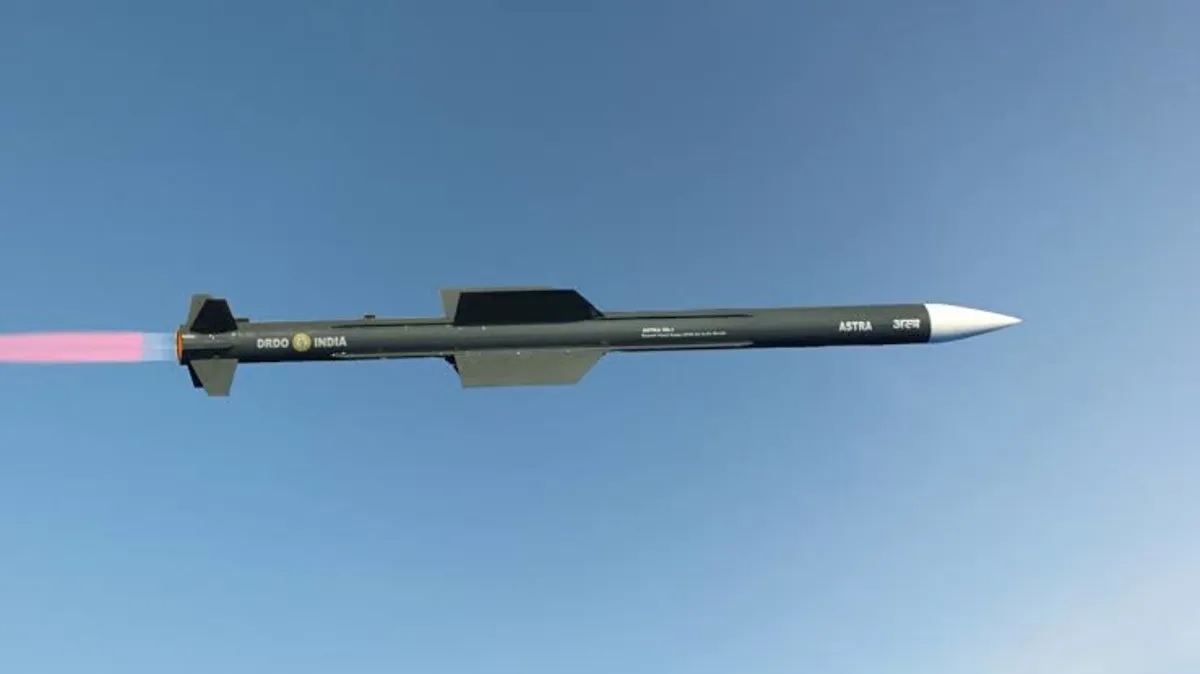
India
India's Defence Research and Development Organisation (DRDO) has unveiled a game-changer in the realm of air-to-air missile technology with the Astra Mk3. Recent performance data highlights its superiority over the widely acclaimed European Meteor missile, making it a formidable addition to India’s defense capabilities. Superior Ramjet Efficiency and Extended Burn Time The Astra Mk3 is equipped with an advanced ramjet propulsion system that delivers a 20% higher specific impulse and an 18% longer burn time than the Meteor. Specific impulse, a measure of how efficiently a missile utilizes its fuel, determines its ability to maintain high speeds over longer periods. The Astra Mk3’s longer burn time not only boosts its range but also expands its "no-escape zone"—the critical area where a target has little chance of evasion. Specifications and Performance Highlights The Astra Mk3 is built on cutting-edge Solid Fuel Ducted Ramjet (SFDR) technology, which was jointly developed by India and Russia. This technology enables the missile to sustain supersonic speeds over a prolonged duration without requiring an onboard oxidizer, a significant departure from traditional rocket propulsion systems. Key specifications of the Astra Mk3 include: Range: 270+ km (estimated maximum range when launched from a fighter aircraft), surpassing Meteor's 250 km. Speed: Classified, but anticipated to be higher due to improved ramjet efficiency. Warhead: High-explosive fragmentation. Guidance: Active radar homing with mid-course inertial navigation. Propulsion: Advanced solid fuel ducted ramjet engine. The missile’s range and speed enhancements ensure it has a decisive edge in modern beyond-visual-range (BVR) aerial combat, a crucial domain for maintaining air superiority. Comparisons with the European Meteor The European Meteor, developed by MBDA, has long been considered a gold standard in BVR missiles. Operational since 2016, it boasts integrations with top-tier fighter aircraft like the Eurofighter Typhoon, Dassault Rafale, and Saab Gripen. Despite its advanced capabilities, the Meteor's specifications, including an estimated range of over 100 km (often cited conservatively), are now being challenged by the Astra Mk3’s longer reach and superior propulsion system. The Astra Mk3’s improvements stem from its origin in the SFDR project. The SFDR prototype has already demonstrated a range exceeding 300 km during tests, providing a robust foundation for the Astra Mk3’s development. Implications for India’s Defense Strategy The Astra Mk3 represents more than just an upgrade; it’s a leap forward in indigenous missile development. By matching or surpassing the capabilities of internationally renowned systems like the Meteor, the Astra Mk3 bolsters India’s ability to counter aerial threats effectively and establishes its position as a leader in advanced missile technology. While the missile is still undergoing rigorous testing and refinement, its introduction will undoubtedly strengthen India’s air force arsenal. With superior speed, range, and precision, the Astra Mk3 has the potential to shift the dynamics of aerial warfare in India’s favor, offering a reliable deterrent against adversarial forces. The Road Ahead As India moves closer to operationalizing the Astra Mk3, the missile symbolizes a critical step in the country’s journey towards self-reliance in defense technology. When fully deployed, it will serve as a cornerstone of India’s air combat capabilities, enhancing its ability to respond to emerging challenges in an increasingly contested airspace.
Read More → Posted on 2025-01-04 14:55:18
Space & Technology
AST SpaceMobile: Enabling Voice Calls Directly from Space with AI In a groundbreaking advancement in telecommunications, US-based AST SpaceMobile is gearing up to provide artificial intelligence (AI)-driven communication capabilities from space. Expected to launch in the coming months, this innovation promises to enable voice calls directly from space using standard smartphones—no specialized devices or ground-based infrastructure required. The Technology Behind the Innovation AST SpaceMobile is leveraging cutting-edge satellite technology to create a seamless connection between satellites in orbit and regular mobile devices on Earth. Central to this is its network of BlueWalker satellites, designed to function as space-based cellular towers. What sets this technology apart is its use of AI to manage communication channels, optimize signal strength, and ensure minimal latency. By integrating AI with satellite communication, AST SpaceMobile can deliver reliable voice services even in remote regions where traditional cellular networks fail to reach. How It Works The concept involves satellites directly linking to mobile devices, bypassing the need for ground stations. Key features include: Direct Connectivity: Regular smartphones connect to the satellite network as they would to terrestrial cell towers. AI Optimization: AI algorithms dynamically manage bandwidth and adapt to environmental conditions, ensuring clear and uninterrupted voice calls. Global Reach: The satellite network can provide coverage across oceans, deserts, and rural areas, bridging the digital divide. This innovation is expected to benefit not only consumers but also industries such as disaster management, logistics, and defense. Implications for Communication AST SpaceMobile’s initiative could redefine global communication in several ways: Universal Coverage: Areas with little to no cellular coverage, such as rural villages and isolated islands, could gain reliable connectivity. Emergency Communication: In disaster-hit areas where terrestrial networks are damaged, satellite communication could serve as a lifeline. Enhanced Mobility: Travelers, including those on flights or ships, could remain connected without relying on patchy or expensive alternatives. The Road Ahead The upcoming deployment of AST SpaceMobile's technology marks the beginning of a new era in telecommunications. The company has already demonstrated the feasibility of its concept with successful test calls using its prototype satellite, BlueWalker 3. While challenges remain—such as regulatory approvals and the need to ensure compatibility across various smartphone models—the potential benefits far outweigh the hurdles. AST SpaceMobile’s vision aligns with a broader push towards democratizing access to technology, making seamless communication available to everyone, everywhere. A Future of Limitless Connectivity With AST SpaceMobile’s AI-powered satellite communication, the dream of truly global connectivity is closer than ever. As the technology matures, it could pave the way for not only voice calls but also high-speed internet access and advanced IoT applications directly enabled by satellites. This innovation exemplifies the transformative power of combining AI with space technology, promising a future where the boundaries of communication are truly limitless.
Read More → Posted on 2025-01-03 16:51:25
Science
Recent reports of a surge in respiratory illnesses in China have sparked global interest and online speculation, with claims of overcrowded hospitals, overwhelmed crematoriums, and a "new epidemic" taking root. While these concerns have captured attention, health experts caution against jumping to conclusions without a clear understanding of the facts. Here's what we know about the situation, particularly focusing on Human Metapneumovirus (hMPV) and its role in the current rise in illnesses. What is hMPV? Human Metapneumovirus (hMPV) is a respiratory virus first identified in 2001. It is not new, and its seasonal outbreaks are well-documented worldwide. The virus typically causes symptoms resembling those of the flu or a common cold, such as fever, cough, congestion, and fatigue. In severe cases, it can lead to bronchitis or pneumonia, especially in children, the elderly, and those with underlying health conditions. hMPV spreads via respiratory droplets when an infected person coughs or sneezes, and through direct contact with contaminated surfaces. Like other respiratory viruses, its prevalence tends to rise during colder months when people spend more time indoors, facilitating transmission. The Current Surge in China While China has seen a noticeable rise in respiratory illnesses, including those caused by hMPV, health authorities and the World Health Organization (WHO) have not declared it a public health emergency. This rise coincides with the winter season and the global return to normal activities after years of COVID-19 restrictions. Experts suggest that prolonged lockdowns during the COVID-19 pandemic reduced exposure to common pathogens. As people resumed social interactions, a "catch-up" effect led to increased cases, especially among vulnerable groups like children and the elderly. Symptoms and At-Risk Groups The symptoms of hMPV are similar to other respiratory infections, making it difficult to distinguish without testing. Common symptoms include: Fever Runny nose Cough Shortness of breath Those at higher risk of severe complications include: Infants and young children with immature immune systems. Elderly individuals, particularly those with chronic respiratory conditions like asthma or COPD. Immunocompromised individuals. Comparing hMPV to Influenza and COVID-19 Influenza A remains the primary cause of respiratory illnesses in many regions, including China. hMPV is contributing to the current surge but does not pose a unique or unprecedented threat. Unlike COVID-19, which caused a global pandemic, hMPV is a well-understood virus with predictable seasonal patterns. The Role of COVID-19 in the Current Climate The lingering effects of the COVID-19 pandemic are still felt globally. With over 7 million reported deaths and billions of infections, the virus reshaped the landscape of infectious disease management. Vaccinations have significantly reduced severe outcomes, but COVID-19 remains a concern, with new variants like XEC under close monitoring. The pandemic also highlighted the importance of robust healthcare systems and transparent reporting. While online rumors about hidden epidemics in China abound, they often lack credible evidence. Experts stress the need for reliable data to address public health concerns effectively. Mitigating the Spread of Respiratory Illnesses Preventative measures remain essential in reducing the impact of viruses like hMPV: Frequent handwashing with soap and water. Wearing masks in crowded or high-risk environments. Avoiding close contact with sick individuals. Staying home when symptomatic to prevent spreading infections. Vaccines for hMPV are in development, but none are currently available. Existing vaccines for influenza and COVID-19 remain critical in protecting high-risk populations from severe disease. A Balanced Perspective While the rise in respiratory illnesses in China deserves attention, there is no evidence to suggest a new epidemic or pandemic is emerging. Understanding the role of viruses like hMPV and maintaining public health vigilance can help address concerns without unnecessary panic. Global collaboration and transparency remain vital in managing both current and future health challenges.
Read More → Posted on 2025-01-03 16:46:47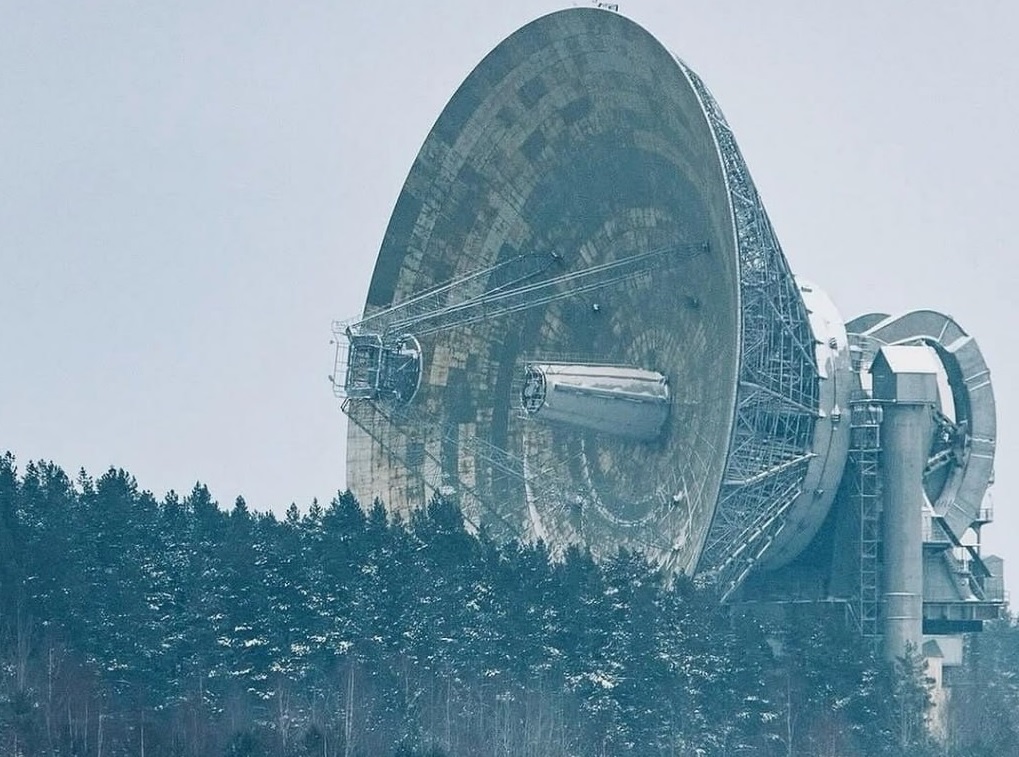
Space & Technology
The Kalyazin RT-64 radio telescope stands as a monument to Soviet-era ambition and modern scientific exploration. Located near the town of Kalyazin in Russia’s Tver Oblast, this colossal structure is a symbol of technological prowess, initially conceived to play a pivotal role in humanity’s journey to the stars. Origins: A Vision for Mars and Beyond The Kalyazin RT-64 was constructed in the late 1980s during the twilight of the Soviet Union. Designed as part of the nation’s ambitious space exploration program, its primary mission was to support interplanetary communication, including potential manned missions to Mars. The telescope was also envisioned to explore the "Silver Galaxy," a term symbolizing humanity's dream of venturing beyond our solar system into the vast reaches of the Milky Way. With a dish diameter of 64 meters, the RT-64 was one of the largest radio telescopes of its time. Its high sensitivity and ability to detect faint radio signals made it indispensable for deep-space communication and scientific observation. Technical Specifications The RT-64 boasts impressive capabilities that ensure its continued relevance in modern astrophysics and space exploration: Antenna Size: 64 meters in diameter, providing a large surface area for capturing weak signals from deep space. Frequency Range: Operates across multiple frequency bands, enabling diverse research applications, from pulsar studies to planetary radar. Precision Mechanisms: Equipped with advanced tracking systems to maintain accurate alignment with celestial objects. Powerful Receivers: Highly sensitive receivers capable of detecting signals from distant galaxies and space probes. A Legacy of Adaptation While the Kalyazin RT-64 was initially designed for interplanetary missions, the dissolution of the Soviet Union in 1991 led to a shift in its operational focus. Rather than facilitating manned Mars missions, the telescope found a renewed purpose in scientific research. Today, it is integrated into the Russian VLBI (Very Long Baseline Interferometry) network, contributing to high-precision astronomical observations. The RT-64 plays a key role in studying quasars, pulsars, and the structure of distant galaxies. It is also used for geodetic measurements, helping scientists monitor Earth's tectonic movements and rotation. Contemporary Relevance Despite its origins in the Cold War era, the RT-64 remains an active and vital tool in modern astronomy. Its collaboration with international research efforts underscores its significance in global scientific endeavors. Space Exploration: Supports communication with Russian spacecraft and contributes to the study of the solar system. Radio Astronomy: Observes cosmic phenomena, such as black holes, neutron stars, and interstellar gas clouds. Earth Monitoring: Aids in tracking satellites and studying Earth's dynamics through geodetic VLBI techniques. Challenges and Preservation Maintaining a structure of this scale and complexity is no small feat. Over the years, the RT-64 has faced funding challenges and the natural wear and tear of aging equipment. However, efforts to modernize and preserve the facility continue, ensuring its operational longevity. Looking to the Future The Kalyazin RT-64 radio telescope is a testament to human ingenuity and perseverance. From its origins as a communication hub for Mars-bound missions to its modern role in unraveling the mysteries of the universe, it serves as a bridge between the dreams of the past and the discoveries of the future. As space exploration gains renewed momentum worldwide, the RT-64 stands ready to contribute its capabilities to new missions, perhaps even rekindling its original purpose of facilitating humanity’s journey to other planets and beyond.
Read More → Posted on 2025-01-03 16:36:38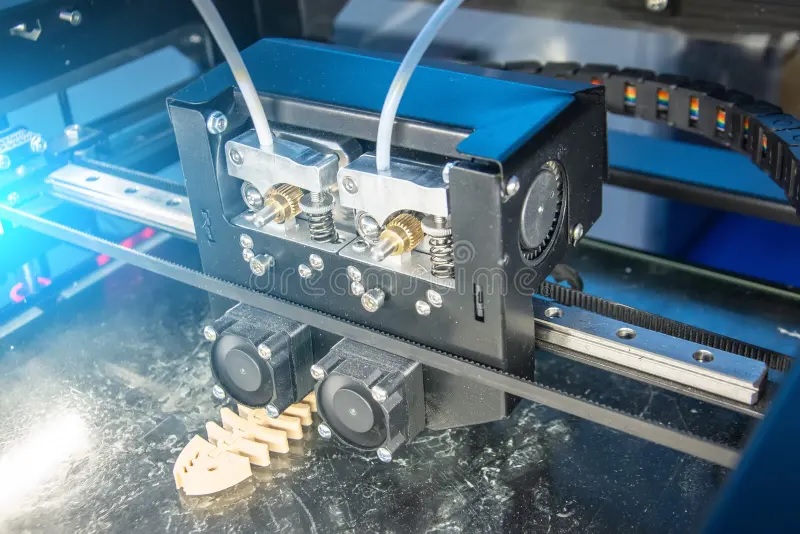
World
South Korea is advancing its use of 3D printing technology to address challenges in procuring military hardware, especially components that are scarce or difficult to source. This strategic move aligns with the country’s broader goals to bolster defense self-sufficiency amid global supply chain uncertainties. A Collaborative Push for Innovation In a landmark development, South Korea’s industry and defense ministries recently signed an agreement to enhance the use of additive manufacturing, also known as 3D printing. This partnership focuses on developing a resilient supply chain and fostering a stable industrial ecosystem by leveraging cutting-edge technology. The collaboration aims to explore innovative applications of 3D printing for producing essential components of Seoul’s defense arsenal, including warships, main battle tanks, aircraft, and precision weaponry. The agreement also underscores the importance of research and development (R&D) and workforce training to maximize the potential of this transformative technology. Enhancing 3D Printing Applications South Korea began integrating 3D printing into its defense sector in 2017. However, this latest agreement signifies a broader and more strategic application of the technology. Yoon Sung-hyuk, a senior official from the Ministry of Trade, Industry, and Energy, stated, “Based on the industry ministry’s assets, including infrastructure and workforce, along with its R&D experience, we expect to achieve significant results under the partnership with the defense ministry.” Key defense applications of 3D printing include: Rapid Prototyping and Manufacturing: The ability to quickly produce prototypes of components, enabling faster testing and deployment. Cost-Efficient Repairs: Fabricating replacement parts for aging equipment like tanks and aircraft directly in the field, reducing downtime. Lightweight Components: Printing materials that maintain strength while reducing weight, ideal for drones and combat vehicles. Customized Solutions: Tailoring components to specific requirements, enhancing functionality and operational efficiency. Global Context: Why 3D Printing Matters The adoption of 3D printing is not unique to South Korea. Countries such as the United States, the United Kingdom, India, and Taiwan are investing heavily in additive manufacturing for defense. The primary advantages include cost savings, faster production cycles, and the ability to overcome supply chain disruptions. For instance, the U.S. Army has utilized 3D printing to produce complex parts for Abrams tanks and Apache helicopters, while the U.K. Royal Navy is exploring 3D-printed drones. India, too, has implemented additive manufacturing to develop missile components and space-related technologies. South Korea’s Competitive Edge South Korea’s 3D printing capabilities are supported by its advanced industrial base and strong R&D ecosystem. The government has allocated significant funding for projects that integrate digital manufacturing technologies into defense production. Additionally, partnerships with private-sector firms specializing in additive manufacturing have accelerated technological innovation. Notable advancements in South Korea’s 3D printing sector include: Material Innovation: The development of stronger and heat-resistant materials tailored for military applications. Advanced Printers: The deployment of multi-axis printers capable of producing intricate geometries required for defense components. Simulation and Testing: Incorporating virtual simulations to ensure the reliability and durability of 3D-printed parts before deployment. Looking Ahead The expanded use of 3D printing is expected to revolutionize South Korea’s defense manufacturing landscape. By reducing dependency on foreign suppliers and enabling on-demand production, the country can strengthen its military readiness while fostering technological leadership. In an era where geopolitical tensions and supply chain disruptions challenge national security, South Korea’s strategic focus on additive manufacturing positions it as a trailblazer in defense innovation. As the partnership between the industry and defense ministries unfolds, it is poised to deliver transformative outcomes for both the military and the broader manufacturing ecosystem.
Read More → Posted on 2025-01-03 16:33:51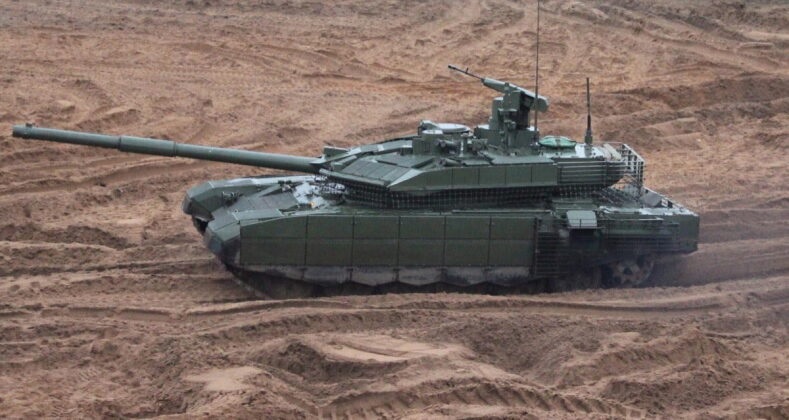
World
In a remarkable display of resourcefulness, Ukrainian forces have engineered a unique combat vehicle by repurposing parts from destroyed Russian T-90M tanks. This innovative creation, informally dubbed the "Frankenstein" tank, underscores Ukraine's adaptability in utilizing available resources to bolster its defense capabilities. Composition and Features The "Frankenstein" tank is operated by Ukraine’s 12th Azov Special Purpose Brigade and integrates components from various sources: Turret Protection: The turret is fortified with dynamic armor salvaged from a Russian T-90M, enhancing its defensive capabilities. Gun Mantlet: Incorporates elements from the T-90M, contributing to its offensive potential. Hull Reinforcement: The hull has been strengthened with additional dynamic armor and side screens similar to those found on the Russian T-80BVM, providing improved protection against enemy fire. About the T-90M Tank The T-90M, known as "Proryv-3," represents one of the most advanced main battle tanks in the Russian arsenal. Key specifications include: Armament: A 125 mm 2A46M-4 smoothbore gun capable of firing standard ammunition and anti-tank guided missiles (ATGM) such as the Refleks (NATO Code AT-11 Sniper-B). A 7.62 mm PKT coaxial machine gun. A remotely operated NSVT 12.7 mm heavy machine gun mounted at the rear of the commander's hatch. Protection: Equipped with Relikt Explosive Reactive Armor (ERA) on the turret and hull, offering enhanced defense against armor-piercing and tandem high-explosive anti-tank munitions. Additional bar-slat armor at the rear and RPG metal netting around the lower part of the turret provide further protection against rocket-propelled grenades. Mobility: Powered by a V-92S2 engine producing 1,000 hp, enabling a maximum road speed of 60 km/h and a cruising range of up to 550 km. Features a torsion bar suspension system with hydraulic shock absorbers, ensuring stability and maneuverability across various terrains. Operational Context Since the onset of Russia's full-scale invasion in February 2022, Ukrainian forces have reportedly destroyed or captured a significant number of Russian T-90M tanks. The adaptation of these components into a functional combat vehicle not only exemplifies Ukrainian ingenuity but also serves as a strategic advantage, turning enemy resources into assets for their own military operations. This development highlights the dynamic nature of modern warfare, where adaptability and resourcefulness can play pivotal roles in a nation's defense strategy.
Read More → Posted on 2025-01-03 16:30:33
World
In a bold move that has heightened trade tensions between the United States and China, Beijing announced on Thursday a new set of export control measures targeting 28 American companies, many of which are leading defense contractors. This measure is part of China’s broader effort to protect its national security and sovereignty while addressing concerns over arms sales to Taiwan. The Targeted Firms The Chinese Ministry of Commerce revealed that the sanctions list includes major defense firms such as Lockheed Martin and its five subsidiaries, General Dynamics along with three of its subsidiaries, Raytheon Technologies with three of its subsidiaries, Boeing's defense arm, and several other companies. These entities are now restricted from accessing "dual-use" goods—products that can serve both civilian and military purposes—from Chinese suppliers. Additionally, a subset of 10 companies, all subsidiaries of Lockheed Martin, General Dynamics, and Raytheon, were designated as "unreliable entities." This designation entails more severe restrictions, including bans on importing and exporting goods to and from China, prohibitions on new investments in the country, and the revocation of work or residency permits for their executives. These executives are also barred from traveling to China. The Rationale Behind the Sanctions The Chinese government cited these companies’ involvement in arms sales to Taiwan as the primary reason for the sanctions. According to Beijing, such activities directly undermine its "national sovereignty, security, and development interests." The move aligns with China’s ongoing efforts to counter foreign interference in its internal affairs, particularly regarding Taiwan, which Beijing considers a breakaway province. The Ministry of Commerce emphasized that the measures are also designed to fulfill international obligations, such as non-proliferation agreements, and to bolster China’s security framework amid growing geopolitical pressures. A Broader Context of Escalation These sanctions come at a time when US-China relations are already strained over a range of issues, including trade, technology transfer, and security concerns. Notably, earlier in December 2024, a bipartisan group of US lawmakers introduced three bills aimed at holding China accountable for its alleged role in the US fentanyl crisis. The proposed legislation seeks to create a task force to combat narcotics trafficking and impose sanctions on Chinese entities accused of subsidizing precursor chemicals used in fentanyl production. The US House of Representatives' Select Committee on China has accused the Chinese Communist Party (CCP) of "directly contributing" to the crisis, further fueling tensions between the two nations. Implications for US Firms and Global Trade The sanctions on US defense firms are expected to have far-reaching consequences. By restricting the export of dual-use technologies, China is effectively cutting off access to crucial materials and components for these companies. This could disrupt global supply chains and further escalate the ongoing tech and trade war between the two countries. Moreover, the designation of these firms as "unreliable entities" sets a precedent for stricter regulatory actions, signaling that Beijing is prepared to take more aggressive steps to counter perceived threats to its national interests. Conclusion China’s latest sanctions targeting US defense firms underline the intensifying geopolitical competition between the two superpowers. While Beijing frames these measures as necessary to safeguard its national security and sovereignty, the move is likely to exacerbate existing tensions, particularly over Taiwan and broader security issues. This development also highlights the growing interplay between economic sanctions and national security, setting the stage for further confrontations in an already volatile global landscape.
Read More → Posted on 2025-01-03 16:26:02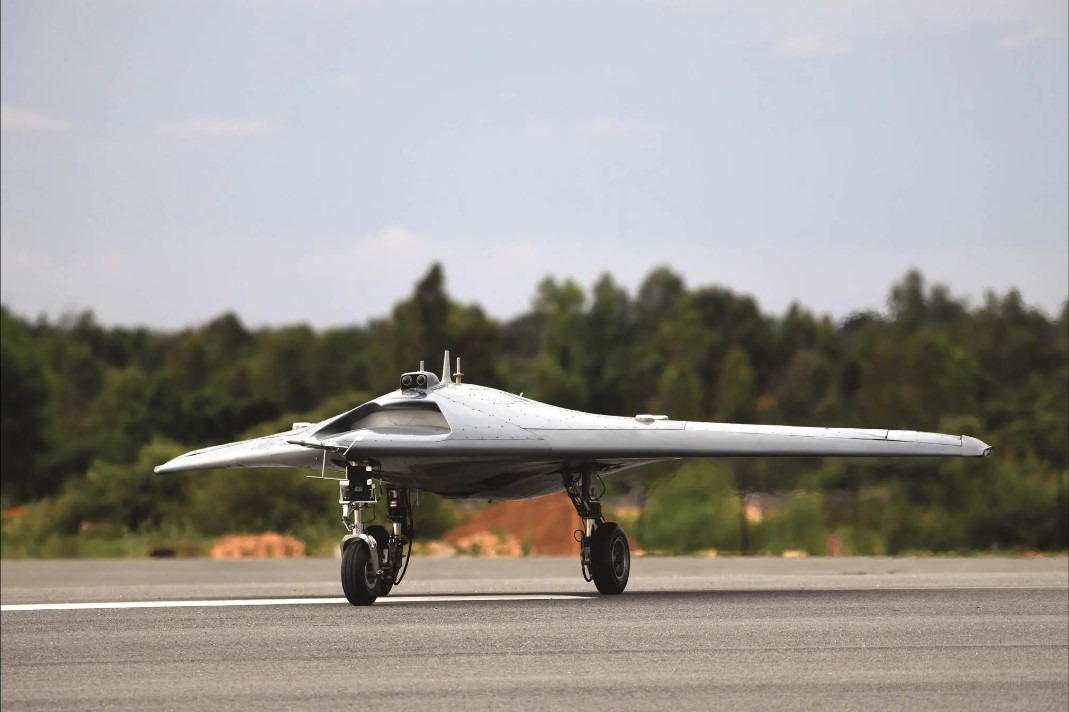
India
India is set to make significant strides in defense technology with the development of its 13-ton Unmanned Combat Aerial Vehicle (UCAV) stealth bomber, widely known as the Ghatak UCAV. This indigenous project is being spearheaded by the Defence Research and Development Organisation (DRDO), aimed at equipping the Indian Armed Forces with a next-generation stealth platform capable of strategic and tactical missions. A standout feature of this futuristic aircraft is its incorporation of a Digital Beamforming (DBF) system, a revolutionary technology that transforms radar and communication systems for enhanced precision and operational efficiency. What Is Digital Beamforming (DBF)? Digital Beamforming is an advanced signal processing technique that enables precise electronic control of radar and communication signals. Unlike traditional radars that rely on mechanically steered antenna arrays, DBF uses electronic steering to shape and direct beams. This innovation allows for rapid scanning, improved resolution, and the ability to track multiple targets simultaneously without mechanical movement. In a stealth aircraft like the Ghatak UCAV, DBF plays a crucial role in minimizing its radar cross-section, thereby enhancing its stealth capabilities. By digitally steering radar signals, the system ensures the UCAV remains undetected while conducting operations deep within enemy territory. Advanced Features of the 13-Ton Ghatak UCAV Stealth Design:The UCAV features a tailless, flying-wing design optimized for low observability. Its radar-absorbing materials and carefully engineered geometry help minimize detection by enemy radar systems. Integrated Digital Beamforming System: Enhanced Target Detection: DBF enables the UCAV to identify and track multiple targets simultaneously, even at long ranges. Synthetic Aperture Radar (SAR) Imaging: The system provides high-resolution ground imagery, crucial for intelligence, surveillance, and reconnaissance (ISR) missions. Low Observable Features: DBF reduces radar emissions, helping the UCAV maintain stealth during operations. Electronic Warfare Capability: The system allows for selective jamming of enemy radars and communication networks, ensuring battlefield superiority. Payload Capacity:With a 13-ton takeoff weight, the Ghatak UCAV is capable of carrying a variety of payloads, including precision-guided munitions, electronic warfare systems, and ISR equipment. High-Endurance Propulsion:Powered by a dry variant of the Kaveri engine, the UCAV promises extended range and endurance, suitable for both offensive and defensive missions. Multimode Radar:The UCAV is equipped with a versatile radar system that seamlessly transitions between ground mapping, air-to-air engagement, and maritime surveillance. Artificial Intelligence Integration:The aircraft will feature AI-driven autonomy for navigation, target acquisition, and mission execution, allowing it to operate with minimal human intervention. Strategic Implications The Ghatak UCAV is a testament to India’s growing expertise in indigenous defense technology. By incorporating advanced systems like DBF, the platform enhances India’s strategic deterrence and operational flexibility. Its ability to conduct precision strikes, intelligence gathering, and electronic warfare operations makes it a versatile asset in modern warfare. Furthermore, this development aligns with India’s vision of self-reliance in defense, reducing dependency on foreign suppliers and potentially positioning the Ghatak as a viable export product for friendly nations. With the integration of cutting-edge technologies and a focus on stealth, the Ghatak UCAV is poised to redefine India’s air power capabilities, marking a significant leap in the nation’s defense modernization efforts.
Read More → Posted on 2025-01-03 16:22:55Search
Top Trending in 24 Hours
-
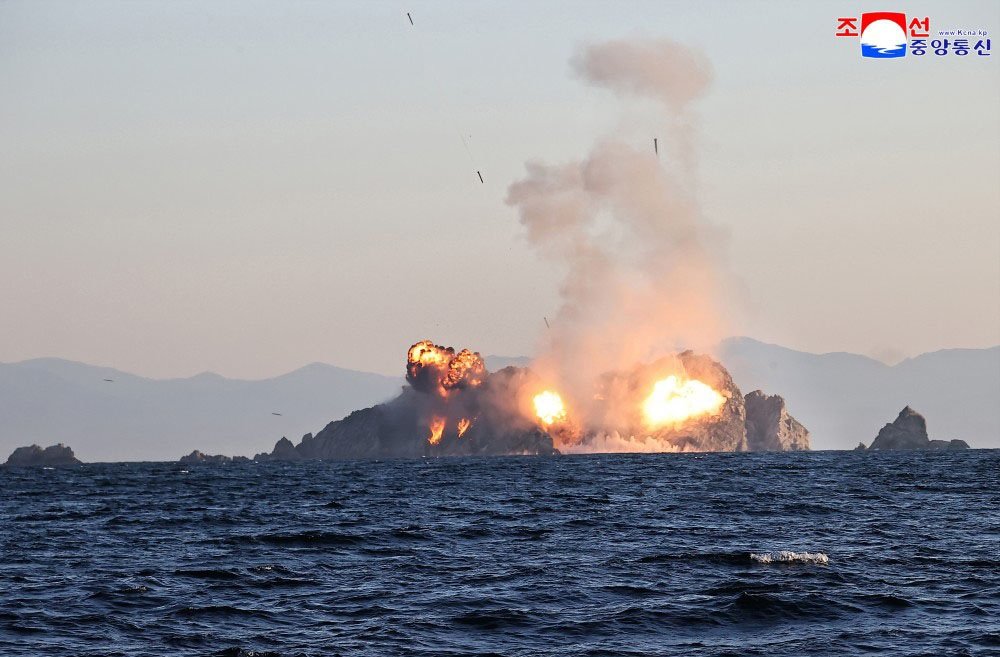 North Korea Fires Short-Range Ballistic Missile Toward Sea of Japan After Freedom Edge 26
-
 India’s xTerra Robotics Launches Indigenous DHAV-Hy Wheeled-Legged Quadruped for Industrial Inspection
-
 U.S. Government Seizes Almasirah.net, Houthi-Linked News Website
-
 U.S. Army Awards $10.64 Million Contract to Ukrainian Drone Maker Skyeton for Raybird Systems
-
 U.S. Delivers First CH-47F Chinook to Egypt Under 12-Helicopter Deal
-
 BEL Showcase X-Band Multi-Function Radar for QRSAM to Japanese Delegation
-
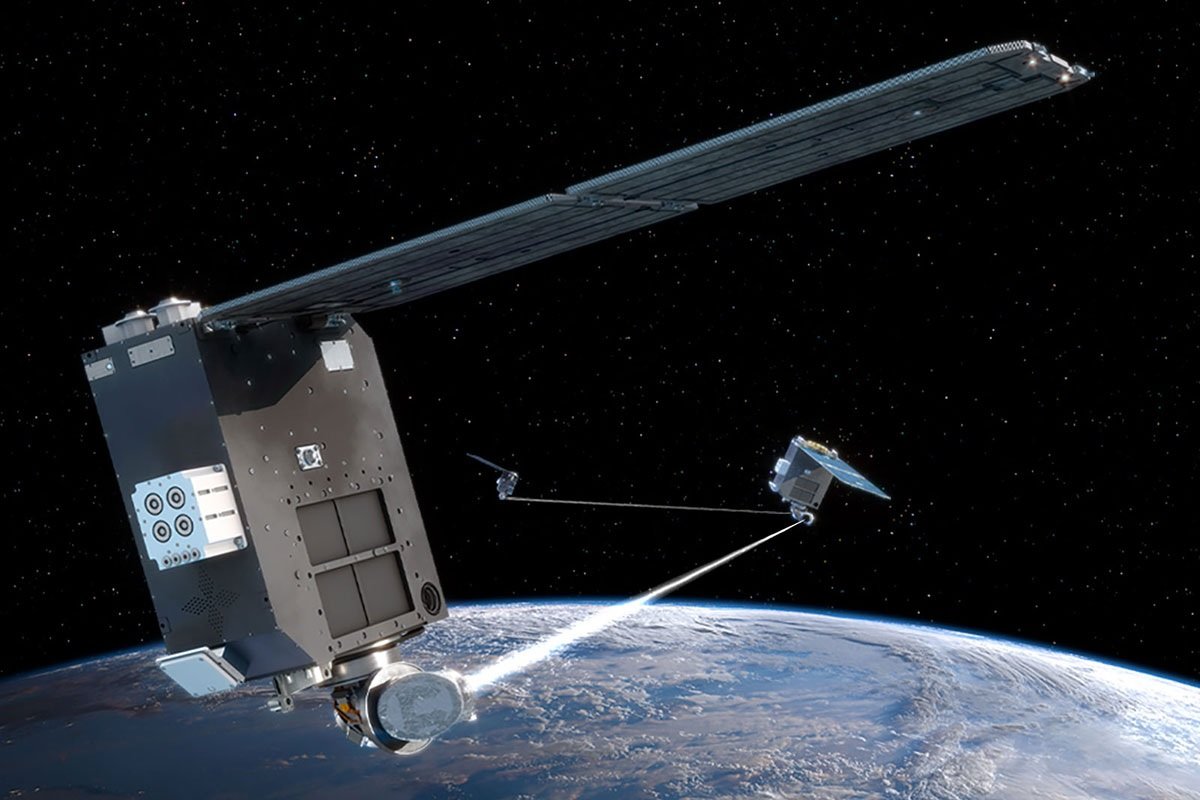 U.S. Space Force Seeks Rapid-Response Satellites for Close-Range Orbital Inspections
-
 IRGC Experts Visit Bab El-Mandeb to Oversee Radar Installation and Tunneling, Houthi Sources Say
Top Trending in 4 Days
-
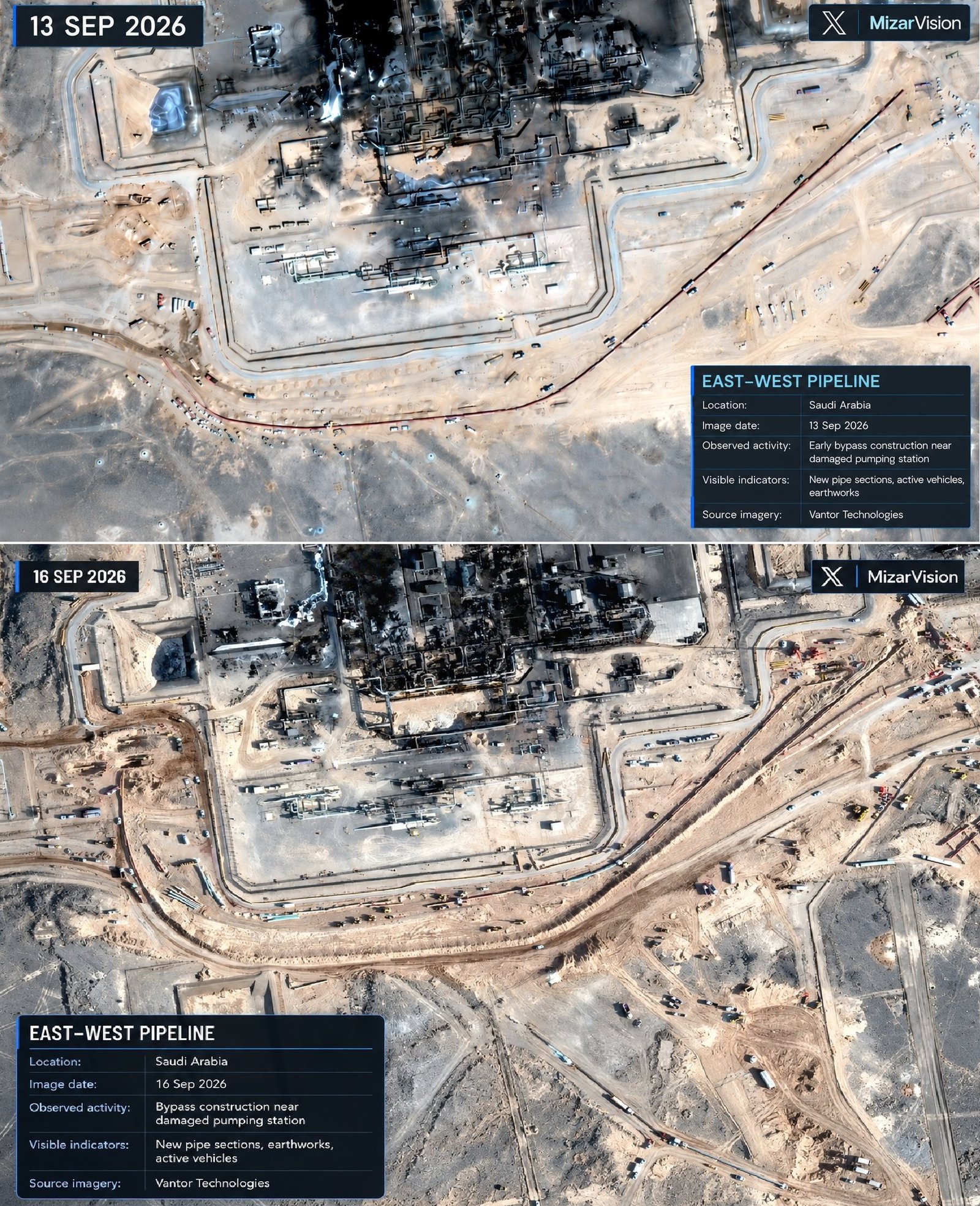 Satellite Images Show Saudi Arabia Building Emergency Bypass Around Damaged East-West Oil Pipeline Station
-
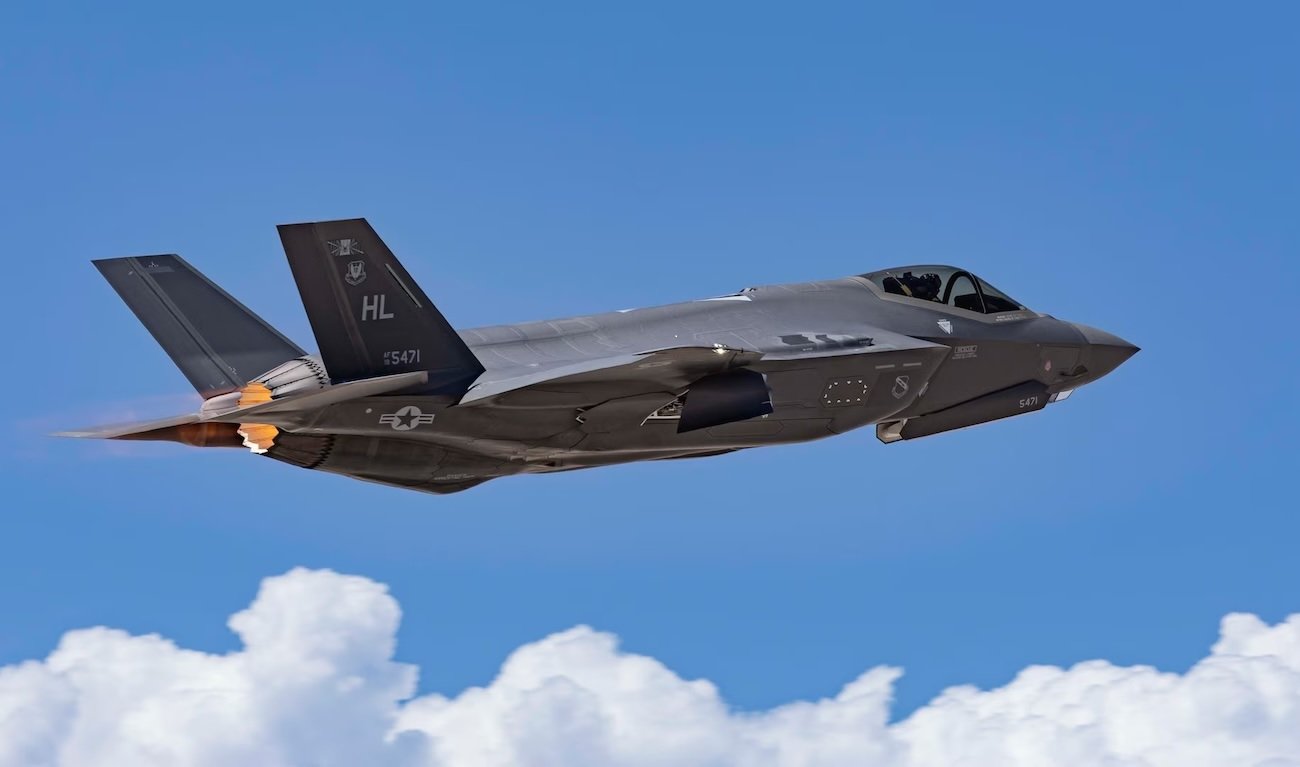 Sensitive F-35 Components Diverted to Hong Kong, Some Parts Missing
-
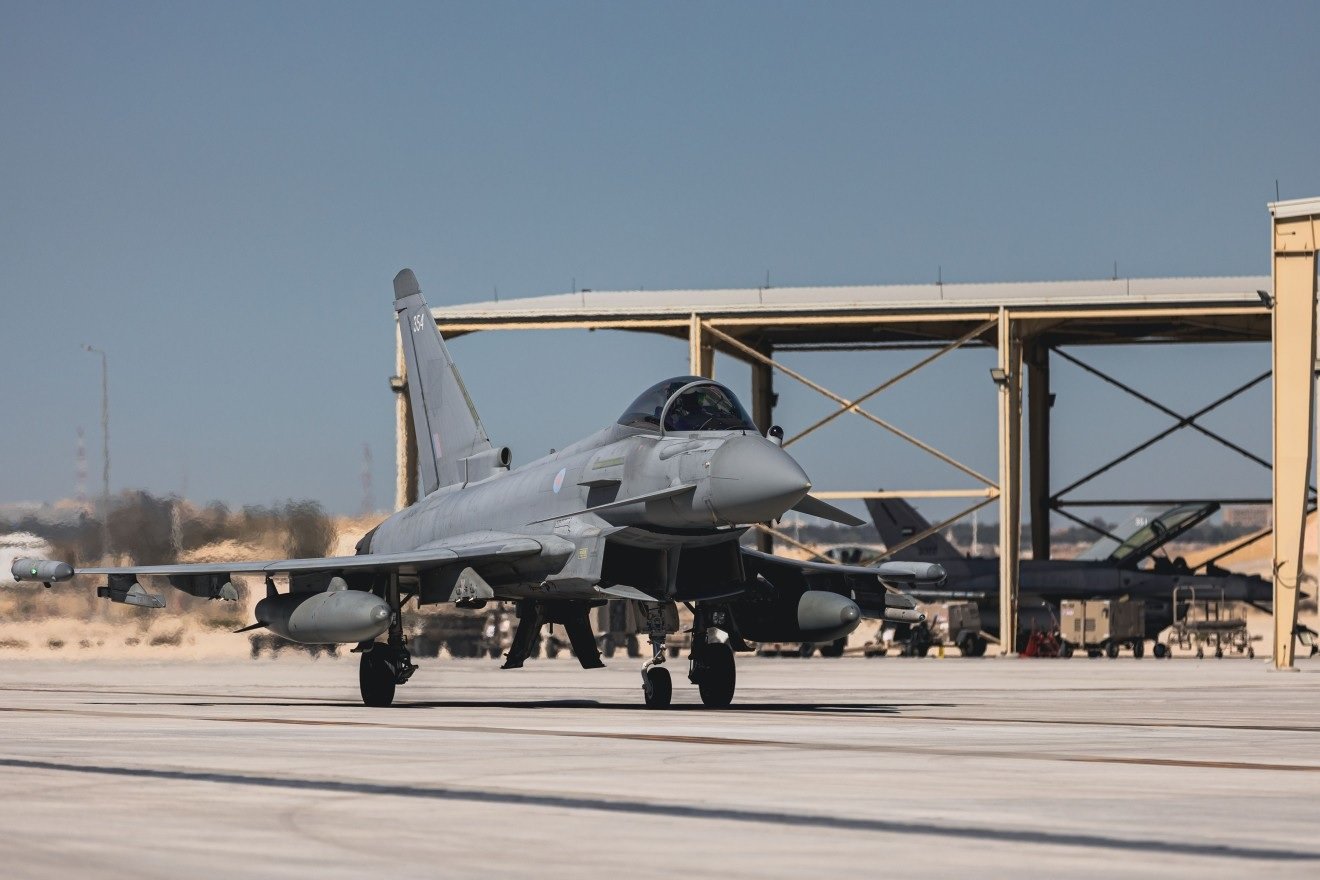 Italian Eurofighter Damaged in Houthi Attack on Saudi Arabia’s King Fahd Air Base
-
 BEL Signs Export Deal with Elbit Systems for Directed Infrared Countermeasure Sub-Assemblies, Secures ₹648 Crore in Additional Orders
-
 Israeli Firm Arbe Robotics Unveils Alerion High-Resolution 4D Radar for Counter-Drone Operations
-
 China Privately Urges Iran to Restrain Houthis After Saudi Appeal
-
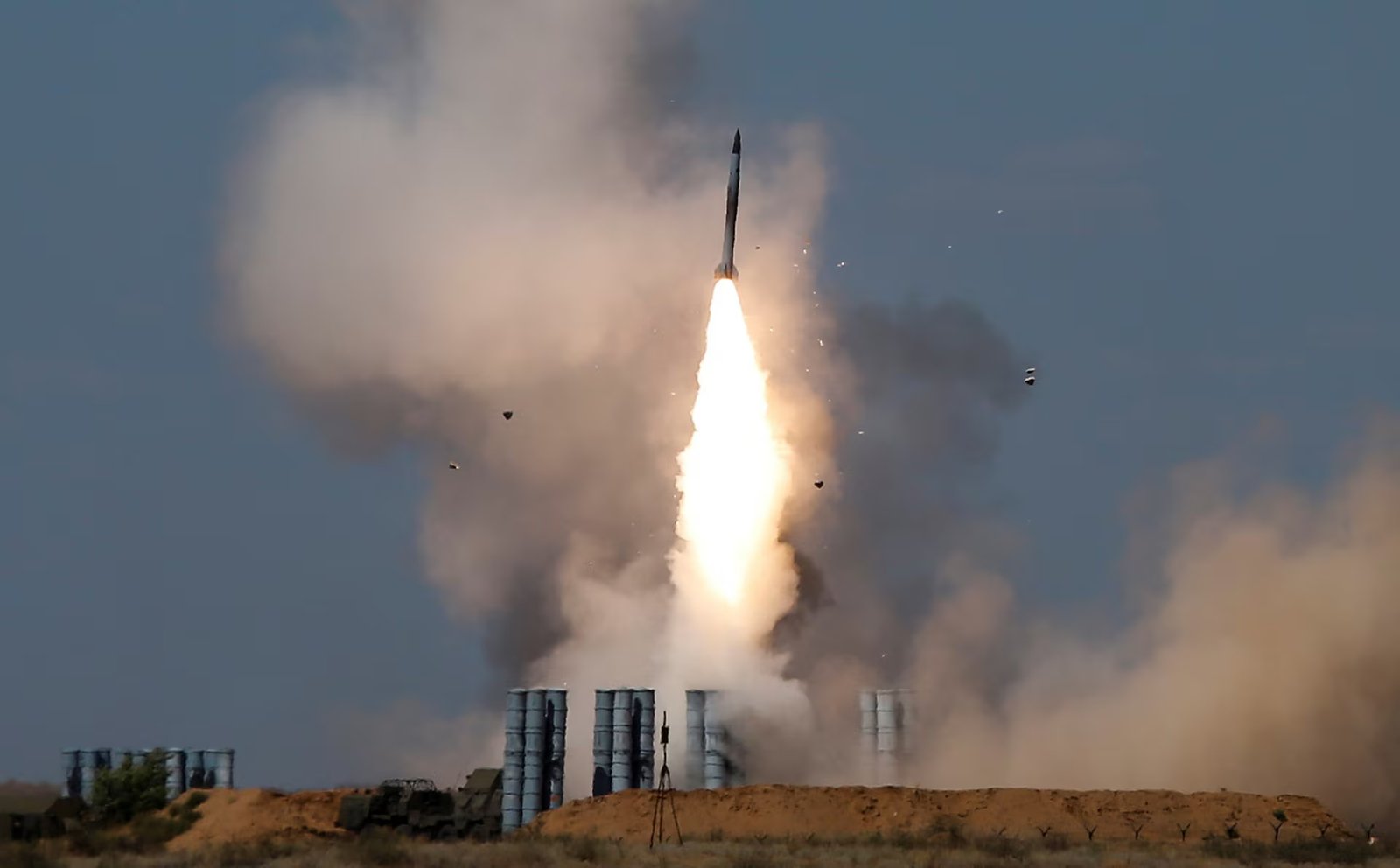 U.S. Approves Potential $2.68 Billion Air Defense Package for Ukraine Including S-300 Clone Missiles
-
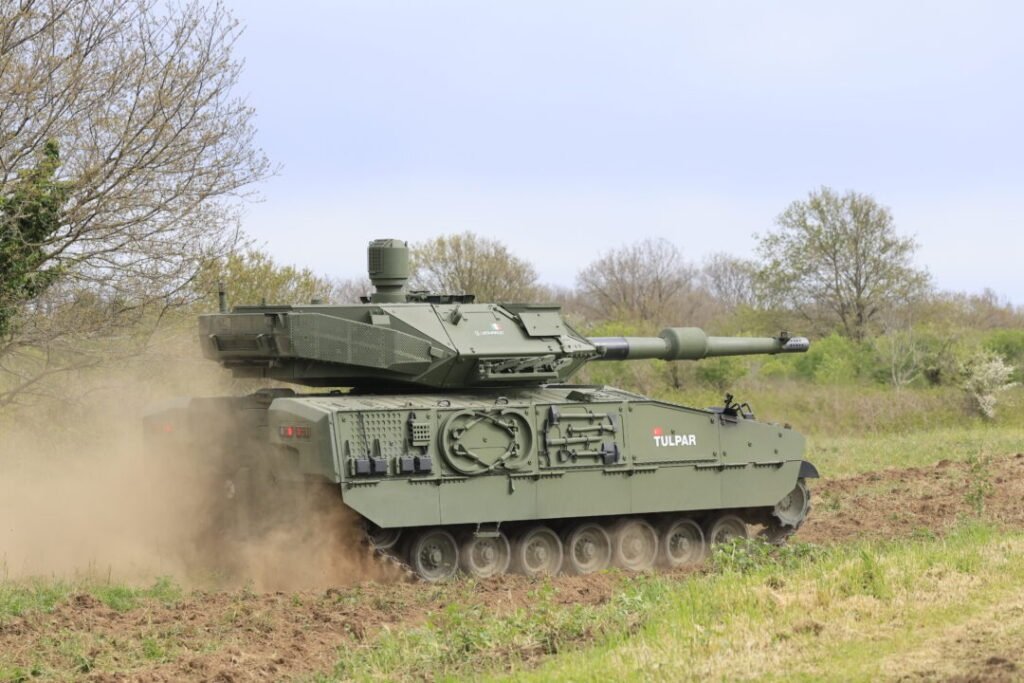 Otokar and Leonardo Complete Live-Fire Tests of TULPAR Tank with HITFACT MkII 120mm Turret
