World
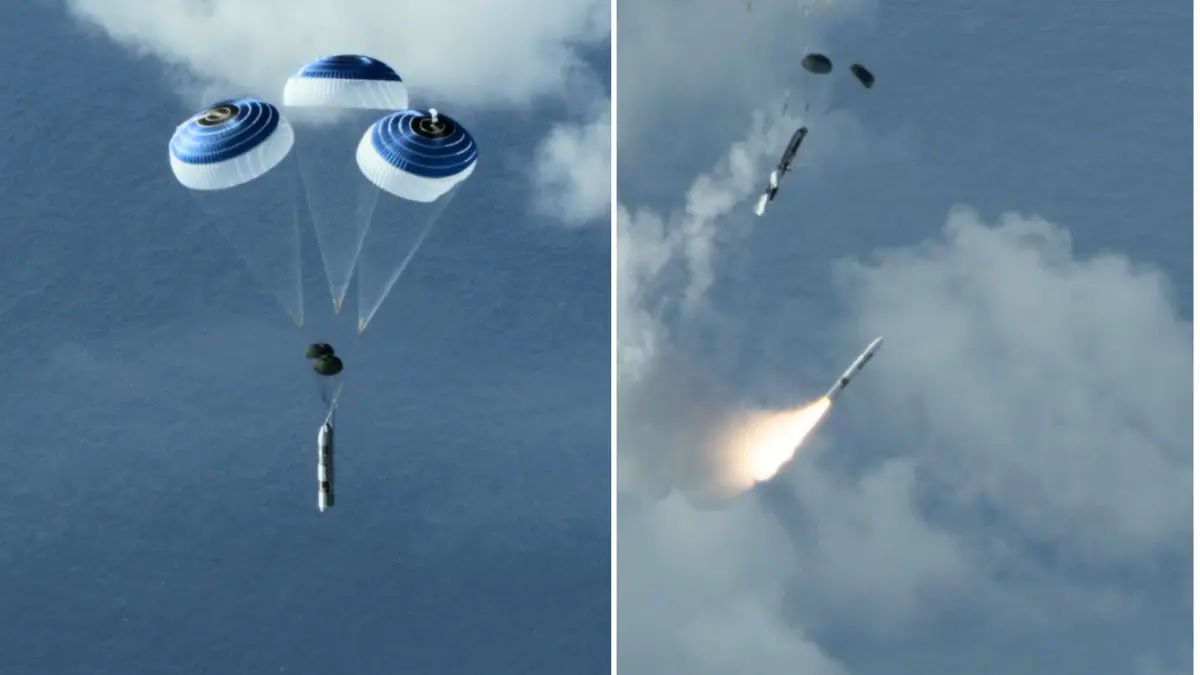
The U.S. Missile Defense Agency (MDA), in collaboration with the U.S. Navy, has successfully conducted Flight Test Other-40 (FTX-40), also known as Stellar Banshee, marking a crucial step in defending against hypersonic missile threats. The test, conducted on March 24, 2025, off the coast of Kauai, Hawaii, showcased the ability of the Aegis Combat System to track and simulate engagements with a maneuvering hypersonic target. Breaking Down the Test The USS Pinckney (DDG 91), an Arleigh Burke-class guided-missile destroyer, utilized the latest Sea-Based Terminal (SBT) Increment 3 capabilities integrated into the Aegis Combat System. The ship tracked and simulated a defensive engagement against a Medium Range Ballistic Missile (MRBM), which featured an advanced Hypersonic Target Vehicle (HTV-1) to simulate real-world threats. While this test did not involve an actual missile intercept, it was a vital step in understanding how hypersonic projectiles behave in flight and how current systems can adapt to counter them. The trial also provided critical tracking data to the Hypersonic and Ballistic Tracking Space Sensor (HBTSS) satellite, enhancing its role in monitoring and predicting hypersonic missile trajectories. This capability is crucial, as hypersonic weapons travel at speeds greater than Mach 5 and are highly maneuverable, making them difficult to track using traditional radar systems alone. Advancing U.S. Missile Defense According to MDA Director Lt. Gen. Heath Collins, the test is part of an ongoing effort to strengthen U.S. homeland and force protection against rapidly evolving missile threats. "The Aegis Weapon System is critical to our next-generation integrated air and missile defense architecture, and today’s test demonstrated key advancements in our counter-hypersonic capabilities," Collins stated. FTX-40 also demonstrated the integration of space-based sensors with shipborne tracking systems, allowing for faster detection and response times. The data gathered from this event will inform the development of next-generation interceptors and improve missile defense tactics. Next Steps: The Path to Intercept FTX-40 is a precursor to a more ambitious test: Flight Test Aegis Weapon System-43 (FTM-43). In this upcoming test, an upgraded Standard Missile-6 (SM-6) will attempt to intercept an HTV-1 hypersonic target in real time. If successful, FTM-43 will mark a major breakthrough in hypersonic missile defense, proving that existing naval defense systems can adapt and respond to the growing hypersonic threat. The success of FTX-40 follows last year’s FTM-32, where an Aegis-equipped destroyer successfully intercepted an MRBM during its terminal phase. Together, these tests highlight the growing effectiveness of layered missile defense—combining sea, space, and land-based tracking systems to create a robust shield against both ballistic and hypersonic threats. Strategic Implications With Russia, China, and North Korea aggressively developing hypersonic weapons, the U.S. military is racing to stay ahead of the curve. Hypersonic missiles are considered one of the biggest threats to modern defense systems, as they can evade traditional missile shields and strike with little warning. The ability of Aegis-equipped destroyers to track and engage these threats means that U.S. naval forces can serve as a mobile, flexible defense network rather than relying solely on fixed land-based systems. As the MDA and Navy move towards live intercept testing, the success of FTX-40 represents a pivotal moment in hypersonic missile defense. The ability to detect, track, and ultimately neutralize hypersonic threats will be crucial in maintaining strategic stability in an era where missile technology is advancing at an unprecedented pace.
Read More → Posted on 2025-03-27 14:52:06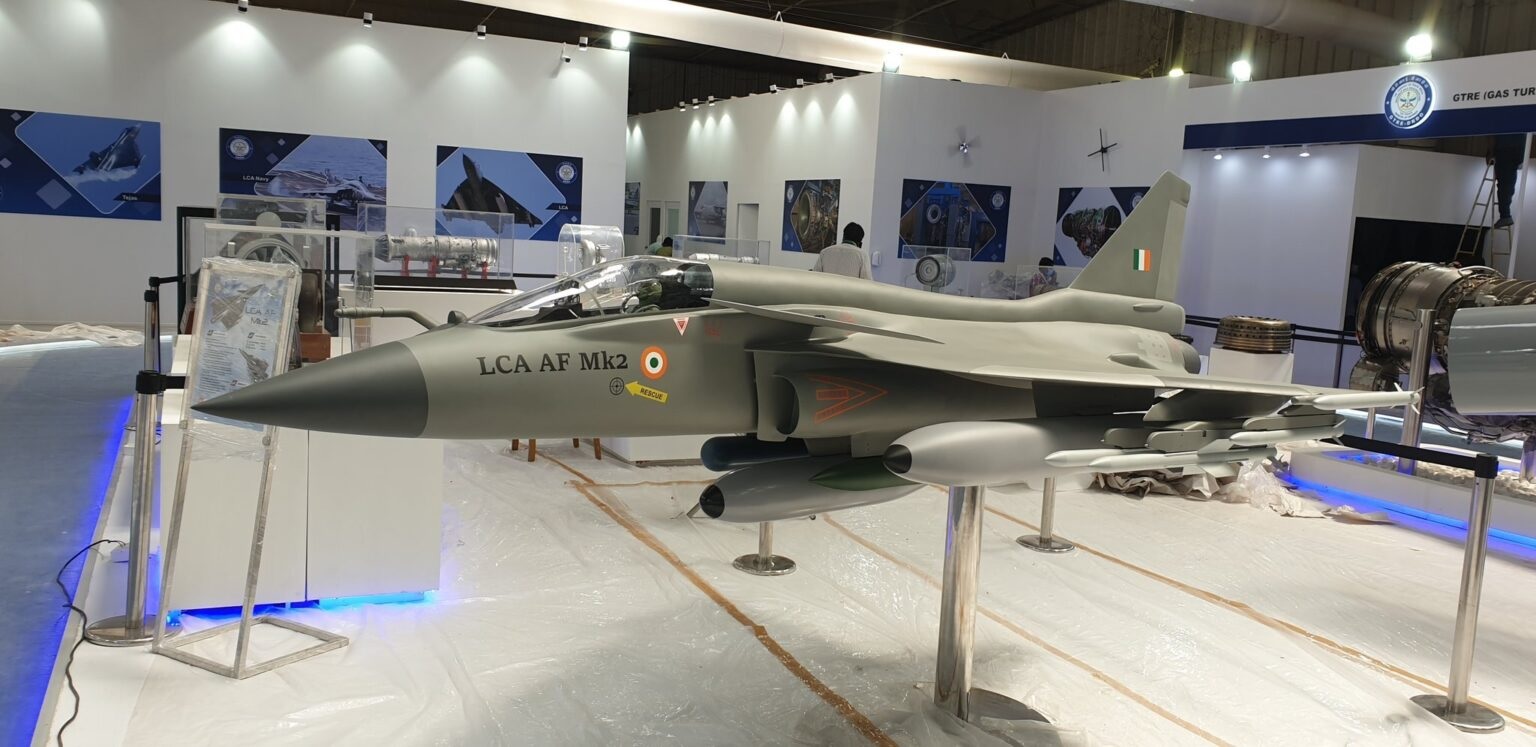
India
India’s ambitious Tejas Mk2 fighter jet program is making steady strides, with the assembly of the first prototype now surpassing 60% completion. Hindustan Aeronautics Limited (HAL), the aerospace giant spearheading its production, has intensified efforts to integrate critical systems, aiming for an official rollout by October 2025. This marks a pivotal moment in India’s pursuit of an advanced 4.5-generation indigenous combat aircraft for the Indian Air Force (IAF). Final Assembly and System Integration in Full Swing As the Tejas Mk2 progresses toward completion, HAL’s primary focus has shifted to integrating its complex subsystems. Key elements currently being installed include avionics, electronic warfare (EW) suites, and advanced cockpit systems, all of which will play a vital role in enhancing the aircraft’s combat effectiveness. One of the most crucial components is the Uttam AESA radar, an indigenous system that will provide superior target detection, tracking, and engagement capabilities. Additionally, the aircraft will feature an upgraded electronic warfare package, allowing it to counter modern aerial threats more effectively. Another major improvement over its predecessor, the Tejas Mk1, is the Tejas Mk2’s larger airframe and enhanced aerodynamics, incorporating canards for superior maneuverability. The aircraft is also being designed to support a wider range of weapon systems, making it more versatile for various combat roles. HAL and ADA Opt for a Practical Rollout Approach Unlike previous major defense milestones, the Aeronautical Development Agency (ADA) has opted for a low-profile rollout for the Tejas Mk2 prototype. Unlike traditional grand unveilings attended by government officials and media, HAL and ADA are focusing on keeping the program on schedule, ensuring technical and operational readiness before drawing public attention. This decision underscores India’s shift towards a more result-oriented approach in its military aviation projects, prioritizing efficiency over ceremonial milestones. From Ground Trials to First Flight: The Road Ahead Once the final assembly is complete by late October 2025, the Tejas Mk2 prototype will enter a rigorous ground-testing phase. This includes: System Checks: Verifying the performance of the General Electric F414 engine, electrical and hydraulic systems, and avionics. Taxi Trials: Conducting low- and high-speed taxi runs to assess handling and readiness for flight. First Flight Milestone: If all goes as planned, the maiden flight of Tejas Mk2 is targeted for March 2026, a crucial step in its development timeline. Tejas Mk2: A Future Mainstay of the IAF The Tejas Mk2 is expected to play a key role in India’s fleet modernization strategy, replacing aging fighter jets such as the MiG-29, Mirage 2000, and Jaguar. With its improved range, payload capacity, and mission adaptability, the aircraft is poised to enhance the IAF’s combat capabilities significantly. Its advanced sensor suite, which likely includes an Infrared Search and Track (IRST) system, will provide passive tracking of enemy aircraft, making it a formidable asset in beyond-visual-range (BVR) engagements. The aircraft’s enhanced thrust and fuel capacity further extend its operational endurance, making it a capable platform for deep-strike missions. As HAL nears the Tejas Mk2’s rollout, the project signals a defining moment for India's defense aviation sector. This fighter jet represents a significant step toward self-reliance in combat aircraft development, demonstrating the country’s ability to produce cutting-edge military technology. If it meets its flight test targets, the Tejas Mk2 will not only bolster India’s airpower but also open avenues for potential exports in the future. With HAL pushing forward aggressively, the Tejas Mk2 is well on its way to becoming a cornerstone of the IAF’s next-generation fighter fleet.
Read More → Posted on 2025-03-27 14:50:01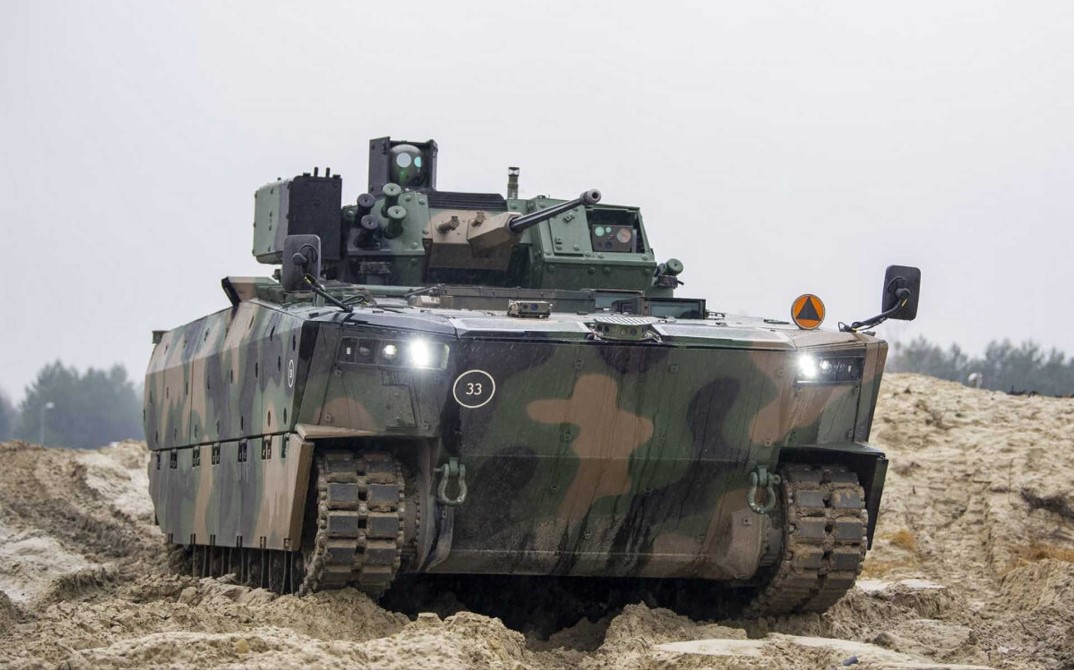
World
Poland has taken a significant step in modernizing its armed forces with the signing of a €1.53 billion contract for the delivery of 111 Borsuk infantry fighting vehicles (IFVs). The agreement, finalized on March 27, 2025, between Poland’s Armament Agency and a consortium led by Polska Grupa Zbrojeniowa S.A. and Huta Stalowa Wola S.A., marks the beginning of large-scale production for one of the most advanced combat vehicles in the country’s history. The first deliveries are expected between 2025 and 2029. A Strategic Leap for Poland’s Mechanized Forces The Borsuk IFV is a critical addition to Poland’s military as it seeks to replace its ageing Soviet-era BWP-1 fleet. Designed for versatility and high mobility, the vehicle features a remote-controlled ZSSW-30 turret system, armed with a Bushmaster Mk.44S automatic cannon and a 7.62 mm UKM-2000C machine gun. It also boasts a dual anti-tank guided missile launcher, making it capable of engaging both armoured threats and aerial targets in all weather conditions. With a combat weight of 28 tonnes, the Borsuk is designed for modern battlefield conditions, offering amphibious capabilities and speeds of up to 65 km/h on roads and 8 km/h in water. Its modular design allows integration with multiple combat and support variants, including reconnaissance, command, medical evacuation, and chemical reconnaissance vehicles. Long-Term Military Planning and Expansion The March 2025 contract follows a broader framework agreement signed in February 2023, outlining Poland’s intention to acquire approximately 1,400 Borsuk vehicles. This plan underscores Poland’s commitment to upgrading its land forces in response to regional security threats, particularly with ongoing tensions in Eastern Europe. The introduction of advanced platforms like the Borsuk enhances Poland’s deterrence capability, aligning its military forces with NATO standards. Additionally, the deal is expected to boost Poland’s domestic defense industry by strengthening manufacturing capabilities and supporting local employment. The participation of Polish defense firms ensures long-term technological advancements and self-reliance in armored vehicle production. Analysis: A Game-Changer for Poland’s Defense Strategy The Borsuk IFV program is not just about replacing old equipment—it represents a broader shift towards a more modern, networked, and NATO-compatible mechanized force. Poland’s military planners have prioritized mobility, firepower, and protection, making the Borsuk a well-rounded platform suited for both conventional warfare and asymmetric threats. Moreover, the modular nature of the Borsuk family provides flexibility for future upgrades, ensuring it remains relevant in evolving battlefield conditions. Its emphasis on amphibious capabilities also highlights Poland’s focus on adaptability, particularly in scenarios requiring rapid force deployment across diverse terrains. With Poland’s increasing defense spending and commitment to large-scale modernization programs, the Borsuk IFV deal serves as a key milestone. It signals Poland’s readiness to defend its borders and strengthens its role as a major player in European security.
Read More → Posted on 2025-03-27 14:47:05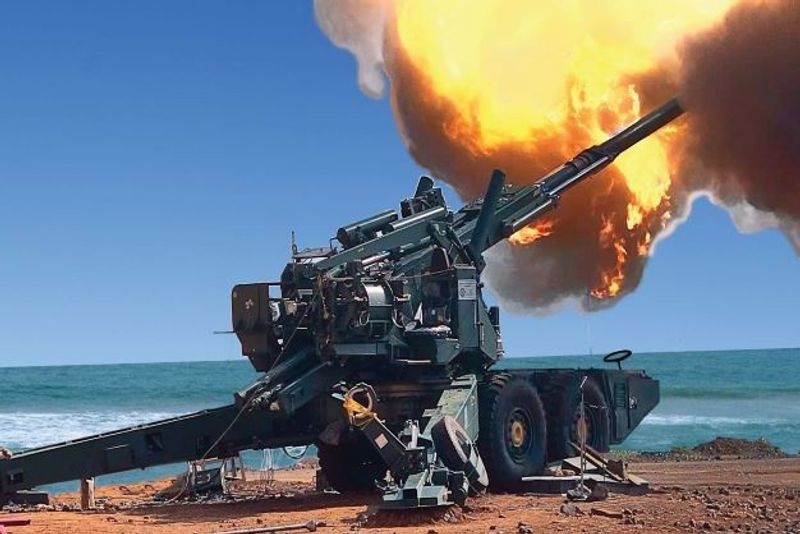
India
On March 26, 2025, India's Ministry of Defence (MoD) finalized a landmark agreement worth ₹6,900 crore with Bharat Forge Limited and TATA Advanced Systems Limited to procure 307 Advanced Towed Artillery Gun Systems (ATAGS) along with 327 high-mobility 6×6 gun towing vehicles. This contract marks a major step in strengthening the Indian Army's artillery capabilities with homegrown solutions. A Leap in India’s Artillery Strength The deal is a game-changer for India's defence industry, as it represents the first large-scale induction of towed artillery systems from private Indian firms. Bharat Forge secured an order for 184 ATAGS units, while TATA Advanced Systems will supply 123. This marks a departure from traditional reliance on foreign-made artillery, reinforcing the government’s push towards self-reliance under the Aatmanirbhar Bharat initiative. Developed by the Defence Research and Development Organisation (DRDO) in partnership with both firms, ATAGS is a 155mm/52 calibre gun system designed to replace the Army’s ageing artillery. With an impressive strike range exceeding 48 kilometers, it incorporates cutting-edge technologies, including advanced fire control systems, automated loading mechanisms, and improved recoil management. Indigenous Push & Economic Impact Over 65% of ATAGS components are domestically sourced, reducing dependence on imports. Key indigenous subsystems include the barrel, muzzle brake, breech mechanism, recoil system, and ammunition handling mechanism. This focus on local production is expected to rise even further as India strengthens its defence ecosystem. The contract is not just about bolstering military firepower but also about economic growth. It is estimated that the production of these systems will generate around 20 lakh man-days of employment, benefiting both small and large industries across the country. Strategic Significance The Indian Army has been actively modernizing its artillery to counter threats along the China and Pakistan borders. ATAGS, with its superior firepower and extended range, is expected to significantly enhance India’s deterrence capability in high-altitude and desert warfare scenarios. Additionally, the system’s advanced digital targeting and automation make it highly efficient in battlefield conditions. This procurement deal is part of the MoD’s larger capital acquisitions for the year, which have now crossed ₹1.40 lakh crore. Defence Secretary Rajesh Kumar Singh highlighted the critical role of DRDO’s Armament Research and Development Establishment (ARDE) in Pune, emphasizing the collaborative efforts that led to this breakthrough. By choosing Bharat Forge and TATA Advanced Systems for this contract, India has reaffirmed its confidence in private defence manufacturers. The ATAGS project is not only a step toward military self-sufficiency but also a boost for India's growing reputation as a global defence manufacturer. As the country continues its journey toward reducing defence imports, this deal stands as a testament to its technological and industrial progress in the sector.
Read More → Posted on 2025-03-27 14:45:17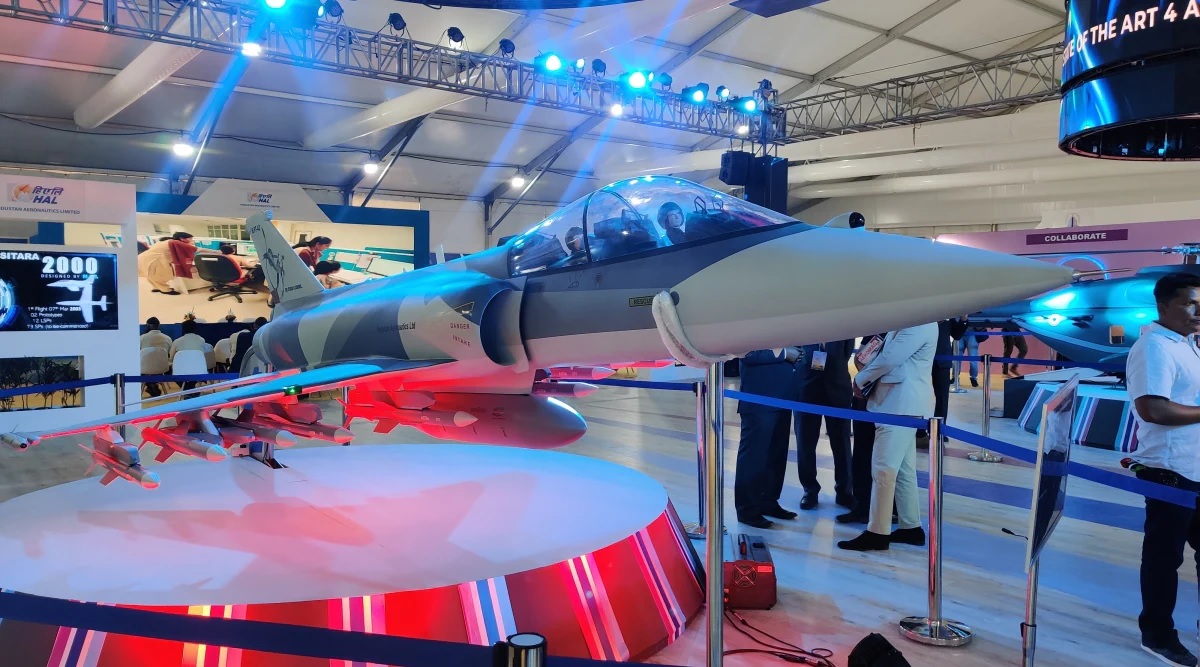
India
State-owned aerospace and defence giant Hindustan Aeronautics Limited (HAL) has officially launched a search for a suitable engine to power its ambitious supersonic trainer, the Hindustan Lead-in Fighter Trainer (HLFT-42). This next-generation aircraft is designed to bridge the gap between subsonic trainers and frontline combat jets, offering future Indian Air Force (IAF) pilots a training platform that better replicates the high-speed, high-G conditions of modern air combat. HAL’s newly issued Request for Information (RFI), dated March 17, 2025, outlines critical specifications for the HLFT-42's engine. The powerplant must generate between 95-100 kilonewtons (kN) of thrust and boast a technical lifespan of at least 6,000 hours. This combination of power and durability is essential to ensuring the trainer meets its intended role in preparing pilots for advanced aircraft like the Tejas Mk2 and the future Advanced Medium Combat Aircraft (AMCA). The HLFT-42 first made waves at Aero India 2023, where HAL displayed a scale model of the aircraft, offering a glimpse into its design philosophy. Featuring a single-engine, swept-wing configuration, the aircraft is expected to incorporate state-of-the-art avionics, including an Active Electronically Scanned Array (AESA) radar, an Infrared Search and Track (IRST) system, and a sophisticated Fly-by-Wire (FBW) control system for enhanced maneuverability. Performance-wise, HAL envisions the HLFT-42 achieving speeds up to Mach 1.8 and an operational ceiling of 18 kilometers (approximately 60,000 feet). These capabilities place it far ahead of India's current advanced jet trainer, the BAE Systems Hawk 132, which has a maximum speed of Mach 1.2. The transition to a supersonic trainer aligns with global trends, where countries like South Korea (with the KAI T-50 Golden Eagle) have already adopted high-speed training platforms to simulate real-world combat conditions more effectively. The engine's required thrust range of 95-100 kN ensures the HLFT-42 can perform high-speed flight profiles while maintaining stability at lower speeds, which is crucial for pilot training exercises. In addition to its training role, the aircraft is being designed with a secondary combat capability, featuring 11 hardpoints for carrying a range of weapons, including indigenous Astra beyond-visual-range missiles and ASRAAM close-combat missiles. With a maximum take-off weight (MTOW) of 16.5 tonnes, the HLFT-42 could also serve as a light combat aircraft if needed. HAL’s RFI is expected to attract responses from leading global jet engine manufacturers. Companies like GE Aviation, whose F404 and F414 engines already power India’s Tejas variants, could be key contenders. Other international firms with engines in the 95-100 kN thrust category may also participate, given India's growing focus on self-reliance and potential opportunities for joint development or technology transfer. The data collected from this RFI will play a crucial role in shaping HAL’s final procurement strategy. Whether HAL opts for an off-the-shelf solution, an upgraded variant of an existing engine, or a co-development model with foreign partners, the selection of the right engine will be a decisive step in realizing India's vision of a cutting-edge, domestically developed supersonic trainer for future fighter pilots.
Read More → Posted on 2025-03-27 14:42:22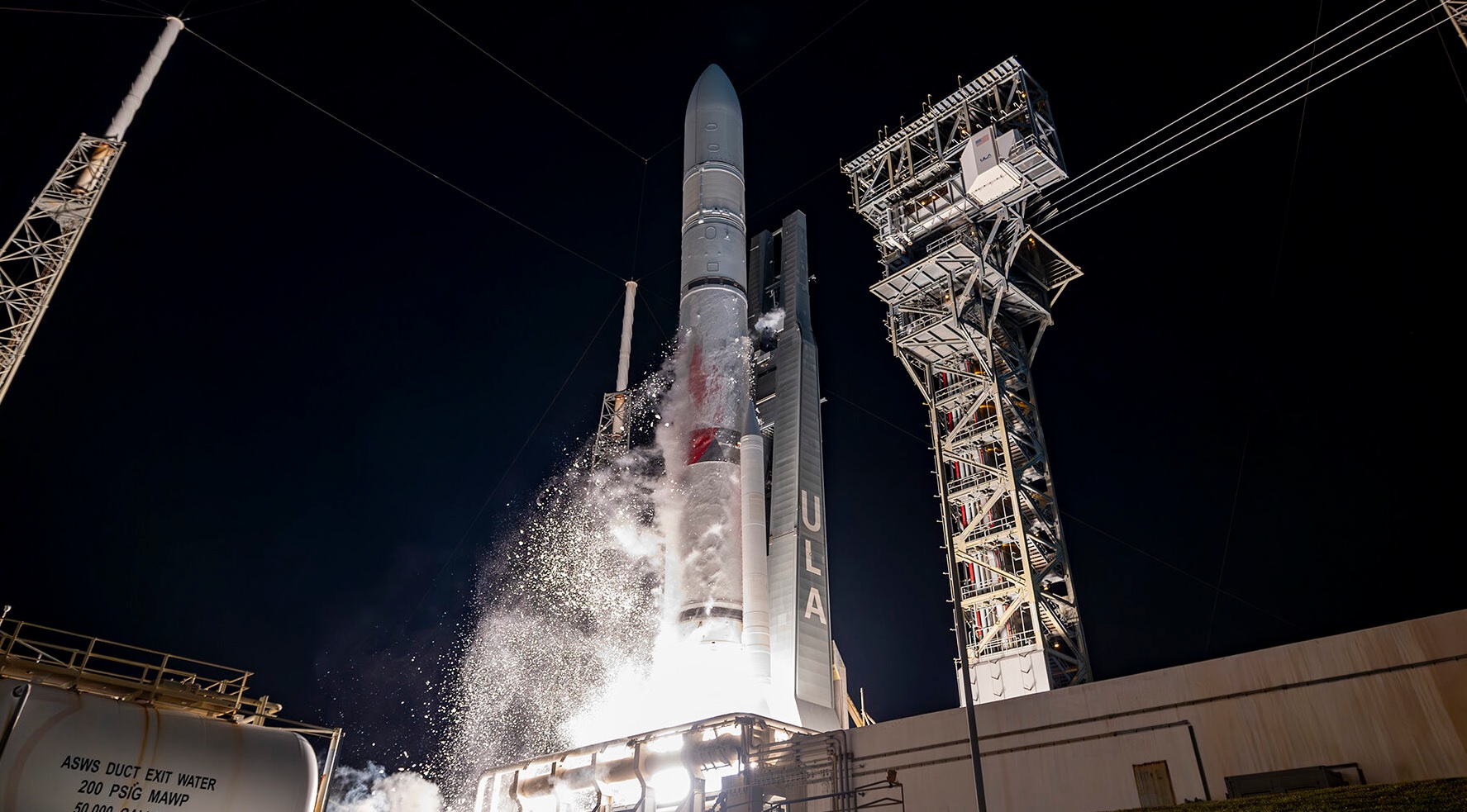
World
For years, Elon Musk's SpaceX has been at the forefront of U.S. military space launches, offering reliable and cost-effective solutions for missions beyond Earth's atmosphere. This dominance is now being challenged as the U.S. Space Force has officially certified United Launch Alliance's (ULA) Vulcan Centaur rocket to carry critical national security payloads. This certification marks the culmination of a rigorous, multi-year evaluation process, encompassing thorough assessments of hardware, software, and subsystem designs. It confirms that the Vulcan Centaur has met all 52 criteria required for National Security Space Launch (NSSL) certification. Brigadier General Kristin Panzenhagen, Program Executive Officer of the U.S. Space Force's Space Systems Command, emphasized that Vulcan's certification enhances the nation's launch capacity, resiliency, and flexibility for its most critical space-based systems. Currently, SpaceX and ULA are the only two companies certified to deliver military payloads to space. The Vulcan Centaur, designed to replace ULA's Atlas V and Delta IV rockets, promises high performance and extreme accuracy for even the most challenging orbits. The two-stage system features liquid rocket engines in the first stage, while the second stage utilizes the Centaur upper stage, a component with a proven track record on other rockets. Originally, ULA aimed to complete the NSSL certification process by the end of 2024. However, a setback occurred due to a failed launch in October, attributed to a manufacturing defect involving the Vulcan's Northrop Grumman-supplied solid rocket booster. With the NSSL certification now secured, Vulcan is expected to begin launching critical payloads, with 18 missions planned for this year. The landscape of military space launches is becoming increasingly competitive. Blue Origin's New Glenn rocket is also vying for NSSL certification, having successfully completed its first certification flight in January at Cape Canaveral Space Force Station, meeting its primary goal of reaching orbit. Additionally, Rocket Lab and Relativity Space are set to begin NSSL certification with their Neutron and Terran R rockets later this year or in 2026. Northrop Grumman and Firefly Aerospace are collaborating on the development of the Medium Launch Vehicle, expected to debut in 2026. This evolving competitive environment signifies a pivotal shift in the U.S. military space launch sector, with multiple players striving to provide innovative and reliable solutions for national security missions.
Read More → Posted on 2025-03-27 14:40:54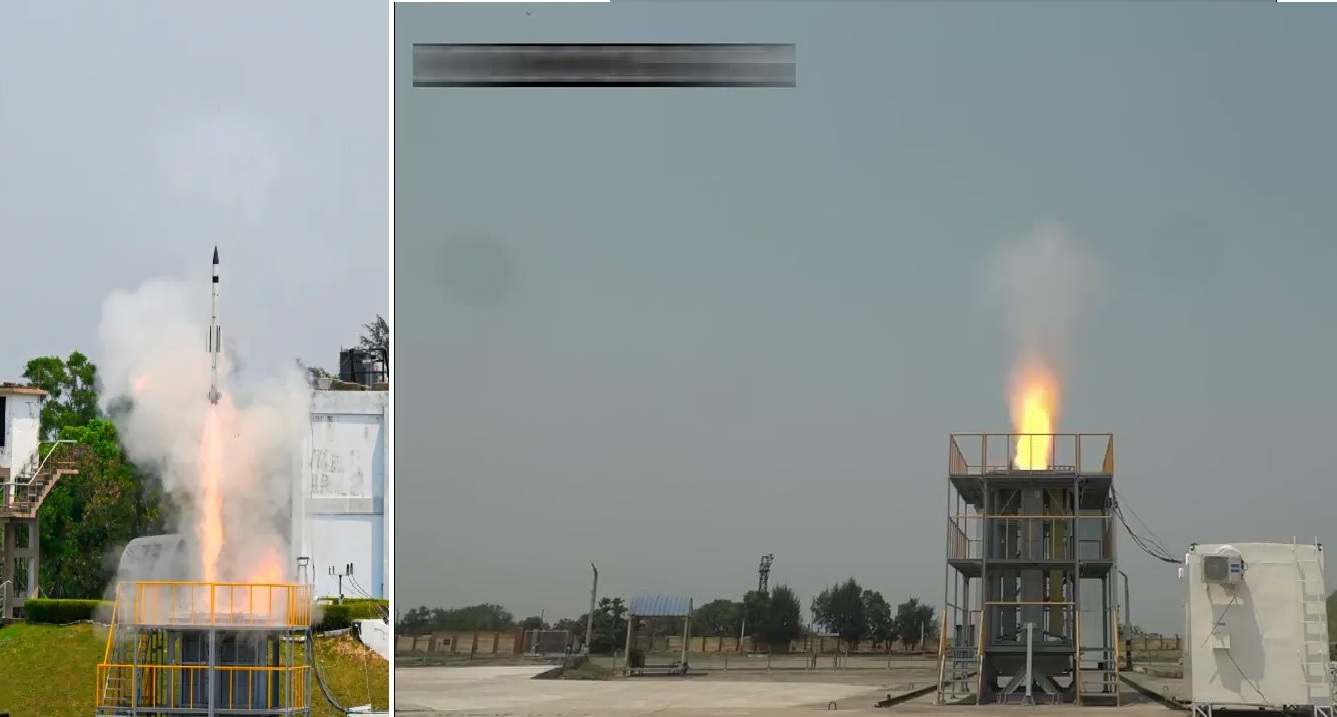
India
India’s defence capabilities took a significant leap forward as the Defence Research and Development Organisation (DRDO) and the Indian Navy successfully conducted the flight test of the Vertically-Launched Short-Range Surface-to-Air Missile (VLSRSAM). The test, carried out at approximately 1200 hours on March 26, 2025, from the Integrated Test Range (ITR) in Chandipur, Odisha, demonstrated the missile's cutting-edge capabilities in neutralizing high-speed aerial threats at extremely close ranges and low altitudes. A Major Milestone in Indigenous Defence Technology This latest flight test showcased the missile’s Near-Boundary-Low Altitude interception capability—a critical feature for naval operations where threats can emerge suddenly and at unpredictable altitudes. The VLSRSAM is designed to enhance the Indian Navy’s ability to counter airborne threats, including hostile aircraft, drones, and anti-ship missiles. The system underwent a rigorous test scenario, where it successfully intercepted and destroyed its target while executing a high turn rate, proving its agility, precision, and reliability. The test was conducted with the full combat configuration, including key elements such as: An indigenous Radio Frequency (RF) seeker for high-accuracy target tracking A Multi-Function Radar (MFR) to detect and engage threats in real-time A Weapon Control System to coordinate seamless engagement Strategic Importance for the Indian Navy The VLSRSAM system is poised to become a crucial force multiplier for the Indian Navy, strengthening its ability to defend warships against aerial threats. Designed to be deployed on Indian Navy warships, this missile will serve as the naval equivalent of the land-based Akash missile system, providing an added layer of air defence. With evolving security challenges in the Indo-Pacific region, particularly with China’s expanding naval footprint, the introduction of an advanced, homegrown missile system significantly boosts India’s maritime defence posture. A Step Towards Self-Reliance in Defence Following the successful test, Defence Minister Rajnath Singh lauded the achievement, calling it a testament to India’s growing defence R&D capabilities. He emphasized that such indigenous advancements align with India’s Atmanirbhar Bharat (self-reliant India) vision, reducing dependence on foreign missile systems. Dr Samir V Kamat, Chairman of DRDO, echoed this sentiment, highlighting that the VLSRSAM’s cutting-edge technologies will provide a technological boost to the armed forces. He further noted that the successful test reflects DRDO’s continuous efforts in developing state-of-the-art missile defence solutions for India’s military. The Road to Deployment With this test, the VLSRSAM moves closer to operational deployment. Once inducted, it will significantly enhance the Indian Navy’s ability to protect its assets in hostile environments. The missile’s compact design and vertical launch capability make it an ideal choice for modern warships, ensuring quick response times against incoming threats. This success reinforces India’s defence innovation and self-sufficiency in missile technology. As geopolitical tensions continue to shape regional security, the VLSRSAM stands as a symbol of India’s growing military strength and preparedness for modern warfare.
Read More → Posted on 2025-03-27 14:38:08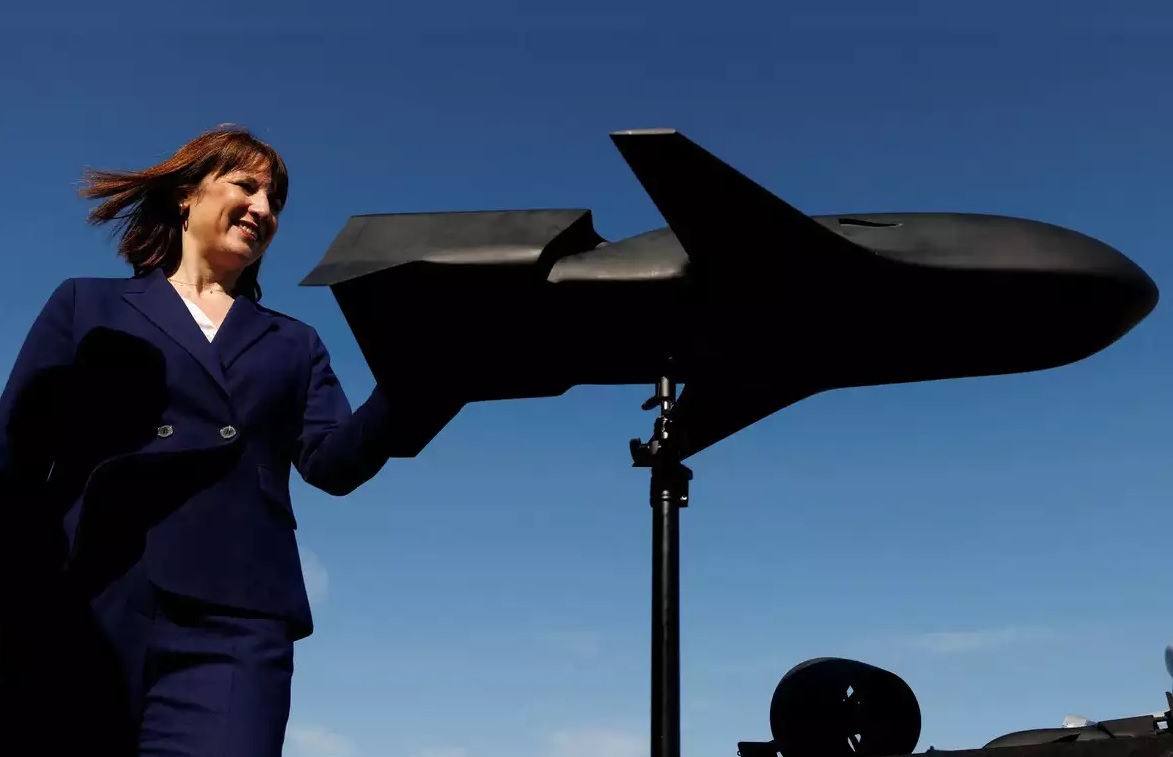
World
Britain is setting its sights on becoming a global defence powerhouse as Finance Minister Rachel Reeves announced a £2.2 billion ($2.8 billion) boost to the sector in her latest budget update. This move comes amid increasing geopolitical tensions and growing calls from the United States for Europe to take greater responsibility for its security. Reeves emphasized that the UK must lead in cutting-edge defence technologies, ensuring the country's military remains at the forefront of innovation. As part of the new strategy, 10% of the government’s defence equipment budget will be dedicated to emerging technologies, with a sharp focus on artificial intelligence and drone warfare. Small businesses will also gain improved access to defence contracts through a reform of what she described as a “broken” procurement system. Additionally, the government is allocating £400 million to fast-track UK defence innovation, ensuring that state-of-the-art technologies reach the battlefield faster. This funding is part of a broader effort to modernize the UK’s military capabilities and strengthen the domestic defence industry. Reeves underscored that this investment is not just about military readiness but also economic growth. "This additional investment is not just about increasing our national security but increasing our economic security, too," she stated, highlighting that rising defence spending will create jobs and boost industries across the country. This announcement follows Prime Minister Keir Starmer’s commitment to raise defence spending to 2.5% of GDP by 2027—the largest increase since the Cold War. Looking further ahead, Britain aims to allocate 3% of GDP to defence in the next parliamentary term. Analysis: A Strategic Shift in Defence Policy The UK’s ambitious plan signals a major shift in its approach to military and industrial policy. In the past, Britain relied heavily on traditional military spending, but the latest strategy places innovation and technological superiority at the core of its defence agenda. This aligns with global trends, where modern warfare is increasingly shaped by AI, cyber capabilities, and unmanned systems. By committing a significant share of its defence budget to emerging technologies, the UK is positioning itself as a key player in the rapidly evolving defence landscape. The focus on drones and AI suggests an adaptation to modern threats, where agility and automation are becoming more crucial than sheer firepower. Moreover, the push to reform defence procurement and include smaller firms could enhance competition and efficiency, breaking the stronghold of a few large defence contractors. This could lead to faster development cycles and cost-effective solutions for the military. However, challenges remain. The increase in defence spending comes at a time when the UK is dealing with economic pressures, including inflation and public service demands. Critics may argue that prioritizing military expansion could divert funds from other critical sectors like healthcare and education. Additionally, meeting the 3% GDP defence spending target will require sustained political will and economic stability. Nevertheless, the message from the government is clear: the UK is serious about reclaiming its status as a defence leader. As global tensions rise, Britain is making a bold bet on military technology, hoping that both its national security and economy will reap the benefits.
Read More → Posted on 2025-03-26 16:30:18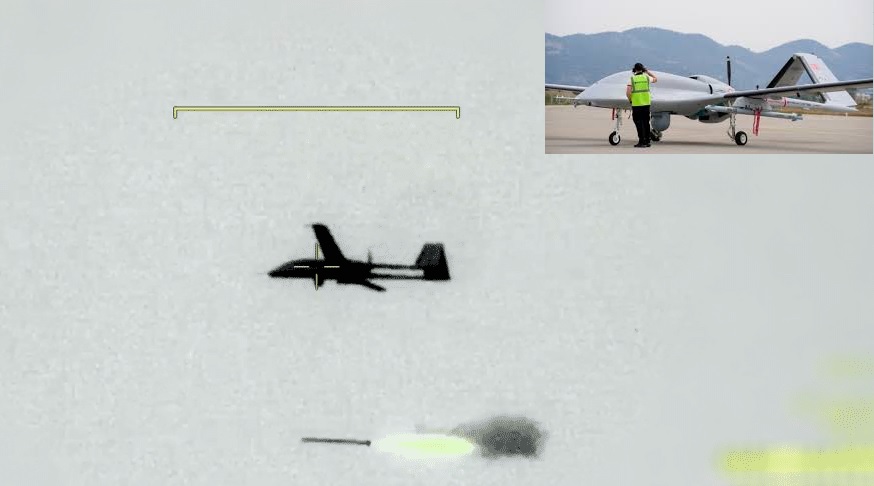
World
On March 25, 2025, the Bayraktar TB3 unmanned combat aerial vehicle (UCAV) achieved a significant milestone by successfully striking a stationary sea target during its inaugural test firing of the IHA-122 Supersonic Missile. This event underscores the rapid advancements in Türkiye's indigenous defense technologies. Test Execution and Results The test commenced with the Bayraktar TB3 taking off from Dalaman, Muğla, equipped with the IHA-122 missile developed by Roketsan. The UCAV ascended to its designated altitude and launched the missile towards a 6-by-6-meter floating target over 50 kilometers away. The missile successfully struck the target with pinpoint accuracy, demonstrating its effectiveness and the UCAV's operational capabilities. A notable aspect of the test was the coordination between two UCAVs: a Bayraktar TB2 performed laser target designation from the air, while the Bayraktar TB3 executed the strike. This collaboration highlights the potential for integrated unmanned systems to conduct complex missions with precision. Advancements in UCAV Capabilities The Bayraktar TB3 has been at the forefront of several groundbreaking achievements. On November 19, 2024, it made history by successfully taking off and landing on the TCG Anadolu, a short-runway vessel, without the aid of landing support equipment. This 46-minute test flight at the confluence of the Aegean and Mediterranean seas marked a global first for unmanned aviation. Further demonstrating its versatility, the Bayraktar TB3 completed additional take-offs and landings during subsequent sea trials off the coast of Çanakkale, maintaining an average cruising altitude of 20,000 feet. These tests validate the UCAV's capability to operate effectively from naval platforms, enhancing maritime operational flexibility. Performance and Endurance Powered by the domestically developed PD-170 engine by TEI, the Bayraktar TB3 achieved a high-altitude performance milestone on June 25, 2024, reaching 36,310 feet during a system performance test. This achievement reflects the robustness of Türkiye's indigenous aerospace engineering. In terms of endurance, the UCAV has accumulated a total flight time of 967 hours and 55 minutes. Notably, on December 20, 2023, it completed a continuous 32-hour flight, covering a distance of 5,700 kilometers, showcasing its long-range operational capabilities. Integration of Indigenous Systems Emphasizing self-reliance, the Bayraktar TB3 conducted its first flight with the ASELFLIR-500 Electro-Optical Reconnaissance, Surveillance, and Targeting System on March 26, 2024. Developed by Aselsan, this system offers superior performance compared to global counterparts, enhancing the UCAV's surveillance and targeting capabilities. Strategic Implications The successful integration and test firing of the IHA-122 Supersonic Missile from the Bayraktar TB3 signify a substantial leap in Türkiye's defense capabilities. The ability to launch precision strikes from unmanned platforms extends the operational reach and effectiveness of the Turkish Armed Forces, particularly in maritime scenarios. Furthermore, the demonstrated coordination between multiple UCAVs for target designation and engagement illustrates the potential for networked unmanned systems to execute complex missions. This capability enhances situational awareness and operational efficiency, providing a strategic advantage in modern warfare. In conclusion, the Bayraktar TB3's recent achievements reflect Türkiye's commitment to advancing its indigenous defense technologies. The successful test firing of the IHA-122 missile not only showcases the UCAV's precision strike capabilities but also highlights the synergy between various unmanned systems, paving the way for more integrated and effective defense solutions.
Read More → Posted on 2025-03-26 16:26:42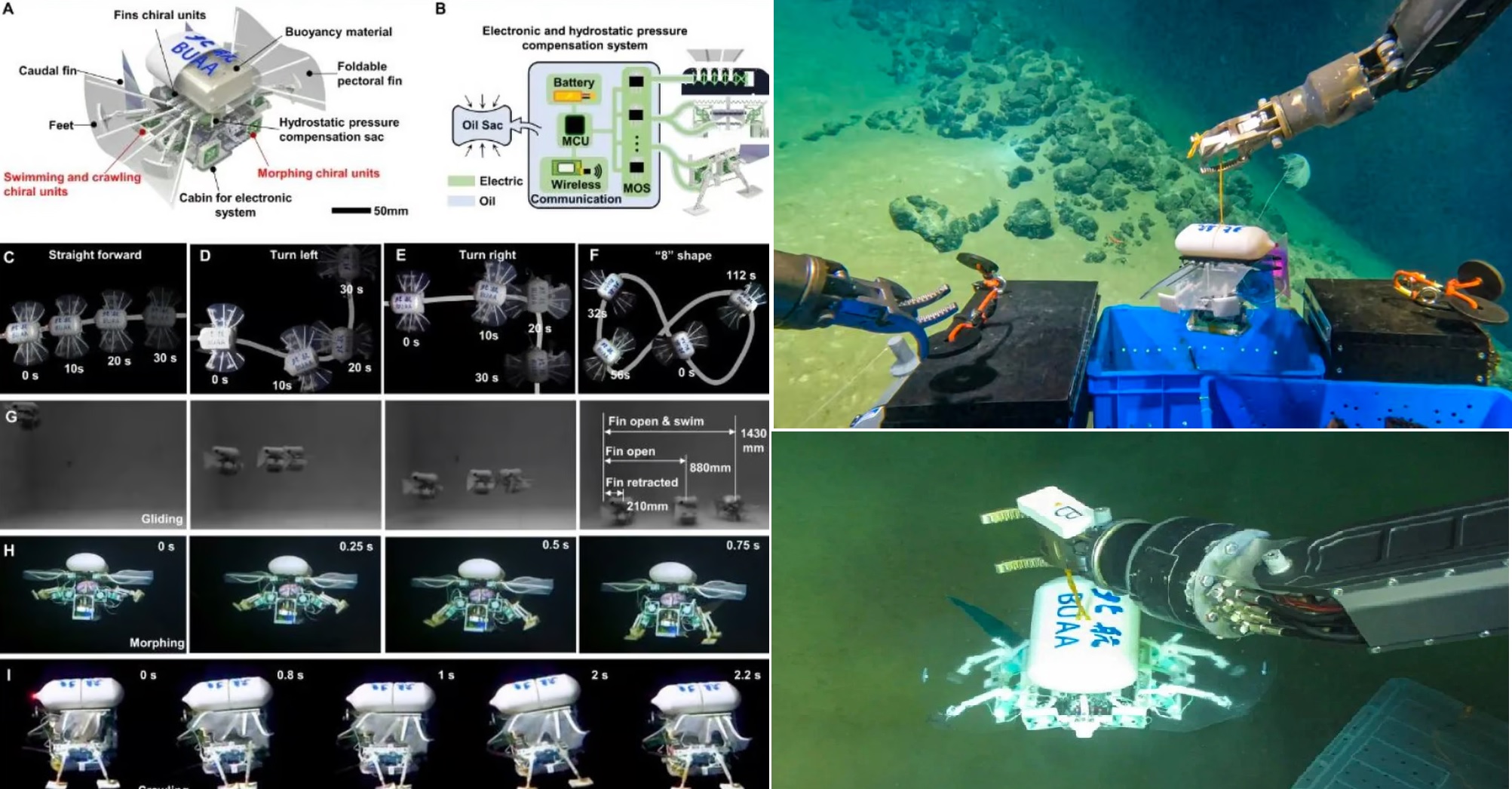
World
In the depths of the Pacific Ocean, where sunlight never reaches and pressures crush even the toughest machines, China has achieved a technological breakthrough. A miniature drone, no bigger than a briefcase, has successfully explored the world’s deepest point—the Mariana Trench—marking a new milestone in deep-sea robotics. Developed by researchers at Beijing’s Beihang University, this advanced submersible has demonstrated capabilities beyond those of even the most sophisticated US Navy technologies. A New Frontier in Deep-Sea Exploration The Mariana Trench, located east of Guam, plunges 10.7 km (6.6 miles) beneath the ocean’s surface. The extreme pressure at these depths—1,000 times greater than at sea level—poses a formidable challenge for any machine. Yet, China’s newly developed robotic drone has overcome these conditions using a revolutionary propulsion system based on shape memory alloys (SMAs). These smart metals enable the robot to swim, glide, and even crawl across the trench floor, a feat previously unattainable. Professor Wen Li, the lead researcher of the project, described the challenges: “At a depth of 10 km, the pressure is equivalent to a robot bearing the weight of an iceberg.” The breakthrough lies in the robot’s ability to harness that pressure, making it more efficient as it descends further. Unlike conventional deep-sea submersibles, which rely on rigid mechanical systems, this Chinese innovation uses soft actuators that adapt to the immense underwater stress. This not only allows smoother movement but also enhances its ability to perform scientific tasks in the abyss. China’s Rapid Rise in Deep-Sea Capabilities China’s investment in deep-sea exploration has accelerated rapidly. In 2024 alone, the country completed 246 deep-sea dives—more than all other nations combined. Meanwhile, the United States continues to rely on ageing submersibles like Alvin, a 61-year-old crewed vehicle that can only descend to 6,500 metres (21,300 feet). While Alvin has made historic discoveries, such as locating hydrothermal vents and the Titanic wreckage, its operational limitations are becoming increasingly apparent. China, by contrast, has built a fleet of advanced deep-sea vehicles. Between 2020 and 2024, submersibles like Shenhai Yongshi (Deep Sea Warrior) and Fendouzhe (Striver) have conducted over 1,100 dives, carrying scientists to record-breaking depths. In 2024, Fendouzhe completed 31 dives in just 37 days, including seven missions beyond 9,000 metres—something no other nation has achieved. Strategic and Scientific Implications The success of this new robotic drone is not just a scientific achievement; it has significant geopolitical and military implications. The Mariana Trench lies within a strategically sensitive region near Guam, a key US military outpost in the Pacific. The ability to operate at these depths gives China a considerable edge in underwater surveillance, deep-sea resource exploration, and potential military applications. Moreover, the new robotic platform is part of the Mariana Trench Environmental and Ecological Research Programme (MEER), a large-scale Chinese initiative that has already yielded groundbreaking discoveries about deep-sea microbes, invertebrates, and fish. Unlike previous robotic attempts—such as a fish-shaped drone developed by Zhejiang University in 2021, which lacked practical utility—this new drone is designed for real-world applications, including biological sampling and environmental monitoring. China’s progress in deep-sea robotics raises important questions about the future of undersea exploration. As traditional crewed submersibles like Alvin face increasing operational constraints, many experts believe that the future belongs to autonomous and robotic technologies. If China continues on its current trajectory, it may soon dominate the deepest parts of the ocean—an arena long considered beyond reach. With this latest breakthrough, China has reaffirmed its position as a global leader in deep-sea exploration. The question now is: can the United States and its allies keep up?
Read More → Posted on 2025-03-26 16:23:25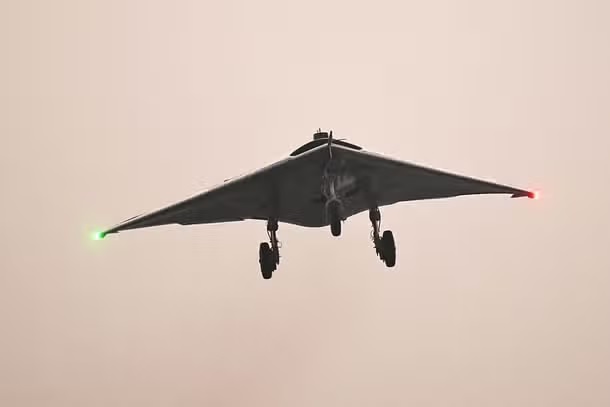
India
India's quest to develop an indigenous Unmanned Combat Aerial Vehicle (UCAV) has entered a crucial stage as the Defence Research and Development Organisation (DRDO) has initiated work on the full-scale prototype of the Ghatak stealth drone. This 13-tonne flying-wing platform is envisioned to significantly boost the Indian Air Force's (IAF) autonomous strike capabilities. However, the program’s success now hinges on securing formal financial approval from the Indian government. The Aeronautical Development Establishment (ADE), a leading DRDO laboratory, has begun acquiring key components for the Ghatak prototype. This marks a natural progression from the successful flight trials of the smaller Stealth Wing Flying Testbed (SWiFT), which demonstrated core stealth and flight technologies in July 2022. SWiFT was instrumental in validating concepts such as low Radar Cross Section (RCS) shaping, internal weapons bays, and advanced flight control algorithms—features that will now be scaled up for the full-size Ghatak UCAV. A Technological Leap in India's Drone Warfare The Ghatak drone is designed for deep-penetration strike missions in highly contested airspace. Its flying-wing design minimizes radar visibility, making it ideal for high-risk operations. It will feature an internal weapons bay capable of carrying up to 1.5 tonnes of munitions, such as precision-guided bombs. One of the key highlights of the program is the indigenous Dry Kaveri engine, a non-afterburning turbofan generating 49 kN of thrust. This engine variant has been optimized for stealth by reducing infrared emissions, ensuring lower heat signatures, and improving fuel efficiency for extended flight endurance. While the Kaveri engine project has faced delays, its adaptation for Ghatak represents a renewed push for indigenous propulsion technology. Building on the SWiFT demonstrator’s data, ADE is also working on advanced avionics, sensor fusion systems, and next-generation flight control algorithms tailored for a high-speed, high-maneuverability stealth drone. Specialized radar-absorbing materials (RAM) and electronic warfare capabilities are expected to be integral to Ghatak’s survivability in enemy airspace. Government Funding: The Critical Hurdle Despite the promising technological groundwork, the transition to a full-scale operational UCAV depends on securing adequate funding. A senior ADE official highlighted that while initial procurement activities have begun, large-scale development and flight testing require a substantial financial commitment. Currently, the financial proposal for Ghatak is under review by a Ministry of Finance committee. Estimates within defense circles suggest a required budget of approximately ₹5,000 crores ($600 million), covering the prototype’s full development and testing phase. The proposal is expected to be submitted to India’s Cabinet Committee on Security (CCS) for final approval, potentially by mid-2025. Strategic Synergies with AMCA The Ghatak project is closely aligned with India’s Advanced Medium Combat Aircraft (AMCA) program, which aims to develop a fifth-generation stealth fighter. Several technologies, including stealth coatings, composite materials, and avionics, will be shared between the two platforms, offering cost savings and accelerating development timelines. However, Ghatak’s autonomous capabilities and Manned-Unmanned Teaming (MUM-T) operations require distinct research efforts, necessitating dedicated funding. As India positions itself among global leaders in autonomous combat aviation, the Ghatak program represents a significant step forward in indigenous drone warfare capabilities. While technological advancements from the SWiFT demonstrator provide a strong foundation, timely government funding will be crucial in transitioning the UCAV from prototype to operational deployment. If financial approvals proceed as anticipated, India’s first full-scale stealth UCAV could see its maiden flight within the next few years, marking a new era in the nation’s defense capabilities.
Read More → Posted on 2025-03-26 16:20:01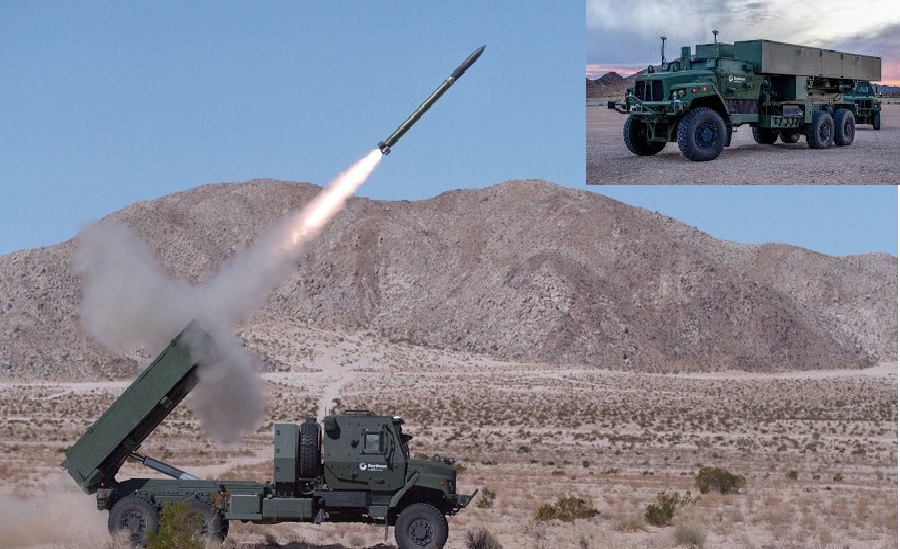
World
Raytheon, a key division of American defence giant RTX, has successfully demonstrated its DeepStrike autonomous mobile launcher during the U.S. Army’s Project Convergence exercises. This innovative system, which requires no human driver, marked a major milestone in the long-range precision fires programme, showcasing its ability to function autonomously in live-fire conditions. A Collaborative Technological Leap The success of DeepStrike is the result of collaboration among several advanced defence and technology firms. Raytheon developed both the missile and the launcher, while Forterra contributed its expertise in self-driving technology. Oshkosh Defense provided the vehicle platform and electronics, and Ursa Major engineered the rocket motor. This joint effort underscores the growing synergy between traditional defence contractors and modern automation specialists, highlighting the increasing role of artificial intelligence and autonomous systems in modern warfare. Revolutionizing Battlefield Operations The DeepStrike system represents a breakthrough in both mobility and firepower. It can fire multiple types of missiles, allowing greater flexibility in combat, and it boasts an increased magazine depth, meaning more firepower per launcher. According to Brian Burton, vice president of Precision Fires & Maneuver at Raytheon, the launcher is designed to address the Army’s future needs by offering a modern platform with autonomous operation that enhances survivability in the field. One of the biggest advantages of the system is its ability to traverse difficult terrain and operate in harsh battlefield environments without human intervention. This significantly reduces risks for soldiers, as the launcher can move, fire, and reposition itself without the need for an onboard crew. Additionally, its autonomy enables faster response times in high-stakes combat situations, allowing for quick strikes and immediate evasive actions to avoid counterattacks. Strategic Implications and Future Testing The introduction of DeepStrike could reshape future battlefield strategies, as it aligns with the U.S. military’s vision of autonomous and networked warfare. By incorporating AI-driven decision-making, the launcher could potentially coordinate with other unmanned systems, such as aerial drones and robotic ground vehicles, creating a more integrated combat force. Moving forward, Raytheon and its partners plan to conduct further trials over the next year to refine both the offensive and defensive capabilities of the system. These tests will explore how DeepStrike performs in high-threat scenarios, including electronic warfare environments where autonomous systems may face jamming or cyber threats. A New Era for Artillery Warfare With the U.S. Army prioritizing long-range precision fires to maintain superiority against near-peer adversaries, systems like DeepStrike are becoming essential. The combination of automation, adaptability, and firepower makes it a game-changing asset, potentially altering the dynamics of future conflicts. As the technology matures, it could set the stage for the next generation of self-sustaining, AI-driven artillery systems, ensuring that the U.S. military remains at the forefront of technological warfare.
Read More → Posted on 2025-03-26 16:17:09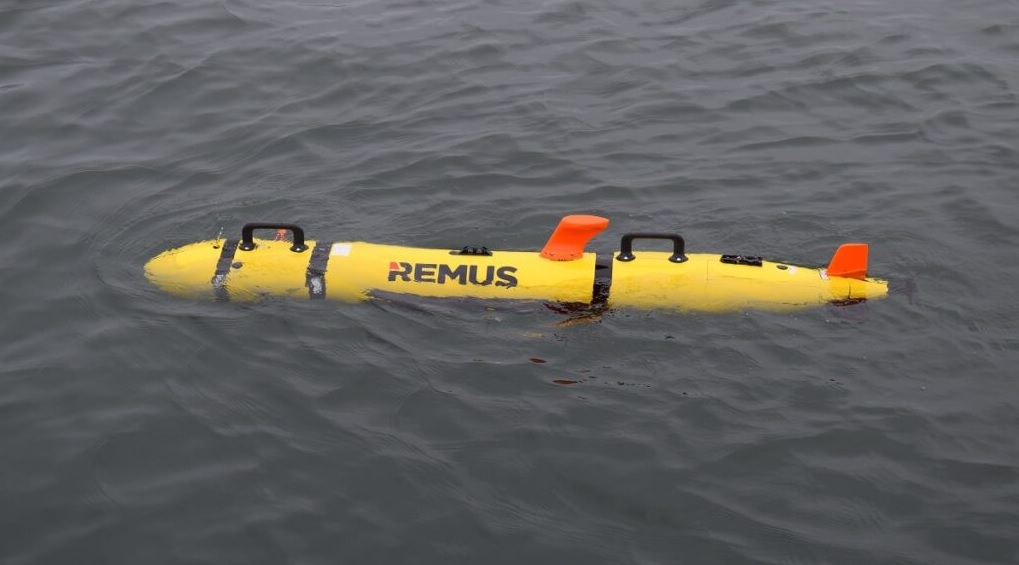
World
Huntington Ingalls Industries (HII) has reached a significant milestone, surpassing 700 sales of its REMUS uncrewed underwater vehicles (UUVs) to customers worldwide. This achievement highlights the growing reliance on autonomous underwater systems for military, commercial, and research applications. The REMUS UUV family has been adopted by more than 30 countries, including 14 NATO members, making it one of the most widely used autonomous underwater platforms. Impressively, over 90% of the REMUS vehicles delivered in the past 23 years remain operational, reflecting the system’s durability and effectiveness in maritime operations. Expanding Capabilities in Modern Naval Warfare The REMUS series plays a crucial role in naval operations, offering advanced intelligence, surveillance, and reconnaissance (ISR) capabilities. These UUVs are extensively used for mine countermeasures, anti-submarine warfare, and electronic warfare, helping navies detect and neutralize underwater threats with minimal risk to personnel. Equipped with high-resolution sonar and sophisticated sensor packages, REMUS vehicles enhance situational awareness in complex maritime environments. Their ability to operate autonomously or in coordination with crewed platforms provides flexibility in mission planning while extending operational range. Additionally, these systems contribute to ensuring safe passage for naval and commercial vessels in contested or high-risk sea zones. Widespread Adoption by Global Naval Forces HII’s REMUS UUVs have been integrated into the fleets of major naval forces, including the U.S. Navy and several NATO allies. The U.S. Navy has deployed REMUS in strategic regions such as the Persian Gulf, the Baltic Sea, and the Black Sea, where underwater surveillance and mine countermeasures are critical. NATO forces have utilized the system in joint exercises across the Mediterranean, the North Sea, and the Arctic, reinforcing allied maritime capabilities. In 2023, the UK Royal Navy expanded its UUV fleet by acquiring multiple REMUS systems, including three units capable of operating at depths of 100 meters (328 feet) and five with a 300-meter (984-foot) operational limit. Meanwhile, in March 2024, HII secured a contract to deliver a REMUS 620 underwater drone to an undisclosed Indo-Pacific customer. The REMUS 620, capable of diving 600 meters (1,900 feet), offers enhanced payload capacity for a variety of underwater missions. Future Prospects and Continued Innovation HII is actively developing new variants of the REMUS series to meet evolving operational demands. The company is currently fulfilling a $347 million contract with the U.S. Navy for the production of small uncrewed undersea vehicles. These next-generation UUVs are expected to integrate improved endurance, artificial intelligence-based navigation, and modular payload options, further increasing their adaptability in multi-domain operations. As undersea warfare and maritime security challenges continue to grow, the demand for autonomous underwater systems like REMUS is expected to rise. HII’s sustained investment in cutting-edge technology and strategic partnerships ensures that REMUS will remain a cornerstone of global naval operations for years to come.
Read More → Posted on 2025-03-26 16:13:29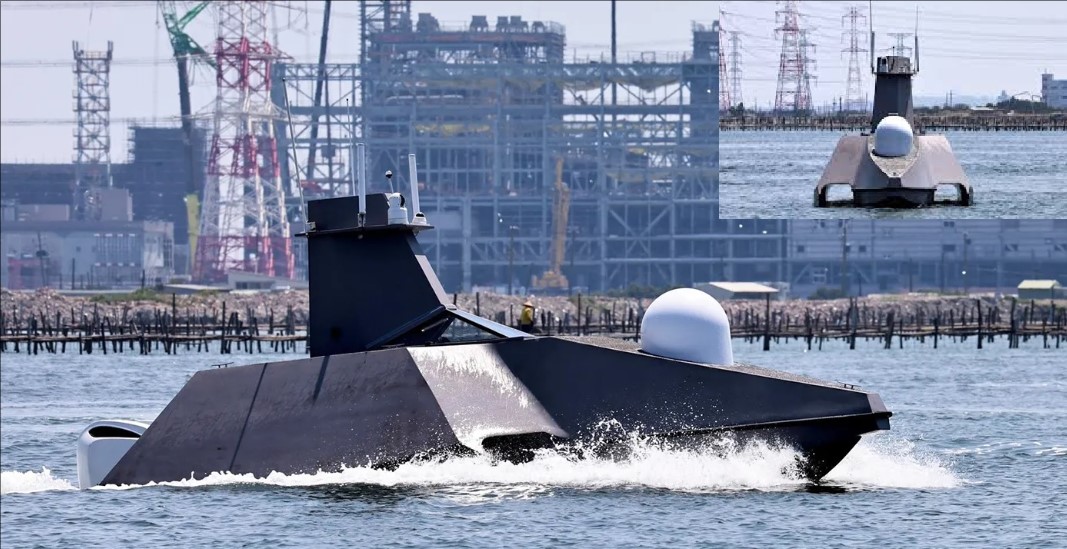
World
In response to escalating tensions in the Taiwan Strait, Taiwan has introduced its first domestically developed unmanned surface vessel (USV), the Endeavor Manta. This 8.6-meter (28-foot) sea drone, crafted by the Taiwan International Shipbuilding Corporation (CSBC), draws significant inspiration from Ukraine's effective use of similar technology in the Black Sea conflict. Design and Capabilities The Endeavor Manta features a fiber-reinforced plastic trimaran hull, providing enhanced stability suitable for the often turbulent waters of the Taiwan Strait. With a displacement of approximately five tons, the vessel is designed for versatility and agility. It boasts a maximum speed of 35 knots (64 kilometers per hour), enabling rapid deployment and responsiveness in various maritime scenarios. A notable aspect of the Endeavor Manta is its payload capacity, which allows it to carry light torpedoes and high-powered explosives. This armament enables the USV to execute a range of operations, from reconnaissance and surveillance to direct engagement with adversary vessels through ramming attacks. Additionally, the vessel can serve roles in mine-hunting, search and rescue missions, and electronic warfare, showcasing its multifunctional design. Operational Flexibility Designed with operational flexibility in mind, the Endeavor Manta can be launched from various points, including ports, beaches, and landing platform docks such as the Yushan-class vessels, which can accommodate up to 20 USVs. Its control systems are robust, utilizing multiple communication modes—including 4G, satellite, and radio signals—to ensure consistent command and control, even in contested environments. In scenarios where communication is compromised, the vessel is equipped with autonomous return capabilities or can self-destruct to prevent capture. Furthermore, a single control station has the capacity to manage up to 50 Endeavor Mantas simultaneously, facilitating coordinated swarm operations. This capability is critical for executing complex missions that require the simultaneous deployment of multiple units to overwhelm adversary defenses. Strategic Implications The development and deployment of the Endeavor Manta align with Taiwan's strategic emphasis on asymmetric warfare capabilities. By investing in advanced uncrewed technologies, Taiwan aims to create substantial obstacles for potential amphibious assaults, thereby enhancing its deterrence posture against larger adversarial forces. The Endeavor Manta serves as a force multiplier, enabling Taiwan's military to project power and maintain situational awareness in its maritime domain more effectively. The introduction of the Endeavor Manta marks a significant advancement in Taiwan's defense capabilities, reflecting a strategic shift towards leveraging unmanned technologies for enhanced maritime security. By adopting lessons from Ukraine's use of USVs, Taiwan is positioning itself to effectively counter potential threats in the region.
Read More → Posted on 2025-03-26 16:10:58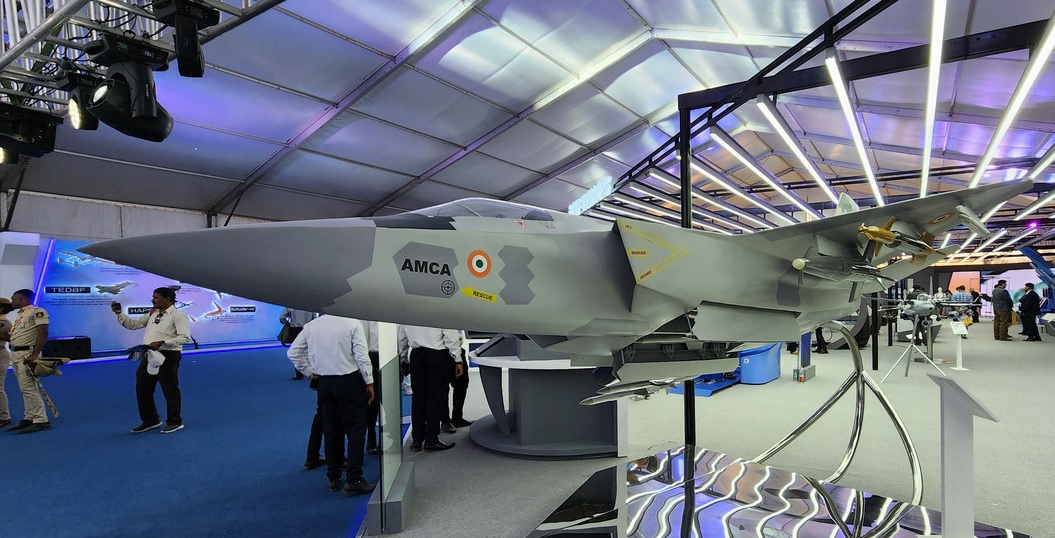
India
In a landmark move to strengthen India's indigenous defence manufacturing, Hindustan Aeronautics Limited (HAL) has issued an Expression of Interest (EOI) to select four private Indian companies as partners for the joint production of the Advanced Medium Combat Aircraft (AMCA). Each selected firm will receive a 12.5% stake in the Joint Venture (JV), with HAL retaining a 50% majority, ensuring its leadership in the ambitious fifth-generation fighter jet program. This strategic initiative reflects India's growing emphasis on self-reliance in aerospace technology, aligning with the 'Atmanirbhar Bharat' vision. By involving private players, the aim is to accelerate production, optimise costs, and tap into the advanced manufacturing capabilities of India's private sector, which has increasingly demonstrated its prowess in defence production. A New Model for Fighter Jet Manufacturing The AMCA, developed by the Aeronautical Development Agency (ADA) in collaboration with the Defence Research and Development Organisation (DRDO), represents India's leap into the realm of advanced stealth fighter jets. With features such as stealth technology, supercruise capability, and cutting-edge avionics, the aircraft demands a sophisticated manufacturing approach. HAL's proposed model involves breaking down the aircraft's assembly into four major sections, each assigned to a private partner for manufacturing and delivery as a ‘turnkey’ solution. The proposed work distribution is as follows: Front Fuselage: Incorporating the fully equipped structure and landing gear. Center Fuselage: Housing the core airframe section, air intakes, and aileron assembly. Rear Fuselage: Comprising the rear structure, horizontal tail, flaperon, and flap assembly. Wings & Tail: Encompassing the wings and vertical tail assembly. Under this approach, selected partners will be responsible for material procurement, tooling, manufacturing, and final assembly of their respective sections. HAL will oversee the overall integration of these modules, ensuring adherence to quality and design specifications. This distributed manufacturing model is expected to enhance efficiency, promote innovation, and reduce production timelines. Production Timeline and the IAF’s Expectations According to the EOI, the production roadmap aims to deliver 126 AMCA units, with manufacturing commencing in FY 2035-36. Initially, nine aircraft will be produced per year, with production ramping up to ten annually from 2039-40 through 2046-47. However, the final production rate will depend on orders from the Indian Air Force (IAF), government funding, and technology readiness. The IAF is expected to require around five to seven squadrons of AMCA fighters, translating to 90-126 aircraft. This aircraft will play a key role in filling the capability gap in the IAF's fleet, ensuring it remains competitive against regional threats. The AMCA program is progressing steadily, with the first flight of the prototype targeted for 2028-2029 and full-scale induction expected around 2035. The smooth execution of this JV model will be crucial in transitioning the program from development to production without delays. Selecting the Right Private Partners The selection process, open until May 7, 2025, will prioritise Indian companies with proven expertise in aerospace manufacturing, tooling, and assembly integration. Firms will be evaluated based on financial stability, technological capability, and their ability to handle the complexities of fifth-generation aircraft manufacturing. Some potential contenders include: Tata Advanced Systems – A key player in India's aerospace sector, involved in multiple defence collaborations. Larsen & Toubro (L&T) – Known for its advanced engineering and manufacturing capabilities. Bharat Forge – A leader in precision engineering with experience in defence projects. VEM Technologies – Already engaged in multiple aviation and defence contracts. The selected companies will be tasked with maintaining strict manufacturing standards, particularly in handling stealth materials, aerodynamics, and next-generation avionics. Given the complexity of a fifth-generation fighter, HAL's ability to effectively manage this multi-entity production framework will be crucial. A Bold Step for India's Defence Industry HAL's decision to bring private companies into the AMCA program signals a fundamental shift in India's defence manufacturing landscape. By adopting a JV model, HAL is not just offloading manufacturing responsibilities but also fostering a robust domestic ecosystem for high-end aerospace technology. This initiative, if successful, could serve as a blueprint for future defence collaborations, where private industry plays a greater role in boosting India's military capabilities. With the AMCA set to become India's premier stealth fighter, this strategic partnership could define the next chapter in the country's aerospace ambitions.
Read More → Posted on 2025-03-26 16:07:27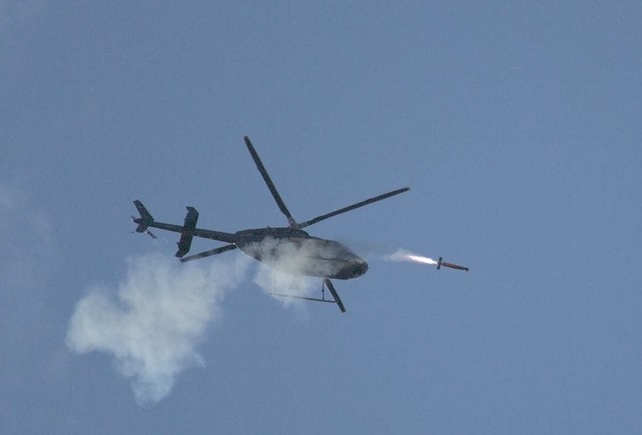
World
Raytheon, a subsidiary of American defense giant RTX, has successfully launched its latest unmanned aerial system (UAS), the Coyote LE SR, from a helicopter for the first time. This milestone test, conducted at the Nine Mile Training Center, marks a significant leap in the operational versatility of the Coyote drone family, reinforcing its role in modern warfare. The Coyote LE SR belongs to the emerging category of "launched effects"—a new class of drones designed to be deployed from air, land, and sea platforms. Unlike traditional UAVs that require dedicated launch systems, this drone can be fired from helicopters, ground vehicles, and even naval vessels, offering greater tactical flexibility. With the ability to conduct surveillance, electronic warfare, precision strikes, and real-time battlefield communications, the system is a force multiplier for frontline troops. Building on Combat-Proven Performance Raytheon’s Coyote drones have already proven their worth in real-world conflicts, where they have successfully intercepted and neutralized hostile drones. However, the latest iteration—Coyote LE SR—goes beyond air defense. It introduces enhanced reconnaissance and targeting capabilities, allowing forces to locate and engage threats with greater precision. Tom Laliberty, President of Land and Air Defense Systems at Raytheon, emphasized the battlefield advantages of the new drone. “Building on Coyote’s combat-proven capabilities, this new variant will provide a significant battlefield advantage. The Coyote LE SR is a low-cost, flexible system that equips troops with a new tool to outpace constantly evolving threats.” Why the Helicopter Launch Matters Launching a drone from a helicopter is no small feat. It requires precise coordination and a robust deployment mechanism to ensure stable flight after release. The ability to launch the Coyote LE SR mid-air means that troops can deploy it in dynamic combat environments where ground-based launchers might be impractical. This makes it a valuable asset for special operations, reconnaissance missions, and rapid-response scenarios. Additionally, the drone’s use of collaborative autonomy allows it to coordinate with other battlefield sensors and systems, improving situational awareness. By sharing data with ground troops and other airborne assets in real time, the Coyote LE SR enhances decision-making and increases mission success rates. Future Testing and Deployment The recent helicopter launch is just one of several tests planned for the system. More demonstrations are scheduled through 2025, focusing on refining its multi-platform launch capabilities and operational endurance. With the growing importance of loyal wingman drones and unmanned systems in modern warfare, the Coyote LE SR represents a step toward more autonomous, networked battlefield operations. As adversaries develop increasingly sophisticated threats, systems like the Coyote LE SR will play a crucial role in ensuring that U.S. and allied forces maintain a technological edge on the battlefield.
Read More → Posted on 2025-03-26 15:56:40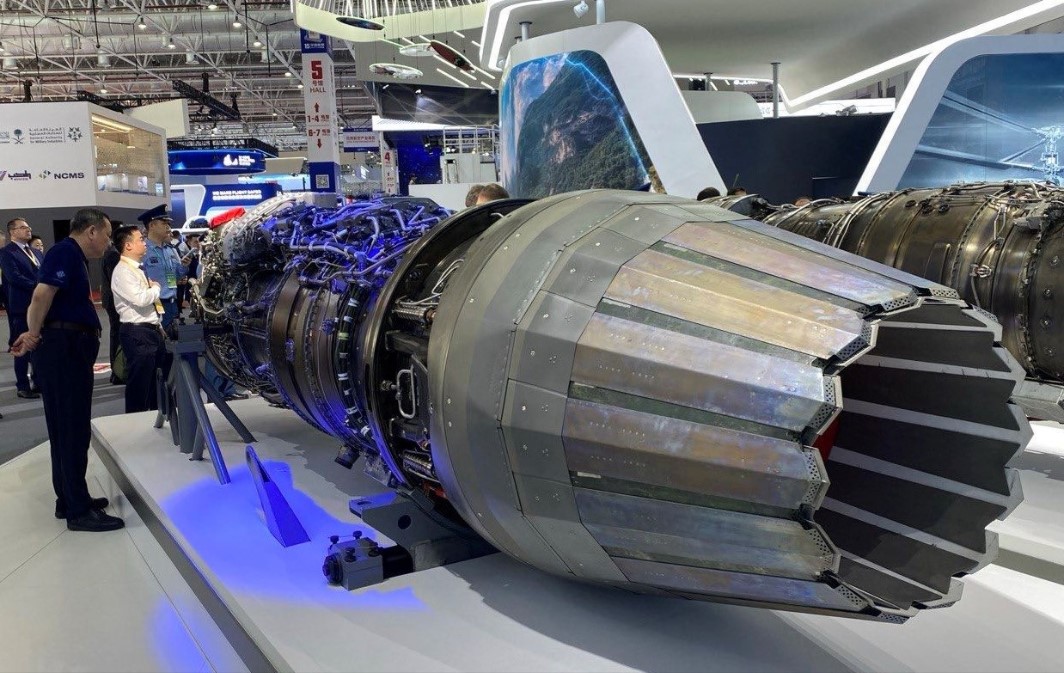
India
India's pursuit of an indigenous fighter jet engine for its Advanced Medium Combat Aircraft (AMCA) has gained momentum, with Godrej Aerospace formally expressing its intent to collaborate with the DRDO’s Gas Turbine Research Establishment (GTRE). The company, already an integral part of India’s defence manufacturing ecosystem, aims to leverage its experience from the Kaveri Derivative Engine (KDE) program to contribute to the development of a cutting-edge propulsion system for India's fifth-generation stealth fighter. At an industry event in February 2025, Maneck Behramkamdin of Godrej Aerospace emphasized that the company’s expertise in high-precision aerospace manufacturing aligns well with the requirements of the advanced AMCA engine. While the new engine demands significantly higher thrust—targeting the 110-130 kilonewton (kN) range compared to the KDE’s 46-52 kN—he noted that core manufacturing techniques such as advanced alloys, specialized welding, and high-temperature resistance treatments remain fundamentally similar. Strategic Importance of Godrej’s Participation Godrej Aerospace has played a key role in India’s evolving aerospace capabilities. The company has successfully manufactured critical components such as turbine blades, compressor discs, and combustor modules for the Kaveri Derivative Engine. These require advanced nickel-based superalloys and specialized fabrication processes, including electron beam welding and coatings designed to withstand temperatures exceeding 1,500°C. The AMCA engine, however, represents a far more complex challenge. Unlike the KDE, which was originally envisioned for smaller applications like the Ghatak Unmanned Combat Aerial Vehicle (UCAV) and potential naval uses, the new engine must support supercruise—the ability to sustain supersonic flight without afterburners—while also integrating stealth-enhancing technologies to reduce heat and radar signatures. Additionally, it needs an extended operational life of over 4,000 hours, making durability and efficiency paramount. Despite these challenges, Godrej’s confidence in its capabilities stems from its longstanding contributions to other strategic national projects. The company has been a trusted supplier for the Indian Space Research Organisation (ISRO), manufacturing thrust chambers for the Vikas engine used in satellite launch vehicles. It has also produced vital components for the BrahMos supersonic cruise missile. Such experience positions Godrej as a strong contender in India’s long-term push for self-reliance in aerospace technology. India’s Engine Development Challenges and the AMCA Roadmap India’s history with indigenous fighter jet engine development has been marked by hurdles. The original Kaveri engine, despite years of development, failed to meet the performance benchmarks required for fighter aircraft, leading to its relegation to other uses. This dependence on foreign engine suppliers, particularly GE Aerospace's F414 engine for the first-generation AMCA MkI, underscores the urgency of an indigenous solution for AMCA MkII, which is expected to feature a more powerful and fully Indian-built engine by the mid-2030s. To address this gap, India has sanctioned a substantial budget—reportedly around ₹15,000 crore—to accelerate jet engine development. While discussions with international firms like Safran (France) and Rolls-Royce (UK) continue, the participation of private Indian firms like Godrej Aerospace signals a broader industrial capability shift. A key aspect of successful indigenous development will be mastering single-crystal turbine blade technology, crucial for high-performance jet engines. If Godrej can integrate such advancements, it would mark a major breakthrough in India’s aerospace self-sufficiency, potentially reducing reliance on foreign engine manufacturers and strengthening India's Atmanirbhar Bharat (self-reliant India) initiative. A Step Toward Aerospace Independence Godrej Aerospace’s bid to join the AMCA engine program reflects a growing confidence in India's private sector to contribute to high-end defence technology. With expertise developed through the Kaveri Derivative Engine and other strategic projects, the company is well-positioned to support GTRE in tackling the formidable challenges of fifth-generation engine development. If successful, this collaboration could mark a significant leap in India’s aerospace and defence manufacturing capabilities, reducing foreign dependence and solidifying India’s status as a major player in the global fighter jet engine sector.
Read More → Posted on 2025-03-26 15:53:03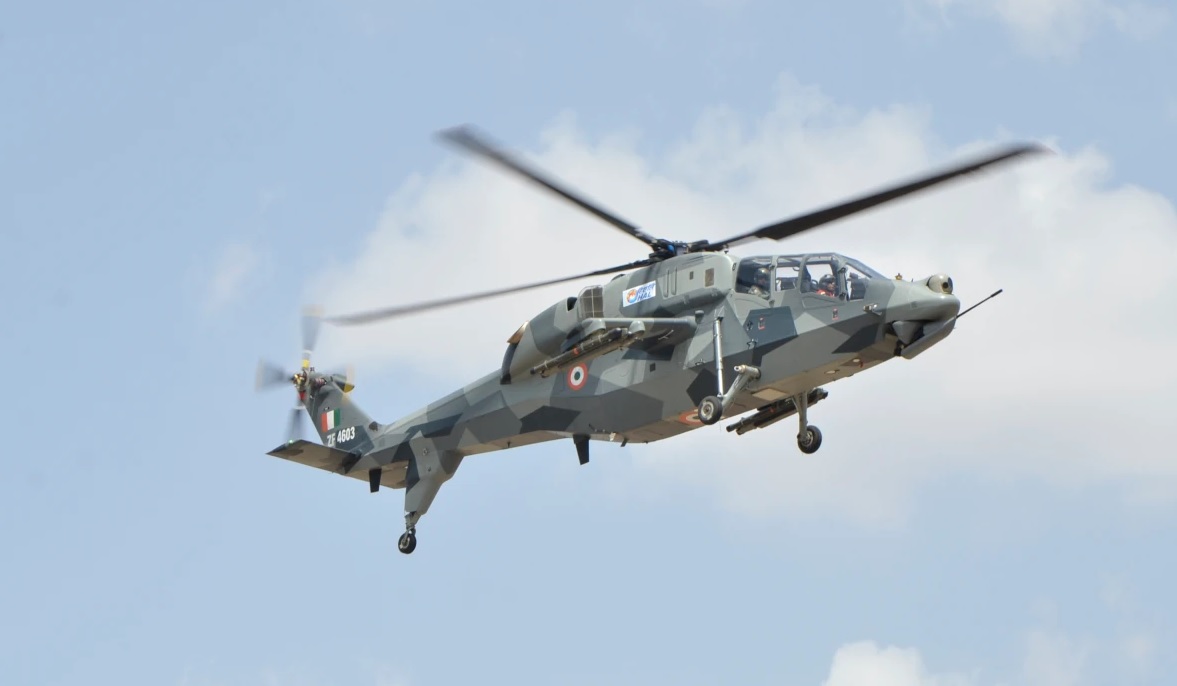
India
The Indian government is poised to approve a significant defense acquisition, involving the procurement of 156 Light Combat Helicopters (LCH), known as 'Prachand', from Hindustan Aeronautics Limited (HAL). This deal, valued at approximately ₹45,000 crore, aims to bolster the operational capabilities of both the Indian Army and the Indian Air Force (IAF). According to the proposal, the Indian Army will receive 90 helicopters, while the IAF will be allocated 66 units. The IAF is designated as the lead agency for this joint procurement. Prachand: A Technological Marvel The Prachand LCH is a multi-role combat helicopter designed to operate effectively in diverse environments, including high-altitude regions such as the Siachen Glacier and Eastern Ladakh. It is the world's only attack helicopter capable of landing and taking off at altitudes up to 5,000 meters (16,400 feet). This capability is crucial for operations in mountainous terrains along India's borders. Key features of the Prachand include: Stealth and Survivability: The helicopter incorporates stealth features, armor protection, and a low radar cross-section, enhancing its survivability in combat scenarios. Advanced Avionics: Equipped with a glass cockpit and an Integrated Avionics and Display System (IADS), the Prachand offers pilots real-time data for effective mission management. Armament Versatility: The LCH can carry a variety of weaponry, including air-to-air and air-to-ground missiles, 70mm rockets, and a 20mm turret gun, making it adaptable for multiple combat roles. Strategic Implications The acquisition of the Prachand helicopters aligns with India's strategic objective of enhancing self-reliance in defense manufacturing under the 'Atmanirbhar Bharat' initiative. By investing in indigenous platforms like the LCH, India not only strengthens its defense capabilities but also promotes domestic defense industries, leading to job creation and technological advancements. Furthermore, the deployment of these helicopters is expected to significantly enhance India's operational readiness along its borders with China and Pakistan. The Prachand's high-altitude performance and versatile armament make it a formidable asset in countering potential threats in these sensitive regions. Economic and Industrial Impact This substantial order is anticipated to have a positive impact on India's aerospace sector. It will likely stimulate growth in the domestic defense industry, encourage collaborations, and attract investments in research and development. Additionally, the project is expected to generate employment opportunities, contributing to the overall economic development of the country. Conclusion The impending approval of the ₹45,000 crore deal for 156 Prachand Light Combat Helicopters marks a pivotal step in India's journey towards self-reliance in defense production. It underscores the government's commitment to strengthening national security through indigenous capabilities and highlights the growing prowess of India's defense manufacturing sector.
Read More → Posted on 2025-03-26 15:49:35
World
GE Aerospace has unveiled plans to invest more than €78 million in its European manufacturing sites in 2025, marking a major boost for the region's aerospace industry. This investment is set to enhance production capabilities, introduce advanced materials, and improve efficiency for both commercial and defense aviation sectors. With the creation of over 500 new jobs, the move underscores GE Aerospace’s commitment to strengthening its European footprint. The investment will primarily focus on next-generation engine components, leveraging innovative materials and manufacturing processes to boost range, power, durability, and fuel efficiency. A significant portion will be allocated to developing engine test cells, integrating AI-driven inspection systems, and upgrading equipment across multiple facilities. This will directly impact narrowbody and widebody aircraft, military jets, and rotorcraft production, ensuring that European sites remain competitive in the global aerospace supply chain. Strategic Investment Across Five Countries The funding will be distributed across five European nations, each receiving targeted support to improve specific manufacturing capabilities: Italy (€55.6 million): The largest recipient, Italy will see improvements in military and civil engine production sites, including new test cells, cutting-edge inspection technologies, and infrastructure upgrades. Poland (€11.6 million): Investments will focus on machinery, equipment, and utility upgrades to enhance aircraft and rotorcraft engine parts manufacturing. Czech Republic (€5.4 million): Funding will go toward turboprop engine component production, featuring new tooling and building enhancements. United Kingdom (€3.3 million): The UK facilities will expand component production and service propeller systems to support GE Aerospace’s European network. Romania (€2.3 million): The focus will be on acquiring precision machinery, alongside improvements in tooling and utilities for complex metal component production. Strengthening Europe’s Aerospace Industry This initiative aligns with GE Aerospace’s broader global expansion strategy and follows the company's €64 million investment in European manufacturing in 2024, as well as a €122 million boost in maintenance, repair, and overhaul (MRO) and component repair operations. These investments emphasize GE Aerospace’s commitment to making Europe a hub for aerospace innovation, ensuring supply chain resilience, technological advancements, and economic growth across the region. By expanding capacity and integrating advanced manufacturing processes, GE Aerospace is not only securing its market position but also reinforcing Europe’s critical role in the global aviation sector. With increased demand for fuel-efficient and high-performance engines, this strategic investment is set to benefit both commercial and military aviation for years to come.
Read More → Posted on 2025-03-26 15:47:04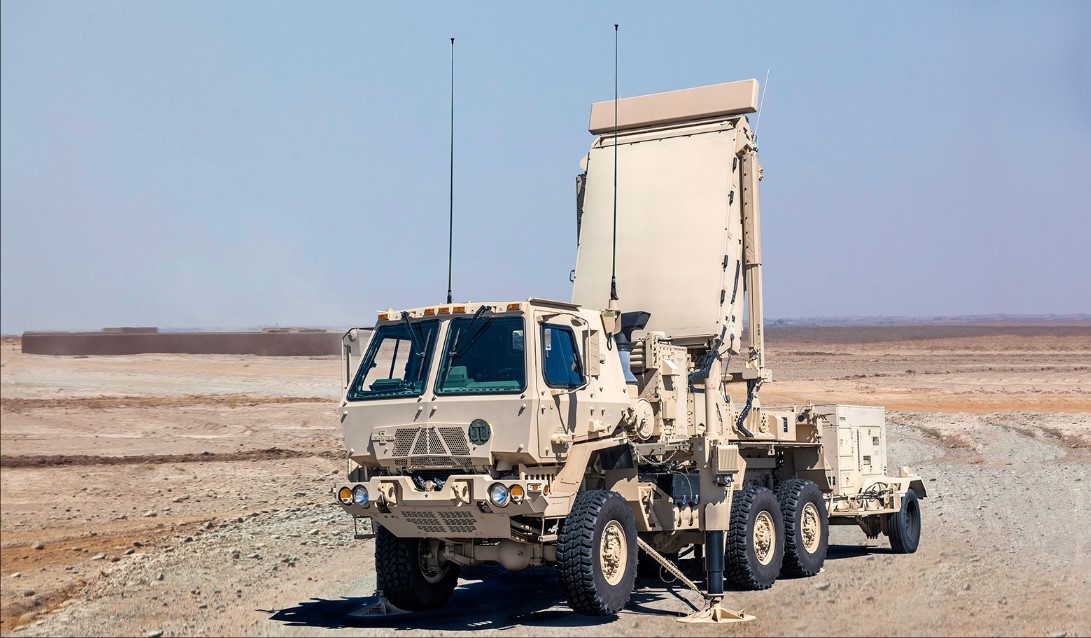
World
Lockheed Martin has successfully integrated its AN/TPQ-53 multi-mission radar (MMR) with the command and control systems of the US Joint Task Force-Southern Border. This move is aimed at bolstering surveillance and threat detection along the US-Mexico border, where concerns over unauthorized aerial and ground-based incursions have grown. The AN/TPQ-53 radar, originally designed for counter-fire operations, has evolved into a sophisticated system capable of identifying and tracking a variety of threats, including fast-moving unmanned aerial systems (UAS). Its 360-degree scanning capability ensures comprehensive coverage, while its rapid deployment time—under five minutes—makes it a highly flexible asset for dynamic security operations. A key strength of the radar is its open architecture, which allows for seamless integration with multiple sensors and systems. This feature ensures that as new threats emerge, software updates and system enhancements can be rapidly implemented without requiring a complete hardware overhaul. Lockheed Martin Vice President Rick Cordaro highlighted the importance of this integration, emphasizing the collaboration between industry, government, and defense agencies to address evolving security challenges. The Role of Radar in Border Security The deployment of AN/TPQ-53 radar along the southern border aligns with US Northern Command’s (USNORTHCOM) broader mission to safeguard national security. The Joint Task Force-Southern Border operates across the nearly 2,000-mile border, covering key locations from San Diego, California, to McAllen, Texas. Approximately 10,000 service members, including personnel from the 10th Mountain Division stationed at Fort Huachuca, Arizona, contribute to surveillance and security efforts. With rising concerns over illicit cross-border activities, including drug trafficking and unauthorized drone flights, advanced radar technology plays a crucial role in improving situational awareness. The AN/TPQ-53 enhances operational efficiency by providing early threat detection, enabling quick decision-making, and ensuring effective responses. As the US continues to invest in cutting-edge defense solutions, integrating adaptable systems like the AN/TPQ-53 into broader security frameworks reinforces the country’s commitment to protecting its borders against evolving threats.
Read More → Posted on 2025-03-26 15:44:20Search
Top Trending in 24 Hours
-
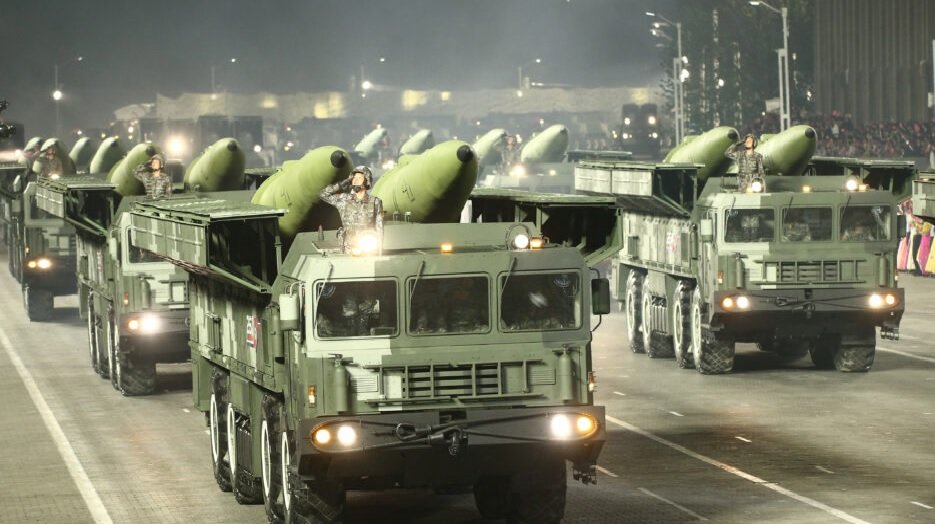 Russia Receives North Korean KN-30 Ballistic Missiles as Moscow Expands Its Missile Arsenal
-
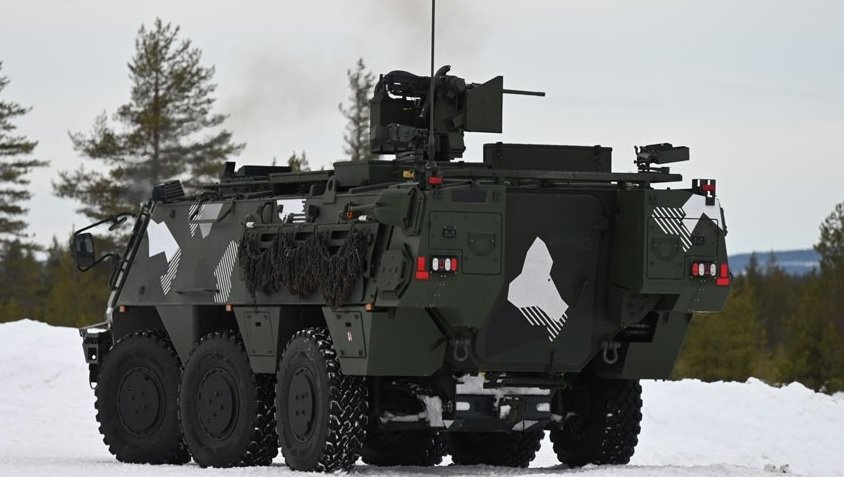 Kongsberg Wins $120 Million Contract for More Protector RS4 Systems for Canadian Army
-
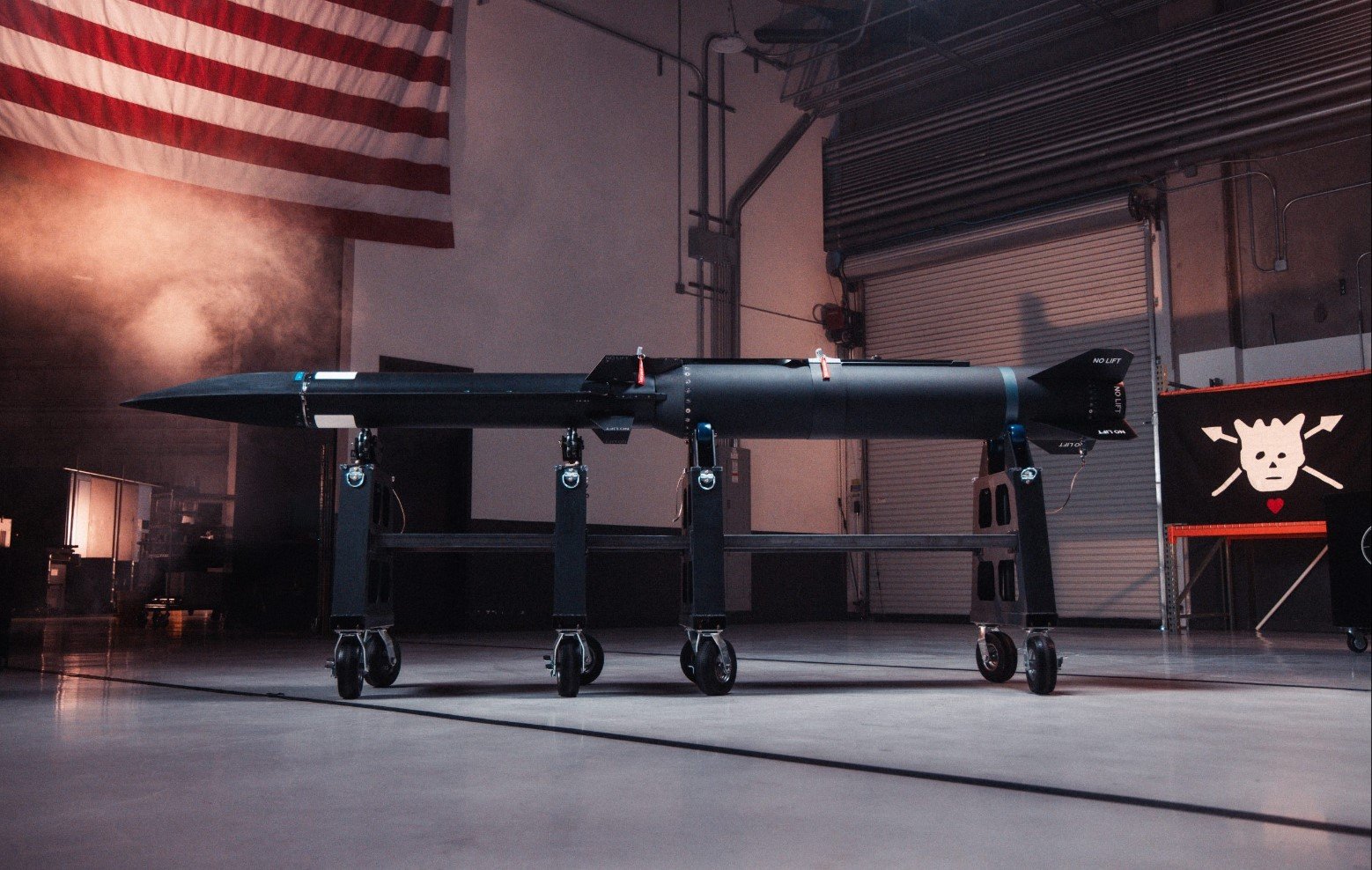 Castelion Secures $1 Billion Funding to Scale Production of Blackbeard Hypersonic Missile
-
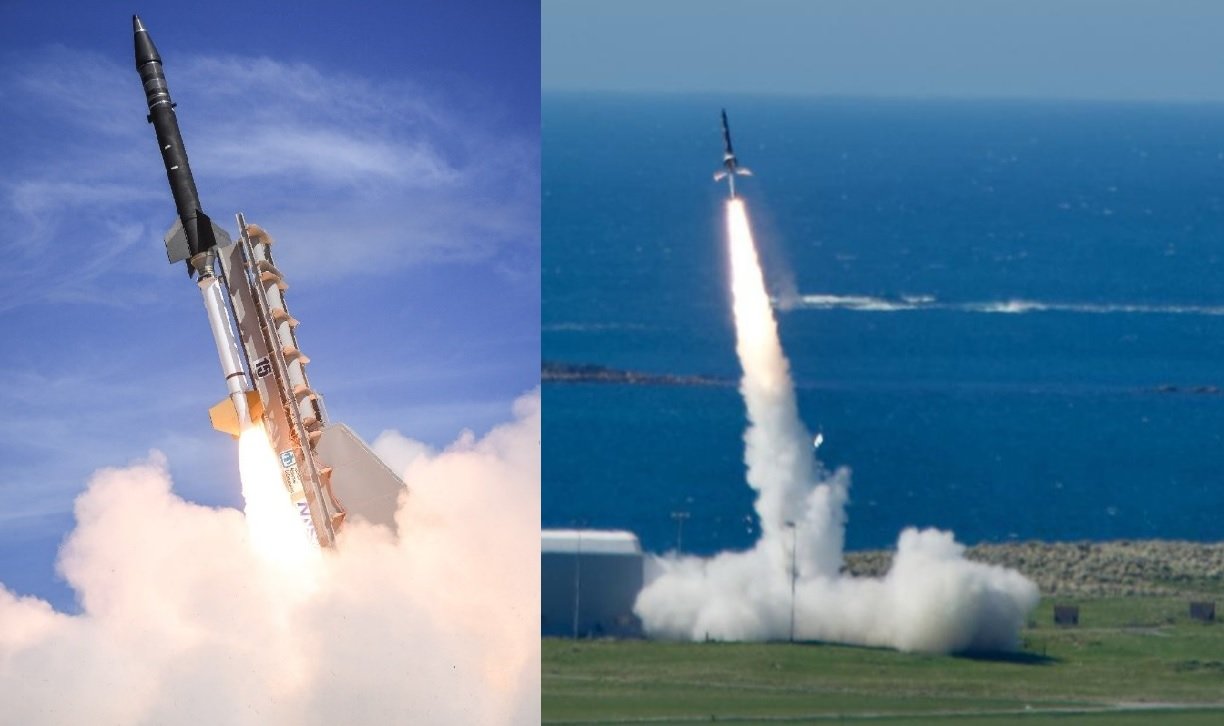 US Navy Launches ARAV-6 Missile Target During Multinational Pacific Dragon 2026 Exercise
-
 Lockheed Martin Demonstrates AI-Powered Sonar System With U.S. Navy at RIMPAC 2026
-
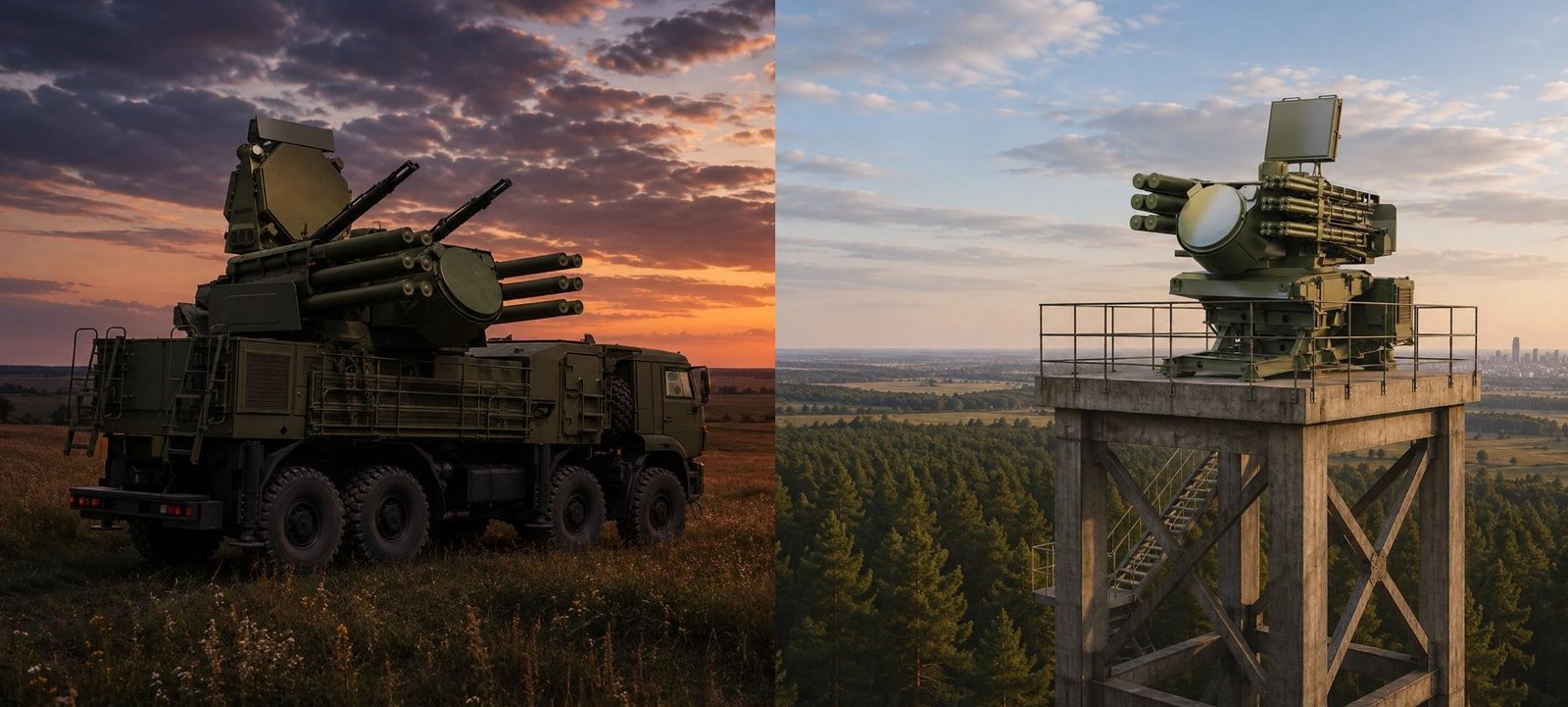 Russia Receives New Batch of Pantsir-S and Pantsir-SMD Air Defense Systems
-
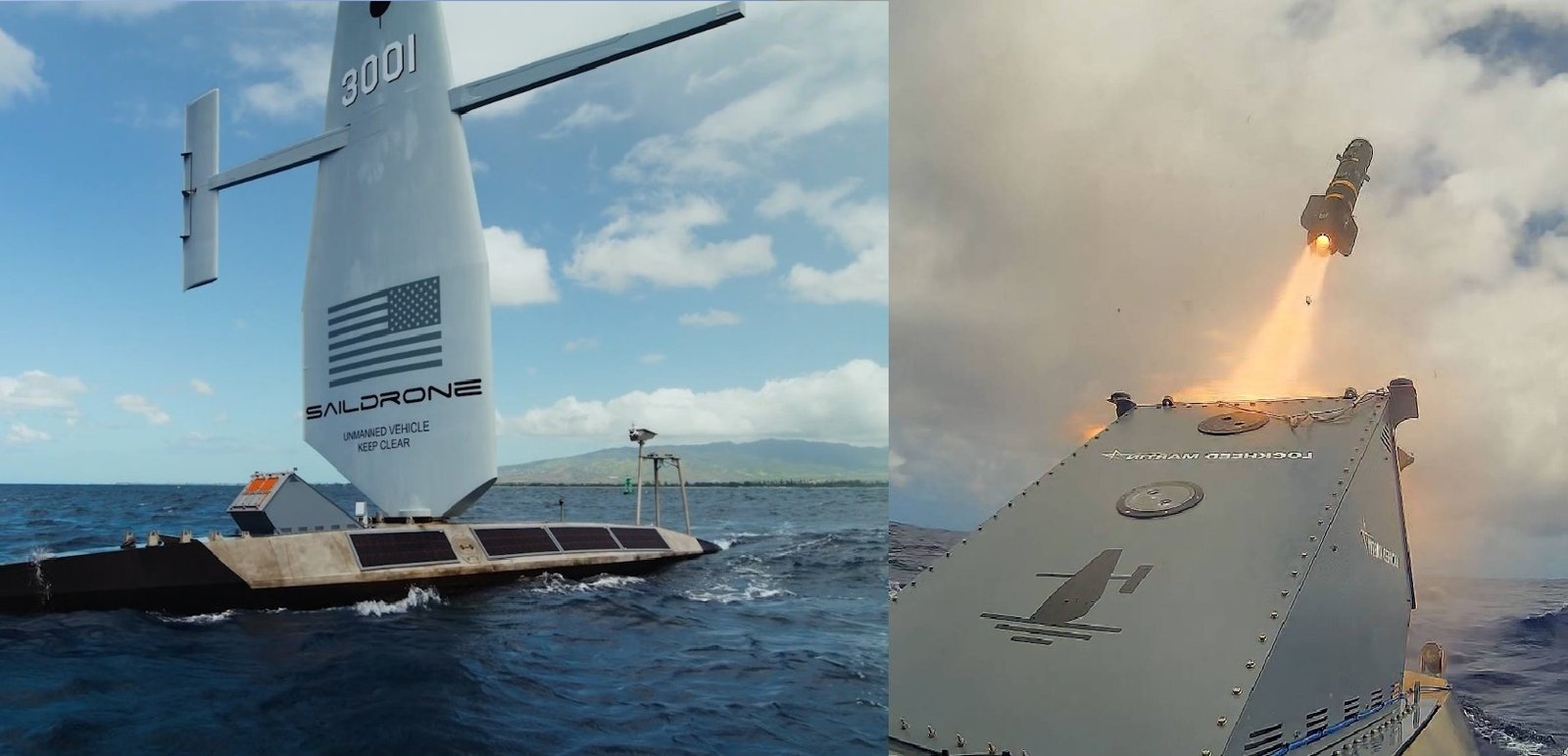 Saildrone and Lockheed Martin Successfully Fire Two JAGM Missiles in First Live-Fire Test from Unmanned Vessel at RIMPAC 2026
-
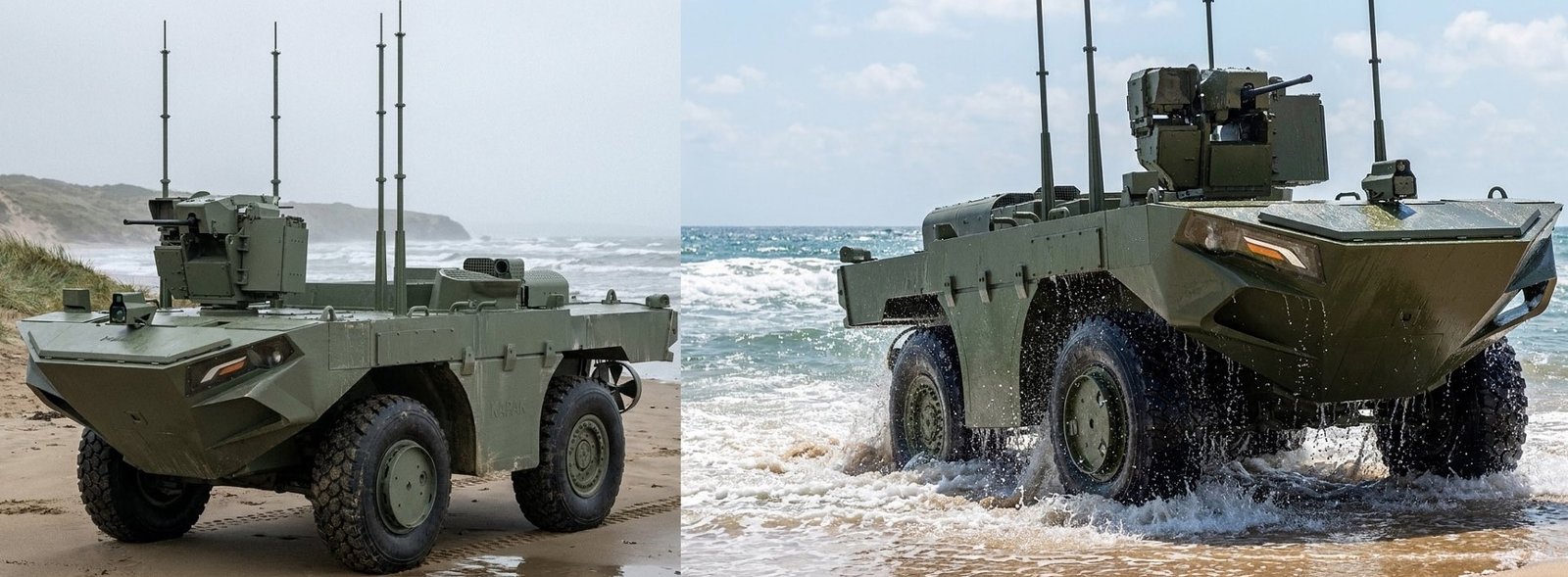 Turkey's FNSS Unveils U-MAV Unmanned Amphibious Assault Vehicle at TEKNOFEST Blue Homeland
Top Trending in 4 Days
-
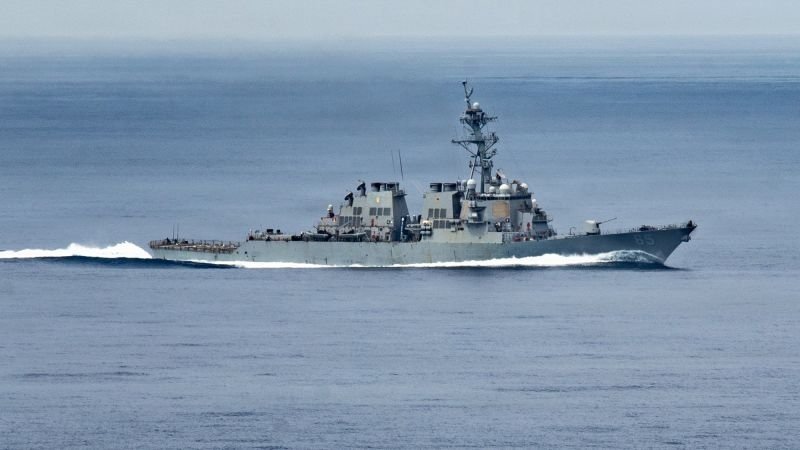 U.S. Navy Destroyer USS Benfold Spent Four Days Without Power in South China Sea After Generator Failure
-
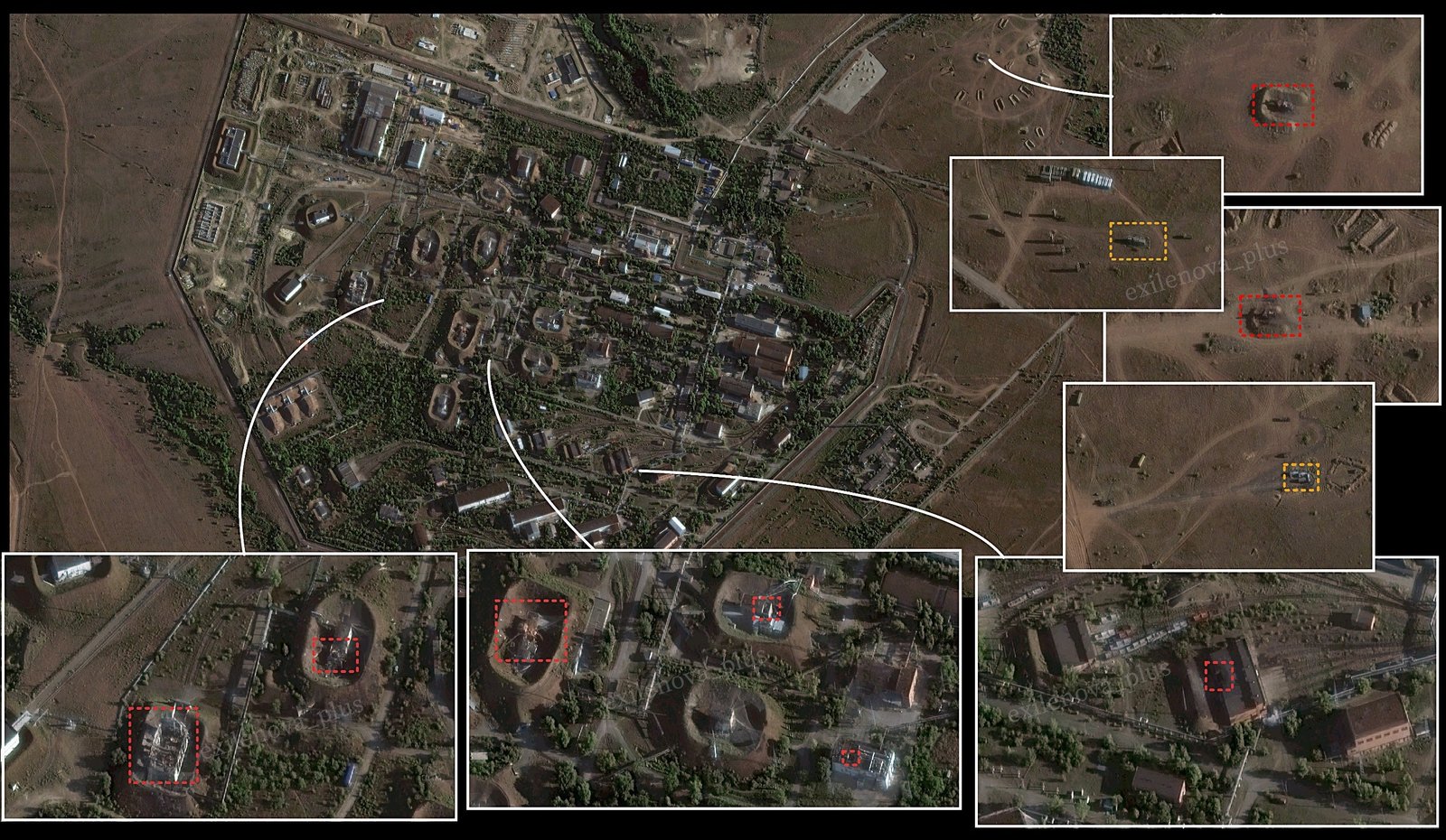 Satellite Images Show Ukrainian Drone Strike Hits Russian Rocket Fuel Plant and Air Defense Systems in Rostov Region
-
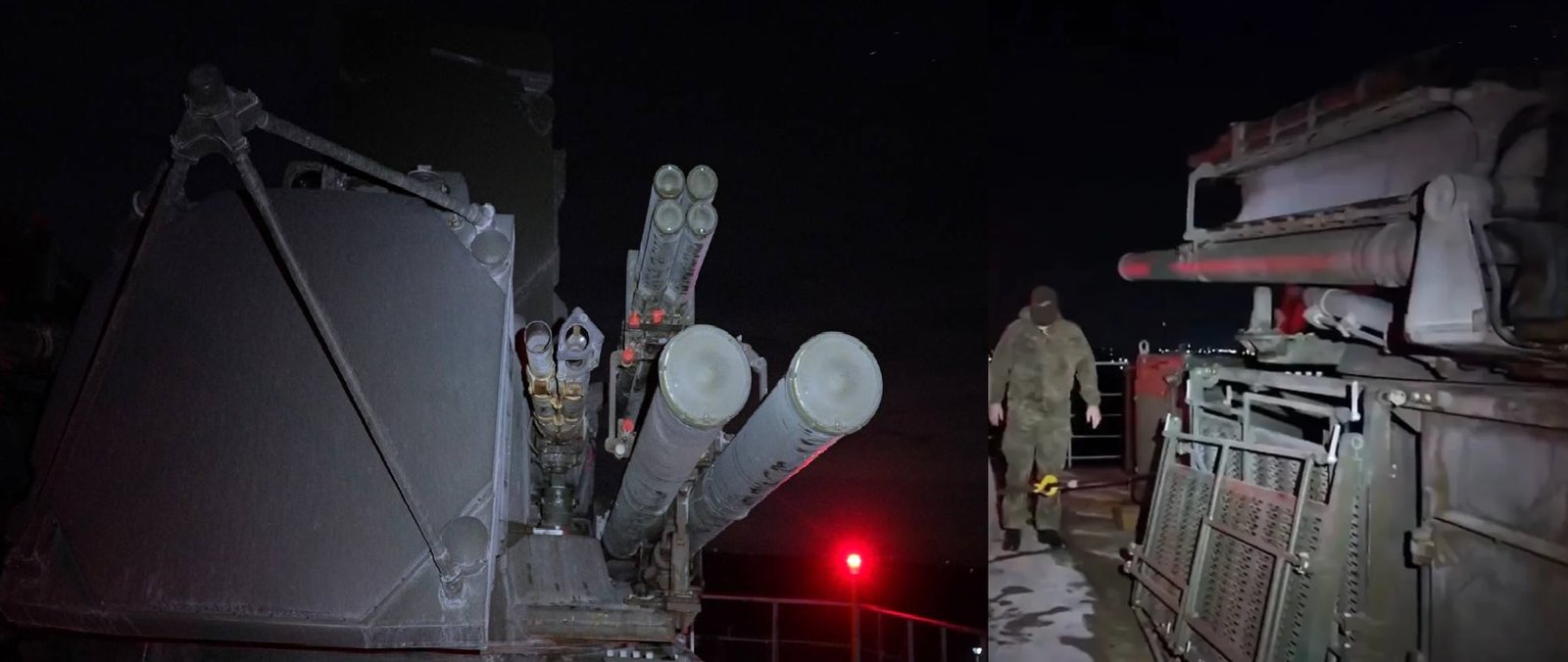 Russia Expands Moscow’s Anti-Drone Defense Network With Specialized 35-Meter Towers for Pantsir Systems
-
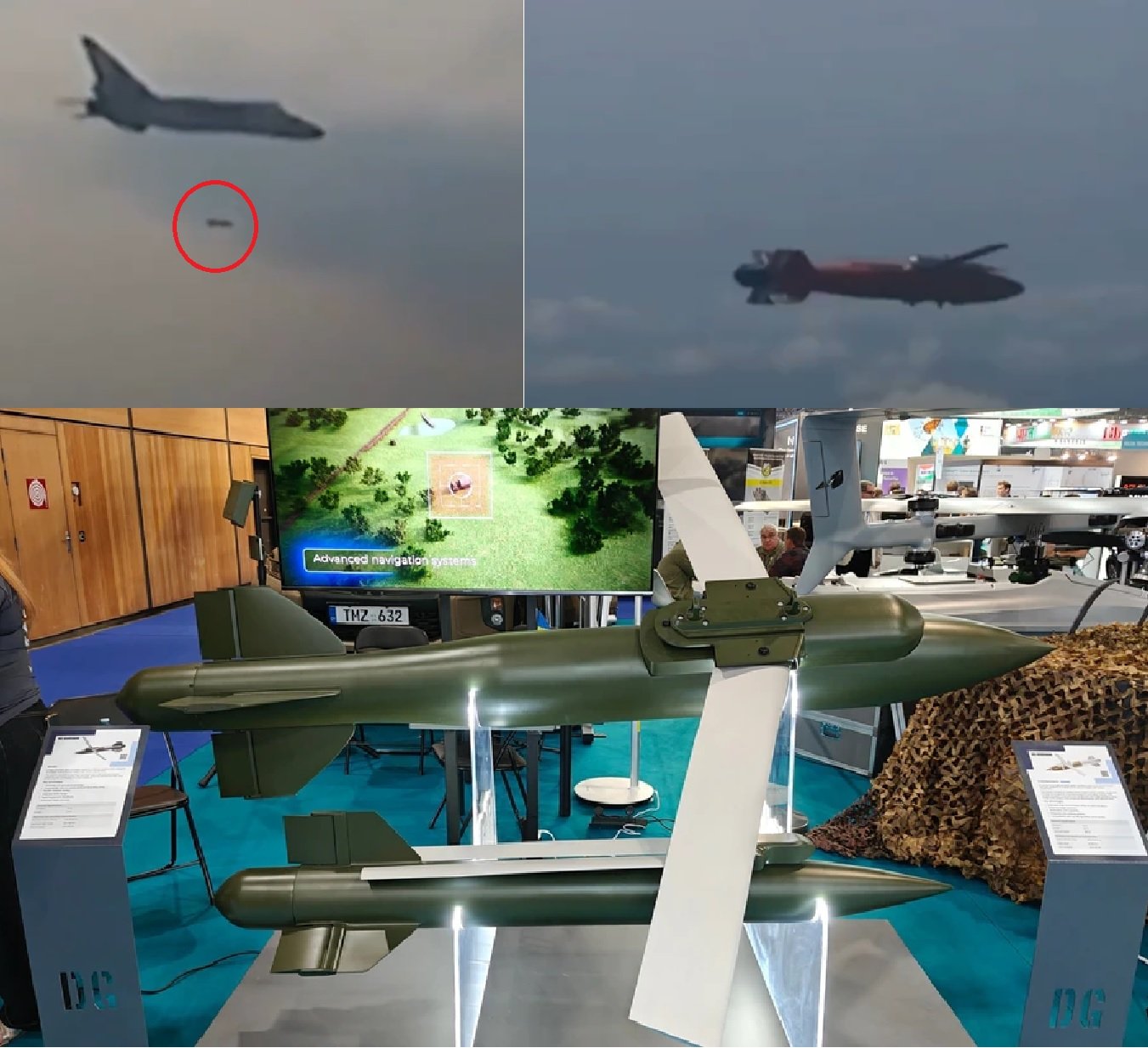 Ukraine Begins Procurement of Vyrivniuvach Guided Aerial Bomb
-
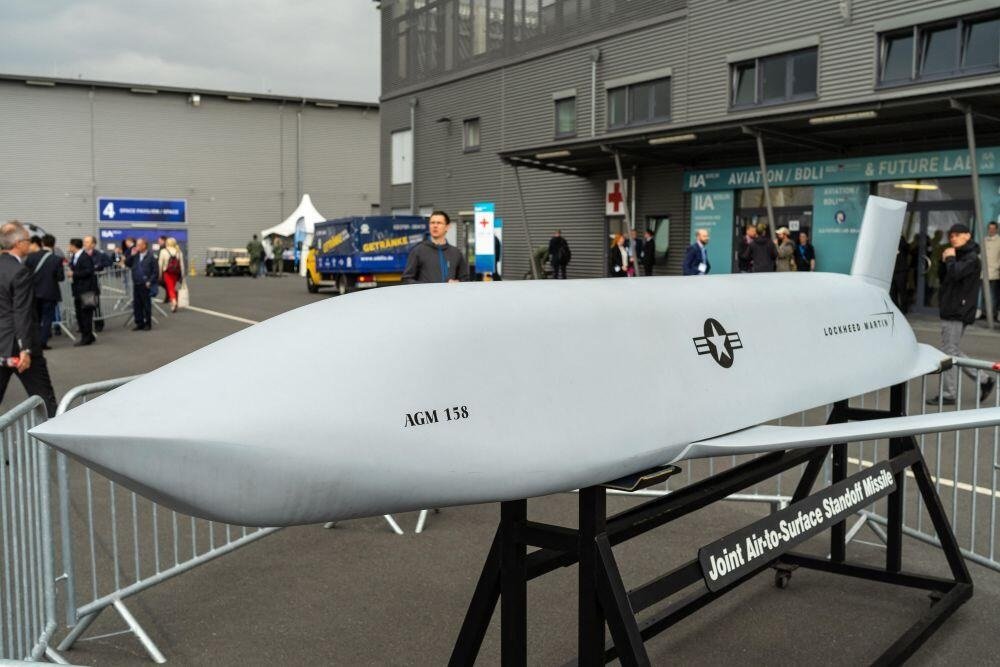 U.S. Air Force Selects GE-Kratos F143 Engine as Second Engine Source for JASSM Missile
-
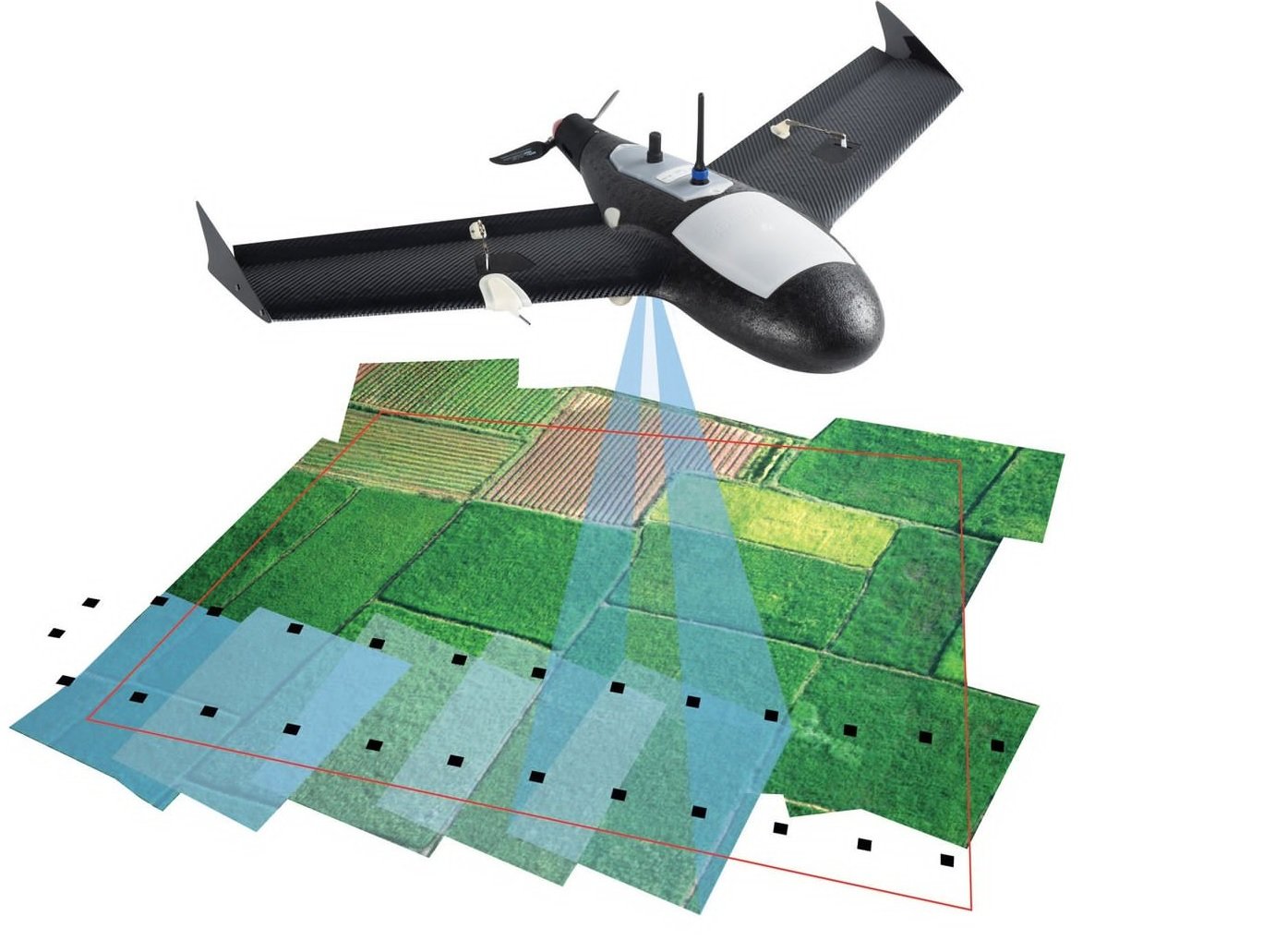 Russia Develops 'Martian' Camera-Based Navigation Independent of GPS and Radio Signals for Drones
-
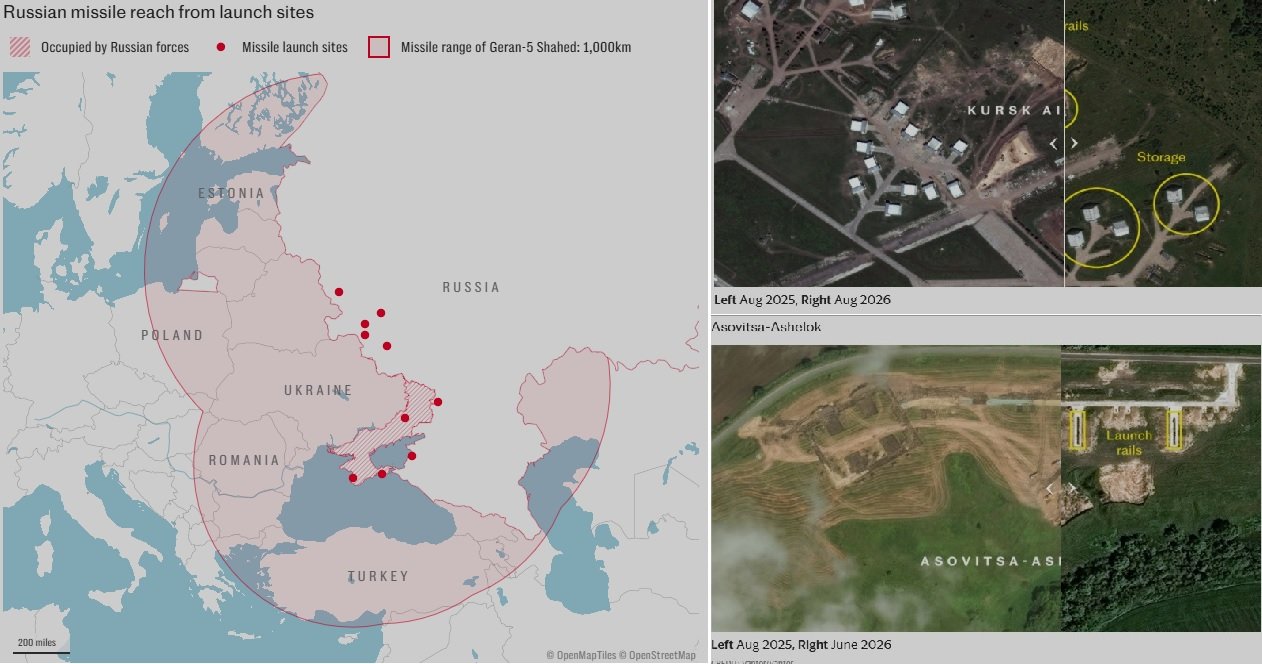 Russia Expands Drone Launch Network Near Ukraine and Belarus Borders, Putting NATO Territory Within Range
-
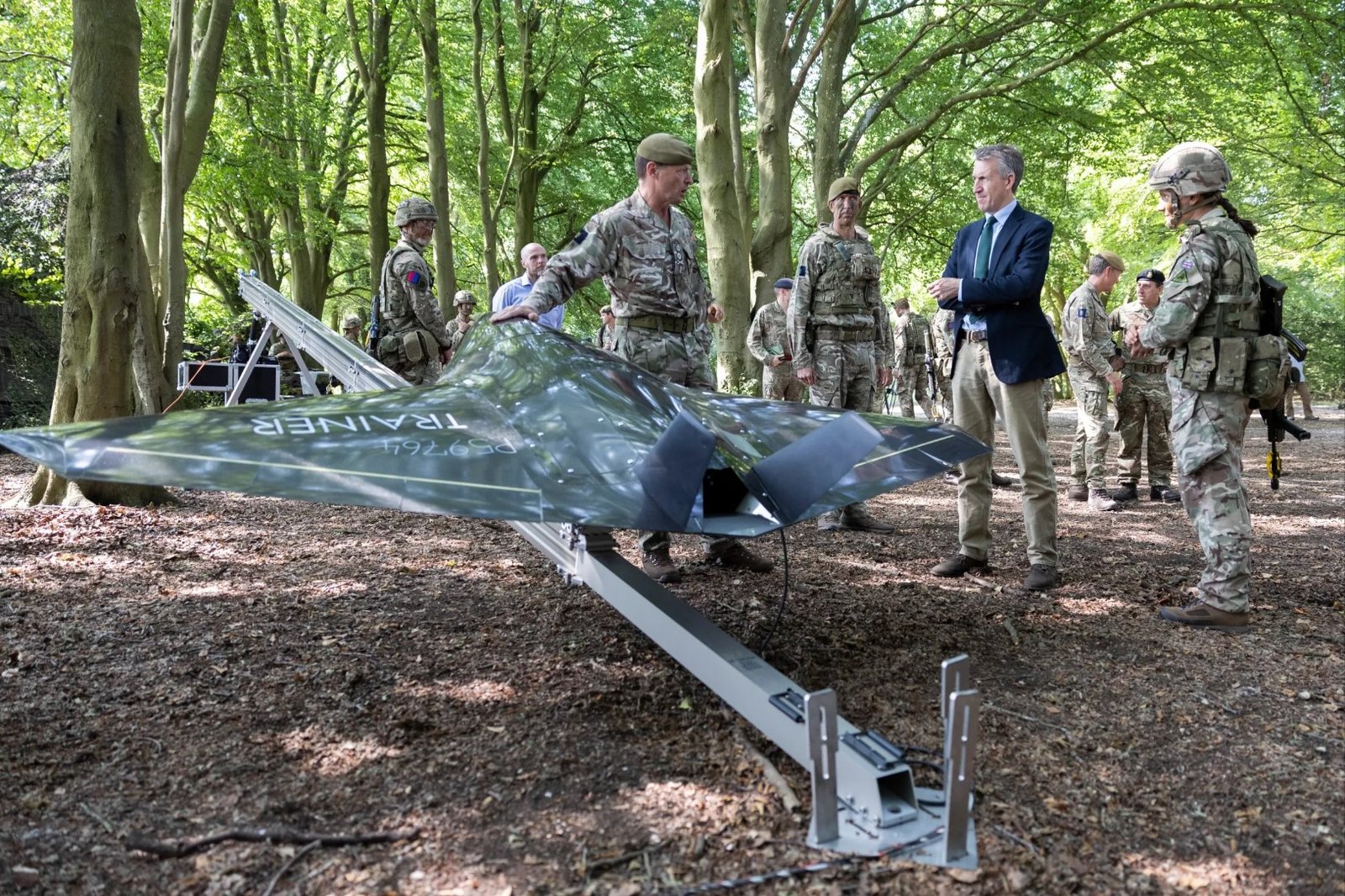 Russia Warns UK of ‘Consequences’ Over British Drones Used by Ukraine in Strikes on Russian Territory
