
World
Violent clashes shook Kathmandu on March 28, 2025, as thousands of pro-monarchy demonstrators took to the streets, demanding the restoration of Nepal’s monarchy. The protests, spearheaded by businessman Durga Prasai and the Nawaraj Subedi-led joint movement committee, quickly escalated into chaos, with rioters vandalizing buildings, smashing windows, and even setting one structure on fire near Tinkune, close to Tribhuvan International Airport. The government had anticipated trouble and stationed more than 3,500 police officers across Kathmandu. As demonstrators tried to breach police barricades, law enforcement responded with tear gas, water cannons, and rubber bullets. The situation became so volatile that authorities imposed a curfew in Tinkune, Sinamangal, and Koteshwor to prevent further escalation. Adding to the tensions, a counter-demonstration by pro-republican groups, led by the Socialist Front, took place at Bhrikutimandap in support of Nepal’s federal democratic system. While both factions had obtained official permission for their protests, the simultaneous rallies intensified security concerns, with authorities struggling to prevent direct confrontations. The resurgence of pro-monarchy sentiment underscores deep-rooted frustrations with Nepal’s current political landscape. Since the monarchy was abolished in 2008, Nepal has faced chronic political instability, corruption scandals, and sluggish economic growth. Many citizens, particularly the younger generation, feel disillusioned by the promises of democracy that have yet to translate into real progress. The pro-monarchy movement, largely fueled by nostalgia for the stability of the past, has gained momentum in recent years, with figures like Prasai emerging as vocal critics of the government. In response to the unrest, the Ministry of Home Affairs held an emergency meeting, authorizing police to take decisive action if necessary. The government faces a critical challenge—balancing the right to protest with maintaining order in a politically divided nation. While Nepal's republican system remains intact, the growing calls for a return to monarchy suggest that the debate over the country’s governance is far from settled.
Read More → Posted on 2025-03-29 13:43:40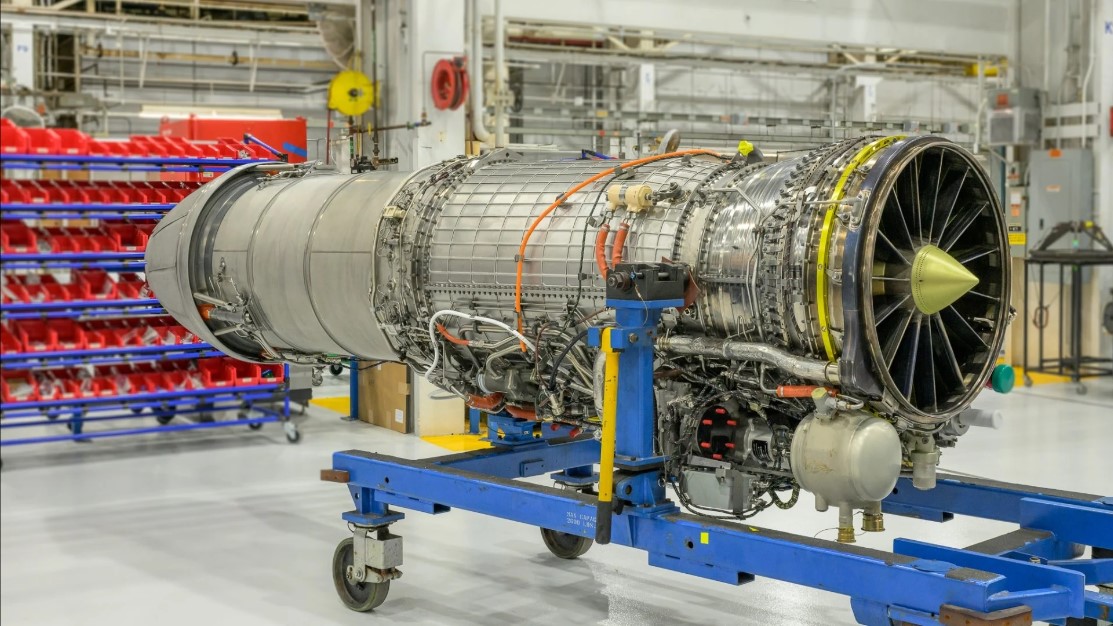
India
GE Aerospace has reinforced its commitment to India's indigenous Tejas Light Combat Aircraft (LCA) program by commencing the delivery of F404-IN20 engines, ensuring a steady production cycle for the Indian Air Force (IAF). The first of these engines was formally handed over to Hindustan Aeronautics Limited (HAL) on March 25, 2025, with 11 more slated for delivery by the end of the year. This move is a critical step in stabilizing the production of the Tejas Mk1A, addressing past delays caused by supply chain disruptions and engine shortages. The F404-IN20, an advanced variant of GE's widely deployed F404 engine family, features a high-flow fan and single-crystal turbine blades to optimize performance for the single-engine Tejas fighter. With GE now ensuring a delivery rate of 20 engines per year starting from 2026, HAL can maintain its production target of 16 to 24 Tejas Mk1A jets annually. This sustained supply is crucial for the IAF as it phases out aging aircraft like the MiG-21 and strengthens its squadron numbers. The first engine shipment, dispatched from GE’s Lynn, Massachusetts facility, is expected to arrive in India by mid-April. HAL, which is contractually bound to deliver 83 LCA Mk1A aircraft under a ₹48,000-crore agreement signed in 2021, has already completed airframes for three jets and has 11 more in various stages of production. The arrival of the new engines will allow HAL to replace temporary test engines with full-fledged production powerplants, expediting aircraft induction into the IAF. This structured delivery plan not only secures the current LCA Mk1A program but also sets the stage for potential future orders. The IAF is evaluating a follow-on purchase of 97 additional Tejas Mk1A jets, which would require further engine contracts with GE, strengthening India’s long-term fighter jet production capabilities. With a four-decade partnership between GE and HAL, this latest development marks a significant step in ensuring India’s self-reliance in military aviation while reinforcing GE’s role as a key defense partner.
Read More → Posted on 2025-03-29 13:38:25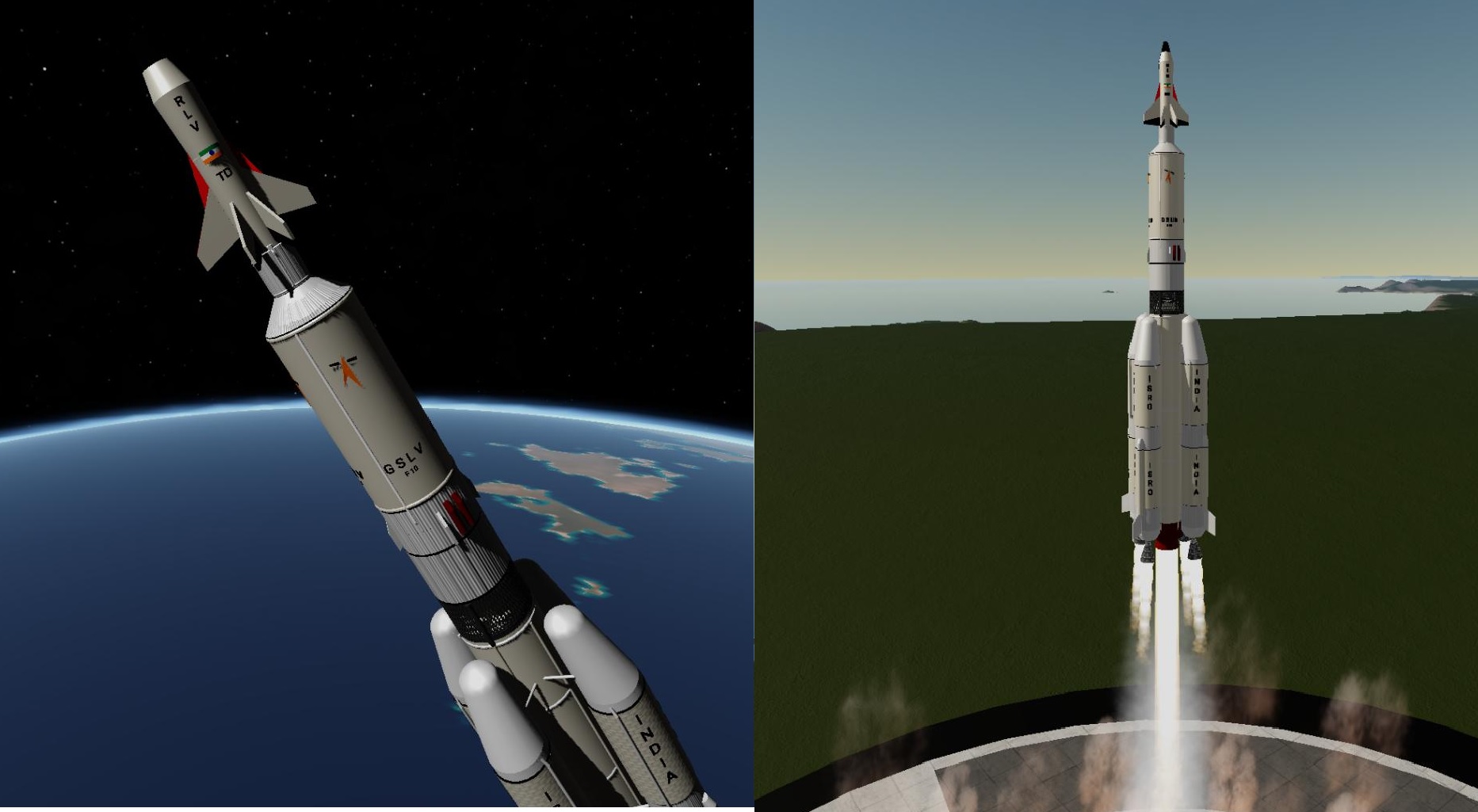
Space & Technology
In a significant step towards developing reusable launch vehicles, the Indian Space Research Organisation (ISRO) is working on a winged body Orbital Re-entry Vehicle (ORV). This advanced spacecraft will be launched into orbit using an ascent vehicle and later re-enter Earth's atmosphere, executing an autonomous runway landing. The ORV is a crucial component of India's long-term strategy for cost-effective and sustainable space exploration. Successful Trials of Reusable Launch Vehicle (RLV-TD) To validate the feasibility of this technology, ISRO has successfully conducted three Autonomous Runway Landing Experiments (RLV-LEX) using the Reusable Launch Vehicle-Technology Demonstrator (RLV-TD). These experiments have proven the robustness of onboard autonomous navigation, guidance, and control systems, laying the foundation for a fully operational ORV. Advancements in Booster Stage Recovery Apart from the ORV, ISRO is also focusing on developing Vertical Take-off and Vertical Landing (VTVL) technology for recovering and reusing booster stages. This innovation will significantly reduce launch costs by allowing multiple reuses of the spent boosters, similar to SpaceX's Falcon rockets. Next-Generation Launch Vehicle (NGLV): A Step Towards Partial Reusability The Indian government has approved the development of a Next Generation Launch Vehicle (NGLV), which will be a three-stage launch system. The first stage of this vehicle will be recoverable and reusable, making it India's first partially reusable space launch system. This development aligns with global efforts to create cost-efficient and sustainable space access. Private Sector Involvement and Space Reforms With the introduction of space sector reforms in June 2020, private companies are now allowed to provide end-to-end space services. The Indian National Space Promotion and Authorisation Centre (IN-SPACe) has been set up to facilitate and regulate private sector participation. This move is expected to boost India's space economy and enable collaborations in areas such as lunar mining and deep-space exploration. Artificial Intelligence in Space Missions Artificial Intelligence (AI) is playing an increasingly critical role in space missions. ISRO is integrating AI-based solutions in autonomous mission management, onboard data processing, and advanced space exploration. A recent AI-driven achievement includes an autonomous sensor-based actuator system that enables precise docking sequences using pattern recognition techniques. Ensuring Responsible Use of Space As a responsible space-faring nation, India actively contributes to space debris mitigation. The country follows internationally accepted guidelines set by agencies like the United Nations Committee on the Peaceful Uses of Outer Space (UN-COPUOS) and the Inter-Agency Space Debris Coordination Committee (IADC). The Indian Space Policy mandates strict adherence to these regulations, ensuring sustainable and safe space operations. Looking Ahead: India’s Future in Space Exploration India is setting ambitious goals, including achieving a successful lunar landing by 2040. This vision will involve extensive collaboration with private industries, academia, and international partners, driving India’s leadership in the global space domain. With continuous advancements in reusable technology, artificial intelligence, and sustainable space practices, ISRO is paving the way for a more efficient and economically viable future in space exploration. The development of the Orbital Re-entry Vehicle (ORV) and Next-Gen Launch Vehicle (NGLV) marks a new era in India’s journey toward becoming a major player in the global space industry.
Read More → Posted on 2025-03-28 16:05:36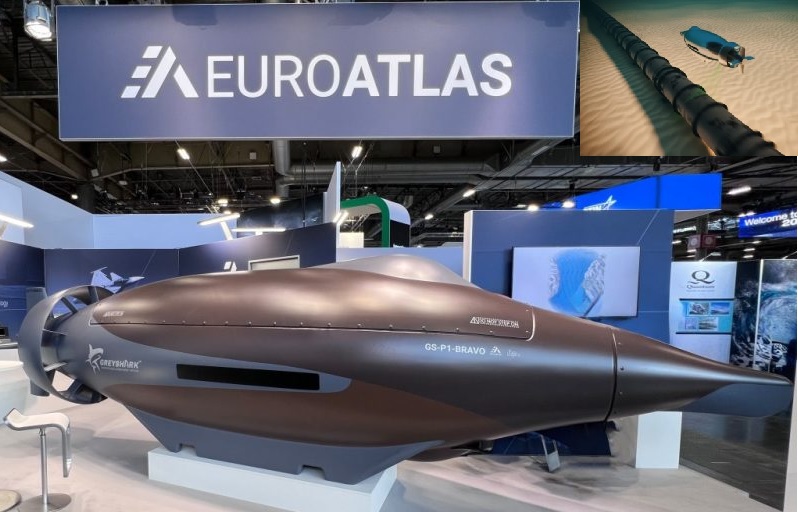
World
Unveiled at Euronaval 2024 in Paris and later showcased at the UDT 2025 conference in Oslo, the Greyshark Series 2 Foxtrot by Euroatlas (Germany) is set to redefine the landscape of autonomous underwater vehicles (AUVs). Designed for reconnaissance, surveillance, and infrastructure protection, this cutting-edge AUV boasts extended endurance, advanced AI-driven autonomy, and swarm operation capabilities. Next-Gen Design and Specifications The Greyshark Series 2 Foxtrot features a 7.99-metre-long hydrodynamic body with a 1.8-metre maximum diameter and a 4.5-tonne mass. Constructed with composite materials, it maintains a low electromagnetic signature and ensures minimal water disturbance, making it extremely difficult to detect. At its core, the AUV is powered by a non-permanent magnetic electric ring motor, which drives a segmented ring rotor propeller. A cruciform rudder assembly at the rear enhances maneuverability, allowing extreme dive angles and tight turns. This unique propulsion system ensures: Operational speed: 10 knots Maximum speed: Classified, but "over 10 knots" Endurance: 1,100 nautical miles (NM) or 5 days at 10 knots 2,180 NM or 1.5 weeks at 8 knots 5,350 NM or 5 weeks at 6 knots 10,700 NM or 16 weeks at 4 knots (low-speed creeping mode) The fuel-cell-powered electric motor significantly extends operational time, making Greyshark ideal for long-range autonomous missions. Advanced Sensor Suite and Communication Systems Equipped with state-of-the-art sensors, the Greyshark Series 2 Foxtrot delivers high-precision underwater intelligence. Key onboard systems include: USBL acoustic antennas (front) for encrypted swarm communications Telescopic antenna system (rear) for LTE and L-band communications GNSS receiving antenna for positioning Side-scan Synthetic Aperture Sonar (SAS) for ultra-high-resolution imaging Dual-element multibeam sonar (bow and hull) for obstacle detection Wideband multibeam sonar for sea-bottom mapping Doppler velocity sensor with Exail's Phins Subsea navigation system LIDAR and imaging cameras for 3D mapping Electromagnetic field detectors for anomaly detection The fusion of these sensors enables the Greyshark to operate autonomously for weeks without human intervention. It only communicates with the base when a critical event is detected, such as an intrusion or sabotage attempt on underwater infrastructure. AI-Driven Autonomy and Swarm Operations The Greyshark Series 2 Foxtrot is engineered for highly autonomous missions, thanks to Artificial Intelligence (AI)-based decision-making. Its capabilities include: Automatic target recognition (ATR) Dynamic mission adaptation in case of system failure or unexpected events Swarm operations with up to six AUVs, enabling: Area surveillance with multiple units covering large zones Coordinated search and mapping Mission reconfiguration based on real-time threats Each Greyshark unit can assume leadership within the swarm, ensuring mission success even if one AUV is compromised. Mission Capabilities and Deployment Designed for stealth and endurance, the Greyshark Series 2 Foxtrot supports various naval and security operations, including: Seabed surveillance and covert reconnaissance Underwater infrastructure protection (monitoring data cables, pipelines, and energy platforms) Mine warfare (autonomous detection and neutralization of sea mines) Anti-submarine operations, using active sonar decoys to deceive enemy submarines Persistent intelligence gathering in high-risk maritime zones The AUV’s logistical flexibility allows for rapid global deployment. It fits into a standard 40-foot container, transportable by truck, train, ship, or aircraft. A second container houses a charging and refueling system, ensuring quick redeployment with minimal infrastructure. Future Developments and Strategic Importance Currently undergoing testing and optimization, the Greyshark Series 2 Foxtrot is expected to expand its capabilities by 2026, focusing on: Enhanced AI for greater autonomy Longer dive durations Standardized communication protocols under European initiatives like SWARMS (Smart Underwater Robotics) and SALSA (Acoustic Network for Subsea Operations) With its stealth, autonomy, and advanced AI, the Greyshark Series 2 Foxtrot is poised to become a game-changing asset for modern navies, reinforcing maritime security in an era of rising underwater threats.
Read More → Posted on 2025-03-28 16:00:33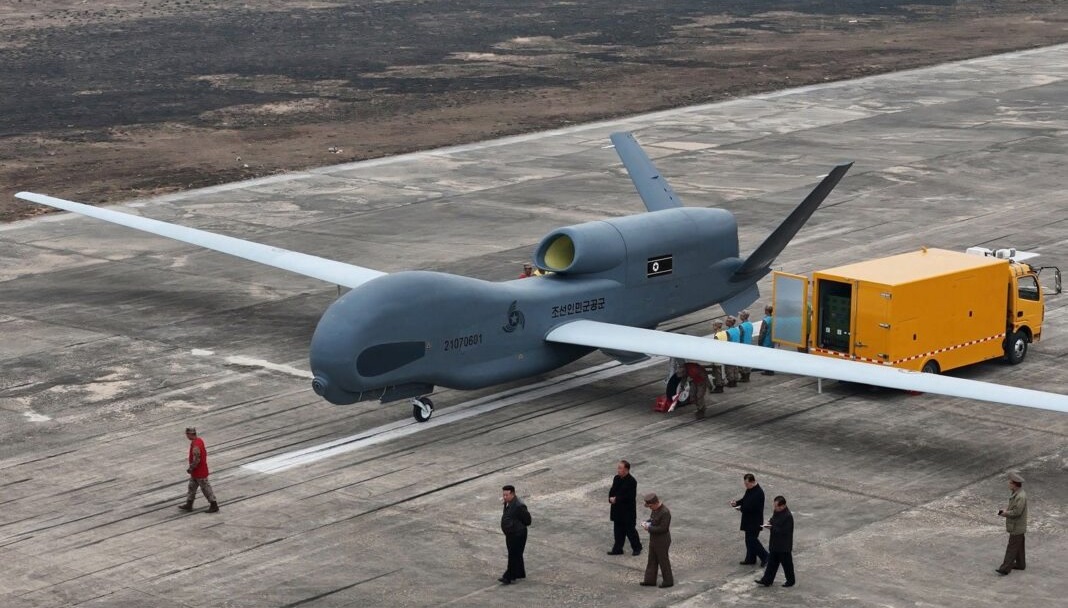
World
North Korea has publicly revealed a new unmanned aerial system that closely resembles the U.S.-made RQ-4B Global Hawk, signaling Pyongyang’s continued push to develop advanced surveillance and reconnaissance capabilities. Kim Jong Un Personally Inspects New Drone According to North Korean state media, leader Kim Jong Un personally reviewed the new long-range reconnaissance drone along with newly developed suicide attack drones equipped with artificial intelligence (AI) technology. While the official designation of the drone has not been disclosed, defense analysts have informally dubbed it a "Global Hawk-type" system due to its striking resemblance to the American high-altitude surveillance drone. The drone was showcased during the 2023 Weapons and Equipment Exhibition in Pyongyang, where former Russian Minister of Defense Sergei Shoigu was also in attendance. This has raised speculation about deepening military ties between North Korea and Russia, especially in the field of drone technology. A Close Look at North Korea’s Spy Drone The newly revealed drone exhibits key design elements similar to the RQ-4B Global Hawk, including: V-tail configuration for stability and maneuverability. Dorsal-mounted air intake for optimized airflow and efficiency. High-altitude, long-endurance (HALE) capability, indicating extended surveillance operations. These structural similarities suggest that North Korea aims to develop a persistent intelligence-gathering platform capable of monitoring military activities in South Korea, Japan, and even U.S. forces in the region. Specifications & Capabilities (Expected) While the exact specifications of North Korea’s drone remain classified, analysts estimate that it may attempt to replicate the RQ-4B Global Hawk’s capabilities, which include: Maximum altitude: 60,000 feet Endurance: 30+ hours Range: Over 12,000 km Speed: Around 650 km/h Payload: Electro-optical/infrared (EO/IR) cameras, synthetic aperture radar (SAR), and signals intelligence (SIGINT) equipment It remains unclear whether North Korea’s version can match the performance of its American counterpart. However, its development underscores Pyongyang’s determination to reverse-engineer foreign military technology and strengthen its unmanned aerial surveillance program. Rising Tensions on the Korean Peninsula The unveiling of this advanced drone comes at a time of heightened military activity in the region. The United States and South Korea have conducted multiple joint military exercises in response to North Korea’s ongoing weapons tests. The introduction of a long-range reconnaissance drone could significantly enhance Pyongyang’s ability to gather intelligence and monitor allied forces. North Korea’s growing drone capabilities also pose a potential challenge to regional security, as its advancements in AI-driven attack drones could increase the threat of asymmetric warfare in the region. While details about the drone’s true capabilities remain limited, its public display sends a strong message—North Korea is determined to advance its military technology, despite international sanctions and diplomatic isolation.
Read More → Posted on 2025-03-28 15:54:47
India
In a landmark move to bolster India's defense capabilities and promote indigenous manufacturing, the Cabinet Committee on Security (CCS) has approved the procurement of 156 Light Combat Helicopters (LCH), named 'Prachand,' from Hindustan Aeronautics Limited (HAL). This monumental deal, valued at over ₹62,000 crore, stands as the largest defense contract in India's history. Allocation and Manufacturing The distribution of these helicopters will see 90 units allocated to the Indian Army and 66 to the Indian Air Force (IAF). Manufacturing will take place at HAL's facility in Tumakuru, Karnataka, emphasizing the government's commitment to the 'Make in India' initiative and enhancing self-reliance in defense production. Strategic Capabilities of the LCH 'Prachand' The LCH 'Prachand' is uniquely designed for high-altitude operations, capable of landing and taking off at altitudes up to 5,000 meters (16,400 feet). This capability makes it particularly suited for deployment in challenging terrains such as the Siachen Glacier and Eastern Ladakh. Equipped to fire both air-to-ground and air-to-air missiles, the helicopter also features advanced data links, enabling seamless integration into network-centric operations and enhancing operational coordination and effectiveness. Development and Induction Timeline The development of the LCH began in the early 2000s, with its maiden flight in March 2010. The IAF formally inducted the first batch of these helicopters in October 2022, marking a significant milestone in India's defense aviation sector. This recent approval for mass procurement underscores the government's confidence in the LCH's capabilities and its commitment to strengthening the nation's aerial combat prowess. Economic and Strategic Implications This procurement is expected to have far-reaching economic and strategic benefits: Job Creation and Industrial Growth: The production of 156 helicopters will stimulate job creation and expand the aerospace ecosystem within the country, providing a significant boost to the domestic defense industry. Enhanced Border Security: With the induction of these helicopters, the Indian armed forces will have a formidable asset for operations along the borders with China and Pakistan, enhancing surveillance and combat capabilities in these sensitive regions. Technological Advancement: The integration of advanced technologies in the LCH 'Prachand' will contribute to the overall technological advancement of India's defense manufacturing sector, fostering innovation and expertise. Conclusion The approval of this historic deal marks a significant step forward in India's journey toward self-reliance in defense production. The induction of the LCH 'Prachand' will not only strengthen the operational capabilities of the Indian Army and Air Force but also serve as a testament to India's growing prowess in indigenous defense technology development.
Read More → Posted on 2025-03-28 15:52:16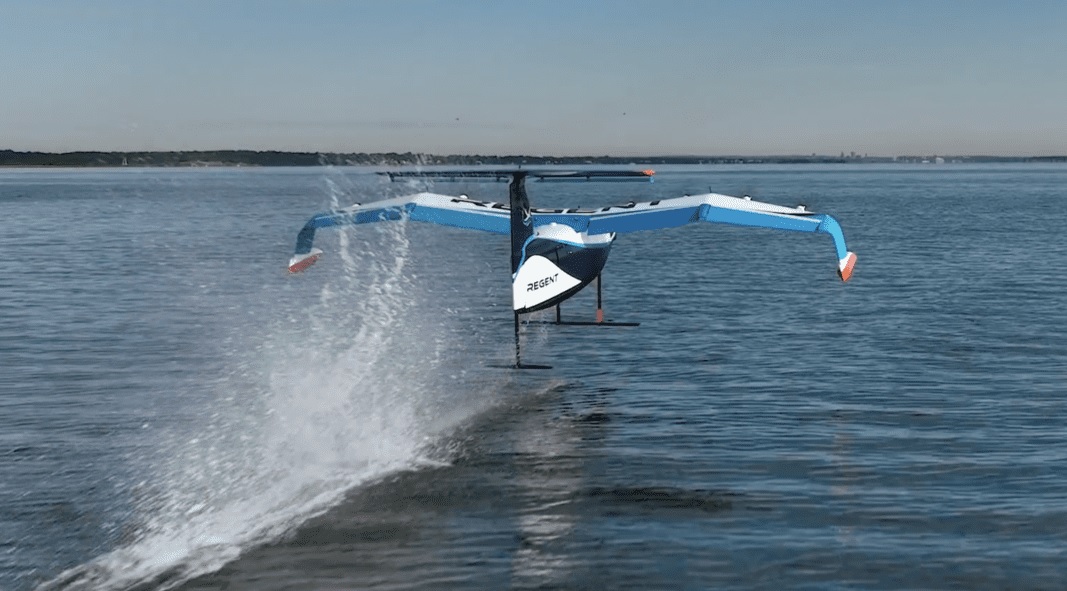
World
Rhode Island-based REGENT Craft is moving forward with the development of its high-speed, low-radar seaglider, the Viceroy, under a $10-million contract with the US Marine Corps. This contract marks the second phase of REGENT’s collaboration with the military, focusing on further demonstrating the seaglider's capabilities in contested logistics, medical evacuation (medevac/casevac), and maritime defense operations. Advancing the Seaglider Program This latest deal builds upon the first phase, which was supported by an initial $4.75-million contract. During the first phase, REGENT successfully tested a quarter-scale prototype and initiated sea trials for a full-scale version at Narragansett Bay in Rhode Island. With the second phase now underway, REGENT aims to showcase the Viceroy’s full operational capabilities and how it can enhance military logistics with its high-speed, stealth, and cost-effective design. Tom Huntley, REGENT’s Vice President of Government Relations and Defense, highlighted the importance of this milestone, stating,"We are incredibly proud to extend our collaboration with the US Marine Corps Warfighting Lab and continue to validate how REGENT’s high-speed, low-signature, low-cost seagliders will enable defense missions." Viceroy Seaglider: Speed, Stealth, and Efficiency The Viceroy seaglider is a next-generation maritime transport platform designed to operate with speed, stealth, and efficiency. Key features include: Top Speed: 180 miles per hour (289 km/h) Range: 180 miles (289 km) Power Source: All-electric propulsion system, rechargeable from shore or ship Stealth Capabilities: Flies below radar detection and above sonar detection Takeoff & Landing: Does not require a runway, operates directly on water How It Works The Viceroy operates in three stages: Boat Mode: It starts like a conventional boat, moving across the water’s surface. Hydrofoil Mode: As it gains speed, hydrofoils lift it above the water, reducing drag. Glide Mode: In open water, it retracts its hydrofoils and glides just above the surface, using ground effect for enhanced efficiency. This unique design allows the Viceroy to perform rapid troop movements, medical evacuations, and supply deliveries while avoiding detection from traditional radar and sonar systems. Expansion and Future Plans Beyond military applications, REGENT is also working on securing maritime certification for the Viceroy. The company recently submitted a Design Basis Agreement to the US Coast Guard, outlining the vehicle’s safety standards and operational framework. To support full-scale production, REGENT has begun constructing a dedicated manufacturing facility at the Quonset Business Park in North Kingstown, Rhode Island. This site will house: Component manufacturing Final vehicle assembly Pre-delivery testing The facility is expected to be operational by 2026, paving the way for mass production and widespread deployment of the Viceroy seaglider in both military and civilian sectors. With its cutting-edge speed, stealth, and sustainability, the Viceroy seaglider has the potential to redefine maritime transport and defense operations. REGENT’s ongoing collaboration with the US Marine Corps signals strong confidence in the technology, setting the stage for its future integration into military fleets.
Read More → Posted on 2025-03-28 15:47:40
World
Boeing has secured a $240 million contract from the U.S. Army Special Operations Aviation Command (USASOAC) to remanufacture five MH-47G Block II Chinook helicopters, with deliveries slated to commence in 2027. This agreement elevates the total number of MH-47G Block II helicopters under contract to 51, underscoring ongoing efforts to modernize the U.S. Army's special operations aviation fleet. The MH-47G Block II Chinook is a heavy-lift helicopter engineered for complex and high-risk missions worldwide. It boasts a reinforced airframe, redesigned fuel system, advanced avionics, and a modular design that facilitates cost-effective future upgrades. These enhancements ensure the aircraft remains adaptable to evolving mission requirements. Heather McBryan, Vice President and Program Manager for Boeing Cargo Programs, emphasized the importance of this initiative, stating, "Supporting the needs of our special operators continues to be critically important. USASOAC has unique and complex mission requirements, so it’s vital we provide the enhanced capabilities of the MH-47G Block II as quickly as possible." This contract follows a $115 million agreement in June 2024 for two additional MH-47G Block II helicopters, bringing the total to 46 at that time. The cumulative investment in these helicopters highlights the strategic importance of the Chinook platform in special operations. The MH-47G Block II's advanced features, including inflight refueling capability, comprehensive defensive systems, and low-level/adverse weather piloting aids such as forward-looking infrared and multi-mode terrain-following radar, make it a versatile asset. Armed with two 7.62mm M134 Miniguns and two M240 7.62mm machine guns, it is well-equipped for a variety of operational scenarios. As Boeing continues to deliver these enhanced helicopters, the U.S. Army Special Operations Aviation Command moves closer to achieving a fully modernized fleet capable of meeting the demands of contemporary and future special operations missions.
Read More → Posted on 2025-03-28 15:44:46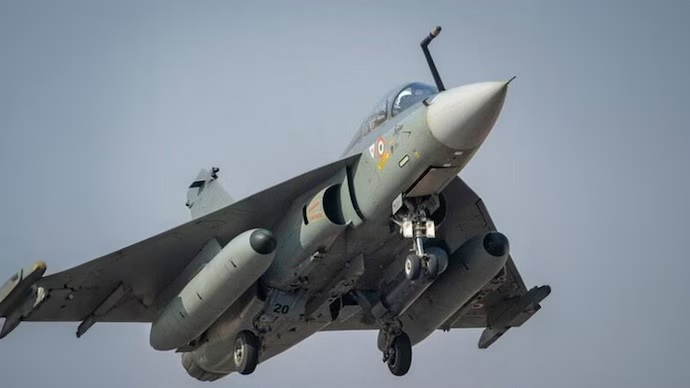
India
Hindustan Aeronautics Limited (HAL) has revised its contract with the Indian Air Force (IAF) for the production of the TEJAS MK-1 Final Operational Clearance (FOC) fighter jets, increasing the deal’s value from ₹5,989.39 crore to ₹6,542.20 crore. This adjustment, confirmed in a regulatory filing, comes as HAL grapples with production delays and supply chain challenges. The TEJAS program, a critical component of India’s indigenous fighter jet initiative, has faced multiple roadblocks over the years. The original contract, signed in December 2010, aimed to establish the TEJAS as a frontline aircraft in the IAF’s fleet. However, due to delays in development, testing, and production, the program has struggled to keep pace with its intended timeline. The MK-1A Upgrade and Manufacturing Challenges The TEJAS MK-1A is a significant upgrade over its predecessor, featuring an Active Electronically Scanned Array (AESA) radar, Beyond Visual Range (BVR) missile capability, an advanced Electronic Warfare (EW) suite, and Air-to-Air Refueling (AAR) capability. These improvements make it a far more capable fighter, aligning with modern combat requirements. As part of India’s "Buy (Indian-Indigenously Designed, Developed, and Manufactured)" policy, the TEJAS program focuses on domestic manufacturing, with 50% of its components currently sourced locally. The target is to increase this figure to 60%, enhancing self-reliance in defence production. Of the 344 systems integrated into the TEJAS MK-1A, 250 are supplied by Indian manufacturers—a significant boost to the domestic defence industry. Despite these efforts, HAL has faced persistent challenges in production and deliveries. The Defence Ministry had signed a ₹48,000 crore deal in 2021 for 83 TEJAS MK-1A jets, with initial deliveries set for March 2024. However, as of now, HAL has yet to deliver any aircraft, mainly due to production hurdles, supply chain issues, and certification delays. Engine Supply: A Crucial Factor in Overcoming Delays One of the key challenges in accelerating TEJAS production has been the supply of F404-IN20 engines, developed by GE Aerospace. The American defence giant recently delivered the first of 99 engines ordered for the program. These high-thrust engines, specifically designed for India's single-engine fighter, are expected to boost production timelines significantly. GE Aerospace had to restart production after a five-year hiatus, facing additional delays due to disruptions caused by the COVID-19 pandemic. The company worked closely with HAL engineers to ensure compatibility with TEJAS' unique design specifications. With the engine supply now in motion, HAL has an opportunity to fast-track the assembly process and address its backlog. HAL’s Financial Strength and Strategic Importance Despite the delays, HAL’s financial performance remains strong. On March 27, its stock closed at ₹4,170 per share on the National Stock Exchange (NSE), with a market capitalisation of ₹2.78 lakh crore. The company reported a net profit of ₹1,432.60 crore for the quarter ending December 2024, marking a 14.28% increase from the previous year. Revenue from operations also saw a 15% rise, reaching ₹6,956.93 crore. As one of India’s leading defence public sector undertakings (PSUs), HAL plays a crucial role in strengthening the country’s defence capabilities. The TEJAS program, despite facing multiple hurdles, remains a symbol of India's push for self-reliance in military aviation. The coming months will be critical in determining whether HAL can meet its revised production targets and establish TEJAS as the backbone of the IAF’s fighter fleet. With contract amendments finalised and supply chain issues being addressed, HAL is under pressure to deliver on its commitments. If it succeeds, the TEJAS MK-1A will not only enhance the IAF’s operational strength but also boost India's defence exports in the long run.
Read More → Posted on 2025-03-28 15:42:34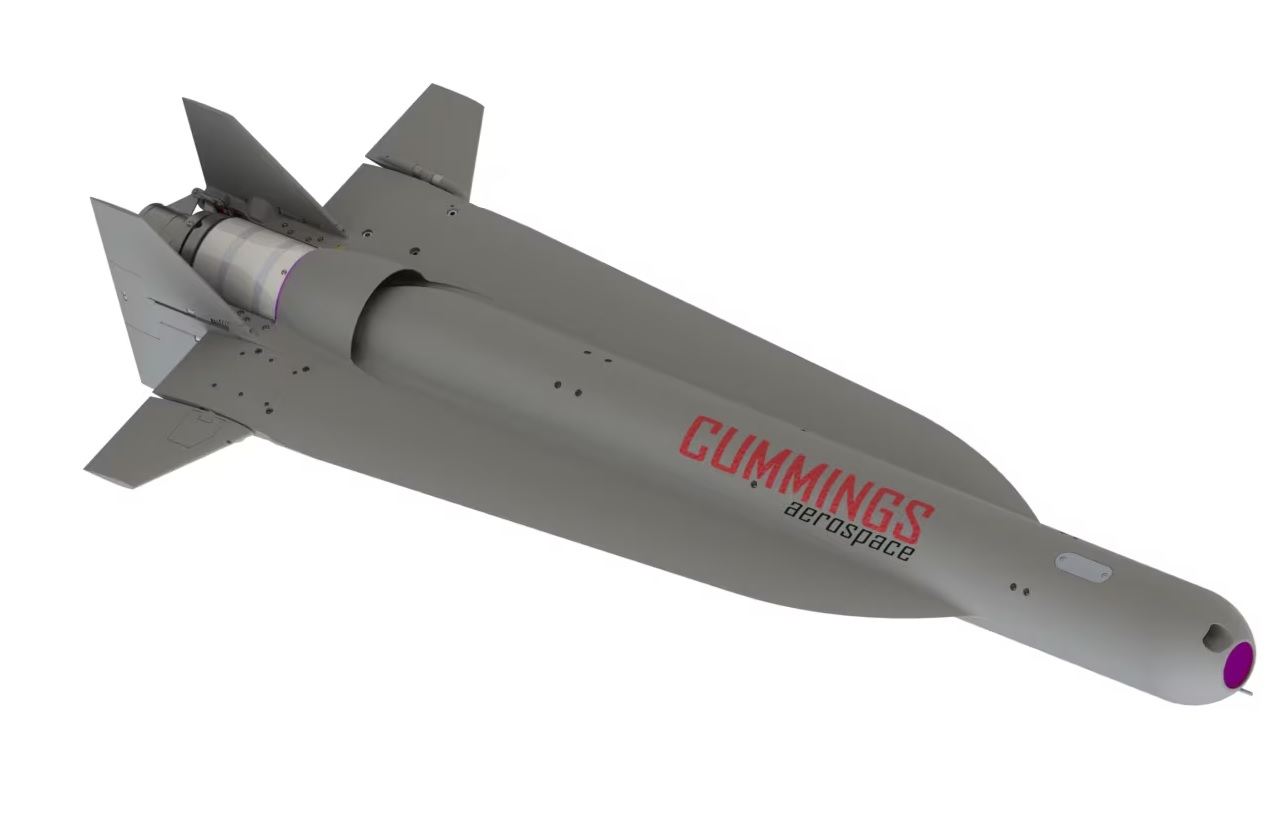
World
Cummings Aerospace has successfully tested its Hellhound S3 drone on a U.S. Army test range, demonstrating its high-speed strike capabilities in a battlefield environment. Conducted during the Army Expeditionary Warrior Experiment (AEWE) 2025, the trial showcased the drone’s effectiveness in targeting enemy assets quickly and precisely. A New Era of Infantry Precision Strike The Hellhound S3 is a turbojet-powered, 3D-printed loitering munition developed to provide U.S. Infantry Brigade Combat Teams (IBCTs) with long-range strike capabilities. Traditionally, such precision-strike power was available only to Armored Brigades, but the Hellhound S3 changes that by offering high-speed engagement of time-sensitive targets, including tanks, fortified positions, and armored vehicles. With a top speed of 384 mph (over 610 km/h), the Hellhound S3 significantly outpaces quadcopters and propeller-driven drones, making it ideal for rapid battlefield deployment. Sheila Cummings, CEO of Cummings Aerospace, emphasized the importance of speed, stating that while traditional drones take time to reach targets, the Hellhound S3 is already striking deep into enemy territory before they even arrive. Successful Test and Future Readiness The test flight featured a GPS-guided tactical mission using an inert warhead, successfully meeting all primary objectives. The performance was validated at Technology Readiness Level 7 (TRL-7), confirming its operational reliability in field conditions. The Hellhound S3 is lightweight and man-portable, with the entire system—including the drone, launch canister, and control unit—weighing under 11.3 kg. Its modular design allows for quick payload swaps in under five minutes, enabling soldiers to adapt the system for different mission needs, such as: Explosive warheads for high-impact strikes Electronic warfare tools to disrupt enemy communication Surveillance sensors for battlefield intelligence Cost-Effective and Scalable for the Future Built using U.S. Department of Defense-approved commercial components and advanced 3D-printing technology, the Hellhound S3 is more cost-effective than traditional strike drones. While pricing has not been disclosed, comparable loitering munitions typically cost in the low six-figure euro range, making it an affordable alternative to conventional precision-strike systems. Cummings Aerospace plans to conduct further flight tests in the coming months, aiming to complete TRL-7 evaluations and prepare for full deployment. The company is also set to submit a formal proposal for the U.S. Army’s Low Altitude Stalking and Strike Ordnance (LASSO) program, which seeks next-generation infantry-deployable loitering munitions. A Game-Changer for Modern Warfare The Hellhound S3 represents a new generation of high-speed, modular loitering munitions designed for infantry use in modern battlefields. Its ability to strike faster, reach deeper, and engage critical targets makes it a significant asset for the U.S. military and potentially allied forces worldwide.
Read More → Posted on 2025-03-28 15:39:03
World
The United Kingdom has decided to expand the deployment of its cutting-edge DragonFire laser weapon system, increasing the number of Royal Navy warships set to receive the system from one to four by 2027. This expansion comes as part of a broader strategy to strengthen national defense in response to rising global tensions, particularly due to Russia’s ongoing invasion of Ukraine. A Key Part of the UK’s Defense Expansion The UK government has announced a £2.2 billion ($2.8 billion) defense funding boost for the next fiscal year, a move seen as a stepping stone toward its goal of increasing defense spending to 2.5% of GDP by 2027. Initially, the Royal Navy planned to install the DragonFire laser on just one warship, but with growing security concerns, the deployment has now been expanded. While the exact ships set to receive the system have not been disclosed, reports suggest that Type 45 destroyers and Type 26 frigates are strong candidates due to their advanced power-generation capabilities, essential for operating high-energy laser weapons. DragonFire: A Game-Changer in Naval Warfare The DragonFire laser weapon system is a next-generation defense technology designed to counter drones, missiles, and other fast-moving threats. Developed by a UK consortium led by MBDA, Leonardo, and QinetiQ, this high-energy laser offers several advantages over traditional missile defense systems. One of its most impressive features is its precision targeting—it can hit a coin-sized target from a distance of 1 kilometer (0.6 miles), ensuring minimal collateral damage. Additionally, it is significantly more cost-effective than conventional missile systems. Ultra-Low Operating Cost: Each laser shot costs less than £10 ($12.9), compared to hundreds of thousands of dollars for traditional interceptor missiles. Efficient Energy Consumption: A 10-second laser burst uses the same energy as a domestic heater running for one hour. Rapid-Response Capability: Unlike missiles that require reloads, the DragonFire system can fire continuously as long as power is available. Strengthening the Royal Navy’s Future Combat Readiness Once fully deployed, DragonFire will significantly enhance the Royal Navy’s defensive capabilities, offering a low-cost, rapid-response solution to modern threats. Its ability to neutralize enemy drones and missiles instantly and repeatedly makes it a critical asset in safeguarding the UK's naval fleet. With the expanded deployment now set for 2027, the UK is taking a major step toward future-proofing its military against evolving threats, ensuring a stronger and more resilient defense force.
Read More → Posted on 2025-03-28 15:36:31
India
The Indian Air Force (IAF) has received the green light from the Ministry of Defence (MoD) to lease a single Airbus A330 Multi-Role Tanker Transport (MRTT) aircraft from the French Air and Space Force. This three-year lease is a crucial stopgap measure aimed at strengthening India's aerial refuelling capabilities amid a growing crisis in the serviceability of its ageing fleet of Ilyushin Il-78 tankers. For years, the IAF has struggled with the low availability of its Il-78s, which were inducted between 2003 and 2004. Persistent maintenance challenges have frequently pushed their serviceability rates below 50%, well below the optimal 70% threshold required for sustained operational readiness. Given India’s vast geographical responsibilities, ranging from securing the Line of Actual Control (LAC) to ensuring strategic air dominance over the Indian Ocean Region (IOR), an efficient and reliable aerial refuelling capability is no longer optional—it’s a necessity. Why the A330 MRTT? The Airbus A330 MRTT represents a significant leap forward in capability compared to the older Il-78s. Based on the Airbus A330-200 passenger aircraft, it boasts a massive fuel carrying capacity of 111 tonnes and an unrefuelled range of 14,800 kilometres. This allows it to support extended-range missions for aircraft such as the Su-30 MKI, Rafale, and Jaguar, ensuring longer airborne endurance and enhanced operational reach. Additionally, its dual-refuelling system—comprising under-wing pods and an advanced boom—enables it to refuel multiple aircraft simultaneously. Another advantage lies in its efficiency. Unlike the four-engine Il-78, the A330 MRTT operates on just two engines, significantly reducing fuel consumption and maintenance overhead. These cost-effectiveness factors had previously led the IAF to favour the A330 MRTT over the Russian Il-78 in two separate procurement attempts in 2009 and 2013. However, despite its clear advantages, budget constraints led to both proposals being scrapped, preventing the IAF from acquiring six of these tankers at the time. A Strategic Leasing Move The decision to lease this aircraft is rooted in the Defence Acquisition Procedure (DAP) 2020, which introduced leasing as a viable option for acquiring critical defence assets without the burden of hefty upfront costs. Under this "wet lease" arrangement, the French Air and Space Force will not only provide the aircraft but also supply flight crews and maintenance support. This ensures seamless operational deployment while allowing IAF personnel to gain valuable hands-on experience with the platform before committing to a full-scale acquisition. Importantly, the leased A330 MRTT is expected to arrive within the 2025-26 financial year, providing immediate relief while the IAF works toward its long-term objective of permanently inducting six such aircraft. The leasing arrangement is also seen as a precursor to this acquisition, offering a real-world assessment of the MRTT’s performance under Indian conditions. Future Implications and Long-Term Goals While the lease provides an immediate solution, it does not replace the need for a full-fledged, dedicated aerial refuelling fleet. The IAF has maintained its commitment to acquiring six A330 MRTTs, with an official Request for Information (RFI) issued back in 2018. The experience gained through this lease will strengthen the case for finalizing this long-overdue purchase. Notably, the IAF is already familiar with the A330 MRTT, having interacted with it during joint exercises like Desert Knight 21 and Tarang Shakti-2024. These engagements have highlighted the aircraft’s operational flexibility and its compatibility with India’s frontline fighter jets, particularly the Rafale. Given its superior high-altitude performance, the A330 MRTT is expected to play a crucial role in refuelling operations over Ladakh, where maintaining air superiority is critical. While this lease is a welcome step, the larger challenge remains—ensuring the IAF’s long-term tanker fleet modernization plan is not derailed again by financial constraints. A fully operational, modern refuelling fleet is vital for India's air power projection, particularly in an era where long-range operations and sustained deterrence play a decisive role in national security.
Read More → Posted on 2025-03-28 15:19:20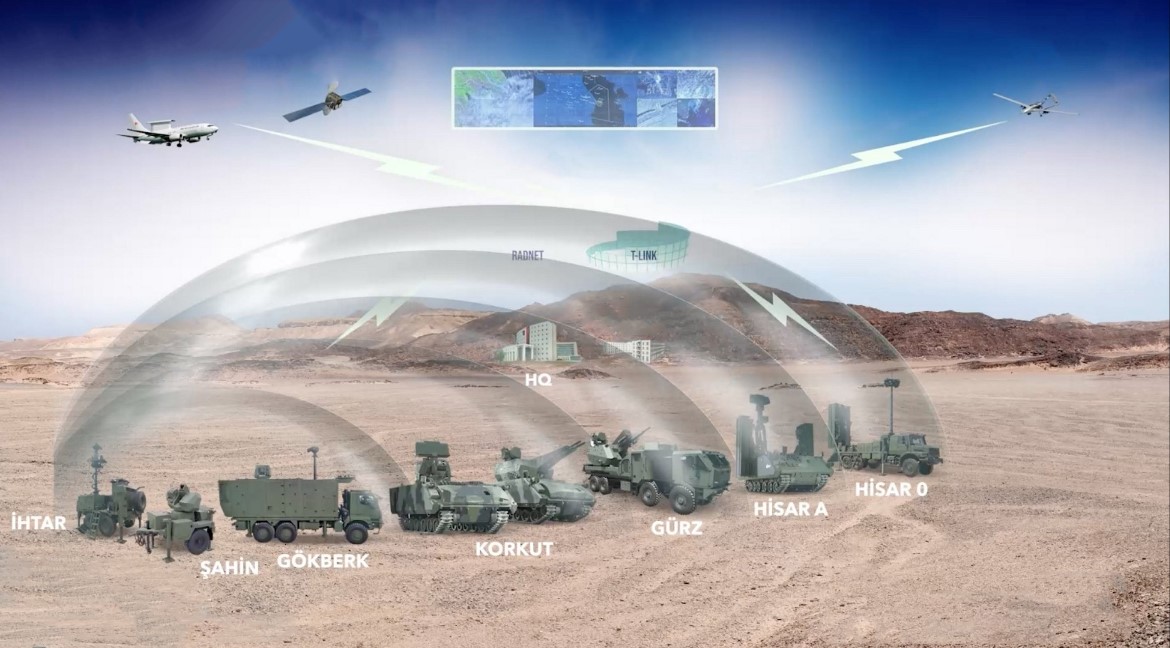
World
Turkey is taking a significant leap forward in its air defense capabilities with Aselsan securing a $616-million investment to develop key technologies for the country’s ambitious “Steel Dome” project. This initiative, backed by the Turkish Ministry of Industry and Technology, underscores Ankara’s commitment to strengthening its domestic defense industry while reducing reliance on foreign imports. A Vision for a Multi-Layered Defense Shield The Steel Dome is envisioned as a comprehensive, multi-layered defense system designed to protect Turkey’s airspace from a variety of aerial threats. It will integrate existing and future air defense platforms, radars, sensors, and weapons into a unified security network. The system draws comparisons to Israel’s Iron Dome but aims to be more advanced by incorporating artificial intelligence (AI) for autonomous threat detection and response. The project is a collaborative effort led by major Turkish defense firms, including Aselsan, Roketsan, and MKE, alongside TÜBİTAK SAGE, a key defense research institute. This synergy is expected to drive innovation, ensuring Turkey remains at the forefront of modern warfare technologies. Key Technologies Under Development With the latest investment, Aselsan will focus on advancing radar and sensor systems, smart munitions, and precision-guided weapons. These components will enhance the real-time tracking of incoming threats and improve interception accuracy. The funding will also support the development of high-energy laser and electronic warfare capabilities, making the Steel Dome a robust and adaptive air defense system. Another critical element of the initiative is the expansion of research and development (R&D) facilities. This move will not only accelerate the development of cutting-edge defense solutions but also bolster Turkey’s export potential, strengthening its position in the global defense market. Turkey’s Growing Air Defense Capabilities Aselsan has already made notable strides in air defense technology. In 2024, the company successfully delivered the ALP-300G Portable Early Warning Radar System, enhancing Turkey’s aerial surveillance, fire control, and border security capabilities. Additionally, the recent live-fire test of the Goksur point defense missile system marked a significant milestone, demonstrating Turkey’s ability to intercept low-flying threats such as cruise missiles, drones, and anti-ship missiles. The Steel Dome project aligns with Turkey’s broader goal of self-sufficiency in defense production. Over the past decade, Ankara has prioritized domestic manufacturing, reducing defense imports and focusing on indigenous innovation. This shift has not only strengthened national security but has also positioned Turkey as a growing defense exporter, with its technologies being sought by allied nations. Strategic Implications The development of the Steel Dome signals Turkey’s determination to establish an independent and highly capable air defense system. Given the evolving geopolitical landscape and increasing missile threats in the region, the system is expected to play a crucial role in national security strategy. Additionally, by integrating AI and advanced automation, Turkey is ensuring that its air defense remains adaptive to future challenges. As the project progresses, it will be essential to observe how quickly the system reaches full operational capability and whether Ankara expands its defense partnerships through technology transfers or co-development agreements. If successful, Turkey’s Steel Dome could redefine air defense dynamics in the region and beyond.
Read More → Posted on 2025-03-28 15:16:47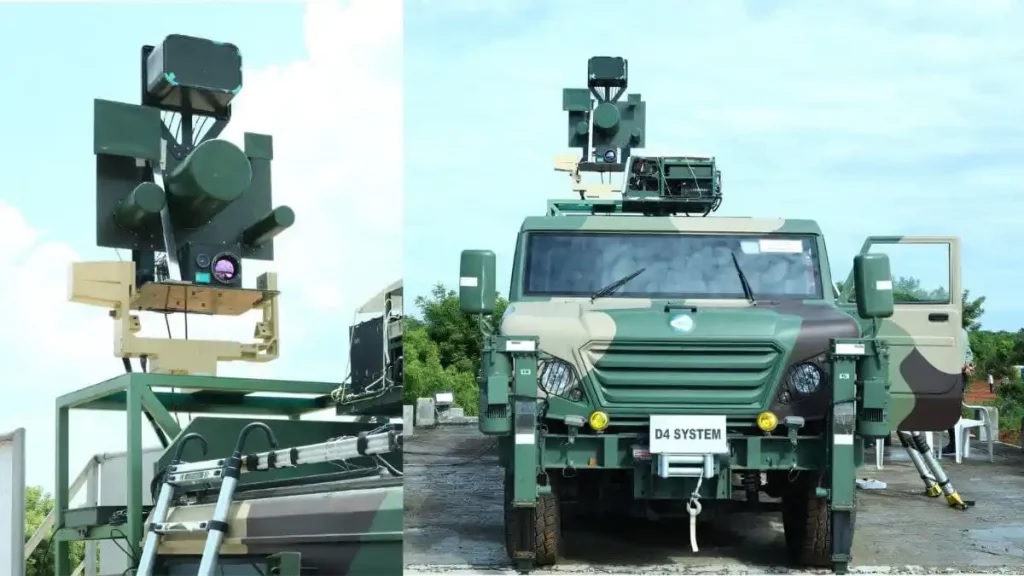
India
In response to the rising threat of rogue drones, the Defence Research and Development Organisation (DRDO) is set to deploy its indigenous D4 (Drone Detect, Deter, Destroy) system across major urban centers and critical installations. This cutting-edge counter-drone system is designed to safeguard cities, military bases, and strategic locations from potential drone-based attacks, which have become an increasing concern in modern warfare and security operations. How the D4 System Works The D4 system leverages a sophisticated multi-sensor approach to detect and neutralize aerial threats. It combines radar, radio-frequency (RF) detectors, and electro-optical/infrared (EO/IR) sensors to identify drones from up to 4 km away. What sets it apart is its AI-powered threat classification, which can distinguish between friendly and hostile drones with remarkable accuracy. For neutralization, the system employs RF and GNSS jamming techniques to disrupt the communication signals of micro-drones, rendering them ineffective. Additionally, a laser-based destruction mechanism ensures that enemy drones can be eliminated within a range of 150 meters to 3 km, making it a versatile solution for both close-range and extended-range threats. Advanced Features and Upgrades The D4 system has already demonstrated its effectiveness in operational deployments and continues to evolve with newer technologies. DRDO scientists are working on an enhanced version (D4 MK-1A) with improved capabilities to tackle larger drones and swarm attacks. Some of the planned advancements include: Non-Rotating Array Radars: Enabling better coverage with faster target acquisition. AI/ML-Based Target Identification: Enhancing precision in recognizing drone types and threats. Wider Spectrum Jamming: Covering an extended frequency range to counter sophisticated drone operations. Protocol Analyzer-Based Drone Locator: Identifying drone origins by analyzing their communication protocols. This upgraded version will be compact, modular, and scalable, making it adaptable to different terrains, from urban settings to remote military outposts. Deployment and Future Prospects The D4 system has already been ordered by all three branches of the Indian Armed Forces, with 25 units currently in various stages of deployment. The Indian Navy and Air Force have already received their systems, while deliveries for the Indian Army are underway. Additionally, agencies under the Ministry of Home Affairs (MHA) have completed evaluations, and DRDO is expecting further orders soon. This project is unique in that it has been spearheaded by a select team of 15 DRDO scientists and 15 technical experts from multiple DRDO labs in Bangalore, Hyderabad, and Dehradun. More than 50 Indian industries, MSMEs, and PSUs have contributed to its development, with Bharat Electronics Limited (BEL) playing a key role in manufacturing and delivering the systems to the armed forces. Strengthening National Security Already deployed at critical locations such as ammunition depots, airbases, communication hubs, and border posts, the D4 system is a crucial addition to India’s security infrastructure. Along the Line of Actual Control (LAC) with China, similar counter-drone systems have been deployed with extended detection ranges of up to 8 km, reinforcing India’s defensive posture against aerial threats. Future deployments in urban environments will integrate 5G jamming capabilities and advanced AI-driven analytics, making the system even more effective in detecting unauthorized drone activity in densely populated areas. The D4 anti-drone system is a testament to India's growing self-reliance in defence technology under the “Atmanirbhar Bharat” initiative. With its ability to rapidly detect, classify, and neutralize aerial threats, the system strengthens national security against modern drone warfare and asymmetric threats posed by terrorist groups and hostile forces. As India continues to refine and enhance this technology, the D4 system is set to become a global benchmark in counter-drone warfare.
Read More → Posted on 2025-03-28 15:14:40
Space & Technology
NASA's Perseverance rover has made a fascinating discovery on Mars, uncovering a rock densely covered with tiny spherical formations. This intriguing find has sparked curiosity among scientists, as understanding its origin could provide valuable insights into the Red Planet's geological history. Discovery of 'St. Pauls Bay' On March 11, 2025, during its exploration of the Jezero Crater's rim—a region believed to be an ancient lakebed—Perseverance identified a peculiar rock formation. Dubbed "St. Pauls Bay" by the mission team, this rock is characterized by hundreds of millimeter-sized dark gray spheres, some exhibiting tiny pinholes. The presence of these spherules has prompted scientists to investigate their formation processes and what they reveal about Mars' past. Geological Significance The Jezero Crater's rim, particularly the Witch Hazel Hill area where St. Pauls Bay was found, is of significant scientific interest. This rocky outcrop spans over 330 feet (101 meters), with each layer potentially representing a different chapter in Mars' geological history. However, initial assessments suggest that St. Pauls Bay may be a "float" rock, meaning it could have originated elsewhere and was transported to its current location. Determining its provenance is crucial for contextualizing its formation and significance. Possible Formation Mechanisms Similar spherule-rich rocks have been observed previously on Mars. In 2004, NASA's Opportunity rover discovered "Martian blueberries"—small spherical formations interpreted as concretions formed by groundwater interaction. Perseverance has also encountered popcorn-like textured rocks suggesting past groundwater flow. However, not all spherules are formed through aqueous processes. They can also result from volcanic activity, where molten rock droplets cool rapidly, or from meteorite impacts that vaporize rocks, leading to condensation into spherical shapes. Each formation mechanism implies a different environmental history, making it essential to determine the exact origin of these spherules to understand Mars' geological evolution. Ongoing Investigations The Perseverance team is actively working to place these features within a broader geological context. By linking the spherule-rich texture of St. Pauls Bay to the stratigraphy of Witch Hazel Hill, scientists aim to unravel the rock's history and its implications for the Jezero Crater and beyond. This endeavor is part of Perseverance's extended mission to explore areas where ancient Martian groundwater may have interacted with rocks, potentially creating environments conducive to past microbial life. Implications for Mars Sample Return Mission Perseverance has been collecting and caching samples, including those with intriguing features like the spherules found on St. Pauls Bay. These samples are stored in tubes awaiting retrieval by future missions under NASA's Mars Sample Return program. The successful return and analysis of these samples on Earth could provide unprecedented insights into Mars' geological history and the potential for ancient life. The discovery of St. Pauls Bay underscores the complexity of Mars' geological landscape and the continuous surprises that await as we explore our neighboring planet.
Read More → Posted on 2025-03-27 15:15:04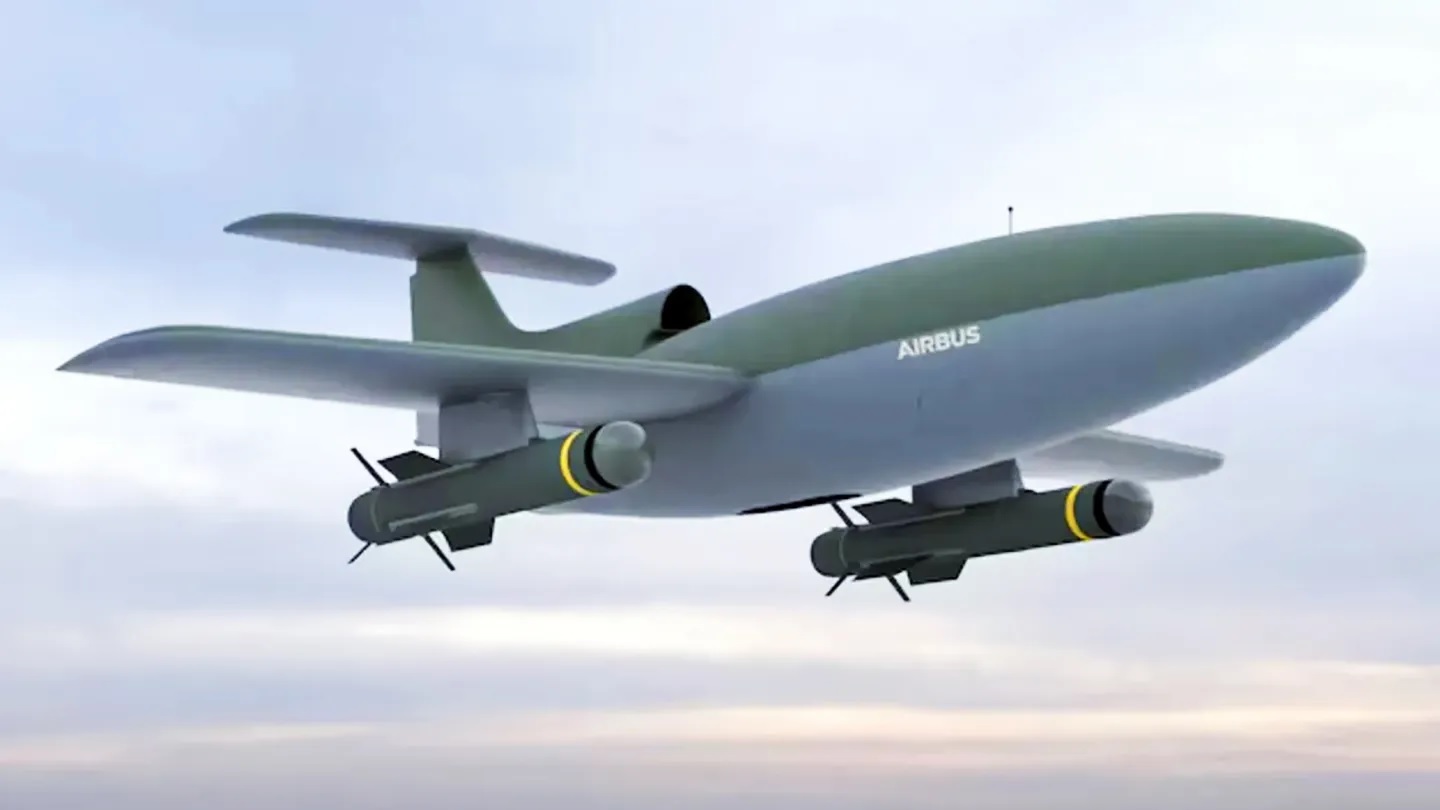
World
Airbus has introduced the LOw-cost Air Defence (LOAD) system, a counter-unmanned aerial vehicle (UAV) designed to address the growing challenge of drone swarms in modern warfare. Based on the Do-DT25 aerial target drone, LOAD is equipped with up to three guided missiles and offers a reusable, autonomous solution for detecting and neutralizing loitering munitions under human supervision. Design and Capabilities The Do-DT25, serving as the foundation for LOAD, measures 3.1 meters in length with a wingspan of 2.5 meters. It achieves speeds up to 300 knots (555 kilometers per hour) and operates within a range of approximately 100 kilometers. Launched via catapult, LOAD returns to base using a parachute system, ensuring reusability and cost-effectiveness. While specific details about the missile types remain undisclosed, the system's design emphasizes affordability and efficiency in countering drone threats. Strategic Integration Traditional air defense systems like the Patriot and IRIS-T are effective but come with high operational costs, especially when countering large formations of inexpensive drones. Deploying a $450,000 IRIS-T missile to eliminate a $20,000 drone is economically unsustainable. LOAD addresses this imbalance by providing a low-cost alternative that can fill gaps in radar coverage and engage multiple targets without the financial strain associated with higher-end systems. Development Timeline Airbus plans to conduct the maiden flight of a LOAD prototype, armed with two missiles, by the end of 2025. The final product is expected to be operational by 2027, offering military forces a timely and effective tool against evolving aerial threats. Analysis The introduction of LOAD signifies a strategic shift towards adaptable and economical defense solutions in response to the proliferation of UAV technologies. By leveraging existing drone platforms, Airbus reduces development time and costs, delivering a system capable of autonomous operation with human oversight. This approach not only enhances operational flexibility but also aligns with efforts to reduce dependency on external defense components, as evidenced by the absence of U.S. parts in LOAD's construction. In summary, Airbus's LOAD system represents a significant advancement in counter-drone capabilities, offering a practical and cost-effective solution to the challenges posed by modern aerial threats.
Read More → Posted on 2025-03-27 15:11:29
World
HII's Ingalls Shipbuilding division has achieved a significant milestone with the successful launch of the future USS Jeremiah Denton (DDG 129) on March 25, 2025. This event marks the third Flight III Arleigh Burke-class destroyer constructed at the Pascagoula, Mississippi shipyard. The launch process involved transferring DDG 129 from land to a dry dock using translation railcars. Once positioned, the vessel was floated and maneuvered by tugboats to a pier, where it will undergo final outfitting, systems activation, and rigorous testing before commissioning into the U.S. Navy fleet. DDG 129 honors the legacy of former U.S. Senator Jeremiah Denton Jr., a distinguished Vietnam War veteran awarded the Navy Cross for his valor as a prisoner of war. Following his military service, Denton represented Alabama in the U.S. Senate after his election in 1980. As a Flight III Arleigh Burke-class destroyer, the future USS Jeremiah Denton is equipped with the advanced AN/SPY-6(V)1 Air and Missile Defense Radar (AMDR) and the Aegis Baseline 10 Combat System. These enhancements significantly bolster the Navy's ability to detect, track, and engage contemporary threats, ensuring operational superiority well into the 21st century. Ingalls Shipbuilding currently has five Flight III destroyers under construction: Ted Stevens (DDG 128), Jeremiah Denton (DDG 129), George M. Neal (DDG 131), Sam Nunn (DDG 133), and Thad Cochran (DDG 135). This ongoing production underscores the shipyard's commitment to delivering state-of-the-art vessels that enhance the Navy's combat readiness and global presence. The successful launch of DDG 129 reflects the dedication and expertise of Ingalls Shipbuilding's workforce and highlights the collaborative efforts with Navy partners. As the future USS Jeremiah Denton progresses through its final phases, it stands poised to join the fleet as a formidable asset in safeguarding national interests and maintaining maritime security.
Read More → Posted on 2025-03-27 15:06:25
Space & Technology
China is embarking on a groundbreaking journey to develop the world’s first fusion-fission hybrid power plant, marking a major milestone in the quest for clean, sustainable energy. Named Xinghuo, meaning “spark” in Chinese, this ambitious project aims to generate 100 megawatts of continuous electricity and integrate it into the national grid by the end of the decade. If successful, it would place China at the forefront of next-generation nuclear energy, far ahead of global competitors. With an estimated cost of 20 billion yuan (US$2.76 billion), the high-temperature superconducting reactor is set to be built on Yaohu Science Island in Nanchang, Jiangxi province. The project is already moving forward, as authorities have initiated an environmental impact assessment, which will evaluate potential risks, pollution control measures, and ecological impact. Why is Xinghuo Different? Unlike conventional nuclear power plants that rely solely on fission, Xinghuo will employ a fusion-fission hybrid approach. This means it will use high-energy neutrons generated from fusion reactions to trigger fission in surrounding materials, leading to greater energy output while reducing nuclear waste. Fusion is the same process that powers the sun, involving the fusion of light atomic nuclei such as hydrogen to release vast amounts of energy. In contrast, traditional nuclear power plants use fission, which involves splitting heavy atomic nuclei like uranium to generate power. The hybrid model combines the strengths of both, offering a more efficient and potentially safer alternative. For context, while international fusion projects like ITER (International Thermonuclear Experimental Reactor) in France are targeting a Q value (energy gain factor) above 10, Xinghuo aims for an unprecedented Q value of 30—meaning it could produce 30 times more energy than the power used to sustain its reaction. To put this into perspective, the US National Ignition Facility achieved a Q value of just 1.5 in 2022. If Xinghuo reaches its target, it would mark a quantum leap in nuclear energy technology. Strategic Implications and China’s Energy Future China’s nuclear ambitions are not just about energy—they carry significant geopolitical and economic weight. The successful deployment of a fusion-fission hybrid reactor would: Reduce dependence on fossil fuels, helping China meet its carbon neutrality goals. Strengthen China’s position as a leader in nuclear technology, potentially outpacing the US, Europe, and Japan in the race for clean energy. Pave the way for the China Fusion Engineering Test Reactor (CFETR), a large-scale fusion-only project planned for Hefei, Anhui province in the mid-2030s, seen as China’s answer to ITER. The environmental assessment for Xinghuo is expected to conclude by the end of this year, with full-scale construction likely to follow shortly after. If the project succeeds within its planned timeline, it would mean China achieves commercial hybrid fusion power before the rest of the world even reaches basic experimental milestones. As nations push toward cleaner energy solutions, Xinghuo could be the defining breakthrough that brings fusion technology out of the lab and into real-world applications—turning the dream of limitless clean energy into reality.
Read More → Posted on 2025-03-27 15:03:41
India
In a significant move to enhance India's defence capabilities, the Ministry of Defence (MoD) has signed contracts worth ₹2,500 crore to procure cutting-edge anti-tank systems and military vehicles. The agreements, formalised in New Delhi on 27 March 2025, mark a crucial step towards bolstering the combat readiness of the Indian Army. Under the deal, Armoured Vehicle Nigam Limited (AVNL) will supply the NAMIS (Tr) anti-tank guided missile (ATGM) system, while Force Motors Ltd and Mahindra & Mahindra Ltd will deliver 5,000 Light Vehicles for military operations. These procurements fall under the ‘Buy (Indian-Indigenously Designed, Developed, and Manufactured)’ category, reinforcing India's commitment to self-reliance in defence production. Advancing Anti-Tank Warfare with NAMIS (Tr) A significant chunk of the contract—₹1,801.34 crore—has been allocated to the NAMIS (Tr) anti-tank weapon system, developed by the Defence Research & Development Laboratory (DRDO). This next-generation system will significantly upgrade the Indian Army's anti-tank capabilities, giving mechanised infantry an edge in modern warfare. Equipped with a fire-and-forget guidance system and advanced targeting optics, NAMIS (Tr) offers superior accuracy and lethality against armoured threats. The system is designed to function in diverse battlefield conditions, providing India with an indigenous and highly effective solution for neutralising enemy tanks and fortifications. 5,000 Light Military Vehicles to Improve Mobility Alongside the advanced missile system, the MoD has finalised contracts with Force Motors Ltd and Mahindra & Mahindra Ltd to supply 5,000 Light Vehicles for the armed forces. These vehicles, engineered for high mobility and durability, are capable of carrying payloads of up to 800 kg and can operate efficiently across rugged terrains. With enhanced engine performance and modern safety features, these military vehicles will improve logistical support and troop movement, ensuring better operational flexibility in combat and peacekeeping missions. Their all-terrain adaptability makes them ideal for deployment in challenging environments, from high-altitude regions to desert warfare zones. Boosting India's Defence Industry & Self-Reliance These procurements align with the Aatmanirbhar Bharat initiative, which aims to reduce dependence on foreign defence imports and strengthen India's domestic manufacturing sector. By awarding contracts to Indian companies, the government is fostering indigenous technological innovation while supporting MSMEs involved in component production. Beyond military advantages, these contracts are expected to create thousands of direct and indirect jobs, contributing to India’s industrial growth. The move also reflects India’s broader strategy of building a resilient defence infrastructure that ensures long-term security and economic benefits. With the induction of NAMIS (Tr) and new Light Vehicles, the Indian Army is set to gain a significant tactical edge, reinforcing its preparedness for modern warfare and border security challenges. This latest investment underscores India’s commitment to strengthening its defence forces while promoting self-reliance and technological advancement in military systems.
Read More → Posted on 2025-03-27 14:57:37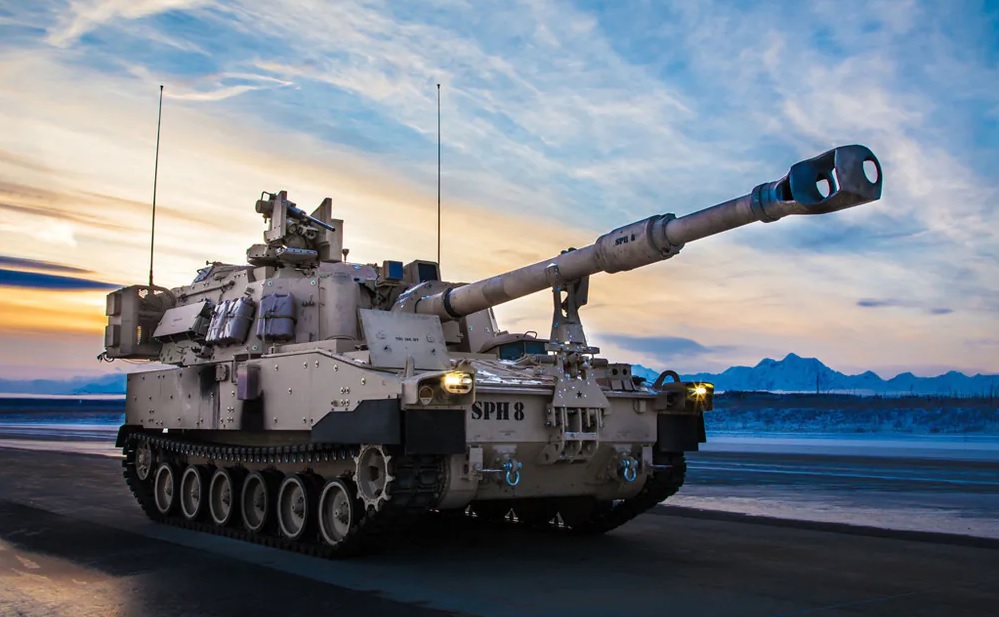
World
The U.S. Army has awarded a $16.9 million contract to Leonardo DRS for the modernization of the Paladin Electric Servo Amplifier (PESA) system, a crucial component in the M109A7 Paladin self-propelled howitzer. This upgrade aims to enhance the weapon's electric control capabilities, ensuring better performance, reliability, and ease of maintenance. The M109A7 Paladin is a critical part of the U.S. Army's artillery forces, known for its firepower and battlefield adaptability. The PESA system plays a key role in enabling precise movement and positioning of the gun turret and firing mechanisms. By developing a next-generation prototype, Leonardo DRS plans to integrate modern electrical technologies that will improve manufacturability while maintaining the current operational capabilities. One of the main focuses of this upgrade is improving line replaceable units (LRUs)—modular components that can be swapped out easily for repairs or maintenance. This will ensure long-term sustainability and reduced downtime, which is crucial in combat scenarios where reliability is paramount. Leonardo DRS executives have emphasized the significance of this project, stating that it will future-proof the M109A7 Paladin and enhance its battlefield effectiveness. Denny Crumley, Senior Vice President and General Manager of the company’s Land Electronics business unit, stated that their cutting-edge technology will continue to provide superior support for U.S. Army warfighters. Strategic Impact and Analysis The upgrade of the PESA system comes at a time when the U.S. military is prioritizing modernization efforts across its artillery platforms. With evolving threats and advancements in electronic warfare, ensuring that platforms like the M109A7 remain technologically advanced and combat-ready is critical. Enhanced Survivability: Improved electrical systems reduce maintenance needs, increasing combat readiness. Faster Response Time: A more efficient servo amplifier means quicker targeting and firing cycles, a crucial advantage in modern warfare. Sustainability: The focus on replaceable components will lead to cost savings and improved logistics support over the platform's lifespan. As the U.S. Army continues to evolve its artillery forces, Leonardo DRS’s modernization of the PESA system will reinforce the Paladin’s role as a key battlefield asset for years to come.
Read More → Posted on 2025-03-27 14:54:24Search
Top Trending in 24 Hours
-
 Russia Receives North Korean KN-30 Ballistic Missiles as Moscow Expands Its Missile Arsenal
-
 Kongsberg Wins $120 Million Contract for More Protector RS4 Systems for Canadian Army
-
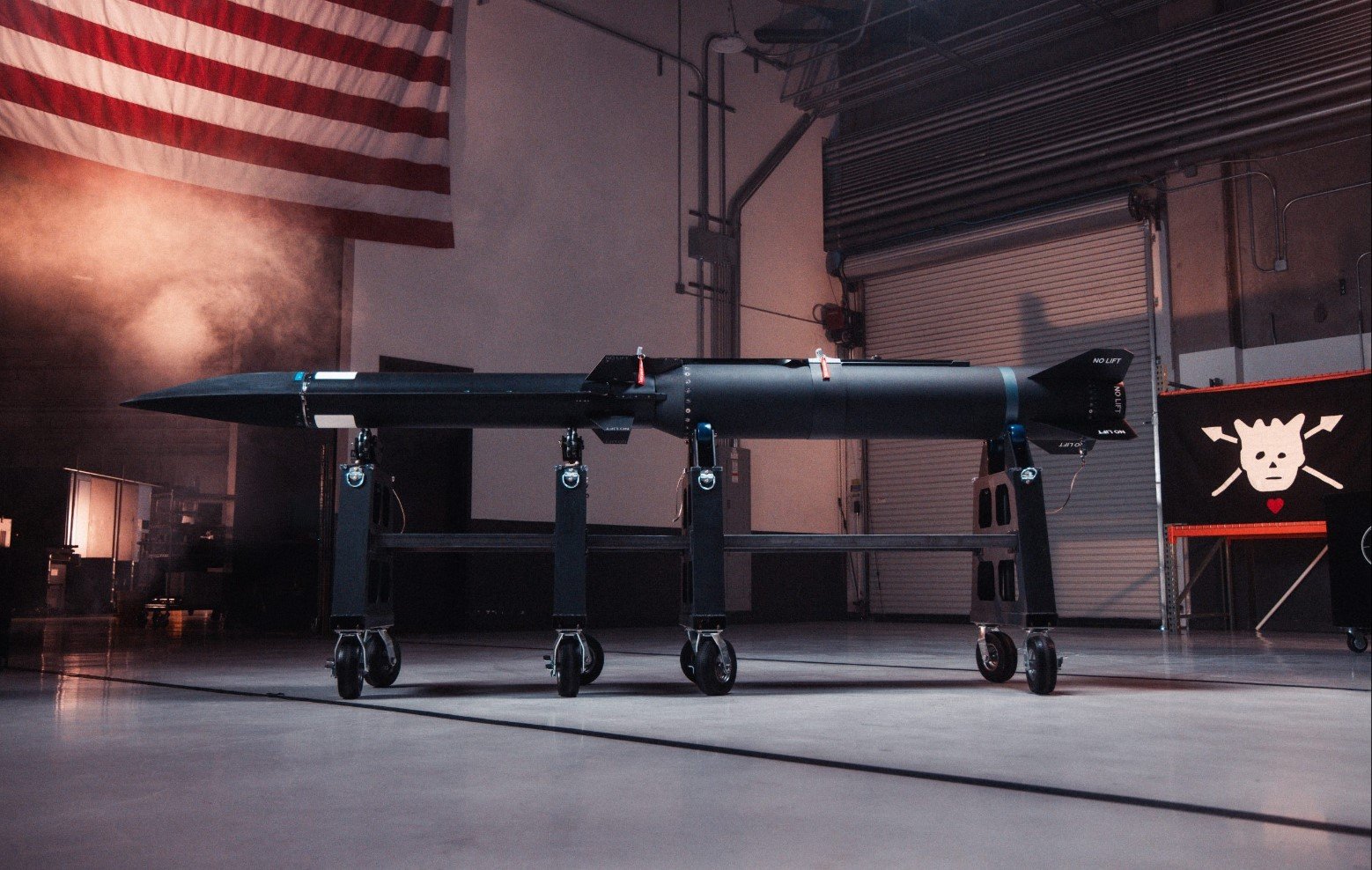 Castelion Secures $1 Billion Funding to Scale Production of Blackbeard Hypersonic Missile
-
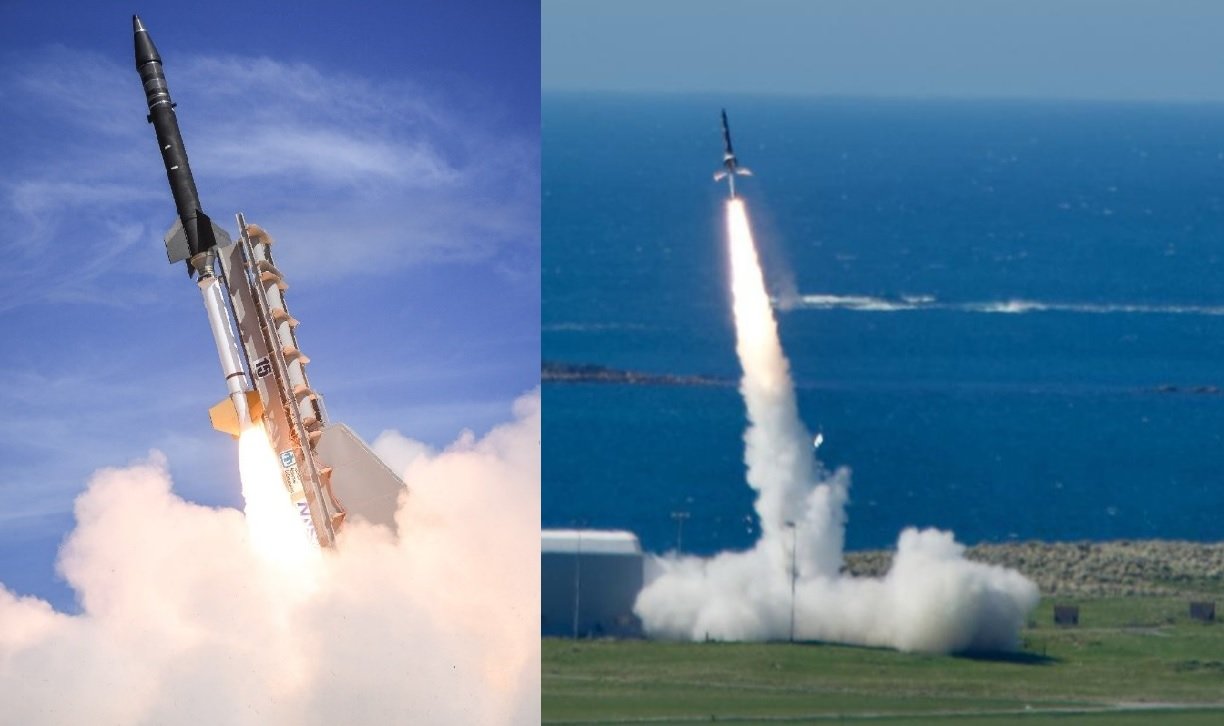 US Navy Launches ARAV-6 Missile Target During Multinational Pacific Dragon 2026 Exercise
-
 Lockheed Martin Demonstrates AI-Powered Sonar System With U.S. Navy at RIMPAC 2026
-
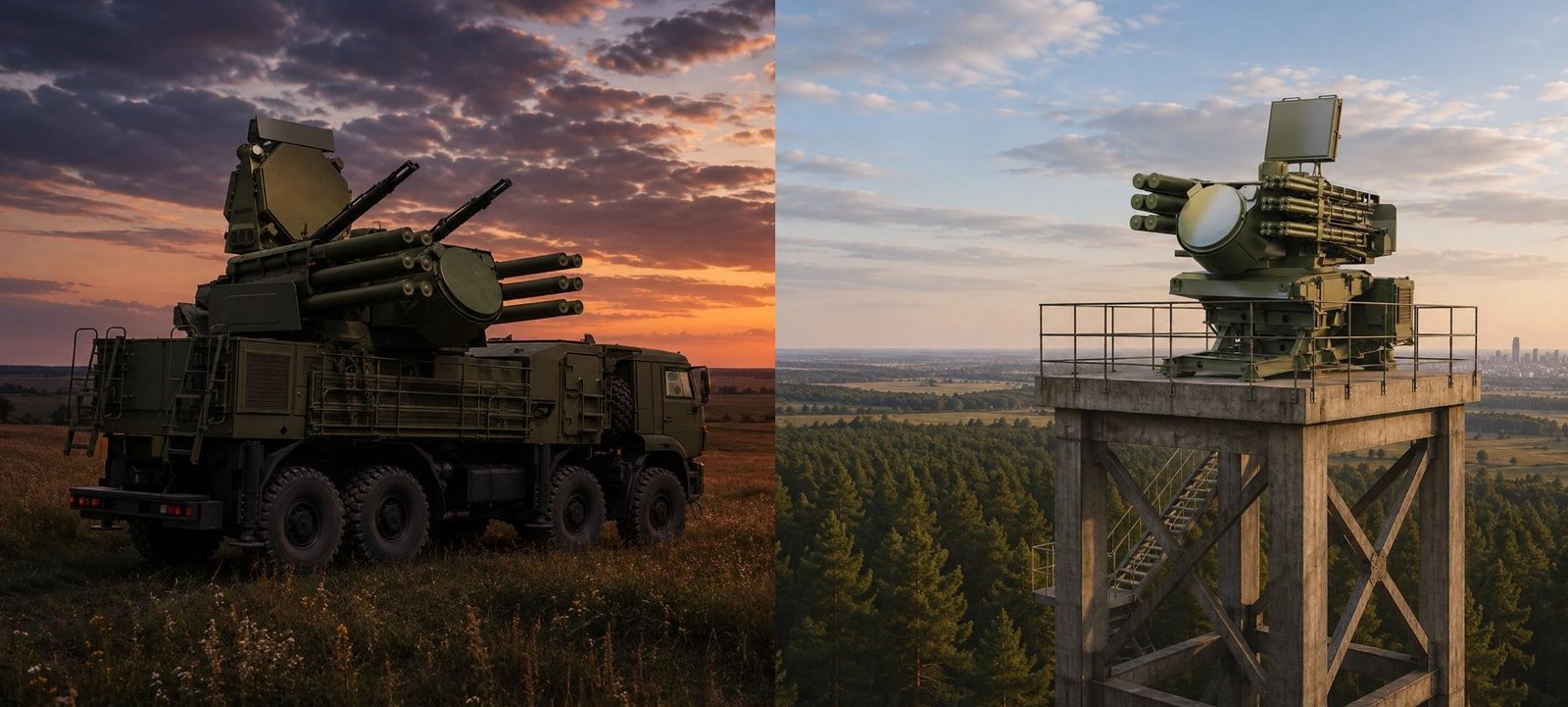 Russia Receives New Batch of Pantsir-S and Pantsir-SMD Air Defense Systems
-
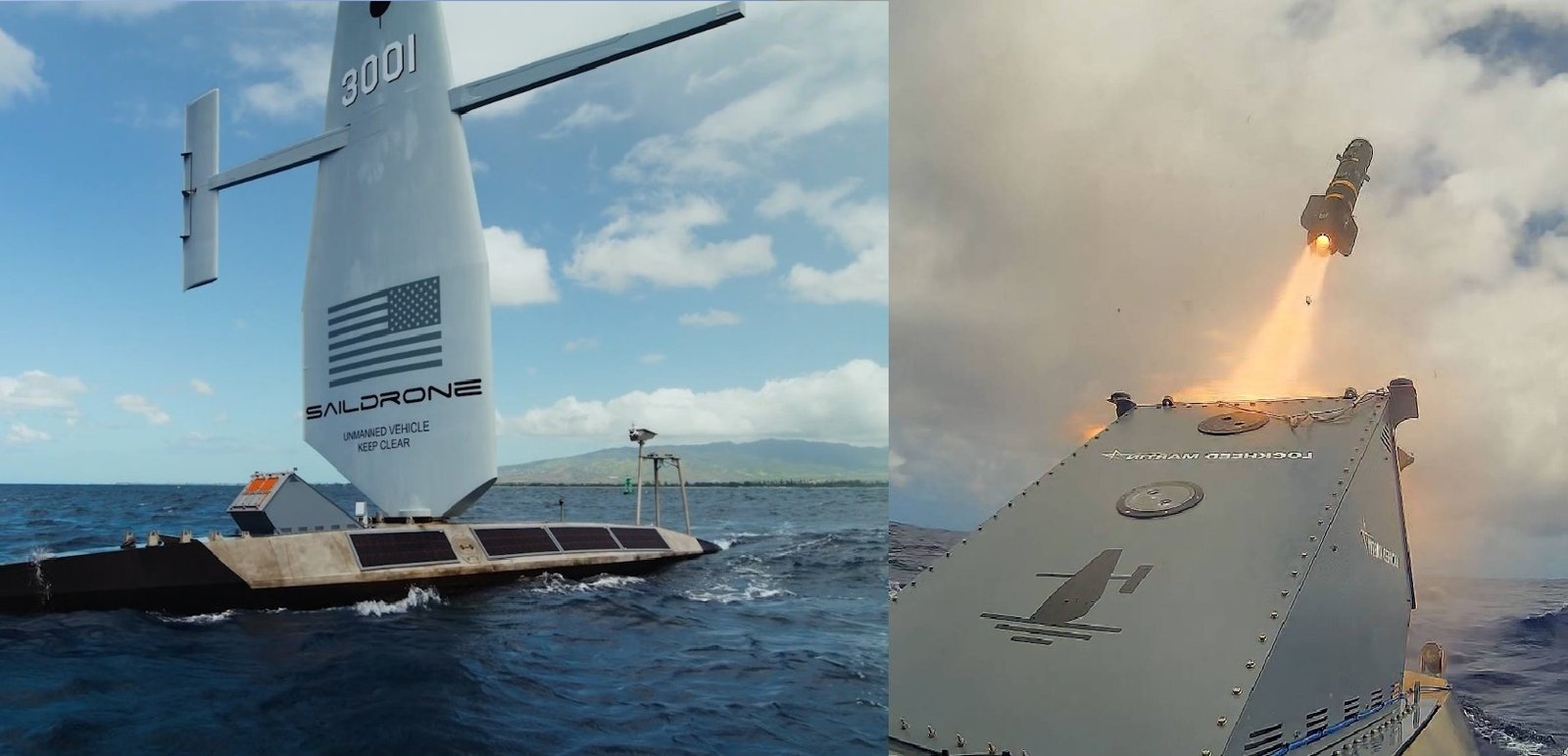 Saildrone and Lockheed Martin Successfully Fire Two JAGM Missiles in First Live-Fire Test from Unmanned Vessel at RIMPAC 2026
-
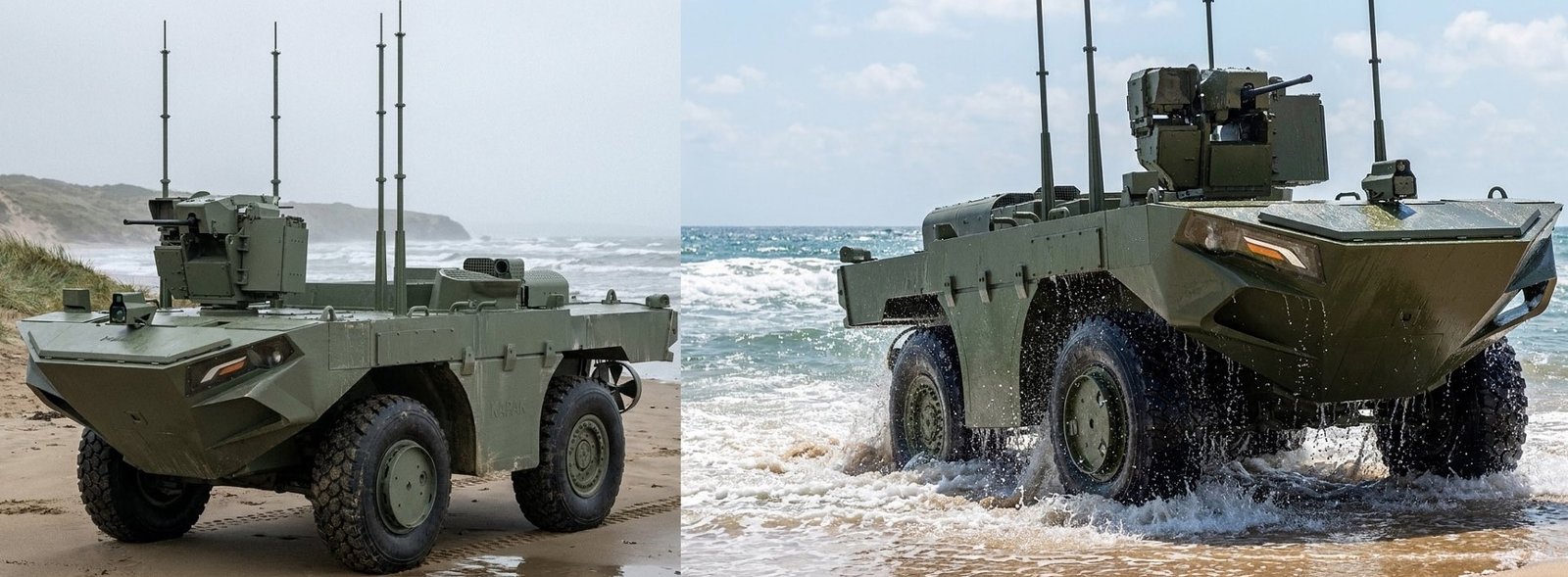 Turkey's FNSS Unveils U-MAV Unmanned Amphibious Assault Vehicle at TEKNOFEST Blue Homeland
Top Trending in 4 Days
-
 U.S. Navy Destroyer USS Benfold Spent Four Days Without Power in South China Sea After Generator Failure
-
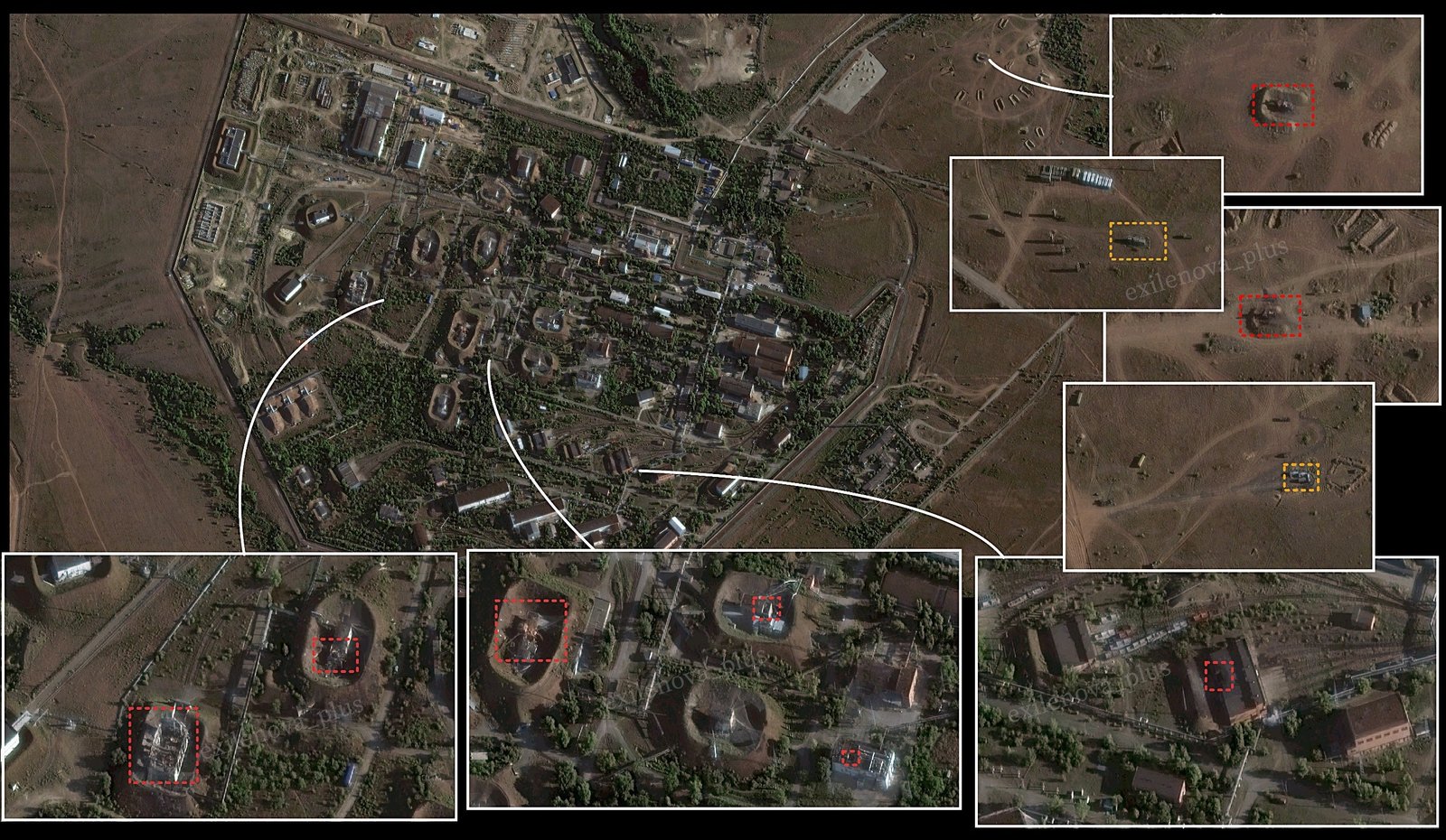 Satellite Images Show Ukrainian Drone Strike Hits Russian Rocket Fuel Plant and Air Defense Systems in Rostov Region
-
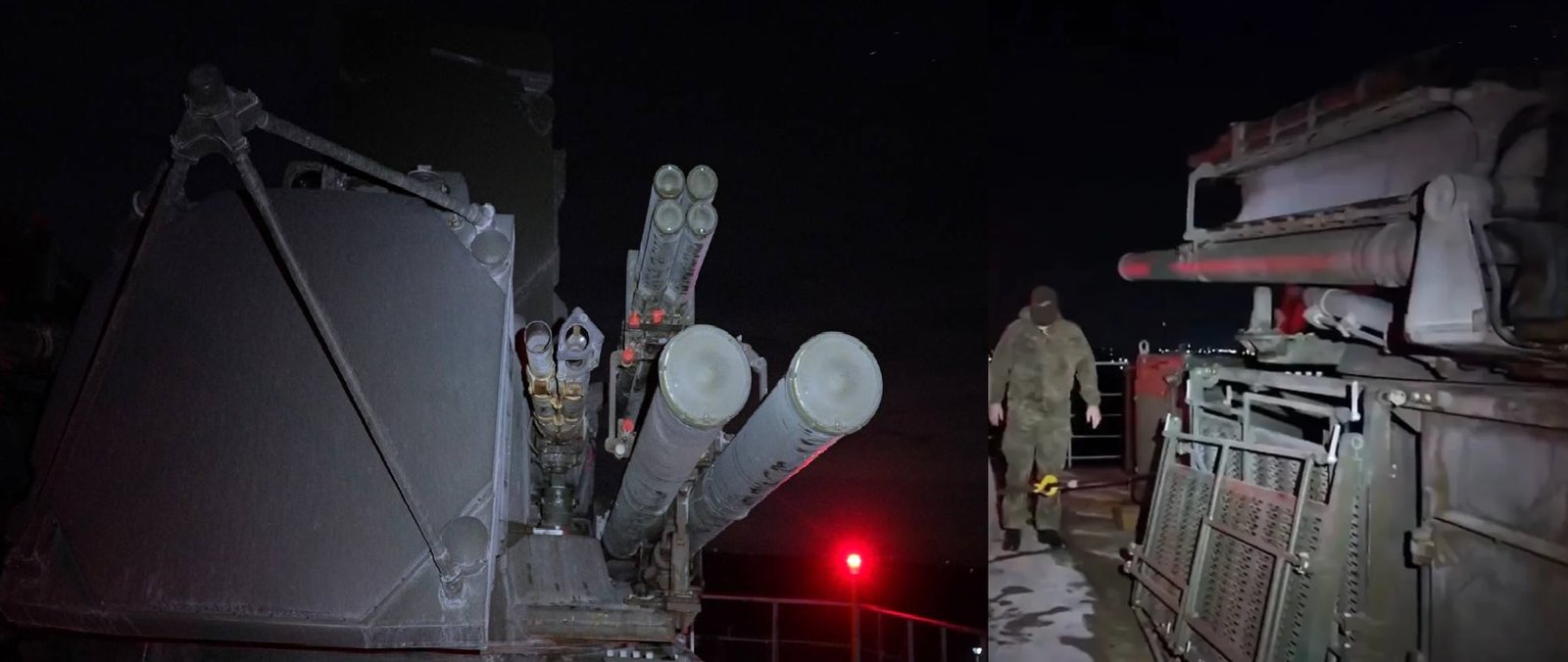 Russia Expands Moscow’s Anti-Drone Defense Network With Specialized 35-Meter Towers for Pantsir Systems
-
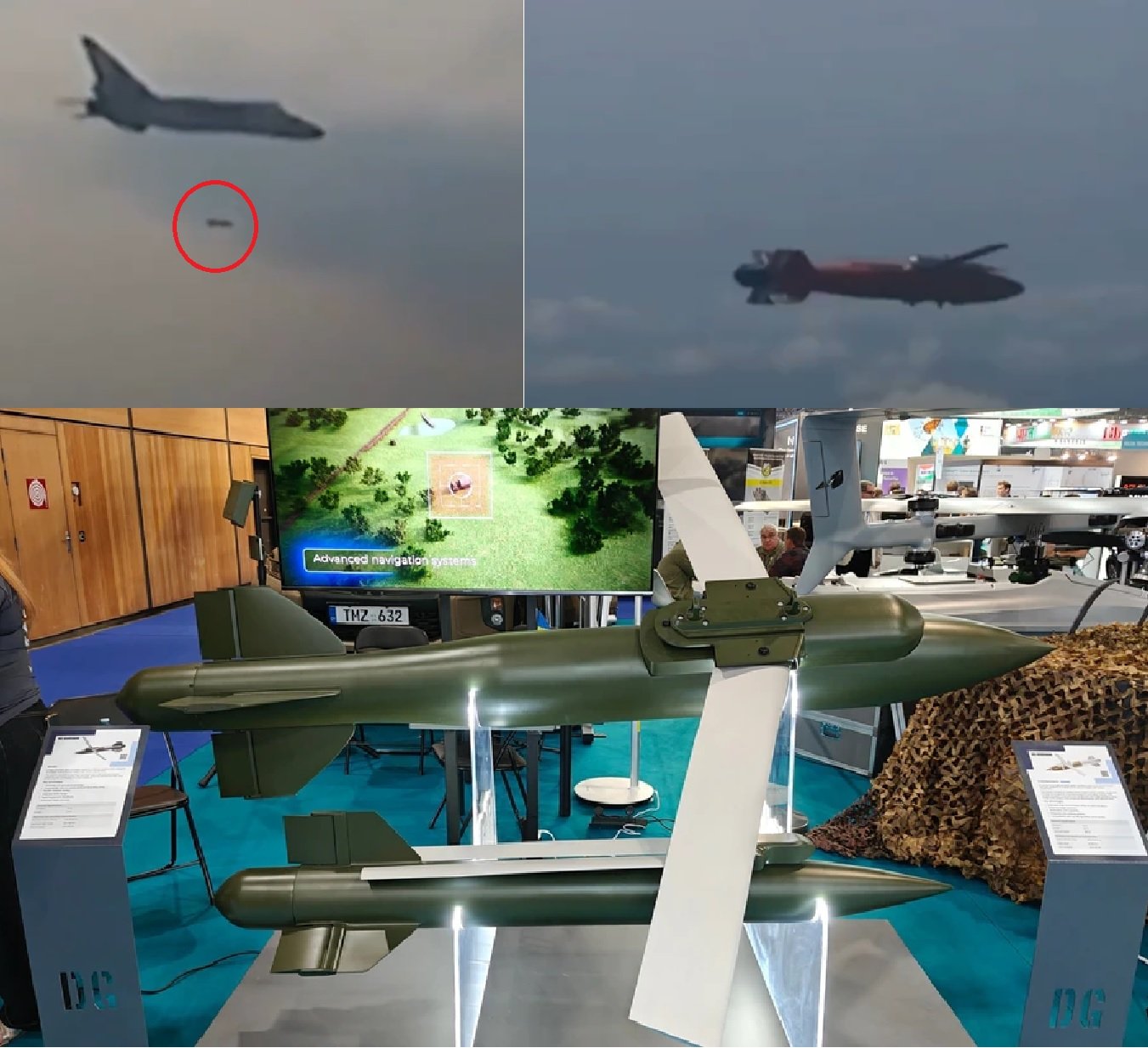 Ukraine Begins Procurement of Vyrivniuvach Guided Aerial Bomb
-
 U.S. Air Force Selects GE-Kratos F143 Engine as Second Engine Source for JASSM Missile
-
 Russia Develops 'Martian' Camera-Based Navigation Independent of GPS and Radio Signals for Drones
-
 Russia Expands Drone Launch Network Near Ukraine and Belarus Borders, Putting NATO Territory Within Range
-
 Russia Warns UK of ‘Consequences’ Over British Drones Used by Ukraine in Strikes on Russian Territory
