
World
In a significant leap for modern military training, Russia has developed the world’s first anti-drone rifle simulator, offering a virtual but realistic environment to practice counter-drone operations. The simulator was created by students of Southern Federal University (SFU) and is designed to train users in both anti-drone weaponry and drone detection systems. Built using the Unreal Engine, one of the world’s most powerful game engines, the platform replicates real-world drone combat scenarios with remarkable precision. Trainees can use virtual replicas of actual anti-drone rifles like the "Pars" and "Harpy", as well as advanced detection systems such as "Bulat" version 3. The simulator also includes various drone types, from FPV racing drones and commercial DJI models to military-grade Leleki-100 drones. What makes this simulator unique is its focus on realism. It accurately mimics radio signal interference, GPS functioning, and the interactive behavior of all devices involved. According to the development team, the goal is to make the experience feel as close as possible to a real training ground—without the risks and high costs of live drills. The system is not just about virtual shooting; it is a comprehensive training tool. It includes a theoretical module filled with instructional material and quizzes. Some tests even incorporate video scenarios, challenging users to respond with the correct tactical actions based on real-life situations. Military analyst Yuri Lyamin praised the innovation, stating that it’s a useful tool for early-stage training, particularly in understanding equipment functionality and operational decision-making. However, he also stressed the importance of transitioning to real-world practice afterward. For a more immersive experience, Lyamin suggested adding virtual reality (VR) elements and physical gun replicas, as tactile feedback is key to becoming proficient with weapons. As drones play an increasingly prominent role in both surveillance and attack operations across the world, this Russian simulator could serve as a template for future military training systems globally. By merging gaming technology with defense requirements, Russia is positioning itself at the forefront of next-generation warfare preparation.
Read More → Posted on 2025-08-04 14:49:37
World
Baykar Technologies has officially entered serial production of its next-generation Bayraktar Kızılelma combat drone, marking a major milestone in Turkey’s growing defense and aerospace industry. The first batch is expected to be delivered to the Turkish Armed Forces by 2026, according to the company’s Chairman of the Board, Selçuk Bayraktar. The announcement comes as the sixth prototype of the Kızılelma is currently being completed. This advanced unmanned combat aerial vehicle (UCAV) represents a significant leap in Turkey’s domestic aerospace capabilities. Speaking about the achievement, Bayraktar said, “Turkey, which previously could not even design its own aircraft, has now become a global leader in unmanned aerial technologies.” He revealed that Baykar currently holds 65% of the global UCAV market, with 60% of that share belonging to the company alone, highlighting its strong international presence and export success. The Kızılelma drone is unique in many ways. It is jet-powered, capable of carrier operations, and built with low radar visibility and high maneuverability, enabling it to conduct missions in contested airspaces. It is designed to work in coordination with manned fighter jets and other drones, enhancing networked warfare capabilities for future combat scenarios. What makes the project even more significant is its fully domestic supply chain. Bayraktar confirmed that “all of its components are manufactured in Turkey,” underlining the country’s shift towards defense self-sufficiency. He also stated that Kızılelma is the first combat drone of its class to enter mass production, achieving this milestone ahead of countries like the United States and Israel. The Kızılelma (which translates to "Red Apple") project is seen as a centerpiece of Turkey’s broader defense modernization strategy. First unveiled in 2022, it has undergone multiple successful flight tests and attracted attention for its potential to revolutionize air combat through autonomous and semi-autonomous operations. With mass production now underway, and the first operational units set to join the Turkish Armed Forces by 2026, Turkey is positioning itself as a serious player in the future of aerial warfare—not just regionally, but globally.
Read More → Posted on 2025-08-04 14:46:25
Indonesia Inducts Turkish-Made KHAN Ballistic Missile System, Gains First Tactical Strike Capability
World
In a significant boost to its military power, Indonesia has acquired its first-ever tactical ballistic missile system, the Turkish-made KHAN (ITBM-600), marking a major milestone in the country’s defense modernization efforts. The development, confirmed on August 1, 2025, was revealed through a series of verified images posted by defense platform Sahabat Keris, showing the KHAN system stationed at Raipur A base in East Kalimantan. This deployment is more than symbolic—it’s a strategic leap. The KHAN system, developed by Türkiye’s Roketsan, is a precision-guided tactical missile capable of hitting high-value targets up to 280 kilometers away. This gives Indonesia, for the first time, the ability to conduct long-range strikes well beyond conventional artillery ranges. The variant received, the ITBM-600, is the most advanced export version offered by Roketsan, and it reflects Indonesia’s intention to strengthen its deterrent capabilities amidst growing regional tensions. The missile is launched from a Tatra 8×8 mobile platform, designed for all-terrain mobility—an essential feature for a nation like Indonesia, spread across thousands of islands. Each 2,500 kg missile, with a 610 mm diameter, is equipped with hybrid navigation (GPS, GLONASS, and inertial guidance), ensuring high accuracy even in environments where jamming is a risk. It is optimized for striking strategic assets like command centers, military bases, and logistics hubs far behind enemy lines. Despite not having an active protection system, the KHAN’s mobility, concealment, and rapid deployment ability enhance its survivability. Its warhead type remains undisclosed, but analysts suggest the system can carry multiple payload configurations suited to varying operational needs. This breakthrough comes under a 2022 defense deal between Indonesia and Türkiye, which not only involved system acquisition but also the transfer of advanced missile technology. This contract has further cemented defense ties between the two countries and could pave the way for future joint production or localized manufacturing of missile components. Strategically, positioning the KHAN system in East Kalimantan is critical. From this location on Borneo island, Indonesia can effectively cover vast maritime areas, including key sea lanes and territorial waters. This capability is especially important in an era of increasing geopolitical friction in Southeast Asia. With this acquisition, Indonesia enters a new era of defense readiness. The country has long emphasized its non-aligned foreign policy, but the arrival of the KHAN missile system signals a clear intent to protect national interests with modern, home-operable deterrence tools. It also reflects a broader regional trend: Southeast Asian nations are seeking more independent and advanced military capabilities amid uncertain global alignments. This move will likely draw attention from neighboring countries and could influence their defense strategies as well. While Indonesia maintains its policy of regional stability, the operationalization of a ballistic missile system demonstrates that Jakarta is prepared to defend its sovereignty using precision and reach like never before.
Read More → Posted on 2025-08-04 14:43:23
World
In a bold step towards modernizing military training, the UK Ministry of Defence has announced the launch of its first-ever military esports league, called the International Defence Esports Games (IDEG), set to kick off in 2026. The tournament is being developed in collaboration with the British Esports Federation and aims to tap into gaming as a tool for building digital-age defence capabilities. Unlike traditional sports competitions, IDEG focuses on skills increasingly relevant to today’s battlefields—cybersecurity awareness, digital literacy, and even the operation of unmanned aerial systems (UAS). The initiative draws inspiration from the Ukrainian military’s use of simulator games to train drone operators and enhance battlefield coordination. Initially, UK service members and reservists will be eligible to participate, with plans to later expand the competition to cadets, veterans, civil servants, and defence industry personnel. The tournament will culminate in a major final event in the UK, though regional and partner-nation competitions are also expected to be part of the run-up. “Esports will help attract, develop, and retain top cyber and digital talent, while supporting this government’s Plan for Change,” said Alistair Carns, Minister for Veterans and People at the UK Ministry of Defence. He called the initiative “an exciting opportunity to foster collaboration and overcome traditional boundaries with international partners.” The program is backed by major defence contractors like BAE Systems, alongside smaller military tech firms, underlining the UK government’s push to integrate high-tech industries with military readiness. It also builds upon recent steps like the formal recognition of esports as a military sport in the UK and the launch of the Cyber Direct Entry Scheme, which fast-tracks recruits into cyber roles with shorter basic training. In a symbolic nod to this shift in military culture, the Royal Navy has already set up an esports center aboard the HMS Prince of Wales, a Queen Elizabeth-class aircraft carrier. The gaming hub is equipped with high-end systems from Alienware, NVIDIA, and Intel, supporting the IDEG initiative. UK Strategic Command, which manages the country’s joint military capabilities, will oversee the coordination of IDEG. Lieutenant General Sir Tom Copinger-Symes, Deputy Commander of the Strategic Command, emphasized the growing relevance of esports: “For centuries, we’ve used ball games like rugby and football to build teamwork and resilience. Esports now complements these, preparing us for 21st-century security challenges.” The UK’s move is part of a wider global trend where gamification and digital platforms are increasingly being integrated into defense training. With warfare rapidly shifting into cyber and hybrid domains, IDEG represents a future-forward step in ensuring that armed forces are equipped not just physically, but digitally and cognitively, for the challenges ahead.
Read More → Posted on 2025-08-04 14:36:43
World
Rheinmetall and Lockheed Martin have officially begun testing their jointly developed Global Mobile Artillery Rocket System (GMARS) at the White Sands Missile Range in the United States. This follows the system’s public debut at the Eurosatory 2024 defence exhibition in Paris, marking a key step in its development towards full operational capability. Built on the Rheinmetall HX truck platform, the GMARS system integrates a double-pod multiple rocket launcher with advanced fire control systems. It is engineered to handle all-weather, 24/7 operations, supporting the MLRS Family of Munitions (MFOM)—the same munitions used by established platforms like the M270 and HIMARS. This design choice makes GMARS fully interoperable with NATO-standard systems. The GMARS system is optimized for high mobility and fast action, featuring a "shoot and scoot" capability that allows it to fire and quickly reposition without requiring additional setup. It uses a combined inertial and GPS-guided navigation system, enabling precision strikes at ranges beyond 400 km, with further range extensions in the pipeline. Weighing less than 40 tonnes, GMARS can reach speeds of 100 km/h and has an operational road range of up to 700 kilometres. Its compact size allows for smooth travel on regular roads and easy rail transport, improving its strategic flexibility. Designed for a two-person crew with an optional third seat, GMARS also includes an integrated crane for quick reloading in any weather condition. Shared components with existing NATO artillery systems help reduce the learning curve for operators and streamline maintenance processes. Earlier this year, Rheinmetall and Lockheed Martin co-hosted an international summit in Europe, where they presented GMARS to defence representatives from 14 countries. The event featured technical briefings, factory tours, and discussions on NATO interoperability and long-range precision fires. The summit concluded with plans for a live-fire demonstration in summer 2025. Dr. Björn Bernhard, Head of Rheinmetall’s Vehicle Systems Division, said, “We were pleased to showcase the capabilities of the GMARS launcher at the summit with our partner Lockheed Martin.” Paula Hartley, Vice President and General Manager of Tactical Missiles at Lockheed Martin, echoed that sentiment: “The GMARS programme is a prime example of this commitment, and we were pleased to discuss its capabilities and benefits with customers at the summit.” The event also featured remarks by LTG (R) Ben Hodges, who emphasized the rising importance of advanced mobile artillery in addressing future battlefield challenges. With testing now underway, GMARS is positioning itself as a next-generation artillery solution that combines long-range firepower, rapid deployment, and NATO interoperability—key features that make it a strong candidate for modern military forces worldwide.
Read More → Posted on 2025-08-03 16:37:49
Science
In a remarkable new discovery, scientists have found that earthquakes and rock fractures deep beneath the Earth’s surface may be fueling hidden microbial life, offering a fresh explanation for how life survives – and possibly even originated – in the darkest corners of our planet. Led by Chinese scientists Zhu Jianxi and He Hongping from the Guangzhou Institute of Geochemistry, along with Canadian researcher Kurt Konhauser from the University of Alberta, the research was published in Science Advances on July 19. It sheds new light on what drives life in the deep biosphere, a vast underground ecosystem that contains about 95% of Earth’s prokaryotes – microscopic organisms like bacteria and archaea – and roughly one-fifth of all biomass on Earth. An Underground Battery The team discovered that the mechanical energy from earthquakes and tectonic movements creates chemical reactions when rocks grind or crack and come into contact with water. This interaction splits water molecules, generating hydrogen gas and reactive oxygen species like hydrogen peroxide. These substances together form what's called a “redox couple”, capable of producing up to 0.82 volts of electrical energy – more than enough to power microbial metabolism in the deep subsurface. According to Zhu, “In the silent darkness, chemical reactions between rock and water generate energy. This process functions like a battery, creating positive and negative poles that drive electron flow – the currency of life’s metabolism.” Fractures That Feed Life The researchers recreated two main types of rock fracture in the lab: Extension fractures, which suddenly expose new rock surfaces to water, Shear fractures, where rocks grind continuously under pressure. Both processes were found to split water and release energy-rich chemicals. Extension fractures, in particular, were highly effective at producing hydrogen peroxide. One key element in this natural energy system is iron. When hydrogen peroxide oxidises ferrous iron (Fe²⁺) into ferric iron (Fe³⁺), and reactive hydrogen atoms reduce it back again, a continuous electron flow is generated – a kind of “underground power grid” that sustains microbial life and drives carbon, nitrogen, and sulfur cycles. Could This Be the Origin of Life? This process, the researchers suggest, might help explain how life began on Earth, especially since the deep subsurface is protected from catastrophic surface events like asteroid impacts or intense radiation. According to Zhu, “This long-overlooked radical chemistry could simultaneously explain the origins of Earth’s initial oxygen and hydrogen. It might be the intrinsic mechanism driving the early co-evolution of minerals and life.” In fact, a moderate earthquake is capable of generating hydrogen at rates 100,000 times greater than other known geological processes such as radiolysis or serpentinisation. This energy flow could support vast colonies of chemosynthetic microbes, organisms that use chemical reactions instead of sunlight to live. Beyond Earth: Implications for Life on Mars The study also suggests that this mechanism isn’t limited to Earth. He Hongping believes similar processes could be happening on other planetary bodies like Mars or Saturn’s moon Enceladus. Detecting signs of redox reactions – like changes in hydrogen, methane, or iron oxidation states – in Martian rocks could point to possible subsurface life. So next time the ground shakes from an earthquake, remember: deep below, rocks are cracking, energy is flowing, and life may be thriving in ways we’re only just beginning to understand. This hidden world beneath our feet – and potentially beneath alien worlds – could be one of the most ancient and resilient habitats in the universe.
Read More → Posted on 2025-08-03 16:35:09
Space & Technology
In a landmark step toward India’s ambitions in human spaceflight, Dr. V. Narayanan, Chairman of ISRO and Secretary, Department of Space, formally inaugurated the HOPE (High-Altitude Operational Protocol Evaluation) mission on July 31 at Tso Kar, a high-altitude saltwater lake region in Ladakh. The mission, which runs from August 1 to 10, is being conducted at an altitude of 4,530 metres, making it India’s highest and most Mars-like terrestrial testing ground. HOPE is designed to simulate extreme planetary environments to evaluate crew health, mission protocols, life-support systems, and critical technologies that will eventually support Indian astronauts on missions to Low Earth Orbit (LEO), the Moon, and possibly Mars. Mars on Earth: Why Tso Kar? Tso Kar, with its cold desert terrain, low atmospheric pressure, high ultraviolet radiation, and saline permafrost, closely mimics environmental conditions on Mars. These factors make it an ideal analog site for testing how humans, equipment, and systems perform in space-like isolation. "The HOPE mission demonstrates India’s commitment to long-duration human space exploration,” said Dr. Narayanan at the inauguration. “This is a major step toward realizing the goals of future lunar and interplanetary missions.” Inside the HOPE Mission At the heart of the mission is a modular habitat consisting of two pressurized units — an 8-meter diameter living module and a 5-meter utility module. These interconnected units include critical life-support infrastructure such as a kitchen, sleeping quarters, sanitation systems, and a hydroponic farm for food cultivation. Two analog crew members — a mechanical systems engineer and an astrobiologist — will remain confined inside the habitat throughout the 10-day mission. They will simulate tasks such as habitat maintenance, spacewalk preparation, and scientific exploration, while researchers monitor physiological and psychological data in real time. The mission is coordinated by ISRO’s Human Space Flight Centre (HSFC), with scientific support from institutions including IIT Bombay, IIT Hyderabad, IIST Trivandrum, Rajiv Gandhi Centre for Biotechnology, and the Institute of Aerospace Medicine (IAM), Bengaluru. Key Objectives The primary goals of the HOPE mission include: Studying human physiological and psychological adaptation to extreme and isolated environments. Validating life-support systems and operational workflows for future crewed missions. Conducting astrobiology and planetary science experiments on microbial life and analog surface conditions. Testing genomic and epigenetic changes due to sustained high-altitude confinement. This is not ISRO's first foray into analog research. The HOPE mission builds upon earlier initiatives such as the Ladakh Human Analog Mission (LHAM) in November 2024 and Project Anugami, a 10-day isolation study conducted in July 2025. Strategic Importance The HOPE mission is expected to significantly bolster India’s readiness for upcoming crewed missions, including the much-anticipated Gaganyaan program and longer-term goals for a manned lunar landing by 2040. It also marks one of ISRO’s first high-altitude analog missions conducted in collaboration with Indian industry partners. According to ISRO, HOPE will provide critical insights into habitat design, crew training protocols, and mission execution strategies required for sustained human presence in space. As ISRO moves forward with Gaganyaan and future interplanetary goals, missions like HOPE are laying the essential groundwork—one high-altitude step at a time.
Read More → Posted on 2025-08-03 16:30:06
India
In a significant development for India’s indigenous defence mobility sector, state-owned Armoured Vehicles Nigam Limited (AVNL) has officially unveiled the BP Jonga 4×4 Light Bullet Proof Vehicle (LBPV). The new platform marks AVNL’s entry into the growing segment of light armoured tactical vehicles, currently dominated by the Mahindra ALSV “Armado” and the Tata LAMV. Developed by Vehicle Factory Jabalpur (VFJ), a key production unit of AVNL, the BP Jonga was showcased recently at the 10th International Police Expo and also drew attention at the Mini Defence Expo in Tanzania, where AVNL exhibited its export potential with this latest offering. A Modern Rebirth of a Legacy Platform The BP Jonga is based on the classic Jonga 4×4 chassis, which once served the Indian military as a rugged, go-anywhere utility vehicle. AVNL’s new variant, however, has undergone a comprehensive transformation, turning it into a fully armoured platform suitable for modern battlefield and internal security roles. The vehicle offers ballistic protection against 9mm and 7.62mm small arms fire, featuring armour plating and bullet-proof glass across all sides. It also incorporates a V-shaped hull design aimed at deflecting mine blasts and improvised explosive device (IED) shocks — a feature increasingly essential in asymmetric warfare scenarios. Key Specifications Configuration: 4×4 light armoured patrol vehicle Protection: Bulletproof to withstand 9mm and 7.62mm rounds Blast Resistance: V-shaped hull for IED/mine protection Tyres: Equipped with run-flat capability Winch System: 10-tonne front-mounted winch for self-recovery Crew Capacity: Driver + several personnel (exact number undisclosed) Applications: Reconnaissance, convoy escort, VIP protection, internal security AVNL officials indicated that the vehicle has been designed to support low-intensity conflict operations, border patrols, and quick reaction tasks — aligning it with the needs of Central Armed Police Forces (CAPFs) and state police units. Designed for Affordability and Export What sets the BP Jonga 4×4 apart is its cost-effective design, which leverages existing manufacturing infrastructure at Jabalpur while offering operational features found in more expensive imports. The vehicle is expected to cater not just to Indian paramilitary units, but also to international buyers looking for affordable and rugged tactical vehicles. During the Mini Defence Expo in Tanzania, AVNL received encouraging responses from African defence delegations, reinforcing the company’s intention to expand its export footprint. Mixed Reactions on Design Despite its tactical features, the BP Jonga has sparked mixed reactions online. Some social media users and defence analysts have questioned its aesthetic, describing the design as “dated” and “stuck in the 1950s.” However, AVNL insiders defended the vehicle’s utilitarian look, stating that it was engineered for function, survivability, and ease of mass production — not style. A Competitive Space With Mahindra Defence already fielding the ALSV “Armado” and Tata Advanced Systems offering the LAMV with higher payload and modular options, the tactical armoured vehicle market in India is quickly becoming competitive. AVNL’s BP Jonga, however, is expected to appeal to customers looking for a simpler, battlefield-proven platform with a lower acquisition cost and local support ecosystem. While the vehicle has been displayed to select audiences, AVNL is likely to pitch the BP Jonga for trials with India’s security forces in the coming months. If successful, this could open the doors for larger-scale production and formal induction. AVNL’s foray into light armoured tactical vehicles with the BP Jonga represents both a revival of legacy and a step forward in Atmanirbhar Bharat’s defence goals. As the demand for versatile, homegrown solutions continues to rise, the race for India’s next standard light tactical vehicle has just become more interesting.
Read More → Posted on 2025-08-03 16:22:07
India
In a major step toward deepening defence cooperation and boosting indigenous production, India and Russia have entered into advanced discussions to locally manufacture ramjet engines for the BrahMos missile system. The move is seen as a significant milestone in India's quest for defence self-reliance and could substantially reduce the cost of the world’s fastest supersonic cruise missile. According to reliable defence sources and reports from The Economic Times and Sputnik India, the talks are aimed at setting up local production lines for the ramjet propulsion systems used in both the standard BrahMos and the upcoming BrahMos-NG variants. The discussions come in the wake of India’s successful operational use of BrahMos missiles and increased export interest from Southeast Asian and Latin American countries. Ramjet Production Likely at Lucknow Facility The proposed engine manufacturing is likely to take place at the BrahMos Aerospace facility in Lucknow, which was inaugurated in March 2024 under the Uttar Pradesh Defence Industrial Corridor initiative. The ₹300 crore plant is already capable of producing 80 to 100 BrahMos missiles annually and is expected to play a central role in the production of advanced variants. Russian officials are reportedly willing to provide complete technical support to localize production. This includes the transfer of know-how and test-bed integration of engine prototypes using Indian components. Strategic and Economic Benefits At present, the ramjet engine—previously imported entirely from Russia—constitutes a major share of the BrahMos missile’s cost, estimated at around ₹34 crore per unit. Indigenous production is expected to slash the overall missile cost and make it more viable for large-scale induction and exports. A senior DRDO official, speaking on condition of anonymity, confirmed that India is also developing its own Liquid-Fuel Ramjet (LFRJ) engines for future versions of BrahMos, as part of a broader effort to minimize import dependence. “With more than 75% of the BrahMos now indigenized, the engine is the last big piece of the puzzle. Manufacturing ramjet engines locally will not only reduce cost but will also provide strategic control,” the official said. BrahMos-NG and Future Roadmap India and Russia are also expected to co-develop and produce the next-generation BrahMos-NG, a smaller and lighter version of the missile designed for fighter aircraft, submarines, and lighter land platforms. The BrahMos-NG is likely to benefit from the same localized engine manufacturing setup once the initial production stabilizes. BrahMos Aerospace has already started early integration and testing efforts for NG variants. The Indian Air Force has shown interest in equipping Su-30MKIs and future AMCA jets with the BrahMos-NG, while the Indian Navy is exploring its deployment on frontline warships. Export Boost India's ambition to become a major global arms exporter is also expected to get a boost. With the Philippines already signed on as the first international customer for the BrahMos, and negotiations ongoing with Vietnam and Latin American nations, a cheaper, fully Made-in-India BrahMos could open new markets. “Reduced dependency on Russian imports, combined with a competitive price, will make the BrahMos far more attractive on the global stage,” said Lt Gen (Retd) D. S. Hooda, a strategic analyst. The ongoing talks between India and Russia to locally manufacture ramjet engines represent a landmark development for India's missile program and the ‘Atmanirbhar Bharat’ initiative. If finalized, the agreement would enhance India's strategic autonomy, reduce costs, and boost exports, while also cementing Indo-Russian defence ties for the foreseeable future.
Read More → Posted on 2025-08-03 15:40:01
World
In a major step forward for modern military communications, Northrop Grumman has successfully tested its NG InSight system, showcasing advanced, multi-domain resilient communications that could shape the future of joint-force operations. The live demonstration flight took place on April 30, 2025, at Baltimore/Washington International Airport (BWI), marking a significant milestone in proving the system's readiness and performance. During the test, Technology Readiness Level 6 (TRL 6) components were installed aboard a CRJ-700 aircraft. These included a mix of open system processors, advanced antennas, Government Reference Architecture (GRA)-compliant directional line-of-sight (DLOS) communications, and mission-aware content routing. All these elements formed a working configuration of what Northrop calls the NG InSight ecosystem—designed to serve as a robust communications hub across land, air, sea, and space domains. One of the key highlights of the test was the simultaneous demonstration of DLOS and beyond-line-of-sight (BLOS) communications, a critical capability that significantly reduces the risk of enemy interception or jamming. These communications enabled secure, low-latency data sharing across extended ranges, essential for real-time collaboration between different platforms in complex, contested environments. According to Jenna Paukstis, Vice President and General Manager of Northrop Grumman’s Networked Information Solutions Division, “NG InSight is essential for establishing robust, high-performance data sharing in environments where traditional methods may be too vulnerable or limited in range.” She added that the technology helps "counter enemy threats and improve survivability" by maintaining uninterrupted and protected communications under challenging conditions. The NG InSight system is not just a single product but a scalable family of interoperable solutions aimed at delivering next-generation secure connectivity. It supports both joint and coalition operations, integrating assets across air, land, maritime, and space domains. This seamless connectivity is critical for enabling modern military forces to work together effectively across multiple theaters of operation. Beyond basic communications, NG InSight offers powerful features such as signals intelligence (SIGINT), non-kinetic effects (NKE), multi-level security, and cross-domain information sharing. These capabilities ensure that warfighters have access to actionable, real-time intelligence, even in heavily contested or electronically denied zones. As threats grow more complex and the need for joint force integration becomes urgent, Northrop Grumman’s NG InSight could become a foundational technology for enabling secure, resilient, and flexible communications across domains—a vital requirement for future defense strategies.
Read More → Posted on 2025-08-03 15:33:24
World
In a significant development in India-Russia defence ties, Russia has offered a customised, localised version of its cutting-edge T-14 Armata main battle tank (MBT) to the Indian Army, aimed at joint development under India’s Next Generation Main Battle Tank (NGMBT) program. The offer, reportedly made by Russian defence giant Uralvagonzavod, signals a strategic attempt to deepen military-industrial cooperation between the two nations. The T-14 Armata is considered one of the most advanced tanks in the world. It features a revolutionary unmanned turret, an armoured crew capsule, and a fully digitalised control system. Equipped with a 125mm smooth-bore cannon, capable of firing both shells and laser-guided missiles, it also comes with a 7.62mm remote-controlled machine gun, modular armour, and an advanced active protection system (APS) that can intercept incoming anti-tank missiles. The tank is also equipped to handle NBC threats and has an automatic fire suppression system, making it highly survivable on modern battlefields. India's interest in the T-14 is rooted in the urgent need to replace its ageing fleet of T-72s and future-proof its tank forces, including upgrades beyond the T-90 Bhishma, which is already being produced domestically with over 83% indigenisation, including its locally built engine. This latest Russian proposal aligns with India’s “Make in India” defence policy and specifically fits into the “Make-I” category of the NGMBT program, which supports government-funded prototype development with up to 70% funding. Sources suggest that India could co-develop the tank with the Combat Vehicles Research and Development Establishment (CVRDE) and eventually manufacture it with Indian components and technologies. A critical part of the localisation plan reportedly involves replacing Russia’s troubled 12N360 diesel engine with India’s own DATRAN-1500HP engine, offering a more reliable powerpack suited to India’s harsh and varied environments—from icy Himalayan terrain to scorching desert zones. However, the T-14 Armata itself is not without problems. As of early 2024, only about 20 units had been produced in Russia, due to persistent technical and reliability issues, particularly with the engine and powerpack. Russian officials have acknowledged that the T-14 is not yet ready for large-scale deployment, citing these unresolved mechanical challenges. India’s involvement may offer not only a new market for the T-14 but also much-needed technical support to overcome these hurdles. Despite these limitations, the tank remains attractive for India’s future combat requirements. It is designed to operate in extreme climates, including temperatures as low as -50°F, aligning with Indian border conditions. Its modular design also allows for further customisation, making it a strong candidate for India’s future-ready armoured strategy. If the proposal goes forward, the T-14-based NGMBT could form the backbone of India's future tank regiments, offering enhanced mobility, survivability, and firepower across the nation’s varied terrains—especially on the northern and western fronts, where threats are evolving. Ultimately, this offer from Russia represents more than just a weapons deal—it’s a strategic opportunity for India to leap forward in tank warfare technology while strengthening its own defence manufacturing ecosystem. For Russia, it’s a chance to revive and scale up a struggling platform by tapping into India’s growing defence industrial base.
Read More → Posted on 2025-08-03 14:50:39
World
Hamas has strongly rejected claims that it is ready to give up its weapons as part of a ceasefire deal with Israel. The Palestinian group called the remarks made by U.S. envoy Steve Witkoff false and misleading, stressing that the right to armed resistance remains a “national and legal” necessity while Israeli occupation continues. The controversy began after Haaretz published details of a private meeting between Witkoff and families of Israeli hostages held in Gaza. According to a recording cited by the Israeli outlet, Witkoff allegedly said that Hamas was "prepared to be demilitarised." However, Hamas issued a sharp rebuttal, stating clearly that it had made no such promise. In its official statement, Hamas said:“The resistance and its weapons are a national and legal right as long as the [Israeli] occupation persists. This right cannot be relinquished until our full national rights are restored, foremost among them the establishment of a fully sovereign, independent Palestinian state with Jerusalem as its capital.” The comments come amid a tense backdrop of global diplomacy and increasing scrutiny of humanitarian conditions in Gaza. Witkoff, a close ally of former U.S. President Donald Trump and now serving as his special Middle East envoy, had just visited an aid site in Gaza run by the controversial Global Humanitarian Foundation (GHF)—an organisation jointly supported by the U.S. and Israel. Hamas described Witkoff’s visit as a "staged show", accusing him of trying to mask the real humanitarian crisis in the enclave. The group cited a United Nations report that says over 1,300 Palestinians have been killed since May while attempting to access food at GHF-run aid distribution centres. Despite global criticism, the Trump-aligned administration has continued to support GHF, pledging $30 million in U.S. aid to the group just last month. The disarmament claim and Hamas’ response come at a time when pressure is mounting internationally for a political resolution to the Gaza war. During a recent United Nations conference in New York, 17 countries, along with the European Union and the Arab League, signed a joint declaration calling for a two-state solution. The document included a demand for Hamas to end its control of Gaza and transfer authority to the Palestinian Authority, with support from the international community. Significantly, the United Kingdom also hinted it may formally recognise a Palestinian state by September—unless Israel agrees to a ceasefire. UK Foreign Secretary David Lammy echoed Prime Minister Keir Starmer’s position, stating that recognition would come under clear conditions tied to peace efforts. As the war drags on and diplomatic efforts intensify, Hamas' rejection of disarmament underlines the deep divisions and mistrust that remain obstacles to peace. The conflicting narratives from Hamas and the U.S. envoy only add to the complexity of negotiations, even as the humanitarian crisis in Gaza worsens daily.
Read More → Posted on 2025-08-03 14:47:03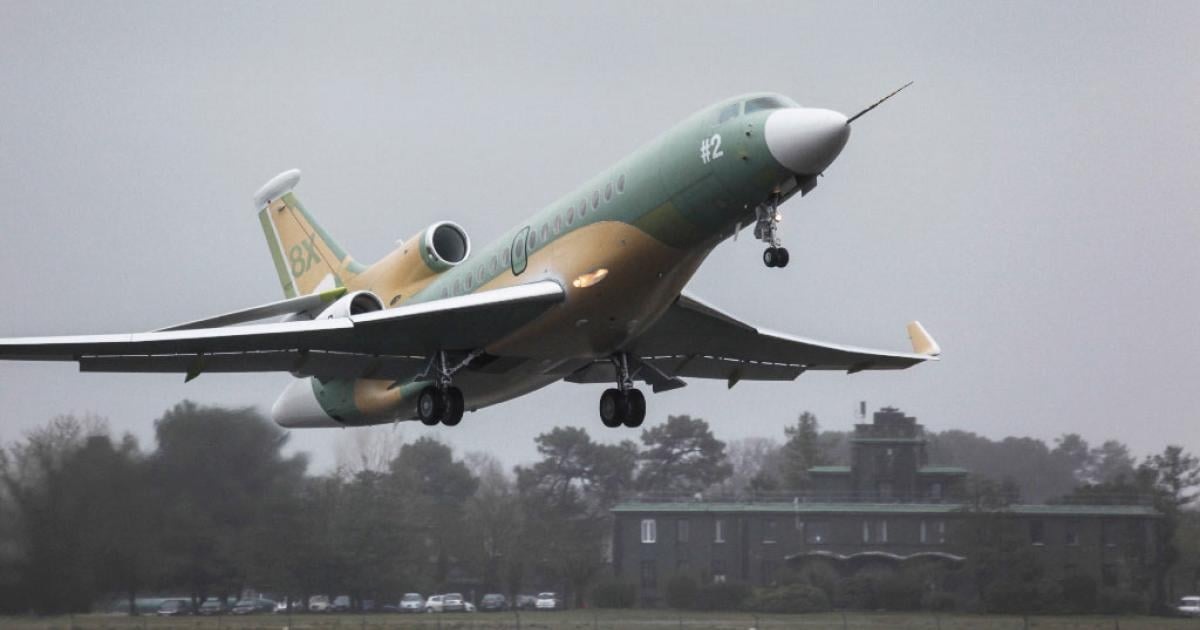
World
In a major step towards modernising its intelligence capabilities, France’s defence procurement agency (DGA) has successfully completed the first flight of the Archange new-generation intelligence aircraft, developed in partnership with Dassault Aviation and Thales. This flight marks a milestone in France’s effort to boost its strategic surveillance and electromagnetic intelligence capabilities. The aircraft, based on the Dassault Falcon 8X business jet, is being converted into an advanced intelligence-gathering platform under the Archange programme. These modified jets will serve the French Air and Space Force, enabling it to detect and analyse communication signals and radar emissions from a wide operational area. According to the DGA, three Archange aircraft are planned to be delivered between now and 2030, aligning with France’s current Military Planning Law (Loi de programmation militaire 2024–2030). These jets are expected to significantly upgrade France’s ability to collect, process, and interpret critical strategic information, both in peacetime and during conflict. At the heart of the transformation is a state-of-the-art mission system developed by Thales DMS and Thales SIX, which brings together high-performance sensors and sophisticated electronic warfare technologies. This system enables the aircraft to simultaneously detect both radar and communication signals, offering a much more comprehensive view of the electromagnetic environment compared to existing platforms. Dassault Aviation is overseeing the structural and systems modifications needed to tailor the Falcon 8X to the French military’s intelligence mission requirements. The aircraft’s long range, high altitude capability, and reliability make it ideal for such a demanding role. In addition to the aircraft themselves, the Archange programme includes a complete training and support infrastructure. This will include dedicated ground facilities and long-term maintenance services, ensuring the operational availability and readiness of the new fleet. The DGA praised the collaborative effort, stating: “This first flight is the result of several years of collaboration between leading industrial partners and the DGA. It demonstrates a collective commitment to strengthening France’s defence capabilities, its decision-making sovereignty, and the operational superiority of its armed forces.” With the Archange programme moving ahead, France is reinforcing its strategic intelligence edge in an increasingly complex global security environment. The new aircraft will not only enhance its ability to monitor threats and support military operations, but also serve as a key asset in preserving national and allied security interests.
Read More → Posted on 2025-08-03 14:41:31
India
In a major boost to India’s defence self-reliance efforts, Bengaluru-based SSS Defence has become the first Indian company to successfully supply indigenous suppressors for the Sako TRG-42 sniper rifles to the Indian Army. This marks a significant shift from the military’s earlier reliance on imported suppressors for precision sniper operations. The Sako TRG-42, originally manufactured by Finnish company SAKO, is a highly accurate bolt-action sniper rifle, typically chambered in .338 Lapua Magnum. It is designed for long-range precision shooting, capable of engaging targets up to 1,500 meters. Suppressors for such rifles play a critical tactical role—reducing noise and muzzle flash, allowing snipers to remain undetected during missions. Until now, Indian forces depended heavily on foreign-made suppressors, but the arrival of SSS Defence's indigenously developed solution is a game-changer. These suppressors have been specifically tailored to meet Indian operational environments, particularly along sensitive regions like the Line of Control (LoC). SSS Defence, which transitioned from the automotive sector, has rapidly emerged as a strong player in India’s private defence industry. The company now designs and manufactures small arms, optics, ammunition, and accessories as part of a complete combat system. Its manufacturing facility in Jigani, near Bangalore, spans 80,000 square feet, and supports both domestic needs and exports. In addition to the suppressors, the company has also developed two sniper rifles: The Viper (7.62x51mm) The Saber (.338 Lapua Magnum) These rifles are designed with Indian special forces and frontline units in mind. Notably, the Saber has gained international attention, with 10–11 countries reportedly showing interest in purchasing it, according to recent defence sector sources. This successful delivery of suppressors to the Indian Army also reflects the objectives of India’s ‘Make in India’ initiative, aimed at fostering defence manufacturing independence and reducing reliance on imports. It also improves logistics by enabling quicker supply chains, easier maintenance, and customization for Indian terrain and combat needs. SSS Defence has already won several defence contracts, including a $50 million ammunition supply deal and export orders for sniper rifles. The company is also involved in upgrading legacy systems, such as modernising AK-47 rifles used by Indian troops. The inclusion of indigenous suppressors for the elite Sako TRG-42 rifles is a landmark achievement. It not only strengthens the Indian Army’s operational edge but also places SSS Defence among the few private Indian defence companies capable of delivering high-end, mission-critical components for modern warfare. This development is expected to pave the way for further exports and collaborations, bolstering India’s status as an emerging global hub for advanced defence technologies.
Read More → Posted on 2025-08-03 14:33:43
World
In a significant military milestone, the United States Army has deployed its Long-Range Hypersonic Weapon (LRHW) system to Australia’s Northern Territory, marking the first time the advanced missile system has been sent outside the continental U.S. This high-profile deployment took place during Exercise Talisman Sabre 2025, the largest bilateral training operation between the U.S. and Australia. The 3rd Multi-Domain Task Force (3MDTF) was responsible for this deployment, showcasing the unit’s capability to rapidly position and operate the LRHW system in a forward and potentially contested environment. This move is seen as a demonstration of both military readiness and strategic intent by the U.S. Indo-Pacific Command. According to Admiral Samuel J. Paparo, Commander of U.S. Indo-Pacific Command, “The deployment of the LRHW system to Australia marks a significant achievement... It validates the Army’s ability to deploy, position, and exercise command and control (C2) of the system in a forward environment.” The LRHW system is capable of precision deep strikes at hypersonic speeds, meaning it can hit targets thousands of kilometers away in a matter of minutes. This makes it a key component in the U.S. military’s future arsenal, especially in the Indo-Pacific, where fast response to threats is crucial. Colonel Wade Germann, Commander of the 3MDTF, emphasized that the deployment highlights U.S. commitment to regional partners. “This is a major milestone for the Army... It demonstrates our ability to rapidly deploy and operate advanced capabilities in support of our allies and partners,” he said. The Talisman Sabre exercise, held every two years, is designed to improve joint operations between the U.S. and Australian militaries, with broader objectives of strengthening ties and enhancing regional deterrence. This year’s event includes over 30,000 personnel and participation from allied nations such as Japan, the United Kingdom, and South Korea. Military analysts note that hypersonic weapons, which travel at speeds greater than Mach 5, are nearly impossible to intercept using current missile defense systems. By demonstrating the ability to operate the LRHW in the Indo-Pacific, the U.S. sends a clear signal about its readiness to defend allied territory and deter adversaries. The deployment also underlines the U.S.-Australia strategic partnership, as both countries deepen their cooperation in emerging defense technologies and integrated deterrence strategies. It’s a key step in adapting to new-era threats in the Indo-Pacific, particularly in light of rising tensions and expanding military capabilities of regional powers. In short, this historic forward deployment of the LRHW system not only marks a technical and operational achievement for the U.S. Army but also sends a strong geopolitical message: the U.S. is fully committed to ensuring peace, stability, and defense cooperation across the Indo-Pacific.
Read More → Posted on 2025-08-03 14:26:57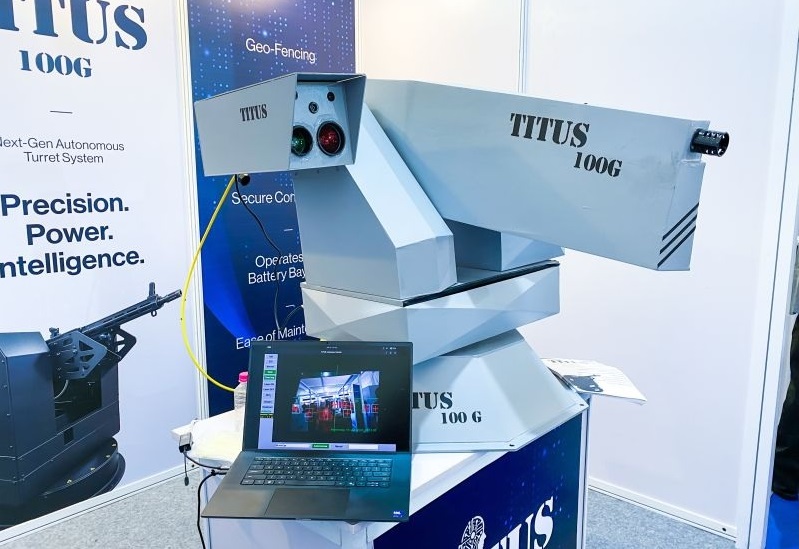
India
Jindal Defence has unveiled the TITUS 100G, an advanced AI-driven hard-kill protection system designed to intercept and neutralize threats with 7.62 mm and 12.7 mm caliber rounds. Unlike traditional active protection systems aimed at stopping anti-tank missiles or RPGs, TITUS 100G is specifically optimized to protect vehicles, forward operating bases, and static installations from high-speed small- and medium-calibre projectiles — such as heavy machine gun fire and armor-piercing bullets. AI-Enabled Turret with Autonomous Response The TITUS 100G integrates a rotating turret system equipped with advanced sensors and artificial intelligence to autonomously detect, track, classify, and engage threats in real time. This allows the system to respond within milliseconds — a critical advantage in close-quarter engagements where hostile fire can overwhelm traditional armor. Key capabilities include: Calibre Neutralization: 7.62 mm and 12.7 mm rounds Operational Modes: Fully autonomous with manual override Target Identification: AI-based classification and friend/foe discrimination Safety Features: Geo-fencing to ensure firing within designated zones Platform Flexibility: Adaptable to armored vehicles, perimeter defense, and fixed installations Focus on Small-Calibre Protection Unlike global active protection systems such as Israel’s Trophy or Russia’s Afghanit — which counter anti-tank threats — TITUS 100G addresses a different battlefield requirement: shielding troops and light armored platforms from sustained small arms fire. This capability is particularly relevant for convoy security, base defense, and urban combat, where heavy machine guns and sniper fire remain persistent threats. Strategic Significance The system aligns with India’s Aatmanirbhar Bharat (self-reliant India) initiative, showcasing the growing role of private companies in indigenous defense innovation. TITUS 100G also introduces autonomous, AI-led protection to India’s defense ecosystem — a first for domestic systems targeting this threat class. Defence analysts note that this represents a new layer of battlefield survivability, bridging the gap between passive armor and heavy active protection systems. By focusing on cost-effective, modular protection against prevalent threats, TITUS 100G fills a critical niche for both military and paramilitary applications. Field Trials and Future Prospects TITUS 100G is currently undergoing field evaluation trials with Indian paramilitary units, with potential interest from armored vehicle programs and international buyers seeking perimeter defense solutions. Its modular design allows integration into light armored vehicles, unmanned ground platforms, and fixed installations protecting critical infrastructure. If adopted widely, TITUS 100G could become a cornerstone of India’s next-generation turret protection systems, offering rapid, intelligent countermeasures against the small-caliber threats dominating modern low-intensity conflicts.
Read More → Posted on 2025-08-02 16:37:21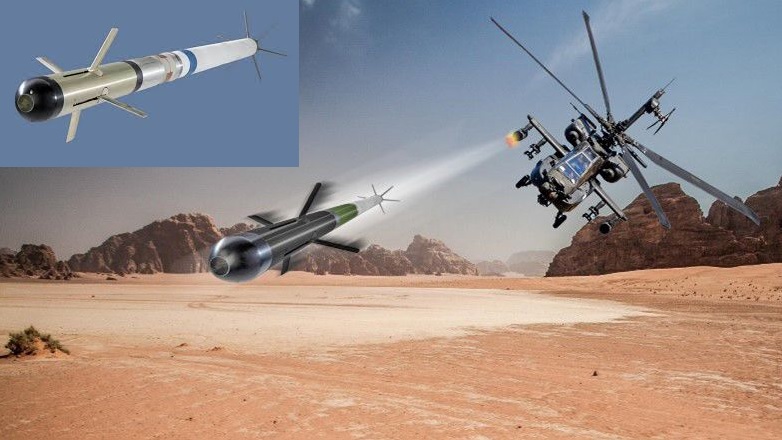
India
In a major breakthrough for India’s defence manufacturing sector, Pune-based NIBE Limited has secured a contract worth ₹6.12 crore from Israeli defence giant Elbit Systems Land Ltd. The order involves the supply of precision-engineered components for the GATR 70mm Guided Advanced Tactical Rocket, a highly accurate air-to-surface munition with a range of up to 10 kilometers. This marks the first international defence export contract for NIBE, a company that has recently expanded its footprint in aerospace and defence manufacturing. The deal is part of a broader strategic engagement between NIBE and Elbit, following their recent agreement to collaborate on advanced rocket launcher systems. What the Deal Includes The current order focuses on the production of parts critical to the operation of the GATR 70mm Guided Rocket, known for its versatility and high precision. NIBE will manufacture and supply these components from its facilities in India, with deliveries scheduled to be completed by September 2026. The ₹6.12 crore contract signals growing global confidence in Indian manufacturing capabilities, especially in the high-precision, high-tech segments of the defence supply chain. It also strengthens India’s position as a trusted partner in international defence projects. Specifications of GATR 70mm Guided Rocket The GATR (Guided Advanced Tactical Rocket) is a semi-active laser-guided 70mm rocket system designed to provide precision strike capability at lower costs compared to larger missile systems. It can be launched from a variety of platforms including rotary-wing aircraft and land-based launchers. Key specifications include: Caliber: 70mm Range: Up to 10 km Guidance: Semi-active laser homing Warhead: M282 high-penetration warhead, effective against light armor and fortified targets Launcher Compatibility: Compatible with standard 70mm rocket launchers and rotary aircraft pylons Fuze Options: Programmable for impact or delayed detonation Strategic Importance This deal reinforces India’s growing role in global defence supply chains, especially under the umbrella of the “Make in India” and “Atmanirbhar Bharat” initiatives. It also positions NIBE as a serious player in the international precision weapon components market. The partnership with Elbit Systems opens doors for future collaboration not just on rocket components but potentially on complete launcher systems and integrated platforms. NIBE is already working on projects such as the SURYA Universal Rocket Launcher, also in association with Elbit, which could see further expansion in the coming years. NIBE Limited’s ₹6.12 crore contract for GATR 70mm guided rocket parts is more than just a business deal—it’s a milestone in India’s rise as a reliable defence production hub. With deliveries extending into 2026 and the possibility of future orders, this marks a strategic win for India’s defence ecosystem and a strong step forward in Indo-Israeli defence cooperation.
Read More → Posted on 2025-08-02 16:34:12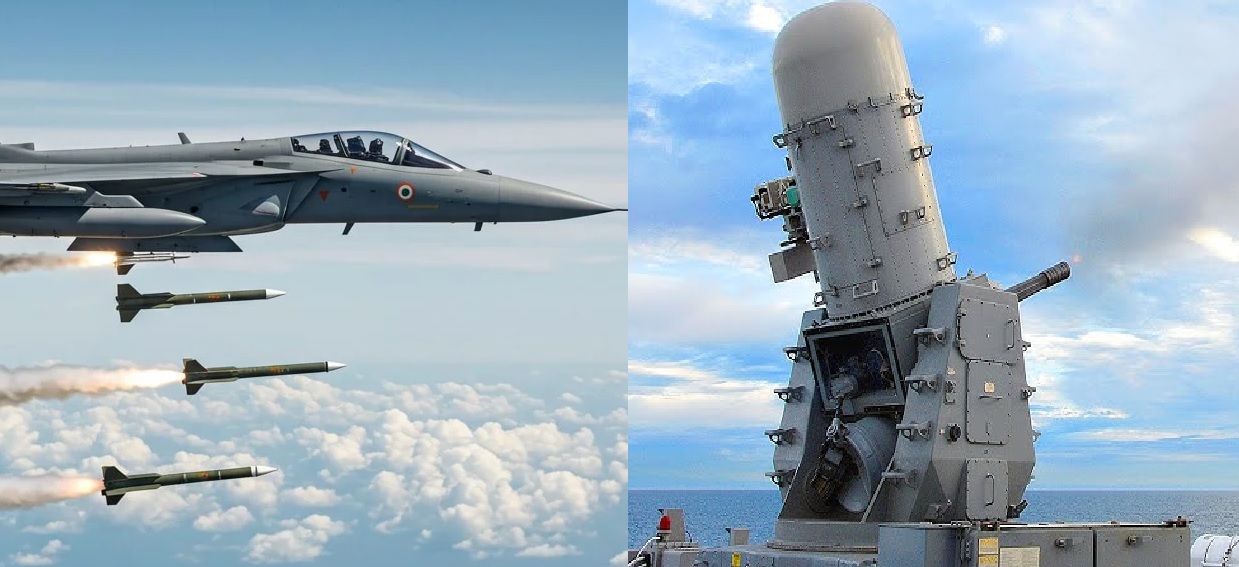
India
In a major push toward indigenous defense technology, the Armament Research and Development Establishment (ARDE), a key laboratory under the Defence Research and Development Organisation (DRDO), is advancing the development of two crucial systems: a multi-barrel Gatling gun for Close-In Weapon System (CIWS) roles and a new air-launched medium-calibre weapon, which is likely an aerial version of the Pinaka rocket system. These developments aim to reduce India's dependence on foreign imports and enhance both naval and aerial strike capabilities through modular, cost-effective, and high-impact indigenous solutions. ARDE’s Rotary Gatling Gun for CIWS ARDE’s upcoming Gatling gun is designed as an Indian alternative to legacy systems like the Russian AK-630, widely used in naval CIWS roles. The system is under development with the following features: Multi-barrel rotary design offering a high rate of fire of approximately 4,200 rounds per minute. Electric drive and actuation system, designed for rapid traverse and accurate response to high-speed aerial threats. Digital fire control and embedded software integrated with radar and electro-optical/infrared (EO/IR) targeting for automated threat acquisition and engagement. Stealth-compatible mount with a 360-degree rotating slip-ring mechanism and thermal/acoustic signature management. Capable of firing medium-calibre ammunition, potentially with programmable or proximity fuzes for anti-air and anti-drone effectiveness. The system is intended for deployment on naval vessels, coastal defense stations, and potentially land-based air defense roles, capable of neutralizing low-flying aircraft, cruise missiles, and drones at close range. Air-Launched Pinaka Variant in Development Alongside the Gatling CIWS, ARDE is also working on an air-launched version of the Pinaka multi-barrel rocket system. This project aims to create a medium-calibre precision-strike weapon for the Indian Air Force (IAF), capable of being carried by fighter aircraft such as the Su-30MKI, Mirage-2000, Rafale, and Tejas. Key specifications and concepts include: Based on the existing Pinaka Mk-II/Mk-III rockets, with integration of GPS/INS guidance systems and potential trajectory correction kits. Estimated range of 60 to 75 kilometers for the air-launched variant, depending on altitude and release speed. Designed as a cost-effective standoff weapon, ideal for neutralizing enemy infrastructure, air defenses, and high-value battlefield targets. Offers quick reaction capability, faster deployment, and higher saturation than traditional bombs or missiles in tactical scenarios. Reports indicate that the Indian Navy is also collaborating on a naval version of the same rocket system, with flight testing expected to begin in 2025. The air-launched version is likely to proceed in parallel. Strategic Implications The development of these two systems represents a shift in India’s defense focus toward next-generation indigenous armaments with enhanced automation, precision, and modularity. The indigenous CIWS solution would significantly reduce reliance on Russian or Western point-defense systems and improve naval self-defense in close combat scenarios. On the other hand, the air-launched Pinaka variant fills a critical gap in medium-range standoff weapons for the IAF. Unlike larger ballistic missiles, this rocket-based system allows for rapid saturation strikes against hardened or mobile targets without exposing aircraft to high-risk airspace. Together, these innovations demonstrate DRDO's growing capabilities in developing advanced, integrated armament systems for modern warfare, aligned with India’s broader Atmanirbhar Bharat (self-reliant India) initiative. As prototypes are refined and tested, both systems could see operational deployment within the next few years, significantly boosting India’s multi-domain strike and defense capabilities.
Read More → Posted on 2025-08-02 16:25:45
India
In a major step towards bolstering its counter-drone warfare capabilities, the Indian Army has successfully integrated its upgraded Bofors L-70 air defence guns with the indigenously developed DIWAR all-band drone jammer, manufactured by Bengaluru-based AvGarde Systems. The move marks a crucial milestone in the modernization of India’s low-altitude air defence systems, especially against the growing threat of unmanned aerial vehicles (UAVs) and drone swarms. A Powerful Synergy: Hard-Kill Meets Soft-Kill The modernised 40 mm L-70 guns, which have served the Indian Army since the 1960s, have undergone a series of upgrades to make them suitable for modern combat. These include new electric drives for faster response, digital fire control systems, and electro-optical tracking for all-weather, day-and-night operations. The addition of a drone jammer elevates the system from being a purely kinetic asset to a layered, hybrid defence platform. The DIWAR jammer complements the L-70 gun by providing electronic disruption capabilities. It can jam signals across multiple frequency bands commonly used by commercial and military drones, including 433 MHz, 900 MHz, 2.4 GHz, and 5.8 GHz, along with navigation systems like GPS, GLONASS, Galileo, and BeiDou. This gives it the ability to interrupt drone communications, disable GPS-based navigation, or even spoof signals to misguide intruding UAVs. Specifications L-70 Upgraded Gun System: Calibre: 40 mm Rate of Fire: 240–330 rounds per minute Effective Range: Up to 4 km Features: Digital fire control, EO/IR sights, automated target tracking DIWAR All-Band Drone Jammer: Frequency Bands Covered: 433 MHz, 900 MHz, 2.4 GHz, 5.8 GHz, GNSS bands Jamming Range: 1–2 km (environment dependent) Capabilities: GPS spoofing, frequency hopping disruption, AI-based drone classification Mounting: Ground-based or vehicle-integrated Power: Low-power, ruggedized for battlefield use Operational Impact This integration allows the Indian Army to deploy a two-layer defence system: the drone jammer to disable or mislead hostile drones (soft kill), and the L-70 gun to destroy drones that breach the jamming layer (hard kill). This is particularly crucial along sensitive borders and in conflict zones where drones are increasingly used for surveillance, logistics, and even attacks. The system has reportedly performed well during recent field trials and limited deployments, showcasing its ability to counter both individual drones and swarms, including those using frequency-hopping or autonomous navigation techniques. Strategic Significance The Indian Army’s focus on combining time-tested artillery systems with cutting-edge indigenous electronic warfare tools is part of a broader strategy to counter asymmetric threats. With increased drone activity along the western border and rising incidents of UAV intrusions, this integrated solution provides a fast-deployable and cost-effective response. It also reflects India’s push towards self-reliance in defence technology, leveraging private sector innovation to deliver operationally relevant solutions for modern battlefield challenges. By integrating the upgraded L-70 air defence guns with the DIWAR all-band drone jammer, the Indian Army has created a smart, layered counter-UAS solution capable of both neutralizing and destroying enemy drones. This hybrid approach offers greater flexibility, efficiency, and survivability against the evolving threat of drone warfare—demonstrating a successful fusion of legacy systems with next-generation technology.
Read More → Posted on 2025-08-02 16:04:41
World
In a major move to modernize its digital warfare capabilities, the U.S. Army has awarded a $10 billion contract to software company Palantir Technologies. This long-term deal is focused on integrating artificial intelligence (AI), enhancing data fusion, and strengthening digital systems used in military operations. The contract was officially issued on July 31 by the Army Contracting Command at Rock Island Arsenal, Illinois, under solicitation number W519TC-25-D-0039. This enterprise agreement will run through July 31, 2035, and consolidates a number of existing contracts where Palantir is already serving as a prime or subcontractor. Now, all those services will operate under a unified structure, streamlining efforts to develop and deploy AI-enabled tools across U.S. Army programs. Palantir, headquartered in Palo Alto, California, is known for building powerful software platforms that combine both classified and unclassified data to support missions ranging from battlefield planning to counterterrorism operations. The company has built a strong presence within the U.S. defense and intelligence ecosystem, serving agencies such as the CIA, NSA, FBI, DHS, U.S. Air Force, Marine Corps, and even the U.S. Military Academy at West Point. As part of this new deal, Palantir will coordinate with multiple defense partners to deliver AI-driven solutions for mission planning, intelligence analysis, logistics, and tactical battlefield support. The systems developed will be used to boost targeting accuracy, speed up decision-making, and enhance the survivability of troops in combat. Palantir’s platforms are already being tested in high-stakes environments. In Ukraine, the country's military is using Palantir's tools to optimize artillery strikes by processing live sensor data and geospatial information in real time. Ukrainian forces have credited the software with helping to shorten targeting cycles and improve the coordination of fire missions. Beyond combat use, Ukraine’s Office of the Prosecutor General is employing Palantir’s tools to collect digital evidence of Russian war crimes, including photo and metadata analysis to document violations of international law. This latest Army contract signals a deeper commitment to embedding advanced technologies like AI into the daily workings of military operations. It reflects the growing importance of data and decision-support systems in future conflicts—where the ability to process, interpret, and act on information quickly can determine success or failure on the battlefield. The funding and specific work locations for this contract will be determined by individual task orders over the contract’s 10-year lifespan.
Read More → Posted on 2025-08-02 15:52:12Search
Top Trending in 24 Hours
-
 USS Abraham Lincoln Faces Extended Deployment and Supply Challenges Linked to Iranian Attacks on Bahrain Base
-
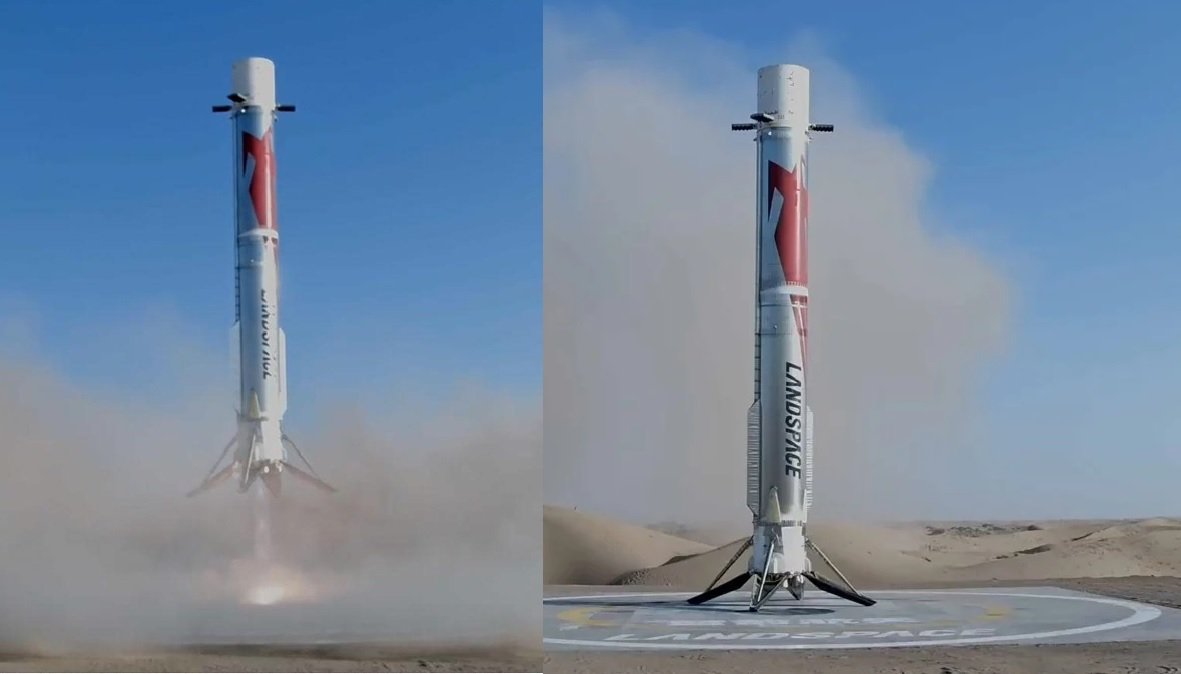 China Successfully Launches Zhuque-3 Rocket and Recovers Booster on Land After Orbital Launch
-
 U.S. Navy Invests $50 Million in Shield AI’s X-BAT for Runway-Independent Maritime Strike
-
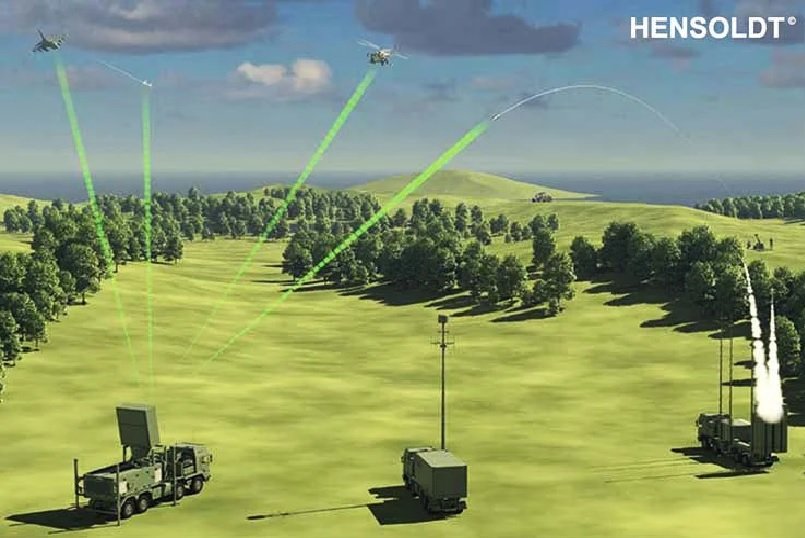 Rheinmetall Integrates HENSOLDT Twinvis Passive Radar into Skymaster Air Defence System
-
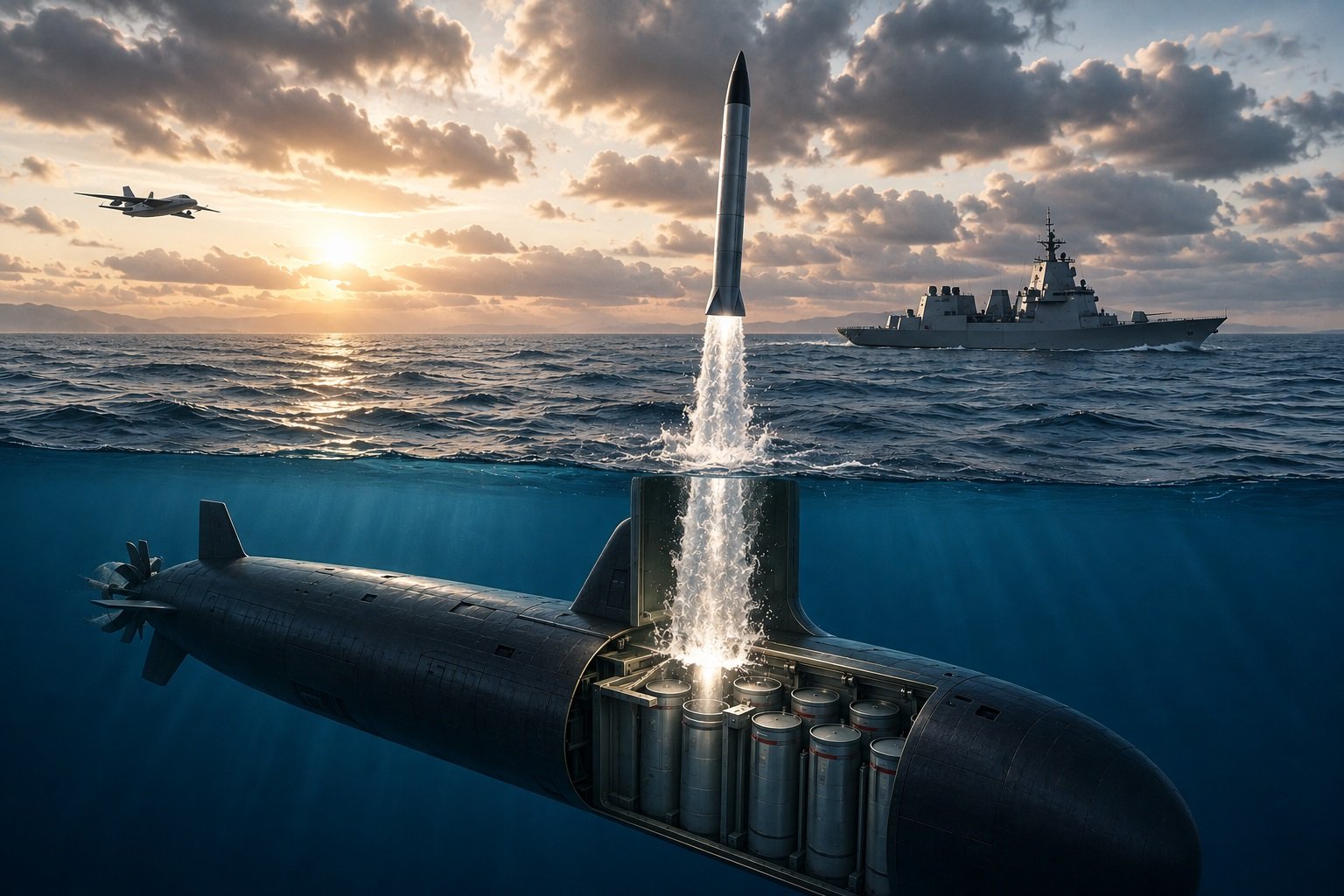 Japan Plans Submarine-Launched Hypersonic Missile Development in Fiscal 2027 Budget
-
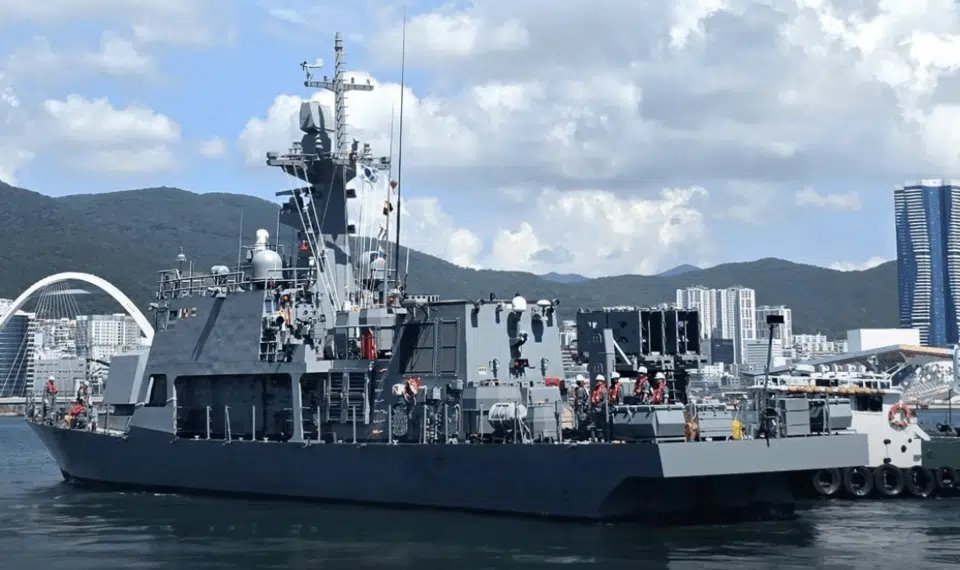 South Korea Delivers First PKX-B Batch-II Fast Patrol Craft to Navy
-
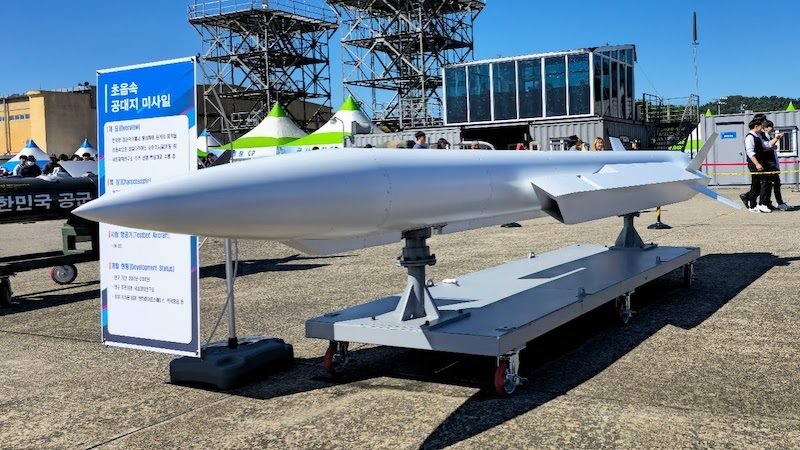 South Korea Approves Development of Next-Generation SSM-II Anti-Ship Missile and K2 Tank Upgrade
-
 Raytheon’s SPY-6(V)3 Radar Completes Acceptance Trials on U.S. Navy’s Future Aircraft Carrier USS John F. Kennedy
Top Trending in 4 Days
-
 U.S. Navy Destroyer USS Benfold Spent Four Days Without Power in South China Sea After Generator Failure
-
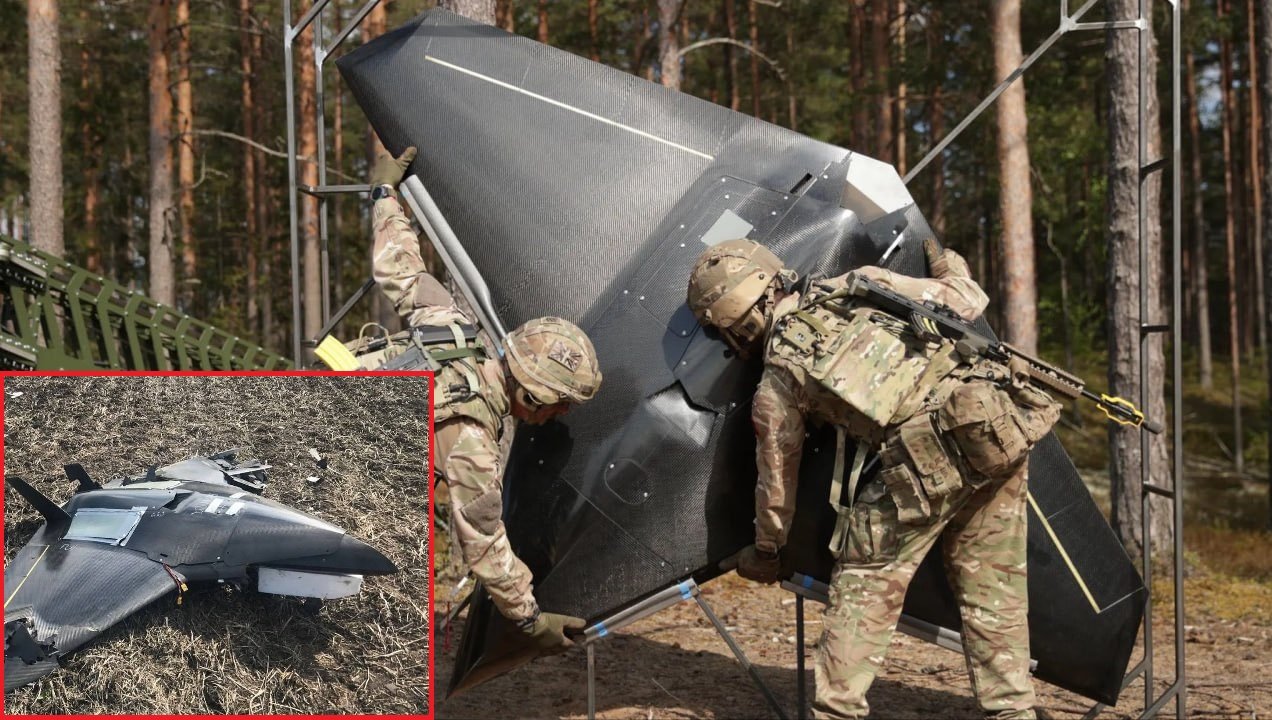 Ukraine Uses British-Made Nyan Drones in Deep Strikes Against Russian Targets
-
 U.S. Navy Reviews Ford-Class Carrier Redesign as $275 Billion Trump-Class Battleship Program Advances
-
 U.S. Air Force to Buy Chinese DJI Drones for Counter-Drone Training at Nuclear Missile Base
-
 Iran May Be Using Data From Fitness Apps to Track U.S. Military Personnel in the Middle East
-
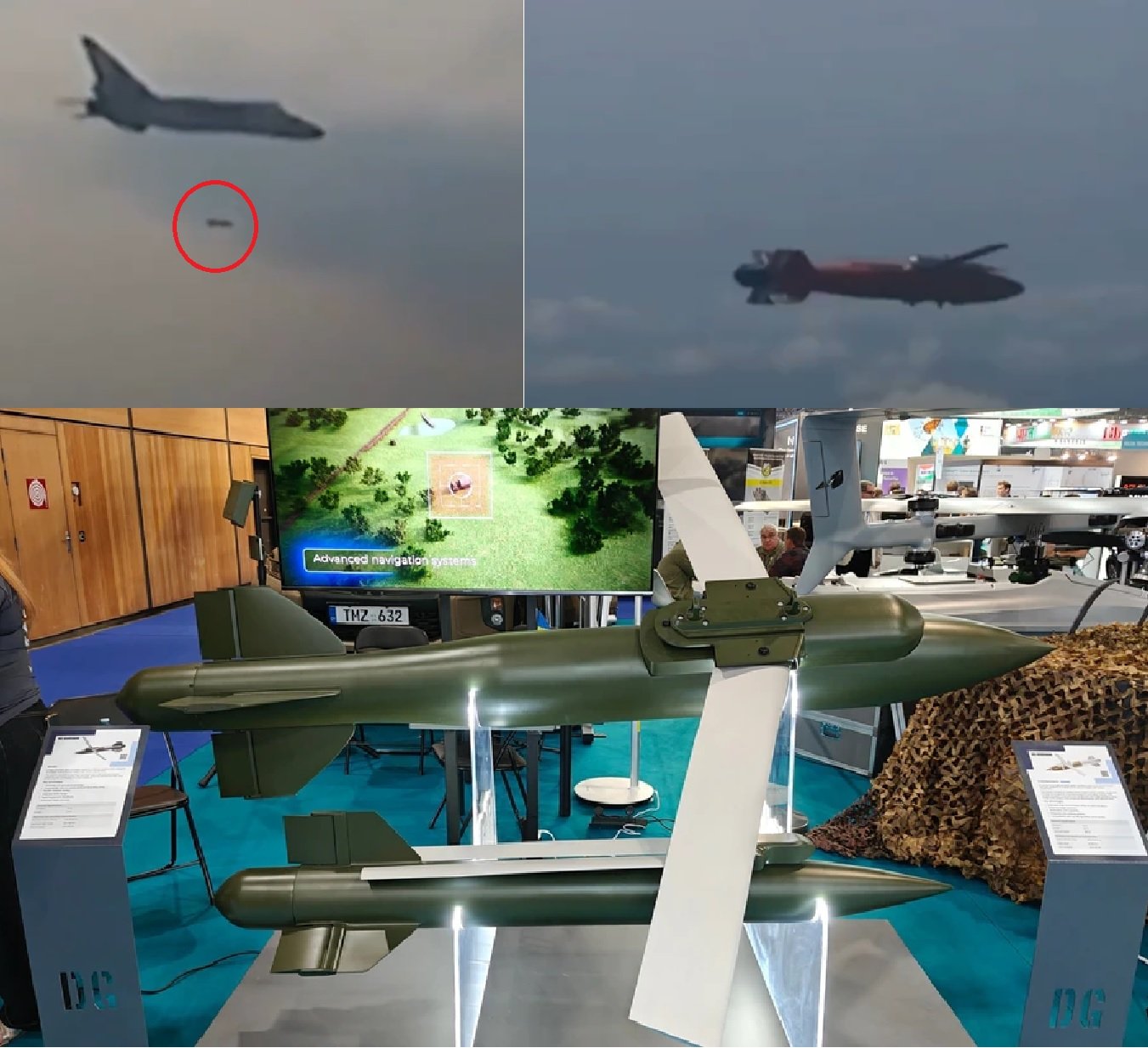 Ukraine Begins Procurement of Vyrivniuvach Guided Aerial Bomb
-
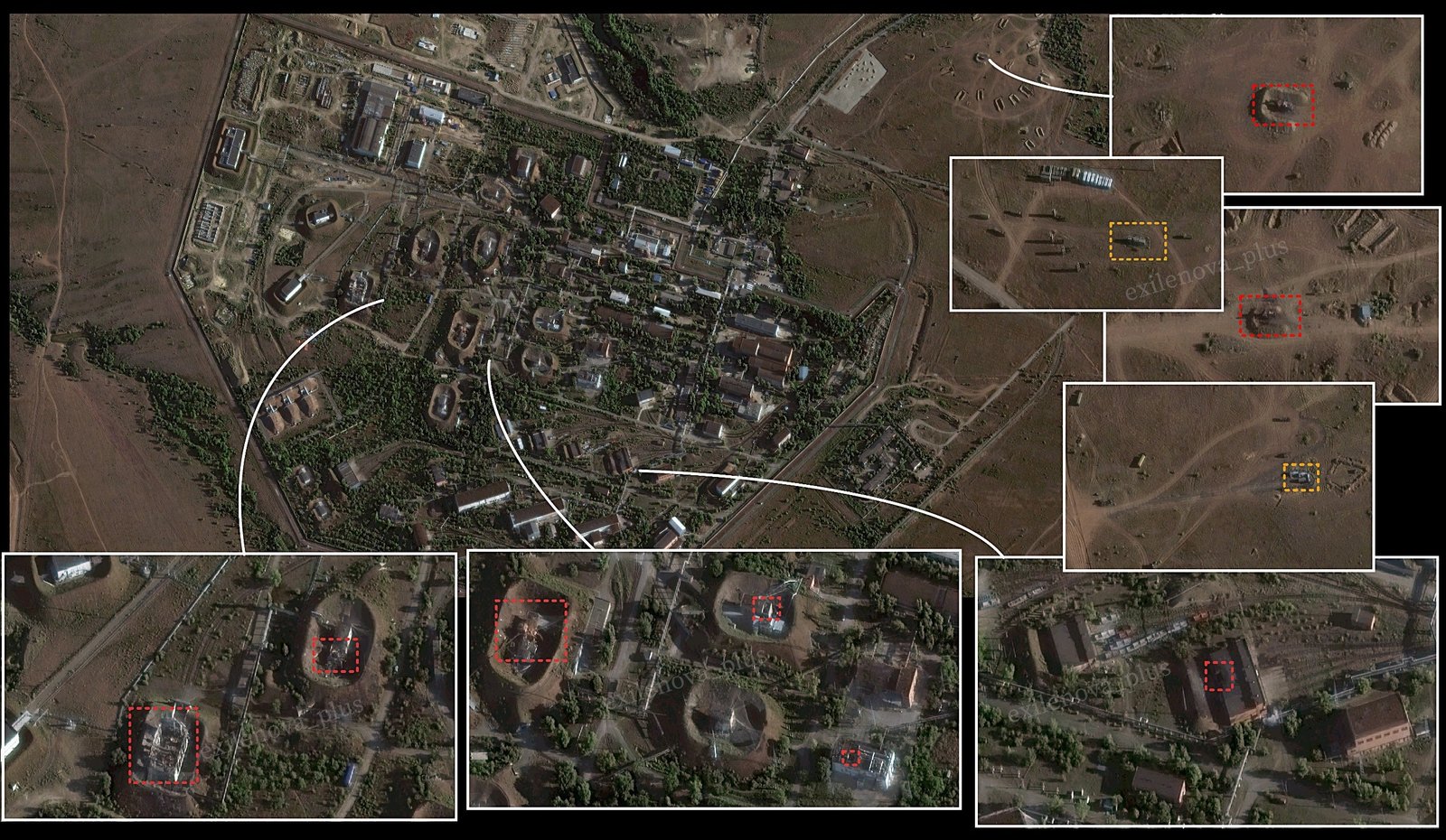 Satellite Images Show Ukrainian Drone Strike Hits Russian Rocket Fuel Plant and Air Defense Systems in Rostov Region
-
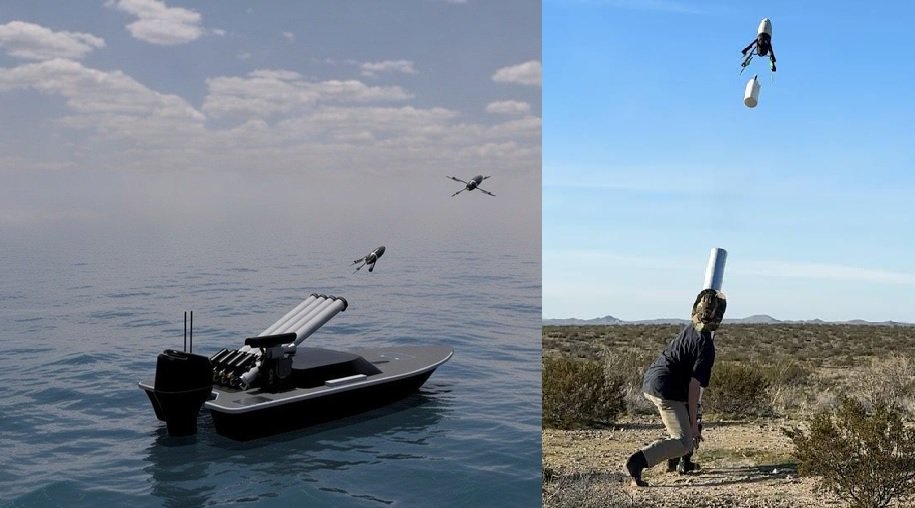 Thermopylae Aerospace Unveils SPART Tube-Launched Drone Interceptor for Group 2-3 and Turbojet UAS Threats
