
India
In a major milestone for global space collaboration, the joint ISRO-NASA satellite ‘NISAR’ was successfully launched into orbit on July 30, 2025, at 5:40 PM IST. The historic launch took place from the Satish Dhawan Space Centre (SDSC) in Sriharikota, with India’s GSLV-F16 rocket carrying the advanced satellite into space. The NISAR satellite—short for NASA-ISRO Synthetic Aperture Radar—is the first Earth observation mission of its kind, blending the strengths of both Indian and American space technologies. It combines India’s S-band radar with NASA’s L-band radar, allowing it to deliver high-resolution, all-weather, day-and-night images of the Earth’s surface. Weighing 2,393 kg, NISAR was placed in a Sun-Synchronous Polar Orbit, a special kind of orbit ideal for Earth monitoring. This is the first time a GSLV rocket has successfully placed a satellite into this precise type of orbit, marking a key technical achievement for ISRO. What makes NISAR special is its dual-band Synthetic Aperture Radar, using an innovative SweepSAR technology. This enables the satellite to capture detailed images across a wide area, helping it scan the entire globe every 12 days. It will regularly monitor land deformation, ice sheet movement, forests, coastal zones, and even ecosystem changes. With this capability, NISAR will support critical global efforts in climate change research, natural disaster response, and infrastructure tracking. Whether it's tracking the slow creep of tectonic plates, observing deforestation, or assessing flood damage, the satellite’s data will be crucial for scientists, governments, and planners worldwide. The satellite now enters a 90-day post-launch commissioning phase, during which its systems will be tested and calibrated. Once operational, NISAR will have a planned mission life of five years. Beyond its technical and scientific importance, the NISAR launch is a symbol of growing Indo-US space cooperation. It represents a successful partnership between two of the world’s leading space agencies, and sets the stage for more ambitious joint missions in the future.
Read More → Posted on 2025-07-30 15:20:51
World
In a major move to ramp up military preparedness, 18 European Union countries have applied for loans worth at least €127 billion ($147 billion) under a new defense funding initiative launched by the European Commission. The scheme, called SAFE (Strategic Technologies for Europe Platform), is aimed at helping EU nations rearm and modernize their defense forces in response to growing threats, particularly from Russia. The SAFE plan, introduced in May 2025, offers cheaper EU-backed loans to member states, with a total potential value of €150 billion ($171 billion). These loans are designed to boost defense purchases across Europe while reinforcing the EU’s own defense manufacturing capabilities. According to EU Defense Commissioner Andrius Kubilius, the high demand shows strong European unity and ambition in strengthening collective security. Countries like France, Italy, Spain, and Poland are among the leading applicants for the funds, and more applications are expected before the deadline at the end of November. This push comes as NATO allies, especially those in Europe, are under increasing pressure to meet higher defense spending targets. At the NATO summit held in The Hague in June, members committed to spending 3.5% of GDP on military budgets and another 1.5% on broader security measures by 2035. This represents a significant jump in defense outlays compared to previous years. While the SAFE scheme aims to boost EU-made weapon systems, analysts note that countries like the United States could still benefit indirectly. Many EU nations continue to place orders for American weapons systems, such as F-35 fighter jets, Patriot missile systems, and HIMARS launchers, due to their proven capabilities and interoperability with NATO forces. This trend suggests that despite the EU’s push for internal defense manufacturing, U.S. defense companies are likely to see increased demand as European militaries accelerate procurement. However, the SAFE program does include strict conditions to ensure a large portion of funds go toward weapons produced within the EU, supporting local defense firms and reducing long-term dependency on non-European suppliers. The European Commission has also loosened budget rules to allow more flexibility in defense-related spending, signaling a broader policy shift toward military readiness and strategic autonomy. In short, the EU’s $147 billion loan push marks a turning point in how Europe is preparing for a more volatile security environment — one where the U.S. remains a key defense supplier, but where Europe is also working hard to stand on its own feet militarily.
Read More → Posted on 2025-07-30 15:16:27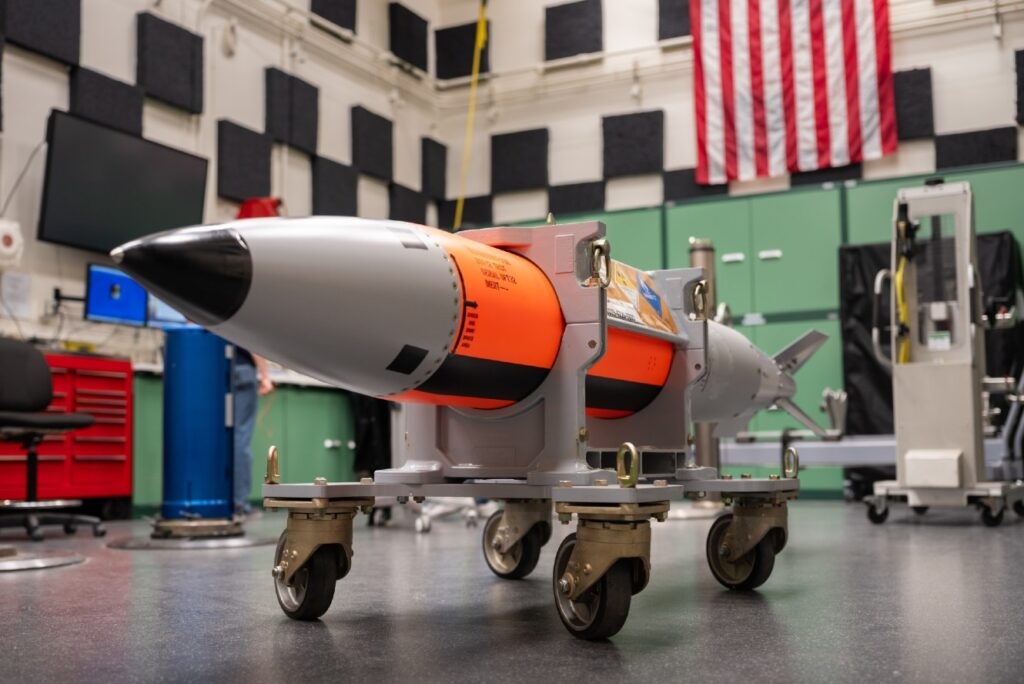
World
The United States Air Force has reportedly delivered B61-12 nuclear gravity bombs to RAF Lakenheath in the United Kingdom, marking the first such deployment since their removal in 2008. The development, if confirmed, would signal a notable shift in NATO’s nuclear posture amid rising tensions with Russia. The delivery was tracked by defense watchers after a US Air Force C-17 Globemaster III, operated by the 62nd Airlift Wing, flew from Kirtland Air Force Base in New Mexico — the headquarters of the Air Force Nuclear Weapons Center — to the UK airbase. RAF Lakenheath, located in Suffolk, hosted US nuclear weapons during the Cold War and has been undergoing major infrastructure upgrades since January 2024 to support “high-value assets”. Although there is no official confirmation from either the US or UK governments, multiple sources suggest that the B61-12 bombs were offloaded at Lakenheath and the aircraft returned to routine operations in the US afterward. “It looks like it went to England, dropped off those weapons, and then it went back to regular operations,” said William Alberque, former director of NATO’s nuclear non-proliferation center. This move comes as part of a broader pattern. According to Hans Kristensen, Director of the Nuclear Information Project at the Federation of American Scientists, similar deployments of B61-12 bombs to other European bases have taken place quietly since January 2025. Kristensen suggests that this could represent a shift in NATO strategy, indicating that the alliance may be responding more assertively to Russia’s nuclear rhetoric and actions. If these reports are accurate, it would be the first time the US has increased its tactical nuclear weapons presence in Europe since the end of the Cold War. The move also coincides with recent UK defense announcements, including the procurement of 12 additional F-35A fighter jets, which are capable of carrying B61-12 bombs. These aircraft are operated by the 493rd and 495th Fighter Squadrons at RAF Lakenheath, both of which are nuclear-certified units. The UK Ministry of Defence declined to comment, sticking to the usual policy of neither confirming nor denying the presence of nuclear weapons. However, the Campaign for Nuclear Disarmament has raised concerns. Its Chair, Tom Unterrainer, called on Prime Minister Keir Starmer to explain the UK’s role in what he described as “a dangerous escalation.” The B61-12, part of a nuclear family that has served for over five decades, recently completed a $9 billion life extension program. The new version includes advanced guidance systems and can deliver variable explosive yields, ranging from 0.3 kilotons to 50 kilotons — potentially three times more powerful than the bomb dropped on Hiroshima. In today’s context of rising global nuclear tensions, especially involving Russia and NATO, the reported deployment of these weapons adds a strategic layer to Western deterrence in Europe. Whether or not the move becomes public policy, it signals that the US and its allies may be preparing for a more nuclear-sensitive security environment.
Read More → Posted on 2025-07-30 15:07:46
World
At the IDEF 2025 defense exhibition in Istanbul, Turkish Aerospace Industries (TAI) officially unveiled its newest innovation — the Şimşek-K High-Speed Target Drone System. This marks an important advancement in Türkiye’s defense training capabilities, focusing on simulating fast and complex aerial threats to prepare armed forces for modern combat scenarios. The Şimşek-K drone is designed specifically for military training and air defense exercises, acting as a high-speed, realistic target for fighter jets, missile systems, and naval defenses. With the world witnessing more advanced threats, especially from missiles and UAVs, drones like Şimşek-K help countries train against those challenges in a safer and cost-effective way. The drone is 2.4 meters long with a 1.5-meter wingspan, and it weighs 83 kilograms at takeoff. Despite its compact size, it carries a payload of up to 18 kilograms, including radar cross-section enhancers, infrared signature boosters, and cameras for improved mission simulation. Powered by 35 liters of fuel, it can fly at speeds up to Mach 0.63, reach altitudes of 25,000 feet, and stay airborne for more than 45 minutes. Its datalink range is 150 kilometers, and the total operational range extends beyond 500 kilometers. One of Şimşek-K’s key features is its fully autonomous and encrypted flight system, which allows for mid-flight mission updates, emergency procedures, and automated landing. It can be launched from the ground, sea vessels, or even airborne platforms, using rocket-assisted takeoff, and it returns via a parachute recovery system, making it reusable and cost-efficient. This new drone builds on over a decade of development in TAI’s target drone program. The original Şimşek was first tested in 2012, followed by upgrades like the Super Şimşek. In 2020, the Şimşek was successfully launched from an Anka combat drone, proving its adaptability. The Şimşek-K now represents the most advanced version, reflecting lessons learned from earlier versions and operational feedback. Compared to older systems and foreign drones, Şimşek-K brings a blend of speed, modularity, and security in a compact form. While many similar drones offer basic functions, Şimşek-K includes real-time encrypted telemetry, reprogrammable missions, and multi-threat simulation capabilities. These features make it a valuable asset for NATO allies and countries looking for cost-effective, indigenous defense solutions. Beyond technology, Şimşek-K symbolizes Türkiye’s growing independence in defense manufacturing and its ambition to become a global supplier of advanced training systems. By offering realistic, reusable, and autonomous drones, Türkiye is reducing its reliance on Western imports and expanding its defense partnerships — especially in regions like the Middle East, Central Asia, and Africa. In short, Şimşek-K is not just a drone — it’s a strategic tool that enhances training while strengthening Türkiye’s defense industry. With global threats becoming more unpredictable and fast-moving, systems like Şimşek-K will play a crucial role in helping armed forces prepare for the future of warfare.
Read More → Posted on 2025-07-30 15:02:53
India
In a major boost to India’s defence manufacturing ambitions, Hindustan Aeronautics Limited (HAL) has officially signed a Manufacturing License Agreement (MLA) with GE Aerospace for the local production of F414-INS6 turbofan engines. These powerful engines will power the upcoming TEJAS MK-2 fighter jets, marking a significant leap in India's efforts toward defence indigenisation. This agreement comes after an earlier Memorandum of Understanding (MoU) signed in June 2023, and paves the way for one of the most advanced transfer of technology (ToT) arrangements India has secured in the aerospace sector. The deal includes up to 80% technology transfer, covering some of the most critical engine technologies, such as special thermal coatings, single-crystal turbine blades, and laser drilling techniques. The F414-INS6 is a modern afterburning turbofan engine, capable of delivering 98 kilonewtons of thrust with a thrust-to-weight ratio of 9:1. It also features advanced systems like Full Authority Digital Engine Control (FADEC) and safety mechanisms designed specifically for single-engine aircraft, making it ideal for the TEJAS MK-2, which is envisioned as a medium-weight, multirole combat aircraft. This engine has already proven its worth globally, with more than 10 million flight hours in platforms like the F/A-18E/F Super Hornet and JAS 39 Gripen. The ‘INS6’ variant, developed specifically for India, includes customized features to meet the Indian Air Force’s requirements. The contract negotiations have been rigorous, involving detailed pricing talks, technical evaluations, and scrutiny of the technology transfer scope. While the agreement’s estimated value is around $1 billion (as of 2023 levels), commercial negotiations are still ongoing, and the final deal is expected to be signed by March 2026. Key formalities, including the DSP-83 certification—a U.S. government requirement for defense exports—were completed in September 2024, opening the door for actual production to begin. A new dedicated manufacturing facility near Bangalore is being planned. Production is expected to start within two years, with the first engine deliveries likely to begin in the third year post-signing. Initially, HAL will produce 99 engines for the TEJAS MK-2, but the number could rise depending on future needs, including for the Advanced Medium Combat Aircraft (AMCA) program. This partnership is not just about manufacturing—it’s about building long-term technological capabilities in India. The GE-HAL collaboration is expected to have a lasting impact on the country's aerospace ecosystem, helping reduce dependence on imports and boosting self-reliance in critical defence technologies. In the bigger picture, this deal represents a strategic milestone for India’s ambition to become a global defence manufacturing hub, and a stepping stone toward eventually developing a fully indigenous engine in the future.
Read More → Posted on 2025-07-30 14:55:16
India
In a landmark achievement for India’s private defence industry, Adani Defence & Aerospace (often referred to as Adani Defence) has become the first private Indian company to successfully clear the Ministry of Defence’s desert trials for 155 mm artillery ammunition . This milestone underscores the growing role of indigenous private players in meeting both domestic and global defence needs. Desert Trials Milestone The clearance of the desert trials marks formal acceptance that Adani’s 155 mm shells can reliably operate under extreme heat, dust, and terrain conditions typical of desert environments— a critical validation for deployment across India’s western borders and export markets . Production Infrastructure & Capacity Adani’s ammunition manufacturing is centered at its Kanpur-based facility, located within the Uttar Pradesh Defence Corridor. This expansive complex, established in early 2024, spans 500 acres and is designed to deliver on India’s ammunition shortfalls and export ambitions . Small‑calibre ammunition: Currently capable of producing 150 million rounds per year (e.g. 5.56 × 45 mm, 7.62 × 51 mm, 9 × 19 mm), with plans to double output to 300 million annually by end‑2025 . 155 mm artillery shells: Production has commenced with an initial annual capacity of about 150,000 rounds. Notably, 33% of this capacity is reserved for potential Indian armed forces orders, while export bookings have already been secured for the next five years. Export Orders & Strategic Significance Amid global ammunition shortages—fueled by conflicts such as in Ukraine—Adani Defence has already secured multi‑year export orders for both small arms and artillery munitions. Strong demand from international buyers has put India’s private defence output firmly on the export map . At the same time, Adani maintains a strategic commitment to India’s defence readiness by reserving a third of shell capacity for domestic requirements. Broader Context: India’s Artillery Modernisation The desert trials clearance comes alongside the Indian Army’s accelerated shift towards 155 mm/52‑calibre artillery under its Field Artillery Rationalisation Plan. The Army plans to acquire over 1,200 towed gun systems, and trials for guns and their ammunition are expected throughout 2025 . With Adani now clearing desert qualification, it joins a select group of suppliers—including DRDO-backed ATAGS, Bharat Forge, L&T, and Adani itself—for ammunition production aligned with Make‑in‑India objectives. With desert trials clearance in hand, Adani Defence is poised to move toward operational deliveries for both domestic forces and export clients. Scaling up capacity further, especially for artillery shells, will likely support larger defence procurement deals in forthcoming years. As India expands its private defence manufacturing base, this breakthrough may encourage other private enterprises to follow suit—propelling the country toward greater self‑reliance in munitions.
Read More → Posted on 2025-07-29 16:31:50
India
In a strategic push to enhance command-and-control capabilities in high-altitude and forward deployment areas, the Ministry of Defence (MoD) has released a Request for Information (RFI) for the procurement of 39 Carrier Command Post Tracked (CCPT) vehicles. These specialised platforms are intended to serve as mobile command hubs for artillery units deployed along the challenging terrains of the Line of Actual Control (LAC). Designed with survivability, mobility, and advanced operational efficiency in mind, the new CCPT vehicles will serve a critical role in modernising India’s battlefield communication and command systems in extreme environments. Key Features of the CCPT Vehicles Each of the proposed tracked vehicles will come with: Remote-Controlled Weapon Station: A machine gun integrated for self-defence, operated remotely to safeguard personnel. Ballistic Protection: Capable of withstanding small arms fire and fragmentation from 155 mm artillery shells, ensuring crew safety during forward operations. NBC Protection: Full capability to function in Nuclear, Biological, and Chemical (NBC) contaminated environments, providing operational continuity under unconventional threats. Ergonomic Command Space: Designed to house eight crew members, each with an individual workstation, supporting round-the-clock command and control operations. Adapted for Challenging Terrain The tracked chassis ensures enhanced mobility in mountainous, snow-covered, and rugged terrains — specifically those along the LAC where conventional wheeled vehicles are often ineffective. With modifications expected to include a longer hull and additional road wheels, the vehicle is tailored for better load distribution and traction on rough ground. The configuration allows artillery units to remain fully operational and coordinated in high-altitude areas, bridging communication gaps and improving response times during military engagements or standoffs. Command and Control Enhancement The Carrier Command Post Tracked vehicle will serve as a mobile node in the Army’s battlefield management network. It is expected to be integrated with Artillery Combat Command and Control Systems (ACCCS), allowing seamless coordination of towed and self-propelled artillery systems. Its primary role will be to enable real-time decision-making, situational awareness, and streamlined targeting support, especially in sectors where permanent infrastructure is limited or vulnerable. Indigenous Focus and Future Timeline The MoD is seeking participation from Indian vendors and manufacturers in alignment with the ‘Make in India’ initiative. Indian industry players are expected to play a significant role in the design, development, and production of these platforms, ensuring technology infusion and reduced dependency on imports. Following the RFI phase, the MoD will evaluate responses and move towards issuing a formal Request for Proposal (RFP). This will be followed by prototype trials and field evaluations before final production contracts are awarded. Induction is likely to begin within the next two to three years. Strategic Significance The procurement of these tracked command post vehicles signals a shift toward agile, tech-enabled warfare, particularly in sensitive border zones. With ongoing focus on strengthening infrastructure and readiness along the northern frontiers, these mobile command centres are expected to enhance both resilience and responsiveness of Indian forces. The move is also part of a broader effort to revamp artillery command elements and battlefield digitisation, ensuring India’s preparedness for multi-domain operations in modern combat scenarios.
Read More → Posted on 2025-07-29 16:23:37
India
In a forceful speech in Parliament during a special discussion on Operation Sindoor, External Affairs Minister Dr. S. Jaishankar launched a scathing attack on Pakistan’s economic credibility, firmly rejected U.S. President Donald Trump’s claims of mediating a ceasefire between India and Pakistan, and highlighted the Congress-era move to name China a “strategic partner.” “Pakistan a Serial Borrower” Jaishankar described Pakistan as a “serial borrower from the IMF,” pointing out that Islamabad has turned to the International Monetary Fund 16 or 17 times over the last few decades. He cited the most recent $7 billion bailout approved in 2024 and referenced earlier IMF support packages in 2008 and 2013. The Minister said this borrowing pattern reflects the lack of financial discipline in Pakistan’s governance, compounded by its continued association with terrorism and religious fanaticism. He emphasized that India’s diplomacy at the United Nations exposed Pakistan’s dual failures — economic instability and state-backed terrorism — a narrative that received widespread international backing. Operation Sindoor: India’s Calibrated Response Speaking on Operation Sindoor, Jaishankar detailed how the Indian government launched precise strikes on May 7, targeting nine terror infrastructure sites in Pakistan and Pakistan-occupied Kashmir. These actions followed the Pahalgam terror attack on April 22, which claimed 26 lives. Jaishankar stressed that the operation was “focused, measured, and non-escalatory,” executed with restraint but firm intent. He added that India's decision to halt the operation on May 10 came only after Pakistan formally requested a ceasefire through a DGMO (Director General of Military Operations)-level military communication — not under any international pressure. According to the Minister, 27 countries were directly briefed by him during the diplomatic effort, while 20 more were contacted at the Prime Ministerial level, and over 35 letters were dispatched seeking international support. Out of 190 member nations at the UN, only three opposed the Indian military action, indicating strong global alignment with New Delhi's stance. Trump's Mediation and Trade Link Claim Dismissed Addressing the controversy surrounding Donald Trump’s repeated assertions that he helped broker peace between India and Pakistan in exchange for trade agreements, Jaishankar categorically denied any such interaction. He stated unequivocally that no phone calls took place between Prime Minister Modi and President Trump between April 22 and June 17. “There was no mediation, no negotiation, and certainly no linkage with trade,” Jaishankar told the Lok Sabha, calling the former U.S. president’s claims misleading. Defence Minister Rajnath Singh also weighed in, stating that India’s decision to end the operation came after its objectives were met — not due to outside influence. He added that such insinuations disrespected the capability and autonomy of India’s armed forces. On China: UPA’s Strategic Partnership Legacy Turning to India-China relations, Jaishankar reminded the House that it was under the Congress-led UPA government in 2005 that China was designated as India’s “strategic partner.” At that time, the phrase “Chindia” was coined to reflect growing optimism about bilateral ties. However, Jaishankar argued that the current geopolitical reality is different and more challenging. Clarifying his recent visit to China, the External Affairs Minister said, “I did not go to China for the Olympics. I did not go to strike secret deals. I went to make our position clear on de-escalation, trade restrictions, and terrorism.” He contrasted this principled approach with previous governments that, according to him, hesitated to confront China even during episodes like the Beijing Olympics, when China was issuing stapled visas to Indian citizens from Jammu & Kashmir and Arunachal Pradesh. Opposition Under Fire The debate saw heated exchanges between Treasury and Opposition benches. Home Minister Amit Shah took aim at the Congress party, accusing it of trusting foreign narratives over statements from the Indian government. “Why do they believe others over our own External Affairs Minister?” Shah questioned during the session. Jaishankar further recalled that during the Doklam crisis, some leaders from the opposition reportedly sought briefings from the Chinese ambassador rather than from Indian officials, implying misplaced loyalties. Jaishankar’s statements reflected a broader effort by the government to assert India's sovereign decision-making in foreign affairs, reject outside interference, and draw sharp contrasts with past diplomatic postures. In doing so, he not only defended India’s handling of Operation Sindoor but also sent strong messages to both Pakistan and China, while forcefully debunking Trump’s claim of brokering peace. The Minister's address marked one of the most comprehensive foreign policy briefings in Parliament in recent years, combining historical clarity with present-day assertiveness.
Read More → Posted on 2025-07-29 16:19:39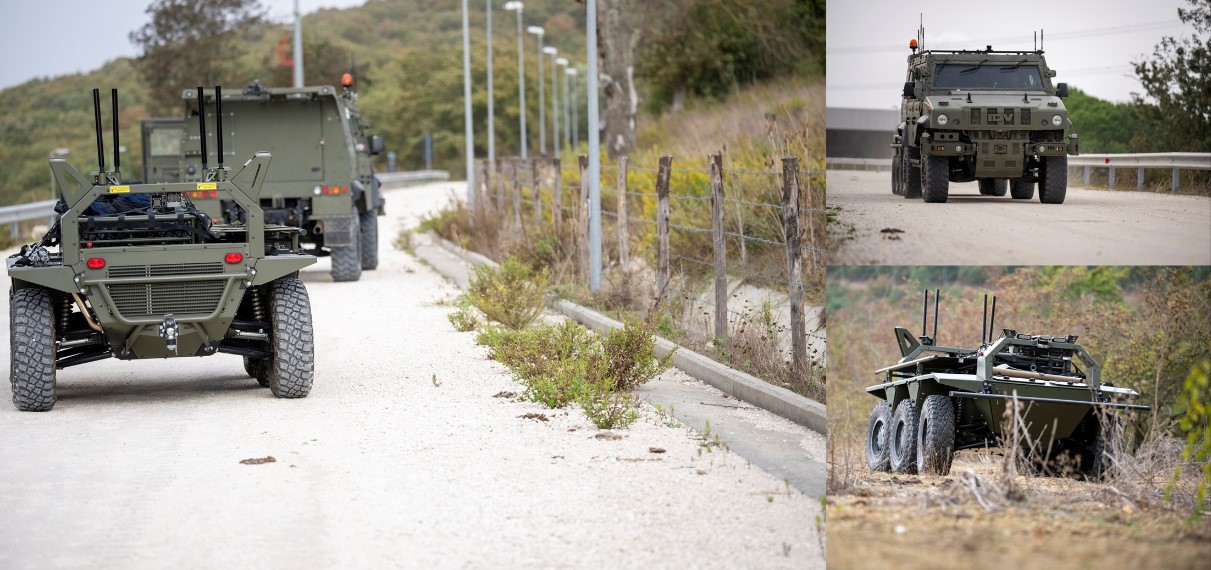
World
The NATO Support and Procurement Agency (NSPA) has awarded a three-year contract aimed at enhancing Robotics and Autonomous Systems (RAS) experimentation and development. This move is part of a wider push by a NATO Nation to modernize its military by integrating advanced technologies, including Artificial Intelligence (AI), Machine Learning (ML), and networked sensors into its defence strategy. This initiative builds on five years of collaboration where NSPA has supported the nation using the DOTMLPFI framework—a comprehensive structure covering Doctrine, Organisation, Training, Materiel, Leadership, Personnel, Facilities, and Interoperability. The goal is to reimagine how military forces are structured and how they operate in future combat environments. A key focus of the programme is on Uncrewed Ground Vehicles (UGVs) and Uncrewed Air Systems (UAS). These systems will operate under a sophisticated, interoperable Command and Control (C2) architecture built to Autonomy Levels for Uncrewed Systems (ALFUS) level 5. This setup allows the systems to work seamlessly across different military domains through a resilient network of distributed nodes. By integrating robotics, AI, ML, and Intelligence, Surveillance, and Reconnaissance (ISR) into a Concept Development and Experimentation (CD&E) framework, NSPA is helping to shape new tactics and operational models. These emerging RAS technologies are seen as vital force multipliers—enhancing situational awareness, improving decision-making, and enabling missions to be carried out faster, more precisely, and more safely. The programme aims to develop integrated human-machine teams, allowing troops to work alongside autonomous systems that can adapt in real time to the battlefield. However, the emphasis remains on maintaining human oversight, especially as the systems transition into RAS-Integrated and eventually RAS-Supervised Teams, offering greater autonomy without losing control. Testing of these capabilities will take place in realistic, non-lethal operational environments, developed jointly with military end-users. These trials will explore how much autonomy is suitable for various missions, with a strong focus on trust, performance, and operational control. This effort is being driven under the COMMIT partnership, which supports NATO Nations in transforming their operational concepts. Céline Danielli, Programme Manager for NSPA General and Cooperative Services (LB), stated, “This contract represents a step forward, providing our NATO Nation access to some of the most advanced RAS capabilities.” She added, “By combining robotics, autonomy, cutting-edge AI/ML, and ISR solutions, we are preparing for the complex battlefields of tomorrow.” The contract also highlights the NSPA Operations Directorate’s role in ensuring that technological advances directly support operational readiness and real-world deployment. This development places NSPA and its NATO partners at the forefront of the global effort to bring autonomous and AI-enabled systems into mainstream military operations.
Read More → Posted on 2025-07-29 15:37:19
India
In a major boost to India’s tactical missile capability, the Defence Research and Development Organisation (DRDO) successfully carried out two consecutive flight tests of the Pralay missile on July 28 and 29, 2025, from Dr APJ Abdul Kalam Island off the Odisha coast. These trials were part of user evaluation tests aimed at validating the missile’s maximum and minimum range capabilities. The missile hit its intended targets with pinpoint accuracy, meeting all mission objectives. According to DRDO officials, all subsystems functioned flawlessly. The flight paths were closely tracked by a network of sensors, radars, and a ship-mounted monitoring system near the target area, ensuring every parameter was recorded and evaluated in real time. Pralay is a solid-propellant, quasi-ballistic missile developed entirely in India. It is fitted with advanced navigation and guidance systems, enabling it to strike with high precision. The missile can carry multiple types of warheads, making it capable of neutralizing a wide range of targets in different combat scenarios. The project is led by Research Centre Imarat (RCI) in partnership with other DRDO labs, and support from industry leaders like Bharat Dynamics Limited (BDL), Bharat Electronics Limited (BEL), and several Indian MSMEs. The recent tests hold special importance because they demonstrate how the missile performs under real-world operational conditions, a critical step before it is inducted into the Indian Armed Forces. Defence Minister Rajnath Singh congratulated DRDO scientists, Armed Forces personnel, and industry collaborators for their achievement. He noted that Pralay represents a significant advancement in India’s defense preparedness to tackle future challenges. Originally initiated in 2015, the Pralay missile program has undergone multiple successful tests over the years. Its growing maturity has already led to the Indian Army and Air Force approving its acquisition, and the latest trials bring it closer to full operational deployment. In a related achievement, DRDO also tested a new version of the Unmanned Aerial Vehicle Launched Precision Guided Missile (ULPGM) on July 25, 2025. This latest version, ULPGM V3, features a dual-channel seeker, day-and-night attack capability, and modular warheads suited for anti-armour, bunker-busting, and high-lethality missions, reflecting DRDO’s broader push to modernize India’s missile systems across multiple platforms. With these recent successes, DRDO continues to reinforce its role as a critical pillar in India’s defense ecosystem, strengthening the country’s strategic and tactical strike capabilities.
Read More → Posted on 2025-07-29 15:26:58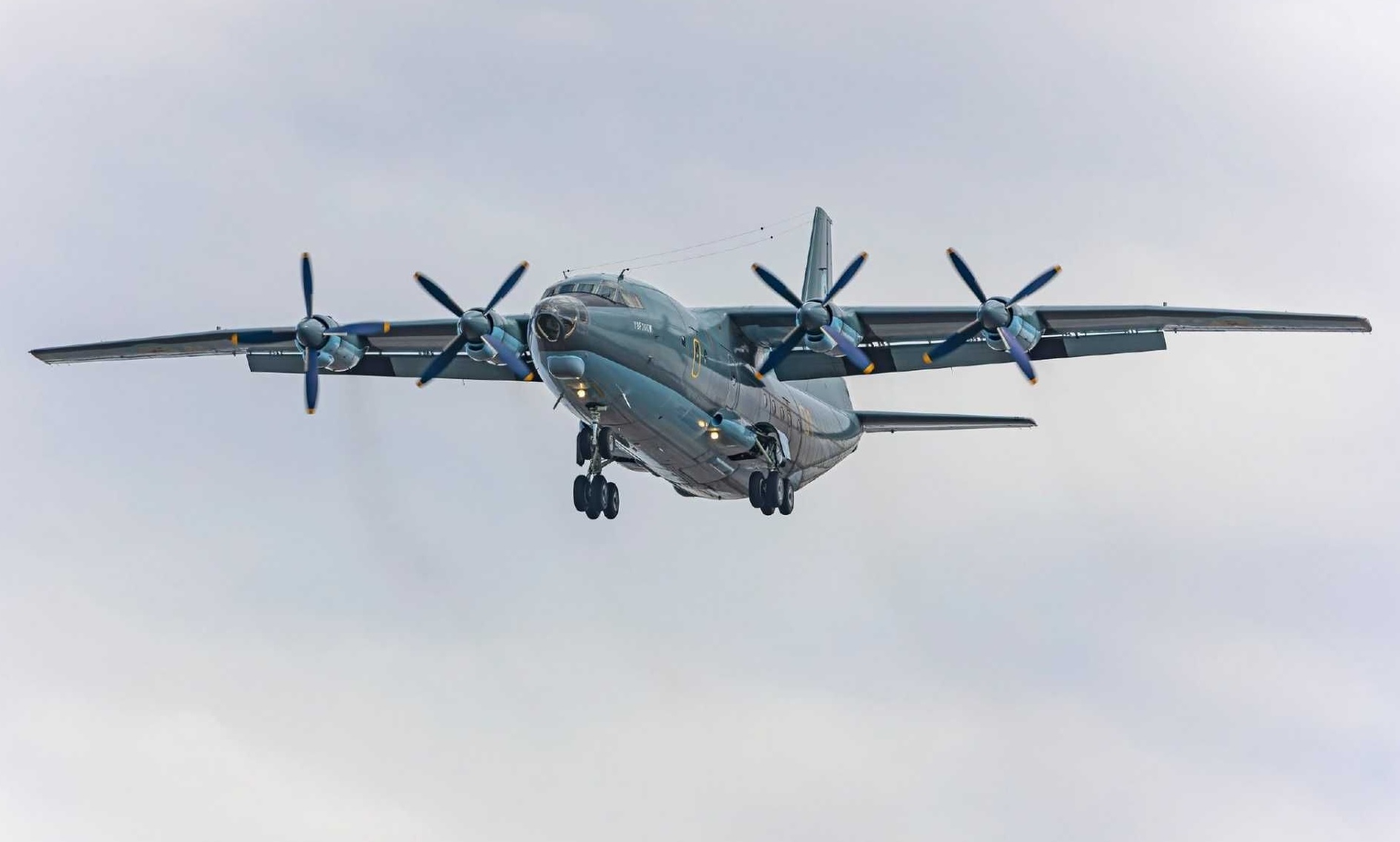
World
China has delivered three more Y-8F-200WA military transport aircraft to Kazakhstan, significantly strengthening the airlift capabilities of the Central Asian country’s National Guard. The latest aircraft—tail numbers 04, 05, and 06—were spotted in newly released photos taken on July 22, 2025, confirming their delivery. These new additions raise Kazakhstan’s total fleet of Chinese Y-8 aircraft to six, with two more deliveries expected in the future. The aircraft are used primarily by the National Guard, a paramilitary force responsible for internal security, emergency response, and logistics. The delivery marks one of the first major documented instances of Chinese military transport aircraft being supplied to a former Soviet republic, signaling growing defense ties between Beijing and Nur-Sultan. This aircraft deal was initiated back in 2018, when Kazakhstan and China’s Shaanxi Aircraft Corporation signed an agreement for the delivery of eight Y-8F-200WA aircraft. The first unit, bearing tail number 01, was delivered in September 2018, followed by tail number 02 in December 2023 and 03 in April 2024. The new aircraft were delivered throughout 2025, as previously reported, and were seen sporting the livery of Kazakhstan’s National Guard. Ceremonies involving Chinese test pilots marked the arrival of earlier deliveries. The Y-8F-200WA, also known as the “Pegasus”, is a modern export-oriented version of China’s Y-8, which itself was developed from the Soviet Antonov An-12 through reverse engineering after the Sino-Soviet split. Built by Shaanxi Aircraft Corporation, the Y-8 series has evolved into one of China’s most versatile military aircraft platforms. The F-200WA model includes a stretched fuselage, improved cargo handling, and four WJ-6 turboprop engines with 4,250 horsepower each. It can carry up to 23 tons of cargo, 96 troops, or 60 medical stretchers, making it ideal for logistics, troop transport, and disaster relief operations. The aircraft offers strong value for countries like Kazakhstan, combining short takeoff and landing (STOL) performance with Soviet-style compatibility, allowing it to operate from semi-prepared airstrips across the country’s vast territory. These features are especially useful given Kazakhstan’s rugged terrain and dispersed population centers. While Kazakhstan still operates Soviet-era platforms like the An-74, it has recently expanded its airlift fleet with modern Western aircraft. In December 2024, the country received its first Airbus A400M, with a second one expected in 2026. This is part of a broader multi-vector military procurement strategy, which includes partnerships with both European and Chinese defense manufacturers. Kazakhstan also signed a memorandum with Airbus for maintenance and overhauls of its C295 fleet. The Y-8 series has been exported to several other countries, including Pakistan, Myanmar, Venezuela, and Sri Lanka, with over 169 units produced by 2010. While China continues to develop newer versions, like the Y-8F-600 and Y-9, the Y-8F-200WA remains a cost-effective workhorse for many nations. The growing fleet of Chinese aircraft in Kazakhstan may reflect a broader realignment in regional military logistics, especially as Ukraine’s Antonov production remains impacted by ongoing conflict. China, with its active aircraft manufacturing capability, is likely to play an increasing role in supplying transport aircraft to Central Asia. Once the final two aircraft are delivered, Kazakhstan’s eight-strong Y-8 fleet will form one of the largest Chinese-built military airlift groups in the region—working alongside A400Ms and older An-series aircraft to meet the country’s strategic and tactical mobility needs.
Read More → Posted on 2025-07-29 15:23:28
World
Russia is testing a new robotic tank called the ‘Shturm’, built using the chassis of the Soviet-era T-72 or T-90 tanks, giving old military machines a fresh role on the modern battlefield. This unmanned ground vehicle (UGV) is designed specifically for high-risk urban combat and can be remotely controlled, though recent videos suggest it still operates with crew onboard during trials. Developed by Uralvagonzavod for the Russian Ministry of Defense, the Shturm system includes two main components: a combat vehicle and a mobile command unit, both heavily modified from traditional tank hulls. The combat version features a shortened 125mm D-414 main gun, frontal dynamic armor, a bulldozer blade, and a slightly modified turret, all tailored for maneuverability in tight, urban environments. The command vehicle, which is also tracked and armored, can reportedly control multiple robotic tanks within a 3-kilometer range. It’s protected against rocket-propelled grenades (RPGs) and other anti-tank weapons, making it suitable for forward command in combat zones. First introduced in 2018, the Shturm has been quietly progressing through development. New footage shared by Russian military analyst Andrei_bt indicates that the vehicle is undergoing field testing, possibly signaling a move toward operational deployment. However, observers noticed that at least one prototype had a crew onboard, raising questions about whether true remote control is fully functional yet. What makes the Shturm particularly interesting is its modular firepower. There are four main variants under development: A main assault version with a 125mm gun, with reports suggesting a 152mm upgrade is being considered. A variant equipped with RPO-2 “Shmel” thermobaric rocket launchers and a PKTM machine gun. A third version armed with twin 30mm 2A42 automatic cannons, also supported by the same secondary weapons. A heavy rocket platform variant, capable of launching 16 unguided 220mm thermobaric rockets. The Shturm appears to be Russia’s attempt to repurpose old Soviet platforms for modern warfare, especially for missions that are too risky for human crews, like breaching fortified enemy positions or clearing dense urban areas. While the system is more advanced than previous Russian UGVs like the Uran-9, it's still unclear how autonomous or effective it will be in real combat. For now, the Shturm represents another step in Moscow’s effort to blend legacy hardware with modern robotics, potentially setting the stage for a new era of semi-autonomous armored warfare.
Read More → Posted on 2025-07-29 15:20:09
Space & Technology
The U.S. Space Force and Boeing are getting ready to send the X-37B spaceplane back into orbit for its eighth mission, scheduled for no earlier than August 21, 2025, from Florida’s Space Coast. This launch will follow the successful completion of its seventh mission (OTV-7), which ended earlier in March 2025. The X-37B, officially known as the Orbital Test Vehicle (OTV), is a reusable and unmanned spaceplane developed by Boeing. It is designed to test experimental technologies and demonstrate new space capabilities. Over time, it has become a critical platform for the U.S. military’s space experimentation efforts. According to Boeing, this OTV-8 mission will continue that tradition by testing advanced technologies and expanding its operational flexibility. The flight will feature a service module—an additional part that allows more space for scientific instruments and research payloads. This module opens up more room for collaboration with organizations like the Air Force Research Laboratory (AFRL) and the Defense Innovation Unit (DIU). Among the major experiments onboard this mission are: A laser communications test, aimed at exploring high-bandwidth inter-satellite data links, and A quantum inertial sensor, a cutting-edge system for navigation in areas where GPS signals can’t reach, such as deep space or GPS-denied environments. Gen. Chance Saltzman, Chief of Space Operations, noted the importance of the laser test, saying it’s a key step toward integrating military and commercial space networks for more resilient and distributed satellite operations. Meanwhile, Col. Ramsey Hom, commander of Space Delta 9, highlighted the importance of the quantum sensor: "Whether operating in cis-lunar space or GPS-denied zones, this tech provides strong navigation tools where traditional systems fall short." Boeing and U.S. Space Force teams are finalising pre-launch work at Boeing’s facility at Kennedy Space Center, where the vehicle is being prepped for flight. Since the X-37B’s first launch in April 2010, it has clocked more than 4,200 days in space, constantly pushing the edge of U.S. space innovation. Past Flights of the X-37B Spaceplane Here’s a quick look at the history of its missions so far: OTV-1 (April 22, 2010 – December 3, 2010) First flight of X-37B. Lasted 224 days. OTV-2 (March 5, 2011 – June 16, 2012) Expanded testing. Duration: 468 days. OTV-3 (December 11, 2012 – October 17, 2014) Improved systems testing. Lasted 675 days. OTV-4 (May 20, 2015 – May 7, 2017) Included a NASA materials experiment. Lasted 718 days. OTV-5 (September 7, 2017 – October 27, 2019) Tested advanced electronics and space environment effects. Duration: 780 days. OTV-6 (May 17, 2020 – November 12, 2022) Carried out solar energy experiment. Longest mission yet: 908 days. OTV-7 (December 28, 2023 – March 12, 2025) Details undisclosed, but noted for testing new payload configurations. OTV-8 (Planned for August 21, 2025) Will feature laser comms and quantum sensor testing. With every mission, the X-37B continues to serve as a silent workhorse in orbit, quietly pushing the boundaries of what reusable, unmanned spaceplanes can do—far from the public eye but crucial to the future of space-based defense and research.
Read More → Posted on 2025-07-29 15:14:19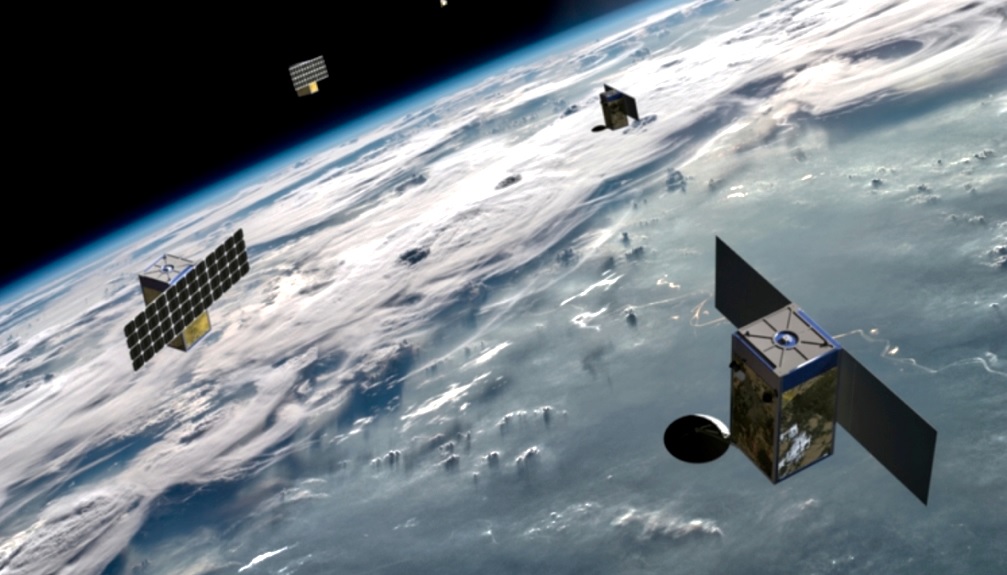
World
BlackSky Technology has landed a new phase of a U.S. Navy research contract aimed at enhancing its next-generation satellites with high-speed optical inter-satellite links (OISLs). These laser-based communication systems will allow satellites to talk directly to each other in space, speeding up the transfer of large amounts of imagery and data before it even reaches the ground. This development is part of the ongoing evolution of BlackSky’s Gen-3 satellite constellation, which is designed to deliver real-time, high-resolution earth imagery for military and intelligence operations. With the new contract, the company will focus on building advanced hardware and software that allow these satellites to connect through high-speed data links, significantly improving the speed and volume of data movement. Brian O’Toole, CEO of BlackSky, called the award a key step in delivering fast, high-impact intelligence that can support decision-making on the frontlines of military operations. He emphasized that OISLs are a critical innovation, especially for tactical intelligence, surveillance, and reconnaissance (ISR) missions across naval fleets. One of the major goals of the program is to ensure the OISL-equipped satellites can integrate smoothly with both the U.S. Space Development Agency’s Transport Layer and commercial communications networks. This would give military users more flexible, secure, and faster access to satellite-based imagery. According to O’Toole, the upgraded Gen-3 satellites are expected to deliver data 10 times faster and handle five times more volume than current systems. The OISL technology will not only improve speed but also boost data security, helping to protect against jamming and interference—a growing concern during modern military operations. By cutting down the time it takes to transmit and process information, these laser communications offer a major leap in capability for defense and intelligence agencies. This step forward underscores BlackSky’s role in advancing next-generation space-based intelligence systems that can perform under the demanding conditions of today’s global conflicts.
Read More → Posted on 2025-07-29 15:08:53
World
Russia has showcased a powerful new unmanned surface drone during its large-scale naval drills in the Baltic Sea, signaling a growing focus on autonomous maritime warfare. The exercise, called "July Storm", was held on July 26, 2025, and featured the dramatic deployment of a crewless vessel loaded with explosives, which was filmed speeding toward a floating target before detonating in a large explosion. According to the Russian Ministry of Defense, the drone is meant to simulate attacks on maritime targets, and its display was part of broader drills meant to test and demonstrate next-generation naval combat systems. While the explosion was impressive, analysts say the test lacked realism. The drone targeted a static, unprotected structure in calm waters, which does not reflect real combat conditions. Despite these limitations, pro-Kremlin commentators made bold claims, stating the drone could operate autonomously for 24 hours and strike targets over 300 kilometers away. Such a range would put Ukrainian port cities like Odesa and Izmail within reach from occupied Crimea. However, these performance figures remain unverified, and there is no public evidence yet of the drone being used in real operations or produced in large numbers. The Ministry of Defense did not name the new drone, but it confirmed that various unmanned systems were tested during "July Storm," including FPV drones, aerial drones, helicopters, and underwater vehicles. This suggests Russia is attempting to develop integrated unmanned warfare capabilities, although the actual effectiveness of these systems remains unclear. President Vladimir Putin commented on the exercises, saying they aim to improve the Russian Navy's ability to respond to modern maritime threats and conduct complex naval missions, drawing on lessons from the ongoing war in Ukraine. Some observers initially linked the drone test to the conflict with Ukraine, but analysts point out that Ukraine’s navy was largely destroyed early in the war. Instead, Kyiv has turned to asymmetric tactics, such as homemade sea drones and missile strikes against Russian naval assets—strategies that have caused serious damage to Russia’s Black Sea Fleet. In contrast, Russia’s “July Storm” drills appear to be focused more on future confrontations with NATO, rather than Ukraine. NATO forces are also adapting to the threat of unmanned maritime systems. The U.S. Navy, for example, is introducing new training programs to prepare sailors for encounters with autonomous sea drones in high-risk regions. The global rise of these systems is reshaping naval warfare. In places like the Red Sea, Iran-backed Houthi rebels have used armed sea drones to attack commercial ships, disrupting vital trade routes and drawing international concern. Ultimately, Russia’s Baltic Sea exercise shows a shift toward autonomous naval systems in modern warfare. While these developments borrow from Ukraine’s tactics, they reflect a broader Russian ambition to strengthen its maritime position against both regional and global adversaries, including NATO. As tensions in the Baltic grow, the appearance of explosive unmanned drones marks another step in the evolving arms race on the world’s seas.
Read More → Posted on 2025-07-29 15:04:01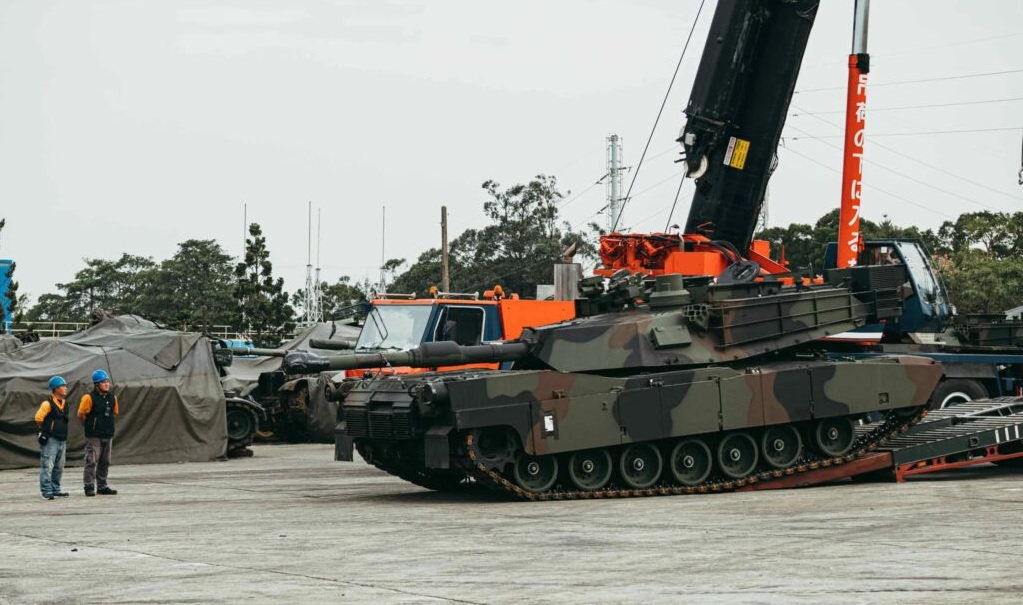
World
Taiwan has officially received its second shipment of U.S.-made M1A2T Abrams main battle tanks, adding 42 more units to its growing armored fleet. The delivery is part of a larger defense agreement with the United States, which approved the sale of 108 advanced tanks to Taipei in 2019. The latest batch of Abrams tanks arrived at the Port of Taipei in Bali District and was quickly moved to the Army Armor Training Command located in Hukou Township, Hsinchu County. From there, the tanks will be distributed across various army units that operate heavy platforms. Local media reported that the handover had been delayed due to stormy weather, but operations resumed once conditions stabilized. After the tanks were offloaded, some were transported via flatbed trucks to the military base, covered in black sheets, and escorted by armed forces and local police along Provincial Highway No. 61 to maintain secrecy and safety. This delivery comes after the first batch of 38 Abrams tanks arrived in December 2024. Since then, Taiwan’s armed forces have begun training personnel on the operation and maintenance of the system. A large-scale live-fire exercise using the Abrams tanks is also planned to help crews become more familiar with the vehicles in combat-like conditions. Taiwan is acquiring these tanks to boost its ground defense capabilities amid growing concerns about a possible invasion or military pressure from China. The M1A2T Abrams, a version of the M1A2 tailored specifically for Taiwan, represents a significant upgrade to the island’s existing armored fleet. The Abrams system, developed by General Dynamics, is one of the most powerful and advanced main battle tanks in the world. Originally introduced in the 1980s, it has seen numerous upgrades to enhance its protection, firepower, and mobility. The M1A2 version includes composite armor, a 120mm smoothbore cannon, .50 caliber and M240 machine guns, and advanced digital fire control systems. Each tank is powered by a Honeywell AGT1500 gas turbine engine producing 1,500 horsepower, allowing it to reach speeds of over 40 miles per hour (64 kilometers per hour) and travel up to 260 miles (418 kilometers) on a full tank. With more tanks expected to be delivered soon, Taiwan is steadily reinforcing its armored divisions, signaling to both domestic and international observers that it is serious about preparing for any potential conflict in the region.
Read More → Posted on 2025-07-29 15:00:42
World
U.S. defence giant Northrop Grumman is setting its sights on a central role in the Pentagon’s ambitious “Golden Dome for America” program — a major homeland missile defense effort inspired by Israel’s Iron Dome. The plan aims to build a layered defense system that protects the continental United States from a wide range of aerial and missile threats, including drones, cruise missiles, ballistic missiles, and potentially hypersonic weapons. With the U.S. administration pushing for initial capability in the next few years, Northrop Grumman says it’s ready to move fast. During the company’s second-quarter earnings call, CEO Kathy Warden said the firm is already working across the full architecture of the program — blending current systems with new technologies, including space-based interceptors that are now under development. At the heart of Northrop Grumman’s offering is the Integrated Battle Command System (IBCS). This system acts as a nerve center that connects various radars, sensors, and missile interceptors into a unified network. In simple terms, it allows the military to detect and engage incoming threats faster and more accurately, using information from multiple sources simultaneously. Already fielded by the U.S. Army and adopted by international partners, IBCS could form the backbone of the Golden Dome system. Another key technology is the G/ATOR radar, a multi-mission radar capable of spotting drones, cruise missiles, and artillery. It works in tandem with other surveillance tools like the MQ-4C Triton, a high-altitude drone that offers long-range surveillance across vast areas — crucial for early detection. Northrop Grumman also highlighted its experience in systems integration — not just building hardware, but combining interceptors, sensors, software, and communications into seamless defense solutions. This is especially critical in a complex shield like Golden Dome, which will rely on quick coordination between ground, air, and space assets. A major component under development is space-based interceptors, designed to strike enemy missiles in mid-flight — particularly useful against hypersonic weapons that travel too fast for traditional ground-based systems to handle. These interceptors could become a new layer of missile defense, complementing land-based systems and extending the U.S.'s protective reach. As global interest in missile defense rises, Northrop Grumman is seeing strong international demand. In Q2 2025 alone, it reported an 18% jump in international sales, especially in Europe and the Middle East, where nations are racing to upgrade their air defenses. The company has signed partnership deals with countries like the UK, South Korea, and Lithuania, aiming to co-produce systems and support local defense industries — a move that helps secure long-term contracts and access to foreign markets. Domestically, Northrop Grumman is investing heavily. It’s spending $1 billion to expand its solid rocket motor production — key components used in both missile interceptors and tactical rockets. With upgrades at facilities in West Virginia and Maryland, the company plans to nearly double production from 13,000 motors in 2024 to 25,000 by 2029. The firm is already seeing rewards from this ramp-up. Recently, the U.S. Navy selected Northrop Grumman to supply second-stage rocket motors for its extended-range missile program. The company developed and tested the new motor in under a year — proof, Warden said, of its agility and technical depth. Golden Dome fits into a wider U.S. defense policy shift, which emphasizes faster acquisition cycles and closer public-private cooperation. The FY2026 budget reflects a 22% increase in procurement and R&D spending, creating a more favorable environment for defense contractors like Northrop Grumman. Warden noted that this environment has already benefited major programs like Sentinel and the B-21 stealth bomber, and she expects Golden Dome to follow suit. While no official contracts for Golden Dome have been awarded yet, analysts believe Northrop Grumman’s capabilities, technologies, and integration experience make it a top contender. Warden also pointed to the company’s space segment as a major beneficiary of the program, especially as space-based sensors and interceptors become more integrated into defense strategies. Financially, Northrop Grumman remains strong. It reported $10.4 billion in sales in Q2 2025, a 9% increase over Q1, with 28% growth in earnings per share and gains across all business units. As the Pentagon advances its homeland missile defense plans, Northrop Grumman appears ready to lead — combining battlefield-tested systems with new technologies to help shield the U.S. from tomorrow’s most dangerous threats.
Read More → Posted on 2025-07-29 14:56:38
India
In a significant step toward bolstering its unmanned aerial capabilities, the Ministry of Defence (MoD) is reportedly in advanced talks with US-based Shield AI to acquire its cutting-edge V-BAT autonomous vertical take-off and landing (VTOL) combat drones for the Indian Air Force (IAF). The development is part of India’s ongoing push to adopt advanced, AI-driven combat technologies while simultaneously boosting domestic defence production. Supporting this initiative, JSW Defence, a subsidiary of the JSW Group, has signed a strategic partnership with Shield AI to locally manufacture the V-BAT drone platform in India. The collaboration is expected to bring high-end drone manufacturing under the ambit of India’s ‘Atmanirbhar Bharat’ and ‘Make in India’ policies. $90 Million Investment for Indigenous Production JSW Defence has committed an investment of approximately $90 million over the next two years, with $65 million to be infused within the first 12 months. This will be directed toward building a domestic ecosystem for V-BAT manufacturing, including setting up facilities for assembly, testing, operator training, and maintenance, repair and overhaul (MRO). According to company officials, this facility will not only serve Indian defence needs but also emerge as a global production hub for Shield AI’s export markets, cementing India’s status as a rising defence manufacturing powerhouse. V-BAT: Game-Changing VTOL Drone for Combat and ISR The Shield AI V-BAT (designated MQ-35) is a Group 3 UAV (unmanned aerial vehicle) designed for Intelligence, Surveillance, and Reconnaissance (ISR) missions and combat support. Its innovative ducted-fan VTOL design enables it to take off and land vertically like a helicopter, then transition to fixed-wing horizontal flight for long-duration missions. Key specifications of the V-BAT drone include: Endurance: Up to 10–12 hours Operational Altitude: Up to 6,100 meters Wingspan: ~2.95 meters | Length: ~2.7 meters Max Takeoff Weight: ~57 kg (including 11+ kg payload) Crew Requirement: Operable by a two-person team Deployment Time: Fully mission-ready in under 20 minutes The V-BAT is powered by Shield AI’s proprietary Hivemind autonomy stack, which allows it to operate in GPS- and communications-denied environments. This makes it ideally suited for contested battlefield conditions where electronic warfare may otherwise cripple conventional drone systems. Combat-Proven, Globally Deployed The V-BAT system has already been deployed by several U.S. military branches, including the Marine Corps, Navy, and Special Operations Command. It has also been used in Ukraine, where it demonstrated its ability to function under extreme electronic warfare conditions. Shield AI claims that its drones successfully penetrated highly jammed areas to carry out real-time reconnaissance and surveillance. The Japan Maritime Self-Defense Force is also adopting the V-BAT, marking the drone's growing international footprint. Deliveries for Japan’s naval fleet are expected to begin in early 2025. India’s Strategic Shift to AI-Driven Warfare The acquisition aligns with India’s broader defence modernization goals, particularly in the area of autonomous systems, AI-based combat platforms, and swarm-capable drones. Shield AI’s roadmap includes developing advanced multi-drone swarming capabilities, where a single operator can command multiple V-BATs simultaneously—technology that could redefine battlefield tactics for the IAF. If the deal progresses as expected, the V-BAT could be one of India’s first foreign-origin AI drones to be produced under full technology transfer and local assembly. Officials believe this could lead to future indigenous variants adapted for Indian operational needs. Feature Details Drone V-BAT MQ-35 (Shield AI) Key Buyer Indian Air Force (under MoD acquisition plan) Indian Partner JSW Defence Pvt. Ltd. Design Type VTOL, ducted-fan fixed-wing UAV Endurance 10–12 hours Autonomy AI-based; GPS-denied, EW-resilient Manufacturing Investment $90 million (over 2 years), $65 million in Year 1 Facility Role Local assembly, MRO, operator training, global hub Operational Use Cases ISR, Combat Support, Urban Ops, Naval Recon Strategic Implications By locally manufacturing V-BAT drones through this Shield AI–JSW Defence partnership, India aims to: Build an indigenous drone ecosystem Reduce reliance on Israeli and Chinese-origin UAVs Strengthen AI-based aerial warfare capabilities Prepare for next-generation electronic warfare and swarm operations This proposed acquisition could mark a defining moment for India’s unmanned combat aerial systems program and position the country as a global player in high-end drone manufacturing.
Read More → Posted on 2025-07-28 16:50:11
World
Boeing has secured a $61.2 million contract to provide additional High Altitude Anti-Submarine Weapon Capability (HAAWC) kits to the U.S. Navy, ensuring continued support for anti-submarine warfare even as the Navy restructures parts of the program. The HAAWC system, which became operational in 2022, is a specialized technology that allows the P-8A Poseidon aircraft to launch torpedoes from high altitudes, far from hostile environments. This means the aircraft doesn’t need to fly low or get dangerously close to enemy waters to deploy weapons. Instead, it can release a torpedo from cruising altitude, with the HAAWC kit guiding the weapon all the way down to its underwater target. How HAAWC Works At the core of HAAWC is a glide kit attached to the Mark 54 lightweight torpedo, which acts like a small winged bomb. When dropped from high above, the glide kit steers the torpedo toward the sea surface, where it detaches and allows the torpedo to dive underwater and home in on a submarine. This standoff capability enhances both accuracy and safety, as it keeps the launching aircraft away from enemy air defense systems. Recent Changes and Upgrades The Navy had earlier planned further development of HAAWC, especially to fully integrate it with the newer Mark 54 Mod 2 torpedo. However, that plan was recently cancelled and replaced with an incremental development approach. The main challenge has been that Mod 2 torpedoes differ in weight and shape from the earlier Mod 0/1 versions, which the current HAAWC kits were originally built for. Despite this shift, the Navy confirmed that the current HAAWC kits will still support early Mod 2 torpedoes, especially a hybrid version combining parts of Mod 1 and Mod 2. This version, referred to as Increment 1, uses the Mod 2's improved seeker, control systems, and warhead, but keeps the older propulsion system until the new Stored Chemical Energy Propulsion System (SCEPS) is ready for full deployment in Increment 2. Production and Future Outlook HAAWC kits have been in full-rate production since 2022 at Boeing’s facility in St. Charles, Missouri, and this new order will help continue that pace. The current contract assures that existing Navy requirements will be met, even if follow-on upgrades are paused for now. Boeing has not commented on whether HAAWC might be adapted for other systems like the Vertical Launch ASROC (VL-ASROC) used on Navy surface ships. However, the continued investment and production suggest that HAAWC remains an essential tool for the Navy’s anti-submarine missions. In simple terms, this deal means the U.S. Navy will keep getting advanced submarine-hunting weapons that let aircraft stay safe and still strike deep under the sea—a valuable edge in today’s contested maritime zones.
Read More → Posted on 2025-07-28 16:43:58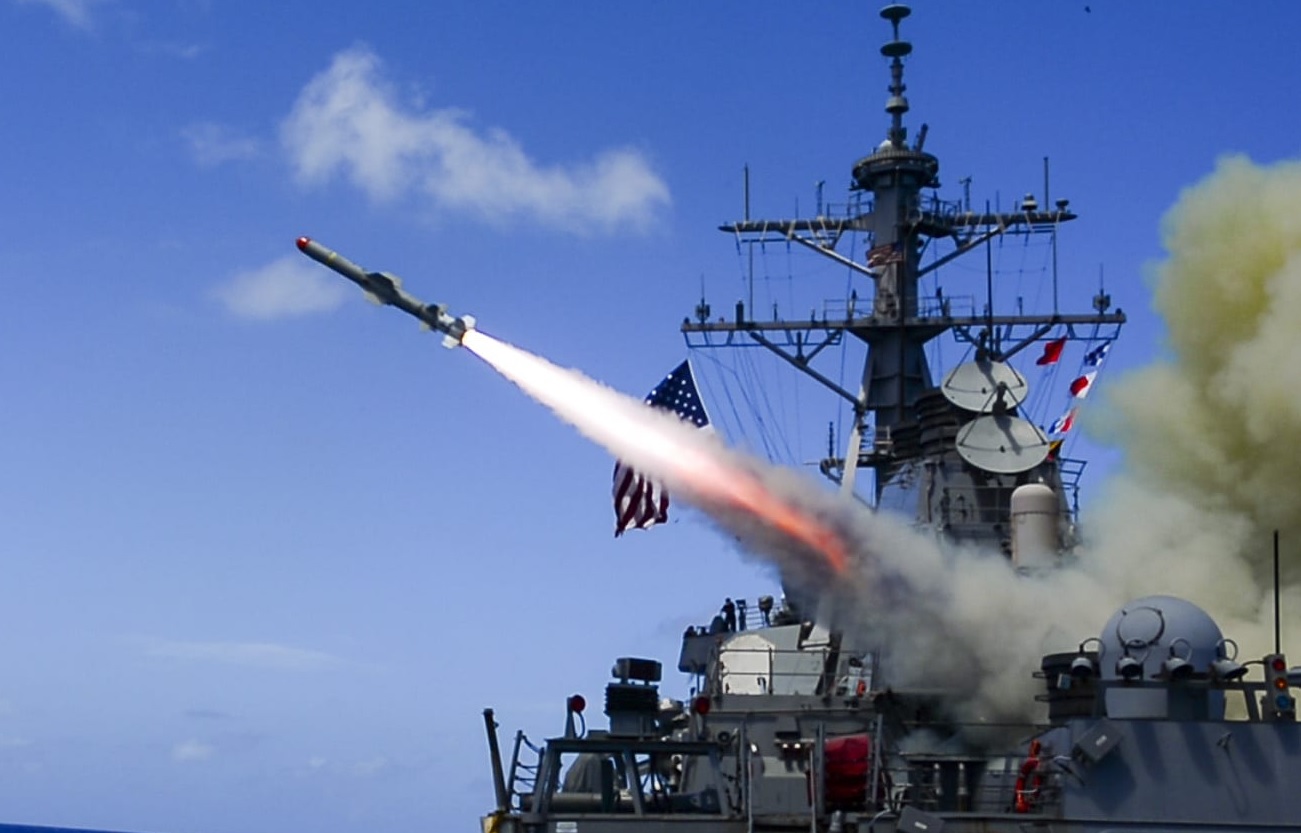
World
The U.S. Navy is planning a major upgrade to its long-serving Harpoon anti-ship missiles by adding modern seekers, as part of a broader Service Life Extension Program. This move aims to keep the missile relevant in today's fast-changing naval warfare environment, especially with increasing focus on Chinese military activity in the Indo-Pacific. The upgrade will be handled by Raytheon Missiles & Defense (RTX), which has been identified by Naval Air Systems Command (NAVAIR) as the only contractor capable of designing and manufacturing the necessary seekers. According to a NAVAIR solicitation, RTX is the original developer of the Harpoon seeker system and is best positioned to handle the upgrades. Originally introduced in the 1970s, the Harpoon has remained a key part of the Navy’s surface strike capability. Over the decades, it has undergone several improvements, with the Block II+ version currently in service capable of hitting targets as far as 248 kilometers. However, the Navy now wants to ensure that its existing stockpile of Harpoons can continue to perform effectively alongside newer systems. While newer missiles like the Naval Strike Missile (NSM), Maritime Strike Tomahawk, and SM-6 Block IB are being integrated into the fleet, the Navy isn’t ready to retire the Harpoon yet. In fact, the service has even reintroduced a submarine-launched version of the Harpoon, first revealed in 2021. That version uses upgraded Block IC missiles that can be modified for underwater launch — a capability the Navy had moved away from years ago. Raytheon, which previously supplied sensor systems to Boeing (the Harpoon’s main contractor), has also partnered with Norway’s Kongsberg to pitch the NSM to the U.S. Navy. The NSM has already been chosen as the primary strike weapon for the Littoral Combat Ships, Arleigh Burke-class destroyers, and the upcoming Constellation-class frigates, each of which will carry 16 NSMs. Several allied navies, like those of the UK and Australia, have also begun replacing their Harpoons with the NSM. Still, the U.S. is not abandoning Harpoon. In addition to modernization, new Harpoon missiles are being built for Taiwan, which ordered 400 missiles for coastal defense batteries — a clear sign of the missile’s ongoing geopolitical importance. By upgrading Harpoons while also adopting newer missile systems, the Navy is diversifying its strike options and mitigating concerns about munitions shortages in a potential prolonged conflict. Recent wars in Ukraine, the Middle East, and the Red Sea have underlined how crucial it is to maintain both stockpile depth and technological edge in precision-guided weapons. This upgrade program is expected to not only improve targeting capabilities but also ensure that Harpoon missiles remain a viable and flexible tool for U.S. naval power projection in the years ahead.
Read More → Posted on 2025-07-28 16:39:42Search
Top Trending in 24 Hours
-
 USS Abraham Lincoln Faces Extended Deployment and Supply Challenges Linked to Iranian Attacks on Bahrain Base
-
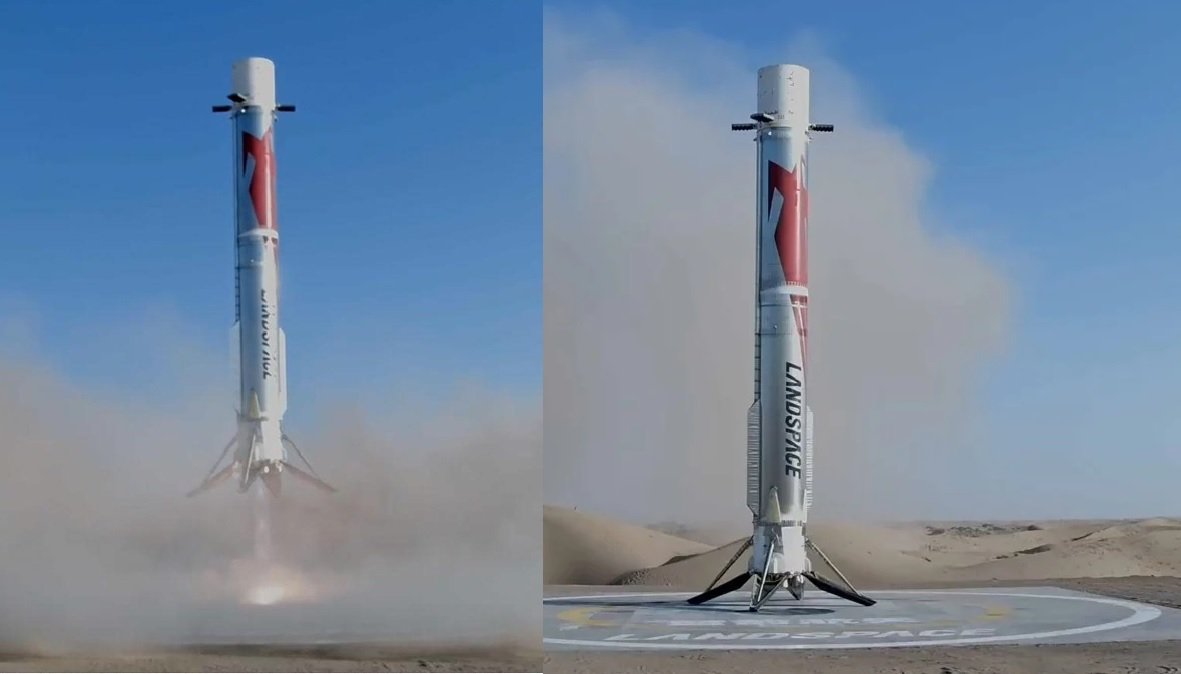 China Successfully Launches Zhuque-3 Rocket and Recovers Booster on Land After Orbital Launch
-
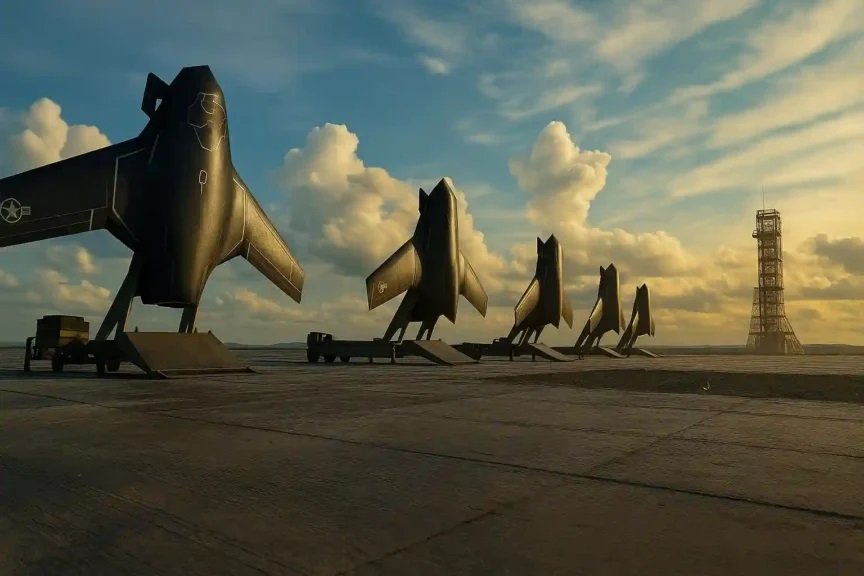 U.S. Navy Invests $50 Million in Shield AI’s X-BAT for Runway-Independent Maritime Strike
-
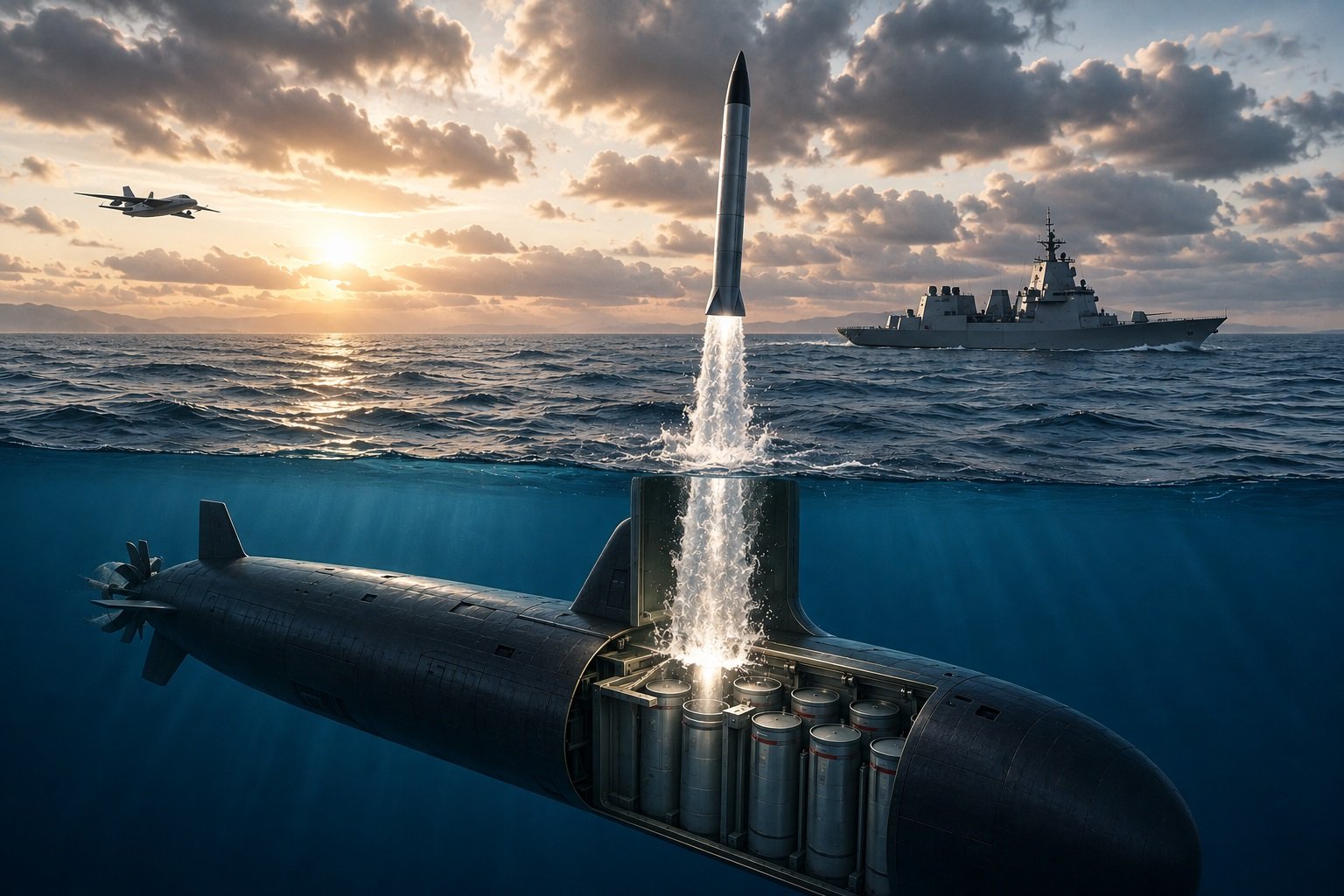 Japan Plans Submarine-Launched Hypersonic Missile Development in Fiscal 2027 Budget
-
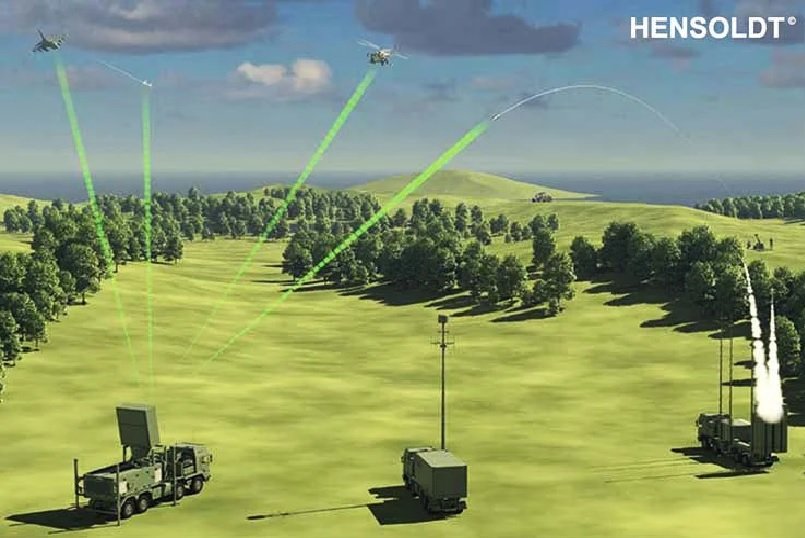 Rheinmetall Integrates HENSOLDT Twinvis Passive Radar into Skymaster Air Defence System
-
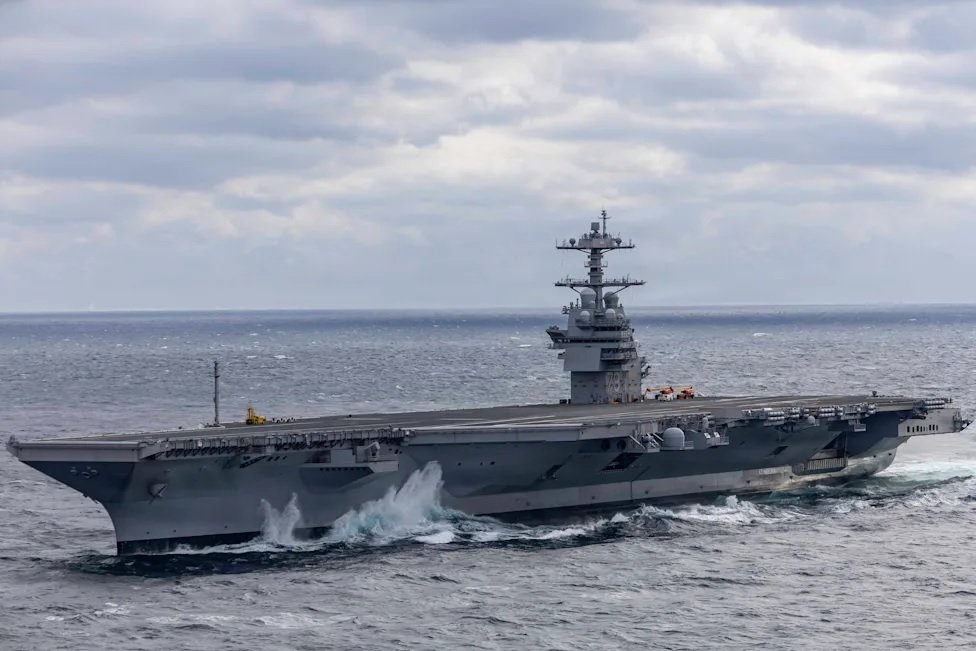 Raytheon’s SPY-6(V)3 Radar Completes Acceptance Trials on U.S. Navy’s Future Aircraft Carrier USS John F. Kennedy
-
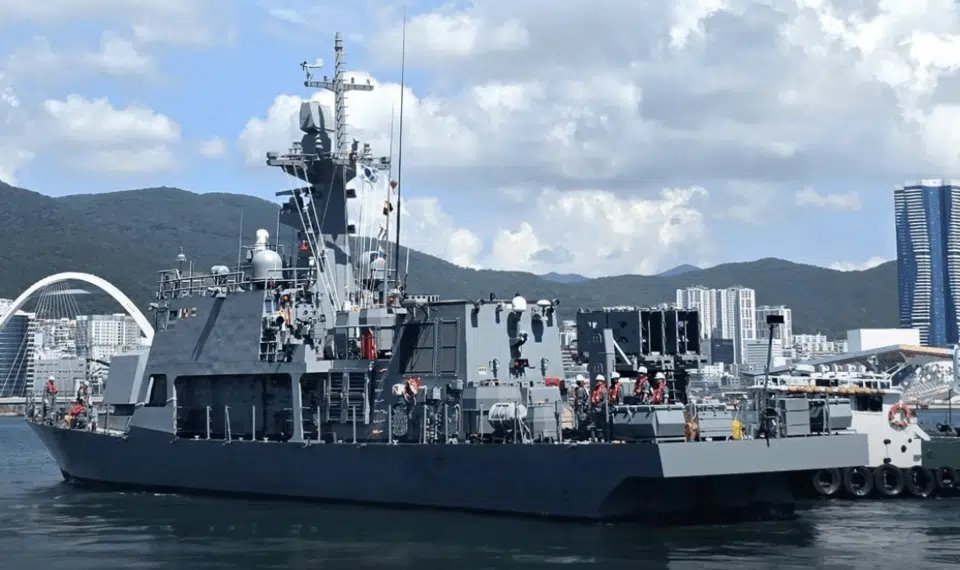 South Korea Delivers First PKX-B Batch-II Fast Patrol Craft to Navy
-
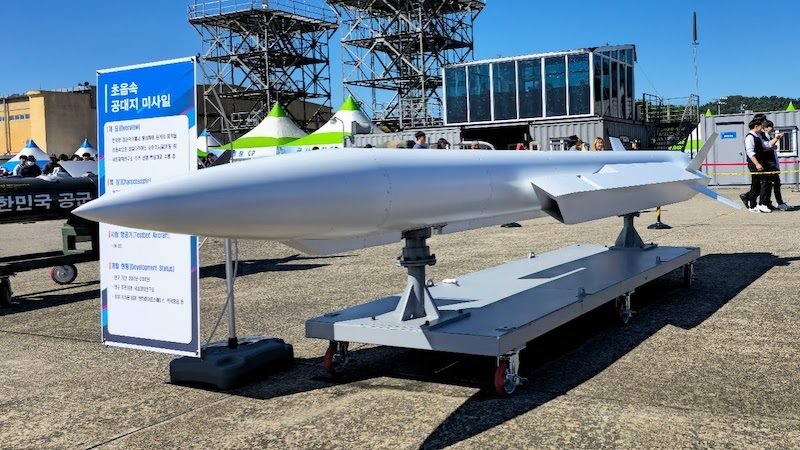 South Korea Approves Development of Next-Generation SSM-II Anti-Ship Missile and K2 Tank Upgrade
Top Trending in 4 Days
-
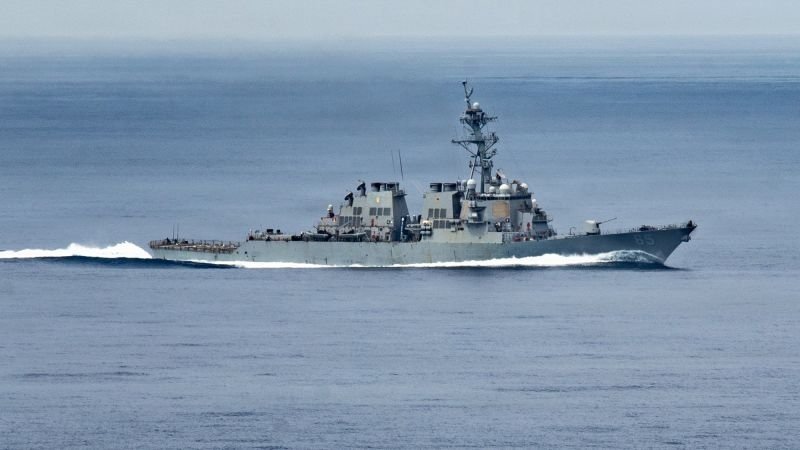 U.S. Navy Destroyer USS Benfold Spent Four Days Without Power in South China Sea After Generator Failure
-
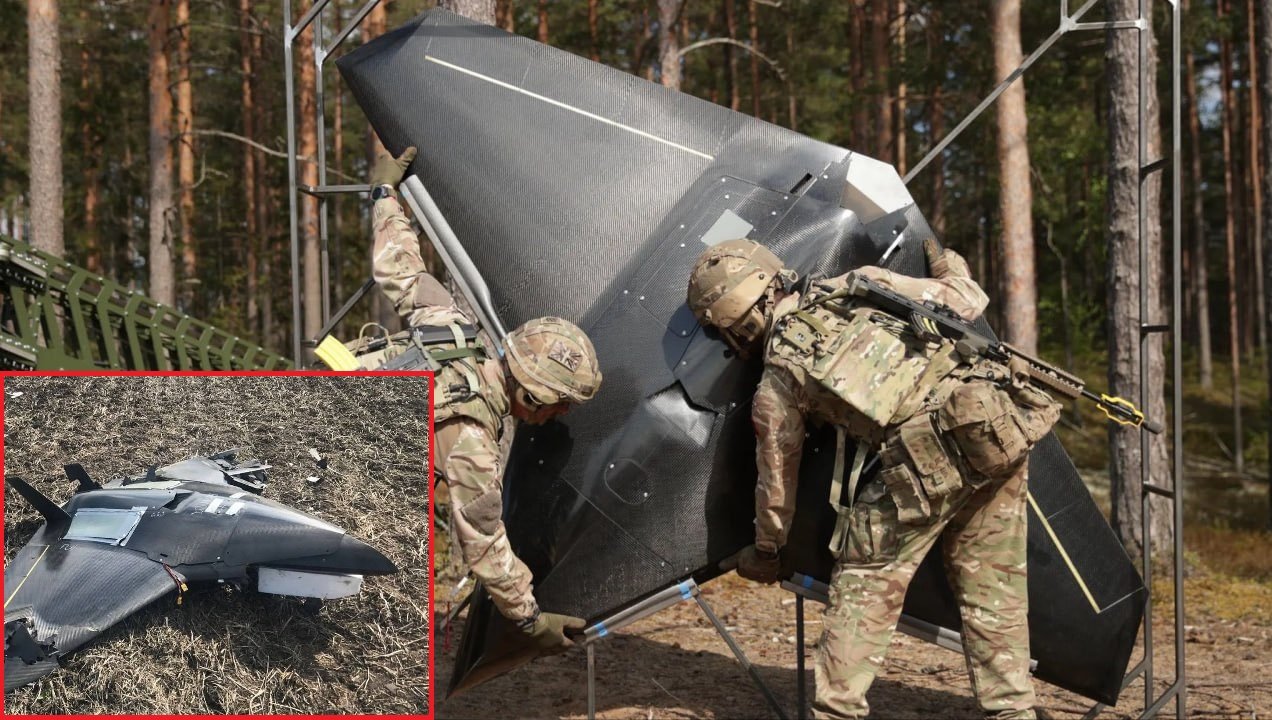 Ukraine Uses British-Made Nyan Drones in Deep Strikes Against Russian Targets
-
 U.S. Navy Reviews Ford-Class Carrier Redesign as $275 Billion Trump-Class Battleship Program Advances
-
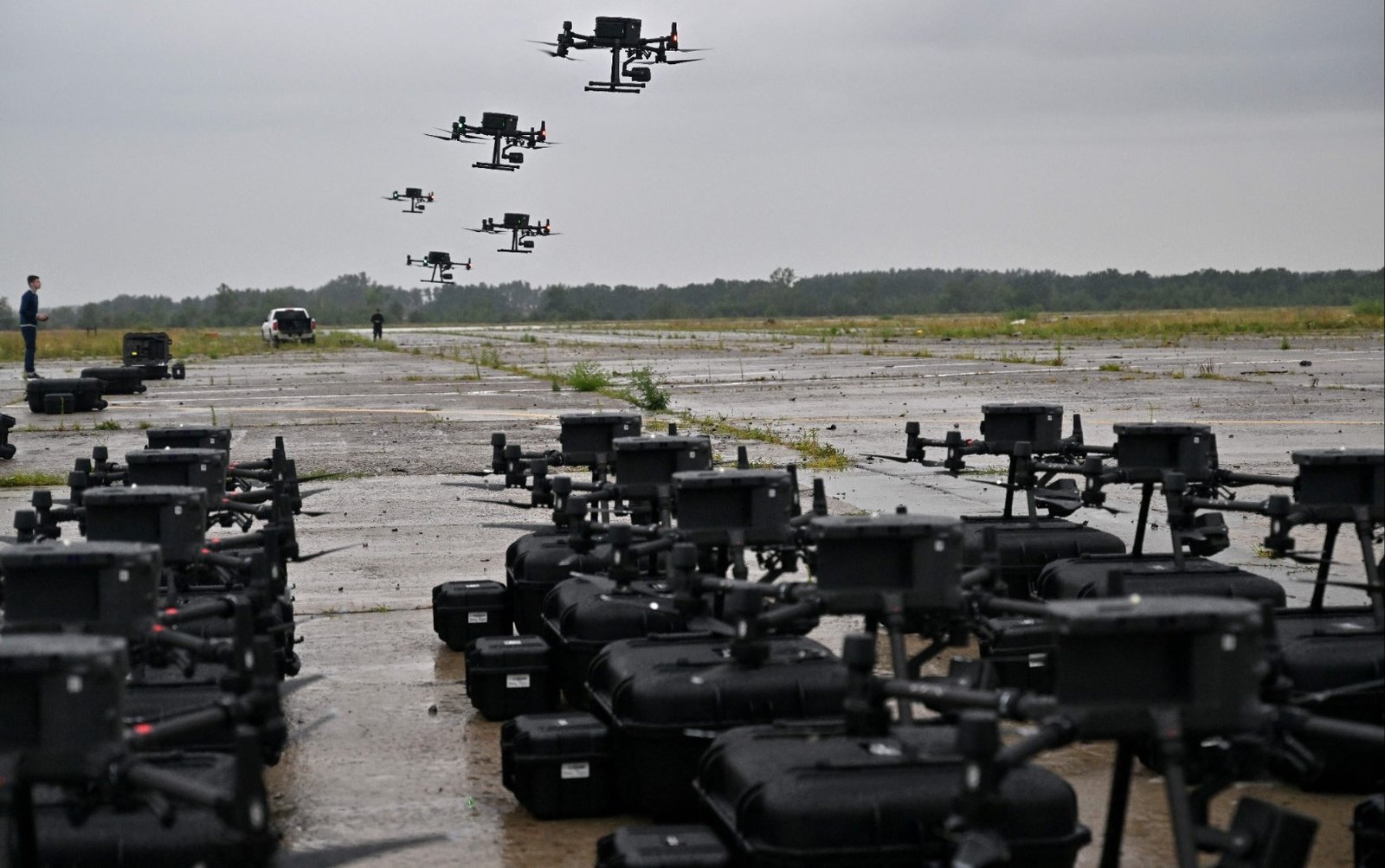 U.S. Air Force to Buy Chinese DJI Drones for Counter-Drone Training at Nuclear Missile Base
-
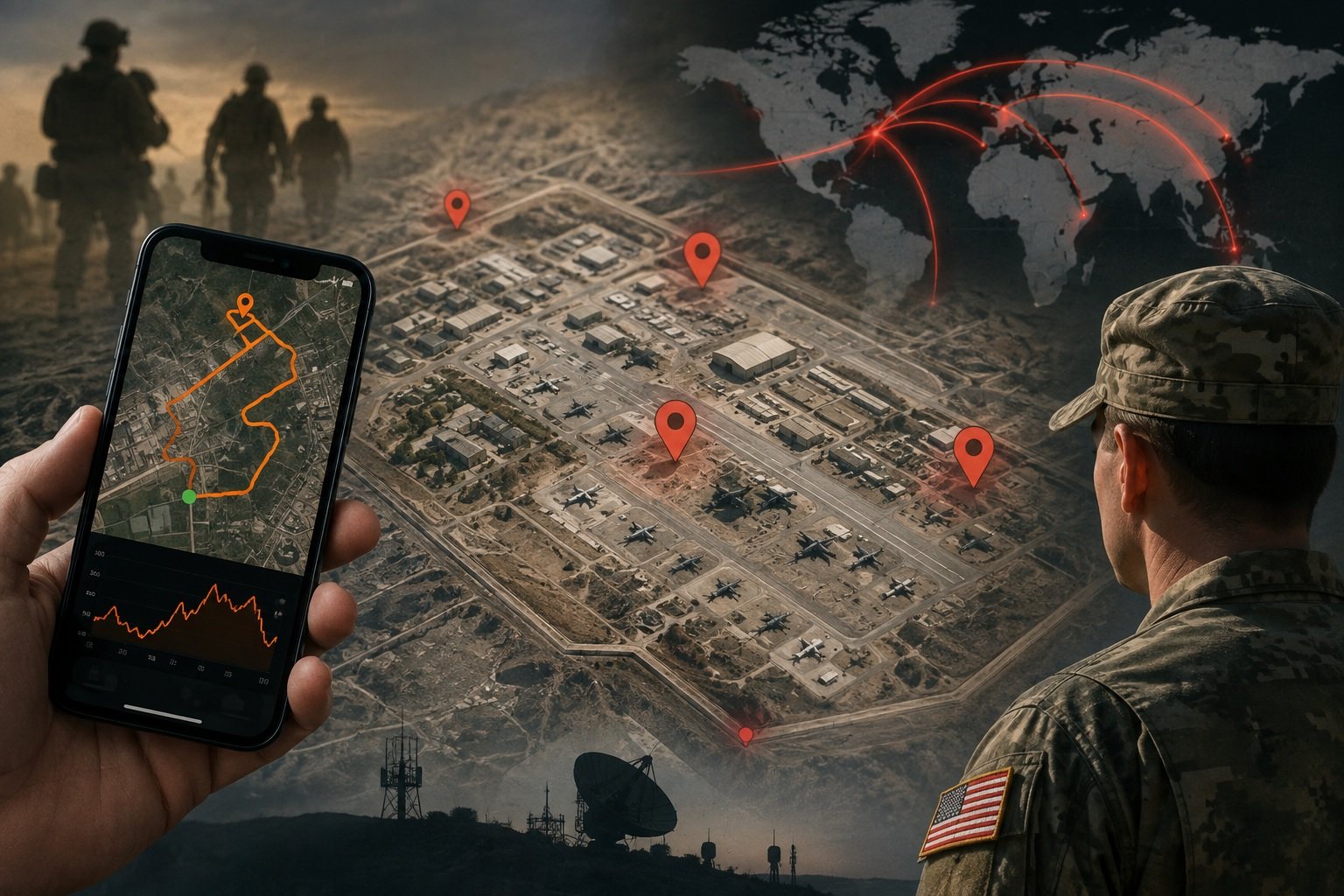 Iran May Be Using Data From Fitness Apps to Track U.S. Military Personnel in the Middle East
-
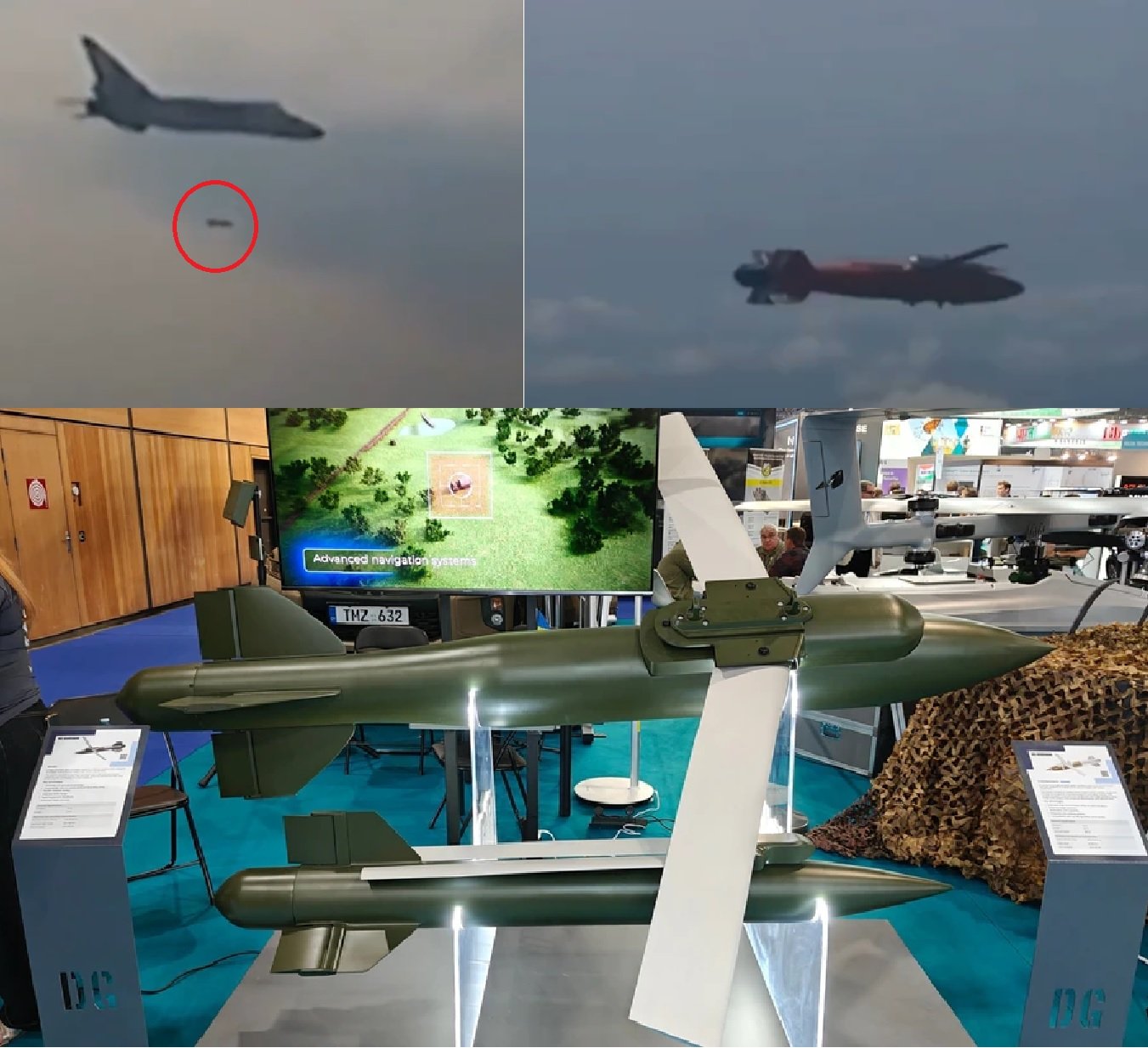 Ukraine Begins Procurement of Vyrivniuvach Guided Aerial Bomb
-
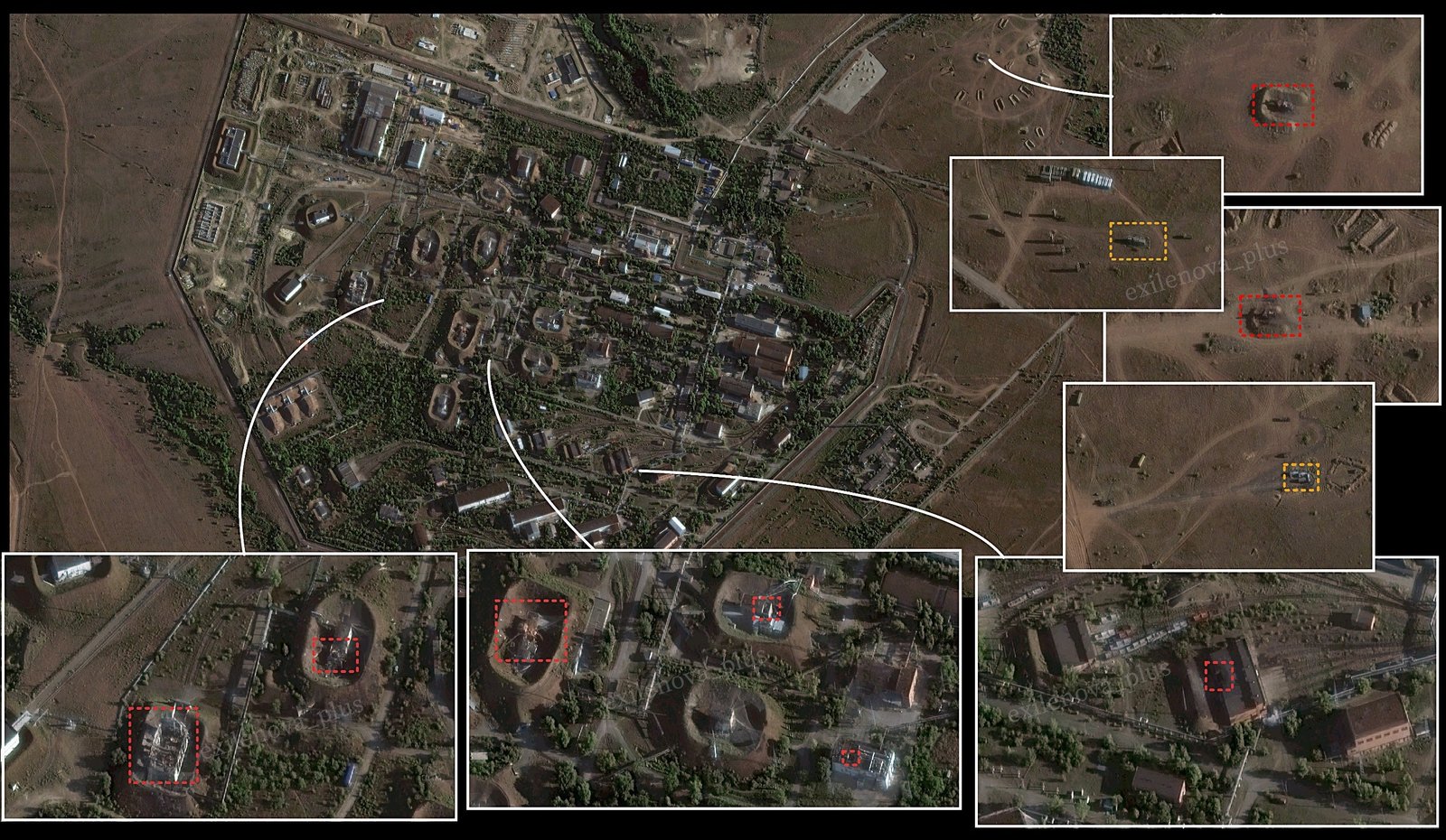 Satellite Images Show Ukrainian Drone Strike Hits Russian Rocket Fuel Plant and Air Defense Systems in Rostov Region
-
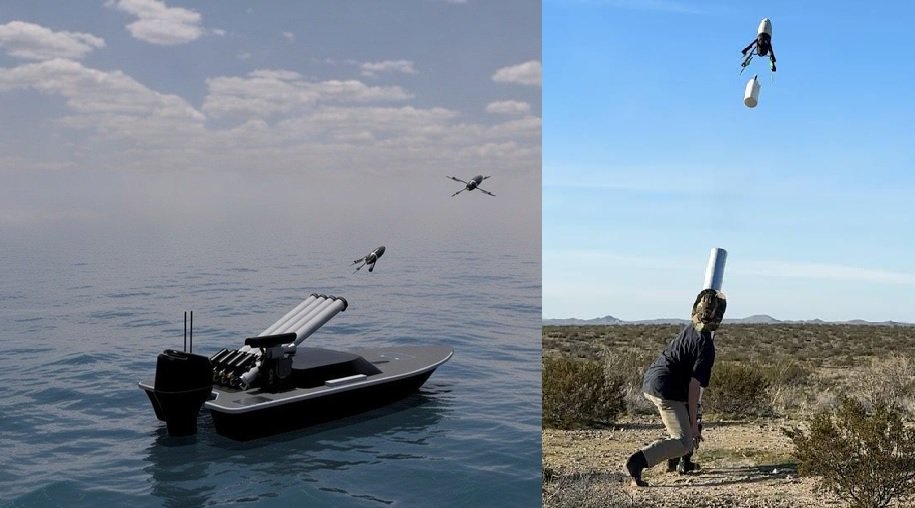 Thermopylae Aerospace Unveils SPART Tube-Launched Drone Interceptor for Group 2-3 and Turbojet UAS Threats
