World
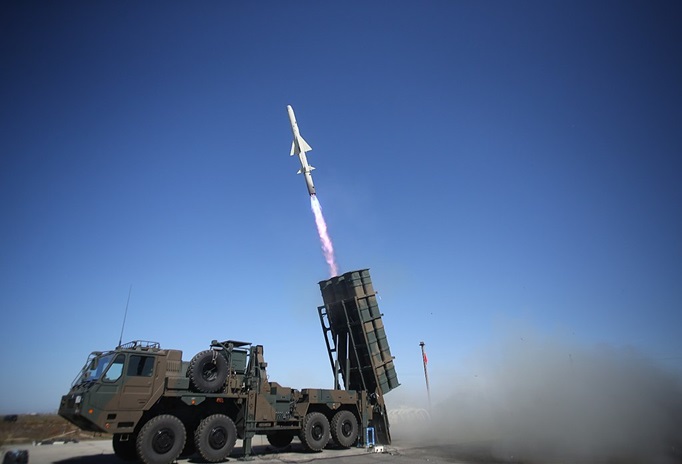
Tokyo, August 28, 2025 — For the first time, the U.S. Army’s Typhon surface-to-surface missile system will be deployed on Japanese territory, a move confirmed by Japan’s Ground Self-Defense Force. The system is scheduled to arrive at Marine Corps Air Station Iwakuni, west of Hiroshima, in time for the upcoming Resolute Dragon 2025 joint military exercise running from September 11 to 25. What the Typhon Can Do The Typhon system, officially called the Strategic Mid-Range Fires System, is a containerized, road-mobile launcher. It can fire two types of missiles: The SM-6, capable of striking targets more than 320 kilometers away. The Tomahawk cruise missile, with a range of up to 1,500 kilometers for deep-strike missions. Because the system is mobile and hard to detect, it allows U.S. forces to rapidly disperse and target both land and maritime threats. Typhon’s dual role makes it effective for sea-denial missions and precision land attacks. Why This Deployment Matters This is not the first time Typhon has operated in the region. In 2024, it was briefly deployed in the Philippines during training drills. That rotation was temporary, but the Japan deployment appears more deliberate and may become recurring. With over 12,000 Japanese troops and 1,900 U.S. personnel taking part in Resolute Dragon, the Typhon system will play a central role in joint operations, showcasing its readiness as a fully integrated tool of theater deterrence. Strategic Impact on Rivals China: The system’s reach covers key Chinese naval facilities and bases, complicating Beijing’s operations around Taiwan and the East China Sea. Chinese amphibious and naval forces must now account for a mobile U.S. land-based missile threat. Russia: Moscow sees the deployment as pressure on its eastern flank. From Japan, U.S. missiles can reach Russian logistics corridors, air bases, and naval facilities in the Sea of Okhotsk. North Korea: Most of Pyongyang’s critical infrastructure — missile sites, artillery, and command centers — now falls within Typhon’s strike envelope. Its rapid deployment reduces North Korea’s ability to detect or counter a launch, strengthening U.S. preemptive and retaliatory options. Japan’s Own Defense Push The Typhon deployment also comes as Japan accelerates its own defense buildup. Tokyo is moving forward with fielding Type-12 anti-ship missiles with ranges up to 1,000 kilometers, and plans to deploy U.S. Tomahawk cruise missiles on its own by the end of this year. Japan’s 2026 defense budget request is projected to hit a record 8.8 trillion yen, underlining its shift toward long-range strike capabilities and unmanned defense systems. A New Balance of Power By positioning the Typhon in Iwakuni, the U.S. and Japan are strengthening a forward strike posture that changes the regional balance of power. The system introduces a new layer of unpredictability for potential adversaries and cements the role of mobile, precision ground fires in Indo-Pacific strategy. The message is clear: this deployment is not symbolic. It represents a major step in U.S.–Japan deterrence, one that will reverberate across Beijing, Moscow, and Pyongyang as great power competition in the Indo-Pacific intensifies.
Read More → Posted on 2025-08-30 14:36:38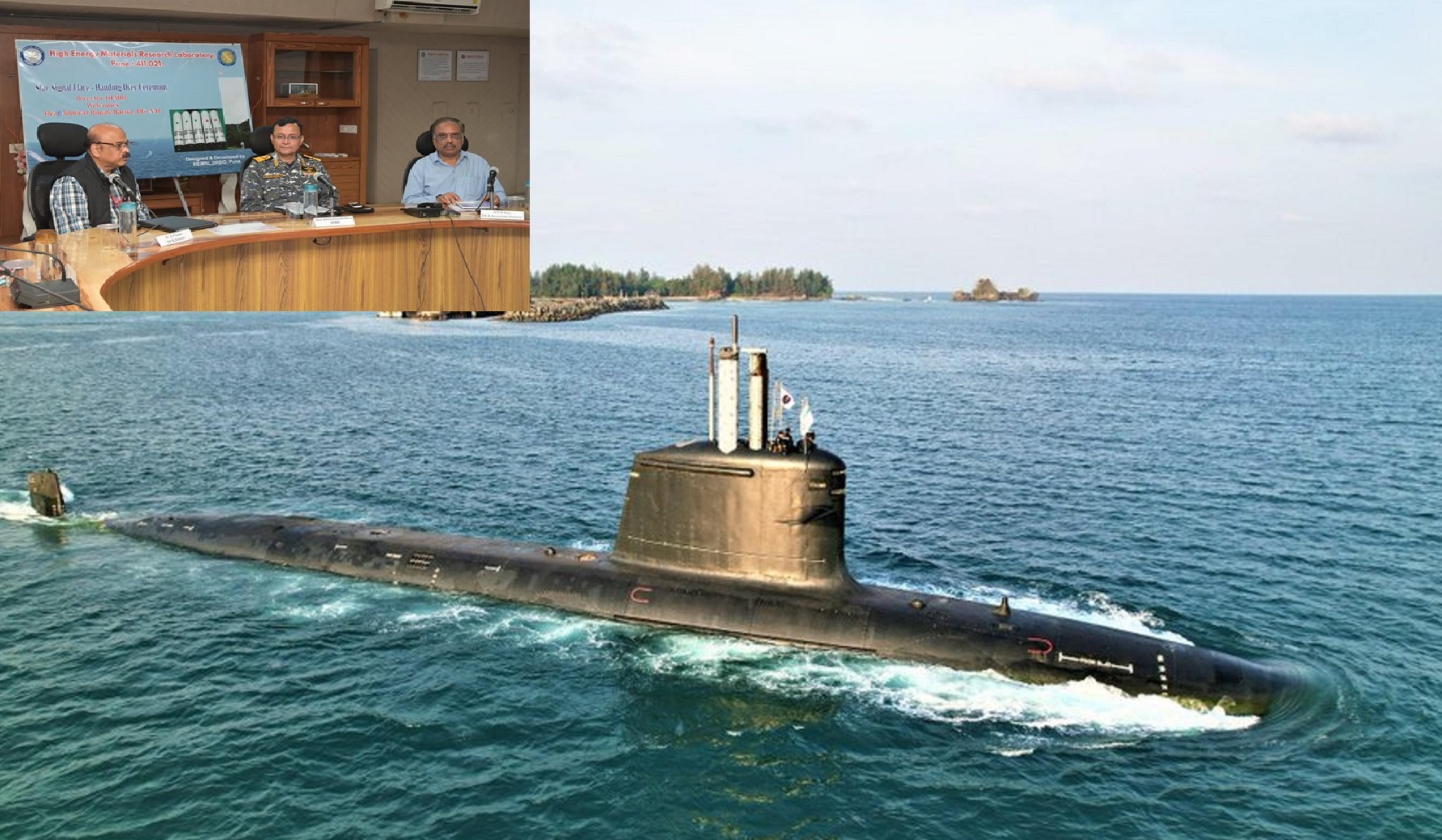
India
Pune, August 29, 2025 — In a landmark advancement under India’s Atmanirbhar Bharat initiative, the Defence Research and Development Organisation’s High Energy Materials Research Laboratory (HEMRL) has successfully developed and handed over the indigenous Signal Star Naval Flare—a state-of-the-art underwater pyrotechnic signalling system designed for the Indian Navy’s Kalvari-class submarines. At a formal ceremony held in Pune, the Director of HEMRL handed over the system to Rear Admiral Rupak Barua, Director General of Naval Armament Inspection (DG-NAI), marking its official induction into the Navy’s underwater warfare suite. Operational Capabilities & Design Features Deployment & ActivationThe Signal Star Naval Flare is launched from a submarine’s signal ejector and rises through the water column. Upon surfacing, a hydrostatic mechanism triggers ignition, releasing a high-intensity, star-like illumination visible over extended distances. This ensures effective signalling in adverse weather and night operations. Dual-Colour SignallingThe system provides two distinct colour options: Red: Used in distress, emergencies, or urgent tactical communication. Green: Used for identification, recognition, or safe-operational communication, particularly useful during coordinated fleet manoeuvres. Robust EngineeringEncased in a pressure-resistant housing, the flare is designed to withstand the immense hydrostatic pressures of deep-sea operations. It offers long shelf-life, durability, and consistent performance in harsh marine environments—reflecting India’s growing expertise in pyrotechnics, material sciences, and structural design. Strategic and Operational Significance Enhanced Safety & CommunicationThe flare boosts the operational readiness of Kalvari-class submarines, ensuring secure communication with surface vessels and aircraft. It also provides emergency location marking, fleet training support, and safe surfacing during joint missions. Wartime & Peacetime UtilityBeyond tactical wartime use, the system is vital in rescue operations, fleet coordination, and peacetime exercises, making it a versatile tool for naval operations. Reducing Import DependencyWith this indigenous development, India no longer relies on foreign suppliers for this critical submarine system, closing a major gap in naval logistics and strengthening strategic autonomy. Context: Kalvari-Class Submarines The Kalvari-class (Project-75) submarines, built in India with technology transfer from France’s Naval Group and Mazagon Dock Shipbuilders Limited (MDL), are among the most advanced conventional diesel-electric submarines in service. They are designed for anti-surface warfare, anti-submarine warfare, intelligence gathering, minelaying, and surveillance, forming the backbone of India’s conventional underwater fleet. A Milestone in Self-Reliance The successful induction of the Signal Star Naval Flare demonstrates India’s growing capabilities in naval warfare technology and defence manufacturing self-reliance. By replacing imports with an indigenous solution, the system strengthens India’s defence preparedness and supports the long-term strategic vision of Atmanirbhar Bharat. Officials associated with the project emphasised that the achievement not only enhances the operational strength of the Indian Navy but also establishes India’s credibility in an area long dominated by advanced foreign suppliers.
Read More → Posted on 2025-08-30 14:27:33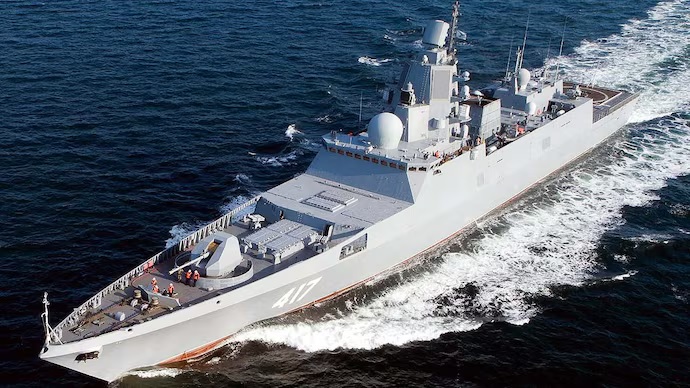
India
New Delhi: The Indian Navy is set to take a major step in strengthening its fleet with the planned release of a Request for Proposal (RFP) for 7–8 advanced stealth frigates under Project-17B (P-17B) by the end of this year. The deal, valued at nearly ₹70,000 crore (US$8 billion), will be one of the largest naval procurement programs in recent years. According to officials, the Defence Acquisition Council cleared the proposal in September last year, paving the way for the project to move forward. The frigates will be a follow-on class to the Nilgiri-class (Project-17A), which are currently under construction at Mazagon Dock Shipbuilders Limited (MDL) and Garden Reach Shipbuilders & Engineers (GRSE). Next-Generation Capabilities The upcoming P-17B frigates are expected to be larger, more powerful, and more stealthy than the Nilgiri-class. While the Nilgiri displaces around 6,700 tonnes, the new vessels could reach up to 8,000 tonnes, offering greater endurance and combat power. Key features likely to be included are: At least 48 Vertical Launch System (VLS) cells for surface-to-air and land-attack missiles. Compatibility with Barak-8, BrahMos, Long-Range Land Attack Cruise Missiles (LACM), and Indigenous Technology Cruise Missiles (ITCM). Greater emphasis on indigenous sensors, radars, and combat systems, in line with the government’s Atmanirbhar Bharat initiative. Advanced stealth shaping and electronic warfare suites for survivability in high-threat environments. Industry Participation The massive order is expected to be shared between MDL and GRSE, with the Navy likely to split construction in a 4:3 ratio or similar arrangement. Both shipyards have already gained valuable experience through the Nilgiri-class program, which has introduced several cutting-edge features such as multi-function radars, vertical launch systems, and integrated platform management systems. Officials said the RFP is expected before the end of 2025, after design refinements and finalization of technical details. Strategic Significance The Project-17B frigates will form a crucial part of India’s future surface fleet, enhancing the Navy’s ability to conduct multi-domain operations across the Indian Ocean Region (IOR). With increased range, firepower, and survivability, these ships are expected to be the backbone of carrier battle groups and independent missions. “This program represents not just a modernization step but also a strong push for self-reliance in warship design and construction,” said a senior naval source. With the Nilgiri-class progressing steadily and two ships already inducted this year, the Navy is confident of building on that momentum. Once approved and contracted, the first P-17B frigate could be expected by the early 2030s, aligning with India’s long-term maritime capability goals. The ₹70,000 crore investment highlights India’s determination to maintain a technological edge and secure its interests in an increasingly contested maritime domain.
Read More → Posted on 2025-08-30 05:26:50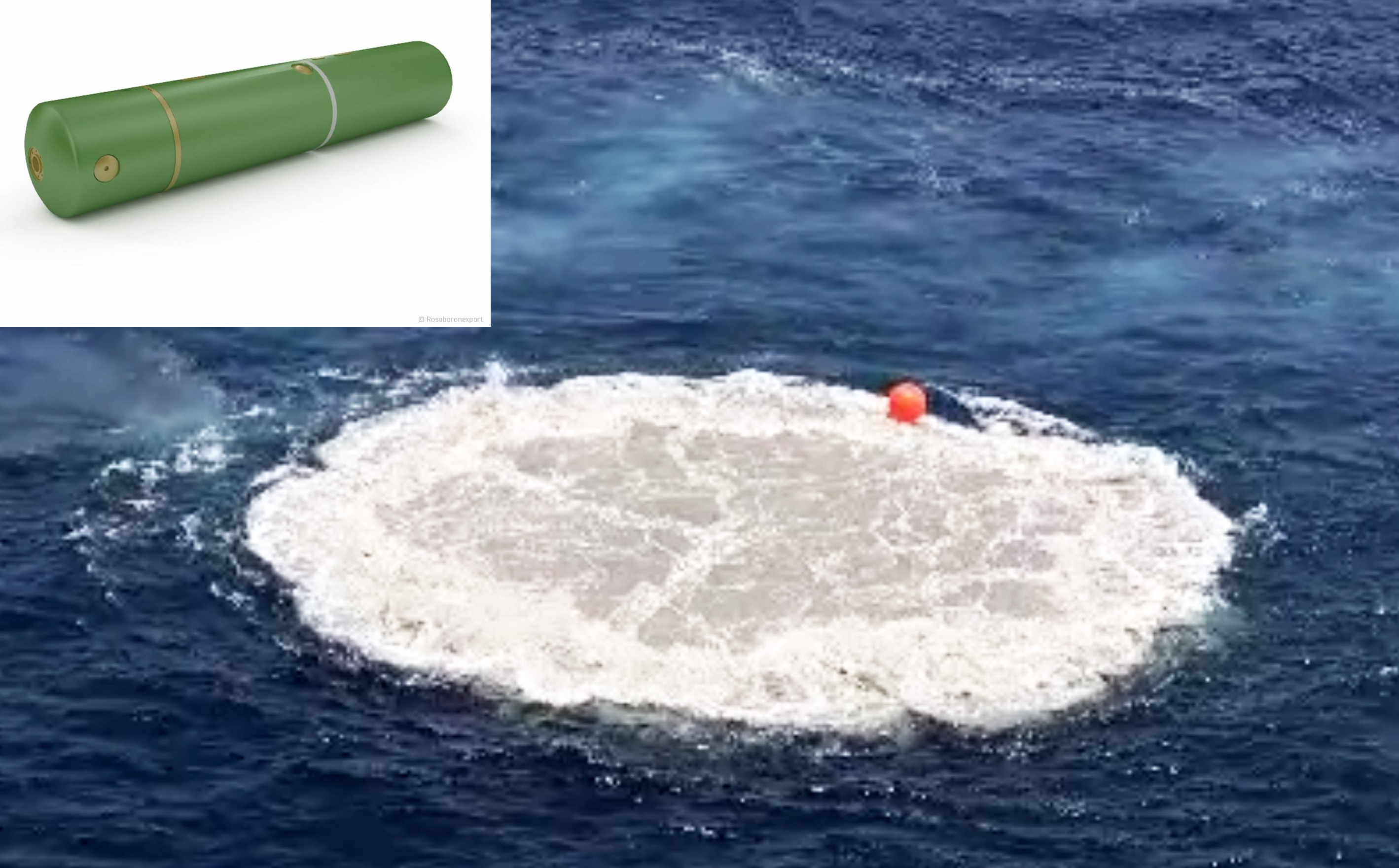
India
August 29, 2025 – In a major boost to India’s indigenous defence manufacturing, the Defence Research and Development Organisation (DRDO) has chosen Hyderabad-based Apollo Micro Systems as the Production Agency for the Multi-Influence Ground Mine (MIGM) – “Vighana”. The selection has been made under DRDO’s Development-cum-Production Partner (DcPP) model, which encourages collaboration with domestic industry to accelerate deployment of advanced defence technologies. Alongside this, DRDO has also transferred technology to Apollo Micro Systems for the Omni-Directional Multi-EFP warhead, an advanced system that will power the Naval Anti-Ship Missile – Short Range (NASM-SR). A Leap in Naval Defence The MIGM “Vighana” was developed by DRDO’s Naval Science & Technological Laboratory (NSTL), Visakhapatnam, with support from other premier labs including HEMRL Pune and TBRL Chandigarh. In May 2025, the system successfully underwent combat firing trials, validating its operational effectiveness. These trials confirmed that the system is ready for induction into the Indian Navy. The MIGM is a next-generation sea mine capable of detecting acoustic, magnetic, pressure and seismic signatures typically emitted by stealth ships and submarines. It features an onboard ARM processor with real-time data acquisition, enabling precise target identification. The mines can be deployed from ships, submarines, or undersea platforms, giving the Navy a powerful new weapon in its underwater defence arsenal. Defence Minister Rajnath Singh hailed the achievement as a “landmark step” in strengthening India’s undersea warfare capability, while DRDO Chairman Dr Samir V. Kamat emphasized that the system is combat-ready and will significantly boost the country’s maritime security. Apollo Micro Systems Steps In Apollo Micro Systems has built a strong presence in aerospace, transportation, infrastructure, and defence. With the new role, it will spearhead production of both Vighana mines and the NASM-SR warhead system. The DcPP model ensures such partners are involved from the early stages of design, leading to smoother production and faster induction into the armed forces. The announcement had an immediate impact on the company’s market performance, with shares witnessing sharp gains of over 10% in intraday trade. In recent months, Apollo Micro Systems has reported strong revenue growth and doubling of net profits, reflecting rising investor confidence in its defence manufacturing potential. Strengthening India’s Maritime Edge Self-Reliance in Defence: The move ensures India’s sovereignty over advanced naval mine technology, reducing dependence on foreign imports. Undersea Warfare Boost: The Indian Navy will now possess an indigenous, sensor-driven system to counter stealth ships and submarines effectively. Industry-Defence Synergy: The DcPP model highlights how collaboration between DRDO and private industry can accelerate the journey from lab to battlefield. Economic Impact: The deal has already spurred growth in Apollo Micro Systems’ valuation, signaling positive momentum for India’s defence industrial base. In essence, DRDO’s partnership with Apollo Micro Systems for the production of the MIGM-“Vighana” marks a crucial milestone in India’s march toward self-reliance, while providing the Indian Navy with a cutting-edge weapon to secure its maritime boundaries.
Read More → Posted on 2025-08-30 05:20:25
Space & Technology
In a significant move towards self-reliance in critical infrastructure, Bharat Earth Movers Limited (BEML), a public sector undertaking under the Ministry of Defence, has initiated efforts to develop indigenous Tunnel Boring Machines (TBMs). This decision comes in the wake of recent disruptions in the supply of TBMs from China, which affected major infrastructure projects in India. Strategic Shift Towards Indigenous Manufacturing BEML has recently issued an Expression of Interest (EOI) inviting design consultancy firms to collaborate on the development of TBMs tailored for infrastructure projects, utilities, and mining applications. The EOI emphasizes a comprehensive design and development approach, signaling BEML's commitment to reducing dependency on foreign suppliers. This initiative aligns with India's broader push towards 'Aatmanirbhar Bharat' (self-reliant India), aimed at bolstering domestic manufacturing capabilities in strategic sectors. Impact of Supply Chain Disruptions India has traditionally relied heavily on imported TBMs, particularly from China. Recent events highlighted the risks of this dependency, as several TBMs destined for major projects like the Mumbai-Ahmedabad bullet train were delayed at Chinese ports. These delays created bottlenecks in tunneling projects, underlining the need for indigenous solutions to ensure timely project completion. Diplomatic Engagement and Supply Assurance In response to these disruptions, China reportedly lifted export restrictions on critical items, including TBMs, after diplomatic discussions with Indian authorities. While this temporary relief addresses immediate project concerns, it also emphasizes the vulnerabilities in relying on foreign suppliers for essential infrastructure equipment. Global Perspective: Countries with Indigenous TBM Capabilities Currently, only a handful of countries in the world have the expertise and manufacturing capacity to design and produce TBMs domestically. These include: Germany – Known for high-precision TBMs, used widely in Europe and Asia. Japan – Pioneers in tunneling technology, especially for urban metro and high-speed rail projects. South Korea – Manufactures TBMs for domestic and international infrastructure projects. China – Currently a major global supplier, though recent geopolitical tensions have highlighted supply risks. United States – Develops TBMs primarily for urban tunnels, metro systems, and large-scale infrastructure projects. India, despite being a major consumer of TBMs, currently depends on imports. BEML’s initiative aims to place India among the select countries capable of producing advanced indigenous TBMs. BEML’s Role in Strengthening Domestic Capabilities BEML’s initiative represents a strategic effort to enhance India’s manufacturing and technological capabilities in the tunneling sector. By leveraging its expertise in heavy engineering and collaborating with design consultancy firms, BEML aims to produce TBMs tailored to the unique requirements of Indian infrastructure projects. This move is expected to reduce lead times, mitigate supply chain risks, and contribute to the growth of India’s domestic manufacturing sector. BEML’s proactive approach to indigenous TBM development underscores India’s commitment to self-reliance in critical infrastructure. While diplomatic interventions have temporarily eased supply issues, the long-term solution lies in domestic manufacturing. By developing TBMs indigenously, India is set to join the elite group of nations capable of designing and producing these advanced machines, ensuring timely and efficient execution of its ambitious infrastructure projects.
Read More → Posted on 2025-08-29 17:36:26
World
How a $100 million loan request, political posturing and old energy data collided — and why Pakistan is not suddenly an oil giant Pakistan’s Reko Diq project — a long-running, high-stakes copper–gold development in Balochistan — has applied for a loan of just over $100 million from the U.S. Export-Import (EXIM) Bank to help build an open-pit mine, processing plants, power and transport infrastructure. The application was framed as another step in drawing Western capital into Pakistan’s resource sector. That news arrived against a noisier backdrop: high-profile U.S. statements and tweets this summer suggesting America would help Pakistan exploit “massive” oil reserves. The contrast between the rhetoric and the facts on the ground has renewed debate about what Pakistan really has beneath its soil — and what foreign lenders can realistically expect to recover. What is the Reko Diq request about? Reko Diq is primarily a copper-gold deposit, not an oil field. The $100M+ loan application to the U.S. EXIM Bank is aimed at developing the mine’s surface operations, processing facilities, power supply and the logistics needed to move ore and concentrate — the kind of upfront capital projects that can make a large mining project viable but also expose lenders to political and security risks in Balochistan. Who sounded the alarm — and why? Evan (Evan A.) Feigenbaum, a former U.S. Treasury official and long-time observer of South Asia, used pointed language on social media to warn that U.S. involvement could repeat some of China’s expensive lessons with the China-Pakistan Economic Corridor (CPEC). He quipped that “the US can attempt to lose nearly as much money as China has lost on CPEC,” highlighting the political, security and commercial risks of heavy infrastructure and resource bets in Pakistan. The oil numbers — small, messy, often misunderstood Multiple energy databases and recent reporting make the same basic point: Pakistan does not have large, proven conventional oil reserves in the way oil exporters like Saudi Arabia or even neighboring India appear to. Proven conventional crude oil reserves for Pakistan are generally reported in the range of about 234 million to 353 million barrels — a modest figure internationally that places Pakistan well down the global rankings. By contrast, India’s proven reserves are commonly cited around 4.8–5.0 billion barrels, many times larger. Those comparative figures have been used repeatedly in recent articles that question claims of “massive” Pakistani oil. Two important qualifiers, though: Proven vs. technically recoverable: Proven reserves are what has been demonstrated and can be produced economically today. Separate from that, past technical studies have suggested that Pakistan could hold a much larger volume of technically recoverable shale oil — figures sometimes cited in the billions of barrels. Those shale estimates are not the same as proven, commercial reserves and would require enormous investment and new technologies to produce. Exploration track record: Pakistan has had several high-cost, low-yield exploration efforts, including offshore attempts that failed to turn into commercial fields. Political instability, security issues in provinces like Balochistan, and infrastructure gaps have historically dampened investor appetite. So — is there a geopolitical play here? Yes. Public announcements and high-visibility deals serve multiple purposes beyond immediate economics: they can be diplomatic signals, attempts to attract strategic partners (and capital), and even bargaining chips in broader trade or political negotiations. The Reko Diq loan request, the public U.S. posture on Pakistani energy, and the social-media barbs from analysts like Feigenbaum should be read partly as pieces of that political theatre — but they also expose real risks for any lender or developer who underestimates local politics, security, or the technical difficulty of extracting resources.
Read More → Posted on 2025-08-29 17:29:02
World
Pakistan is staring at a new economic challenge — a potential loss of around $5–5.6 billion due to its long-term liquefied natural gas (LNG) agreement with Qatar. The contract, signed in 2015 and extended in 2021, was designed to secure Pakistan’s energy supply for 15 years. However, the “take-or-pay” clauses in the deal are now becoming a massive financial strain as the country finds itself with more LNG than it actually needs. The Agreement and Its Clause The Qatar deal requires Pakistan to purchase a fixed number of LNG cargoes every year. If Pakistan chooses not to take delivery, it still has to pay the contracted amount. In simple terms, even if the gas is not used, Pakistan must pay for it. At the time of signing, this clause ensured supply security during shortages, but in the current situation, it has turned into a burden. Why Pakistan Has a Surplus Several reasons have led to a mismatch between supply and demand: Declining LNG demand in power plants: High electricity tariffs and the growth of renewable energy have reduced the use of gas-based power generation. Extra import capacity: Pakistan expanded its LNG import infrastructure, but consumption has not kept pace with the increased availability. Storage limitations: Without enough storage capacity, excess LNG cargoes cannot be stockpiled for later use. This has resulted in dozens of extra cargoes being left without buyers in the domestic market, creating a liability that Pakistan must still pay for under the contract. The $5 Billion Burden Energy analysts estimate that over the coming years, Pakistan may end up paying between $5 and $5.6 billion for surplus LNG cargoes it cannot consume. This figure is based on projected unused cargoes over the remaining duration of the contracts. In the context of Pakistan’s fragile economy, struggling with foreign exchange reserves and fiscal deficits, this amount represents a huge strain. Limited Options for Islamabad Pakistan has only a few ways to manage this situation: Requesting deferments: In the past, Qatar has allowed Pakistan to defer a few cargoes without penalty. Islamabad may again push for rescheduling or deferring more shipments. Renegotiation: Pakistan can attempt to renegotiate the contract terms, though this is difficult and requires Qatar’s consent. Re-selling cargoes: Reselling LNG to other buyers could be a partial solution, but resale restrictions in the contract and logistical hurdles make this challenging. Absorbing the cost: If none of the above works, the government may simply have to bear the payments, worsening its financial woes. Economic and Political Impact With Pakistan’s economy already under pressure from inflation, high debt, and a weak currency, an additional multibillion-dollar liability could deepen the crisis. Any attempt to recover the cost through higher tariffs would be politically unpopular, while taking on more debt would further strain relations with international lenders like the IMF. What was once hailed as a strategic deal to secure Pakistan’s energy future has now become a double-edged sword. The “take-or-pay” clause is forcing Islamabad into a corner — pay for unused gas or risk breaching a sovereign-level agreement. Unless renegotiations succeed, Pakistan could be stuck with an enormous bill of $5 billion or more, adding yet another layer to its already troubled economy.
Read More → Posted on 2025-08-29 17:24:37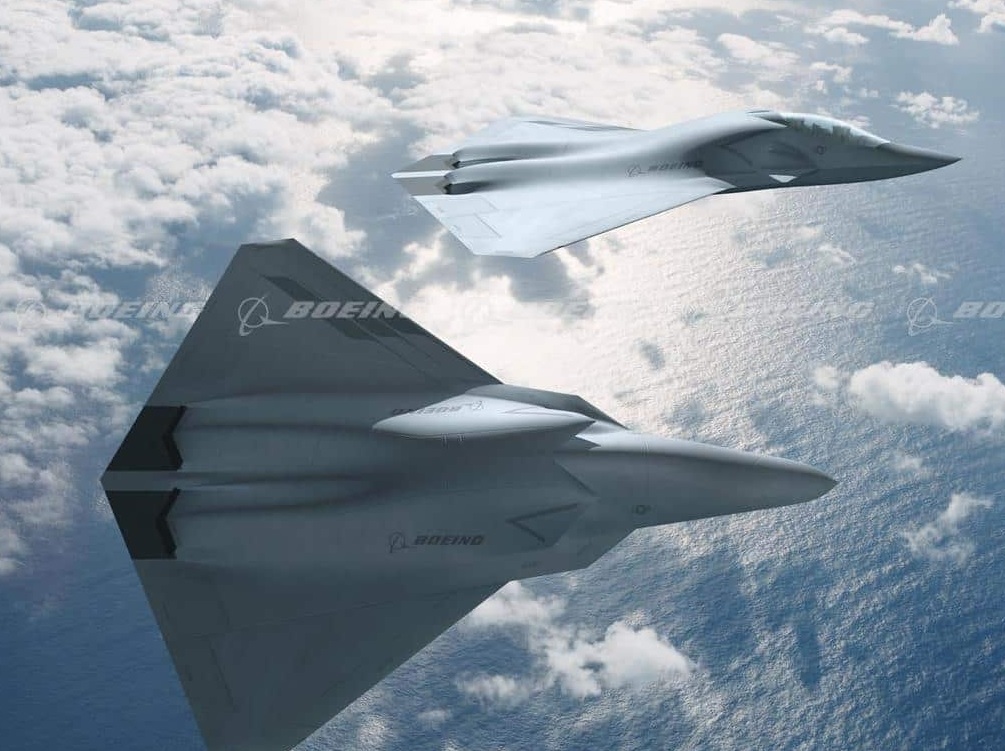
World
At the Tailhook Symposium on August 28, Boeing reignited the U.S. Navy’s sixth-generation fighter contest by unveiling a mysterious new rendering of its F/A-XX proposal. The concept art showed a stealthy jet slipping through cloud cover, concealing major design elements such as canards, wingtips, and vertical tails. What stood out was a cockpit design resembling Boeing’s F-47 for the Air Force, paired with a smaller radome that could potentially integrate with advanced canard structures. This unveiling comes at a pivotal moment. Rival Northrop Grumman has also released official artwork of its own F/A-XX concept, intensifying competition after Lockheed Martin was eliminated from the bidding process earlier this year. Funding Momentum Builds The Pentagon’s fiscal 2026 budget request had set aside only $74–76 million for maintaining F/A-XX design options, raising concerns that the Navy’s next-generation fighter ambitions might stall. However, Congress has moved aggressively to bolster support: the Senate has proposed $1.4 billion, the House $972 million, and the Navy has listed $1.4 billion on its Unfunded Priorities List. Senior Navy leaders, including Vice Adm. Daniel Cheever, have emphasized that air superiority is essential for future sea control, while Chief of Naval Operations nominee Adm. Daryl Caudle has told lawmakers the service has a validated requirement for a sixth-generation carrier aircraft. Boeing’s Dual-Track Ambition Boeing has poured nearly $2 billion into new advanced production facilities in St. Louis, signaling its readiness to support both the Air Force’s F-47 and the Navy’s F/A-XX without overloading capacity. The company argues it can handle both projects simultaneously despite Pentagon worries that the industrial base could be stretched thin. Capabilities and Naval Challenges The F/A-XX is envisioned as a multirole strike fighter with air-to-air combat as a secondary role. Requirements include supercruise capability, enhanced stealth, advanced networking, and a 25% range increase over current carrier fighters—potentially giving it a combat radius beyond 1,500 miles. The Navy also expects the fighter to integrate into a broader system-of-systems alongside manned and unmanned platforms such as the MQ-25 Stingray, with roles ranging from strike and aerial combat to refueling, reconnaissance, targeting, and electronic warfare. Unlike the Air Force’s adaptive-cycle engines planned for the F-47, the Navy favors derivative turbofans to reduce risk in demanding carrier operations. The design must also address carrier-unique challenges: reinforced structure for catapult launches and arrested landings, corrosion resistance for the sea environment, folding wings for deck storage, and stealth-optimized inlet and weight distribution. Rival Concepts and Strategic Stakes Boeing’s shadowed design follows a lineage of earlier stealthy concepts dating back to 2013, which showcased tailless configurations, diverterless supersonic inlets, and radar-reducing contours. In contrast, Northrop Grumman’s artwork highlights a large radar aperture nose, bubble canopy, and spine-mounted intakes under the slogan “Project Power Anywhere.” The F/A-XX program, rooted in a 2008 requirement and a 2012 request for information, aims to replace the F/A-18E/F Super Hornet and EA-18G Growler in the 2030s, while complementing the F-35C. Carrier-capable aircraft remain central to U.S. naval doctrine, providing mobile, independent airfields at sea. Without F/A-XX, the Navy warns that future air wings could become too dependent on aging Super Hornets and limited-range F-35Cs. While the program nearly stalled in early 2025 as the Air Force’s F-47 took priority, congressional pressure has revived momentum. With Boeing and Northrop Grumman vying for dominance, a downselect decision in the coming years will define the shape of naval aviation for decades. The Navy insists the timely introduction of F/A-XX is critical to maintaining U.S. power projection in contested environments, especially amid the rising threat of long-range Chinese missile systems. The race is now fully back on—and the future of the Navy’s air wings is once again in play.
Read More → Posted on 2025-08-29 17:04:42
World
In a dramatic escalation of the conflict, the Israeli Air Force launched a precision strike on August 28, 2025, targeting senior Houthi leaders in Yemen’s capital, Sanaa. The operation, codenamed “Lucky Drop,” was one of Israel’s most daring long-range missions in recent years. The Strike According to reports, Israeli fighter jets dropped around ten one-ton bombs on a building where top Houthi leaders had gathered. Within five minutes, multiple precision missiles also struck command centers and storage facilities near the presidential palace and Mount Attan in Sanaa. The strikes were carefully coordinated under the supervision of Israel’s Defense Minister and Chief of Staff, with Prime Minister Benjamin Netanyahu monitoring developments in real time. High-Profile Casualties The attack appears to have inflicted devastating losses on the Houthi leadership: Mohamed al-Atifi, the Houthi Defense Minister, is believed to have been killed. Major General Muhammad Abd al-Karim al-Ghamari, Chief of General Staff, was also targeted and is presumed dead. Ahmed al-Rahawi, the Houthi Prime Minister, reportedly died when his residence in Bayt Baws was destroyed. Asaad al-Sharqabi, head of the Houthi Defense Ministry, was also among those killed. Preliminary estimates suggest that at least 15 senior Houthi officials lost their lives in the strike, effectively crippling the group’s military and political chain of command. Why It Matters Unlike previous Israeli responses that targeted infrastructure and missile depots, this operation was a decapitation strike aimed squarely at the top leadership. It marks a strategic shift, designed to paralyze the Houthis’ ability to launch missile and drone attacks on Israel and disrupt shipping in the Red Sea. Regional Implications The Houthis, backed by Iran, have in recent months stepped up missile and drone launches toward Israel in solidarity with Gaza. This strike signals that Israel is now prepared to hit the Houthis at their very core, thousands of kilometers away from its borders. Analysts suggest that the loss of so many senior commanders could cause immediate disarray within the Houthi movement. However, the possibility of retaliation through proxy attacks or regional escalation remains high. While confirmation from Houthi sources is still lacking, Israeli officials expressed growing confidence that the strike had achieved its objectives. The coming weeks will reveal whether the Houthis can reorganize their leadership or if this marks a turning point in their role as Iran’s regional proxy force.
Read More → Posted on 2025-08-29 17:01:45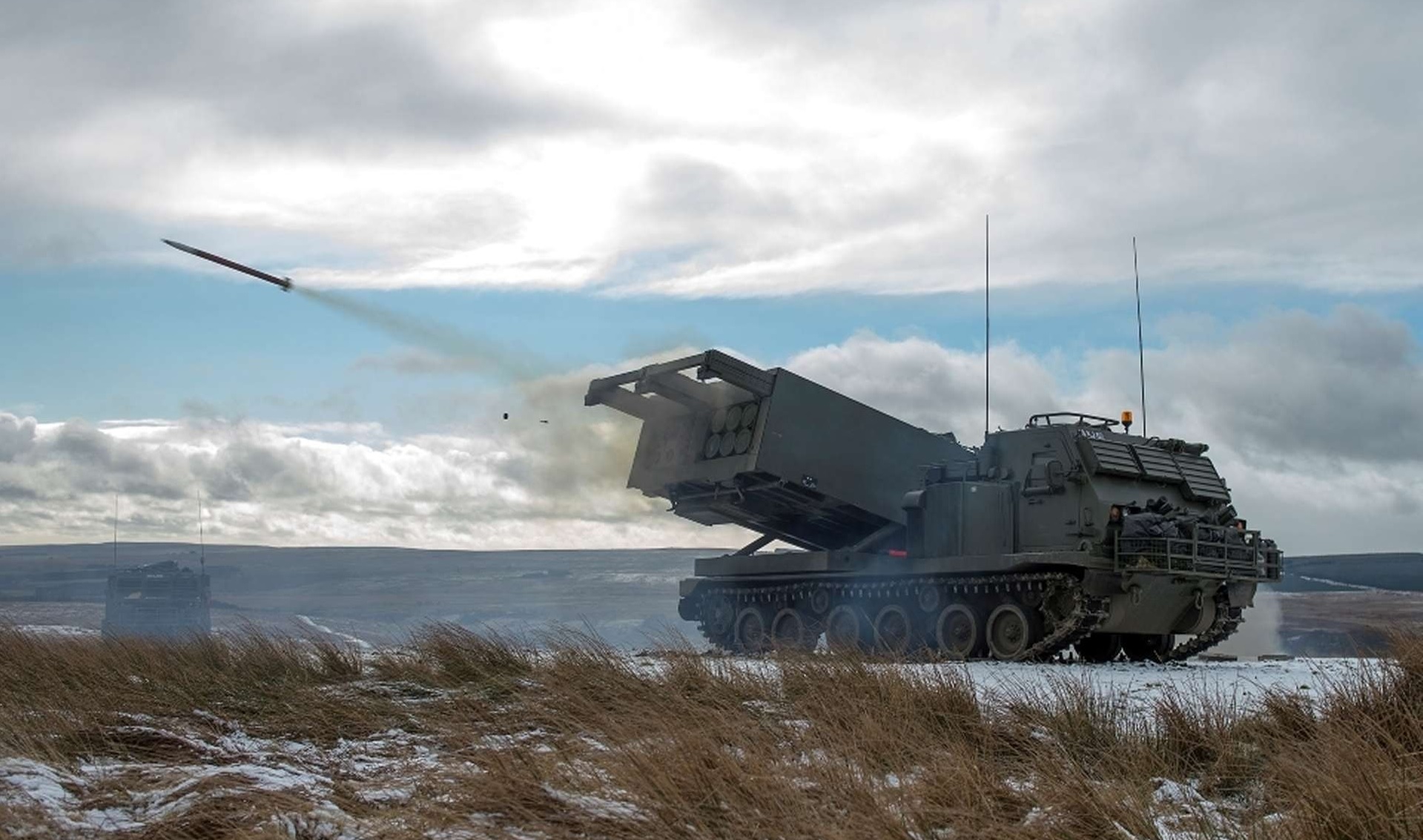
World
London, 27 August 2025 – The UK Ministry of Defence has officially announced Project Nightfall, a new programme to build a homegrown tactical ballistic missile. It is intended as a cost-effective alternative to the American Precision Strike Missile (PrSM) and will be compatible with the UK’s existing M270 Multiple Launch Rocket System. The project is still in its early engagement stage, with the MoD calling on British industry to contribute designs and technologies. Responses are due by 18 September 2025, and an industry day will follow later in September to shape the competition. Key Features and Targets Range & Payload: More than 600 km range with a 300 kg high-explosive warhead. Accuracy: Able to strike within 5 metres CEP (circular error probable) in at least half of all launches, even in GPS-denied or jammed conditions. Speed & Agility: Capable of launching multiple missiles from one M270 in under 15 minutes. Launcher vehicle must vacate the area within five minutes after firing. Missiles must reach their target in under 10 minutes. Survivability: Designed with a low multispectral signature and strong resistance against electronic warfare. Cost Cap: Each missile must cost under £500,000, excluding warhead and launcher. Production: Industry must be able to produce at least 10 missiles per month, with scope to expand output. Timeline: The MoD requires at least five complete missiles for testing within 9–12 months of contract award. Sovereignty: The missile must be free from foreign export restrictions, ensuring the UK maintains full control. Future Growth: Built to allow upgrades in range, accuracy, manoeuvrability, and telemetry. Strategic Importance This marks the UK’s first serious move into ballistic missile development since the Cold War. Britain has long relied on imported U.S. systems, such as ATACMS, and is awaiting the PrSM. But London now wants a sovereign capability, reducing dependency on U.S. export rules and boosting national industry. With war in Ukraine showing the importance of long-range precision strikes, Project Nightfall is also part of NATO’s wider effort to strengthen deep fires. If successful, the UK could not only enhance its own deterrence but also emerge as a potential exporter of affordable tactical missiles in Europe. The Challenge The ambition is bold: a missile with 600 km reach, pinpoint accuracy, rapid reaction time, and resilience against jamming — all for under half a million pounds each. Delivering this at scale and speed will be difficult. Defence experts warn that balancing performance targets with cost pressures could be the toughest test for British industry. What Comes Next 18 September 2025 – Deadline for companies to submit proposals. 24 September 2025 – Industry day in London to refine the project scope. Contracts will then move into development, with the first trial missiles expected within a year. Project Nightfall is both an opportunity and a gamble: if successful, it will revive Britain’s ability to design and field ballistic missiles after decades, giving the UK a powerful sovereign strike option within NATO. But failure to meet the tight budget, schedule, and capability demands could stall the effort before it leaves the drawing board.
Read More → Posted on 2025-08-29 16:58:21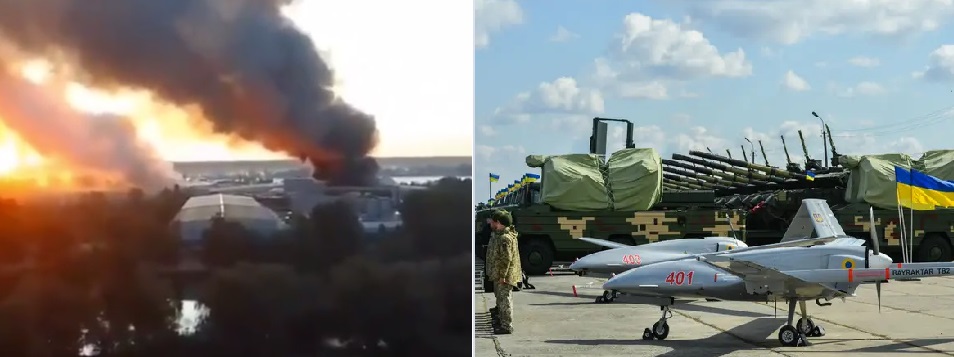
World
Russia has reportedly struck the nearly completed Baykar drone factory near Kyiv with two missiles, heavily damaging a facility that was just months away from launching production of Turkish-designed Bayraktar TB2 drones. The strike, which occurred during the night of August 27–28, marked the fourth attack on the site in six months and has been described as a major setback for Ukraine’s defense industry ambitions. A Blow to Ukraine’s Drone Plans The plant, under construction since early 2024 after a 2022 agreement between Ukraine and Türkiye, was designed to produce up to 120 Bayraktar TB2 drones annually and employ around 500 people. Kyiv had hoped to start production in 2025, ensuring a steady supply of drones crucial to its war effort. With the facility now badly damaged, those plans face indefinite delays. Local officials confirmed that two missiles directly struck the site, causing serious damage to key production areas. While Ukrainian engineers are assessing the scale of the destruction, the extent of repair needed and a revised launch timeline have not yet been made public. Symbolic and Strategic Target The Baykar drone project was not only vital for Ukraine’s military capabilities but also carried significant political weight. Baykar is led by Selçuk Bayraktar, the company’s chief technology officer and the son-in-law of Turkish President Recep Tayyip Erdoğan. Türkiye has played a delicate balancing act during the war, supplying Kyiv with drones while also maintaining close ties with Moscow. Analysts suggest that striking the facility sends a clear message to Ankara, as the project symbolized a deepening Ukraine–Türkiye defense partnership. By halting its launch, Moscow has effectively disrupted a symbol of Ukraine’s resilience and international cooperation. Wider Russian Attack The missile strike on the Baykar plant was part of a larger Russian wave of missiles and drones that targeted Kyiv and other Ukrainian cities the same night. While Ukrainian air defenses intercepted many incoming weapons, several slipped through, causing damage to industrial and critical infrastructure. The Role of Bayraktar TB2 The Bayraktar TB2 gained global recognition in the early stages of the war in 2022, when Ukrainian forces used it to strike Russian armor, artillery, and supply lines. Although Russia has since adapted its defenses, the TB2 remains an important part of Ukraine’s arsenal. Local production would have reduced Kyiv’s reliance on external supply chains and bolstered its capacity for long-term sustainment. What Comes Next The destruction of the factory represents more than just a physical loss. It delays Ukraine’s hopes of domestic drone production, potentially tests relations with Türkiye, and highlights the vulnerability of critical defense infrastructure to Russia’s long-range strikes. For now, the Baykar project’s future in Ukraine hangs in uncertainty, with officials weighing whether reconstruction is possible under ongoing missile threats—or if drone production will need to remain abroad.
Read More → Posted on 2025-08-29 16:32:19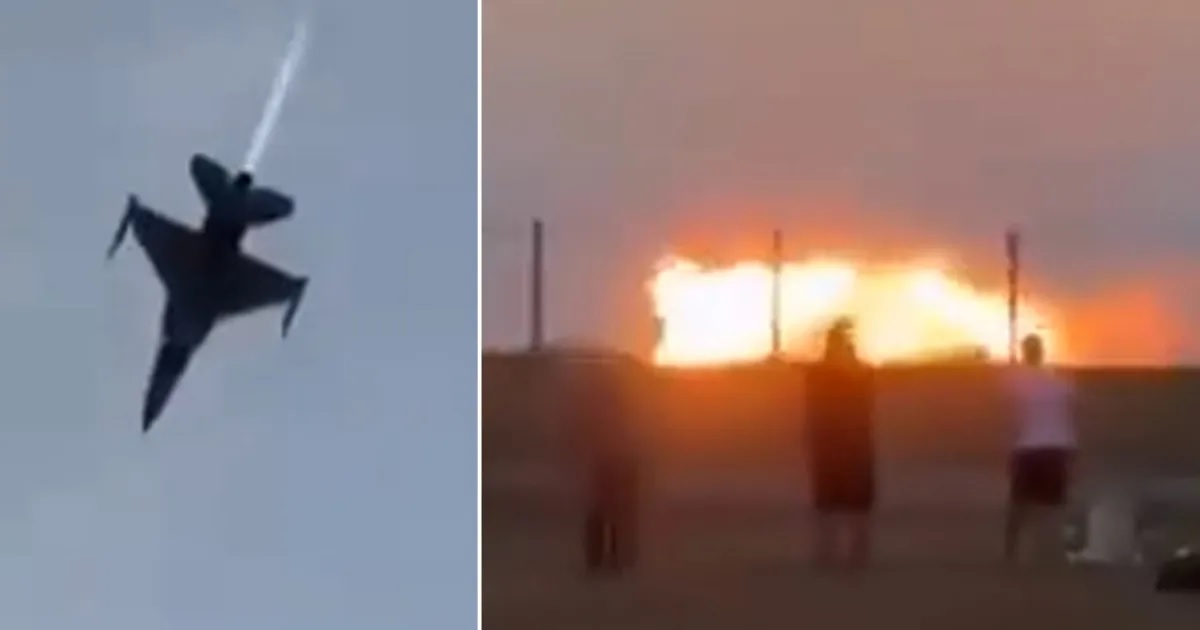
World
Radom, Poland (29 August 2025) — A tragic accident struck the Polish Air Force’s Tiger Demo Team on the evening of 28 August, when an F-16 fighter jet crashed during preparations for the upcoming Radom Air Show. The incident occurred around 19:25 local time as the aircraft entered a steep descent during a display maneuver over Radom Airport. The jet failed to recover, slammed into the ground, and burst into flames. Emergency services rushed to the scene, but the pilot did not eject and was later confirmed killed in the crash. The fallen aviator was identified as Major Maciej “SLAB” Krakowian, a highly respected and decorated pilot of the Polish Air Force. He had amassed over 1,000 flight hours on the F-16, trained in the United States, and recently earned international acclaim by winning the “As the Crow Flies” Trophy at the 2025 Royal International Air Tattoo in the UK. Polish Defense Minister Władysław Kosiniak-Kamysz paid tribute at the crash site, praising the officer’s courage, dedication, and service to the nation. Authorities confirmed that no spectators or bystanders were harmed in the incident. The accident has cast a heavy shadow over the Radom Air Show, one of Central Europe’s largest aviation events, which was scheduled for 30–31 August and expected to feature world-class teams including the UK’s Red Arrows, Greece’s Zeus F-16 Demo, the Eurofighter Typhoon, and France’s Dassault Rafale. In the wake of the tragedy, the event has been cancelled. Witnesses described the jet performing a demanding aerobatic maneuver before suddenly nosediving, hitting the ground, and creating a massive fireball and thick black smoke over the runway. The impact also caused visible runway damage. The Tiger Demo Team, based at the 31st Tactical Air Base in Poznań-Krzesiny, is Poland’s official F-16 demonstration unit and a flagship of the Air Force at international events. Major Krakowian, as team leader, represented the pinnacle of Polish aerial skill and was widely admired within NATO circles. International condolences poured in from allied nations. Italy’s Defence General Staff expressed “profound sorrow,” while Latvia’s Defence Minister said he was “deeply saddened” after meeting Polish troops earlier the same day. The crash highlights both the inherent risks of aerobatic flying and the sacrifices made by military aviators in representing their nations on the global stage.
Read More → Posted on 2025-08-29 16:28:58
India
New Delhi / Beijing, August 29, 2025 — A discreet yet momentous shift in Asia’s geopolitics is underway. In March this year, as U.S. President Donald Trump escalated a global tariff war—slapping punitive duties on both China and India—Chinese President Xi Jinping covertly reached out to Indian President Droupadi Murmu. The confidential letter, relayed to Prime Minister Narendra Modi, is now seen as the catalyst for a striking India–China rapprochement. The letter was framed as a cautious probe to “test the waters on improving ties,” signaling Beijing’s eagerness to recalibrate relations during a moment of intense external pressure. By June, the outreach had prompted India to reciprocate, reviving high-level diplomatic exchanges after years of tension. Xi’s Concerns Xi reportedly expressed deep worry that any U.S.–India trade deals or strategic arrangements could harm China’s interests. His fears included: India siding with Washington’s tariff regime, which could worsen China’s economic challenges. New Delhi joining supply chain initiatives designed to exclude Chinese firms. Closer military or technology cooperation between India and the U.S., potentially shifting the regional balance. India aligning with U.S. positions on the border dispute, Indo-Pacific security, and sanctions, which could embolden anti-China coalitions. In a notable gesture, Xi also named a provincial official to serve as Beijing’s dedicated liaison for India, reflecting a seriousness beyond routine diplomatic channels. From Border Tensions to Reset This outreach came against the backdrop of the deadly 2020 Galwan Valley clash, which had frozen ties for years. But by early 2025, quiet de-escalation was already underway. China reinstated the Kailash Mansarovar pilgrimage, reopened direct flights, and signaled troop disengagement along parts of the Line of Actual Control. India responded cautiously at first, but by June, officials initiated structured dialogue on border management, trade facilitation, and hydrological data sharing. Key trade passes were reopened, paving the way for Prime Minister Modi’s upcoming visit to Tianjin for the August 31 SCO Summit. US Pressure Cooker Meanwhile, India’s relations with Washington soured. Trump imposed 50% tariffs on Indian exports, citing New Delhi’s continued purchase of Russian oil. Indian officials condemned the move as “unfair and unreasonable.” Tensions deepened further when Trump claimed he had personally mediated a ceasefire between India and Pakistan—a claim India flatly denied. Combined with economic strain, these moves accelerated New Delhi’s search for alternatives, making Beijing’s overture more attractive. Strategic Ramifications Analysts believe Xi’s move was aimed at pre-empting a stronger U.S.–India alignment by offering India a pragmatic partnership. By mid-2025, Modi’s acceptance of Chinese gestures sent a clear signal of India’s strategic autonomy—warning Washington that excessive pressure could push Delhi closer to Beijing. At the same time, India has also strengthened ties with Japan, agreeing to expand cooperation in defense, AI, supply chains, and high-speed rail. This balancing act shows that India is not pivoting solely eastward, but hedging its bets across multiple partnerships. As Modi heads to China for the SCO Summit—his first visit in seven years—expectations are high. Observers anticipate firm agreements on border protocols, trade corridors, and hydrological cooperation, testing whether the thaw is tactical or lasting. The Xi-Murmu exchange may ultimately be remembered as one of the most consequential diplomatic signals of the decade—reshaping India-China ties, unsettling Washington, and redefining Asia’s power balance in an era of tariff wars and shifting alliances.
Read More → Posted on 2025-08-29 16:24:10
World
Iranian Foreign Minister Abbas Araghchi has declared that Tehran is ready to resume “fair” negotiations over its nuclear program, but only if Western countries demonstrate genuine goodwill and seriousness in the process. His statement came in a letter to the European Union’s foreign policy chief, at a time when the standoff between Iran and Western powers is intensifying. Sanctions Snapback and Rising Pressure Just as Araghchi’s remarks were made public, Britain, France, and Germany announced that they had triggered the UN snapback mechanism, effectively reinstating global sanctions on Iran within 30 days unless Tehran complies with nuclear obligations. These measures include restrictions on arms transfers, financial dealings, and missile-related activities. Iran condemned the move, calling it “illegal and unjustified.” European nations, however, argue that Tehran has been enriching uranium far beyond the limits agreed under the 2015 Joint Comprehensive Plan of Action (JCPOA) and has restricted international inspectors’ access to critical sites. Inspectors Back in Iran, But Cooperation Limited Earlier this month, the UN nuclear watchdog was allowed to return to Iran for the first time since inspections were suspended after Israeli airstrikes in June. Inspectors were able to perform urgent tasks such as maintenance at the Bushehr nuclear power plant, but a broader deal on inspections has yet to be reached. Tehran insists that any expanded access must be approved by its Supreme National Security Council. Iran’s Conditions for Engagement Araghchi emphasized that while Iran is open to resuming talks, the West must first prove its sincerity. According to him, negotiations can only succeed if: Western powers show goodwill and avoid hostile measures. Sanctions are rolled back instead of escalated. The talks remain fair and balanced, without attempts to impose unilateral conditions. This stance echoes earlier remarks by Iranian officials that Tehran could even consider engaging with the United States if provided guarantees against military threats and if negotiations are conducted on equal terms. Regional and Domestic Pressures Iran’s position is further shaped by recent challenges: A 12-day conflict with Israel, along with U.S. airstrikes, damaged parts of its nuclear and military infrastructure. Domestically, economic struggles and public frustration over sanctions and governance are mounting, pushing the government to balance hardline positions with the need for economic relief. What Lies Ahead The next 30 days will be crucial. If diplomacy fails, the full weight of UN sanctions will return, deepening Iran’s isolation. On the other hand, a renewed negotiation track could revive hopes of stabilizing the nuclear issue, but only if both sides are willing to compromise. For now, Iran has made its position clear: the door to negotiations is open, but only if the West takes the first step with goodwill.
Read More → Posted on 2025-08-29 16:20:27
World
A group of twelve nations under the NATO SeaSparrow Project Office (NSPO) has revealed plans to develop a next-generation surface-to-air missile to replace the widely used RIM-162 ESSM Block 2. The project, called the Next Significant Variant (NSV), is intended to ensure NATO navies remain capable of defending against both current and emerging aerial threats. Modern Naval Defense Requirements The U.S. Office of Naval Research has published an industry notice confirming that a special Industry Day meeting will be held in October 2025 in Washington, DC, where requirements for the missile will be discussed with defense contractors. The NSV is expected to counter drones, cruise missiles, supersonic and hypersonic weapons, and complex multi-axis attacks, reflecting the rapidly evolving threat landscape. Design Features & Interoperability The missile will retain the 245 mm (10-inch) diameter of the ESSM, ensuring compatibility with existing Mk 41 vertical launch system quad-packs and Mk 29 launchers. It will incorporate digital engineering and model-based systems design, allowing faster and more collaborative development across NATO partners. The design is also expected to integrate open-architecture systems, enabling smoother upgrades and interoperability with allied navies. Consortium & Legacy The NSPO includes 12 member nations: the United States, Belgium, Canada, Denmark, Germany, Greece, the Netherlands, Norway, Portugal, Spain, Turkey, and Australia (a partner nation despite not being in NATO).The consortium has been active since 1968, when it began developing the original RIM-7 Sea Sparrow. Over time, this evolved into the ESSM Block 1 and Block 2, which are currently deployed on dozens of NATO warships. Why a Successor Now? The ESSM Block 2 introduced key upgrades like an active radar seeker, improved guidance, and mid-course update capability without relying on ship radar illuminators. However, emerging threats—such as swarm drones, hypersonic weapons, and advanced electronic warfare—require an even more capable successor.The NSV is envisioned as a missile that not only extends NATO’s defensive reach but also adapts to next-decade threat environments through faster processing, improved agility, and network-centric warfare integration. Next Steps Industry Day (October 14, 2025): Morning session will provide a classified requirements briefing, while the afternoon session will focus on acquisition strategy and development pathways. Pre-Event Deadline (October 7, 2025): Companies must register their interest and hold SECRET-level clearance in one of the participating countries. Future Development: Following the event, the consortium is expected to release a Request for Proposals (RFP), leading to technology demonstrations and eventual prototyping. Strategic Importance The NSV program underscores NATO’s determination to future-proof naval air defense. By maintaining compatibility with existing launch systems while introducing advanced seeker technology, open-architecture integration, and digital design methods, the new missile will ensure NATO navies remain prepared for decades of evolving maritime threats.
Read More → Posted on 2025-08-29 16:19:14
World
Washington / Sydney, August 29, 2025 — The U.S. Defense Advanced Research Projects Agency (DARPA) has awarded two contracts worth approximately A$38 million (US$24.4 million) to Australia’s quantum infrastructure firm Q-CTRL. The funding aims to develop next-generation quantum navigation sensors that can operate on military vehicles in environments where GPS signals are jammed, spoofed, or denied. Lockheed Martin will join as a subcontractor, contributing its expertise in GPS integration and quantum technologies. DARPA’s Robust Quantum Sensors Program The initiative is part of DARPA’s Robust Quantum Sensors (RoQS) program, which seeks to accelerate the deployment of resilient navigation technologies. While quantum sensors are extremely precise in controlled laboratories, they often lose accuracy on moving platforms due to mechanical vibrations, g-forces, and electromagnetic interference. RoQS is focused on building sensors that remain stable and reliable under such real-world conditions. Why Quantum Navigation Matters Modern battlefields are increasingly hostile to satellite navigation. GPS jamming and spoofing are now common tactics, leaving forces vulnerable if they depend solely on satellites. Quantum sensing provides an alternative by enabling navigation without GPS, ensuring secure positioning in contested environments. Q-CTRL’s Role and Achievements AI-Powered Software RuggedizationInstead of relying on heavy physical shielding, Q-CTRL uses AI-enhanced software to stabilize quantum sensors against environmental noise. This allows the devices to function reliably aboard aircraft, ships, and land vehicles. Ironstone Opal TechnologyQ-CTRL’s flagship system, Ironstone Opal, has achieved up to 111× better positioning accuracy compared to high-end inertial navigation systems when GPS was unavailable. Successful Field TrialsEarlier this year, Q-CTRL demonstrated its sensors aboard the Royal Australian Navy’s MV Sycamore. The system navigated continuously for 144 hours, using subtle changes in Earth’s gravity as a reference—proving its ability to guide missions without satellites. Lockheed Martin Collaboration Lockheed Martin will provide systems integration expertise, ensuring that the quantum navigation tools can be incorporated into advanced defense platforms. Senior defense experts at the company have highlighted that these systems will complement GPS, rather than replace it, by offering a fail-safe backup for military operations. Beyond Defense: Wider Applications While the immediate focus is defense, the same technologies could be used in: Geophysical mapping and mineral exploration Civil aviation and autonomous vehicles Underground navigation in GPS-denied areas Scientific missions by agencies such as NASA Experts from U.S. research agencies have already shown interest in applying mobile quantum sensors to planetary exploration and Earth science missions. Leadership Perspective Q-CTRL CEO Michael J. Biercuk said the award reflects confidence in the company’s ability to deliver “a new generation of software-ruggedized quantum sensors for the most challenging defense missions.” Lockheed Martin executives added that DARPA’s investment highlights the strategic importance of resilient navigation systems in securing future defense capabilities. DARPA’s investment marks a major step toward deploying quantum navigation in real military missions. If successful, these systems could transform how soldiers, sailors, and pilots navigate in the toughest environments—while also opening doors for breakthrough civilian and scientific uses.
Read More → Posted on 2025-08-29 16:14:35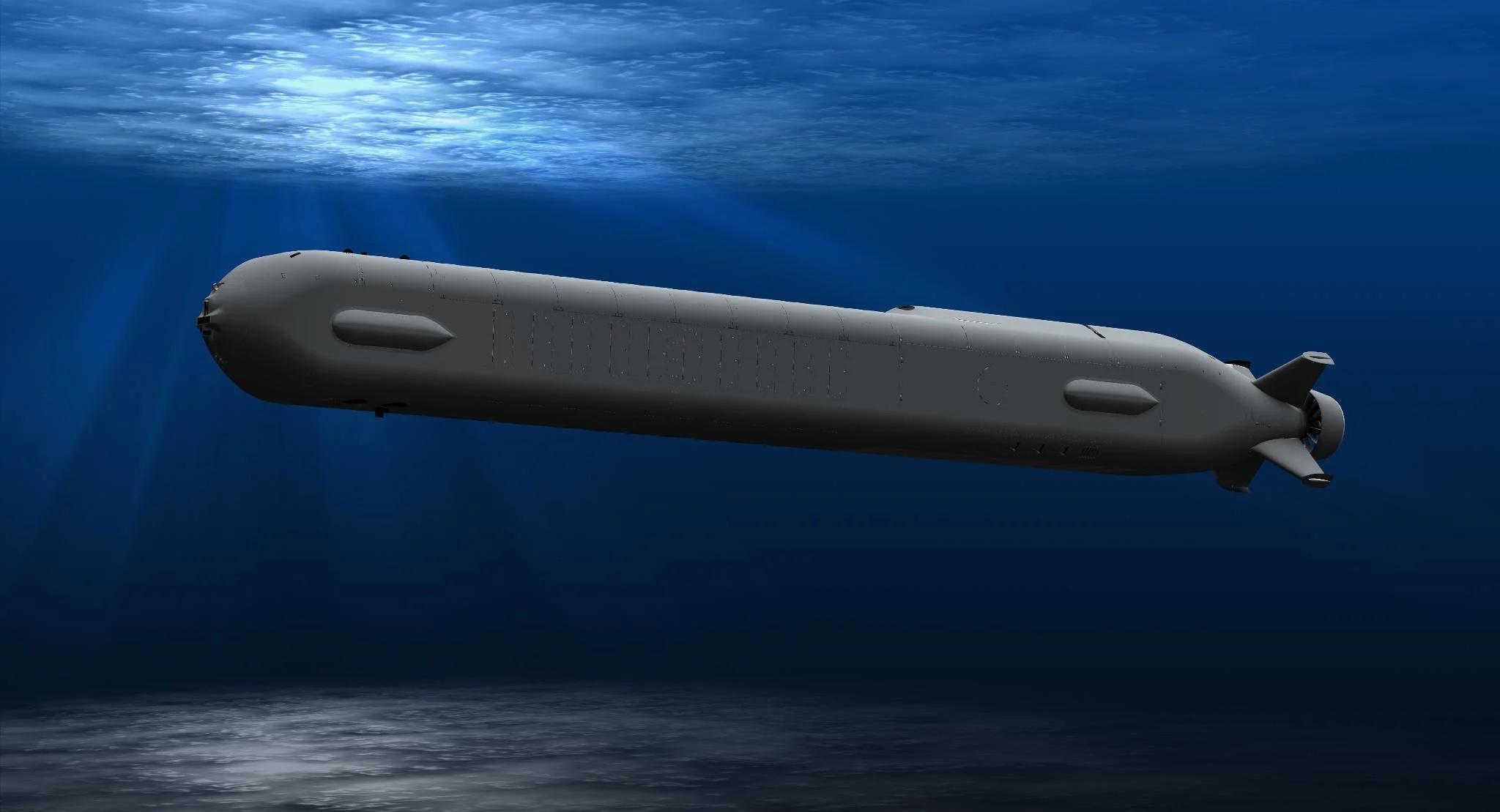
World
Stockholm, 29 August 2025 – Saab has signed a SEK 60 million contract with the Swedish Defence Materiel Administration (FMV) to develop a concept for a Large Uncrewed Undersea Vehicle (LUUV). Valued at roughly EUR 5.2 million, the project represents a significant step in Sweden’s naval robotics ambitions. As the prime contractor, Saab will oversee the LUUV’s design, construction, and testing. A key element of the system will be Saab’s Autonomous Ocean Core, an advanced control system designed to deliver autonomous functions both on the ocean surface and deep below. Project Objectives & Strategic Importance The LUUV is being developed as a sensor platform, not a weaponized system in its initial phase. Its mission will focus on seabed mapping, monitoring critical underwater infrastructure, and detecting hidden threats. By doing so, it will enhance Sweden’s ability to protect its maritime territory and strengthen situational awareness for naval operators. The first sea trials are expected to begin in the summer of 2026, marking the start of operational testing and validation. Saab’s Role & Sweden’s Vision Mats Wicksell, head of Saab’s Kockums business area, highlighted the importance of speed and innovation in this program, noting that the collaboration with FMV and the Swedish Armed Forces allows Saab to demonstrate its ability to deliver advanced systems tailored to modern defense challenges. This project aligns closely with Sweden’s Total Defense 2025 strategy, which emphasizes technological independence and leadership in autonomous systems. Saab already has a strong record in developing advanced undersea solutions, such as the AUV62-MR used for mine countermeasures and training. Market Outlook The LUUV project also positions Saab in the rapidly growing global autonomous underwater vehicle (AUV) market, which is projected to almost double in value from $2.7 billion in 2025 to $5.9 billion by 2030. Demand is rising not only in defense but also in offshore energy, seabed exploration, and environmental monitoring.
Read More → Posted on 2025-08-29 15:21:22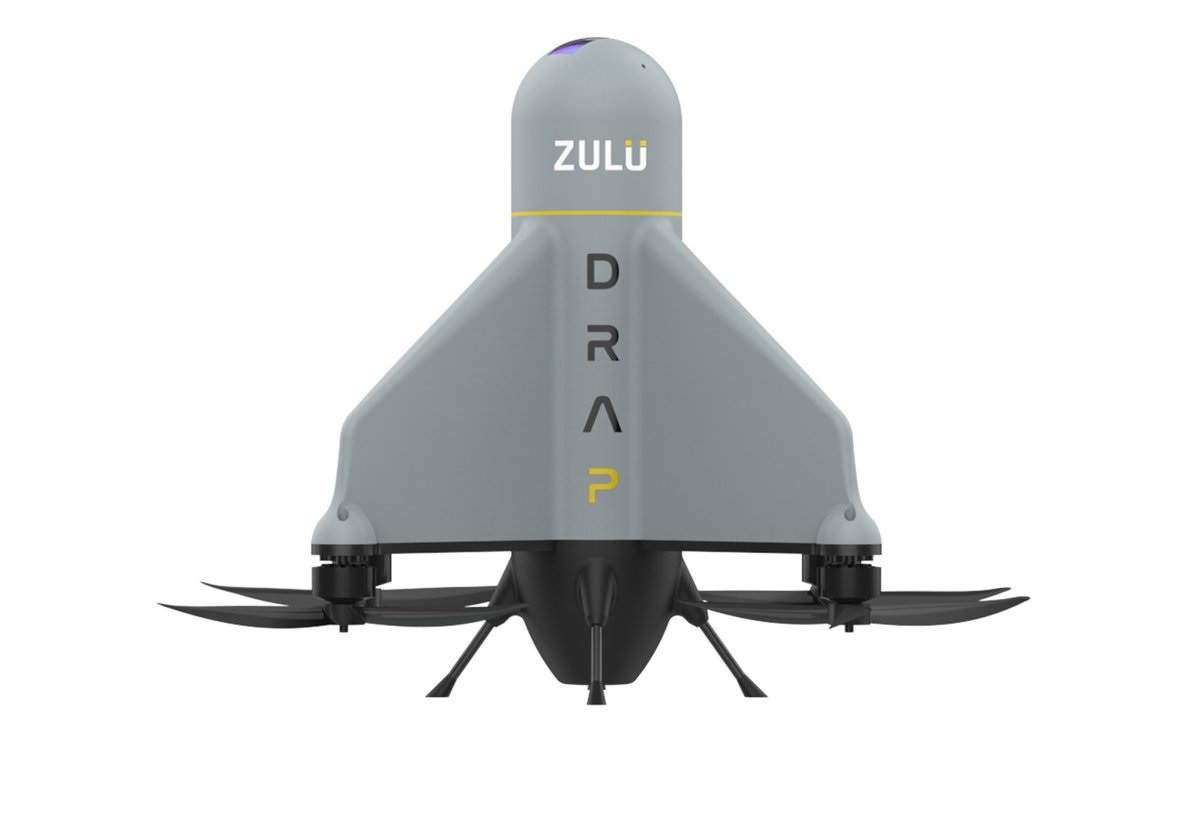
Bengaluru Startup Zulu Defence Unveils India’s First Hovering Kamikaze Drone with 30 km Strike Range
World
Bengaluru, August 2025 – In a landmark development for India’s defense technology, Zulu Defence, a Bengaluru-based startup, has unveiled the nation’s first hovering kamikaze drone designed to destroy armoured targets. Officially named the Deployable Reconnaissance & Attack Platform (DRAP), this indigenous system combines surveillance and strike capabilities into one compact aerial weapon. Key Features & Capabilities Vertical Take-Off and Hovering DesignDRAP is a VTOL (Vertical Take-Off and Landing) loitering munition, allowing it to hover over the battlefield, track enemy armour, and launch precise strikes at the right moment. 30 km Strike RangeWith a range of up to 30 kilometers, the drone enables operators to engage targets at a safe distance while maintaining high strike accuracy. Dual Reconnaissance and Attack RoleEquipped with advanced computer vision systems, DRAP can scout enemy positions, relay real-time battlefield intelligence, and neutralize threats with a direct attack. Strategic Importance Boost to Indigenous DefenceThe development marks a major leap in India’s push for self-reliance in military technology. Unlike conventional drones, DRAP is tailored specifically for targeting tanks and armored vehicles, strengthening India’s precision strike capabilities. Part of Growing Drone ArsenalIndia has been rapidly expanding its inventory of loitering munitions, with systems like Nagastra-1 and Rudrastra already in development. The introduction of DRAP adds a specialized hovering strike drone to this ecosystem, giving the armed forces more options for modern battlefield needs. Future Outlook Zulu Defence, known for integrating AI and advanced avionics into unmanned platforms, has positioned DRAP as a next-generation solution for the Indian military. Its hovering capability, combined with smart targeting, is expected to redefine how armoured threats are countered in modern combat. The unveiling of DRAP is not just a milestone for Zulu Defence but also a symbol of India’s growing technological edge in unmanned warfare—showcasing how indigenous startups are now playing a frontline role in strengthening national security.
Read More → Posted on 2025-08-28 18:32:36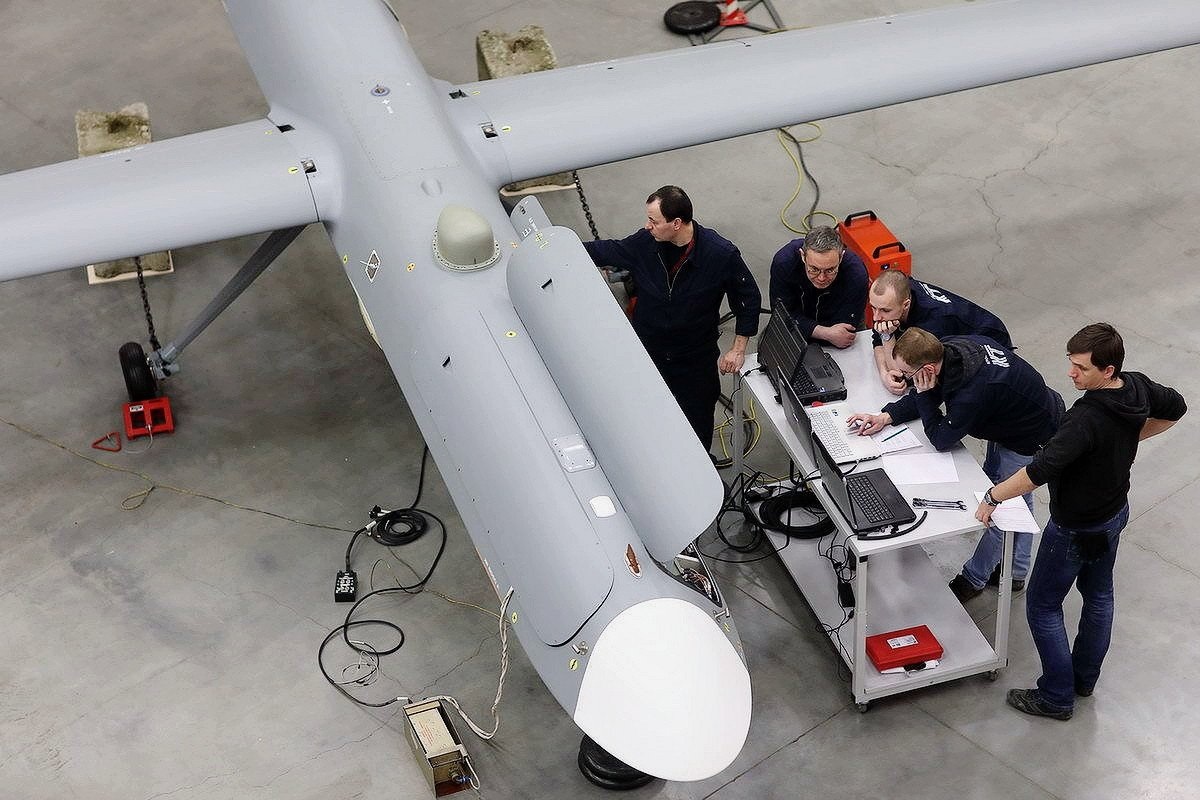
World
Moscow — AO Kronstadt, one of Russia’s biggest drone manufacturers and the producer of the Orion and Inokhodets systems, is now on the verge of bankruptcy after months of financial turmoil, lawsuits, and battlefield setbacks. Mounting Debt and Legal Battles Since early summer, the company has faced over 40 lawsuits from contractors and suppliers, with claims exceeding 600 million rubles (around $7–8 million). Major cases include demands of 151.1 million rubles from Innovative Technologies and Materials, and 220.6 million rubles from the Research Institute of Modern Telecommunications Technologies.By May 2025, total claims against Kronstadt had already crossed 1 billion rubles, signaling severe financial strain. Industry insiders say subcontractors are rushing to file claims early, fearing the company’s likely bankruptcy. Loss of Investor Support Kronstadt’s troubles can be traced back to 2022, when its main investor, AFK Sistema, pulled out. Without that financial backing, the company’s debt ballooned, while it struggled to keep pace with increasing production demands. Sanctions and Supply Chain Problems Western sanctions, imposed by the United States and the European Union, have blocked access to key foreign-made components. This forced Kronstadt to rely on harder-to-source alternatives, driving up costs and slowing production. Ukrainian Strikes Add to the Crisis In addition to financial woes, Kronstadt’s facilities have been targeted by Ukrainian drone strikes, including its major production plant in Dubna near Moscow. These attacks further disrupted output at a time when Russia is heavily dependent on drones for the war in Ukraine. Strategic Importance at Risk Kronstadt was considered central to Russia’s efforts to field homegrown long-endurance drones. Its Orion and Inokhodets UAVs were often compared to the U.S. MQ-9 Reaper, designed for surveillance and precision strikes. Losing Kronstadt would represent a major setback for Russia’s defense industry and its military operations, which increasingly rely on unmanned aerial systems. Financial Fragility Long Before the War Even before wartime pressure, the company’s finances were shaky. In 2020, Kronstadt reported revenues of about 2 billion rubles (approx. $25 million) but suffered losses of more than 3.5 billion rubles. The current crisis has only magnified these long-standing weaknesses. Experts Warn of Inevitable Bankruptcy Analysts, including Russian drone industry figures, warn that Kronstadt may not survive. Many expect the company to go into formal bankruptcy proceedings soon, unless the Kremlin intervenes with restructuring or forces its absorption into another state defense conglomerate. At a Glance: Kronstadt’s Crisis Debt: Over 1 billion rubles in claims by mid-2025 Investor Exit: AFK Sistema pulled out in 2022 Sanctions: Blocked access to key foreign components Strikes: Ukrainian attacks damaged major facilities Strategic Loss: Orion & Inokhodets drone production threatened Outlook: Bankruptcy seen as almost unavoidable Once seen as the future of Russian drone warfare, AO Kronstadt is now battling for survival. A mix of financial mismanagement, investor withdrawal, sanctions, war damage, and mounting lawsuits has brought the company to its weakest point since its founding. Whether Moscow rescues Kronstadt or allows its collapse will shape the future of Russia’s ability to produce advanced combat drones.
Read More → Posted on 2025-08-28 18:27:55
World
Russia has released cockpit footage showing a U.S. Navy P-8A Poseidon maritime patrol aircraft carrying one of the service’s most secretive surveillance systems — the AN/APS-154 Advanced Airborne Sensor (AAS). The video, filmed from a Russian Su-35S fighter, provides a rare look at the Poseidon’s underbelly, where the large radar pod was clearly visible. The AAS is mounted using a Special Mission Pod Deployment Mechanism (SMPDM), which lowers the system away from the engines during flight, giving the radar a wide and unobstructed field of view. -Edge Capabilities Developed by Raytheon under strict secrecy, the AN/APS-154 is a next-generation active electronically scanned array (AESA) radar. It combines moving target indication (MTI) and synthetic aperture radar (SAR) imaging, allowing it to detect, track, and classify both maritime and land targets. Crucially, it performs these tasks even in poor weather or at night — conditions that limit traditional sensors. The radar can generate high-resolution imagery, track fast-moving surface vessels, and even detect subtle disturbances in water that may reveal submerged submarines. It is also capable of transmitting targeting data in real time to U.S. and allied strike systems, including cruise missiles and smart munitions. Why It Matters in the Black Sea The Black Sea has become a major intelligence-gathering hotspot following Russia’s intensified naval activity. With Sevastopol under pressure and Novorossiysk serving as the main hub of Russia’s Black Sea Fleet, NATO has increased aerial surveillance patrols in the region. The Poseidon, already one of the world’s most advanced maritime patrol aircraft, becomes even more formidable with the AAS pod. Its ability to scan both land and sea simultaneously gives it a major edge in monitoring Russia’s fleet movements, coastal defenses, and logistics hubs. Strategic Implications Routine intercepts of NATO aircraft by Russian fighters are common in the area, but the latest video is significant because it confirms the operational use of America’s most advanced airborne radar system in contested airspace. Analysts say the deployment highlights Washington’s willingness to bring its most sophisticated technology closer to Russian forces, underscoring the importance of the Black Sea as a flashpoint. The AAS-equipped P-8 not only strengthens NATO’s maritime surveillance but also ensures rapid, precise intelligence that can be turned into actionable targeting data within minutes.
Read More → Posted on 2025-08-28 18:22:05Search
Top Trending in 24 Hours
-
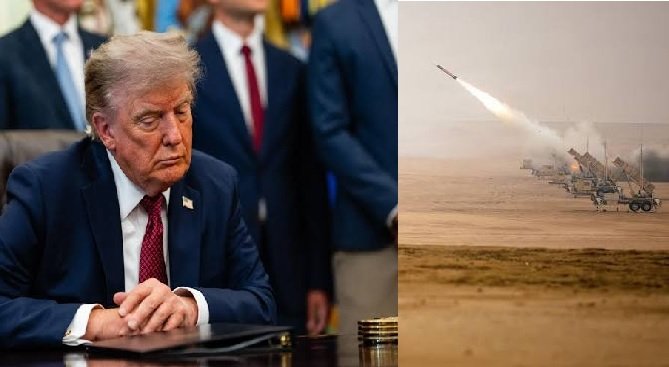 President Trump Pauses Plans to Expand U.S. Strikes on Iran Amid Concerns Over Air Defense Missile Stocks
-
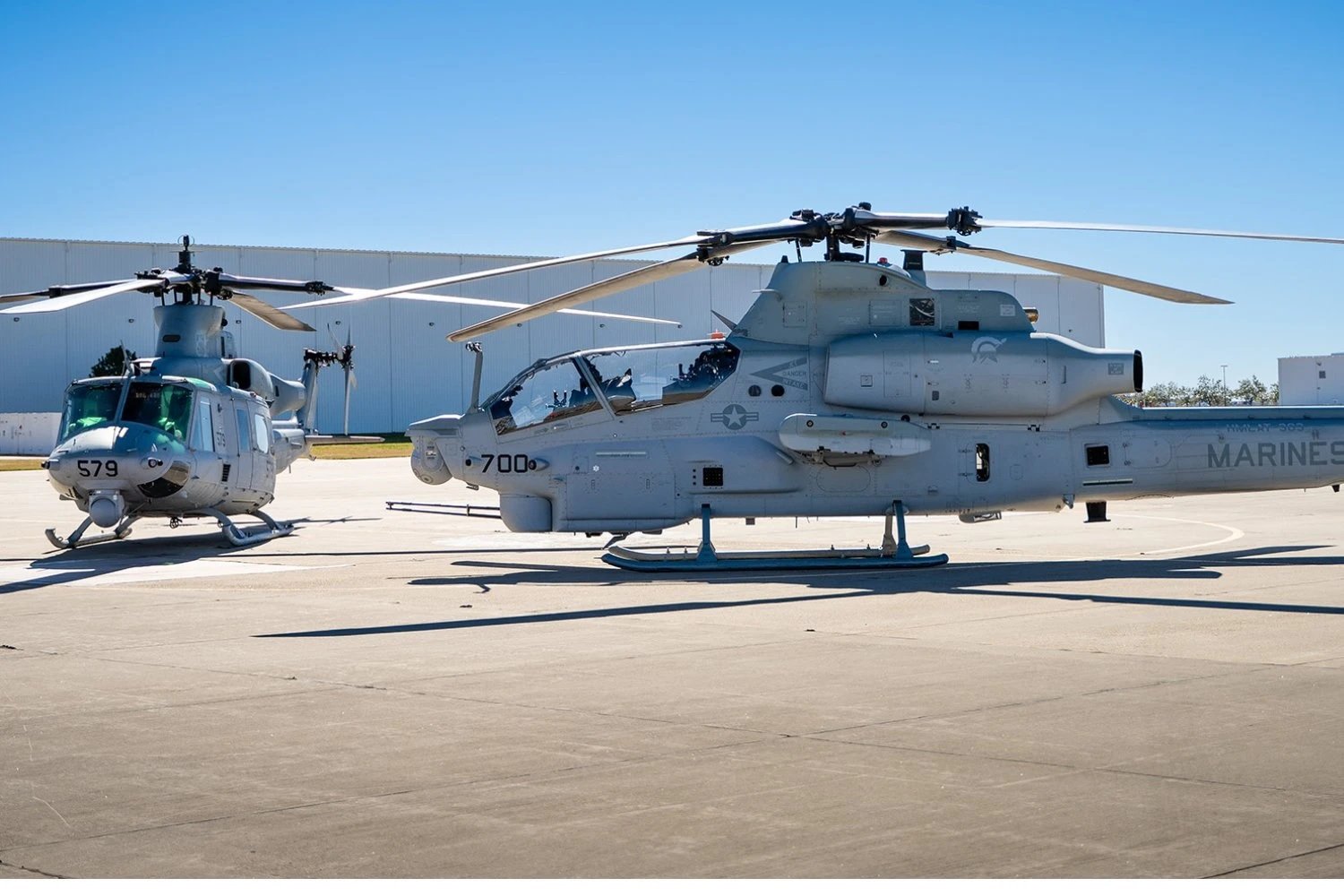 U.S. Awards Bell Textron $33.64 Million Contract for Next Phase of Marine Corps AH-1Z and UH-1Y Helicopter Upgrades
-
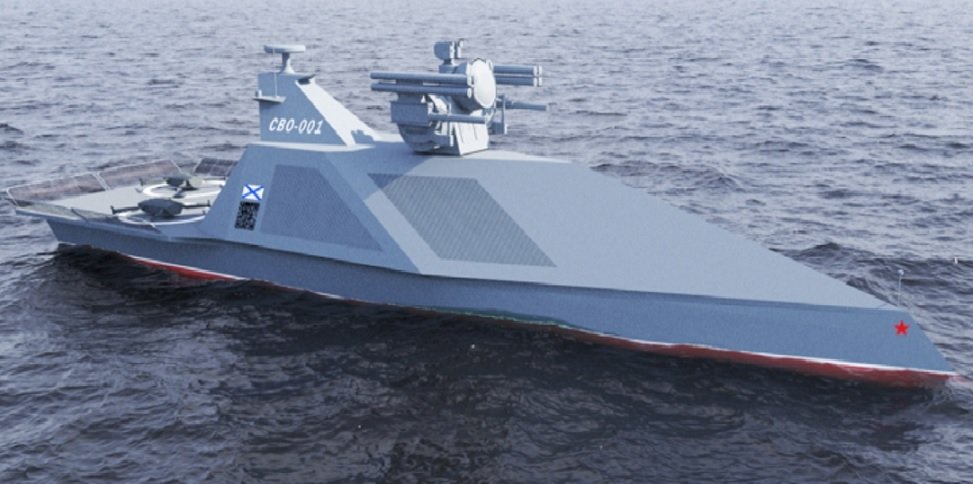 Russia Builds 500-Ton Unmanned Warship For Anti-Submarine Warfare, Plans New 9,500-Ton Warship, Navy Chief Says
-
 Unreleased Footage Reveals Why Lindsey Graham Dropped Plan to Push Trump on Hezbollah Strikes
-
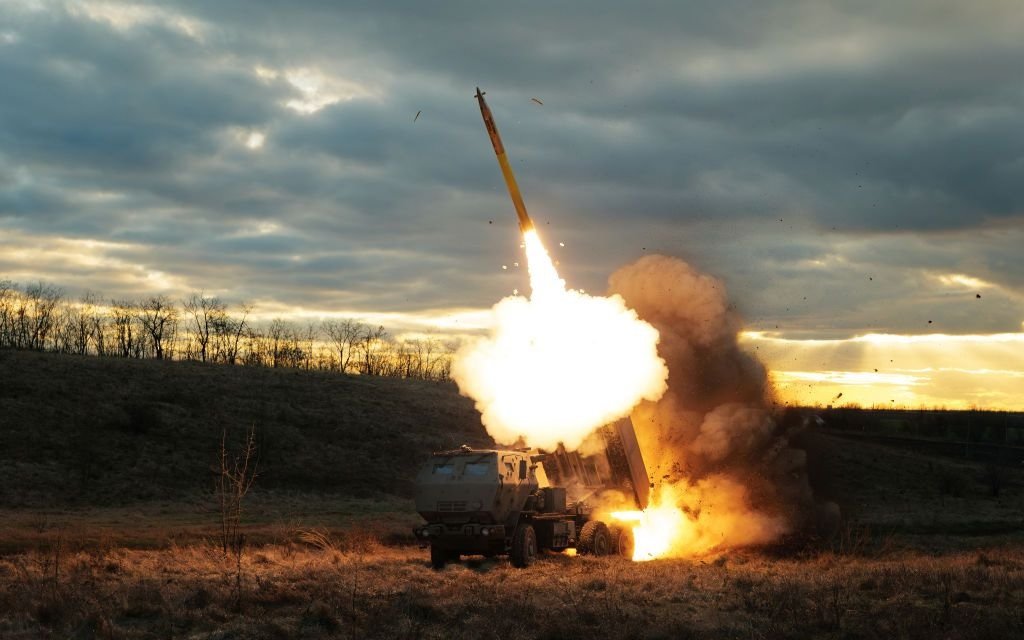 U.S. Military Selectively Intercepts Iranian Missiles to Preserve Shrinking Air Defense Stocks : Report
-
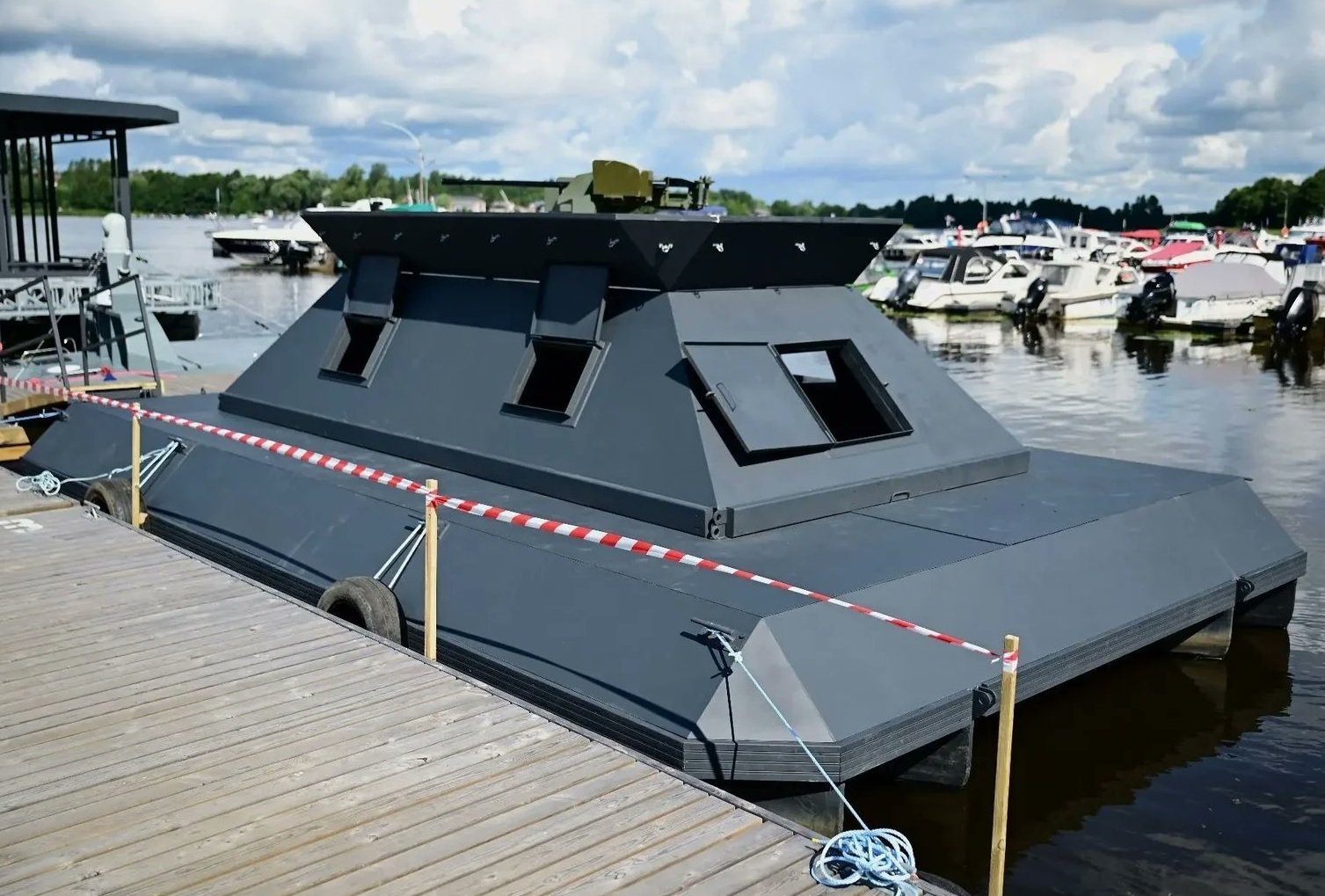 Russia Unveils Experimental Plot-40 Floating Defense Platform to Counter Drone and USV Threats
-
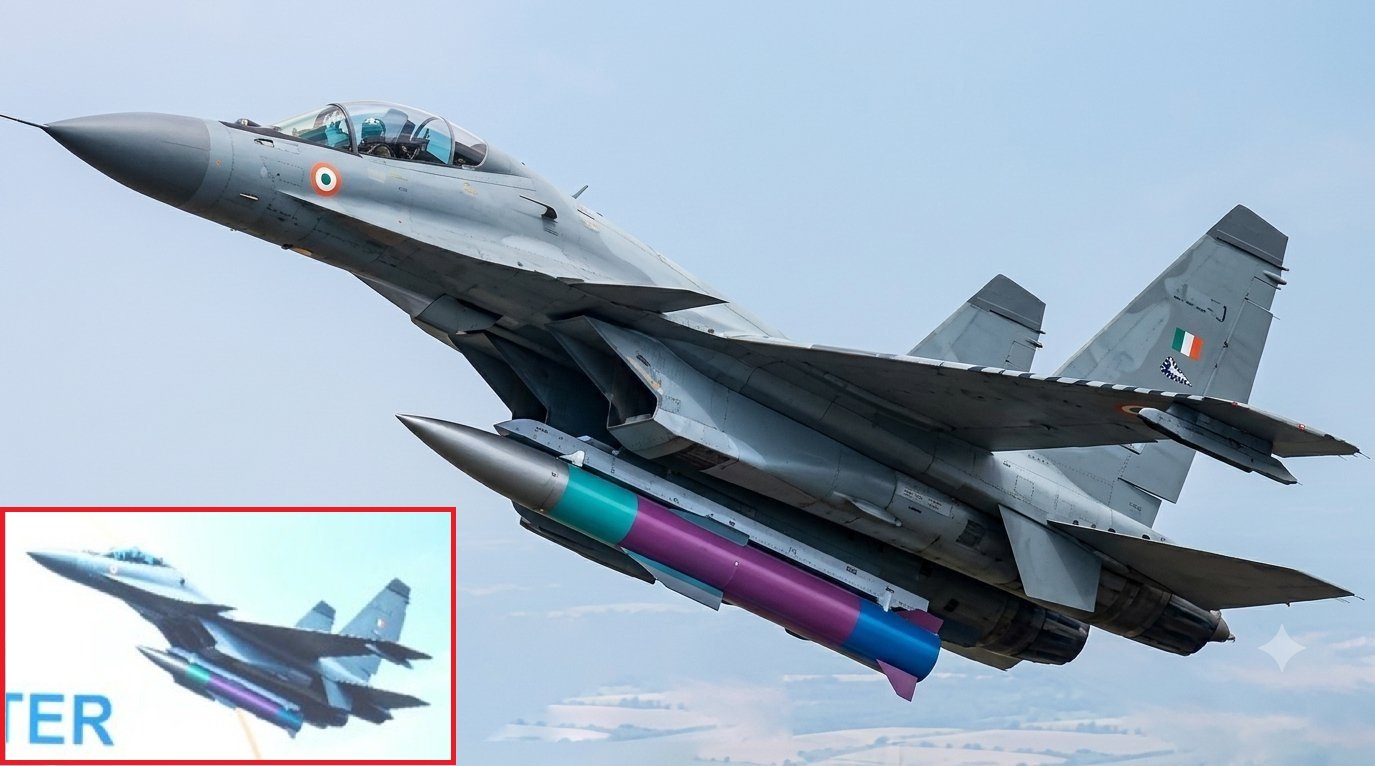 DRDO Developing Long-Range Air-Launched Ballistic Missile for Su-30MKI, Rudram-4 Seen as Likely Candidate
-
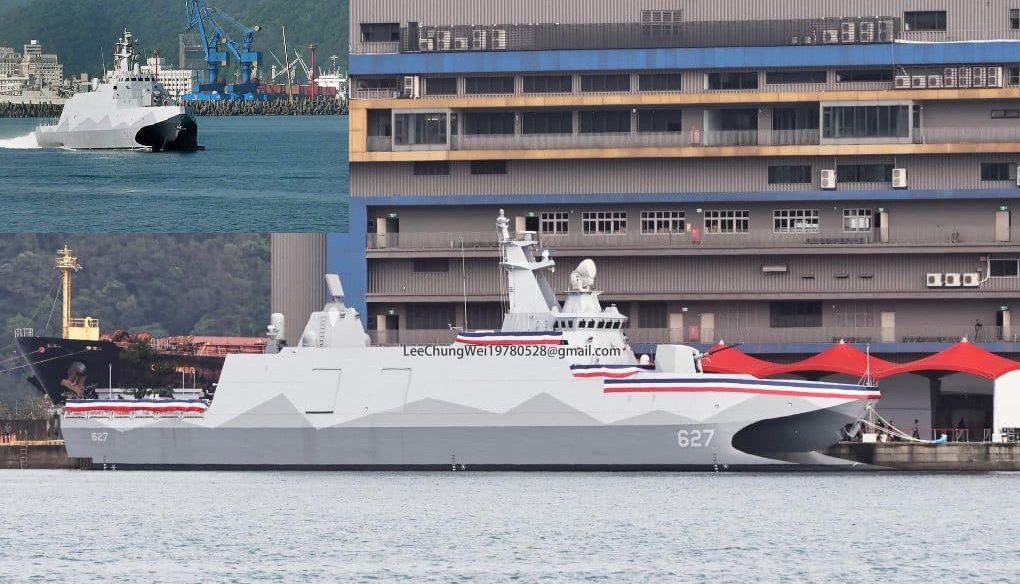 Taiwan Commissions First Batch 2 Tuo Chiang-Class Corvette with New Leonardo Radar
Top Trending in 4 Days
-
 U.S. Navy Awards Northrop Grumman $1.2 Billion Deal for Three New E-2D Advanced Hawkeyes
-
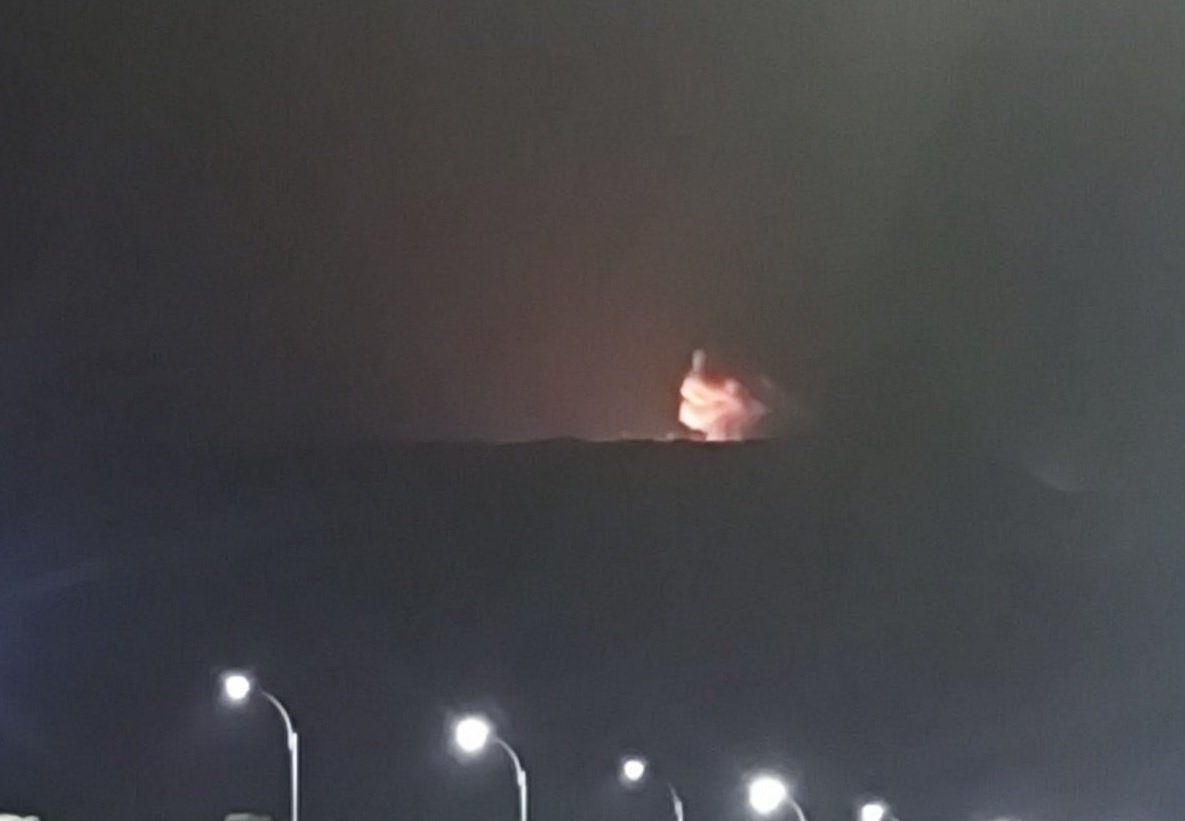 U.S. Airstrikes Target IRGC Missile Base Near Taft as Overnight Strikes Hit Central Iran
-
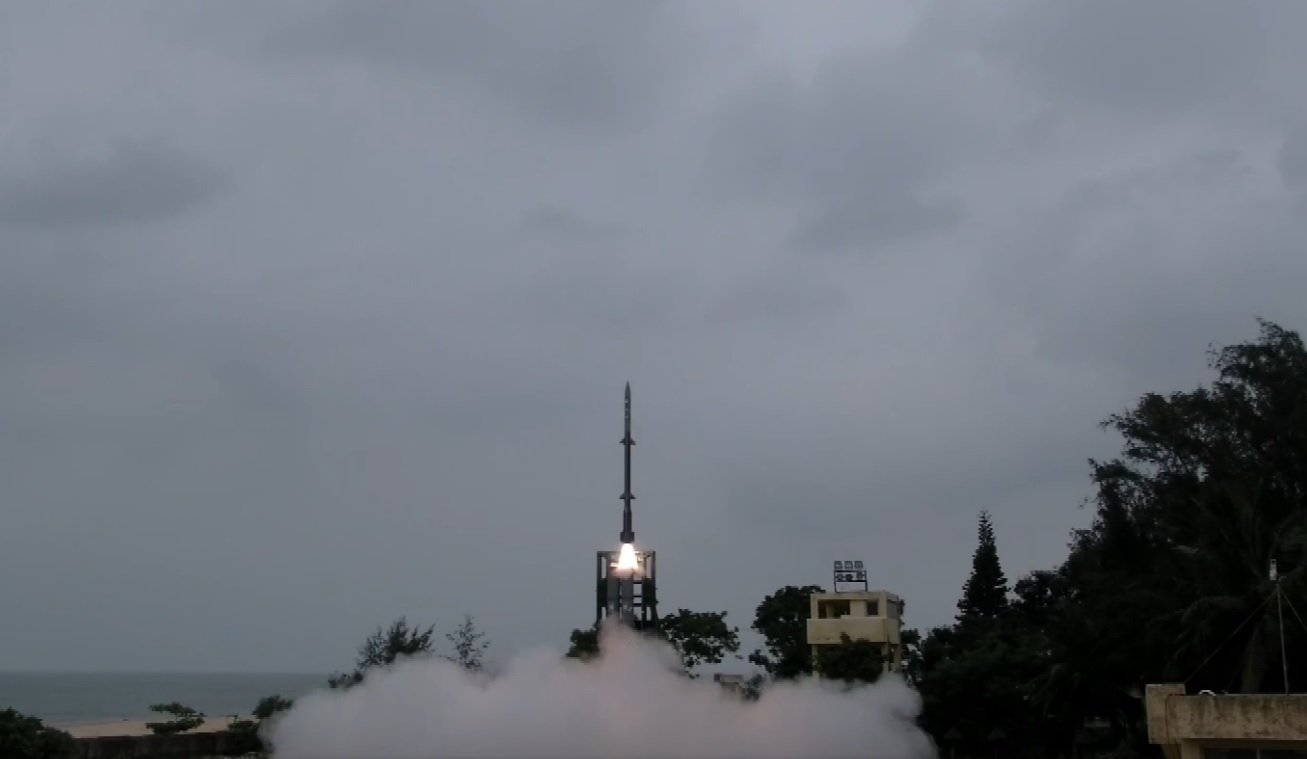 DRDO Successfully Conducts Maiden Flight Test of 150-km-Range Kusha M1 Air Defence Missile
-
 France's THUNDART Long-Range Rocket System May Undergo Prototype Combat Testing in Ukraine
-
 Kuwait and Bahrain Reportedly Launch First Joint Direct Airstrikes on Iran Since War Began : Report
-
 Russian Su-57 Stealth Fighter Crashes During Training Flight Near Moscow, Pilot Ejects Safely
-
 Australia Commits Additional AUD 4.6 Billion to Expand Osborne Shipyard for AUKUS Submarines
-
 Destinus Unveils Vorexon Interceptor Concept to Defend Critical Sites from Artillery Threats
