
World
Russia announced on Saturday that it has retaken Oleshnya, the second-last village in its western Kursk region that had been under Ukrainian control. The move marks a significant step in Moscow's efforts to reclaim all territory in the area after Ukraine’s surprise cross-border offensive last year. The Ukrainian military campaign, which began in August, caught Russian forces off guard and allowed Kyiv to seize more than 1,000 square kilometers of land along the frontier. The Ukrainian push had reached deep into Russian territory, with Sudja—a small but strategic town in Kursk—becoming a major forward base for Ukrainian troops. That town was recaptured by Russian forces in March. With the latest advance, Russia now controls all but one village in the region—Gornal—still held by Ukrainian troops. The Russian Defense Ministry credited its Northern Group of Troops for the operation that led to the liberation of Oleshnya. The recapture of these territories is not only symbolic but also strategic. Russian forces now find themselves back at the border, with growing momentum and a renewed ability to pressure Ukraine’s Sumy region, which lies just across from Kursk. Russian forces have already carried out smaller incursions in the Sumy area in recent weeks, raising concerns in Kyiv about a broader push. The fighting continues to carry a heavy toll on civilians. On Saturday, a Ukrainian drone strike targeted a car in the Kursk region, reportedly killing a woman and injuring a man and a child, according to local officials. With only one village remaining under Ukrainian control in Kursk, the region is on the verge of falling completely back under Russian authority, potentially opening a new phase in the conflict along this contested border.
Read More → Posted on 2025-04-19 14:19:38
World
The U.S. Army is taking a major step into the future by testing unmanned ships as part of its efforts to modernize military operations. These tests are part of a larger military training exercise known as Project Convergence Capstone 5 (PC-C5), held in April 2025 in the Indo-Pacific region. The goal is to explore how Unmanned Surface Vessels (USVs) can be used for resupply missions and other tasks without putting human lives at risk. This exercise is a key part of the Army’s ongoing push to bring advanced technology into real-world operations. It also supports the broader aim of building a more efficient and digitally connected military force. USVs are designed to operate without human crews, using artificial intelligence (AI) and advanced navigation systems to perform their missions. Colonel William “Will” C. Arnold, who leads transportation efforts at the Army’s Combined Arms Support Command, said the training helps them learn how autonomous vessels work together and how to command and control them. These vessels are not just remotely operated—they can make decisions and navigate on their own, thanks to smart systems powered by AI and machine learning. Unlike older Army watercraft, which lacked modern technology, these new USVs come with advanced sensors, real-time data sharing, and strong digital systems. This means they can adapt to changing situations, avoid obstacles, and complete missions with little or no human input—even if operators are thousands of miles away. One of the soldiers who took part in the training, Specialist Luke Ferguson from the 569th Dive Detachment, found the system easy to learn. By the second day of training, he was able to track, communicate with, and manually control the vessel when needed. Another key benefit of these unmanned ships is that they reduce the need for onboard crews. Without human fatigue or the need for rest, the vessels can stay in action longer and handle missions that would normally require a full team. The Army sees PC-C5 as a chance to test how emerging technologies like USVs can work in real combat scenarios, especially alongside allied forces. If successful, these vessels could become a regular part of military logistics, making resupply missions faster, safer, and more reliable. As the Army continues to test and improve this technology, it moves closer to creating a more agile and future-ready force. In the words of Specialist Ferguson, “If we can integrate this technology into our equipment, it would significantly streamline our operations.”
Read More → Posted on 2025-04-19 14:17:46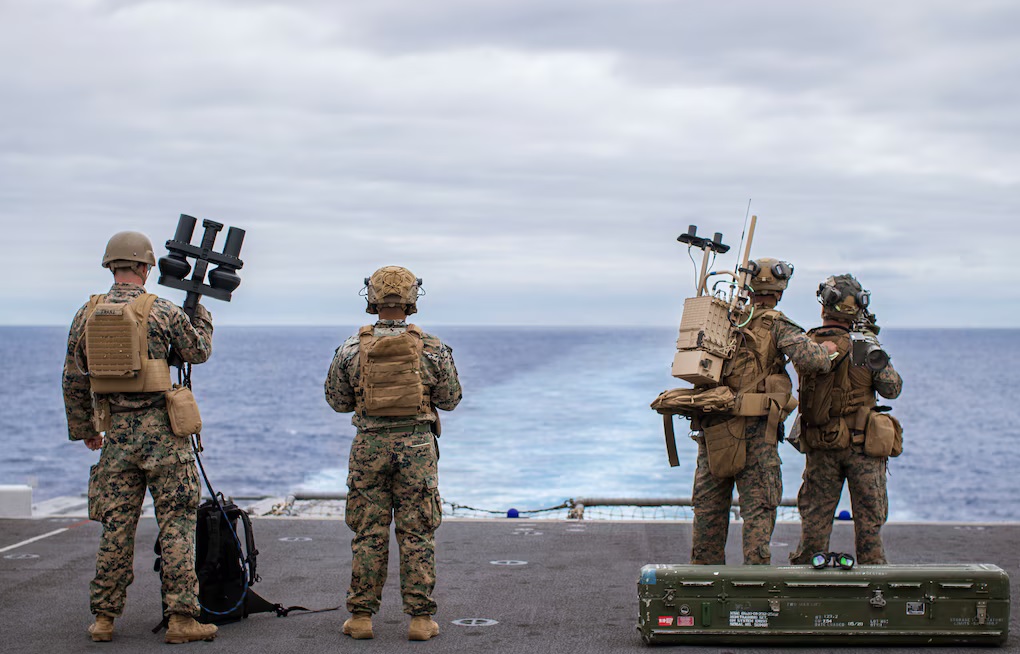
World
In 2025, the United States Marine Corps is set to begin fielding new counter-drone systems to strengthen its defence against the increasing threat posed by small unmanned aircraft systems (sUAS). These systems are designed to detect, track, identify, and neutralise hostile drones using both kinetic and non-kinetic methods, thereby enhancing the Corps’ battlefield awareness and protective capabilities. Why the Upgrade? Small drones have emerged as a serious challenge in modern warfare. Adversaries are now using these compact, low-cost aircraft for surveillance, intelligence gathering, and even direct attacks. Their small size, low radar signature, and ability to maneuver in tight spaces make them difficult to detect and eliminate using traditional air defense systems. A Marine Corps spokesperson stated, “The proliferation of small Unmanned Aircraft Systems presents a significant tactical challenge for modern military forces.” These drones can disrupt missions, compromise operational secrecy, destroy valuable assets, and pose risks to human life. What’s Being Deployed? To counter this threat, the Marine Corps is introducing a mix of dismounted counter-sUAS technologies across all elements of the Marine Air-Ground Task Force (MAGTF). These systems are: Lightweight and portable – ideal for use by small units on the move. User-friendly – requiring minimal additional training. Integrated with existing weapon systems – allowing seamless use by Marines already equipped for combat. This makes them ideal for rapid deployment in varied combat environments, particularly in contested and distributed operational settings. Key Capabilities and Specifications The upcoming counter-sUAS systems will include both kinetic options, such as small-arms-based drone shooters and anti-drone projectiles, and non-kinetic methods like: Electronic warfare systems that jam or disrupt drone signals. RF (radio frequency) detection and direction finding to locate drone operators. Electro-optical/infrared sensors for drone detection and tracking. Handheld and vehicle-mounted systems to support mobility and different mission profiles. These tools are being tailored to provide 360-degree protection, ensuring Marines can defend themselves against sUAS threats regardless of the terrain or operational complexity. Bridging the Defence Gap Currently, Ground Based Air Defense (GBAD) systems used by Low Altitude Air Defense (LAAD) and Littoral Anti-Air Battalions are effective against larger aerial threats but are not always available at the unit level. The new organic counter-drone systems will fill this crucial gap by empowering individual units with tools to handle drone threats independently. This shift in strategy supports the Marine Corps’ doctrine of manoeuvre warfare, which relies on decentralised, agile, and dispersed operations. “This decentralisation of defensive measures aligns with the Marine Corps’ emphasis on manoeuvre warfare,” the spokesperson noted. Future Readiness As drone warfare evolves, the Marine Corps is taking proactive steps to stay ahead of emerging threats. By 2025, every deployed unit is expected to have access to tailored counter-UAS capabilities, making the force more resilient, flexible, and prepared for future challenges. Incorporating this next generation of counter-drone technology ensures that Marines can operate safely and effectively in dynamic combat environments—whether in urban landscapes, coastal regions, or remote terrains. The upcoming systems will not only protect lives but also ensure mission continuity in increasingly drone-contested battlespaces.
Read More → Posted on 2025-04-19 13:58:04
World
The United States is preparing to reduce the number of troops stationed in Syria, cutting its current force to fewer than 1,000 personnel in the coming months. This move, announced by the Pentagon, marks a significant shift in America’s long-standing military role in the region. For years, U.S. forces have operated in Syria as part of a broader international mission to defeat the Islamic State (IS) group. IS gained power during Syria’s civil war, capturing large areas of Syria and neighboring Iraq in 2014. In response, a U.S.-led coalition launched an air campaign and worked closely with local forces, particularly the Kurdish-led Syrian Democratic Forces (SDF), to push IS back. Over time, IS lost most of its territory, but remnants of the group continue to carry out attacks, especially in remote areas. Now, the Pentagon says U.S. forces will consolidate into select locations within Syria as part of a “deliberate and conditions-based process.” While the exact bases have not been made public, the Defense Department emphasized that American troops will continue to carry out strikes against IS militants where necessary. This reduction in troops comes at a time when U.S. military attention is increasingly shifting elsewhere — such as targeting Houthi rebels in Yemen, who have been disrupting global shipping routes since late 2023. Additionally, U.S. forces in Syria and Iraq have faced threats from Iran-backed groups, particularly since the conflict in Gaza escalated in October 2023. Although those attacks have decreased in recent months, the situation remains volatile. Interestingly, this isn’t the first time the idea of pulling troops from Syria has been discussed. Former President Donald Trump, known for his skepticism about prolonged military engagements, had previously called for a full withdrawal. His position remained consistent even when Syria was in chaos, stating that the U.S. should avoid getting further involved in what he described as “not our fight.” At its peak, the U.S. had deployed around 2,000 troops in Syria. The Pentagon disclosed in late 2024 that this figure had doubled earlier that year, despite previously reporting only 900 troops in the country. Now, this number is expected to be cut roughly in half again, returning closer to previous levels. In parallel, Iraq — which has around 2,500 U.S. troops on its soil — is also preparing for the departure of U.S.-led coalition forces. Both Washington and Baghdad have agreed that the coalition’s mission in Iraq will end by the end of 2025 in federal Iraq, and by September 2026 in the Kurdistan region. While the U.S. may be stepping back from its physical presence in Syria, military officials stress that the fight against IS is not over. Even with fewer boots on the ground, American forces will remain active in targeting threats and supporting regional allies where needed.
Read More → Posted on 2025-04-19 13:54:34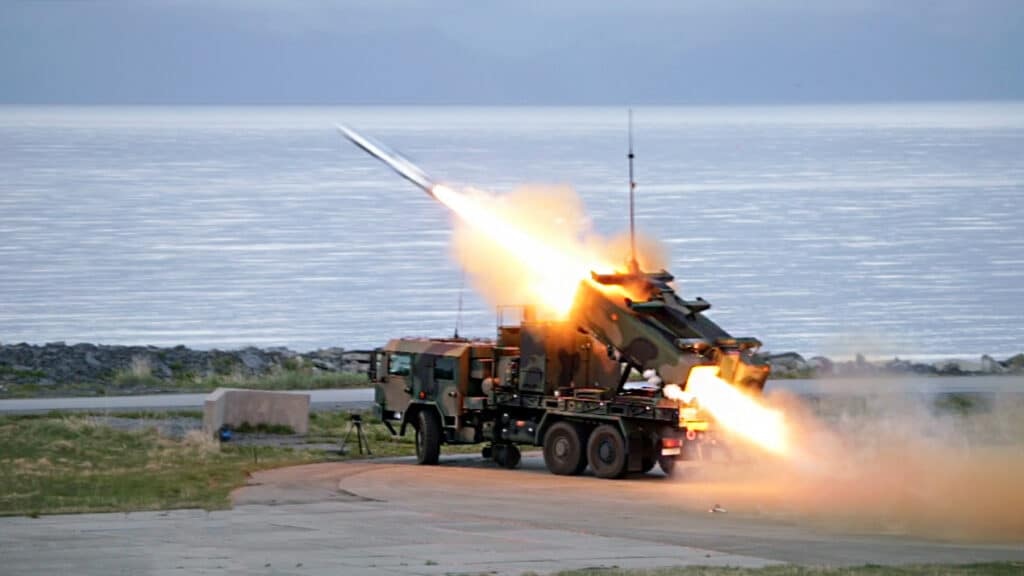
World
In a strategic move reflecting the evolving security landscape in Europe, Denmark is considering reactivating its coastal defense capabilities by deploying modern mobile anti-ship missile batteries equipped with the advanced Norwegian-made Naval Strike Missile (NSM). This decision marks a return to a concept Denmark once employed during the Cold War and is in line with broader trends seen across NATO countries following renewed tensions, particularly after the Russian invasion of Ukraine in 2022. A Legacy Revisited Denmark’s history with coastal missile batteries dates back to the Cold War era when the Danish Navy operated mobile Harpoon missile systems. These were mounted on four-axle Scania trucks, using launchers originally deployed on the now-decommissioned Peder Skram-class frigates. The systems were managed by the Mobile Coastal Base Unit (MOBA) and consisted of two batteries, each with two launchers. However, by 2003, these units were phased out as part of broader defense restructuring. Yet, the concept of mobile coastal missile batteries was not entirely forgotten. In a remarkable gesture of military support during the Ukraine war, Denmark revived this capability to create and donate a complete Harpoon missile battery to Ukraine. This contribution played a vital role in strengthening Ukraine’s coastal defense, especially around the port city of Odesa. The success of this initiative highlighted the enduring utility of mobile coastal defense systems. NSM: A Modern Missile for a Modern Threat The missile system Denmark is now looking to adopt—the Naval Strike Missile (NSM)—is a cutting-edge, fifth-generation anti-ship and land-attack missile developed by Norway’s Kongsberg Defence & Aerospace. The NSM has become the go-to missile system for many NATO members due to its versatility, stealthy design, and potent strike capability. Key Specifications of the NSM: Range: Over 185 km (approx. 100 nautical miles) Speed: Subsonic (High subsonic) Guidance System: GPS/INS with a passive imaging infrared seeker and terrain recognition Warhead: 125 kg (275 lb) high-explosive fragmentation with programmable fuse Platform Compatibility: Sea- and land-based launchers (including truck-mounted solutions) One of the key strengths of the NSM is its sea-skimming flight profile and ability to maneuver unpredictably, making it difficult for enemy air defenses to intercept. Its imaging infrared seeker provides pinpoint accuracy and target discrimination even in cluttered coastal environments, ideal for Denmark’s geographically complex and narrow Baltic inlets. Strategic Importance for Denmark Denmark’s strategic geography makes the revival of coastal defense particularly relevant. The Danish Straits are one of the few entrances to the Baltic Sea, and controlling this chokepoint is crucial both for national security and NATO operations. The lessons from the conflict in Ukraine have shown how mobile missile batteries can significantly alter the balance in coastal defense, especially against amphibious or naval threats. Additionally, Denmark has already chosen the NSM as the replacement for its aging ship-launched Harpoons, which adds a layer of operational efficiency and logistics simplicity by standardizing across platforms. The land-based NSM version would integrate well into the Danish defense framework and could operate alongside NATO allies using similar systems, such as Poland and the United States. While Danish defense officials have yet to officially confirm the deployment of NSM coastal batteries, reports suggest that discussions are well underway and may soon result in a formal announcement. The Polish Maritime Missile Units, which successfully use truck-mounted NSMs, are believed to serve as an operational model for what a Danish system could look like. Reintroducing a coastal missile defense capability—especially with a proven system like the NSM—would significantly enhance Denmark’s deterrence posture and reflect a broader trend in European rearmament focused on flexible, mobile, and modern solutions. In today’s uncertain security climate, Denmark’s move is not just a nod to the past but a calculated step towards safeguarding its maritime borders in the future.
Read More → Posted on 2025-04-18 16:13:09
World
The United States has accused a Chinese satellite company of helping Yemen’s Huthi rebels carry out attacks on American interests, marking a new flashpoint in the already tense situation in the Red Sea and surrounding regions. According to the US State Department, Chang Guang Satellite Technology Company, a Chinese firm, has been providing support to the Huthis, who have targeted international shipping routes since November 2023. The Huthis, an Iran-backed rebel group in Yemen, began attacking vessels in the Red Sea and Gulf of Aden, claiming solidarity with Palestinians in Gaza. These attacks have disrupted global trade, forcing many ships to reroute around southern Africa instead of using the Suez Canal—a vital waterway responsible for about 12% of global shipping traffic. Tammy Bruce, spokesperson for the State Department, stated that the satellite company was “directly supporting Iran-backed Huthi terrorist attacks on US interests.” While she initially did not elaborate on the kind of assistance provided, she later indicated that the company was offering satellite imagery to the rebels. This imagery could potentially help the Huthis identify and target commercial or military vessels in the region. Bruce also criticized Beijing, saying China’s continued support for the company despite American diplomatic engagement showed “empty claims to support peace.” In response, a spokesperson for China’s foreign ministry claimed ignorance of the situation but insisted that China has consistently worked to reduce tensions in the Red Sea. Chang Guang Satellite Technology Company had already been under US sanctions since 2023 for allegedly supplying high-resolution satellite images to the Wagner Group, a Russian paramilitary force involved in the war in Ukraine. Although the Wagner Group has since been dissolved, the Chinese firm’s link to multiple conflict zones has kept it under international scrutiny. Meanwhile, the United States has stepped up its military campaign against the Huthis. On Thursday, US Central Command (CENTCOM) confirmed that it had launched strikes targeting the Ras Issa fuel port in Yemen. This port was reportedly used by the rebels to generate revenue that funds their operations. CENTCOM said that the fuel facility was “a source of illegal income” for the Huthis and its destruction would “deprive them of economic power.” The statement emphasized that these strikes were aimed not just at military targets, but also at cutting off financial resources that have helped sustain the Huthis for more than a decade. While the Biden administration initially authorized strikes against the Huthis, former President Donald Trump has also thrown his support behind ongoing military action, insisting that force must continue until the rebels stop threatening maritime routes. As tensions persist, the involvement of a Chinese company adds another layer of complexity to the conflict, raising concerns about broader geopolitical consequences involving China, Iran, and the United States.
Read More → Posted on 2025-04-18 16:10:33
World
At the prestigious UDT 2025 exhibition in Oslo, Norwegian defense company Scanmatic introduced its brand-new torpedo decoy system named ‘Tordec’, designed specifically to protect surface naval vessels from underwater threats. This marks the first public reveal of the system, which represents a significant leap forward in acoustic countermeasure technology for modern naval defense. Scanmatic, well-known for its underwater acoustic solutions, has developed Tordec based on its earlier submarine-launched Sondec countermeasure, which is already in active service with the Royal Norwegian Navy and other navies. The development of Tordec began in 2022, initiated through a concept study commissioned by the Norwegian Defense Research Establishment (FFI). Although still in the testing and qualification stage, several working prototypes of the Tordec are already available. Key Features and Capabilities of Tordec: Modular Launch Compatibility:Initially designed with a pneumatic launcher, Scanmatic later enhanced the Tordec system to be compatible with standard NATO 130mm munitions launchers. This makes the system highly versatile and appealing for both domestic use and international export. Dual-Use Launch System:The integration of a pneumatic launching option allows naval ships to free up existing 130mm launchers for anti-air and anti-missile defense roles. This effectively strengthens the ship’s multi-domain defensive capabilities. Adaptability for Harsh Environments:Throughout 2025, Scanmatic is conducting extensive testing in Arctic and High North conditions to ensure reliable performance of the pneumatic launcher under extreme climates — a key concern for navies operating in northern latitudes. Operational Testing and Future Plans:Looking forward, Scanmatic aims to secure a contract with the Norwegian Ministry of Defence (MoD) by 2026. This would pave the way for operational trials in real-world naval missions and potentially lead to full-scale production. International Collaboration: In a major step to expand global defense partnerships, Scanmatic also signed a Memorandum of Understanding with France’s Safran in 2024. This collaboration focuses on integrating Tordec with Safran’s NGDS (New Generation Dagaie System), a trainable decoy launcher. The partnership is expected to result in a powerful, future-ready ship defense concept capable of countering modern torpedo threats. Conclusion: With the unveiling of Tordec, Scanmatic has positioned itself at the forefront of naval protection technologies. By blending cutting-edge acoustic decoy innovation with modular launcher options, the system is set to enhance the survivability of naval vessels in high-threat environments. As the company continues its testing and development into 2026, the Tordec torpedo decoy could soon become a key element in both national and allied naval defense strategies.
Read More → Posted on 2025-04-18 16:01:43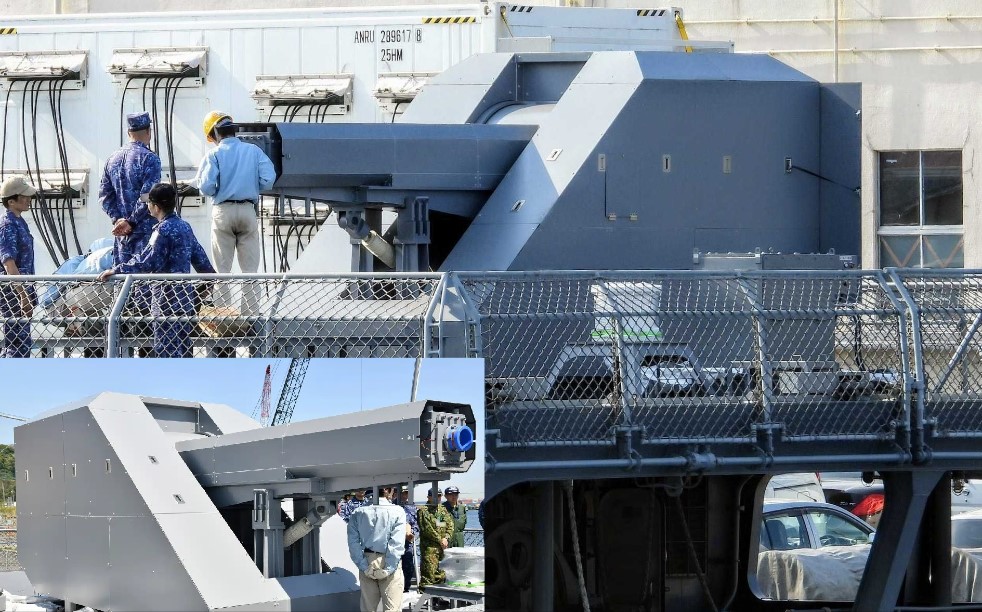
World
On April 18, 2025, the Japan Maritime Self-Defense Force (JMSDF) revealed a striking image of a cutting-edge electromagnetic railgun mounted on the test vessel JS Asuka. This marked a major milestone in Japan’s futuristic weapons development, demonstrating a serious leap toward operational deployment of this advanced system at sea. The Journey of Japan’s Railgun Development Japan's railgun project has been in the works since 2016 under the Ministry of Defense’s Acquisition, Technology & Logistics Agency (ATLA). The program began as a research initiative called “Electromagnetic Acceleration Systems,” aiming to create a system capable of launching projectiles at a muzzle velocity of 2000 meters per second—over six times the speed of sound. A key performance goal was a barrel life of at least 120 shots without performance degradation. Unlike conventional guns that rely on explosive propellants, railguns use magnetic fields powered by massive electric currents. This eliminates barrel damage caused by explosions but introduces new challenges like heat erosion and wear from the sliding contact between the projectile (armature) and the rails. Through years of research, ATLA engineers tested and refined materials, moving from pure copper rails to more durable composite blends. Their efforts paid off: the latest tests confirmed that after 120 firings, the railgun barrel remained fully functional. Breakthrough: First Shipboard Railgun Firing In October 2023, Japan conducted its first-ever ship-based railgun test, opening the door to practical naval deployment. With successful land trials behind them, ATLA moved forward with a new phase named “Research on Future Railgun,” running from FY2022 to FY2026. This new focus is not just about firing rounds but developing a complete gun system, which includes: Continuous firing capability Fire control systems Increased projectile flight stability Unlike earlier tests that involved single shots, the next step is enabling sustained fire—crucial for intercepting incoming threats like hypersonic missiles or for long-range strike operations. Enhancing Lethality and Precision To make railguns combat-ready, Japan is also working to ensure that projectiles remain stable in flight. Even at hypersonic speeds, air resistance can severely reduce range and accuracy if the projectile lacks aerodynamic stability. Improving the projectile’s shape and flight characteristics not only increases the weapon's effective range but also boosts its destructive potential. Moreover, a dedicated fire control system is being developed to manage target tracking, launch timing, and precision guidance—tasks made more complex due to the railgun’s incredible muzzle velocity. Powering the Future One of the greatest engineering hurdles in railgun deployment is power. A railgun requires enormous bursts of electricity in a very short time to fire. While such power is easy to manage in static land facilities, it's much harder on compact naval platforms. Thus, Japan is actively researching miniaturized power storage and delivery systems, suitable for ships or land-based mobile units. Combat Roles for Railgun Technology So, what roles could this technology play? Naval Defense: On warships, railguns are envisioned as tools to intercept high-speed missiles, especially those that current missile systems struggle to stop. By combining railguns with traditional missile interceptors, Japan could create a multi-layered defense system at sea. Land-Based Artillery: On land, railguns may be used for long-range counter-artillery strikes and coastal defense. They can target enemy positions or ships operating far from the shore with extreme precision and speed. Anti-Air Warfare: ATLA is also exploring airburst munitions—projectiles that explode mid-air to destroy incoming aircraft or drones. International Cooperation Boosts Innovation Japan is not working alone. In a move that strengthens global defense collaboration, ATLA has partnered with the French-German Research Institute of Saint-Louis (ISL). Engineers from all three nations are exchanging knowledge and working together to push the boundaries of railgun research. This cooperation hints at the potential future integration of railguns within NATO-aligned defense systems, or even broader allied partnerships. Conclusion: The Dawn of Electromagnetic Warfare Japan’s release of the railgun image from the JS Asuka is not just a showpiece—it’s a statement of intent. With successful testing, increasing projectile stability, advanced targeting systems, and international collaboration, Japan is positioning itself at the forefront of next-generation weaponry. As the world watches, railguns may soon transition from science fiction to a critical tool in 21st-century warfare.
Read More → Posted on 2025-04-18 14:52:55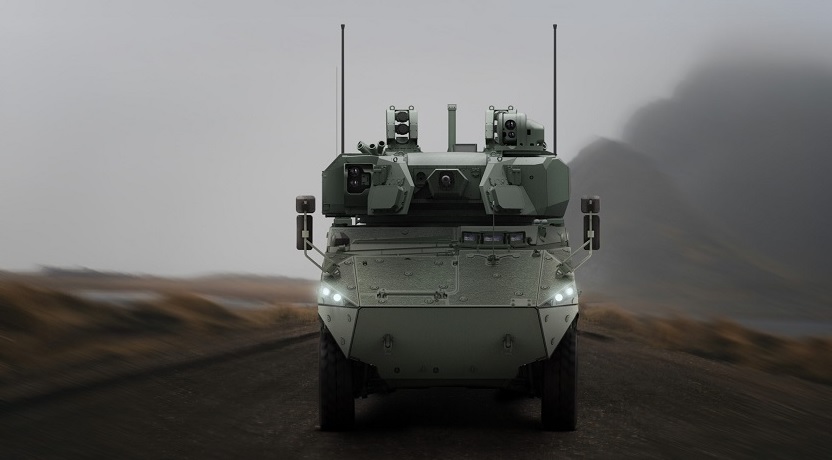
World
In a move that underscores growing European interest in AI-driven defence technologies, Czech technology firm Retia has entered into a strategic partnership with Israeli defence tech company Axon Vision. This collaboration is focused on advancing the electronic systems inside military armoured vehicles, aiming to deliver next-generation situational awareness and threat response capabilities. The heart of this partnership lies in the integration of Axon Vision’s EdgeSA system—an advanced artificial intelligence-based situational awareness platform—into the latest variant of the PANDUR 8×8 EVO armoured vehicle, developed by Tatra Defence Vehicle (TDV). The system will be marketed not only to the Czech Armed Forces but also to a wider international clientele, especially across Europe. EdgeSA isn’t just another sensor or camera—it’s an intelligent, real-time fusion engine that gathers data from various onboard sensors to create a comprehensive, 360-degree battlefield view. This capability allows vehicle crews to identify and assess threats even with closed hatches, making operations safer and more efficient under combat conditions. By reducing the workload on the crew and aiding quick decision-making, the system significantly boosts both survivability and mission effectiveness. To package and promote the new capabilities, Retia has launched SAAV (Situational Awareness for Armored Vehicles)—a complete offering that includes both the EdgeSA system and Retia’s integration expertise for different vehicle types. The decision to adopt Axon Vision’s system followed a rigorous competitive evaluation, where the AI-powered solution reportedly outperformed all other contenders. Jan Mikulecký, CEO of Retia, emphasized the importance of working with reliable and cutting-edge partners to meet the high standards of modern defence needs. “We create products that meet the highest standards, and for that, we need partners with advanced technology. Axon Vision fits that role perfectly,” he noted, referring to the joint efforts on the PANDUR 8×8 EVO platform. Tatra Defence Vehicle, which is playing a key role in this collaboration, also sees this partnership as a continuation of long-standing Czech-Israeli defence ties. TDV’s CEO, Tomáš Mohapl, highlighted that Israeli partnerships have consistently strengthened the capabilities of their armoured vehicles. He also hinted at broader ambitions, saying that the same technology would enhance TDV’s other platforms like the TADEAS 6×6, improving their competitiveness in global markets. From the Israeli side, Axon Vision is equally optimistic. CEO BG. (Ret.) Roy Riftin described their system as a game-changer in armoured warfare. “Our AI-powered situational awareness technology is redefining how armoured vehicles operate. This partnership shows our expanding footprint in Europe and our commitment to bringing cutting-edge solutions to modern battlefields,” he said. Axon Vision’s technology is designed to be modular and platform-agnostic, meaning it can be adapted to a wide range of vehicle types and operational environments. The company’s systems are already deployed across several military domains globally, demonstrating their versatility on land, at sea, and in the air. The strategic cooperation between Retia and Axon Vision signals a significant step forward in the digital transformation of armoured vehicles. With battlefields becoming increasingly data-driven, the integration of artificial intelligence into core defence systems may soon become the standard—rather than the exception—in modern military operations.
Read More → Posted on 2025-04-18 14:34:06
World
Hamas has firmly signaled its rejection of Israel’s latest ceasefire proposal, demanding a more comprehensive agreement that includes a complete end to the war in Gaza. This development comes amid continued Israeli airstrikes across the densely populated Palestinian territory, where the humanitarian crisis is worsening by the day. On Thursday, Khalil al-Hayya, Hamas’s chief negotiator, made it clear that the group would not accept what he described as “partial agreements” designed to serve Israeli Prime Minister Benjamin Netanyahu’s political interests. Speaking in a televised address, he emphasized that Hamas wants a full-scale deal that includes a total cessation of hostilities, the withdrawal of Israeli forces from Gaza, a large-scale prisoner exchange, and the start of reconstruction efforts. Israel had offered a 45-day truce in exchange for the release of 10 Israeli hostages held by Hamas. In return, Hamas demanded the release of 1,231 Palestinian prisoners and unimpeded humanitarian aid into Gaza, which has been under total blockade since early March. However, a major sticking point in the proposal was Israel’s demand for Hamas to begin disarming — a condition Hamas categorically rejected. According to sources, Hamas submitted its written response to the ceasefire plan through mediators. Their stance has not changed: they want a single, comprehensive deal, not a phased approach that could leave crucial matters unresolved. The situation on the ground in Gaza continues to deteriorate. On the same day Hamas rejected the proposal, civil defense teams reported that Israeli airstrikes killed at least 40 people, mostly in makeshift camps for displaced families. In one of the deadliest incidents, two missiles hit tents in Al-Mawasi, an area previously designated by Israel as a “safe zone,” killing 16 people, including many women and children. Survivors described a sudden explosion that turned tents into firetraps. Strikes were also reported in Beit Lahia, Jabalia, and Gaza City. In Jabalia, a strike on a Hamas command and control center reportedly resulted in the deaths of 13 people, including members of the Asaliya family and several people sheltering at a school. Gaza's civil defense says the ongoing offensive has devastated areas already overwhelmed with displaced civilians. Israel has intensified its military operations in northern and southern Gaza, and now says it has converted 30 percent of the strip into a “buffer zone.” The United Nations reports that more than 500,000 Palestinians have been newly displaced since these operations resumed in March, calling the situation the worst humanitarian disaster of the war. Qatar, which has served as a key mediator along with Egypt and the U.S., blamed Israel for the collapse of the previous ceasefire agreement. During a visit to Moscow, Emir Sheikh Tamim bin Hamad Al-Thani stated that “Israel did not abide by the agreement” reached earlier this year. Meanwhile, Gaza faces severe shortages of fuel, medicine, water, and food. The Israeli Defense Minister recently said Israel would continue blocking aid, which Hamas condemned as an intentional war crime aimed at starving the population. The International Committee of the Red Cross also voiced its outrage after one of its bases was struck in Gaza — the second such incident in recent weeks. According to the health ministry in Gaza, at least 1,691 people have been killed since Israel resumed its large-scale assault last month. This brings the total death toll in Gaza to over 51,000 since the war began following Hamas’s attack on Israel on October 7, 2023, which left 1,218 people dead in Israel, most of them civilians. With no breakthrough in sight and the humanitarian situation growing more dire, the prospect of a peaceful resolution remains distant. Hamas’s rejection of the latest truce offer underscores the complexity of reaching a lasting ceasefire — one that satisfies both parties’ core demands and puts an end to the suffering of millions caught in the conflict.
Read More → Posted on 2025-04-18 14:28:15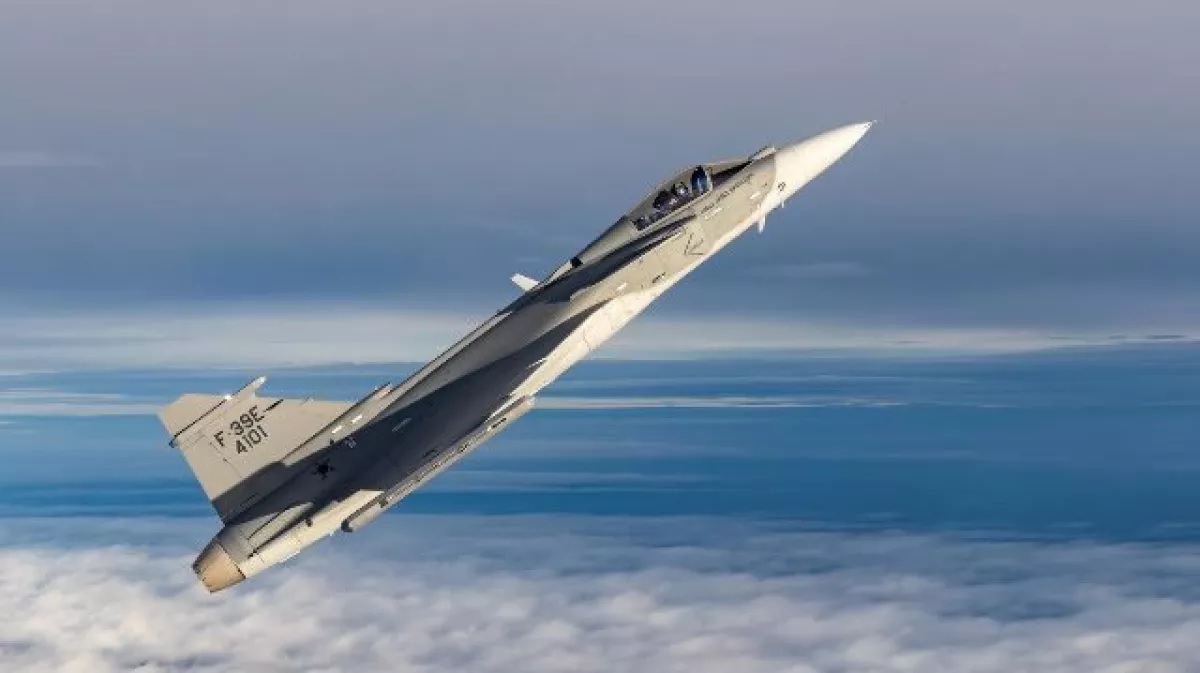
World
Sweden is taking a bold step toward deepening its defence ties with Latin America by seeking parliamentary approval for a high-value sale of up to 12 Saab JAS 39 Gripen E/F fighter jets to Peru. The move marks a significant potential milestone for both nations: for Sweden, a chance to expand its aerospace influence; for Peru, an opportunity to modernize an ageing air force with cutting-edge technology. The proposed deal, valued at around $2 billion, includes not only the aircraft but also unspecified air defence systems. It was recently submitted as part of Sweden’s supplementary budget for 2025, highlighting its strategic importance. If passed by the Swedish Parliament—a step considered likely due to Sweden’s strong support for defence exports—the deal would pave the way for a formal government-to-government agreement. This approach aligns with Peru’s procurement preferences, giving the deal a stronger chance of success. Peru, facing the pressing need to replace its decades-old Mirage 2000 and MiG-29 fighters, has already earmarked $2 billion through its Public Debt Law for this initial batch of 12 jets. This is part of a broader $3.42 billion program to acquire 24 new fighter jets in total, with a second phase planned for 2026. The Gripen E/F has emerged as a front-runner in the competition, going head-to-head with top Western platforms like the U.S. F-16 Block 70 and France’s Dassault Rafale. What sets the Gripen apart is its modern suite of capabilities—advanced AESA radar, powerful electronic warfare systems, and efficient operating costs. Designed to work effectively in tough and varied terrains, the Gripen can also take off from short or improvised runways, a practical advantage in Peru’s diverse geography that includes jungle, mountains, and coastline. But Sweden’s offer goes far beyond simply supplying jets. The proposed deal includes elements of technology transfer and local industrial collaboration, modeled after the successful Gripen program in Brazil. This could mean assembling parts of the aircraft or setting up maintenance facilities within Peru, creating skilled jobs and technical expertise locally. It also opens the door for future defence cooperation across South America, with Brazil, Colombia, and possibly Peru sharing common platforms. Deliveries could begin as early as 2028 and extend to 2030. The primary production would take place in Sweden, but there’s potential for additional support from Embraer’s facilities in Brazil, which are already involved in Gripen production. This collaborative model would not only streamline logistics and maintenance across the region but also strengthen regional defence ties. Strategically, Sweden’s push into Peru represents a broader shift in the region’s defence posture. Latin American countries have traditionally leaned toward U.S.-made equipment, but Sweden’s Gripen has recently gained traction. If the deal goes through, it would solidify Saab’s growing footprint in the region and promote interoperability among air forces using the same platform. However, the path isn’t entirely free of hurdles. The Gripen’s GE-F414 engine is American-made, and its export to a third country like Peru may require U.S. government approval. Additionally, geopolitical considerations may come into play, especially as other major defence players eye the Peruvian market. In summary, Sweden’s proposed Gripen sale is more than just a fighter jet transaction—it’s a strategic partnership opportunity. For Peru, it represents a leap toward a modern, capable air force. For Sweden, it's a bid to secure a long-term presence in Latin America’s defence market, build industrial bridges, and shift the balance of regional airpower. If all goes well, this deal could reshape the future of South American air defence.
Read More → Posted on 2025-04-17 16:11:33
World
A powerful explosion rocked Northrop Grumman’s solid rocket motor production facility in Promontory, Utah, early in the morning on April 16, 2025, causing the destruction of a building but fortunately resulting in no serious injuries. The blast, which occurred around 7:35 a.m. local time, sent shockwaves through the surrounding area and triggered an immediate emergency response from both local authorities and the company itself. The facility, known as “Rocket Ranch,” is a cornerstone of the United States’ solid rocket motor (SRM) production capability and plays a central role in some of the nation’s most critical defense and space programs. In a statement released later that day, Northrop Grumman confirmed that all employees working in or near the affected building were accounted for and that no significant injuries were reported. The company also stated that it was working to determine the cause of the incident, though details about the building’s specific function remain undisclosed. Aerial footage broadcast by local media showed the building had sustained severe structural damage, but no fire was visible at the scene. Investigators are currently examining the blast site to uncover what led to the explosion. The timing of the incident comes just weeks after a major milestone for the U.S. Air Force’s Sentinel intercontinental ballistic missile (ICBM) program. On March 6, 2025, a full-scale static fire test of the Sentinel’s stage-one solid rocket motor was successfully conducted at this very facility. The Sentinel program is designed to replace the aging Minuteman III missiles, forming the land-based leg of the United States’ nuclear triad. In total, the program will deliver 400 deployed ICBMs and an additional 259 missiles for testing and demonstration purposes. Northrop Grumman’s Promontory site has a long history in rocket propulsion, originally operated by Thiokol and later Orbital ATK before being acquired by Northrop in 2018. Today, it stands as one of the few places in the country with the capability to design, manufacture, and test large solid rocket motors. Northrop supplies approximately 90 percent of America’s SRM capacity, used in both military missiles and commercial space launches. The strategic importance of the Promontory facility cannot be overstated. Located just north of the Great Salt Lake and near the Ogden Air Logistics Complex, the site has been integral in supporting programs like the Ground Based Strategic Deterrent (GBSD), now known as Sentinel. During the competition for the GBSD contract, Northrop’s dominance in SRM production became a central issue, ultimately leading to Boeing’s withdrawal and Northrop securing the award. As of now, neither the U.S. Air Force nor Northrop Grumman has disclosed whether the destroyed building was directly linked to the Sentinel missile program or any active SRM production lines. However, given the facility’s critical role, the incident is likely to draw continued scrutiny from defense officials and industry observers. In a landscape where only one other major SRM producer—Aerojet Rocketdyne, now part of L3Harris—exists in the United States, any disruption at Promontory can have national-level implications for missile readiness and space launch timelines. Investigators are expected to provide further updates once the cause of the explosion is determined and a safety review is completed. For now, operations in the surrounding areas of the facility continue under heightened safety protocols, while the destroyed building remains cordoned off as assessments and repairs begin.
Read More → Posted on 2025-04-17 16:02:02
World
In a dramatic turn that could reshape America’s missile defense strategy, Elon Musk’s SpaceX has emerged as the leading contender to build a crucial part of former President Donald Trump’s proposed “Golden Dome” — a sweeping missile shield initiative described as one of the most critical national security efforts in U.S. history. The initiative, outlined in Trump’s January 27 executive order, prioritizes the rapid development of a defense system that can detect and neutralize incoming missile threats. The order declared missile attacks as “the most catastrophic threat facing the United States,” prompting an aggressive push toward high-tech solutions from the private sector. A Powerful Tech Alliance SpaceX is not going it alone. The company is reportedly partnering with Palantir Technologies, a data analytics firm, and Anduril Industries, known for its AI-driven defense drones. All three companies are spearheaded by founders with strong ties to Trump and a shared interest in revolutionizing U.S. defense capabilities through technology. Together, this trio is proposing a bold vision: the launch of hundreds — possibly over a thousand — satellites capable of identifying and tracking missile launches anywhere on Earth. These would be supported by an additional constellation of around 200 “attack satellites” potentially armed with interceptors or laser systems. While SpaceX would focus on the detection network — what insiders call the "custody layer" — it would not be involved in the weaponization of the satellites. SpaceX’s experience in deploying and managing large-scale satellite networks like Starlink gives it a significant advantage. The company is proposing a faster-than-usual deployment timeline by reusing existing satellite and rocket technology, including the Falcon 9 launcher and previously tested spy satellite prototypes. The estimated cost for initial engineering and design work on this “custody layer” ranges between $6 billion and $10 billion. A Subscription-Based Defense? What sets SpaceX’s proposal apart is its unconventional model: rather than the U.S. government owning the defense infrastructure outright, SpaceX would offer access to it as a subscription service. The idea is similar to how cloud computing or software is offered commercially — the government pays for usage, not ownership. This model could bypass traditional defense procurement red tape, speeding up deployment and reducing initial investment. However, it has also sparked concerns within the Pentagon. Critics argue that a subscription-based missile shield could make the U.S. too dependent on a private firm and raise issues of control, long-term costs, and pricing power. Behind the Scenes: Political and Strategic Influences The bid is not without controversy. All three companies involved have close political ties to Trump. Musk himself has donated over $250 million to support Trump’s campaigns and now serves as a special adviser in the Trump administration’s Department of Government Efficiency, tasked with cutting federal spending. According to insiders, there’s growing concern that defense officials are being “deferential” to Musk and his companies, deviating from normal acquisition protocols. Retired Air Force General Terrence O'Shaughnessy, now a key adviser to SpaceX, has reportedly been heavily involved in high-level discussions with the Pentagon. General Michael Guetlein from the U.S. Space Force is overseeing talks about ownership and operational control. Options include letting SpaceX own and run its segment, the U.S. government owning the system outright, or a hybrid model. A Crowded Field, Sky-High Stakes More than 180 companies, including major defense contractors like Boeing, RTX (formerly Raytheon Technologies), Northrop Grumman, and Lockheed Martin, have shown interest in participating in Golden Dome. Startups such as Epirus, Ursa Major, and Armada are also competing for slices of the project. Lockheed Martin has already begun marketing its own concepts online. Despite the massive competition, SpaceX’s head start — thanks to existing satellite assets and deep-pocketed investment in launch capabilities — may put it at the forefront. Still, skeptics within the defense community question whether a private-sector-led initiative of this scale can deliver the reliability, security, and speed required for a national missile defense system. Pentagon insiders have cautioned that while the concept is promising, the final structure and partners of Golden Dome remain far from finalized. Changes in political direction, budget constraints, and technology hurdles could all impact the eventual outcome. What’s clear is that if SpaceX does secure the deal, it would mark Silicon Valley’s biggest breakthrough into the traditionally closed world of high-stakes military contracting — and Elon Musk’s most significant leap yet into U.S. national defense.
Read More → Posted on 2025-04-17 15:58:56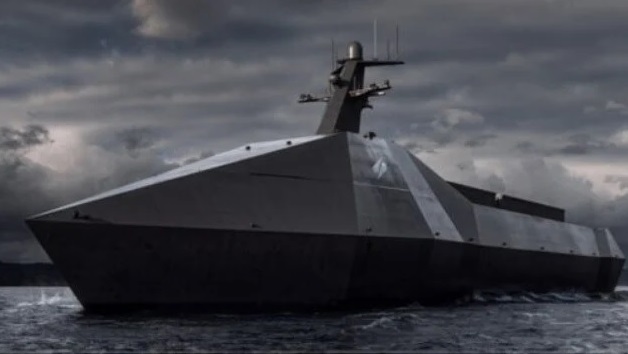
World
In a major move aimed at reshaping the future of naval shipbuilding, Saronic has officially acquired Gulf Craft, a long-established shipyard based in Louisiana. This acquisition marks a turning point for the fast-growing defense technology company as it looks to rapidly expand its capabilities in building autonomous ships. The first big result of this expansion is the unveiling of Marauder, a powerful and fully unmanned 150-foot Medium Unmanned Surface Vessel (MUSV) built to serve both military and commercial missions. With over 60 years of shipbuilding experience under its belt, Gulf Craft brings to the table not just skilled labor and infrastructure, but also a deep-rooted presence on the U.S. Gulf Coast — a strategically important location for defense production. By integrating Gulf Craft into its operations, Saronic now has a well-established production hub ready to support rapid prototyping and mass production of unmanned vessels. This move is a bold step toward reducing the U.S. military's reliance on manned platforms while preparing for a future where large fleets of autonomous vessels may dominate the seas. The newly revealed Marauder is no ordinary vessel. Purpose-built from the ground up, this medium-class unmanned ship can carry up to 40 metric tons and travel as far as 3,500 nautical miles. If the mission requires it, the Marauder can remain on station for over 30 days. Importantly, the ship will use Saronic’s advanced autonomy systems that have already proven effective in smaller vessels. It’s a ship designed to be fully unmanned, which drastically reduces costs and risks compared to legacy manned ships. Saronic plans to invest over $250 million in modernizing the acquired shipyard. This includes facility upgrades, advanced machinery, and systems designed to speed up production without compromising quality. These changes are expected to allow Saronic to eventually build up to 50 unmanned ships every year — a huge leap in capacity at a time when the U.S. Navy and allied forces are actively seeking new, cost-effective maritime solutions. The company has also made it clear that its ambitions go beyond just this acquisition. While the Gulf Craft site will serve immediate production needs, Saronic is laying the groundwork for a much larger initiative called Port Alpha. This future facility, which Saronic plans to develop with a staggering $2.5 billion investment, will be the world’s most advanced shipyard dedicated entirely to building autonomous surface vessels. It is expected to create thousands of new jobs and dramatically boost the U.S.'s ability to produce next-generation naval platforms at scale. This acquisition isn’t just good news for Saronic and its customers — it’s also a boost for Louisiana’s economy. By retaining Gulf Craft’s existing workforce and planning to hire more than 500 new employees over the next few years, Saronic is investing in American labor and helping revive the local shipbuilding industry. This includes opportunities for skilled trades like welders and electricians, as well as new roles for engineers, naval architects, and technologists. Leaders in Washington have welcomed this development as a vital step toward restoring the strength of America’s maritime industrial base. As global competition in defense shipbuilding intensifies — particularly from China — this move helps strengthen the U.S. position. Saronic’s vertically integrated approach, domestic supply chain focus, and rapid development timelines make it a key player in efforts to modernize and expand the Navy’s capabilities. In simple terms, Saronic isn’t just building ships — it’s building the future. With the acquisition of Gulf Craft and the launch of the Marauder, the company has taken a giant step toward becoming a powerhouse in autonomous naval technology. More importantly, it’s helping lead the charge in ensuring America remains at the forefront of maritime innovation and defense strength.
Read More → Posted on 2025-04-17 15:52:54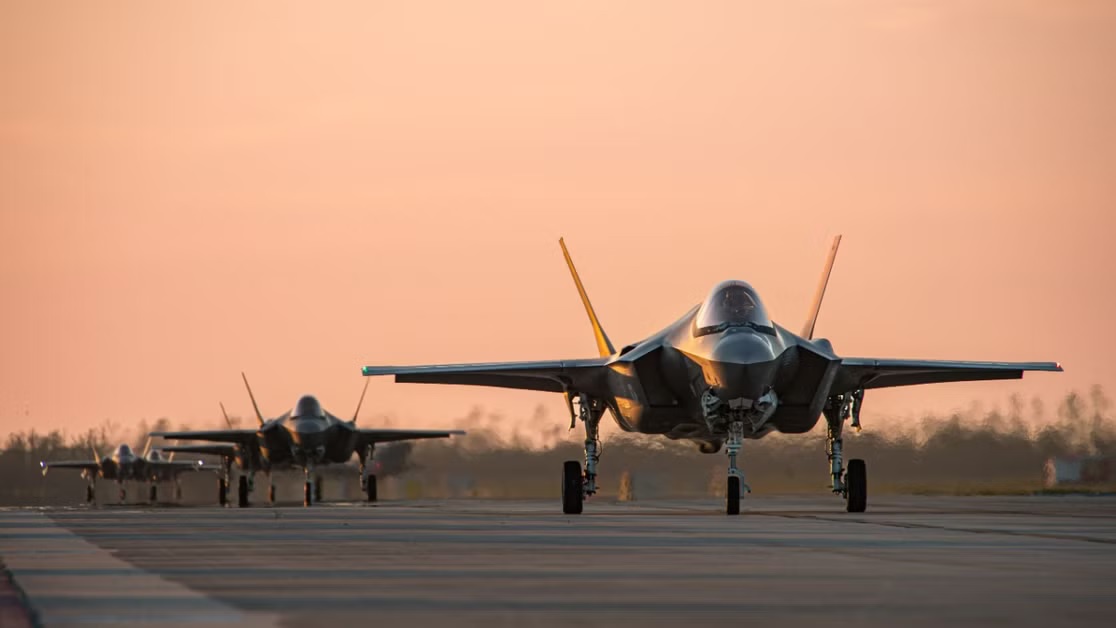
World
Turkey is making a renewed push to return to the United States' F-35 fighter jet programme, signaling a potential shift in its defense procurement priorities. According to recent reports, senior officials from Turkey's Ministries of Defence and Foreign Affairs are considering redirecting $1.4 billion—previously earmarked for a separate F-16 fighter jet deal—towards the purchase of F-35s, provided that Washington agrees to Ankara’s re-entry into the programme. This development appears to follow a key phone conversation in March between Turkish President Recep Tayyip Erdoğan and former U.S. President Donald Trump. The call reportedly touched on the possibility of Turkey rejoining the F-35 programme, from which it was expelled in 2019. Turkey’s removal was a result of its decision to purchase the Russian-made S-400 air defense system, which the U.S. viewed as incompatible with NATO standards and potentially compromising to the stealth technology of the F-35. Since then, Turkey has not only pushed for a refund of the $1.4 billion it had already invested in the F-35 programme but also turned its attention toward acquiring 40 F-16 Viper jets and modernizing 79 of its existing F-16s. The total deal, which received U.S. approval earlier this year, is worth up to $23 billion. However, the agreement has yet to be finalized, and talks have reportedly slowed as Turkey recalibrates its priorities. The six F-35 jets that had been manufactured for Turkey before its expulsion are still in storage in the U.S., and Ankara is keen to either take delivery of those aircraft or find a way to resume procurement under a fresh agreement. However, Washington’s stance remains firm—removal of the S-400 systems continues to be a core condition for Turkey’s re-admittance to the F-35 programme. In a parallel move, Turkey is also exploring other options to modernize its air force. Negotiations with the United Kingdom are reportedly underway for the possible purchase of 40 Eurofighter Typhoon jets, which would offer Ankara an alternative path to maintaining airpower parity in the region. The recent developments suggest Turkey is playing a strategic balancing act: keeping its options open with both U.S. and European suppliers, while leveraging its previous investment in the F-35 programme. Whether the U.S. government will consider Turkey’s return remains uncertain, especially in light of broader geopolitical tensions and NATO dynamics. Nonetheless, Ankara’s renewed interest in the F-35s signals a potential thaw in defense relations and may open a new chapter in the complex U.S.-Turkey defense partnership—if political and military conditions align.
Read More → Posted on 2025-04-17 15:50:30Search
Top Trending in 24 Hours
-
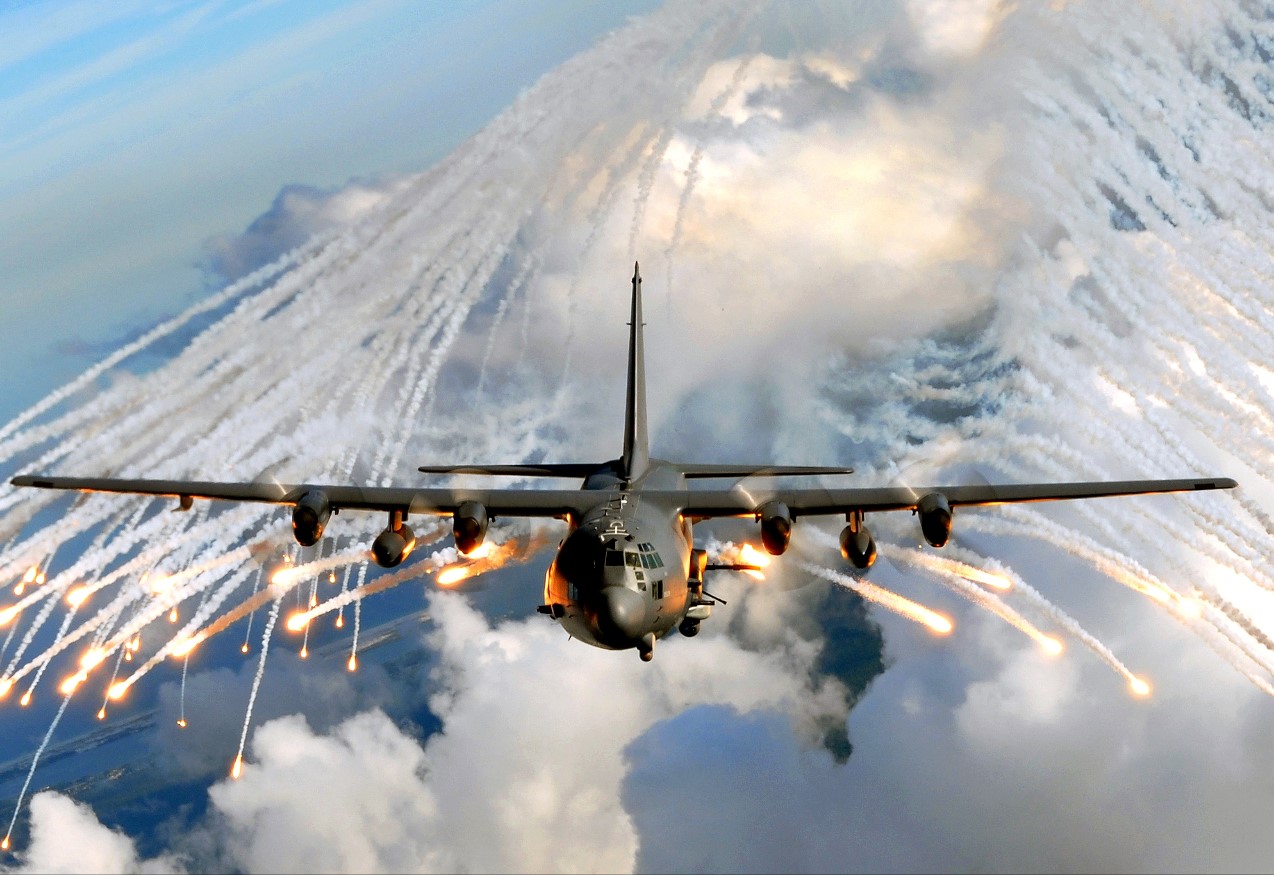 Pentagon Expands Alloy Surfaces Contract to $328.8 Million for Advanced Aircraft Decoy Flares Amid Evolving Drone Threats
-
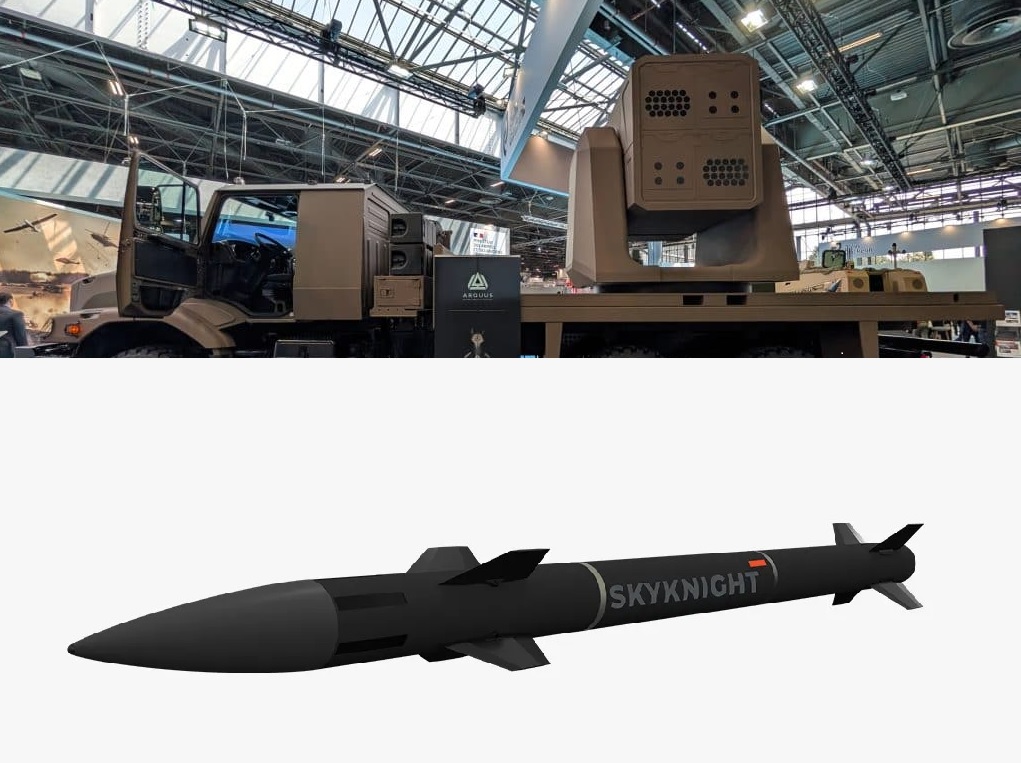 Naval Group Unveils Rampart Modular CIWS Multi-Purpose Weapon System for Naval and Ground Forces at Eurosatory 2026
-
 Why the U.S. Restored Pacific Command Name, Ending the Indo-Pacific Designation After Eight Years
-
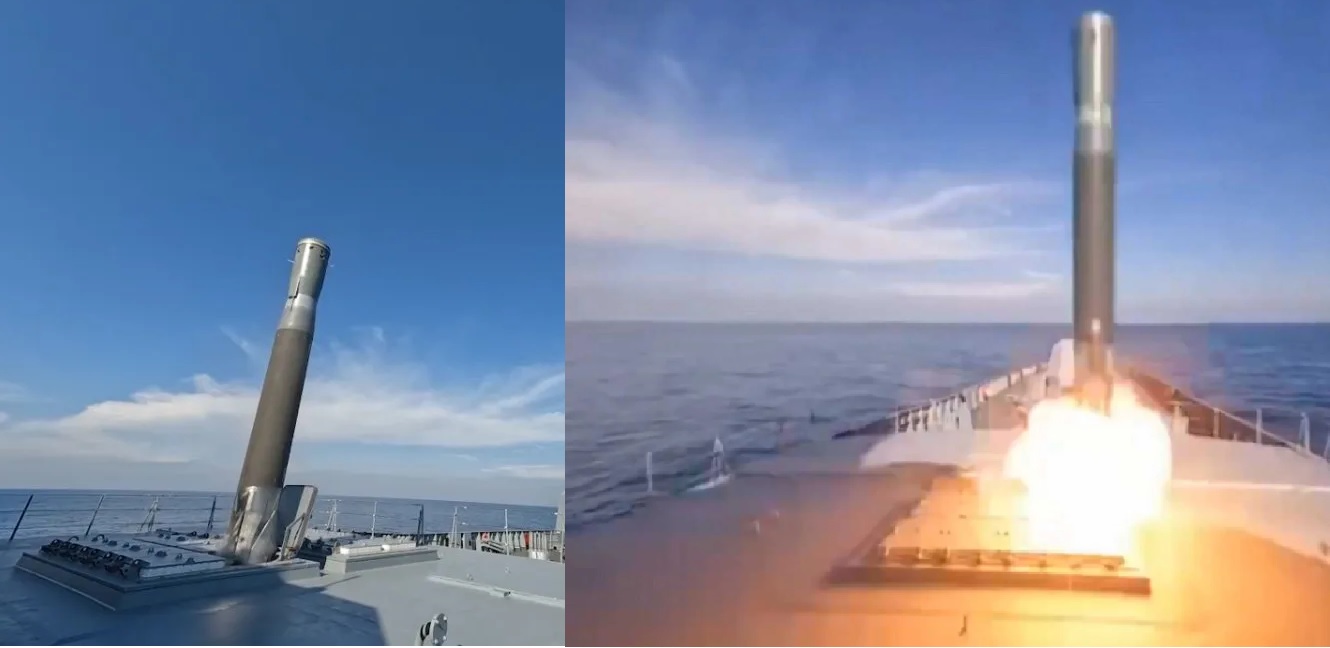 Open-Source Evidence Suggests Russia's Zircon Is a Quasi-Ballistic Missile, Not a True Hypersonic Cruise Weapon
-
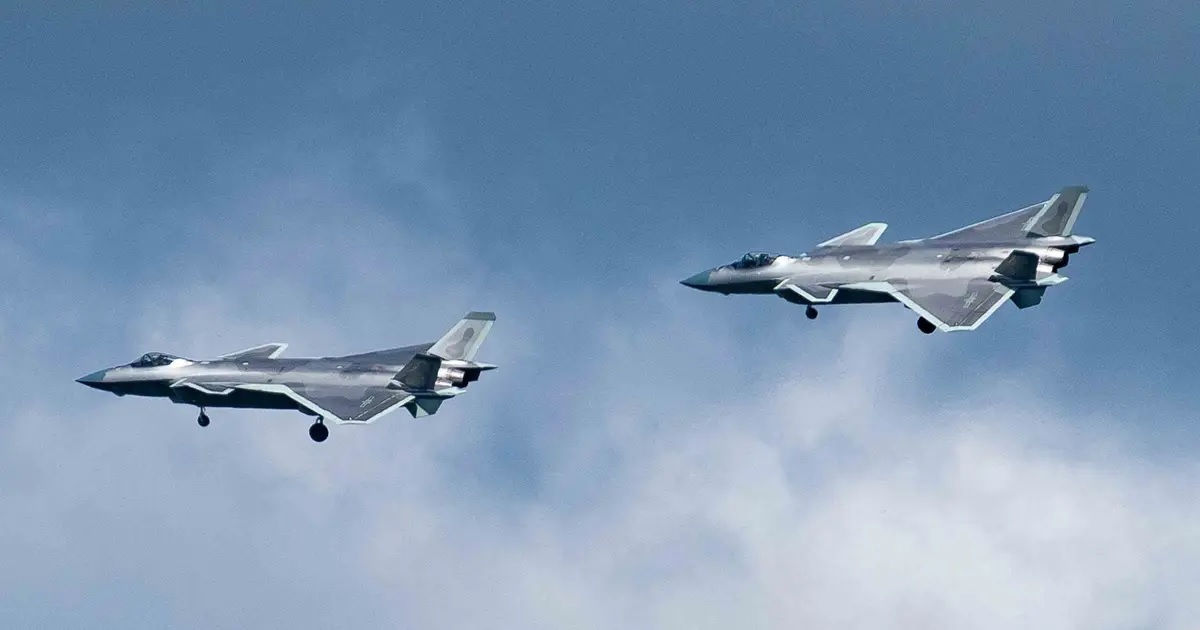 China Surpasses Russia as World’s Second-Most Powerful Air Force Amid Rapid J-20 and J-35 Expansion
-
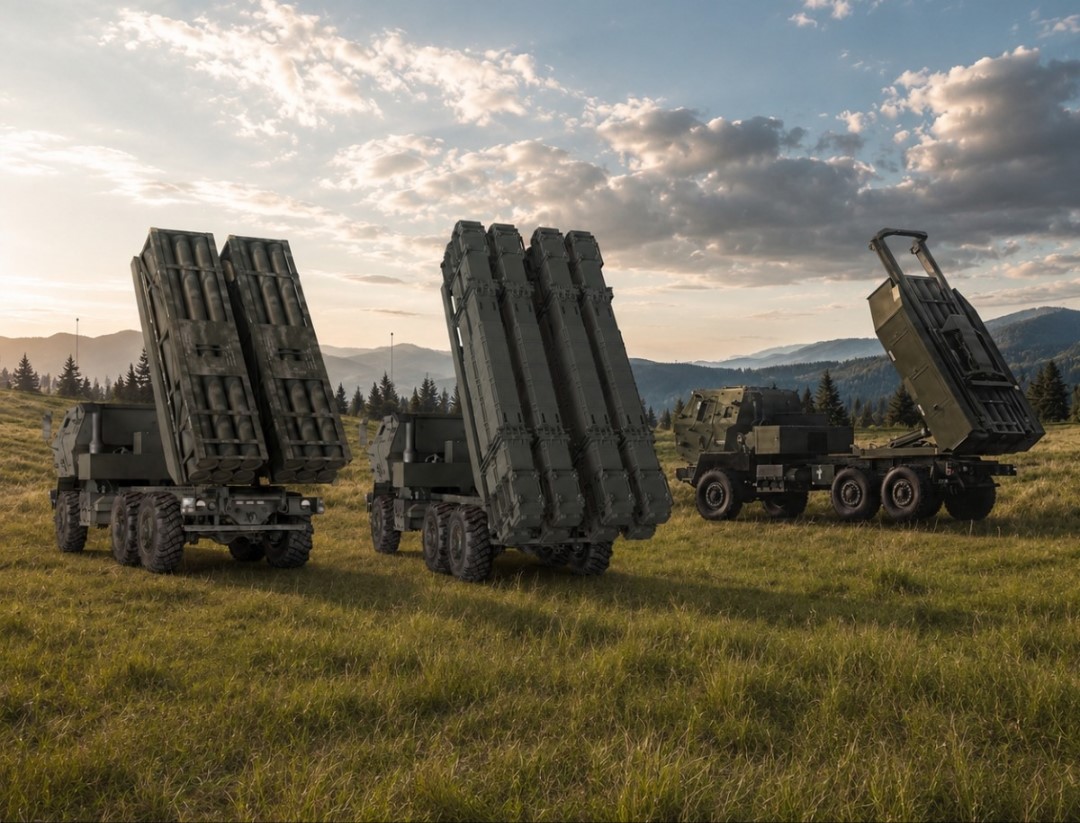 Lockheed Martin Unveils HIMARS FLEX with Dual-Pod Launcher and NATO-Compatible Air Defense Integration
-
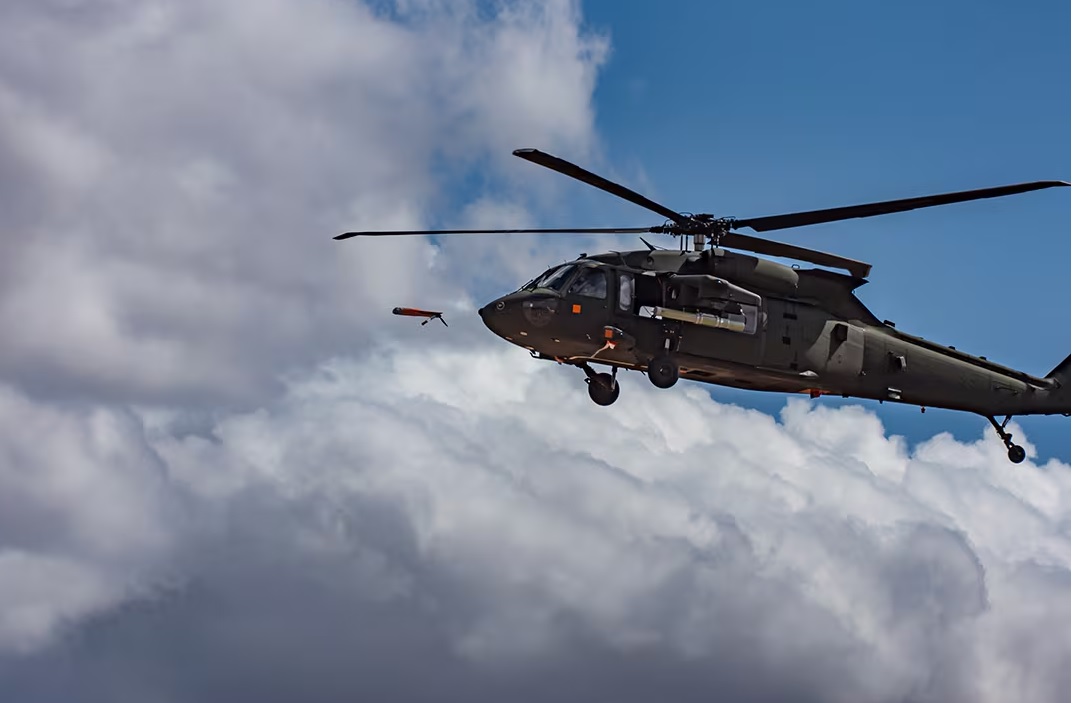 U.S. Army Completes First Flight Test of Medium-Range Air-Launched Effects from Black Hawk Helicopter
-
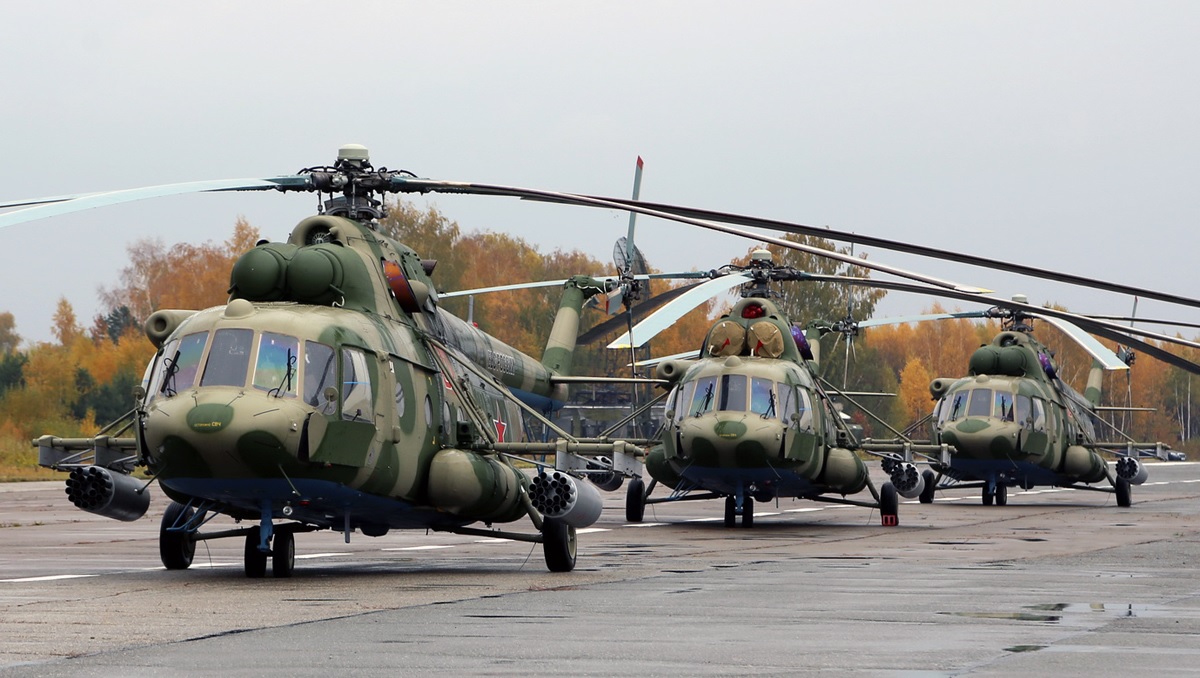 Iran Signs Deal with Russia for 20 Mi-8 and Mi-17 Helicopters to Boost Rescue and Medical Missions
Top Trending in 4 Days
-
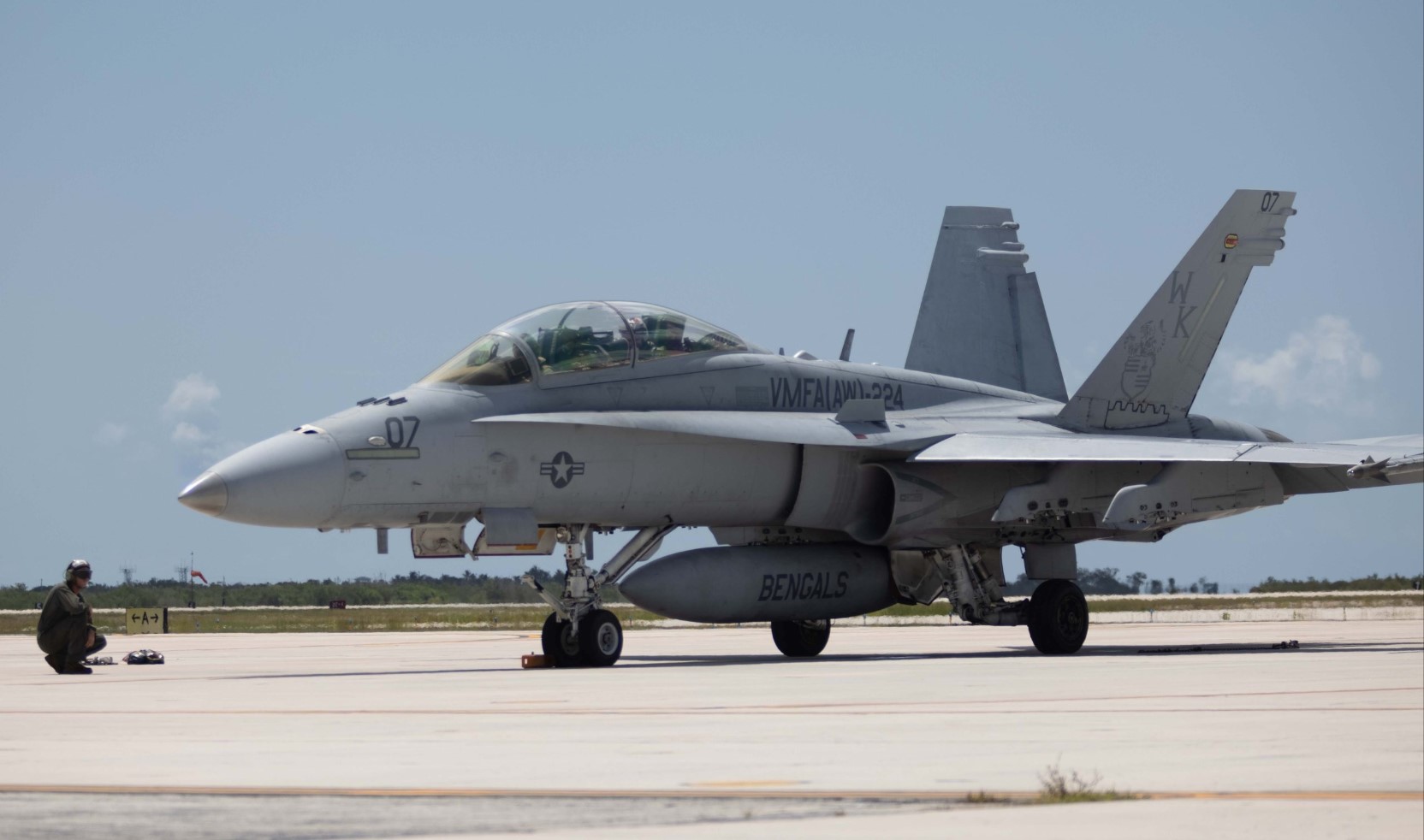 US Marine Corps F/A-18D Hornet Crashes During Training Flight in Washington Mountains; Pilot Ejects Safely
-
 Tulsi Gabbard Releases Declassified Files Detailing U.S.-Backed Network of 120 Biolaboratories Across 30+ Countries
-
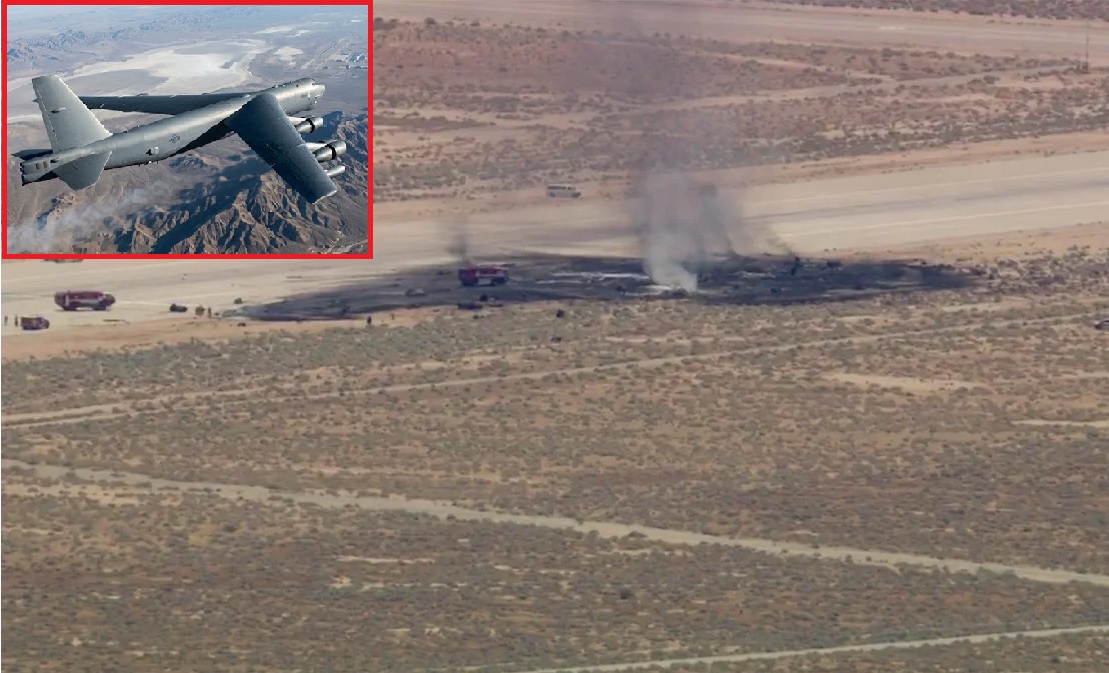 8 U.S. Air Force Crew Members Killed in B-52 Bomber Crash During Test Flight at Edwards Air Force Base
-
 Ukraine Introduces Balloon-Launched DART Missile Designed to Defeat Electronic Warfare
-
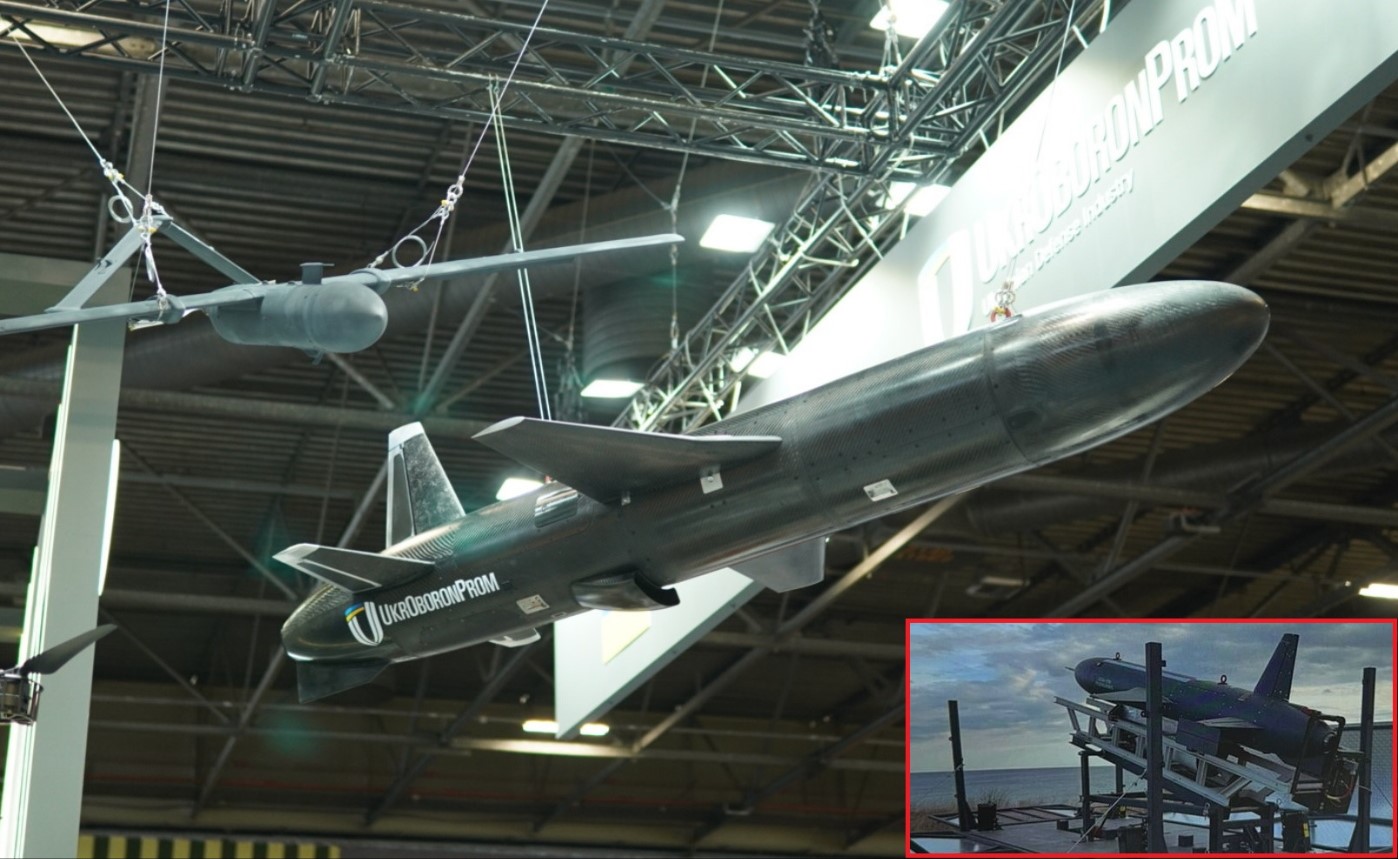 Ukraine Unveils UAV-290 Jet-Powered Strike Drone with 650 km Range at Eurosatory 2026
-
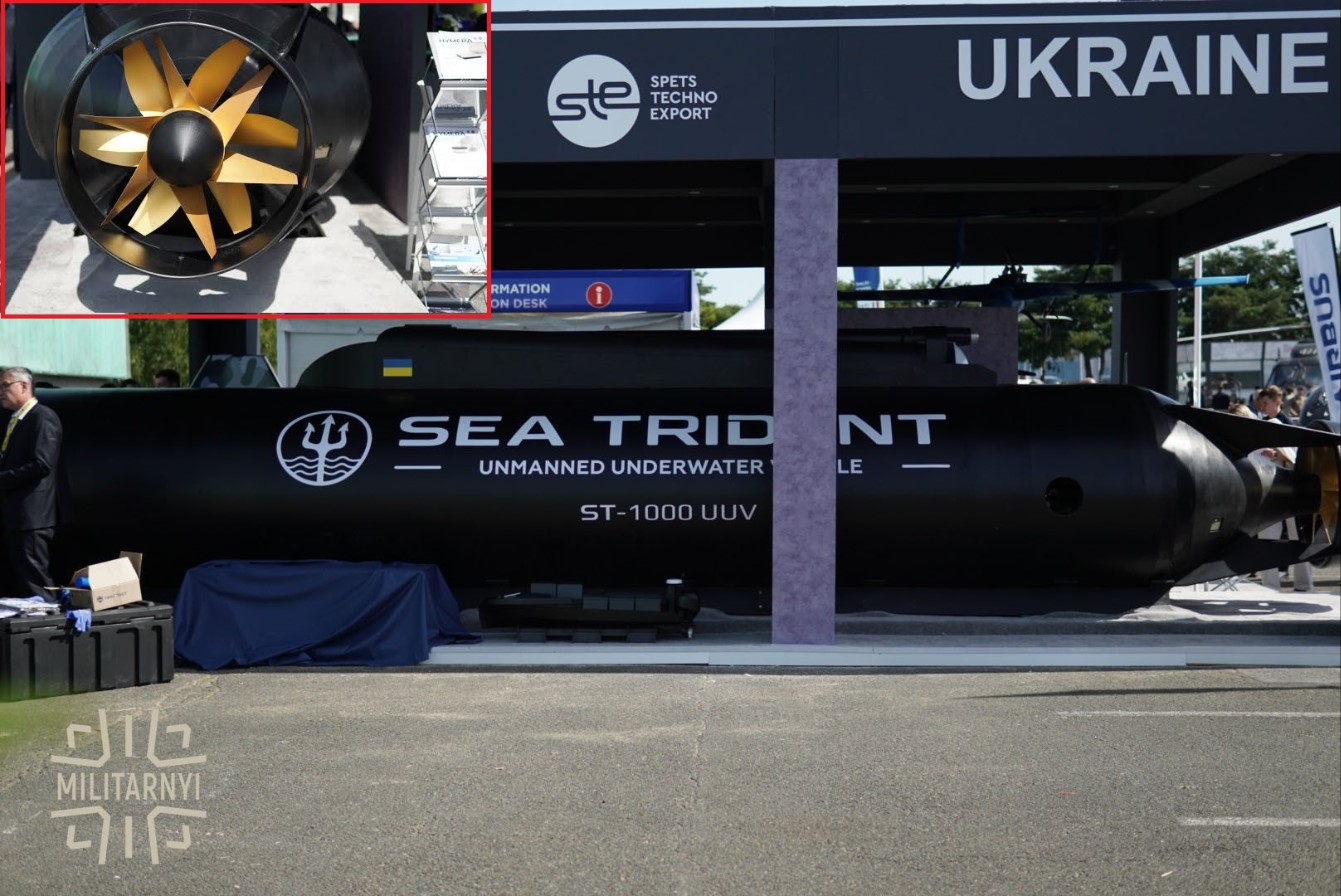 Ukraine Unveils 'Sea Trident' 10-Ton Autonomous Underwater Drone at Eurosatory 2026
-
 Rolls-Royce Unveils New Hybrid Powertrain for Heavy Military Vehicles at Eurosatory 2026
-
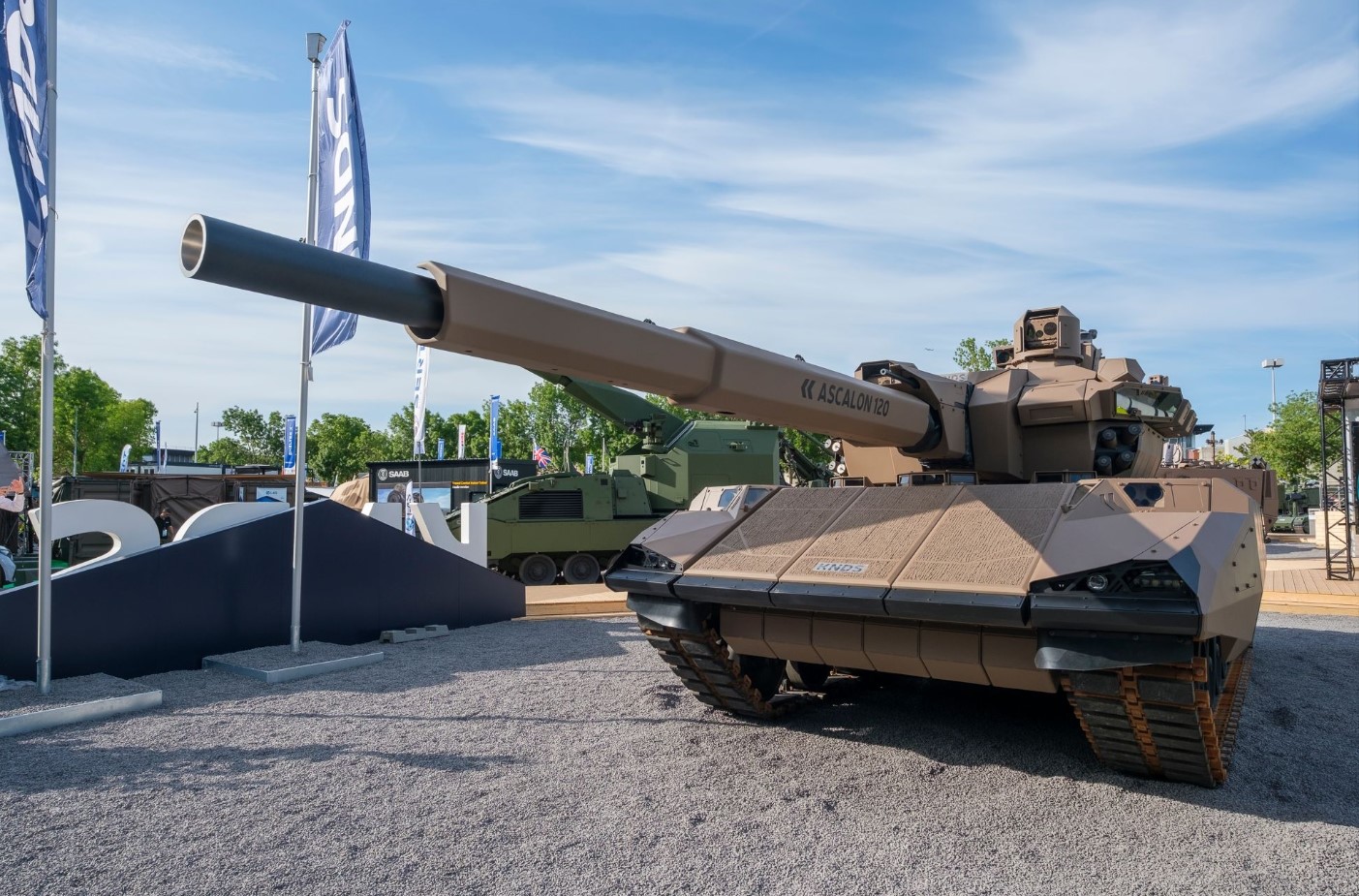 KNDS Unveils CAPINT Main Battle Tank at Eurosatory 2026 as Leclerc Stopgap