
World
The British Army’s latest generation of main battle tanks, the Challenger 3, is gearing up for its next major testing phase. These highly advanced tanks are scheduled to undergo trials in the second quarter of 2025, marking an important milestone in the modernization of the UK’s armored forces. This update was recently confirmed by UK Minister for Defence Procurement Maria Eagle in a parliamentary reply. So far, four Challenger 3 prototypes have been completed, with four more currently under construction. In total, 148 Challenger 3 tanks are planned for delivery to the British Army over the next few years. A New Era for British Armoured Power The Challenger 3 is designed to replace the aging Challenger 2 fleet, bringing a significant leap in firepower, protection, and battlefield technology. Earlier trials in April 2024 in northern Germany successfully tested the tanks’ firing accuracy, durability, and combat readiness. These trials involved live-fire exercises that proved the Challenger 3’s ability to hit targets with precision and withstand harsh operational environments. These successful tests have paved the way for the next phase of development in 2025. Developed by International Expertise The Challenger 3 is the result of a collaboration between BAE Systems (UK) and Rheinmetall (Germany), under a joint venture known as Rheinmetall BAE Systems Land (RBSL). This partnership brings together British design experience with German engineering expertise. One of the most important upgrades in the Challenger 3 is the installation of the Rheinmetall L55A1 120mm smoothbore gun. This modern weapon replaces the older rifled gun used in the Challenger 2 and aligns the tank’s firepower with NATO standards, ensuring it can use the same ammunition types as tanks like the Leopard 2 and M1A2 Abrams. Additionally, the tank will qualify for Enhanced Kinetic Energy (EKE) ammunition, being jointly developed under a UK-Germany agreement, which will give it greater armor-piercing capability against modern threats. Cutting-Edge Protection To defend against today’s battlefield dangers such as anti-tank missiles and combat drones, the Challenger 3 is equipped with the Rafael Trophy Active Protection System (APS). This advanced defensive system can detect incoming threats and launch countermeasures to neutralize them before they strike the tank. Its armor package, known as Chobham/Dorchester composite armor, has been further enhanced to offer improved resistance against modern kinetic and explosive projectiles. Specifications at a Glance Main Gun: Rheinmetall L55A1 120mm smoothbore Secondary Armament: 7.62mm coaxial machine gun, and 12.7mm remotely operated weapon station Active Protection: Rafael Trophy APS Armor: Upgraded composite armor based on Chobham/Dorchester Engine: Perkins CV12-9A V12 diesel (upgraded version) Top Speed: Approx. 60 km/h Crew: 4 (Commander, Gunner, Loader, Driver) Operational Range: Approx. 500 km Weight: Around 66-70 tons When Will Challenger 3 Be Ready? According to the Ministry of Defence, the Challenger 3 is expected to achieve Initial Operational Capability (IOC) by 2027, with Full Operational Capability (FOC) scheduled by 2030. The fleet is anticipated to serve with the British Army until at least 2040. Program Challenges and Future Outlook Like many major defense programs worldwide, the Challenger 3 project has faced delays and supply chain disruptions, drawing some criticism from defense experts regarding the pace of production and the number of prototypes completed so far. However, the UK Ministry of Defence continues to monitor the program closely and has assured that steps are being taken to address production issues and maintain progress. Once operational, the Challenger 3 will become one of the most advanced main battle tanks in Europe, offering superior protection, firepower, and digital systems designed for the future of warfare.
Read More → Posted on 2025-04-26 15:26:32
World
The Republic of Korea Navy (ROKN) has taken a significant step forward in submariner safety and rescue capability with the delivery of an advanced Submarine Rescue Vehicle (SRV) by JFD, a part of the Defence Division within James Fisher and Sons plc. This delivery marks a milestone achievement for the company, as it is the first time a free-swimming SRV has been deployed and recovered through a moonpool using an innovative Launch and Recovery System (LARS). A New Era in Submarine Rescue Operations The newly delivered system was developed in partnership with South Korean shipbuilder Hanwha Ocean as part of a major project to upgrade the ROKN’s submarine rescue capability. Unlike conventional SRV systems that are launched from the side or stern of a ship, this SRV is designed for deployment through a moonpool — a vertical opening in the center of a ship's hull — which provides safer and more stable operations, especially in rough sea conditions. The integration process took place after successful Factory Acceptance Trials (FAT) and Harbour Acceptance Trials (HAT) at JFD’s subsea manufacturing facility in Glasgow, Scotland. The final phase involved integrating the SRV with the rescue vessel’s moonpool system, requiring specially engineered modifications for precise subsea operations. Specifications of the Submarine Rescue Vehicle (SRV) Type: Free-swimming, crewed Submarine Rescue Vehicle Launch Method: Moonpool deployment using custom Launch and Recovery System (LARS) Capacity: Can rescue up to 17 submariners at a time Operating Depth: Capable of diving to depths of up to 500 meters Range: Over 25 nautical miles in a single operation Mating Capability: Designed to mate with distressed submarines (DISSUB) at various angles on the seabed Control System: Advanced subsea navigation and positioning system for precise manoeuvring Recovery: Hydraulic latching system for secure handling through the moonpool cradle This SRV is designed to perform rapid response missions, delivering life-saving support to submariners trapped in distressed submarines deep beneath the ocean surface. Why the Moonpool Design Matters South Korea’s coastal waters are known for their unpredictable and often challenging sea conditions. The moonpool deployment method significantly reduces operational risks by allowing the SRV to be safely launched and recovered within the ship’s hull, protecting the equipment and crew from rough waves and adverse weather. This approach ensures that rescue operations can continue safely and efficiently, even when sea states would prevent traditional launch methods. Strengthening International Partnerships JFD’s Managing Director of Defence, Rob Hales, highlighted the importance of the collaboration with Hanwha Ocean and the ROKN, stating: “We are proud to strengthen our partnership with Hanwha Ocean and our long-standing support to the Republic of Korea Navy with this new submarine rescue capability. This collaboration has drawn on world-class expertise to deliver an innovative solution that enhances submariner safety and operational readiness.” This achievement builds on the legacy of earlier-generation SRVs supplied by JFD to the Republic of Korea Navy, many of which remain in active service. The new system represents a leap forward in safety, technology, and operational flexibility. The successful delivery and integration of this next-generation Submarine Rescue Vehicle marks a major advancement for the Republic of Korea Navy’s submarine force. It also showcases the strength of international cooperation in enhancing naval safety capabilities. By combining innovation with operational reliability, this project ensures that the Republic of Korea Navy remains prepared for any underwater emergency, safeguarding the lives of its submariners in even the most challenging environments.
Read More → Posted on 2025-04-26 14:47:28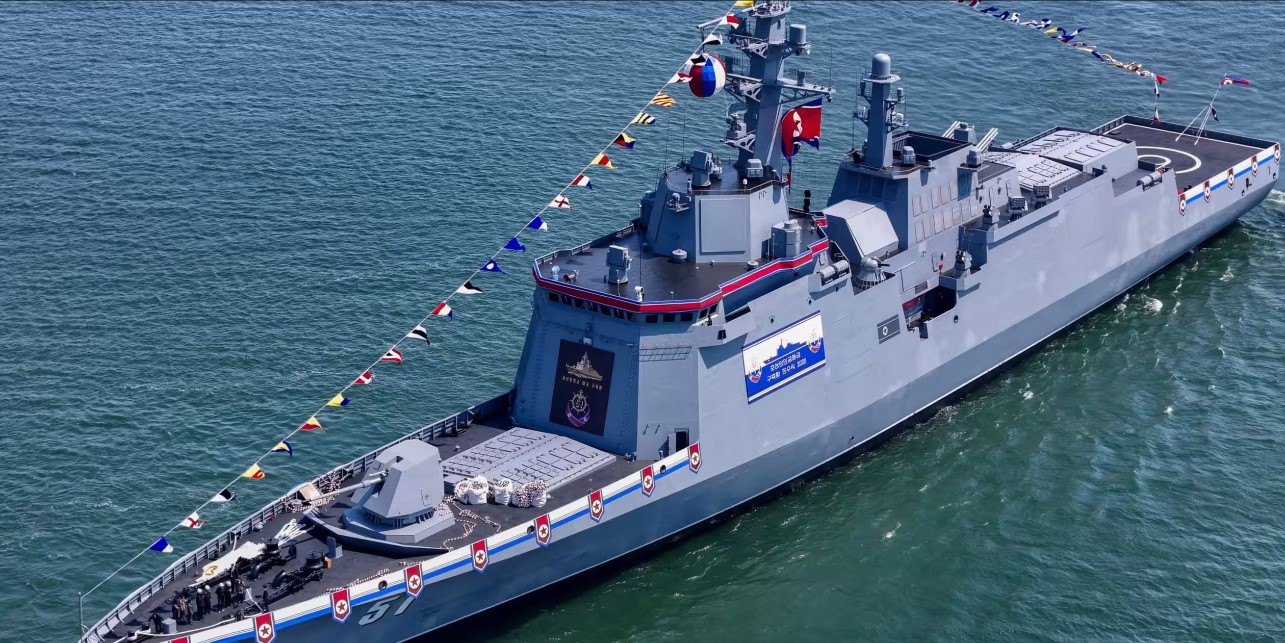
World
North Korea has officially launched a brand-new warship, claiming it as a powerful destroyer equipped with advanced weaponry. The vessel was revealed during a grand ceremony held at the Nampho Dockyard on the country’s west coast, attended by North Korean leader Kim Jong Un and his daughter Ju Ae. This new warship, named “Choe Hyon” after a celebrated anti-Japanese fighter from North Korea’s history, represents a significant addition to the country’s growing military capabilities, especially in its naval forces. A New Era for the North Korean Navy According to North Korean state media, this destroyer-class vessel is around 5,000 tons in size and took over a year to construct. Its introduction is part of Kim Jong Un’s ongoing efforts to modernize the nation’s naval strength — both above and below the water. Leader Kim stated that the ship would enhance the navy’s role as a "core service for national defence and a component of nuclear war deterrent." The vessel is expected to officially begin active operations in early 2025. What Is the Choe Hyon Armed With? Though official details remain limited, military experts analyzing images and North Korean claims suggest the destroyer is designed to carry: Ship-to-surface missiles Ship-to-air missiles Possibly short-range tactical nuclear missiles Given its size and North Korea’s focus on missile development, it’s believed the destroyer may also be equipped with anti-ship cruise missiles, advanced radar systems, and potentially torpedo launchers. North Korean state media has described the warship as equipped with the "most powerful weapons," though exact specifications of the missile systems or electronics onboard remain undisclosed. Kim’s Vision for a Nuclear-Ready Navy In recent months, Kim Jong Un has emphasized modernizing both surface warships and submarines. Earlier this year, he reviewed a project for building a nuclear-powered submarine, reinforcing his commitment to strengthening naval forces as a vital part of the country’s defensive and nuclear deterrence strategy. At the launch ceremony, Kim criticized the United States for conducting joint military exercises with South Korea, claiming these drills simulate nuclear attacks on North Korea. In response, Pyongyang continues to bolster its military strength, both conventional and nuclear. A Symbol of Political Message and Military Capability The unveiling of the Choe Hyon serves multiple purposes. It demonstrates North Korea’s determination to enhance its military technology despite international sanctions and signals that the country remains firm on retaining its nuclear arsenal. Experts believe this move also sets the stage for future negotiations by reminding the world of Pyongyang’s growing strategic capabilities. The presence of Kim’s daughter, Ju Ae, at the ceremony once again sparked speculation about her possible future leadership role, as she continues to appear at important military and national events. The launch of the Choe Hyon marks a bold step in North Korea’s naval development. While details of the ship’s full combat capabilities remain secret, its introduction highlights Pyongyang’s persistent focus on strengthening both its nuclear and conventional forces, especially at sea. The world will be watching closely as this new destroyer prepares to enter service in the coming year.
Read More → Posted on 2025-04-26 14:42:41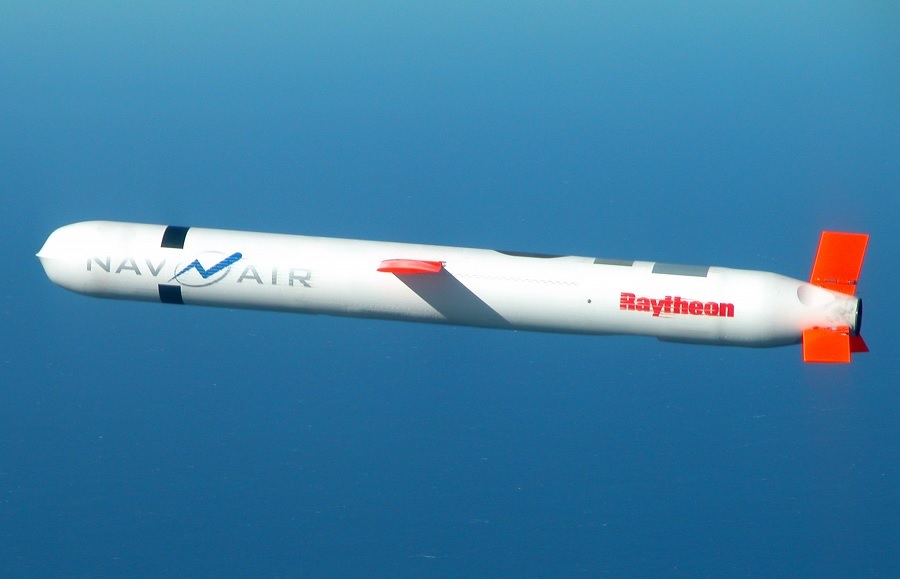
World
The United States has officially approved a major arms deal with the Netherlands, paving the way for the sale of advanced Tomahawk Land Attack Missiles and related equipment worth an estimated $2.19 billion. This move, confirmed by the U.S. Defense Security Cooperation Agency (DSCA), aims to bolster the defense capabilities of one of America’s key NATO allies. As part of the agreement, the Netherlands will receive up to 163 Tomahawk Block V missiles, 12 Tomahawk Block IV missiles, 10 Tactical Tomahawk Weapons Control Systems (TTWCS), and 2 special telemetry missiles designed for testing. Alongside these major items, the package also includes important communication systems, satellite data link terminals, secure broadcast equipment, and various support tools for operating and maintaining the missiles. The sale isn’t limited to just the missiles. It also covers technical support, program management, engineering assistance, logistics support, containers for transporting the missiles, flight tests, spare parts, training devices, and specialized software and hardware. Altogether, it ensures that the Dutch Navy will be fully equipped to integrate these powerful weapons into their existing defense systems smoothly. The DSCA explained that this deal supports U.S. foreign policy and national security objectives by strengthening a NATO partner that plays a crucial role in European stability and security. It also gives the Netherlands the ability to counter growing threats using long-range, precision-strike missiles capable of neutralizing key targets from a safe distance. Recently, the Royal Netherlands Navy successfully tested a Tomahawk missile launch from its frigate, Zr.Ms. De Ruyter, off the coast of Norfolk, United States. It was the first time a Dutch naval ship fired a Tomahawk missile, conducted under the supervision of the U.S. Navy and in collaboration with a Dutch defense team. This successful test provided vital data and marked a significant step toward the Netherlands becoming fully operational with Tomahawk systems. With the Tomahawk’s impressive range of over 1,000 kilometers, the Dutch Navy will now be capable of striking important inland targets such as command centers, enemy air defenses, and other critical military positions — all from ships at sea. The Dutch Ministry of Defence emphasized that adding Tomahawks will boost deterrence and contribute to national and NATO defense objectives. The United States confirmed that the Netherlands would be able to easily integrate these new systems into its military without disrupting the regional military balance. RTX Corporation, based in Tucson, Arizona, has been selected as the main contractor for the deal. Offset agreements, which often involve industrial cooperation or other benefits to the purchasing country, are also part of the arrangement. This major defense deal highlights the growing defense partnership between the U.S. and the Netherlands at a time when maintaining strong security ties in Europe remains more important than ever.
Read More → Posted on 2025-04-26 14:36:23
World
In a shocking incident near Moscow, a senior Russian general was killed when a parked car exploded in what investigators believe was a deliberate and highly coordinated attack. The victim was identified as General-lieutenant Yaroslav Moskalik, who served as the deputy head of the main operational directorate of Russia’s military General Staff—a central body responsible for directing army operations, particularly those tied to Russia’s offensive in Ukraine. The explosion occurred on a quiet Friday morning in the town of Balashikha, just east of Moscow. Residents reported a powerful blast around 10:45 a.m. local time that shook the neighborhood. Eyewitnesses described the scene as terrifying, with one local saying, “The explosion was very strong—it even gave me heart pain.” Police quickly sealed off the area, as emergency services and investigators swarmed the site. A white Volkswagen Golf, which was parked outside a residential building, was ripped apart by the explosion. Footage later released showed the vehicle’s front completely destroyed, with debris scattered across the street. Investigators confirmed that the blast was caused by an improvised explosive device (IED), carefully constructed to inflict maximum damage using metal fragments. Surveillance video showed the moment the car exploded, just as a person approached it. The Investigative Committee of Russia announced the launch of a murder investigation, while Russian foreign ministry spokesperson Maria Zakharova called the incident a terrorist attack. Although the authorities have not officially attributed blame, some Russian officials, including the leader of North Ossetia, Sergei Menyailo, hinted that Ukrainian agents might have been behind the bombing. He remarked, “People like Yaroslav stick in the enemy’s craw,” suggesting that Moskalik’s role in military planning made him a likely target. Ukrainian authorities have neither confirmed nor denied involvement. However, over the past three years, several similar high-profile attacks have targeted individuals connected to Russia’s military operations in Ukraine. Ukraine has previously referred to such targets as “legitimate,” viewing them as retaliation for Russia’s continued assault on Ukrainian territory. Investigative reports suggest the bomb-laden car may have been parked in the area for several days. It was allegedly purchased a few months ago by a man from Sumy, a city in northeastern Ukraine, and equipped with surveillance equipment—indicating a level of planning consistent with intelligence operations. General Moskalik, aged 59, had a long career in the military and was promoted to the rank of general-lieutenant by President Vladimir Putin in 2021. He had also represented the Russian military during ceasefire negotiations with Ukraine back in 2015, during the earlier phase of the Donbas conflict. The department Moskalik served in was known for its central role in planning Russian operations in Ukraine. His killing mirrors past assassinations such as the car bombing of Darya Dugina in August 2022 and the cafe explosion in Saint Petersburg that killed military blogger Vladlen Tatarsky in April 2023. In some of those cases, Kyiv took credit or signaled approval, framing them as acts of wartime justice. The incident has again raised questions within Russia about the effectiveness of its domestic security apparatus. Following a similar high-level killing last year, President Putin openly criticized security failures, saying, “We must not allow such very serious blunders to happen.” For now, while Moscow mourns the loss of another top figure in its military ranks, the broader message seems clear: the shadow war between Russia and Ukraine has reached deep into Russian soil, and the targets are becoming ever more high-profile.
Read More → Posted on 2025-04-25 16:58:11
World
The recent terror attack in Pahalgam, Jammu & Kashmir, has shocked the world and drawn a powerful comparison from an influential voice in the global Jewish community. Jason Isaacson, the Chief Policy and Political Affairs Officer of the American Jewish Committee, described the incident as "brutal" and "horrific," likening it to the October 7, 2023, attack by Hamas on Israel—a day that left deep scars in global memory. On October 7, Hamas militants launched a coordinated and deadly assault on Southern Israel, killing over 1,200 people and taking more than 200 hostages. Drawing a parallel, Isaacson said the Pahalgam incident, where terrorists opened fire on tourists at the peaceful Baisaran meadow, bore "echoes" of that same kind of horror. Twenty-six lives were lost in the Kashmir attack, including one Nepali citizen, while many others were seriously injured. Isaacson spoke out passionately, stating that what unfolded in Pahalgam was not just an attack on people enjoying a vacation—it was a targeted act of violence, singling out Hindus. He emphasized that this kind of religiously motivated terrorism is tragically familiar, and resonates with what Jewish communities around the world have endured from groups like Hamas and Hezbollah. He said, “That attack [October 7] echoes in my mind as I see what has happened in Jammu & Kashmir. It has shaken India to the core and horrified people worldwide.” Isaacson drew a disturbing but important connection between the methods and ideologies of Hamas and Lashkar-e-Taiba (LeT), the group suspected to be behind the Pahalgam attack. He explained that both outfits thrive on the idea of demonizing others purely based on their religious identity, portraying them as enemies to be eliminated. He praised Prime Minister Narendra Modi’s determination to eradicate terrorism from Indian soil and assured that the global community, including the United States, stands firmly with India in this fight. “PM Modi has pledged to root out these terrorists, and he has the full support of my country and other friends of India around the world,” he added. Isaacson also hinted strongly at possible involvement from across the border. Without directly accusing, he pointed to the likelihood of logistical, financial, or ideological support for such attacks from elements within Pakistan’s military, intelligence services, or broader society. He remarked, “It doesn't take too large a stretch of imagination to think there may be some Pakistani involvement.” The Pahalgam tragedy is being seen as the most devastating attack in Kashmir since the 2019 Pulwama blast, where 40 CRPF personnel were killed. The brutality of the Pahalgam assault, especially its targeting of civilians based on religious identity, has sparked outrage and sorrow across India and beyond. Isaacson’s comparison with the October 7 Hamas attack is a reminder that terrorism, no matter where it strikes, speaks a common language of hate and division. His words also underline a growing sense of global solidarity against such acts, as countries and communities begin to recognize the shared pain and collective responsibility in standing against terror.
Read More → Posted on 2025-04-25 16:52:48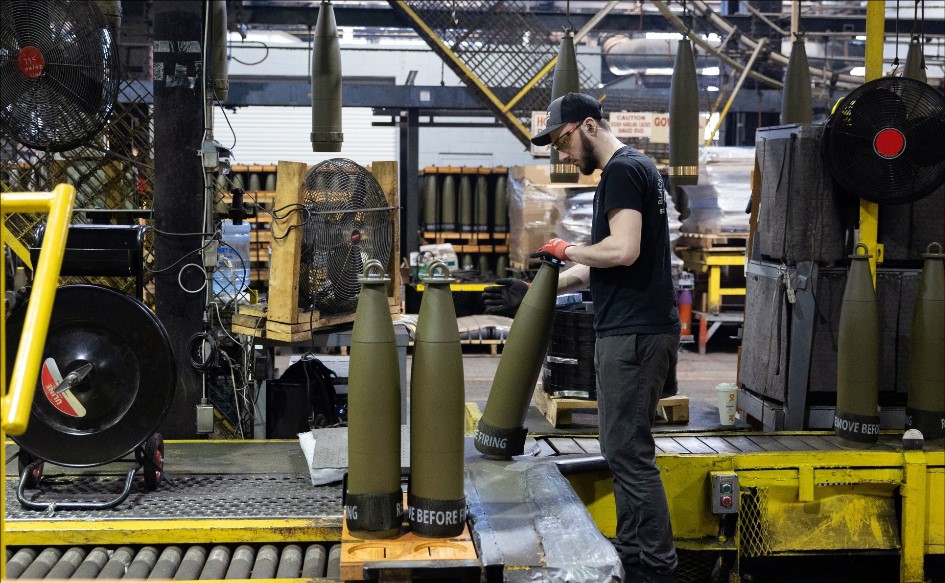
World
In a significant step to strengthen its artillery firepower, the US Army has opened a brand-new 155mm ammunition facility in Camden, Arkansas. Developed in collaboration with General Dynamics Ordnance and Tactical Systems, this facility is designed to produce high-explosive 155mm artillery projectiles, which are a crucial part of modern battlefield operations. This new plant will handle the Load, Assemble, and Pack (LAP) stage of ammunition production — essentially the final stage where the components of the shell are brought together, filled with explosive material, and packed for delivery. The facility will run two active production lines capable of manufacturing around 50,000 rounds per month. This is part of a broader effort by the US Army to ramp up the production of critical munitions and meet rising global demands. To make production faster, safer, and more efficient, the facility is equipped with advanced automation systems and digital quality tracking technologies. These features ensure that every shell produced meets strict quality standards. Additionally, a modern next-generation air-cooling system has been introduced to cure explosives more efficiently while using less water, an important improvement over older cooling methods that were more resource-intensive. The opening of this facility is also a big win for the local economy. Around 185 new jobs will be created in the Camden region to support the operations of the plant, offering skilled employment opportunities and contributing to regional growth. This move is part of the US Army’s larger plan to increase the production of 155mm projectiles to 100,000 rounds per month. Since 2022, the Army has quadrupled its ammunition production capacity, responding to both operational needs and growing international security challenges. Initially, this production boost was aimed at supporting Ukraine in its ongoing conflict with Russian forces. Recognizing the importance of a steady and reliable ammunition supply, the Army expanded its efforts by signing deals with companies like Olin Winchester to build another ammunition facility in Missouri for the production of Next Generation Squad Weapon (NGSW) rounds. Additionally, defense company BAE Systems joined forces with Hanwha Defense to upgrade the Radford Ammunition Plant, a critical site for producing missile propellants, artillery ammunition, air defense munitions, naval weapons, and explosives. With the Camden facility now operational, the US Army has taken another important step in ensuring its troops have the firepower readiness needed for current and future conflicts. The combination of modern technology, increased production capacity, and strong public-private partnerships continues to reshape America’s defense manufacturing landscape.
Read More → Posted on 2025-04-25 16:47:58
World
Leidos has officially kicked off mass production of the Indirect Fire Protection Capability Increment 2 (IFPC Inc 2) launchers, a next-generation ground-based weapon system tailored for the US Army. This development marks a major step in strengthening America’s air and missile defense by filling the gap between short-range and strategic air defense systems. The IFPC Inc 2 launchers will be integrated into the Army’s advanced Integrated Air and Missile Defense (AIAMD) network. This plug-and-play compatibility means the launchers can seamlessly operate with other parts of the system, making the overall network more flexible and responsive to threats. Leidos' production push follows a massive $4.1 billion indefinite delivery/indefinite quantity contract awarded by the Army's Missiles & Space Program Executive Office. The agreement ensures a long-term supply of these systems along with essential support services. Initially, the production will begin at a low rate to smooth the process before ramping up to full-scale manufacturing. Under the current deal, at least 18 launchers are slated for production, with deliveries scheduled to continue through 2029. Larry Barisciano, who leads land systems at Leidos, emphasized the importance of this milestone. He said that the production order demonstrates the growing demand for the system’s capabilities and underlined Leidos’ commitment to protecting soldiers and vital infrastructure with swift, scalable, and precise solutions. The IFPC Inc 2 launcher is specifically built to counter emerging aerial threats such as unmanned aerial vehicles (UAVs) and cruise missiles. Its design includes an open architecture, enabling it to currently use the AIM-9X interceptor missile while also allowing room for the integration of new types of missiles in the future. This flexibility ensures that the system remains relevant as new technologies and threats emerge. Importantly, the launchers are expected to play a critical role in the US Indo-Pacific Command’s Pacific Deterrence Initiative, which aims to bolster military preparedness and deter aggression in the Indo-Pacific region. As tensions continue to evolve in that strategic area, the deployment of IFPC Inc 2 systems is seen as a timely reinforcement of US defense posture. In short, Leidos' move into mass production signals a big leap forward in modernizing the US Army’s air defense systems, with the IFPC Inc 2 set to become a key shield against future aerial threats.
Read More → Posted on 2025-04-25 16:34:34
World
In a significant move reflecting shifting international dynamics, Japan has agreed to provide vital satellite radar imagery to Ukraine’s military intelligence agency. As the war in Ukraine continues and U.S. support faces periodic uncertainties, Japan’s involvement marks a notable development in Kyiv’s search for reliable intelligence allies. Japan's Kyushu University Institute for Q-shu Pioneers of Space (iQPS) has entered into an agreement to supply synthetic aperture radar (SAR) imagery to Ukraine’s Main Directorate of Intelligence (HUR). This cooperation was finalized after months of talks, which reportedly gained momentum in March when the United States temporarily suspended its intelligence-sharing activities with Ukraine. Synthetic Aperture Radar (SAR) is a powerful remote sensing technology that can produce detailed two- or three-dimensional images of objects and terrain, regardless of weather conditions or the time of day. Unlike traditional optical imaging, SAR systems can penetrate clouds, darkness, and smoke, making them invaluable in conflict zones. These images are crucial for tracking enemy troop movements, detecting hidden military installations, and assessing battlefield changes in real time. As part of the agreement, there’s a two- to three-month window for installing the necessary software and integrating Japan’s SAR data into Ukraine’s existing intelligence platforms. This collaboration will bolster Ukraine’s surveillance and targeting capabilities, offering a new layer of resilience as it navigates fluctuating international support. The need for additional intelligence support arose when the United States, a key supplier of military data to Ukraine, paused both intelligence sharing and weapons deliveries. Although this pause was later lifted following progress in ceasefire negotiations, it underscored Ukraine's vulnerability to geopolitical shifts. While other Western countries, including France and the United Kingdom, continue to provide critical intelligence, Washington’s brief freeze exposed gaps in Ukraine’s operational readiness and planning. Ukraine’s military heavily relies on communication systems like Starlink, operated by billionaire Elon Musk. With over 50,000 active Starlink terminals deployed in Ukraine, the service remains a backbone of battlefield communication. However, Musk’s outspoken criticism of military aid to Ukraine and his political affiliations have raised concerns about the long-term reliability of Starlink services for Kyiv. French satellite operator Eutelsat has expressed interest in expanding its presence in Ukraine, though it admitted it currently lacks the infrastructure to match Starlink’s operational footprint. Japan’s timely intervention through iQPS not only helps fill the intelligence void but also highlights a growing willingness among U.S. allies to play a more active role in supporting Ukraine’s defense. As global power dynamics shift and new alliances form, Kyiv continues to adapt its strategies to secure both military aid and intelligence capabilities from a broader coalition of partners. This cooperation between Japan and Ukraine signals the increasing importance of space-based surveillance systems in modern warfare and illustrates how geopolitical realities are reshaping the international response to the ongoing conflict in Eastern Europe.
Read More → Posted on 2025-04-25 15:54:42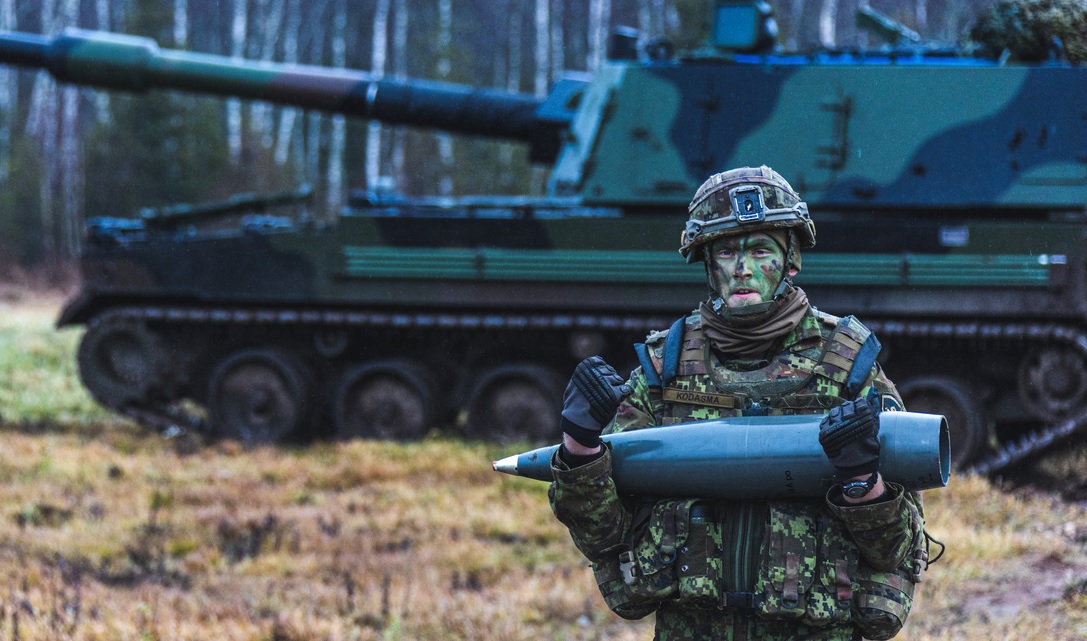
World
Estonia is taking a major step to strengthen its national defence capabilities by establishing a new state-owned company, Hexest AS, which will lead the development of the country’s first military explosives factory. The Estonian government has approved the creation of this company and given the green light to begin preparations for the plant's construction, marking a significant milestone in the nation's defence industrial ambitions. Hexest AS will be formally created in the coming weeks and handed over to the Ministry of Defence within six months. The initiative reflects Estonia’s growing focus on building local capacity for defence manufacturing and ensuring long-term security in a rapidly evolving geopolitical environment. According to Estonia’s Minister of Defence, Hanno Pevkur, the move is not only important for Estonia but also for Europe. “There is a shortage of explosives production capacity in Europe,” he said, pointing to the growing demand for reliable and local sources of military-grade materials. He emphasized that the explosives plant would add value to Estonia’s Defence Industrial Park and help attract more defence-related companies to the region. The initial funding for Hexest AS will come entirely from the Estonian state, with an investment of up to €7.2 million allocated for technical design and early preparatory activities. Once the technical design phase is completed—which is expected to take about a year—the final investment decision will be made based on those results. The factory is planned to be built within the Defence Industrial Park, a growing hub for Estonia's military and defence manufacturing. It aims to start production by 2028. The plant will focus on producing RDX-type explosives, a highly potent compound used in various types of military ammunition such as missiles, mines, and warheads. Estonia is also considering involving a strategic investor later in the project, but for now, all shares in Hexest AS will be held by the government. Once operational, the plant is expected to serve both domestic and European ammunition manufacturers, filling a critical gap in regional supply and enhancing Estonia’s reputation as a reliable player in the European defence sector. With this bold move, Estonia is not only preparing itself for future security challenges but is also stepping into a leadership role in the European defence manufacturing space.
Read More → Posted on 2025-04-25 15:47:02
World
The Netherlands has officially chosen Oshkosh Defense to build 150 new tactical vehicles for its Royal Marines as part of a major modernization initiative. These vehicles, called the Dutch Expeditionary Patrol Vehicles (DXPV), will play a key role in the country’s Future Littoral All Terrain Mobility – Patrol Vehicle (FLATM-PV) program. The DXPV is based on the well-known Joint Light Tactical Vehicle (JLTV) designed by Oshkosh for the U.S. military. This new vehicle is intended to replace the older Humvee fleet with something stronger, faster, and more suited for today’s battlefield needs. Although the Netherlands plans to acquire a total of 178 of these vehicles, the first batch of 150 will be produced by Oshkosh in the United States. Pat Williams, Oshkosh Defense’s Chief Programs Officer, said the company is honored to support the Royal Netherlands Marine Corps. He emphasized that the DXPV is highly capable in off-road conditions, offers high mobility, and works seamlessly with NATO forces during joint operations. This makes it easier for the Dutch Marines to operate alongside their allies, both logistically and operationally. Even though specific technical details and the value of the contract haven’t been shared publicly, the vehicle is expected to carry the advanced features of the JLTV, which include improved armor protection, high-speed maneuverability, and modern battlefield adaptability. Several NATO countries have already adopted the JLTV, including Brazil, Montenegro, Slovenia, and Lithuania. Lithuania alone is expected to receive up to 500 JLTVs, with 115 units either already delivered or on their way. With this step, the Netherlands joins a growing group of nations upgrading their military ground mobility with battle-proven technology designed for the demands of modern defense missions.
Read More → Posted on 2025-04-25 15:43:56
World
Several European countries have officially come together to transform the future of armored warfare. They’ve launched a new program called Technologies for Existing and Future Main Battle Tanks (FMBTech) — an ambitious project designed to revolutionize main battle tanks (MBTs) and prepare them for the complex demands of modern hybrid warfare. Why the FMBTech Project Matters Modern conflicts are no longer fought with conventional tactics alone. Hybrid warfare — which combines traditional combat with cyber attacks, electronic warfare, drones, and other advanced technologies — has changed the battlefield. Many of Europe’s current MBTs are facing limitations in mobility, protection, firepower, and adaptability in these new conditions. To address this, FMBTech is focused on upgrading both existing tanks and developing next-generation designs. The program promises to enhance the performance, protection, cost-efficiency, and digital capabilities of tanks, ensuring they remain effective tools of deterrence and combat in the years ahead. Key Goals of the FMBTech Project The three-year program will: Deliver scalable and modular technological components that can be integrated into various tank models, both old and new. Improve protection systems against modern anti-tank weapons, drones, and electronic threats. Boost onboard digital systems, including sensors, targeting, and communication, to support fifth-generation military operations. Enhance firepower precision and range for tanks operating in both conventional and urban warfare environments. Focus on cost-effective solutions to extend the life of existing MBTs while preparing for future models. Who’s Leading the Project? The defense giant Thales is spearheading the FMBTech initiative. The project brings together a consortium of 26 companies, including small and medium-sized enterprises, as well as research and technology organizations from 13 European Union member states and Norway. This cooperation strengthens Europe’s defense innovation sector and enhances military collaboration across the region, making the EU more self-reliant and technologically advanced in land warfare capabilities. Advanced Specifications and Features to Expect While full designs are still under development, the expected advancements include: Active Protection Systems (APS): Automatic interception of incoming missiles and anti-tank rounds. Artificial Intelligence (AI)-aided targeting systems for faster and more accurate enemy detection. Modular armor packages that can be customized based on mission requirements. Hybrid propulsion technologies for improved fuel efficiency and reduced heat and noise signatures. Enhanced situational awareness suites, including drone integration and 360° surveillance sensors. Cybersecurity frameworks to protect onboard systems from hacking and electronic attacks. Networked battlefield systems, allowing MBTs to share data in real-time with other ground and aerial units. Funding and Support The FMBTech project was selected in 2023 for funding under the European Defence Fund (EDF), receiving 19 million euros ($21 million) to kickstart the program. The EDF is a major initiative by the European Commission designed to promote joint defense research and development across EU nations. From 2021 to 2027, the fund has a total budget of 7.3 billion euros ($7.8 billion), with: 2.7 billion euros ($2.9 billion) allocated for defense research. 5.3 billion euros ($5.7 billion) set aside for collaborative development of advanced military systems. This funding aims to reduce Europe’s dependence on external defense technology providers and to build interoperable, high-performance defense platforms suited for tomorrow’s battlefield. The FMBTech project marks a significant step for Europe’s defense preparedness, as it actively responds to the rapidly changing nature of warfare. By combining the resources and expertise of multiple nations and industries, the EU is moving to secure its position at the forefront of land warfare technology. As future conflicts demand smarter, faster, and more resilient weapon systems, Europe’s next-generation MBTs will be well-equipped to meet those challenges head-on.
Read More → Posted on 2025-04-24 16:01:46
World
The U.S. Marine Corps has officially logged over 1,000 flight hours with its MQ-9A Reaper unmanned aircraft, marking a major step in advancing the service's uncrewed aviation capabilities. This milestone was achieved during a series of high-level training exercises and weapons and tactics instructor (WTI) courses, underlining the aircraft’s growing role within Marine operations. At the heart of this achievement is the strong collaboration between Marine units and General Atomics Aeronautical Systems, Inc. (GA-ASI), the manufacturer of the MQ-9A. Their joint efforts are helping to integrate the Reaper into the Marine Air-Ground Task Force (MAGTF) and the broader MAGTF Unmanned Expeditionary (MUX) program. The MQ-9A’s performance during the exercises showcased some of its most advanced capabilities. It flew with cutting-edge tools such as the SkyTower networking support pod, the Automatic Identification System, and the latest Lynx multi-mode radar. These technologies enable the Reaper to share battlefield data across multiple platforms and support a wide range of combat missions. A key highlight of the operations was the satellite-based launch and recovery of the aircraft from a remote expeditionary landing field near Twentynine Palms, California. This capability means that the MQ-9A can be flown entirely via satellite links, removing the need for pilots and crew to be physically present at the launch site. It marks a shift from earlier methods that required radio contact within a limited range to launch and land the aircraft. This advancement opens the door to greater operational flexibility, allowing the Marines to conduct missions from more remote and diverse locations without compromising control or performance. The training exercises also included live-fire missions, in-depth mission planning, and coordinated communication across air, land, and sea domains. These simulations helped build real-world experience in deploying the MQ-9A in complex combat environments, strengthening its role in Marine Corps strategy. In real-time scenarios, the Reaper delivered valuable intelligence, surveillance, and reconnaissance (ISR) support to Marine units in the field. It helped confirm the effectiveness of command-and-control networks and boosted the Marines' overall battlefield awareness and responsiveness. GA-ASI President David R. Alexander remarked on the significance of the milestone, stating that the achievement is a clear reflection of the MQ-9A’s reliability and its ability to meet the Marines' evolving needs. He emphasized that the milestone showcases the success of collaborative efforts with both the Marine Corps and the U.S. Air Force. So far, the Marine Corps has received 17 MQ-9A aircraft, with three more expected by the end of the year. As this platform continues to integrate with Marine operations, it is becoming a vital tool for the Corps' expeditionary and distributed mission strategies, providing long-endurance surveillance and precision capabilities wherever they’re needed most.
Read More → Posted on 2025-04-24 14:51:00
World
In a historic first, American scientists have been granted access to moon rocks brought back by China’s Chang’e-5 mission, marking a rare moment of scientific cooperation between the United States and China despite ongoing political and technological tensions. The China National Space Administration (CNSA) has agreed to lend samples from its 2020 lunar mission to Brown University in Rhode Island and Stony Brook University in New York. This decision required special clearance from the US Congress, since both universities had previously received NASA funding and needed approval to collaborate with the Chinese space agency. The samples were collected from the Ocean of Storms, a vast lunar region on the moon’s near side. The Chang’e-5 mission successfully returned to Earth with approximately 1.73 kilograms of lunar material—significantly younger than the samples collected during past missions by NASA’s Apollo program or the former Soviet Union. Some of these rocks are estimated to be around a billion years younger, offering scientists a new window into the moon’s volcanic history and geologic evolution. Chinese researchers have already uncovered remarkable insights from the samples, including evidence suggesting volcanic activity on the moon as recently as 120 million years ago—much more recent than previously believed. In total, the CNSA received requests from 11 countries to study the moon rocks. Alongside the US institutions, China approved requests from universities and research agencies in Germany, Japan, the United Kingdom, France, and Pakistan. These include the University of Cologne, Osaka University, the Open University, the Paris Institute of Planetary Physics, and Pakistan’s national space agency SUPARCO. The decision to share these samples reflects China’s stated commitment to international cooperation in space exploration. The CNSA emphasized its principles of peaceful use, mutual benefit, and scientific collaboration, expressing hope that shared research would benefit all of humanity by expanding our understanding of the moon and the broader solar system. While China has opened its lunar treasure to the world, efforts to secure reciprocal access to American lunar materials appear to have stalled. Although talks have reportedly taken place for Chinese researchers to study Apollo-era samples, the US has yet to respond formally to such requests. Still, this gesture from China stands as a notable example of how space exploration continues to transcend political boundaries and foster global scientific discovery. With new data expected from regions of the moon never before studied by American scientists, the research could yield breakthroughs in understanding the moon’s geologic past—and potentially, its future use in human exploration.
Read More → Posted on 2025-04-24 14:28:57
World
A Texas-based biotech company, Maxwell Biosciences, has partnered with the US Navy to test a new solution that could help reduce one of the most common yet underestimated health threats to military personnel—diarrhea. The initiative aims to support the health and readiness of warfighters by using an advanced synthetic drug known as Claromers. The drug will be tested in vitro, meaning it will be studied in a controlled laboratory environment. Claromers are made of synthetic molecules called oligomers that mimic how the human body naturally defends itself against fast-changing viruses and bacteria. These molecules are designed to target and neutralize harmful pathogens quickly, helping to both prevent and treat diarrhea. Military personnel often face tough environments where food and water may be contaminated. A single case of diarrhea can leave a soldier unfit for duty for several days, disrupting not just individual performance but also the mission of the entire unit. What’s more, some soldiers develop long-term complications like irritable bowel syndrome or reactive arthritis even after the infection is gone. According to Maxwell Biosciences, around 80% of diarrhea cases in the military currently require treatment with antibiotics or intravenous fluids. However, with growing antibiotic resistance, these traditional treatments are becoming less effective. That’s where Claromers might make a difference—offering an alternative that doesn’t rely on standard antibiotics. During Operation Iraqi Freedom, 76 troops reportedly suffered from diarrheal episodes, highlighting just how widespread the problem can be. Today, diarrhea ranks higher than respiratory illnesses and physical injuries among non-combat medical issues affecting deployed troops. Maxwell Biosciences CEO Scotch McClure emphasized the larger mission behind the drug testing. “This partnership isn’t just about stopping pathogens; it’s about keeping our forces mission-ready and preventing critical situations from going down the drain,” he said. “With Claromers, we’re determined to flush out antibiotic resistance and ensure troops aren’t bogged down by debilitating illnesses.” If the testing proves successful, the treatment could provide the military with a powerful new tool to protect its personnel from a condition that continues to quietly weaken its ranks.
Read More → Posted on 2025-04-24 14:12:10Search
Top Trending in 24 Hours
-
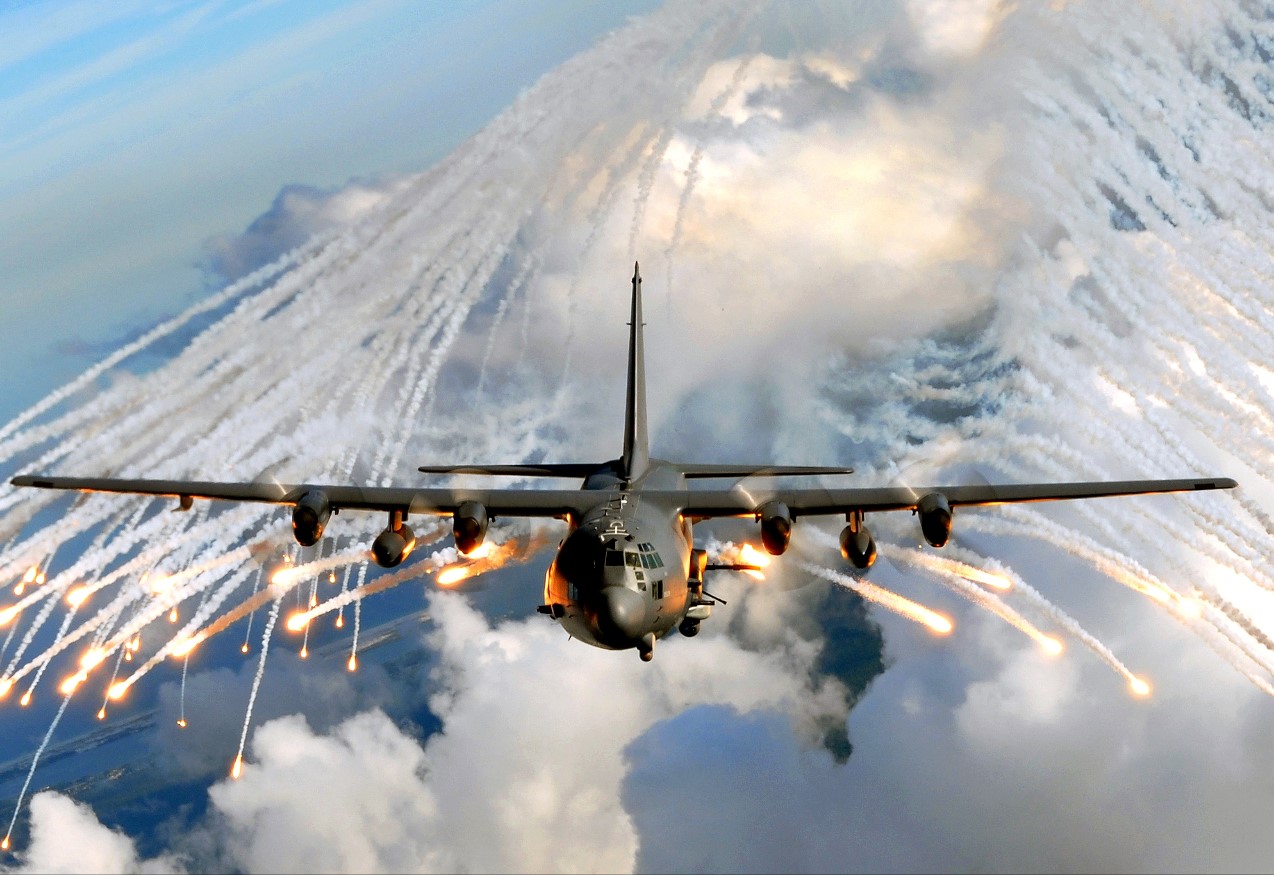 Pentagon Expands Alloy Surfaces Contract to $328.8 Million for Advanced Aircraft Decoy Flares Amid Evolving Drone Threats
-
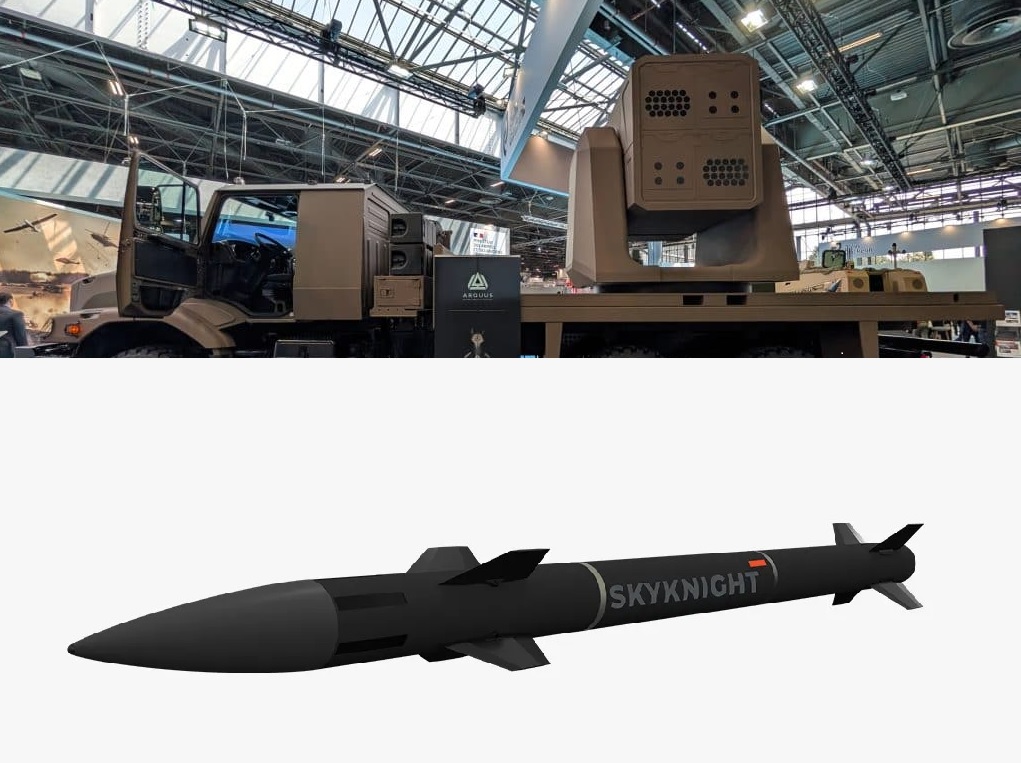 Naval Group Unveils Rampart Modular CIWS Multi-Purpose Weapon System for Naval and Ground Forces at Eurosatory 2026
-
 Why the U.S. Restored Pacific Command Name, Ending the Indo-Pacific Designation After Eight Years
-
 Open-Source Evidence Suggests Russia's Zircon Is a Quasi-Ballistic Missile, Not a True Hypersonic Cruise Weapon
-
 China Surpasses Russia as World’s Second-Most Powerful Air Force Amid Rapid J-20 and J-35 Expansion
-
 IDV Unveils CL2X Hybrid Uncrewed Light Tank at Eurosatory 2026
-
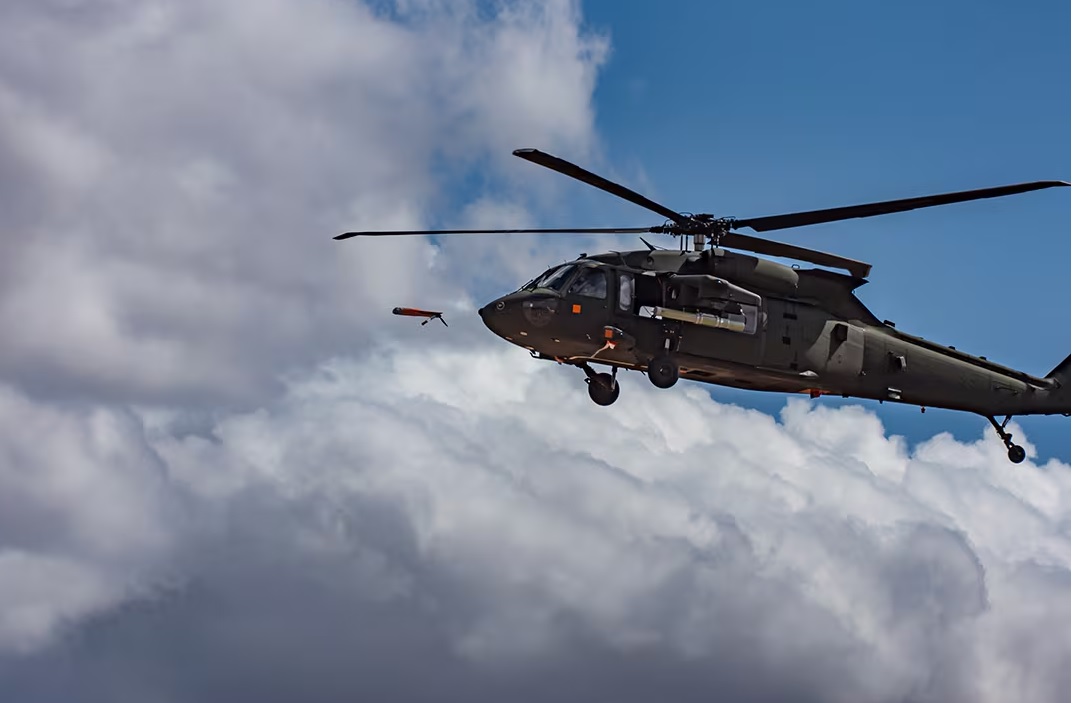 U.S. Army Completes First Flight Test of Medium-Range Air-Launched Effects from Black Hawk Helicopter
-
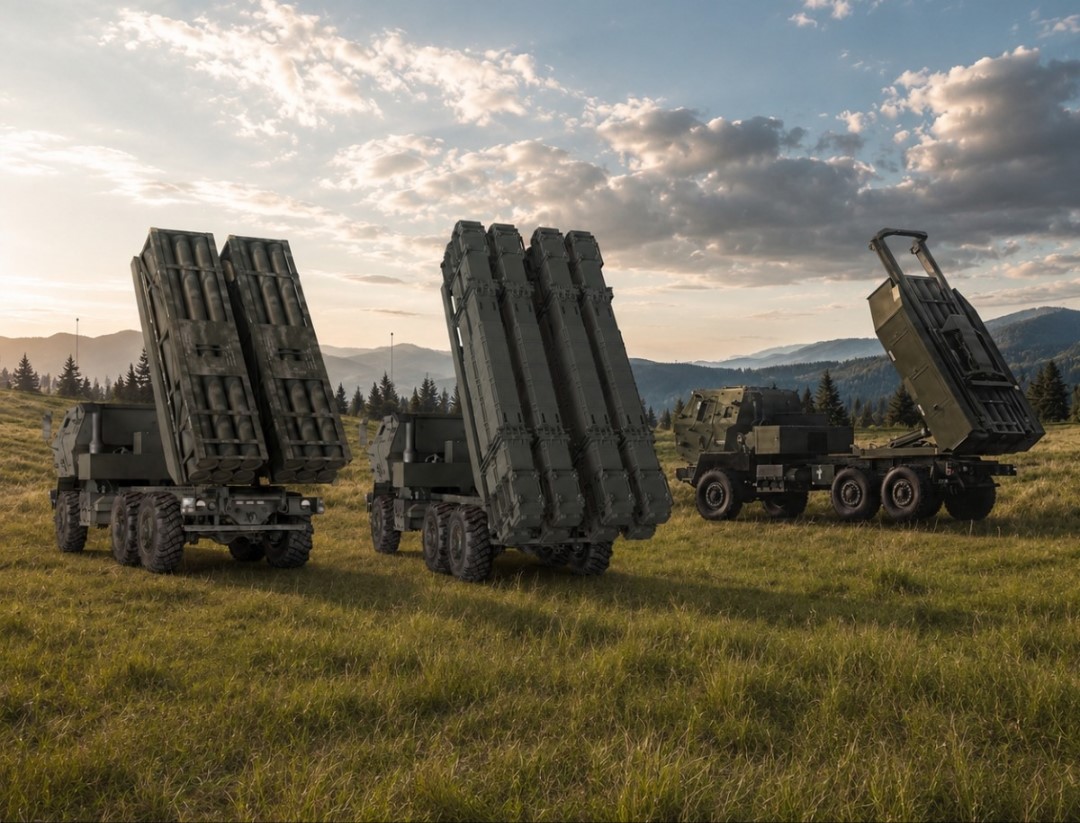 Lockheed Martin Unveils HIMARS FLEX with Dual-Pod Launcher and NATO-Compatible Air Defense Integration
Top Trending in 4 Days
-
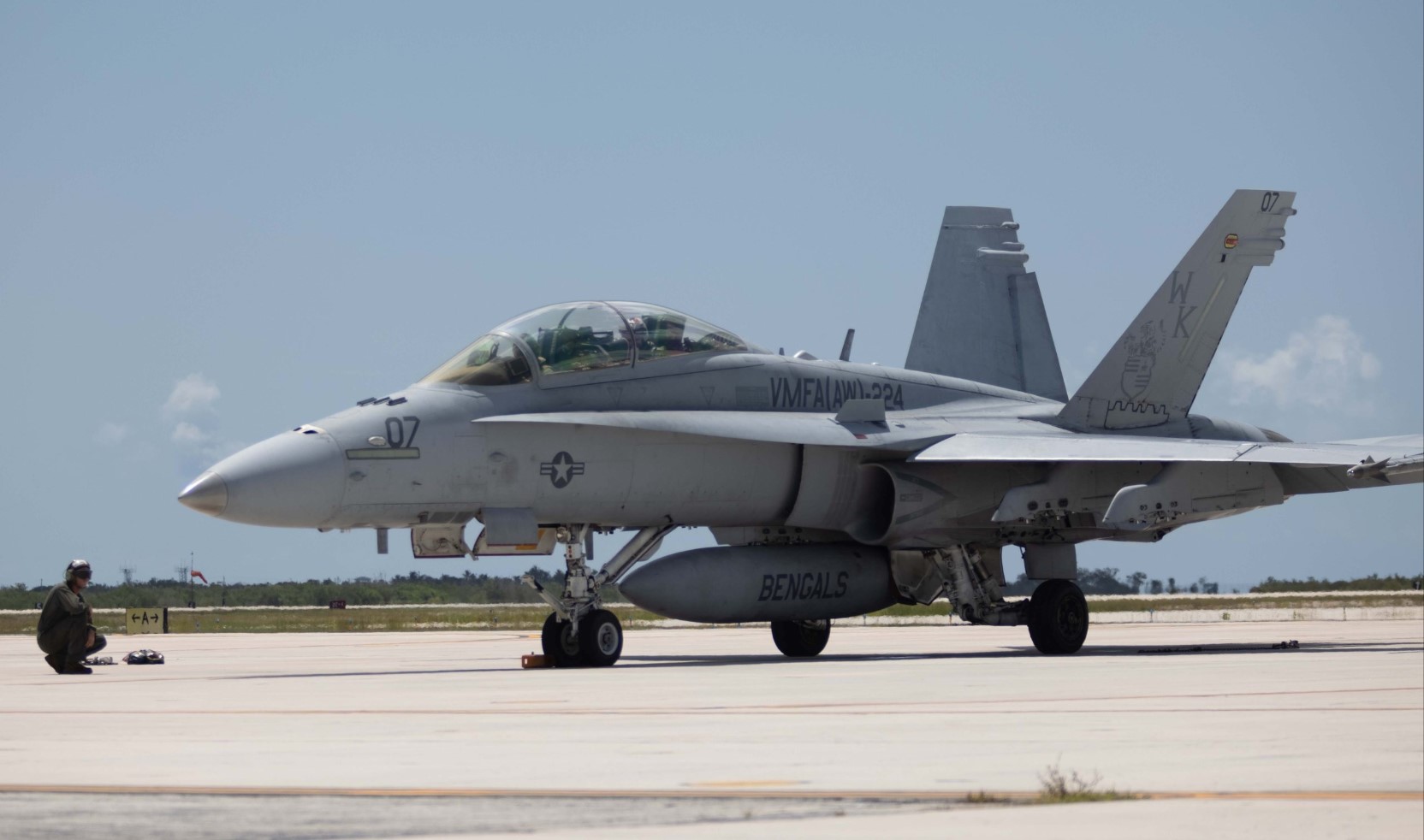 US Marine Corps F/A-18D Hornet Crashes During Training Flight in Washington Mountains; Pilot Ejects Safely
-
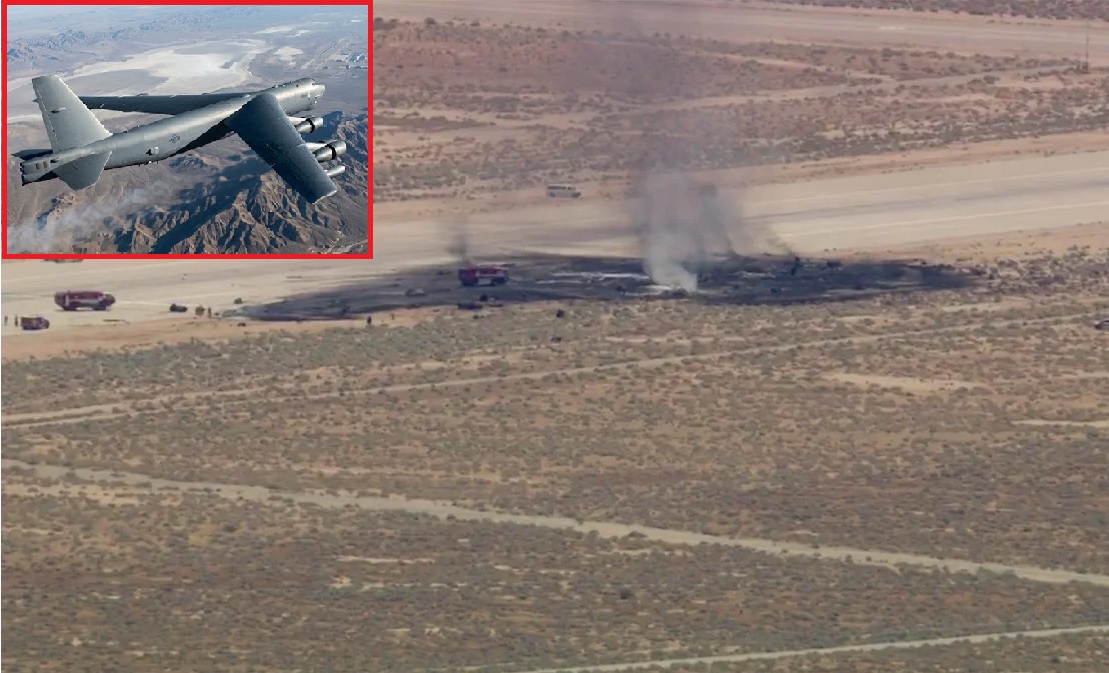 8 U.S. Air Force Crew Members Killed in B-52 Bomber Crash During Test Flight at Edwards Air Force Base
-
 Tulsi Gabbard Releases Declassified Files Detailing U.S.-Backed Network of 120 Biolaboratories Across 30+ Countries
-
 Ukraine Introduces Balloon-Launched DART Missile Designed to Defeat Electronic Warfare
-
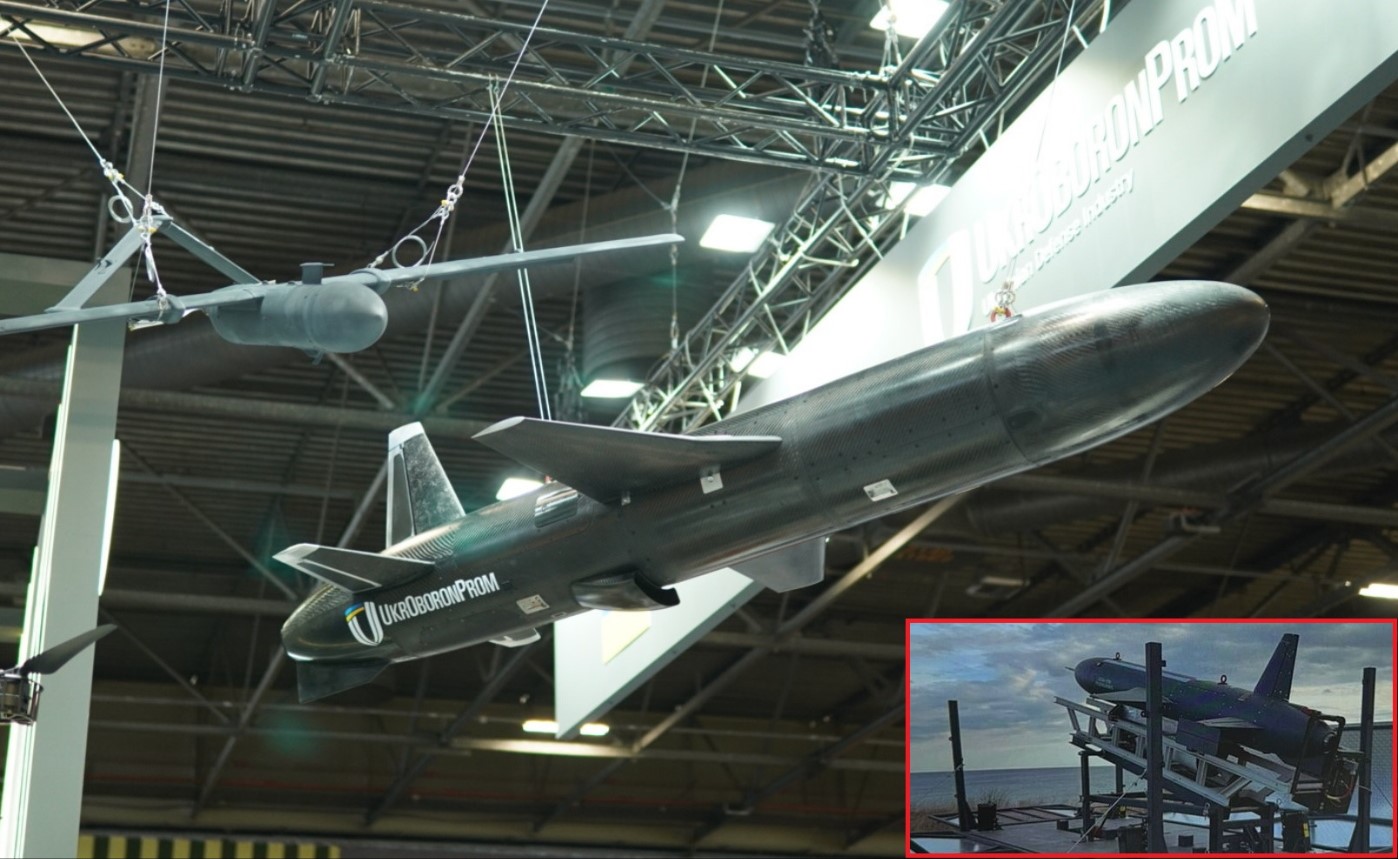 Ukraine Unveils UAV-290 Jet-Powered Strike Drone with 650 km Range at Eurosatory 2026
-
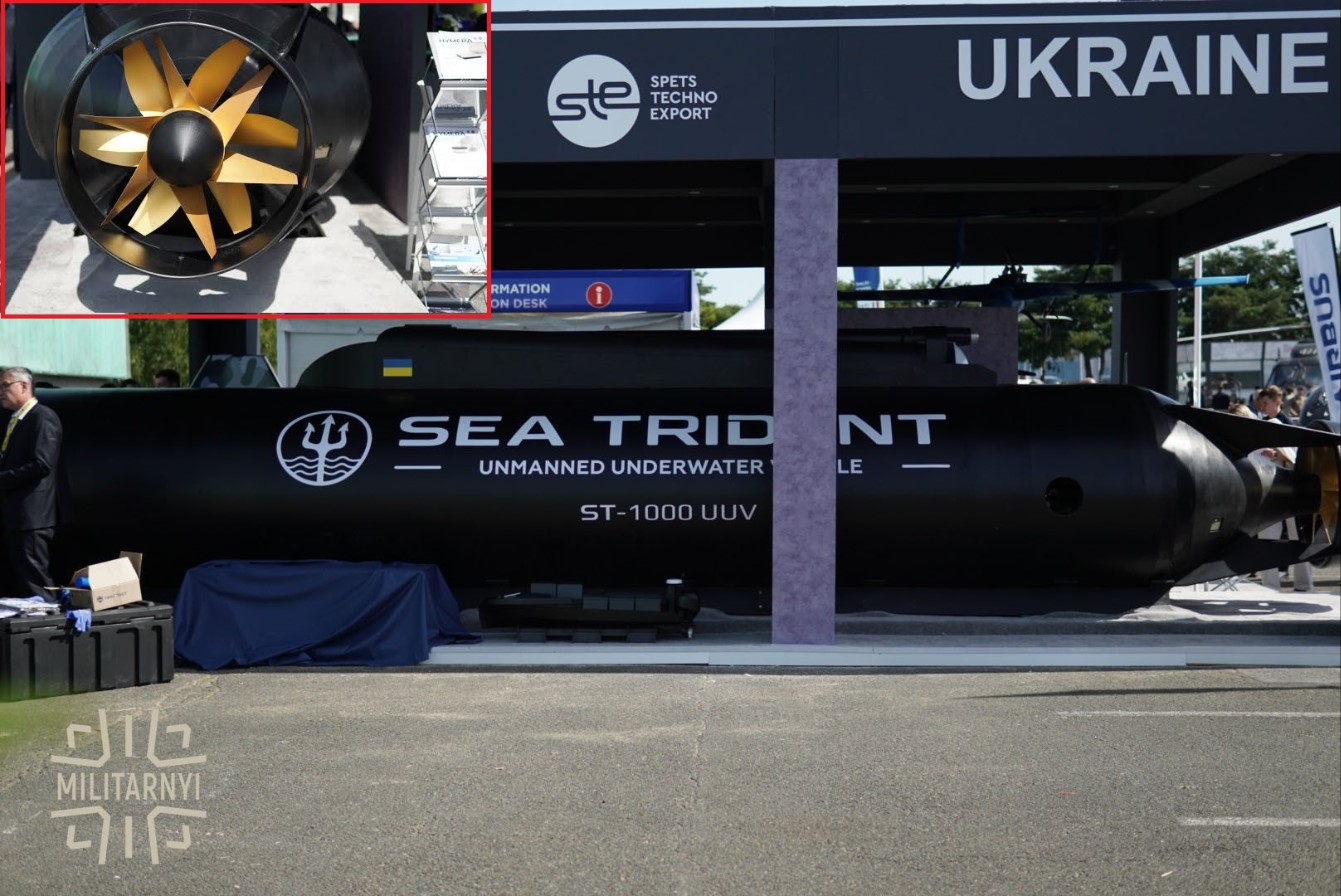 Ukraine Unveils 'Sea Trident' 10-Ton Autonomous Underwater Drone at Eurosatory 2026
-
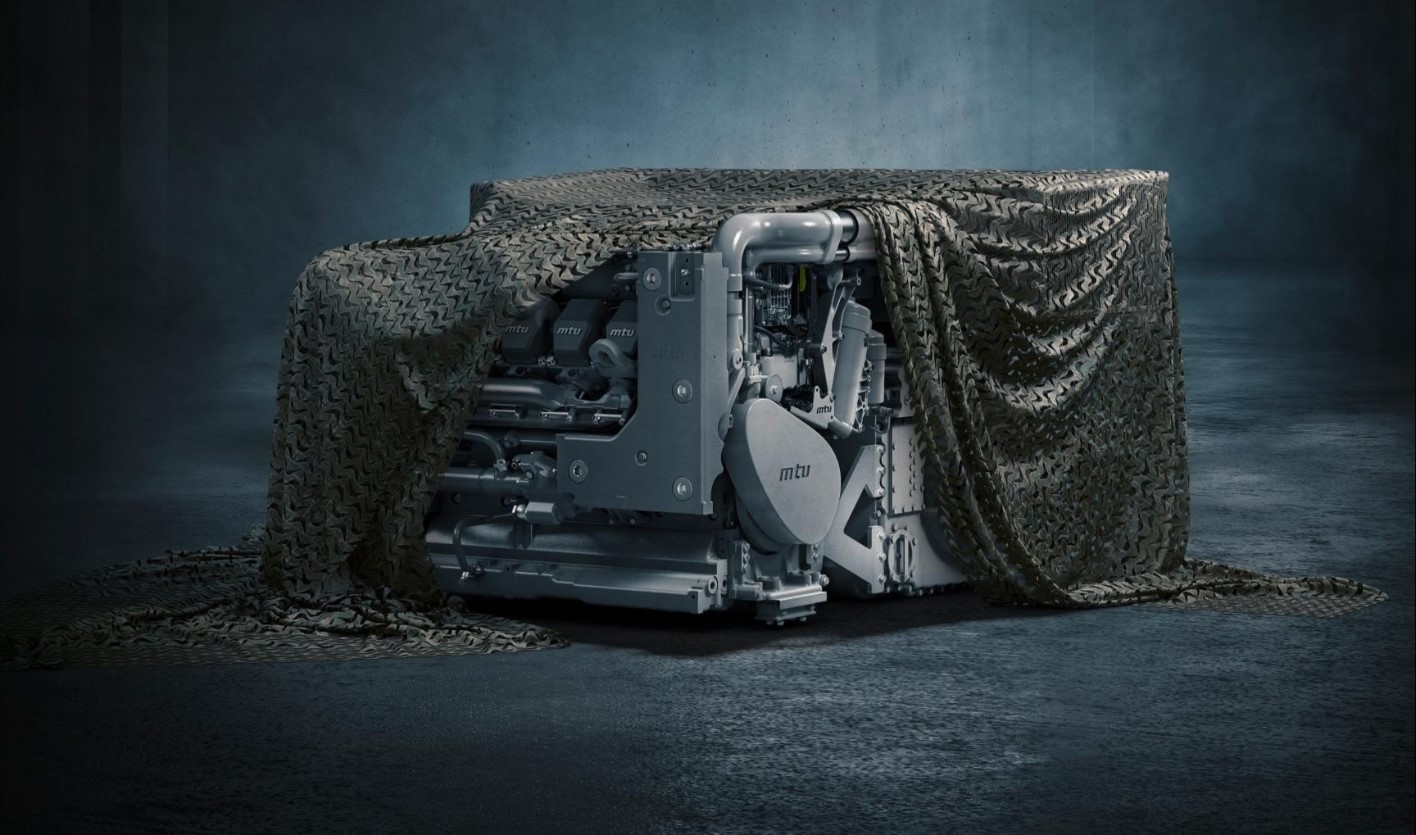 Rolls-Royce Unveils New Hybrid Powertrain for Heavy Military Vehicles at Eurosatory 2026
-
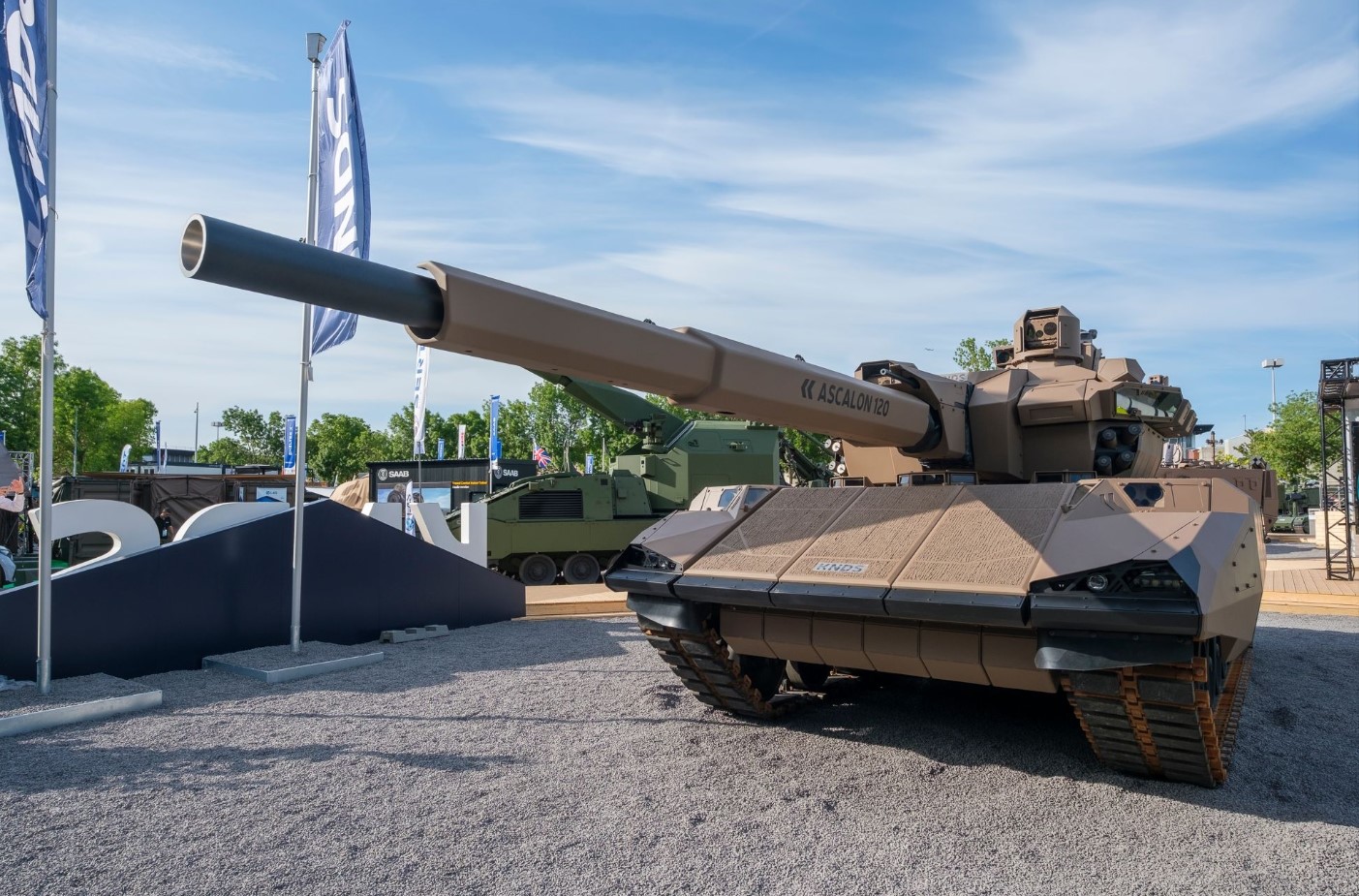 KNDS Unveils CAPINT Main Battle Tank at Eurosatory 2026 as Leclerc Stopgap