
World
In a rare development, Iran and the United States have resumed indirect nuclear talks after a long freeze, signaling a potential thaw in one of the world’s most strained diplomatic relationships. The discussions, mediated by Oman, are being described by both sides as “constructive” and focused strictly on two issues: Iran’s nuclear program and the lifting of US-imposed economic sanctions. The meeting, which took place last Saturday in Muscat, marked the highest-level contact between the two countries since the collapse of the 2015 nuclear agreement. Iranian Foreign Minister Abbas Araghchi and US Middle East envoy Steve Witkoff led the discussions, which included a brief face-to-face exchange—an unusual moment in otherwise indirect negotiations. Iran’s foreign ministry clarified that these negotiations will remain indirect and will not touch upon any non-nuclear topics. “We will not have any talks with the American side on any other issue,” said spokesman Esmaeil Baqaei in a televised interview, underscoring Tehran’s firm stance. This position comes as some observers had expected the US to widen the scope of talks to include Iran’s ballistic missile program and its support for militant groups across the region. But Tehran has made it clear: only nuclear and sanction-related matters are on the table. The backdrop to these talks is a tense and complex geopolitical landscape. Iran, feeling the economic pressure of crippling sanctions and facing regional strain due to Israel’s military actions against its allies in Lebanon and Gaza, appears to be seeking relief through diplomacy—without conceding on other fronts. Interestingly, the talks come after former US President Donald Trump, now a prominent political figure again, sent a message to Iran’s Supreme Leader Ayatollah Ali Khamenei. The letter reportedly offered negotiations while warning of possible military consequences should Iran refuse. Trump’s 2018 withdrawal from the 2015 nuclear deal and his “maximum pressure” strategy of renewed sanctions had derailed years of diplomacy, causing Iran to gradually step back from its own commitments under the agreement. Despite that rocky history, this latest round of talks seems to be happening in a more measured environment. Omani Foreign Minister Badr Albusaidi described the meeting as taking place in a “friendly atmosphere,” and both countries are set to return to the negotiating table on April 19. The talks have stirred reactions across Iran’s media landscape. Conservative outlets praised the US for not pushing non-nuclear topics, while reformist newspapers called the dialogue a “decisive turning point.” Even traditionally skeptical voices acknowledged the value of avoiding threats of dismantling Iran’s nuclear program or launching military attacks. There are some immediate signs that markets are responding positively. Iran’s national currency, the rial, strengthened noticeably after the news broke—dropping from over one million rials to around 850,000 per US dollar, suggesting that traders are cautiously optimistic about the potential easing of sanctions. From a broader perspective, these talks may serve as a key moment for both nations. For Iran, it’s a chance to revive its economy while standing firm on its regional policies. For the US, it’s an opportunity to curb Iran’s nuclear ambitions without expanding military involvement in the Middle East. While skepticism lingers—especially given Trump’s unpredictable role and the absence of formal diplomatic ties between the two countries since 1979—this new phase of indirect negotiations might just offer a fragile, yet significant, opening for progress.
Read More → Posted on 2025-04-13 15:44:18
World
In the late hours between April 11 and 12, Russian forces launched a targeted drone strike on the Sviatoshyn airfield in Kyiv—home to the Antonov Serial Production Plant, a site deeply rooted in Ukraine's aviation history. Once renowned for building massive transport planes, this facility has, since the full-scale invasion, been repurposed for something far more strategic in today’s battlefield: the production of long-range strike drones. Among the standout UAVs emerging from this plant is the An-196 Liutiy, a model developed to reach deep into Russian territory. Ukraine has reportedly used this drone effectively since early 2023 to strike at high-value Russian targets, including oil depots, power plants, and military installations. These operations have caused visible setbacks in Russian logistics and energy supply chains, drawing intense scrutiny from Moscow. Understanding the growing threat posed by these drones, Russia has shifted its counter-UAV strategy. Instead of merely focusing on intercepting drones mid-air, Russian forces are now going after the root of the threat—production facilities, launch sites, and storage depots. The strike on the Sviatoshyn airfield appears to be part of this broader campaign to cripple Ukraine’s drone warfare capabilities at the source. This latest attack suggests a few critical developments in the ongoing conflict: Ukraine’s Growing Strike Capability: The very fact that Russia targeted the Antonov facility indicates that Ukrainian-made long-range drones have become a serious concern. Unlike imported UAVs, these domestically produced drones can be manufactured and deployed at scale, giving Ukraine a more sustainable and locally controlled edge in long-distance warfare. A Shift in Russian Tactics: The move away from solely targeting front-line assets to striking deep inside Kyiv’s industrial heart shows that Russia is adapting. It reflects an attempt to cut Ukraine’s supply lines not just in weapons but in weapon production itself. Urban Targets in the Crosshairs: With strategic drone manufacturing sites located within or near civilian zones, such strikes increase the risk to urban populations. It also brings into focus the challenge Ukraine faces in protecting critical infrastructure embedded within major cities. A War of Technology and Endurance: As the battlefield becomes increasingly shaped by drones and high-tech systems, the war is also turning into a contest of industrial capacity. Whichever side can keep its factories running and adapt faster technologically is likely to gain the upper hand in the long term. While the full extent of damage to the Antonov airfield remains unclear, the message from the Kremlin is obvious: stop the drones at the source. But if history is any guide, Ukraine is unlikely to back down. With Western backing and a resilient defense sector, it may very well rebuild and adapt, just as it has in other sectors of its military-industrial base. This strike underscores a deeper truth about the war—it’s no longer just about tanks and trenches. It's about innovation, factories, and the skies above.
Read More → Posted on 2025-04-13 15:09:26
World
In a significant leap forward for its defense capabilities, Ukraine has publicly showcased its new homegrown laser weapon system, named "Tryzub", developed by the Ukrainian Armed Forces. This advanced energy-based weapon is part of Ukraine’s ongoing efforts to create a modern, layered air defense system in response to growing threats from drones, missiles, and enemy aircraft. What is the Tryzub Laser Weapon? The Tryzub (meaning Trident in Ukrainian) is a high-energy laser system designed and developed by Ukraine’s Unmanned Systems Forces. It was officially revealed during a public demonstration, where video footage showed the laser being tested against various targets, including drones. The weapon successfully blinded the optical system of a fiber-optic FPV drone, highlighting its precision and effectiveness. Key Capabilities of Tryzub Destruction Range:The Tryzub is capable of destroying enemy drones, aerial bombs, and even cruise and ballistic missiles at distances of up to 3,000 meters. Extended Targeting Range:It can engage helicopters, manned aircraft, and surveillance drones at ranges of up to 5,000 meters. Sensor Disruption Range:In addition to destroying threats, the Tryzub is equipped to blind or disable sensors on aerial objects like drones and cruise missiles at distances of up to 10,000 meters, offering a non-lethal defensive option. Silent and Precise Operation:Unlike conventional missile-based systems, the Tryzub laser fires silently and with pinpoint accuracy, making it harder for enemies to detect and counter. Design and Operation Currently, the system includes an electro-optical targeting station, with manual target acquisition handled through joystick controls. This indicates the system is still in the prototype or early development phase. However, future versions are expected to include automated tracking systems for better efficiency and rapid response. Fast-Tracked Development The laser was developed in a matter of months by Ukrainian engineers and is now undergoing field trials to assess its performance in real combat scenarios. It was first revealed in December 2024, with confirmation of its continued development and testing in February 2025. A Strategic Milestone According to Vadym Sukharevskyi, commander of Ukraine’s Unmanned Systems Forces, Ukraine is now among only a handful of countries—reportedly the fifth in the world—to have operational laser weapons. He emphasized that the Tryzub can already neutralize aerial targets at altitudes above 2 kilometers, a feat few nations can claim. The Road Ahead As Ukraine faces increasing aerial threats, including drone swarms and missile attacks, the Tryzub offers a cost-effective and sustainable method to strengthen its air defenses. While still in the prototype phase, its capabilities demonstrate that directed-energy weapons are no longer science fiction for Ukraine, but a part of its emerging military reality. The Tryzub laser weapon marks a bold step toward a future battlefield dominated by precision, speed, and silence, offering Ukraine a technological edge as it continues to innovate under the pressure of war.
Read More → Posted on 2025-04-13 14:59:15
World
In a significant step forward for British military aviation, the UK’s F-35 Lightning jets are preparing to achieve full operating capability as they embark on a landmark mission aboard HMS Prince of Wales. The 65,000-tonne aircraft carrier will depart Portsmouth next week, spearheading Operation Highmast, a global deployment that will showcase the UK’s cutting-edge Carrier Strike Group in action. This mission represents more than just a routine naval exercise—it marks a pivotal moment in the UK’s defence strategy. For the first time, the Lightning Force will be certified as fully capable of deploying two squadrons of F-35s anywhere in the world. This milestone confirms that not only are the aircraft themselves battle-ready, but the logistics, personnel, and infrastructure needed to support them are also fully in place. HMS Prince of Wales and her embarked squadrons—617 Squadron "The Dambusters" and the recently reformed 809 Naval Air Squadron "The Immortals"—will operate across a vast theatre, with engagements in both the Mediterranean and Indo-Pacific regions. These areas are of growing geopolitical importance, and the deployment demonstrates the UK’s intent to be a persistent and reliable defence partner in both regions. One of the major goals of Operation Highmast is to enhance interoperability with international allies. The F-35’s global nature allows the UK to train and operate seamlessly with other countries that also use the jet, such as Australia and Japan. Exercises with these nations will strengthen partnerships and ensure mutual readiness for any future crisis or conflict. Commander Nick Smith of 809 Squadron underscored the importance of this integration, saying it’s vital for the UK to “exercise with our allies and F-35 partners to prove the capability that we have in UK Defence.” This first operational deployment for 809 Squadron since its return to service in 2023 adds historical depth to a modern mission. The deployment is also a symbol of evolving military leadership. Lieutenant Colonel Mike Carty, a Royal Marine, now commands 617 Squadron—the first time a Royal Marine has led a UK fighter squadron. His appointment highlights the joint nature of the UK Lightning Force, which combines the expertise of both the Royal Navy and Royal Air Force. Speaking on the significance of the deployment, Lt. Col. Carty noted, “Operation Highmast is an incredibly important deployment. It gives us the ability to hone our skills and develop operationally alongside allies and partners.” This deployment is not just about ticking boxes on operational capability—it’s about preparing for a future where Britain must be ready to respond to challenges in both European and Indo-Pacific theatres. The F-35’s stealth, data fusion, and multi-role combat capabilities give the UK a strategic edge. By achieving full operating capability, the UK joins a select group of nations capable of projecting 5th-generation air power globally from the sea. Operation Highmast also serves to test and refine the full integration of air and naval forces, a critical factor in modern hybrid warfare scenarios. With the Carrier Strike Group operating in complex environments, including contested air and maritime spaces, the UK is showing that it has both the tools and the will to operate in the world’s most strategically sensitive regions. As geopolitical tensions continue to rise—especially in areas like the South China Sea and Eastern Europe—this deployment signals to both allies and adversaries that the UK is ready, capable, and globally engaged.
Read More → Posted on 2025-04-13 14:42:59
World
More than 100 people, including at least 20 children, are feared dead after a series of brutal attacks by Sudan's paramilitary group, the Rapid Support Forces (RSF), in the war-torn region of Darfur. The United Nations confirmed that the violence erupted in El-Fasher city and the nearby Zamzam and Abu Shouk camps, where thousands of displaced people are already battling hunger and a collapsing health system. The coordinated assaults, which began Friday, involved both ground troops and aerial bombings. El-Fasher, the last major Darfur city still held by the Sudanese army, has become a key target for the RSF after the military recently regained control of Khartoum, Sudan’s capital. Initial reports from volunteer groups placed the death toll at 57, but the army later reported at least 74 civilian deaths in El-Fasher alone, with dozens more injured. In Zamzam camp, where the situation remains unclear due to internet and communication blackouts, activists suspect many more may have died. Among the dead are nine humanitarian workers who were running one of the last operational medical centers in the camp. UN Humanitarian Coordinator Clementine Nkweta-Salami condemned the killings, calling them part of a disturbing pattern of attacks on displaced civilians and aid workers. “These attacks are not just acts of violence; they are acts of cruelty targeting the most vulnerable,” she stated. The RSF has denied targeting civilians, claiming a video shared by activists showing the aftermath of the Zamzam attack was fabricated. But local advocacy groups and eyewitnesses reported renewed clashes on Saturday morning, with sustained gunfire and chaos spreading through the camps. Zamzam camp, one of Sudan's largest displacement sites, was the first area where a UN-backed study declared famine last year. Since then, famine conditions have expanded to other camps and are now threatening El-Fasher itself, with May predicted to bring widespread starvation. Sudan’s civil war, which began in April 2023 between the RSF and the national army, has already taken tens of thousands of lives and displaced over 12 million people. With both sides facing accusations of war crimes, the international community has repeatedly called for restraint, yet the violence continues to intensify, particularly in Darfur — a region already scarred by past genocide and conflict. What is happening now in Darfur is more than just another battle in Sudan's civil war — it’s a humanitarian catastrophe unfolding in real time. The RSF’s increasing aggression in El-Fasher signals their intent to completely control Darfur, which could push the war into an even more dangerous phase. El-Fasher is not only a military stronghold but also a lifeline for millions relying on humanitarian aid. Its fall would have devastating consequences. Furthermore, the killing of humanitarian workers highlights the growing threat to aid operations. When the people responsible for delivering food, medicine, and care are being targeted, the entire support system begins to collapse. That’s already visible in places like Zamzam, where famine is not a risk but a grim reality. This situation is worsened by a lack of international visibility. With communication lines down and aid agencies increasingly under attack, the true scale of the suffering is likely much larger than reported. Unless global pressure is applied urgently to end the violence and ensure the protection of civilians and aid workers, the tragedy in Darfur could mirror — or even surpass — the horrors of the early 2000s. Sudan is on the brink of another dark chapter, and the world cannot afford to look away.
Read More → Posted on 2025-04-13 14:37:24
World
In a major boost to the UK Royal Navy’s future surface fleet, Babcock has secured a £65 million (approximately $84 million) contract to implement a series of vital capability upgrades for the new Type 31 frigates. This important step, known as the Capability Insertion Period (CIP), aims to enhance the operational performance and flexibility of these next-generation warships. The CIP focuses on integrating and testing new technologies and systems that will strengthen the frigates’ combat and mission capabilities. Paul Watson, Managing Director of Arrowhead at Babcock, emphasized that the contract significantly builds upon the original design and construction agreement signed back in 2019. He also highlighted Babcock’s deep knowledge of the vessel design, which will ensure seamless system integration and efficient long-term support. "As the design and build partner, Babcock is expertly placed to provide the know-how and technical information to deliver these important activities in the development of the ships through the CIP,” Watson said. The Type 31 Frigate Program The Type 31 frigates, also known as the Inspiration-class, are a class of five general-purpose warships currently under construction for the Royal Navy. These ships are intended to replace the aging Type 23 general-purpose frigates and are being built at Babcock’s advanced shipbuilding facility in Rosyth, Scotland. Construction on the third vessel began in October last year, marking steady progress in the timeline that aims for all five ships to enter service by 2028. Key Specifications of the Type 31 Frigates Displacement: Around 5,700 tonnes Length: Approximately 138 meters Speed: In excess of 28 knots Range: Over 7,500 nautical miles Crew Capacity: Core crew of 105 with additional accommodation for mission-specific personnel Main Armament: 57mm main gun, 40mm secondary guns, and space for containerized mission modules Aviation Capability: Flight deck and hangar to support a Merlin helicopter and unmanned aerial systems Mission Flexibility: Equipped with flexible mission bays and modular design for rapid role adaptation The Type 31 will serve a wide range of tasks, from maritime security and anti-piracy to humanitarian assistance and joint operations with allies. Designed for adaptability, affordability, and rapid deployment, these frigates reflect a modern naval approach suited to global challenges. Once operational, the Type 31s will operate alongside the more specialized Type 26 frigates, which are tailored for anti-submarine warfare. Together, they form the backbone of the Royal Navy’s future surface combatant fleet. Babcock’s new contract ensures that the Type 31s will not only meet current defense standards but also remain upgradeable and relevant for decades to come.
Read More → Posted on 2025-04-12 15:46:19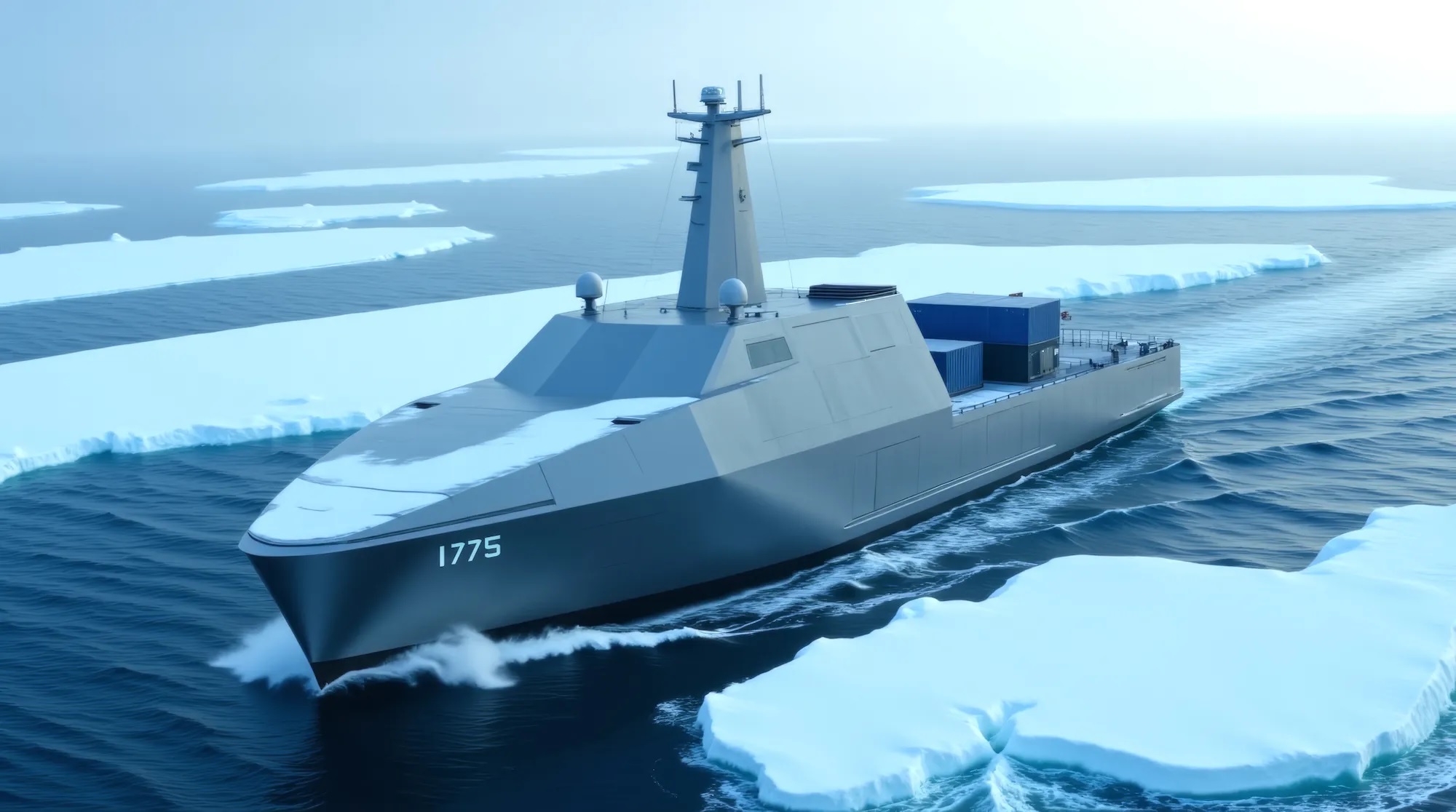
World
In a groundbreaking leap for naval innovation, Blue Water Autonomy Inc. has officially emerged from stealth mode with a mission to revolutionize the future of ocean warfare and maritime operations. Backed by $14 million in seed funding from top venture capital firms including Eclipse, Riot, and Impatient Ventures, the company is setting out to build a new generation of fully autonomous, unmanned ships for the U.S. Navy. Founded in 2024 by experienced minds from Amazon Robotics, iRobot, and the U.S. Navy, Blue Water Autonomy is creating a full-stack solution for naval autonomy—combining advanced robotics, AI navigation, remote sensing, and modular payload integration into one seamless maritime platform. Within a year of its founding, the company has already launched saltwater testing and developed early concept designs for its autonomous vessels. Why Autonomous Ships Matter In today’s world of escalating global tensions, especially in the Pacific and Middle Eastern waters, navies are increasingly stretched thin. With Chinese shipyards launching vessels at breakneck speed and U.S. warships engaged in prolonged operations in hotspots like the Red Sea, there’s an urgent need for scalable and affordable naval support. Autonomous ships present a promising solution—capable of performing critical tasks without risking lives or overburdening human crews. These unmanned vessels could be deployed for a wide range of operations, from reconnaissance and surveillance to electronic warfare, logistics, and even direct combat support. By working in tandem with manned warships such as destroyers and aircraft carriers, these robotic ships could extend fleet capabilities and reduce operational costs dramatically. Inside the Technology Blue Water Autonomy’s vessel design is centered around full autonomy from the hull up. It includes: Full-stack Autonomy Suite: AI-driven navigation, threat detection, obstacle avoidance, and mission planning. Payload Flexibility: Can be configured for multiple missions including ISR (intelligence, surveillance, reconnaissance), logistics resupply, mine detection, and more. Maritime-Grade Robotics: Developed by experts with experience delivering millions of commercial robots, ensuring robustness and scalability. Saltwater-Tested Systems: Already undergoing real-world environmental testing, showing rapid progression from lab to sea. Strategic Impact Blue Water Autonomy’s emergence is timely. As the U.S. and its allies aim to maintain control over vital sea lanes and counter threats from rising naval powers, autonomous ships offer a game-changing capability. They reduce dependence on large, expensive platforms, and enable quicker responses to maritime threats. These ships can be mass-produced at lower costs, offering a tactical edge where numbers and speed matter most. The leadership team’s unique combination of Silicon Valley innovation and military insight means Blue Water Autonomy is not just building ships—they’re building a new way of thinking about naval warfare. According to co-founder and CEO Rylan Hamilton, “Sea power has been the bedrock of America’s security and prosperity for centuries. We’re here to bring the Navy the technology it urgently needs.” Future Horizons While the initial focus is on serving the U.S. Navy, the ripple effects of this technology could soon spread to the commercial maritime sector. From automated cargo shipping and offshore energy platforms to fishing vessels and even luxury yachts, the core technologies developed by Blue Water Autonomy could redefine how the world moves across the seas. With $14 million in hand and a world-class team at the helm, Blue Water Autonomy is charting a bold course for the future—where human crews may one day watch from the shore as their robotic counterparts take to the oceans.
Read More → Posted on 2025-04-12 15:33:02
World
Spain has officially brought into service its first Airbus A330 MRTT (Multi-Role Tanker Transport), marking a major milestone for the Spanish Air and Space Force. The aircraft, now based at Torrejón de Ardoz Air Base near Madrid, has joined the 45th Wing and represents a significant leap in the nation’s aerial capabilities. This induction follows a 2021 acquisition plan by the Spanish Ministry of Defence for three A330 MRTT units. The aircraft, converted at Airbus’s Getafe facility near Madrid, is not just a traditional air tanker—it’s a multi-role strategic platform. It combines aerial refuelling, cargo and troop transport, and medical evacuation into one highly efficient package. With this, Spain steps into a select group of nations operating one of the most advanced and capable aerial tankers in the world. What sets the A330 MRTT apart is its versatility. Equipped with a hose-and-drogue refuelling system, it has an operational endurance of over 18 hours and a maximum range of 16,000 kilometres. It can carry up to 111 tonnes of fuel, allowing it to support long-distance refuelling missions without needing additional tanks. This ability dramatically enhances Spain’s power projection and joint operational reach across continents. Beyond refuelling, the A330 MRTT doubles as a heavy-lift transporter. It can carry up to 300 troops or 45 tonnes of cargo—ideal for strategic deployment missions, military logistics, or humanitarian relief efforts. Its cabin can also be reconfigured to carry medical evacuation kits (MEDEVAC), enabling it to evacuate wounded personnel or civilians during crises. This multi-role design makes it an all-in-one asset that is adaptable for a wide range of missions, from combat support to disaster response. The arrival of the MRTT aligns with Spain’s broader efforts to strengthen interoperability with NATO allies and improve its self-reliant operational readiness. As European and global military missions demand more flexible and far-reaching capabilities, Spain’s investment in the MRTT ensures it can support coalition operations while also maintaining national sovereignty in key scenarios. Two more A330 MRTTs are currently undergoing conversion at the Getafe site and are expected to join the fleet soon. Interestingly, before conversion, these aircraft had already proven useful in missions such as the evacuation of Spanish nationals from conflict-hit areas in Niger and Sudan, and during joint exercises like Pacific Skies 2024. Their performance in those missions reinforced the value of upgrading them into full MRTT configuration. In essence, the induction of the A330 MRTT is more than just adding a new aircraft to the fleet—it marks a shift in how Spain will approach global military logistics, joint operations, and emergency response. The A330 MRTT brings not only new technology but also strategic depth and operational flexibility, giving the Spanish Air and Space Force a powerful tool for the challenges of the modern world.
Read More → Posted on 2025-04-12 15:30:07
World
In a bold and escalating development, North Korea has reportedly shipped hundreds of ballistic missiles and a vast number of artillery shells to Russia, significantly boosting Moscow's firepower in its ongoing war in Ukraine. This alarming revelation was made by Admiral Samuel Paparo, commander of the U.S. Indo-Pacific Command, during a testimony before the U.S. Senate Armed Services Committee. According to Admiral Paparo, North Korea has already transferred “thousands, maybe hundreds of thousands” of artillery shells and “hundreds of short-range missiles” to the Russian military. In exchange, Russia is expected to supply North Korea with advanced air defense systems—likely including modern surface-to-air missile (SAM) technology that could help Pyongyang protect itself against future airstrikes or surveillance missions. Paparo described the arrangement as a “transactional symbiosis,” where each country fills the strategic weaknesses of the other. While Russia receives desperately needed munitions for its war against Ukraine, North Korea gains access to advanced defense technologies, thereby enhancing its military posture on the Korean Peninsula. What Weapons Is North Korea Supplying? Among the missiles reportedly sent by North Korea are: KN-23 Short-Range Ballistic Missiles (SRBMs): These missiles have a range of approximately 400 to 600 kilometers and are capable of maneuvering during flight, making them harder to intercept. They are similar in design to Russia’s Iskander missile system and are suitable for targeting both military and civilian infrastructure. KN-15 (Pukguksong-2) Medium-Range Ballistic Missiles (MRBMs): Spotted earlier via satellite images in a Russian military convoy, the KN-15 is a solid-fueled, road-mobile missile with an estimated range of around 1,200 kilometers. This type of missile is significant because it can be launched quickly and from remote locations, making it more survivable in conflict scenarios. 122mm and 152mm Artillery Shells: These are compatible with Soviet-era artillery still in use by the Russian military. North Korea, having stockpiles of such ammunition, has become a convenient supplier for Russia as Western sanctions restrict Moscow's own production capabilities. What Is North Korea Receiving in Return? In return for its military support, Pyongyang is reportedly receiving: Advanced Air Defense Systems: These could include radar-guided SAM platforms capable of protecting North Korea from aerial threats posed by the U.S., South Korea, and Japan. Such systems could drastically improve North Korea’s ability to intercept incoming aircraft or missiles. Technical Assistance: Russia may also be providing engineering or scientific support to help North Korea upgrade its defense and missile infrastructure. This could speed up development of newer, longer-range missile systems. Growing Military Cooperation Raises Alarms This expanding military relationship between Moscow and Pyongyang has raised serious concerns among U.S. and allied officials. The exchange not only helps Russia maintain its offensive in Ukraine but also empowers North Korea to upgrade its own strategic capabilities, particularly in missile defense and long-range strike potential. Military analysts suggest that this deal could destabilize both Europe and East Asia. If North Korea gains significant advancements in air defense, it could become bolder in its military posture toward South Korea and Japan. Simultaneously, Russia continues to find new ways to circumvent Western arms sanctions. The growing arms-for-defense partnership between North Korea and Russia represents a dangerous convergence of two isolated, heavily sanctioned states. Each is helping the other extend their reach and resilience in their respective conflicts. As North Korean missiles rain down on Ukraine, and Russian technology strengthens Pyongyang’s shield, the international community faces a new axis of military cooperation that could threaten peace in multiple regions. The consequences of this exchange could reshape the military balance in both Eastern Europe and the Asia-Pacific for years to come.
Read More → Posted on 2025-04-12 15:24:33
World
Ukrainian President Volodymyr Zelensky has claimed that several hundred Chinese nationals are currently fighting alongside Russian forces on the frontlines in Ukraine. His statement, made during a meeting with allied military chiefs in Brussels, has added a new and concerning layer to the already complex dynamics of the ongoing war. Speaking via video from his hometown of Kryvyi Rih — which recently suffered a devastating missile strike that killed 19 civilians, including nine children — Zelensky alleged that Russia is using foreign nationals to stretch and prolong the war. “We have information that at least several hundred Chinese nationals are fighting as part of Russia’s occupation forces,” he said. “This means Russia is clearly trying to prolong the war — even by using Chinese lives.” The Ukrainian president’s comments followed Kyiv’s recent capture of two Chinese fighters in the eastern Donetsk region. These individuals were reportedly engaged in combat operations on behalf of Russia, intensifying fears that Beijing could be drawn more directly into the war. While Zelensky accused Moscow of dragging China into the conflict, the Kremlin firmly denied the claims. China, in turn, cautioned both parties against making what it called “irresponsible remarks.” Although there is no official confirmation from Beijing regarding Chinese nationals fighting in Ukraine, Zelensky’s allegations come at a sensitive time when global powers are already on edge about the war’s potential to spill beyond Eastern Europe. If proven true, the involvement of Chinese citizens on the battlefield — even as volunteers or mercenaries — could strain Beijing's carefully balanced diplomatic posture and give the West a new argument for tougher positions against China. Zelensky's remarks seem aimed not only at exposing what he sees as Russia’s manipulative tactics but also at pressuring international partners to act more decisively. He renewed his plea for enhanced air defense support, especially the American-made Patriot missile systems, which are among the few capable of intercepting Russian ballistic missiles. "Ukraine has a shortage of air defense systems. Patriot systems can effectively protect against ballistic threats. I ask you to focus first of all on air defense for Ukraine," he said. In a further push for international support, Zelensky disclosed that a full ceasefire proposed by the United States — and approved by Ukraine — was recently rejected by Russia. This rejection, according to Zelensky, shows that Moscow is not interested in ending the war but rather escalating it. Looking ahead, Zelensky called for the development of a multinational security contingent that could act as a stabilizing force in post-war Ukraine. He stressed the need for clear planning regarding the size, structure, deployment, logistics, and the armament of such a force to deter any future aggression from Moscow. A Strategic Move with Global Ripples Zelensky’s statement about Chinese nationals fighting for Russia serves several purposes. Firstly, it attempts to isolate Russia further by portraying it as a global manipulator willing to risk lives from other nations for its own military objectives. Secondly, it puts China in a difficult position: either distance itself from Russia or face accusations of complicity. Finally, it renews his call for military aid, especially advanced air defenses, which he believes are vital to protect Ukrainian cities and civilians. From a broader perspective, even the suggestion of Chinese involvement — direct or indirect — raises alarms about the war's potential to evolve into a more globalized conflict. With Western and NATO powers already backing Ukraine, and China maintaining ambiguous ties with Russia, the entrance of foreign fighters into the mix may only deepen geopolitical fault lines. As the war grinds on, the question is no longer just about territory in Eastern Europe. It’s about who’s willing to get involved, how far they’ll go, and what the global consequences might be.
Read More → Posted on 2025-04-12 15:17:56
World
In a significant move to enhance its self-reliance in defence technology, Ukraine has initiated the development of a domestic air defence missile system designed to counter the increasing threat of Russian ballistic missile attacks. This new system aims to serve as an alternative to the US-made Patriot system, which is currently the only platform in Ukraine capable of intercepting such high-speed threats. Minister for Strategic Industries, Herman Smetanin, recently confirmed that Ukraine’s defence industry is actively engaged in creating its own version of the Patriot. “So far, there are no analogues to the Patriot air defence missile systems on the territory of Ukraine, but our defence industry has a corresponding project, and we are working on it,” he stated during a 2024 defence industry conference. Focus on Self-Reliance and Domestic Capability Ukraine’s move to develop an indigenous system stems from a growing need to secure its skies without being solely dependent on external partners. The new system is expected to be capable of detecting, tracking, and neutralising a wide range of aerial threats, particularly ballistic and cruise missiles. According to defence insiders, the Ukrainian system is projected to include the following core specifications: Radar Range: Up to 150 km for target detection Intercept Range: 70–90 km against tactical ballistic missiles Target Engagement Altitude: Up to 25 km Missile Speed: Up to Mach 4 Multi-target Tracking: Capable of tracking and engaging multiple targets simultaneously The system will likely incorporate active radar guidance, high mobility platforms, and modular launch systems to make it adaptive for mobile warfare, similar to the Patriot system's capabilities. Strategic Partnerships and Co-Production Ukraine is not working alone in this endeavour. The government has entered into preliminary discussions with international partners regarding co-production of missile defence technologies. Smetanin highlighted that negotiations have been held with manufacturers of systems like the Patriot to explore possibilities of localising part of the production in Ukraine. This not only boosts Ukraine's defence manufacturing but also creates jobs and enhances technical expertise within the country. “The United States has partners with whom it co-produces these systems. We’ve held a number of negotiations with manufacturers of similar systems, including the Patriot, regarding partial localization of their production in Ukraine,” Smetanin said. Real-Time Battlefield Collaboration While Ukraine works on developing its own solution, its forces continue to rely on the US-supplied Patriot systems for frontline defence. Following a recent wave of Russian missile strikes on April 6, Ukrainian Air Force spokesman Yurii Ihnat underscored the vital role of the Patriot system in Ukraine’s current operations. “As of now, only American Patriot systems are capable of performing this function,” he noted. Ukrainian forces are also cooperating with the US to share battlefield data, helping to refine and improve the Patriot’s effectiveness in real-time combat scenarios. This cooperation is essential for better threat analysis, faster response times, and improved missile interception rates. Looking Ahead Ukraine’s drive to develop a domestic air defence system reflects its broader vision for military independence and technological advancement. While the indigenous system is still under development, the steps taken so far indicate a clear and determined strategy to ensure national security through homegrown solutions. As the conflict with Russia continues to evolve, Ukraine’s ability to produce and deploy its own advanced defence systems will play a crucial role in shaping the future of its military resilience and strategic autonomy.
Read More → Posted on 2025-04-12 15:15:31
World
Switzerland has taken a major step towards enhancing its air defence capabilities by successfully completing crucial trials of the TRML-4D radar. These tests are part of the country’s development of a new medium-range ground-based air defence (GBAD MR) system, which is expected to play a key role in protecting Swiss airspace from modern aerial threats. The radar trials, conducted by the Swiss Federal Office for Defence Procurement, armasuisse, in collaboration with the Swiss Armed Forces, took place between 31 March and 11 April 2025. Two key locations were selected for testing — the federally-owned Homberg site and the Emmen aerodrome — due to their diverse terrains and relevance to Switzerland’s unique geographical conditions. Realistic Testing in Swiss Terrain The TRML-4D radar was tested under realistic and operationally relevant conditions. The main focus of the trials was to assess the radar’s ability to detect, classify, and track various airborne targets, while also ensuring that it operates without interfering with civilian systems like weather radar. Several aircraft, including the PC-12, PC-7, F/A-18 jets, and helicopters, were used to simulate various flight profiles, speeds, and altitudes. In addition to live aircraft, a radar target simulator was deployed to create simulated targets with different radar cross-sections and velocities, mimicking modern aerial threats such as cruise missiles. Importantly, the radar emits non-ionising radiation (NIR), and armasuisse confirmed that the levels of electromagnetic radiation remained within safe limits, posing no health risk outside the radar’s security zone. TRML-4D Radar – Core of Swiss Medium-Range Air Defence The TRML-4D is a cutting-edge, multi-functional radar system developed by HENSOLDT, known for its high detection accuracy, fast target acquisition, and simultaneous tracking of multiple airborne threats. It operates in the C-band frequency range and uses advanced AESA (Active Electronically Scanned Array) technology. Key Specifications of TRML-4D Radar: Detection Range: Over 250 km for aircraft and missiles Target Tracking: Capable of tracking up to 1,500 targets simultaneously Radar Technology: AESA-based with rapid beam steering Mobility: Mounted on mobile platforms for quick deployment Weather Resilience: Effective performance even under adverse weather conditions 360-Degree Coverage: Provides full spherical situational awareness This radar will be a central sensor in Switzerland’s new GBAD MR system and is a vital part of the country’s Integrated Air Defence strategy, aiming to defend against medium-range threats, including stand-off weapons and cruise missiles. Replacing Outdated Air Defence Systems Switzerland’s current air defence systems, such as the shoulder-launched Stinger missiles and legacy medium-range anti-aircraft artillery, are no longer sufficient against today’s high-speed, high-altitude threats. The GBAD MR project, valued at CHF 660 million, is therefore critical to closing this operational gap. As part of the program, Switzerland plans to acquire four or five IRIS-T SLM surface-to-air missile systems from Diehl Defence of Germany. These advanced systems are designed for highly accurate interception of aerial threats and will work in tandem with the TRML-4D radar. Contract finalization is expected by the third quarter of 2025. The procurement is also aligned with the European Sky Shield Initiative, a multinational effort to strengthen collective European air defences. Strengthening Swiss Air Sovereignty Once fully operational, the GBAD MR system will significantly strengthen Switzerland’s ability to maintain air sovereignty, providing a modern and mobile solution to counter evolving aerial threats. It also demonstrates Switzerland’s commitment to investing in reliable and future-proof defence technologies to protect its citizens and territory. By completing the TRML-4D radar trials successfully, Switzerland has moved one step closer to deploying a comprehensive and state-of-the-art medium-range air defence system that can stand up to the challenges of modern warfare.
Read More → Posted on 2025-04-12 15:09:37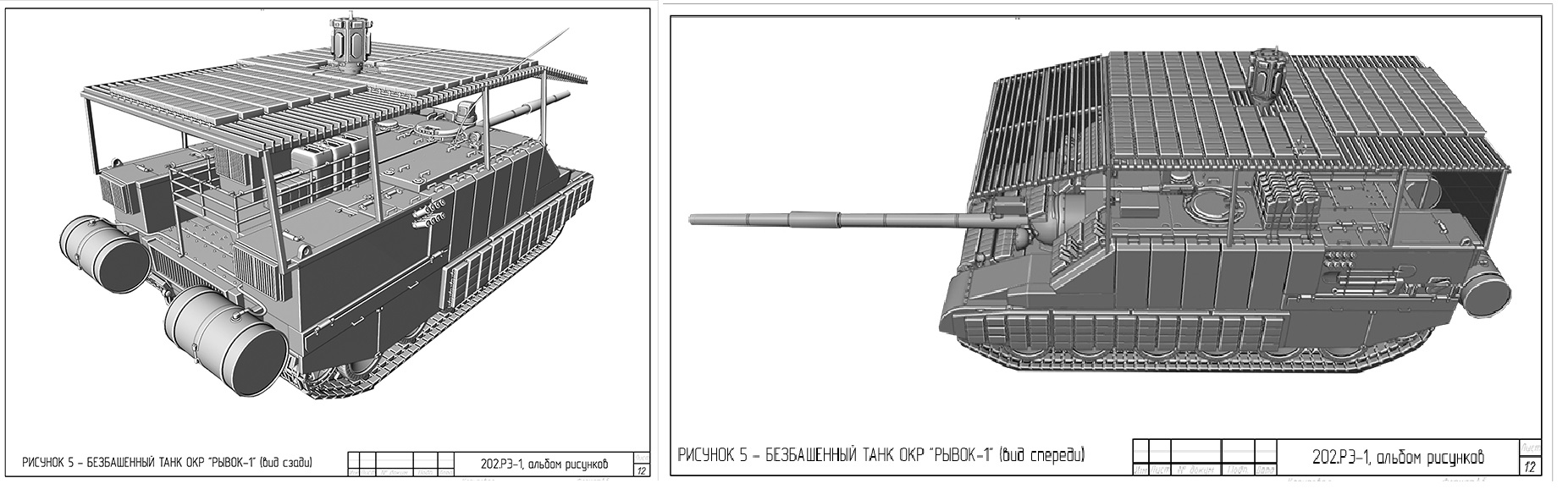
World
In a groundbreaking shift in Russian tank design, Uralvagonzavod (UVZ), the primary tank manufacturer under the state-run Rostec corporation, has introduced a radically reimagined variant of the T-90 main battle tank—this time without its signature rotating turret. This innovation stems from valuable battlefield insights, especially from the ongoing conflict in Ukraine. Combat experience has underscored several critical vulnerabilities in traditional tank designs—most notably, the rotating turret, which has long been a staple in Soviet and Russian tank architecture since the T-64 era. A Bold Departure from Tradition At the heart of this redesign is the removal of the turret, a structural change that significantly improves the tank’s ability to survive direct hits from modern anti-tank systems. UVZ engineers have re-evaluated the importance of mobility and rapid target acquisition—advantages typically attributed to the rotating turret—and concluded that these are no longer essential in today’s evolving combat scenarios. Instead, the focus has shifted towards maximizing protection, firepower delivery from static or semi-static positions, and eliminating design weaknesses that have led to catastrophic battlefield losses. Addressing the "Turret Toss" Problem One of the most critical reasons for abandoning the turret lies in the infamous “turret toss” phenomenon, where a direct hit to the tank’s turret ammunition storage results in a violent explosion that can eject the turret from the chassis. UVZ expert Alexey Ustyantsev emphasized that the turret’s structure not only posed a safety risk but also limited the integration of next-generation defense technologies. By eliminating the turret, the new T-90 variant removes a major weak point, creating space for a more compact, better-armoured, and potentially lower-profile design that is harder to detect and destroy. New Approach to Tank Warfare Despite the drastic redesign, UVZ has retained the core principles of tank warfare: delivering high-caliber firepower, surviving enemy attacks, and maneuvering across challenging terrain. But instead of relying on the traditional turreted configuration, the new model may incorporate alternative weapon mounting systems—possibly fixed or limited-angle gun mounts with advanced stabilization technologies. This layout also simplifies the installation of Active Protection Systems (APS) like Russia's Arena-M, designed to intercept and destroy incoming projectiles before they hit the tank. Without the rotating turret, such systems can be more seamlessly integrated into the vehicle's structure, enhancing all-around defense coverage. Key Specifications (Expected/Conceptual) While exact details are still under wraps, based on UVZ’s statements and trends in armored vehicle development, the following features are anticipated: Armament: High-velocity main gun (likely 125mm), fixed or in a limited traverse mount Protection: Enhanced frontal and top armor, integrated Active Protection System (Arena-M) Crew Safety: Enclosed armored capsule or heavily fortified hull compartment Mobility: Advanced torsion bar suspension, upgraded engine (possibly 1130+ HP), improved terrain navigation Electronics: Upgraded fire control system, AI-assisted targeting, drone integration support Dimensions: Potentially lower profile due to turret removal, improving stealth and survivability Ammunition Storage: Compartmentalized and blast-proof sections to reduce risk of internal explosions Shaping the Future of Armored Combat UVZ’s new turretless T-90 reflects a broader shift in global tank design philosophies. Other nations are also experimenting with unmanned turrets, remote weapon stations, and protected crew capsules. This signals a potential global transition from traditional designs toward survivability-centric platforms in response to the proliferation of drone strikes, guided missiles, and smart munitions. The introduction of this modified T-90 showcases Russia’s attempt to adapt to modern threats and rethink armored warfare. If successful, this could become a model for next-generation main battle tanks, balancing raw firepower with advanced protection and crew survivability. This evolution is not just about building a better tank—it’s about reshaping the very nature of ground combat for the 21st century.
Read More → Posted on 2025-04-12 15:07:41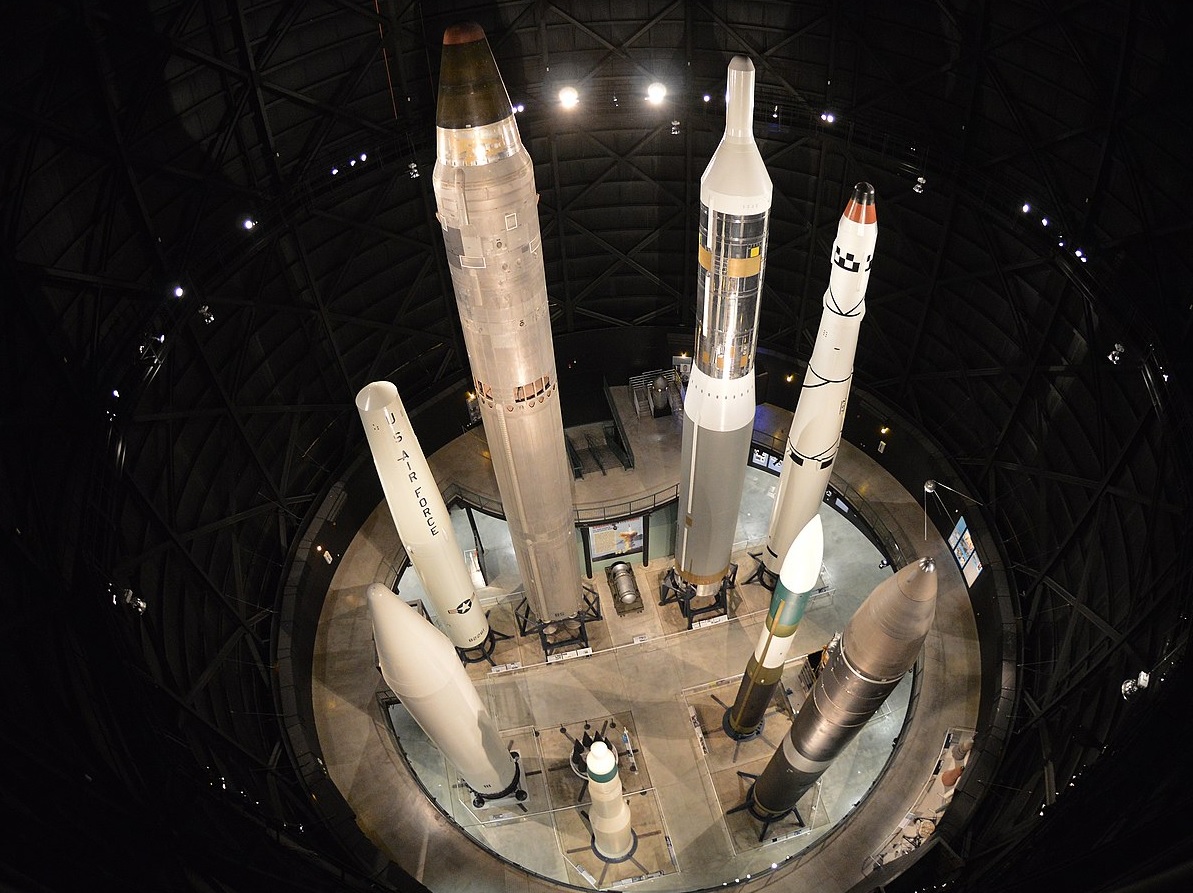
World
In a significant move reflecting rising global tensions, the United States has fast-tracked the development of its next-generation nuclear bomb, the B61-13. The advanced weapon, originally slated for production next year, will now be ready seven months ahead of schedule — a more than 25% acceleration in the original timeline. This step marks a serious shift in Washington’s nuclear strategy as it responds to what it sees as a more dangerous and unpredictable world. The bomb is being developed by Sandia National Laboratories under the guidance of the US Department of Energy and Department of Defense. Engineers and scientists were able to compress the timeline by reprioritizing qualification activities and focusing intensely on what it would take to deliver the weapon in under five years — a notably short period for such a complex and highly sensitive system. The B61-13 is designed to deliver a massive punch. With a maximum yield of 360 kilotons, it is nearly 24 times more powerful than the atomic bomb dropped on Hiroshima. This kind of destructive capability is aimed at hardened military targets and large-area installations that would be resistant to conventional strikes. In practical terms, it means the B61-13 could penetrate deeply buried bunkers or command centers — targets that are central in modern warfare calculations. This nuclear bomb is built for flexibility as well. It will be compatible with advanced strategic aircraft like the B-2 Spirit, and more notably, the forthcoming B-21 Raider stealth bomber, which is expected to be the backbone of the US Air Force’s long-range strike fleet in the coming decades. This ensures that the weapon can be deployed quickly and with reduced risk of detection, giving the US and its NATO allies a significant tactical edge in any potential conflict. The timing of this accelerated production is not coincidental. Since the Russian invasion of Ukraine in 2022, global tensions have soared. Concerns are growing about the potential for a broader regional war, and the risk that nuclear weapons could become part of the conversation is no longer dismissed as far-fetched. As a leading NATO member, the United States is bound by Article 5 of the NATO treaty, pledging mutual defense if any member is attacked. In this context, enhancing nuclear deterrence serves not just as a warning to adversaries but also as reassurance to allies. The B61-13 program was launched in 2023, shortly after the National Nuclear Security Administration successfully completed a $9 billion life extension program for the B61-12, its predecessor. That program modernized the aging stockpile of US nuclear gravity bombs, giving them updated safety features, guidance systems, and reduced yields for more flexible use. With that effort complete, attention and resources shifted to building a weapon with even more advanced capabilities. Analysts note that this rapid acceleration of nuclear bomb production is part of a broader pattern. As major powers like China, Russia, and North Korea expand or modernize their own nuclear arsenals, the United States appears increasingly determined to maintain a strategic edge. This doesn’t necessarily mean that nuclear war is imminent, but it does signal a renewed era of nuclear competition — one not seen since the Cold War. The B61-13 isn’t just about having a bigger bomb; it’s about deterring aggression by signaling readiness, precision, and overwhelming retaliatory capability. In the delicate balance of international power, perception matters — and the US is making it clear that it is not willing to be caught off guard. In short, the US is not just modernizing its nuclear arsenal — it’s doing so faster, more strategically, and with a clear eye on emerging threats. The B61-13 represents both a technological leap and a geopolitical statement: in an increasingly unstable world, nuclear deterrence remains a cornerstone of US national security.
Read More → Posted on 2025-04-11 15:45:28
World
At SOFINS 2025, the French-German Research Institute of Saint-Louis (ISL) has revealed remarkable progress on a revolutionary defense technology: a 12.7 mm calibre guided sniper bullet. This breakthrough, known as the I-SMART (ISL Sniper Munition Actuated to Reach Target), is set to redefine the future of long-range marksmanship with unmatched precision and smart tracking capabilities. A New Era for Sniper Precision The I-SMART round represents a leap in sniper warfare by integrating advanced guidance electronics into a conventional 12.7×99 mm (.50 BMG) calibre bullet. The technology takes advantage of ISL’s prior developments in guided munitions, such as course-correcting artillery fuses and medium-calibre smart ammunition. But this time, the challenge is greater—the entire guidance system must be compacted into a projectile just 54 mm in length and 12.7 mm in diameter. What makes this even more impressive is that the internal systems must survive the extreme forces of a gun firing—something that has historically limited the feasibility of guided small-calibre rounds. Inside the I-SMART Guided Bullet The I-SMART bullet is an intricate design composed of five main modules: Optical Sensor (in the tip) – Acts as the eye of the bullet, enabling terminal guidance in the final moments of flight. Navigation Electronics – Calculates the bullet's position and adjusts its course during flight. Power Supply – A compact energy source that keeps all electronics operational throughout the bullet’s travel. Actuation Mechanism – Aerodynamic fins or similar actuators that make real-time course corrections. Communications System – Allows the bullet to “talk” to a ground-based sniper system during flight. Currently, guidance decisions are handled externally through a ground unit, but ISL intends to shift toward on-board autonomous navigation, reducing reliance on external systems and speeding up reaction time. Performance That Redefines Accuracy ISL’s goal with I-SMART is to achieve 50 meters of lateral correction at a range of 2,000 meters, effectively allowing the bullet to adjust in-flight and hit moving targets—even if they are traveling at 60 km/h. With an average flight time of around three seconds, such responsiveness would drastically increase hit probability and reduce the need for multiple shots or highly seasoned snipers. This makes I-SMART not only a force multiplier for elite marksmen but also a tool that can help less experienced personnel deliver precise shots with minimal training, opening up possibilities for wider battlefield use. A Global Perspective Until now, only the United States and Russia have publicly worked on similar sniper-guided ammunition. The U.S. DARPA program, called EXACTO (Extreme Accuracy Tasked Ordnance), demonstrated promising tests in 2015, but it never transitioned to a fielded product. Russia also explored a guided 12.7×108 mm round, although little is known about its current status. Unlike these earlier efforts, France’s ISL is moving ahead with plans to reach Technology Readiness Level 5 (TRL5) soon. This stage will mark a key milestone before the institute hands over the project to an industrial partner for full-scale development and manufacturing. The Road Ahead While no exact timeline has been announced for the final live-fire tests, the I-SMART project is being seen as a potential game-changer in the world of special operations and precision shooting. Once fully developed, it could not only boost the effectiveness of sniper teams but also change doctrines around how precision fire is used in combat. In summary, the guided sniper bullet unveiled at SOFINS 2025 is more than just a technical feat—it is the future of precision warfare. With the I-SMART round, ISL is aiming to deliver not just bullets, but intelligent munitions that think and adapt mid-flight, hitting targets previously thought unreachable.
Read More → Posted on 2025-04-11 15:35:35Search
Top Trending in 24 Hours
-
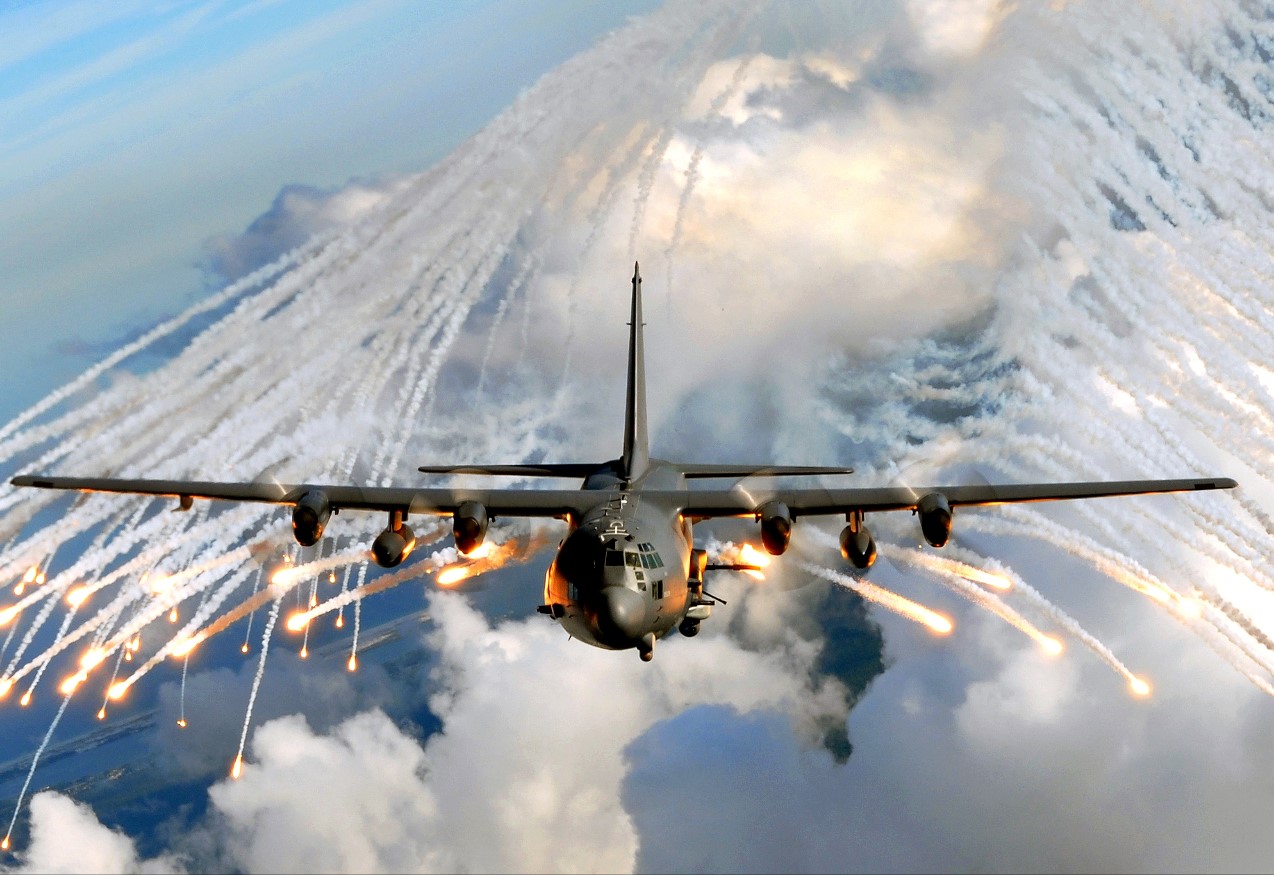 Pentagon Expands Alloy Surfaces Contract to $328.8 Million for Advanced Aircraft Decoy Flares Amid Evolving Drone Threats
-
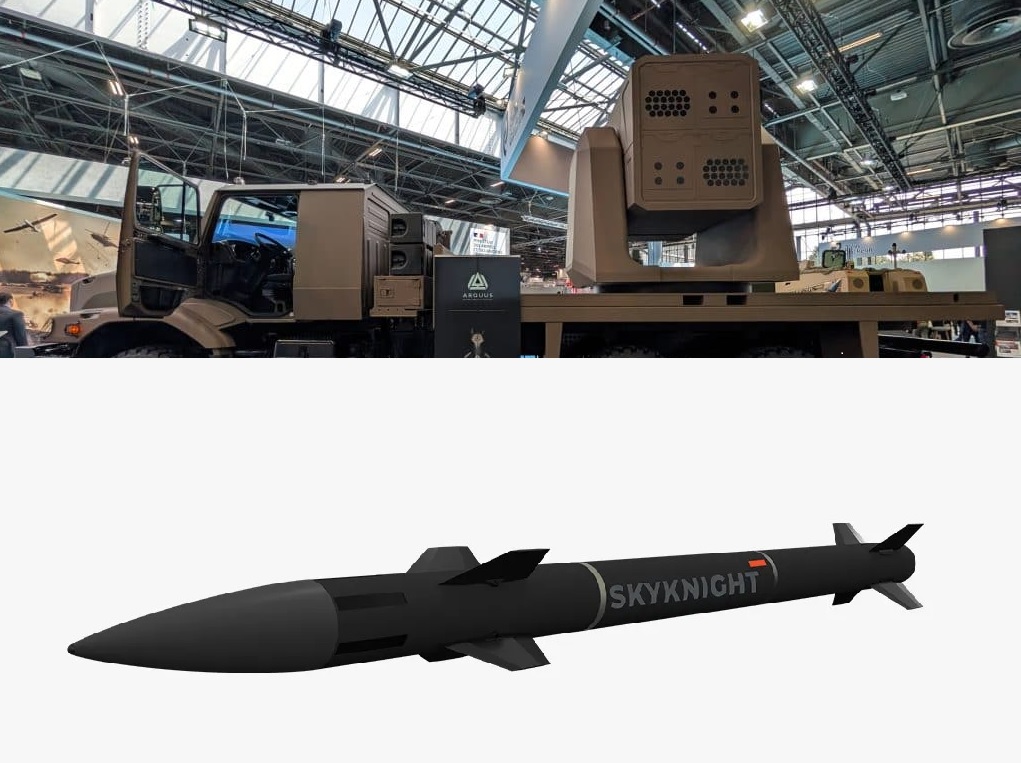 Naval Group Unveils Rampart Modular CIWS Multi-Purpose Weapon System for Naval and Ground Forces at Eurosatory 2026
-
 Why the U.S. Restored Pacific Command Name, Ending the Indo-Pacific Designation After Eight Years
-
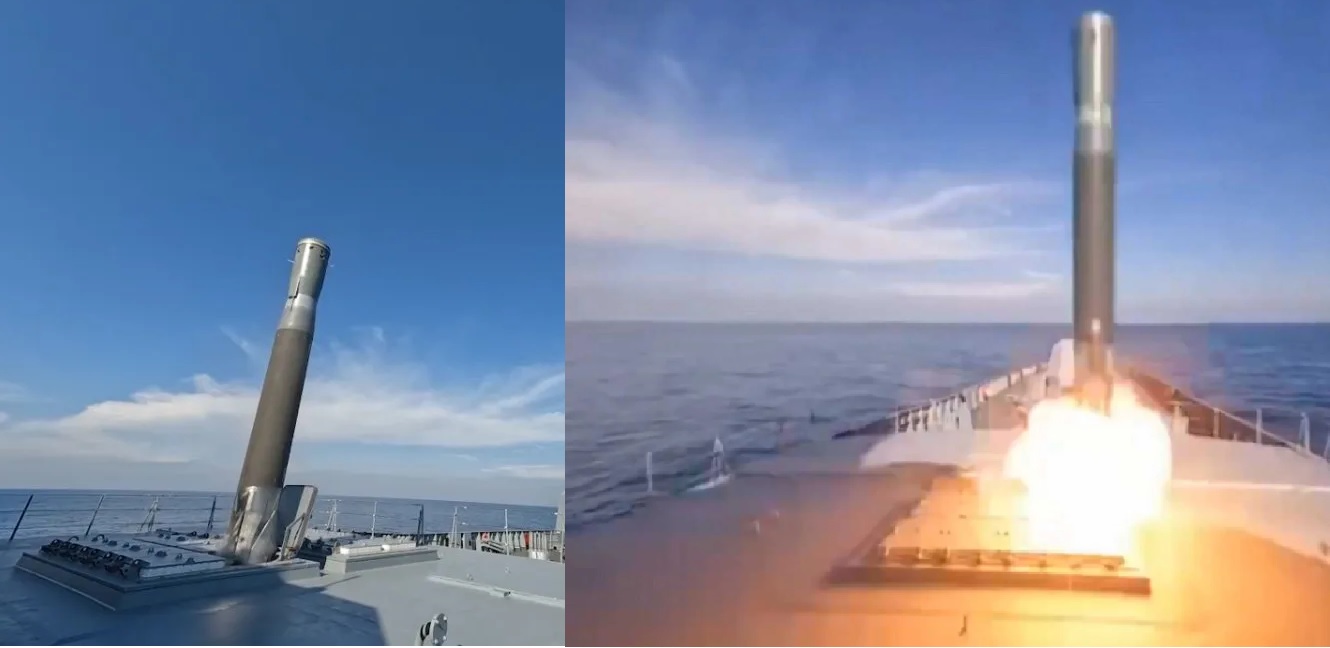 Open-Source Evidence Suggests Russia's Zircon Is a Quasi-Ballistic Missile, Not a True Hypersonic Cruise Weapon
-
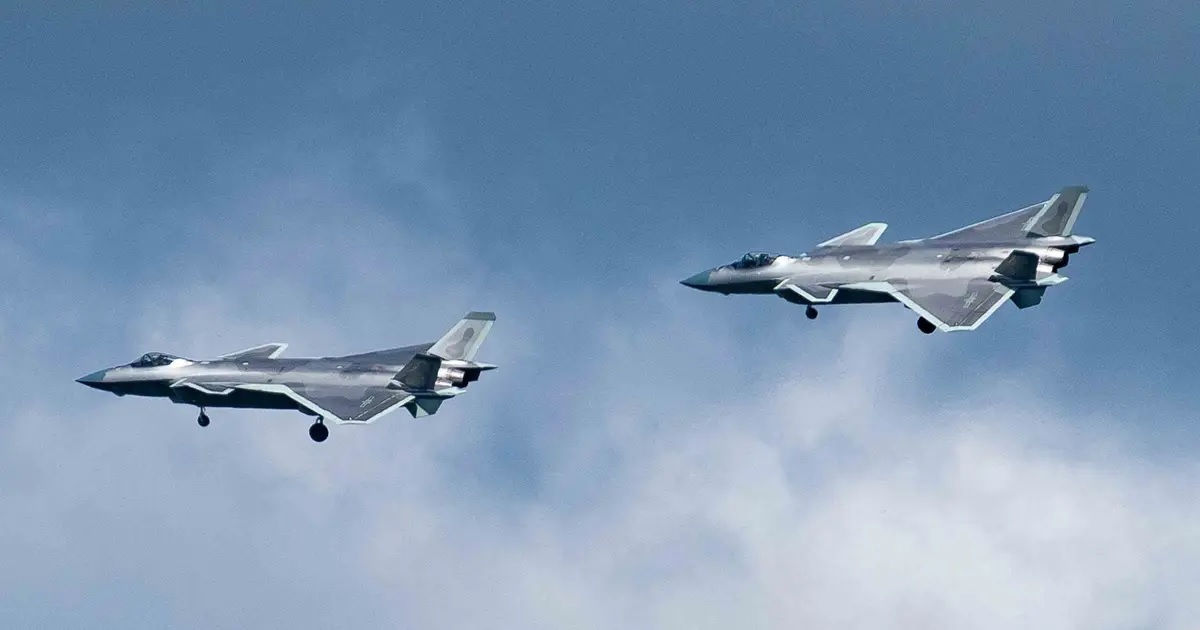 China Surpasses Russia as World’s Second-Most Powerful Air Force Amid Rapid J-20 and J-35 Expansion
-
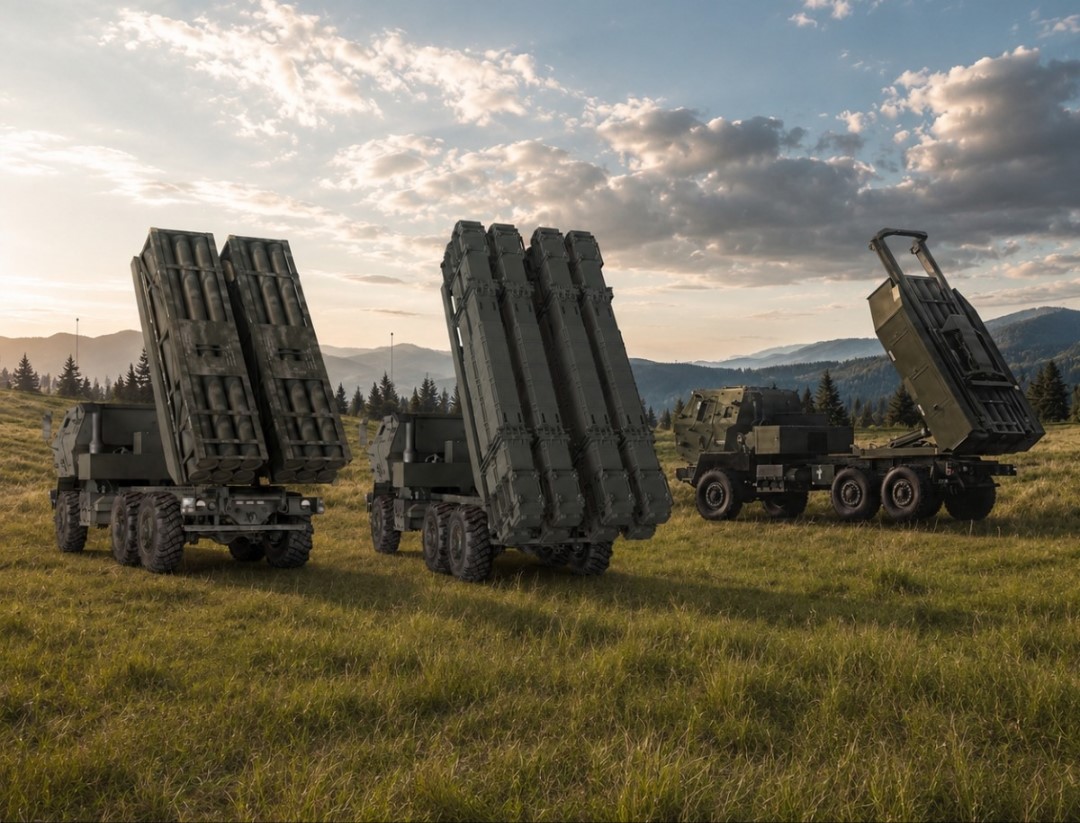 Lockheed Martin Unveils HIMARS FLEX with Dual-Pod Launcher and NATO-Compatible Air Defense Integration
-
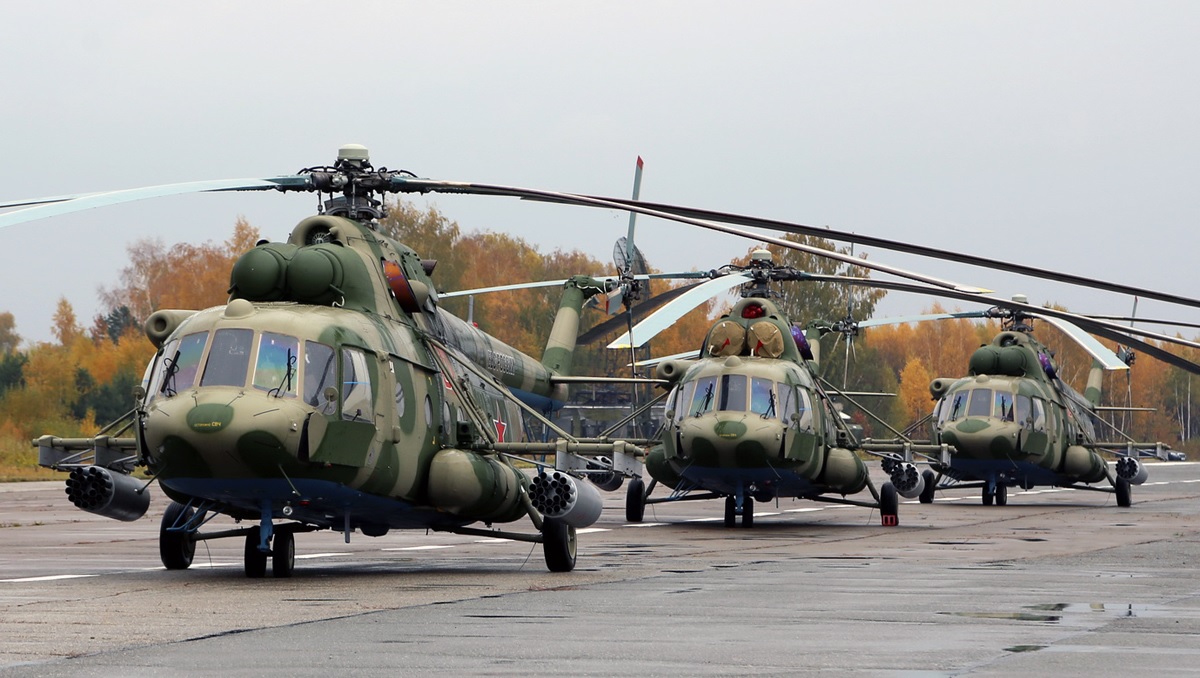 Iran Signs Deal with Russia for 20 Mi-8 and Mi-17 Helicopters to Boost Rescue and Medical Missions
-
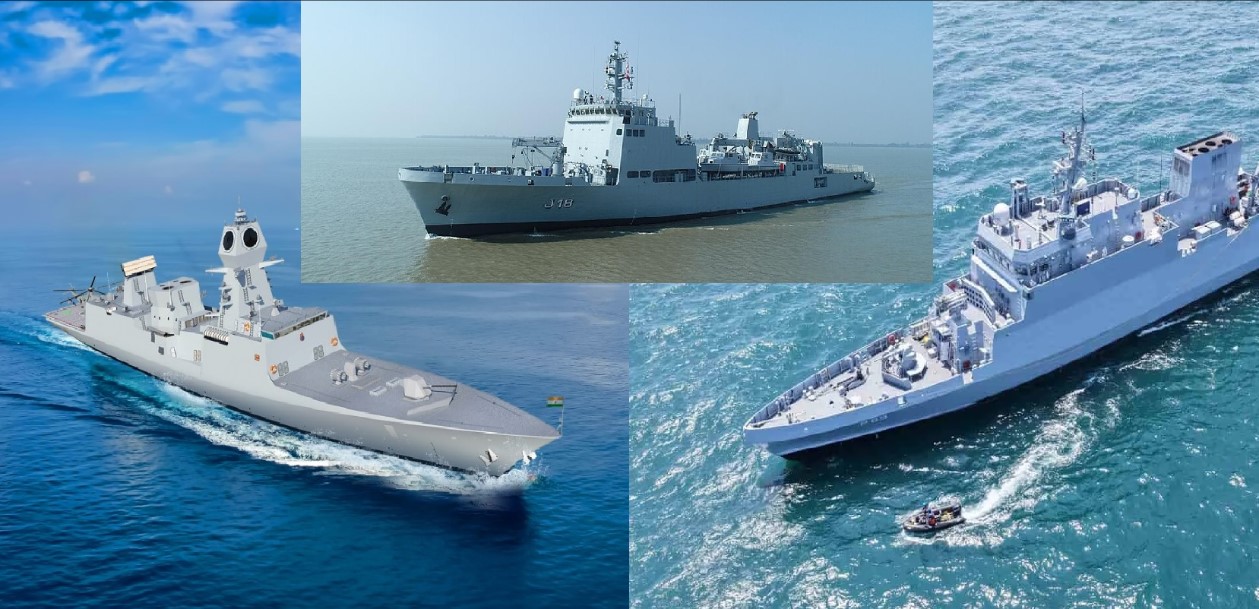 Indian Navy to Commission Stealth Frigate, ASW Craft and Survey Vessel in Rare Triple Induction at Kolkata
Top Trending in 4 Days
-
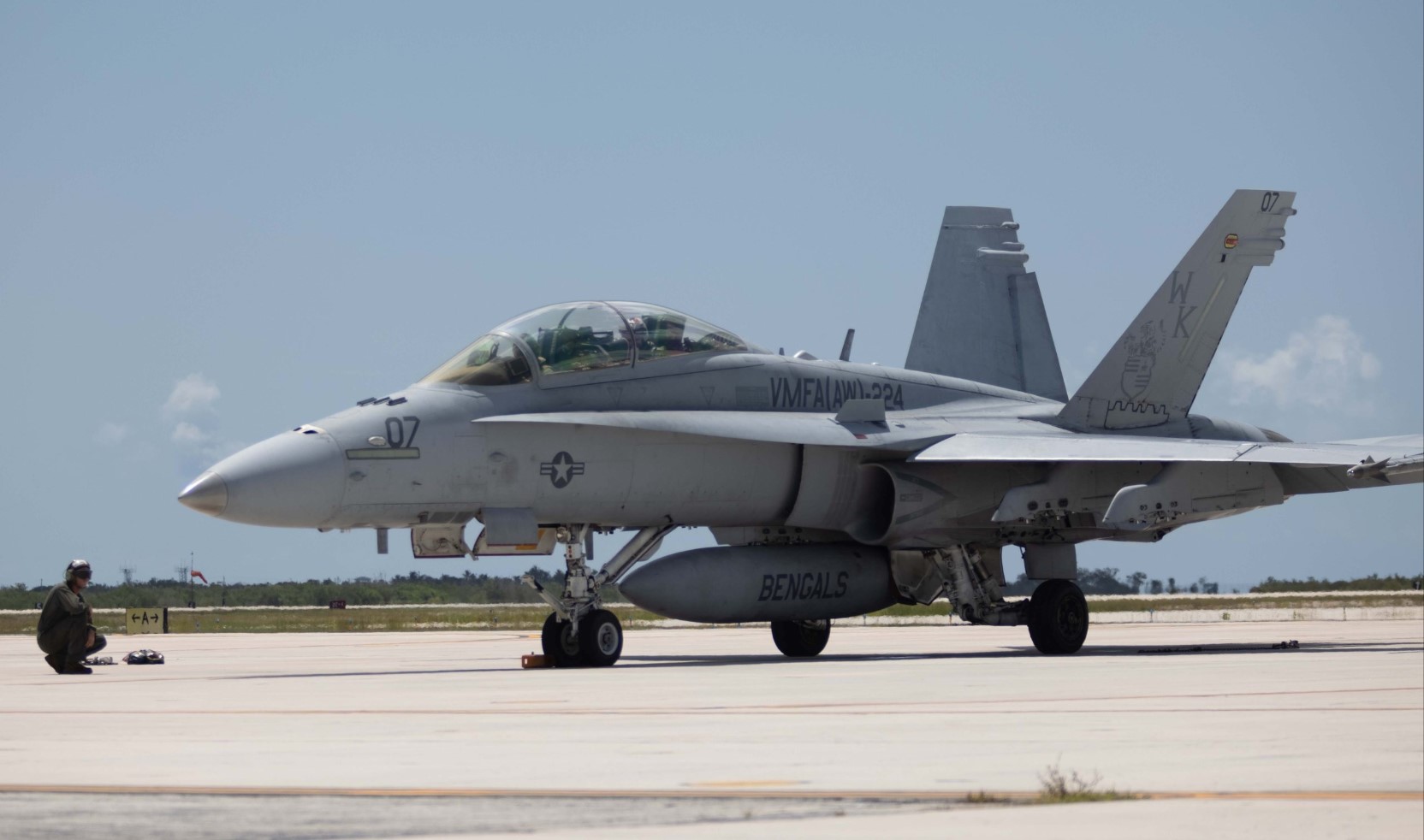 US Marine Corps F/A-18D Hornet Crashes During Training Flight in Washington Mountains; Pilot Ejects Safely
-
 Tulsi Gabbard Releases Declassified Files Detailing U.S.-Backed Network of 120 Biolaboratories Across 30+ Countries
-
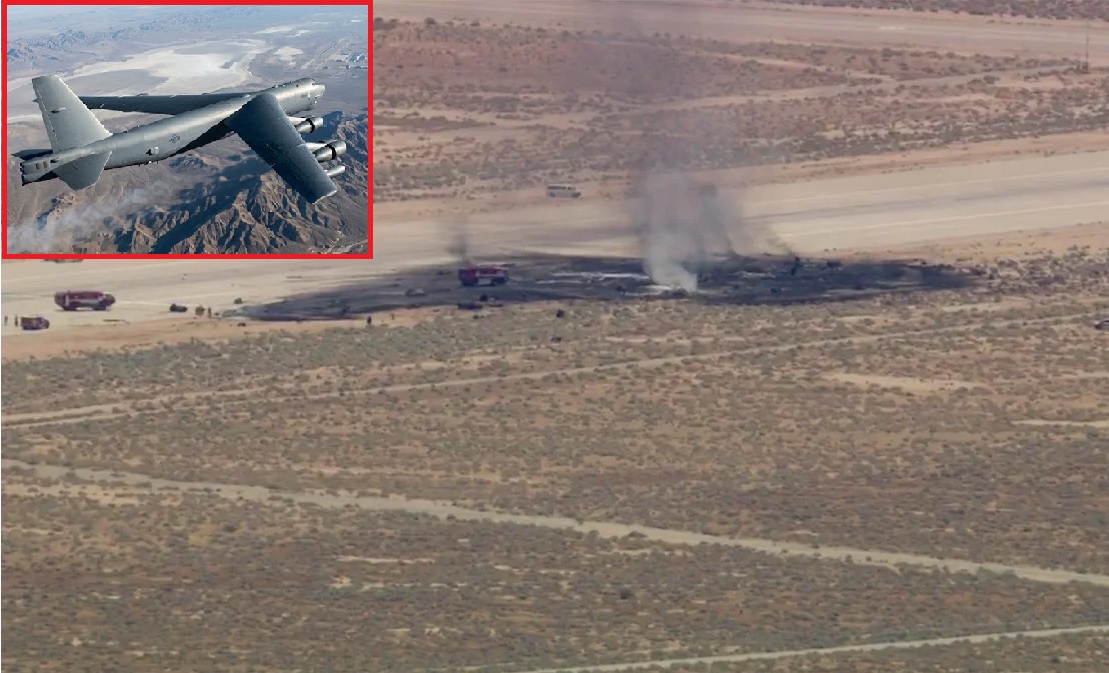 8 U.S. Air Force Crew Members Killed in B-52 Bomber Crash During Test Flight at Edwards Air Force Base
-
 Ukraine Introduces Balloon-Launched DART Missile Designed to Defeat Electronic Warfare
-
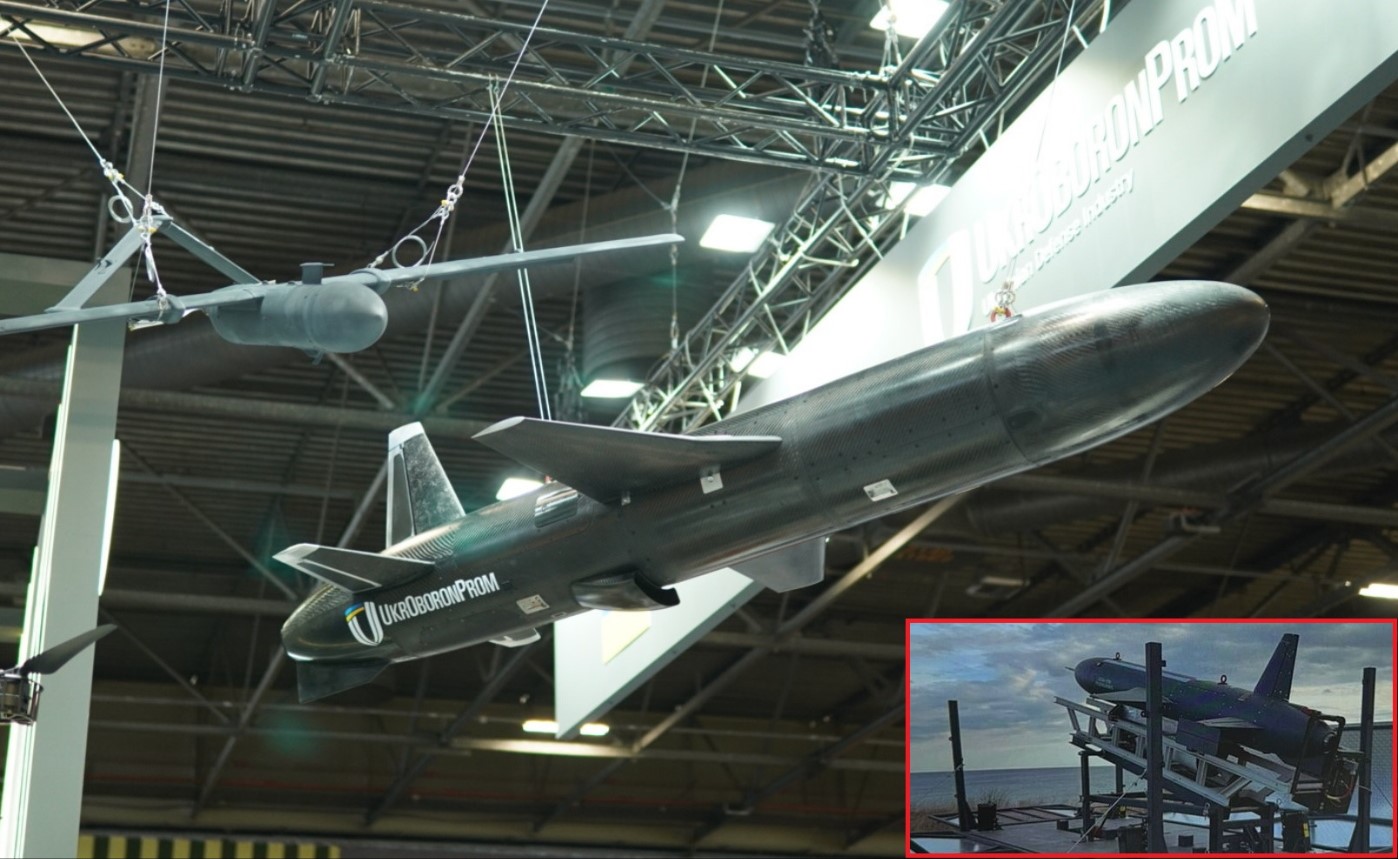 Ukraine Unveils UAV-290 Jet-Powered Strike Drone with 650 km Range at Eurosatory 2026
-
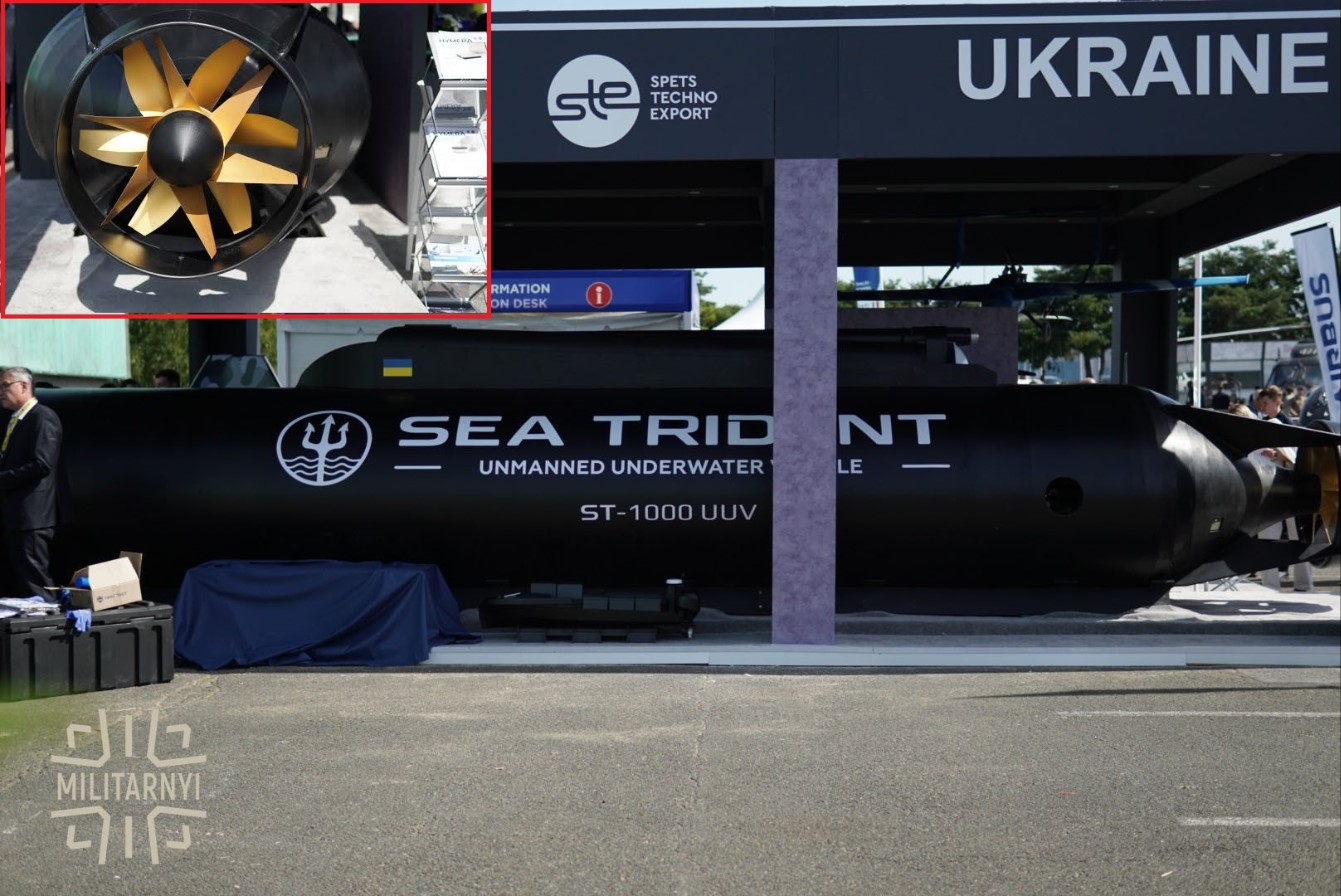 Ukraine Unveils 'Sea Trident' 10-Ton Autonomous Underwater Drone at Eurosatory 2026
-
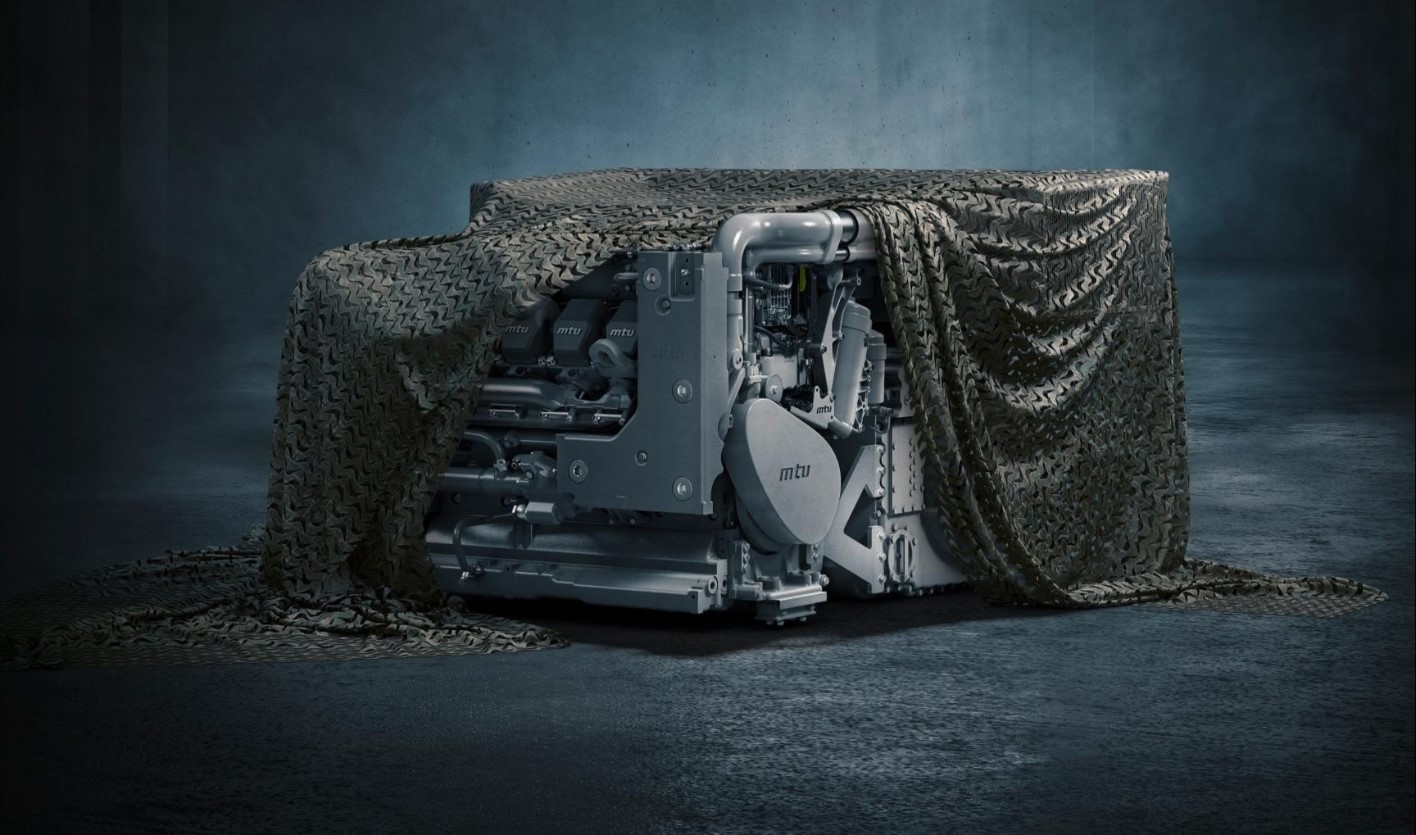 Rolls-Royce Unveils New Hybrid Powertrain for Heavy Military Vehicles at Eurosatory 2026
-
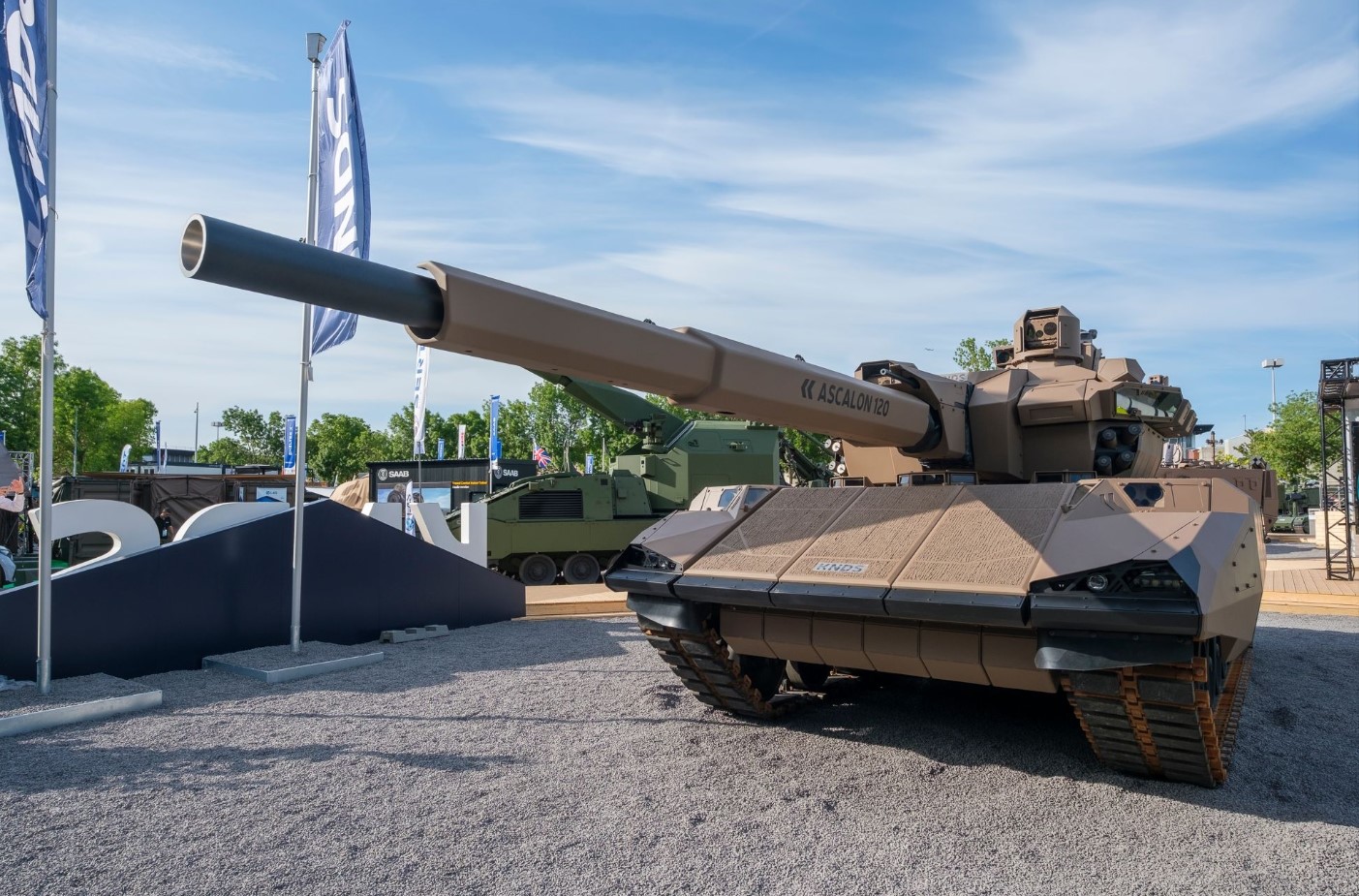 KNDS Unveils CAPINT Main Battle Tank at Eurosatory 2026 as Leclerc Stopgap