
World
In a major leap toward India’s defence self-reliance goals, British aerospace giant Rolls-Royce has formally proposed the co-development of a brand-new 110 kilonewton (kN) thrust engine specifically for India's upcoming Advanced Medium Combat Aircraft (AMCA). What makes this offer unique isn’t just the power or advanced engineering—but the promise of full Intellectual Property Rights (IPR) being handed over to India. Unlike previous international collaborations where critical technologies remained under foreign control, Rolls-Royce’s new engine will be a clean-slate design tailored solely to India’s operational needs. The company made it clear that this engine will not be a variant of the one being developed for the UK-led sixth-generation Global Combat Air Programme (GCAP), but an entirely different machine. The AMCA, spearheaded by India’s DRDO and Aeronautical Development Agency (ADA), represents India’s jump into the elite category of 5.5-generation stealth fighter jets. The aircraft is envisioned to feature supercruise capability (sustained supersonic flight without afterburners), advanced stealth shaping, and high maneuverability—demands that require an equally sophisticated engine. Rolls-Royce’s 110kN-class engine aims to deliver just that. According to the company, the proposed engine will generate around 75kN of dry thrust and 110kN with afterburner, with scope for further power growth to 120-130kN in the future. This makes it ideal for the AMCA Mk2 variant, while the initial AMCA Mk1 will take flight with imported GE F414 engines. GE has already agreed to transfer technology for its F414 engine under a separate agreement, but Rolls-Royce is banking on its unique offer of an India-specific, fully indigenous engine to sway policymakers. Another standout aspect of the Rolls-Royce offer is the comprehensive nature of the technology transfer. It promises not just manufacturing expertise (the “know-how”), but also the in-depth engineering understanding (the “know-why”)—an essential factor for India’s Gas Turbine Research Establishment (GTRE) and local industry to independently modify, upgrade, or even export the engine in the future. This proposal strongly aligns with India’s ‘Atmanirbhar Bharat’ initiative, which focuses on achieving strategic autonomy in defence production. Full ownership of the engine would allow Indian engineers to enhance and adapt the platform over time, without depending on foreign companies for upgrades, licenses, or spare parts. While the new engine might include select cutting-edge technologies being explored for sixth-generation fighters—such as heat-resistant materials, improved fuel efficiency, or stealth-enhancing nozzles—it will not use the adaptive cycle engine architecture being developed for the GCAP. The GCAP engine is expected to support over 130kN of thrust and have variable performance modes to suit different missions, including powering advanced systems and unmanned teaming drones. In contrast, the proposed AMCA engine will prioritize reliability, modularity, and supercruise capability—features most suitable for a stealth fighter designed to operate across varied theatres in the Indian subcontinent. The modular design would also make maintenance easier and enable long-term upgrades across the AMCA’s expected multi-decade service life. Rolls-Royce is not alone in this race. French engine-maker Safran has also offered a joint development program, based on its M88 engine used in the Rafale, and has promised full technology transfer. Meanwhile, American company GE is offering an enhanced version of its battle-tested F414 engine, which powers the Tejas Mk2 and is already selected for the AMCA Mk1. But Rolls-Royce’s pitch is distinct. It offers India not just an engine, but the strategic capacity to design and evolve its own jet propulsion technology in the years ahead. The company’s plan includes support for local manufacturing and aims to turn India into a hub for future aerospace innovation. As per current timelines, AMCA's first prototype could take to the skies by 2029 or 2030, with production versions expected to enter Indian Air Force service around 2035. If chosen, the new engine could not only power the AMCA Mk2 but also lay the foundation for future platforms such as the Twin Engine Deck-Based Fighter (TEDBF) for aircraft carriers or even a sixth-generation Indian fighter further down the line. For India, this proposal could mark a transformational shift—not just in its fighter jet program, but in its entire aerospace ecosystem.
Read More → Posted on 2025-04-17 15:47:54
World
Ukraine has officially revealed a powerful new addition to its growing missile arsenal — a cruise missile named Bars, capable of hitting targets up to 800 kilometres away. The announcement was made during the Ukrainian Weapons 2024 briefing by Herman Smetanin, Ukraine’s Minister for Strategic Industries. Bars joins a new family of advanced missiles developed domestically in Ukraine, including Palyanytsia, Peklo, and Ruta. While specific technical data about Bars remains classified, officials confirmed that it is a medium-range cruise missile, developed by Ukraine’s private sector, and is believed to share many specifications with the Peklo missile system. Key Features and Capabilities of Bars Cruise Missile: Type: Medium-Range Cruise Missile Estimated Range: 700 to 800 km Purpose: Precision strikes deep into enemy territory Origin: Developed by Ukraine’s private defence sector Deployment: Expected to be inducted into Ukrainian Defence Forces soon Production: Designed for mass production within Ukraine Bars is specifically designed to strike military infrastructure and high-value targets deep inside Russian territory, giving Ukraine a strategic advantage without relying on foreign-supplied long-range systems. The missile's capability allows it to disrupt logistics hubs, command centres, and airbases far from the frontlines. Ukraine's Expanding Missile Arsenal The unveiling of Bars highlights Ukraine’s broader effort to boost domestic missile production. By the end of 2024, the country had increased its missile output eightfold, a significant achievement amid ongoing conflict. In November 2024 alone, Ukraine reportedly produced over 100 missile systems. President Volodymyr Zelensky announced plans to manufacture 3,000 cruise and drone missiles in 2025. The upgraded R-360 Neptune cruise missile — Ukraine's indigenous system — has already seen its range extended to 1,000 kilometres. In August 2024, a new Ukrainian ballistic missile system was successfully tested, marking another major advancement in local defence technology. Strategic Significance The Bars missile demonstrates how Ukraine is rapidly evolving its technological base to meet modern warfare demands. Its development reflects a broader shift towards self-reliance, rapid innovation, and long-range precision capabilities. The ability to mass-produce such weapons locally means Ukraine can maintain and expand its missile forces without external delays or restrictions. In the face of an ongoing war, Bars is not just a missile — it symbolizes Ukraine's determination to push back, innovate, and strike where it matters most.
Read More → Posted on 2025-04-17 15:44:33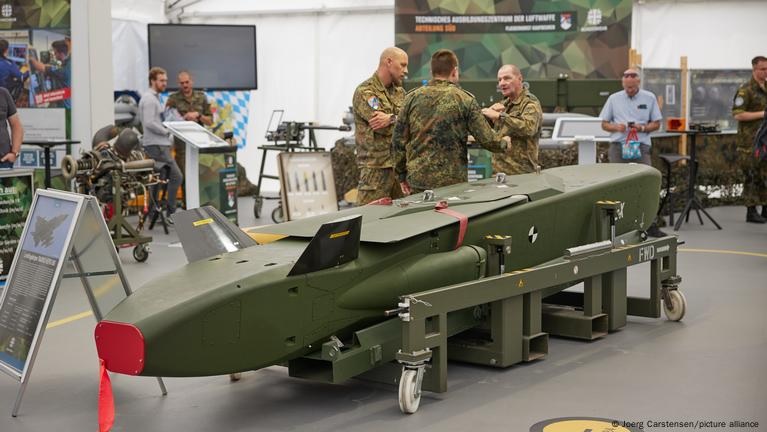
World
Russia has issued a stern warning to Germany, saying that any Ukrainian attack using German-supplied Taurus missiles would be viewed as Germany entering the war as a direct participant. This sharp message came from Russia’s Foreign Ministry following comments from Friedrich Merz, Germany’s likely next chancellor, who recently showed willingness to send the long-range missiles to Ukraine — a significant shift from the cautious stance of the current government under Olaf Scholz. Speaking on Thursday, Russian Foreign Ministry spokeswoman Maria Zakharova made it clear that Germany would face serious consequences if Taurus missiles were used against Russian infrastructure. She specifically pointed to attacks on strategic facilities like the Kerch Bridge — a vital supply line connecting Russia to Crimea — as an example that could trigger a direct response. This is not the first time the Kremlin has raised alarms about the Taurus system. Russia has consistently criticized the West for sending long-range weapons to Ukraine, arguing they allow Kyiv to target deep within Russian territory and escalate the conflict. But Moscow’s warning to Berlin is particularly serious, framing the potential delivery of Taurus missiles as a direct act of war. Friedrich Merz, who leads the Christian Democratic Union (CDU) and is expected to become Germany’s new chancellor soon, has clearly signaled a break from Scholz’s restrained approach. Following a devastating Russian missile strike in the Ukrainian city of Sumy, which killed at least 34 civilians and injured over 100, Merz called it “a serious war crime.” He stressed the need to help Ukraine “get ahead” in the war and said Germany must be prepared to act in coordination with its allies. “Our European partners are already supplying cruise missiles,” Merz said in a television interview. “The British are doing it, the French are doing it, and the Americans are doing it anyway. If it’s jointly agreed, then Germany should take part.” Merz also dismissed the idea that offering peace without strength would bring results. He argued that Russian President Vladimir Putin only understands pressure. “Putin will not respond positively to weakness and peace offers,” he said. The Taurus missile system, jointly developed by European defense company MBDA and Sweden’s Saab, has a range of over 500 kilometers. That’s further than the UK’s Storm Shadow or the US ATACMS. These missiles are specifically designed to penetrate deep into hardened targets like bunkers and bridges — making them ideal for strikes on critical Russian logistics routes and command centers. Ukraine has long requested these weapons to strike behind Russian lines and limit Moscow’s ability to resupply its forces. One of the key targets reportedly being considered is the Kerch Bridge — a powerful symbol of Russia’s grip on Crimea. However, the idea of sending Taurus missiles has caused a political divide within Germany. Olaf Scholz, the outgoing chancellor, has repeatedly warned that supplying such systems could escalate the conflict into a broader European war. He has instead pushed for measured support that avoids making Germany a combatant. Still, the political winds in Berlin are shifting. Merz, though once a hawk calling for missile deliveries as retaliation, adopted a more cautious campaign tone — possibly to secure a coalition deal with the center-left Social Democrats (SPD). While SPD co-leader Lars Klingbeil has voiced support for Ukraine, parts of his party remain uneasy about deeper involvement. Their internal vote this week on the coalition agreement could influence how far Germany goes in arming Ukraine. Germany is under growing pressure from allies. The UK and France have already supplied long-range missiles. The US, too, has delivered powerful ATACMS systems to Kyiv. Britain has even publicly backed Berlin’s right to send Taurus missiles. But with Russia’s threats now directly tied to specific targets like critical transport infrastructure, Germany’s next steps will carry major consequences. Caught between alliance commitments, internal political divisions, and Russia’s warnings, Berlin faces a defining choice. As Merz prepares to take charge, his decision on the Taurus missiles could reshape not only Germany’s role in the Ukraine war but also the future security landscape of Europe itself.
Read More → Posted on 2025-04-17 15:36:53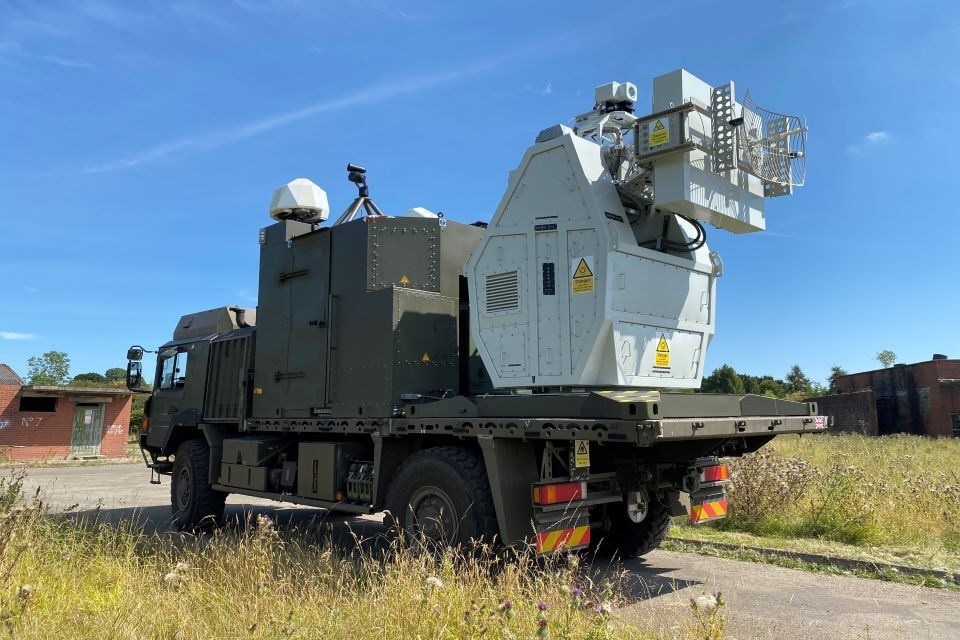
World
In a major step forward for modern warfare, the British Army has successfully tested a UK-developed Radiofrequency Directed Energy Weapon (RF DEW) that can take down entire swarms of drones in an instant. This breakthrough system, which uses high-frequency radio waves to disable or destroy the electronic components of drones, promises a powerful, low-cost defence solution in an era of increasing unmanned aerial threats. During the recent trials, the RF DEW system tracked and neutralised more than 100 drones, including two swarms brought down in a single engagement. The system caused drones to malfunction or crash by interfering with their electronics, and it did so with near-instant precision. Remarkably, it is estimated that each "shot" from this advanced weapon costs just 10 pence — making it far more economical than conventional air defence missiles, which can cost thousands or even millions per round. The UK Government has already invested over £40 million into the development of this cutting-edge technology. More than 135 highly skilled jobs are being supported across Northern Ireland and the South-East of England thanks to this investment, highlighting not only its strategic military value but also its role in boosting the national economy. Sgt Mayers of the 106 Regiment Royal Artillery made history during the trials by becoming the first British soldier to successfully take down drones using this radiofrequency weapon. He praised the system, saying it was easy to learn and use, and expressed optimism that with further enhancements in range and power, it could become a vital tool in the UK's Layered Air Defence strategy. The weapon’s development is being led by Team Hersa — a collaboration between the UK Ministry of Defence’s procurement wing, the Defence Science and Technology Laboratory (DSTL), and a consortium of British industry partners headed by Thales UK. Thales employs around 100 experts in Northern Ireland on this project, with another 30–35 supporting roles in Chelmsford, Essex. The company is known for its leadership in airspace protection systems and continues to advance this technology alongside government researchers. Nigel MacVean, Managing Director at Thales Integrated Airspace-protection Systems, emphasized the importance of the program, stating that Thales remains committed to pushing the boundaries of what’s possible in this field. The RF DEW system, according to him, represents a leap forward in counter-drone technology and showcases the UK’s innovation potential. The successful trial comes at a time when the use of drones in conflicts is surging. Just last year, Ukraine faced over 18,000 drone attacks. Such figures underline the urgency for modern defence solutions capable of protecting troops and assets from low-cost, mass-produced aerial threats. As part of its broader “Plan for Change,” the UK Government is set to channel at least 10% of its defence equipment spending into novel technologies like RF DEW starting from 2025–26. This approach not only aims to maintain the UK's strategic edge but also to support home-grown innovation and create economic opportunities nationwide. Defence Minister Maria Eagle described the trial as a shining example of British innovation. She reiterated that investments in defence technology are not only about national security but also about driving growth across towns and cities in the UK. In today’s evolving battlefield, where drones can be deployed quickly and in large numbers, the RF DEW system offers a timely and effective solution. If further developed and deployed, it could become a core component of the UK's future defence framework — a silent, precise, and affordable weapon against one of modern warfare’s most rapidly growing threats.
Read More → Posted on 2025-04-17 15:32:59
World
Imagine a high-tech MQ-9B SeaGuardian silently patrolling the skies above the Black Sea, locking onto a swarm of incoming Shahed kamikaze drones—then, instead of launching missiles, it unleashes powerful, invisible beams of energy that fry the drones mid-air. This is no longer a sci-fi scenario. General Atomics has officially unveiled a laser-armed version of its MQ-9B unmanned aerial vehicle (UAV) at the Sea-Air-Space 2025 exhibition, marking a significant leap in drone warfare and defense capabilities. A Game-Changing Directed Energy Weapon The newly displayed laser system is not just a concept; it’s a podded, underwing-mounted laser weapon that fits right onto the MQ-9B. It is part of a 25-kilowatt class system, which General Atomics says can be scaled up to an astonishing 300 kilowatts, whether in pulsed or continuous wave modes. That kind of power means this drone can target and destroy small drones, incoming missiles, or other threats quickly and silently—with no smoke trails, explosions, or radar signatures. What Makes This Laser Special? At the heart of this advanced system is a Distributed Gain Laser, a special type of laser that spreads out the material responsible for amplifying the light (called the gain medium). This spread reduces the need for massive cooling systems and eliminates the need to combine multiple fiber laser beams, which is often a complex and bulky process. The result? A lighter, more efficient, and less power-hungry laser system that can be deployed not just in the air but also on land or at sea. The laser pod comes with: A 25-kilowatt distributed gain laser An ultra-high power density battery system A large optical aperture for enhanced targeting An efficient cooling system that reduces size and weight Building on Past Experience This isn’t General Atomics’ first foray into laser technology. Back in 2021, the company, in collaboration with Boeing, began developing a 300-kilowatt-class solid-state laser system for the U.S. Army. And in 2022, they successfully tested an air-to-air laser communication system, proving that lasers can do much more than just destroy—they can also provide secure, high-speed communications in contested environments. Platforms and Flexibility The laser system is designed with flexibility in mind. It can be fitted not only to the MQ-9B SeaGuardian but also to other drones like: MQ-9A Reaper MQ-1C Gray Eagle 25M SkyGuardian variants This modular, podded design means militaries can adapt and upgrade their drone fleets without needing to develop entirely new aircraft platforms. Future Possibilities Laser weapons on drones could fundamentally change how future conflicts are fought. Instead of relying solely on limited onboard missiles or external support, drones like the MQ-9B could autonomously neutralize a wide range of threats, including: Swarms of kamikaze drones Low-flying helicopters Cruise missiles Even ground targets with pinpoint precision As this technology matures, it may also find use in anti-satellite operations, missile defense, and covert electronic warfare roles, all while flying silently in international skies. The MQ-9B SeaGuardian, now with laser capabilities, represents a bold step into the future—one where drones don’t just see and surveil, but also defend and destroy at the speed of light.
Read More → Posted on 2025-04-17 15:22:27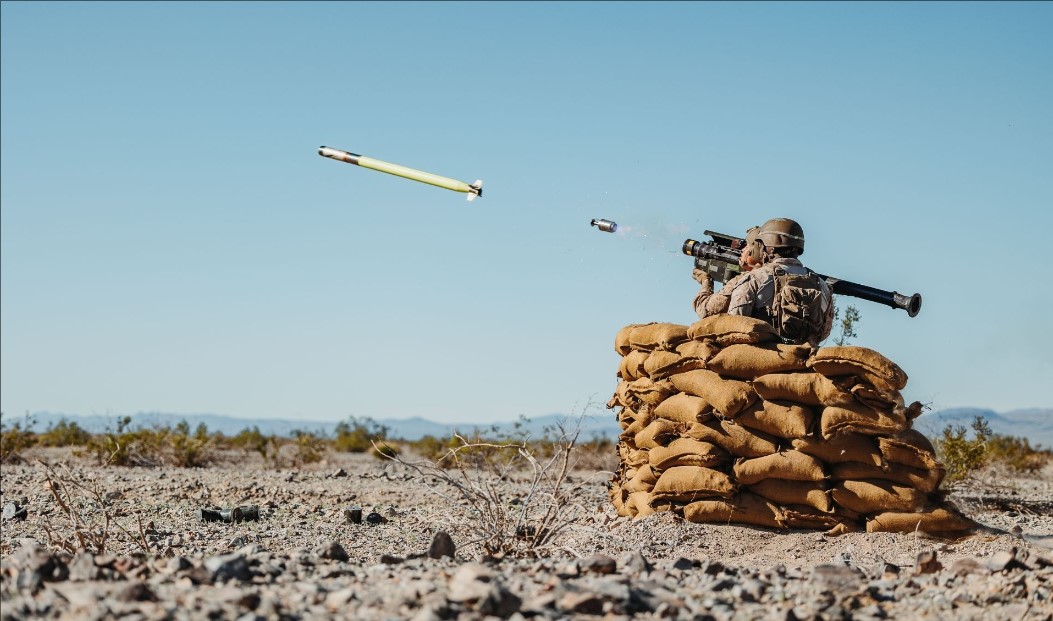
World
In a significant step toward strengthening Morocco’s defense capabilities, the U.S. Department of State has approved a potential foreign military sale of up to 600 FIM-92K Stinger Block I missiles to the North African nation. Announced on April 15, 2025, by the Defense Security Cooperation Agency (DSCA), the deal is estimated to be worth approximately $825 million and now awaits final approval from the U.S. Congress. This proposed arms sale includes not just the missiles themselves, but also a comprehensive package of support. The U.S. government and defense contractors will provide engineering assistance, technical support, spare parts, and logistics services to ensure smooth integration and operation of the missile systems within Morocco’s armed forces. The Stinger missile is not new to the battlefield—it has been a key component of short-range air defense systems since the early 1980s. However, the version Morocco is set to receive, the FIM-92K Block I, represents a significant technological leap. Unlike older models that relied only on infrared sensors to lock onto targets, the new Stinger variant features a datalink capability. This allows it to receive targeting information from its launching vehicle’s sensors, improving accuracy, especially against modern threats like fast-moving drones and low-flying aircraft. The FIM-92K is specially designed for vehicle-based launch platforms and is not typically used in shoulder-fired mode like its predecessors. Its dual-stage solid-fuel rocket motor gives it a striking range of up to 4.8 miles and the ability to hit targets flying as high as 10,000 feet. The warhead is also more advanced, featuring a proximity fuze that can detonate near a target without needing a direct hit. This is especially useful in dealing with small or fast aerial threats, such as unmanned aerial vehicles (UAVs). The DSCA emphasized that the sale aligns with the broader foreign policy and national security interests of the United States. As Morocco is designated a Major Non-NATO Ally, strengthening its defense capabilities also contributes to regional stability in North Africa and helps counter growing threats from militant groups and the proliferation of drones. In recent years, Morocco has steadily modernized its military arsenal, and this acquisition fits into its ongoing effort to build a more agile and responsive defense posture. The Stinger missile system will bolster the kingdom’s short-range air defense network and provide an effective counter to airborne threats in both conventional and asymmetric conflict scenarios. While the deal still needs Congressional approval, such sales to major non-NATO allies are usually well-received, especially when they align with U.S. interests in curbing instability in strategic regions. If finalized, this arms deal would mark another milestone in the deepening military ties between Washington and Rabat, reinforcing Morocco's role as a key security partner in North Africa.
Read More → Posted on 2025-04-16 16:06:54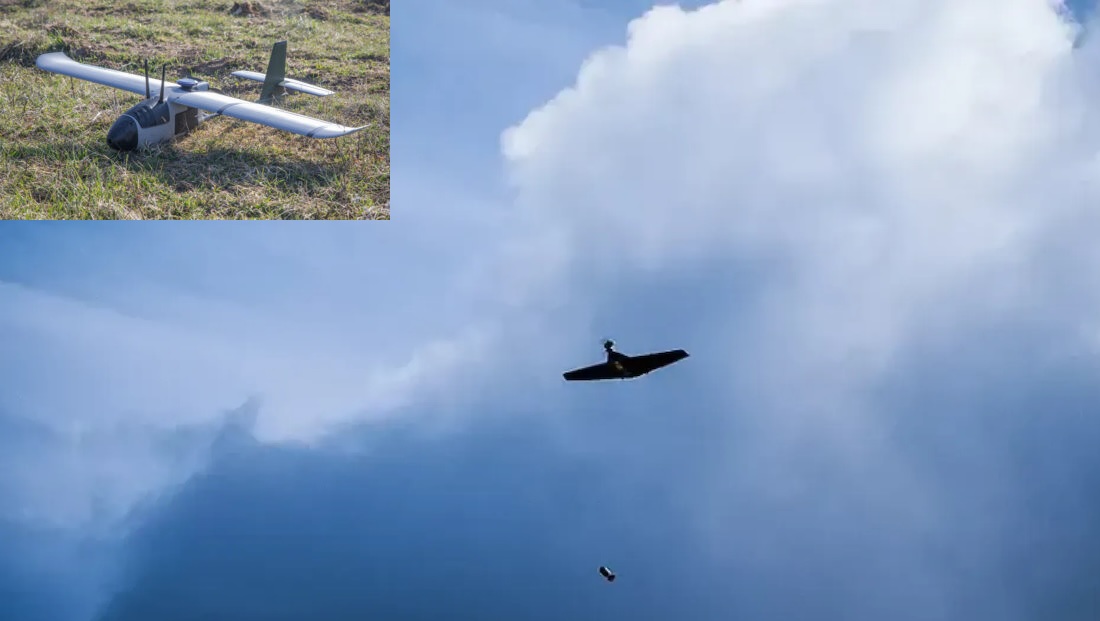
World
Ukraine’s armed forces have taken another major step in modernizing their defense capabilities by officially approving and adopting the domestically developed B-1 unmanned aerial vehicle (UAV) for frontline operations. As the country continues to rely heavily on drones in its ongoing war against Russia, the B-1 marks a significant advancement in Ukraine's growing domestic drone industry. The B-1 UAV is designed as a lightweight, precision-strike bomber capable of staying aloft for hours thanks to its low-noise, high-performance engine. Its stealthy nature, combined with resilience to electronic warfare, makes it particularly effective in contested airspaces. Though the government has not disclosed its exact specifications—such as range, size, or cruising speed—it is confirmed that the B-1 can carry various types of ammunition. These can be used to destroy enemy personnel, armored vehicles, and other military assets, not just along the frontlines but also behind enemy lines. What makes the B-1 especially valuable is its quick deployment capability and adaptability. It can be launched and recovered with ease, allowing rapid tactical use during combat operations. The drone’s ability to carry out precise strikes adds another layer of versatility to Ukraine’s drone-based military strategy. Drones have become a central component of Kyiv’s defense system. According to Ukraine’s Minister of Digital Transformation, Mykhailo Fedorov, about 95% of the drones used by the military are now produced by Ukrainian manufacturers. This domestic production effort is not only strategic but necessary, given the scale and duration of the conflict with Russia. Ukraine has previously tested long-range drones capable of flying up to 3,000 kilometers, and the military has launched an initiative to ensure front-line units have immediate access to drones without the delays of centralized procurement. These steps aim to maintain agility on the battlefield, allowing Ukrainian troops to respond quickly and effectively. Still, while drones like the B-1 are becoming increasingly important, Ukrainian leaders continue to stress that traditional air defense systems remain essential. In early April, following a missile attack on his hometown, President Volodymyr Zelensky called for ten additional Patriot air defense systems from international allies to better protect Ukrainian cities and civilians from Russian aerial assaults. With the deployment of the B-1, Ukraine demonstrates not only technological resilience but also a shift toward self-reliance in modern warfare. The integration of such advanced homegrown systems into daily combat operations reflects Ukraine’s commitment to innovating its defense forces amid one of the most high-tech conflicts in recent history.
Read More → Posted on 2025-04-16 15:39:02
World
In a world where drones are increasingly used not just for surveillance but also for attacks, both militaries and civilian authorities are in need of smarter, faster, and more flexible defence systems. Rising to this challenge, Italian defence technology firm ELT Group has introduced a new cutting-edge system called KARMA, short for Kinetic Anti-drone Mobile Asset. This next-generation solution is designed to detect, identify, and neutralise hostile drones using artificial intelligence—all without relying on traditional radar. KARMA is not ELT’s first venture into the counter-drone space. The company has been active in this field since 2015, when it launched its earlier system, Adrian. While Adrian made significant contributions to drone defence, KARMA brings the concept into a new era with major technological upgrades, especially considering the more complex threats seen in today’s geopolitical environment. What sets KARMA apart is its radarless and silent operating mode. Instead of broadcasting signals that can be detected or jammed, it quietly scans the skies using infrared sensors combined with powerful AI algorithms. This makes it incredibly stealthy—ideal for missions where discretion is essential or where radar use is restricted or vulnerable. At the heart of KARMA is a 360° infrared surveillance system known as Track While Scan, which constantly monitors the airspace in all directions. The real magic, however, lies in its Human Machine Interface (HMI), a smart AI-powered platform that assists operators in identifying and classifying aerial threats with precision and speed. This interface gives users a full and real-time picture of the local airspace, improving decision-making under pressure. KARMA is also equipped with a Radio Frequency (RF) sensor that can detect and analyse the communication protocols used by drones. This allows the system to not only identify drones but also understand how they operate, which is key to stopping them effectively. A jammer module is built in to block drone signals and take down hostile drones if needed. What’s more, the system can handle multiple threats at once, making it ideal for complex operational environments like critical infrastructure protection, battlefield scenarios, or urban security missions. One of KARMA’s greatest strengths is its modularity and scalability. It can be used as a fixed system guarding a sensitive location or mounted on vehicles for mobile operations. It can also be integrated into larger air defence networks, allowing it to share data with Fire Control Systems that support hard-kill options—like physically destroying an incoming drone. With both military and civil protection in mind, KARMA is a forward-looking solution for countries and organisations dealing with the rising threat of drones. Whether it's guarding borders, securing airports, or protecting military convoys, KARMA provides a flexible, AI-powered shield in the sky. ELT Group’s latest innovation reflects the growing importance of autonomous and intelligent defence systems in a rapidly evolving threat landscape, where speed, stealth, and adaptability are more crucial than ever.
Read More → Posted on 2025-04-16 15:36:34
World
In a move underscoring its strategic alliance with Israel, the U.S. government has officially approved the sale of advanced engines and support equipment for Israel’s Eitan armored fighting vehicles. Valued at approximately $180 million, this latest package includes 8V199TE21-D powerpack engines along with a suite of technical, engineering, and logistics support—significantly expanding on a prior $85.5 million agreement that did not require congressional notification. The U.S. State Department’s decision was announced through the Defense Security Cooperation Agency, which formally notified Congress of the proposed Foreign Military Sale earlier this week. The approved engines are intended to power the Eitan, Israel’s indigenously developed 8×8 wheeled armored personnel carrier that’s gradually replacing the aging M113 fleet. Designed to offer superior mobility, speed, and protection, the Eitan plays a key role in strengthening the Israeli Defense Forces (IDF), especially in urban warfare and high-threat environments. The latest deal does not include Major Defense Equipment (MDE) but offers significant advantages through U.S. government and contractor technical assistance, one-time engineering support, and other sustainment elements. Rolls-Royce Solutions America, headquartered in Novi, Michigan, has been selected as the principal contractor for the program. According to U.S. defense officials, this sale is expected to enhance Israel’s ability to confront modern battlefield challenges and respond swiftly to regional threats. By upgrading its armored ground vehicle fleet, Israel will be better equipped to safeguard its borders, protect critical infrastructure, and ensure the safety of its civilian population. The agreement also reinforces a cornerstone of U.S. Middle East policy—maintaining Israel’s “qualitative military edge” over potential adversaries. This concept ensures that Israel retains advanced defense capabilities compared to other countries in the region, and is a key principle guiding U.S. arms sales to its closest Middle Eastern ally. While no offset agreements were included in this transaction, such deals may be independently negotiated between the manufacturer and the Israeli government at a later stage. The Eitan program reflects Israel’s broader push to modernize its ground forces by incorporating cutting-edge technology and enhancing operational flexibility. With the backing of the United States, the Eitan platform is expected to become a cornerstone of Israel’s future armored mobility and border defense strategy.
Read More → Posted on 2025-04-16 14:25:46
World
Greece has taken another major step in strengthening its military capabilities by acquiring 16 Exocet MM40 anti-ship missiles from France. The agreement was formally signed in Athens by Greek Defence Minister Nikos Dendias and his French counterpart, Sébastien Lecornu, during an official diplomatic visit. While the cost of the deal remains undisclosed, the move marks a significant addition to Greece’s naval arsenal and reflects its ongoing commitment to defense modernization. The Exocet MM40 missiles are highly regarded for their advanced features and reliability in modern warfare. Designed for precision strikes at sea, these missiles have a maximum range of 250 kilometers and weigh approximately 780 kilograms. Measuring under six meters in length, they are compact but extremely powerful. The missile is guided by a combination of inertial navigation and an active electromagnetic seeker, allowing it to follow complex flight paths and engage targets even beyond the line of sight. One of the key strengths of the Exocet MM40 is its stealth-oriented design. It can fly at very low altitudes over the sea, reducing the chance of detection by enemy radar systems. Its low radar, visual, and infrared signatures make it harder to intercept. The missile’s advanced seeker system can distinguish targets even in cluttered environments and is resistant to electronic countermeasures. With GPS functionality, the Exocet can also engage coastal land targets, making it a flexible asset in various combat scenarios. This acquisition fits within a broader strategic push by Greece to modernize its armed forces. Athens has been consistently increasing its defense budget, and this year alone, it has more than doubled its military spending to €6.13 billion ($6.6 billion). The country stands out in NATO for its high defense expenditure—allocating over 3 percent of its GDP, a figure only matched by a few other member states such as Poland, Estonia, and Latvia. By 2036, Greece plans to invest approximately €26 billion ($28 billion) in new military systems. This long-term effort includes the procurement of advanced air and naval platforms. Earlier this year, Greece received its 30th upgraded F-16 Viper fighter jet from Lockheed Martin, enhancing the Hellenic Air Force’s combat capabilities. Around the same time, the country also welcomed the final delivery of 24 Rafale fighter jets from France’s Dassault Aviation—another milestone in the Greek-French defense partnership. The purchase of the Exocet MM40 missiles comes at a time when tensions in the Eastern Mediterranean remain a concern, particularly regarding maritime boundaries and energy exploration. With these new missiles, Greece is not only improving its deterrence but also reinforcing its position as a capable and modern naval power in the region.
Read More → Posted on 2025-04-16 14:23:56
World
In a significant show of allied strength and evolving defense cooperation, the U.S. Marines from the 3rd Marine Littoral Regiment (3d MLR) have deployed the advanced Navy-Marine Expeditionary Ship Interdiction System (NMESIS) to the Philippines for Exercise Balikatan 25. This marks the first time the system has ever been brought to the country, and it highlights the growing depth of the U.S.-Philippines military alliance. The deployment was officially confirmed by U.S. Secretary of Defense Pete Hegseth during his visit to Manila on March 28. This moment not only strengthens military ties but also adds a powerful new layer to the Philippines' coastal defense strategy. Strengthening the Alliance through Exercise Balikatan 25 Exercise Balikatan 25, running from April 21 to May 9, is the latest installment in the annual joint exercise series between the United States and the Philippines. The name "Balikatan" means "shoulder-to-shoulder" in Filipino, symbolizing the strong partnership between the two nations. This year’s edition involves multiple training events, such as: Integrated Air and Missile Defense Maritime Key Terrain Security Operations in Northern Luzon and the Batanes Islands Counter Landing Live Fire Exercises in Cagayan Maritime Strike Exercises at sea The NMESIS system will be a key component of the Maritime Key Terrain Security Operations segment, although it will not be live-fired during this exercise. Tactical Movement and Joint Deployment During the exercise, U.S. Marines from the 3d Littoral Combat Team’s Medium-Range Missile Battery, along with the Philippine Marines from the 4th Marine Brigade, will jointly transport NMESIS launchers using U.S. Army and Air Force aircraft. These launchers will be relocated from Northern Luzon to various islands in the Batanes chain. Once in place, both forces will set up a Fires Expeditionary Advanced Base (EAB). The system will be used for simulated fire missions, allowing both sides to test coordination, mobility, and targeting procedures in a realistic but non-live environment. Supporting this operation, the AN/TPS-80 Ground/Air Task-Oriented Radar (G/ATOR) will be deployed in Northern Luzon. It will track air movements and feed targeting data into the system, ensuring high-level situational awareness for future joint operations. What is NMESIS? The Navy-Marine Expeditionary Ship Interdiction System (NMESIS) is a powerful and mobile anti-ship missile system designed to deny enemy ships access to strategic maritime zones. Key Specifications: Missile Type: Naval Strike Missile (NSM) Range: Approximately 185 kilometers (115 miles) Guidance: GPS and infrared homing Launcher Vehicle: Remotely operated JLTV-based launcher platform (Rogue Fires) Role: Anti-ship and land-target strike capability Mobility: High, air-transportable by C-130, CH-53, and other military aircraft Crew Requirements: Minimal due to semi-autonomous launcher NMESIS represents a leap in distributed lethality, enabling small Marine units to launch powerful precision-guided missiles at sea targets from remote island outposts, a concept central to the U.S. Marine Corps’ Force Design 2030 vision. Why This Matters for the Philippines The Philippines is a key strategic location in the Indo-Pacific region, and the deployment of NMESIS helps strengthen its maritime defenses at a time of rising regional tensions. This year marks the third consecutive time the 3d MLR has joined Exercise Balikatan. In previous years, they introduced advanced systems like the AN/TPS-80 radar and conducted security operations on islands like Itbayat, Batan, and Mauvulis. Now, with NMESIS, the collaboration is entering a more advanced phase. The system provides extended-range sea-denial capability, enhances coastal defense, and helps integrate land-based assets with naval operations — a crucial asset in archipelagic warfare. A Step Forward in Allied Readiness U.S. and Philippine forces continue to build trust, technical interoperability, and operational readiness through Balikatan. The inclusion of NMESIS this year shows that both nations are preparing for a more connected, agile, and responsive defense posture. As Colonel John G. Lehane of 3d MLR stated, “The AFP are some of our closest and strongest Allies, and we look forward to exercising alongside and learning from our Philippine Marine Corps counterparts.” With such advanced systems now being integrated, the partnership is not only strengthening but also transforming into a more modern and dynamic force capable of meeting future security challenges in the Indo-Pacific.
Read More → Posted on 2025-04-16 14:22:05
World
The Italian Navy has officially added the ninth FREMM (European Multi-Mission Frigate) to its fleet, as the warship Spartaco Schergat (F598) was handed over by Orizzonte Sistemi Navali, a joint venture between Italian defense giants Fincantieri and Leonardo. This new vessel represents another key step in modernizing Italy’s naval capabilities and strengthening its presence across a wide range of maritime missions. The FREMM program—short for Fregata Europea Multi-Missione—is one of the most advanced and versatile naval projects in Europe. Designed to be highly modular, each FREMM frigate can be tailored for specific missions like general-purpose operations, anti-submarine warfare (ASW), and air defense. The Spartaco Schergat will primarily focus on both general-purpose and ASW duties, enhancing the Italian Navy’s flexibility and readiness in multiple combat environments. What makes this ninth FREMM particularly special is its technological edge over its predecessors. It features upgraded systems for modern sea control operations, including improved communication systems to better protect maritime lines and advanced tools for naval interdiction. These improvements are aligned with current and emerging naval threats, ensuring that Italy’s fleet remains capable in both traditional and hybrid conflict scenarios. The Schergat will be based in La Spezia, a key naval hub on Italy’s Ligurian coast. From there, it will undertake patrols, training missions, and active deployments as part of Italy’s wider maritime defense strategy. Measuring 145 meters long and capable of carrying up to 200 personnel, this warship brings both size and strength to the table. Technologically, the Spartaco Schergat is outfitted with cutting-edge sensors and weapons. It includes an active electronically scanned array (AESA) radar for tracking air and surface threats, hull-mounted and towed sonars for submarine detection, naval guns, autocannons, torpedoes, anti-ship missiles, and air defense systems. Additionally, it has space for two maritime helicopters—typically the SH90 type—and a rigid hull inflatable boat (RHIB) for special operations or search and rescue. The propulsion system of the FREMM class is equally impressive. Each ship is powered by a combination of one gas turbine, two electric motors, and four diesel generators, giving it a range of 6,000 nautical miles and speeds exceeding 30 knots (approximately 56 km/h). This blend of speed and endurance ensures the FREMM can operate effectively in both coastal and blue-water missions. Looking ahead, the FREMM fleet will continue to expand. Another hybrid-configuration frigate—designed to counter both surface and undersea threats—is expected to be delivered to the Italian Navy by August 2025. Beyond that, construction has already begun on two new-generation FREMM vessels, which are slated for delivery in the early 2030s. These next-gen ships will incorporate even more advanced combat systems and digital technologies to meet future maritime challenges. The FREMM design is not exclusive to Italy. Its proven performance and modularity have led to its adoption by the navies of France, Egypt, and Morocco, demonstrating the international appeal and credibility of the platform. With the induction of the Spartaco Schergat, the Italian Navy reinforces its commitment to maintaining a modern, capable, and flexible naval force—ready to protect national interests and contribute to international stability in waters near and far.
Read More → Posted on 2025-04-16 14:15:40
World
In a surprising public statement, Italy’s Defence Minister Guido Crosetto has criticized the United Kingdom for not fully sharing technology in a multi-nation fighter jet program, signaling growing tensions within the Global Combat Air Programme (GCAP). The project, which includes Italy, the UK, and Japan, aims to develop a next-generation stealth fighter jet by 2035, blending cutting-edge AI, hypersonic capabilities, advanced radar, and electronic warfare systems. Crosetto expressed deep concern that the UK is being reluctant in transferring critical technologies, even as all three nations invest heavily in the joint effort. He emphasized that genuine partnerships are built on equal trust and cooperation, not on retaining strategic advantages. “There is no longer anyone who can be considered first and second class,” he said, pointing out that Italy and Japan had already lowered such “barriers of selfishness,” but the UK had not yet done so. Although Crosetto did not identify which specific technologies Britain was allegedly holding back, his remarks hint at issues that may involve advanced software, avionics, or stealth systems being developed by British defense firms like BAE Systems. These are vital components for what is supposed to be one of the most advanced aircraft ever built. GCAP is not just a military initiative but also a strategic alliance aimed at competing with U.S. and Chinese advancements in aerial combat technology. The joint company overseeing the project includes BAE Systems from the UK, Leonardo from Italy, and Japan’s JAIEC, each holding an equal 33.3% stake. However, such balance in ownership does not seem to be reflected in the sharing of intellectual property, at least from Italy’s viewpoint. Crosetto also welcomed the idea of bringing Saudi Arabia into the fold. He believes Riyadh’s participation could provide additional resources and accelerate technological development. According to him, Saudi Arabia’s inclusion would mirror the strategic importance of Japan’s entry and could help expand the scope of GCAP beyond just Europe and Asia. For now, the British Ministry of Defence has not publicly responded to Italy’s concerns. However, behind-the-scenes discussions are likely underway as all three nations understand the importance of maintaining unity and trust to keep the ambitious program on track. If these tensions continue to simmer, the project could face not only delays but also a potential weakening of alliance cohesion—something that could undermine Europe and Asia’s collective efforts to stand up to global superpowers in the defense technology race.
Read More → Posted on 2025-04-15 15:57:27
World
In a bold move to lead the global race in artificial intelligence (AI) video generation, Chinese tech giant Kuaishou has unveiled the upgraded version of its video-generating model, Kling AI 2.0. At a corporate event in Beijing, the company claimed that Kling is now the “world’s most powerful” video generation model, challenging international rivals such as OpenAI’s Sora and Google DeepMind’s Veo. Kuaishou, known as a major competitor to ByteDance's TikTok in China, has rapidly positioned itself as a serious player in the AI space. According to Kuaishou senior vice-president Gai Kun, Kling AI 2.0 brings significant upgrades, including better understanding of user prompts, improved realism in generated content, and higher visual quality for both imagery and movement. Gai described it as the “most powerful video-generation model available for public use.” Since its initial release in mid-2024, Kling has gained immense popularity, with over 22 million users globally creating more than 168 million video clips and 344 million images. The new Kling AI 2.0 is already accessible online and offers users greater control over motion, resulting in more dynamic and refined video outputs. The release comes amid a surge of interest in AI-generated content across China. Major Chinese tech firms such as ByteDance, Alibaba, Tencent, Zhipu AI, and Shengshu Tech are all aggressively investing in video-generating tools, aiming to outpace Western leaders in this field. This AI race has been described by Gai as a “run for life,” reflecting the urgency and intensity of the competition. What sets Kling apart is its performance on a global scale. According to third-party evaluator Artificial Analysis, the previous generation of Kling already held the top spot for image-to-video models worldwide and was second only to Google’s Veo 2 in text-to-video generation. With Kling AI 2.0, Kuaishou aims to close that gap—or even take the lead. Kuaishou is also supporting creative communities through its new "NextGen" initiative. This project is designed to provide artists and filmmakers with funding, technical support, and visibility to produce film-quality content using Kling’s tools. This move reflects the company’s broader ambition not just to provide AI tools, but to shape the future of digital storytelling. While Chinese chatbots are widely available for public use, AI video generators like Kling are typically offered under a freemium model. Users can access basic features for free but must pay to unlock more advanced capabilities. With Kling AI 2.0, Kuaishou is not just keeping pace with global competitors—it is attempting to lead. As AI-generated content continues to evolve, the battle for technological dominance is becoming more fierce, with Chinese tech giants determined to reshape the future of media, creativity, and entertainment on a global scale.
Read More → Posted on 2025-04-15 15:52:25
World
The Italian Army is entering a new era of mobility and firepower with the unveiling of the VBM 30 NG (New Generation), the most advanced version of its 8×8 wheeled Armoured Infantry Fighting Vehicle (AIFV) – the Freccia. Developed by the CIO consortium (a collaboration between IDV and Leonardo), this new model is more than just an upgrade; it's a total transformation that brings the Italian Army’s medium brigades in line with modern NATO standards. Evolution of the Freccia: From VBM to VBM 30 NG In the early 2000s, Italy introduced the VBM (Veicolo Blindato Medio) to equip the “Pinerolo” and “Aosta” brigades with medium-weight, fast-moving, and highly mobile armoured vehicles. The Freccia vehicles were first deployed in Afghanistan in 2010, proving their worth in real combat conditions. While earlier versions went through a Mid-Life Upgrade (VBM Plus) to extend service life, the VBM 30 NG represents a whole new generation of capabilities. Stronger, Smarter, Safer: Key Upgrades in VBM 30 NG ???? Redesigned Hull for Superior Protection The hull of the VBM 30 NG has been entirely redesigned with a focus on survivability. Wheel arches have been removed, and a V-shaped underbelly has been introduced to better deflect blasts from mines or IEDs. Inspired by IDV’s VBA amphibious vehicle (also used by the US Marines as the ACV), the internal floor is now decoupled from the seating structure, reducing the impact of explosions on troops and preventing leg injuries. ????️ Ballistic Protection and Materials Ballistic protection has been elevated by at least one level based on NATO STANAG 4569 standards. The use of advanced materials, similar to those in the Centauro II and VBA, enhances the vehicle's ability to withstand modern battlefield threats, including high-velocity projectiles and explosive blasts. ⚙️ Powerful Performance The VBM 30 NG is designed to handle an increased gross vehicle mass of up to 35 tonnes. Its engine, the IDV 6V TCA Commonrail turbocharged diesel, has been boosted from 550 hp to 720 hp, delivering a torque of 2,500 Nm. Despite the weight increase, the vehicle maintains impressive mobility: Max speed: 105 km/h Range: 800 km Climb capability: 60% gradient Side slope: 30% Hydropneumatic McPherson suspension and improved shock absorbers ensure smoother rides and better stability on rough terrain. ???? Turret Technology: Enhanced Firepower with Leonardo’s Innovation The VBM 30 NG’s new turret, developed by Leonardo, introduces a leap in digital battlefield capability. It features: 30 mm X-Gun with airburst ammunition (ABM) – offering superior lethality and Counter-UAS capability. Janus-D panoramic sight with laser rangefinder – effective even against small aerial targets. LOTHAR SD digital gunner sight – stabilized and independent from the cannon for higher precision. Over 200 ready-to-fire rounds – with under-armour reloading for added safety. +60° elevation / -10° depression – allowing for high-angle firing against drones and hidden targets. The turret's aluminium base structure is protected by upgraded modular armour, ensuring survivability while keeping weight manageable. ???? Smarter Systems: Command, Control & Navigation The VBM 30 NG integrates Leonardo’s latest C2D/N EVO digital battlefield management system. The crew now benefits from three independent displays (instead of two), improving situational awareness and command efficiency. All systems are NGVA-compliant, meaning they can be easily upgraded in the future with new digital or electronic modules. The vehicle also features: New-generation GPS/Galileo-compatible receiver Enhanced intercom system SWave VQ1 multi-band radio system Harris AN/PRC-152A SATCOM integration These upgrades enable seamless communication across all operational levels, ensuring the VBM 30 NG remains future-proof and network-ready. Conclusion The VBM 30 NG is not just an upgraded Freccia – it is a reimagined AIFV designed for 21st-century warfare. With unmatched mobility, stronger protection, and cutting-edge digital systems, the Italian Army now has a platform that can stand shoulder-to-shoulder with NATO’s best. The first batch of 76 vehicles, ordered in December 2024, marks the beginning of a new chapter in Italy’s mechanized forces, ensuring that its medium brigades remain agile, lethal, and protected in any combat environment.
Read More → Posted on 2025-04-15 15:48:22Search
Top Trending in 24 Hours
-
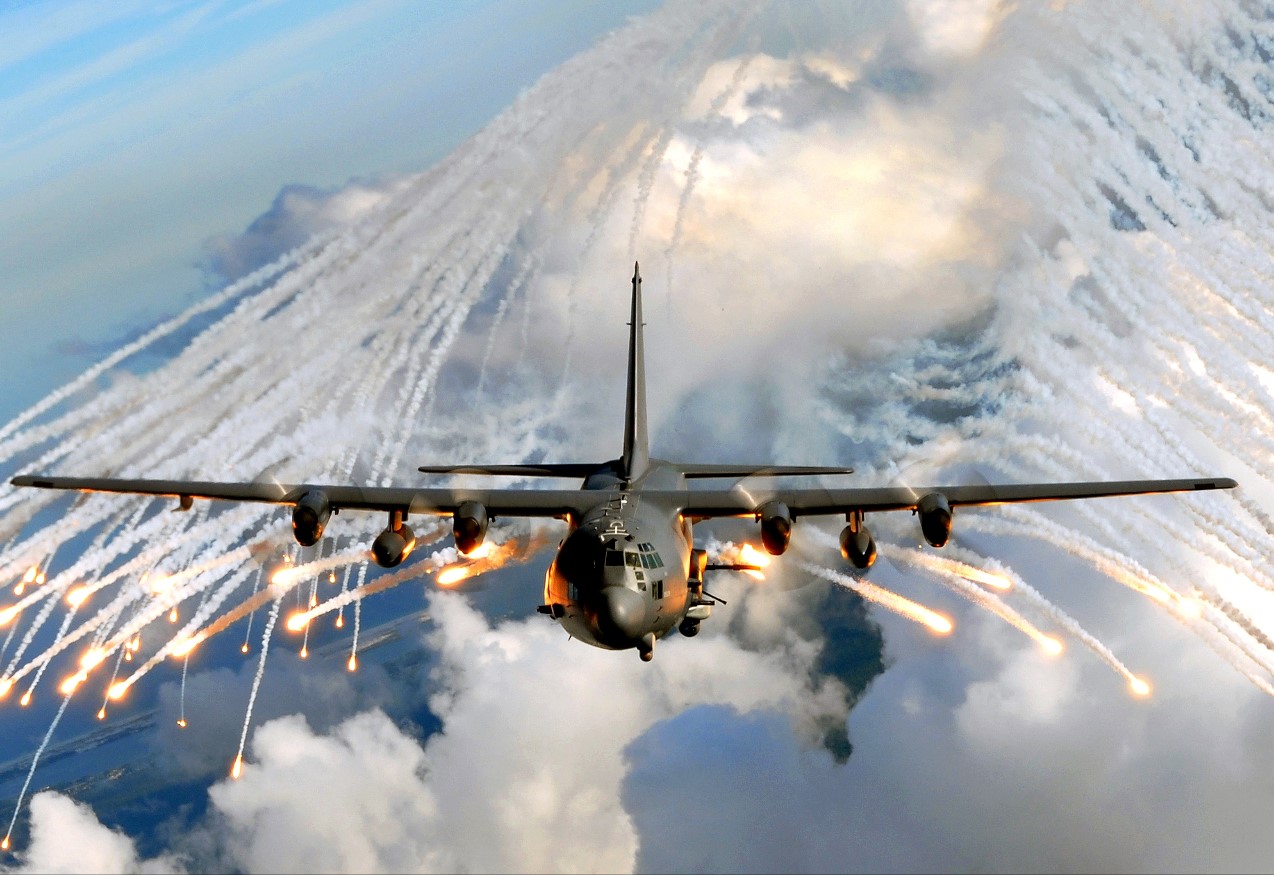 Pentagon Expands Alloy Surfaces Contract to $328.8 Million for Advanced Aircraft Decoy Flares Amid Evolving Drone Threats
-
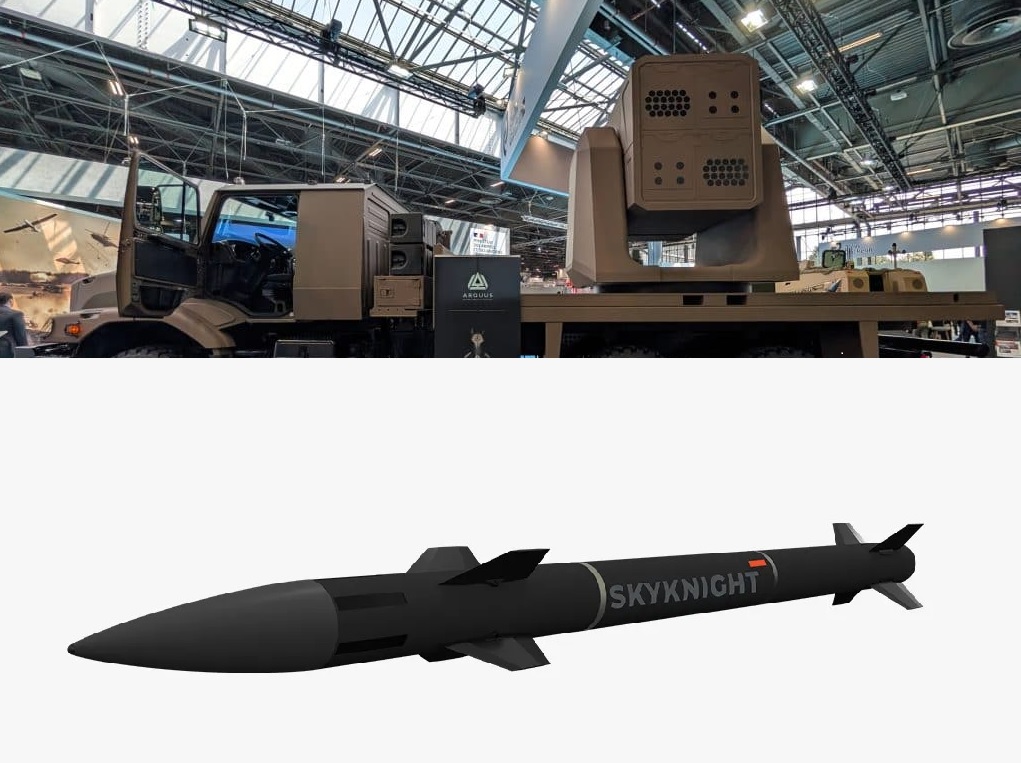 Naval Group Unveils Rampart Modular CIWS Multi-Purpose Weapon System for Naval and Ground Forces at Eurosatory 2026
-
 Why the U.S. Restored Pacific Command Name, Ending the Indo-Pacific Designation After Eight Years
-
 Open-Source Evidence Suggests Russia's Zircon Is a Quasi-Ballistic Missile, Not a True Hypersonic Cruise Weapon
-
 China Surpasses Russia as World’s Second-Most Powerful Air Force Amid Rapid J-20 and J-35 Expansion
-
 Lockheed Martin Unveils HIMARS FLEX with Dual-Pod Launcher and NATO-Compatible Air Defense Integration
-
 U.S. Army Completes First Flight Test of Medium-Range Air-Launched Effects from Black Hawk Helicopter
-
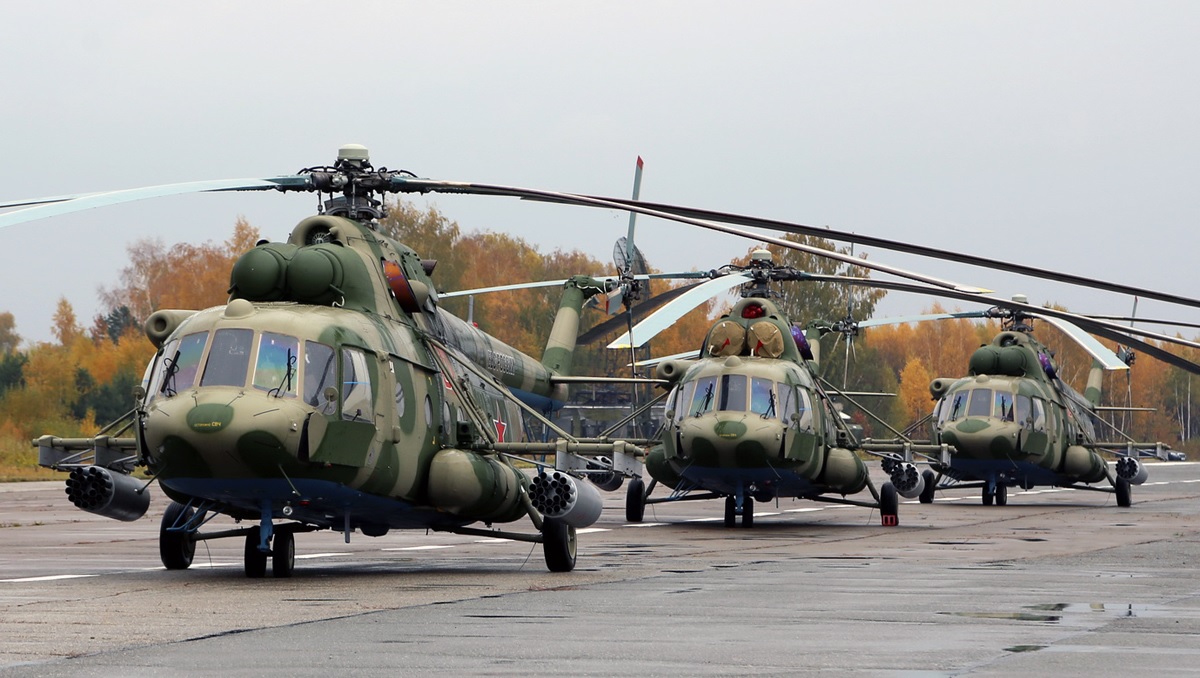 Iran Signs Deal with Russia for 20 Mi-8 and Mi-17 Helicopters to Boost Rescue and Medical Missions
Top Trending in 4 Days
-
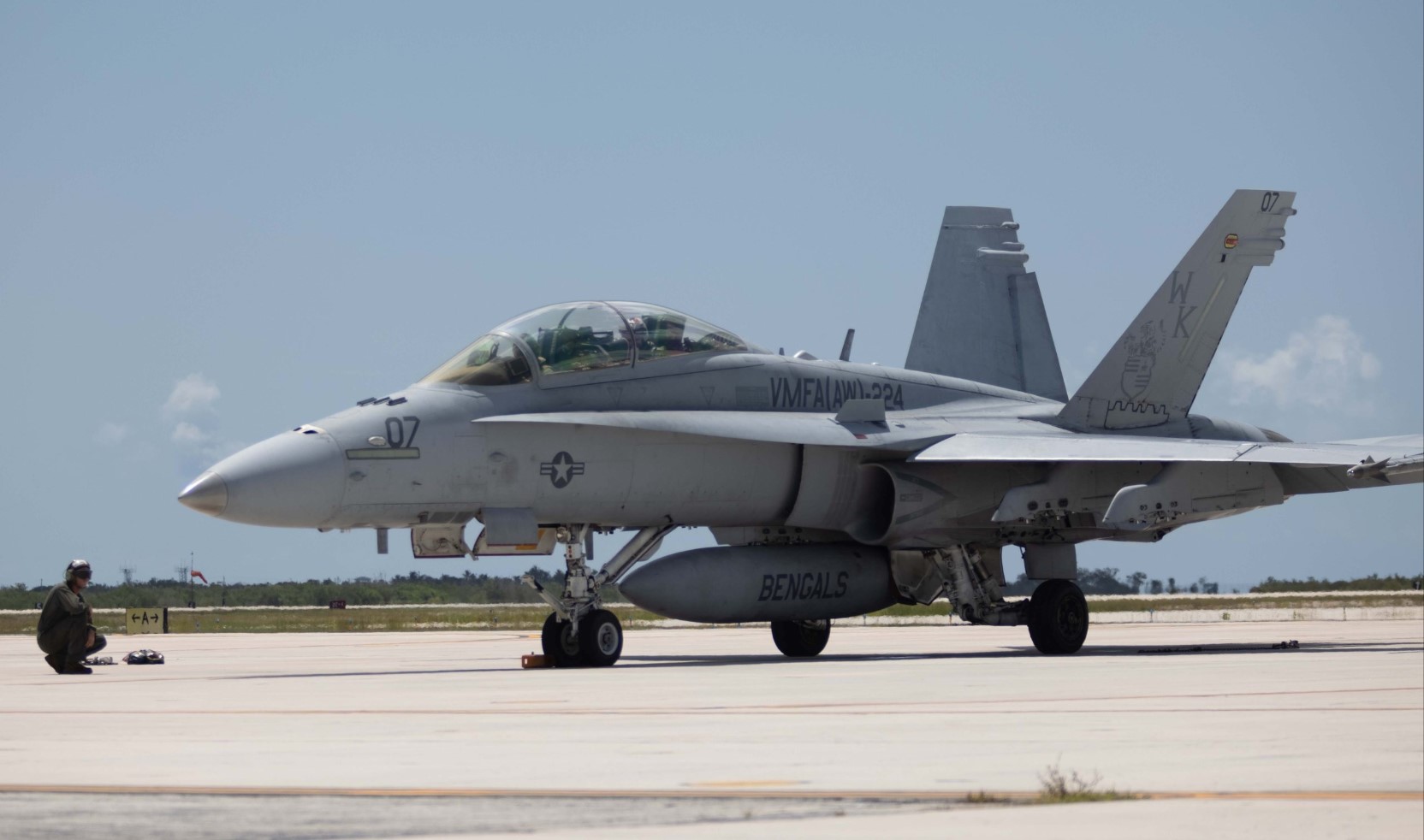 US Marine Corps F/A-18D Hornet Crashes During Training Flight in Washington Mountains; Pilot Ejects Safely
-
 Tulsi Gabbard Releases Declassified Files Detailing U.S.-Backed Network of 120 Biolaboratories Across 30+ Countries
-
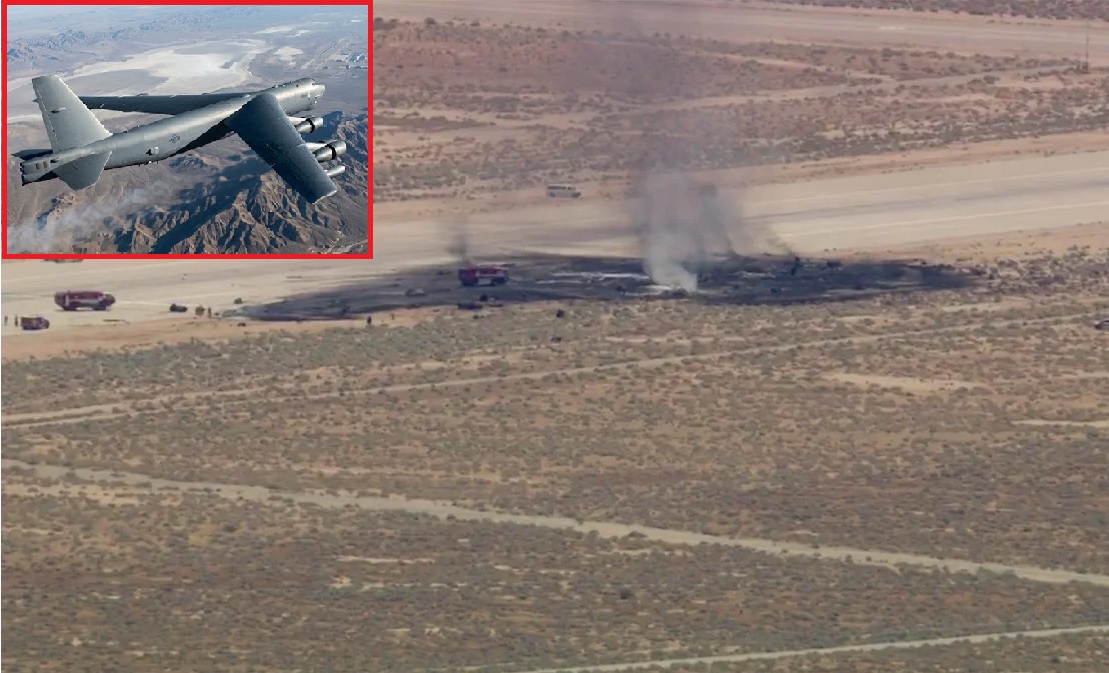 8 U.S. Air Force Crew Members Killed in B-52 Bomber Crash During Test Flight at Edwards Air Force Base
-
 Ukraine Introduces Balloon-Launched DART Missile Designed to Defeat Electronic Warfare
-
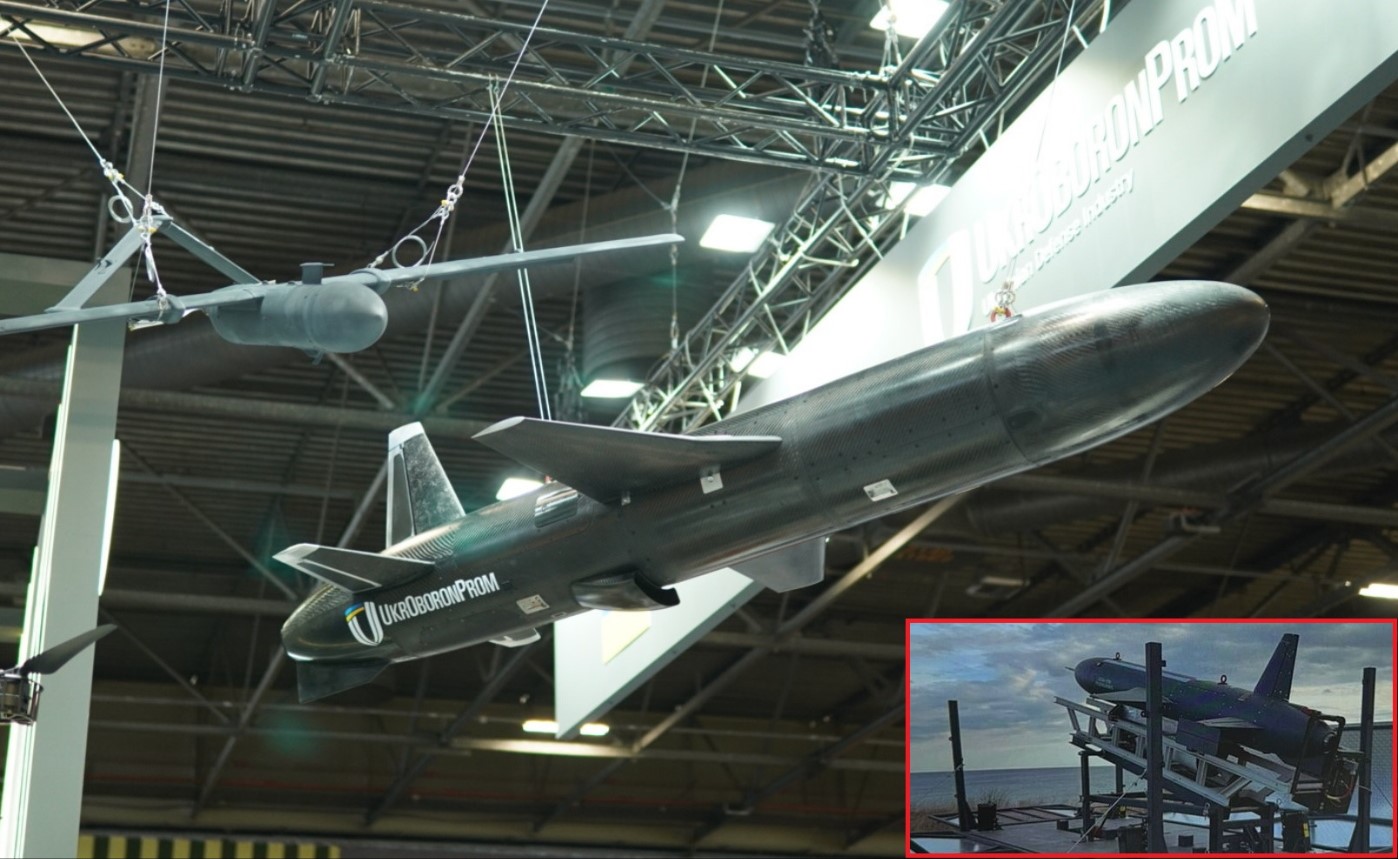 Ukraine Unveils UAV-290 Jet-Powered Strike Drone with 650 km Range at Eurosatory 2026
-
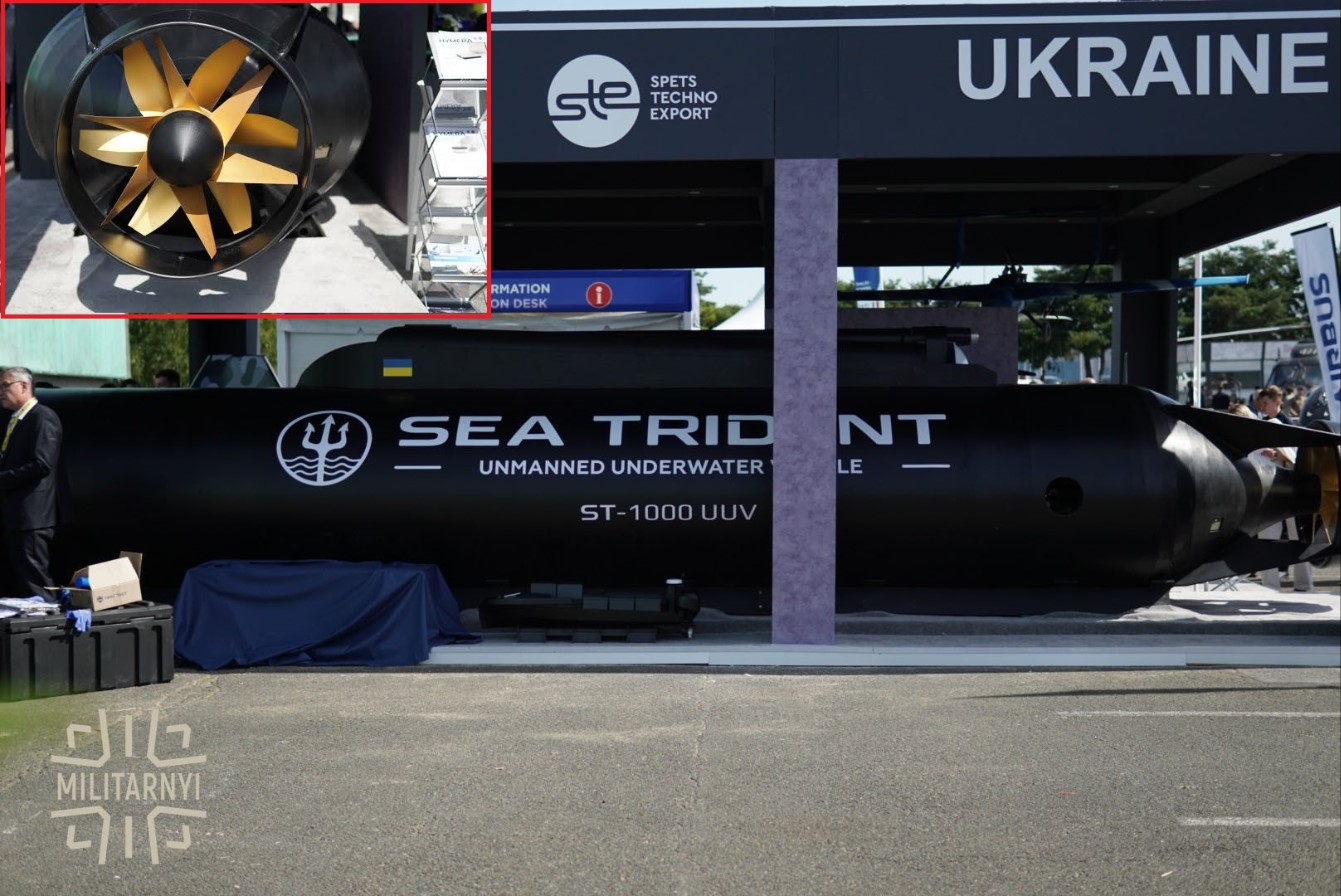 Ukraine Unveils 'Sea Trident' 10-Ton Autonomous Underwater Drone at Eurosatory 2026
-
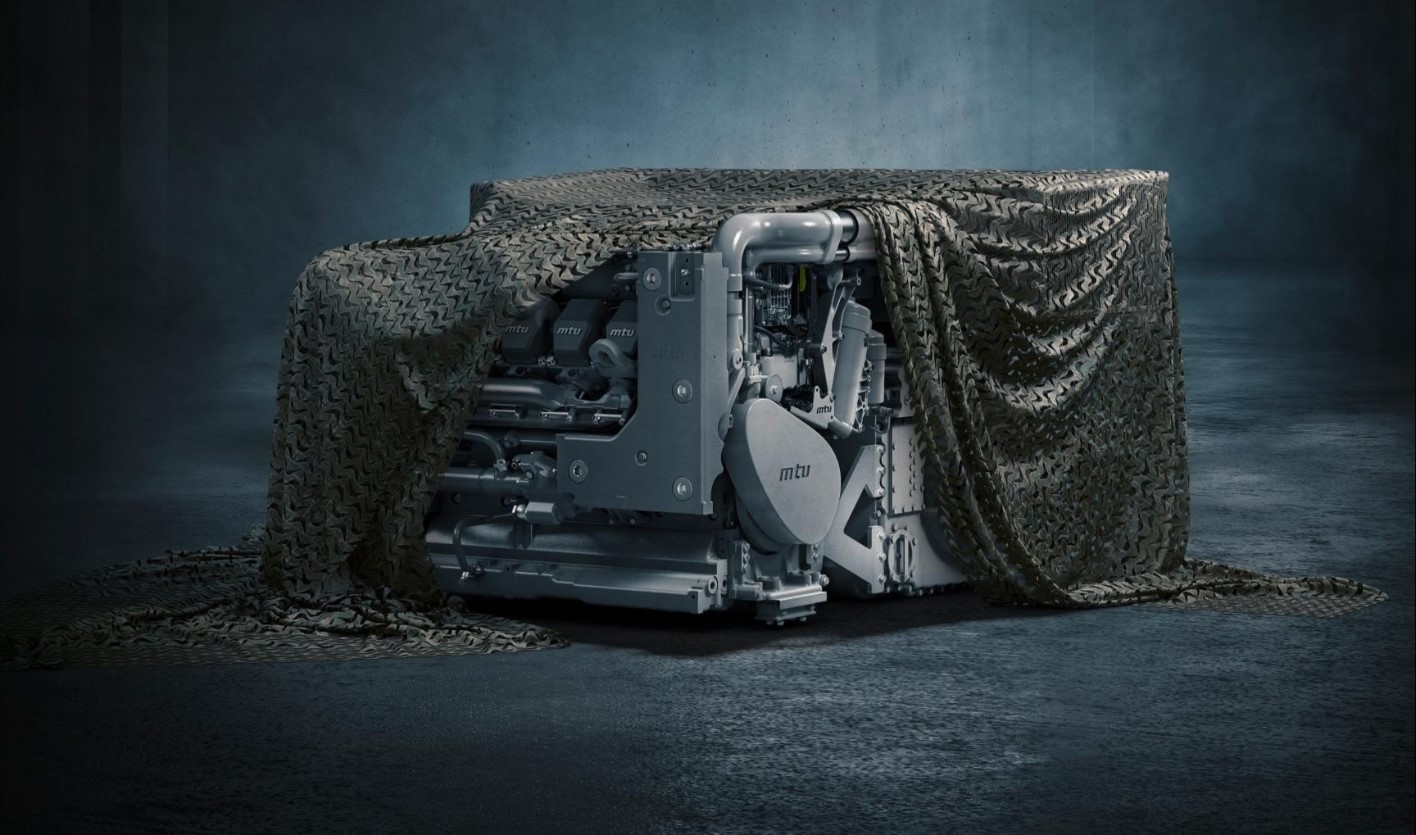 Rolls-Royce Unveils New Hybrid Powertrain for Heavy Military Vehicles at Eurosatory 2026
-
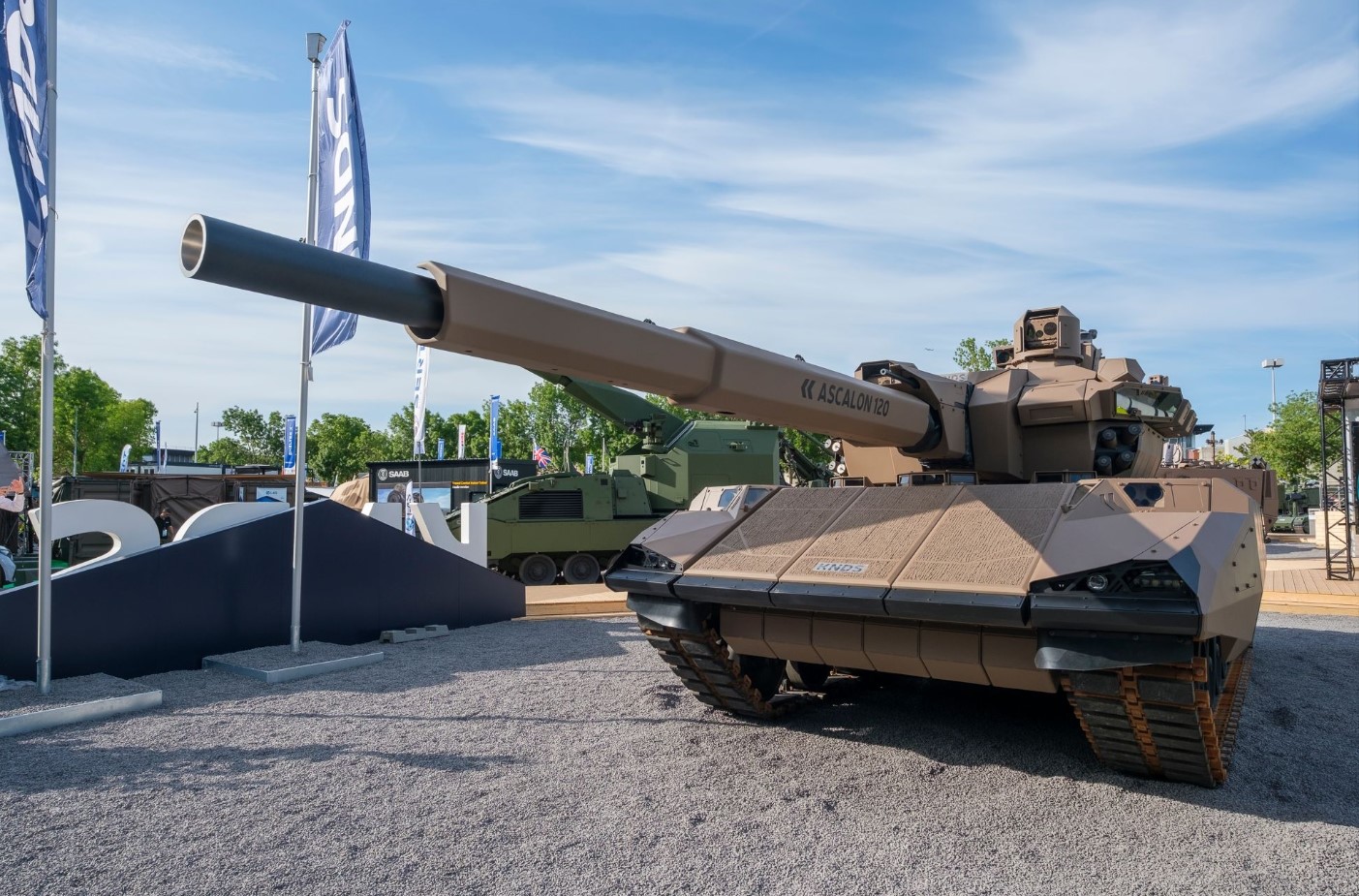 KNDS Unveils CAPINT Main Battle Tank at Eurosatory 2026 as Leclerc Stopgap