
World
In a startling development underscoring the rising maritime tensions in the South China Sea, the Philippine military has revealed that at least one of five underwater drones recovered by local fishermen sent a signal back to mainland China. The discovery, made between 2022 and 2024, has raised serious concerns about foreign surveillance and the potential for underwater warfare in strategically sensitive Philippine waters. These drones, capable of far more than mere navigation, were found in key maritime chokepoints across the archipelago. According to Rear Admiral Roy Vincent Trinidad, spokesperson for the Philippine Navy on South China Sea affairs, the drones had capabilities that could aid in detecting undersea threats, conducting surveillance, and testing underwater weaponry. "This is not just about exploring the sea. This is about the possibility of undersea conflict,” Trinidad emphasized during a media briefing. While the Philippine military refrained from officially naming the country responsible for deploying these devices, several drones bore Chinese markings. More tellingly, a forensic analysis of a SIM card found on one of the drones confirmed its last communication was traced to mainland China. One drone was recently discovered off San Pascual, Masbate, on December 30, 2024, by local fisherfolk and has since been handed over to the Philippine Navy. Photos released by the police regional office show a sleek, torpedo-shaped device — designed to blend into deep waters and avoid detection. In total, three of the drones were found off northern Luzon, including two near the Balintang Channel — a vital waterway just south of Taiwan. The remaining two were recovered near Masbate Island in the central region and close to Mindanao in the south. All locations are considered critical for both national defense and international maritime navigation. This revelation comes at a time of increasing military readiness. The Philippines is preparing for its annual joint military exercise with the United States, dubbed Balikatan or "shoulder to shoulder." This year’s drills, set from April 21 to May 9, will involve around 10,000 troops and for the first time include a test of integrated air missile defense systems. Brigadier General Mike Logico, speaking about the exercises, stated, “We are treating exercises as rehearsals. This is a continuation of long-planned joint operations with our allies.” Defense Secretary Romeo Brawner also highlighted that northern Luzon would host the bulk of the drills due to its strategic significance, hinting at potential threat scenarios in the area. “These are the areas where we perceive the possibility of an attack,” Brawner said, adding that the country must prepare without creating unnecessary panic. The discovery of these drones is the latest chapter in a tense standoff between Manila and Beijing over contested waters and sovereignty claims in the South China Sea. It also adds a technological layer to the conflict — one that now stretches below the waves, as nations use advanced unmanned systems to expand their reach and gather critical intelligence. As regional dynamics shift, the presence of foreign underwater drones in Philippine waters underscores the growing risks of covert surveillance and the need for greater maritime vigilance.
Read More → Posted on 2025-04-15 15:43:30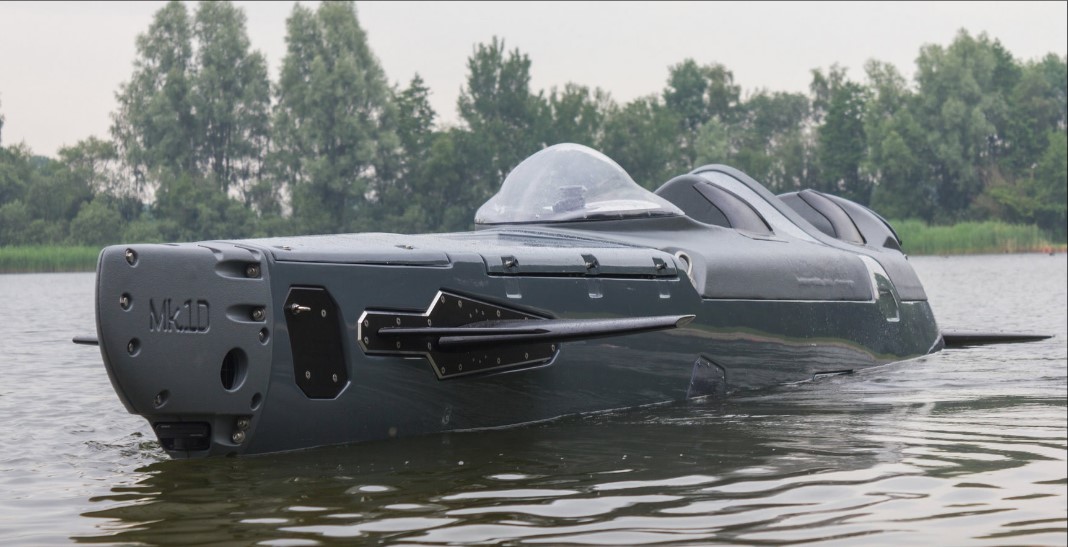
Netherlands Plans to Acquire New Stealth Submersible Delivery Vehicles for Special Forces Operations
World
The Netherlands is preparing to upgrade its special forces’ underwater capabilities by acquiring new Submersible Delivery Vehicles (SDVs). The Dutch Ministry of Defence, through its procurement division COMMIT (Materiel and IT Command), has released a Request for Information (RFI) to gather details from manufacturers on available SDV systems that meet modern operational needs. These vehicles are intended for the elite Netherlands Maritime Special Operations Forces (NLMARSOF). Why the Netherlands Needs New SDVs Currently, the NLMARSOF uses Diving Propulsion Devices (DPDs) from the American company STIDD. These smaller systems are versatile and can be launched from land, ships, and submarines like the Walrus-class. For deeper and longer missions, NLMARSOF uses the Shadow Seal SDV—originally designed by Dutch firm Ortega Submersibles BV before it was acquired by the UK-based JFD. However, as operational requirements evolve, the Royal Netherlands Navy is now seeking more advanced SDVs that offer greater range, speed, stealth, and environmental adaptability. What the Netherlands is Looking For The new SDVs must be able to carry between four to eight combat divers, including all their gear and mission equipment. A key requirement is the integration of internal rebreather systems with a capacity of at least 240 minutes of breathable air per person—crucial for long-duration underwater missions. Key Specifications Demanded in the RFI The Royal Netherlands Navy is looking for SDVs with advanced technical capabilities: Surface range: Minimum 80 nautical miles Submerged range: Minimum 25 nautical miles Surface speed: At least 30 knots Submerged speed: Minimum of 5 knots Operating depth: Certified for 30 meters, though safety margins suggest capability for deeper depths Temperature range: Operational in air temperatures from +50°C to -15°C and seawater temperatures from +35°C to -2°C Stealth: Extremely low acoustic signature when submerged to avoid detection Sea state operation: Capable of operating up to sea state 4, allowing missions in moderately rough sea conditions Potential Candidates and Deployment The RFI's high demands significantly narrow the field of potential SDVs. Notably, SDVs like the Mark 11 SEAL Delivery Vehicle (SDV Mk 11) are unlikely to qualify due to design limitations. Viable candidates may include: JFD’s Carrier Seal SubSea Craft’s Victa Newer variants of the Shadow Seal The Navy plans to procure three SDVs capable of launching from Landing Platform Docks (LPDs) and nine new DPDs for submarine deployment. Although the current plan does not specifically mention SDVs compatible with submarines, future integration—especially with the upcoming Orka-class submarines—remains a possibility. These new submarines will be larger than the current Walrus-class, providing more flexibility for SDV operations. Regional Trends and Strategic Outlook This move comes at a time when other NATO allies are also modernizing their special forces capabilities. For instance, the Belgian Navy is also exploring similar underwater delivery platforms for its combat divers. This signals a broader regional trend in reinforcing maritime special operations in response to evolving security challenges. The Netherlands’ planned SDV acquisition reflects a shift towards more advanced, stealthy, and long-range underwater transport solutions for its elite frogmen. These new vehicles will allow the NLMARSOF to carry out missions with enhanced precision, deeper penetration, and reduced risk of detection—reinforcing the Netherlands’ role in NATO’s maritime security efforts.
Read More → Posted on 2025-04-15 15:40:12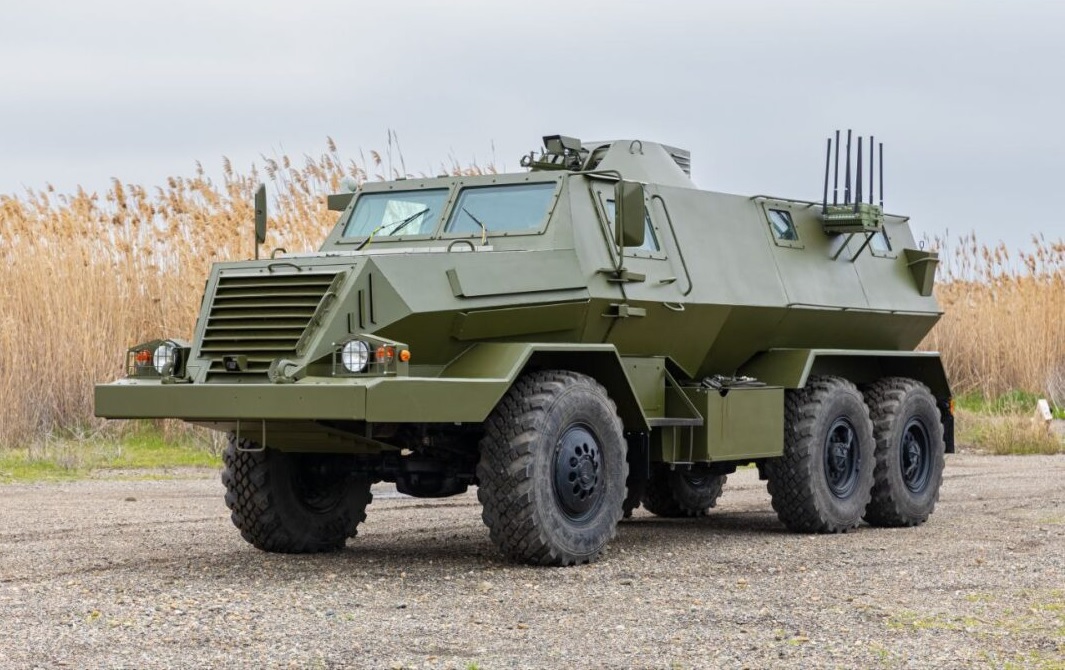
World
Russia has introduced a modernized version of its well-known “Chekan” Mine-Resistant Ambush Protected (MRAP) vehicle, often referred to as the “Wagner’s wagon.” Originally developed for the Wagner Group, this vehicle is now actively being used by both Russian regular forces and paramilitary units across conflict zones, including Ukraine. Built on the reliable Ural-4320 heavy-duty truck chassis, the Chekan is a six-wheeled armored vehicle designed to offer strong protection and mobility in hostile environments. One of its key features is the V-shaped hull, specifically engineered to deflect the blast from landmines and improvised explosive devices (IEDs), which are common threats in modern warfare. Key Features and Specifications: Chassis Base: Ural-4320 6×6 truck platform Armor Level: BR5 standard (protects against small arms fire and shrapnel) Maximum Payload: Up to 6,000 kilograms Primary Armament: 14.5mm KPVT heavy machine gun Secondary Armament: 7.62mm PKT coaxial machine gun Role Variants: Troop carrier, logistics support, and command variants Manufacturer: LLC AVD, Saint Petersburg Users: Russian airborne units, irregular forces, and Wagner-aligned elements One of the most significant upgrades in the latest version is the inclusion of an electronic warfare (EW) system. This advanced equipment is designed to jam or disrupt enemy drones, reflecting Russia’s effort to counter the widespread use of UAVs for surveillance and precision attacks on the battlefield. The turret of the Chekan is adapted from the BTR-80 armored personnel carrier, giving it powerful offensive capabilities. The presence of a heavy machine gun and secondary armament allows it to engage both infantry and light armored threats effectively. Deployment and Strategic Use Field reports and visuals from the Ukrainian frontlines show the Chekan being used in a variety of roles. It has been spotted accompanying airborne troops and paramilitary fighters, especially in areas where Wagner-affiliated units are still active. Its robust design, heavy armor, and offensive capabilities make it a valuable asset in high-risk operations. The Chekan’s roots in the Wagner Group—designated as a terrorist organization by several nations, including the United States—highlight the overlapping lines between Russia’s formal military structures and its shadowy private military networks. Despite this, Russia promotes the vehicle as a domestically produced and adaptable solution for modern combat needs. With its blend of protection, firepower, and new-age electronic countermeasures, the updated Chekan MRAP is a clear indicator of how Russia is adapting its ground forces to confront emerging threats in modern warfare.
Read More → Posted on 2025-04-15 15:36:49
World
In a groundbreaking step toward modernizing battlefield technology, Duality AI has partnered with the U.S. Army’s XM30 Programme to advance artificial intelligence (AI) in counter-drone warfare. This collaboration is part of a broader initiative to develop the next-generation replacement for the M2 Bradley infantry fighting vehicle, with a heavy focus on leveraging AI for soldier protection. Duality AI is best known for developing Falcon, a powerful digital twin simulation platform. The U.S. Army, through its XM30 Advanced Capabilities team, is utilizing Falcon to build and train an AI Target Detection and Recognition (AiTDR) system. This AI-driven system is being designed to identify, track, and respond to hostile drones before they become a threat to military personnel. Why Counter-Drone AI Matters With drones becoming an increasingly common part of modern warfare — from surveillance to carrying out direct attacks — it's vital that frontline vehicles like the upcoming XM30 are equipped with fast, accurate, and adaptable AI systems. The AiTDR system, therefore, plays a critical role in enhancing the vehicle's situational awareness and defense capabilities. Falcon: The Heart of Virtual AI Training Falcon’s digital twin simulation technology creates realistic battlefield scenarios using virtual sensors and environments. This allows AI models like AiTDR to be trained using synthetic data — digitally generated information that mimics real-world conditions. This approach is especially valuable because gathering real-world data for every possible combat situation is nearly impossible. Through Falcon, the Army can: Simulate various types of drones, terrain, and lighting conditions. Experiment with sensor configurations without needing physical hardware. Produce vast amounts of accurate training data in a fraction of the time and cost of traditional methods. According to Duality AI’s co-founder and Chief Product Officer Michael Taylor, “Falcon’s complete control over simulation environments gives the Army the ability to train and test the AiTDR model in complex conditions, explore varied drone detection scenarios, and validate potential solutions before field testing.” Project Linchpin and the Army Research Lab's Role The AI model is being developed under the U.S. Army's Project Linchpin, with technical support from the Army Research Lab (ARL). The use of Falcon during the initial stages is expected to: Speed up development timelines Reduce field testing costs Improve AI model accuracy and resilience under pressure This digital-first methodology signals a shift away from traditional defense development, allowing for faster innovation with reduced risk. Building on Proven Success Duality AI’s expertise in synthetic data generation has already been demonstrated in programs like DARPA’s RACER challenge. These successes show that AI trained on high-quality synthetic data can perform at or above the level of systems trained on real-world data. In the XM30 project, Falcon’s simulation suite is helping to create and refine the AiTDR model in multiple phases. The first phase focuses on integrating the AI model with Falcon’s simulator. Future phases will see the model evolve alongside continuous upgrades to the virtual training environment, guided by Duality’s engineers. A Vision for the Future Beyond the current focus on drone threats, the collaboration opens the door to a wider use of digital twin simulations across the Army’s AI training programs. This could include systems for vehicle navigation, automated threat assessment, and intelligent decision-making on the battlefield. Apurva Shah, Duality’s CEO, summed up the significance of the partnership: “The XM30 digital-first approach to AI model deployment is farsighted and precisely the type of system development approach for which Falcon’s digital twin workflows have been designed.” As the XM30 programme pushes forward, the integration of advanced simulation technology like Falcon stands to redefine how military systems are built and deployed — setting a new benchmark for AI-driven defense innovation.
Read More → Posted on 2025-04-15 15:32:31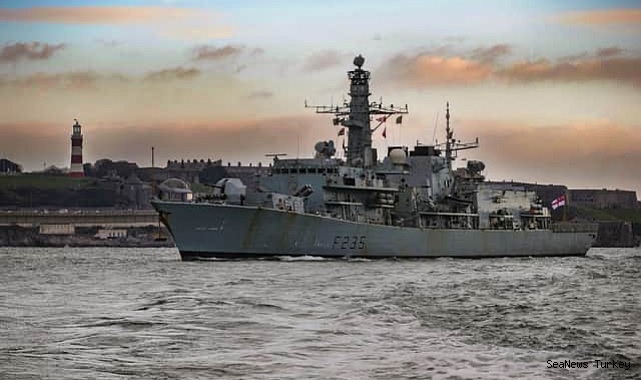
World
The United Kingdom has officially handed over one of its retired Duke-class frigates to Turkey, marking another step in the Royal Navy's effort to modernize its fleet while ensuring the ethical disposal of aging vessels. The warship in question, HMS Monmouth (F235), served for over three decades before being decommissioned and sold to a Turkish ship recycling firm. Commissioned in 1993, HMS Monmouth was the sixth vessel of the Duke-class, also known as the Type 23 frigates. These ships were originally designed for anti-submarine warfare but were eventually upgraded to serve multi-role purposes. Over time, the aging Monmouth had surpassed its expected service life, making it increasingly expensive and impractical to refit or redeploy for modern naval duties. The ship has now been sold to Leyal Gemi Söküm Sanayi ve Ticaret, a ship recycling company based in Izmir, Turkey. This move aligns with the UK's broader initiative to promote sustainable and responsible disposal of military assets. The Turkish firm was selected through a competitive bidding process among European recycling yards. Richard Whalley, Head of Exports and Sales at UK Defence Equipment & Support — and a former lieutenant on HMS Monmouth — expressed personal sentiments about the transfer. While acknowledging the sadness of seeing a once-proud naval asset head for dismantling, he emphasized the importance of ethical recycling. “The sale of HMS Monmouth for recycling in Turkey will provide an ethical and responsible method of recovering metals and other valuable assets which provides a financial return for the Royal Navy,” Whalley said. The Duke-class, introduced in the late 1980s, originally consisted of 16 frigates. With advancing naval technology and changing defense needs, these vessels are now being phased out. In their place, the UK is investing in next-generation platforms — specifically the Type 26 and Type 31 frigates. The Type 26, also called the City-class frigate, is currently under construction by BAE Systems in Glasgow. These new warships are being designed with enhanced anti-submarine capabilities, improved support for carrier strike groups, and modern features suited to contemporary threats, including cyber and electronic warfare. The lead ship, HMS Glasgow, is already undergoing sea trials. To complement the City-class, the Royal Navy is also building five Inspiration-class (Type 31) frigates. These vessels will fill the general-purpose roles once held by the Type 23s, such as maritime security, intelligence gathering, and support operations for allied forces. Together, the Type 26 and Type 31 frigates represent a future-proof fleet set to carry the Royal Navy through the 2030s and beyond. The transfer of HMS Monmouth to Turkey is not just a farewell to a warship but also a reflection of the Royal Navy’s shift towards sustainability, modernization, and global partnerships. It’s a symbolic end of an era — and the beginning of a new chapter in British naval power.
Read More → Posted on 2025-04-15 15:28:41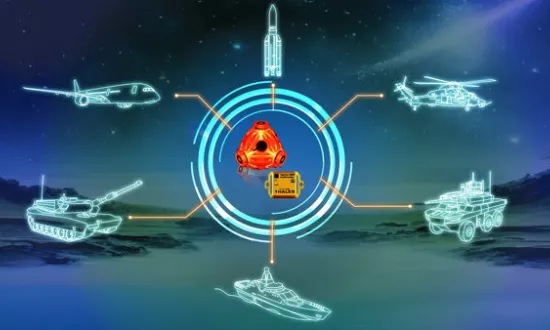
World
Thales has been awarded a critical new contract by NATO to deliver the third phase of its long-running NATO Common Operational Picture (NCOP) programme. This phase, officially titled “NCOP-BMD”, introduces enhanced Ballistic Missile Defence (BMD) features aimed at countering the increasing threat posed by ballistic missiles to European and allied territories. It marks a major step forward in how NATO commanders will view, understand, and respond to complex threats on the battlefield. For over a decade, Thales has worked closely with NATO on developing and evolving the NCOP system, which has already been rolled out to around 30 command centres across member nations through previous phases—Increment-1 and Increment-2. These systems provided a standardized operational picture across all participating units, enabling joint operations involving land, sea, and air forces to work from a single, shared perspective. Now, with Phase 3, the programme is entering a new level of strategic capability. What makes this phase especially significant is the introduction of advanced BMD tools. These will give NATO commanders an enhanced understanding of missile threats in real time, including detection, tracking, and potential response options. As ballistic missile risks have grown in recent years—both from rogue state actors and potential regional conflicts—this capability is seen as essential to ensuring Europe's defense posture remains strong and proactive. Thales has engineered a secure and flexible software architecture for NCOP-BMD, allowing different layers of military operations to tap into a dynamic and comprehensive Common Operational Picture (COP). These COPs gather data from numerous tactical systems used by NATO’s member states, integrating information such as troop positions, equipment readiness, air and naval movement, and now—ballistic missile tracking—into a single view. This unified picture enables better coordination, quicker decision-making, and a more efficient deployment of NATO’s collective response. Importantly, it also accounts for interoperability among NATO’s diverse systems, a challenge that Thales has spent years mastering. Each real-time COP generated by NCOP-BMD includes detailed insights on ongoing missions, logistics chains, the status of friendly and opposing forces, and recommended coordinated action plans. For commanders, this means the ability to respond rapidly not just to traditional military threats, but also to time-sensitive missile attacks where every second matters. According to Gérard Herby, Vice President of Protection Systems at Thales, the third phase is built on lessons learned from the previous phases and is designed to address NATO’s evolving operational needs. “Thales will be providing new functionalities for ballistic missile defence in order to improve the situational awareness of NATO Commanders,” he stated. “This third contract will draw on our deep expertise in NATO interoperability developed since 2015.” This project forms part of NATO’s broader digital transformation and modernization of its command-and-control capabilities. As security environments grow more complex—with hybrid warfare, cyber threats, and missile risks converging—systems like NCOP-BMD will be central to NATO’s efforts to maintain strategic awareness and ensure collective defense across the alliance. In essence, Thales’ continued role in delivering this technology ensures that NATO will have the tools it needs to detect, assess, and act against missile threats in real time—making European skies and battlefields safer, smarter, and more secure.
Read More → Posted on 2025-04-15 14:59:30
World
Ukraine has taken a significant leap in modern warfare with the unveiling of its advanced uncrewed surface vehicle (USV) named Alligator-9, a powerful multi-role naval system designed to operate in high-threat environments. This next-generation war machine brings together the capabilities of precision laser weaponry and drone swarm technology, offering unmatched flexibility in naval operations. A New Era of Naval Warfare The Alligator-9 isn’t just any robotic boat—it’s a modular combat platform with multiple mission profiles. It’s been developed by Ukraine’s Unmanned Systems Force to meet a range of operational needs at sea, combining offensive strike power, surveillance capability, electronic warfare, and air defense—all in one system. This USV features three primary configurations, making it adaptable for various combat situations: Strike Configuration: Capable of launching six to ten Alligator-5 ToD (Torpedo Drones) to attack enemy ships or surface targets with high precision. Electronic Warfare Configuration: Equipped to deploy three to five Alligator-5 EW drones for jamming enemy radars, conducting surveillance, clearing mines, and supporting navigation for friendly forces. Hybrid Configuration: Likely to be a flexible mix of both strike and EW capabilities, depending on mission requirements. Armed with the Tryzub Laser System One of the most impressive features of the Alligator-9 is its Tryzub (Trident) laser system, a state-of-the-art directed energy weapon that can neutralize aerial threats with pinpoint accuracy. This laser system has reportedly already seen combat use and adds a cutting-edge layer of defense to Ukraine’s growing arsenal. Key capabilities of the Tryzub laser on the Alligator-9 include: Destruction of attack drones, bombs, and cruise or ballistic missiles from distances of up to 3,000 meters (9,842 feet). Engagement of aircraft and reconnaissance drones at ranges reaching 5,000 meters (16,404 feet). Disruption or disabling of airborne targets at distances up to 10,000 meters (32,808 feet). This makes the Alligator-9 not just a threat to sea-based targets, but also a formidable air defense platform in coastal and open water zones. Modular and Mission-Ready While specific details like the dimensions, top speed, and operational range of the Alligator-9 remain classified, the design is known to be modular, allowing quick reconfiguration depending on the mission. This modularity provides operational flexibility for the Ukrainian Navy to adapt to rapidly changing battlefield conditions. With stealthy design elements, potential autonomous navigation, and remote-control capability, the Alligator-9 is expected to play a key role in asymmetric naval warfare, especially in Ukraine’s fight to defend its coastline and challenge enemy naval forces in the Black Sea. Final Thoughts The introduction of the Alligator-9 marks a bold step for Ukraine’s defense innovation, especially as it continues to blend artificial intelligence, drone warfare, and laser weapons into its military strategy. As traditional naval assets become more vulnerable to fast, smart, and unmanned threats, the Alligator-9 could become a game-changer in both defensive and offensive naval operations.
Read More → Posted on 2025-04-15 14:56:49
World
In a case that continues to haunt India’s counterterrorism agencies, 26/11 conspirator Tahawwur Rana has once again come under the spotlight—this time for what investigators believe is a clever tactic to dodge justice. The National Investigation Agency (NIA), currently interrogating Rana following his extradition from the United States, suspects that his long list of health issues—including Parkinson’s disease and 32 other medical conditions—is being used as a smokescreen to feign memory loss and avoid answering crucial questions about the deadly 2008 Mumbai attacks. Although Rana appears frail and often claims fatigue during questioning, NIA officers believe otherwise. “He looks tired, but his mind is alert and calculating,” an official familiar with the case remarked. This belief is strengthened by how he handles legal procedures—demanding specific legal representation, asserting his rights under the U.S. Constitution, and requesting court-appointed lawyers who are not media-savvy. These, investigators argue, are not the actions of someone struggling with mental clarity. Rana’s links to the 26/11 attacks are deep and disturbing. A Pakistani-Canadian national, he is known to have collaborated with David Coleman Headley—his associate and another key plotter of the attacks. Both were accused of helping Pakistan-based terror groups and the ISI plan and execute the assault that left 166 people dead across Mumbai. The terrorists targeted iconic sites including the Taj Mahal Palace Hotel, Oberoi Trident, Nariman House, and Chhatrapati Shivaji Maharaj Terminus. One fact raising serious suspicion is Rana’s earlier travel history. NIA is closely scrutinizing his movements across India in 2008—especially his stays in Delhi, Hapur, Agra, and notably, Mumbai. He had even stayed at the Taj Hotel with his wife, Samraz Rana Akhtar, just months before it was attacked. The couple also visited Kochi and Ahmedabad, and officials are probing whether these visits were part of a reconnaissance mission for future attacks. The agency is especially interested in discovering the identity of a mysterious aide known only as “B,” who allegedly helped Rana during his India trips. Furthermore, investigators are trying to gather more details about his Indian in-laws and whether they unknowingly—or knowingly—played any role in facilitating his plans. Despite being questioned daily for about three hours, Rana has shown an unusual level of legal awareness. He invoked the Fifth Amendment of the U.S. Constitution, which protects against self-incrimination and guarantees due process. His American lawyer earlier argued against his extradition, claiming that putting him on trial again in India after being acquitted of similar charges in the U.S. would violate legal principles. Even so, Indian authorities are not buying the defense narrative. Rana is undergoing medical checkups every 48 hours, but officials remain skeptical. “There seems to be a pattern,” said a senior investigator. “The illness card is being used to slow down questioning and mask selective amnesia.” Going forward, the NIA may seek court permission to take Rana to other cities he visited in 2008. These trips could help piece together missing links—especially those related to funding channels, sleeper cells, and operational support systems embedded in India. Now 64, Tahawwur Rana’s fate may still hang in the balance, but one thing is clear: India’s security agencies are determined not to let time or tactics blur the truth behind one of the country’s most horrific terrorist attacks.
Read More → Posted on 2025-04-14 15:38:46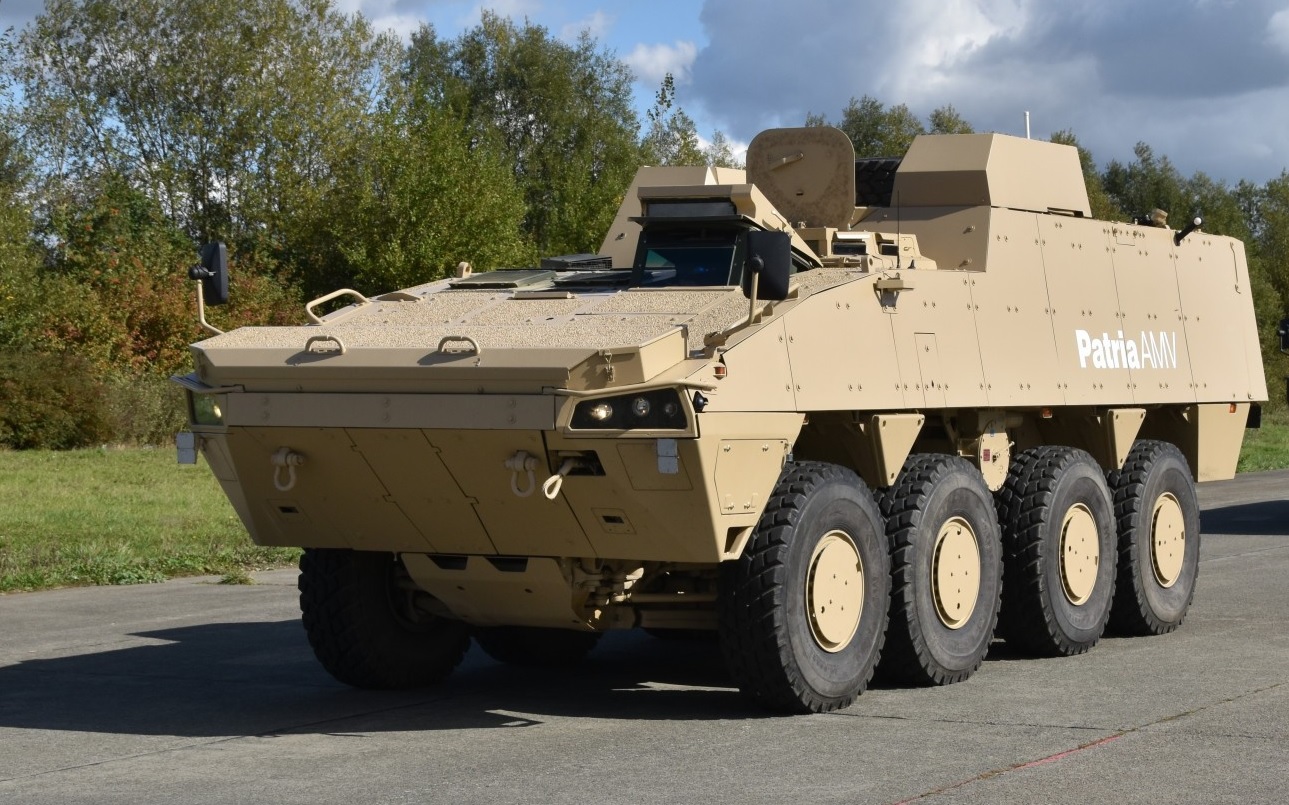
World
In a significant leap for defence technology, Finnish telecom company Telia and defence manufacturer Patria have successfully demonstrated the remote operation of an unmanned armoured vehicle using a 5G network. The trial took place in the challenging environment of Lapland during military exercises and showcased the potential of modern communication systems in transforming how military assets can be controlled and deployed. The centre of attention was the Patria AMV XP 8x8 armoured vehicle, which was operated remotely from nearly 100 kilometres away. What made this feat possible was Telia’s use of a secure 5G network slice — a specialised part of the 5G network dedicated solely to the task. This ensured ultra-low latency, high reliability, and consistent data transmission, even when the vehicle was moving at high speeds over rugged terrain. This demonstration was part of a larger initiative called the eALLIANCE programme, which aims to drive forward digital and technological innovation within Finland’s defence sector. The five-year programme, launched in 2024 and partly funded by Business Finland, brings together more than 30 companies with a combined budget of around EUR 85 million. Patria leads the effort, focusing on future-ready defence technologies. According to Patria’s Chief Technology Officer, Matti Saarikko, the successful remote operation of a military vehicle from such a long distance marks a pivotal achievement. It opens doors for using unmanned ground vehicles in a variety of missions — including reconnaissance, support, and potentially direct combat roles — while keeping human operators out of harm’s way. Telia’s 5G Programme Director, Janne Koistinen, emphasized that this trial is a key example of how advanced 5G network slicing can extend beyond civilian industries into national defence. He pointed out that the defence sector is increasingly becoming a crucial area for dual-use technology innovation — where the same tech serves both civilian and military purposes. The results of this trial are expected to have wide-ranging implications for future battlefield strategies. Being able to control heavy armoured vehicles remotely means militaries could eventually deploy unmanned forces deep into hostile or high-risk zones, reducing the risk to personnel while maintaining operational effectiveness. With this successful test, Finland is positioning itself at the cutting edge of military technology innovation, combining home-grown defence expertise with advanced telecommunications. The experiment not only showcases the strength of collaboration between tech and defence sectors but also signals a new era where real-time, remote-controlled warfare might soon become a norm on the modern battlefield.
Read More → Posted on 2025-04-14 15:34:45
World
Britain has released the second part of a major war loan to Ukraine, sending £752 million (about $990 million) to help Kyiv strengthen its air defences and artillery systems. This move is part of a larger international support package worth $50 billion, underpinned by profits generated from frozen Russian assets held in Western countries. The announcement came just a day after Russia launched a deadly missile attack on the northern Ukrainian city of Sumy, killing 34 people and injuring 117 others. British Prime Minister Keir Starmer condemned the strike, calling it “appalling” and reaffirming Britain’s support for Ukraine in its ongoing fight against Russian aggression. The £752 million disbursed on Monday is the second of three installments in a total loan of £2.26 billion from the UK to Ukraine. The first payment was made on March 6, and the third is expected to follow in 2026. The loan agreement was finalised in March by Britain’s Finance Minister Rachel Reeves and Ukraine’s Finance Minister Serhiy Marchenko, as part of a coordinated effort led by the Group of Seven (G7) nations. The G7 had initially agreed on the broader lending framework in October 2024. According to Reeves, the global security landscape is rapidly changing, and Russia’s continued aggression in Ukraine is one of the major drivers of instability. She emphasized the need for democracies to act together in the face of growing threats. As the United States appears to be reevaluating its role in European security following the election of Donald Trump, the UK has stepped up its own defence commitments. In February, Britain pledged to increase defence spending from the current 2.3% of national income to 2.5% by 2027, with a goal of reaching 3% sometime after 2029. British Defence Minister John Healey confirmed that the UK will provide £4.5 billion in total support to Ukraine this year. The funding will be used not only for air defences and artillery but also for vehicle spare parts and various battlefield equipment. Additionally, the British Ministry of Defence is helping Ukraine procure radar systems, anti-tank mines, and hundreds of thousands of drones, further strengthening Ukraine’s capabilities on the frontlines. Despite the ongoing war and the evolving political situation, public support in the UK for aiding Ukraine remains strong. Most major political parties back continued military and financial assistance, highlighting the broad consensus in Britain that Russia’s aggression must be met with a unified response. The fresh infusion of funds comes at a critical time for Ukraine as it continues to face regular missile and drone strikes from Russian forces, many of which target civilian areas. With rising tensions and the battlefield situation becoming more complex, Western support—including the kind provided by Britain—is seen as essential for Ukraine’s resilience and ability to defend its sovereignty.
Read More → Posted on 2025-04-14 15:27:43
World
France is taking a bold step toward military self-reliance by developing its own long-range precision strike system, with the first test launch scheduled for mid-2026. The project, known as Frappe Longue Portée Terrestre (FLP-T), aims to provide a sovereign alternative to foreign systems like the American HIMARS and strengthen France’s position in the evolving landscape of modern warfare. This ambitious initiative is being led by France’s General Directorate of Armaments (DGA) and involves several top-tier defence firms such as MBDA, Thales, Safran, and ArianeGroup. Together, they are designing a tactical missile system with a projected range of up to 150 kilometers, capable of delivering high-precision strikes in deep enemy territory. Key Specifications and Features Maximum Range: Up to 150 km Guidance System: Likely to feature advanced GPS/INS (Inertial Navigation System) with potential for satellite-linked targeting Platform Type: Truck-mounted Multiple Launch Rocket System (MLRS) Payload Options: High-explosive warheads, submunitions, or guided precision munitions Mobility: Designed for rapid deployment and high mobility across diverse terrains The FLP-T programme has received a funding commitment of €600 million under France’s 2024–2030 defence budget. This investment will support the acquisition of at least 13 new rocket launchers by 2030, with plans to increase the fleet to 26 units by 2035. These systems will gradually replace France’s outdated MLRS platforms, many of which no longer meet the requirements of modern battlefield conditions. Strengthening European Defence Autonomy For years, European countries have relied on non-EU systems such as U.S.-made HIMARS, Israel’s PULS, and South Korea’s Chunmoo to strengthen their long-range artillery capabilities. France’s initiative stands out as it seeks to fill a critical gap by introducing a European-made system that can compete with or even outperform foreign alternatives. By investing in the FLP-T, France is not only reinforcing its own defence capabilities but also contributing to European strategic autonomy. A successful domestic long-range strike system could encourage other EU member states to follow suit, potentially reducing Europe’s dependence on external suppliers for high-end military technologies. A New Chapter for French Artillery The upcoming 2026 test will be a major milestone in France’s journey toward re-establishing itself as a leader in advanced rocket artillery. The development of the FLP-T system reflects a broader strategy to modernize the French Army, promote industrial innovation, and ensure the country can independently conduct deep-strike missions in high-intensity conflict scenarios. As the global security landscape continues to evolve, France’s determination to build and deploy its own precision strike system highlights a clear shift toward defence sovereignty—and may serve as a blueprint for others across Europe to follow.
Read More → Posted on 2025-04-14 15:19:59
World
Ukrainian President Volodymyr Zelenskyy has made a bold and urgent plea to the United States, stating that Ukraine is ready to spend $15 billion to acquire 10 Patriot missile defense systems. These systems are crucial for protecting Ukrainian cities and infrastructure from ongoing Russian missile and drone attacks. Speaking in an interview with the U.S. television program "60 Minutes," Zelenskyy expressed frustration that, despite commitments made during the recent NATO summit in Washington, Kyiv still hasn’t received the additional Patriot systems it was expecting. Highlighting Ukraine’s dire need for enhanced air defenses, Zelenskyy said, “We are ready to pay these $15 billion. We will find this money and cover all the costs.” The Patriot air defense system, developed by Raytheon, is considered one of the most advanced surface-to-air missile systems in the world. It can intercept both cruise and ballistic missiles as well as aircraft. For Ukraine, which is under constant bombardment by Russian missile strikes, the Patriots are not just a military asset — they’re a matter of national survival. Zelenskyy noted that Ukraine has already made several proposals to the U.S., including options to buy, lease, or even produce the systems under license. So far, however, the U.S. has not approved any of these ideas. Zelenskyy pointed out that the U.S. is currently selling Patriot systems to other countries, such as Israel, and questioned why the same could not be done for Ukraine. “I’m not saying Israel doesn’t need them,” he said, “but if we are partners, can’t a way be found to protect Ukraine?” In response to the delays, Zelenskyy shared that some European nations have shown interest in co-financing the deal, provided the U.S. is willing to move forward with it. But the window of opportunity is narrowing as Russia ramps up its aerial assaults, targeting everything from power stations to civilian infrastructure. Beyond financial and diplomatic efforts, Zelenskyy extended an invitation to former U.S. President Donald Trump, urging him to visit Ukraine and see firsthand the destruction inflicted by Russian forces. Zelenskyy also revealed that he has made similar license production requests during both the Trump and Biden administrations, as Ukraine seeks a longer-term solution for its defense needs. However, political tensions in the U.S. may complicate matters. After the “60 Minutes” episode aired, which featured Zelenskyy’s interview and a segment from Greenland, Trump criticized the network for what he called unfair coverage and urged penalties against the broadcaster. This media clash risks overshadowing Ukraine’s urgent appeal. Despite these hurdles, Zelenskyy remains firm. “If we want to survive and defend our people, we must act,” he said. His message to Washington is clear: Ukraine is willing to pay the price — financially and diplomatically — but it cannot wait forever. As the war drags on and winter approaches, Kyiv is racing against time. The Patriot systems could be a game-changer in defending Ukrainian skies. Whether the U.S. responds positively may determine how many lives and critical facilities Ukraine can still protect in the months ahead.
Read More → Posted on 2025-04-14 15:19:29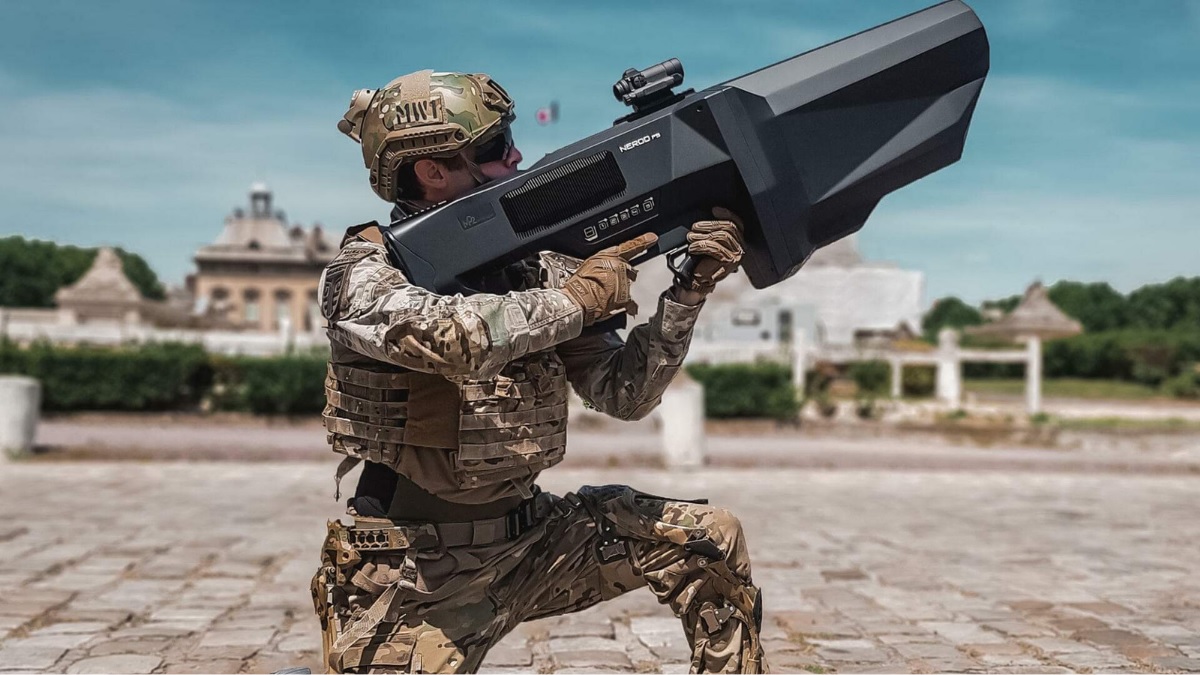
World
In a significant new step to strengthen Ukraine’s battlefield edge, a group of Western allies led by Germany has announced the formation of an Electromagnetic Coalition to support Kyiv in the ongoing war against Russia. This initiative, involving Germany and nine other partner nations, aims to help Ukraine dominate the electromagnetic spectrum—a critical but often unseen dimension of modern warfare. This coalition is the ninth such international grouping created in support of Ukraine, following earlier ones focused on artillery, fighter jets, air defense, demining, and more. Each coalition addresses a different aspect of military needs, and this latest one centers on the fast-evolving and strategic area of electronic warfare (EW). A New Front in the War: Electronic Dominance The primary goal of the Electromagnetic Coalition is to secure Ukraine’s advantage in the electromagnetic space—which includes radio frequencies used for communications, drones, radar, and navigation systems. Control over this domain is essential for modern combat, especially in an era where drones, jammers, and signal interception can turn the tide of battle. The coalition’s objectives include: Protecting friendly communications from enemy interference or jamming Disrupting Russian electronic systems, including command and control Enhancing drone operations, which rely heavily on stable electromagnetic signals Ensuring the reliability and precision of Ukraine’s weapon systems This effort will not only address Ukraine’s immediate operational needs but will also support long-term development of national electronic warfare capabilities. It marks a strategic shift, recognizing that the war in Ukraine is also a testing ground for future combat technologies. Coordination, Training, and Procurement Beyond battlefield operations, the Electromagnetic Coalition also focuses on the administrative and policy side of warfare. Member nations will work together to streamline procurement of advanced EW equipment, organize training programs for Ukrainian forces, and shape long-term policies to keep Ukraine ahead in this technological domain. Germany, which is spearheading the initiative, sees this not only as a way to help Ukraine but also as a chance to learn from real-time battlefield lessons and integrate them into its own military modernization plans. Germany’s Financial and Military Commitment In addition to its leadership in the coalition, Germany has stepped up its overall military support for Ukraine with a massive new funding package. The German government recently pledged €11 billion (approx. $12.5 billion) in military aid to Ukraine through 2029. For 2025 alone, €3 billion ($3.4 billion) has been allocated. The aid package includes a wide range of critical weapon systems and defense technology: 4 IRIS-T air defense systems 30 Patriot guided missiles 15 Leopard 1A5 main battle tanks 14 modern artillery systems 300 reconnaissance drones 100 ground surveillance radars German Defence Minister Boris Pistorius emphasized the importance of a strong Ukraine, stating, “We need a militarily strong Ukraine. Only then can the negotiation process lead to a lasting and just peace solution.” A Future-Oriented Strategy This coalition reflects how modern warfare is shifting—not just towards bigger guns and tanks but also towards invisible wars of signals, jamming, and precision targeting. Ukraine has proven resilient in adapting to such challenges, and the support from its Western allies is helping transform its military into one of the most technologically advanced in the region. With the Electromagnetic Coalition now in motion, Ukraine is better positioned to defend its skies, outmaneuver electronic threats, and secure vital communication lines—not only for today’s war but for the security challenges of the future.
Read More → Posted on 2025-04-14 15:15:52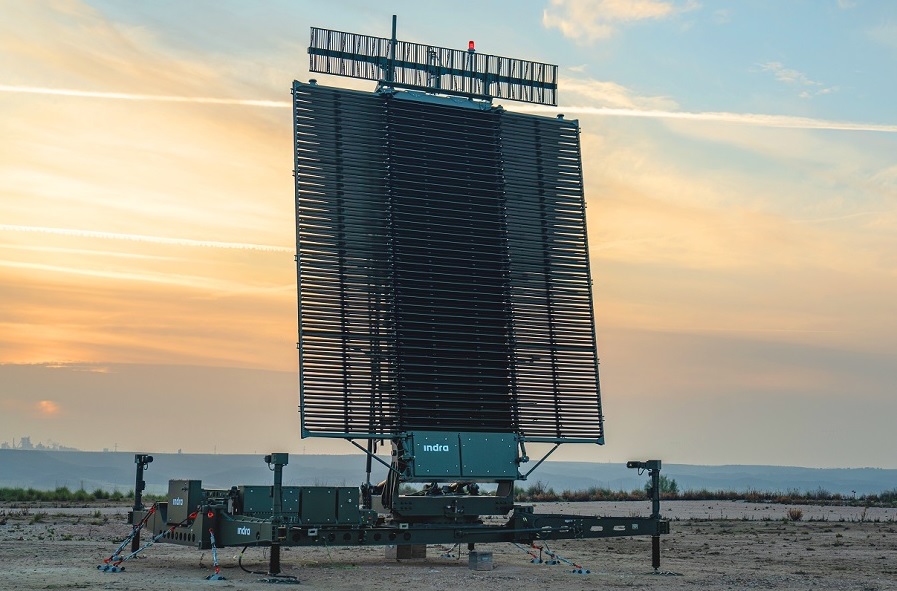
World
In a significant boost to its air defence capabilities, the Royal Air Force of Oman (RAFO) has signed a contract with leading Spanish technology company Indra for the supply of long-range Lanza 3D early warning radars. This agreement marks another milestone in the growing defence cooperation between Oman and Indra. The contract was formalised at Indra’s headquarters in Spain, where Dr. Mohamed Bin Nasser Al-Zaabi, Secretary General of Oman’s Ministry of Defence, and Ángel Escribano, Chairman of Indra Group, officially signed the deal. What the Contract Includes Under the agreement, Indra will design, deliver, and install Lanza 3D-LRR (Long Range Radar) systems at fixed locations across Oman. These advanced radars are paired with radio voice communication systems and will be fully integrated into Oman’s existing command and control infrastructure, also provided by Indra. Additionally, the project includes a crucial capability-building component — the Royal Air Force of Oman will gain the ability to perform third-level radar maintenance independently. This not only increases the nation’s operational autonomy but also ensures the long-term sustainability of its radar network. About the Lanza 3D-LRR Radar System Indra’s Lanza 3D-LRR radar is a state-of-the-art system that offers long-range air surveillance, early threat detection, and tracking of multiple aerial targets simultaneously. Key specifications include: Range: Over 450 km (approximate) Coverage: Full 360° azimuth and 3D tracking capability Target Detection: Able to track fast-moving fighter jets, helicopters, drones, and even low-observable (stealth) targets Technology: Incorporates Gallium Nitride (GaN) technology for enhanced reliability and performance Mobility: Although primarily fixed-site in this contract, Lanza radars are also available in transportable configurations Resilience: Equipped with electronic counter-countermeasures (ECCM) for operation in heavily contested environments Enhancing Oman's Defence Capabilities This new procurement complements the previous deployment of Lanza-based air defence systems in Oman, completed in 2020. It represents a natural expansion of Oman’s radar network and further reinforces the country’s early warning and airspace control capabilities. Oman’s decision to continue its partnership with Indra highlights its confidence in the company’s cutting-edge technology and reliable performance. Indra emphasized that Oman’s continued trust reflects their commitment to delivering customised and effective solutions for complex defence needs. Strategic Importance for Indra For Indra, this contract aligns with its broader strategy to expand operations in the Middle East defence market. Since establishing a local presence in Oman in 2010, Indra has built a team of 30 professionals and played a key role in modernizing the nation’s defence infrastructure. This new agreement not only solidifies Indra’s footprint in Oman but also positions the company as a key regional player in air surveillance technology. As global airspace becomes increasingly contested and unpredictable, investments like these ensure that nations like Oman are well-equipped to detect, track, and respond to aerial threats swiftly and effectively.
Read More → Posted on 2025-04-14 15:08:11
World
The British Army has taken a major step toward improving battlefield safety with the introduction of a new robotic mine-clearing system called the “Weevil.” This advanced machine is designed to safely and efficiently clear landmines and explosive devices without putting soldiers' lives at risk. What Is the Weevil? The Weevil is a remote-controlled robotic machine developed through a partnership between the Defence Science and Technology Laboratory (Dstl) and Pearson Engineering Ltd, a British defense company. It is built to be mounted onto military vehicles and is used to push aside or excavate mines, creating safe paths for soldiers during combat missions. How It Works The Weevil system currently uses the Warrior infantry fighting vehicle as a prototype platform. This vehicle is equipped with: A full-width mine plough for clearing explosives in its path. High-definition vehicle-mounted cameras for real-time visuals. Beacon Remote Control System developed by Pearson Engineering, allowing a single operator to control the system from several miles away. This system can be adapted to work with other military vehicles, making it highly versatile and practical for different combat scenarios. Why It Matters Until now, mine-clearing operations often involved the use of the Trojan armored vehicle, which requires a three-person crew to be present in dangerous areas. This exposed soldiers to serious risks from hidden mines and improvised explosive devices (IEDs). The Weevil changes that by allowing the job to be done remotely. As Major Andrew Maggs from Dstl noted, enhancing existing military vehicles with modern robotic features maximizes their utility and increases safety, especially in high-risk missions where time is limited and the environment is hazardous. Successful Trials and the Road Ahead The Weevil was successfully tested in Newcastle and showed great promise. It will now undergo further evaluations by the British Army. These trials will help gather crucial information on how the system performs under different battlefield conditions. According to Armed Forces Minister Luke Pollard, this new technology is a game-changer. He stated that, “It won’t be a moment too soon when we no longer have to send our people directly into harm’s way to clear minefields.” Key Specifications of the Weevil System Platform: Currently uses Warrior Infantry Fighting Vehicle Attachment: Full-width mine plough Control System: Beacon Remote Control (Pearson Engineering) Operation Range: Several miles via remote control Vision System: Onboard cameras for visual feedback Crew Requirement: Single remote operator (no crew inside vehicle) Adaptability: Can be installed on different vehicle platforms Final Thoughts The Weevil is more than just a robot — it represents a safer future for soldiers and a smarter way to deal with one of the deadliest threats on the battlefield: landmines. With continued testing and improvements, the British Army is set to revolutionize how it handles mine-clearing missions, turning a once high-risk task into a safer, remote-controlled operation.
Read More → Posted on 2025-04-14 15:05:16Search
Top Trending in 24 Hours
-
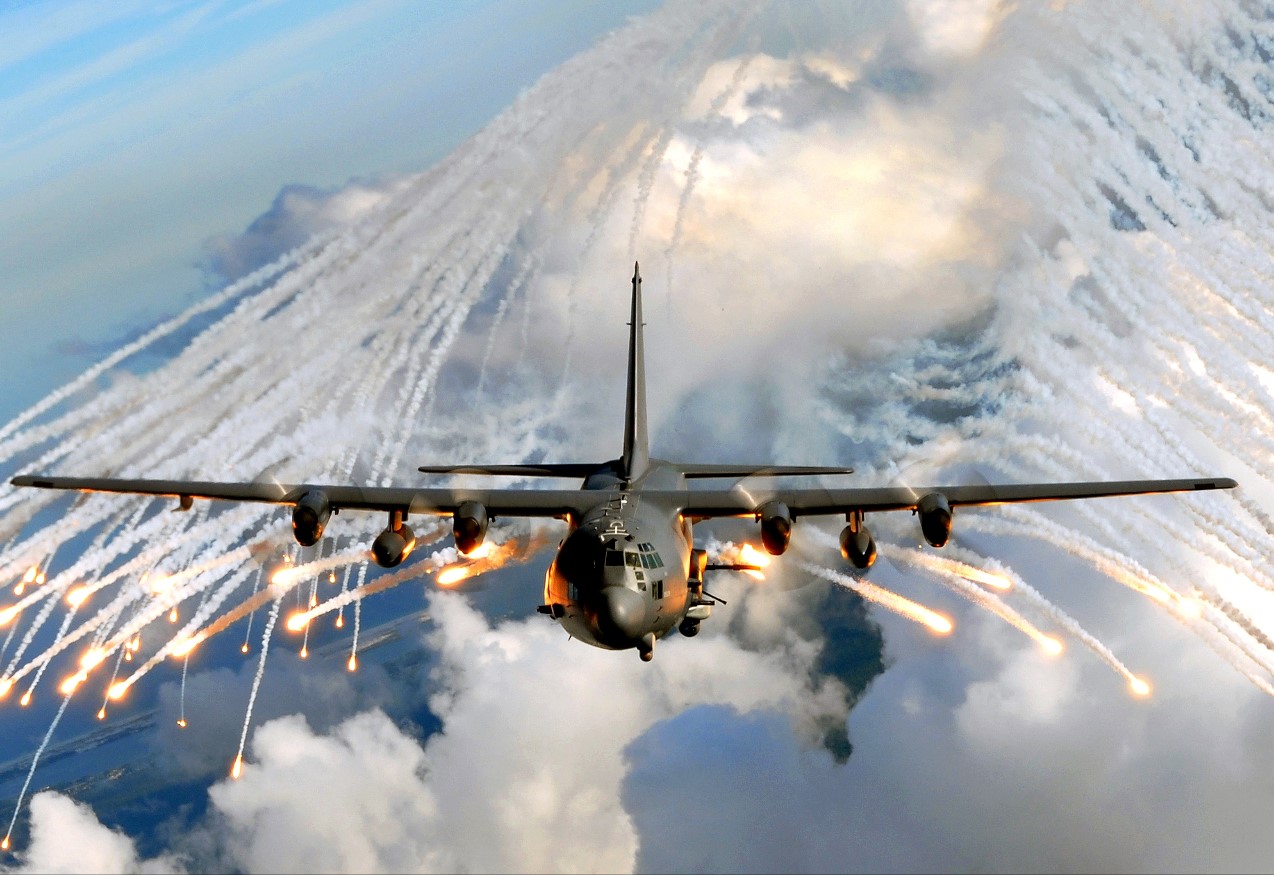 Pentagon Expands Alloy Surfaces Contract to $328.8 Million for Advanced Aircraft Decoy Flares Amid Evolving Drone Threats
-
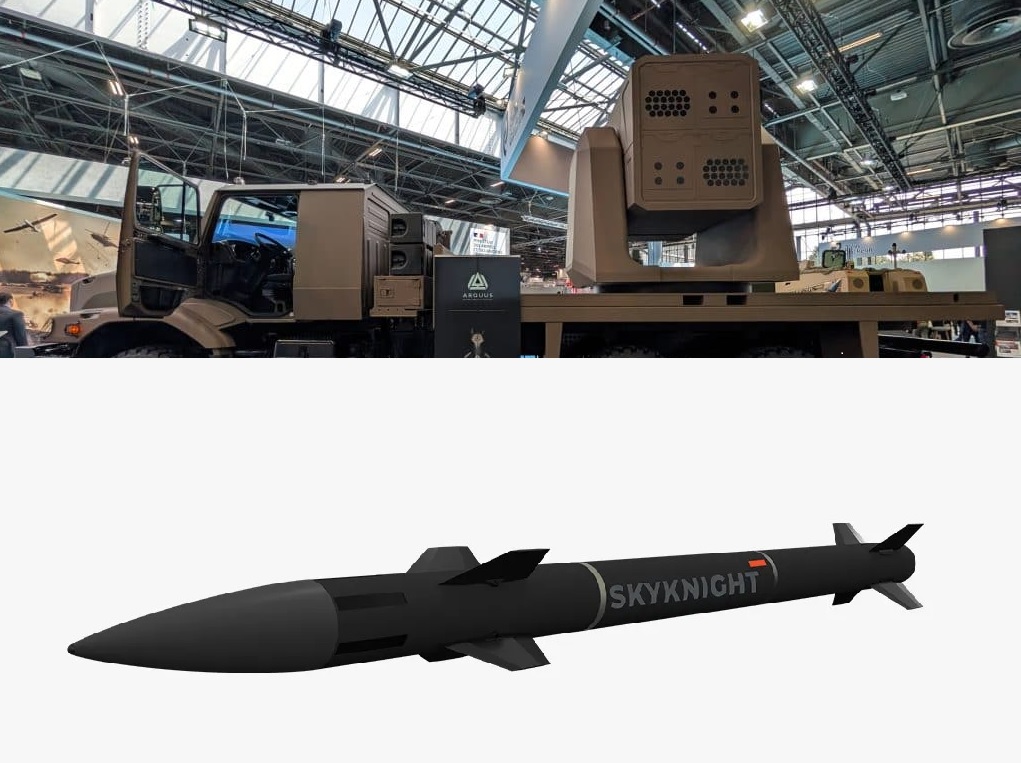 Naval Group Unveils Rampart Modular CIWS Multi-Purpose Weapon System for Naval and Ground Forces at Eurosatory 2026
-
 Why the U.S. Restored Pacific Command Name, Ending the Indo-Pacific Designation After Eight Years
-
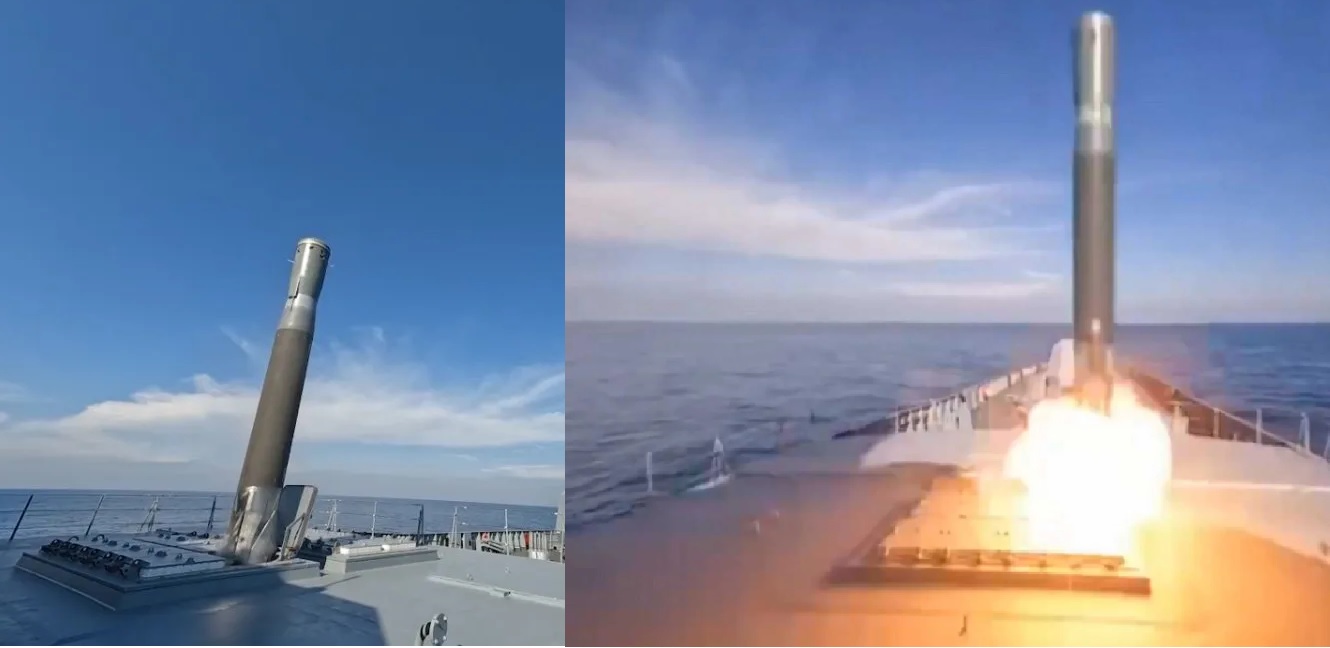 Open-Source Evidence Suggests Russia's Zircon Is a Quasi-Ballistic Missile, Not a True Hypersonic Cruise Weapon
-
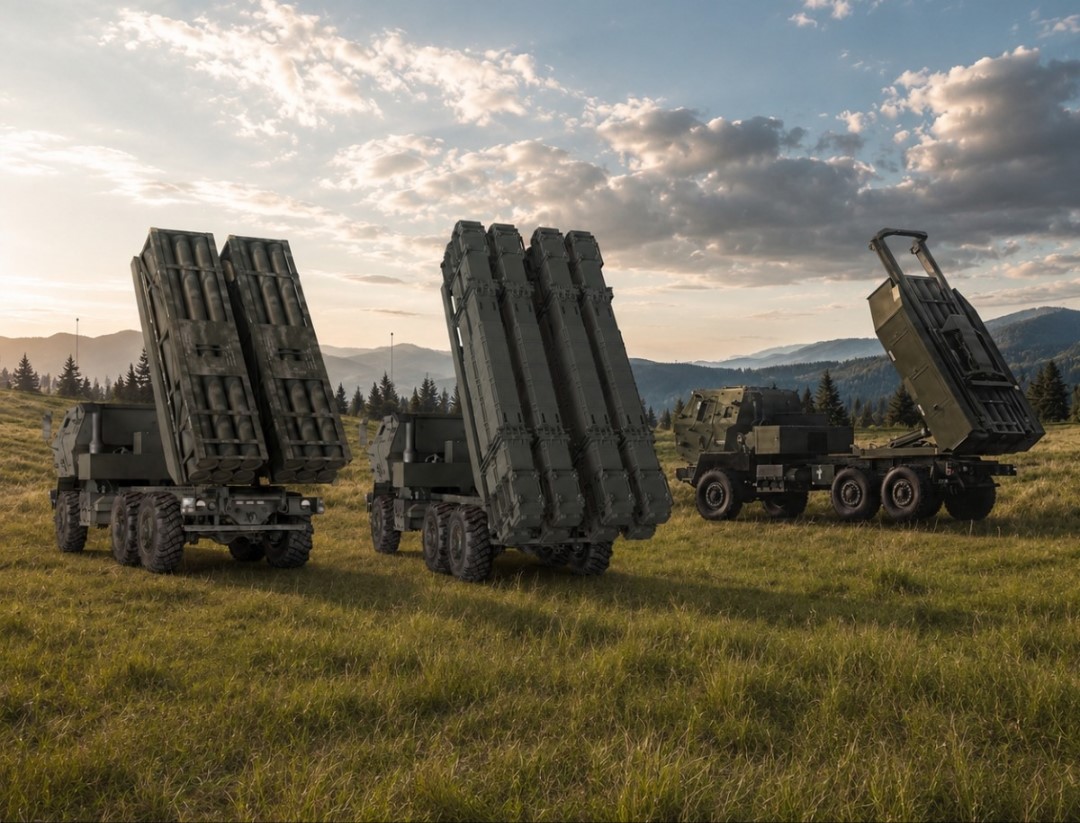 Lockheed Martin Unveils HIMARS FLEX with Dual-Pod Launcher and NATO-Compatible Air Defense Integration
-
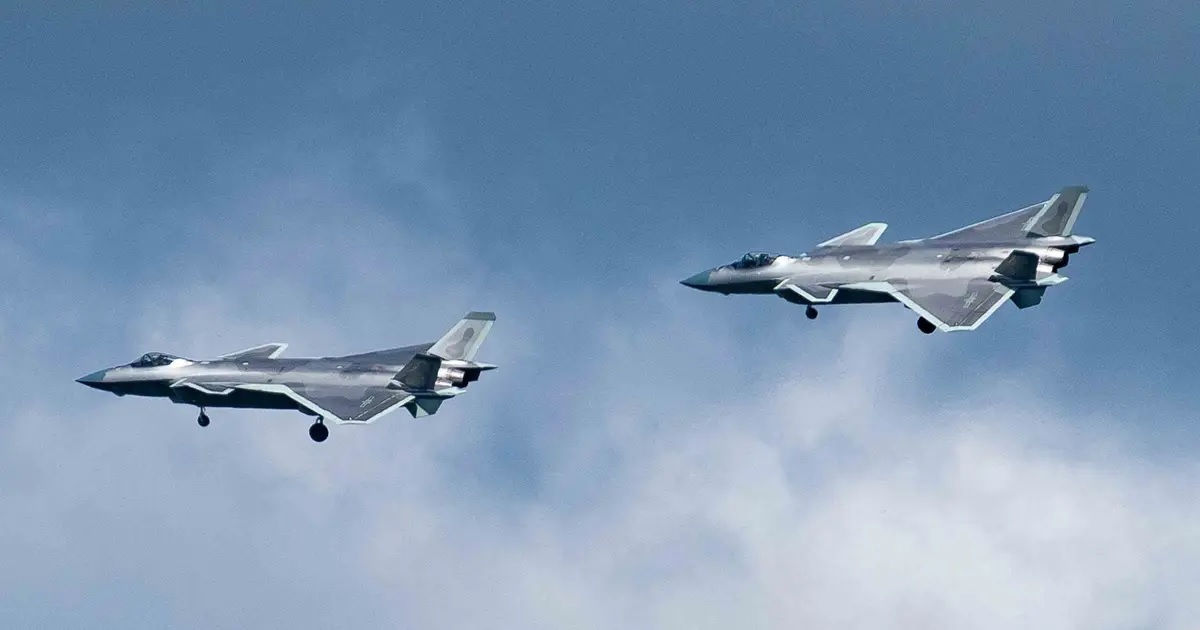 China Surpasses Russia as World’s Second-Most Powerful Air Force Amid Rapid J-20 and J-35 Expansion
-
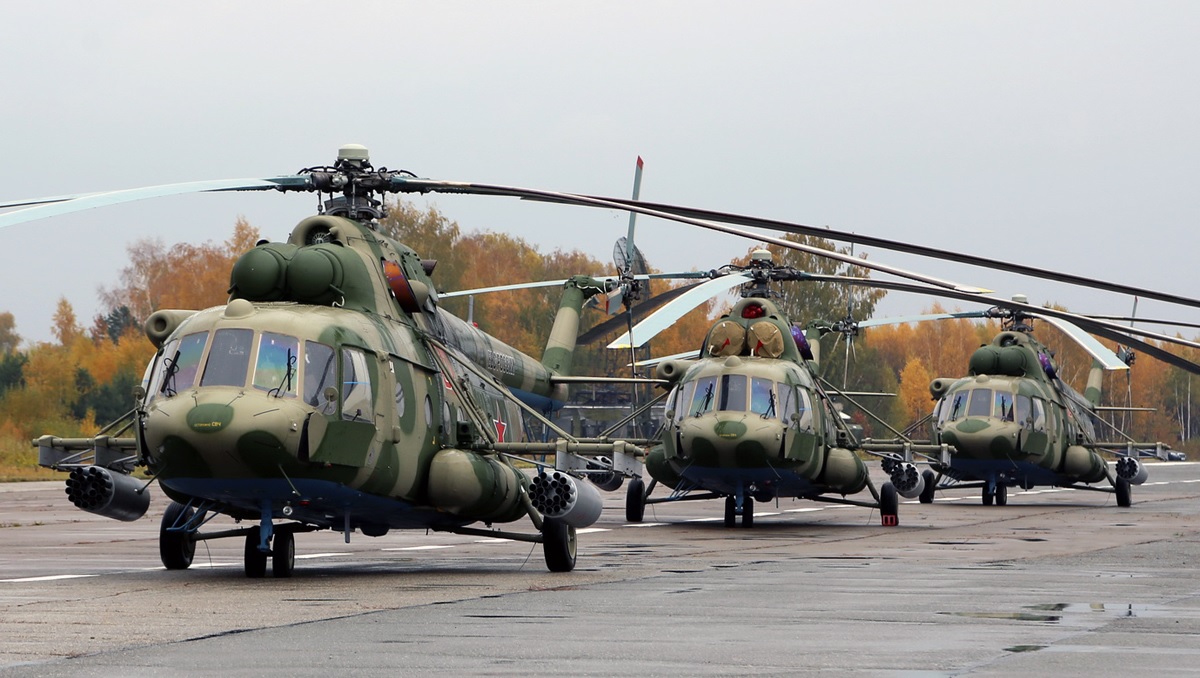 Iran Signs Deal with Russia for 20 Mi-8 and Mi-17 Helicopters to Boost Rescue and Medical Missions
-
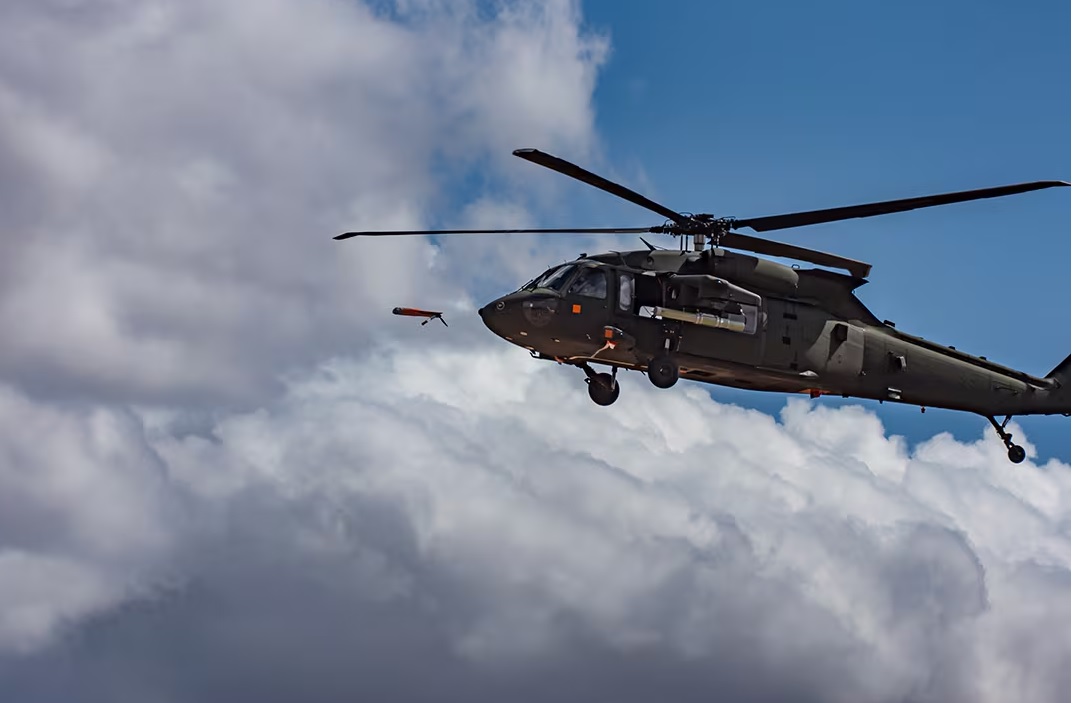 U.S. Army Completes First Flight Test of Medium-Range Air-Launched Effects from Black Hawk Helicopter
Top Trending in 4 Days
-
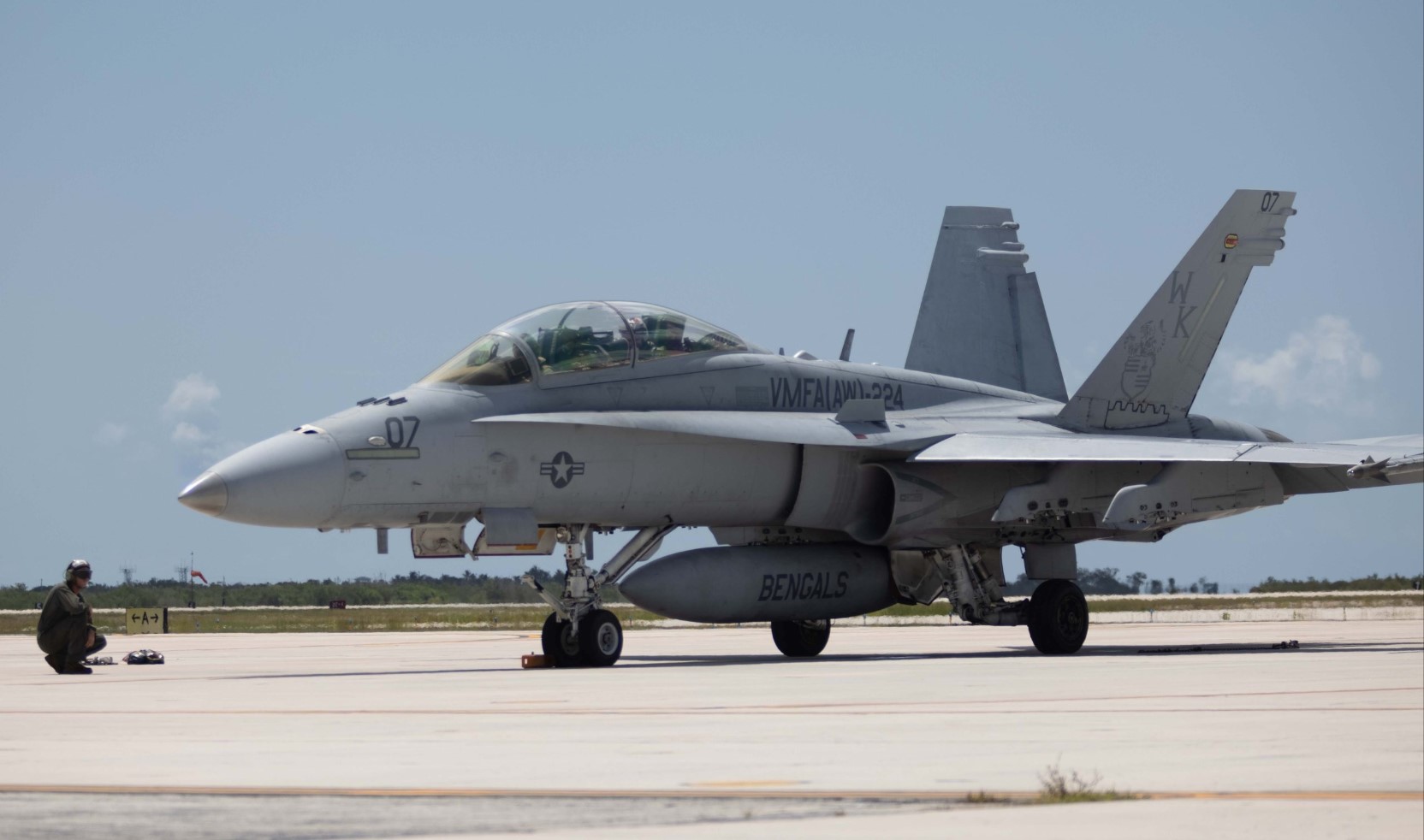 US Marine Corps F/A-18D Hornet Crashes During Training Flight in Washington Mountains; Pilot Ejects Safely
-
 Tulsi Gabbard Releases Declassified Files Detailing U.S.-Backed Network of 120 Biolaboratories Across 30+ Countries
-
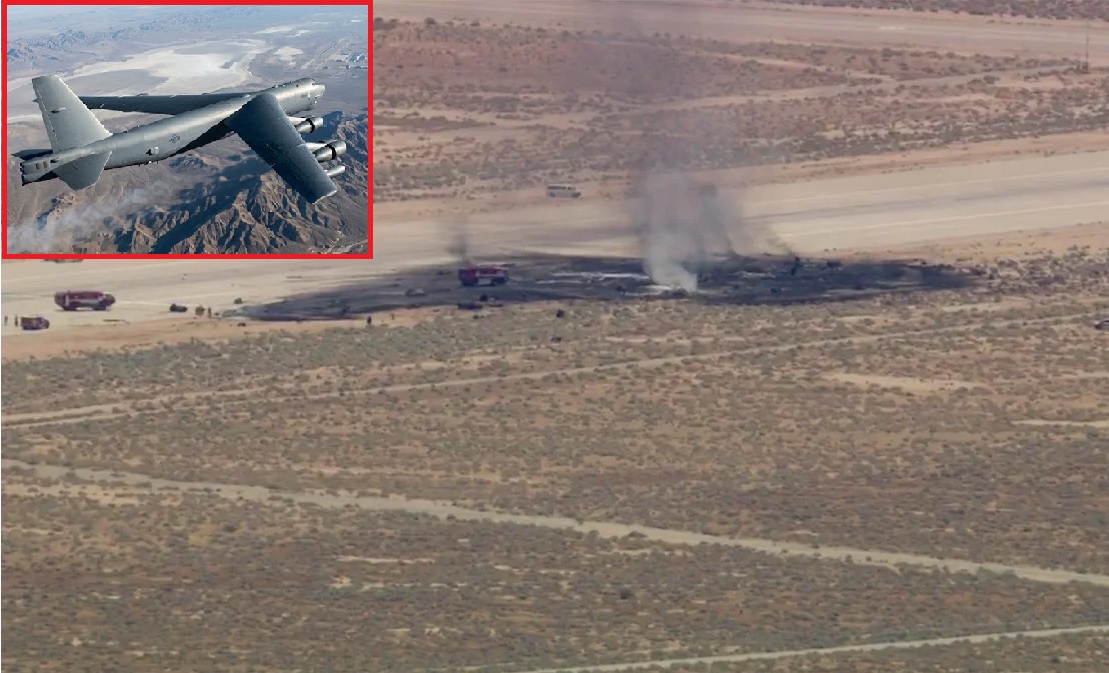 8 U.S. Air Force Crew Members Killed in B-52 Bomber Crash During Test Flight at Edwards Air Force Base
-
 Ukraine Introduces Balloon-Launched DART Missile Designed to Defeat Electronic Warfare
-
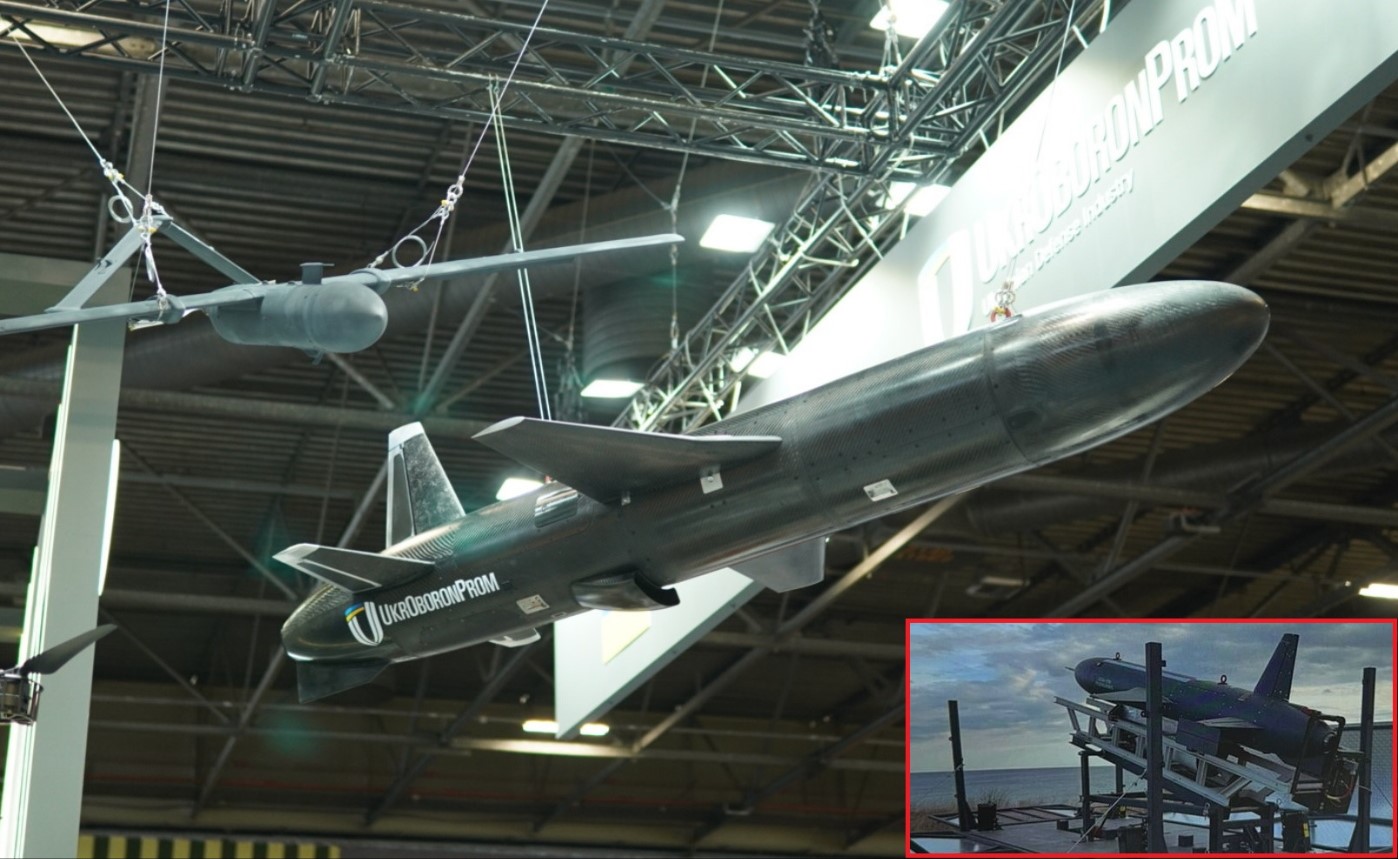 Ukraine Unveils UAV-290 Jet-Powered Strike Drone with 650 km Range at Eurosatory 2026
-
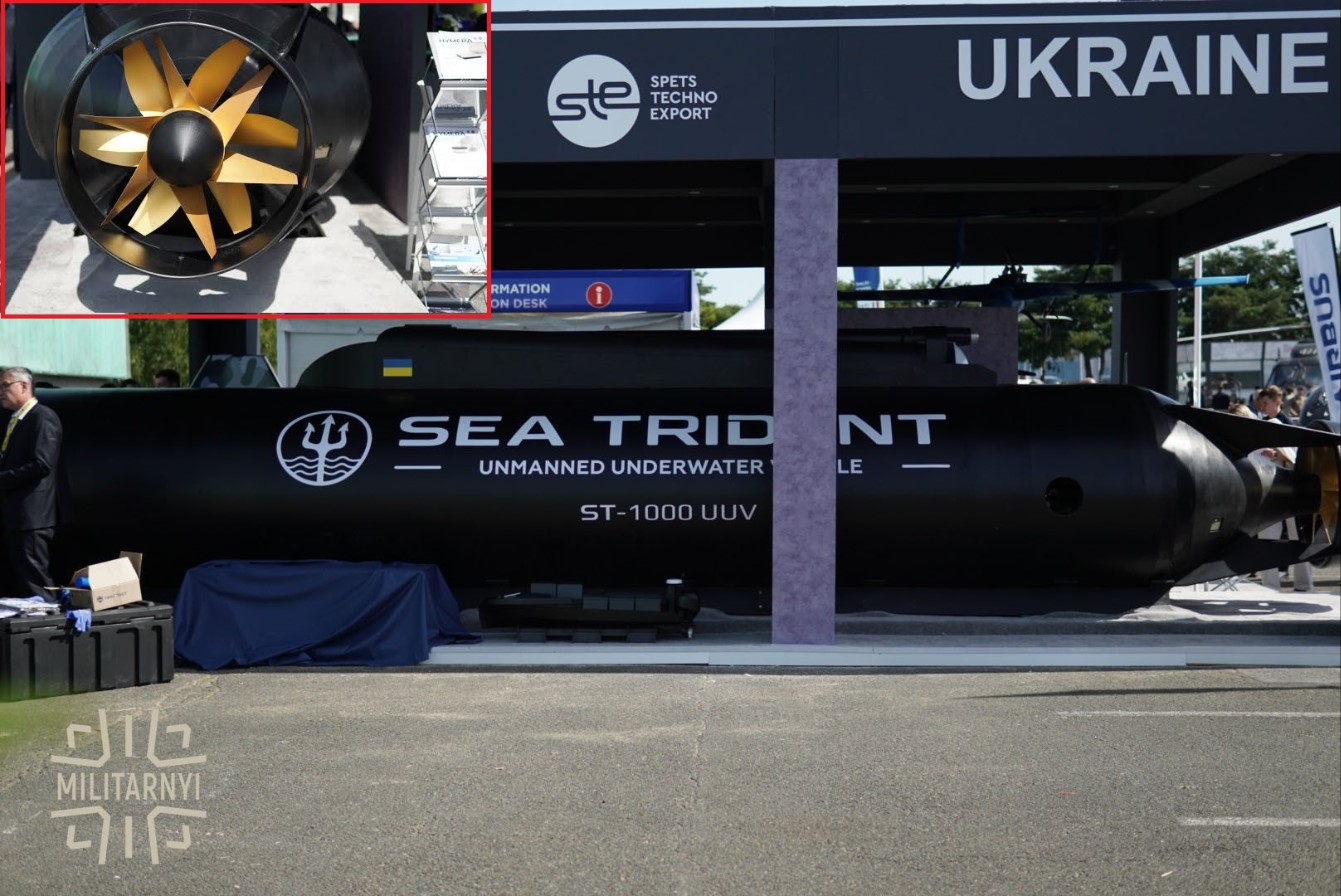 Ukraine Unveils 'Sea Trident' 10-Ton Autonomous Underwater Drone at Eurosatory 2026
-
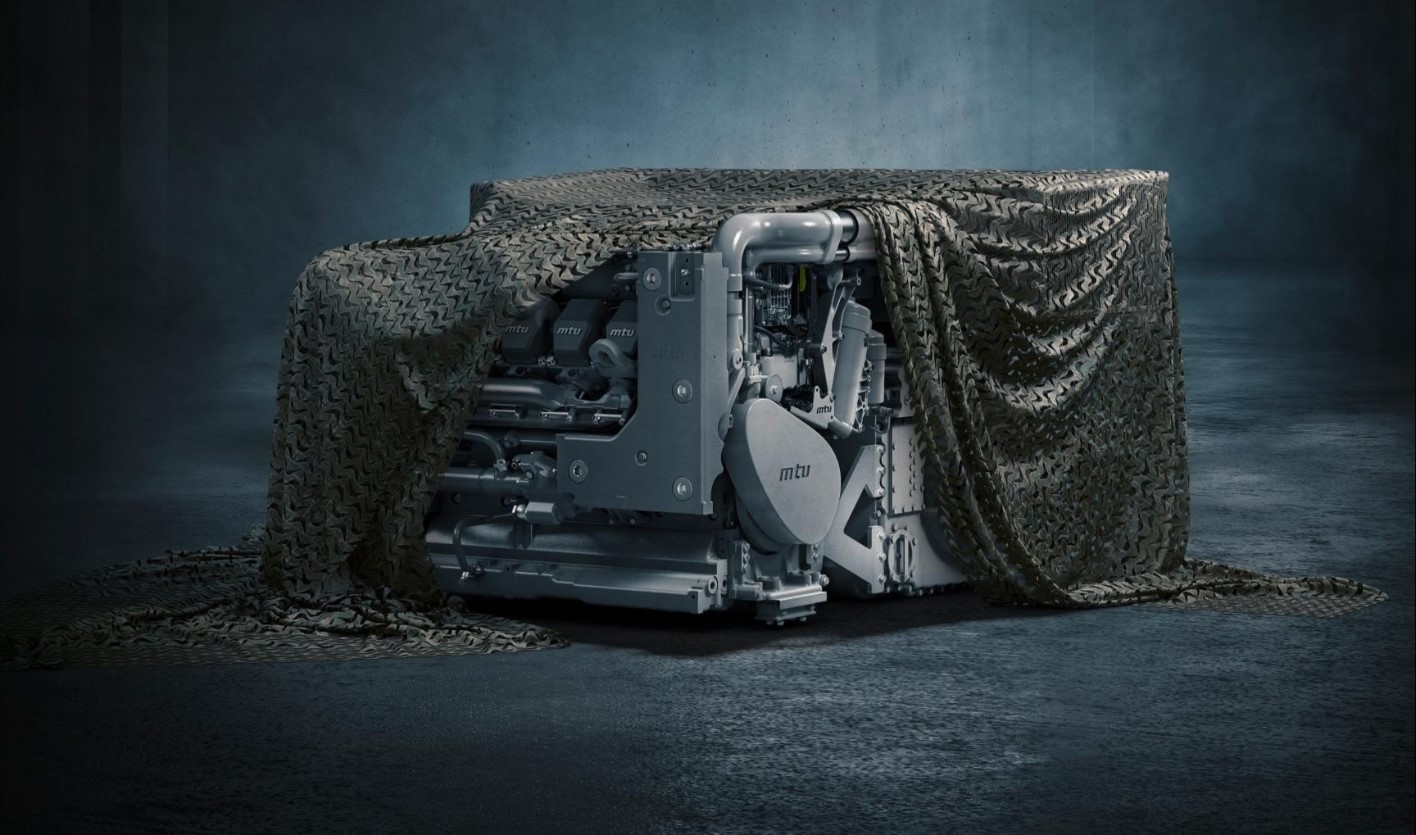 Rolls-Royce Unveils New Hybrid Powertrain for Heavy Military Vehicles at Eurosatory 2026
-
 KNDS Unveils CAPINT Main Battle Tank at Eurosatory 2026 as Leclerc Stopgap