World
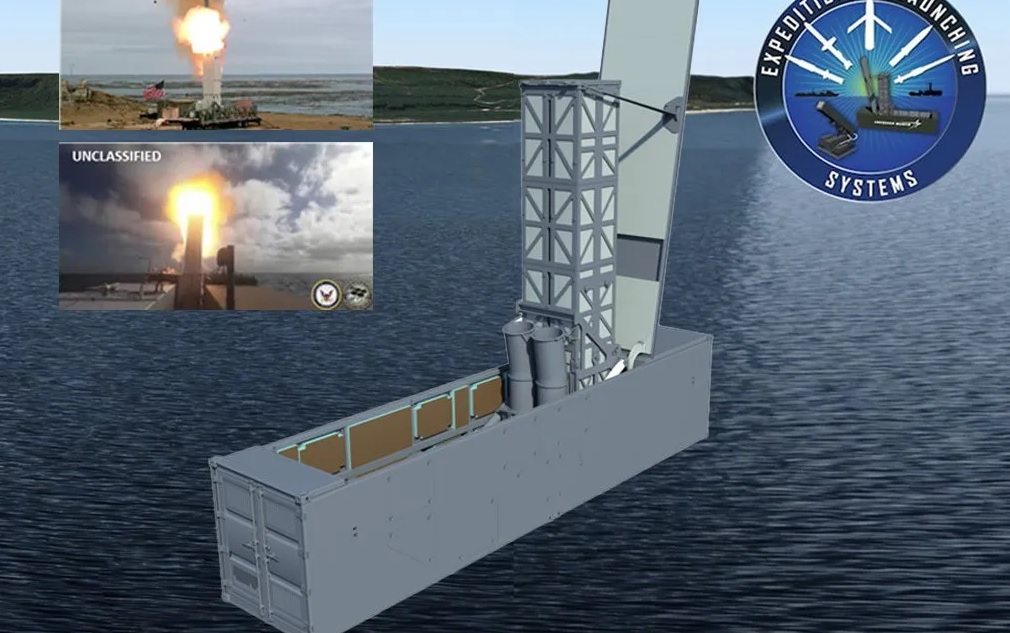
Japan could soon take a significant step in upgrading its maritime strike capabilities with the possible licensed production of the Mk70 containerized missile launcher system. Lockheed Martin, the U.S. defense giant, has initiated preliminary discussions with Japanese industry—most likely Mitsubishi Heavy Industries (MHI)—regarding the local manufacturing of this advanced missile system. The Mk70, also known as the "Payload Delivery System," is an innovative evolution of the well-established Mk41 Vertical Launching System (VLS), but with a critical twist—it comes containerized. The system fits a four-cell VLS into a standard 40-foot shipping container, making it highly mobile and deployable from a wide range of platforms, including ships, ground vehicles, and even unmanned systems. Mk70: A Mobile Arsenal in a Box Unlike traditional fixed missile launchers installed deep into a ship's structure, the Mk70 is a plug-and-play solution. It features a tiltable canister that rises before missile launches, and it is fully compatible with powerful long-range munitions like the SM-6 surface-to-air/hypersonic missile and the Tomahawk land-attack cruise missile. So far, this containerized launcher has been adopted by the U.S. Army under the name Typhon Mid-Range Capability (MRC) and by the U.S. Marine Corps as part of their Long-Range Fires (LRF) concept using unmanned vehicles. The U.S. Navy has also tested the Mk70 on both unmanned ships like the Ranger and manned vessels such as the USS Savannah and the USS Nantucket, which featured the system during its commissioning ceremony. Why Japan is Interested Although there’s currently no formal decision to adopt the Mk70, Japan's growing focus on maritime security amid regional tensions makes the system highly attractive. In 2024, Japan’s Maritime Self-Defense Force (JMSDF) issued a public request for a “Technical Study on Containerized SSM (Surface-to-Surface Missile) Launchers,” aimed at exploring the integration of anti-ship missiles into containerized platforms. This could allow even lightly armed vessels—like Japan's new Offshore Patrol Vessels (OPVs)—to be quickly upgraded for offensive roles without major structural changes. Strategic Impact of the Mk70 1. Expanding Missile Capacity:By deploying Mk70 containers across a range of ships, Japan could dramatically increase the number of launch-ready missiles within its fleet without needing to build more Aegis-class destroyers. This would deepen Japan’s "magazine capacity," allowing for sustained combat even if some vessels run out of onboard missiles. 2. Forcing Adversary Overwatch:If multiple platforms—including smaller ships and ground units—can suddenly fire long-range missiles, any adversary, especially the Chinese Navy, would be forced to increase its surveillance and intelligence resources. This would stretch enemy ISR (Intelligence, Surveillance, and Reconnaissance) networks thin, giving Japan a tactical edge. 3. Networking Firepower:When connected to advanced targeting networks like Aegis, Mk70-equipped ships could launch missiles from optimal positions determined by real-time combat data. Even vessels that are not frontline combatants could serve as missile launch platforms, dramatically increasing flexibility and lethality. Specifications of the Mk70 Payload Delivery System Type: Containerized Vertical Launching System Container Size: Standard 40-foot VLS Configuration: 4-cell Mk41 VLS Missile Compatibility: SM-6, Tomahawk Launch Method: Tiltable launcher that erects before launch Deployment Platforms: Naval vessels, ground vehicles, unmanned systems Operational Role: Long-range strike, air defense, anti-ship, and land-attack missions Looking Ahead While Japan has not yet committed to adopting the Mk70 system, the initial discussions with Lockheed Martin point toward serious interest. Given that Mitsubishi Heavy Industries already holds the license to produce the Mk41 VLS in Japan, it is highly probable they would also be the partner for Mk70 production if a deal is struck. As regional threats intensify, particularly in the East China Sea and Pacific, Japan’s move toward a flexible, distributed missile capability could be a defining shift in its defense doctrine. The Mk70 represents not just a weapon system, but a new way to think about naval and land-based strike power—one that aligns closely with Japan’s future defense needs.
Read More → Posted on 2025-04-21 14:59:25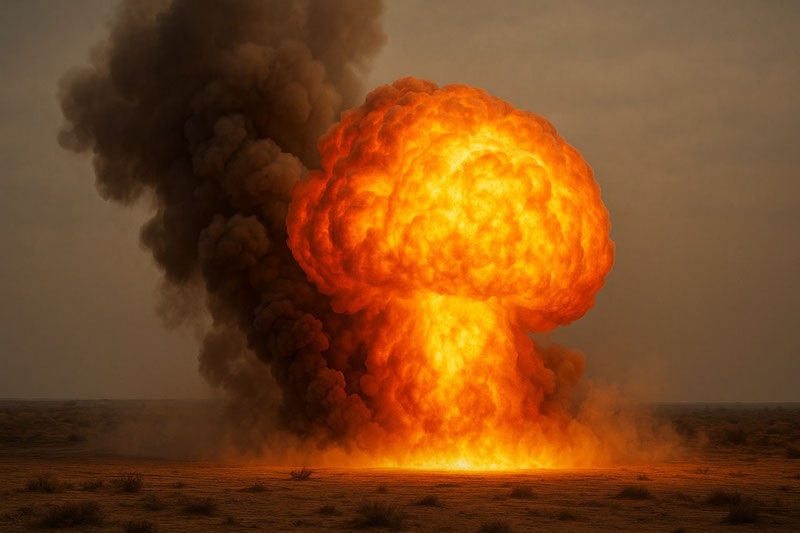
World
In a groundbreaking development, Chinese scientists claim to have successfully tested a new type of non-nuclear hydrogen bomb that harnesses chemical reactions rather than nuclear fusion to unleash immense explosive power. This innovative weapon reportedly relies on advanced materials and sustained combustion to deliver devastating thermal effects over a wide area — without the radioactive fallout associated with traditional nuclear weapons. What Makes This Test Unique? Unlike conventional explosives like TNT, the Chinese-developed bomb used magnesium hydride, a solid compound that stores a large quantity of hydrogen in a dense, stable form. The test device weighed just 2 kilograms (4.4 pounds) but produced a white-hot fireball exceeding 1,000°C (1,832°F) — hot enough to melt aluminum-based structures and cause extensive thermal damage. What sets this test apart is the duration of the explosion. While TNT explosions typically last only fractions of a second, this hydrogen-based blast lasted over two full seconds — nearly 15 times longer than traditional detonations. The prolonged heat pulse is believed to deliver far greater damage to targets, especially against equipment, bunkers, and vehicles that rely on thermal shielding. How Does It Work? Here’s a simplified breakdown of how the weapon functions: Magnesium hydride is used as the core material, capable of releasing hydrogen gas when heated or shocked. The bomb is triggered using conventional explosives, which set off a chain reaction that causes the magnesium hydride to decompose. This releases hydrogen gas, which rapidly mixes with air and ignites. The resulting chemical combustion generates an intense fireball that expands outward, releasing destructive heat across a large area. According to the research team, led by scientist Wang Xuefeng, hydrogen gas explosions are highly efficient due to their low ignition energy, broad explosion range, and the rapid outward spread of flames. This makes them ideal for applications where thermal energy must be delivered quickly and across vast spaces. Potential Military Use and Challenges While the full scope of military applications has not been disclosed, the team hinted that such technology could be ideal for striking high-value military targets — such as command centers, radar systems, or heavily armored bunkers — where thermal damage is more effective than pure kinetic force. However, despite the promising performance, there are serious production challenges: Magnesium hydride is highly reactive, and even slight exposure to air can cause fatal accidents. The production process is extremely slow, currently limited to just a few grams per day under tightly controlled lab conditions. Handling and transporting the material poses significant safety risks, making large-scale deployment difficult for now. A New Class of Weapon? If perfected, this non-nuclear hydrogen bomb could represent an entirely new class of tactical weapons — one that delivers massive destructive power without violating nuclear treaties or causing long-term environmental fallout. It also shows China's growing investment in advanced weapons technology that blends chemistry, materials science, and military engineering. Although global reaction is still unfolding, defense analysts worldwide are likely to keep a close watch on further developments, especially if China succeeds in scaling up production or integrating this tech into future battlefield platforms.
Read More → Posted on 2025-04-21 14:55:25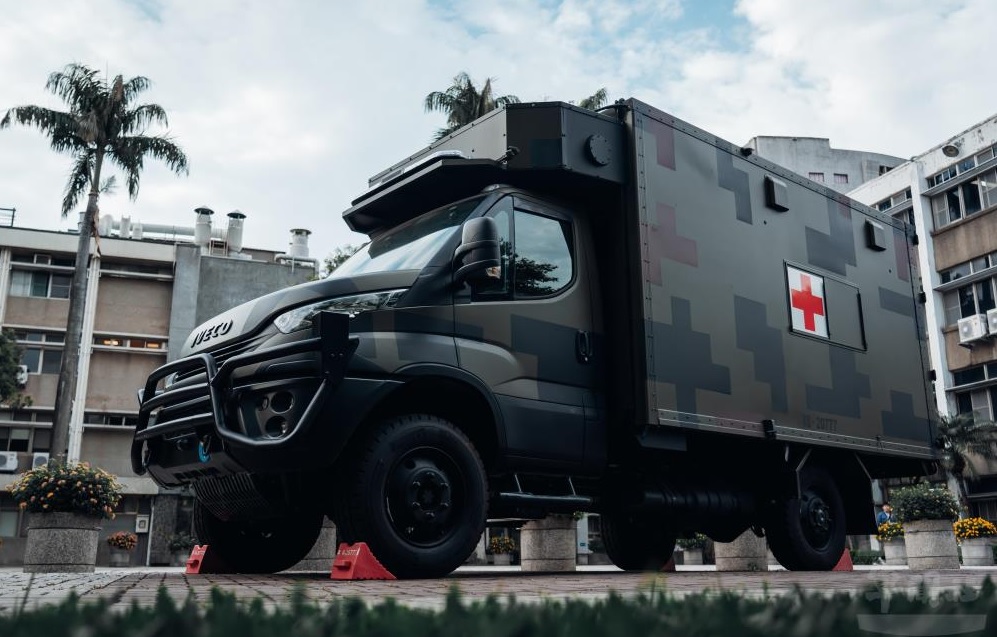
World
In a significant step toward enhancing battlefield medical support, Taiwan has introduced a new tactical ambulance designed specifically for its armed forces. The unveiling took place at Feng Chia University in Taichung, marking the country's effort to modernize its emergency medical response capabilities during military operations. The newly launched ambulance is tailored to offer rapid rescue support and streamline medical procedures for injured troops in combat zones. Its design focuses on flexibility and adaptability, making it a highly functional platform for both transportation and treatment under challenging conditions. One of the key features of the ambulance is its reconfigurable rear cabin. Depending on mission needs, the interior can be adjusted into different modes—either a bed mode to accommodate up to four patients or a seat mode for up to 10 personnel. This flexibility ensures that the vehicle can be effectively used for both casualty evacuation and general troop transport in emergency situations. Inside the cabin, a range of medical equipment supports the care of critically wounded soldiers. This includes physiology monitoring devices and four advanced trauma monitoring modules. The upgraded lighting, storage, and electrical systems further enhance the vehicle’s functionality, making it a mobile treatment center on the front lines. Safety is another critical component of the design. The vehicle is equipped with a nuclear, biological, and chemical (NBC) filtration system, complete with a pressurized cabin. This feature ensures that both medical personnel and patients are protected from hazardous environments, including exposure to toxic gases or harmful substances during warfare. The tactical ambulance is based on the Daily 4×4 truck manufactured by the Italian company Iveco. Known for its rugged design and reliability, the Daily 4×4 provides a strong foundation for the military adaptation. It is powered by a Euro III 3-liter turbodiesel engine capable of delivering 150 horsepower, allowing the vehicle to reach speeds of up to 100 kilometers per hour (around 62 miles per hour). With wheelbase options stretching up to four meters, the platform offers ample space for modification and use in complex terrains. With this new ambulance, Taiwan’s military takes a leap forward in ensuring that its personnel receive swift and effective medical attention in the heat of battle. The combination of robust engineering, advanced medical systems, and protection features makes this vehicle a critical asset for modern combat scenarios.
Read More → Posted on 2025-04-21 14:34:34
World
A leading drone manufacturer from Taiwan, DronesVision, has firmly denied any business ties or negotiations with Pakistan, following reports that a Pakistan-based defence company tried to market its combat drones without permission. The company clarified that it has never signed any deals or received end-user certificates from Pakistan, dismissing any suggestions of cooperation as false and misleading. DronesVision, known for producing advanced military-grade drones like the Revolver-860, has gained global recognition, especially after some of its drones were reportedly used in Ukraine. The Revolver-860 is a powerful combat UAV, capable of carrying eight 60mm mortar rounds, with a total payload capacity of 42 kilograms and an operational flight time between 20 to 40 minutes. The controversy began when Universal Smart Military Systems (USMS), a Karachi-based firm backed by the Pakistan Air Force and operating out of the National Aerospace Science and Technology Park (NASTP), was found promoting DronesVision’s Revolver-860 drones to potential clients. This raised eyebrows, as there was no official agreement in place with the Taiwanese manufacturer. Reacting swiftly, DronesVision issued a public statement saying it had no business engagements with Pakistan whatsoever. The company further explained that its products fall under Taiwan’s Strategic High-Tech Commodity classification, which means strict rules apply for any international sale. These products require export permits, and Taiwan maintains a clear policy of not allowing sales to certain countries, including Pakistan, due to sensitive geopolitical concerns. In addition, DronesVision pointed out a troubling trend in the global defence sector: unauthorized parties tampering with promotional materials by removing company logos and falsely presenting themselves as official partners. This tactic is often used to deceive potential buyers into thinking a legitimate relationship exists. The situation comes as Pakistan increases its focus on drone warfare, reportedly investing between $200 million and $500 million in recent years on unmanned systems from China, Turkey, and local manufacturers. However, this case stands out because Pakistani interest in a Taiwanese drone platform is unusual—especially considering the tense geopolitical landscape involving Taiwan, India, and Pakistan. Taiwan’s defence industry has increasingly aligned with India in recent years, while Pakistan remains a key strategic partner of China. This context makes any perceived connection between a Taiwanese defence firm and Pakistan particularly sensitive. DronesVision’s clear denial of any association with USMS not only protects its own reputation but also highlights the importance of strict export controls and compliance within Taiwan’s defence sector. The episode serves as a reminder of the challenges in controlling the global spread of advanced military technology and the need for constant vigilance against misrepresentation and unauthorised use.
Read More → Posted on 2025-04-20 16:24:03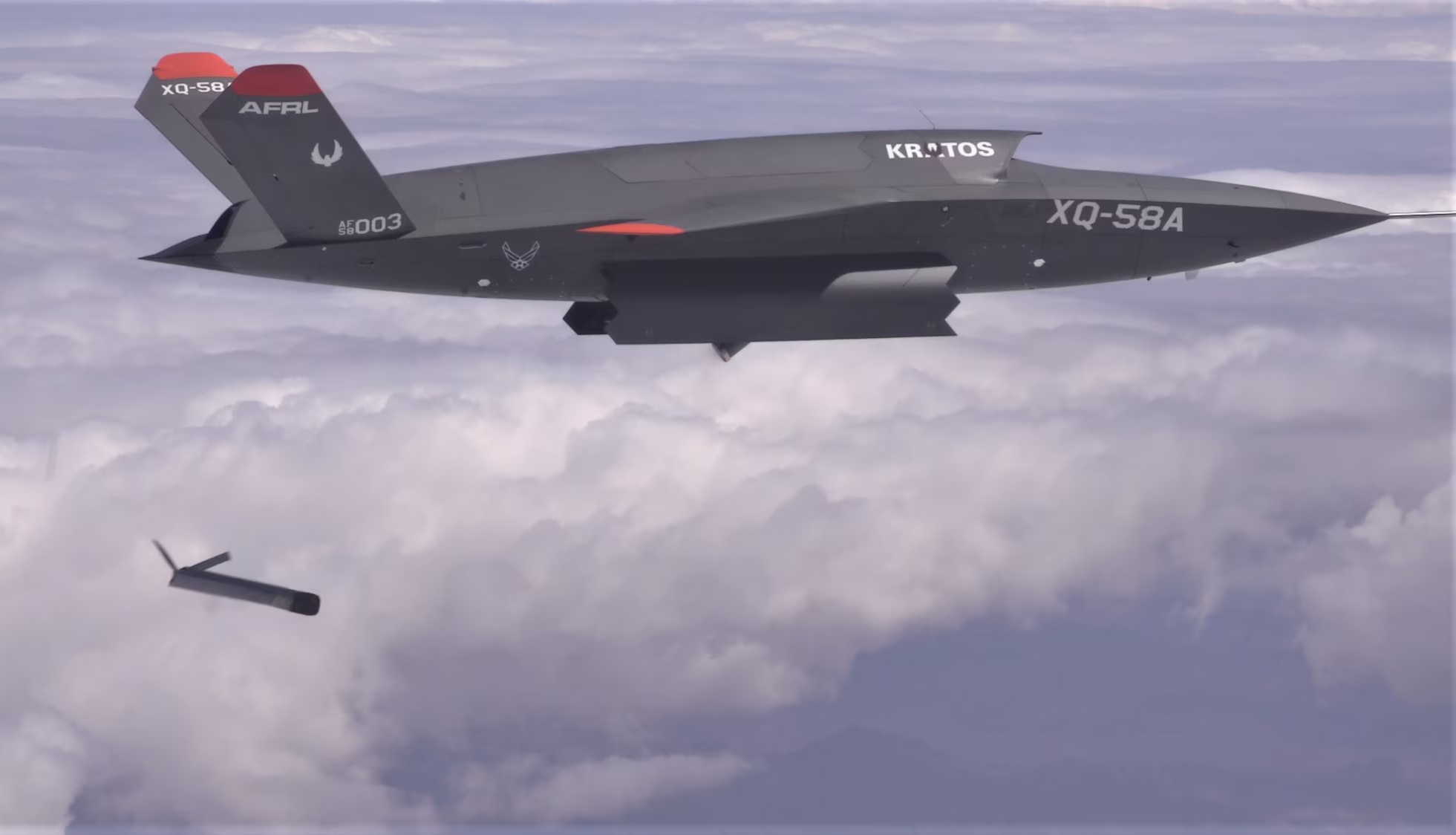
World
Kratos Defense has officially unveiled a new variant of its XQ-58A Valkyrie unmanned aircraft, now equipped with conventional landing gear. The image of this updated drone was shared publicly for the first time on April 15, 2025, signaling Kratos’ serious intent to compete in the U.S. military’s growing Collaborative Combat Aircraft (CCA) programs. The inclusion of landing gear in the Valkyrie marks a major shift in its operational design. Previously, the XQ-58A relied on rocket-assisted launches and parachute recoveries, making it more suitable for remote or improvised deployment. With the addition of conventional take-off and landing (CTOL) capability, the aircraft can now operate from standard runways like traditional fighter jets. This gives it a significant boost in flexibility and makes it more compatible with U.S. Air Force and Marine Corps operations. Kratos had first announced this CTOL variant back in August 2024. Its formal debut now indicates that the company is positioning itself strongly for upcoming CCA program phases. The U.S. Air Force has already chosen the General Atomics YFQ-42A and Anduril YFQ-44A for the first round of the CCA program (Increment 1). However, more opportunities are expected in the near future with the upcoming Increment 2 and other related competitions. In parallel, Kratos also seems to be keeping a close eye on the U.S. Marine Corps’ MUX-TacAir program. This effort is centered on developing unmanned tactical aircraft that can support Marine operations in coordination with manned jets like the F-35B. The Marine Corps is particularly interested in CCAs that can perform both surveillance and strike missions while operating from austere locations, which aligns with the Valkyrie's evolving capabilities. By adapting the Valkyrie for runway-based operations, Kratos is not only broadening the drone’s mission profile but also increasing its appeal to a wider range of military users. The transformation from a launch-and-recover drone to a CTOL-capable platform makes it a stronger contender in the competitive landscape of future autonomous air combat systems.
Read More → Posted on 2025-04-20 16:15:13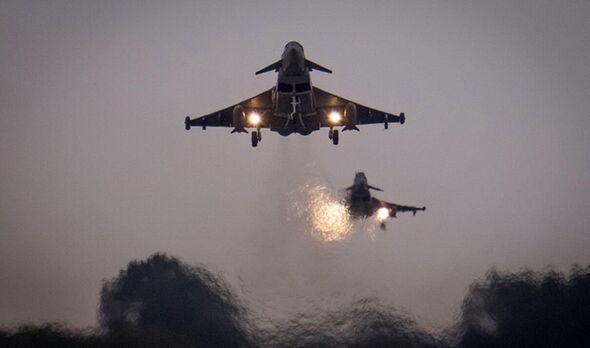
World
Royal Air Force (RAF) Typhoon fighter jets have been in action over the Baltic region this week, responding swiftly to Russian aircraft approaching NATO airspace. In just three days, RAF jets scrambled three times from Malbork Air Base in Poland as part of NATO’s enhanced Air Policing (eAP) mission — a joint effort to monitor and secure the skies over Eastern Europe. The first incidents occurred on Tuesday, April 15, 2025, when RAF Typhoons were called into action twice in a single day. The first scramble led to the interception of an Ilyushin Il-20M, a Russian surveillance aircraft that specializes in gathering communication and electronic signals. Known to NATO as the Coot-A, this aircraft often operates near sensitive areas, prompting close monitoring. Later that same day, the Typhoons intercepted two Russian SU-30MKI fighter jets, known in NATO code as FLANKER-H. These fast and powerful jets, though originally designed for air superiority, also pose a potential threat due to their advanced combat capabilities. Another intercept occurred on Thursday, April 17, when Typhoon jets once again identified an Il-20M near NATO airspace, flying over the Baltic Sea. The repeated flights of such surveillance aircraft so close to NATO territory are a concern and highlight the ongoing tensions in the region. All three intercept missions were carried out by aircrew from No. II (Army Co-operation) Squadron, which is part of the 140 Expeditionary Air Wing. This team is currently stationed in Poland on Quick Reaction Alert (QRA) duty as part of Operation Chessman, the UK’s dedicated contribution to NATO’s enhanced air policing efforts. Wing Commander Morley, who leads 140 Expeditionary Air Wing, emphasized the importance of these missions, stating, “The Royal Air Force is contributing to NATO’s collective defence and security. These scrambles are a clear demonstration of our commitment to stand alongside our NATO allies in maintaining the integrity of the airspace above the Baltic.” This deployment also marks a significant milestone as RAF personnel operate alongside Swedish forces at Malbork Air Base. Sweden, having recently joined NATO, is now participating in its first-ever enhanced Air Policing mission. The joint presence of UK and Swedish forces underlines NATO’s strengthened posture in the region, especially in the face of increased Russian aerial activity. These air policing efforts are not only routine but crucial in ensuring that NATO airspace remains secure. They serve as a reminder of the alliance’s readiness and unity in responding to any potential threats near its borders.
Read More → Posted on 2025-04-20 16:00:40
World
At first glance, the bulldozer moving across a dusty testing site in central Israel might look like any other heavy-duty machine. But as it rolls closer, one detail becomes impossible to ignore—the cabin is completely empty. No driver. No operator. Just a machine working silently on its own, guided from thousands of miles away. This is the Robdozer—Israel’s remotely controlled, unmanned version of the armored Caterpillar D9 bulldozer. Developed by Israel Aerospace Industries, the Robdozer has become a key component of Israel’s ground operations, especially since the war in Gaza erupted in October 2023. Originally used for engineering tasks like clearing roads, removing rubble, and leveling ground for advancing troops, the D9 bulldozer has long been a staple of Israel’s combat engineering arsenal. But the new robotic upgrade is reshaping how these tasks are handled—without putting soldiers in harm’s way. During the ongoing conflict in Gaza and on the Lebanese border, the Robdozer has been increasingly deployed to navigate dangerous warzones. Controlled remotely, even from locations as far away as Alabama in the United States, these machines allow Israeli forces to perform battlefield engineering without sending troops into direct danger. This technological advancement marks a significant shift in how warfare is being conducted. “The idea is to eliminate the person from the cockpit of the dozer,” said Rani, one of the lead developers of the Robdozer at Israel Aerospace Industries. “It can now do the job even better than a human,” he added. The machine doesn’t just handle simple excavation—it’s equipped to flatten terrain, build makeshift roads, and clear obstacles with remarkable precision. Though it is still controlled by human operators, future upgrades are expected to include more autonomous functions, raising ethical and legal questions that experts are already beginning to debate. Israel is not alone in exploring battlefield automation, but its military appears to be among the first to use such remote-controlled systems in active combat. According to defense analysts, this represents a major transformation in how modern wars may be fought. Robotic tools like the Robdozer are part of a wider move toward automated combat systems—vehicles and drones that operate without exposing human operators to frontline dangers. "This is the future," said John Spencer, chair of urban warfare studies at the U.S. military’s Modern War Institute. He noted that while many countries have experimented with unmanned combat machines, Israel's deployment in real-time warfare is unprecedented. However, some experts caution against over-reliance on technology. Tal Mimran, a lecturer in international law at Hebrew University, pointed to the events of October 7, 2023, when Hamas militants breached Israel’s heavily fortified border. That day underscored the need for human oversight and real-world vigilance, even with the most advanced defense systems in place. “You can build a wall that costs $1 billion, but if you don’t patrol it, someone will still get through,” Mimran warned. “We must take note of both the opportunities and the risks of technology.” As artificial intelligence and robotic systems rapidly evolve, their presence in the defense sector is growing just as fast. While these developments promise to protect lives and improve operational efficiency, they also challenge the traditional rules of war and demand careful reflection on the role of humans in future conflicts. Israel’s Robdozer may be a glimpse into the wars of tomorrow—fought with machines, guided by algorithms, but still deeply tied to human choices and consequences.
Read More → Posted on 2025-04-20 15:58:56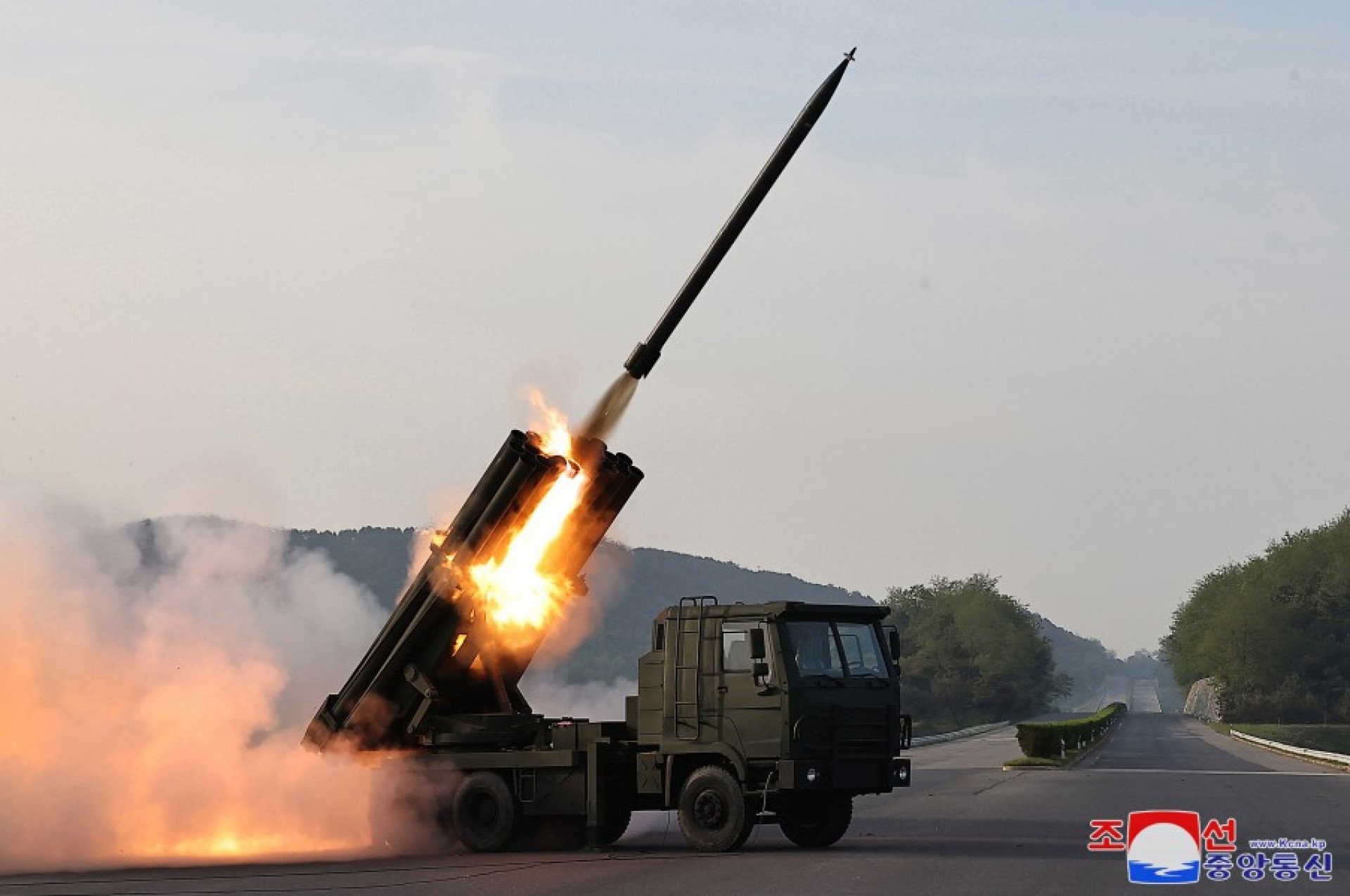
World
In a new development in the ongoing conflict between Russia and Ukraine, it has now been confirmed that Russian forces are using North Korean-made multiple rocket launch systems (MRLs) on the battlefield. This confirmation comes after Ukrainian journalist Yurii Butusov released intercepted video footage showing a North Korean M1991 240mm rocket launcher inside a Russian military hangar. North Korean M1991 Rocket Launcher: An Overview The M1991 is a North Korean multiple rocket launcher system designed to deliver overwhelming firepower against enemy targets. This truck-mounted system carries 22 launch tubes capable of firing 240mm unguided artillery rockets, and it can strike targets between 40 to 60 kilometers away. The sheer firepower of the M1991 makes it ideal for attacking fortified positions, defensive lines, and troop concentrations. Though not equipped with modern precision-guided technology, the M1991 compensates with its volume-based saturation attacks, which are designed to overwhelm defenses rather than strike with pinpoint accuracy. Its main tactical strength lies in its ability to deliver rapid and devastating salvos in a short time, making it a dangerous weapon on the frontlines. Recent Footage and Modifications The video footage intercepted by Ukrainian sources showed the M1991 system undergoing modifications in a Russian facility. Notably, Russian troops appeared to be adding protective metal screens to shield the vehicle against First Person View (FPV) drone attacks, which Ukraine has been increasingly using for precise strikes on high-value targets. This footage is the first visual confirmation of the M1991's presence in Russian service, although unconfirmed reports of its deployment had been circulating since November 2024. Strategic Implications The presence of these North Korean systems on the battlefield represents a significant development. While Russia already uses a wide variety of rocket artillery systems, the addition of the M1991 enhances its ability to launch large-scale area bombardments, even if accuracy is sacrificed. This could be particularly problematic for Ukrainian defenders facing massed infantry attacks or entrenched positions near the front lines. Additionally, this development comes on top of existing reports that North Korea has also supplied Russia with short-range ballistic missiles and conventional artillery shells, increasing military cooperation between the two sanctioned nations. As the war continues, the introduction of the M1991 highlights how global alliances and unconventional arms transfers are shaping the battlefield in Ukraine. Even older systems, when used effectively and in large numbers, can have a powerful impact on the outcome of tactical engagements.
Read More → Posted on 2025-04-20 15:56:40
World
Around 200 ethnic Karen people have fled from Myanmar into neighboring Thailand amid renewed fighting and instability in the eastern Karen State. Thai border officials confirmed the movement of people over Friday and Saturday, attributing the exodus to intensified bombing and unrest near the Myanmar-Thai border. Karen State, which lies along Myanmar’s eastern frontier with Thailand, has seen a surge in violence as ethnic militias continue to resist the country’s military junta. The junta came to power following a coup in 2021, and since then, various ethnic groups and pro-democracy forces have been engaged in armed conflict with military forces across the country. Major General Maitree Chupreecha, commander of Thailand’s Naresuan Force, said the recent group of Karen civilians crossed the Moei River into Thailand’s Tak province after being frightened by a drone bombing operation targeting junta troops near their villages. He noted that the movement began Friday afternoon, and more people may follow if violence continues. The Thai military's Ratchamanu Task Force has provided temporary shelter for the displaced people. Authorities are monitoring the situation closely, with plans to send the refugees back when the situation on the other side of the border becomes safe again. This is not the first time such displacement has occurred. Since the 2021 coup, thousands of people from Myanmar—many from ethnic minority groups—have crossed into Thailand, seeking refuge from airstrikes, armed clashes, and political unrest. A brief ceasefire was declared by both the junta and opposition groups in late March after a powerful earthquake devastated parts of central Myanmar, killing over 3,700 people. However, that ceasefire has not prevented renewed conflict in Karen State, especially along the highway that connects Myanmar to Thailand’s Mae Sot town. The situation remains tense, with Thai officials bracing for the possibility of more border crossings if the fighting escalates further.
Read More → Posted on 2025-04-20 15:51:57
World
Defence technology leader V2X Inc. has landed a significant $62 million contract to continue maintaining and enhancing the COBRA DANE radar system, a critical U.S. Space Force asset located at Eareckson Air Station on Shemya Island, Alaska. This contract highlights V2X’s long-standing role in ensuring the continuous performance and technological advancement of one of the most sophisticated radar systems in America's defence arsenal. Standing at an impressive 120 feet tall with a 95-foot-wide phased-array radar face, the COBRA DANE system has the capability to detect and track objects over 2,000 miles away. Its high-powered radar can observe both ballistic missile activity and orbital movements in space, contributing significantly to the U.S. ballistic missile defence shield and space domain awareness. Originally commissioned in the 1970s, the COBRA DANE radar has since evolved into a cornerstone of national security, now operated by the U.S. Space Force. It provides real-time data on missile launches, satellite behavior, and space debris—helping protect critical infrastructure and monitor potential threats in both atmospheric and space environments. “V2X has been the trusted partner in ensuring the continuous operational readiness of COBRA DANE,” said Jeremy C. Wensinger, President and CEO of V2X. He also emphasized the company's efforts in integrating engineering upgrades to extend the radar's capabilities even further. The radar’s advanced phased-array technology allows it to scan large areas of the sky quickly and efficiently without the need for moving parts, making it highly reliable and efficient for round-the-clock surveillance. The newly awarded contract will be in effect until March 2027. During this time, V2X will provide full-spectrum mission support—encompassing system sustainment, technical upgrades, and ongoing operations support. This commitment ensures that COBRA DANE remains at peak performance, providing early warning and surveillance essential for both missile tracking and space situational awareness. In a rapidly evolving global threat landscape, V2X’s ongoing support of COBRA DANE reinforces the radar’s status as a key player in protecting U.S. interests both on Earth and in space.
Read More → Posted on 2025-04-20 15:45:53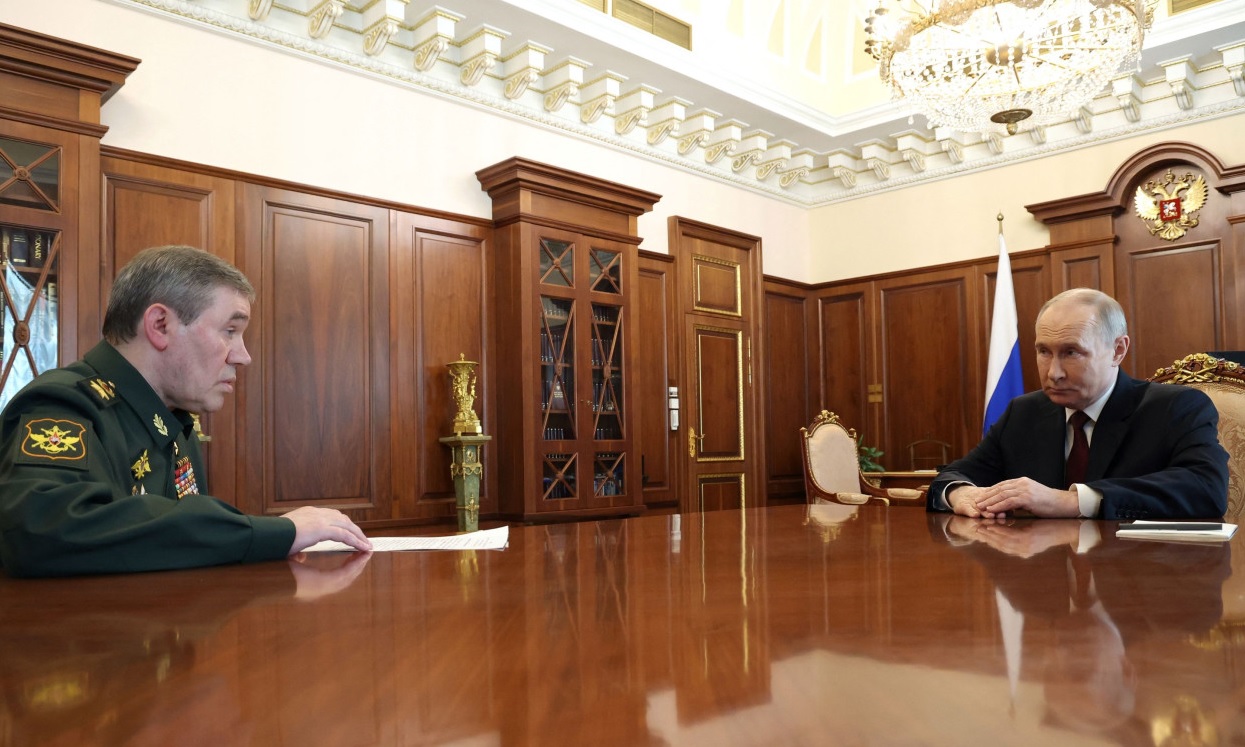
World
Russian President Vladimir Putin has announced a short-term ceasefire in Ukraine to mark the Orthodox Easter holiday, pausing military actions for just over 30 hours. The Kremlin confirmed that the ceasefire would begin at 6 p.m. Moscow time on Saturday and last until midnight on Sunday, following Easter celebrations. Speaking during a meeting with Russia’s Chief of General Staff Valery Gerasimov, President Putin said the decision was made for humanitarian reasons. “Guided by humanitarian considerations, today from 6 p.m. to midnight on Sunday, the Russian side declares an Easter truce,” he stated. He added that all Russian troops were ordered to stop military activities during this window. However, Putin also cautioned that Russian forces should remain alert for any potential violations by Ukraine. “We assume that the Ukrainian side will follow our example,” he said, while instructing commanders to be prepared to respond to any “provocations or aggressive actions.” The Russian Defence Ministry echoed this message, stating that instructions regarding the truce had been issued to all commanders operating in the conflict zones. The ceasefire, the ministry said, would be observed “if it is mutually respected” by the Ukrainian side. Despite the temporary ceasefire, the conflict remains far from over. Just hours before the truce was to take effect, Gerasimov reported significant military gains in the border region of Kursk. He claimed that Russian forces had reclaimed nearly all of the territory that had been captured by Ukrainian troops during an incursion in August of the previous year. “In the areas of the Kursk region where Ukraine armed forces mounted an incursion, the main part of the territory is now liberated. That’s 1,260 square kilometres, 99.5 per cent,” Gerasimov said during the televised meeting with Putin. The Russian Ministry of Defence also claimed control of the village of Oleshnya, located near the Ukraine border. According to their statement, this was achieved through ongoing offensive operations by units from the “North” military group. The situation in nearby Gornal, however, remains contested, with reports of fierce fighting continuing in the area. Russian state media suggested that Ukrainian troops were still holding parts of Gornal, about 11 kilometers south of Oleshnya. The battle for full control of the Kursk region is ongoing, and there has been no official confirmation from Ukrainian authorities regarding the Russian claims. Meanwhile, the Ukrainian Air Force reported a major overnight drone assault from Russia involving 87 drones, including decoys. Of these, 33 were shot down and 36 others likely disrupted by electronic countermeasures. Russian strikes also caused damage in other parts of Ukraine. Farms in the Odesa region were hit, and fires broke out in Sumy, although emergency services managed to contain the blazes without reported casualties. Adding to the tense atmosphere, Russia’s Defence Ministry said it had intercepted two Ukrainian drones overnight as well. While the Easter ceasefire offers a brief pause in hostilities, it appears unlikely to bring about any long-term relief in the ongoing conflict. Both sides remain deeply entrenched, and even amid religious observances, the war shows little sign of slowing.
Read More → Posted on 2025-04-19 15:09:49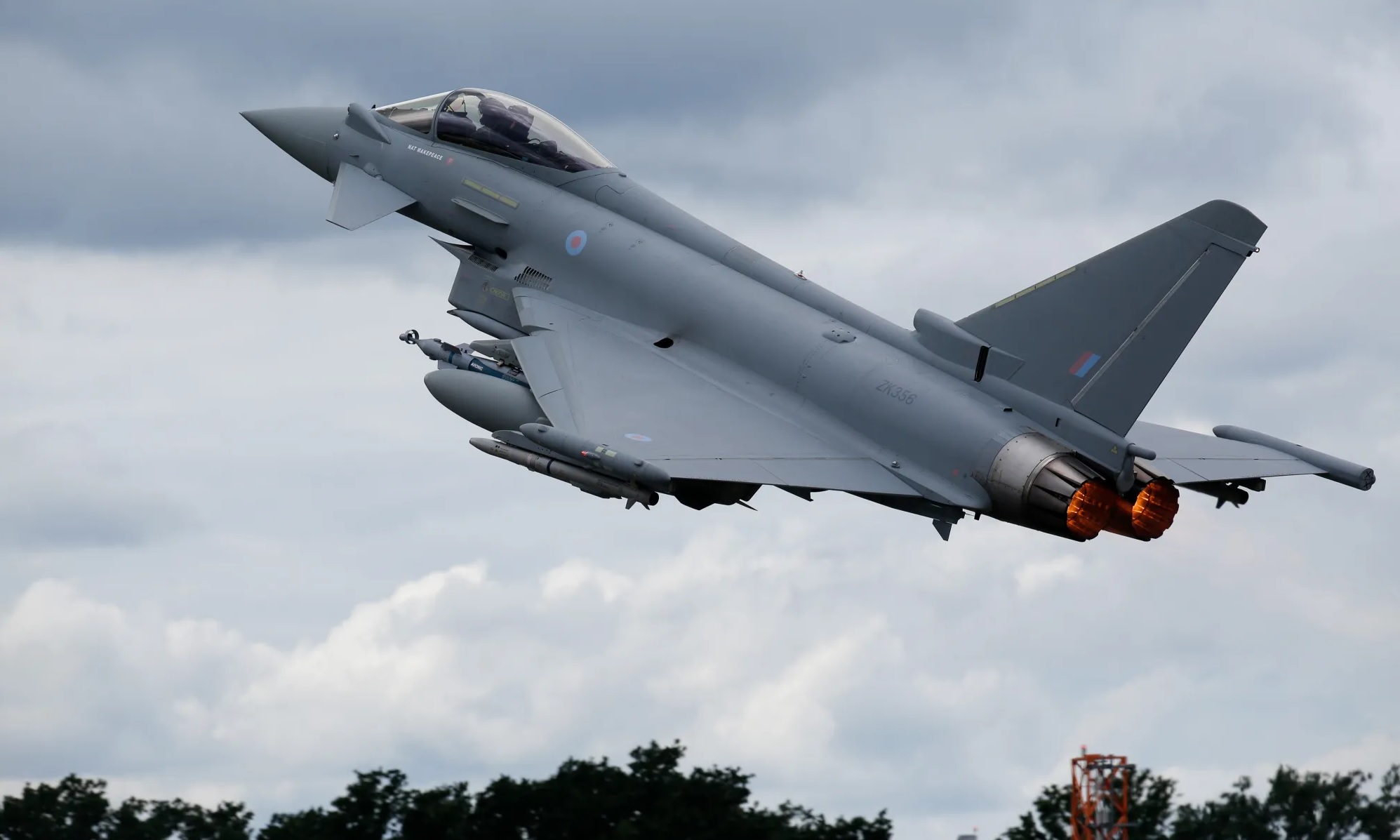
World
On April 17, 2025, Germany made a bold move that sent ripples across Europe and NATO. The country, under a caretaker government led by the Social Democrats and Greens, officially blocked the sale of around three dozen Eurofighter Typhoon fighter jets to Turkey. This decision was not just about weapons—it came against the backdrop of a serious political controversy involving Turkey’s arrest of opposition leader Ekrem İmamoğlu. Germany saw the arrest as a clear attack on democracy. Calling it politically motivated, German officials argued that moving forward with a major arms deal in such circumstances would be wrong. This marked a sharp shift in tone, especially after months of earlier progress on the deal. For Turkey, the veto is a major setback. The Eurofighters were meant to modernise its air force, especially after its removal from the American F-35 program due to its controversial purchase of Russian S-400 missile systems. Without the Typhoons, Turkey’s aging F-16 fleet continues to face strain, and its hopes of upgrading its airpower in a critical region now face serious delays. The Eurofighter Typhoon—developed by a European consortium of Germany, the UK, Italy, and Spain—is one of the most capable 4.5-generation fighters. With its high speed, powerful radar, and ability to carry various weapons, it was considered ideal for Turkey’s needs in areas like the Aegean and the Black Sea, where tensions remain high with both Greece and Russia. However, Germany’s refusal to approve the export has created internal tensions within the Eurofighter group. The UK, Spain, and Italy were in favor of the sale, citing both economic benefits and the strategic importance of keeping Turkey aligned with NATO defence standards. But because exports require unanimous approval, Germany’s stance effectively blocks the entire deal. This isn’t the first time Germany’s strict arms export rules have caused friction within the consortium. A similar situation unfolded with Saudi Arabia, showing how Germany’s emphasis on human rights can complicate business and defence agreements with other countries. The wider geopolitical impact of this decision is significant. Turkey plays a central role in NATO, acting as a bridge between Europe, the Middle East, and Central Asia. It hosts vital military bases and is deeply involved in regional affairs, from Syria to Libya. A weakened Turkish air force limits NATO’s flexibility and could tilt the balance in regions where Greece—currently upgrading its own air force with U.S. and French jets—might gain the upper hand. Inside Turkey, the German veto is likely to fuel domestic political narratives. President Erdoğan may use it to accuse the West of double standards, reinforcing his nationalist base and deflecting criticism over democratic decline. At the same time, Turkey’s opposition is using İmamoğlu’s arrest to highlight growing authoritarianism—an argument that is resonating abroad but may also deepen internal divides. Turkey doesn’t have many alternatives at the moment. Its homegrown fighter jet program, the TF-X (Kaan), is still years from being ready. Buying jets from Russia or China would create serious compatibility problems within NATO and raise political tensions with the West. For the Eurofighter program itself, losing a large deal like this could hurt its competitiveness. With the U.S. F-35 and France’s Rafale already dominating many international markets, every lost opportunity weakens the case for continuing large-scale production and future European defence cooperation. In essence, Germany’s decision to block the Eurofighter sale to Turkey shows how foreign policy based on democratic values can come into direct conflict with strategic and military needs. While it sends a clear message about Europe’s stance on human rights and democracy, it also complicates NATO’s unity and shakes confidence in Europe’s defence industry. This one decision reveals the difficult balance between ethics and alliances—and how, in global politics, the fallout can extend far beyond the fighter jets that never left the hangar.
Read More → Posted on 2025-04-19 14:58:34
World
The United States and Iran are gearing up for a second round of high-stakes nuclear talks in Rome this Saturday, just a week after what both sides described as a “constructive” initial round in Muscat, Oman. These talks mark a significant step in long-frozen diplomacy between the two adversaries, who have had no formal diplomatic relations since the aftermath of Iran’s 1979 Islamic Revolution. The discussions are being mediated by Oman and will feature Iranian Foreign Minister Abbas Araghchi and US Middle East envoy Steve Witkoff. The Rome meeting is considered especially critical as tensions over Iran’s nuclear program continue to rise, and time for a diplomatic breakthrough appears to be running out. Iran has repeatedly asserted that its nuclear activities are for peaceful purposes, despite long-standing accusations from the West that Tehran is trying to develop nuclear weapons. The United Nations’ nuclear watchdog chief, Rafael Grossi, recently stated that Iran is “not far” from the capability to build a nuclear bomb—raising the urgency of these negotiations. During his earlier presidency, Donald Trump withdrew the United States from the 2015 nuclear agreement that had imposed strict limits on Iran’s nuclear program in exchange for relief from international sanctions. Following the US withdrawal, Iran initially remained in compliance for a year but later began rolling back its commitments, significantly increasing uranium enrichment levels. It now enriches uranium to 60%, still below the 90% needed for a weapon but far beyond the limit set by the original deal. Trump, now back in office, has reinstated his "maximum pressure" campaign against Iran, reimposing sanctions and warning of possible military action if talks fail. Still, he recently remarked that he's not in a hurry to use force, adding, “I think Iran wants to talk.” In March, Trump sent a letter to Iran’s Supreme Leader Ayatollah Ali Khamenei pushing for renewed nuclear discussions. However, Iranian officials remain skeptical. Araghchi, who was a key negotiator in the 2015 deal, acknowledged a “degree of seriousness” in the first round of talks but said Iran still doubts US intentions. He emphasized that Iran would attend the Rome talks but reiterated that “unreasonable and unrealistic demands” from Washington could derail progress. One of the major sticking points remains the US desire to expand the conversation to include Iran’s ballistic missile program and its role in regional conflicts—issues Iran refuses to discuss. Araghchi has declared that Iran’s right to enrich uranium is “non-negotiable,” and Iran’s Revolutionary Guard has firmly stated that the country’s military capabilities are off limits in these talks. Iran has also warned it could withdraw from the Nuclear Non-Proliferation Treaty if the UN “snapback” sanctions are reimposed—a possibility if Iran continues to breach the 2015 agreement. The US, meanwhile, is facing pressure from allies, especially Israel, which has pledged to prevent Iran from acquiring nuclear weapons “at any cost.” US Secretary of State Marco Rubio has urged European nations to consider triggering the snapback mechanism that would automatically reinstate sanctions, a move Iran has warned against. Both sides now face a narrowing window to reach a deal. According to Grossi, the talks are at a “very crucial stage” and there is limited time left to avoid a full-scale crisis. Despite deep mistrust and sharply opposing views, the fact that Iran and the US are willing to engage in a second round of negotiations shows that diplomacy still has a chance—however slim it may be.
Read More → Posted on 2025-04-19 14:50:25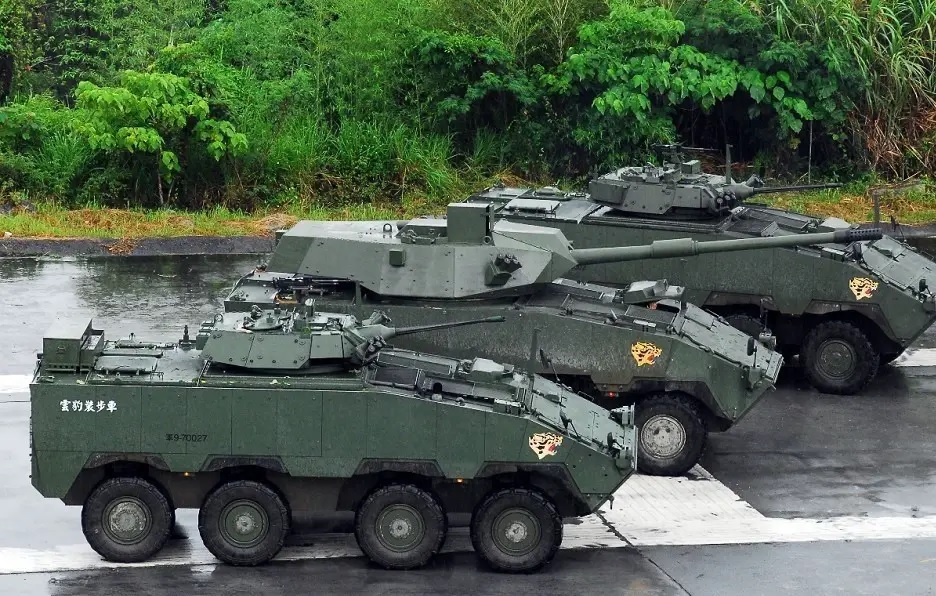
World
Taiwan’s homegrown ambition to develop a modern wheeled armored vehicle has faced a major setback. The Army has officially rejected the third prototype of the Leopard wheeled tank, effectively putting a stop to the island’s “Clouded Leopard Project” in its current form. The reason? Inadequate firepower. Why the Project Was Halted The Leopard prototype was equipped with a 105mm cannon, but the Army concluded that this caliber simply doesn't meet modern battlefield needs. Despite the vehicle’s impressive mobility and ease of rapid deployment, the firepower it brings to the fight was deemed insufficient—especially when compared to the Army’s current and incoming armored assets, like the U.S.-made M1A2T Abrams and the upgraded M60A3 tanks. The Army stated clearly: “If the Leopard’s cannon is not upgraded to 120mm, we cannot accept this vehicle for deployment.” This firm stance effectively ends the project unless major changes are made. Background of the Leopard Project The Leopard wheeled tank project began in 2019 under Taiwan’s Armaments Bureau. Three prototypes were planned: D1 and D2: Early versions that revealed design flaws. D3: A redesigned prototype aimed at addressing earlier concerns. It featured a lower profile (height reduced by 30 cm) and improved internal ergonomics for easier crew movement and reloading. Development of the D3 was carried out jointly with the National Chung-Shan Institute of Science and Technology, but it never received formal approval from the institute’s board. The project only moved forward after intervention from then-Vice Minister of Armaments Hsu Yen-pu. Interestingly, his retirement in early 2025 coincided with the arrival of Taiwan’s first batch of M1A2T tanks—possibly influencing the Army's final decision. The Financial and Strategic Fallout The Armaments Bureau invested over NT$778 million (around $24 million) into the Leopard Project. Officials are reportedly frustrated with the Army’s rejection, claiming the prototype met the exact requirements originally laid out—particularly the internal dimensions meant for ease of use by soldiers of average height. To many within the Bureau, the rejection seems like a shift in goalposts rather than a technical failure. A past audit in 2021 had already highlighted concerns, pointing out that the Army always preferred 120mm cannons. That report also criticized the Ministry of National Defense for approving the project without a clear long-term vision for its combat utility. What Happens Now? With no official orders expected, the D1 and D2 prototypes will likely remain as experimental platforms. Unless the Bureau manages to develop a new version with a 120mm cannon, the wheeled Leopard is unlikely to enter service. This decision leaves Taiwan’s military modernization plans at a crossroads—balancing between developing domestic defense systems and relying on foreign military imports.
Read More → Posted on 2025-04-19 14:46:09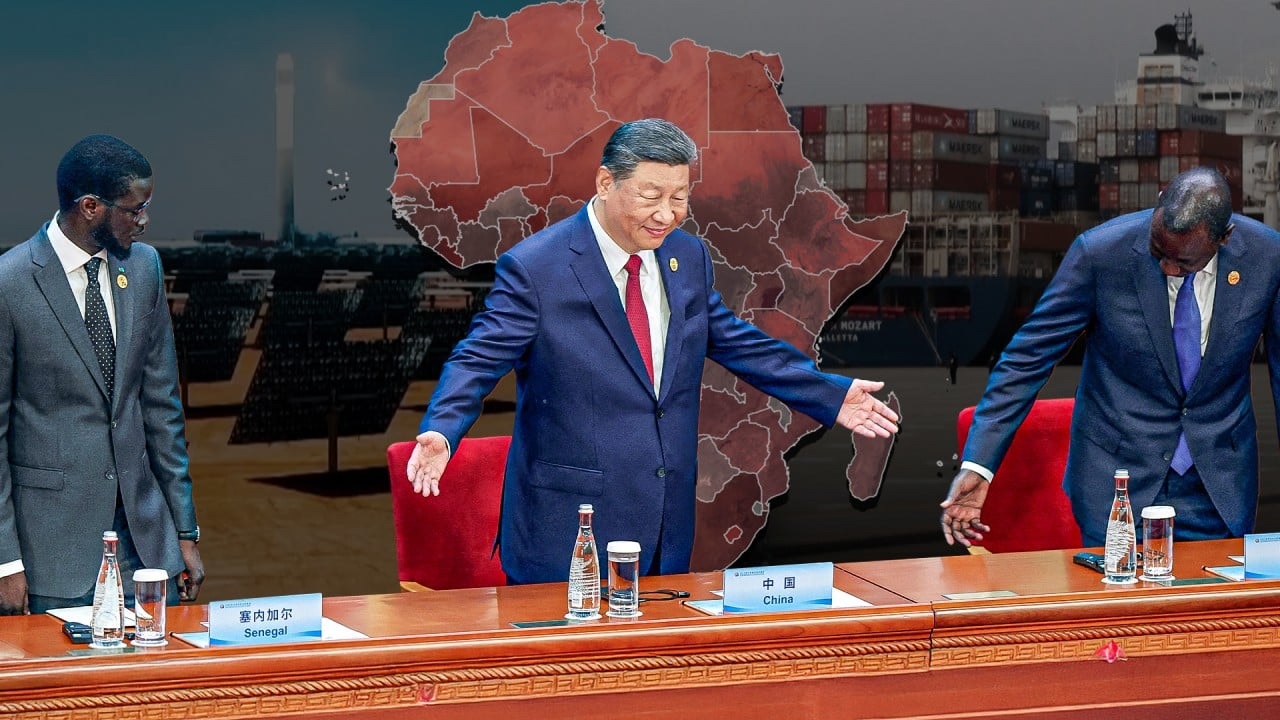
World
As the security landscape in Africa’s Sahel region shifts, China is rapidly filling a weapons supply gap left by traditional powers like France and Russia. This change has been driven by political realignments, military coups, and ongoing conflicts, allowing China to expand its military footprint in a region plagued by instability and terrorism. Burkina Faso, a country at the heart of the Sahel, offers a clear example of this shift. In 2024 alone, its ruling military junta received 116 infantry carriers and six assault vehicles from China—a striking contrast to the dwindling military assistance from France and the United States. France’s last notable shipment occurred between 2019 and 2020, and the U.S. supplied only engines in 2021. After Burkina Faso's 2022 coup led by Ibrahim Traoré, French troops were expelled, marking the end of a long-standing security partnership under France’s Operation Barkhane. Meanwhile, Russia, once a major arms supplier to West African nations like Mali and Niger, has been bogged down by its war in Ukraine. With its ability to export arms curtailed, the door opened for China to strengthen its presence. Companies like Norinco—China’s largest weapons manufacturer—have set up shop in West Africa, opening offices in Nigeria and Senegal and delivering armored vehicles to governments such as Burkina Faso’s. China’s appeal to these nations lies in more than just weaponry. It offers military hardware that is affordable, available on short notice, and tailored to local counterinsurgency needs. More importantly, unlike Western nations, China does not tie its deals to conditions related to governance or human rights reforms. For countries dealing with internal unrest and strained relations with the West, that no-strings-attached approach is attractive. In Mali, where China’s economic interests are already entrenched through ventures like lithium mining, a new deal was signed with Norinco covering not just weapons but also training and technology transfer. In Niger, China is similarly keen to strengthen military ties, as its companies invest heavily in oil and eye uranium resources. Observers note that this is not just about military hardware—it’s part of a broader geopolitical strategy. China, along with Russia, aims to fill the void left by the shrinking influence of Western powers. Even though Beijing is cautious not to openly undercut Moscow to preserve their strategic partnership, it is undeniably challenging Russia’s dominance in West Africa’s defense market. China’s growing involvement has also reached Nigeria, which signed a deal with Norinco in 2019 to fight Boko Haram and is now exploring domestic arms production with Chinese support. This partnership aligns with Nigeria’s ambitions to build its own defense industry, something China is well positioned to support through technology and investment. In the evolving security dynamics of the Sahel, China is no longer just a player—it is becoming a key power. By offering weapons without political baggage and pairing military support with economic influence, Beijing is quietly reshaping the region’s defense alliances.
Read More → Posted on 2025-04-19 14:22:00Search
Top Trending in 24 Hours
-
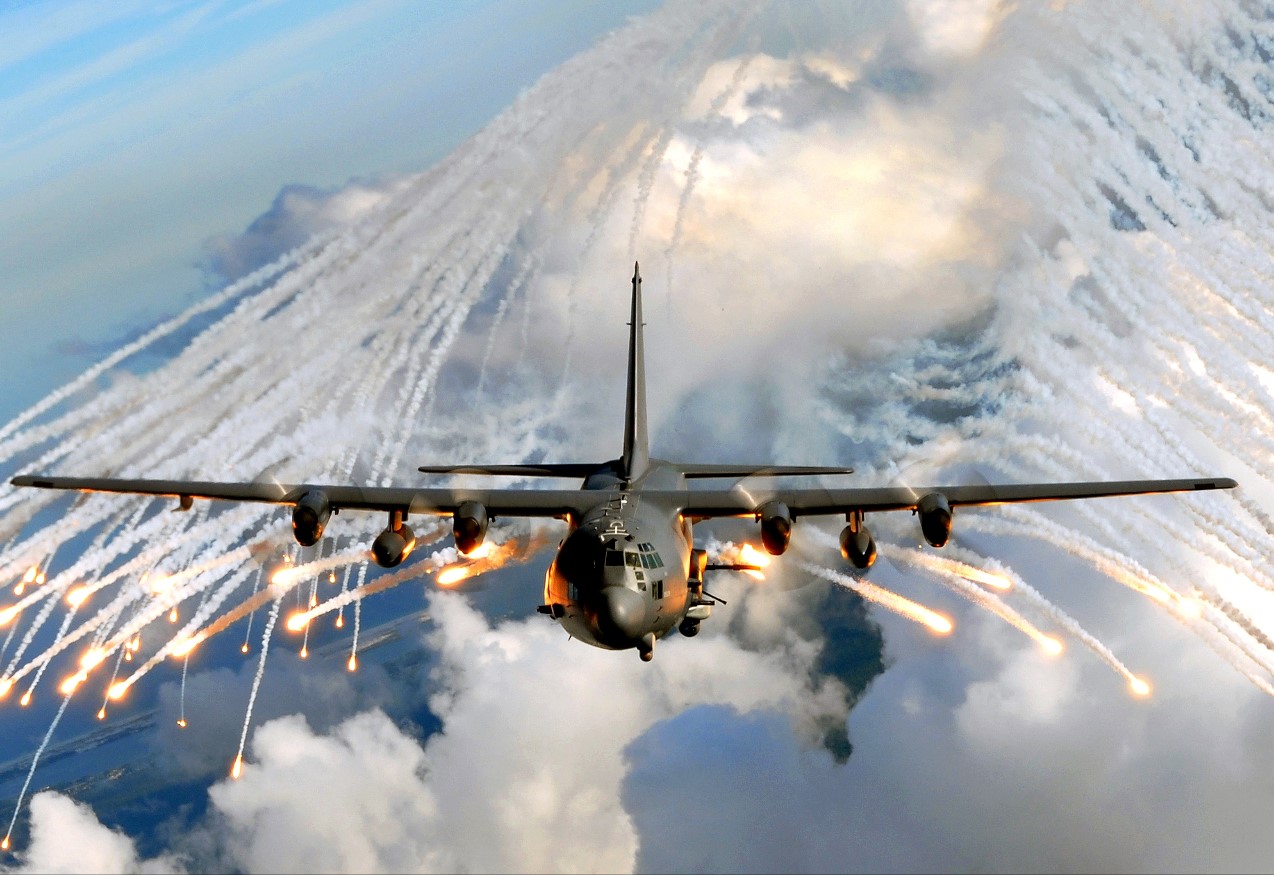 Pentagon Expands Alloy Surfaces Contract to $328.8 Million for Advanced Aircraft Decoy Flares Amid Evolving Drone Threats
-
 Naval Group Unveils Rampart Modular CIWS Multi-Purpose Weapon System for Naval and Ground Forces at Eurosatory 2026
-
 Why the U.S. Restored Pacific Command Name, Ending the Indo-Pacific Designation After Eight Years
-
 Open-Source Evidence Suggests Russia's Zircon Is a Quasi-Ballistic Missile, Not a True Hypersonic Cruise Weapon
-
 China Surpasses Russia as World’s Second-Most Powerful Air Force Amid Rapid J-20 and J-35 Expansion
-
 Lockheed Martin Unveils HIMARS FLEX with Dual-Pod Launcher and NATO-Compatible Air Defense Integration
-
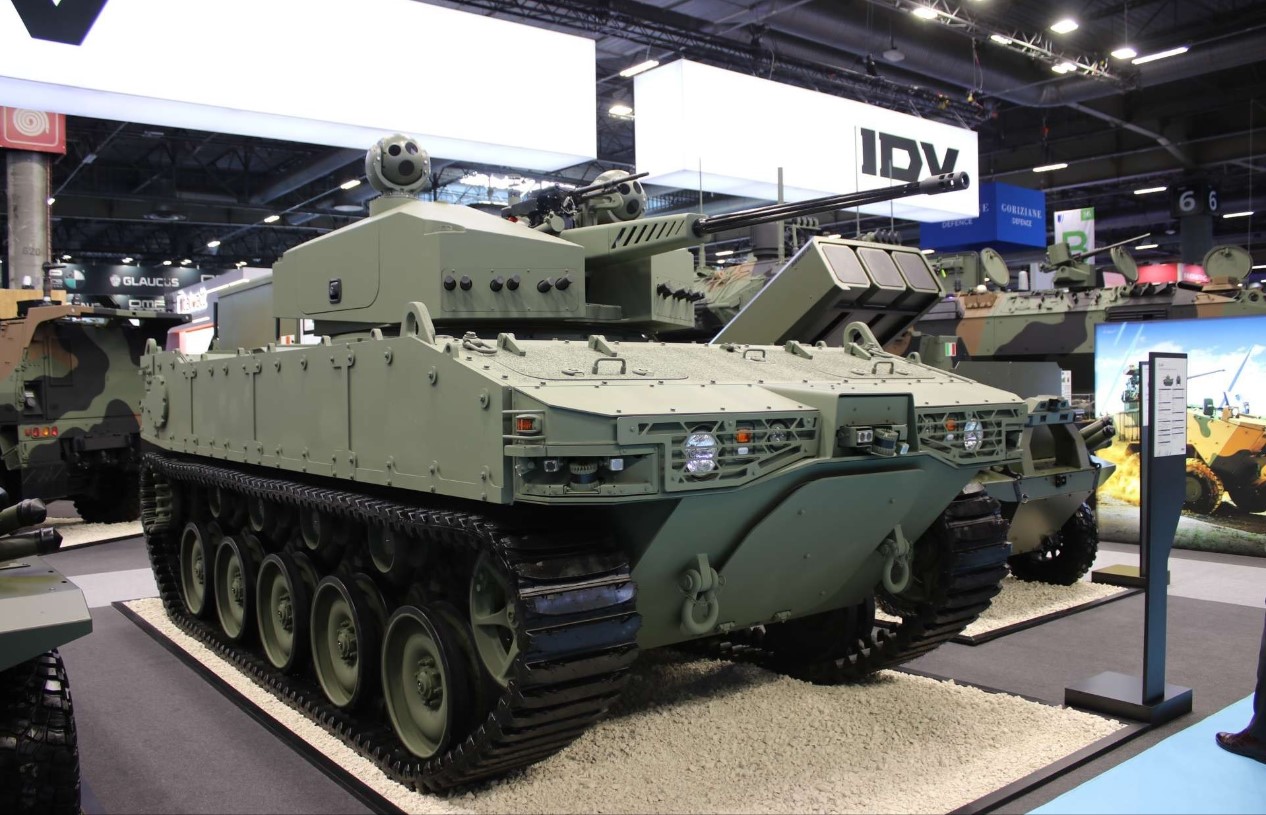 IDV Unveils CL2X Hybrid Uncrewed Light Tank at Eurosatory 2026
-
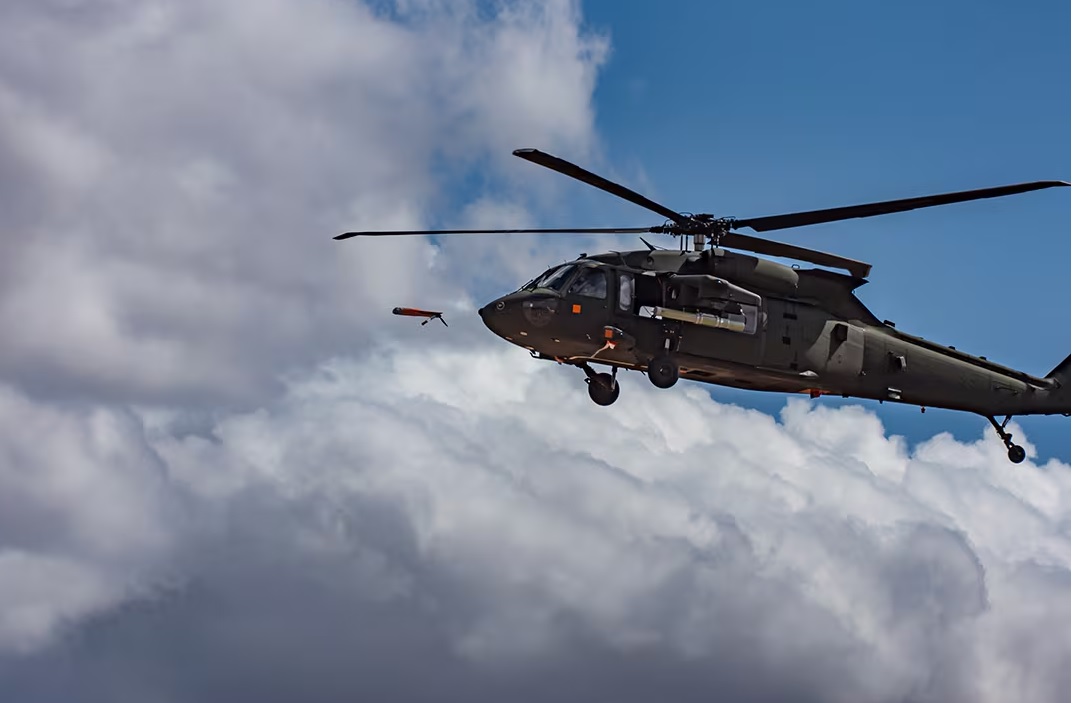 U.S. Army Completes First Flight Test of Medium-Range Air-Launched Effects from Black Hawk Helicopter
Top Trending in 4 Days
-
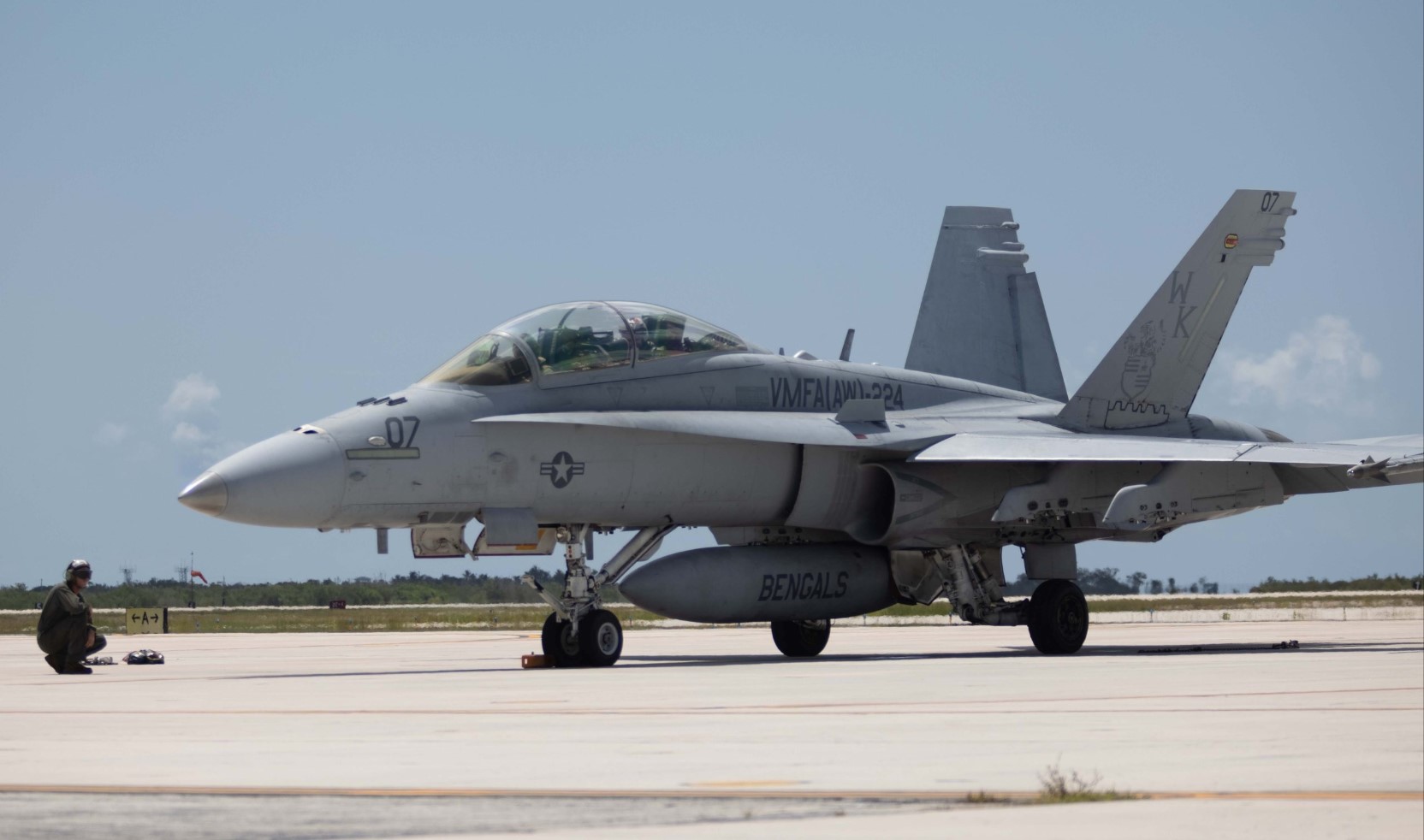 US Marine Corps F/A-18D Hornet Crashes During Training Flight in Washington Mountains; Pilot Ejects Safely
-
 Tulsi Gabbard Releases Declassified Files Detailing U.S.-Backed Network of 120 Biolaboratories Across 30+ Countries
-
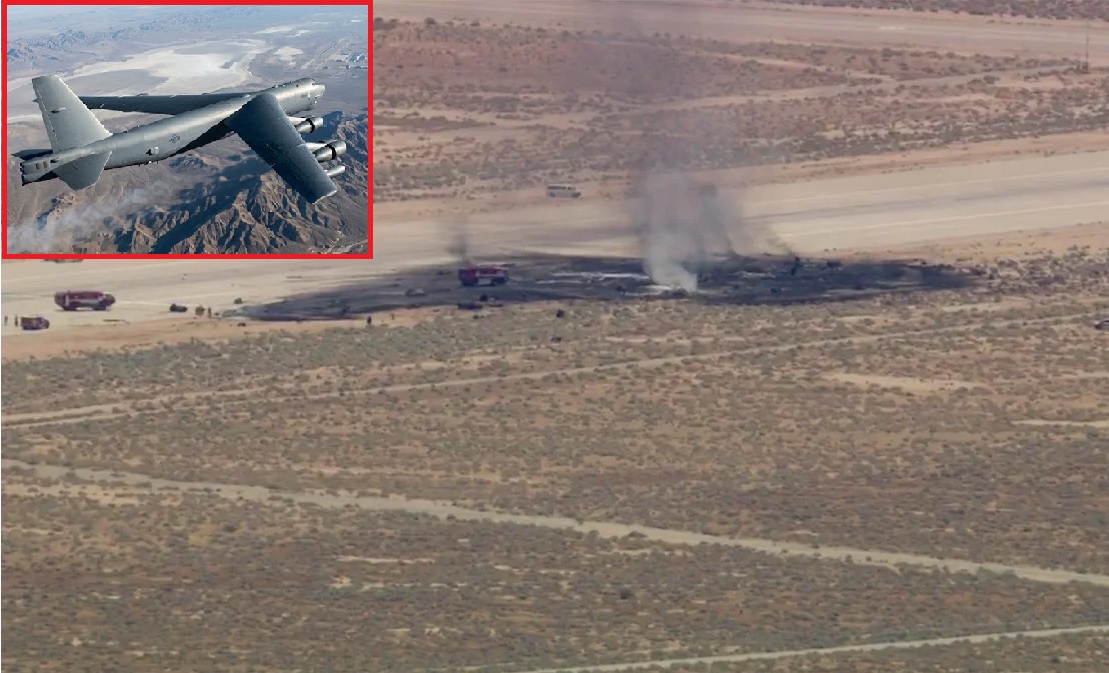 8 U.S. Air Force Crew Members Killed in B-52 Bomber Crash During Test Flight at Edwards Air Force Base
-
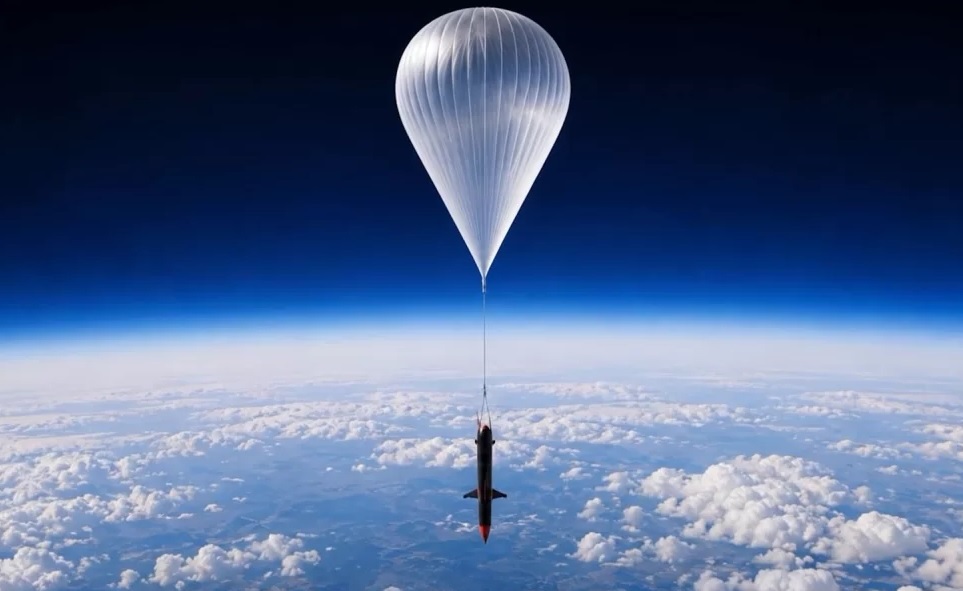 Ukraine Introduces Balloon-Launched DART Missile Designed to Defeat Electronic Warfare
-
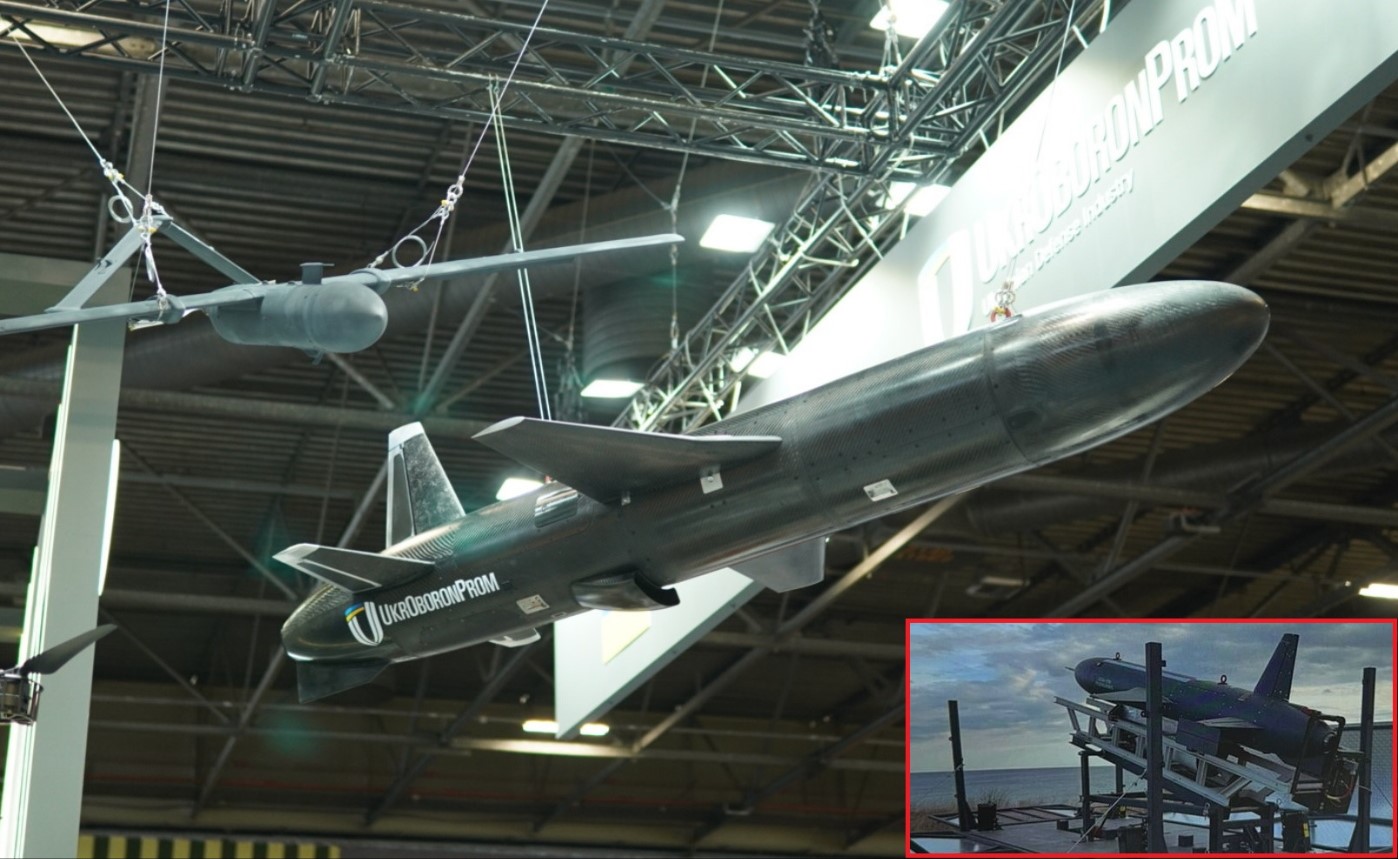 Ukraine Unveils UAV-290 Jet-Powered Strike Drone with 650 km Range at Eurosatory 2026
-
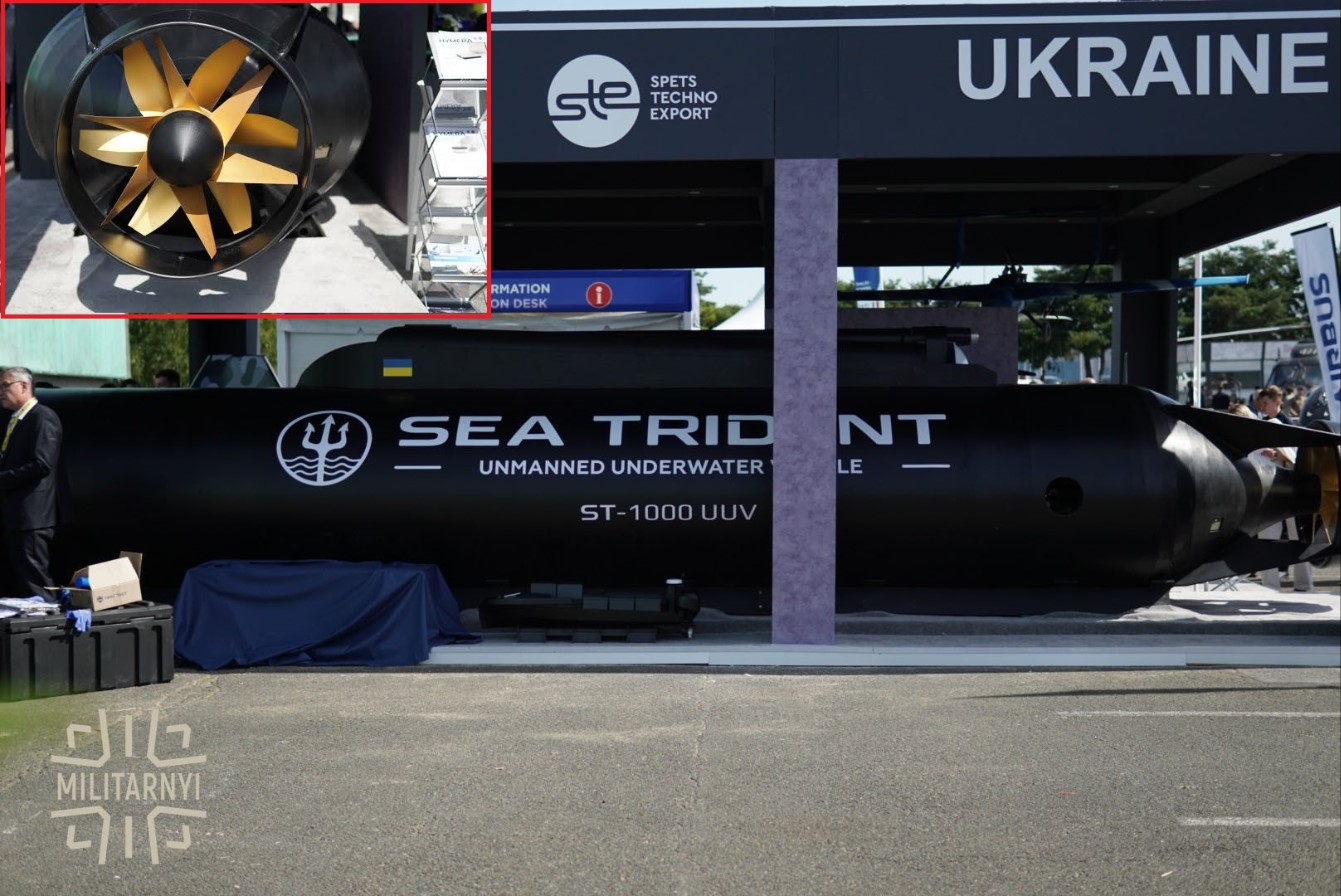 Ukraine Unveils 'Sea Trident' 10-Ton Autonomous Underwater Drone at Eurosatory 2026
-
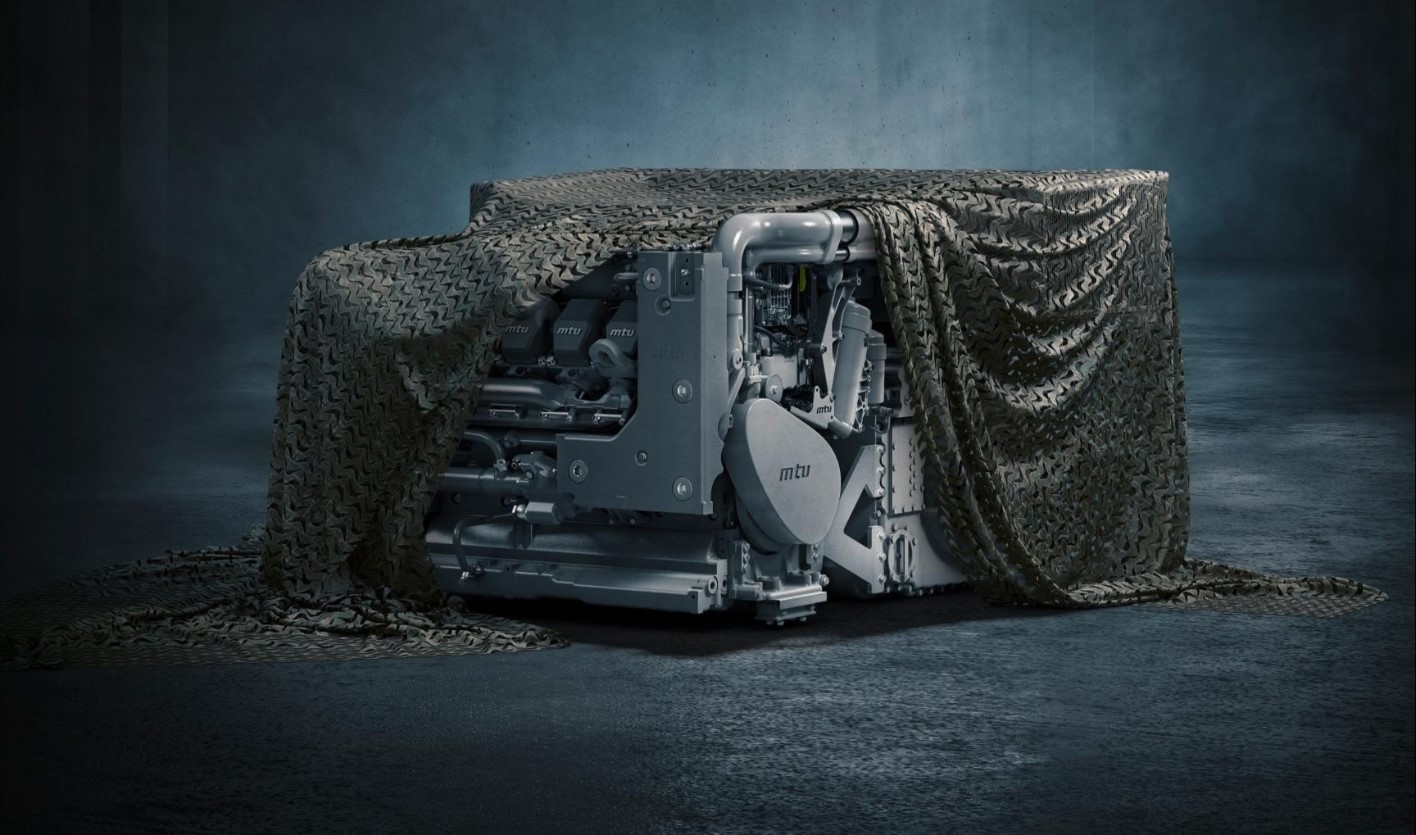 Rolls-Royce Unveils New Hybrid Powertrain for Heavy Military Vehicles at Eurosatory 2026
-
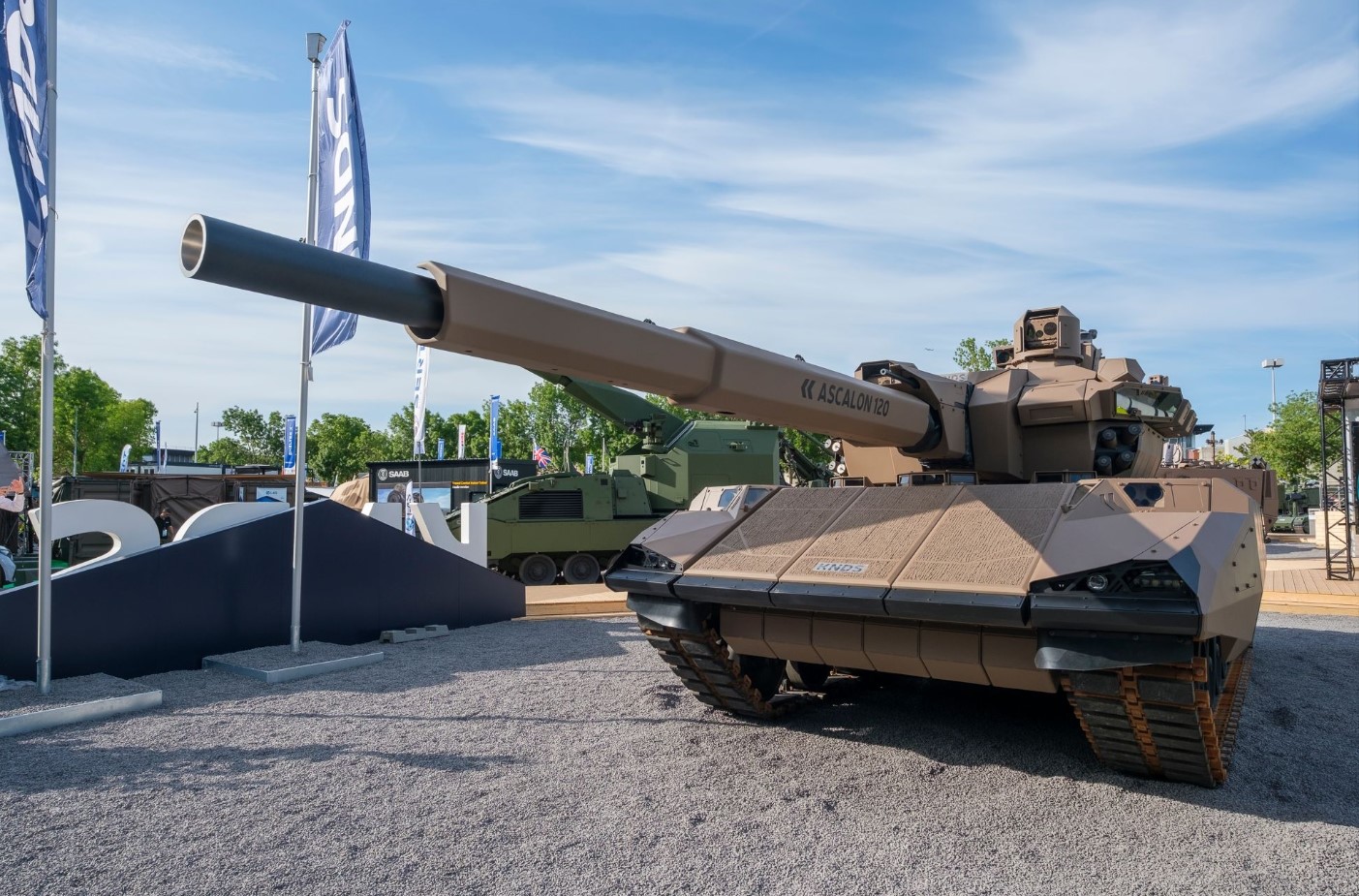 KNDS Unveils CAPINT Main Battle Tank at Eurosatory 2026 as Leclerc Stopgap