
World
Saronic, a leading innovator in autonomous maritime technology, has officially introduced two new additions to its family of Autonomous Surface Vessels (ASVs): the 40-foot Mirage and the 60-foot Cipher. These two advanced platforms are designed to meet the growing demands of modern naval and commercial operations, offering longer range, higher carrying capacities, and adaptable mission capabilities. The announcement marks an important step in expanding Saronic’s existing lineup, which already includes the compact Spyglass (6-foot), agile Cutlass (14-foot), versatile Corsair (24-foot), and the recently launched medium unmanned surface vessel, Marauder. Designed for a New Era of Maritime Operations Both the Mirage and Cipher have been created to address a broad range of mission profiles for the U.S. Navy, allied forces, and the commercial maritime sector. From logistics and reconnaissance to security operations and port management, these vessels are built to be versatile and reliable in complex environments. Saronic’s CEO, Dino Mavrookas, emphasized the importance of rapidly adopting autonomous maritime technologies. He stated that the future of maritime security and operational dominance relies on developing a wide range of ASVs, varying from small, agile crafts to larger, mission-ready vessels like Mirage and Cipher. Detailed Specifications: Mirage and Cipher Let’s take a closer look at what these two new platforms offer: Saronic Mirage Length: 40 feet Range: Over 2,000 nautical miles Carrying Capacity: 2,000 pounds Key Feature: Double the range and payload capacity of the previous Corsair model, making it ideal for long-duration surveillance, logistics support, and maritime security missions. Saronic Cipher Length: 60 feet Range: Over 3,000 nautical miles Carrying Capacity: 10,000 pounds Key Feature: The most capable ASV in Saronic’s small vessel line-up to date, offering a major leap in payload and operational endurance. Both platforms are built around a modular, open software architecture which allows easy integration of new sensors, weapons, and payloads without reworking the core systems. This flexibility ensures that Mirage and Cipher can be quickly adapted for new mission requirements or emerging technologies. Built with Seamless Autonomy and Scalability Mirage and Cipher, like their predecessors, will be developed using Saronic’s vertically integrated approach. This means all hardware, software, and autonomy systems are designed in-house to function seamlessly together. Every new model inherits proven capabilities and reliability from earlier ASV developments, ensuring operational consistency across the fleet. The new vessels will also be produced with scalable manufacturing in mind. Saronic has streamlined its production workflows and assembly processes, making it possible to rapidly build and deploy large numbers of ASVs as operational demands grow. A Complete Autonomous Fleet for the Future With the introduction of Mirage and Cipher, Saronic now offers a full spectrum of unmanned maritime platforms suitable for every type of mission — from small, agile reconnaissance units to medium and large ASVs capable of long-range, high-payload operations. These new additions will play a vital role in future maritime strategies, providing nations and commercial operators with intelligent, autonomous, and adaptable tools to secure waterways, support logistics, and conduct vital surveillance in both peacetime and contested environments. Saronic’s commitment to autonomous innovation is clear, and with the Mirage and Cipher, the company takes another confident step toward reshaping the future of naval and commercial maritime operations.
Read More → Posted on 2025-04-23 16:22:04
World
Ireland is preparing to take a major step in strengthening its national security with the introduction of its first primary military radar system designed to detect aircraft built to avoid traditional detection methods — including those equipped with advanced stealth technology. This modern defense capability is expected to enhance Ireland’s ability to monitor and protect its airspace, particularly at a time when global and regional security challenges are on the rise. Defense Minister Simon Harris confirmed that the new radar system is scheduled for rollout in 2026. He highlighted the importance of this move, explaining that it would significantly improve the Irish military’s ability to detect not only stealth aircraft but also planes that might be hijacked or deliberately flying without transponders — a common method used by smugglers and other illicit groups. At present, Ireland does not have the capability to independently monitor such airborne threats in its airspace. The installation of this new system will fill that critical gap, ensuring early detection and real-time tracking of any suspicious or hostile aircraft operating within or near Irish-controlled skies. Why This Radar Matters The decision to deploy a primary radar system first surfaced in 2022, following a recommendation from Ireland’s Commission on the Defence Forces. This was part of a broader plan to modernize the country’s defense infrastructure, ensuring it keeps pace with modern threats and integrates smoothly with existing military resources. Although Ireland is not considered a direct target in current global conflicts, government officials have repeatedly stressed the importance of enhancing national security, given the changing geopolitical landscape. Defense Minister Harris remarked that in today's unpredictable security environment, no nation, including Ireland, is completely shielded from potential threats. Radar System Specifications and Features While the exact model of the radar system has not been publicly disclosed, some general details about its expected capabilities are known: Primary Surveillance Radar (PSR): Unlike secondary radar systems, which rely on signals from aircraft transponders, this radar will actively scan the skies for any object, including those with transponders turned off or stealth-designed aircraft that attempt to avoid detection. Stealth Detection Capability: The system will be equipped with advanced signal processing technology to detect low-observable (stealth) aircraft, which use special shapes and materials to reduce their radar cross-section (RCS). Long-Range Coverage: The radar is expected to cover both Irish sovereign airspace and parts of its surrounding air control zone, providing early warning for unidentified or unauthorized aerial activity. Integration Ready: It will be designed to connect seamlessly with Ireland’s broader air defense and civil aviation monitoring systems, enabling quicker responses and coordinated action if necessary. Operational Timeline: The radar system is projected to be installed by 2026 and fully operational by 2028. A Timely Move for a Changing World This radar installation marks a vital step in Ireland's ongoing efforts to bolster its defense readiness. In recent years, the importance of national airspace monitoring has become increasingly clear, especially as new stealth aircraft and unmanned aerial vehicles (UAVs) enter global military arsenals. The development also comes as many European nations upgrade their early warning and air defense capabilities, given the unpredictable security situation in regions like Eastern Europe and the North Atlantic. Once operational, this new radar will stand as one of Ireland’s most important national security assets — providing a modern shield over Irish skies and ensuring that the nation is better prepared to face future challenges.
Read More → Posted on 2025-04-23 16:18:01
World
Boeing has made a major move to streamline its operations and strengthen its financial position by selling parts of its Digital Aviation Solutions business to Thoma Bravo, a private equity firm specializing in software investments. The all-cash deal is valued at $10.55 billion and marks one of the most significant transactions in the aerospace industry’s digital space. The sale includes several high-profile digital assets such as Jeppesen, ForeFlight, AerData, and OzRunways. These companies are well-known for their aviation software, navigation tools, and data services that support flight planning and operations across the globe. Despite the sale, Boeing will keep core digital functions that are essential to maintaining and repairing aircraft for both commercial airlines and defense clients. These retained capabilities will continue to provide advanced diagnostic and predictive maintenance tools, helping keep fleets running smoothly. Boeing’s top leadership emphasized that this decision is part of a broader effort to focus on core areas, reduce debt, and maintain its strong credit rating. Kelly Ortberg, Boeing's president and CEO, explained that the deal aligns with the company’s long-term strategy and financial goals. Meanwhile, Chris Raymond, CEO of Boeing Global Services, pointed out that this separation allows both Boeing and the sold digital units to better focus on their respective strengths. For Thoma Bravo, the acquisition represents a strategic move into aviation technology. The firm expressed enthusiasm about the legacy and innovation that come with the acquired businesses. Jeppesen, for example, has been a pioneer in aviation data and software since the 1930s. Thoma Bravo plans to invest in these platforms and support their continued growth as standalone entities. Both Holden Spaht and Scott Crabill, managing partners at Thoma Bravo, praised the acquired business units for their strong recent growth and future potential. They committed to working closely with existing management to expand the business through strategic investments and a continued focus on innovation. Boeing's Digital Aviation Solutions division currently employs about 3,900 people. The company is coordinating closely with Thoma Bravo to ensure a smooth transition for both employees and customers, aiming to maintain operational stability during and after the ownership change. This deal highlights Boeing's strategic shift toward core manufacturing and support services, while allowing a leading technology investor to build on the digital aviation capabilities that have helped shape the industry for decades.
Read More → Posted on 2025-04-23 15:53:54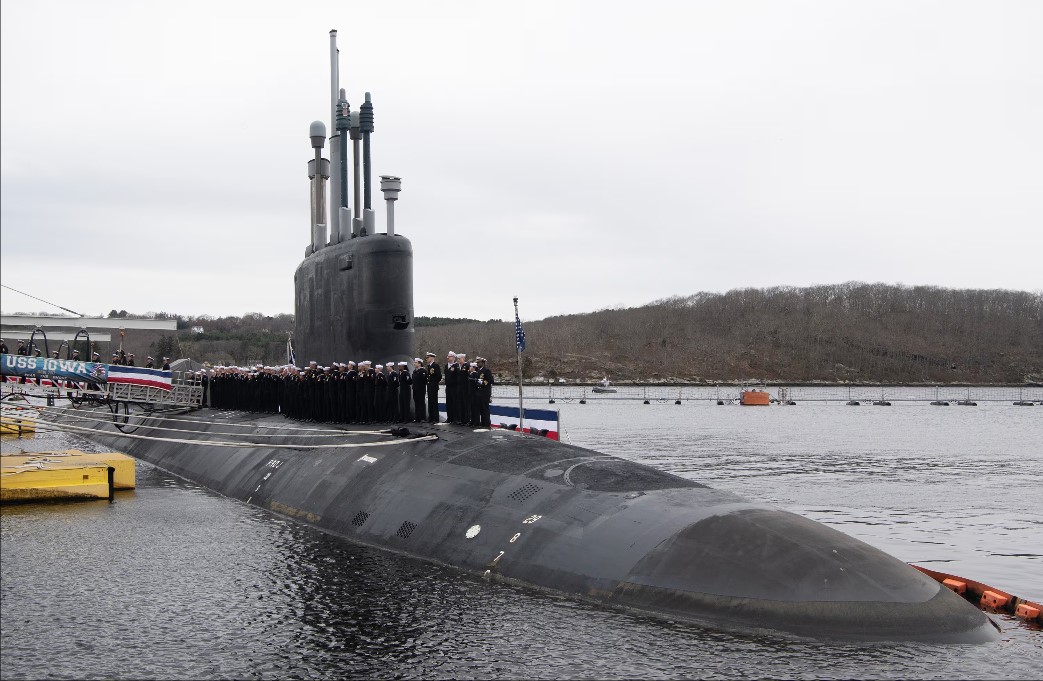
World
After nearly a year in dry dock, the US Navy's nuclear-powered attack submarine USS Toledo (SSN 769) is back in action. The submarine has completed an intensive eleven-month engineering overhaul at the Norfolk Naval Shipyard (NNSY) in Portsmouth, Virginia, aimed at extending its operational life and enhancing its capabilities for future missions. The overhaul was far more than routine maintenance—it was a full-scale modernization effort. Key upgrades included installing new mast and periscope systems and conducting comprehensive engine room tests. The work was part of the Navy’s Shipyard Infrastructure Optimization Program, which is designed to ensure that shipyards can efficiently handle the evolving needs of the nuclear fleet. The project brought together a team of 50 skilled employees from various shipyard production shops, working closely with the submarine’s crew and outside contractors. Their coordinated efforts ensured that the submarine received the attention it needed to return to peak condition. NNSY Commander Captain Jip Mosman praised the team’s dedication, comparing the complex overhaul process to running a marathon and acknowledging the collective effort required to reach the finish line. USS Toledo is one of 20 active Los Angeles-class submarines in the US Navy fleet. These submarines are known for their stealth, speed, and versatility, making them critical assets in both peacetime operations and combat missions. Toledo first entered service in 1997 and has since built a strong record of deployments, including drug interdiction operations in the Caribbean and intelligence-gathering missions during the Afghanistan War. In more recent years, the vessel has made port visits in strategic locations such as Bahrain, Norway, and Scotland. The crew’s commitment and performance earned them the prestigious Navy Unit Commendation in 2020 for an eight-month deployment focused on intelligence collection. The submarine is a technological powerhouse, weighing over 6,000 tons and capable of reaching submerged speeds exceeding 34.5 miles (55.5 kilometers) per hour. Its propulsion system includes an S6G pressurized water reactor, steam turbines, and a backup 325-horsepower propulsion motor—giving it both power and agility beneath the waves. Now refurbished and modernized, the USS Toledo is once again ready to serve the fleet, equipped for the challenges of modern naval operations. Its return strengthens the Navy's ability to project power, gather intelligence, and maintain a strong underwater presence across the globe.
Read More → Posted on 2025-04-23 15:51:02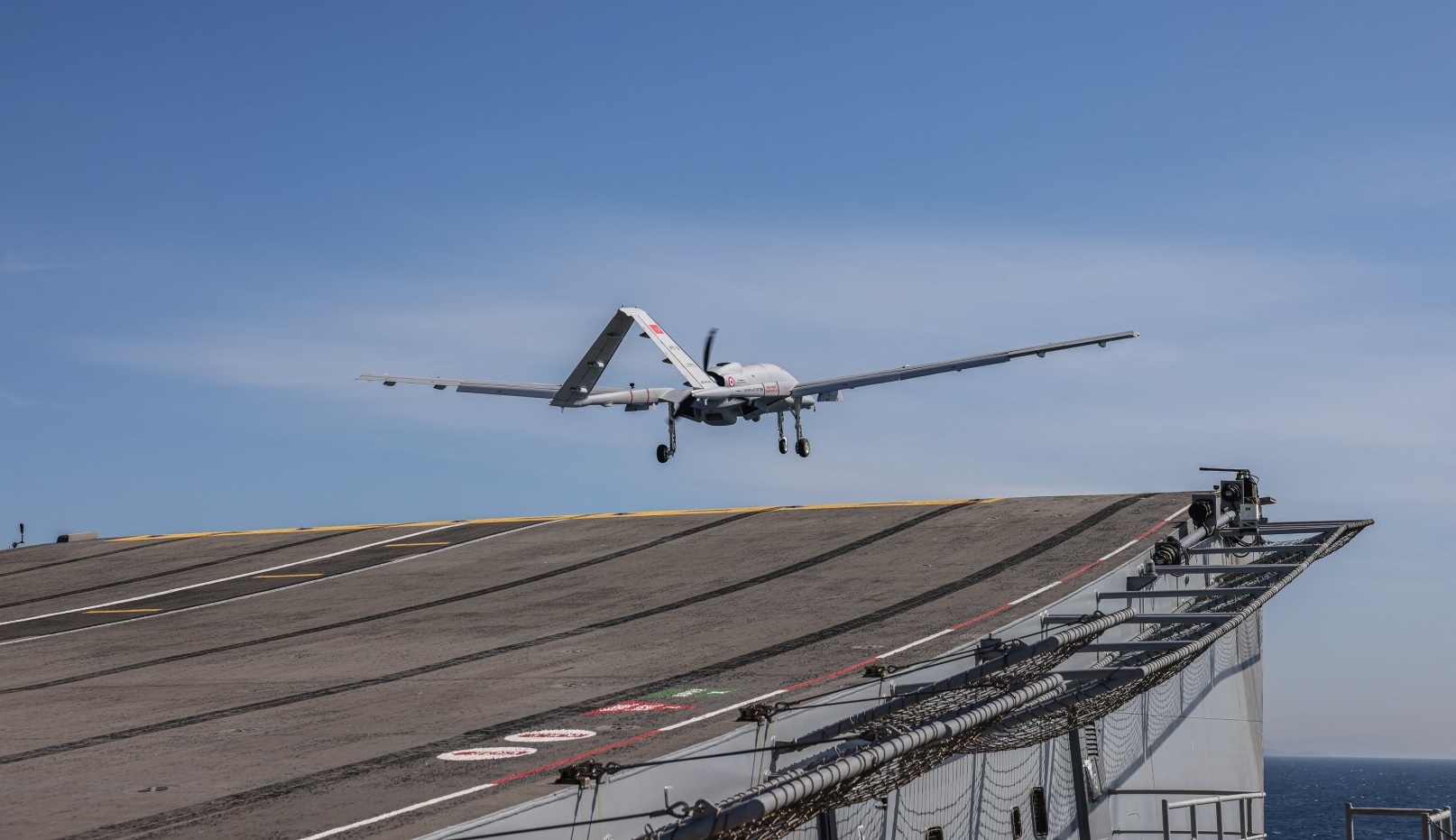
World
Türkiye’s ambitious unmanned combat aerial vehicle (UCAV) program has crossed another major milestone. The Bayraktar TB3, an advanced drone developed by Turkish defence company Baykar, has successfully completed four fully autonomous take-offs and landings from the deck of TCG Anadolu, the country’s largest warship. This significant achievement took place on 22 April 2025 in the Gulf of Saros. What made this test special was that all four sorties were completed without the support of any landing assistance systems. The final flight was carried out during sunset, showcasing the drone’s capability to operate in challenging light conditions. Baykar confirmed that in-house artificial intelligence (AI) algorithms played a key role in guiding the autonomous operations. A Record of Continuous Achievements The Bayraktar TB3 has been actively undergoing ship-based trials since late 2024. It made history on 19 November 2024, when it became the first UCAV in aviation history to perform take-offs and landings from a short-runway vessel. This remarkable feat took place off the coast of Aksaz, Muğla, and was quickly followed by further successful sorties on 26 November 2024. By now, the Bayraktar TB3 has clocked up a total of 1,016 hours and 42 minutes of flight time. A major part of this was achieved during a record-breaking 32-hour non-stop endurance flight on 20 December 2023, covering an impressive 5,700 kilometres. Combat-Ready Capabilities Not just a test platform, the TB3 has also proven its combat potential. On 25 and 27 March 2025, it took part in live-fire trials, launching Roketsan’s UAV-122 supersonic missiles. In one of these tests, the drone successfully hit a camouflaged naval target measuring 6×6 metres using low-altitude, beyond-line-of-sight targeting. This strike was coordinated with a Bayraktar TB2, highlighting the advantage of combined unmanned operations. Technical Specifications of Bayraktar TB3 Specification Details Wingspan 14 metres (foldable wings for naval storage) Maximum Take-off Weight 1,450 kg Payload Capacity 280 kg Endurance Over 24 hours Operational Ceiling 36,310 feet (achieved during June 2024 test) Engine PD-170 turbodiesel engine (indigenous) Armament Options Roketsan’s MAM series, UAV-122 missiles Sensors ASELSAN ASELFLIR-500 electro-optical system In addition to its foldable wings for easy storage aboard ships like the TCG Anadolu, the TB3 carries an advanced ASELFLIR-500 targeting system. Integrated during a test flight on 26 March 2024, this system is claimed to deliver world-class performance in target detection and tracking. A New Strategic Asset for Türkiye The Bayraktar TB3 is designed to serve as a force multiplier for the Turkish Navy, capable of conducting long-range reconnaissance, surveillance, and precision strike missions. Thanks to its ability to operate from naval platforms, Türkiye will be able to extend its unmanned air power far beyond its shores. All of Baykar’s projects, including the TB3, are entirely self-funded. Since 2003, 83% of the company’s revenue has come from exports. In both 2023 and 2024, Baykar achieved $1.8 billion in export sales annually, making up 90% of its total revenue last year. Baykar currently holds export agreements with 36 countries worldwide. Its famed Bayraktar TB2 is in service with 34 nations, while its heavy-lift drone AKINCI has been exported to 11. The company has also been Türkiye’s top defence and aerospace exporter for three consecutive years and was responsible for one-fourth of the sector’s total exports in 2024. The Bayraktar TB3’s successful autonomous operations from a ship deck mark a significant advancement in naval aviation and unmanned warfare. As Türkiye continues to strengthen its domestic defence industry, platforms like the TB3 are set to become central assets in extending the nation’s reach over both land and sea. With more live-fire drills, high-altitude tests, and export deals on the horizon, the Bayraktar TB3 is positioning itself as one of the most capable and versatile naval UCAVs in the world.
Read More → Posted on 2025-04-23 15:47:01
World
In a major step toward enhancing its ground combat capabilities, the Republic of China (Taiwan) Army has officially introduced the upgraded M1167 High Mobility Multipurpose Wheeled Vehicle (HMMWV), a tactical system designed to meet the demands of modern warfare. The unveiling took place in Taichung and showcased a vehicle tailored for both offense and defense in complex combat environments. The newly adopted M1167 Humvee stands apart from earlier versions with significant improvements in both firepower and protective features. One of its most notable upgrades is the integration of the TOW (tube-launched, optically-tracked, wire-guided) missile system. This long-range anti-tank weapon adds serious punch to the vehicle, enabling it to target enemy armor and vehicles with high accuracy. With a 360-degree arc of fire, this Humvee ensures complete battlefield coverage, offering troops more flexibility and confidence during missions. Designed for rugged and unpredictable terrains, the M1167 has been reinforced with additional armor. This includes an upgraded chassis, windscreen protection, and an underbody coating that can withstand ballistic threats. Depending on the mission, additional fragmentation kits can be added to provide further security for its crew and passengers. The vehicle also shines in terms of capacity and logistical versatility. It can carry up to 1,850 pounds (approximately 839 kilograms) of cargo or personnel. Whether it’s operating in combat zones or during disaster response, the M1167 can be deployed via air-drop or sling-loaded under helicopters, ensuring it reaches remote or dangerous areas when needed. Under the hood, it runs on a 190-horsepower turbocharged diesel engine, paired with a four-speed automatic transmission. This allows it to reach speeds of up to 70 miles (113 kilometers) per hour, offering both mobility and power on the move. In parallel with the Humvee’s debut, the Taiwanese Army also revealed a new tactical ambulance designed for medical evacuation in dangerous environments. Capable of carrying between four to ten wounded personnel, this vehicle includes chemical filtration systems to protect patients from toxic threats during transport. It is believed to be built on the Iveco Daily 4×4 platform, a reliable European system already proven in defense settings. Together, these developments reflect Taiwan’s continued efforts to strengthen its defense posture amid rising regional tensions. With platforms like the M1167 Humvee, the Republic of China Army is better prepared to face modern battlefield challenges, combining speed, protection, and precision into a single, mobile system.
Read More → Posted on 2025-04-23 15:38:07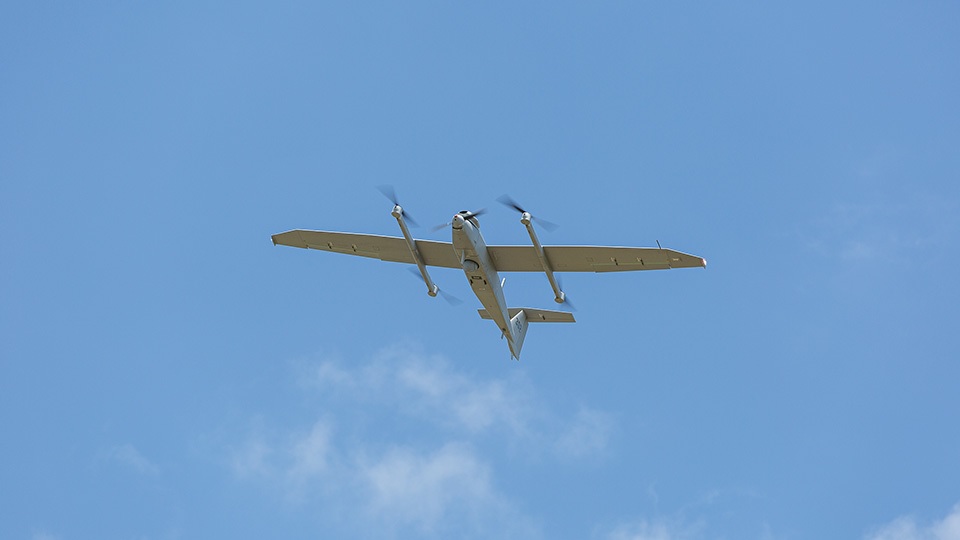
World
Italy has taken a significant step toward modernizing its military drone fleet by selecting the JUMP 20 unmanned aircraft system from American drone maker AeroVironment. The Italian Ministry of Defence has signed a $46.6 million contract with the company, marking a major move to replace its older Shadow UAS systems with a more advanced, efficient, and versatile alternative. Under this five-year agreement, AeroVironment will deliver not only the JUMP 20 drones but also engineering support, maintenance services, and on-site technical assistance. This ensures the systems will be ready for immediate use and operational effectiveness from day one. The JUMP 20 stands out for its vertical take-off and landing (VTOL) capabilities, meaning it doesn’t need a runway to operate. This makes it ideal for deployment in remote or rugged locations. It has an impressive endurance of over 13 hours and can operate up to 185 kilometers away from its base. With a payload capacity of 30 pounds, it can carry multiple surveillance and communication tools simultaneously. One of the key advantages of the JUMP 20 system is its expeditionary nature—it can be transported easily and launched autonomously without human intervention. This makes it a valuable asset for military missions that require quick deployment and flexibility. Italy chose the JUMP 20 after a competitive selection process. The Ministry of Defence was looking for a system that could not only replace older technology but also meet the demanding technical and operational requirements of modern missions. AeroVironment’s offering fit the bill with its multi-payload flexibility and ability to integrate seamlessly with both current and future military systems. AeroVironment highlighted the importance of this partnership, stating that it reinforces the company's commitment to supporting NATO allies with cutting-edge drone technology. The JUMP 20’s open systems architecture allows for quick upgrades and adaptability, ensuring it stays relevant as mission needs evolve. This procurement strengthens Italy’s defense capabilities, especially in intelligence, surveillance, and reconnaissance (ISR) operations. With the JUMP 20, Italy is not just upgrading its drone fleet—it’s preparing its armed forces for the complex demands of modern warfare.
Read More → Posted on 2025-04-22 15:41:29
World
BAE Systems has taken a significant step forward in securing the United Kingdom’s defence readiness by developing innovative explosives and propellant technologies. These advancements are designed to strengthen the UK's munitions supply chain, increase self-reliance, and support allied nations in a rapidly changing global security environment. Since 2022, BAE Systems has invested over £150 million in enhancing its UK-based munitions infrastructure. A key part of this investment is a new state-of-the-art explosive filling facility in Glascoed, South Wales, which is scheduled to become operational this summer. Once active, this facility will enable a remarkable sixteen-fold increase in the production of 155mm artillery shells—essential for modern battlefield operations. In addition, BAE Systems is committing a further £8.5 million over the next five years to develop next-generation energetics and propellants. These cutting-edge manufacturing methods aim to reduce dependency on traditional materials such as Nitrocellulose and Nitroglycerine, which face global supply constraints. Instead, BAE is introducing a new propellant formulation and employing continuous flow synthesis techniques to produce explosives more efficiently and safely. One of the most promising outcomes of this research is a successful pilot programme that has proven the ability to produce explosives in smaller, distributed facilities rather than relying on large, centralized explosive plants. This modular approach could significantly reduce investment requirements and enhance flexibility and safety in explosive manufacturing. Key Features and Specifications: Explosive Filling Facility (Glascoed): Sixteen-fold increase in 155mm artillery shell production Supports high-volume defence demands for both UK and allies Fully operational by mid-2025 New Propellant Formulation: Free from Nitrocellulose and Nitroglycerine Alleviates reliance on limited global raw materials Enhanced safety and reduced environmental impact Continuous Flow Synthesis of Explosives: Reduces the amount of explosive material in use at any given time Improves production control and scalability Enables safer and cost-effective production Compatibility and Flexibility: Suitable for a wide range of munitions, from small arms to large calibre artillery Designed for integration into both domestic and export defence platforms Supply Chain and Economic Impact: Strengthens UK’s defence industrial base Creates high-skilled jobs in Cheshire, Monmouthshire, and Tyne and Wear Opens potential for international defence exports According to Steve Cardew, Business Development Director at BAE Systems’ Maritime and Land Defence Solutions, "Our leap forward in synthetic energetics and propellant manufacture will strengthen the UK’s supply chain resilience and support our ramp-up of critical munitions production to meet growing demand in response to the increasingly uncertain world we’re living in." With full-scale production capacity expected by the end of 2026, BAE Systems’ breakthrough in energetics and propellants marks a major leap toward future-proofing the UK's defence needs and supporting global security efforts.
Read More → Posted on 2025-04-22 15:34:58
World
In a major breakthrough against transnational terrorism, the Federal Bureau of Investigation (FBI) has arrested Harpreet Singh, an Indian gangster-turned-terrorist, in the United States. Singh, who had been wanted in connection with multiple terror attacks across the Indian state of Punjab, was taken into custody in Sacramento, California, on April 18. The operation was conducted by the FBI along with the US Immigration and Customs Enforcement’s Enforcement and Removal Operations (ICE-ERO). FBI Director Kash Patel, the first Indian-American to head the prestigious agency, announced the arrest publicly and assured that justice will be served. In a statement, he described Singh as part of an "alleged foreign terrorist gang" who had illegally entered the United States and was believed to be involved in planning attacks on police stations both in India and the US. “Excellent work from all, and justice will be done,” Patel posted, emphasizing that the FBI remains committed to pursuing individuals who promote violence, no matter where they are hiding. Harpreet Singh, also known by aliases Happy Passia and Jora, is accused of collaborating with Pakistan’s spy agency, the Inter-Services Intelligence (ISI), and the Khalistani terrorist organization Babbar Khalsa International (BKI). These groups have long been under scrutiny for fueling separatist violence in Punjab and targeting Indian institutions. Singh had been evading capture for years by using untraceable burner phones and encrypted communication apps, making it difficult for agencies to track his movements. His arrest is being seen as a result of extensive international coordination, especially between US and Indian law enforcement agencies. In India, Singh is wanted by the National Investigation Agency (NIA) for a 2024 grenade attack on a residence in Sector 10/D of Chandigarh. He hails from Ajnala tehsil in Amritsar, Punjab. In January this year, the NIA had declared a cash reward of ₹5 lakh for any information leading to his arrest. The FBI’s Sacramento office, which led the investigation, highlighted the importance of global cooperation in tackling threats to international security. “This case reinforces the importance of international cooperation in apprehending those who threaten global security,” the agency said. Singh’s arrest not only brings relief to Indian authorities but also signals a strong message that the United States will not allow its soil to be used as a haven for foreign extremists. With the FBI under Kash Patel’s leadership, the agency appears more determined than ever to dismantle terror networks operating across borders.
Read More → Posted on 2025-04-22 15:32:52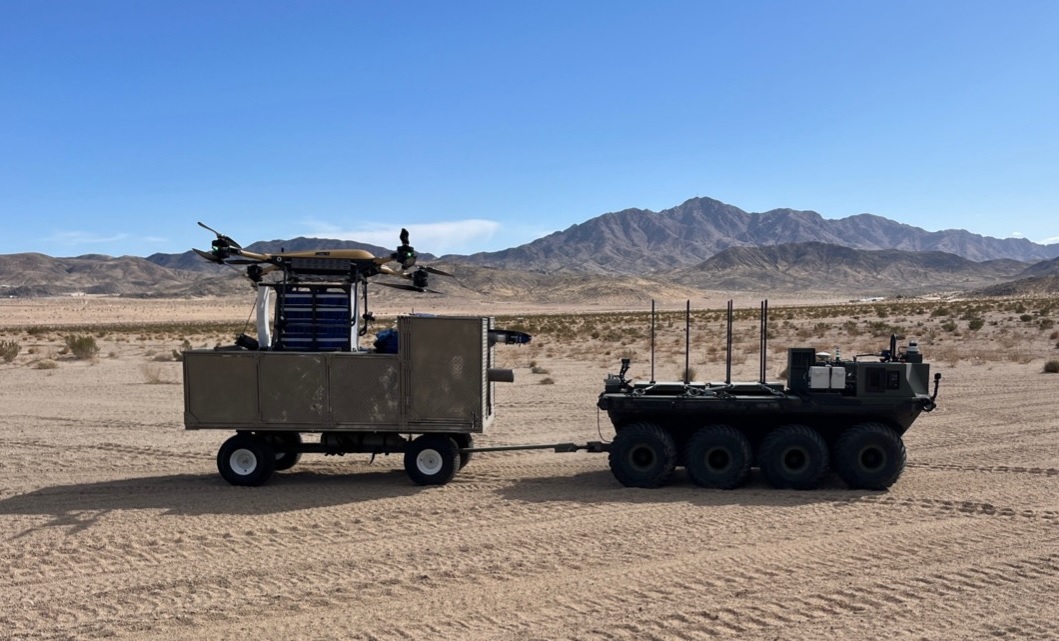
World
At one of the U.S. Army’s premier technology innovation events, Project Convergence Capstone 5 (PC-C5), Overland AI took a significant leap in military automation by demonstrating its autonomous ground breaching capabilities. Working closely with the 20th Engineer Brigade of the XVIII Airborne Corps and the Sandhills Project, the company showcased a new level of battlefield autonomy with its upgraded Small Multipurpose Equipment Transport (SMET) vehicle. Traditionally operated using tethered remote controls, the SMET platform was transformed into a fully autonomous system with Overland AI’s proprietary technologies. These included the OverDrive software for intelligent navigation, SPARK hardware for sensor integration, and the OverWatch tactical interface for human-machine interaction. Once integrated, the system was no longer dependent on manual operation—allowing soldiers to execute missions with minimal intervention. During the two-week joint training and demonstration, soldiers from the 27th Engineer Battalion received hands-on training with the new system. By the end of the exercise, they were independently conducting autonomous breaching missions—managing everything from system startup to shutdown without assistance from Overland AI engineers. This marked a major milestone in proving the system’s ease of use and operational reliability in field conditions. The demonstration also featured two crucial payloads. One was a trailer-mounted unmanned aerial system (UAS) for mine clearing, and the other was a drone launcher developed by Stratin Engineering that enabled the SMET to deploy small, expendable drones. These systems enhanced the vehicle’s ability to tackle complex battlefield obstacles such as minefields, barbed wire, and trenches—typical challenges in ground breaching operations. According to Overland AI CEO and co-founder Byron Boots, the exercise not only validated their technology’s readiness but also emphasized its real-world impact by keeping soldiers out of harm’s way during high-risk missions. He noted that “breaching exercises continue to demonstrate the maturity of our capability and the tactical benefit of removing humans from some of the most dangerous missions.” In a sign of continued confidence, the 20th Engineer Brigade has retained the upgraded SMET vehicle for extended field experimentation. Overland AI will support the Army with ongoing field services and a contracted software license. Project Convergence Capstone 5 is part of the Army’s long-term effort to explore future combat solutions across all domains, with special attention on operational readiness in the Indo-Pacific (INDOPACOM) region. Overland AI’s involvement underscores the growing role of autonomous systems in transforming ground combat operations and reducing risks for frontline troops.
Read More → Posted on 2025-04-22 15:08:02
World
A powerful explosion tore through one of Russia’s largest military ammunition depots located in the Kirzhachsky District of the Vladimir region, sending shockwaves across the area and triggering multiple secondary blasts. The incident occurred at the 51st arsenal of Russia’s Main Missile and Artillery Directorate, commonly known as GRAU—a crucial facility that stores over 100,000 tons of munitions. The blast was reportedly preceded by a fire, which may have contributed to the scale of the devastation. Although official details remain scarce, initial footage and updates from local sources showed massive plumes of smoke and continuing explosions for several hours following the initial blast. The depot is a key hub in Russia’s military supply chain. It houses a wide variety of weapons and ammunition, including artillery shells, rockets for multiple launch systems, air defense missiles, and even short-range ballistic missiles. The destruction or serious damage to such a site could pose significant challenges for the Russian military, particularly as it continues to conduct large-scale operations. As of now, there has been no confirmation of casualties or a full assessment of the damage. Emergency services have been deployed, and a security perimeter has been established to keep civilians away from the dangerous site. Unverified reports on social media have hinted at the possibility of a missile strike originating from Ukraine, but neither Moscow nor Kyiv has issued an official statement attributing responsibility. While Ukraine has not claimed the incident, it has previously targeted strategic Russian military assets, including ammunition dumps and airbases, using long-range precision weapons. The exact cause of the explosion is still under investigation. Whether it was an accident, sabotage, or a targeted strike remains uncertain. What is clear, however, is that the destruction of such a significant depot marks a notable development with potential implications for the ongoing conflict.
Read More → Posted on 2025-04-22 15:04:21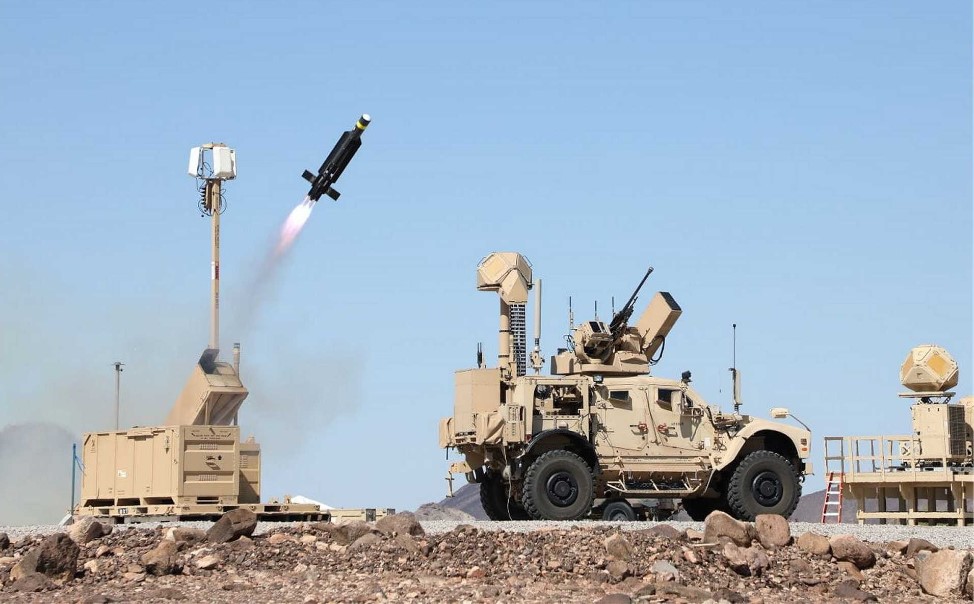
World
The United Arab Emirates (UAE) is taking a big step forward in strengthening its defense capabilities by beginning local production of the Coyote counter-drone interceptor system. This development comes as part of a new strategic partnership between US defense giant Raytheon and the UAE’s Tawazun Council, the authority in charge of managing defense and security acquisitions. Under this agreement, Raytheon Emirates will transfer critical technologies and expertise to Emirati defense firms, allowing the production of Coyote drone interceptors within the UAE. The components of the system will be assembled and tested at a facility located in the Tawazun Industrial Park. This move not only enhances the UAE's ability to respond more quickly to drone threats but also helps build a stronger, self-sufficient domestic defense industry. The deal was signed by Fahad Al Mheiri, Managing Director of Raytheon Emirates, and Matar Al Romaithi, Sector Chief of Defense and Security Industry Affairs at Tawazun Council. The signing ceremony was attended by high-level dignitaries, including US Ambassador to the UAE Martina Strong and Secretary General of Tawazun Council Dr. Nasser Al Nuaimi. Their presence underscores the importance of the growing defense ties between the UAE and the United States. The centerpiece of this agreement is the Coyote counter-drone system—a small, cost-effective, and rail-launched interceptor designed to neutralize enemy drones, whether they are flying solo or in swarms. Built with adaptability in mind, the Coyote system features three main variants: Block 2 (kinetic) – physically destroys the target drone Block 3 (non-kinetic) – uses non-explosive methods for interception Coyote LE SR (Launched Effects – Short Range) – supports electronic warfare, reconnaissance, surveillance, and targeting missions, even beyond the line of sight The Coyote system includes Raytheon's Ku-band Radio Frequency Sensor, which helps detect, track, and target enemy drones with high precision. It has already proven itself in service with the US Army, which ordered 600 units of the Block 2 version in early 2024, particularly in response to increased drone threats in the Middle East. By producing these systems locally, the UAE aims to reduce dependency on imports, speed up operational readiness, and develop its local workforce and industrial base. This partnership is also expected to strengthen the already close military cooperation between the UAE and the US, positioning the Gulf country as a growing hub for advanced defense technologies in the region. In essence, this collaboration represents more than just a business deal—it reflects the UAE’s broader ambition to be at the forefront of modern military innovation while securing its airspace against increasingly complex aerial threats.
Read More → Posted on 2025-04-22 14:48:10
World
In a groundbreaking step toward future warfare capabilities, the Australian Ministry of Defence has officially launched an advanced quantum-secure communication and timing network. The project, driven by the Defence Science and Technology Group (DSTG), is designed to provide ultra-secure communication and navigation capabilities even in environments where traditional Global Positioning System (GPS) signals are unavailable or disrupted. Enhancing Military Resilience in the Battlespace Modern battlespaces are becoming increasingly complex, with threats to GPS-based systems growing rapidly. From jamming to spoofing, adversaries have developed numerous ways to cripple satellite-dependent communication and navigation tools. In response, Australia’s new quantum-secure network seeks to offer a revolutionary alternative by harnessing the power of quantum physics. The core aim of the project is to deliver a quantum-secured timing network with the ability to link ground and satellite systems using optical quantum links. This ensures that timing signals and communications remain accurate, tamper-proof, and resilient to interception or manipulation. What is Quantum Communication? Quantum communication involves the use of subatomic particles, such as photons (particles of light), to carry information. Unlike classical communication, where data can potentially be intercepted or altered, quantum communication leverages principles like quantum entanglement and quantum key distribution (QKD). These principles ensure that any attempt to eavesdrop on the signal disrupts the data itself, immediately alerting users to a breach and protecting the integrity of the information. This makes quantum networks virtually unhackable, providing military forces with an enormous advantage in secure operations, especially when operating in contested or hostile environments. Specifications and Technical Highlights While full technical details remain classified, several key elements of the project have been revealed: Quantum-Secured Timing Network: Uses quantum-based time synchronization methods that are more accurate than traditional atomic clocks, enabling coordination without GPS dependency. Ground-to-Satellite Optical Quantum Link: Employs laser-based optical systems to transmit quantum data between Earth-based stations and orbiting satellites, ensuring low-latency and secure long-range communication. Photon-Based Encryption: Utilizes individual particles of light to carry encrypted messages that cannot be copied or intercepted without detection. GPS-Denied Operations Support: Specifically engineered to function in areas where GPS signals are jammed, blocked, or unreliable—critical for modern military engagements and autonomous systems. High-Level Military Integration: The network is expected to be embedded into various command, control, communications, computers, intelligence, surveillance, and reconnaissance (C4ISR) systems across the Australian Defence Force. Paving the Way for Future Warfare Australia’s investment in this quantum infrastructure represents a significant leap forward in defense innovation. The project not only boosts Australia’s ability to operate securely in technologically contested environments but also positions the country as a leader in quantum defense research globally. In the coming years, the system is likely to be expanded, with increased satellite coverage, enhanced encryption standards, and broader applications in naval, aerial, and space-based defense platforms. Through the fusion of advanced quantum science and military-grade engineering, Australia is preparing its defense forces for a future where communication superiority could determine the outcome of every mission.
Read More → Posted on 2025-04-22 14:34:02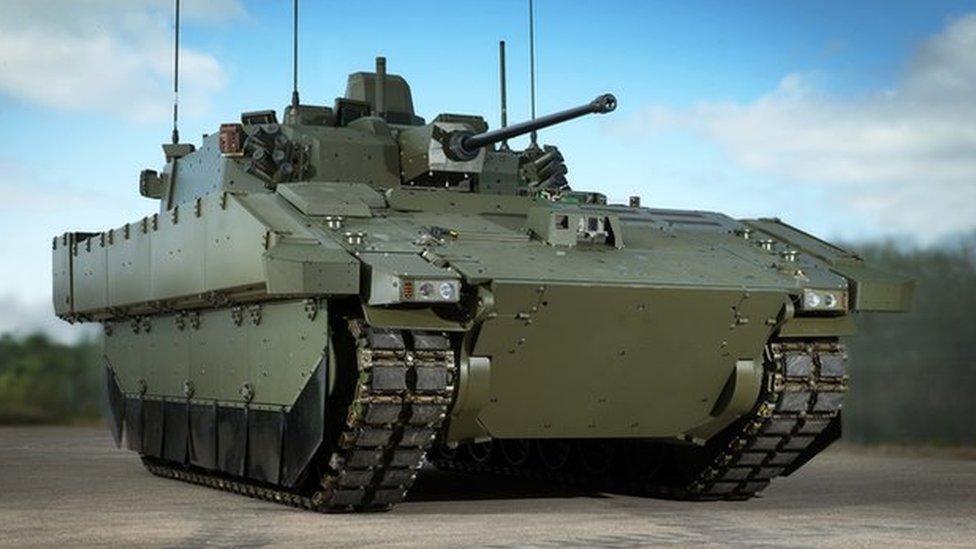
World
General Dynamics UK has successfully delivered the 100th Ajax armoured vehicle to the British Army, signalling a key step forward in one of the UK’s most ambitious defence programmes. This latest vehicle, featuring a turret-mounted 40mm cannon, will be deployed with the Household Cavalry Regiment and reflects the latest operational standard set for the fleet. Launched in 2010, the Ajax programme aims to supply the British Army with 589 state-of-the-art armoured vehicles in several specialized variants. These include reconnaissance vehicles, command and personnel carriers, engineering and recovery platforms. The overall cost of the programme stands at £5.5 billion, making it one of the most significant investments in modernising UK land forces. Out of the total planned, the UK has ordered 245 Ajax reconnaissance variants equipped with the powerful 40mm cannon. Additional variants include 50 Apollo repair vehicles, 93 Ares personnel carriers, 112 Athena command vehicles, 38 Atlas recovery vehicles, and 51 Argus engineering reconnaissance vehicles. As of March 2025, the Ministry of Defence has formally accepted 91 vehicles from the Ajax family. Production is now set to accelerate, with 446 vehicles scheduled for delivery between 2024 and 2028. The remaining 143 units, which have already been built to earlier standards, will be upgraded by 2029 to meet the latest requirements. The programme is expected to reach its peak production in 2027, when 125 vehicles are set to be delivered. The Ajax programme has not been without challenges. Deliveries were paused in 2020 after serious design flaws came to light, including dangerous levels of noise and vibration that posed risks to soldier health, along with technical issues such as inaccurate weapon systems and dimensional faults. After years of investigation and redesign, these problems were resolved by 2023, allowing deliveries and payments to resume. Since then, the programme has regained momentum, and the handover of the 100th vehicle stands as a clear sign of recovery and progress. The continued delivery of Ajax vehicles will play a crucial role in enhancing the operational capabilities of the British Army’s strike brigades, providing them with modern, versatile, and highly mobile armoured platforms for future battlefield requirements.
Read More → Posted on 2025-04-22 14:29:11
World
In a remarkable display of battlefield innovation, Ukrainian forces have used a modified first-person-view (FPV) drone to intercept a high-flying Russian reconnaissance and strike drone, marking a new chapter in drone warfare. The Ukrainian drone, adapted specifically for anti-aircraft roles, targeted a Russian Forpost unmanned aerial vehicle (UAV) that was operating at an altitude of around 4,000 meters. This interception attempt is considered one of the first known efforts to use a low-cost FPV drone against a high-altitude aerial platform. The Russian Forpost drone, based on Israel’s IAI Searcher II and manufactured under license in Russia, is not just used for surveillance but is also capable of carrying out strikes. It can be armed with guided missiles like the X-BPLA or small aerial bombs such as the KAB-20, making it a valuable dual-purpose asset in Russia’s aerial arsenal. Although the Forpost sustained damage during the midair encounter, it managed to escape total destruction and left the area. Still, the incident stands as a milestone in the growing effectiveness of Ukraine’s homegrown drone innovations. Typically, FPV drones are designed for close-range attacks against ground targets like vehicles and infantry. However, Ukrainian engineers have managed to repurpose and upgrade these drones for high-altitude, anti-aircraft missions — a task far beyond their original design. This development showcases Ukraine’s determination to find new and cost-effective ways to counter Russian aerial dominance. In the absence of large-scale traditional air defense systems, Ukraine has increasingly turned to agile and inexpensive technologies that can quickly adapt to the evolving battlefield. As the war continues, this bold use of FPV drones hints at a future where even high-altitude aerial assets may no longer be safe from the reach of low-cost, rapidly-deployable systems operated from the ground.
Read More → Posted on 2025-04-21 15:52:13Search
Top Trending in 24 Hours
-
 Pentagon Expands Alloy Surfaces Contract to $328.8 Million for Advanced Aircraft Decoy Flares Amid Evolving Drone Threats
-
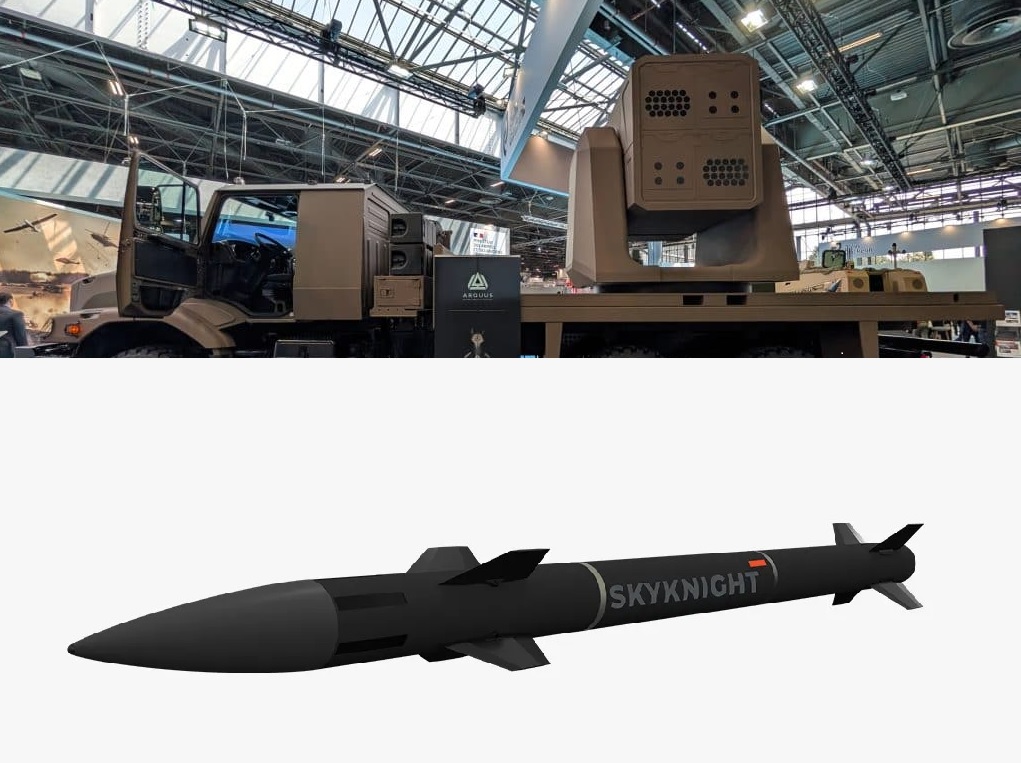 Naval Group Unveils Rampart Modular CIWS Multi-Purpose Weapon System for Naval and Ground Forces at Eurosatory 2026
-
 Why the U.S. Restored Pacific Command Name, Ending the Indo-Pacific Designation After Eight Years
-
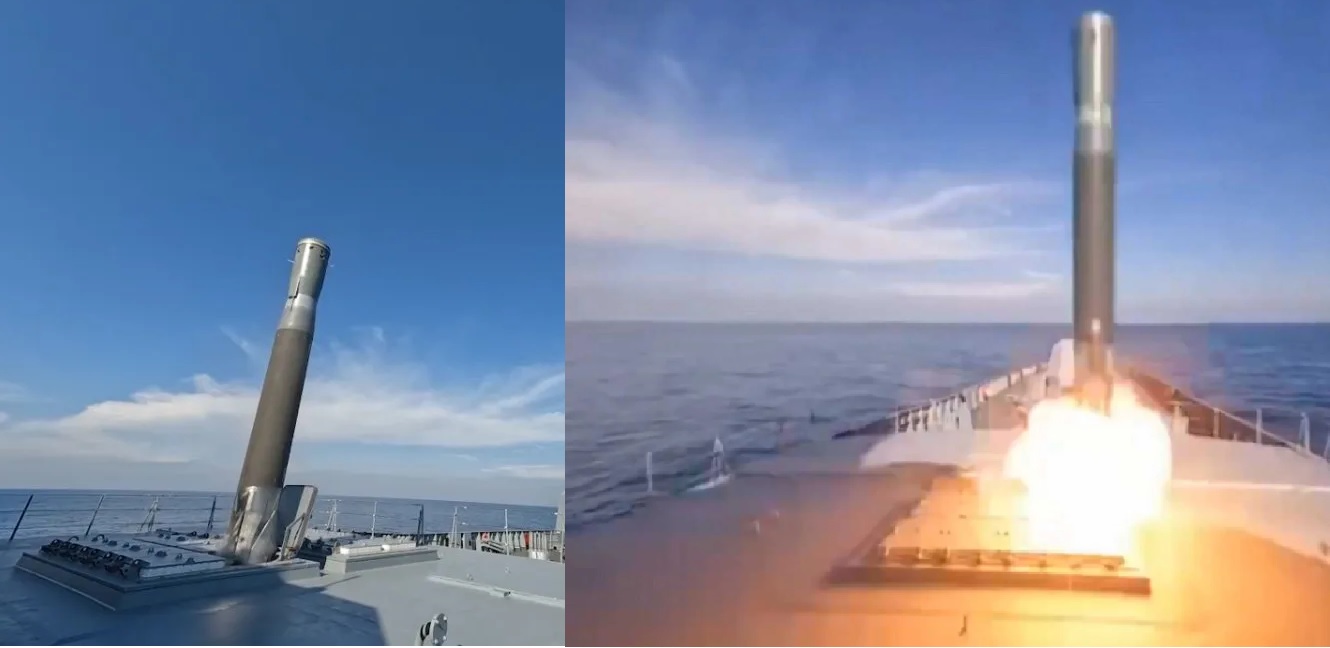 Open-Source Evidence Suggests Russia's Zircon Is a Quasi-Ballistic Missile, Not a True Hypersonic Cruise Weapon
-
 China Surpasses Russia as World’s Second-Most Powerful Air Force Amid Rapid J-20 and J-35 Expansion
-
 IDV Unveils CL2X Hybrid Uncrewed Light Tank at Eurosatory 2026
-
 U.S. Army Completes First Flight Test of Medium-Range Air-Launched Effects from Black Hawk Helicopter
-
 Lockheed Martin Unveils HIMARS FLEX with Dual-Pod Launcher and NATO-Compatible Air Defense Integration
Top Trending in 4 Days
-
 US Marine Corps F/A-18D Hornet Crashes During Training Flight in Washington Mountains; Pilot Ejects Safely
-
 8 U.S. Air Force Crew Members Killed in B-52 Bomber Crash During Test Flight at Edwards Air Force Base
-
 Tulsi Gabbard Releases Declassified Files Detailing U.S.-Backed Network of 120 Biolaboratories Across 30+ Countries
-
 Ukraine Introduces Balloon-Launched DART Missile Designed to Defeat Electronic Warfare
-
 Ukraine Unveils UAV-290 Jet-Powered Strike Drone with 650 km Range at Eurosatory 2026
-
 Ukraine Unveils 'Sea Trident' 10-Ton Autonomous Underwater Drone at Eurosatory 2026
-
 Rolls-Royce Unveils New Hybrid Powertrain for Heavy Military Vehicles at Eurosatory 2026
-
 KNDS Unveils CAPINT Main Battle Tank at Eurosatory 2026 as Leclerc Stopgap