World
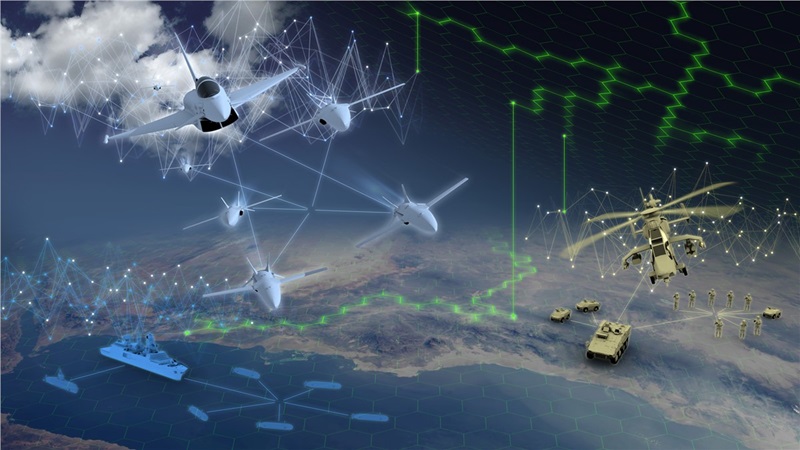
In a significant move towards modernizing defence capabilities, HENSOLDT, a renowned German provider of defence and security sensor solutions, has announced a strategic partnership with Munich-based defence tech startup Quantum Systems. This collaboration not only includes an investment from HENSOLDT into Quantum Systems but also marks a crucial step towards advancing Software-Defined Defence (SDD). The partnership brings together HENSOLDT’s expertise in sensor data fusion, sensor resource management, and distributed systems with Quantum Systems' cutting-edge unmanned aerial systems (UAS) and software technology. This combination is aimed at accelerating the development and deployment of interoperable, multi-domain defence capabilities. Focus on Software Integration and Future Combat Systems At the core of this collaboration lies the integration of Quantum Systems’ solutions with HENSOLDT’s CERETRON software framework. The goal is to enhance the modularity, flexibility, and cost-effectiveness of both land and air-based defence platforms. Such advancements will significantly support Germany’s Future Combat Air System (FCAS) initiative, which is focused on improving networked sensor capabilities as part of the NSDAS (Networked and Distributed Sensors, Defensive Aids, and Attack Systems) architecture. Leadership Perspectives on the Partnership Oliver Dörre, CEO of HENSOLDT AG, expressed optimism about the collaboration, highlighting its potential to shape the future of adaptive, modular defence systems. He emphasized that combining HENSOLDT’s sensor systems with Quantum Systems' innovative UAV platforms will result in a synergy that can respond more intelligently and rapidly to operational requirements. Dörre also pointed out that this strategic move reflects HENSOLDT’s commitment to connecting established defence companies with dynamic, next-generation startups, thereby fostering innovation and reinforcing Europe’s technological sovereignty. Christian Schmidt, Chief Strategy Officer of HENSOLDT AG, elaborated on the strategic significance, stating that the partnership exemplifies HENSOLDT’s vision of integrating traditional defence technologies with agile, software-native approaches from startups like Quantum Systems. A Broader Vision for International Collaboration The partnership is not just confined to the German market. It also opens avenues for joint international business development, leveraging HENSOLDT’s global footprint and Quantum Systems' involvement in high-profile defence programs across Ukraine, Australia, and the United States. This collaboration could lead to advancements in areas like border surveillance, ISR missions, and rapid technology demonstrations, particularly focusing on existing and future UAV platforms. Florian Seibel, CEO of Quantum Systems, expressed excitement over the strategic collaboration, viewing HENSOLDT’s investment as a significant validation of their innovative technology and vision. He underlined that combining Quantum’s mission autonomy and sensor integration capabilities with HENSOLDT’s robust defence technologies will push the boundaries of edge-enabled defence solutions. A Strategic Leap Towards the Future The HENSOLDT-Quantum Systems partnership represents a forward-thinking approach to modern defence challenges. By merging sensor expertise with unmanned aerial innovation, they are positioning themselves as leaders in creating adaptive, software-defined systems that are not only efficient but also responsive to evolving operational needs. This strategic alliance is poised to strengthen Europe’s defence technology base while fostering innovation on a global scale.
Read More → Posted on 2025-05-11 06:13:48
World
The Baloch Liberation Army (BLA), a separatist militant group, has claimed responsibility for a series of coordinated attacks across 39 locations in Balochistan, Pakistan. These attacks targeted police stations, military convoys, and infrastructure along major highways. The BLA's spokesperson, Jeeyand Baloch, announced that these operations are ongoing, with multiple strategic objectives being pursued. Background Balochistan, despite being rich in natural resources such as gas, minerals, and coastal assets, remains one of the poorest and most underdeveloped regions of Pakistan. The BLA emerged in response to long-standing grievances over political marginalization, economic exploitation, and military repression by the Pakistani state. The group claims that Balochistan's vast natural resources are being extracted without benefiting the local population and accuses the government of denying the Baloch people their rights and autonomy. Recent Developments In August 2024, the BLA launched coordinated attacks in Pakistan's Balochistan province, killing at least 39 people. These attacks targeted key infrastructure, security posts, and Chinese interests, including the strategic port of Gwadar and Chinese nationals. The BLA has expanded its tactics to include women suicide bombers. The group was also involved in conflicts between Iran and Pakistan regarding militant bases. Balochistan’s instability affects Pakistan's plans to exploit its mineral wealth and hinders China's $65 billion investment in the China-Pakistan Economic Corridor (CPEC). Allegations of human rights abuses by security forces in Balochistan exacerbate the conflict, with widespread protests and denied accusations of enforced disappearances and extrajudicial killings.(Reuters) Human Rights Concerns Human rights organizations have reported that thousands of Baloch activists, students, journalists, and political workers have allegedly been abducted or killed by Pakistani security forces and intelligence agencies over the years. These victims are often labeled as "terrorists" or "foreign agents," while families are left without answers or legal recourse. Mass graves have been discovered in various districts, adding to the region's trauma and fueling further mistrust of state institutions. The BLA's recent activities mark a sharp escalation in the long-running struggle for autonomy and control of local resources in Balochistan. The group's coordinated attacks across multiple locations demonstrate its operational capabilities and the persistent challenges faced by the Pakistani government in addressing the underlying issues fueling the insurgency. As the situation continues to evolve, the need for a comprehensive approach that addresses political, economic, and human rights concerns becomes increasingly urgent.
Read More → Posted on 2025-05-11 06:08:36
World
The United States Air Force Research Laboratory (AFRL) has taken a significant step forward in transforming military logistics by selecting Rocket Lab’s Neutron rocket for testing rapid, rocket-based cargo delivery to any location on Earth. As part of the AFRL’s Rocket Cargo program, this groundbreaking initiative aims to explore how commercial launch systems might one day support the quick and efficient transportation of military supplies across the globe. Pioneering Rapid Rocket-Based Logistics The Rocket Cargo program envisions a future where military supplies can be delivered rapidly and efficiently between distant points on Earth using rocket technology. The selection of Rocket Lab’s Neutron rocket marks a milestone in this vision. One of the key features under scrutiny will be Neutron’s ability to re-enter Earth’s atmosphere and land safely, allowing for reuse and making the concept of space-based cargo transport both viable and cost-effective. Rocket Lab has expressed enthusiasm about the project, emphasizing that this marks the beginning of a new era in commercial launch capability, tailored to advance global defense logistics. The test flight is slated to take place no earlier than 2026, signifying a significant step in the US Air Force’s efforts to innovate military logistics through modern aerospace technology. The Neutron Rocket: Setting New Benchmarks Neutron is Rocket Lab’s medium-lift, two-stage launch vehicle explicitly designed with reusability in mind. The first stage is responsible for the initial lift-off, while the second stage propels payloads into orbit. Though the primary focus of this test is rapid cargo delivery between terrestrial locations, Neutron is also built for versatility, including space exploration and deep space transport. The rocket boasts impressive payload capabilities, capable of carrying up to 13,000 kilograms (28,660 pounds) to low Earth orbit and up to 1,500 kilograms (3,300 pounds) to interplanetary destinations such as Mars or Venus. Rocket Lab’s founder, Peter Beck, has described Neutron as a powerful new option for both government and commercial space users, highlighting its performance, affordability, and reliability in the medium-lift category. A Strategic Move for Military Space Operations The collaboration between Rocket Lab and the US Air Force not only seeks to enhance space logistics but also underscores the Department of Defense’s confidence in Neutron’s capabilities. By pushing forward with this initiative, the Air Force aims to establish a reliable and rapid logistics solution that can adapt to modern defense challenges. Currently, Rocket Lab is working to obtain the National Security Space Launch certification for Neutron, which would allow it to compete for future military space launch contracts. As this project unfolds, it promises to redefine how military logistics are handled, with rocket-based cargo delivery potentially becoming a vital asset for rapid response scenarios and global defense readiness.
Read More → Posted on 2025-05-11 05:21:51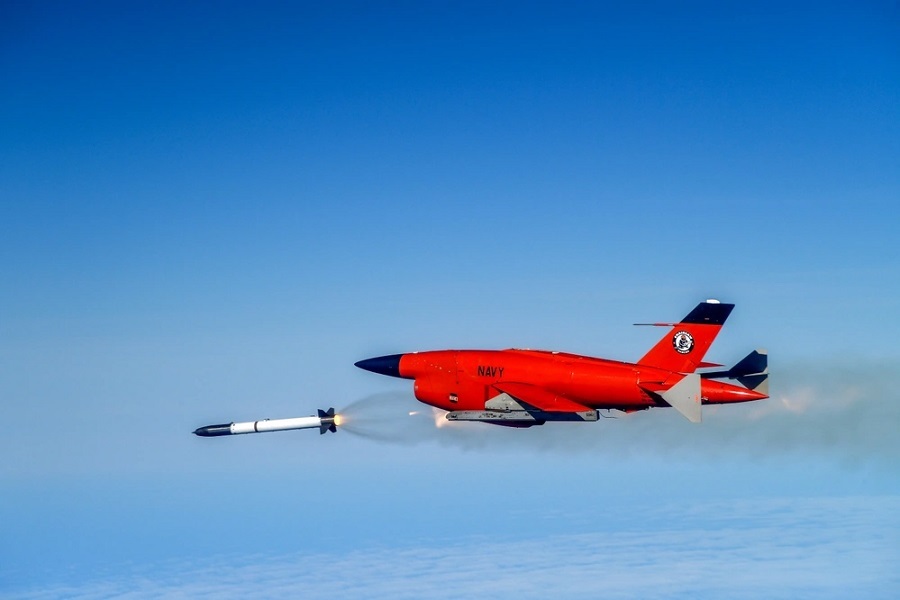
World
In a remarkable leap for modern missile technology, the U.S. Navy has successfully tested an advanced Solid Fuel Integral Rocket Ramjet (SFIRR) propulsion system by launching it from an unmanned aerial vehicle for the very first time. This test, conducted by the Naval Air Warfare Center Weapons Division (NAWCWD), marks a significant milestone in the Navy’s mission to modernize its long-range strike capabilities and enhance the speed and reach of its future weapons. The test was carried out using a BQM-34, an unmanned target drone modified to serve as the launch platform. What made this trial groundbreaking was the integration of a fire control system aboard the unmanned vehicle, enabling a live-fire scenario without risking any crew. This development proves the potential for engaging targets from greater distances with improved safety and operational flexibility. What is a Solid Fuel Ramjet? A Solid Fuel Ramjet is a type of missile propulsion system that uses solid fuel rather than liquid propellants. Unlike traditional rocket engines that burn all their fuel internally, a ramjet takes in air from the atmosphere during flight, mixing it with the fuel to maintain combustion and thrust. The advantage of this system lies in its simplicity and efficiency — eliminating the need for complex fuel tanks and pumps, reducing weight, and freeing up more space for payloads. Key Specifications and Features of the SFIRR: Propulsion Type: Solid Fuel Integral Rocket Ramjet Fuel Type: Solid fuel grain integrated within the air duct Launch Platform: BQM-34 unmanned aerial vehicle Operational Benefits: Higher sustained speeds at longer ranges Simplified design with no liquid fuel handling Greater missile payload capacity Improved manoeuvrability during flight Lower maintenance and better storage safety Why This Test Matters Though ramjet technology has been around for decades, this new test shows its continued importance in modern warfare. By refining older concepts with today’s advanced materials, avionics, and fire control systems, the Navy is creating faster, longer-range, and more reliable weapons suited for future combat environments. Abbey Horning, Product Director at NAWCWD, emphasized that the rapid development of this demonstrator — completed within just 12 months — proves the Navy’s ability to quickly transition advanced research into operational technology. She stated, “This successful integration validates key aspects of our design and moves us closer to delivering an advanced propulsion system that will provide warfighters with greater range and speed.” Modernizing for Future Conflicts Ephraim Washburn, Deputy Director for Energetics at NAWCWD, compared the evolution of SFIRR technology to the continuous improvements made in the automotive industry. “We’ve been driving cars since the early 1900s, but that doesn’t mean we stopped improving them,” he remarked. The same principle applies to missile propulsion — what worked in the past is now being reengineered to meet the demands of contemporary battlefields. What’s Next? The insights from this successful test have already shaped the development of a next-generation missile prototype. Future efforts will focus on refining the system’s range, endurance, and targeting precision, ensuring the technology remains combat-credible and ready for fleet integration. As the Navy works closely with government research agencies, defense contractors, and academic partners, advanced propulsion systems like the SFIRR are expected to play a vital role in keeping the U.S. Navy ahead in terms of speed, reach, and operational superiority. This latest test is not just about revisiting an old idea — it’s about reimagining and upgrading it to tackle the complex, high-speed warfare scenarios of tomorrow.
Read More → Posted on 2025-05-08 16:06:03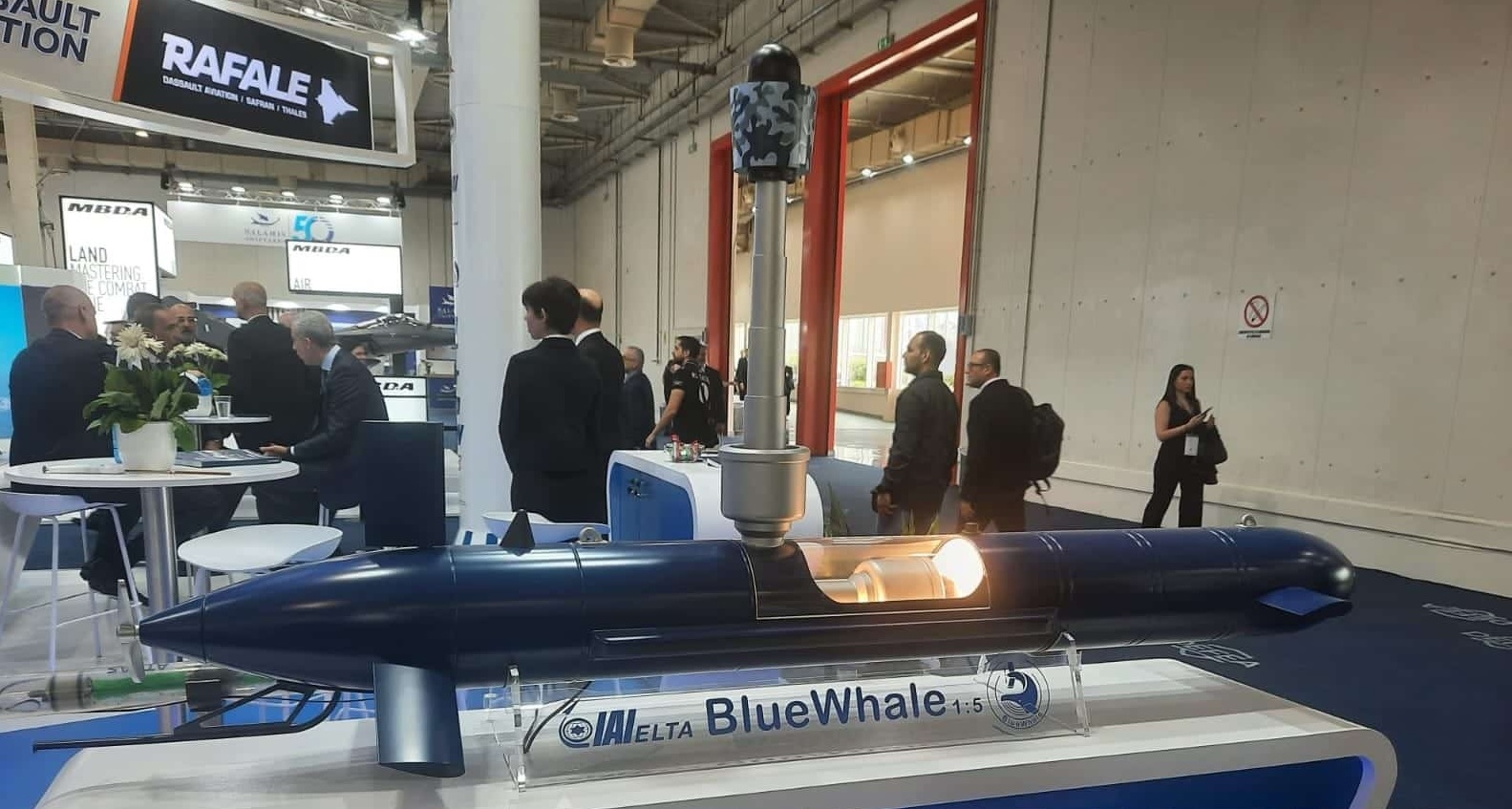
World
In a major boost for maritime defense, Israel Aerospace Industries (IAI) and Hellenic Aerospace Industry (HAI) have signed a Memorandum of Understanding (MoU) to introduce the advanced BlueWhale autonomous submarine system to the Hellenic Navy. The agreement was officially announced during the prestigious DEFEA defense exhibition, highlighting a new chapter in the growing defense and industrial cooperation between Greece and Israel. A Strategic Defense Partnership This partnership is not just about delivering a new system — it’s about building long-term technological collaboration. Under this agreement, HAI will play a crucial role in the production, integration, and further development of the BlueWhale system. This cooperation will allow Greek engineers and experts to work closely with Israeli teams, gaining access to advanced underwater defense technology while strengthening Greece’s local defense industry. It also opens the door for technology transfer initiatives, ensuring that Greece not only operates cutting-edge systems but can also maintain and upgrade them independently in the future. What is the BlueWhale Autonomous Submarine? Developed by IAI, the BlueWhale is a large, uncrewed underwater vehicle designed to perform many of the same missions as a traditional manned submarine, but without putting human lives at risk. Its capabilities cover a wide range of underwater operations, including: Covert Intelligence Gathering Submarine and Underwater Target Detection Mine Detection and Countermeasures Electronic Warfare and Surveillance Key Specifications of the BlueWhale: Length: 10.9 meters Diameter: 1.12 meters Weight: 5.5 tons Operational Endurance: Several weeks Mission Capabilities: ISR (Intelligence, Surveillance, Reconnaissance), EW/ESM (Electronic Warfare/Electronic Support Measures), and MCM (Mine Countermeasure) Operational History: Thousands of successful diving hours in various environments This autonomous submarine is designed to patrol and monitor critical sea areas, particularly useful for nations with complex maritime geography, such as the Aegean Sea. Its ability to stay underwater for extended periods, gather real-time data, and neutralize underwater threats without human involvement makes it a valuable asset for modern navies. Leaders Speak on the Collaboration IAI President and CEO Boaz Levy expressed his enthusiasm for the agreement, describing it as a significant step in enhancing Greece’s defense capabilities while promoting regional security and resilience. He emphasized IAI’s commitment to providing operationally tested, modern solutions that also help local industries grow. HAI CEO, Rear Admiral (ret.) Alexandros Diakopoulos, highlighted the strategic importance of integrating the BlueWhale system, particularly in light of the Aegean Sea’s challenging underwater environment. He pointed out that persistent underwater surveillance and rapid response capabilities would give Greece a vital operational advantage. A New Era for Greece’s Undersea Defense The collaboration between Greece and Israel marks more than just a defense deal. It represents a shift towards modernizing naval capabilities with autonomous systems, reducing operational risks, and building domestic technological expertise. The BlueWhale autonomous submarine system will play a critical role in safeguarding Greece’s maritime interests, enhancing anti-submarine warfare, underwater surveillance, and mine-clearing operations in one of Europe’s most strategically significant waterways.
Read More → Posted on 2025-05-08 15:47:24
World
The U.S. Navy is taking a significant step forward in modernizing its mine countermeasure capabilities by awarding Bollinger Shipyards a $65.7 million contract modification. This contract will further the production of the Navy’s cutting-edge Mine Countermeasures Unmanned Surface Vehicles (MCM USVs), marking a continued commitment to integrating autonomous technology into naval operations. A Strategic Investment in Uncrewed Technology The latest contract from the Department of Defense covers both engineering updates and the construction of additional uncrewed minehunting vessels. These MCM USVs are specifically designed to operate in dangerous, mine-laden waters without putting sailors at risk. This approach aligns with the Navy’s ongoing strategy to phase out manned minehunting methods and replace them with advanced autonomous systems. Production under the new contract will be carried out at several U.S. locations, including Lockport, Louisiana; Portsmouth, Virginia; Columbus, Indiana; and Slidell, Louisiana. The project is being managed by the Naval Sea Systems Command, based in Washington, D.C., with completion expected by September 2028. Funding for this initiative comes from the Navy’s Fiscal 2024 and 2025 procurement budget, totaling over $65 million. Bollinger’s Role and Technological Advancements Bollinger Shipyards, headquartered in Lockport, Louisiana, has been at the forefront of building uncrewed surface vessels for the Navy. Earlier this year, the company delivered the first three MCM USVs to the Navy, marking the service’s initial full-rate production of autonomous surface vessels. These deliveries highlight the Navy’s evolving strategy to reduce human involvement in mine countermeasure missions while enhancing safety and efficiency. Ben Bordelon, President and CEO of Bollinger Shipyards, expressed pride in delivering these first production units, emphasizing the company’s dedication to equipping the Navy with advanced, next-generation capabilities. The successful handover of these vessels underlines Bollinger’s technical expertise and commitment to supporting the Navy’s modernization efforts. Replacing Aging Systems with Autonomous Solutions The MCM USVs are set to replace the aging fleet of manned MCM-1 Avenger-class ships and MH-53E helicopters, both of which have been integral to mine countermeasures for decades. The uncrewed vessels are designed to take on minehunting, minesweeping, and mine neutralization tasks, using Payload Delivery Systems (PDSs) to deploy both current and future mine warfare payloads. By adopting these uncrewed technologies, the Navy aims to maintain its mine countermeasure capabilities while reducing the risk to personnel and streamlining operations. The integration of MCM USVs into the fleet is expected to enhance the Navy’s ability to operate safely and efficiently in mine-infested waters. As the Navy continues to modernize its approach to mine warfare, the partnership with Bollinger Shipyards demonstrates a clear commitment to leveraging autonomous technology for safer and more effective naval operations. With the new contract secured, the production and deployment of these uncrewed minehunters will undoubtedly play a crucial role in the future of naval mine countermeasures.
Read More → Posted on 2025-05-08 15:42:10
World
In a significant development for the UK’s defence sector, Rolls-Royce has secured a five-year contract from the UK Ministry of Defence (MOD) to maintain and service the EJ200 engines that power the Royal Air Force’s Typhoon aircraft. The contract, known as the Typhoon Engine Support Solution (TESS), is a major step in ensuring the continuous readiness of the RAF's fleet while boosting the country's defence industry. A Strategic Partnership The TESS contract not only aims to maintain around 130 EJ200 engines but also supports approximately 200 direct jobs. More importantly, it sustains a wider UK-based supply chain, helping secure up to 2,400 jobs nationwide. By focusing on domestic capabilities, this initiative is expected to strengthen the resilience of the UK’s defence infrastructure, preserving vital skills and expertise within the country. Most of the maintenance work will be carried out at Rolls-Royce’s Defence headquarters in Bristol. This site is not just a maintenance hub; it’s also a core center for research, development, and manufacturing of military power and propulsion systems. Its strategic role in both maintaining current capabilities and shaping the future of aircraft technology underscores the importance of such domestic facilities. Bridging Defence and Civil Innovation One of the noteworthy aspects of the contract is its alignment with the UK's future combat aircraft initiatives, including the Global Combat Air Programme (GCAP). Rolls-Royce points out that around 80% of the technologies developed for these future combat programmes could be applied in the civil sector as well. This dual-use approach demonstrates how investments in defence technology can also foster advancements in civilian industries, boosting the UK’s competitiveness across various fields. Securing the Future By securing this five-year contract, Rolls-Royce reaffirms its long-standing commitment to supporting the Royal Air Force. The agreement not only ensures the operational readiness of the Typhoon aircraft but also contributes to sustaining critical jobs and technological expertise within the UK. As the RAF looks to the future, with initiatives like GCAP on the horizon, partnerships like these are crucial for maintaining both defence capabilities and economic resilience.
Read More → Posted on 2025-05-08 15:00:55
World
In early May 2025, over 300 residents of Myanmar sought refuge in Thailand following a significant assault on a military base by ethnic armed groups. This incident underscores the persistent instability in Myanmar, even after a ceasefire was declared to facilitate earthquake recovery efforts. Escalation of Conflict Near the Thai Border On May 7, the Karen National Liberation Army (KNLA) and the Karen National Defence Organisation (KNDO) launched a coordinated attack on a Myanmar military base in Kayin State, approximately 2.5 kilometers from the Thai border. The offensive involved close-range tactics and the deployment of armed drones to drop explosives throughout the day. As a result, several Myanmar soldiers were killed, and some fled across the border into Thailand. Humanitarian Response in Thailand By May 8, Thai authorities reported that 327 Myanmar nationals had crossed into Thailand, seeking shelter in temporary sites, including local temples. The Thai military and police provided security and humanitarian aid to these individuals. In response to the incursion, Thai forces increased patrols along the border in Tak Province to prevent potential breaches of sovereignty by foreign armed forces. Ceasefire Amidst Earthquake Recovery Efforts Following a devastating 7.7 magnitude earthquake on March 28, which resulted in over 3,700 deaths and left tens of thousands homeless, Myanmar's military government and various armed groups announced a ceasefire to aid relief and recovery operations. However, the truce has been repeatedly violated, with reports of continued military airstrikes and attacks by armed groups. Ongoing Humanitarian Crisis The earthquake compounded the challenges faced by Myanmar, a nation already grappling with civil conflict since the 2021 military coup. The disaster caused widespread destruction across multiple regions, including Mandalay and Naypyitaw, severely damaging infrastructure and hampering aid delivery. Over 200,000 people have been displaced, with many seeking shelter in temporary camps or relocating independently. International aid has been mobilized, with countries like India launching "Operation Brahma" to provide urgent medical care and relief materials. Despite these efforts, the ongoing civil unrest and infrastructure damage continue to complicate rescue and relief operations. The recent attack near the Thai border and the subsequent displacement of civilians highlight the fragile state of Myanmar's ceasefire and the broader humanitarian crisis. As the nation struggles to recover from a catastrophic earthquake, the persistence of armed conflict poses significant challenges to relief efforts and the safety of its citizens.
Read More → Posted on 2025-05-08 14:48:37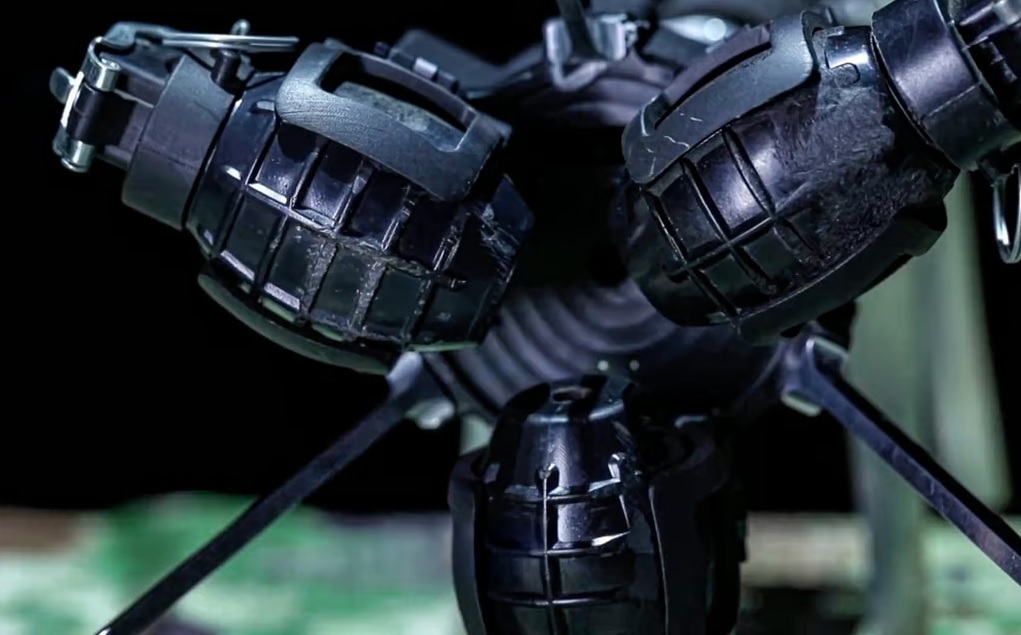
World
China has taken another bold step in modernizing its military by unveiling a new micro-drone designed to support its People’s Liberation Army (PLA) in future battlefields dominated by artificial intelligence (AI) and autonomous systems. This small but powerful drone is part of China’s growing ambition to lead the world in “intelligent warfare.” A Tiny, High-Tech Drone for the Modern Battlefield At first glance, this micro-drone looks like an ordinary thermal flask. But inside its compact frame lies a sophisticated piece of military technology. Weighing less than one kilogram (about two pounds), it is light enough for infantry soldiers to carry easily in the field. Despite its lightweight build, the drone can lift up to twice its own weight, thanks to an efficient coaxial dual-rotor system that provides stable flight even in challenging environments. One of its most impressive features is an onboard neural processor powered by AI. This allows a single soldier to control multiple drones at once, coordinating reconnaissance, targeting, and strike missions with precision. This networked control capability marks a significant advancement in small unmanned aerial systems (UAS) for China. Silent, Versatile, and Deadly The micro-drone is designed to operate silently, reducing the chances of detection during reconnaissance or surprise attacks. Its foldable rotors make it easy to pack and deploy in the field, while modular payload bays allow soldiers to equip it for different missions — from surveillance to direct attack. In combat, the drone can be armed with up to three small grenades, turning it into a compact airborne weapon system. It can also be launched from a 35mm grenade launcher, giving it an extended range and the ability to be rapidly deployed into combat zones or behind enemy lines. Key Specifications: Weight: Under 1 kg (approx. 2 lbs) Payload Capacity: Up to 2 kg (twice its weight) Rotor System: Coaxial dual-rotor for stable, efficient flight Processor: AI-powered onboard neural processor for intelligent targeting and multi-drone control Armament: Can carry up to 3 grenades Launch Method: Can be deployed by hand or from a 35mm grenade launcher Features: Silent operation, foldable rotors, modular payload bays A Part of China’s Intelligent Warfare Vision This micro-drone represents more than just a new piece of equipment — it’s a glimpse into China’s future warfighting strategy. The PLA is shifting from “informationized” warfare, which focuses on securing and managing information dominance, to “intelligentized” warfare, where AI, autonomous systems, and human-machine collaboration will define combat operations. By integrating AI into unmanned systems like this micro-drone, China aims to create faster, smarter, and more flexible forces capable of overwhelming adversaries through speed, precision, and coordinated autonomous attacks. China’s Ambition for a World-Class Military China has set a goal to build a world-class military by 2049, the centenary of the People’s Republic. Over the years, the PLA has rapidly expanded its drone programs, covering everything from large combat drones to tiny reconnaissance UAVs like this new micro-drone. Despite facing challenges such as corruption within military ranks and the need to recruit highly skilled technical personnel, China has made notable progress in integrating advanced technologies into its armed forces. As advanced unmanned systems become increasingly important in modern conflicts, China’s new micro-drone showcases the nation’s commitment to staying ahead in the global race for AI-driven, intelligent warfare capabilities.
Read More → Posted on 2025-05-02 15:42:55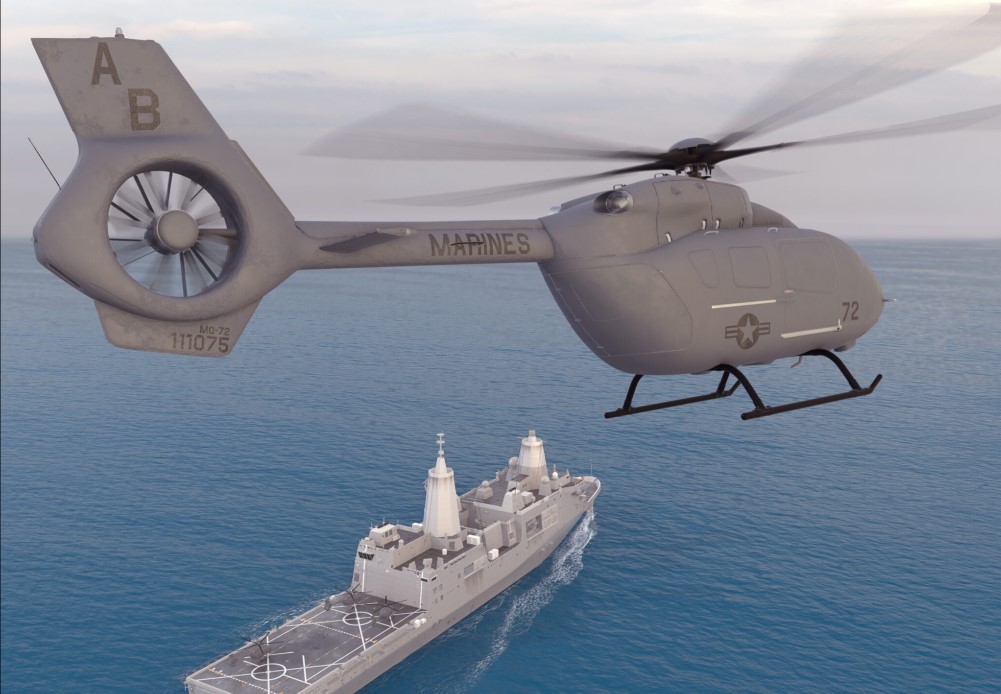
World
In a significant move to modernize battlefield logistics, Airbus U.S. Space & Defense and Shield AI have teamed up to integrate advanced autonomous software into the MQ-72C Logistics Connector, an unmanned helicopter designed for the U.S. Marine Corps. This collaboration marks an important step toward fully autonomous logistics operations in challenging and contested environments. What is the MQ-72C? The MQ-72C Logistics Connector is an unmanned variant of the UH-72 Lakota, a versatile, twin-engine, light utility helicopter widely used by U.S. military forces. The Lakota has built a strong reputation for reliability in missions like medical evacuation, troop transport, and surveillance. Now, with the MQ-72C, the platform is being adapted for unmanned aerial logistics missions, carrying vital supplies like ammunition, food, fuel, and medical equipment directly to forward-deployed forces without risking crewed aircraft. Key Specifications of MQ-72C: Base Airframe: UH-72 Lakota (unmanned variant) Engines: 2 × Turbomeca Arrius 1E2 turboshaft engines Maximum Speed: Approx. 145 knots (268 km/h) Range: Around 370 nautical miles (685 km) Payload Capacity: Estimated 1,500 to 2,000 lbs (680 to 900 kg) Operational Ceiling: Around 18,000 feet (5,500 m) Mission Types: Cargo resupply, casualty evacuation, surveillance, and reconnaissance in unmanned mode The Role of Hivemind Autonomy Software Shield AI’s cutting-edge Hivemind autonomy software is at the heart of this project. Hivemind allows unmanned aircraft to navigate, avoid threats, and carry out missions independently — without relying on GPS or remote operators. The system uses artificial intelligence to analyze the environment in real-time, chart safe routes, and adapt to unpredictable battlefield conditions. The integration of Hivemind with Airbus’ Helionix avionics suite—an advanced digital cockpit management system—will enhance the MQ-72C’s ability to perform complex logistics tasks autonomously, especially in areas where GPS signals might be jammed or unavailable. Why This Matters for the U.S. Marine Corps The U.S. Marine Corps is investing heavily in its Aerial Logistics Connector (ALC) program, aiming to ensure reliable, rapid logistics support during future conflicts, especially in remote or high-threat areas. Autonomous resupply helicopters like the MQ-72C would reduce the need for manned aircraft and personnel to operate in dangerous zones while keeping frontline units well-supplied. Robert Geckle, Chairman and CEO of Airbus U.S. Space & Defense, highlighted that pairing the proven Lakota platform with next-generation autonomy software opens up new mission possibilities for both U.S. and allied forces. Ryan Tseng, CEO of Shield AI, emphasized how autonomy can quickly modernize dependable platforms for today’s operational needs and tomorrow’s battlefield. Future Plans and Testing Airbus U.S. is currently in the second year of the ALC Middle Tier of Acquisition (MTA) Rapid Prototyping Program, which provides prototype aircraft for operational testing and demonstrations. Over the coming years, the level of autonomy in the MQ-72C will gradually increase through flight tests, eventually moving toward fully unmanned, scalable logistics missions. This effort is part of a wider U.S. Department of Defense strategy to improve logistical support across widely distributed combat areas in potential conflicts with technologically advanced adversaries.
Read More → Posted on 2025-05-02 15:33:13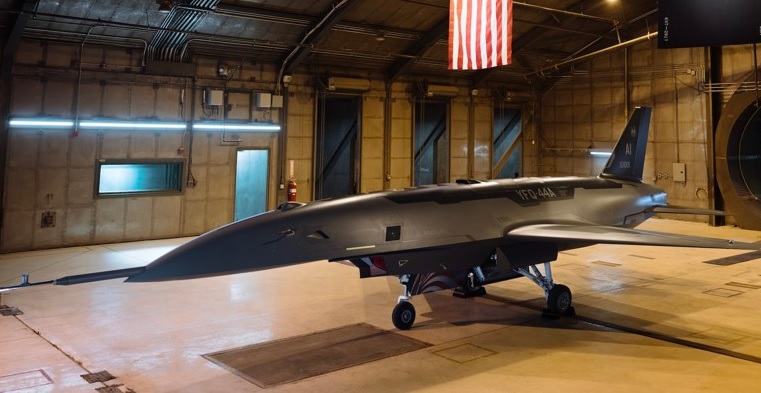
World
The United States Air Force has officially begun ground tests for two advanced unmanned combat aerial vehicles (UCAVs) under its Collaborative Combat Aircraft (CCA) program — a major step toward the future of aerial warfare. These drones, named YFQ-42A and YFQ-44A, represent the first experimental fighter drones to receive official designations in Air Force history, marking a significant milestone in the program’s evolution. Currently stationed at Beale Air Force Base in California, the two aircraft are undergoing thorough evaluations of their engines, onboard systems, autonomous capabilities, and control technologies. The tests are part of a larger plan to prepare these drones for flight trials scheduled later this year. Even though flight operations will be limited for now, both aircraft are being kept in a constant flight-ready state. The CCA program aims to revolutionize air combat by introducing highly capable drones that can fly alongside traditional fighter jets, essentially acting as robotic wingmen. These aircraft are designed to increase the range, lethality, and survivability of manned platforms by taking on missions that would otherwise put human pilots at risk. General David W. Allvin, the Chief of Staff of the U.S. Air Force, emphasized the importance of the program, stating, “CCA is about delivering decisive advantage in highly contested environments. The program is accelerating fielding through innovative design and acquisition strategies — and both vendors are meeting or exceeding key milestones.” He further added, “These aircraft will help us turn readiness into operational dominance.” The YFQ-42A, developed by General Atomics, has a sleek and futuristic design tailored for high-speed missions. Its elongated body, narrow wings, and top-mounted air intake suggest it is built for stealth and speed — qualities essential in next-generation air dominance roles. On the other hand, Anduril’s YFQ-44A is more compact — roughly half the size of an F-16 jet — and features a distinctive set of design elements, including trapezoidal wings and a unique tail configuration. This drone seems optimized for agility and modular payloads, offering flexibility across a wide range of mission profiles. Both drones are part of the Air Force’s broader Next-Generation Air Dominance (NGAD) vision, which focuses on pushing the boundaries of aerial technology and ensuring that future U.S. airpower remains unmatched. One of the key goals of this effort is to reduce dependence on foreign suppliers and ensure that critical capabilities are developed and produced domestically. As testing progresses, these drones could change how the U.S. military conducts air operations, blending manned and unmanned platforms into a cohesive and lethal force structure. Their success could lead to quicker deployments and reshape the battlefield of tomorrow.
Read More → Posted on 2025-05-02 15:24:26
World
In a striking show of precision and speed, Ukrainian air defence crews recently intercepted 11 Russian cruise missiles in under two minutes using NASAMS (National Advanced Surface-to-Air Missile Systems). The operation, which Ukrainian Air Force Lieutenant Colonel Kyrylo Peretyatko described as potentially a world record for reload speed, highlights the growing sophistication of Ukraine’s defensive capabilities amid the ongoing war. The feat took place during a mass Russian aerial attack, though the exact date of the engagement remains undisclosed. In a video released on 27 April, Peretyatko emphasized the efficiency and determination of Ukraine’s forces, stating that such rapid response is becoming routine. "We probably broke all records of other countries," he said, "and we are ready to keep doing it constantly to defend our country, as long as we have the missiles.” NASAMS, developed jointly by the United States and Norway, have been operational in Ukraine since late 2022. These systems use the AIM-120 AMRAAM missile, commonly deployed on Western fighter jets, and can engage targets up to 50 kilometres away depending on the configuration. The system's mobility, precision, and fast response time have made it an essential part of Ukraine’s layered air defence network, especially in the face of increasing missile and drone assaults from Russia. Ukraine has consistently appealed for more air defence systems from Western allies. President Volodymyr Zelensky has even offered to buy U.S.-made Patriot missile batteries, although that offer was declined by former President Donald Trump. Despite this, Ukraine's forces continue to perform remarkably well with the systems they do have. Just last week, Ukrainian air defence reportedly downed over 230 drones, 442 Shahed loitering munitions, 31 cruise missiles, seven Iskander ballistic missiles, and several Kalibr and Kh-59 missiles. While Ukraine continues to defend its skies with cutting-edge systems, Iraq has taken a significant step in upgrading its own air capabilities. On 30 April, Airbus announced the delivery of the first two H225M Caracal multi-role helicopters to the Iraqi Ministry of Defence. This marks the beginning of a 12-helicopter deal signed in September 2024. The H225M Caracal helicopters will be used for various missions in Iraq, including troop and equipment transport and support for special operations. These helicopters are equipped with the HForce system, which allows integration of externally mounted weapons, boosting their combat capability. The new Caracals are expected to eventually replace the older Mi-17 helicopters currently used by Iraqi forces. With security concerns still present in several parts of Iraq, especially from internal militant groups, the introduction of modern, multi-role helicopters is seen as a crucial step in strengthening operational readiness. Iraq has been steadily modernizing its armed forces, and Airbus has been a key partner in this effort. Prior to this delivery, Iraq had received 24 H135 helicopters from Airbus, used primarily for reconnaissance, liaison, and ground support roles. As both Ukraine and Iraq continue to navigate complex security landscapes, their investment in modern, flexible defence technology underscores a broader trend: smaller and mid-sized nations are increasingly relying on advanced Western systems to meet the challenges of modern warfare.
Read More → Posted on 2025-05-02 15:21:40
World
In a significant step towards modernising its military capabilities, Iraq has received its first two H225M Caracal helicopters from Airbus. The delivery was officially announced on April 30 and marks the beginning of a larger deal involving a total of twelve helicopters, signed in September 2024. The H225M Caracal is a powerful, multi-role transport helicopter designed for versatility in challenging environments. For Iraq, these helicopters will support a wide range of military operations, including transporting troops and equipment, and conducting missions with special operations forces. These aircraft are set to gradually replace the aging fleet of Soviet-era Mi-17 helicopters currently used by the Iraqi military. One of the key features of the helicopters delivered to Iraq is the advanced HForce weapon system, which allows the aircraft to carry and operate externally mounted weapons. This system significantly increases the helicopter’s operational flexibility and firepower, making it well-suited for both conventional and counter-terrorism missions. With ongoing threats from extremist groups within the country, the new helicopters are expected to play a vital role in strengthening Iraq’s internal security. The H225M Caracal, produced by Airbus, is already in service with several countries around the world. France, Brazil, Hungary, Indonesia, Kuwait, Malaysia, Mexico, Singapore, and Thailand are among its current operators. The Netherlands is also set to receive the Caracal for use by its special forces. This latest delivery adds to Airbus’s growing footprint in Iraq. In previous years, Airbus supplied the Iraqi Ministry of Defence with 24 H135 helicopters, which are used for roles such as observation, communication between units, and light ground support. Iraq’s ongoing efforts to upgrade its military equipment reflect a broader push to strengthen national defense and reduce reliance on outdated technology. The arrival of the H225M Caracals marks a significant milestone in this process, enhancing the Iraqi armed forces’ readiness for both internal and external challenges.
Read More → Posted on 2025-05-02 15:14:28
World
Bittium and Nokia have successfully demonstrated a next-generation hybrid tactical communications network for the Finnish Defence Forces, marking a major step forward in military communications technology. By combining Bittium’s advanced tactical systems with Nokia’s secure 4G/5G mobile networks, the companies showcased how modern wireless technology can strengthen battlefield connectivity and operational command. This hybrid network approach allows seamless integration of 4G/5G coverage “bubbles” into traditional tactical communication structures. That means soldiers and command centers can now maintain real-time communications and share vital data even in remote or complex environments. The system also supports interoperability with civilian and government networks, making it easier to coordinate with other authorities during joint missions or crisis responses. During the demonstration, Bittium and Nokia showcased several key capabilities of the system. These included real-time voice communication across various devices, live video transmission, and situational awareness tools that provide a clear picture of the battlefield. Central to these achievements was Bittium’s server-independent and distributed network design, which ensures that communications remain reliable even if individual components are disrupted. Tommi Kangas, Senior Vice President of Bittium’s Defense & Security business, explained that the demonstration confirmed the compatibility of Nokia’s mobile network solutions with Bittium’s tactical systems. “The 4G/5G solutions don’t replace tactical networks but enhance them,” he said, emphasizing how this hybrid approach creates a broader and more capable communication framework for military operations. From Nokia’s side, Giuseppe Targia, Head of Space and Defense, called the achievement a major milestone. He highlighted how this integrated system ensures secure, high-speed, and resilient connectivity even in the most demanding operational conditions. According to him, it will significantly improve decision-making speed and mission effectiveness. The technologies involved in the demonstration included Bittium’s Tactical Wireless IP Network™ (TAC WIN), Tough SDR™ radios designed for both vehicles and individual soldiers, and Nokia’s Banshee Mobile and Tactical Radios. Together, they powered military-grade applications running on rugged smartphones like the Bittium Tough Mobile™2, all supported by the Bittium Tough VoIP Service™ for secure voice communication. This successful showcase signals a new era of advanced, hybrid military networks designed to meet the evolving demands of modern defence operations. It demonstrates how cooperation between defence tech companies can deliver flexible, future-proof solutions to keep soldiers connected and commanders informed—no matter the mission.
Read More → Posted on 2025-05-02 15:11:28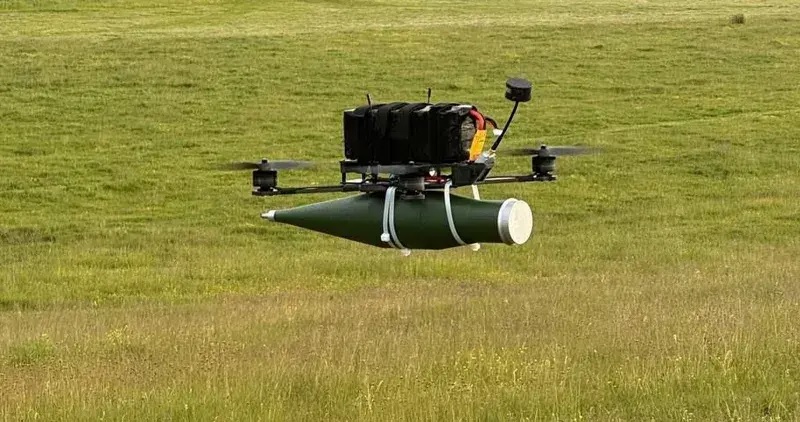
World
Ukraine continues to strengthen its battlefield technology with the formal deployment of the ‘Hromylo Optic’ drone, a domestically produced unmanned aerial system (UAS) designed to strike enemy tanks, armored vehicles, and fortified positions along the frontlines. This advanced drone has already seen combat in various forms, proving highly effective in destroying enemy equipment. In response to operational demands from troops on the ground, the manufacturer recently introduced an upgraded version of the Hromylo Optic with a larger 24-centimeter (10-inch) frame. This enhancement enables the drone to carry heavier and more destructive explosive payloads, powerful enough to destroy even heavily armored tanks. Advanced Guidance and Targeting Capabilities One of the standout features of the Hromylo Optic is its fiber-optic guidance system. Unlike traditional radio-controlled drones, this system significantly reduces the risk of the drone being disrupted by enemy electronic warfare and jamming equipment — a serious threat in modern conflict zones like Ukraine. For operational flexibility, the drone also comes equipped with daylight, low-light, and thermal imaging modes, allowing it to identify and engage targets at any time, whether in daylight, at night, or in poor visibility conditions. Specifications of the Hromylo Optic Drone Frame Size: 24 cm (10-inch) Guidance System: Fiber-optic cable link (jamming-resistant) Payload: High-explosive charges capable of destroying tanks and fortified positions Imaging Modes: Daylight, low-light, and thermal Operational Use: Tank strikes, armored vehicle destruction, enemy firing position neutralization A Growing Focus on Domestic Drone Technology This deployment is part of Ukraine’s ongoing efforts to expand its fleet of locally produced unmanned systems in response to Russia’s advanced military capabilities. The country’s defense industry has been rapidly innovating, with nearly 40 fiber-optically guided drones adopted since the beginning of the year — 15 of them in April alone. In addition to aerial drones like the Hromylo Optic, Ukraine recently introduced an uncrewed surface vehicle capable of firing laser beams and launching drone swarms, as well as conducting its largest trial of unmanned ground vehicles, where over 70 drones from 50 domestic manufacturers were tested together. Deputy Minister of Defence of Ukraine, Valerii Churkin, emphasized the importance of speed and innovation, stating, “Those who are quickest to implement innovative solutions gain the advantage. We cannot underestimate the enemy’s technical progress. We must outpace them.” With systems like the Hromylo Optic now officially joining frontline operations, Ukraine continues to reinforce its strategy of high-tech, locally developed warfare tools to counter evolving battlefield challenges.
Read More → Posted on 2025-04-29 15:43:37Search
Top Trending in 24 Hours
-
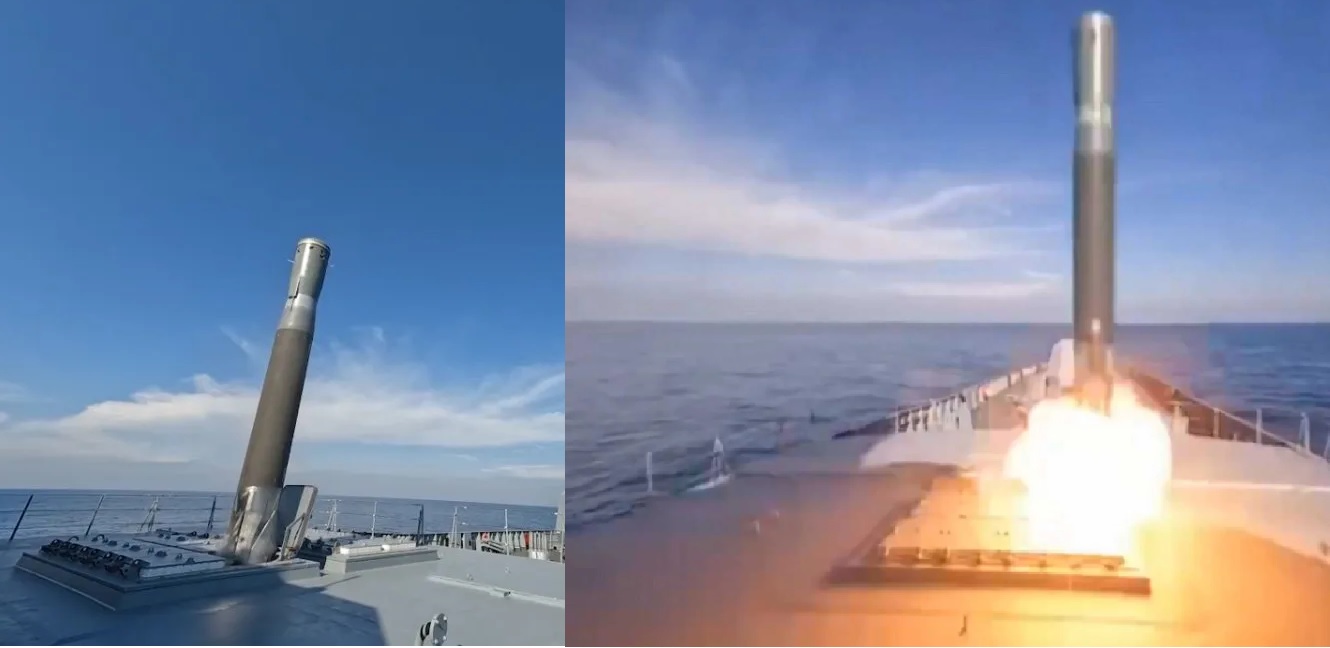 Open-Source Evidence Suggests Russia's Zircon Is a Quasi-Ballistic Missile, Not a True Hypersonic Cruise Weapon
-
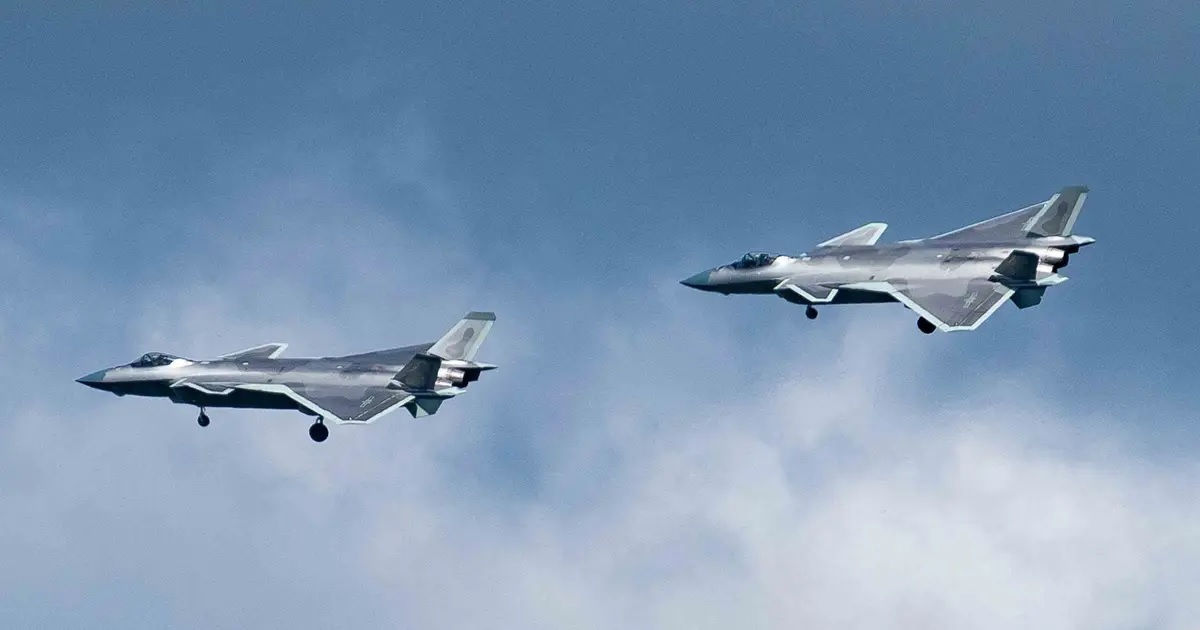 China Surpasses Russia as World’s Second-Most Powerful Air Force Amid Rapid J-20 and J-35 Expansion
-
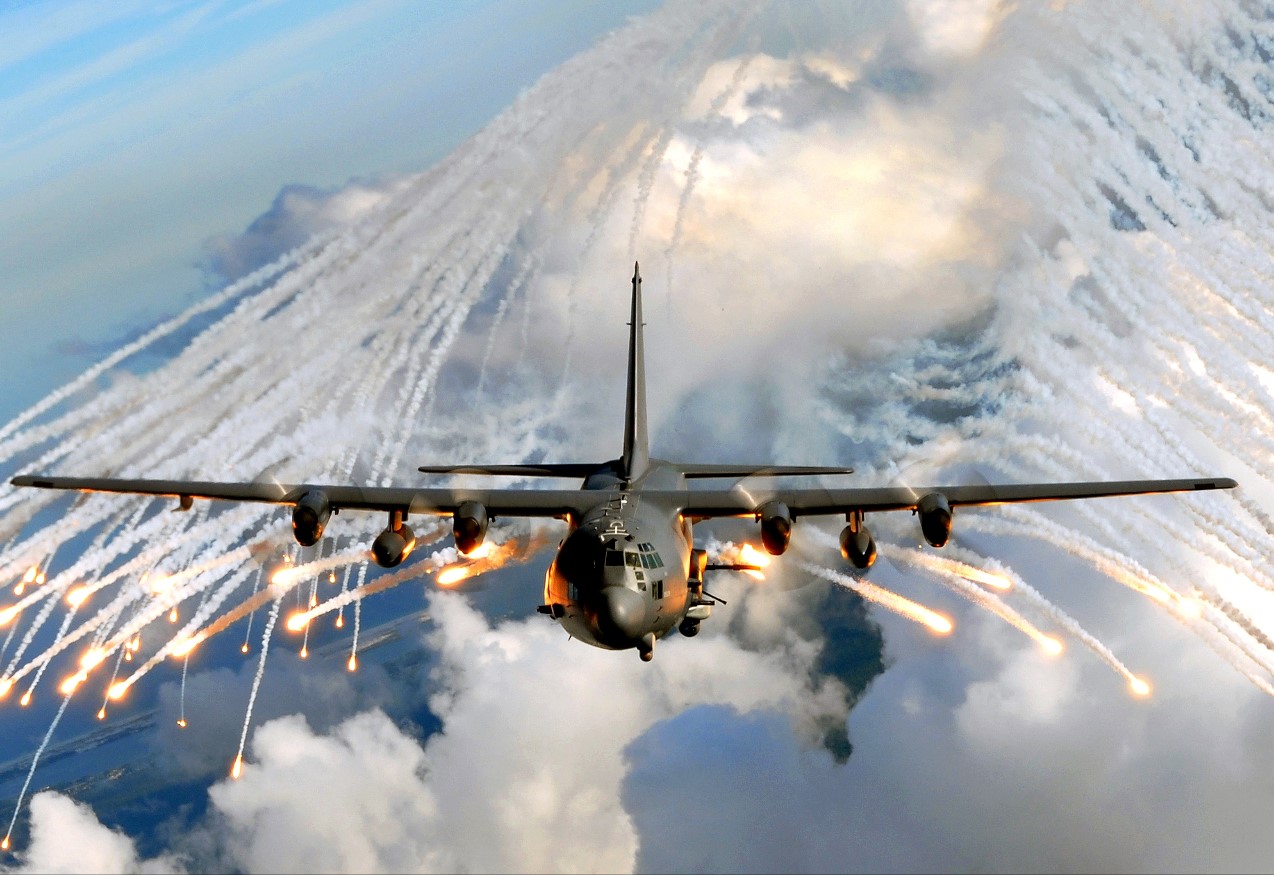 Pentagon Expands Alloy Surfaces Contract to $328.8 Million for Advanced Aircraft Decoy Flares Amid Evolving Drone Threats
-
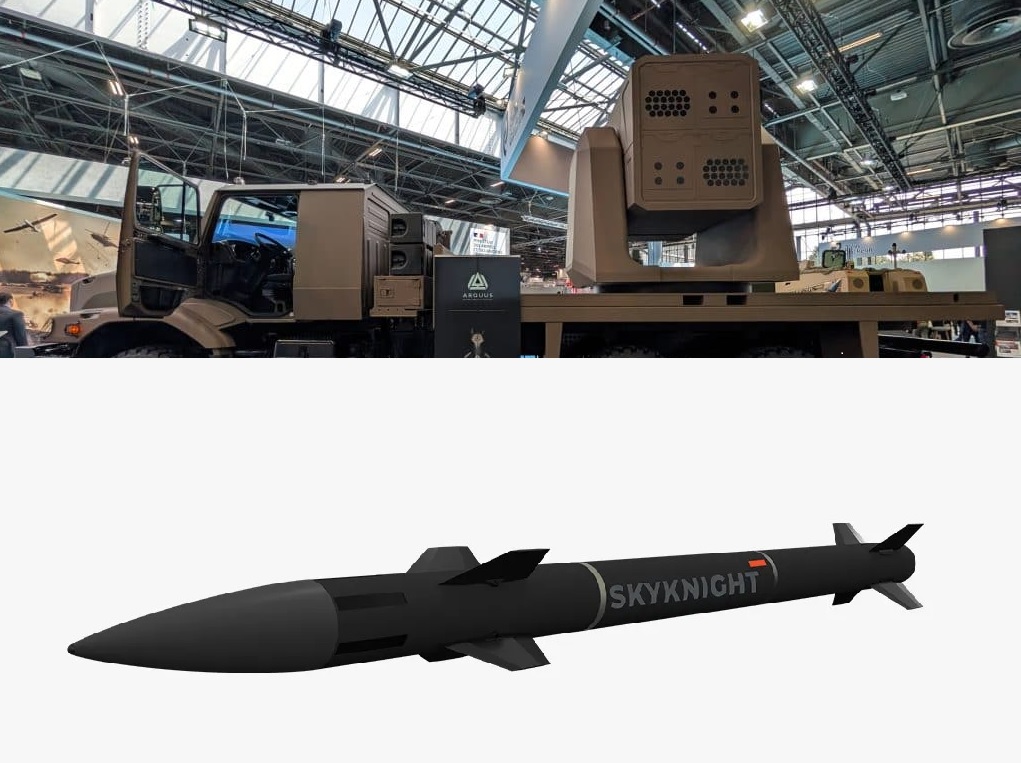 Naval Group Unveils Rampart Modular CIWS Multi-Purpose Weapon System for Naval and Ground Forces at Eurosatory 2026
-
 Why the U.S. Restored Pacific Command Name, Ending the Indo-Pacific Designation After Eight Years
-
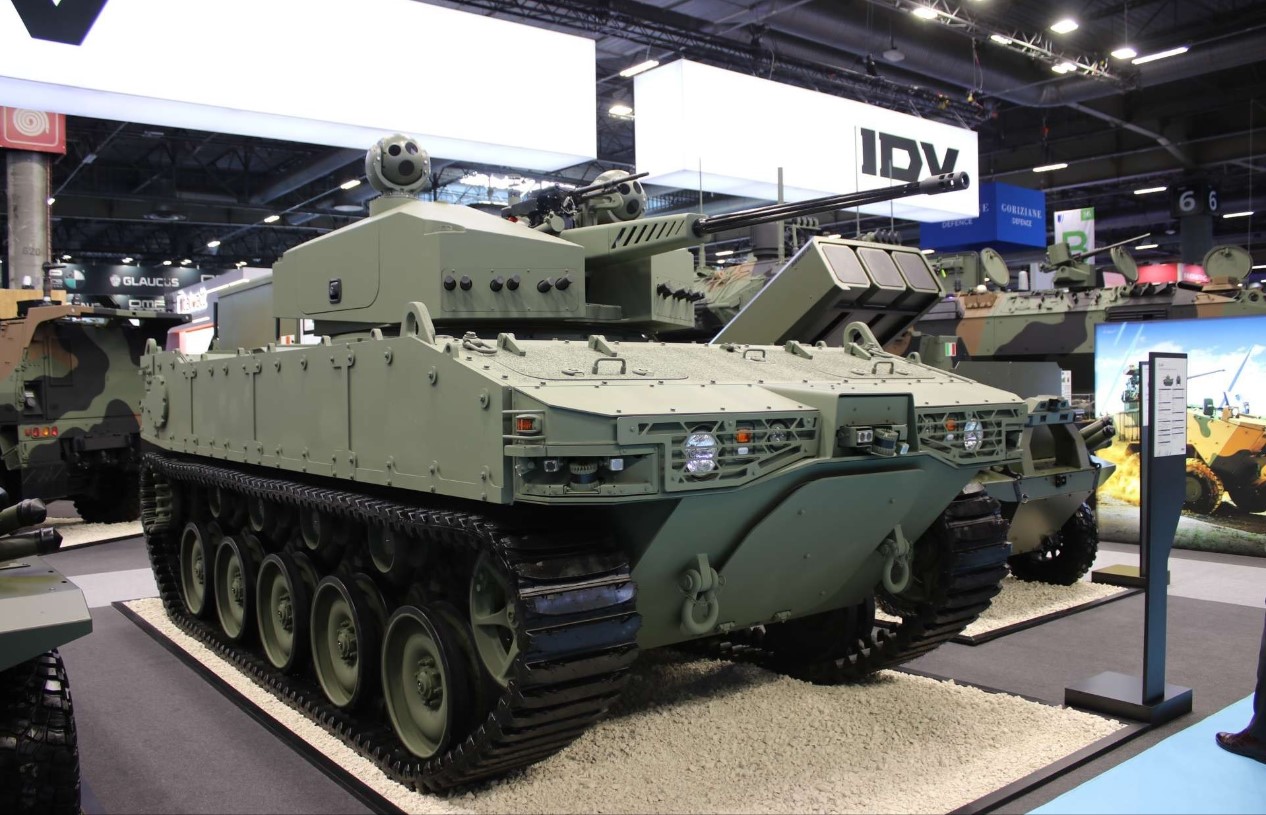 IDV Unveils CL2X Hybrid Uncrewed Light Tank at Eurosatory 2026
-
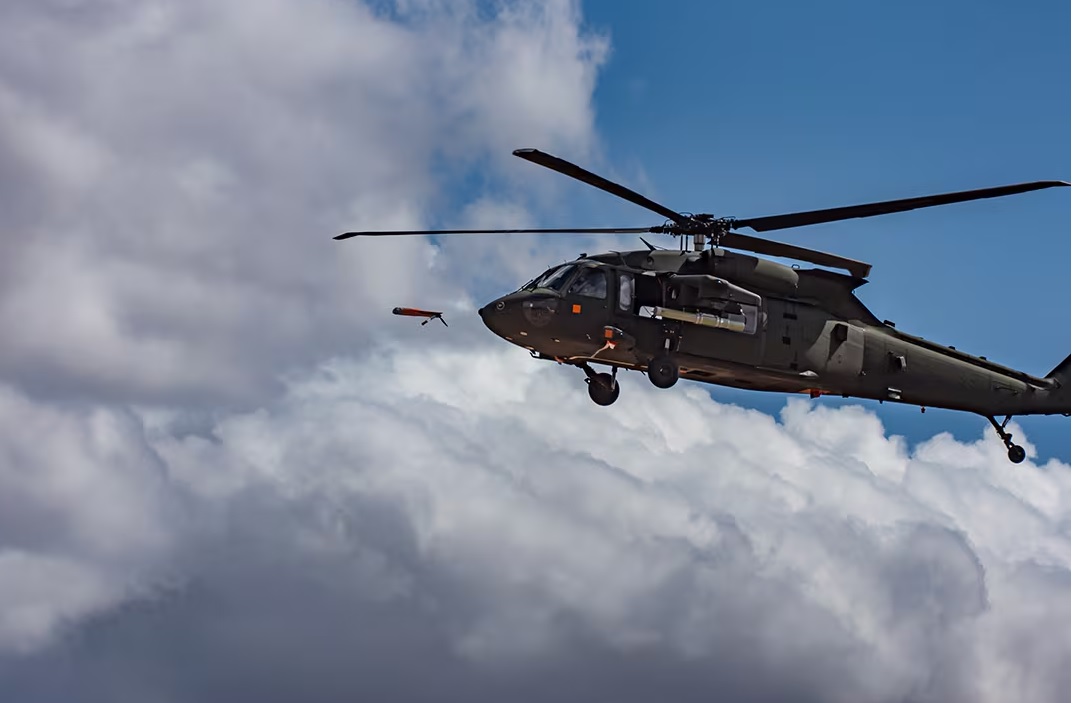 U.S. Army Completes First Flight Test of Medium-Range Air-Launched Effects from Black Hawk Helicopter
-
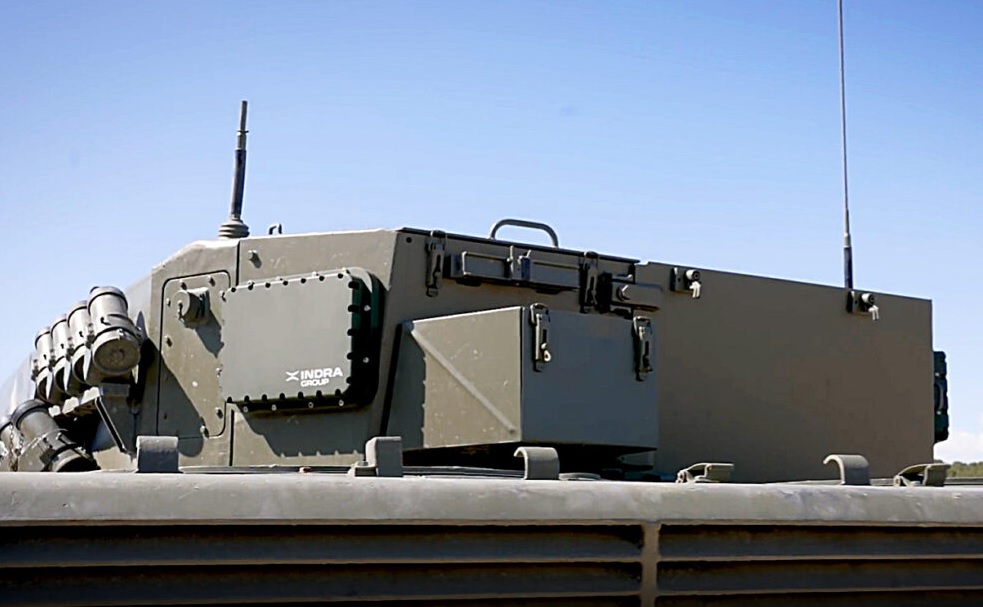 Indra and Rheinmetall Sign Deal to Integrate NEMUS AESA Radar into StrikeShield Active Protection System
Top Trending in 4 Days
-
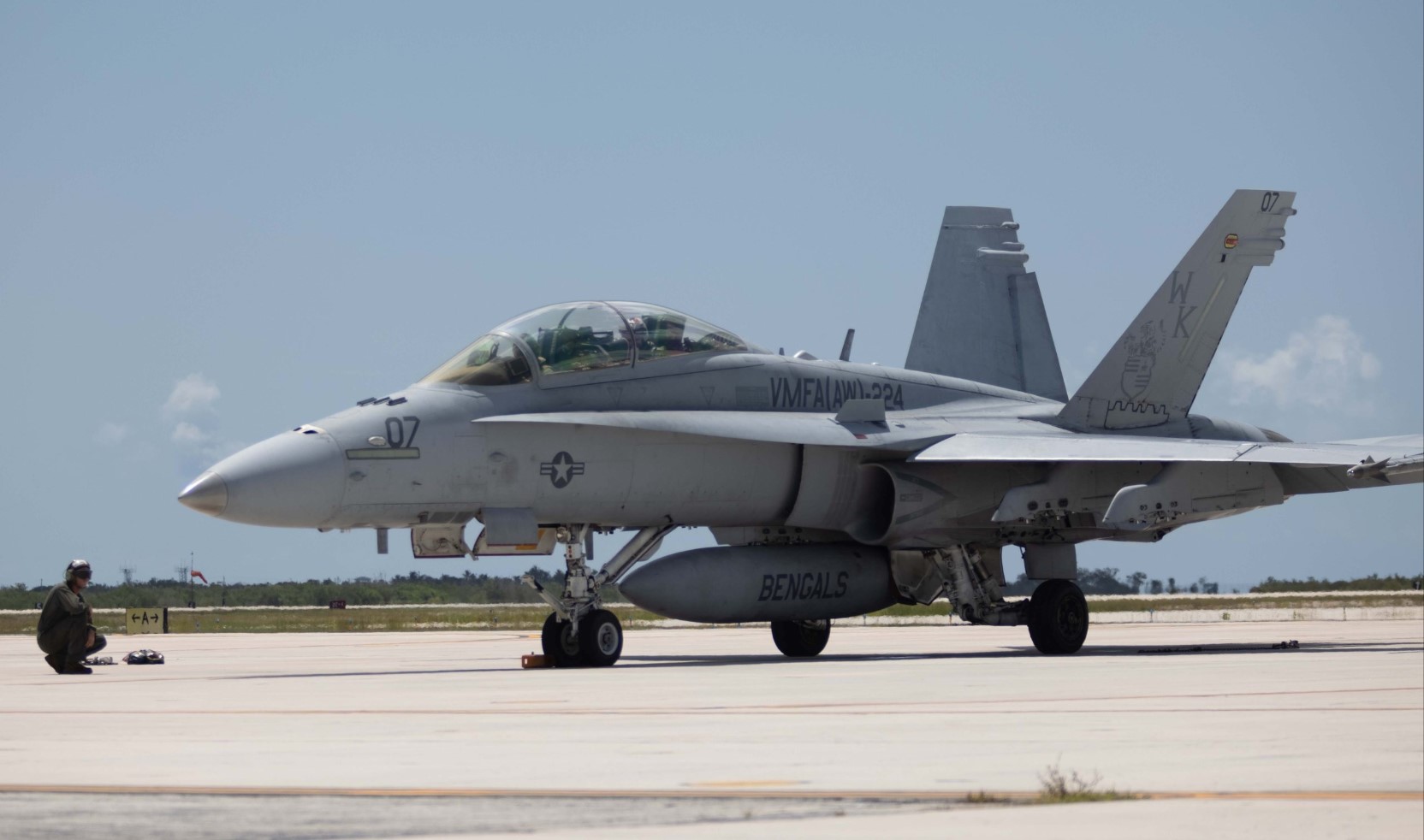 US Marine Corps F/A-18D Hornet Crashes During Training Flight in Washington Mountains; Pilot Ejects Safely
-
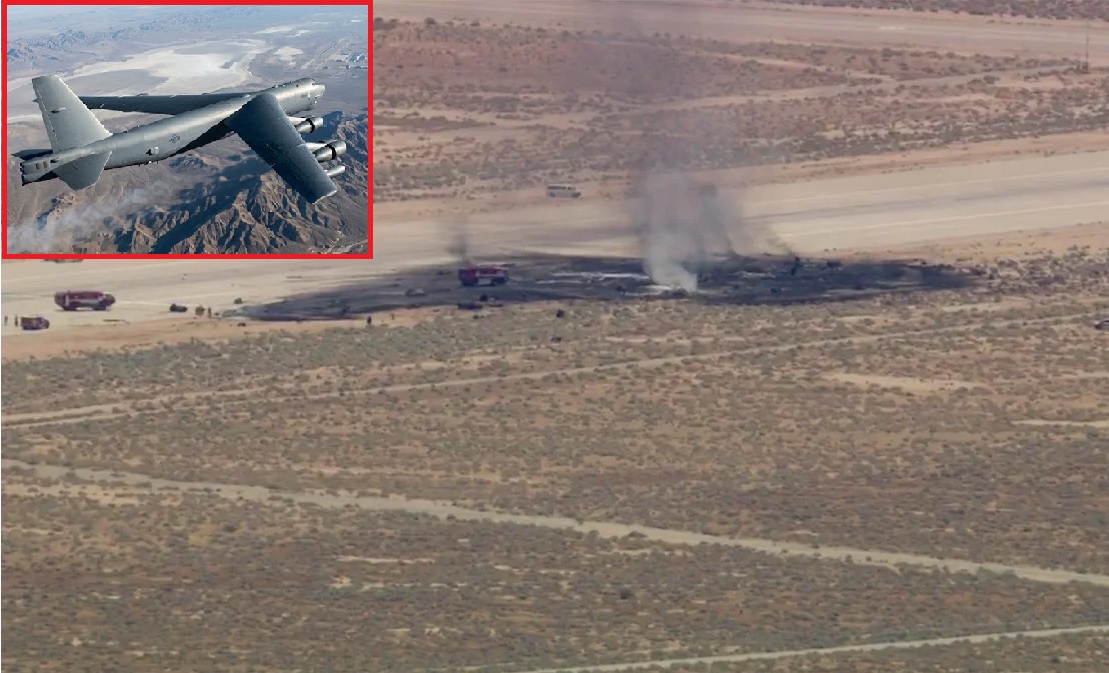 8 U.S. Air Force Crew Members Killed in B-52 Bomber Crash During Test Flight at Edwards Air Force Base
-
 Tulsi Gabbard Releases Declassified Files Detailing U.S.-Backed Network of 120 Biolaboratories Across 30+ Countries
-
 Ukraine Introduces Balloon-Launched DART Missile Designed to Defeat Electronic Warfare
-
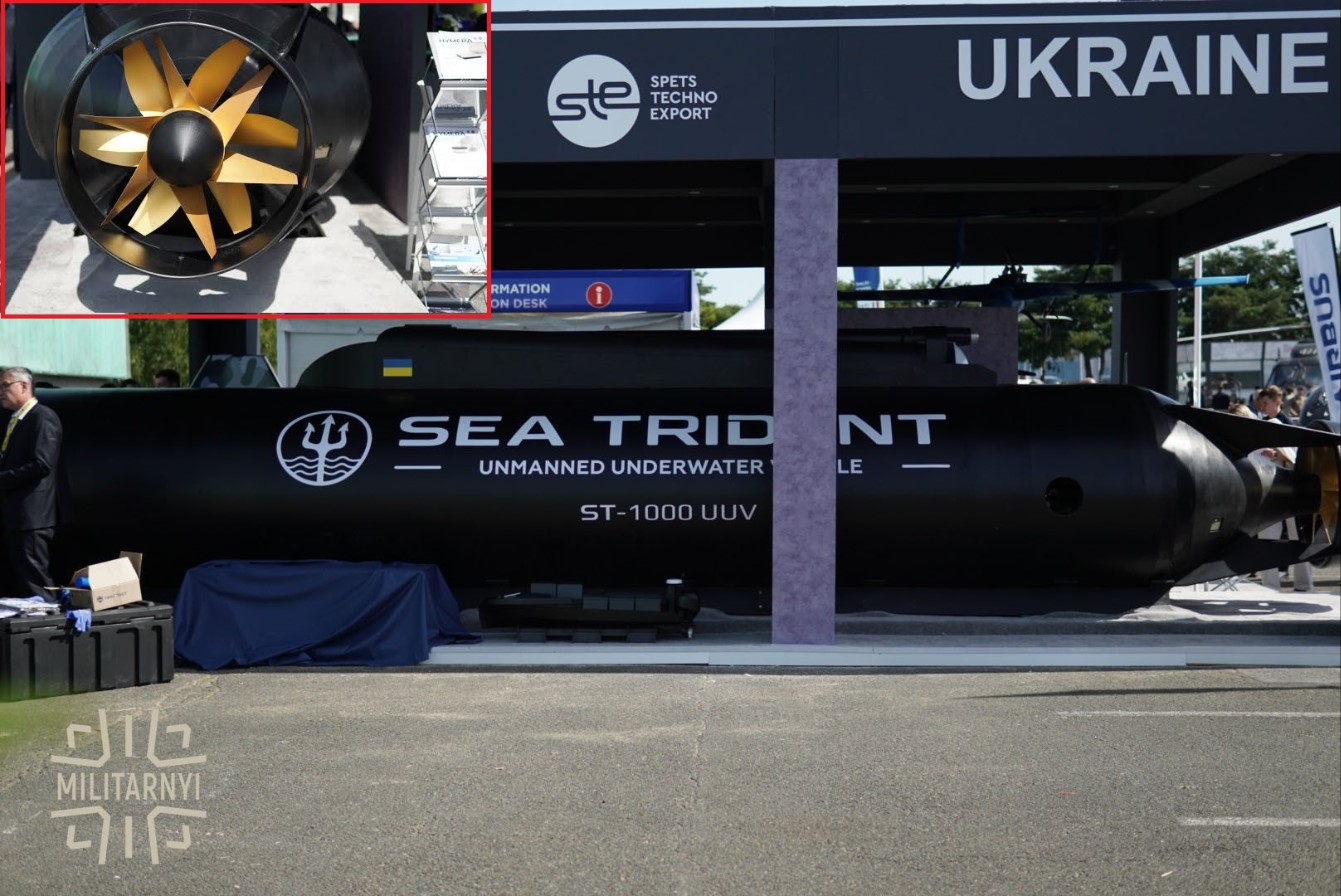 Ukraine Unveils 'Sea Trident' 10-Ton Autonomous Underwater Drone at Eurosatory 2026
-
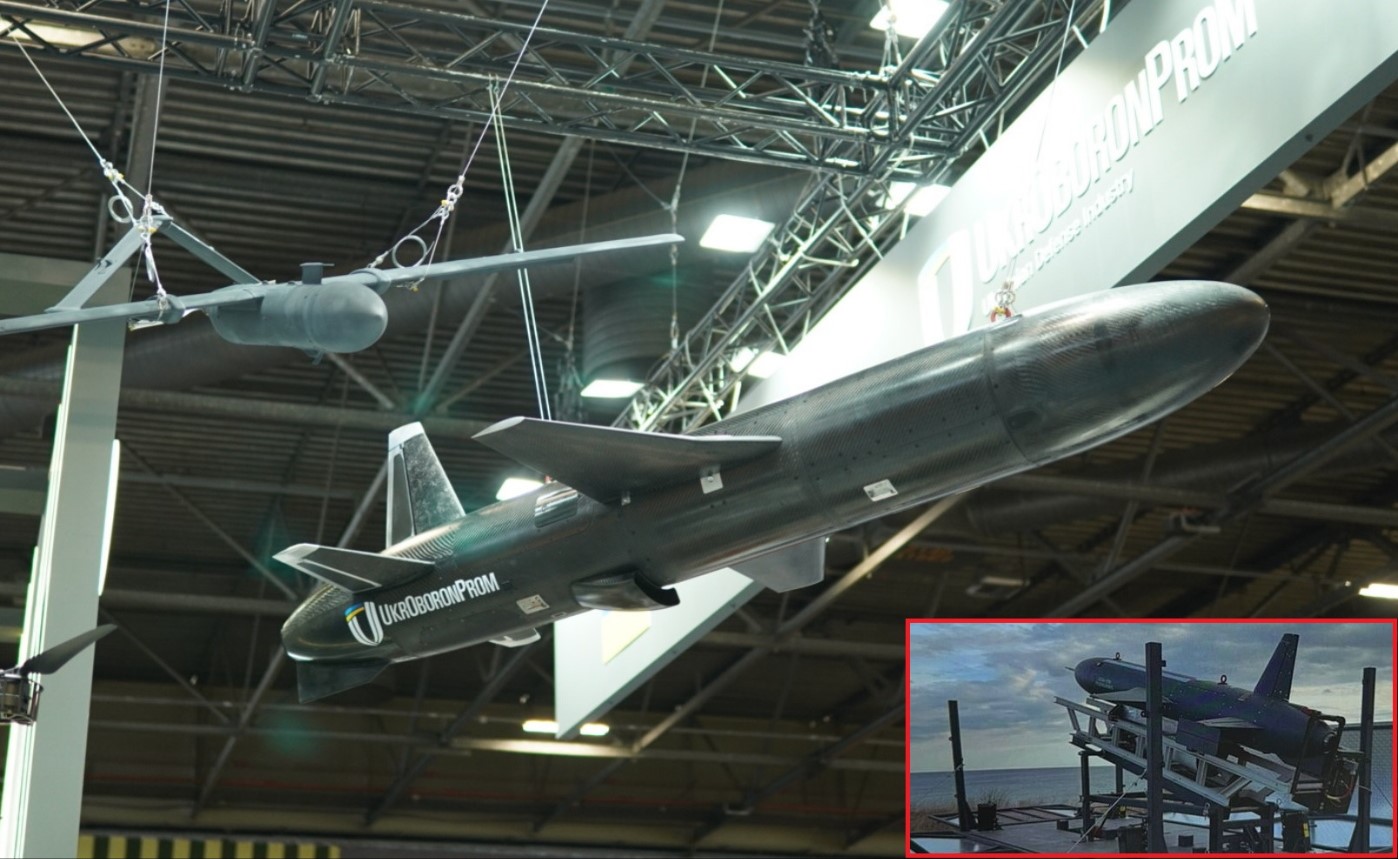 Ukraine Unveils UAV-290 Jet-Powered Strike Drone with 650 km Range at Eurosatory 2026
-
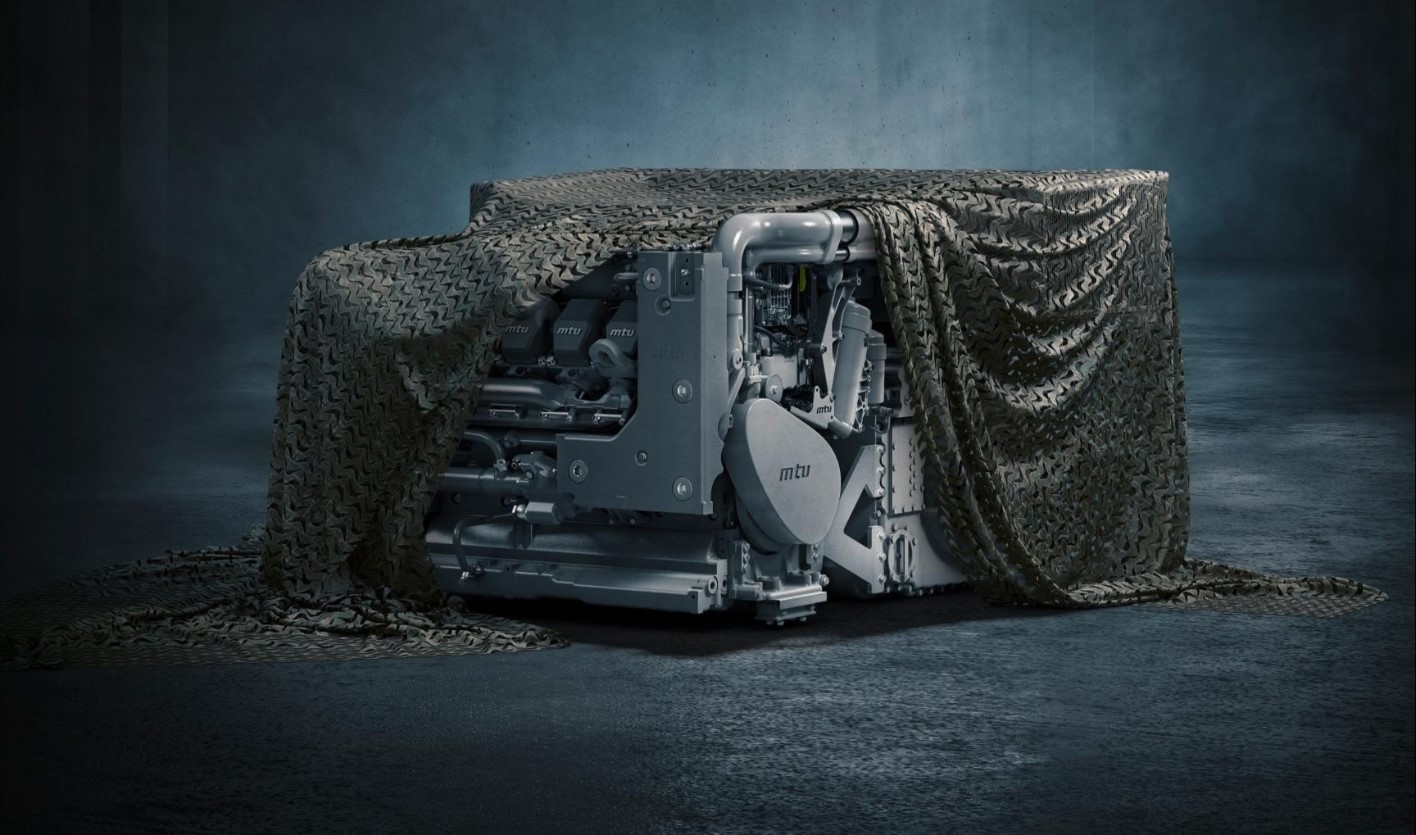 Rolls-Royce Unveils New Hybrid Powertrain for Heavy Military Vehicles at Eurosatory 2026
-
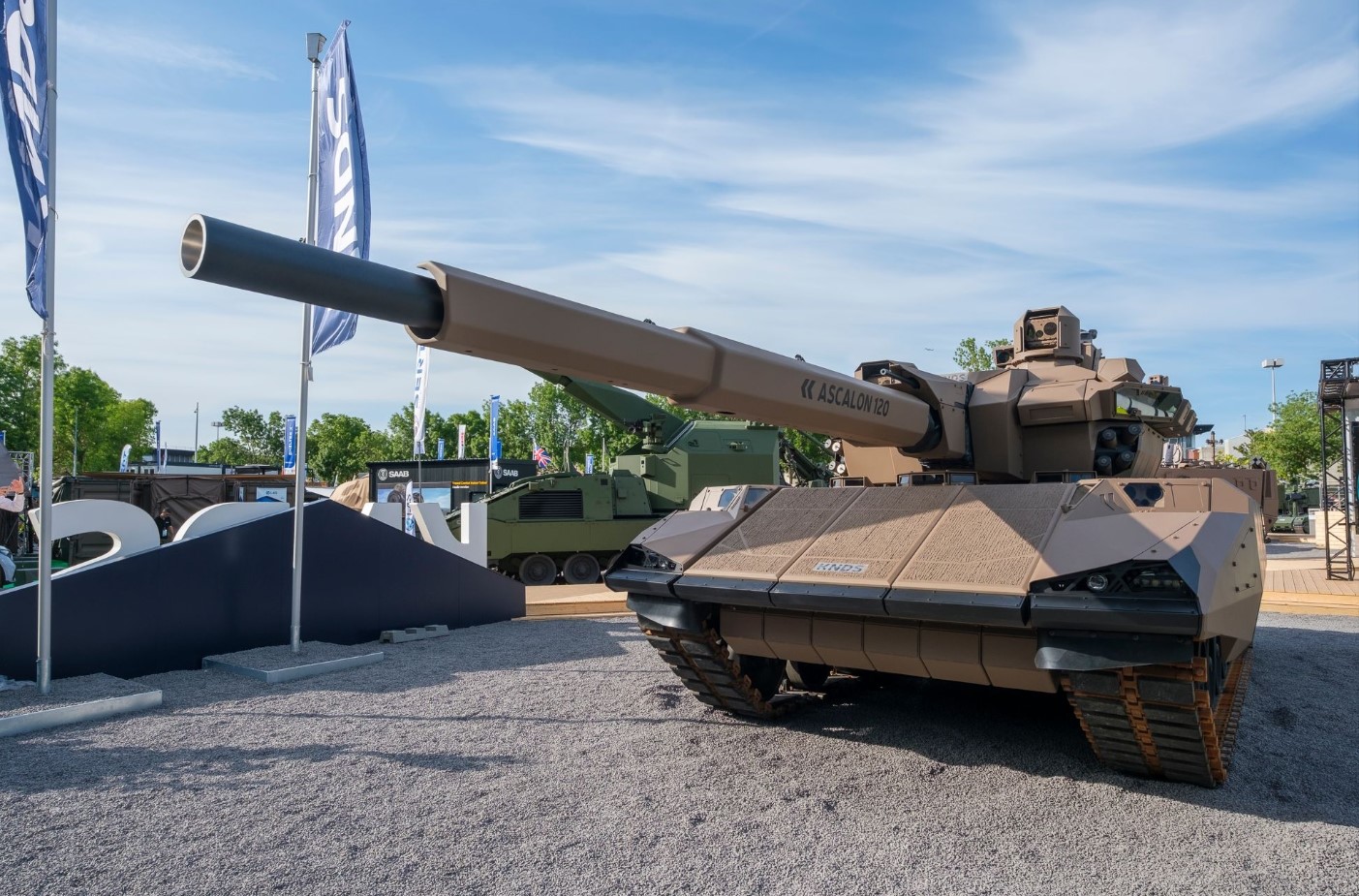 KNDS Unveils CAPINT Main Battle Tank at Eurosatory 2026 as Leclerc Stopgap