World
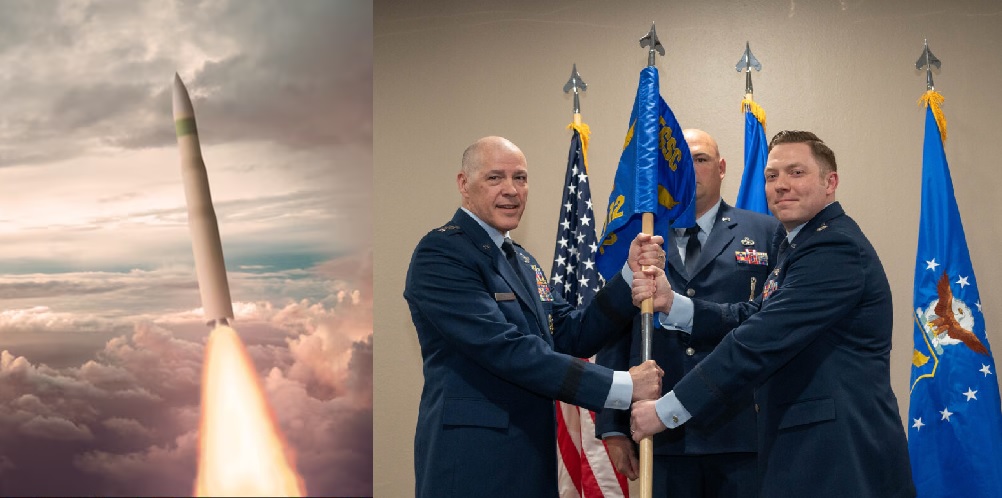
In a major step toward strengthening America’s nuclear deterrent, the U.S. Air Force officially activated Detachment 12 of the Sentinel Site Activation Task Force (SATAF) at Minot Air Force Base, North Dakota, on May 21, 2025. The ceremony, led by Gen. Thomas A. Bussiere, commander of Air Force Global Strike Command, marked the beginning of a new chapter in the nation’s strategic defense as preparations move ahead for the next-generation LGM-35A Sentinel Intercontinental Ballistic Missile (ICBM) system. The activation of Detachment 12 is a vital part of the larger modernization program for America’s land-based nuclear arsenal. This program will gradually replace the long-serving LGM-30 Minuteman III missiles, which have protected the U.S. since the 1970s. More than 400 Minuteman III missiles currently deployed across various missile fields in the United States will be phased out and replaced with the advanced Sentinel missile system. About the Sentinel ICBM Program The Sentinel program is designed to ensure that the land-based leg of America’s nuclear triad remains modern, secure, and capable for the decades ahead. While the nuclear warheads themselves will stay the same in number, size, and configuration — managed by the Department of Energy — the missiles, launch facilities, command systems, and supporting infrastructure are being completely rebuilt. The Sentinel ICBM, known by its official designation LGM-35A, brings a host of improvements over the Minuteman III. These include enhanced security features, modern propulsion systems, updated guidance technologies, and advanced digital command and control capabilities. It is built with adaptability in mind, making it better suited to respond to future threats in a rapidly changing global environment. Key Specifications of the Sentinel LGM-35A: Missile Type: Land-based Intercontinental Ballistic Missile (ICBM) Range: Over 6,000 miles (approximately 9,600 kilometers) Stages: Three solid-propellant rocket stages Payload: Single nuclear warhead (future configurations may allow for multiple independently targetable reentry vehicles or MIRVs if needed) Warhead: Existing stockpile managed by the U.S. Department of Energy Launch Method: Silo-based, with updated hardened facilities Propulsion: Modernized solid-fuel rocket motors Guidance: State-of-the-art inertial and satellite-aided navigation systems Detachment 12’s Role at Minot AFB The activation of Detachment 12 is a crucial step in ensuring that Minot’s infrastructure is ready for the arrival and operational deployment of the Sentinel system. The detachment is responsible for overseeing and managing transition efforts, construction projects, and operational preparations as Minot AFB prepares to host the next generation of ICBMs. The ceremony at Minot was more than a routine activation — it represented a reaffirmation of the U.S. Air Force’s dedication to strategic readiness. It also highlighted the importance of close collaboration between military units, defense industry partners, and local communities like Minot, which have long played a central role in America’s strategic deterrent. A Legacy of Strategic Strength During the ceremony, Gen. Bussiere emphasized the importance of a smooth and disciplined transition from the Minuteman III system to Sentinel. He noted that the men and women of the 90th, 91st, and 341st Missile Wings depend on a clear and effective plan to maintain uninterrupted strategic deterrence during the modernization process. Lt. Col. Nicholas Conover, commander of SATAF Detachment 12, expressed pride in returning to Minot and underscored the vital partnership between the Air Force and the local community. He noted that the success of the Sentinel program would be built on teamwork, dedication, and a shared commitment to national security. As the Sentinel program moves forward, its effects will be felt beyond military installations. The program promises not only cutting-edge defense technology but also economic and infrastructural investment in communities surrounding missile bases. Sentinel represents a generational leap in ICBM capabilities, providing a reliable and secure deterrent in an increasingly unpredictable world. The transition from Minuteman III to Sentinel ensures that the United States’ land-based nuclear forces remain modern, effective, and ready to meet future security challenges — preserving peace through strength for years to come.
Read More → Posted on 2025-06-03 11:12:15
World
In modern warfare, GPS signals can be more of a liability than an asset. Jamming, spoofing, or total signal loss can leave military aircraft and drones stranded without accurate navigation. Recognizing this critical weakness, French aerospace firm Sodern has introduced a smart, compact solution that relies not on satellites but on the stars themselves to guide aircraft through contested skies. The breakthrough system, called Astradia, marks a major step forward in resilient navigation technology. Instead of depending on vulnerable Global Navigation Satellite Systems (GNSS), Astradia uses celestial navigation—tracking stars to determine an aircraft’s orientation and position. This not only allows it to function independently of satellite networks but also gives it a significant advantage in GPS-denied environments like active warzones or under electronic attack. One of Astradia’s biggest strengths is its passive operation. Since it doesn’t emit any signals, it’s much harder to detect by enemy forces. This stealthy characteristic makes it especially attractive for missions that require secrecy, such as surveillance, reconnaissance, or deep-penetration operations in hostile territory. Astradia is remarkably compact and lightweight for the advanced capability it offers. Measuring just 176 x 185 x 207 millimeters (roughly the size of a large mug) and weighing under 3 kilograms, it’s easy to integrate into both manned aircraft and unmanned aerial vehicles (UAVs). Its small footprint opens the door for widespread use, not just in military applications but also in civilian aviation, including commercial drones and aircraft operating in remote or satellite-restricted areas. The system offers impressive accuracy, with the ability to determine location within just 1 meter (3.2 feet) at distances up to 70 kilometers (43 miles). During daytime, it relies directly on visible stars, while at night or in low-visibility conditions, it pairs with inertial navigation systems to maintain high-precision positioning. This dual-capability ensures reliable guidance around the clock. Sodern’s innovation reflects a broader push within the aerospace sector to develop resilient, independent navigation solutions that can operate in complex and contested environments. As electronic warfare becomes more advanced and global navigation systems more vulnerable, having a technology like Astradia offers both strategic security and tactical flexibility. The company is set to showcase Astradia at the 2025 Paris Air Show, one of the world’s biggest aviation events. With its blend of military-grade precision, stealth capabilities, and dual-use versatility, Astradia could soon become a standard feature on many aircraft—offering a reliable guide through the sky, no matter how hostile or jammed the battlefield becomes. In an age where the sky is no longer the limit but a frontline, Sodern's Astradia proves that sometimes, the best way forward is to look up—to the stars.
Read More → Posted on 2025-06-03 10:50:50
World
China is moving ahead with the development of its latest airborne early warning and control (AEW&C) aircraft — the KJ-3000. This advanced surveillance plane is designed to detect enemy stealth fighter jets like the American F-22 Raptor, F-35 Lightning II, and even the upcoming B-21 Raider bombers from long distances. The new aircraft is part of China’s plan to build a fully indigenous air warning system, reducing reliance on older foreign-supplied models. First Clear Look at the KJ-3000 On June 2, 2025, a high-resolution image revealed the first prototype of the KJ-3000 parked at an undisclosed airbase. The aircraft, still covered in primer paint, was identified by its serial number 7821. Its most noticeable feature is a large radar dome mounted on top of the fuselage’s rear, along with several antennas and an aerial refueling probe above the cockpit. This comes after the aircraft’s maiden flight on December 27, 2024, marking a major milestone for Chinese military aviation. Why Is the KJ-3000 Important? The KJ-3000 is meant to replace China’s aging fleet of KJ-2000 aircraft, which are based on old Russian Il-76 transport planes. Unlike its predecessor, the KJ-3000 uses a modern Chinese-made Y-20B heavy-lift transport aircraft as its base. This not only makes production easier but also allows China to upgrade and expand its early warning capabilities without depending on foreign suppliers. More importantly, the KJ-3000 is designed to track fifth-generation stealth aircraft and cruise missiles — threats that are hard to detect using older systems. Specifications and Capabilities Radar Coverage: The KJ-3000 is believed to have a 360-degree radar system that can detect stealth aircraft like the F-22 and F-35 from over 360 kilometers away. Detection Range: It can reportedly detect regular aircraft between 600 and 1,000 kilometers. Some estimates suggest the total radar detection range could be as high as 3,000 kilometers. Tracking Ability: The system may be capable of tracking up to 100 targets at the same time. Radar Type: There are reports that the KJ-3000 might use a dual-band radar system with Gallium Nitride (GaN)-based transmitter and receiver modules, although this is yet to be officially confirmed. Engine Power: It uses four WS-20 high-bypass turbofan engines, offering better fuel efficiency and higher thrust than the Russian engines in older models. Payload Capacity: The Y-20B airframe can carry up to 66 tons, giving it room for bigger radars, advanced electronics, and mission equipment. Aerial Refueling: An in-flight refueling probe allows the KJ-3000 to stay in the air for extended missions without landing. China’s Expanding Airborne Early Warning Fleet The KJ-3000 will join a family of Chinese AEW&C aircraft: KJ-2000: Based on the Russian Il-76, with a rotating radar dome. KJ-500: Built on a smaller Y-9 platform, widely used by both the air force and navy. KJ-200 (Y-8W): A lighter early warning aircraft for regional missions. KJ-600: A twin-turboprop plane for aircraft carriers. KJ-700: A newer variant spotted in 2024, featuring mid-life upgrades. WZ-9 Divine Eagle: A twin-fuselage unmanned AEW&C drone for long-range surveillance. Y-8J: Used by the navy with British-origin radar systems. Each aircraft plays a unique role in China’s strategy to create layered radar coverage over both land and sea. Future Roles and Combat Applications The KJ-3000 is expected to play a vital role in future combat situations by: Coordinating operations with China’s advanced fighters like the J-20, J-16, and J-10C. Enhancing air and missile defense capabilities. Supporting long-range precision targeting for missiles and bombers. Possibly carrying PL-17 air-to-air missiles for limited self-defense. Integrating future electronic warfare systems to jam enemy radars and communication systems. Working alongside unmanned AEW&C drones to extend surveillance beyond 1,000 kilometers. Some radar experts believe it might even track stealth bombers like the B-21 Raider from long distances. What’s Next for the KJ-3000? As of mid-2025, the KJ-3000 remains a prototype, but development has been rapid. Its introduction reflects China’s larger plan to build a self-reliant, multi-layered air defense system, especially in sensitive regions like the Taiwan Strait and the South China Sea. There’s no word yet on whether China will export the KJ-3000, though it’s likely to remain for domestic use in critical surveillance and airborne command missions for the foreseeable future. The KJ-3000 marks a major leap in China’s airborne early warning capabilities. With its powerful radar, large detection range, and ability to coordinate with modern stealth fighters, it strengthens China’s defenses against future air threats. It also reflects China’s commitment to building modern military technology independent of foreign suppliers.
Read More → Posted on 2025-06-03 10:47:39
World
In a significant step towards modernizing its naval forces, Russia launched a powerful new amphibious landing ship, the RFS Vladimir Andreyev, on May 30th at the Yantar Shipyard in Kaliningrad. This vessel represents the latest evolution in Russia’s Project 11711M line of landing ships and is part of a broader effort to replace aging Soviet-era vessels in the country’s fleet. The launch ceremony was attended by top naval officials, including Admiral Alexander Moiseyev, the Commander of the Russian Navy, along with representatives from the United Shipbuilding Company and Yantar Shipyard. Although the ship has been ceremonially launched and placed in floating dock PD-8, it may remain there for some time as work continues inside the vessel. This is a common practice in Russian shipbuilding, allowing for final outfitting and systems installation before full float-out. The Vladimir Andreyev, designated hull number 303, was originally laid down in April 2019 along with its sister ship, the RFS Vasily Trushin. Although both ships were initially expected to join the Russian Navy in 2023 and 2024, their commissioning has now been delayed until 2026. Once completed, both vessels will be deployed with Russia’s Pacific Fleet, replacing older landing ships from the Ropucha and Tapir classes. Though officially part of the Ivan Gren class, the Vladimir Andreyev is a major upgrade over its predecessors, the RFS Ivan Gren and RFS Pyotr Morgunov. The new vessel is roughly 40% larger, with an estimated full-load displacement of up to 9,500 tons compared to the earlier 6,000-ton design. Its enhanced size allows for a larger helideck, a more spacious unified superstructure, and significantly expanded internal vehicle storage decks. These improvements offer a substantial boost in operational capacity. While the original Ivan Gren-class could carry 13 main battle tanks or 36 BTR infantry vehicles along with 300 naval troops, the Vladimir Andreyev is capable of transporting double that number. It can reportedly hold 26 tanks or up to six companies of infantry fighting vehicles. A more realistic deployment would include a mix of three infantry companies and one tank company—essentially a naval infantry battalion. The ship’s aviation capabilities have also been enhanced. It can host up to four helicopters, including Ka-29 transport models or the Ka-52K attack helicopters, which were originally designed for Russia’s ill-fated Mistral-class project with France. The Ka-52K, with its foldable rotors and reinforced landing gear, can operate from the helideck and is capable of launching advanced missiles like the Kh-35 and Kh-38, adding a potent airstrike element to amphibious operations. The Vladimir Andreyev is powered by four 6,000 hp 16D49 diesel engines, offering more thrust compared to the two 5,200 hp engines on earlier ships in the class. Additionally, the vessel features an extra bow thruster, improving its ability to maneuver during docking and beach landings—an essential feature for amphibious warfare. While this ship and its sister vessel mark a leap forward for Russian amphibious capability, the future of the Project 11711M series remains uncertain. Reports in late 2023 suggested that two additional ships could be built at Yantar Shipyard for Russia’s Black Sea Fleet. This proposal arose in response to significant losses suffered by the Russian Navy in the Black Sea, where one Tapir-class and three Ropucha-class ships were reportedly destroyed during the ongoing conflict with Ukraine. For now, the Vladimir Andreyev stands as a symbol of Russia’s intent to renew its naval strength, particularly in its Pacific operations, and underscores its ongoing investment in advanced, large-scale amphibious capabilities. Whether more of these ships will follow remains to be seen, but their current development clearly signals a shift in how Russia envisions future naval warfare.
Read More → Posted on 2025-06-03 10:41:38
World
In a significant push to strengthen national defence and counter global threats, the UK has announced plans to build up to 12 new nuclear-powered attack submarines and invest £15 billion in its nuclear warhead programme. The move was unveiled as part of the government’s latest strategic defence review, which has been fully accepted with all 62 recommendations to be implemented. These submarines will be developed under the AUKUS security partnership—an alliance between the UK, the United States, and Australia—aimed at enhancing security and military capability in the Indo-Pacific and beyond. The future fleet, known as SSN-AUKUS, will eventually replace the existing Astute-class submarines starting in the late 2030s. The goal is to maintain and strengthen the UK’s continuous-at-sea nuclear deterrent, which ensures at least one British submarine is always on patrol, ready to respond to threats. This measure is seen as a vital safeguard in the face of rising global tensions, particularly amid concerns over Russia’s increasingly aggressive posture. Defence Secretary John Healey praised the professionalism of the Royal Navy’s submariners, stating, “Our outstanding submariners patrol 24/7 to keep us and our allies safe, but we know that threats are increasing and we must act decisively to face down Russian aggression.” He emphasized that these next-generation submarines and investments in nuclear capability are central to keeping Britain secure both domestically and on the global stage. The broader impact of the programme goes beyond security. It is also a major economic boost. According to the Ministry of Defence, the submarine initiative will sustain around 30,000 highly skilled jobs through the 2030s. It will also provide 30,000 apprenticeships and 14,000 graduate roles over the next decade, helping to support communities across the country and build the UK’s long-term technological and defence capabilities. The £15 billion for the nuclear warhead programme will help fund not only the warheads themselves but also support infrastructure, upgrades, and the development of the new Dreadnought-class submarines—responsible for carrying the UK’s Trident nuclear missiles. The strategic defence review outlines a comprehensive vision for Britain’s armed forces. It includes preparing for future conflicts, expanding weapons stockpiles, and increasing production capacity to respond rapidly to global crises. The plan also includes the purchase of up to 7,000 new long-range missiles, all to be built in the UK, a new cyber command to counter emerging digital threats, £1 billion in digital upgrades, and over £1.5 billion dedicated to improving armed forces housing. Prime Minister Keir Starmer framed the initiative as a core part of his government’s broader vision for national transformation. “From the supply lines to the front lines, this government is foursquare behind the men and women upholding our nation’s freedom and security,” he said. “National security is the foundation of my Plan for Change, and this plan will ensure Britain is secure at home and strong abroad, while delivering a defence dividend of well-paid jobs up and down the country.” The announcement signals a renewed era of British defence strategy, one that focuses equally on deterring adversaries and uplifting domestic industry. With long-term planning, major investment, and clear political will, the UK is positioning itself as a modern, capable, and resilient military power for the future.
Read More → Posted on 2025-06-02 15:37:10
World
In a disturbing revelation, Israeli drone footage released today captures armed Hamas operatives violently attacking civilians in Khan Yunis, Gaza, who were attempting to collect humanitarian aid. The video footage reportedly shows gunmen affiliated with Hamas not only firing live rounds but also hurling rocks at desperate civilians near looted aid trucks—yet another dark chapter in the group’s well-documented pattern of abuse and oppression against its own people. While much of the world remains focused on the broader Israeli-Palestinian conflict, the internal brutality faced by Gazans at the hands of Hamas often goes underreported. Today's footage provides irrefutable evidence of the militant group’s increasing hostility towards ordinary Palestinians, especially those seeking food and basic necessities amidst the dire humanitarian conditions that Hamas itself has helped create and sustain. Rather than facilitating the flow of food, water, and medical supplies into Gaza, Hamas continues to obstruct aid deliveries. The group has been repeatedly accused of diverting international humanitarian assistance for its military wing and using civilian infrastructure to store weapons and launch attacks—turning hospitals, schools, and UN shelters into combat zones. Such actions not only violate international law but also endanger the very population Hamas claims to defend. Today’s incident in Khan Yunis underscores the real face of Hamas: a regime more invested in maintaining control through fear and violence than alleviating the suffering of its people. By attacking aid seekers—men and women simply trying to secure food for their families—Hamas reveals a governing philosophy rooted not in resistance or liberation, but in tyranny and terror. Reports from humanitarian organizations working in Gaza have also pointed to increasing difficulty in coordinating aid distribution due to interference from Hamas. Trucks carrying vital supplies are often looted, redirected, or delayed by armed factions. Meanwhile, hunger, disease, and displacement continue to rise. This latest footage comes as part of a growing body of visual and testimonial evidence that paints a grim picture of daily life in Gaza under Hamas rule. Residents who dare to speak out about the group’s abuses risk imprisonment, torture, or worse. Journalists inside Gaza operate under strict surveillance, and many international reporters have been threatened or expelled for attempting to document these atrocities. The international community, particularly those who call for unconditional support for Gaza, must reckon with this reality: Hamas is not a liberator. It is an authoritarian, theocratic militia that has hijacked the Palestinian cause and turned its guns on its own people. The Khan Yunis incident is not an aberration—it is a continuation of a longstanding pattern. For true peace and recovery in Gaza, the world must recognize that aid and diplomacy cannot flow freely so long as Hamas remains in control. The people of Gaza deserve freedom—not only from war, but from the chokehold of a regime that views them not as citizens, but as pawns and shields in a perpetual war of its own making.
Read More → Posted on 2025-06-02 14:51:26
World
In a significant shift in its defense strategy, the United Kingdom is considering acquiring advanced American fighter jets equipped with nuclear weapons, signaling a renewed focus on deterrence as global tensions rise. This bold move comes amid escalating concerns over the threat posed by Russia and other state adversaries, and would mark the most dramatic nuclear-related development in British military posture since the Cold War. According to reports, the UK government is eyeing the purchase of the F-35A Lightning stealth fighter jets from the United States. Unlike the F-35B models currently operated by the Royal Air Force and Royal Navy, the F-35A is capable of carrying the B61-12 thermonuclear gravity bombs—modern low-yield nuclear weapons designed for precision targeting. These bombs are considered tactical nuclear weapons and are certified for use with F-35A jets, enhancing their strategic value on the battlefield. British officials have reportedly begun quiet discussions around the possibility of these aircraft being used in the event of a full-scale nuclear confrontation. The plan, if approved, would not only increase the UK’s participation in NATO’s nuclear sharing arrangements but also deepen its integration with U.S. nuclear defense planning. UK Defence Secretary John Healey emphasized that Britain must adjust to what he described as a “new era of threat.” Speaking on the matter, he noted, “The world is definitely becoming more dangerous. Nuclear risks are rising. We face now, for the first time since the end of the Cold War, seriously increasing risks of state-on-state conflict.” While an official defense ministry statement has not yet been issued, Healey’s remarks reflect a growing urgency within the UK’s national security circles. The timing of the UK’s interest in these nuclear-capable aircraft is closely aligned with broader changes in U.S. nuclear deployments in Europe. In January, the United States reportedly began moving B61-12 nuclear bombs into several European bases, including the Lakenheath airbase in eastern England. Although never officially confirmed, satellite imagery and defense sources have indicated that a new tactical nuclear weapons storage facility has been built at the base, which was previously used for such weapons during the Cold War. The broader UK defense strategy is also undergoing a transformation. An upcoming strategic defense review is set to invest approximately £6 billion to replenish the country’s dwindling munitions supplies. This includes £1.5 billion allocated for building six new defense factories, projected to generate around 1,000 jobs and strengthen the domestic defense industry. Beyond munitions, the review will also support the development of new missile defense systems capable of shielding the UK from ballistic missile threats. In addition, the Royal Navy will oversee the launch of a new underwater surveillance program to protect undersea internet cables and energy pipelines—key infrastructure that could be vulnerable to sabotage during conflicts or hybrid warfare. Taken together, these developments underscore a significant evolution in the UK’s approach to national defense. With nuclear tensions rising globally and state-on-state rivalry returning to the forefront, Britain is preparing for an era that looks increasingly unpredictable—and possibly more dangerous than at any time in recent decades.
Read More → Posted on 2025-06-02 14:22:58
World
In a potentially game-changing move, former U.S. President Donald Trump has reportedly offered Japan the F-47, a sixth-generation stealth fighter jet currently under development by Boeing. If the deal progresses, it would mark the first known export offer of the United States’ Next Generation Air Dominance (NGAD) aircraft — a milestone not only for the F-47 program but also for the future of international defense partnerships. The offer reportedly came during a phone call between Trump and Japanese Prime Minister Shigeru Ishiba on May 23. During the conversation, Trump emphasized the superiority of American airpower, highlighting not only the F-47 but also the iconic F-22 Raptor and a new, upgraded version of the F-35. He expressed a desire to provide Japan with “the best,” indicating the importance Washington places on maintaining a robust security alliance with Tokyo amid growing regional threats. The timing of the offer is particularly significant. Japan is currently part of the Global Combat Air Programme (GCAP), a collaborative sixth-generation fighter initiative with the United Kingdom and Italy. However, there is growing doubt in Tokyo about whether GCAP will deliver a fully operational aircraft by its targeted 2035 deadline. According to reports, Japan is weighing alternative paths, including acquiring more F-35 jets or upgrading its existing F-15 fleet to address potential gaps in air defense. In this context, the F-47 proposal appears to be a calculated move by the United States to redirect Japan’s focus toward American-made next-gen platforms. By offering the F-47, the U.S. is not just marketing a fighter jet—it is also asserting its position as Japan’s preferred defense partner at a time when China's military capabilities are rapidly advancing. Beijing is reportedly testing its own sixth-generation aircraft, tentatively named the J-36 and J-50, prompting U.S. allies in the Asia-Pacific region to modernize their air forces with urgency. While the F-47 remains in its development phase, Trump has already hinted at plans to export a slightly modified version to select allies. He acknowledged that while certain "toned-down" variants might be offered, they would still represent a massive leap in capability. This strategy mirrors how the U.S. handled F-35 sales—by expanding global participation, the production scale increased, which helped drive down costs per unit. A similar approach could make the F-47 financially viable for countries like Japan while enhancing interoperability with U.S. forces. The stakes for Japan are high. The country must navigate between honoring its existing commitment to GCAP and adapting quickly to emerging threats. If the F-47 proves to be a credible, earlier-available alternative, Tokyo might reassess its trajectory. Such a shift could also have ripple effects across Europe, particularly for the UK and Italy, which see Japan as a crucial pillar in GCAP’s success. For now, Japan has not publicly confirmed whether it will accept the U.S. offer. But the F-47 proposal has undeniably added a new layer of complexity to the strategic decisions Tokyo must make. With China’s air capabilities on the rise and tensions across the Indo-Pacific increasing, the future of Japan’s fighter fleet could well be shaped by this bold American proposal. If accepted, this would not only be the first export deal for the F-47 but also a major statement on where Japan sees its most reliable military partnership in the years ahead.
Read More → Posted on 2025-06-02 07:43:50
World
In one of the most daring operations of the war so far, Ukraine has delivered a powerful and surprising blow to Russia’s military airpower. Using drones hidden in specially modified trucks, Ukrainian forces managed to launch a long-range attack deep inside Russian territory — targeting airfields that house strategic, nuclear-capable bombers. The mission, planned over a year and a half, marked a turning point in Ukraine’s evolving drone warfare strategy. The operation was officially announced by Ukraine’s Security Service (SBU) and code-named “Web.” According to officials, the strike damaged or destroyed at least 41 Russian aircraft — including bombers and surveillance planes — at multiple air bases, some located more than 6,000 kilometers from Ukraine’s borders. These aircraft included models like the Tu-95 and Tu-22M, which have been used to launch missile attacks on Ukraine and are capable of carrying nuclear warheads. What makes this attack so remarkable isn’t just the distance or damage, but the method. Ukraine secretly smuggled first-person view (FPV) drones into Russian territory by hiding them inside wooden houses mounted on the back of trucks. These wooden structures had retractable roofs that opened remotely when the time was right. Once in position, the roofs opened and dozens of drones were launched from inside Russia itself — bypassing border defenses and catching the Russian military off-guard. President Volodymyr Zelenskyy confirmed that 117 drones were used in the operation, and that the launch sites were located near a local Russian FSB (Federal Security Service) building — a bold message to Moscow about the reach of Ukraine’s intelligence and military operations. The planning and execution of the strike were personally overseen by President Zelenskyy himself, according to a Ukrainian military official. The attacks hit Russian airfields in the regions of Irkutsk and Murmansk — both known for housing fleets of long-range strategic bombers. In addition to the bombers, Ukraine targeted A-50 early warning aircraft, which Russia uses for detecting threats and guiding missile strikes. The result? Ukrainian officials claim the strike disabled or destroyed 34% of Russia’s cruise missile-carrying aircraft, and estimated the damage at a staggering $7 billion. Though these numbers could not be independently confirmed, Russia did acknowledge damage to its aircraft and fires breaking out at key bases. It also admitted that more attacks were attempted in other regions, including Amur, Ivanovo, and Ryazan, though some were repelled. The operation shocked many observers, including U.S. defense officials, who admitted they were not informed in advance and described the attack as showcasing a level of sophistication they hadn’t seen before from Ukraine. The ability to smuggle and launch drones from inside Russia represents a significant evolution in Kyiv’s military tactics. But the strike also triggered a strong response from Moscow. Within hours, Russia launched its own largest drone and missile attack on Ukraine since the full-scale war began. The assault included 472 drones and seven missiles, and caused heavy casualties. A missile strike on a Ukrainian training center killed 12 soldiers and wounded over 60, forcing a key Ukrainian commander, Mykhailo Drapatyi, to resign. The strike’s location — far from the front lines — highlighted how vulnerable Ukraine remains to Russian surveillance and missile systems. The timing of this dramatic escalation is also critical. The drone strike by Ukraine comes just as peace talks are being planned in Istanbul. Ukraine’s Defense Minister, Rustem Umerov, is expected to lead the delegation, and President Zelenskyy has called on Russia to submit a long-promised memorandum on ending the war before formal discussions begin. With the conflict now entering an unpredictable phase — where Ukraine can hit targets thousands of kilometers away and Russia retaliates with overwhelming force — the world is watching closely. What is clear is that Ukraine’s bold new tactics are redefining modern warfare and sending a powerful message: distance is no longer a barrier, and no target is truly out of reach.
Read More → Posted on 2025-06-02 07:33:21
World
Honeywell Aerospace Technologies has announced a significant proposal to support Japan’s defence modernisation efforts with its advanced F124 turbofan engine. The announcement was made on 28 May 2025, as Honeywell expressed interest in equipping upcoming Japanese military aircraft with its proven engine technology. This proposal comes at a time when Japan is actively working to upgrade its aerial defence capabilities through multiple programmes. Notably, the F124 engine is being considered for the replacement of the ageing T-4 trainer aircraft and for powering the country’s future Collaborative Combat Aircraft (CCA) — a project that aims to develop next-generation unmanned and manned aerial combat systems. About the Honeywell F124 Engine The Honeywell F124 is a modern, non-afterburning turbofan engine known for its impressive thrust-to-weight ratio and highly reliable performance. Currently used in platforms like the Leonardo M346 advanced jet trainer, the F124 has built a reputation for efficiency, safety, and minimal maintenance needs. One of the key strengths of the F124 engine lies in its modular design, which simplifies maintenance and reduces downtime for operators. It’s equipped with a Full Authority Digital Electronic Control (FADEC) system, ensuring precise engine management and optimised performance under various conditions. The engine also integrates an advanced Engine Monitoring System (EMS) that tracks engine health, enhances safety, and extends operational life by predicting maintenance needs before issues arise. Unlike some traditional military jet engines, the F124 operates without an afterburner, which helps to lower fuel consumption and operational costs while still delivering excellent thrust levels suitable for both training and combat missions. F124 Engine Specifications Feature Details Type Non-afterburning Turbofan Engine Maximum Thrust Approx. 28 kN (6,250 lbf) Length 3.3 meters (10.8 ft) Diameter 0.88 meters (2.9 ft) Dry Weight 640 kg (1,410 lb) Thrust-to-Weight Ratio High, among best in its class Control System Full Authority Digital Electronic Control (FADEC) Engine Monitoring Integrated Engine Monitoring System (EMS) Fuel Consumption Lower than traditional military engines due to non-afterburning design Flight Hours Logged Over 1 million Applications Leonardo M346 trainer, proposed for Japan’s T-4 replacement, future CCA programme Supporting Japan’s Defence Modernisation As Japan accelerates its efforts to modernise the Japan Air Self-Defense Force (JASDF), the need for reliable, efficient, and future-ready engine technologies has become critical. Honeywell’s Vice President of Defense for Asia Pacific, Sathesh Ramiah, highlighted the importance of this proposal, stating that Honeywell is ready to support Japan’s evolving aerial defence needs through the proven capabilities of the F124 engine. With a strong track record, over a million flight hours in service, and adaptability for both manned and unmanned systems, the F124 stands as a strong candidate to help Japan enhance its defence readiness. Its suitability for both advanced trainers and collaborative combat aircraft aligns well with the future operational strategies envisioned by the JASDF.
Read More → Posted on 2025-06-01 16:07:30
World
In one of the most intense days of fighting since the war began, Russia launched its largest drone attack on Ukraine since the full-scale invasion started three years ago. According to Ukraine’s Air Force, a total of 472 drones were unleashed across Ukrainian airspace on Sunday, alongside seven missiles in a massive overnight assault. Details of the Drone Barrage The Ukrainian Air Force confirmed that most of the drones were Shahed-type attack drones, a loitering munition that explodes on impact, commonly supplied to Russia by Iran. These drones are often used in large waves to overwhelm Ukrainian air defenses. Yuriy Ignat, the head of communications for Ukraine's air force, explained that the air force and ground-based defense systems worked through the night to shoot down a majority of the drones, but some still reached their targets, causing damage and casualties. This marked the highest number of drones launched in a single day since the conflict escalated in February 2022. Missile Strike on Ukrainian Army Unit On the same day, a deadly missile strike by Russian forces targeted a Ukrainian army training unit, located far behind the 1,000-kilometer (620-mile) active front line. The missile hit around 12:50 p.m. local time (0950 GMT). The Ukrainian Ground Forces reported at least 12 soldiers killed and over 60 others injured in the attack. Importantly, officials noted that no mass formations or gatherings of troops were being held at the time, as Ukrainian forces routinely avoid large assemblies due to the constant surveillance of Russian drones over the front. A special investigative team was immediately formed to uncover how such a deadly strike was possible. The Ukrainian military warned that if negligence or errors by officials contributed to the incident, those responsible would face strict consequences. Ukraine Plans New Peace Talks In the midst of this ongoing escalation, Ukrainian President Volodymyr Zelenskyy announced that a Ukrainian delegation would head to Istanbul for a new round of direct peace talks with Russia on Monday. Defense Minister Rustem Umerov will lead the Ukrainian side. Zelenskyy stated that Ukraine continues to do everything it can to defend its independence and citizens while also exploring diplomatic options to end the war. Ukrainian officials had earlier demanded that Russia submit a formal memorandum outlining its stance on ending the conflict before these talks. Moscow indicated it would present this document during the meeting. Ukrainian Drone Strikes Inside Russia Ukraine did not remain passive on the day of the drone attacks. Ukrainian forces reportedly carried out drone strikes deep inside Russian territory, including in the Irkutsk region of Siberia — a staggering 4,500 kilometers (2,800 miles) east of Moscow. Local Russian Governor Igor Kobzeva confirmed the presence of a Ukrainian drone in the region, marking the first time such an incident occurred in Irkutsk. Authorities claimed there was no threat to civilians. Additionally, Ukrainian drone attacks were reported in Russia’s Ryazan region and the Arctic Murmansk region. While no casualties were reported, these strikes demonstrate Ukraine's ability to reach targets deep within Russian borders. Northern Frontline Situation Meanwhile, on the northern front, Russia’s Ministry of Defense declared it had taken control of the village of Oleksiivka in Sumy region. In response, Ukrainian officials ordered mandatory evacuations in 11 nearby settlements due to the increasing risk from advancing Russian forces. Ukraine’s military commander-in-chief Oleksandr Syrskyi stated that Russian troops were focusing their main offensive operations on several key areas: Pokrovsk, Toretsk, and Lyman in the Donetsk region, as well as along the border areas of Sumy. The Bigger Picture This surge in drone and missile attacks comes as both sides gear up for what many experts predict could be a crucial phase in the war. Russia continues to apply pressure on multiple fronts while Ukraine — grappling with manpower shortages and the constant threat from drones — looks to both bolster its defenses and pursue peace negotiations. Despite heavy attacks, Ukraine’s leadership remains firm in its resolve to protect the country’s sovereignty and seek a fair resolution to the conflict.
Read More → Posted on 2025-06-01 16:04:35
World
In a bold and unprecedented operation, Ukraine has carried out what appears to be its largest drone strike campaign since the start of the conflict, targeting two vital Russian air bases deep within Russian territory. The carefully coordinated assault took place on June 1, striking the Olenya and Belaya airfields, both known to house Russia’s long-range strategic bombers responsible for missile attacks on Ukrainian cities. This operation marks a significant escalation in Ukraine’s drone warfare strategy. According to Ukrainian defense officials, the attack was executed using swarms of drones launched from mobile vehicles positioned close to the airfields. These mobile launch platforms allowed Ukrainian operators to maintain direct line-of-sight control, ensuring highly accurate navigation and precise strikes on critical targets. The mission was conducted under the supervision of Ukraine’s Security Service (SBU) as part of an ongoing special operation known by the codename “Pavutyna”, which means “Web” in Ukrainian. The goal of this campaign is to weaken Russia’s long-range aerial strike capabilities, which have been used to bombard Ukrainian infrastructure and cities. A Ukrainian official involved in the operation described it as “a coordinated effort to eliminate enemy aircraft that continue to attack our civilian infrastructure on a nightly basis.” Scale of the Strike Ukrainian sources claim that the drone swarms managed to damage or destroy more than 40 aircraft, including some of Russia’s most important aerial assets: Tu-95 bombers — Long-range, nuclear-capable aircraft used for launching cruise missiles. Tu-22M3 bombers — Capable of carrying both conventional and nuclear weapons, often used for strikes against Ukrainian targets. At least one A-50 airborne early warning aircraft, an essential part of Russia’s air surveillance and coordination system. Footage released by Ukrainian defense channels shows smoking wrecks of Tu-95 bombers engulfed in flames, with secondary explosions lighting up the night sky. Open-source videos from local residents also captured the aftermath of the attacks, further confirming the operation's scale and success. Estimated Damage While the full extent of the losses has yet to be independently verified, Ukrainian estimates suggest that Russia may have suffered over $2 billion in damage. If confirmed, this would be the most severe blow to Russia’s strategic aviation assets since the beginning of its full-scale invasion of Ukraine in 2022. The destruction of these long-range bombers could temporarily disrupt Russia’s capacity to conduct missile strikes deep into Ukrainian territory, offering a critical window of relief for Ukrainian cities frequently targeted by aerial attacks. Strategic Implications The Tu-95 and Tu-22M3 bombers are pivotal to Russia’s long-range offensive strategy, often launching cruise missiles from standoff ranges, far from the frontlines. By targeting these aircraft directly at their home bases, Ukraine has demonstrated an ability to reach deep into Russian territory and strike valuable military assets. Moreover, the use of mobile, remotely launched drone swarms showcases Ukraine’s evolving and increasingly sophisticated drone warfare tactics, capable of bypassing Russia’s layered air defenses. As the war enters another tense phase, this high-impact operation underlines how unmanned systems and precision drone warfare are reshaping modern conflicts, offering smaller nations a way to challenge superior conventional airpower. This attack also signals that Ukraine is determined to take the battle to the heart of Russia’s military infrastructure, targeting the very aircraft responsible for many of the devastating missile strikes against civilian areas. With operations like Pavutyna continuing, it’s clear that Ukraine’s drone campaign is entering a new, more aggressive chapter.
Read More → Posted on 2025-06-01 16:00:19
World
In a political moment that can only be described as peak Pakistan, former Prime Minister Shehbaz Sharif delivered a painfully honest (and hilariously humiliating) confession about the country’s global standing. At a recent event, flanked by none other than Army Chief General Asim Munir, Shehbaz admitted what everyone already knew—but never expected a Pakistani leader to say out loud: “Even our trusted allies like China, Saudi Arabia, Turkey, Qatar, and the UAE do not like Pakistan to continue begging with a bowl in its hand.” Yes, you read that right. Pakistan’s own leadership has finally acknowledged what the world has been laughing about for years—Islamabad’s foreign policy is 90% diplomacy, 10% bowl polishing. Bowl Diplomacy Fatigue: Even Iron Brothers Have Limits For decades, Pakistan has proudly paraded around its so-called “iron brotherhood” with China, its “spiritual alliance” with Saudi Arabia, and “strategic brotherhood” with Turkey. But as it turns out, even brothers get tired when you're constantly borrowing their wallet. It seems China, despite being the proud architect of the $60 billion CPEC project, has started rolling its eyes whenever Islamabad shows up. Beijing may be building roads and ports, but it’s not looking to fund perpetual “budget black holes.” Saudi Arabia? Once a generous ATM machine, now quietly disabling international withdrawals. Turkey? Ankara’s probably blocking Islamabad’s number like an annoying friend who only calls when he’s broke. Even Qatar and the UAE—wealthy Gulf nations who once sprinkled billions like confetti during Islamabad’s financial crises—have started looking for the exit door when they see the infamous “Pakistani bowl” approach the table. "We’re Not Begging. We’re... Asking Aggressively." Shehbaz’s confession sounded less like political commentary and more like an awkward dinner table moment where someone blurts out the family secret. Imagine saying this in front of the Army Chief, who arguably runs Pakistan, and whose job includes pretending that things are totally under control. You could almost hear the crickets in the room—and the sound of IMF forms rustling in someone’s briefcase. This is probably the first time a Pakistani leader admitted—without sugarcoating or blaming “external conspiracies”—that even their allies are suffering from bowl fatigue. Pakistan: The Netflix of Bailouts – Always Buffering Pakistan’s economic policy over the last few decades has been a masterpiece of “how to survive without ever thriving.” It’s a country that treats every budget like a GoFundMe campaign. If there were Olympics for debt diplomacy, Islamabad would have a trophy cabinet so full it would need another loan to expand it. Let’s be honest, at this point Pakistan’s Ministry of Finance should just be renamed the Ministry of Emergency Donations. Every few months, there’s either a trip to Beijing, a desperate flight to Riyadh, or a “friendly” call to the IMF that ends in more belt-tightening than a medieval torture chamber. Conclusion: When the Bowl Breaks... Shehbaz Sharif’s statement isn’t just a gaffe—it’s an accidental truth bomb. A national moment of clarity. A reminder that even the best poker players can’t bluff forever if the chips are always borrowed. So now, as even their best friends begin to look the other way, perhaps it’s time Pakistan upgrades from a begging bowl to something more useful—like an economic strategy. Until then, the world watches the tragicomedy unfold, popcorn in one hand, and Shehbaz’s quote on loop in the other: “Even our trusted allies… do not like Pakistan to continue begging with a bowl in its hand.” No kidding.
Read More → Posted on 2025-06-01 15:50:54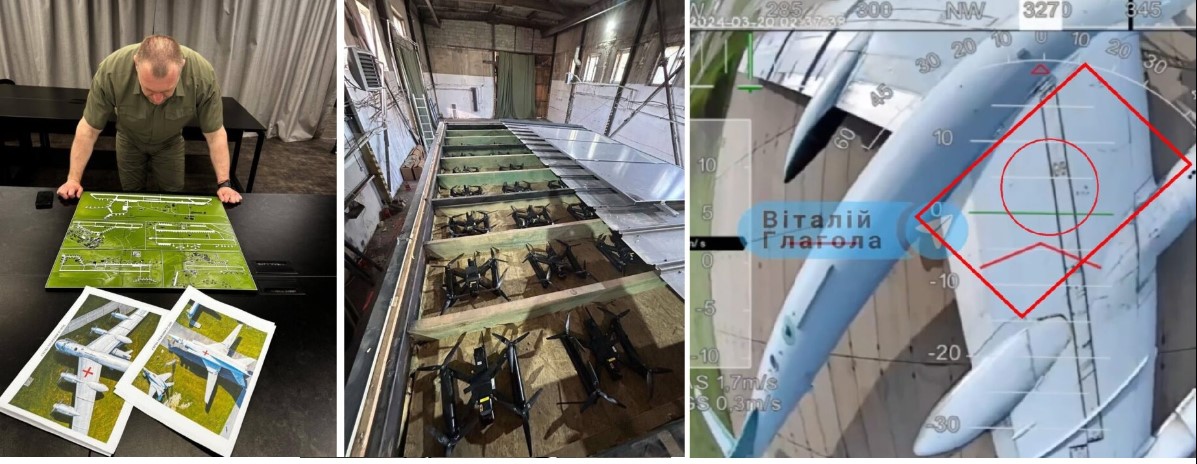
World
In a major leap for modern warfare, Ukraine has revealed details of a daring drone strike operation targeting Russia’s strategic bombers deep inside its territory. This mission, led by Ukraine’s Security Service (SBU), showcased not only advanced unmanned technology but also the clever use of artificial intelligence to outsmart Russian defenses. The operation, which took over 18 months to plan, used drones developed entirely within Ukraine. These were no ordinary drones — they were equipped with AI systems capable of identifying Russian airbases, spotting vulnerable points on the aircraft, and launching attacks without human intervention once airborne. The main targets were Russia’s prized Tu-95MS and Tu-22M3 bombers, both of which play a key role in carrying out long-range missile strikes against Ukrainian cities. These bombers often carry Kh-101 cruise missiles under their wings, making them a high-priority threat for Ukraine’s defense forces. What made this operation remarkable was the precision with which the drones struck. The AI-guided systems focused their attacks on two crucial areas: the underwing pylons of the Tu-95MS — where the Kh-101 missiles are mounted — and the nearby fuel tanks. Damaging these parts meant disabling the bombers’ ability to carry out future attacks while also risking fuel fires on the ground. To carry out the operation, SBU operatives secretly transported 150 small strike drones and 300 munitions into Russian territory. Out of these, 116 drones were launched directly from concealed positions. The drones were hidden inside special modular wooden cabins mounted on trucks. These cabins had roof panels that opened remotely, allowing the drones to fly toward their pre-selected targets without exposing the launch crew to danger. Another clever tactic involved using Russian telecommunications networks for controlling the drones. The AI system onboard each drone could correct its course mid-flight, using the local networks without relying on external support, making detection and interception by Russian forces even harder. Photographs released by the SBU also showed agency chief Vasyl Maliuk studying detailed images of the targeted bombers. These images marked structural weak points on the aircraft, including missile mounting points, engine housings, and fuel systems. These weak points were fed into the AI targeting programs, enabling the drones to strike with accuracy. What makes this operation even more significant is that it was entirely Ukrainian in execution. No Western-made parts or systems were involved. All components were either made in Ukraine or procured from Chinese suppliers, demonstrating Ukraine’s growing capability to independently develop advanced, combat-ready technology. This daring mission, which reportedly damaged or disabled 41 Russian aircraft, stands as one of Ukraine’s most ambitious and complex military operations to date. It also highlights how warfare is rapidly evolving, with AI-powered drones now capable of operating deep inside enemy territory with minimal human oversight. As the conflict continues, this operation signals a new phase in drone warfare — one where artificial intelligence, precision strikes, and homegrown innovation play a decisive role on the modern battlefield.
Read More → Posted on 2025-06-01 15:37:02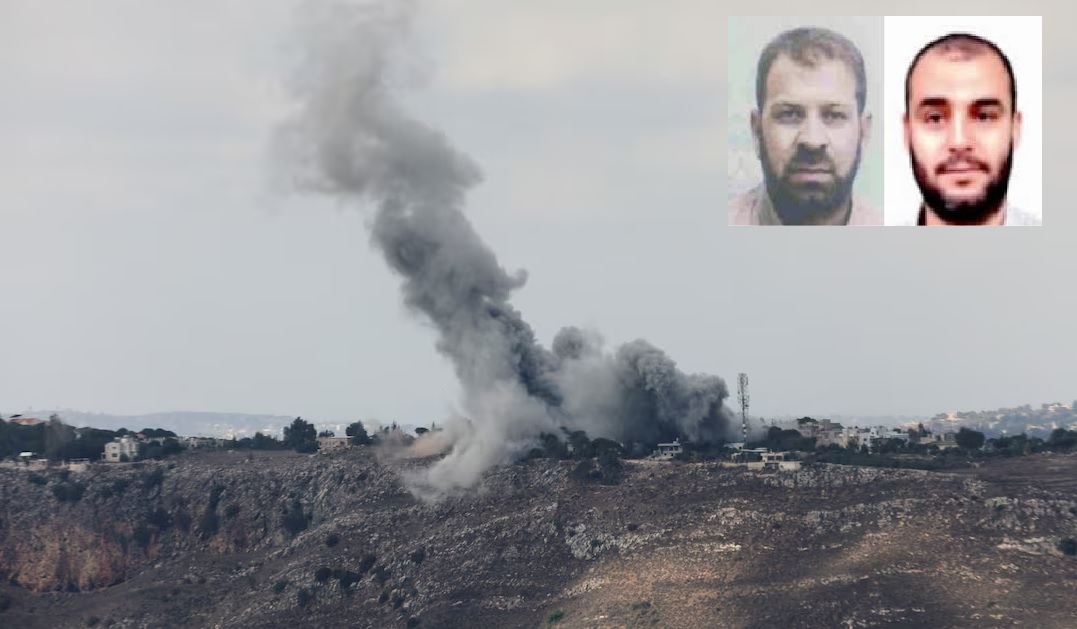
World
In one of the most intense and controversial strikes of the Gaza conflict, Israel announced that it had eliminated senior Hamas military commander Muhammad Sinwar during a powerful airstrike targeting a tunnel beneath the European Hospital in Khan Younis on May 13. The strike, carried out in just 30 seconds with over 50 precision-guided bombs, was described by the Israel Defense Forces (IDF) as a carefully planned operation based on concrete intelligence. According to Israeli officials, the strike did not target the hospital directly but focused on a hidden underground Hamas command center beneath the facility. Israeli intelligence indicated that high-ranking Hamas commanders were meeting in that tunnel to discuss ceasefire terms and ongoing hostage negotiations. Fearing that hostages could be present, the IDF initially delayed the operation. But once intelligence confirmed there were no captives inside, the green light was given. The tunnel strike reportedly killed not only Muhammad Sinwar, but also two other top Hamas operatives — Muhammad Shabana, commander of the Rafah Brigade, and Mahdi Quara, commander of the South Khan Younis Battalion. Israel says all three men were involved in planning and executing the October 7, 2023 attacks on Israel, an event that triggered a full-scale war between Israel and Hamas. Muhammad Sinwar, the younger brother of former Hamas leader Yahya Sinwar, had been a prime target for months. After the deaths of senior Hamas figures like military chief Muhammad Deif and Yahya Sinwar, Muhammad stepped into a leading role in directing Hamas’s military activities in Gaza. He was labeled a key mastermind of the October 7 assault and was said to be obstructing peace and hostage release efforts. The IDF emphasized that although the strike occurred near a hospital, they used “extensive intelligence and precision tactics” to avoid damaging the hospital building itself. However, the aftermath tells a more complicated story. The Hamas-run Gaza Health Ministry reported that 16 people were killed and more than 70 others were injured. Following the first wave of bombs, additional strikes were launched to prevent any attempted rescue or escape by Hamas operatives trapped in the tunnel. Israel’s Defense Minister, Israel Katz, confirmed Sinwar’s death and issued a sharp warning to the remaining Hamas leadership. “Now it is official: The murderer Muhammad Sinwar has been eliminated… he was sent to meet his brother at the gates of hell,” Katz declared. He also directly threatened Izz al-Din Haddad, who has reportedly taken over Hamas command in Gaza, and Khalil al-Hayya, a senior Hamas leader abroad. Israeli officials hailed the operation as a major blow to Hamas’s leadership structure. Yet, it has also stirred international attention because of its location — under a functioning hospital — and the civilian casualties it caused. Critics argue that targeting militants near sensitive civilian sites like hospitals risks escalating humanitarian concerns and international condemnation. As the war continues, this strike marks another chapter in Israel’s strategy of decapitating Hamas’s leadership. Whether this will speed up ceasefire talks or provoke further retaliation remains to be seen. The elimination of a top commander like Sinwar may bring tactical success for Israel, but the path to lasting peace in the region is still uncertain.
Read More → Posted on 2025-06-01 11:05:58Search
Top Trending in 24 Hours
-
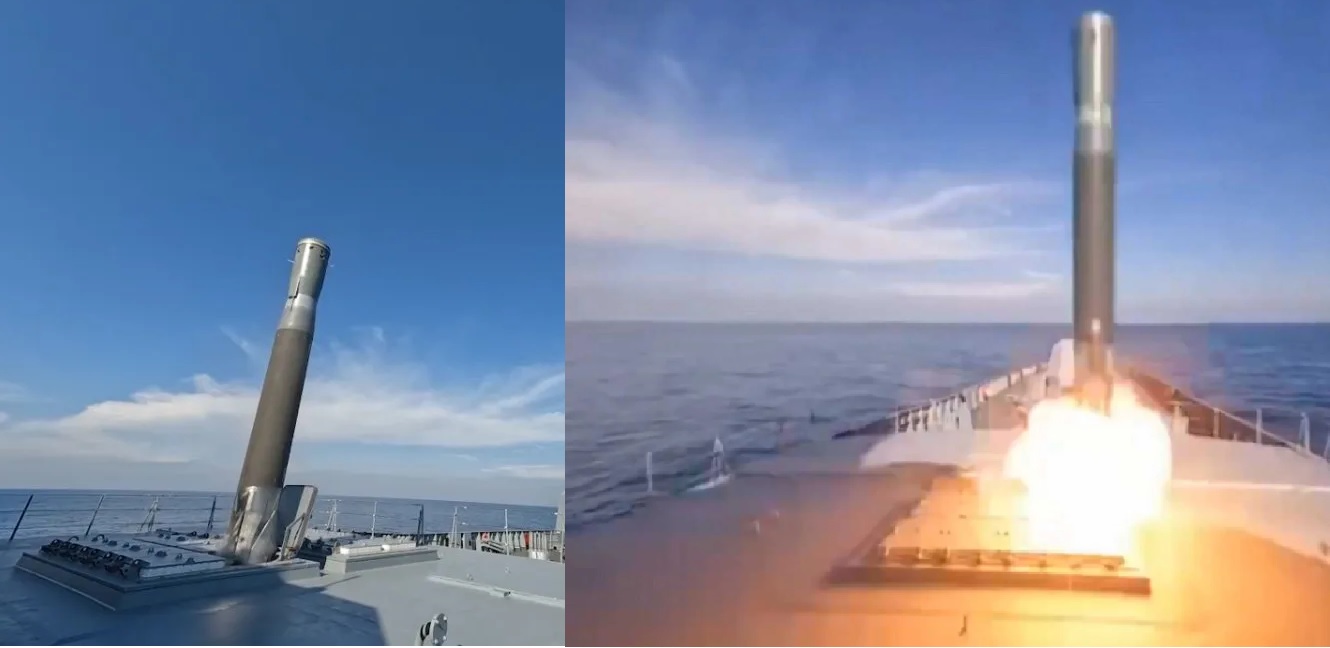 Open-Source Evidence Suggests Russia's Zircon Is a Quasi-Ballistic Missile, Not a True Hypersonic Cruise Weapon
-
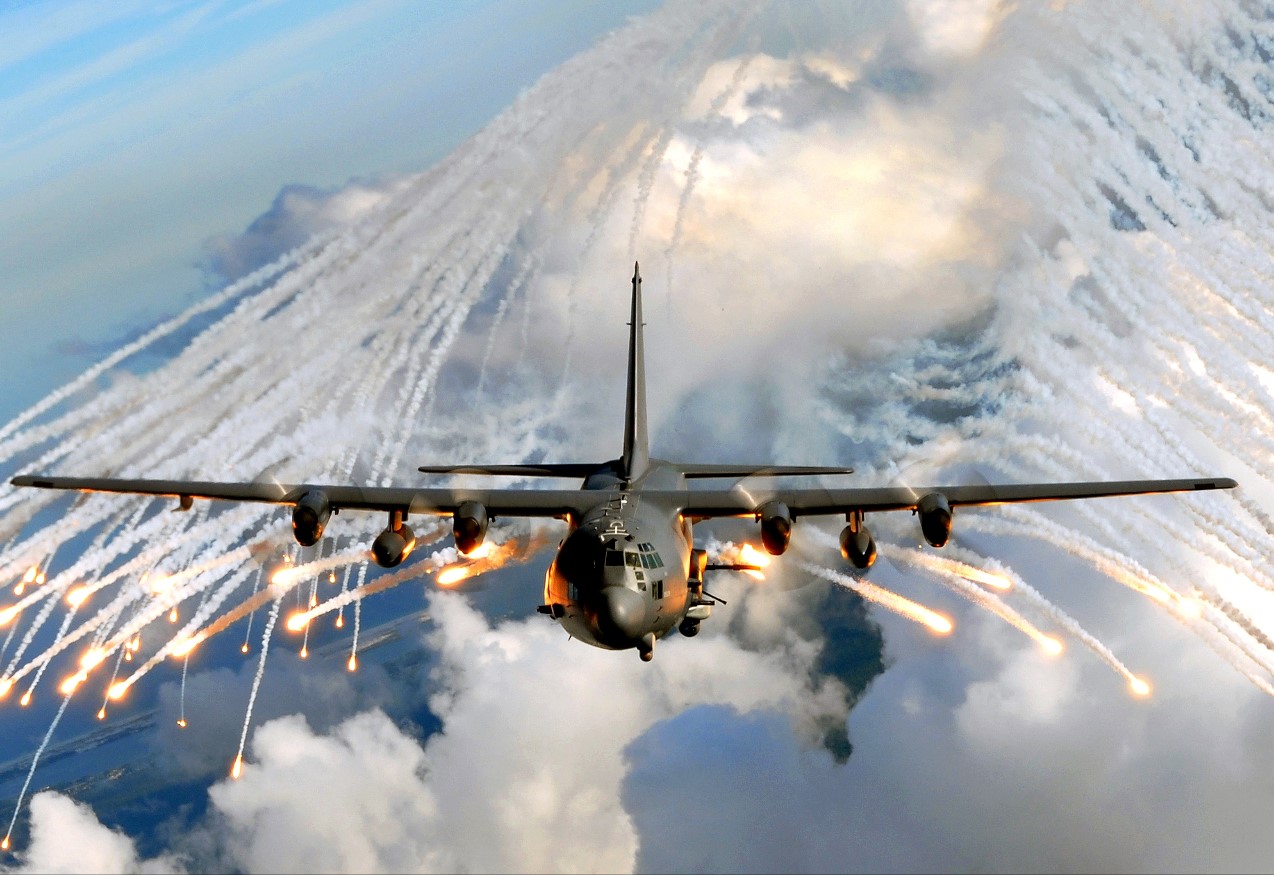 Pentagon Expands Alloy Surfaces Contract to $328.8 Million for Advanced Aircraft Decoy Flares Amid Evolving Drone Threats
-
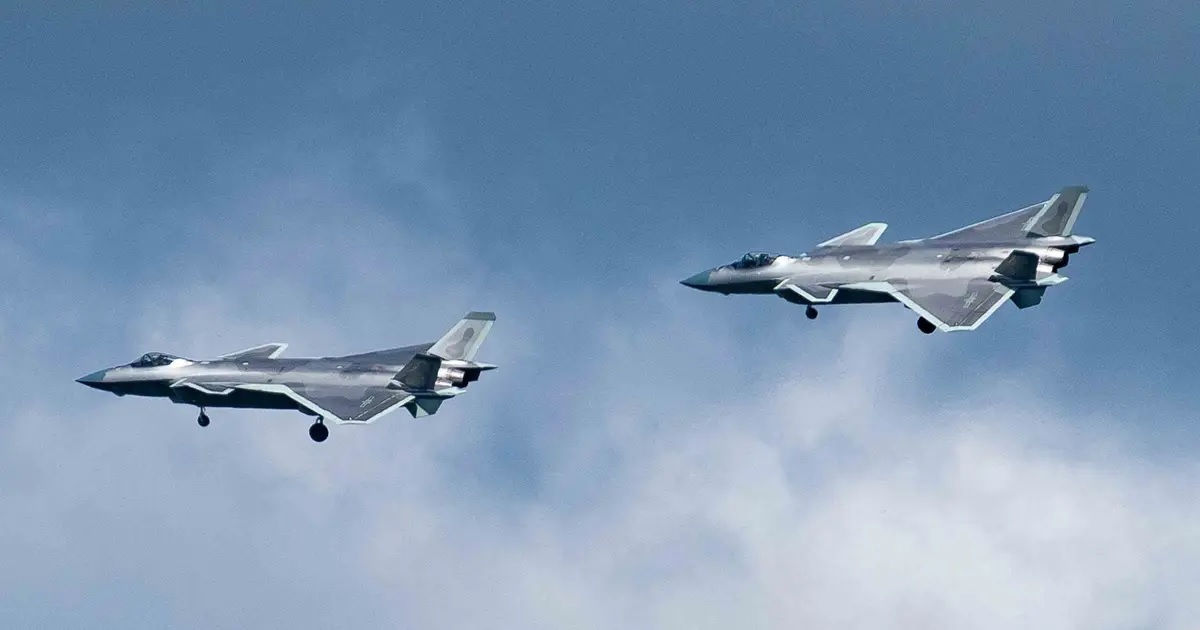 China Surpasses Russia as World’s Second-Most Powerful Air Force Amid Rapid J-20 and J-35 Expansion
-
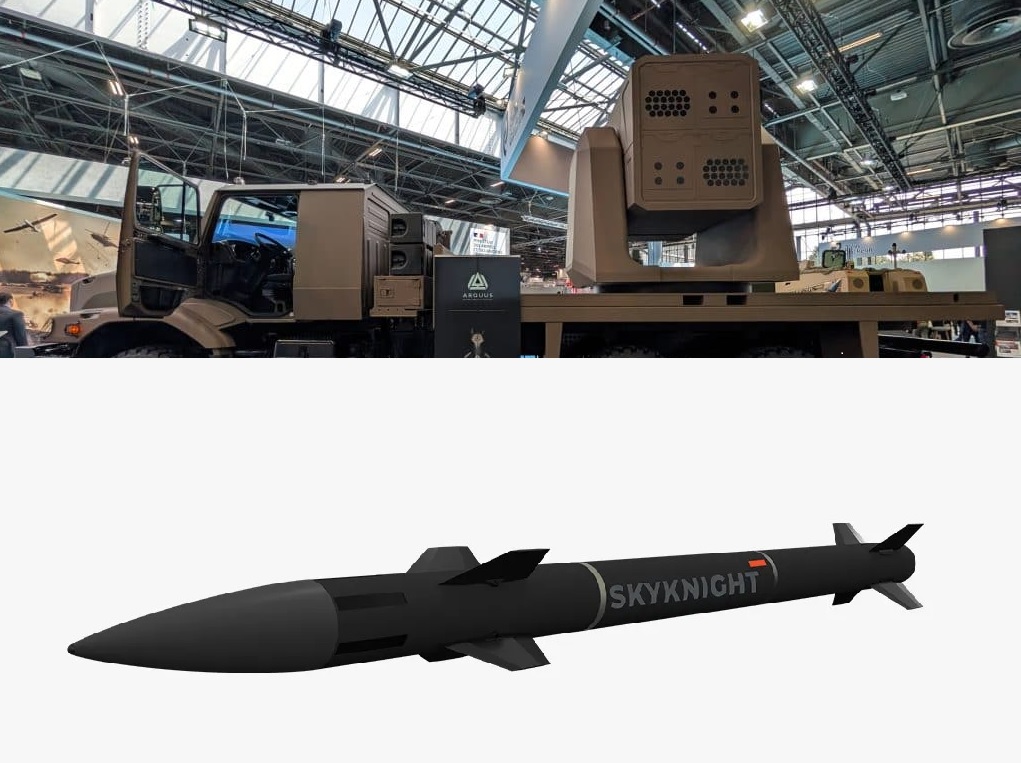 Naval Group Unveils Rampart Modular CIWS Multi-Purpose Weapon System for Naval and Ground Forces at Eurosatory 2026
-
 Why the U.S. Restored Pacific Command Name, Ending the Indo-Pacific Designation After Eight Years
-
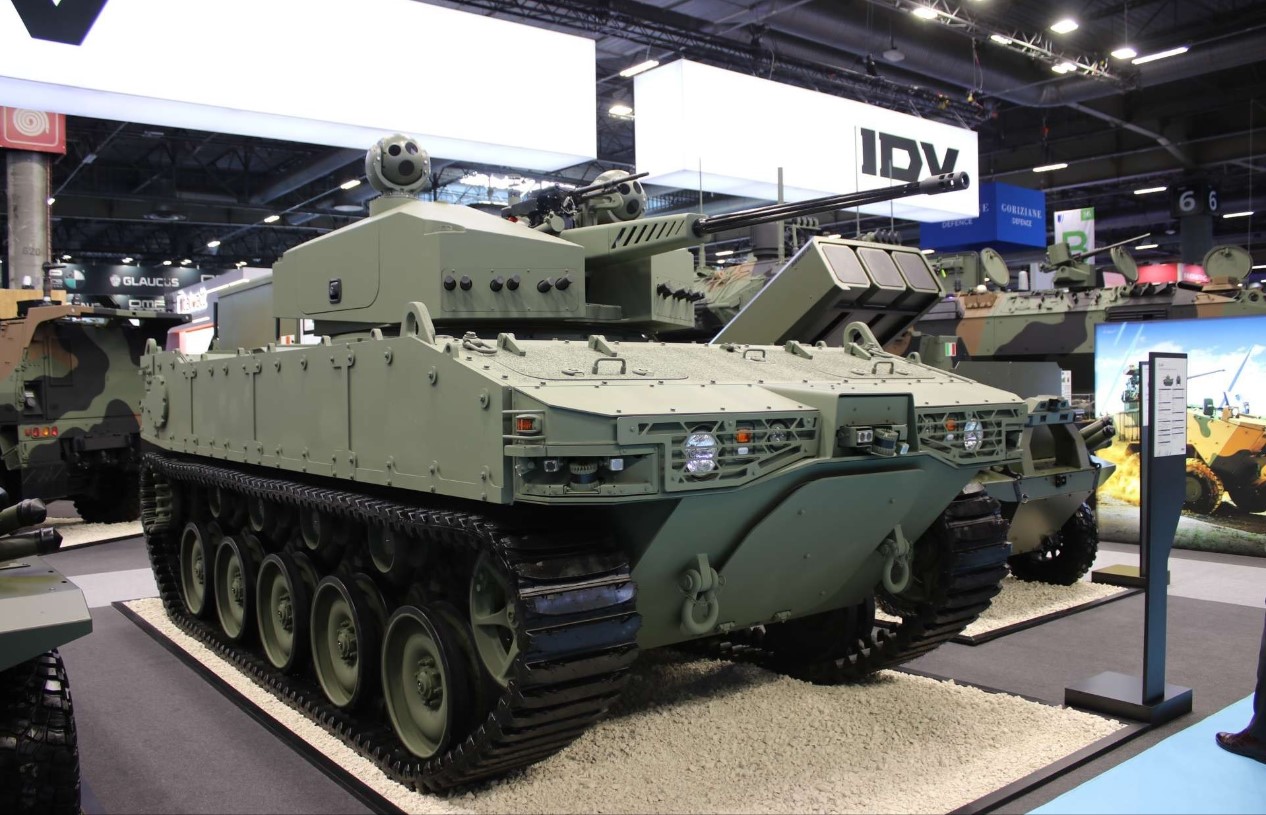 IDV Unveils CL2X Hybrid Uncrewed Light Tank at Eurosatory 2026
-
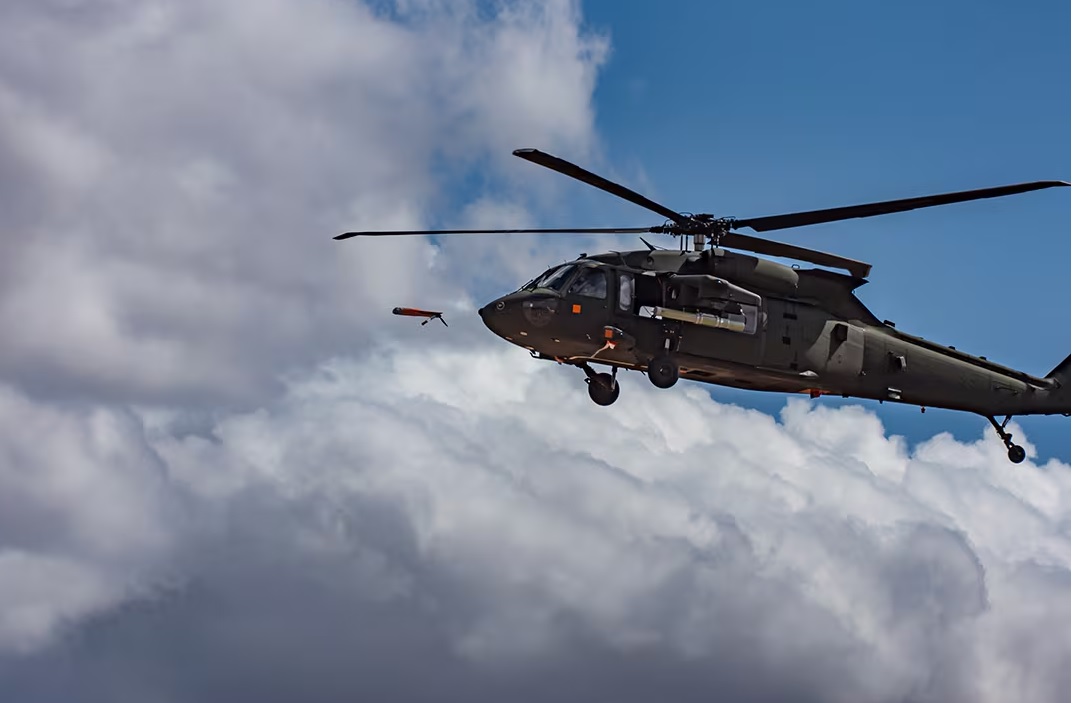 U.S. Army Completes First Flight Test of Medium-Range Air-Launched Effects from Black Hawk Helicopter
-
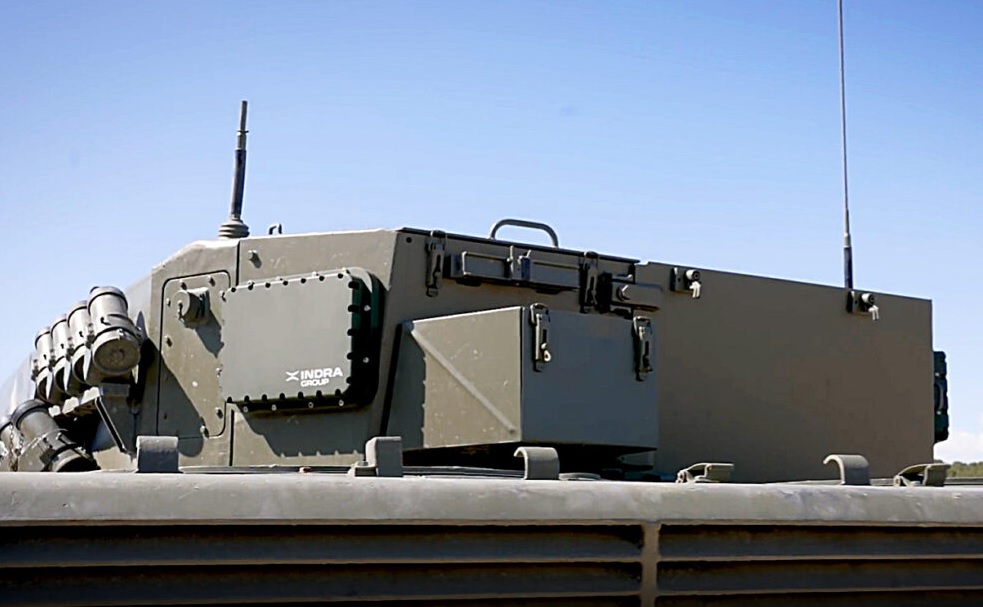 Indra and Rheinmetall Sign Deal to Integrate NEMUS AESA Radar into StrikeShield Active Protection System
Top Trending in 4 Days
-
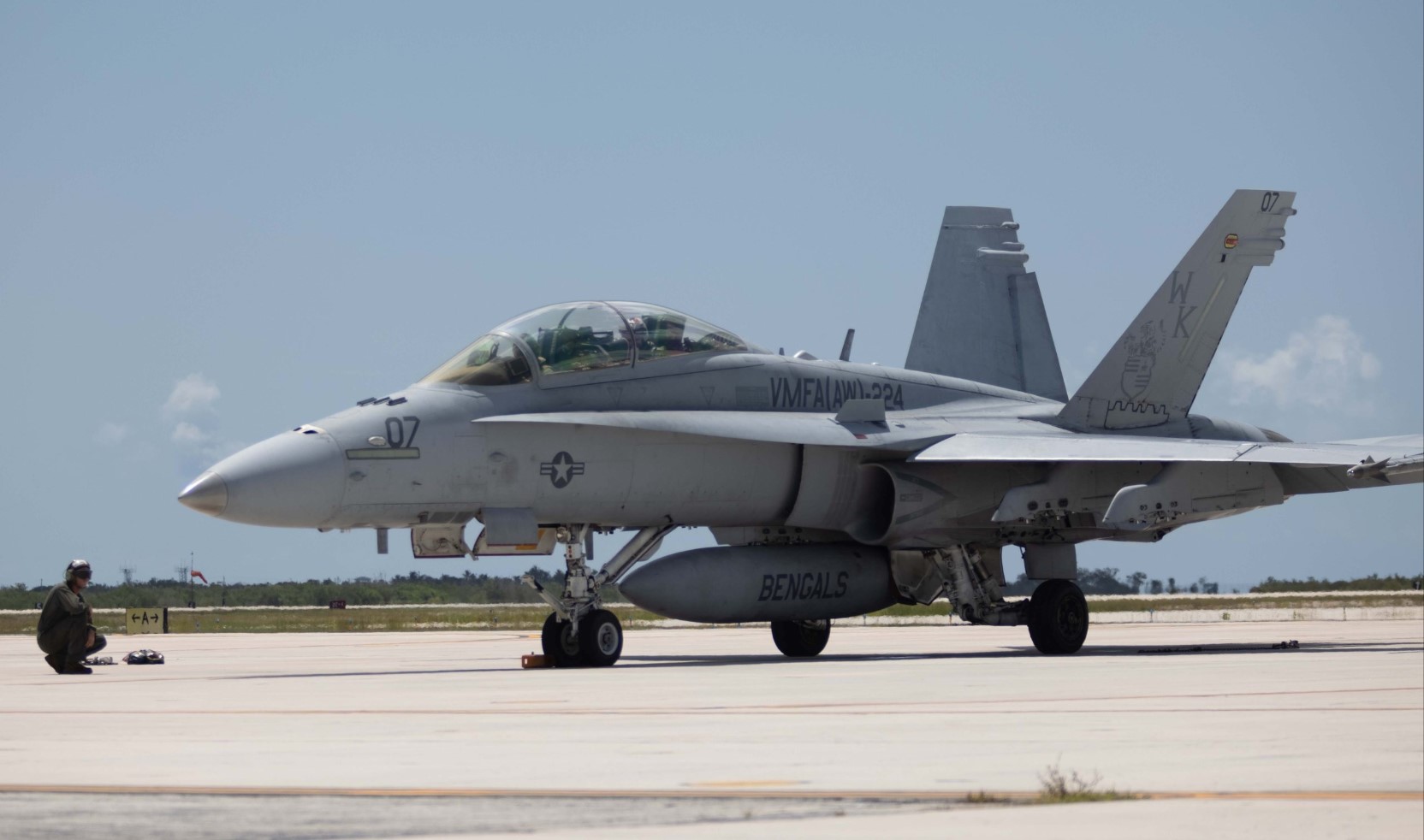 US Marine Corps F/A-18D Hornet Crashes During Training Flight in Washington Mountains; Pilot Ejects Safely
-
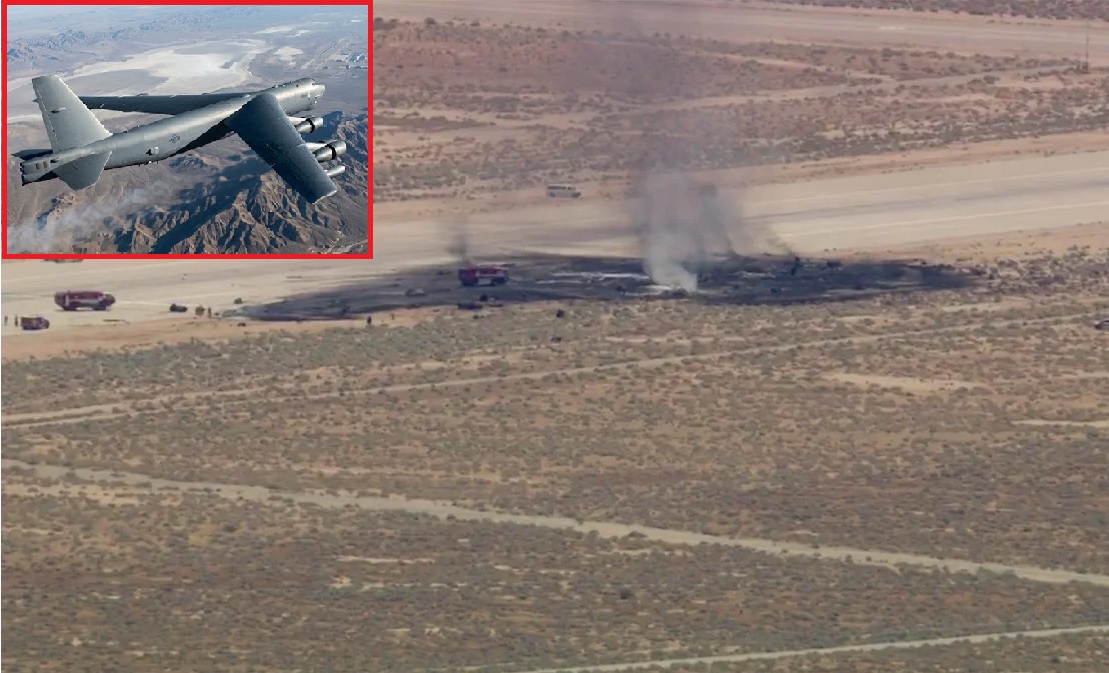 8 U.S. Air Force Crew Members Killed in B-52 Bomber Crash During Test Flight at Edwards Air Force Base
-
 Tulsi Gabbard Releases Declassified Files Detailing U.S.-Backed Network of 120 Biolaboratories Across 30+ Countries
-
 Ukraine Introduces Balloon-Launched DART Missile Designed to Defeat Electronic Warfare
-
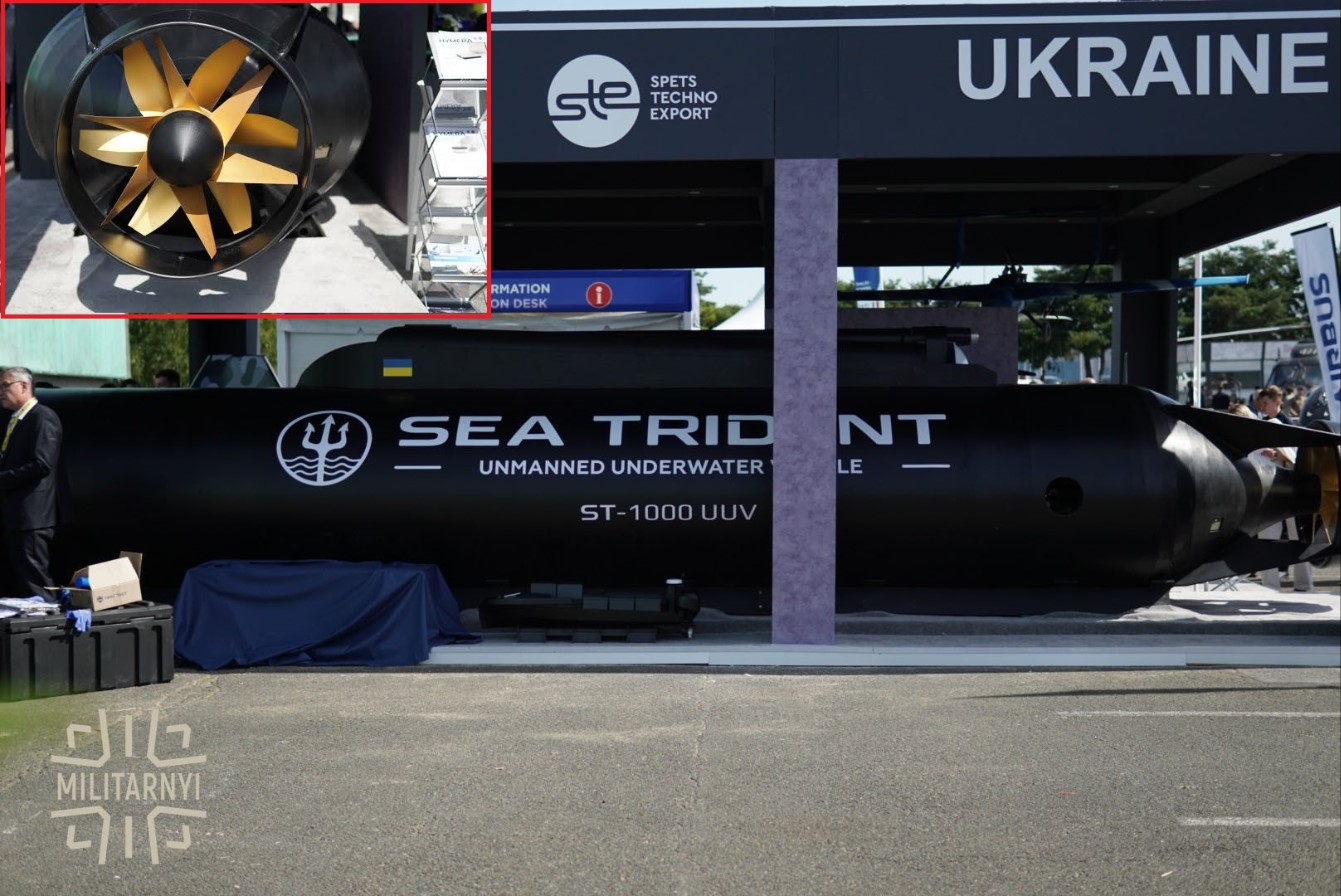 Ukraine Unveils 'Sea Trident' 10-Ton Autonomous Underwater Drone at Eurosatory 2026
-
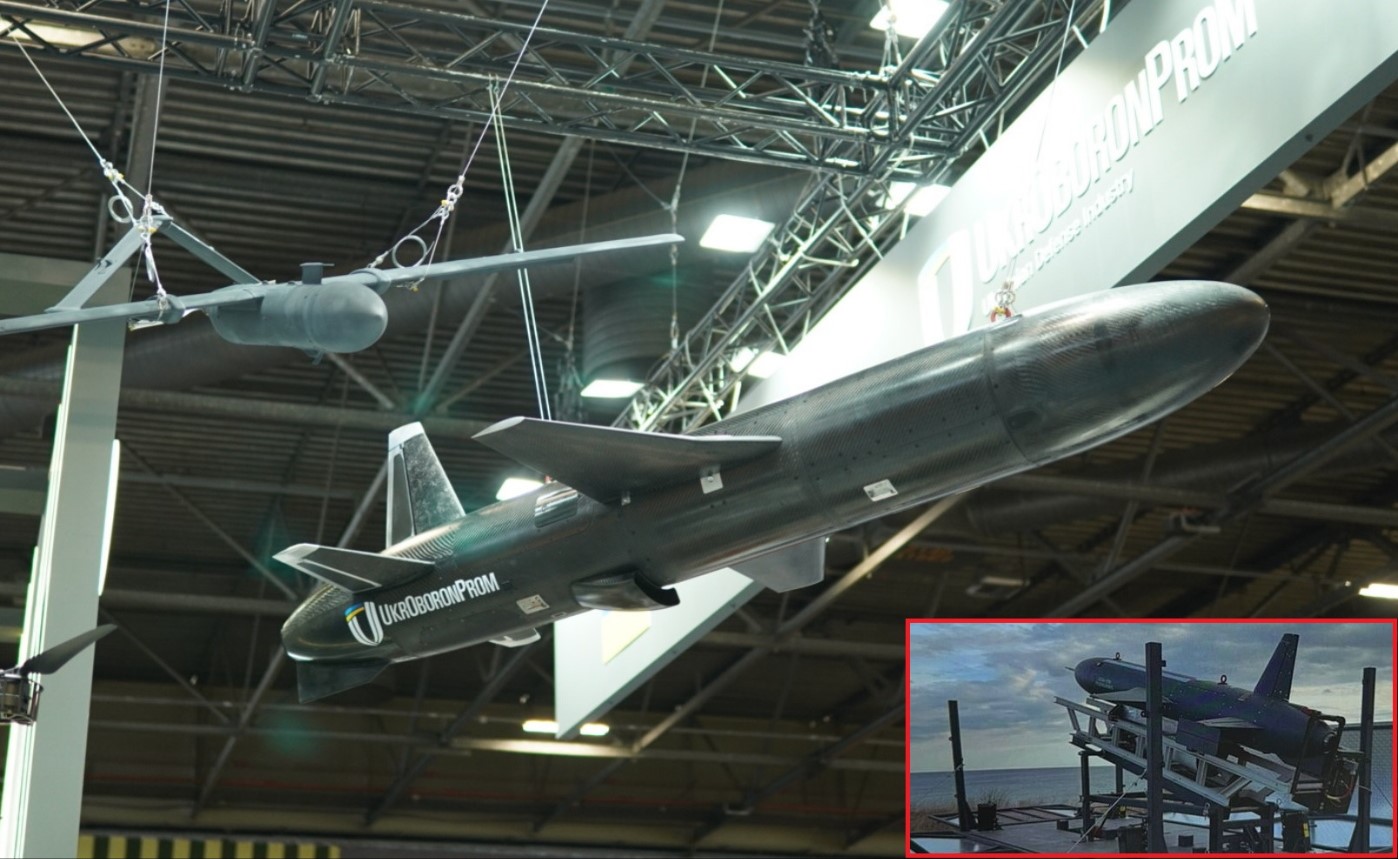 Ukraine Unveils UAV-290 Jet-Powered Strike Drone with 650 km Range at Eurosatory 2026
-
 Rolls-Royce Unveils New Hybrid Powertrain for Heavy Military Vehicles at Eurosatory 2026
-
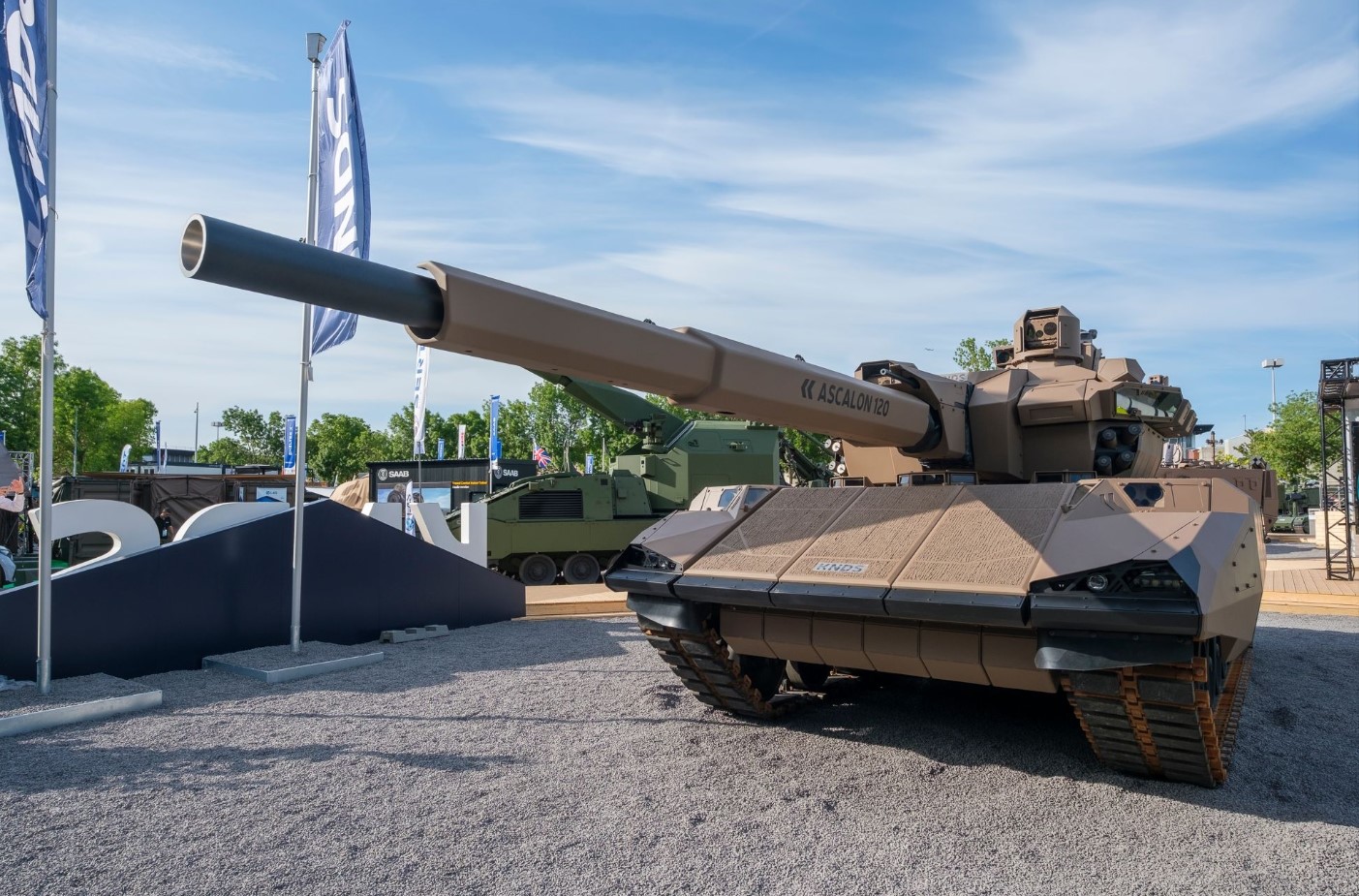 KNDS Unveils CAPINT Main Battle Tank at Eurosatory 2026 as Leclerc Stopgap