
World
In a troubling case of biological smuggling, the FBI has arrested two Chinese nationals, Yunqing Jian (33) and Zunyong Liu (34), for illegally importing a dangerous agricultural pathogen into the United States. The biological agent in question is Fusarium graminearum, a notorious fungus responsible for causing head blight—a devastating disease that affects key staple crops such as wheat, barley, maize, and rice. This pathogen not only threatens food security but also poses indirect health risks to both humans and livestock, making the case a national biosecurity concern. What is Head Blight? Head blight, also known as Fusarium head blight (FHB), is one of the most destructive crop diseases worldwide. Caused by Fusarium graminearum, the pathogen spreads rapidly under humid conditions, rotting the heads of cereal plants and severely reducing grain quality and yield. Even more concerning is its ability to produce mycotoxins—specifically deoxynivalenol (DON), also called "vomitoxin." These toxins contaminate grain and can cause severe illness in humans and animals when ingested. In humans, consumption of contaminated grain may lead to nausea, vomiting, abdominal pain, and immune system suppression. In livestock, particularly swine and poultry, the toxin has been linked to growth retardation, reduced feed intake, and reproductive issues. The Plot Unfolds According to U.S. authorities, Jian and Liu smuggled samples of this fungus into the U.S. through the Detroit Metropolitan Airport. Liu, after initially denying any wrongdoing, later admitted to bringing the pathogen in for unauthorized research purposes. Both individuals were conducting or intending to conduct studies on Fusarium graminearum at the University of Michigan—without proper disclosure or authorization from U.S. biosecurity or customs officials. Investigators revealed that Yunqing Jian had previously expressed loyalty to the Chinese Communist Party (CCP) and had received direct funding from the Chinese government for similar work involving this pathogen while in China. Her boyfriend, Zunyong Liu, currently works at a university in China where he also researches Fusarium graminearum. This connection to Chinese government funding has raised red flags among federal investigators, who fear the act could be part of a broader effort to acquire and manipulate agricultural or dual-use biotechnologies with strategic implications. Strategic and Economic Threat The deliberate smuggling of this pathogen into the U.S. cannot be dismissed as mere academic misconduct. Fusarium graminearum is on the radar of many agricultural biosecurity agencies due to its: High contagion and environmental persistence Ability to devastate crop yields Impact on food safety and animal health Economic ramifications: estimated global losses run into billions of dollars annually The U.S. Department of Agriculture (USDA) classifies this fungus as a serious plant pest. An outbreak within domestic farmlands could cripple U.S. cereal production and require years to fully contain. National Security Concerns This case arrives at a time of heightened concern over foreign espionage in U.S. research institutions. In recent years, federal agencies have been increasingly vigilant about safeguarding sensitive agricultural, medical, and technological research from covert foreign influence or theft. While there is no direct evidence yet that Jian and Liu intended to sabotage American agriculture, the unauthorized transport and research of such a potent pathogen—along with links to Chinese government-sponsored projects—has cast a long shadow over their intentions. Current Legal Action Both Jian and Liu are now facing federal charges for smuggling biological material without proper declaration and for conducting unapproved research involving a regulated agricultural pathogen. They are being held under suspicion of violating the Plant Protection Act and potentially other statutes related to biosecurity and foreign influence. The FBI and the U.S. Department of Agriculture continue to investigate the full scope of the incident, including whether there were any other accomplices or institutions involved, either in the U.S. or abroad. This incident underscores the complex intersection of biological research, international relations, and national security. As biological materials become easier to transport and manipulate, the risk of their misuse—deliberate or negligent—rises. The arrest of Jian and Liu serves as a stark reminder of the importance of stringent oversight in the global scientific community, especially in fields dealing with pathogens that can cause mass agricultural disruption and human health risks.
Read More → Posted on 2025-06-04 15:24:45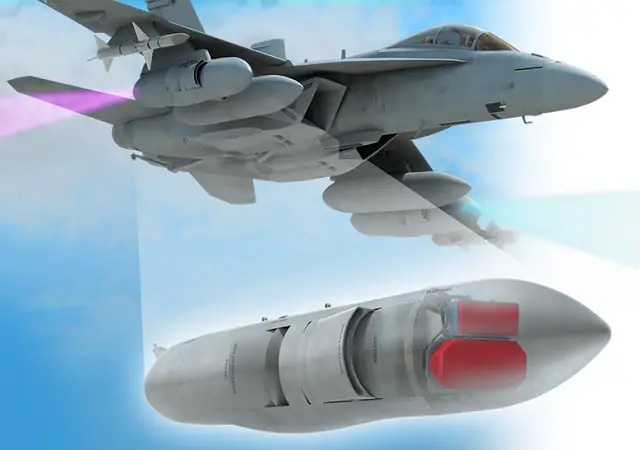
World
Honeywell has been chosen by L3Harris Technologies to support the development of the U.S. Navy’s Next Generation Jammer Low Band (NGJ-LB) system, a crucial step in modernising America’s airborne electronic warfare capabilities. This collaboration marks an important advancement in the Navy’s efforts to stay ahead of evolving global threats in the electromagnetic battlespace. The NGJ-LB program is being developed for the EA-18G Growler, the Navy’s primary electronic attack aircraft. The new jamming system is intended to replace the aging AN/ALQ-99 Tactical Jamming System, which has served for decades. By introducing cutting-edge technologies such as active electronically scanned array (AESA) antennas and advanced software-driven systems, the NGJ-LB will offer significantly improved capabilities in detecting, disrupting, and neutralising enemy communications, air defence radars, and low-frequency threat emitters. In September 2024, Honeywell expanded its expertise in this domain by acquiring CAES Systems Holdings, LLC, a move that strengthened its portfolio in electromagnetic defensive solutions. The company will carry out its contributions to the NGJ-LB program at its Lansdale, Pennsylvania facility, a site with a long-standing track record in developing reliable electronic warfare technologies. The U.S. Navy awarded a $587.4 million contract to L3Harris Technologies for the engineering and manufacturing development (EMD) phase of the jammer system. As part of this effort, Honeywell will be responsible for delivering specialised, high-performance components critical to the system’s operation. These components will support the system’s ability to adapt to fast-changing threat environments and provide enhanced protection for U.S. and allied forces. Brad Westphal, president of Electromagnetic Defensive Solutions at Honeywell Aerospace Technologies, remarked, “Our advanced manufacturing capabilities and specialised expertise position us to deliver reliable, mission-critical solutions. We’re proud to support L3Harris and the U.S. Navy as they push the boundaries of airborne electronic warfare.” Adding to this, Clayton McClain, general manager of the Mission Systems division at Honeywell Aerospace Technologies, noted that the Lansdale site has consistently proven its value in delivering dependable electronic warfare systems and is proud to contribute to this important national security initiative. The Next Generation Jammer Low Band system is part of a broader, multi-band approach to electronic warfare, complementing existing mid-band jammers and future high-band systems. Together, these technologies will allow the Navy to counter a wide spectrum of threats, ensuring air superiority and operational security in contested environments. With decades of experience in developing electronic warfare technologies and a growing portfolio of modern solutions, Honeywell continues to play a key role in supporting some of the most demanding defence programs in the world.
Read More → Posted on 2025-06-04 15:08:07
World
Raytheon has landed a significant $536 million contract from the United States Navy to expand the deployment of its advanced SPY-6 radar systems. This new agreement covers a wide range of services, including engineering support, shipboard installation, system integration, training, and software updates, all aimed at enhancing the radar's performance and maintaining its cutting-edge capabilities. The contract extends through 2026 and underscores the growing importance of SPY-6 radars in modern naval warfare. These state-of-the-art systems are being installed on more US Navy vessels each year, with two ships already operating them and three more installations underway. Over the next decade, the Navy plans to equip more than 60 ships with SPY-6 radars, significantly upgrading its fleet’s defense capabilities. Barbara Borgonovi, president of Naval Power at Raytheon, emphasized the radar's strategic value, calling SPY-6 "the most advanced radar in the US naval fleet." She noted that the contract reflects the radar’s central role in the Navy’s long-term modernization roadmap. At the heart of the SPY-6 system is its scalable and modular design, built around Radar Modular Assemblies (RMAs). Each RMA is a self-contained radar unit housed in a compact cube roughly two feet on each side. By combining multiple RMAs, Raytheon can tailor different radar configurations to suit the mission and size of various ship classes. There are four main variants in the SPY-6 radar family: SPY-6(V)1 is the most powerful configuration, used on the latest DDG 51 Flight III destroyers. It has four fixed radar faces, each with 37 RMAs, providing full 360-degree coverage and robust defense against cruise missiles, ballistic missiles, and even hypersonic threats. SPY-6(V)4, a slightly scaled-down version with 24 RMAs per face, offers similar full-spectrum coverage and is designed for ships like amphibious assault vessels and Nimitz-class aircraft carriers. SPY-6(V)2 is a single-face rotating radar with 9 RMAs. This version focuses on self-defense and air traffic control and is ideal for platforms requiring a smaller radar footprint. SPY-6(V)3 offers the same functions as the (V)2 but comes with three fixed radar faces instead of a rotating one, and is being installed on Ford-class aircraft carriers and the new Constellation-class frigates. All SPY-6 variants provide 360-degree situational awareness and are designed to detect and track a wide range of threats, including air, surface, and electronic warfare attacks. The system’s flexibility and adaptability make it a cornerstone of the Navy’s future surface fleet strategy. This $536 million investment not only reinforces Raytheon's leadership in advanced radar systems but also demonstrates the Navy's commitment to preparing its fleet for the complex threat environment of the future.
Read More → Posted on 2025-06-04 15:05:26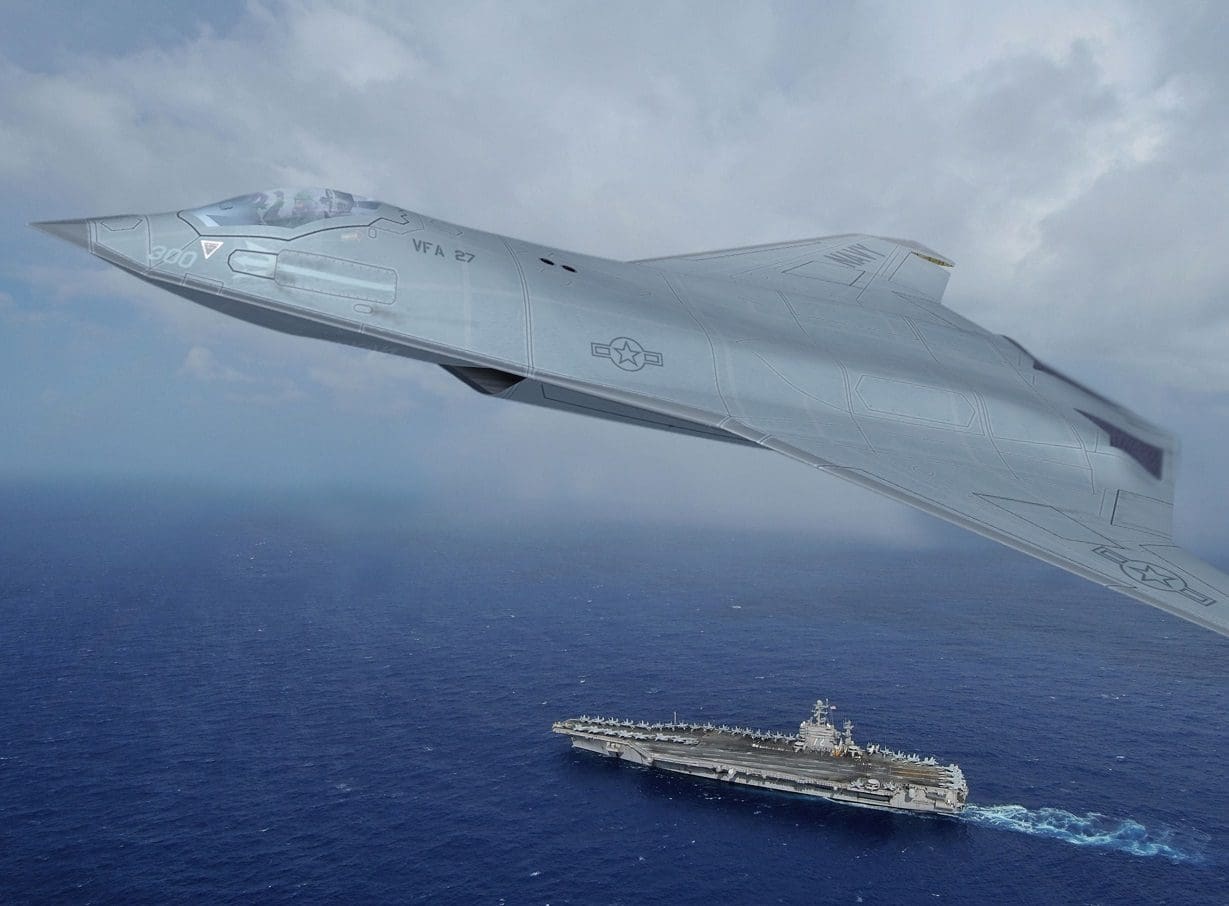
World
The United States Navy’s ambitious sixth-generation fighter project, known as the F/A-XX, has taken an important step forward. The advanced fighter jet program has officially moved into Operational Test and Evaluation (OT&E) and Live Fire Evaluations (LF&E), marking a new phase in its development journey. This shift brings the fighter closer to an eventual contract award, even as debates continue about its future within the Pentagon and Congress. From Development to Operational Testing Between December 2024 and April 2025, the F/A-XX transitioned from its long-running Developmental Test (DT) phase to a combination of Developmental Testing, Operational Testing, and Live Fire evaluations. These tests are being overseen by the Director, Operational Test and Evaluation (DOT&E), a critical office that ensures new military equipment performs as intended under realistic combat conditions. Despite earlier rumors of possible cancellation or delays, U.S. Navy officials confirmed during an April 2025 House Armed Services Committee hearing that the program remains on track. It has now entered a source selection environment, with Northrop Grumman and Boeing as the final two contenders. Notably, Lockheed Martin, the company behind the F-35, was eliminated from the competition earlier this year after its proposal failed to meet program expectations. What Will the F/A-XX Offer? Designed to replace and complement existing Navy fighters like the F/A-18E/F Super Hornet and F-35C, the F/A-XX promises significant improvements in range, survivability, and networked warfare capabilities. According to Rear Admiral Michael Donnelly, the new aircraft will offer a 25% increase in range compared to current tactical aircraft, a crucial upgrade for operations in the vast Pacific theater. The F/A-XX will also be purpose-built to fly alongside unmanned combat drones, using a “man-on-the-loop” control concept. This means the pilot will oversee and guide autonomous aircraft, enhancing the Navy’s ability to conduct complex, multi-platform missions without relying entirely on human pilots. Funding Boost Amid Pentagon Disagreements As the program advanced into its new testing phase, Congress provided a notable funding boost. According to the latest defense budget figures, the F/A-XX program is receiving $750 million in new funding to speed up development. However, this increase hasn’t been universally welcomed. Reports indicate the Pentagon expressed reservations about the extra funding, reflecting broader debates within military leadership about balancing future modernization with immediate operational needs. Despite this, many lawmakers remain firmly in favor of pushing the F/A-XX forward. Ken Calvert (R-CA), chairman of the House Appropriations Subcommittee on Defense, voiced strong support during a May 2025 oversight hearing. He warned that any delay could leave the Navy dangerously vulnerable, particularly in a potential conflict with China. “We need sixth-generation fighters. The U.S. Navy needs sixth-generation fighters. Hesitation now could leave us outmatched in a China fight,” Calvert emphasized. Why It Matters The F/A-XX is part of the Navy’s vision for a future carrier air wing capable of surviving and prevailing in contested, high-threat environments — especially in the Indo-Pacific region, where Chinese military power is rapidly expanding. A cancellation or delay would repeat the setback the Navy experienced with its Hypersonic Air Launched Offensive (HALO) missile program, which was recently shelved despite being considered critical for future operations. While there’s still no final contract awarded, and Northrop Grumman and Boeing remain tight-lipped about the details, the program’s current momentum signals a serious effort to modernize U.S. naval aviation. As the F/A-XX continues through Operational and Live Fire testing, its performance and reliability under realistic conditions will play a major role in determining whether it secures full production approval — and whether it becomes the cornerstone of the Navy’s next-generation airpower.
Read More → Posted on 2025-06-04 14:29:15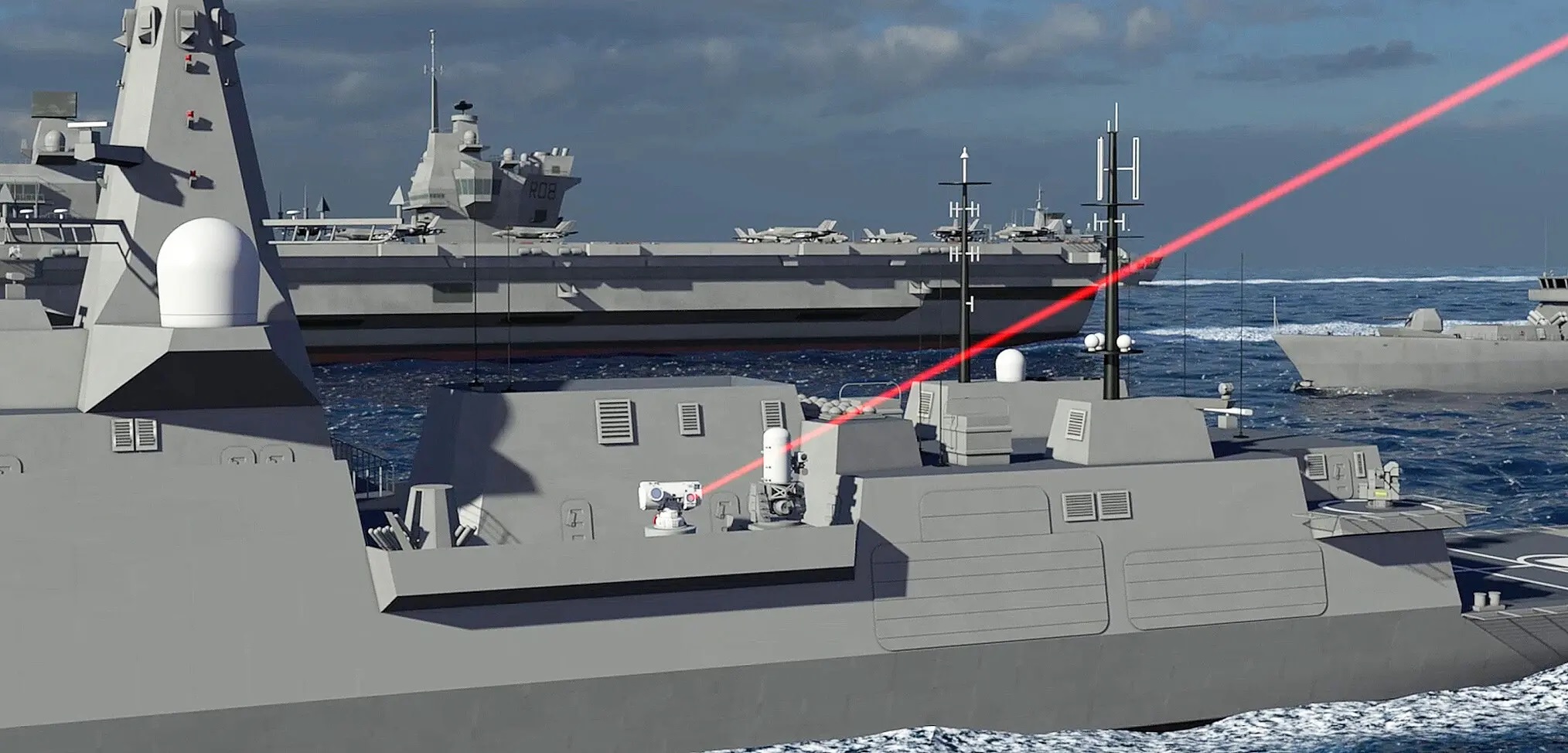
World
In a landmark move to modernise its armed forces, the United Kingdom has announced a £1 billion investment into Directed Energy Weapons (DEW), spearheaded by the advanced DragonFire laser system. This initiative is part of a wider £5 billion defence technology plan outlined in the latest Strategic Defence Review (SDR), which focuses on preparing British forces for modern warfare. The DragonFire laser weapon will be the first of its kind to be deployed by a European nation and is set to be installed on a Royal Navy Type 45 destroyer by 2027. Designed to target aerial threats such as drones with precision and speed, this high-powered laser fires at the speed of light, offering a revolutionary alternative to traditional missile systems. Unlike conventional arms, laser weapons promise reduced operational costs, near-instant engagement, and minimal collateral damage. Beyond the Navy, the UK Ministry of Defence also plans to introduce a similar system for the British Army later this decade. These developments are part of a new approach to layered air defence—combining traditional systems with cutting-edge energy weapons to respond faster and more efficiently to threats across land, sea, and air. Defence Secretary John Healey hailed the project as the biggest leap in UK military technology in decades. “These investments will ensure our Armed Forces are equipped with the tools they need to tackle a rapidly changing world,” he stated, underlining the strategic importance of innovation in modern combat. The DragonFire laser system is expected not only to enhance UK combat readiness but also to reduce dependency on expensive ammunition and long logistics chains—an issue that has become more pressing following lessons from the ongoing war in Ukraine. By focusing on digital warfare, drone defence, and data-driven operations, the UK aims to keep pace with the evolving nature of global conflict. Chancellor of the Exchequer Rachel Reeves emphasized the economic and industrial significance of the move. “A strong economy needs a strong national defence,” she said. “That’s why we are delivering the biggest sustained defence investment since the Cold War—placing innovation at the heart of our national security.” This defence upgrade will also generate 300 new high-skilled jobs across the country, adding to the 200 already sustained by previous DEW-related efforts. It marks a decisive shift toward future-focused military strategy, reinforcing the UK’s role as a leading force within NATO and ensuring its defences are robust both at home and abroad.
Read More → Posted on 2025-06-04 11:25:38
World
In recent months, a controversial plan proposed by former U.S. President Donald Trump has stirred serious tensions around the world. Called the Golden Dome, this ambitious missile defense system aims to place advanced sensors and interceptors in space by 2029, creating a shield against nuclear missiles. But this bold move has alarmed many countries — not just rivals like Russia, China, and North Korea, but also experts and diplomats around the world. Critics warn that this project could turn outer space into a nuclear battlefield, violating international agreements that have kept space free of weapons of mass destruction for decades. Why Is Everyone Worried About the Golden Dome? China, Russia, and now North Korea have publicly condemned the Golden Dome plan. They argue that this would dangerously increase the risk of a space arms race — a competition among nations to control space using powerful weapons, including nuclear devices. China’s Foreign Ministry even called it a move that could "shake the international security system" and push nations to develop new weapons to counterbalance America’s advantage in space. Russia, meanwhile, accused the U.S. of rejecting the principle that offensive and defensive weapons are inseparably connected — meaning, a powerful defense system can provoke others to build more powerful weapons to overcome it. But is the fear of a nuclear war in space realistic? To answer that, we need to look back at history. When the World Already Exploded Nukes in Space Though it sounds like a science fiction nightmare, nuclear weapons have already been detonated in space — not during war, but as part of experiments. Between 1958 and 1962, both the U.S. and Soviet Union conducted several nuclear explosions above Earth’s atmosphere to study their effects. One of the most famous was Operation Starfish Prime in July 1962. The U.S. detonated a nuclear bomb 250 miles above the Pacific Ocean, roughly the altitude of today’s satellites. The results were shocking: A surge of electrical energy knocked out about 300 streetlights in Hawaii. Auroras lit up the night sky in strange colors. About a third of the satellites in orbit at that time were damaged or destroyed. High-energy particles remained trapped in Earth’s magnetic field for years, harming satellites and electronics. These experiments revealed that a nuclear blast in space would be different from one on Earth. There’s no air to carry a shockwave or fireball. Instead, the explosion would release massive amounts of electromagnetic radiation, X-rays, and gamma rays. It would instantly disable any satellite nearby and create a radiation belt that could damage other satellites for years. That’s why, in 1967, the U.S. and Soviet Union led the creation of the Outer Space Treaty, banning the placement of nuclear weapons in orbit or on celestial bodies like the Moon. Why This Treaty Is Being Tested Today The Outer Space Treaty has largely held for over half a century. But in recent years, major powers have been quietly testing the limits of space warfare: The U.S. withdrew from key arms control treaties like the INF Treaty in 2019 and the Open Skies Treaty in 2020. In 2023, Russia suspended the New START Treaty, the last major nuclear agreement between Washington and Moscow. Both Russia and China have developed anti-satellite weapons, including missiles and orbiting satellites capable of disabling or destroying other spacecraft. In 2022, Russia launched the Cosmos 2553 satellite, suspected of being a test platform for a nuclear warhead in orbit. In 2024, the U.S. accused Russia of developing a nuclear-tipped missile capable of attacking satellites. Meanwhile, China is advancing its Fractional Orbital Bombardment System (FOBS), an orbiting missile system potentially capable of carrying nuclear warheads. Now, with Trump’s Golden Dome project aiming to deploy U.S. weapons and defenses in space, other countries fear it could force them to respond in kind — igniting a dangerous new phase of the space arms race. What Would Happen If a Nuke Explodes in Space Today? If a nuclear bomb were detonated in space today, the consequences could be even more devastating than in 1962. Back then, only about two dozen satellites were in orbit. Now, there are more than 10,000 active satellites, essential for everything from GPS navigation, weather forecasting, banking transactions, internet services, and global communications. A space-based nuclear explosion would: Instantly destroy or disable any satellites within its line of sight. Create radiation belts that could damage other satellites for years. Knock out essential services like GPS, communication networks, and weather systems. Potentially trigger misunderstandings or retaliatory strikes on Earth, escalating into a global crisis. Are Only the U.S. Making Nuclear Moves in Space? While much of the spotlight is on the Golden Dome, it’s not just the U.S. pushing military programs in space. Russia and China have been aggressively developing space-based and anti-satellite weapons. Russia’s Oreshnik intermediate-range hypersonic missile, launched at Ukraine last year, was capable of carrying a nuclear warhead. China’s suspected FOBS missile tests suggest Beijing is also preparing for space-based nuclear delivery systems. These developments show that space is no longer a neutral territory — and the line between conventional and nuclear weapons in orbit is becoming dangerously thin. A Shared Responsibility for a New Space Race The growing space arms race is not the result of one country’s actions alone. Over the last decade, Russia, China, the U.S., and even North Korea have contributed to this risky situation. The Golden Dome plan, while bold and potentially transformative for U.S. missile defense, threatens to shatter the hard-won global consensus against weaponizing space. If one country takes the first step to militarize orbit with nuclear-capable systems, others will likely follow. Without urgent new agreements and international cooperation, the risk of a nuclear detonation in space — accidental or deliberate — is now higher than it has been since the Cold War.
Read More → Posted on 2025-06-04 11:20:34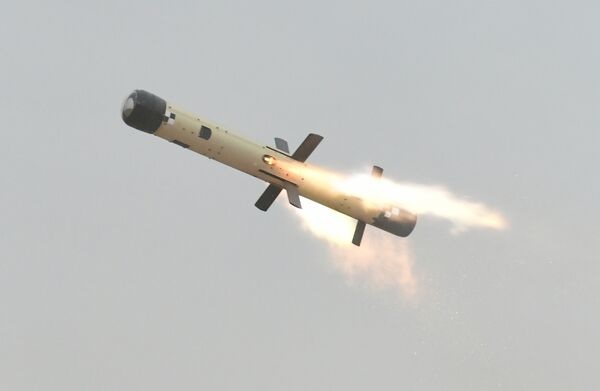
World
In a significant move reflecting growing political tensions over the war in Gaza, Spain has suspended the license of Israeli defense company Rafael’s Spanish subsidiary, Pap Tecnos, halting the planned production of 168 Spike LR2 anti-tank guided missiles. These advanced missiles were set to be delivered to the Spanish Army and Marine Corps under a contract valued at €285 million (approximately $325 million), first announced in October 2023 but never finalized. The Spanish government is now reassessing the program entirely, reportedly seeking alternative options for its military’s anti-tank capabilities. Government spokesperson Pilar Alegría confirmed the decision, framing it as part of Spain’s effort to fully disengage from reliance on Israeli military technology amid the ongoing war in Gaza. This latest step is one of several bold actions Spain has taken to protest Israel’s military campaign in the Palestinian territories. In recent months, Spain has emerged as one of Europe’s most vocal critics of Israeli actions in Gaza, calling for stronger European Union measures and a freeze on arms trade with Israel. Spanish Foreign Minister José Manuel Albares has been particularly active on the diplomatic front. Just weeks ago, he hosted a high-level meeting in Madrid with representatives from 20 European and Arab nations to explore pathways to peace and urged the EU to suspend its cooperation agreement with Israel. The missile deal cancellation follows an earlier decision by Spain to revoke a €6.8 million ($7.7 million) bullet purchase contract with Israeli weapons manufacturer IMI Systems. These moves align with Madrid’s increasingly assertive posture on the Israel-Palestine issue, signaling a clear departure from previous military-industrial cooperation. Spain’s criticism of Israel has also reached international legal forums. In June 2023, it became the first European country to express interest in participating in South Africa’s genocide case against Israel at the International Court of Justice. The decision was a milestone in Spain’s evolving foreign policy, positioning itself firmly in favor of Palestinian rights. In May 2024, Madrid officially recognized the State of Palestine, joining Norway and Ireland in a coordinated diplomatic announcement that drew immediate backlash from Israel. In response, Israeli officials hinted at potential diplomatic or economic reprisals against the countries involved. Spain’s actions are being closely watched in Europe and beyond, with analysts noting that its hardening stance could influence broader EU policy. While the future of the suspended missile contract remains uncertain, what’s clear is that Spain is reshaping its defense and diplomatic priorities in direct response to the conflict in Gaza — a shift with potentially long-term implications for EU-Israel relations.
Read More → Posted on 2025-06-04 10:53:24
World
Former U.S. President Donald Trump has reportedly reached out to Japan for support in a new missile defense initiative known as the “Golden Dome.” According to recent reports, Trump spoke with Japanese Prime Minister Shigeru Ishiba earlier this month, discussing the possibility of Tokyo joining the project to develop advanced missile interception technologies. The Golden Dome is envisioned as a vast, high-tech missile shield designed to protect the United States and its allies from long-range missile threats, particularly from countries like China, North Korea, and Iran. Trump revealed that he has chosen a final design for the system, which is projected to cost around $175 billion. He has placed U.S. Space Force General Michael Guetlein in charge of the program and is pushing for its completion by the end of his potential second presidential term in 2029. While the system is still in the conceptual phase, it is already drawing comparisons to the Israeli Iron Dome, albeit on a much larger, more advanced, and space-integrated scale. The project aims to create a defensive umbrella using a combination of land-based, sea-based, and space-based missile interceptors capable of shooting down ballistic and hypersonic missiles during various stages of flight — including when they are still in space. Japan’s possible involvement in the Golden Dome project could be significant. The two countries have a long history of cooperation on missile defense, including the development of the SM-3 Block IIA interceptor — a missile designed to destroy incoming warheads in space. By partnering on the Golden Dome, Japan could both enhance its own national defense and gain leverage in ongoing trade and security negotiations with Washington. From the U.S. side, bringing in Japan would add both technical expertise and financial support, potentially helping to reduce the long-term costs of the system. The U.S. Congressional Budget Office estimates that the full cost of the Golden Dome project could rise to an eye-watering $831 billion over the next two decades. The report also suggests that beyond security, this cooperation could help cement stronger economic ties, as joint defense production and technology sharing often create long-term industrial and diplomatic bonds. While details remain limited, the Golden Dome proposal marks an ambitious step in missile defense planning — one that not only aims to reshape how the U.S. handles aerial threats but also how it aligns with its closest allies in Asia.
Read More → Posted on 2025-06-04 10:34:31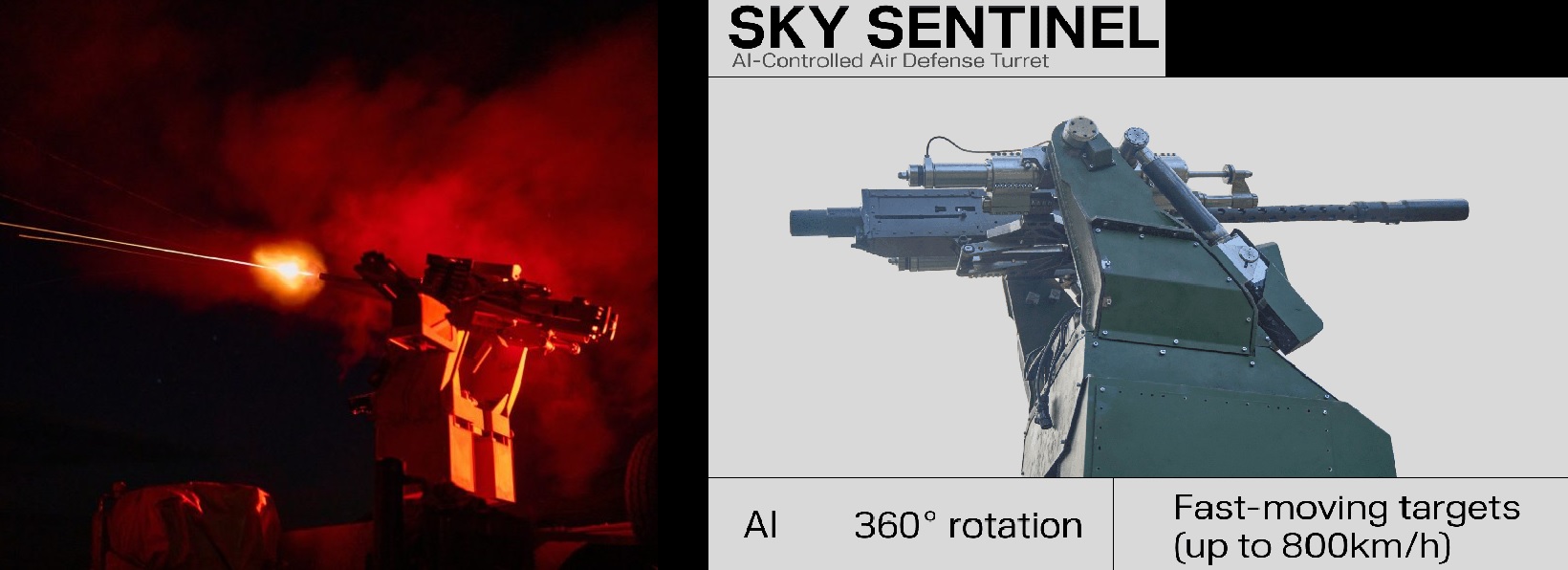
World
In a remarkable display of battlefield innovation, a team of Ukrainian engineers has developed an artificial intelligence (AI)-controlled air defense turret specifically designed to intercept erratic, low-cost attack drones and low-flying cruise missiles. This comes as Ukraine faces relentless barrages of Russian-launched Shahed drones, fired into its airspace daily, wreaking destruction on civilian and military targets alike. The Need for Smarter Air Defense With Russia reportedly launching up to 100 drones each day, Ukraine has been forced to build a layered defense network, combining Western-supplied systems like the Patriot missile batteries, traditional anti-aircraft guns, electronic warfare jammers, and interceptor drones. However, expensive systems like the Patriot — with a single missile costing around $4 million — are economically unsustainable for countering swarms of cheap, disposable drones. To address this imbalance, Ukrainian engineers turned to AI and automation, resulting in the creation of the Sky Sentinel — an affordable, self-operating turret capable of hunting down and destroying aerial threats without human intervention. Meet the Sky Sentinel At first glance, the Sky Sentinel resembles a conventional turret mounted with a heavy machine gun. But the real power lies in its AI-guided brain. Once activated, the system autonomously detects, locks onto targets, tracks their flight paths, calculates precise firing solutions, and engages — all without a human operator. It’s a significant milestone for Ukraine, marking one of the first known operational deployments of an AI-controlled, hard-kill air defense system at a fraction of the cost of modern missile-based solutions. Engineering Breakthrough Creating such a system came with its share of challenges. One of the primary engineering obstacles was eliminating “play” — a tiny mechanical slack in moving parts that could cause aiming inaccuracies. The developers meticulously designed the system to have zero mechanical slack in its rotation, elevation, and firing mechanisms, ensuring pinpoint precision. Every moving part, from the turret's base to its optics and trigger mechanism, was engineered to work in flawless synchronization, avoiding delays in both hardware and software. The team described it as solving “dozens of micro-challenges” to make sure the system operated as a seamless whole. Key Features and Specifications Weapon Type: Heavy machine gun mounted on a 360° rotating turret Control System: Fully autonomous AI-driven fire control Targeting: Real-time optical tracking with foreign-sourced rangefinders and targeting sensors Maximum Engagement Speed: Capable of intercepting targets flying up to 800 km/h (497 mph) Effective Against: Shahed drones, loitering munitions, low-flying cruise missiles, and small drones (successfully tested on aerial objects five times smaller than a Shahed) Cost: Approximately $150,000 per unit Deployment: Both for frontline protection and urban defense Confirmed Combat Success: Has already downed four Shahed drones during operational field trials Production Rate: Scaling up to dozens of units per month While the exact effective range of the Sky Sentinel remains classified for security reasons, future variants are being designed for wider mission profiles and potentially increased firepower. A Cost-Effective Shield Compared to expensive missile-based systems, the Sky Sentinel offers a practical, low-cost alternative for point defense. According to its developers, protecting an entire city would require deploying between 10 to 30 such turrets, making it a scalable and economically viable option for a country under sustained drone attack. As production ramps up, engineers acknowledge the added challenge of maintaining flawless performance in mass-produced units, particularly concerning the mechanical precision that makes the system so effective. However, the lead developer remains confident: “It’s absolutely doable.”
Read More → Posted on 2025-06-04 10:33:07
World
The United Kingdom has unveiled its Strategic Defence Review 2025, a comprehensive plan to adapt to a world marked by rising threats and unpredictable dangers. The review makes one thing clear—Britain is entering a new era where it must be ready to defend itself and lead abroad. With increasing Russian aggression, the threat of war in Europe, daily cyberattacks, and the changing nature of warfare due to fast-moving technology, the UK is reshaping its entire defence strategy. At the heart of this new strategy is the idea of making Britain safer at home and stronger abroad. The UK government has recognised that traditional defence models are no longer enough. Wars are now fought not just with tanks and troops, but with drones, data, and cyberweapons. In Ukraine, more people are being killed by drones than by artillery, showing how quickly the battlefield has changed. To respond, the UK plans to move towards warfighting readiness, focusing on building a more lethal and integrated military force. This force will be prepared for both homeland defence and overseas operations. The government will also invest heavily in British industry, launching radical procurement reforms and supporting home-grown defence companies to ensure economic growth and job creation through defence innovation. One of the key pillars of this strategy is strengthening Britain’s leadership in NATO. The UK will boost its nuclear deterrent, modernise conventional forces, and invest in next-generation technologies to maintain its position as a major security player in Europe. The review draws heavily on lessons from the war in Ukraine, especially the use of drones and digital warfare. The UK’s Armed Forces will become more agile, connected, and tech-driven. Artificial intelligence, software systems, and autonomous weapons will play a major role in how Britain prepares for future conflicts. The Royal Navy will evolve into a “Hybrid Navy,” which includes up to 12 nuclear-powered, conventionally armed attack submarines under the AUKUS programme (a partnership between the UK, the US, and Australia). It will also feature new advanced warships, support ships, modernised aircraft carriers, and autonomous vessels. The British Army will be bolstered with more armoured capability, land-based drones, and long-range weapons, all enhanced by AI. The government plans to grow full-time troop numbers to at least 76,000 in the next Parliament. Importantly, the UK will become the first European country to bring laser-directed energy weapons into service, thanks to nearly £1 billion in fresh funding. The Royal Air Force (RAF) will expand with additional Lightning II fighter jets, upgraded Typhoons, and progress on the Global Combat Air Programme (GCAP)—a joint development of next-generation fighter jets. It will also introduce autonomous fighters and establish Europe’s first hybrid airwings, which will operate from revamped UK aircraft carriers using a mix of drones, fast jets, and long-range missiles. To support all these efforts, the UK will spend £6 billion on acquiring munitions during the current Parliament. This includes £1.5 billion to maintain a constant supply line and the construction of at least six new munitions and energetics factories across the country. Prime Minister Keir Starmer, introducing the review, confirmed the UK’s long-term defence funding goals. The government is committed to spending 2.5% of the country’s GDP on defence by 2027, with a target of reaching 3% in the following Parliament, depending on the economic outlook. This defence review marks a bold shift in how Britain sees the world and its place in it. With the threats becoming more complex and urgent, the UK is choosing to adapt, innovate, and lead—making the country more secure at home and a stronger force for stability across the globe.
Read More → Posted on 2025-06-03 15:44:01
World
Ukraine has taken a significant leap toward deeper integration with NATO by joining the alliance’s key digital coordination platform known as the Command and Control Center System Interface. This move allows Ukraine’s newly acquired F-16 and Mirage 2000 fighter jets, along with its MIM-104 Patriot air defense systems, to share targeting and operational data directly with NATO allies in real-time. The decision marks a major step in strengthening Ukraine's interoperability with Western forces amid ongoing conflict with Russia. The platform, often described as the digital backbone of NATO’s joint operations, enhances situational awareness, enabling faster and more coordinated responses to air and missile threats. Ukrainian Deputy Defence Minister Katerina Chernohorenko confirmed on May 31 that the country had signed a license agreement to use the system, which operates via NATO’s Link 16 data link—dubbed “military Wi-Fi” due to its fast and secure data exchange capabilities. This agreement opens the door for Ukrainian aircraft and air defense systems to work more effectively in tandem with NATO assets during both defensive and offensive operations. Until now, Ukraine’s aircraft, including F-16s and Mirage 2000s, have operated without Link 16 integration. The omission was largely due to concerns that Russia could intercept or jam the signals, thereby compromising sensitive NATO communications. However, Ukraine’s access to the Command and Control Center System Interface may prompt a policy shift, potentially allowing its fighter fleet to benefit from the real-time data exchange that modern NATO aircraft use in coordinated combat operations. If implemented, this change could vastly enhance Ukraine’s air combat and missile defense capabilities. Ukraine’s geographic proximity to Russian forces provides an ideal opportunity to feed NATO valuable intelligence using both airborne and ground-based sensors. However, this potential has been partially hampered by technical challenges. The long-range radars of Patriot missile systems have been frequent targets of Russian strikes, reducing their availability. Meanwhile, the radar systems of Ukraine’s F-16s and Mirage 2000s are older models and less capable compared to modern Western standards. Without full integration of digital data links, real-time coordination with NATO units remains limited. Still, joining the Command and Control Center Interface could set the stage for future radar upgrades and digital enhancements. The new system could also play a critical role if a ceasefire is reached. In a post-conflict scenario, Western countries may deploy more advanced radar units and even troops to Ukraine. Shared access to a digital coordination platform would then become essential, allowing Ukrainian and NATO forces to train and operate as a unified command structure—ready to respond jointly if hostilities were to flare up again. Ukraine’s collaboration with NATO on intelligence-sharing is not new. Since the mid-2010s, Ukrainian forces have exchanged surveillance and targeting data with Western allies. One prominent recent example came in March, when Ukrainian attacks on Russian energy infrastructure, including a strike on the Sudzha pipeline in Russia’s Kursk Region, reportedly used satellite intelligence from France and ground input from British specialists to guide HIMARS rocket artillery strikes with pinpoint accuracy. Russian officials have long alleged that NATO’s entire satellite and reconnaissance network is aiding Ukraine, and the country’s expanded digital integration with NATO further reinforces those claims. Ukraine’s entry into the Command and Control Center System Interface is not just a technological upgrade—it represents a deepening military partnership. With NATO’s systems and Ukraine’s front-line positioning, the integration will likely bring greater coordination, faster reaction times, and enhanced combat effectiveness in the face of ongoing threats. The foundation has already been laid, and this digital bridge may prove crucial to Ukraine’s current defense and any future security arrangement with the West.
Read More → Posted on 2025-06-03 15:37:17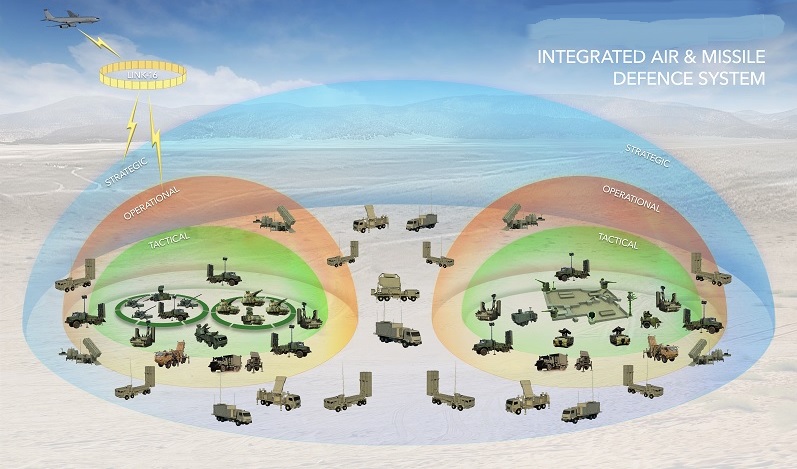
World
In a significant move for both Türkiye and NATO, Turkish defense company Aselsan has officially joined NATO’s Modular Ground-Based Air Defense (GBAD) Program for the first time. This was announced on May 27, 2025, when NATO’s Support and Procurement Agency (NSPA) selected Aselsan alongside four leading international defense companies to help shape the future of modular air defense systems for the alliance. This is an important development, as air and missile threats around the world are becoming more advanced and unpredictable. To address these challenges, NATO is working on a new kind of air defense system that’s flexible, scalable, and able to respond quickly to various airborne threats, from drones to cruise missiles. Türkiye’s participation marks a major step forward in integrating its growing defense industry into NATO’s collective defense network. What Is NATO’s Modular GBAD Program? The Modular Ground-Based Air Defense (GBAD) initiative is a modern concept aimed at replacing older, rigid air defense systems with open, modular, and interoperable architectures. These new systems will be able to cover multiple layers of air and missile defense, ranging from very short-range systems to medium-range solutions. Instead of depending on a single type of air defense weapon, the new GBAD concept envisions a network where various sensors, command centers, and weapon systems from different countries can work together seamlessly. This ensures faster, smarter, and more effective responses to modern air threats such as: Drone swarms Loitering munitions Ballistic and cruise missiles Unmanned aircraft Aselsan’s Role and Capabilities Aselsan is Türkiye’s leading defense technology company with strong experience in air defense systems. Its selection for NATO’s Modular GBAD program is based on its proven expertise in layered, modular air defense solutions. Among its key systems are: Hisar-A+ (short-range air defense) Hisar-O+ (medium-range air defense) Korkut (self-propelled air defense gun system) Hakim 100 (air command and control system) These systems already protect Türkiye’s airspace and are deployed across sensitive military zones. They integrate with powerful radar systems like Kalkan and Akrep, providing real-time detection and interception of multiple air threats. One of Aselsan’s standout achievements is its Steel Dome architecture, a system that combines data from various radars and sensors, assesses incoming threats, and coordinates a quick, layered response. This type of technology fits perfectly with NATO’s new modular GBAD plans. Why This Matters for NATO and Türkiye For NATO, bringing Aselsan into this project offers access to modern, software-defined, modular systems that can easily connect with existing NATO command networks. Aselsan’s open-architecture designs allow for better adaptability and easier upgrades compared to older, fixed systems. For Türkiye, this is a strategic win. It shows growing trust in Türkiye’s defense industry within NATO and gives the country a greater role in European and Middle Eastern security affairs. It also opens doors for Türkiye to expand its defense exports and partnerships with other allied nations. Project Status and What’s Next Right now, the program is in its first conceptual phase, where NATO and its partners — including Aselsan — are working together to define the system’s architecture. Future phases will focus on: Defining modular components Integrating new technologies Testing interoperability between different systems Evaluations for the next stages are expected in September 2025. If successful, Aselsan could become a major contributor to NATO’s future air defense shield. Meanwhile, Aselsan continues to modernize Türkiye’s own defense systems. In 2024, the Turkish Armed Forces ordered $300 million worth of Hisar-O+ systems to strengthen the nation’s air defense network.
Read More → Posted on 2025-06-03 15:34:08
World
In a fresh escalation of the conflict between Ukraine and Russia, Ukraine’s SBU security service announced that it had successfully carried out an underwater sabotage operation on the strategic Crimean Bridge, a vital link between Russia and the annexed Crimean peninsula. The attack, which took place early Tuesday morning, involved the detonation of 1,100 kilograms (2,420 pounds) of explosives below the waterline, targeting the bridge’s underwater support pillars. According to the SBU, the operation had been meticulously planned over several months and marks the third time Ukraine has hit the bridge—following earlier strikes in 2022 and 2023. "We continue the tradition—this time from beneath the water," the agency declared in a statement, also sharing footage showing a powerful underwater explosion near the concrete supports of the bridge. While the authenticity of the video’s timing remains unverified, the location was matched to the bridge structure using visual evidence. The Crimean Bridge, also known as the Kerch Bridge, spans 19 kilometers (12 miles) across the Kerch Strait and serves as the only direct road and rail link between Russia and Crimea. Built after Russia annexed Crimea in 2014, it was a symbolic and strategic priority for President Vladimir Putin and cost billions of dollars to complete. The structure includes a road and railway running parallel, supported by dozens of concrete pillars and steel arches at the shipping passage. Following the blast, Russian authorities suspended traffic on the bridge for about three hours, from 4 a.m. to 7 a.m. local time, although they did not provide a reason for the closure. Later, Russian media reported that the bridge had resumed operations as normal. However, Ukrainian officials suggested the damage could have longer-term implications for Russia’s logistics and supply lines to its forces fighting in southern Ukraine. Russian military bloggers downplayed the incident, claiming the attack was unsuccessful and possibly carried out by a sea drone. However, they did not provide visual evidence to support their claims. This underwater strike is part of a broader pattern of intensified Ukrainian efforts to hit Russian military infrastructure far from the frontlines. Just days before, Ukraine launched a drone operation named "Spider’s Web," aimed at disabling Russian long-range nuclear-capable bombers stationed deep within Russian territory. Since the start of Russia’s full-scale invasion of Ukraine in February 2022, the Crimean Bridge has played a crucial role in transporting troops, weapons, and supplies. Its repeated targeting by Ukraine underlines its symbolic and tactical importance—and Kyiv’s determination to sever Russia’s grip on Crimea and the occupied territories in the south. As Ukraine continues to expand the scope and sophistication of its operations, the attack signals not just a physical blow to Russian infrastructure, but also a psychological one, challenging the notion that Moscow’s hold over Crimea is secure.
Read More → Posted on 2025-06-03 14:58:17
World
In Ukraine’s high-stakes battlefield where electronic warfare is now the norm, a new AI-powered drone is changing the rules of engagement. Meet the Buntar-3, the latest generation of Ukrainian reconnaissance drones that’s designed to fly smart, fly silent—and most importantly, fly without GPS. Developed by Buntar Aerospace, the Buntar-3 is an electric vertical take-off and landing (e-VTOL) drone that can carry out critical surveillance missions in heavily jammed environments where traditional drones might falter. Its standout feature? It doesn’t rely on GPS to navigate. Instead, it uses optical navigation, signal triangulation, and other high-tech alternatives to keep itself on course. The drone has a flight endurance of 3.5 hours and an operational range of up to 80 kilometers. It’s capable of detecting targets from 15 kilometers away—making it an ideal tool for gathering intelligence and spotting enemy positions from a safe distance. What makes Buntar-3 especially cutting-edge is its built-in artificial intelligence, which acts like a virtual “copilot.” This AI system automatically plans flight routes by factoring in variables such as wind conditions, battery health, and the strength of communications links. It even helps decide when and where to deploy additional drones to maintain uninterrupted surveillance, which means one operator can control several units at once with ease. This software-driven approach reduces operator workload and improves the chances of mission success in chaotic combat zones. It’s a significant upgrade over traditional drones that demand constant manual control and GPS reliability. According to Buntar Aerospace, the Buntar-3 was built specifically to counter the growing problem of electronic interference on the battlefield. Russian forces have been using powerful jamming tools to disrupt GPS signals, putting older drone systems at serious risk. To beat that threat, the Buntar-3 uses custom antennas, high-performance modems, optimized frequency bands, and advanced software that allow it to keep flying even when the skies are electronically hostile. This is the third drone in the Buntar series and has been refined through combat feedback and field testing. With the Ministry of Defense in Kyiv giving it the green light for wider deployment, the Buntar-3 is set to become an important asset in Ukraine’s drone fleet—collecting intelligence, identifying enemy targets, and doing so while dodging the electronic eyes and ears of its adversaries. In a war where information is power, the Buntar-3 doesn’t just gather it—it outsmarts those trying to keep it hidden.
Read More → Posted on 2025-06-03 14:51:39
World
The U.S. Army is expanding its use of advanced solar-powered drones, with the deployment of the K1000 unmanned aircraft system (UAS) marking a significant shift in how it conducts surveillance and support missions across the Indo-Pacific region. This innovative drone, developed by Kraus Hamdani Aerospace, was recently flown during Exercise Salaknib 25 in the Philippines, underscoring its growing importance in real-world military operations. On May 29, 2025, the K1000 took part in the exercise at Fort Magsaysay, supporting the U.S. Army’s 1st Multi-Domain Task Force and showcasing its ability to deliver persistent surveillance in challenging environments. With solar panels embedded in its wings, the drone captured full-motion video and other intelligence, surveillance, and reconnaissance (ISR) data. These capabilities were critical in giving troops on the ground real-time situational awareness during the joint training operation with the Philippine military. The K1000 is not a newcomer to Army exercises. Earlier in March 2025, it was tested during "Static Focus 3" at the Yakima Training Center in Washington. There, it supported ISR duties, served as a communications relay, and participated in electronic warfare missions. These exercises highlighted its versatility and the wide range of roles it can perform in both combat and training scenarios. What sets the K1000 apart is its long-endurance performance. The upgraded K1000ULE variant is the world’s longest-flying electric drone in its weight class, capable of staying aloft for more than 76 hours without refueling or recharging. Weighing between 21 and 55 pounds, it operates entirely on clean energy, emitting zero emissions during flight. This makes it not only efficient but also environmentally sustainable and stealthy—an advantage in contested environments. The aircraft’s design is centered around efficiency. Its ultra-light structure and ability to harvest solar energy mid-flight enable it to fly far longer than conventional electric drones. This endurance is especially useful for missions that require long observation times over large areas, such as tracking enemy movements, monitoring coastlines, or supporting special operations in remote regions. In the Indo-Pacific, where operations are often spread across multiple islands and maritime zones, the K1000’s ability to fly for days without interruption is a game-changer. Its role is being further evaluated for long-duration missions that require minimal human intervention and maximum reach. The drone’s quiet operation and long airtime make it ideal for both surveillance and acting as a relay for communications between dispersed forces. By integrating this drone into forward exercises like those in the Philippines, the U.S. Army is not just testing technology—it’s adapting to modern warfare’s demands. As threats become more complex and dispersed, platforms like the K1000 offer a smarter, cleaner, and more persistent way to maintain an edge in the field. With solar-powered drones now playing a central role, the future of battlefield awareness is airborne, silent, and solar-driven.
Read More → Posted on 2025-06-03 14:48:39Search
Top Trending in 24 Hours
-
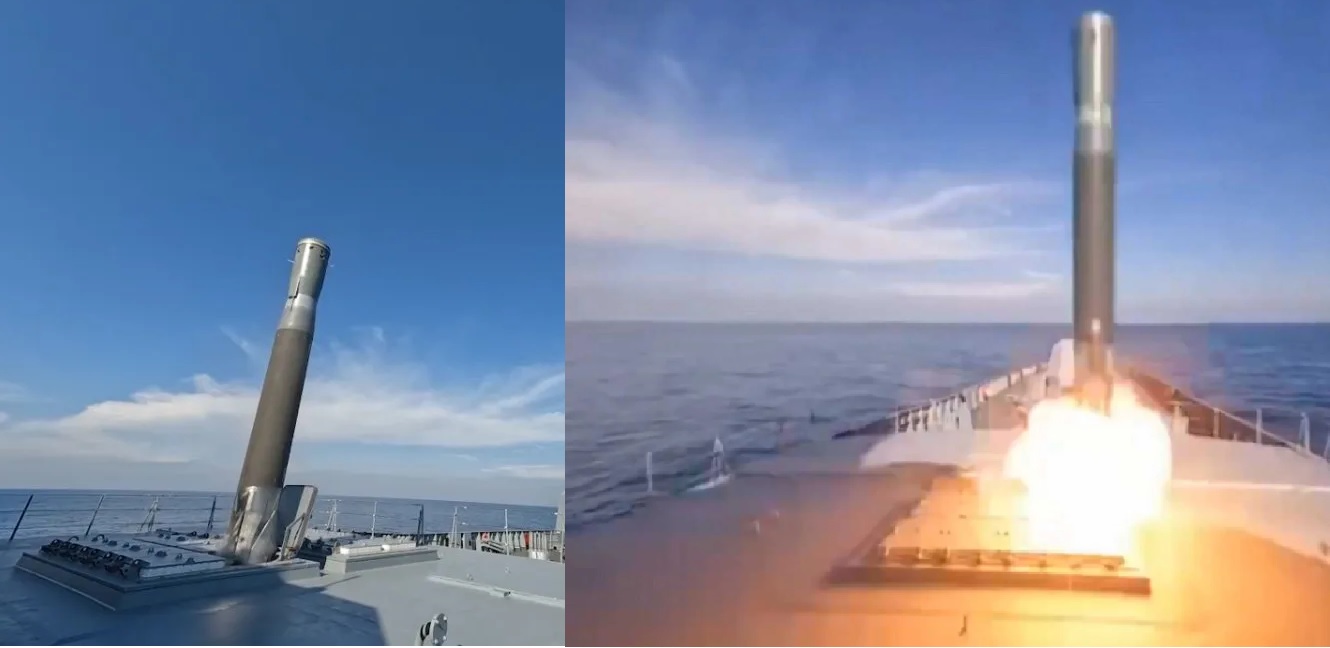 Open-Source Evidence Suggests Russia's Zircon Is a Quasi-Ballistic Missile, Not a True Hypersonic Cruise Weapon
-
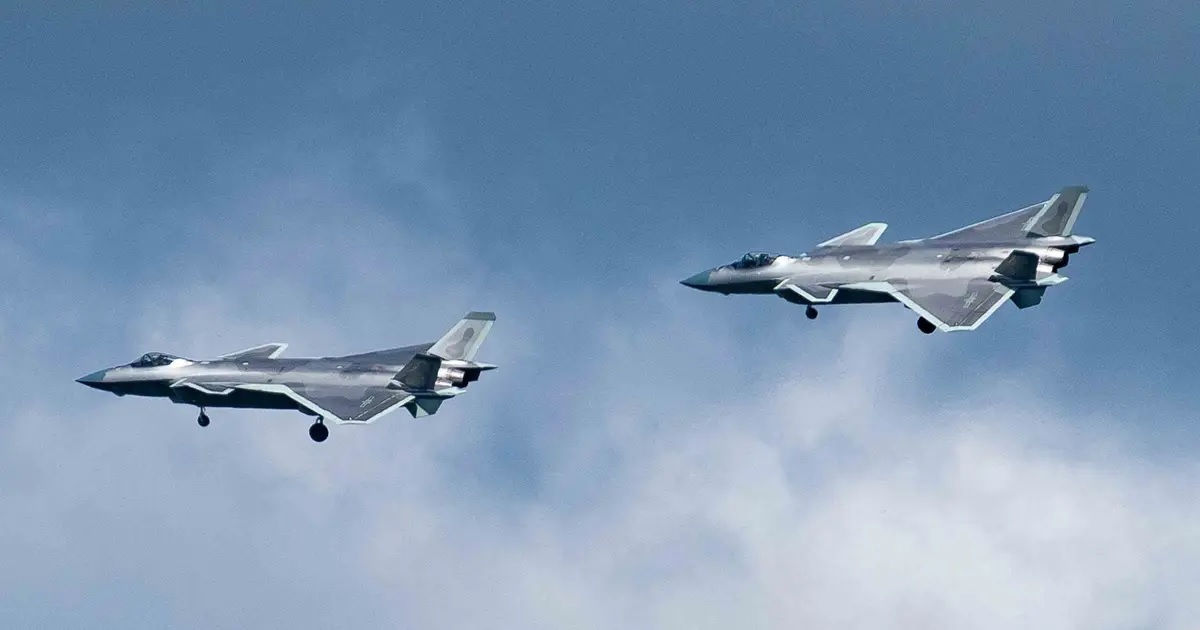 China Surpasses Russia as World’s Second-Most Powerful Air Force Amid Rapid J-20 and J-35 Expansion
-
 Pentagon Expands Alloy Surfaces Contract to $328.8 Million for Advanced Aircraft Decoy Flares Amid Evolving Drone Threats
-
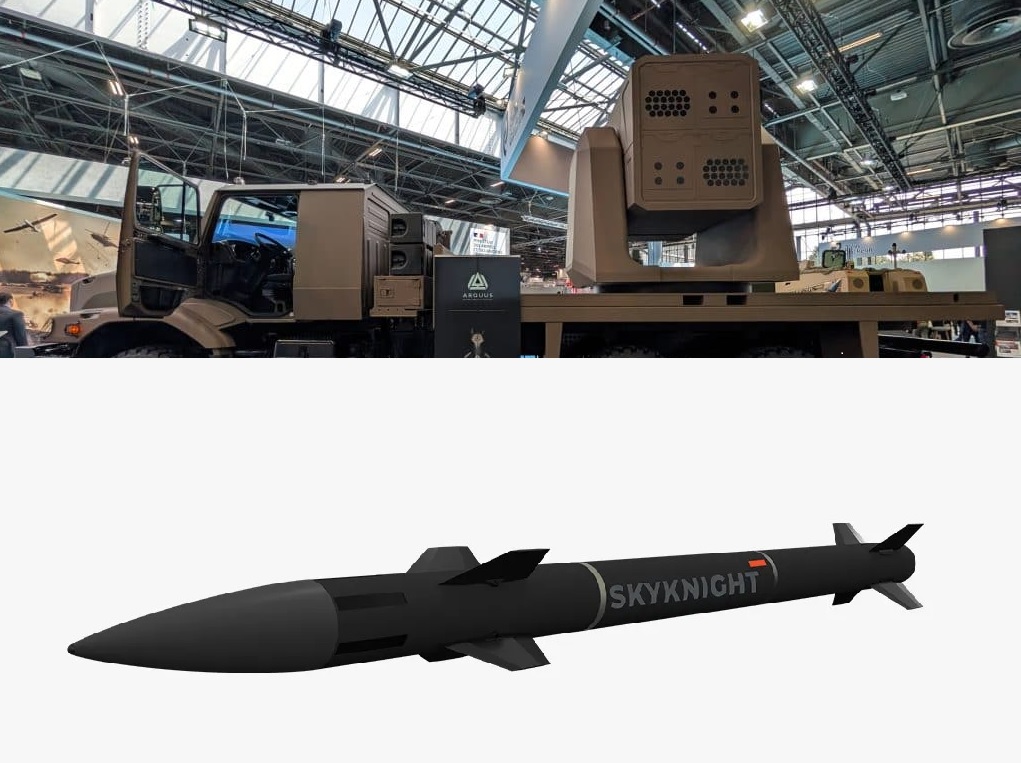 Naval Group Unveils Rampart Modular CIWS Multi-Purpose Weapon System for Naval and Ground Forces at Eurosatory 2026
-
 Why the U.S. Restored Pacific Command Name, Ending the Indo-Pacific Designation After Eight Years
-
 IDV Unveils CL2X Hybrid Uncrewed Light Tank at Eurosatory 2026
-
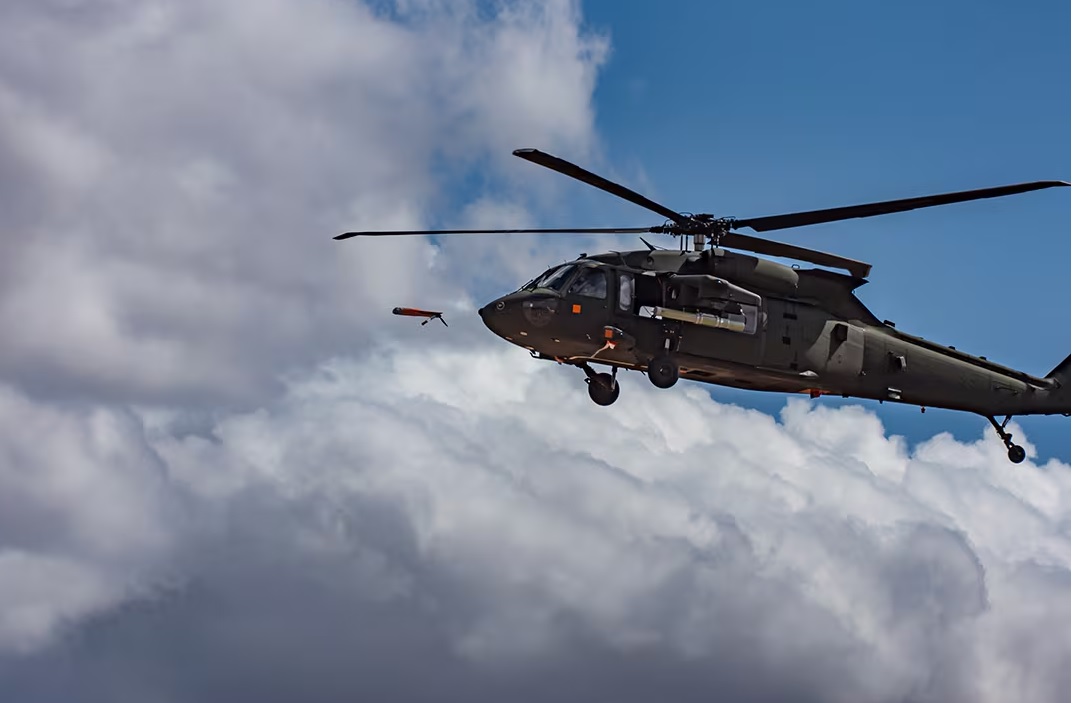 U.S. Army Completes First Flight Test of Medium-Range Air-Launched Effects from Black Hawk Helicopter
-
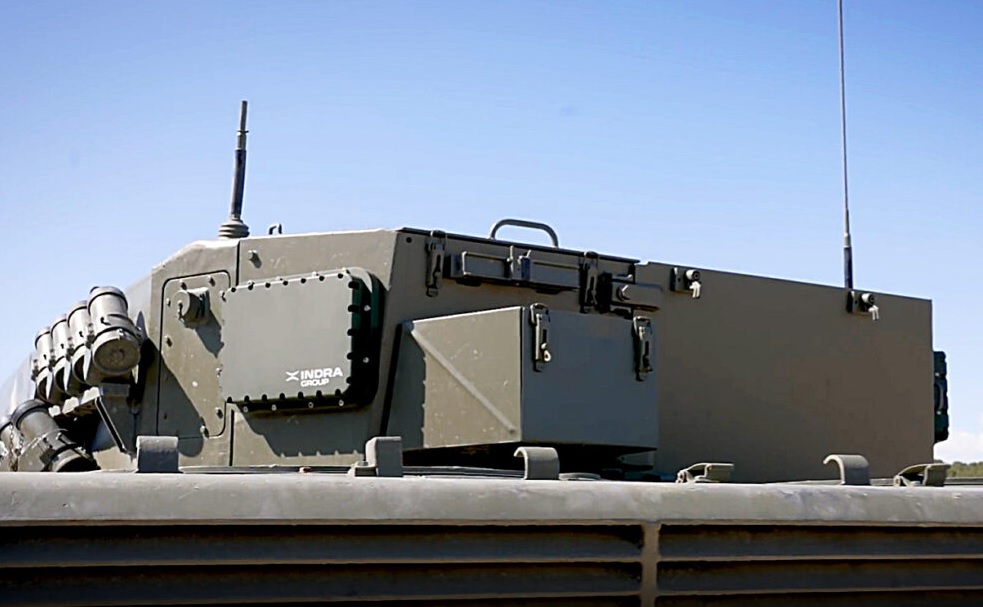 Indra and Rheinmetall Sign Deal to Integrate NEMUS AESA Radar into StrikeShield Active Protection System
Top Trending in 4 Days
-
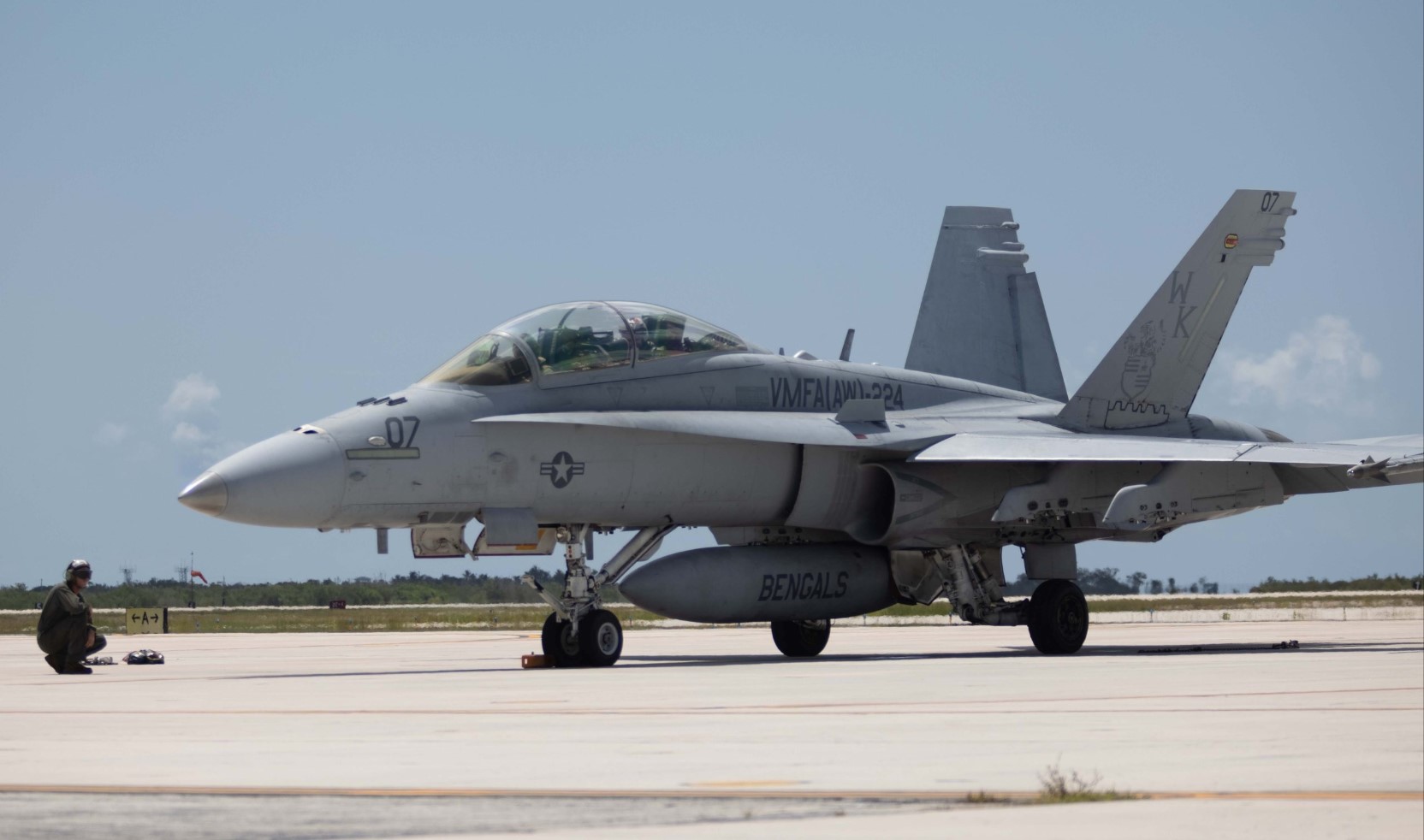 US Marine Corps F/A-18D Hornet Crashes During Training Flight in Washington Mountains; Pilot Ejects Safely
-
 8 U.S. Air Force Crew Members Killed in B-52 Bomber Crash During Test Flight at Edwards Air Force Base
-
 Tulsi Gabbard Releases Declassified Files Detailing U.S.-Backed Network of 120 Biolaboratories Across 30+ Countries
-
 Ukraine Introduces Balloon-Launched DART Missile Designed to Defeat Electronic Warfare
-
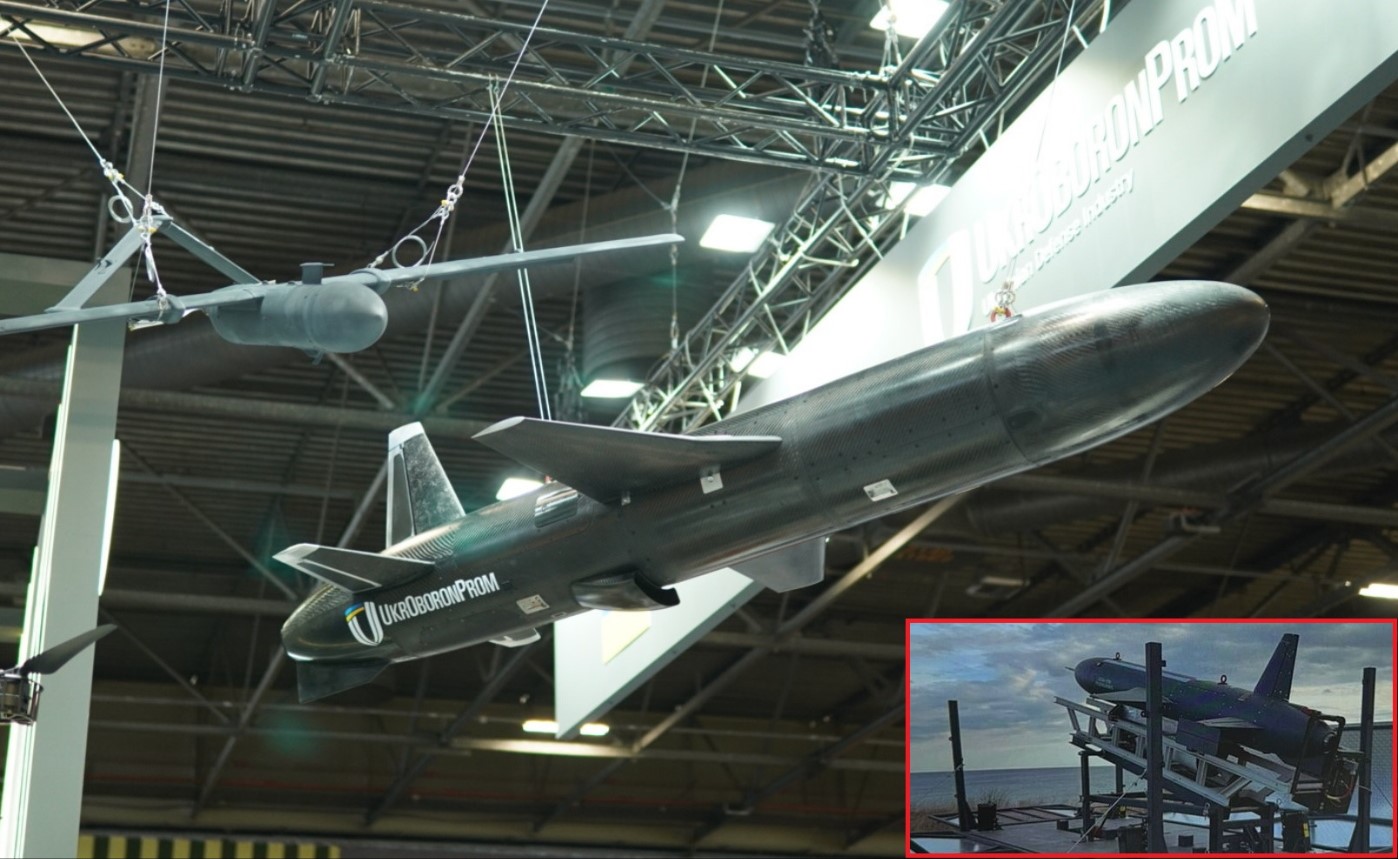 Ukraine Unveils UAV-290 Jet-Powered Strike Drone with 650 km Range at Eurosatory 2026
-
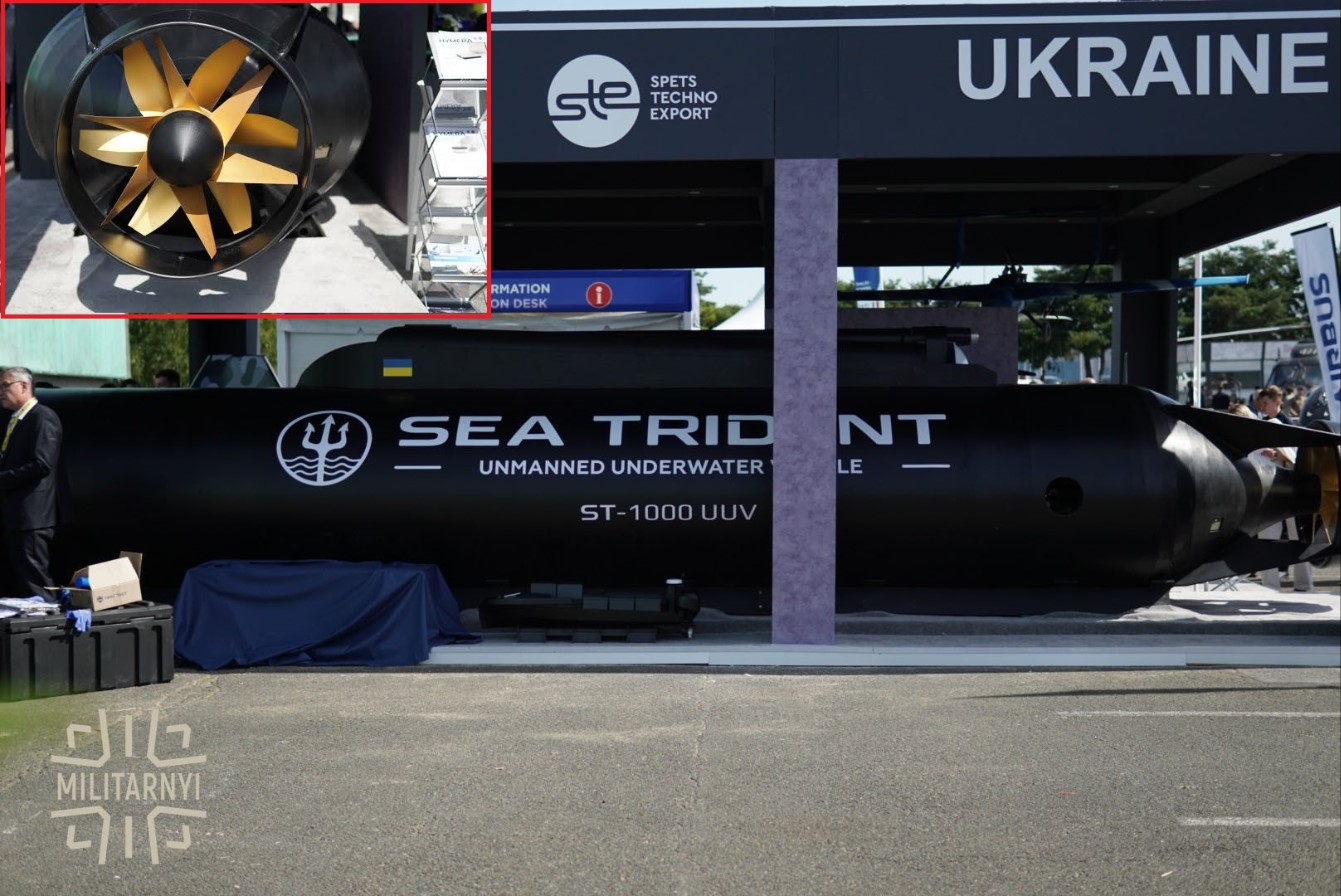 Ukraine Unveils 'Sea Trident' 10-Ton Autonomous Underwater Drone at Eurosatory 2026
-
 Rolls-Royce Unveils New Hybrid Powertrain for Heavy Military Vehicles at Eurosatory 2026
-
 KNDS Unveils CAPINT Main Battle Tank at Eurosatory 2026 as Leclerc Stopgap