
World
In a startling development that underscores the deepening alliance between North Korea and Russia, South Korean intelligence has revealed that Pyongyang has supplied over 12 million artillery shells to support Moscow’s war in Ukraine. This massive transfer is believed to be part of North Korea's broader military aid package to help Russia sustain its high-tempo combat operations. According to the Defense Intelligence Agency (DIA) under South Korea’s defense ministry, approximately 28,000 containers loaded with weapons and ammunition have been shipped from North Korea to Russia. If those containers carried 152mm artillery shells, which are standard in Russian heavy artillery, the number of shells supplied has exceeded 12 million, South Korean officials estimate. The weapons transfers reportedly began around October last year, and intelligence suggests the support is not limited to just hardware. South Korea's military intelligence reports that North Korea has also sent around 13,000 troops, including support staff, to aid Russian efforts in the ongoing conflict. These personnel are believed to be deployed in non-combat roles such as logistics and maintenance. Looking ahead, Seoul’s National Intelligence Service (NIS) anticipates more North Korean deployments in the coming months. Reports indicate that 5,000 military construction workers and 1,000 sappers may be sent to Russia’s Kursk region in July or August to assist in reconstruction and infrastructure development near the warzone. These moves mark a significant breach of United Nations Security Council (UNSC) resolutions, which strictly prohibit North Korea from exporting arms or military personnel. U.S. and Western officials have repeatedly condemned such transfers, warning that they not only violate international law but also contribute to the prolongation of the war in Ukraine. This growing military cooperation between Moscow and Pyongyang has included high-level diplomatic exchanges and discussions about deeper economic ties. Experts say the artillery shells from North Korea have become crucial to Russia's artillery-heavy warfare strategy, especially as it faces growing challenges from Ukrainian counter-battery systems and drone attacks. South Korea has pledged to closely monitor the situation, working alongside its allies to track the flow of weapons and personnel. The revelations come at a time of heightened tension in the region, as North Korea continues to assert its military presence while leveraging the Ukraine conflict to strengthen ties with one of its few powerful allies. This development raises significant concerns about the global implications of the Russia-Ukraine war, especially with authoritarian regimes openly defying international sanctions and aligning militarily.
Read More → Posted on 2025-07-13 16:28:12
World
In a landmark move that reshapes Europe’s air defense landscape, Romania has become the first European country to acquire the Israeli-made Iron Dome air defense system, marking a significant boost to NATO's eastern flank. The confirmation came on July 10, 2025, when Romanian Defence Minister Ionuț Moșteanu announced the government’s plan to formally procure the system by fall 2025. This decision marks a major turning point in Romania’s military modernization efforts, as it integrates battle-proven short-range air defense (SHORAD) and very short-range air defense (VSHORAD) capabilities into its national defense structure. The Iron Dome, developed by Rafael Advanced Defense Systems and Israel Aerospace Industries, has a stellar combat record, with a success rate exceeding 90% in intercepting rockets, artillery shells, mortars, and drones. The Romanian version of the Iron Dome will be equipped with Tamir interceptor missiles, EL/M-2084 radar systems, and advanced command-and-control units, giving it the ability to track and neutralize multiple threats simultaneously. These systems are specifically designed to protect urban centers, airports, military bases, and critical infrastructure—particularly important in a region facing heightened geopolitical instability. Why Romania Needs the Iron Dome Now Minister Moșteanu stressed the strategic urgency of acquiring this system, pointing to recent Israeli success in countering Iranian missile attacks as a benchmark. With increasing security challenges along NATO’s eastern borders, particularly due to the war in Ukraine and rising tensions in the Black Sea region, Romania is actively bolstering its air defense shield to protect against low-flying cruise missiles, rocket barrages, UAVs, and artillery threats. Romania is allocating nearly 30% of its 2025 defense budget to procurement, and the Iron Dome deal is one of the largest and most symbolic investments. It not only enhances Romania’s military readiness but also serves as a deterrent against hostile aggression, while reinforcing interoperability with NATO’s integrated air and missile defense systems. How Iron Dome Works The Iron Dome is a mobile, all-weather SHORAD system capable of defending areas against threats launched from 4 to 70 kilometers away. Each battery typically includes: EL/M-2084 radar to detect and track incoming projectiles, A battle management and control unit, and A launcher with up to 20 Tamir interceptors. What makes Iron Dome uniquely efficient is its real-time threat analysis: it calculates the trajectory of incoming threats and engages only those that would hit populated or high-value targets. This precision minimizes both risk and operational cost. The Tamir interceptor—equipped with electro-optical sensors and a proximity-fused warhead—has proven its reliability in live combat, especially in urban warfare scenarios. The system's mobility and ease of deployment allow it to adapt rapidly to changing battlefield needs. What This Means for NATO and Europe By adopting Iron Dome, Romania is setting a precedent that could lead other NATO members to explore Israeli defense technologies. Its deployment significantly enhances NATO’s southeastern air defense posture, adding a powerful layer of protection to one of the alliance’s most vulnerable regions. Romania’s move is also seen as a clear message of preparedness and commitment to NATO’s collective security. Positioned along the Black Sea and sharing borders with Ukraine and Moldova, Romania holds a frontline position, making it an essential component of NATO's deterrence architecture. The Iron Dome is expected to be complemented by future Romanian acquisitions, such as mobile SHORAD platforms and missile-armed naval corvettes, as the country works toward creating a multi-layered, fully interoperable defense network. With this acquisition, Romania firmly steps into the role of a technologically advanced, strategically responsible NATO ally, ready to face modern threats with proven solutions. The integration of the Iron Dome not only secures its national skies but also reinforces the entire alliance’s defenses at a time when unity, readiness, and deterrence matter more than ever.
Read More → Posted on 2025-07-13 16:23:36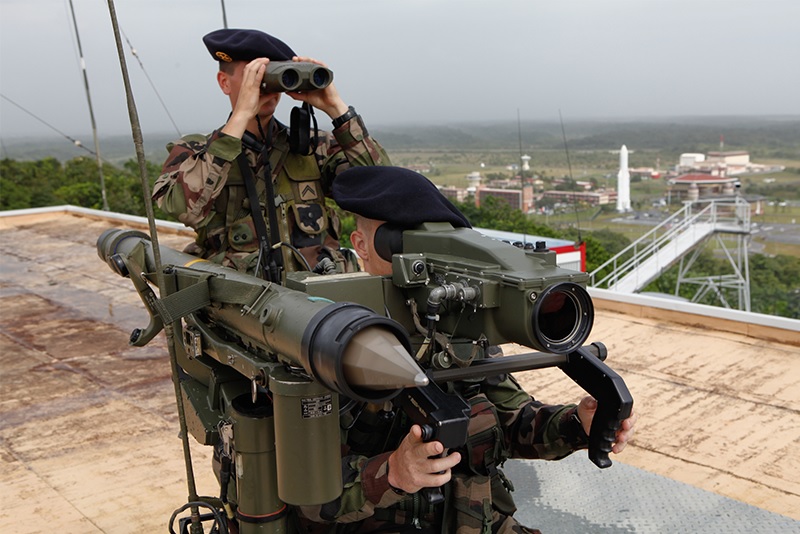
World
In a major boost to its national defense, Estonia has signed a €200 million contract with French arms manufacturer MBDA for the supply of Mistral 3 short-range air defence systems. The deal, made public via the European Union’s tender platform, marks a significant investment in strengthening Estonia’s airspace protection capabilities amid growing regional security concerns. The Mistral 3 is the latest and most advanced version of MBDA’s renowned very short-range air defence (VSHORAD) missile system. Weighing just 20 kilograms, this shoulder-launched weapon uses infrared-guided targeting and advanced image processing to deliver high-precision strikes. Operating on a “fire-and-forget” basis, the system does not require the operator to guide the missile after launch, making it ideal for rapid-response scenarios. With a top speed of Mach 2.7 and a lethal 3-kilogram warhead, the Mistral 3 can engage a wide variety of airborne threats—including fighter jets, helicopters, drones, cruise missiles, and even low-flying transport aircraft—within a range of up to 8 kilometers. According to MBDA, the Mistral 3 boasts an effectiveness rate of over 96%, placing it among the most dependable systems in its category. Estonia has previously operated older variants of the Mistral system, but this new procurement marks a leap forward in capability. While the Estonian Ministry of Defence has not revealed how many systems will be delivered or the exact delivery timeline, this upgrade will undoubtedly enhance the nation’s rapid air threat response potential. The groundwork for this acquisition was laid in June 2023, when Estonia, along with France, Belgium, Cyprus, and Hungary, entered a joint agreement to purchase Mistral 3 systems under a collaborative European defence framework. This multinational effort culminated in a framework agreement signed during the Eurosatory 2024 defence expo in Paris, enabling joint procurement through France’s defence acquisition agency, DGA. The procurement reflects Estonia's strategic shift toward deeper European defence cooperation, particularly in light of heightened tensions near its borders. For Estonia, a frontline NATO state bordering Russia, modernizing air defence is not just a tactical decision—it’s a national priority. With this €200 million deal, Estonia becomes the latest European nation to bet on the battle-tested and technologically advanced Mistral 3, solidifying its commitment to staying prepared in an increasingly uncertain security environment.
Read More → Posted on 2025-07-13 16:14:28
World
In a major boost to Europe's growing defense-tech sector, Swedish firm Nordic Air Defence (NAD) has raised $3 million in expanded pre-seed funding, pushing its total capital raised to $4.4 million. The funding round, led by venture capital firm Inflection, marks one of the largest early-stage investments in the European defense technology space to date. This new capital injection will help NAD move into what it calls “Phase Two”, a phase focused on expanding operations, scaling production, and advancing its flagship product — the Kreuger 100, a dual-use drone interceptor platform aimed at protecting both civilian and military domains. New Phase, New Team, New Momentum To support this ambitious growth, NAD has restructured its board and welcomed several high-profile hires from defense and tech industry leaders such as Anduril, Teledyne FLIR, Einride, Insitu, and General Atomics. These appointments aim to inject world-class engineering and strategic expertise into NAD’s mission of developing sovereign European drone defense solutions. Among the key additions: Nicholas Högasten, former Teledyne FLIR executive, joins as Head of Product, bringing over two decades of experience in imaging and sensing technologies. Dominic Surano, previously at Anduril and General Atomics, will lead Special Projects, focusing on next-generation aerial systems. Bianca Otake, an autonomous tech specialist from Einride, joins as Navigation Engineer, adding depth in AI-driven systems. These hires reflect NAD’s vision of building a high-caliber team capable of responding rapidly to evolving aerial threats, including the increasing use of drones in both warfare and civilian airspace violations. The Kreuger 100: A Smart Leap in Drone Defense At the heart of NAD’s innovation is the Kreuger 100, a battery-powered, software-defined drone interceptor that replaces bulky, hardware-intensive systems with lightweight, scalable alternatives. It’s designed for high portability, quick deployment, and tenfold cost reduction, enabling mass production and broader field deployment. Since its stealth debut in September 2024, the Kreuger 100 has drawn interest for its ability to be deployed in real-time drone defense, offering a smarter and more cost-effective approach than traditional anti-drone systems. NAD envisions expanding this platform to include land, sea, and underwater defense solutions in the future. Driving Sovereignty in a Changing World NAD CEO Karl Rosander emphasized the urgency of innovation in Europe’s defense ecosystem: “What were once imagined as future conflicts are happening right now. There can be no complacency. Europe must create new industrial might and deliver defensive hardware at scale.” The sentiment was echoed by Inflection Partner Jonatan Luther-Bergquist, who noted: “We’re not just investing in a team — we’re investing in Europe’s future. Nordic Air Defence has captured the essence of European engineering and is poised to transform how we think about defense.” Inflection’s decision to back NAD also reflects the growing importance of sovereign technology — the ability for nations to build and deploy critical defense systems independently, without relying on foreign tech from potentially adversarial states. Streamlined Leadership for Rapid Scaling NAD’s restructured board now includes co-founders Karl Rosander and Gustav Wiberg, Dr. Jonas Dromberg of Revalence Ventures, and Hampus Särnbratt from EQT Ventures. Former board members have stepped aside to allow the company to move faster and scale more aggressively, aligning with the momentum of Phase Two. “We’ve entered a period of hypergrowth,” said Rosander. “And we must have the right leadership and team to move at startup speed while solving national security challenges.” A New Chapter in European Defense Tech Nordic Air Defence’s mission aligns with Europe’s urgent need to reinforce its defense autonomy, especially in a world marked by rising tensions and frequent unmanned aerial incursions. With a world-class team, serious investor backing, and a disruptive product already in play, NAD is well-positioned to become a key player in modern drone defense. This $3 million milestone doesn’t just support a company — it underlines a growing movement to ensure that Europe stays ahead in the race to secure its skies.
Read More → Posted on 2025-07-13 16:04:02
World
In a groundbreaking development for mobile satellite communications, British tech innovator ALL.SPACE has introduced Hydra MAX, the world’s first dual-beam, full-duplex on-the-move satellite terminal capable of delivering 500MHz of instantaneous bandwidth per beam, totaling an impressive 1GHz aggregate bandwidth. This milestone redefines the standards for real-time, resilient, and high-performance connectivity in motion—whether on land, at sea, or in the air. What sets Hydra MAX apart is its ability to simultaneously connect to multiple satellite networks across all orbits—LEO (Low Earth Orbit), MEO (Medium Earth Orbit), HEO (Highly Elliptical Orbit), and GEO (Geostationary Orbit). Unlike conventional satcom terminals that merely switch between orbits, Hydra MAX can actively maintain links to two or more satellite networks at the same time, ensuring continuous, full-duplex communication even in hostile or electronically jammed environments. At the heart of this innovation is advanced digital beamforming, supporting mono-pulse tracking over 400Hz, allowing the system to maintain precise signal lock even during rapid motion and complex manoeuvres. With a compact 86cm ruggedized form factor, the terminal fits seamlessly on a wide range of mobile platforms. The terminal is fully interoperable with leading satellite networks, including WGS (Wideband Global SATCOM), SES’s O3b mPOWER, Viasat-3, Inmarsat GX, and upcoming Ka-band constellations such as Amazon’s Project Kuiper and Telesat Lightspeed. Its military-grade capability includes support for frequency-hopping waveforms on Military Ka-band, offering enhanced security against electronic warfare, jamming, and signal interception. Adding to its versatility, Hydra MAX features four field-swappable bays that allow integration with modems, tactical radios, or edge computing units, making it an ideal solution for military, humanitarian, and commercial missions. The terminal is also MIL-STD-810 certified, ensuring durability in harsh maritime and land-based environments. John-Paul Szczepanik, Chief Technology Officer at ALL.SPACE, emphasized the significance of this launch: “Hydra MAX is not just a product milestone – it’s a signal to the market that ALL.SPACE is redefining what’s possible in mobile communication. Simultaneous multi-beam, full-duplex, wideband connectivity – while moving, while under threat, while connected to three different orbits if you want.” Looking ahead, ALL.SPACE is already working on its third-generation system, the Hydra KuKa, which will provide dual-beam, full-duplex capabilities across both Ku- and Ka-bands simultaneously. After a successful proof-of-concept in September 2024 and a Preliminary Design Review with a key customer in May 2025, Hydra KuKa has now entered the final design and certification phase. With Hydra MAX and the upcoming Hydra KuKa, ALL.SPACE is positioning itself at the forefront of global satellite communications, delivering unmatched mobility, connectivity, and operational flexibility for defense forces, governments, and commercial operators worldwide.
Read More → Posted on 2025-07-12 16:59:12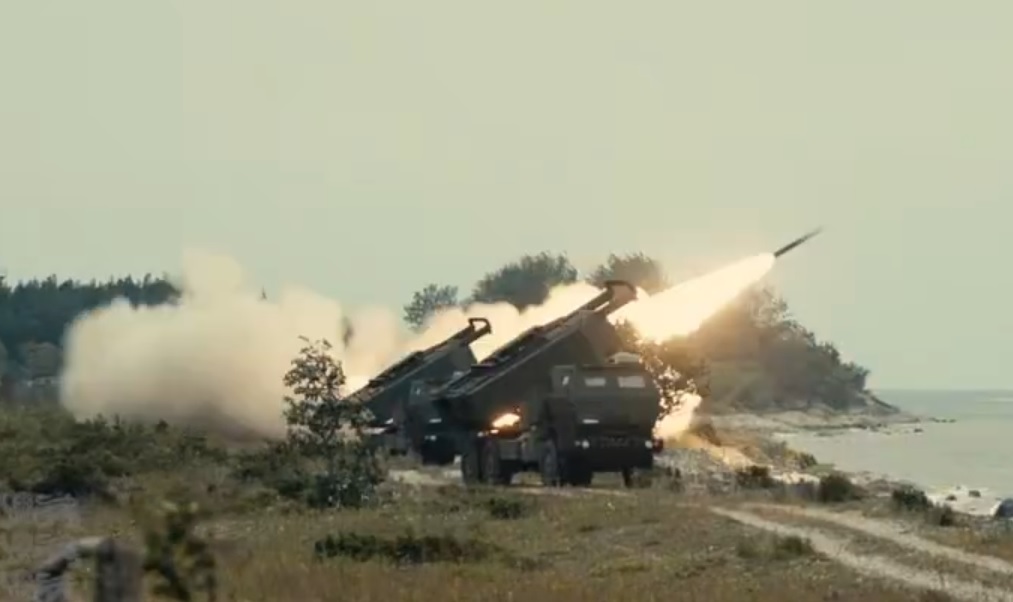
World
In a major milestone for Estonia’s defense readiness, reserve soldiers of the Estonian Defence Forces (EDF) have, for the first time, successfully conducted a live-fire exercise using HIMARS rocket launchers. This landmark event took place on 11 July on the Undva Peninsula in Saaremaa, as part of a larger artillery battery training assembly held from 4 to 12 July in the Saaremaa and Muhu municipalities. The exercise featured Estonian reservists who had previously undergone specialized training in operating the M142 High Mobility Artillery Rocket System (HIMARS)—one of the most advanced precision-guided artillery systems in the world. This marks a significant upgrade to Estonia’s firepower, showcasing the country’s growing capacity to conduct independent, high-tech military operations. “The HIMARS is now part of our national defence,” said Battery Sergeant Major Margus Oras of the Division Artillery Battalion. “Training began even before the systems arrived in Estonia, in cooperation with units from the United States.” The HIMARS system, manufactured by Lockheed Martin, is highly regarded for its long-range precision strike capability. It can deploy a variety of guided munitions, such as the GMLRS (Guided Multiple Launch Rocket System) rounds with a range of over 70 km, and even ATACMS tactical ballistic missiles, depending on configuration. Though Estonia has not publicly confirmed which munitions it currently holds, the system dramatically increases its operational range and deterrence capacity. The Estonian Defence Forces received HIMARS units as part of a broader push to modernize its artillery forces in response to heightened regional security threats, especially after Russia's invasion of Ukraine. The training and eventual integration of HIMARS into the country’s defense strategy has involved close cooperation with the United States, including early operator training before the platforms arrived on Estonian soil. “Today, we have a fully trained rocket artillery battery that continues to practise defending Estonia,” added Oras. “We have both experienced teams and state-of-the-art equipment – and now we’ve reached a level where we can independently conduct both training and firing exercises.” The nine-day training assembly focused on enhancing combat readiness and unit interoperability. It gave reservists the opportunity to refresh technical skills, work in synchronized fire teams, and sharpen their real-time operational responses in a simulated battlefield setting. These exercises are especially critical in ensuring that reserve soldiers are combat-ready and capable of seamlessly integrating with active units when needed. The Division Artillery Battalion, which organized the exercise, plays a central role in Estonia’s indirect fire capabilities. It serves as a training and support hub for both conscripts and professional soldiers and is tasked with providing fire support to division-level units during wartime. The live-fire exercise not only demonstrates Estonia’s growing self-reliance in advanced warfare technologies but also sends a clear signal to allies and potential adversaries alike: Estonia is serious about defending its territory and is capable of using modern tools to do so. The integration of HIMARS is expected to reshape Estonia's defensive posture, making it more agile, more precise, and more connected to NATO’s collective security infrastructure.
Read More → Posted on 2025-07-12 16:35:35
World
In a strong signal of its growing military strength, Poland has confirmed its armed forces now number over 210,000 personnel, reinforcing its status as NATO’s key forward post on the alliance’s eastern flank. The announcement, made by Poland’s Ministry of National Defense (MON) on June 30, 2025, comes amid heightened tensions in Europe and growing concerns about regional security. The breakdown of Poland’s armed forces paints a clear picture of a country rapidly scaling up its military power. According to official data, about 153,800 are professional soldiers, including: 24,600 officers and generals 57,000 non-commissioned officers (NCOs) 67,200 enlisted professional soldiers 5,000 soldiers in professional training (those who have completed their first year of service) In addition to this professional force, 16,600 troops are currently serving in voluntary basic military service, with another 3,000 in their first year of training, taking the total number of professional and voluntary basic service personnel to 173,400. Significantly, nearly 37,000 soldiers are part of Poland’s Territorial Defense Forces (WOT). This branch plays a vital role in local defense, civil support, and acting as a strategic reserve force, making it a critical component of Poland’s total defense concept. Altogether, Poland’s military now boasts a force strength of more than 210,300 personnel. This rapid expansion reflects Warsaw’s continued investment in defense modernization, including the procurement of cutting-edge equipment such as K2 Black Panther tanks from South Korea, F-35 fighter jets from the U.S., and HIMARS rocket systems. Poland's growing military capacity isn’t just about numbers—it is part of a broader strategy to solidify its position as a regional defense leader. Located at NATO’s eastern border, Poland acts as a buffer between the alliance and potential threats from the east, particularly in the context of the ongoing war in Ukraine and increased Russian military activity. According to defense analysts at Defence24, this disclosure also comes during a national debate on how troop numbers are calculated, making the June 30 report a particularly transparent and strategic update on the country’s readiness. With NATO reinforcing its eastern flank, Poland's military growth sends a clear message: the country is committed to being a frontline defender in the alliance, prepared to act swiftly and decisively in the face of any threat.
Read More → Posted on 2025-07-12 16:29:19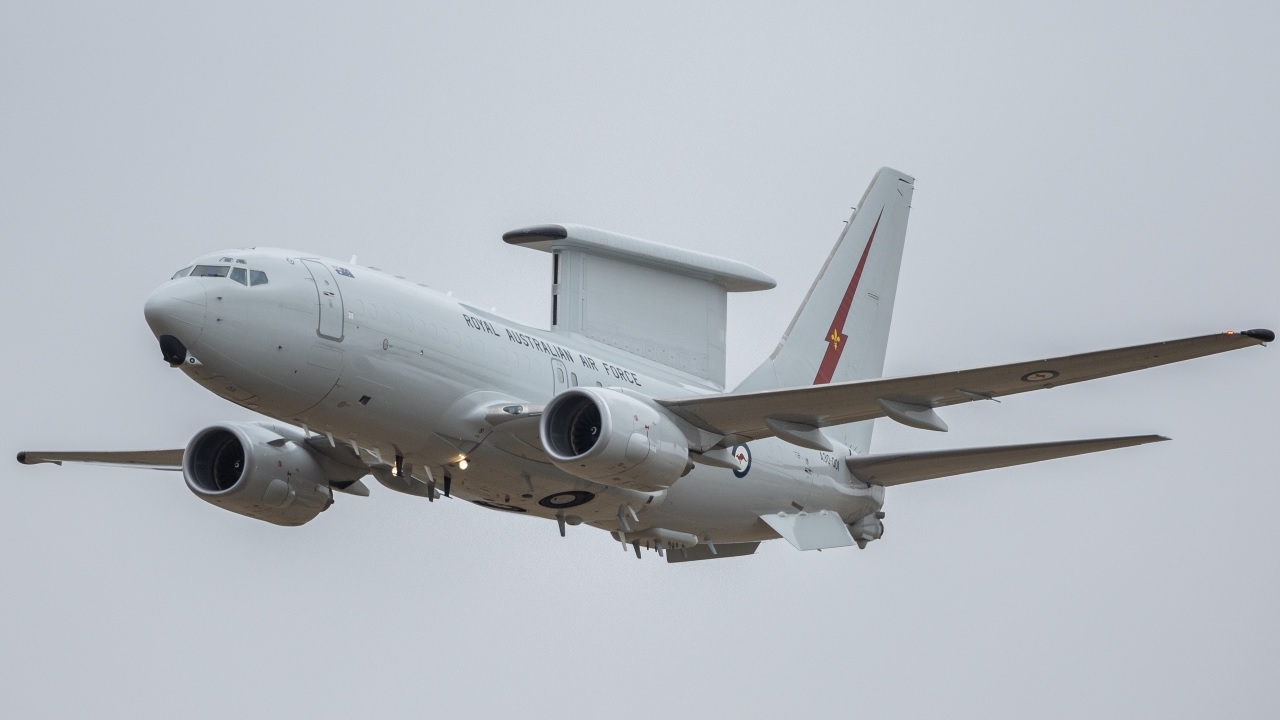
World
In a major milestone for the Royal Air Force (RAF), the first E-7 Wedgetail airborne early warning and control (AEW&C) aircraft, known as WT001, has successfully completed a key test flight. The RAF confirmed the achievement via social media, stating that the mission was conducted to verify the correct functioning of onboard systems. This successful system validation flight marks a significant step in getting the UK’s latest airborne surveillance platform ready for full operational deployment. The E-7 Wedgetail, built on the Boeing 737-700 airframe, is fitted with the advanced Northrop Grumman MESA (Multi-role Electronically Scanned Array) radar, making it one of the most powerful AEW&C systems in the world. Already operational in countries like Australia, South Korea, and Turkey, the E-7 is praised for its ability to track both air and maritime threats with high accuracy. The RAF describes it as “the most capable and effective airborne early warning and control platform in operation today.” The E-7 is set to replace the retired E-3D Sentry fleet, which was withdrawn from RAF service in 2021, leaving a serious gap in long-range airborne surveillance and battle management capabilities. The new Wedgetails are expected to restore and enhance this critical function, offering faster response, longer range, and better situational awareness for both national defence and NATO operations. While the UK originally planned to acquire five Wedgetail aircraft, that number was reduced to three as part of a 2021 defence spending cut, raising concerns about the RAF’s future operational capacity. However, officials have since reaffirmed their commitment to the platform and its strategic importance. Defence Minister Maria Eagle, speaking before MPs on June 26, emphasised that the E-7 remains central to the UK’s defence plans. She confirmed that the Ministry of Defence (MoD) is actively working with the United States and Australia through trilateral working groups formed in 2022. A Joint Vision Statement was also signed in 2023 to ensure alignment between allied partners on the platform’s future development and integration. Eagle further pointed out that the E-7 plays a vital role in the UK’s warfighting and NATO contributions, as stated in the recent Strategic Defence Review. She noted that expanding the RAF’s AEW&C capability is considered beneficial for both the UK and the NATO alliance. To ensure proper oversight and project performance, the Wedgetail programme remains under the UK Government Major Project Portfolio. The MoD conducts frequent reviews to assess progress, risks, and future steps to ensure the programme delivers as expected. With WT001's successful test flight now complete, the RAF moves closer to reintroducing airborne early warning capability, closing a crucial gap in its modern warfare toolkit, and reinforcing the UK's role in international air defence operations.
Read More → Posted on 2025-07-12 15:52:18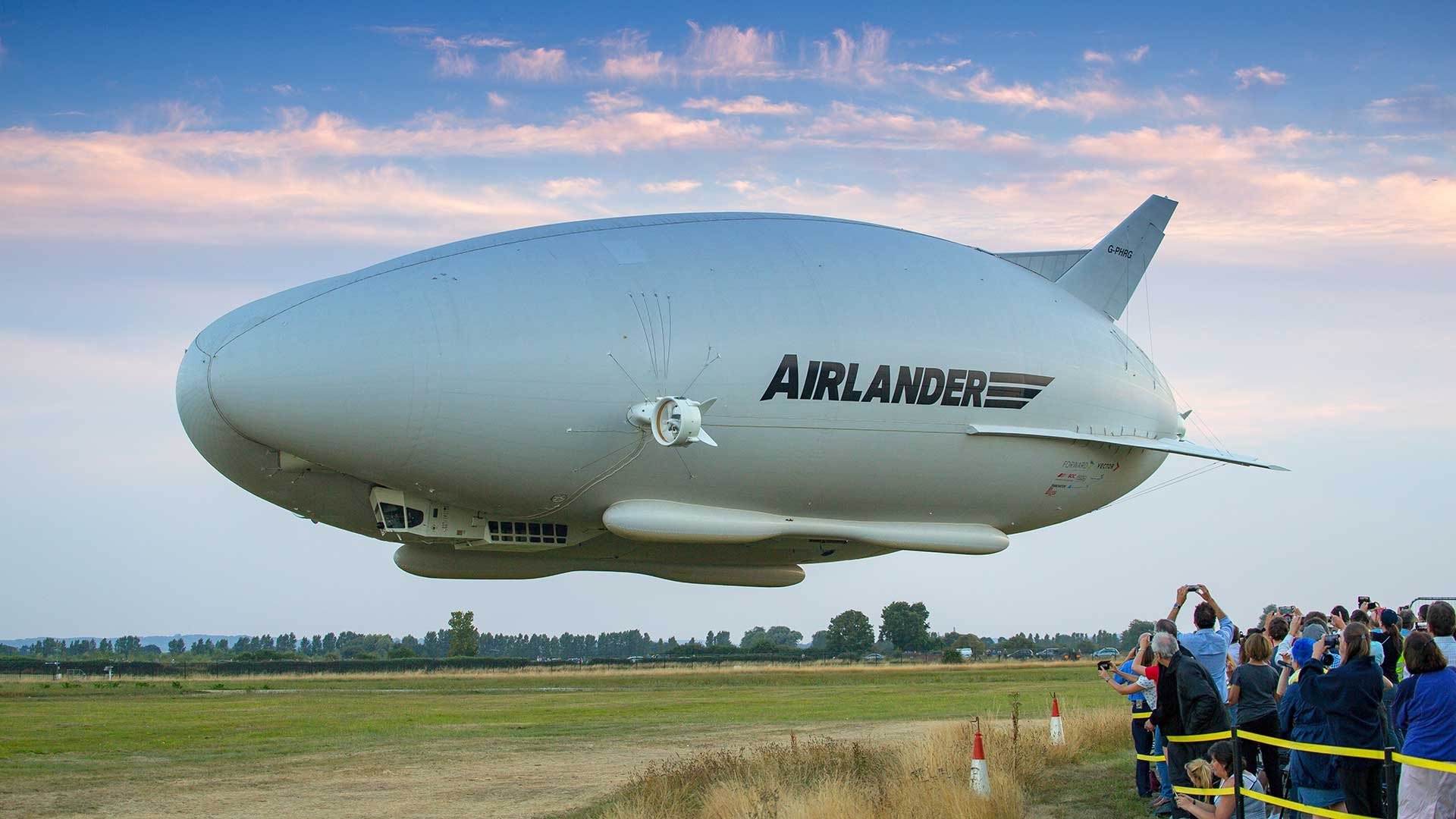
World
In a major leap toward international expansion, British aerospace company Hybrid Air Vehicles (HAV) has officially entered the U.S. market by launching its new American branch, Hybrid Air Vehicles USA. This move comes at a time of growing U.S. government and industry interest in next-generation aerial platforms for both civilian and defense use. The newly formed subsidiary will focus on building partnerships with U.S. government agencies, aerospace companies, and commercial operators, particularly in the fields of passenger and cargo transport. HAV sees the United States as a key growth area, especially given rising demand for innovative, low-emission aircraft and long-endurance aerial systems. “Establishing a presence in the United States marks a new chapter in our international journey,” said Tom Grundy, CEO of Hybrid Air Vehicles. “We’re excited to bring our vision to new audiences and forge deeper partnerships across borders.” To lead the U.S. operations, John Schumacher has been appointed as President of HAV USA. With an impressive background that includes 16 years at NASA and senior roles in U.S. space and missile programs, Schumacher brings crucial experience to the table. He emphasized that Airlander’s hybrid roots—British engineering and American innovation—will benefit U.S. national security and commerce alike. What Is Hybrid Air Vehicles? Hybrid Air Vehicles is a British company pioneering a new type of aircraft known as the Airlander. The Airlander combines elements of airplanes, helicopters, and airships, offering a unique design that allows it to: Take off and land vertically, like a helicopter Fly long distances with minimal fuel consumption Remain airborne for up to five days Operate from rough or unprepared terrain The first production model, Airlander 10, is nearing the final stages of planning and development. It can: Carry 100+ passengers Transport 10 tons of cargo Be configured for missions like surveillance, communications, and disaster response Future versions of the Airlander may have even more capability. HAV plans to develop larger variants that could transport up to 200 tons, making them especially useful in remote, military, or disaster-struck areas where traditional transport options are limited. Why the U.S. Market Matters With the U.S. government placing increasing emphasis on sustainable aviation, aerial logistics, and disaster resilience, HAV's entry is timely. The U.S. military and civilian agencies are looking for low-carbon, versatile aerial platforms that can perform a range of tasks—from moving supplies to remote bases to providing emergency aid and aerial surveillance. Airlander fits that need. HAV's expansion will also enable tighter collaboration with U.S. defense contractors, space agencies, and emergency services. It may pave the way for joint projects in surveillance, homeland security, and even space infrastructure support. As HAV USA begins operations, the company looks set to play a significant role in shaping the future of sustainable and flexible air mobility in North America. With innovation at its core, Airlander could soon be a familiar sight in U.S. skies—quietly floating above, performing missions from cargo delivery to crisis response.
Read More → Posted on 2025-07-12 15:40:47
World
A new kind of Russian drone, called the MS001, has been recovered in Ukraine—and it’s unlike anything seen before on the battlefield. What first looked like a standard Iranian-style Shahed drone was, in fact, a highly advanced autonomous UAV equipped with artificial intelligence. Ukrainian forces shot it down over the Sumy region, only to find a system that thinks and acts independently—a flying machine that chooses who to attack without human input. This new drone is powered by Nvidia’s Jetson Orin, a powerful, credit-card-sized computing module capable of performing 67 trillion operations per second. With this onboard "mini supercomputer," the MS001 can identify and prioritize targets in real-time using thermal cameras, object recognition, and telemetry analysis. The drone doesn’t just follow coordinates—it analyzes the battlefield and makes decisions during the mission. According to Ukrainian Major General Vladyslav Klochkov, who publicly shared his analysis of the system, the MS001 marks a major shift in warfare. Unlike traditional drones that are remotely operated or follow pre-programmed paths, this one behaves more like a hunter. It can navigate through jamming, fly at night, and adjust its behavior mid-flight. “This is a digital predator,” said Klochkov. “It doesn’t carry coordinates, it thinks.” What makes it even more concerning is that it operates as part of a drone swarm. These drones share data, change their flight patterns together, and support each other during the mission. If one drone is lost, the rest adjust automatically. This swarm logic allows them to behave in a decentralized way—more like a pack of wolves than traditional military hardware. Despite the heavy sanctions imposed on Russia since 2022, the presence of advanced Nvidia chips raises serious questions. While Nvidia has stated that its Jetson modules are meant for educational and civilian use—and are not sold to Russia—millions of dollars' worth of these chips have reportedly entered Russia through gray-market channels. These components are disguised as electronics for everyday use and shipped in small batches through countries like Hong Kong, Turkey, and Singapore, bypassing official controls. A second Russian drone, known as the V2U, has also been found using the same Nvidia chip, mounted on a Chinese-made carrier board. Like the MS001, this drone is believed to make independent targeting decisions and shows high resistance to electronic warfare. Together, these drones represent a new level of combat automation already being used in live operations. While Western countries, including the United States, are developing similar AI systems—like autonomous fighter jets or smart suicide drones—many are still in prototype or testing stages. Russia, by contrast, appears to have jumped straight to deployment. As Klochkov warned, "They’re not waiting for the future—they’re flying it today." The rise of drones like the MS001 shows that warfare is moving into a new phase, where machines no longer rely on humans to pull the trigger. These systems challenge old defense doctrines, which assume every drone is either remote-controlled or pre-programmed. The MS001 doesn't wait for instructions—it finds and strikes targets on its own. More than just a drone, the MS001 represents a change in how wars may be fought going forward—with autonomous systems doing the thinking, targeting, and killing. As countries scramble to respond, the real question may not be who has the most drones, but who has the smartest ones—and how soon they’re put to use.
Read More → Posted on 2025-07-11 17:16:08
World
Russia is preparing to say goodbye to one of its most iconic helicopters—the Mi-8/17 series—and welcome a new generation of multirole aircraft under the name Mi-80. Announced on July 3, 2025, the Mi-80 project is seen as a big step toward modernizing Russia’s helicopter fleet and fixing long-standing problems in its aviation industry. The Mi-8, first flown in the 1960s, has become one of the most widely used helicopters in the world, known for its reliability, versatility, and rugged design. But over the years, keeping these helicopters in service has become increasingly difficult and expensive. A big part of the problem is that Russia’s two main helicopter factories—Kazan and Ulan-Ude—have been building different versions of the Mi-8, using parts that aren’t always compatible. This has led to costly and complicated logistics, especially during military operations. That’s where the Mi-80 comes in. Designed to replace both the Mi-8 and Mi-17, the Mi-80 is built to be more modern, efficient, and unified. It’s based on the Mi-171A3, an advanced version of the Mi-17 originally made for offshore missions, but with several upgrades to suit both military and civilian needs. What’s New in the Mi-80? The Mi-80 isn’t just a copy of the old models. It brings several important improvements: Composite rotor blades that are lighter and stronger A crash-resistant fuel system moved beneath the cabin floor for better safety An X-shaped tail rotor that improves flight efficiency and handling Modern avionics for safer flying in bad weather, day or night A higher takeoff weight of up to 14 tons, making it more capable A stronger gearbox and reinforced fuselage to handle tougher missions These changes are designed to make the helicopter more flexible for roles like troop transport, search and rescue, border patrol, or cargo delivery—not just for the Russian military, but for civil operators as well. Aiming for One Standard, One Production Line One of the biggest goals of the Mi-80 is to unify production. For decades, Kazan and Ulan-Ude have been rivals, producing different versions of the same helicopter. The Mi-80 is meant to end this divide, with both factories building the same model using the same parts. This could cut down on maintenance costs and make it easier to train pilots and technicians. But it won’t be easy. The Mi-80 project is still in its early stages. So far, no major defense contract has been signed, and funding remains uncertain. The only related deal is for six Mi-171A3 helicopters, each costing over 1.1 billion rubles (around $12 million), which will be delivered by 2026. Old Dreams, New Challenges Interestingly, the idea behind the Mi-80 isn’t new. In the late 1990s, Russia tried something similar with a program called “Gaston,” which aimed to modernize its helicopters but failed due to lack of money and coordination. This time, the stakes are higher. With Western sanctions, rising military demands, and pressure to reduce reliance on foreign parts, Russia needs a unified, homegrown solution more than ever. Still, there are challenges ahead. The Mi-171A3, which the Mi-80 is based on, faced criticism for being too heavy, expensive, and not having enough range for its offshore missions. If engineers don’t fix those issues, the Mi-80 could face the same fate. If Russia can overcome the technical and financial hurdles, the Mi-80 could become the backbone of its helicopter fleet for the next few decades. It promises faster production, easier maintenance, and better performance, all while preserving jobs at both Kazan and Ulan-Ude factories. But for now, it’s a plan on paper. The coming years will show whether the Mi-80 can live up to its promise—or become another missed opportunity in Russia’s long effort to modernize its helicopter industry.
Read More → Posted on 2025-07-11 17:07:08
World
Poland has taken a major step toward strengthening its coastal defence and surveillance capabilities by signing a contract for 18 ELM-2238X STAR-X radars with a consortium that includes KenBIT and Israel’s Elta Systems. The deal, finalized on July 9, 2025, is valued at approximately PLN 430 million (around EUR 100 million) and is part of a broader plan to enhance national security along the Baltic coastline. Under the agreement, radar deliveries will take place between 2027 and 2030, providing full radar coverage across the length of Poland’s coast. These cutting-edge systems will be deployed at both existing naval observation posts and newly built stations, which will be developed under separate contracts. The ELM-2238X STAR-X is the latest model in the ELM-2238 radar series, originally created for use on corvettes and frigates. First introduced in 2022, this radar operates in the X-band, features a software-defined design, and includes a GaN-based AESA (Active Electronically Scanned Array) antenna, making it highly versatile and powerful. With the capability to detect and track up to 1,000 targets simultaneously, the radar can monitor surface vessels, aircraft, low-flying helicopters, drones, anti-ship missiles, and cruise missiles. It boasts a detection range of up to 150 km for multi-role combat aircraft, offering Poland the ability to spot even low-observable threats in the air and at sea. The Polish Ministry of National Defence highlighted that these radars will dramatically improve situational awareness in the southern Baltic Sea, helping to track and monitor naval activity and airborne threats more effectively. They will also complement existing early warning systems, including long- and medium-range radar stations and the Saab 340 AEW Erieye aircraft, creating a comprehensive layered surveillance network. The adaptation of radar sites and construction of new facilities will be managed through additional procurement procedures, with the goal of fully integrating the new radars into Poland’s coastal defence infrastructure. By acquiring the ELM-2238X STAR-X radars, Poland not only improves its national defence posture but also reinforces NATO’s collective capabilities in the strategically important Baltic region, at a time when security dynamics in Eastern Europe continue to demand advanced technological readiness.
Read More → Posted on 2025-07-11 16:58:45
World
In a groundbreaking leap for future air combat, the U.S. Air Force has successfully demonstrated human-machine teaming by having fighter pilots control multiple autonomous drones during a live training exercise. This high-stakes test took place at Eglin Air Force Base in Florida, marking a historic milestone in the integration of autonomous systems with manned aircraft. During the mission, pilots in an F-16C Fighting Falcon and an F-15E Strike Eagle each controlled two XQ-58A Valkyrie drones, also known as Autonomous Collaborative Platforms (ACPs). The event showcased a complex air combat training scenario where humans and machines worked together in real-time, executing maneuvers as a coordinated team. This demonstration is part of the U.S. military’s larger vision of future warfare, where affordable, runway-independent drones support manned aircraft in dangerous or highly contested environments. By incorporating semi-autonomous platforms into operations, the Air Force aims to boost mission success while reducing risks for human pilots. The XQ-58A Valkyrie is a low-cost, long-range, stealthy drone designed to operate without traditional runways. Its flexible deployment options and ability to carry out Intelligence, Surveillance, and Reconnaissance (ISR), electronic warfare, or strike missions make it a valuable companion to piloted aircraft. This test proves that a single pilot can manage multiple Valkyrie drones in combat-like conditions—reducing workload, improving situational awareness, and increasing lethality. General Ken Wilsbach, commander of Air Combat Command, stated: “We are committed to innovation and integrating ACPs through demanding, operator-driven evaluations. This approach is essential for maintaining air superiority and ensuring success in future conflicts.” The successful mission was backed by the Department of Defense’s Rapid Defense Experimentation Reserve (RDER) and executed through collaboration between the Air Force Research Laboratory (AFRL), Air Force Test Center, Air Combat Command, and the U.S. Navy. It highlights a joint-service effort to fast-track the development of autonomous combat solutions based on actual operational needs. Brigadier General Jason Bartolomei, head of AFRL, emphasized: “This flight marks a crucial step in harnessing human-machine teaming to overcome complex threats. By integrating autonomous platforms with manned systems, we improve combat effectiveness and reduce risks to aircrews.” The data collected from this flight will now feed into the next phase of autonomous system development, ensuring these technologies are matured and fielded quickly to support frontline warfighters. As the Air Force prepares for future threats in increasingly contested environments, human-machine collaboration is expected to play a central role in delivering operational scale, flexibility, and dominance in the air. This test was more than a milestone—it was a preview of the next generation of warfare, where man and machine fly, fight, and win together.
Read More → Posted on 2025-07-11 16:48:59
World
In a significant move to boost maritime defense, Taiwan's Coast Guard has fitted the Anping-class patrol vessel Wanli (CG-609) with anti-ship missiles as part of its ongoing Han Kuang 41 military exercise, held from July 9 to 18, 2025. The transformation of Wanli from a regular coast guard ship to a war-capable platform is part of Taiwan’s strategic plan to convert peacetime assets for combat use during emergencies. The vessel, normally used for patrol and rescue missions, was armed with eight Hsiung Feng II (HF-2) and eight Hsiung Feng III (HF-3) missiles at Su’ao Naval Base on July 10. The HF-2 is a subsonic, turbojet-powered missile with a range of 160–250 km, guided by inertial navigation, radar, and infrared seekers. The HF-3, Taiwan’s supersonic missile, reaches speeds of up to Mach 3.5 and can strike targets between 150–400 km away, depending on the variant. Both missile types are designed to evade electronic interference and are manufactured by the National Chung-Shan Institute of Science and Technology. These weapons are not typically installed during peacetime. However, the Anping-class vessels were purposely built with modular slots to rapidly receive missile systems during wartime. This flexibility is central to Taiwan’s “fitted for but not with” concept, allowing civilian vessels to be militarized within 24 hours without compromising their regular law enforcement duties. The missile systems are operated not by Coast Guard personnel, but by Taiwanese Navy specialists, including a tactical director, fire control supervisor, and missile technicians. The integration was a vision promoted by former Vice Admiral Lee Chung-wei, who championed the idea of the Coast Guard serving as a “second navy” in times of crisis. The Wanli (CG-609) is the seventh ship in the Anping-class, modeled after the Navy’s Tuo Chiang-class stealth corvette, and built by Jong Shyn Shipbuilding. It features a catamaran hull, aluminum superstructure, and is 65.4 meters long, capable of speeds up to 44.5 knots. The ship is equipped for surveillance, law enforcement, and search and rescue, including a 20mm remote-controlled turret, high-pressure water cannon, rocket launchers, and RHIB deployment systems. During Han Kuang 41, no live missile firings are scheduled for Wanli. Instead, the Navy will verify the systems post-exercise. This approach reflects Taiwan’s national defense policy of rapid, modular militarization of civil platforms. This year's exercise simulates Chinese amphibious invasions, missile attacks, and “gray-zone” scenarios, involving all branches of Taiwan’s military. Army units deployed CM11 tanks near Taoyuan, fighter jets like Mirage 2000s and F-16s were moved to hardened shelters, and naval corvettes patrolled Taiwan’s eastern coast. Additionally, U.S. Marine Corps officers participated in planning, signaling closer defense cooperation. This adaptation of coast guard ships for missile deployment also seeks to offset the military imbalance with China, whose navy has over 400 combat vessels, including Type 055 destroyers and aircraft carriers. Taiwan’s Navy, in comparison, is smaller and relies on layered defense strategies—which now include armed patrol vessels. While the modular approach increases flexibility, the Anping-class vessels lack integrated air defense systems, leaving them vulnerable to air attacks. Questions have also been raised about the aluminum hull’s survivability, though Taiwan’s Coast Guard maintains the vessels meet endurance standards up to Beaufort scale 9 conditions. Ultimately, the missile integration on Wanli is more than just an exercise; it's a strategic message about Taiwan's preparedness, adaptability, and commitment to defending its sovereignty through innovative use of dual-use assets. Whether this approach can be scaled rapidly in an actual conflict remains to be seen, but for now, Wanli stands as a floating symbol of Taiwan’s evolving defense strategy.
Read More → Posted on 2025-07-11 16:21:44
World
In a remarkable stride for military communications, Lithuanian space and defence company Astrolight has successfully demonstrated its POLARIS free-space laser terminal during live sea trials in the Baltic Sea. Conducted in collaboration with the Lithuanian Navy, the test marks a significant breakthrough in secure, high-speed maritime communication, offering a reliable alternative to vulnerable radio-based systems. The demonstration showcased the ability of POLARIS to deliver unjammable, interference-free data links between two naval vessels. As the Baltic Sea increasingly experiences radio interference and signal jamming, the need for stealthy, resilient communication methods has become more urgent. This laser-based system, operating entirely outside the traditional radio frequency (RF) spectrum, is designed to thrive in such contested environments. During the trial, the POLARIS system rapidly established a connection and maintained a stable data link throughout the exercise. It proved capable of transmitting information at speeds of up to 1 Gbps over distances of up to 50 kilometers, offering both speed and reliability without compromising stealth. “This demo proves that our technology is working well and is ready to address this challenge,” said Laurynas Mačiulis, CEO of Astrolight. “In contested environments, radio silence isn’t just a precaution but a tactical necessity.” The technology behind POLARIS relies on laser beams to transfer data between moving platforms, such as ships. Unlike radio signals that can be easily intercepted or jammed, laser beams are extremely difficult to detect or disrupt, making them ideal for covert military operations. Moreover, since they emit no radio waves, these systems help reduce a vessel’s electromagnetic signature, a critical advantage in modern naval warfare. The initiative received strong backing from Lithuania’s Ministry of National Defence, which supported its development under the country’s national defence technology program. What began as a concept in a maritime hackathon has now evolved into a functional prototype, soon to be integrated into the Lithuanian Armed Forces. Commander Lieutenant Justinas Žukauskas, senior specialist at the Defence Resource Agency, highlighted the significance of the technology: “The successful demonstration confirms the system’s potential to deliver secure, high-bandwidth laser-based communication while significantly reducing electromagnetic signatures — a capability especially valuable for naval operations in a tactical environment like the Baltic Sea.” The Lithuanian Navy, which stands to benefit directly from this innovation, will now proceed with further testing and integration of the POLARIS system. Astrolight has also confirmed that the terminal will participate in upcoming NATO exercises, positioning the technology as a candidate for wider deployment across allied fleets. According to Dalius Petrulionis, Astrolight’s CTO, the system exceeded expectations in its first maritime test, showing promise even over horizon-limited distances. “This test proves that tactical communication can be faster, safer, and smarter,” he noted. “POLARIS wasn’t built to compete with radio – it was built to take over where radio fails.” As defence forces globally look for reliable alternatives to radio communication, Astrolight’s successful sea trial of POLARIS may signal the arrival of a new era in digital battlefield communication—one where speed, security, and stealth come laser-focused.
Read More → Posted on 2025-07-11 15:31:10Search
Top Trending in 24 Hours
-
 Why the U.S. Restored Pacific Command Name, Ending the Indo-Pacific Designation After Eight Years
-
 Pentagon Expands Alloy Surfaces Contract to $328.8 Million for Advanced Aircraft Decoy Flares Amid Evolving Drone Threats
-
 Naval Group Unveils Rampart Modular CIWS Multi-Purpose Weapon System for Naval and Ground Forces at Eurosatory 2026
-
 Open-Source Evidence Suggests Russia's Zircon Is a Quasi-Ballistic Missile, Not a True Hypersonic Cruise Weapon
-
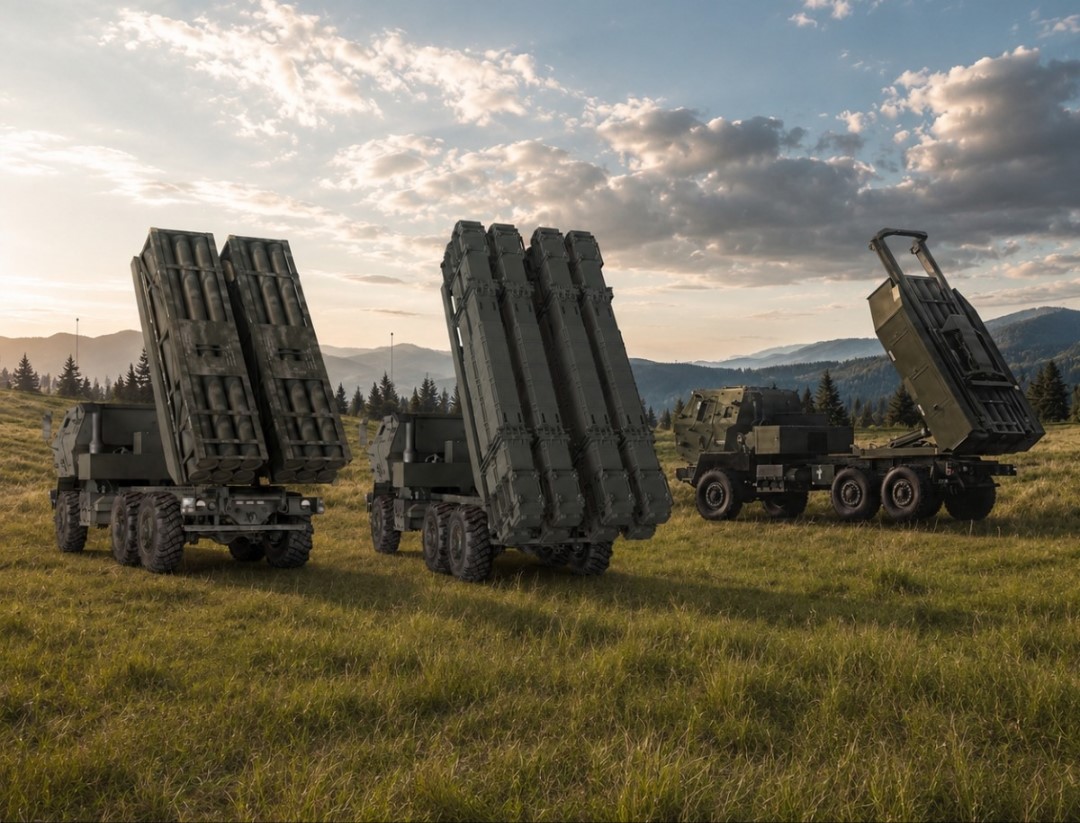 Lockheed Martin Unveils HIMARS FLEX with Dual-Pod Launcher and NATO-Compatible Air Defense Integration
-
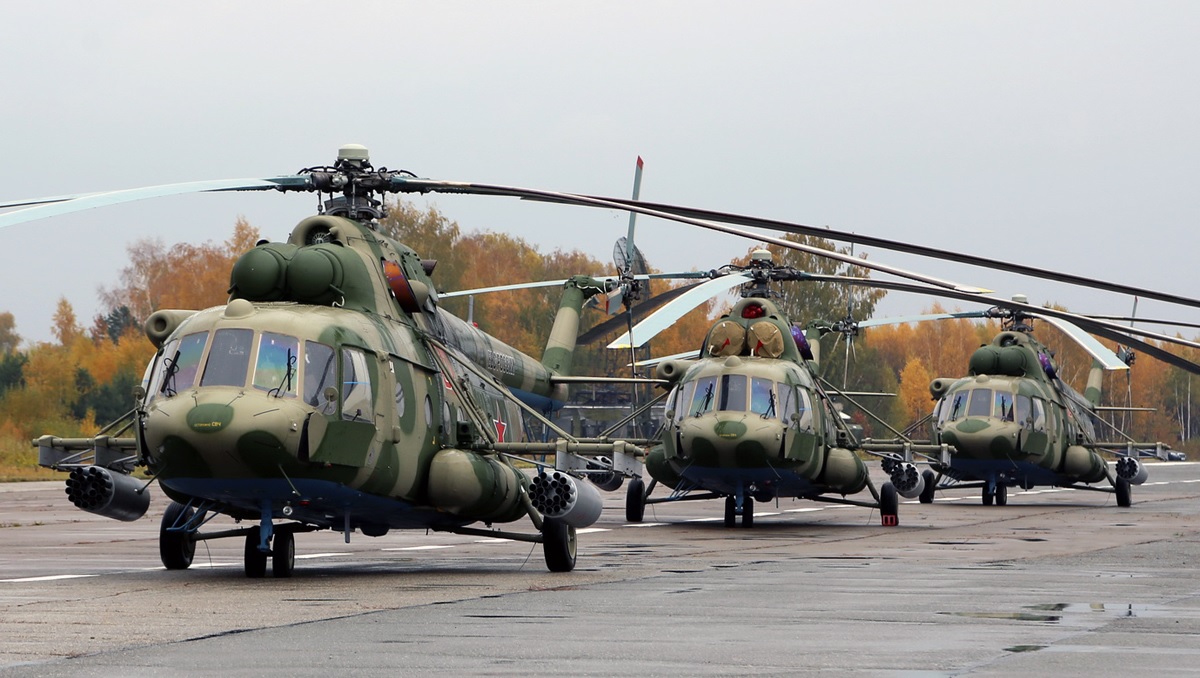 Iran Signs Deal with Russia for 20 Mi-8 and Mi-17 Helicopters to Boost Rescue and Medical Missions
-
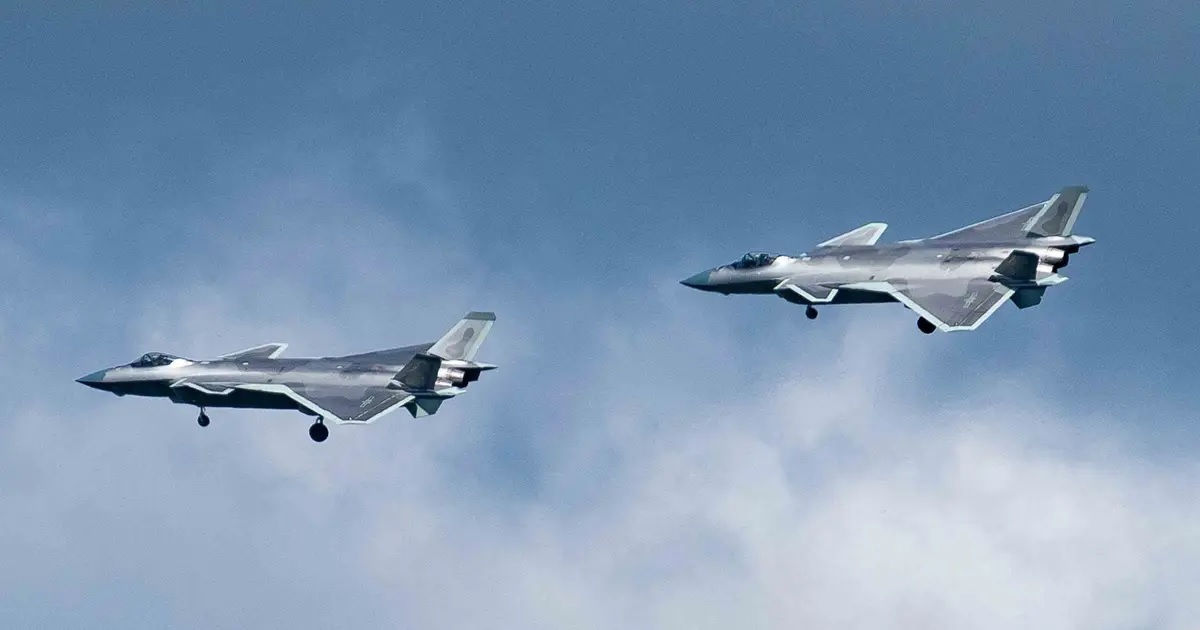 China Surpasses Russia as World’s Second-Most Powerful Air Force Amid Rapid J-20 and J-35 Expansion
-
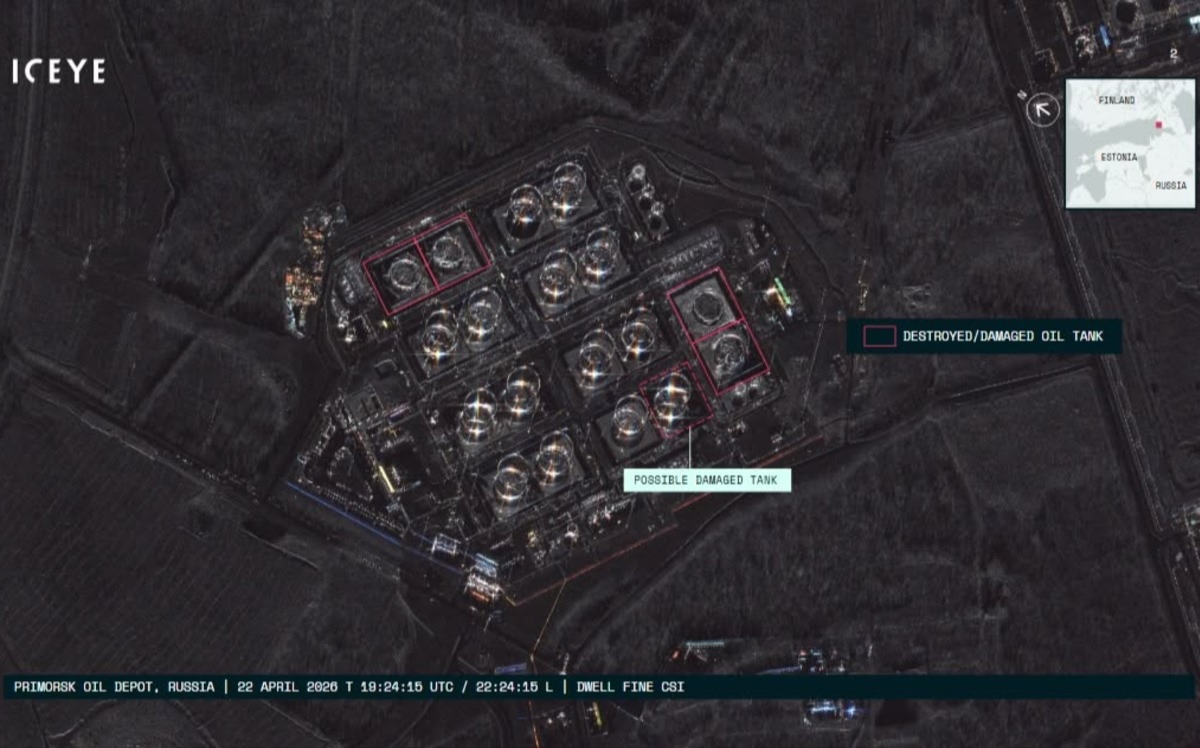 Portugal Doubles Sovereign SAR Satellite Fleet with Order for Two Additional ICEYE Satellites
Top Trending in 4 Days
-
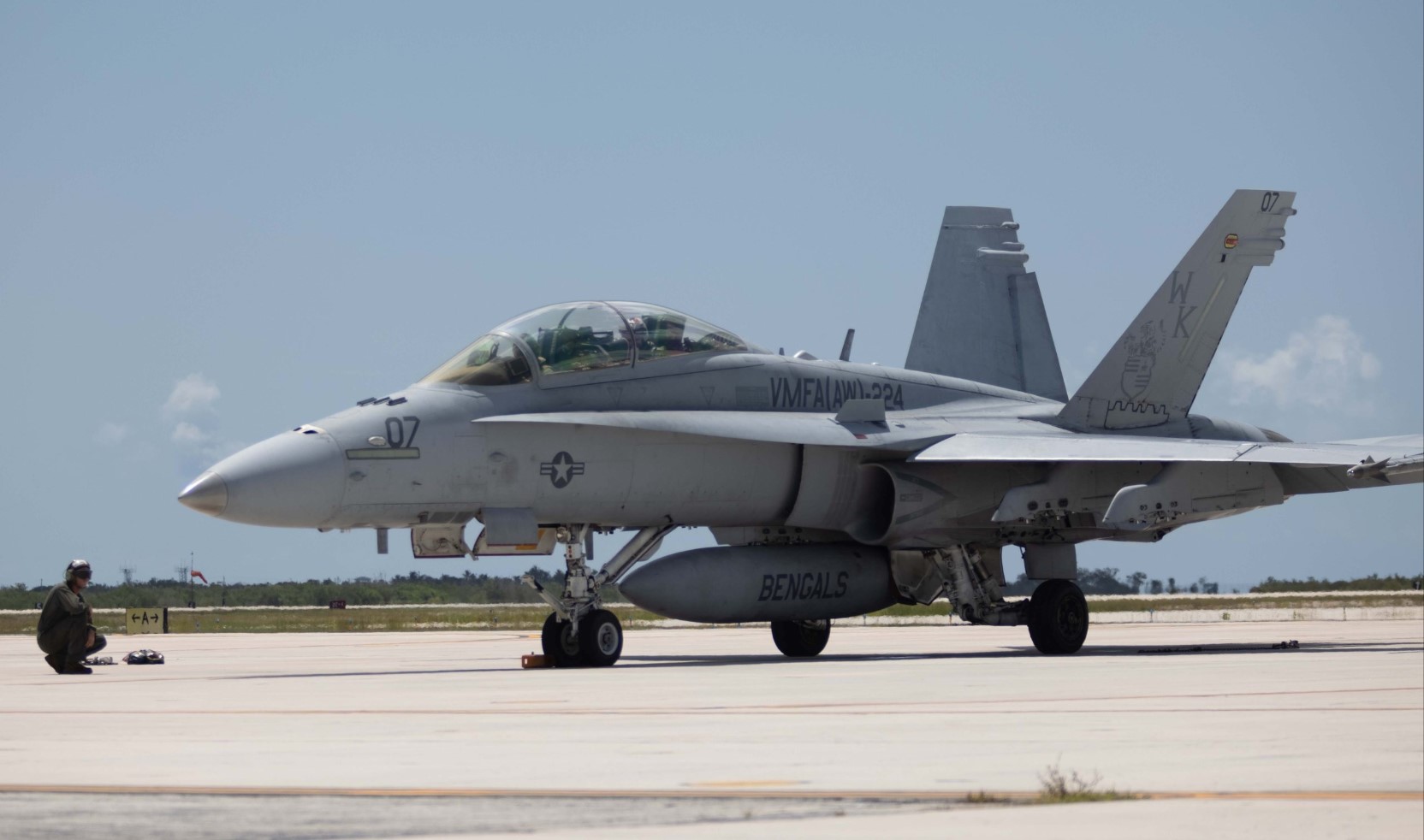 US Marine Corps F/A-18D Hornet Crashes During Training Flight in Washington Mountains; Pilot Ejects Safely
-
 Tulsi Gabbard Releases Declassified Files Detailing U.S.-Backed Network of 120 Biolaboratories Across 30+ Countries
-
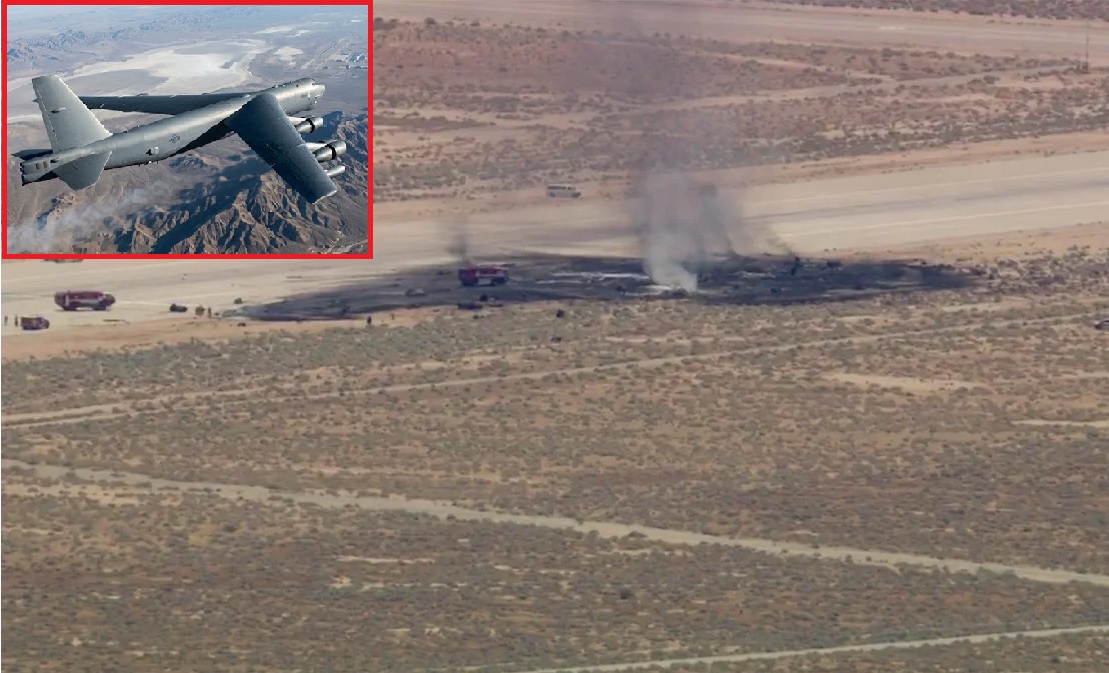 8 U.S. Air Force Crew Members Killed in B-52 Bomber Crash During Test Flight at Edwards Air Force Base
-
 Ukraine Introduces Balloon-Launched DART Missile Designed to Defeat Electronic Warfare
-
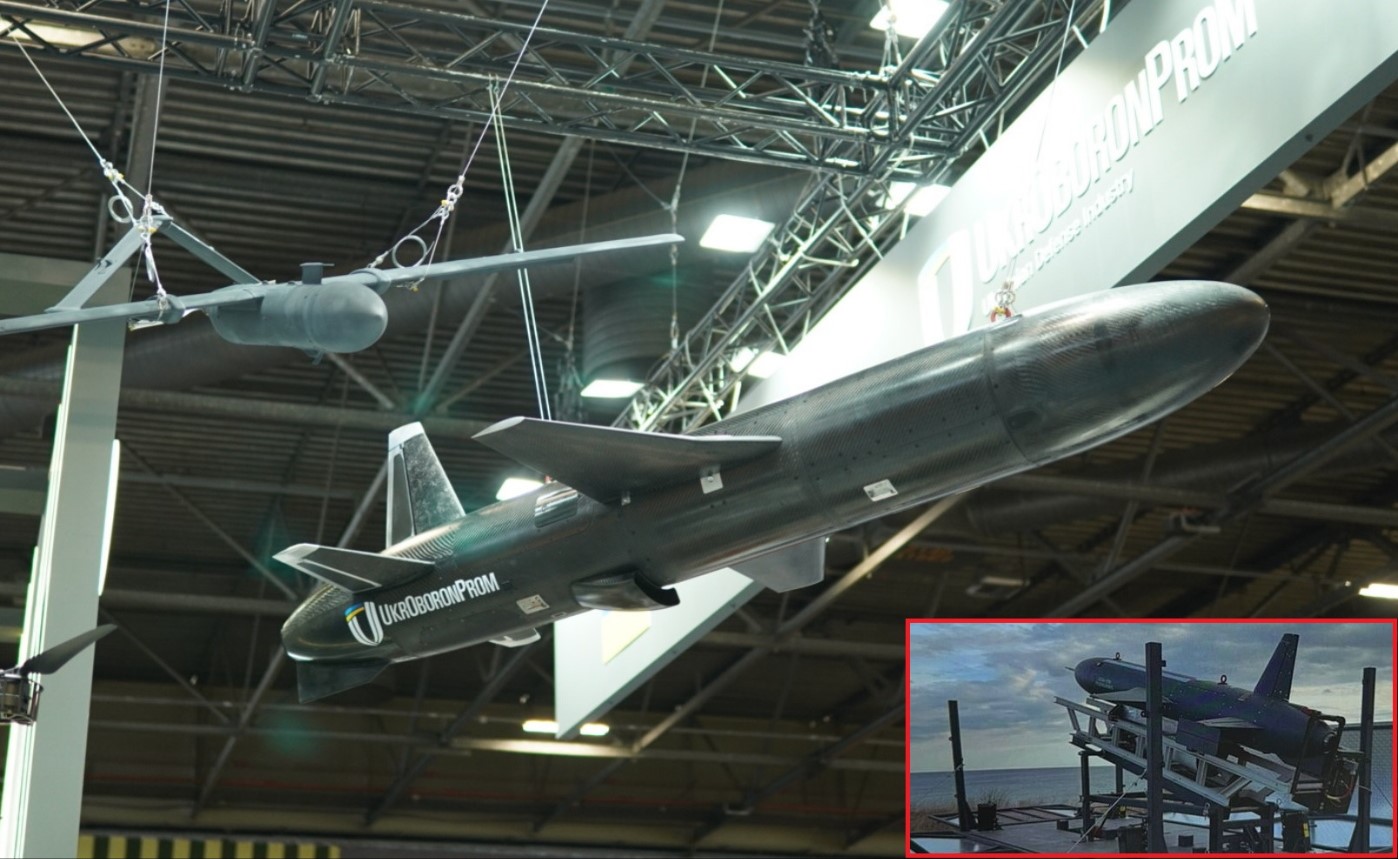 Ukraine Unveils UAV-290 Jet-Powered Strike Drone with 650 km Range at Eurosatory 2026
-
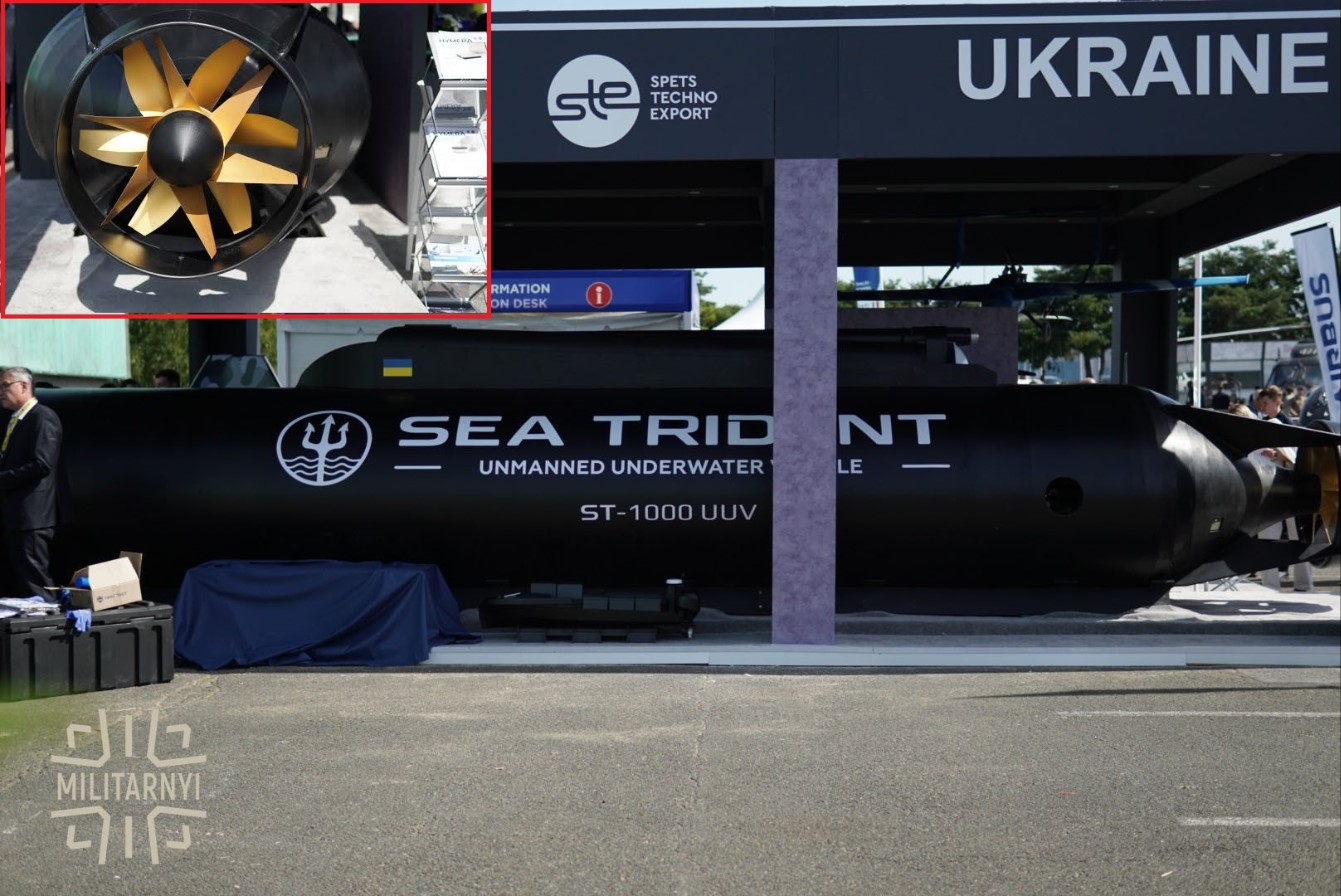 Ukraine Unveils 'Sea Trident' 10-Ton Autonomous Underwater Drone at Eurosatory 2026
-
 Rolls-Royce Unveils New Hybrid Powertrain for Heavy Military Vehicles at Eurosatory 2026
-
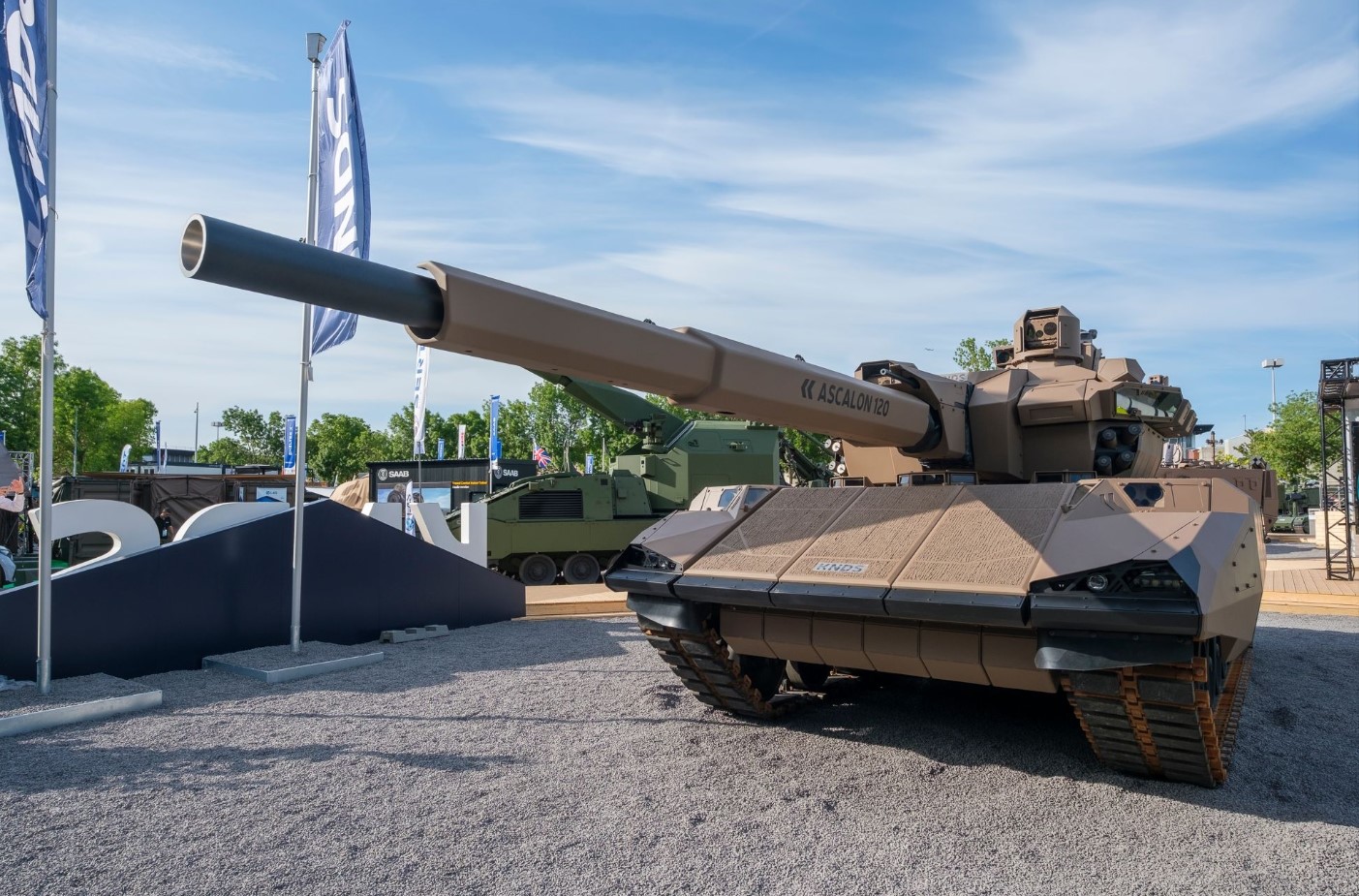 KNDS Unveils CAPINT Main Battle Tank at Eurosatory 2026 as Leclerc Stopgap