World
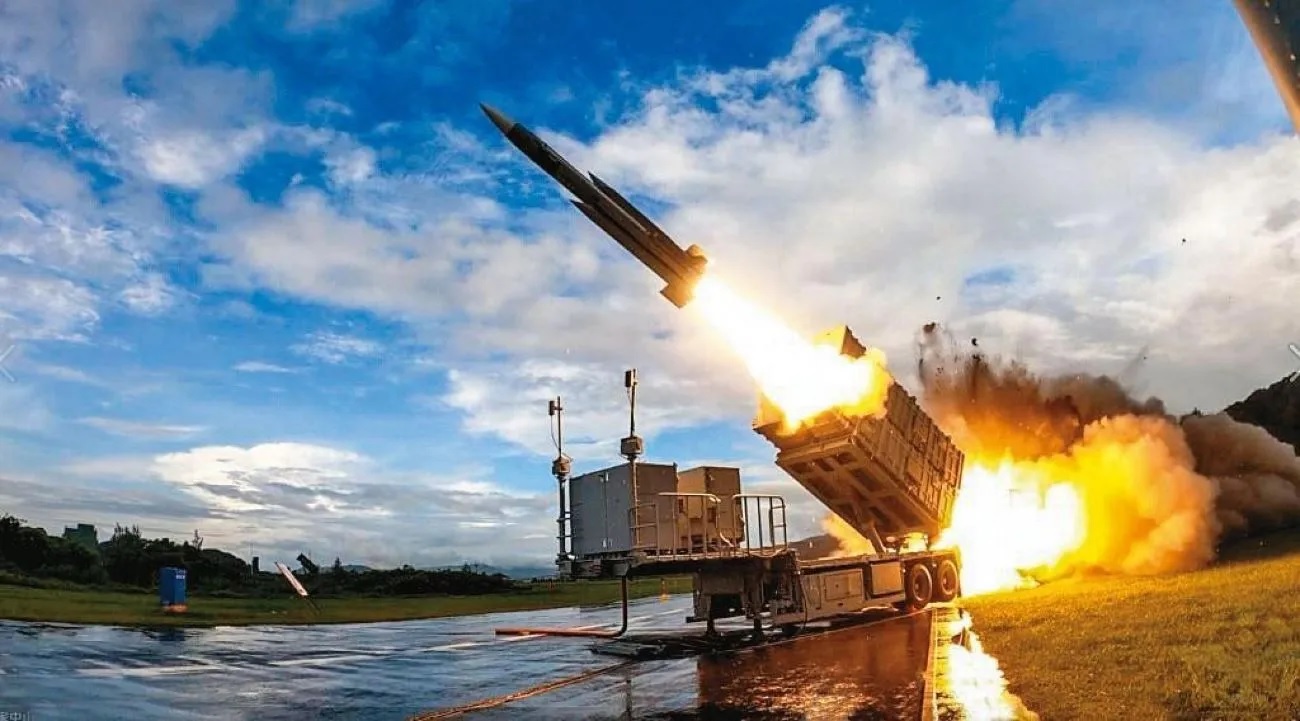
Taiwan has officially deployed its latest HF-3ER (Hsiung Feng III Extended Range) supersonic anti-ship missiles. The deployment was publicly confirmed during the Han Kuang 41 military exercises, held from July 9 to 18, 2025—Taiwan’s largest and most comprehensive defense drill to date. The extended-range HF-3ER, developed by the National Chung-Shan Institute of Science and Technology (NCSIST), marks a substantial upgrade over the earlier HF-3 model. Capable of engaging hostile naval forces at a distance of up to 400 kilometers, the missile gives Taiwan the ability to strike well beyond its coastline, potentially targeting Chinese warships before they get close to Taiwanese waters. First Public Deployment and Presidential Inspection On July 15, 2025, during the ongoing Han Kuang exercises, President Lai Ching-te visited a deployment site in the Bali District of New Taipei, where at least four HF-3ER mobile launchers were stationed. These were supported by naval coastal defense units, light tactical Army vehicles, and a Navy communications relay truck—all positioned near Taipei Port under tight security. This was the first time the HF-3ER system was shown publicly, signaling Taiwan’s intent to deter Chinese aggression through advanced missile deterrence. What Makes the HF-3ER Unique? The HF-3ER is an advanced evolution of the HF-3, which was first tested in 1997 and entered service in 2011. Key enhancements include: Extended Range: From 150 km (standard HF-3) to 400 km, allowing reach into China’s Zhejiang and Guangdong naval bases. High Speed: Travels at Mach 2.3 to Mach 3.5, making interception highly difficult. Heavy Warhead: Equipped with a 225-kg semi-armor-piercing and fragmentation warhead. Advanced Guidance: Combines inertial navigation with terminal radar homing for pinpoint accuracy. Multi-platform Capability: Can be launched from mobile ground units, ships, and potentially aircraft. To support the new propulsion system, its launch canisters were redesigned with 21 reinforcement ribs, up from 18 on the earlier model. Integration with Taiwan’s Defense Network The HF-3ER isn’t just a missile—it’s part of a broader five-layer coastal defense strategy. This strategy includes: Long-range missiles (HF-3ER, Yun Feng) Mobile artillery and HIMARS Attack helicopters (like the AH-64E Apache) Inland missile batteries Armored ground forces During Han Kuang 41, the 269th Mechanized Infantry Brigade built a layered urban blockade near Taipei Port, supported by M1A2T Abrams tanks, Patriot systems, Stingers, and Clouded Leopard armored vehicles. These exercises also included Taipei’s metro tunnels, which were used to move troops and weapons, reflecting the island’s shift toward urban warfare and asymmetric defense tactics. Production and Future Deployment The Ministry of National Defense has allocated NT$44.1 billion (US$1.5 billion) for HF-3 and HF-3ER production under the Sea-Air Power Enhancement Special Budget (2022–2026). Initial output began at 20 units annually but has since risen to nearly 70 missiles per year. The HF-3ER is intended to equip mobile land units, warships like the Keelung-class destroyers, and possibly even aircraft such as the F-CK-1 Indigenous Defense Fighter and Brave Eagle trainers. A test flight with air-launched versions was reportedly conducted in early 2025. Strategic Implications The deployment of the HF-3ER gives Taiwan a critical stand-off strike capability, enabling it to target Chinese naval assets far before they reach Taiwanese shores. This changes the strategic equation in the Taiwan Strait, introducing a system capable of saturation attacks, mobile launches, and survivability through dispersion. However, such a move is not without geopolitical risk. The extended-range and public deployment of the missile are likely to be seen by Beijing as a provocation, potentially escalating tensions further. But from a Taiwanese defense perspective, the HF-3ER is a key pillar in its asymmetric defense doctrine, aimed at ensuring the island's survival in the face of overwhelming odds. With the introduction of the HF-3ER, Taiwan has signaled that it will not passively wait in the event of a conflict. By extending its anti-ship missile reach, reinforcing urban and coastal defenses, and integrating homegrown technology into its military strategy, Taiwan is positioning itself to resist any potential blockade or invasion scenario. The HF-3ER is more than just a missile—it is a message of resilience and readiness.
Read More → Posted on 2025-07-16 16:20:02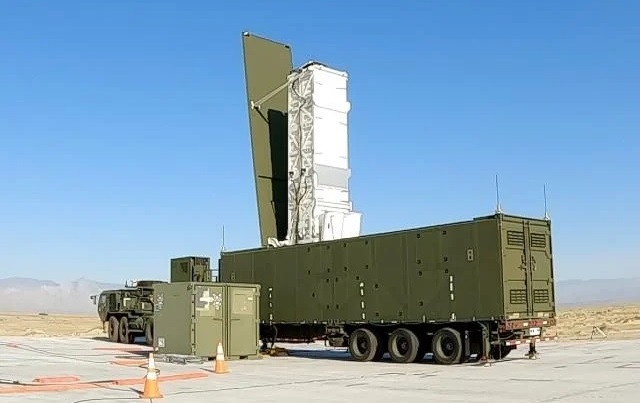
World
Germany has announced plans to acquire the U.S.-developed Typhon missile system, capable of striking targets up to 2,000 kilometres away. This decision comes amid rising tensions in Europe and renewed focus on long-range precision strike capability across NATO. German Defence Minister Boris Pistorius made the announcement following high-level talks with U.S. Defence Secretary Pete Hegseth in Washington. Pistorius called the planned acquisition a “significant increase in Germany’s defence and deterrence capabilities,” adding that it would also enhance the broader security architecture of Europe. The Typhon system, officially known as the Mid-Range Capability (MRC) program, is a relatively new addition to the U.S. Army’s arsenal. First operational in 2023, it is designed to fill the gap between short-range rocket artillery and long-range strategic missiles. The system is mounted on a mobile ground platform and integrates two powerful missile types: Tomahawk cruise missiles, known for their long-range precision strike ability, with ranges exceeding 1,600 to 2,000 km. SM-6 (Standard Missile-6) interceptors, which can be used for air defense, ballistic missile defense, and even offensive strikes. With the Typhon system, Germany would be able to conduct deep-strike missions well beyond its borders, reaching as far as Eastern Europe or parts of western Russia, depending on deployment location. This would mark a strategic leap in German defense capabilities, especially considering the system's ability to strike from mobile launchers on land—a capability previously restricted under the now-defunct Intermediate-Range Nuclear Forces (INF) Treaty. If finalized, this would be the first time a foreign nation has procured the Typhon system, highlighting Germany’s increasing role in NATO’s high-end military planning and rapid modernization drive. It also aligns with Germany’s broader commitment to increase defense spending and modernize its forces following Russia’s invasion of Ukraine. The move comes as Germany continues to support Ukraine militarily. Pistorius confirmed ongoing discussions regarding the delivery of additional Patriot air defense systems to Ukraine. He stated that around €2 billion is earmarked for this effort, though technical, financial, and logistical details still need resolution before final commitments are made. Beyond its immediate military value, the Typhon system signals a stronger U.S.-Germany defense partnership and a shift in NATO doctrine toward greater strike flexibility and deterrence in the face of modern threats. The final acquisition will depend on further negotiations and technical assessments, but Germany’s intent is clear: it wants to be better prepared, better armed, and more strategically capable in the evolving European security landscape.
Read More → Posted on 2025-07-16 15:57:32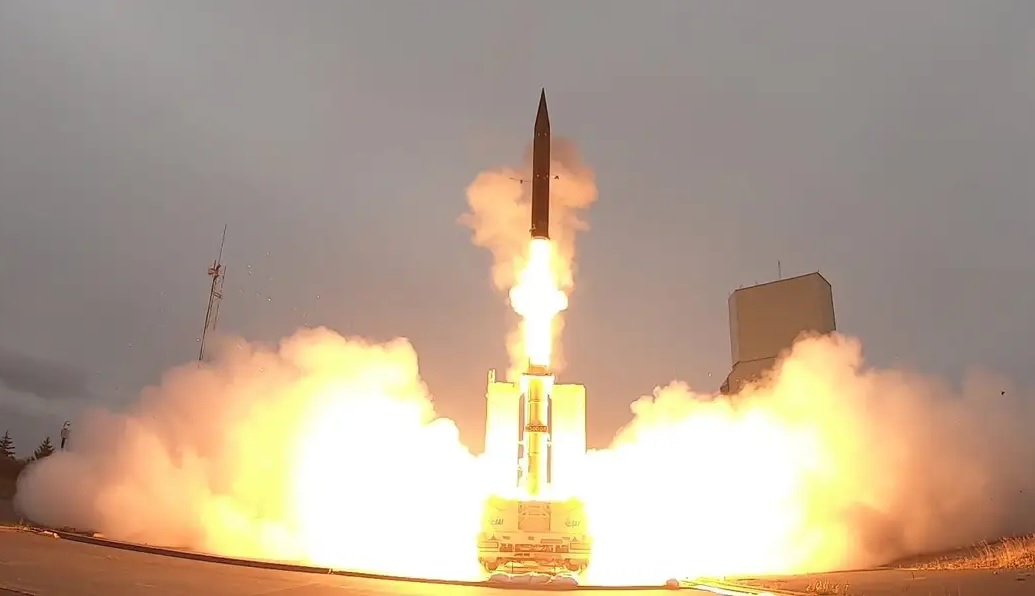
World
Israel is on the brink of deploying its next-generation Arrow 4 missile defence system, a powerful advancement in its multi-layered air defense shield. Boaz Levy, CEO of Israel Aerospace Industries (IAI), confirmed the system's imminent operational deployment, stating that development is progressing swiftly and a new level of interception capability is being introduced to counter emerging threats. The Arrow 4 has been developed jointly by IAI and the U.S. Missile Defense Agency, with the program officially launched in February 2021. It is designed as a direct successor to Arrow 3, and will complement Israel's existing Arrow 2 and Arrow 3 systems, both of which have been vital components in Israel’s anti-ballistic missile defence architecture for over two decades. Unlike its predecessors, Arrow 4 is optimized to counter shorter- to medium-range ballistic threats, including newer, faster, and more maneuverable missiles such as hypersonic glide vehicles (HGVs) and high-precision tactical projectiles. It incorporates advanced manoeuvrability, a next-gen seeker, and a new precision-optimized warhead. These features are engineered to intercept threats in the lower exo-atmosphere, where traditional long-range interceptors like Arrow 3 may not be as effective. One of the key operational innovations of Arrow 4 is its "shoot-look-shoot" doctrine—a tactical approach allowing the system to perform mid-course corrections and launch additional interceptors if the first attempt misses. This increases kill probability and provides greater flexibility in real-time combat situations. The system integrates seamlessly into the broader Arrow Weapon System (AWS), which also includes the ELM-2080 "Green Pine" Radar, capable of detecting and tracking ballistic missiles at speeds exceeding 3 km/s. This radar feeds data to the Battle Management Center, which assesses threats and initiates interception sequences using Arrow 2, Arrow 3, or now Arrow 4, depending on the trajectory and type of incoming missile. The Arrow 4’s deployment comes amid growing regional threats, especially from adversaries developing more sophisticated ballistic arsenals. Levy emphasized that “a new line of missile defense is essential for the protection of Israeli citizens,” adding that the next phase, Arrow 5, is already in the works to eventually replace Arrow 3 and extend interception capabilities even further. Beyond domestic defense, global interest in the Arrow 4 is rising. Germany, which recently acquired Arrow 3 under NATO’s European Sky Shield Initiative, is reportedly considering Arrow 4 as part of its future missile defense strategy. The system’s modularity, international compatibility, and interoperability with allied frameworks make it a strong candidate for multinational deployments. The Arrow 4 is expected to enter operational trials within the next two years, but IAI officials suggest deployment could be expedited if strategic threats intensify. Once fielded, it will mark a significant leap in missile interception capability, reinforcing Israel's position as a global leader in multi-layered missile defense technologies. With Arrow 4 nearing deployment, Israel not only enhances its national security but also sets the stage for expanded international cooperation in advanced missile defence.
Read More → Posted on 2025-07-15 15:54:27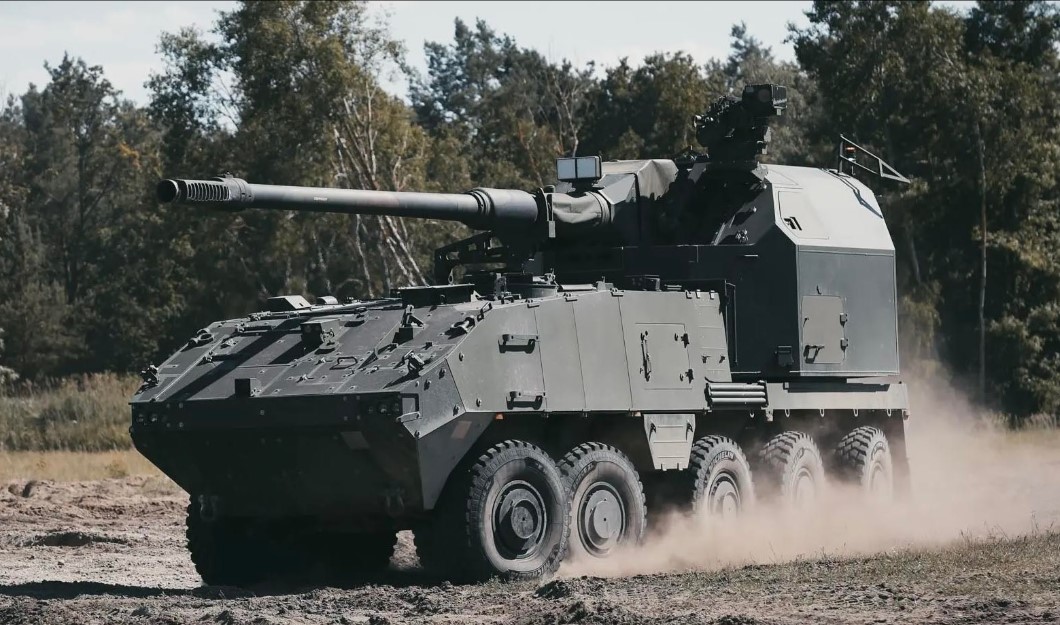
World
In a major move to upgrade its artillery capabilities, Spain has announced plans to procure more than 200 self-propelled howitzers to replace its aging fleet of M109 systems. The acquisition, spread across two major subprograms, is expected to cost over €3 billion ($3.51 billion) and will dramatically boost the Spanish Army and Marine Infantry’s firepower and mobility. Two-Pronged Procurement Strategy Spain’s modernization plan includes both tracked and wheeled self-propelled howitzers, along with an extensive support vehicle network. The purchase is split into two subprograms: Subprogram 1: Procurement of 128 tracked howitzers at a cost of €1.82 billion ($2.12 billion). These will be distributed between the Spanish Army and the Spanish Marine Infantry. The package also includes: 128 tracked ammunition vehicles 21 recovery vehicles 48 command vehicles for the Army 11 command vehicles for the Marine Infantry 7 optional maintenance vehicles Subprogram 2: Acquisition of 86 wheeled self-propelled howitzers for the Army at an estimated €1.18 billion ($1.38 billion). This subprogram also comprises: 86 wheeled ammunition vehicles 14 recovery vehicles 7 optional maintenance vehicles The wheeled howitzers are expected to be configured in 8×8 or 10×10 platforms, which will enhance their mobility in different terrains. Advanced Technical Specifications According to Spain's Ministry of Industry and Tourism, the new systems must feature: High mobility and the ability to deploy rapidly Automated operations with minimal crew requirements A gun barrel between 47 and 52 calibers A firing range of over 40 kilometers (25 miles) using base-bleed ammunition Advanced fire control systems and digital communication capabilities These improvements are designed to offer the Spanish military faster response times, greater precision, and better survivability in modern combat scenarios. Current Fleet and Need for Replacement The current Spanish artillery fleet is based on legacy platforms: Spanish Army: 96 M-109A5E self-propelled howitzers 158 M-548 tracked ammunition vehicles 18 wheeled M-548s Spanish Marine Infantry: 6 M-109A5E howitzers 6 M-992 FAASV ammunition vehicles The M-109A5E, a variant of the American M109 Paladin series, was inducted into Spanish service in the late 1990s and early 2000s. While it has served reliably, its age and limitations in automation and range have made it increasingly obsolete against modern threats. Strategic Impact This large-scale procurement not only revitalizes Spain’s artillery capabilities but also aligns with NATO standards and strengthens the country's role in multinational defense operations. With the inclusion of both tracked and wheeled platforms, Spain ensures its forces are equipped to respond effectively in a wide range of scenarios— from conventional warfare to rapid deployments in diverse terrains. This move marks one of the most comprehensive artillery modernization efforts in Spain’s recent defense history and underlines its commitment to bolstering national and regional security.
Read More → Posted on 2025-07-15 15:49:52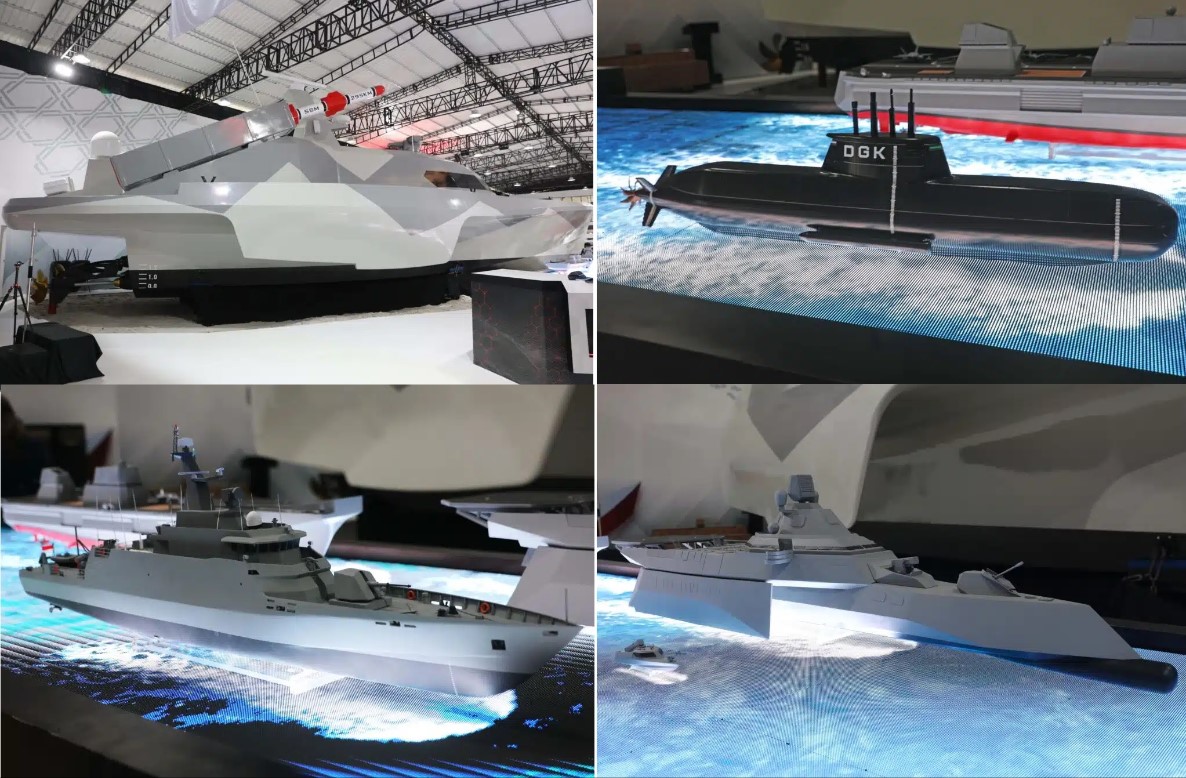
World
Indonesia’s defense industry is making waves with a bold push into high-tech naval warfare, as Republikorp, the defense holding company behind Republik Palindo, unveiled a full-scale mock-up of its new Stealth Missile Boat at the Indo Defence 2025 exhibition in Jakarta. This marks a major milestone for the Southeast Asian nation’s ambition to locally develop advanced maritime combat platforms for littoral defense. The 20-meter-long vessel, designed and built entirely by Republik Palindo, is aimed at countering threats in coastal waters, especially around Indonesia’s strategic straits and chokepoints. While the initial concept was based on earlier studies, actual design work only began in early 2025, showcasing the company’s rapid prototyping and design capabilities. According to Enrico Aryyaguna, Director of Engineering and Planning at Republikorp, the project reflects Indonesia’s vision to “increase the sovereignty of defence technology in Indonesian hands.” He added that the stealth missile boat is tailored to the Navy’s operational needs—particularly its focus on interdiction missions and anti-ship missile strikes. Key Features of the Stealth Missile Boat Low Radar Signature Trimaran Hull: Made from carbon fibre composites, the vessel’s trimaran design not only reduces radar cross-section but also improves stability and speed. High Speed: Powered by two diesel engines (1,618 kW each), plus auxiliary units and surface drives, the craft can reach a top speed of 53 knots, cruising comfortably at 45 knots. Shallow Water Operations: With a draught of just 1.2 meters, the boat can navigate tight coastal areas, ideal for Indonesia’s archipelagic geography. Armament Options: One remote weapon station—possibly the Aselsan STAMP-2L with a 12.7mm machine gun. Two Roketsan Atmaca anti-ship missiles or four Çakir cruise missiles with a 100 km range. Manned and Unmanned Versions: A five-crew manned version and an autonomous variant being co-developed with Milanion (UAE) are in the pipeline. Network-Centric Capability: The vessel is designed to operate in coordinated swarms, connected to other naval sensors and systems for precision targeting in real-time. Aryyaguna confirmed that series production will begin once a contract is secured from the Indonesian Ministry of Defence, with testing and evaluation expected to follow quickly. Expanded Naval Ambitions: Fast Missile Boats, Corvettes, Submarines, and More Alongside the stealth boat, Republik Palindo also presented scale models of an upgraded KCR-60M Fast Missile Boat, the conceptual Future Corvette, and a compact coastal submarine, highlighting Indonesia’s commitment to modernizing its naval forces. Improved KCR-60M Fast Missile Boat Larger hull (67.8m) and better performance. Armed with a 76mm naval gun, dual-canister anti-ship missiles, and 20mm cannons. Equipped with S-band and X-band radars. 35kt top speed, 2,400 nautical mile range. Future Corvette Concept A 6,000-tonne trimaran with stealth features. Features include: 64 VLS cells (8x8 layout). 32 anti-ship missiles in 8 quadruple launchers. Anti-submarine sonar, air defense systems, and a flight deck for helicopters or drones (no hangar). Intended for multi-role missions including air defense, surface warfare, and escort roles. DGK Coastal Submarine Developed in partnership with Italian firm Drass, this 219-tonne mini-sub is designed for special operations and coastal defense: 34m length, 200m dive depth, crew of 9. Two torpedo tubes with optional external mounts. Range: 2,000nm surfaced, 100+nm submerged. Can deploy swimmer delivery vehicles like the DS8 and special forces through a lock-in/lock-out trunk. A framework agreement was signed in February 2025, with a main contract expected mid-2025. Strategic Implications Republikorp’s surge in naval development reflects a strong shift toward indigenous defense production, reducing dependency on foreign suppliers while enhancing the country’s maritime deterrence in an increasingly contested Indo-Pacific region. The stealth missile craft, combined with fast attack boats, multi-role corvettes, and compact submarines, positions Indonesia to secure its vast maritime borders more effectively than ever before. With international collaboration, especially in unmanned systems and submarine technology, and a robust local shipbuilding base, Indonesia is clearly charting a course toward naval self-reliance—a vision that’s no longer just conceptual but visibly taking shape.
Read More → Posted on 2025-07-15 15:39:58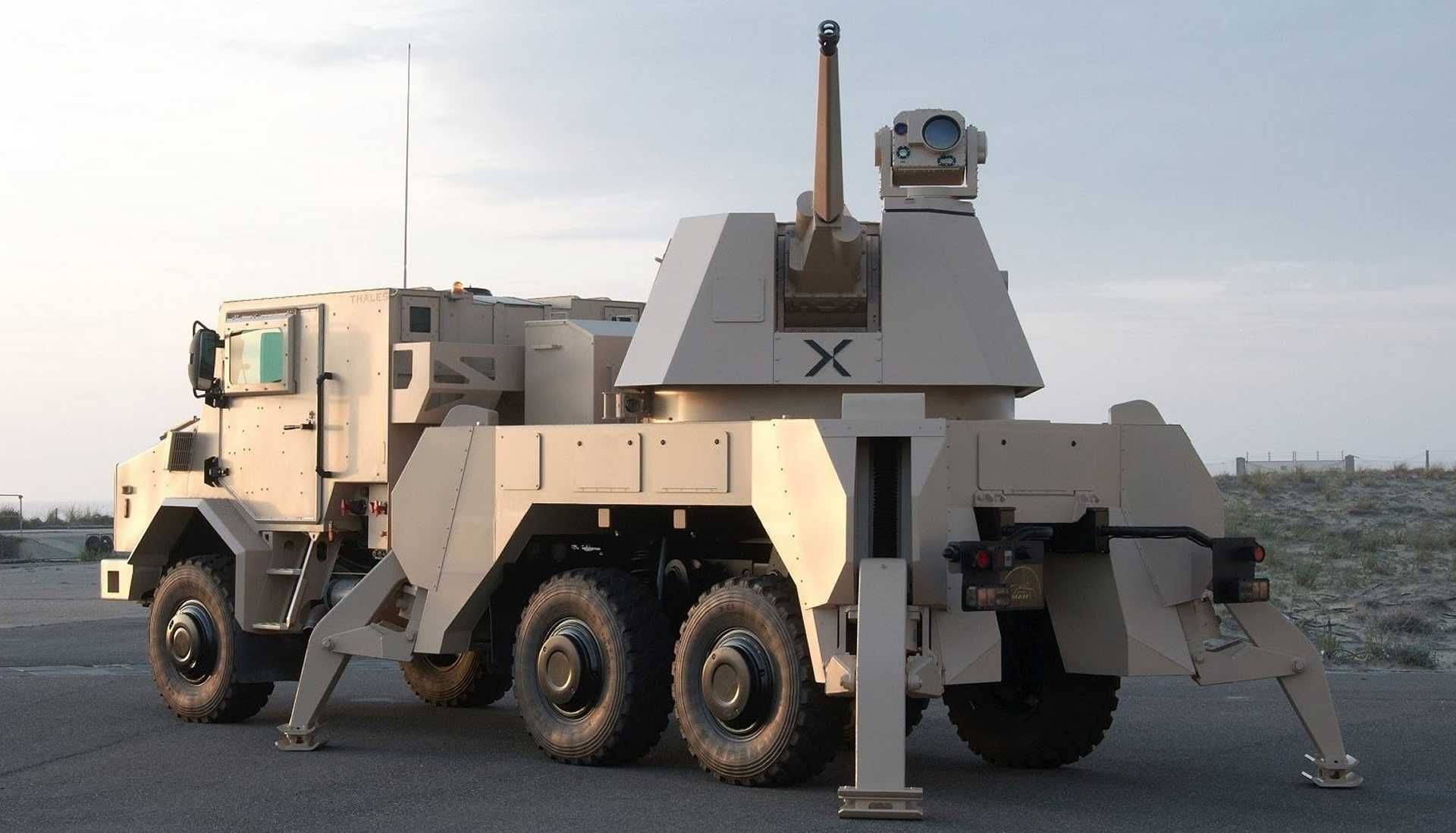
World
The French Armed Forces are stepping up efforts to protect military bases and critical infrastructure by expanding the use of 30mm and 40mm kinetic air defense systems, especially to counter the growing threat from drones. This shift represents a major doctrinal change that focuses on cost-effective, mobile, and layered air defense, moving beyond traditional missile-based systems. The announcement was reaffirmed during a parliamentary hearing on July 9, 2025, where General Jérôme Bellanger, Chief of Staff of the Air and Space Force, emphasized the need for low-cost artillery solutions for base protection. He pointed out that kinetic weapons using 30mm or 40mm calibers offer a more affordable alternative to missile systems like Mistral. General Thierry Burkhard, Chief of the Defence Staff, echoed these views, calling for urgent upgrades in ground-based air defense, particularly against unmanned aerial systems (UAS). 30mm Systems: Mobile Shield Against Drone Swarms The French Army is integrating 30mm cannons into the new Serval C-UAV variant—an agile light armored vehicle built specifically for counter-drone operations. The vehicle mounts the ARX 30 turret, which is armed with the 30M781 cannon, derived from the GIAT 30 on the Tigre attack helicopter. It features programmable airburst munitions, designed to detonate mid-air and create a fragmentation cloud capable of neutralizing micro and mini drones within a 2 km effective range. The Serval C-UAV is equipped with 3D radar and RF detectors for autonomous drone detection and targeting, making it highly responsive for convoy protection and forward deployments. France has initially ordered 24 vehicles, with the option to increase to 48 under the Military Programming Law, and deployment is scheduled for 2028. 40mm Systems: Powerful Layered Defense with RapidFire On a parallel track, France is fielding the 40mm RapidFire system, jointly developed by KNDS France and Thales. It is based on the CT40 cannon, which uses cased telescoped (CT) ammunition, offering greater firepower, compact design, and ammunition efficiency. The naval version of RapidFire has been operational since 2023, mounted on ships like the BRF Jacques Chevallier, while the land-based version—introduced in 2025—is intended to guard air bases, command posts, and logistical hubs. Land variants are available in 6×6, 8×8 mobile, and semi-fixed container formats, and the French Armed Forces have ordered at least 14 units, with a possible expansion to 48 systems by 2027. The system is capable of firing up to 200 rounds per minute, and uses A3B programmable airburst rounds to destroy drones at ranges up to 4 kilometers. The common cannon architecture across both land and naval systems ensures logistical simplicity and training efficiency. Ammunition Supply Secured and Scaled All 40mm CT ammunition is produced by CTA International, a KNDS France–BAE Systems joint venture, with production spread across Haute-Savoie, Cher, and Manche. To ensure independence and supply chain resilience, the French Ministry of Armed Forces has secured a contract for 25,000 rounds, worth €150 million, with annual production set to scale to 30,000 rounds from 2027. The family of 40mm CT ammunition includes general-purpose (GPR), armor-piercing (APFSDS), and A3B airburst types, supporting diverse tactical needs. A Complementary Defense Layer to Missile Systems Both 30mm and 40mm systems serve distinct but complementary roles. The 30mm Serval C-UAV is highly mobile and optimized for close-range swarm threats, while the 40mm RapidFire provides extended range, broader lethality, and programmable targeting for fixed-site defense. Together, they offer a cost-effective kinetic layer beneath missile-based systems like Mistral and VL MICA, enhancing the French SHORAD (Short Range Air Defense) architecture. Adapting to a Global Drone Threat The shift toward kinetic defenses comes amid a global rise in drone incursions over military bases. In 2024, over 350 unauthorized drone flights were reported over 100+ US military sites, including air bases and naval facilities. Europe, too, has witnessed similar events, from RAF Lakenheath to Ramstein Air Base, underscoring the need for dedicated anti-drone defenses. In warzones like Ukraine and Syria, drones have evolved into tools for reconnaissance, loitering attacks, and psychological warfare, sometimes dropping munitions or acting as decoys to trigger air defense responses. These trends have exposed weaknesses in traditional defenses, leading to a global push for dedicated counter-UAS capabilities. Future-Proofing French Air Defense France’s renewed focus on affordable, layered air defense aligns with the 2024–2030 Military Programming Law, which allocated €500 million for air defense in 2025 alone. This includes investments in directed energy weapons, munitions, and joint-force integration. Large-scale exercises like Orion 2026 will validate these capabilities, testing sensor-to-shooter coordination and multi-domain interoperability across services. The path forward is clear: in an era of rapidly advancing drone warfare, France is laying the foundation for a resilient, scalable, and cost-effective air defense ecosystem—rooted in 30mm and 40mm kinetic systems that promise to shield both mobile forces and strategic bases in a changing threat landscape.
Read More → Posted on 2025-07-15 15:26:34
World
In a sharp turn of strategy, former President Donald Trump has agreed to supply advanced U.S. weapons to Ukraine, but with a major twist — NATO allies will foot the bill. Speaking from the Oval Office alongside NATO Secretary General Mark Rutte, Trump also issued a 50-day ultimatum to Russia: reach a ceasefire or face serious economic consequences, including new U.S. sanctions. This shift comes after repeated failed efforts to persuade Russian President Vladimir Putin to halt the war in Ukraine. Trump, visibly frustrated, described Putin as someone who “talks nice during the day and bombs at night,” hinting that previous presidents, like himself, had hoped for better outcomes from diplomatic engagement with the Kremlin. Under this new plan, U.S. weapons will be sent to NATO, which will then transfer them to Ukraine. But importantly, NATO member countries — not the U.S. — will be the ones paying for the shipments. “We’re not paying anything for it. But we will send it, and it’ll be good news for us,” Trump emphasized, adding that Ukraine “desperately needs” Patriot missiles and other air defense systems. The initial shipments will include Patriot missile systems, long-range air defense technology that Ukraine has been requesting to counter Russian airstrikes. Trump assured that some of these will arrive within a matter of days, as certain countries plan to swap their own Patriot systems and replace them later. NATO Secretary General Rutte confirmed that this would just be the beginning, with more aid to follow. “This is only the first wave,” he said, naming countries like Germany, Sweden, Denmark, Finland, Norway, the Netherlands, and Canada as part of the coalition backing the supply effort. This announcement comes shortly after the Pentagon had paused some arms deliveries to Ukraine due to concerns over America's own munitions stockpiles — including Patriot interceptors and artillery rounds. That decision has since been reversed, allowing for renewed support under this NATO-led framework. Meanwhile, Trump issued a strong warning to Moscow: if a ceasefire isn’t achieved within 50 days, the U.S. will respond with “100% tariffs on Russia” and secondary sanctions targeting countries that continue buying Russian oil. “If I were Putin today… I would reconsider whether I should not take negotiations more seriously,” said Rutte, backing Trump’s stern message. This decision represents a clear shift in Trump’s foreign policy tone. While he previously sought to broker peace directly with Putin, he’s now leaning on military aid and economic pressure to push Moscow toward the negotiation table. “Putin had really surprised a lot of people,” Trump said. “He talks nice, and then he bombs everybody in the evening. It’s a little bit of a problem there — I don’t like it.” In essence, the U.S. will provide the firepower, NATO will handle the costs, and Russia now faces a deadline. The coming weeks will reveal whether this pressure leads to talks — or to an even sharper escalation in the ongoing war.
Read More → Posted on 2025-07-15 15:09:35
World
In a bold leap toward futuristic armored warfare, South Korea has begun development of the hydrogen-powered K3 main battle tank, a next-generation platform set to eventually replace the highly regarded K2 Black Panther. Spearheaded by Hyundai Rotem, the K3 will be one of the first main battle tanks in the world to integrate hydrogen fuel cell technology, offering a quieter, more efficient, and stealthier alternative to traditional diesel engines. A Tank That Breathes Hydrogen At the heart of the K3 is a hybrid hydrogen-diesel propulsion system, a transitional setup with the long-term goal of achieving a fully hydrogen-powered tank. The hydrogen fuel cells are expected to significantly reduce the tank’s heat and acoustic signatures, which would make it harder for enemies to detect. It also promises greater fuel efficiency and reduced maintenance costs, making it ideal for long, sustained operations in diverse terrain. This shift from conventional combustion to hydrogen is no small feat. Fuel cell tanks demand entirely new architecture, including advanced cooling systems, robust storage for compressed hydrogen, and infrastructure for refueling in field conditions—an ongoing challenge for militaries worldwide. However, South Korea’s investment in the hydrogen economy, both civilian and military, provides a supportive ecosystem for this bold innovation. Armed with Intelligence and Firepower The K3 will be armed with a 130mm smoothbore gun mounted on an unmanned turret, giving it significantly more firepower than the current K2's 120mm gun. The main gun will be complemented by AI-powered fire control systems, allowing it to identify and hit targets up to 5 kilometers (3.1 miles) away with precision. To tackle both near and distant threats, the K3 will also deploy anti-tank guided missiles with ranges of up to 8 kilometers (5 miles), and a remote weapon station capable of mounting weapons ranging from 12.7mm to 30mm. Crew Protection Redefined Hyundai Rotem is prioritizing crew survivability by seating the three-person crew (driver, commander, and gunner) inside an armored capsule at the front of the hull, separated from the turret and ammunition storage. This design approach is not just safer—it also reflects a growing trend toward human-machine teaming in armored platforms. The K3’s active defense suite includes: Hard-kill active protection systems for intercepting incoming rounds Directional infrared countermeasures to deflect heat-seeking missiles Drone-jamming systems to neutralize small aerial threats For enhanced visibility and decision-making, the tank will feature a 360-degree virtual reality system, large digital displays, autonomous driving capability, and even a drone-launch system mounted on the turret for reconnaissance and overwatch. Challenges While the vision for the K3 is ambitious, there are real technical and logistical hurdles. Hydrogen storage and distribution remain major concerns. Storing compressed hydrogen safely on a battlefield, protecting it from enemy fire, and establishing mobile or secure refueling infrastructure in combat zones are critical technical barriers that must be overcome. Furthermore, integrating high-energy systems, like advanced sensors and AI algorithms, into a compact, survivable tank platform demands both power and cooling efficiency—an area where Hyundai Rotem will need to innovate aggressively. Powered by Experience Hyundai Rotem isn't new to cutting-edge tank manufacturing. Its K2 Black Panther is already in service in South Korea and is now being exported to Poland. In fact, Hyundai signed a $6.5 billion contract with Poland for local production of the K2, including technology transfer and infrastructure development. As of mid-2025, 133 out of 180 K2s from the initial Polish contract have already been delivered. This operational success provides Hyundai with both the financial and technical momentum to take on the more complex K3 project. A Vision for Future Warfare Hyundai Rotem has positioned the K3 as a symbol of future warfare—a platform that not only fights smarter and cleaner but also ensures the safety of those operating it. As battlefield conditions evolve rapidly with drones, sensors, and AI shaping the frontlines, the K3 is a bold answer to the question: What should tomorrow's tank look like? By merging AI, clean energy, and advanced firepower, South Korea's K3 project could redefine armored combat—not just for Korea, but for the world.
Read More → Posted on 2025-07-15 15:03:58
World
France has officially unveiled its first-ever Arctic Defense Strategy, marking a decisive shift in its national security posture as the once-remote Arctic transforms into a global hotspot of geopolitical competition and economic opportunity. The strategy, released last week by the French Ministry of the Armed Forces, reflects growing concerns over resource competition, climate change, and the increasing militarization of the High North. For decades, the Arctic was largely defined by cooperation and multilateral governance, but that era is fading fast. The invasion of Ukraine by Russia in 2022 shattered the illusion of Arctic exceptionalism—an unwritten understanding that regional tensions would remain minimal. In response to this new reality, France has chosen to formalize its presence and role in the Arctic through a robust defense strategy aimed at securing vital national and European interests. The Arctic’s strategic significance has exploded in recent years. Once a harsh, frozen wilderness, it is now at the center of global attention due to vast untapped natural resources like oil, gas, and rare earth elements. At the same time, climate change is melting polar ice at unprecedented rates, opening up new commercial shipping lanes like the Northeast Passage, which could drastically reduce maritime travel times between Europe and Asia. This dual dynamic—resource wealth and accessibility—has intensified interest from global powers and transformed the Arctic into a contested space. The geopolitical shift has been further sharpened by Finland’s entry into NATO in 2023 and Sweden’s in 2024, meaning seven of the eight Arctic nations are now part of the alliance. This reshapes Euro-Atlantic defense and places new strategic pressure on France to protect its interests. In response, France's Arctic strategy focuses on three main pillars: 1. Positioning and Presence France plans to strengthen its legitimacy and visibility in the Arctic by actively participating in regional forums and increasing its military footprint through exercises and surveillance operations. This includes intelligence gathering, environmental monitoring, and continued deployment of forces to build operational readiness in the unique Arctic environment. France’s nuclear deterrence posture also benefits from improved understanding of the region’s environmental patterns. 2. Deepening Cooperation France will enhance bilateral and multilateral partnerships, especially with NATO allies and EU Arctic actors, to build interoperability and shared capabilities. This includes joint military exercises, logistical cooperation, and expanded information-sharing networks. The strategy emphasizes that collaboration with regional stakeholders is key to ensuring peace and sustainable development in the Arctic. 3. Tailored Capabilities Recognizing the Arctic’s harsh environment, France will develop and deploy specialized equipment and technologies suited for extreme cold, remote operations, and satellite-based Arctic surveillance. The defense ministry is focusing on upgrading existing systems and investing in space-based infrastructure—including satellites for high latitudes and relay stations—to enhance communications and domain awareness in the region. With this strategy, France intends not only to preserve its freedom of action in the Arctic but also to assert itself as a responsible stakeholder committed to security, stability, and environmental stewardship. As one of the few non-Arctic nations with a historical and ongoing presence in the region, France sees itself as a bridge between Europe and the Arctic, ensuring that the race for resources and influence does not come at the cost of global peace and cooperation. In the fast-evolving landscape of the Arctic, France’s defense strategy sends a clear signal: it is ready to protect its interests, support its allies, and ensure that the Arctic remains a secure and stable part of the world order.
Read More → Posted on 2025-07-15 14:54:00
World
In a chilling alert to the world community, Rabinder Ghosh, a prominent human rights activist and founder of the Bangladesh Hindu Buddhist Christian Unity Council (BHBCUC), has accused China and Pakistan of being directly involved in orchestrating widespread atrocities against Hindus in Bangladesh. Ghosh, whose organisation documents religious persecution in the region, revealed that his team has uncovered credible evidence of foreign support to groups carrying out targeted violence, forced conversions, sexual assault, and systematic displacement of Hindus. In an interview, Ghosh stated that his organisation has received reports of Pakistani operatives and intelligence agents aiding local radical groups in Bangladesh. Additionally, Chinese support, both political and technological, has allegedly played a role in strengthening anti-minority elements. This foreign backing, he claimed, is enabling a slow, deliberate erasure of the Hindu community, which has already seen its numbers dwindle due to repeated waves of violence and intimidation. According to Ghosh, over 2,300 attacks on Hindus have been recorded since August 2024, when a student-led uprising toppled Sheikh Hasina’s government, bringing Nobel Laureate Muhammad Yunus to power. Since then, the interim government has done little to prevent what Ghosh calls a “reign of terror” against minorities. Victims have described incidents of gang rapes, temple desecrations, house burnings, and public humiliation, while hundreds of families have been forced to flee ancestral lands overnight. “The Hindu population is shrinking every day — not due to migration, but because of fear, rape, torture, and conversion,” Ghosh warned. “It’s not just random violence, it’s a pattern — and the international community has chosen to stay silent.” One of the most heartbreaking elements of this crisis, Ghosh emphasized, is the global inaction, particularly from nations that claim to stand for human rights and religious freedom. Despite repeated appeals, neither the United Nations nor major powers like the United States have stepped up with meaningful support or condemnation. In this context, Ghosh sharply criticized former U.S. President Donald Trump, who had publicly promised during his 2020 election campaign to take strong action to protect Hindus and other persecuted minorities in South Asia. However, that promise, Ghosh pointed out, was never fulfilled. Despite warnings and detailed reports from human rights organisations, Trump failed to initiate any intervention or policy to stop the slow genocide of Bangladeshi Hindus before the end of his term. Now, as the 2024 U.S. presidential elections approach, the failure of Trump’s earlier commitment has become a sore point for many in the South Asian diaspora. There is growing disillusionment among Hindu voters who feel their pain was used for political gain but ignored when it truly mattered. Ghosh concluded his remarks with a dire warning: “The core values of Bangladesh’s independence — democracy, secularism, and equality — are being destroyed. And with China and Pakistan influencing events behind the scenes, we are witnessing not just a national crisis, but a regional catastrophe in the making.” The allegations by Ghosh shed light on a deeply unsettling situation, one that demands urgent global attention. If the international community continues to look away, the existence of Hindus in Bangladesh may soon become a matter of history, rather than one of justice.
Read More → Posted on 2025-07-14 16:17:03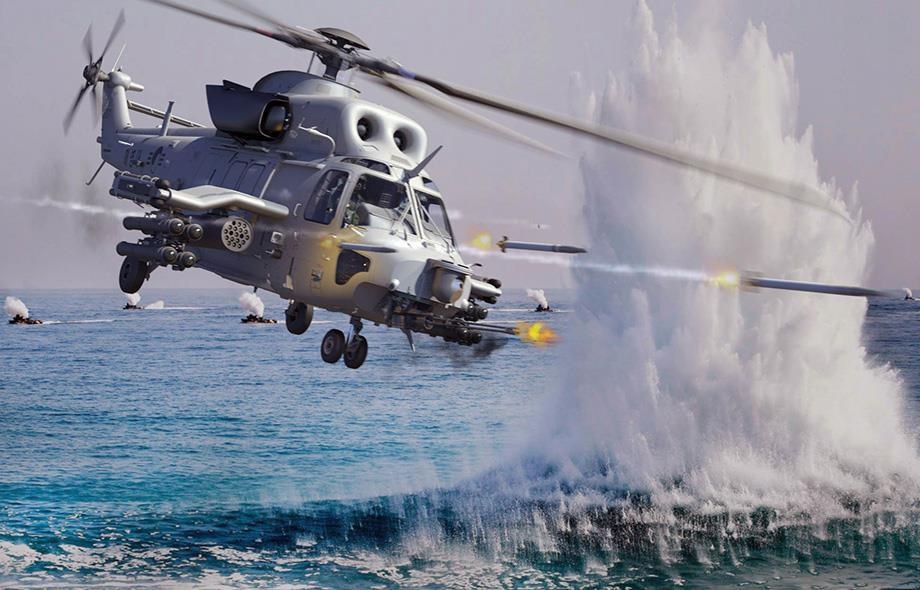
World
On July 14, 2025, South Korea successfully conducted live-fire tests of its newly developed Marine Attack Helicopter (MAH), marking a major milestone in its efforts to establish an independent aerial strike capability for the Republic of Korea Marine Corps. This powerful new rotorcraft, developed by Korea Aerospace Industries (KAI) under the oversight of the Defense Acquisition Program Administration (DAPA), is now positioned as a game-changer for South Korea’s amphibious and expeditionary warfare strategies. The recent tests—conducted in both daylight and nighttime conditions—validated the helicopter’s precision strike capabilities and operational readiness in real combat scenarios. This achievement is not only a technical success, but also a strategic signal to regional powers amid heightened tensions on the Korean Peninsula and in Northeast Asia's disputed maritime regions. A Battle-Ready Evolution of the Surion Platform The MAH is derived from the MUH-1 Marineon, a naval utility variant of the Surion helicopter, and has been customized into a heavily armed assault platform. Key weapons onboard include: A nose-mounted 20mm three-barrel cannon, Hanwha Techwin Cheon-geom anti-tank missiles, MBDA Mistral air-to-air missiles, and 2.75-inch unguided rockets. These are paired with advanced Target Acquisition and Designation Sights (TADS), enabling the MAH to deliver close air support (CAS), cover amphibious landings, and defend transport helicopters in contested zones. Strengthening Amphibious and Autonomous Capabilities What makes the MAH especially significant is its role in giving the Republic of Korea Marine Corps (ROKMC) an independent aviation arm, reducing their historical reliance on Army or Navy helicopter support. This mirrors the U.S. Marine Corps’ evolution of self-sustaining air-ground task forces, designed for rapid deployment and assault in littoral environments. Compared to older attack helicopters, the MAH delivers better modularity, situational awareness, and localized integration tailored for Korea’s specific terrain and operational doctrines. It is expected to coordinate closely with Marineon transport helicopters during high-risk operations such as island landings or swift incursions along hostile coastlines. A Strategic Step Toward Indigenous Defense The development of the MAH is not just about enhancing combat power—it’s about building strategic autonomy. By deploying a domestically developed, mission-specific attack platform, South Korea is moving away from dependency on foreign defense suppliers, while also laying the groundwork for future defense exports. The MAH project is part of a broader modernization initiative funded through DAPA, with full operational capability expected by 2026. While no official budget details have been disclosed, the helicopter is set to become a cornerstone asset in the Marine Corps’ growing aviation wing. Experts suggest that, if successfully fielded, the MAH could also attract export interest from countries seeking cost-effective, versatile attack helicopters for amphibious operations. More Tests, More Capability Following the success of these recent trials, South Korea plans additional tests focused on air-to-ground and air-to-air missile integration, further strengthening the MAH’s multi-role combat versatility. These future trials will confirm its ability to operate independently and as part of joint task forces across diverse operational theaters. In a region where maritime disputes and flashpoints are increasingly unpredictable, South Korea’s MAH program reflects strategic foresight. It’s not just about adding firepower—it’s about enhancing national deterrence, operational flexibility, and defense industry self-reliance. With this powerful new addition to its arsenal, South Korea is taking flight as a regional innovator in rotorcraft warfare, preparing its Marine Corps to operate with greater autonomy and resilience in today’s rapidly evolving security landscape.
Read More → Posted on 2025-07-14 16:01:56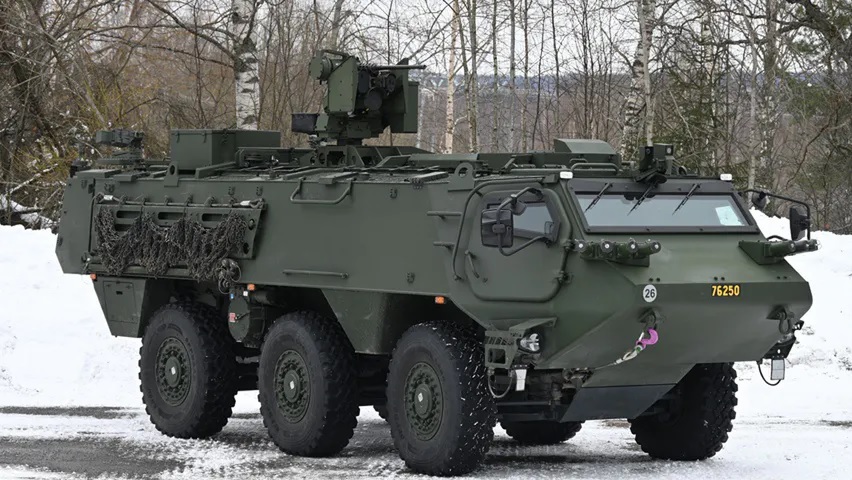
World
In a decisive move to modernize its ground forces and bolster joint operations with European allies, Denmark has placed an order for 129 Patria 6x6 armoured vehicles from Finland’s defense company Patria. This procurement marks Denmark’s full integration into the Common Armoured Vehicle System (CAVS) programme, a collaborative defense initiative involving several European countries. The deal, valued at 1.9 billion Danish kroner (approximately €247 million), was officially sealed on July 14, 2025, with Denmark signing the programme’s final three agreements: the Research and Development (R&D) Agreement, Framework Agreement, and Life Cycle Management (LCM) Agreement. Funded through Denmark’s Accelerationsfonden, the contract aligns with the country’s broader defense investment plan, which allocates €6.5 billion between 2025 and 2026 for capability upgrades. The Patria 6x6: A Highly Adaptable Combat Platform Designated as XA-300 in Denmark, the Patria 6x6 is a modular, wheeled armored vehicle developed to meet the operational needs of modern European armed forces. It is designed to perform a wide variety of military roles including: Troop transport Command and control operations Medical evacuation Communications and electronic warfare The vehicle features a crew capacity of 2–3, along with room for up to 10 fully equipped troops. Powered by a Scania DC09 in-line five-cylinder diesel engine, it delivers 294 kW of power and 1,870 Nm of torque. Key performance specifications include: Payload capacity: 8.5 tonnes Top road speed: Over 100 km/h Amphibious speed: 8 km/h Operational range: 700 km Protection level: STANAG 4569 Level K2/M2a/b (upgradeable to Level K4/M4a/b) Its vehicle layout places the driver and commander up front, the engine behind them, and a spacious troop compartment at the rear. Internally, the right-side passage offers ease of movement inside the vehicle. Suspension options include independent coil spring or hydropneumatic systems, while the vehicle’s robust chassis borrows heavily from the proven Patria AMVXP platform. Strategic Impact and Industrial Integration Deliveries to Denmark will begin in late 2025 with initial units used for training and familiarization. Full-scale deployment is scheduled from 2026 onward, with the vehicles expected to serve in both light infantry battalions and the heavy brigade of the Danish Armed Forces. The CAVS programme, initiated in 2019 by Finland and Latvia, has grown to include Sweden, Germany, and now Denmark. More than 850 Patria 6x6 vehicles have been ordered across Europe, including 250+ by Latvia, 161 by Finland, 341 by Sweden, and 42 by Ukraine, with Germany planning up to 1,000 units. Local production is central to the programme. Denmark is expected to replicate models seen in Latvia and Germany, where Patria collaborates with domestic firms to assemble vehicles, ensuring industrial participation, supply chain security, and cost savings. A Platform with Long-Term European Defense Value The Patria 6x6 has proven its adaptability across different terrains and missions. It supports a variety of armament options, including: 7.62 mm or 12.7 mm machine guns 25 mm or 30 mm automatic cannons Patria NEMO 120 mm turreted mortar system With a service life exceeding 30 years, the Patria 6x6 is not only a reliable choice but also a future-ready platform, ready to integrate with digital command systems such as Germany’s ADLER fire control network. Denmark's participation also benefits from European Commission support, which provided €60 million through EDIRPA (European Defence Industry Reinforcement Instrument through Joint Procurement) to fund CAVS development and lifecycle costs. Denmark’s Defense Commitment The acquisition reflects Denmark’s commitment to deepening European defense integration and enhancing the interoperability of its armed forces. Scheduled to be showcased at DALO Industry Days 2025 in Ballerup, the Patria 6x6 represents not just a military upgrade, but a symbol of shared European security and technological advancement. Through this strategic investment, Denmark positions itself at the forefront of collaborative defense modernization, while supporting national industry and contributing to a unified, resilient Europe.
Read More → Posted on 2025-07-14 15:54:39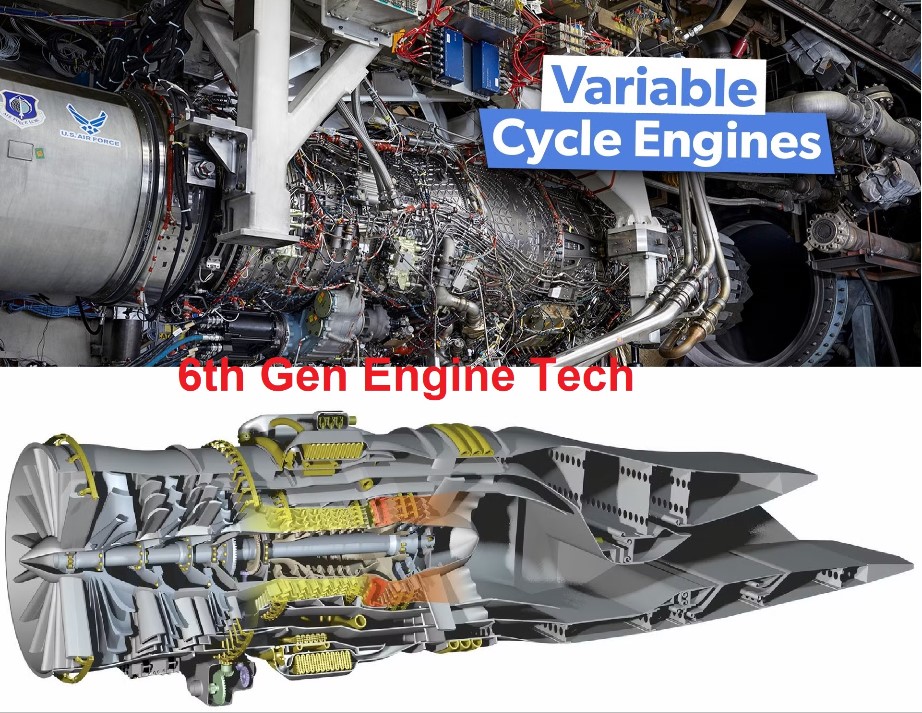
World
As the race for sixth-generation fighter jets intensifies globally, many nations and defense enthusiasts confidently claim that a cutting-edge variable or adaptive cycle engine can be developed within a decade. This timeline, while aspirational, dangerously underestimates the technological, financial, and infrastructural demands required to build the most complex propulsion systems ever envisioned. Let’s bring this optimism back to earth with a sobering look at real-world timelines and challenges. What is an Adaptive/Variable Cycle Engine? A variable or adaptive cycle engine is a transformative leap beyond traditional turbofan engines. While a typical turbofan has a fixed bypass ratio — essentially a trade-off between fuel efficiency (high-bypass) and speed (low-bypass) — adaptive engines can morph in-flight to offer the best of both worlds. They dynamically adjust airflow paths to provide: Fuel efficiency during cruise High thrust during combat Enhanced thermal management for powering advanced avionics and directed energy weapons In simple terms, this is like having a jet engine that behaves like a Prius on patrol and a Ferrari in dogfights — and switches seamlessly between both. 📘 For a deeper dive into how 6th-gen engines differ from 5th-gen propulsion systems, check out our article: 5th Gen vs 6th Gen Jet Engine Technology: What’s the Difference? The U.S. Journey: Nearly Two Decades in the Making No country exemplifies the difficulty of this task better than the United States, the undisputed leader in aero-engine technology. 2007: The Adaptive Versatile Engine Technology (ADVENT) program begins under the U.S. Air Force and DARPA to explore concepts of adaptive cycle engines. 2012: Transition to the Adaptive Engine Technology Demonstrator (AETD) program, where practical demonstrators like GE’s XA100 and Pratt & Whitney’s XA101 start taking form. 2016: AETD evolves into the Adaptive Engine Transition Program (AETP) — focusing on preparing engines for real-world application in aircraft like the F-35 and Next Generation Air Dominance (NGAD) platforms. 2023: Critical Design Review (CDR) of the next-gen XA102 engine completed — a refined version expected for sixth-gen fighters. Flight testing still awaits. Let that timeline sink in: from concept to potential flight in nearly 20 years, despite immense U.S. industrial capacity, technological expertise, and funding. Global Landscape: Who’s Trying What? Other countries have expressed interest in adaptive or variable cycle engine technologies, but their programs are at various nascent or exploratory stages — none near the maturity of the U.S. United Kingdom (Team Tempest) Engine Lead: Rolls-Royce Timeline: Rolls-Royce has announced research on advanced propulsion systems with variable cycle features for the Tempest 6th-gen fighter, aiming for deployment by 2035. Progress: Heavy investment in thermodynamic management and composite materials, but no flight-ready adaptive engine has been demonstrated yet. France-Germany-Spain (FCAS / SCAF) Engine Lead: Safran (France) with MTU Aero Engines (Germany) Timeline: 6th-gen fighter expected by 2040, but engine technology is still early in the conceptual stage. Progress: Discussions include variable cycle capability, but without a prototype or demonstrator, timelines remain optimistic at best. Japan (F-X / GCAP with UK & Italy) Engine Lead: IHI Corporation Timeline: Working with Rolls-Royce on engine demonstrators; initial ground testing expected by mid-2020s, in-air testing by 2030s. Progress: Promising collaboration, but still dependent on imported technical expertise. India (AMCA Program) Engine Lead: Proposed joint development with Safran, GE, or Rolls-Royce Timeline: Claims to field a sixth-gen engine (for AMCA Mk2 or beyond) by early 2030s Reality: No dedicated infrastructure yet, and no foundational adaptive engine research. Without even a fifth-gen engine developed domestically, a sixth-gen variable cycle engine within 10 years or 15 Years would require a technological miracle. Who Has Actually Built One? Only General Electric (GE) and Pratt & Whitney (P&W), both U.S.-based, have developed working adaptive cycle engines — XA100 and XA101, respectively — with demonstrators already undergoing testing. Even with the experience of F119 (used in the F-22) and F135 (used in the F-35), creating these adaptive engines took over 15 years of effort, with thousands of hours in development and testing. Why the 10-Year Plan Is Fantasy for Most Lack of Test Infrastructure: Countries like India, even France and Germany, do not yet possess dedicated adaptive engine test beds. Material Science Limitations: Adaptive engines need materials that survive unprecedented thermal loads — often relying on single-crystal turbine blades and CMCs (ceramic matrix composites), technologies only a few countries have mastered. Software and Control Systems: Managing variable airflow paths in real-time demands bleeding-edge AI and FADEC (Full Authority Digital Engine Control) software. Again, limited to a handful of nations. Funding and Political Stability: Most nations lack the uninterrupted funding streams like the U.S. DoD or DARPA, where multi-billion dollar engine programs can be sustained for decades. Ambition Must Be Tempered by Realism Developing a 6th-gen adaptive cycle engine from scratch in 10 years is not impossible — but for any country other than the U.S., it is highly improbable. History tells us that even with unlimited resources, world-class talent, and pre-existing knowledge, the U.S. needed nearly two decades to field this technology. Expecting nations with limited engine design experience to achieve the same feat in half that time is more wishful thinking than strategic planning. As the defense world eyes 2035 as the magic year for sixth-generation fighters, the engines that will power them remain the most critical bottleneck — and the true benchmark of technological leadership.
Read More → Posted on 2025-07-14 15:30:00
World
When we talk about modern fighter aircraft, the conversation often revolves around stealth, speed, and sensors. But what powers these cutting-edge machines is just as important — their engines. As the world prepares for 6th-generation fighter jets, the engines that will power them are undergoing a major transformation, setting them apart from the 5th-generation engines used in today’s most advanced aircraft like the F-22 Raptor and F-35 Lightning II. In this article, let’s explore the differences between 5th-generation and 6th-generation jet engine technologies and how future engines will change the way air combat is fought. What is 5th-Generation Jet Engine Technology? 5th-generation engines, such as the Pratt & Whitney F119 (used in the F-22) and F135 (used in the F-35), represent the latest operational combat engine technologies today. Key Features: Thrust Vectoring Nozzles: These engines can direct the exhaust flow to enhance maneuverability, allowing aircraft to perform sharp turns and unique aerial moves. High Thrust-to-Weight Ratio: Ensures rapid acceleration, fast climb rates, and the ability to carry heavy weapon loads. Stealth-Compatible Design: Specially shaped exhaust nozzles and coatings help reduce radar and infrared signatures. Supercruise Capability: Aircraft like the F-22 can fly at supersonic speeds (Mach 1.7+) without using afterburners, saving fuel and reducing heat signatures. Integrated Engine Health Monitoring: Sensors monitor engine performance in real-time, improving safety and maintenance planning. These engines are optimized mainly for manned fighter aircraft, focusing on stealth, speed, and agility in contested airspaces. How 6th-Generation Jet Engine Technology is Different With 6th-generation fighters like the US Air Force’s Next-Generation Air Dominance (NGAD), UK’s Tempest, and Europe’s FCAS/SCAF projects under development, engine technology is evolving far beyond current standards. What makes them different?They’re not just propulsion systems anymore — they’re multi-purpose, adaptive energy platforms designed for both manned and unmanned combat systems. Key Advancements Over 5th-Gen Engines: Adaptive Cycle Engines (ACE) / Variable Cycle Engines (VCE) Future engines like General Electric’s XA100 can switch between: High-thrust mode for combat and supercruise High-efficiency mode for fuel-saving long-range patrols Cooling mode for managing heat from lasers and energy weapons This flexibility wasn’t possible in 5th-gen engines. Thermal Management for Directed Energy Weapons 6th-gen aircraft are expected to carry high-energy laser weapons and advanced electronic warfare systems, which produce extreme heat. New engines will feature advanced thermal management systems to handle this heat, something beyond the capacity of current engines. Massive Onboard Power Generation Next-gen engines will generate huge amounts of electricity to power sensors, lasers, AI systems, and even loyal wingmen drones flying alongside the main fighter. AI-Driven Engine Management Future engines will use AI systems to monitor and optimize performance in real-time — adjusting thrust, managing heat, and even predicting component failures mid-flight. Enhanced Infrared Signature Suppression While 5th-gen engines already reduce infrared emissions, 6th-gen engines will push this further, using new nozzle designs and exhaust mixing techniques to stay hidden from Infrared Search and Track (IRST) systems. Manned & Unmanned Combat Optimization These engines will seamlessly power both traditional manned fighters and unmanned combat drones (UCAVs) — enabling mixed-force operations where fighters and loyal wingmen work together. Use of Advanced Materials 6th-gen engines will rely heavily on advanced ceramics, composites, and meta-materials. These can withstand higher temperatures, reduce weight, and extend engine lifespan. Comparison: Feature 5th-Gen Engines 6th-Gen Engines Thrust Vectoring Yes Yes (more advanced) Supercruise Yes Yes (with better fuel efficiency) Adaptive Cycle/Variable Bypass No Yes (multi-mode performance) Directed Energy Weapon Support No Yes AI-Driven Engine Management Limited Fully Integrated Advanced Thermal Management Conventional High-Capacity (for lasers, drones, EW) Multi-Mission Flexibility Primarily manned fighters Manned + UCAV-ready Use of Advanced Materials High Very High (ceramics, meta-materials) While 5th-generation engines are marvels of engineering, designed for stealth, speed, and maneuverability, 6th-generation engines are being designed to be much more — adaptive, intelligent, powerful, and versatile. These future engines will turn fighter aircraft into flying power stations, capable of supporting directed-energy weapons, AI combat systems, and unmanned teaming operations. It’s not just about flying faster or higher — it’s about being smarter, more flexible, and more lethal in the battlespace of the future. As these technologies move from prototype to reality, they promise to redefine air combat as we know it.
Read More → Posted on 2025-07-14 15:14:33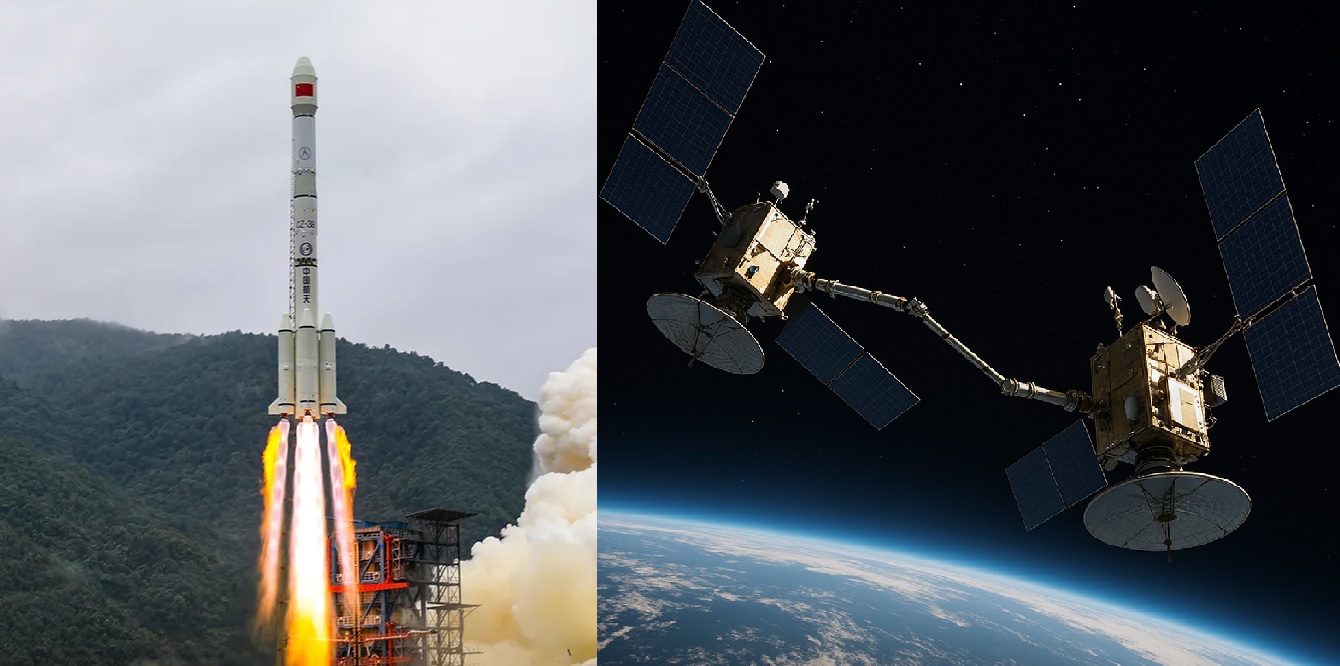
World
In what could be a historic milestone in space technology, two Chinese satellites—Shijian-21 and Shijian-25—appear to have docked in geostationary orbit for an autonomous in-orbit refuelling mission, something that no other country, including the United States, has achieved to date in such a high orbital environment. Between July 2 and July 6, the satellites “visually merged” based on optical data captured by the US-based space monitoring firm COMSPOC, strongly suggesting that Shijian-25 successfully docked with Shijian-21. The operation is part of rendezvous and proximity operations (RPO), a highly advanced maneuver that allows satellites to approach, inspect, and even physically interact with one another while orbiting Earth. What Happened in Orbit? The two satellites began performing proximity operations in June 2025. According to COMSPOC, the first close approach was recorded on June 11, with the two satellites coming within 1 kilometer of each other by June 13, before briefly separating. By June 30, tracking data from Swiss firm s2a systems showed both spacecraft in extremely close proximity, eventually becoming indistinguishable to sensors by July 2. This strongly indicates that the two satellites were likely docked at that time. These satellites are positioned in geostationary orbit, hovering 35,786 km (22,236 miles) above Earth’s equator. Conducting a refuelling operation at this altitude is significantly more complex than in low-Earth orbit due to the distance, time delays, and harsh conditions. Shijian-25: Designed for Refuelling and Satellite Lifespan Extension Launched in January 2025, Shijian-25 was specifically built to test technologies for satellite refuelling and life extension. Its mission is critical to reducing operational costs, extending satellite lifespans, and limiting the creation of space debris—a growing problem in Earth’s orbits. Shijian-21: China’s Space Debris Cleanup Satellite Shijian-21, launched in October 2021, was created to demonstrate space debris mitigation technologies. In early 2022, it made headlines after towing a dead BeiDou navigation satellite into a graveyard orbit, which safely moves defunct satellites away from critical orbital paths. Having used most of its fuel in that mission, Shijian-21 became an ideal candidate for refuelling—making this recent docking with Shijian-25 a likely test of fluid transfer and in-orbit servicing capabilities. Why This Is a Big Deal Autonomous satellite refuelling in high orbit represents an extraordinary technical leap. It requires: Precise docking mechanisms Uncrewed fluid transfer systems in microgravity Fault-tolerant guidance and navigation Real-time coordination between spacecraft If confirmed, China would be the first country to demonstrate these capabilities in geostationary orbit, surpassing even the United States, which has so far only achieved limited autonomous servicing missions in low-Earth orbit (LEO). Global Implications and Military Concerns The development has drawn the attention of U.S. surveillance satellites, which were reported to be observing the operation from flanking positions. The U.S. Space Force has also been investing in similar technology but is still in the early R&D phase. A $20 million request for on-orbit servicing was made in the FY2025 budget, with demonstration missions expected no earlier than 2026. Previously, the U.S. attempted a major in-orbit servicing mission called OSAM-1 (On-orbit Servicing, Assembly, and Manufacturing-1), but it was cancelled in 2023 after years of delays. The last successful American effort, DARPA's Orbital Express in 2007, was far less complex and limited to low-Earth orbit. While the technology has peaceful applications—like extending satellite lifespans and reducing space junk—there are also strategic military concerns. Satellites capable of refuelling or manipulating other satellites could theoretically be repurposed for anti-satellite operations, such as disabling or capturing critical military assets in orbit. China's Long-Term Vision China has clearly placed a high priority on space sustainability, with the Shijian program showcasing a wide array of capabilities—from robotic arms for debris collection to possible laser systems for disintegration. The potential success of this mission signals a new era of satellite maintenance and operations, with China leading the charge. If independently confirmed, this historic refuelling maneuver would not just mark a technological triumph for China, but also significantly raise the bar in the international race for on-orbit satellite servicing and space control.
Read More → Posted on 2025-07-13 16:37:07Search
Top Trending in 24 Hours
-
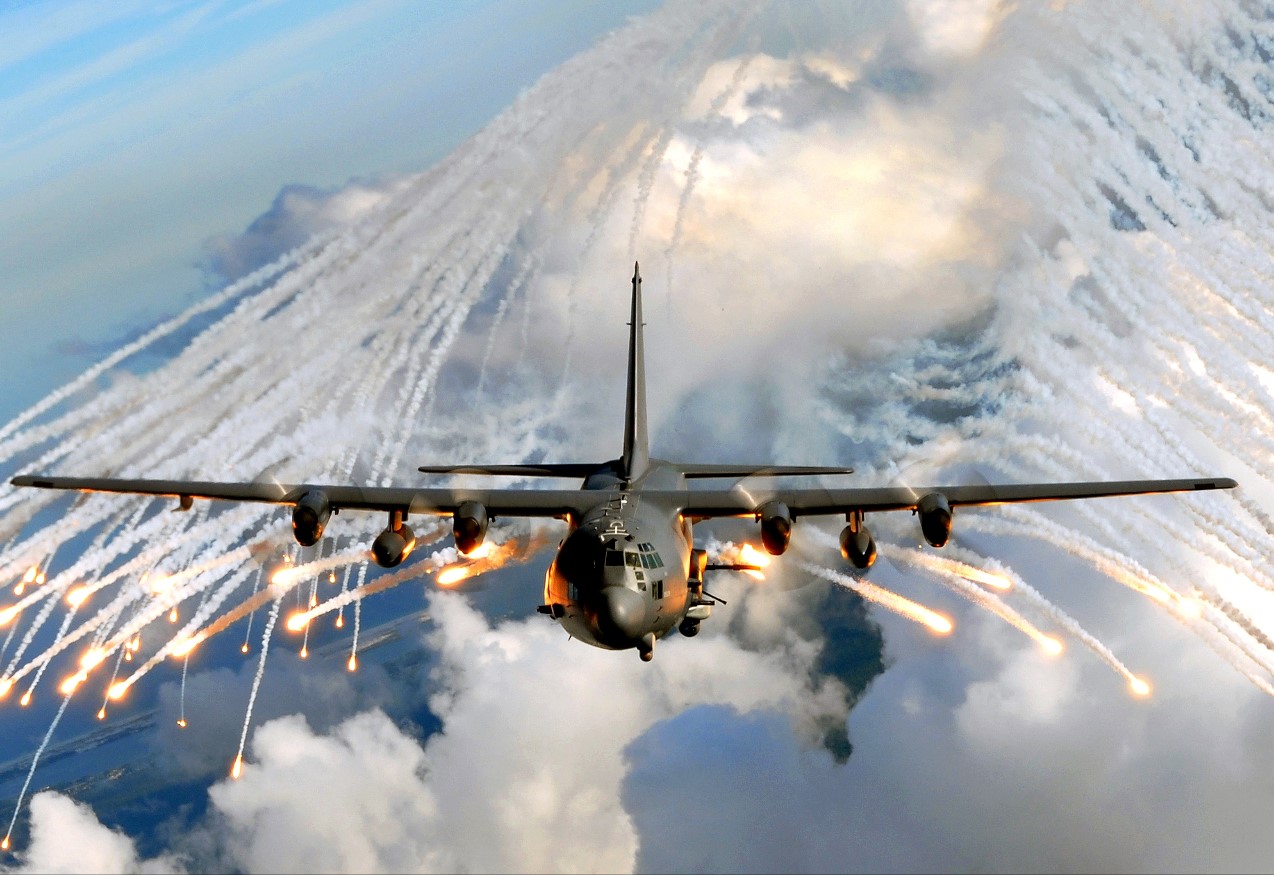 Pentagon Expands Alloy Surfaces Contract to $328.8 Million for Advanced Aircraft Decoy Flares Amid Evolving Drone Threats
-
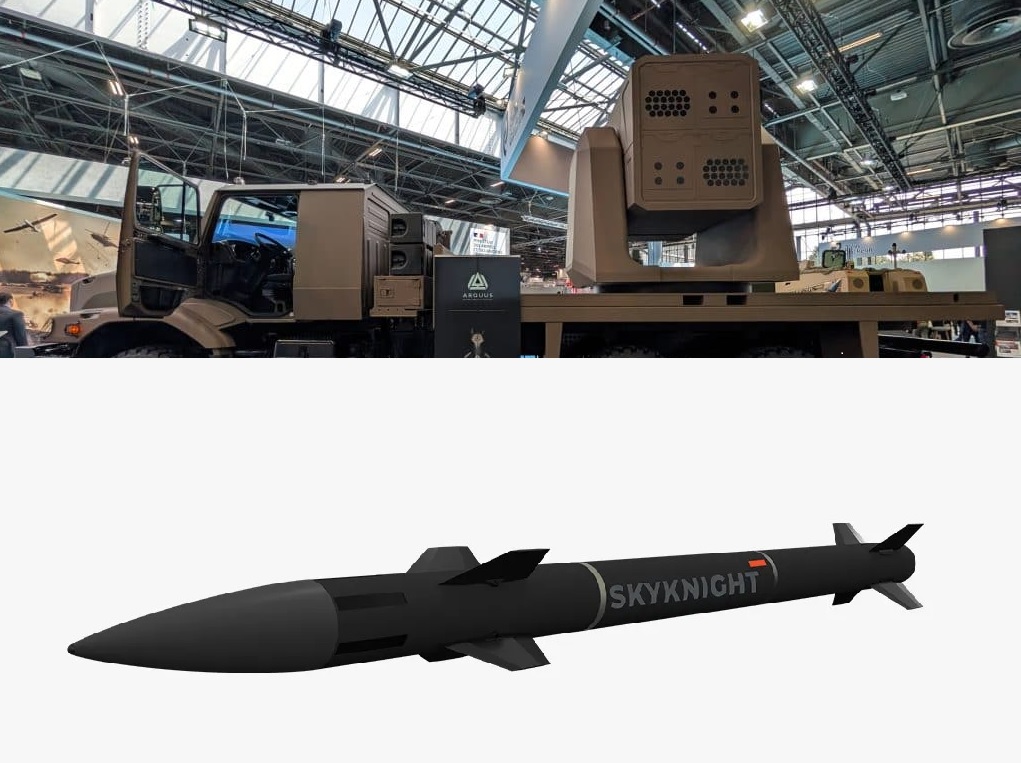 Naval Group Unveils Rampart Modular CIWS Multi-Purpose Weapon System for Naval and Ground Forces at Eurosatory 2026
-
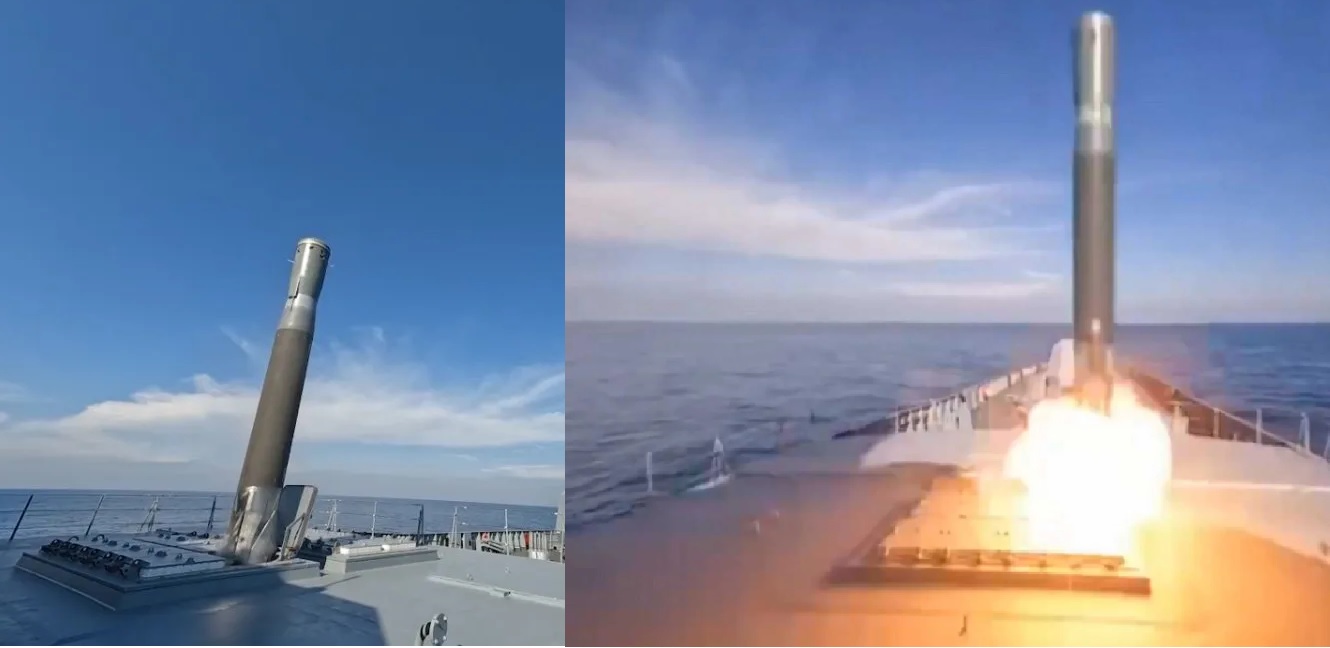 Open-Source Evidence Suggests Russia's Zircon Is a Quasi-Ballistic Missile, Not a True Hypersonic Cruise Weapon
-
 Why the U.S. Restored Pacific Command Name, Ending the Indo-Pacific Designation After Eight Years
-
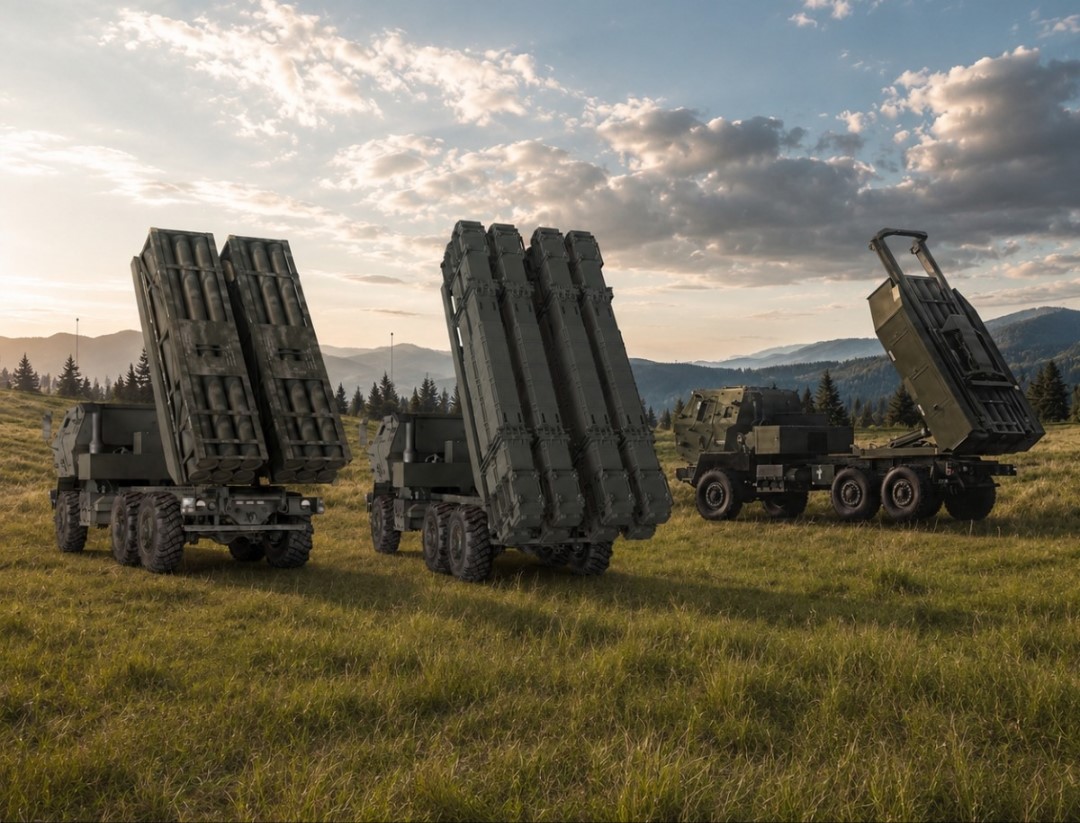 Lockheed Martin Unveils HIMARS FLEX with Dual-Pod Launcher and NATO-Compatible Air Defense Integration
-
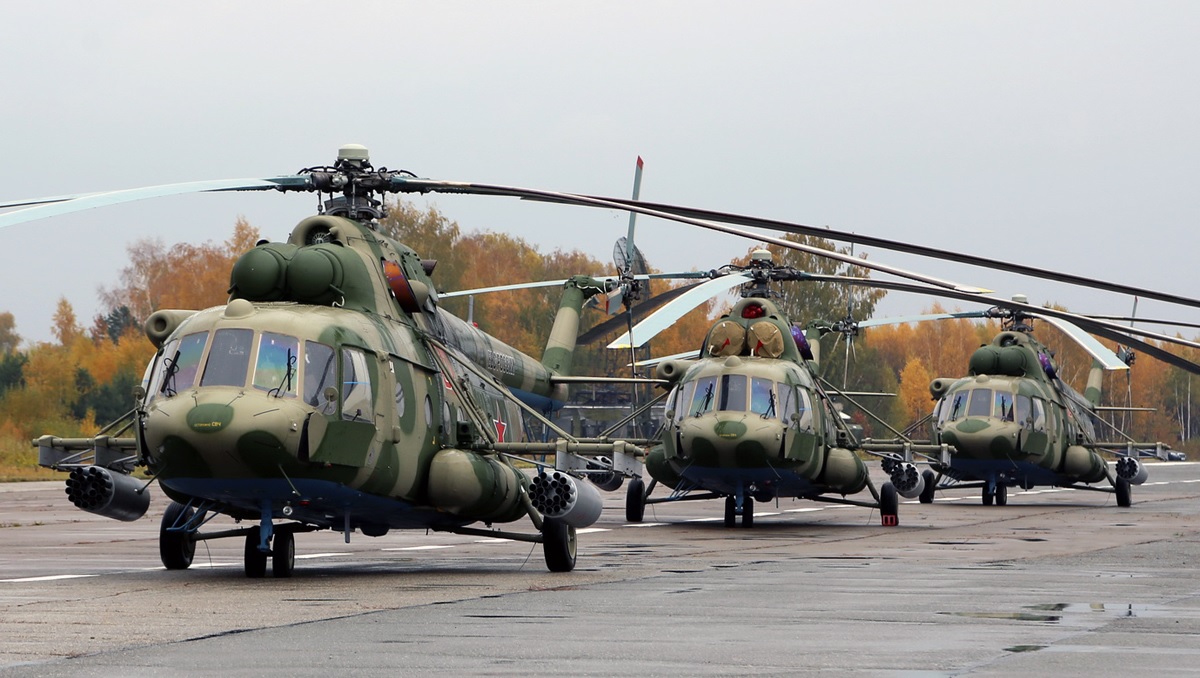 Iran Signs Deal with Russia for 20 Mi-8 and Mi-17 Helicopters to Boost Rescue and Medical Missions
-
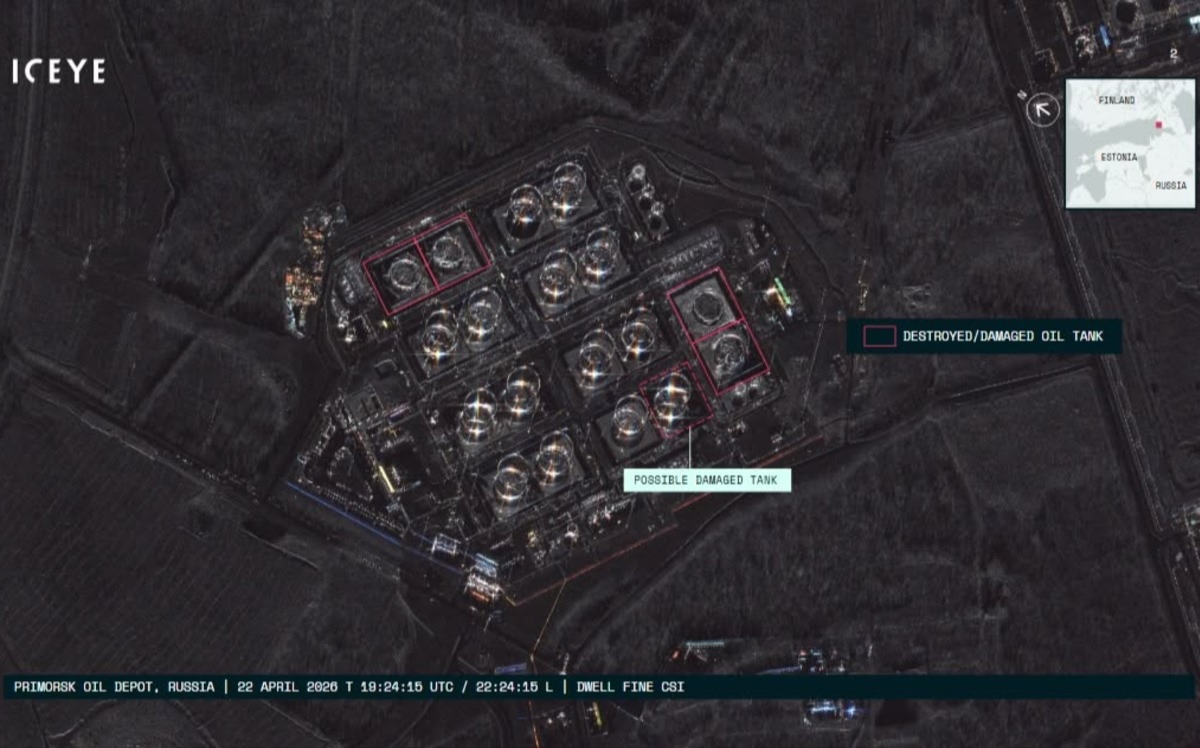 Portugal Doubles Sovereign SAR Satellite Fleet with Order for Two Additional ICEYE Satellites
-
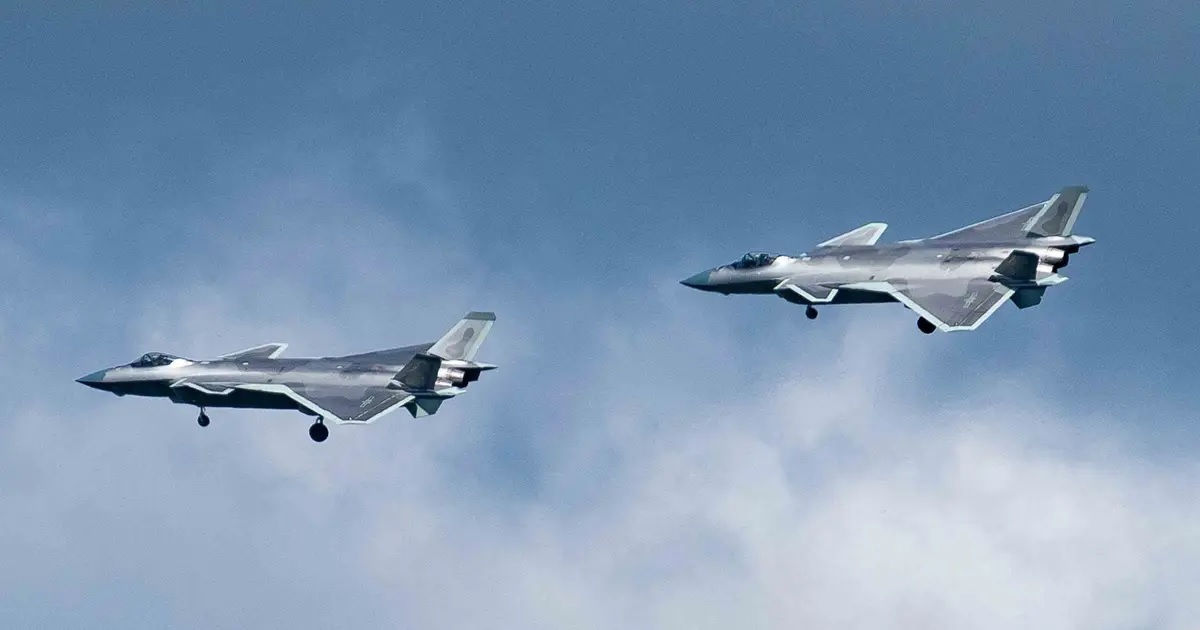 China Surpasses Russia as World’s Second-Most Powerful Air Force Amid Rapid J-20 and J-35 Expansion
Top Trending in 4 Days
-
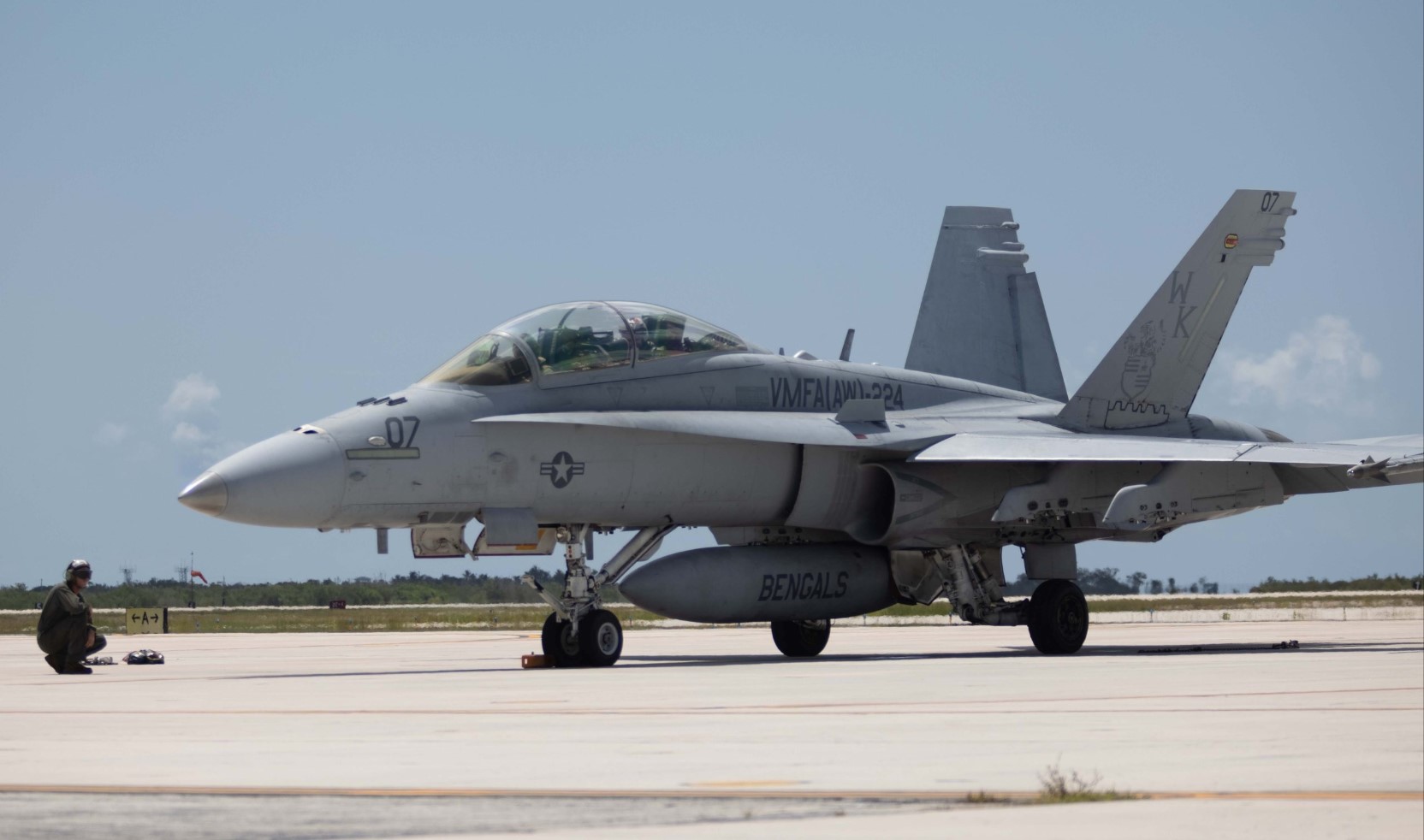 US Marine Corps F/A-18D Hornet Crashes During Training Flight in Washington Mountains; Pilot Ejects Safely
-
 Tulsi Gabbard Releases Declassified Files Detailing U.S.-Backed Network of 120 Biolaboratories Across 30+ Countries
-
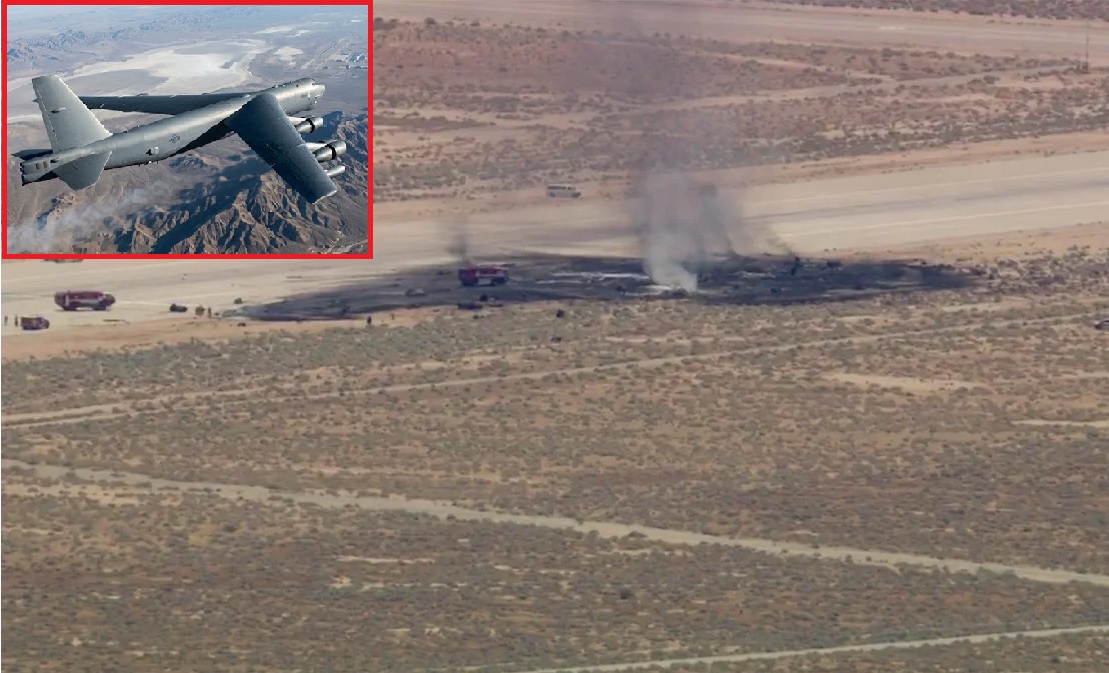 8 U.S. Air Force Crew Members Killed in B-52 Bomber Crash During Test Flight at Edwards Air Force Base
-
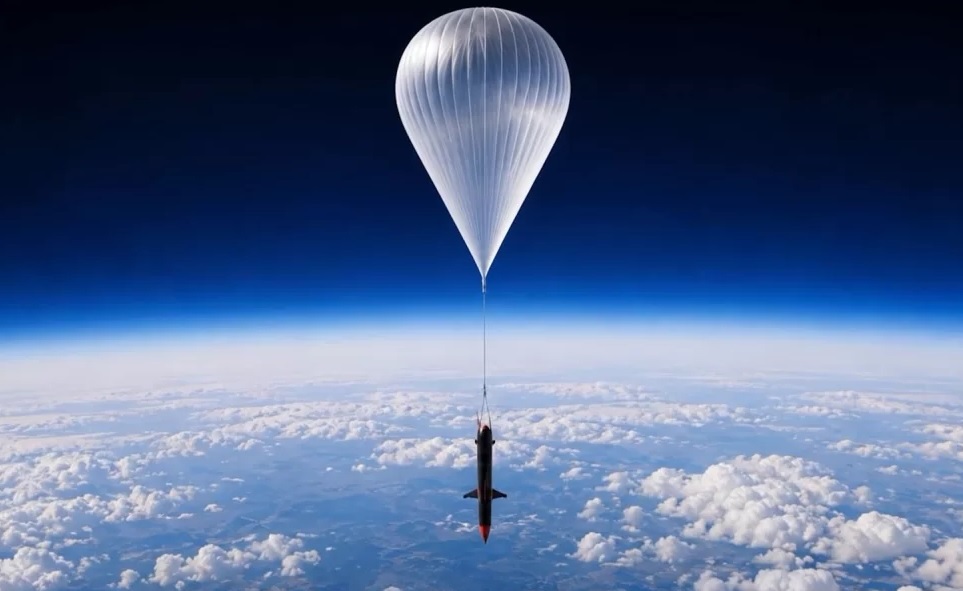 Ukraine Introduces Balloon-Launched DART Missile Designed to Defeat Electronic Warfare
-
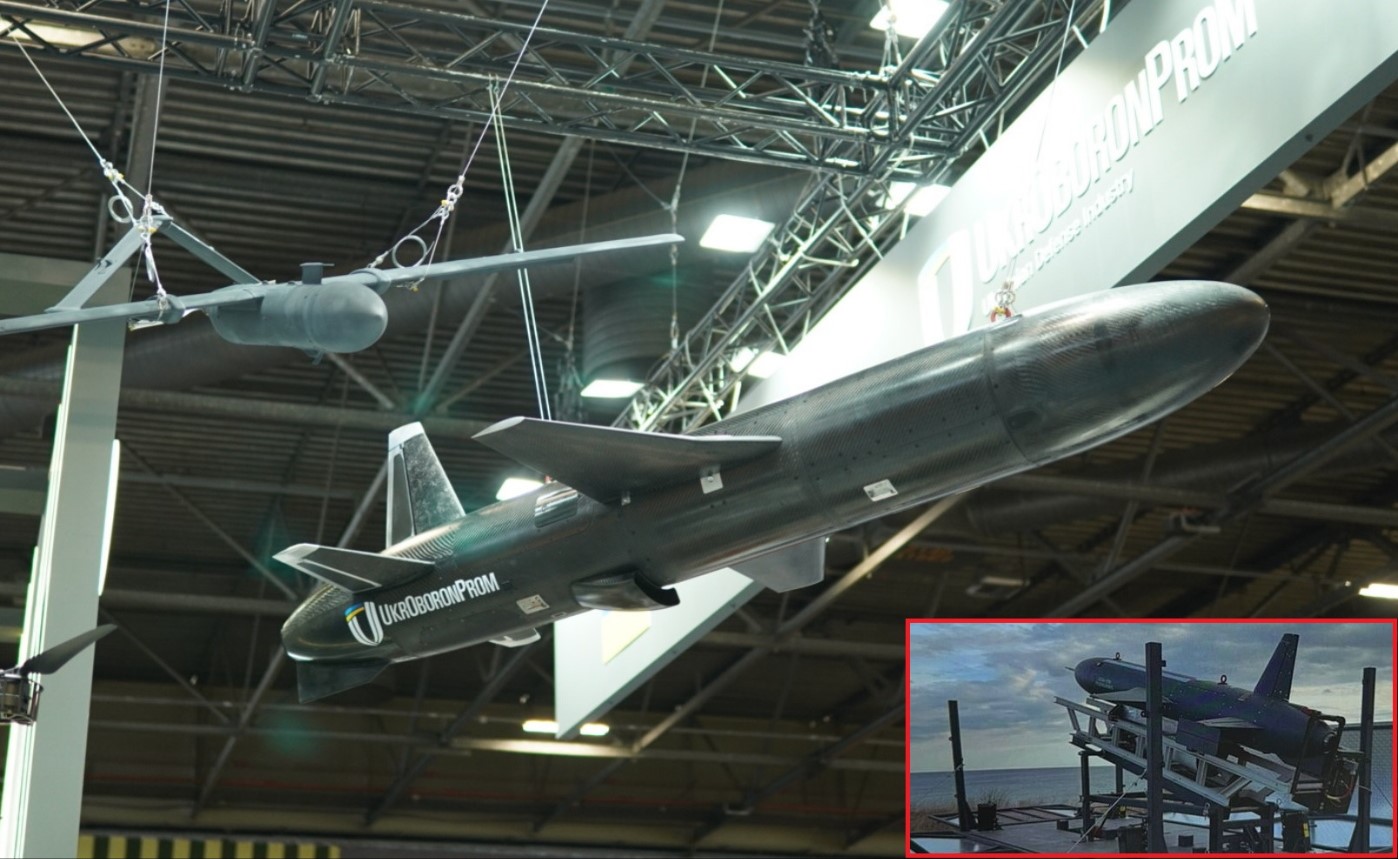 Ukraine Unveils UAV-290 Jet-Powered Strike Drone with 650 km Range at Eurosatory 2026
-
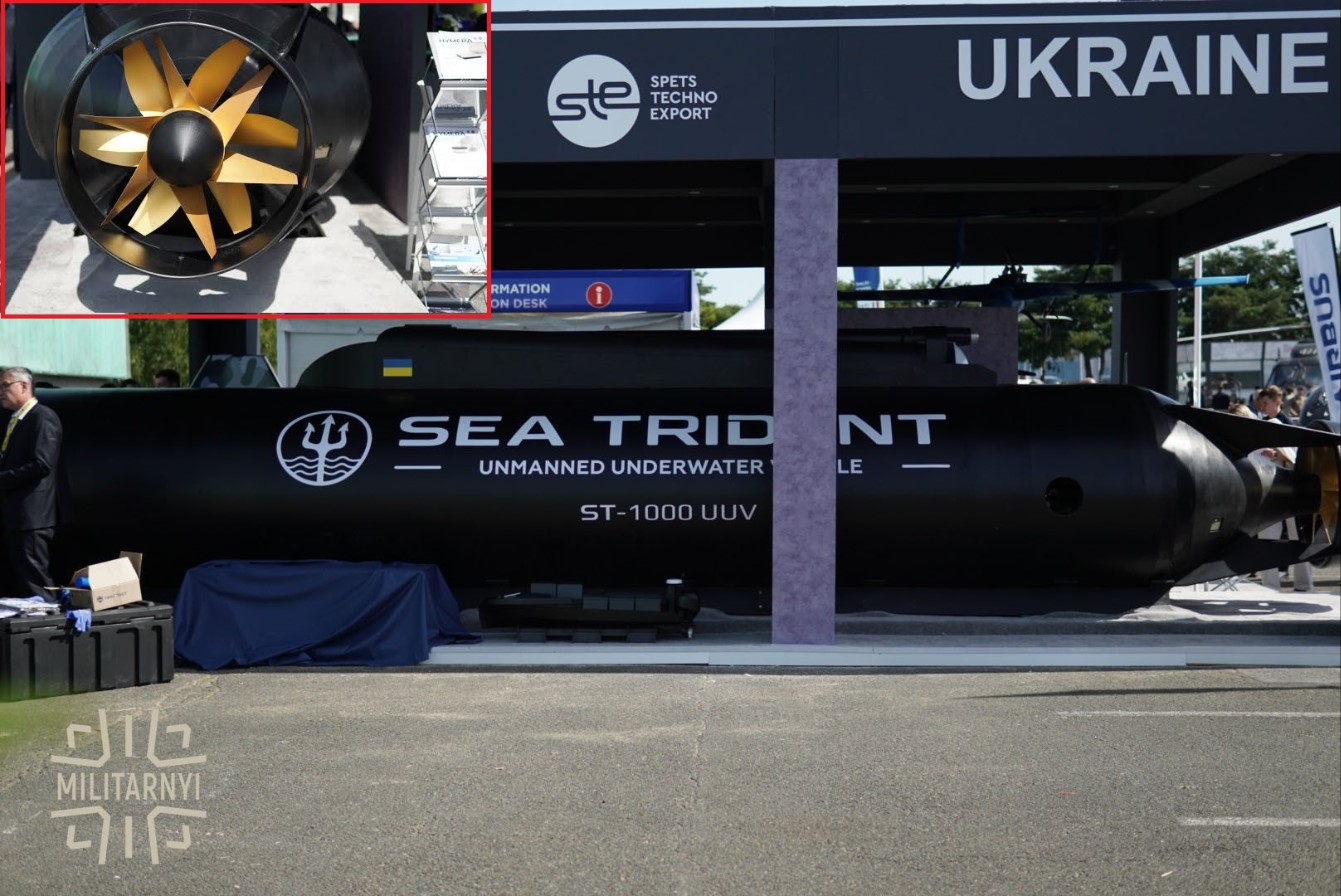 Ukraine Unveils 'Sea Trident' 10-Ton Autonomous Underwater Drone at Eurosatory 2026
-
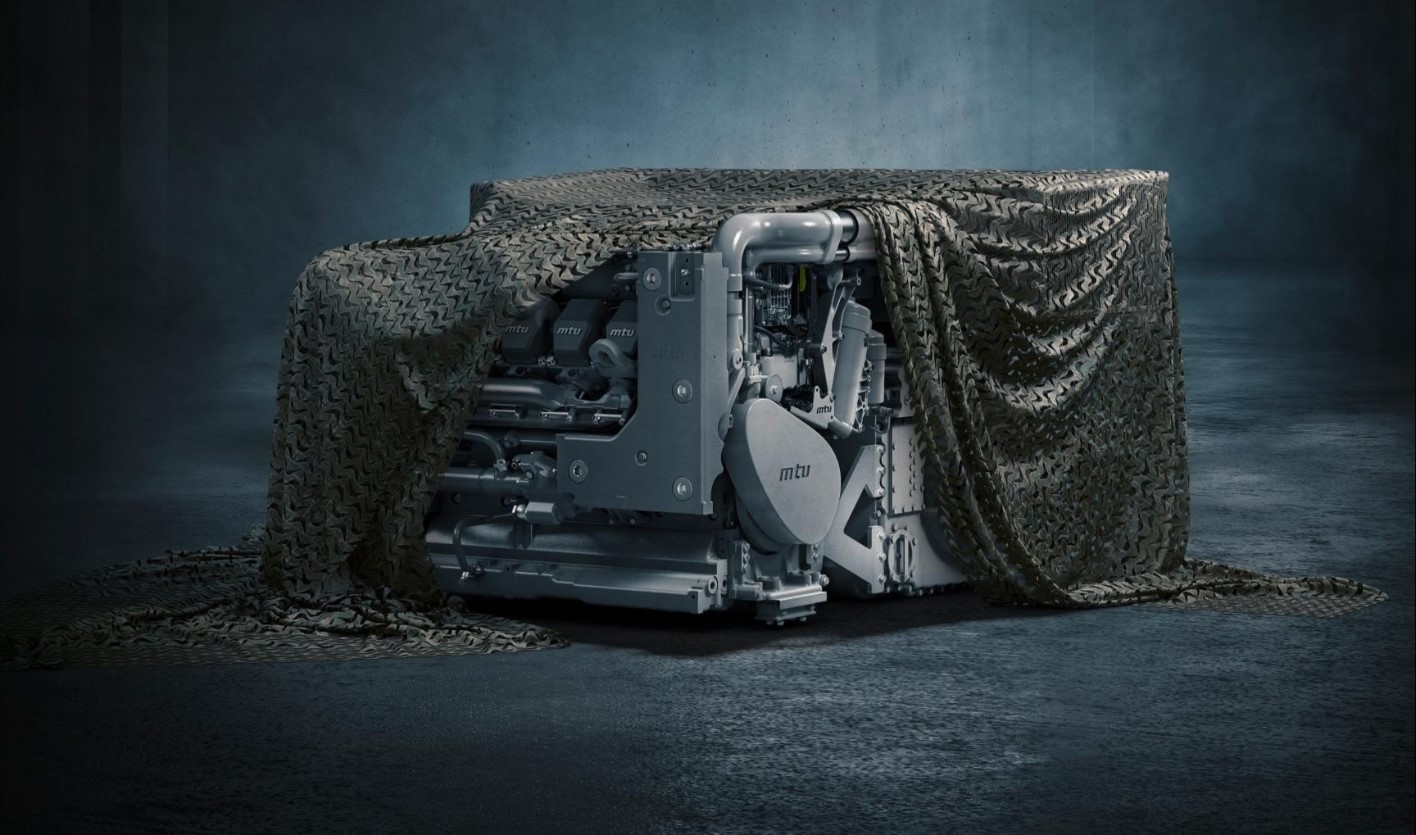 Rolls-Royce Unveils New Hybrid Powertrain for Heavy Military Vehicles at Eurosatory 2026
-
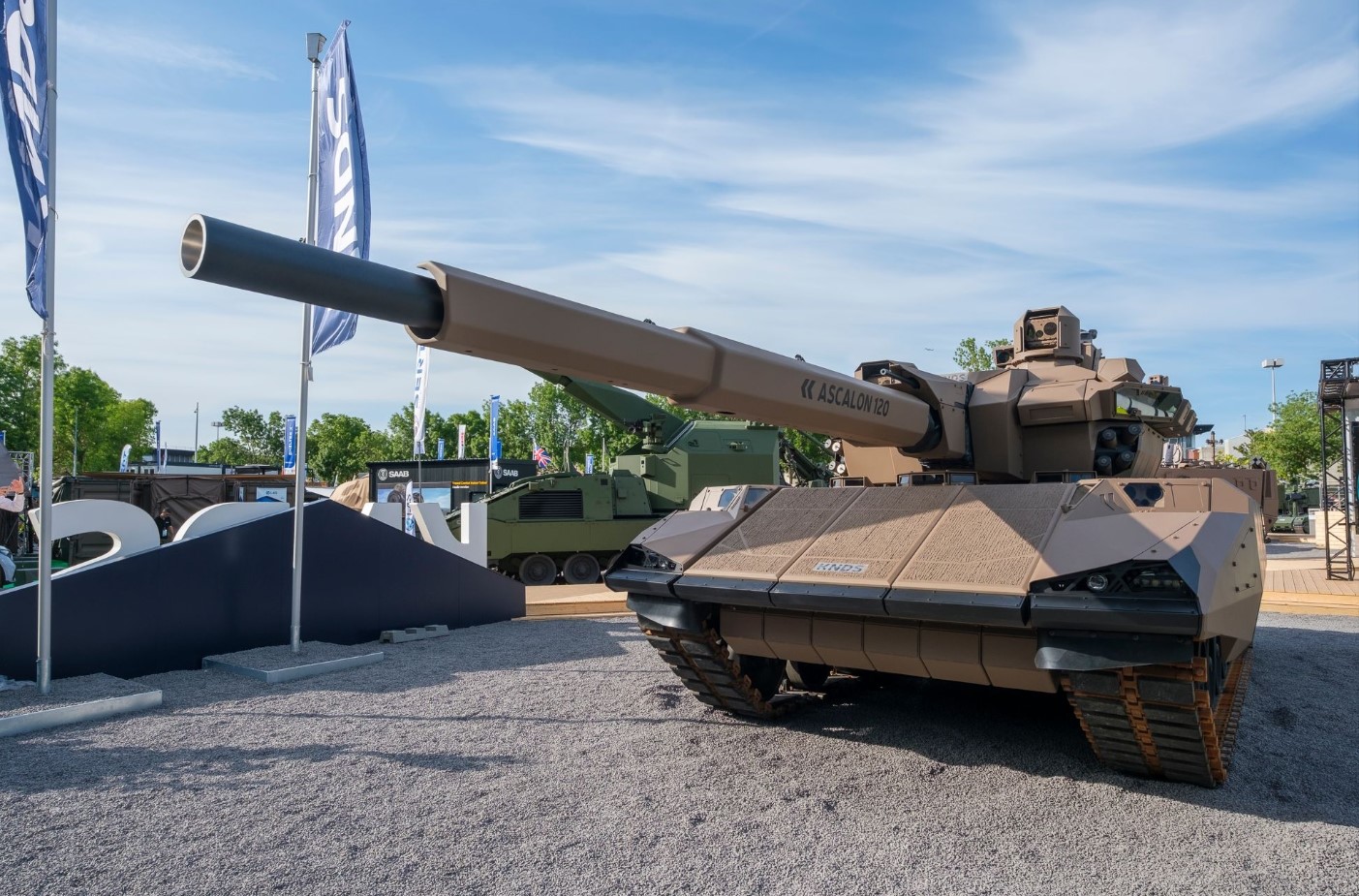 KNDS Unveils CAPINT Main Battle Tank at Eurosatory 2026 as Leclerc Stopgap