
World
SES has finalised its acquisition of Intelsat, officially combining two of the world’s biggest satellite operators. This strategic merger creates a powerful new global leader with 120 satellites operating in multiple orbits—about 90 in geostationary orbit (GEO) and nearly 30 in medium Earth orbit (MEO)—and positions SES at the forefront of the next generation of satellite connectivity. The newly combined company will offer multi-orbit, multi-band services tailored to meet the growing demands of customers in sectors like government, aviation, maritime, and media. It will also have strategic access to low Earth orbit (LEO) capabilities and will operate across a broad range of frequency bands such as C-band, Ku-band, Ka-band, Military Ka-band, X-band, and Ultra High Frequency (UHF). This vast coverage is supported by a global ground infrastructure, enabling more flexible and reliable connectivity worldwide. SES CEO Adel Al-Saleh welcomed the merger with optimism, stating: “Today, we’re not just merging two companies — we’re creating a stronger company, built for the future. I want to extend a warm welcome to all new employees, customers, and partners.” Financially, the merged company is expected to perform strongly, with pro forma revenue of €3.7 billion and adjusted EBITDA of €1.8 billion. From 2024 to 2028, SES forecasts mid-single digit growth annually, supported by strong synergies and a contract backlog worth over €8 billion. By 2027–2028, SES expects to generate over €1 billion in adjusted free cash flow. Looking ahead, SES will invest €600–€650 million each year between 2025 and 2028, excluding its commitments to the European Union's IRIS2 satellite programme. These investments will target innovation in areas like Internet of Things (IoT), direct-to-device services, inter-satellite links, space situational awareness, and quantum key distribution, ensuring the company stays ahead in emerging markets. Al-Saleh emphasised: “Our focus is clear: to grow, to lead in high-potential markets, and to shape the future of our industry. This is a long-term play, and we are building with the future in mind.” From an operational perspective, the integration is projected to produce €2.4 billion in net present value from synergies, with €370 million in annual cost savings, 70% of which are expected to materialise within the next three years. These efficiencies will come from streamlining operations, reducing capacity costs, improving procurement, and integrating satellite fleets and ground systems. SES will continue to be headquartered in Luxembourg and remain publicly listed on the Paris and Luxembourg stock exchanges under the ticker SESG. It will also keep a strong presence in the United States, with its North American base in McLean, Virginia. With this move, SES steps into a new era as a global satellite powerhouse, ready to serve critical markets and shape the future of space-based connectivity.
Read More → Posted on 2025-07-19 14:18:37
World
The U.S. Air Force has successfully completed the final phase of Initial Operational Test and Evaluation (IOT&E) for the MH-139A Grey Wolf helicopter, marking a major step toward full-rate production of the aircraft. According to an update by Boeing on July 16, 2025, this concludes a six-month-long intensive testing campaign that evaluated the helicopter’s performance, maintenance needs, and mission readiness under real-world conditions. The MH-139A Grey Wolf, a military version of the Leonardo AW139 commercial helicopter, has been specially modified by Boeing to replace the decades-old UH-1N Huey. With this upgrade, the Air Force is modernizing its air fleet to protect key nuclear sites and improve national defense capabilities. Designed to defend Minuteman III intercontinental ballistic missile (ICBM) fields located in Montana (Malmstrom AFB), North Dakota (Minot AFB), and Wyoming (F.E. Warren AFB), the Grey Wolf brings faster speed, longer range, a larger cabin, and stronger survivability compared to the Huey. It also supports other operations like VIP transport, medical evacuation, and disaster response. During testing, the helicopter was evaluated in missions like convoy escort, missile field patrols, airbase defense, and emergency team deployment. These trials proved that the MH-139A can perform effectively and be maintained reliably in complex and demanding environments, especially in nuclear security operations. The Grey Wolf is built with advanced features such as autopilot, ballistic protection, crashworthy fuel systems, missile warning sensors, electronic countermeasures, and mounts for M240 machine guns. It also boasts 50% more speed, 50% longer range, a 30% larger cabin, and can carry an additional 5,000 pounds over the Huey. The Air Force began acquiring the Grey Wolf in 2018, initially ordering 13 helicopters for $285 million. Another 13 units were added in 2023, and in 2024, seven more were contracted, bringing the total to 33 aircraft. The program may eventually expand to 84 helicopters, with a projected total cost of $2.38 billion. Training for MH-139A pilots and crews is ongoing at Maxwell AFB under the 908th Flying Training Wing, with support from the 703rd and 24th Helicopter Squadrons. The helicopters will also operate under several Air Force commands, including Air Force Global Strike Command, Air Education & Training Command, and Pacific Air Forces. With the IOT&E phase now complete, the Air Force will conduct a final analysis of all performance data to formally approve full-rate production. This will allow Boeing to scale up manufacturing and begin widespread deployment of the aircraft. The MH-139A Grey Wolf is set to become a key pillar of America's nuclear security strategy, providing rapid response and robust defense for the country’s most sensitive strategic assets in an evolving global threat environment.
Read More → Posted on 2025-07-19 14:13:24
World
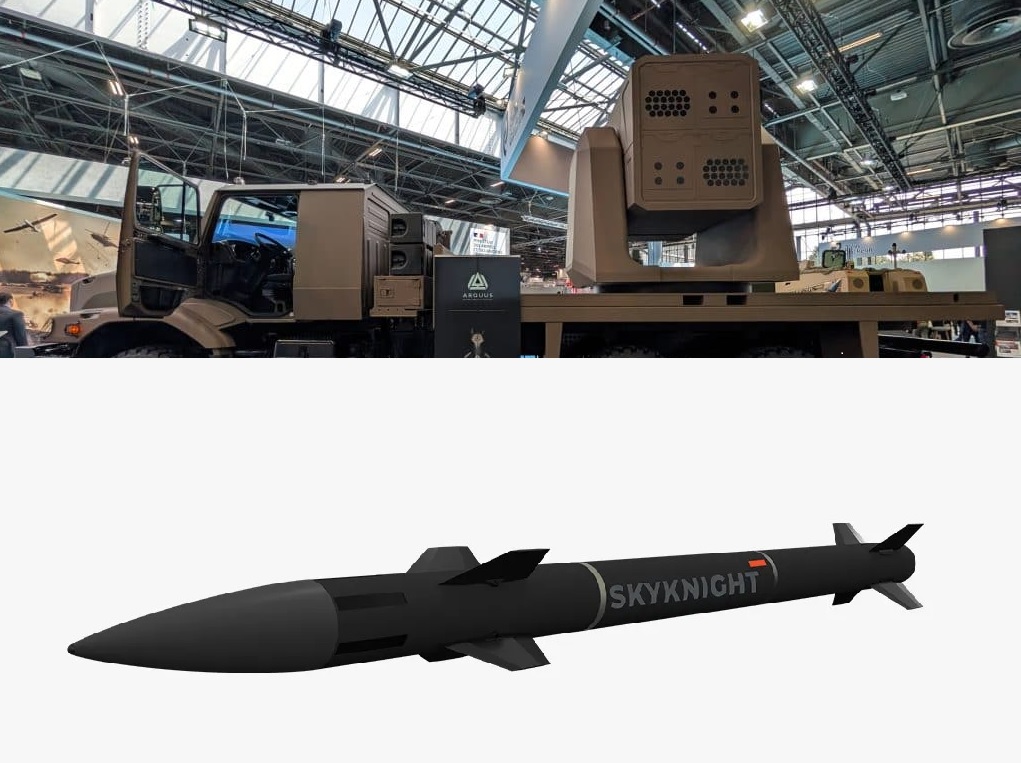
Hungary and the United Arab Emirates (UAE) have signed key agreements to jointly produce kamikaze drones and air defense systems, aiming to serve both European and African markets. The deals were finalized during an official UAE state visit to Hungary, where UAE-based EDGE Group and Hungary’s 4iG Space and Defence Technologies agreed to co-develop, localize, and market a range of advanced defense systems. This partnership marks a significant milestone for EDGE as it works to expand its presence among NATO member states, while also helping Hungary boost its defense manufacturing capabilities. EDGE stated that the collaboration will focus on three main technologies: SHADOW 25 and SHADOW 50 loitering munitions (kamikaze drones) SKYKNIGHT air defense missile system Advanced air traffic control systems These systems are designed to handle both asymmetric threats (like terrorism and insurgency) and conventional warfare, making them versatile for different security needs. The SHADOW 25 and SHADOW 50, developed by Abu Dhabi-based ADASI, are precision loitering munitions—commonly referred to as kamikaze drones. They can fly long distances, hover over targets, and strike with high accuracy. These drones are ideal for missions where speed and precision are essential. Meanwhile, the SkyKnight air defense system offers protection from a wide range of aerial threats including rockets, artillery, mortars, bombs, and long-range weapons. The system can track and engage up to 80 incoming targets at once, making it effective for defending both military bases and mobile units. It's also modular and mobile, fitting into standard cargo containers for quick deployment. EDGE emphasized that this partnership not only boosts defense capability but also supports industrial growth in Europe and Africa. It opens doors for joint research and development, training, and workforce collaboration between Hungary and the UAE. This move also aligns with the UAE’s broader goal of becoming a global leader in defense manufacturing and reflects EDGE’s efforts to integrate into NATO’s supply chains by working closely with European allies. In summary, this Hungary-UAE partnership is not just about defense hardware—it’s about building long-term industrial cooperation, advancing regional security goals, and creating a shared defense ecosystem across continents.
Read More → Posted on 2025-07-18 15:47:19
World
The U.S. Department of Defense has announced a major plan to increase the domestic production of low-cost drones to maintain an edge on the battlefield. This effort will be done in partnership with private industry to speed up manufacturing and deployment. On July 16, the Pentagon showcased 18 prototypes of drones made in the U.S., demonstrating quick development and smart design. These drones use off-the-shelf parts, making it easier and faster to build them while cutting down on costs. Defense Secretary Pete Hegseth, who visited the display, called the drones “examples of disruptive thinking.” In a July 10 memo, he announced that old rules that slowed down drone production are now being removed. “Drones are the biggest battlefield innovation in a generation, causing most of this year’s casualties in Ukraine,” said Hegseth. He also warned that America’s enemies are producing millions of cheap drones, while the U.S. does not yet have enough lethal small drones. Emil Michael, Undersecretary of Defense for Research and Engineering, pointed out that these drones went from idea to prototype in just 18 months, a process that usually takes up to six years. He said that future efforts will focus on four key things: low cost, durability, firepower, and range. The Pentagon’s plan includes three main goals: Focusing on buying American-made drones and parts through private investment. Giving combat units low-cost drone systems built by U.S. engineers and AI experts. Improving training with realistic battle exercises led by strong commanders. To support this plan, President Donald J. Trump signed an executive order on June 6 to speed up drone production using advanced commercial tech. He also supported cutting regulations and making the approval process faster and more efficient for drone manufacturing in the U.S. This move shows a big shift in U.S. defense planning—focusing on rapid, low-cost drone production to stay ahead in modern warfare.
Read More → Posted on 2025-07-18 15:15:07
World
Armenia has expressed high satisfaction with the 12 Indian-made Advanced Towed Artillery Gun Systems (ATAGS) it received in 2023, and is now preparing to purchase 80 more from Kalyani Strategic Systems Limited (KSSL) — a major step forward in the growing defence partnership between India and Armenia. The first 12 155mm/52-calibre howitzers were delivered last year and have since been successfully integrated into the Armenian Army’s operations. The guns underwent rigorous field testing across Armenia’s tough terrains, including mountain ranges and open plains. According to reliable defence sources, the ATAGS guns showed excellent performance in mobility, reliability, and long-range accuracy. One of the standout features of the Indian system is its ability to fire high-explosive shells up to 48 kilometres, outperforming many legacy systems. Armenian officials are particularly impressed by the gun’s range and rate of fire, which are superior to their older Soviet-era artillery systems like the D-30 122mm and 2A65 Msta-B 152mm. A key reason for Armenia’s confidence in the system is KSSL’s willingness to customize the ATAGS for Armenian needs. For example, the Trajectory Computation Module (TCM) was upgraded with an Armenian-language interface, making the system more accessible for local gunners. This kind of user-focused flexibility has added to the system’s appeal. Armenia's decision to expand its ATAGS fleet is also timely. KSSL is about to begin mass production of ATAGS for the Indian Army, following a March 2025 contract worth around $830 million for 307 units. This scale of production is expected to lower costs for other buyers, including Armenia. The ATAGS is a fully indigenous Indian artillery gun developed by the Defence Research and Development Organisation (DRDO), along with private defence companies Bharat Forge and Tata Advanced Systems Limited (TASL). It represents India’s growing capability in exporting high-tech defence systems and marks a shift for countries like Armenia seeking to diversify away from traditional suppliers such as Russia. With this potential new deal, Armenia is not just modernizing its army—it is also reinforcing its trust in India as a reliable defence partner in an increasingly complex geopolitical environment.
Read More → Posted on 2025-07-18 14:59:46
World
The U.S. Air Force’s highly anticipated sixth-generation jet engine, developed under the Next Generation Adaptive Propulsion (NGAP) program, has hit a significant roadblock. Originally planned to complete by late FY 2027, the engine prototype will now not be ready before mid-FY 2030, as per the latest FY26 budget documents. The two-and-a-half-year delay is reportedly caused by supply chain challenges, according to the Air Force and confirmed in a detailed Breaking Defense report. What is the NGAP Program? The NGAP (Next Generation Adaptive Propulsion) program is one of the Pentagon’s most advanced defense efforts aimed at powering the future of American air superiority. It’s designed for the U.S. Air Force’s Next Generation Air Dominance (NGAD) fighter jet, now known as the F-47, a future replacement for the F-22 Raptor. NGAP engines are meant to be adaptive, variable-cycle propulsion systems, enabling real-time adjustments between fuel efficiency and thrust depending on flight demands. This adaptive capability could give U.S. fighters an unmatched edge in both long-range missions and high-intensity dogfights, something not possible with today’s engines. These technologies are considered 6th-generation propulsion breakthroughs and were earlier explored under the Adaptive Engine Transition Program (AETP). Who's Building the Engines? Two top American defense giants are competing head-to-head in NGAP development: GE Aerospace Pratt & Whitney (a Raytheon Technologies subsidiary, now RTX) Both firms received contracts in 2022, originally capped at $975 million each, which were expanded to $3.5 billion per company in 2025—a strong signal of the Pentagon’s faith in the program. By February 2025, both firms had completed detailed design reviews, a major milestone allowing them to begin fabricating prototypes. Despite the delay, both GE and Pratt & Whitney say they are meeting their internal timelines and remain committed. “We are executing the NGAP contract schedule as proposed,” said GE Aerospace. Pratt echoed the sentiment, adding that it is working closely with suppliers using advanced digital design models to improve manufacturing efficiency. Adaptive Engine Technology & NGAP Timeline (U.S. Air Force) Year Milestone 2007 ADVENT (Adaptive Versatile Engine Technology) launched by DARPA and the U.S. Air Force to explore variable-cycle engines capable of switching between high thrust and fuel efficiency. 2012 ADVENT evolves into AETD (Adaptive Engine Technology Demonstrator). Development of GE’s XA100 and Pratt & Whitney’s XA101 begins to demonstrate core adaptive engine capabilities. 2016 AETD transitions into AETP (Adaptive Engine Transition Program) to mature adaptive engine tech for F-35 and NGAD. Focus shifts to developing full-scale prototypes. 2022 GE successfully completes first full engine test of the XA100; Pratt & Whitney continues XA101 development. Both engines demonstrate adaptive 3-stream tech. 2023 Advanced studies begin on XA102 and follow-on engines under early NGAP (Next-Generation Adaptive Propulsion) initiatives. GE and Pratt complete Critical Design Reviews (CDR) for conceptual 6th-gen propulsion. 2025 (Planned) Prototype fabrication begins under NGAP by GE Aerospace and Pratt & Whitney. Engines expected to be tailored specifically for NGAD aircraft and optionally manned platforms. 2027 (Original Target) Prototype engine tests and downselect decision expected. However, timelines begin shifting due to budget constraints and industrial base delays. 2030 (Updated Target) New target for prototype readiness and flight demonstration of NGAP engines due to supply chain challenges and the need for advanced materials and integration tests. What Makes NGAP Special? The adaptive engine technology behind NGAP allows engines to switch between three airflow modes, offering both increased fuel efficiency and maximum thrust depending on mission requirements — a massive leap beyond traditional fixed-cycle engines. It also offers thermal management, vital for future fighters with advanced sensors and directed-energy systems. Though initially envisioned to power the F-47 fighter during President Trump’s current term, this delay means early variants of that aircraft may fly with interim engines until NGAP reaches maturity. Why the Delay? The Air Force attributes the slip to global supply chain disruptions, likely tied to lingering effects of COVID-19, inflation, materials shortages, and industrial base bottlenecks. These issues have affected advanced manufacturing timelines across the entire defense sector. Moreover, FY26 budget documents show a drop in funding from $439.9 million in FY25 to $330.3 million in FY26, indicating a shift in program phase and tighter resource alignment. The Air Force clarified that the reduction reflects a transition from design to fabrication, not a loss of interest or urgency. What’s at Stake? With the Trump administration pushing hard to fly the F-47 before the end of President Trump’s second term, this delay makes it unlikely that the aircraft will debut with a fully mature sixth-gen engine. Instead, the early versions of the F-47 may have to rely on interim propulsion solutions, possibly upgraded legacy engines. However, once complete, NGAP engines could power not just the F-47 but a range of future combat aircraft, drones, and even re-engined legacy fighters—thanks to its platform-agnostic architecture. The NGAP delay is a reality check on the complexities of cutting-edge defense programs. While disruptions in the global supply chain are to blame, the strong commitment from the Pentagon and contractors shows the strategic importance of this next-gen propulsion system. Once complete, NGAP promises to revolutionize fighter jet performance, ensuring the U.S. maintains air dominance well into the 21st century. Until then, the wait continues—but the ambition remains sky-high.
Read More → Posted on 2025-07-18 14:41:20
World
Kuwait has officially launched its newly acquired Bayraktar TB2 combat drones from Turkey, marking a major milestone in the country’s efforts to modernize its defense capabilities. A ceremonial launch was held at Ali Al Salem Air Base, where the first fleet of these Turkish-made unmanned aerial systems (UAS) was unveiled and operationally showcased. The deal, worth $367 million, includes not only the delivery of the Bayraktar TB2 tactical drones, but also a full logistics and sustainment package to support long-term operations. These drones will be used for strike missions, reconnaissance, maritime patrols, border monitoring, and even search and rescue operations. During the launch event, officials received a technical briefing and attended a live demonstration of the drones’ capabilities. Kuwaiti drone operators also met with military leadership to showcase their readiness. The drone units were tested earlier this year in Kisah, where the Kuwaiti Air Force completed initial flight and performance trials. With this induction, Kuwait becomes the 29th country to operate the Bayraktar TB2, a drone that has gained global attention for its role in conflicts across Ukraine, Syria, Libya, and Azerbaijan. However, despite its international reputation, the Bayraktar TB2 suffered a major operational failure against India. During the recent India-Pakistan standoff, where Pakistan reportedly employed Bayraktar TB2 drones during Operation Sindoor, Indian forces—backed by advanced air defense systems and a well-coordinated military command—successfully neutralized the threat. This incident has become a notable blemish on the drone’s otherwise celebrated combat history. The Bayraktar TB2 is a medium-altitude, long-endurance UAV, with a wingspan of 12 meters and powered by a 100-horsepower internal combustion engine. It can fly for up to 27 hours, reaching speeds of 120 knots and altitudes of over 27,000 feet. Its systems include electro-optical and infrared cameras, GPS navigation, and laser targeting capabilities, making it highly effective in asymmetric warfare environments. While its performance in various battlefields has proven effective against weaker adversaries, the Bayraktar’s limitations against technologically superior militaries—like India—highlight the growing importance of integrated air defense systems and electronic warfare capabilities in modern conflicts. Kuwait’s investment in the Bayraktar TB2 signals a shift toward more autonomous and responsive military tools, though the drone’s future effectiveness may depend on the type of adversary it faces.
Read More → Posted on 2025-07-18 14:06:09
World
Lockheed Martin has successfully conducted flight tests of two new missile types—the CMMT-D and CMMT-X—designed under its next-generation Common Multi-Mission Truck (CMMT) program. These low-cost, modular cruise missiles are being developed to offer flexible, high-volume strike options for future missions. The flight tests took place in May and June 2025, marking a fast-paced development timeline for both variants. The CMMT-D, a glide missile, was dropped from a Rapid Dragon pallet at high altitude and successfully deployed its wings to simulate a real deployment without using engine power. A month later, the powered CMMT-X was launched from an aircraft pylon and initiated autonomous flight after unfolding its wings—making it the first powered missile in the CMMT family to take flight. What Are CMMT Missiles? The CMMT family, pronounced “comet,” includes: CMMT-D: An unpowered glide missile intended for high-volume strikes. It can be launched from cargo aircraft, such as the C-130 or C-17, using Rapid Dragon pallets—turning transport planes into temporary missile platforms. CMMT-X: A powered cruise missile launched from standard pylons under fighter or bomber jets. It offers greater range and is more flexible in mission planning. These new systems are being developed under Lockheed Martin's Project Carrera, which uses digital engineering and modular design to reduce development time and cost. Both CMMT missiles were designed and flown in less than a year—a remarkable achievement in missile development. Designed for Mass Deployment The focus of CMMT is on affordability, scalability, and speed. While traditional long-range missiles like the JASSM or Tomahawk cost over $1.5 million each, CMMT units are expected to cost under $150,000. That makes them suitable for mass production and saturation attacks against enemy air defenses or medium-value targets. A single C-130 cargo aircraft can carry up to 100 CMMT-D missiles via four Rapid Dragon pallets. The CMMT-D has a range of about 800 km, and the CMMT-X can travel up to 650 km, both flying at subsonic speeds. Though not stealthy, these missiles are small and numerous, which makes it harder for enemy systems to intercept all of them. Lockheed Martin estimates a production capacity of up to 2,500 missiles per year, supporting the U.S. Air Force’s Family of Affordable Mass Missiles (FAMM) concept, even though the CMMT isn’t yet a formal part of that program. Built for Modern Warfare The missiles are designed with Weapon Open System Architecture (WOSA) standards, meaning they can easily be fitted with different sensors, warheads, and propulsion systems based on mission needs. Their design allows for final assembly near deployment zones, including overseas, offering logistical flexibility. They can also be deployed not just from aircraft, but from rotary-wing platforms and even ground-based systems like HIMARS. Origins and Future Role The CMMT-X builds on Lockheed’s earlier Speed Racer drone program, and the CMMT-D is the first missile of its size proven compatible with Rapid Dragon pallets—a launch method previously used only for larger weapons. Both missiles were presented to the public at the Air and Space Force Association Warfare Symposium in early 2025 as part of the Air Force’s Franklin initiative, which seeks to add affordable strike options to the inventory. While not yet officially selected by the U.S. Department of Defense for widespread deployment, the CMMT systems are seen as promising solutions for high-volume, low-cost air power in future conflicts, especially in areas like the Indo-Pacific, where long distances and large-scale strikes would be essential. A Smarter, Faster Path to Production CMMT’s rapid progress is made possible by Lockheed Martin’s 1LMX digital engineering platform, which cuts design timelines in half and allows faster upgrades. Components from other missile systems are reused, and the modular architecture lets Lockheed update CMMT without needing a complete redesign. As traditional cruise missile inventories face growing pressure—highlighted during conflicts like Russia-Ukraine—programs like CMMT offer a sustainable and cost-effective way to maintain credible airpower and deterrence. In short, Lockheed Martin’s successful tests of CMMT-D and CMMT-X mark a major advancement in how the U.S. Air Force might strike faster, cheaper, and in larger numbers in the battles of tomorrow.
Read More → Posted on 2025-07-18 13:57:40
World
BAE Systems has revealed the design of the Combat Air Flying Demonstrator, marking a major step forward in the United Kingdom’s efforts to build its next-generation fighter jet. This cutting-edge aircraft is the first crewed combat plane developed in the UK in more than four decades and is being created as part of the UK-Italy-Japan Global Combat Air Programme (GCAP). The new design was made public on July 17, 2025, showing the futuristic shape of what will eventually help lead the UK’s air combat capabilities into the future. The aircraft is now in advanced stages of production, with two-thirds of its structural weight already under manufacturing. It’s being built at BAE Systems' high-tech facilities in Lancashire, where the main fuselage, wings, and tail fins are coming together. This demonstrator is more than just a prototype. It is a test platform for developing and validating key technologies that will be used in the full sixth-generation fighter under GCAP. Using digital tools like 3D printing, digital twins, cobotics, and model-based engineering, engineers are building the jet with modern efficiency and precision. These advanced methods are expected to reduce development time and improve performance. So far, over 300 hours of virtual flight testing have been carried out by pilots from the Royal Air Force (RAF), BAE Systems, and Rolls-Royce, using the aircraft’s digital twin. This technology allows real-time data collection on how the aircraft performs during simulated missions, including high-speed and high-intensity maneuvers. The program is about much more than just building a jet. It is helping revive the UK’s combat air sector, creating high-skill jobs, training future talent, and preparing British industry for the demands of tomorrow’s defense needs. The demonstrator plays a central role in shaping the future sixth-generation fighter, which will include features like: Stealth capability (low observability) Advanced sensors and radar systems Artificial intelligence for mission management New, more efficient engines, being developed by Rolls-Royce, using adaptive cycle and hybrid-electric technologies Weapons integration, with support from MBDA UK, focusing on future missiles and system-of-systems combat strategies The Combat Air Flying Demonstrator also tests how future jets will work in teams with uncrewed drones, a concept at the heart of modern air combat. For the UK, this demonstrator is not just about military technology—it is a strategic move. It ensures the country remains a leader in air defense innovation, protects sovereign industrial capability, and helps secure export deals through GCAP, especially with close allies Italy and Japan. As the aircraft nears its first real-world flight, it stands as a symbol of progress. It shows how strong partnerships between government, industry, and allies can lead to breakthrough technologies that not only protect the skies but also drive economic growth and global influence. The UK’s vision is clear: lead the future of air combat—not just with powerful aircraft, but with smarter ways to build, test, and fly them.
Read More → Posted on 2025-07-17 15:11:19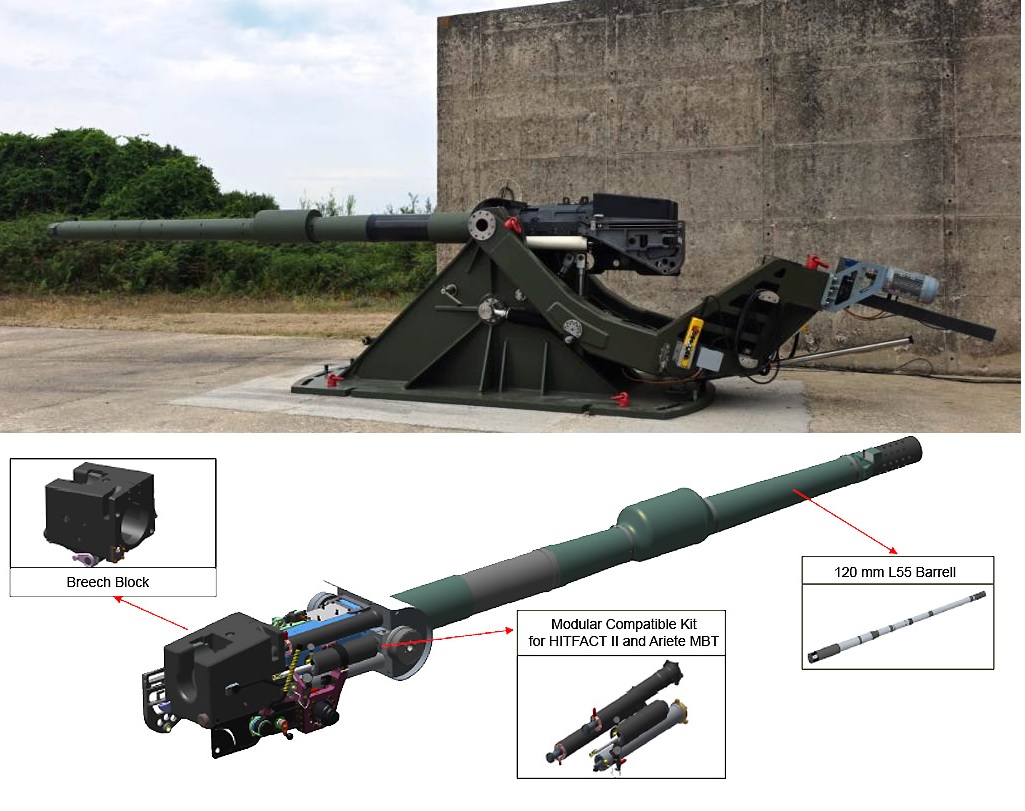
World
Leonardo has officially unveiled its new 120 mm L55 tank gun, designed for future-generation main battle tanks (MBTs). The event took place at the Cottrau test range near La Spezia, Italy, showcasing the gun in a live six-round firing session—just weeks after its first successful test on June 24, 2025. This cutting-edge weapon system represents a complete in-house development by Leonardo, funded entirely by the company. The L55 is intended exclusively for tracked platforms and cannot be installed on wheeled vehicles due to its high recoil. It is expected to be one of the key weapons for the upcoming i-MBT, a joint Italian-German battle tank being developed under Leonardo and Rheinmetall’s joint venture, LRMV. Built on Legacy, Designed for the Future The L55 draws from Leonardo’s deep experience with previous tank guns like the 120 mm L44 on the Ariete MBT and the L45 on the Centauro II. However, the L55 takes firepower and design to a whole new level. Its longer barrel increases muzzle velocity by about 5% compared to the L45, providing greater penetration and accuracy—especially when firing modern APFSDS rounds, such as Rheinmetall’s KE2020Neo. The gun was developed in just 18 months from design to first firing—an impressively short timeline enabled by advanced computer simulations and in-house production capability. During development, Leonardo made extensive use of finite element modeling, thermal simulations, and dynamic testing software to reduce time and costs without compromising quality. Heavy-Duty Engineering and High Performance Several core components of the L55 have been completely redesigned to handle higher stress and pressure. This includes: A stronger breech block Reinforced recoil brake system with two hydraulic cylinders A new oil-gas accumulator to manage pressure variation A barrel made with improved steel alloys and optimized autofrettaging process for longer life The barrel is also equipped with a four-part thermal sleeve, combining composite materials and aluminum to resist heat and corrosion, especially during sustained firing. Despite being about 500 kg heavier than its predecessor, the gun maintains a similar 550 mm recoil stroke, ensuring it can be retrofitted on older platforms like the Ariete C-2 with some turret modifications. Production Scaling Up To meet growing demand, Leonardo has made major investments at its La Spezia facility, aiming for an annual production of 800 barrels—split evenly between medium and heavy calibres. The facility recently added two autofrettaging machines and hired 300 new employees, most in the mechanical and production departments. In 2024, the factory produced 170 barrels, with a target of 260 in 2025, demonstrating a significant scale-up as Europe prepares for over 1,000 tracked platforms over the next decade. Flexible and NATO-Compatible The L55 gun is fully compatible with all NATO-standard 120 mm ammunition, including airburst rounds, provided the tank system includes a compatible programming system. Leonardo has ensured modular design, allowing this gun to be fitted on existing turrets and future platforms alike, boosting flexibility and export potential. Ready for the Battlefield by 2026 Currently at Technology Readiness Level (TRL) 6, the L55 is expected to complete full qualification by Q3 of 2026. Five additional guns are already in production—five will go through rigorous testing, while the sixth is likely to be installed on a working platform for trials. Leonardo’s goal is to offer not just a new gun, but a superior firepower system that raises the bar for European tank lethality. With rising demand for modern MBTs in Europe and beyond, the L55 could become a core component of NATO-aligned armored forces in the years to come. This bold unveiling places Leonardo at the forefront of modern tank gun innovation, just as many armies are looking to upgrade their aging armored fleets with more powerful, precise, and modular weapons.
Read More → Posted on 2025-07-17 14:21:44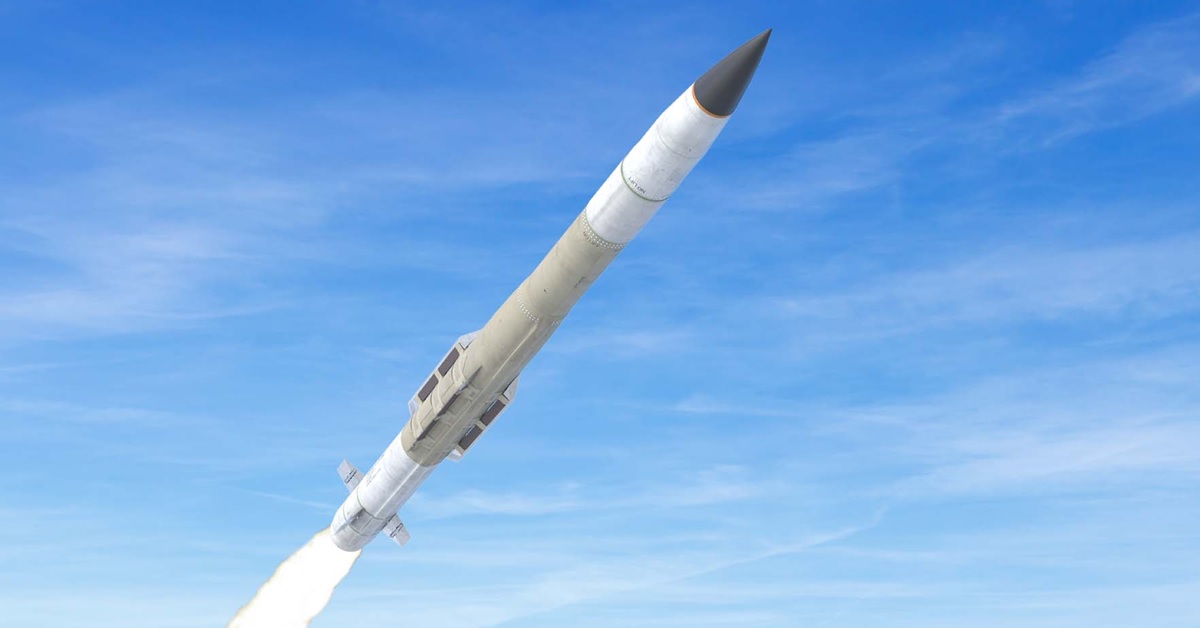
World
Lockheed Martin, the U.S. defense giant, is significantly increasing the production of its advanced PAC-3 MSE surface-to-air missiles, aiming to roll out 750 units annually by 2027. This is a major jump from current production levels and surpasses the U.S. government’s existing contract for 650 missiles. The PAC-3 MSE missiles are a crucial part of the Patriot air defense system, known for their ability to intercept incoming threats like enemy missiles and aircraft with precision. They are used not only by the U.S. military but also by several allies, especially in Europe, where demand has surged due to rising security concerns. To meet this growing demand, Lockheed Martin is expanding its manufacturing capacity. The company is exploring partnerships in Europe, with plans to establish parts of the missile production process in countries like Poland, Denmark, and Spain. For example, Poland may produce launch containers, while Spain’s Sener group could provide actuators, components already used in other missile systems like IRIS-T and GEM-T. Although these international expansions are being planned, creating a full second production line outside the United States still depends on the approval of the U.S. government. Lockheed executives have confirmed that talks are ongoing, particularly with Germany’s Diehl and other European suppliers. Beyond PAC-3 missiles, Lockheed Martin is also increasing output across its entire missile portfolio. The company has doubled production of HIMARS launchers from 48 to 96 units per year and now produces 14,000 guided rocket projectiles annually. Other systems seeing growth include ATACMS, PrSM, GMLRS, and Javelin missiles, all of which are essential for tactical ground operations. In May, Lockheed Martin strengthened its European footprint by signing an agreement with Germany’s Rheinmetall. The two companies plan to create a European Centre of Excellence for missile production and distribution, mainly operating in Germany and other European nations. This initiative is designed to improve Europe’s defense readiness and reduce dependency on non-European suppliers. The decision to scale up PAC-3 production and expand operations in Europe reflects a global trend: increased investment in air and missile defense due to rising geopolitical tensions. With these steps, Lockheed Martin is positioning itself to meet urgent defense needs while also supporting its allies with timely and locally supported solutions.
Read More → Posted on 2025-07-17 13:47:38
World
Lockheed Martin and Raytheon have announced a major expansion in the production of the Javelin anti-tank missile, aiming to boost output by 65% by late 2026. The two defense giants, working together under the Javelin Joint Venture (JJV), currently manufacture around 2,400 missiles per year, but that number will rise to 3,960 annually in response to increasing global demand and continued use in modern battlefields like Ukraine. The Javelin, also known as FGM-148, is a man-portable, fire-and-forget missile system designed for frontline soldiers. First introduced in the mid-1990s, it replaced older systems like the M47 Dragon. The missile uses thermal imaging, has top-attack and direct attack capabilities, and can destroy heavily armored tanks and bunkers at distances of over 4,000 meters. It is known for its "fire and forget" system, which allows soldiers to shoot and immediately take cover or relocate. This weapon gained global fame during the Russia-Ukraine conflict, where it was widely used by Ukrainian forces to stop advancing Russian armored vehicles. The Javelin's high accuracy, ease of use, and ability to hit targets from concealed positions made it one of the most effective anti-tank tools in the war. Videos and battlefield reports showed Javelins taking out tanks, APCs, and bunkers with single shots, even in challenging environments. It was also found to be resilient against Russian active protection systems, adding to its reputation. To meet the soaring demand, Lockheed Martin is modernizing its production lines across several U.S. locations — including Troy and Huntsville in Alabama, and Ocala in Florida. New automated test stations are being installed, including one that can test four Javelin guidance seekers at once, quadrupling the current speed. These upgrades are designed to be cyber-secure and efficient, ensuring that quality stays high even as production increases. A big part of the upgrade involves the use of SystemLink, a digital platform that improves real-time data analysis and quality control on the factory floor. Software across facilities is being unified to make technician training easier and reduce repair times. By the end of 2026, Lockheed will have deployed 24 new cyber-compliant test stations: 14 in Troy, 8 in Ocala, and 2 in Huntsville. These stations will not only help validate missile performance and durability but also ensure production is fast and reliable. Lockheed is also working closely with its suppliers to scale up their capabilities. The new modular production system is designed so that allied nations could one day co-produce Javelins under strict export and cybersecurity rules, allowing for stronger global defense partnerships. In simple terms, the U.S. is getting ready to make almost twice as many Javelin missiles to meet the needs of its own forces and allies. These upgrades are about more than just numbers — they’re about keeping one of the world’s most trusted anti-tank weapons relevant, efficient, and available wherever it's needed.
Read More → Posted on 2025-07-17 13:43:19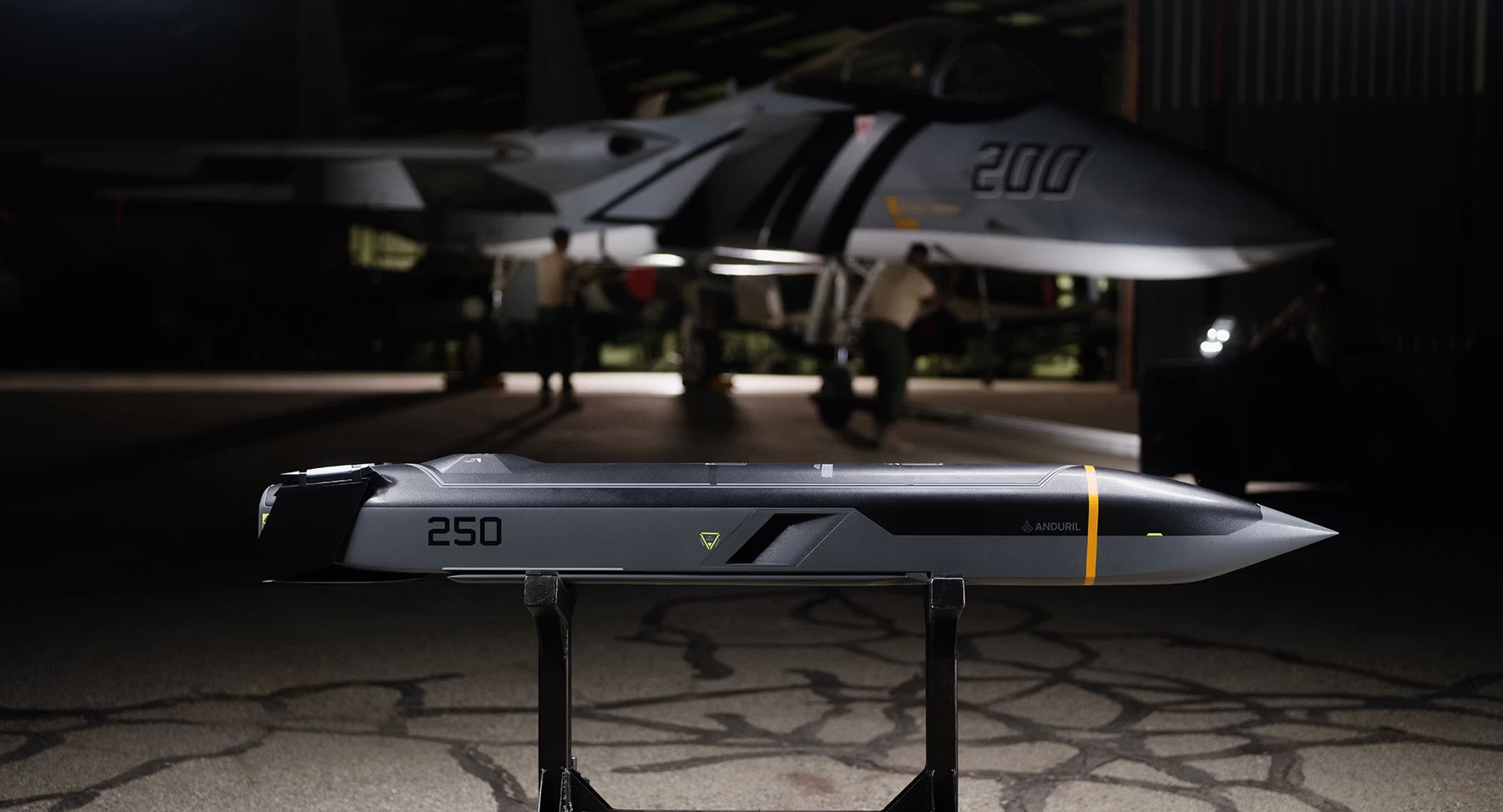
World
Anduril Industries has successfully completed major flight tests of its Barracuda-100M drone, marking a big step forward in the U.S. Army’s High-Speed Maneuverable Missile (HSMM) program. The flight trials, carried out in May 2025, confirmed the drone’s ability to fly fast, think for itself, and accurately strike targets — all at a lower cost compared to traditional missiles. The Barracuda-100M is an autonomous air vehicle, built to be modular, affordable, and extremely fast. It’s designed as a testbed for new technology like the Precision Target Acquisition Seeker (PTAS) — a high-tech targeting system that can track objects using a special Long Wave Infrared (LWIR) camera. This allows it to follow targets passively and without being detected, even in complex environments. These flight tests were done with the help of the U.S. Army’s DEVCOM Aviation & Missile Center (AvMC). The goal was to see how well the drone performs under real conditions and how easily it can adapt to different missions using Anduril’s Lattice for Mission Autonomy, a smart software system that makes the drone think and fly on its own. Anduril and the Army began working together on this in 2023. Over the next year, they moved quickly through a packed test schedule that included wind tunnel tests, glide flights, engine trials, and finally, full-powered missions. The Barracuda-100M performed extremely well — reaching speeds over 500 knots, pulling off sharp high-G maneuvers, and hitting multiple targets accurately. To make the drone even better, engineers added new features like a low-cost navigation system, a separate mission computer, and easier-to-build hardware. These upgrades make the drone more practical for mass production. The next step will be ground-launched tests later in 2025, to show that the drone can also be launched by mobile Army units in the field. The full program is expected to wrap up with a live-fire demonstration in 2026 at a military test site. What makes the Barracuda-100M truly exciting is its potential on the battlefield. According to Anduril, it delivers ten times the range of a Hellfire missile — one of the U.S. military’s most used weapons — but at a similar price. That means more firepower, for less cost. Thanks to its modular design, the drone can carry different sensors or weapons, and can be launched from either ground vehicles or aircraft. This makes it highly flexible for future operations, especially in high-threat environments where speed, precision, and autonomy matter most. With the success of these tests, the Barracuda-100M is now one step closer to becoming a game-changing tool in the U.S. Army’s high-speed missile arsenal — smart, fast, and ready for tomorrow’s wars.
Read More → Posted on 2025-07-17 13:33:30
World
Israel bombed Syria’s military headquarters in Damascus after issuing a stern warning to the Syrian government to stop attacking the Druze minority in Sweida province. This move comes as part of what Israel called an effort to protect the Druze population, which has come under attack during violent clashes with Bedouin tribes in southern Syria. What Triggered the Airstrike? The violence started when Syrian government forces entered the majority-Druze city of Sweida under the claim of enforcing a ceasefire between Druze and local Bedouin groups. However, multiple witnesses and human rights monitors said that instead of keeping peace, government troops joined Bedouin fighters in launching brutal attacks against Druze fighters and civilians. This confrontation turned into one of Syria’s deadliest sectarian conflicts in recent months, with the Syrian Observatory for Human Rights confirming nearly 250 deaths since the weekend. Among the dead are: 92 Druze fighters and civilians, including 28 civilians and 21 reportedly executed by Syrian government forces. 138 Syrian security personnel 18 allied Bedouin fighters Heavy shelling, mortars, and artillery fire were reported in the city, and journalists on the ground witnessed bodies of combatants in civilian and military clothes, as well as columns of smoke rising from neighborhoods. Israel's Response: “We Will Not Abandon the Druze” Following the reports of attacks on the Druze community, Israeli Defence Minister Israel Katz issued a public statement urging Damascus to immediately stop its involvement in the violence. He stated: “Israel will not abandon the Druze in Syria and will enforce our demilitarization policy. If Syria does not get the message, we will escalate our military response.” Shortly after his warning, Israeli fighter jets struck the entrance of the Syrian army’s central military headquarters in Damascus. Syrian state media confirmed the attack and reported two injuries but did not reveal more details. Israel Deploys Troops Near Golan Heights As part of its strategic stance, Israel also sent more troops to the armistice line near the occupied Golan Heights, reinforcing its military presence on the Syrian border. Israel’s leadership has frequently warned that southern Syria must remain demilitarized, fearing spillover threats from armed Syrian groups or Iranian-backed militias. Druze Community Fears “Existential Threat” In Israel, Sheikh Mowafaq Tarif, the top Druze religious leader, described the situation as an “existential battle for the Druze community.” The Druze, a small but influential religious minority, have often been caught in the crossfire of Syria’s civil war and face threats from both government forces and extremist groups. What Sparked the Clashes? According to reports, the recent round of violence was triggered when a Druze vegetable merchant was kidnapped, which led to retaliatory kidnappings between Druze and Bedouin tribes. While Druze groups accuse the Syrian government of siding with the Bedouin, Syria’s defense ministry claims its forces were attacked by “outlaw groups” and are merely responding to fire. The situation remains tense in Sweida, with sporadic gunfire still echoing through the city. Israel’s strike on Damascus is a clear message to Syria’s new Islamist-led government that it will act militarily if minorities like the Druze are targeted. While Israel insists its intervention is humanitarian, some regional analysts believe it is also driven by strategic motives — to push hostile forces farther from its borders. As of now, the death toll is rising, and unless international diplomacy intervenes quickly, Sweida risks becoming a new front in the Syrian conflict — with potential regional implications.
Read More → Posted on 2025-07-16 17:00:15
World
Denmark has signed an agreement with leading Danish defense company Terma for the delivery of 32 advanced coastal surveillance radars. The agreement was signed with the Danish Defence Acquisition and Logistics Organisation (DALO) and marks a major step in modernizing Denmark’s coastal monitoring capabilities. The new radar systems will replace aging infrastructure and are designed to provide round-the-clock monitoring of Denmark’s maritime territory, improving the country’s ability to detect and respond to any activity near its coastline. These systems will support maritime domain awareness, environmental protection, and safe navigation. According to the agreement, deliveries will begin in 2025 and continue through 2026. Most of the new radars will be installed on existing towers to minimize disruption. The installation will be carried out in phases, ensuring that Denmark maintains uninterrupted operational capacity throughout the transition. The entire system is expected to be fully operational by the end of 2026. The radars will play a crucial role in supporting the Vessel Traffic Service (VTS), which manages and ensures safe navigation through key waterways, such as the Danish straits. These areas are among the busiest maritime routes in Europe, and maintaining security and efficiency here is vital to both national and international shipping. “This agreement reflects Terma’s strong commitment to supporting Denmark’s sovereignty and security,” said Henriette Hallberg Thygesen, CEO of Terma. “As a Danish company with decades of experience in advanced coastal surveillance, we are proud to deliver solutions that enhance national resilience and protect our maritime domain.” She also highlighted that the deal is another important milestone in Terma’s close partnership with the Danish Armed Forces, adding that the new systems will help Denmark meet future challenges with confidence and preparedness. The package includes more than just radar systems. It also provides: Two additional radars for Greenland under Denmark’s Arctic defense commitments Artificial Intelligence (AI)-enabled data fusion platforms to combine and analyze inputs from multiple radar sites Spare parts, technical documentation, and training for operators and maintenance personnel The AI-supported integration platform will significantly boost Denmark’s real-time situational awareness, enabling faster and more accurate decision-making. This capability is especially important in supporting multi-domain operations, where rapid information sharing is essential. In addition to enhancing coastal surveillance and national defense, the new radar network will contribute to protecting critical marine infrastructure, including ports, bridges, pipelines, and offshore facilities. This agreement also highlights Denmark’s commitment to self-reliance in defense technology by investing in domestically developed solutions that align with global standards and future threats. In simple terms, Denmark is giving its coastal defense a powerful upgrade—using homegrown technology, backed by AI, to keep its waters safe, secure, and ready for the future.
Read More → Posted on 2025-07-16 16:42:34Search
Top Trending in 24 Hours
-
 Pentagon Expands Alloy Surfaces Contract to $328.8 Million for Advanced Aircraft Decoy Flares Amid Evolving Drone Threats
-
 Naval Group Unveils Rampart Modular CIWS Multi-Purpose Weapon System for Naval and Ground Forces at Eurosatory 2026
-
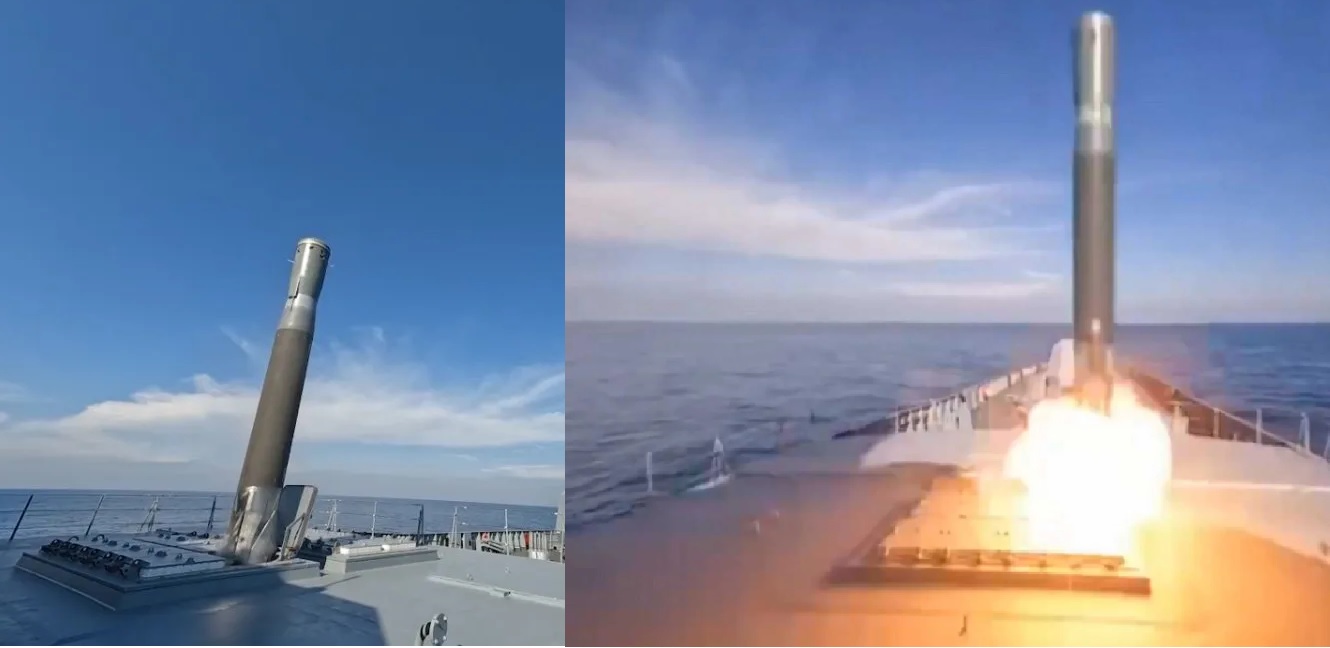 Open-Source Evidence Suggests Russia's Zircon Is a Quasi-Ballistic Missile, Not a True Hypersonic Cruise Weapon
-
 Why the U.S. Restored Pacific Command Name, Ending the Indo-Pacific Designation After Eight Years
-
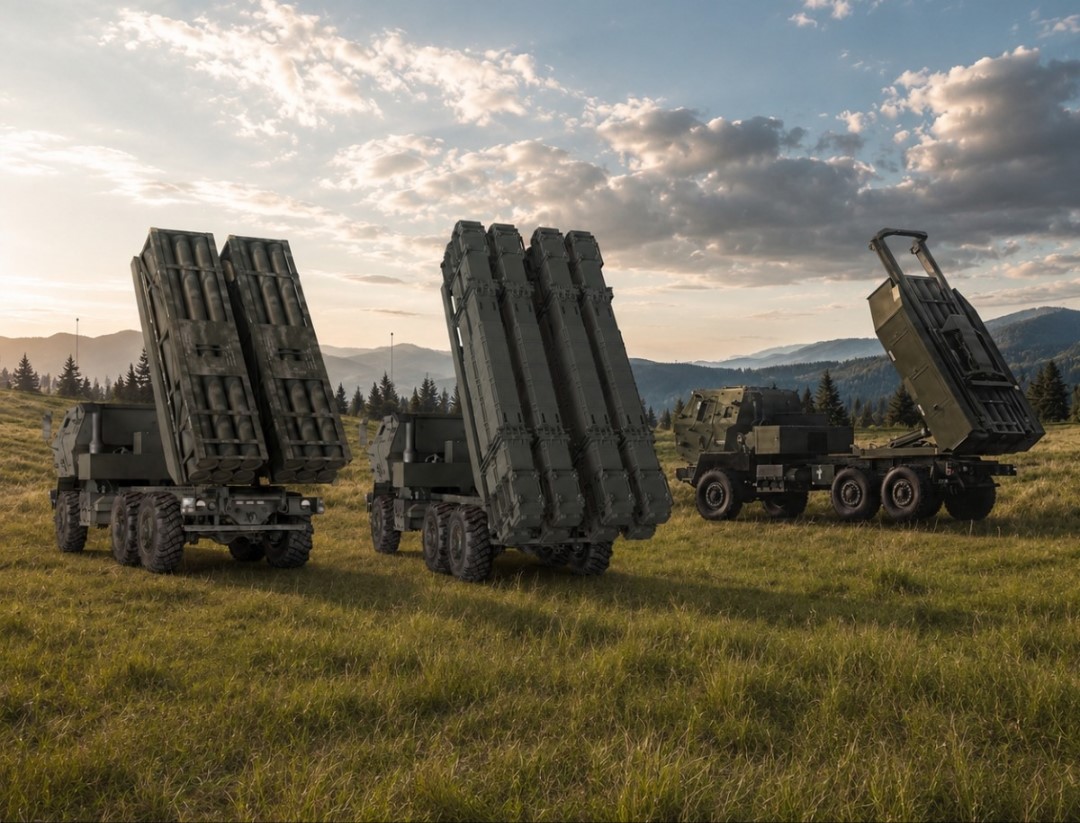 Lockheed Martin Unveils HIMARS FLEX with Dual-Pod Launcher and NATO-Compatible Air Defense Integration
-
 Iran Signs Deal with Russia for 20 Mi-8 and Mi-17 Helicopters to Boost Rescue and Medical Missions
-
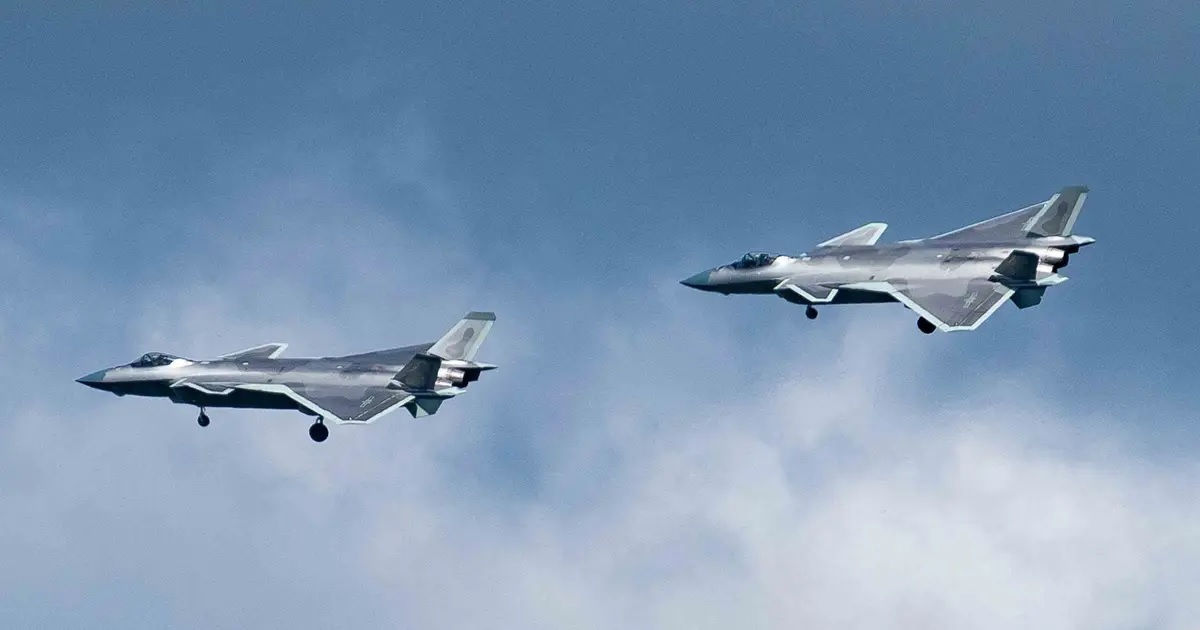 China Surpasses Russia as World’s Second-Most Powerful Air Force Amid Rapid J-20 and J-35 Expansion
-
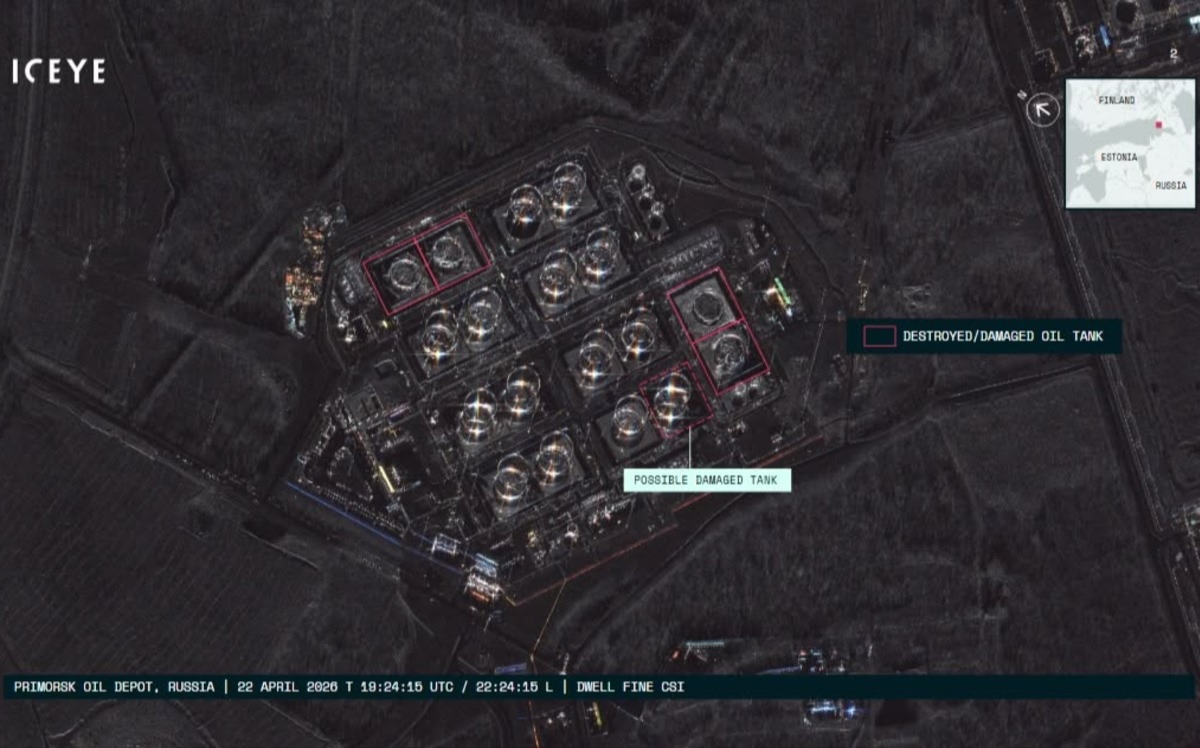 Portugal Doubles Sovereign SAR Satellite Fleet with Order for Two Additional ICEYE Satellites
Top Trending in 4 Days
-
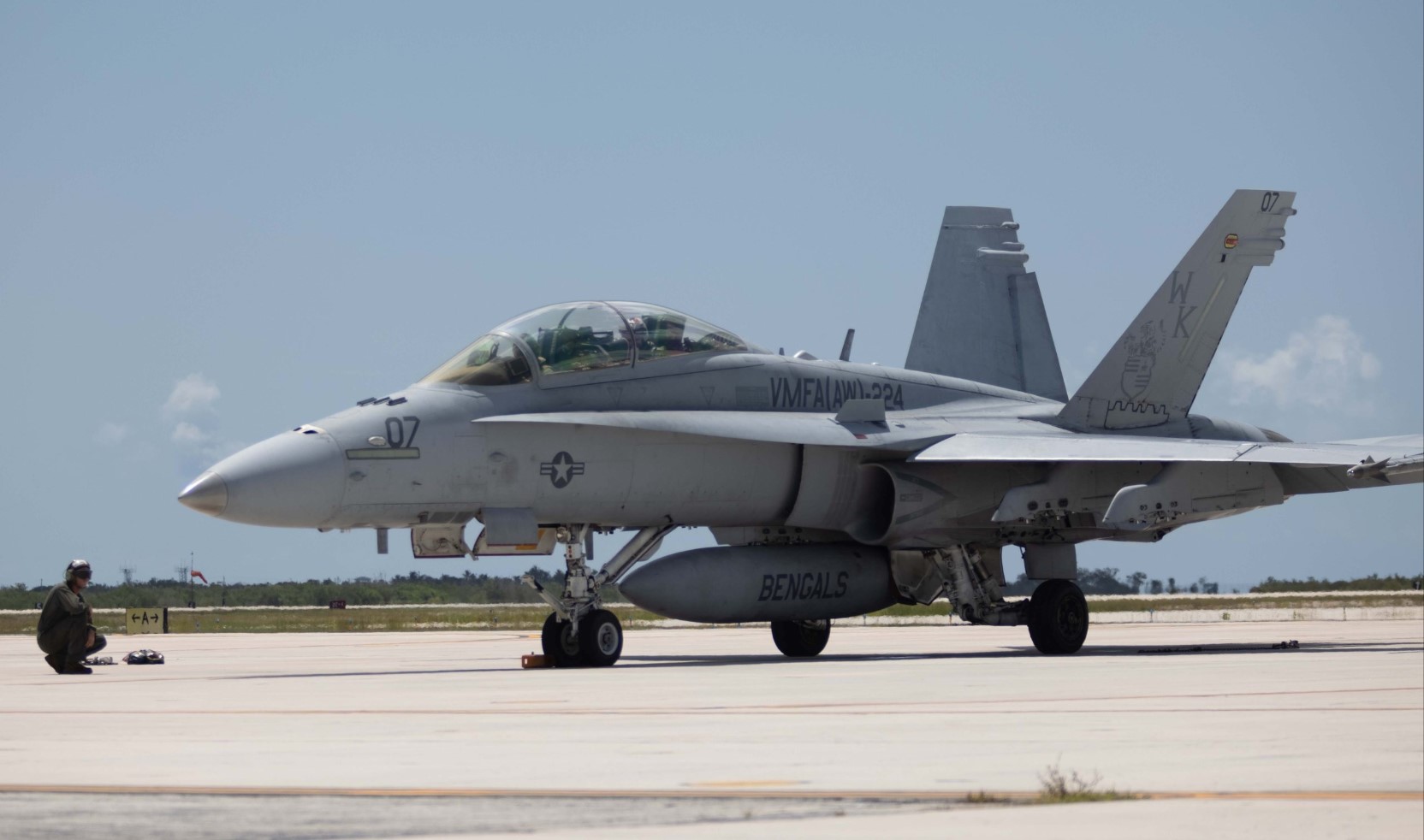 US Marine Corps F/A-18D Hornet Crashes During Training Flight in Washington Mountains; Pilot Ejects Safely
-
 Tulsi Gabbard Releases Declassified Files Detailing U.S.-Backed Network of 120 Biolaboratories Across 30+ Countries
-
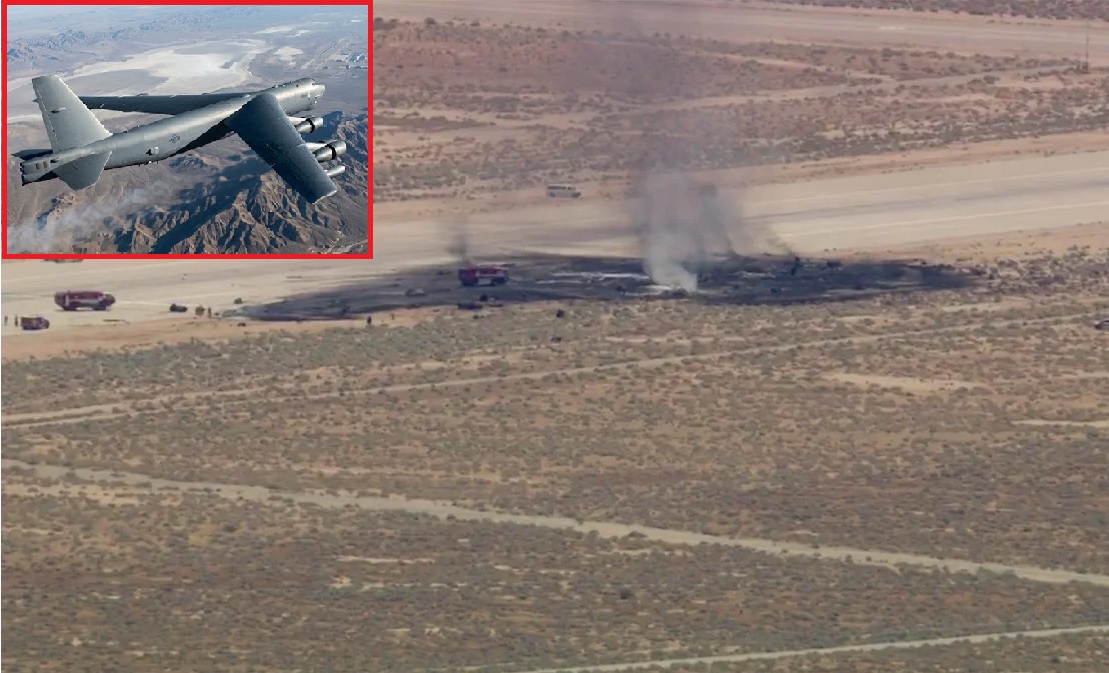 8 U.S. Air Force Crew Members Killed in B-52 Bomber Crash During Test Flight at Edwards Air Force Base
-
 Ukraine Introduces Balloon-Launched DART Missile Designed to Defeat Electronic Warfare
-
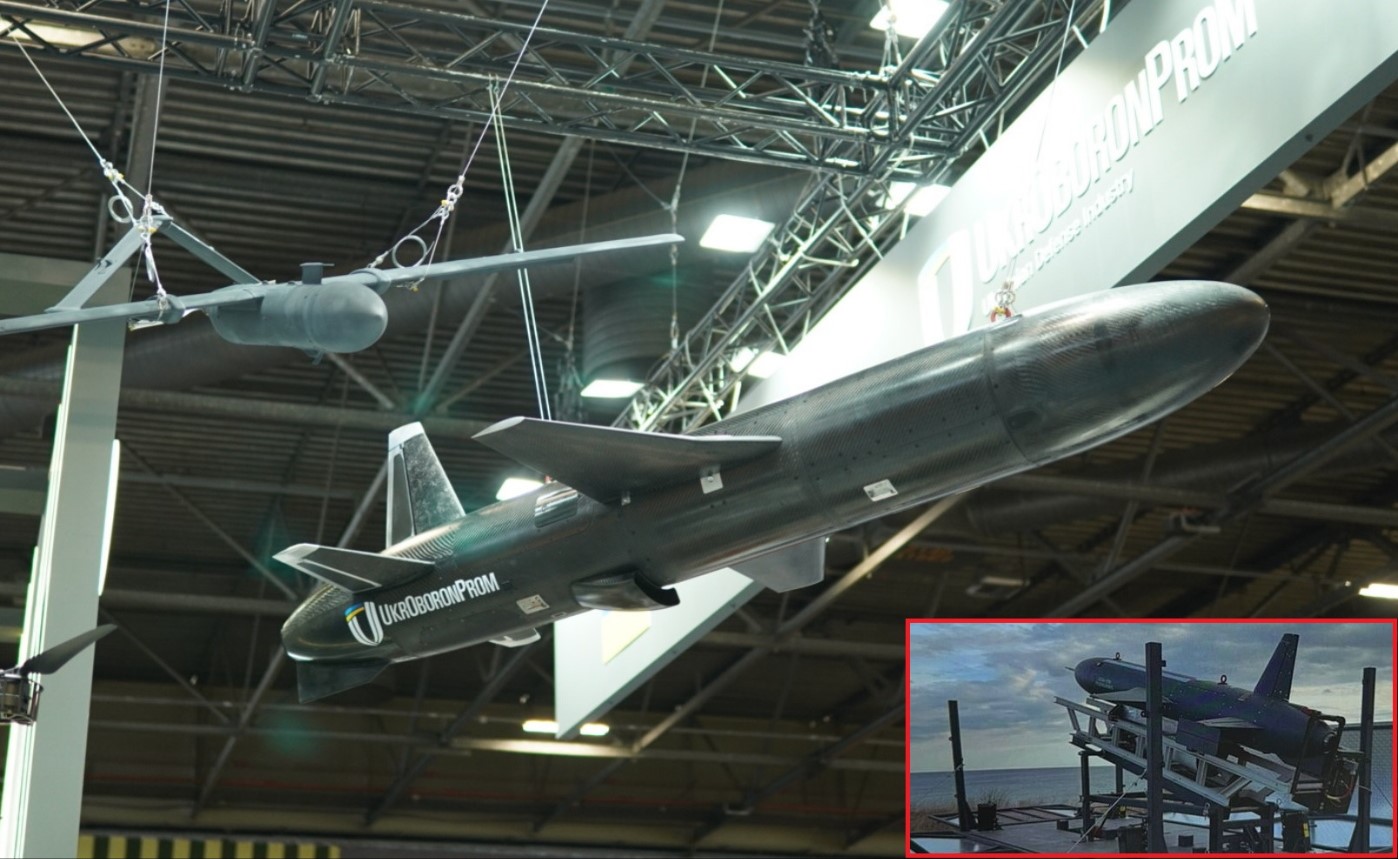 Ukraine Unveils UAV-290 Jet-Powered Strike Drone with 650 km Range at Eurosatory 2026
-
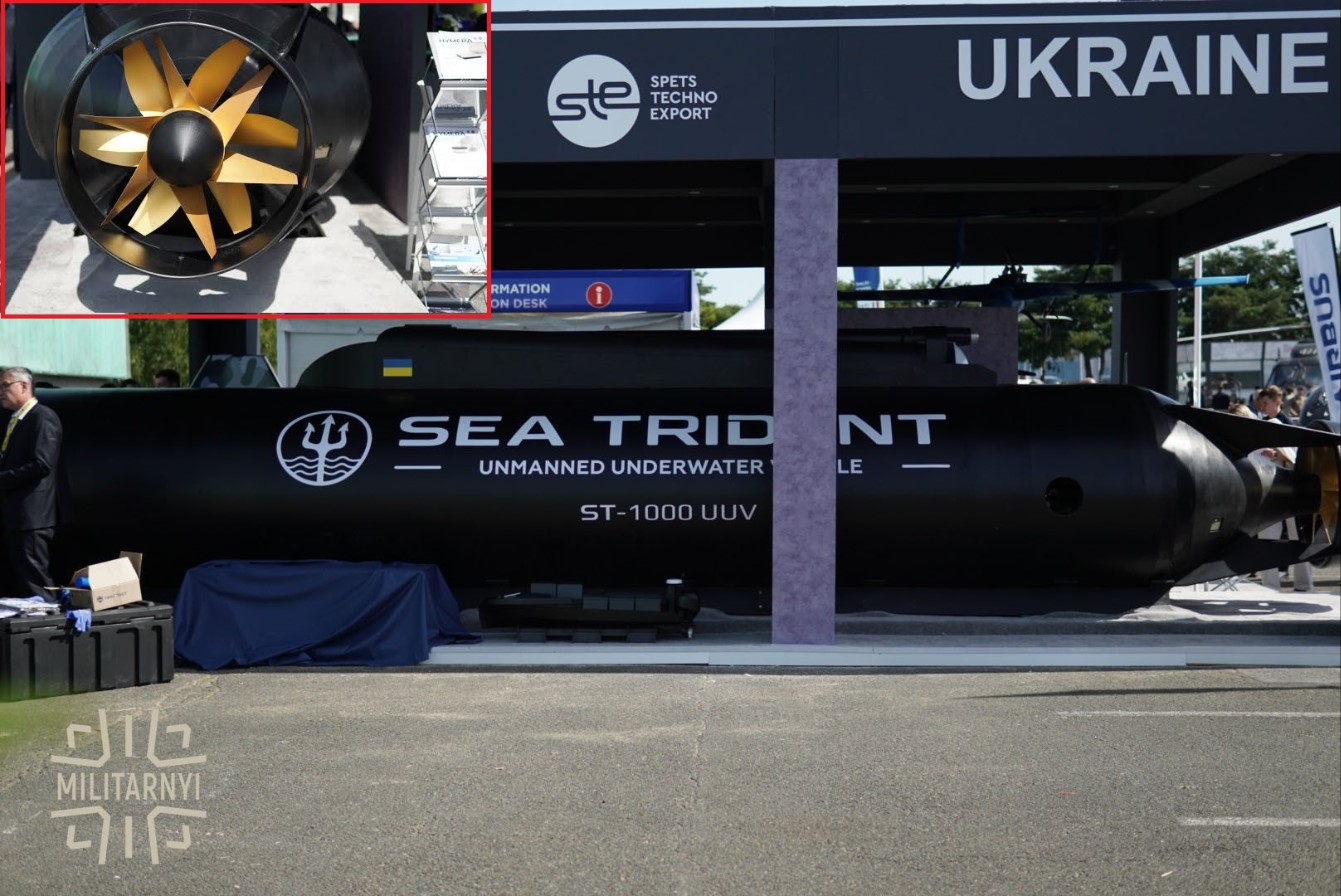 Ukraine Unveils 'Sea Trident' 10-Ton Autonomous Underwater Drone at Eurosatory 2026
-
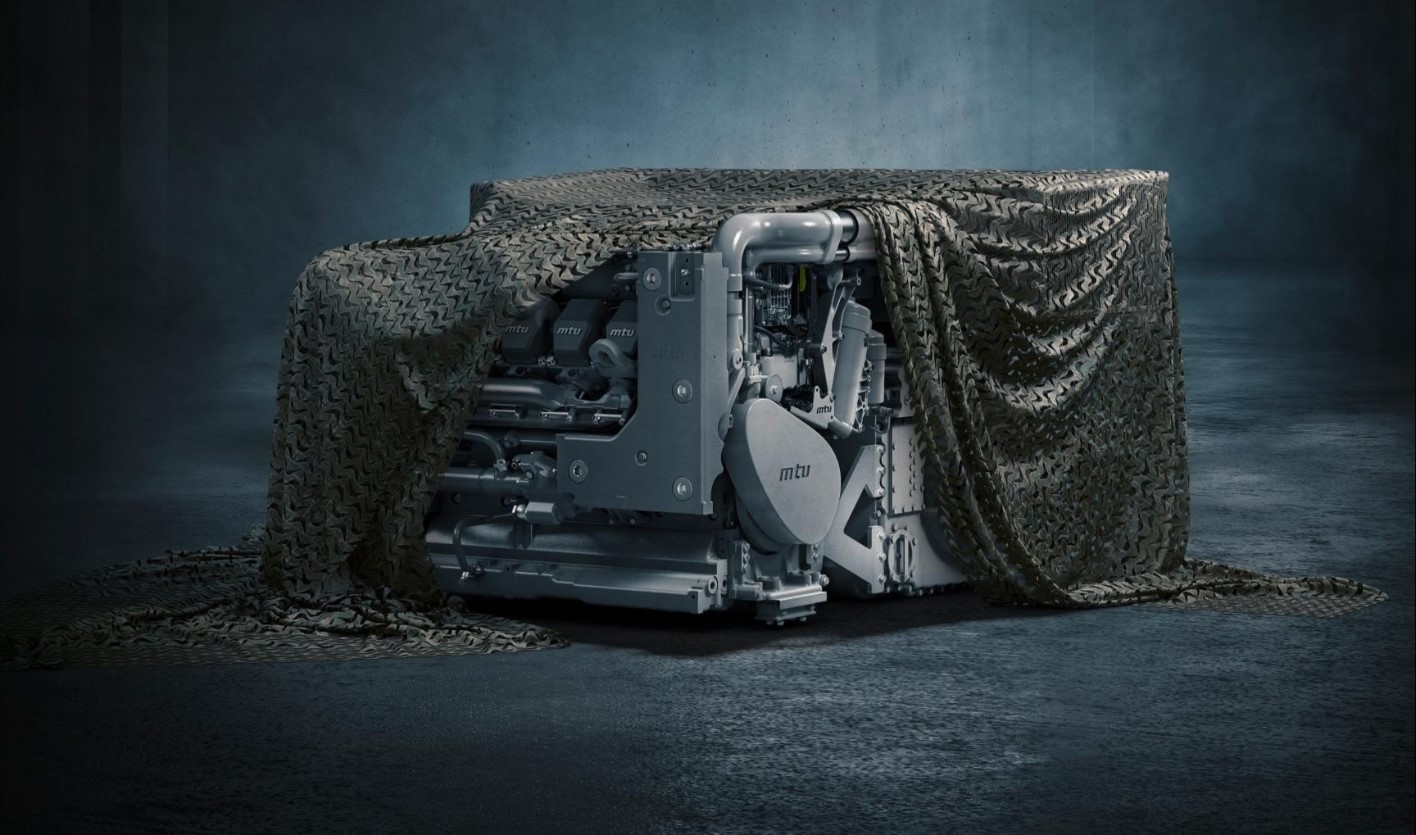 Rolls-Royce Unveils New Hybrid Powertrain for Heavy Military Vehicles at Eurosatory 2026
-
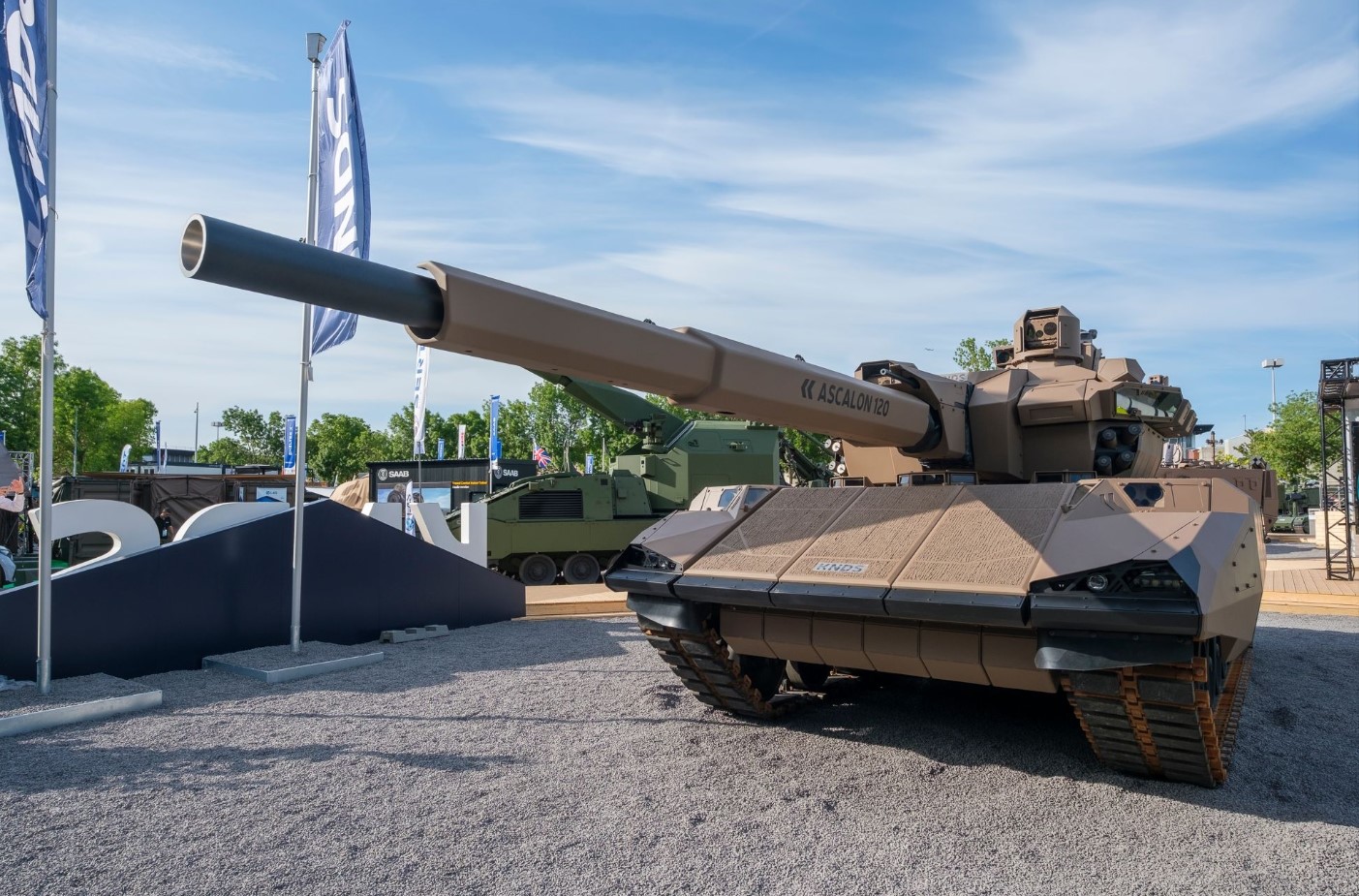 KNDS Unveils CAPINT Main Battle Tank at Eurosatory 2026 as Leclerc Stopgap