World
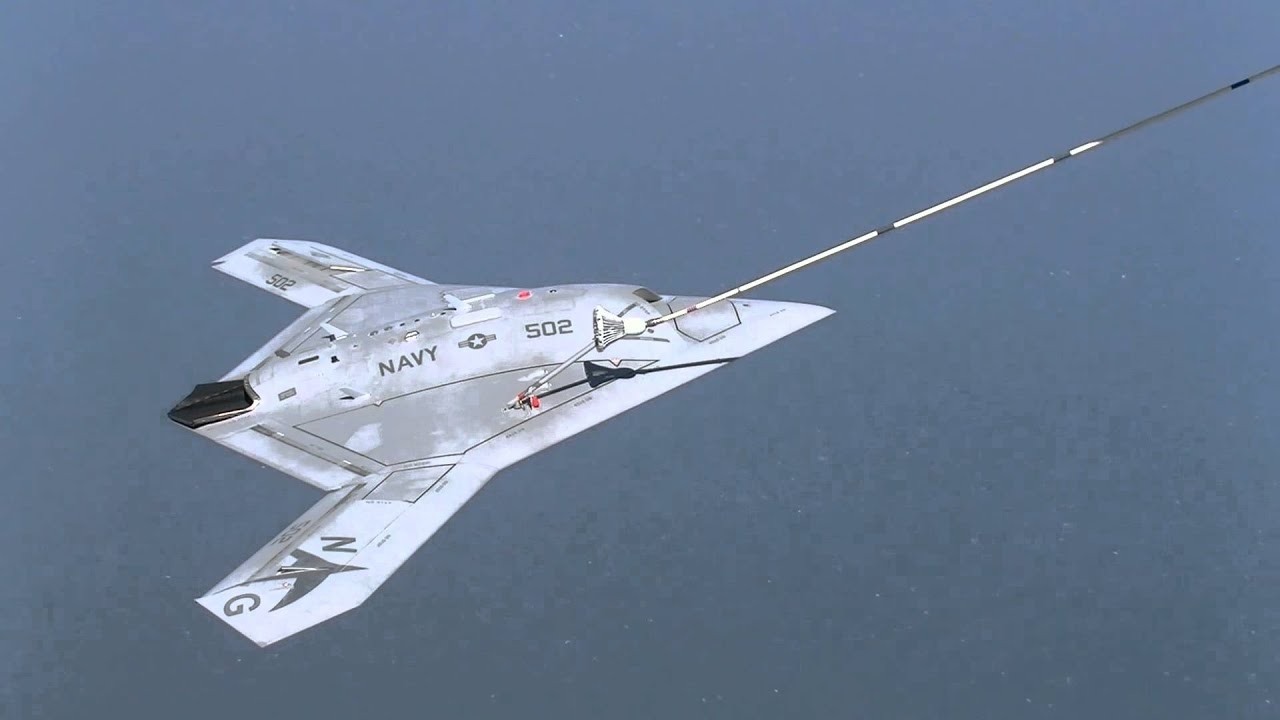
Chinese scientists have claimed to solve a critical design challenge that had once crippled the US Navy’s X-47B drone programme. Researchers from the China Aerodynamics Research and Development Centre have unveiled a revolutionary aircraft design software that overcomes a long-standing obstacle known as the “curse of dimensionality”—a problem that made it extremely difficult to design advanced stealth aircraft with multiple performance demands. This challenge was at the heart of the X-47B’s failure. Despite its success in autonomous refuelling and carrier landings, the US Navy shelved the X-47B project in 2015, primarily due to its inability to balance stealth, aerodynamics, and engine efficiency at once. Adding more design elements—such as radar-absorbing shapes or aerodynamic curves—quickly overwhelmed computing systems, making the design process unmanageable. But now, a Chinese research team led by Huang Jiangtao says their new platform can optimize aircraft with hundreds of design variables without increasing computational burden. In a peer-reviewed paper published in Acta Aeronautica et Astronautica Sinica, Huang’s team described using their platform to redesign the X-47B with 740 different variables—such as drag-reduction features, stealth contours, and improved airflow—all while keeping the engine stable and powerful. “Traditional global optimisation algorithms struggle with large numbers of variables. Our method breaks that limit,” the researchers explained. At the core of the Chinese innovation is a technique called geometric sensitivity computation using impedance boundary conditions. This method separates the cost of calculation from the number of design variables, making it possible to simulate extremely complex aircraft designs using far less computational power. The software also integrates radar-absorbent materials directly into the simulation models, ensuring stealth capabilities are considered at every design stage. According to the paper, the researchers managed to reuse electromagnetic field calculations and convert trillions of equations into manageable matrix operations. This isn’t just a scientific curiosity—it’s a timely development. As sixth-generation aircraft programs face setbacks globally, including the reported delay of the F-47 and the shelving of America’s Next Generation Air Dominance (NGAD) program, China is actively working on its own sixth-gen fighters like the J-36 and J-50, along with a fleet of advanced stealth drones. Rather than relying on massive supercomputers, the team followed an efficient design approach similar to DeepSeek, a high-efficiency AI method, to save both time and resources. Experts believe this software could give China an edge in developing the next wave of low-observable aircraft, especially at a time when global defence budgets are tightening. In short, China may have cracked a problem that grounded a top US drone—and that could shape the future of stealth air combat.
Read More → Posted on 2025-07-23 14:42:29
World
China has tested its new VU-T10 unmanned ground vehicle (UGV) — a robotic tank designed to deliver powerful fire support without putting soldiers at risk. The cutting-edge vehicle was developed by China North Industries Corporation (Norinco) and was recently shown in action through official video footage posted online on July 20, 2025. The VU-T10 made its public debut at the Zhuhai Air Show in 2024, but this new footage shows the robot tank traversing rough terrain and firing its 30 mm main cannon at ground targets. What makes this machine stand out is that it is not driven by a person inside. Instead, it is controlled remotely from a separate command vehicle, making it safer for troops during battle. The VU-T10 looks and acts a lot like an infantry fighting vehicle (IFV), with tracks for rugged mobility and weapons to take on various threats. It is about 3.8 meters long, 2.4 meters wide, and 2 meters tall, weighing around 12 tons. Its weapon loadout includes a 30 mm cannon, a 7.62 mm machine gun, and what appears to be tandem anti-tank rockets. It can also carry Red Arrow 12 anti-tank guided missiles, allowing it to strike targets from long distances. In addition to its firepower, the VU-T10 is equipped with smoke grenade launchers to help hide it from enemy view in dangerous situations. What’s more, it runs on electric power and can reach speeds of up to 60 km/h, making it quieter and harder to detect by heat or sound—a big advantage on modern battlefields. Norinco has designed the VU-T10 to operate as part of a larger team of robotic and manned systems, which is part of China’s MUM-T (manned-unmanned teaming) strategy. This means the VU-T10 can work together with soldiers, drones, robotic dogs like the Machine Wolf, and other advanced systems like laser weapons, missiles, and rocket launchers, all coordinated using real-time information. According to China's Global Times, this test is more than just about one machine—it’s part of China’s larger goal to build a “complete chain” of unmanned military equipment. Norinco is also developing other robot vehicles like an 8×8 logistics UGV, nicknamed the “mule,” designed to carry supplies to troops at the front lines. A Norinco spokesperson said that the company is now heavily focused on smart systems for both ground and aerial combat, in line with China’s military priorities: informatization, intelligentization, and network-centric warfare. These ideas aim to make China’s military more connected, more automated, and faster to react in real time. While the VU-T10 hasn’t been sold to any foreign military yet, it has been showcased at defense expos in the Middle East and Southeast Asia, hinting at future exports. With this system, China is clearly aiming to lead the global push toward robotic and autonomous warfare, offering a glimpse of what tomorrow’s battlefields might look like—machines, sensors, and algorithms all working together to strike faster and smarter. As the world watches closely, the VU-T10 could become a game-changer, not just for China’s military but for the broader race in robotic warfare technologies.
Read More → Posted on 2025-07-23 14:31:36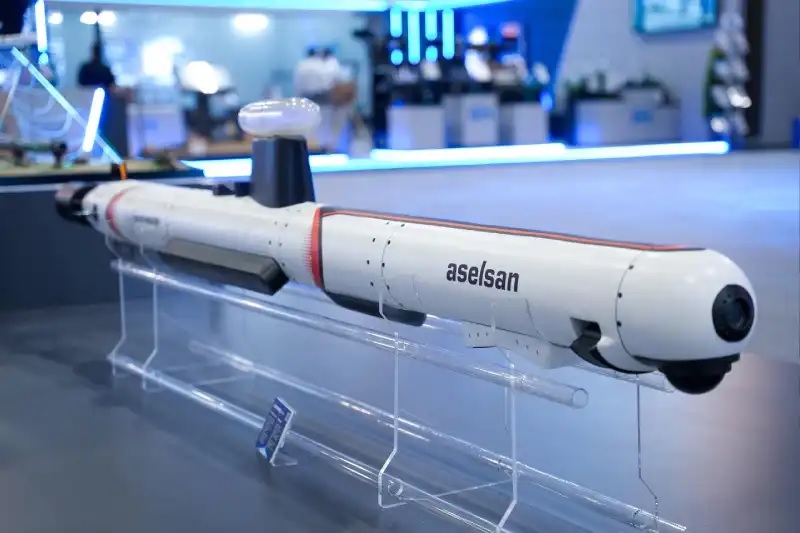
World
ASELSAN has taken a bold step forward by revealing a new range of naval defence technologies at IDEF 2025, the country’s biggest defence industry showcase. The systems unveiled reflect a future where navies face threats from underwater drones, stealthy cruise missiles, and swarming aerial attacks—and ASELSAN seems ready for all of them. One of the biggest eye-catchers at the event was DERİNGÖZ, a fully autonomous underwater vehicle that looks like something straight out of a science fiction movie. But it’s very real. Built for long missions in complex seas, DERİNGÖZ can search, monitor, detect mines, and protect areas under the water—without human control. It quietly navigates using its smart brain, scanning the sea floor and performing missions even in hostile waters. On the surface, attention turned to GÖKSUR VLS, a powerful missile launch system designed for point defence. That means it can defend a ship from incoming threats that are just seconds away from hitting—low-flying cruise missiles, enemy drones, or fast jets. What makes GÖKSUR different is its AI-powered fire control, which gives it the ability to lock on to several targets at once and fire quickly, giving warships a last line of defence when every second matters. Watching the skies and seas from a distance is the job of the CENK 4D radar, another new product on display. Its fixed electronic scanning panels can track hundreds of targets in real time, even during rough weather or heavy combat. Whether it's a fighter jet speeding across the sky or a suspicious ship far away, the radar sees it all. It’s also paired with the IDENTIFFY SSR-850 IFF system, which helps the radar tell whether a target is friendly or unknown, reducing the risk of tragic mistakes. While showing off these high-tech systems, ASELSAN’s President & CEO Ahmet Akyol said the new systems were built to meet the needs of modern naval warfare, where the battle space is not just on the sea, but above and below it too. He added that these technologies show ASELSAN’s dedication to helping both Türkiye and international navies prepare for what’s ahead. From silent underwater drones to smart missile defences and all-seeing radars, ASELSAN’s latest display makes it clear: Türkiye wants its navy—and its allies—to be ready for any threat, from any direction.
Read More → Posted on 2025-07-23 14:25:33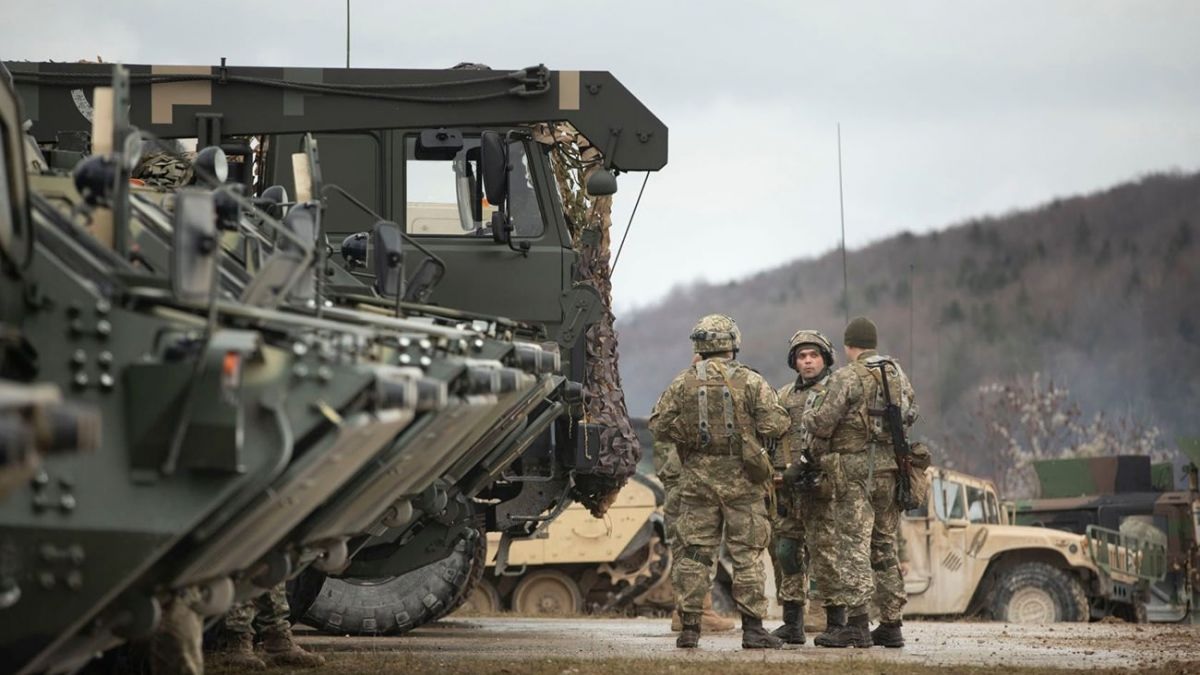
World
Russia plans to spend $1.1 trillion on military rearmament by 2036, according to Ukraine’s Defense Intelligence Chief, Lieutenant General Kyrylo Budanov. Speaking at a panel during the annual meeting of Ukrainian ambassadors, Budanov said that Russia is preparing for a full-scale future war, mobilizing its politics, economy, and society toward that goal. He confirmed that Russia has already created two new military districts, one in Moscow and the other in Leningrad, with more planned in the near future. “There is a total mobilization of the Russian Federation to be ready for an upcoming large-scale war,” Budanov stated during the event. Rising Influence in Africa The intelligence chief also highlighted Russia’s growing military and political role in Africa, warning that Moscow is working to dismantle the current global security and economic system. Countries like Mali, Niger, and Burkina Faso have begun shifting their alliances away from traditional Western partners, especially France, and toward Russia. According to diplomatic reports, in June 2025, the Kremlin’s new Africa Corps officially replaced the Wagner paramilitary group in Mali, marking a significant shift in Moscow’s foreign strategy. Around the same time, Mali’s junta leader, General Assimi Goita, visited President Vladimir Putin in Moscow to strengthen ties in defense, transport, and economic cooperation. A photo taken in Bamako, Mali, earlier this year showed demonstrators displaying a large portrait of Putin to celebrate France’s troop withdrawal—reflecting the growing pro-Russia sentiment in parts of the continent. Cyber and Information Warfare Budanov also warned of Russia’s intensifying cyber and information warfare campaigns. He accused Moscow of targeting Ukraine and its allies with cyberattacks, and using controlled media and online influencers to interfere with democratic processes. This month, Russian-linked groups were reported to have used a Slovak cyber firm to publish classified data of Ukrainian soldiers on websites under Russian control. These efforts, according to Budanov, form part of a “psychological warfare” campaign designed to spread fear and confusion. In April, Poland’s Digital Affairs Minister Krzysztof Gawkowski also sounded the alarm over a spike in Russian cyberattacks, warning that they aimed to sow public panic ahead of elections. A New Global Order? Budanov believes that Moscow’s long-term goal is to redefine the world order, placing itself and a few other so-called “great powers” at the center of global control. “Russia wants a future where it has monopoly over critical resources and the power to dictate the fate of the world in a closed circle,” he said. Soaring Defense Spending Supporting these warnings, the Stockholm International Peace Research Institute (SIPRI) reported in April that Russia’s military budget rose to $149 billion in 2024, a 38% increase from the previous year. NATO Secretary General Mark Rutte recently acknowledged that Russia’s arms production has far exceeded expectations. He said Russia is now manufacturing more ammunition in three months than all NATO members produce in an entire year—much of it powered by Chinese technology. “Russia is reconstituting its forces faster than we thought,” Rutte warned. With this dramatic shift in defense priorities and international posture, Ukraine’s intelligence leadership sees the Kremlin’s rearmament as a signal that global security could be entering a far more dangerous era.
Read More → Posted on 2025-07-23 14:16:30
World
Türkiye officially unveiled its most advanced missile yet — the Tayfun Block 4 — at the opening of the International Defense Industry Fair (IDEF) 2025 in Istanbul, marking a major step forward in the country’s growing defence capabilities. The Tayfun Block 4 is Türkiye’s first-ever hypersonic ballistic missile, developed by the national defence firm Roketsan. This powerful missile was revealed on Tuesday, the first day of the six-day IDEF exhibition, which has drawn major global attention. With its range of 800 kilometers, the Tayfun Block 4 is not only long-reaching, but also features exceptional speed and advanced maneuverability, making it a significant asset for strategic military operations. In a statement, Roketsan highlighted the missile’s capabilities: “The Tayfun Block 4 achieves long ranges, setting another record for the Turkish defense industry. Weighing over 7 tons, this new version of the Tayfun, with its multi-purpose warhead, will be capable of destroying numerous strategic targets, such as air defense systems, command and control centers, military hangars, and critical military facilities, from kilometers away.” The missile is expected to serve as a powerful deterrent and bolster Türkiye’s long-range strike capabilities. Its design suggests it can evade air defenses and hit high-value targets with precision — a characteristic that puts Türkiye closer to the ranks of nations with sophisticated missile technologies. The 17th edition of IDEF, one of Türkiye’s most prominent defence industry events, is hosting over 900 Turkish and 400 foreign companies from 44 countries. Some of the major global defence players attending include BAE Systems, Rolls-Royce, Lockheed Martin, and Airbus. On the Turkish side, leading names such as Baykar, Turkish Aerospace Industries (TAI), Aselsan, Havelsan, FNSS, Otokar, MKE, and Roketsan are showcasing a wide range of advanced technologies in defence, aviation, and space. Delegations from countries like China, South Africa, the United Kingdom, Qatar, Saudi Arabia, Azerbaijan, and Pakistan are also participating. Their presence highlights IDEF’s growing importance as a global platform for military cooperation and defence innovation. The unveiling of the Tayfun Block 4 not only strengthens Türkiye’s defence posture but also signals its ambition to become a major player in next-generation missile technology.
Read More → Posted on 2025-07-23 14:02:49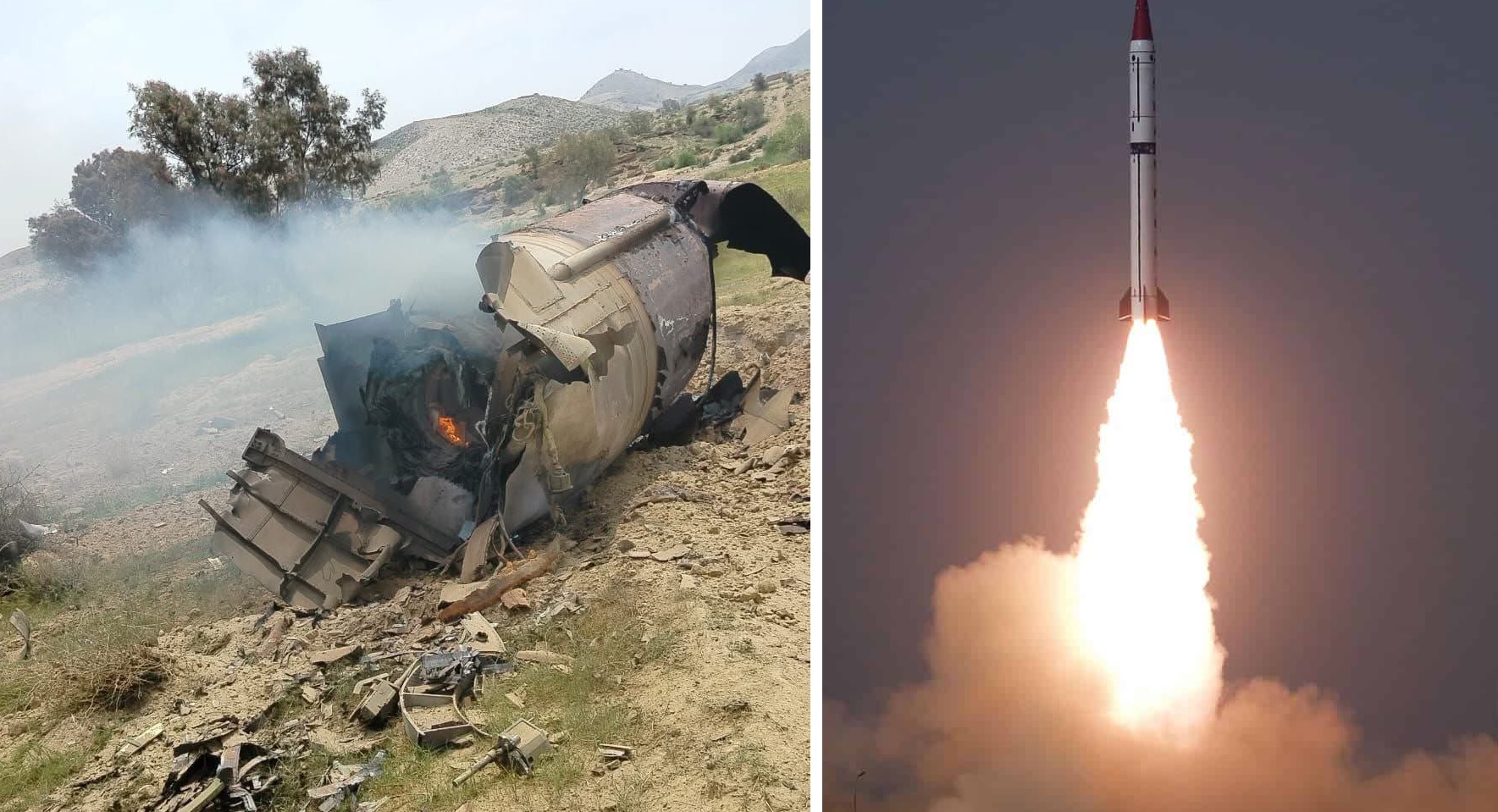
World
A routine test of Pakistan’s nuclear-capable Shaheen-III medium-range ballistic missile ended in failure this week when the weapon reportedly malfunctioned shortly after launch and crashed in Dera Bugti, a remote and restive region in Balochistan province. While there has been no official confirmation from Pakistan’s Inter-Services Public Relations (ISPR), multiple open-source intelligence (OSINT) accounts and eyewitness reports on social media confirmed that the missile deviated from its intended trajectory and crashed in a sparsely populated area of Dera Bugti. The incident is believed to have occurred during a test launch conducted from a site near Dera Ghazi Khan, a common launch point for Pakistan’s missile programs. Local sources suggest that the missile exploded mid-air or shortly after launch and its debris fell in civilian-inhabited areas, although no official statement on casualties or damage has been made public. Past Patterns of Failure This is not the first time the Shaheen-III missile has met an unfortunate fate during testing. In January 2021, a similar incident occurred when a test-fired Shaheen-III missile reportedly went off-course and crashed into the Matt region of Dera Bugti. The incident caused damage to civilian homes and reportedly injured five people, including women and children. At the time, the Pakistani military denied any civilian impact and labeled the test a "technical success." Experts say repeated failures point to ongoing technical and operational challenges within Pakistan’s missile program, despite publicized claims of advancements. While the military continues to describe these trials as necessary routine checks, the lack of transparency has only fueled concerns. About Shaheen-III The Shaheen-III is a solid-fueled, surface-to-surface missile with an operational range of approximately 2,750 kilometers, capable of delivering a nuclear warhead. It is considered a key component of Pakistan’s second-strike capability and was designed to target all of mainland India, including its easternmost territories. Its development has been touted as a counterbalance to India’s Agni missile series, and the missile has been in testing and validation stages since at least 2015. The Shaheen-III was last officially test-fired successfully in January 2021, according to ISPR. Strategic & Civilian Fallout Baloch political groups and human rights organizations have condemned the continued use of Balochistan as a testing ground for strategic weapons. They argue that the region’s civilian population is being put at risk without consent, transparency, or adequate safety measures. The lack of accountability, especially following crashes like the recent one, has fueled resentment and accusations of state negligence. Independent analysts have also raised concerns about the reliability of Pakistan’s missile arsenal, warning that repeated test failures not only undermine deterrence credibility but also pose serious risks to local populations living near launch and impact zones. No Comment from Officials At the time of publishing, there has been no official press release from Pakistan’s Ministry of Defence or the ISPR regarding the crash. Given past precedents, experts expect the incident to either be quietly buried or spun as a “technical success” for internal assessments. While the exact details remain murky, what’s becoming increasingly clear is the cost of testing high-stakes weaponry in densely inhabited or politically sensitive areas. For many in Balochistan, the real threat doesn’t come from across the border — but from the sky above, fired by their own state. And if these test patterns continue, One day Pakistan’s own missiles might do the ultimate job—destroying their own country… talk about self‑inflicted strategic deterrence! 😂😂
Read More → Posted on 2025-07-22 15:55:57
World
Turkish defense giant Sarsılmaz has revealed a new generation of advanced weapon systems at the IDEF 2025 defense exhibition in Istanbul, highlighting its growing role in both land and aerial combat technologies. With a legacy of nearly 150 years in defense engineering, Sarsılmaz brought forward an impressive lineup of weapon systems tailored to meet the needs of modern warfare. These innovations include remote-controlled turrets, airborne cannons, and automated platforms developed in collaboration with several Turkish defense companies. One of the centerpieces at the event was the Dual UKSS remote-controlled weapon system, which supports both 25mm and 7.62mm caliber weapons. This system is designed for maximum flexibility in combat zones, offering a firing elevation range from -10° to +55° and a full 360° horizontal rotation. Depending on mission needs, it can be loaded with either 100 rounds of 25mm ammunition or 500 rounds of 7.62mm—ideal for engaging both soft and hardened targets. Another standout innovation was the ATAK automated turret, developed for aerial platforms. Armed with a 20mm NATO-standard 20x102mm cannon, ATAK can fire at a rate of 750 rounds per minute. It uses a rotary barrel mechanism, features servo-controlled operation, electric ignition, and boasts a muzzle velocity of 1,049 meters per second—providing both high precision and extended range, suitable for drones, helicopters, or light attack aircraft. Sarsılmaz also used the platform to highlight other companies within its defense ecosystem: TR Mekatronik – creator of Türkiye’s first domestically produced 20mm nose gun BEST Defence – developer of remote-controlled weapon stations LA2 Dynamics – producer of the SARBOT robotic gun platform UNIMETAL – known for precision metal injection molding BPS – specialist in small-caliber ammunition and shotgun shells Together, these firms form what Sarsılmaz calls an "integrated defense ecosystem," spanning from kinetic weapons to AI-powered platforms. This ecosystem reflects Türkiye’s broader ambition to become self-reliant in defense technologies and compete globally. Further unveiling of systems is expected during the IDEF event, as Sarsılmaz continues to respond to operational feedback and evolving battlefield requirements. The company has also expanded into training and human resource development with the SARSILMAZ Academy, offering hands-on courses led by retired military professionals. These programs are open to both civilian and professional users, helping shape a new generation of trained weapon operators. The unveiling of these high-tech solutions underlines Türkiye’s rapidly growing capabilities in next-generation defense manufacturing, with Sarsılmaz at the forefront of this transformation.
Read More → Posted on 2025-07-22 15:27:49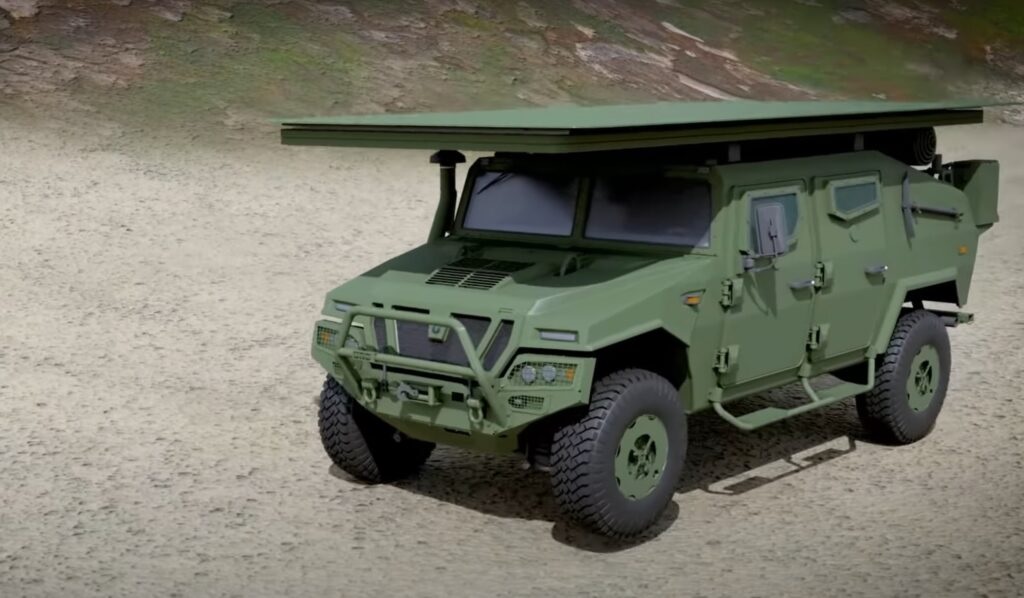
World
Spanish defense technology firm Kallisto AI has unveiled a new passive camouflage system designed to fool AI-guided drones and sensors without emitting any electronic signal. Known as the Kallisto Shield, the system uses modular panels and lifelike decoys to alter how military vehicles and assets appear across various detection spectrums — including visual, thermal, infrared, and radar. Unlike conventional electronic jammers or active countermeasures, the Shield operates without electricity or electronic components, making it completely silent and invisible to electromagnetic sensors. Built to Mislead Modern Threats The Shield’s main goal is to confuse enemy surveillance and targeting systems, especially those powered by artificial intelligence. The panels can be rearranged into millions of unique configurations, allowing them to either conceal the real identity of a military asset or mimic another type of target entirely. Alongside these panels, decoys simulate heat and radar signatures, creating false targets and misleading AI-powered threat systems. This allows military forces to shield armored vehicles, static command centers, mobile radar units, and air defense platforms from detection — even when observed from drones or satellites. The system’s passive nature ensures that no electromagnetic signal is emitted, a crucial feature in modern warfare where electronic emissions often become instant targeting markers. Inspired by the War in Ukraine According to Kallisto AI, the design of the Shield has been heavily influenced by combat scenarios in Ukraine, where AI-enabled munitions have become increasingly common. The company studied frontline footage and drone strike patterns to identify how such systems recognize and lock onto their targets. In early 2025, Kallisto created a digital twin of the camouflage technology, testing it against synthetic threats modeled on Ukrainian terrain. The results led to the production of two physical prototypes, which are now being prepared for live testing in Ukraine to assess their effectiveness against real-world AI-guided systems. Scalable, Cost-Efficient, and Fast The cost of implementing the Shield reportedly ranges between 0.1% and 10% of the vehicle’s total value, depending on the complexity of the platform and level of protection required. The system is also designed for rapid deployment and wide scalability, making it suitable for everything from single units to large operational formations. Additionally, the company claims the Shield dramatically reduces the "sensor-to-shooter" timeline, cutting it down from 20 minutes to just 20 seconds, thereby reducing the enemy’s reaction time and increasing survivability for friendly forces. Global Demand on the Rise Kallisto AI is officially registered with the Spanish Ministry of Defence and holds a valid defense export license. The firm has already drawn attention from a wide range of international markets, including the United States, European Union nations, Ukraine, India, China, Saudi Arabia, and Australia. With drones and AI playing a central role in the future of warfare, the Kallisto Shield is seen as a breakthrough in passive defense—one that allows modern forces to hide in plain sight without making a sound.
Read More → Posted on 2025-07-22 15:20:19
World
The U.S. Navy’s highly anticipated next-generation attack submarine program, known as SSN(X), has suffered a major setback, with its expected delivery now delayed until 2040. Originally planned for production in 2031, the schedule has been pushed back twice—first to 2035, and now by another five years, largely due to ballooning costs, industrial delays, and budget pressures. This delay was first highlighted in a Fox News report and reflects serious concerns about the future strength of the U.S. Navy’s undersea warfare capabilities. In its Fiscal Year 2026 budget request, the Navy has asked for $623 million to continue research and development on the SSN(X) program. But even with this funding, progress has slowed, with the submarine’s debut now over 15 years away. The SSN(X) submarines are envisioned as the most advanced attack subs ever built, promising enhanced stealth, greater torpedo capacity, improved surveillance and intelligence systems, and tight integration with unmanned underwater vehicles (UUVs). Designed to weigh around 10,000 tons, each unit is expected to cost between $6.7 billion and $8 billion—double the cost of the current Virginia-class submarines, which are priced around $4 billion each. Part of the challenge lies in limited production capacity. Only two U.S. shipyards—Electric Boat in Connecticut and Newport News Shipbuilding in Virginia—are equipped to build nuclear-powered submarines, and both are already struggling to keep up with Virginia-class orders. Currently, they are averaging just over one submarine per year, well below demand. In a recent Senate Armed Services Committee hearing, Brett A. Seidle, the acting Assistant Secretary of the Navy for Research, Development and Acquisition, warned: “Costs are rising faster than inflation, and schedules on multiple programmes are delayed one to three years.”He emphasized that the Navy is facing significant difficulty delivering ships on time and within budget, a situation that could hamper America’s maritime dominance. There is also growing pressure on lawmakers to reassess the shipbuilding strategy, including possible adoption of alternative reactor designs, like low-enriched uranium (LEU), which could reduce costs and safety risks over the long term. Despite the complications, the Navy is still aiming to expand its fleet from 296 to 381 ships in the coming decades. Achieving that target would require not only massive industrial scaling, but also stable and increased funding, especially in the face of complex multi-billion-dollar platforms like the SSN(X). The delay raises serious concerns among defense planners, as potential adversaries like China continue to modernize their naval fleets, potentially challenging the U.S. Navy’s edge in undersea warfare by the time the SSN(X) finally arrives.
Read More → Posted on 2025-07-22 15:08:34
World
North Korea has announced plans to build a third 5,000-ton destroyer, state media reported on Tuesday. The vessel, which will be part of the Choe Hyon-class, follows the earlier launches of two similar warships this year — one in April and another in May, though the second launch initially faced technical issues. North Korean leader Kim Jong Un is personally leading this naval expansion. In April 2025, he oversaw the launch of the country's first modern 5,000-ton warship, named the Choe Hyon. A second ship, the Kang Kon, was launched in May, but suffered a botched debut. It was later repaired and floated again in June. This fresh destroyer will be built at the Nampho Shipyard, one of North Korea’s major naval construction facilities. On Monday, workers at the shipyard held a rally and pledged to complete the new destroyer — the "Choe Hyon-class Destroyer No. 3" — by October 10, 2026. The date coincides with the anniversary of the founding of the ruling Workers’ Party of Korea, making the timeline politically symbolic as well as strategic. According to the Korean Central News Agency (KCNA), the ship is described as “a powerful warship of our own type”, and the dockyard’s leadership has urged workers to fulfill this “historic mission” in order to defend North Korea's maritime sovereignty and national interests. Meanwhile, South Korean officials are closely watching the development. According to them, North Korea may have received technical help from Russia in constructing these new warships. This speculation comes amid growing military ties between Pyongyang and Moscow, including reports of North Korea sending troops or support to Russia for its war in Ukraine in exchange for defense cooperation. The increased naval activity also comes at a time of shifting political winds in South Korea. Newly elected President Lee Jae-myung, who took office following a snap election last month, has pledged a more conciliatory stance towards North Korea, breaking away from the aggressive approach of his impeached predecessor, Yoon Suk Yeol. President Lee has already ordered a halt to anti-Pyongyang loudspeaker broadcasts, and in return, North Korea has ended its eerie sound broadcasts aimed at the South. The announcement of a third Choe Hyon-class destroyer marks another bold move by Kim Jong Un to modernize and expand the country’s naval capabilities — a notable development in the ongoing military dynamics of the Korean Peninsula.
Read More → Posted on 2025-07-22 15:04:59
World
Japan has officially offered Australia an upgraded version of its Mogami-class stealth frigate. The presentation took place on 21 July 2025 in Canberra, where Japanese officials briefed Australian political and defense leaders as part of Tokyo’s strategy to win a major naval contract and boost trilateral defense cooperation with the United States and Australia. The proposal is part of Australia’s plan to build 11 new advanced frigates, a key element of its $10 billion naval modernization program. Japan’s offering is competing against a German-designed frigate, with a final decision expected by the end of 2025. The briefing was led by Takeshi Ishikawa, Commissioner of Japan’s Acquisition, Technology, and Logistics Agency, who emphasized the interoperability of the Mogami frigate. He explained that the upgraded version is built to support missile and weapon systems used by the US military, ensuring seamless cooperation between Australian, American, and Japanese naval forces—a crucial factor for Canberra, which prioritizes combined allied operations amid growing regional security challenges. The Mogami-class (30DX or 30FFM) frigate is a multi-role stealth vessel developed for the Japan Maritime Self-Defense Force (JMSDF). It is 133 meters long, has a full-load displacement of 5,500 tons, and uses a CODAG propulsion system that combines a Rolls-Royce MT30 gas turbine with two MAN diesel engines, allowing it to reach speeds of up to 30 knots. One of the standout features is its high level of automation, reducing the crew size to around 90 personnel, which is half the standard crew of comparable ships. This cuts operational costs by approximately 30%, addressing both budget constraints and recruitment shortages faced by many navies today. In terms of firepower, the Mogami-class includes: A 127mm Mk45 main gun Eight Type 17 anti-ship missiles A SeaRAM anti-air system Two triple torpedo tubes armed with Type 12 torpedoes for anti-submarine warfare 16 Mark 41 Vertical Launch System (VLS) cells (planned for retrofit), compatible with various missile types It can also operate an SH-60L helicopter, unmanned underwater and surface vehicles, and mine-laying equipment. For protection, it features the NOLQ-3E electronic warfare system and decoy launchers, enhancing survivability in hostile environments. This latest version of the Mogami-class benefits from stealth technology inspired by Japan’s Mitsubishi X-2 Shinshin stealth fighter research, giving it a low radar profile for better performance in contested waters. The Canberra event also highlighted Japan’s public-private partnership strategy, with top executives from Mitsubishi Heavy Industries, including Chairman Seiji Izumisawa, in attendance. This aligns with Japan’s new approach to arms exports, moving away from past caution to a more proactive stance. In 2024, Japan formed a special committee to pursue the Australian contract, showing a unified national effort to expand its defense export footprint. Earlier this year, Japan deployed two Mogami-class frigates, Noshiro and Yahagi, to Australia. This allowed Australian officials to directly inspect the vessels’ capabilities, strengthening Tokyo’s case for selection. If chosen, Japan’s Mogami-class will not only shape the future of the Royal Australian Navy but also signal Japan’s emergence as a trusted defense partner and solidify a strategic triangle of interoperable military power between Australia, Japan, and the United States in the Indo-Pacific.
Read More → Posted on 2025-07-22 14:59:29
World
Trump administration is reportedly considering Amazon’s Project Kuiper as a potential partner for the $175 billion Golden Dome missile defence system, according to a Reuters report released Tuesday. This move comes amid growing tensions between Donald Trump and SpaceX CEO Elon Musk, which have cast doubt on the future role of SpaceX in the ambitious satellite-based defense project. The Golden Dome project aims to create a space-based missile defence shield designed to protect the U.S. from long-range threats using a network of low-earth orbit satellites, advanced sensors, and AI-driven interception systems. Originally, SpaceX was seen as a key player due to its Starlink and Starshield networks, which are already deeply integrated into U.S. military communication systems. However, strained relations between Trump and Musk, especially following a public clash on June 5, have prompted the White House and Pentagon officials to reconsider their reliance on Musk’s companies. Even before that fallout, officials had quietly begun looking at other options. “The administration is clearly looking to diversify its options,” Reuters quoted a source familiar with the matter, indicating a broader effort to avoid overdependence on SpaceX. Amid this shift, Amazon’s Project Kuiper has emerged as a potential alternative. Although it has launched just 78 of its planned 3,000 satellites, the Pentagon’s outreach to Amazon signals a growing openness to involving commercial tech companies in national defence infrastructure. Project Kuiper, led by Amazon founder Jeff Bezos, is designed to provide global satellite internet coverage and could be adapted to serve military communication and tracking needs. Despite the pivot, SpaceX is not entirely out of the picture. The company’s proven success in launching over 9,000 Starlink satellites and its extensive experience with government contracts means it may still play a role in certain aspects of the Golden Dome system—especially in launch capabilities. Responding to the speculation, Elon Musk wrote on X (formerly Twitter): “Not tried to bid for any contract in this regard. Our strong preference would be to stay focused on taking humanity to Mars.” This remark suggests SpaceX is currently uninterested in leading the project, though its infrastructure might still be leveraged if needed. The situation reflects a larger transformation in U.S. defence strategy, where big tech companies like Amazon are being considered alongside traditional defence contractors such as Lockheed Martin and Northrop Grumman. This blending of Silicon Valley innovation with national defence represents a potential evolution in how the U.S. builds and secures its future military capabilities. As the Golden Dome project continues to take shape, all eyes will be on how the Trump administration balances technology, partnerships, and politics in safeguarding America’s skies.
Read More → Posted on 2025-07-22 14:53:56
World
The US Space Force is planning to modernize six old ground-based radar systems that play a key role in missile defense and space surveillance. This step is being taken to make sure the radars remain useful against new and evolving threats, and to keep them operating efficiently for many more years. The Department of Defense recently posted a Request for Information (RFI) seeking industry input on how to digitize these older radars. The goal is to extend the life of these systems, improve their performance, and lower the cost of maintenance. The upgrades will also help solve problems related to outdated parts and technologies. The updated radars must be built using open and nonproprietary systems. This means future upgrades will be easier and not locked to a single vendor. The military also wants to use commercial off-the-shelf components, which are widely available and cheaper, to save time and reduce development costs. Each radar will also be equipped with digital receiver technologies that already exist and are proven, making the upgrade process more reliable. Which Radars Are Being Upgraded? The plan includes five Upgraded Early Warning Radar (UEWR) sites, which have been operating since the early 2000s, and one system known as AN/FPQ‑16 Perimeter Acquisition Radar Attack Characterization System (PARCS), located in Cavalier, North Dakota, which has been in service since the 1970s. Timeline and Execution Plan Proposals from technology providers must be submitted by August 2025. The government may use the Middle Tier Acquisition process, which allows faster development and deployment. It may also use Other Transaction Authority (OTA) to quickly prototype upgrades at one UEWR site and the PARCS station. If successful, a full contract will be awarded to expand the upgrades to the remaining radar stations. Initial operational capability is expected by 2028 for the UEWR radars and 2029 for PARCS. Full operational capability for all six radars is planned by 2030. Capabilities and Benefits These upgraded radars will: Provide better detection of incoming missiles, giving more time for response. Offer enhanced space tracking capabilities, helping the Space Force monitor satellites and debris. Improve situational awareness with clearer and more accurate data. Be easier and cheaper to maintain thanks to modern digital components. Stay flexible for future upgrades due to open system architecture. This modernization will ensure that the US Space Force stays prepared for modern threats in space and missile defense well into the next decade.
Read More → Posted on 2025-07-22 14:49:24
World
The Czech Ministry of Defence has raised serious concerns over the poor performance of the CAESAR 8×8 self-propelled howitzers, made by French defence company KNDS. The ministry has officially warned the manufacturer that unless these issues are fixed quickly, further payments could be stopped, putting the entire contract at risk. So far, more than CZK 7 billion (around $315 million) has been paid to KNDS, with another CZK 1 billion (about $45 million) scheduled for later this year. However, due to what Defence Minister Jana Černochová called "serious problems," the total project—worth approximately $450 million—is now under review. The Chief Armaments Director, Lubor Koudelka, has sent a letter to KNDS demanding immediate action. “If KNDS does not start fulfilling the terms of the contract and does not prepare the howitzers for military tests, the Czech Republic will stop paying advances,” he wrote. What Are the Performance Problems? Testing of two CAESAR 8×8 prototypes in Czechia has shown several critical issues: The howitzers failed to achieve a 40-kilometre range in Multiple Round Simultaneous Impact (MRSI) mode—a key capability expected from modern artillery. KNDS has not provided the ballistic data required to integrate the system with Germany’s Adler III fire control system. Without this data, Czech artillery shells cannot be used properly, making the system ineffective. As a result, the howitzers do not meet NATO interoperability standards, and may not be fully usable in joint military operations. One Czech Army source was quoted saying, “Without these data, the howitzers are not interoperable and it is unclear whether they meet NATO standards.” Growing Pressure on KNDS The CAESAR 6×6 version, also made by KNDS, has been in use successfully for over 20 years in France and more than 10 other countries. But the newer 8×8 version, built for Danish and Czech requirements, has been facing persistent technical difficulties. In fact, Denmark cancelled its order for 19 units due to similar delays and complications. Those howitzers were later sent to Ukraine instead. Czech Defence Minister Černochová said she has already begun talks with her French counterpart about the issues. “My colleagues and I, including Director Koudelka and the military, have warned the manufacturer about these serious problems,” she said. What Could Happen Next? If KNDS does not solve the problems soon and deliver working systems, the Czech Ministry of Defence may: Stop further payments Delay or cancel the contract entirely Explore legal and procurement alternatives With public funds already deeply invested, and the national security stakes high, the Czech government is demanding immediate correction from KNDS to avoid a major defence procurement failure.
Read More → Posted on 2025-07-21 16:16:51
World
In response to growing security threats along Poland’s borders with Russia (210 km) and Belarus (416 km), KNDS France has proposed a major collaboration with Poland’s state defence group PGZ (Polska Grupa Zbrojeniowa) to scale up local production of 155 mm artillery ammunition, essential for modern warfare. Poland is fast emerging as one of NATO’s most heavily armed nations in Europe, with plans to field 200 Krab and 600 K9 self-propelled howitzers—the highest number of such artillery platforms in Western Europe. To keep these systems operational during prolonged conflict, a massive ammunition stockpile is required. KNDS France: From War Economy to Strategic Partnership Pierre Gouaux, Regional Director for Ammunition at KNDS France, told EDR On-Line that the company tripled its ammunition production after the war in Ukraine began, following French government guidelines to adopt a “war economy” posture. Production lines in Bourges (France), Petit-Roeulx-Lez-Nivelles (Belgium), and Colleferro (Italy) have been significantly upgraded. These facilities are now producing 155 mm, 52-caliber artillery rounds capable of reaching targets over 40 km away, compatible with Poland’s Krab and K9 howitzers. Strategic Technology Transfer to Poland KNDS France is not simply offering finished products—it has proposed a full technology transfer to PGZ, with the aim of enabling Poland to produce between 150,000 and 200,000 complete rounds per year. The partnership includes: Use of PGZ’s existing subsidiaries, such as: Dezamet and Mesko for mechanical components Nitro-Chem for energetic materials (explosives) Transfer of latest manufacturing technology, including machining tools capable of producing 35,000 shells per year with just one operator Potential shift from extrusion to melting-cast lines at Nitro-Chem, enabling production of Insensitive Munitions (IM)—safer in combat environments Three-Year Ramp-Up Plan The proposal outlines a phased, three-year plan: Initial shell bodies to come from France or Belgium while Poland builds forging capacity. Machining, assembly, and filling will be gradually localized using new equipment and trained Polish workers. Full production will shift to Polish soil once the local supply chain is ready. Currently, Poland's production capacity is much lower than needed, making this partnership critical for Warsaw’s defence plans. Future Expansion Possibilities KNDS France is open to expanding the deal beyond high-explosive shells. Possibilities include: Smoke and illumination rounds 120 mm tank ammunition Precision-guided 155 mm artillery shells, such as the Katana French-designed fuses with full tech transfer Sourcing propellant powders from Poland under this alliance Poland’s Decision Pending A decision from Poland is expected soon. KNDS France is confident in its offering, especially given its battle-proven CAESAR howitzers, which performed effectively in Ukraine. “We are ready to transfer our latest technologies, including ammunition that has proven its effectiveness in Ukraine,” said Pierre Gouaux. This partnership not only supports Poland’s growing defence industry, but also strengthens European defence autonomy in the face of emerging threats.
Read More → Posted on 2025-07-21 16:06:34Search
Top Trending in 24 Hours
-
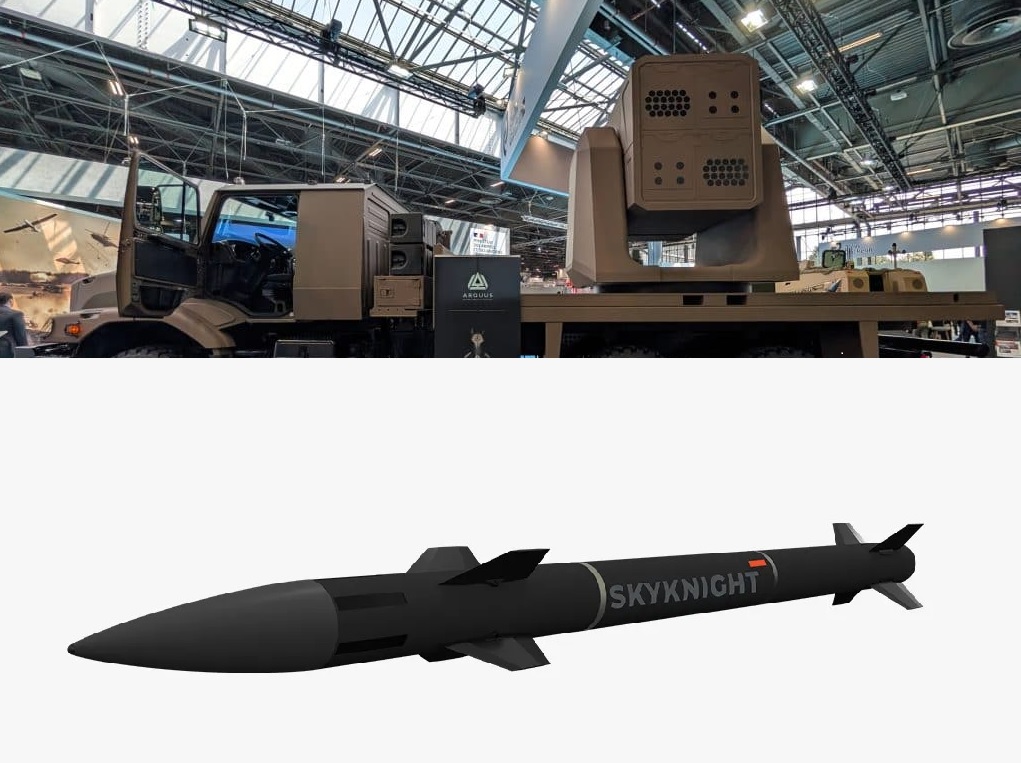 Naval Group Unveils Rampart Modular CIWS Multi-Purpose Weapon System for Naval and Ground Forces at Eurosatory 2026
-
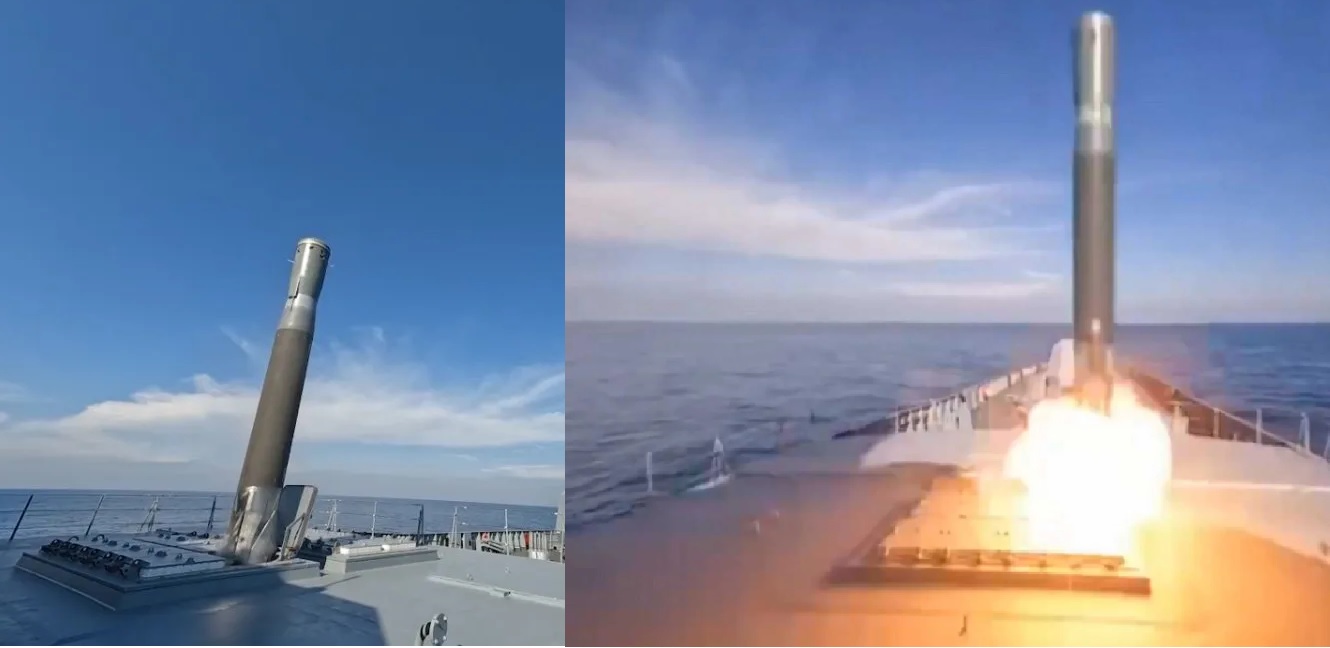 Open-Source Evidence Suggests Russia's Zircon Is a Quasi-Ballistic Missile, Not a True Hypersonic Cruise Weapon
-
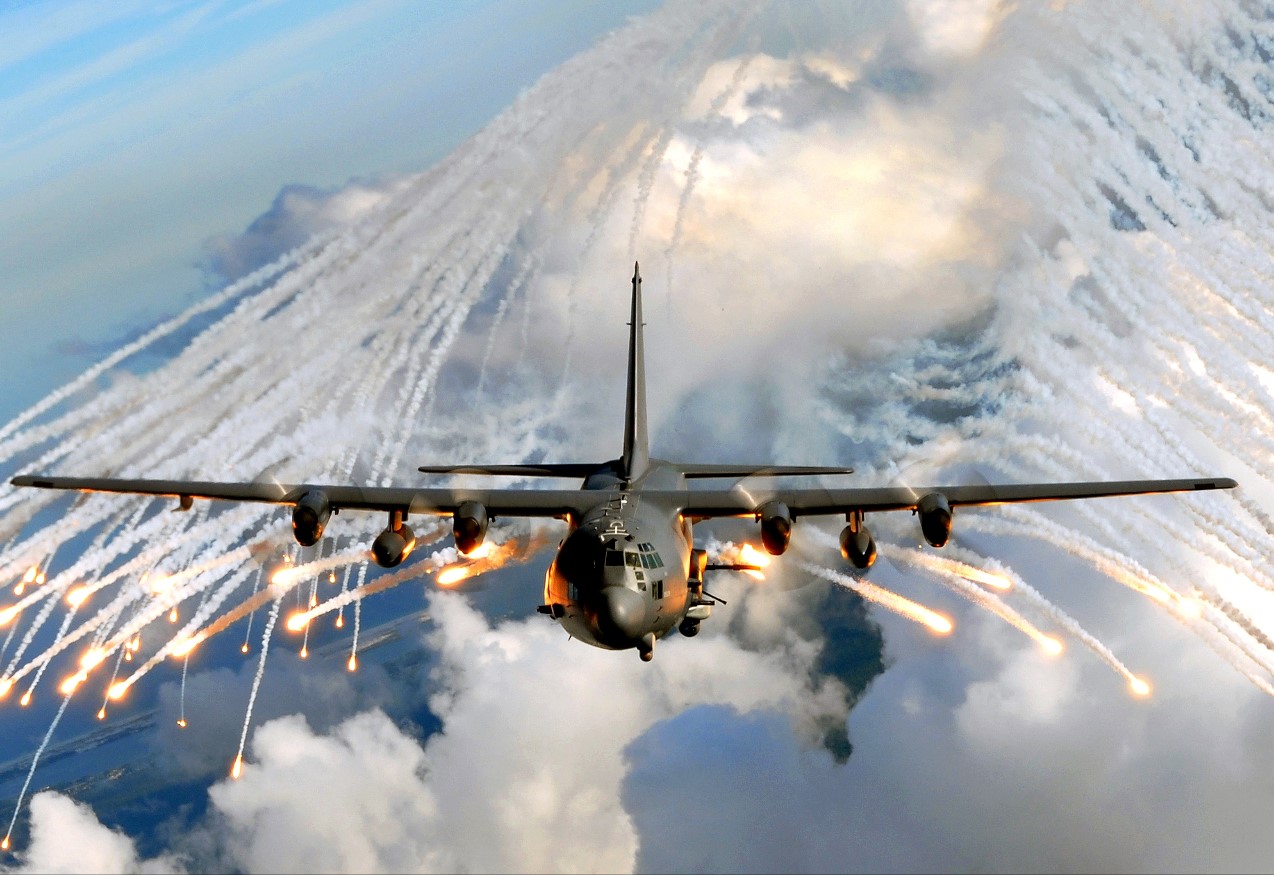 Pentagon Expands Alloy Surfaces Contract to $328.8 Million for Advanced Aircraft Decoy Flares Amid Evolving Drone Threats
-
 Lockheed Martin Unveils HIMARS FLEX with Dual-Pod Launcher and NATO-Compatible Air Defense Integration
-
 Why the U.S. Restored Pacific Command Name, Ending the Indo-Pacific Designation After Eight Years
-
 Iran Signs Deal with Russia for 20 Mi-8 and Mi-17 Helicopters to Boost Rescue and Medical Missions
-
 Portugal Doubles Sovereign SAR Satellite Fleet with Order for Two Additional ICEYE Satellites
-
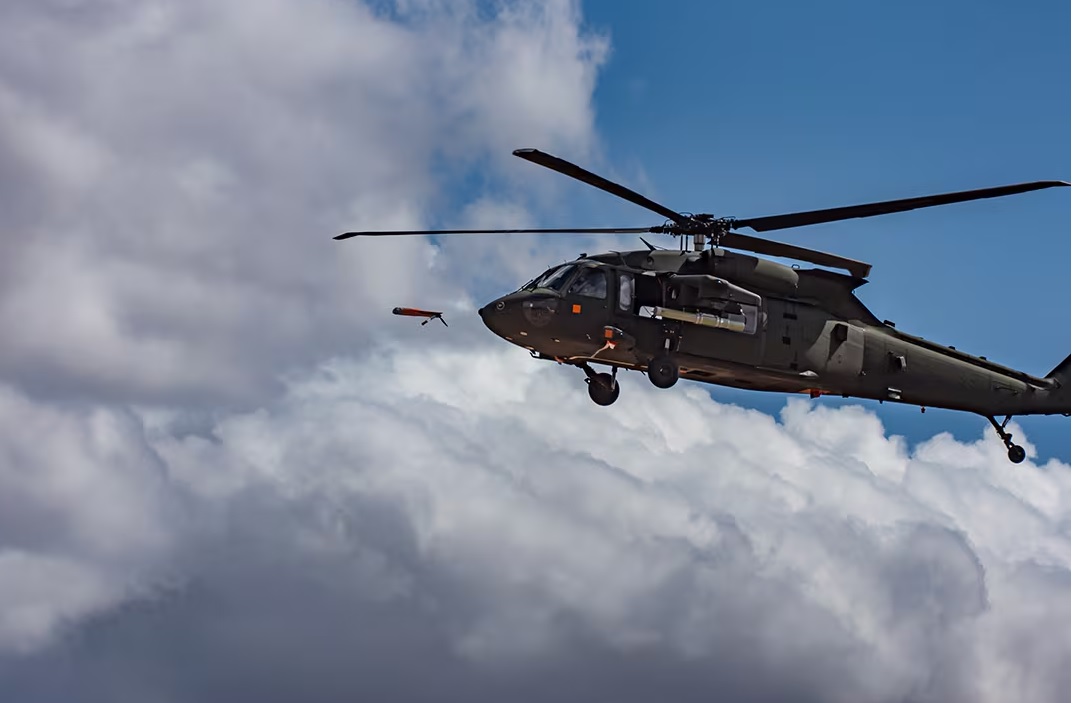 U.S. Army Completes First Flight Test of Medium-Range Air-Launched Effects from Black Hawk Helicopter
Top Trending in 4 Days
-
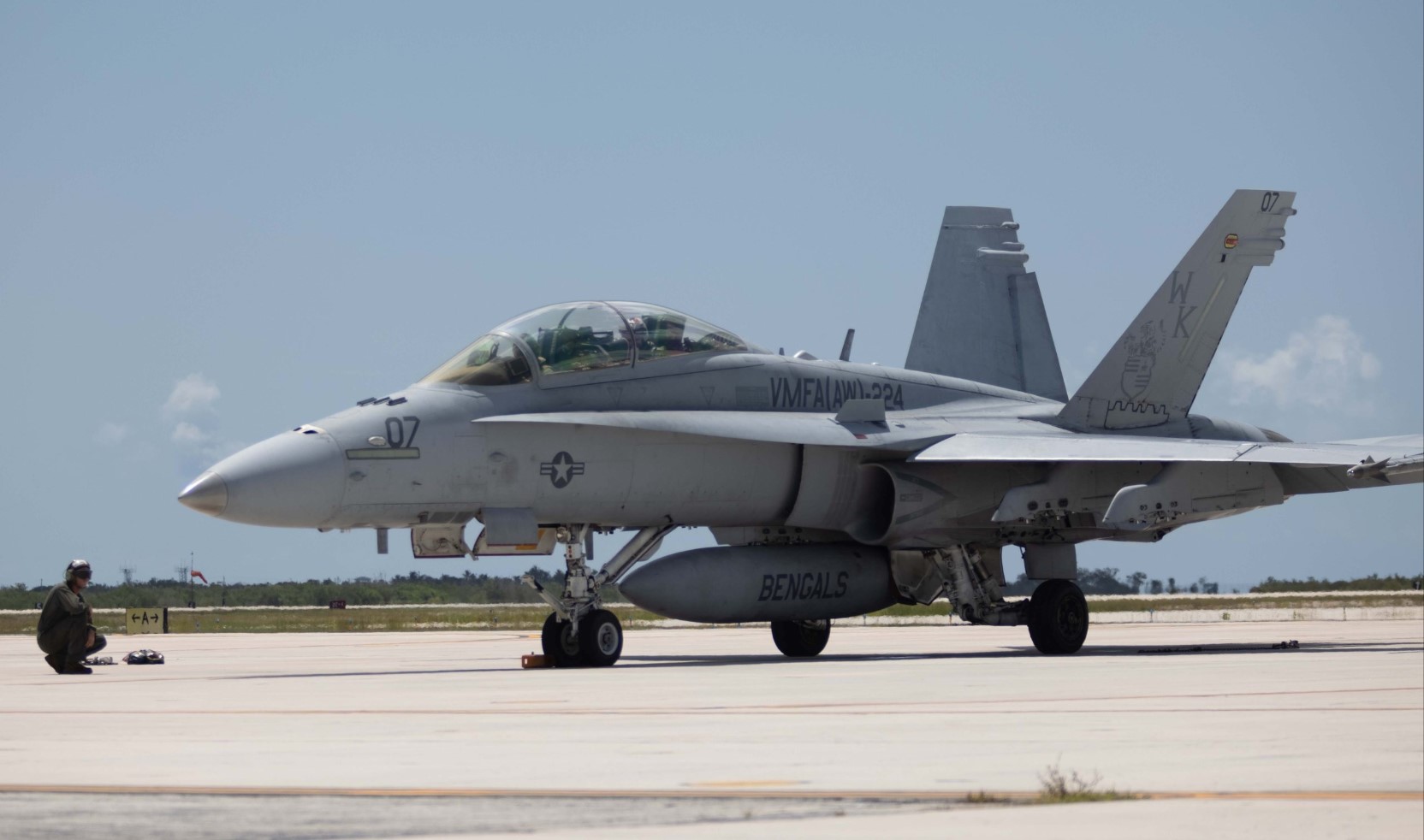 US Marine Corps F/A-18D Hornet Crashes During Training Flight in Washington Mountains; Pilot Ejects Safely
-
 Tulsi Gabbard Releases Declassified Files Detailing U.S.-Backed Network of 120 Biolaboratories Across 30+ Countries
-
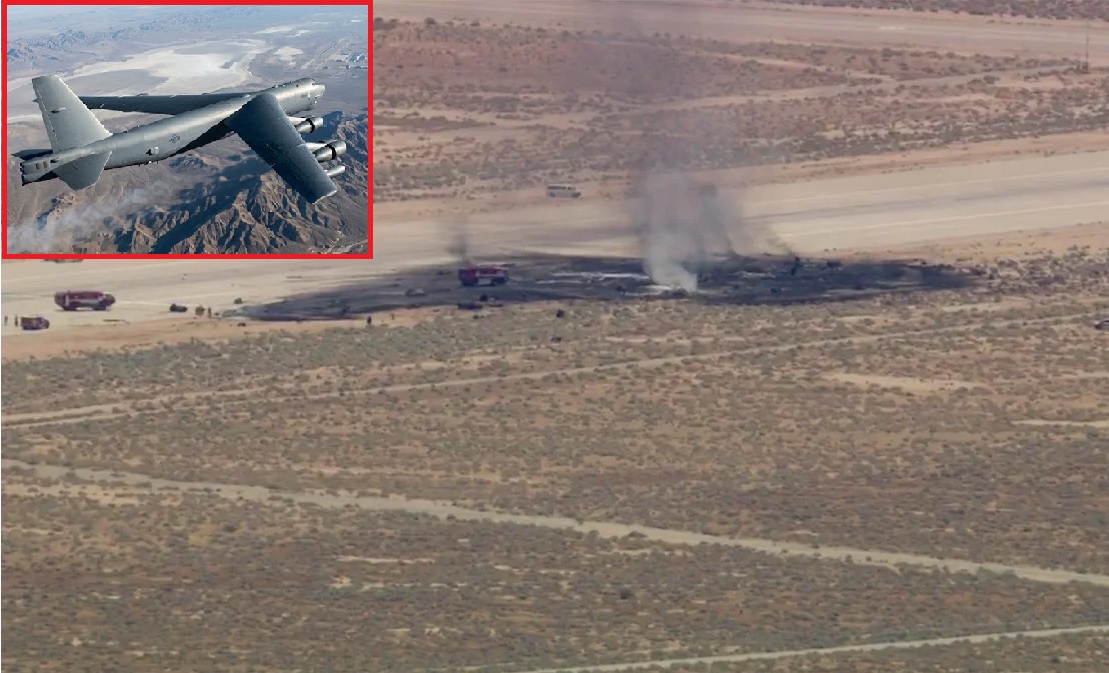 8 U.S. Air Force Crew Members Killed in B-52 Bomber Crash During Test Flight at Edwards Air Force Base
-
 Ukraine Introduces Balloon-Launched DART Missile Designed to Defeat Electronic Warfare
-
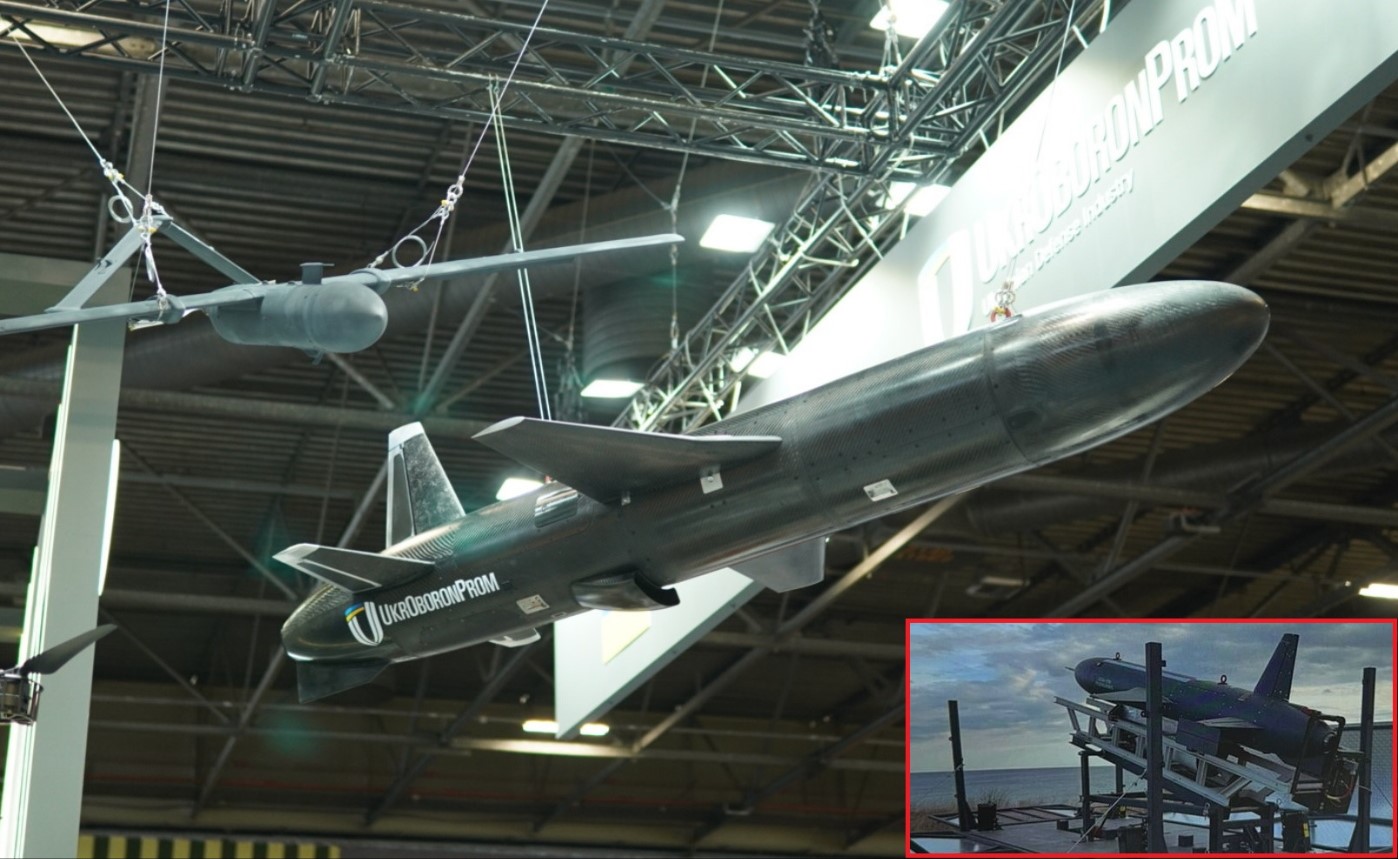 Ukraine Unveils UAV-290 Jet-Powered Strike Drone with 650 km Range at Eurosatory 2026
-
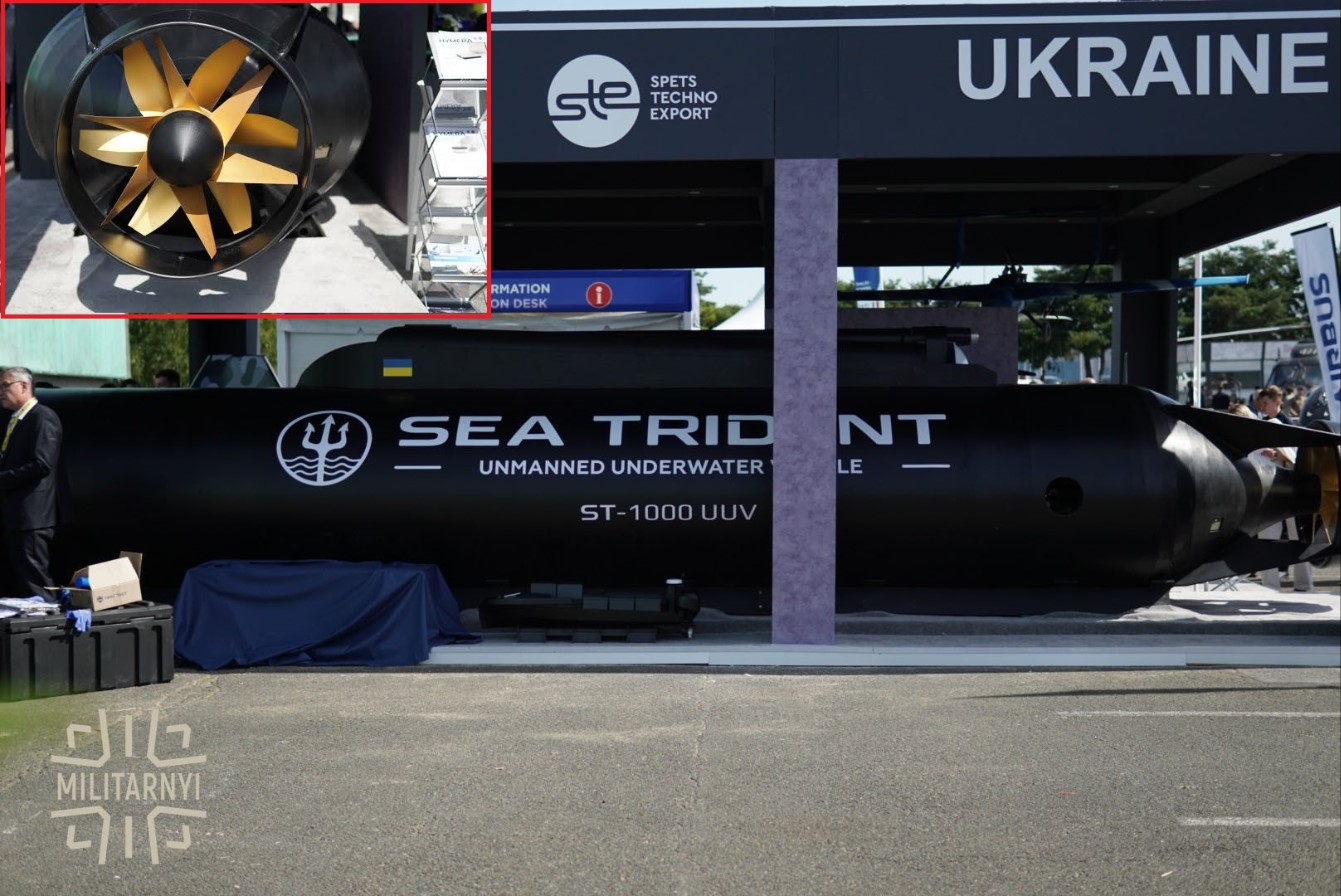 Ukraine Unveils 'Sea Trident' 10-Ton Autonomous Underwater Drone at Eurosatory 2026
-
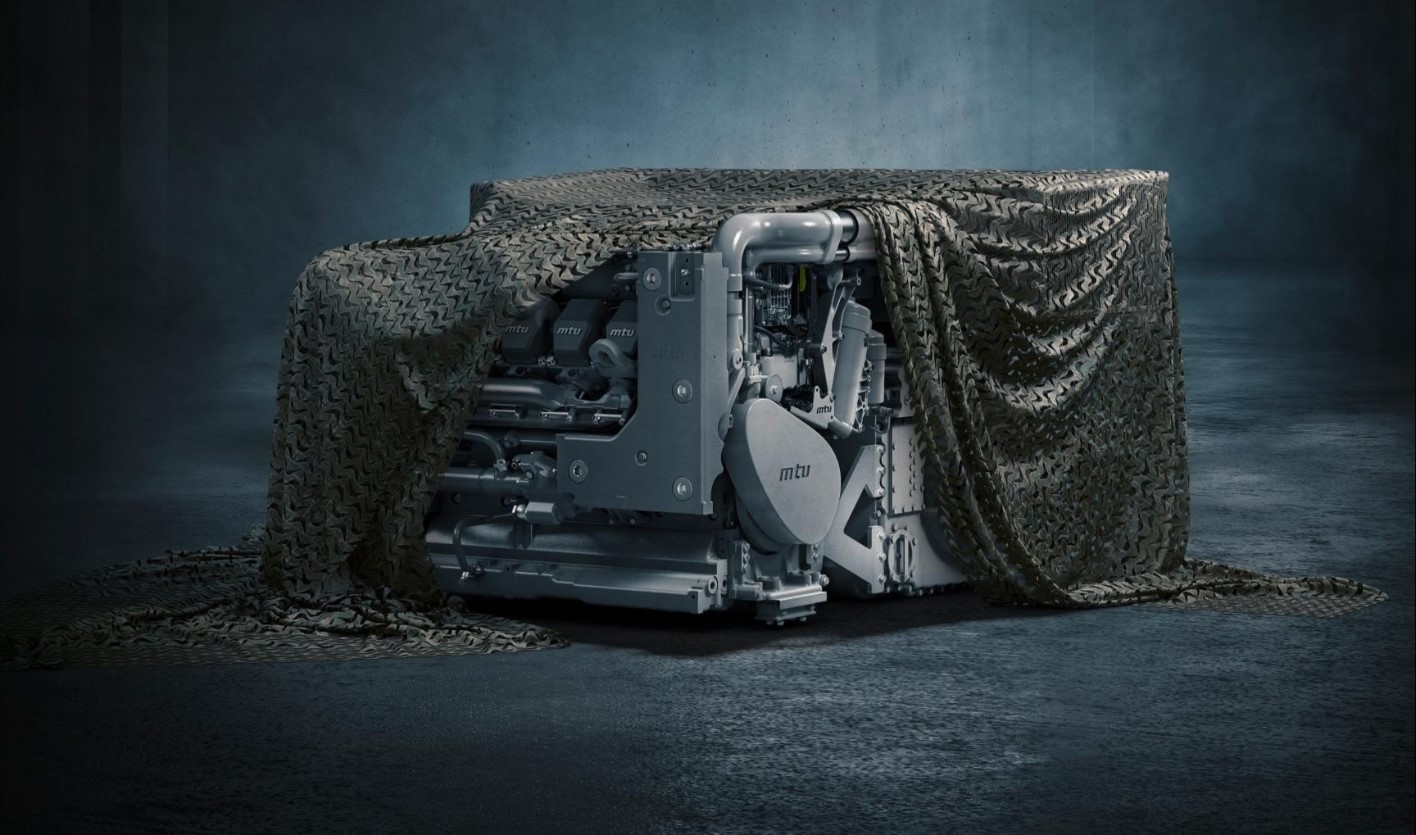 Rolls-Royce Unveils New Hybrid Powertrain for Heavy Military Vehicles at Eurosatory 2026
-
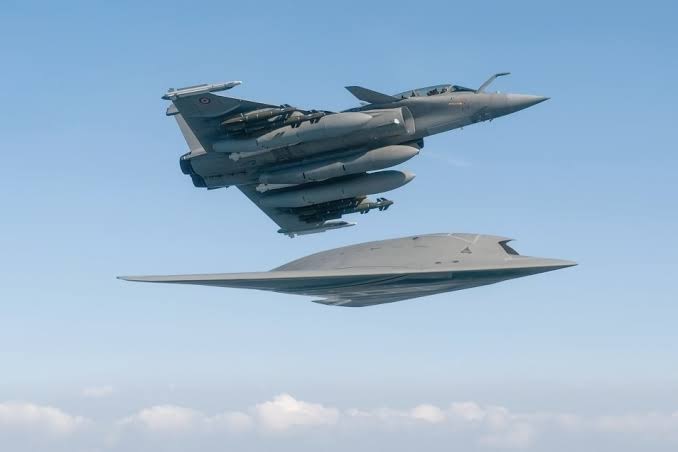 France Agrees to Equip Future Indian Rafales with AI, MUM-T and Secure Satellite Links Under F5 Standard