World
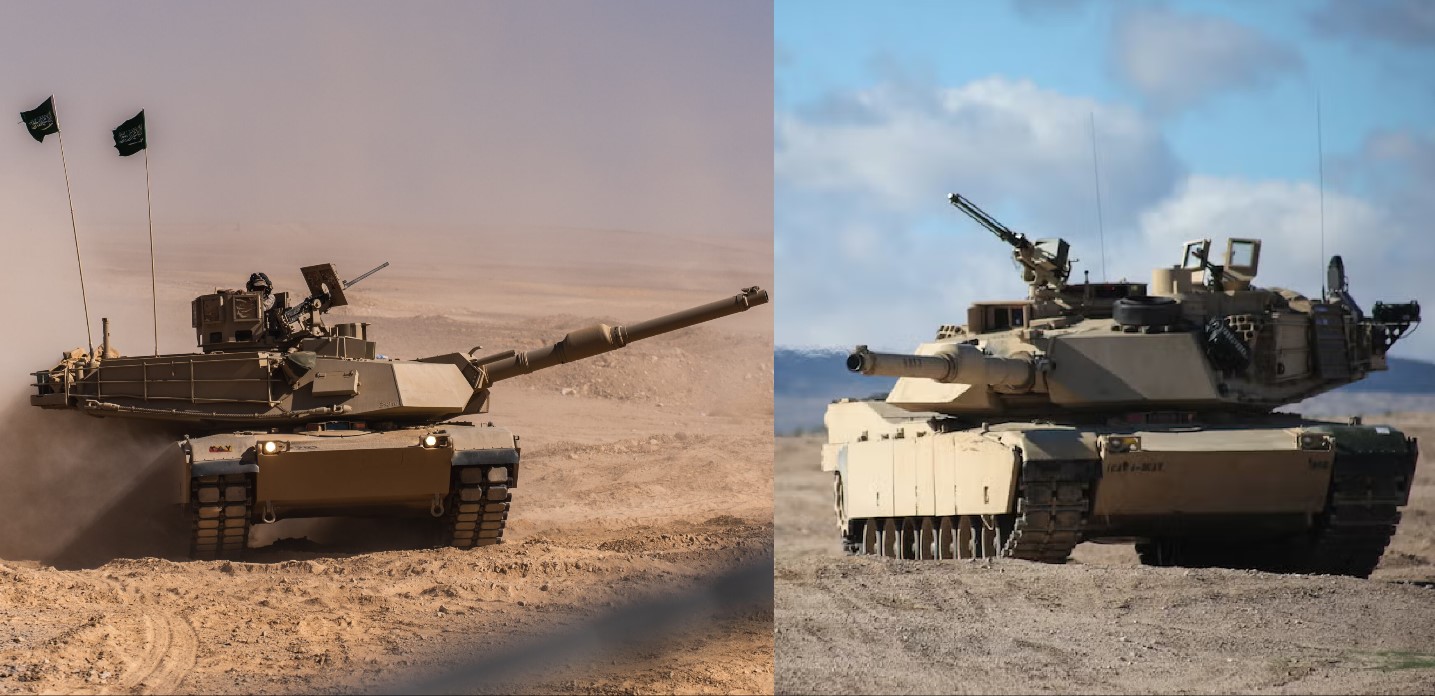
On 18 November 2025 the United States and Saudi Arabia have entered one of the most consequential phases of their modern partnership after President Donald J. Trump and Crown Prince Mohammed bin Salman formally concluded a sweeping Strategic Defense Agreement, anchored by Riyadh’s decision to purchase nearly 300 American-made M1 Abrams main battle tanks. The White House confirmed the agreement late Tuesday, presenting it as both a reinforcement of U.S. leadership in the Middle East and a cornerstone of Saudi Arabia’s military modernization. The deal, which also incorporates civil nuclear cooperation, artificial intelligence partnerships and critical minerals access, is framed as the most far-reaching bilateral defense framework between the two countries in years. A High-Stakes Pact With Economic and Strategic Weight According to senior U.S. officials, the SDA elevates Saudi Arabia to Major Non-NATO Ally status and is tied to Riyadh’s plan to push nearly $1 trillion in investments into the U.S. economy. The administration described the package as a “strategic anchor” ensuring long-term military, economic and technological cooperation. For Washington, the tank sale represents a multi-billion-dollar program that will sustain production at the Lima Army Tank Plant—the only remaining facility manufacturing the Abrams. For Saudi Arabia, it signals a renewed commitment to American defense technology after years of exploring alternative suppliers. The Abrams Deal: Nearly 300 Tanks to Reshape Saudi Ground Power While official documents mention nearly 300 U.S. tanks, defense analysts expect the order to be based on an export variant of the M1A2 SEP series, similar to the SEPv3 configuration now entering American service. Key Specifications of the M1A2 Abrams Expected for Saudi Arabia 120 mm M256 smoothbore gun Advanced thermal sights and hunter-killer capability Composite armor with blow-off panels 1,500 hp AGT1500 turbine engine Road speeds above 65 km/h Digital systems ready for future Active Protection Systems Export units are typically priced between $23 and $25 million, placing the tank segment of the deal in the $6.5–7.5 billion range before training and sustainment. Saudi Arabia already operates more than 575 M1A2S tanks. The new batch will push the fleet close to 900 Abrams, making the kingdom one of the world’s largest operators of the platform. Building a Heavier, Modernized Saudi Army The addition of nearly 300 new tanks gives the Royal Saudi Land Forces the ability to stand up at least one new heavy armored division or reinforce several armored brigades. The expanded fleet is expected to phase out aging M60A3 Patton tanks, which suffered significant losses during the Yemen conflict. Saudi officials say the enlarged Abrams fleet will: Strengthen border operations near Yemen Secure oil and infrastructure corridors Improve deterrence against Iran Standardize logistics and training on a single modern heavy platform The move also prepares Saudi forces for closer U.S.-led coalition integration. Yemen, Ukraine and Gaza: Lessons Driving Saudi Modernization Saudi Arabia’s shift toward more advanced armor is rooted in battlefield lessons. In Yemen, Houthi fighters used Iranian-supplied anti-tank missiles and armed drones to damage or destroy several Saudi M1A2S tanks. For Saudi commanders, the message was clear: modern survivability depends on active protection, electronic warfare, and integrated air defense rather than armor alone. Recent wars in Ukraine and Gaza have reinforced the same point. Although the Abrams does not fire ATGMs like Russia’s T-90M, it offers superior crew protection, ammunition isolation, and upgrade potential. Reasserting the U.S. Footprint in the Middle East The tank deal arrives at a moment when Saudi Arabia has been reassessing its security partnerships, including limited overtures to China. The 2025 SDA is designed to anchor Riyadh firmly back inside the American defense ecosystem. The White House said the agreement “cements the United States as the kingdom’s primary security partner,” while Saudi officials described it as a necessary recalibration for a region facing drone threats, proxy warfare, and strategic uncertainty. A New Defense Architecture Takes Shape With the SDA completed, both nations are preparing for expanded joint training, integrated defense planning, and closer industrial cooperation. The nearly 300 M1 Abrams tanks will serve as the visible backbone of this next phase—symbolizing a partnership rebuilt on heavy armor, shared strategy, and long-term geopolitical alignment. The steel at the center of the deal is only part of the story. The strategic realignment it represents is far larger, and far more enduring.
Read More → Posted on 2025-11-19 17:06:08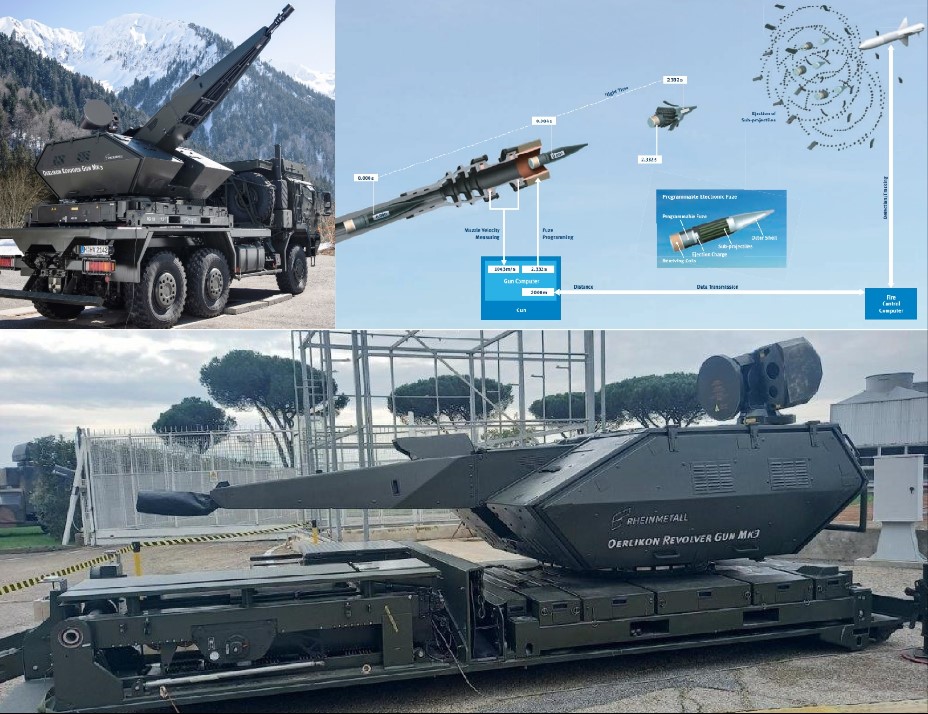
World
Ukraine has now received all four promised Skynex air-defence systems from Germany, completing a delivery that began as an urgent wartime procurement nearly three years ago. With drone and loitering-munition attacks intensifying across the front and deep inside Ukrainian cities, the arrival of the full Skynex package marks one of the most significant additions to the country’s short-range air-defence network since the war began. A Deal Born From Crisis The story of Skynex in Ukraine began in December 2022, when Germany signed the first contract with Rheinmetall for two Skynex batteries, financed through Berlin’s special defence fund. That initial agreement, valued at around €182 million, was meant to give Ukraine a precise, cost-effective system capable of shooting down Shahed-type drones—cheap, abundant, and increasingly used to exhaust expensive missile stocks. As the drone war escalated, Germany quietly placed a follow-on order in early 2024 for two additional systems, bringing the total promised to four. Deliveries began in stages throughout 2024 and 2025. Now, in late 2025, Rheinmetall confirms that all four systems are fully delivered and operational on Ukrainian soil. Why Skynex Matters to Ukraine Over the past two years, Ukraine’s power infrastructure, ammunition depots, bridges and rail hubs have endured constant strikes from Shahed drones, Lancet loitering munitions, and low-flying cruise missiles. While Ukraine relies heavily on Patriots, IRIS-T, and NASAMS for long-range interception, these systems are simply too expensive and too scarce to waste on slow, low-cost drones. Skynex fills that gap. It is a system built around 35mm cannon fire, using programmable AHEAD air-burst ammunition that releases hundreds of tungsten pellets in the path of an incoming drone. Each shot costs a fraction of a missile, yet can destroy even small, hard-to-track UAVs. This makes Skynex ideal for defending power plants, military logistics hubs, airfields, and other high-value targets. How Skynex Works – System Specifications Each Skynex air-defense battery delivered to Ukraine includes: • 35mm Oerlikon Revolver Gun Mk3 Mounted on Rheinmetall HX 8×8 trucks Rate of fire: Up to 1,000 rounds/minute Effective range: Up to 4 km Gun elevates to engage fast, low-altitude targets • AHEAD Programmable Ammunition Each round releases tungsten sub-projectiles Creates a “cloud” that shreds drones or missile components Much cheaper than using IR-guided or radar-guided missiles • X-TAR3D Radar and Skymaster Battle-Management System 3D air-surveillance radar Tracks drones, rockets, and aircraft at long distances Integrates with other NATO-standard sensors Can command multiple guns simultaneously • Fully Modular Architecture Ukraine can later add: More guns Missile launchers Different radars Electo-optical tracking units Its open architecture also means Ukraine can attach additional radars, fire-control units, or even integrate older Soviet-era sensors. A New Layer in Ukraine’s Defence Web Kyiv has not disclosed exact deployment locations, but military officials hint that Skynex systems are already positioned around strategic energy facilities and logistical corridors—precisely the targets Russia has tried to cripple ahead of winter. For Ukraine, every Skynex battery helps reduce reliance on high-cost interceptor missiles. For Germany, the successful delivery signals a maturing defence-industrial partnership with Ukraine—one that Berlin expects will last long after the war. What Comes Next Despite the positive news, Ukrainian officials openly acknowledge that four systems are far from enough for a country of Ukraine’s size. Demand for short-range drone-defence technology has skyrocketed, and Kyiv continues to lobby Europe for more Skynex units or similar systems. For now, the completion of the delivery marks a rare moment of certainty in a chaotic war: a promised capability, delivered in full, and already working to protect Ukraine’s cities and soldiers. If you want, I can now write a follow-up article comparing Skynex vs. Gepard vs. IRIS-T in Ukraine’s air-defence ecosystem.
Read More → Posted on 2025-11-19 16:54:50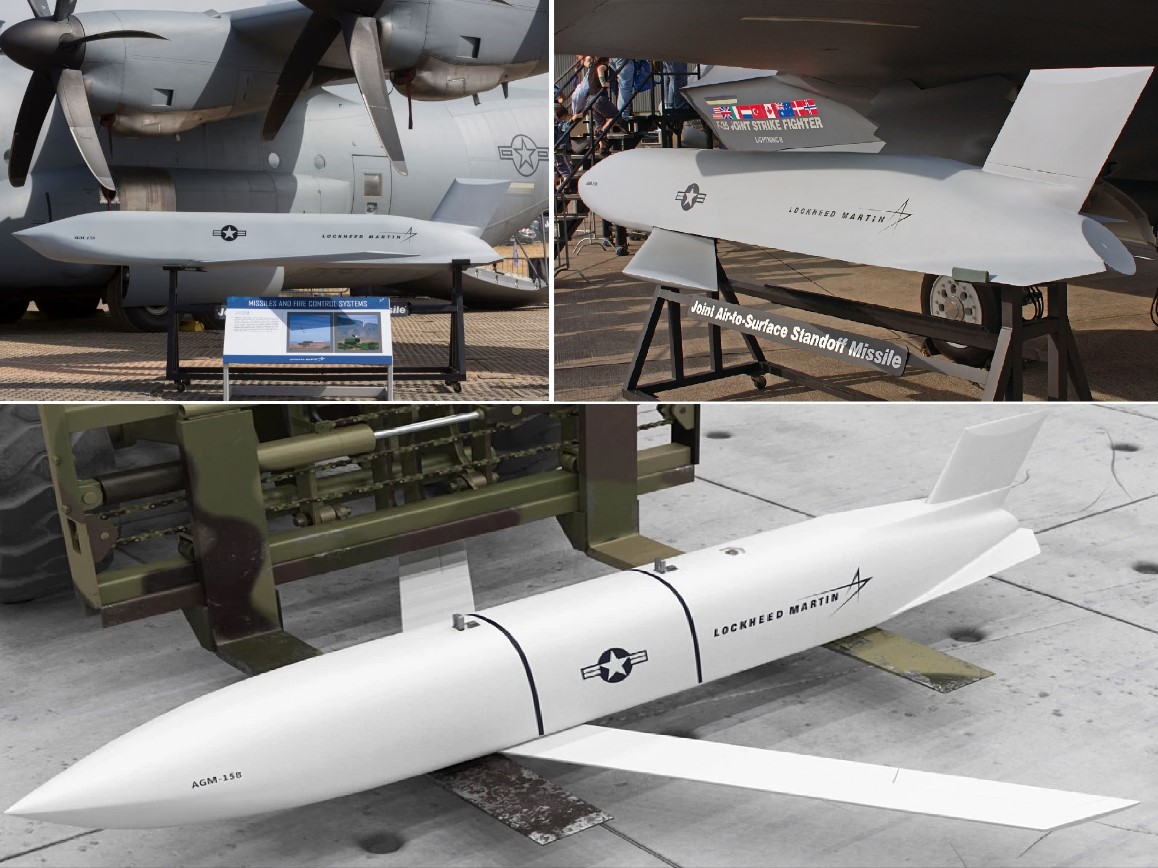
World
Lockheed Martin is accelerating work on the AGM-158 XR (eXtreme Range), the newest and most ambitious variant of the Joint Air-to-Surface Standoff Missile (JASSM) family, with the first prototype test flight targeted for Q4 2026. The move marks a significant step toward fielding one of the longest-range precision strike weapons ever developed for the United States Air Force. A New Milestone for Stand-Off Strike Weapons According to Tim Cahill, Executive Vice President of Missiles and Fire Control at Lockheed Martin, assembly of the initial AGM-158 XR prototype is well underway.“We’re putting that prototype together,” Cahill confirmed, adding that the US Air Force (USAF) is offering strong support through scheduled range access, technical assistance, and evaluation planning. The XR variant is designed to drastically expand the JASSM’s reach, continuing the evolution of a missile family already known for deep-strike capabilities. While official specifications remain classified, defence sources indicate the AGM-158 XR could exceed 1,000 km in range, potentially far more, positioning it for operations against heavily defended targets in contested airspace. Why the XR Variant Matters The Pentagon’s growing focus on high-end conflict scenarios—particularly in the Indo-Pacific—has elevated demand for weapons capable of striking from outside advanced anti-access/area-denial (A2/AD) systems. China’s integrated air defences and long-range surface-to-air missiles have accelerated USAF interest in deep-strike options. The XR will build upon the proven JASSM-ER and JASSM-X variants but incorporate: A larger, more efficient propulsion system Increased fuel capacity Reduced radar cross-section shaping Upgraded guidance and navigation resilient against GPS jamming Higher survivability in dense air defence environments These enhancements allow bombers and fighters—including the B-21, B-52J, F-35, and F-15EX—to engage targets far beyond the reach of legacy cruise missiles. Prototype Phase and Testing Timeline Lockheed Martin is expected to complete the airframe’s structural integration in early 2026, followed by subsystem testing, captive-carry flights, and software integration.The first live-fire test is scheduled for late 2026, with additional weapon qualification trials anticipated through 2027. If successful, the USAF could consider initial low-rate production by 2028, aligning with broader modernization plans for long-range strike platforms. Growing Demand Amid Global Tensions As geopolitical tensions heighten—from the Western Pacific to Eastern Europe—advanced standoff munitions are seeing rapid investment. The JASSM line already has more than a dozen international customers, and several allies have expressed early interest in the XR’s extended reach. Military analysts note that the AGM-158 XR could become a central pillar of the United States’ future strike doctrine, balancing survivability, range, and precision in a weapon designed for the most challenging theatres. AGM-158 XR – Expected Specifications (Unclassified/Estimated) Range: 1,000–1,600 km (extreme-range class) Length: ~4.5 m Warhead: 450 kg WDU-42/B penetrator/blast-fragmentation warhead Propulsion: Advanced turbojet engine with expanded fuel capacity Guidance: GPS/INS with jam-resistant enhancements Imaging IR seeker for terminal guidance Navigation Upgrades: Anti-jam, hardened electronics, enhanced target recognition Speed: Subsonic (high survivability cruise profile) Stealth: Low radar cross-section composite body Shrouded engine inlet Launch Platforms: B-21, B-52J, F-35A, F-15EX, and future long-range strike aircraft Role: Deep-strike against hardened, high-value, high-threat targets (Specifications compiled from open-source defence estimates; official values remain classified.) The upcoming 2026 test marks a major milestone not just for Lockheed Martin but for the USAF’s long-range strike modernization. If the AGM-158 XR meets its projected performance, it could redefine stand-off warfare and strengthen deterrence against adversaries deploying increasingly advanced air defence networks. The world’s attention will be on the XR’s first flight—one that may shape the next generation of precision strike capabilities.
Read More → Posted on 2025-11-19 16:38:24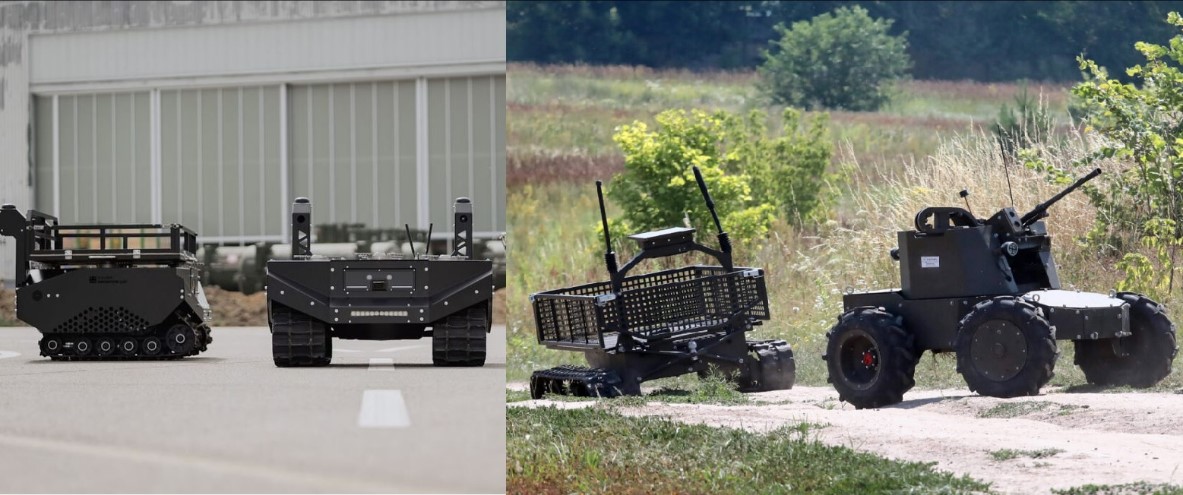
World
ARX Robotics has secured a major new order to expand Ukraine’s fleet of Gereon unmanned ground vehicles (UGVs), marking one of the most significant investments yet in robotic systems on the Ukrainian battlefield. The contract will create a connected fleet of several hundred robots, supported by local production at the company’s facility inside Ukraine. According to ARX Robotics, the new delivery will substantially increase Ukraine’s ability to conduct automated logistics, reconnaissance, route clearance and multi-robot operations. The expansion also deepens the industrial partnership between European manufacturers and Ukraine’s growing defense-technology sector. Connected Robots for Multi-Domain Missions The upgrade centers on the ARX Robotics Framework powered by Mithra OS, an AI-driven operating system designed to link sensors, autonomous functions and open interfaces across all Gereon units. The system enables coordinated missions across multiple military domains by allowing robots to share data, manage tasks and respond to battlefield changes more quickly. Commanders can integrate the UGVs with legacy platforms and existing battlefield networks, creating a more unified digital operating environment. The connected fleet will be able to conduct a wide range of tasks, including: Forward reconnaissance in contested zones Autonomous resupply missions Casualty evacuation Route and mine clearance Support for weaponized payloads Ukrainian forces have already deployed earlier versions of the Gereon robots, and officials say the new order will significantly scale the impact of robotics on frontline operations. Industrial Cooperation Between Europe and Ukraine A key part of the agreement includes local production inside Ukraine, with domestic suppliers expanding capacity to meet growing demand. ARX Robotics described this as essential for faster delivery and long-term sustainment of the fleet. “This major order is an important vote of trust and a clear mandate to scale,” said Marc Wietfeld, Co-Founder and CEO of ARX Robotics.“By expanding the connected Gereon fleet, we are strengthening a key capability in Ukraine and laying the foundation for a robust, locally anchored supply chain.” Igor Kornilov, CEO of ARX Ukraine, said that the combination of German technology and Ukrainian manufacturing will accelerate fielding with the armed forces. “Manufacturing at our Ukrainian plant and working with local partners will accelerate deployment and ensure sustainment in service,” Kornilov noted.“We are building capacity and capability in Ukraine that will deliver value beyond this order.” The company emphasized that the cooperation will help Ukraine advance its technical know-how while making its defense production base more resilient. Gereon UGVs and Mithra OS: A Growing European Standard ARX Robotics produces the Gereon RCS series of unmanned ground vehicles, which have been adopted by several European armed forces. The robots are known for their modular design, enabling rapid reconfiguration for different mission types. The company’s Mithra OS serves as a unifying layer connecting not only autonomous systems but also legacy equipment, allowing militaries to integrate modern robotics into older platforms without replacing entire fleets. In Ukraine, the systems have already supported battlefield digitalization, soldier protection, and increased automation—areas where Kyiv has aggressively invested since the start of the full-scale invasion. Strengthening Europe’s Robotic Defense Capabilities The new contract aligns with a broader trend of European militaries accelerating investment in autonomous systems for logistics, reconnaissance and protection roles. With Ukraine serving as a real-time test environment, the country’s adoption of networked robots is viewed as a valuable proving ground for future European defense technologies. Defense analysts say the Gereon fleet expansion reinforces Europe’s push toward strategic autonomy in robotics and AI-enabled warfare. Production is expected to ramp up immediately, with the first units from the new order scheduled for field deployment within months. As the fleet grows, Ukraine will move closer to operating one of the largest coordinated UGV networks in active conflict, combining European engineering with locally developed resilience. Officials say the deal marks a pivotal moment for Ukraine’s military modernization and Europe’s expanding role in next-generation battlefield robotics.
Read More → Posted on 2025-11-19 16:26:39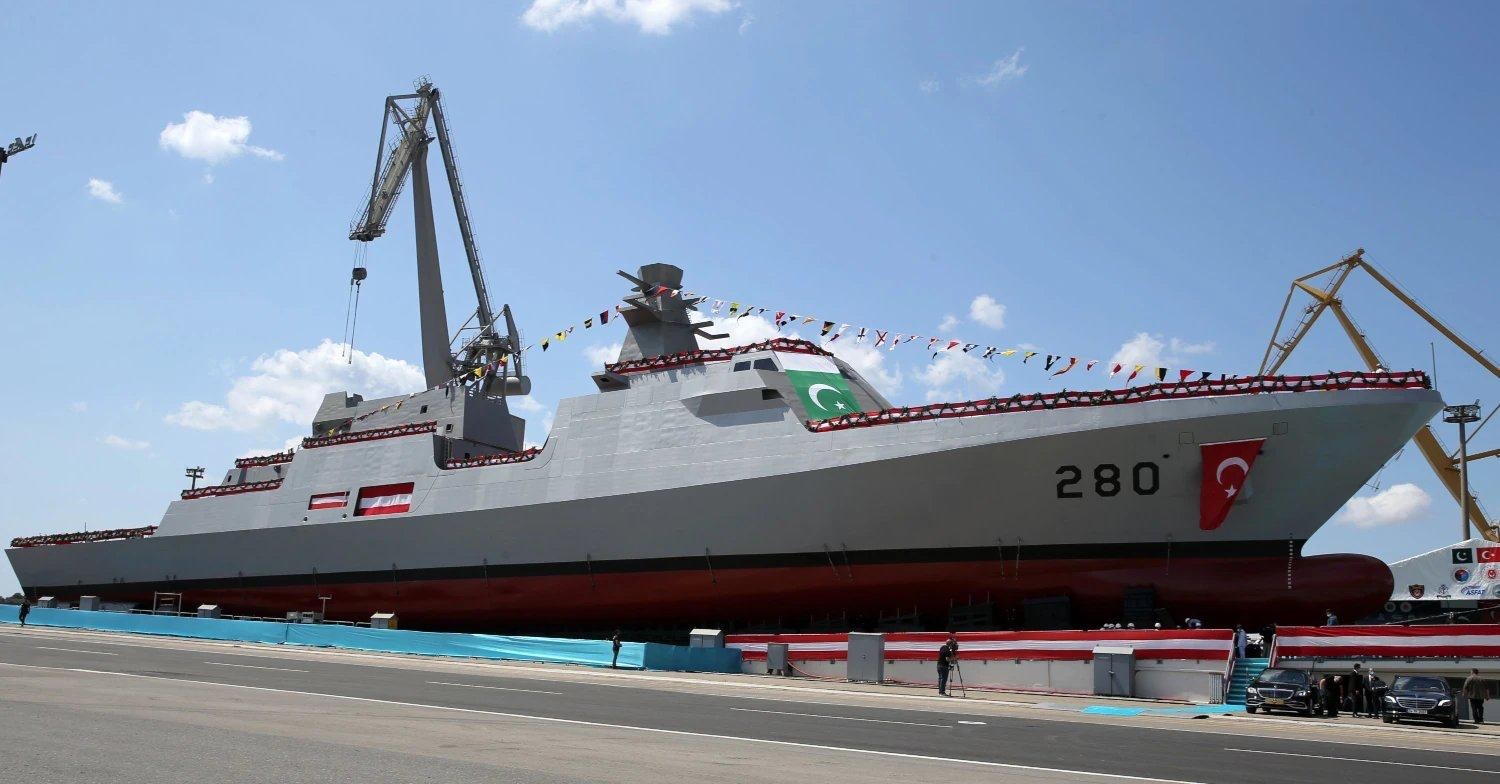
World
Pakistan’s new warship, PNS Khaibar, has successfully completed important live-fire trials, marking a major step before it officially joins the Pakistan Navy. The announcement came from the Turkish defense company HAVELSAN, which has played a key role in building and integrating the ship’s combat systems. Sharp Accuracy in Weapon Tests During the trials, Khaibar fired its 76 mm main gun at land targets and hit them with high accuracy. The ship’s Aselsan STOP 25 mm remote-controlled gun also repeated the same precise performance. These tests were mainly done to check how well the ship’s advanced combat system, ADVENT, can control weapons and sensors together. HAVELSAN and Turkey’s state-owned shipbuilder ASFAT supervised the trials. What Makes PNS Khaibar Different PNS Khaibar is the second ship of the Babur-class—a larger and more powerful version of Türkiye’s Ada-class corvette. Unlike older ships that were mainly built for anti-submarine missions, Khaibar is designed to handle multiple types of missions at sea. Key features include: Harbah land-attack and anti-ship missiles Albatros NG air-defense missiles with a 12-cell launcher Gokdeniz close-in weapon system (CIWS) Leonardo 76/62 Super Rapid main gun Two STOP 25 mm guns 324 mm torpedo launchers The ship is around 108 meters long, weighs about 3,000 tons, and can reach speeds of over 26 knots. It can also carry a 10-ton anti-submarine helicopter. Advanced Radar and Sensors Khaibar is equipped with powerful sensors that help it detect ships, aircraft and submarines from long distances. These include: SMART-S Mk2 3D radar Piri infrared search-and-track system SeaEye-AHTAPOT electro-optical sensors Yakamos sonar HIZIR torpedo defense system Together, these systems allow the ship to monitor the sea and air around it up to almost 250 km. ADVENT Combat System: The Brain of the Ship The ADVENT combat management system is one of the ship’s biggest upgrades. It connects all radars, weapons, sensors and communication systems so they work together as one networked unit. This system can: Share data with other ships Track multiple threats at the same time Guide weapons more accurately Connect with NATO and Pakistan Navy communication links The supporting FLEETSTAR system helps distribute data quickly and safely across the ship. For Pakistan, this means its navy will operate a second digital combat network—separate from the Chinese systems used on its Tughril-class ships and upcoming Hangor-class submarines. A Program Designed for Technology Transfer The PN MILGEM program began in 2018 with an agreement between Pakistan and Türkiye to build four ships, including two made at Karachi Shipyard. The deal includes technology transfer, giving Pakistan the rights to modify and develop future ships such as the planned Jinnah-class frigates. This helps Pakistan learn ship design, weapon integration and combat-system management—skills it has been trying to develop for years. Why This Matters in the Region Khaibar’s arrival comes at a time of growing rivalry in the Indian Ocean. The Indian Navy is expanding rapidly, operating aircraft carriers, new destroyers and advanced submarines. Pakistan, on the other hand, is trying to modernize its smaller fleet while also protecting Chinese-supported sea routes linked to the China–Pakistan Economic Corridor (CPEC). Analysts say the Babur-class corvettes give Pakistan a modern, missile-armed, network-enabled surface force — but they do not change the overall balance, which still heavily favors India. A New Addition to Pakistan’s Naval Power With its trials complete, PNS Khaibar is now close to joining the Pakistan Navy. The ship represents a major upgrade — combining advanced sensors, modern missiles, digital combat systems and long-range awareness in a compact design. For Pakistan, Khaibar is a sign of its growing partnership with Türkiye and a step toward modernizing its navy for the challenges of the future.
Read More → Posted on 2025-11-19 16:20:05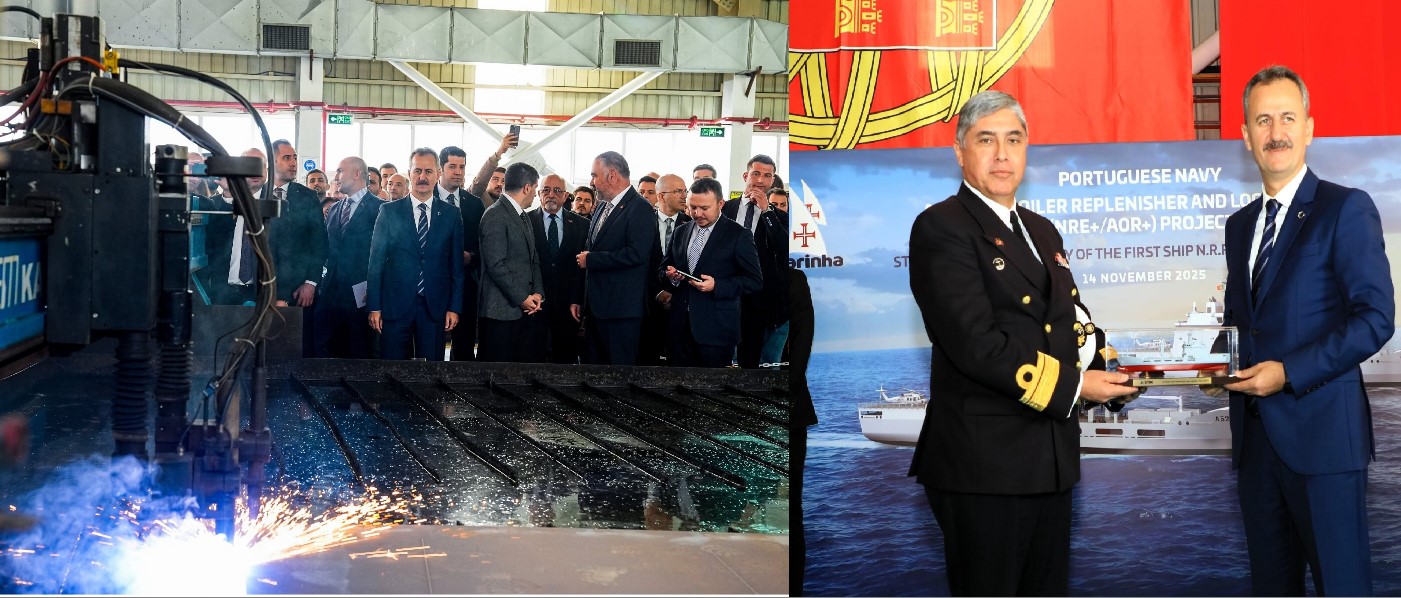
World
Turkey has formally begun steel cutting for two naval support vessels ordered by Portugal, marking the first military ship export from Ankara to a European Union and NATO member-state. The step follows a contract signed in Lisbon in December 2024 and represents growing technical and industrial cooperation between the two countries. Long-Range Auxiliary Vessels for Portugal The two ships under construction are Auxiliary Oiler and Logistics Vessels, designed to operate across long distances and support a wide range of naval missions. Key features of the vessels include: 14,000 nautical mile range at an economical speed of 14 knots Capability for replenishment at sea, logistics support, and amphibious operations Facilities for medical assistance, search and rescue, and humanitarian relief Capacity to carry up to 20 light armored vehicles A flight deck and hangar suitable for helicopters and unmanned aerial vehicles Once completed, the vessels will significantly improve Portugal’s ability to sustain naval operations in the Atlantic and participate in extended NATO missions. Turkish Industry Participation and Delivery Timeline Around 30 Turkish companies are contributing to the project, with STM serving as the prime contractor. The company has confirmed the delivery schedule: First vessel: in 36 months Second vessel: in 44 months This places deliveries between 2027 and 2028, depending on shipyard progress. The project reflects Turkey’s rising presence in the international shipbuilding and defense markets, particularly in logistical and support vessel categories. Part of Turkey’s Expanding Defense Export Portfolio The Portugal program adds to a series of recent export successes for Turkey’s defense industry. Turkish Aerospace Industries has delivered Anka-S armed drones to Qatar and Azerbaijan, enhancing both countries’ surveillance and operational capabilities. STM previously exported MILGEM Ada-class corvettes to Pakistan under a long-term cooperation framework. Roketsan continues to supply precision-guided munitions and short-range missile systems to Morocco. These exports illustrate Turkey’s effort to broaden its defense partnerships and supply advanced systems to a wider range of international customers. Strengthening Ties Within NATO For Portugal, the new vessels support its long-term naval modernization goals and strengthen its ability to participate in NATO maritime operations. For Turkey, the contract marks a useful opening into European defense procurement and highlights compatibility between Turkish naval engineering and NATO operational standards. With steel cutting now underway, both countries enter a practical phase of cooperation that is expected to continue over the next several years as the ships progress through construction and testing.
Read More → Posted on 2025-11-19 14:38:39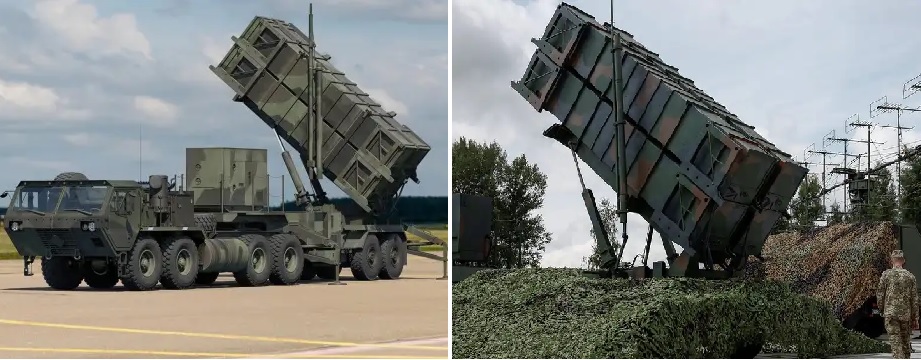
World
The United States has approved a major sustainment and upgrade package for Ukraine’s PATRIOT air defense system, marking Washington’s latest effort to reinforce Kyiv’s defenses as Russia intensifies long-range missile and drone strikes. According to the U.S. State Department, the proposed Foreign Military Sale (FMS)—valued at an estimated $105 million—includes critical sustainment, spare parts, maintenance, and the upgrade of older M901 launchers to the more advanced M903 configuration. The deal is still awaiting final approval from Congress, but officials say the package is expected to move quickly due to urgent Ukrainian operational needs. A Boost to Ukraine’s Most Capable Air Defense Shield The PATRIOT system has become one of the most valuable assets in Ukraine’s layered air defense network, credited with shooting down Russian Iskander-M, Kinzhal hypersonic missiles, and long-range cruise weapons. However, constant use in high-intensity operations has strained the system, creating an acute need for sustainment support. The State Department said the package will “improve Ukraine’s capability to defend against current and future aerial threats and ensure the long-term readiness of its Patriot batteries.” Key Components of the Approved Sale Upgrade of M901 launchers to M903 — enabling compatibility with newer PAC-3 CRI and future advanced interceptors. Spare parts, repair tools, and maintenance support for continuous 24/7 operations. Technical and logistics assistance to keep the missiles and radar units mission-ready. Training and support equipment for Ukrainian operators and maintainers. The M903 launcher upgrade is particularly significant. Unlike the older M901, the M903 supports multiple missile canisters, improved electronics, and faster reload capability—allowing Ukraine to respond more effectively to massed Russian missile and drone salvos. Comes at a Critical Time in the War Russia has recently increased the frequency of its Shahed drone barrages, ballistic missile attacks, and precision strikes aimed at Ukrainian cities, power stations, and air bases. With winter approaching, Ukrainian officials have warned of a coming campaign targeting energy infrastructure, similar to Moscow’s earlier winter offensives. Ukrainian air defense units have reported that Patriot systems are operating at extremely high tempo, often intercepting multiple threats per night. “This sustainment is not just an upgrade—it’s survival,” one Ukrainian official told Western media. “Patriot is the backbone of our air defense over major cities.” Washington Signals Long-Term Support While the sale does not include new missile interceptors, U.S. officials emphasize that upgrading and maintaining existing Patriot batteries is as strategically important as delivering new weapons. Pentagon advisors continue to work with Ukrainian crews on optimizing radar coverage and improving shoot-down efficiency. The U.S. government also reiterated that the sale “does not alter the balance of power in the region,” framing it instead as a defensive necessity to protect civilians and critical infrastructure. European partners, including Germany and the Netherlands, have already supplied Patriot components and interceptors. The U.S. sustainment package fills key logistical gaps that Kyiv has been requesting for months. Defense analysts say the move underscores Washington’s commitment to sustaining Ukraine’s air defense resilience for years—not just months. “Ukraine’s fight is increasingly an air war,” said one security expert. “Keeping Patriot systems fully operational is essential to stopping Russia’s long-range strikes and preserving Ukraine’s ability to resist.” With Congress expected to review the notification shortly, Ukraine may soon receive the upgraded launchers and sustainment equipment—potentially strengthening its air shield ahead of the harsh winter season and any new Russian aerial offensive.
Read More → Posted on 2025-11-19 12:36:47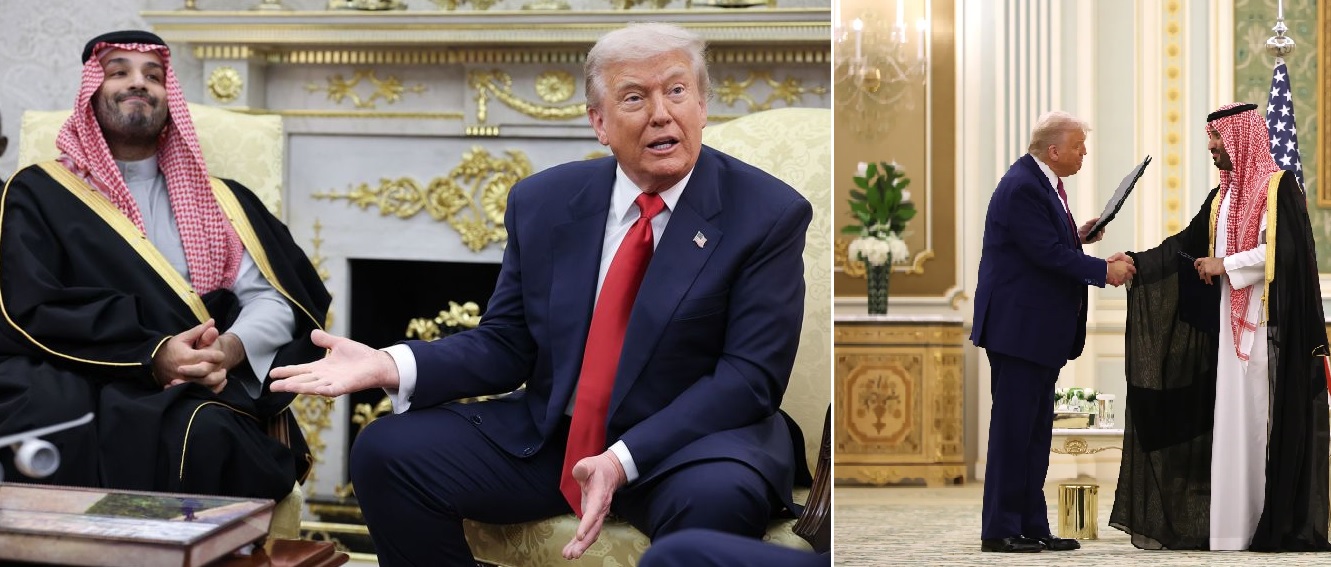
World
Oval Office meeting between former U.S. President Donald J. Trump and Saudi Crown Prince Mohammed bin Salman has ignited both economic enthusiasm and political controversy, after the Saudi leader agreed on the spot to expand planned Saudi investments in the United States from $600 billion to nearly $1 trillion. The dramatic pledge, made during a live press availability, was quickly overshadowed by Trump’s startling comments appearing to downplay the 2018 assassination of American-Saudi journalist Jamal Khashoggi, prompting sharp criticism from human-rights groups and political opponents. A Public Display of “The Art of the Deal” The meeting began as a standard diplomatic engagement showcasing U.S.–Saudi economic cooperation. But it took a dramatic turn when Trump pressed the Crown Prince directly: TRUMP: “You're saying to me now the $600 billion will be $1 trillion?”MBS: “Definitely!” The Crown Prince elaborated that the expanded investment would target technology, artificial intelligence, advanced manufacturing, energy, and next-generation materials, saying it would create “a lot of investment opportunities” inside the United States. Saudi Arabia’s Public Investment Fund (PIF) has already poured tens of billions into U.S. tech, sports, defense, and infrastructure ventures. A jump to $1 trillion would represent one of the largest sovereign investment commitments in U.S. history. Economic Significance Analysts note that such an investment could reshape segments of the U.S. economy: Major boosts to AI development, quantum research, and high-tech manufacturing. Expanded joint ventures in defense, aerospace, and critical minerals. Potential political leverage for Saudi Arabia in Washington policymaking. A dramatic rise in Saudi-funded American jobs, especially in tech hubs. Trump immediately framed the exchange as “the Art of the Deal in action,” calling it proof of his ability to negotiate with global leaders. But the Celebration Was Short-Lived During the same media session, Trump shocked many observers when he appeared to minimize the Saudi regime’s murder of Jamal Khashoggi, the Washington Post columnist killed and dismembered inside the Saudi consulate in Istanbul in October 2018. Despite the CIA, under Trump’s own presidency, concluding that Crown Prince Mohammed bin Salman personally ordered the operation, Trump made remarks suggesting Khashoggi was a “controversial figure” whom “a lot of people didn’t like.” Civil liberties organizations immediately condemned the comments as dangerous and irresponsible. Human Rights Groups Respond Amnesty International called Trump’s remarks “a disgraceful justification of a brutal murder.”Reporters Without Borders warned that normalizing such attacks on journalists could have “global consequences for press freedom.” Democratic lawmakers accused Trump of “siding with authoritarian killers over American journalism.” Saudi Reaction and International Implications Saudi officials did not publicly comment on Trump’s statements about Khashoggi, but Riyadh welcomed the focus on economic cooperation, presenting the investment pledge as part of Vision 2030 — the kingdom’s long-term economic transformation plan. Internationally, the news has produced a mixed reaction: European leaders expressed concern over Trump’s rhetoric on the Khashoggi case. Investors reacted positively to the potential flood of Saudi capital. Middle East analysts warned that Trump’s comments may further embolden Saudi Arabia’s regional posture. Political Fallout in the U.S. While Trump and the Crown Prince celebrated their economic announcement, critics argue that economic gains cannot overshadow human-rights considerations. Political analysts say the incident may become a flashpoint in the 2026 political landscape, raising questions about: Trump’s willingness to confront authoritarian abuses The role of foreign investment in U.S. national security Washington’s long-term strategy in the Middle East For now, however, Trump has doubled down, calling the meeting “a historic success” and claiming that no other leader could have secured such a deal. The Oval Office meeting delivered a monumental economic promise — nearly $1 trillion in Saudi investment — but Trump’s remarks about the murder of Jamal Khashoggi have triggered widespread backlash, once again placing the former president at the center of an intense geopolitical and moral debate. The coming weeks will determine whether the economic triumph overshadows the political controversy, or whether Trump’s comments become yet another defining controversy in U.S.–Saudi relations.
Read More → Posted on 2025-11-19 12:22:14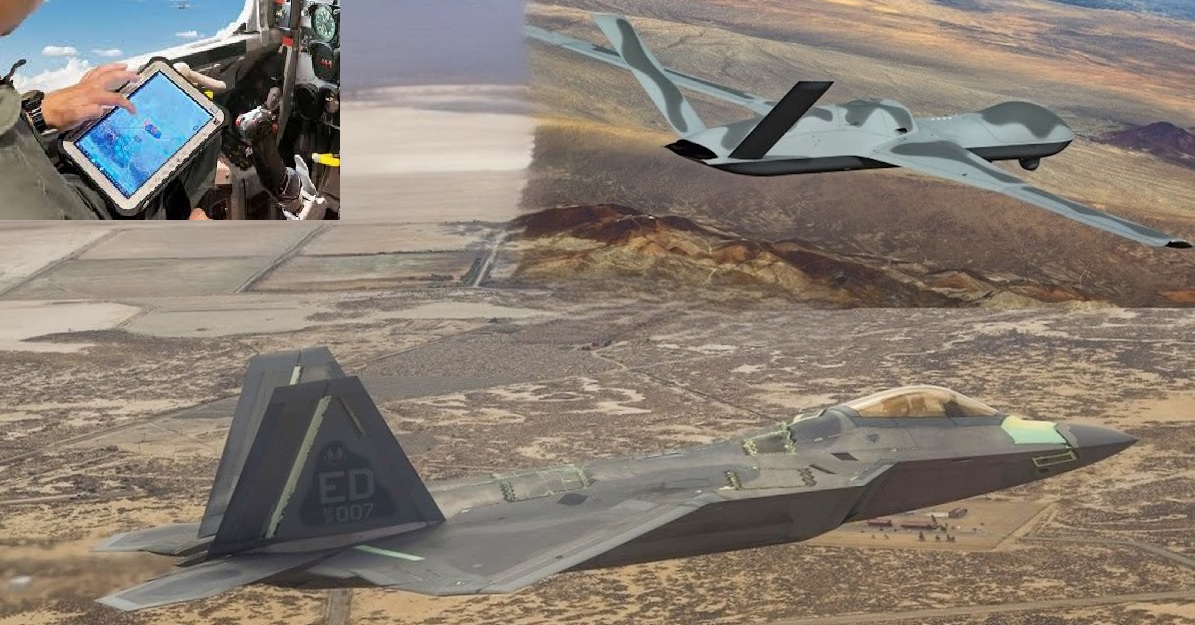
World
In a landmark step toward the future of air combat, a U.S. Air Force F-22 Raptor pilot has, for the first time, directly controlled a General Atomics MQ-20 Avenger stealth drone from inside the fighter’s cockpit during an operational flight. The breakthrough demonstration, confirmed Monday by General Atomics, Lockheed Martin, and L3Harris, marks a pivotal advance in America’s push toward crewed-uncrewed teaming. First-of-Its-Kind Test on the Nevada Range The test took place over the Nevada Test and Training Range, where an F-22 pilot used a ruggedized tablet inside the cockpit to issue real-time commands to the MQ-20.The interface—powered by open-architecture software from Lockheed Martin and secure datalinks developed by L3Harris—allowed the pilot to control the drone’s flight paths, sensor tasks, and mission functions without relying on ground operators. General Atomics described the event as “a significant step toward operational autonomy,” demonstrating that frontline stealth fighters can command loyal wingman drones during high-threat missions. How It Worked: A Cockpit Tablet as a Drone Command Center Instead of complex new cockpit hardware, the test relied on a plug-and-play tablet interface that connected to the F-22’s mission systems.According to engineers familiar with the system: The pilot could assign the MQ-20 surveillance routes Redirect the drone toward simulated targets Task its onboard sensors for reconnaissance Maintain secure bidirectional communication through encrypted datalinks This lightweight approach is designed to allow older fighters such as the F-22 and F-16 to integrate drone control rapidly, without extensive redesigns. Boost for the Air Force’s CCA Program The demonstration is a major component of the Air Force’s emerging Collaborative Combat Aircraft (CCA) initiative, which aims to field autonomous “loyal wingman” drones capable of: scouting ahead of crewed aircraft carrying additional weapons providing electronic warfare support acting as decoys or jammers absorbing risk during early strikes The MQ-20 Avenger, with its jet engine, internal weapons bay, and low-observable design, is widely expected to be a frontrunner among platforms considered for CCA experiments. Air Force leadership has repeatedly emphasized that fifth-generation jets like the F-22 and F-35 will increasingly operate alongside AI-enabled drones to break through contested air defenses. Industry Collaboration Accelerates Progress General Atomics said the test validates years of investment in open mission systems, allowing different defense companies to integrate components without proprietary roadblocks.Lockheed Martin engineers added that these modular designs will help the Air Force scale future drone-fighter teaming much faster than previous modernization programs. L3Harris, responsible for the datalink, noted that the demonstration proved secure communications even in conditions simulating electronic warfare—a crucial requirement for operations against near-peer adversaries such as China or Russia. A Glimpse Into Future Air Warfare Defense analysts say this test marks the “beginning of a new era” in U.S. airpower, where a single pilot may eventually direct multiple AI-driven drones in complex missions.Future fighters like the Next Generation Air Dominance (NGAD) will likely be built around the concept of leading drone teams, using them to overwhelm enemy defenses and extend the reach of U.S. forces. With Monday’s milestone, the Air Force has taken one step closer to that vision—where human pilots retain strategic control, and autonomous systems execute the dangerous tasks that would otherwise put lives and expensive aircraft at risk.
Read More → Posted on 2025-11-19 12:04:52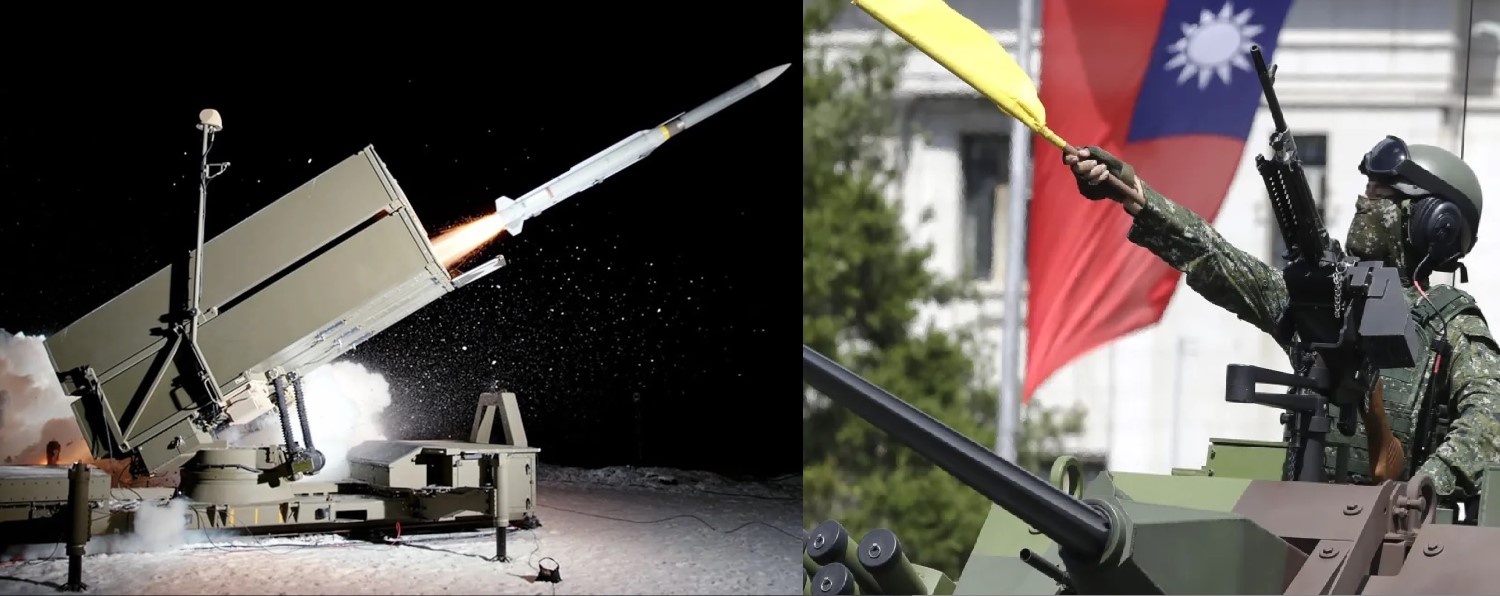
World
In a move underscoring Washington’s accelerating efforts to harden Taiwan’s air-defense shield, the U.S. Department of Defense has awarded Raytheon a firm-fixed-price contract valued at $698,948,760 for the production of NASAMS (National Advanced Surface-to-Air Missile System) fire units destined for the island. The award, issued on 17 November 2025 through the U.S. Army Contracting Command at Redstone Arsenal, forms a central pillar of a broad Foreign Military Sales (FMS) package aimed at bolstering Taipei’s layered air-defense network. The contract, scheduled for completion by 28 February 2031, will see all work conducted at Raytheon’s facilities in Tewksbury, Massachusetts, reflecting a long-term industrial commitment aligned with the United States’ evolving Indo-Pacific security strategy. For Taiwan, the delivery timeline highlights not an emergency purchase, but a multi-year strategic build-out of air-defense forces designed to withstand the early phases of a high-intensity conflict. A Contract with Strategic Weight The Pentagon’s announcement comes against the backdrop of increasing Chinese military pressure around Taiwan, including record numbers of PLA aircraft breaching the island’s air-defense identification zone and expanding use of drones, cruise missiles, and long-range precision fires in regional exercises. Washington’s decision signals a clear message: Taiwan’s ability to defend its critical infrastructure — especially airports, command nodes, fuel depots, radar stations, and military bases — remains a U.S. strategic priority despite diplomatic backlash from Beijing. The $698.9 million contract forms a major component of a previously approved $1.16 billion FMS package cleared in October 2024, which covers three NASAMS systems, associated AMRAAM-ER missiles, training, logistics, and integration support. The newly awarded portion focuses specifically on NASAMS fire units, radars, command-and-control nodes, and support equipment, while the missile procurement will be executed under separate contracts. NASAMS: A Proven, Evolving Air Defense System Developed jointly by Kongsberg Defence & Aerospace of Norway and Raytheon, NASAMS has grown into one of the world’s most widely adopted medium-range air-defense systems. Originally fielded by Norway in the 1990s, NASAMS has since been integrated into the air-defense architecture of more than a dozen nations — including the United States, where it protects the airspace over Washington, D.C. At its core, the system uses the AIM-120 AMRAAM, a radar-guided missile employed by numerous Western fighter jets. This commonality simplifies logistics, allows shared stockpiles, and ensures rapid replenishment in wartime. NASAMS configurations typically include: AN/MPQ-64 Sentinel 3D radar Networked Fire Distribution Center (FDC) Electro-optical and infrared sensors Multiple canister launchers, dispersed for survivability Successive upgrades — NASAMS 2 and NASAMS 3 — introduced Link 16 tactical data link, integration of AIM-9X and AMRAAM-ER, and improved sensor fusion. AMRAAM-ER, in particular, extends engagement ranges beyond 50 km, enhancing defense against cruise missiles, drones, and aircraft. The system’s performance in Ukraine has significantly boosted its global reputation. According to NATO and Ukrainian officials, NASAMS has achieved high interception rates against Russian Kh-101, Kalibr, and other cruise missile threats, demonstrating reliability under real wartime conditions. Why NASAMS Matters for Taiwan Taiwan’s air-defense ecosystem is already dense, anchored by the Patriot PAC-3, indigenous Sky Bow II/III, mobile Avenger/Stinger, and a growing fleet of anti-drone systems. But each asset plays a specific role — and NASAMS fills a crucial gap. 1. The Medium-Range Layer Taiwan Needed Patriot excels at high-altitude and ballistic missile interception. NASAMS, by contrast, is optimized for medium-range engagements, countering: cruise missiles flying low to evade radar, swarm drone attacks, stand-off munitions, and conventional aircraft conducting saturation strikes. Its distributed launcher architecture, which can be spread over 20+ kilometers, increases survivability against PLA pre-emptive missile barrages. 2. Unmatched Interoperability Because Taiwan’s fighter jets already use AMRAAM, the island gains immediate logistical efficiency: shared missile stockpiles across air and ground forces, simplified maintenance chains, faster rearmament during high-intensity conflict. This interoperability also allows Taiwan to integrate with U.S. and NATO networked systems, ensuring smoother cooperation in crisis scenarios. 3. A Complication for PLA War Planning With NASAMS joining Taiwan’s defensive grid, China’s People’s Liberation Army must account for: more dispersed targets, more layers of interception, more survivable radar nodes, and more hardened C2 networks. This increases the number of critical points China must suppress or destroy in the opening minutes of a conflict — raising the operational cost and uncertainty for Beijing. A Long-Term U.S.–Taiwan Security Partnership The NASAMS deal offers more than firepower; it reflects a deepening long-term defense partnership between Washington and Taipei. The six-year production and integration timeline signals that U.S. support is not episodic but structural, tied into defense-industrial planning that will stretch into the next decade. It strengthens Raytheon’s U.S. manufacturing base, ensures continuity of skilled labor, and integrates Taiwan into a growing global NASAMS community, including Finland, Spain, Lithuania, Australia, Qatar, Hungary, and Ukraine. This shared network will allow Taiwan to participate in future cooperative upgrades, data-exchange frameworks, training programs, and joint threat assessments. A Clear Signal Amid Rising Geopolitical Tensions For potential adversaries, the message is unambiguous:Taiwan’s airspace is becoming more layered, more redundant, and significantly harder to penetrate. The NASAMS acquisition strengthens the island’s defenses not just technically, but symbolically. It underscores the United States’ commitment to supporting Taiwan’s resilience while reinforcing a global coalition of nations adopting the same proven system. As China accelerates military pressure, cyber operations, and airspace incursions, the new NASAMS contract stands as a strategic reminder that Taiwan’s defenses — and Washington’s resolve — are only becoming stronger.
Read More → Posted on 2025-11-18 17:28:52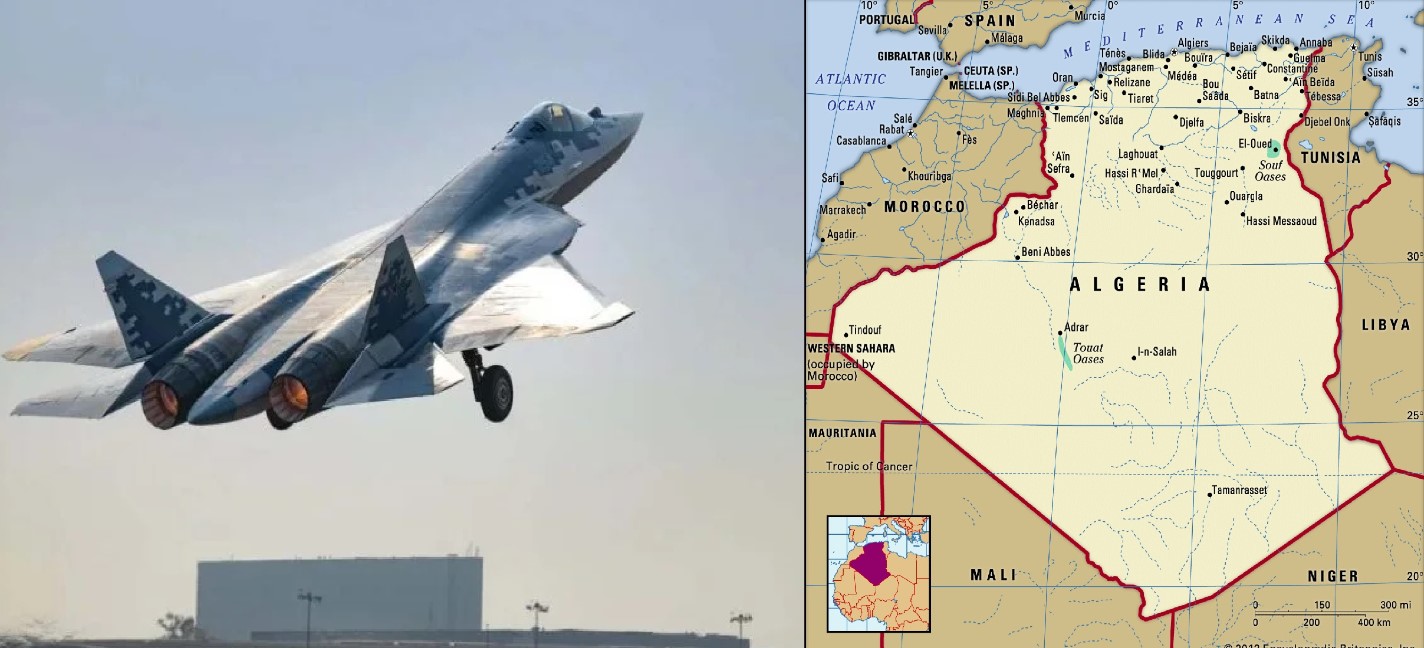
World
Russia has quietly crossed a major milestone in its combat aviation exports, delivering the first Su-57E fifth-generation fighters to a foreign customer. Officially, Moscow will not say who bought them. But leaked Russian documents, earlier Algerian statements, and years of speculation all point in one direction: Algeria. First Su-57E Export Delivery Confirmed On 18 November 2025, at the Dubai Airshow 2025, United Aircraft Corporation (UAC) CEO Vadim Badekha confirmed that two Su-57E fighters had been handed over to an unnamed international customer and are now on combat duty. He added that the buyer is “satisfied” with the aircraft’s performance, calling the deliveries a sign that Russia’s fifth-generation fighter is ready for the export market. The Su-57E is the export version of Russia’s Su-57 “Felon”, designed to combine stealth, supercruise, advanced sensors, and a wide mix of air-to-air and air-to-surface weapons. While export jets are usually delivered with downgraded electronics or software, Russian media suggest the Su-57E remains close in capability to domestic models, especially in radar and long-range missile employment. Moscow has framed the export as proof of “technological sovereignty”—a sign that, despite sanctions and wartime pressure on its defense industry, Russia can still mass-produce and sell high-end combat aircraft abroad. Black Mirror Leak: Rostec Papers Point to Algeria In early October 2025, hacker collective Black Mirror released a trove of more than 300 internal files allegedly taken from Russian defense conglomerate Rostec. The documents, reported by several investigative outlets, appear to detail export pricing, delivery schedules and customer codes for Russian aircraft. One of those customers is listed under the code “012”, widely assessed to be Algeria. According to the leaked tables, this customer is scheduled to receive: 12 Su-57E fighters 14 Su-34E fighter-bombers with deliveries planned between 2024 and 2026. While the authenticity of every line in the leak cannot be independently verified, multiple defense outlets and analysts have judged the data credible and consistent with known Algerian procurement patterns and earlier rumors of a Su-57/Su-34 package aimed at replacing older Soviet-era strike aircraft. Algeria Already Claimed “First Su-57 Export Customer” Status Long before the Dubai announcement, Algerian state media had already declared that the country would be the first foreign operator of the Su-57E. In February 2025, Algerian outlets and international defense monitors reported that: Algeria had signed a contract for Su-57E fighters. Algerian pilots were training in Russia to operate the new jets. Deliveries were expected to start in 2025. Open-source defense databases and background notes on the Su-57 program also list Algeria as having ordered 14 Su-57E as part of a wider deal that includes Su-34 and Su-35 fighters, with initial deliveries slated for 2025–2026. This means that, even though UAC refuses to name the launch customer, the leaked Rostec files, Algerian announcements, and Western reporting all converge on Algeria as the most likely recipient of the first two Su-57E jets delivered in November 2025. What the Su-57E Brings to Algeria If Algeria is indeed the buyer, the Su-57E will sit at the top of its airpower pyramid as the country’s first fifth-generation-class fighter. Key capabilities the Su-57E is expected to add include: Low observability: reduced radar cross-section and shaping to make detection harder at long range. Advanced sensors: an AESA radar, IRST (infrared search and track), and electronic warfare suite for detection and jamming. Supercruise: sustained supersonic flight without afterburner, improving persistence and missile reach. Long-range weapons: ability to carry beyond-visual-range air-to-air missiles and stand-off air-to-surface weapons, including internally in its weapons bays. For Algeria, these features would allow deep-strike missions, air superiority, and stand-off deterrence far beyond what its current fourth-generation fleet can achieve. Algeria’s Current Air Force Fleet: From Flankers to Felons Even before the Su-57E, the Algerian Air Force (AAF) was already one of Africa’s most capable air arms, built largely around Russian-origin combat aircraft. According to recent open-source data and updated inventories, Algeria’s front-line fleet includes: Su-30MKA multirole fighters – around 60+ aircraft in service, with additional units on order; the backbone of Algeria’s air superiority and strike capability. MiG-29 variants – roughly 30–40 aircraft across upgraded MiG-29 versions, used as multirole and air-defense fighters. Su-24MK2 strike aircraft – around 30+ modernized Su-24 bombers, upgraded to the MK2 standard for precision strike. Su-35 – a newer generation of multirole fighters, with an initial batch already delivered in 2025 and more airframes on order, providing extended range and advanced radar. Su-34E – 14 aircraft on order, visible in the same leaked Rostec documents as part of Algeria’s package with Su-57E, likely aimed at relieving or replacing Su-24s in the long-range strike role. Su-57E – 12 aircraft on order according to the leaked papers, with at least two believed to have been delivered under the first export batch. Beyond its fighters, the AAF also fields a sizable support and training fleet, including Yak-130 and L-39 trainers, Mi-26 heavy-lift helicopters, Mi-28NE attack helicopters, and a growing fleet of Chinese-made UCAVs such as Wing Loong II, CH-3/CH-4, and WJ-700. These platforms give Algeria a mix of manned and unmanned strike options and robust pilot training capacity. Taken together, Algeria is evolving from a force centered on legacy Soviet fighters into one that combines 4.5-generation aircraft (Su-30MKA, Su-35) and fifth-generation capabilities (Su-57E), supported by modern strike bombers (Su-34E) and drones. Why Algeria Wants the Su-57E Algeria’s decision to pursue the Su-57E is shaped by strategic needs, long-standing defence partnerships, and practical modernization requirements. At the regional level, Algeria aims to maintain a qualitative edge over neighbouring air forces in North Africa and the Sahel. The introduction of a fifth-generation aircraft strengthens its position and enhances its overall deterrence capability. Algeria has also relied on Russian systems for decades, from training and maintenance networks to weapons integration. Adding the Su-57E and Su-34E to its inventory fits naturally into its existing structure. This continuity reduces logistical challenges, simplifies pilot conversion, and allows Algeria to build on the platforms and technologies it already operates. There is also a clear modernization need. Older aircraft such as the MiG-29 and Su-24MK2 are reaching their limits. The Su-34E offers an updated strike capability, and the Su-57E provides a long-term solution for air-superiority, deep-strike, and electronic-warfare roles that older aircraft can no longer fulfil effectively. Finally, Algeria’s options for purchasing Western fighters such as the Rafale or Eurofighter Typhoon are constrained by political considerations and export restrictions. Russia continues to be a reliable supplier for Algeria, making the Su-57E a practical and politically manageable choice. Strategic Impact for Russia and the Wider Market For Russia, exporting the Su-57E serves several purposes. It demonstrates that the Russian aerospace industry can still deliver fifth-generation technology despite sanctions and the pressures of ongoing military commitments. It also creates a new revenue stream for a defence sector facing higher production demands and fixed domestic pricing. The presence of the Su-57E on the export market places Russia in a position to offer an alternative to fighters such as the F-35 and J-20 in countries where Western or Chinese options may be limited. For Algeria, continued deliveries would create a tiered fighter force built around the Su-30MKA, Su-35, Su-34E, and Su-57E, supported by a growing fleet of UCAVs such as the CH-4 and Wing Loong II. This structure provides a balance of air-superiority, strike, and surveillance capabilities under a unified system based largely on Russian and Chinese equipment. As a result, Algeria would operate one of the most capable air forces in Africa and become one of the few countries outside NATO, Russia, and China to field a fifth-generation fighter, marking a significant step in its long-term defence modernization.
Read More → Posted on 2025-11-18 15:50:06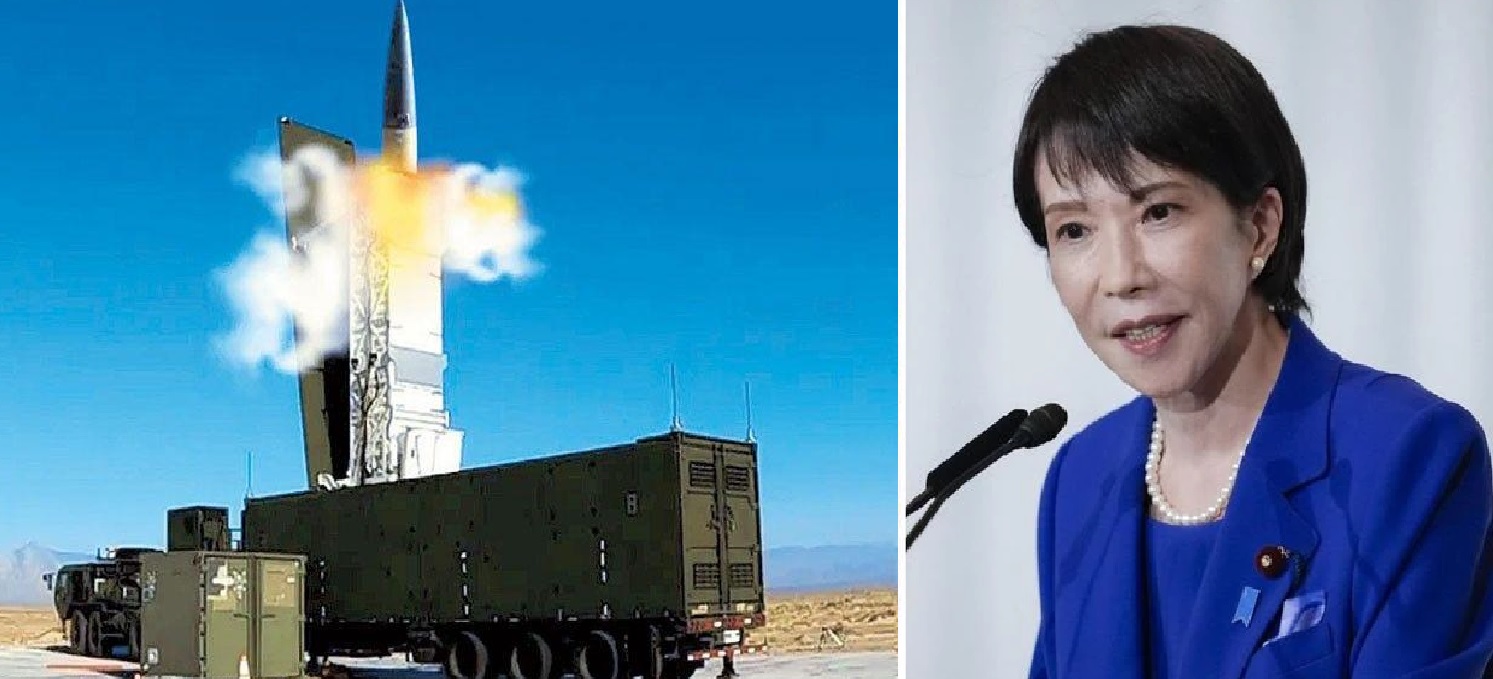
World
The United States has withdrawn its Typhon Mid-Range Capability (MRC) missile system from Japan, Japanese media confirmed on Monday, ending a deployment that had triggered sharp diplomatic tension with China and stirred domestic unease inside Japan. The system, capable of launching Tomahawk land-attack cruise missiles and SM-6 air-defence missiles, had been positioned at the US Marine Corps Air Station Iwakuni in Yamaguchi Prefecture since September for the US-Japan “Resolute Dragon 2025” joint exercise. Although Tokyo had said the deployment was strictly temporary and would be removed “within around a week” after the conclusion of the exercise on September 25, the launcher remained in place for nearly seven weeks longer — remaining at the base until at least November 10, according to civic groups protesting in Yamaguchi and neighboring Hiroshima. By Monday, the Japanese Defence Ministry confirmed to local authorities that the system had been fully removed. However, officials offered no explanation for the long delay, leaving analysts questioning whether the extended stay was strategic, accidental, or politically constrained. A System Capable of Striking Beijing The Typhon system’s deployment was highly sensitive due to its range of up to 1,800 km, placing Beijing, Shanghai, and large stretches of eastern China well within potential strike distance.It was the first-ever deployment of this system on Japanese soil — a fact that drew immediate protests from both China and Russia. The United States had framed the deployment as an opportunity to test “rapid wartime transitions,” part of a broader plan to strengthen deterrence in the Indo-Pacific. However, the system’s extended stay — well beyond the exercise timeline — raised local fears that the deployment might become quasi-permanent, prompting civic petitions demanding its removal. Diplomatic Storm Over Taiwan Comments The withdrawal coincided with a dramatic deterioration in China–Japan relations sparked by recent remarks from Japanese Prime Minister Sanae Takaichi. Last week, Takaichi described a Taiwan Strait crisis involving the use of force as a “survival-threatening situation” for Japan — language that implies Japan could join the United States in military action should Beijing move against Taiwan. China reacted fiercely, accusing Takaichi of: “Seriously damaging bilateral ties” “Challenging the post-war international order” Beijing then issued a travel warning for Japan, cancelled multiple cultural and exchange programs, and lodged repeated diplomatic protests. Additional retaliatory steps are expected, as Tokyo has refused to retract Takaichi’s comments. Given this backdrop of escalating hostility, analysts say Washington and Tokyo likely saw the Typhon launcher as an unnecessarily provocative signal at a moment when both governments were trying to manage the fallout. US-Japan Defense Pact: What Security Washington Provides Tokyo The developments also shed light on the role of the US-Japan Security Treaty, the foundation of Tokyo’s national defense since 1960. Key Security Guarantees under the US-Japan Defense Pact 1. Mutual Defense ObligationsThe treaty commits the United States to defend Japan if the country is attacked. Unlike many alliances, this includes attacks on Japanese-administered territories, including the Senkaku Islands. 2. Forward Deployment of US ForcesJapan hosts roughly 50,000 US troops, the largest overseas concentration of American forces in the world. The bases provide: A rapid-response force against regional threats Intelligence, surveillance and reconnaissance (ISR) coverage Nuclear and conventional deterrence through US naval and air assets 3. Access to Advanced US Military TechnologyThe US assists Japan with: Ballistic missile defense (Aegis, Patriot PAC-3, SM-3) Fighter integration (F-35A/B) Advanced missile systems like Tomahawks (Japan will begin receiving these soon) Joint cyber and space defense projects 4. Joint Operations and PlanningTokyo and Washington cooperate on: Taiwan contingency planning Maritime security in the East China Sea Integrated air and missile defense Joint training to ensure interoperability between forces These guarantees form the backbone of Japan’s security — but they also create strategic dependence. The Typhon withdrawal has revived debate in Tokyo about whether Japan can continue relying so heavily on Washington as the strategic environment worsens. Why the US Pulled the System — Key Factors 1. Escalating China–Japan Diplomatic Tensions With Beijing already responding harshly to Takaichi’s Taiwan remarks, the presence of a US missile system capable of hitting mainland China risked turning a diplomatic dispute into a full-scale strategic crisis.The withdrawal likely served as a de-escalation gesture. 2. The Deployment Was Always Officially “Temporary” Japan had repeatedly said Typhon would be removed within a week of the exercise’s end. Its extended presence risked appearing dishonest or strategically ambiguous. Removing it allowed the US and Japan to return to the original temporary deployment narrative. 3. Local Political Pressure Inside Japan Civic groups in Yamaguchi and Hiroshima petitioned for the removal, warning that hosting a strike-capable US system could turn the region into a target during any conflict involving China. 4. Avoiding Accidental Escalation With China At a time when the US already has a Typhon system deployed in the Philippines, keeping additional systems in Japan may have risked reinforcing China’s claims that the US is building an “island-chain offensive network.” 5. Strategic Flexibility for Future Deployments The US is experimenting with mobile and rotational basing of mid-range missiles across the Indo-Pacific. Removing Typhon from Japan does not reduce capability — it simply repositions it for future use. Regional Fallout: South Korea Also Steps Back In a separate development, South Korea informed Japan that it would withdraw from a planned search-and-rescue exercise involving the Japanese Maritime Self-Defense Force.This follows Tokyo’s cancellation of aerial refuelling assistance for South Korean Air Force aircraft — a decision triggered by Seoul conducting training flights near the disputed Dokdo/Takeshima islets. The sudden chill between Seoul and Tokyo adds another layer of tension to an already strained regional environment. Wider Strategic Stakes Despite the withdrawal of the Typhon system, tensions across the Indo-Pacific remain high. Washington is steadily expanding its rotational missile deployments in the Philippines, strengthening its ability to respond around Taiwan and the South China Sea. At the same time, Japan is moving ahead with the purchase of Tomahawk cruise missiles and developing its own long-range strike capabilities, marking one of the most significant shifts in its post-war defence policy. Meanwhile, China has intensified military patrols, diplomatic warnings, and pressure campaigns, accusing both Japan and the United States of “external interference” in the Taiwan issue. These parallel moves underline a region growing more militarized, more unpredictable, and increasingly defined by the rivalry between the three major powers. This Withdrawal May Push Japan Toward Building Its Own Military Power Defense experts say the episode highlights a long-term strategic dilemma for Tokyo:Japan relies on US firepower, but the timing, location, and political risk of these deployments remain Washington’s decision — not Japan’s. This dependence, combined with rising threats from China, North Korea, and Russia, is likely to accelerate Japan’s ongoing military transformation. Possible Shifts in Japan’s Security Policy 1. Greater Emphasis on Indigenous Strike CapabilityJapan is already acquiring 400 Tomahawk cruise missiles, developing the Type-12 standoff missile, and investing in hypersonic systems.The Typhon episode may reinforce Tokyo’s desire to have domestic, permanently stationed long-range strike options that it controls fully. 2. Reduced Reliance on US Rotational DeploymentsJapan may increasingly prefer Japanese-owned missile systems on Japanese soil, rather than US systems that can be politically withdrawn or relocated. 3. Acceleration of Defense SpendingTokyo already plans to raise defense spending to 2% of GDP, one of the fastest increases in its post-war history. Events like this could drive calls for even greater investment. 4. Stronger Push for Constitutional DebateConservatives may use the incident to argue that Japan needs a more normal military, less constrained by Article 9 restrictions and less dependent on US strategic decisions. Conclusion The US withdrawal of the Typhon missile system from Japan marks more than the end of a temporary military deployment — it has become a symbol of the shifting power balance in East Asia. The move: Reflects the dangerous spike in China–Japan tensions, Highlights the delicate nature of US-Japan alliance management, and Reinforces growing calls in Tokyo for a more independent, self-reliant military posture. As geopolitical competition intensifies across the Indo-Pacific, Japan may emerge from this episode more determined than ever to strengthen its own military power, reduce strategic dependence on Washington, and prepare for a future where regional conflict is no longer unthinkable.
Read More → Posted on 2025-11-18 14:37:56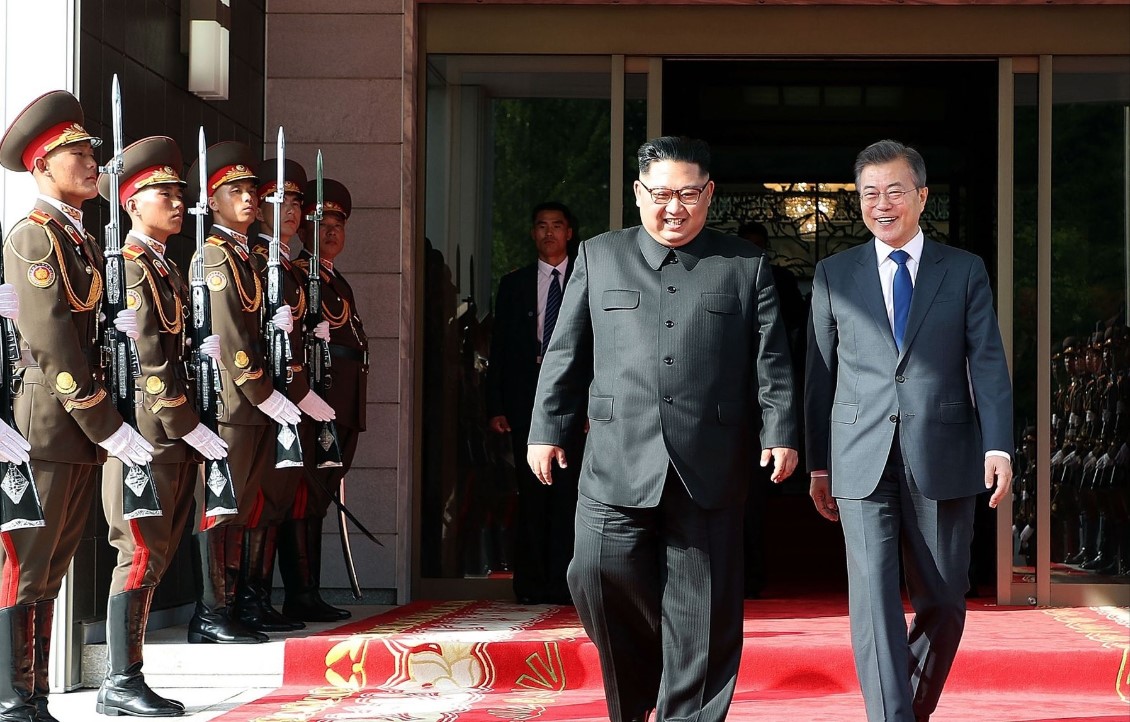
World
South Korea has formally proposed military talks with North Korea to clarify the rivals’ disputed border line and reduce spiraling tensions, after repeated incursions by North Korean soldiers triggered concern over the possibility of an unintended armed confrontation. Rising Concern Over Border Violations South Korea’s Joint Chiefs of Staff (JCS) disclosed that its forces have fired multiple warning shots in recent months to repel North Korean troops that crossed the Military Demarcation Line (MDL)—the de facto land border inside the Demilitarized Zone (DMZ). According to Seoul, North Korean troops have been spotted repeatedly breaching the MDL since Pyongyang began large-scale construction works last year to reinforce its forward defensive positions. These activities reportedly include new trenches, concrete barriers, and expanded guard posts. North Korea has denied the accusations, claiming its soldiers have not crossed the line and warning of “unpredictable countermeasures” if Seoul continues issuing statements it calls provocations. South Korea Calls for Dialogue to Prevent a Clash On Monday, Kim Hong-Cheol, South Korea’s Deputy Minister for National Defense Policy, announced that Seoul is offering military talks aimed at preventing unintended armed incidents and reducing tensions. He noted that some of the recent border crossings may not have been deliberate, pointing out that many MDL markers installed after the 1950-53 Korean War have been lost due to weather, terrain changes, and lack of maintenance over decades. “Our offer is to avoid accidental clashes and maintain stability along one of the world’s most sensitive borders,” Kim said. Despite the proposal, officials in Seoul admitted that Pyongyang may ignore the outreach, as the North has refused dialogue with both South Korea and the United States since 2019. Frozen Diplomacy Since Collapse of Trump–Kim Talks North Korea has largely shut down communication channels since the breakdown of high-stakes nuclear negotiations between Kim Jong Un and former U.S. President Donald Trump. Trump has publicly stated that he remains open to another meeting, yet Kim insists that the U.S. must abandon its demand for North Korean denuclearization before any summit can resume — a condition the U.S. is unlikely to accept. South Korean analysts believe Seoul’s proposal aligns with efforts by President Lee Jae-Myung’s liberal administration to restore communication channels. But Pyongyang has criticized such attempts. In August, Kim Yo Jong, the influential sister of Kim Jong Un, described Seoul’s outreach as a “sinister intention” designed to blame North Korea for deteriorating relations. North Korea’s Hardening Stance The current security climate is further strained by North Korea’s unparalleled shift in policy last year, when Kim Jong Un: Abandoned peaceful reunification as a national objective Ordered the rewriting of the constitution to designate South Korea as a “permanent primary enemy” Accelerated construction of anti-tank barriers, minefields, and fortified positions South Korea’s military reports that Pyongyang has since planted additional mines and expanded its combat infrastructure along the frontier, signaling a long-term escalation strategy. One of the World’s Most Dangerous Borders The DMZ is a 248-km-long and 4-km-wide buffer zone that remains one of the most militarized frontiers on Earth. Key features include: Approximately 2 million landmines lining the area Dense clusters of barbed-wire fences and tank traps Tens of thousands of combat-ready troops stationed on both sides Constant surveillance from guard towers and remote sensors The Korean War ended in an armistice, not a peace treaty — meaning the two Koreas remain technically at war. What Comes Next? Experts say South Korea’s proposal is a test of North Korea’s intentions. Acceptance could signal a rare opening for military risk-reduction mechanisms. Rejection, however, may solidify concerns that Pyongyang is preparing for a more confrontational posture. Regional security watchers warn that any miscalculation along the fragile MDL — even a patrol stepping a few meters off course — could rapidly escalate into military exchange. For now, the ball lies in Pyongyang’s court, and Seoul continues to monitor the DMZ for further incursions.
Read More → Posted on 2025-11-18 14:17:12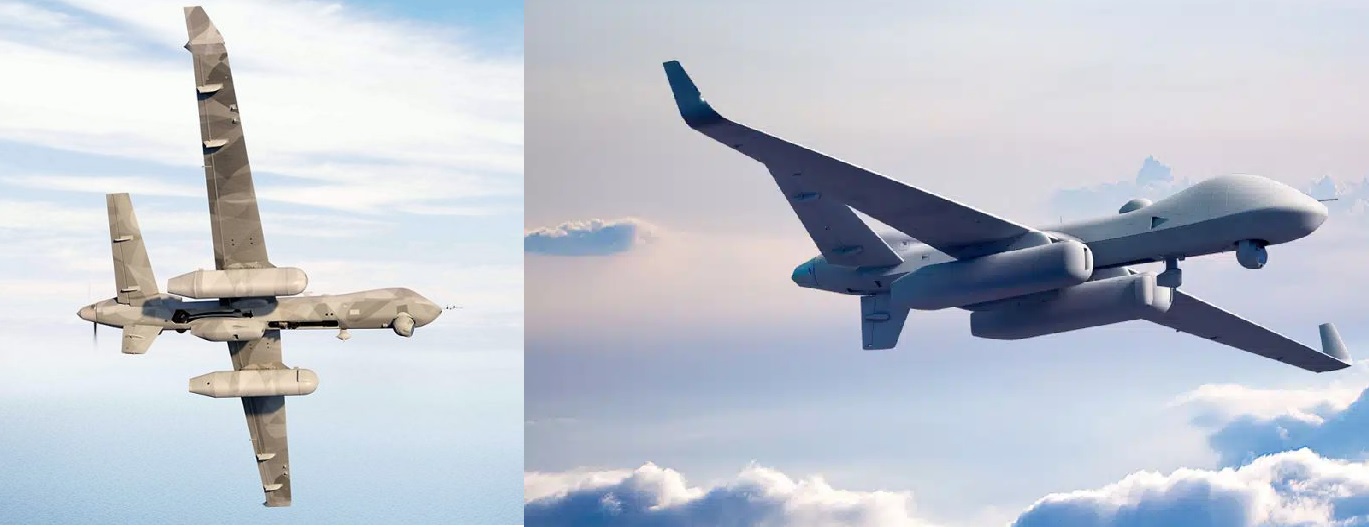
World
General Atomics Aeronautical Systems, Inc. (GA-ASI) and Sweden’s Saab are set to conduct a landmark demonstration showcasing an Airborne Early Warning & Control (AEW&C)–equipped MQ-9B, marking the first time a long-endurance Remotely Piloted Aircraft (RPA) will field a fully capable AEW system. The demo will take place at GA-ASI’s Desert Horizon flight operations facility in Southern California, with an MQ-9B fitted with Saab’s advanced AEW sensors. The event is expected to highlight a transformative capability: persistent, cost-efficient early-warning surveillance from an unmanned platform that can remain airborne far longer than manned aircraft. A New AEW Frontier GA-ASI has long promoted the MQ-9B series—SkyGuardian, SeaGuardian, the UK-specific Protector, and the in-development MQ-9B STOL—as the world’s most capable medium-altitude, long-endurance (MALE) unmanned aircraft. By integrating Saab’s proven AEW&C technology, the companies are attempting to push the platform into missions traditionally reserved for large aircraft such as the E-2D Hawkeye or Saab’s own GlobalEye. Saab is widely regarded as a global leader in airborne early warning systems. Its sensors provide long-range detection, robust tracking performance, and strong electronic surveillance capabilities. Combining these with the MQ-9B’s 40-hour endurance and broad satellite-communication (SATCOM) reach creates a new category of persistent airborne radar coverage. Why This Matters In many regions, AEW aircraft are scarce or financially out of reach. Naval carriers, for example, rely on short-range airborne coverage or expensive dedicated aircraft. By contrast, an MQ-9B equipped with AEW sensors can operate from small airfields or ships, offering: Persistent wide-area air surveillance Detection of cruise missiles, hostile drones, and low-observable threats Long-range tracking of fighter jets, bombers, and tactical munitions Reduced operating costs compared to manned AEW platforms “Adding AEW&C to the MQ-9B brings a critical new capability to our platform,” said GA-ASI President David R. Alexander. “Our goal is to provide operators with a persistent early-warning solution—one that defends against advanced cruise missiles as well as emerging drone swarms.” Because the MQ-9B is unmanned, aircrews face no risk, and the aircraft’s operational availability is the highest of any military aircraft class. It can also be rapidly deployed to forward bases, something heavier AEW aircraft cannot do. What the AEW-Equipped MQ-9B Can Do According to GA-ASI and Saab, the upgraded MQ-9B will support a broad set of missions: Long-Range Early Detection & Warning The AEW suite enables detection of aerial threats hundreds of kilometers away—providing nations without dedicated AWACS fleets access to strategic early-warning coverage. Simultaneous Multi-Target Tracking The system can track fighters, bombers, drones, and missiles at the same time, feeding data to ground or ship-based command networks. Flexible Combat System Integration The MQ-9B’s SATCOM and line-of-sight datalinks allow integration with NATO-standard and other modern combat systems, improving interoperability during joint operations. Maritime Surveillance and Fleet Protection For navies, the platform offers AEW coverage for carrier groups or maritime task forces at a fraction of the cost of manned aircraft. When paired with the SeaGuardian version, it complements anti-submarine and surface-search missions. Strategic Impact Analysts say this demo could reshape how small and mid-sized militaries approach AEW capability. Instead of relying solely on expensive, high-maintenance AWACS fleets, nations could deploy persistent unmanned AEW layers—especially useful for: Island nations Navies lacking dedicated AEW aircraft Border surveillance missions Air-defense early detection grids Counter-drone and counter-missile operations If successful, the demonstration would confirm that AEW functions no longer require a large airframe; endurance and sensor performance can instead be delivered by an unmanned aircraft operating around the clock. With increasing concern over cruise-missile saturation attacks, drone swarms, and low-altitude penetration tactics, the GA-ASI–Saab partnership aims to fill a rapidly growing gap in air defense. As the first demonstration approaches, the MQ-9B stands on the verge of gaining a new identity—not just as a surveillance drone, but as a persistent airborne early-warning platform capable of supporting both land and maritime forces. The results of the Southern California demo will likely influence procurement decisions across Europe, Asia, and the Indo-Pacific, where demand is rising for affordable but sophisticated early-warning solutions.
Read More → Posted on 2025-11-18 13:34:08
World
On 17 November 2025, Spain’s state-owned shipbuilder Navantia announced the successful floating of the submarine S-82 Narciso Monturiol, the second vessel in the S-80 class (also referred to as S-80 Plus) series being built for the Spanish Navy under a national submarine modernisation programme. The S-80 class is part of a multi-billion-euro Spanish defence acquisition deal intended to deliver four new-generation conventional submarines to replace the aging S-70 fleet. Float-out and upcoming trials According to the press release issued by Navantia, the S-82 submarine was carefully manoeuvred from its construction berth into the water using a floating dock over several hours. This operation required a series of critical checks and tasks both inside and outside the hull to ensure that the transition to floating status was achieved safely and securely. Once afloat, the submarine will enter into harbour trials, where key systems—such as fuel loading, battery charging, and propulsion tests while moored—will be verified. After these harbour-based milestones are completed, the vessel will move on to sea trials, including navigation and diving tests, ahead of final delivery to the Spanish Navy. Programme scope, industrial role, and the national deal The S-80 programme is Spain’s largest-ever submarine development effort, structured as a long-term contract between the Spanish Ministry of Defence and Navantia. The deal covers the design, construction, integration, testing, and delivery of four advanced conventional (non-nuclear) submarines: S-81, S-82, S-83, and S-84. Navantia also holds the role of Technical Design Authority, making this the first time Spain has independently designed and built a full-scale submarine class. With the S-82 now afloat, the release of the first submarine (S-81) and the ongoing construction of the remaining units underline Spain’s strategic goal of maintaining a sovereign submarine-building capability. Specifications of the S-80 class The S-80 class subs represent a modern conventional submarine design with a number of advanced features. Key specifications include: Overall length: approximately 81 m Hull diameter: about 7.30 m Submerged displacement: around 2,965 t Endurance: capable of remaining submerged for 50–60 days Maximum submerged speed: in excess of 19 knots Crew accommodation: around 32 crew members plus additional capacity for special forces Further technological features include an integrated platform control system, low acoustic and magnetic signatures, and a design approaching the endurance and stealth characteristics of nuclear-powered submarines, despite being conventionally powered. Significance and outlook The floating of the Narciso Monturiol (S-82) is a visible demonstration of the programme advancing into its next phase. Harbour trials will now test critical safety and operational systems in a controlled environment, followed by sea trials that will push the submarine into its full mission envelope—navigation, diving, endurance, and weapons/sensor integration. Once delivered, S-82 will join S-81 in providing the Spanish Navy with enhanced submarine capability in the sub-surface domain. From an industrial perspective, the event reinforces Navantia’s position as a submarine builder and design authority, strengthening Spain’s ambitions to remain a competitive player in global defence markets. The national submarine procurement deal also ensures long-term employment, technological growth, and export prospects. In the coming months, attention will focus on how smoothly the harbour trials proceed and how the subsequent sea trials perform against schedule and technical benchmarks. The successful commissioning of S-82 will set the tone for the remaining two units in the class and determine whether the programme meets its timetable and performance goals.
Read More → Posted on 2025-11-18 13:23:02Search
Top Trending in 24 Hours
-
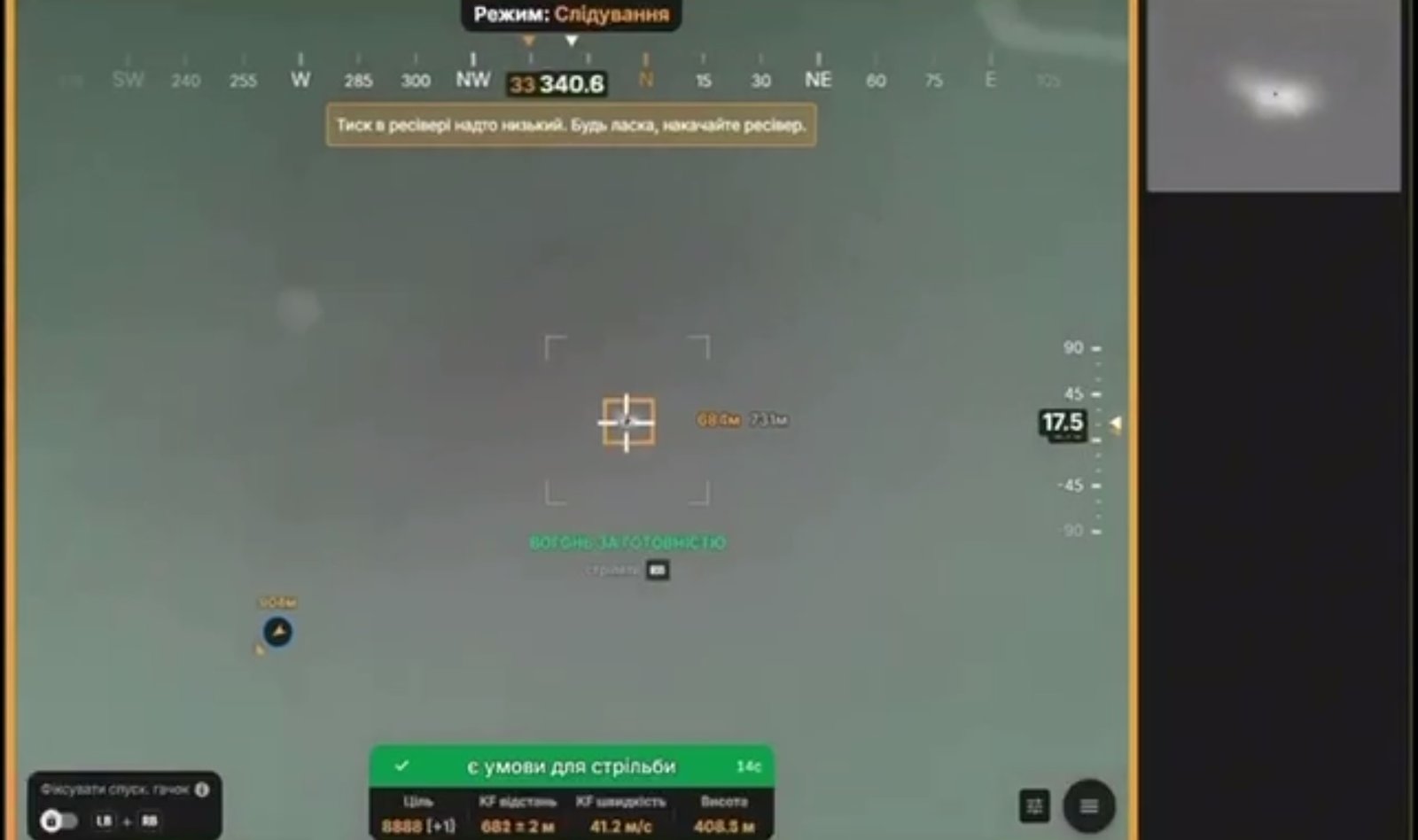 Ukraine’s Blysk Laser Air Defence System Shoots Down Russian Jet-Powered Geran Drone
-
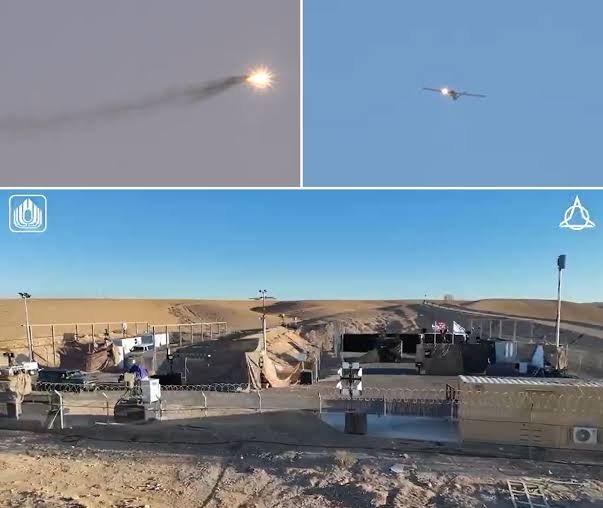 Israel and US Test 20 Counter-Drone Systems in First Joint Trials on Israeli Soil
-
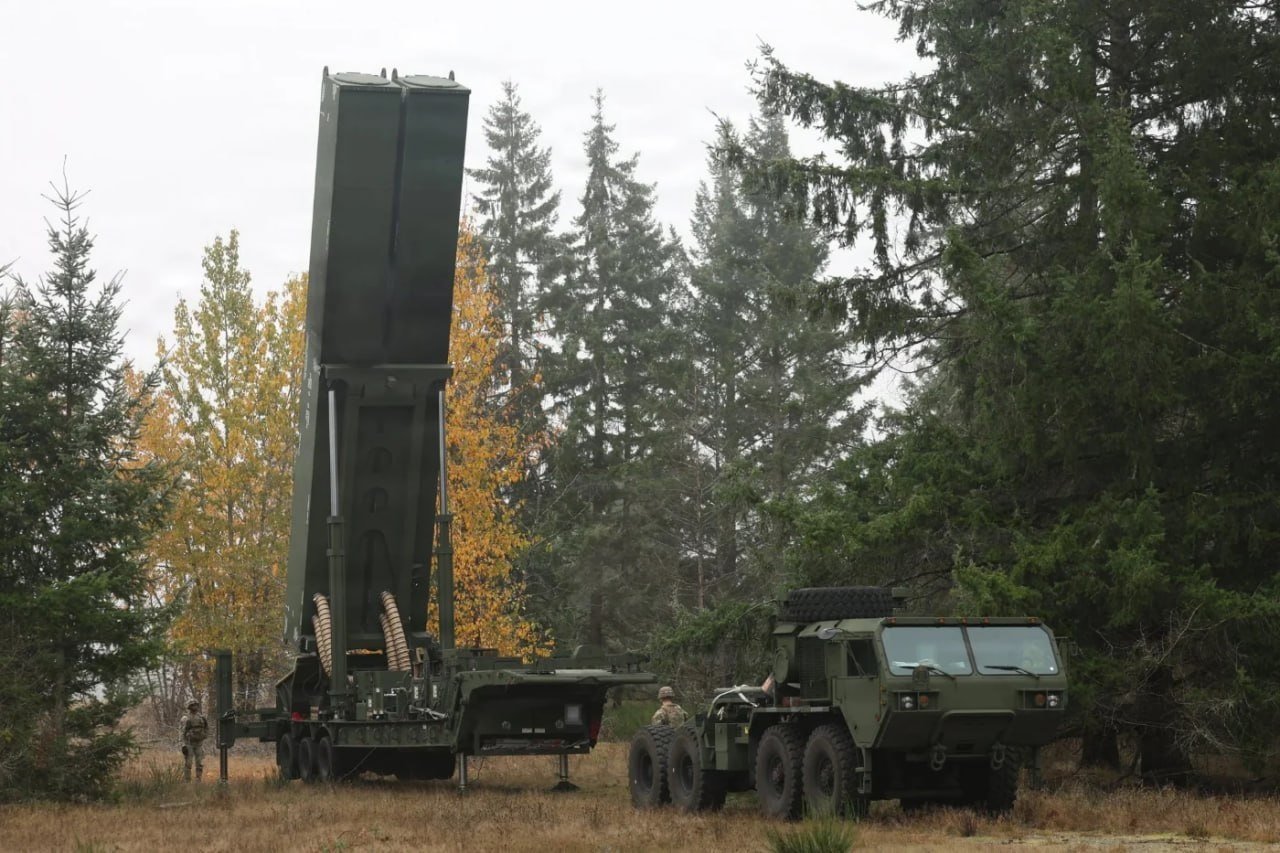 U.S. Army Declares First Dark Eagle Hypersonic Missile Battery Ready for Combat Deployment
-
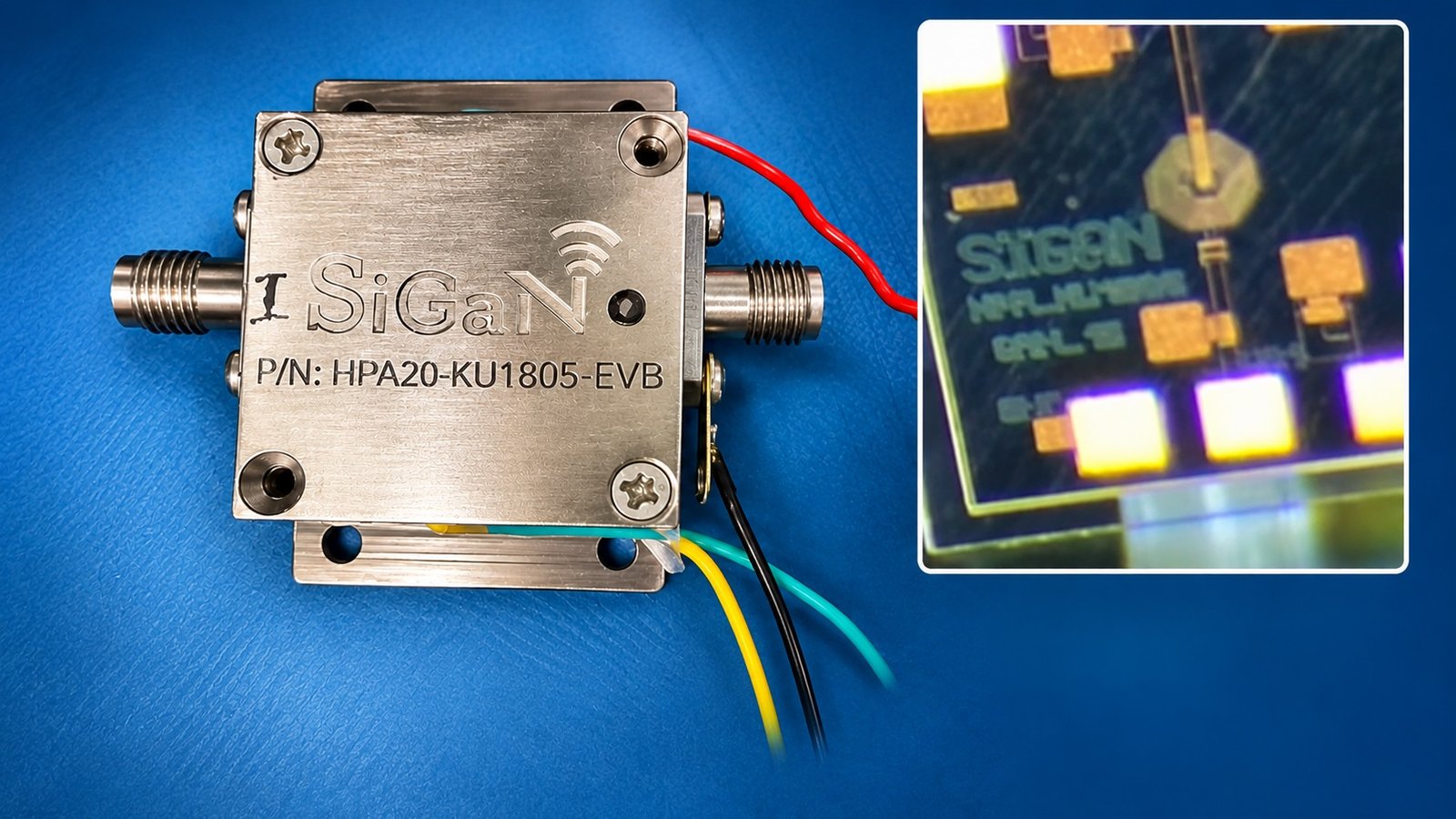 India's SiGaN Validates First 20-Watt GaN RF Power Amplifier, Opens Commercial Orders
-
 Europe Opens Largest Satellite Factory in Belgium to Build Starlink Alternative
-
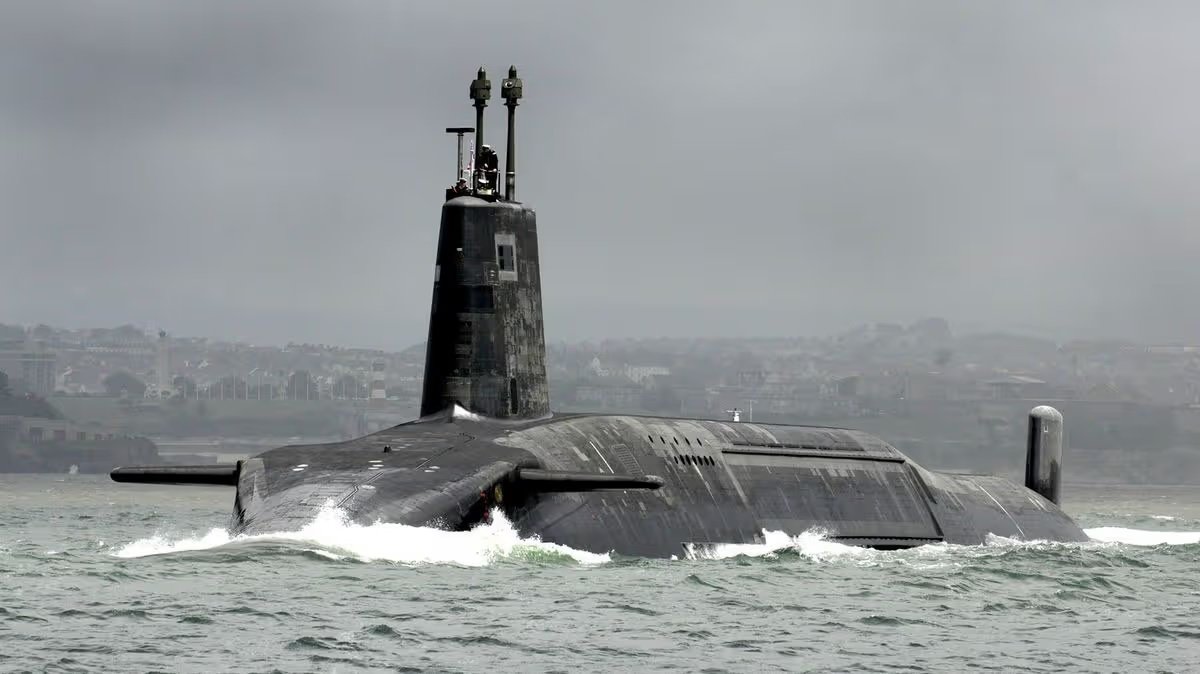 Babcock Signs Record £8.7 Billion Deal to Support UK Nuclear Submarine Fleet
-
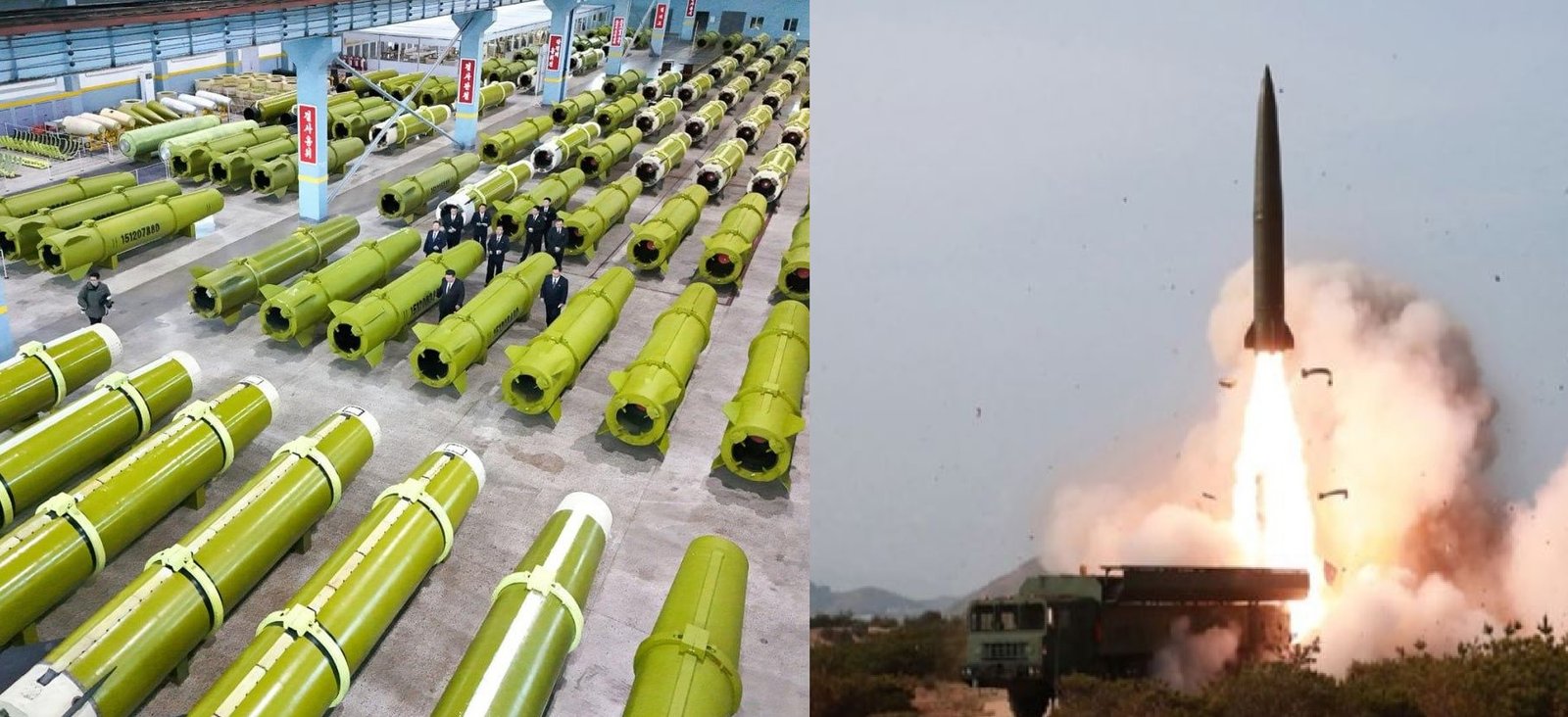 North Korea Suspends KN-23 Missile and Artillery Deliveries to Russia Amid Diplomatic Tensions
-
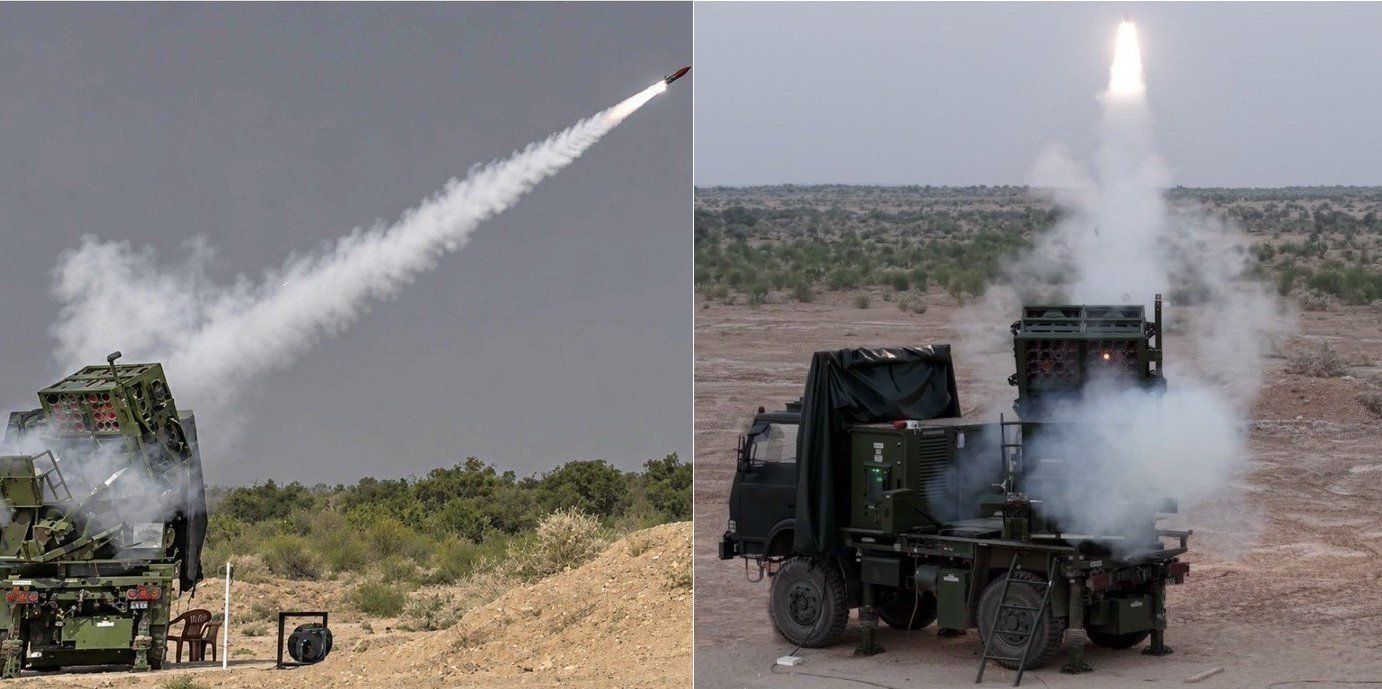 India’s Bhargavastra Counter-Swarm Drone System Completes Pokhran Trials Ahead of Army Demonstration
Top Trending in 4 Days
-
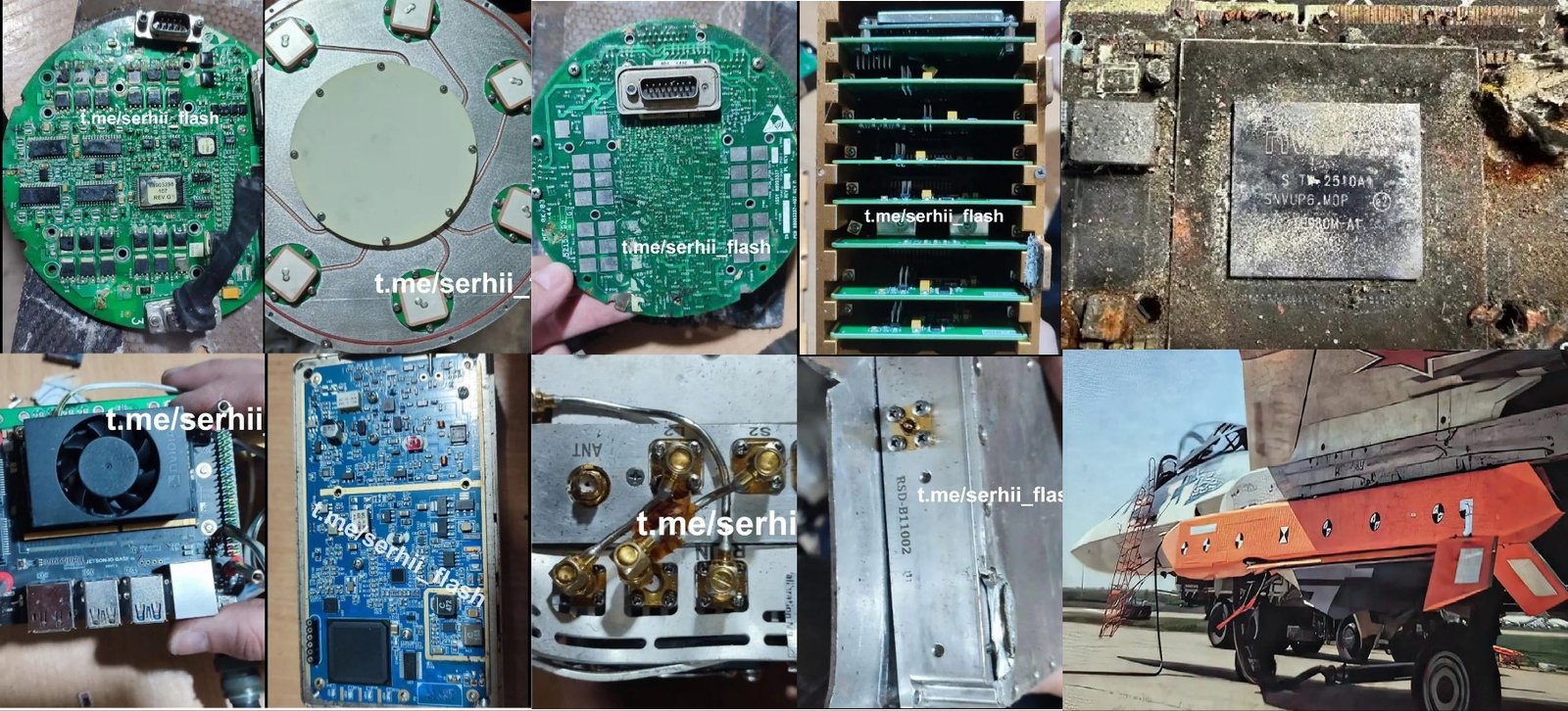 Russian Drones and Cruise Missiles Found Using Civilian NVIDIA AI Chips in Ukraine
-
 Western Intelligence Warns Russia Could Launch Nuclear-Armed Satellite as Early as December
-
 NASA Suspends Science Operations on Perseverance Rover and Mars Odyssey After Hardware Failures
-
 U.S. Awards Lockheed Martin $330.6 Million Contract for Long-Lead Materials Supporting 75 F-35 Lot 22 Aircraft
-
 IG Defence Successfully Test-Fires JWALA MK-1 Counter-Drone Missile at Pokhran
-
Ukraine’s Blysk Laser Air Defence System Shoots Down Russian Jet-Powered Geran Drone
-
 Ukraine Strikes Five Russian Warplanes, Including Three Kinzhal-Capable MiG-31s at Savasleyka Airbase
-
 Chinese Military Warns U.S. AI Could Threaten China’s Nuclear Missile Survivability