World
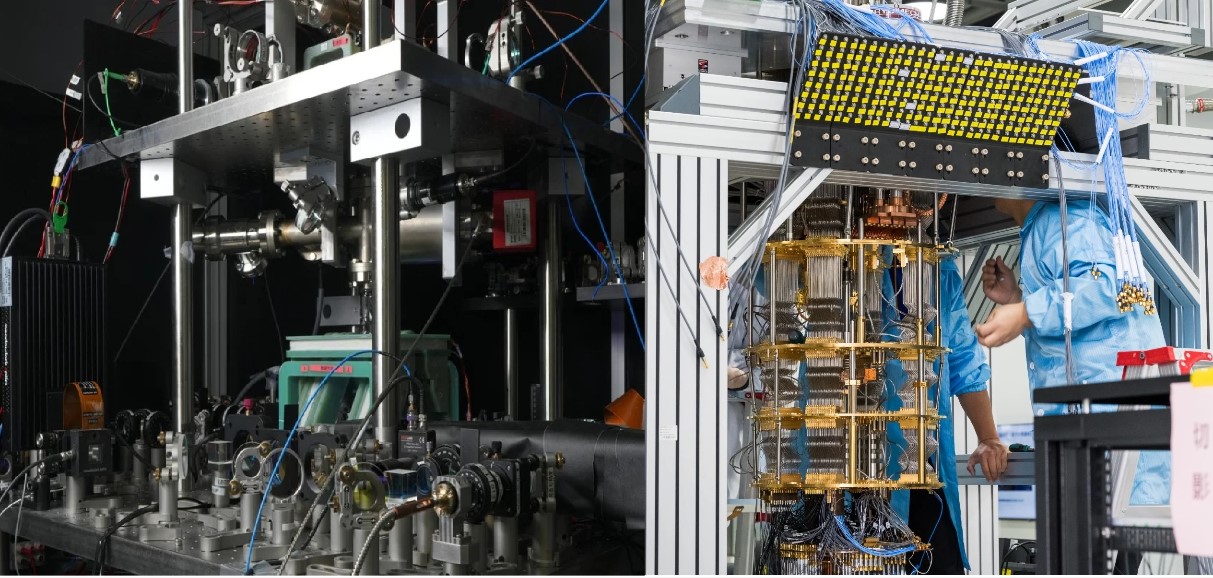
A research team led by renowned Chinese physicist Pan Jianwei has achieved a major milestone in quantum computing by developing an atom-arranging system capable of creating arrays 10 times larger than any previous atom-based quantum setup. The innovation, which can arrange more than 2,000 rubidium atoms into perfect patterns in just 60 milliseconds, could pave the way toward quantum computers with tens of thousands of qubits. Pan’s team, from the University of Science and Technology of China (USTC), collaborated with the Shanghai Artificial Intelligence Laboratory to solve one of the biggest bottlenecks in neutral-atom quantum computing: the slow process of positioning each atom individually. Instead, they designed an artificial intelligence system that shifts all atoms simultaneously using advanced laser shaping technology. The system employs a high-speed spatial light modulator to direct focused laser beams—known as optical tweezers—which trap and rearrange the atoms into two- or three-dimensional arrays. This approach maintained the same speed of arrangement regardless of the array’s size, a key indicator that it could be scaled to much larger systems without slowing down. The team’s experiments reached world-class precision in quantum operations, performing single-qubit tasks with 99.97% accuracy and two-qubit operations with 99.5% accuracy, while detecting qubit states with 99.92% accuracy. These figures match the performance of top global research centers such as Harvard and MIT, but with a significantly larger atom array than most current systems. Atom-based quantum computers are considered one of the most promising approaches in the field, thanks to their stability and scalability. Unlike superconducting circuits or trapped ions, neutral atoms can be controlled in large numbers with minimal interference, making them ideal for building large quantum processors. Until now, however, working systems were typically limited to a few hundred atoms due to technical constraints. In a striking demonstration of their system’s capabilities, Pan’s group arranged about 550 rubidium atoms to recreate a physical version of the famous Schrödinger’s cat quantum thought experiment—something previously impossible at this scale with such speed and accuracy. Despite the breakthrough, the researchers acknowledge current limitations. In three-dimensional configurations, atoms can only be moved within the same layer; moving them vertically risks losing them. The size of the array is also restricted by the available laser power and the precision of beam-shaping devices. The next goal is to develop more powerful lasers and faster, more precise modulators, which could enable perfect arrangement of tens of thousands of atoms. If achieved, such a system could become the foundation for a truly practical quantum computer, capable of solving problems far beyond the reach of today’s most powerful supercomputers. Experts believe that progress in this field could accelerate breakthroughs in cryptography, advanced material design, AI training, and large-scale simulations of physical systems. For China, which has invested heavily in quantum technologies, Pan’s achievement represents a significant step toward global leadership in next-generation computing.
Read More → Posted on 2025-08-13 14:46:10
World
California-based Radiant has signed a landmark agreement to provide a mass-produced nuclear microreactor for a U.S. military installation under the Advanced Nuclear Power for Installations (ANPI) program. The ANPI initiative, a joint effort by the Defense Innovation Unit and the U.S. Air Force, aims to deploy portable, resilient nuclear energy systems for both domestic and overseas bases. The project is part of the Pentagon’s broader strategy to adopt dual-use technologies that meet both military and civilian needs, with a focus on safety, scalability, and rapid deployment. Officials say such systems could give U.S. forces a decisive edge over near-peer adversaries by ensuring continuous, cyber-secure power even in contested environments. Kaleidos: A Reactor in a Box Under the agreement, Radiant plans to deliver its Kaleidos reactor to the ANPI program within three years, following its planned testing in 2026 at the Idaho National Laboratory’s Demonstration of Microreactor Experiments facility. This marks the first time in nearly 50 years that a new U.S. reactor design will be tested at the site. The Kaleidos is a high-temperature gas-cooled microreactor capable of generating 1 megawatt of electricity—enough to power a small military base—or about 3 megawatts of thermal energy for heating or industrial processes. Its most striking feature is mobility: the entire system fits into a standard shipping container, can be transported by truck, rail, or aircraft, and can be fully operational within 48 hours of arrival. Once running, it can provide years of uninterrupted energy without refueling. How the Technology Works The Kaleidos runs on TRISO fuel, which consists of ceramic-coated uranium particles engineered to be meltdown-proof. Cooling is provided by helium gas instead of water, eliminating the need for large cooling towers and reducing contamination risks. Inside the reactor, graphite blocks and a zinc-hydride moderator stabilize reactions, while a supercritical carbon dioxide Brayton cycle efficiently converts heat into electricity. For safety, Kaleidos uses passive air-jacket cooling, meaning it can shed heat naturally without pumps or external power. In the event of an emergency, the reactor can shut down and cool itself in just 300 milliseconds. A single sealed unit runs for five years before being shipped back for refueling. Over its 20-year life, it can be refueled four times, leaving no permanent waste or infrastructure behind. Strategic Impact and Future Deployment Military analysts note that portable nuclear reactors could be a game-changer for U.S. forward bases, which often rely on vulnerable fuel supply chains. The ability to generate secure, stable power on-site reduces dependence on fuel convoys, which are high-risk in conflict zones. Radiant envisions deploying hundreds of Kaleidos units worldwide, each monitored remotely around the clock from a centralized control center. In addition to military use, the company believes such reactors could support disaster relief operations, remote industrial sites, and isolated communities where traditional energy infrastructure is impractical. The Pentagon is expected to use the ANPI program to evaluate Kaleidos and other microreactor designs for scalability, battlefield survivability, and rapid deployment capability, with the goal of building a resilient and adaptable military energy network for the decades ahead.
Read More → Posted on 2025-08-13 14:36:51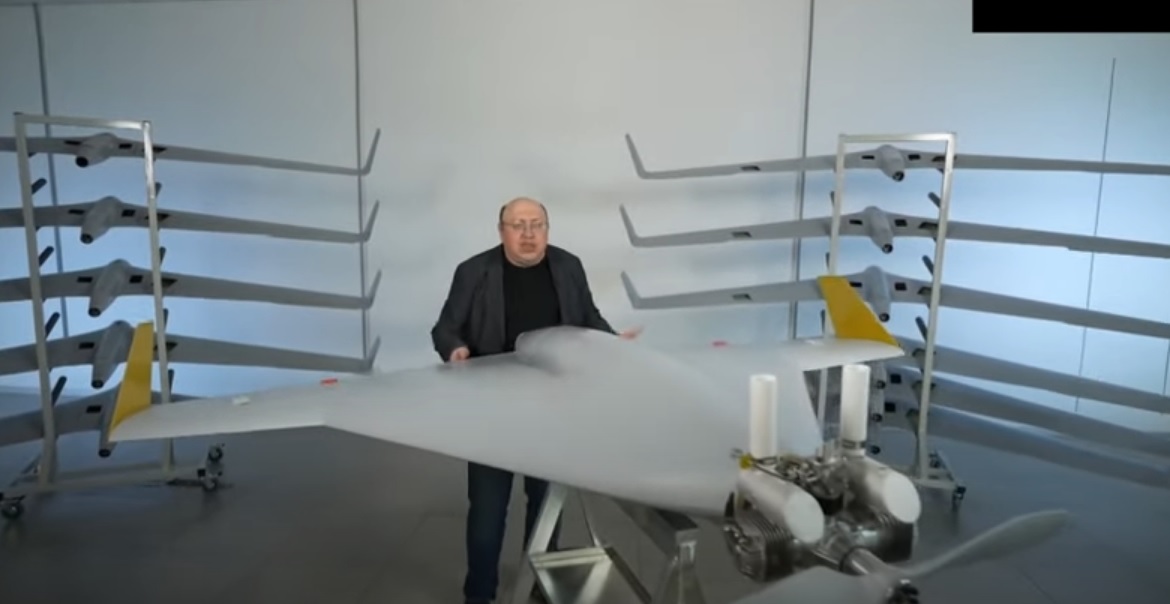
World
Russia has rapidly transformed its drone capabilities into one of the most significant military developments of the ongoing war in Ukraine, building an extensive and increasingly sophisticated unmanned systems industry despite heavy Western sanctions and sustained political pressure. Over just a few years, Moscow has shifted focus toward low-cost, proven, and mass-produced designs that can be deployed in large numbers without straining resources. This strategy has led to the serial production of a wide spectrum of systems — from loitering munitions and fiber-optic-controlled first-person-view (FPV) drones to interceptor drones, unmanned maritime vessels, and ground-based robotic platforms. At the tactical level, Russia’s success is most visible in strike drones with ranges of 20 to 50 kilometers, such as the Lancet, Molniya, and Knyaz Vandal Novgorodsky, which have been used extensively against Ukrainian artillery, air defense systems, and logistics hubs. On the strategic side, platforms like the Geran and Harpiya — modeled after Iran’s Shahed-series drones — have demonstrated ranges of 500 kilometers or more, giving Moscow the ability to strike deep inside Ukraine. Russian forces have been receiving hundreds of thousands of drones annually, with estimates suggesting over 120,000 units were delivered to the front in 2024 alone. That figure is expected to climb sharply this year as the Kremlin blends lessons from Ukraine’s own battlefield innovations into its tactics. This includes the integration of artificial intelligence for target recognition, real-time video analysis, and automated target locking to increase precision and reduce operator workload. A notable part of Russia’s approach is the push to professionalize tactical drone operations through specialized units like the Rubicon Centers. These units focus on fiber-optic drones capable of attacking Ukrainian supply lines, tactical interceptors designed to disable larger ISR platforms, and coordinated swarm operations that overwhelm defenses. Still, the Russian drone program is not without weaknesses. Reliance on Chinese-made components and commercially available drones, such as the DJI Mavic series, remains significant. Quality control is inconsistent across the many small manufacturers producing FPV systems, and pilot training standards vary between units. Ukraine, while under constant aerial pressure, has taken notice. Its defense industry is studying and reverse-engineering several Russian designs, including the Lancet and Molniya, to create cost-effective counterparts. Ukrainian strategists warn, however, that Russia’s pace of production could soon shift the balance in the skies. Security experts in Kyiv have raised concerns about a near-future scenario in which thousands of armed Russian drones could patrol Ukrainian skies continuously, not just targeting fixed coordinates like missiles do, but actively hunting individual targets in real time. Such a development could threaten not only front-line cities like Sumy, Kharkiv, and Dnipro but also urban centers in Ukraine’s west, such as Lviv and Chernivtsi. Both nations are now locked in an escalating drone arms race, with rapid adaptation on each side. For Russia, the priority remains overwhelming Ukraine with sheer numbers and persistent strikes, while Ukraine races to deploy its own mass-produced, affordable strike and reconnaissance systems. The outcome of this drone war could redefine the battlefield dynamic, with the side that masters low-cost, high-volume, and adaptive drone warfare likely to gain a decisive advantage in the months and years ahead.
Read More → Posted on 2025-08-12 16:00:30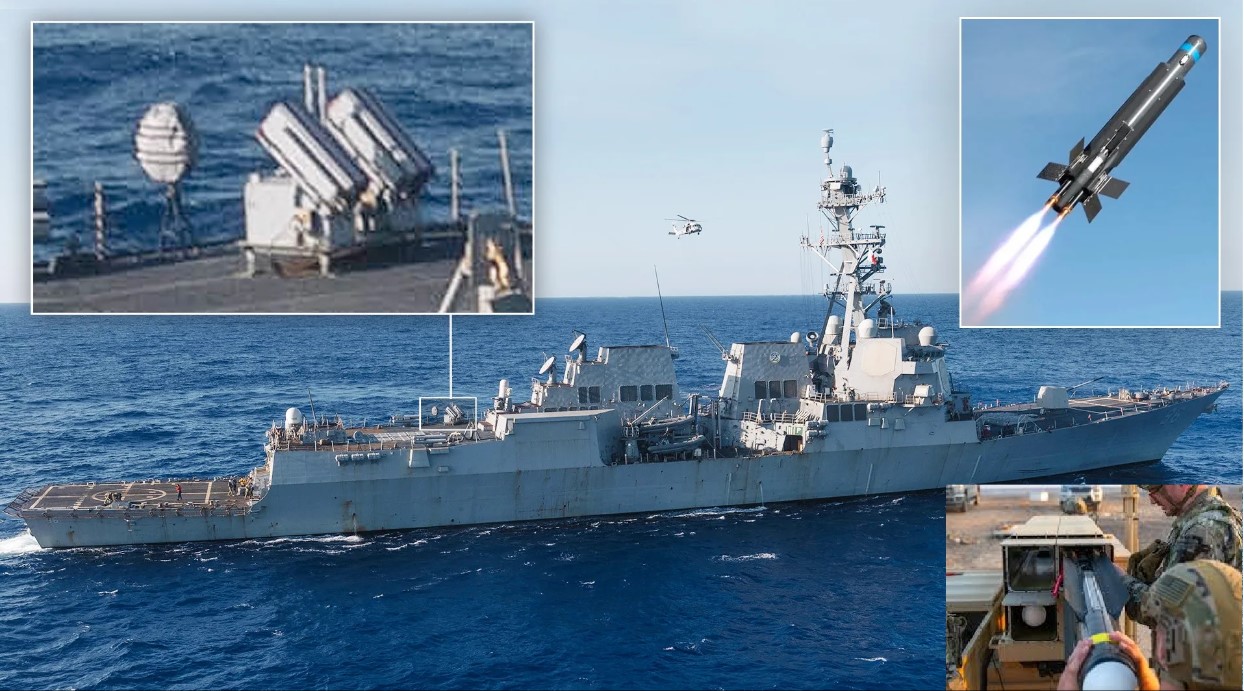
World
The US Navy has given the world its first clear look at the Coyote Block 2 counter-drone system installed aboard an operational destroyer, after releasing a photograph of the USS Bainbridge (DDG 96) during NATO’s Neptune Strike exercise. The image, taken amid a helicopter, board, search, and seizure drill in the Ionian Sea, marks a significant milestone in the Navy’s push to strengthen shipboard defenses against the fast-evolving threat of unmanned aerial systems (UAS). The USS Bainbridge, an Arleigh Burke-class Flight IIA guided-missile destroyer assigned to the Gerald R. Ford Carrier Strike Group, now carries multiple Coyote launchers mounted near its aft Mk 41 Vertical Launch System (VLS) cells. This location allows the interceptors to work seamlessly alongside the ship’s primary air-defense weapons, providing a layered defense that conserves high-value missiles like the SM-2 and ESSM for larger, more dangerous targets. A New Layer in Ship Defense The Coyote Block 2 interceptor, developed by Raytheon, is a small, tube-launched, turbine-powered unmanned aircraft designed to loiter in the air while actively hunting for aerial targets. Unlike expensive long-range ship missiles such as the SM-2 Block IIIC (($2 million) or an ESSM ($1.65 million), the Coyote’s estimated cost of $100,000 makes it a cost-effective choice for defending against swarms of cheap drones. Once launched, the Block 2 can remain airborne for several minutes, maneuver aggressively, and home in on its target using onboard sensors. It is capable of engaging fixed-wing drones, rotary drones, and even loitering munitions, making it a flexible asset in fleet defense. Its compact size means more interceptors can be carried onboard, enabling sustained counter-drone operations without quickly depleting a ship’s missile inventory. Specifications of the Coyote Block 2 System Length: Approximately 1.5 meters (5 feet) Weight: Around 13–15 kg (30–33 lbs) Propulsion: Turbine engine with high maneuverability Speed: Estimated up to 200 knots (370 km/h) Range/Endurance: Several kilometers with loitering capability of up to 15–20 minutes Guidance: GPS navigation, inertial systems, and onboard electro-optical/infrared sensors Warhead: Small high-explosive charge designed for aerial target destruction Launch Method: Tube-launched from deck-mounted canisters Primary Role: Interception of small unmanned aerial systems (UAS) and loitering munitions Strategic Significance The adoption of the Coyote Block 2 on a front-line destroyer marks a shift in the Navy’s layered air defense doctrine. Large, high-value missiles will still be used against fighter aircraft, bombers, or advanced cruise missiles, but the Coyote provides a persistent, lower-cost option for continuous drone defense. This approach is crucial as potential adversaries increasingly deploy large numbers of small, inexpensive unmanned aircraft to overwhelm traditional defenses. The system is not new to combat—its Block 2 variant has already been used by the US Army under the Low, Slow, Unmanned Aircraft Integrated Disposal System (LIDS) program in the Middle East, Africa, and Europe. However, its integration into an Arleigh Burke-class destroyer suggests the Navy is ready to adapt lessons from land-based operations to the maritime environment. Although the Navy has not officially confirmed whether the entire destroyer fleet will receive the upgrade, similar launcher installations have been observed on other vessels such as the USS Winston S. Churchill. Analysts believe a broader rollout is likely as the service seeks to enhance protection for carrier strike groups without incurring unsustainable costs. The appearance of the Coyote launchers on the USS Bainbridge is more than just a hardware upgrade—it signals the Navy’s recognition that future sea battles may be decided as much by defeating swarms of drones as by intercepting supersonic missiles. By embracing loitering interceptor technology, the US Navy is positioning itself to counter one of the fastest-growing threats in modern naval warfare.
Read More → Posted on 2025-08-12 15:41:50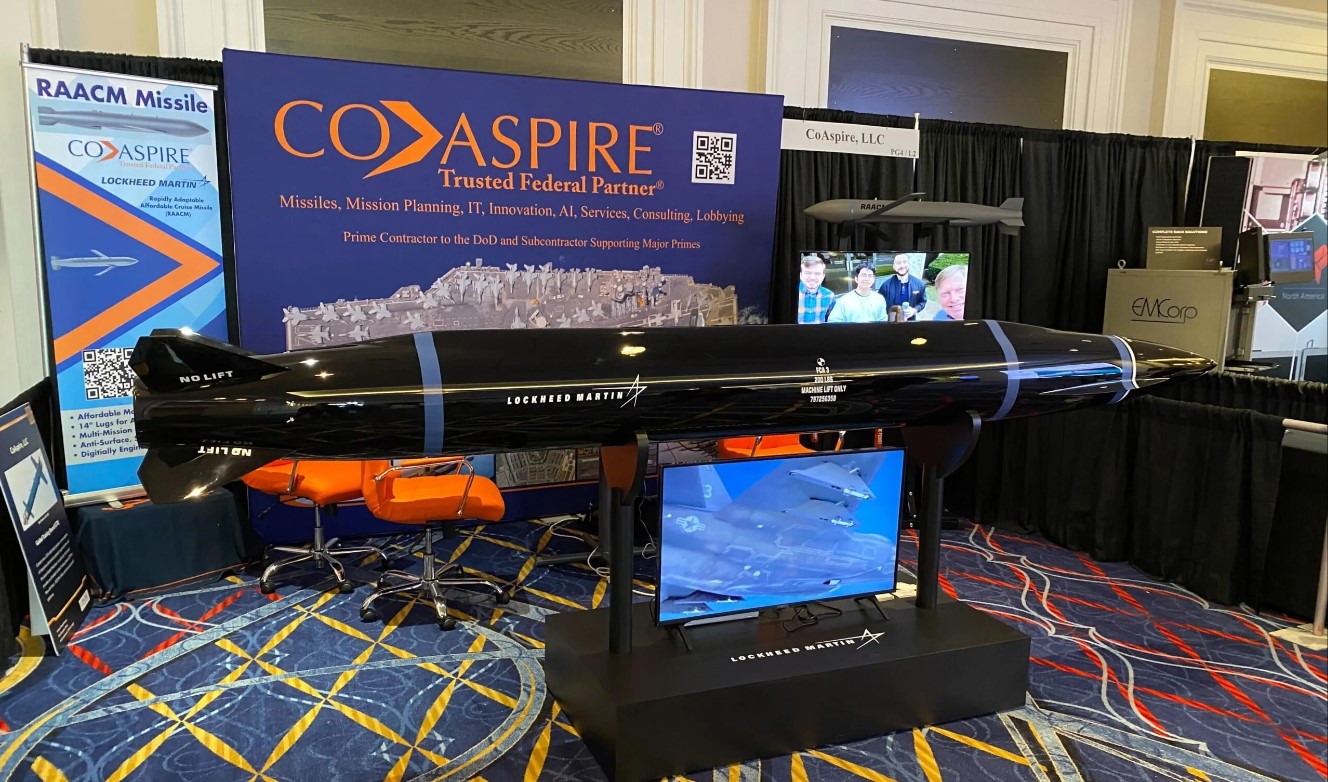
World
Lockheed is advancing the Mako hypersonic missile, a next-generation weapon designed to deliver rapid, precision strikes in the most heavily defended airspaces on the planet. Physical and virtual compatibility tests have confirmed that the Mako can be carried internally by stealth fighters like the F-22 Raptor and F-35A/C Lightning II, while also being deployable externally on a wide range of U.S. aircraft including the F-15E Strike Eagle, F-16C Fighting Falcon, F/A-18 Super Hornet, EA-18G Growler, and P-8A Poseidon. Development of the Mako began in 2017 under the U.S. Air Force’s Stand In Attack Weapon (SiAW) program, which has received around $35 million in funding. The program’s main objective is to give the Air Force a weapon capable of swiftly neutralizing critical targets in anti-access/area denial (A2/AD) zones — a key focus as the U.S. faces rapidly evolving missile threats from China in the Asia-Pacific. Measuring between 3.6 and 4 meters in length, with a diameter of 33 centimeters and a weight of roughly 590 kilograms, the Mako can carry interchangeable 60-kilogram warheads and integrate multiple guidance systems. Its open digital architecture is a standout feature, allowing for quick upgrades and reduced reliance on proprietary technology, which could help cut costs and speed up modernization. The missile’s versatility extends beyond fighter jets. Virtual integration tests have confirmed that it can be carried internally by B-1B Lancer, B-52H Stratofortress, and the future B-21 Raider bombers. Thanks to its standard 30-inch lugs, it could be adapted for nearly the entire U.S. aerial fleet. In addition, Lockheed Martin has proposed fitting it with an auxiliary booster for launch from naval vertical launch systems—similar to the AGM-158C LRASM—which would expand its operational use to U.S. Navy warships. This adaptability allows for innovative tactics. One proposed concept involves fifth-generation stealth fighters acting as forward scouts to detect and designate high-value targets. These would then pass targeting data to fourth-generation aircraft loaded with Mako missiles, which would carry out the strikes. This combined approach would maximize firepower while leveraging each platform’s strengths in contested airspace. Powered by a solid-fuel rocket motor, the Mako can reach speeds of Mach 5 at high altitude while remaining maneuverable, dramatically cutting the reaction time for enemy defenses. Its modular design and additive manufacturing techniques for components like the seeker fairing and control surfaces accelerate production and allow rapid adaptation to emerging threats. Advanced digital engineering also enables extensive virtual testing before physical production, streamlining the development cycle. The urgency for such capabilities is clear. China’s recent tests of the YJ-21 hypersonic missile in both naval and air-launched configurations have intensified the strategic race in the region. The Mako would provide the U.S. with a flexible, high-speed strike option to counter these advances. At the same time, defensive programs like the Glide Phase Interceptor (GPI) are being developed in parallel, underscoring the U.S. strategy to advance both offensive and defensive missile systems. Lockheed Martin is also looking beyond U.S. borders. Plans are being discussed to establish an initial production facility in the United Kingdom, with eventual industrial activity shifting to the U.S. under the AUKUS security partnership. The UK Ministry of Defence is evaluating the Mako as part of its ambition to field a sovereign hypersonic capability by 2030, with potential collaboration involving British and Australian partners to share technology, reduce costs, and build industrial capacity. While the Mako has yet to receive full-scale production funding from the U.S. Department of Defense, its inclusion in the U.S. Navy’s Other Transaction Authority (OTA) program allows for rapid funding approval if deemed urgent. Should it enter production, the Mako could become one of the most versatile and strategically important weapons in the U.S. and allied arsenals, offering speed, adaptability, and multi-platform compatibility for future conflicts.
Read More → Posted on 2025-08-12 15:33:47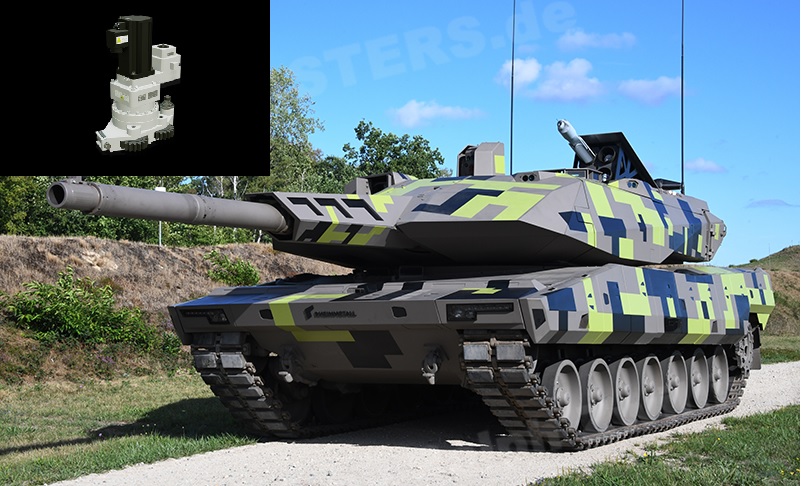
World
Curtiss-Wright has been chosen by Rheinmetall Landsysteme of Germany to supply its state-of-the-art Modular Turret Drive Stabilization System (TDSS) for the KF51 Panther Main Battle Tank, a next-generation armored platform designed to meet the demands of modern, high-intensity warfare. The KF51 Panther, unveiled as Rheinmetall’s answer to future battlefield challenges, incorporates cutting-edge firepower, protection, and situational awareness capabilities. Curtiss-Wright’s TDSS will play a central role in ensuring precise turret movement, stable gun control, and highly accurate target engagement—even while the tank is in motion across rough terrain. Brian Perry, Senior Vice President and General Manager of Curtiss-Wright Defense Solutions, said the selection underscores the company’s reputation for delivering high-precision, reliable, and adaptable defense technologies. “This contract builds on our long track record of supplying cost-effective and high-performance stabilization systems to the global defense market,” he said. Under the agreement, Curtiss-Wright’s facility in Neuhausen am Rheinfall, Switzerland, will produce the TDSS and associated ergonomic hand controllers. The system is designed to integrate seamlessly with the Panther’s “future-proof” modular architecture, which uses multiple drives for a single axis. This innovative layout optimizes space usage and weight distribution, offering significant flexibility for future upgrades. Work on the project began in December 2024, and the TDSS will be configured to allow quick adaptation to evolving mission profiles. Curtiss-Wright’s patented modular approach employs standardized components, enabling faster development cycles, reducing the time needed for requirements definition, and accelerating the shift from prototype to production. The KF51 Panther, which is positioned to potentially replace or complement Leopard 2 tanks in several NATO armies, features a 130mm smoothbore gun, advanced digital fire control, active protection systems, and networked combat management capabilities. With the TDSS integrated, the Panther will be able to engage targets with extreme precision, whether operating independently or as part of a connected armored formation. Defense analysts note that this partnership could strengthen both companies’ positions in the European and global armored vehicle markets, especially as several countries are seeking modern, upgradeable tank platforms in response to evolving threats and the lessons learned from recent conflicts.
Read More → Posted on 2025-08-12 15:27:46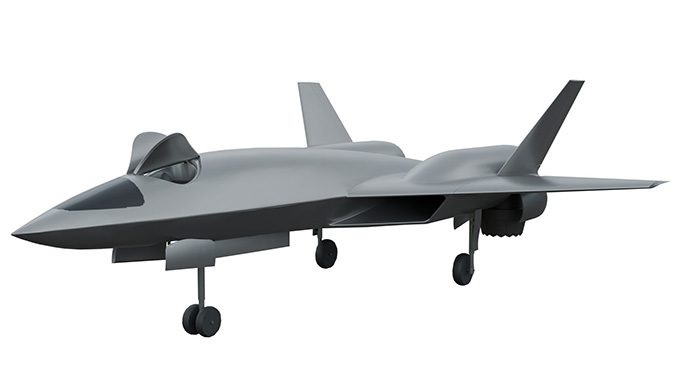
World
In a major leap for counter-drone technology, British defense firm SkyDefense LLC has unveiled the CobraJet, an AI-powered electric VTOL (Vertical Take-Off and Landing) interceptor drone designed to hunt down and destroy hostile unmanned aircraft with unmatched speed and precision. The CobraJet can reach speeds of over 200 mph, using its agility to engage enemy drones before they reach their targets. Designed for rapid deployment, it can launch from rooftops, forward operating bases, border posts, or even small naval vessels, making it a flexible defense asset for both military and homeland security forces. Stealth, Power, and Precision The drone’s propulsion is powered by high-density solid-state lithium batteries from Amprius, giving it extended endurance while keeping noise and heat signatures extremely low—ideal for operating close to hostile airspace without detection. Onboard Auterion AI autopilot combines Teledyne FLIR electro-optical and infrared sensors with NVIDIA processors to track, identify, and engage airborne threats in real time. Its internal weapons bay and external hardpoints allow for a wide range of armaments, including short-range air-to-air missiles, micro-missiles, fragmentation projectiles, and even precision-guided munitions for use against surface or maritime drone threats. Optional mission packages enable it to neutralize not just aerial UAVs, but also unmanned boats or ground-based systems. Intelligent Swarm Operations One of CobraJet’s most advanced features is its ability to operate as part of an autonomous drone swarm. Multiple units can share sensor data, coordinate interceptions, and carry out complex maneuvers to overwhelm incoming drone attacks. Its SmartVision navigation system—enhanced with anti-jamming and visual geolocation—ensures operational capability even in GPS-denied environments. Control is handled via SkyDefense’s VRAM (Visual Realtime Area Monitoring) system, which supports both fully autonomous missions and human-in-the-loop engagement for critical targeting decisions. The system’s secure, low-latency communications mean operators can issue commands and receive live video feeds with minimal delay. Operational Advantages CobraJet addresses one of the biggest problems in modern air defense: the cost imbalance between high-value missile interceptors and low-cost hostile drones. Traditional ground-based systems are often too slow, expensive, or ill-suited to counter small UAV swarms. CobraJet, by contrast, offers fast reaction times, reusability, and a low cost-per-intercept, making it ideal for protecting: Airports, power plants, and government buildings from drone incursions Border regions against smuggling or surveillance UAVs Forward operating bases and mobile military units from reconnaissance Naval vessels in littoral or contested waters It can be deployed in urban environments, along sensitive borders, or on the battlefield to deny enemy reconnaissance and strike capabilities. Global Context and Market Impact The unveiling comes as military analysts warn of a drone warfare revolution, with lessons drawn from conflicts like Ukraine showing how small, inexpensive UAVs can cause outsized damage. This has fueled a surge in demand for scalable, AI-driven counter-drone solutions capable of engaging multiple threats in quick succession. SkyDefense says CobraJet squadrons could be scaled up for national air defense grids or configured for mobile expeditionary missions, with VRAM control units integrated into tactical or armored vehicles for rapid redeployment. Full operational testing at the Pendleton UAS Test Site is scheduled later this year, with live-fire scenarios planned to validate performance against fast-moving and evasive aerial targets. SkyDefense President Nick Verini emphasized that the system is designed to counter both lone UAV incursions and coordinated swarm attacks, giving armed forces and security agencies a versatile, future-ready tool for an evolving threat landscape. With the CobraJet, SkyDefense is positioning itself at the forefront of a growing defense market where speed, AI autonomy, and adaptability will define the next generation of aerial security systems.
Read More → Posted on 2025-08-12 15:21:20
World
A former Pentagon analyst has issued a blunt warning about Pakistan’s recent nuclear rhetoric, accusing the country of acting like a “rogue state” after its army chief allegedly made alarming threats during a visit to the United States. The controversy stems from remarks reportedly made by General Asim Munir, Pakistan’s army chief, during a meeting with US military officials in Tampa, Florida. According to accounts, Munir allegedly warned that if Pakistan were to “go down,” it would “take half the world down” with it — a statement interpreted as a thinly veiled nuclear threat. Michael Rubin, a former US defense official and senior policy expert, condemned the comments as “completely unacceptable,” comparing them to rhetoric once used by terrorist leaders such as Osama bin Laden and extremist groups like ISIS. He argued that such statements raise serious doubts about Pakistan’s reliability as a responsible nuclear power. Rubin urged Washington to respond decisively, suggesting that Pakistan should be stripped of its status as a major non-NATO ally and even considered for designation as a state sponsor of terrorism. He went further, calling for General Munir to be declared persona non grata, banned from receiving US visas, and immediately expelled from the country following such remarks. He criticized the lack of immediate pushback from US officials present during the meeting, saying Munir should have been escorted to the airport “within 30 minutes” of making the alleged threat. Beyond the immediate controversy, Rubin warned that Pakistan’s unstable political climate, combined with its nuclear arsenal, creates a dangerous environment where terrorist groups could gain access to nuclear weapons. He said this is not a typical diplomatic dispute, but a fundamental threat to global security. Rubin also floated controversial long-term solutions, including allowing Pakistan to face a “managed decline” — which could involve recognizing independence movements in regions like Balochistan — and even future military operations by US special forces to secure Pakistani nuclear weapons if the situation deteriorates. The analyst linked the episode to shifting US foreign policy, noting that former President Donald Trump’s engagement with Pakistan marks a departure from decades of bipartisan support for deepening US-India ties. He argued that ongoing friction between Washington and New Delhi — partly over India’s oil trade with Russia — would likely ease under future administrations, strengthening the strategic partnership. Rubin’s stark comments highlight growing unease in Washington over Pakistan’s political trajectory and the risks posed by its nuclear arsenal. For US policymakers, the challenge lies in balancing diplomatic engagement with the need to address potential threats from a nuclear-armed nation in one of the world’s most volatile regions.
Read More → Posted on 2025-08-12 14:53:56
World
Pakistan has launched its first satellite-based English-language international news channel, named Asia One, with the stated goal of presenting the country’s perspective to a global audience. However, security analysts warn that the platform could also be used as part of a coordinated disinformation campaign overseas, raising concerns among neighboring countries and international observers. According to officials, Asia One is designed to broadcast Pakistan’s views on regional politics, culture, and economic developments directly to audiences abroad. While the government describes it as a “soft power” tool to counter what it sees as “biased international coverage,” experts believe it could be used to influence public opinion and spread narratives aligned with Pakistan’s political and strategic objectives. The move comes at a time of growing information warfare across South Asia. Disinformation campaigns — often involving state-backed media — have become a common tool in geopolitical rivalries, with television, social media, and satellite broadcasting being used to shape perceptions far beyond national borders. By launching an English-language channel, Pakistan aims to reach policymakers, business leaders, diaspora communities, and younger global audiences. English, being the primary language of international diplomacy and media, gives Asia One the ability to bypass regional language barriers and tap into influential markets in Europe, North America, Africa, and Southeast Asia. Critics, however, point to past incidents where state-run media in the region have been accused of spreading false or misleading information to discredit rival governments or promote favorable political narratives. They warn that if Asia One follows a similar path, it could deepen mistrust, fuel diplomatic tensions, and complicate already sensitive regional relations. This development also reflects Pakistan’s attempt to expand its media influence infrastructure in the face of competing narratives from countries like India, which operates its own international English news outlets. As global audiences become more polarized and news consumption increasingly shifts to satellite and digital platforms, such media initiatives can serve as both a diplomatic tool and a strategic weapon. In the coming months, observers will be watching Asia One closely to see whether it functions as a genuine news platform — or becomes another instrument in the complex and escalating battle over information and influence in South Asia and beyond.
Read More → Posted on 2025-08-11 16:48:22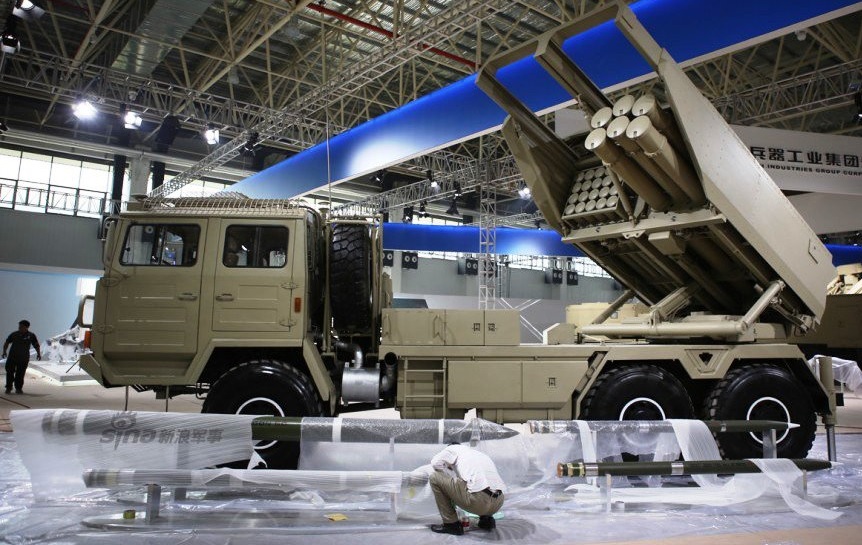
World
Burkina Faso has taken delivery of a substantial shipment of Chinese-manufactured military hardware, marking one of the country’s most significant defense acquisitions in recent years. The new equipment includes VN22B fire support vehicles, PLL-05 120 mm self-propelled gun-mortars, and the SR5 modular multiple rocket launch system, all of which are expected to give the nation’s armed forces a decisive boost in mobility, firepower, and operational flexibility. The delivery comes amid escalating security challenges in the Sahel, where Burkina Faso faces a grinding insurgency involving groups linked to Al-Qaeda and the Islamic State in the Greater Sahara. These factions have entrenched themselves in remote areas, frequently launching cross-border raids and ambushes. The instability in neighboring Mali and Niger, combined with porous borders, has turned the region into a volatile battlefield. New Hardware, New Capabilities The VN22B fire support vehicle, developed by China’s NORINCO, is a highly mobile 6×6 wheeled platform armed with a stabilized 30 mm autocannon and advanced fire control systems. Capable of engaging both light armored vehicles and fortified positions on the move, it can reach speeds of over 100 km/h and has a range exceeding 800 km. Its modular armor offers protection against heavy machine gun fire and artillery fragments, making it ideal for fast-moving operations in Burkina Faso’s mix of desert, savanna, and urban terrain. The PLL-05 120 mm self-propelled gun-mortar offers dual functionality, capable of firing both high-angle indirect artillery fire and direct anti-armor or high-explosive rounds. With a maximum range of around 13 km for extended-range shells and a sustained fire rate of up to 10 rounds per minute, it is well-suited for counter-insurgency operations and rapid-response missions. Its mobility and “shoot-and-scoot” capability make it harder for enemy forces to target. The SR5 multiple rocket launch system is one of the most versatile in its class, capable of launching both 122 mm and 220 mm rockets, with guided variants reaching up to 70 km. It can switch between precision strikes and saturation bombardment depending on mission needs, making it a flexible tool for disrupting insurgent supply lines, striking assembly areas, or halting advancing forces. Geopolitical Shift Toward Beijing Burkina Faso’s pivot toward Chinese defense suppliers reflects a wider realignment in Sahel geopolitics. Since the 2022 coup, relations with several Western partners have cooled, with the government instead strengthening ties with the Alliance of Sahel States and non-Western suppliers, notably China and Russia. Beijing’s role in Africa’s defense sector has been expanding rapidly, offering competitive pricing, fast delivery, and long-term support packages that include training and maintenance. For China, the deal with Burkina Faso is part of a broader strategic push to expand influence across the continent, especially in regions where Western military support has diminished. Supplying advanced weapons systems helps cement long-term partnerships and provides Beijing with a foothold in strategically important areas like the Sahel, which has become a focal point of great-power competition. Defense Modernization Under Traoré The acquisition aligns with President Captain Ibrahim Traoré’s defense modernization strategy, launched in late 2023, which aims to transform Burkina Faso’s military into a high-mobility, well-networked, and better-protected force. The emphasis is on platforms that can operate independently, deliver rapid and concentrated firepower, and adapt to the demands of asymmetric warfare. Once the VN22B, PLL-05, and SR5 systems are fully integrated into service, supported by trained crews and maintenance infrastructure, the armed forces will have a greatly enhanced ability to: Provide direct fire support to infantry and mechanized units. Conduct long-range interdiction of insurgent movements. Rapidly shift forces and deliver concentrated strikes in remote or contested areas. In the face of persistent insurgent threats, these acquisitions signal Burkina Faso’s intent to not only hold its ground but to project a stronger military presence across its borders, reshaping the balance of power in one of the world’s most unstable regions.
Read More → Posted on 2025-08-11 16:38:05
World
Japan is conducting tests of the Israeli-made Heron-2 unmanned aerial system (UAS), a move that could signal a significant shift in Tokyo’s defense procurement policy. The drone, built by Israel Aerospace Industries (IAI), was recently spotted at a Japanese airport carrying Israeli registration numbers and markings from Kawasaki Heavy Industries, suggesting close industrial collaboration. The particular Heron-2 seen in Japan was configured for electronic warfare, though its primary capabilities lie in long-range reconnaissance and precision strike missions. If the Japanese government decides to proceed with acquisition, Kawasaki could potentially manufacture the platform domestically, boosting Japan’s self-reliance while integrating advanced foreign technology. This marks the first recorded test of an Israeli defense system on Japanese soil, a noteworthy milestone given Tokyo’s past caution in importing complete Israeli weapon systems. For decades, Japan refrained from such purchases partly due to the Arab boycott, instead limiting imports to components and subsystems. That stance began to shift after a 2020 defense cooperation agreement between Japan and Israel, which opened the door to sharing classified technologies and conducting joint projects. The Heron-2, also known as Shoval in Israeli service, belongs to the medium-altitude, long-endurance (MALE) class of drones. It is designed for intelligence, surveillance, reconnaissance (ISR), and electronic warfare missions, with a proven operational record in the Middle East. The platform is used by several militaries, including Germany, India, and the Czech Republic, and has been deployed in complex environments such as operations over Iran. Measuring 9 meters in length with a 17-meter wingspan, the Heron-2 can carry up to 250 kilograms of sensors and weaponry. Powered by a Rotax 916 engine, it can cruise at 207 kilometers per hour, operate at altitudes of up to 10,058 meters, and remain airborne for an impressive 52 hours, providing persistent coverage across vast areas. Japan’s interest in the Heron-2 is part of a broader military modernization program aimed at countering growing security challenges in the Indo-Pacific. Alongside the Heron-2, Tokyo is also evaluating Turkey’s Bayraktar drone, expanding its naval capabilities with new surface combatants, pursuing a next-generation stealth fighter program with the UK and Italy, and investing heavily in autonomous and unmanned technologies. Domestically, Japan has a strong aerospace industry that already produces transport aircraft, patrol planes, and even a locally manufactured variant of the U.S. F-16 fighter jet. A potential Heron-2 production partnership with Kawasaki could deepen technological know-how, reduce dependence on imports, and create a new pillar in Japan’s defense export ambitions. Defense analysts note that with rising tensions in the East China Sea, growing North Korean missile threats, and increased Chinese maritime activity, unmanned aerial platforms like the Heron-2 could give Japan critical surveillance and rapid-response capabilities without risking pilots’ lives. If the Heron-2 trials prove successful, it would not only enhance Japan’s military reach but also represent a strategic realignment in Tokyo’s procurement policy, reflecting a willingness to source complete high-tech weapon systems from new partners beyond its traditional U.S. alliance framework.
Read More → Posted on 2025-08-11 15:34:25
World
In a dramatic policy reversal, Australian Prime Minister Anthony Albanese has announced that Australia will formally recognize a Palestinian state at the upcoming United Nations General Assembly in September, marking a significant shift in the country’s Middle East policy. The move comes just two weeks after Albanese publicly said such recognition was not imminent. Speaking after a cabinet meeting, Albanese framed the decision as part of a coordinated global effort to push forward a two-state solution to the Israeli–Palestinian conflict. He said Australia had secured commitments from the Palestinian Authority (PA) to exclude Hamas from any future government, demilitarize Gaza, hold democratic elections for the first time since 2006, and undertake reforms aimed at ending incitement and abolishing payments to prisoners and families of militants. Albanese emphasized that the PA had pledged to recognize Israel’s right to exist in peace and security. “A two-state solution is humanity’s best hope to break the cycle of violence in the Middle East,” he said, adding that his government had held talks in recent days with leaders from the United Kingdom, France, New Zealand, and Japan, as well as with Israeli Prime Minister Benjamin Netanyahu and PA President Mahmoud Abbas. The announcement places Australia alongside an expanding bloc of Western nations, including France, Canada, and Britain, that have either recognized or pledged to recognize Palestinian statehood. In total, about three-quarters of UN member states—145 out of 193—have now extended or committed to recognition. Strong Pushback from Israel Israel reacted sharply to Canberra’s decision. Prime Minister Benjamin Netanyahu called the move “shameful” and accused countries supporting Palestinian recognition of “rewarding terror.” He argued that the root cause of the conflict was not the absence of a Palestinian state, but “the persistent Palestinian refusal to recognize the Jewish state in any boundary.” Israel’s ambassador to Australia, Amir Maimon, warned that the recognition “undermines Israel’s security” and could “weaken the cause of peace” by emboldening Hamas and other extremist factions. He accused Australia of abandoning conditions Albanese himself had previously set for recognition, including the release of hostages and the complete renunciation of violence. Domestic Reactions and Community Concerns In Australia, the announcement has deepened political and community divisions. The Executive Council of Australian Jewry condemned the move as a break from decades of bipartisan policy, accusing the government of abandoning Israeli hostages held in Gaza and removing incentives for the Palestinians to engage in meaningful negotiations. Community leaders have also linked the decision to a rise in antisemitic rhetoric and attacks across Australia’s cities. On the other hand, pro-Palestinian activists have hailed the recognition as a long-overdue step towards justice and self-determination, pointing to the humanitarian crisis in Gaza as a moral imperative for international action. Global Context and Challenges Ahead The wave of recognition comes amid intense diplomatic maneuvering ahead of September’s UN General Assembly, where the issue of Palestinian statehood is expected to take center stage. While several Western powers are now backing the move, influential states like Germany and Italy remain opposed, arguing that recognition should come only after direct negotiations between Israel and the Palestinians. Albanese’s decision follows weeks of internal pressure from within his cabinet, combined with growing international criticism of Israel’s military operations in Gaza. Tensions have spiked in recent days after Netanyahu announced plans for a new offensive aimed at retaking Gaza City, which has drawn concern from humanitarian agencies and several allied governments. Despite the symbolic significance of Australia’s recognition, analysts warn that it may do little to alter conditions on the ground. The Palestinian territories remain politically divided between the PA-controlled West Bank and Hamas-controlled Gaza, and there is no unified government capable of implementing the commitments Albanese cited. Still, the Australian leader insists the move sends a message of hope and international unity. “We must choose diplomacy over destruction,” he said. “This recognition is a step towards ending decades of bloodshed and suffering.”
Read More → Posted on 2025-08-11 14:55:46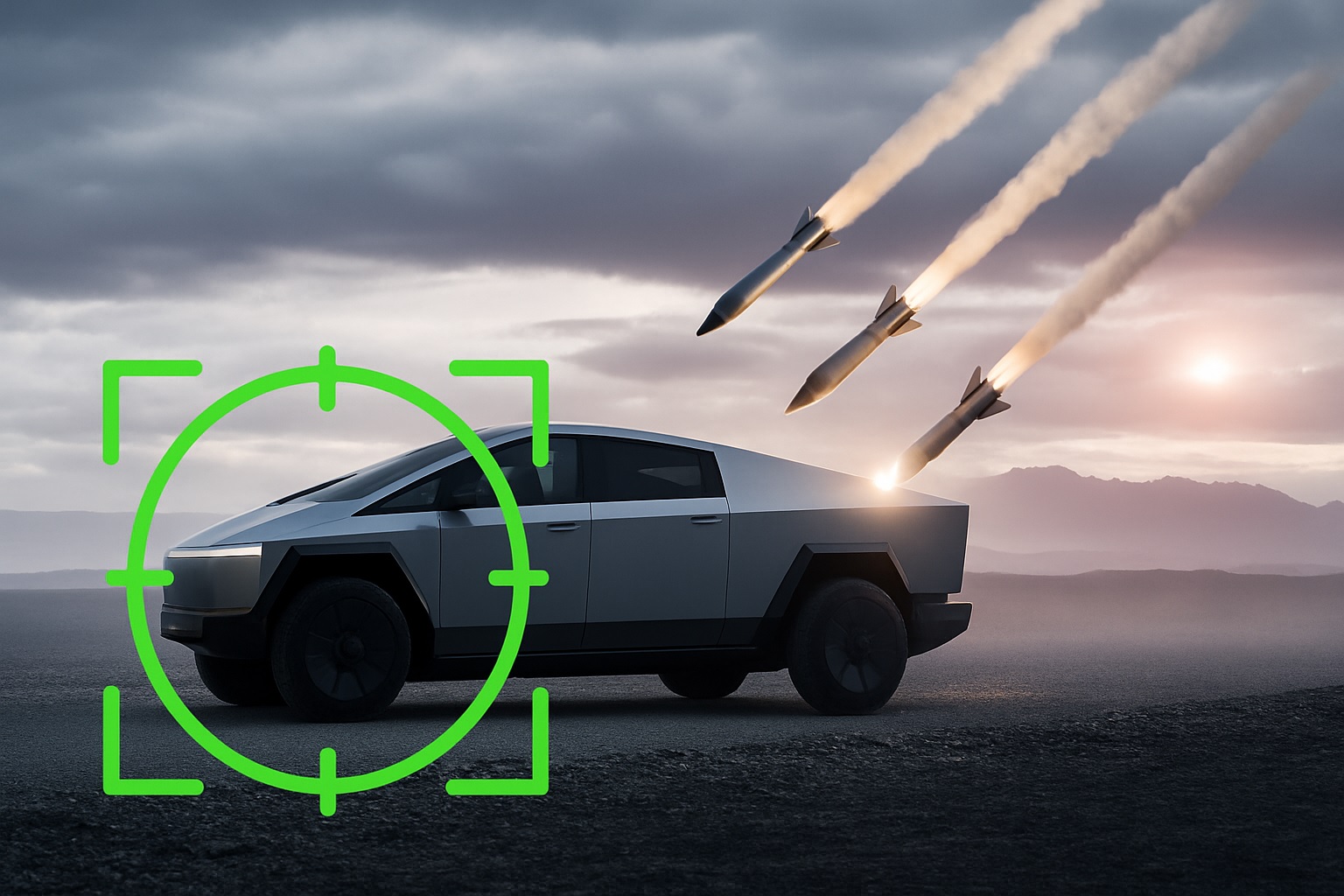
World
The U.S. Air Force is planning to buy two Tesla Cybertrucks — not for transport or patrol duties, but to blow them up. The futuristic electric pickups will be used as live-fire targets during precision weapons testing and special operations training at the White Sands Missile Range in New Mexico. According to contracting documents, the Cybertrucks are part of a batch of 33 target vehicles being acquired for the U.S. Special Operations Command’s Stand Off Precision Guided Munitions (SOPGM) program. This program involves testing and training with advanced air-launched weapons such as Hellfire missiles, Griffin missiles, Small Glide Munitions, and Laser Small Diameter Bombs — all designed to hit moving or stationary targets from long distances. While the rest of the target vehicles can be ordinary sedans, trucks, and SUVs, the Cybertrucks are specifically being purchased because the Air Force believes future adversaries could drive them in conflict zones. Military planners say the vehicles’ bullet-resistant panels, stainless steel exoskeleton, and unique angular design make them tougher than standard vehicles and capable of sustaining less damage from impacts — a factor that could change how weapons perform against them. Interestingly, the Air Force does not need the Cybertrucks to be functional. They just need to roll when towed so they can be placed in firing zones. The idea is to simulate realistic battlefield conditions, especially in regions where special operations forces might face hostile fighters using such vehicles. Although Tesla has only officially sold around 46,000 Cybertrucks, mostly in North America, some have already made their way overseas. Luxury markets in the Middle East are expected to get official sales this year, and there have been reports of Cybertrucks appearing in unexpected places — including in the hands of Russian-backed Chechen fighters during the war in Ukraine, some modified with heavy weapons. The Cybertruck, which starts at around $80,000, has been marketed by Tesla CEO Elon Musk as “apocalypse-proof,” boasting resistance to pistol-caliber rounds and featuring a futuristic 48-volt electrical system. However, it has also faced criticism over recalls, build quality, and inconsistent performance. Still, its armored look and durability have drawn interest from law enforcement and private security buyers in countries such as the United Arab Emirates. For the U.S. military, this move reflects a broader strategy — anticipating the kinds of equipment enemies might adopt in coming years and ensuring that American forces know how to destroy them effectively. The upcoming tests at White Sands are expected to examine how different precision-guided munitions perform against the Cybertruck’s unusual structure, providing valuable data for both current and future weapons development. In the end, while the Cybertruck has been promoted as a vehicle of the future, for the U.S. Air Force, its role in that future may be short-lived — ending in a cloud of smoke, shrapnel, and missile fire in the deserts of New Mexico..
Read More → Posted on 2025-08-11 14:55:19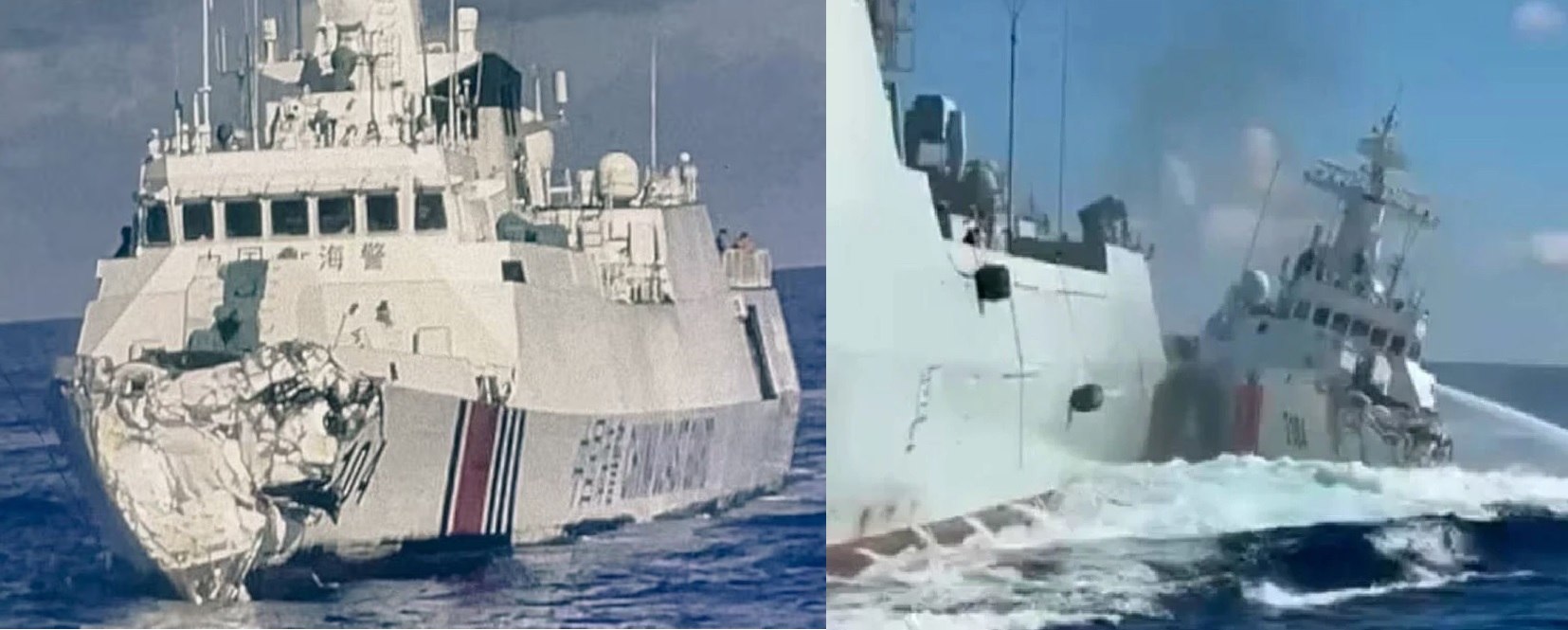
World
A high-stakes maritime confrontation unfolded near Scarborough Shoal in the West Philippine Sea on Monday, resulting in a dramatic collision between two Chinese vessels—a China Coast Guard (CCG) patrol ship and a People’s Liberation Army Navy (PLAN) destroyer—while pursuing a Philippine patrol craft. The incident occurred during an escort mission by the Philippine Coast Guard’s BRP Suluan, which was safeguarding a convoy delivering fuel and supplies to around 30 Filipino fishing boats. This mission, part of the government’s “Kadiwa Para sa Bagong Bayaning Mangingisda” program, aimed to ensure that local fishermen could operate safely in waters claimed by the Philippines under international law but contested by China. Chase Turns Chaotic According to footage released by the Philippine Coast Guard, the Chinese Coast Guard vessel CCG-3104 attempted to block BRP Suluan’s path, deploying aggressive interception tactics after failing to hit the patrol boat with water cannon blasts. The pursuit escalated at high speed, with CCG-3104 cutting across sea lanes in an effort to force the Philippine vessel to change course. In a sudden turn of events, CCG-3104 collided with DDG-164, a Type 052D guided-missile destroyer operating nearby. The impact severely damaged the Chinese coast guard ship, leaving it dead in the water, while the destroyer sustained a significant breach along its forward port side. Despite visible distress on the Chinese vessels, the Philippine crew’s offers to provide medical aid and recover any overboard personnel were ignored by Chinese authorities on the scene. Escalating Tensions Over Scarborough Shoal Scarborough Shoal lies about 240 kilometers west of Luzon and has been under effective Chinese control since 2012. It remains a flashpoint in the South China Sea dispute, which has seen repeated confrontations, close-quarter maneuvers, and the use of coercive tactics by Chinese maritime forces. The shoal sits in one of the busiest shipping lanes in the world, a strategic artery for global trade. While an international tribunal in 2016 invalidated Beijing’s sweeping claims over much of the South China Sea, China has continued to patrol and fortify contested areas, dismissing the ruling as “null and void.” China and the Philippines Trade Statements In response to Monday’s events, Beijing claimed its forces had “expelled” Philippine vessels from the shoal, characterizing its coast guard’s actions as “professional, standardized, legitimate, and legal.” No mention was made of the collision or the damage to its own vessels. Manila, on the other hand, reaffirmed its right to operate in the area and vowed to maintain a consistent maritime presence despite “dangerous and unlawful interference.” Warship Involved: Type 052D Destroyer The PLAN destroyer involved, DDG-164, is among China’s most advanced surface combatants. At 7,500 tons and measuring 157 meters in length, it carries a sophisticated weapons suite, including a 64-cell vertical launch system capable of firing surface-to-air, anti-ship, and land-attack missiles. With a top speed of 30 knots and advanced radar systems, it plays a key role in China’s regional naval dominance strategy. Regional Implications This latest collision underscores the increasing risk of accidental escalation in the West Philippine Sea. Analysts warn that such incidents could spiral into broader crises, especially given the presence of heavily armed vessels operating in close proximity. The Philippines, backed by its defense alliance with the United States, has signaled that it will not back down from asserting its sovereign rights in its exclusive economic zone. With tensions rising and maritime confrontations becoming more frequent, the Scarborough Shoal flashpoint remains a critical test of freedom of navigation, regional stability, and the limits of military brinkmanship in Asia’s contested waters.
Read More → Posted on 2025-08-11 14:30:26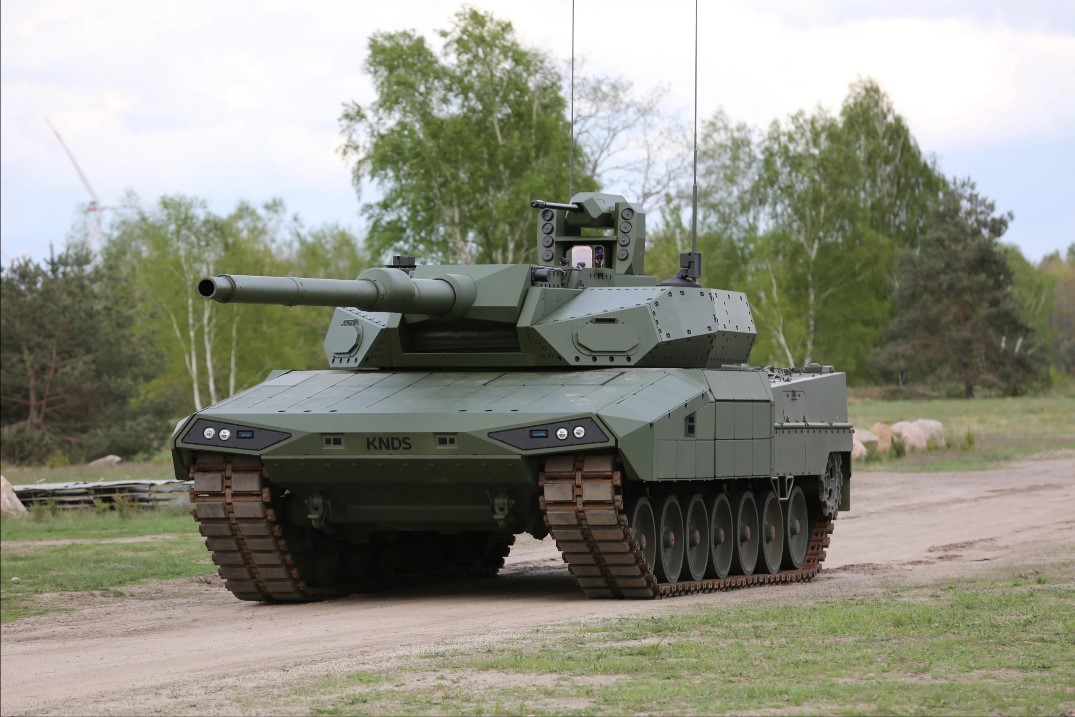
World
In a major step toward redefining European armored warfare, French-German defense giant KNDS has revealed the second prototype of its next-generation main battle tank, the Leopard 2A-RC 3.0 PT02, during live demonstrations at the Klietz military training area. The unveiling marks a significant leap in design and capability, aimed at countering the evolving threats of 21st-century battlefields. The Leopard 2A-RC 3.0 is not just an incremental upgrade to the renowned Leopard 2 series—it represents a complete design shift built on lessons from recent armored conflicts, particularly in Ukraine. Modern battlefields, increasingly dominated by drones, precision munitions, and loitering weapons, have forced a rethink of how tanks survive, fight, and adapt. KNDS has embraced a philosophy that puts crew protection, modular adaptability, and long-range lethality at the forefront. From Manned to Unmanned Turret – A Game Changer One of the most striking innovations in the PT02 is its unmanned turret, housing a 120 mm smoothbore gun capable of firing up to 18 rounds per minute via an autoloader. The design is future-proofed, with the option to upgrade to 130 mm or even 140 mm calibers, ensuring the platform remains competitive for decades. Complementing the main gun is a Spike LR anti-tank missile launcher, a 30 mm remote weapon station, and the Israeli Trophy active protection system—widely regarded as one of the most battle-proven APS suites in the world. This combination enables the tank to engage threats well beyond traditional engagement ranges, including fortified positions, light armor, and aerial threats like drones. Mobility Meets Survivability Weighing under 60 tons, the Leopard 2A-RC 3.0 is significantly lighter than many Western MBTs, giving it improved agility and a lower detection profile. Powered by a 1,500 hp engine, it can reach 65 km/h with a range of 460 km, making it ideal for rapid maneuver warfare. Inside, the crew operates from a protected cell deep within the hull, isolated from ammunition storage—dramatically improving survivability against direct hits. Smarter Warfare with UAV Integration The second prototype incorporates integrated UAV support, enabling the crew to deploy small reconnaissance drones directly from the tank. This gives real-time intelligence on enemy positions, allowing for precise, preemptive strikes and better coordination with other units. This level of situational awareness represents a shift toward networked warfare, where tanks operate as information hubs rather than isolated brawlers. Global Comparisons and NATO Advantage Analysts note that the Leopard 2A-RC 3.0 mirrors some design philosophies of Russia’s T-14 Armata with its unmanned turret, yet it adheres to NATO interoperability standards and boasts a more flexible armament suite. Compared to the U.S. Abrams X, it is lighter and arguably more adaptable for varied operational environments, from European plains to urban combat zones. The modular design means that weapons, armor packages, and electronic suites can be swapped or upgraded rapidly. This makes the PT02 an appealing option for NATO allies looking to modernize fleets without locking into a single, fixed configuration. Strategic Significance for Europe With tensions high in Eastern Europe and the rapid modernization of armored forces in Asia and the Middle East, the Leopard 2A-RC 3.0 is a clear statement of intent: Europe is committed to retaining a world-class armored punch. Beyond domestic use, its export potential is significant, with interest likely from countries already operating Leopard 2 variants but seeking a next-generation leap. As future battlefields demand tanks that can survive precision strikes, coordinate with drones, and deliver devastating firepower, the Leopard 2A-RC 3.0 PT02 stands as a flagship of Europe’s armored future—a blend of protection, mobility, and adaptability that could shape NATO’s armored doctrine for decades.
Read More → Posted on 2025-08-11 14:20:13Search
Top Trending in 24 Hours
-
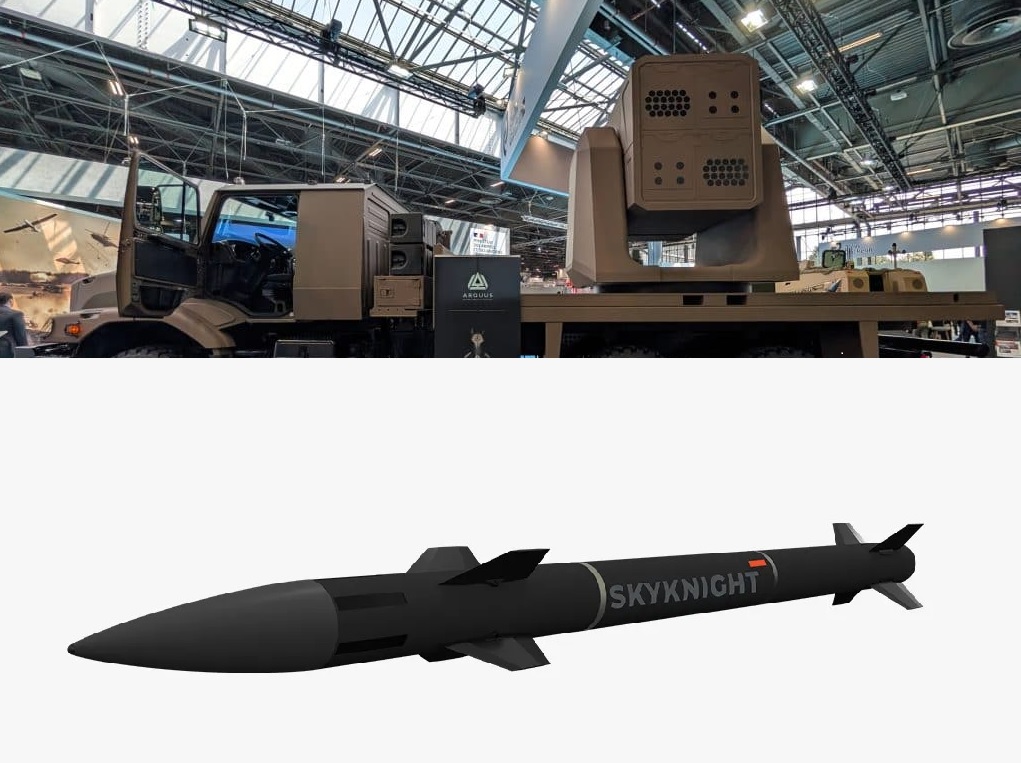 Naval Group Unveils Rampart Modular CIWS Multi-Purpose Weapon System for Naval and Ground Forces at Eurosatory 2026
-
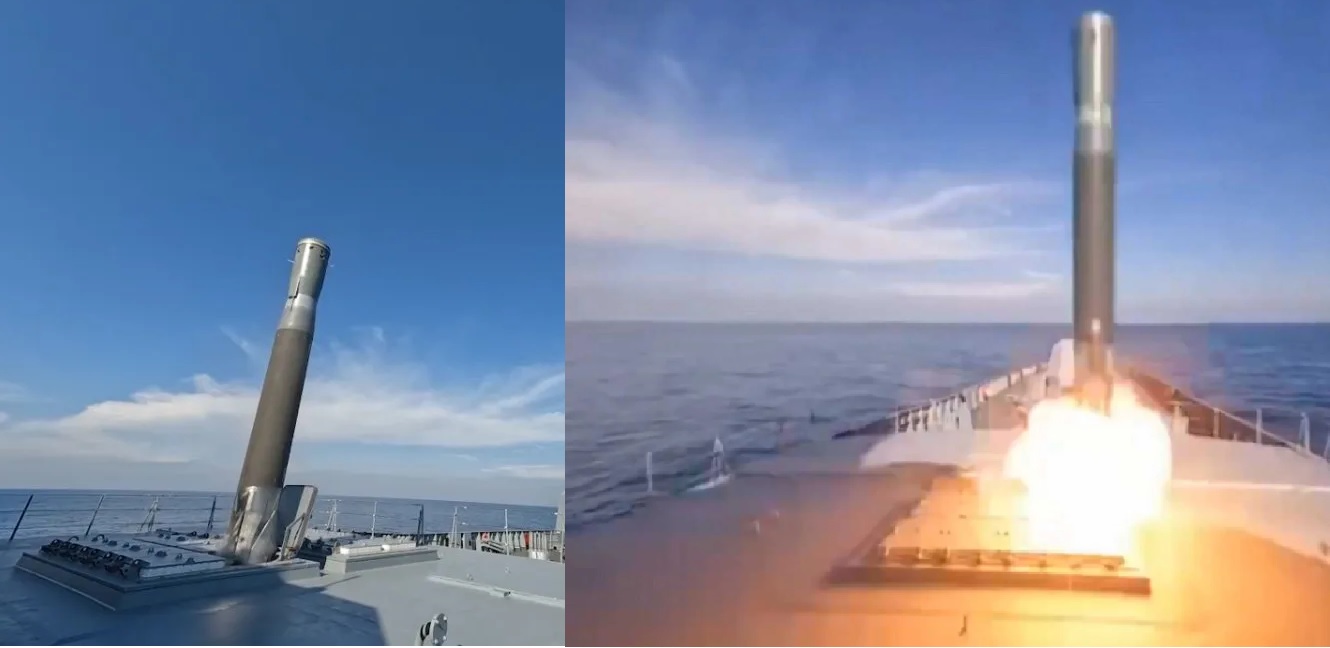 Open-Source Evidence Suggests Russia's Zircon Is a Quasi-Ballistic Missile, Not a True Hypersonic Cruise Weapon
-
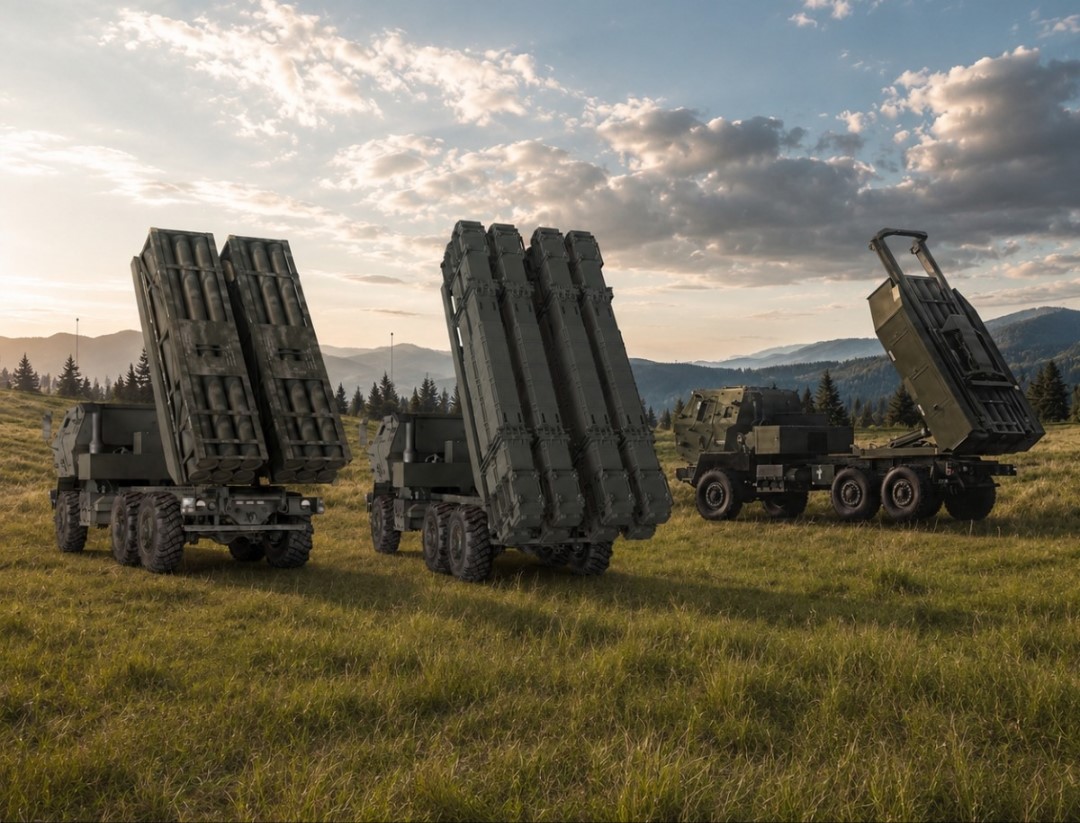 Lockheed Martin Unveils HIMARS FLEX with Dual-Pod Launcher and NATO-Compatible Air Defense Integration
-
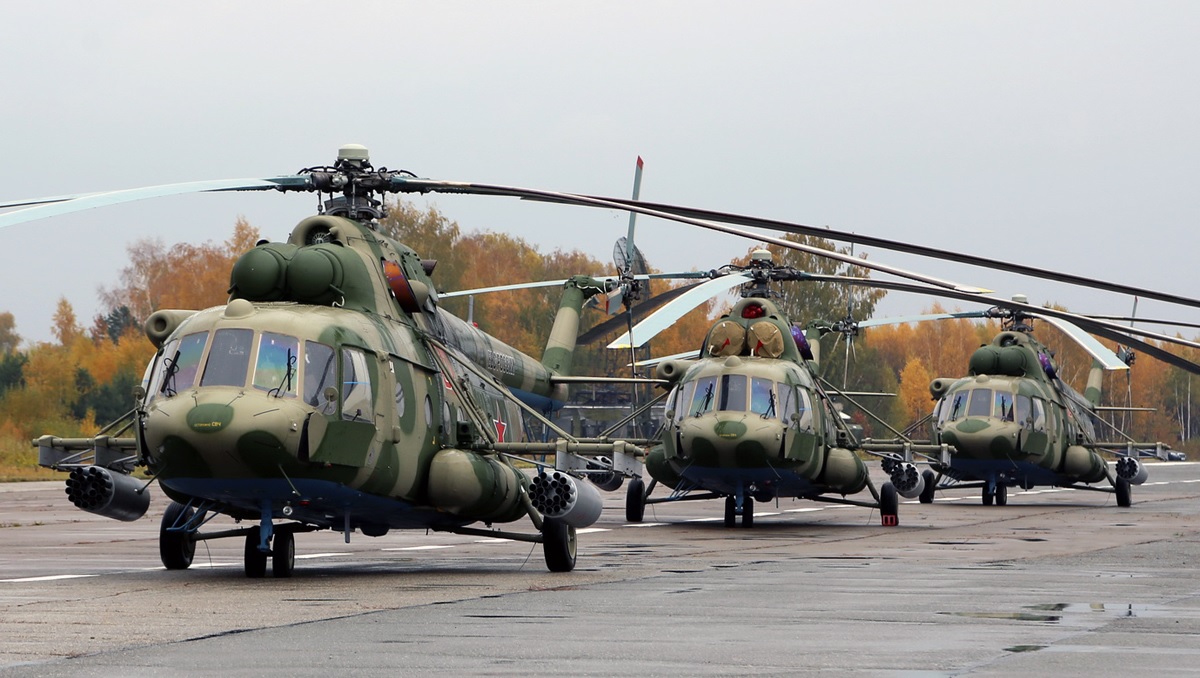 Iran Signs Deal with Russia for 20 Mi-8 and Mi-17 Helicopters to Boost Rescue and Medical Missions
-
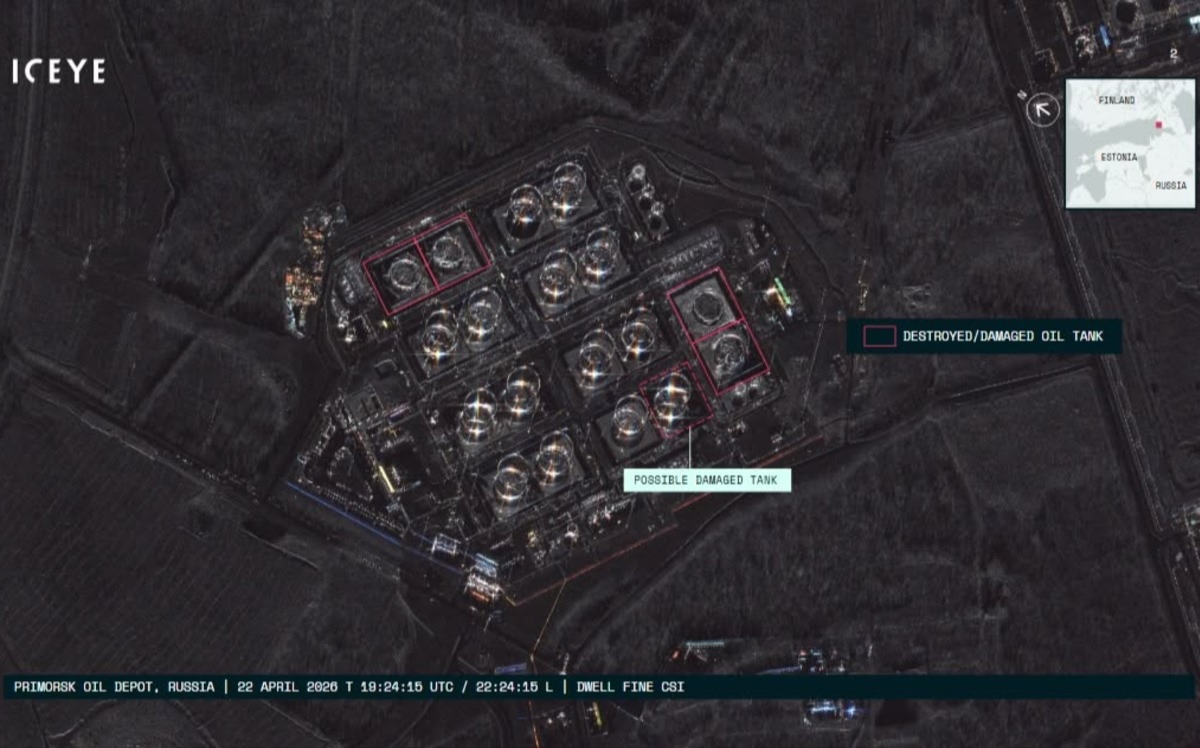 Portugal Doubles Sovereign SAR Satellite Fleet with Order for Two Additional ICEYE Satellites
-
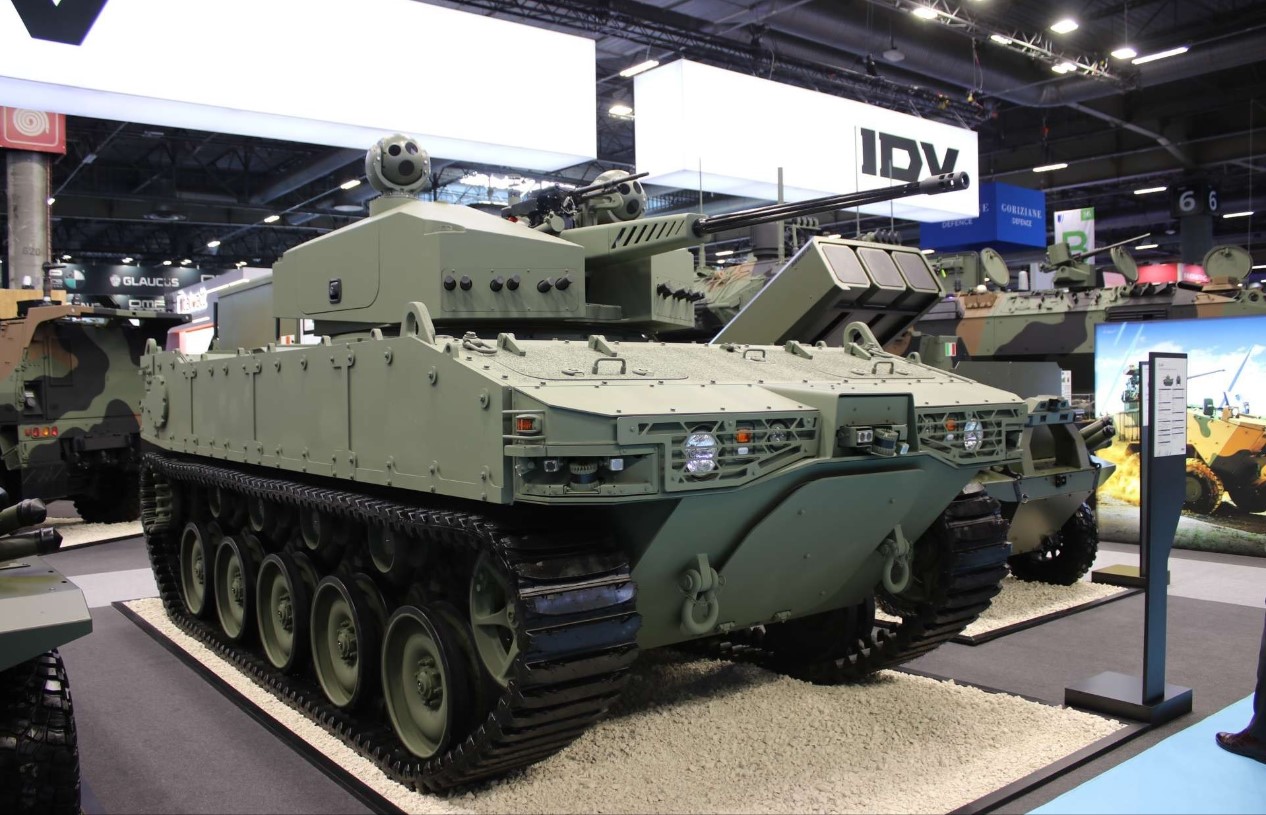 IDV Unveils CL2X Hybrid Uncrewed Light Tank at Eurosatory 2026
-
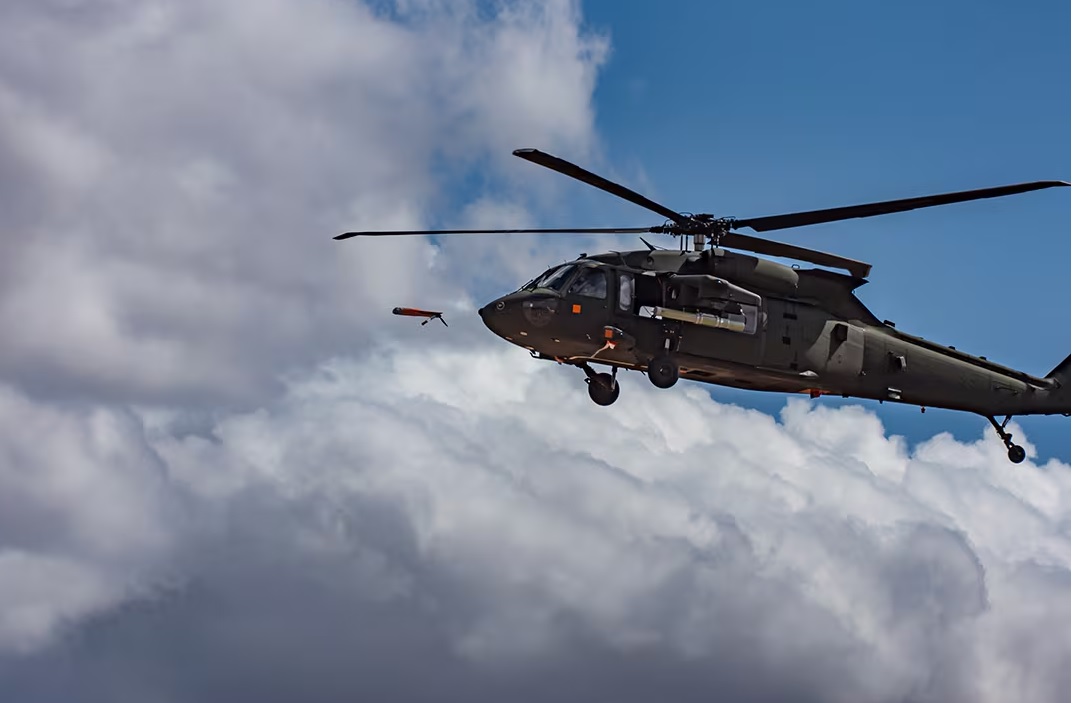 U.S. Army Completes First Flight Test of Medium-Range Air-Launched Effects from Black Hawk Helicopter
-
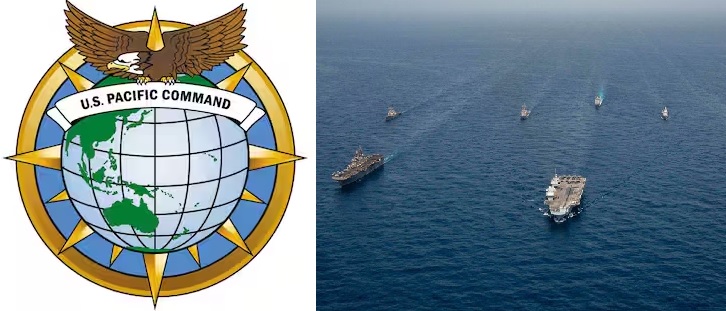 Why the U.S. Restored Pacific Command Name, Ending the Indo-Pacific Designation After Eight Years
Top Trending in 4 Days
-
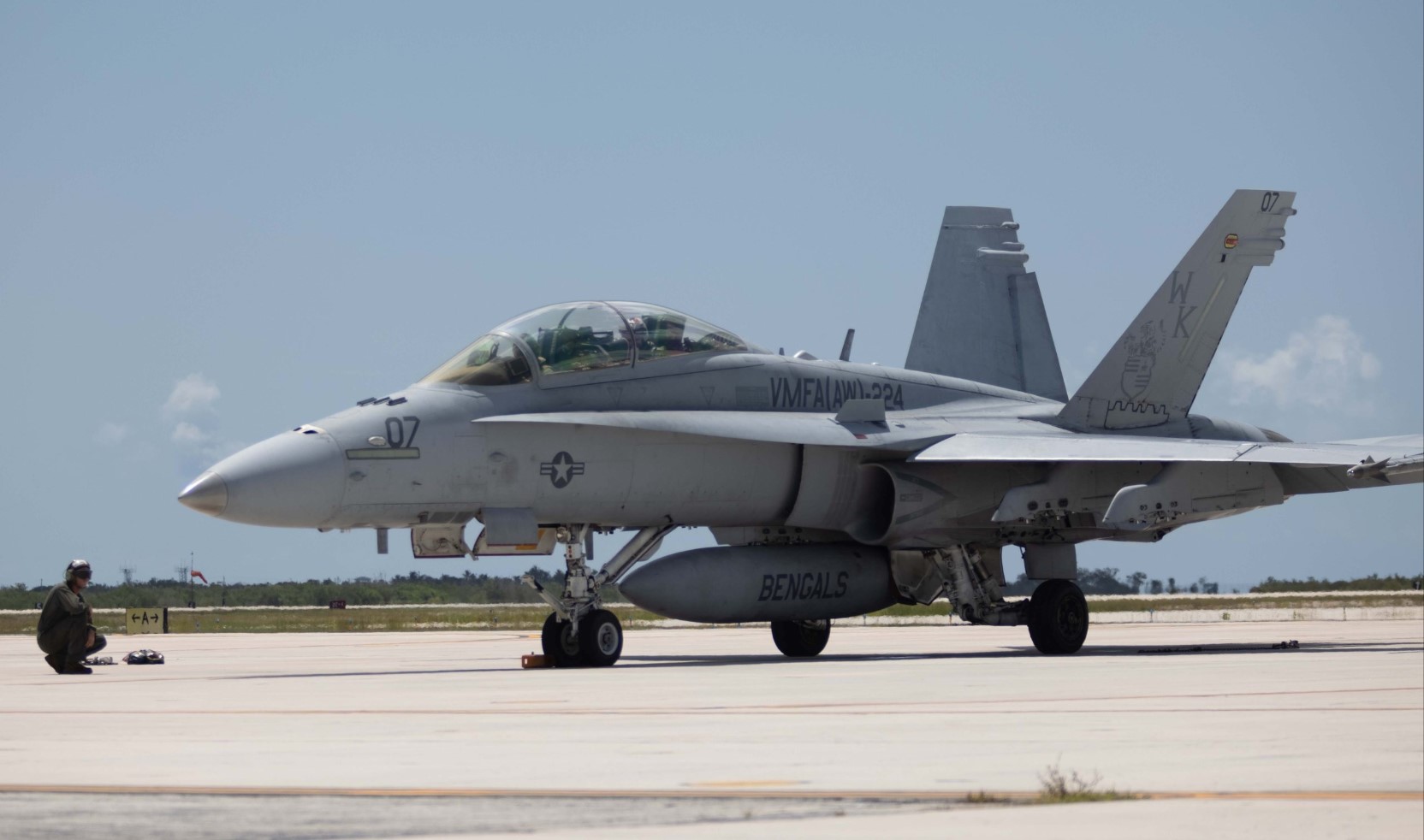 US Marine Corps F/A-18D Hornet Crashes During Training Flight in Washington Mountains; Pilot Ejects Safely
-
 Tulsi Gabbard Releases Declassified Files Detailing U.S.-Backed Network of 120 Biolaboratories Across 30+ Countries
-
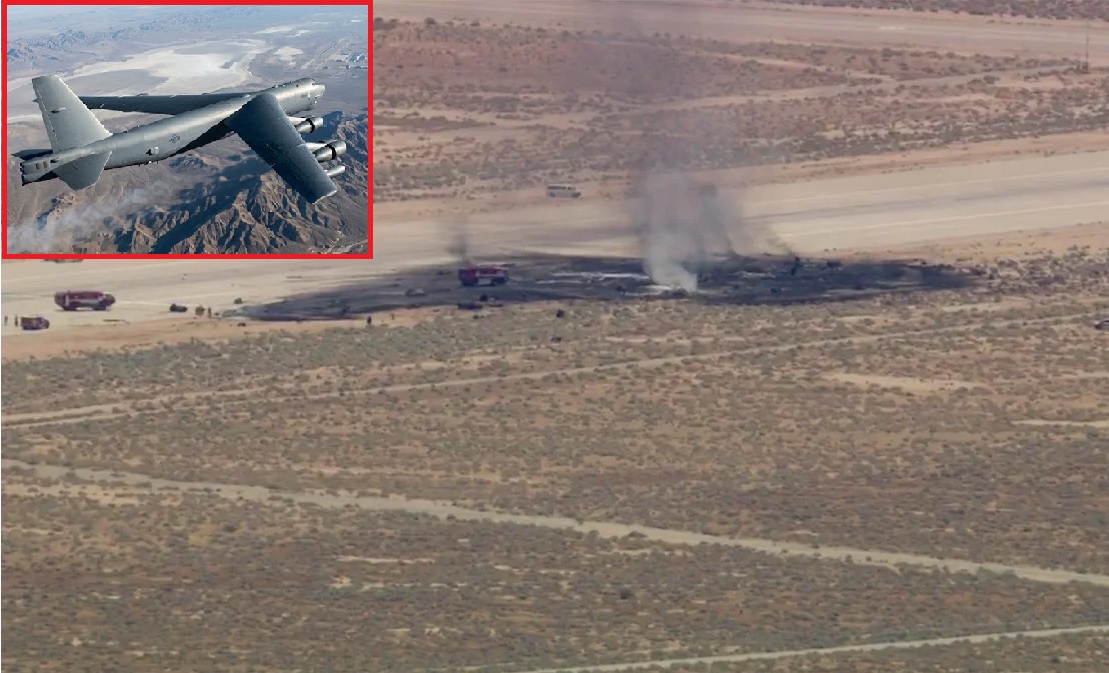 8 U.S. Air Force Crew Members Killed in B-52 Bomber Crash During Test Flight at Edwards Air Force Base
-
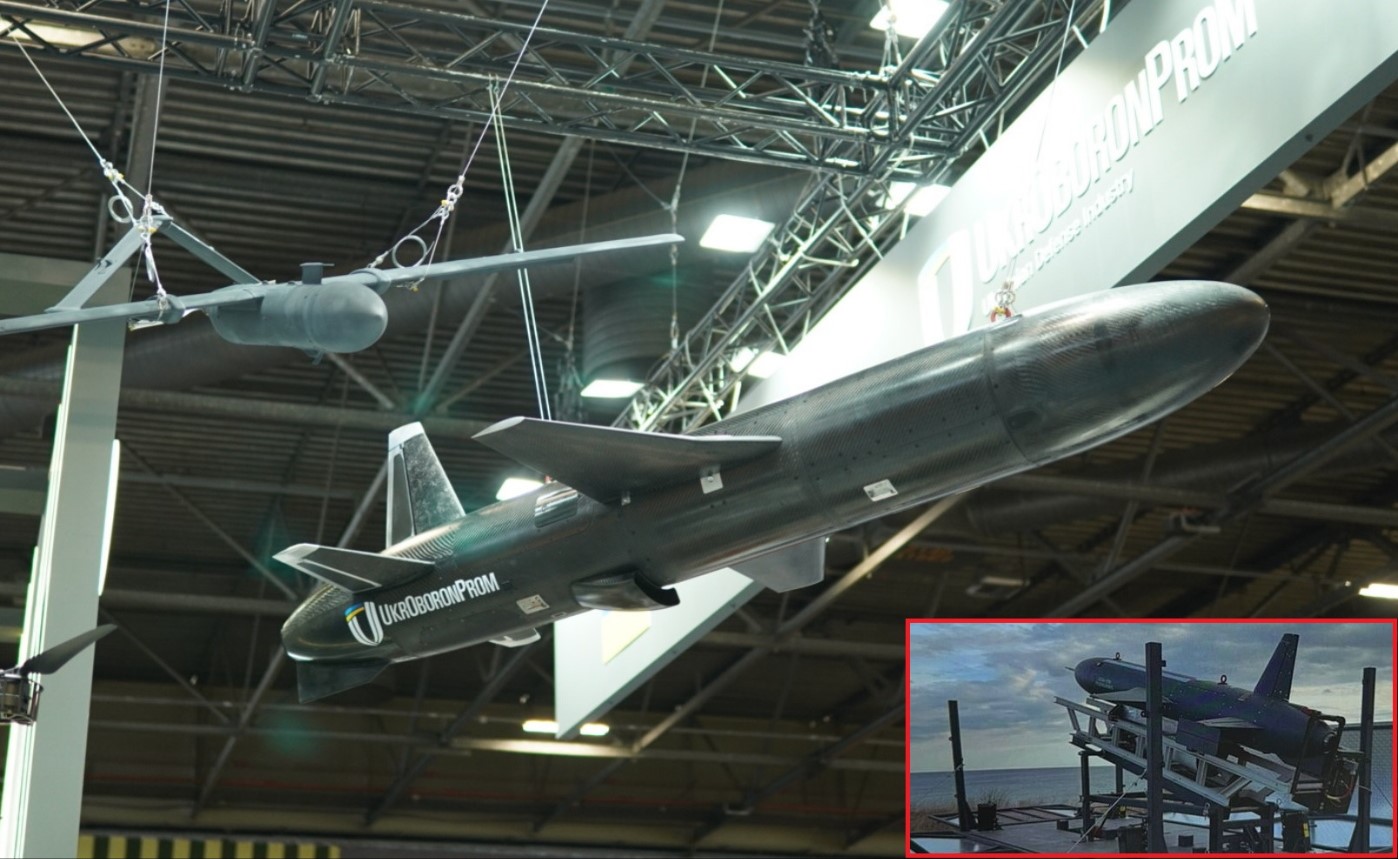 Ukraine Unveils UAV-290 Jet-Powered Strike Drone with 650 km Range at Eurosatory 2026
-
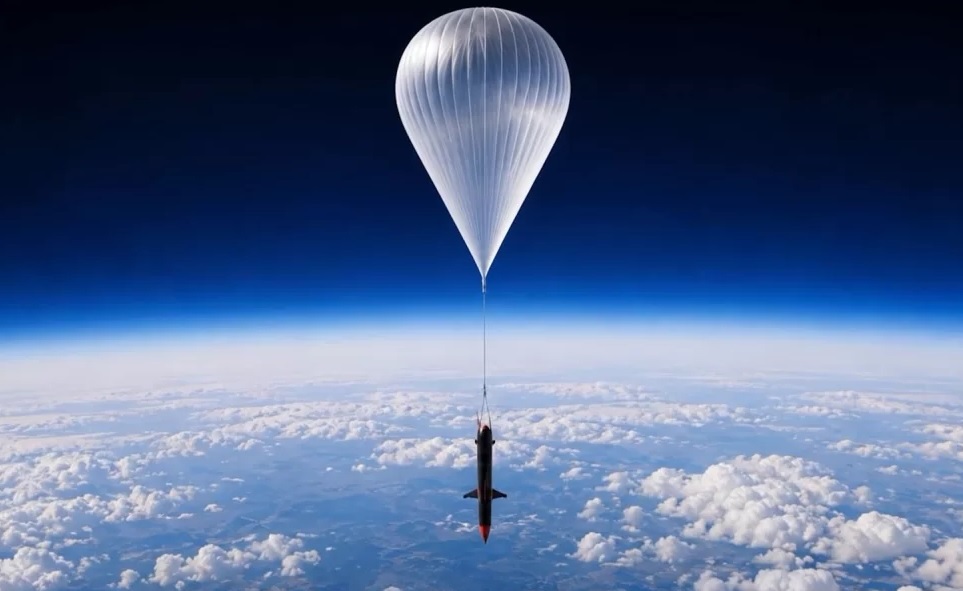 Ukraine Introduces Balloon-Launched DART Missile Designed to Defeat Electronic Warfare
-
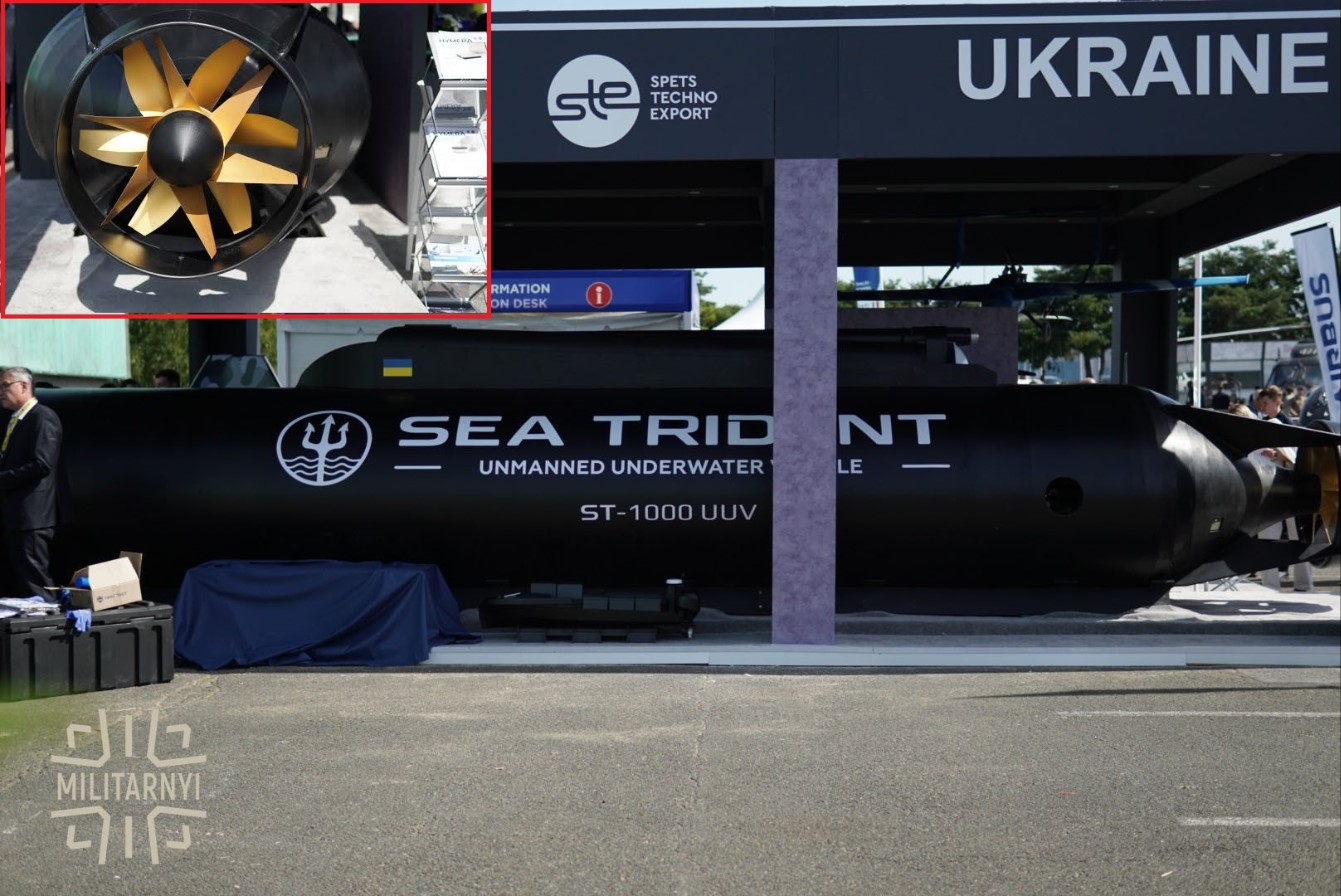 Ukraine Unveils 'Sea Trident' 10-Ton Autonomous Underwater Drone at Eurosatory 2026
-
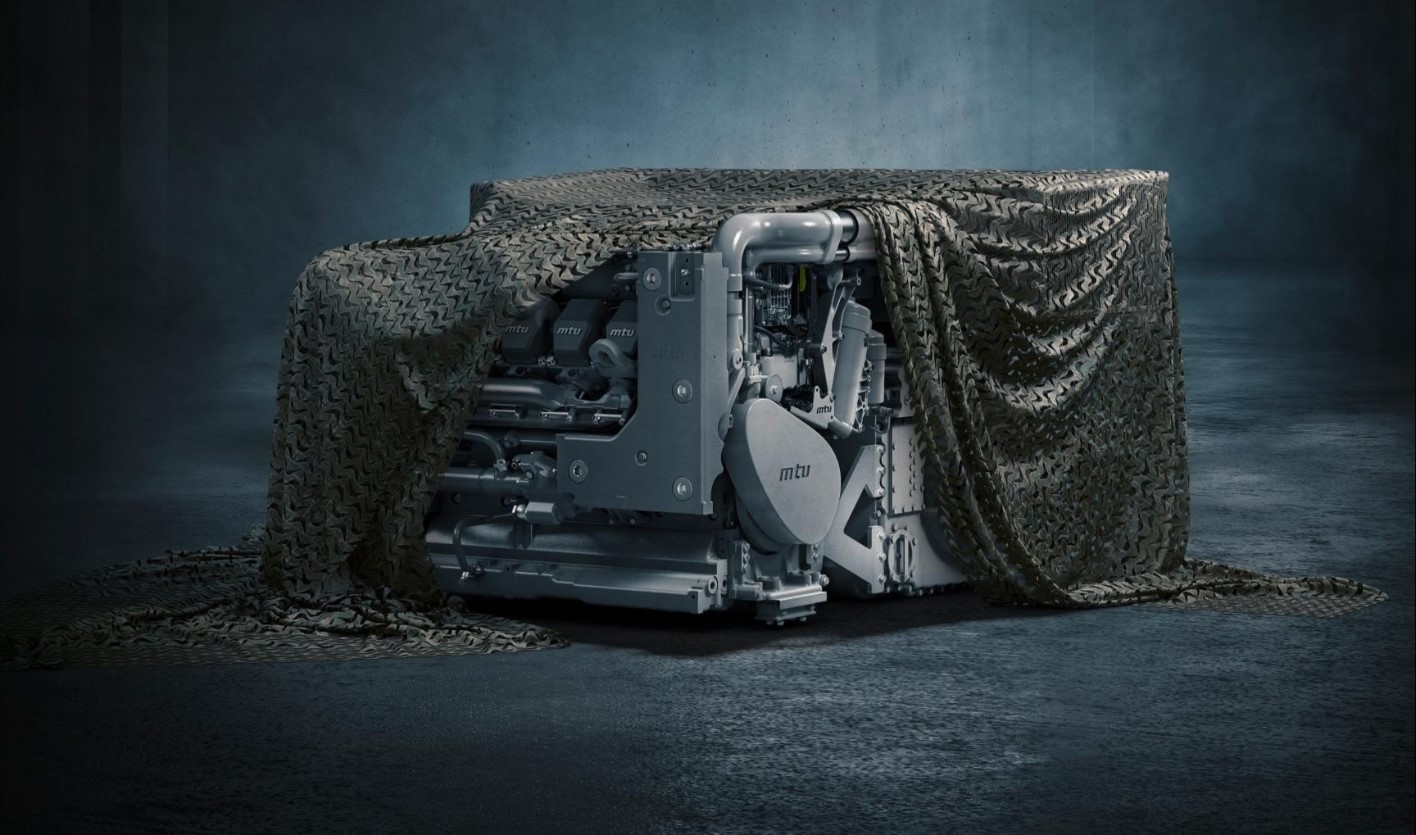 Rolls-Royce Unveils New Hybrid Powertrain for Heavy Military Vehicles at Eurosatory 2026
-
 France Agrees to Equip Future Indian Rafales with AI, MUM-T and Secure Satellite Links Under F5 Standard