
World
A Ukrainian tech startup, Fulltime Robotics, has introduced a new lightweight laser system designed to neutralize small drones, especially the fast and cheap FPV drones used frequently by Russian forces on the battlefield. Called SlimBeam, the system was revealed during the IRON DEMO 2025 event, where it drew attention for being compact yet powerful. Weighing less than 50 kilograms, the SlimBeam laser stands out as one of the lightest anti-drone directed-energy systems in its class. According to the company, it packs a 1.5 kW laser, capable of destroying aerial targets up to one kilometer away. It also has a secondary mode to temporarily blind drone sensors and surveillance optics at distances up to two kilometers. The SlimBeam is designed to be flexible for frontline use. It can be mounted on fixed defensive structures or installed on unmanned ground vehicles (UGVs), making it suitable for both perimeter defense and mobile operations. Currently, the system is manually controlled, and the developers are working to improve automated tracking of moving drones. “We need to hold the beam on a drone for 5 to 15 seconds to destroy it,” said Ihor, a developer from Fulltime Robotics, in an interview. However, tracking fast-moving targets accurately for that duration remains a technical challenge. At this stage, most testing has been limited to stationary drone targets. An automated targeting module is under development and expected to significantly improve the laser's efficiency. But even now, the SlimBeam has shown promise in disabling smaller FPV and surveillance drones commonly used by enemy forces. Larger drones, like the Iranian-made Shahed loitering munitions, require more energy—about 10 to 12 seconds of continuous beam contact—to be affected. One of the most ambitious upgrades Fulltime Robotics is working on is a portable rifle-style laser system. This would give infantry a handheld anti-drone solution, especially useful against low-flying drones that often appear suddenly during frontline engagements. Such a system could significantly improve the defense capabilities of small units and reduce the threat from sudden drone strikes. Interestingly, the SlimBeam isn’t limited to military use. At the demo event, engineers also showcased civilian applications, such as clearing small obstructions from power lines, buildings, and trees using the laser’s precision energy beam. These demonstrations hinted at the laser’s dual-use potential—both in war zones and in everyday infrastructure maintenance. While still in development, SlimBeam shows how Ukrainian startups are pushing the edge of technology under wartime pressure. If successful, it could be a game-changer for frontline defense, especially in environments where drones are playing an increasingly dominant role in reconnaissance and attack missions.
Read More → Posted on 2025-08-08 16:16:08
World
South Korea has officially unveiled a new version of its long-range air defense system, L-SAM, which now includes a powerful air-to-air missile (AAM) variant. This upgraded capability is designed not only to intercept high-altitude ballistic missiles but also to target enemy aircraft and cruise missiles at lower altitudes, offering a more comprehensive shield against aerial threats. The development was made public on August 7, 2025, by South Korean defense analyst Mason via the social platform X (formerly Twitter). The newly revealed missile variant is part of a broader effort by Seoul to gradually replace U.S.-made systems, including Patriot PAC-2 GEM-T and SM-2 series missiles, with more advanced, locally produced alternatives. What’s New and Why It Matters While the original L-SAM-I system was primarily designed for anti-ballistic missile (ABM) operations in the upper atmosphere, the new AAM variant expands its utility by engaging threats at medium and low altitudes. This includes fast jets, drones, and cruise missiles, areas where older U.S. systems rely on semi-active guidance and require constant radar illumination. The new L-SAM AAM instead uses active radar homing, allowing fire-and-forget capability, reducing reaction time and boosting launcher survivability. The AAM missile is part of a multi-missile architecture designed by LIG Nex1, enabling the L-SAM system to carry both AAM and ABM missiles in the same launcher. Hanwha Aerospace is producing the ABM missile, and Hanwha Systems is building the massive active electronically scanned array (AESA) radar, which can detect threats up to 600 km away. Technical Edge Over U.S. Systems The L-SAM interceptor is believed to have a range exceeding 150 km and speeds between Mach 4 and Mach 5. Its advanced guidance system combines inertial navigation, datalink updates, and terminal radar homing, making it highly accurate—even against maneuverable or stealth targets. Its vertical launch system allows it to engage threats from any direction without having to rotate the launcher. Compared to legacy systems like the PAC-2 GEM-T, which uses older radar and engagement technology, the L-SAM offers modern, faster, and more versatile performance. The U.S. Navy’s SM-2 missile, while reliable, is limited to ship-based operations. The L-SAM, on the other hand, is being developed in land-based and future naval variants, and offers a more modular and cost-effective solution thanks to domestic production. Strategic Flexibility and Global Aspirations The dual-capability of the L-SAM launcher enables defense planners to mix and match interceptor types based on the threat—whether from ballistic missiles, cruise missiles, or swarm drones. It complements shorter-range systems like KM-SAM (Cheongung II) and point-defense assets like the Korean C-Dome to form a layered defense architecture. This makes the system useful not only for homeland defense, but also for forward-deployed operations to protect key sites like airbases and command centers. The AESA radar’s ability to track multiple targets also helps in dealing with stealth aircraft or hypersonic threats. South Korea has already started mass production of the L-SAM and is now working on a naval version. Talks are underway to export the system to the Middle East, and interest has been shown by countries like Poland, Australia, the Philippines, and some Northern European nations. Why Now? This announcement comes at a time of growing regional tension. North Korea continues to test increasingly advanced ballistic missiles, while China’s assertive actions in the Yellow and East China Seas have raised alarm in Seoul. The need for a strong, independent defense system has never been more urgent. By developing and showcasing its own advanced systems like the L-SAM AAM, South Korea is signaling a major shift—moving away from reliance on American hardware and toward greater strategic autonomy. This also positions Seoul as a rising global player in the air defense market, challenging traditional suppliers like the U.S. and Europe. A more powerful version, L-SAM-II, is already in development, and as South Korea continues to invest in indigenous capabilities, the L-SAM system is poised to become the backbone of its national air defense. It also strengthens South Korea’s position as a defense exporter, aligning security policy with industrial growth and diplomacy.
Read More → Posted on 2025-08-08 15:26:50
World
In a clear response to lessons learned on the battlefield, Ukrainian forces have upgraded their U.S.-donated M1A1 SA Abrams tanks after critical weaknesses in the tank’s protection were exposed during real combat. Photos shared in early August 2025 show these tanks now sporting explosive reactive armor (ERA) and improvised anti-drone cages, part of a growing trend in Ukraine to adapt Western equipment to new-generation threats. The M1A1 SA Abrams, a Cold War-era design donated by the United States in late 2023, was originally meant to bolster Ukraine's armored strength. The U.S. delivered 31 of these tanks, which were expected to give Ukraine an edge in traditional tank battles. But Ukrainian troops soon discovered a key issue: the tanks, while reliable in conventional operations, were vulnerable to modern threats like FPV kamikaze drones, loitering munitions, and top-attack anti-tank missiles. One of the biggest problems is that the export-standard M1A1 SA lacks critical survivability features found in newer models. These tanks do not include active protection systems (APS), depleted uranium armor, or any integrated anti-drone defenses. Their turret roofs, engine decks, and side skirts are particularly exposed, making them easy targets for top-down attacks—a tactic widely used by Russian and proxy drone units. In response, Ukrainian engineers and tank crews have made significant battlefield modifications. The most visible of these is the addition of Kontakt-1 explosive reactive armor blocks. Originally developed by the Soviet Union, Kontakt-1 ERA consists of metal tiles filled with explosives that detonate on impact, disrupting the shaped-charge jets of incoming anti-tank rounds before they can penetrate the tank's main armor. While it’s an older generation of ERA, and not ideal against tandem warheads or advanced kinetic energy rounds, it still offers a vital boost to survivability. These ERA modules have been added to the tank’s front, turret sides, and even the turret roof, areas previously left unprotected. Additionally, metal cage armor has been welded over the top of the turret and the rear engine deck. This is a field adaptation designed to interfere with drone attacks, especially from the growing number of FPV drones that now stalk vehicles from above. Although these additions increase the weight of the tank and may create logistical headaches, they significantly improve protection against modern asymmetric threats that have become common in Ukraine’s warzones. This effort to "war-proof" the Abrams sends a strong message to NATO and the U.S. defense community. The Abrams—long considered one of the best main battle tanks in the world—is being challenged by cheap, airborne weapons that can strike from unexpected angles. The Ukrainian experience shows that legacy tanks need to be upgraded for modern combat, where drones and loitering munitions are as deadly as anti-tank missiles. The U.S. M1A1 SA, though formidable in past wars, is now facing a new kind of battlefield—one where adaptation and rapid innovation are as important as armor thickness. Ukraine’s field upgrades demonstrate that even battle-tested tanks must evolve to stay survivable in the drone era. These battlefield lessons will likely influence future designs and upgrades, not just in Ukraine, but across NATO and U.S. military planning as well. As Ukraine continues to transform these tanks for survival, the war is redefining what "tank protection" really means in modern warfare.
Read More → Posted on 2025-08-08 15:05:28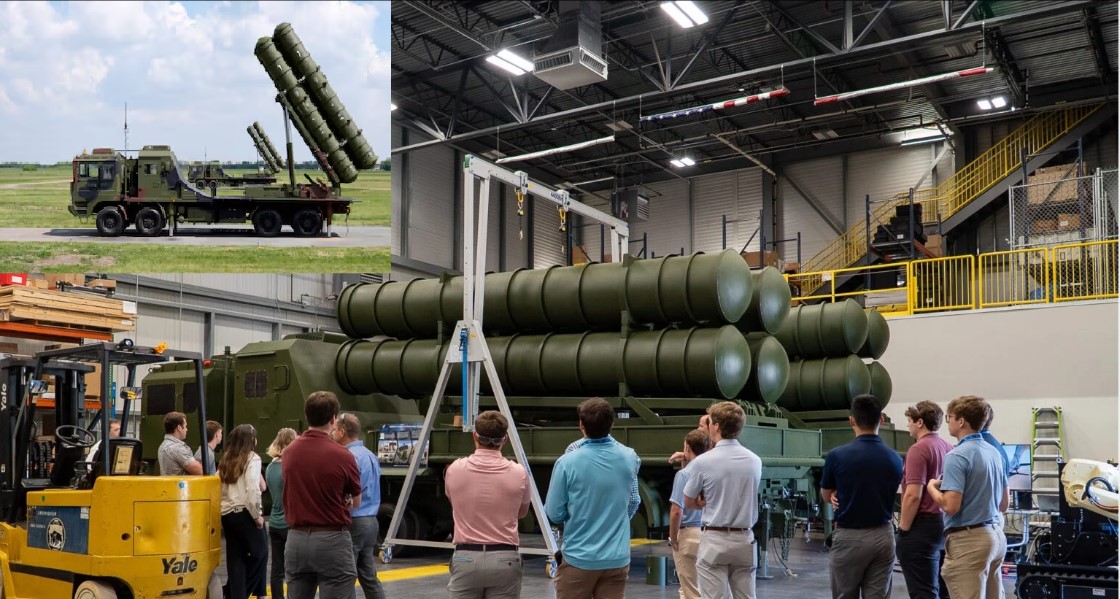
World
In a strategic move to enhance the realism of its military training, a U.S. defense contractor has developed a high-fidelity replica of China’s HQ-22 surface-to-air missile (SAM) system. The project is being led by Torch Technologies at its Integration and Prototyping Center (TIPC), located in Huntsville, Alabama. This non-operational but highly detailed replica is part of a broader Pentagon initiative to prepare U.S. and allied forces for potential high-threat scenarios, especially those involving advanced air defense systems used by near-peer adversaries like China. According to Torch Technologies, the goal is to replicate not just the physical appearance of the HQ-22 but also the radar signature, thermal profile, and battlefield behavior of the original system. These decoys help simulate the layered radar tracking and missile engagement zones that the actual HQ-22 is known for. The HQ-22, also known as FK-3 for export, is a Chinese long-range SAM system designed to counter fixed-wing aircraft, helicopters, drones, and ballistic missiles. It is often compared to systems like the Russian S-300 and American Patriot due to its extended engagement range and multi-target tracking capability. The HQ-22 uses a combination of semi-active radar and radio-command guidance, making it a significant threat in contested airspace. Torch’s replica will play a vital role in U.S. Air Force training, allowing pilots and mission planners to practice identifying, tracking, and defeating these types of defenses in a safe but realistic environment. These surrogates are especially important for electronic warfare training, where understanding how foreign radar systems operate is key to mission success. This isn’t the first Chinese system being copied for training purposes. In July, the U.S. Air Force also unveiled a replica of the Chinese HQ-16 system during the AirVenture show in Oshkosh, Wisconsin. Like the HQ-22 mock-up, it is part of a growing library of surrogate foreign weapons platforms. What sets the HQ-22 decoy apart is its upgraded design accuracy. The fabrication process ensures the model matches the real HQ-22 in size, shape, and signature, even though it doesn’t function as a weapon. The decoy can also simulate realistic radar emissions, allowing aircrews to practice detection and engagement protocols as they would in a real combat zone. These kinds of high-fidelity threat systems are usually placed on dedicated test and training ranges and integrated into large-scale exercises, including joint drills with NATO and allied forces. They’re essential tools in preparing for Suppression or Destruction of Enemy Air Defenses (SEAD/DEAD) missions, where accurate identification and targeting of air defense systems is critical. With the HQ-22 now joining the HQ-16 in production, the U.S. military is building a robust and diverse portfolio of simulated adversary equipment. This development reflects a broader trend in U.S. defense strategy: training not just harder, but smarter, with a clear focus on preparing for future conflicts in highly contested environments.
Read More → Posted on 2025-08-08 14:57:30
World
In a serious breach of military trust, an active-duty U.S. Army soldier, Taylor Adam Lee, 22, from El Paso, Texas, has been arrested and charged with attempted espionage after allegedly trying to pass classified information about the M1A2 Abrams main battle tank to Russia. The arrest followed a joint investigation by the FBI and U.S. Army Counterintelligence Command. Lee, who held Top Secret / Sensitive Compartmented Information (TS/SCI) clearance, allegedly contacted someone he believed to be a Russian intelligence officer between May and July 2025, expressing his willingness to help the Russian Federation. According to investigators, he shared sensitive technical data online, and even met the individual in person, delivering an SD card containing detailed military information. The data reportedly included Controlled Unclassified Information (CUI), covering vulnerabilities, operations, and technical details of U.S. armored vehicles, particularly the M1A2 Abrams, America’s most advanced and widely deployed tank. Lee was quoted saying, “the USA is not happy with me for trying to expose their weaknesses,” and offered to “volunteer to assist the Russian Federation.” One of the most shocking claims in the case is that Lee attempted to obtain a specific piece of hardware from the Abrams tank and delivered it to a storage unit, later messaging, “Mission accomplished.” What Makes the M1A2 Abrams So Critical? The M1A2 Abrams is a highly upgraded variant of the original Abrams tank, equipped with advanced armor, electronic warfare capabilities, and fire control systems. Recent updates include improved target tracking, crew survivability systems, digital command networks, and new sensor suites. Some versions also feature Active Protection Systems (APS) designed to intercept incoming threats like anti-tank missiles. Disclosing technical information about this system can seriously impact U.S. battlefield dominance. Authorities React Swiftly Roman Rozhavsky, FBI Assistant Director for Counterintelligence, stated that Lee “attempted to provide classified military information on U.S. tank vulnerabilities to a person he believed to be a Russian intelligence officer, in exchange for Russian citizenship.” Assistant Attorney General John A. Eisenberg confirmed that the charges involve national defense information, emphasizing that "serious transgressions will be met with serious consequences." U.S. Attorney Justin R. Simmons added that “national security remains a top priority,” especially when such threats come from within. Brig. Gen. Sean F. Stinchon, who leads Army Counterintelligence Command, stressed the importance of internal vigilance, urging soldiers to report any suspicious activity. He said, “Soldiers who violate their oath and become insider threats will absolutely be caught and brought to justice.” Legal Proceedings Underway The case is being prosecuted by attorneys from the Department of Justice’s National Security Division and the U.S. Attorney’s Office in the Western District of Texas. The FBI’s Washington and El Paso field offices, along with Army Counterintelligence, continue to lead the investigation. This incident is one of the most alarming examples in recent years of an insider threat targeting advanced U.S. military technology. If convicted, Taylor Lee could face life imprisonment under charges related to espionage and unauthorized export of defense information. The case is a stark reminder of the vulnerabilities even within the ranks of those sworn to defend the nation—and the lengths to which U.S. agencies will go to stop them.
Read More → Posted on 2025-08-08 14:52:36
World
Switzerland is now seriously thinking about cancelling its massive $9.1 billion deal to buy 36 American-made F-35 fighter jets. This major rethink comes after former US President Donald Trump announced a sharp 39% tariff on certain European goods, including Swiss products. The new tariffs have caused concern in many European countries, especially Switzerland, which sees this move as unfair and harmful to trade relations. The deal for the F-35 jets was signed in 2022 after Switzerland selected the American aircraft over French Rafale, German Eurofighter, and others. The choice sparked political debate at the time, as many Swiss citizens and lawmakers questioned whether the expensive jets were needed for a country that has not been at war in over 200 years. Now, with the new US tariffs hitting Swiss exports, pressure is growing within Switzerland to respond strongly. Some lawmakers have openly said that if the US treats Switzerland unfairly in trade, then Switzerland should reconsider buying US military equipment. Cancelling the F-35 order is being seen as one of the possible countermeasures. The Swiss government has said it is currently reviewing the situation and will take decisions that best serve the country’s interests. There is no final decision yet, but if Switzerland walks away from the F-35 deal, it would send a strong message to Washington and may even lead to wider tensions between the US and Europe over trade and defence. The F-35 jets were expected to be delivered to Switzerland between 2027 and 2030. If the deal is cancelled, Switzerland may go back to looking at European fighter jets like the Rafale or Eurofighter, which had been in the running earlier. This situation highlights how political and trade decisions can directly impact defence deals and long-term international partnerships.
Read More → Posted on 2025-08-07 16:38:35
World
In a major step forward for India’s private space sector, Hyderabad-based startup Dhruva Space has announced its first full-scale commercial satellite mission, called LEAP-1, scheduled for launch in the third quarter of 2025. This mission will not only mark the operational debut of Dhruva's indigenously developed P-30 satellite platform, but it will also carry two advanced payloads from Australian companies, highlighting growing international trust in Indian space technology. The LEAP-1 satellite will be launched aboard a SpaceX Falcon 9 rocket, taking Dhruva Space’s technology into the global commercial spotlight. Unlike earlier missions which focused on in-orbit demonstrations, LEAP-1 represents a shift to actual service delivery, showing that Dhruva Space is ready to offer end-to-end solutions to international clients. Two Australian Payloads, One Indian Platform The satellite will host payloads from Akula Tech and Esper Satellites, two Australian space-tech companies: Akula Tech's Nexus-01 is an AI-powered data processing module. It’s designed to analyze data directly in orbit, using machine learning for applications like real-time fire detection, spectral analysis, and even defense-related monitoring. This onboard retraining capability helps avoid delays in data transmission and allows the satellite to adapt its operations mid-mission. Esper Satellites’ OTR-2 payload is a high-resolution hyperspectral imager, designed to collect rich spectral data from Earth. Its uses include agriculture analysis, mineral exploration, climate monitoring, and disaster assessment. Data from OTR-2 will be available through Esper’s EarthTones API, enabling clients to access processed Earth observation data in real-time. What’s Special About the P-30 Platform? Dhruva’s P-30 satellite bus, which forms the base of LEAP-1, was successfully space-qualified during ISRO’s PSLV-C58/POEM-3 mission in January 2024. That test proved its reliability in orbit, making it ready for commercial use. Some key features of the P-30 satellite include: Designed for 10–30 kg class nano-satellites. Suitable for Low Earth Orbit (LEO) missions. Supports multiple payloads on a single platform. Equipped with electric propulsion, deployable and body-mounted solar panels, and 3-axis attitude control. Mission life of up to five years, with modular design allowing rapid payload integration. This flexibility makes it attractive for clients in commercial, scientific, and defence sectors. The Bigger Picture: LEAP Program and Tech Backbone LEAP-1 is part of Dhruva’s broader LEAP program (Launching Expeditions for Aspiring Payloads)—a hosted payload initiative that provides easier access to space for emerging tech firms. Backing this is Dhruva’s Ground Station-as-a-Service (GSaaS) and their Integrated Space Operations and Command Suite (ISOCS). Together, these allow clients to control payloads, manage satellites, and access data in real time, without needing their own infrastructure. This streamlines space missions for private players, especially startups and research institutions. India-Australia-US Collaboration in Orbit The LEAP-1 mission showcases a growing Indo-Australian space partnership, with indirect support from U.S. collaborators. As more countries look for cost-effective and reliable space services, India's private space industry is becoming a key player in the global supply chain. With LEAP-1, Dhruva Space is not just launching a satellite—it’s launching a signal that India is ready to lead in commercial space services, using home-grown innovation to meet global needs. This mission sets the stage for many more international collaborations and next-generation satellite deployments in the years ahead.
Read More → Posted on 2025-08-07 15:43:22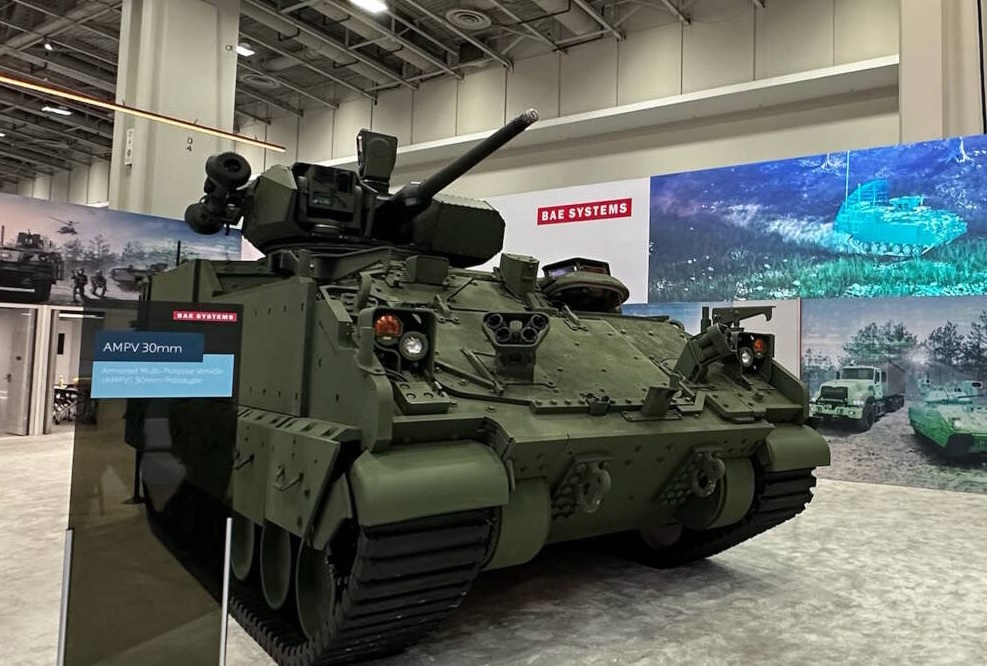
World
In a major push to modernize U.S. Army ground combat capabilities, BAE Systems has announced a rapid upgrade program for its Armored Multi-Purpose Vehicle (AMPV), introducing new capability kits and forming strategic partnerships to fast-track innovation. The goal is to ensure the AMPV evolves into a highly adaptable and mission-ready platform, prepared for future battlefield challenges. At the heart of this initiative is the AMPV’s modular chassis design, which allows different mission systems and advanced technologies to be integrated quickly without having to redesign the entire vehicle. This makes the AMPV an ideal candidate for rapid prototyping and field deployment of new systems. According to Bill Sheehy, Ground Maneuver product line director at BAE Systems, “The AMPV is a proving ground for the future of tracked ground combat.” One of the key upgrades planned is the integration of advanced effectors — specialized systems that enable the vehicle to detect and neutralize drones, conduct autonomous ground operations, and operate unmanned turret systems. These features are designed to enhance battlefield survivability and give U.S. forces a critical edge against increasingly tech-savvy adversaries. Sheehy highlighted the reliability of the current AMPV platform, noting that the vehicle’s hull is among the most durable in the Army’s inventory. “It’s coming off a hot production line,” he said, underscoring that the base vehicle is already being delivered to the Army and ready for further enhancements. In recent years, BAE Systems has already demonstrated successful integration of new capabilities on the AMPV, including turreted prototypes like the 30mm unmanned weapon system and Modular Turreted Mortar. These efforts use a Modular Open Systems Architecture (MOSA) — a flexible design strategy that allows various components from different manufacturers to be plugged into the vehicle, making it easier to upgrade or replace systems in the future. Importantly, BAE Systems is not doing this alone. The company is partnering with other defense technology firms to accelerate development and reduce the time it takes to deliver enhanced vehicles to soldiers. Though specific partner names have not been released yet, the company has promised to reveal them later this summer. “This might not be a traditional approach to innovating for warfighters,” Sheehy admitted, “but the AMPV isn’t your average combat vehicle either.” With the U.S. Army placing increased emphasis on speed, survivability, and versatility in future operations, these upgrades to the AMPV could play a crucial role in shaping the next generation of ground combat systems.
Read More → Posted on 2025-08-07 15:31:05
World
In a major leap for tactical drone warfare, U.S.-based Draganfly Inc. has unveiled a new modular precision strike drone system equipped with the combat-proven Mjolnir Modular Munition, marking a significant shift in how small drones may be used on future battlefields. The announcement came after a successful demonstration held on August 5, 2025, at the Pentagon, under the U.S. Department of Defense’s Low-Cost Uncrewed Combat Attack Systems (LUCAS) initiative. The system demonstrated combines Draganfly’s Group I UAV—a lightweight, portable drone—with the Mjolnir Modular Munition System from MMS Products Inc. Together, they form a highly flexible and scalable precision-strike platform designed for modern and emerging conflict zones. What stood out during the demo was the drone’s ability to autonomously locate and engage targets using a multi-drop payload launcher, enabling the deployment of different munitions based on mission needs. These ranged from anti-personnel to anti-vehicle and armor-piercing configurations, showing how one small drone can handle a variety of battlefield roles. The Mjolnir munition, weighing between 2.3 to 2.5 kg, is fully modular. It comes with a swappable warhead system, internal guidance stabilizer, and a programmable electronic fuze. Current variants include: High-fragmentation warheads for anti-personnel missions Explosively Formed Penetrators (EFPs) to destroy light vehicles and field bunkers Shaped charges that can penetrate light to medium armored targets These munitions can detonate on impact or with a time delay, giving added flexibility during urban or underground operations. The drone’s launcher holds up to four munitions, which can be released either one at a time or all together—perfect for dynamic, fast-moving situations. What makes this drone system truly innovative is that it brings precision strike capability to a drone category that was earlier used mainly for Intelligence, Surveillance, and Reconnaissance (ISR). Its low cost, small size, and stealthy signature mean it can perform hunter-killer missions, disrupt enemy logistics, or support special forces in hostile environments—all without risking human lives. The Pentagon’s LUCAS program aims to build attritable, low-cost combat drones that can be easily deployed, replaced, or adapted. In that context, Draganfly’s system is a major step forward. Its plug-and-play nature means that different types of munitions can be quickly fitted for different missions—without the need for long planning or heavy logistics. Draganfly CEO Cameron Chell called the demo a "major validation" of the company's work in tactical drone development, emphasizing that this technology was built to boost operational effectiveness, lower costs, and increase soldier survivability—especially when facing modern threats from both peer and near-peer adversaries. In a world where future wars are expected to rely heavily on networked, autonomous systems, this kind of drone tech offers the military the ability to strike quickly, quietly, and precisely. It also signals a broader shift in U.S. defense thinking—moving away from expensive, complex platforms toward simple, flexible systems that can saturate and overwhelm enemy forces in a coordinated strike. As armed forces around the world look to upgrade their battlefield tools, Draganfly’s precision strike drone with Mjolnir munitions could become a key player in the next generation of smart, scalable, and survivable drone warfare.
Read More → Posted on 2025-08-07 15:27:57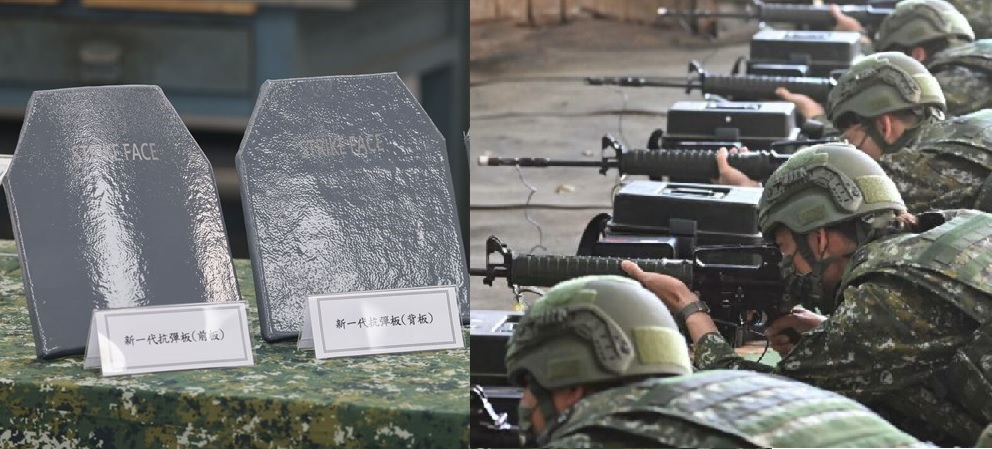
World
In a major step to improve its military's battlefield protection, Taiwan has announced plans to acquire 48,000 boron carbide ceramic armor plates for its soldiers. These high-strength bullet-resistant plates are aimed at significantly increasing the survivability of frontline troops against armor-piercing rounds and shrapnel. According to a report by the Taipei Times, the production of these plates will take place between 2028 and 2029, with the Taiwanese government setting aside around 840 million New Taiwan dollars (approximately $28.2 million) for the project. An initial small batch of 30 plates has already been purchased for testing, costing about 1.3 million New Taiwan dollars (roughly $46,900). While the exact details about the new armor—such as weight, protection level, and intended units—have not been made public, the plates are expected to offer National Institute of Justice (NIJ) Level IV protection. This means they can withstand hits from 7.62mm armor-piercing bullets, offering stronger defense than Level III armor, which Taiwan’s armed forces currently use. The core material, boron carbide, is one of the hardest synthetic substances in the world, only surpassed by materials like diamond and cubic boron nitride. Its lightweight and ultra-tough properties make it an ideal choice for modern body armor, balancing protection with soldier mobility. In a parallel armor upgrade effort, Taiwan’s Ministry of National Defense is also overseeing the mass production of three-layer protective plates combining ceramic and polyethylene fiber. These were part of a NT$1.6 billion ($53.7 million) contract signed in February 2025 to produce 160,000 plates. These plates are modeled after the US military’s Enhanced Small Arms Protective Insert (ESAPI) and are designed to stop 5.8mm steel-core rounds used by the People’s Liberation Army of China, in addition to standard 7.62mm rounds. Under this deal, 60,000 of these enhanced plates are expected to be delivered by the end of 2025, significantly improving troop protection across various units. Together, these two major armor plate programs mark Taiwan’s ongoing efforts to modernize its military equipment amid rising tensions in the region. The combination of Level IV boron carbide plates and triple-layer composite armor reflects a clear shift towards upgraded personal protection for soldiers facing increasingly advanced threats on the battlefield.
Read More → Posted on 2025-08-07 15:23:47
World
In a major step toward advancing cybersecurity, the U.S. Defense Advanced Research Projects Agency (DARPA) has selected RTX’s BBN Technologies to play a central role in its latest program aimed at improving how cyber threats are identified and tackled. The initiative, called INGOTS (Intelligent Generation of Tools for Security), is designed to create better and faster ways to detect software vulnerabilities and develop effective defenses. As part of this program, BBN Technologies will develop an advanced platform named STALAGMITE. This is not just another software tool—it’s a large-scale, hybrid test environment that will combine both virtual and physical systems to simulate real-world Android software vulnerabilities. This setup will allow researchers to run automated, repeatable experiments to test how hacking attempts unfold and how different security measures perform against them. The key innovation here is scale and speed. Traditional cyber defense testing relies heavily on manual work, which is often slow, expensive, and hard to replicate. STALAGMITE aims to change that by offering a more automated and scalable alternative. With it, cybersecurity researchers can quickly generate data on how exploits happen and refine countermeasures much more efficiently. This effort is part of a broader U.S. strategy to improve national cyber defense capabilities. The Cybersecurity and Infrastructure Security Agency (CISA) has already identified more than 1,300 actively exploited vulnerabilities, stressing the urgency for better threat detection tools. DARPA’s INGOTS program focuses on automating the entire process of modeling and analyzing exploit chains—sequences of vulnerabilities that cyber attackers often use together to breach systems. Over a period of 36 months, INGOTS will roll out in three phases, delivering both cutting-edge research and practical cybersecurity tools. The outcomes are expected to benefit a wide range of networks, from personal devices to government systems and even military infrastructure. By developing STALAGMITE, RTX’s BBN Technologies is now at the forefront of this effort—building a future where detecting and stopping cyber threats becomes faster, more accurate, and far more scalable than ever before.
Read More → Posted on 2025-08-07 15:15:58
World
Iran may have taken a dramatic step forward in missile technology with reports suggesting it has developed, or is preparing to test, its first intercontinental ballistic missile (ICBM) — the Khorramshahr-5. According to a July 27, 2025 report from Mehr News, this new missile reportedly has a range of up to 12,000 kilometers, making it capable of reaching the continental United States from Iranian soil — a leap far beyond Iran’s long-held self-imposed limit of 2,000 kilometers. If confirmed, Khorramshahr-5 would represent a turning point in Iran’s strategic missile capabilities, placing it among a small group of nations that can strike across continents. The missile is said to reach speeds of Mach 16 (about 20,000 km/h) and carry a warhead weighing around 2 tons — matching or even exceeding the payloads of some U.S. “bunker buster” bombs like the GBU-57 Massive Ordnance Penetrator. What’s especially alarming to Western analysts is that no official test of the Khorramshahr-5 has yet been acknowledged by either Iran’s Ministry of Defense or the Islamic Revolutionary Guard Corps (IRGC), raising speculation that the program is being developed in secret — possibly to delay foreign intervention or diplomatic backlash. What Makes the Khorramshahr-5 Different? The Khorramshahr-5 is reportedly built on the legacy of the North Korean BM-25 Musudan, itself derived from the Soviet-era R-27 submarine-launched missile. But the jump in performance from the Khorramshahr-4, tested in 2023 with a 2,000 km range, to the Khorramshahr-5's claimed 12,000 km, suggests either an entirely new missile platform or a radical upgrade in propulsion, structure, and guidance. This missile is believed to use liquid fuel propulsion and is approximately 12 meters long, weighing about 14 to 15 tons at launch. It may incorporate technologies from Iran’s space programs — such as the Soroush-1 and Soroush-2 — which have been designed for heavy payloads and multi-stage launch. Additionally, Iran’s recent progress with solid-fuel technologies, like the Salman motor with thrust vector control, points toward growing multi-stage and modular capabilities — critical for developing ICBMs that are harder to detect and faster to deploy. ICBM Characteristics and Strategic Implications By definition, an ICBM is a missile with a minimum range of 5,500 kilometers, capable of delivering warheads across continents. These missiles usually have multiple stages, travel through space, and re-enter Earth’s atmosphere at hypersonic speeds, making them extremely difficult to intercept. The Khorramshahr-5’s reported Mach 16 speed aligns with terminal-phase speeds of existing ICBMs. Combined with a 2-ton warhead, this capability would allow Iran to threaten targets far beyond the Middle East, including Europe and North America. Iranian officials have previously stated that the Fattah hypersonic missile series reached speeds of Mach 15, and that a 2-ton hypersonic warhead has been tested. However, these announcements stopped short of connecting that warhead to the Khorramshahr-5. Why Now? A Strategic Shift in Iranian Policy Iran has long claimed its missile development is defensive and intentionally capped its range to avoid alarming European nations. But recent military actions — including Israeli airstrikes on Iranian territory and U.S. operations targeting Iranian nuclear facilities — appear to have shifted Tehran’s calculus. Statements from the IRGC and top Iranian military officials now hint at abandoning the 2,000-km limit. Iranian media and leadership increasingly justify extended-range missile development as a deterrent against perceived external aggression, particularly from the U.S. and Israel. Furthermore, Iran has deepened military cooperation with Russia and China, reportedly conducting joint missile tests with Russian S-400 systems and exploring the purchase of Chinese J-10C fighter jets. These partnerships may also contribute to advancing Iran’s long-range missile technologies. Uncertainty and Global Reactions Despite the striking specifications reported for the Khorramshahr-5, no international intelligence agency has confirmed its operational status. Israeli Prime Minister Benjamin Netanyahu, during his July 2025 visit to Washington, reportedly urged the U.S. to push for tighter missile restrictions on Iran — even proposing a maximum 480-kilometer range cap in any future nuclear negotiations. Iranian state media, meanwhile, continues to present the Khorramshahr-5 as part of a balanced military doctrine — not for aggression, but to ensure retaliatory capability and deterrence. Officials remain tight-lipped about whether the missile has been tested or deployed, which analysts say may be a deliberate strategy to preserve ambiguity, delay sanctions, and complicate foreign surveillance. Is This Really an ICBM? While all signs suggest that Iran may be developing its first true ICBM, the lack of test confirmation, technical transparency, or satellite-detected launches leaves room for uncertainty. Some experts caution that the Khorramshahr-5’s capabilities remain theoretical, pending verified flight tests and actual deployment. However, even the possibility that Iran has crossed the threshold into ICBM development is a major strategic development. It challenges current arms control frameworks, raises regional tensions, and forces a recalibration of U.S. and allied security postures in the Middle East and beyond. Until more is known, the Khorramshahr-5 remains shrouded in secrecy, but the implications of its potential are already echoing through global defense and intelligence circles.
Read More → Posted on 2025-08-07 15:12:46
World
In a quiet but strategic intelligence breakthrough, Japan has been granted rare access to the unexplode China's PL-15 air-to-air missile, recovered by Indian forces during recent aerial clashes with Pakistan. This unexplode missile , believed to be fire from missiles fired by Pakistan’s J-10C or JF-17 Block III jets, was recovered in northern India, including Hoshiarpur in Punjab, after intense cross-border air activity. What makes this event extraordinary is that the PL-15 is China’s most advanced beyond-visual-range (BVR) missile, and its technology has so far remained one of Beijing’s most closely guarded secrets. Now, Japanese electronic warfare (EW) and radar specialists are being allowed by India to examine the missile remains—opening up a rare window into Chinese missile capability, particularly the AESA radar seeker, seeker algorithm, and encrypted datalink systems. What Makes the PL-15 Special? The PL-15, developed by China’s Airborne Missile Academy, is a long-range BVR air-to-air missile believed to have a range exceeding 200+ km. It is equipped with an Active Electronically Scanned Array (AESA) radar seeker, making it extremely hard to deceive with flares, chaff, or electronic countermeasures. The seeker algorithm—essentially the missile’s targeting brain—allows it to track and home in on targets even in electronic warfare-heavy environments. The missile also features a military-grade encrypted datalink, allowing mid-course corrections from platforms like J-20, J-10C, and KJ-500 AWACS. This datalink is hardened with spread spectrum communication, frequency hopping, and ECCM (Electronic Counter-Countermeasure) technologies, making it resilient to jamming or spoofing but jammed by Indian Jets . Why Japan Is Interested Japan’s defense establishment is increasingly worried about China’s growing airpower, especially near Japanese and Taiwanese airspace, where PL-15-equipped J-10C and stealth J-20 fighters are routinely deployed. For Tokyo, analyzing this missile is not just about technology—it’s about preparing for future aerial conflicts. Reports say that Japanese experts are examining the seeker logic, encryption mechanisms, and ECCM subsystems. Such data could help Japan enhance radar survivability, develop better countermeasures, and possibly influence the design of its sixth-generation F-X fighter. Strategic Implications Across the Indo-Pacific India’s decision to share PL-15 debris intelligence with Japan—and potentially other allies like France, the U.S., and Taiwan—highlights the growing multilateral security cooperation in the Indo-Pacific to counter China’s military rise. Western intelligence agencies like the CIA, NSA, and Five Eyes alliance are also believed to be interested in forensic analysis of the debris. Their focus reportedly includes waveform behavior, datalink security, ECCM logic, and propulsion technologies. There is also growing curiosity around whether China still depends on Russian components, such as radar processors or INS systems, in its missile design—something that could expose weak points or offer clues about Beijing’s defense self-sufficiency. Lessons for Taiwan, NATO, and Indo-Pacific Allies Taiwan, which frequently faces PLAAF incursions, has already requested access to the missile remains. For them, it’s about building tactics and missile defense systems capable of countering the PL-15 threat. Meanwhile, NATO countries and Indo-Pacific allies—such as Australia, South Korea, and the Philippines—could benefit from the insights to upgrade fighter jets like the F-35, Rafale, and Eurofighter Typhoon. Raytheon, Lockheed Martin, and MBDA may also use the findings to develop new interceptors and EW suites specifically tailored to neutralize threats like the PL-15. Pakistan's Use of PL-15E and India's Forensic Opportunity The PL-15E, an export version of the missile, is currently fielded by Pakistan, the only confirmed foreign operator. During recent skirmishes, Pakistan reportedly used the PL-15E, claiming shootdowns of Rafale, Su-30MKI, MiG-29, and Mirage 2000 fighters—though All claims remain unverified. Still, India’s recovery of multiple missile fragments, now under forensic examination, gives it and its allies a powerful opportunity to study China’s offensive airpower in detail. Notably, several PL-15 missiles were recovered unexploded, which have been neutralized mid-flight by the electronic warfare systems of Indian Air Force (IAF) jets. While not officially confirmed, this possibility highlights India’s growing electronic warfare prowess and offers an unprecedented chance to study the missile’s components largely intact. The findings could redefine future missile defense doctrines and reshape the region’s aerial warfare landscape.
Read More → Posted on 2025-08-07 09:59:50
World
Northrop Grumman has successfully conducted the second full-scale static test of an advanced solid rocket motor, showcasing major leaps in rocket propulsion technology that could one day power systems like the U.S. military’s proposed “Golden Dome” missile defense initiative. The test is part of the company’s Solid Motor Annual Rocket Technology Demonstrator (SMART Demo) — a privately funded program that aims to speed up innovation in rocket motor design and production. What’s significant about this test is not just the motor itself, but how it was made. Northrop Grumman developed the entire system in less than a year, integrating a wide range of advanced technologies aimed at cutting both costs and manufacturing time. These include: Additive manufacturing (3D printing) of tooling and nozzle parts, which speeds up early production steps Use of new robotic production techniques that improve efficiency A more cost-effective solid propellant, newly developed for better performance Incorporation of alternative suppliers and materials to avoid long delays from supply chain issues According to Jim Kalberer, Vice President of Propulsion Systems at Northrop Grumman, the latest SMART Demo motor shows that these innovations are already paying off. “We’ve successfully demonstrated industry-informed innovations that can accelerate production, strengthen supply chains and reduce solid rocket motor costs,” he said. The broader goal of the SMART Demo program is to bring modern manufacturing into the traditionally rigid defense sector. This includes introducing new materials, expanding the supplier base, and encouraging adoption of these technologies in existing rocket programs. Northrop Grumman says it will continue running SMART Demo every year to stay ahead in solid rocket motor innovation. What makes this test especially noteworthy is its potential connection to the Golden Dome project, a U.S. missile defense concept designed to provide an additional layer of protection against airborne threats, including hypersonic and ballistic missiles. The company says the technologies demonstrated here could support large-scale production needed for such advanced defense systems. With around 100,000 employees and over 30 million square feet of manufacturing space, Northrop Grumman has the scale to translate these research projects into real-world systems. Its growing investment in infrastructure, R&D, workforce, and resilient supply chains positions it as a central player in future U.S. defense programs. In summary, this latest rocket motor test isn’t just a technical success — it signals a new era of faster, cheaper, and more flexible rocket production, with direct implications for America’s next-generation missile defense.
Read More → Posted on 2025-08-06 16:34:46
World
In a sharp rebuke to former U.S. President Donald Trump, Brazilian President Luiz Inácio Lula da Silva has publicly ruled out direct negotiations with Washington over the newly imposed tariffs on Brazilian goods, instead pledging to open dialogue with key BRICS leaders including China’s Xi Jinping, India’s Narendra Modi, and Russia’s Vladimir Putin. Lula’s response came after Trump introduced sweeping 50% tariffs on several Brazilian exports, triggering a diplomatic rift between the two nations. The move, widely seen as politically motivated, has been criticized by Brazilian officials as a “retaliatory attack” on Brazil’s independent judiciary and sovereign legal process against former President Jair Bolsonaro, a close Trump ally. “I’m not going to call Trump,” Lula said at a press conference in Brasília. “He doesn’t want to talk. I will call Xi Jinping, I will call Narendra Modi, and I will speak to my BRICS partners. That’s where global cooperation must happen.” The Brazilian president further said he had no interest in bilateral discussions with someone who imposes economic punishment “without warning and without reason.” Trade Relations at Risk The tariffs announced by Trump last week affect a range of Brazilian exports, including agricultural products such as coffee, beef, and orange juice, as well as industrial goods like steel and auto components. Though nearly 700 product categories were exempted, the announcement sent shockwaves through Brazil’s export sector. According to data from Brazil’s Ministry of Economy, only about 12% of the country’s exports are U.S.-bound, compared to nearly 28% that go to China. Lula’s decision to pivot towards Asian and BRICS partners highlights a broader realignment in Brazil’s foreign policy amid growing frustrations with Washington. Rebuffing Trump’s Gesture Trump, speaking at a recent campaign rally, had said Lula “can call me anytime,” implying the door was open for negotiation. Lula swiftly rejected that notion. “Trump imposed sanctions. He didn’t call. He didn’t meet us halfway. That’s not diplomacy,” Lula said. “We will not let our dignity be trampled. Brazil’s institutions are not up for negotiation.” While Lula confirmed he would extend an invitation to Trump to attend the COP30 climate summit hosted by Brazil in November, he emphasized that such an appearance would not be about trade talks, but rather about the U.S. position on global climate commitments. Turning to BRICS Brazil’s outreach to Xi Jinping and Narendra Modi signals a renewed effort to strengthen BRICS economic cooperation. Officials in Brasília indicated that Lula aims to hold a virtual summit with BRICS heads of state in the coming weeks to discuss trade realignment, global governance reforms, and collective responses to Western protectionism. India and China, both heavily invested in the BRICS framework, are likely to support Brazil’s calls for greater South-South economic solidarity. Lula also hinted at possible WTO action to challenge the legality of Trump’s tariffs. Russia’s Vladimir Putin is also expected to be consulted, though his travel restrictions limit face-to-face meetings. Lula has previously stated that Brazil respects all BRICS partners and will continue pursuing cooperation “without ideological bias.” Domestic Reaction and Broader Impact In Brazil, Lula’s stance has drawn praise across the political spectrum, with even some conservative lawmakers backing the call for a multilateral response. Trade unions and agricultural cooperatives also voiced support, saying the U.S. measures were unjust and Brazil must seek new markets. Economists suggest the direct impact of the tariffs will be limited due to Brazil’s diversified trade portfolio. However, they warn of increased geopolitical tension and potential ripple effects in Latin America, where U.S. influence is already declining. Final Word Lula’s decision not to engage with Trump marks a clear break from traditional U.S.-Brazil diplomatic channels and underscores a broader global shift. As major powers like Brazil increasingly look East and to the Global South, Washington may find its unilateral approach to trade diplomacy facing growing resistance. “The world is changing,” Lula said. “And Brazil is ready to lead—not by following orders, but by building fair and equal partnerships.”
Read More → Posted on 2025-08-06 16:14:41Search
Top Trending in 24 Hours
-
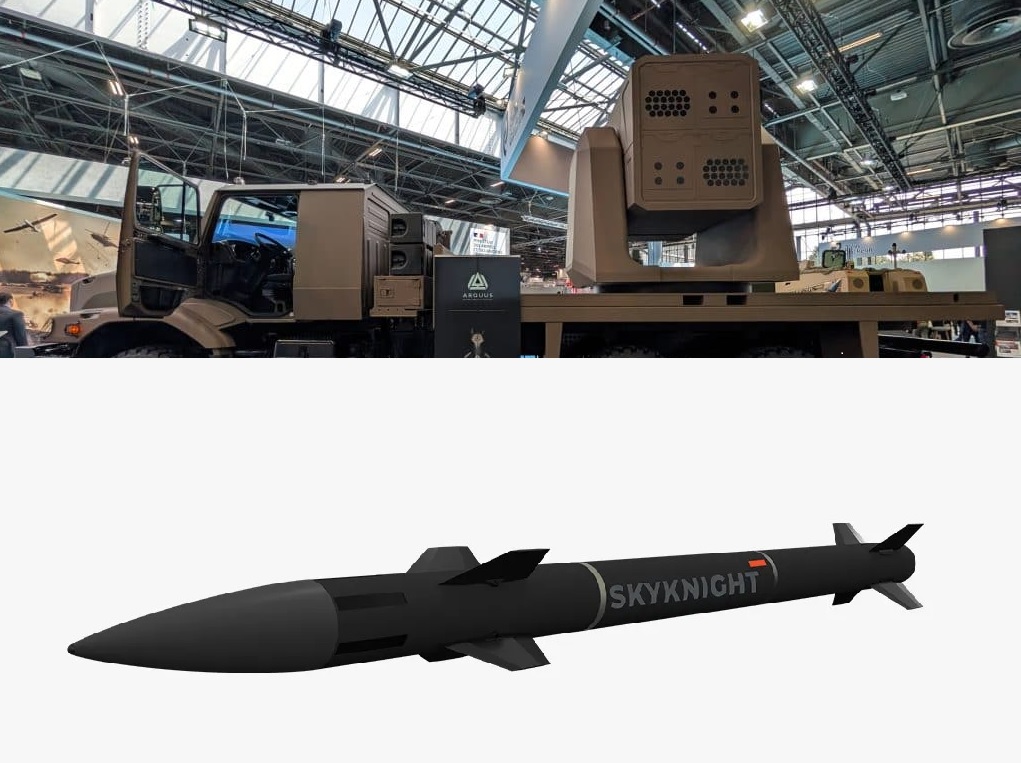 Naval Group Unveils Rampart Modular CIWS Multi-Purpose Weapon System for Naval and Ground Forces at Eurosatory 2026
-
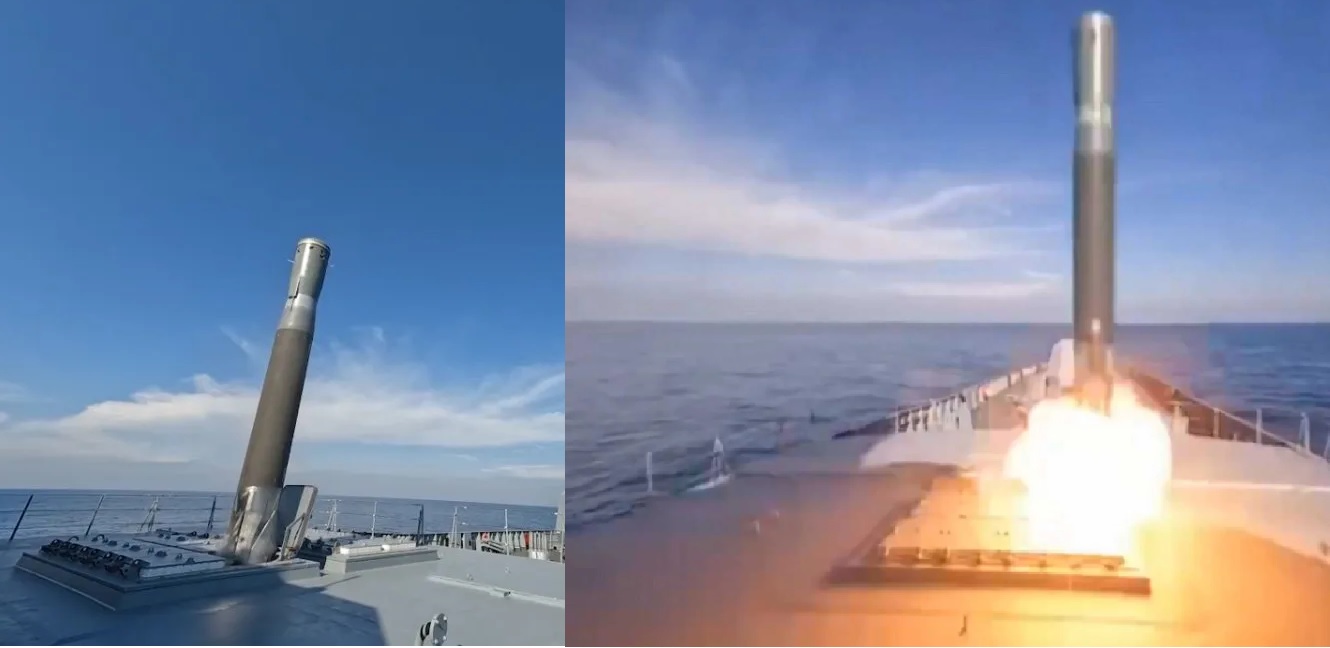 Open-Source Evidence Suggests Russia's Zircon Is a Quasi-Ballistic Missile, Not a True Hypersonic Cruise Weapon
-
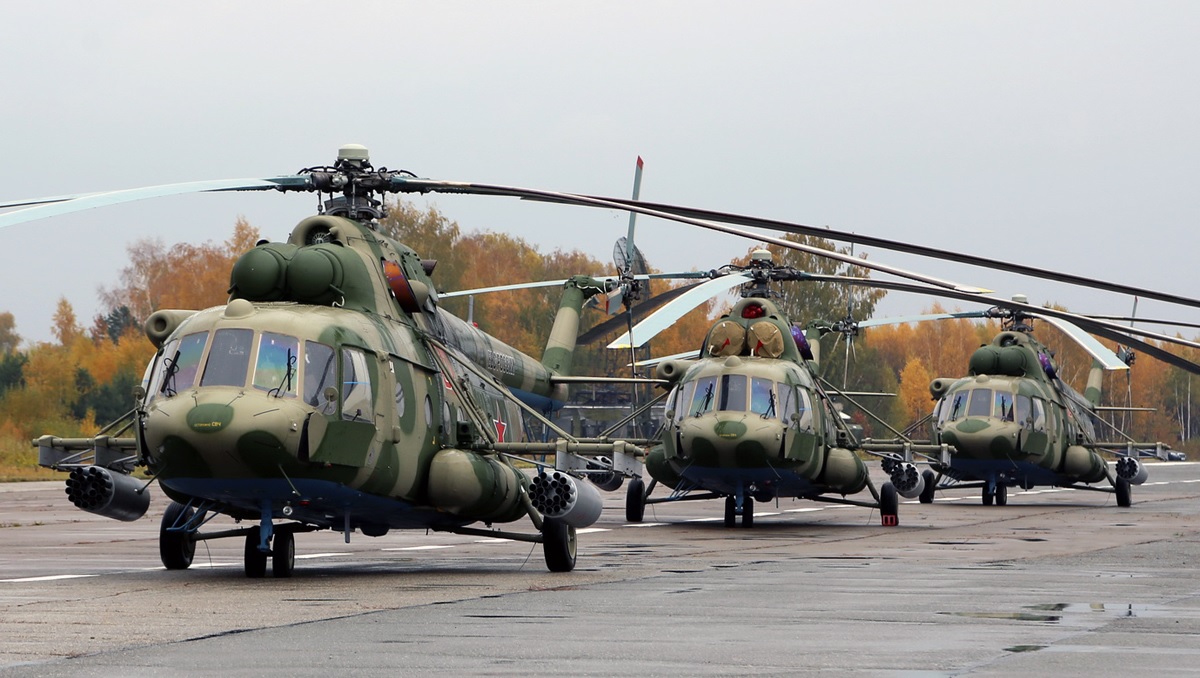 Iran Signs Deal with Russia for 20 Mi-8 and Mi-17 Helicopters to Boost Rescue and Medical Missions
-
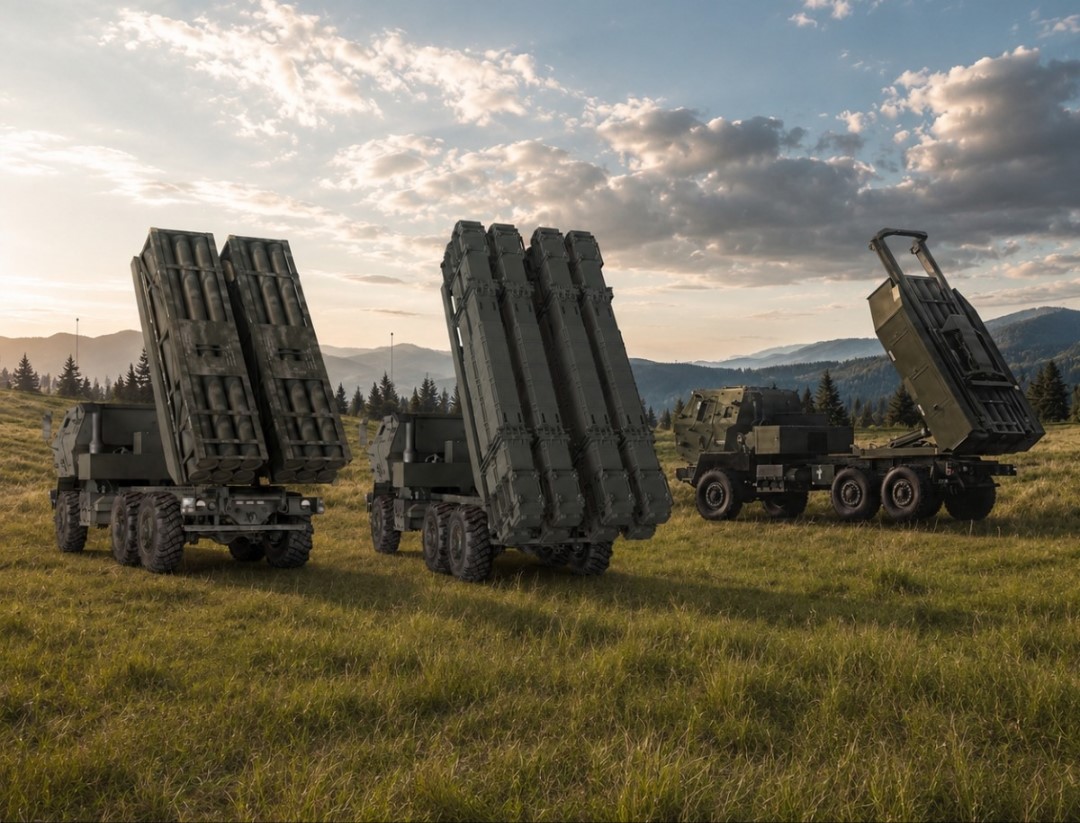 Lockheed Martin Unveils HIMARS FLEX with Dual-Pod Launcher and NATO-Compatible Air Defense Integration
-
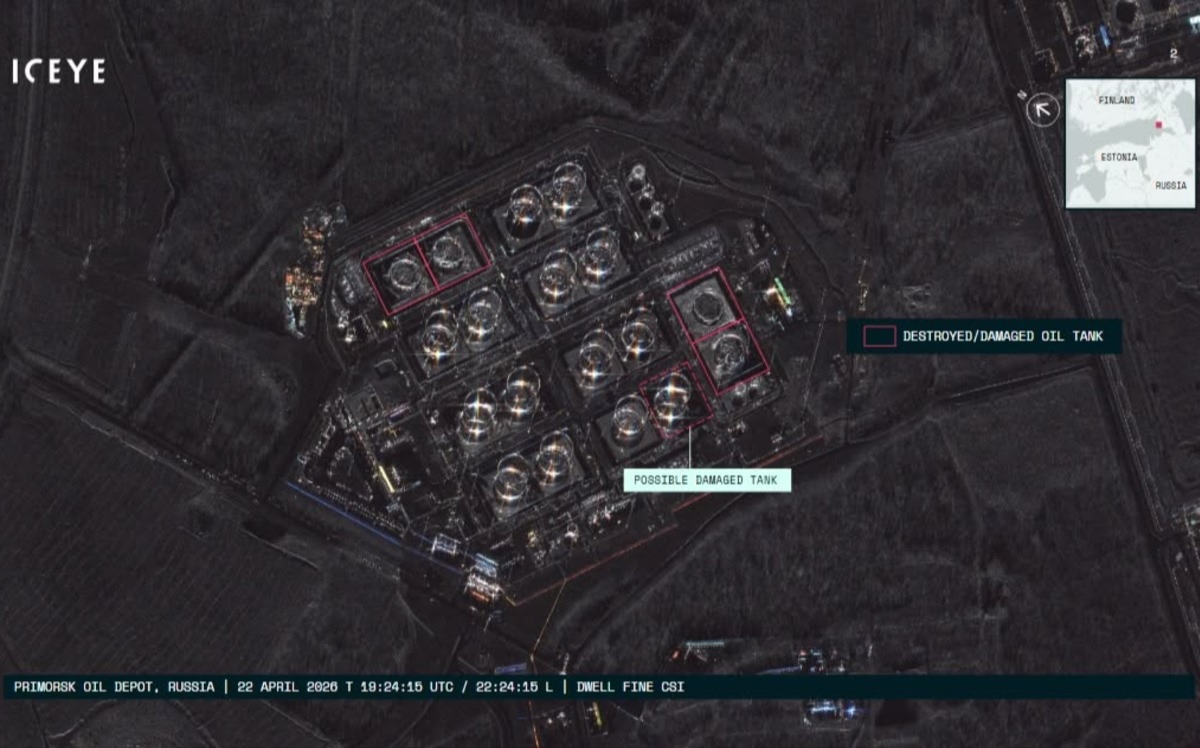 Portugal Doubles Sovereign SAR Satellite Fleet with Order for Two Additional ICEYE Satellites
-
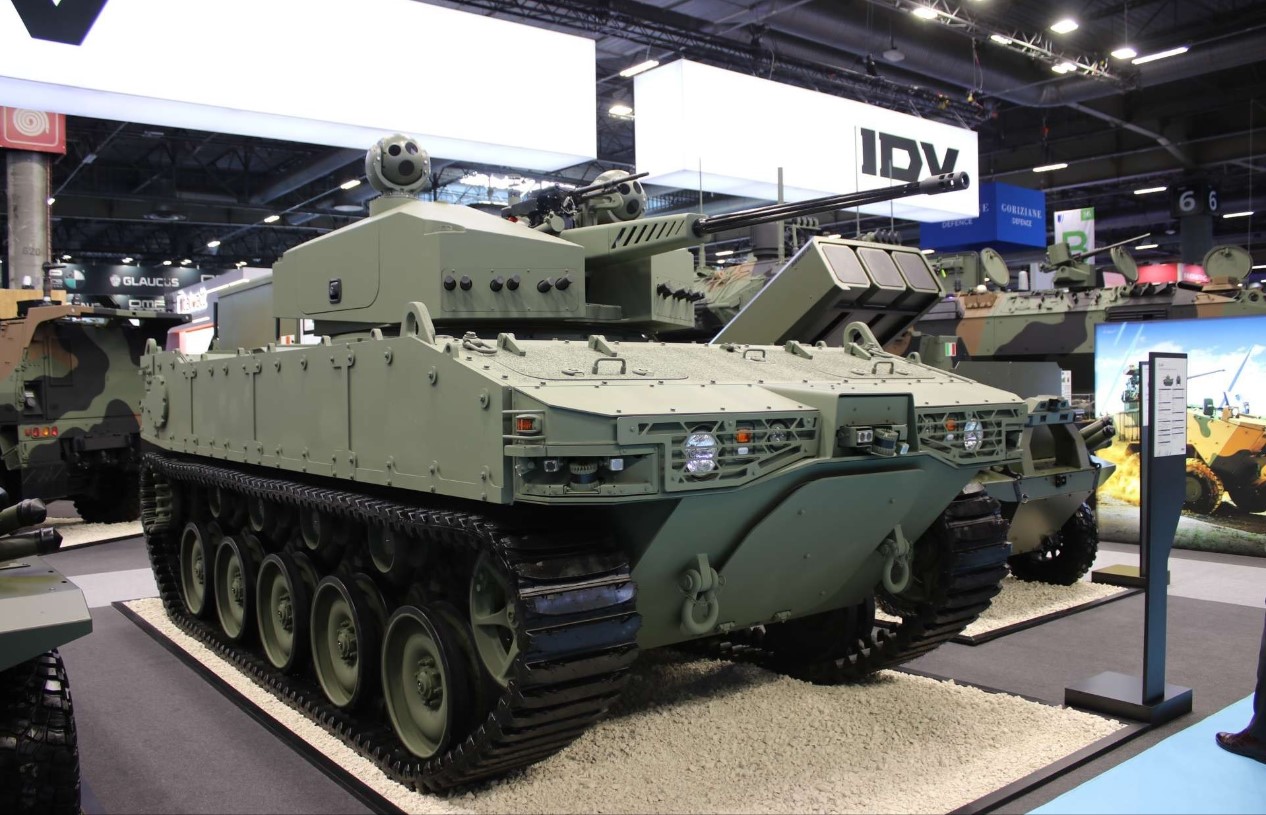 IDV Unveils CL2X Hybrid Uncrewed Light Tank at Eurosatory 2026
-
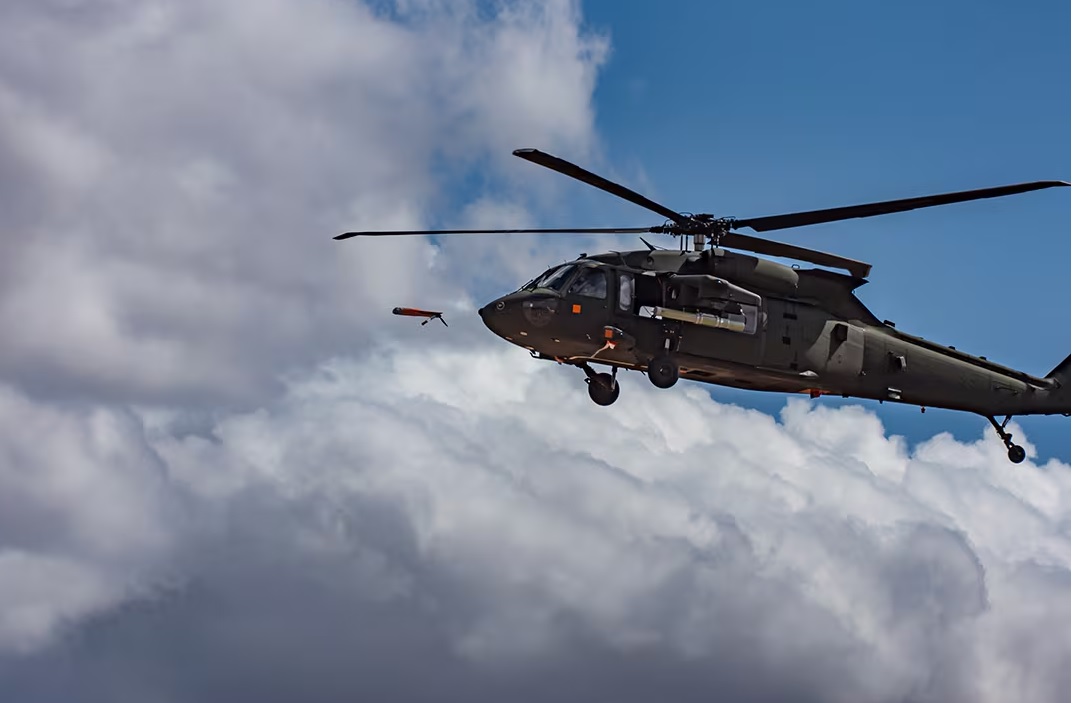 U.S. Army Completes First Flight Test of Medium-Range Air-Launched Effects from Black Hawk Helicopter
-
 Why the U.S. Restored Pacific Command Name, Ending the Indo-Pacific Designation After Eight Years
Top Trending in 4 Days
-
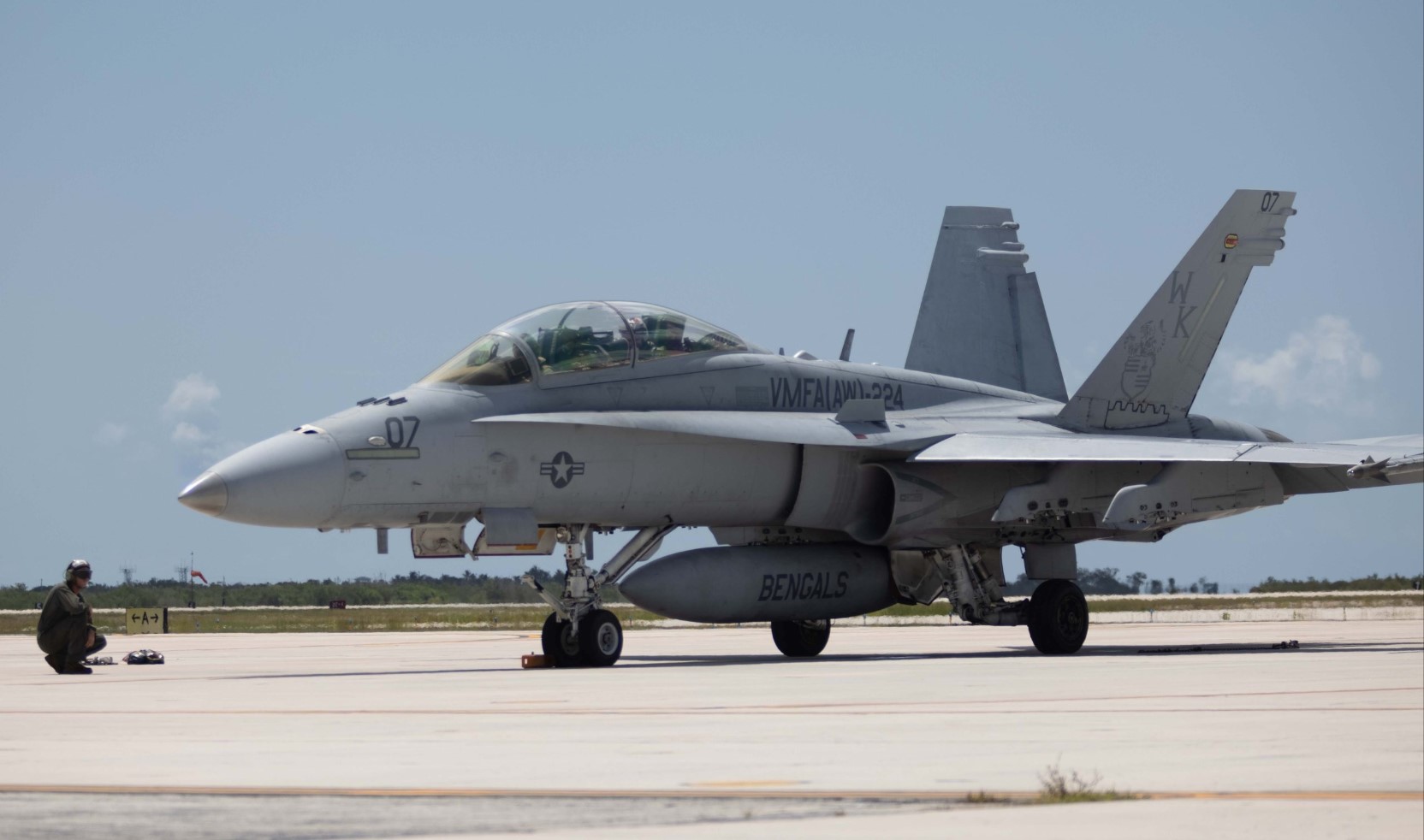 US Marine Corps F/A-18D Hornet Crashes During Training Flight in Washington Mountains; Pilot Ejects Safely
-
 Tulsi Gabbard Releases Declassified Files Detailing U.S.-Backed Network of 120 Biolaboratories Across 30+ Countries
-
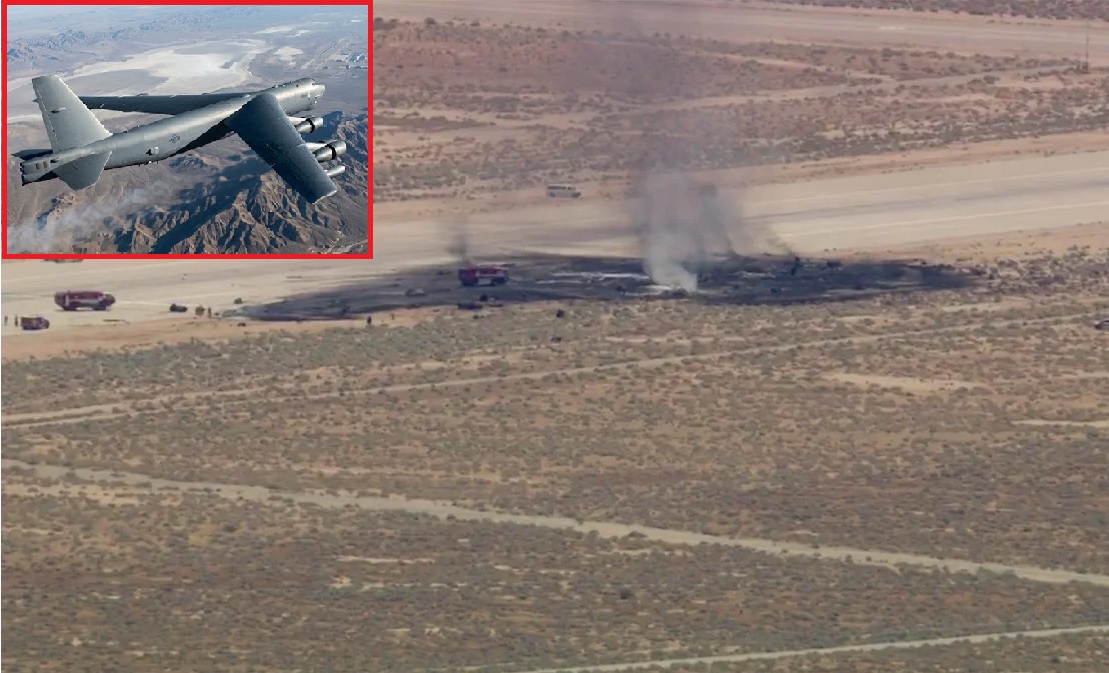 8 U.S. Air Force Crew Members Killed in B-52 Bomber Crash During Test Flight at Edwards Air Force Base
-
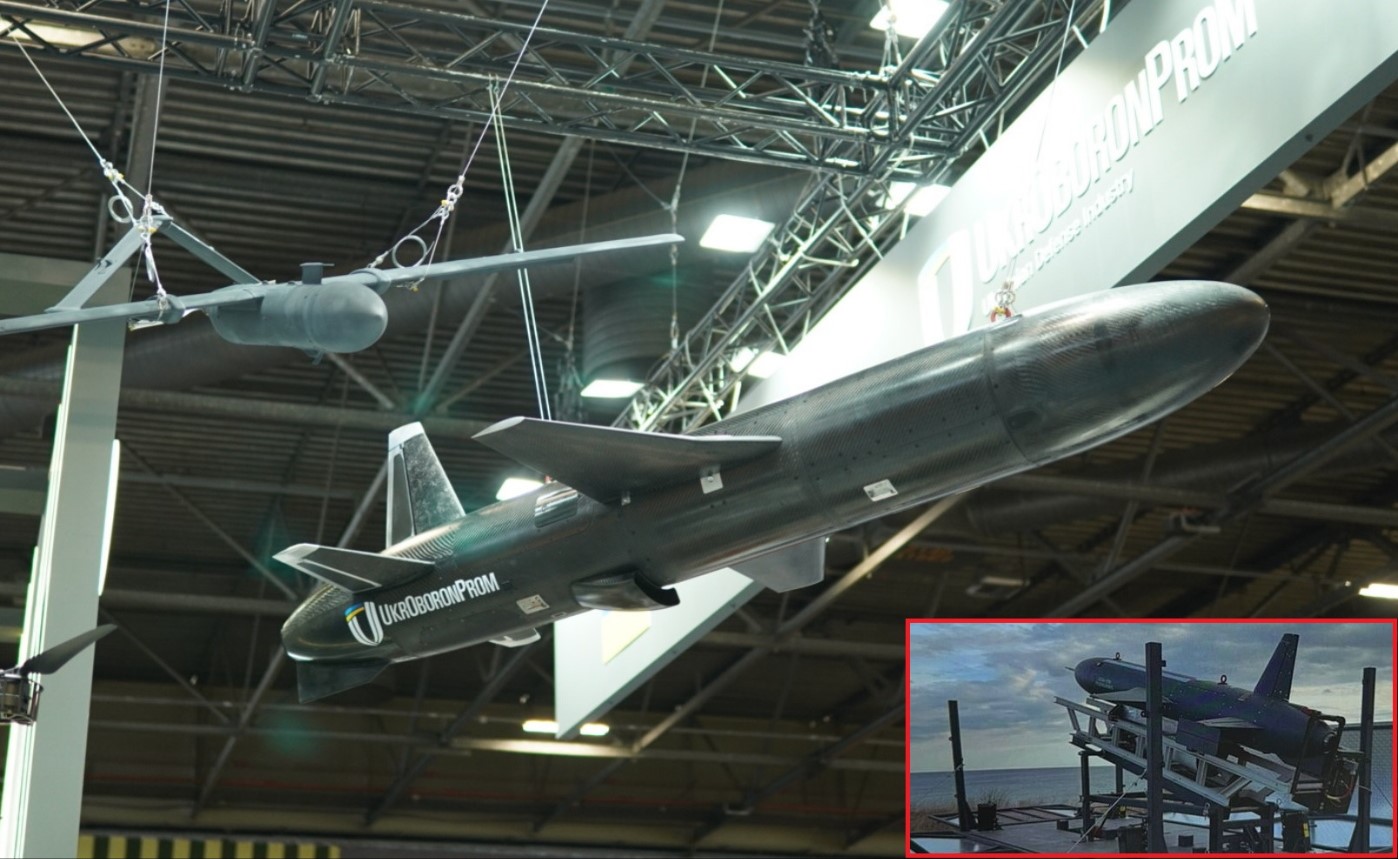 Ukraine Unveils UAV-290 Jet-Powered Strike Drone with 650 km Range at Eurosatory 2026
-
 Ukraine Introduces Balloon-Launched DART Missile Designed to Defeat Electronic Warfare
-
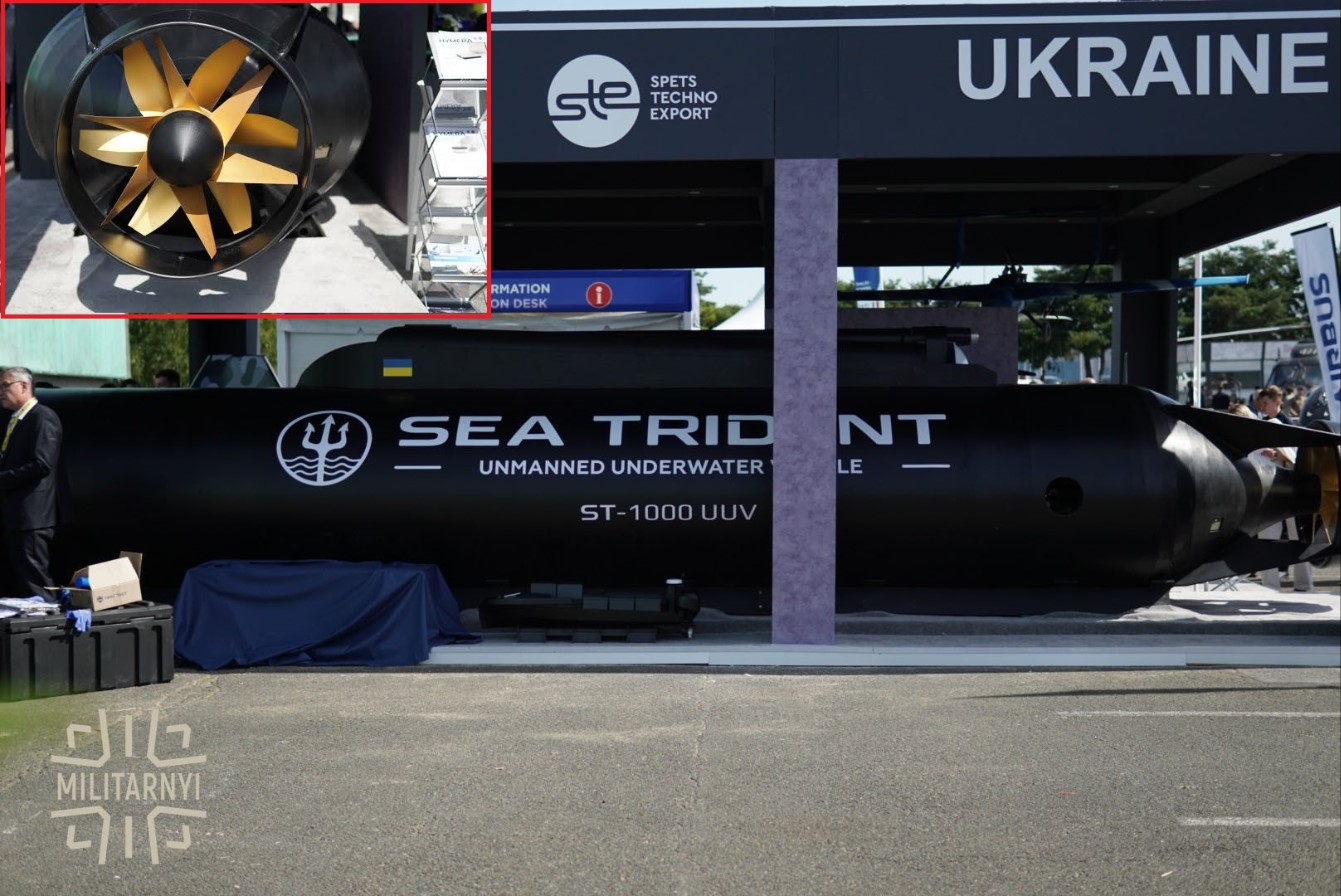 Ukraine Unveils 'Sea Trident' 10-Ton Autonomous Underwater Drone at Eurosatory 2026
-
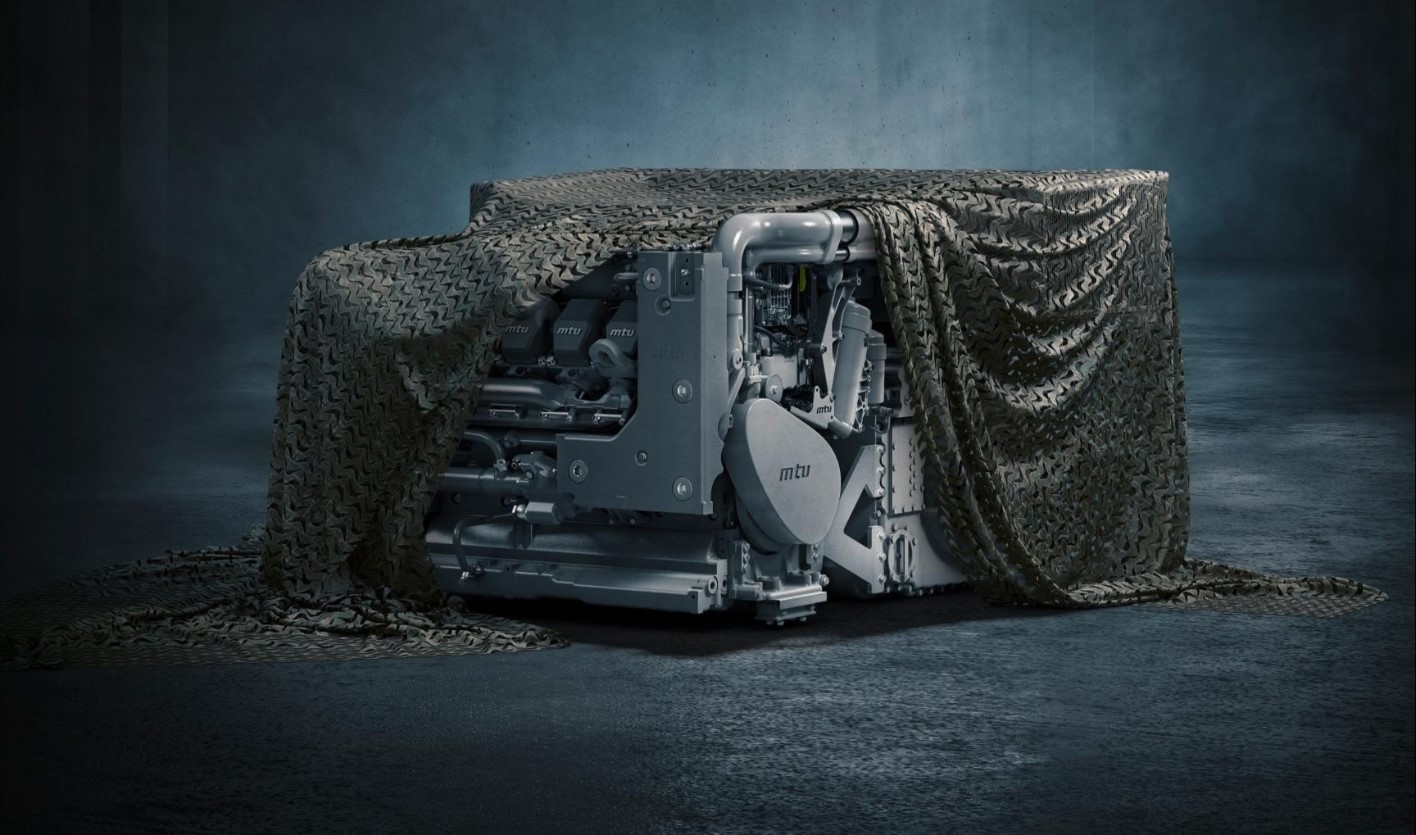 Rolls-Royce Unveils New Hybrid Powertrain for Heavy Military Vehicles at Eurosatory 2026
-
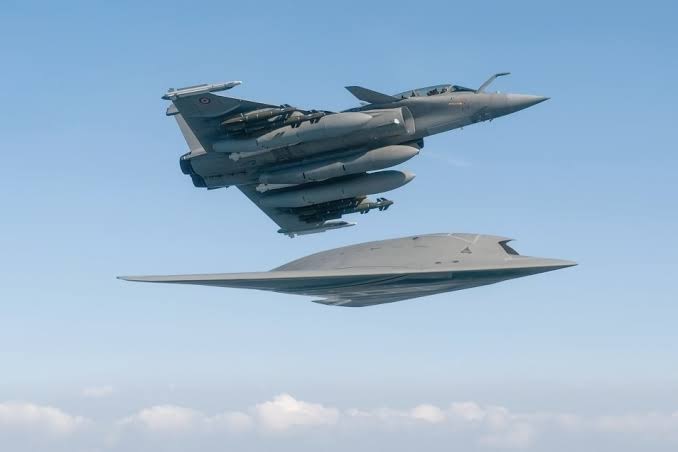 France Agrees to Equip Future Indian Rafales with AI, MUM-T and Secure Satellite Links Under F5 Standard