
World
Cummings Aerospace has revealed its latest innovation, the Hellhound S4 drone, an advanced unmanned aerial system tailored for homeland defence missions and integrated air defence strategies. The announcement came during the Space and Missile Defense Symposium in Huntsville, drawing strong interest from military planners and defence industry leaders. The S4 builds on the proven Hellhound S3 platform but features significant upgrades designed to meet the evolving challenges of modern air defence. CEO Sheila Cummings emphasized that mobility and multi-mission flexibility are essential for future layered defence systems, including government proposals such as the Golden Dome missile defence programme. Upgraded Capabilities and Tactical Edge The Hellhound S4’s most striking advancement is its payload versatility. It can operate as a loitering munition, perform intelligence, surveillance, and reconnaissance (ISR) tasks, or be configured as a low-cost cruise missile. A modular design with a removable nose section allows rapid reconfiguration in the field, while its maximum operational weight of up to 45 pounds marks a leap from the S3’s 12–14 pounds, enabling heavier payloads and extended mission profiles. The S4 is currently in the engineering development phase, with prototype flight testing scheduled for next spring. Production will follow a scalable manufacturing model that proved effective for the S3, meeting urgent military requirements for rapid deployment. Advanced Manufacturing for Rapid Deployment A key factor in the S4’s development is Cummings Aerospace’s heavy use of commercially available 3D printing technology. This approach enables faster prototyping, cost efficiency, and quick adaptation to mission needs. By sourcing standard components from multiple suppliers, the company reduces the risk of production delays caused by single-source bottlenecks — a crucial advantage for sustained defence readiness. Strategic Positioning Near Redstone Arsenal Cummings Aerospace’s proximity to Redstone Arsenal, a central hub for U.S. Army aviation testing and development, provides direct access to military testing ranges, integration facilities, and research partners. Over its 16-year history, the company has played a vital role in the development of interceptor systems, sensors, and command-and-control platforms, cementing its position as a key contributor to U.S. missile defence capabilities. Scaling Up for National Security With its current capacity to produce over 100 S3 drones per month, Cummings Aerospace plans to apply the same high-volume manufacturing capacity to the S4 programme. The company is also pursuing international partnerships alongside domestic production to meet growing global demand for advanced unmanned defence systems. Industry analysts say the S4 reflects a new generation of tactical drones — lightweight, modular, rapidly deployable, and adaptable to multiple mission roles. In the context of layered defence architectures like Golden Dome, the Hellhound S4 could serve as a force multiplier, complementing interceptor missiles, radar systems, and electronic warfare platforms. By combining multi-mission flexibility, distributed manufacturing, and strategic supply chain resilience, Cummings Aerospace is positioning the Hellhound S4 as a cornerstone of future homeland defence strategies in the United States and allied nations.
Read More → Posted on 2025-08-11 14:15:09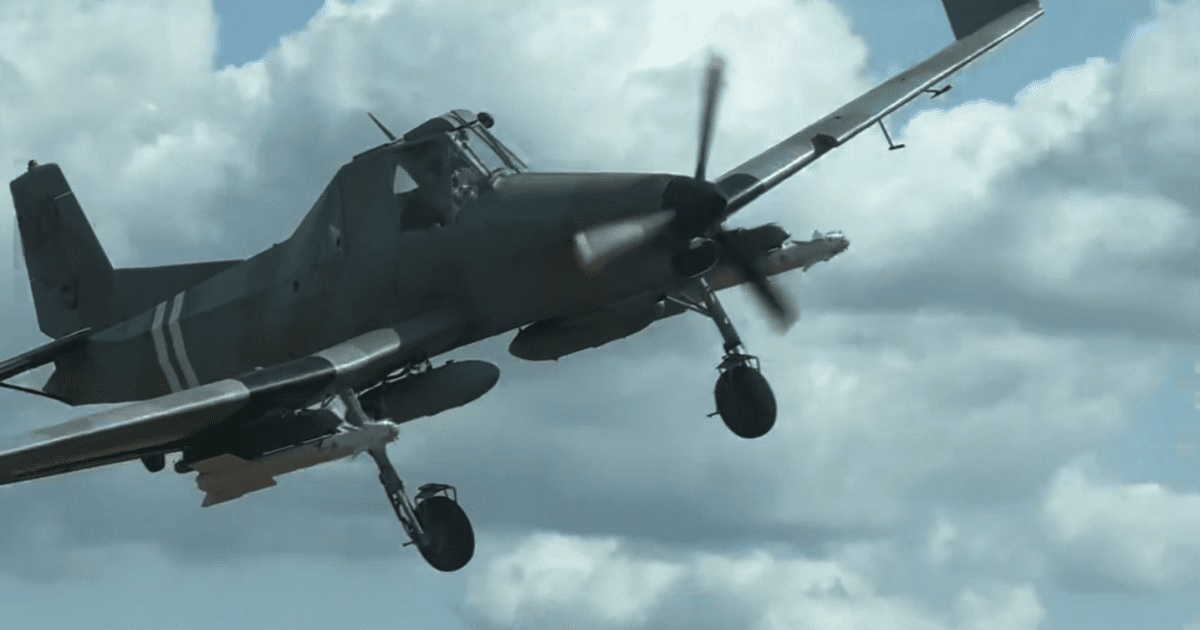
World
In one of the most unconventional air defense moves yet, Ukraine has modified a Zlin Z-137 Agro Turbo agricultural aircraft to carry two R-73 infrared-guided air-to-air missiles, underscoring Kyiv’s determination to adapt civilian platforms for frontline defense. The sighting, revealed in newly circulated footage, shows the once crop-spraying turboprop repainted in military gray with white recognition stripes to avoid friendly fire. Beneath its wings, each pylon now holds an R-73 missile, a weapon traditionally launched from fighter jets like the MiG-29 or Su-27. Inboard, the aircraft also retains cylindrical stores, likely remnants from its agricultural role or auxiliary fuel tanks to extend patrol time. Originally designed in the 1980s in Czechoslovakia for low-altitude, slow-speed farming operations, the Z-137’s flight characteristics make it surprisingly suitable for chasing and intercepting low-flying drones—particularly Russia’s Shahed/Geran-2 loitering munitions, which operate at similar speeds and altitudes. The R-73, known in NATO as the AA-11 Archer, is a short-range, highly agile missile capable of locking onto targets at extreme angles of up to ±75 degrees. While this missile is more expensive than many counter-drone options, Ukraine’s extensive existing stock allows it to repurpose them quickly without diverting advanced fighter jets from higher-priority missions. Ukraine has already proven creative in its use of the R-73, integrating it into mobile surface-to-air missile trucks, improvised naval platforms, and even containerized launchers. Notably, such systems have scored confirmed kills against Russian helicopters over the Black Sea. The crop duster conversion now adds a low-cost, runway-friendly airframe to this diverse arsenal. Military analysts note that while Western counter-drone systems like the U.S.-made VAMPIRE use cheaper laser-guided rockets, Ukraine’s approach prioritizes speed of fielding and flexibility. In wartime conditions where rapid adaptation can mean survival, the Z-137’s conversion could serve as a force multiplier in protecting key cities, infrastructure, and troop positions from persistent drone attacks. Beyond its tactical role, the modification carries symbolic weight. By transforming an outdated agricultural workhorse into an armed interceptor, Ukraine sends a clear signal to both allies and adversaries: every available resource will be weaponized if needed. This kind of improvisation complicates Russian planning, as it introduces unpredictable threats into the airspace. If the Z-137 proves successful in operational use, the concept could influence other nations facing drone warfare with limited access to advanced aircraft. It also reaffirms a broader shift in modern conflict—where ingenuity and adaptability often matter as much as raw firepower.
Read More → Posted on 2025-08-11 14:05:29
World
South Korea’s armed forces are shrinking at a pace that is alarming military planners, with troop numbers down by 20 percent in just six years. The total active personnel now stands at around 450,000, compared to over 560,000 in 2019, and far below the 690,000 soldiers the country maintained in the early 2000s. Officials say the main reason is simple but serious — there are far fewer young men available to serve. The number of 20-year-old males, the core pool for conscription, has dropped by about 30 percent since 2019. This drop is linked to the country’s record-low fertility rate, which hit just 0.75 births per woman in 2024, the lowest in the world and well under the level needed to sustain the population. The shortage is creating a gap of about 50,000 soldiers needed to meet operational requirements, including 21,000 non-commissioned officer positions. This comes despite South Korea approving a 2025 defense budget of over 61 trillion won (around $43.9 billion), a figure larger than North Korea’s entire economy. Military service is mandatory for able-bodied men between the ages of 18 and 28, lasting from 18 to 24 months depending on the branch. This is much shorter than the 36 months required during the Korean War era, thanks to better technology, more efficient training, and strong military cooperation with the United States. Still, experts warn that reduced service time cannot fully offset the loss in manpower. South Korea’s total population, which peaked at 51.8 million in 2020, is expected to drop to around 36 million by 2072. With North Korea maintaining an estimated 1.2 million active troops and millions more in reserve forces, the imbalance could grow wider in the coming decades. The government is exploring solutions such as increasing recruitment of women, expanding the role of reservists, and investing more heavily in drones, AI-driven defense systems, and automated surveillance to make up for the human shortfall. However, demographic trends suggest that manpower shortages will remain a long-term challenge for the nation’s defense strategy.
Read More → Posted on 2025-08-11 13:58:23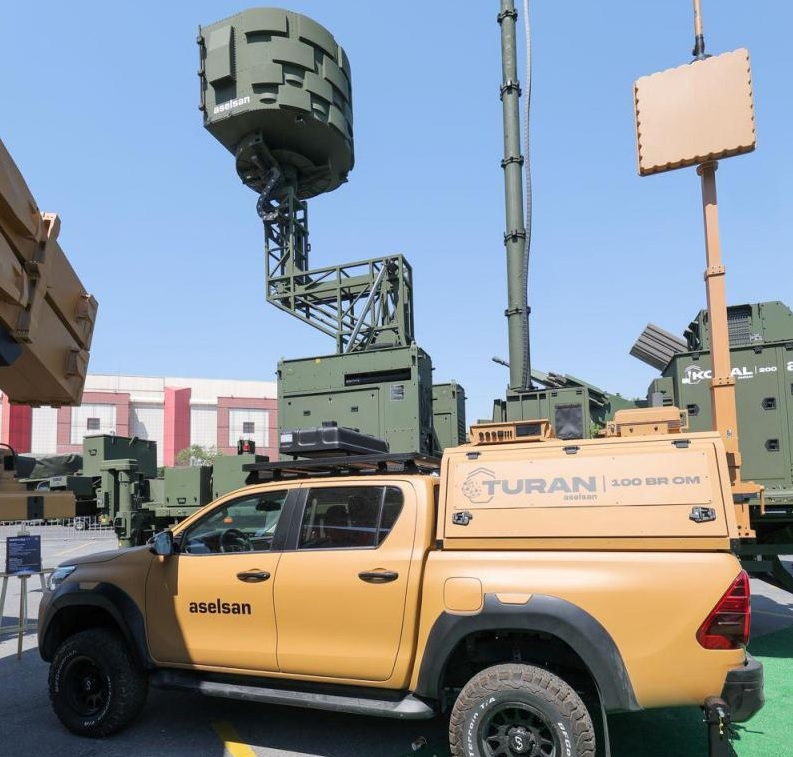
World
At IDEF 2025 in Istanbul, Turkish defense electronics leader Aselsan introduced the Turan 100 BR-OM, a next-generation mobile tactical cloud system designed to give warfighters seamless, secure, and high-speed connectivity on the move. The system, showcased on the flatbed of a Toyota Hilux 4×4, integrates a complete suite of advanced communications equipment into a compact, modular unit. It supports VHF, UHF, SATCOM, narrowband and wideband LTE (4G/5G), as well as P25 and DMR digital radio standards. This combination ensures uninterrupted communications in varied and remote terrains, with SATCOM maintaining links even in isolated areas, and wideband LTE enabling high-capacity data exchange. At its core, the Turan 100 BR-OM acts as a battlefield cloud server, automatically selecting the best available network based on data speed, coverage, and electronic warfare conditions—without requiring operator intervention. Built on an IP-based architecture, the system features end-to-end AES-256 encryption strengthened with AI-driven and quantum-resistant algorithms, giving it strong resilience against cyber threats. Self-sufficiency is a key feature: the module houses its own generator and air-conditioning for the equipment bay, allowing operation without external power sources. The modular design means it can be fitted to a variety of vehicles, instantly transforming them into mobile communication command posts. This tactical cloud enables real-time sharing of maps, intelligence, and mission data across field units, greatly improving situational awareness and decision-making speed. The system is fully functional while on the move, ensuring that connectivity is never lost in fast-changing operational environments. According to Aselsan, the Turan 100 BR-OM is at Technology Readiness Level 7, having already been tested successfully in operational settings. The system also plays a crucial role within Aselsan’s wider “Steel Dome” layered defense architecture, acting as the secure digital backbone for command and control in multi-domain operations. In essence, the Turan 100 BR-OM offers battle-ready connectivity, cyber-hardened security, and unmatched mobility, making it a powerful tool for modern military forces facing increasingly complex combat scenarios.
Read More → Posted on 2025-08-10 15:31:25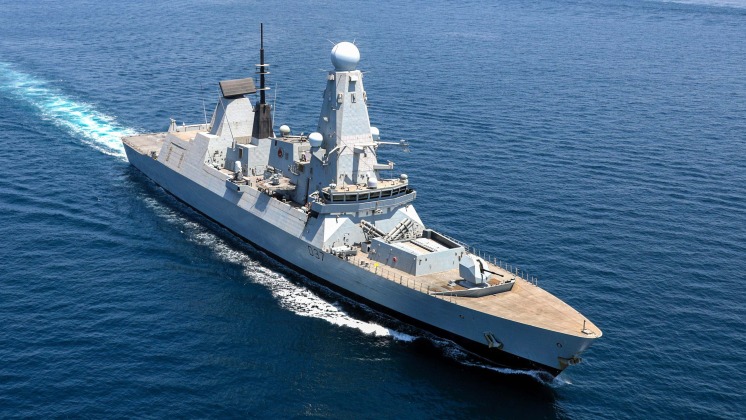
World
The Royal Navy is facing one of its most serious capability gaps in decades, with the number of operational frigates and destroyers at a historic low. Out of the fleet’s six Type 45 destroyers, only two are currently active, while the others remain in dock for critical propulsion and electrical upgrades. The situation is not much better for the eight Type 23 frigates, with just six available for deployment. This means that at any given time, the UK can field only around eight escort vessels, far below the level needed to meet both homeland defence and NATO commitments. The shortage has been compounded by the retirement of older ships, including HMS Westminster and HMS Argyll earlier this year. Crews from these vessels have been reassigned to help prepare for the future Type 26 frigates, but the transition has left an immediate gap in the Navy’s surface fleet. Manpower challenges have added to the crisis. The Royal Fleet Auxiliary, which supports Royal Navy operations at sea, is struggling to recruit and retain enough sailors, leading to instances where allied vessels have been called upon to provide resupply and support. At the same time, shortages of spare parts have forced the Ministry of Defence to “cannibalise” components from inactive ships to keep others operational—a practice that has risen sharply in recent years. Replacement programmes for new warships are also facing delays. Both the Type 26 and Type 31 frigate projects have been marked as at risk due to budget pressures and production challenges. The planned Type 32 frigate has been pushed back, with its future still uncertain. Defence analysts warn that the Royal Navy’s reduced escort fleet limits the UK’s ability to protect its aircraft carriers, maintain a presence in contested waters, or respond rapidly to global crises. Lawmakers have expressed concern that the situation leaves Britain vulnerable at a time of growing instability at sea. The Ministry of Defence insists that investment in new vessels will reverse the decline, but until those ships enter service, the Royal Navy will continue to operate with one of the smallest surface combatant forces in its modern history.
Read More → Posted on 2025-08-10 14:59:09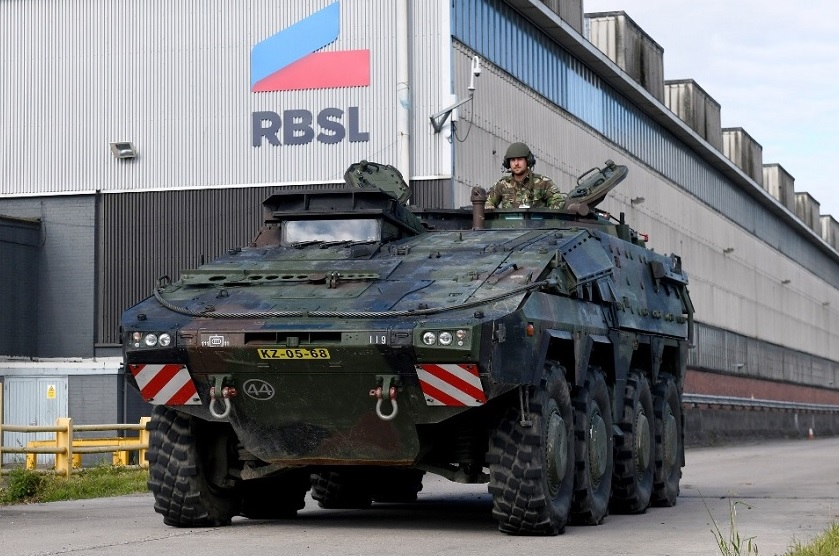
World
The British Army has received its first fully built Boxer armoured vehicle produced in the UK, marking a major milestone in one of its most important modernisation programmes. Built by Rheinmetall BAE Systems Land (RBSL) at its Telford facility, the eight-wheeled, multi-role armoured vehicle has been delivered to the Armour Centre at Bovington Camp, where it will be used to train soldiers in driving, operating, and maintaining the platform. The Boxer programme is part of a £5 billion investment to supply 623 vehicles in multiple variants, including troop carriers, command vehicles, ambulances, and specialist mission modules, to equip the Army’s future mechanised infantry units. Known for its modular design, high mobility, and enhanced protection, the Boxer is expected to become a core asset in the British Army’s future force. About 75 percent of the vehicle’s components are sourced from within the UK, with production now fully underway at RBSL in Telford and WFEL in Stockport. Together, these facilities support around 400 direct jobs and more than 1,000 roles in the wider UK supply chain. While some early production will still take place in Germany, this will gradually shift entirely to the UK as domestic manufacturing capacity increases—part of the government’s drive to strengthen industrial resilience. Defence Procurement Minister Maria Eagle described the programme as delivering “both cutting-edge capability for our soldiers and high-value industrial benefits at home.” The Boxer project runs in parallel with two other major armoured vehicle initiatives: the procurement of 148 Challenger 3 main battle tanks and the Ajax family of tracked reconnaissance vehicles. Combined, these programmes are expected to create and sustain over 6,000 defence manufacturing jobs nationwide. The arrival of the first UK-built Boxer at Bovington marks not only a leap forward in the Army’s operational capabilities but also a significant boost for the British defence industry.
Read More → Posted on 2025-08-10 14:54:31
World
In less than two months, the Royal Navy’s cutting-edge F-35B Lightning II jets have faced two separate emergency landings in Asia—one in India and now another in Japan—prompting fresh questions about the fighter’s operational availability. The latest incident occurred on Sunday morning when a British F-35B, operating from the aircraft carrier HMS Prince of Wales, was forced to make an emergency landing at Kagoshima Airport in southwestern Japan after the pilot reported a technical fault. The jet touched down safely at around 11:30 a.m., with no injuries reported. Kagoshima Airport briefly shut down operations for about 20 minutes while the aircraft was moved from the main runway to a taxiway. Commercial flights resumed soon after, experiencing only minor delays. Airport officials and air traffic controllers coordinated closely with the pilot to ensure a smooth diversion and landing. This follows a similar situation in June, when another F-35B from the same carrier strike group was forced to land at Thiruvananthapuram Airport in Kerala, India after suffering a hydraulic system malfunction and auxiliary power unit issues, compounded by worsening weather and low fuel levels. That aircraft remained grounded in India for more than a month while specialist teams carried out repairs with local assistance, attracting widespread public attention—and even light-hearted social media jokes about the jet “holidaying” in Kerala. Both incidents involved jets assigned to the Prince of Wales Carrier Strike Group, currently deployed in the Indo-Pacific under Operation Highmast. The group carries 18 F-35Bs and has been engaged in high-profile exercises, including joint drills with Japan and the United States, as well as the first-ever landing of British F-35Bs on the Japanese carrier JS Kaga. Defence officials emphasise that such technical issues, while noteworthy, are not unusual for advanced combat aircraft operating far from home bases. Emergency landings, they stress, are standard safety measures designed to protect both pilots and equipment. In the case of Kagoshima, nearby allied facilities such as Marine Corps Air Station Iwakuni provide quick access to maintenance support and spare parts. Still, the back-to-back diversions have sparked discussion among analysts about the reliability and maintenance demands of the F-35B, especially during extended deployments in remote regions. With its advanced systems and complex logistics chain, keeping the aircraft fully mission-ready remains a challenge—one that the Royal Navy will be keen to address as the strike group continues its Indo-Pacific tour.
Read More → Posted on 2025-08-10 14:48:50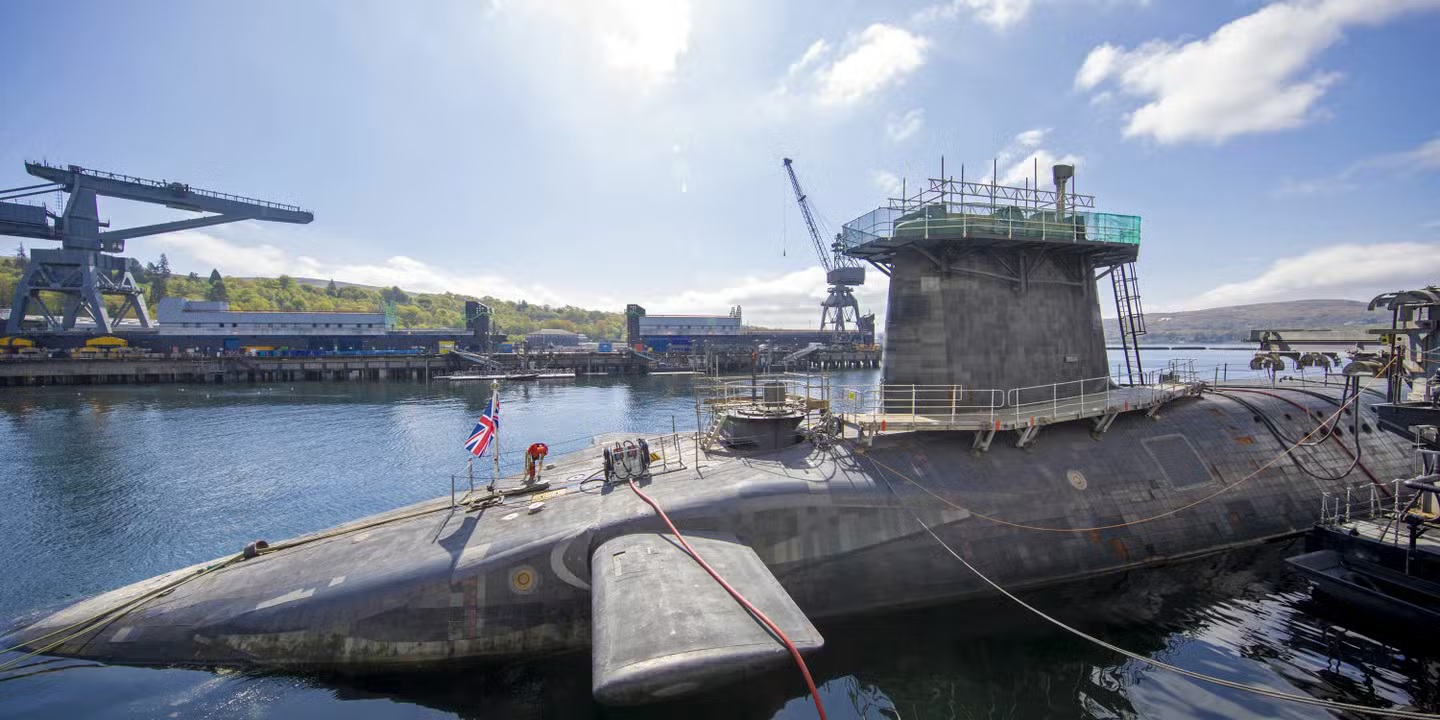
World
A series of official files has revealed that radioactive water from the UK’s most secretive nuclear weapons base leaked into the sea after aging pipes repeatedly burst, raising serious concerns about maintenance and oversight at the facility. The leaks occurred at the Coulport armaments depot, a high-security site on Loch Long in western Scotland that stores the Royal Navy’s stock of Trident nuclear warheads. The water became contaminated with low levels of tritium, a radioactive isotope used in nuclear warheads, before draining into the loch. Investigations by the Scottish Environment Protection Agency (SEPA) found that up to half of the base’s 1,500 water pipes were beyond their design life when the incidents occurred. SEPA blamed shortfalls in maintenance and poor asset management, noting that the Ministry of Defence (MoD) failed to replace the deteriorating infrastructure despite repeated warnings. The problem first came to light after a major pipe burst in August 2019 flooded a nuclear weapons processing area. This water, contaminated with tritium, passed through an open drain into Loch Long. Earlier bursts had occurred in 2010 and again in early 2019, while two more leaks took place in 2021. While SEPA confirmed that the radiation levels were extremely low and posed no risk to human health, the repeated incidents were deemed unnecessary and avoidable. The agency also criticised the MoD’s slow response in carrying out 23 promised corrective actions, with progress delayed for years. The leaks and their details were kept secret for years under national security claims, but after a six-year legal battle, Scotland’s Information Commissioner ordered their release—stating that the files threatened reputations, not security. Nuclear weapons experts have condemned the situation as “outrageous,” pointing out that the government is spending nearly £2 billion on upgrading the Faslane and Coulport facilities, yet lacked a proper asset management system as recently as 2022. Since the disclosures, the MoD and SEPA have said substantial improvements have been made to maintenance and asset management at the base, and no similar leaks have been reported. The MoD insists there has never been an unsafe release of radioactive material into the environment and that all discharges remain within regulatory limits. The revelations have renewed calls for greater transparency in the handling of the UK’s nuclear arsenal, with critics warning that secrecy and poor oversight increase the risk of avoidable environmental contamination in the future.
Read More → Posted on 2025-08-10 14:40:38
World
The Israel Defense Forces (IDF) recently carried out a precision operation in Abbasan, east of Khan Yunis in the southern Gaza Strip, targeting and destroying Hamas terror headquarters embedded within the Al-Ouda School and Taybeh School. This operation is part of the IDF’s ongoing efforts to dismantle Hamas infrastructure used to plan and execute attacks against Israel and its citizens. According to IDF statements, the Al-Ouda School and Taybeh School were being used by Hamas as command and control centers to orchestrate terrorist activities. The IDF emphasized that these sites were exploited by Hamas to hide among civilian infrastructure, a tactic the group frequently employs to shield its operations. The military’s operation involved airstrikes and ground efforts to neutralize the threat posed by these facilities, ensuring the destruction of weapons stockpiles, communication hubs, and other terror infrastructure embedded within the schools. The operation in Abbasan aligns with broader IDF activities in Khan Yunis, where troops have been targeting Hamas strongholds. For instance, recent reports indicate that the IDF’s 98th Paratroopers Division, including the 89th “Oz” Brigade, has been active in the region, destroying extensive tunnel networks and eliminating dozens of terrorists. In one such operation, the IDF dismantled a 3.5-kilometer-long tunnel complex in Khan Yunis that contained sleeping quarters, weapons, and explosives, highlighting the scale of Hamas’s underground operations. The IDF’s actions in Abbasan also come in the context of Operation Gideon’s Chariots, a campaign aimed at crippling Hamas’s remaining capabilities in Gaza. The military has reported destroying over 1,200 terror infrastructures in the Khan Yunis area, including sites in nearby Khuza’a, which served as a central Hamas stronghold during the October 7, 2023, attack on southern Israel. These efforts are part of Israel’s broader goal to secure the release of hostages and eliminate Hamas’s military presence in the region. The IDF has accused Hamas of systematically violating international law by operating from within civilian infrastructure, such as schools and hospitals, using them as human shields. In a similar operation, the IDF struck a Hamas command center embedded in a mosque within the al-Taba’een school complex in Gaza City, where at least 20 terror operatives were reportedly present. The IDF took steps to minimize civilian casualties, using precision munitions and aerial surveillance. While Hamas claimed significant civilian casualties in some of these strikes, the IDF has disputed these figures, stating they are often exaggerated and do not align with military intelligence or the precision of the strikes. The IDF maintains that its operations are carefully planned to target only combatants and terror infrastructure while reducing harm to civilians. This operation in Abbasan underscores the challenges of urban warfare in Gaza, where Hamas embeds its military assets within densely populated areas. The destruction of the Al-Ouda and Taybeh school headquarters marks another step in Israel’s efforts to dismantle Hamas’s operational capabilities and ensure the safety of its citizens.
Read More → Posted on 2025-08-09 17:04:42
World
Germany is preparing to significantly expand its ground-based air defense capability by acquiring more than 500 Skyranger 30 mobile air-defense systems, according to recent industry reports. During a conference call with analysts, Rheinmetall CEO Armin Papperger confirmed that his company expects to receive a major order worth between €6 billion and €8 billion from the Bundeswehr before the end of 2025. However, he stressed that specific numbers would not be disclosed “for security reasons.” Despite the lack of official figures, well-placed sources — as reported by the outlet hartpunkt — indicate that Germany's armed forces may need 500 to 600 Skyranger systems, aligning neatly with Rheinmetall’s projected contract value. Another analysis confirms these figures, describing the plan as a move to bolster very short–range defenses, especially against aerial threats like drones. The Skyranger 30 system is a mobile, turret-mounted air-defense platform mounted on the Boxer 8×8 vehicle and designed to close a critical capability gap in short-range defense. Its 30 mm KCE revolver cannon uses programmable AHEAD airburst ammunition, complemented by guided missiles and advanced sensors—ideal for countering drones, small aircraft, and loitering munitions. Deliveries, if confirmed, are expected to occur in two phases: up to 2029 and 2029–2035. This anticipated procurement of over 500 systems is in addition to the existing contract from February 2024, under which Rheinmetall is delivering a verification model plus 18 production vehicles—all for around €595 million. A prototype has already been delivered by early 2025, with serial deliveries slated for 2027–2028.
Read More → Posted on 2025-08-09 16:39:37
World
Spanish defence firm Indra is advancing a groundbreaking, fully digital self-protection system aimed at equipping military aircraft and helicopters with faster, more efficient missile threat response capabilities. The company has wrapped up the design phase and produced the first units, slated for delivery this year to begin integration and testing . Unlike traditional hybrid systems that blend analogue and digital technology, Indra’s new suite offers a full-digital approach, capable of simultaneously scanning the entire radar spectrum. This enables significantly faster threat detection, giving crews extra time to deploy countermeasures effectively . Indra calls it a technological leap, one that puts them ahead of the industry, given that many competitors continue to rely on hybrid systems . These systems are essential across a range of platforms—including fighter jets, transport aircraft, and helicopters—especially in high-risk environments facing both advanced adversaries and asymmetric threats like MANPADS (man-portable air-defence systems) . The digital self-protection suite comprises: ALR-400 Full Digital radar warning receiver (for radar-guided threats) InWarner laser threat detector InShield DIRCM (Directed Infrared Countermeasure) system to defend against infrared-guided missiles And integrates CFD (Chaff and Flare Dispensers) to mislead both radar-guided and infrared-guided threats—a highly modular suite adaptable to different armed forces’ needs . Indra has already deployed similar systems on F-18 fighters, A400M and C295 transport aircraft, and NH90 and Tiger helicopters. The company also plays a key role in the Eurofighter’s self-protection capabilities, ensuring these platforms remain effective as threats evolve . Moreover, Indra leads or participates in several European R&D projects—CROWN, SCEPTER, REACT / REACT II, CARMENTA, and CARMENTA FP—that focus on enhancing electronic warfare, multifunction systems, and AI-driven self-protection technologies for future aerial platforms . Why It Matters This fully digital system marks a clear shift toward faster, more adaptable defence tech. By transitioning from analogue-dependent designs to fully digital architectures, Indra is betting on greater responsiveness and modular flexibility as the battlefield evolves.
Read More → Posted on 2025-08-09 16:33:11
World
The United States has given the green light for a major military sale to Canada, paving the way for the Canadian Armed Forces to acquire up to 60 Joint Light Tactical Vehicles (JLTVs) and nine JLTV cargo trailers in a deal worth an estimated $160 million. The announcement, made by the Defense Security Cooperation Agency (DSCA), marks a significant step in strengthening Canada’s military capabilities as a key NATO ally. According to the DSCA’s press release, titled “Canada – Joint Light Tactical Vehicles,” the deal includes not just the vehicles but also communication equipment, mobility and survivability enhancements, spare parts, maintenance tools, technical manuals, training, and other logistical support. This comprehensive package is designed to ensure Canada can seamlessly integrate these advanced vehicles into its forces without disrupting the regional military balance. The JLTV, built by AM General in Auburn Hills, Michigan, and Mishawaka, Indiana, is a modern replacement for the older Humvee. It’s a rugged, versatile vehicle designed to handle complex environments and protect troops with improved armor, advanced electronics, and better mobility over rough terrain. Compared to its predecessor, the JLTV offers upgraded blast protection, enhanced suspension systems, and cutting-edge network integration for real-time battlefield communication. These features make it ideal for peacekeeping, humanitarian operations, and tackling modern threats. The DSCA emphasized that this sale aligns with U.S. foreign policy and national security goals by bolstering Canada’s ability to contribute to global stability. Canada, a long-standing partner in NATO, plays a vital role in peace operations and economic progress worldwide. The agency noted that the JLTVs will enhance Canada’s capacity to share the burden with allies in peacekeeping missions and respond to future challenges. While Canada often negotiates offsets—economic benefits tied to such deals—the specifics will be worked out between AM General and Canadian officials. The DSCA assured that Canada’s military will have no trouble incorporating the JLTVs, thanks to its robust infrastructure and experience with advanced equipment. This sale underscores the strong U.S.-Canada partnership, ensuring that Canada’s forces remain well-equipped to face evolving global demands while contributing to NATO’s collective strength.
Read More → Posted on 2025-08-09 16:11:46
World
In a major breakthrough, Armenia and Azerbaijan have agreed to end decades of conflict, signing a peace deal at the White House on August 8, 2025, with U.S. President Donald Trump at the forefront of the negotiations. The agreement, celebrated as a "historic signature" by Azerbaijani President Ilham Aliyev, aims to halt all fighting, restore commerce, travel, and diplomatic relations, and ensure respect for each other's sovereignty and territorial integrity, according to Trump. The deal, signed by Aliyev and Armenian Prime Minister Nikol Pashinyan, comes after years of tension over the Nagorno-Karabakh region, a disputed territory that sparked two wars between the nations. Azerbaijan regained control of Karabakh in a swift 2023 offensive, leading to the displacement of over 100,000 ethnic Armenians. The agreement includes a key transit corridor through Armenia, connecting Azerbaijan to its Nakhchivan exclave, a long-standing demand of Baku. Dubbed the "Trump Route for International Peace and Prosperity", the corridor will be developed with U.S. involvement, a move that has drawn mixed reactions. Iran, despite past concerns about the corridor isolating it from the Caucasus, welcomed the deal on August 9, 2025, but cautioned against foreign intervention near its borders. Turkey, a staunch ally of Azerbaijan, praised the progress toward lasting peace, while UK Foreign Secretary David Lammy and European Union leaders hailed the agreement as a step toward stability in the region. However, the agreement’s details and enforceability remain unclear, and Azerbaijan’s demand for Armenia to amend its constitution to drop claims on Karabakh has stirred debate, with a planned referendum in Armenia set for 2027. A White House official, speaking anonymously, emphasized the deal’s benefits for Armenia, describing the U.S. as an “enormous strategic commercial partner.” The official also framed the agreement as a setback for China, Russia, and Iran. While the signing marks a hopeful moment, the road to lasting peace in the South Caucasus remains complex, with the region watching closely to see if this deal can truly end decades of strife.
Read More → Posted on 2025-08-09 15:43:43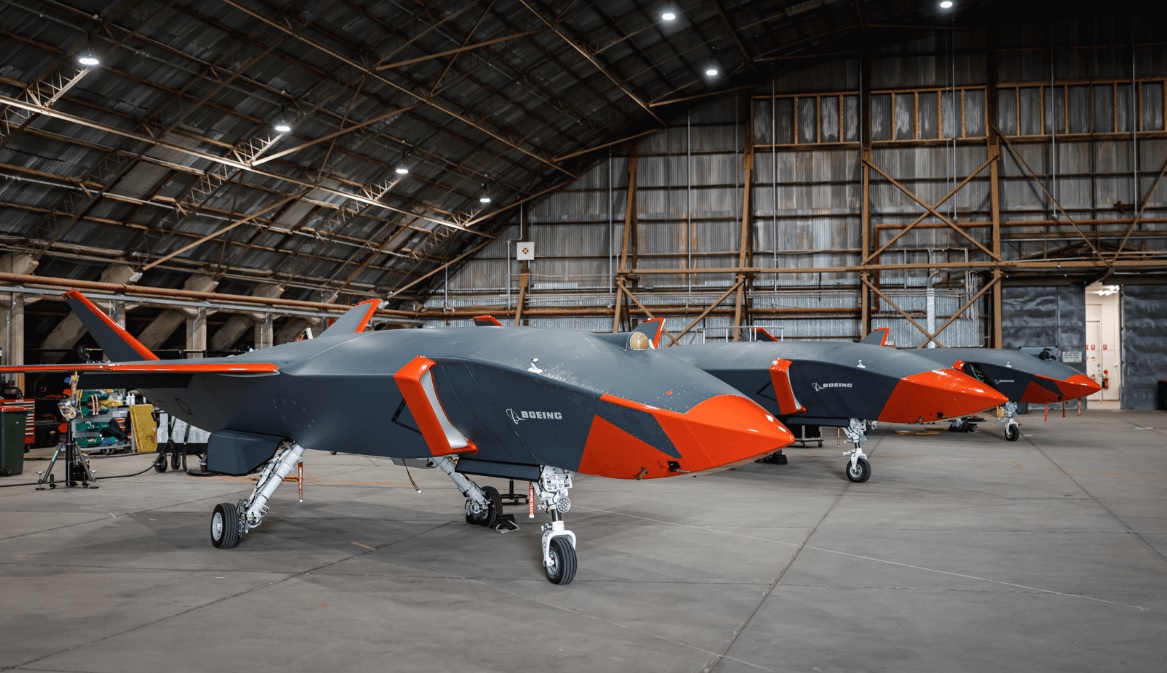
World
Rheinmetall’s CEO, Armin Papperger, revealed during the company’s Q2 earnings call on 7 August that the German defence group is actively pursuing strategic conversations with Boeing and Lockheed Martin. With Boeing, Rheinmetall is discussing collaboration around the MQ-28 Ghost Bat uncrewed combat aircraft project being developed in Australia. Meanwhile, dialogues with Lockheed Martin may involve a classified programme linked to the F-35 fighter jet. Papperger emphasized Germany could need approximately 400 cooperative combat aircraft (CCAs)—a potential “huge business”—though he admitted it’s still uncertain which partner might ultimately be selected. Rheinmetall is also expanding beyond traditional armoured vehicles by forging ties in advanced technologies. A deal with Finland’s ICEYE has been announced: they plan to build low-Earth-orbit synthetic-aperture radar satellites in Germany, significantly boosting Rheinmetall’s digital intelligence offerings . Simultaneously, missile production talks with Lockheed Martin are “running in the right direction.” Papperger hopes for initial success later this year as Rheinmetall scales up rocket motor and missile production in northern Germany, possibly including production of the MGM-140 Army Tactical Missile System (ATACMS) . In parallel, Rheinmetall's agreement with Anduril continues to deliver. The two are jointly developing the Fury aircraft for the U.S. Air Force and working on the Barracuda precision munitions line—designed to offer cost-effective strike options. Papperger clarified that the Lockheed Martin partnership focuses on higher-technology weapons, while the Anduril collaboration targets more affordable munitions. A common thread across these alliances is Rheinmetall’s strategy of forming joint ventures where it holds a majority stake—a key element in bringing cutting-edge technologies to Germany. These developments occur within a broader context of growing transatlantic defence alignment—especially as US giants ramp up missile and air defence production to address shortages and speed delivery to allies .
Read More → Posted on 2025-08-09 15:34:42
World
In a major move to modernize its fleet, the Royal Canadian Navy (RCN) is set to introduce new Uncrewed Aircraft Systems (UAS) for its Halifax-class frigates, marking a significant leap in Canada's naval surveillance and reconnaissance capabilities. The Government of Canada has awarded two contracts to MDA Space, a leading Canadian aerospace company, to deliver and support these systems. The first contract, worth around $39 million, covers the initial purchase of two state-of-the-art UAS. A second in-service support contract, valued at $27 million, will ensure the long-term maintenance and operation of the drones over a five-year period, with potential extensions up to 20 years. This initiative falls under the Intelligence, Surveillance, Target Acquisition and Reconnaissance Uncrewed Aircraft Systems (ISTAR-UAS) project—the first time the Royal Canadian Navy will operate and support a Class-2 UAS. The technology is being developed to work seamlessly with the Halifax-class frigates, even while a maritime helicopter is already on board. According to defence officials, these new UAS will be shipborne vertical take-off and landing (VTOL) Remotely Piloted Aircraft Systems (RPAS). That means they’ll be able to launch and recover from ships in day or night conditions, even in rough weather—a vital feature for global naval operations. Each drone will be fitted with a sophisticated sensor suite, including: Electro-Optical/Infrared (EO/IR) cameras Maritime radar Automatic Identification System (AIS) for ship tracking An IFF (Identification Friend or Foe) transponder They are designed to operate at least 50 nautical miles from the ship, offering a long surveillance range to spot threats early and respond faster. With initial operational capability planned by 2028 and full capability by 2032, these drones will dramatically improve Canada’s ability to conduct maritime surveillance, threat detection, and intelligence gathering—both in domestic waters and on international missions. Officials say the impact of these contracts goes beyond just defence. The deal is expected to contribute around $18 million per year to Canada’s GDP and support 145 jobs annually over two decades. This aligns with Canada's strategy to strengthen its domestic defence and aerospace sectors while meeting evolving global security challenges. Vice-Admiral Angus Topshee, Commander of the RCN, highlighted that these advanced systems will boost operational readiness and reinforce innovation, giving the Navy more tools to secure Canada’s maritime interests. Meanwhile, senior government leaders emphasized the importance of equipping sailors with modern capabilities while ensuring economic benefits for Canadians. Though the exact drone model selected remains undisclosed for now, experts believe the system will represent a major technological upgrade, bringing the RCN in line with other modern navies that rely on drone-based intelligence and reconnaissance. This investment signals a clear message: as global threats evolve, Canada is investing in smarter, more flexible maritime defence tools—preparing its Navy for the demands of modern warfare, and securing its place in the future of naval operations.
Read More → Posted on 2025-08-08 16:21:02Search
Top Trending in 24 Hours
-
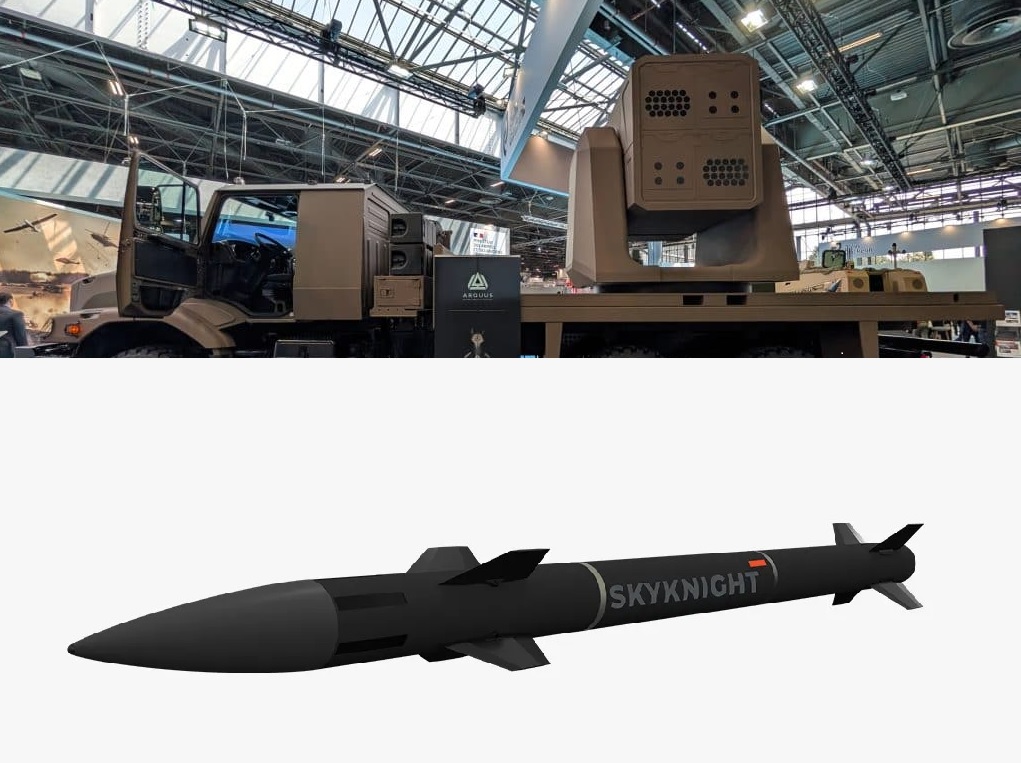 Naval Group Unveils Rampart Modular CIWS Multi-Purpose Weapon System for Naval and Ground Forces at Eurosatory 2026
-
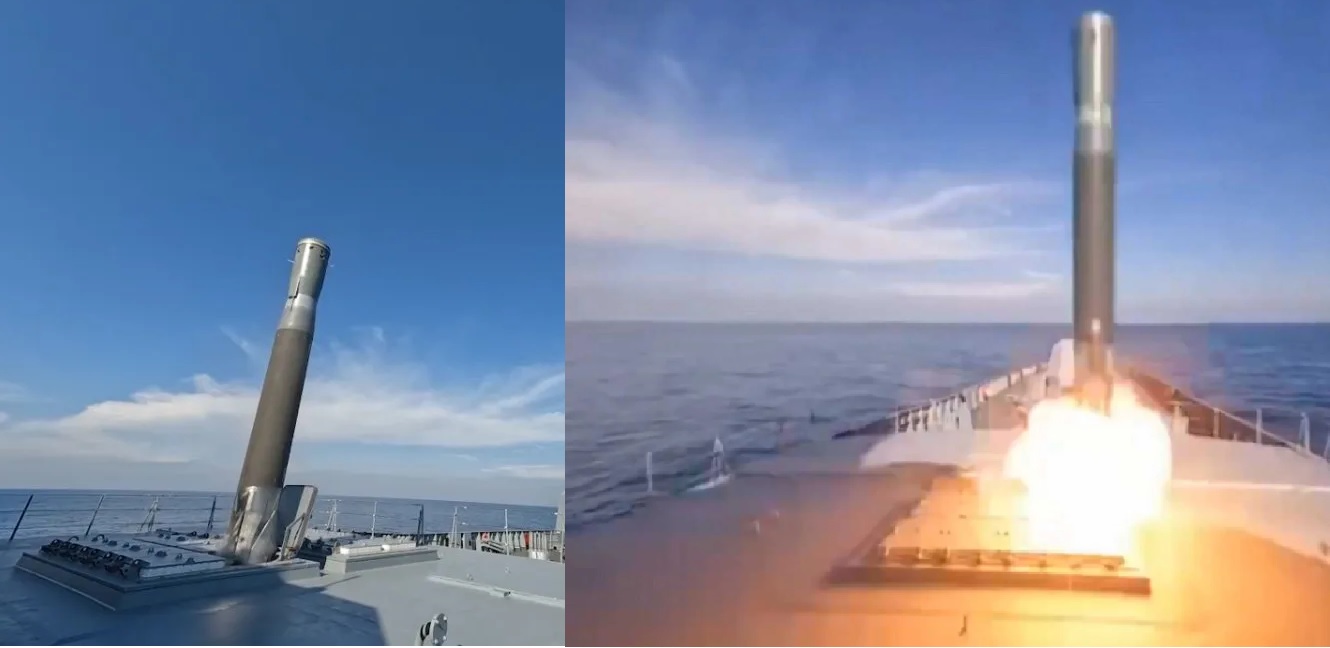 Open-Source Evidence Suggests Russia's Zircon Is a Quasi-Ballistic Missile, Not a True Hypersonic Cruise Weapon
-
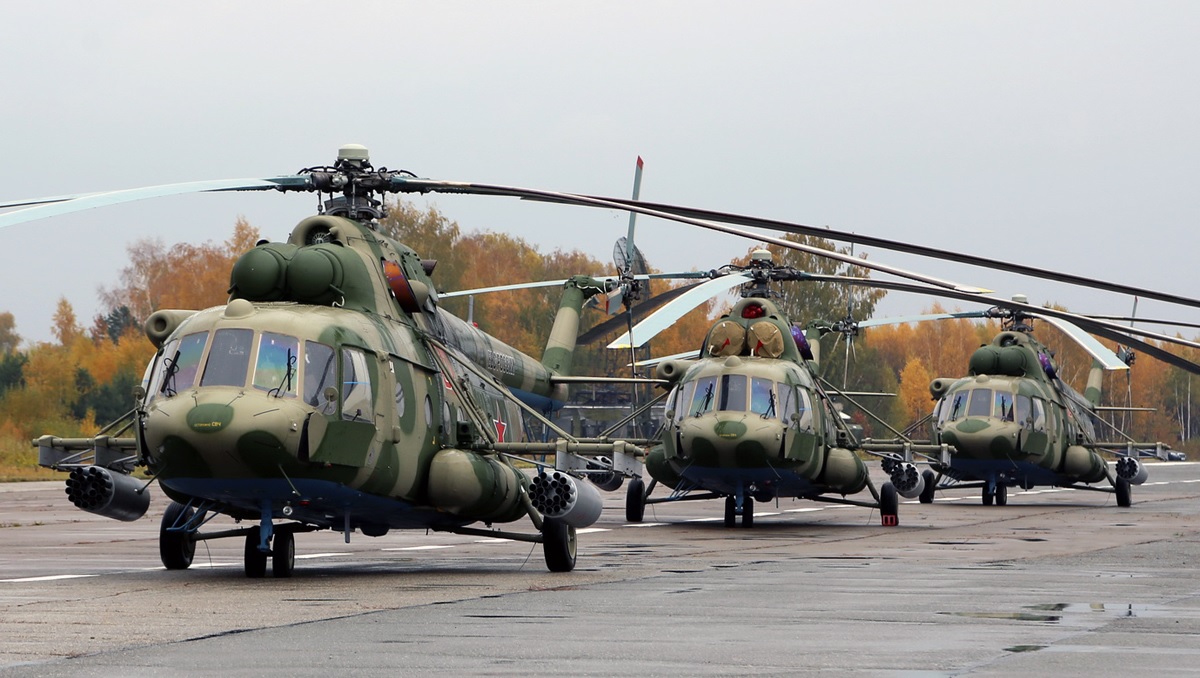 Iran Signs Deal with Russia for 20 Mi-8 and Mi-17 Helicopters to Boost Rescue and Medical Missions
-
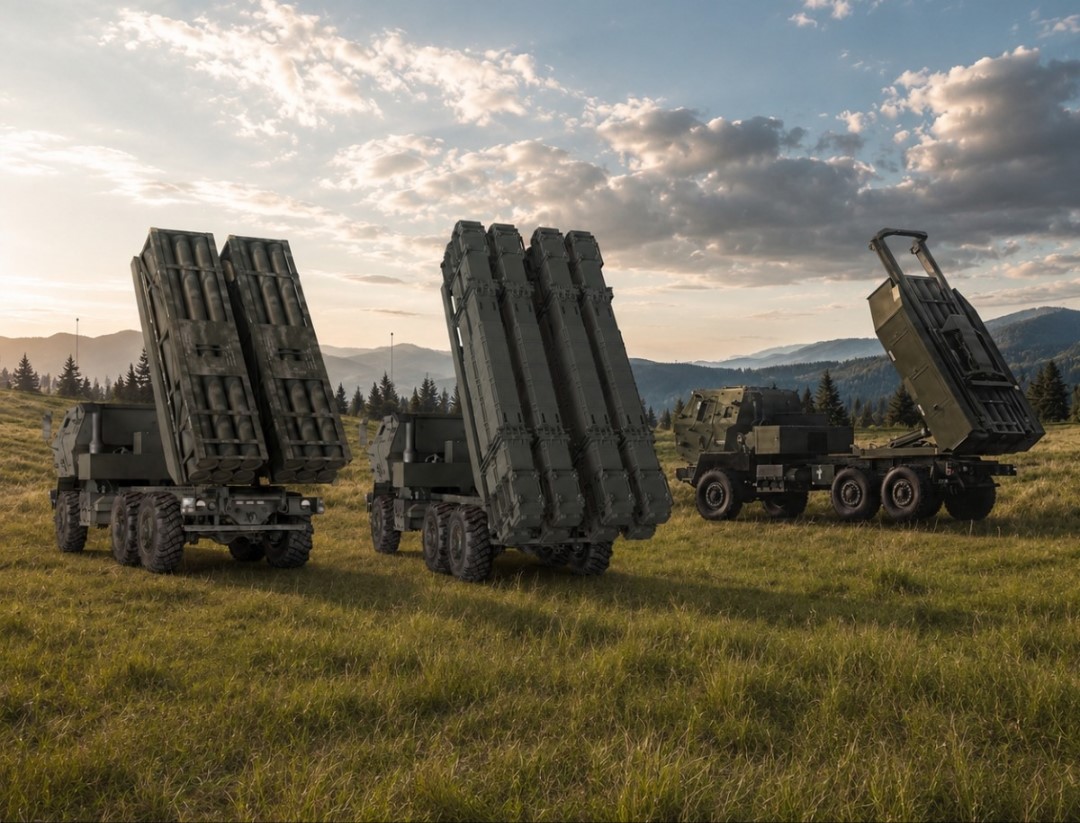 Lockheed Martin Unveils HIMARS FLEX with Dual-Pod Launcher and NATO-Compatible Air Defense Integration
-
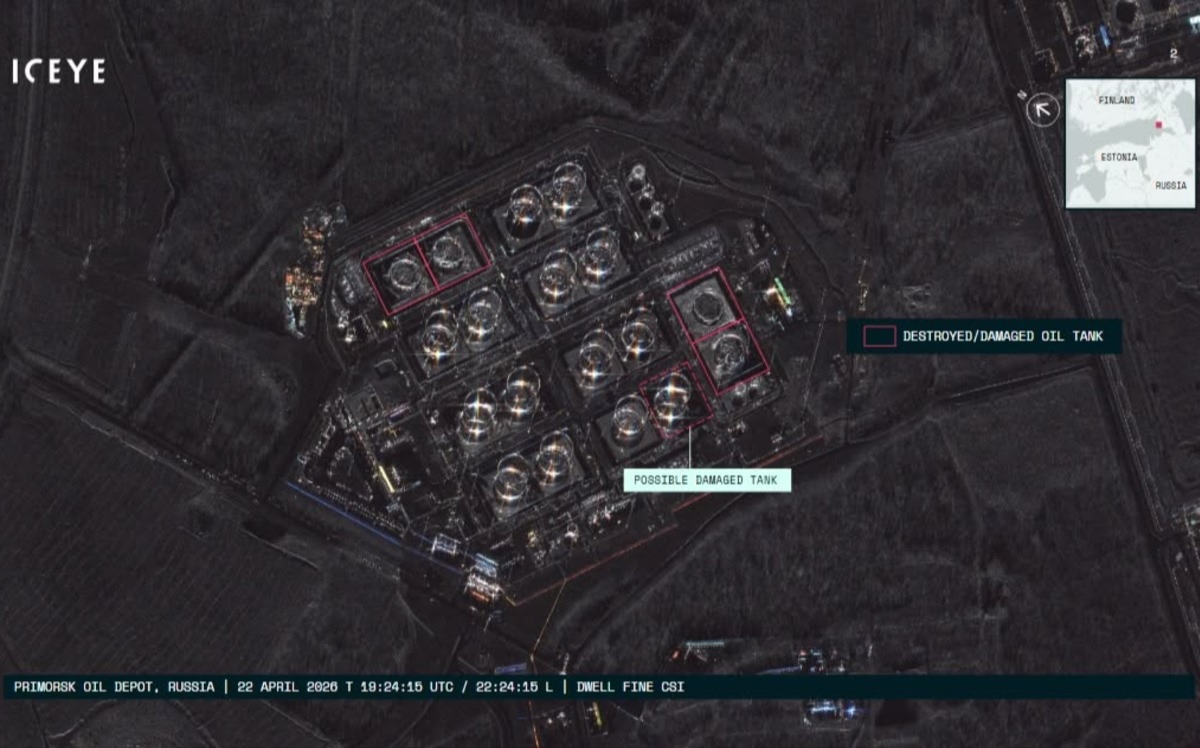 Portugal Doubles Sovereign SAR Satellite Fleet with Order for Two Additional ICEYE Satellites
-
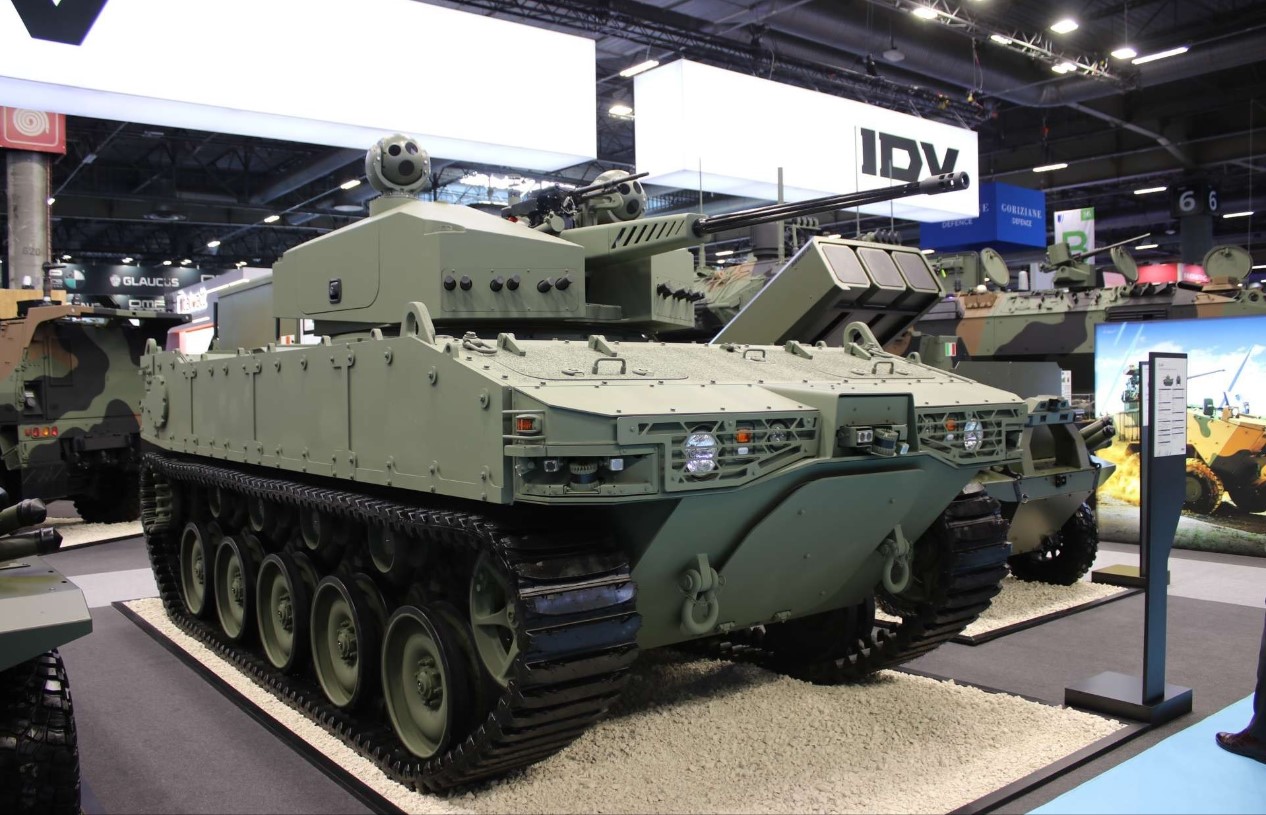 IDV Unveils CL2X Hybrid Uncrewed Light Tank at Eurosatory 2026
-
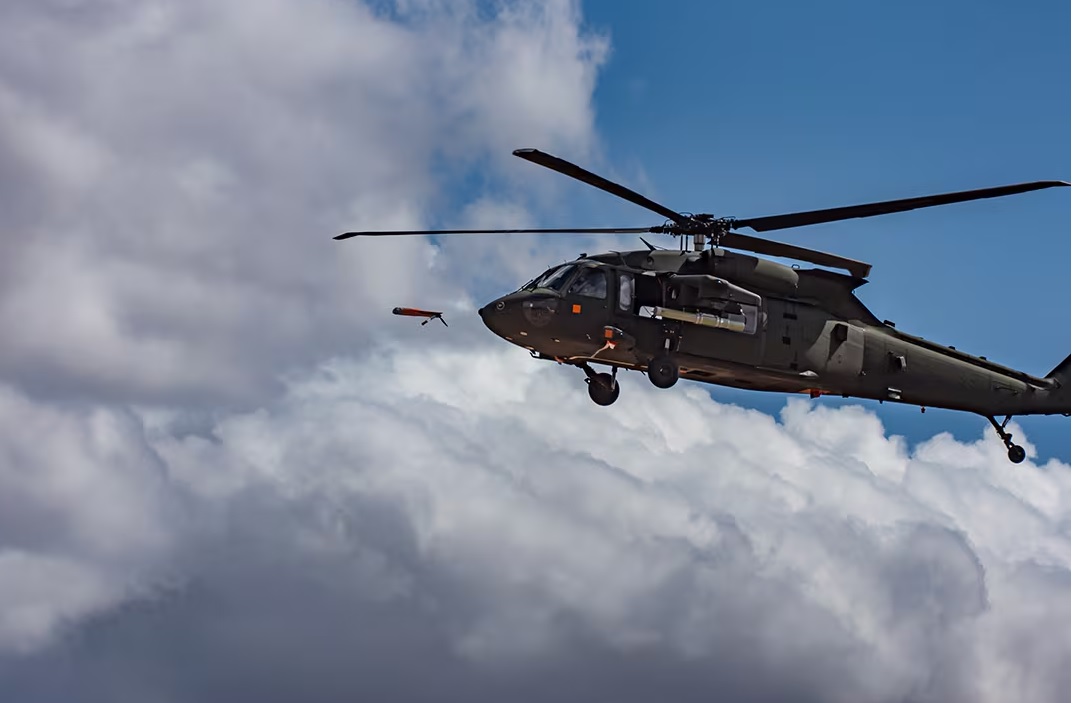 U.S. Army Completes First Flight Test of Medium-Range Air-Launched Effects from Black Hawk Helicopter
-
 Why the U.S. Restored Pacific Command Name, Ending the Indo-Pacific Designation After Eight Years
Top Trending in 4 Days
-
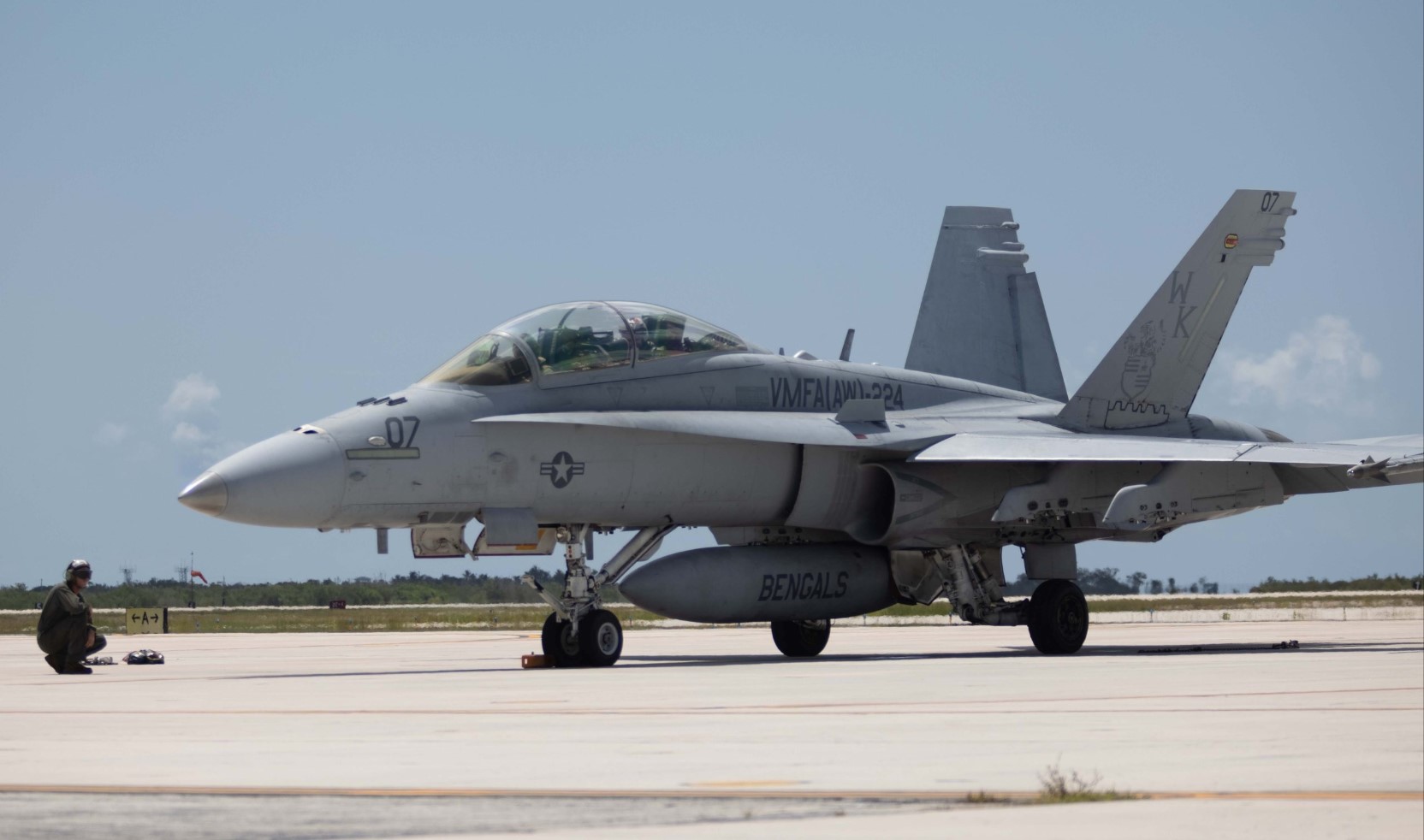 US Marine Corps F/A-18D Hornet Crashes During Training Flight in Washington Mountains; Pilot Ejects Safely
-
 Tulsi Gabbard Releases Declassified Files Detailing U.S.-Backed Network of 120 Biolaboratories Across 30+ Countries
-
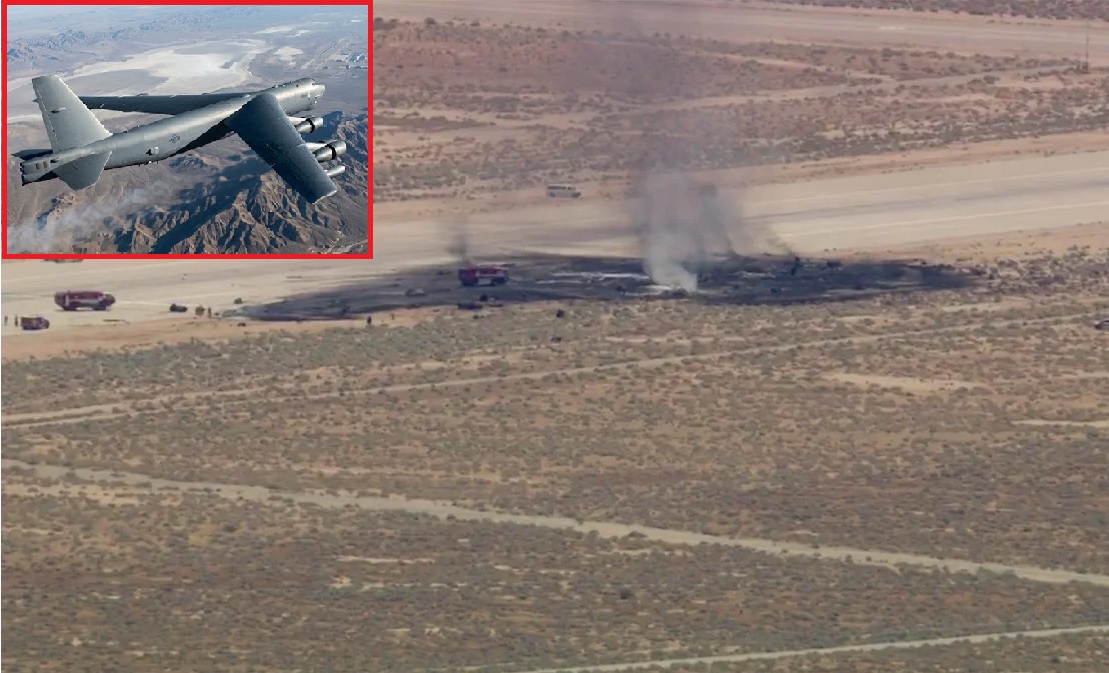 8 U.S. Air Force Crew Members Killed in B-52 Bomber Crash During Test Flight at Edwards Air Force Base
-
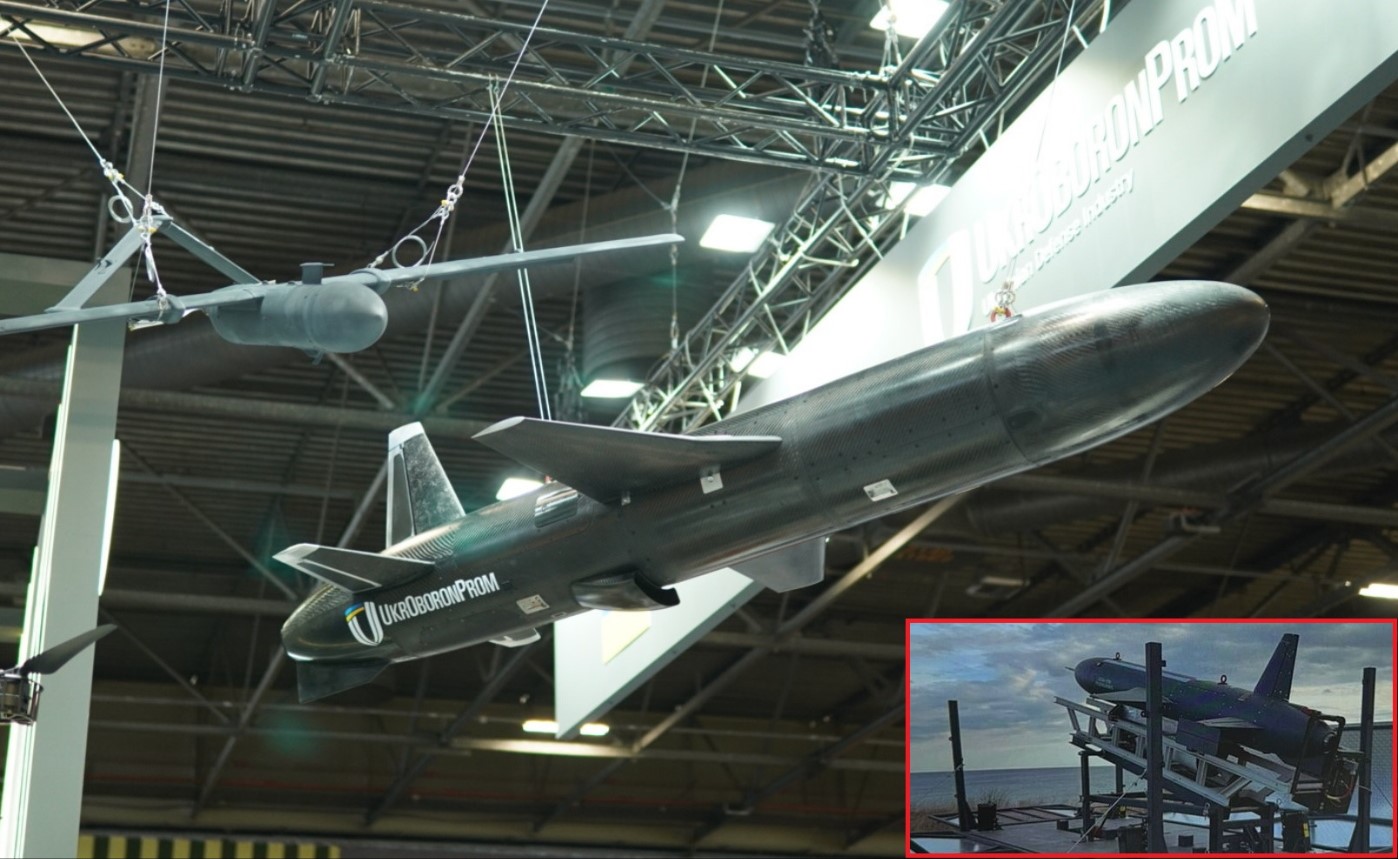 Ukraine Unveils UAV-290 Jet-Powered Strike Drone with 650 km Range at Eurosatory 2026
-
 Ukraine Introduces Balloon-Launched DART Missile Designed to Defeat Electronic Warfare
-
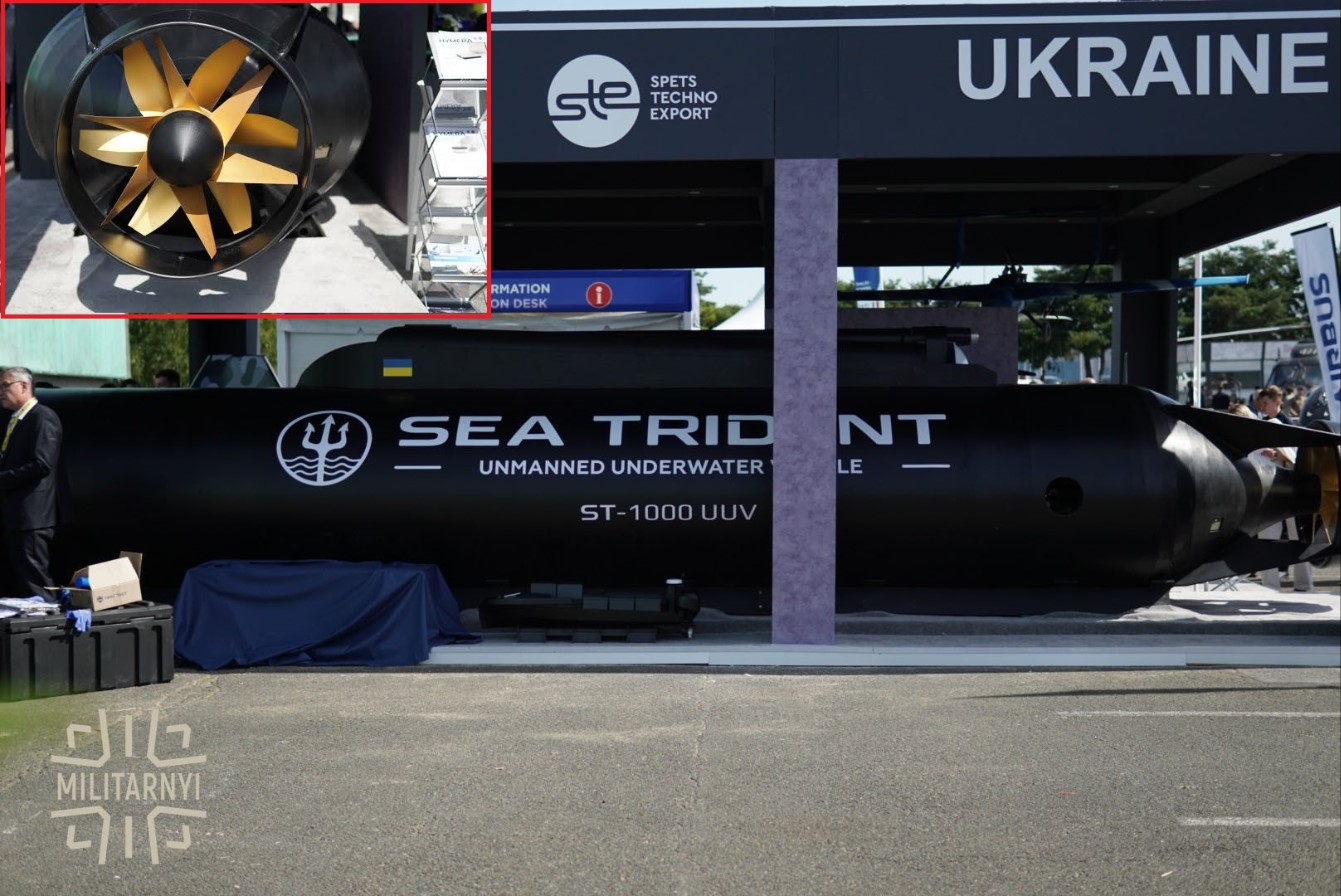 Ukraine Unveils 'Sea Trident' 10-Ton Autonomous Underwater Drone at Eurosatory 2026
-
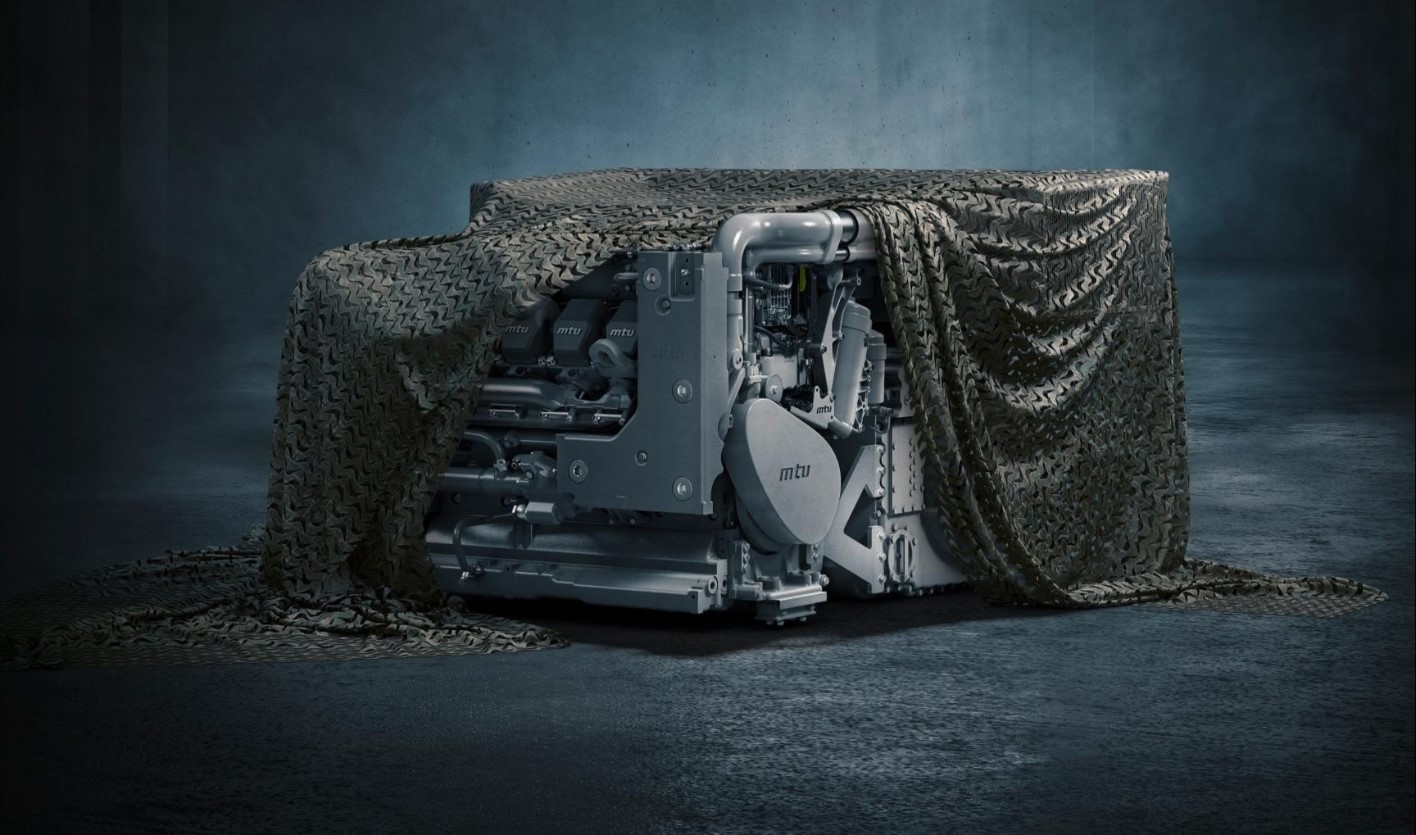 Rolls-Royce Unveils New Hybrid Powertrain for Heavy Military Vehicles at Eurosatory 2026
-
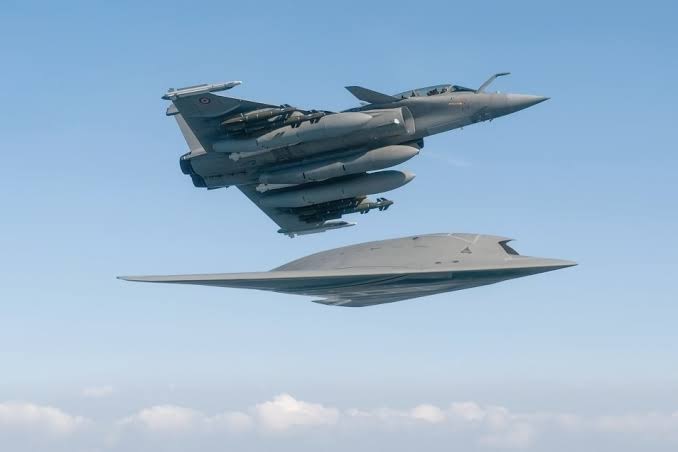 France Agrees to Equip Future Indian Rafales with AI, MUM-T and Secure Satellite Links Under F5 Standard