U.S
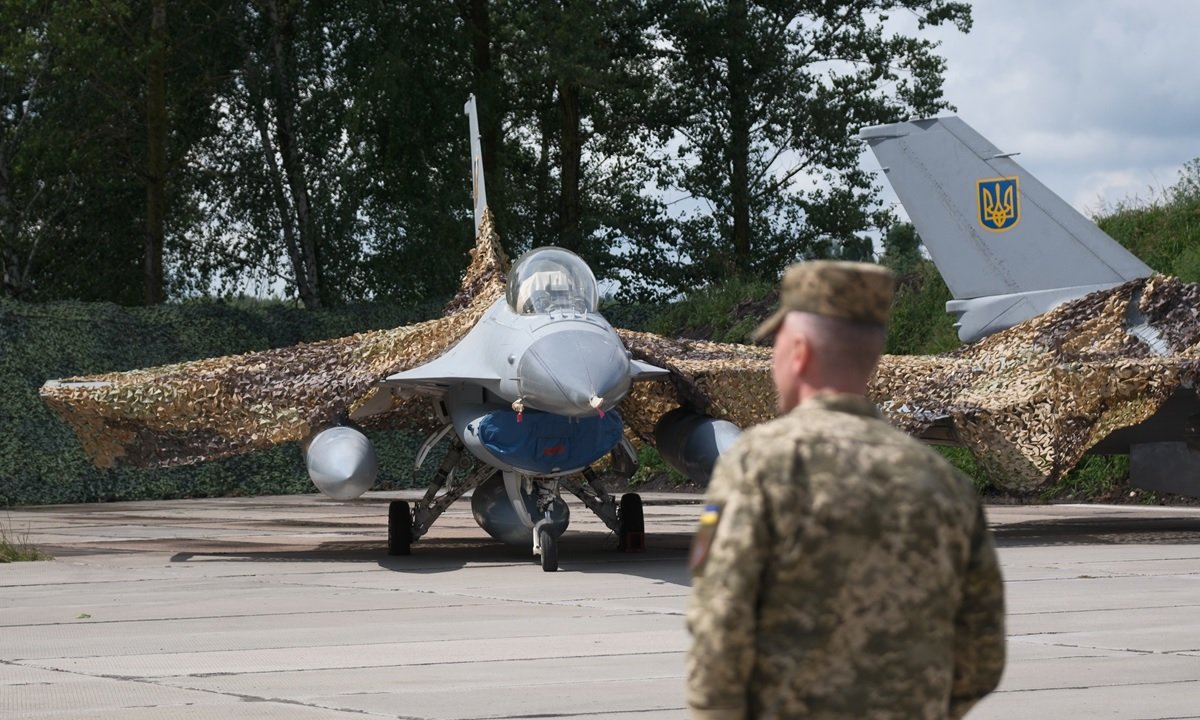
KYIV, September 3, 2026 — Ukraine’s F-16 fighter fleet is facing a shortage of air-to-air missiles, forcing the Ukrainian Air Force to ration weapons and, during some daytime missions, use the aircraft’s internal cannon against Russian drones and cruise missiles. The shortage mainly affects the AIM-9 Sidewinder and AIM-120 AMRAAM missiles. With Russia continuing large-scale drone and missile attacks, the shortage is putting additional pressure on Ukraine’s layered air-defense network. Ukrainian Forces Closely Track Missile Deliveries According to reporting by The War Zone, Newsmax journalist Shelby Wilder spoke with a senior Ukrainian commander who described the urgency surrounding incoming missile shipments. Ukrainian personnel are reportedly tracking deliveries almost minute by minute to determine whether new weapons will reach airbases before another Russian attack. Ukrainian Air Force commander “Phantom,” who leads the 107th Wing, confirmed the shortage. “Yes, that’s true,” Phantom said when asked about the lack of munitions. He also stressed that an aircraft without weapons cannot fulfill its mission. Phantom said the F-16 provides a major technological improvement over Ukraine’s Soviet-era MiG-29 and Su-27 fighters. However, its main priority remains protecting Ukrainian cities and infrastructure from Russian aerial attacks. Pilots Ration Missiles and Use Cannons To conserve missile stocks, Ukrainian F-16 pilots have sometimes used the aircraft’s M61A1 Vulcan 20mm rotary cannon against aerial targets during daytime sorties. Earlier reporting also documented Ukrainian F-16 pilots using cannons when missile supplies were insufficient. Cannon engagements are limited to daylight because engaging fast-moving drones or missiles at night is considered significantly more difficult and dangerous. The shortage means commanders must carefully consider each missile launch, particularly when inexpensive drones may require interception while more capable missiles are being reserved for other threats. AMRAAM Supplies Also Used by NASAMS The shortage of AIM-120 AMRAAM missiles affects both Ukraine’s F-16 fleet and its NASAMS ground-based air-defense systems, which also use the missile. This means the same limited AMRAAM stocks must support both fighter aircraft and ground-based air-defense operations, forcing Ukrainian forces to balance their requirements. Ukraine is also facing pressure on its Patriot interceptor supplies. Patriot systems are particularly important for defending against Russian ballistic missiles. Reuters reported in August that Patriot interceptor stocks had been heavily depleted globally because of demand from the war in Ukraine and the conflict in the Middle East. Reuters cited a CSIS estimate that about 65% of the U.S. Patriot interceptor inventory was expended between February and July 2026, leaving fewer than 850 missiles from an estimated 2,330 before the Iran war began. Exact inventory figures remain classified. Ukraine Continues to Request More Missiles On August 25, Ukrainian President Volodymyr Zelenskyy said Ukraine had received some Patriot missiles and AIM-family missiles, but did not disclose quantities or specific AIM variants. Ukraine’s Defence Ministry has said its forces use AIM-9 Sidewinder, AIM-120 AMRAAM and AIM-7 Sparrow missiles, including with F-16 and NASAMS systems. The shortage follows an earlier supply problem. Reuters reported in March that Ukrainian F-16 units had experienced an air-to-air missile shortage for more than three weeks during late November and mid-December of the previous year. Sources said the fleet had only a small number of AIM-9 Sidewinders available. Ukraine has also used older AIM-9L and AIM-9M Sidewinders, many of which were manufactured decades ago, against Russian drones and cruise missiles. Pressure to Increase Production The missile shortage comes as Russia continues large-scale drone and missile attacks against Ukraine. Ukrainian commanders are calling on Western partners not only to provide additional interceptors but also to expand long-term missile production capacity. Phantom has called for more AIM-9, AIM-120 and Patriot interceptors, while also urging greater production capacity in Ukraine or Europe. The situation highlights that maintaining Ukraine’s F-16 fleet requires not only aircraft but also a continuous supply of compatible weapons. The fighters remain part of Ukraine’s wider air-defense network alongside ground-based systems and other methods used to counter Russian aerial attacks.
Read More → Posted on 2026-09-03 17:01:27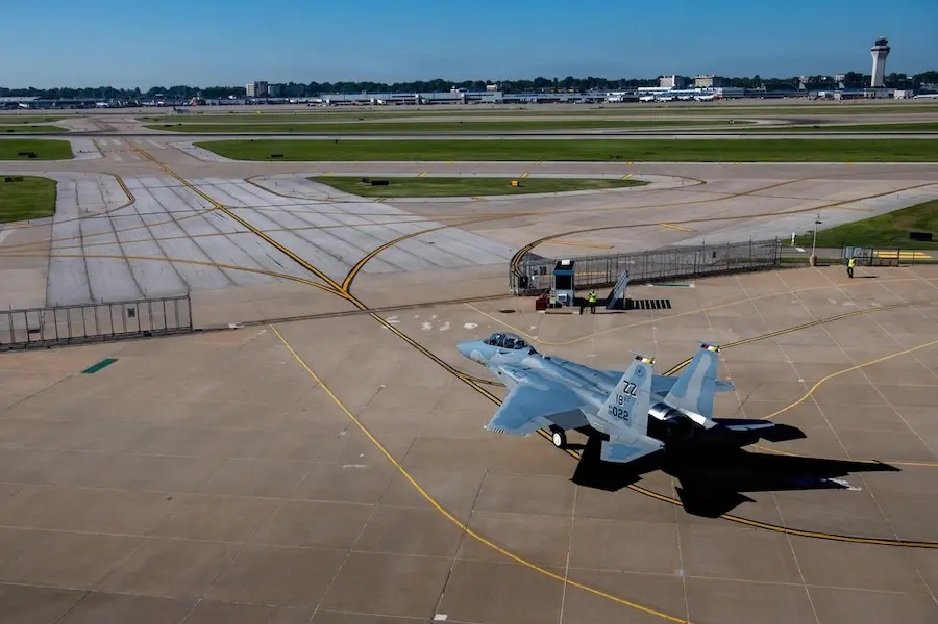
U.S
ST. LOUIS, Missouri — The first F-15EX Eagle II fighter designated for Kadena Air Base in Okinawa, Japan, departed Boeing’s facility in St. Louis on August 28, marking another step toward the U.S. Air Force’s permanent deployment of the aircraft to Japan. The aircraft departed for Portland Air National Guard Base in Oregon, where it will receive additional updates and preparations before eventually continuing its journey to Kadena. The Air Force has announced that F-15EX aircraft are scheduled to begin arriving at Kadena in fiscal year 2027. The F-15EX deployment is part of the U.S. Air Force’s broader modernization of the permanent fighter force at Kadena. The new aircraft will replace the base’s legacy F-15C/D fleet. Kadena is scheduled to receive 36 F-15EX aircraft, compared with the 48 F-15s previously associated with the base. The transition follows the retirement and withdrawal of Kadena’s older F-15C/D aircraft. Preparations Already Underway at Kadena Kadena personnel have already gained experience with the F-15EX ahead of the permanent deployment. In July 2025, two F-15EX aircraft from the 85th Test and Evaluation Squadron at Eglin Air Force Base, Florida, visited Kadena for integration and familiarization training with local units and joint partners. The F-15EX returned to Kadena on June 29, 2026, again supporting familiarization and integration activities. The deployment gave 18th Wing personnel additional opportunities to train with the aircraft and prepare for its long-term mission at the base. The 67th Fighter Squadron is planned to become Kadena’s first operational F-15EX unit. Its personnel have been involved in preparations to build the operational and technical knowledge needed to operate the aircraft. F-15EX Capabilities The F-15EX is the latest version of the F-15 family and incorporates modern avionics, digital fly-by-wire controls, an all-glass cockpit, modern mission systems and an open mission-systems architecture. Boeing also lists an advanced AESA radar and the Eagle Passive Active Warning Survivability System (EPAWSS) electronic-warfare suite. The aircraft is designed for both air-to-air and air-to-ground missions and provides a substantially larger weapons payload than many fighter aircraft. Boeing lists a maximum payload of 29,500 pounds, while the aircraft can carry up to 12 AIM-120 AMRAAMs, depending on configuration. The Air Force also views the F-15EX as a complement to fifth-generation fighters, providing additional weapons capacity, sensors and electronic-warfare capabilities. Second U.S. Location for Combat-Coded F-15EX Once the Kadena aircraft become operational, the base will become the second U.S. Air Force location with combat-coded F-15EX aircraft. The first is the Oregon Air National Guard’s 142nd Wing at Portland Air National Guard Base, which has already begun operating the Eagle II and conducting weapons training with the aircraft. Brig. Gen. John Gallemore, commander of the 18th Wing, described the latest movement as an important step toward bringing the aircraft to Kadena. “This is an important next step toward bringing the F-15EX home to Kadena,” Gallemore said. The permanent arrival of the F-15EX is expected to strengthen Kadena’s ability to generate combat-ready airpower while supporting continued training with U.S. allies and partners. The 18th Wing regularly conducts bilateral training with Japan Air Self-Defense Force (JASDF) F-15 units based at Naha Air Base. The Air Force says integrating the F-15EX into these activities will provide additional opportunities to improve interoperability between U.S. and Japanese forces. The departure of the first Kadena-bound F-15EX from Boeing is therefore the latest publicly announced milestone in the transition from Kadena’s legacy F-15C/D fleet to the F-15EX Eagle II. The aircraft’s next stop at Portland will precede its eventual movement to Japan, with deliveries to Kadena now scheduled to begin in fiscal year 2027.
Read More → Posted on 2026-09-03 16:31:35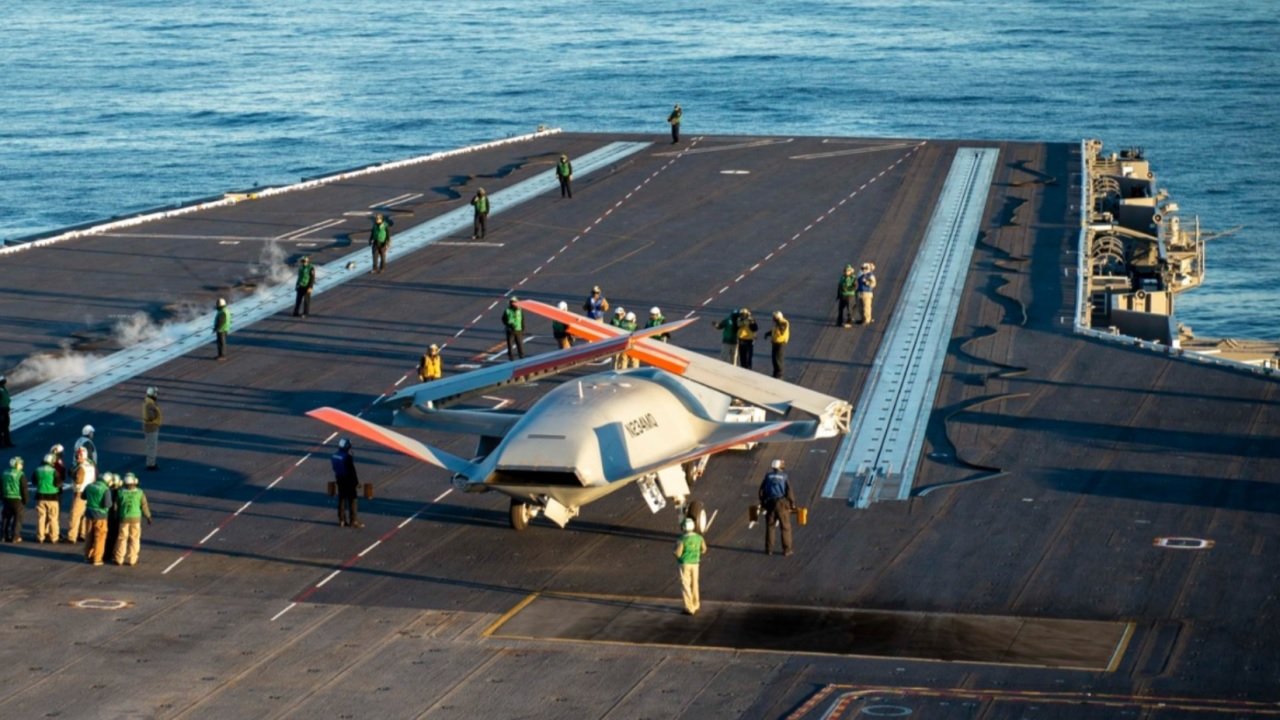
U.S
PATUXENT RIVER, Md., — The U.S. Navy has formally started the development process for its first carrier-based Collaborative Combat Aircraft (CCA), issuing a Request for Information (RFI) to industry on August 31, 2026. The RFI, issued by Naval Air Systems Command (NAVAIR) through the Future Advanced Capability Program Office (PMA-228), seeks proposals for the CCA Increment 1 Prototype Project. The Navy wants an affordable, weaponized, extended-range autonomous unmanned aircraft that can operate alongside the F/A-18E/F Super Hornet and F-35C Lightning II. The Navy plans to use the CCA to increase the number of aircraft available to carrier air wings and assign higher-risk or longer-range missions to uncrewed aircraft. Planned roles include forward sensing, electronic warfare and carrying additional weapons. Development timeline and cost The Navy is seeking two fully functional prototypes. The first flight is expected within 24 months of a contract award, with shore-based carrier certification completed within three years. Industry responses are due by September 18, 2026, followed by an industry briefing on September 22 in California, Maryland. The Navy is considering Other Transaction Authority for the potential prototype project. The RFI is for market research and does not commit the government to an award. The targeted unit cost is approximately $30 million. Companies must provide manufacturing and supply-chain plans showing how the aircraft could meet the cost target at scale. Carrier integration and weapons The aircraft must be compact enough to operate within the existing deck, elevator and hangar constraints of aircraft carriers, with a footprint comparable to an existing F/A-18E/F Super Hornet. It must conduct catapult launches and arrested recoveries from both Gerald R. Ford-class and Nimitz-class aircraft carriers, operate safely in conditions up to Sea State 5, and use standard shipboard tools and logistics. The Navy wants the aircraft to use the existing Joint Precision Approach and Landing System (JPALS) and the MD-5 Unmanned Carrier Aviation Mission Control System, which is used for the MQ-25 Stingray. Commercial off-the-shelf components that are not initially marinized are permitted if manufacturers provide a clear plan to make them suitable for long-term maritime operations. The CCA must be capable of carrying up to four externally mounted 2,500-pound-class weapons, providing an external weapons payload of about 10,000 pounds. Designs without internal weapons bays are acceptable, allowing the Navy to prioritize affordability and faster development over maximum stealth. Wider Navy and international efforts The program follows earlier Navy work on autonomous aircraft and manned-unmanned teaming. The Navy has also continued development of the MQ-25 Stingray, while the C-2A Greyhound has completed its service and the CMV-22B Osprey has taken over the Carrier Onboard Delivery mission. Congress is also considering multi-year procurement authority for additional E-2D Advanced Hawkeyes. The Navy's CCA effort comes as the service continues work on its future carrier air wing and the F/A-XX sixth-generation fighter program. The U.S. Air Force is also advancing its CCA program, including flight testing of the YFQ-42A. Similar efforts are underway in Europe. France issued an RFI in June 2026 for a carrier-capable collaborative combat UAV intended to operate with the Rafale M F5 aboard its future PANG aircraft carrier. The UK's Royal Navy is advancing fixed-wing autonomous aircraft demonstrations under its Maritime Aviation Transformation (MATX) strategy and Project Vanquish, with a goal of developing a hybrid carrier air wing by 2040. The new RFI marks the Navy's formal move toward developing a carrier-based uncrewed combat aircraft designed to expand the size and operational reach of future carrier air wings while operating within existing carrier constraints.
Read More → Posted on 2026-09-03 13:19:52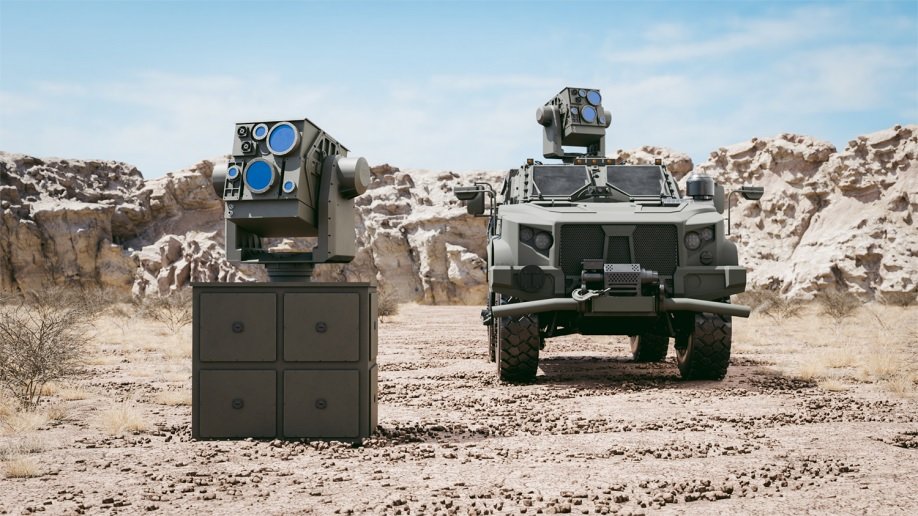
U.S
ARLINGTON, Va., — The U.S. Army has awarded AeroVironment a $464.8 million Other Transaction Agreement (OTA) to produce and deliver dozens of LOCUST X3 high-energy laser weapon systems under the Enduring-High Energy Laser (E-HEL) program. AeroVironment announced the award on September 2, saying it represents the first-ever production contract for directed-energy systems in U.S. history. The agreement moves the LOCUST system from prototype and testing activities into production and planned fielding. The contract was awarded through the Army’s Portfolio Acquisition Executive for Fires (PAE Fires). AeroVironment will deliver the systems over the next several years to support the Army’s multi-year fielding requirements, along with training and ongoing system support. 30-kilowatt laser for counter-drone missions The LOCUST X3 is a 30-kilowatt directed-energy system designed to counter Group 1 through Group 3 unmanned aircraft systems (UAS). AeroVironment describes it as a platform-agnostic system intended for integration with different vehicles and other configurations. The initial Army integration will include the Joint Light Tactical Vehicle (JLTV), while palletized configurations will also be available. AeroVironment said it will study the possibility of integrating the system with the Infantry Squad Vehicle (ISV). The company says LOCUST X3 uses its AV_Halo software for AI-enabled detection, tracking and precision targeting. The system is also designed to operate as an effector within AeroVironment’s Halo_Shield counter-UAS architecture, allowing integration with different sensors and command-and-control systems. Because the weapon uses electrical power rather than conventional interceptor ammunition, its engagements are not limited by a traditional missile magazine. AeroVironment has also highlighted the system's low cost per engagement and ability to provide persistent counter-UAS protection when sufficient power is available. Builds on earlier Army testing The E-HEL program builds on the Army’s Multi-Purpose High Energy Laser (AMP-HEL) prototypes and earlier LOCUST development. AeroVironment said LOCUST systems underwent testing at White Sands Missile Range with Joint Interagency Task Force 401 and the Army's fires acquisition office. According to the company, those tests demonstrated safe and effective counter-drone operations in U.S. airspace and supported a safety agreement between the Department of War and the Federal Aviation Administration for domestic use of the system. Earlier LOCUST systems have also been demonstrated aboard the U.S. Navy aircraft carrier USS George H.W. Bush. AeroVironment said the system successfully demonstrated its counter-UAS capability during those tests. Production expansion in New Mexico To support the new production requirement, AeroVironment is investing $30 million to expand its directed-energy manufacturing facility in Albuquerque, New Mexico. The company announced the investment in March 2026, with the expansion intended to increase manufacturing capacity for the LOCUST family. Wahid Nawabi, AeroVironment’s Chairman, President and CEO, said the award reflects the transition of directed energy from experimentation to an enduring, fielded capability following years of work with the U.S. Army. John Garrity, the company's Vice President of Directed Energy Systems, described E-HEL as a production-ready system based on lessons from earlier prototyping and operations. The Army contract marks a significant step in the U.S. effort to move high-energy laser weapons into regular military service, with the LOCUST X3 now moving toward multi-year production and fielding as part of the Army's layered counter-UAS capabilities.
Read More → Posted on 2026-09-03 12:20:01
U.S
WASHINGTON, — The U.S. Department of War has expanded its GenAI.mil enterprise artificial intelligence platform by adding OpenAI’s ChatGPT Mil and Starshield AI’s Grok for Government. The two systems join Google’s Gemini, which has served as the platform’s foundational AI model since GenAI.mil launched in December 2025. Secure AI Platform for Department Personnel GenAI.mil was created to provide military and civilian personnel with access to commercial frontier AI models in a government-secured environment. ChatGPT Mil, Grok for Government and Gemini are all accredited for Impact Level 5 (IL5), allowing the systems to process Controlled Unclassified Information (CUI). The department is providing live and on-demand training at no cost for all three AI platforms. Having multiple models also allows personnel to compare their responses and obtain additional opinions when working on complex tasks, while reducing dependence on a single AI vendor. ChatGPT Mil for Document-Based Work ChatGPT Mil provides features including chat, file handling, projects and custom GPTs. The department said it is intended for document-heavy unclassified tasks such as planning, policy work, logistics and administration. The system is designed to support the department’s workforce of more than three million military and civilian personnel. Grok for Government Adds Reasoning Tools Grok for Government focuses on deep-thinking inference and adaptive reasoning. It provides Auto, Fast and Expert modes, along with customizable workspaces and persistent projects. The system also includes reusable playbooks, which are designed to capture, standardize and scale institutional knowledge. The department identified potential uses including acquisition market research and supply-chain management. More Than 1.7 Million Users GenAI.mil has already recorded significant adoption. Since its launch in December 2025, more than 1.7 million unique users have accessed the platform from a department workforce of more than three million military personnel, civilian employees and contractors. Secretary of War Pete Hegseth has directed the workforce to incorporate AI into daily workflows, describing it as an important tool for improving efficiency and supporting missions. The addition of ChatGPT Mil and Grok for Government expands GenAI.mil to three major AI systems. The move is part of the department’s broader AI Acceleration Strategy, which aims to expand the use of frontier AI for administrative and operational support while maintaining security controls for sensitive unclassified information.
Read More → Posted on 2026-09-02 14:15:36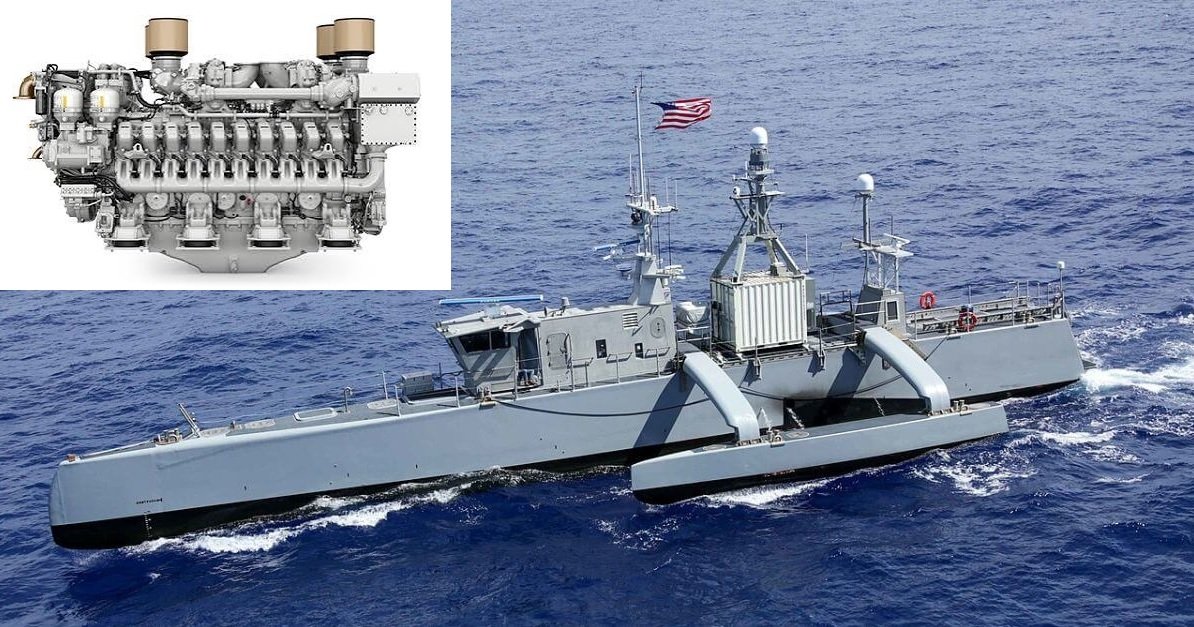
U.S
WASHINGTON, — Rolls-Royce has received U.S. Navy certification for its mtu Series 4000 and Series 2000 marine engines, clearing the engines for use in autonomous naval vessel operations. The certification supports the U.S. Navy’s effort to expand its unmanned maritime fleet with vessels capable of operating for extended periods without onboard crews or routine maintenance. The certification is based on requirements set out in the National Defense Authorization Act (NDAA) for unmanned systems. Under the requirements, qualifying propulsion systems must complete demanding reliability and operational tests without human intervention and without preventive or corrective maintenance or repairs to their main propulsion, fuel and oil systems. Successful systems can support unmanned deployments of up to 30 days without maintenance personnel. Series 4000 completes 720-hour durability tests The mtu Series 4000 received certification after completing two 720-hour durability tests. The engine is certified for autonomous applications with up to 4,300 kW of propulsion power and up to 3,000 kWe of electrical generation. The Series 4000 is available in V8, V12, V16 and V20 configurations. The testing was intended to demonstrate that the propulsion system could maintain continuous operation for the required period without human intervention or maintenance. The U.S. Navy has previously conducted 720-hour demonstrations for unmanned vessel power systems. In one such test, an mtu 8V4000M24S completed a 720-hour demonstration without human intervention or preventive or corrective maintenance, making the tested engine model eligible for future use on unmanned surface vessel platforms. Series 2000 also receives certification The mtu Series 2000 was certified following extensive component testing and thousands of hours of field operation. The engine family is offered in V10, V12 and V16 configurations and provides up to 1,939 kW of propulsion power. One of the U.S. Navy’s existing unmanned vessels, Sea Hunter, is powered by two mtu 12V 2000 engines. According to Rolls-Royce, Sea Hunter has accumulated tens of thousands of operational hours since it was christened in 2016. The Navy deployed Sea Hunter and Seahawk earlier this year as its first dedicated division of unmanned surface vessels. The vessels form part of the Navy’s wider effort to develop and operate autonomous maritime systems. Certification covers more than engine durability The Navy’s approval process also includes validation of associated engine control systems, cybersecurity measures and safety-critical functions. These requirements are intended to support the safe and reliable operation of autonomous systems during maritime missions. For unmanned surface vessels, propulsion reliability is particularly important because extended autonomous missions reduce or eliminate the ability to carry onboard mechanics for routine maintenance. The certification therefore establishes that the certified engine systems meet the specified requirements for long-duration unmanned operation. Scott Hanson, Vice President of Governmental Sales at Rolls-Royce Power Systems in North America, said the certification demonstrates the reliability and technology of the mtu Series 4000 and Series 2000 marine propulsion systems. “The certification of our engines for unmanned operations further demonstrates the reliability and advanced technology of our mtu Series 4000 and 2000 marine propulsion systems,” Hanson said. Hanson also said the certification addresses the increasing importance of autonomous missions and the need for power systems capable of supporting long-endurance unmanned vessels. Rolls-Royce already supplies engines for U.S. unmanned systems The certification expands Rolls-Royce’s existing involvement in U.S. military unmanned platforms. In aviation, the company’s engines power the RQ-4 Global Hawk and MQ-4C Triton unmanned aircraft. Rolls-Royce has also supported test flights of the Navy’s MQ-25A Stingray, which uses the company’s AE 3007N engine. During testing, the unmanned aircraft autonomously completed taxiing, take-off, flight manoeuvres and landing. The new maritime certification gives the U.S. Navy additional certified propulsion options for autonomous vessel applications. It also reflects the increasing importance of propulsion systems that can operate reliably for long periods without onboard maintenance crews.
Read More → Posted on 2026-09-02 13:54:37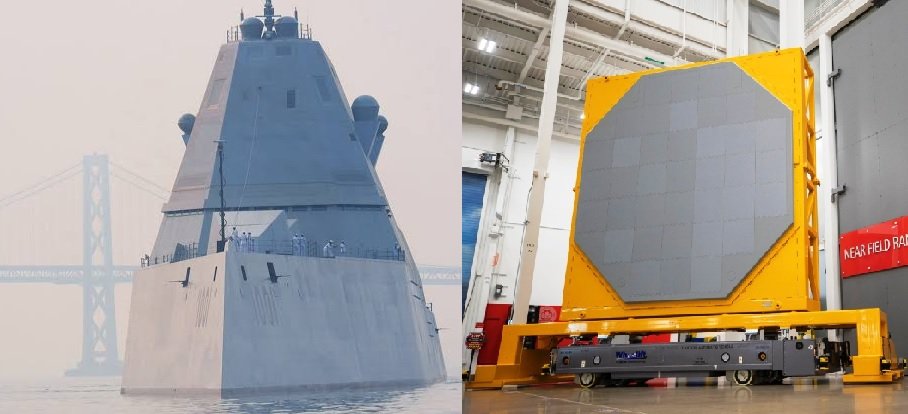
U.S
WASHINGTON, — The U.S. Navy and Raytheon are studying options to accelerate the installation of the AN/SPY-6(V)3 S-band radar on the Navy’s three DDG-1000 Zumwalt-class guided missile destroyers. Jen Gauthier, Raytheon’s vice president of Naval Systems & Sustainment, confirmed that the study is examining the replacement of the Zumwalt class’s existing AN/SPY-3 X-band multifunction radar with the SPY-6(V)3. The upgrade was previously expected in the mid-2030s, but the first installation could now take place as early as 2028, subject to the ongoing study. Existing Radar Hardware Could Accelerate Upgrade A major reason for the possible acceleration is the availability of SPY-6(V)3 radar hardware originally built for the now-cancelled FFG-62 Constellation-class frigate program. The Navy cancelled the Constellation program on November 25, 2025, and the already-built radar systems are being considered for reuse on the Zumwalt ships. This could reduce the need to wait for new radar production. Part of the ZEUS Modernization The radar upgrade is a central part of the Zumwalt Enterprise Upgrade Solution (ZEUS), which Naval Sea Systems Command began assessing in 2022. ZEUS aims to replace unique Zumwalt-class combat systems and sensors with equipment used across the wider U.S. Navy surface fleet, improving long-term supportability and interoperability. The AN/SPY-6(V)3 is part of the Navy’s AN/SPY-6(V) Air and Missile Defense Radar family. It uses three fixed array faces, with each face containing nine Radar Modular Assemblies (RMAs). Each RMA is a self-contained radar antenna housed in a 2-by-2-by-2-foot box. The V3 configuration is roughly comparable in size to the existing SPY-3, which could reduce the need for major structural changes during installation. Gauthier said Raytheon has already received funding to study radar availability and integration with the DDG-1000 class. Raytheon has also received Navy funding for development work on the Zumwalt combat management system to support potential SPY-6 integration. In April 2026, the Navy awarded Raytheon a $213.4 million contract modification for combat-system integration, modernization, installation, testing and sustainment work on the class through 2027. SPY-6 Upgrade for Arleigh Burke Destroyers The Zumwalt effort is running alongside the Navy’s SPY-6 upgrade of DDG-51 Flight IIA destroyers. Under the DDG MOD 2.0 program, the larger AN/SPY-6(V)4 will replace the Lockheed Martin AN/SPY-1D radar. The V4 has four array faces, each containing 24 RMAs. Raytheon has already delivered and installed the first SPY-6(V)4 array at the Navy’s Surface Combat Systems Center at Wallops Island, Virginia, where it will undergo testing of its power requirements and combat-system interfaces. The USS Pinckney (DDG-91) is scheduled to become the first Flight IIA destroyer to receive the V4, with the backfit planned from late 2026 to 2028. Zumwalt-Class Ships The three Zumwalt-class destroyers are USS Zumwalt (DDG-1000), USS Michael Monsoor (DDG-1001), and USS Lyndon B. Johnson (DDG-1002). The ships are also being modernized for their surface-strike role, including integration of the Conventional Prompt Strike hypersonic missile system. The SPY-6(V)3 study remains underway, and the 2028 first installation is currently a potential accelerated schedule rather than a finalized Navy decision.
Read More → Posted on 2026-09-02 12:08:33
U.S
GREENVILLE, SOUTH CAROLINA — Lockheed Martin is highlighting the F-16 Block 70/72 as the most advanced production version of the F-16, combining a new-production airframe with an AESA radar, modernized cockpit, advanced targeting systems, electronic warfare capabilities and broad weapons integration. The company describes the aircraft as an advanced fourth-generation fighter, while its Northrop Grumman APG-83 AESA radar provides what Lockheed Martin calls fifth-generation fighter radar capabilities through hardware and software commonality with the AESA radars used on the F-22 and F-35. The Block 70/72 is currently being produced at Lockheed Martin’s facility in Greenville, South Carolina. The company says the configuration is designed to keep the F-16 operating into the 2060s and beyond. APG-83 AESA Radar The APG-83 is at the center of the Block 70/72 sensor package. According to Lockheed Martin, the radar provides faster all-weather targeting, greater situational awareness and more detailed digital mapping. The radar provides the F-16 with fifth-generation fighter radar capabilities by leveraging hardware and software commonality with the AN/APG-77 AESA radar used by the F-22 and the AN/APG-81 AESA radar used by the F-35. Northrop Grumman developed the APG-83 as a multifunction active electronically scanned array (AESA) fire-control radar for the F-16. The APG-83 supports high-resolution Synthetic Aperture Radar (SAR) mapping, allowing pilots to obtain detailed digital maps for target identification and precision strike missions. It also supports interleaved air-to-air and air-to-ground operations, allowing the radar to rapidly switch between different mission modes while maintaining situational awareness. The radar provides multiple simultaneous air-to-air tracks, improved detection and tracking performance, and robust electronic protection for operations in dense radio-frequency environments. Northrop Grumman says the radar's electronic scanning allows faster area searches and more rapid target updates compared with mechanically scanned radars. Lockheed Martin specifically describes the APG-83 as providing “5th Generation fighter radar capabilities” because of its hardware and software commonality with the F-22 and F-35 radar systems. This does not make the F-16 a fifth-generation fighter; the Block 70/72 remains classified by Lockheed Martin as a fourth-generation aircraft. Northrop Grumman's published information also states that the APG-83 incorporates proven hardware and advanced operating modes from the F-22 and F-35 AESA radar programs, including electronic-protection capabilities. Its published SABR documentation says approximately 95 percent of the radar's mode suite comes directly from the F-35's APG-81 AESA radar, including electronic-protection functions. Advanced Cockpit and Targeting Systems The aircraft receives radar and targeting information through a new high-resolution Center Pedestal Display (CPD). The display provides color moving maps, larger air-to-air situation displays, zoom functions and digital flight information. The Block 70/72 can also integrate Lockheed Martin’s Sniper Advanced Targeting Pod and Legion-ES infrared search-and-track (IRST) system. These systems provide the pilot with additional sensor information beyond the aircraft's radar. The IRST system provides a passive means of searching and detecting targets, while the targeting pod provides imagery and targeting information. The aircraft also incorporates an upgraded mission computer and avionics architecture. Lockheed Martin says the new mission computer combines computing functions for weapons and avionics into a single system and is designed to support software upgrades over time. Electronic Warfare and Data Links The Block 70/72 also includes an internal electronic warfare system incorporating a digital radar warning receiver and jammer technology. Lockheed Martin says the electronic warfare system is integrated with the AESA radar, sensors, helmet-mounted display and cockpit displays. The aircraft also incorporates advanced tactical data-link capabilities for sharing tactical information and tracking data. Broad Weapons Integration Weapons integration is another major feature of the F-16 Block 70/72. Lockheed Martin says more than 36 years of F-16 weapons-integration work with the U.S. Air Force and foreign military sales customers has resulted in more than 3,300 certified carriage and release configurations covering more than 180 weapons and stores. The Block 70/72 therefore combines its modern radar and targeting systems with a large existing weapons-integration base. The aircraft is designed as a multirole platform capable of employing a broad range of air-to-air and air-to-ground weapons. Auto GCAS and Extended Structural Life The Block 70/72 also incorporates the Automatic Ground Collision Avoidance System (Auto GCAS). Developed by Lockheed Martin, the system is designed to prevent controlled flight into terrain by detecting the risk and initiating an automatic recovery when required. Lockheed Martin says the system entered U.S. Air Force service in 2014 and has saved multiple pilots and F-16 aircraft. The new-production airframe has a rated structural life of 12,000 flight hours, which Lockheed Martin says is more than 50 percent higher than previous production F-16 aircraft. The company says this provides most air forces with at least 40 years of service life without expected major structural repairs during that period. The aircraft can also use conformal fuel tanks, which increase fuel capacity and range while maintaining the aircraft's aerodynamic characteristics. 119 Aircraft in Backlog The technology upgrades are being introduced as Lockheed Martin continues production of new F-16s for international customers. The company currently reports a Block 70/72 backlog of 119 aircraft, with 41 aircraft delivered to customers in seven countries. The figures represent the latest production program status reported by Lockheed Martin. The new-production aircraft add to the existing global F-16 fleet. Lockheed Martin reports approximately 2,800 F-16s operating in 29 countries, with the worldwide fleet having accumulated more than 14 million sorties and 21 million flight hours. Lockheed Martin also reported that F-16 deliveries resumed in 2026 following redesign and additional flight testing of a new variant. The company delivered two F-16s during the second quarter of 2026 and said it expects F-16 deliveries to increase during the year compared with 2025. The Block 70/72 therefore represents an evolution of the F-16 design rather than a new fighter-generation designation. Its main upgrades are centered on the APG-83 AESA radar, modern mission computing, advanced targeting and IRST systems, electronic warfare, improved cockpit displays, Auto GCAS and extensive weapons integration.
Read More → Posted on 2026-09-02 11:58:40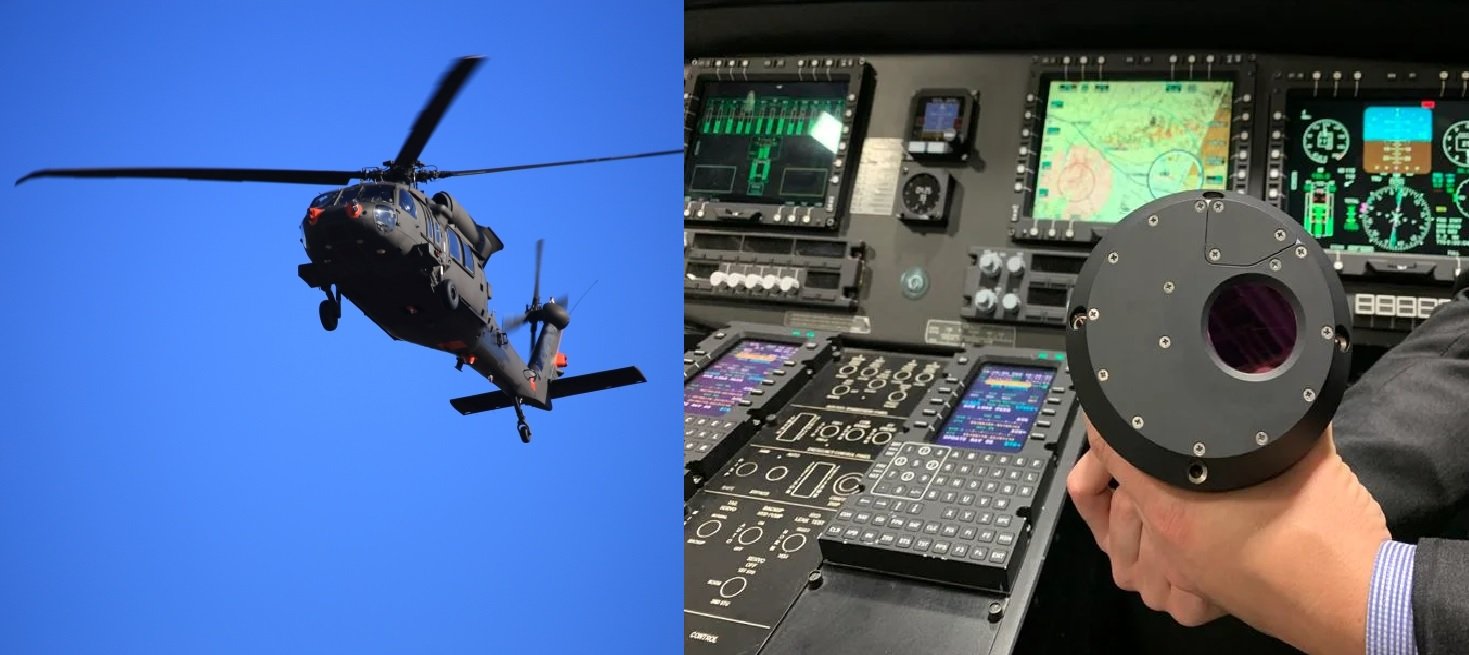
U.S
ASHBURN, Va. — Curtiss-Wright Corporation has received an approximately $14 million contract from Northrop Grumman to supply sensor-processing equipment for the U.S. Army’s Improved Threat Detection System (ITDS). The award supports Phase II development of the Army’s future aircraft threat-warning system. ITDS for Army Aviation ITDS is designed to detect, classify and identify electro-optical and infrared threats in real time and provide the information needed for an aircraft’s defensive response. The system is intended for current and future Army aviation platforms, with priority given to the AH-64 Apache and MV-75 Future Long-Range Assault Aircraft (FLRAA). Curtiss-Wright Processor and ATHENA Sensor Under the contract, Curtiss-Wright will provide an integrated processor capable of receiving, processing and fusing high-bandwidth sensor data before rapidly distributing threat information across the aircraft. The processor will work with Northrop Grumman’s Advanced Tactical Hostile Engagement Awareness (ATHENA) sensor. ATHENA is designed to provide 360-degree situational awareness and high-resolution detection of electro-optical and infrared threats. The system is designed to detect threats including unmanned aerial systems, air-to-air missiles, anti-tank guided missiles, rocket-propelled grenades, loitering munitions, guided man-portable air-defense systems, small-arms fire and machine guns. It can also identify related threats outside a pilot’s direct line of sight or below the aircraft. Threat Warning and Defensive Response Once a threat is classified, ITDS is designed to provide information to the aircraft’s defensive systems and support an appropriate response. This includes directable infrared countermeasures and expendable countermeasures such as chaff and flares. The system will also provide hostile-fire warnings and distinguish small-arms fire from rocket threats. Open Architecture and Processing Curtiss-Wright’s processor uses a modular architecture aligned with the Modular Open Systems Approach (MOSA) and Sensor Open Systems Architecture (SOSA) requirements. The equipment is housed in a conduction-cooled chassis designed for airborne operations and includes high-speed optical connections and configurable input-output interfaces. These features support both modern digital sensors and legacy aircraft systems. The processor also provides artificial-intelligence-enabled computing and real-time network-centric data sharing. The open architecture is intended to support the integration of new sensors, algorithms and countermeasure capabilities as threats evolve. The planned ITDS configuration consists of infrared sensors, a processor and a memory module connected through a digital backbone. The system is designed to conform to the Future Airborne Capability Environment (FACE). Phase II Development The contract is part of Phase II of the Army’s ITDS Other Transaction Agreement. Northrop Grumman advanced to Phase II following earlier development and testing, including more than 51 hours of flight testing and live-fire evaluations during Phase I. Phase II includes initial prototype systems, system design, integration, architecture development, sensor assessment, and additional flight and operational testing. The program is being developed under the Army’s Program Executive Office for Intelligence, Electronic Warfare & Sensors and is intended to provide a future threat-warning capability for rotary-wing aviation while supporting integration with existing countermeasure systems. Curtiss-Wright’s approximately $14 million award provides the processing element that will operate with Northrop Grumman’s ATHENA sensor as ITDS moves through Phase II development and testing. Source : defence-industry
Read More → Posted on 2026-09-01 16:47:49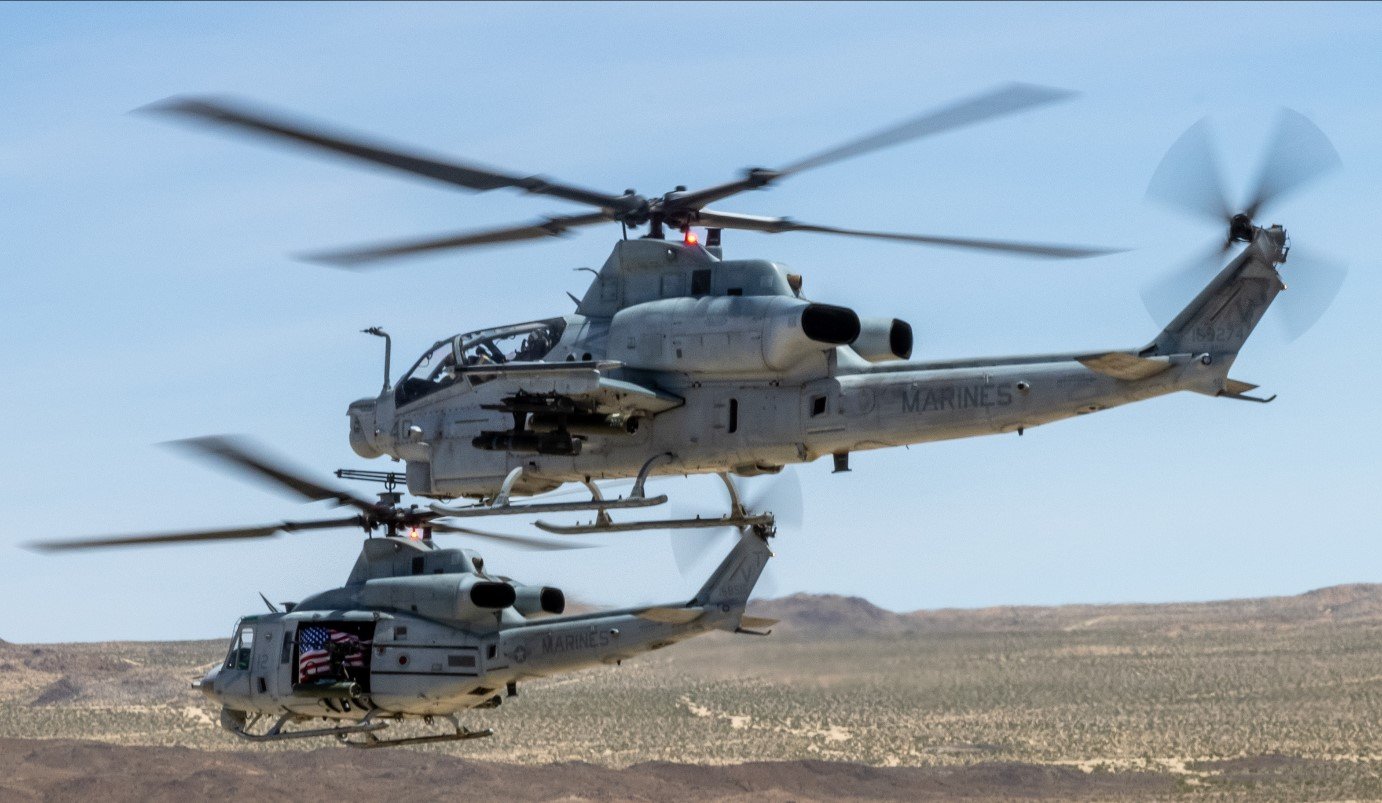
U.S
WASHINGTON, — The U.S. State Department has approved a possible $800 million Foreign Military Sale (FMS) to Iraq covering Bell 412EPX utility helicopters, Bell 407M light military helicopters and associated weapons, sensors, communications equipment, training and support. The approval was notified to Congress on August 31, 2026, under the U.S. Foreign Military Sales process. The notification does not specify the number of helicopters Iraq has requested, and the proposed sale is not yet a finalized contract. The State Department said the proposed package would improve Iraq's rotary-wing transport, reconnaissance and air-to-surface targeting capabilities and support the security of what it described as a strategic partner. Bell 412EPX and Bell 407M The proposed acquisition combines two different helicopter types. The Bell 412EPX is a twin-engine utility helicopter developed by Bell and Subaru. Bell lists seating for one pilot and up to 14 passengers, a maximum cruise speed of about 123 knots (228 km/h), a maximum internal gross weight of 12,200 pounds (5,534 kg) and a cargo-hook capacity of 5,000 pounds (2,268 kg). The helicopter is designed for utility and transport missions and has an external maximum gross weight of 13,000 pounds (5,897 kg). Bell says the 412EPX uses Pratt & Whitney PT6T-9 Twin Pac engines and an upgraded main rotor transmission. The Bell 407M is a single-engine military version of the Bell 407 family intended for military and special-mission applications. Bell lists a standard configuration of one pilot and up to six passengers, a maximum cruise speed of 133 knots (246 km/h) and an external-load maximum gross weight of 6,000 pounds (2,722 kg). Bell also lists a 3,100-pound (1,406 kg) cargo-hook capacity for the 407M and a Rolls-Royce Model 250-C47E/4 turboshaft engine producing 862 shaft horsepower at takeoff. Weapons and Mission Systems The proposed Iraqi package includes equipment for both reconnaissance and armed missions. The weapons listed in the notification include GAU-19 three-barrel machine guns and M260 seven-tube launchers for 2.75-inch (70 mm) rockets. For surveillance and targeting, Iraq has requested L3Harris WESCAM MX-15HDI electro-optical/infrared sensors. The package also includes AN/AAR-60 Block 2 missile-launch detection systems. Additional equipment includes very-high-frequency radios, spare parts, ground-support equipment, publications and technical data. The proposed sale also covers pilot and maintenance training and U.S. government and contractor engineering, technical and logistics support. Bell Textron to Be Principal Contractor Bell Textron, based in Fort Worth, Texas, is identified as the principal contractor for the proposed sale. The $800 million figure covers the proposed aircraft, equipment and associated support package. Because the notification does not specify the number of helicopters and the final configuration remains subject to negotiations, the eventual contract could differ from the notified proposal. Congressional Review The State Department's approval is an important step in the U.S. FMS process, but it does not mean that a contract has been signed. Congress has a period to review the proposed transaction before the process can move toward final agreements and contracting. The proposed acquisition would add new Bell 412EPX and Bell 407M capabilities to Iraq's rotary-wing fleet while providing weapons, sensors, training and sustainment support as part of a single FMS package.
Read More → Posted on 2026-09-01 16:13:58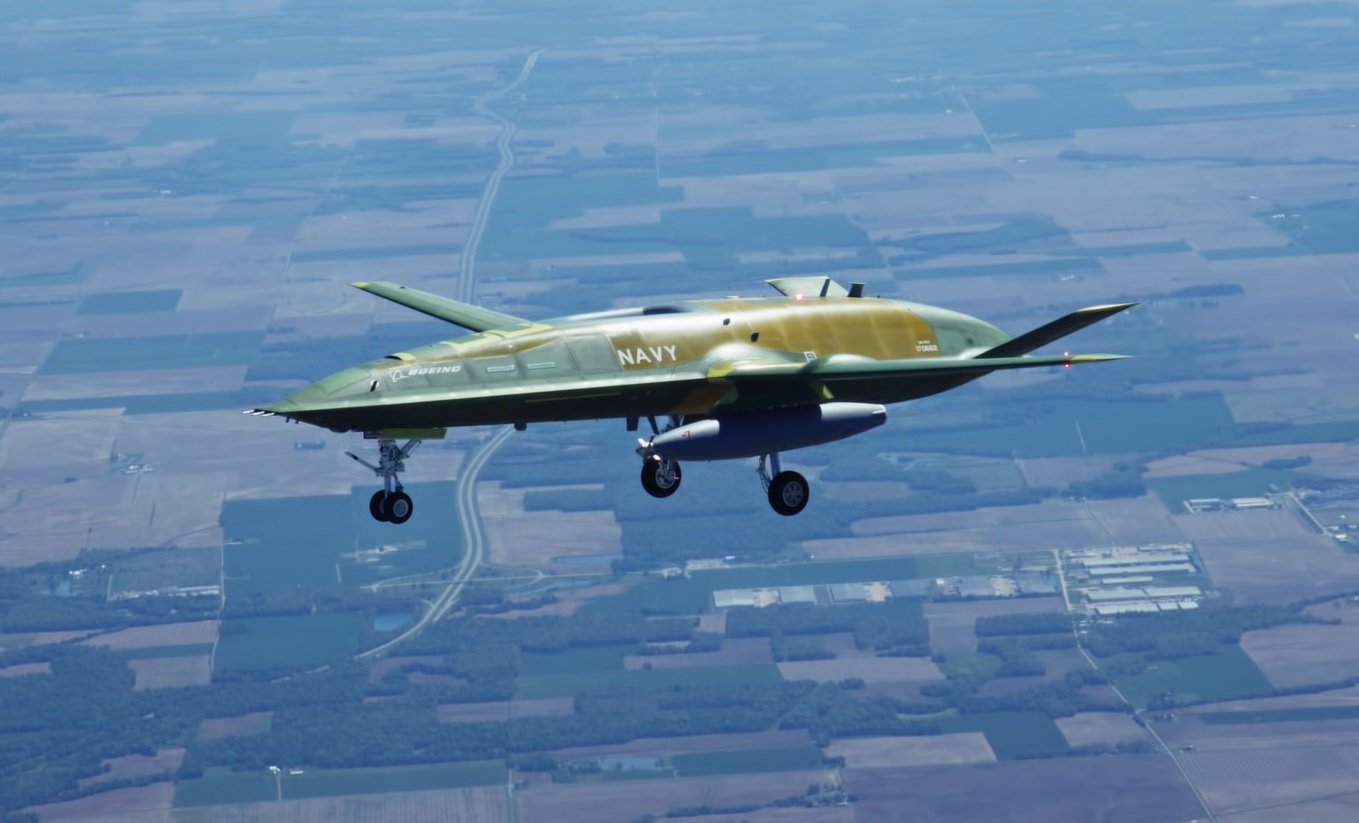
U.S
WASHINGTON, — The U.S. Navy has awarded Boeing a $12.68 million contract modification to upgrade electronic systems on the MQ-25A Stingray, the Navy’s carrier-based unmanned aircraft. The exact contract value is $12,680,717. The modification covers non-recurring engineering and integration work for an updated Radio Frequency Blanker Unit and an Encrypted Mass Storage System with an embedded Data Transfer System. The Radio Frequency Blanker Unit is designed to prevent the aircraft’s own transmissions from interfering with its onboard sensors, while the encrypted storage system provides secure storage and transfer of mission data. The contract also includes deficiency analysis and software corrections resulting from security assessments of the MQ-25’s Mission Management System Computer. The specific deficiencies have not been publicly disclosed. About 85 percent of the work will be performed in St. Louis, Missouri, with the remaining 15 percent in Fairborn, Ohio. The work is scheduled for completion by November 2029. Fiscal 2026 Navy research, development, test and evaluation funds will cover the full amount. The modification was not competitively bid, and Naval Air Systems Command at Patuxent River, Maryland, is the contracting activity. MQ-25's Carrier Role The MQ-25 is being developed primarily as an unmanned aerial refueling aircraft for U.S. Navy carrier air wings. It is intended to take over tanker missions currently performed by crewed F/A-18E/F Super Hornets, allowing those aircraft to remain available for other missions. The Navy has said the Stingray will be the first unmanned aircraft to routinely operate from a U.S. aircraft carrier. The platform is also planned to support intelligence, surveillance and reconnaissance missions. 2026 Flight Testing The first production-representative MQ-25A completed its approximately two-hour maiden flight on April 25, 2026, at Boeing’s facility at MidAmerica St. Louis Airport in Mascoutah, Illinois. An earlier flight attempt on April 22 was aborted for undisclosed reasons. During the maiden flight, the aircraft autonomously taxied, took off, maneuvered and landed while responding to commands from the Unmanned Carrier Aviation Mission Control System MD-5 ground station. The aircraft completed its second test flight in July, including landing-gear cycling and testing of new software intended to support future expansion of its flight envelope. Separate deck-handling trials aboard USS George H.W. Bush demonstrated the aircraft’s physical compatibility with carrier deck operations. The Boeing-owned T1 demonstrator has also participated in carrier deck activities aboard USS Nimitz. The Navy previously planned a test fleet of nine MQ-25 aircraft, including four Engineering Development Model aircraft produced under an $805 million engineering and manufacturing development contract. Future testing will expand the aircraft’s flight envelope, certify its aerial-refueling capability and eventually move to Naval Air Station Patuxent River for operational evaluation. The Navy has targeted Initial Operational Capability for the MQ-25, while the program continues its testing and development toward operational deployment.
Read More → Posted on 2026-09-01 14:15:31
U.S
PERTH, Australia — The U.S. Department of War has announced an estimated $174 million equity investment to support construction of a new gallium production facility at Alcoa’s Wagerup alumina refinery in Western Australia. The facility is projected to produce 100 metric tons of gallium metal annually, representing up to 10 percent of global supply. Multinational Partnership The project involves the United States, Australia and Japan. Alcoa of Australia will construct and operate the facility in partnership with Export Finance Australia, the Japanese government and Sojitz Corporation. Australia is expected to provide up to $200 million in financing for the project. The U.S. investment is being managed by the Office of the Assistant Secretary of War for Industrial Base Policy through the Industrial Base Analysis and Sustainment (IBAS) program. The U.S. financing gives the Department of War an equity position in the facility. The final dollar value of the investment will remain subject to exchange-rate movements when the transaction is completed. “This landmark agreement with our key allies, Australia and Japan, will secure a vital supply of gallium for our defense industrial base, strengthening our collective security and economic resilience for years to come,” said Michael Cadenazzi, Assistant Secretary of War for Industrial Base Policy. Gallium Production at Wagerup The facility will recover gallium as a byproduct of Alcoa’s existing bauxite and alumina refining operations using ion-exchange technology. No additional bauxite mining will be required. The plant will occupy about 4 hectares of already cleared land at the Wagerup site, located approximately 120 to 150 kilometers south of Perth. A final investment decision was reached in July 2026, while construction began in late August 2026. The project is expected to create up to 200 construction jobs and approximately 20 permanent positions once operational. Partners are expected to receive offtake rights proportional to their interests. Importance for Defense and Supply Chains Gallium is used in high-performance semiconductors for advanced aircraft and maritime radars, ground-based missile defense systems, secure satellite and tactical communications, electro-optical and infrared sensors for missile guidance and thermal imaging, and solar cells used by military and civilian satellites. The project is intended to strengthen the global gallium supply chain after China introduced export restrictions on gallium in 2023. China accounts for roughly 98 percent of global gallium production, making alternative sources a priority for the United States, Australia and Japan. The planned 100-metric-ton annual output would represent up to 10 percent of global supply. U.S. Defense Industrial Base Investment The U.S. investment is being made through the IBAS program, which was established in 2014 to restore and expand production capacity supporting the defense industrial base. Since its creation, IBAS has invested more than $2.6 billion across over 200 projects. Alcoa will construct and operate the Wagerup facility, and its participation is not expected to have a material impact on the company’s overall financial position or results.
Read More → Posted on 2026-09-01 13:34:26
U.S
HILL AIR FORCE BASE, Utah — The U.S. Air Force has awarded Northrop Grumman an $86.1 million sole-source task order to provide program management, maintenance, sustaining engineering and support services for the Remote Visual Assessment (RVA) program, which provides camera and sensor-based surveillance at facilities associated with the Minuteman III intercontinental ballistic missile (ICBM) system. The Air Force Nuclear Weapons Center at Hill Air Force Base, Utah, is the contracting activity for the award. The task order is expected to run through September 2031. Maintaining the Remote Visual Assessment system The RVA program provides a ground-based surveillance network that allows Air Force personnel to visually assess activity at Minuteman III launch facilities and other related sites. The system is particularly useful because Minuteman III launch facilities are distributed across large areas of the northern United States. When a security sensor generates an alert, personnel can use the RVA camera network to assess activity remotely rather than immediately sending personnel to the affected location. This provides security personnel with visual information for determining whether an alert requires a response. The current task order covers the continued operation and sustainment of the camera and sensor infrastructure, including program management, routine maintenance, sustaining engineering and other support services. Work across four Air Force locations Maintenance and engineering activities under the task order will be carried out at Hill Air Force Base in Utah and at the three Air Force bases responsible for the Minuteman III missile fields: F.E. Warren Air Force Base, Wyoming Malmstrom Air Force Base, Montana Minot Air Force Base, North Dakota These installations support the dispersed Minuteman III ICBM force located across the northern United States. $15.2 million obligated initially The task order has a total potential value of $86.1 million. At the time of the award, the Air Force obligated $15.2 million in fiscal year 2026 procurement funds. The remaining funding is expected to be provided incrementally as work under the task order progresses. The award was made through a sole-source acquisition and falls under the broader Ground Subsystems Support Contract (GSSC) effort supporting the Minuteman III system. Northrop Grumman has been involved in sustaining the ground subsystems of the Minuteman III system for years. The company's GSSC work includes engineering and field support intended to maintain the reliability and security of the ground-based ICBM system. One report identifies the task order as FA8214-26-F-B017. Supporting the Minuteman III during the transition to Sentinel The Minuteman III is the current U.S. land-based ICBM and forms the ground-based component of the country's nuclear triad. Northrop Grumman describes the system as having been deployed since the 1970s and continues to support its sustainment. The Air Force is also developing the LGM-35A Sentinel as the replacement for Minuteman III. Sentinel is intended to modernize the ground-based component of the U.S. nuclear triad, including the missile and associated ground infrastructure. Until the replacement system is fielded, maintaining the existing Minuteman III ground infrastructure remains part of the Air Force's ongoing sustainment effort. The new $86.1 million task order therefore continues support for an existing surveillance capability used to monitor activity around Minuteman III facilities while the United States works toward its next-generation ICBM system.
Read More → Posted on 2026-09-01 13:04:56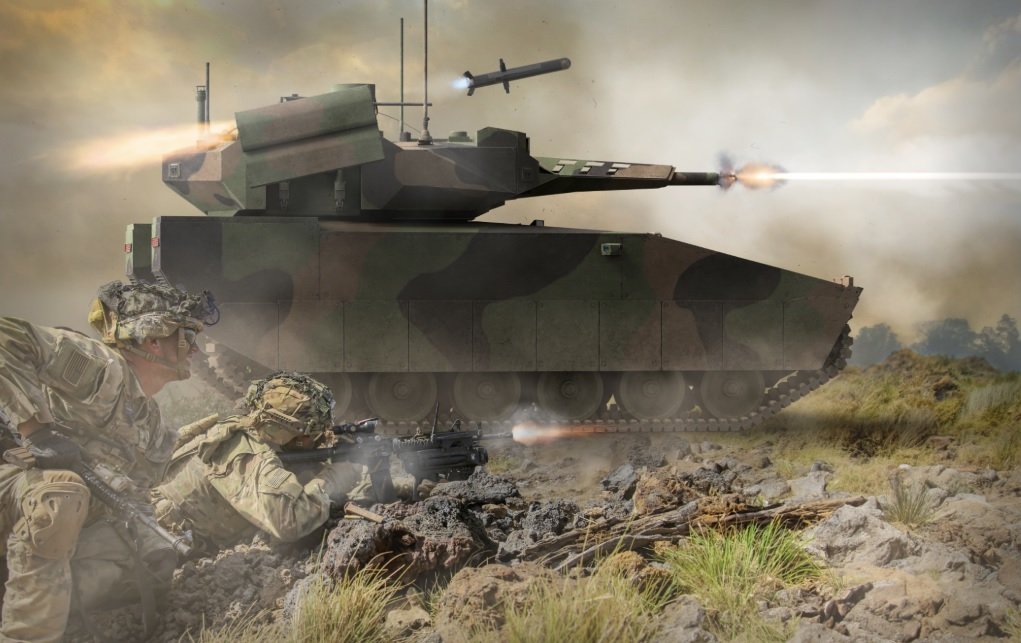
U.S
Plymouth, Michigan — American Rheinmetall has delivered the first of eight Lynx XM30 combat vehicle prototypes to the U.S. Army, moving its proposed replacement for the M2 Bradley Fighting Vehicle into government-led developmental and performance testing. The delivery marks an important stage in the Army’s competitive XM30 Combat Vehicle program, under which American Rheinmetall and General Dynamics Land Systems are developing competing vehicles to replace the Bradley. The Army's own program documentation identifies the XM30 as the future replacement for the Bradley. The first Lynx prototype is being delivered under the Phase 3/4 Engineering and Manufacturing Development (EMD) contract, valued at approximately $764 million. The contract covers digital design, physical prototype development and full-system validation. First Lynx Prototype Begins Army Evaluation American Rheinmetall CEO Matt Warnick said the delivery is an important step as the XM30 program enters a more visible phase and gives Team Lynx the opportunity to demonstrate its proposed Bradley replacement to the Army. The company plans to deliver the remaining seven prototypes later in 2026. These vehicles will support operational unit training while technical evaluations continue under the Army's Transformation in Contact (TiC) 2.0 initiative. After completing initial military safety checks, soldiers will conduct field maneuvers with the prototypes. The evaluation process is expected to progress toward large-scale combat simulations, allowing the Army to assess the vehicles under operational conditions. Hybrid-Electric Powertrain One of the key features of the Lynx XM30 is its hybrid-electric powertrain. American Rheinmetall describes the system as providing increased power-generation capability while supporting battlefield mobility. The company also describes the vehicle as the first platform of this type to introduce a hybrid-electric powertrain. The additional electrical capacity is particularly relevant to the XM30's design because the vehicle is being developed as a digitally integrated combat system. The Lynx XM30 incorporates secure, real-time connectivity, while its architecture is designed to support the integration of new technologies during its service life. The vehicle uses a modular design and adaptive open architecture, intended to make it easier to incorporate future technologies as requirements change. The Army's XM30 program also emphasizes modular open systems as part of the vehicle's future upgrade capability. Designed for a Changing Battlefield The Lynx XM30 is being developed for an operating environment increasingly affected by drones, precision weapons and electronic warfare, according to American Rheinmetall. The company's U.S. XM30 offering includes a U.S.-designed uncrewed 50mm turret, a two-soldier crew concept, integrated vehicle protection systems and a modular open architecture. The Army's broader XM30 requirements are focused on providing improved protection, firepower, mobility and survivability compared with the Bradley while allowing the vehicle to operate as part of a joint combined-arms force. The Army also intends the XM30 to work with maneuver robotics and semi-autonomous systems. U.S. Production Network The Lynx XM30 prototypes are being produced through a multi-state U.S. manufacturing process. Turret fabrication takes place in Plymouth, Michigan, while hull and chassis integration is carried out in Slidell, Louisiana. Completed vehicles undergo automotive shakeout trials before returning to Louisiana for final painting and detailing. Before formal government acceptance, each prototype undergoes a joint inspection involving the Defense Contract Management Agency (DCMA). American Rheinmetall is the prime contractor for Team Lynx, whose partners include Textron Systems, Raytheon, L3Harris Technologies, Allison Transmission and Anduril Industries, along with a wider network of U.S. suppliers. Competition to Replace the Bradley The Lynx XM30 is competing against the General Dynamics Land Systems XM30 design. The U.S. Army selected the two companies in 2023 to proceed with detailed design and prototype development for the Bradley replacement program. The Army plans to evaluate the competing prototypes before selecting one design to proceed toward the next stage of the program. Rheinmetall's earlier contract announcement stated that the Army planned to down-select to one vendor for Low-Rate Initial Production in Phase 5 near the end of 2027. The delivery of the first Lynx XM30 therefore begins a key physical testing stage in the competition. The Army's evaluation of the two prototype designs will determine which vehicle advances toward becoming the next-generation infantry fighting vehicle intended to replace the M2 Bradley.
Read More → Posted on 2026-09-01 12:01:00
U.S. Debt Interest Costs Reach Record Levels at 18.5% of Revenue, CBO Projects $2.1 Trillion by 2036
U.S
WASHINGTON, D.C. — Interest payments on the U.S. federal debt reached a record share of government revenue in fiscal year 2025, highlighting the growing cost of servicing the national debt. Net interest payments totaled about $970 billion in fiscal 2025, while federal receipts were approximately $5.24 trillion. That meant interest payments consumed about 18.5% of federal revenue, the highest share since the federal data series began in 1940. The previous high was about 18.4% in 1991. The increase has been driven by the combination of a larger federal debt balance and higher interest rates than those seen during much of the 2010s and early 2020s. Interest Costs Have Risen Rapidly The increase in interest costs has been particularly pronounced since fiscal 2021. Net interest was about $352 billion in 2021, before rising to roughly $970 billion in 2025. Over the same period, interest as a share of federal revenue increased from about 8.7% to 18.5%. The federal government must borrow when its spending exceeds its revenue. As the amount of debt grows, the government must make interest payments on that accumulated borrowing. Higher Treasury yields have also increased the cost of refinancing existing debt and issuing new debt. As Treasury securities mature, they are replaced with new securities at prevailing market rates. Debt Is Adding Pressure to the Federal Budget The Congressional Budget Office expects the federal government's debt and interest costs to continue increasing under current law. In its February 2026 budget outlook, the CBO projected that net interest costs would rise from $970 billion in fiscal 2025 to about $1.0 trillion in fiscal 2026. The agency expects net interest costs to reach about $2.1 trillion by 2036, or 4.6% of GDP. The CBO also projects that debt held by the public will increase from about 101% of GDP in 2026 to 120% in 2036. In its long-term projections, debt held by the public could reach 175% of GDP by 2056 if current laws remain generally unchanged. Interest Costs Are Becoming a Larger Budget Item The rising interest bill is increasingly significant compared with other federal spending categories. In fiscal 2025, the government's approximately $970 billion in net interest costs exceeded federal spending on national defense in that year, according to budget comparisons using federal data. The interest bill also ranks among the largest individual categories of federal spending. The issue is not only the size of the current payment. Higher interest costs can also contribute to larger future deficits when the government continues to borrow to finance budget shortfalls. Long-Term Outlook The CBO's projections show that interest costs are expected to continue rising over the next decade. By 2036, CBO projects net interest payments of about $2.1 trillion, more than twice the 2025 level. The Committee for a Responsible Federal Budget estimates that interest could account for roughly one-quarter of federal revenue by that point. CBO's longer-term projections are also significant. By 2056, net interest costs are projected to reach 6.9% of GDP, while debt held by the public could rise to 175% of GDP under current law. The 2025 figures therefore mark an important change in the federal budget. Interest payments have become a much larger claim on federal revenue, while the government's debt and borrowing costs remain on an upward path under current fiscal projections.
Read More → Posted on 2026-08-31 16:55:10Search
Top Trending in 24 Hours
-
 Iranian Missile Strike Damaged U.S. A-10 and Eight F-15s at Jordan Air Base, CBS Reports
-
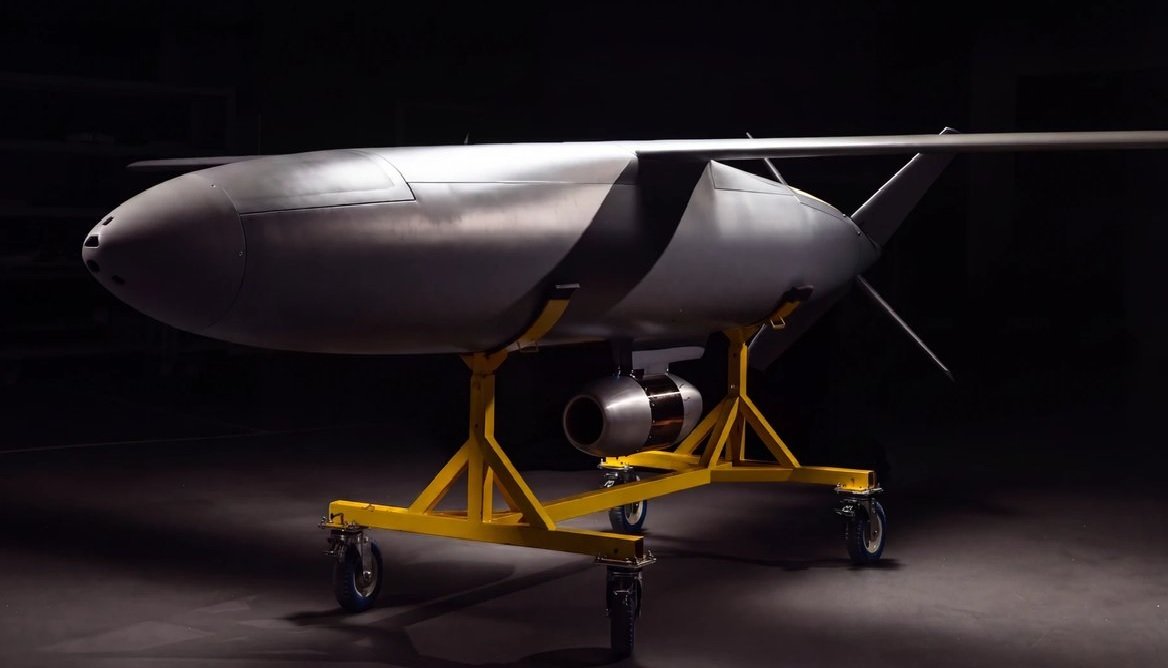 U.S. Startup Covenant Emerges From Stealth With $250 Million Funding and Anthem, a New Long-Range Heavy-Payload Strike Missile After More Than 200 Test Flights
-
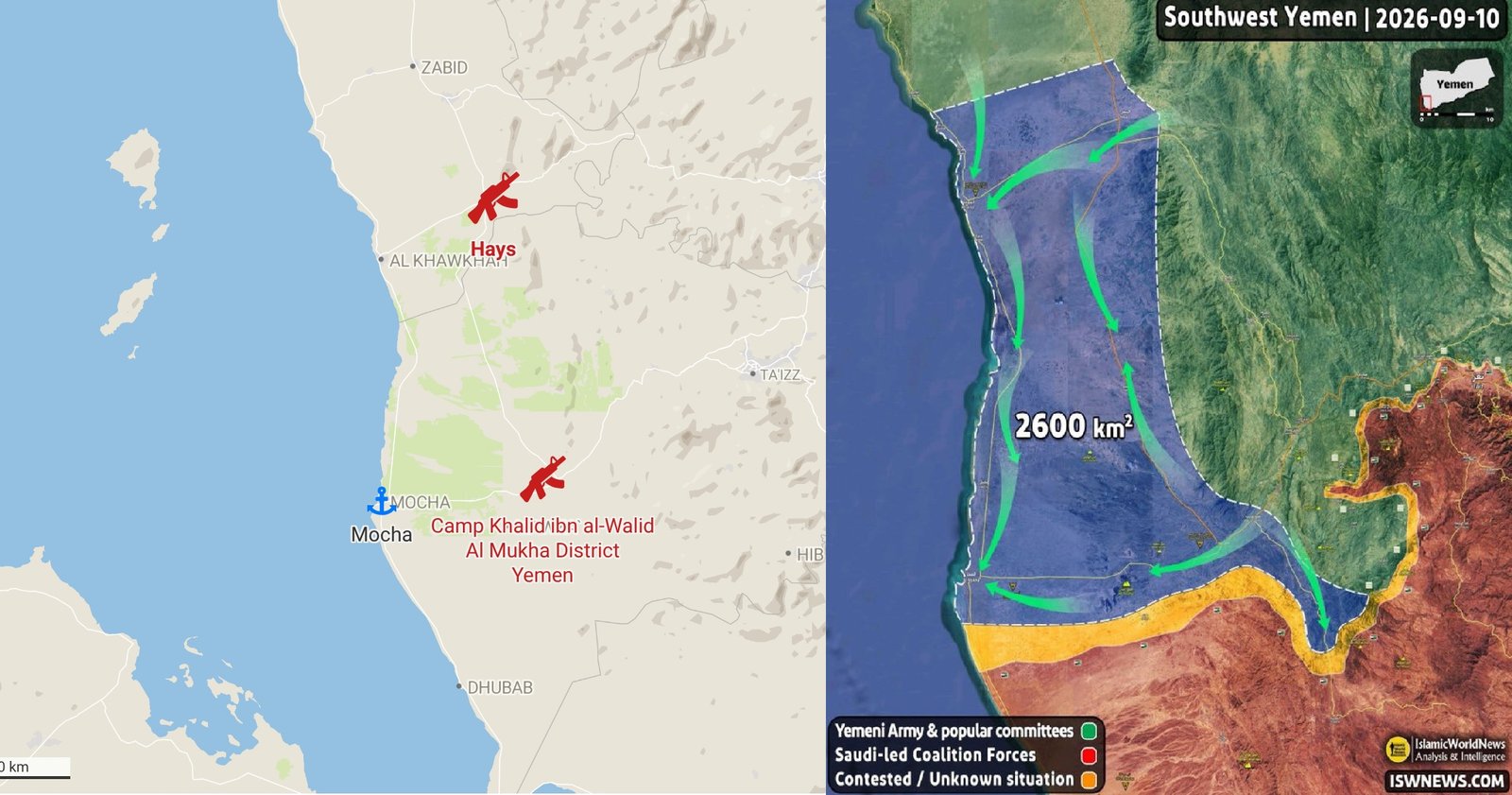 Houthi Forces Capture Strategic Red Sea Port City of Mocha Following Government Withdrawal
-
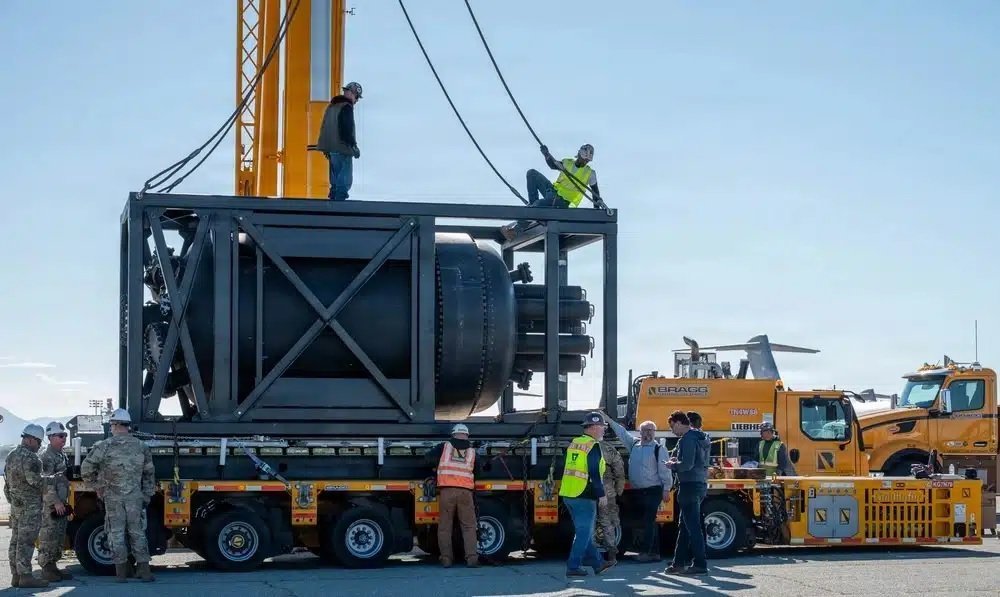 U.S. Navy Plans First Shore-Based Nuclear Microreactor at Indiana’s Crane Base by 2028
-
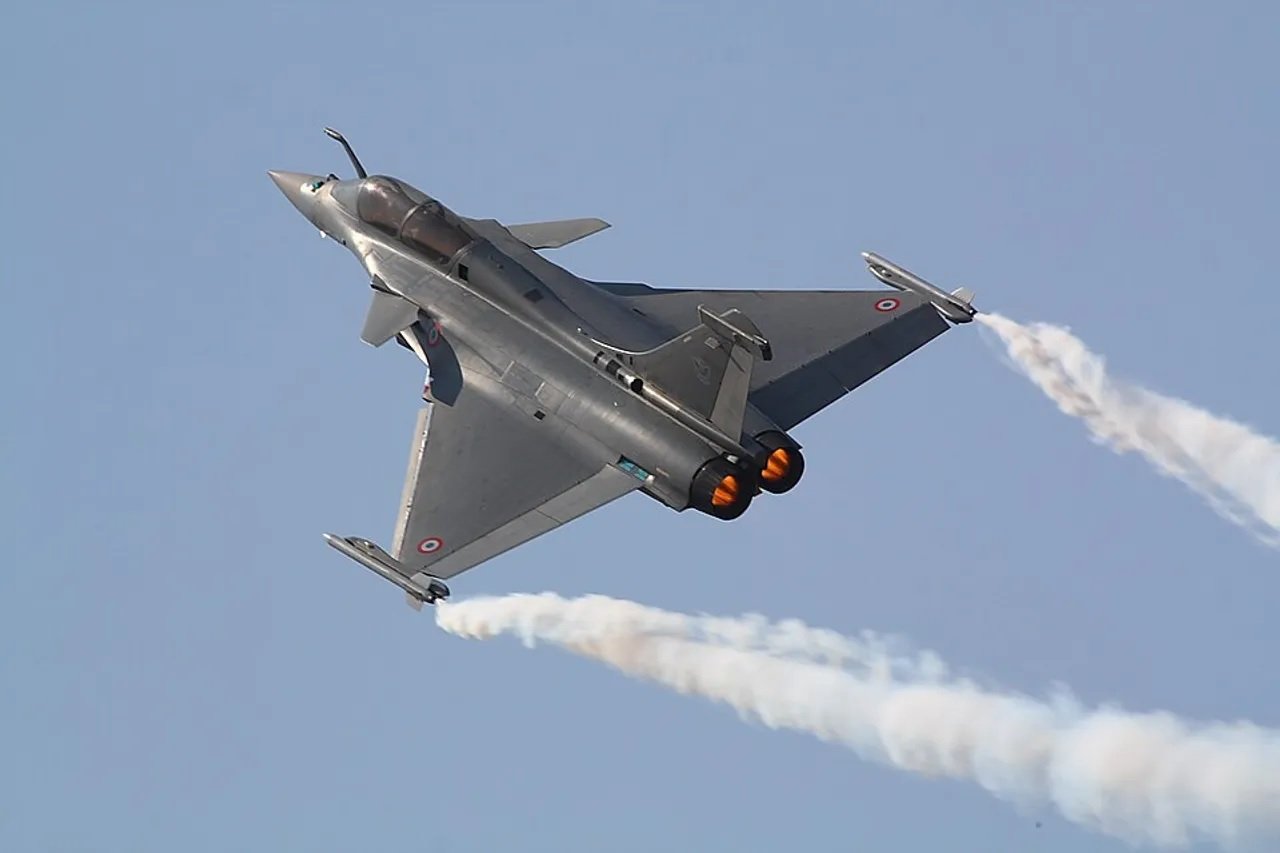 Russian Rafale “Kill Switch” Claim Faces Questions Over Evidence
-
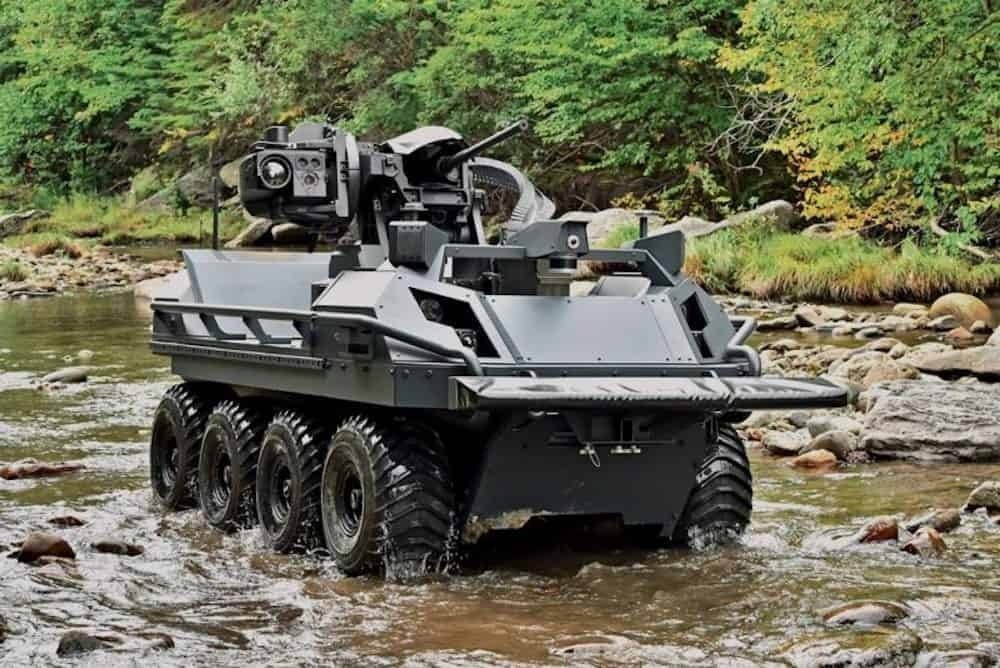 American Rheinmetall Secures $7.28 Million Contract for U.S. Marine Corps Autonomous Vehicles
-
 U.S. Signs $4 Billion Military Financing Guarantee for Poland, Bringing Total Support Near $20 Billion
-
 U.S. Air Force Launches North Star Campaign to Improve B-52 and B-1 Bomber Readiness
Top Trending in 4 Days
-
 Satellite Imagery Shows Two U.S. Barracks Destroyed at Kuwait’s Ali Al Salem Air Base in Iranian Attack
-
 Iran’s IRGC Claims Capture of U.S. Dive-LD Unmanned Underwater Vehicle Near Strait of Hormuz
-
 Mysterious Black Aircraft at Long Beach Airport Identified as Aevum’s RAVN X Autonomous Spaceplane After Years Out of Sight
-
 Trump’s ‘The Moon Is Ours’ Post, Space Force Uniform Concept and Green Lantern AI Video Draw Online Backlash
-
 Iran Launches Massive Ballistic Missile Attack with Cluster Munitions on U.S.-Used Air Base in Jordan, Some Missiles Confirmed to Have Hit Base
-
 Iranian Missiles Strike U.S. Base in Jordan as Reports Emerge of Injured American Personnel
-
 New Satellite Images Show Three Possible Impacts at U.S.-Linked Air Bases in Kuwait
-
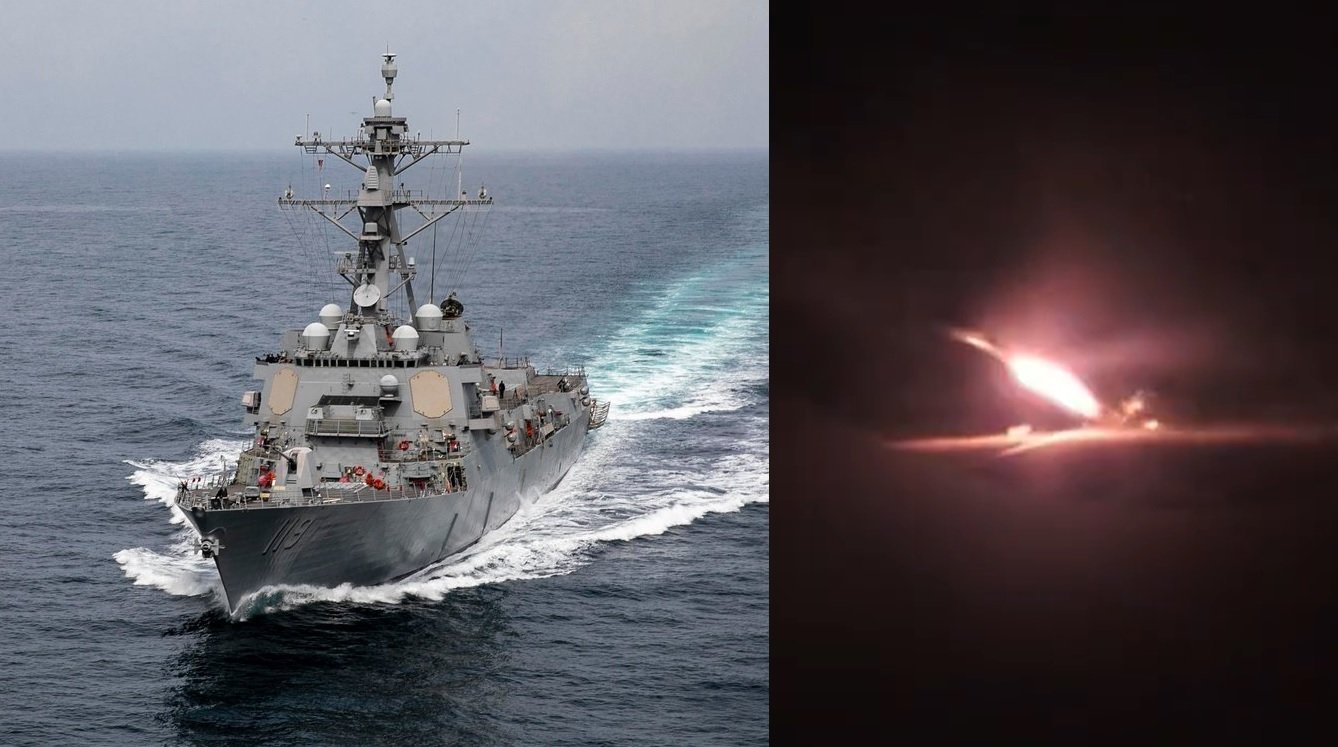 IRGC Claims Significant Damage to Two U.S. Destroyers in Missile Attack; CENTCOM Denies Hits