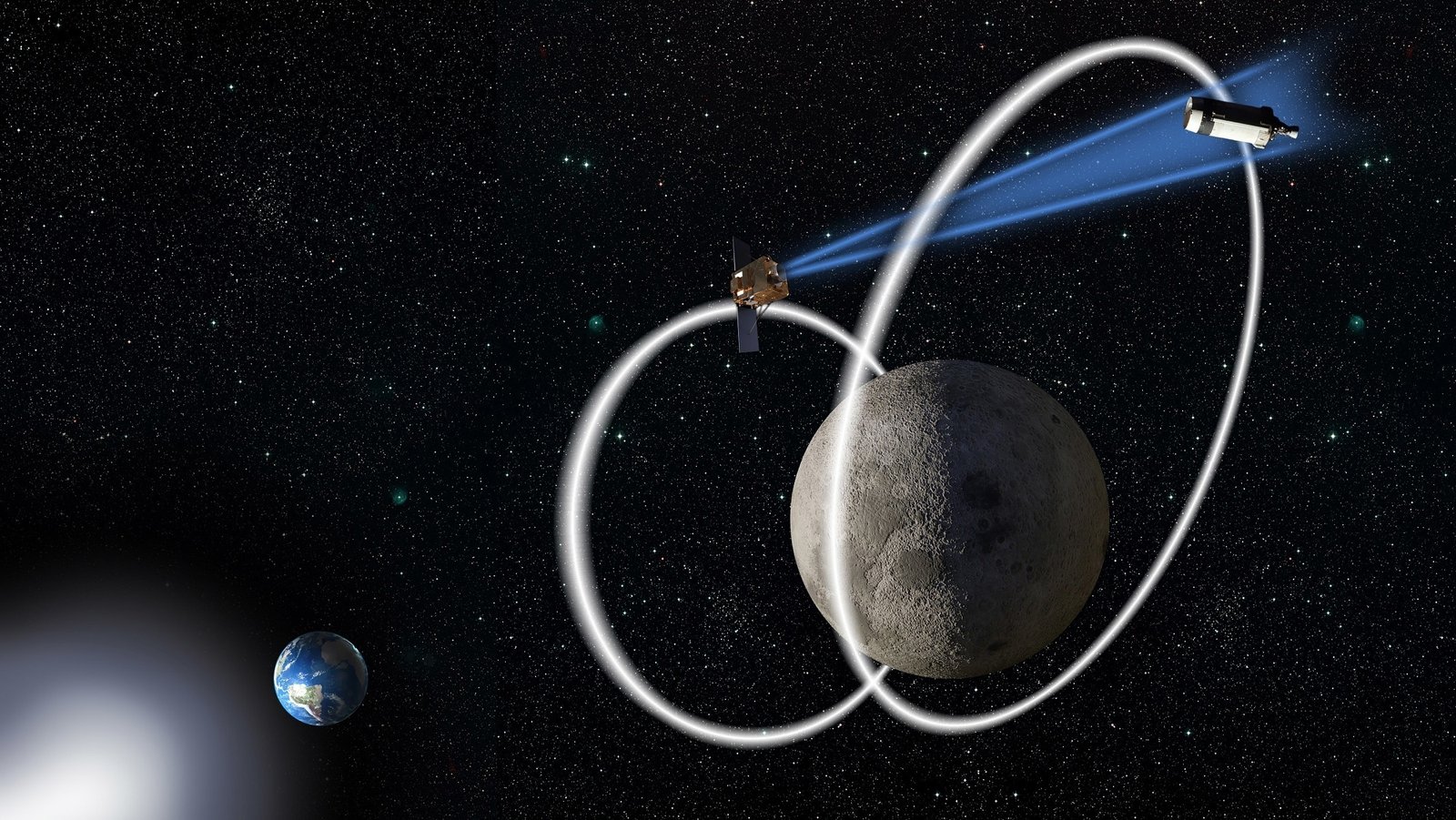
LOS ANGELES, — The U.S. Space Force is preparing to acquire commercial technologies for operations in cislunar space, the region between Earth and the Moon, with the aim of fielding initial capabilities by the end of fiscal year 2029.
Maj. Gen. Stephen Purdy, the Space Force’s portfolio acquisition executive for advanced programs, outlined the plan at the Space Industry Days conference in Los Angeles. According to reports from Breaking Defense, the service plans to issue two requests for information (RFIs) to identify commercially available or near-ready technologies that can be deployed without lengthy research and development.
Space Force Seeks Three Key Capabilities
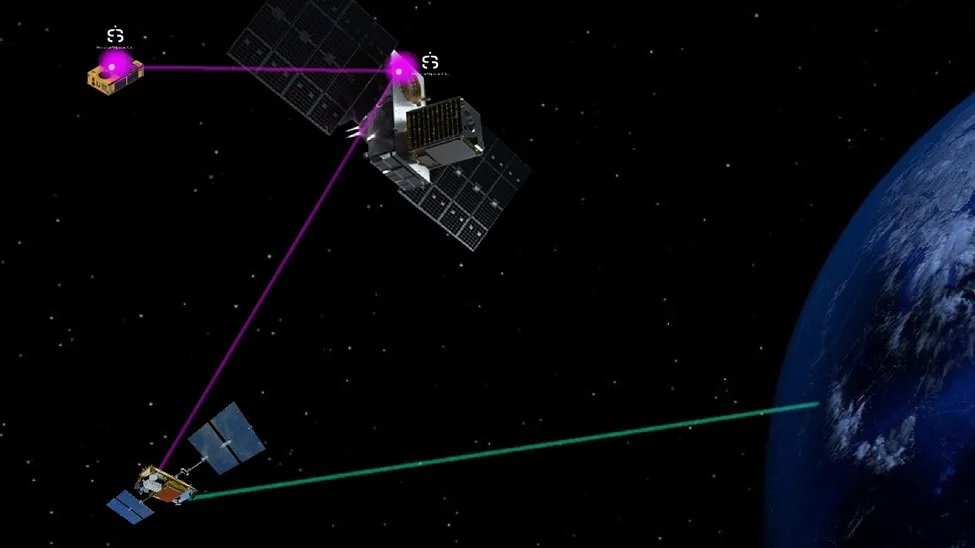
The first RFI will focus on spacecraft, sensors and related systems for space domain awareness, enabling the military to monitor and track activity across the Earth-Moon region. It will also seek positioning, navigation and timing (PNT) systems that can support operations beyond traditional Earth orbit, along with the ground infrastructure needed to connect these capabilities.
The second RFI will seek artificial intelligence software that enables spacecraft to operate more autonomously. Such systems would help spacecraft process sensor data, detect onboard hardware failures and adjust their operations without requiring constant instructions from ground control on Earth.
Purdy said the Space Force wants existing commercial or near-commercial solutions that can be delivered quickly rather than projects requiring years of additional development. He emphasized the need for rapidly deliverable capabilities instead of spending research and development funds on systems that are not yet ready for operational use.
The target is to field initial capabilities by September 2029, the end of fiscal year 2029. Earlier work by the Air Force Research Laboratory and the Defense Advanced Research Projects Agency (DARPA) has explored technologies for cislunar operations, but the new initiative is intended to move toward procurement and practical military use.
China’s Cislunar Activities Drive U.S. Concerns
China’s expanding activities in cislunar space are a major reason for the accelerated effort. Purdy said, “China is moving out in this area. We have traditionally not.”
A recent Chinese project involved launching 30 CubeSats into a highly elliptical orbit near an Earth-Moon Lagrange point and into lunar orbit. China has described the project as a scientific effort at United Nations-related meetings, while defense experts cited by Breaking Defense have raised concerns about its potential use for cislunar surveillance.
Defense Secretary Pete Hegseth also highlighted the strategic importance of cislunar space on October 20 in Dayton, Ohio, saying that control of subsea and cislunar domains would be important in future conflicts. Chairman of the Joint Chiefs of Staff Gen. Dan Caine has likewise called for the military to prepare to operate across domains extending from the seabed to cislunar space.
Space Force Coordinates with NASA
The Space Force is working with NASA to coordinate infrastructure that can support both civilian lunar exploration, including the Artemis program, and military requirements. Areas of interest include lunar time systems, communications and space domain awareness.
The service established a Cislunar Coordination Office in May 2026 to develop roadmaps, coordinate acquisition priorities and give commercial companies clearer information about military requirements. The office is also working to identify gaps in existing capabilities and coordinate investments across government agencies.
The Space Systems Command has also launched the ACES initiative, according to the supplied information, to help commercial space companies address security-clearance barriers that can complicate participation in classified military projects.
No contracts have been awarded, and no operational weapons deployments in cislunar space have been announced. The immediate priority remains developing surveillance, navigation, communications and autonomous spacecraft capabilities that can support U.S. operations in the Earth-Moon region by the end of fiscal year 2029.
——— End of Article ———