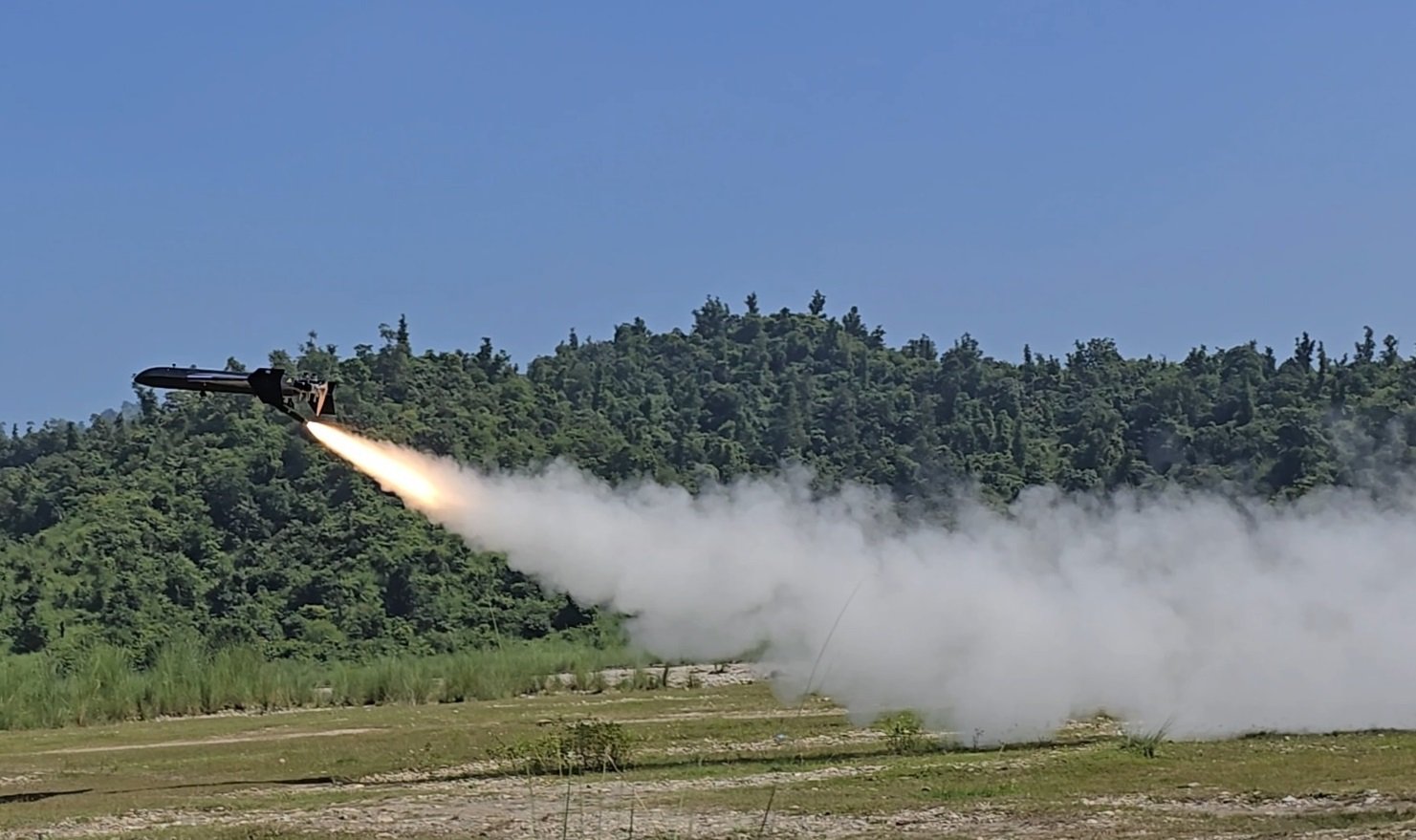
BENGALURU, — Bengaluru-based defence startup NewSpace Research & Technologies (NRT) has successfully completed the first rocket-assisted take-off (RATO) trial of its Sheshnaag-150 long-range one-way attack drone. The trial was conducted by the company's GryphonWorks team, adding a new launch capability to the Indian-designed, developed and manufactured strike platform.
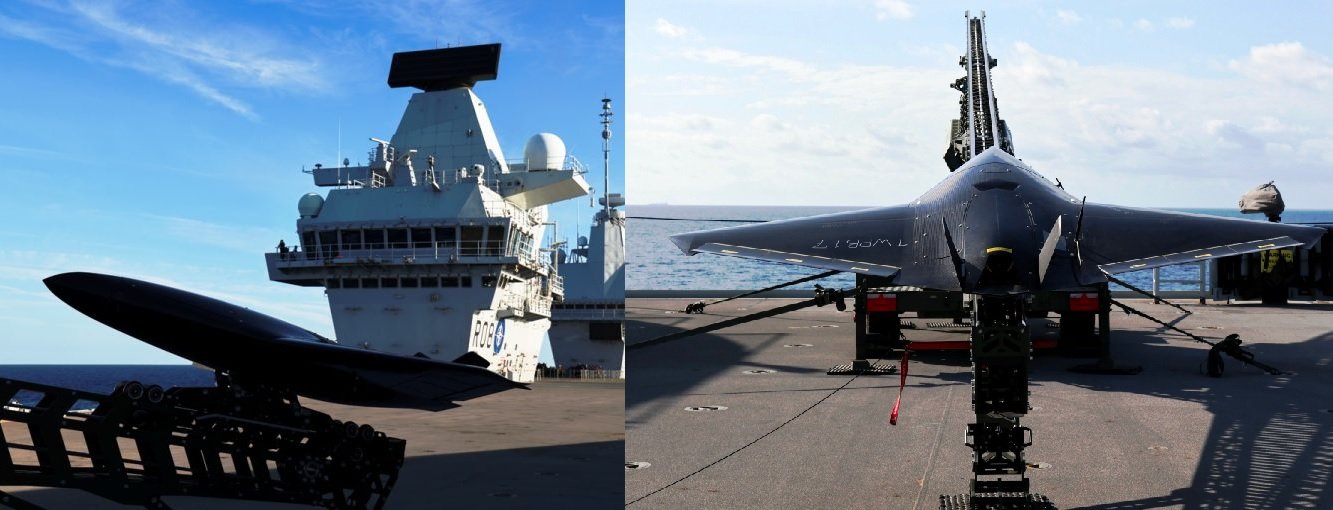
Previously, the Sheshnaag-150 relied mainly on vehicle-based launches. The rocket-assisted method allows it to take off without a conventional runway, including from shorter and unprepared locations. This increases deployment flexibility in remote and difficult terrain.
Sheshnaag-150 Specifications and Capabilities
The Sheshnaag-150 is a 150-kg-class loitering munition with an operational range exceeding 1,000 kilometres and an endurance of more than five hours. It can carry a high-explosive fragmentation warhead weighing between 25 and 40 kilograms.
The drone is designed for coordinated swarm attacks, in which multiple unmanned aircraft operate together to engage targets. Its loitering capability allows it to remain over an area for surveillance and target identification before striking. Visual navigation and onboard systems are intended to support operations in GPS-denied environments where satellite navigation signals are jammed or unavailable.
The platform is powered by an air-cooled boxer engine designed for sustained flight and operational reliability, including in high-altitude environments.
Earlier Trials and Performance
The Sheshnaag-150 completed its first flight at the Chitradurga Aeronautical Test Range by February 2025 and made its public debut at Aero India 2025.
In April 2026, the drone underwent testing at the Pokhran Test Range in Rajasthan, covering approximately 720 kilometres without a live warhead. The reported trial demonstrated long-distance flight performance, stability and terminal strike capabilities. Reported accuracy figures have placed its circular error probable (CEP) below 10 metres, with some accounts citing approximately five metres.
Part of India's Indigenous Drone Programme
The Sheshnaag-150 is part of NRT's wider Sheshnaag family of one-way attack drones, described as covering strike ranges from 15 kilometres to 1,000 kilometres. The project began as an internal company development effort and was subsequently accelerated following the Indian military's interest in indigenous long-range swarm-strike capabilities.
The platform is intended for potential use by the Indian Army, Indian Air Force and other military services. It has been compared with Iran's Shahed-136 and the US Low-cost Uncrewed Combat Attack System (LUCAS), although such comparisons do not establish identical specifications or performance.
The successful rocket-assisted take-off trial adds a new deployment option to the existing vehicle-based launch method. NRT continues development and testing of the system as India pursues indigenous long-range unmanned strike capabilities. A confirmed military induction timeline has not been established by the information provided.
——— End of Article ———