KYIV, — Ukraine has restored connectivity to SpaceX’s Starshield military satellite service after unexpected speed restrictions disrupted drone operations, frontline logistics and air defence missions. Ukrainian defence sources confirmed on Thursday that terminals could again maintain connectivity at speeds of up to 160 km/h (about 100 mph), although officials continue to seek the complete removal of speed limits.
The restrictions began overnight between October 13 and 14 without prior notice. Presidential adviser Serhii Beskrestnov, known as Flash, initially reported a speed limit of approximately 160 km/h (100 mph). However, subsequent reports from military personnel and volunteer Serhii Sternenko indicated that connectivity on some terminals dropped at speeds of 60–70 km/h (37–43 mph). The cause remains unclear, and Ukraine’s Defence Ministry is discussing the incident with SpaceX and its partners.
Drone Operations Disrupted
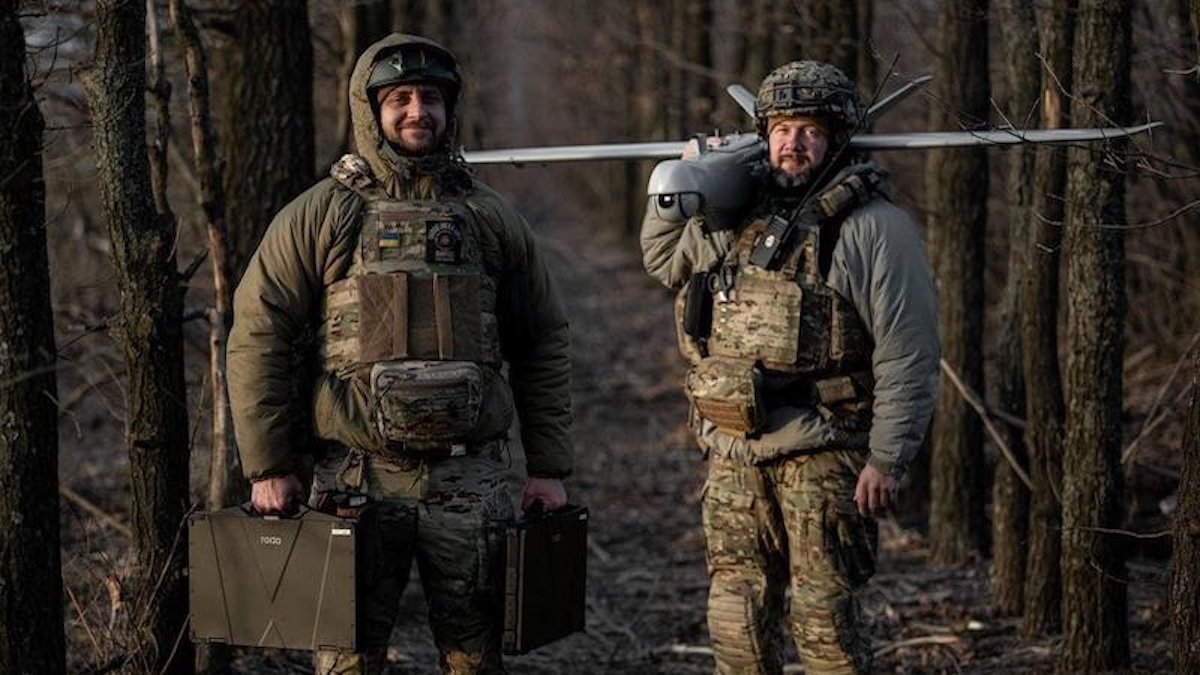
Ukraine’s 7th Air Assault Corps, operating in the southern Huliaipole sector, reported satellite connection losses lasting 10 to 20 seconds for drones travelling at 110–120 km/h. Slowing drones to maintain connectivity increased their vulnerability to Russian air defence systems.
The disruption affected medium-range strike missions, reconnaissance, frontline logistics, communications relay and air defence interceptions. Some units cancelled combat missions during the outage.
A National Guard officer identified only as Yuriy for security reasons said connectivity had returned at speeds above 100 mph by Thursday morning, although several operations had already been disrupted.
Beskrestnov said the restrictions also affected interceptor drones used against Russian Shahed-type attack drones, which can travel at approximately 320 km/h. Interceptors reportedly risked losing satellite links, crashing or deviating from their flight paths when accelerating to pursue their targets.
Ukraine Seeks Removal of Restrictions
Former Ukrainian Defence Minister Mykhailo Fedorov thanked SpaceX chief executive Elon Musk for the restored service but stressed that completely removing the speed limits was necessary for Ukraine’s defence operations.
Yehor Cherniev, deputy chairman of Ukraine’s parliamentary committee on national security, defence and intelligence, told Business Insider that Starshield had returned to its pre-disruption capacity.
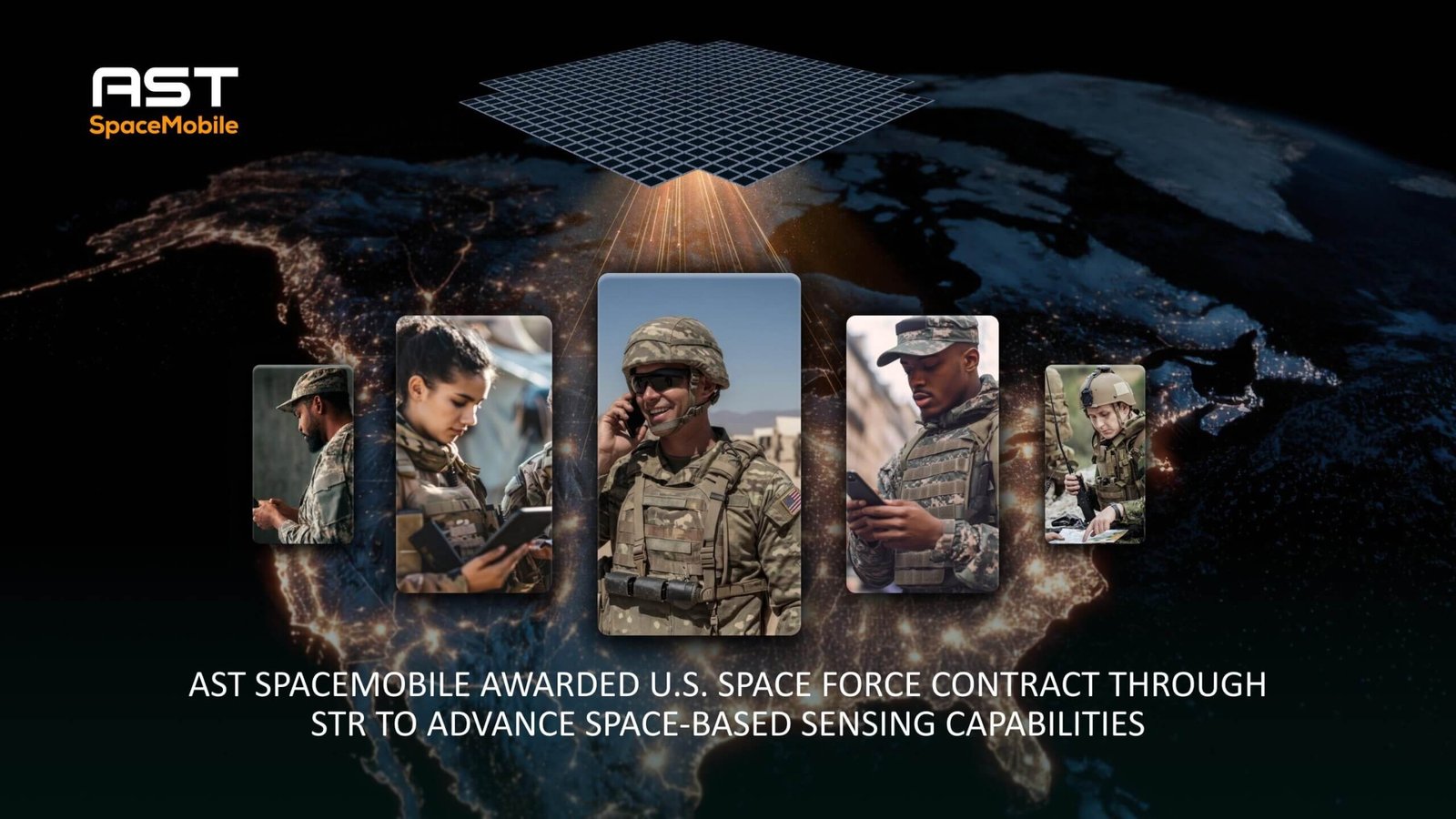
Musk stated on X that Starshield is owned and controlled by the US government, with speed and usage limits determined by the US military and ultimately the president. He distinguished Starshield from commercial Starlink, which is operated by SpaceX.
However, US administration officials told Axios that the government had not ordered the restrictions and disputed the suggestion that it controlled SpaceX’s operations. They said they would contact the company to investigate the disruption.
Ukrainian President Volodymyr Zelensky expressed frustration, stating that failures involving defence interceptors had resulted in casualties during Russian attacks. The incident occurred amid broader disagreements between Kyiv and Washington over Russian oil infrastructure strikes and diesel trade agreements.
Separate Suspected Sabotage Incidents in Europe
The disruption coincided with separate incidents involving Starlink infrastructure in Europe. In September, Polish authorities opened an investigation after a fire damaged electrical equipment at a Starlink ground station, with prosecutors suspecting possible Russian intelligence involvement.
Earlier in the same week as the Ukrainian outage, Bulgarian authorities reported that masked men deliberately set fire to 11 of 17 Starlink antennas at a facility near Sofia. The antennas serve Ukraine and other regional customers. No confirmed evidence directly links the two incidents.
Service Restored, Discussions Continue
Starlink and Starshield have supported Ukrainian military communications since Russia’s full-scale invasion in February 2022. Their satellite links support communications for military units, vehicles and drones.
The latest disruption lasted approximately a day, and access to both standard Starlink and Starshield was reported to have stabilised. Ukrainian officials continue to monitor service through military unit reports and negotiate with SpaceX and its partners to establish the cause and prevent future interruptions. The complete removal of speed restrictions remains an unresolved issue.
——— End of Article ———