WASHINGTON, — The US military has developed updated contingency plans for strikes against Iranian energy infrastructure and nuclear facilities, including the possible use of the GBU-43/B Massive Ordnance Air Blast (MOAB), according to a CNN report citing multiple US officials familiar with the planning.
The plans were developed at the direction of President Donald Trump and could be used if the administration decides to resume major combat operations. The reported options include strikes before a US military withdrawal from the Central Command (CENTCOM) area of responsibility. However, no decision to launch the proposed attacks has been reported.
MOAB Considered for Iranian Targets
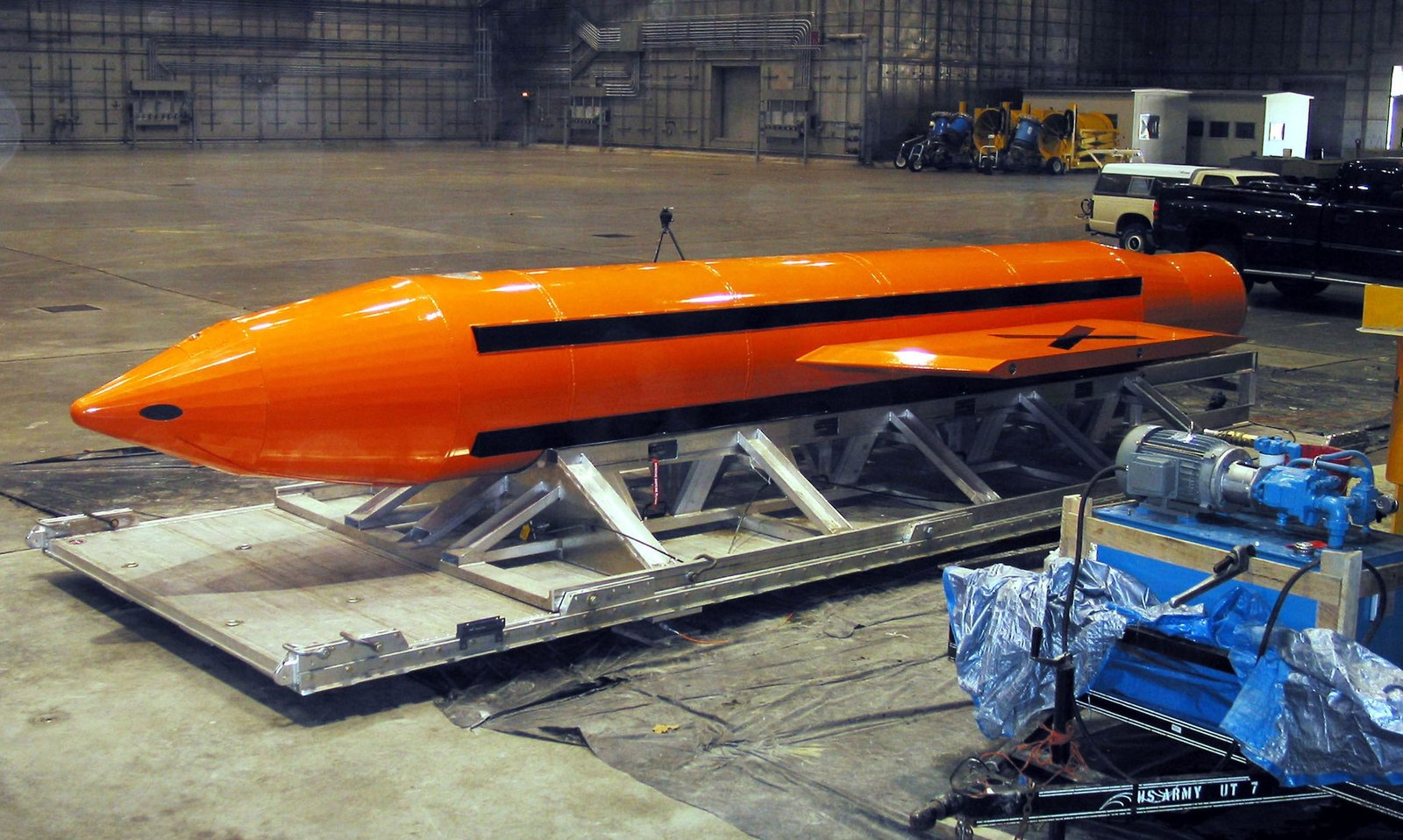
The MOAB, also known as the “Mother of All Bombs,” is the largest non-nuclear bomb in the US arsenal. It weighs approximately 21,600 pounds (9,800 kilograms), measures around 30 feet long and contains roughly 18,700 pounds of Composition H-6 explosive.
The GPS-guided weapon is designed to detonate above the ground, producing a powerful blast across a wide area. It is delivered by a C-130 aircraft and was first used operationally in Afghanistan in 2017 against an Islamic State tunnel complex.
According to CNN, the proposed strike packages include extensive energy infrastructure and nuclear-related targets. One source said the planning documents refer to attacks “prior to US retrograde in CENTCOM AOR,” suggesting strikes could precede a withdrawal of American forces from the region.
The reported plans include the possible use of the MOAB against Pickaxe Mountain, an underground Iranian nuclear-related facility. However, military sources have questioned whether the bomb could effectively damage deeply buried structures because it is designed for large-area blast effects rather than deep penetration. Its use near energy facilities could also cause civilian casualties and disrupt essential services.
Pickaxe Mountain's Underground Facility
Pickaxe Mountain, known in Persian as Kuh-e Kolang Gaz La, is located approximately 1.5 to 2 kilometres south of Iran's Natanz nuclear complex in central Iran, within the Zagros mountain region. The mountain rises about 1,608 metres above sea level.
Construction of the underground facility began in 2020. Analysts estimate its main halls are at least 100 metres (330 feet) beneath solid granite or hard volcanic rock. Iran has described the site as intended for advanced centrifuge production and assembly, but international inspectors have not been granted access.
US and Israeli officials believe Iran has stored nuclear programme components there. Some assessments suggest the facility could also store enriched uranium or support other nuclear-related activities. The site was not struck during earlier US and Israeli attacks.
Even the US GBU-57 Massive Ordnance Penetrator, a conventional bunker-busting weapon weighing approximately 30,000 pounds, could struggle to reach facilities protected by such thick layers of hard rock. Analysts have also questioned whether a tactical nuclear weapon would guarantee the site's destruction because of the surrounding geology. No nuclear weapon is identified in the reported strike plans.
Trump Keeps Options Open
Trump has publicly stated that the United States would not launch new military action against Iran before the November 3, 2026, midterm elections. However, advisers told CNN they were uncertain whether that position could change before Election Day.
A White House official declined to confirm the specific plans, saying Trump “keeps all options on the table to ensure that Iran can never have a nuclear weapon.”
A Pentagon official said the department prepares for a wide range of operational scenarios to carry out presidential and secretary-level direction and ensure mission success. The Pentagon and Iran's Foreign Ministry had not issued specific statements on the reported plans at the time of the report.
The United States and Israel began striking Iran in February 2026. Full combat operations were subsequently paused, but tensions have continued, particularly around the Strait of Hormuz.
The reported plans provide additional military options if Washington decides to resume major combat operations. The potential use of the MOAB would mark its first reported use in the current conflict with Iran, but the timing and execution of any new strikes remain unconfirmed.
——— End of Article ———