India
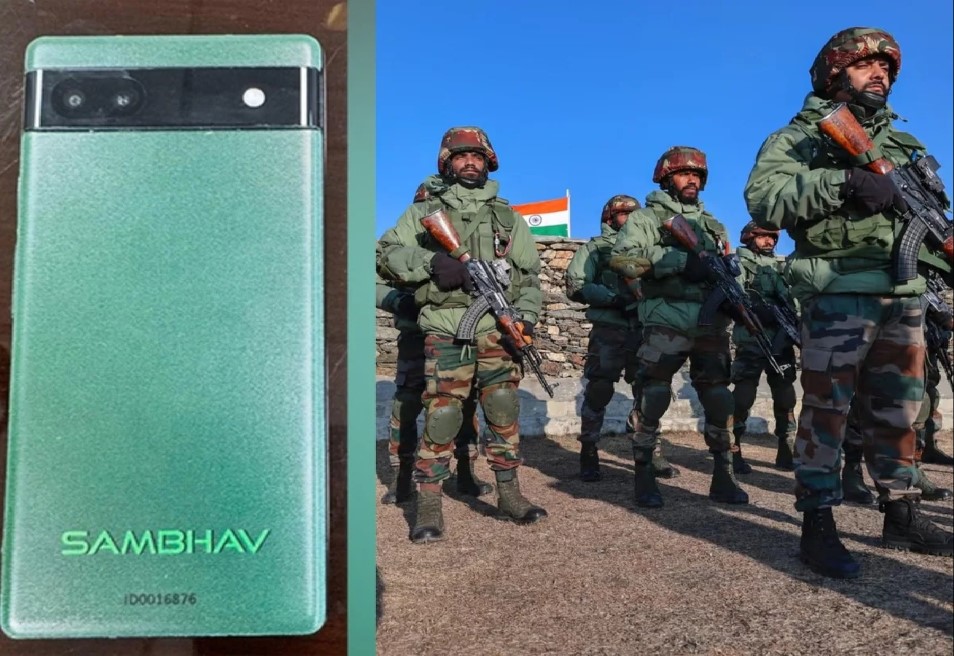
In a significant step toward enhancing secure communication, the Indian Army utilized its indigenously developed Sambhav smartphones during the latest round of border talks with China in October. These state-of-the-art devices, tailored for secure and instant communication, are a critical component of the Army's efforts to prevent information leaks and streamline communication among personnel. The Sambhav Smartphone: An Overview The SAMBHAV (Secure Army Mobile Bharat Version) is an end-to-end encrypted mobile communication system developed by the Indian Army. The project, launched last year, aims to provide secure, reliable, and contemporary communication solutions for military operations and administrative tasks. Key highlights of the Sambhav smartphone include: Secure Communication: The devices offer robust encryption to ensure the confidentiality of communications, preventing unauthorized access or leaks. 5G Technology: Designed with cutting-edge 5G capabilities, Sambhav supports high-speed data transfer for seamless communication. Custom Applications: The smartphone is equipped with M-Sigma, a messaging app analogous to WhatsApp, designed for secure sharing of messages, documents, images, and videos within the Army's network. Other specialized apps cater to operational and administrative needs, ensuring functionality tailored to the Army's requirements. Preloaded Contact Directory: Numbers of all key personnel are preloaded into the device, eliminating the need for manual saving and reducing risks of data mismanagement. Dual Network Compatibility: The phones are compatible with Airtel and Jio networks, ensuring wide coverage across regions, including sensitive border areas. Massive Deployment and Its Impact As of now, approximately 30,000 Sambhav smartphones have been distributed to officers across the Indian Army. This initiative aligns with the Army's focus on building indigenous capabilities and reducing reliance on third-party applications like WhatsApp, which were previously used for communication but faced frequent data leaks. Army Chief General Upendra Dwivedi highlighted the use of these devices during his annual press conference, emphasizing their role in ensuring secure communication during high-level engagements, such as the talks with China. The Push for an Indigenous Mobile Ecosystem The introduction of Sambhav underscores the Indian Army's broader strategy to create a secure and indigenous mobile ecosystem. By developing its own devices and applications, the Army aims to safeguard critical operational and administrative information from external threats. The smartphones also facilitate instant connectivity, which is crucial during real-time military operations and decision-making processes. This approach significantly enhances the Army's communication capabilities while addressing longstanding issues of information leaks in public domains. Bridging Gaps in Communication With its advanced specifications and tailored applications, Sambhav not only enhances secure communication but also streamlines collaboration among Army personnel. It reflects the Army's commitment to leveraging technology for operational efficiency, security, and self-reliance under the broader "Atmanirbhar Bharat" (Self-Reliant India) initiative. As tensions along the Line of Actual Control (LAC) persist, tools like the Sambhav smartphone are expected to play a critical role in ensuring secure and efficient communication during both strategic talks and field operations.
Read More → Posted on 2025-01-18 14:33:22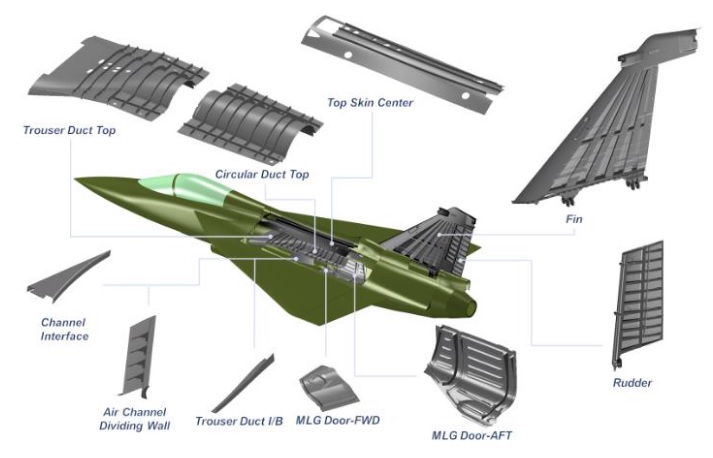
India
India is advancing its indigenous aerospace manufacturing capabilities with a significant focus on the production of composite materials to support its flagship fighter jet programs—the Tejas Mk1A and the upcoming Tejas Mk2. This ambitious plan aims to produce over 300 advanced fighter jets by 2035, each equipped with domestically manufactured composite panels. This initiative underlines India's commitment to achieving self-reliance in defence production under the "Make in India" campaign. The Role of Composites in the Tejas Program Composites play a critical role in modern aerospace engineering due to their lightweight, high strength, and durability. The Tejas Mk1A and Mk2 extensively use composite materials in their airframe, accounting for up to 45% of the aircraft's structure by weight. This translates to better fuel efficiency, improved maneuverability, and reduced radar cross-section, enhancing stealth capabilities. The advanced composite panels used in Tejas jets are manufactured using techniques like co-curing and autoclave processing, ensuring superior structural integrity and precision. Co-curing, in particular, allows multiple composite layers to be bonded simultaneously, reducing manufacturing complexity and costs. Domestic Production: Collaboration and Scaling To meet the growing demand for composite materials, the National Aerospace Laboratories (NAL), under the Council of Scientific & Industrial Research (CSIR), has intensified its efforts to develop and manufacture these materials locally. NAL, which has a rich history of contributing to India’s aerospace programs, is now working closely with private sector partners to scale up production. Private companies bring agility, innovation, and efficiency to the table, complementing NAL’s expertise in composite technology. This partnership aims to decentralize production, streamline supply chains, and achieve the ambitious target of producing 300+ aircraft by 2035. Strategic and Economic Implications The expansion of composite manufacturing for the Tejas Mk1A and Mk2 programs is a testament to India's growing aerospace capabilities. By relying on domestically produced components, India reduces its dependence on foreign suppliers, ensuring greater security and cost efficiency. Additionally, the success of these programs positions India as a potential exporter of advanced fighter jets, boosting its status in the global defence market. This large-scale manufacturing initiative also has broader economic implications. It fosters the growth of India’s private aerospace industry, creates high-skilled jobs, and drives technological innovation. Moreover, the partnership between NAL and private companies sets a precedent for future collaborations in aerospace and defence manufacturing. Looking Ahead By 2035, India’s goal to deploy over 300 Tejas Mk1A and Mk2 fighter jets equipped with indigenously produced composite panels is not just a milestone for its defence sector but a significant achievement in its journey towards technological self-reliance. The initiative underscores India's determination to become a global leader in aerospace innovation and manufacturing. The Tejas Mk1A and Mk2 programs symbolize more than just advanced fighter jets; they represent India’s commitment to strengthening its national defence, fostering innovation, and contributing to the global aerospace ecosystem.
Read More → Posted on 2025-01-18 14:28:41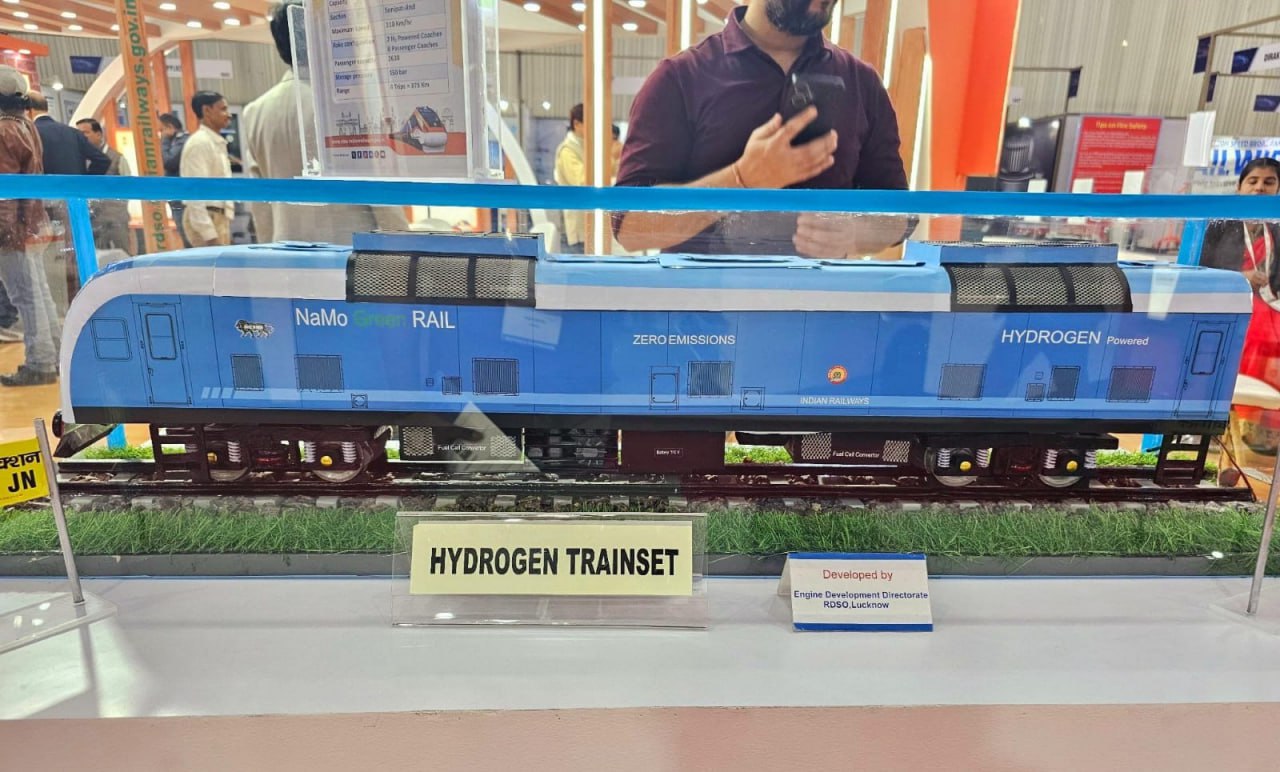
India
Indian Railways is set to achieve another milestone with the launch of the NaMo hydrogen train, a cutting-edge innovation that will feature the world’s most powerful hydrogen engine. With a remarkable capacity of 1,200 horsepower (HP), this indigenous marvel represents India’s growing prowess in green transportation and sustainable energy solutions. A Leap Toward Green Mobility Hydrogen-powered trains are emerging as a clean and efficient alternative to traditional diesel locomotives, emitting only water vapor and warm air as byproducts. The NaMo hydrogen train is part of India’s broader effort to reduce its carbon footprint and align with global climate goals. This initiative is also in sync with Prime Minister Narendra Modi’s vision of achieving net-zero emissions by 2070. The project, developed under the leadership of the Ministry of Railways and spearheaded by India’s R&D arms, is a testament to the nation’s capability in building advanced, eco-friendly technologies. Unmatched Power and Performance The NaMo hydrogen train’s 1,200 HP engine will set a global benchmark in hydrogen-powered locomotion. Key features include: Power Capacity: A massive 1,200 HP, surpassing the power of any existing hydrogen train globally. Provides the capability to haul both passenger and freight trains across varying terrains. Emission-Free Operation: Powered by hydrogen fuel cells that generate electricity through an electrochemical reaction. Emits only water and no harmful greenhouse gases, making it a zero-emission transport system. Range and Efficiency: High fuel efficiency with a single hydrogen tank allowing extended operational hours. Ideal for long-distance routes, including those in remote or electrification-deficient areas. Noise Reduction: Operates significantly quieter than diesel locomotives, reducing noise pollution along railway corridors. Indigenous Design: Fully developed and manufactured in India, supporting the government’s ‘Make in India’ initiative. Deployment Plans and Future Prospects The NaMo hydrogen train is expected to debut in 2025, with the first set of trains running on select routes, particularly in regions where electrification is currently limited. These routes are likely to include scenic tourist destinations, enhancing eco-tourism while showcasing India’s green technology. The production of these hydrogen trains is being undertaken by Indian Railways’ manufacturing units, including the Diesel Locomotive Works (DLW) and other state-of-the-art facilities. Future plans include exporting these trains to countries looking to adopt sustainable transportation technologies. Global Context: India’s Leadership in Hydrogen Tech India is not alone in adopting hydrogen-powered trains, but the NaMo hydrogen train stands out for its unmatched power. Comparable models, such as Germany’s Alstom Coradia iLint, feature engines with up to 800 HP, demonstrating India’s leap in this domain. This development positions Indian Railways as a global leader in hydrogen train technology, showcasing its capability to innovate on a massive scale. Economic and Environmental Benefits Cost Savings: While initial investments are higher, hydrogen-powered trains have lower operational costs compared to diesel locomotives. Hydrogen production through renewable energy sources in India will make fuel costs more affordable over time. Reduced Carbon Footprint: Eliminates dependence on diesel, significantly cutting carbon emissions. Contributes to India’s climate goals and supports global efforts to combat climate change. Job Creation: Development, production, and maintenance of hydrogen trains will generate skilled employment opportunities. Energy Independence: Promotes the use of domestically produced green hydrogen, reducing reliance on imported fossil fuels. Transforming India’s Railways The NaMo hydrogen train is more than just a technological achievement; it represents a paradigm shift for Indian Railways. As the backbone of India’s transportation system, adopting green technologies like hydrogen trains can have a cascading effect on the nation’s energy and environmental policies. With the NaMo hydrogen train, Indian Railways is not only addressing the challenges of sustainable mobility but also setting an example for the global rail industry. This initiative underscores India’s commitment to becoming a leader in green innovation and climate action while enhancing the efficiency and reliability of its rail network. Looking Ahead As the NaMo hydrogen train prepares to hit the tracks, it heralds a new era of eco-friendly transportation in India. This indigenous innovation reflects the country’s ambition to combine technological advancements with environmental stewardship, setting the stage for a cleaner, greener future.
Read More → Posted on 2025-01-17 15:47:02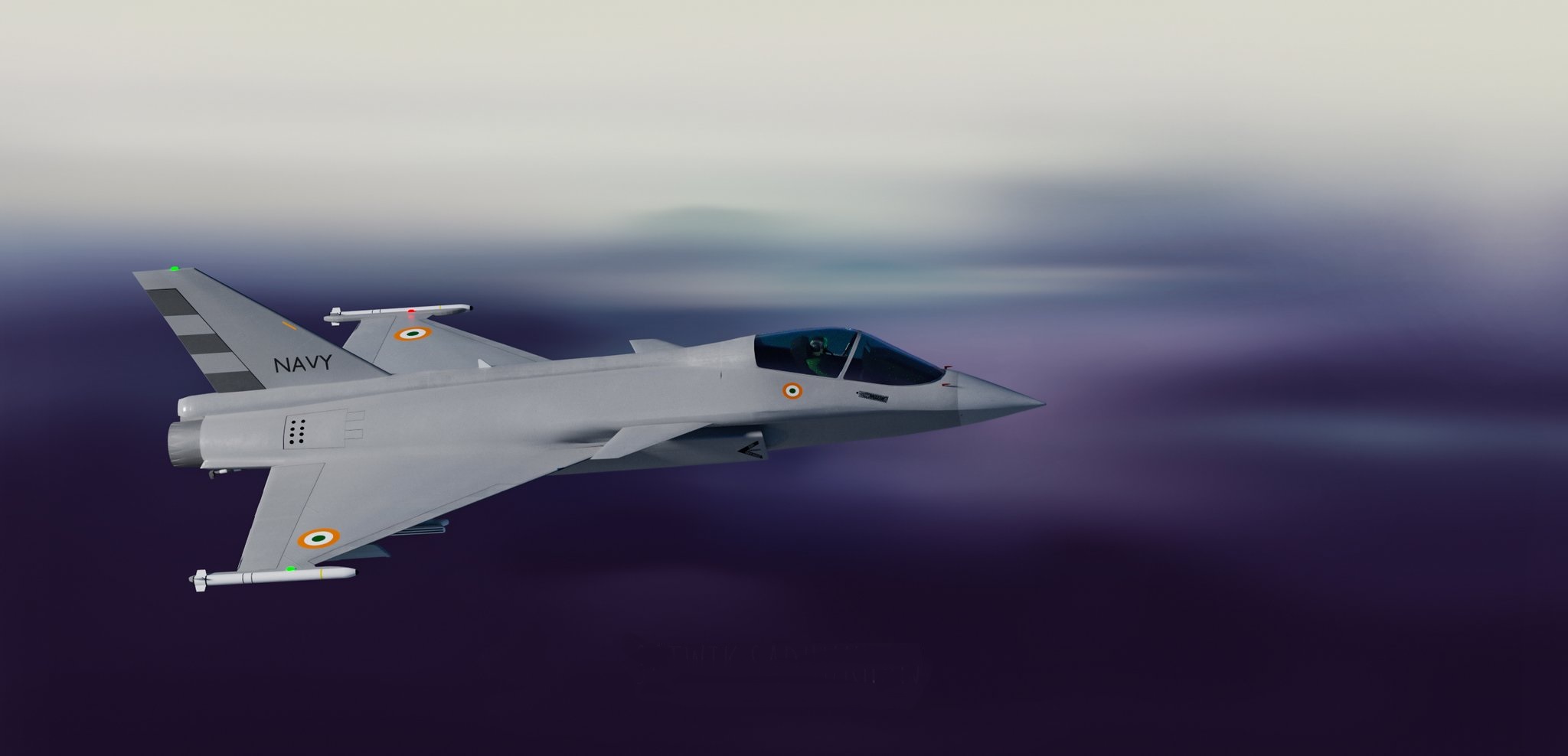
India
The Aeronautical Development Agency (ADA) is showing confidence in its ability to swiftly develop an Air Force-specific variant of the Twin Engine Deck-Based Fighter (TEDBF), originally conceived for the Indian Navy's aircraft carriers. Following the Ministry of Defence's (MoD) approval to proceed with the Critical Design Review (CDR) of the TEDBF program, ADA officials have suggested that adapting the aircraft for the Indian Air Force (IAF) could open new horizons for indigenous defense manufacturing. The TEDBF and Its Versatility The TEDBF is a 26-ton fighter jet tailored for naval operations, including takeoffs and landings on aircraft carriers. Designed to replace the aging fleet of MiG-29Ks, this twin-engine aircraft is built with advanced avionics, stealth features, and multirole capabilities. However, ADA officials believe that its adaptability could allow for the creation of an Air Force variant optimized for IAF requirements. The key difference between the naval and Air Force variants would lie in the removal of carrier-specific components such as: Folding wings: Designed for carrier storage, these would no longer be needed. Heavy-duty landing gear: Essential for carrier landings but unnecessary for conventional runways. These changes would result in a lighter aircraft, estimated at approximately 24 tons. The weight reduction would increase fuel efficiency, allow for additional payload, and improve overall operational flexibility. Enhanced Features of the Air Force Variant The proposed Air Force version of the TEDBF would include several enhancements, making it a highly capable multirole fighter: Increased Fuel Capacity: The lighter structure would allow an additional 5 tons of fuel storage, significantly extending its range for long-distance missions. Additional Hardpoints: The absence of wing-folding mechanisms would free up space for more hardpoints, enabling the aircraft to carry additional weapons and stores. Improved Maneuverability and Performance: The reduced weight and streamlined design would enhance speed, agility, and payload capacity, making it suitable for a wide range of combat scenarios. Indigenous Technology: Like its naval counterpart, the Air Force variant would incorporate state-of-the-art technologies developed indigenously, aligning with the government’s “Make in India” initiative. The Path Ahead While the Indian Air Force has yet to formally express interest in this variant, ADA officials believe the aircraft could serve as an interim solution or a supplement to ongoing projects like the Advanced Medium Combat Aircraft (AMCA) and the Tejas MK2. This potential variant could help bridge capability gaps as the IAF modernizes its fleet and seeks to reduce dependence on foreign platforms. However, the decision ultimately rests with the IAF, whose focus on its Multi-Role Fighter Aircraft (MRFA) program and overall fleet strategy will determine whether the TEDBF Air Force variant moves forward. A Strategic Opportunity for Indigenous Aviation The development of an Air Force variant of the TEDBF presents a unique opportunity for India to further its self-reliance in defense manufacturing. If pursued, this project could yield a platform that not only meets the IAF’s operational needs but also strengthens India’s aerospace industry through the development of cutting-edge technologies. The TEDBF’s adaptability and potential to serve across multiple branches of the armed forces underscore the program's significance as a cornerstone of India's indigenous fighter jet capabilities. Whether the IAF chooses to embrace this opportunity remains to be seen, but the groundwork laid by ADA is undoubtedly paving the way for a promising future in Indian aviation.
Read More → Posted on 2025-01-17 14:45:26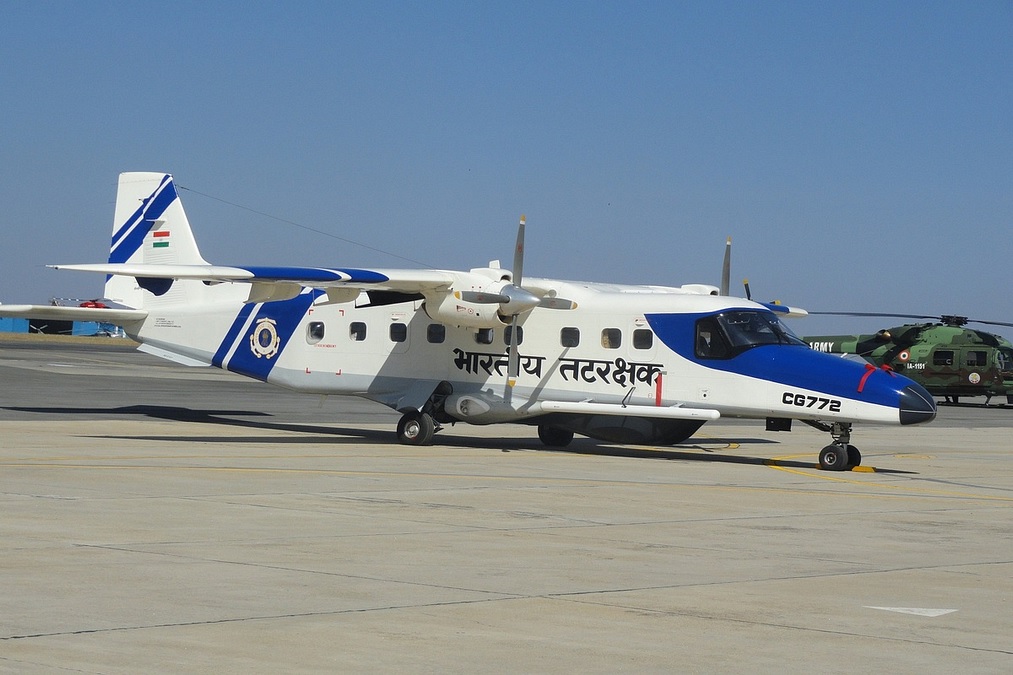
India
India is making significant strides in the global defence market by proposing the Dornier 228 aircraft to the Malaysian Coast Guard. This deal not only includes the delivery of the versatile aircraft but also offers a crucial Technology Transfer (TOT) package, aligning with India's "Make in India" initiative and its ambition to expand defence exports globally. Dornier 228: Specifications and Capabilities The Dornier 228 is a twin-turboprop utility aircraft, recognized for its versatility and reliability in various roles, particularly in maritime and short-haul operations. Originally developed by the German company Dornier GmbH, the aircraft's production was shifted to Hindustan Aeronautics Limited (HAL) in India, which has modernized and tailored the platform to meet contemporary needs. Key Specifications: Dimensions: Length 16.56 meters, wingspan 16.97 meters, height 4.86 meters Engines: Two Garrett TPE331-10 turboprop engines, offering superior fuel efficiency Maximum Cruise Speed: 428 km/h Range: Approximately 1,300 kilometers Payload Capacity: Up to 1,905 kilograms Seating Capacity: Configured for 19 passengers or adapted for cargo and mission-specific equipment Endurance: Over 7 hours in surveillance mode Operational Roles: Maritime Surveillance: Equipped with advanced sensors and radars to monitor large maritime areas. Search and Rescue (SAR): Integrated with mission management systems for locating and rescuing stranded personnel. Pollution Control: Capable of detecting and monitoring marine pollution. Cargo Transport: Efficient for logistical operations in remote and difficult-to-access regions. Aerial Surveys: Ideal for mapping, coastal monitoring, and border patrolling. Strategic Importance of the Offer India's offer to Malaysia represents a broader strategic goal of fostering strong defence ties in Southeast Asia. Malaysia, given its strategic location in the South China Sea and its growing need to bolster maritime security, presents a critical partner for India. Addressing Regional Security Challenges:With escalating tensions in the South China Sea and increasing illegal fishing, piracy, and smuggling activities, the Malaysian Coast Guard urgently requires robust surveillance and patrol assets. The Dornier 228, with its multi-role capabilities and endurance, is an ideal solution to address these challenges effectively. Technology Transfer (TOT):The inclusion of TOT in the offer not only enhances the value proposition for Malaysia but also facilitates the sharing of critical knowledge and manufacturing capabilities. This aligns with India's push to promote its indigenous defence industry while fostering local production and innovation in partner countries. Boosting India's Defence Export Profile:Over the past few years, India has seen a tenfold increase in its defence exports, reaching $1.95 billion in FY23. The Dornier 228 has already been successfully exported to countries such as Seychelles, Bangladesh, and Mauritius, underscoring its operational dependability. By offering the aircraft to Malaysia, India seeks to further cement its position as a reliable defence exporter. Strengthening Bilateral Relations:The deal aligns with India's Act East Policy, which focuses on strengthening ties with Southeast Asian nations. Enhanced defence cooperation with Malaysia is a step forward in fostering collaborative security arrangements in the region. Enhancing Maritime Security for Malaysia For Malaysia, the acquisition of the Dornier 228 offers an opportunity to significantly enhance its maritime domain awareness. The aircraft's ability to operate in tropical climates, rugged terrains, and challenging maritime conditions makes it an invaluable asset for patrolling its extensive coastline and exclusive economic zones. In a region influenced by major global powers, India’s defence cooperation with Malaysia highlights a commitment to building regional resilience and supporting the security needs of smaller nations. This move also reflects India's ambition to counterbalance growing influence from other nations in the Indo-Pacific region by offering high-quality, cost-effective, and adaptable solutions. Conclusion India's offer of the Dornier 228 to the Malaysian Coast Guard is more than just a defence deal—it is a strategic initiative aimed at enhancing regional security, promoting bilateral partnerships, and boosting India's standing in the global defence market. By integrating technology transfer and emphasizing regional cooperation, this deal serves as a testament to India's growing capabilities as a defence exporter and a reliable partner for addressing shared security challenges.
Read More → Posted on 2025-01-17 14:25:57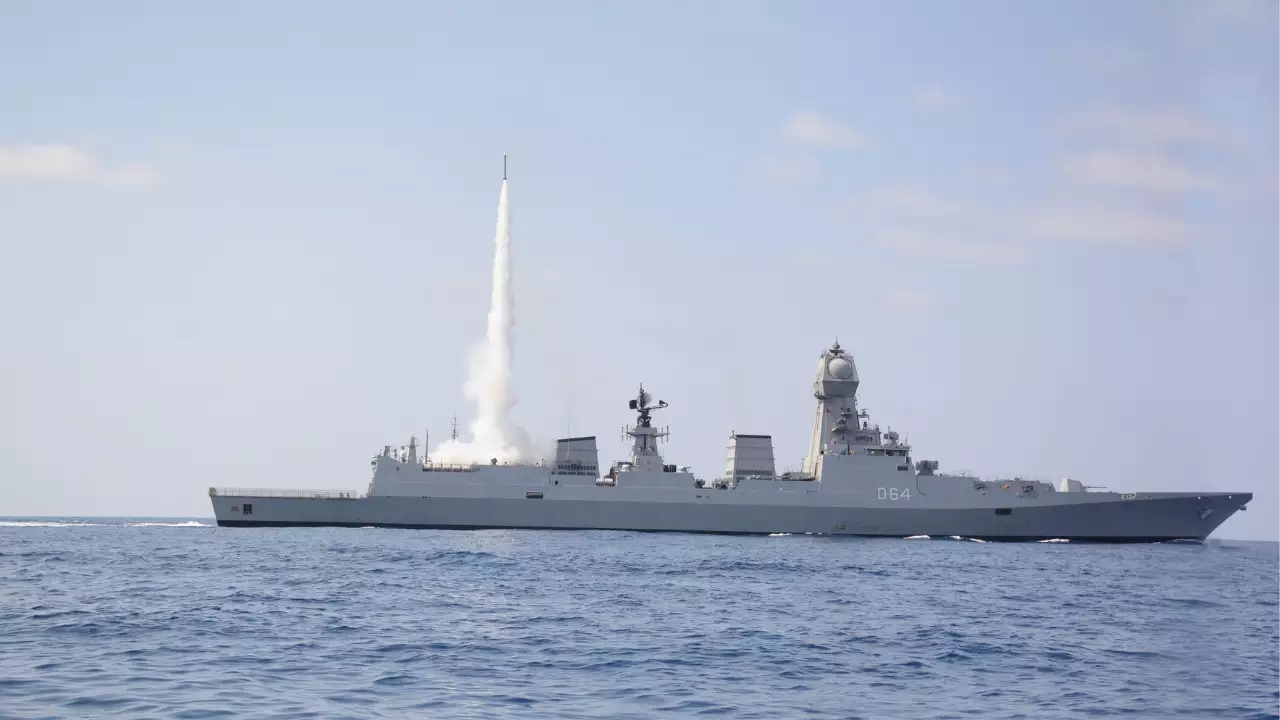
India
The Ministry of Defence (MoD) has entered into a landmark contract with Bharat Dynamics Limited (BDL) for the production and supply of Medium-Range Surface-to-Air Missiles (MRSAM) to bolster the Indian Navy’s capabilities. Signed in New Delhi on Thursday in the presence of Defence Secretary Rajesh Kumar Singh, the deal is valued at ₹2,960 crore and underscores India’s focus on self-reliance in defence technology. Enhancing the Navy’s Arsenal The MRSAM system is a state-of-the-art missile defence solution designed to intercept and neutralize aerial threats, including enemy aircraft, missiles, and drones, at medium ranges. This sophisticated weapon system is already a standard feature on several Indian naval ships and will be integrated into most future vessels. The deal marks another step in modernizing the Navy’s arsenal and enhancing its operational readiness in maritime security. The MRSAM system, developed in collaboration with Israel Aerospace Industries (IAI), boasts several advanced features: Range: The missiles can engage targets up to 70 km away. Speed: Capable of achieving supersonic speeds of Mach 2 and above. Guidance System: Equipped with advanced phased-array radar and command-and-control systems for precision targeting. Warhead: Features a highly explosive warhead designed to maximize destruction upon impact. Canisterized Design: Ensures safe storage, transport, and rapid deployment. This system is vital in ensuring the Navy’s ability to safeguard its assets against evolving aerial threats in increasingly contested maritime zones. Boost to Domestic Manufacturing The MRSAM contract aligns with India’s ‘Aatmanirbhar Bharat’ (Self-Reliant India) initiative. Classified under the 'Buy (Indian)' procurement category, the deal ensures significant indigenous content. Bharat Dynamics Limited will collaborate with several Micro, Small, and Medium Enterprises (MSMEs) for component manufacturing, creating an estimated 3.5 lakh man-days of employment across the defence production ecosystem. India’s focus on local manufacturing in defence has gained significant momentum, with the Navy leading the charge. Currently, 39 out of 40 naval vessels, including the formidable INS Vikrant aircraft carrier and nuclear-powered submarines such as INS Arihant, have been built in Indian shipyards. A Broader Push for Self-Reliance This agreement is part of a broader strategy by the government to reduce dependence on foreign arms imports. India has already identified over 5,000 defence items that will no longer be imported, emphasizing domestic production capabilities. Prime Minister Narendra Modi recently lauded the Navy’s indigenization efforts while dedicating advanced naval platforms such as the destroyer INS Surat, the frigate INS Nilgiri, and the submarine INS Vaghsheer to the nation. He stressed that indigenously developed equipment boosts the confidence of the armed forces and showcases India’s growing manufacturing prowess. Expanding Defence Ecosystem The defence sector has witnessed unprecedented growth, with production surpassing ₹1.25 lakh crore and exports reaching over 100 countries. Facilities like the new helicopter manufacturing unit in Karnataka and the transport aircraft factory in Gujarat demonstrate the government’s commitment to expanding domestic production capabilities. Moreover, defence corridors in Uttar Pradesh and Tamil Nadu have emerged as key hubs for innovation and manufacturing, accelerating India’s journey toward becoming a global defence supplier. A Step Forward The ₹2,960 crore MRSAM deal is not just a boost for the Indian Navy but also a testament to the government’s commitment to fostering indigenous manufacturing and technological innovation. With the defence sector on an upward trajectory, India is poised to become a significant player in the global arms market while strengthening its own security infrastructure.
Read More → Posted on 2025-01-16 14:44:06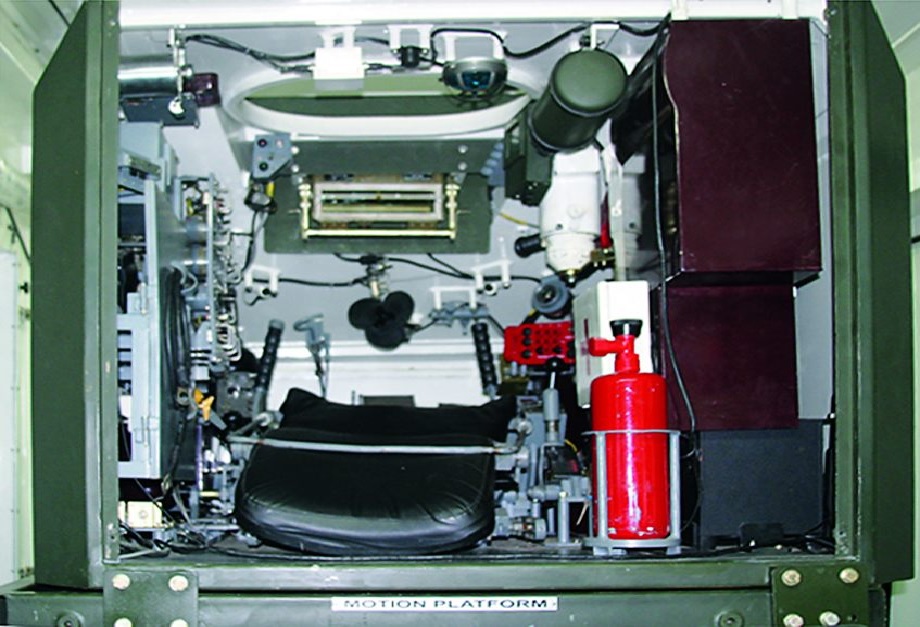
India
Hyderabad-based Zen Technologies Limited, a leading innovator in defence training solutions, has added another feather to its cap with the grant of an Indian patent for its cutting-edge “T-72 Containerized Crew Gunnery Simulator System.” Awarded on January 8, 2025, this marks the company’s eleventh patent for the fiscal year 2024-25, underscoring its commitment to technological advancements in military training. Advanced Features of the T-72 Crew Gunnery Simulator The newly patented T-72 Containerized Crew Gunnery Simulator is a state-of-the-art system engineered to elevate the combat preparedness of T-72 tank crews. Designed for commanders and gunners, it provides an immersive, safe training environment replicating real-world battlefield scenarios. Key specifications of the simulator include: Immersive Combat Simulation: The system accurately reproduces the operational dynamics of a T-72 tank in combat. Trainees can practice engaging targets, managing ammunition, and maneuvering through complex terrains under realistic conditions. Containerized Design: This feature allows for rapid deployment and setup in remote or temporary locations, eliminating the need for permanent infrastructure. Its mobility ensures accessibility to military units stationed across diverse regions. Dynamic Motion Platform: The simulator incorporates a motion platform that mimics the physical sensations of tank movement, firing, and recoil. This realistic experience is critical for building muscle memory and enhancing reflexes. Advanced Training Scenarios: The system enables real-time feedback and analytics, helping trainees identify areas for improvement and sharpening their combat skills in a controlled setting. Significance for India's Defence The T-72 tank, introduced in the 1970s as a Soviet main battle tank, has remained a backbone of military operations worldwide. In India, the T-72, known as "Ajeya," plays a critical role in the nation’s armoured regiments. With over 1,200 T-72 tanks in service, maintaining crew proficiency is essential. Zen Technologies’ simulator addresses this need by providing a modern training solution that enhances operational readiness while reducing wear and tear on actual tanks during training exercises. It also allows for training in a variety of combat scenarios, including night operations and adverse weather conditions. Zen Technologies: Driving Defence Innovation Zen Technologies has consistently demonstrated leadership in defence technology. With over 130 patents in India and 50 filed internationally, the company has established itself as a pioneer in live, virtual, and constructive simulation systems. Its products cater to a wide range of defence applications, from infantry combat to air defence and tank training. The company’s innovative approach aligns with the increasing complexity of modern warfare, where simulation-based training has become a necessity. As global armed forces strive to enhance their operational capabilities, the demand for advanced simulators like the T-72 Crew Gunnery Simulator is expected to grow exponentially. Future Prospects The patent for the T-72 Containerized Crew Gunnery Simulator strengthens Zen Technologies’ position as a key player in the global defence simulation market. With an eye on exports, the company is poised to extend its expertise beyond India, contributing to the modernization of military training worldwide. As the Indian Army and other global militaries prioritize preparedness for evolving battlefield scenarios, innovative solutions like this simulator are set to play a transformative role in defence strategies. Zen Technologies, with its proven R&D capabilities, is undoubtedly a vital partner in this journey toward enhanced military efficiency.
Read More → Posted on 2025-01-16 14:38:08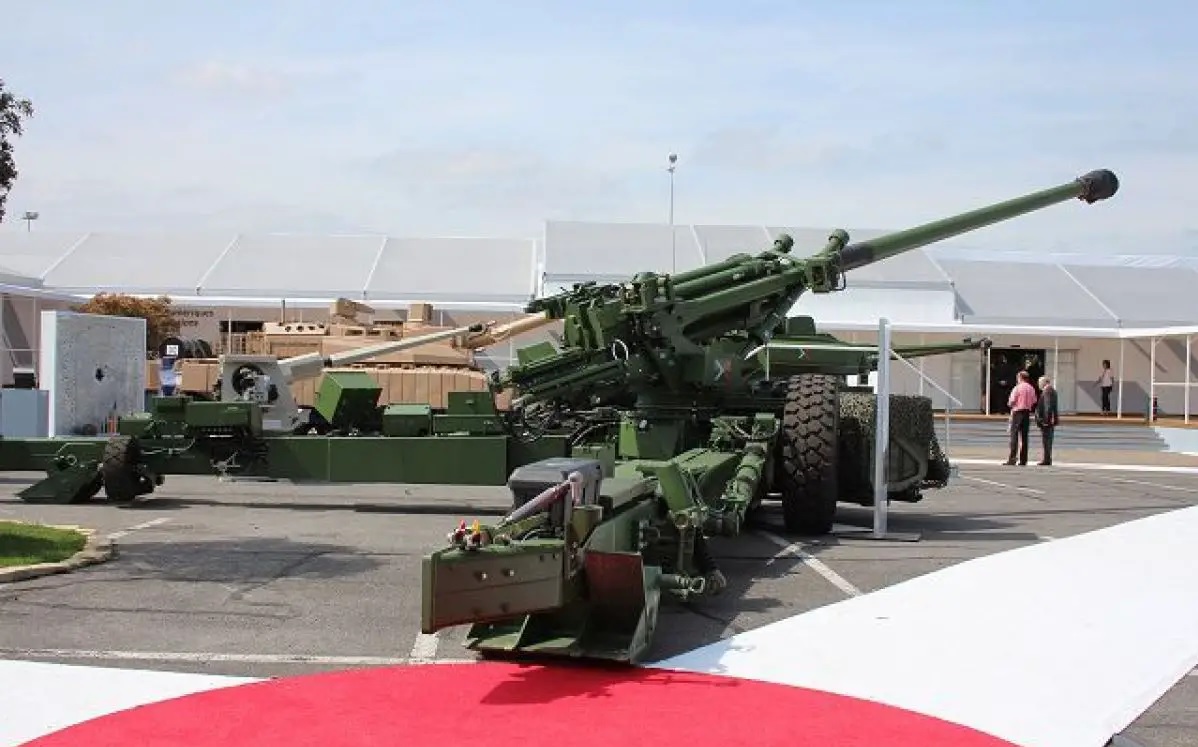
India
Armenia has taken a significant step in modernizing its military by acquiring the TRAJAN 155mm towed artillery gun system. This advanced weapon is a collaborative effort between India's Larsen & Toubro (L&T) and France's Nexter Systems, showcasing a blend of cutting-edge Indo-French technology. The decision underscores Armenia's commitment to enhancing its artillery capabilities in the face of evolving security challenges. The TRAJAN Howitzer: Cutting-Edge Artillery The TRAJAN is a 155mm/52-calibre towed gun system, designed for exceptional mobility, accuracy, and rapid deployment. It is built to fire NATO-standard projectiles, including advanced "smart" munitions, giving it a tactical edge in modern warfare. The gun system weighs approximately 13 tons, making it transportable via military transport aircraft like the Airbus A400M, Boeing C-17, and Ilyushin IL-76, ensuring rapid deployment across diverse terrains. Key specifications of the TRAJAN include: Firing Range: Up to 42 km using extended-range projectiles. Rate of Fire: Sustains up to 45 rounds in 30 minutes. Crew: Operated by a team of six. Setup Time: Ready to fire within 1.5 minutes. Mobility: Capable of speeds up to 80 km/h on roads and 30 km/h off-road. The system is equipped with advanced features such as a ballistic computer, muzzle velocity radar, and an inertial guidance system provided by France's iXblue. These technologies ensure high-precision targeting and autonomous firing capabilities, making the TRAJAN a formidable addition to any military arsenal. Indo-French Collaboration: Strengthening Defence Ties The TRAJAN is a result of the partnership between Nexter Systems and L&T, which was formed under India's 155mm Towed Gun Artillery program. While Nexter provides the core design and expertise, L&T manufactures critical subsystems, ensuring seamless integration and localized production. This collaboration highlights India's growing role in global defence manufacturing and technology transfers. Armenia's Defence Modernization: Beyond the TRAJAN The acquisition of the TRAJAN is part of a broader effort by Armenia to modernize its defence forces. Alongside the howitzer, Armenia is also set to receive other advanced systems from India, including: Pinaka Multi-Barrel Rocket Launchers:Developed by the Defence Research and Development Organisation (DRDO), the Pinaka system can launch multiple rockets within a short timeframe. Enhanced variants have a range of up to 90 km, making them highly effective for neutralizing enemy positions during conflicts. Akash Surface-to-Air Missile Systems:The Akash system is designed to counter a range of aerial threats, including fighter jets, drones, and cruise missiles. Its variants offer operational ranges from 40 km to over 90 km, providing Armenia with a robust air defence capability. Strategic Implications Armenia's acquisition of these systems marks a significant enhancement of its military capabilities, enabling it to respond more effectively to regional threats. The TRAJAN's advanced technology, combined with the Pinaka and Akash systems, reflects Armenia's strategic intent to build a well-rounded and modern defence infrastructure. Deliveries of these systems are expected to begin soon, providing Armenia with a crucial boost in its operational readiness. This landmark defence collaboration also reinforces India's position as a reliable partner in international defence exports, while strengthening ties with Armenia. By integrating cutting-edge technology from France and India, Armenia is positioning itself as a more capable and modernized military force in an increasingly complex geopolitical environment.
Read More → Posted on 2025-01-16 10:29:42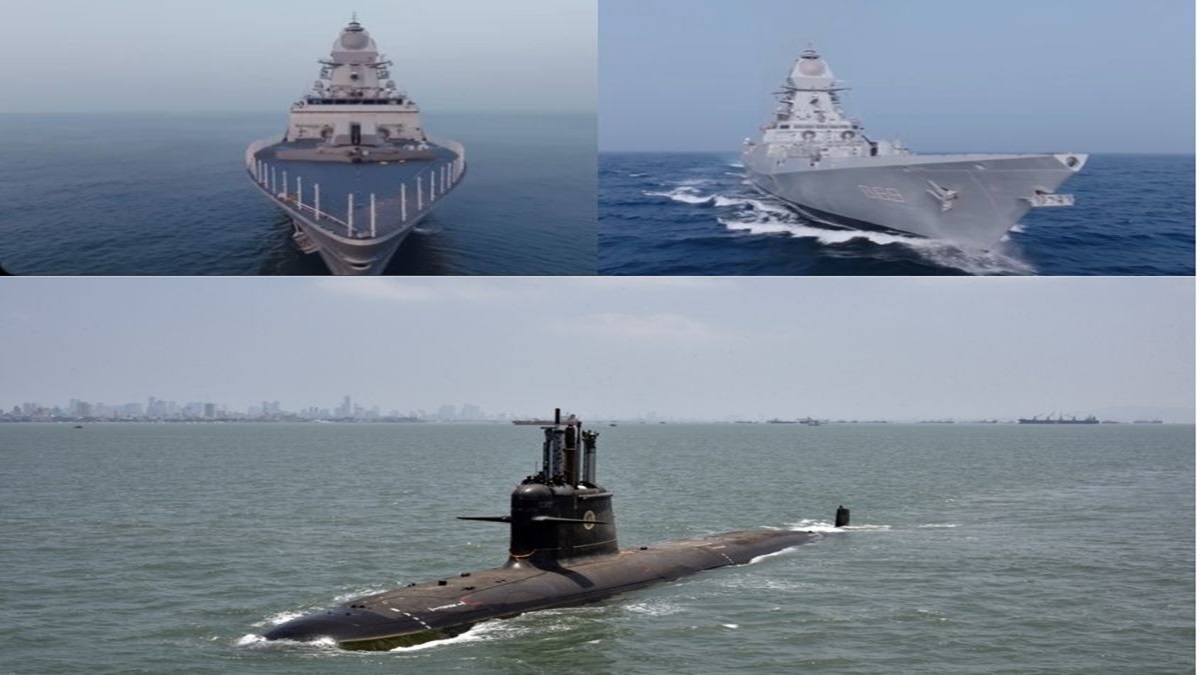
India
On January 15, 2025, the Indian Navy marked a historic milestone with the induction of three state-of-the-art warships: INS Nilgiri, a new Project 17A class frigate; INS Surat, the latest addition to the Project 15B class destroyers; and INS Vaghsheer, the final submarine in the Scorpene-class project. This unprecedented tri-commissioning ceremony took place at Naval Dockyard in Mumbai, with Prime Minister Narendra Modi in attendance, highlighting the significance of the event. The induction of these advanced platforms comes on the heels of a decade-long modernization effort, during which 33 ships and seven submarines were added to the fleet. Impressively, 39 of the 40 vessels commissioned were built in Indian shipyards, underscoring India’s growing self-reliance in defense production. The three ships—INS Nilgiri, INS Surat, and INS Vaghsheer—were all constructed at Mazagon Dock Shipbuilders Limited (MDL) in Mumbai. After completing rigorous trials involving machinery, hull, fire-fighting systems, damage control, navigation, and communication systems, the vessels are now fully operational and ready for deployment. INS Nilgiri – Project 17A Class Frigate INS Nilgiri is a significant upgrade over its predecessor, the Shivalik-class frigates, and is among the most advanced surface warships built in India. Measuring 149 meters in length and weighing 6,700 tons, it incorporates stealth features such as a sloped superstructure, flush deck, infrared suppression system, and acoustic quietening technology. Powered by a Combined Diesel and Gas (CODAG) propulsion system, the ship boasts two General Electric LM2500 gas turbines, allowing it to reach impressive speeds. The frigate is armed with advanced weaponry, including: 76mm SRGM with DART smart homing ammunition Two 30mm AK-630M Close-In Weapon Systems (CIWS) Eight BrahMos supersonic cruise missiles 32 Barak-8 / MRSAM surface-to-air missiles L&T triple torpedo launchers and Indigenous Rocket Launchers for Anti-Submarine Warfare (ASW) rockets Its primary radar, the MF-STAR by IAI, is produced by Bharat Electronics Limited (BEL). Nilgiri, along with its sister ships, is set to enhance the Indian Navy’s operational capabilities, with future upgrades expected, including advanced surface-to-air missile systems and long-range anti-ship missiles. INS Surat – Project 15B Class Destroyer INS Surat, the fourth and final ship of the Project 15B destroyer class, features substantial improvements over its predecessor, the Kolkata-class (Project 15A). At 163 meters long and weighing 7,400 tons, it is equipped with cutting-edge technologies, including a 75% indigenous content. Surat is capable of reaching speeds of up to 30 knots and is designed for multi-role operations. Notable specifications and armament include: 76mm SRGM with a placeholder variant, possibly to be upgraded Four AK-630M CIWS 16 BrahMos supersonic cruise missiles 32 Barak-8 / MRSAM surface-to-air missiles L&T twin torpedo launchers and Indigenous Rocket Launchers for ASW Primary radar: MF-STAR by IAI and BEL Surat is expected to be equipped with next-gen weapons such as VL-SRSAM (Vertical Launch Short-Range Surface-to-Air Missile) and LRLACM (Long-Range Land Attack Cruise Missile) in the future, boosting its already impressive offensive and defensive capabilities. INS Vaghsheer – Scorpene-Class Submarine INS Vaghsheer, the sixth and final submarine under the Kalvari-class Project 75, is one of the quietest and most versatile diesel-electric submarines in the world. This submarine is designed for a wide range of missions, including anti-surface warfare, anti-submarine warfare, intelligence gathering, area surveillance, and special operations. Its stealth capabilities are a key feature, making it a formidable asset for the Navy. Vaghsheer is armed with wire-guided torpedoes, Exocet anti-ship missiles, and advanced sonar systems. The submarine’s modular construction allows for future upgrades, including the integration of Air Independent Propulsion (AIP) technology. This technology would significantly extend its submerged endurance, making it even more effective for extended missions. The Kalvari-class submarines are also being upgraded, with the lead submarine, INS Kalvari, set to receive an AIP plug and the new DRDO Electrical Heavyweight Torpedo (EHWT). The Navy is also eyeing the next generation of submarines under Project 75I and Project 76. A Progressive Step for India's Naval Strength The induction of INS Nilgiri, INS Surat, and INS Vaghsheer signals a significant leap forward in India's naval capabilities. These platforms, built with advanced weaponry, sensors, and propulsion systems, will help ensure the Navy's superiority in the region. Furthermore, the strategic collaborations with global defense manufacturers, combined with the extensive use of indigenous technologies, represent a major step toward achieving self-reliance in defense production. As part of the ongoing efforts to modernize its fleet, the Indian Navy is also looking forward to the next generation of warships and submarines, such as the Project 18 destroyers and Project 75I submarines, which will further enhance its operational reach and deterrence capabilities. With these new additions, the Indian Navy is ready to face the challenges of a rapidly evolving maritime security environment, making it one of the most formidable naval forces in the world.
Read More → Posted on 2025-01-15 17:04:22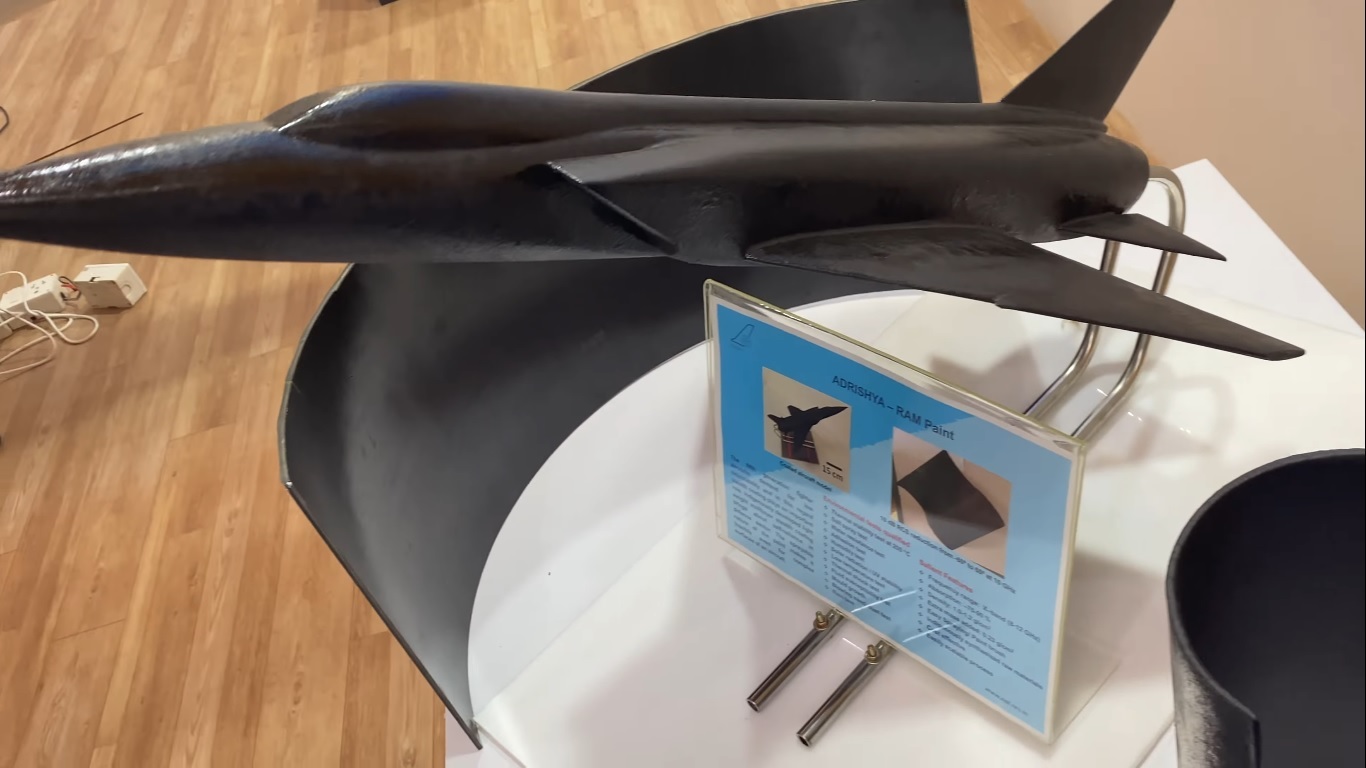
India
The Council of Scientific and Industrial Research – National Aerospace Laboratories (CSIR-NAL) has unveiled groundbreaking advancements in stealth technology designed specifically for aerospace applications. These innovative radar-absorbing materials—NiRaLa-Monolithic Radar Absorbing Laminate and ADRISHYA-RAM Paint—mark a significant leap in reducing the radar cross-section (RCS) of aircraft, a critical factor for enhancing stealth and survivability in modern warfare. NiRaLa-Monolithic Radar Absorbing Laminate (NiRaLa) NiRaLa, short for "Nirantar Radar Absorbing Laminate," stands as a hallmark of indigenous innovation in radar-absorbing structures (RAS). This material has been engineered with precision to address key stealth requirements for advanced aircraft. Material Composition: It is crafted from a multilayer aerospace-grade epoxy resin-based composite. Operational Frequency: Effective in the X-band (8-12 GHz), the frequency range commonly used by advanced radar systems. Radar Absorption Efficiency: Achieves an extraordinary radar absorption rate of 80-99%, offering a significant RCS reduction exceeding 10 dB. Thermal Resilience: Withstands temperatures up to 180°C, ensuring consistent performance in diverse operational environments. Testing and Qualification: The material has successfully passed extensive structural evaluations under room temperature and hot-wet conditions, proving its reliability in real-world applications. This advanced laminate paves the way for robust, lightweight, and thermally stable solutions in stealth technology. ADRISHYA-RAM Paint Complementing the NiRaLa laminate, ADRISHYA-RAM Paint provides a versatile and practical approach to stealth enhancement. Frequency Range: Operates effectively in the X-band (8-12 GHz), aligning with cutting-edge radar technologies. Absorption Capability: Demonstrates radar absorption of 75-90%, significantly lowering the aircraft’s detectability. Lightweight Design: Features a density range of 1.0-1.2 g/cm³, minimizing the weight impact on aircraft. Ease of Application: Can be applied with a paintbrush or via spraying, making it user-friendly and deployable in diverse conditions. Versatile Substrate Compatibility: Suitable for aluminum alloy (AA) and carbon fiber reinforced polymer (CFRP) surfaces, enabling wide-ranging applications. Indigenous Manufacturing: Developed from locally synthesized raw materials, it underscores India’s push for self-reliance in defense technology. Cost-Effectiveness and Scalability: Offers a scalable, cost-efficient solution, essential for large-scale deployment. Transformative Impact on Aerospace and Defense The unveiling of NiRaLa and ADRISHYA-RAM represents a pivotal achievement in India’s pursuit of cutting-edge stealth technologies. By significantly reducing radar signatures, these materials enhance the survivability and operational effectiveness of aircraft in high-stakes military scenarios. These advancements cater not only to the development of new-generation stealth aircraft but also provide retrofitting options for existing fleets. The ability to seamlessly integrate these materials ensures that India’s aerospace and defense sectors can maintain strategic air superiority while aligning with the broader goal of defense self-reliance. The technologies position CSIR-NAL as a key player in the global stealth and aerospace landscape, reinforcing India’s standing in the world of advanced defense innovations.
Read More → Posted on 2025-01-15 16:57:14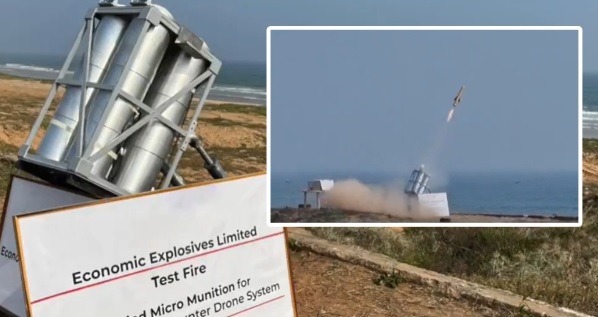
India
The Solar Group has made a significant leap in counter-drone technology with the successful test-firing of guided micro-missiles designed for the Bhargavastra Counter-Drone System. The recent tests, conducted under varying conditions, demonstrated the system’s efficacy in engaging targets at ranges from 400 meters to 2.5 kilometers. This innovation represents a major milestone in addressing the growing threat posed by unmanned aerial vehicles (UAVs) on modern battlefields. Compact and Mobile Design One of the standout features of the Bhargavastra system is its remarkable compactness. The entire system, including 64 micro-missiles, can be mounted on a standard 4x4 vehicle, providing unparalleled mobility. This portability ensures rapid deployment across diverse terrains and operational scenarios, enhancing the system’s tactical flexibility. Dual Missile Systems The Bhargavastra system employs two distinct types of guided missiles, each tailored for specific engagement scenarios: Command-Guided Missiles: These missiles have an effective range of up to 3 kilometers, providing precision targeting in short to medium-range engagements. Seeker-Based Missiles: With an extended range of 5 kilometers, these missiles are equipped with advanced seekers for long-range engagements, ensuring high accuracy and effectiveness against a variety of UAV threats. Advanced Targeting and Detection The Bhargavastra system is equipped with an integrated electro-optical targeting system that combines multiple cutting-edge technologies: Day TV Camera: Enables precise visual tracking during daylight operations. Infrared Camera: Ensures effective target acquisition in low-light and night-time scenarios. Laser Range Finder: Provides accurate distance measurements for enhanced targeting precision. Supporting this advanced targeting suite is a below-panel Active Electronically Scanned Array (AESA) radar system. Featuring four panels for complete 360-degree coverage, the radar can detect stealth targets as small as 0.01 square meters from a distance of 10 kilometers. This capability ensures early threat detection and swift engagement. Modular and Interoperable Design The system’s missiles are housed in four modular missile cassettes, allowing for efficient reloading and maintenance. Additionally, the Bhargavastra is engineered to integrate seamlessly with other defense systems, enabling its operation within a multi-layered counter-drone framework. Multi-Layered Counter-Drone System The Bhargavastra system incorporates both hard-kill and soft-kill technologies to address a wide spectrum of UAV threats: Hard-Kill Layer: Employs guided micro-missiles to physically neutralize UAVs, ensuring the destruction of hostile drones. Soft-Kill Layer: Utilizes electronic warfare capabilities to disrupt and disable UAVs through non-kinetic means. This layer enhances operational versatility, particularly in scenarios where hard-kill solutions may not be viable. Network-Centric Integration Designed with modern warfare in mind, the Bhargavastra system seamlessly integrates into existing network-centric defense infrastructures. This capability ensures that the system can function as part of a broader defense ecosystem, providing enhanced situational awareness and enabling real-time coordination with other systems. Addressing the Evolving Threat Landscape With UAVs increasingly utilized for reconnaissance and as weaponized platforms, the need for advanced counter-drone systems has never been greater. Solar Group’s Bhargavastra aims to fill this critical gap by offering a robust, adaptable, and multi-functional solution capable of neutralizing a wide range of UAV threats. The successful development and testing of the Bhargavastra system underscore Solar Group’s commitment to innovation and excellence in defense technology. As UAV threats continue to evolve, systems like Bhargavastra will play a pivotal role in ensuring the security and operational superiority of modern armed forces.
Read More → Posted on 2025-01-15 15:38:39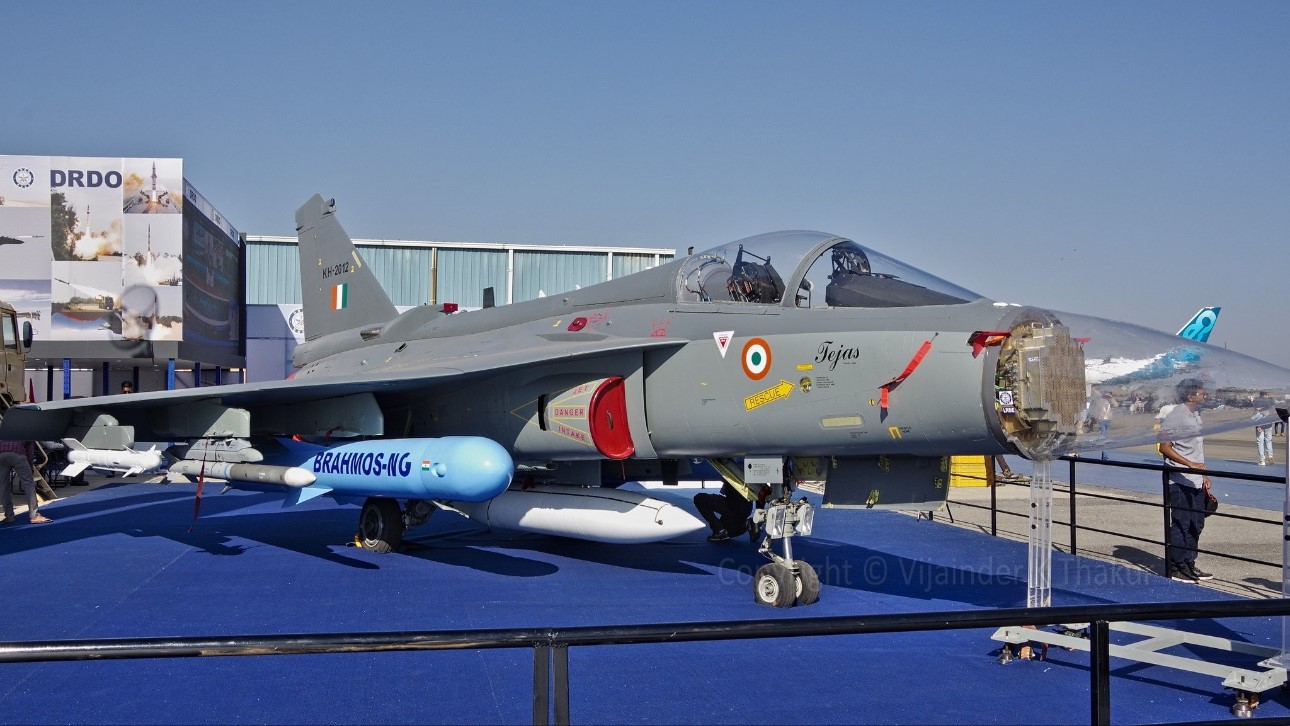
India
In a bold move to expand its footprint in the global defense market, India is set to offer its indigenous Light Combat Aircraft (LCA) Tejas, integrated with the upcoming BrahMos-NG missiles, to the Indonesian Air Force. This strategic offering underscores India's growing prowess in defense manufacturing and aims to address Indonesia's pressing need for advanced maritime surveillance and defense capabilities. Meeting Indonesia's Maritime Security Needs As an archipelagic nation with over 17,000 islands and the world’s sixth-largest exclusive economic zone (EEZ) of 6 million square kilometers, Indonesia faces the monumental task of safeguarding its vast maritime domain. Frequent violations of maritime sovereignty and emerging regional threats have highlighted the urgency of equipping its air force with cutting-edge defense systems. India's LCA Tejas, a lightweight, multi-role combat aircraft developed by Hindustan Aeronautics Limited (HAL), emerges as an ideal solution. Compact yet powerful, the Tejas boasts exceptional agility, advanced avionics, and cost efficiency, making it a compelling choice for nations looking for affordable, next-generation fighter jets. BrahMos-NG: A Game-Changer for Maritime Defense What makes this offer particularly attractive is the inclusion of the BrahMos-NG (Next Generation) missile. A scaled-down version of the renowned BrahMos supersonic missile, the NG variant is designed for versatility, with a lighter weight of approximately 1.5 tons and a compact design. Specifications of BrahMos-NG: Range: 290 kilometers Speed: Mach 3.5 (three and a half times the speed of sound) Weight: 50% lighter than the current BrahMos missile Length: 5 meters, enabling easy integration with smaller platforms Platforms: Compatible with fighter jets, ships, submarines, and ground launchers This air-launched missile will enable the LCA Tejas to strike enemy naval targets with high precision, offering Indonesia a significant boost in operational reach and anti-ship capabilities. Strategic Significance of the Deal The proposed deal highlights India's commitment to strengthening its defense ties with Southeast Asian nations, particularly Indonesia. As Jakarta modernizes its aging fleet to counter growing maritime challenges, the LCA Tejas-BrahMos-NG combination aligns perfectly with its requirements for cost-effective, high-performance defense systems. Moreover, the collaboration could pave the way for deeper bilateral ties, including joint ventures, technology transfers, and co-production opportunities. Such partnerships would not only benefit Indonesia’s defense industry but also enhance India’s standing as a reliable arms exporter. The Road Ahead The LCA Tejas and BrahMos-NG package offers Indonesia a two-fold advantage: a state-of-the-art fighter jet and a missile system that guarantees deterrence against potential threats. For India, this deal signifies a major milestone in its defense diplomacy, showcasing its indigenous capabilities on a global stage. As both nations engage in discussions, this potential agreement could mark the beginning of a robust partnership, enhancing regional security and fostering mutual growth in defense technology.
Read More → Posted on 2025-01-14 16:27:19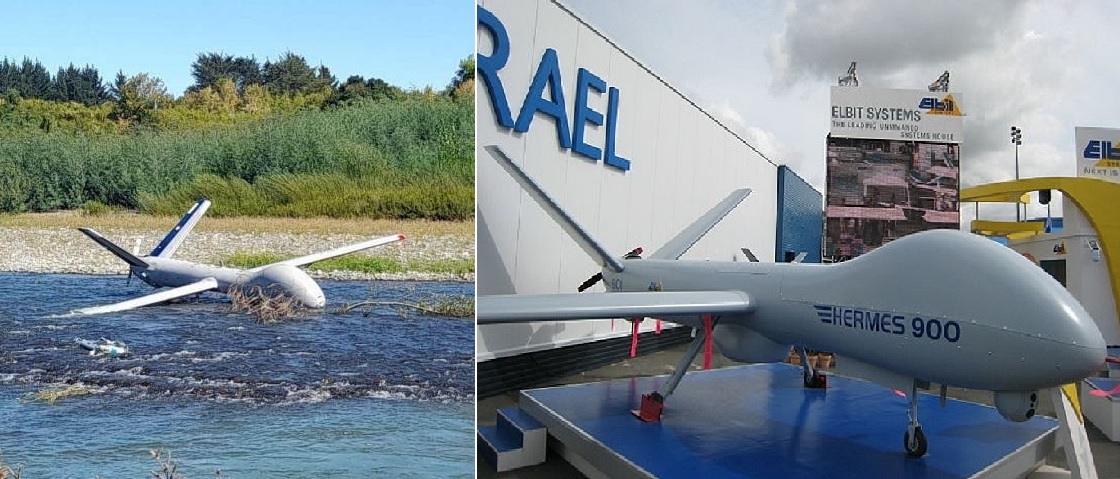
India
In an unforeseen incident, a Hermes 900 drone, locally known as Drishti 10, crashed during acceptance trials off the coast of Porbandar, Gujarat. The unmanned aerial vehicle (UAV), operated by Adani Defence and Aerospace under a license from Israel's Elbit Systems, lost communication mid-flight, leading to its crash. This setback occurred as part of the Indian Navy's evaluation process for these advanced drones. Strategic Role in India’s Defense India had procured two Drishti 10 drones for the Navy through an emergency procurement initiative, with two additional units ordered by the Army for surveillance operations along the Pakistan border. These drones were seen as critical force multipliers, enhancing the country’s ability to monitor vast stretches of coastline and hostile borders. Concerns Raised by the Crash The crash, occurring during acceptance trials, raises questions about the operational reliability of the Hermes 900 drones. Acceptance trials are crucial for identifying potential issues before full-scale deployment, and this incident underscores vulnerabilities in communication systems. The loss of communication, which caused the crash, highlights a critical failure point, especially for UAVs operating in environments where secure and uninterrupted connectivity is paramount. This incident also casts a shadow over the vendor’s testing protocols, which will now likely come under scrutiny. Implications for Future Procurement and Operations The Indian Navy and Army are expected to conduct a detailed investigation to determine the root cause of the crash. The findings could lead to: Enhanced Communication Systems: To prevent similar failures, robust fail-safe mechanisms might be developed and integrated. Revised Testing Protocols: Vendors may face stricter guidelines to ensure operational reliability during trials. Potential Modifications: Design and software updates could be mandated to address technological gaps. Moving Forward While the Hermes 900 has proven its capabilities in various international markets, including operations by Israel, Brazil, and Mexico, the incident in Porbandar underlines the challenges of adapting such technology to specific operational needs. As India strengthens its UAV fleet, this crash serves as a reminder of the importance of rigorous testing and the continuous evolution of defense technology to meet real-world challenges. The Indian Navy’s confidence in the Drishti 10’s potential to enhance maritime surveillance and security remains evident, but the focus will now shift to ensuring these drones meet the highest operational standards before deployment.
Read More → Posted on 2025-01-14 15:13:56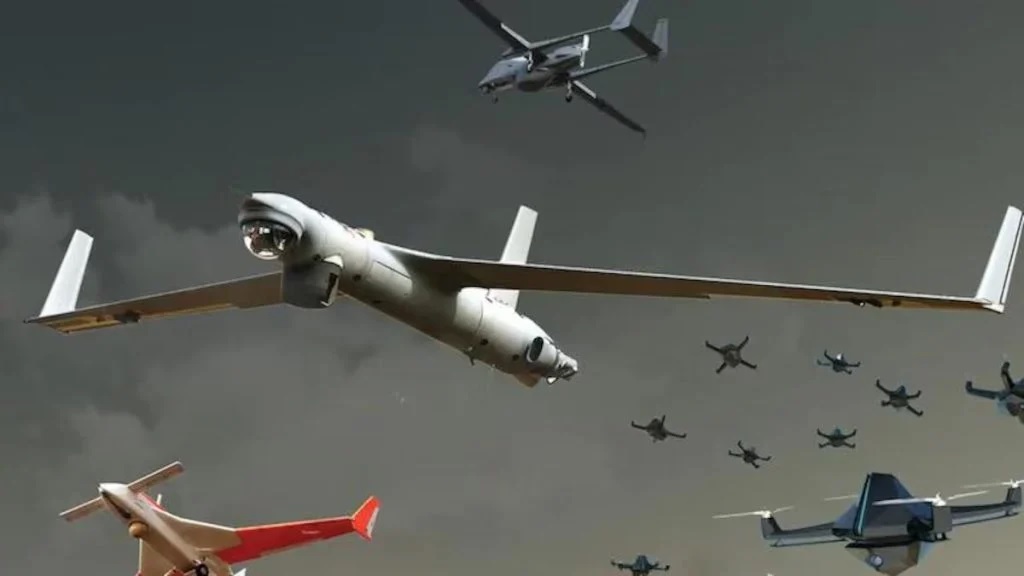
Indian Air Force to Deploy 20 Kamikaze Anti-Drone Swarm Systems to Safeguard Strategic Installations
India
The Indian Air Force (IAF) is taking a major leap in counter-drone defense with its plans to acquire 20 specialized "Kamikaze" anti-drone swarm systems. This development underscores the IAF's commitment to staying ahead of emerging threats in modern warfare, particularly the growing menace of swarm drone attacks. Swarm drones, often operated collectively and controlled by a single operator, are increasingly recognized as game-changing weapons in warfare. Their ability to execute coordinated attack patterns can easily overwhelm traditional defense systems, posing significant risks to vital installations, military bases, and critical infrastructure. To counter these challenges, the IAF is seeking state-of-the-art solutions capable of neutralizing such threats effectively and efficiently. What Are Kamikaze Anti-Drone Swarm Systems? "Kamikaze" drones, also known as loitering munitions, are specifically designed for one-way missions. These systems employ advanced detection, tracking, and interception technologies to counter enemy UAVs by physically colliding with them and detonating their payloads. This self-destructive approach ensures the complete neutralization of the target. The Kamikaze anti-drone system's operational framework includes: Detection: Equipped with advanced sensors, radar, and artificial intelligence, the system can detect incoming drone swarms at long ranges. Tracking: Once detected, the system analyzes the trajectory and speed of the swarm to predict its path. Interception: Kamikaze drones are launched to intercept the swarm using pre-programmed algorithms and real-time guidance. Neutralization: Upon reaching the target, the Kamikaze drones collide with the enemy UAVs, detonating onboard explosives to destroy them. Key Specifications and Features While the exact specifications of the systems will depend on the responses to the IAF's Request for Information (RFI), the general expectations include: Range: The system should have a detection range of at least 10 km for drone swarms. Speed: Kamikaze drones must be capable of high speeds to outmaneuver enemy drones. Payload: The drones will carry an explosive payload optimized for precision strikes. AI Integration: Advanced artificial intelligence will enable the system to adapt to dynamic battlefield conditions. Multi-Layered Defense: The system is expected to integrate with existing air defense networks, providing an additional layer of protection. Strategic Importance of the Move The IAF's decision to deploy these systems stems from the recognition that swarm drone attacks are a significant challenge in modern warfare. The relatively low cost of manufacturing drones, combined with their ability to operate in coordinated formations, makes them a preferred choice for adversaries looking to disrupt critical infrastructure or military operations. By issuing the RFI on January 8, the IAF has invited domestic and international industry leaders to propose cutting-edge solutions tailored to its requirements. This move also aligns with India's broader push for indigenization in defense manufacturing under the "Make in India" initiative. A Proactive Defense The acquisition of Kamikaze anti-drone systems signals the IAF's proactive stance in addressing future warfare challenges. With 20 such systems planned for deployment, the IAF aims to protect key assets while ensuring operational readiness against emerging threats. This development is not just a testament to the evolving nature of warfare but also a reflection of India's resolve to innovate and adapt in the face of new security challenges. By investing in advanced technologies, the IAF is positioning itself as a formidable force capable of countering even the most complex aerial threats.
Read More → Posted on 2025-01-14 15:10:36
India
In a historic achievement, Reliance Jio, in collaboration with the Indian Army, has successfully brought high-speed 4G and 5G connectivity to the soldiers stationed at the Siachen Glacier. Known as the world’s highest battlefield, Siachen is located in the Karakoram Range at an altitude of approximately 16,000 feet, where temperatures can plunge to a bone-chilling -50 degrees Celsius. This groundbreaking initiative marks a significant technological leap, improving communication and operational efficiency in one of the most challenging environments on Earth. Overcoming Extreme Challenges Extending 4G and 5G networks to such an inhospitable region was no small feat. The glacier’s treacherous terrain, combined with its unpredictable weather and sub-zero temperatures, posed logistical and technical challenges. Reliance Jio deployed its plug-and-play, pre-configured equipment at forward posts on the glacier, utilizing its indigenous full-stack 5G technology. The equipment was designed to withstand the harsh climate, ensuring seamless connectivity for soldiers stationed in remote outposts. The Indian Army played a pivotal role in the project, managing the logistics of airlifting Jio's equipment to the glacier. From meticulous planning to multiple training sessions for personnel and comprehensive system testing, the collaboration between Jio and the Army ensured the success of this ambitious venture. Advanced Specifications of the Network The newly deployed network is powered by Reliance Jio's state-of-the-art 5G technology, featuring: High-Speed Connectivity: Download speeds of up to 1 Gbps, enabling rapid data transmission and video calls. Low Latency: Ensures real-time communication, crucial for operational coordination. Energy Efficiency: The equipment is designed to consume minimal power, a critical factor in regions with limited energy resources. Durable Hardware: Ruggedized components that can function reliably in extreme temperatures and high-altitude conditions. Plug-and-Play Capability: Simplifies deployment and reduces setup time, allowing the system to become operational almost immediately. Benefits for Soldiers The introduction of 4G and 5G connectivity at Siachen Glacier is a game-changer for soldiers. It provides high-speed internet for enhanced communication, better coordination with command centers, and access to critical real-time data. Moreover, soldiers can now stay connected with their families through video calls, boosting morale in an otherwise isolated environment. The network also enables faster medical assistance by facilitating telemedicine services, which can prove life-saving in emergencies. Broader Implications This achievement not only underscores Reliance Jio's technological prowess but also highlights India's commitment to supporting its armed forces with cutting-edge solutions. The successful implementation at Siachen serves as a template for deploying advanced telecom networks in other remote and strategic locations across India. As the Indian Army continues to safeguard the nation in challenging conditions, the integration of 4G and 5G connectivity symbolizes a critical step forward in ensuring the well-being and efficiency of its personnel. This collaboration between Reliance Jio and the Indian Army sets a new benchmark in leveraging technology for national security and soldier welfare.
Read More → Posted on 2025-01-14 15:02:37Search
Top Trending in 24 Hours
-
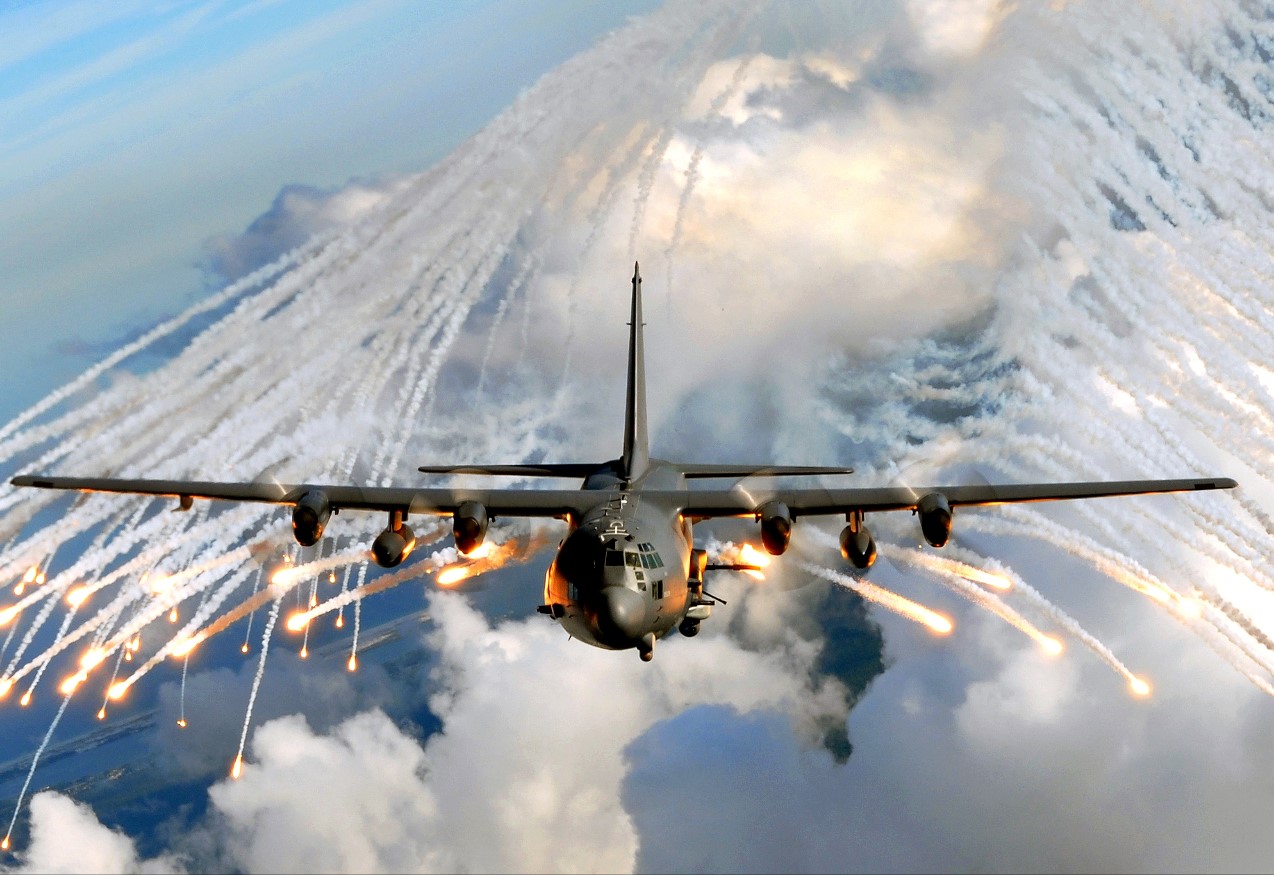 Pentagon Expands Alloy Surfaces Contract to $328.8 Million for Advanced Aircraft Decoy Flares Amid Evolving Drone Threats
-
 Why the U.S. Restored Pacific Command Name, Ending the Indo-Pacific Designation After Eight Years
-
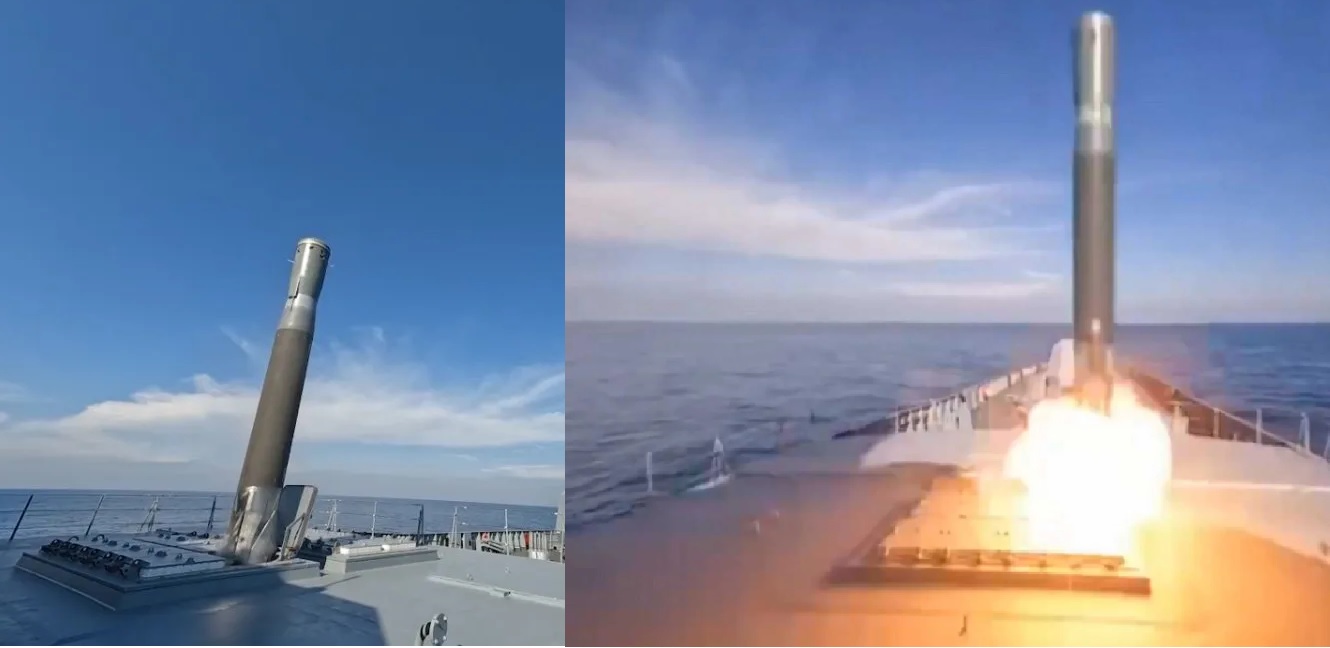 Open-Source Evidence Suggests Russia's Zircon Is a Quasi-Ballistic Missile, Not a True Hypersonic Cruise Weapon
-
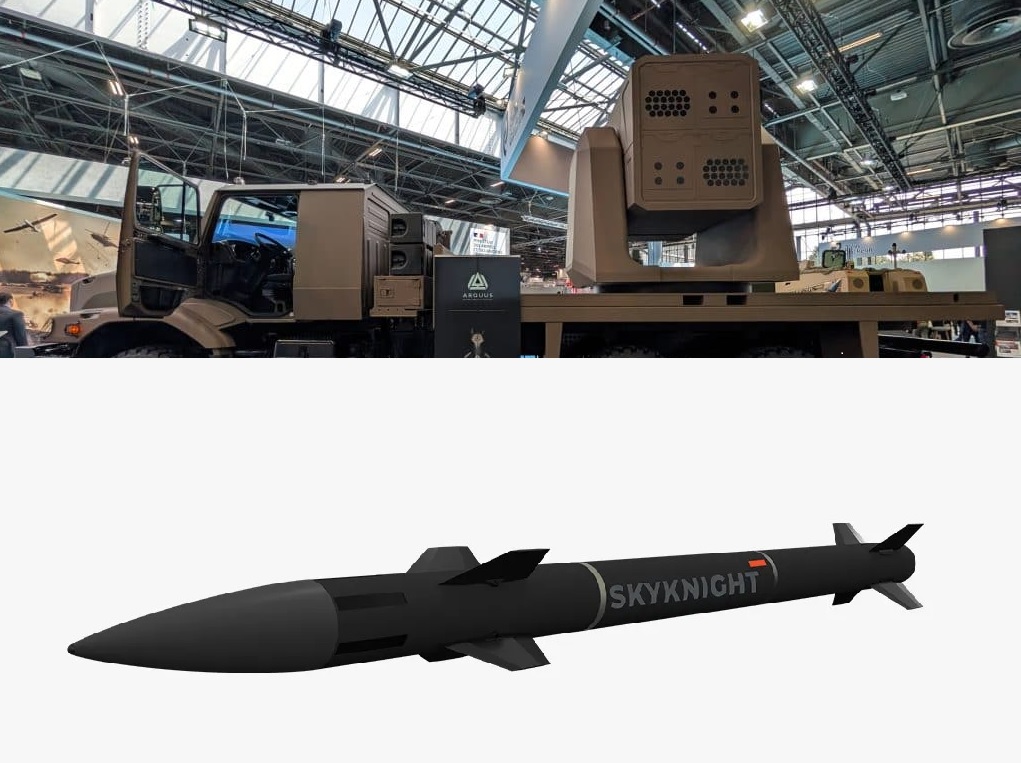 Naval Group Unveils Rampart Modular CIWS Multi-Purpose Weapon System for Naval and Ground Forces at Eurosatory 2026
-
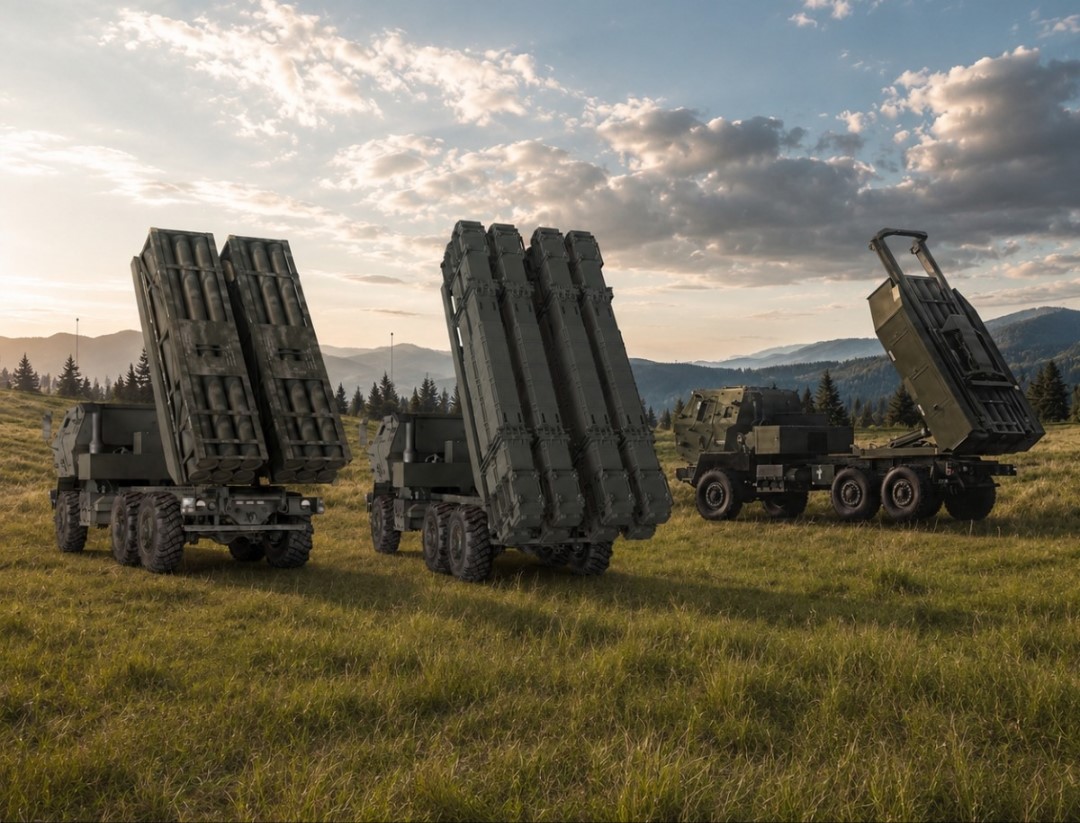 Lockheed Martin Unveils HIMARS FLEX with Dual-Pod Launcher and NATO-Compatible Air Defense Integration
-
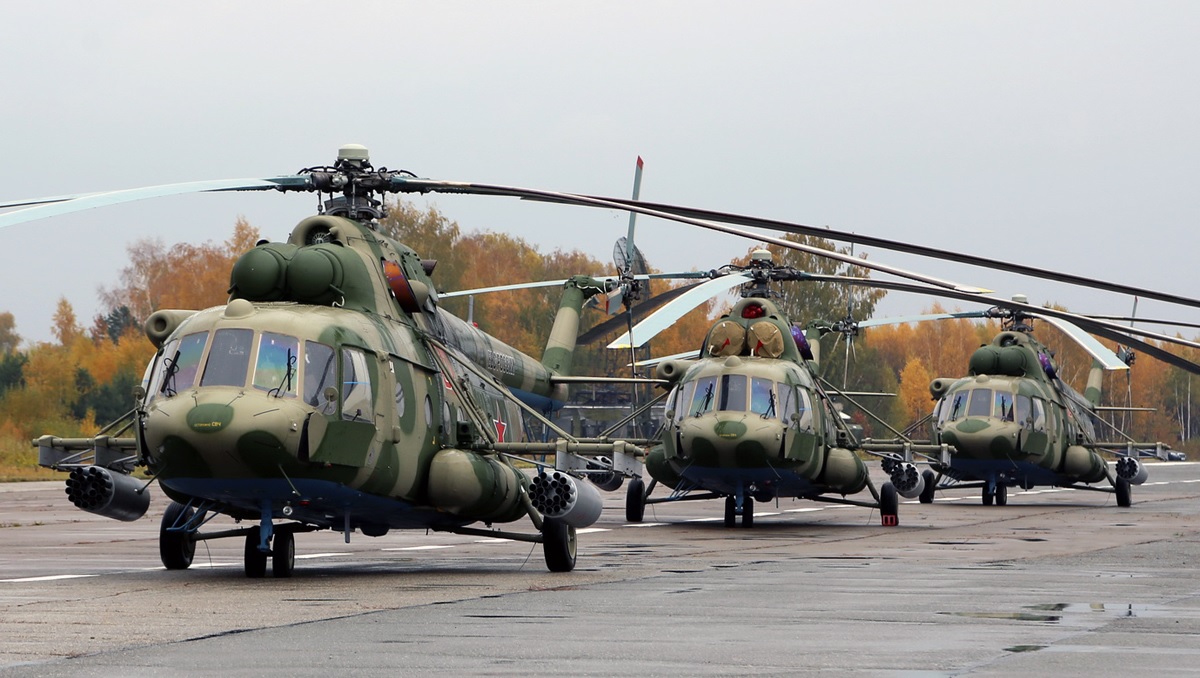 Iran Signs Deal with Russia for 20 Mi-8 and Mi-17 Helicopters to Boost Rescue and Medical Missions
-
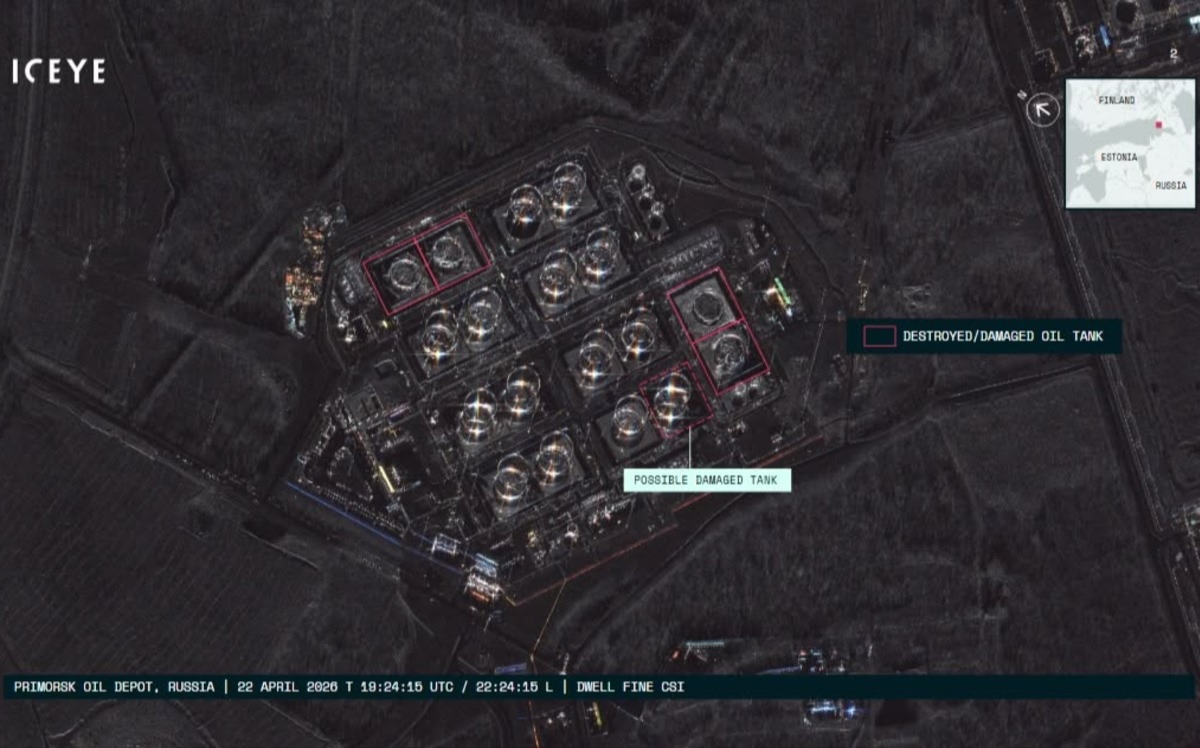 Portugal Doubles Sovereign SAR Satellite Fleet with Order for Two Additional ICEYE Satellites
-
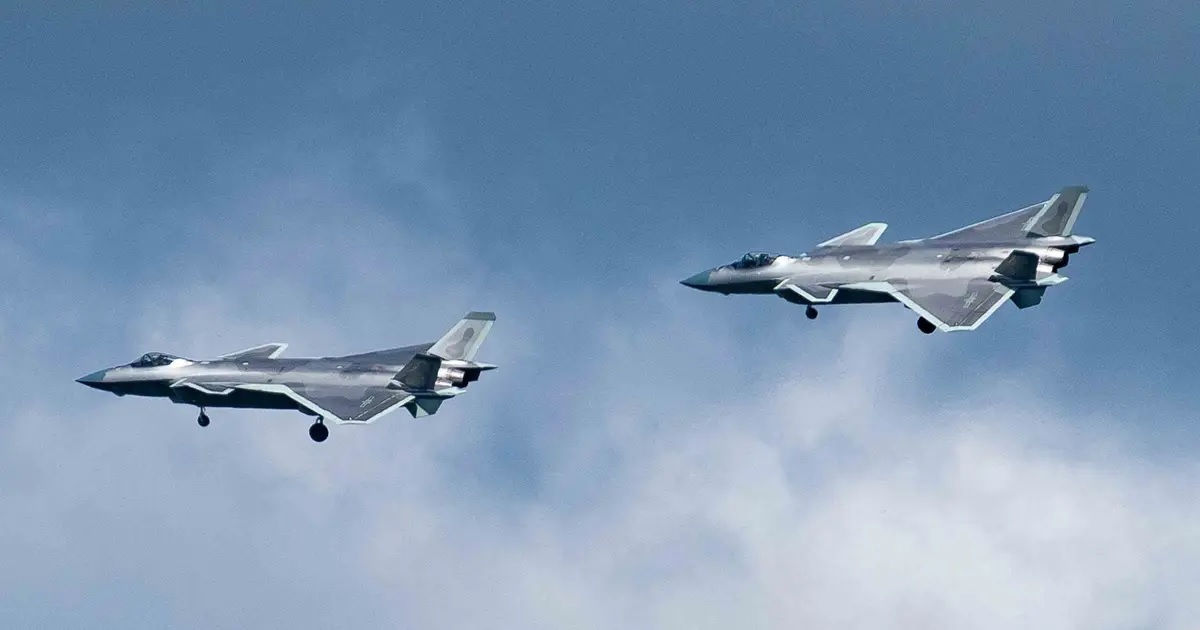 China Surpasses Russia as World’s Second-Most Powerful Air Force Amid Rapid J-20 and J-35 Expansion
Top Trending in 4 Days
-
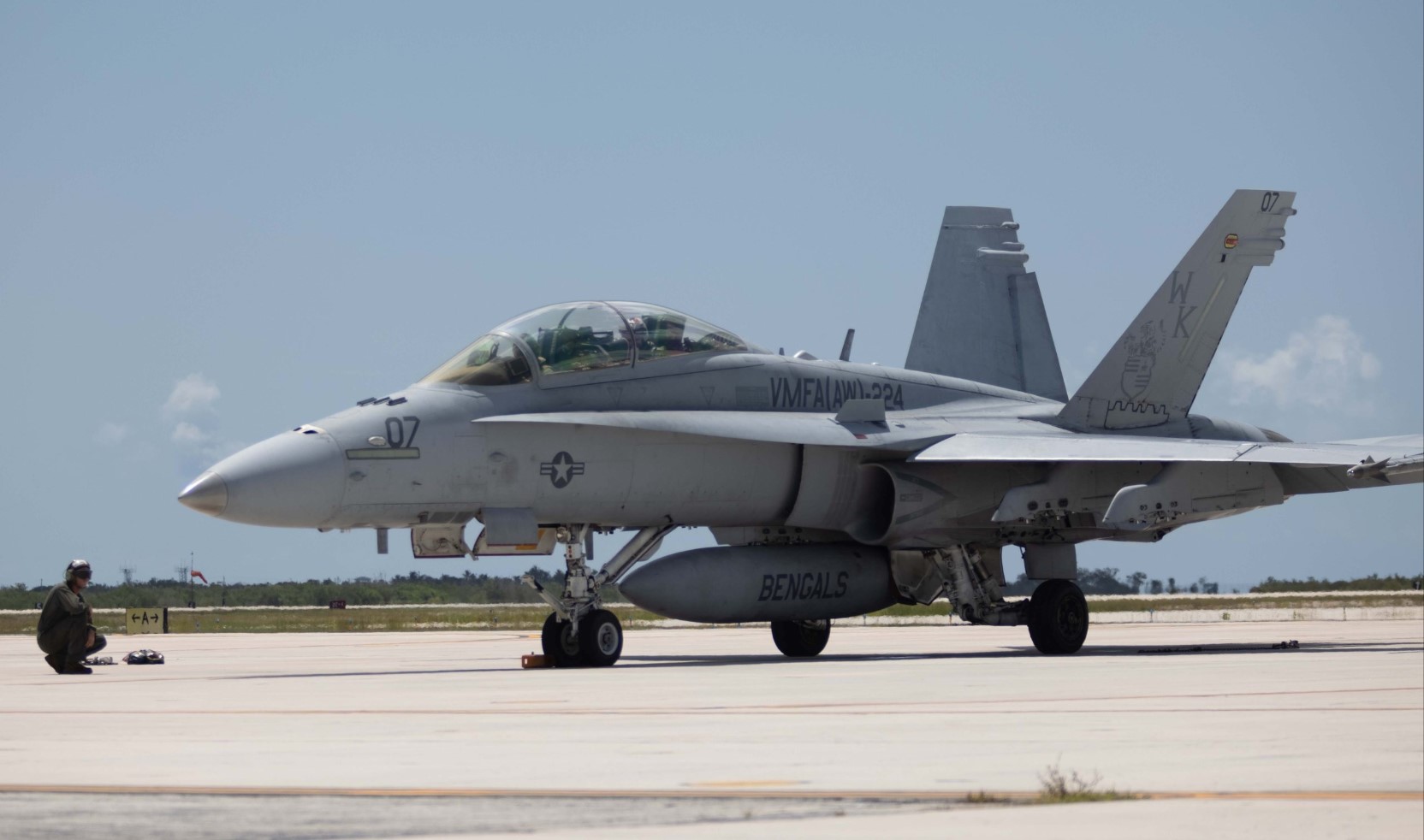 US Marine Corps F/A-18D Hornet Crashes During Training Flight in Washington Mountains; Pilot Ejects Safely
-
 Tulsi Gabbard Releases Declassified Files Detailing U.S.-Backed Network of 120 Biolaboratories Across 30+ Countries
-
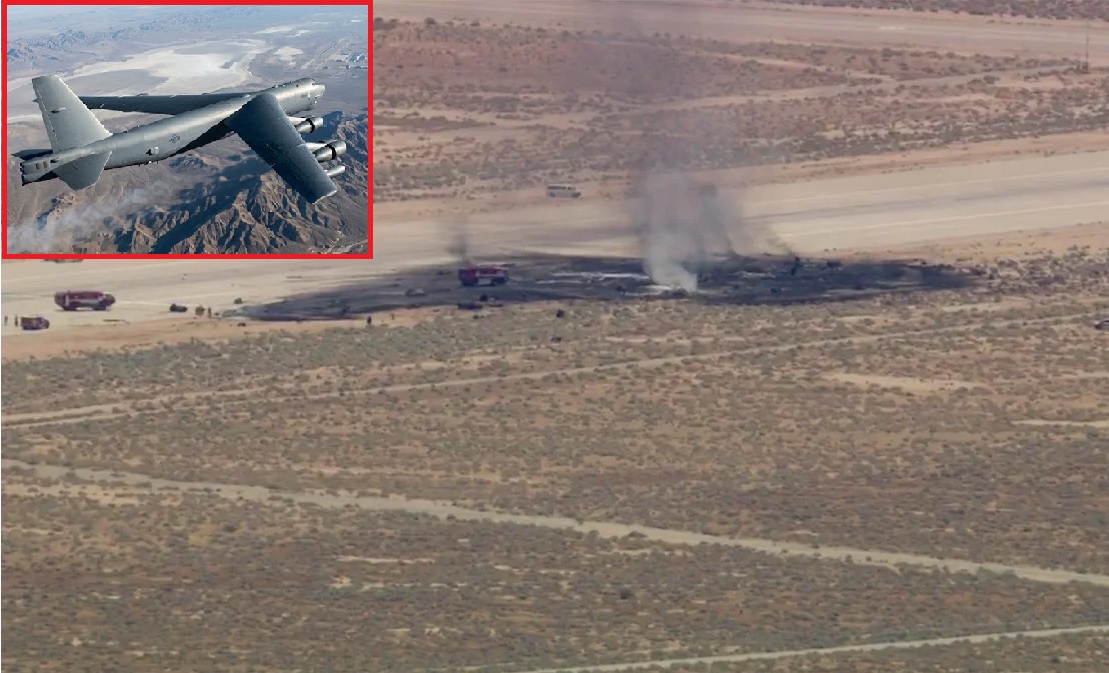 8 U.S. Air Force Crew Members Killed in B-52 Bomber Crash During Test Flight at Edwards Air Force Base
-
 Ukraine Introduces Balloon-Launched DART Missile Designed to Defeat Electronic Warfare
-
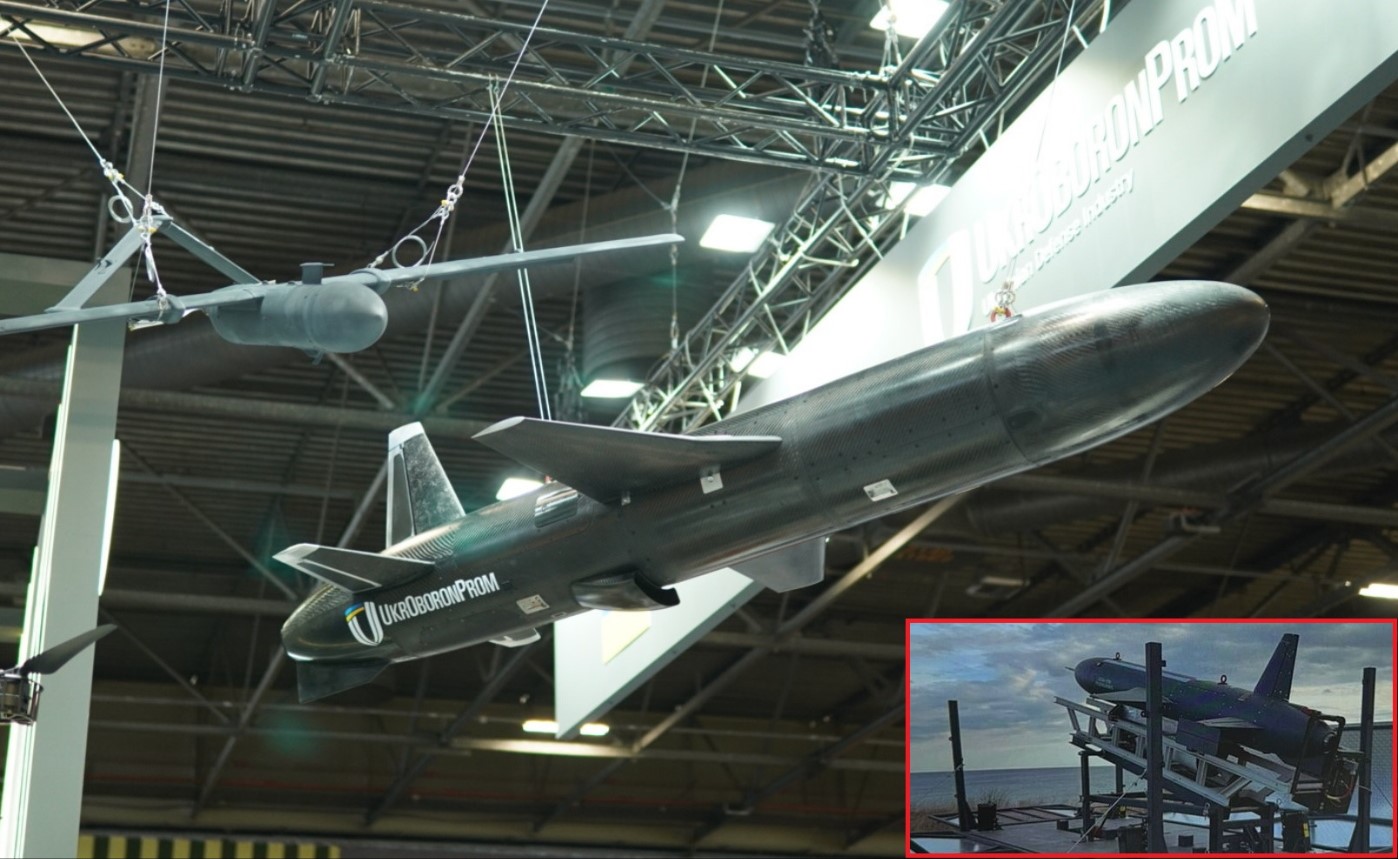 Ukraine Unveils UAV-290 Jet-Powered Strike Drone with 650 km Range at Eurosatory 2026
-
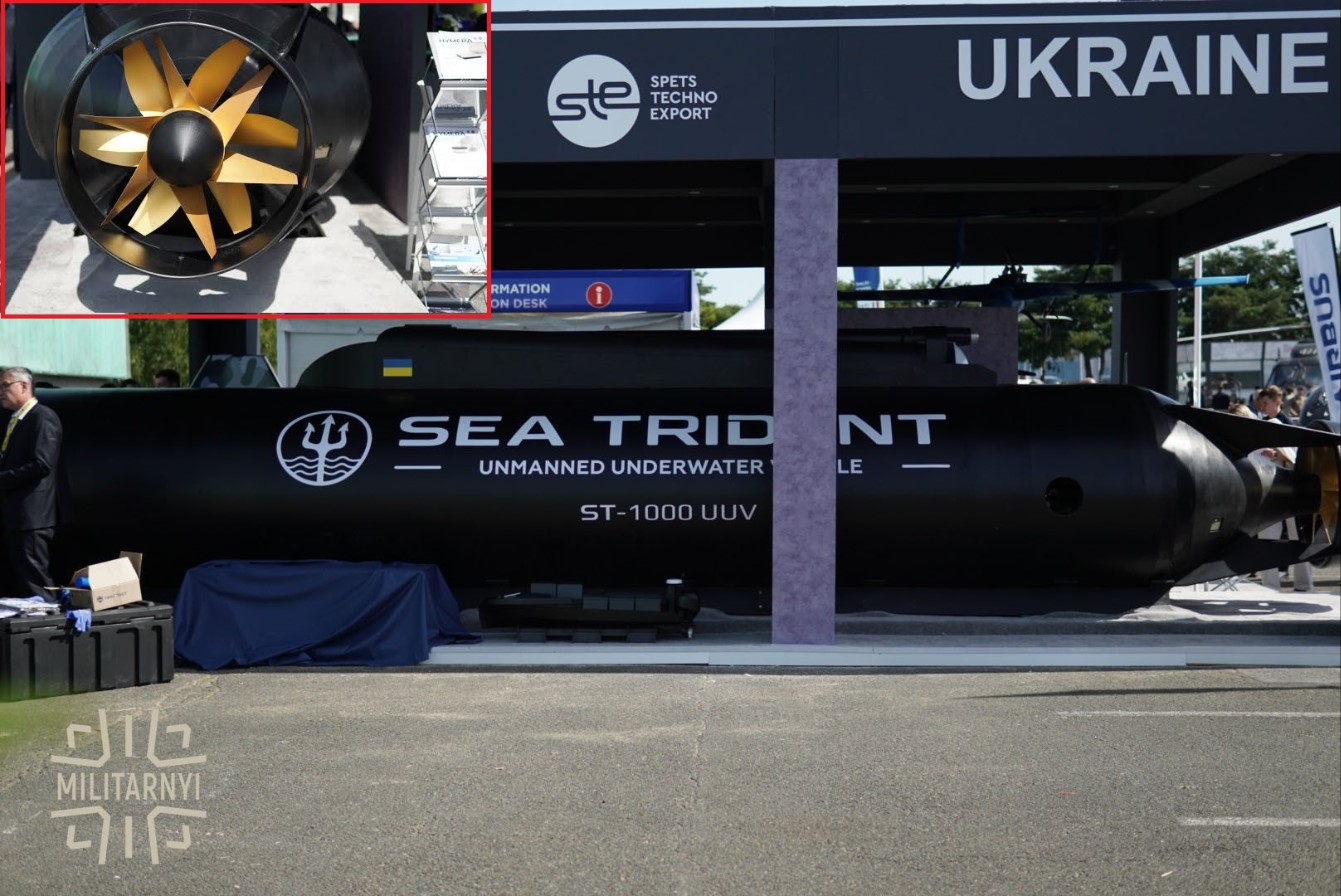 Ukraine Unveils 'Sea Trident' 10-Ton Autonomous Underwater Drone at Eurosatory 2026
-
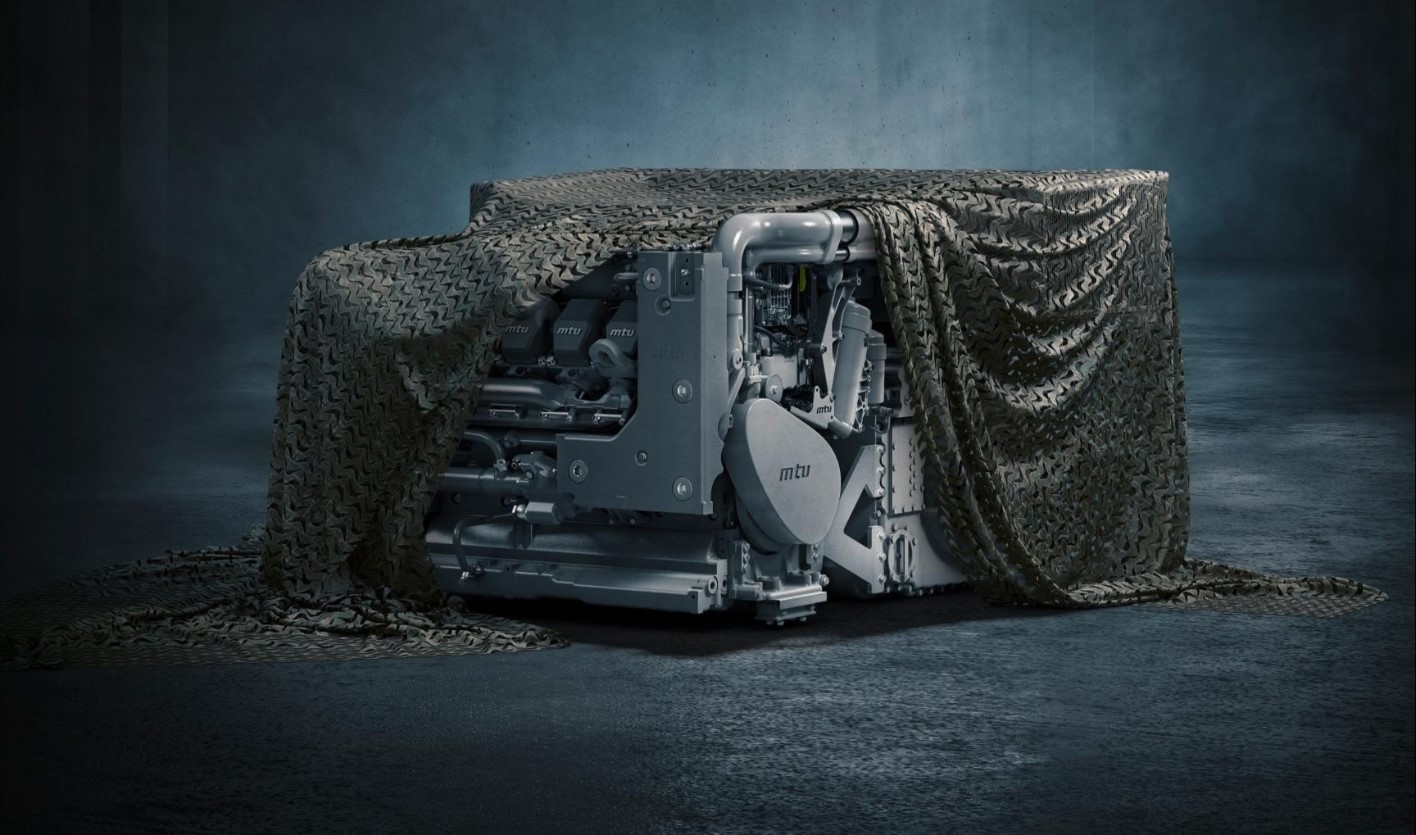 Rolls-Royce Unveils New Hybrid Powertrain for Heavy Military Vehicles at Eurosatory 2026
-
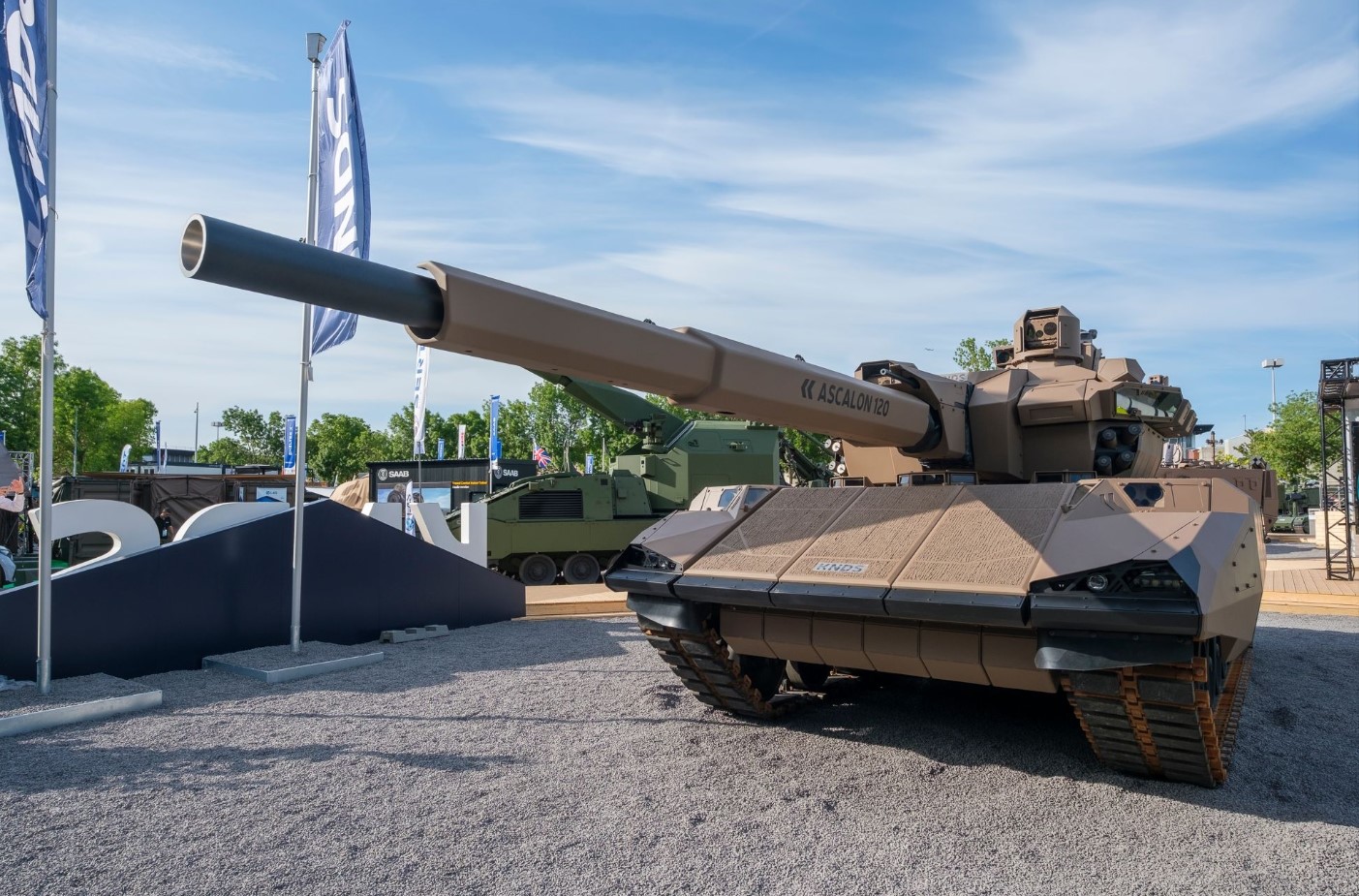 KNDS Unveils CAPINT Main Battle Tank at Eurosatory 2026 as Leclerc Stopgap