
India
India has taken a crucial step toward strengthening its airborne surveillance capabilities by approving the procurement of six additional Airborne Early Warning & Control (AEW&C) systems. These new systems, an upgraded version of the existing Netra platforms, will be mounted on Embraer aircraft and significantly enhance the country’s ability to detect and track aerial threats. The Defence Acquisition Council (DAC), led by Defence Minister Rajnath Singh, cleared this acquisition as part of a broader initiative to modernize India’s military forces. The move comes at a critical time, given the evolving security dynamics with Pakistan and China, both of which have advanced surveillance capabilities. Currently, India operates three AEW&C systems, with one being used by the Defence Research and Development Organisation’s (DRDO) Centre for Airborne Systems (CABS). These aircraft provide real-time situational awareness by detecting fighter jets, cruise missiles, and drones far beyond the reach of ground-based radars. They also serve as airborne command centres, ensuring rapid decision-making in combat scenarios and monitoring maritime activities. The Indian Air Force (IAF) has long emphasized the need for additional AEW&C systems. The newly approved Netra Mk-1A aircraft will improve upon the current fleet, offering enhanced detection ranges and faster data processing. Additionally, DRDO is developing six more advanced Netra Mk-2 systems, which will be mounted on Airbus A321 aircraft. These new platforms are expected to feature superior radar technology, extending coverage and improving India’s ability to respond to aerial threats. This expansion is crucial, as Pakistan currently operates a more extensive fleet of airborne surveillance aircraft. The Pakistan Air Force (PAF) has nine SAAB 2000 Erieye AEW&C aircraft and four Chinese-built ZDK-03 Karakoram Eagle AWACS. These systems provide Pakistan with a significant edge in airspace monitoring and battlefield coordination. The urgency for India to enhance its airborne surveillance was particularly evident during the February 2019 aerial confrontations with Pakistan, where the limitations of India's existing fleet became apparent. The Netra AEW&C currently has a range of approximately 200 km, while India’s Il-76-based AWACS extends to 400 km. The upcoming Mk-1A and Mk-2 versions are expected to significantly improve range and performance, bringing India’s capabilities closer to global standards. This procurement is part of a broader defence modernization push, with the government approving defence acquisitions worth over ₹54,000 crore. Alongside these purchases, the Defence Ministry is also reforming procurement processes to reduce delays and inefficiencies. These reforms align with the government’s objective of making 2025 the ‘Year of Reforms’ in defence procurement, ensuring faster acquisition and deployment of critical military assets. With these advancements, India is taking a decisive step toward strengthening its aerial surveillance and command capabilities, ensuring that it is well-prepared to counter any potential threats in an increasingly contested airspace.
Read More → Posted on 2025-03-21 15:09:03
India
India’s Tejas MK-1A Light Combat Aircraft (LCA) program is set to take a major leap forward with the arrival of the first GE-F404 engine. This development marks a crucial milestone in the indigenous fighter jet’s journey, putting an end to prolonged delays and concerns over engine availability. The GE-F404 engine is currently undergoing its final round of rigorous testing at GE Aerospace’s facility in Lynn, United States. Given that the production line had remained idle for an extended period, these tests are critical to ensuring the engine's performance and reliability. Once cleared, the engine is expected to be shipped to India via freight in April 2025. Tejas MK-1A Production Gains Momentum Meanwhile, production of the Tejas MK-1A, also known as "Tejas Alpha," is progressing rapidly at Hindustan Aeronautics Limited’s (HAL) Nashik Division, commonly known as the MiG Complex. With over six decades of experience in manufacturing fighter jets like the MiG series and Su-30MKIs, the Nashik facility has proven its capability in handling high-performance aircraft. At present, 3-4 Tejas Alphas are in various stages of production, demonstrating the team's efficiency and dedication. In parallel, Bengaluru has been conducting flight trials for three Tejas Alphas equipped with GE Cat-B engines, which were recently showcased during the 2025 Plane Carnival’s grand opening ceremony. A New Era for Indian Fighter Jets The rollout of the Tejas MK-1A from Nashik is not just another milestone for the aircraft but a transformative moment for India’s defence industry. It cements India’s commitment to strengthening its indigenous fighter jet capabilities while reducing reliance on foreign suppliers. With the arrival of the GE-F404 engine and a streamlined production process, the Tejas MK-1A program is poised to accelerate, reinforcing India's position in the global aerospace sector and enhancing the combat readiness of the Indian Air Force.
Read More → Posted on 2025-03-21 14:37:07
India Begins Limited Production of AD-1 Interceptor Missile, Strengthening BMD Phase-II Capabilities
India
India's Defence Research and Development Organisation (DRDO) has started limited production of the AD-1 missile, a significant step forward for the country's Ballistic Missile Defence (BMD) Phase-II program. This development brings India closer to having a fully operational multi-layered missile shield capable of intercepting a wide range of threats, including ballistic missiles and enemy aircraft. The AD-1 is a long-range dual-role interceptor designed to neutralize incoming ballistic missiles at different altitudes, both inside and outside the Earth's atmosphere. This makes it a critical upgrade over previous interceptors used in Phase-I of the BMD program, such as the Prithvi Air Defence (PAD) and Advanced Air Defence (AAD) systems, which had more limited altitude coverage. Advanced Capabilities and Specifications The AD-1 features a two-stage solid rocket motor and advanced indigenous guidance technology, including a sophisticated navigation system that enhances its accuracy. This enables it to engage a variety of targets, from intermediate-range ballistic missiles (IRBMs) to hostile aircraft, serving as a crucial part of India’s theatre air defence system. The missile's design allows it to intercept ballistic missiles in both their mid-course and terminal phases. This ability is essential for defending key infrastructure, military installations, and population centers from evolving threats. Successful Testing and Next Steps The first successful flight test of the AD-1 took place in November 2022 at Abdul Kalam Island, Odisha, where it intercepted a simulated ballistic missile at high altitude. Since then, multiple tests have been conducted, including engagements against high-speed aerial targets and simulated enemy aircraft. These trials have confirmed the missile’s effectiveness in various scenarios. The transition to limited production will allow DRDO to conduct more advanced tests, including: Salvo launches, where multiple interceptors are fired simultaneously. Electronic warfare trials, assessing the missile’s performance against jamming and countermeasures. Testing against multiple types of threats, including missiles with unpredictable trajectories. Strategic Importance for India’s Defence The AD-1 plays a crucial role in India's evolving defence posture, especially as regional adversaries, including China and Pakistan, continue to enhance their ballistic missile capabilities. With its extended range, the AD-1 is expected to counter threats exceeding 5,000 km, including missiles equipped with multiple independently targetable reentry vehicles (MIRVs) and hypersonic glide vehicles. Additionally, the AD-1 complements India’s existing air defence systems, such as the Russian-made S-400 and the indigenous Akash missile system. This layered approach strengthens India’s air and missile defence network, providing a comprehensive shield against a variety of threats. The Ministry of Defence has emphasized the importance of self-reliance in defence manufacturing, and the AD-1 represents a major step in that direction. As DRDO continues to refine and expand the BMD program, the deployment of these interceptors will significantly enhance India's ability to protect itself from emerging threats in an increasingly complex security environment.
Read More → Posted on 2025-03-20 15:05:41
India
India has taken a decisive step in modernizing its armed forces, with the Defence Acquisition Council (DAC) approving eight major capital acquisitions worth over ₹54,000 crore. Spearheaded by Defence Minister Rajnath Singh, these procurements aim to enhance the combat effectiveness of the Army, Navy, and Air Force while streamlining the bureaucratic hurdles that often delay defence projects. Upgrading the Army: More Powerful T-90 Tanks The Indian Army’s formidable T-90 tanks are set for a major upgrade. The DAC has granted Acceptance of Necessity (AoN) for acquiring 1,350 horsepower (HP) engines to replace the existing 1,000 HP engines. This enhancement will significantly improve mobility, especially in high-altitude regions where increased power-to-weight ratio is crucial for maneuverability. Strengthening the Navy: Advanced Varunastra Torpedoes The Indian Navy will bolster its underwater combat capabilities with the acquisition of more Varunastra torpedoes. Designed by the Naval Science & Technological Laboratory (NSTL), these state-of-the-art ship-launched anti-submarine torpedoes are capable of striking enemy submarines with high precision. With indigenous technology playing a key role, this procurement reinforces India's commitment to self-reliance in defence manufacturing. Enhancing the Air Force: Next-Gen AEW&C Systems The Indian Air Force (IAF) is set to receive new Airborne Early Warning & Control (AEW&C) aircraft, a crucial addition for modern aerial warfare. These high-tech surveillance planes will significantly boost India’s real-time battlefield awareness, improve coordination between fighter jets, and enhance overall air defence capabilities. Revolutionizing Defence Procurement: Speed Over Bureaucracy Beyond approving these acquisitions, the Defence Ministry is undertaking significant reforms to streamline the procurement process. Historically, India’s defence deals have been marred by excessive delays, with complex bureaucratic processes pushing timelines for crucial acquisitions. One of the most striking changes is the goal to reduce the acquisition timeline from an average of 96 weeks (nearly two years) to just 24 weeks (six months). Key Reforms to Cut Delays: Faster Proposal Processing: Armed forces must now prepare the Request for Proposal (RFP) at the same time they seek AoN approval, preventing the usual delays that occur when the RFP process starts only after AoN clearance. Accelerated Field Evaluation Trials: Traditionally, defence trials in extreme weather conditions took years to complete. Under the new system, more reliance on simulated conditions will speed up the process. Stricter Contract Negotiation Deadlines: The Contract Negotiation Committee (CNC) will have a maximum of six months to finalize pricing, ensuring that prolonged cost discussions do not stall major deals. Fast-Tracked Clearance by the Cabinet Committee on Security (CCS): Once the finance ministry approves a negotiated deal, it will quickly be sent for final clearance by the Prime Minister-led CCS. Ensuring Accountability and Preventing Cost Overruns These reforms are not just about speed; they are also aimed at increasing accountability. One of the biggest challenges in India’s defence procurements has been cost escalations due to long delays. By setting clear deadlines and introducing parallel processing of approvals, the government aims to prevent unnecessary price hikes that have plagued past deals like Rafale fighter jets, Predator drones, and Scorpene submarines. The latest approvals and reforms mark a major leap forward in strengthening India's defence capabilities. With faster acquisitions, cutting-edge military technology, and a more efficient process, India is positioning itself as a force to be reckoned with while reducing dependency on foreign suppliers and eliminating bureaucratic roadblocks.
Read More → Posted on 2025-03-20 15:01:40
India
The Indian Army and Air Force are gearing up for a major defence acquisition, with plans to procure around 250 BrahMos supersonic cruise missiles in a deal worth approximately ₹20,000 crores. The proposal is set to be discussed in the upcoming Defence Acquisition Council (DAC) meeting on March 20, 2025, chaired by Defence Minister Rajnath Singh. The BrahMos missile, developed through an Indo-Russian collaboration, is one of the world's fastest cruise missiles, with a speed of Mach 2.8 to 3 and a range of up to 300 km. It is a precision-strike weapon capable of hitting both land and sea-based targets with high accuracy. The missile carries a conventional warhead of up to 300 kg and can be launched from land, air, sea, and even submarines, making it a versatile and lethal asset for India's defence forces. The Indian Army is expected to receive the larger share of these missiles, while the Air Force will also benefit significantly, enhancing its air-to-ground strike capabilities. Additionally, the DAC will discuss other key defence procurements, including the refit of a submarine, the acquisition of ship-launched torpedoes, and new anti-aircraft missiles. India has been prioritizing self-reliance in defence manufacturing, with BrahMos being a prime example. The missile system is now being exported, with the Philippines recently becoming the first international customer. This deal not only strengthens India’s military capabilities but also solidifies its position as a rising player in the global defence market.
Read More → Posted on 2025-03-20 14:57:46
India
India’s Defence Research and Development Organisation (DRDO) is advancing its Archer-NG unmanned aerial vehicle (UAV) into a formidable multi-role combat platform. Originally designed for surveillance, the Archer-NG is now being upgraded to carry Astra Mk1 Beyond Visual Range Air-to-Air Missiles (BVRAAMs) and an advanced Active Electronically Scanned Array (AESA) radar, making it capable of engaging airborne threats and executing precision strikes. The latest version of the Archer-NG was showcased at Aero India 2025 in Bengaluru, where a scaled model revealed its twin-boom design powered by a single engine. What caught attention, however, was its integration with Astra Mk1 missiles, signaling a shift towards an offensive combat role. From Surveillance to Air Combat The Astra Mk1 missile, already deployed on fighter jets like the Su-30MKI and Tejas Mk1A, boasts an impressive range of 80-110 kilometers and can reach speeds of Mach 4.5. This high-speed capability makes the Archer-NG a lethal asset for intercepting enemy aircraft, helicopters, and even drones. A crucial addition to the weaponized Archer-NG is the AESA radar, which will serve two main purposes. First, it will enhance the UAV’s surveillance capabilities by providing real-time intelligence, surveillance, target acquisition, and reconnaissance (ISTAR). Second, it will function as a fire-control radar, guiding Astra Mk1 missiles toward airborne threats with pinpoint accuracy. AESA radars are known for their ability to track multiple targets simultaneously and resist electronic jamming, making the Archer-NG more effective in air-to-air combat scenarios. With this technology, the drone will be capable of independently engaging aerial threats, reducing reliance on manned fighter jets for air defense missions. Expanding Combat Roles: Air-to-Ground Strikes Beyond its air combat capabilities, the upgraded Archer-NG is also expected to perform precision air-to-ground strikes. Reports suggest that it may be equipped with Smart Anti-Airfield Weapons (SAAW) and laser-guided bombs, allowing it to target enemy airbases, armored convoys, and strategic infrastructure. This versatility aligns with the Indian military’s push for unmanned combat solutions that can execute diverse missions with minimal risk to human pilots. Development Timeline and Future Prospects While the immediate priority is securing certification for the surveillance variant of Archer-NG, sources indicate that trials for the weaponized version could begin within the next three years. Once operational, this advanced UAV will provide the Indian armed forces with a strategic edge, filling the gap between traditional reconnaissance drones and dedicated fighter aircraft. With its ability to conduct both air-to-air and air-to-ground missions, the Archer-NG is poised to redefine India’s UAV capabilities, making it a key player in future aerial warfare.
Read More → Posted on 2025-03-19 14:33:40
India
India is set to boost its military strength with the acquisition of 31 MQ-9B Predator drones from the United States in a deal worth approximately $3.9 billion. A key highlight of this agreement is the local assembly of 21 of these advanced drones, marking a significant step towards India's defence self-reliance. According to Vivek Lall, Chief Executive of General Atomics, this acquisition will enhance India’s intelligence, surveillance, and reconnaissance (ISR) capabilities while also fostering domestic defence manufacturing through technology transfer. The move is seen as a crucial development in India’s strategic partnership with the U.S., particularly amid regional security challenges from China and Pakistan. The MQ-9B drones, known for their high-altitude, long-endurance missions, are equipped for various roles, including precision strikes and anti-submarine warfare. They will be armed with advanced weaponry such as Hellfire missiles and precision-guided bombs. The Indian Navy will receive 15 Sea Guardian variants, while the Army and Air Force will each deploy eight Sky Guardian drones. With these drones expected to be operational within two to three years, India will significantly enhance its surveillance over key areas, including the Indian Ocean and its land borders with China. The move also aligns with India's broader vision of achieving self-sufficiency in defence manufacturing while generating new job opportunities in the sector.
Read More → Posted on 2025-03-19 14:25:11
India
Israel’s Ambassador to India, Reuven Azar, has reaffirmed the strong ties between the two nations, emphasizing their shared stance against terrorism. In a recent statement, Azar highlighted India's unwavering resolve in combating terrorism and expressed confidence that India expects Israel to uphold the same principle. “We are engaged in conversations with the Indian government. I think India has a positive role to play in the region and has been very supportive of our right to self-defense. India doesn't surrender to terrorism, and I don't think that it expects Israel to surrender to terrorism,” Azar stated. His remarks come at a time when the Israel Defense Forces (IDF) have intensified military operations against Hamas in Gaza. The Israeli government, under Prime Minister Benjamin Netanyahu, has vowed to escalate military action in response to Hamas’s refusal to release hostages and its rejection of mediation efforts. Azar also spoke about the growing collaboration between India, Israel, and the United States, particularly through initiatives like the India-Middle East Economic Corridor (IMEC). He highlighted that India and the U.S., both close allies of Israel, are keen on deepening their partnership in technology, logistics, manufacturing, and security. The IMEC, envisioned as a transformative trade route, will connect India to the Gulf and extend further to Europe, providing a reliable and cost-effective alternative to existing maritime routes. The initiative aims to enhance economic cooperation, boost regional trade, and improve supply chain security while reducing costs and environmental impact. As India strengthens its role in global geopolitics, its unwavering position against terrorism and commitment to strategic partnerships with Israel and the U.S. signal a broader alignment in security and economic interests.
Read More → Posted on 2025-03-19 14:18:40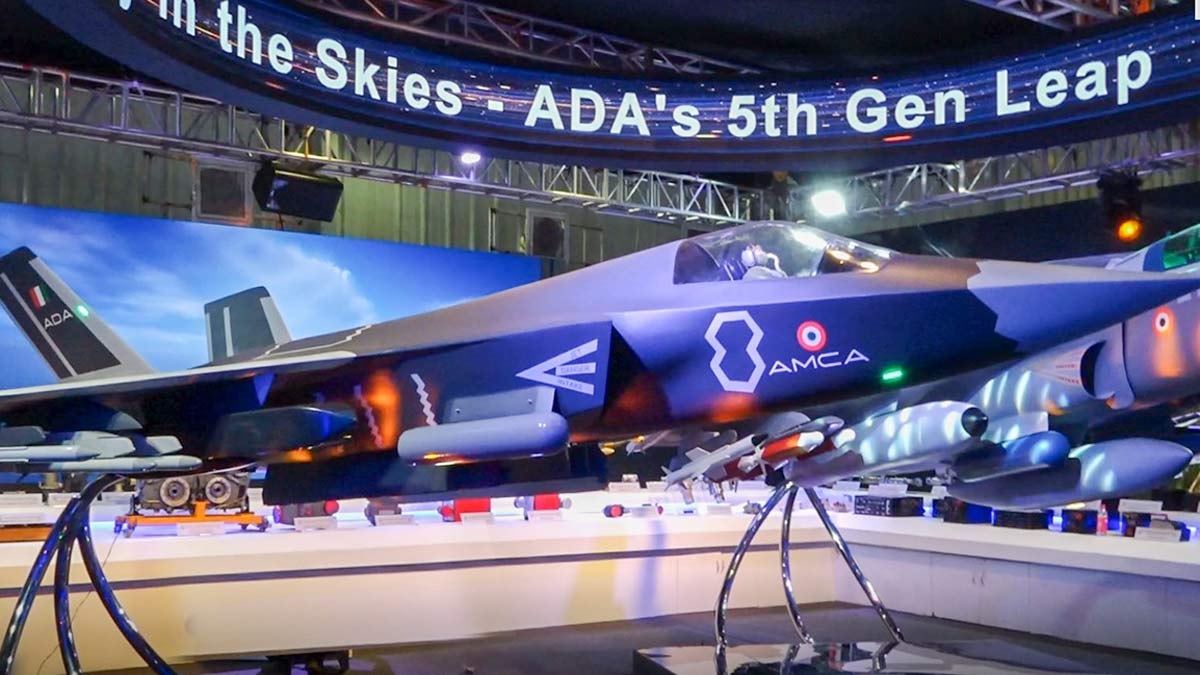
India
The Indian Air Force (IAF) has set an ambitious goal of expanding its fighter fleet to 60 squadrons by 2047, coinciding with India’s 100th year of independence. This plan is driven by the need to enhance national security and maintain aerial superiority in the face of evolving regional threats. Currently, the IAF operates around 31 fighter squadrons, well below the sanctioned strength of 42 required to effectively counter challenges along India's borders with China and Pakistan. Each squadron typically consists of 18-20 aircraft, bringing the total fighter strength to approximately 550-600 jets. However, the phased retirement of aging MiG-21, MiG-23, and MiG-27 aircraft has led to a steady decline in operational capability. To achieve its 2047 goal, the IAF is relying on a mix of domestic production, joint development with global partners, and direct acquisitions. This approach aligns with India's broader "Make in India" and "Atmanirbhar Bharat" (Self-Reliant India) initiatives aimed at boosting indigenous defense manufacturing. The IAF's modernization efforts have already seen the induction of advanced aircraft such as the Rafale (36 delivered) and the Tejas Mk-1A (83 ordered, with 97 more approved). However, the challenge remains in scaling up production to close the squadron gap in a timely manner. A key pillar of this expansion is the Light Combat Aircraft (LCA) Tejas program, developed by Hindustan Aeronautics Limited (HAL). The IAF has committed to at least 180 Tejas Mk-1 and Mk-1A jets, with the Tejas Mk-2—featuring a more powerful GE F-414 engine and enhanced capabilities—expected to enter service by the late 2020s. Over 200 Tejas Mk-2 jets are projected to be inducted by 2047. Complementing the Tejas is the Advanced Medium Combat Aircraft (AMCA), India’s first indigenous fifth-generation stealth fighter. Developed by the Aeronautical Development Agency (ADA) and HAL, the AMCA will feature cutting-edge stealth technology, supercruise capability, and advanced avionics. The IAF aims to procure at least 200 AMCA jets, forming 10-12 squadrons by 2047. Production is expected to commence in the mid-2030s, with the aircraft set to become a core element of India's air superiority strategy. Despite a strong focus on indigenous production, the IAF will also rely on international acquisitions. The Multi-Role Fighter Aircraft (MRFA) program, which seeks to procure 114 new fighter jets, will play a crucial role in bridging the capability gap. Leading contenders include the Rafale, F-15EX, F/A-18 Super Hornet, Eurofighter Typhoon, and Su-35. Once finalized, the MRFA contract will provide a critical boost to the IAF’s operational strength, allowing time for domestic programs to reach full maturity. Expanding to 60 squadrons by 2047 will require the induction of around 500-600 new aircraft over the next two decades, nearly doubling the IAF’s current fighter strength. This challenge is underscored by China's rapidly growing air force, which already operates over 1,900 fighters, including advanced J-20 stealth jets, and Pakistan’s ongoing modernization efforts with the JF-17 and potential Chinese stealth aircraft acquisitions. With a combination of indigenous production, foreign acquisitions, and strategic upgrades, the IAF’s vision of a 60-squadron force by 2047 remains an ambitious but achievable goal. The success of this plan will depend on sustained funding, streamlined procurement processes, and efficient execution of domestic aircraft programs like the Tejas and AMCA.
Read More → Posted on 2025-03-18 14:02:31
India
India's unveiling of its domestically produced Gallium Nitride (GaN)-based Active Electronically Scanned Array (AESA) radar, intended for the Advanced Medium Combat Aircraft (AMCA) and Super Sukhoi upgrade, has sparked debate in defense circles. This indigenous radar, created by the Defence Research and Development Organisation (DRDO), signifies a major advancement in India's pursuit of self-reliance in crucial military technology. However, this development raises a key question: why isn't India using this advanced radar, alongside indigenous mission computers, to upgrade its 36 Rafale fighter jets? These jets currently utilize Gallium Arsenide (GaS)-based AESA radars and foreign-made avionics. While such an upgrade could potentially remove the need for French approval to integrate additional Indian weapon systems, intellectual property rights (IPR) and geopolitical factors pose substantial challenges. The GaN-based AESA radar, developed by DRDO's Electronics and Radar Development Establishment (LRDE), is a substantial improvement over existing GaS-based systems. GaN technology provides increased power efficiency, a wider detection range, enhanced resistance to jamming, and superior thermal management. This radar is slated to provide improved situational awareness and combat effectiveness for both the AMCA (a fifth-generation stealth fighter) and the Super Sukhoi upgrade program, modernizing India's Su-30 MKI fleet. A GaN-based derivative of the Uttam AESA radar, called Virupaksha, is reportedly being customized for the Sukhoi upgrade, with initial integration planned for 84 Su-30 MKIs. The success of the indigenous radar has led defence analysts to question the absence of a similar upgrade for India's Rafale fleet. Acquired from France's Dassault Aviation in a 2016 deal, the 36 Rafale jets are equipped with the Thales RBE2 AESA radar, which uses GaS technology. The RBE2 is a reliable system, but it does not possess the advanced features of GaN-based radars. Moreover, integrating it with Indian weapon systems has been subject to French oversight and approval. A primary argument for upgrading the Rafale with indigenous GaN-based AESA radars and mission computers is enhanced operational independence. Currently, the integration of Indian weapon systems, such as the Astra Mk-1 beyond-visual-range air-to-air missile and the Smart Anti-Airfield Weapon (SAAW), requires French approval because the aircraft's avionics and radar software are proprietary to Dassault and Thales. This dependence restricts India's ability to adapt the Rafale to its specific operational needs independently. Dassault recently secured a contract to integrate the Astra Mk-1 and SAAW onto India's Rafale fleet. While this improves compatibility with indigenous weapons, it comes at a financial and strategic cost. Each integration necessitates extensive testing, certification, and software updates by France, frequently causing delays and extra expenses. Theoretically, replacing the Rafale's GaS-based radar and mission computers with indigenous systems could bypass these obstacles, allowing for quicker and more affordable integration of Indian weapon systems. Furthermore, indigenous mission computers could offer India increased control over the aircraft's software, facilitating seamless upgrades and modifications without reliance on foreign vendors. This aligns with India's "Atmanirbhar Bharat" initiative, which aims to decrease dependence on foreign technology and lessen risks associated with supply chain disruptions or geopolitical tensions. Despite these potential advantages, upgrading the Rafale with indigenous systems faces a major hurdle: intellectual property rights (IPR). Reports suggest France is unlikely to compromise on the Rafale's radar and avionics. The RBE2 AESA radar and related avionics are proprietary technologies of Thales and Dassault, and France is resolute in protecting its IPR. Permitting India to replace these systems with indigenous counterparts would not only harm France's commercial interests but also create a precedent for other Rafale customers to request similar changes. The Rafale agreement, while including India-Specific Enhancements (ISE) like helmet-mounted displays and integration of certain Indian weapons, did not include technology transfer for the radar or avionics. France's refusal to share source codes or permit third-party modifications is driven by both strategic and economic factors. The Rafale's avionics suite is fundamental to its combat capability, and maintaining control over this technology ensures France's influence over the aircraft's use and upgrades by its operators. France has historically maintained a very tight control over the technology used in its defense exports. Replacing the Rafale's radar and mission computers would also necessitate extensive re-certification of the aircraft's systems, a process that could span years and incur significant costs. Integrating new hardware would require rewriting software, recalibrating flight control systems, and verifying compatibility with the Rafale's other subsystems—all requiring French cooperation. Without access to proprietary data and source codes, India would encounter formidable technical and logistical difficulties in implementing such an upgrade. Beyond IPR constraints, strategic and operational considerations exist. The Rafale fleet, though small, is a crucial asset for the Indian Air Force (IAF), providing a technological advantage in air superiority and precision strike missions. Any upgrade involving the replacement of its radar and avionics would temporarily ground these jets, potentially affecting the IAF's operational readiness during a period of heightened regional tensions with China and Pakistan. The RBE2 radar, although GaS-based, is a mature and combat-proven system optimized for the Rafale's airframe and weapons. Replacing it with an indigenous GaN-based radar, despite its technological superiority in some areas, carries risks of unforeseen integration problems. The IAF may prefer to avoid such uncertainties, particularly given the Rafale's role as a frontline fighter in its current configuration. While a complete replacement of the Rafale's radar and avionics may be unfeasible in the short term, there is potential for incremental collaboration with France to improve the aircraft's compatibility with Indian systems. The recent agreement to integrate the Astra Mk-1 and SAAW represents progress, and future negotiations could aim for greater access to software interfaces or co-development of upgrades incorporating GaN-based technologies without replacing the core systems. Concurrently, India's emphasis on indigenous programs like the AMCA and Super Sukhoi upgrade presents a more practical way to utilize its GaN-based AESA radar. By equipping its domestically produced and Russian-origin platforms with advanced indigenous systems, India can establish a robust ecosystem of locally developed technologies, gradually reducing dependence on foreign vendors.
Read More → Posted on 2025-03-17 13:54:00
India
In a major step towards advanced environmental monitoring, the Defence Research and Development Organisation (DRDO) has developed India’s first indigenous aerosol lidar system. Built by the Dehradun-based Instruments Research and Development Establishment (IRDE), this cutting-edge technology will significantly improve the Indian Meteorological Department's (IMD) ability to predict weather patterns and assess air pollution levels with greater accuracy. Aerosol lidar (Light Detection and Ranging) is a remote sensing technology that measures atmospheric aerosols—tiny particles suspended in the air, such as dust, smoke, and pollutants. The system provides critical data on aerosol concentration, distribution, and composition, which are essential for understanding their impact on climate change, weather forecasting, and air quality. India, being the third most polluted country in the world, has long required advanced tools to track atmospheric changes more effectively. This indigenous lidar system will help bridge the gap by providing real-time vertical profiling of aerosols and clouds, allowing scientists to analyze their behavior at different altitudes. The system was officially handed over to IMD Director General Mrutyunjay Mohapatra by DRDO’s Director General of Electronics and Communication Systems, Binay Kumar Das, marking a significant milestone in India’s self-reliance in environmental monitoring technology. The DRDO aerosol lidar integrates Mie, depolarisation, and Raman channels, operating with a high-energy fixed laser wavelength and a large-aperture receiver telescope. It can analyze aerosols and clouds up to 20 km in altitude, while the Raman channel specifically provides data on water vapor mixing up to 5 km. This advanced profiling capability will play a crucial role in improving rainfall predictions, cloud formation studies, and even forecasting lightning events by detecting ice crystal clouds at high altitudes. Until now, India’s air quality monitoring has depended mainly on surface sensors and satellite observations, which provide limited vertical distribution data. While IMD operates a sky radiometer network to track overall aerosol load, it has lacked high-resolution vertical measurements. The introduction of DRDO’s aerosol lidar will now enable IMD to assess radiative forcing—the impact of aerosols on atmospheric energy balance—more accurately, strengthening its research on climate change. One of the major advantages of this indigenous system is cost-effectiveness. Imported aerosol lidar systems are not only expensive but also significantly heavier. In contrast, DRDO’s lidar, priced at ₹1.25 crore and weighing around 270 kg, offers a more economical and efficient alternative, reducing India’s reliance on foreign technology. With this breakthrough, India has taken a decisive step towards enhancing its weather forecasting accuracy, improving air pollution studies, and contributing to global climate research, all while promoting indigenous innovation in environmental technology.
Read More → Posted on 2025-03-17 13:45:50
India
The Ministry of Home Affairs (MHA) has released an updated list of 67 organizations that have been declared either terrorist groups or unlawful associations under the Unlawful Activities (Prevention) Act (UAPA). This move is part of India's ongoing efforts to counter terrorism, separatism, and extremist activities threatening national security. Out of the 67 groups, 45 are categorized as terrorist organizations under Section 35 of the UAPA and are included in the First Schedule of the Act. The remaining 22 organizations are classified as unlawful associations under Section 3(1) of the Act. These groups face strict legal action, including asset freezes, arrests, and restrictions on their activities. The updated list includes well-known terrorist groups such as Lashkar-e-Taiba, Jaish-e-Mohammed, Hizb-ul-Mujahideen, and the Islamic State (ISIS), among others. Several insurgent outfits operating in the northeastern states, including the United Liberation Front of Assam (ULFA) and the National Democratic Front of Bodoland (NDFB), are also designated as terrorist organizations. Additionally, Sikh militant groups such as Babbar Khalsa International and Khalistan Zindabad Force, as well as left-wing extremist factions like the Communist Party of India (Maoist), have been listed. The MHA has also classified organizations like the Students Islamic Movement of India (SIMI), Liberation Tigers of Tamil Eelam (LTTE), and Popular Front of India (PFI) as unlawful associations. Various separatist factions in Jammu and Kashmir, including the Jammu and Kashmir Liberation Front (JKLF) and Jamaat-e-Islami, have also been banned. The Unlawful Activities (Prevention) Act, 1967, serves as India's primary anti-terror law, allowing the government to designate groups as terrorist organizations or unlawful associations, thereby enabling swift legal action against them. Over the years, amendments to the UAPA have strengthened India's ability to curb terrorism by granting authorities powers such as freezing financial assets and restricting recruitment activities of these groups. By continuously updating the list of banned organizations, the Indian government aims to address evolving threats and maintain national security against terrorist and extremist forces operating within and outside the country.
Read More → Posted on 2025-03-17 13:32:51
India
In a significant shift in India's Advanced Medium Combat Aircraft (AMCA) program, the Ministry of Defence (MoD) has now included Russia in discussions for the fighter jet’s engine development. Until now, negotiations were primarily focused on Western manufacturers such as General Electric (US), Safran (France), and Rolls-Royce (UK). However, with Russia's growing expertise in next-generation propulsion systems, its inclusion signals a broader strategic approach to securing an advanced engine for India’s indigenous stealth fighter. At the center of this discussion is Russia’s Rostec, a state-owned defense conglomerate, which has put forward its 177S engine. This powerplant is described as a hybrid of the AL-41F1 and AL-51 engines and is tailored for fifth-generation tactical aircraft. Reports indicate that the 177S engine delivers an impressive thrust of 142 kN and offers superior fuel efficiency, increased durability, and improved performance over older Russian engines. A closer look at the 177S reveals its technological advancements, borrowing key features from the AL-41F1—the engine that currently powers Russia’s Su-57 "Felon" stealth fighter. The 177S is expected to have a service life of up to 6,000 hours, far surpassing the AL-31FP engine used in India's Su-30 MKI fleet. Additionally, its fuel consumption is reportedly 7% lower, a crucial factor in enhancing the operational range of a stealth fighter like the AMCA. Another notable feature of the 177S is its Full Authority Digital Engine Control (FADEC) system, inherited from the AL-41F1. This technology allows for precise engine management, enhancing performance, reliability, and response time. Moreover, Russian officials have hinted at the possibility of further increasing the 177S’s thrust if India requires additional power. The thrust-to-weight ratio of the AMCA is a crucial design element, and the 177S’s 142 kN output comfortably exceeds the program’s initial requirement of 110-120 kN. This additional power could provide superior speed, maneuverability, and sustained supercruise—allowing the AMCA to fly at supersonic speeds without afterburners. Russian engineers have also suggested incorporating a 2D thrust-vectoring nozzle, similar to the design used in the F-22 Raptor. This would enhance both maneuverability and stealth by reducing the infrared signature of the exhaust. Beyond the technical considerations, geopolitical factors will also play a role in India’s engine selection. Partnering with Russia could provide greater flexibility in terms of technology transfer and local manufacturing, aligning with India's push for self-reliance in defense production. However, Western firms may offer an alternative approach with different advantages, making the final decision a complex one involving multiple strategic calculations. As India inches closer to finalizing an engine for the AMCA, the inclusion of Russia in the negotiations underscores a pragmatic approach—one that prioritizes both performance and long-term self-sufficiency. The coming months will be critical in determining which engine powers India's most ambitious fighter jet project to date.
Read More → Posted on 2025-03-16 15:38:31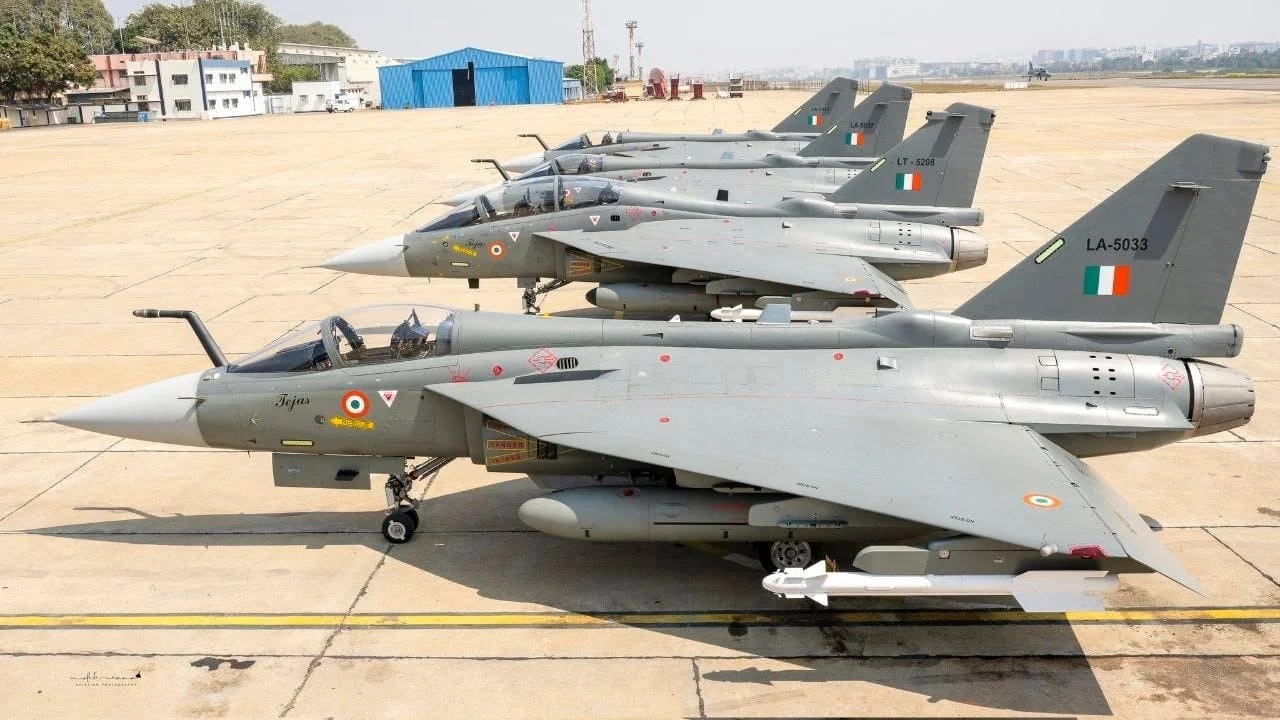
India
The Indian Air Force (IAF) is making a significant upgrade to its Tejas Mk1A Light Combat Aircraft (LCA) by integrating the Advanced Short Range Air-to-Air Missile (ASRAAM), a cutting-edge European missile. This move marks a shift from the older Russian-made R-73 missile, enhancing the Tejas Mk1A’s capability in within-visual-range (WVR) air combat. The R-73, also known as the AA-11 Archer in NATO terminology, has been a reliable short-range missile in the IAF’s arsenal for years. However, with evolving aerial threats and advancements in missile technology, the IAF has opted for a more modern solution. The ASRAAM, developed by European defence giant MBDA, brings superior range, advanced infrared seeker technology, and exceptional maneuverability—key factors that make it a game-changer in dogfights. One of the most significant advantages of the ASRAAM is its extended range of up to 50 kilometers, far surpassing the R-73’s 30-kilometer range. Additionally, its high off-boresight targeting capability allows pilots to engage enemy aircraft from extreme angles using helmet-mounted displays, a crucial advantage in high-intensity aerial combat. Moreover, the missile's advanced seeker technology enhances resistance to enemy countermeasures, making it more effective in complex battlefield scenarios. The transition from the R-73 to ASRAAM is being implemented gradually, with the IAF integrating the missile into its Tejas Mk1A fleet over time. A crucial aspect of this upgrade is the plan for ASRAAM's production in India. MBDA has expressed its commitment to working with Indian defence firms for local manufacturing, aligning with India’s broader goal of self-reliance in defence production. This approach will not only ensure a steady supply for the IAF but also facilitate technology transfer and create job opportunities in the domestic defence sector. Additionally, Tejas Mk1A is also armed with Israel’s Python-5 missile, another highly advanced close-combat missile (CCM). The Python-5 has already been operationally cleared by the IAF and, when used alongside the ASRAAM, provides pilots with a versatile and formidable WVR engagement capability. With the ASRAAM and Python-5 complementing the Tejas Mk1A’s combat arsenal, the aircraft is now significantly better equipped to handle modern aerial threats. This development reflects the IAF’s continuous efforts to modernize its fighter fleet, ensuring it remains a formidable force in the region.
Read More → Posted on 2025-03-15 14:27:43
India
The Defence Research and Development Organisation (DRDO) is taking a significant leap in missile guidance technology with the development of a High-Resolution Dual-Channel Electro-Optic (EO) Imaging Seeker. This cutting-edge system integrates Electro-Optical (EO) and Imaging Infrared (IIR) technologies to enhance target acquisition and tracking accuracy across various combat scenarios. This initiative aligns with DRDO’s ongoing efforts to equip next-generation missiles and unmanned aerial vehicles (UAVs) with state-of-the-art targeting systems. A crucial aspect of this project involves the Aeronautical Development Establishment (ADE), which is actively seeking industry partners to develop experimental UAVs outfitted with dual-band seekers capable of operating in both EO and IIR spectrums. The seeker boasts impressive specifications, including a target acquisition range of 10–15 km, circular error probable (CEP) under 9 meters, and rapid target locking within 15 seconds. Additionally, its ability to perform pop-up maneuvers and terminal homing within 50 seconds makes it ideal for precision strikes in dynamic environments. DRDO has already demonstrated its expertise in IIR seekers through successful deployments in missiles like Nag, HELINA, and MPATGM, as well as strategic defense projects such as the Exo-Atmospheric Interceptor PDV and ASAT (Mission Shakti). The new dual-channel seeker builds on this foundation by integrating EO sensors for clear daytime imaging and IIR capabilities for effective operation in low-visibility or nighttime conditions. This fusion significantly enhances adaptability on the battlefield, complementing DRDO’s advancements in laser-based targeting systems and precision-guided munitions. With a modular design weighing under 15 kg and a long-term storage capability of up to 10 years, the seeker ensures operational readiness with minimal maintenance. DRDO’s collaboration with private industry players is expected to accelerate innovation in optics, servo mechanisms, and imaging technologies, reinforcing India’s push for self-reliance in advanced missile guidance systems. This development marks a crucial step in India’s defense evolution, combining legacy expertise with next-generation sensor fusion to create smarter and more effective weaponry.
Read More → Posted on 2025-03-15 13:51:27Search
Top Trending in 24 Hours
-
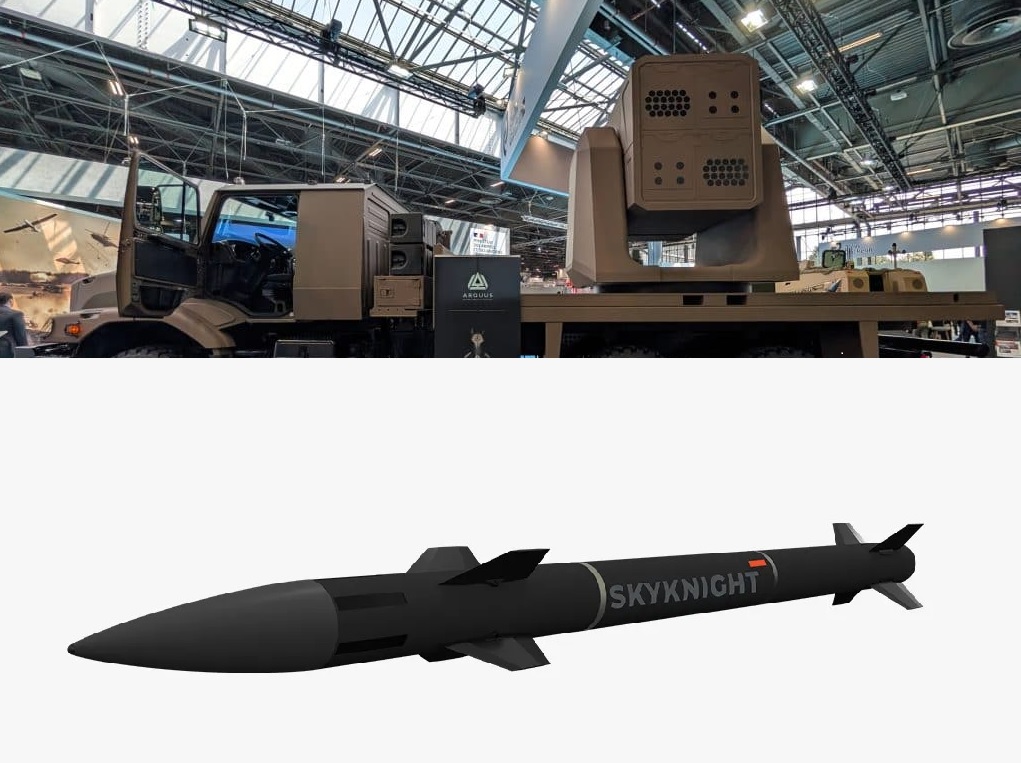 Naval Group Unveils Rampart Modular CIWS Multi-Purpose Weapon System for Naval and Ground Forces at Eurosatory 2026
-
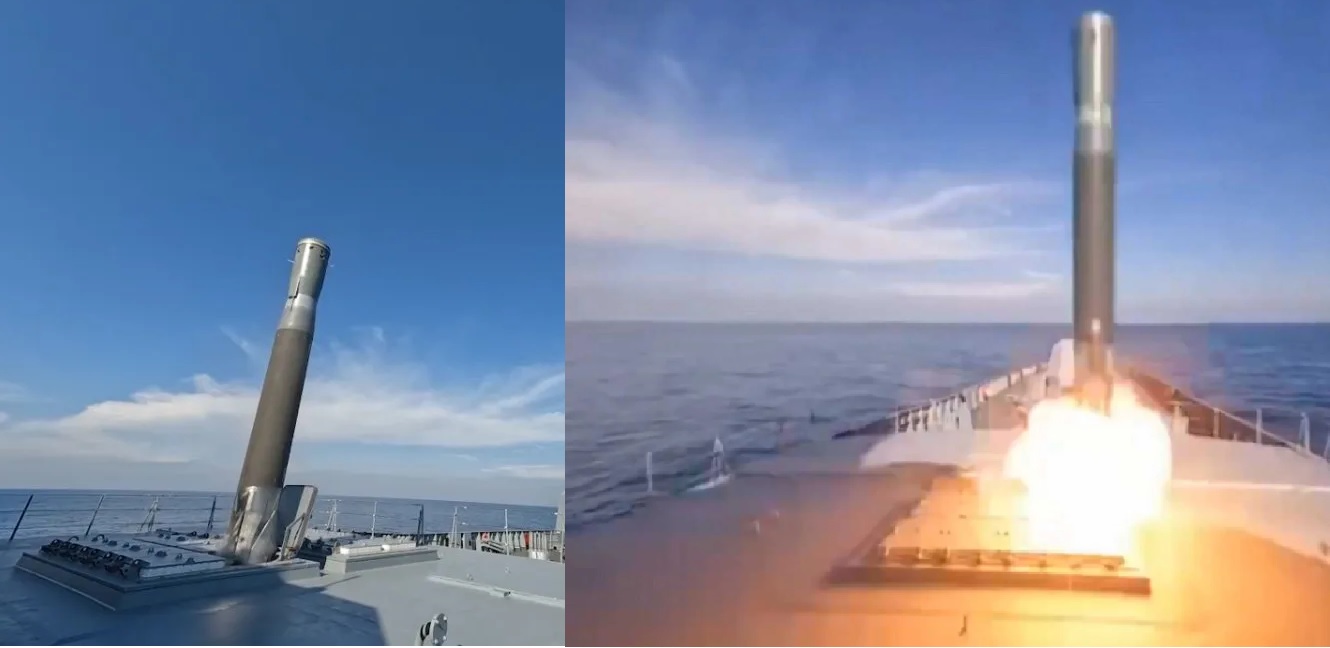 Open-Source Evidence Suggests Russia's Zircon Is a Quasi-Ballistic Missile, Not a True Hypersonic Cruise Weapon
-
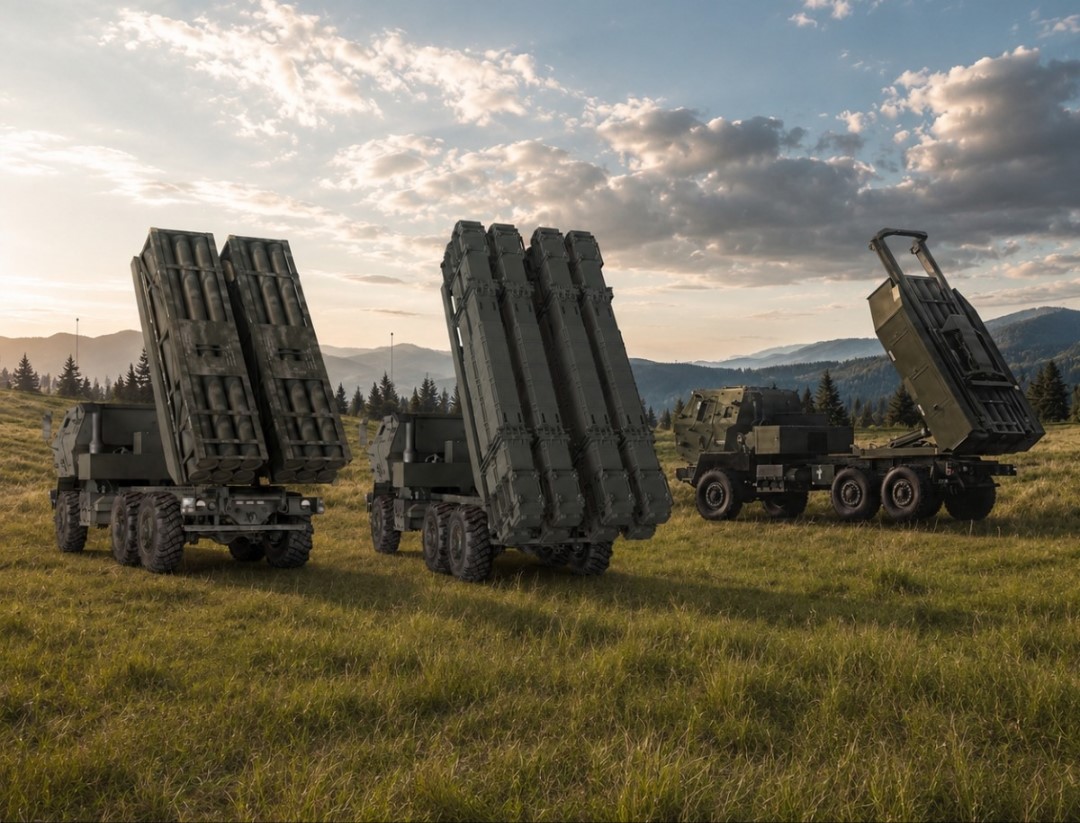 Lockheed Martin Unveils HIMARS FLEX with Dual-Pod Launcher and NATO-Compatible Air Defense Integration
-
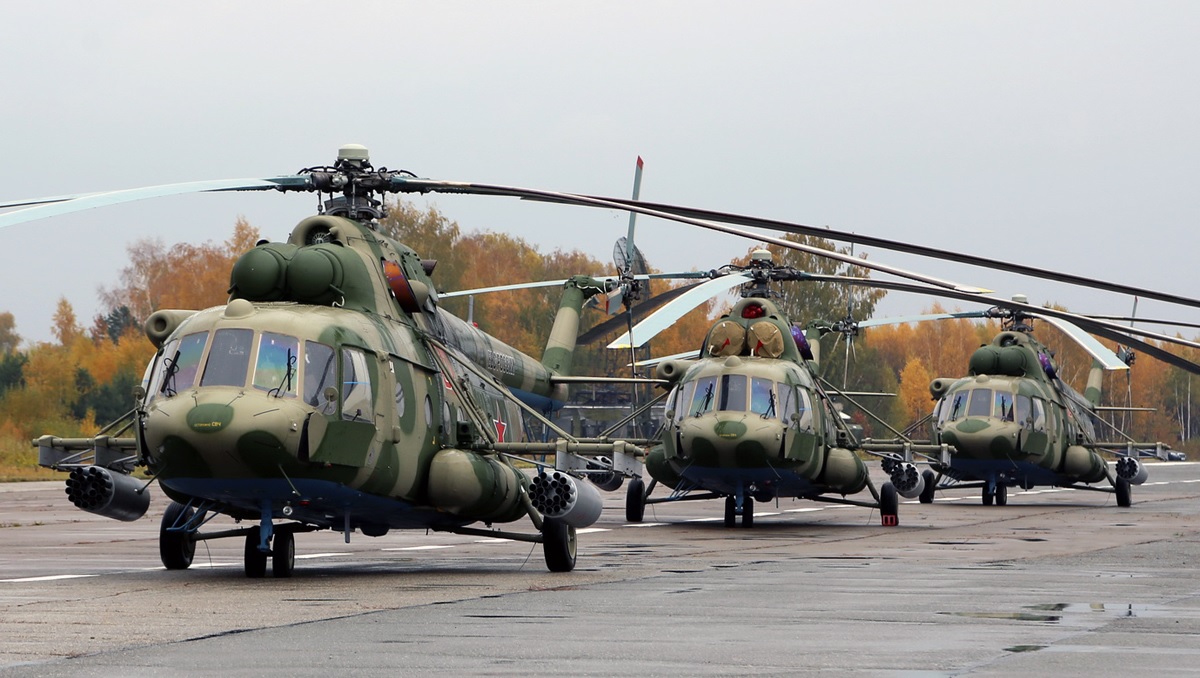 Iran Signs Deal with Russia for 20 Mi-8 and Mi-17 Helicopters to Boost Rescue and Medical Missions
-
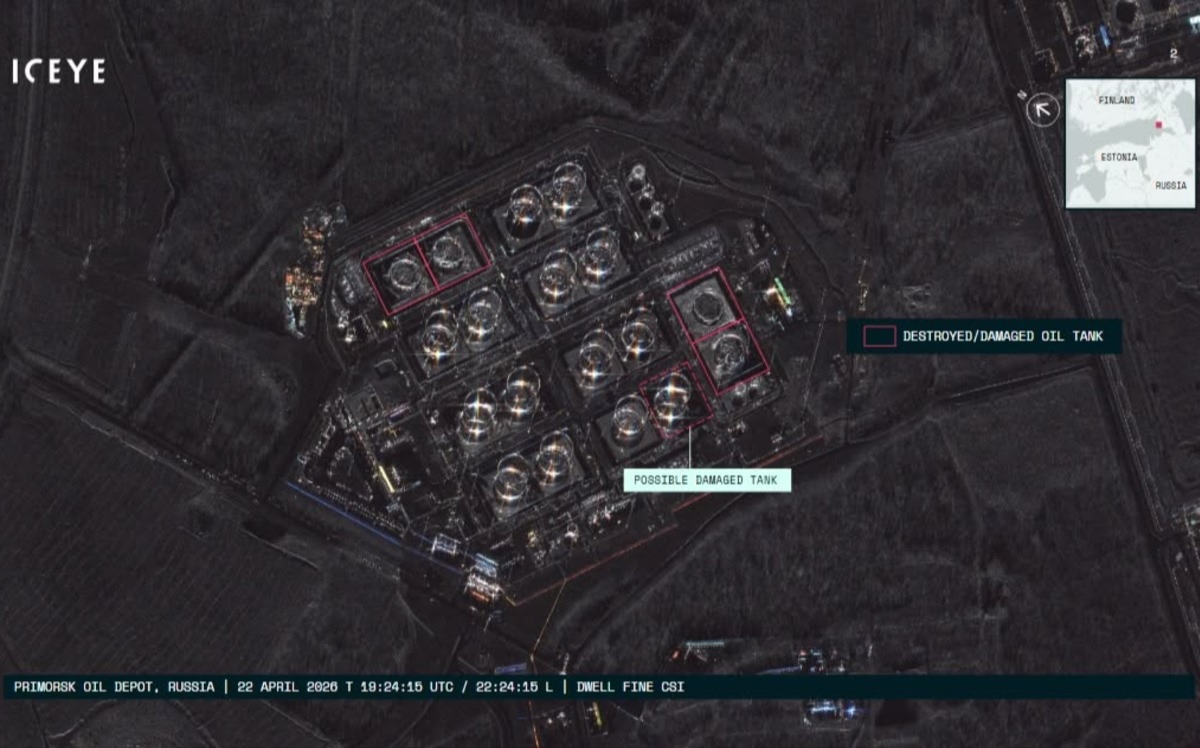 Portugal Doubles Sovereign SAR Satellite Fleet with Order for Two Additional ICEYE Satellites
-
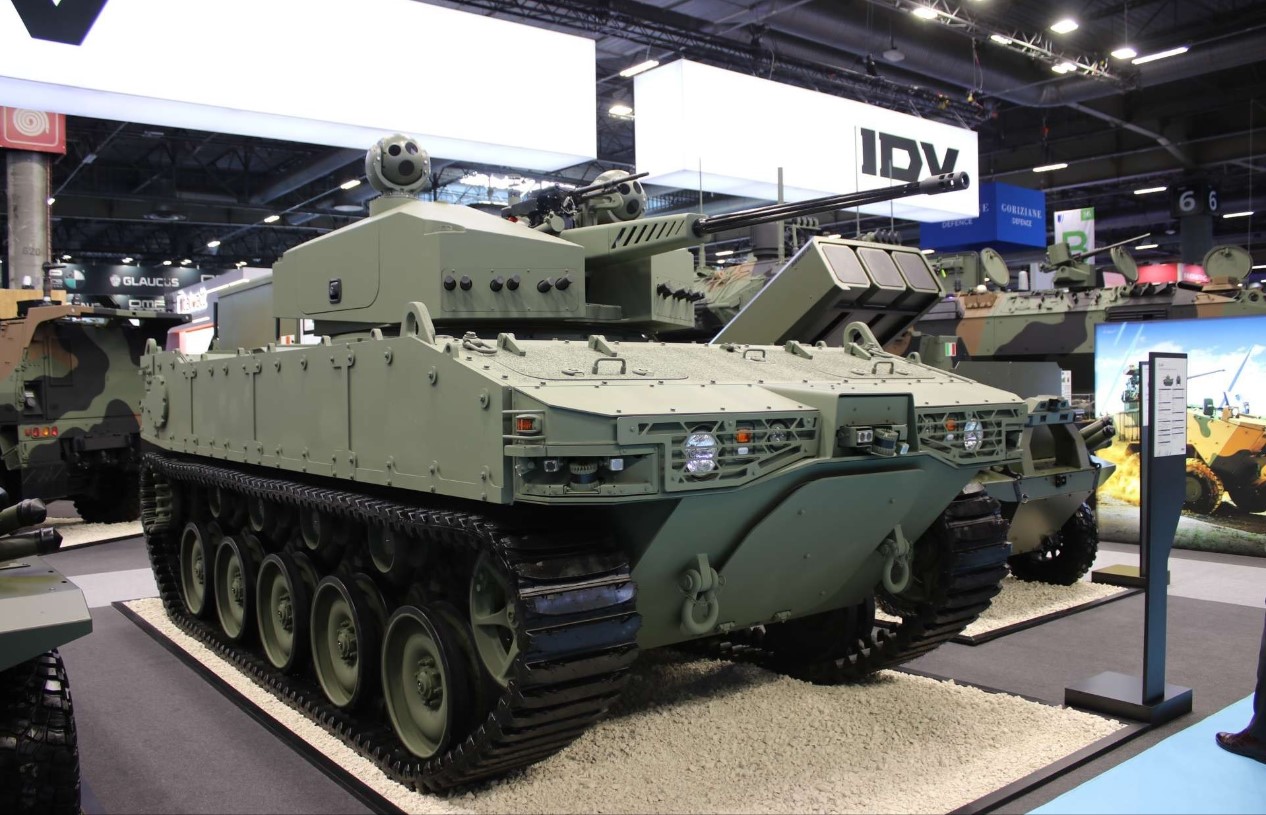 IDV Unveils CL2X Hybrid Uncrewed Light Tank at Eurosatory 2026
-
 Why the U.S. Restored Pacific Command Name, Ending the Indo-Pacific Designation After Eight Years
-
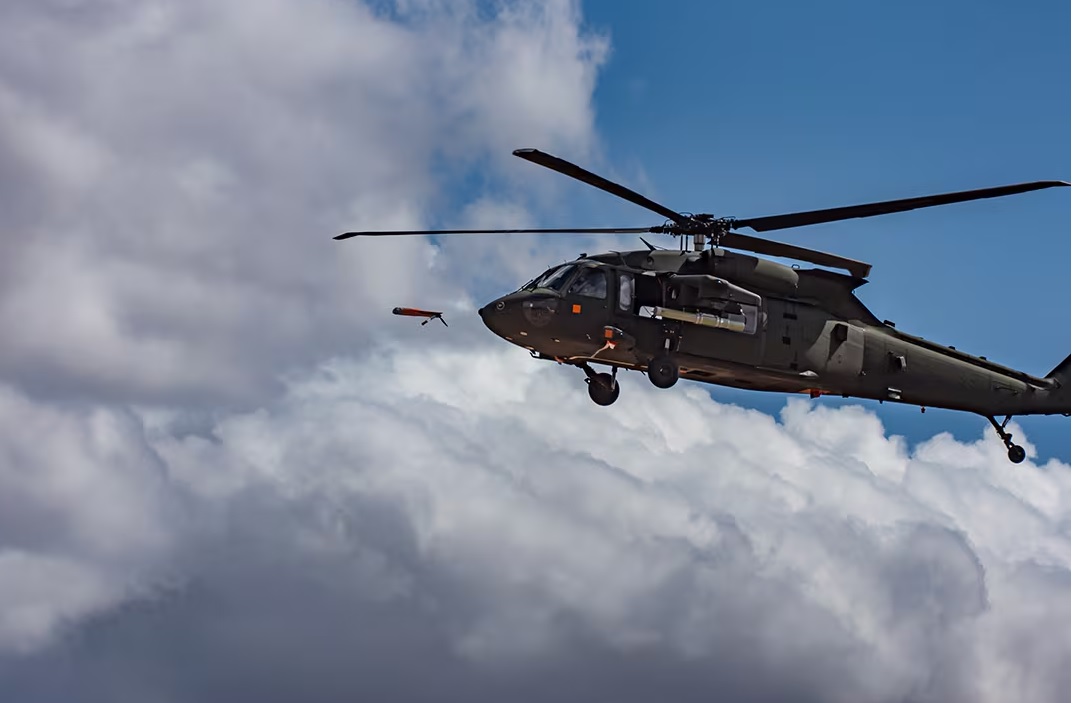 U.S. Army Completes First Flight Test of Medium-Range Air-Launched Effects from Black Hawk Helicopter
Top Trending in 4 Days
-
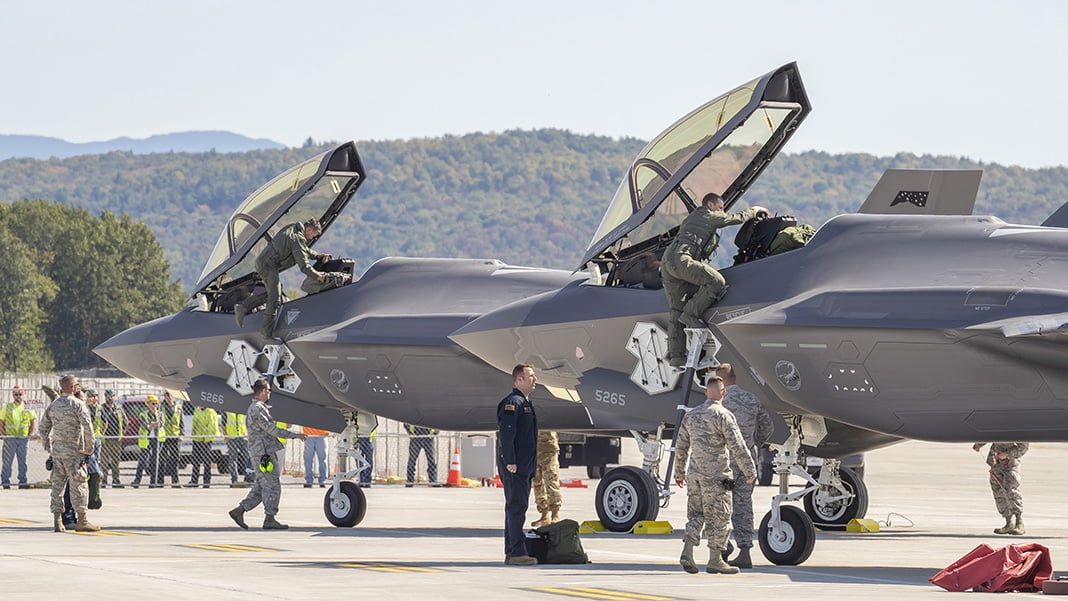 F-35 Fleet Readiness Falls to 25% Amid Parts Shortages and Software Delays: GAO Report
-
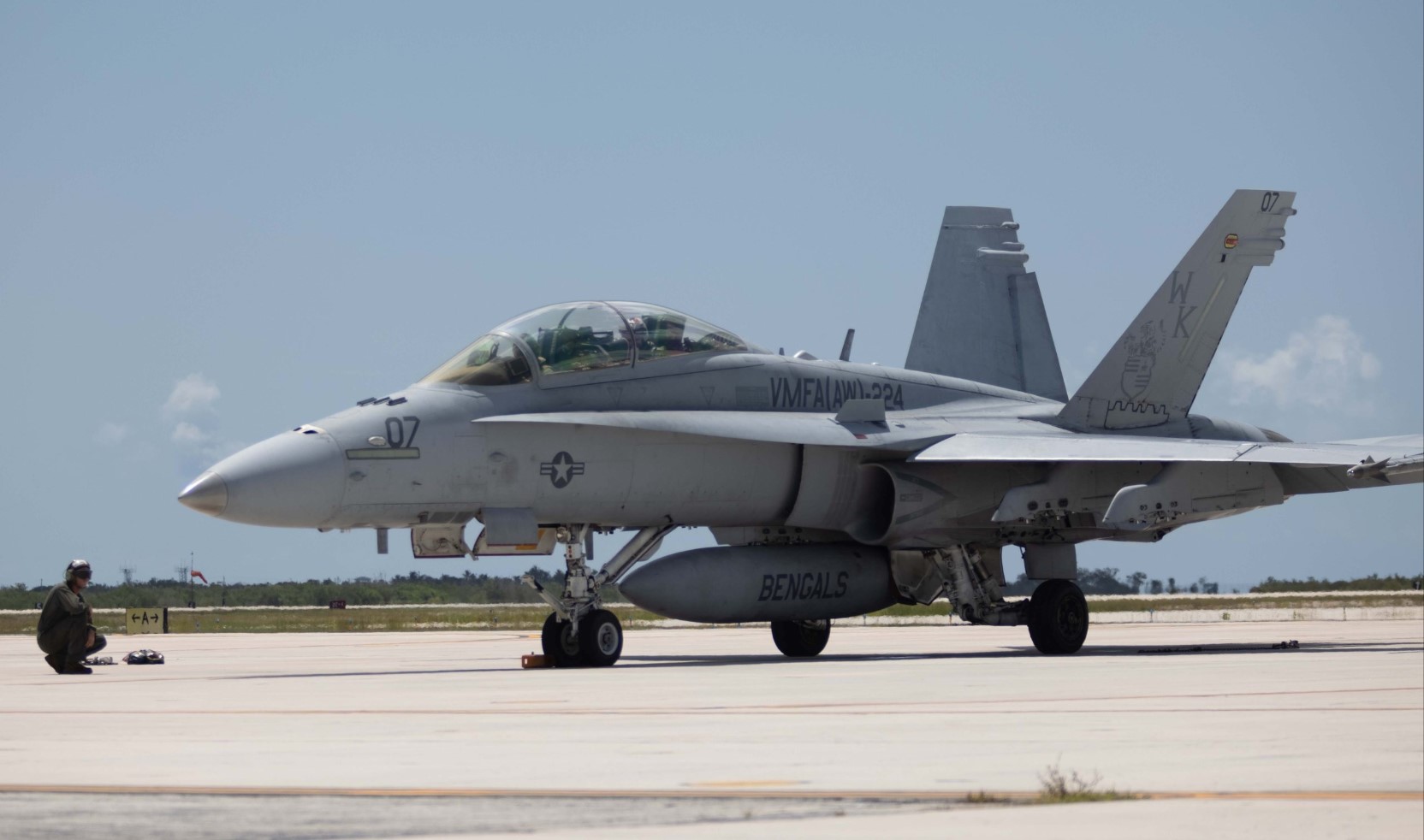 US Marine Corps F/A-18D Hornet Crashes During Training Flight in Washington Mountains; Pilot Ejects Safely
-
 Tulsi Gabbard Releases Declassified Files Detailing U.S.-Backed Network of 120 Biolaboratories Across 30+ Countries
-
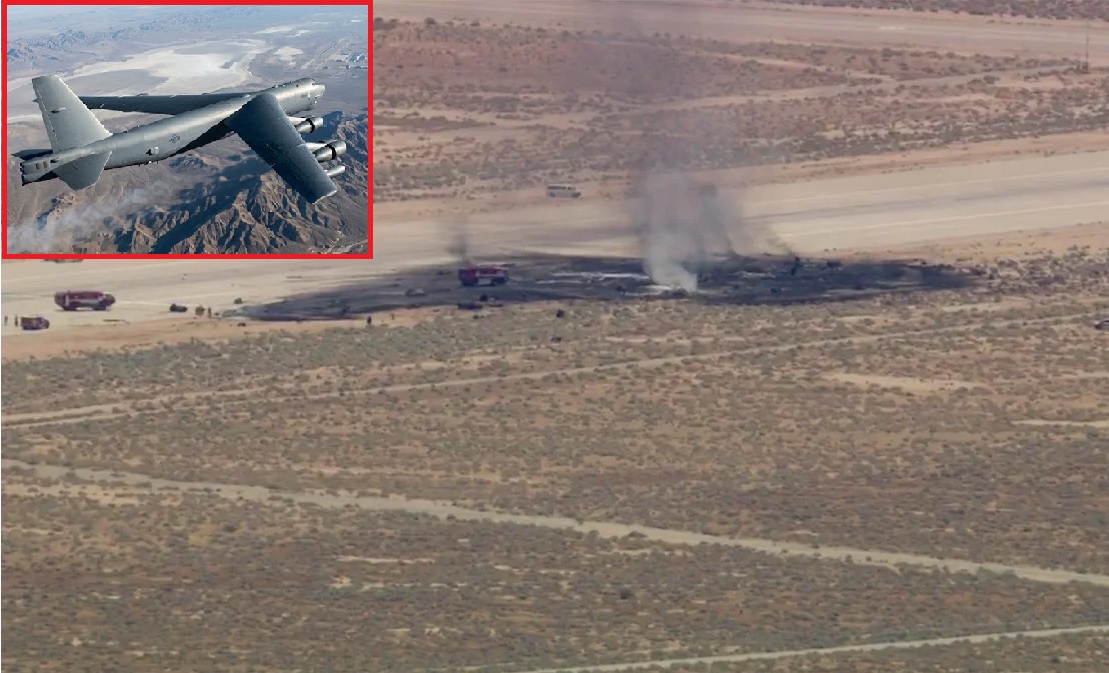 8 U.S. Air Force Crew Members Killed in B-52 Bomber Crash During Test Flight at Edwards Air Force Base
-
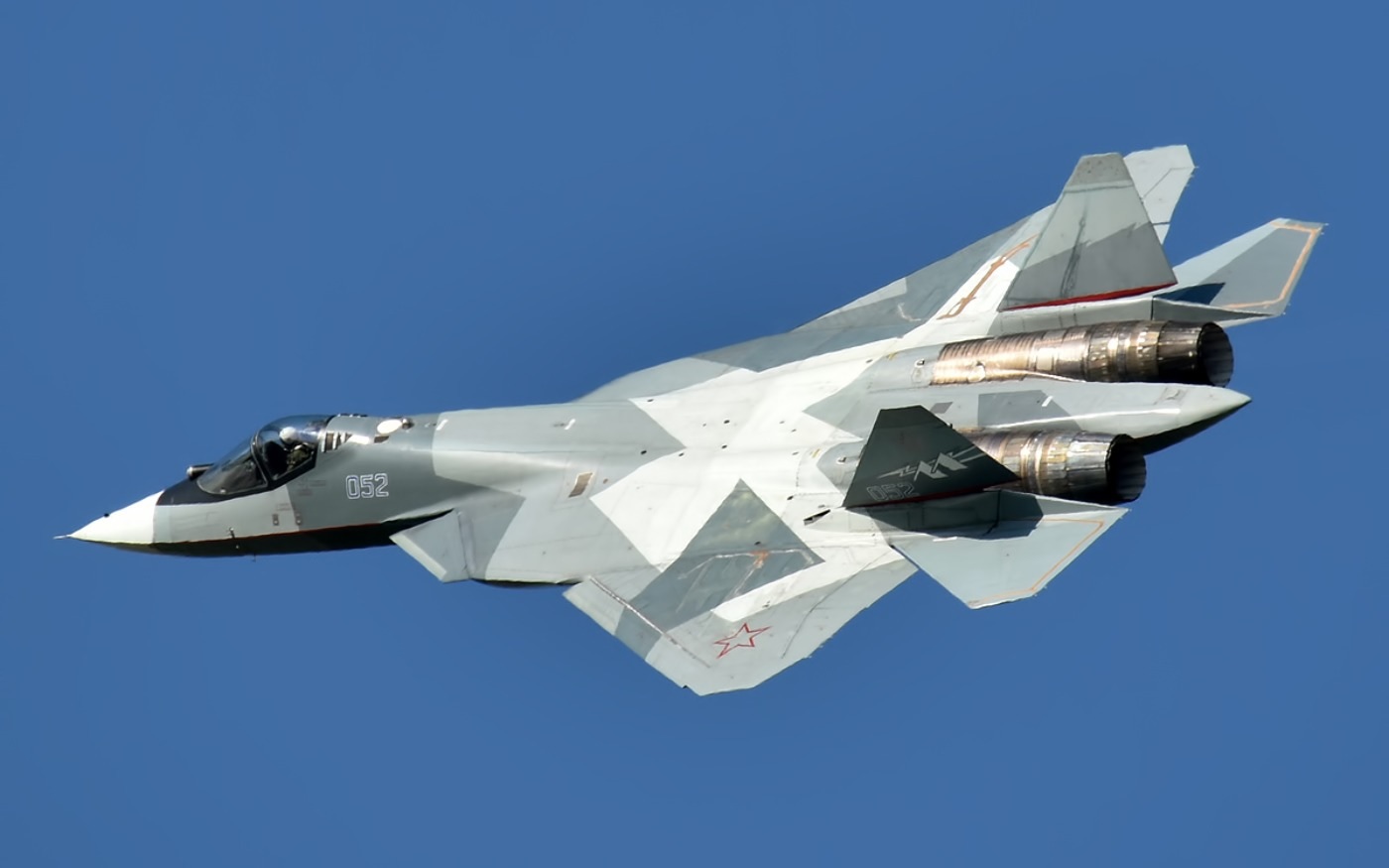 Russian Analysts Debate Su-57 Capabilities After Putin Calls Fighter Superior to F-35
-
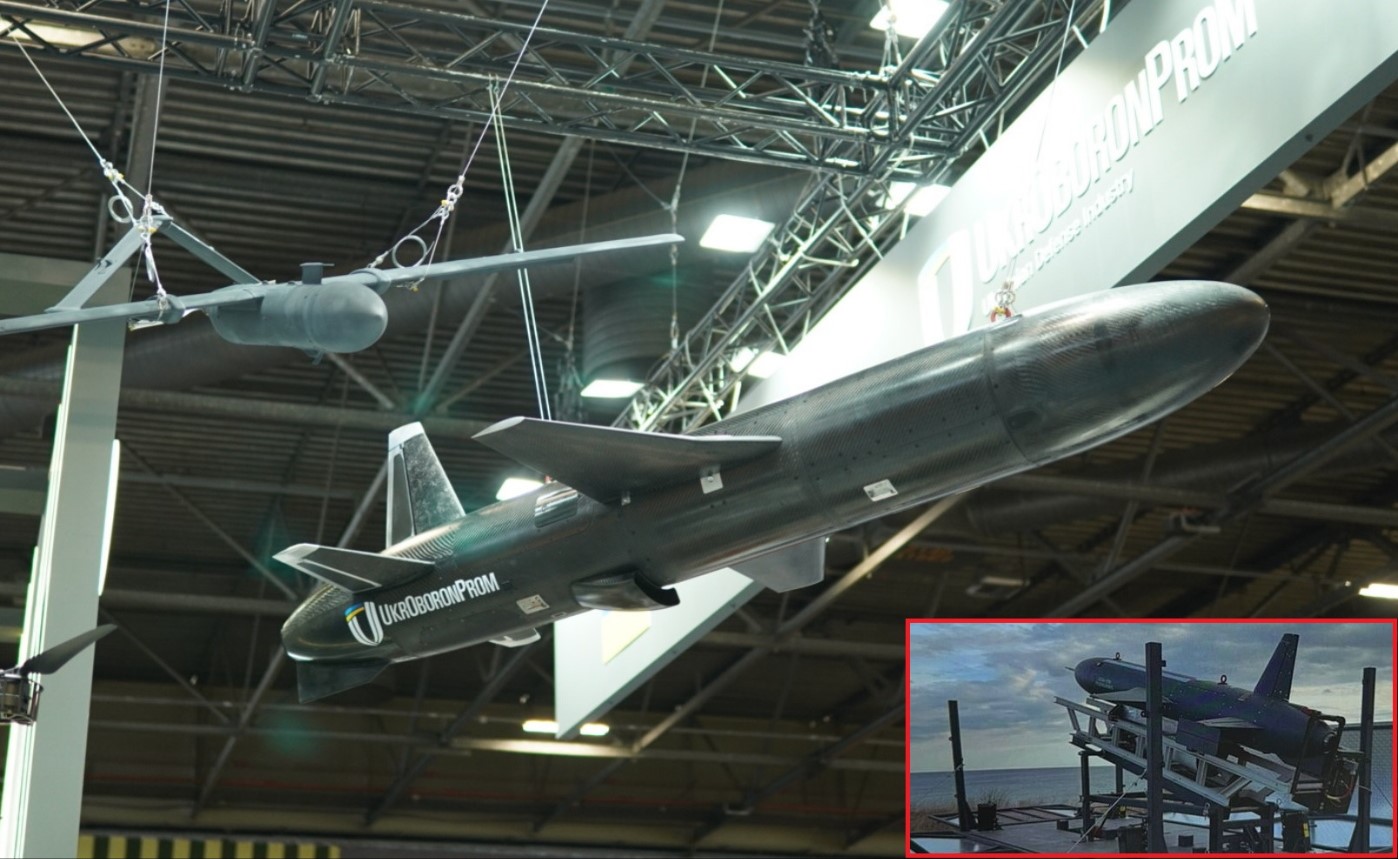 Ukraine Unveils UAV-290 Jet-Powered Strike Drone with 650 km Range at Eurosatory 2026
-
 Ukraine Introduces Balloon-Launched DART Missile Designed to Defeat Electronic Warfare
-
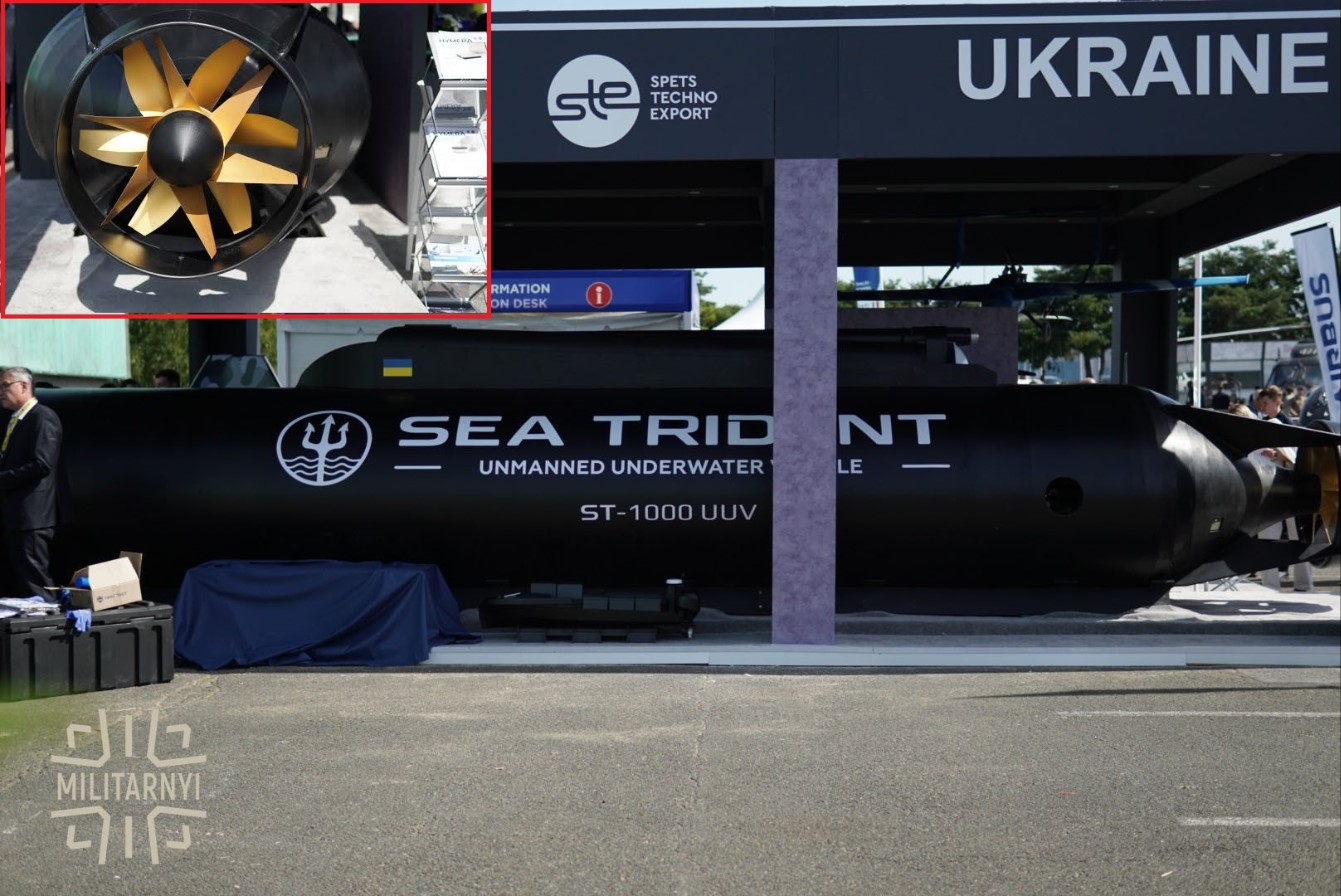 Ukraine Unveils 'Sea Trident' 10-Ton Autonomous Underwater Drone at Eurosatory 2026