Defense News ,India :- Former
Chief of Air Staff RKS Bhadauria, during an interview with Shiv Aroor
of India Today, highlighted India advancements in its fifth-generation
fighter program, emphasizing the importance of pushing forward with the
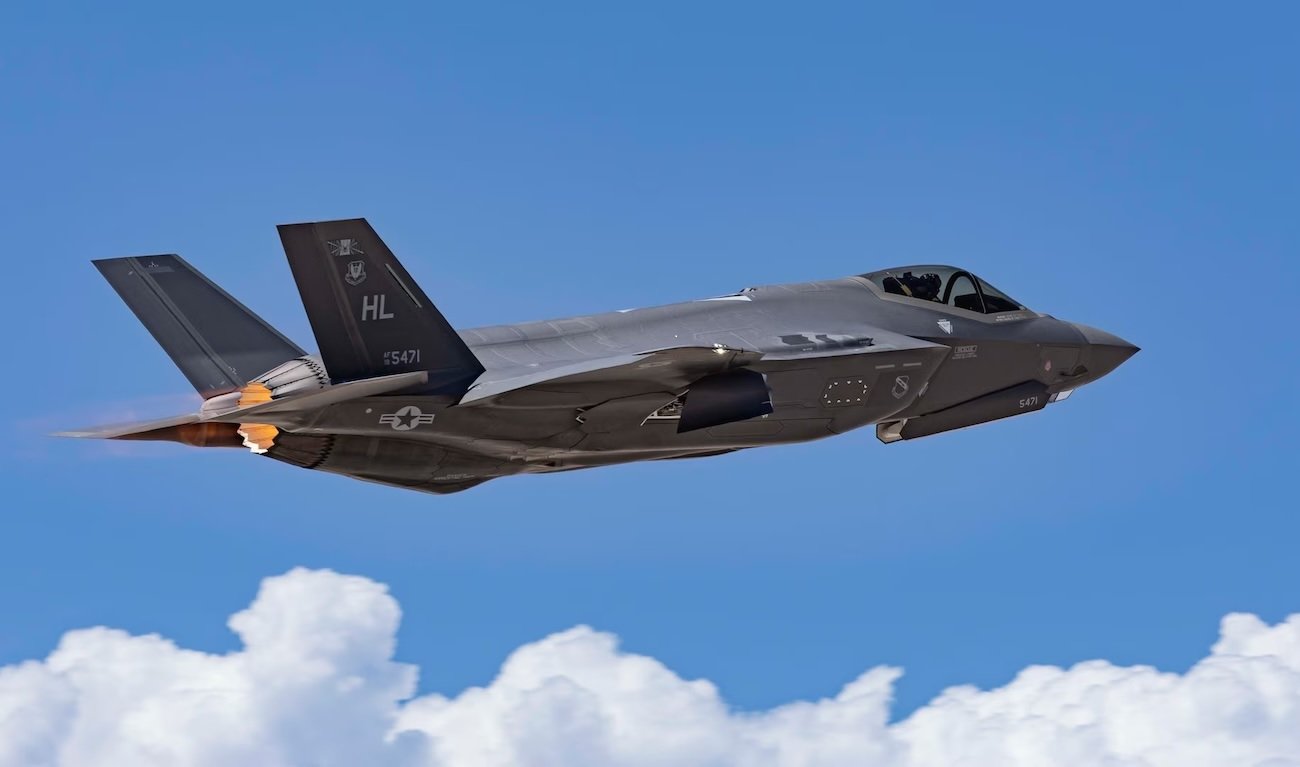
MK-2 and Advanced Medium Combat Aircraft (AMCA). The AMCA stands out as
India sole fifth-generation fighter currently in development, showcasing
major technological strides achieved in the early 21st century.
In
the realm of combat aviation, the pursuit of air and space control
remains paramount in warfare, with military aviation witnessing rapid
technological growth. The significance of agility, speed, and
maneuverability persists, albeit with a shift towards long-range
beyond-visual-range (BVR) combat. Drones and unmanned platforms are
increasingly taking on high-exposure close air support, while long-range
precision strike capabilities gain prominence. Information superiority
and shortened decision loops emerge as critical factors determining
success.
India and France have collaboratively committed to
co-developing a high-thrust jet engine for India fifth-generation AMCA
MK-2, signifying a positive step in the project progression. However,
awaiting clearances from the Cabinet Committee on Security (CCS) for
additional funds poses a challenge. Engine development, a key hurdle for
the upgraded AMCA MK-2, involves the selection of a high-thrust 110 kN
engine to meet supercruise requirements, a feature not currently
available in existing global jet engines.
The Aeronautical
Development Agency (ADA) of the Defence Research and Development
Organisation (DRDO) is spearheading the AMCA development, aiming to
achieve supercruise capabilities that allow a jet to travel faster than
the speed of sound without engaging its afterburner. This enhances fuel
efficiency and extends flying range, placing India in an exclusive
league of nations with fifth-generation fighter jets boasting
supercruise capabilities.
The initial batch of AMCA MK-1 jets
will utilize the GE-F414 engine, manufactured under a co-production
agreement between General Electric and Hindustan Aeronautics Limited
(HAL). For the MK-2 version, India plans to use an engine co-developed
domestically with a foreign partner, marking a significant stride
towards indigenous capabilities.
During Prime Minister Modi visit, India and France announced their commitment to advancing defense
cooperation in aeronautical technologies, particularly the joint
development of a combat aircraft engine. Safran, a French aerospace
company, is set to play a crucial role in this collaboration, working
with DRDO to prepare a roadmap for the co-development of the jet engine.
Jean-Paul
Alary, CEO of Safran Aircraft Engines, expressed the company strategic
commitment to building enduring relationships with India aviation
industry, emphasizing the importance of enhancing India sovereign
capabilities in aero engine design and manufacturing.
In 2022,
India cabinet committee on security approved ₹10,000 crore rupees in
funding for the MK-2 fighter jet. The Indian Air Force has plans to
order 200 MK-2 jets, although the TEJAS MK-2 is not expected to take to
the air before 2027.
——— End of Article ———